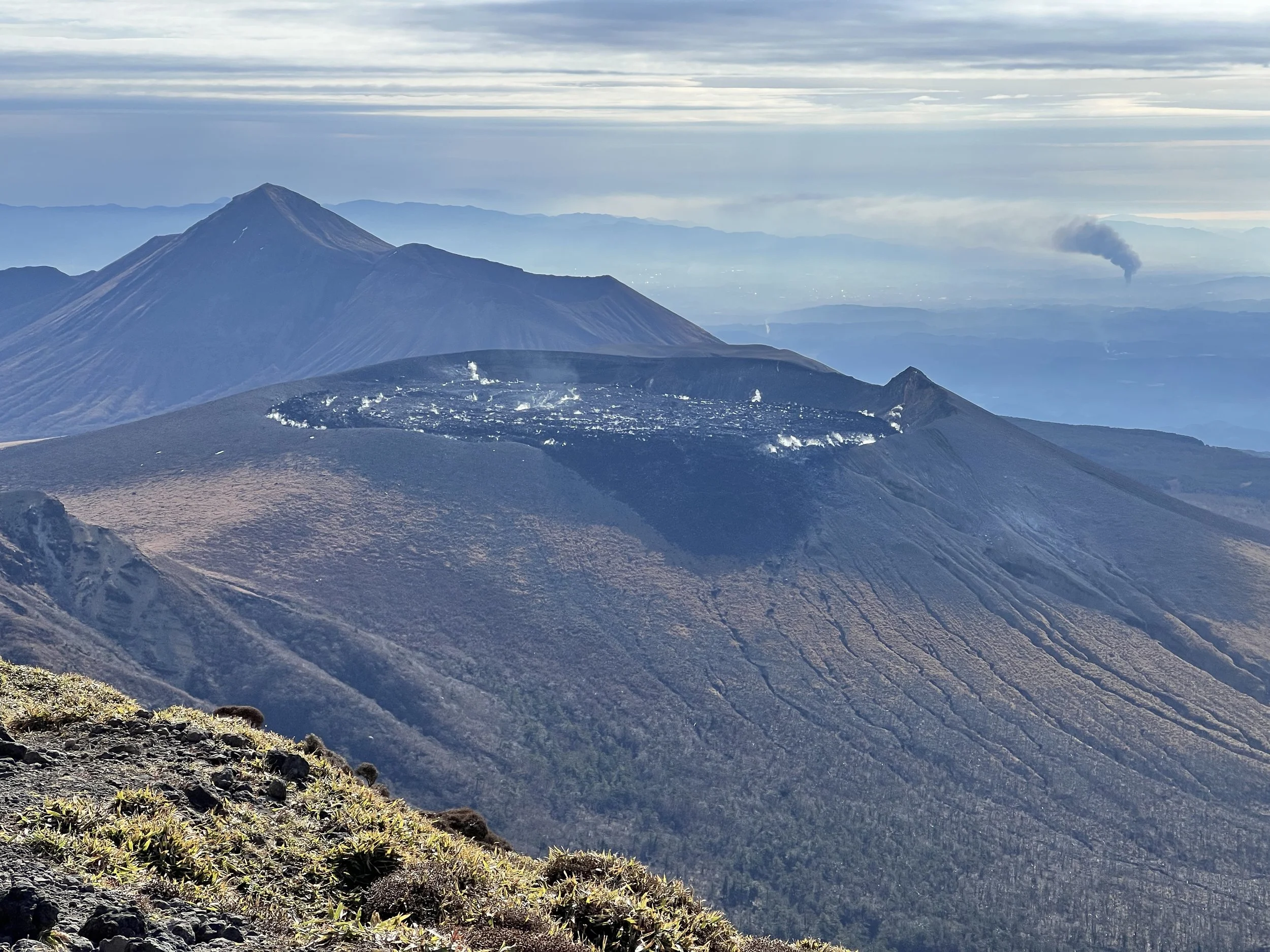
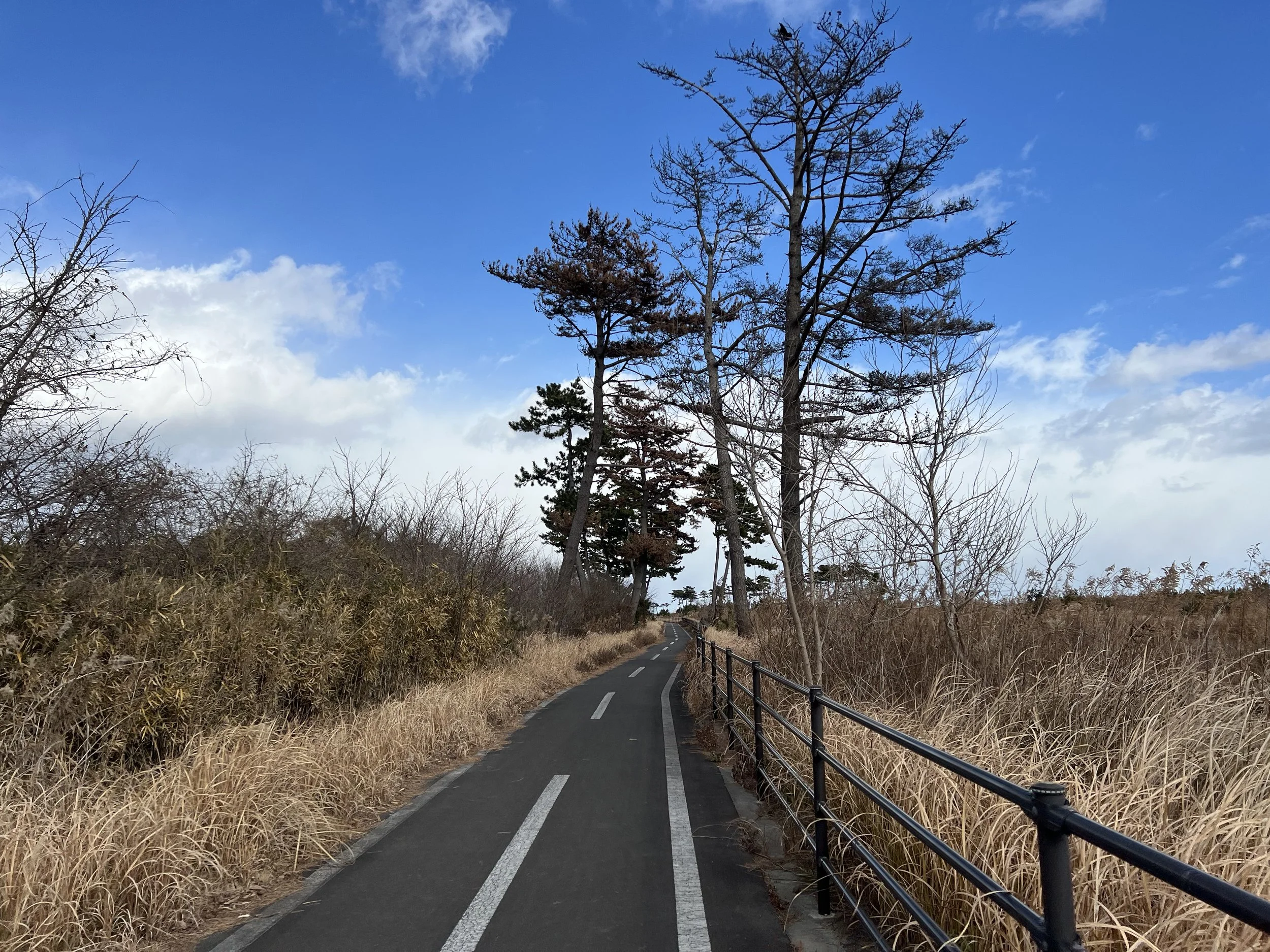
Michinoku Coastal Trail - Mitazono Station to Rikuzen-Takasago Station - Miyagi, Japan
What began as a quick visit to the Michinoku Coastal Trail Center turned into a reflective winter walk through Natori’s quiet farmlands and coastline. This stretch of the trail, shaped by the 2011 tsunami, offers a humbling glimpse into nature’s recovery and the strength of the communities that rebuilt along its path.
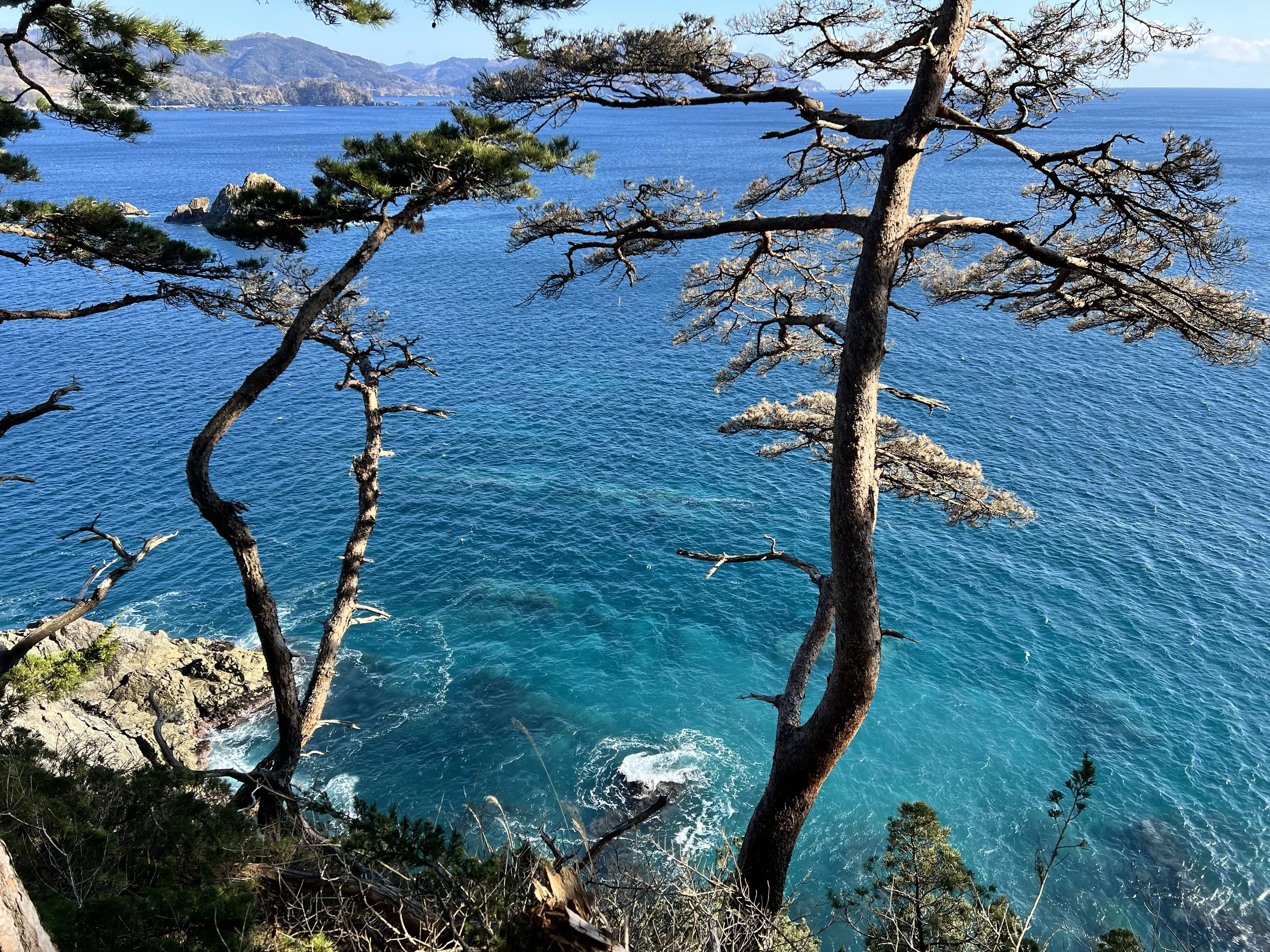
Michinoku Coastal Trail - Hoso-Ura Station to Otomo Station - Iwate, Japan
This stretch of the Michinoku Coastal Trail follows the breathtaking Goishi Coast, where rugged cliffs and black “go” stones meet quiet fishing villages. Beyond its beauty, the trail tells a deeper story of resilience—walking here is both a scenic journey and a reminder of nature and community healing after the 2011 tsunami.
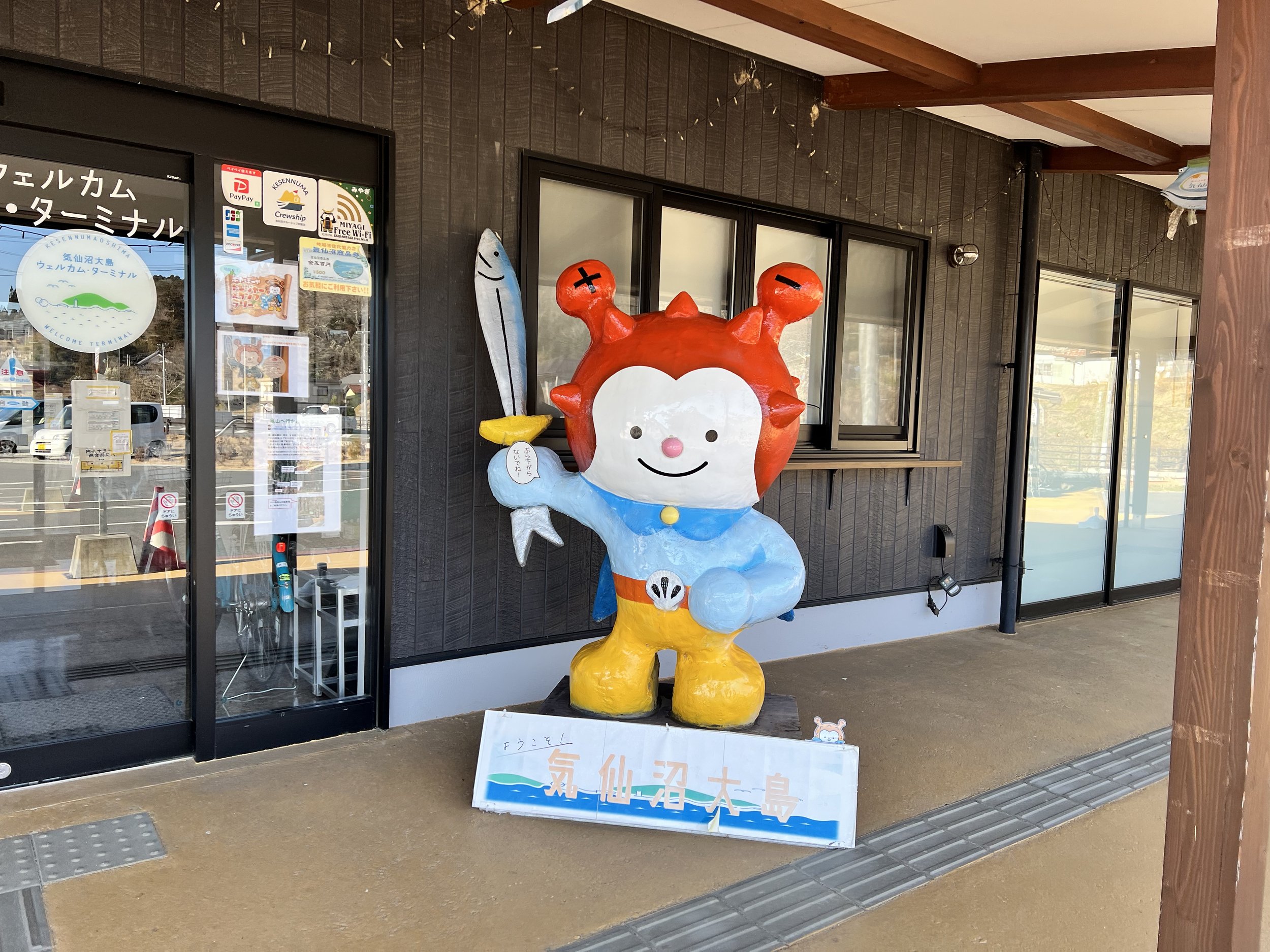
Michinoku Coastal Trail - Kesennuma Station to Oshima Island - Miyagi, Japan
To kick off the new year, I hiked from Kesennuma to Oshima Island along the Michinoku Coastal Trail. The walk followed quiet coastal roads and crossed the impressive Kesennuma–Oshima Ohashi Bridge—a powerful symbol of the region’s recovery after the 2011 tsunami. Despite strong winds and a limited New Year’s schedule, it was a memorable start to the year surrounded by sea views and quiet resilience.
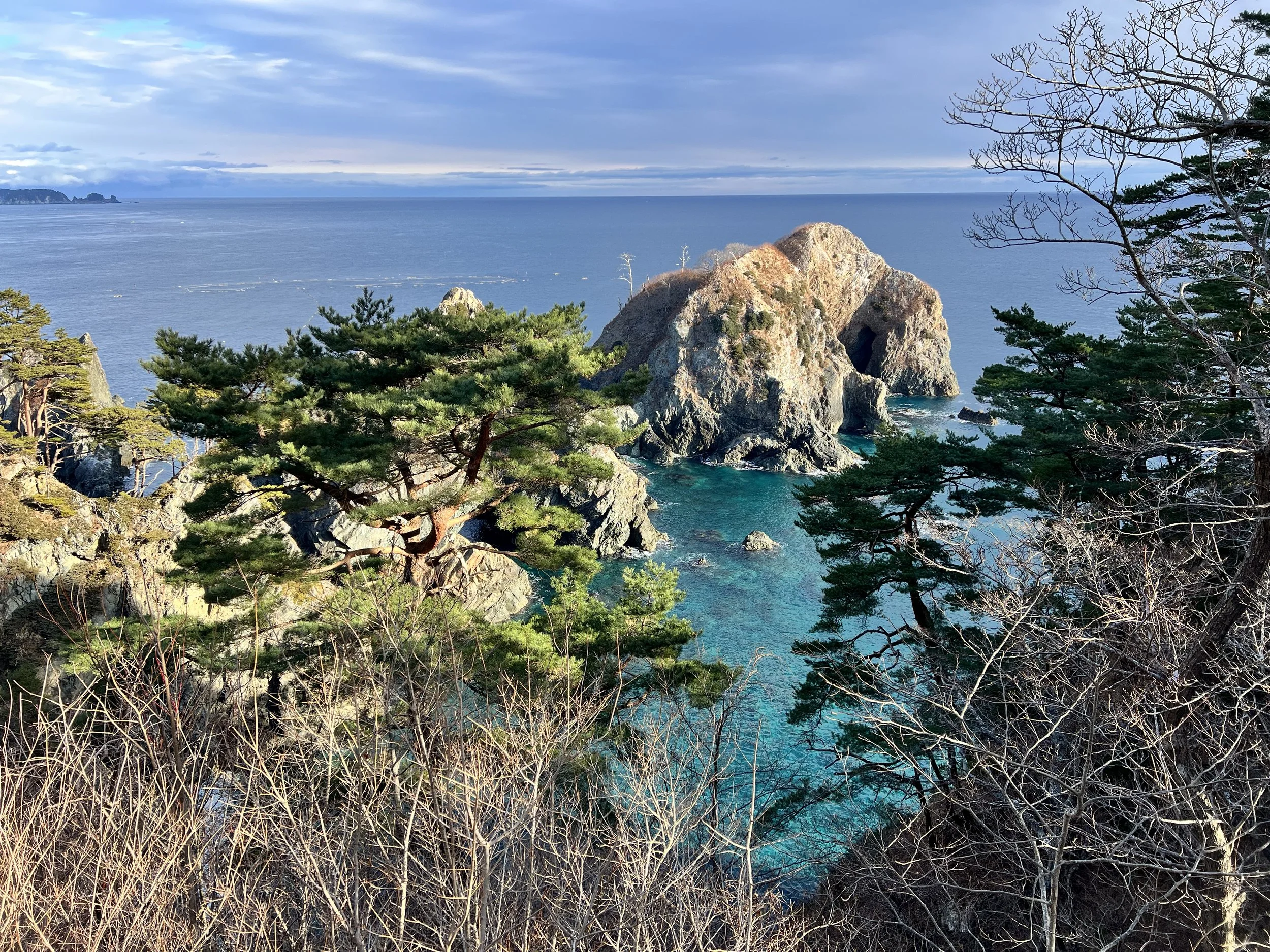
Michinoku Coastal Trail - Ichinowatari Station to Jodogahama Beach - Iwate, Japan
A peaceful coastal trek from Ichinowatari to Jodogahama Beach, blending ocean views, quiet forests, and glimpses of recovery along Iwate’s Sanriku coast. This section of the Michinoku Coastal Trail captures the region’s enduring beauty and spirit.
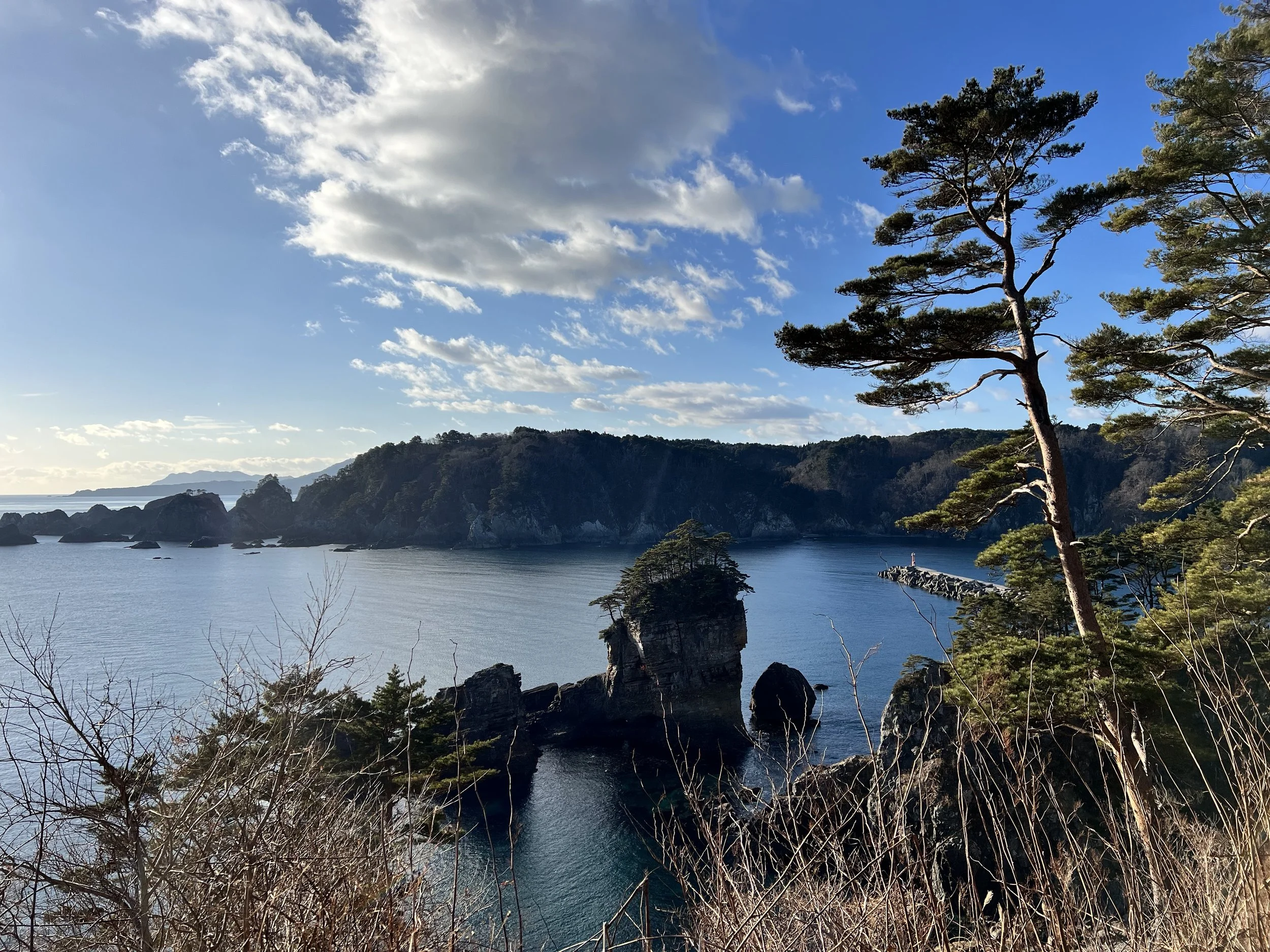
Michinoku Coastal Trail - Shintaro Station to Ichinowatari Station - Iwate, Japan
A challenging but memorable day along the Michinoku Coastal Trail, from Shintaro to Ichinowatari. I passed tsunami memorials, coastal cliffs, and a few unexpected detours—including a sketchy scramble up a leaf-covered slope. A true test of patience and persistence on Japan’s northern coast.
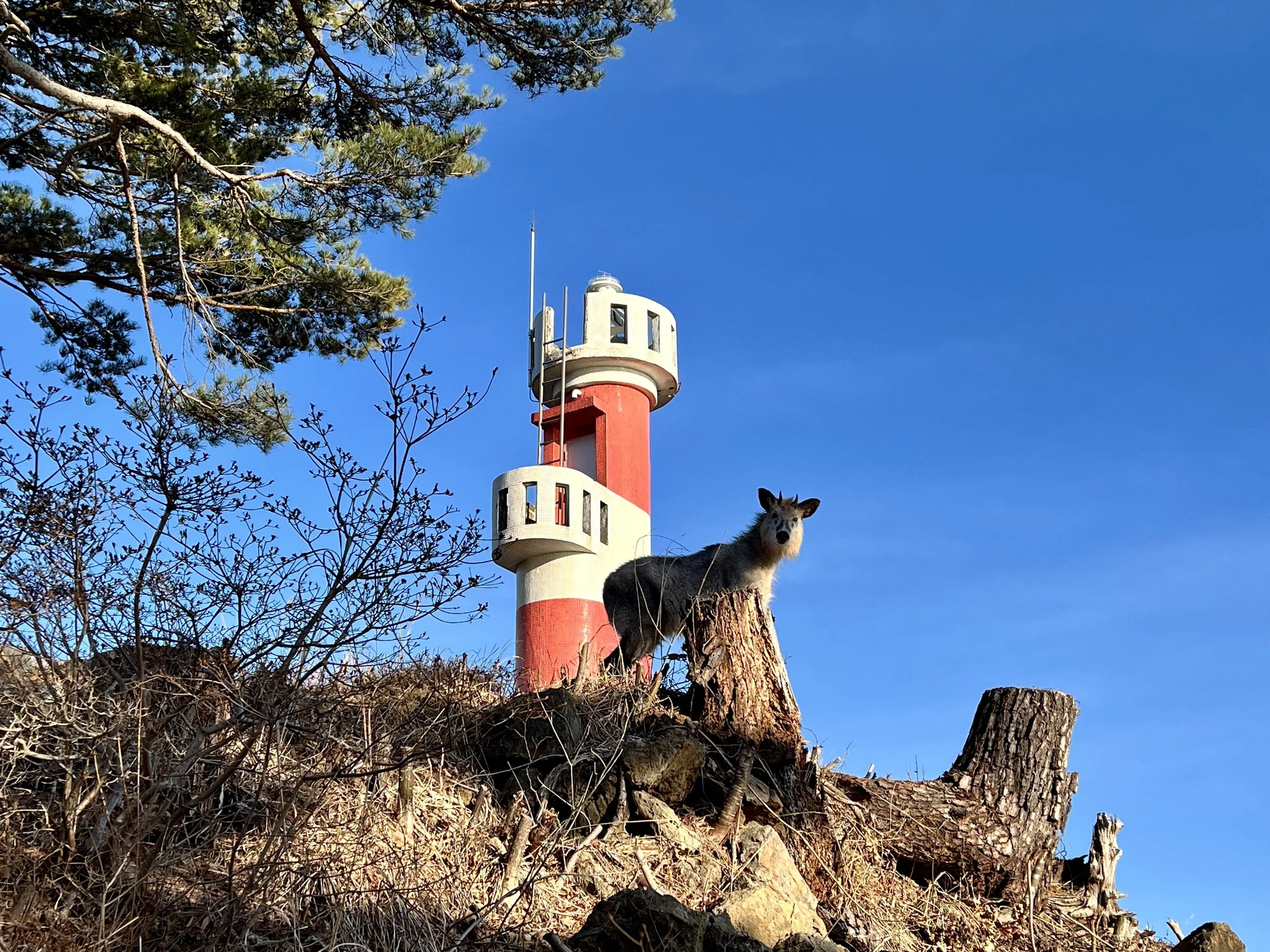
Michinoku Coastal Trail - Kurosakiso to Tanohata Station – Iwate, Japan
Starting from Kurosakiso, this section of the Michinoku Coastal Trail winds along dramatic cliffs and turquoise waters, passing Kitayamazaki and Benten Cape. Between hand-dug caves, cliffside ladders, and encounters with local wildlife, it’s a challenging yet unforgettable part of the trail that captures the raw beauty of Japan’s Sanriku coast.
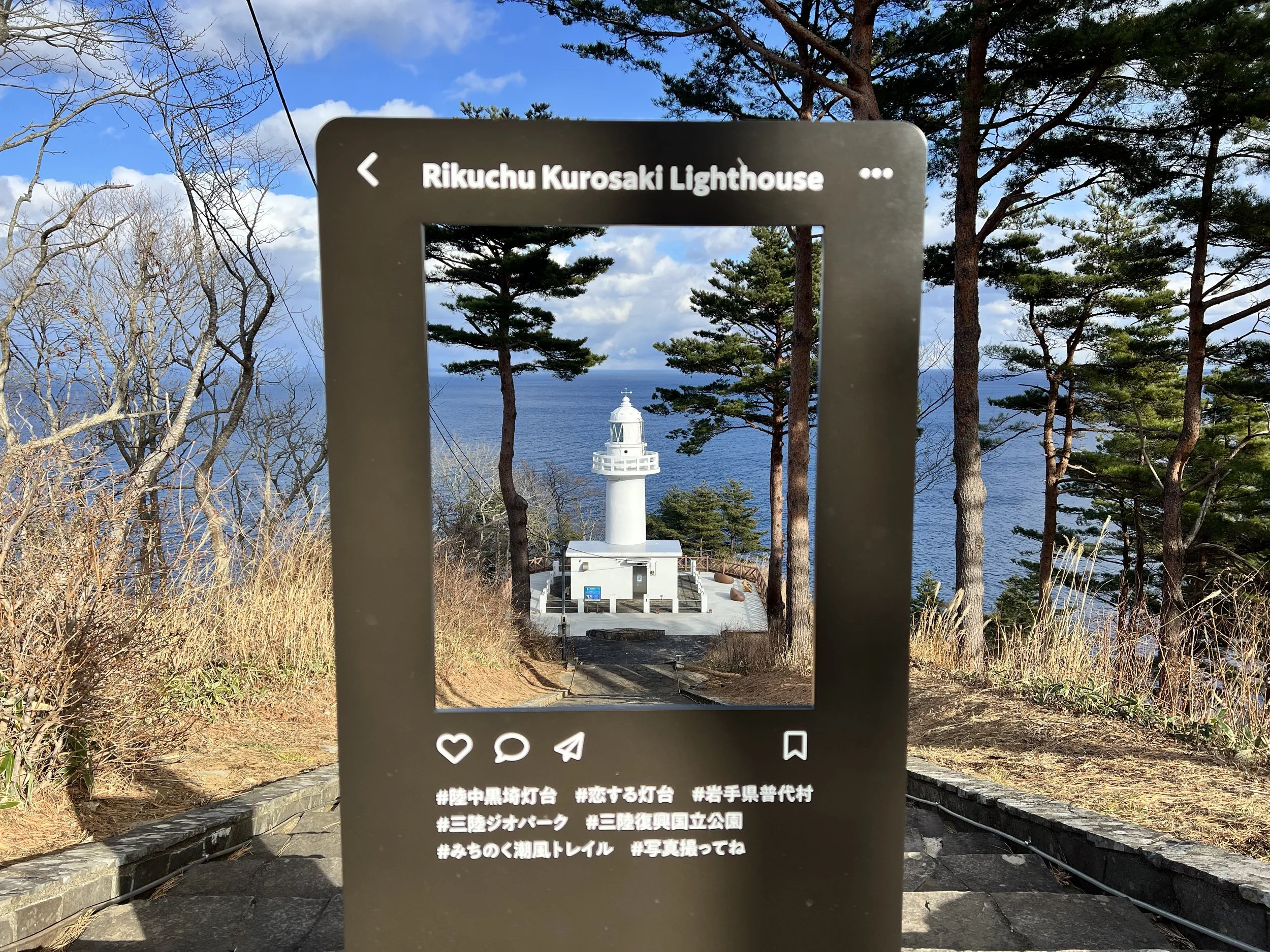
Michinoku Coastal Trail - Horinai Station to Kurosakiso - Iwate, Japan
From Horinai to Kurosakiso, this section of the Michinoku Coastal Trail blends history, resilience, and rugged beauty. Passing tsunami-scarred fishing villages, the Fudai Watergate, and Kurosaki Lighthouse, it’s a hike that reveals both the power of nature and the strength of the Sanriku coast.
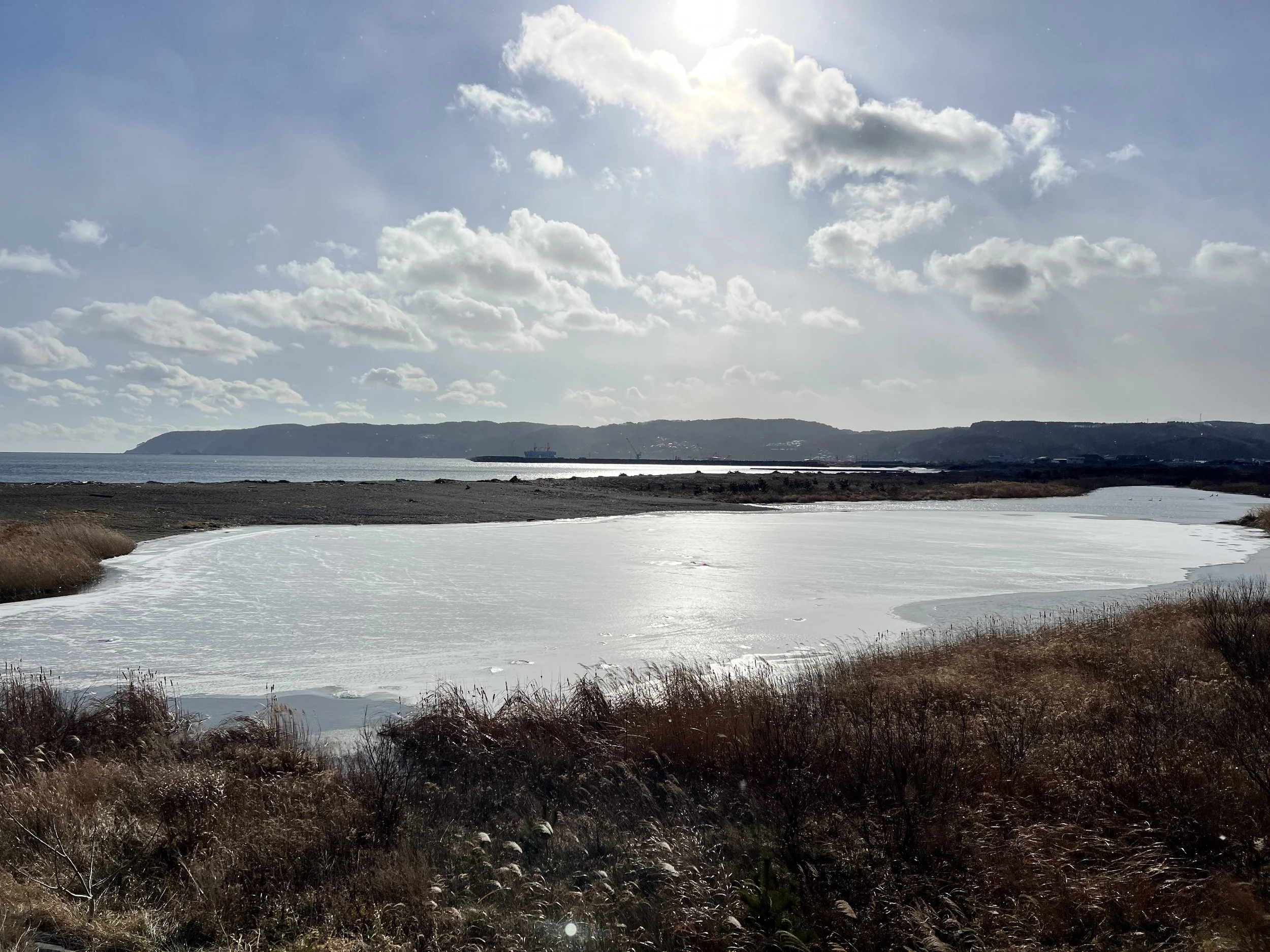
Michinoku Coastal Trail - Kuji Station to Itsukushima Shrine - Iwate, Japan
Battling –15°C temperatures and blowing snow, I hiked from Kuji toward Itsukushima Shrine before deciding to turn back. This short section of the Michinoku Trail offers a humbling reminder of nature’s power and the importance of knowing your limits.
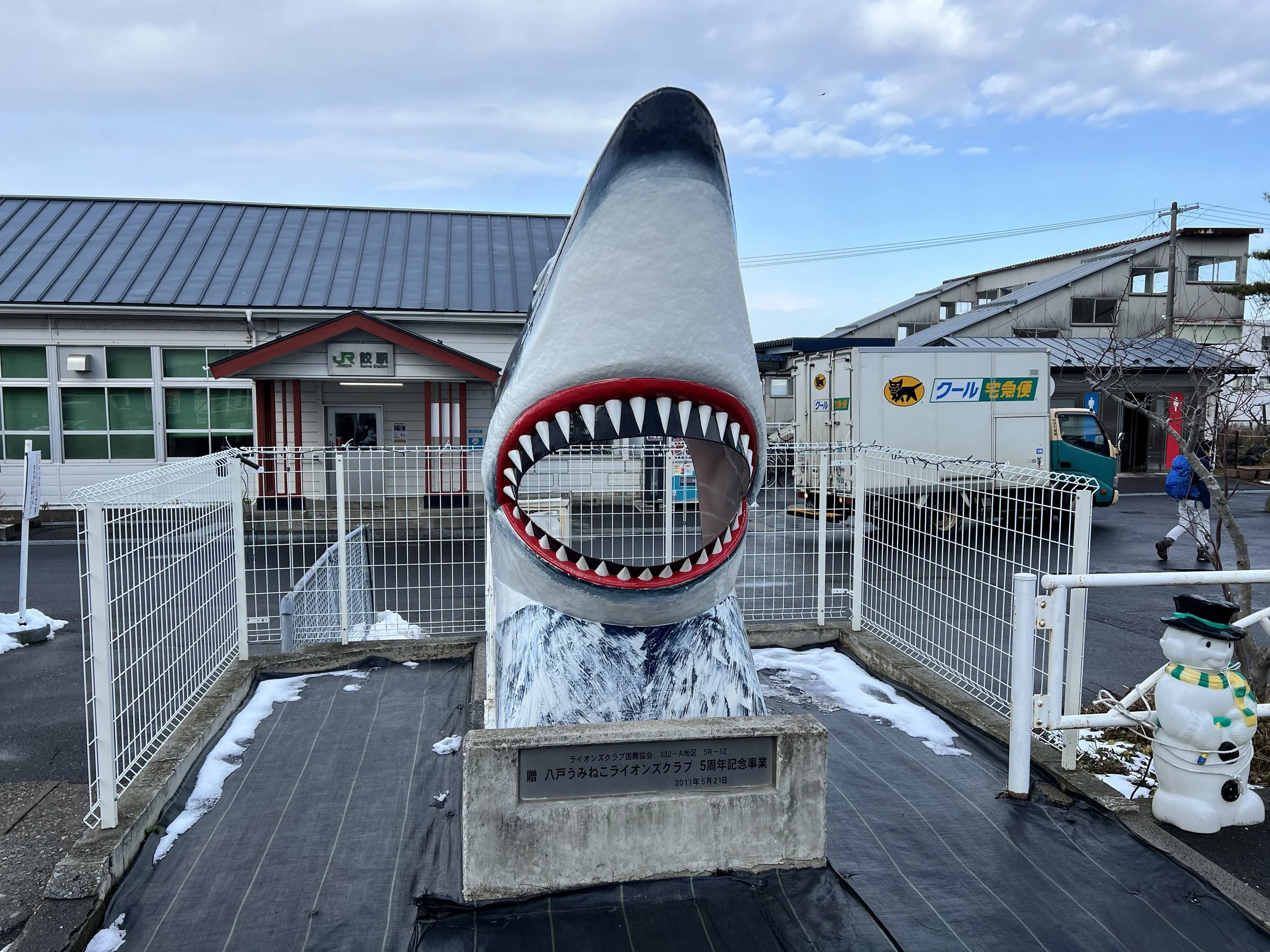
Michinoku Coastal Trail - Same Station to Okuki Station - Aomori, Japan
Starting at Kabushima Shrine in Hachinohe, this first section of the Michinoku Coastal Trail offers a peaceful winter walk along the Tanesashi Coast. Snowy beaches, fishing ports, and sweeping ocean views set the tone for the long journey south.