Michinoku Coastal Trail - Kuji Station to Itsukushima Shrine - Iwate, Japan
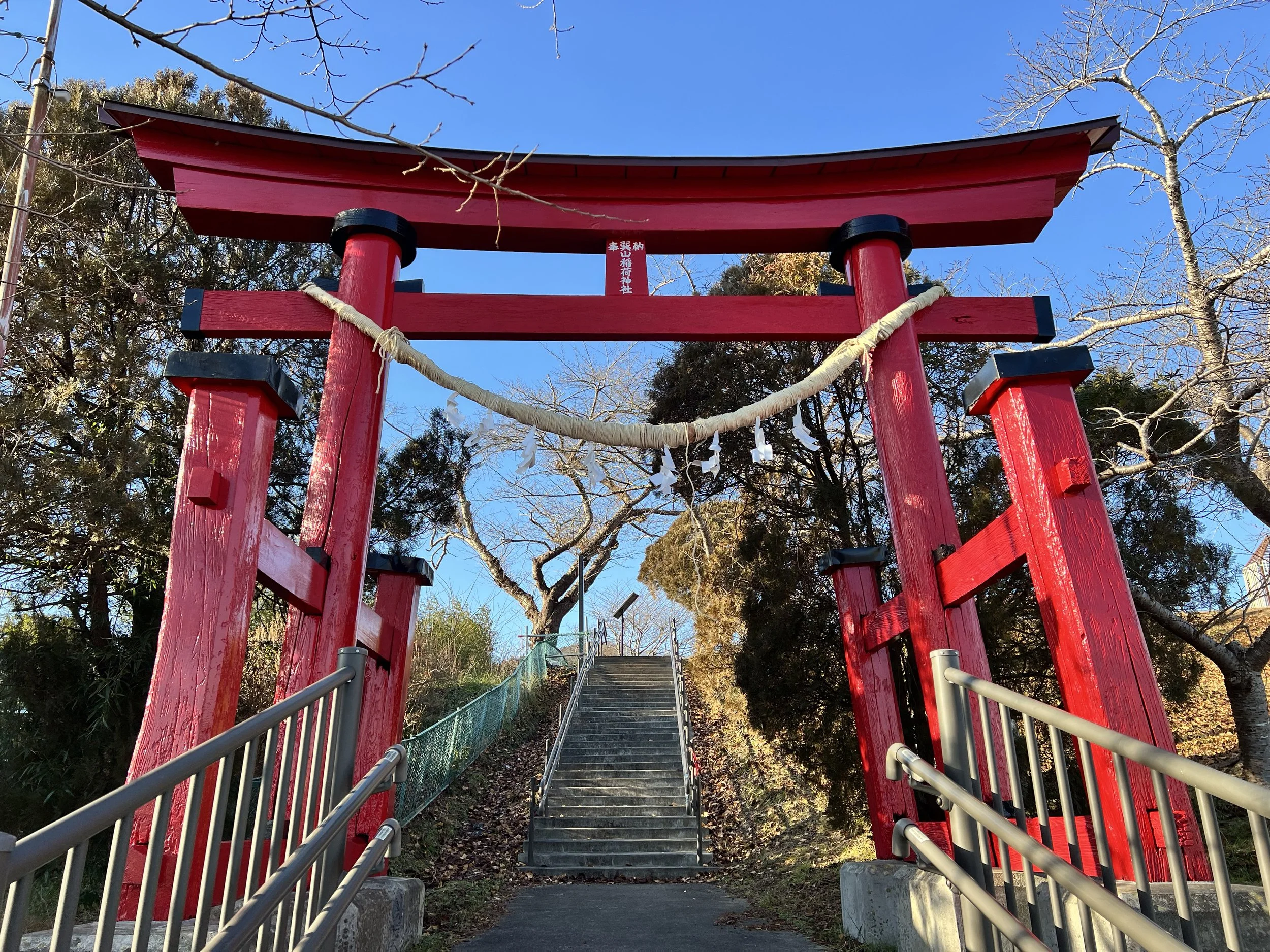
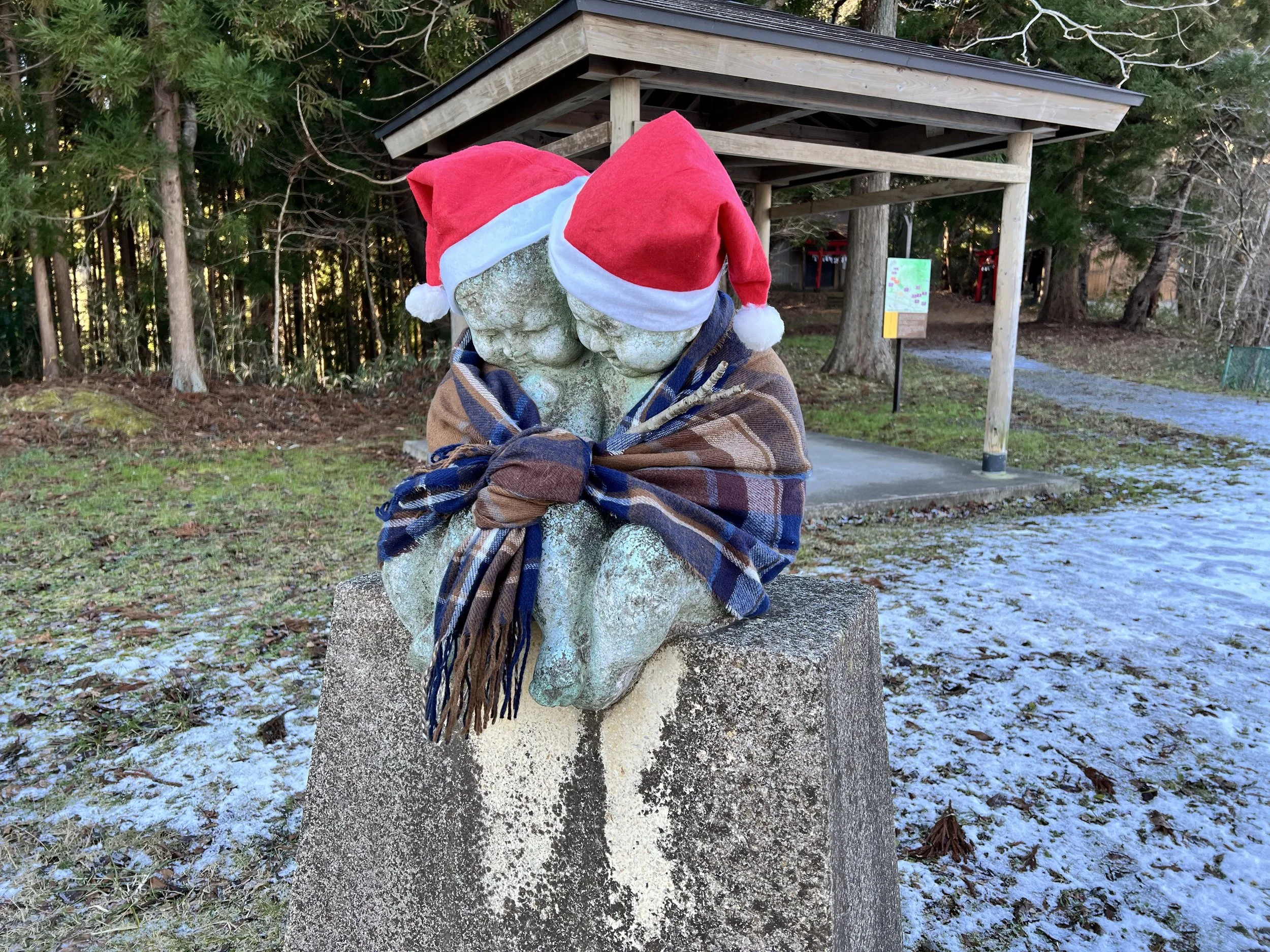
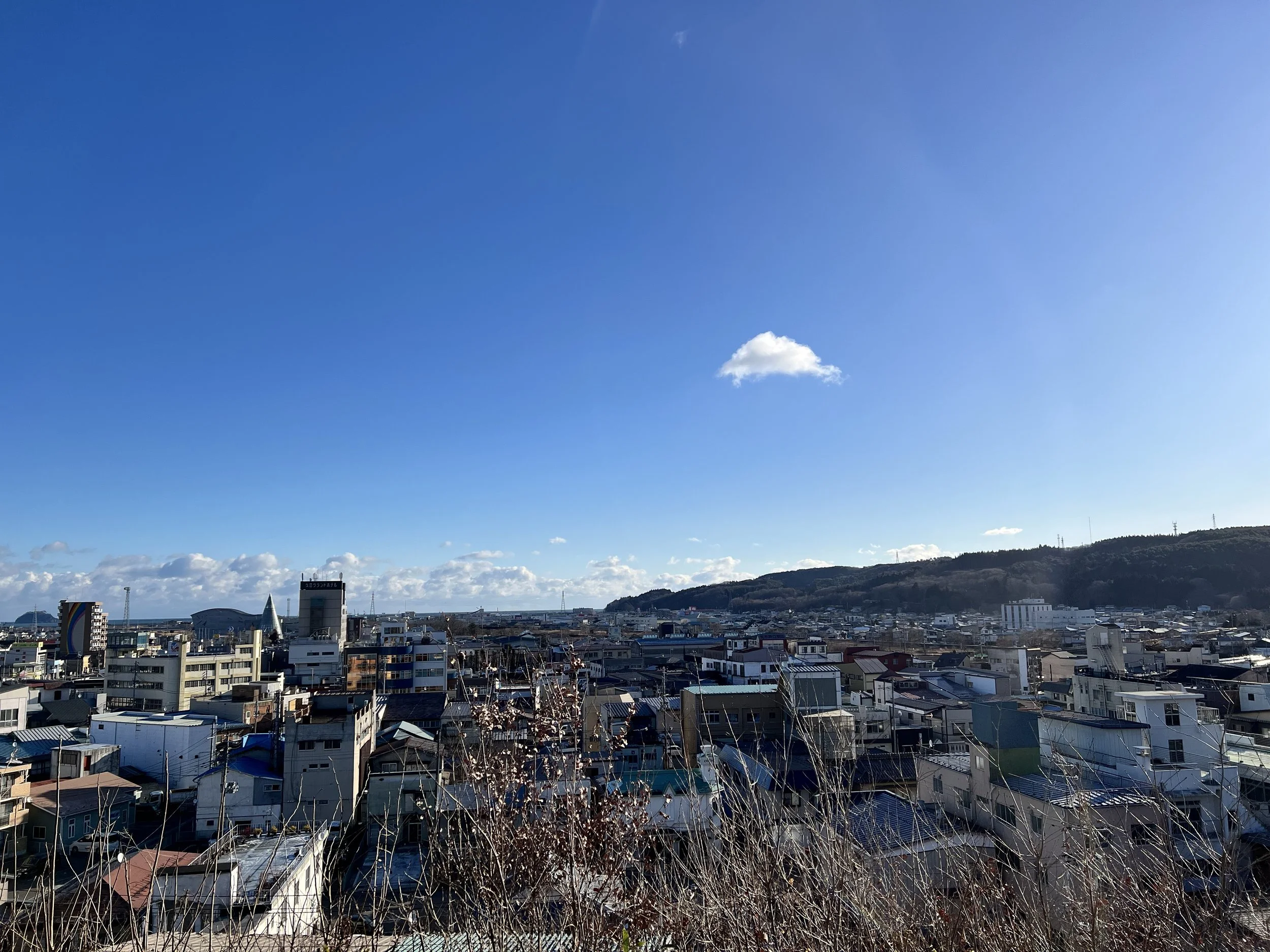
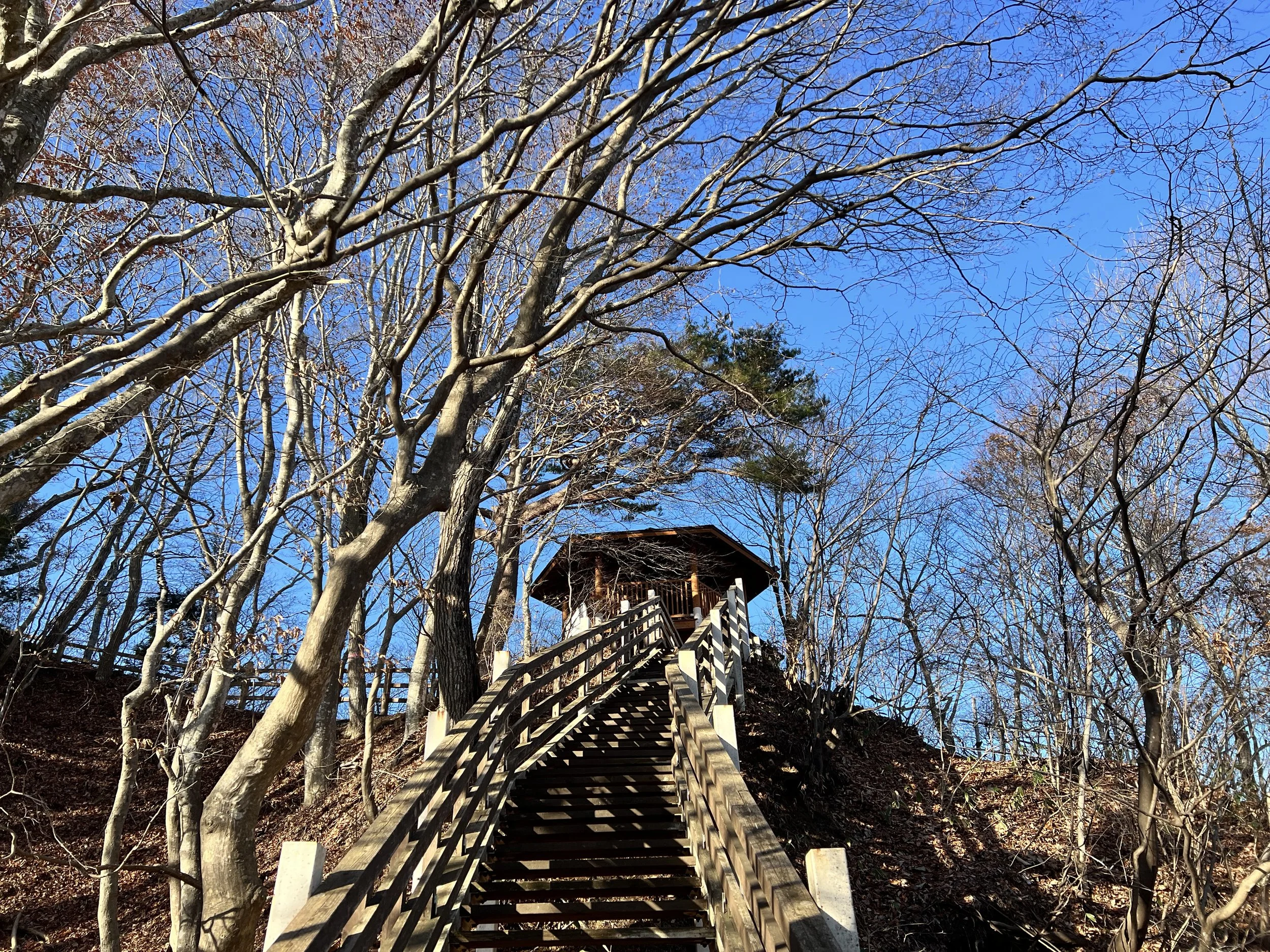
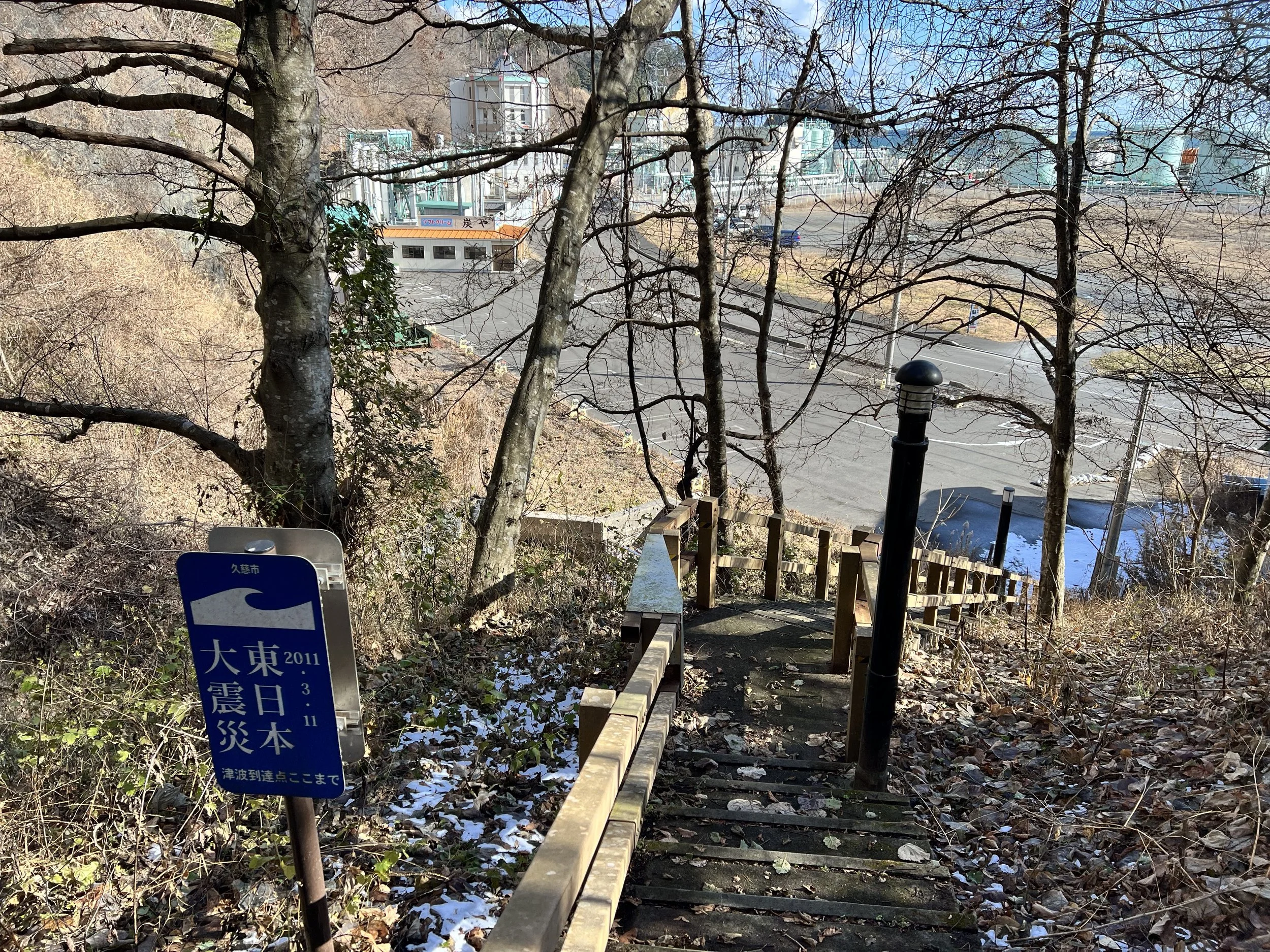
Sometimes, knowing when to quit is important—and today was one of those days. Nothing went quite as planned. I started my hike in Kuji, following a quiet route that passed several local shrines and an observatory overlooking the town before heading out of Kuji.
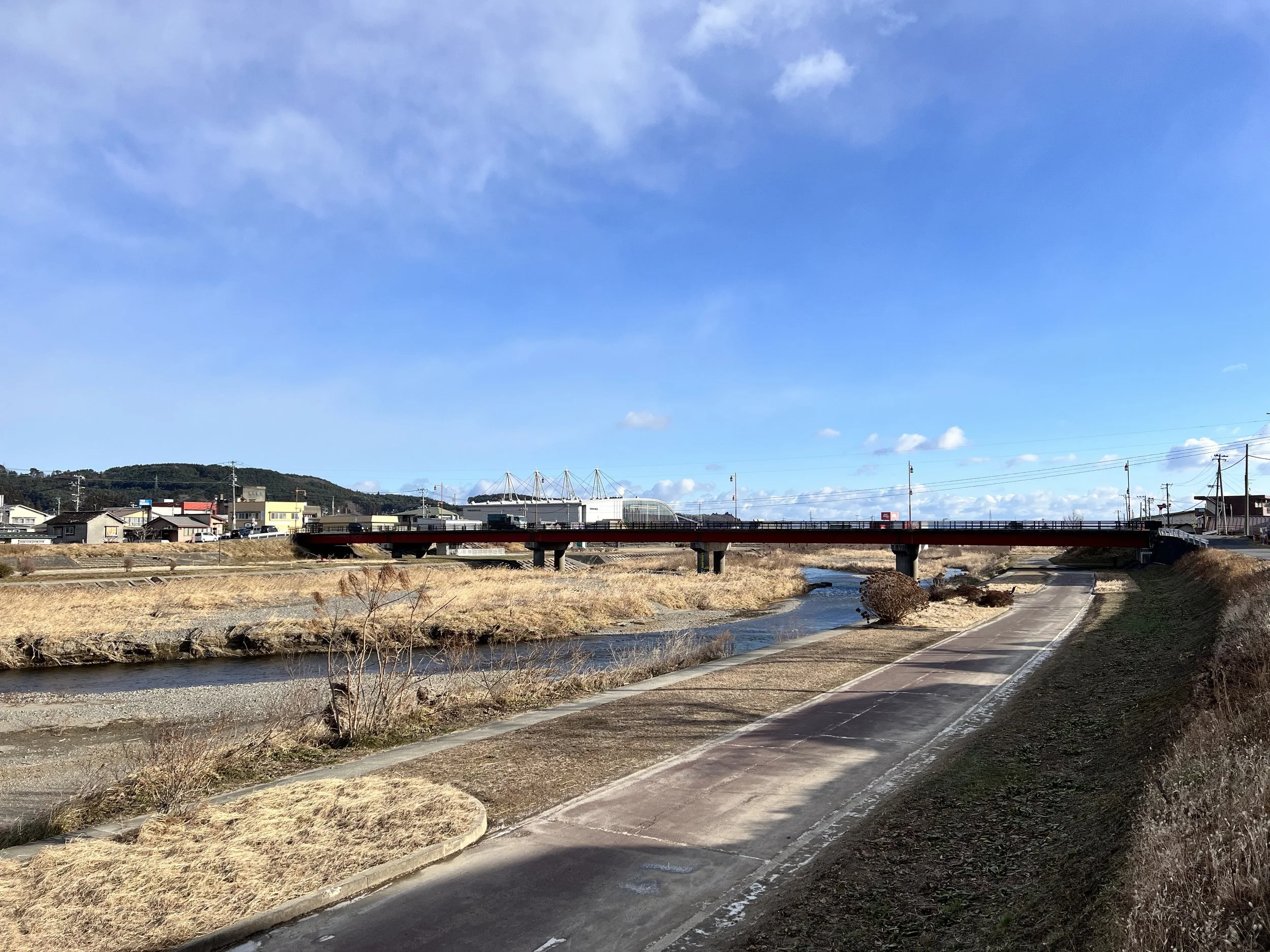
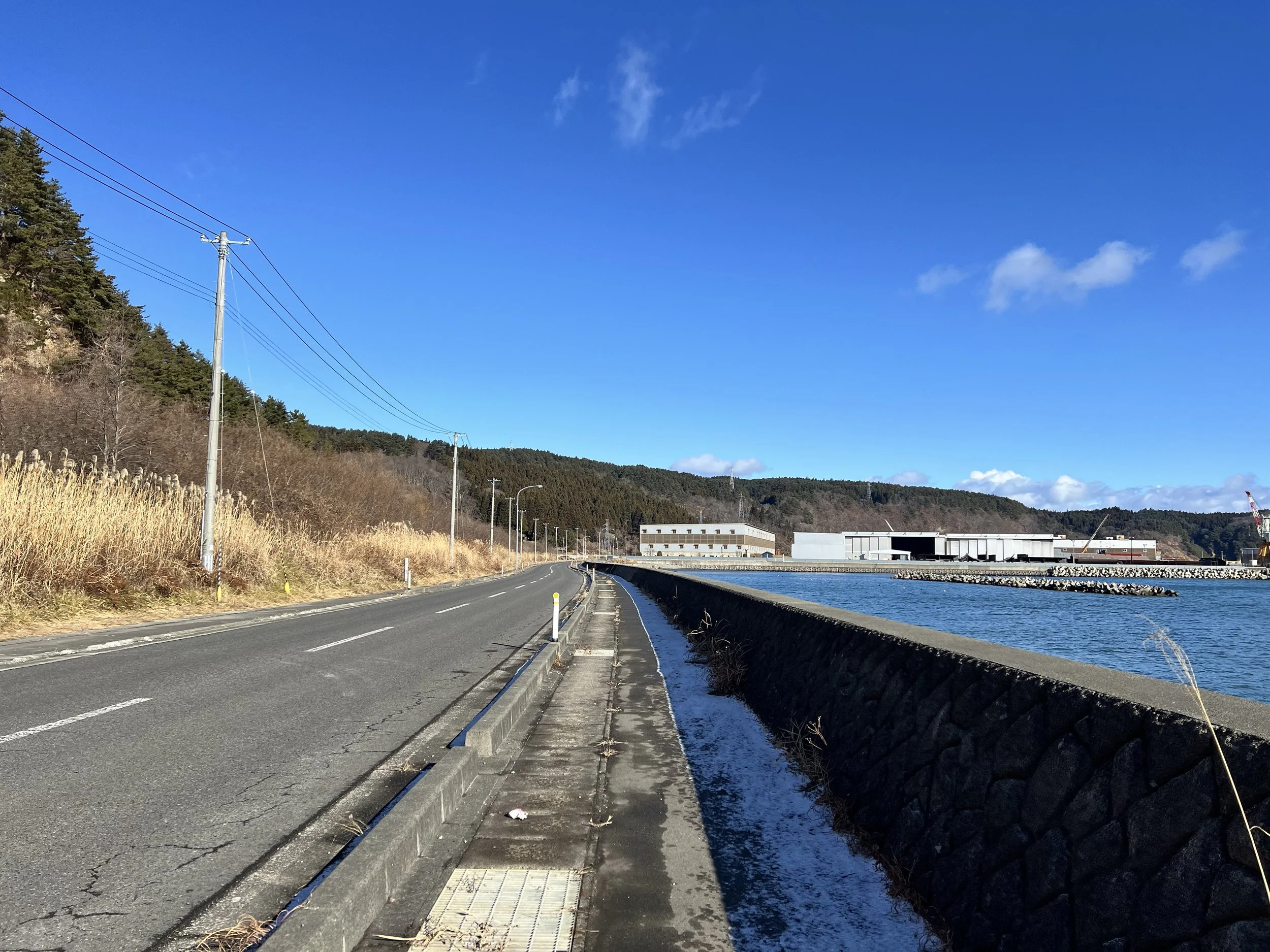
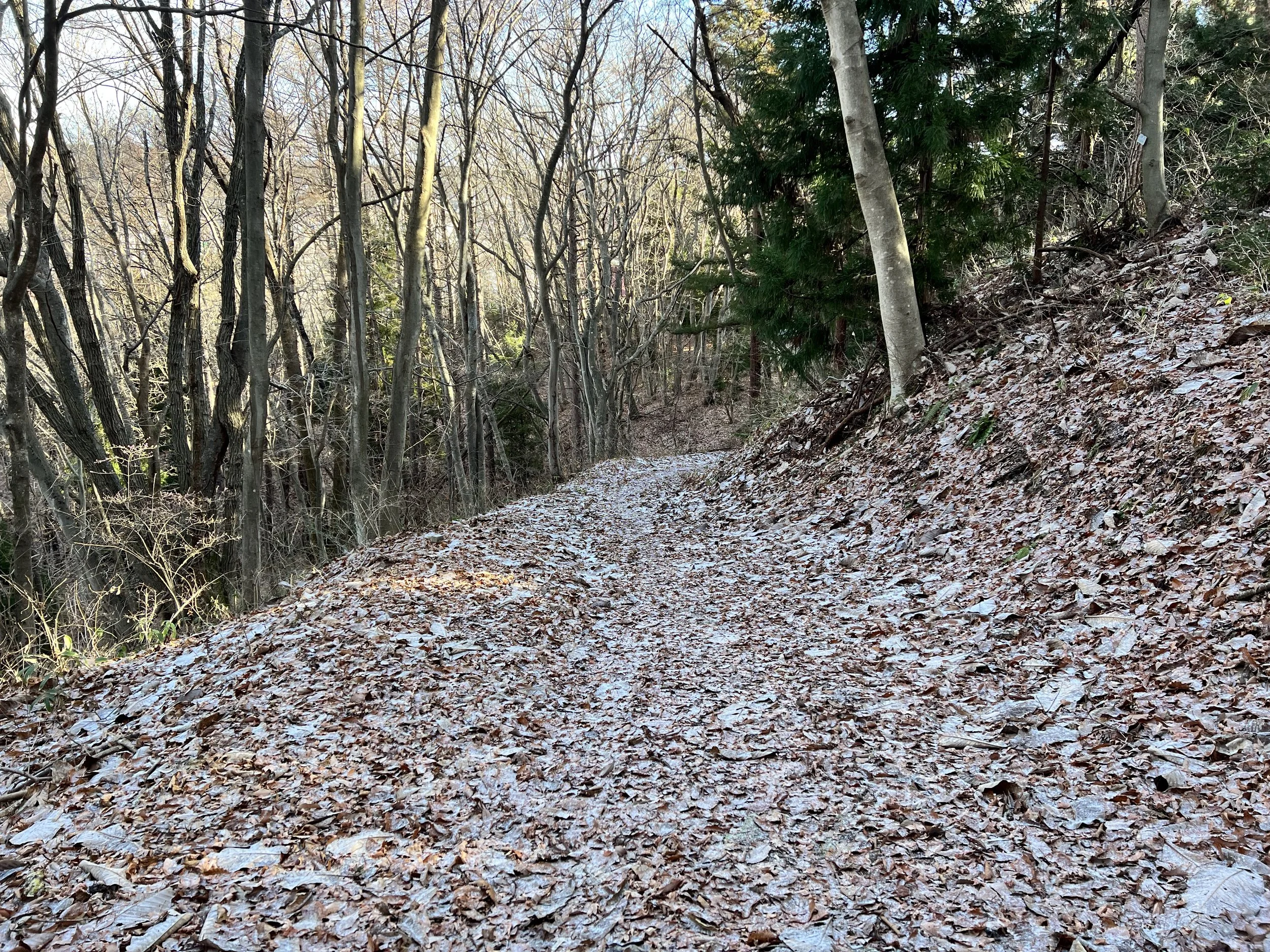
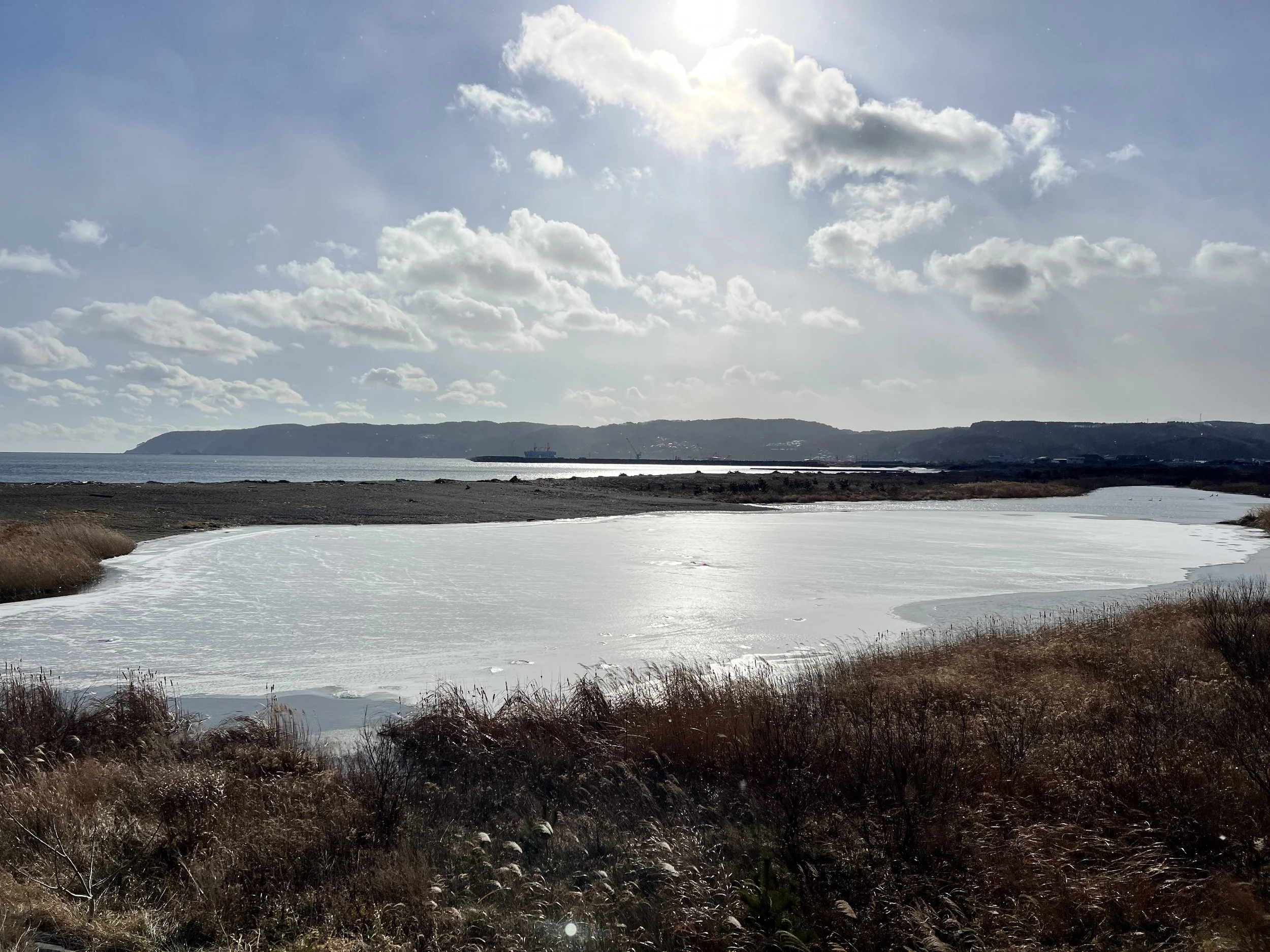
Trail markers were scarce, so I relied heavily on my offline GPS. With temperatures around –15°C and steady snowfall, parts of the trail were coated in ice. Even the river beside the road was completely frozen. Much of the walk followed paved sections, and with the ground hardened by frost, my feet quickly began to ache.
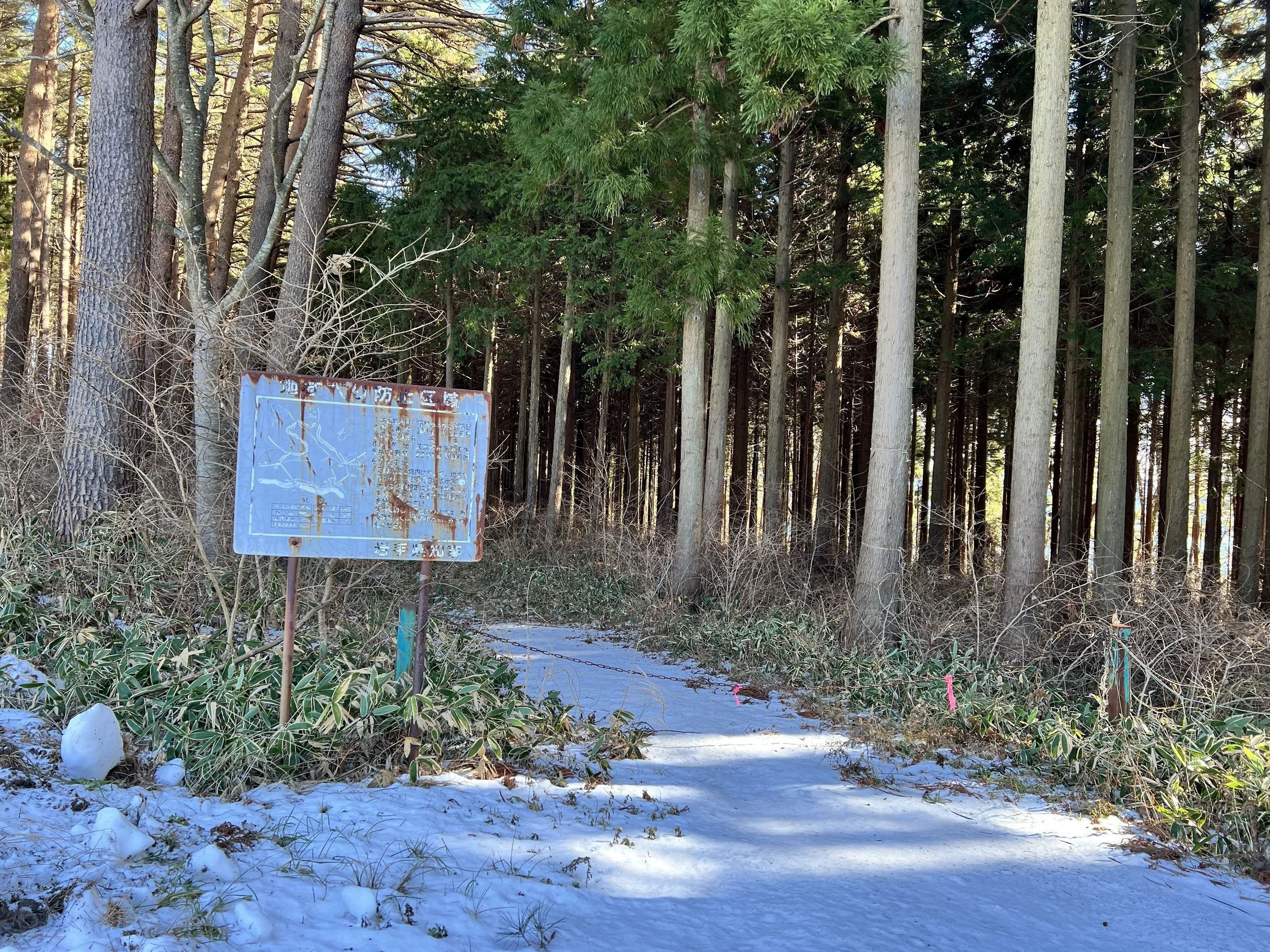
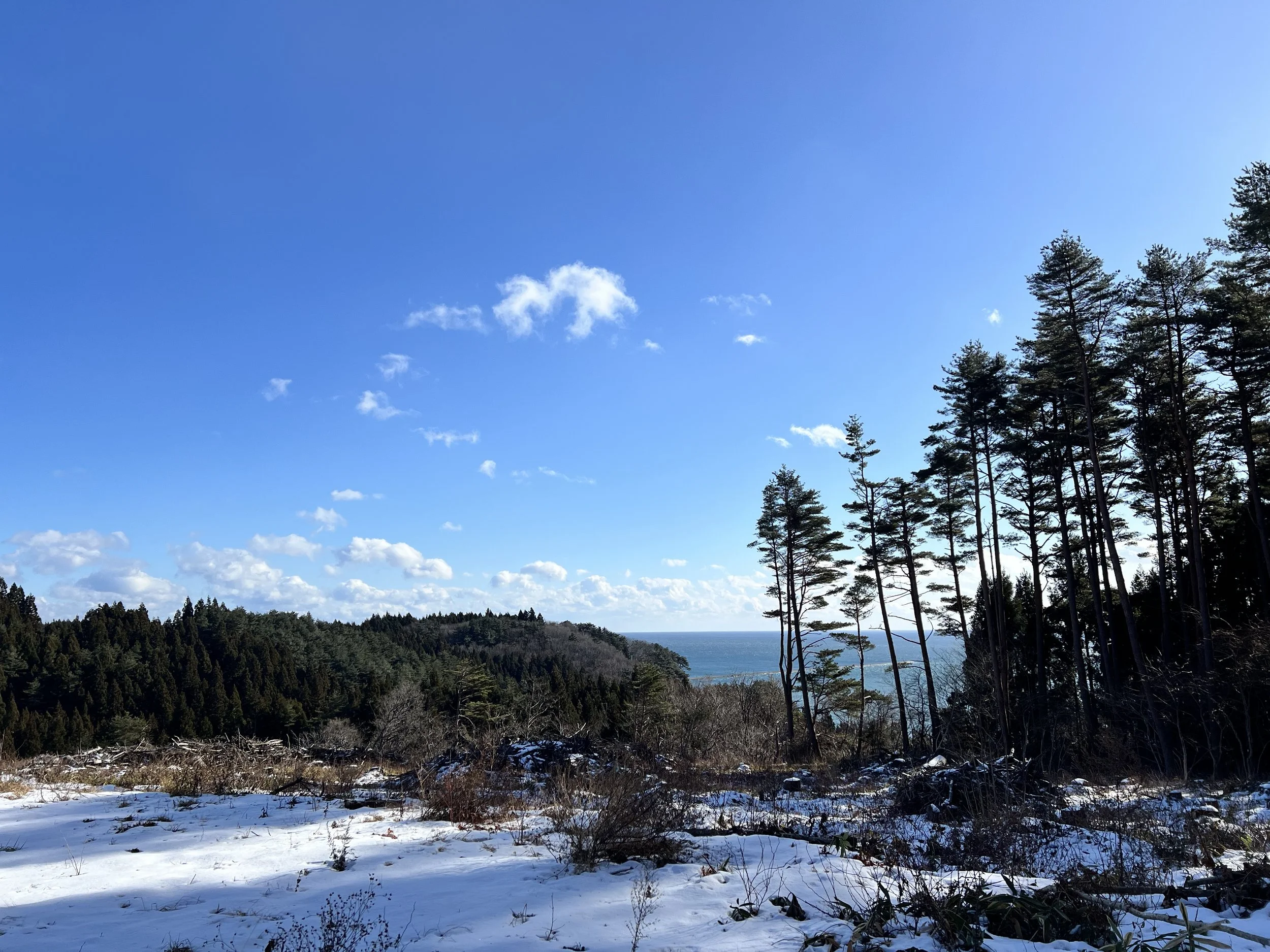
As I climbed the winding, icy road toward Itsukushima Shrine, it was already close to 1 p.m.—and I still had 16 kilometres to go before my planned endpoint. The snow and wind were picking up fast, and the temperature continued to drop. That’s when I made the call to turn back toward Kuji Station.
The return walk was brutal—strong headwinds and blowing snow made it hard to maintain my body temperature. I stopped at a convenience store to warm up and grab something to eat, since the snacks I’d packed weren’t nearly enough. By the time I reached Kuji Station, I was cold, tired, and completely spent from battling the wind. Some days, the mountain wins—and that’s okay. I’ll try again another time.
History & Background
This short but challenging section of the Michinoku Coastal Trail begins in Kuji City, Iwate Prefecture—a northern gateway to the Sanriku Coast and one of the key cultural starting points of the trail. Kuji is known for its ama (female free divers), who have been harvesting sea urchins and abalone here for centuries.
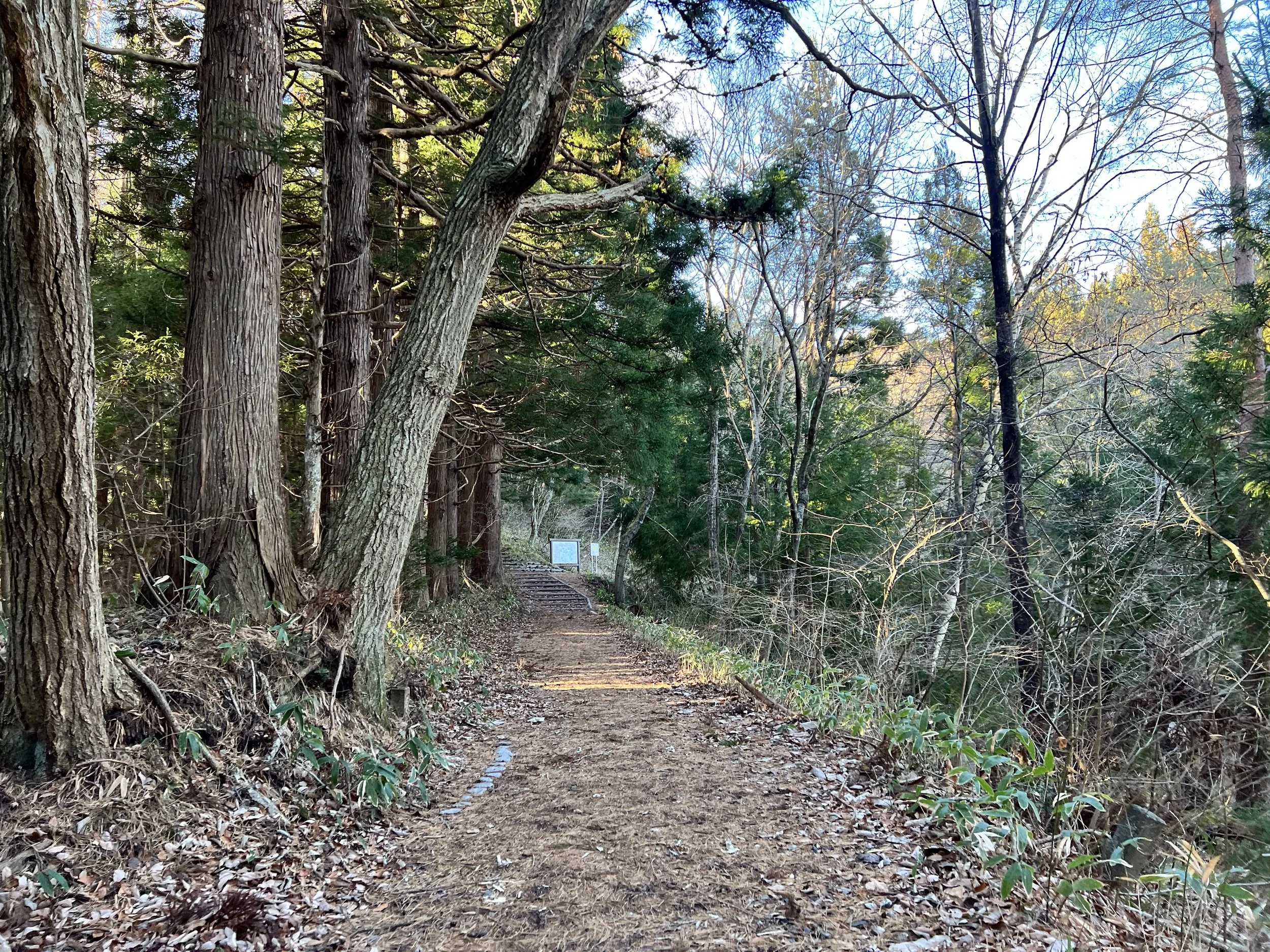
The route toward Itsukushima Shrine climbs inland from the coast through quiet rural roads and forests, offering a glimpse into Kuji’s spiritual and natural landscape. Itsukushima Shrine is one of many along the Michinoku Trail dedicated to maritime safety and prosperity—reflecting the deep bond between Kuji’s people and the sea that sustains them.
Getting There
From Tokyo, take the Shinkansen to Hachinohe, then transfer to the local Hachinohe Line, which runs directly to Kuji Station.
Route Overview
Distance: 23.58 km out & back (Kuji Station)
Total elevation gain: 449 m
Duration: 4 hr 20 min (with breaks 4 hr 34 min)
Difficulty: Intermediate
Cost Breakdown
Food: ¥371
Accommodation: Kuji Daiichi Hotel (booked direct) — ¥6,100