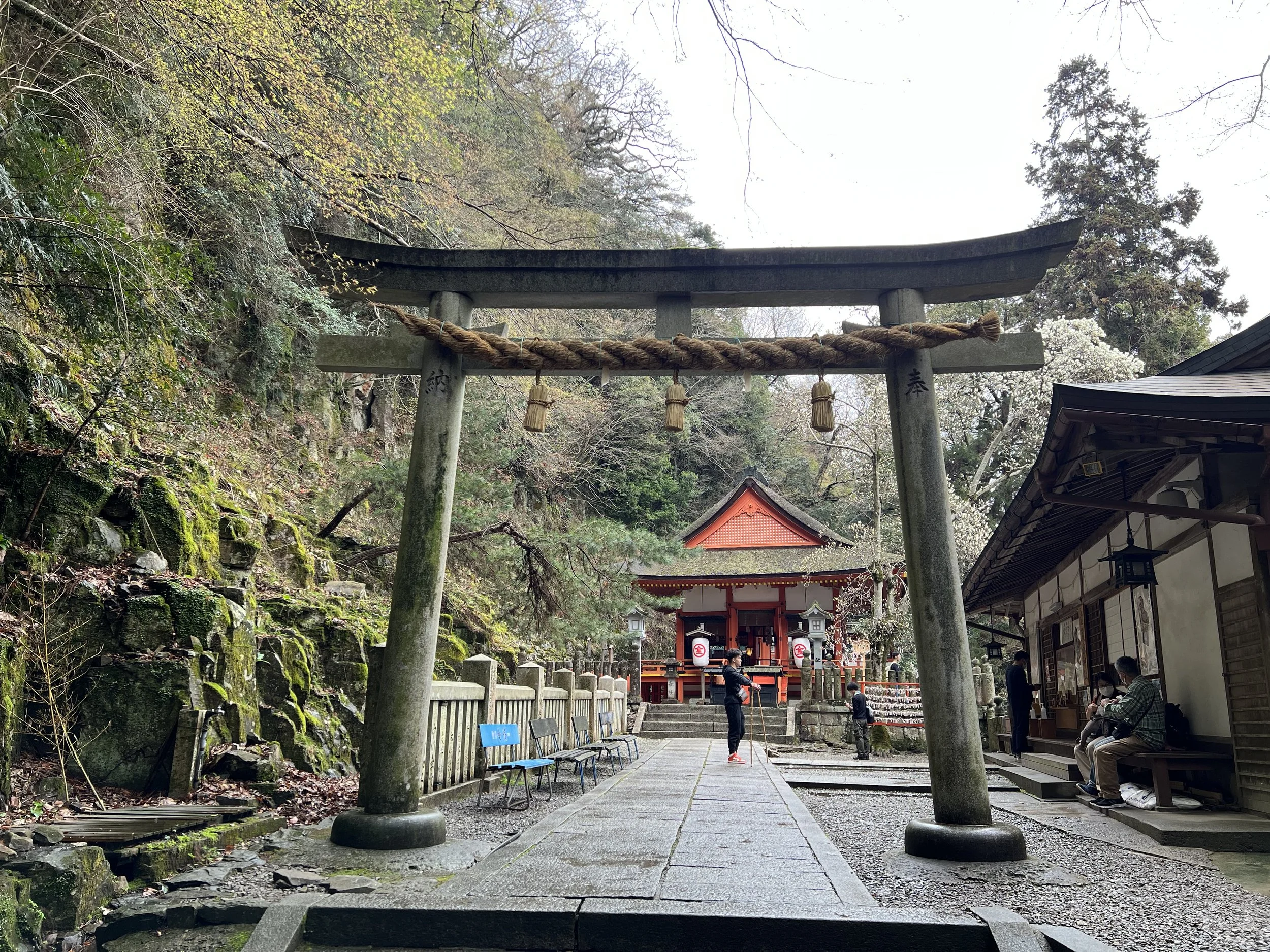
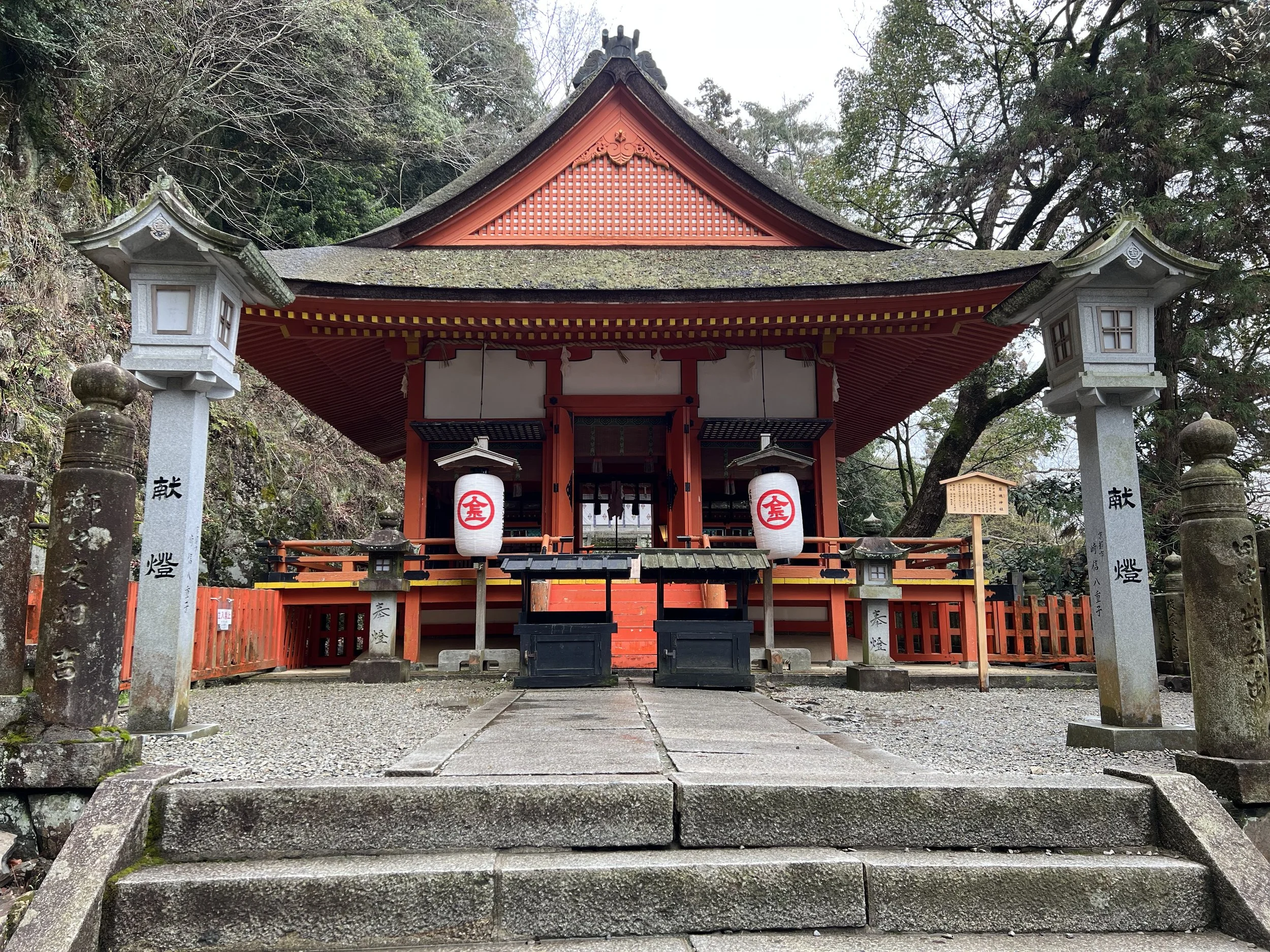
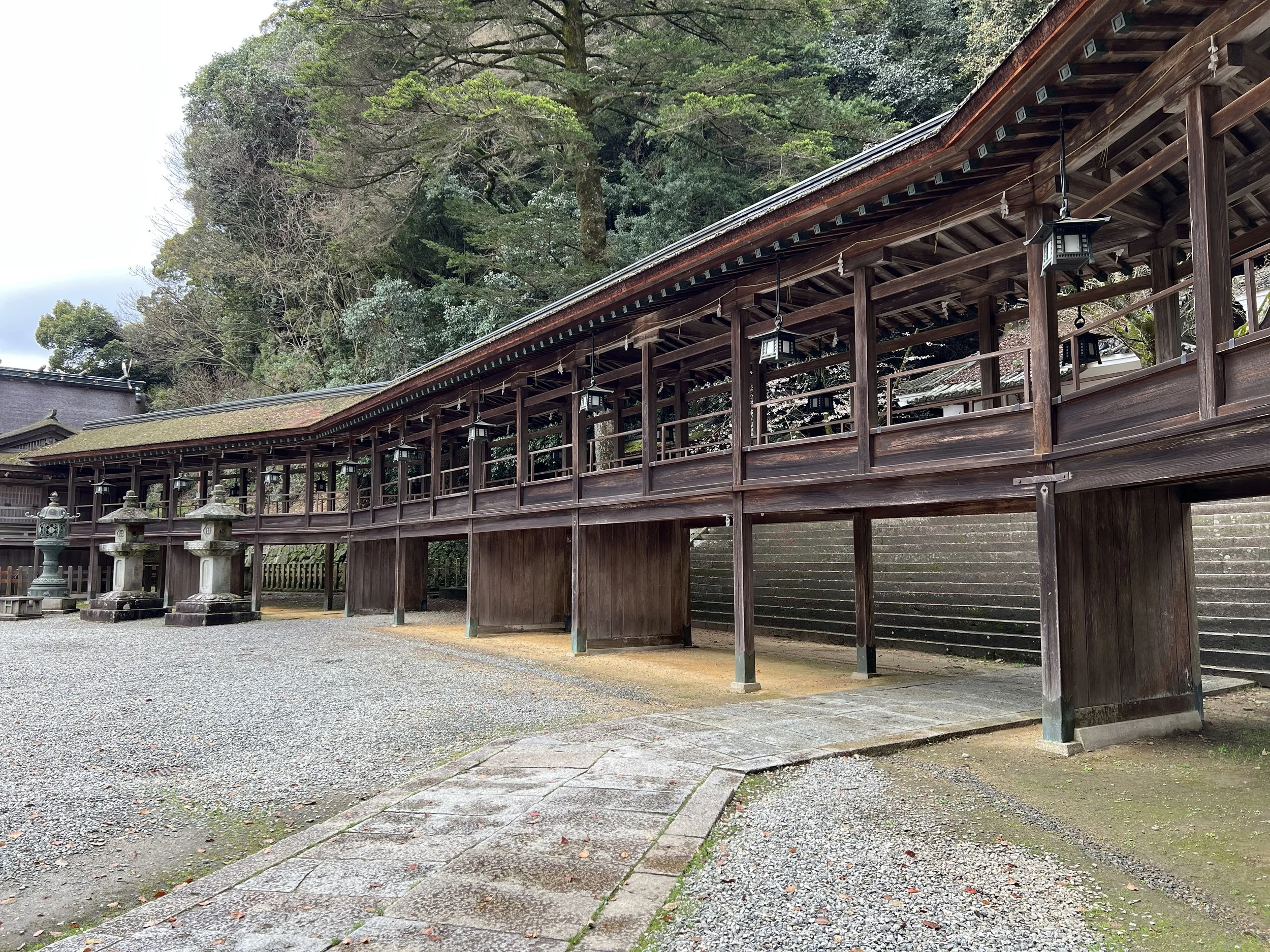
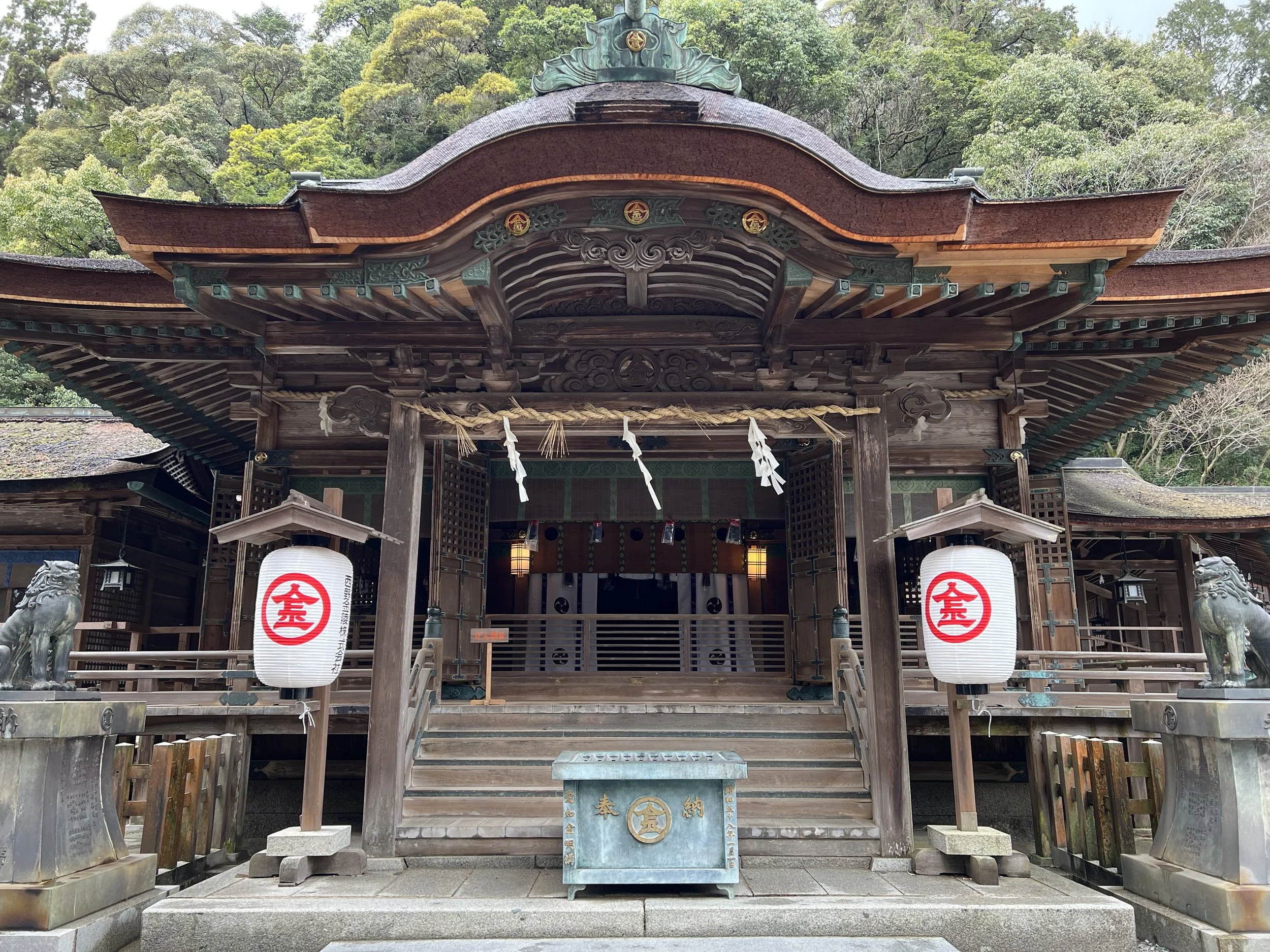
Kotohiragu Shrine - Kagawa, Japan
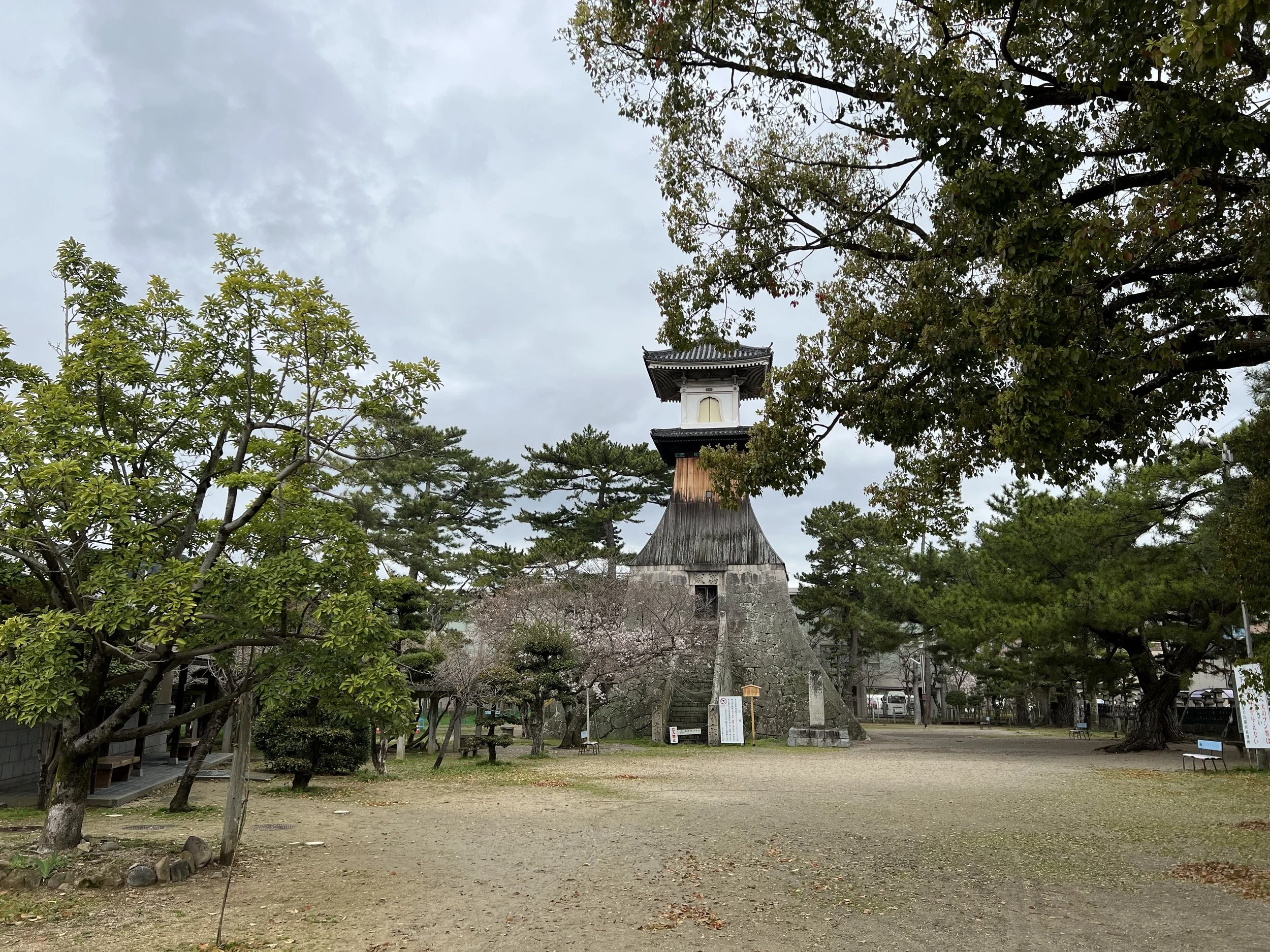
Kotohiragu Shrine—often called Kompirasan—is the head shrine of the many Kompira shrines found across Japan. Dedicated to protection for sailors and seafarers, it has long been one of Shikoku’s most important pilgrimage destinations. The shrine complex is built along the slopes of Mount Zozu, and the area surrounding it is also known as a scenic spot for seasonal cherry blossoms.
I was staying in the Oboke Gorge area and heading toward Marugame later in the day. Since Kotohira was conveniently along the route, I decided to make a detour and visit the shrine. It was still early in the cherry blossom season, but I had heard that some trees had already started blooming, which made the idea of the climb even more appealing.
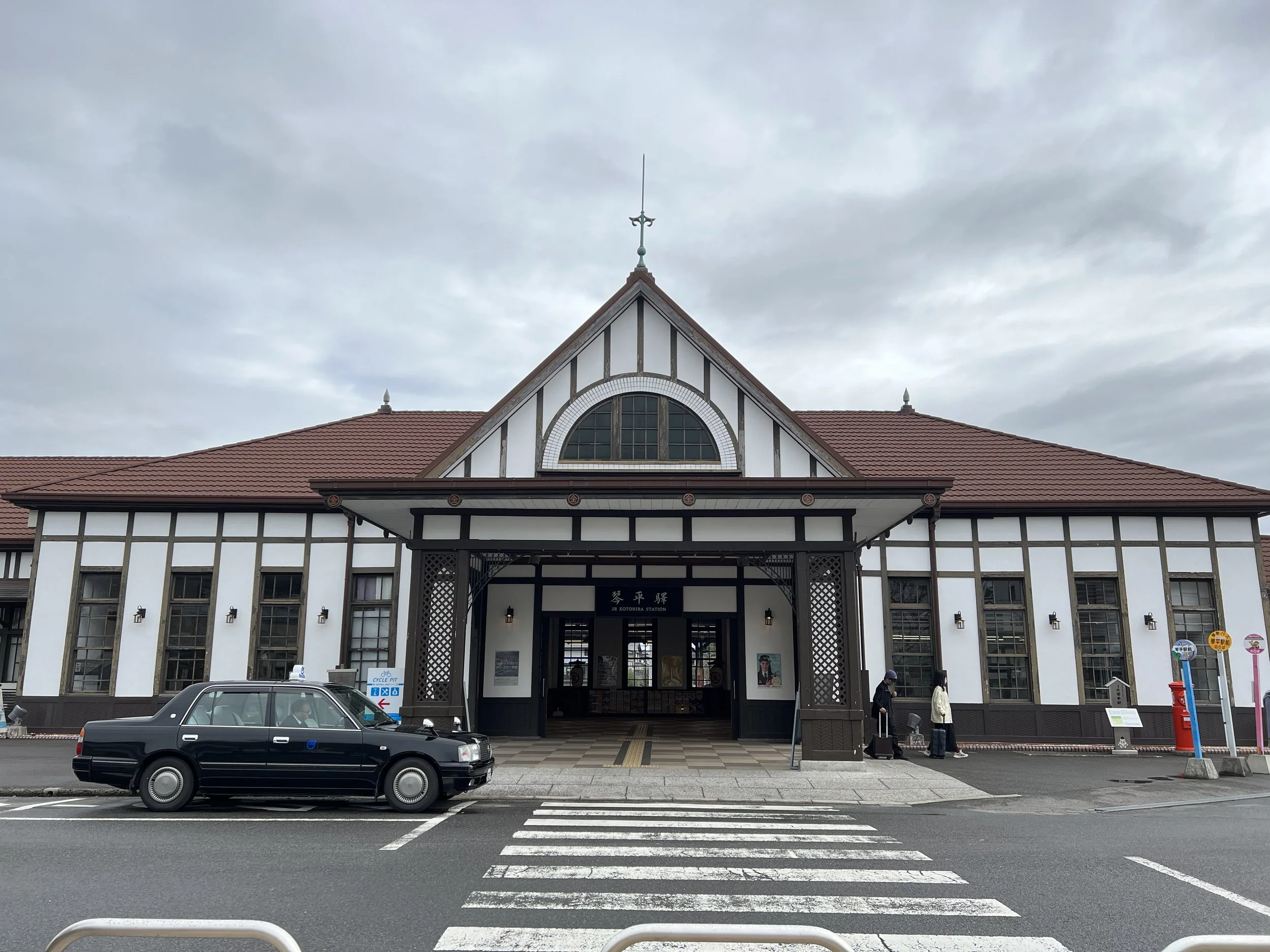
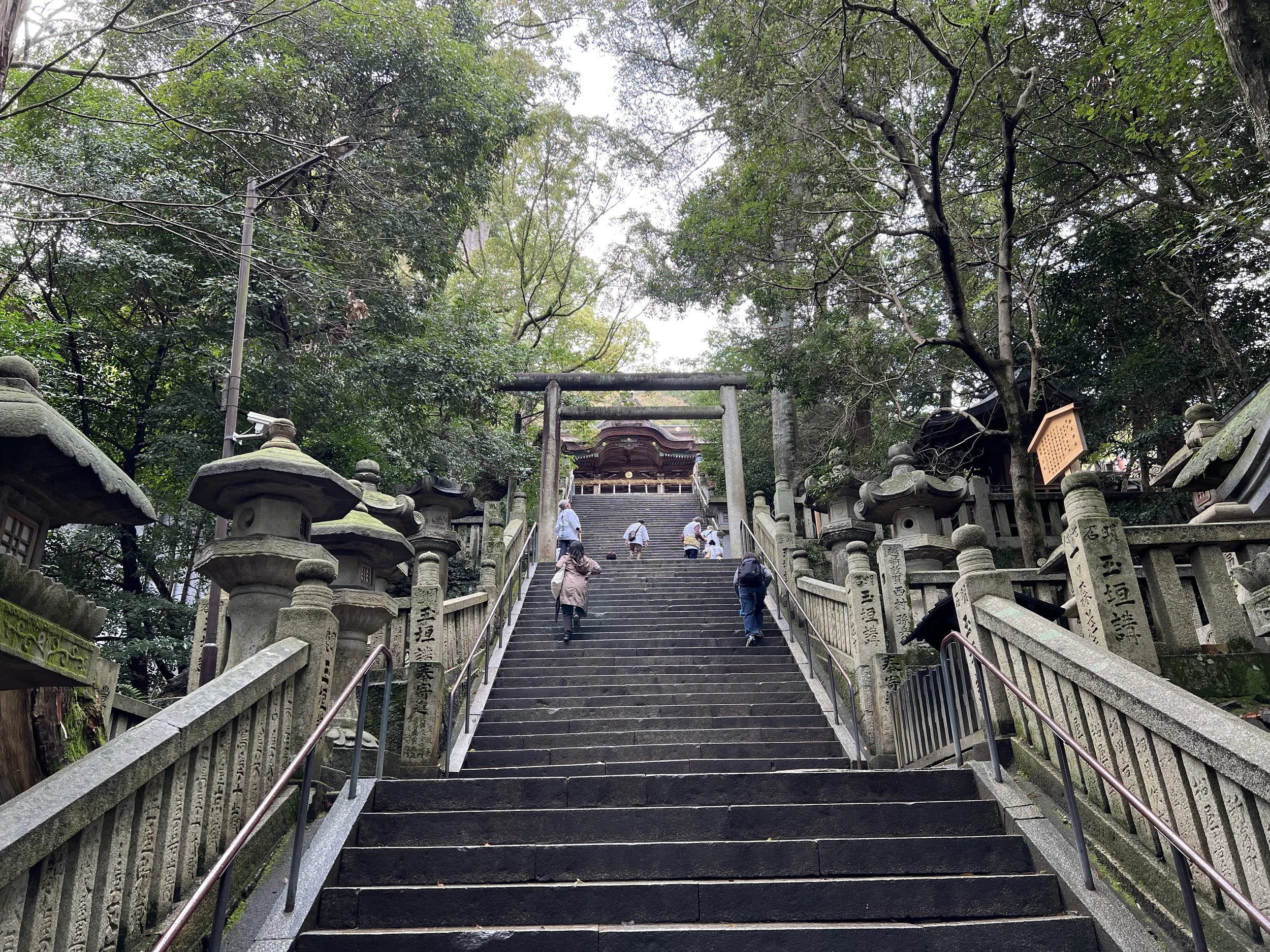
Reaching the main shrine hall requires climbing 785 stone steps, while the full route to the inner shrine involves 1,368 steps. I began my journey from Kotohira Station, which also gave me the chance to explore the charming town at the base of the shrine.
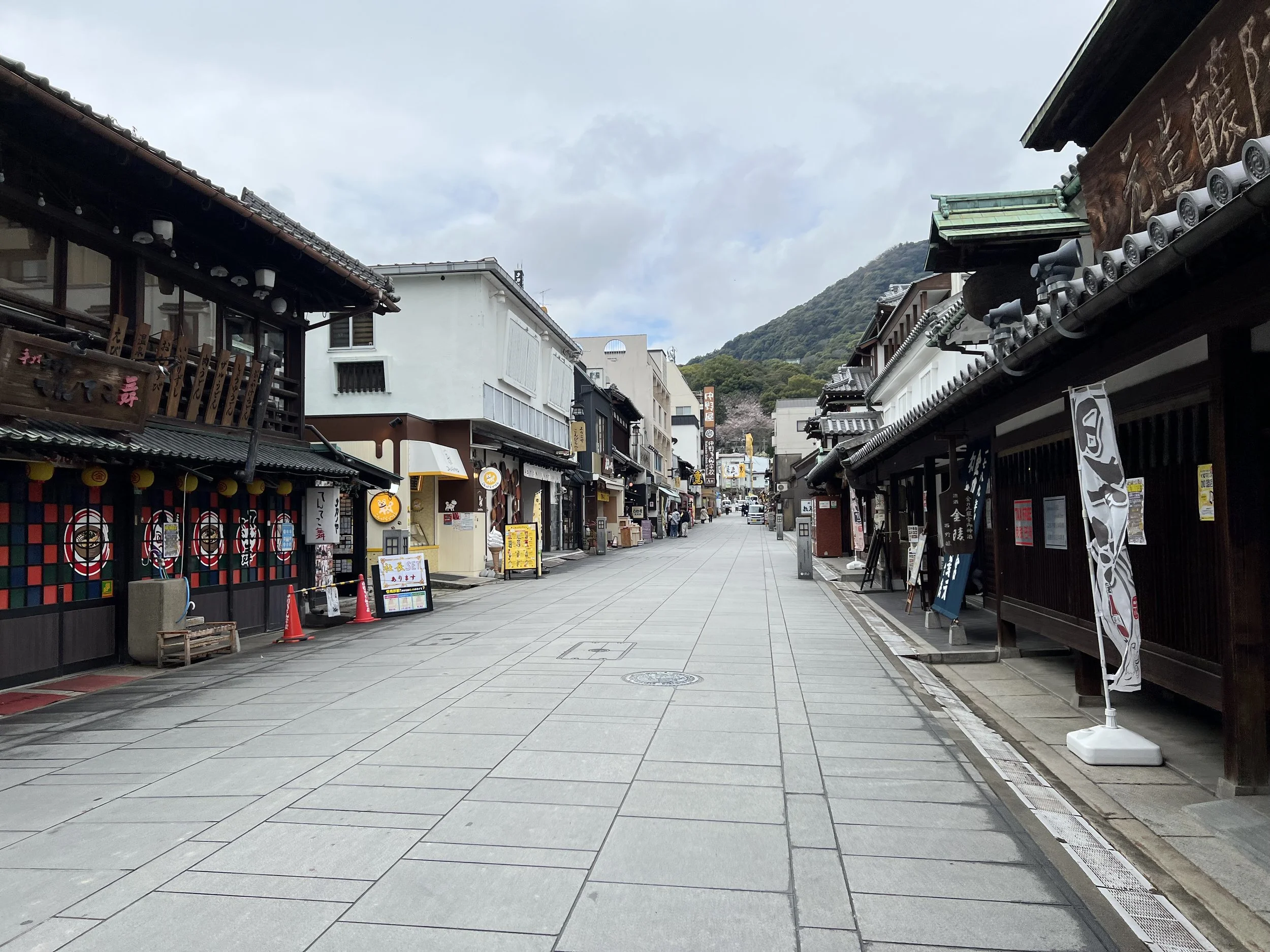
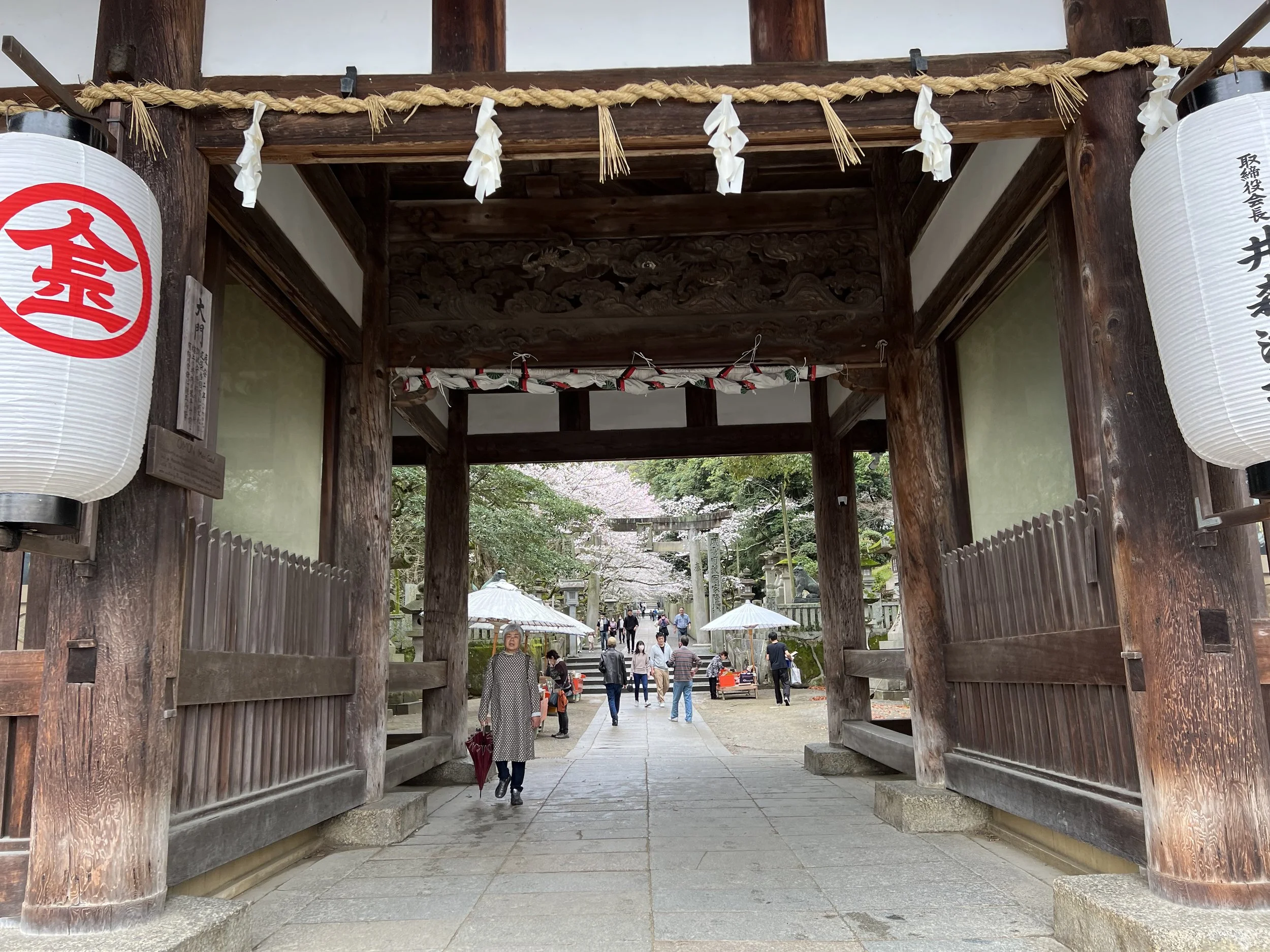
As I approached the main entrance road, the street leading to the staircase was lined with traditional Edo-style buildings housing shops and restaurants. Their wooden facades and hanging signs gave the street a nostalgic character. I decided to save exploring the shops for later and headed straight for the climb.
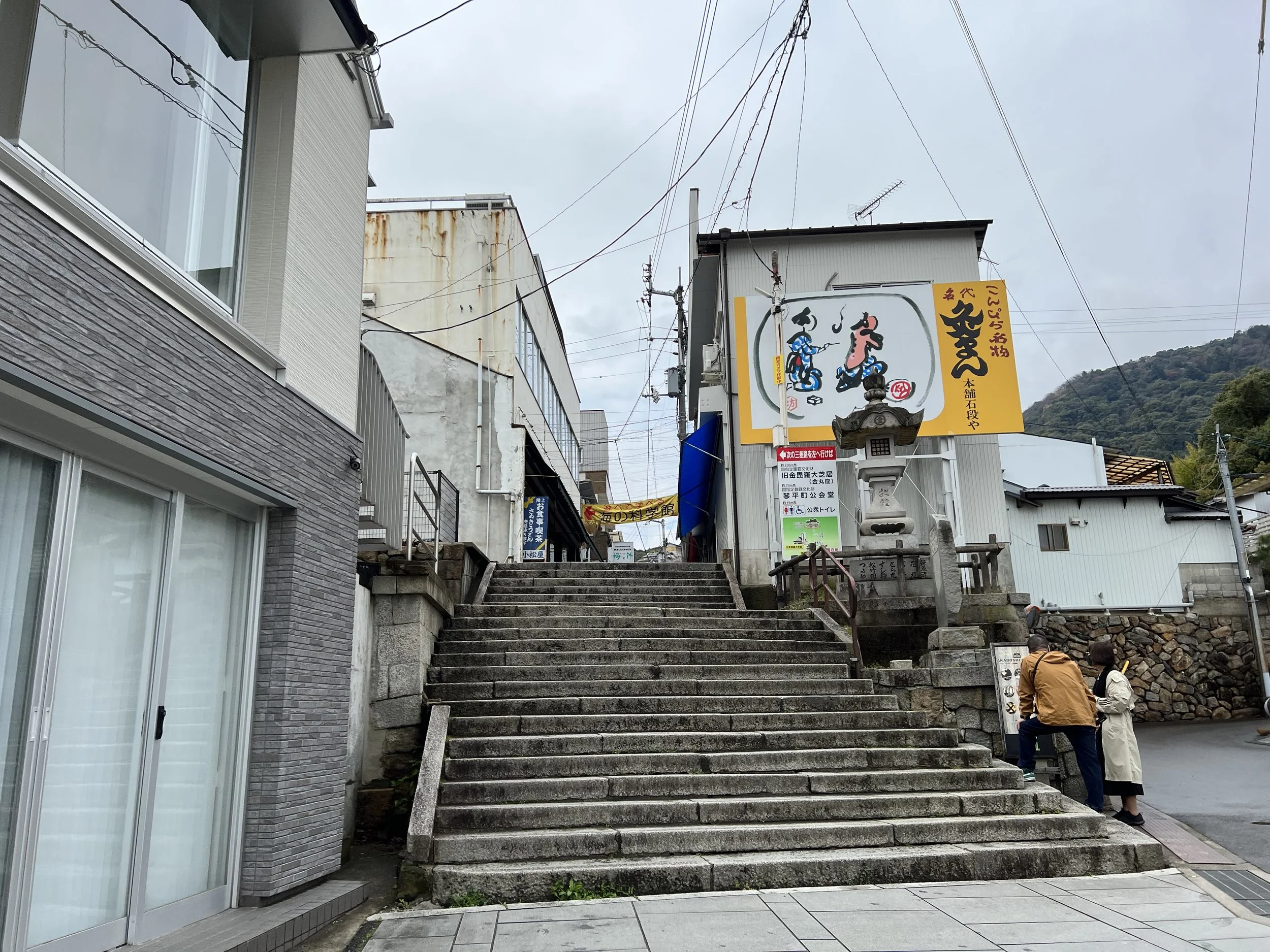
At first glance, the staircase looked a little intimidating. However, the climb quickly became more enjoyable than I expected. Many of the shops and small stalls extended partway up the steps, so the ascent never felt monotonous. Shop owners would cheerfully encourage visitors along the way, sometimes pointing out how many steps remained. Some stores even displayed signs telling pilgrims how far they had climbed. This friendly atmosphere made the journey feel more like a shared experience than a solitary hike.
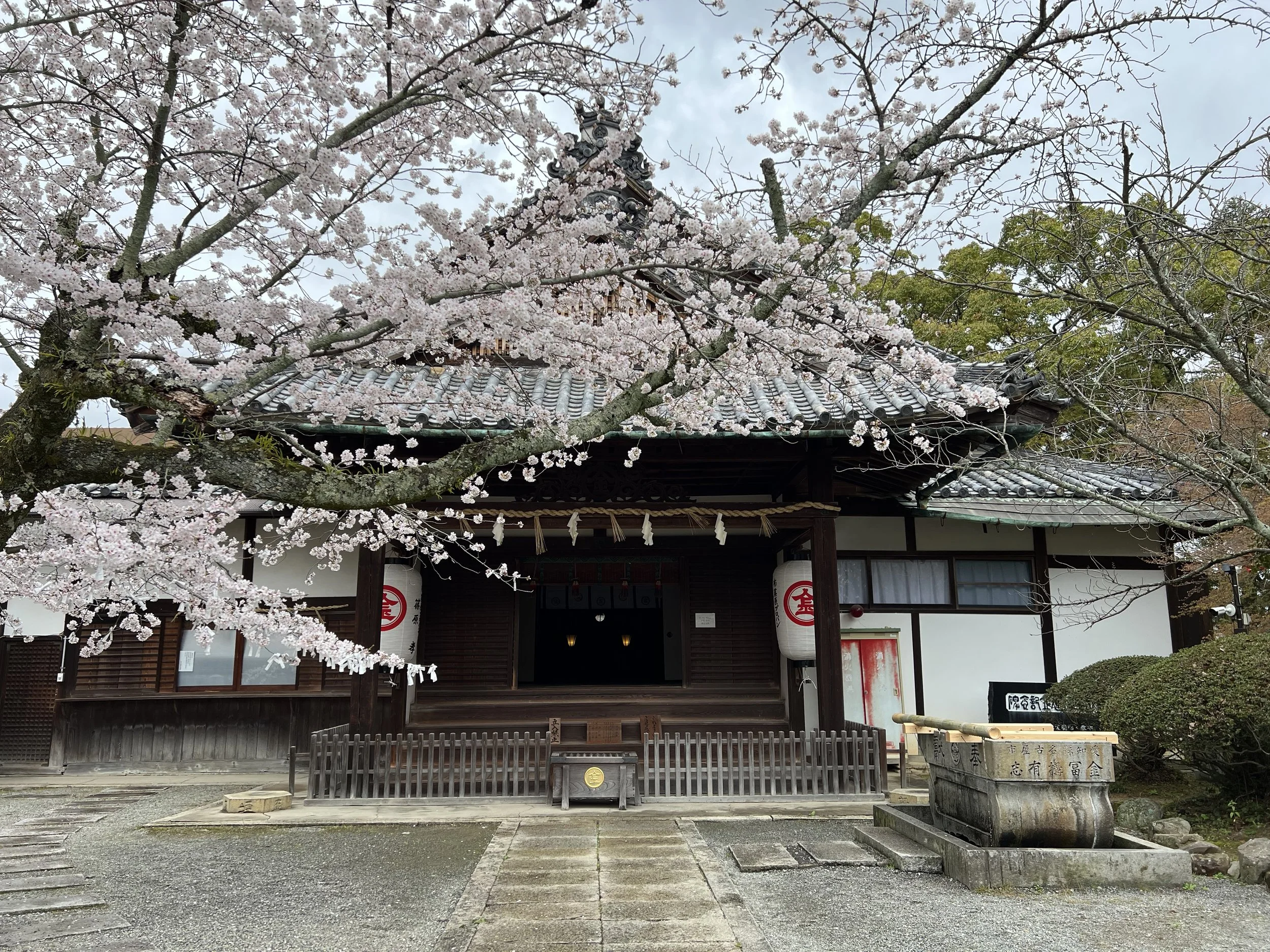
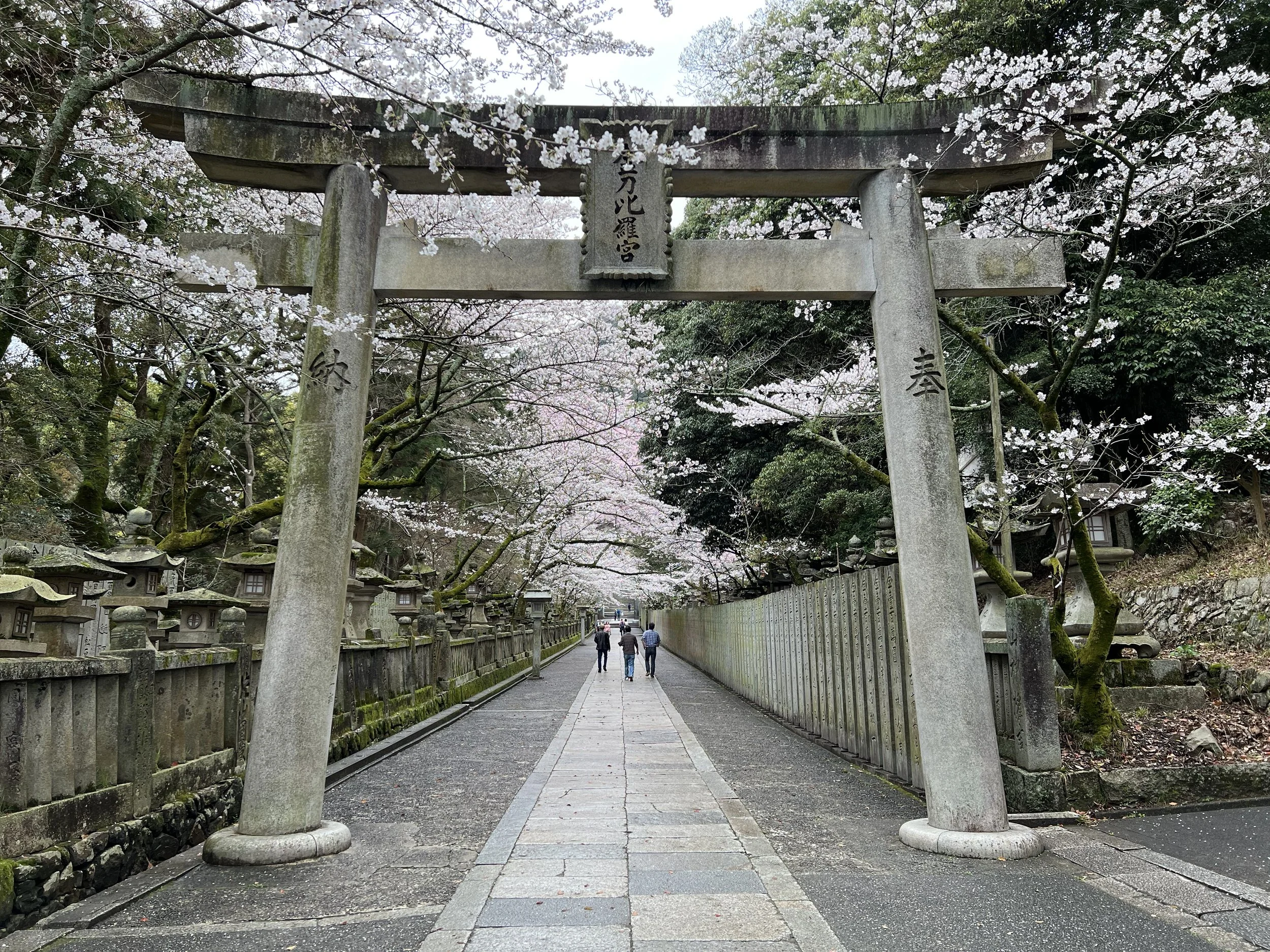
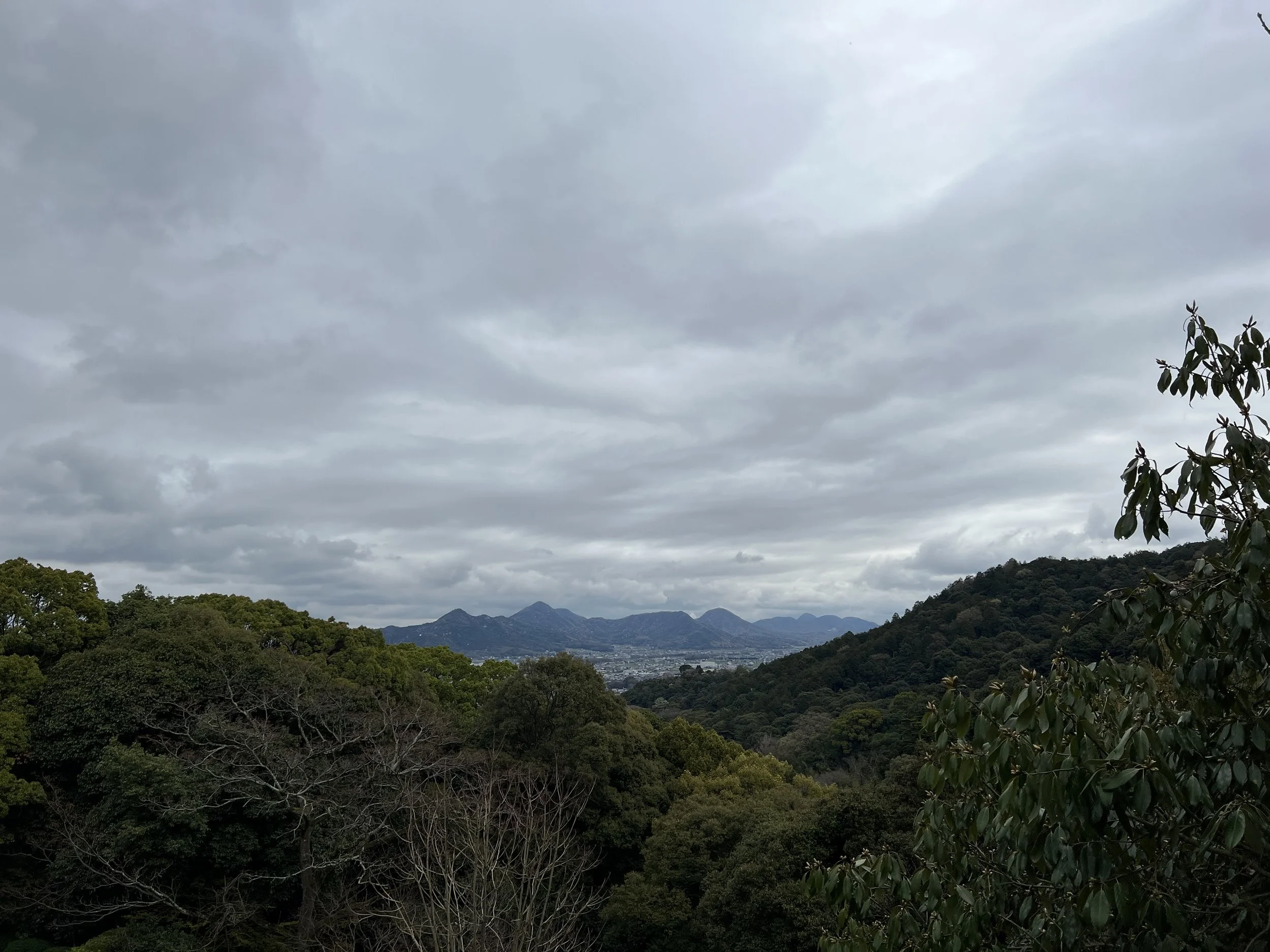
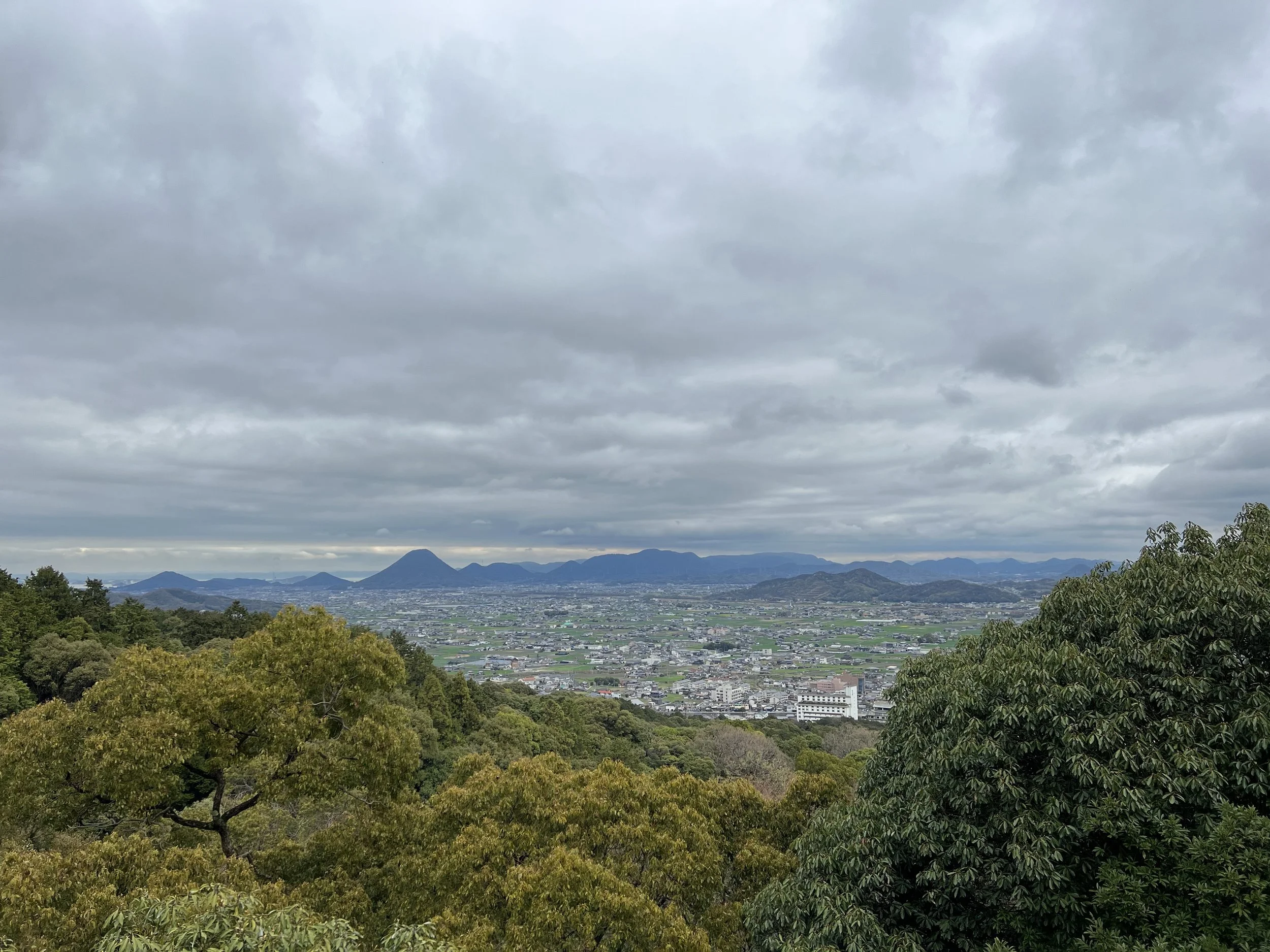
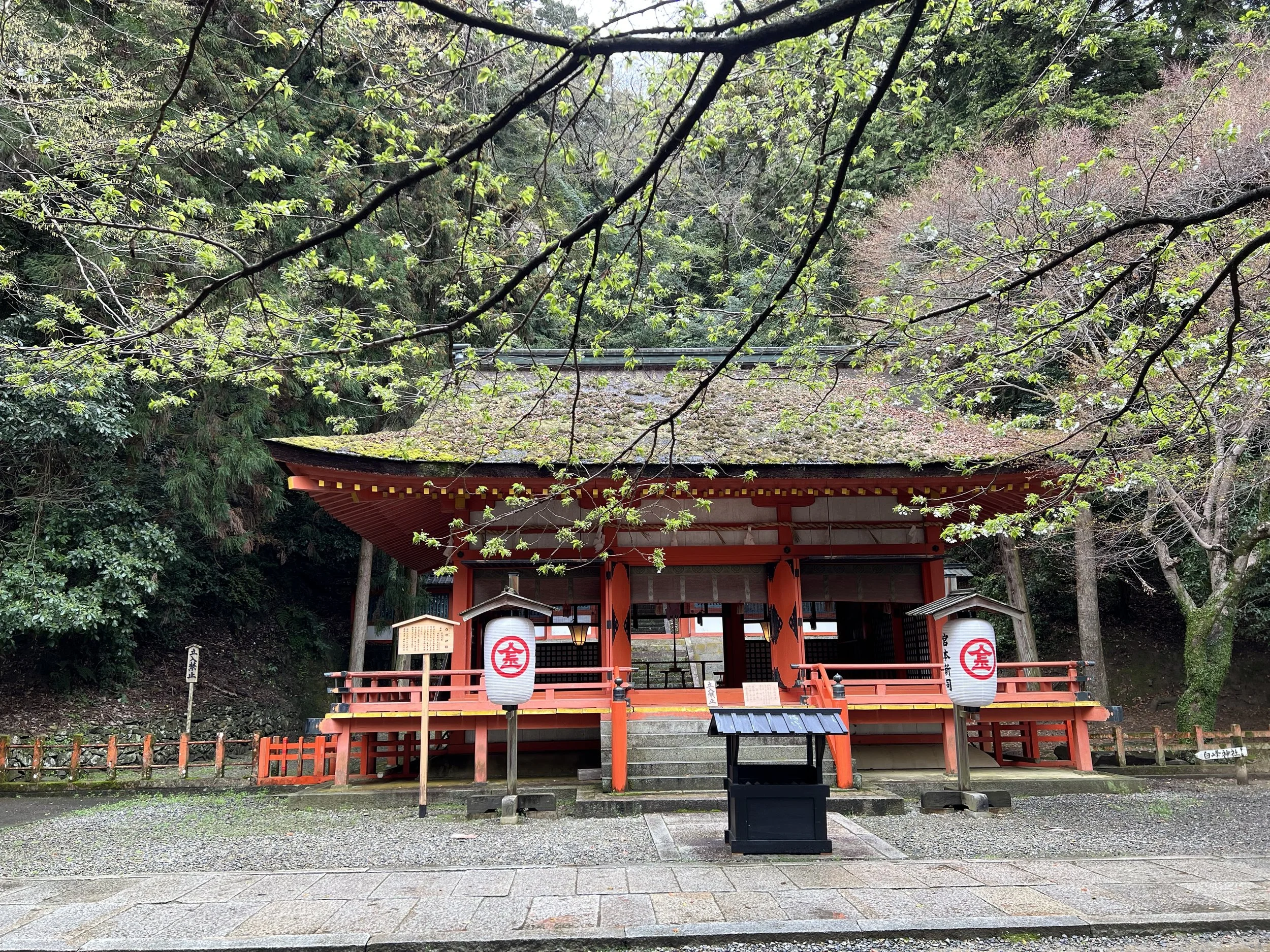
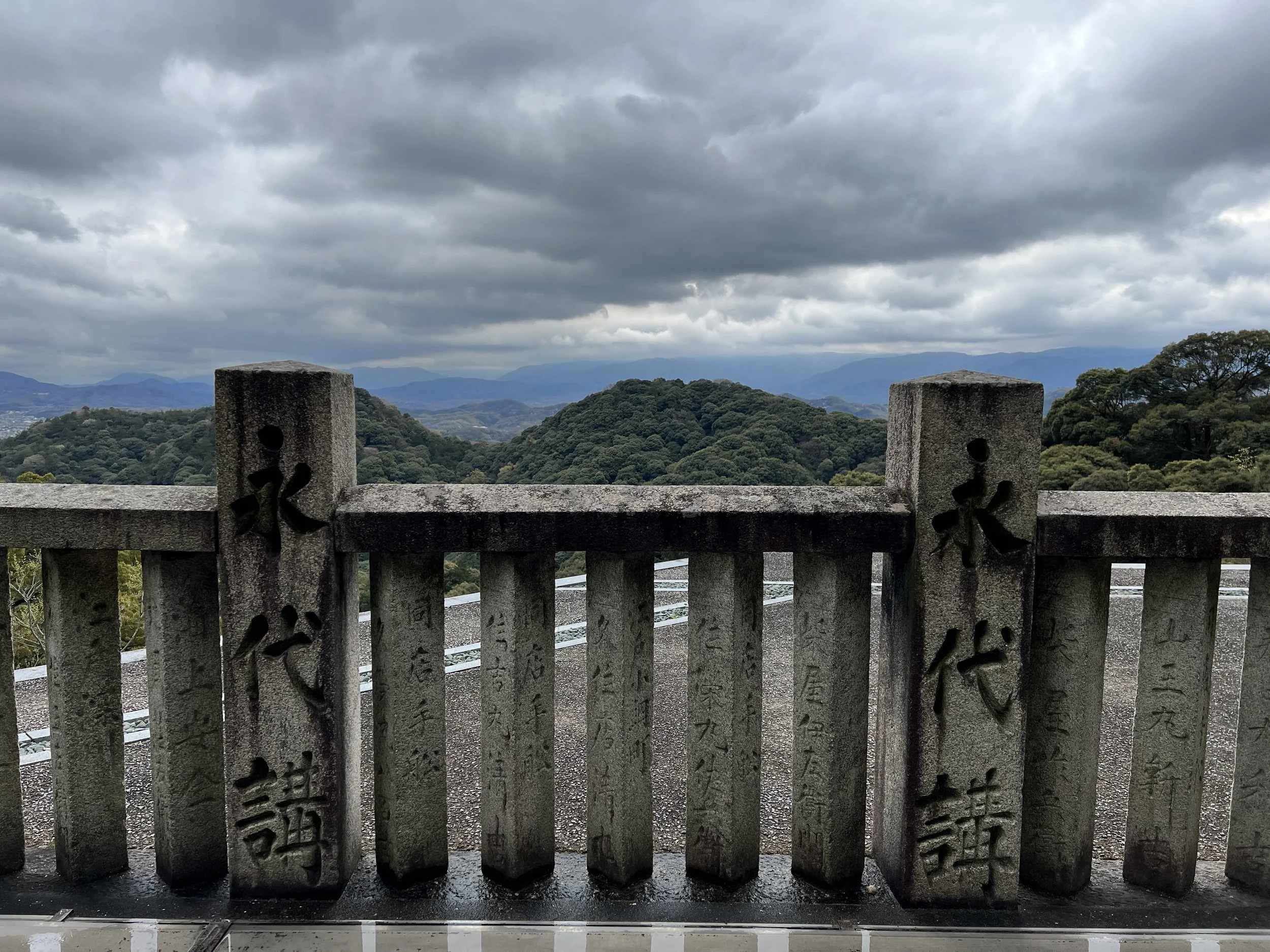
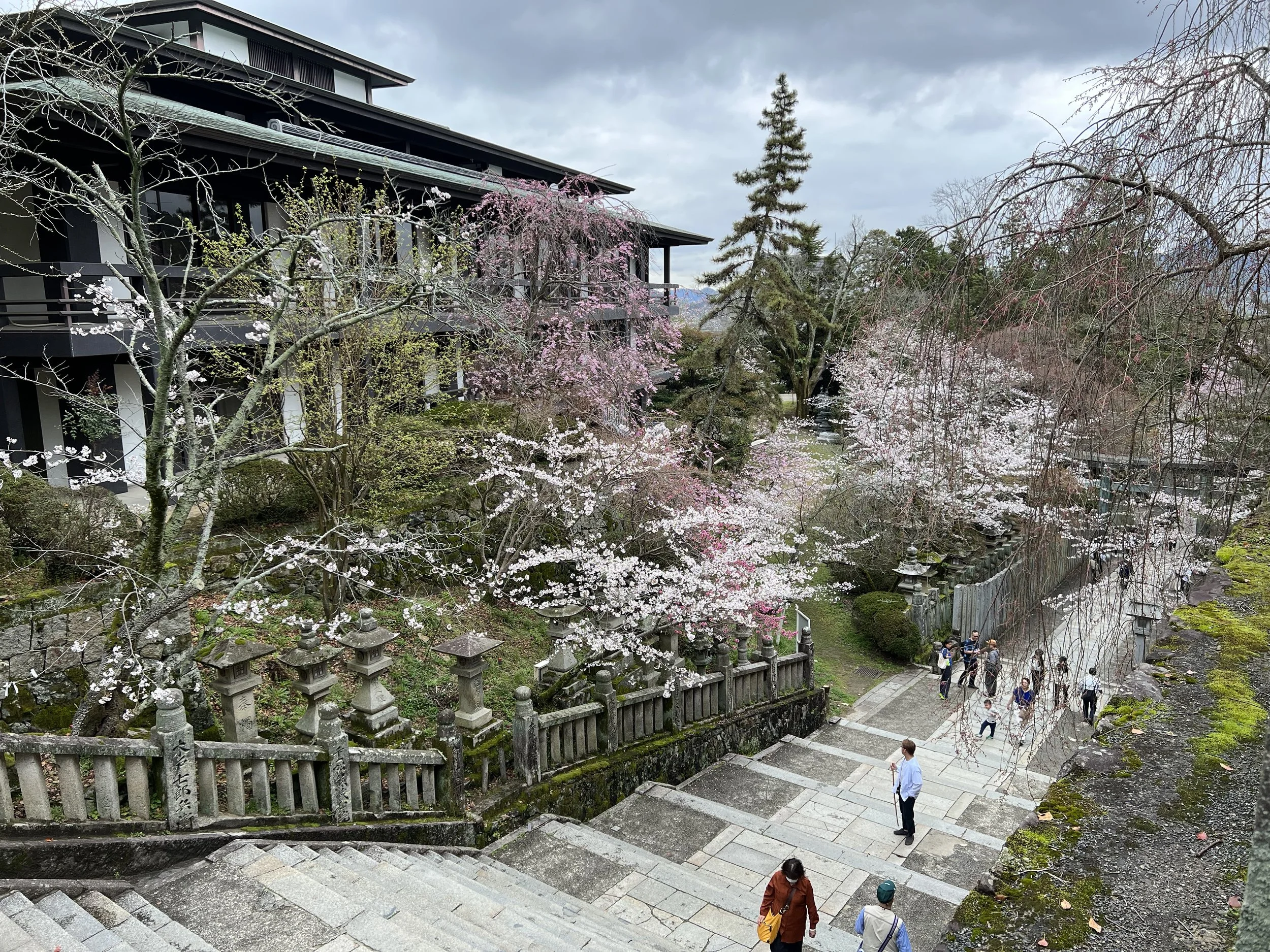
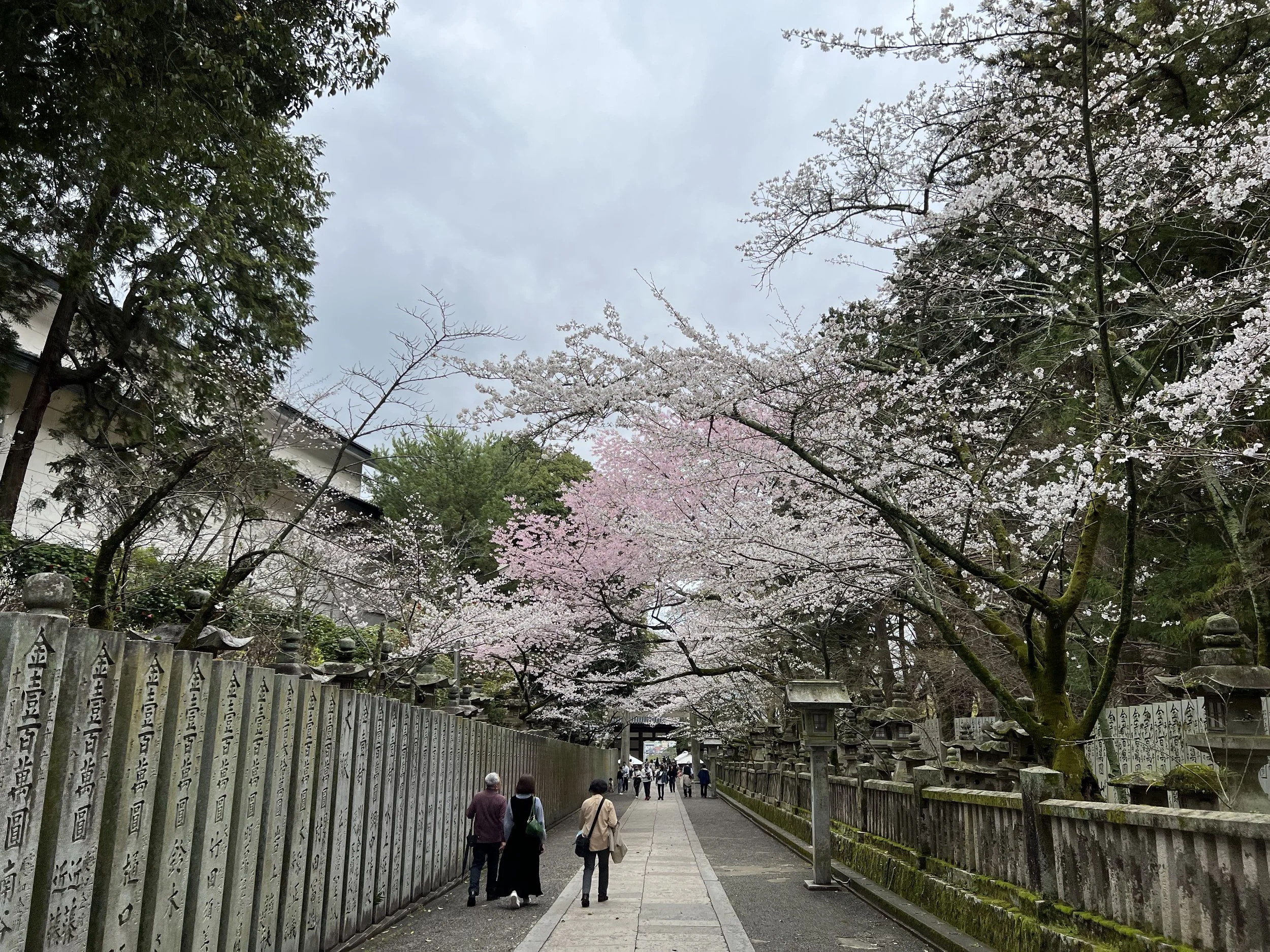
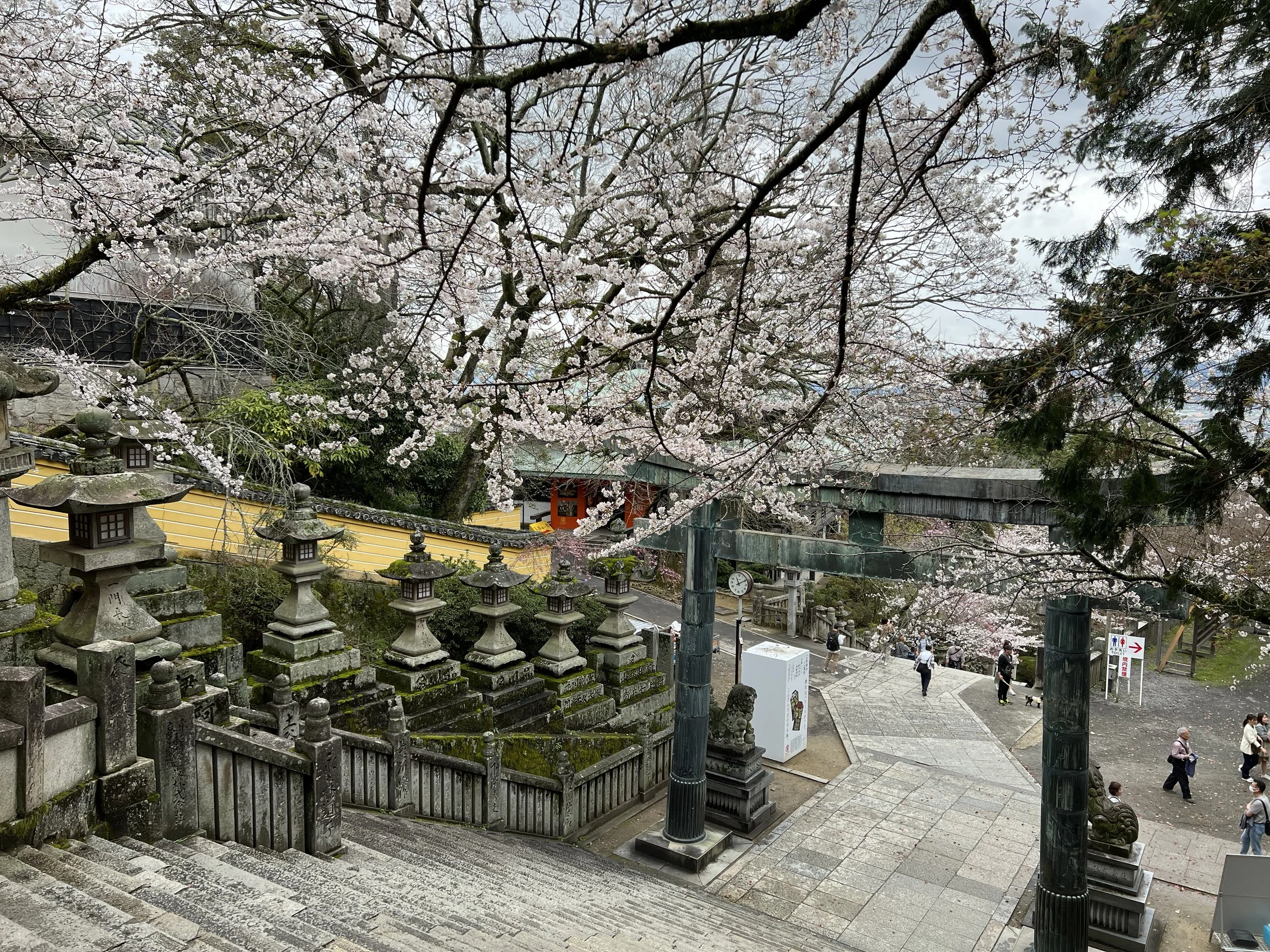
As I approached the main shrine complex, I began noticing clusters of early-blooming cherry blossoms scattered along the pathway. Although they were not yet at full bloom, the soft pink petals added a beautiful contrast to the torii gates and wooden shrine structures. The main hall area sits high enough on the mountain that it offers sweeping views over the town of Kotohira below and the surrounding countryside. Many visitors stop here rather than continuing on to the inner shrine, making it the busiest section of the complex.
While exploring the area, I learned more about the shrine’s history. The main deity worshiped here is Omononushi-no-Kami, a Shinto god believed to possess powers related to agriculture, fishing, medicine, and the arts. Over time, the shrine also became strongly associated with maritime safety, which is why sailors from across Japan historically made pilgrimages here. During the Edo Period, common people were heavily restricted in their travel. However, pilgrimage to Kotohiragu Shrine was one of the few journeys that was officially permitted.
Even so, not everyone was able to make the trip themselves. Some pilgrims entrusted their prayers to specially trained dogs known as Kompira-inu. These dogs carried small offerings or messages tied around their necks and traveled with other pilgrims to the shrine. Another unique practice involved floating barrels of sake called nagashidaru out to sea. Fishermen who discovered the barrels would bring them to the shrine as offerings. Learning about these traditions was fascinating, especially because it revealed the creative ways people maintained their spiritual devotion despite travel restrictions.
After spending some time exploring the main hall area and taking photos, I continued climbing toward the inner shrine. This section of the route felt very different from the lower half of the staircase. The bustling shops and restaurants disappeared, replaced by towering cedar trees and a quieter forest atmosphere. Along the way, I passed several smaller shrines tucked among the trees, but for the most part it was just nature and an endless stretch of stone steps.
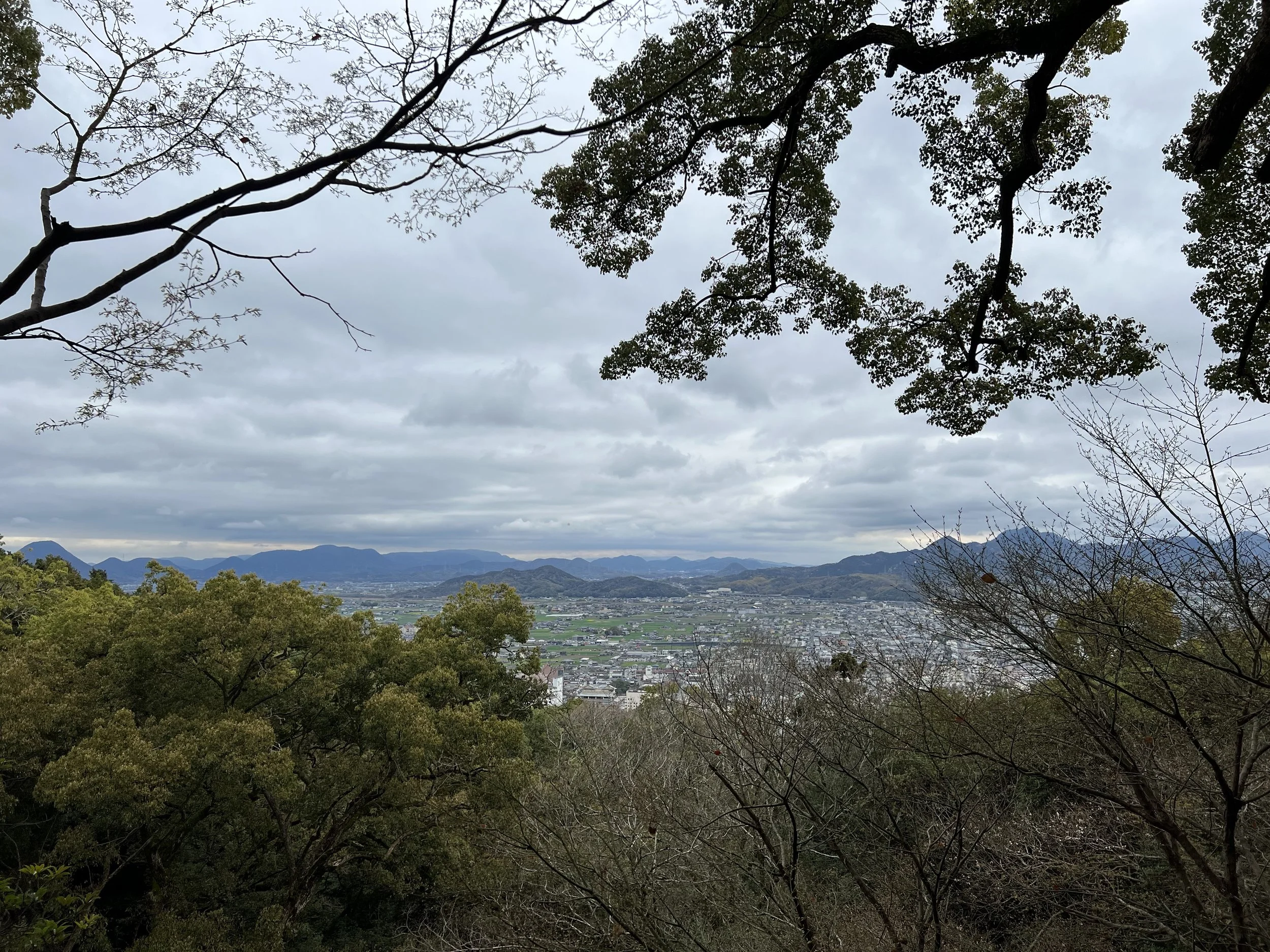
When I finally spotted the distinctive red structure marking the inner shrine, I felt an immediate sense of relief and accomplishment. From this point, the views were even more impressive, stretching across the town and distant mountains. I took a short break there, slowly wandering around the small shrine grounds and soaking in the peaceful atmosphere.
On my way back down, I passed several hikers debating whether they should continue to the top. When they asked how far it was, I told them it was only about ten more minutes and definitely worth it. After thanking me, they decided to keep going.
Descending the stairs felt significantly faster than climbing them. Even though the route was the same, I noticed the scenery differently on the way down. Perhaps it was because I had a wider perspective looking downhill, but I found myself appreciating the cherry blossoms even more from above.
Once I reached the bottom again, I stopped at a small café along the main approach street. After climbing more than a thousand steps, coffee and dessert felt very well deserved. I spent some time browsing through a few souvenir shops before eventually returning to the station to continue my journey toward Marugame.
History & Background
Kotohiragu Shrine (金刀比羅宮) is one of Japan’s most famous pilgrimage shrines and serves as the head shrine of all Kompira shrines throughout the country.
The shrine enshrines Omononushi-no-Kami, a deity associated with agriculture, healing, and prosperity. Over time, the shrine also became closely linked to maritime safety, attracting sailors and fishermen who prayed for protection during sea voyages.
The shrine complex stretches along the mountainside of Mount Zōzu and requires climbing 785 steps to the main hall and 1,368 steps to the inner shrine. During the Edo Period, pilgrimage to Kotohiragu Shrine became extremely popular. Many people who could not travel themselves sent offerings via dogs known as Kompira-inu, which became an iconic symbol of the shrine’s history.
Today, Kotohiragu Shrine remains an important spiritual destination as well as a scenic hiking route known for its historic streets, traditional shops, and seasonal cherry blossoms.
Getting There
The nearest station is Kotohira Station on the JR Dosan Line. From the station, it takes about 15 minutes on foot to reach the start of the shrine’s main approach street. The staircase leading up the mountain begins shortly after. The full climb to the inner shrine takes approximately 45–60 minutes, depending on pace and breaks.
Route Overview
Distance: 7.44 km out & back (Kotohira Station)
Total elevation gain: 318 m
Duration: 1 hr 25 min (with breaks 2 hr 41 min)
Difficulty: Intermediate
Cost Breakdown
Train: Oboke Station → Kotohira Station — ¥2,970
Food: ¥1,050