Oboke Gorge - Tokushima, Japan
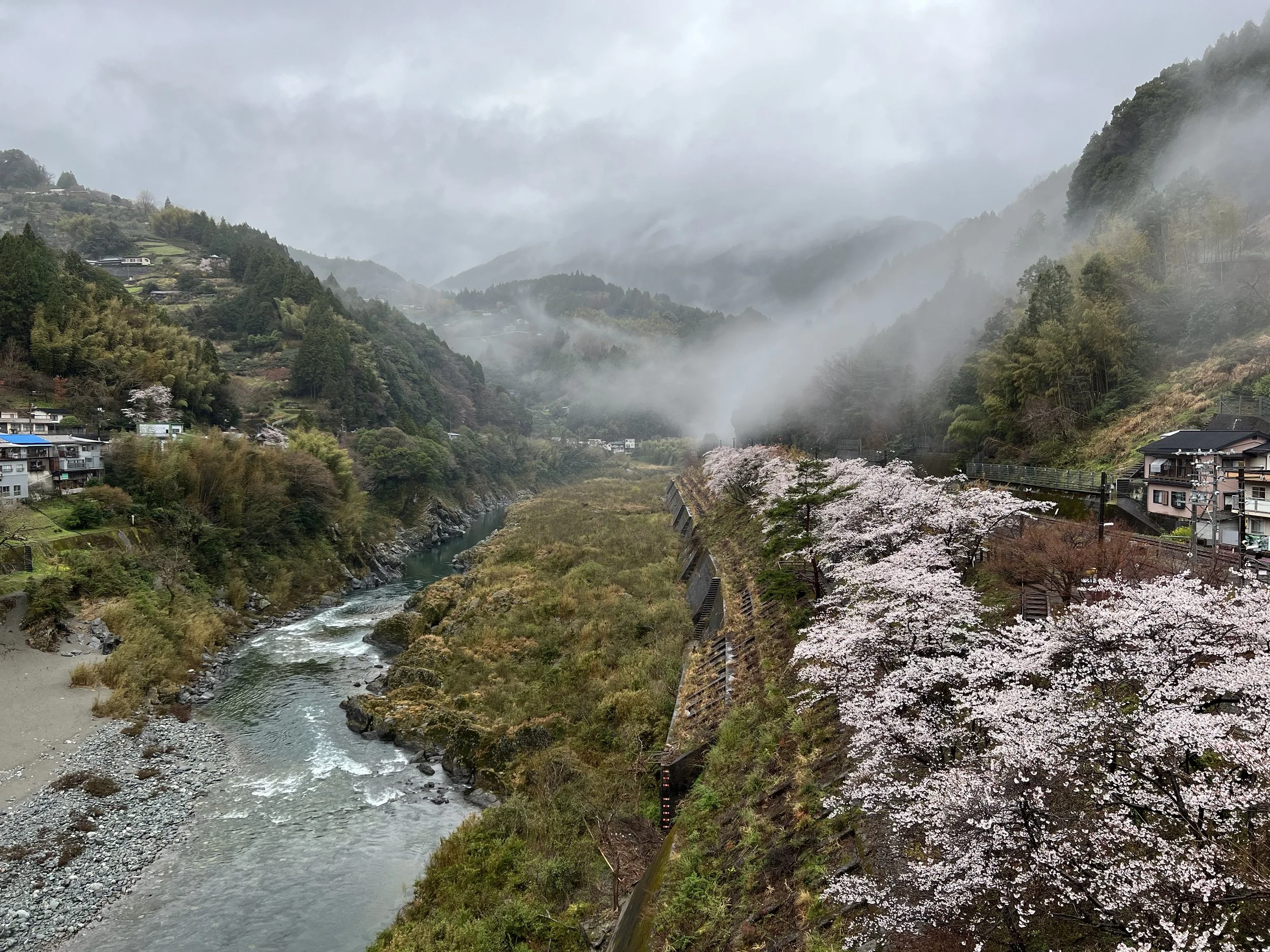
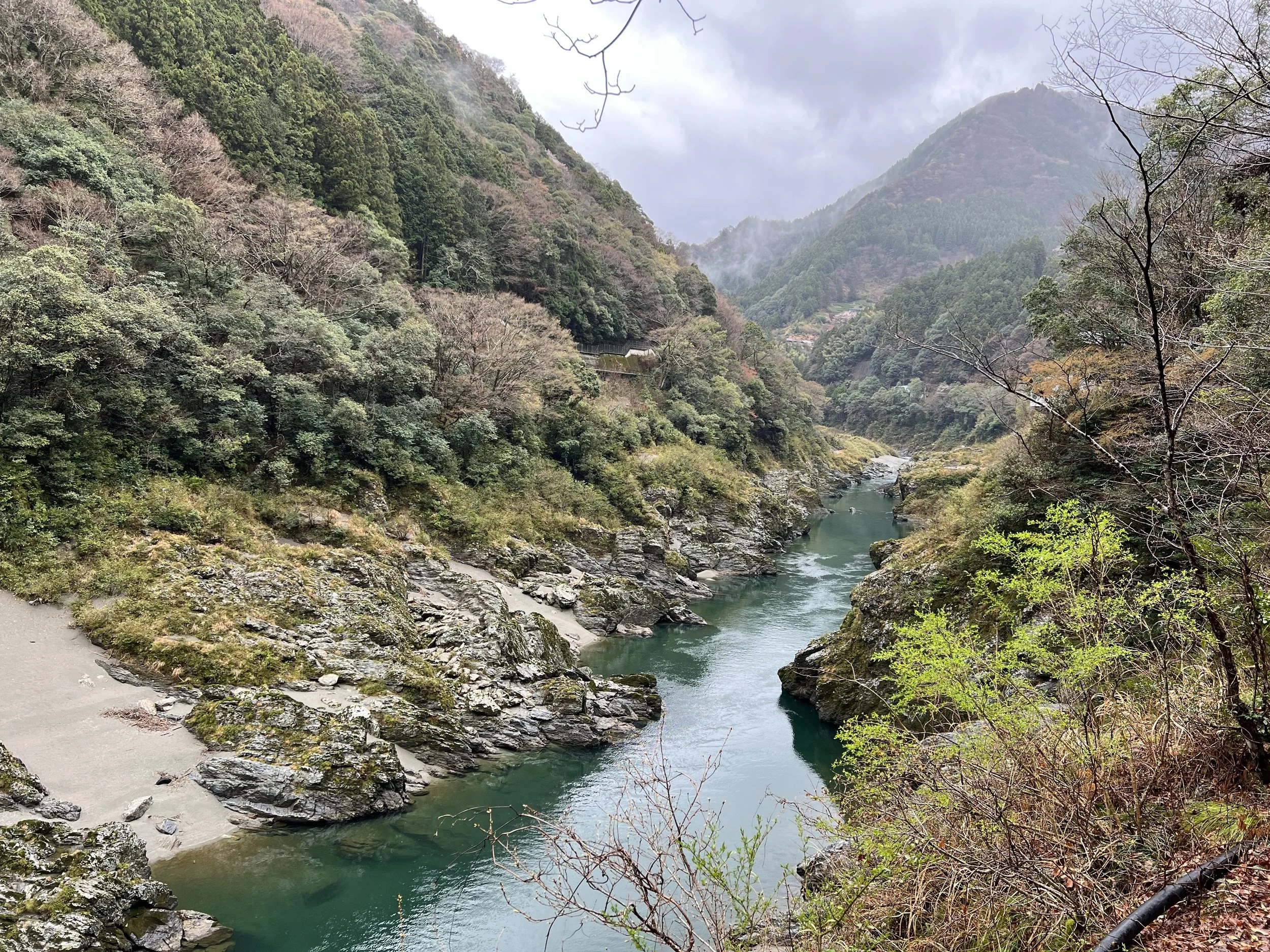
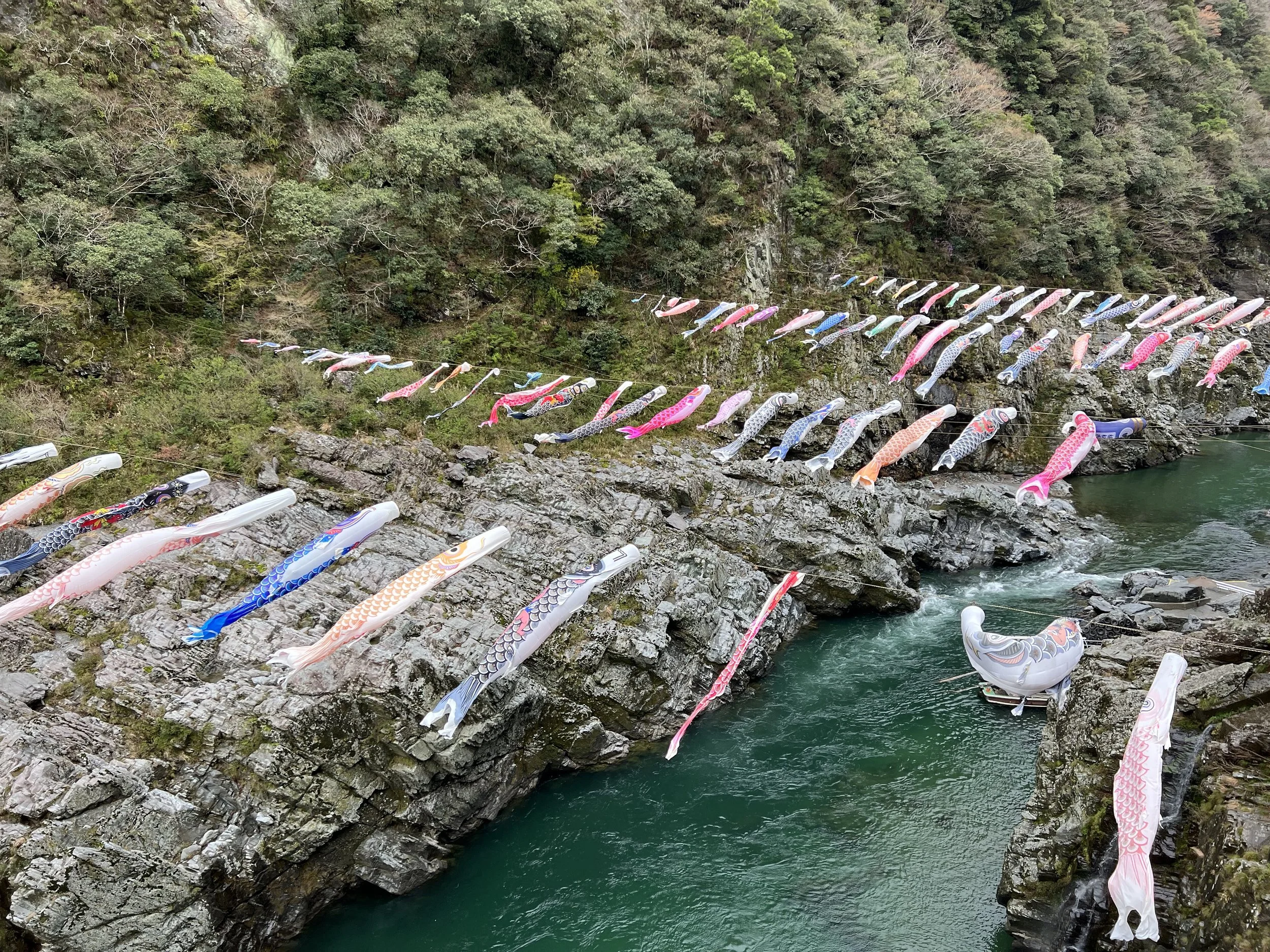
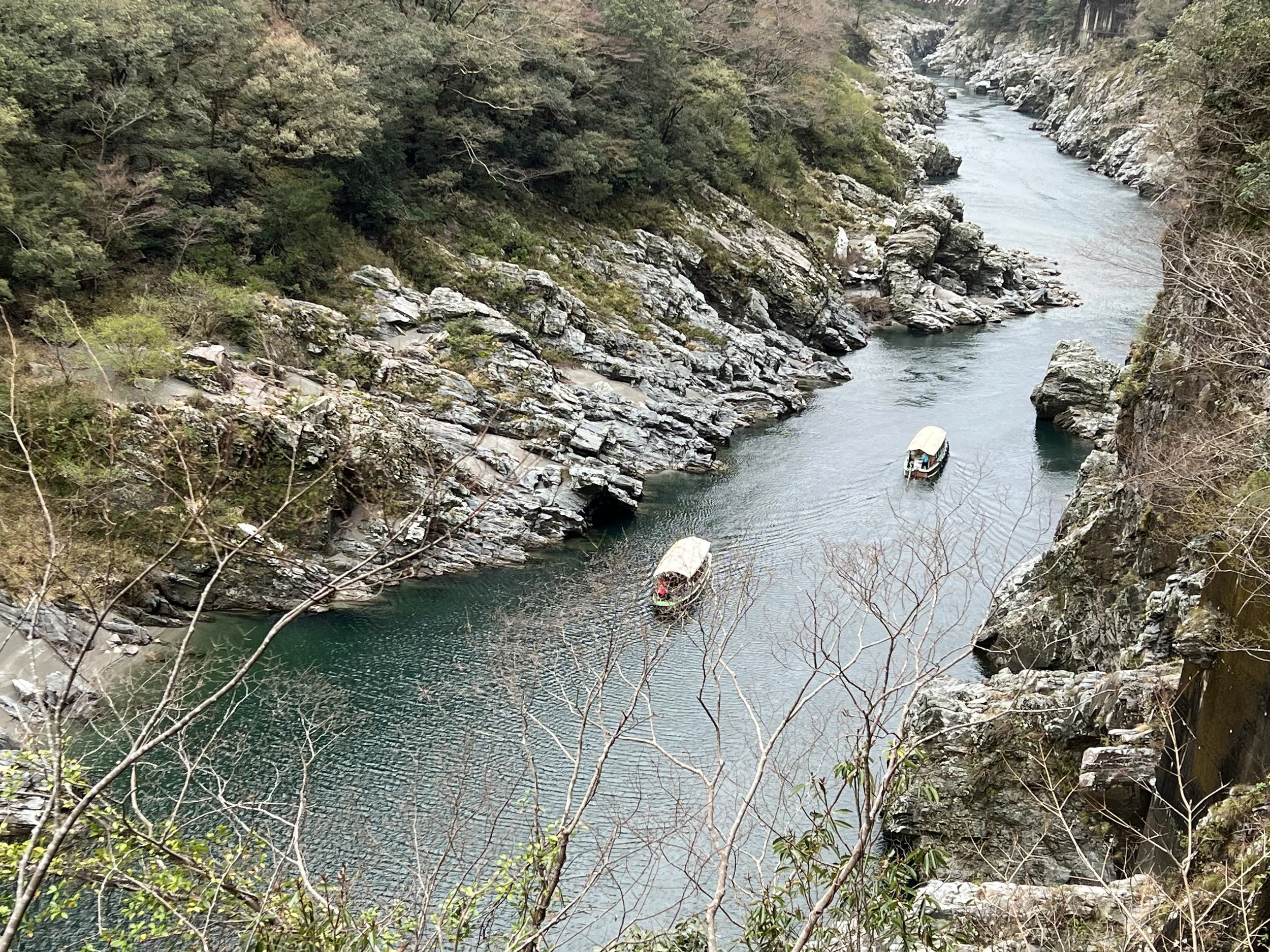
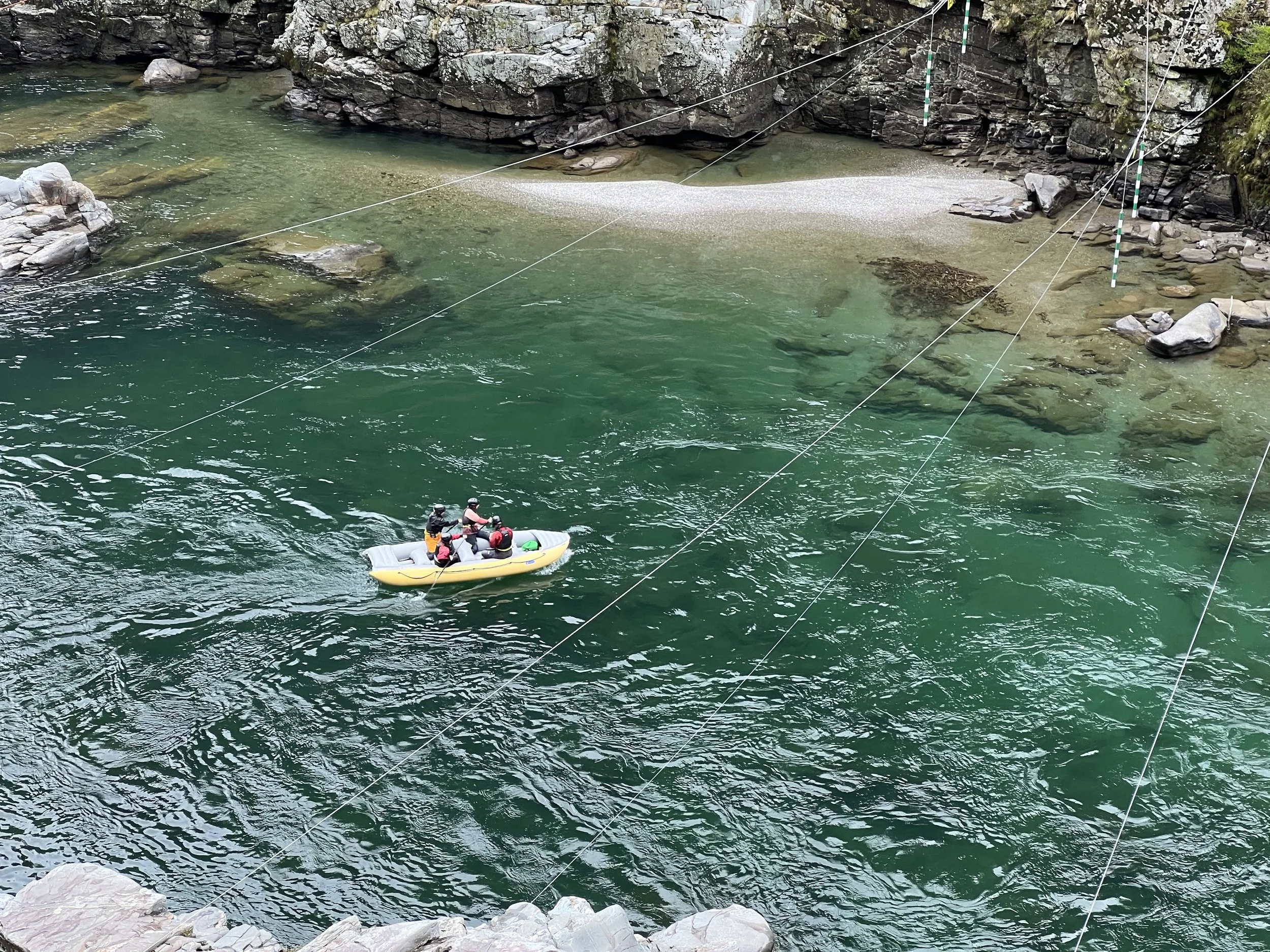
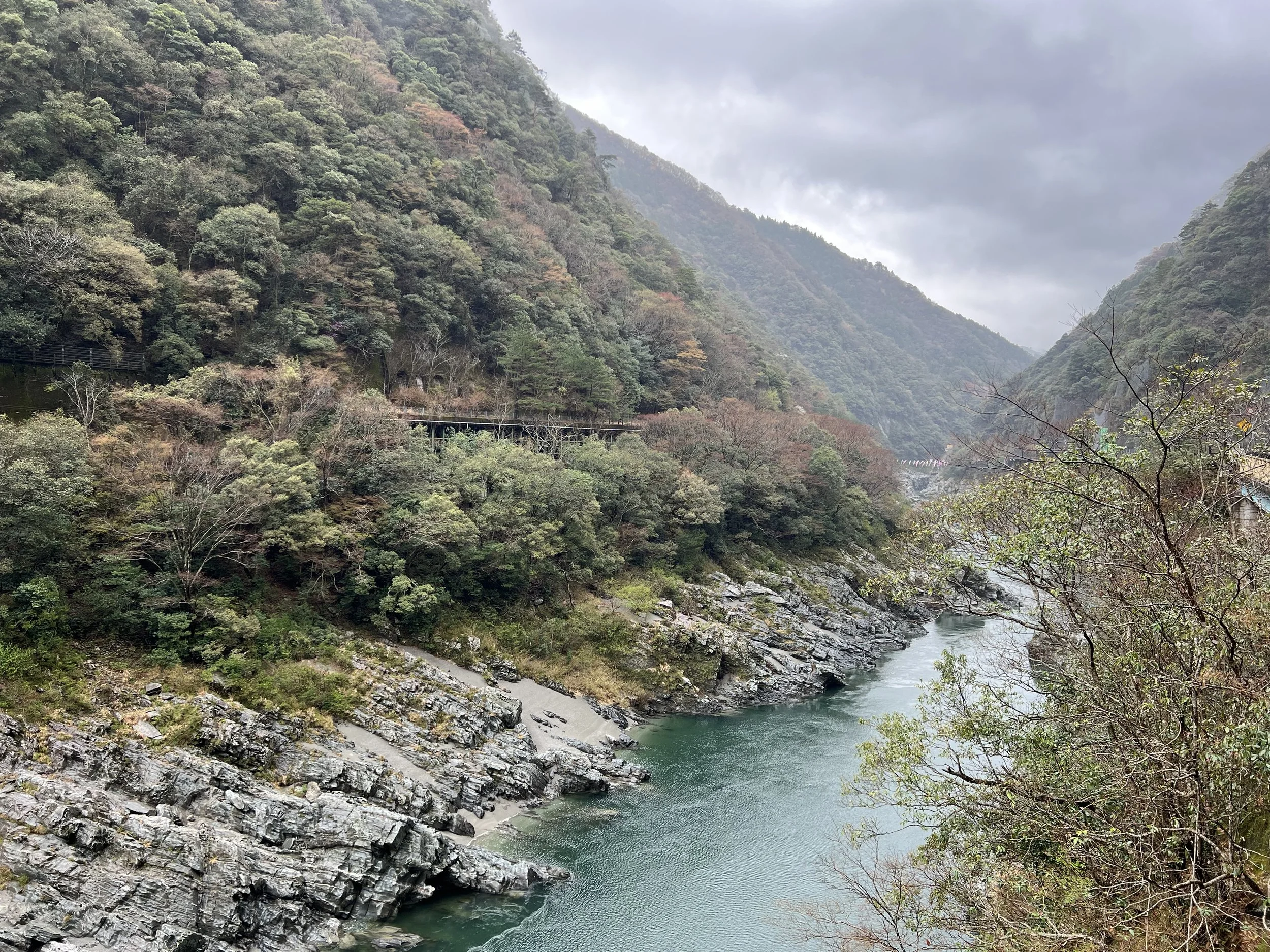
Oboke Gorge is a narrow canyon located near the entrance to the Iya Valley in Tokushima Prefecture. Carved by the powerful Yoshino River, the gorge is known for its dramatic rock formations and emerald-coloured water. The river here is also a popular destination for whitewater rafting, kayaking, and other outdoor water sports. For me, however, it was the scenery that drew me to this part of Shikoku.
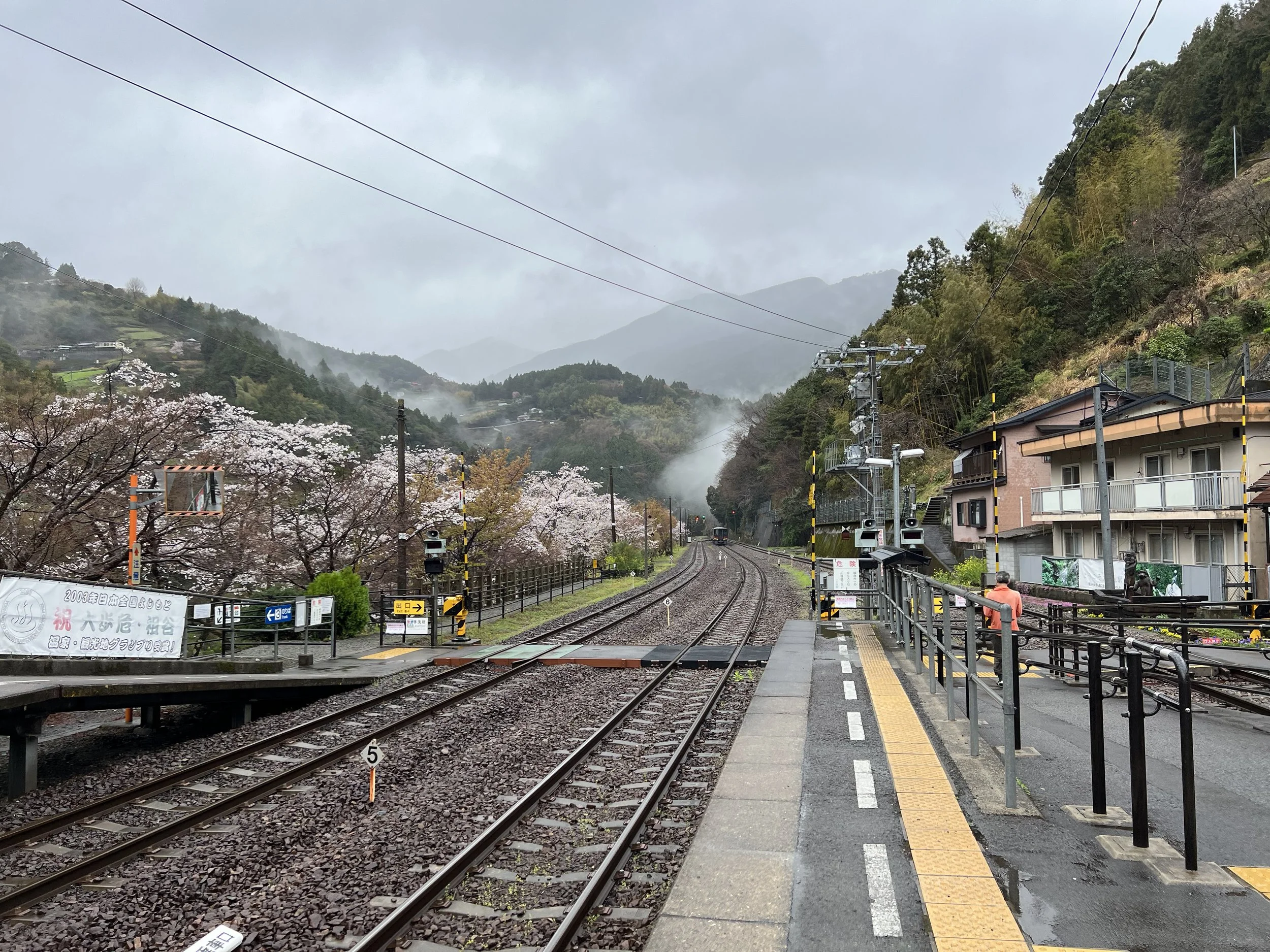
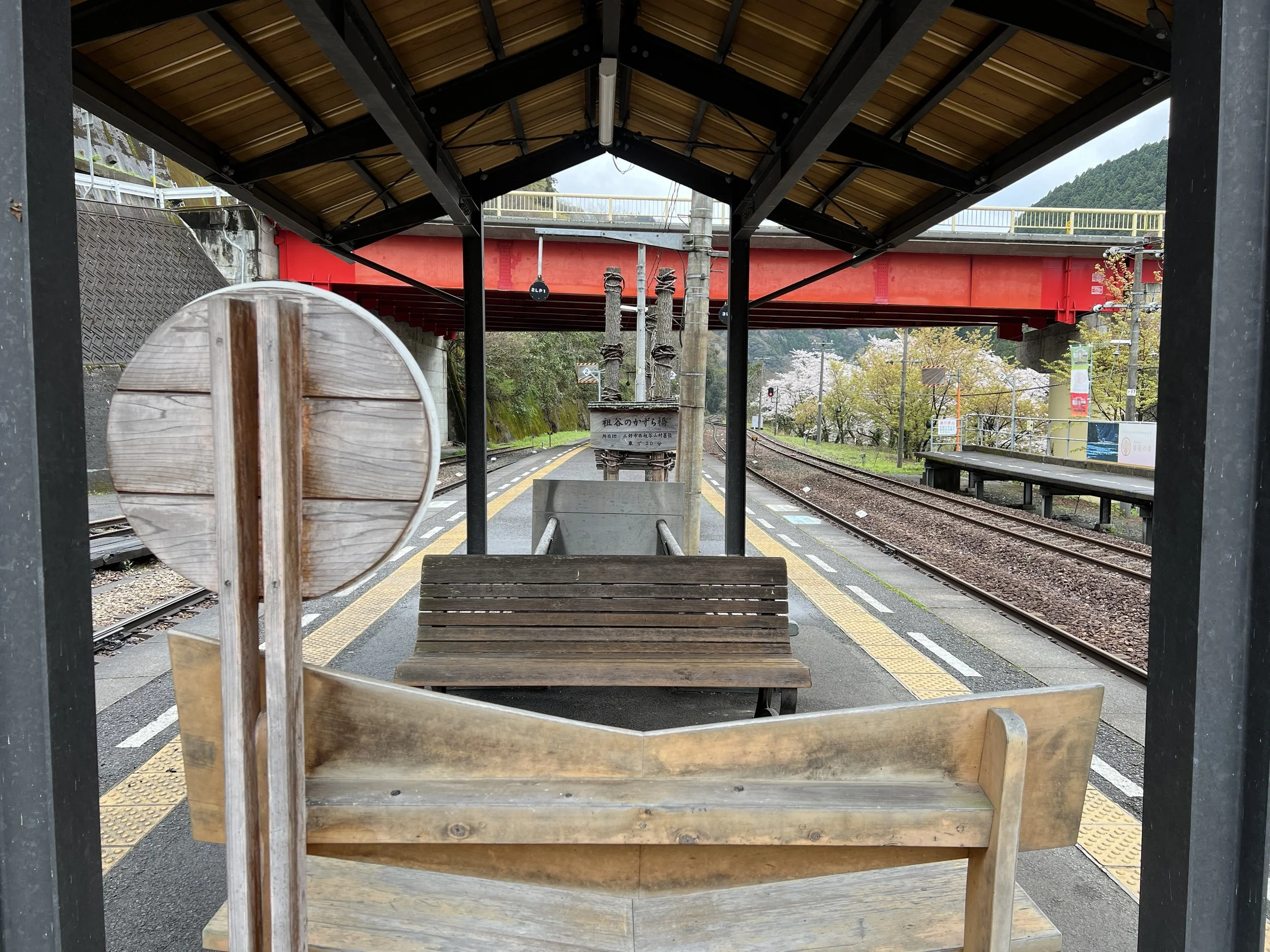
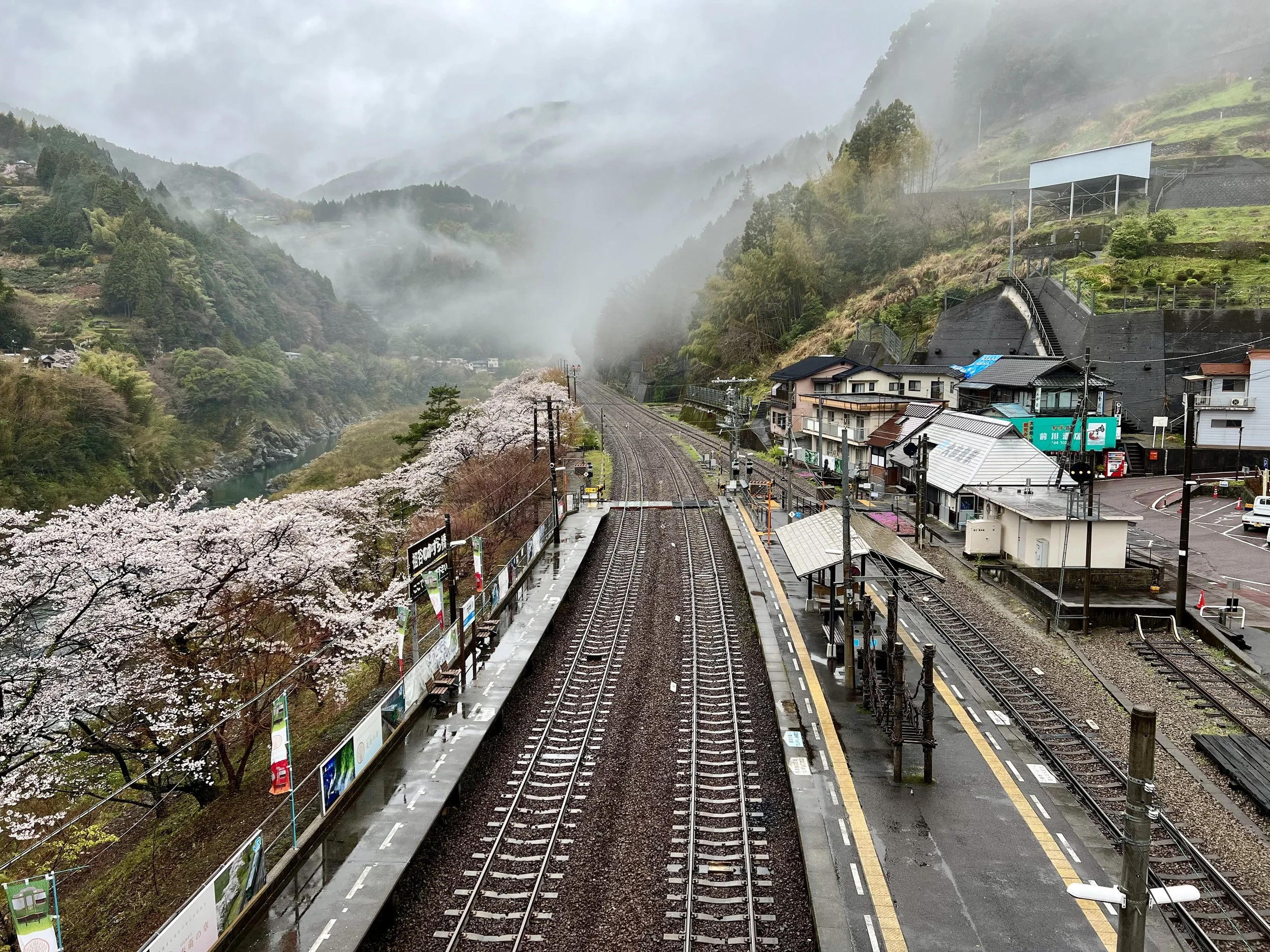
I was immediately struck by the landscape when I arrived at Oboke Station. The station itself is quite small, tucked between steep forested hills and the gorge below. Cherry trees line the area near the railway tracks, and from the station you can walk a short distance to a small observation deck overlooking the river valley. Since it was early cherry blossom season, a few of the trees had already begun to bloom. Combined with the light rain and mist hanging over the valley, the scene felt especially atmospheric.
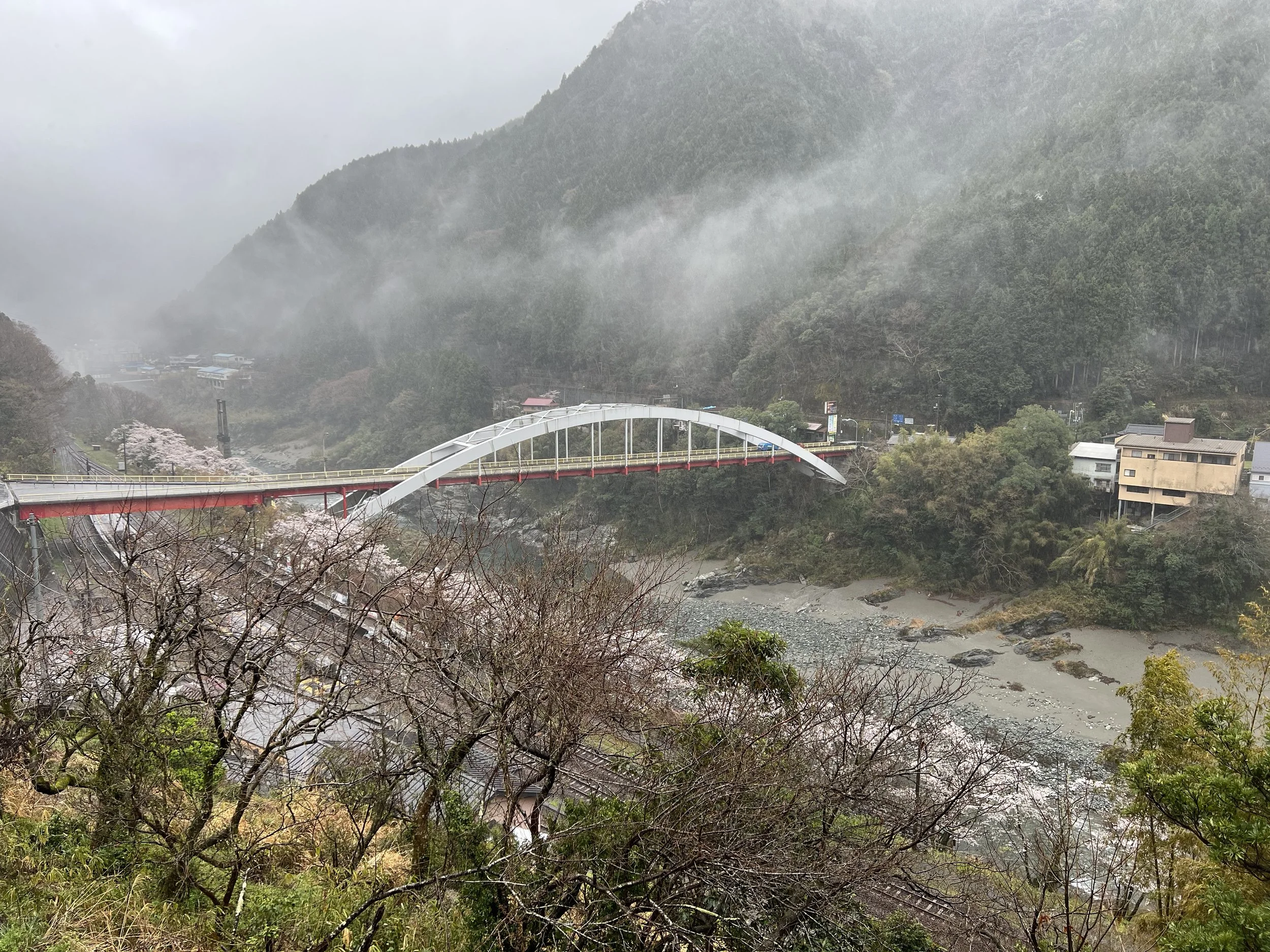
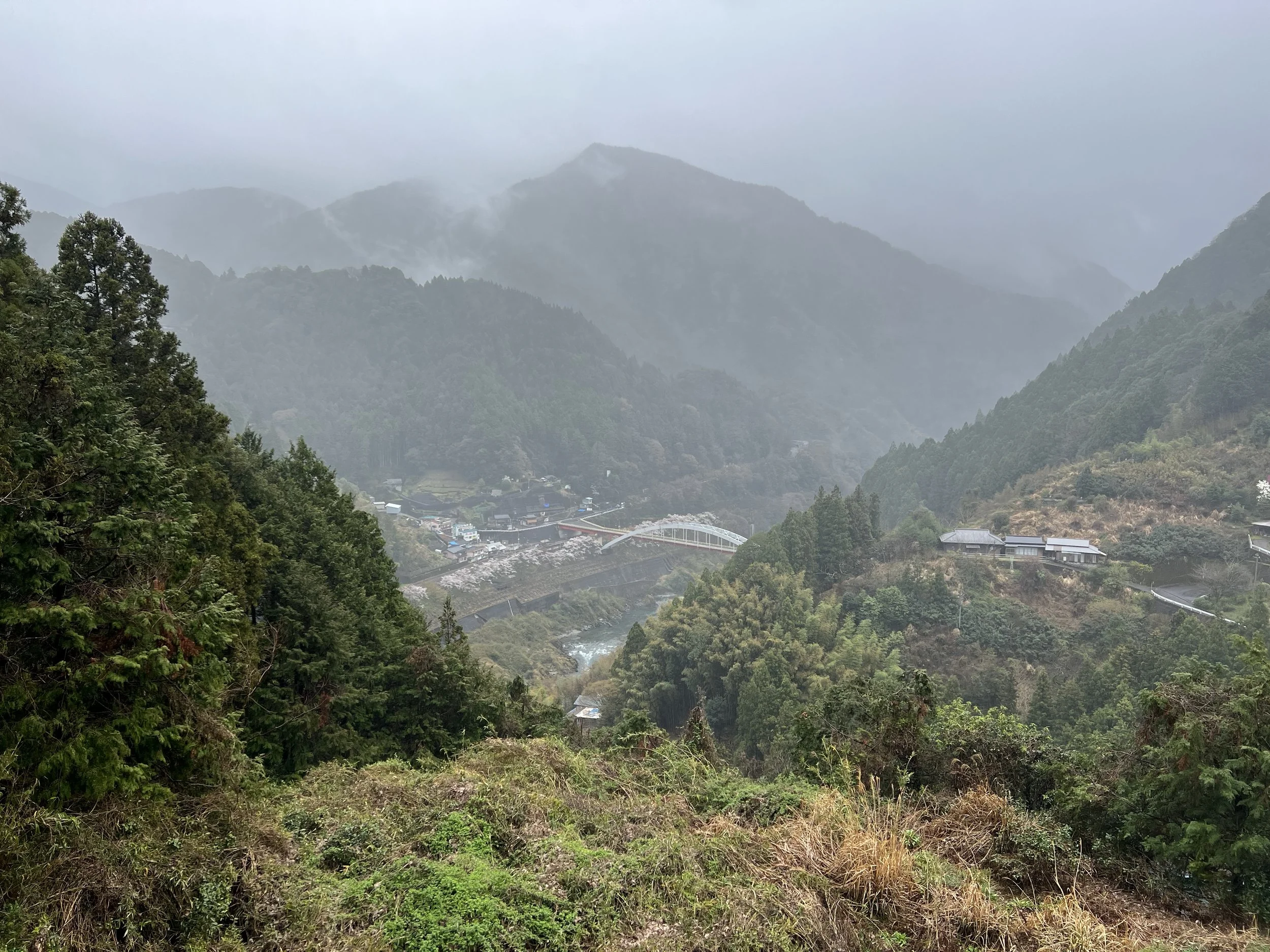
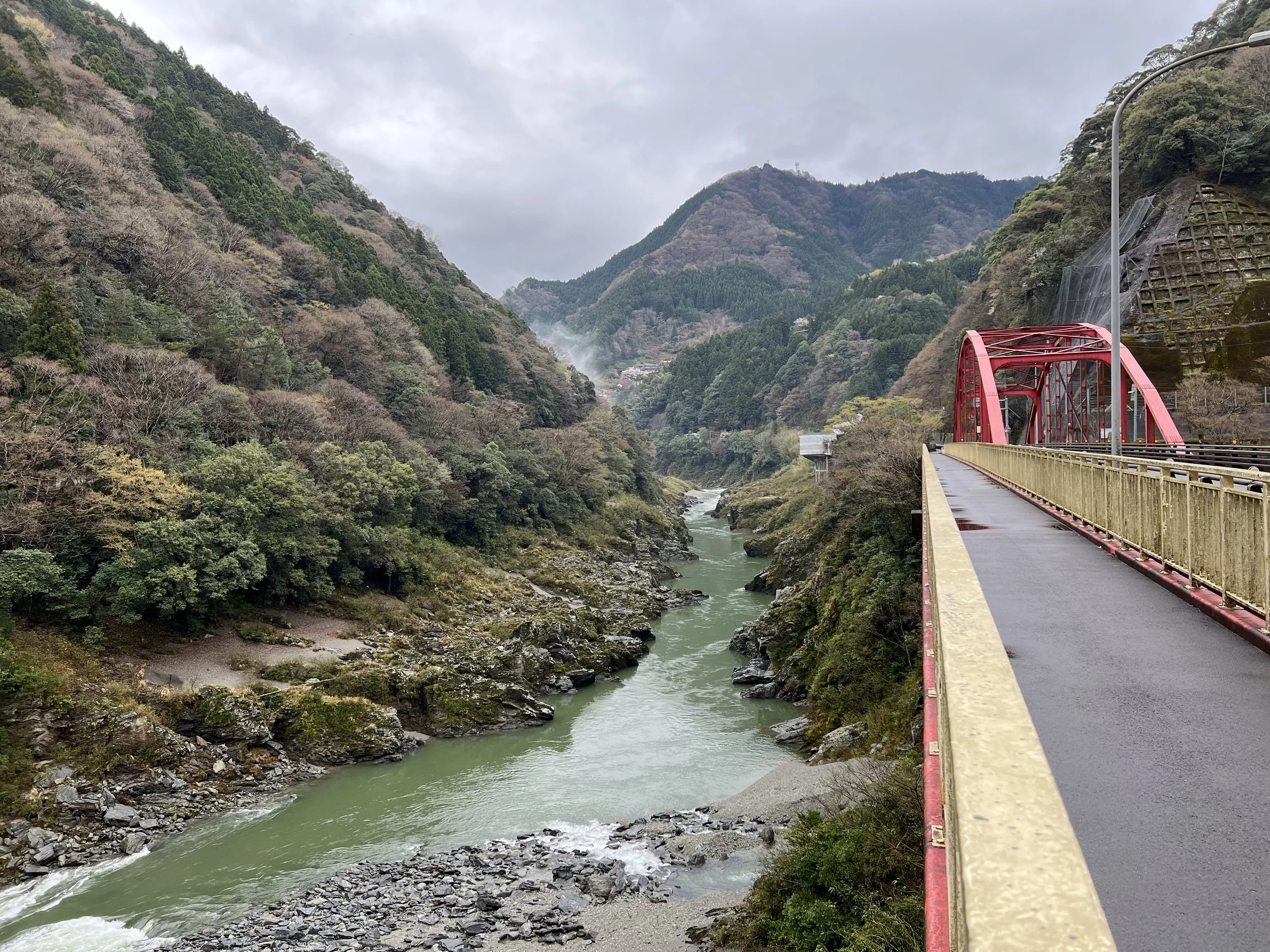
Although it would have been easy to linger there for a while, I wanted to make the most of my time in the area. I began walking uphill from the station toward another nearby viewpoint. The climb wasn’t long, but the higher vantage point offered a wonderful perspective over the station itself as well as the nearby Oboke Bridge spanning the gorge.
Since my hotel check-in wasn’t until later in the afternoon, I had several small detours planned along the way. After coming back down from the viewpoint, I crossed Oboke Bridge to the opposite side of the gorge and followed the road for a short distance before turning onto a quieter mountain road.
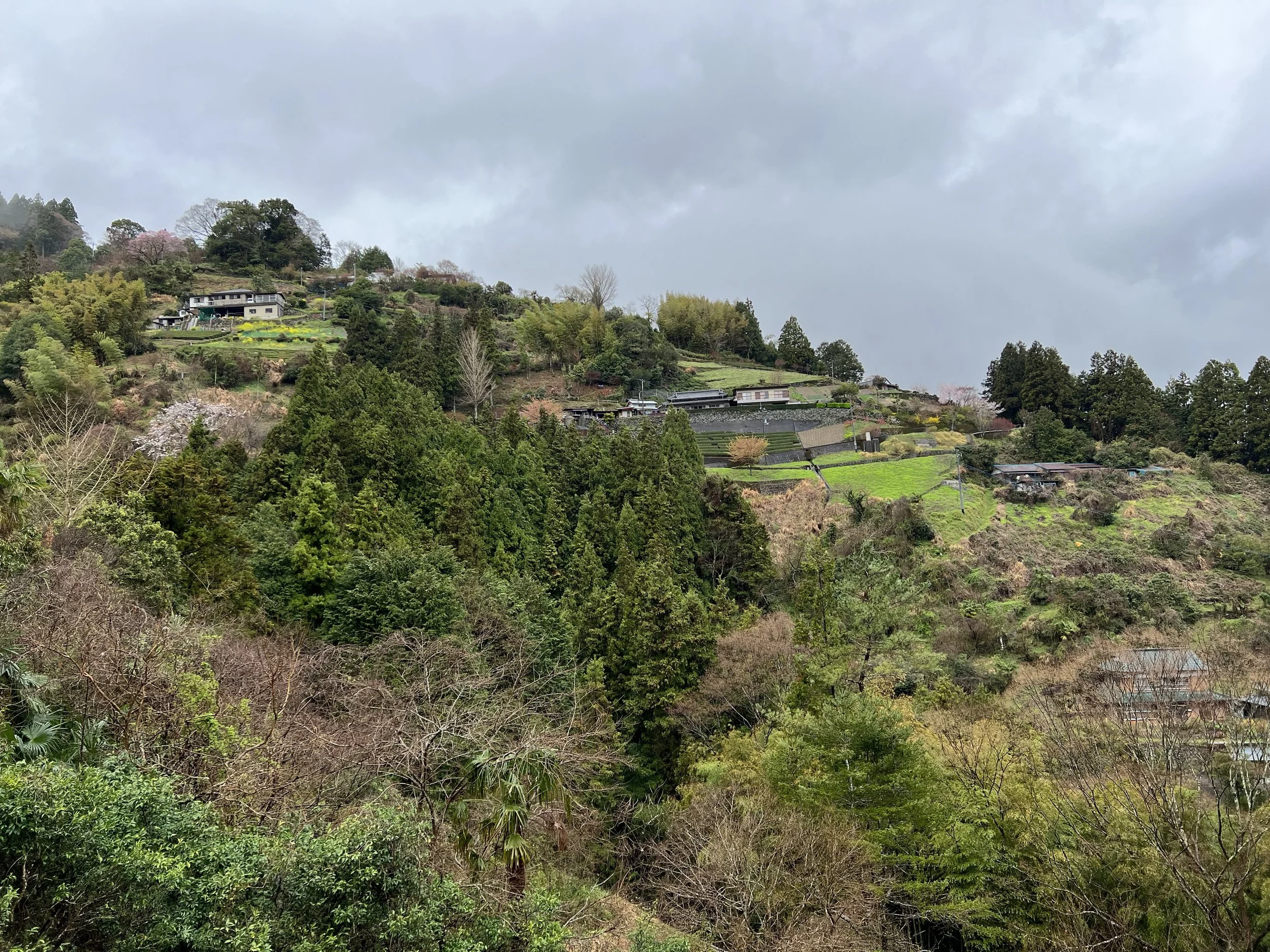
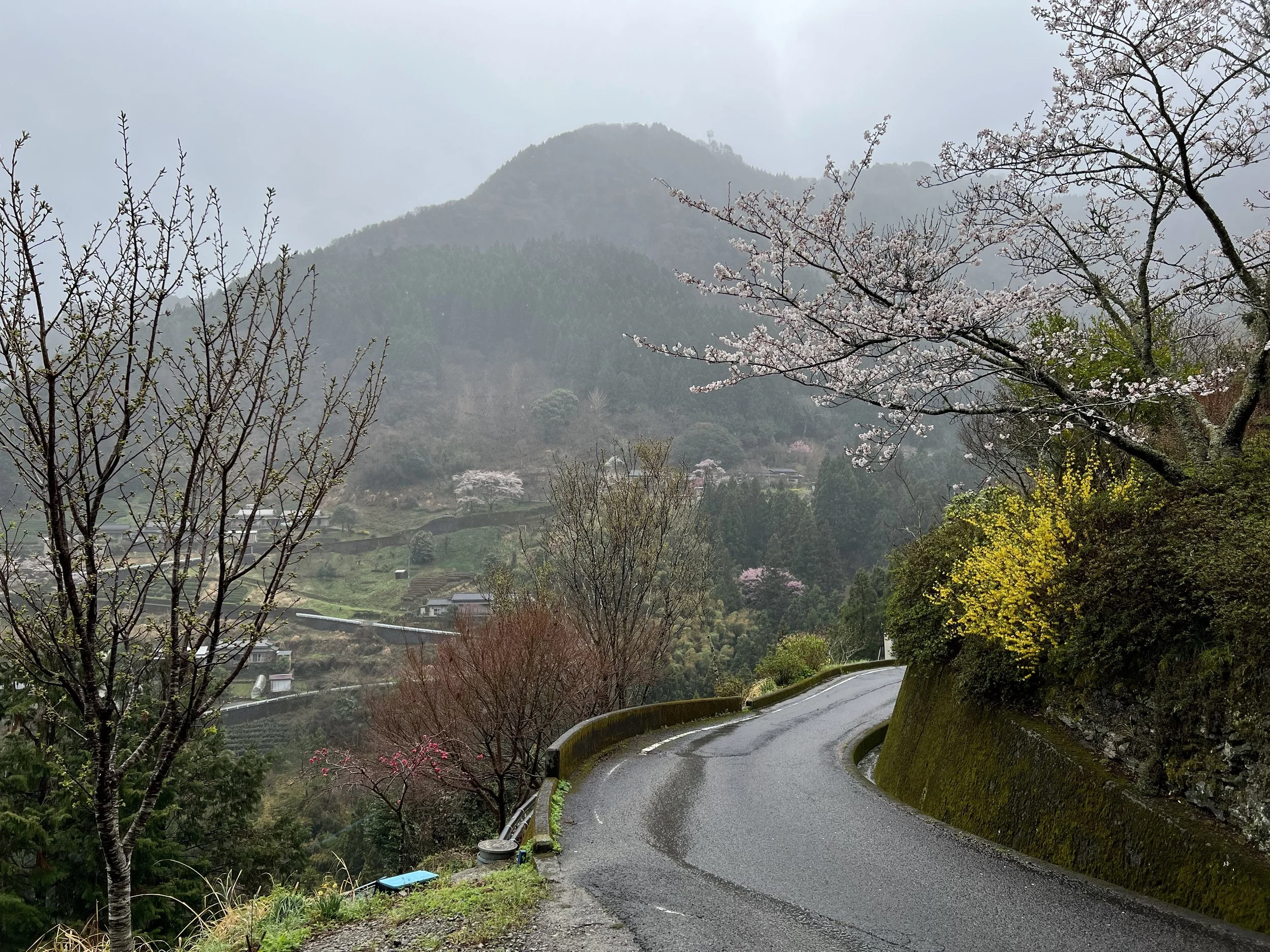
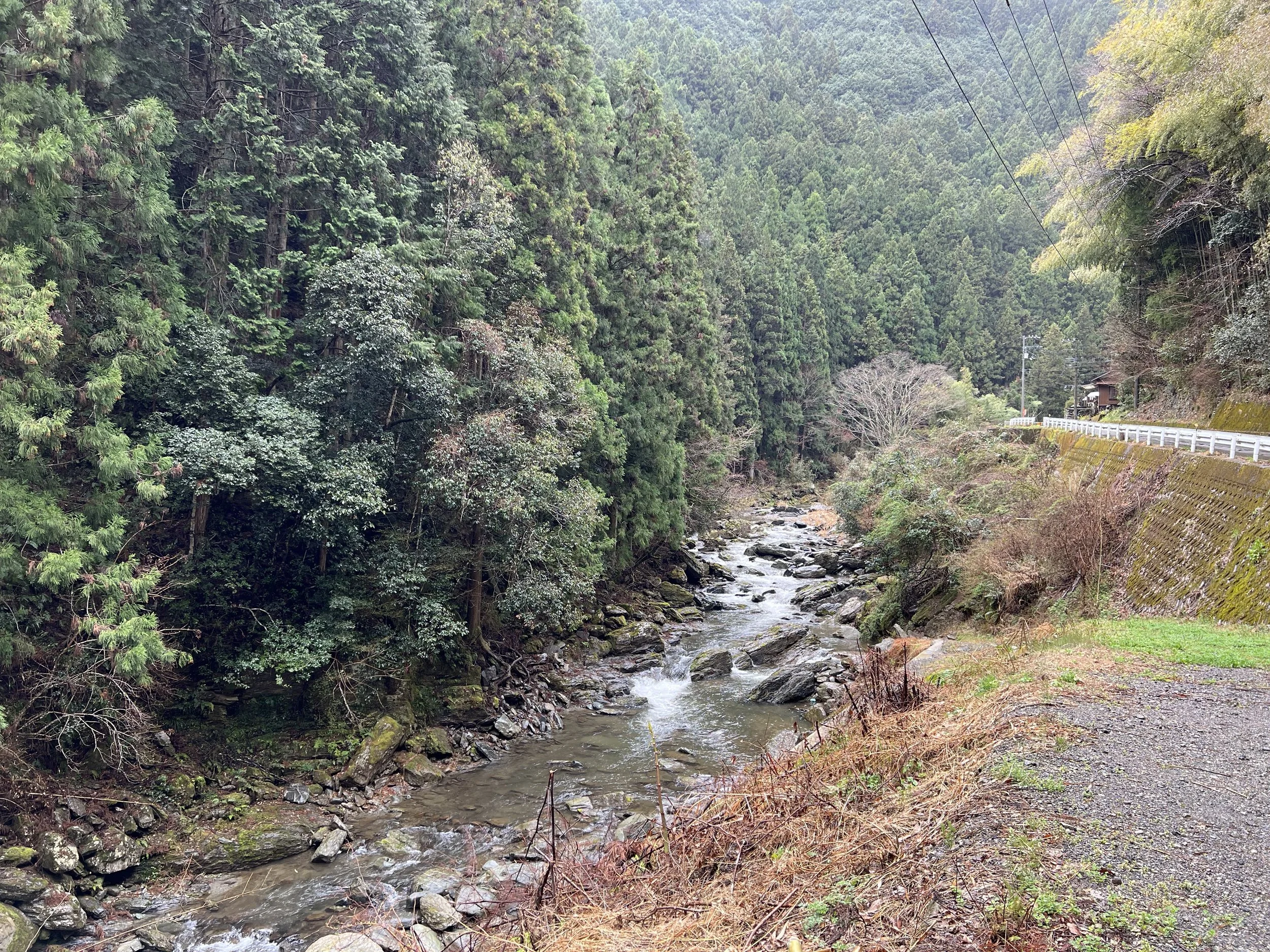
I had read that the higher roads above the town provide beautiful views over the valley and surrounding rice paddies. The climb up the mountain road was a bit uncomfortable at times due to the humidity, but the scenery made the effort worthwhile. Mist drifted through the dense green forest while occasional bursts of pale pink cherry blossoms appeared along the cliffs above the gorge.
Every so often I stopped along the roadside to admire the view. From these spots, I could see the river winding through the narrow canyon far below, with the town of Oboke nestled along the valley floor.
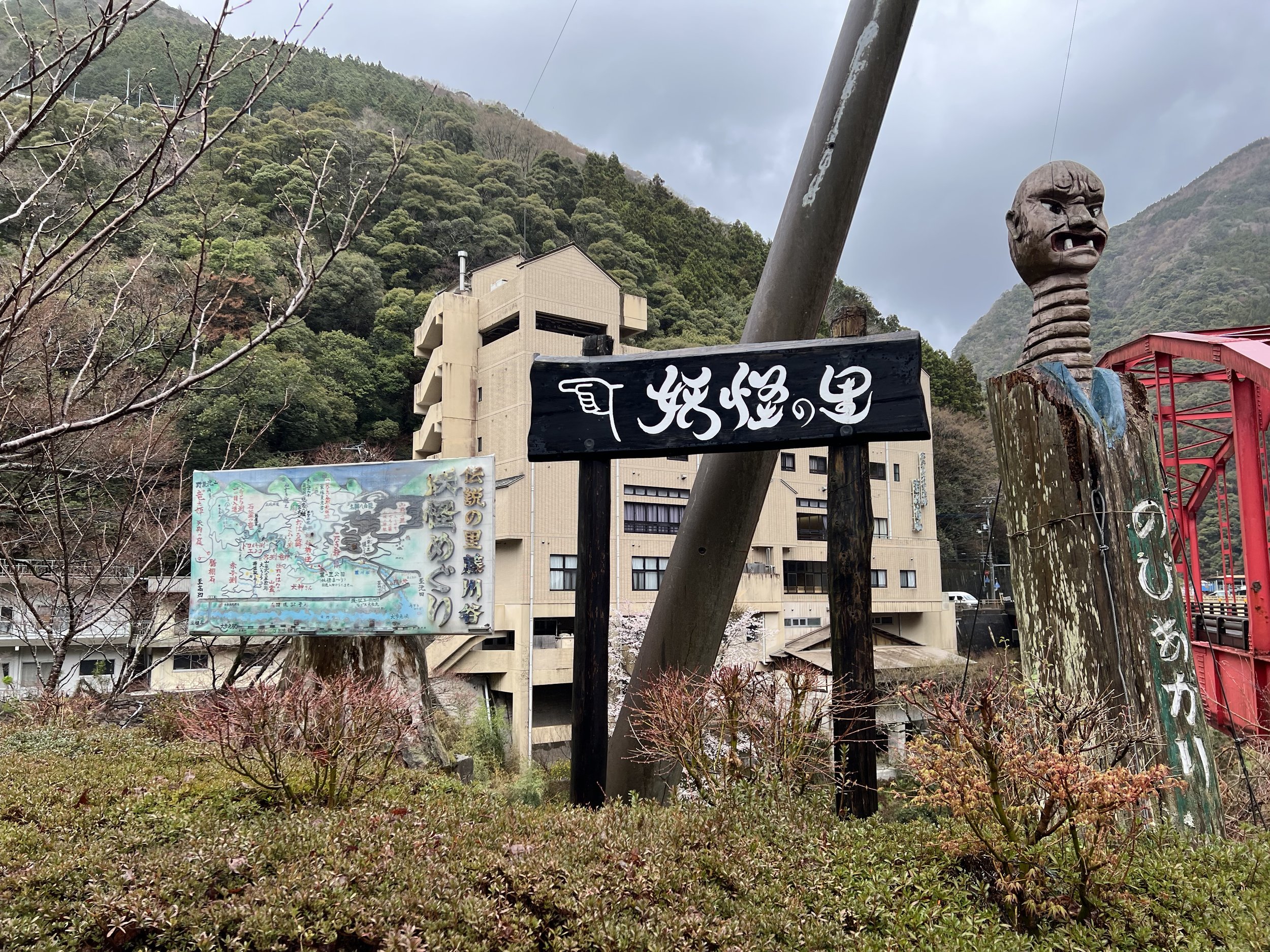
Eventually, the road curved back down toward the main route along the gorge. From there, I continued walking until I reached another side road leading toward what’s often referred to as the Yokai Village.
The Oboke and Iya regions have long been known as remote and rugged mountain areas. In the past, steep cliffs, deep valleys, and unpredictable weather made travel difficult and sometimes dangerous. Because of this isolation, the region developed a rich tradition of folklore involving yokai—supernatural creatures, spirits, and monsters often used in stories to warn travellers about the dangers of the natural environment.
In 2008, the area was officially recognized as “Yokai Heritage” by the World Yokai Association, becoming one of only two locations in Japan with that designation alongside Sakaiminato in Tottori Prefecture.
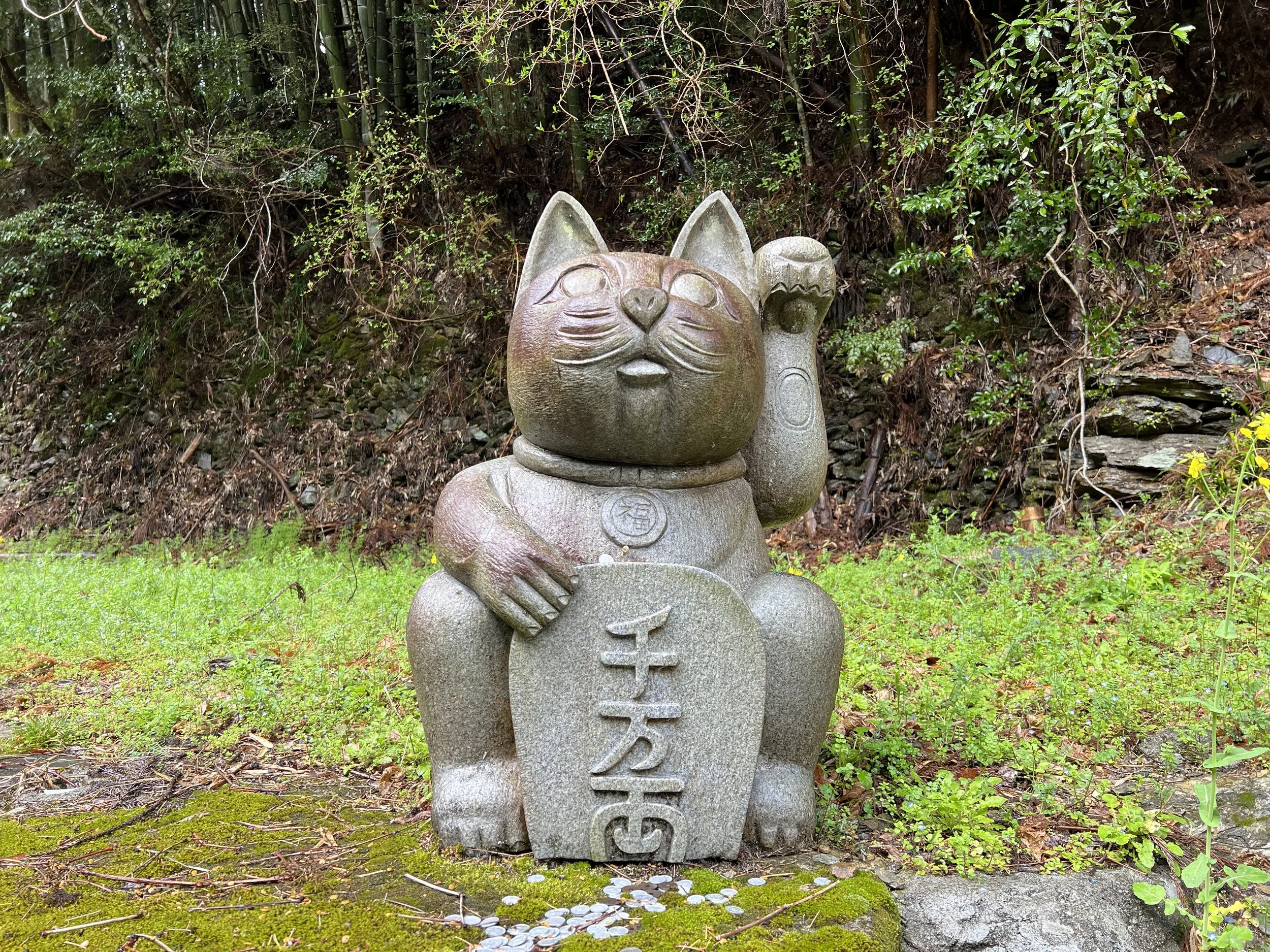
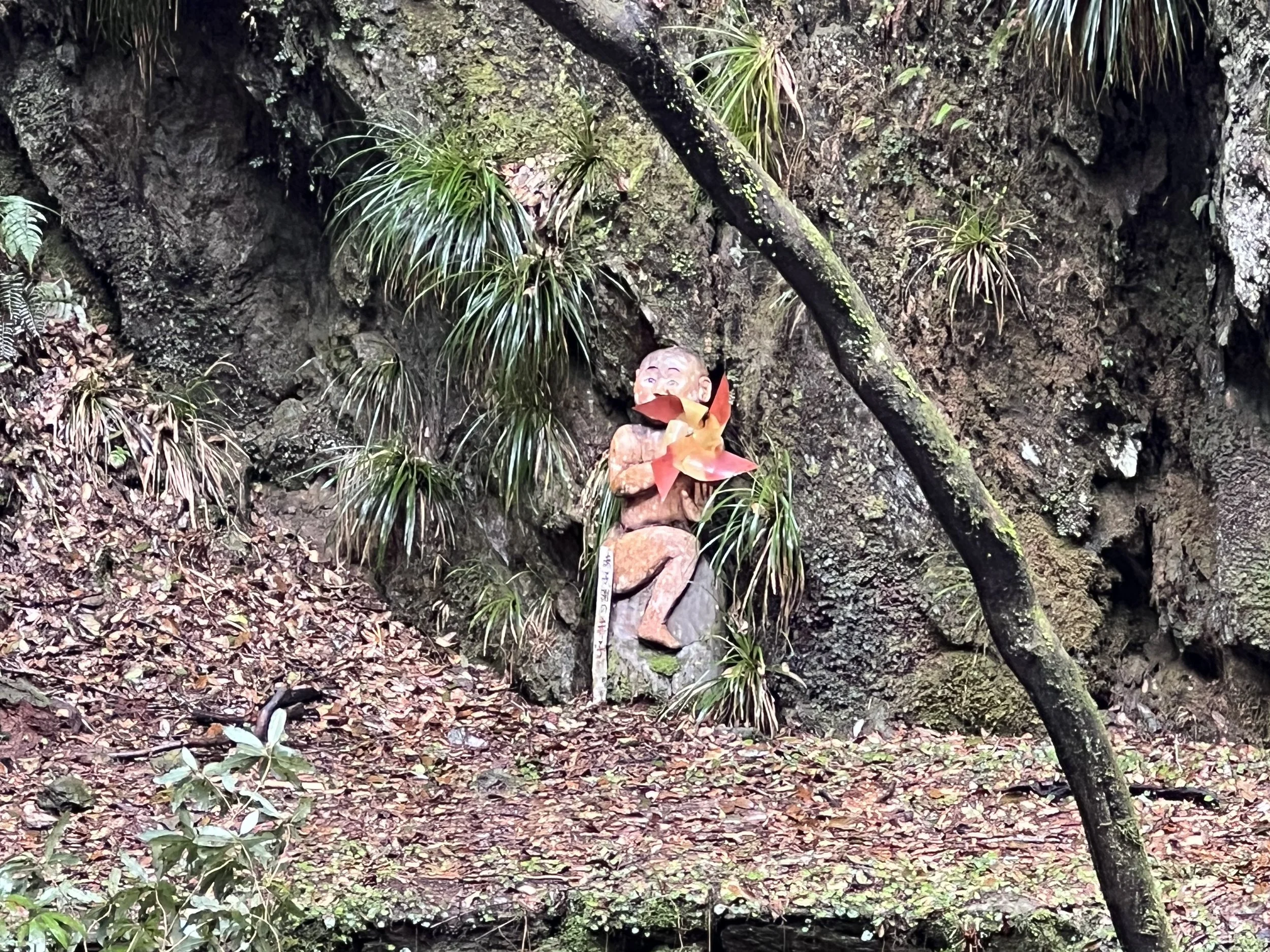
Local residents have embraced this cultural identity by installing statues of various yokai characters throughout the village. As I followed the quiet road through the area, I encountered statue after statue, each representing a different creature from Japanese folklore. Many of them included small signs explaining the legends behind the monsters. I walked to the end of the road before turning back the same way I came.
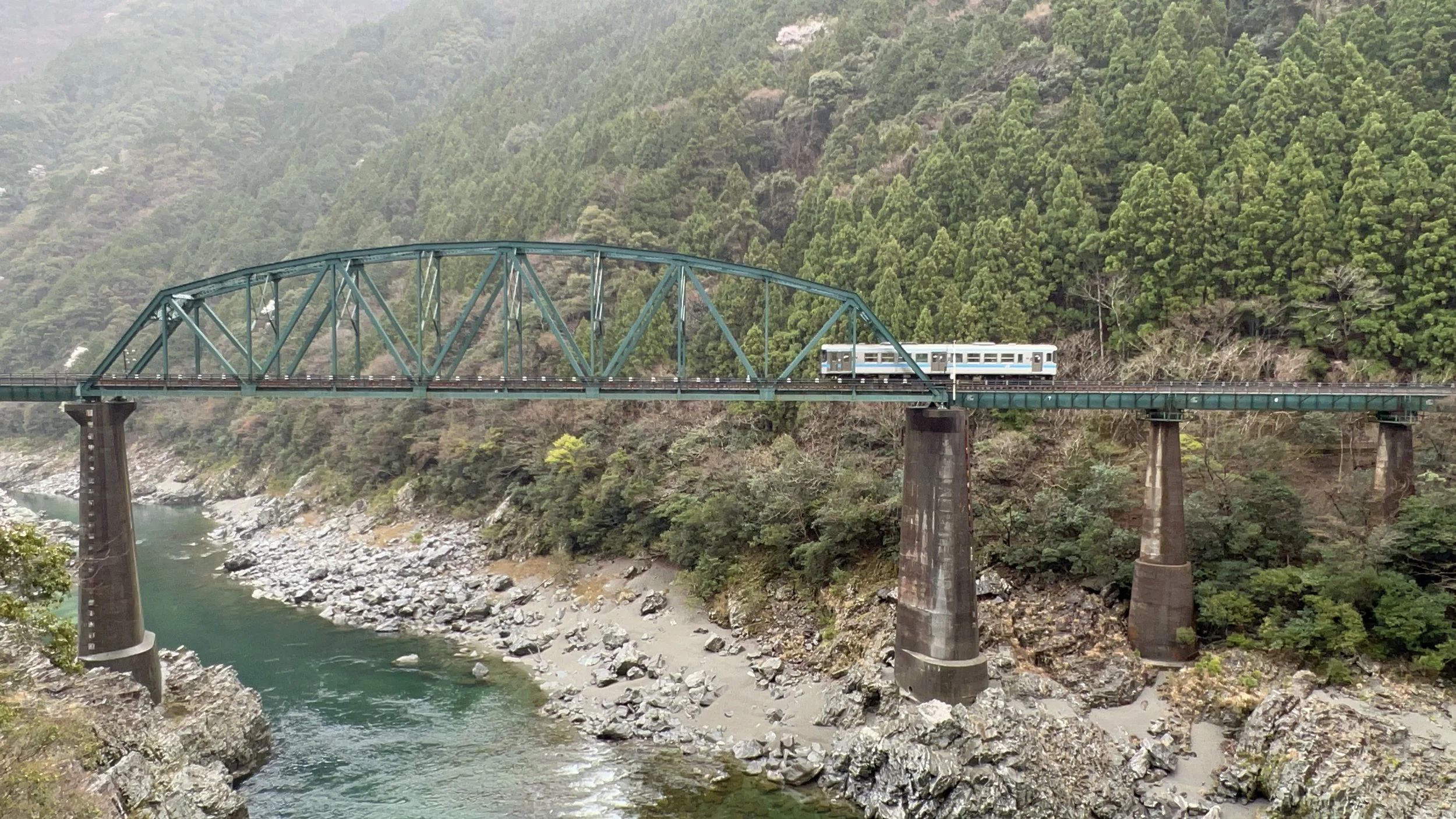
There was one final place I wanted to visit before heading to my accommodation for the evening. A little farther along the gorge is a viewpoint where you can watch trains crossing the bridge over the Yoshino River. I had hoped to photograph the train passing through the dramatic landscape.
When I arrived, I checked the train schedule and was glad to see that two trains would pass within a fairly short time. The timing worked perfectly. Standing there in the rain and mist, I watched as the train crossed the bridge high above the river. The damp weather actually added to the mood of the scene, giving the photos a soft, atmospheric feel.
After capturing the images I wanted, I continued walking toward my accommodation for the night at Obokekyo Mannaka. Once I arrived, I took full advantage of the in-house hot spring bath. After spending the day exploring the gorge on foot, soaking in the warm onsen felt like the perfect way to end the day.
History & Background
Oboke Gorge (大歩危峡) is one of the most scenic natural landscapes in Tokushima Prefecture and serves as a gateway to the famous Iya Valley. The gorge was formed over millions of years as the Yoshino River carved through layers of hard crystalline schist rock, creating steep cliffs and uniquely shaped stone formations.
The name “Oboke” is believed to come from a Japanese phrase meaning “dangerous to walk,” referencing the steep and rugged terrain that once made travel through the region extremely difficult.
Today, the Yoshino River running through the gorge is widely regarded as one of Japan’s best locations for whitewater rafting and kayaking due to its strong currents and narrow channels. The surrounding area also serves as a popular starting point for exploring the remote mountain communities of the Iya Valley.
In addition to its natural beauty, the region is well known for its rich folklore surrounding yokai—supernatural creatures often associated with remote mountains and forests. The Oboke area’s recognition as a “Yokai Heritage” site reflects the importance of these stories in local culture and tourism.
Getting There
The primary access point for Oboke Gorge is Oboke Station on the JR Dosan Line.
From Tadotsu Station, travellers can take a JR train southbound along the Dosan Line through the mountainous interior of Shikoku to reach Oboke Station. The train ride itself is considered one of the most scenic rail journeys on the island, passing through tunnels, forested valleys, and river gorges.
Once at Oboke Station, many of the viewpoints around the gorge are accessible on foot. Local buses also operate deeper into the Iya Valley for travellers wishing to explore further destinations such as vine bridges and mountain villages.
Visitors travelling by car can reach the area via National Route 32, which follows the Yoshino River through the gorge.
Route Overview
Distance: 13.46 km (Oboke Station → Obokekyo Mannaka)
Total elevation gain: 235 m
Duration: 2 hr 45 min (with breaks 3 hr 40 min)
Difficulty: Easy
Cost Breakdown
Train: Tadotsu Station → Oboke Station — ¥3,160
Food: ¥440