Iya Valley - Tokushima, Japan
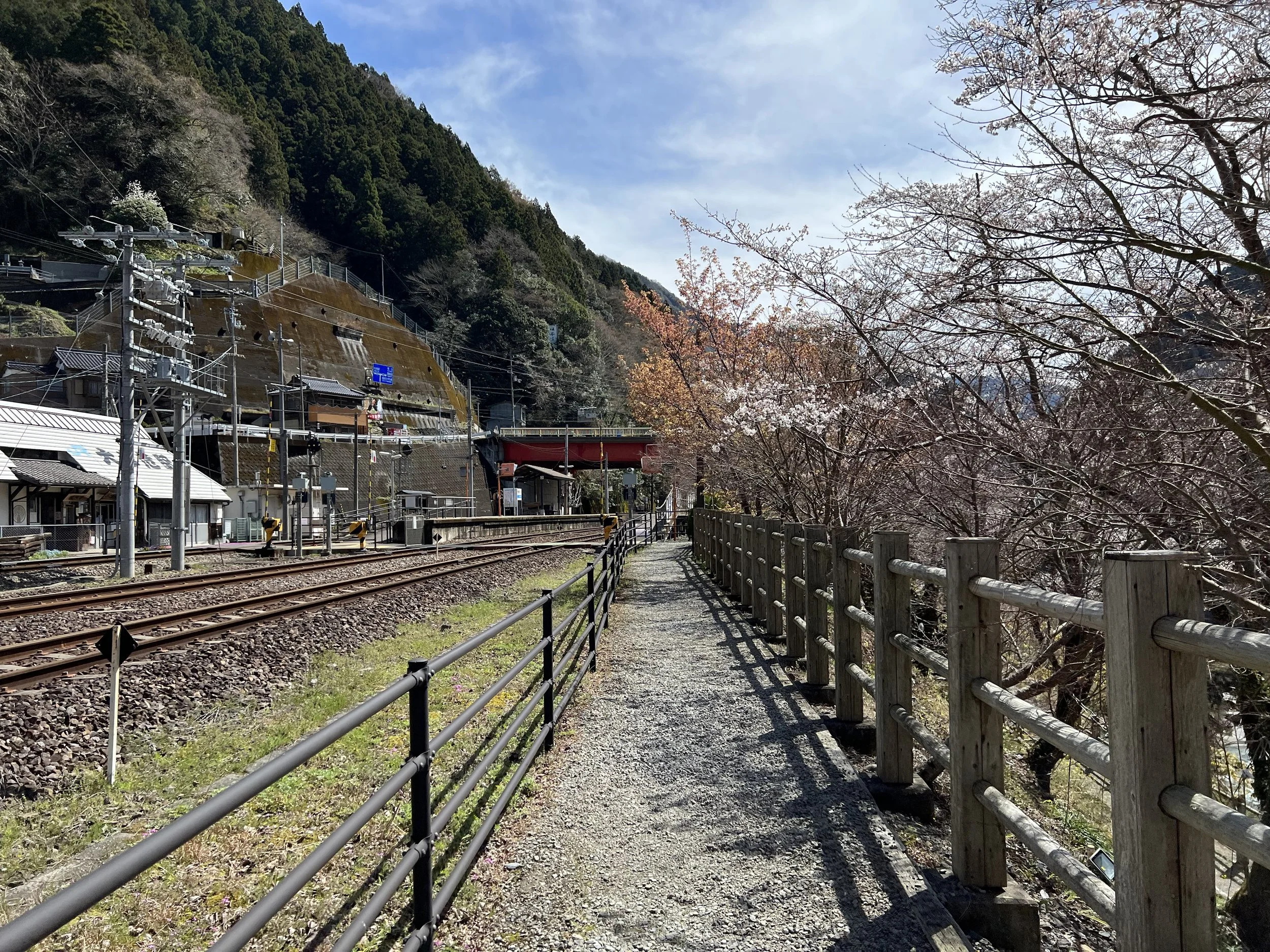
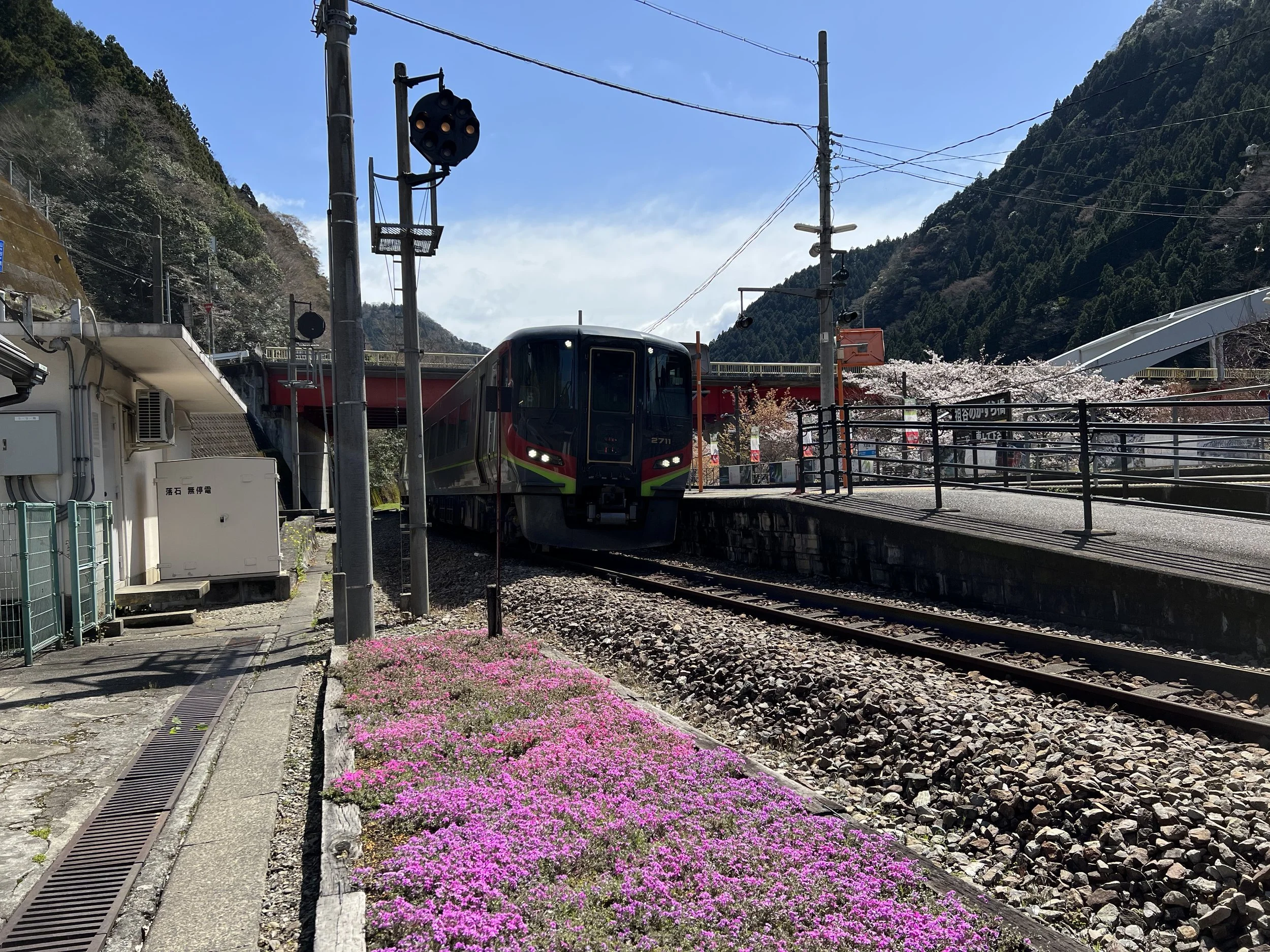
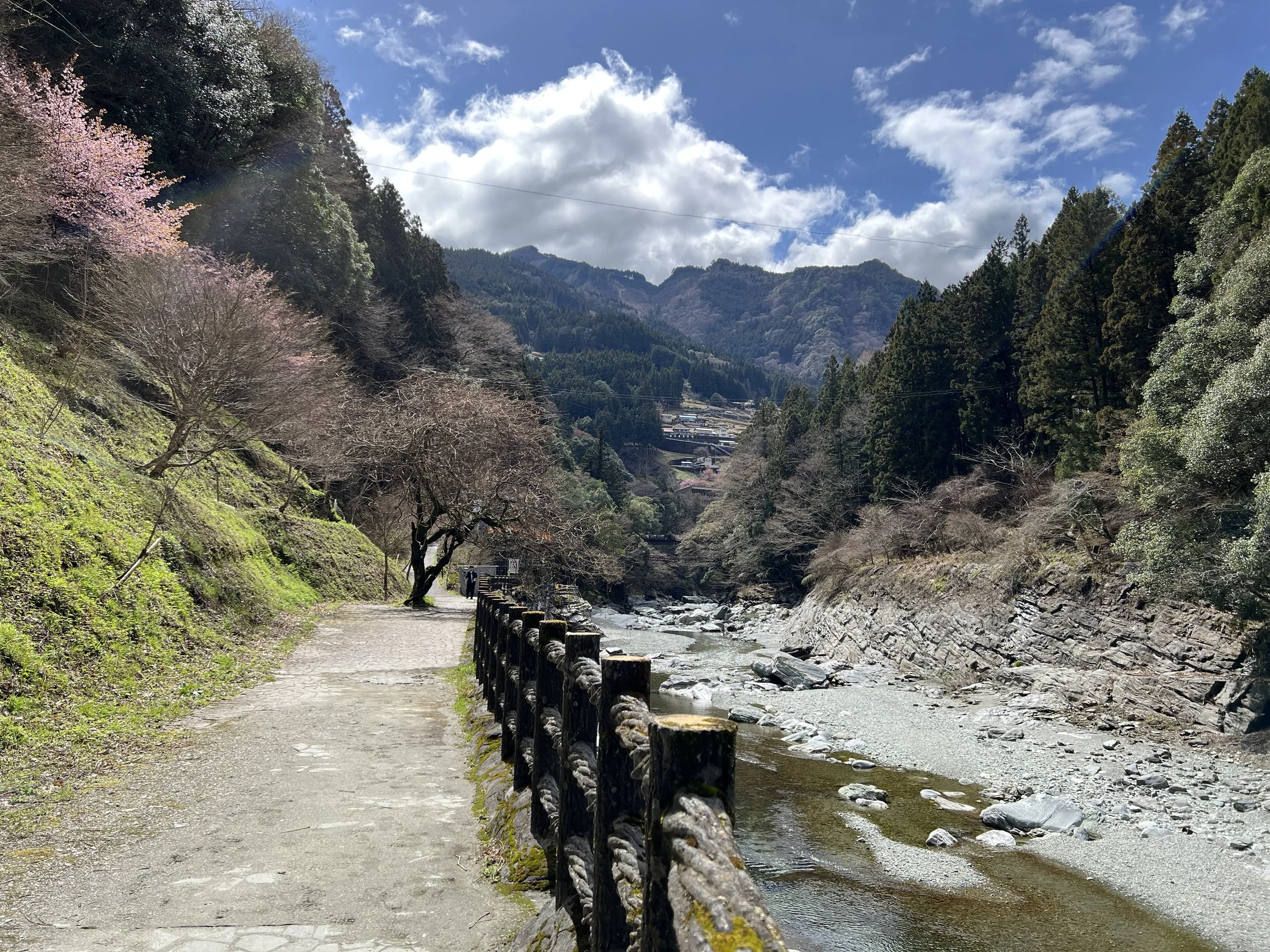
I was grateful that the weather had improved significantly compared to the previous day. Most of the places I planned to visit in Iya Valley were outdoors, so clear skies made a big difference. I started my morning with a short walk from my accommodation toward Oboke Station, where I caught a local bus heading deeper into the mountains toward the famous vine bridge.
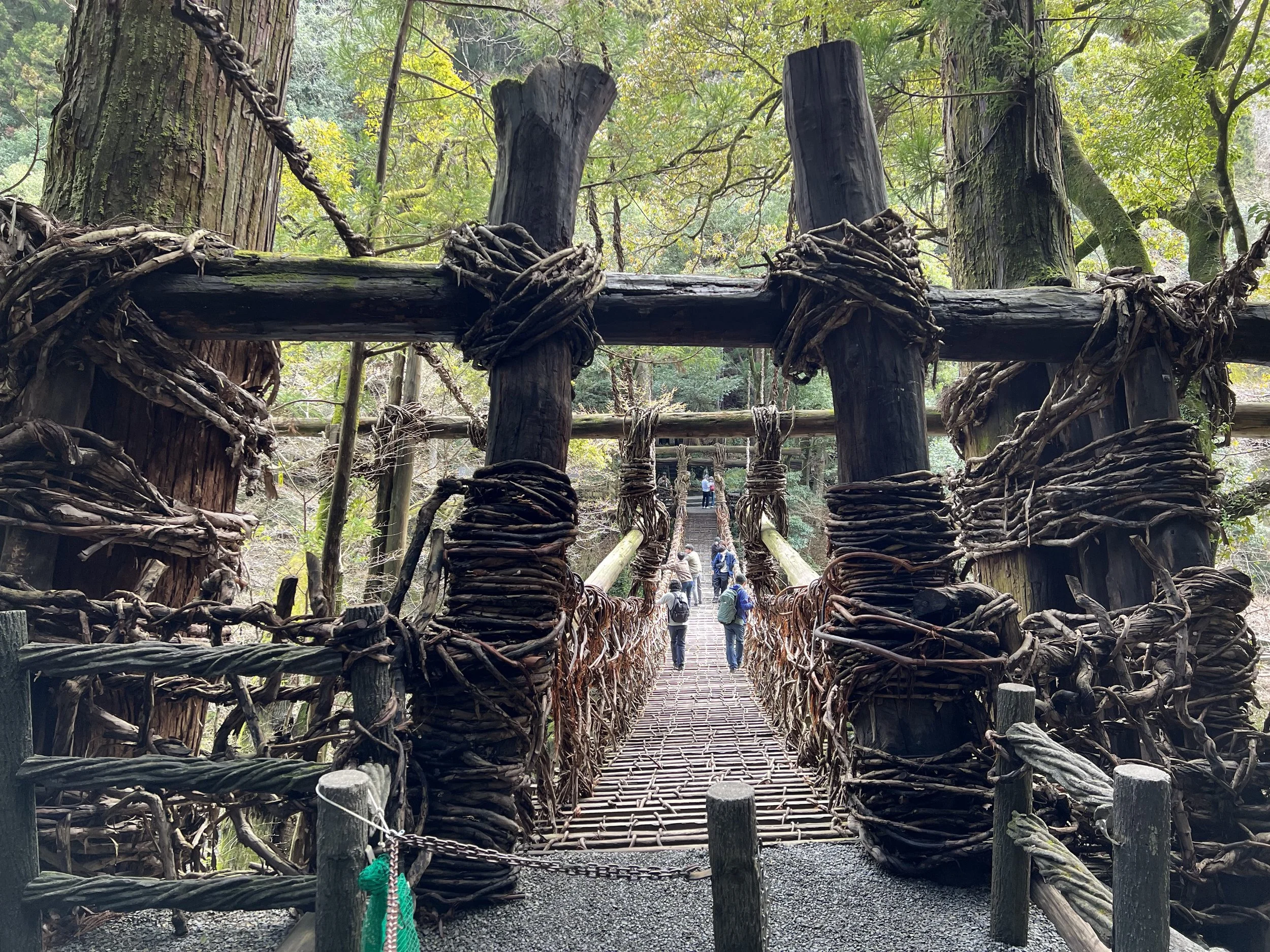
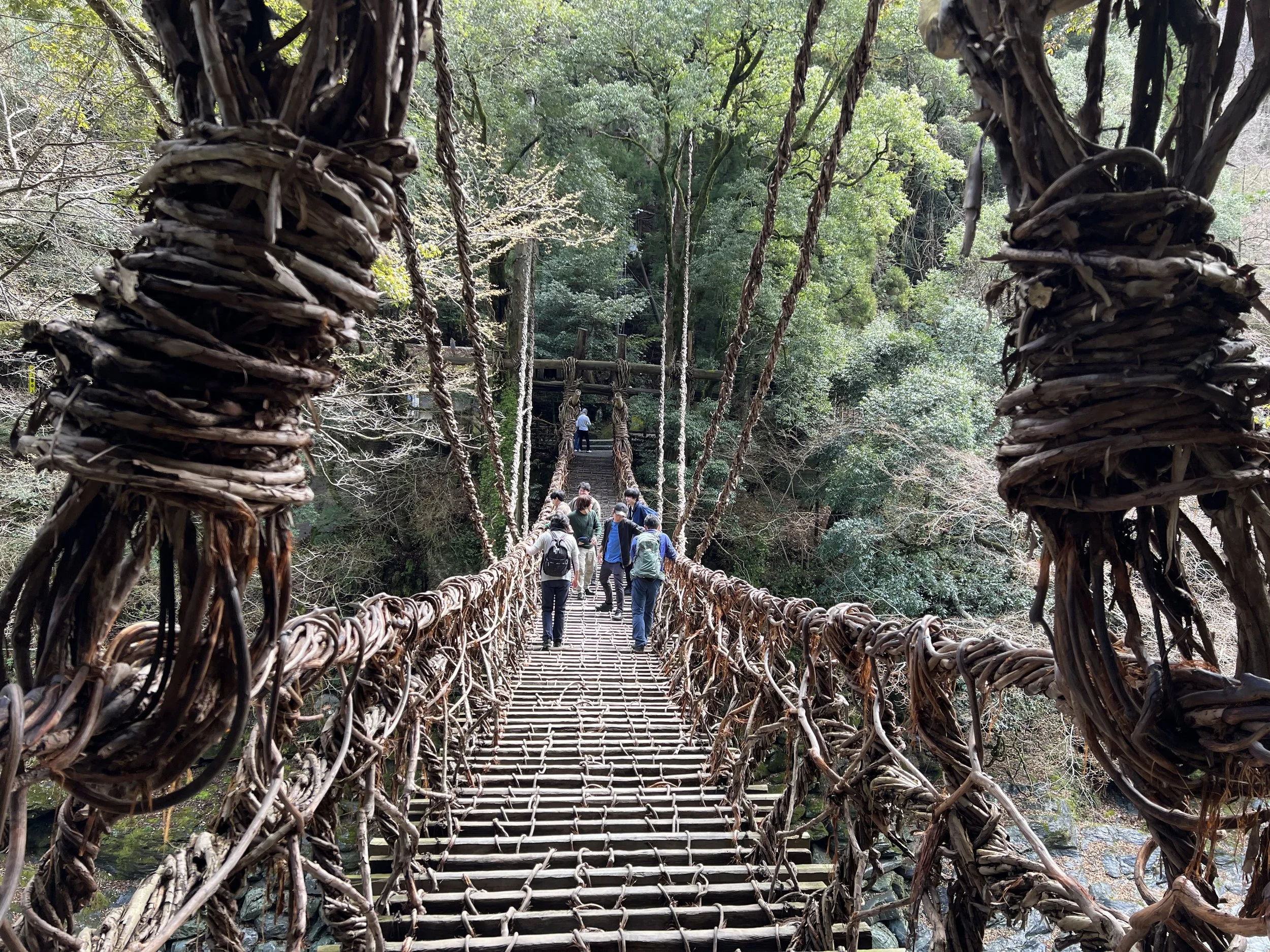
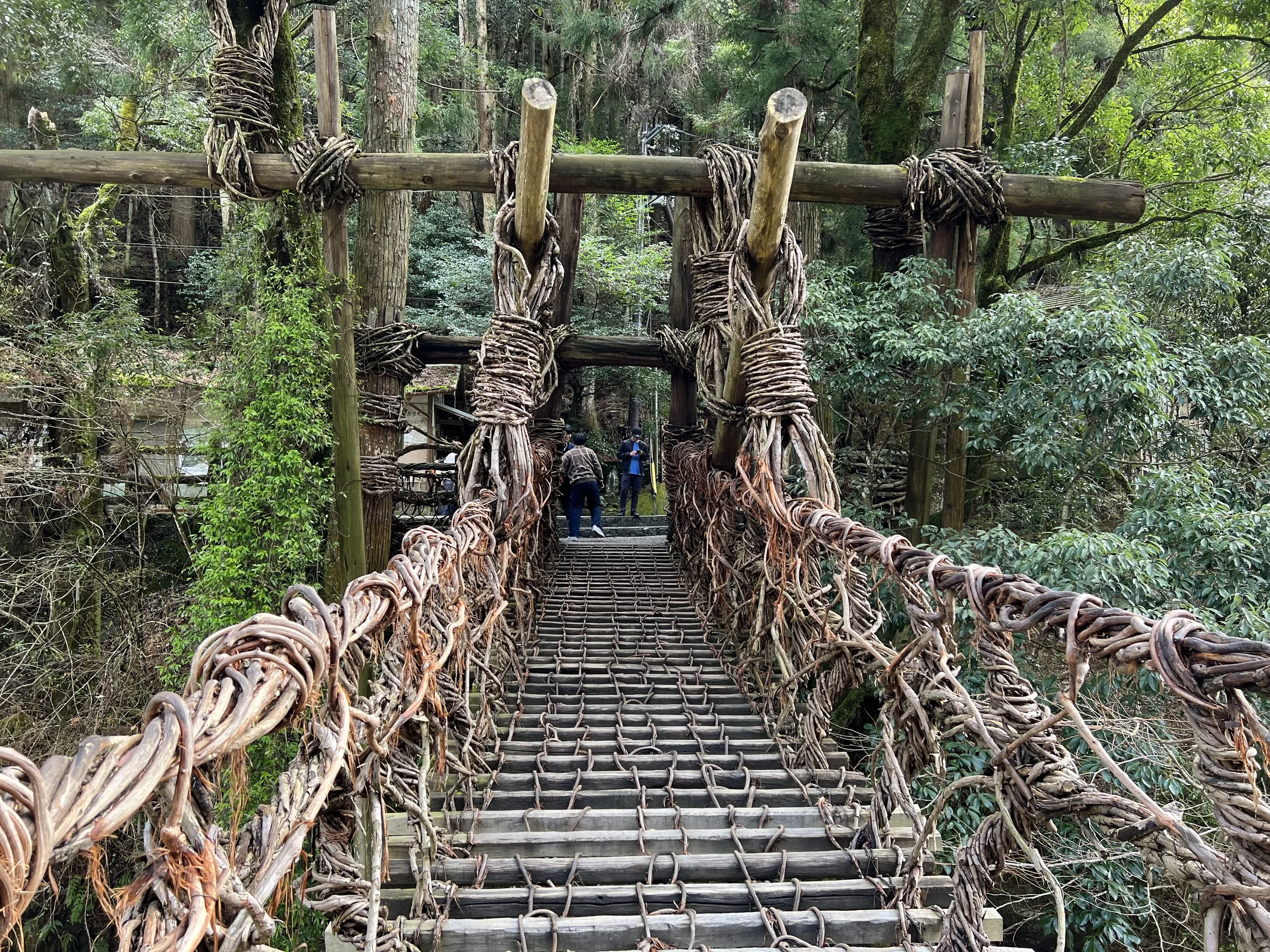
The Iya Valley Vine Bridges, known as Kazurabashi, are traditional suspension bridges made from mountain vines. In the past, these bridges were one of the main ways people crossed the steep river valleys in this remote region. Their exact origins remain unclear, but local legends offer a couple of fascinating possibilities. One story says that the bridges were first constructed by Kōbō Daishi, the founder of the Shingon sect of Japanese Buddhism. Another theory suggests they were built by refugees from the defeated Genpei War. According to legend, members of the Taira (Heike) clan fled into the remote mountains of the Iya Valley and constructed vine bridges that could be quickly cut down if enemies pursued them. Historically, there were once as many as thirteen vine bridges scattered throughout the valley, but only three remain today.
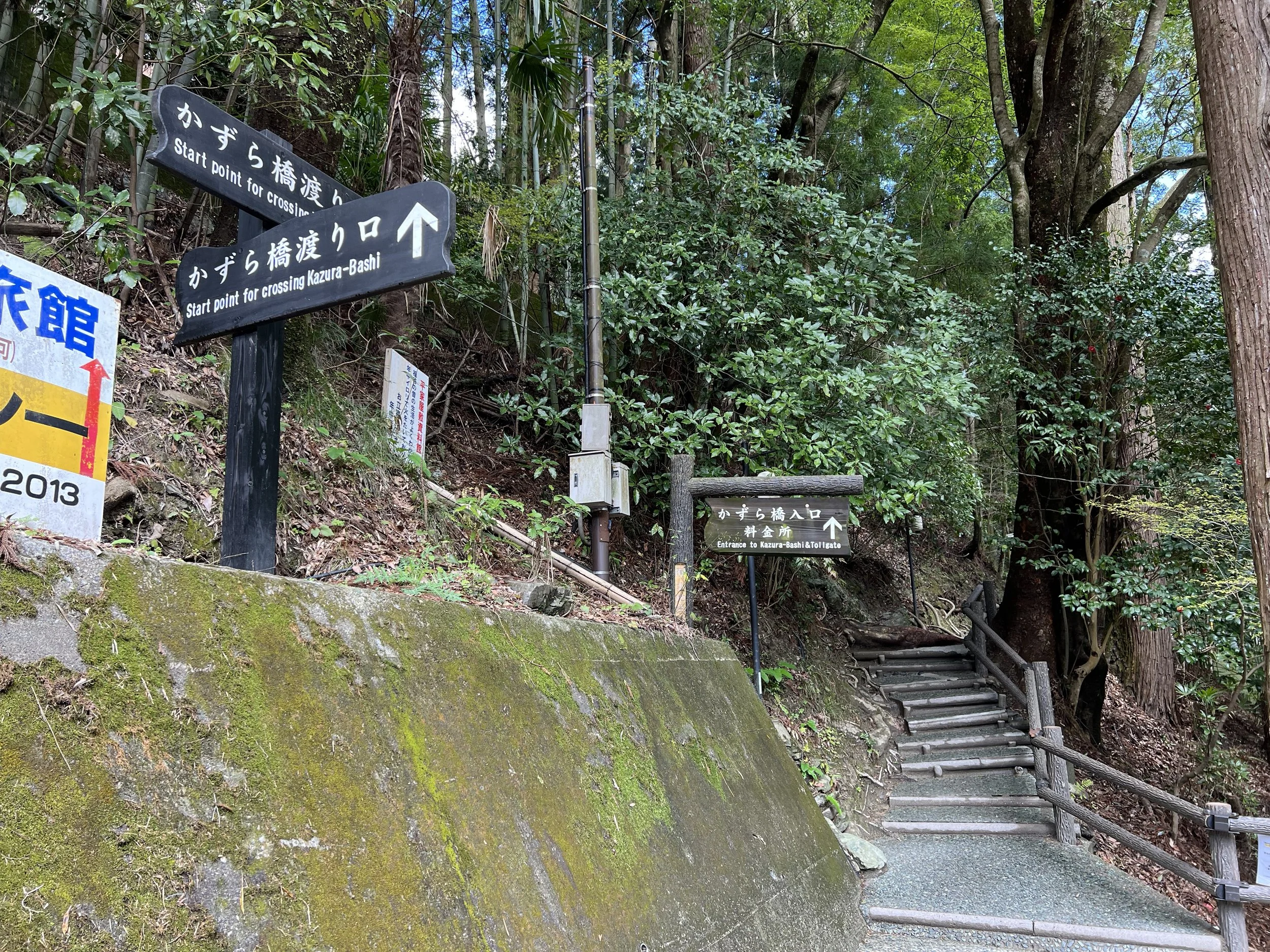
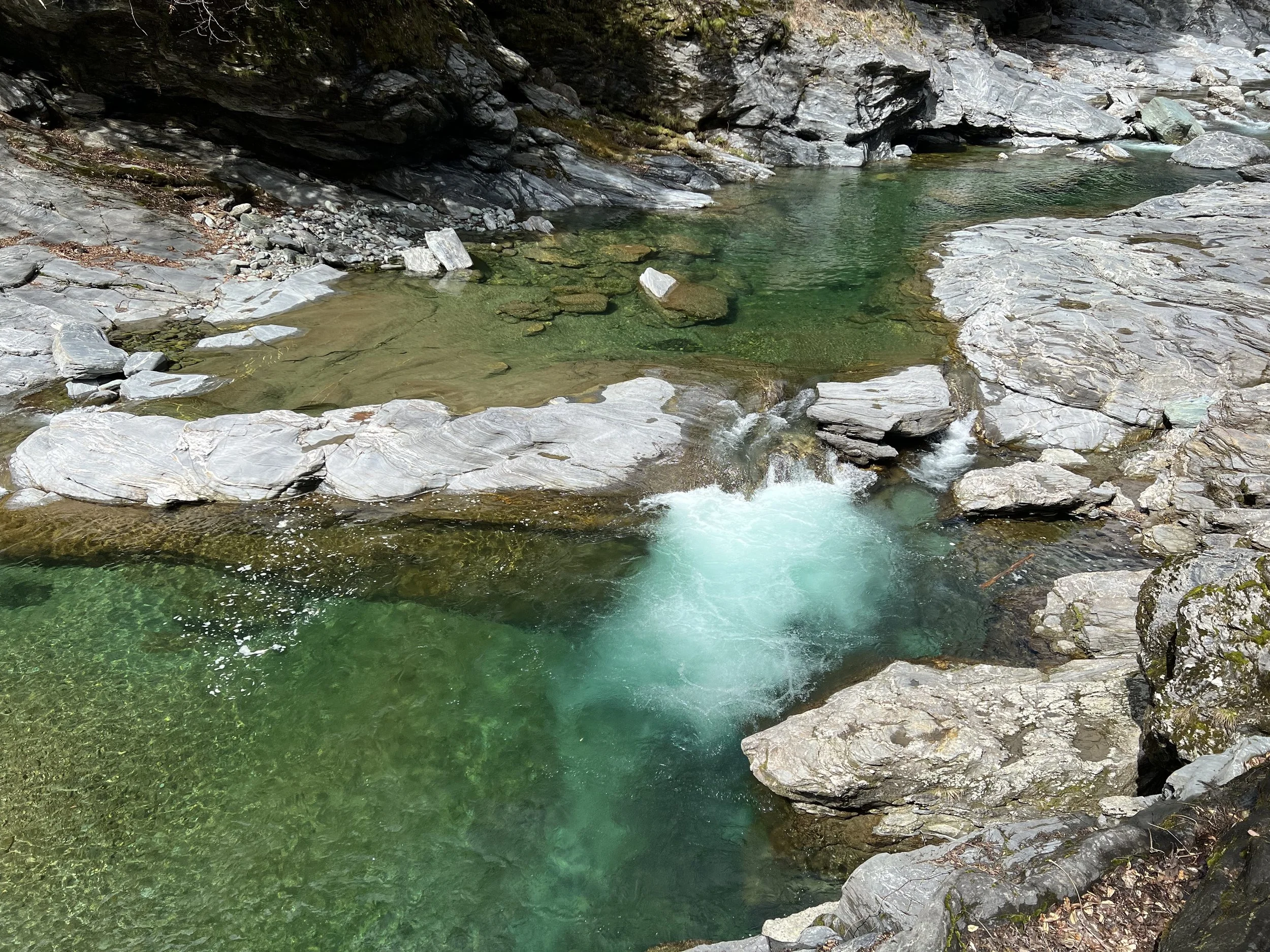
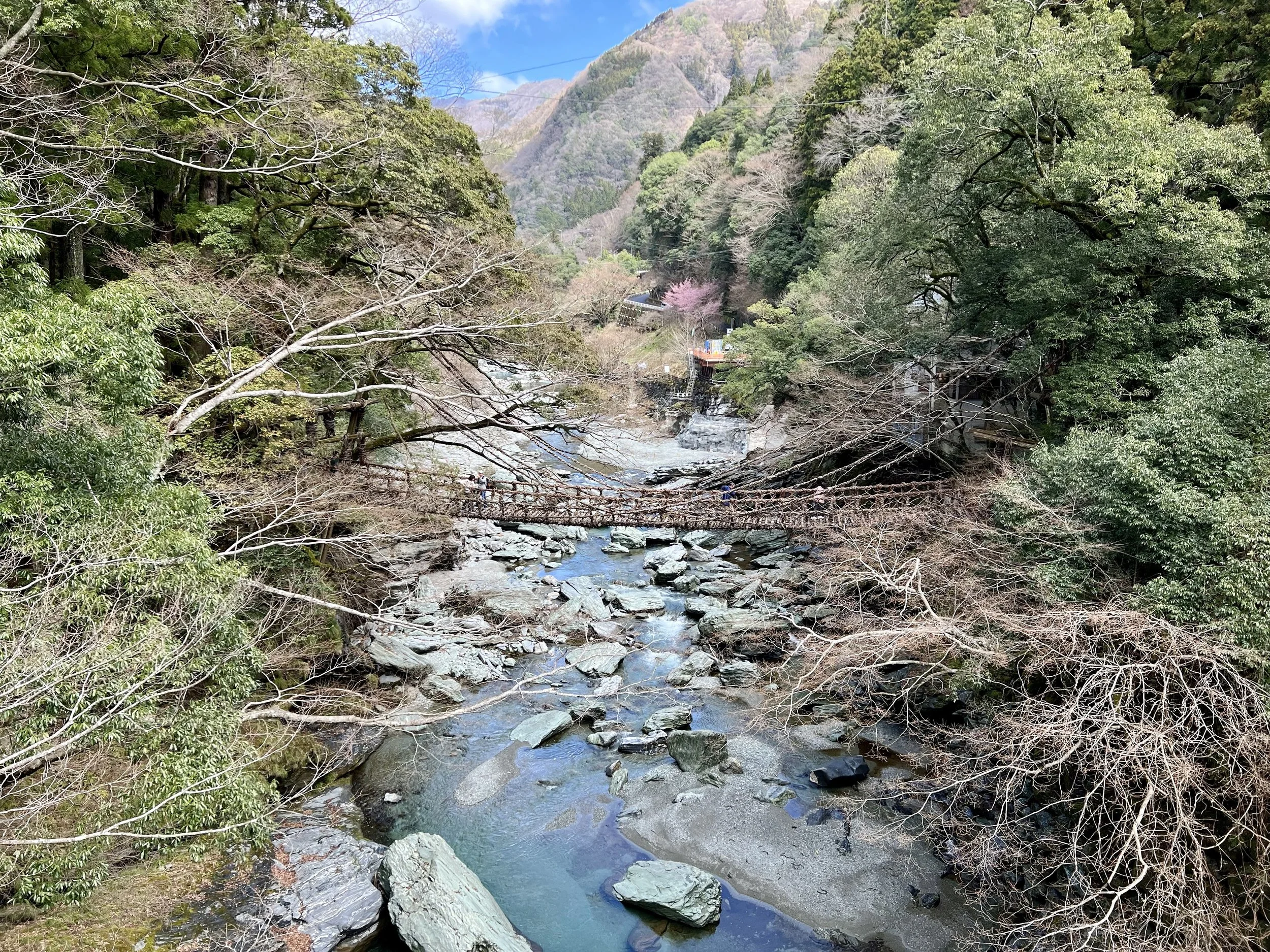
My original plan had been to visit two of them, but when I checked ahead of time I discovered that one was closed for maintenance. That left the most famous and largest of them: Iya Kazurabashi Bridge. The bus dropped me off just a few minutes’ walk from the bridge on higher ground. As I followed the road down toward the river, the bridge slowly came into view below. From that vantage point, the vine bridge looked both beautiful and slightly intimidating as it stretched across the emerald waters of the Iya River.
At the ticket booth, I hesitated slightly when I saw the entrance fee for crossing such a short bridge. Still, this was one of the most iconic sights in the valley, so the experience felt worth it. I’ve crossed plenty of suspension bridges before, but this was my first time crossing one made from vines. I wasn’t entirely sure what to expect. From a distance it looked sturdy enough, but I wondered how it would feel once I stepped onto it.
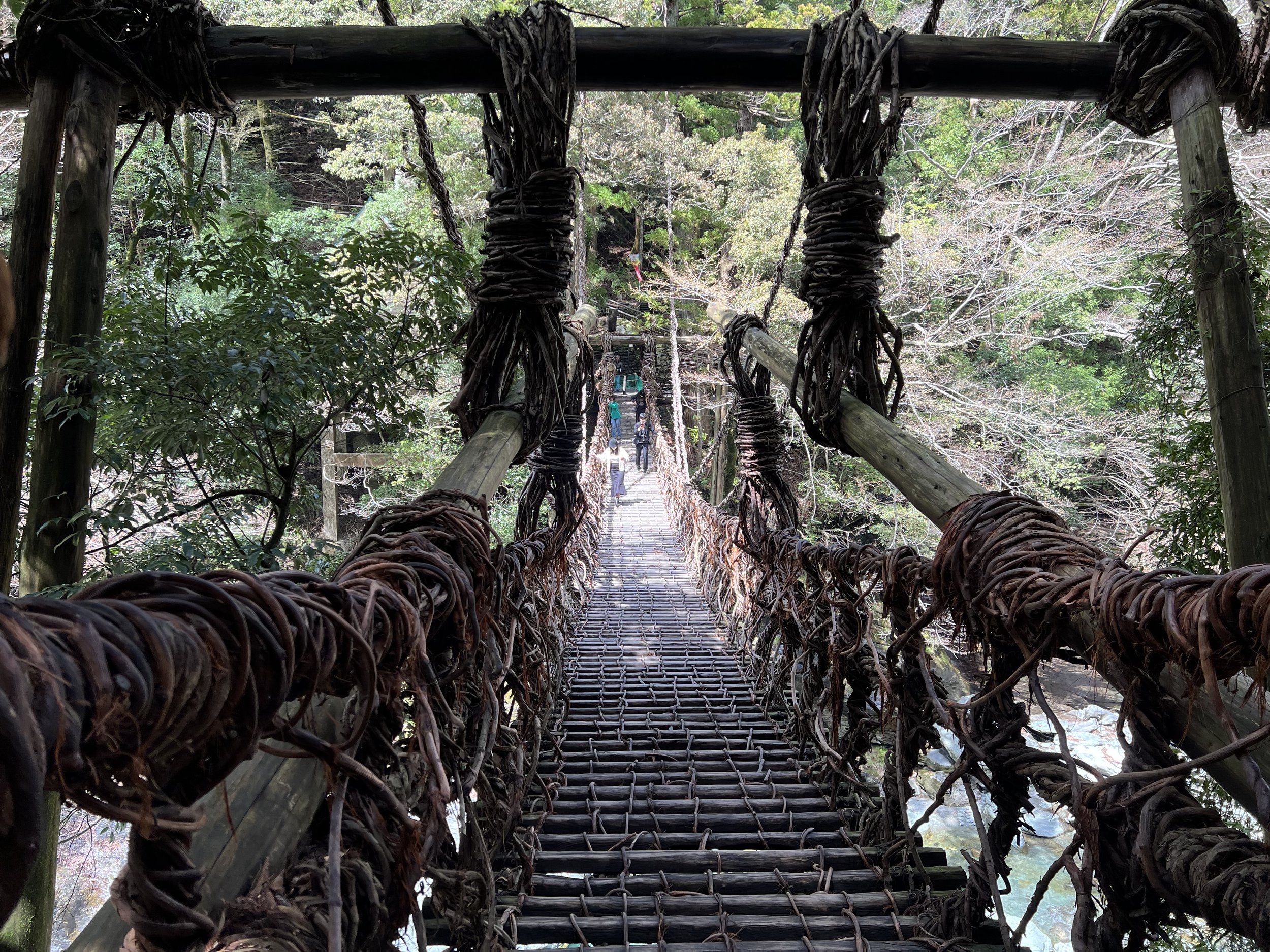
A few people were already crossing ahead of me, so I watched how they navigated the bridge first. A couple of them seemed to struggle a bit with their footing, which made me realize this might not be as straightforward as I thought. When it was my turn, I stepped onto the bridge carefully. The experience felt completely different from crossing a normal suspension bridge. Although the structure felt solid, the wooden planks were spaced apart enough that you could clearly see the river flowing far below. If you weren’t paying attention to where you stepped, it would be easy to lose your footing.
Holding firmly onto the side ropes, I slowly made my way across. About halfway through, I stopped for a moment to take a few photos of the river below and even managed a quick selfie—though I kept one hand firmly gripping the vines the entire time. Dropping my phone into the river below was definitely not an option. Since the bridge is one-way only, I took my time crossing before eventually reaching the other side.
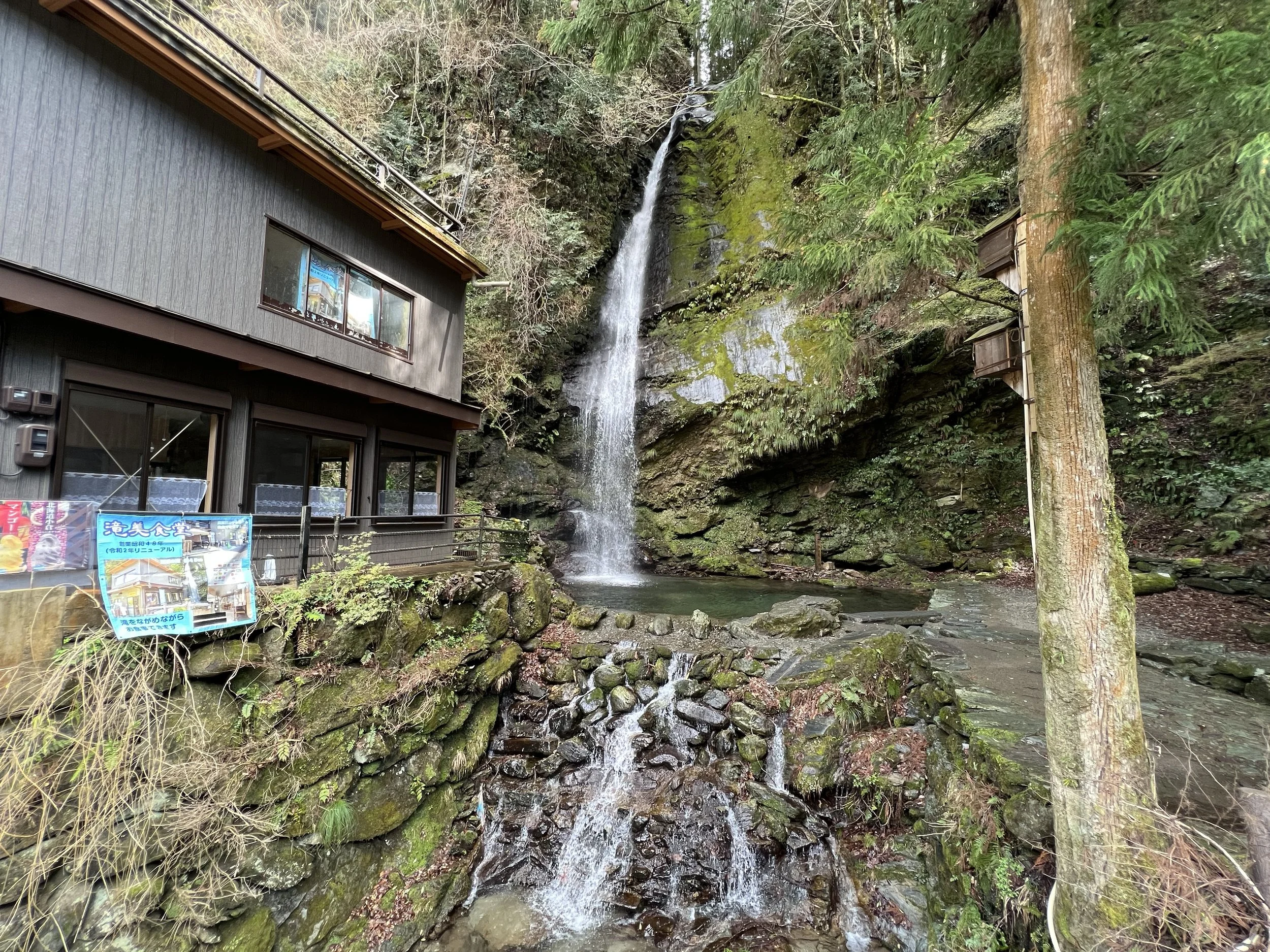
Once across, I planned to visit a nearby waterfall, but the smell of food drifting from a restaurant nearby convinced me to stop for lunch first. The noodle restaurant had seating beside large windows overlooking the river, and I managed to grab a seat with a view while enjoying a warm meal. After lunch, I walked over to Biwa Waterfall, located just a short distance away. The waterfall was pleasant enough, though the water flow wasn’t particularly strong, and because it sits right behind a building, it didn’t quite look as dramatic as I had imagined.
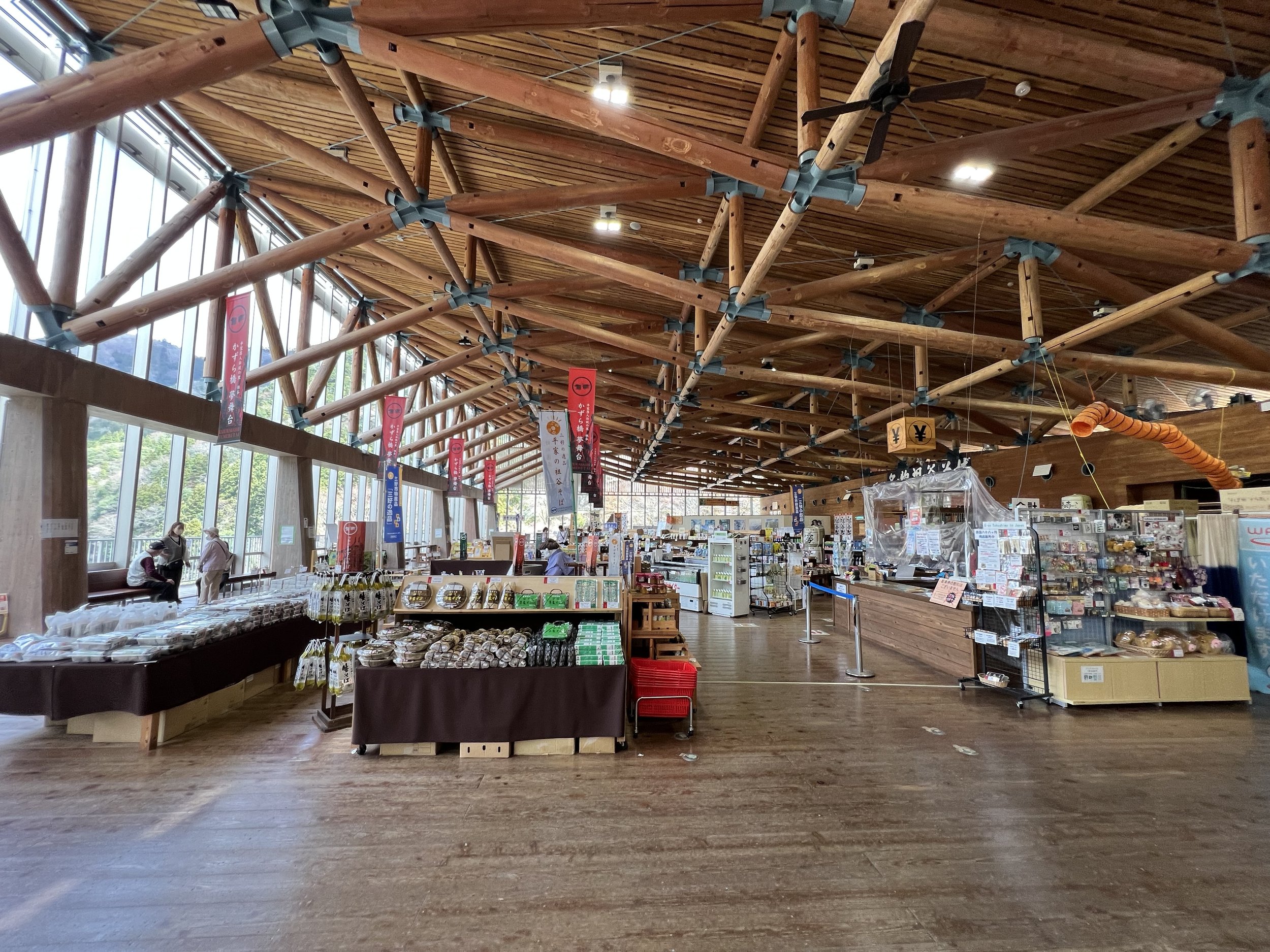
From there, I continued toward the nearby visitor area known as Kazurabashi Yumebutai, which was also where I needed to catch my next bus. Since I had a bit of time before it arrived, I wandered through the small shops inside.
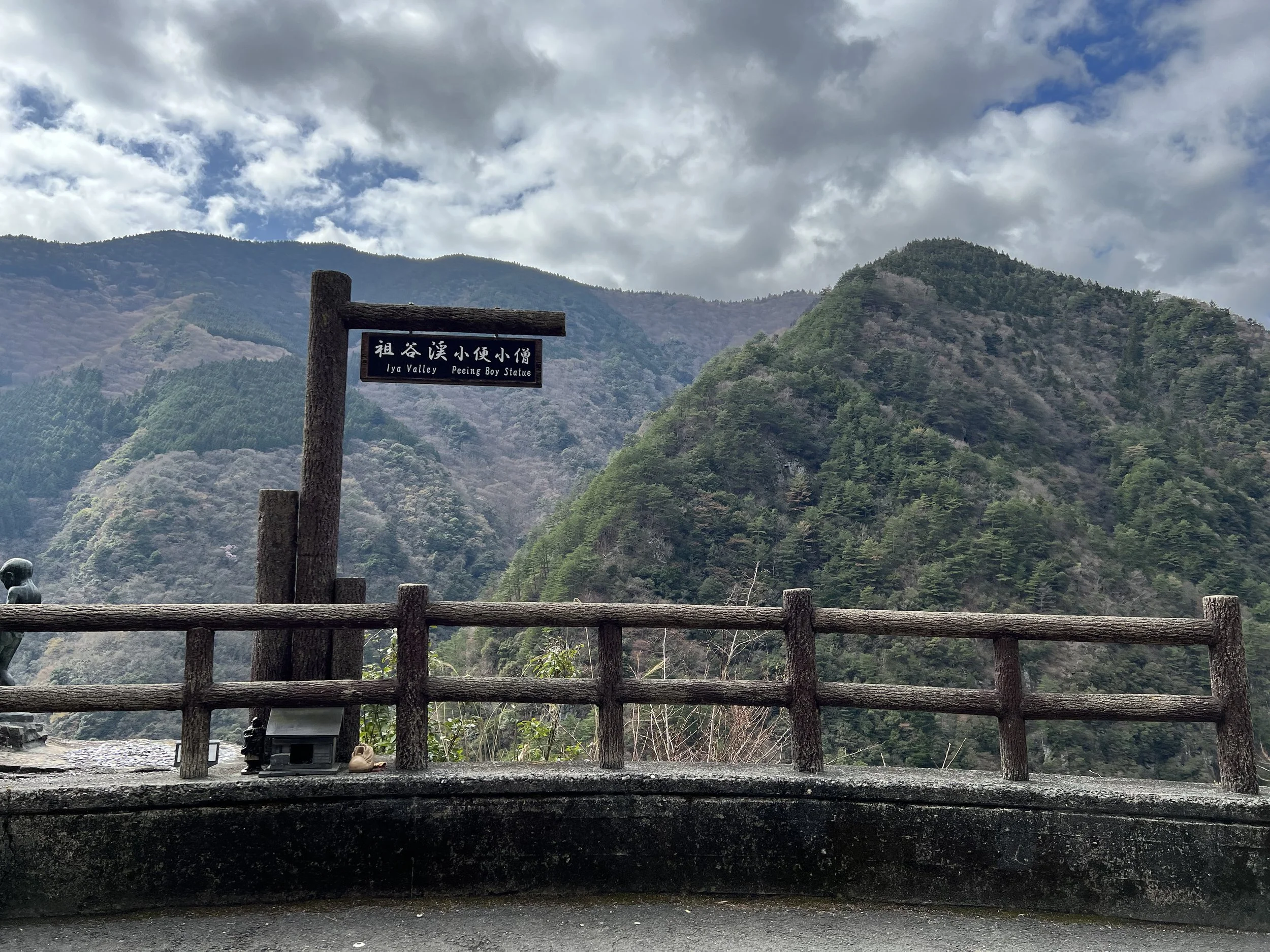
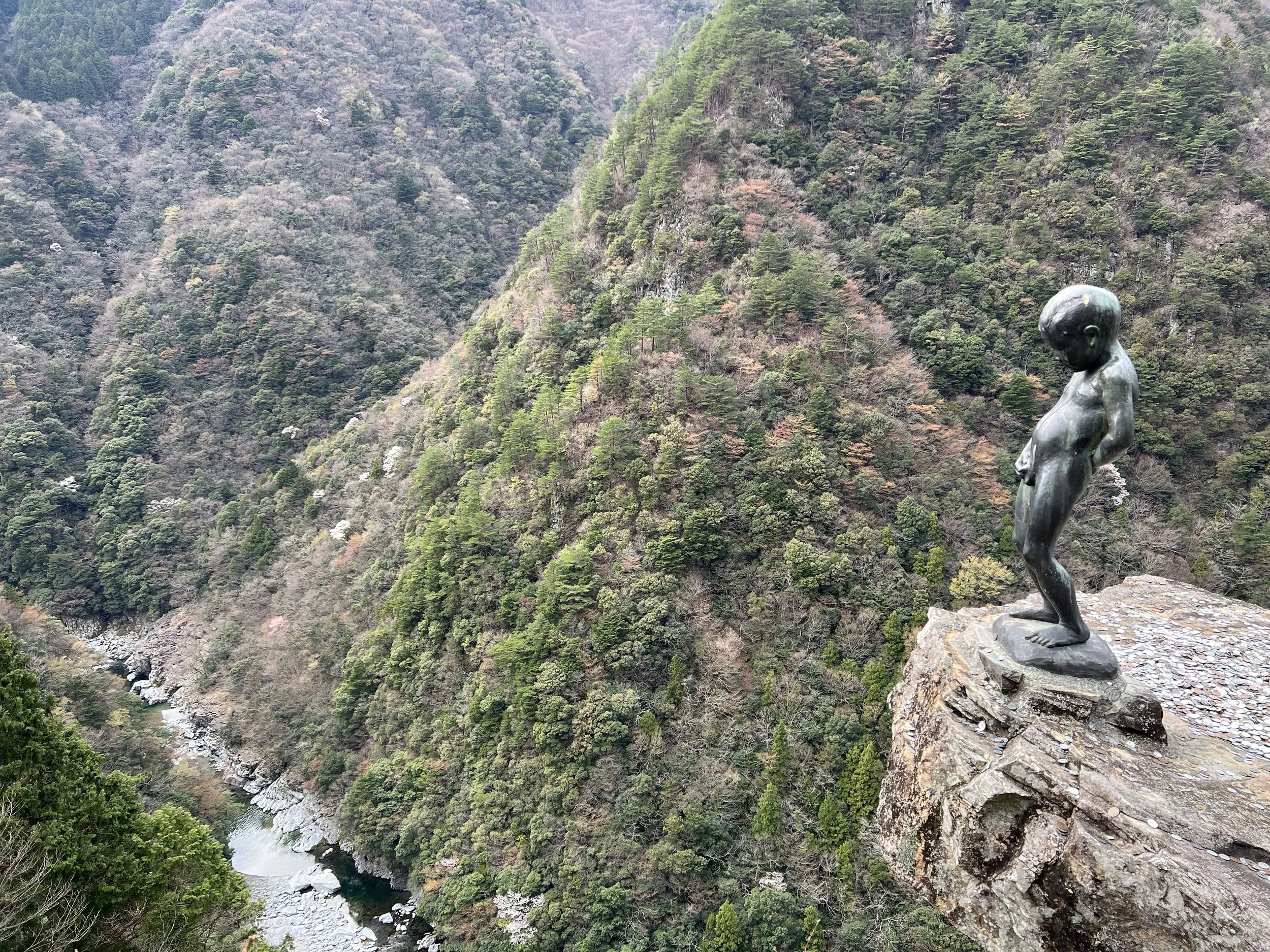
My next destination was the famous Peeing Boy statue of Iya Valley. Perched dramatically on a cliff about 200 metres above the Iya River, the statue commemorates a local tradition in which children and travellers once dared each other to stand at the edge of the cliff and urinate into the valley below as a test of courage. The statue itself was inspired by the famous Manneken Pis statue in Belgium, though the two have no real historical connection beyond the general idea.
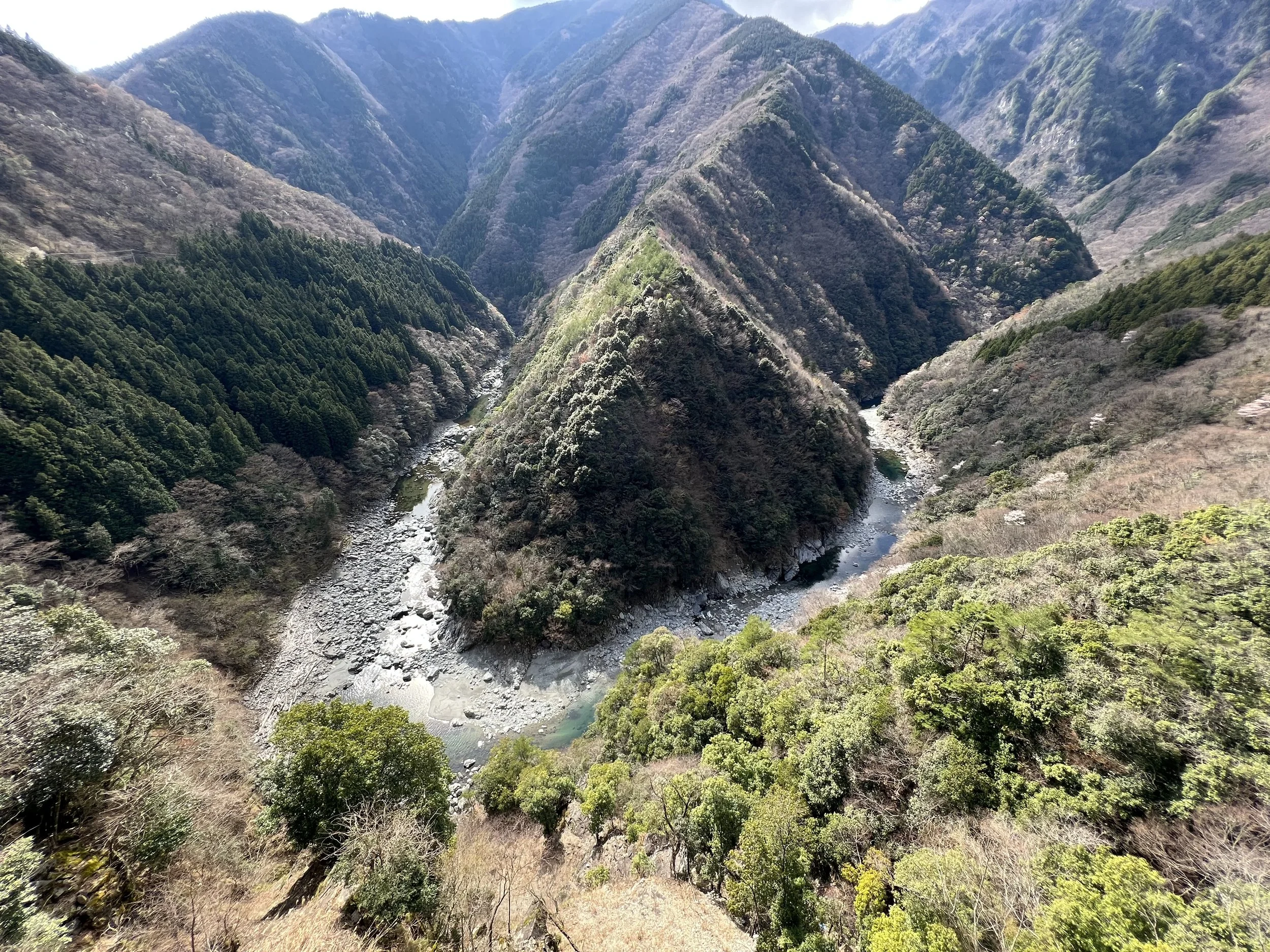
On the way to the statue, there was another viewpoint I wanted to see—a scenic overlook of the horseshoe-shaped bend in the Iya River. I had assumed I would need to hike down the mountain road afterward to reach it. However, the bus driver turned out to be incredibly kind. When we approached the viewpoint, he unexpectedly stopped the bus for a few minutes and told the two passengers onboard—including me—to step out and take photos before continuing on to the final stop near the statue. I was incredibly grateful for the unexpected stop.
Once the bus reached the stop near Hotel Iyaonsen, it was just a short walk to the Iya no Kazurabashi Peeing Boy Statue. The statue itself was smaller than I expected, but its dramatic location overlooking the steep cliff made it memorable.
After taking a few photos, I returned to the bus stop only to realize the next bus wouldn’t arrive for another two hours. Looking at the map, I realized that if I walked about six kilometres down the mountain road, I might be able to catch an earlier bus heading back toward Oboke.
So I started walking.
Along the way, I passed the horseshoe bend viewpoint again and stopped once more to enjoy the view before continuing down the winding road. I ended up arriving at the bus stop just in time and barely caught the bus back to Oboke Station.
By the end of the day, I had come to the conclusion that while the Iya Valley is incredibly beautiful, it’s definitely much easier to explore if you have a car.
History & Background
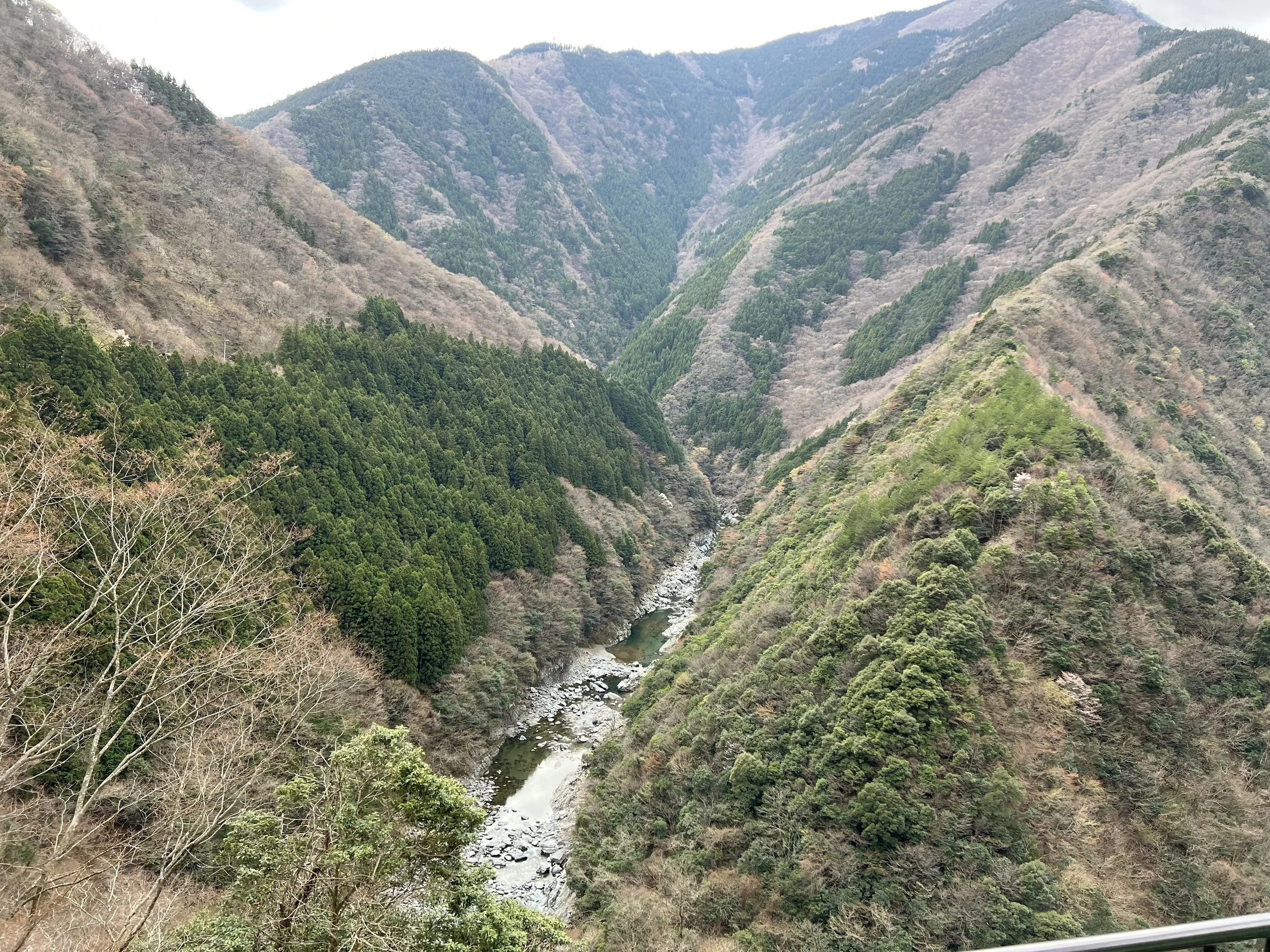
Iya Valley (祖谷渓) is one of the most remote and scenic regions of Shikoku. Surrounded by steep mountains and deep river gorges, the valley remained relatively isolated for centuries, which helped preserve many traditional lifestyles and legends.
The valley is most famous for its vine suspension bridges, known as kazurabashi. The best known of these is the Iya Kazurabashi Bridge, which spans approximately 45 metres across the Iya River.
Historically, up to thirteen vine bridges once existed throughout the valley, allowing residents to cross rivers and ravines in the mountainous terrain. Today, only three remain.
The region is also known for dramatic cliffside viewpoints, including the Iya no Kazurabashi Peeing Boy Statue, which commemorates a local tradition where children tested their bravery by standing at the edge of the cliff.
Because of its rugged terrain and preserved cultural heritage, the Iya Valley has become one of the most unique and visually striking destinations in Tokushima Prefecture.
Getting There
The main gateway to Iya Valley is Oboke Station on the JR Dosan Line. From Oboke Station, local buses operated by Shikoku Kotsu run into the Iya Valley toward destinations such as the Kazurabashi Vine Bridge and Iya Onsen. Travellers heading to the vine bridge should take the bus to Kazurabashi Bus Stop, which is located within a short walking distance of the bridge.
To visit the Peeing Boy statue, buses continue deeper into the valley toward Hotel Iyaonsen Bus Stop, followed by a short walk to the viewpoint.
Visitors travelling by car can reach the valley via National Route 32 and smaller mountain roads leading into the gorge.
Route Overview
Distance: 6.24 km (Hotel Iyaonsen Bus Stop → Nishiiya shisho mae Bus stop)
Total elevation gain: 28 m
Duration: 1 hr 03 min (with breaks 1 hr 10 min)
Difficulty: Easy
Cost Breakdown
Bus: Oboke Station → Kazurabashi Bus Stop — ¥670
Bus: Kazurabashi-Yumebutai Bus Stop → Hotel Iyaonsen Bus Stop — ¥570
Entrance Fee: Iya Valley Vine Bridge — ¥550
Food: ¥650