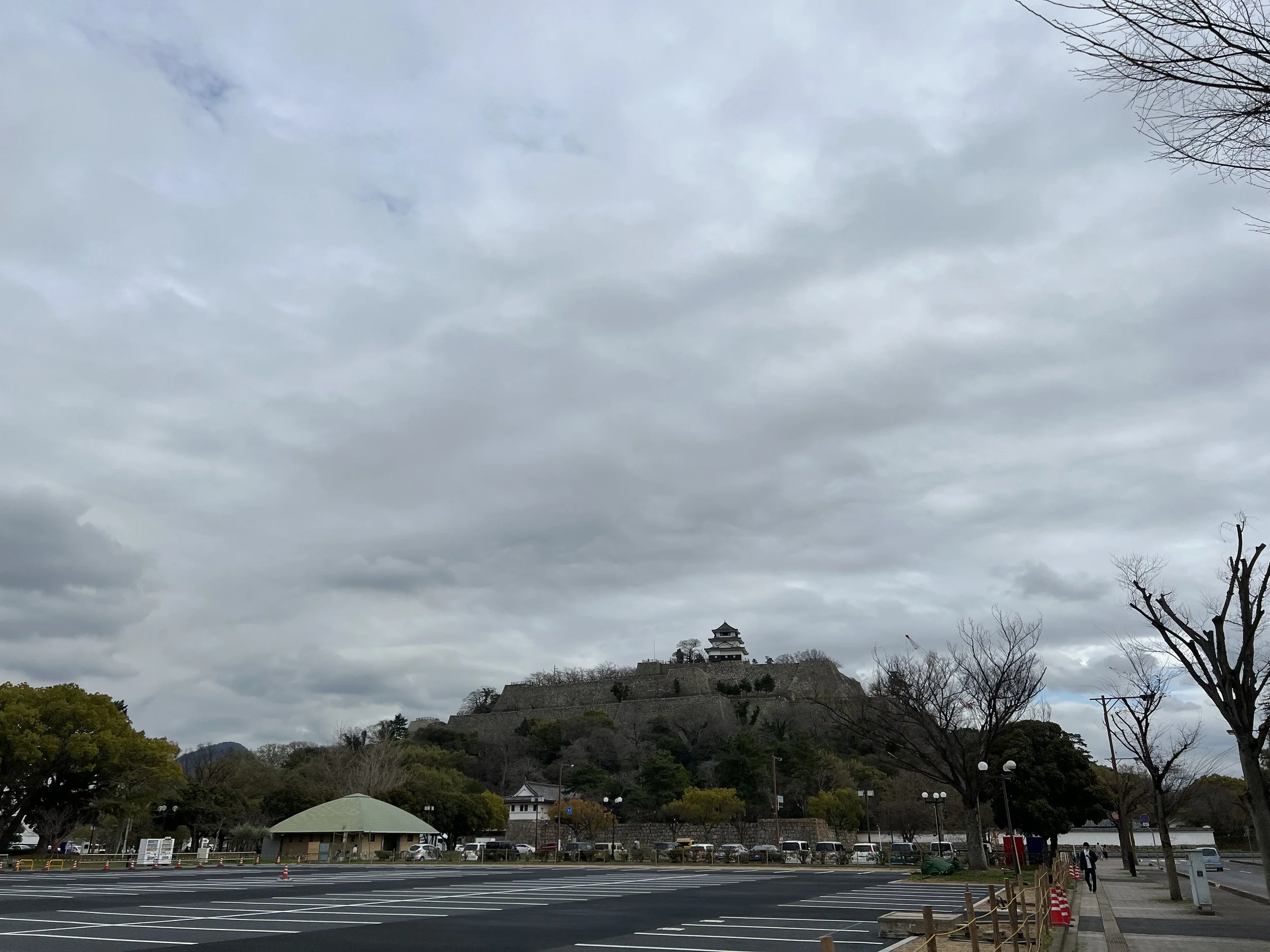
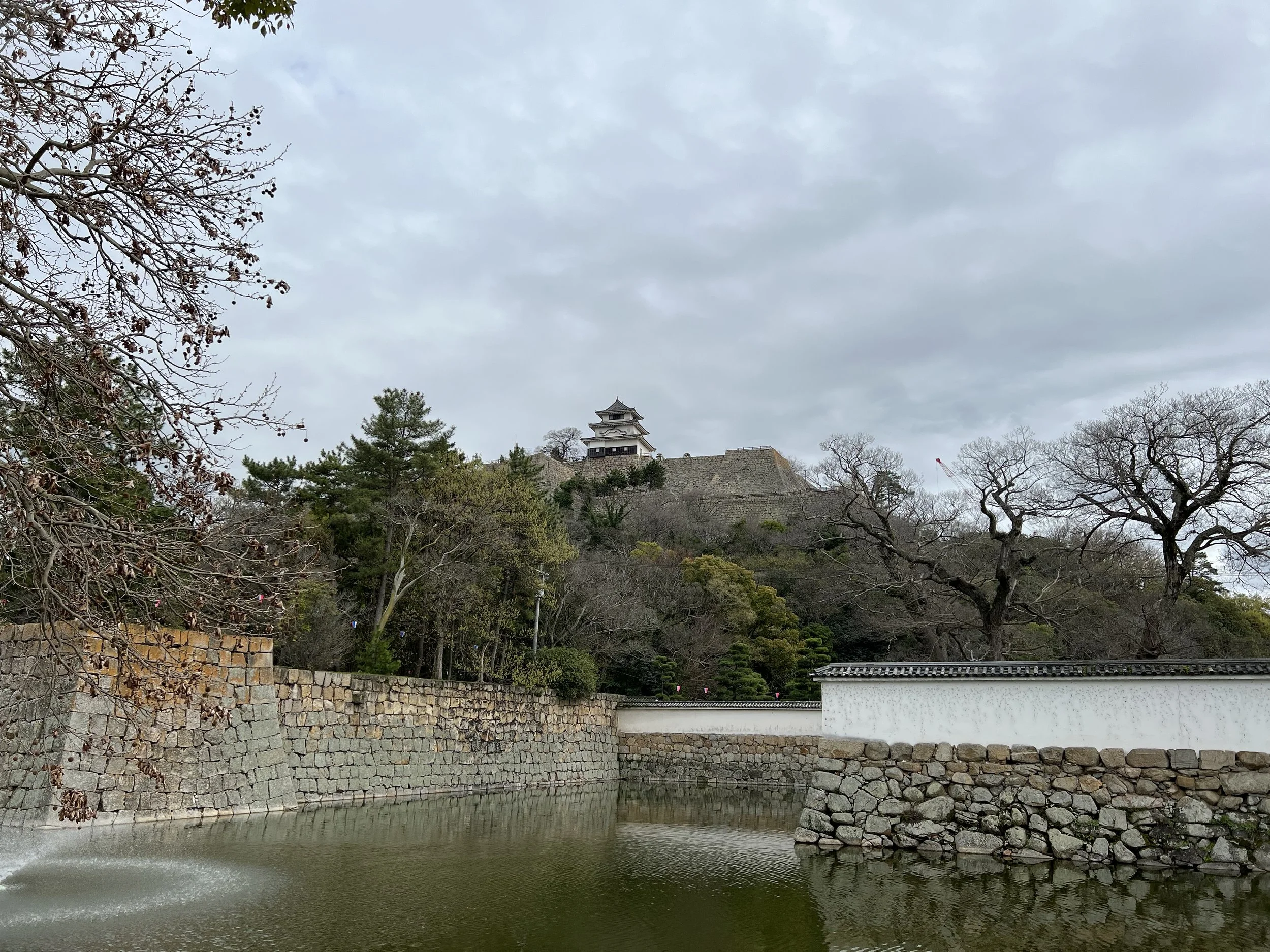
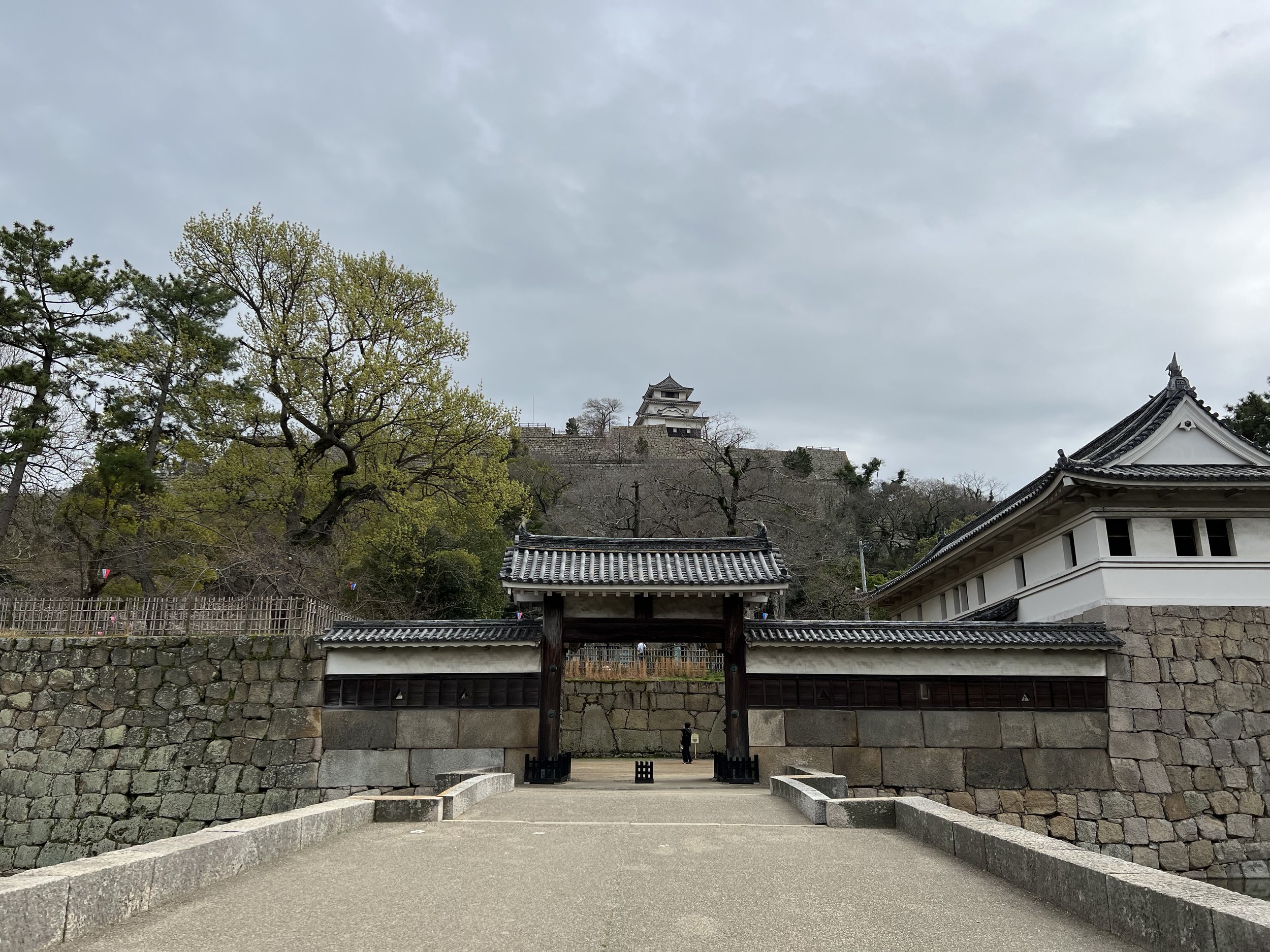
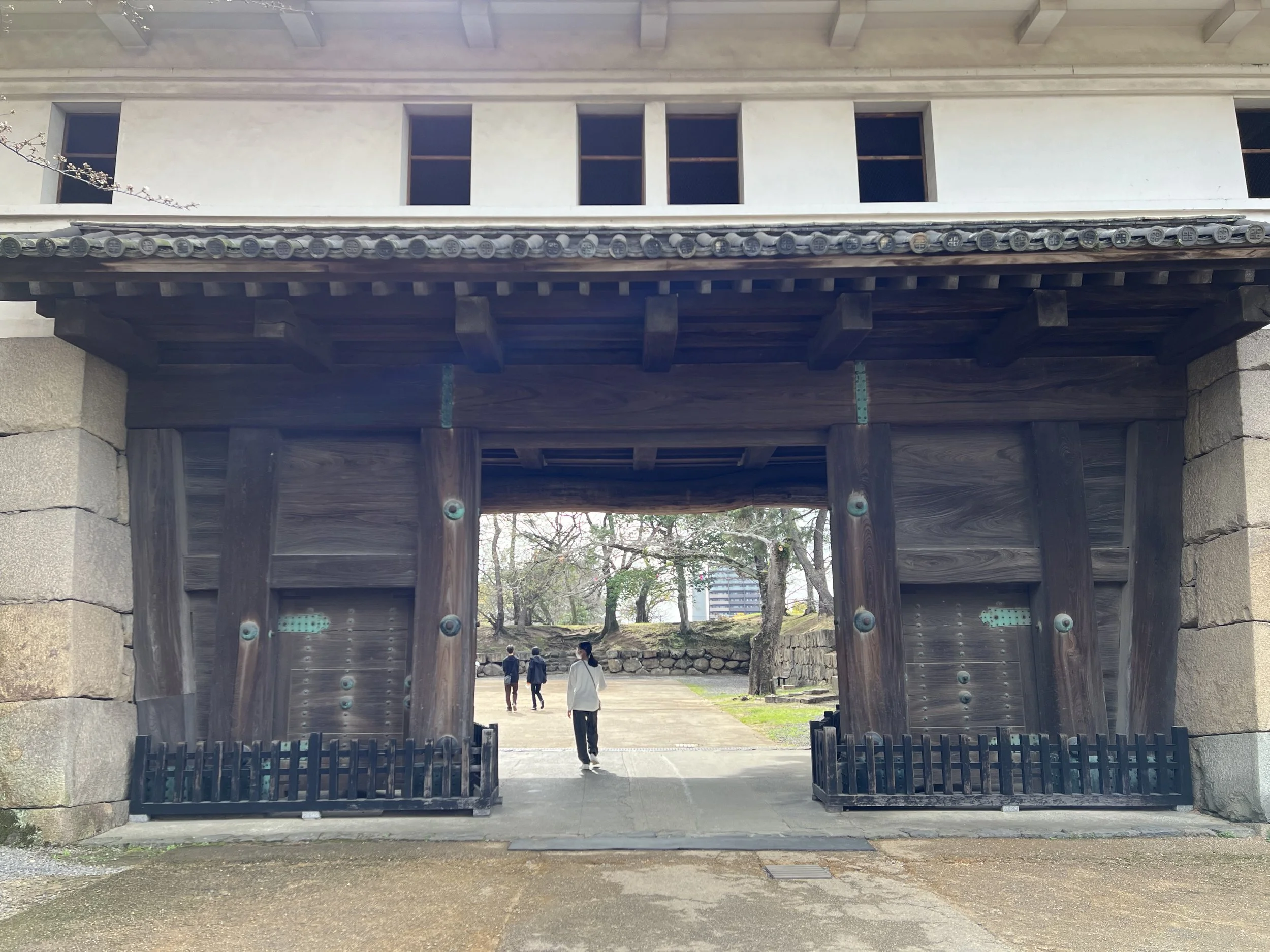
Marugame Castle - Kagawa, Japan
I arrived in Marugame in the late afternoon and briefly debated whether to visit the castle that day or wait until the next morning. Since my accommodation wasn’t far, I decided to drop off my luggage and make my way to the castle before it closed. I’m glad I did — seeing Marugame Castle in the late-day light made the climb and the timing well worth it.
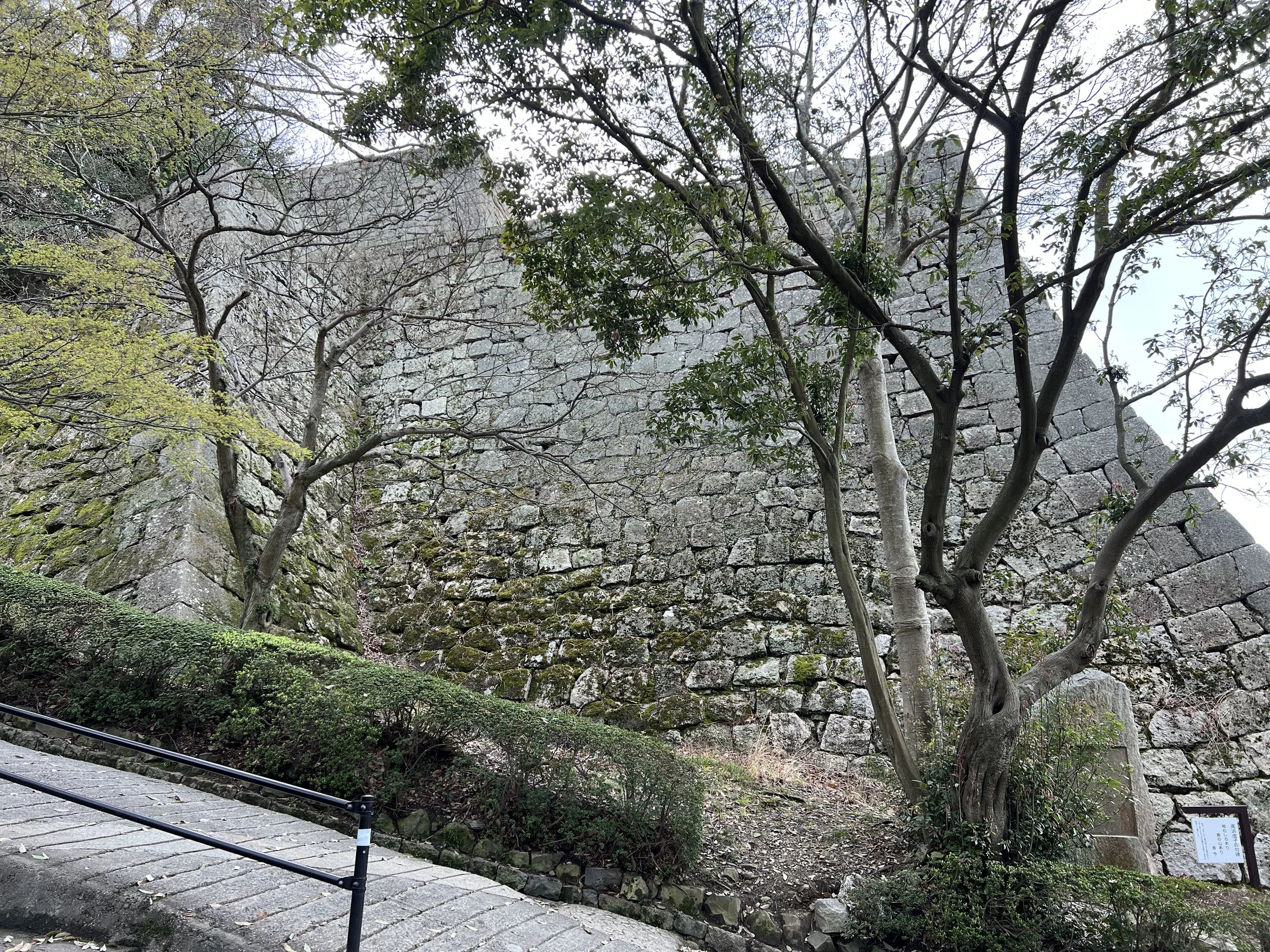
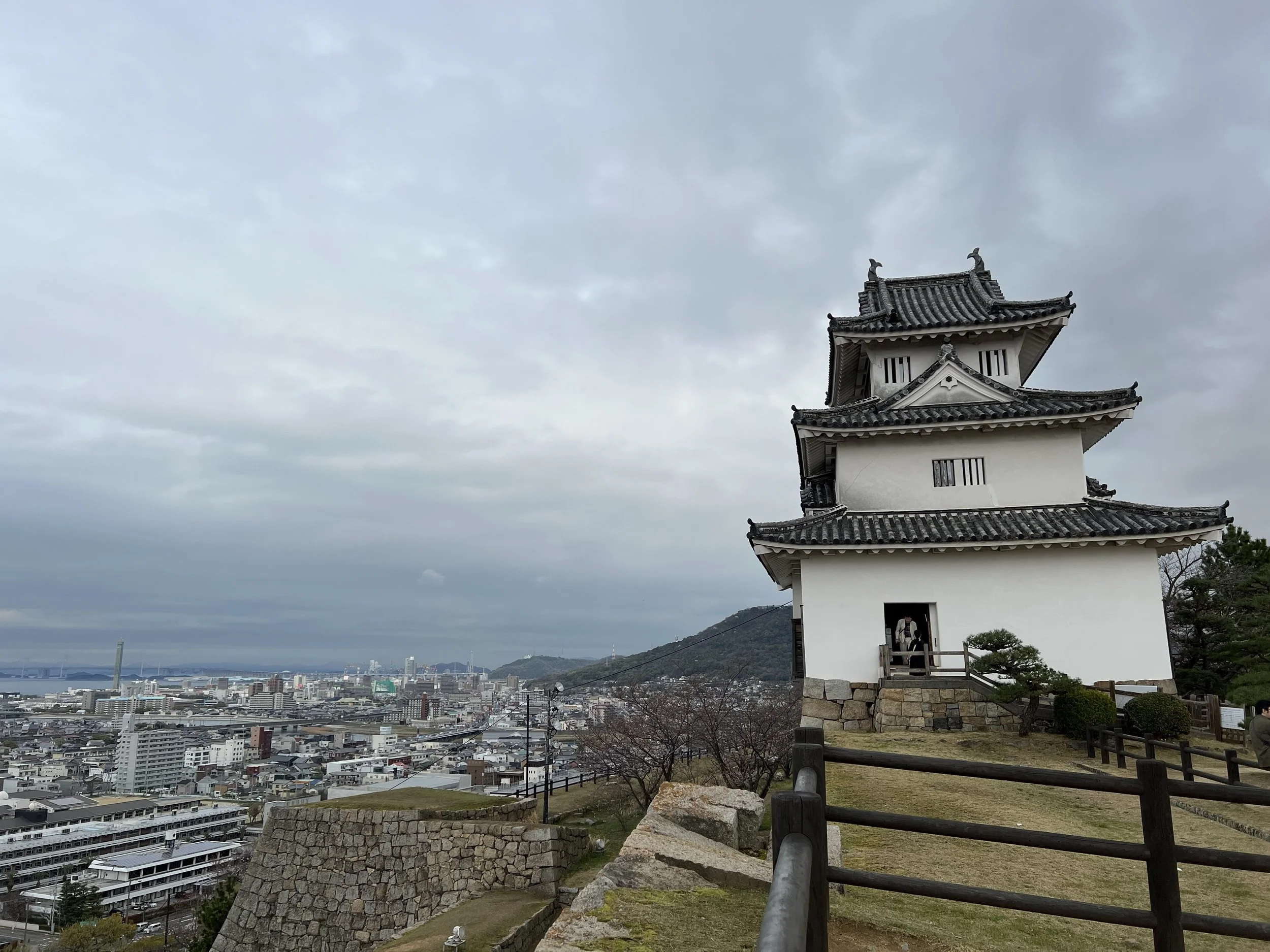
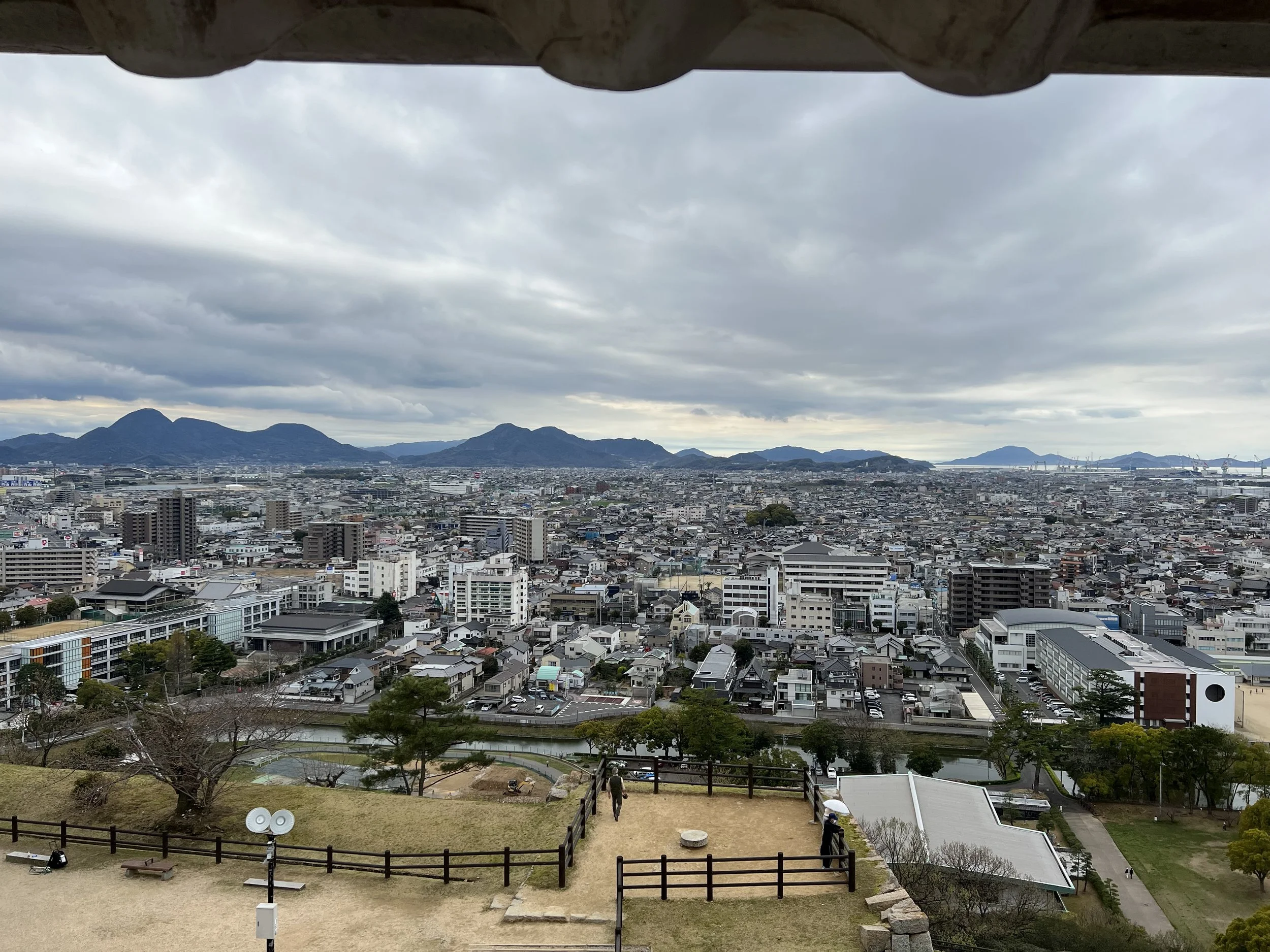
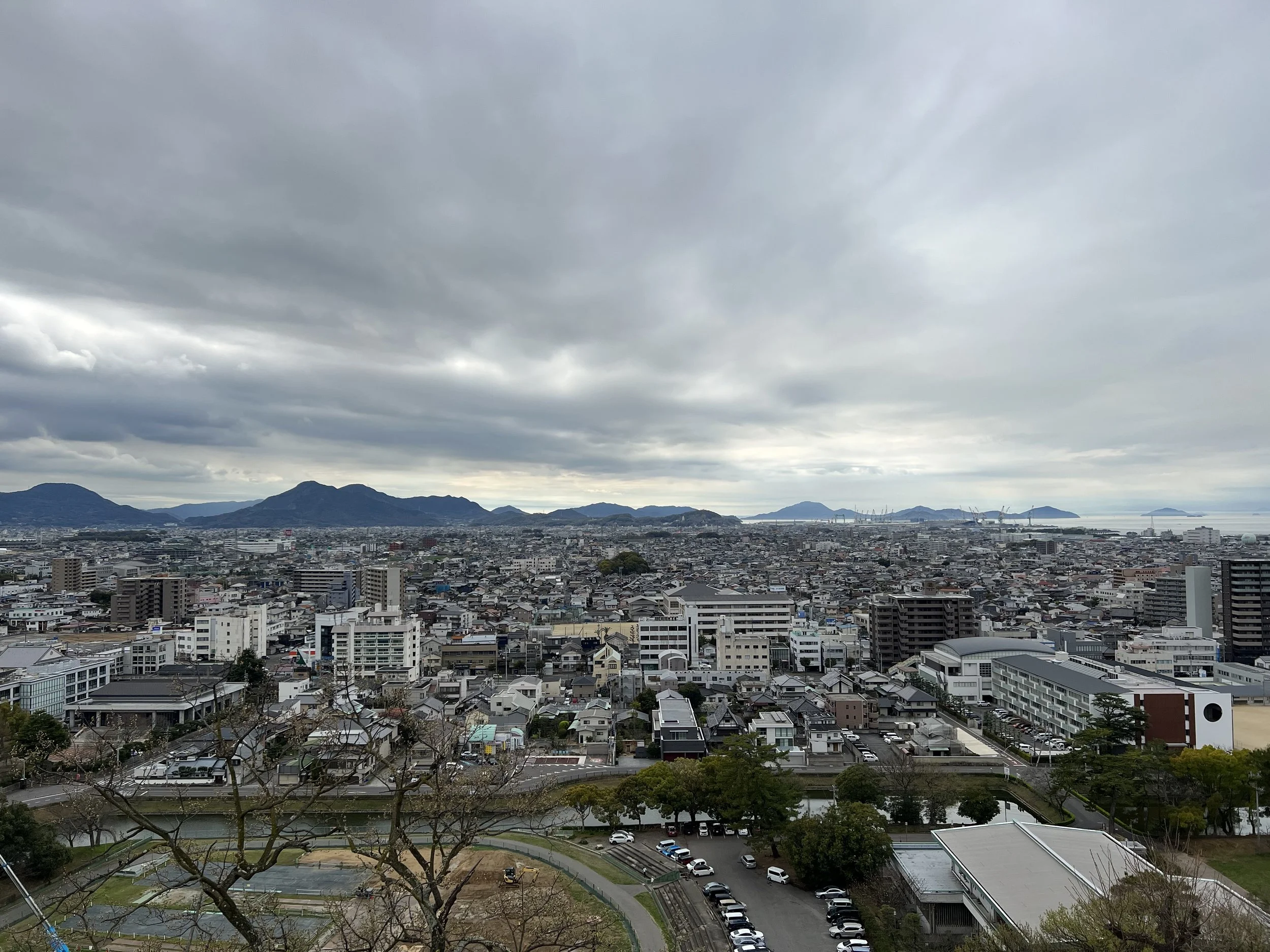
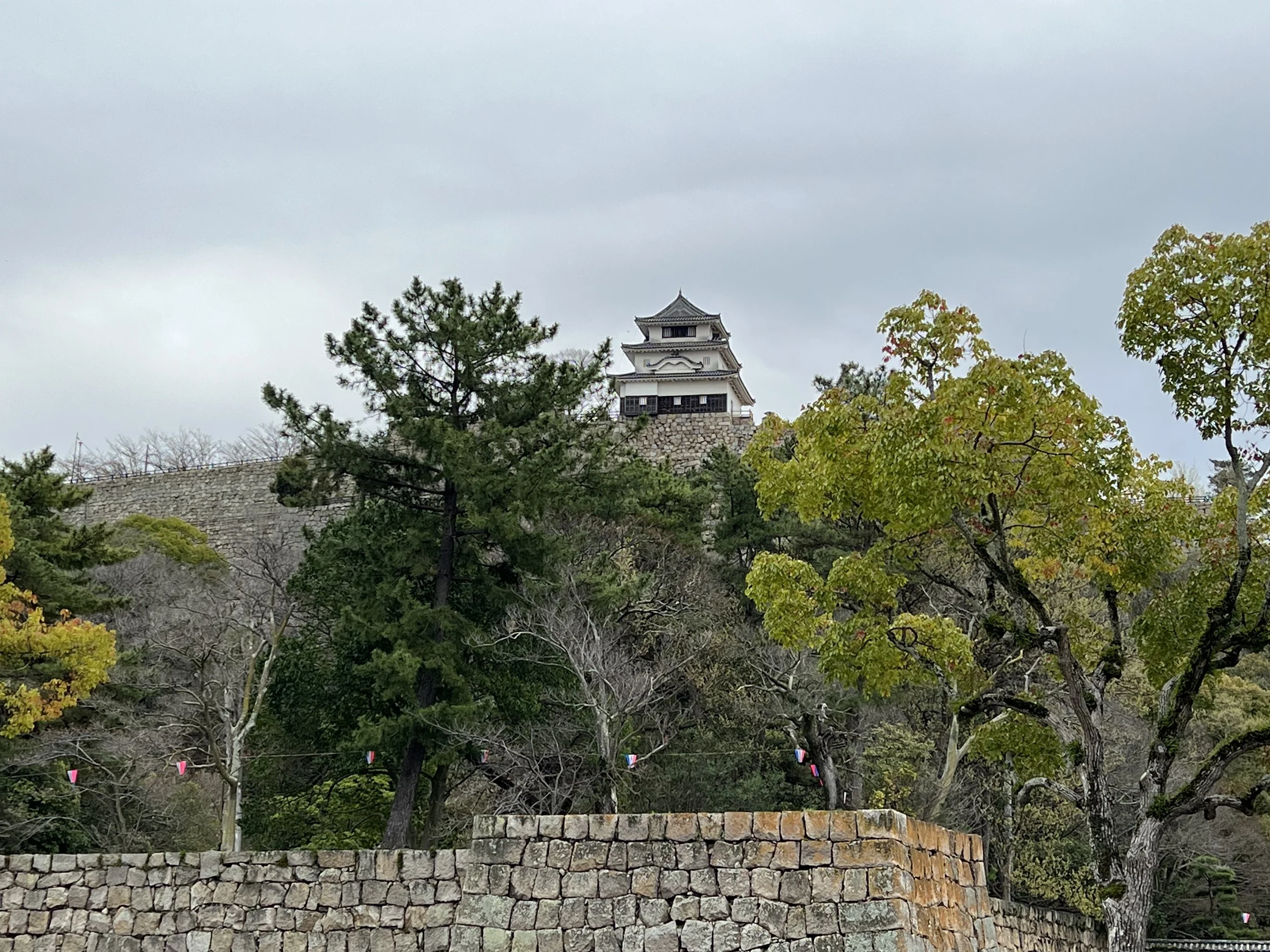
What immediately stood out were the 60 metres towering stone walls surrounding the castle. The approach is steep, and as I made my way uphill, the scale of the fortifications became more and more impressive. Marugame Castle sits high above the city, and once you reach the grounds, you’re rewarded with sweeping views of the town below. From this vantage point, it’s easy to understand how effective this location would have been for defence — unobstructed sightlines in nearly every direction.
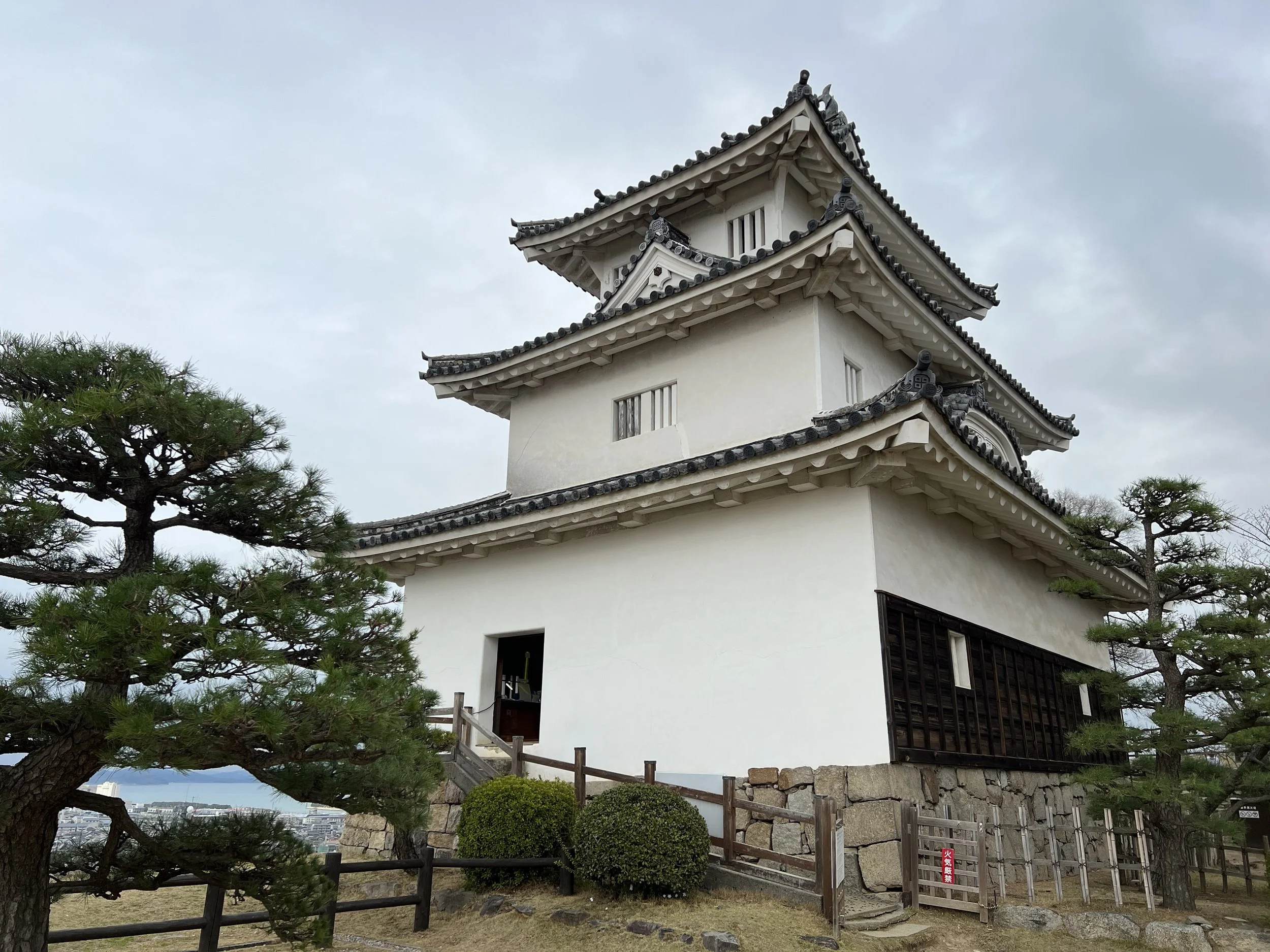
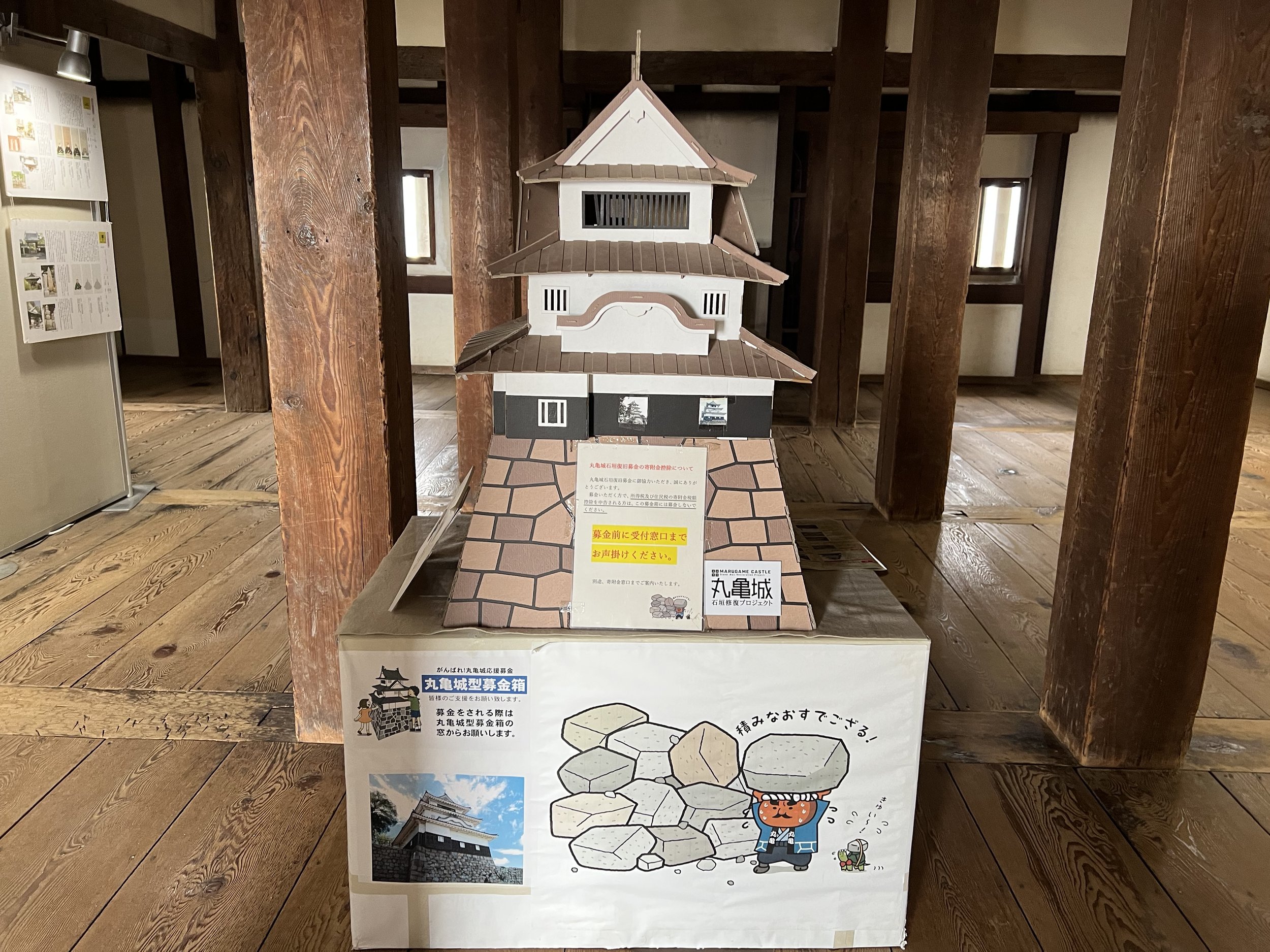
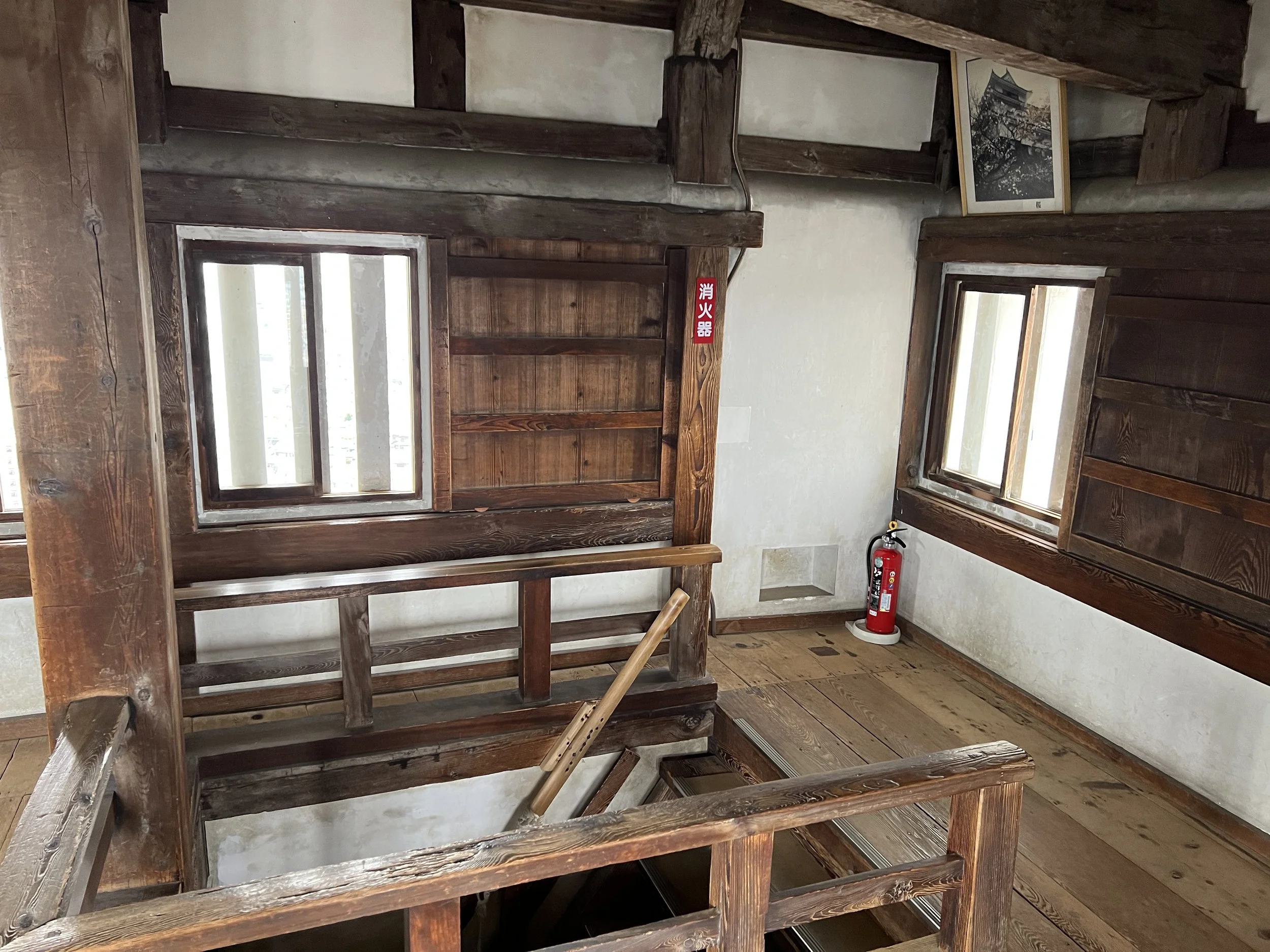
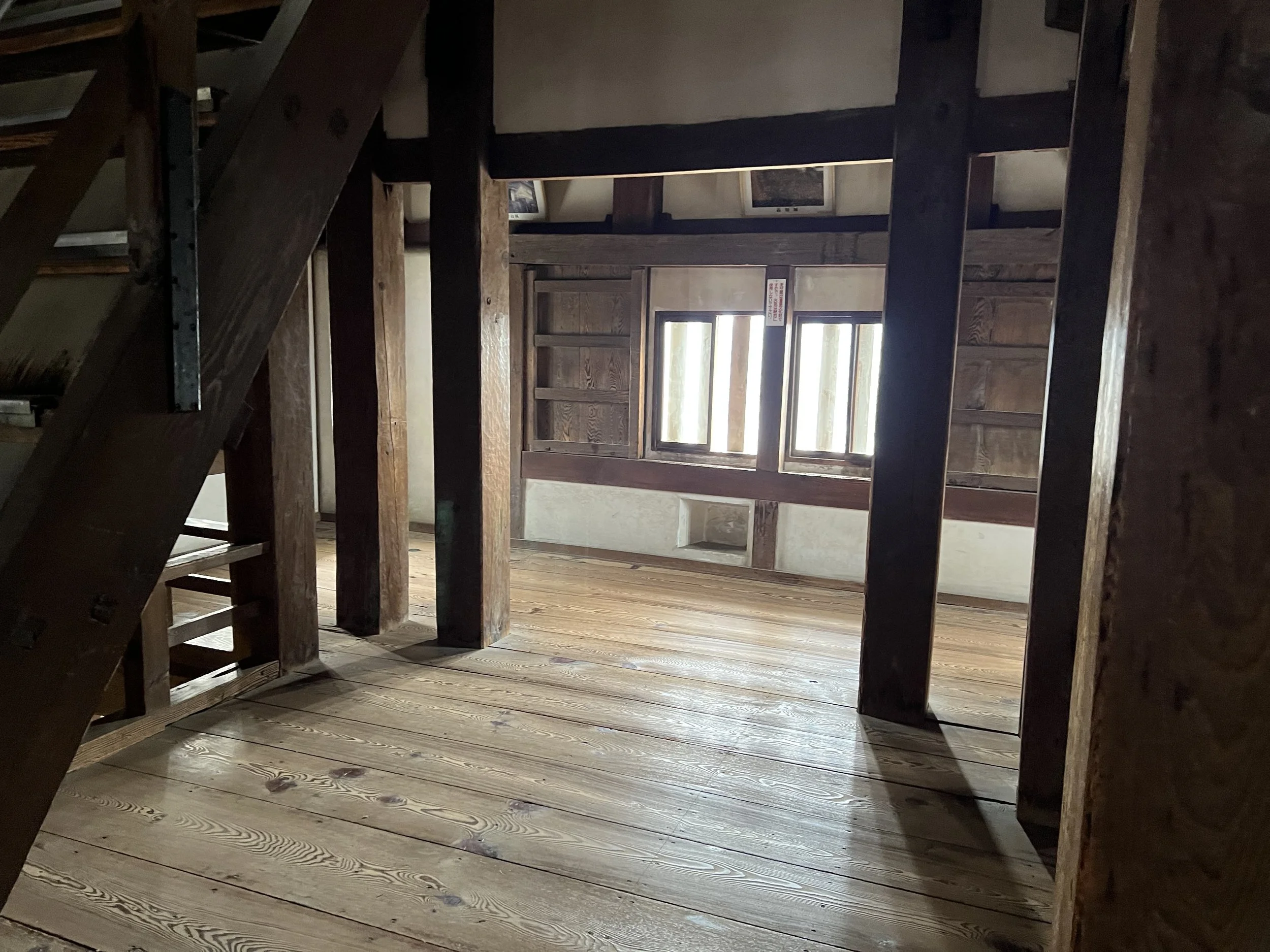
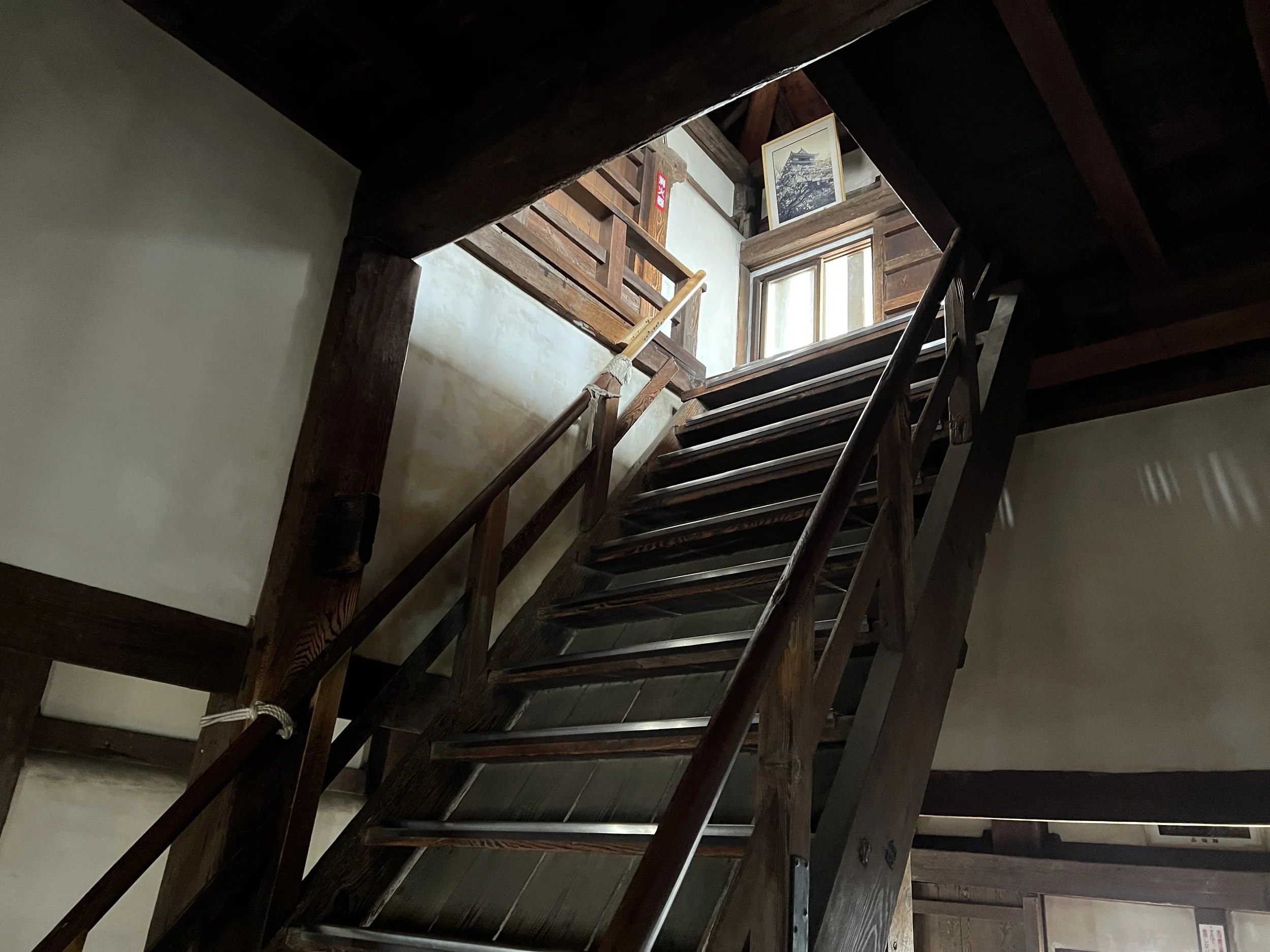
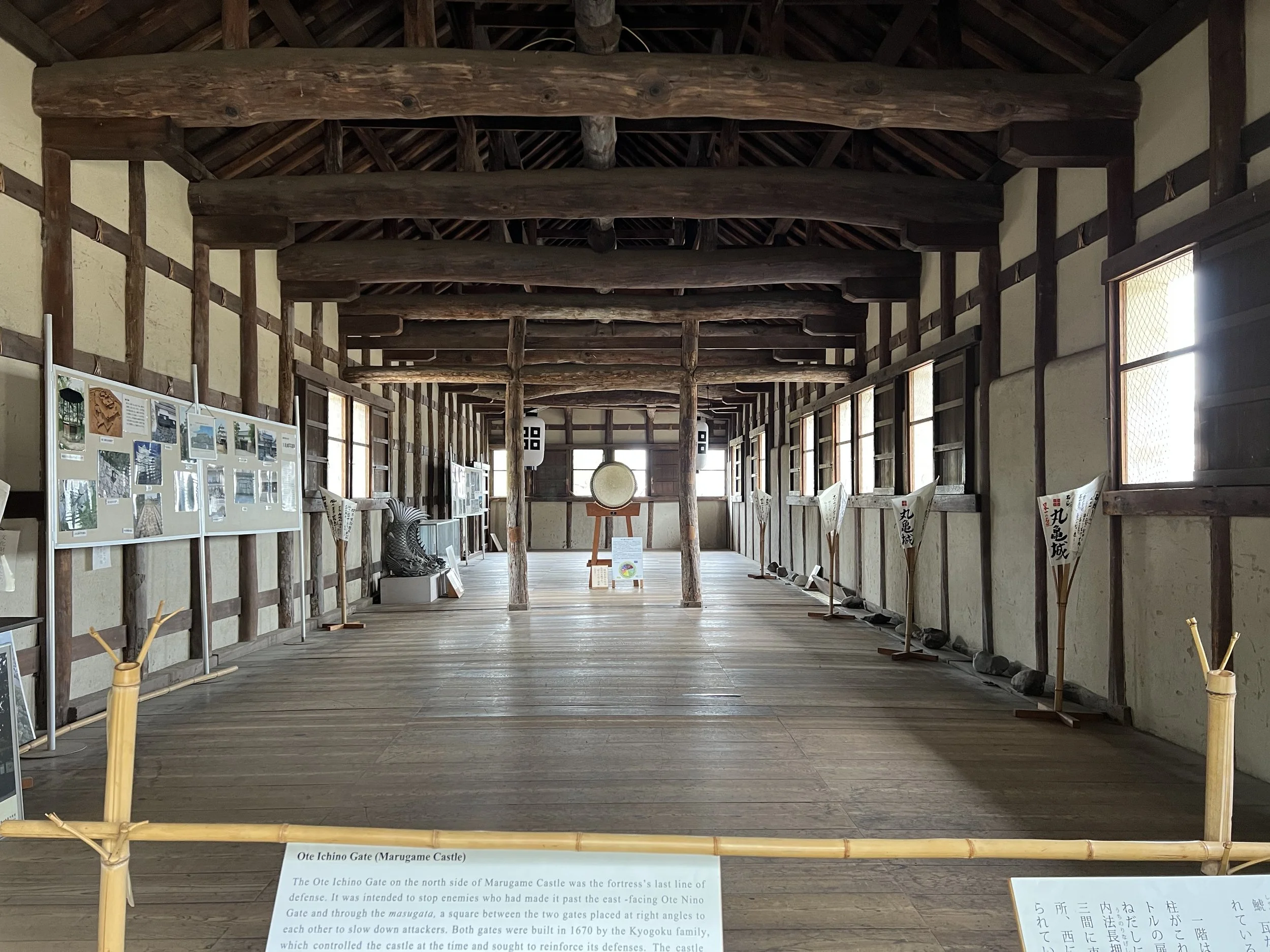
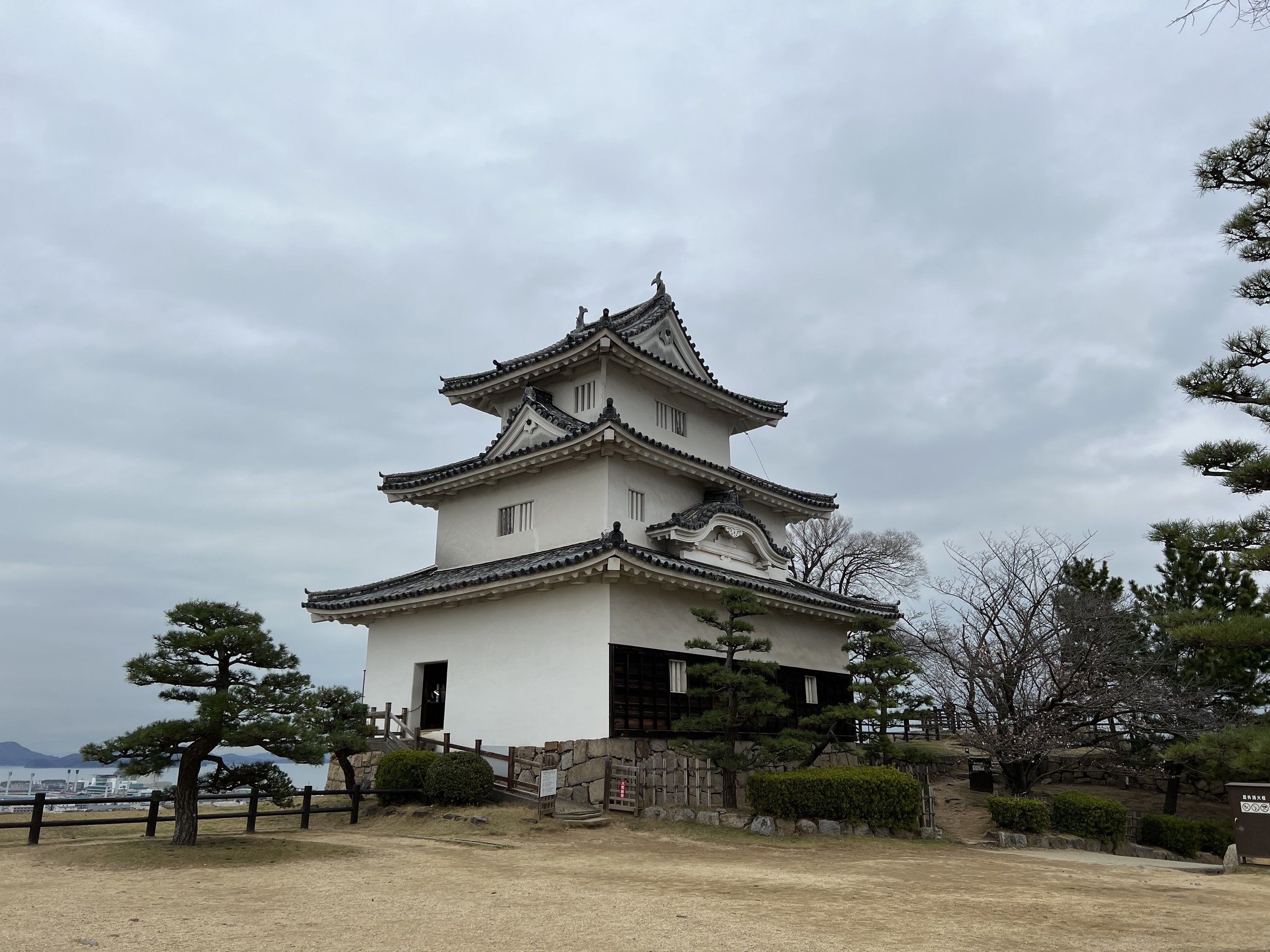
I wandered around the castle grounds first, taking in the panoramic views before heading inside the keep. The interior is modest and largely unchanged from its historical form, with a small wooden scale model of the castle on display. Unlike many reconstructed castles, there’s very little modernisation here, which gives the space an authentic, timeworn feel. It didn’t take long to climb to the top floor, where the views were even more impressive, especially as the light began to soften toward evening.
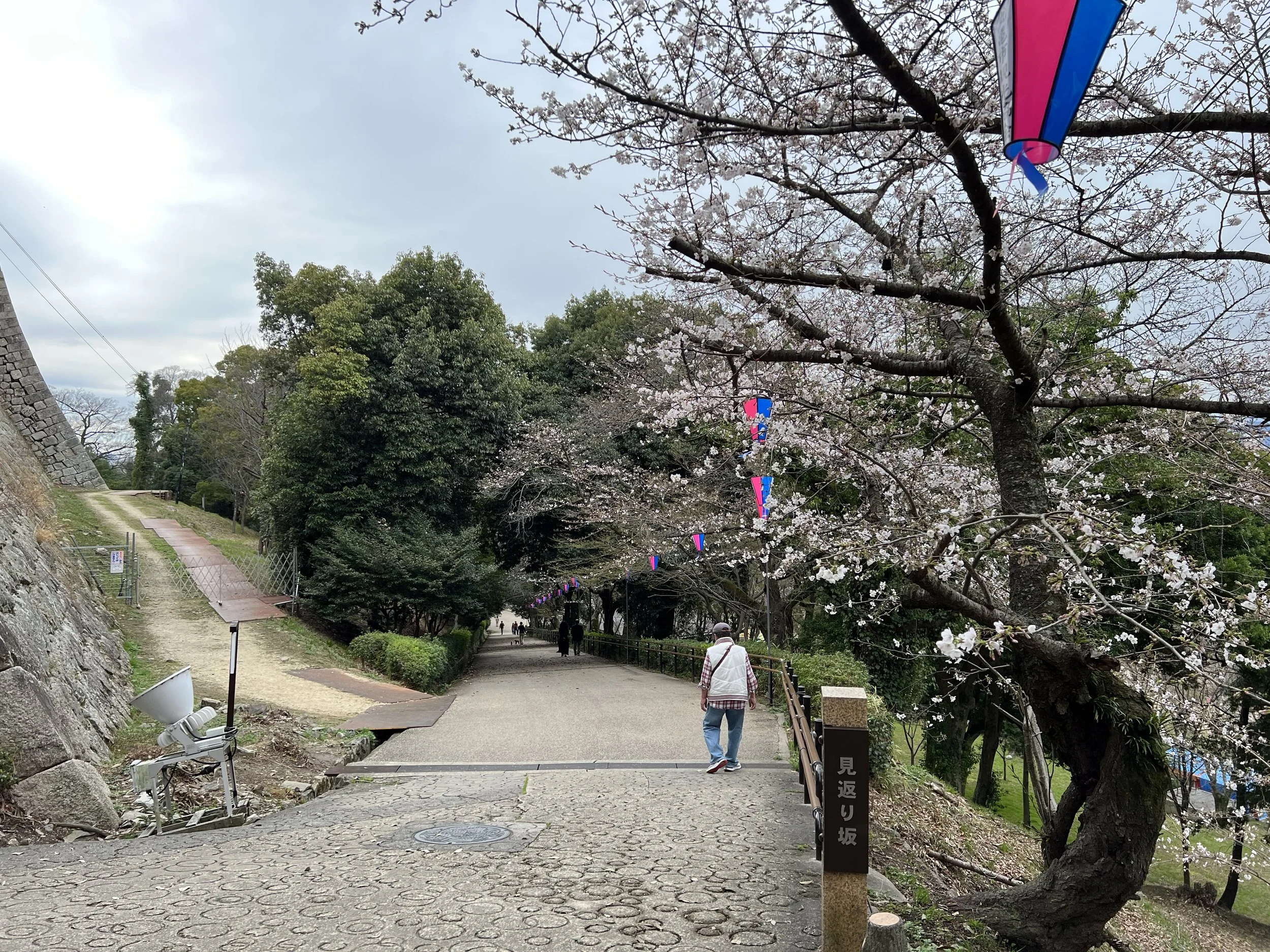
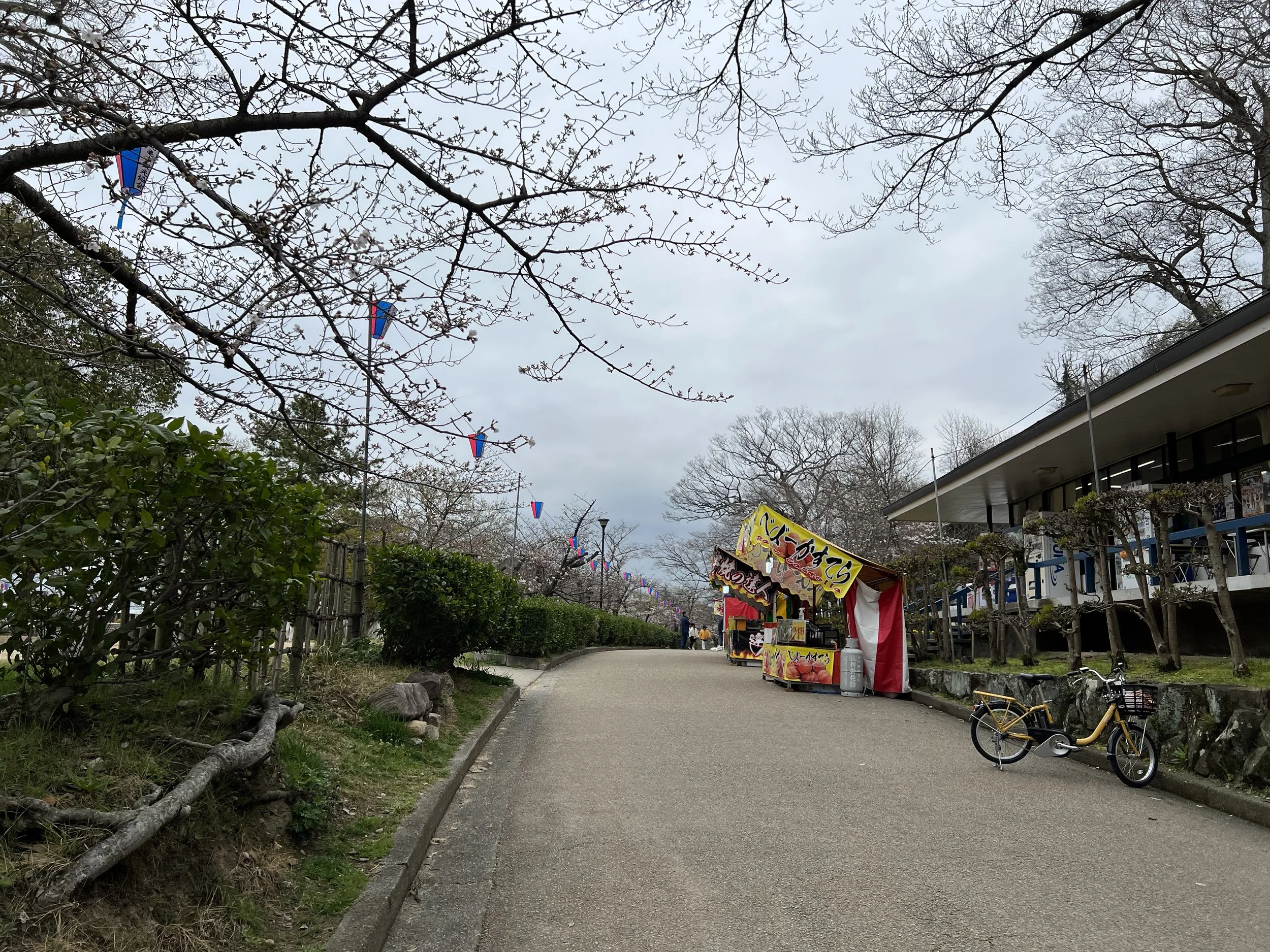
After finishing my visit to the keep, I walked toward the nearby Marugame City Museum and explored the surrounding area. There’s a small street of food stalls nearby, though only one was open at the time. I later learned that this area and the adjacent park are frequently used for local festivals throughout the year. Marugame Castle is especially well known during cherry blossom season, when over 1,000 sakura trees bloom around the stone walls and grounds, transforming the entire area into one of Kagawa’s most popular spring destinations.
History & Background
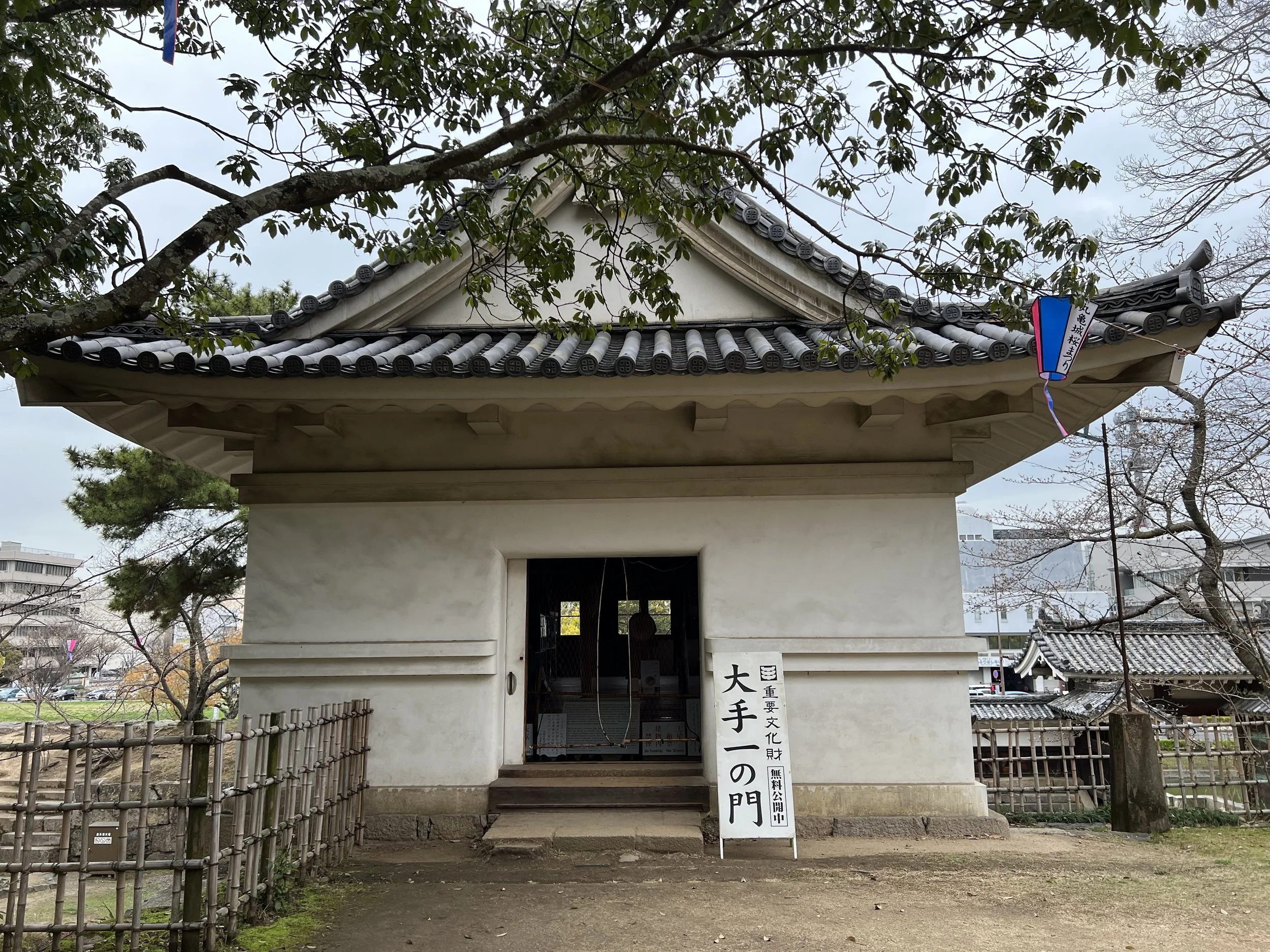
Marugame Castle (丸亀城) is one of Japan’s 12 remaining original castles, meaning its keep has survived intact since the feudal era. Construction began in 1597 and was completed in 1602 under the rule of Ikoma Chikamasa, who also built Takamatsu Castle. Due to shogunate policies limiting each province to a single castle, Marugame Castle was dismantled just 13 years after its completion. It was later rebuilt in 1660 under a new ruling clan.
Over the centuries, many of the castle’s structures were lost to fires and natural disasters, but remarkably, the main keep endured. The castle is particularly famous for its exceptionally high stone walls, considered among the finest examples of stonework in Japan. These fortifications, combined with the castle’s elevated position, made it a formidable defensive stronghold and remain its most striking feature today.
Getting There
From Takamatsu, take the JR Yosan Line to Marugame Station; the journey takes about 30–40 minutes with frequent services. From Marugame Station, follow the well-marked signs toward Marugame Castle Park and walk approximately 15 minutes to reach the castle, with mostly flat terrain until the final steep ascent near the grounds.
Route Overview
Distance: 3.77 km out & back (Marugame Station)
Total elevation gain: 59 m
Duration: 49 min (with breaks 1 hr 07 min)
Difficulty: Easy
Cost Breakdown
Train: Kotohira Station → Marugame Station — ¥1,920
Entrance Fee: Marugame Castle — ¥200