Himeji Castle - Hyogo, Japan
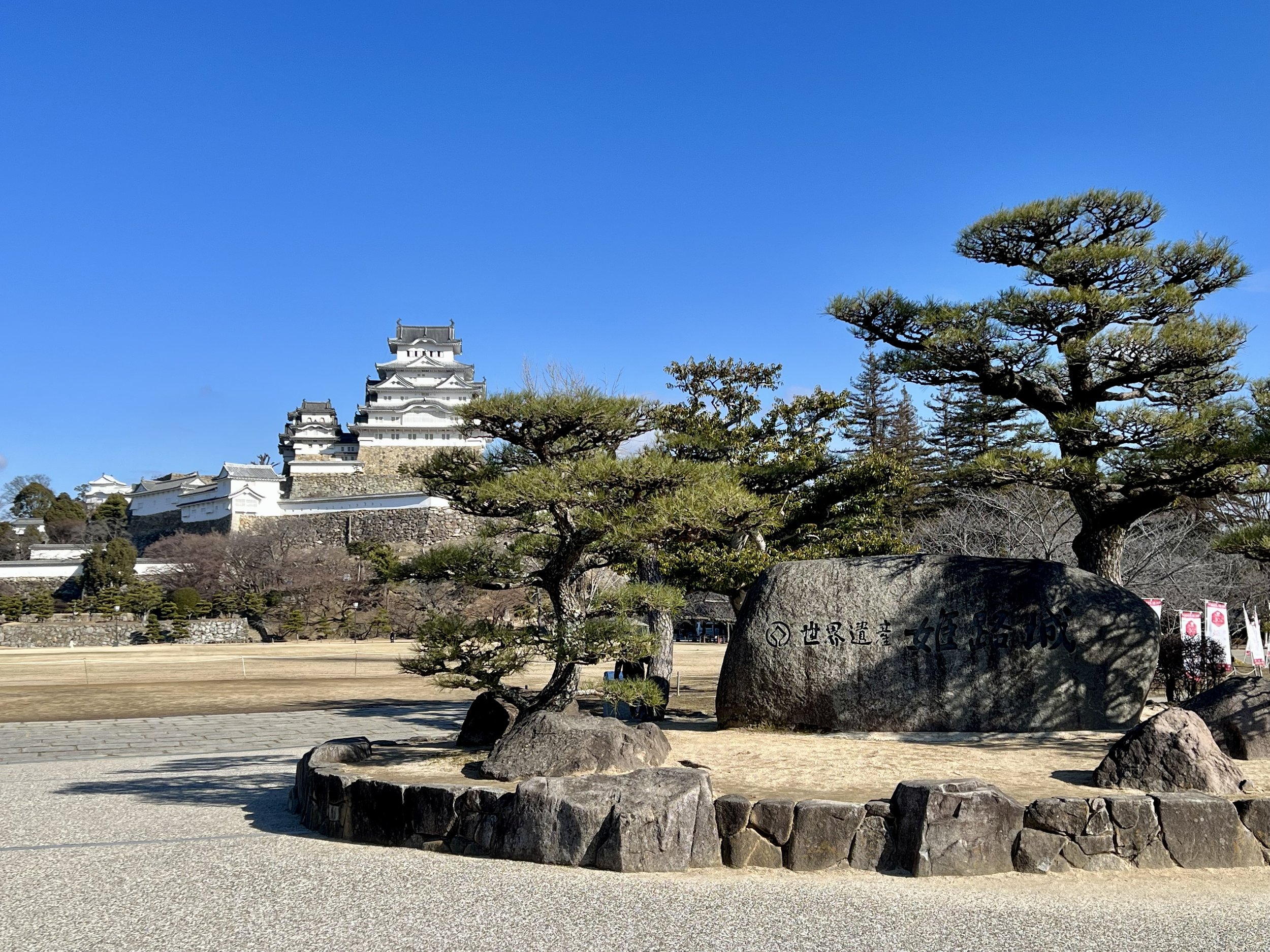
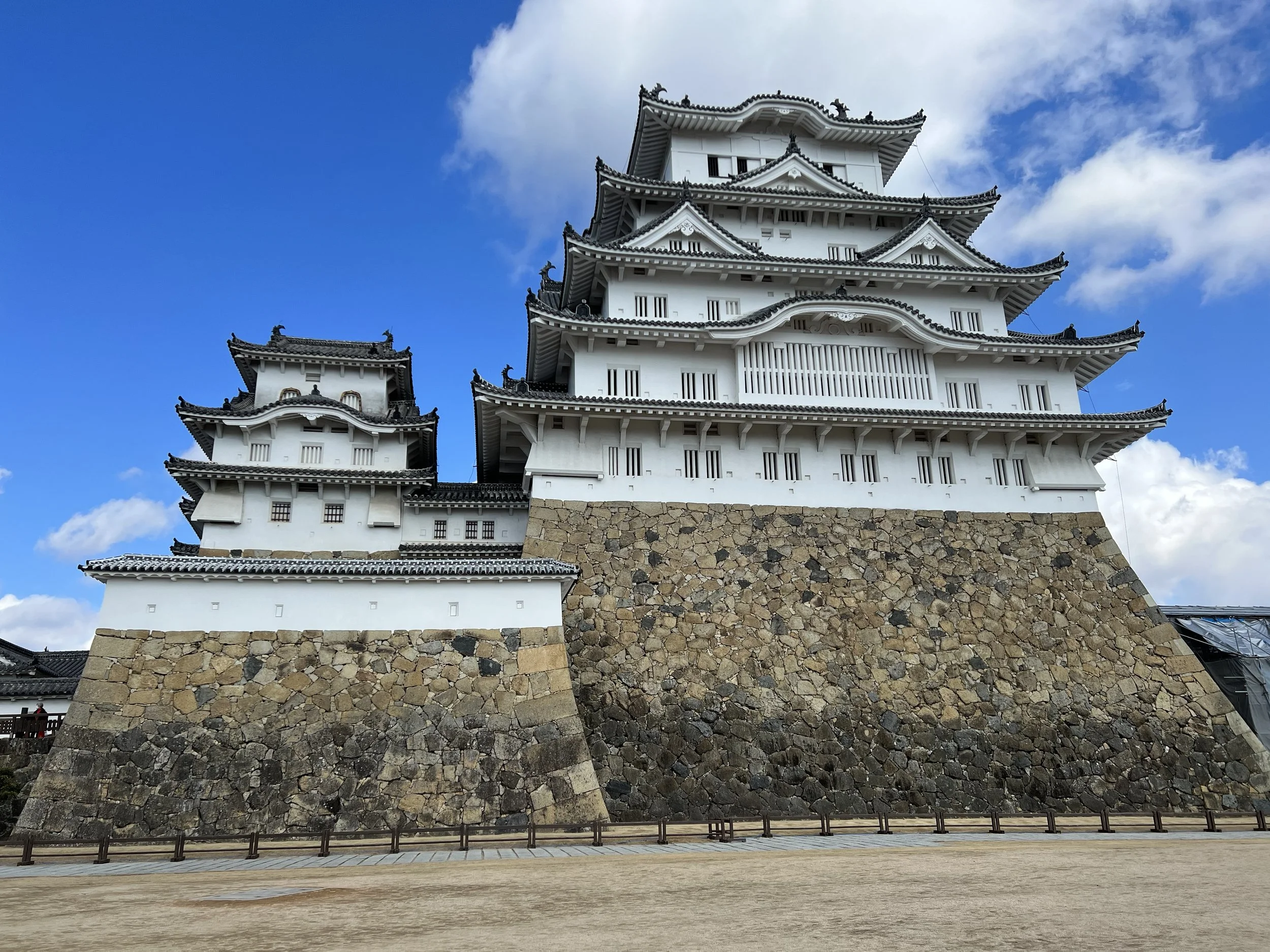
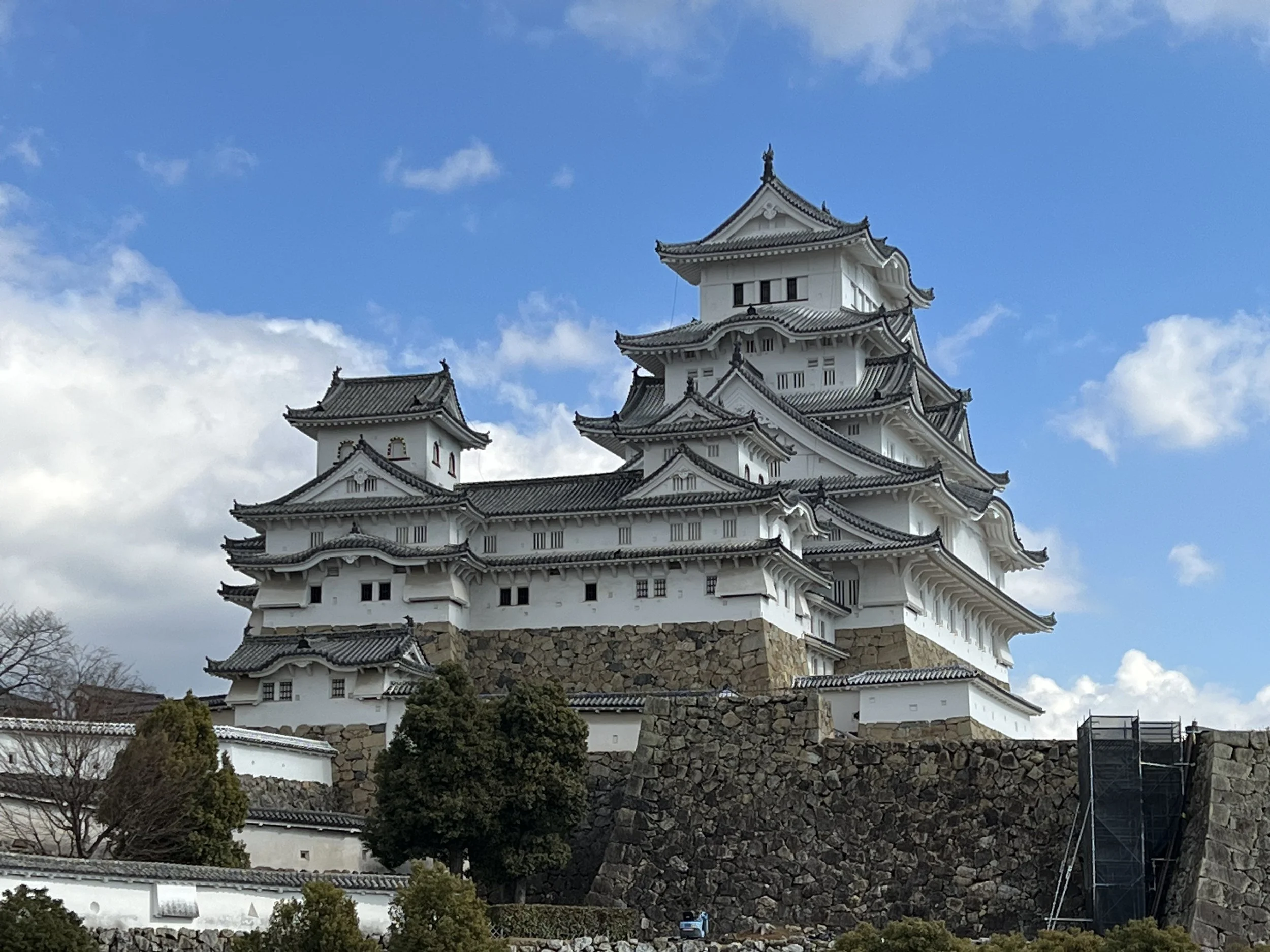
Himeji Castle is widely regarded as one of the most spectacular castles in Japan, instantly recognizable by its brilliant white exterior. Often referred to as the White Heron Castle for its resemblance to a bird taking flight, it has been a UNESCO World Heritage Site since 1993—testament to how remarkably well preserved it is. It is also one of only twelve original castles in Japan, having survived centuries without being destroyed by war, fire, or earthquakes.
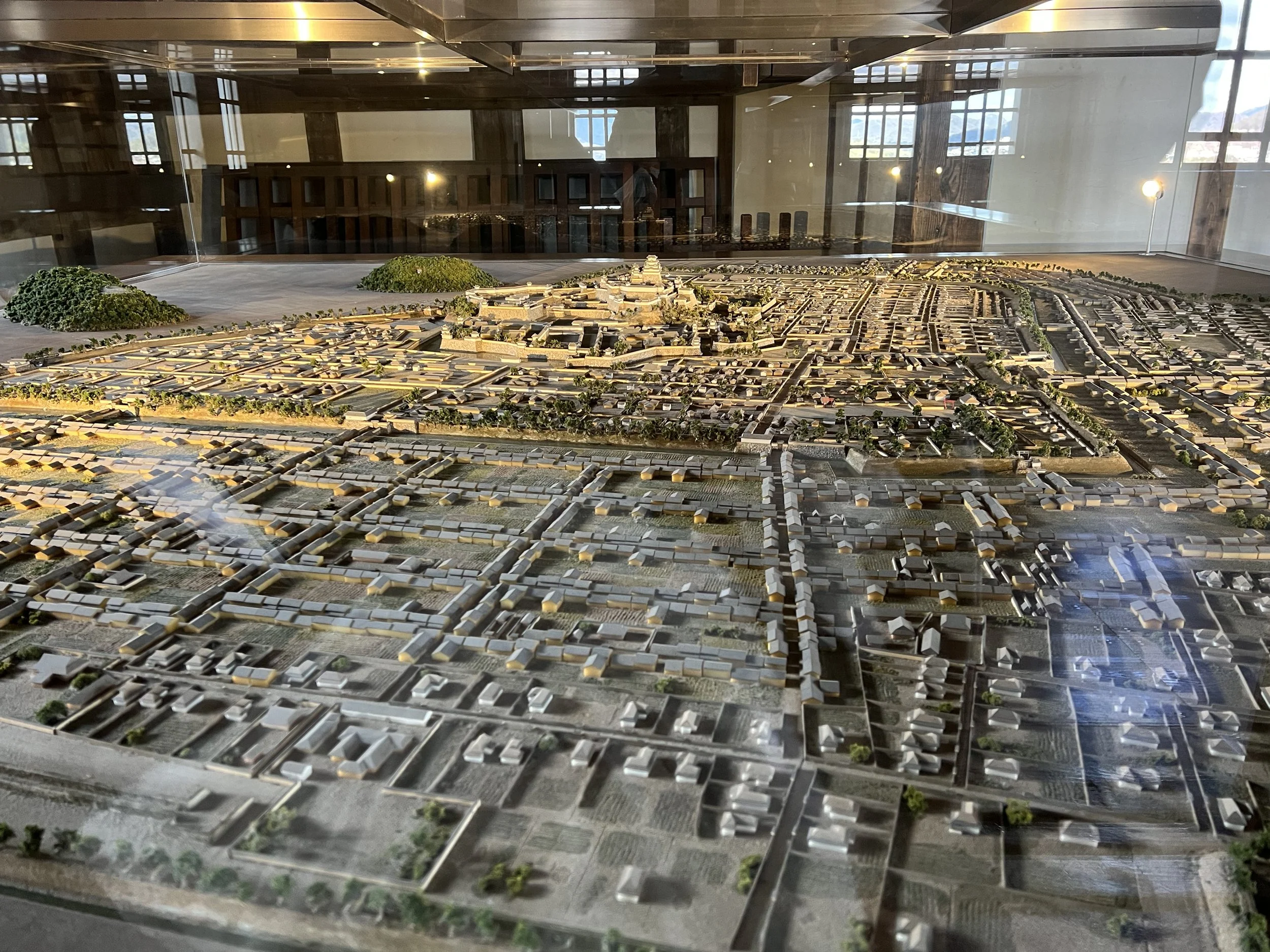
Located about 1.4 kilometres from Himeji Station, I chose to walk to the castle. Even from a distance, the castle gradually reveals itself as you move through the city, growing larger and more imposing with every block. Crossing the bridge over the moat and entering the castle grounds truly felt like stepping back in time. Just beyond the gate lies Sannomaru Square, an open area that offers an unobstructed view of the castle’s main keep. Under the sunlight, the white façade almost glowed, reflecting light so brightly it felt surreal.
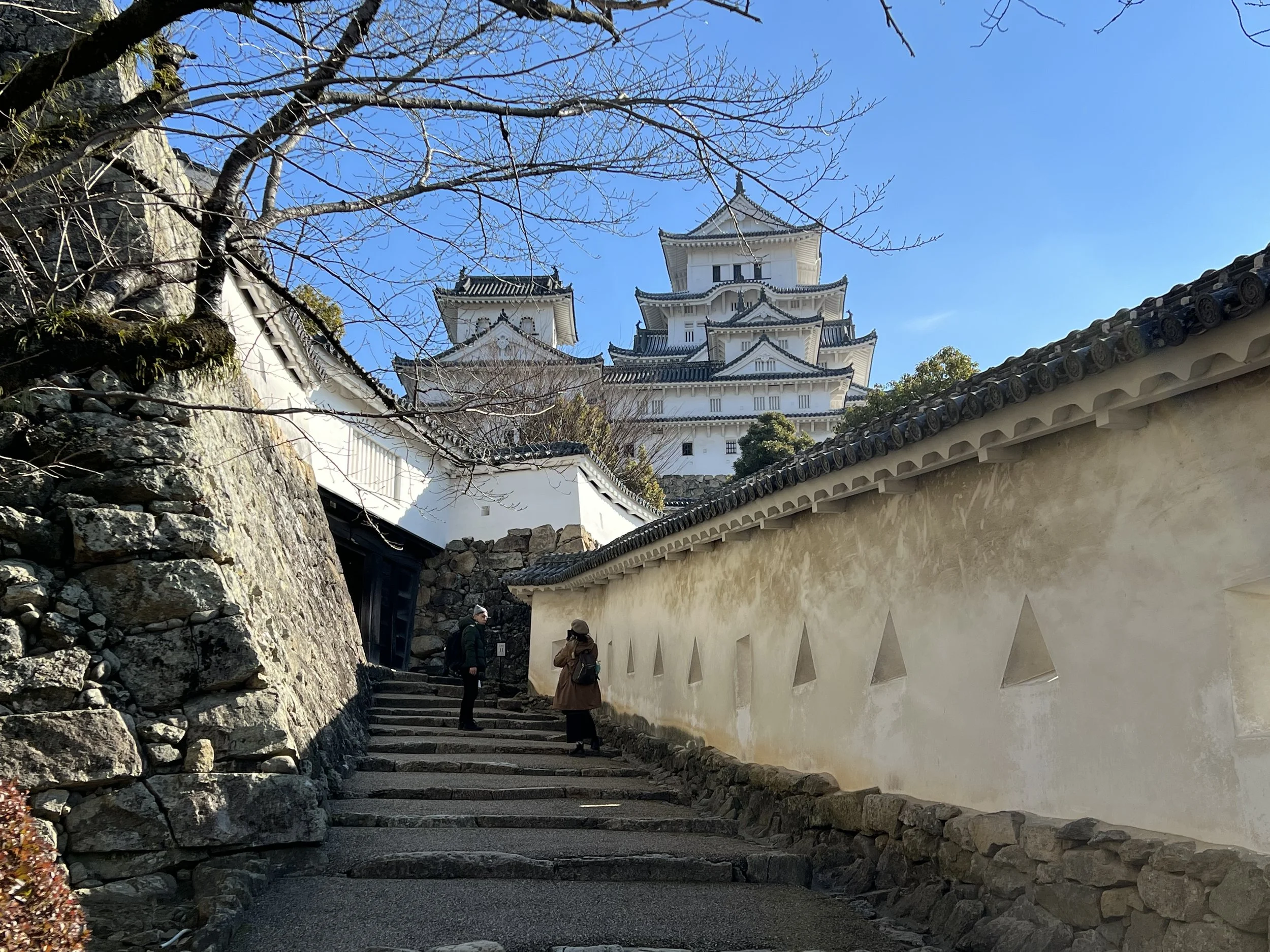
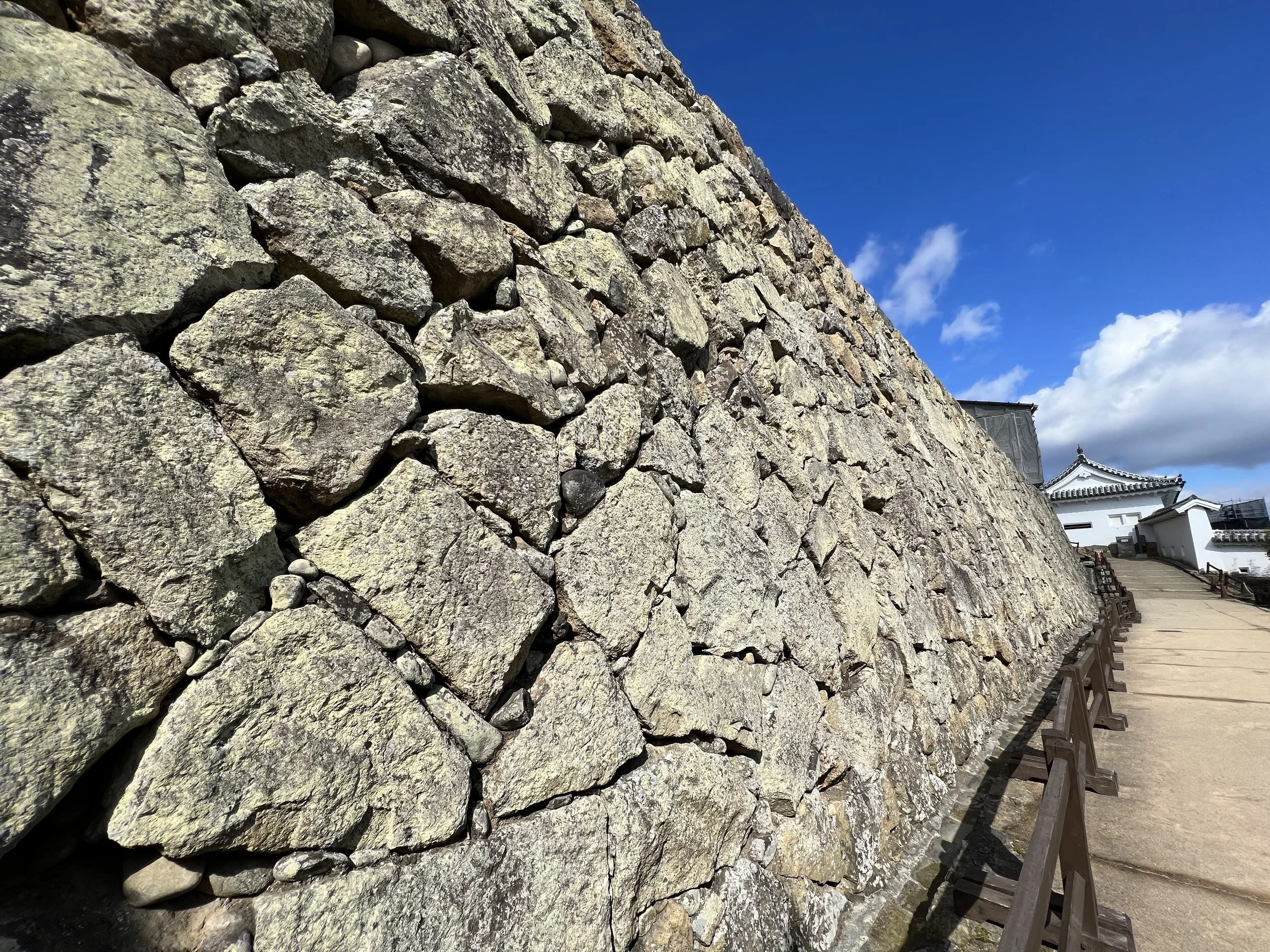
At the ticket booth, I was approached by a volunteer guide offering an English tour. I asked whether a group was required or if a solo visitor was acceptable, and she happily told me we could begin right away. The guide was exceptionally well prepared, carrying binders filled with historical facts, diagrams, and photographs. As we walked through the grounds, she explained the purpose behind the angled stone walls, defensive layouts, and architectural details, weaving in stories of the lords who once ruled the region.
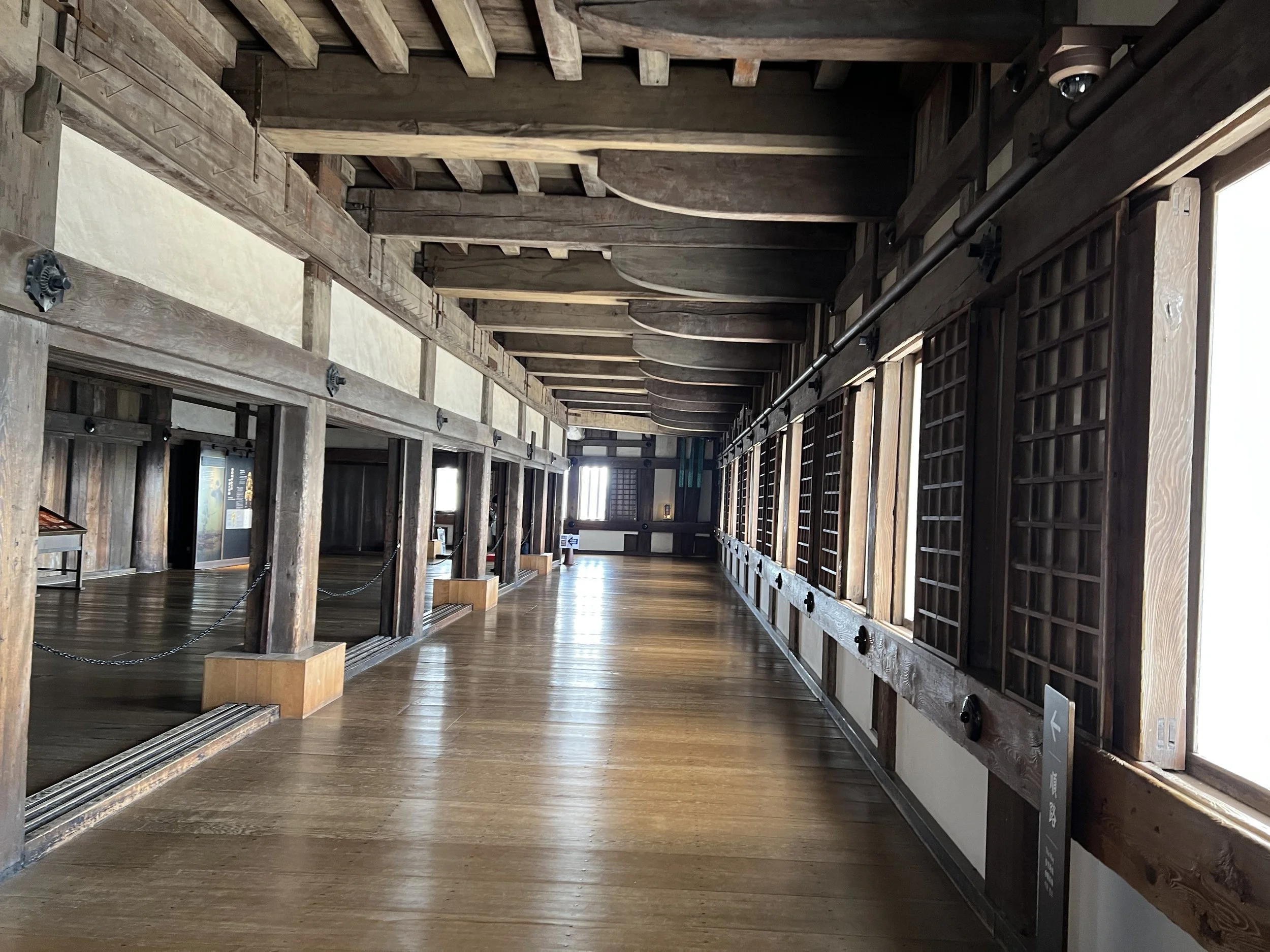
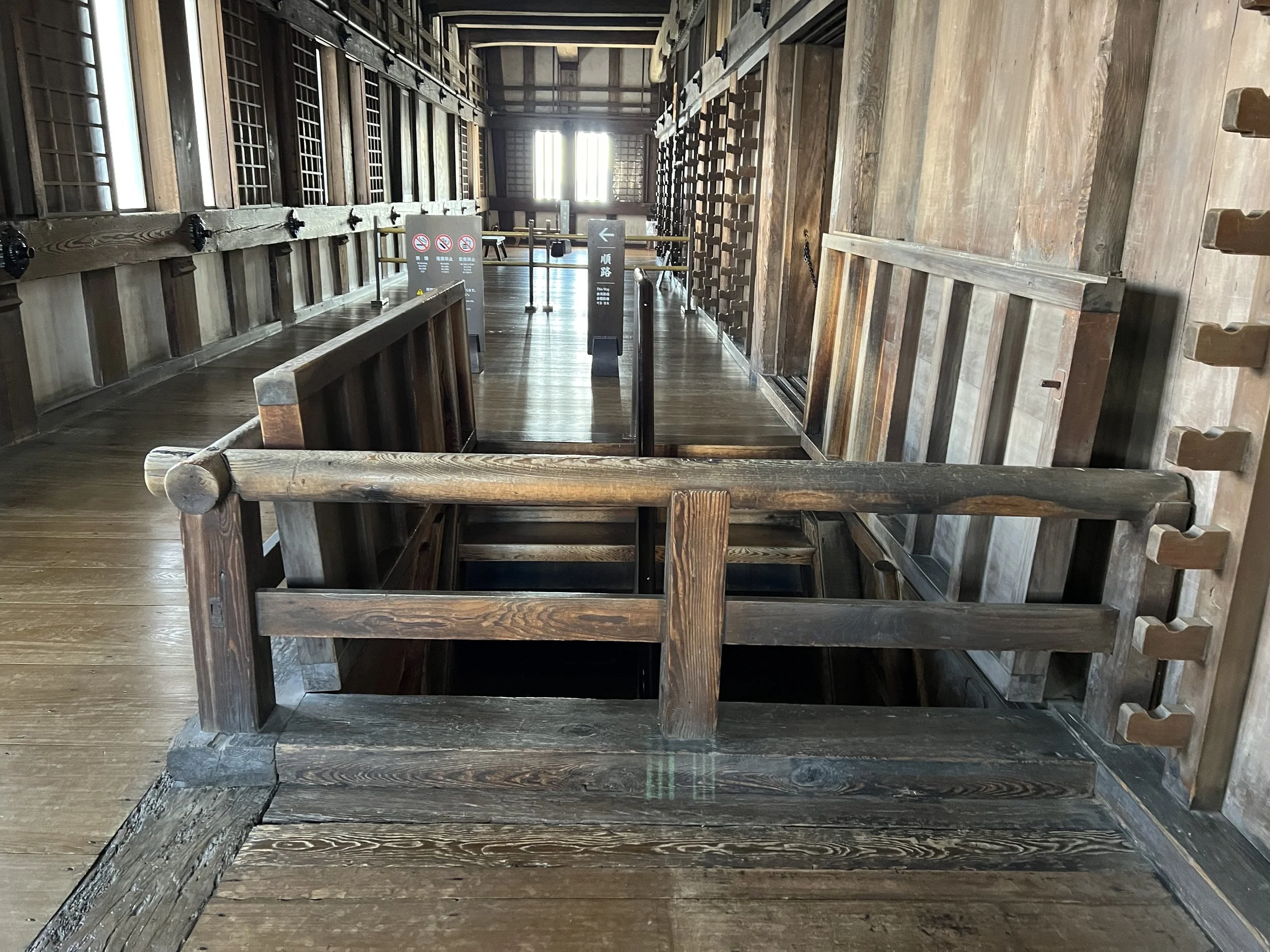
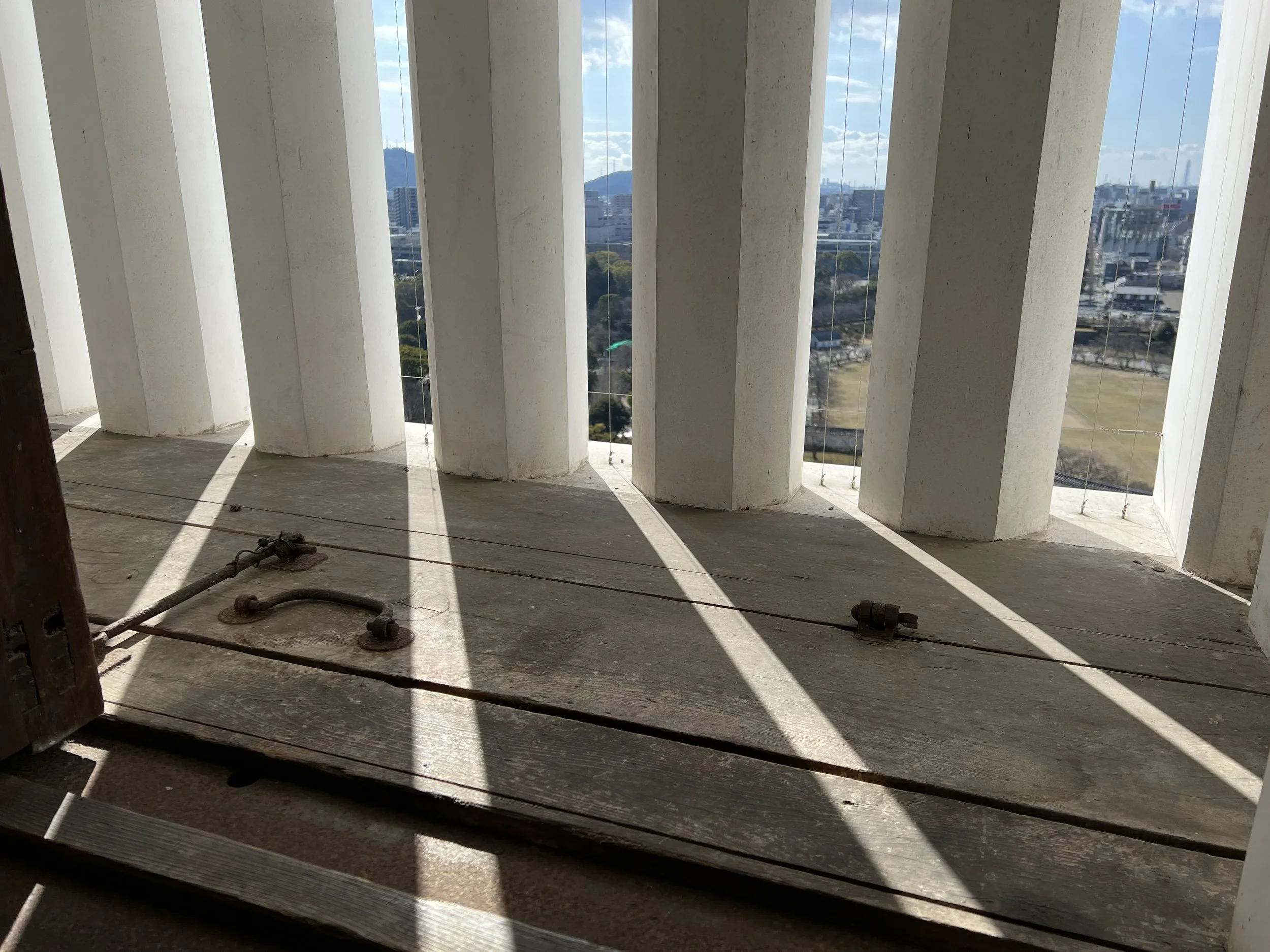
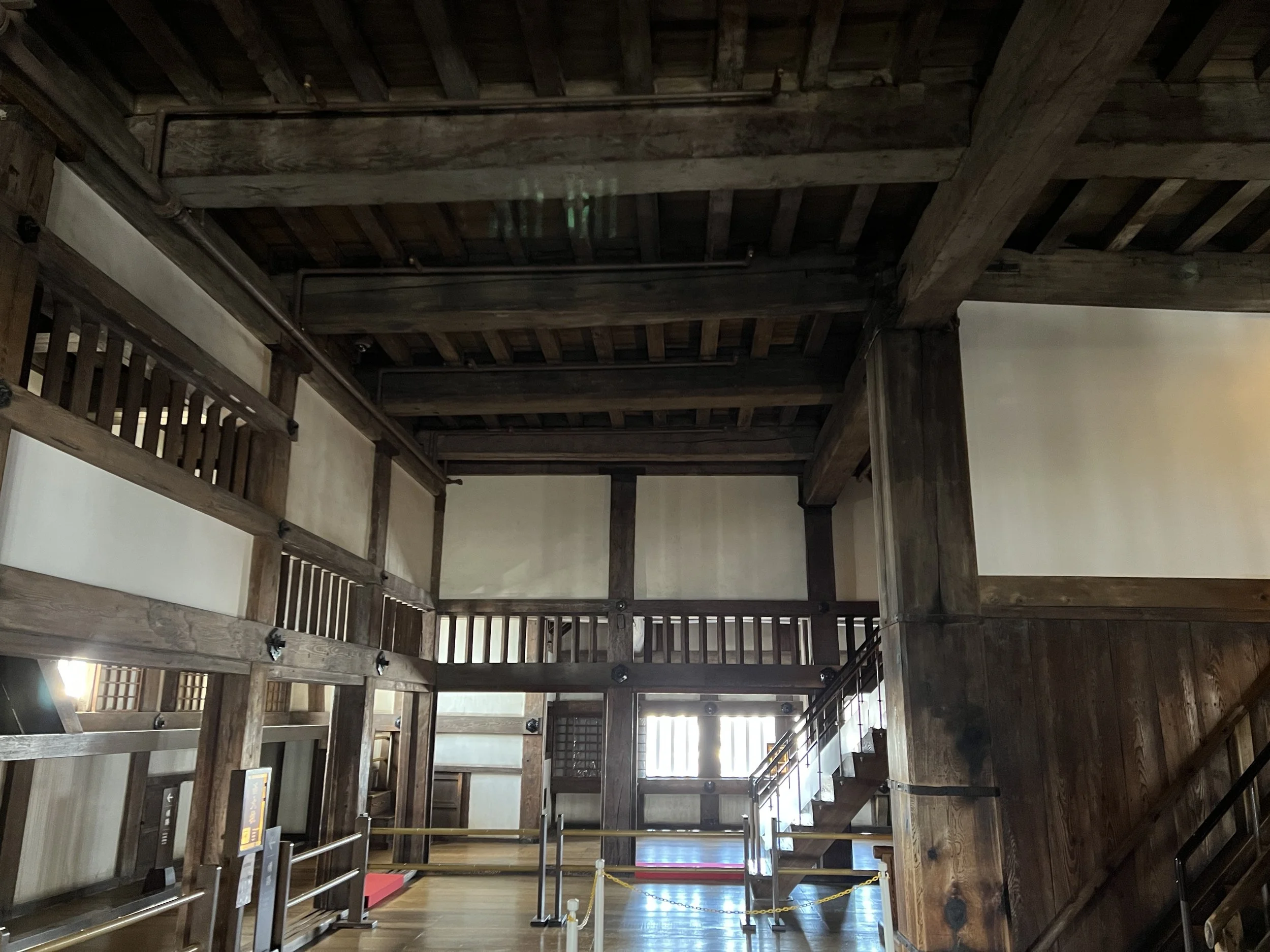
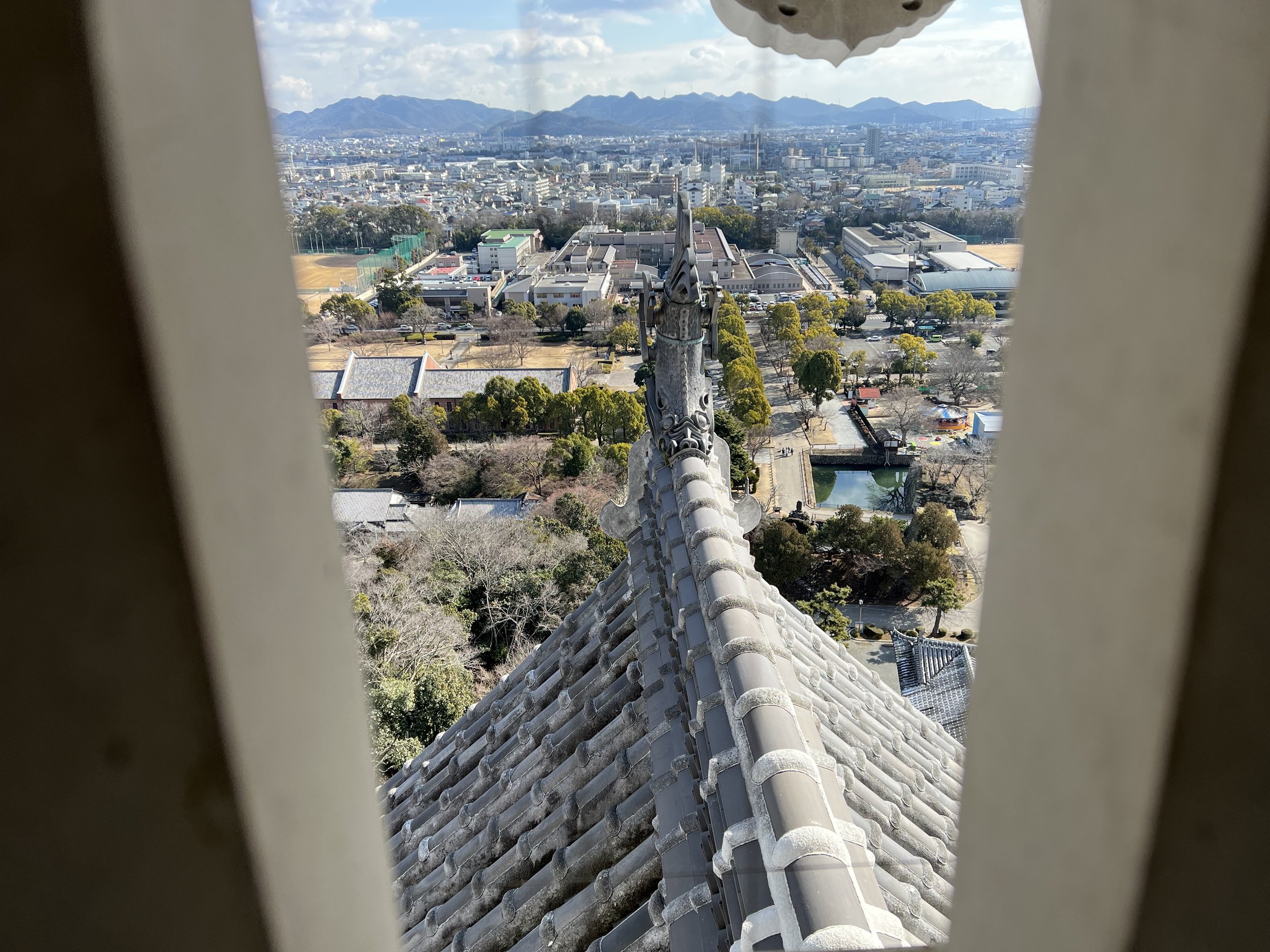
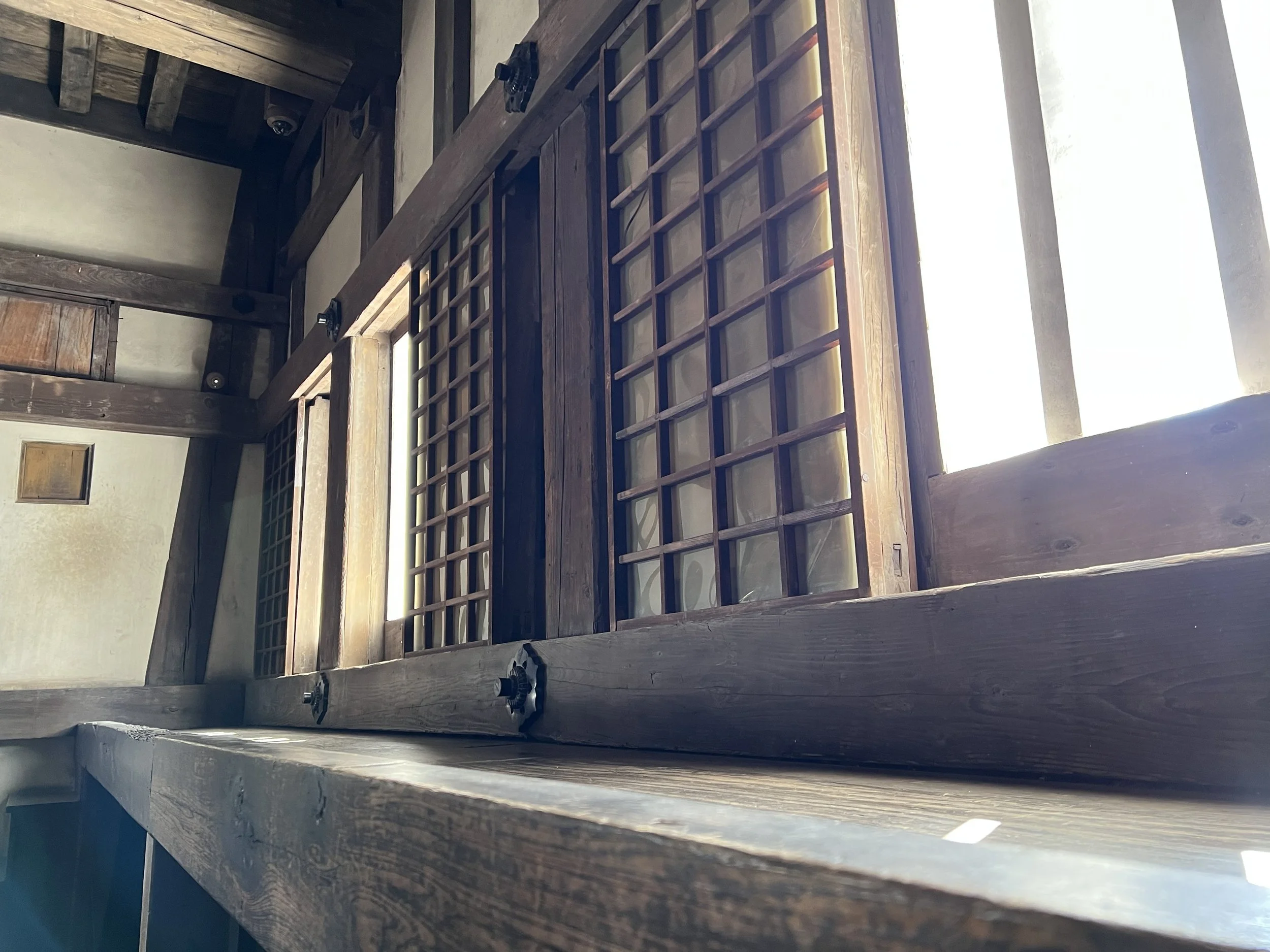
Inside the castle, she pointed out how certain windows were positioned for surveillance and defence, as well as the clever structural features designed to slow invading forces. I learned that maintaining UNESCO status requires a high percentage of original materials, which makes restoration work particularly challenging. She showed me areas where floorboards, roof elements, and beams had been carefully reinforced or repaired using traditional techniques. Without her explanation, I never would have noticed—the craftsmanship was seamless.
With 83 buildings across the castle grounds, not all are open to the public, but one of the most compelling stories centred on Princess Senhime, the granddaughter of Tokugawa Ieyasu. The guide explained how Senhime was married at the age of seven to a rival clan leader as a political alliance. Years later, as tensions reignited, she escaped amid conflict that ultimately ended with the Tokugawa clan’s victory and her husband’s death. Defying expectations, she later opposed her father’s wishes and married for love. She lived in Himeji Castle with her second husband and their children, but tragedy struck again when she lost her husband, son, and mother. Eventually, she returned to Edo and became a nun.
As the guide led me through the wing where Princess Senhime once lived, the corridors and rooms felt entirely different knowing her story. History suddenly felt personal. The tour concluded in the garden, where the guide pointed out one of the best viewpoints of the castle and kindly offered to take my photo. With that, she walked me back toward the entrance, bringing the free tour to a close.
Although I had done some research beforehand and picked up brochures, having a knowledgeable and passionate guide added a depth to the visit that I hadn’t anticipated. It made this experience at Himeji Castle especially memorable.
Before returning to the station, I stopped by the souvenir shop. A coupon provided with my ticket worked perfectly, bringing my total down to just ¥20. I then grabbed a quick bite of Akashiyaki—similar to takoyaki but softer and egg-based—before heading back to Himeji Station.
History & Background
Himeji Castle (姫路城) dates back to the early 14th century, with its current form largely completed in 1609 under the rule of Ikeda Terumasa, a powerful daimyo allied with Tokugawa Ieyasu. Designed as both a military stronghold and a symbol of authority, the castle features an intricate defensive system of gates, winding paths, and concealed corridors. Unlike many castles in Japan, Himeji escaped destruction during the Meiji Restoration, World War II bombings, and natural disasters. As a result, it is one of Japan’s twelve surviving original castles and was designated a UNESCO World Heritage Site in 1993, recognized as one of the finest preserved examples of traditional Japanese castle architecture.
Getting There
Himeji Castle is easily accessible from Himeji Station, which is served by both JR local lines and the Sanyo Shinkansen. From the station, the castle is about a 15–20 minute walk through the city, with clear signage along the way. For those who prefer not to walk, local buses and taxis are also readily available.
Route Overview
Distance: 3.75 km out & back (Himeji Station)
Total elevation gain: 45 m
Duration: 34 min (with breaks 2 hr)
Difficulty: Easy
Cost Breakdown
Entrance Fee: Himeji Castle — ¥1,000
Souvenir: ¥20
Food: ¥650