Osaka Castle - Osaka, Japan
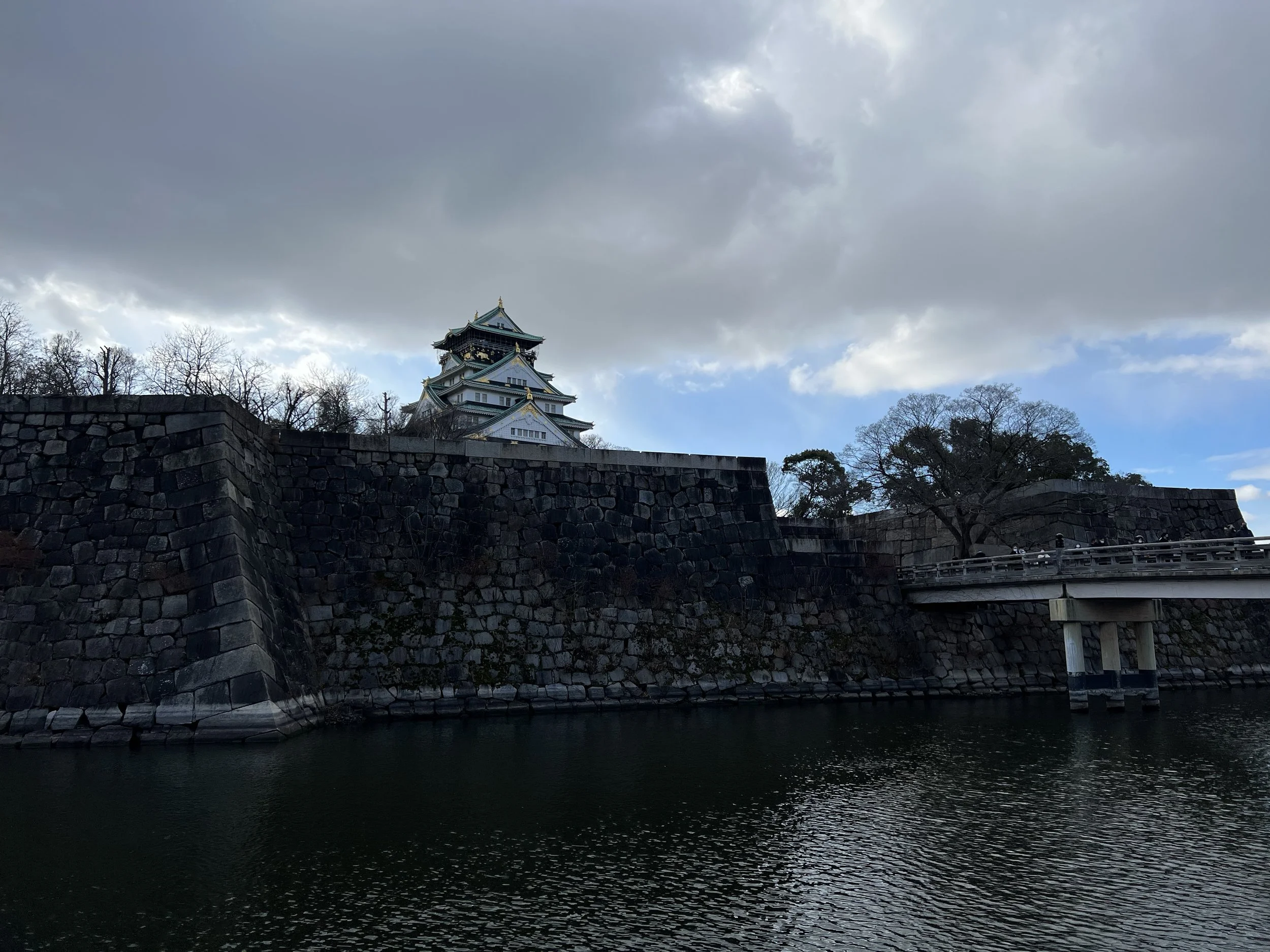
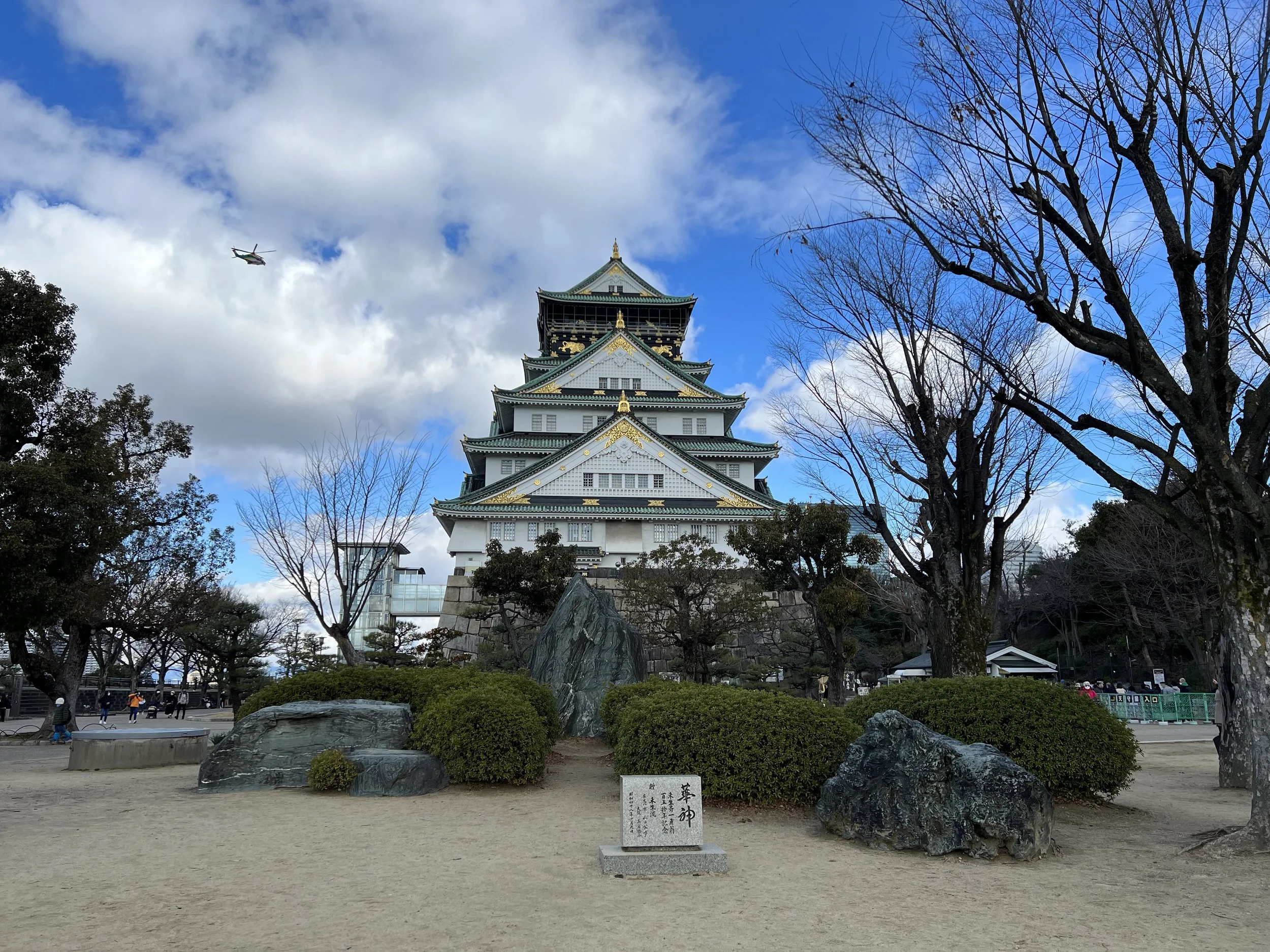
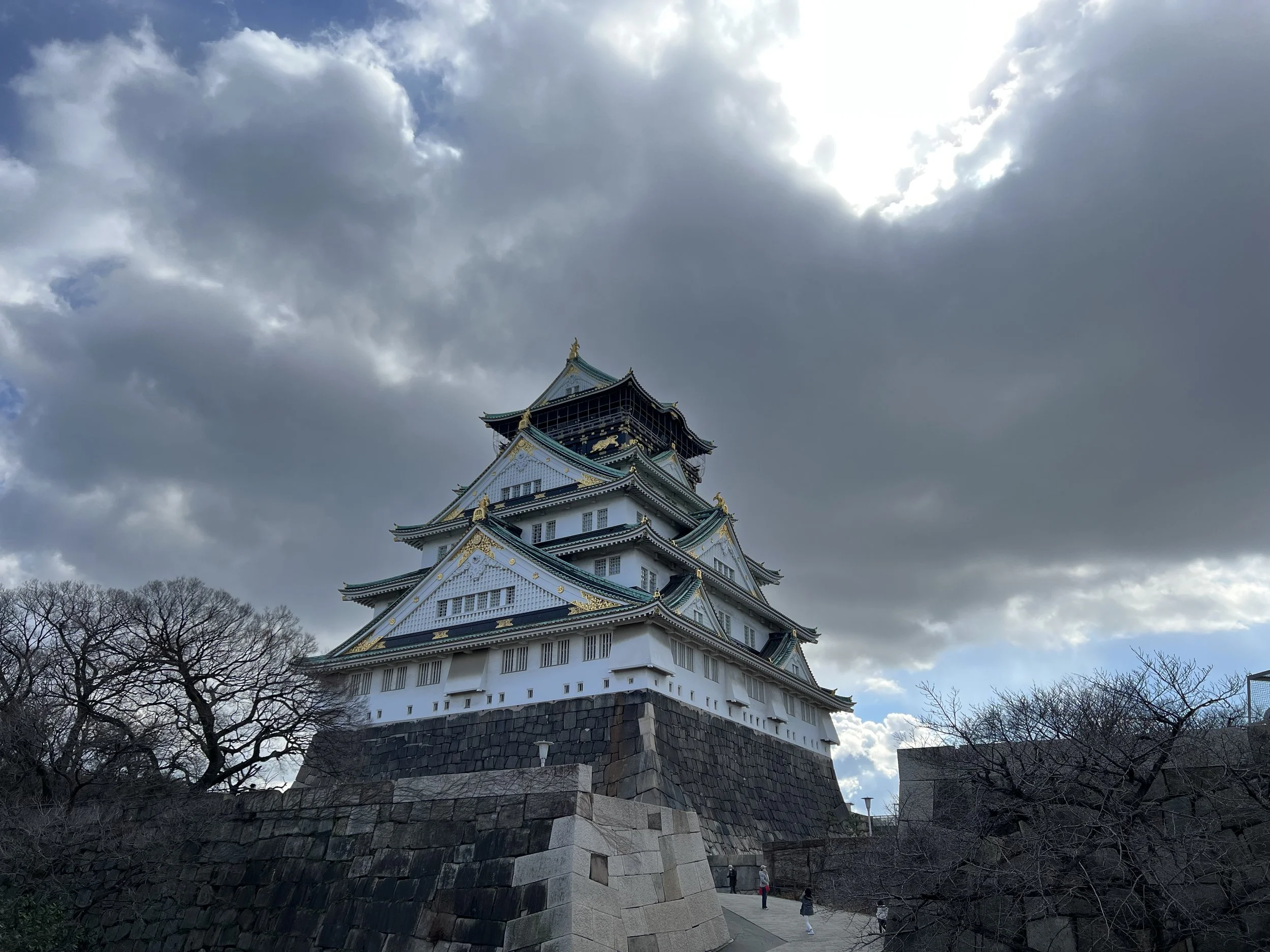
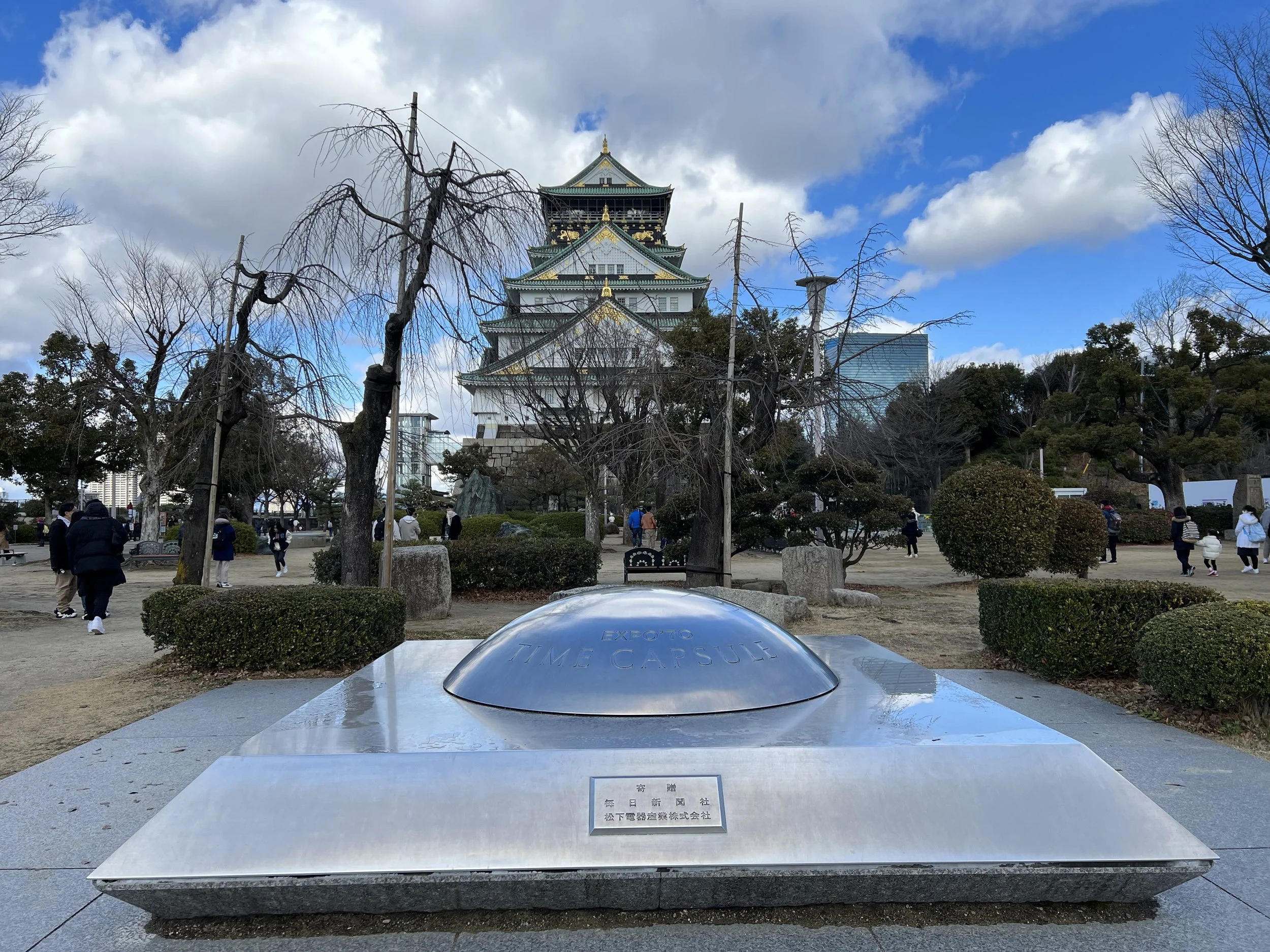
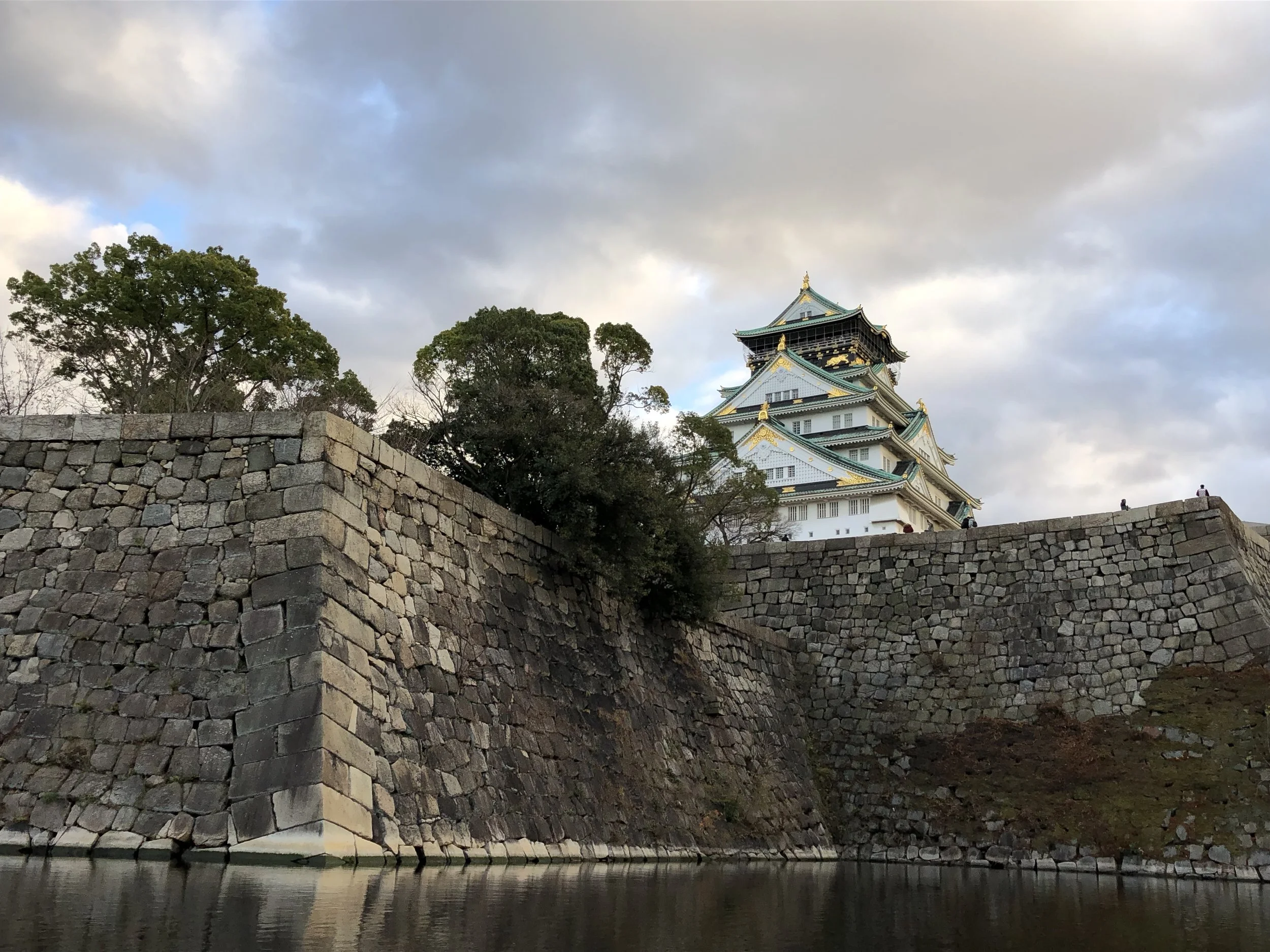
Osaka Castle is easily the city’s most recognisable landmark. Built on the former site of the Ishiyama Honganji Temple, it was designed to be the centre of a newly unified Japan and, at the time of its construction, was the largest castle in the country. With that level of prominence, it’s no surprise the castle has had a turbulent history. The main tower was destroyed multiple times, most notably by a lightning strike in 1665, and wasn’t rebuilt until 1931. A major renovation in 1997 gave the interior a completely modern, museum-style layout.
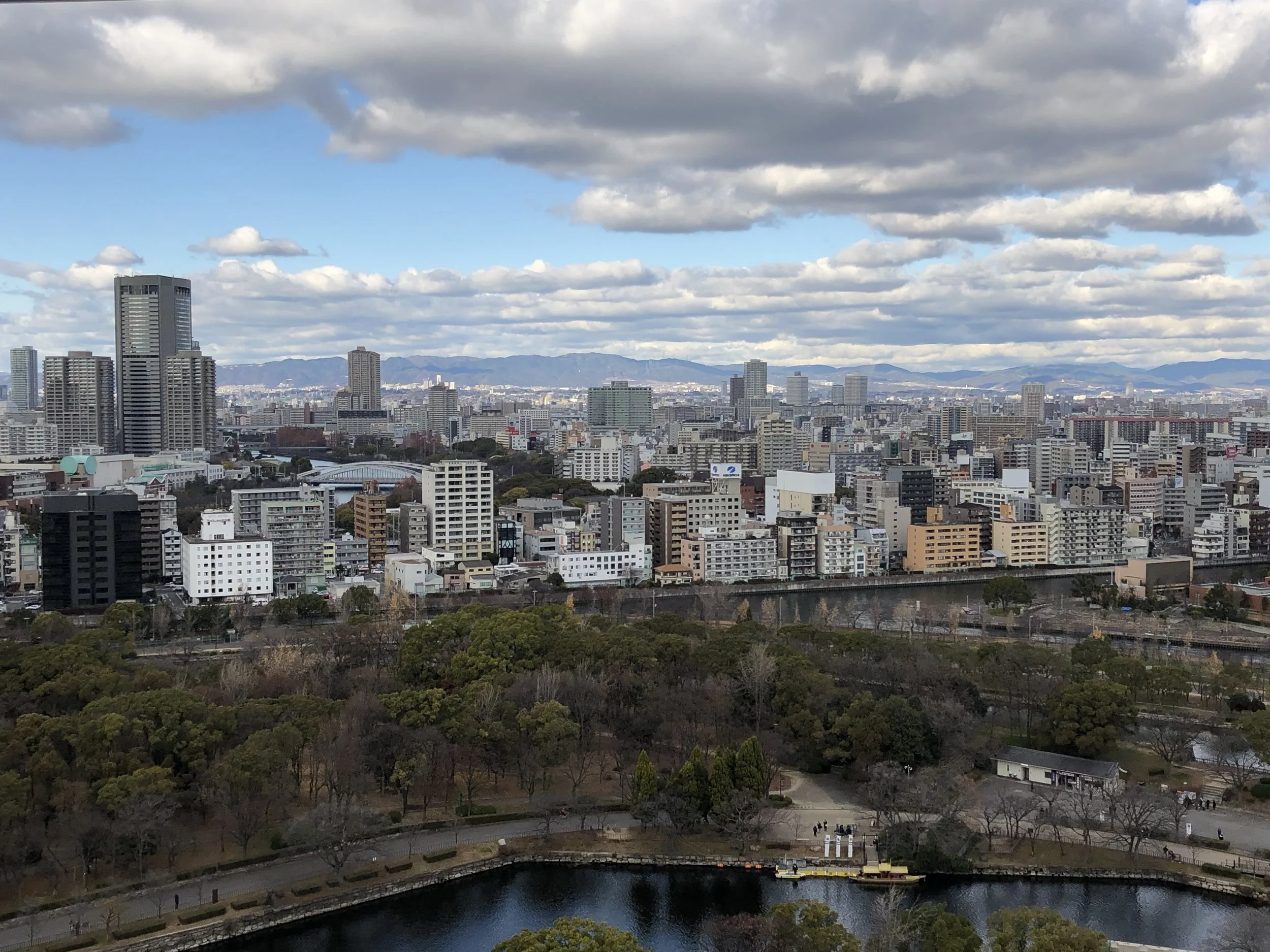
Today, the castle sits at the heart of Osaka Castle Park, a massive green space with far more to offer than just the main keep. There are wide walking paths, open lawns, food areas, and a number of paid attractions, including a scenic mini train that loops around the park and the Osaka Castle Gozabune boat ride through the inner moat. I walked through the park towards the restaurant area near the baseball field and stopped for a late lunch before continuing on to the castle itself. Having already purchased a two-day Osaka Amazing Pass, I had a clear plan of which attractions I wanted to visit and knew most of them were covered.
My list for the day included Osaka Castle, Nishinomaru Garden, several of the Yagura turrets, and the Gozabune boat ride. The pass ended up being significantly cheaper once I added everything up. By the time I reached the castle, the crowds had noticeably increased. As one of Osaka’s most popular attractions, there was a steady line to enter, but using the pass was straightforward and hassle-free.
Inside, the castle is very modern and heavily focused on informational displays. Unfortunately, it was extremely crowded, making it difficult to enjoy the exhibits or even take photos in the permitted areas. I found myself moving slowly through packed floors and feeling more rushed than engaged. Once outside, however, the experience improved immediately. I discovered that walking just a short distance away from the entrance brought me to quieter spots with excellent views of the castle and far fewer people around.
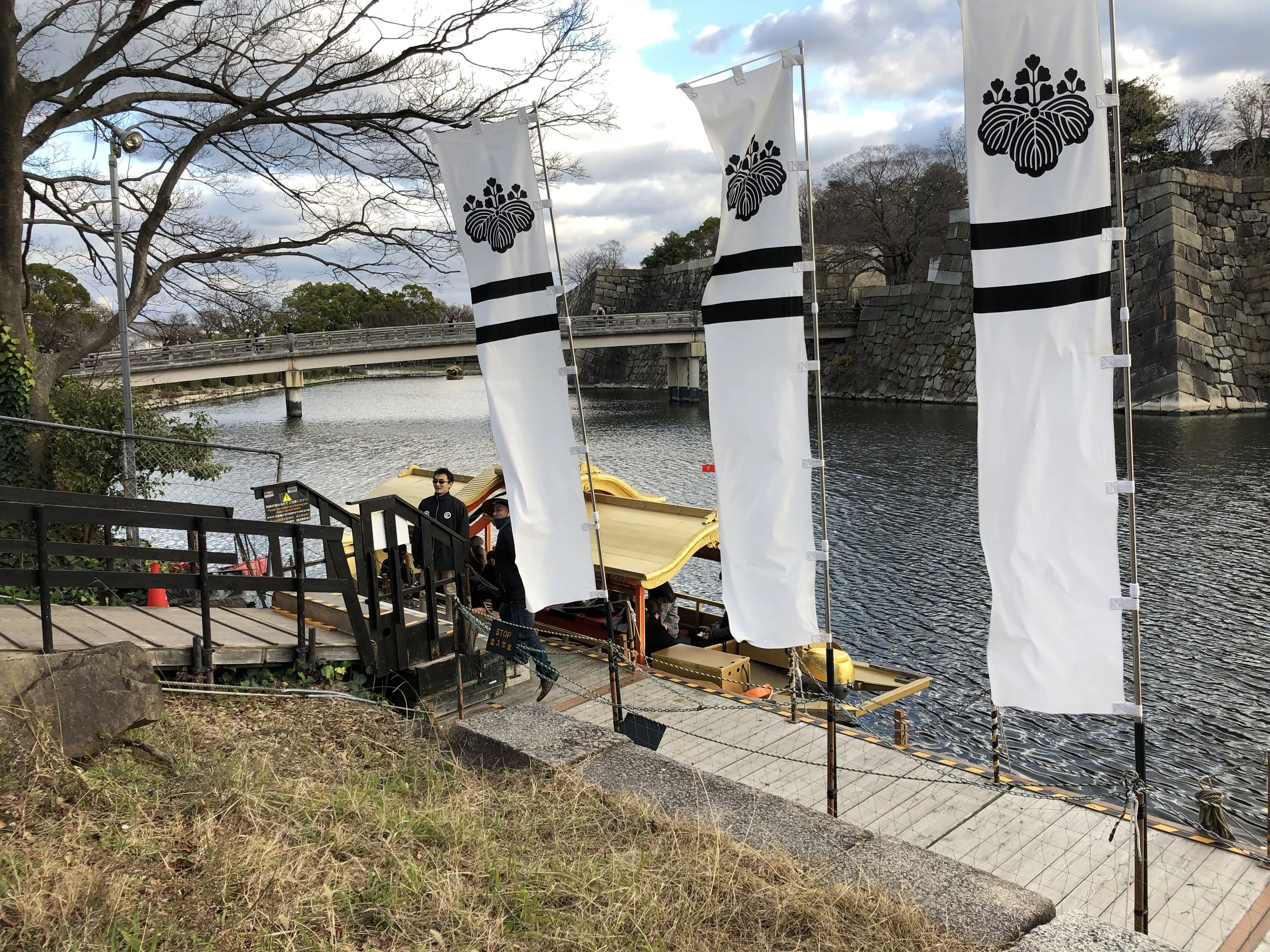
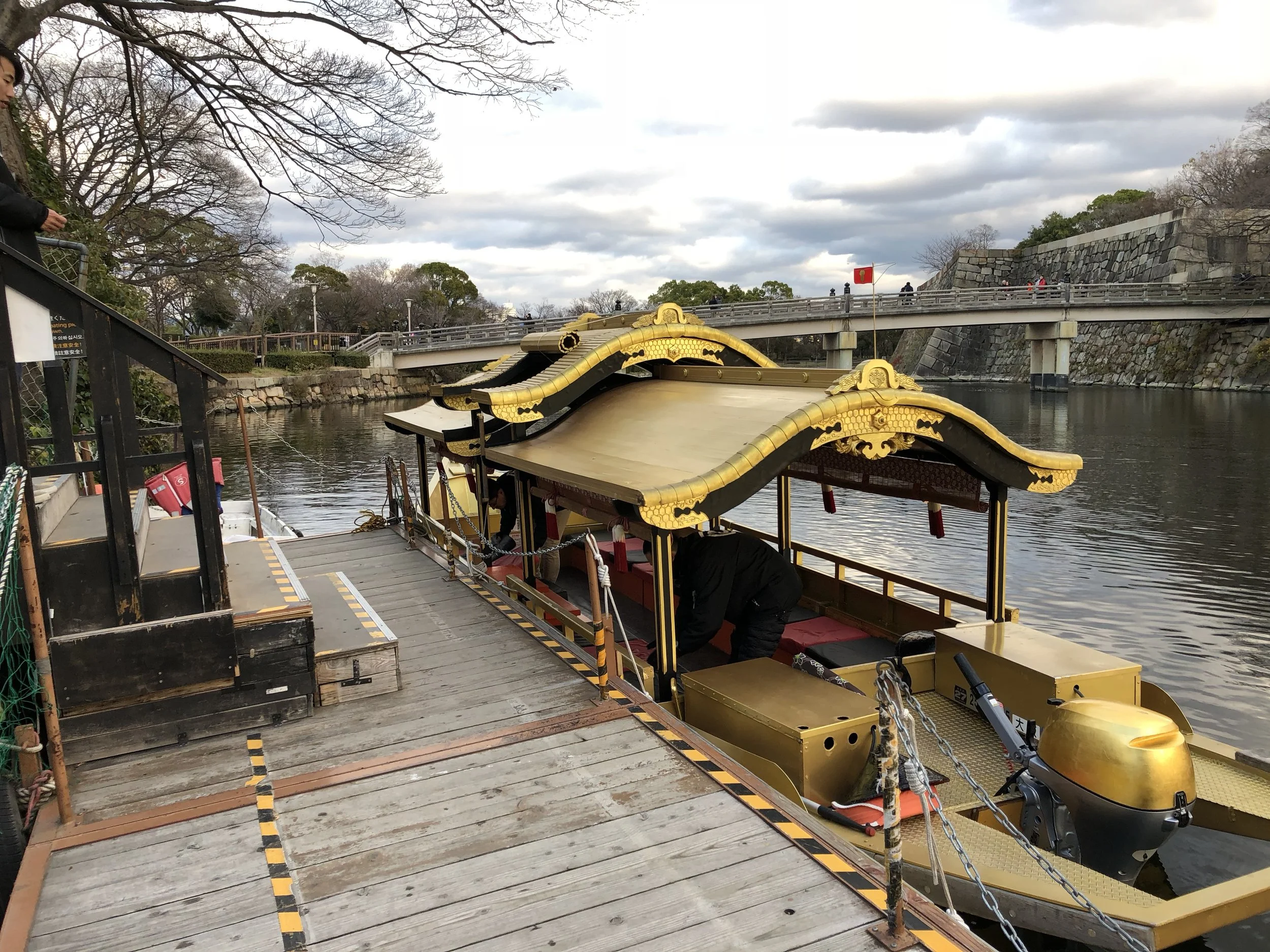
From there, I headed to the Gozabune pier and didn’t have to wait long for the next departure. The boat itself is ornate and eye-catching, styled like a luxurious houseboat with gold detailing. The route stays within the inner moat and is clearly designed for photography rather than sightseeing distance. The ride lasts about 20 minutes, and while it was enjoyable, I wouldn’t consider it worth the standalone price. Included with the Osaka Amazing Pass, however, it made sense.
After the boat ride, I walked through Nishinomaru Garden and visited the Yagura turrets. Along the way, I saw the mini train passing through the park, which would be a great option for visitors with mobility concerns or limited time. Once I finished exploring the garden and turrets, I walked towards Tenmabashi Station, reflecting on the visit. Seeing Osaka Castle was undeniably impressive, but the interior experience was overshadowed by the crowds. In hindsight, an early-morning visit would likely have made a big difference.
History & Background
Osaka Castle was originally constructed in 1583 by Toyotomi Hideyoshi, one of Japan’s most influential unifiers during the late Sengoku period. Built on the ruins of the Ishiyama Honganji Temple, the castle symbolised both military strength and political ambition. At its height, it was the largest and most formidable castle in Japan.
Following Toyotomi’s death, the castle changed hands and was repeatedly damaged by warfare, fire, and natural disasters. The main keep was destroyed by lightning in 1665 and remained unrestored for over two centuries. The modern reconstruction of the keep was completed in 1931 using reinforced concrete, making it one of Japan’s earliest reconstructed castles. Extensive renovations in 1997 transformed the interior into a fully modern museum, while maintaining the traditional exterior appearance that defines Osaka’s skyline today.
Getting There
Osaka Castle Park is easily accessible via public transit. The most convenient stations include Osakajokoen Station (JR Loop Line), Morinomiya Station (JR and subway lines), and Tanimachiyonchome Station (subway lines). From any of these stations, it is a short walk into the park, though reaching the main keep can take 15–20 minutes depending on the entry point. The castle and surrounding attractions are well signposted throughout the park.
Route Overview
Distance: 3.1 km (Osakajokoen Station → Tenmabashi Station)
Total elevation gain: 10 m
Duration: 40 min (with breaks 1 hr 40 min)
Difficulty: Easy
Pass: You can purchase the Osaka Amazing Pass online on the official website. There are also information as to how to use the pass, what attractions are included, and other benefits of the pass.
Cost Breakdown
Train: Osaka Station → Osakajokoen Station — ¥180
Pass: 2 Day Osaka Amazing Pass — ¥5,000
Entrance Fee: Osaka Castle — ¥0 (included in Osaka Amazing Pass)
Activity: Osaka Castle Gozabune Boat — ¥0 (included in Osaka Amazing Pass)
Food: ¥1,250