Takachiho Gorge - Miyazaki, Japan
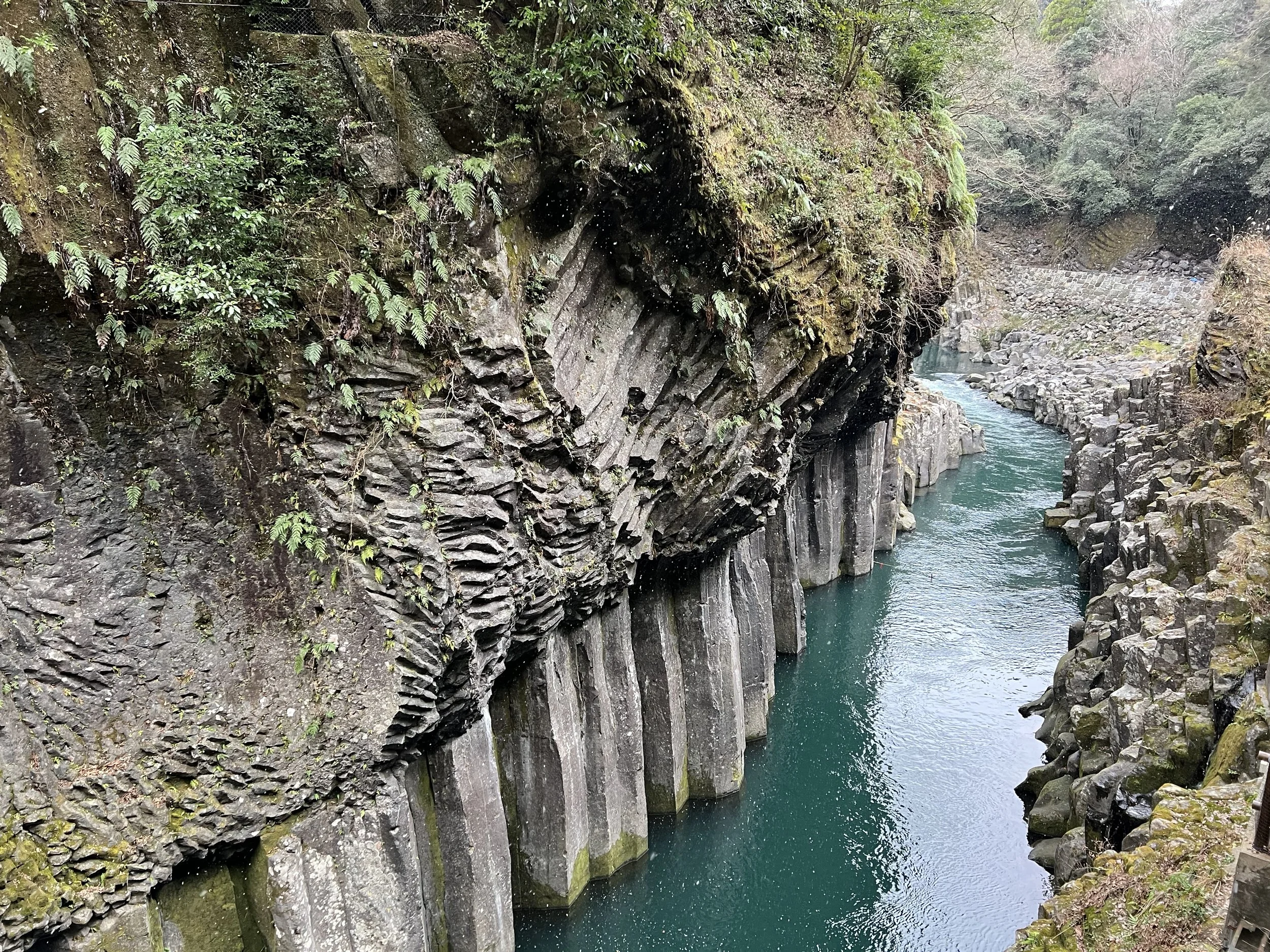
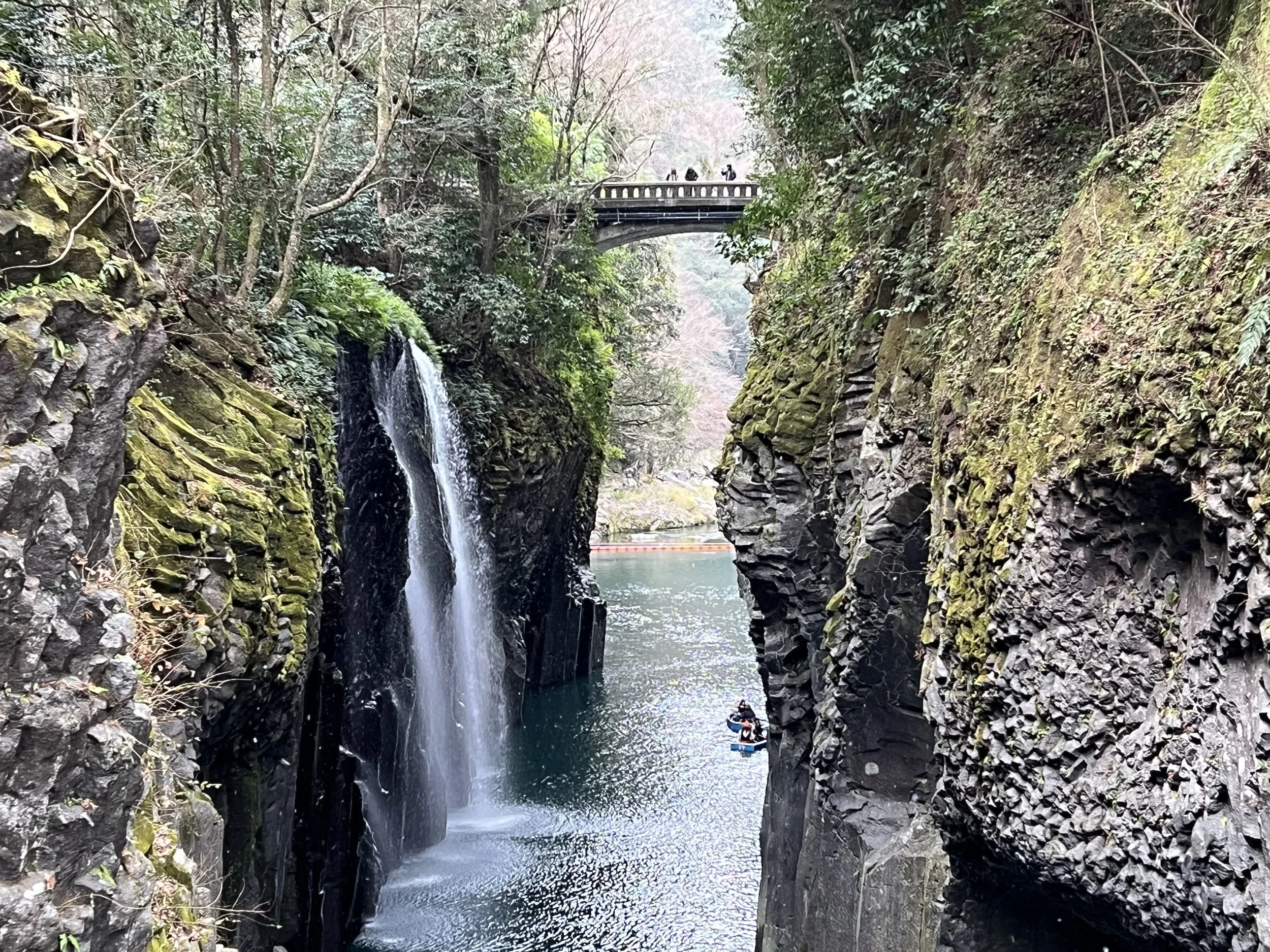
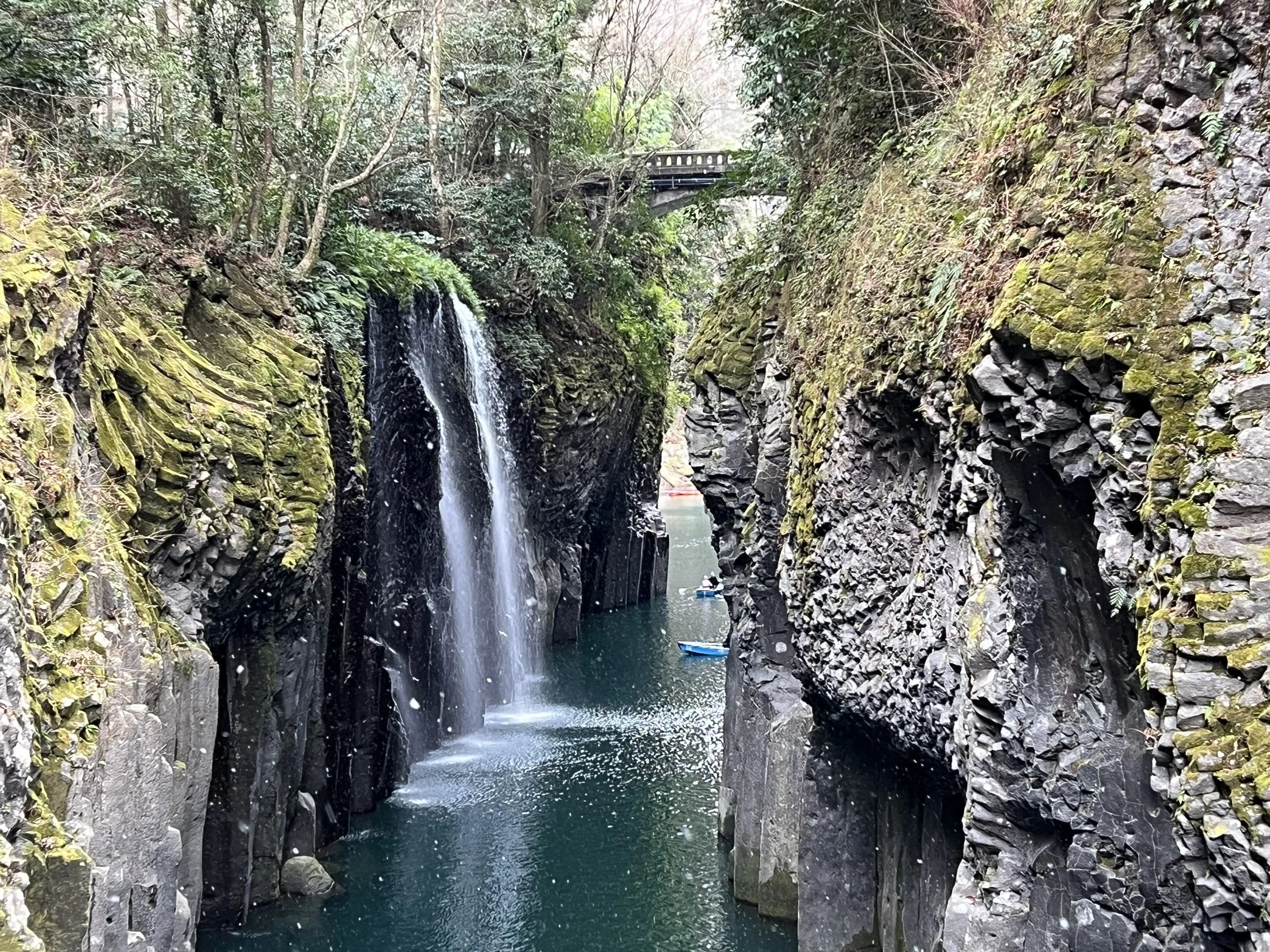
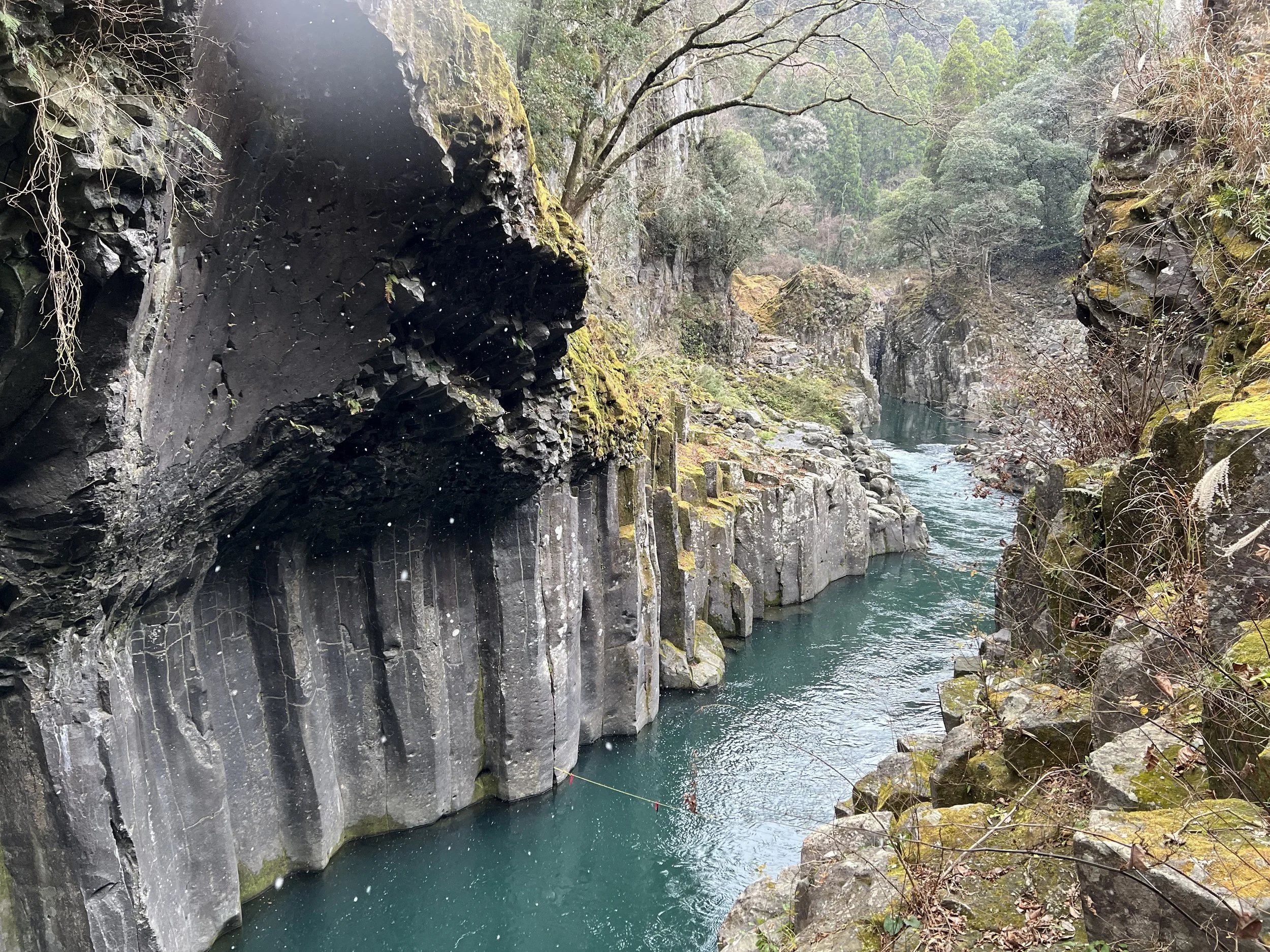
Takachiho Gorge is one of the most iconic natural landmarks in Miyazaki Prefecture. Formed over 100,000 years ago by massive volcanic eruptions from Mount Aso, the gorge is defined by dramatic basalt columns lining the narrow chasm. These columnar cliffs rise roughly 80 to 100 metres above the river below, creating a landscape that feels both powerful and carefully sculpted.
I travelled to Takachiho by bus from Nobeoka. The journey through rural Miyazaki was quiet and scenic, passing through small towns, farmland, and forested hills. I learned along the way that there once was a railway connecting Nobeoka and Takachiho, but it was repeatedly damaged by typhoons and ultimately closed in 2008. Today, the bus is the main public transport option into the area. I disembarked at Takachiho Bus Center and began the walk toward the gorge.
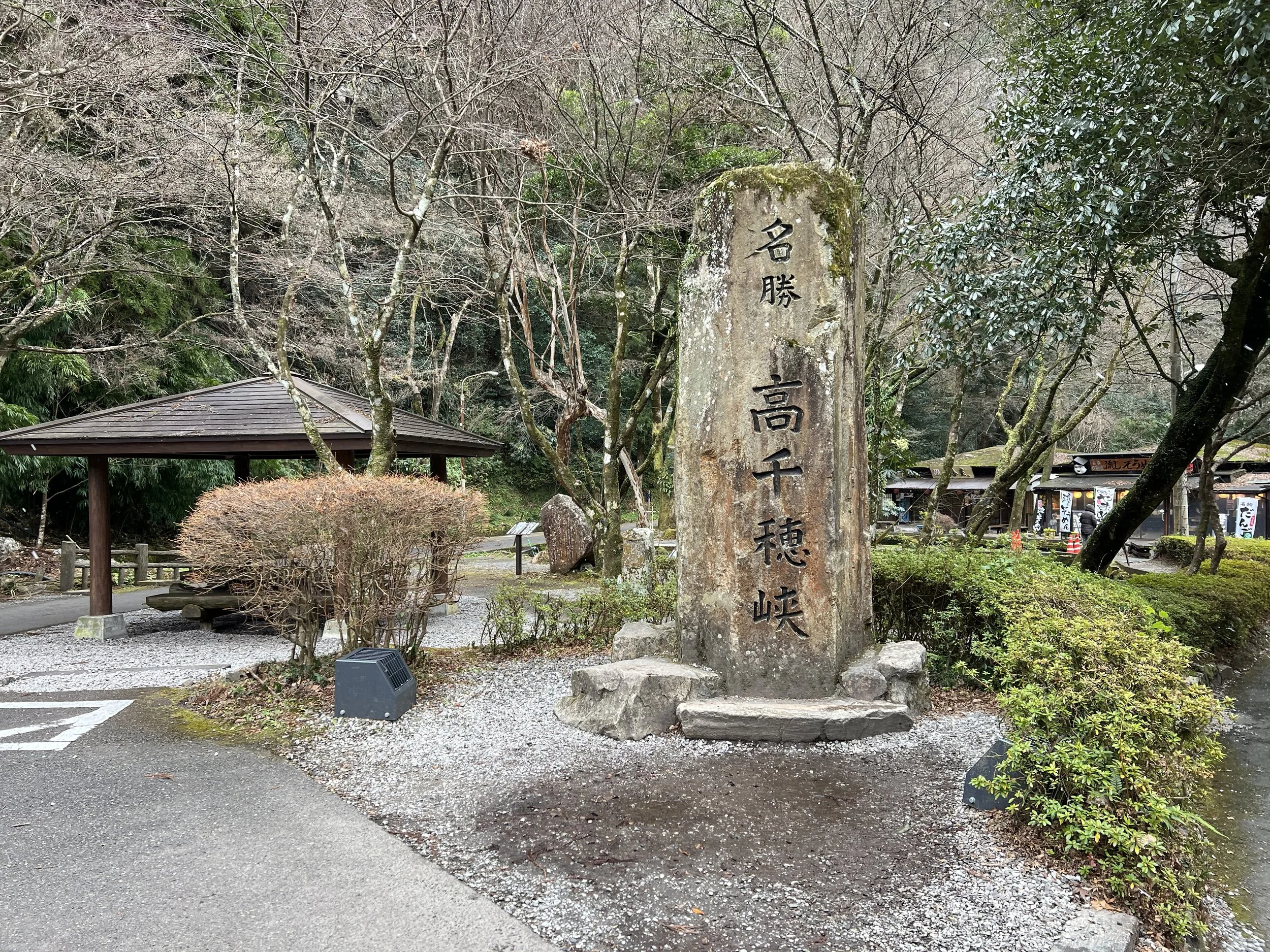
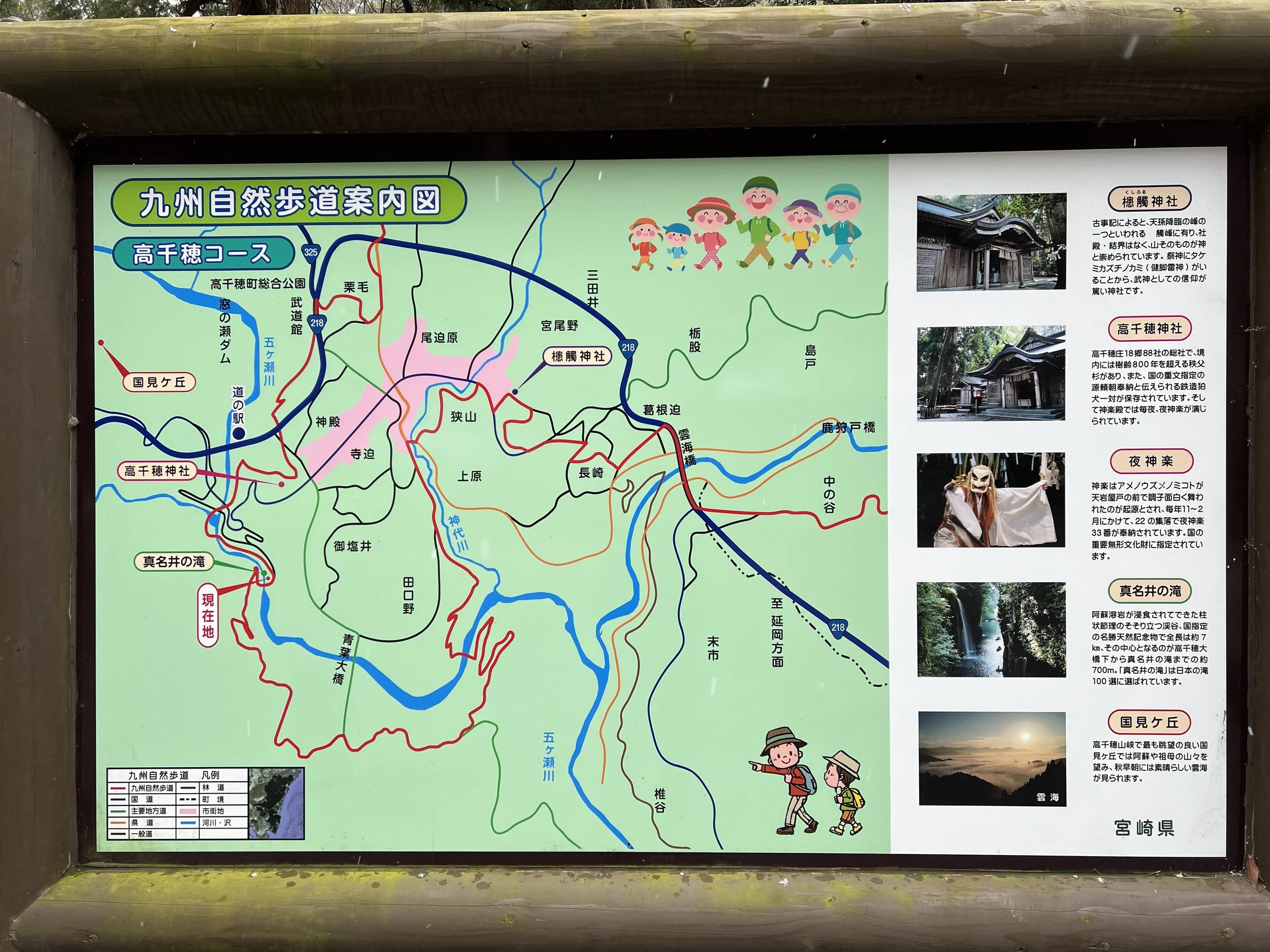
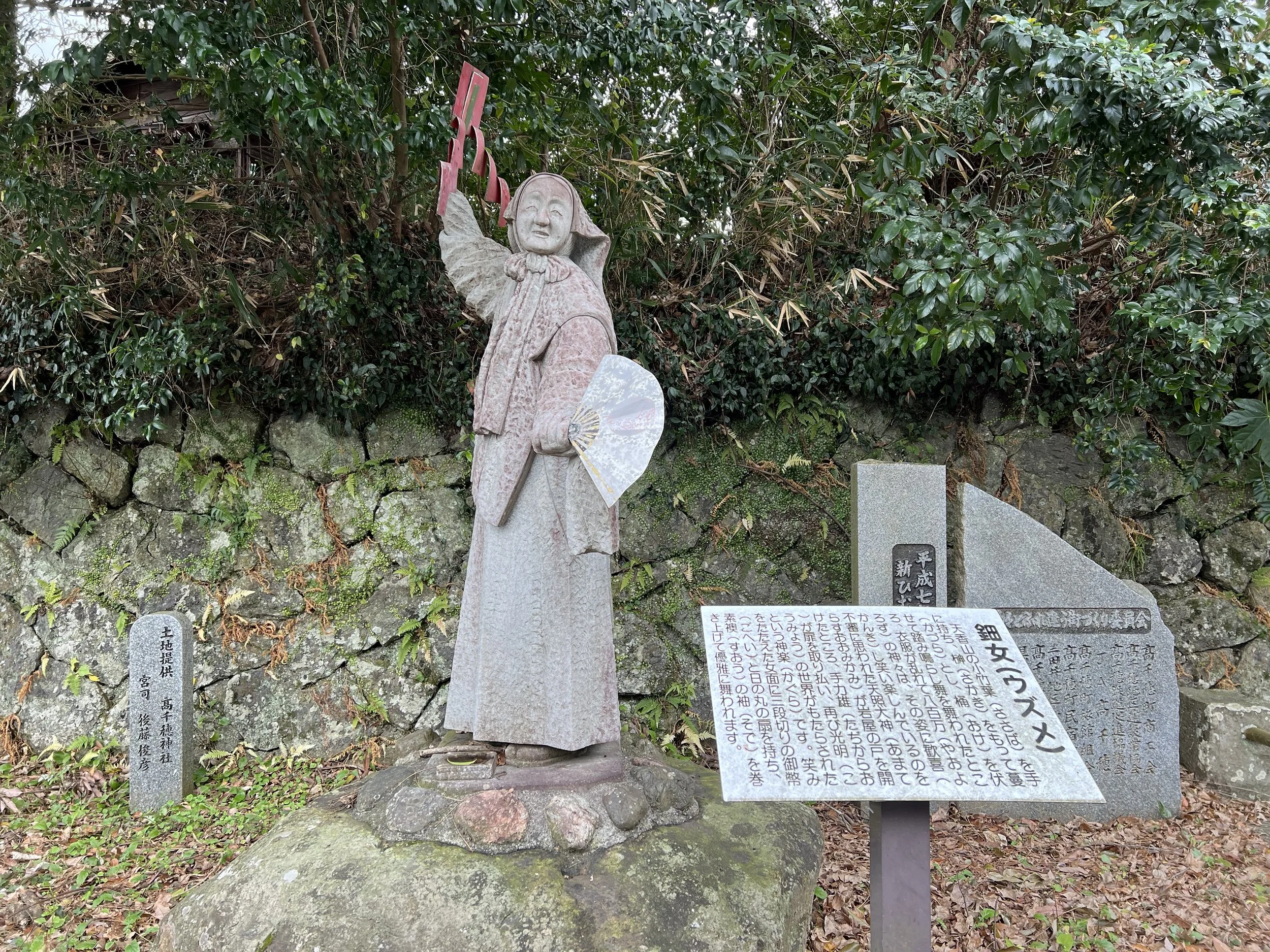
The route to the gorge is straightforward and well signposted. Along the way, I noticed several statues related to Kagura, the sacred Shinto dance performed in the area. Seeing them made me even more excited for the Kagura performance I would be attending later that evening at Takachiho Shrine.
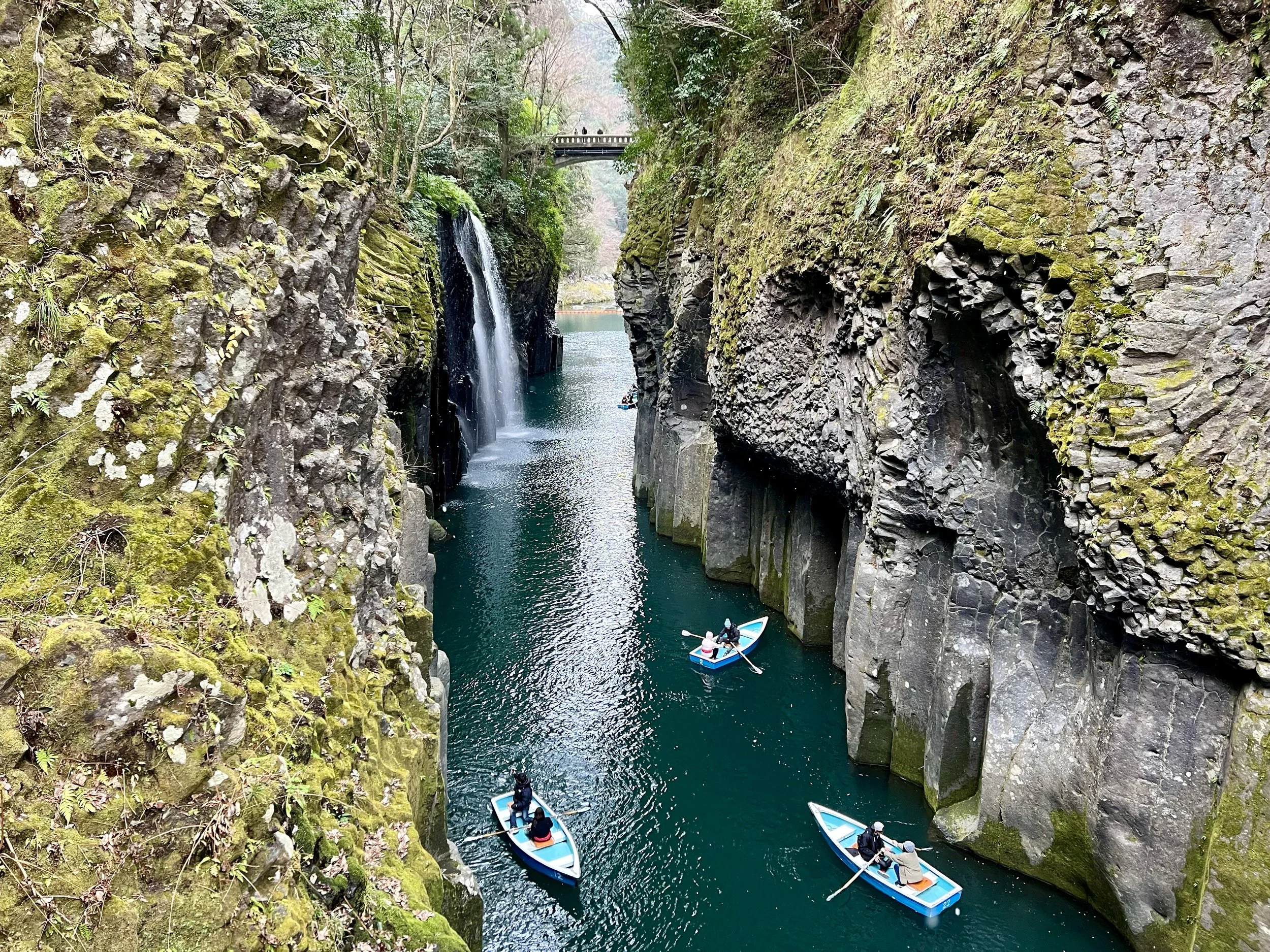
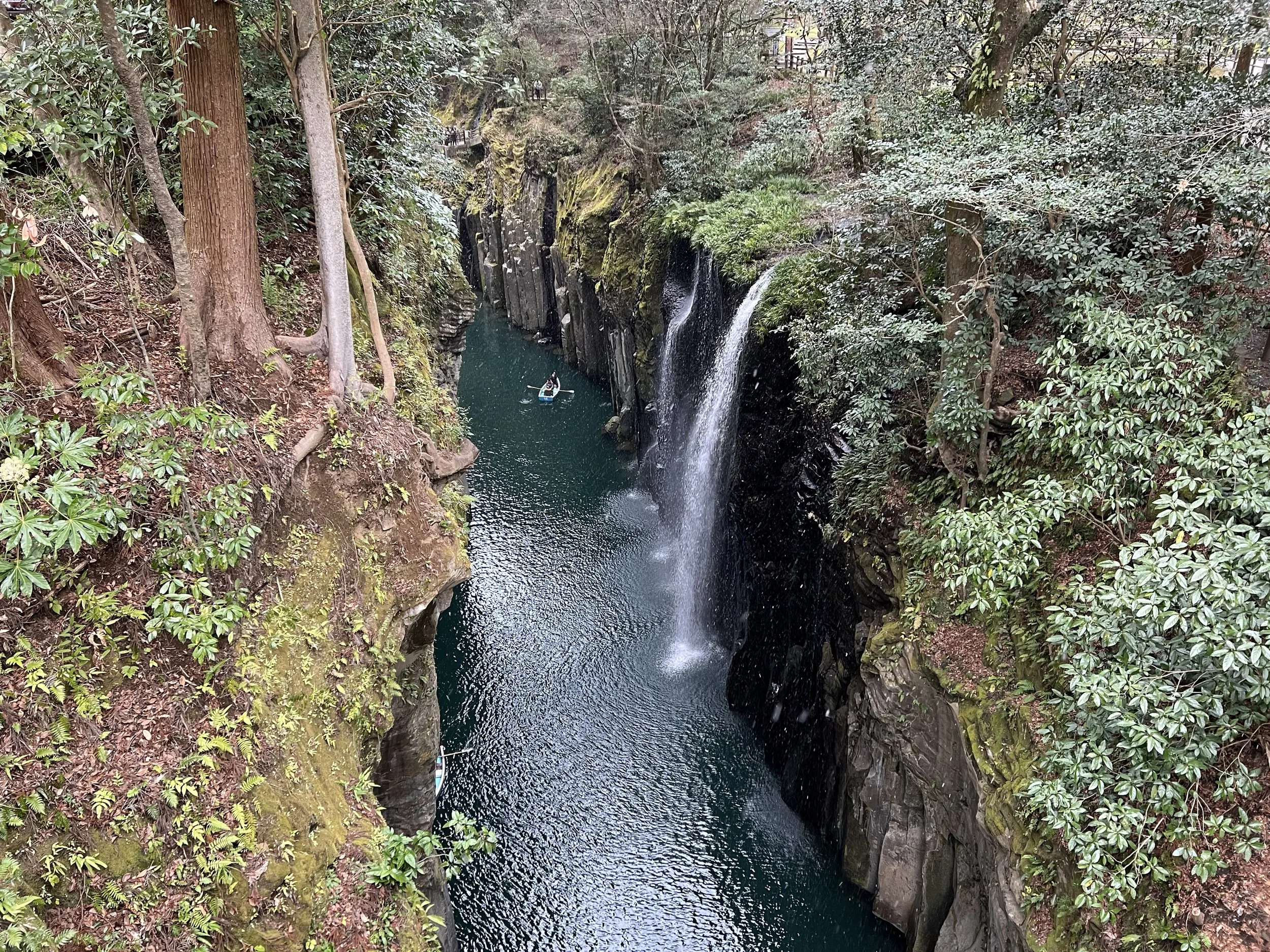
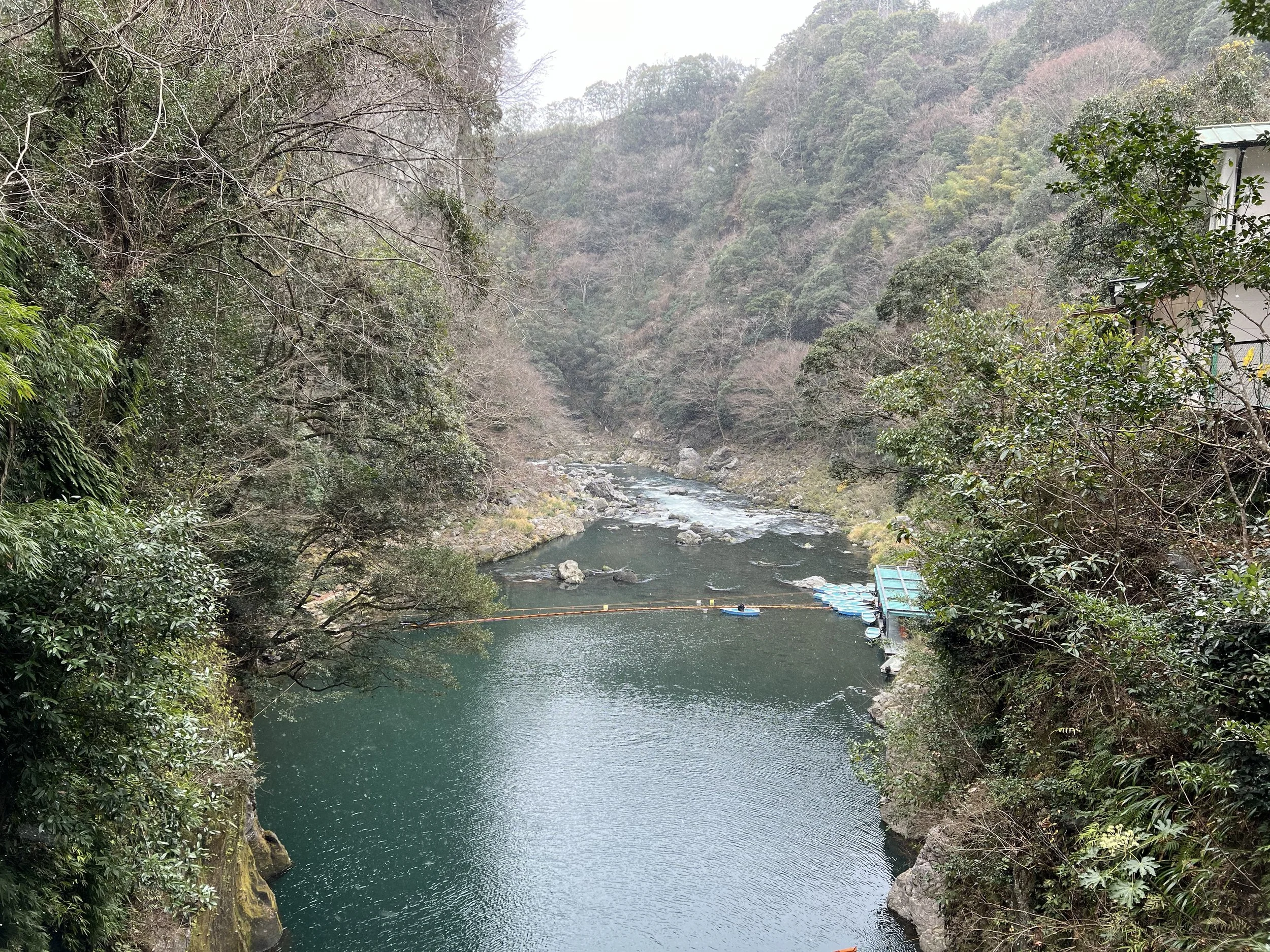
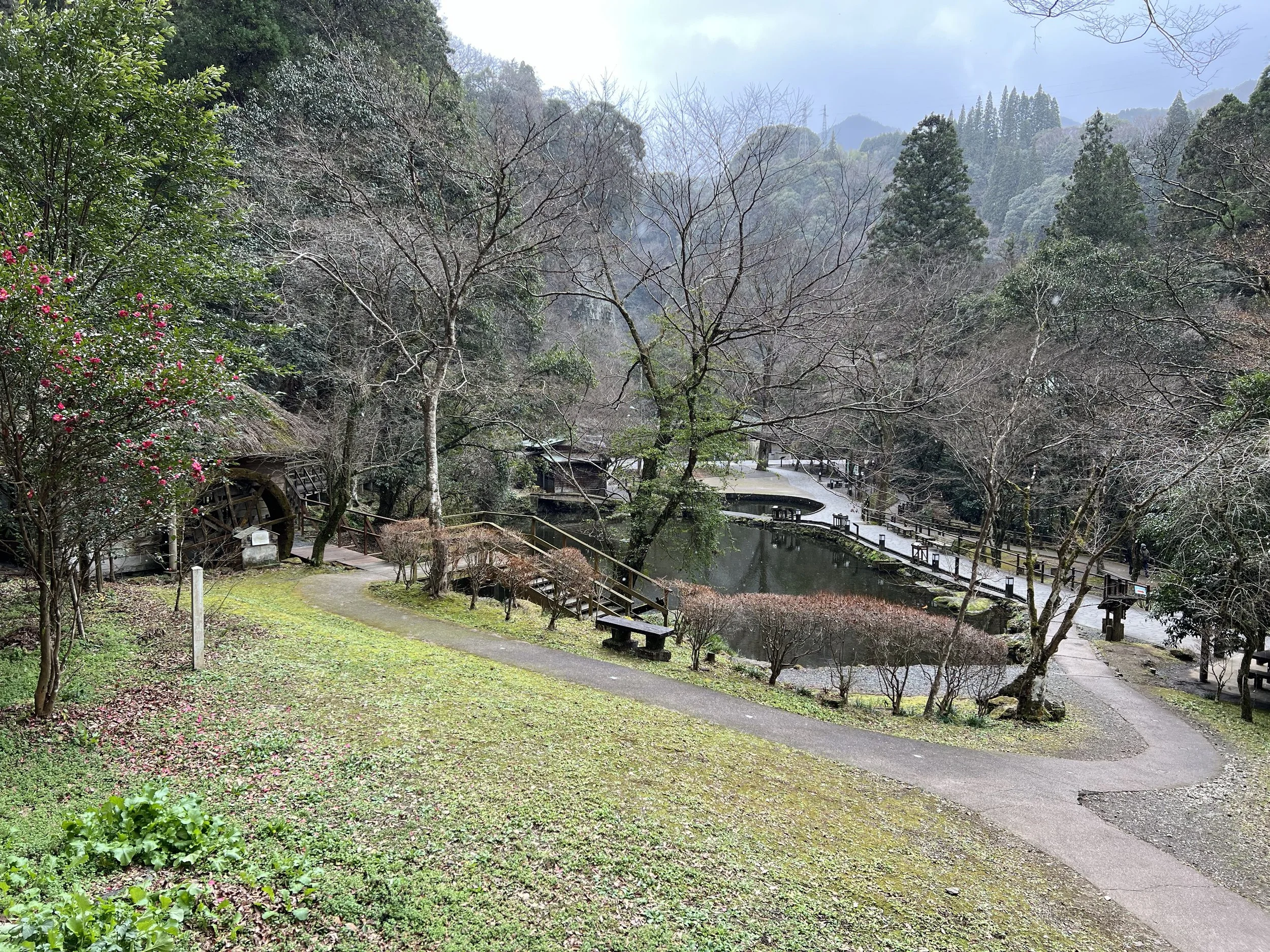
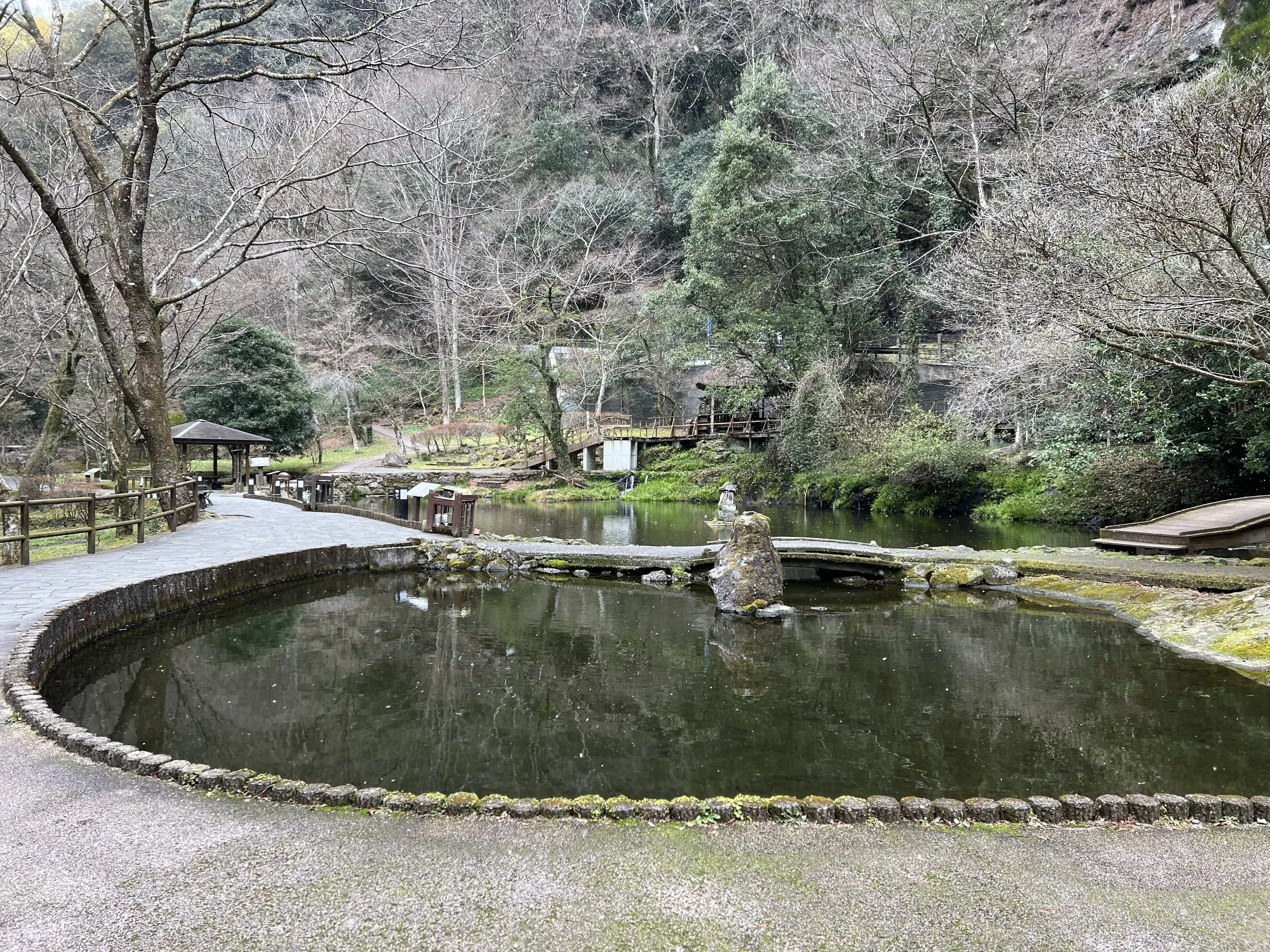
When I arrived at the gorge, it was surprisingly quiet. Winter had settled in, and light snow had just begun to fall. I walked through the small park area and followed the trail toward one of the main viewpoints. From there, I could see the towering basalt columns, Manai Falls cascading into the river, and the striking emerald-green water flowing below. A few rental boats were already on the river, appearing tiny against the scale of the gorge.
I continued along the trail for a while, stopping frequently to admire the river and the changing perspectives of the cliffs. Eventually, I turned back toward the boat rental area. I briefly considered renting a boat to view Manai Falls from below, but the cold weather, the chance of getting splashed, and the fact that reservations were required made the decision easier. I was perfectly content appreciating the view from above and along the riverbank.
Before leaving the area, I wandered through the nearby souvenir shops and debated whether to eat at one of the restaurants by the gorge. One in particular caught my eye—a place serving nagashi somen, where noodles flow down bamboo flumes and are caught mid-stream. It looked fun but busy, with several groups already waiting, so I decided to eat elsewhere and continued on.
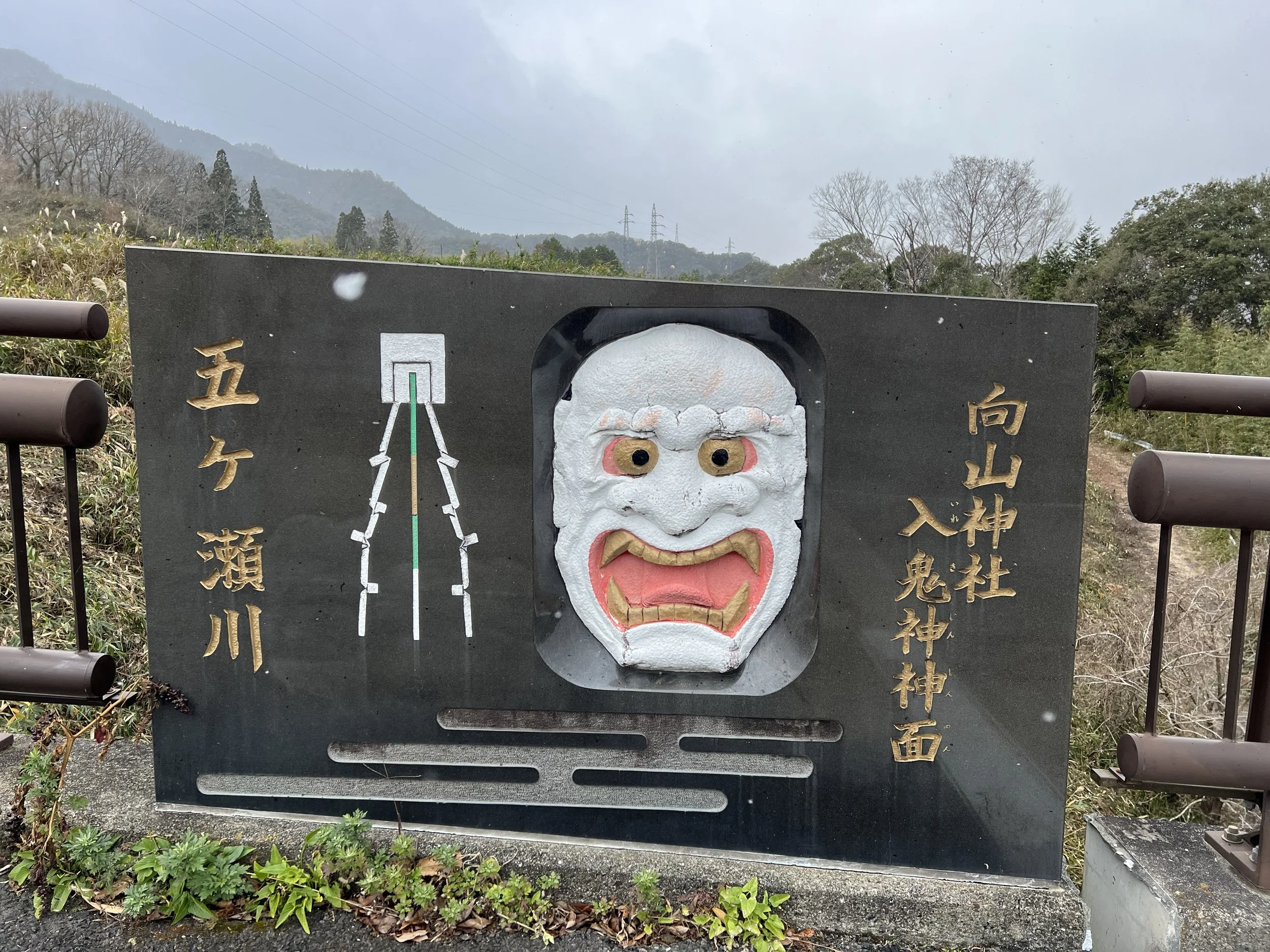
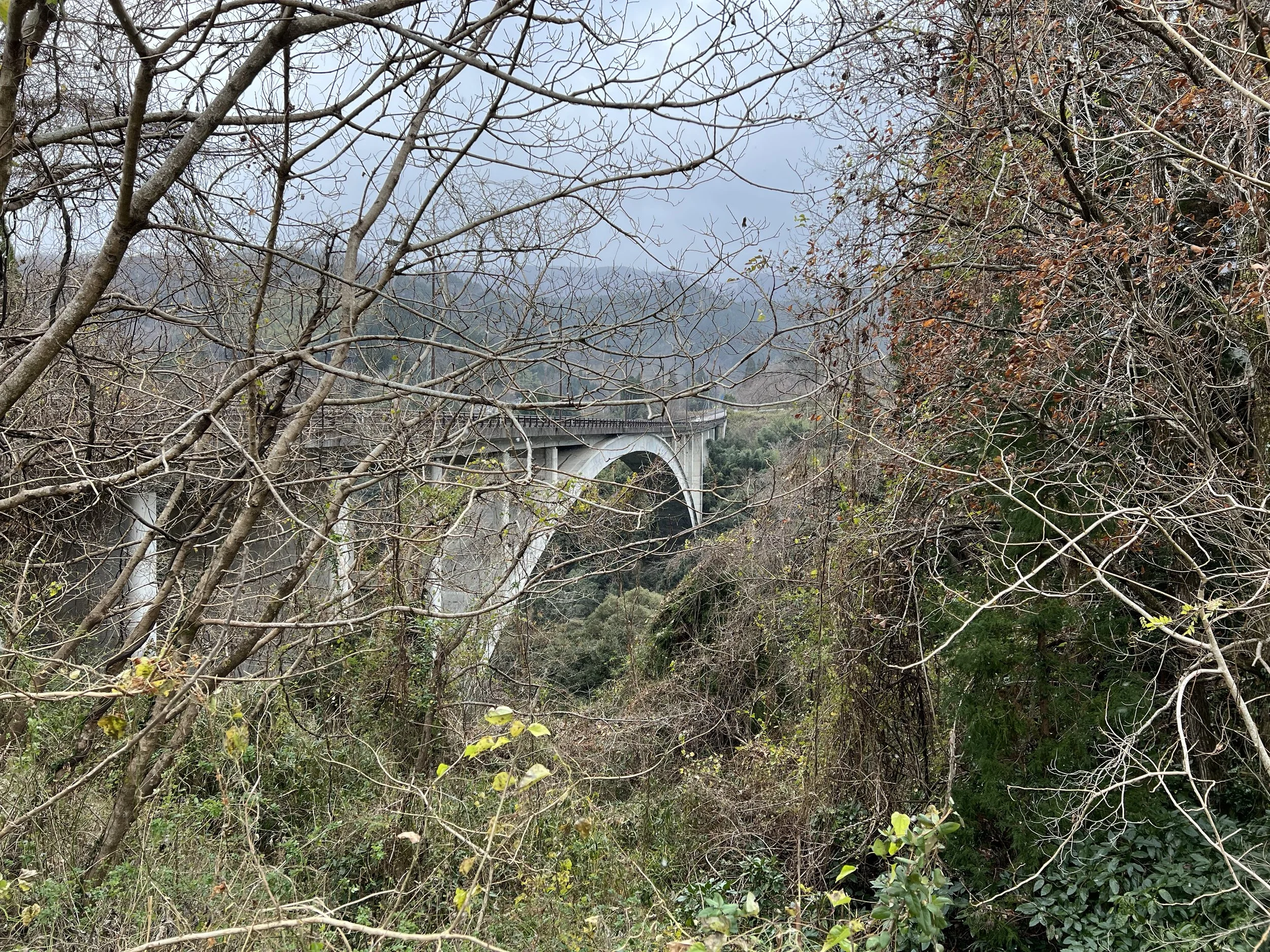
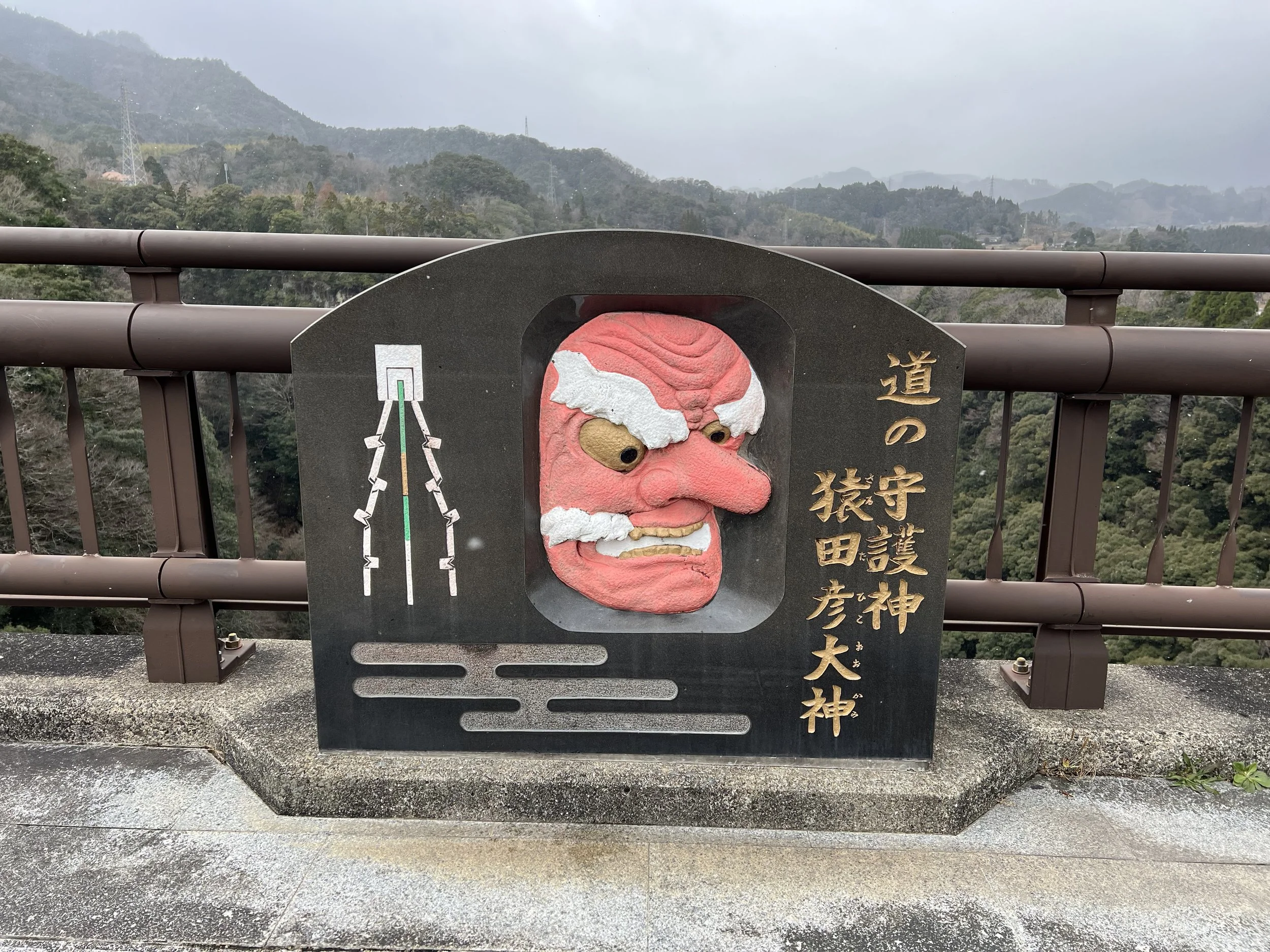
After leaving the gorge, I walked about two kilometres to Aobashi Bridge to get a different perspective of the river below. The bridge offered a wide, open view and featured several decorative monuments adorned with Kagura masks, tying the natural scenery back to Takachiho’s mythological roots. After taking a few photos, I made my way back toward the town centre and stopped at a café for a well-earned meal.
Background
Takachiho Gorge (高千穂峡) was created by successive lava flows from Mount Aso that cooled and fractured into the distinctive basalt columns seen today. Over time, erosion by the Gokase River carved the narrow gorge, shaping one of Japan’s most recognisable volcanic landscapes.
Manai Falls, the gorge’s most famous feature, is considered sacred and is closely tied to local Shinto beliefs. Together, the gorge and surrounding landmarks play an important role in Takachiho’s identity as a centre of Japanese mythology and spiritual tradition.
Getting There
Takachiho Gorge is accessible via bus from Nobeoka Station, which serves as the main transportation gateway to the area. Buses run directly to Takachiho Bus Center, from which the gorge can be reached on foot via a well-marked and mostly gentle route. As rail service no longer operates in the region, bus travel is currently the most practical option for visitors relying on public transportation.
Route Overview
Distance: 7.61 km (Takachiho Bus Center → Ryokan Yamatoya)
Total elevation gain: 199 m
Duration: 1 hr 40 min (with breaks 1 hr 56 min)
Difficulty: Intermediate
Cost Breakdown
Bus: Nobeoka Station → Takachiho Bus Center — ¥1,880
Food: ¥1,750