Cape Toi - Miyazaki, Japan
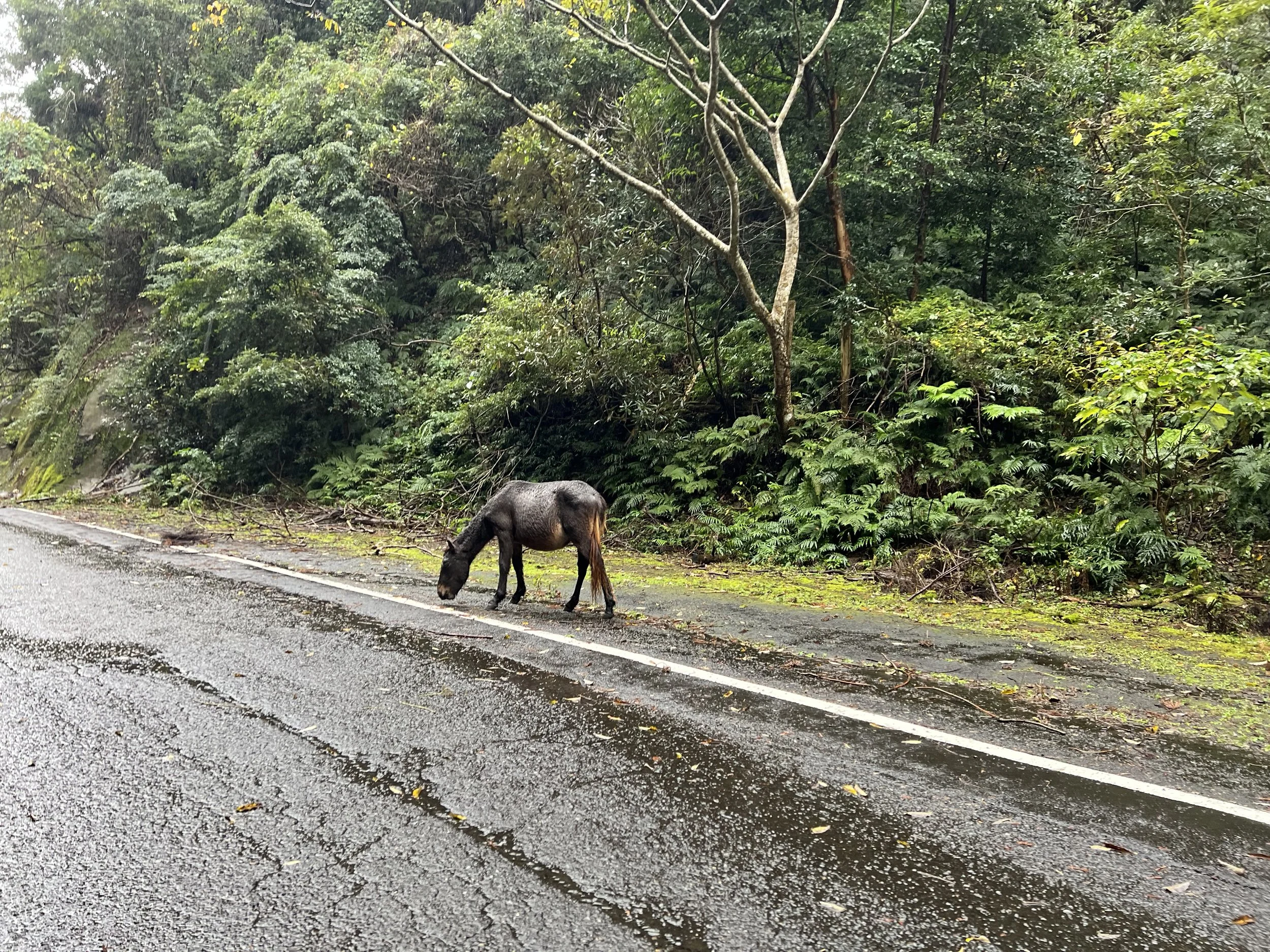
Cape Toi is easily one of the most unique places I’ve visited in Japan. What initially drew me here was hearing about the wild horses that roam freely across the cape. Once I learned about them, I started digging a little deeper to understand their history and how they came to live here.
The horses at Cape Toi are believed to be descendants of warhorses bred by samurai as early as 1697. The cape itself is a designated protected area, created to preserve both the horses and their natural habitat. Because Cape Toi is somewhat complicated to reach from central Miyazaki, I decided to stay overnight rather than attempt the visit as a long day trip. Visiting in the off-season meant accommodation options were limited, but I was able to secure a room at a local minshuku for the night. Once that was sorted, all that remained was getting there.
The journey from Miyazaki to Cape Toi Lighthouse took close to four hours, even with good connections. Not long after leaving Miyazaki Station, the rain began coming down heavily. I hoped it would ease by the time I arrived, but it showed no signs of letting up. After passing through the toll gate into the protected area, the community bus continued toward its final stop near the lighthouse. With only one other passenger onboard, the driver asked where I planned to go. He seemed concerned that I might be walking a long distance in the rain after being dropped off at the lighthouse. I assured him I was staying nearby and was comfortable walking. It was a small moment, but this interaction stayed with me.
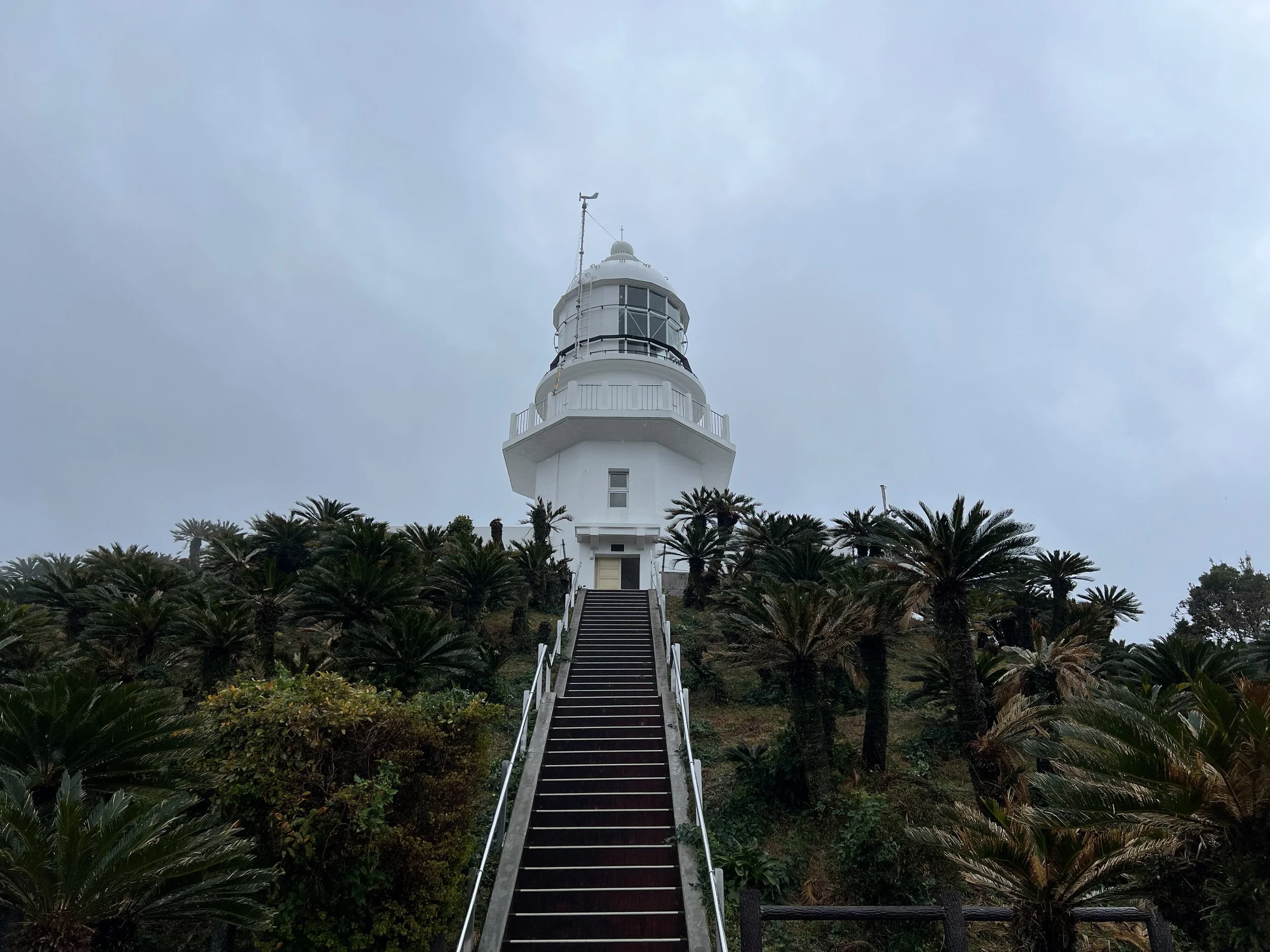
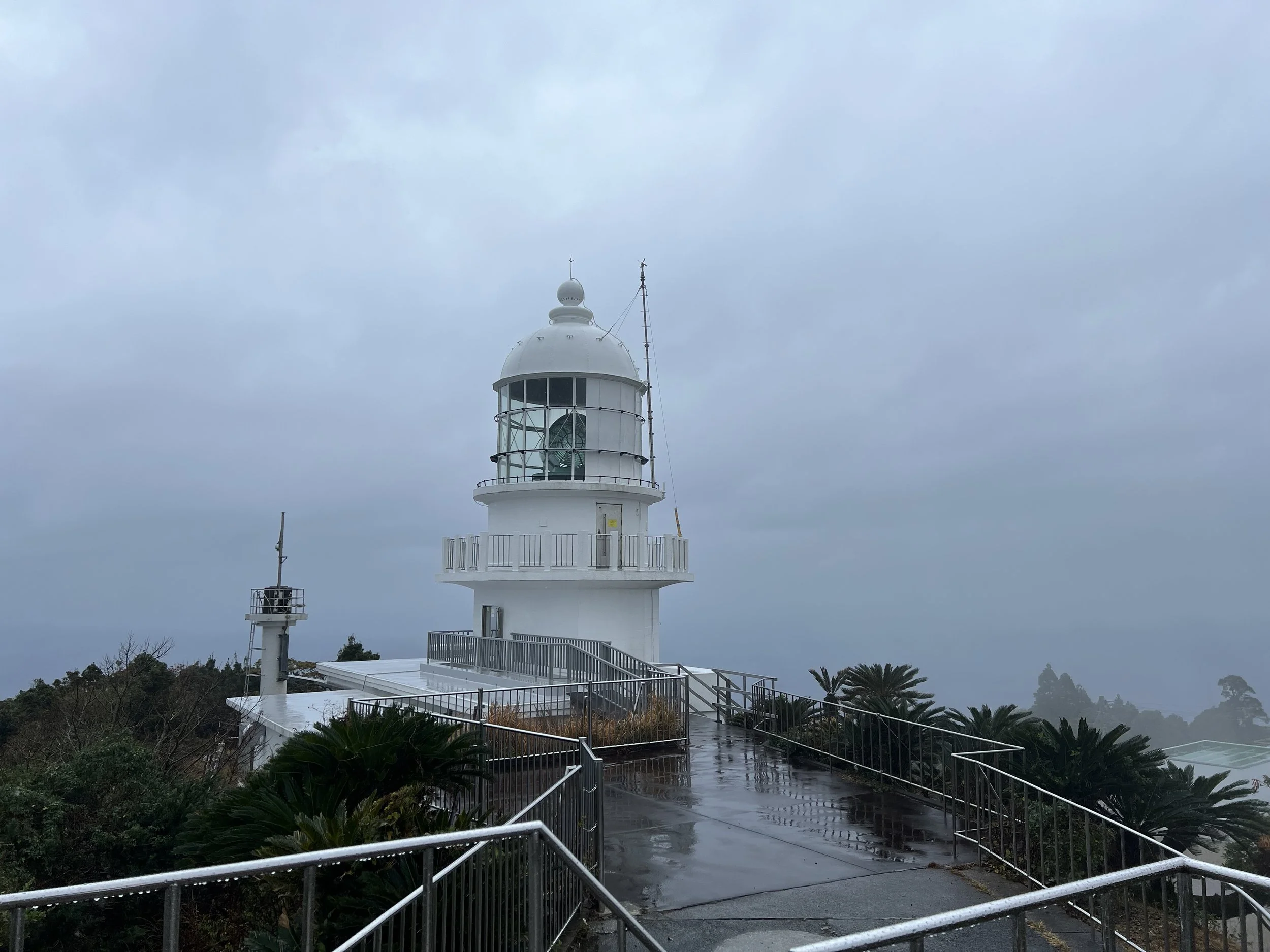
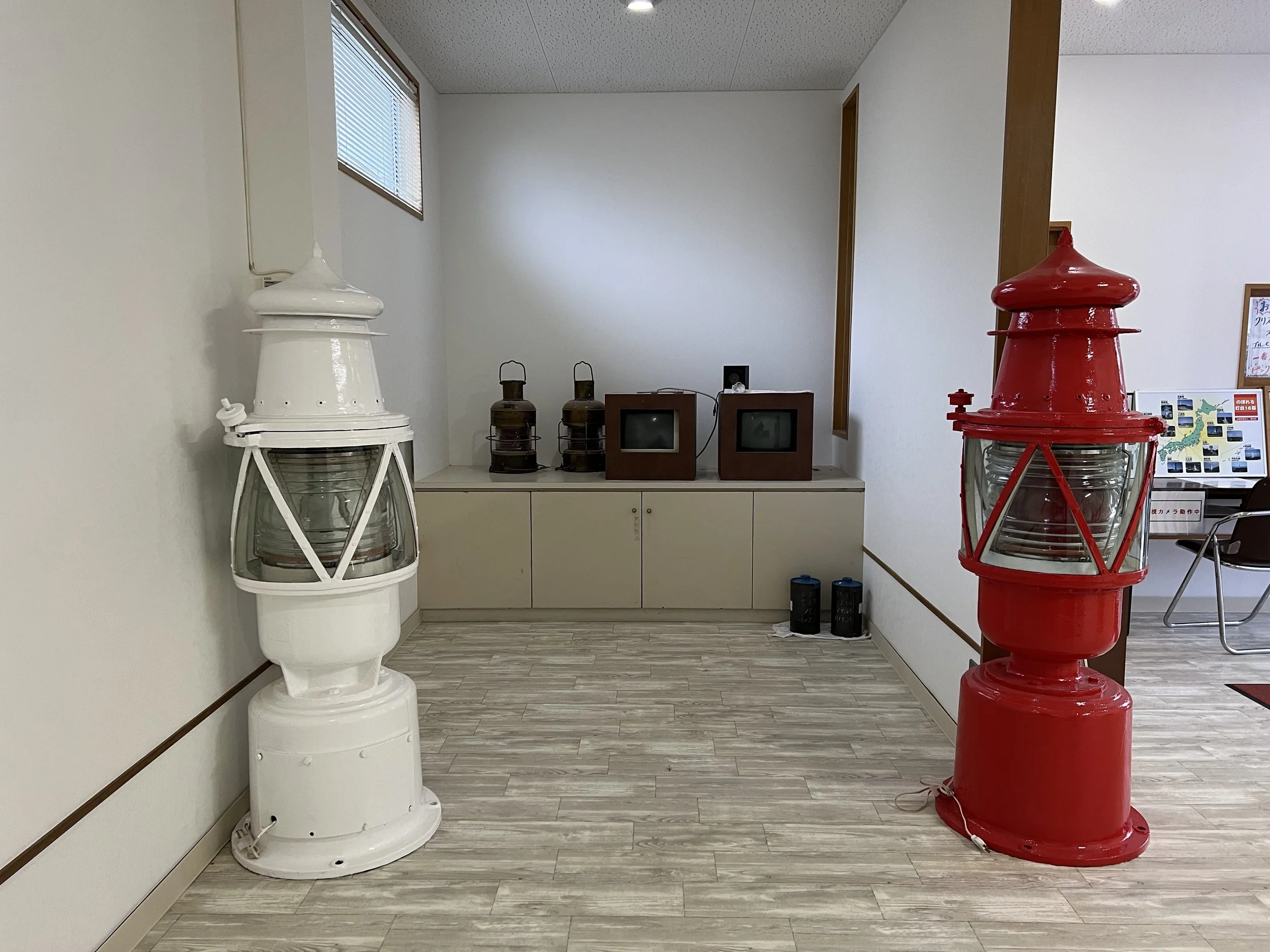
Due to strong winds and heavy rain, access to the interior of Cape Toi Lighthouse was closed for safety reasons. The attendant at the ticket booth double-checked that I was aware of the closure before selling me a ticket. Along with it, she handed me a small souvenir badge pin. I started by exploring the small museum displays next to the entrance, which showcased old lighthouse equipment, lenses, and historical components.
Cape Toi Lighthouse was built in 1929 and remains the original structure standing today. It is recognized as one of Japan’s top 50 lighthouses. Although I couldn’t climb inside, there is a small viewing platform nearby that still offers views of the lighthouse and the surrounding ocean. From here, I had planned to take the coastal trail down to Misaki Shinto Shrine near sea level, but the trail was closed due to the weather.
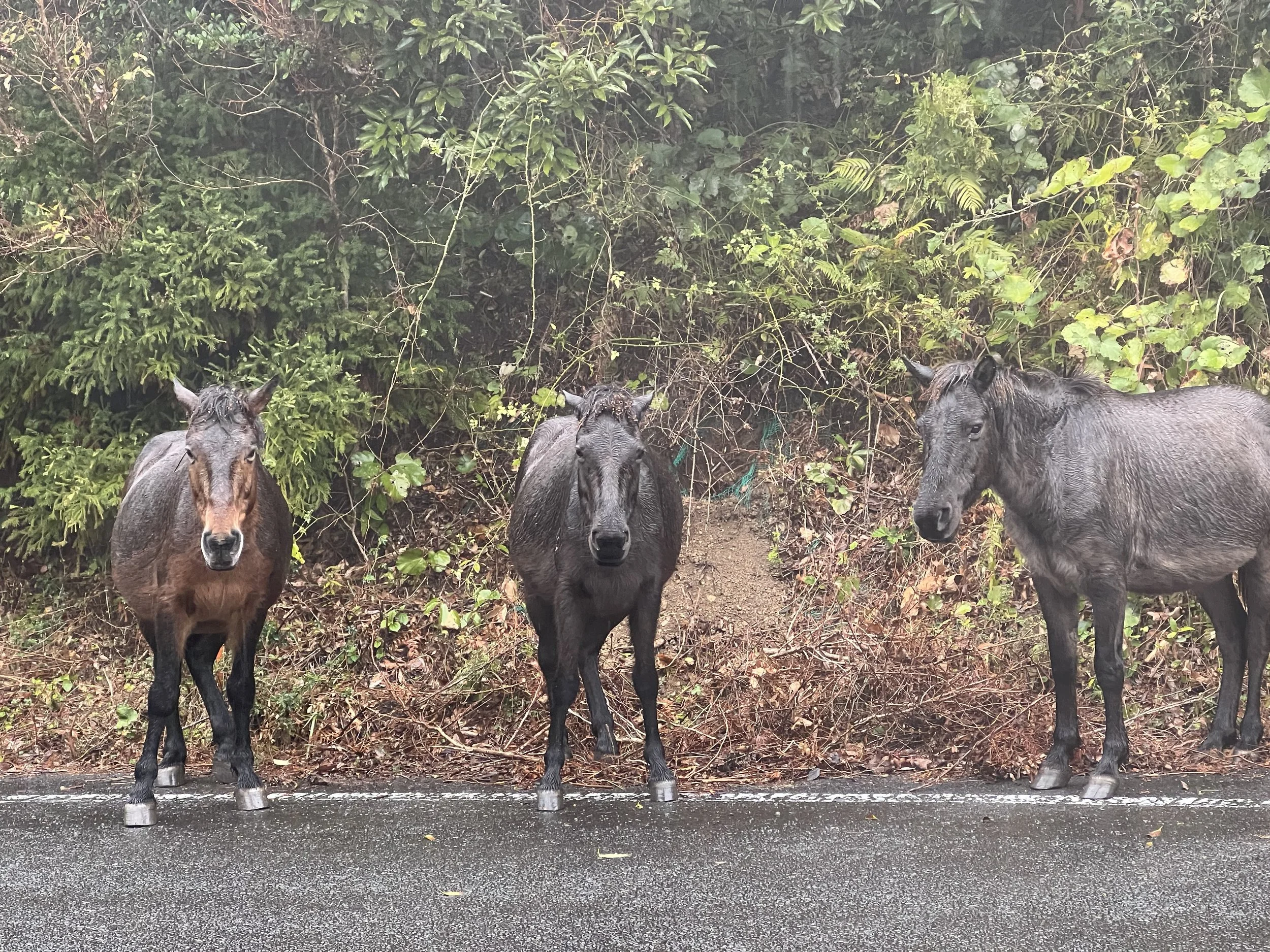
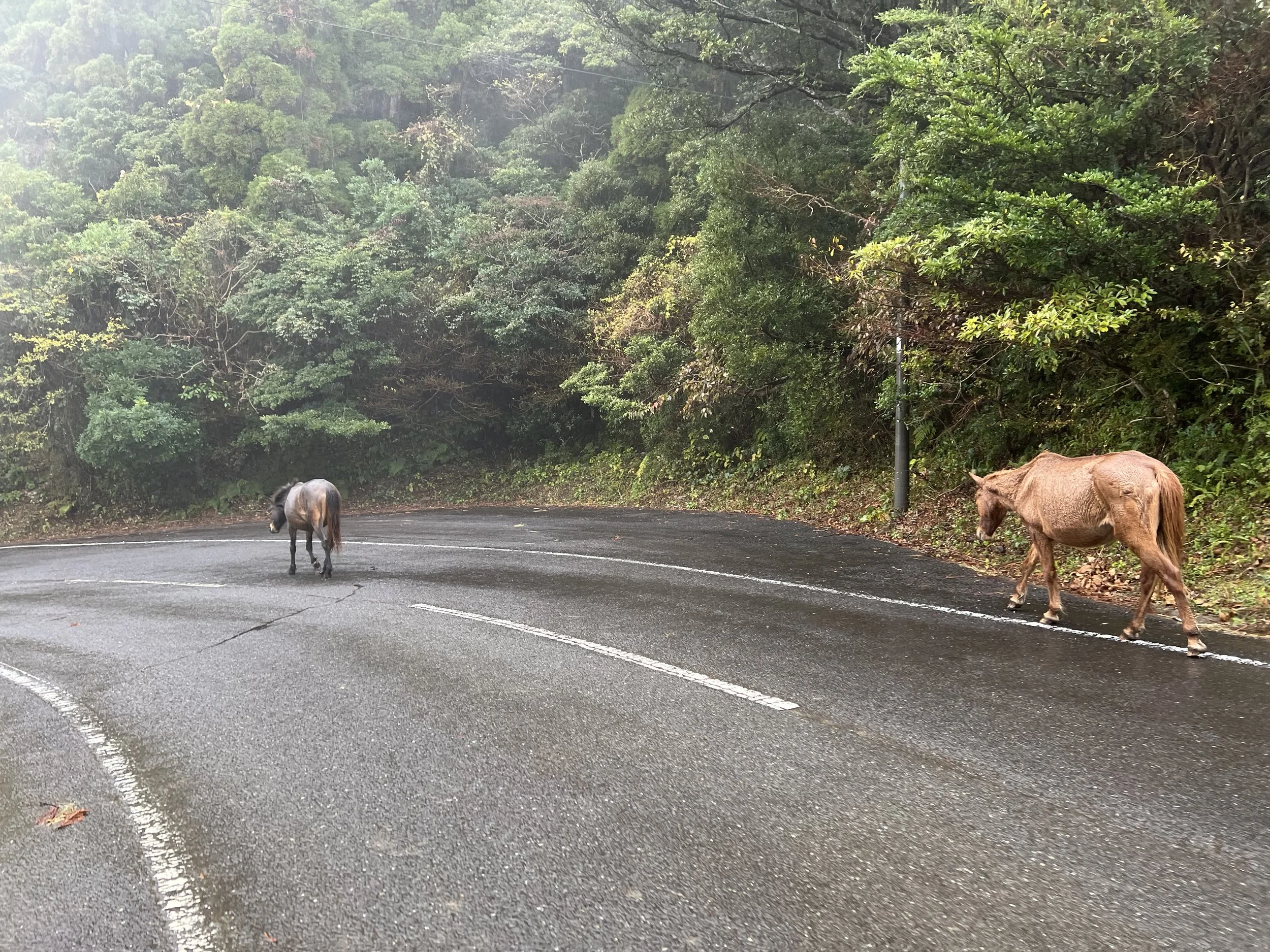
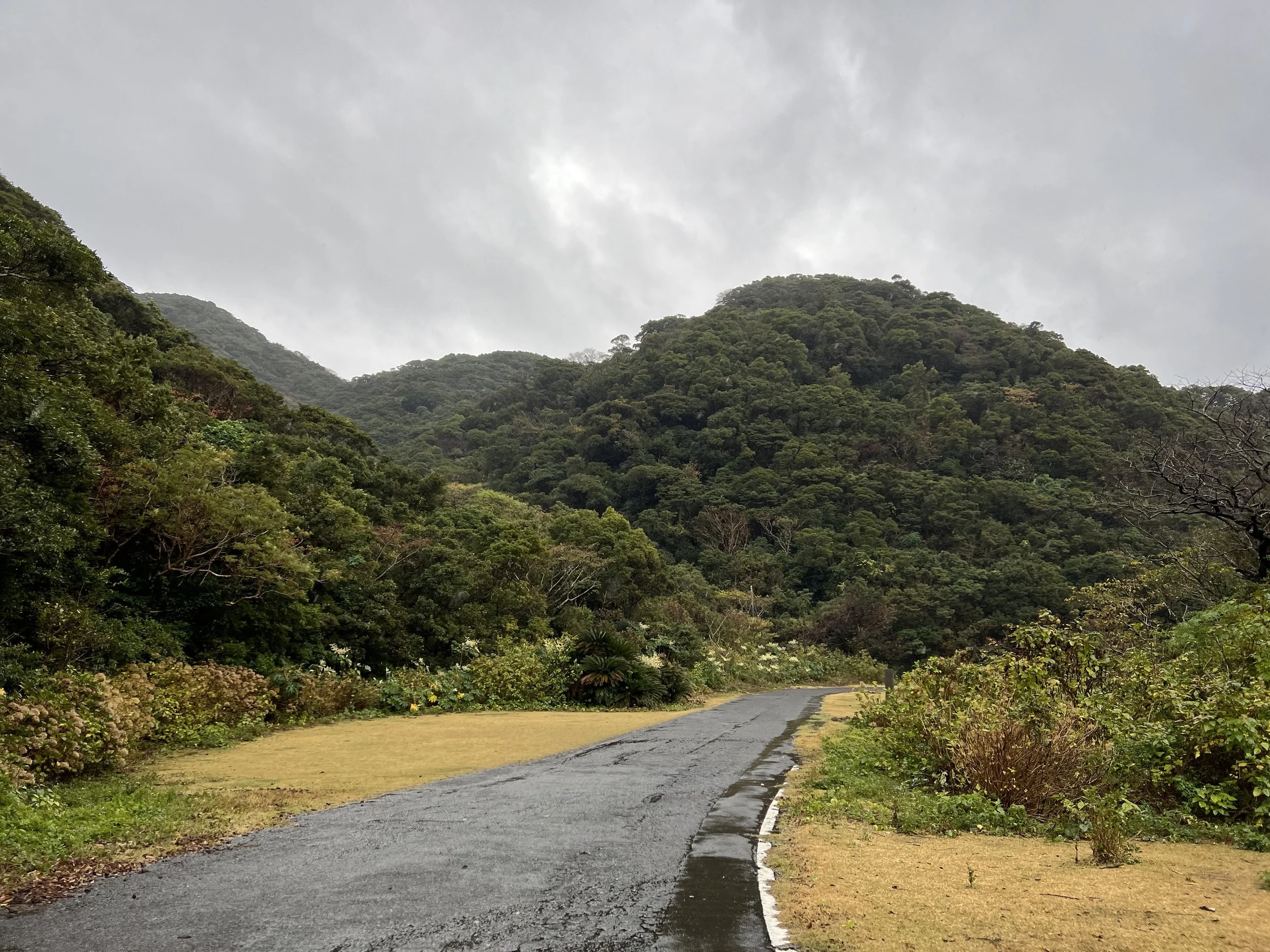
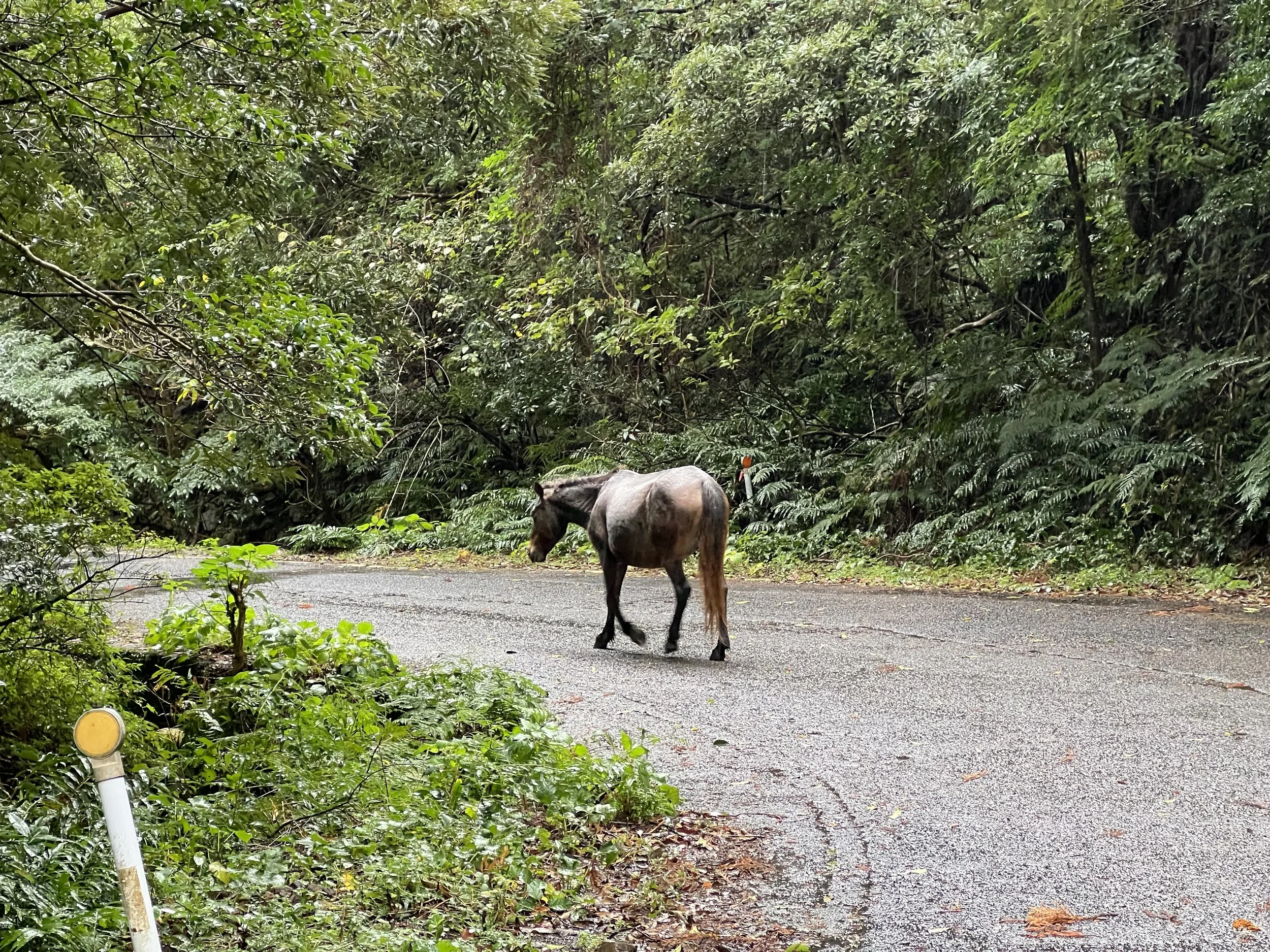
Instead, I followed the paved road, making a wide loop down toward the shrine. The walk was straightforward and not particularly difficult, and along the way I began seeing the wild horses standing beside the road. Some of them appeared thin, but signage throughout the area explained that during the winter months, caretakers provide supplemental feeding. There are also frequent warnings advising visitors not to approach the horses, as they are wild and unpredictable. I kept my distance, using the zoom on my camera to photograph them, and stayed across the road whenever possible.
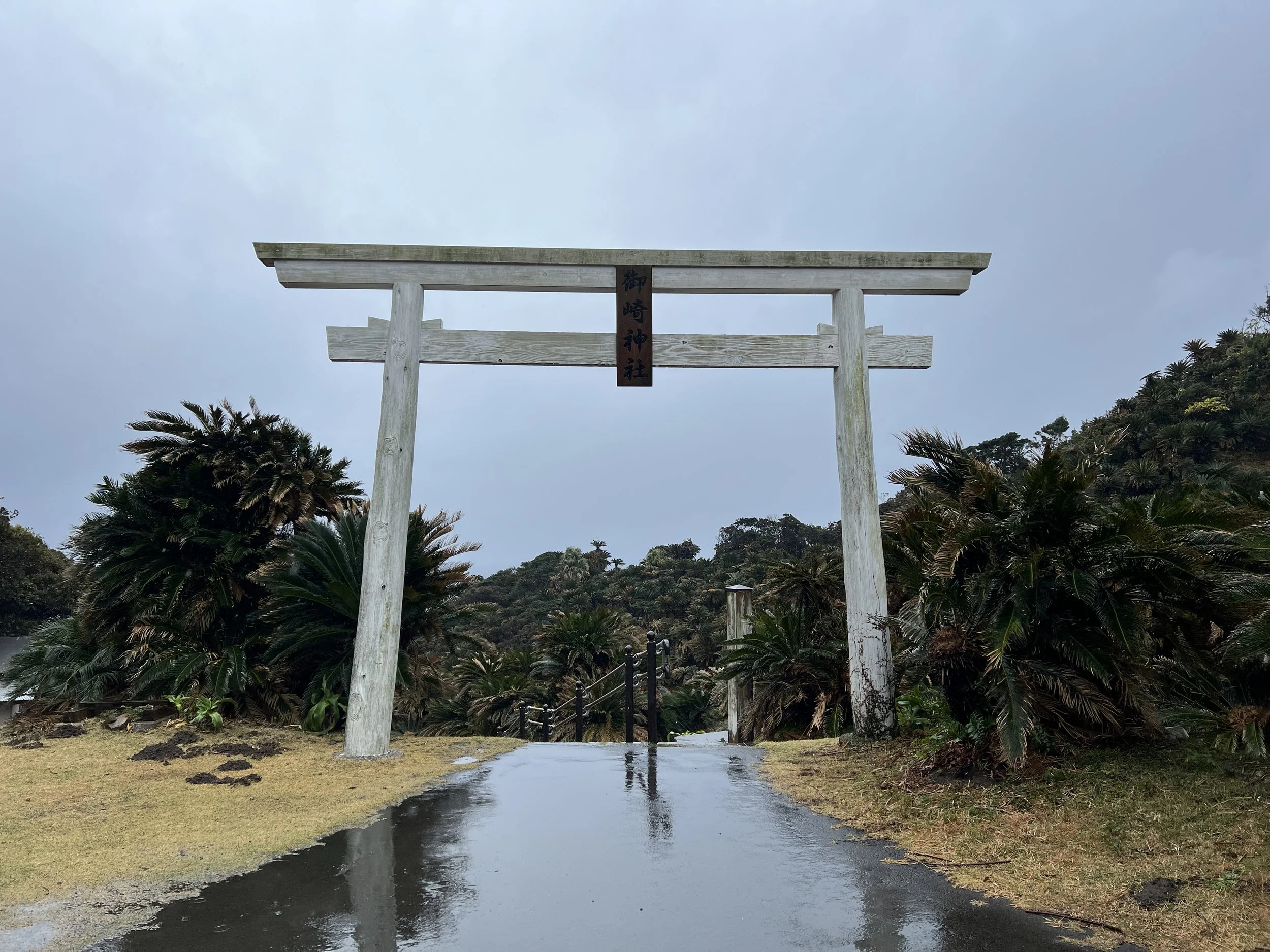
I encountered several small groups along the way. At one point, a horse began walking toward me, and I crossed the road a few times to give it plenty of space. Just before reaching Misaki Shinto Shrine, I passed an open area with a large parking lot, washroom facilities, and a small park-like space. At the far end stood a large torii gate marking the entrance to the shrine grounds.
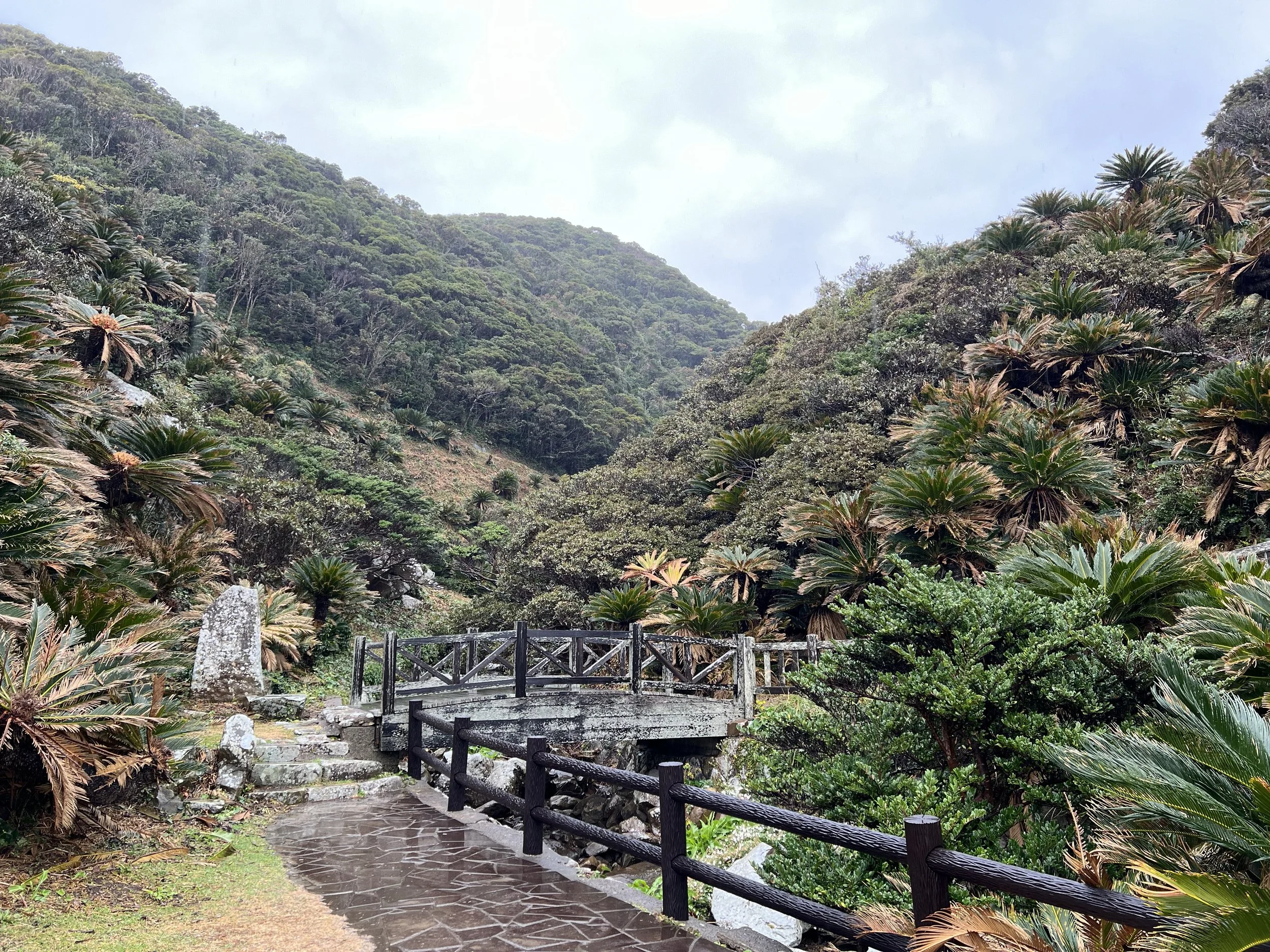
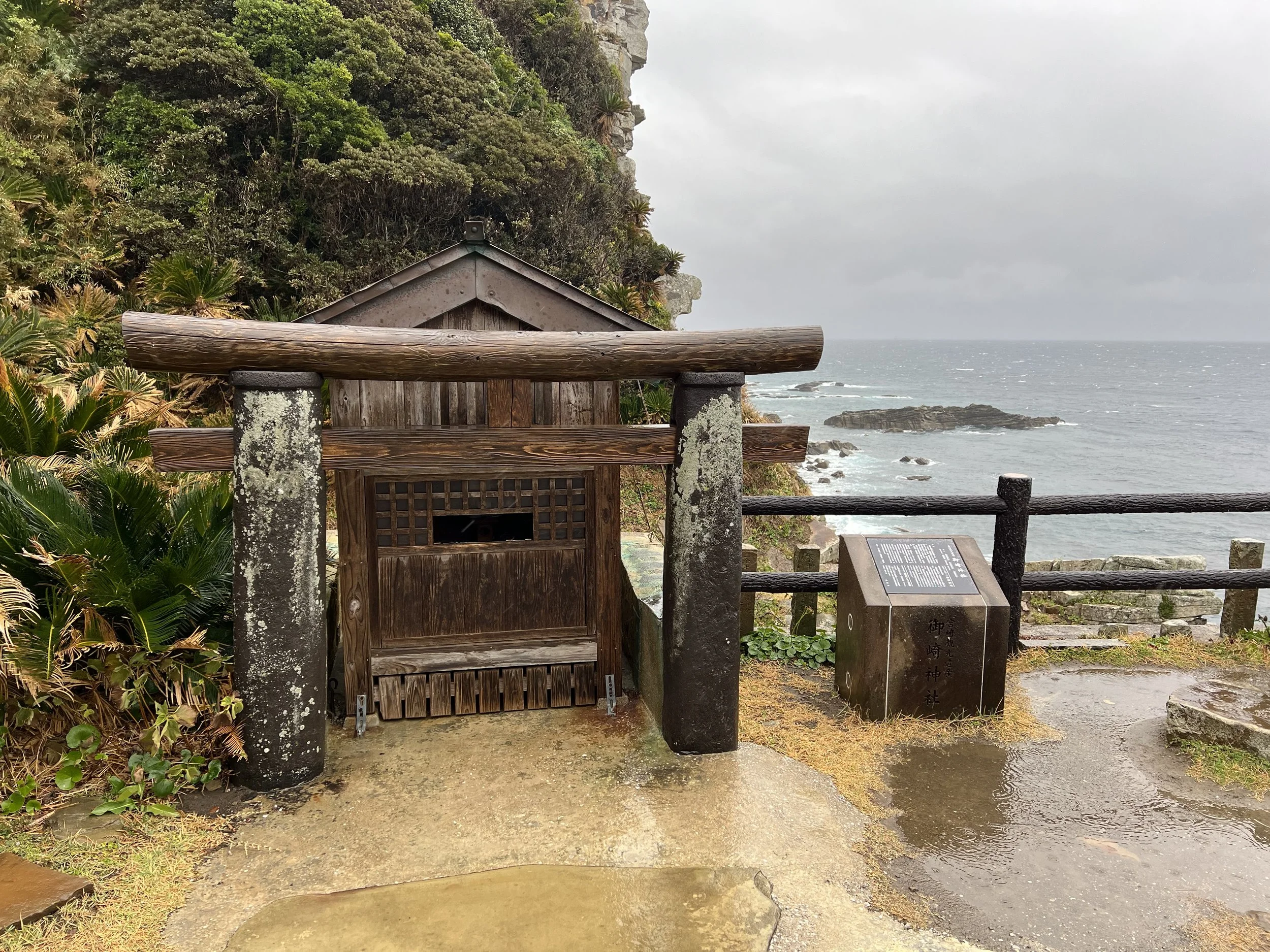
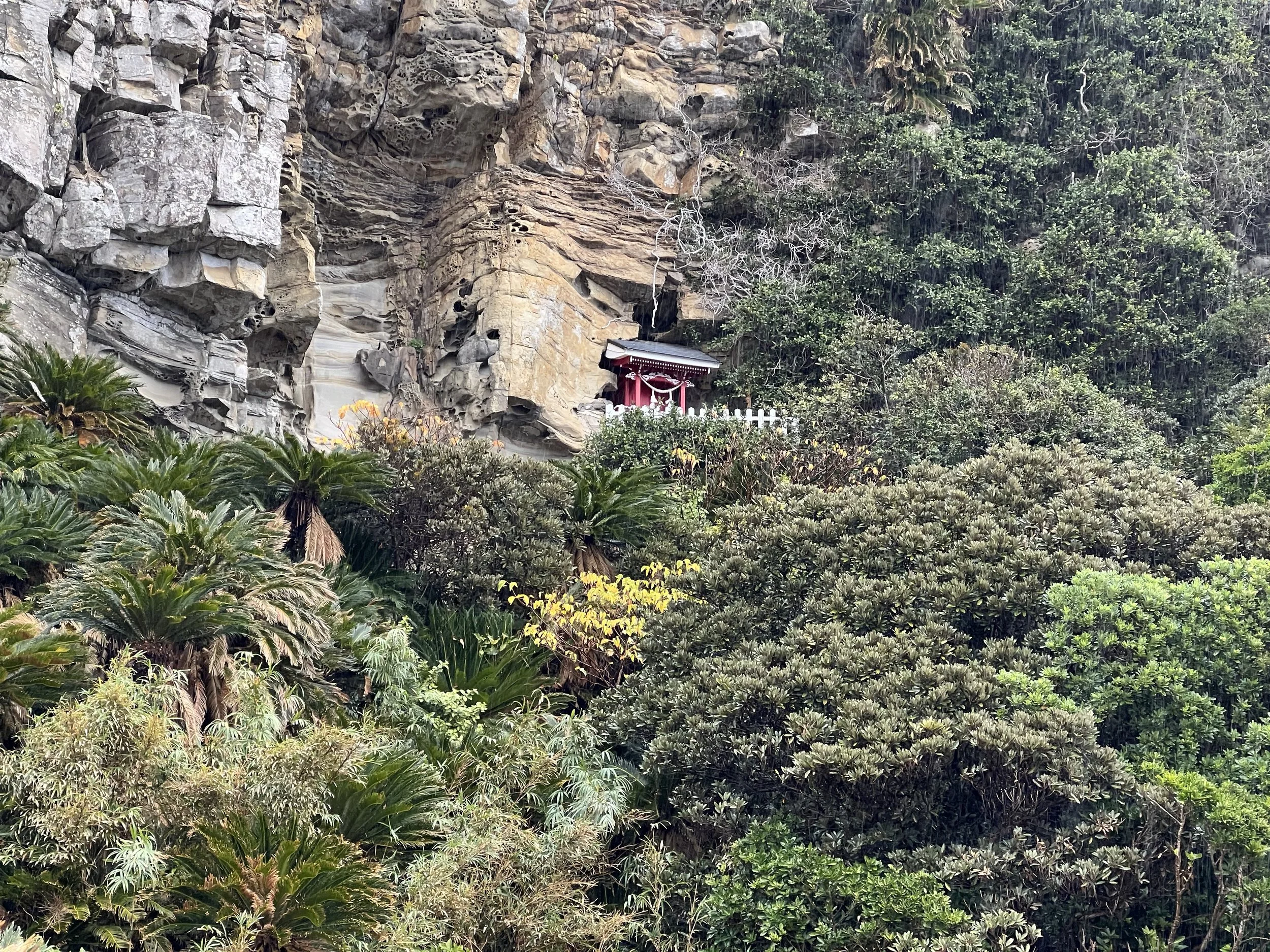
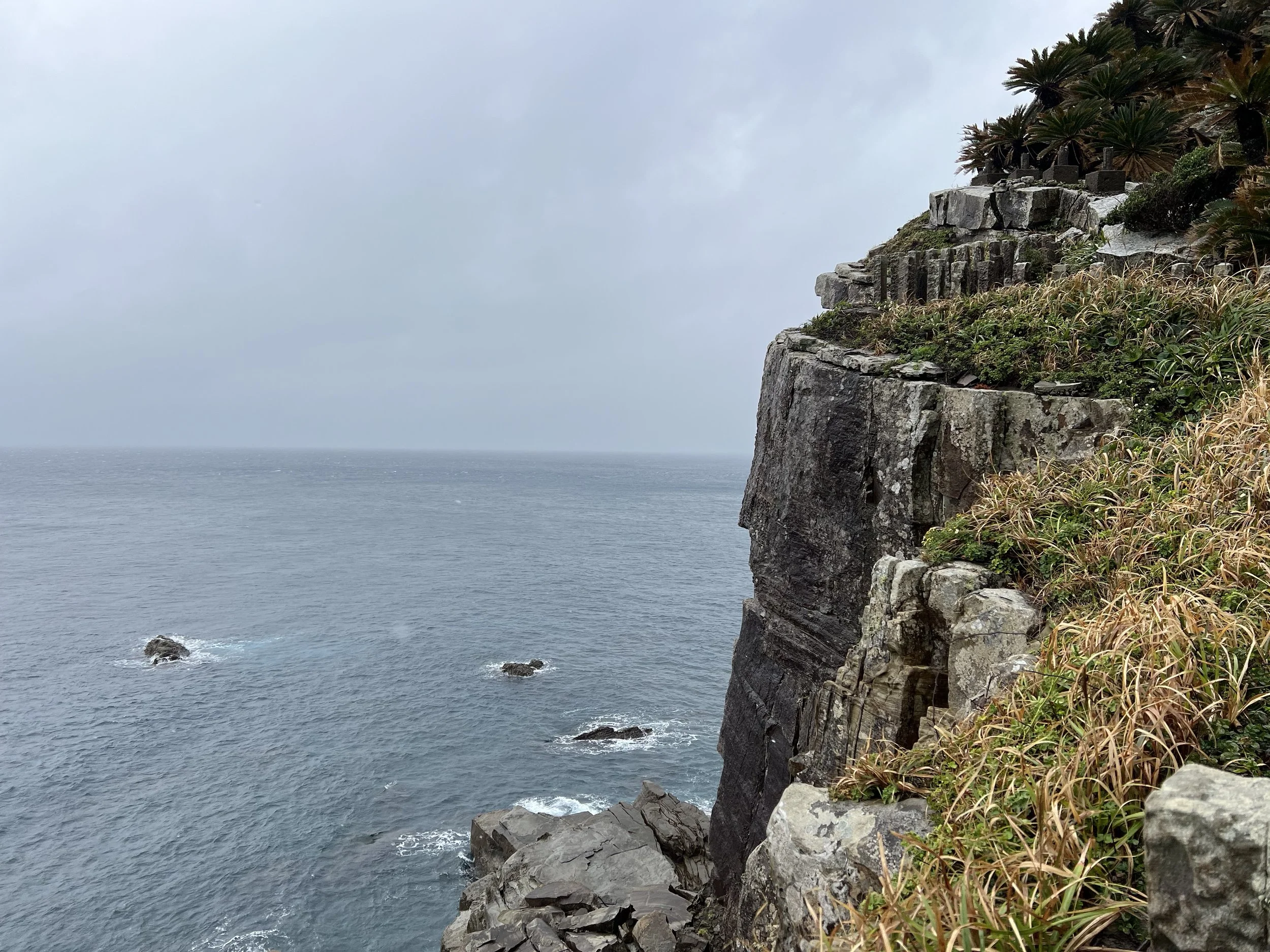
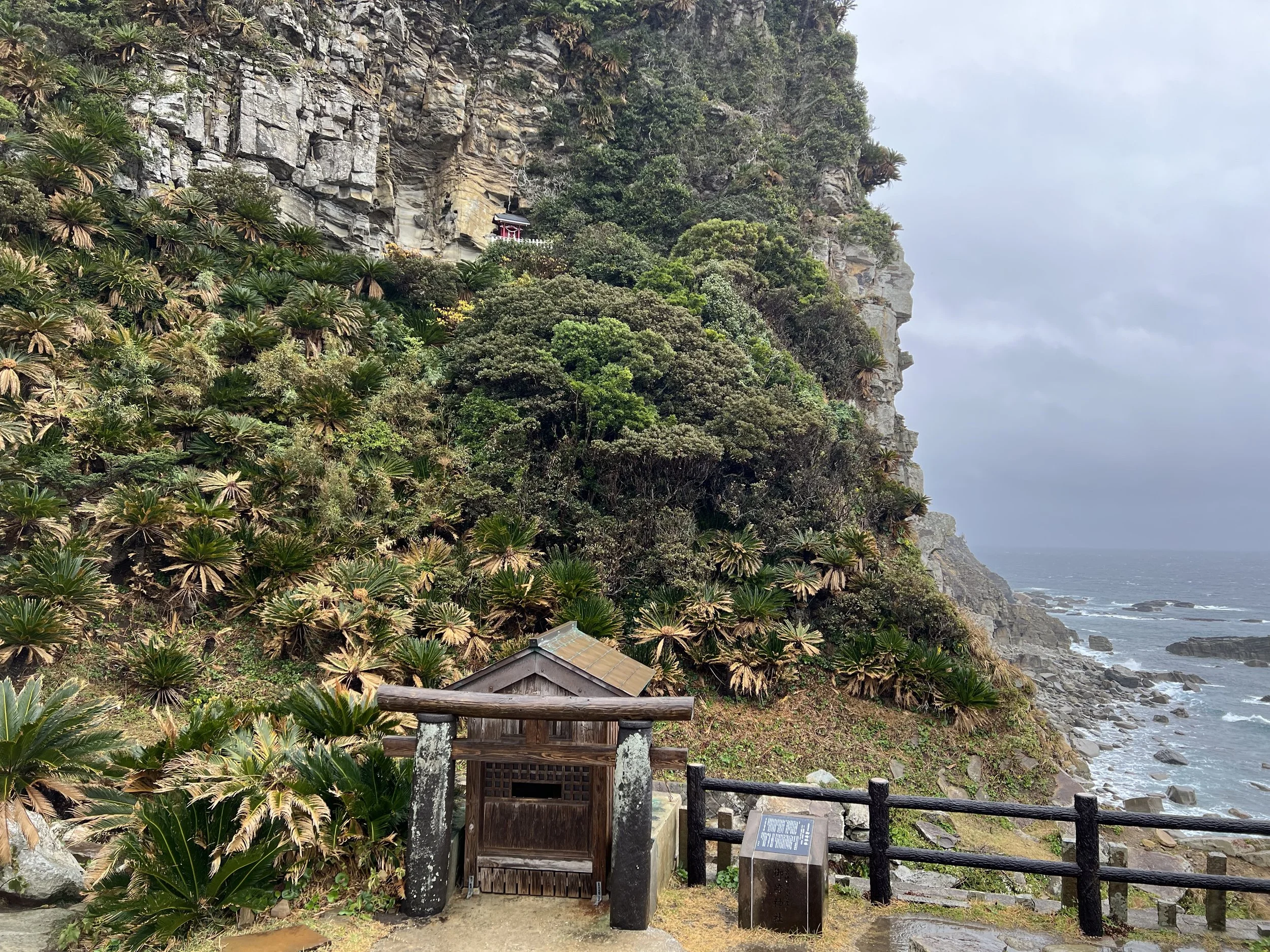
The path down to the shrine is stone-paved and, in places, covered with moss. With the rain still falling, it was slippery. The shrine complex consists of two worship areas: one built into the cliff face above, which serves as the main shrine, and a smaller one closer to the ocean. The path to the upper shrine was closed for safety reasons, but I was still able to get a clear view of it from below. The views of the cliffside and ocean from this point were striking. According to the information displays, Misaki Shinto Shrine was founded in the year 708 and is surrounded by thousands of cycad trees.
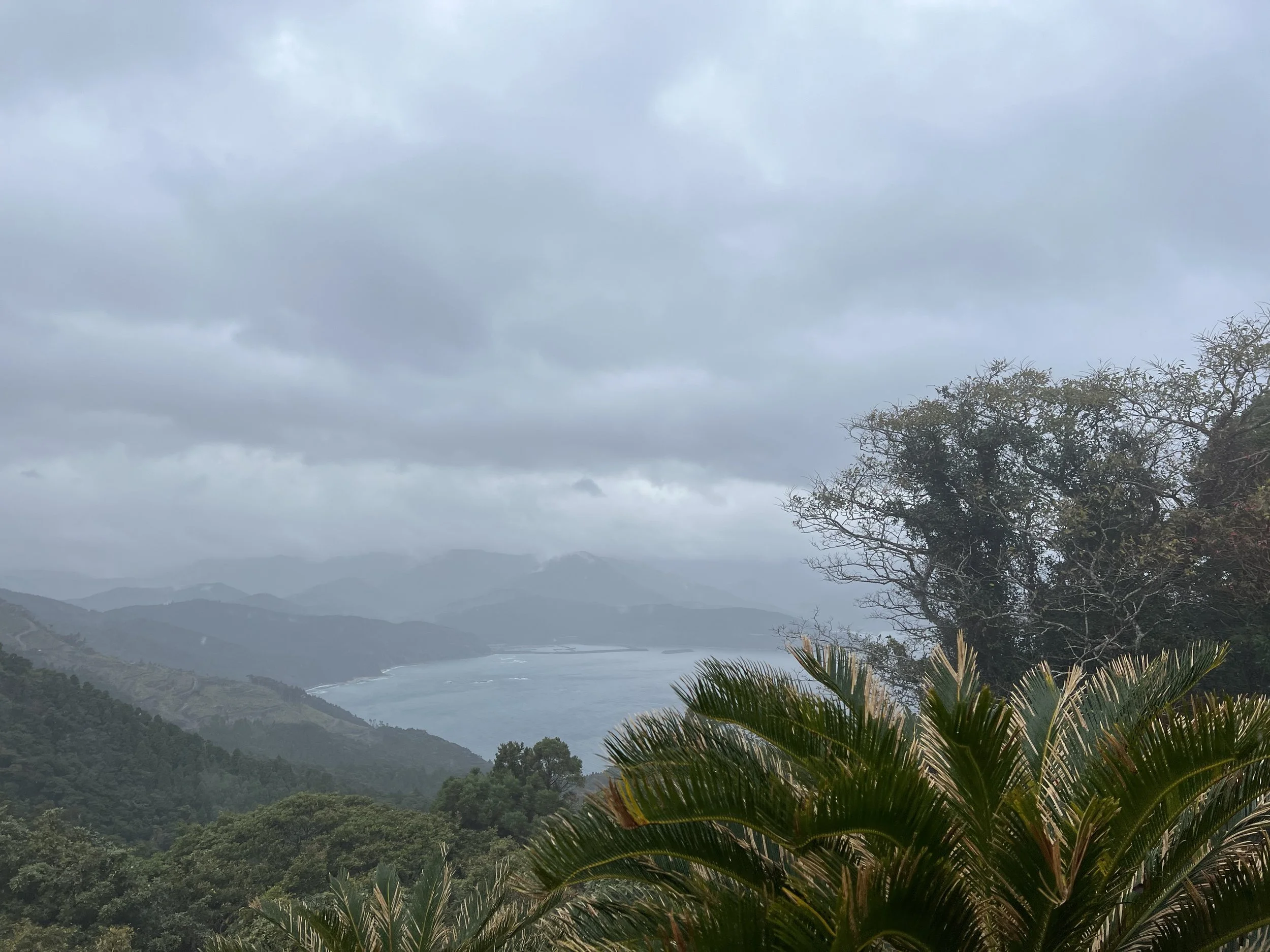
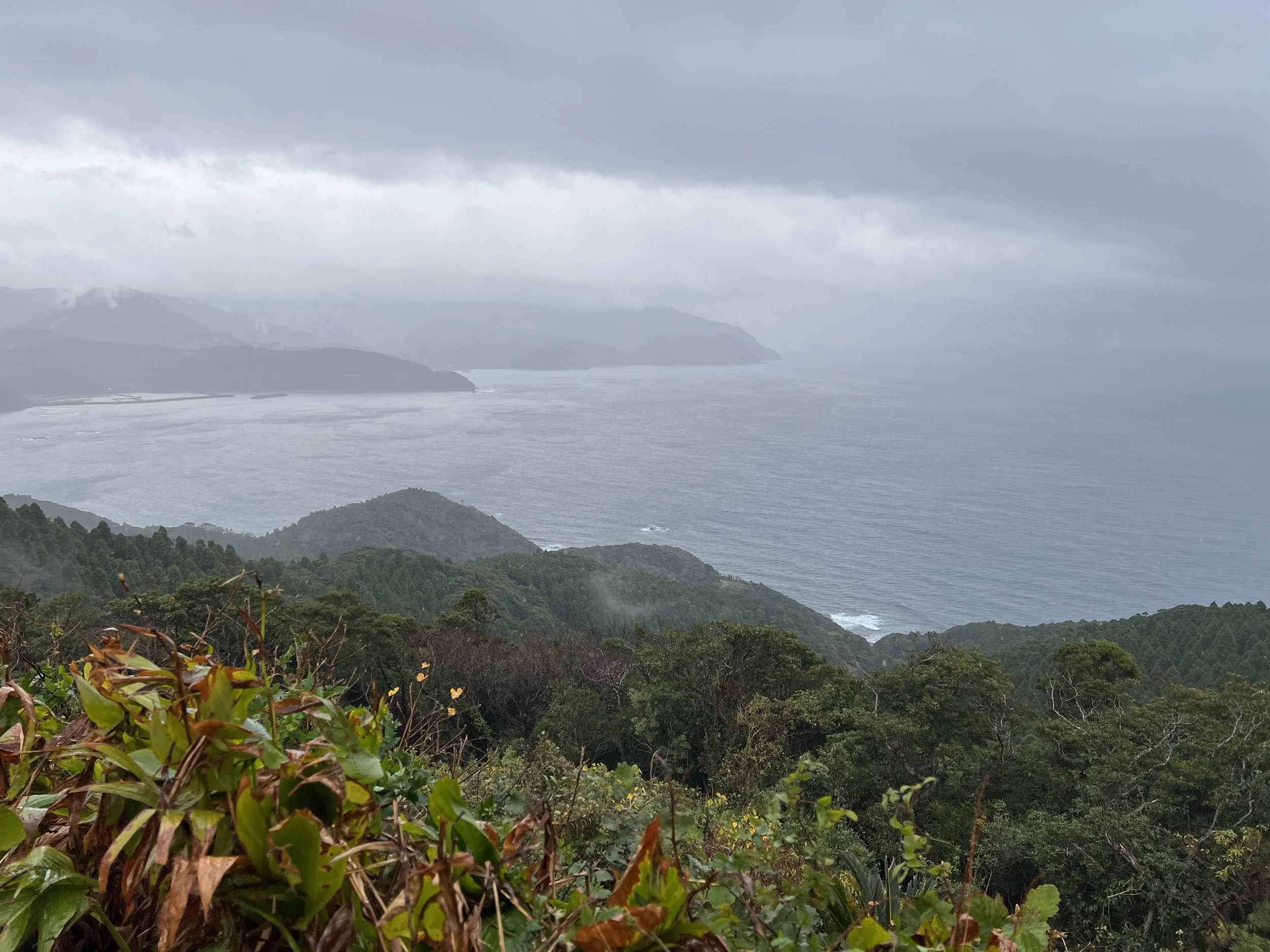
From the shrine, I made my way back up and continued toward Mt. Ogi Observation Square, about 3.5 kilometres away. On clear days, this lookout offers expansive views across the cape, but the fog limited visibility almost entirely. I didn’t stay long and headed toward my accommodation for the night. By the time I arrived, I was completely soaked.
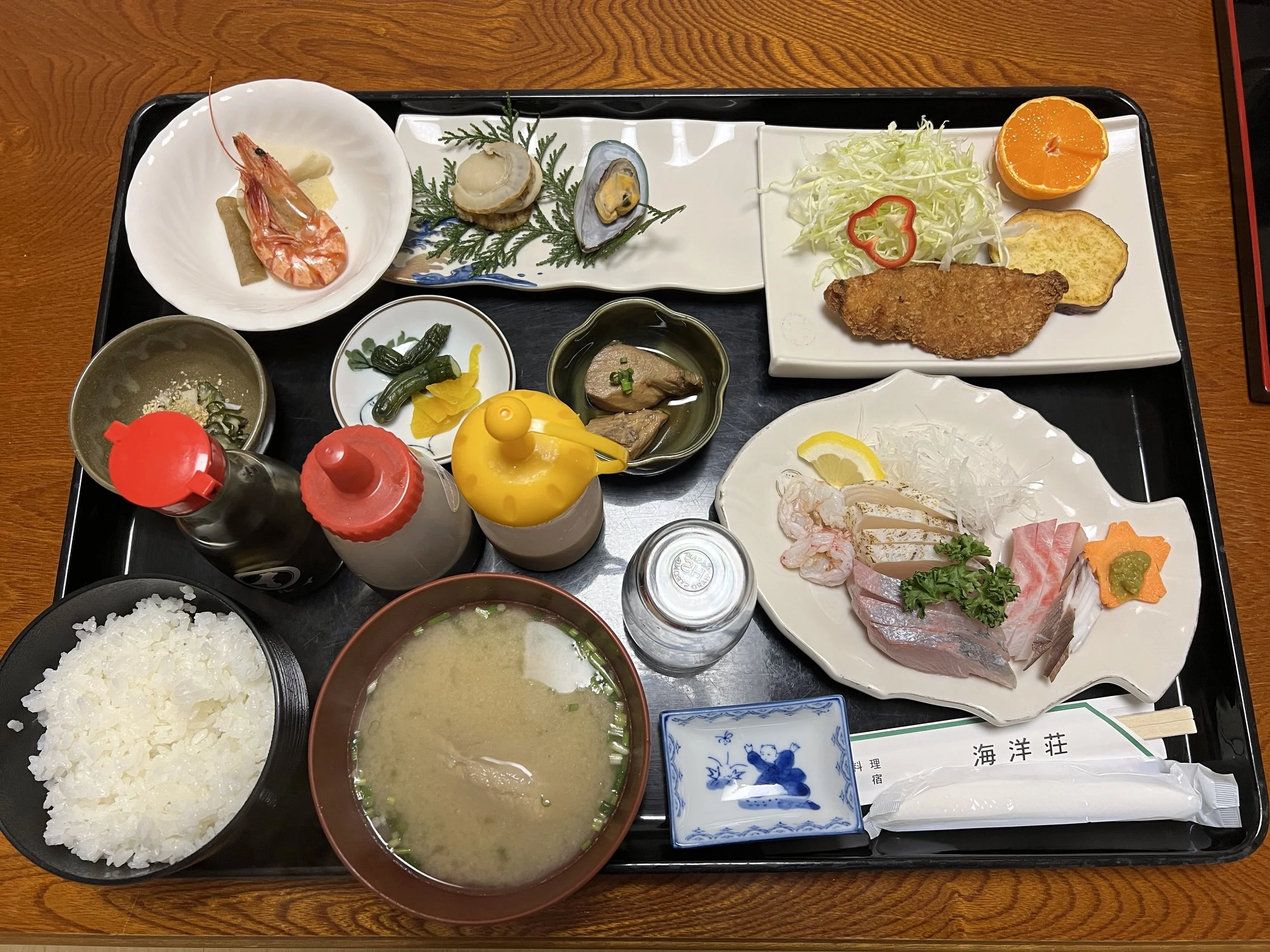
It turned out I was the only guest staying that night, which meant I could take my time in the bath and warm up properly. Dinner was excellent, featuring seafood caught by local fishers earlier that day. As I settled in for the night, I hoped that the weather might improve enough by morning to catch the sunrise.
History & Background
Cape Toi (都井岬) has long been associated with horse breeding, dating back to the Edo period when samurai raised horses in the region. The modern Misaki horses are considered a rare native breed and are protected as a Natural Monument of Japan.
The cape itself is designated as a protected area to preserve both the horses and the coastal grassland ecosystem. In addition to its natural significance, Cape Toi is home to historic sites such as Cape Toi Lighthouse and Misaki Shinto Shrine, reflecting the area’s long-standing relationship between human settlement, spirituality, and the surrounding landscape.
Getting There
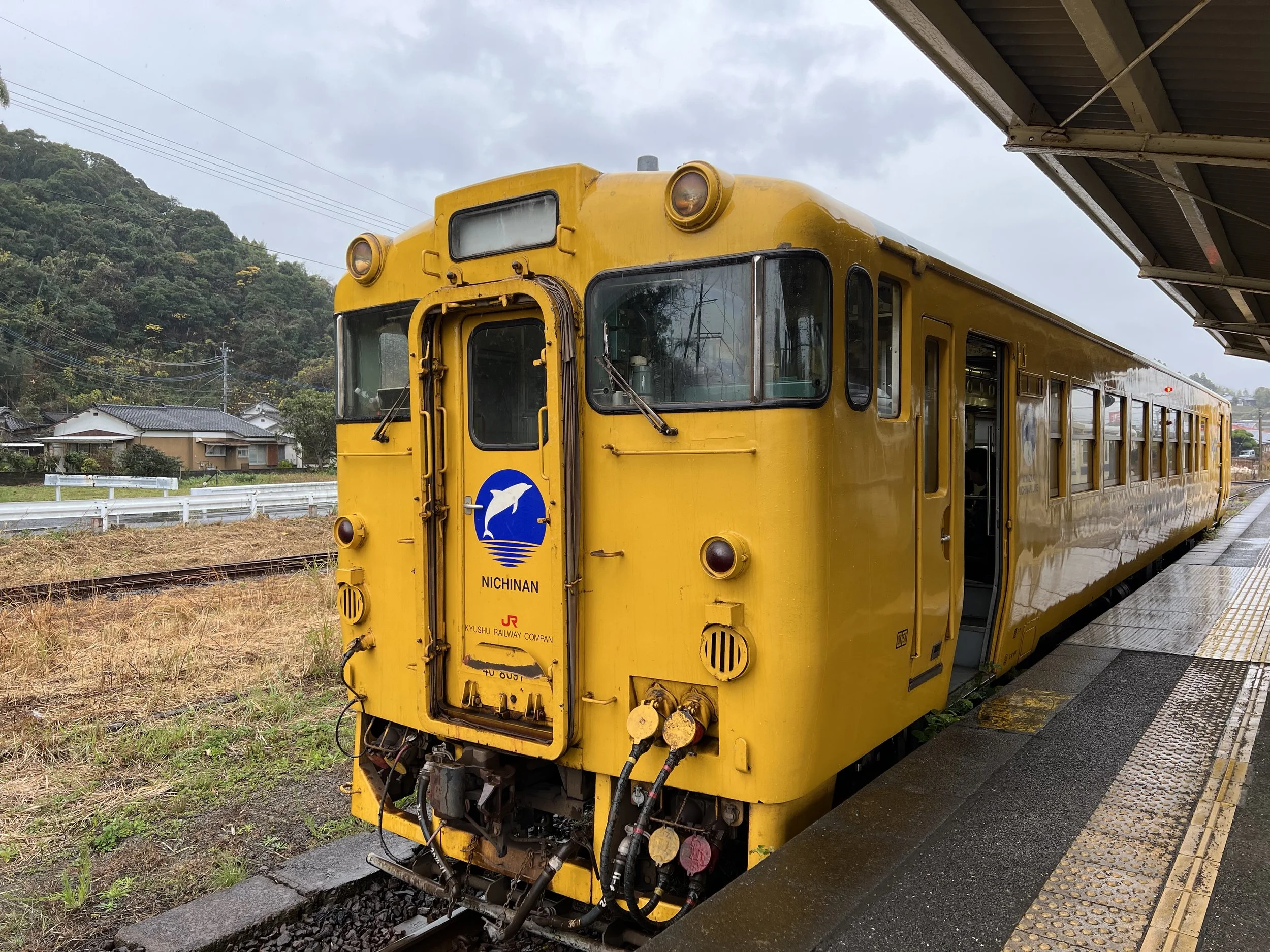
Cape Toi is accessed via Kushima Station on the JR Nichinan Line. From Miyazaki Station, take the JR Nichinan Line to Aburatsu Station, then transfer to a local train to Kushima Station. From Kushima Station, community buses operate toward Cape Toi, with the Toimisaki bus stop serving as the primary access point for the lighthouse and surrounding walking routes. Services are limited, and travel times can be lengthy, so advance planning is recommended.
Route Overview
Distance: 8.93 km (Cape Toi Lighthouse → Ocean Villa Guesthouse)
Total elevation gain: 254 m
Duration: 1 hr 45 min (with breaks 1 hr 50 min)
Difficulty: Intermediate
Cost Breakdown
Train: Miyazaki Station → Aburatsu Station — ¥1,300
Train: Aburatsu Station → Kushima Station — ¥760
Community Bus: Kushima Station → Toimisaki Bus Stop — ¥200
Entrance Fee: Cape Toi Lighthouse — ¥300
Food: ¥160