Amano Iwato Shrine - Miyazaki, Japan
Amano Iwato Shrine is located about ten kilometres outside of central Takachiho and is closely tied to one of the most important legends in Japanese mythology. According to tradition, this is the area where the sun goddess Amaterasu hid herself inside a cave, plunging the world into darkness. The shrine’s main complex is situated on the opposite bank of the Iwato River from the sacred cave itself.
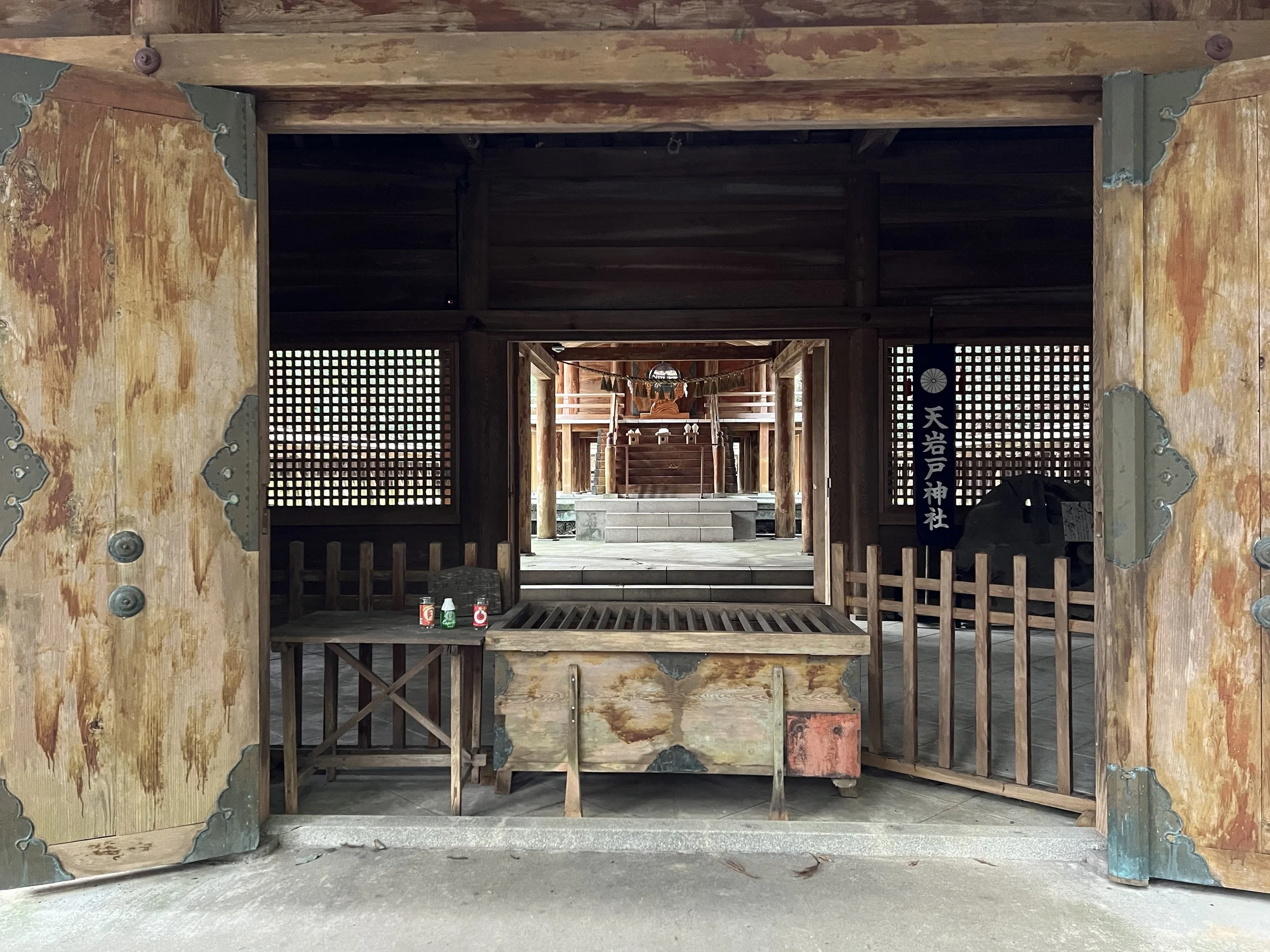
The cave cannot be approached directly. Instead, visitors who wish to view it must inquire at the shrine office, where a priest leads a guided visit to an observation deck overlooking the cave. These explanations are conducted in Japanese only. I only learned about this process after arriving and, due to limited time, did not inquire further.
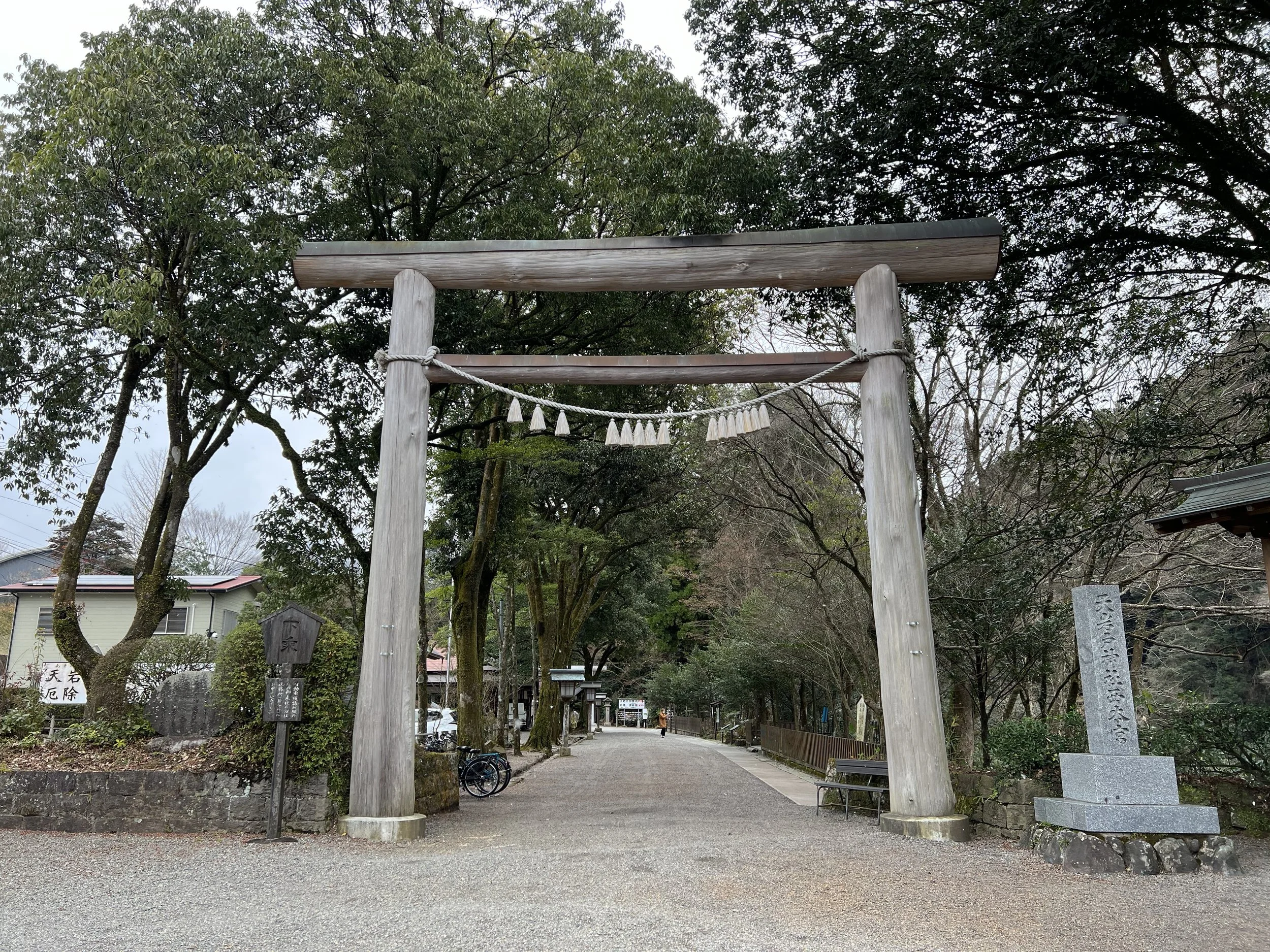
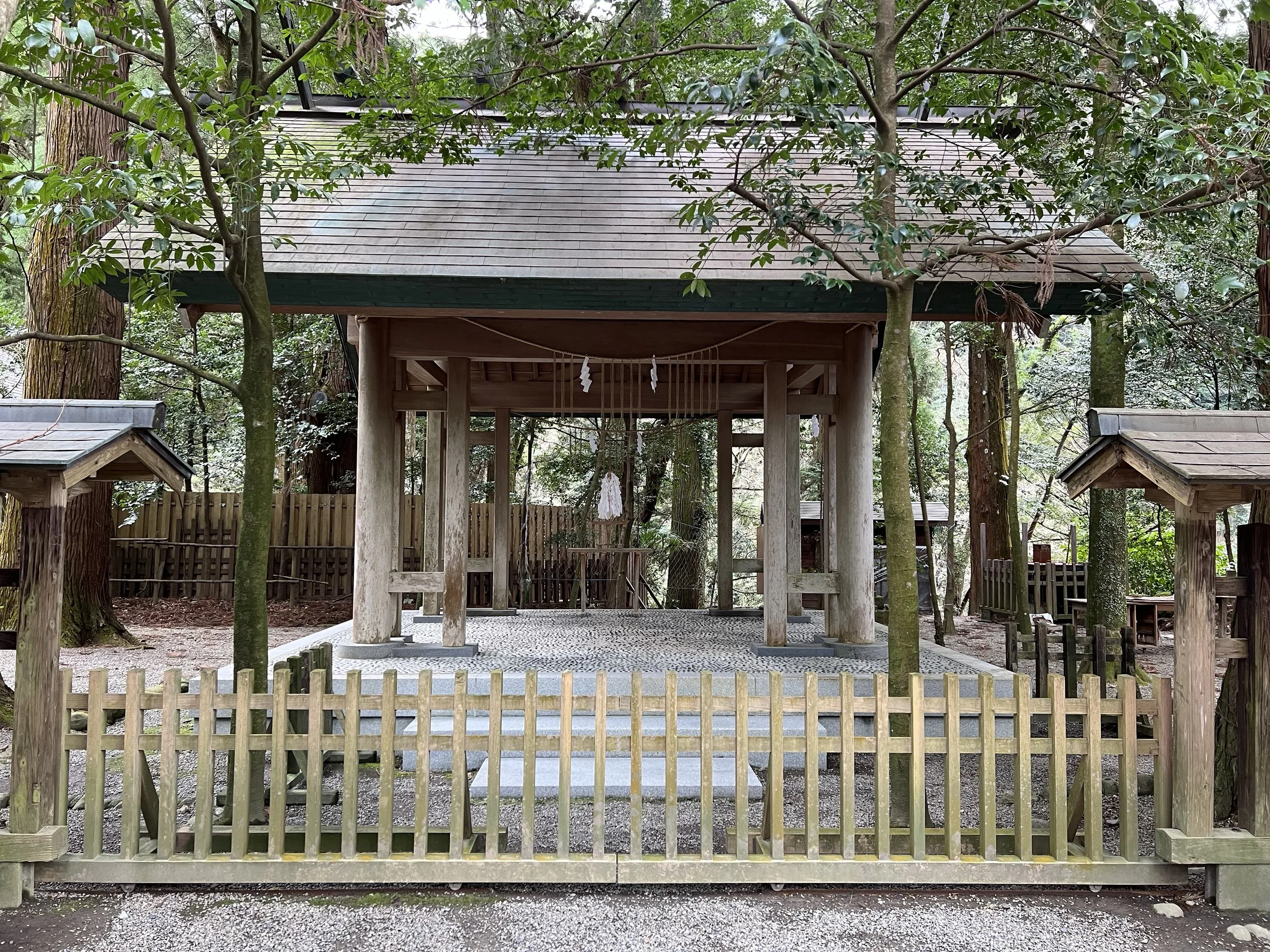
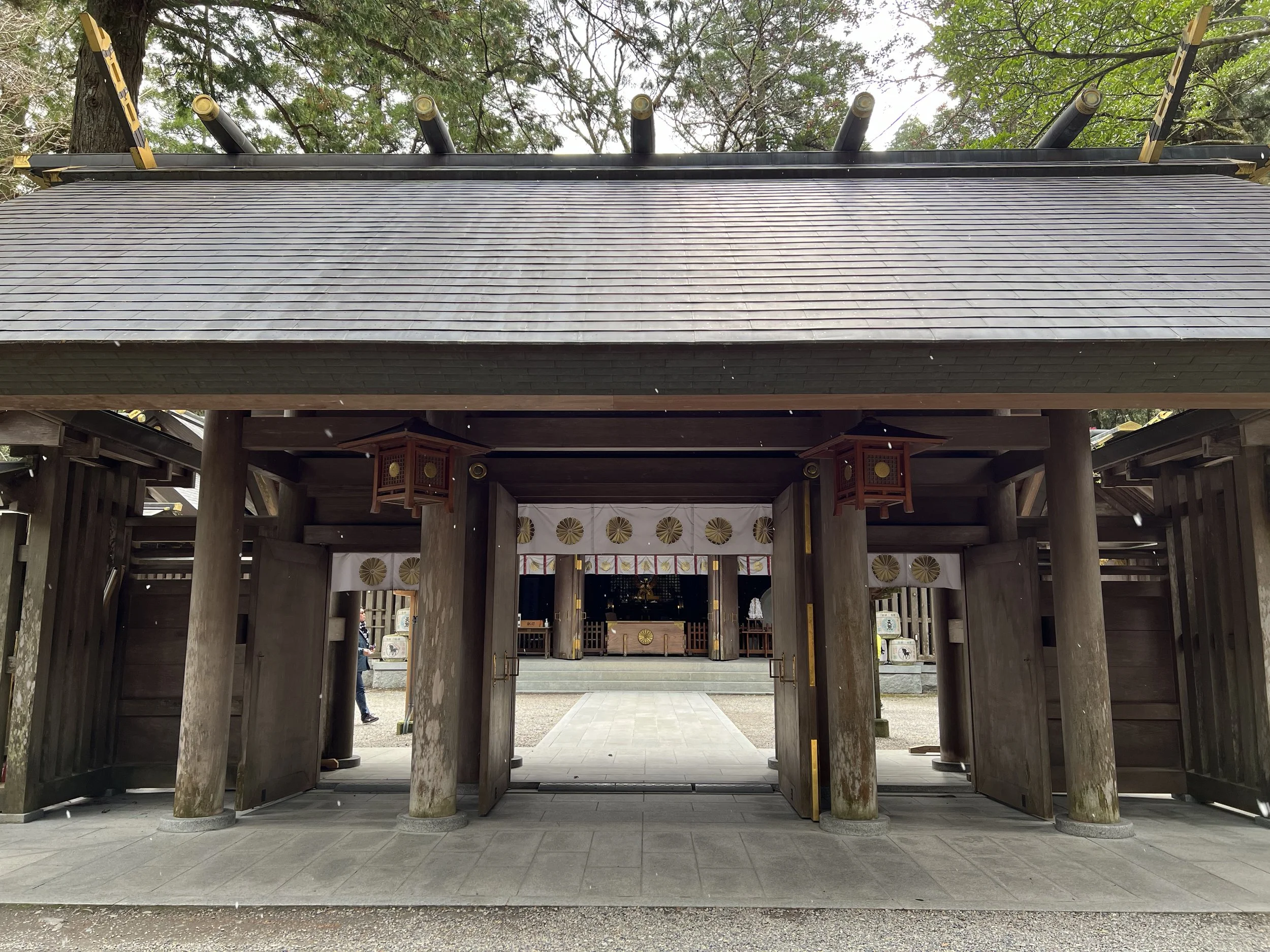
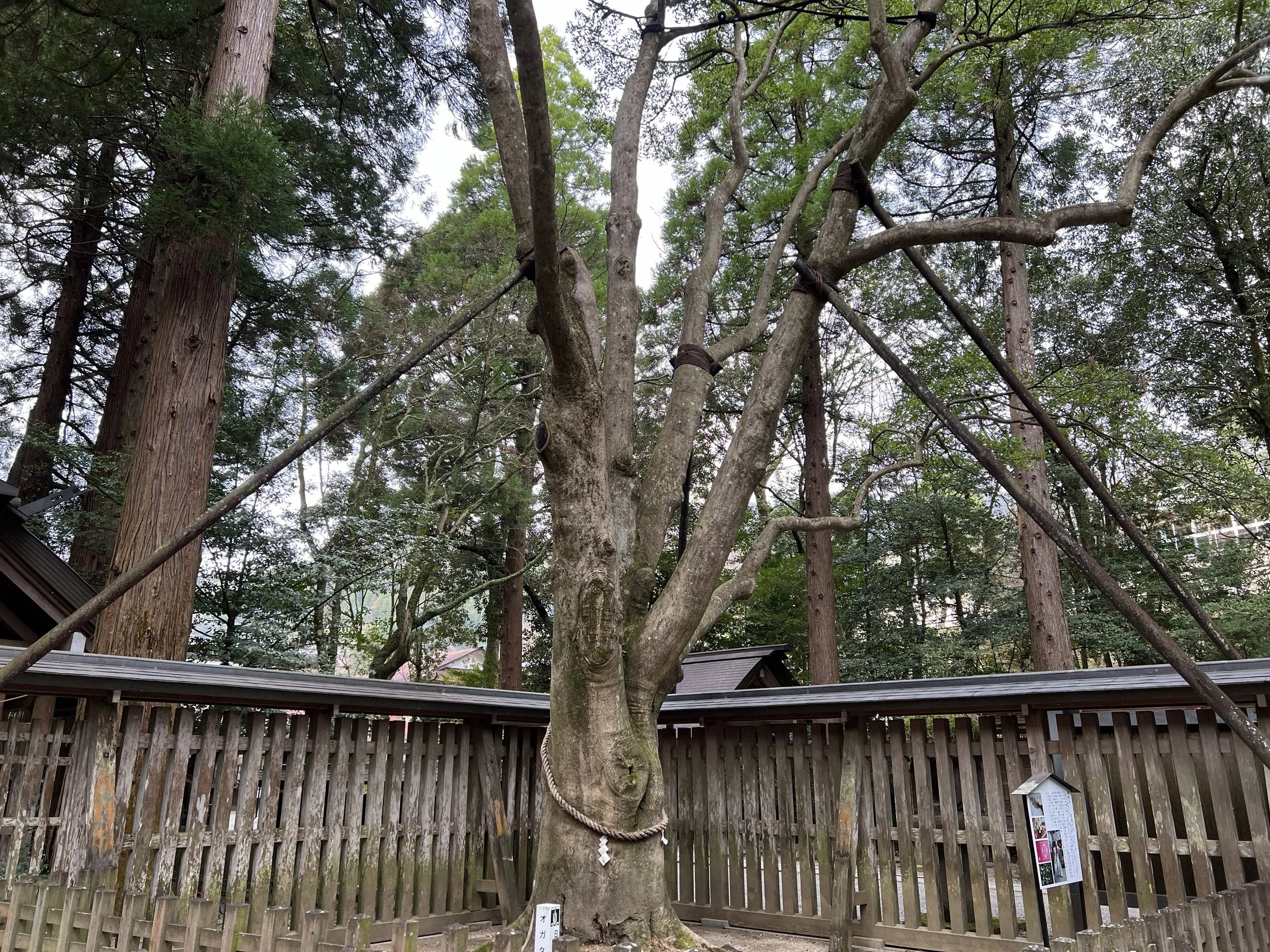
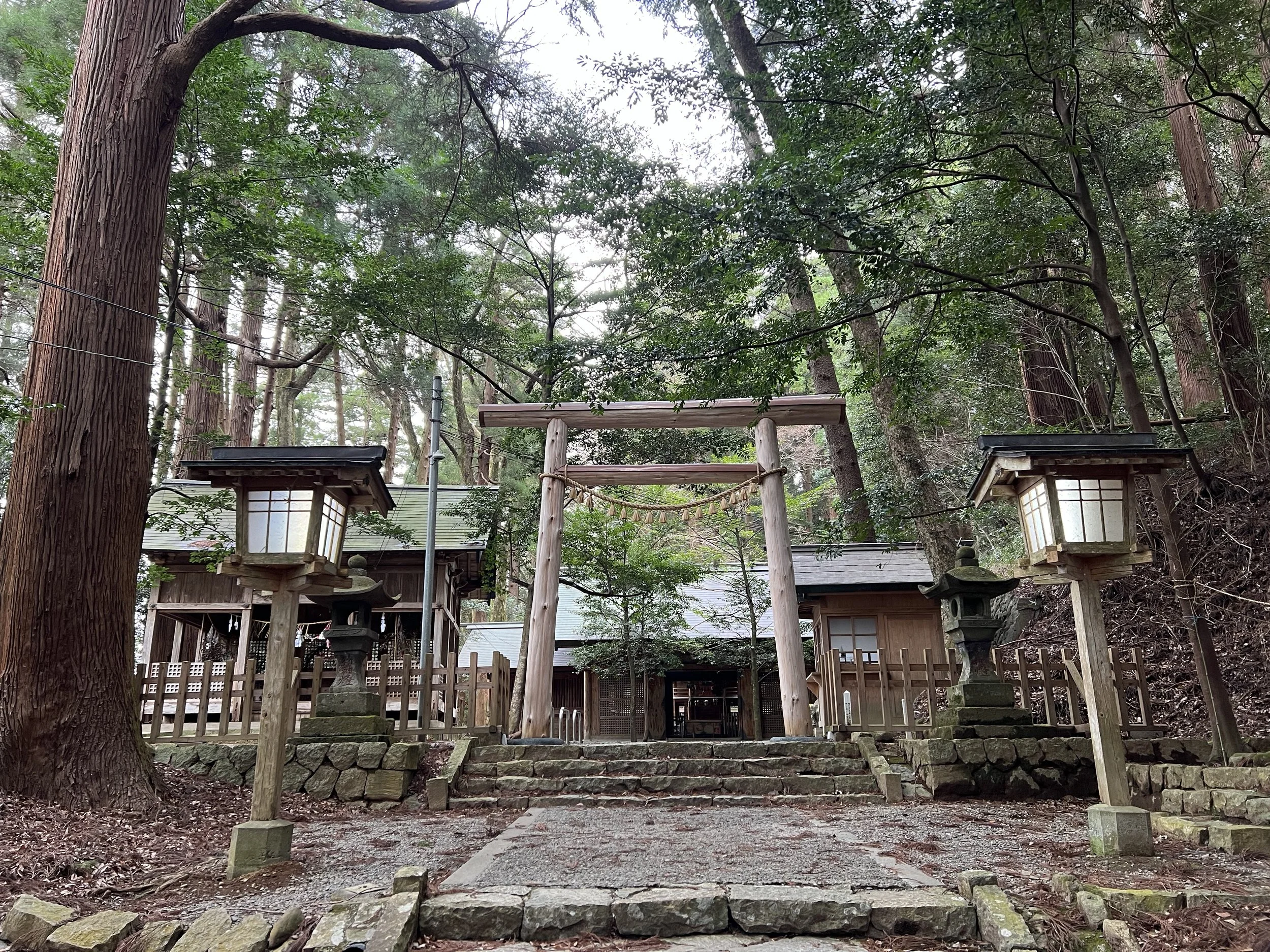
The shrine closest to the bus stop is Amano Iwato Nishi Hongu, or the West Shrine. I began my visit here, walking slowly through the quiet shrine grounds. The atmosphere was calm and quiet, allowing me to take my time observing the details of the buildings and their surroundings. After finishing my loop of the grounds, I followed the signs leading behind the shrine and down toward the river.
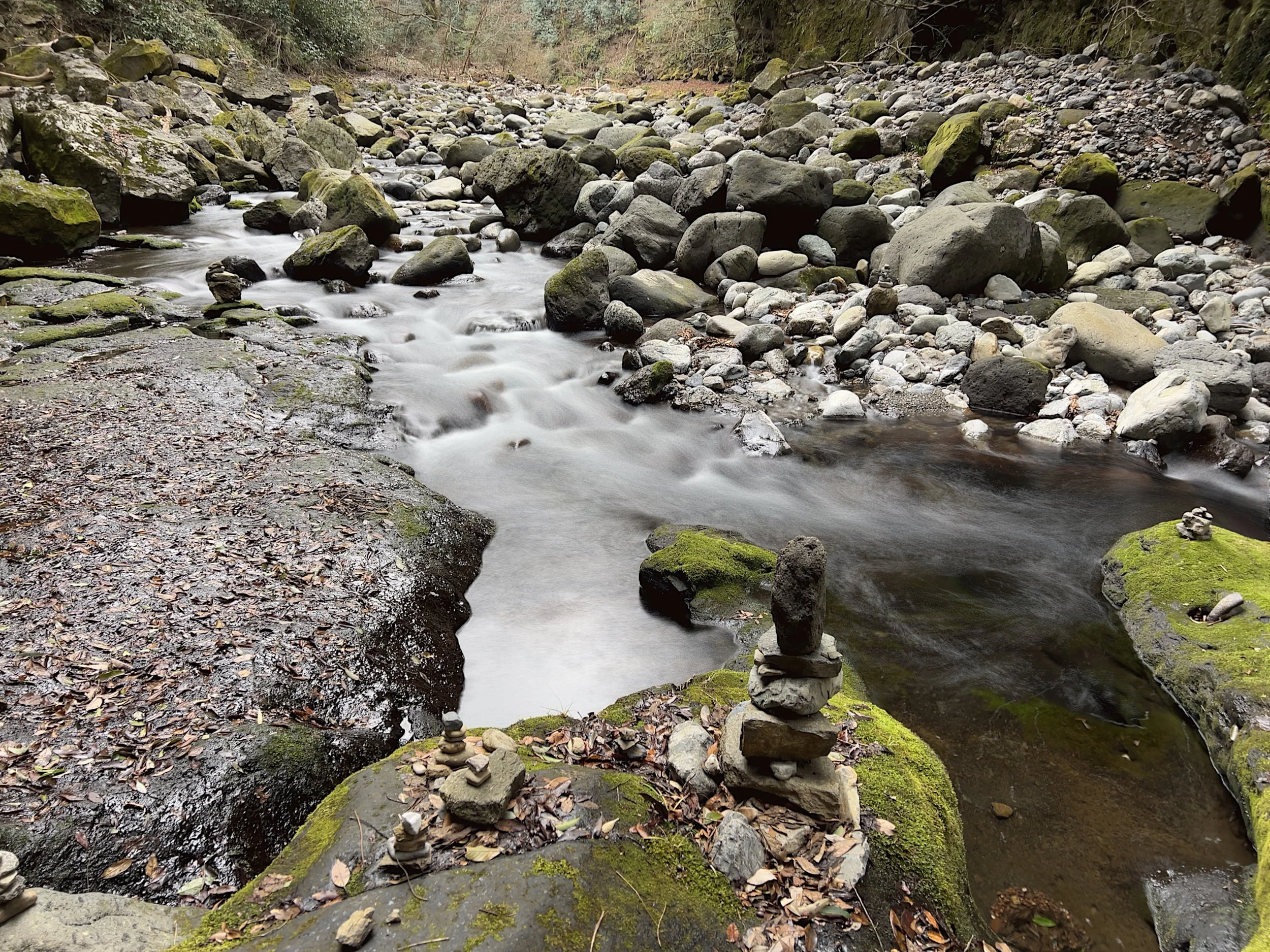
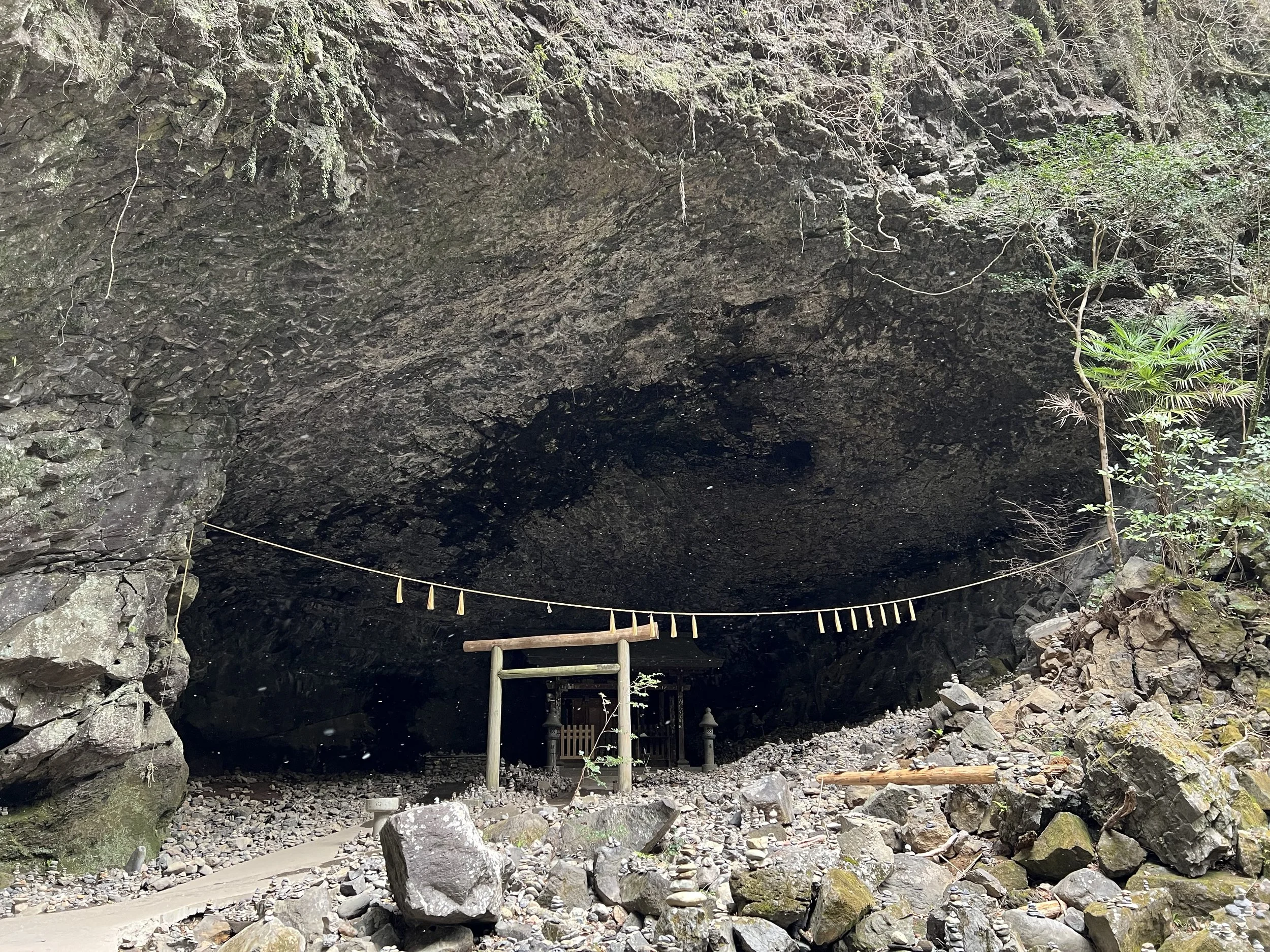
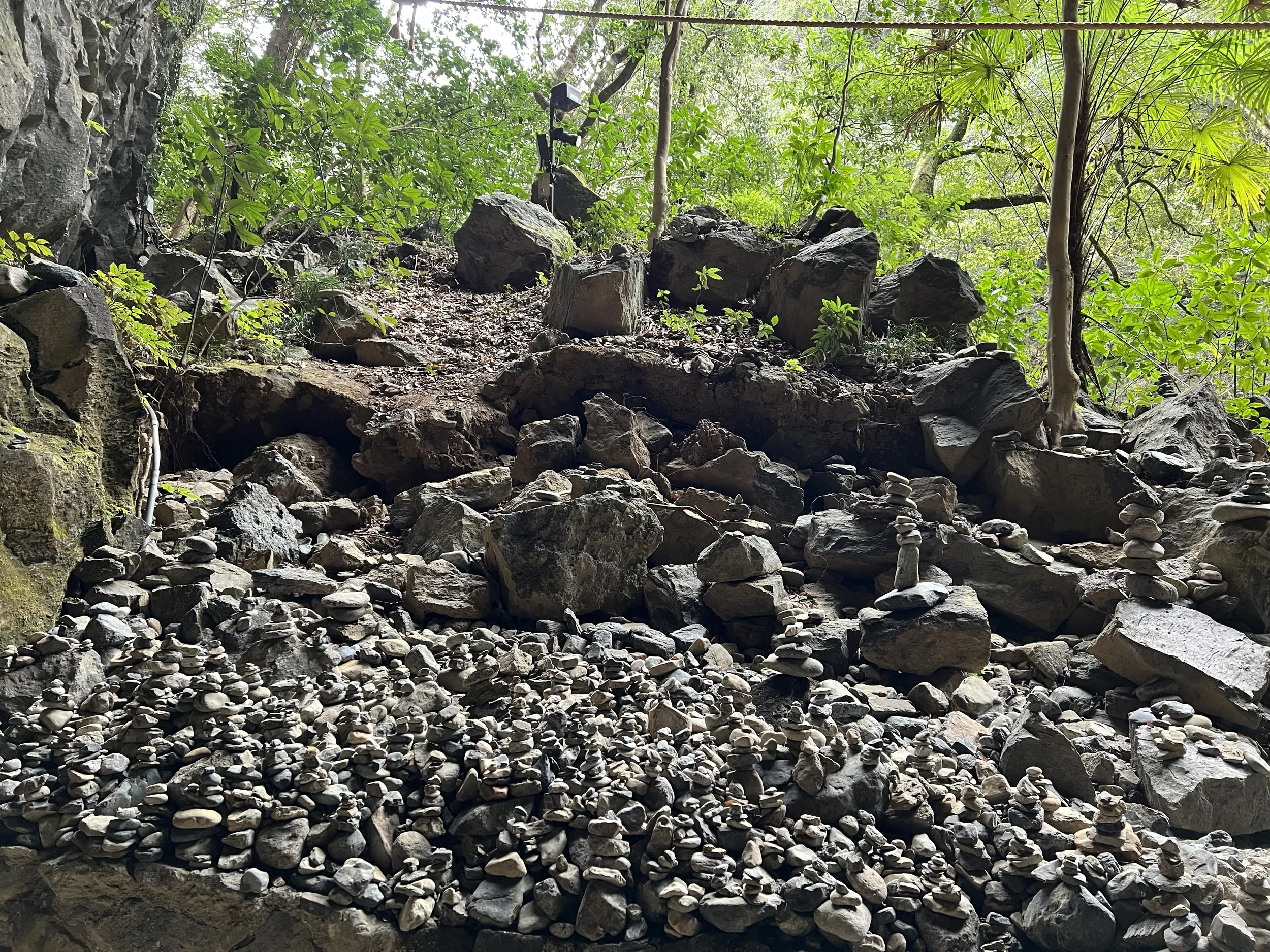
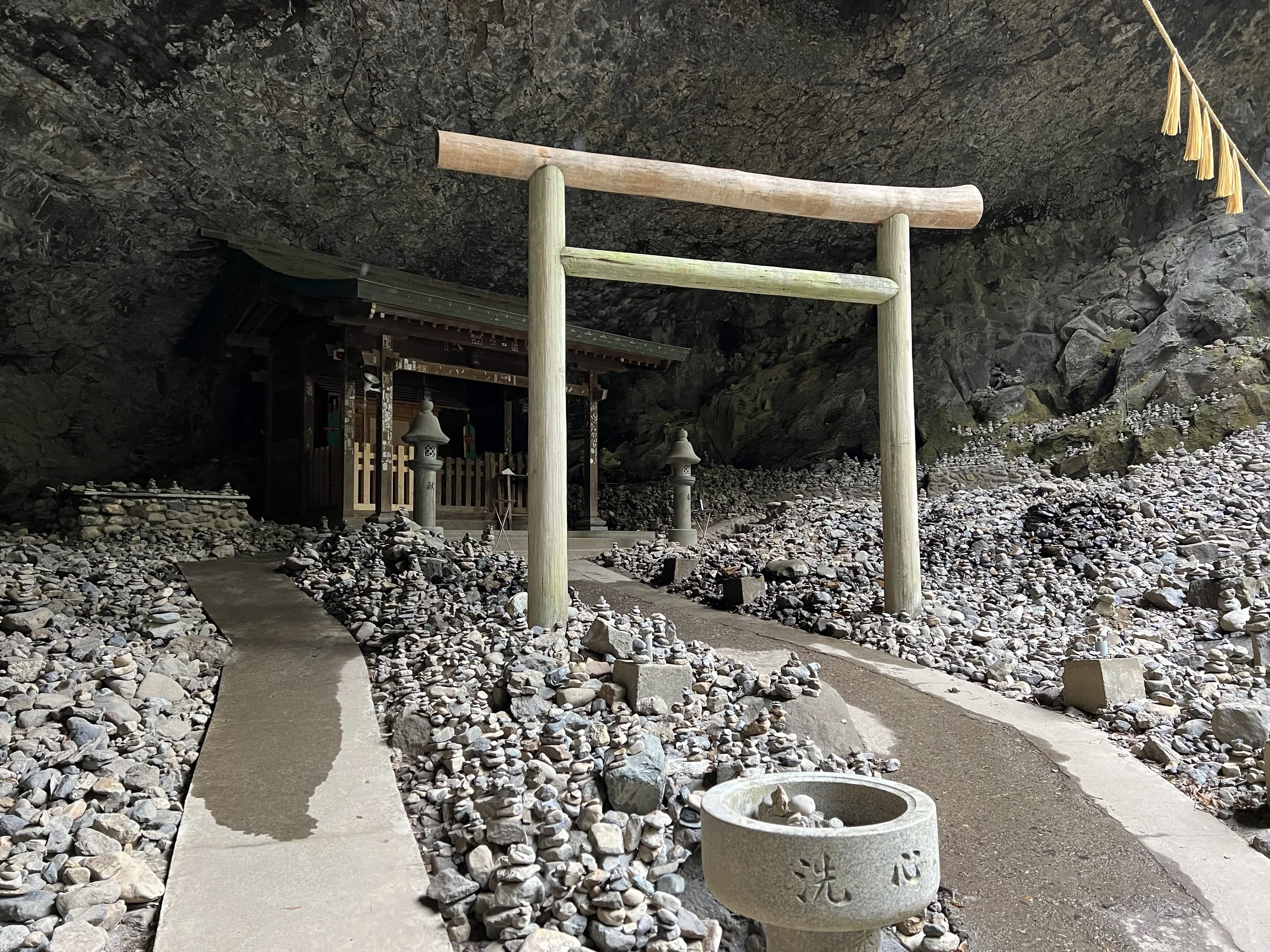
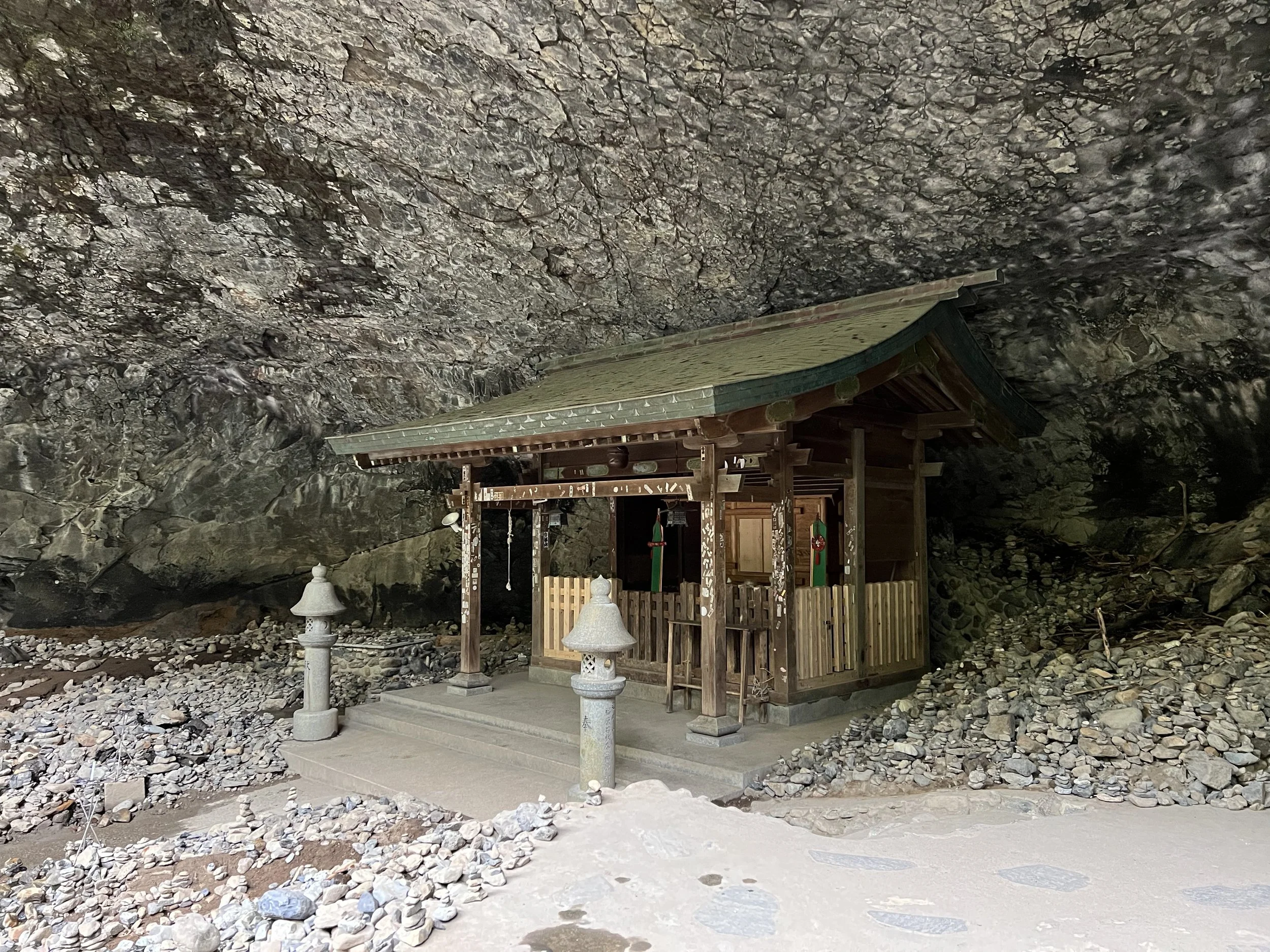
Along this path, I began to notice stone stacks placed beside the trail—offerings left behind by pilgrims marking their visit. At the end of the path lies a shallow cave with a simple shrine inside, surrounded by hundreds of carefully stacked stones. This place is known as Amano Yasukawara and is believed to be where the gods and goddesses gathered to discuss how to lure Amaterasu out of her hiding place.
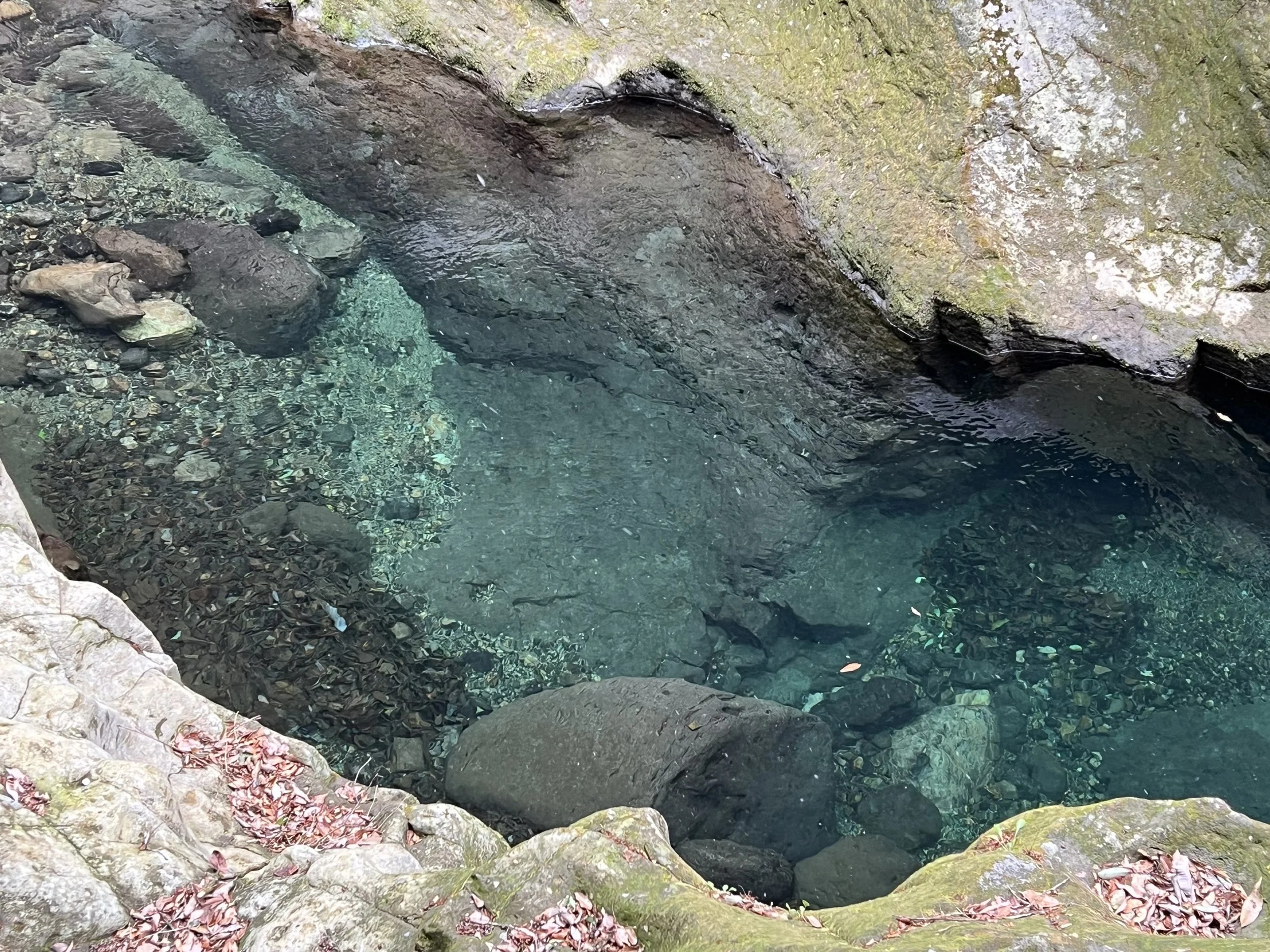
The river flowing alongside this area was a striking, clear blue, adding to the sense of stillness and reverence. I spent some time taking photos of the stone stacks, the small shrine, and the surrounding natural scenery. With only a couple of other visitors around, it felt especially peaceful. I eventually retraced my steps back toward Amano Iwato Shrine.
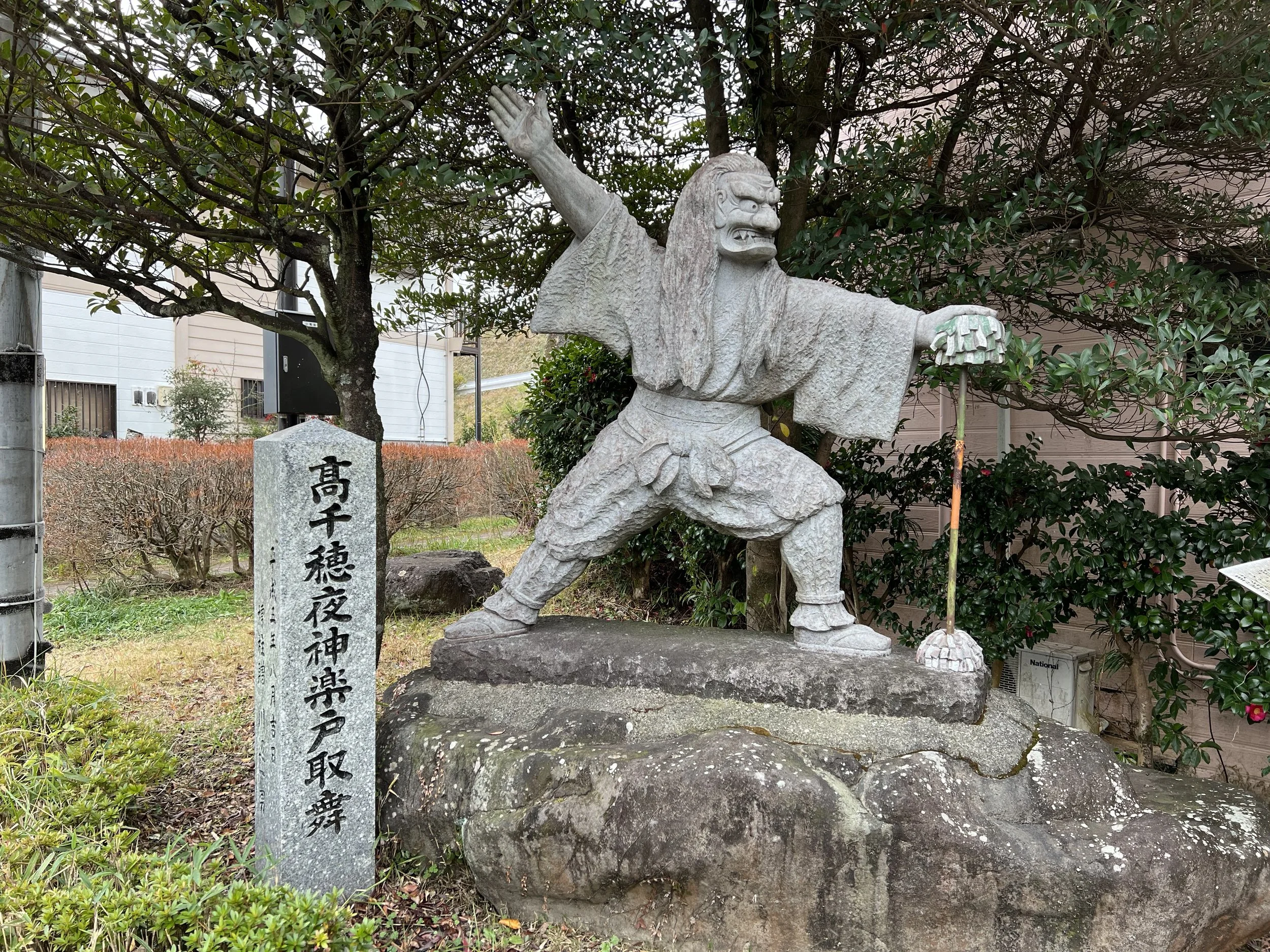
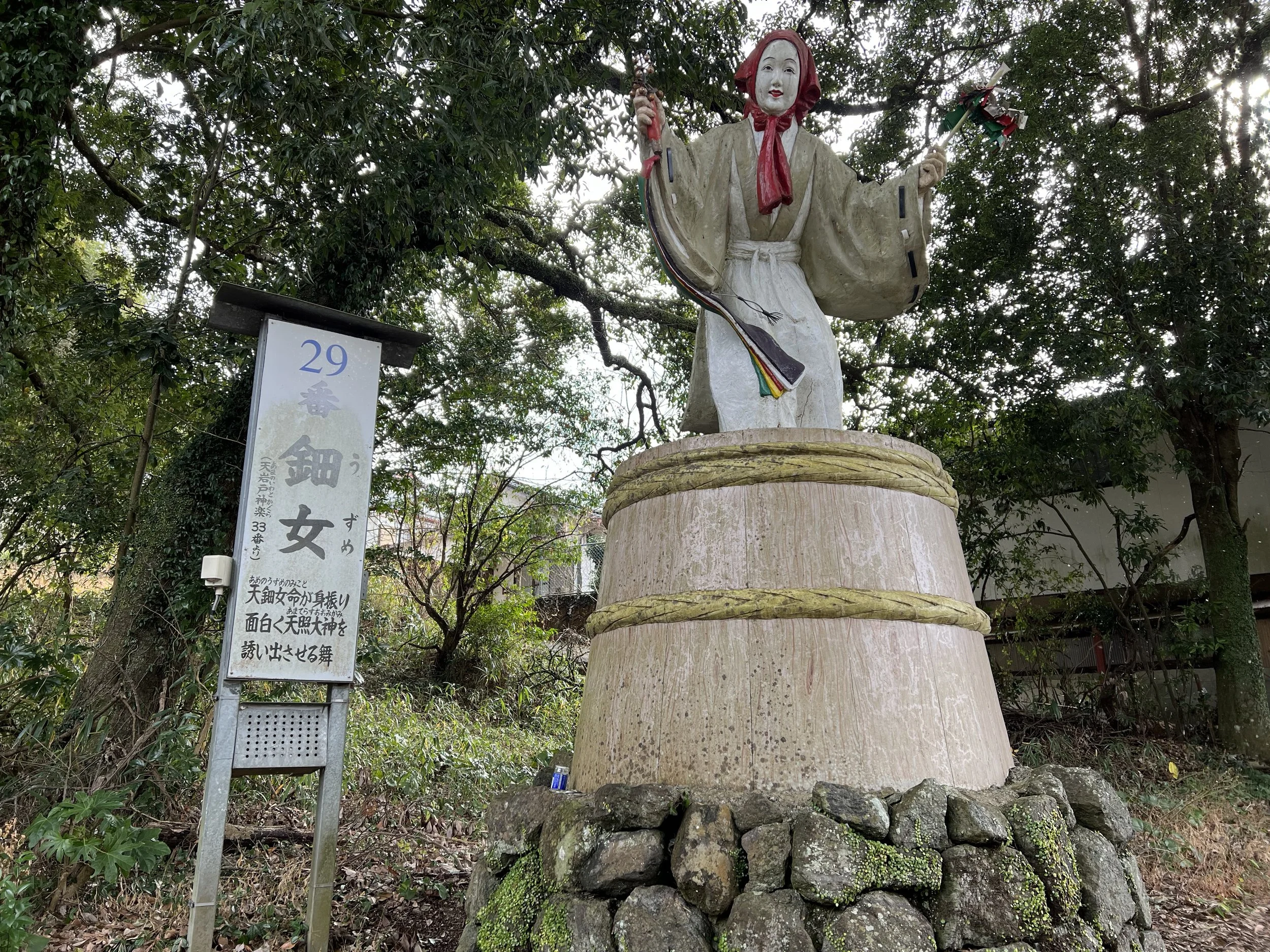
From there, I walked along the road and crossed the bridge to reach Amano Iwato Higashi Hongu, the East Shrine. Reaching the shrine requires climbing a short flight of stairs, but the effort is rewarded with a setting surrounded by tall trees. Near the entrance stands a statue that initially appears decorative, but it unexpectedly comes to life when visitors pass by, performing a brief Kagura-style movement. Watching it in motion was a small but memorable surprise.
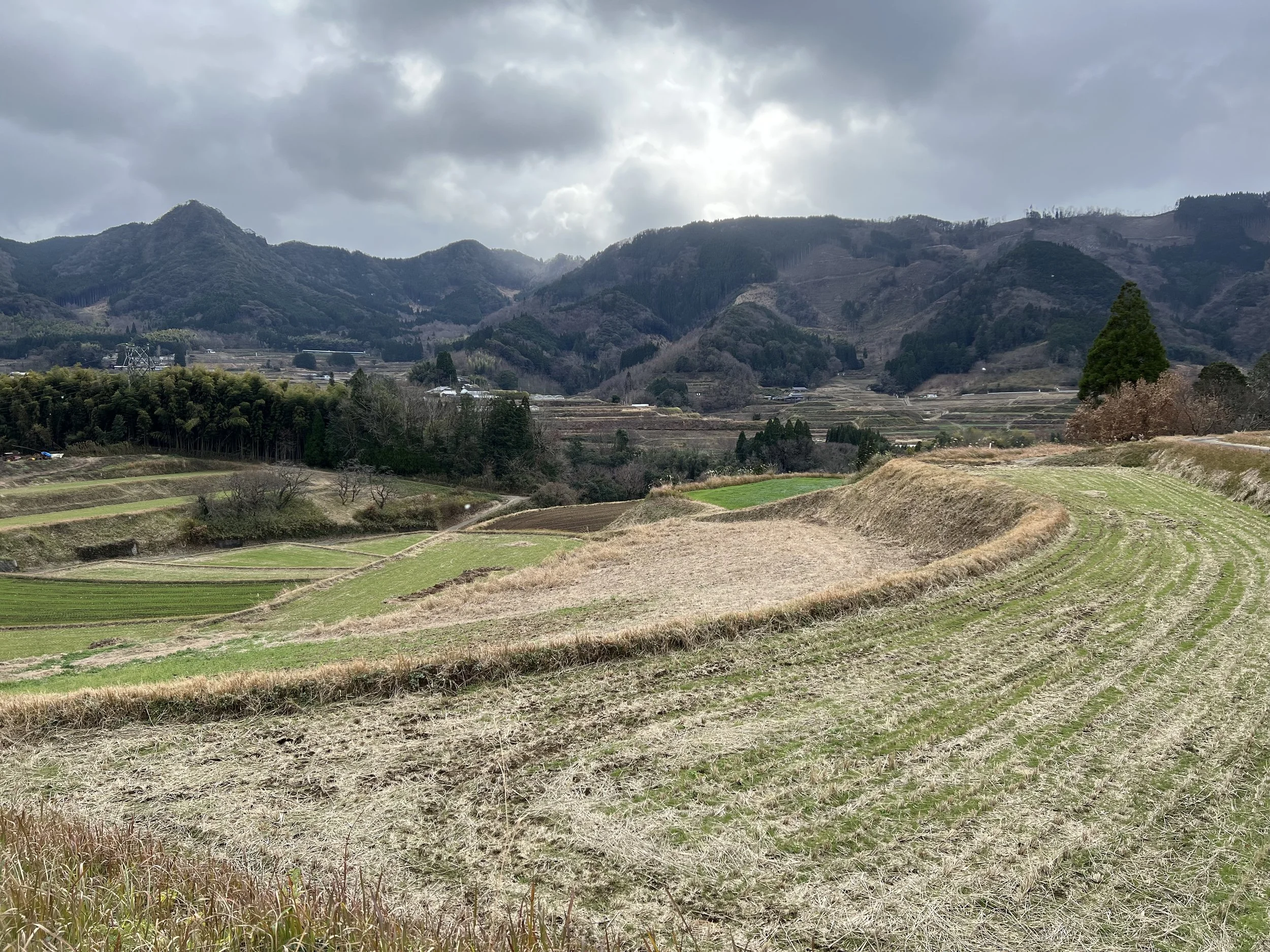
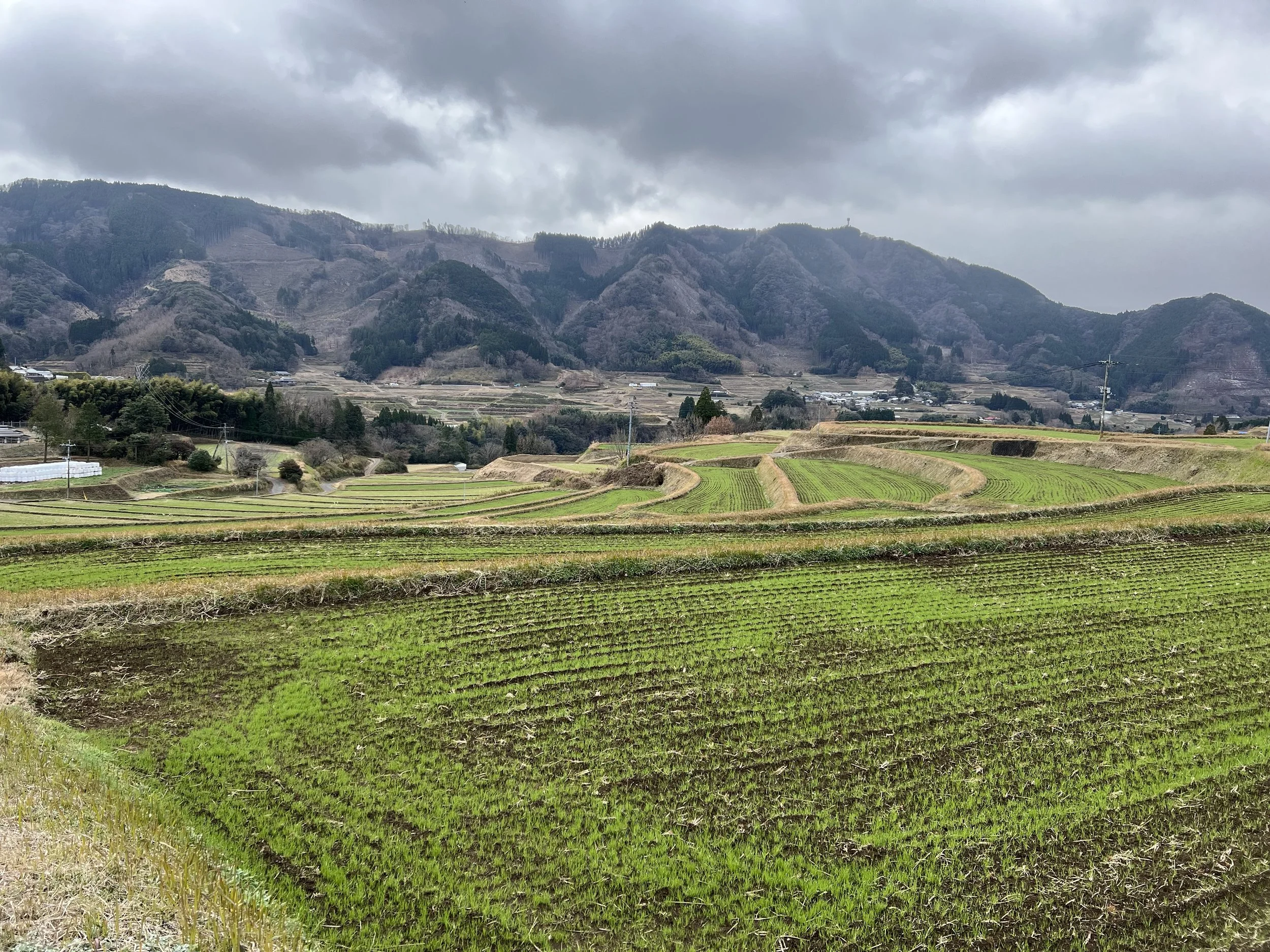
With some time to spare before my bus, I decided to walk further down the road toward the Kawanobori Rice Terraces. I had seen striking photos of the terraces beforehand, but once there, I found it difficult to locate the exact viewpoints. Many of the apparent photo spots appeared to be on private property, and I did not want to trespass. I attempted to follow the signs toward a marked observation area but was unable to find it.
As my bus time approached, I turned back and made my way to the bus stop, heading back toward central Takachiho. While the visit was unhurried and quiet, it offered a deeper connection to the mythology that defines this region.
History & Background
Amano Iwato Shrine (天岩戸神社) is deeply connected to the myth of Amaterasu, the Shinto sun goddess and one of the most important deities in Japanese mythology. According to the Kojiki and Nihon Shoki, two of Japan’s oldest historical texts, Amaterasu withdrew into a cave after becoming angered by her brother, Susanoo. Her disappearance plunged the world into darkness, prompting the other gods and goddesses to gather and devise a plan to draw her back out.
The cave associated with this legend, known as Amano Iwato, is considered one of the most sacred sites in Shinto tradition. Because of its spiritual significance, direct access to the cave is restricted, preserving its sanctity. The surrounding shrines, including Amano Iwato Nishi Hongu and Higashi Hongu, developed as places of worship connected to this myth.
Amano Yasukawara, the riverside cave where visitors can walk freely, is believed to be the meeting place of the gods during this legendary event. Today, it remains a popular pilgrimage site, with visitors stacking stones as offerings or prayers. Together, these locations form an important spiritual landscape that continues to shape Takachiho’s identity as a centre of Japanese mythology.
Getting There
Amano Iwato Shrine is accessible by bus from central Takachiho. Local buses operate from Takachiho Bus Centre to the Iwato Bus Stop, with a travel time of approximately 20 minutes. From the bus stop, Amano Iwato Nishi Hongu is a short walk away, and visitors can explore the surrounding sites, including Amano Yasukawara and Amano Iwato Higashi Hongu, entirely on foot.
Route Overview
Distance: 5.77 km (Iwato Bus Stop → Otanihigasi Bus Stop)
Total elevation gain: 104 m
Duration: 1 hr 14 min (with breaks 1 hr 23 min)
Difficulty: Easy
Cost Breakdown
Bus: Miyakoh Bus Center → Iwato Bus Stop — ¥200