Shikoku Henro - Takamatsu Station to Yakuri Station - Kagawa, Japan
I decided to walk part of the Shikoku 88 Temple Pilgrimage route for a few days while in Shikoku. The full pilgrimage circles the island and includes 88 official temples, plus many other sacred sites connected to the monk Kūkai (Kobo Daishi), who lived in the 9th century. The entire route stretches about 1,200 km, but I’m only doing three days this time.
Traditionally, pilgrims wear a white vest (hakui), conical hat, carry a wooden walking staff, a stamp book, and sutras—but I decided not to collect any stamps this time. I plan to come back and complete the full pilgrimage one day.
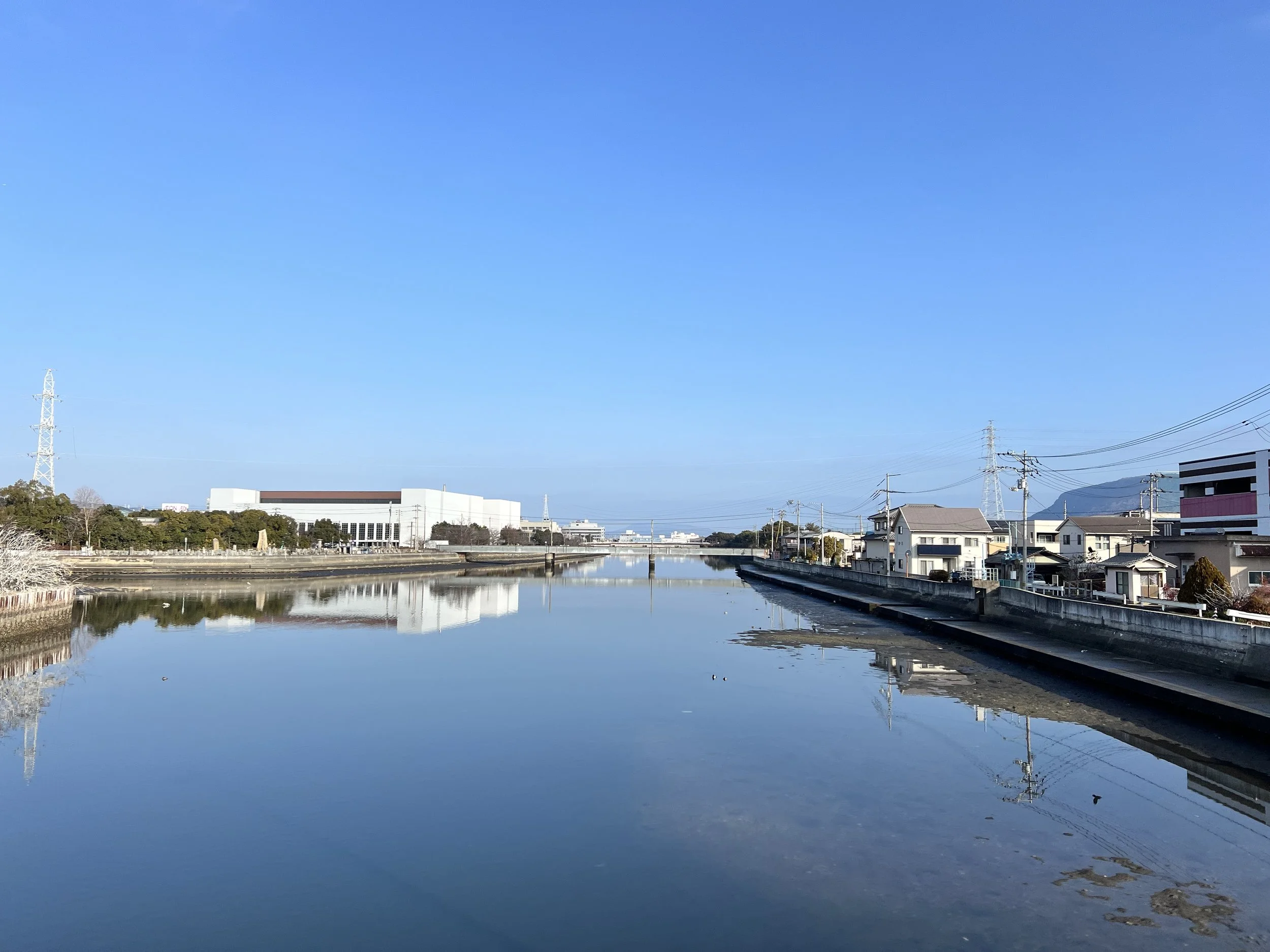
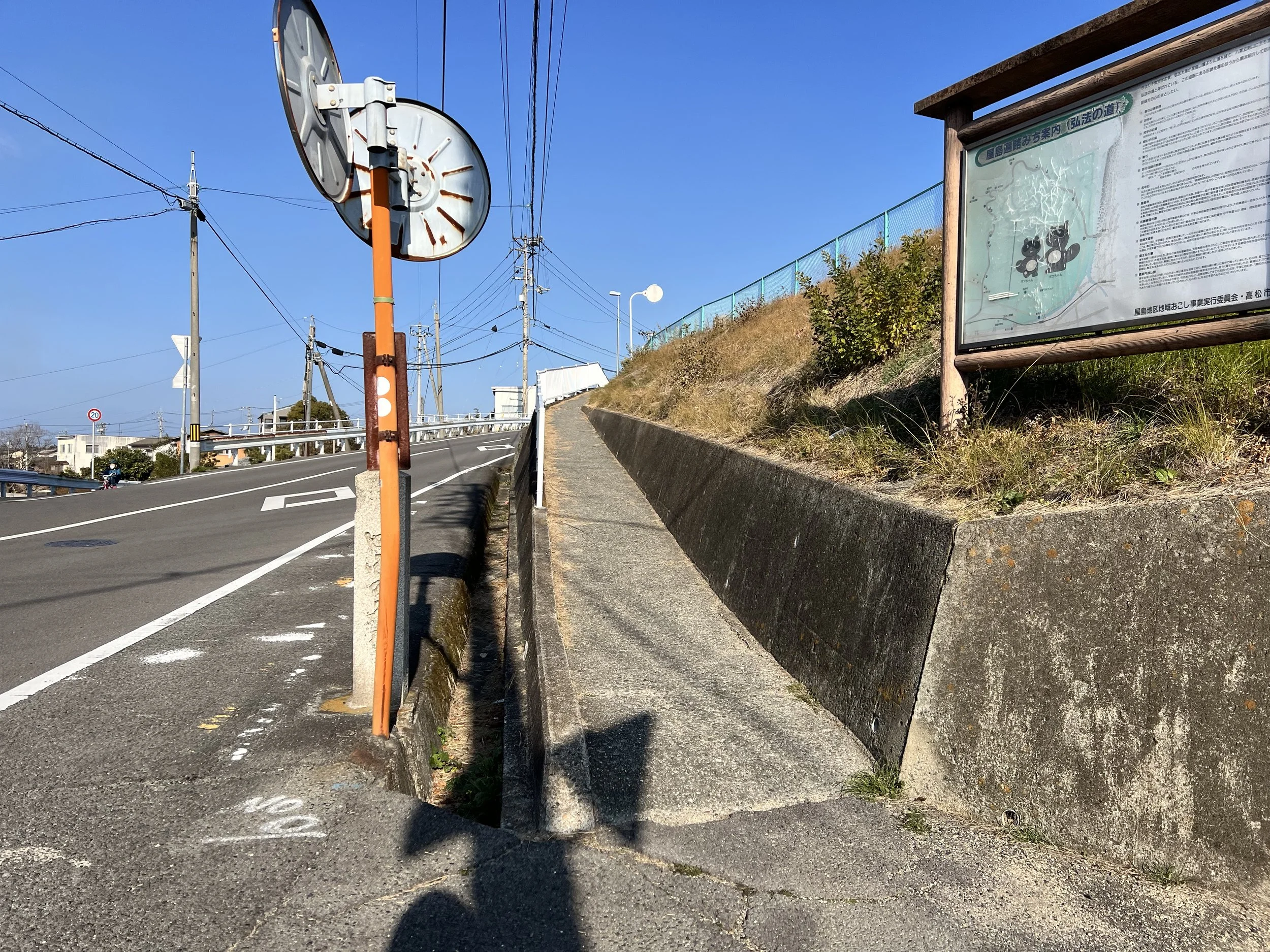
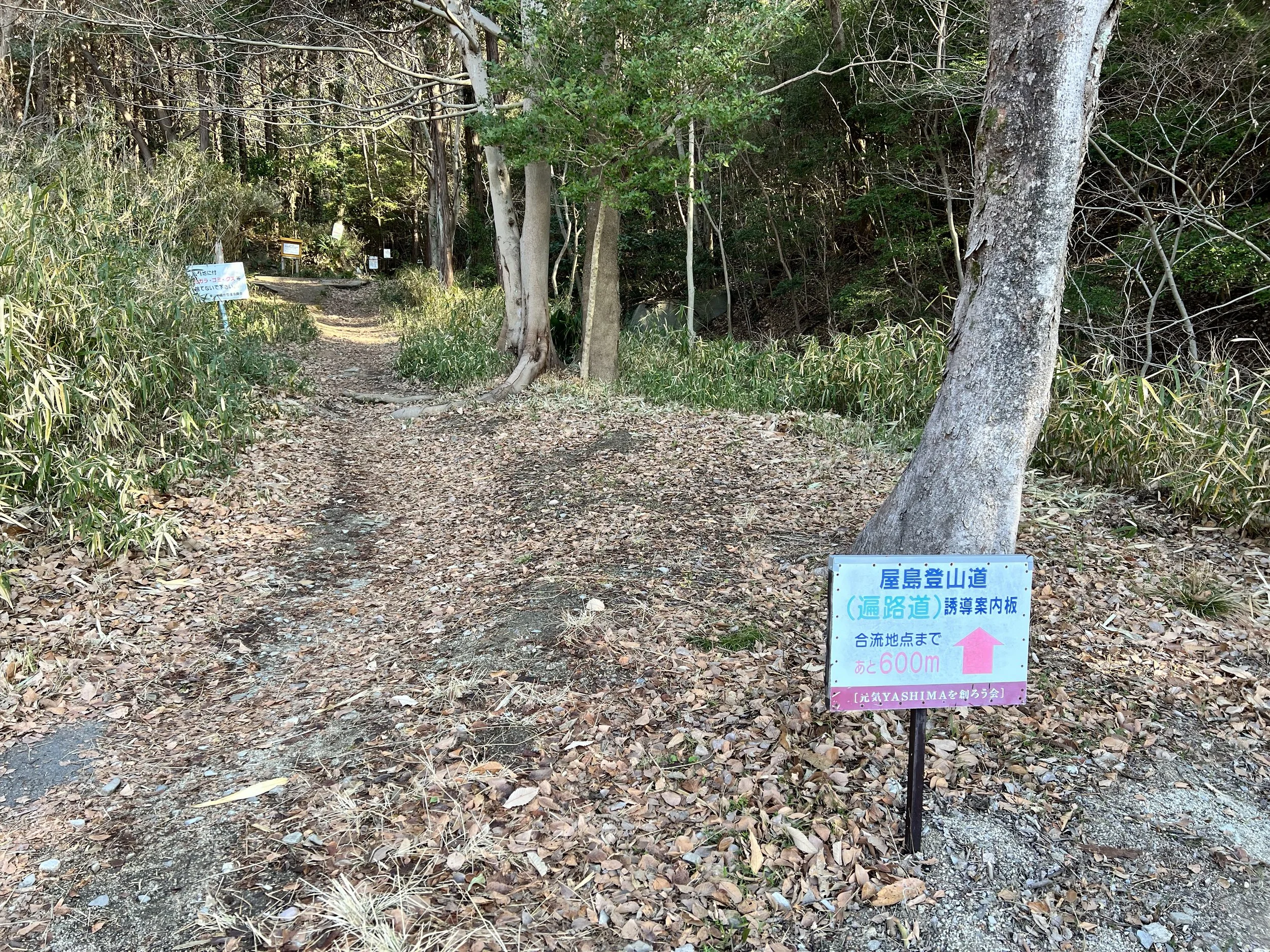
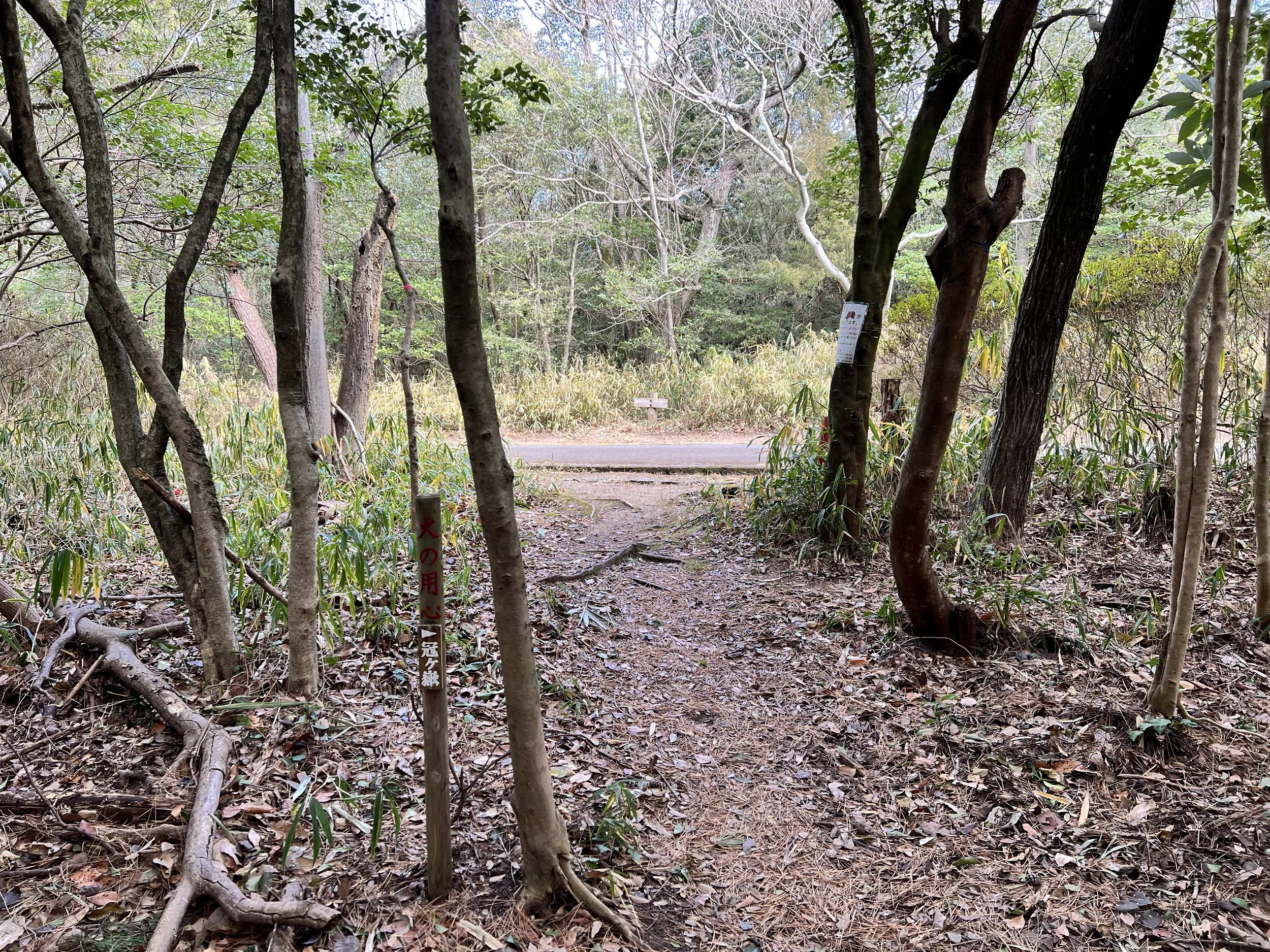
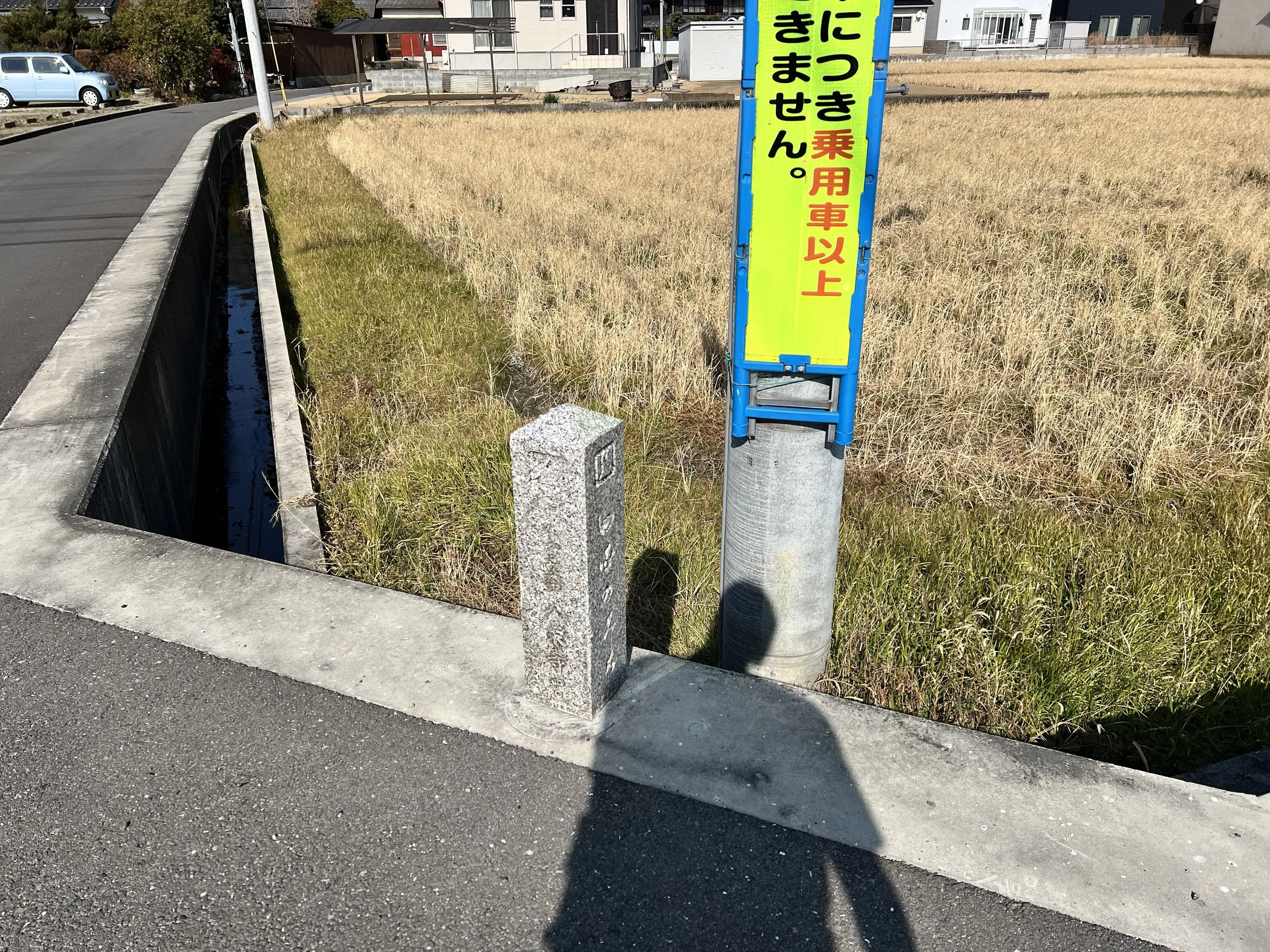
The day was warmer than I’d like, and I felt a bit sluggish, but since the elevation didn’t seem too high, I figured I’d be fine. I started from Takamatsu Station and made my way toward Mt. Yashima (293 m), where Yashima Temple is located. The first stretch followed a busy main road without much shade until I reached the trailhead, which sits behind a cemetery. I wasn’t completely sure I was on the right path, but my offline GPS confirmed it.
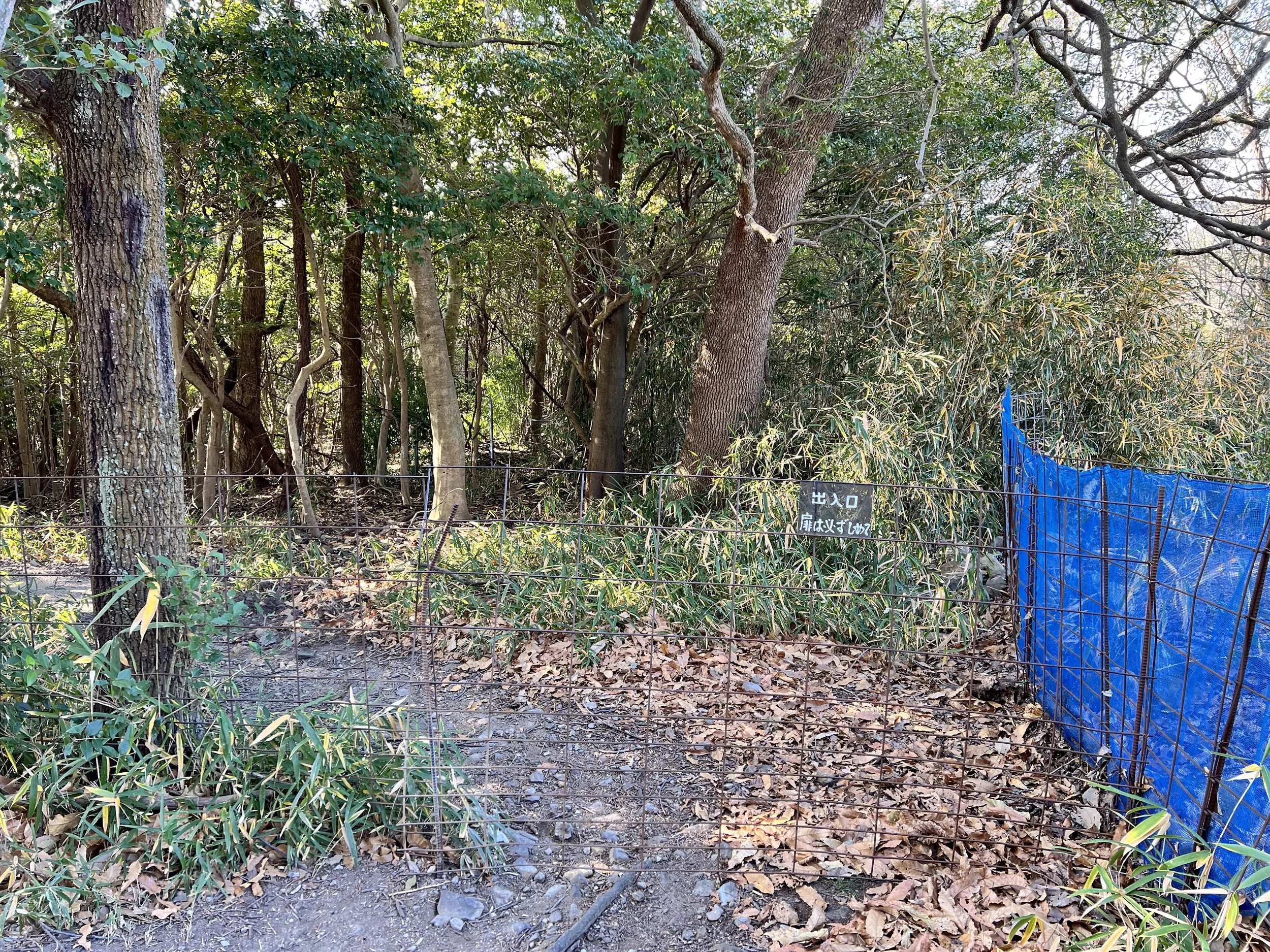
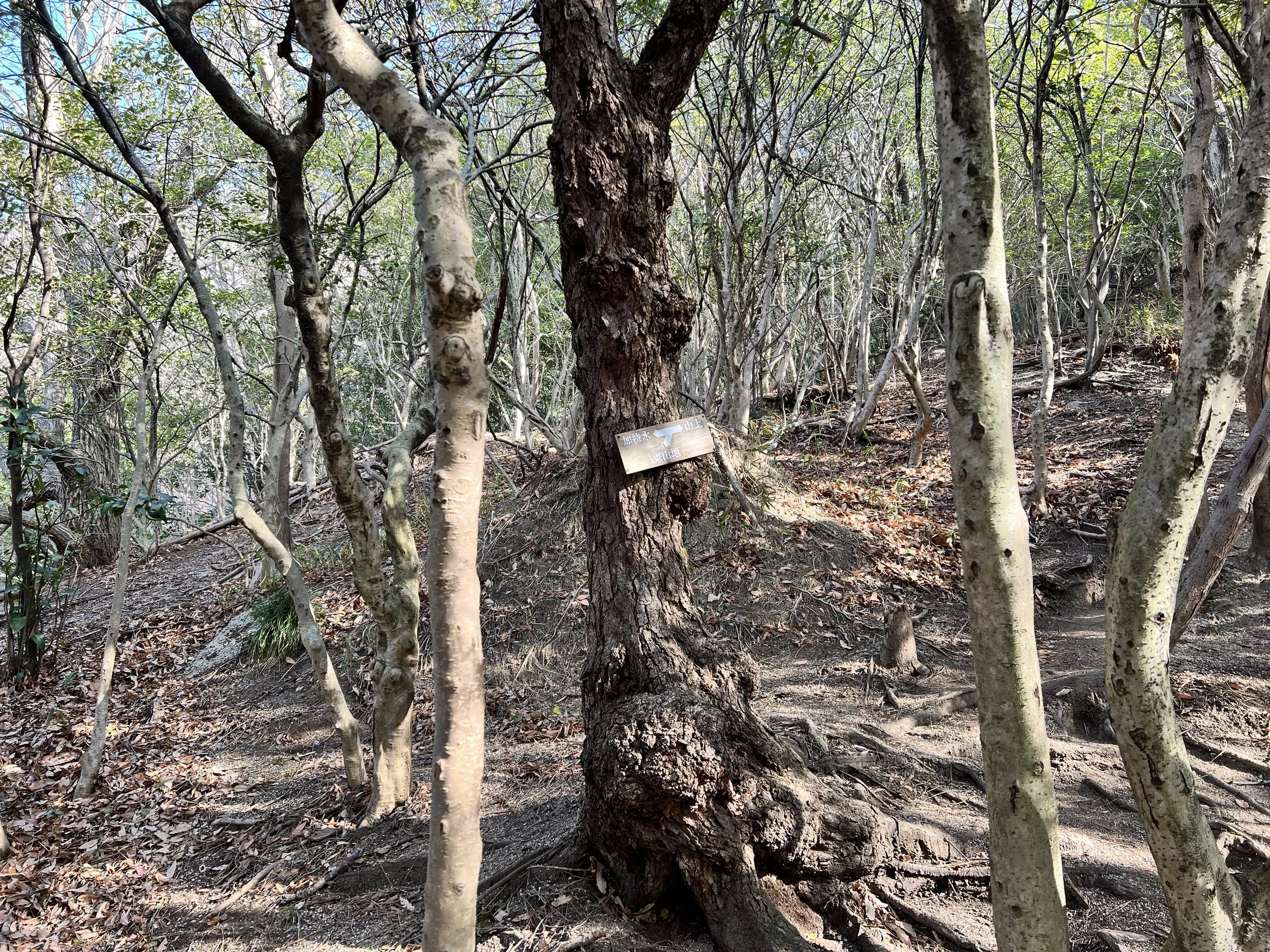
The climb was steeper and sandier than expected, and I had to watch my footing carefully. My shoes weren’t gripping well, so I took my time. At one point, I reached a cliff face where the trail continues upward—it wasn’t clear where the correct route started, and I almost began climbing the wrong side. I’m glad I stopped to double-check before committing to it.
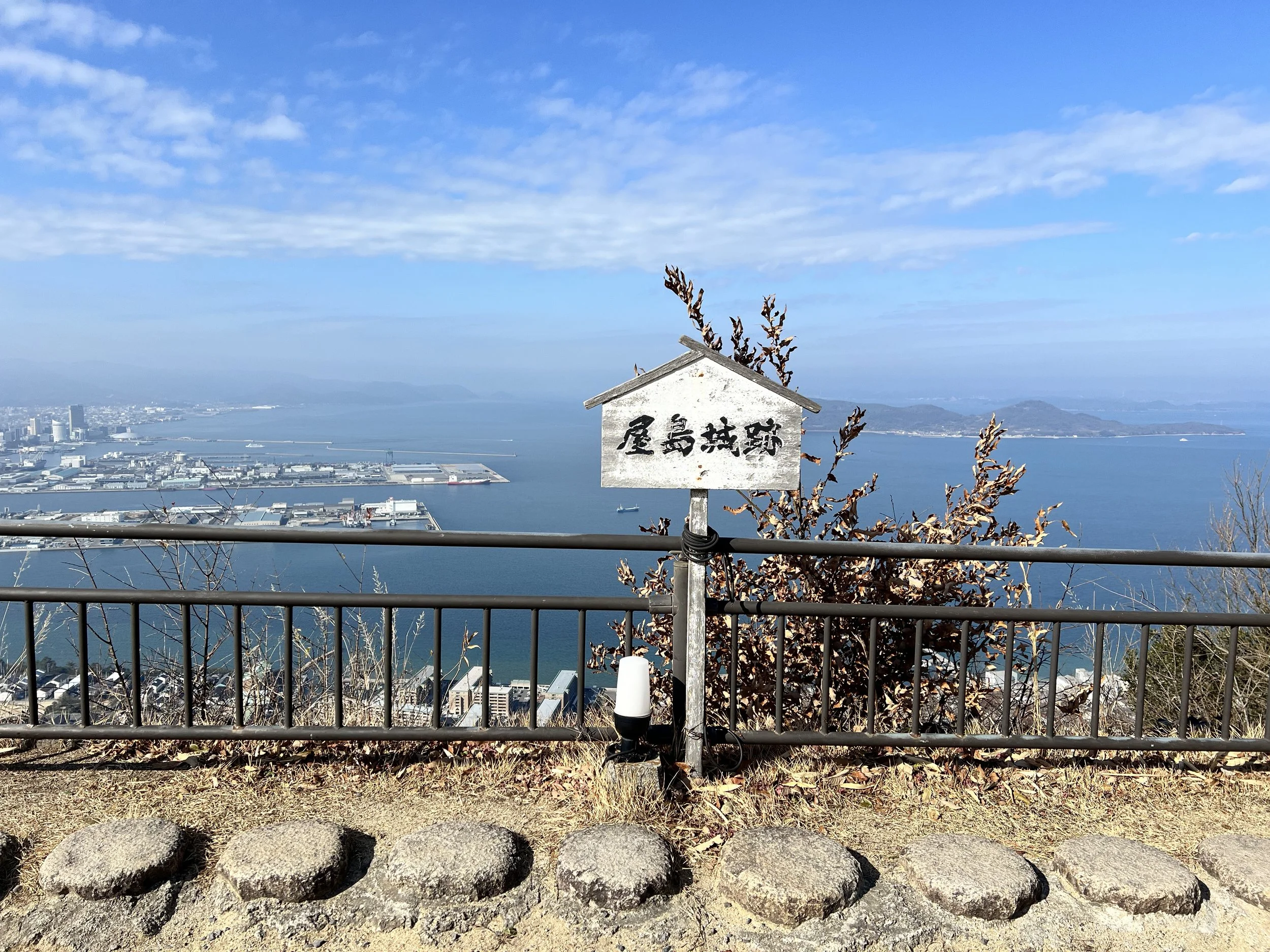
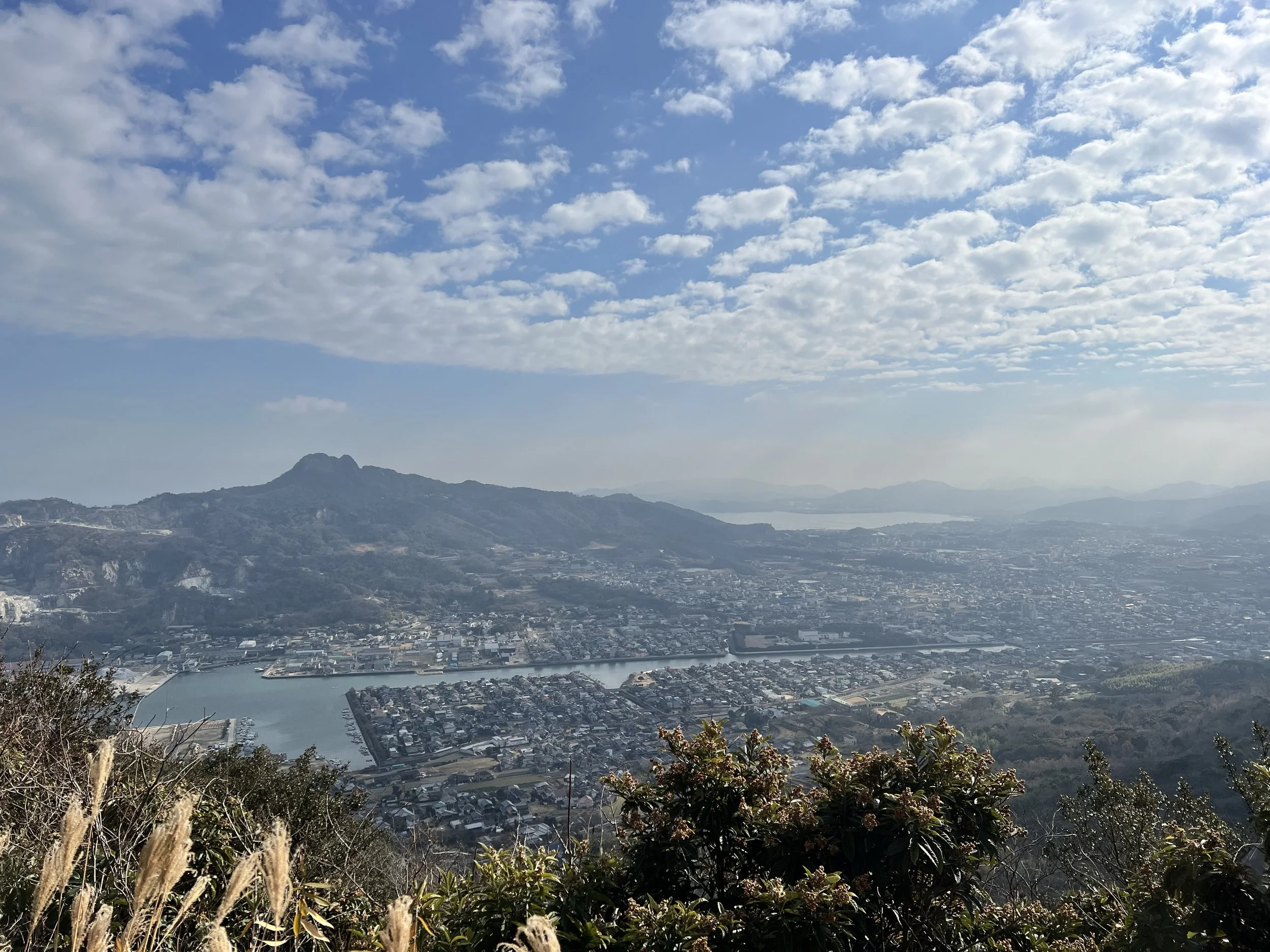
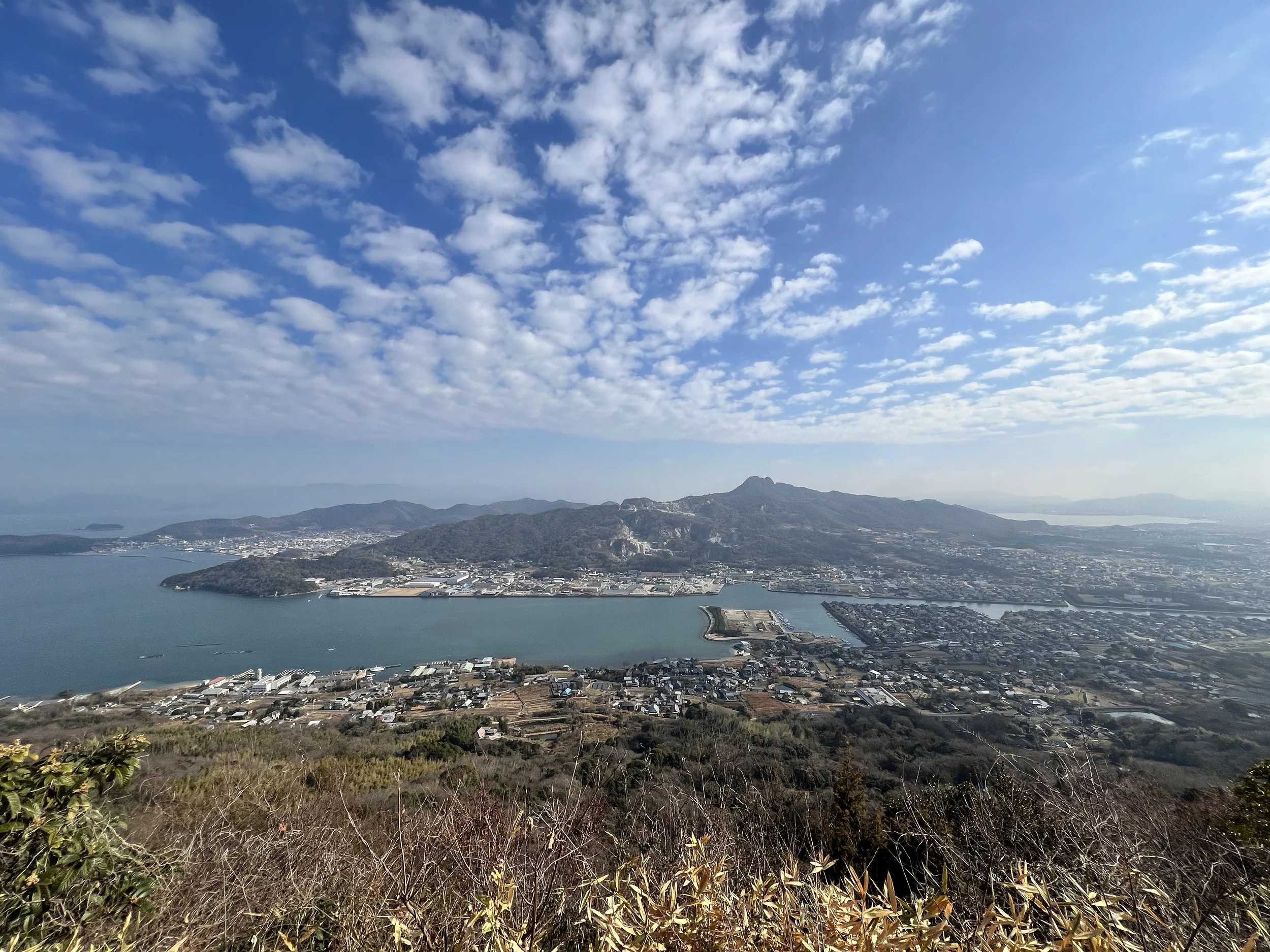
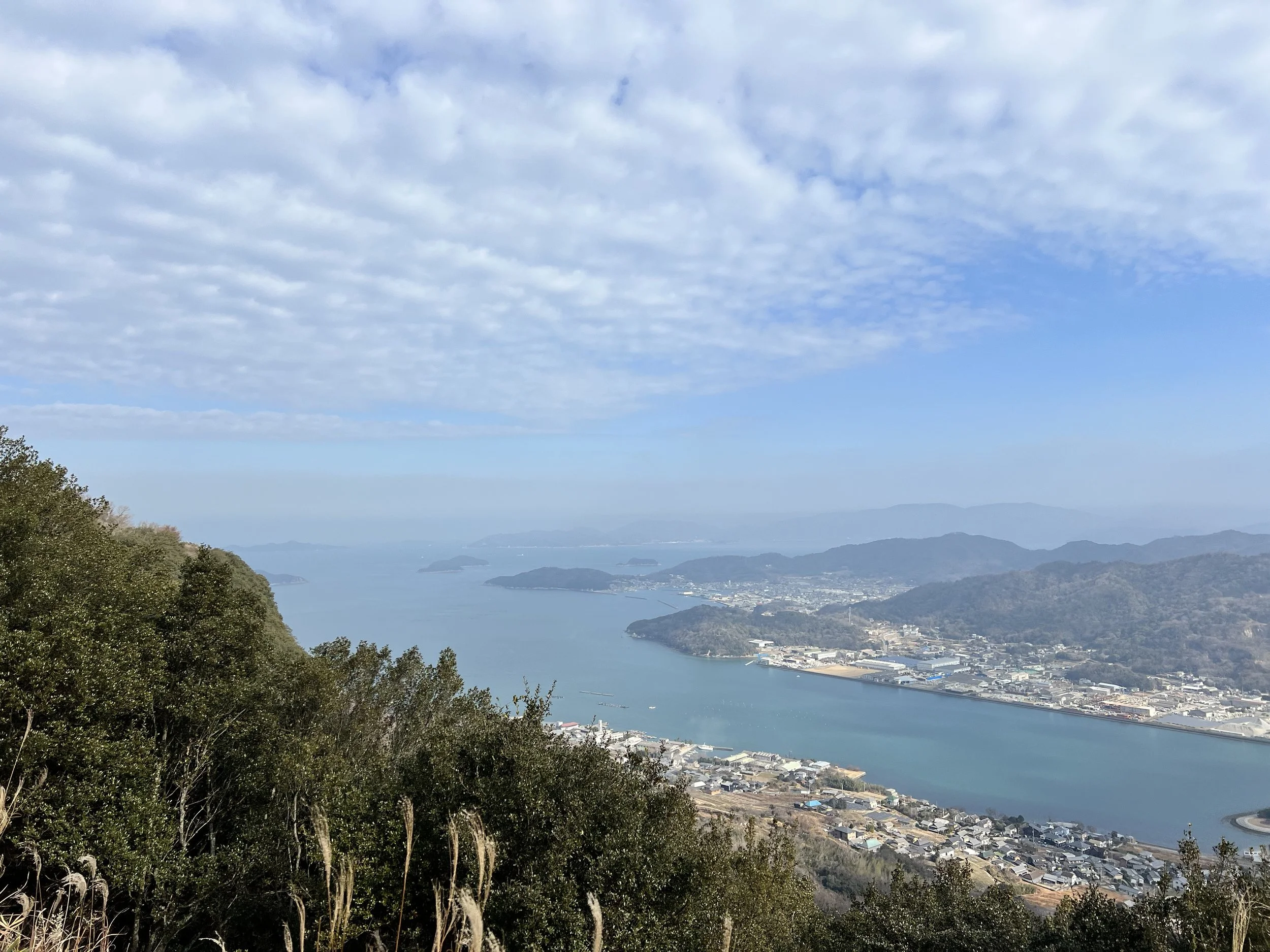
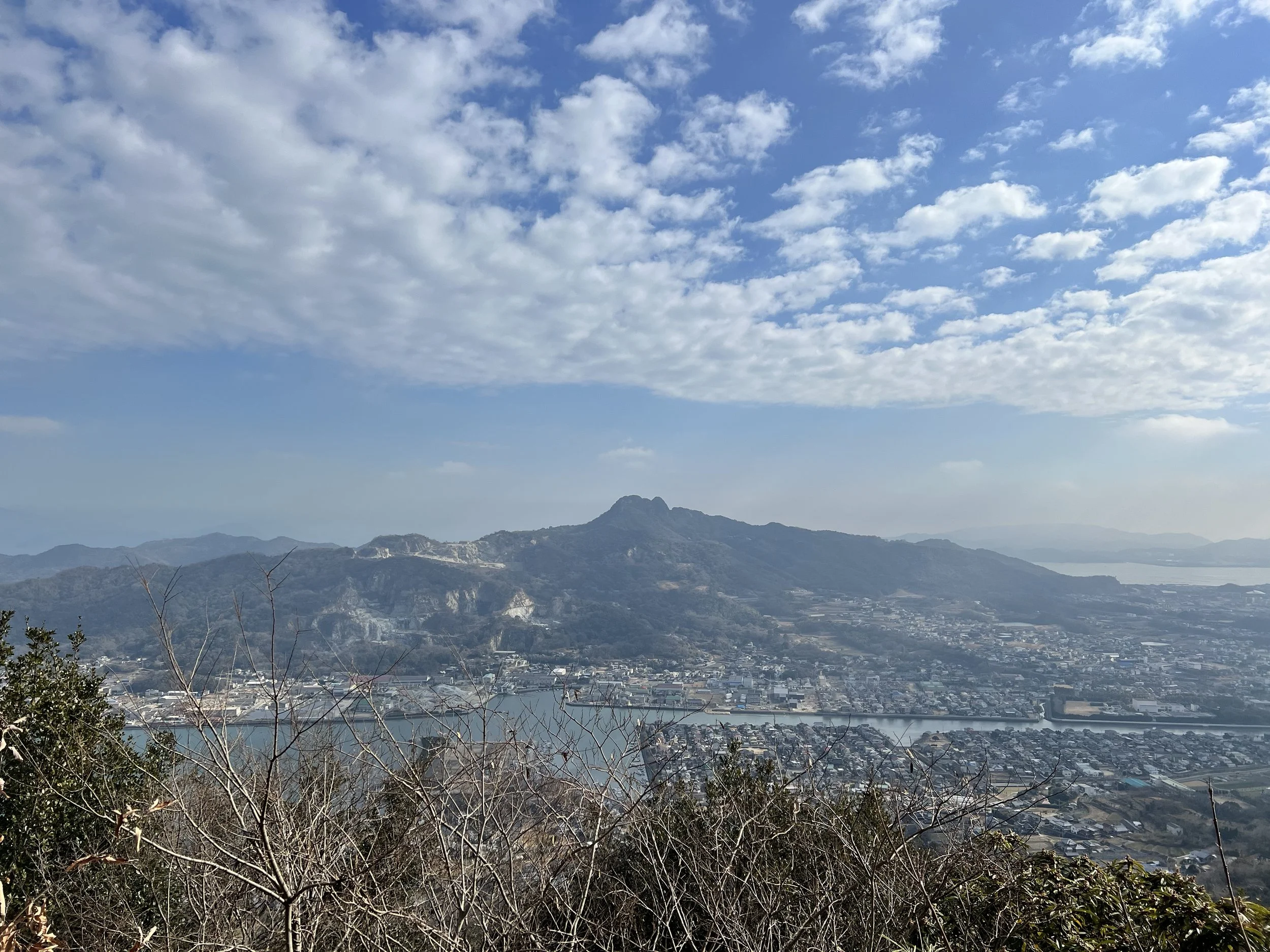
Eventually, the rough path connected to a well-maintained trail leading toward the summit. I reached the top to find breathtaking panoramic views of Takamatsu and the Seto Inland Sea, though the temple was still a short walk further. I met another pilgrim resting at a gazebo—she was surprised to see a foreigner walking the route in winter and kindly handed me a bottle of green tea. She told me she’s a local and likes to walk sections of the pilgrimage whenever she can.
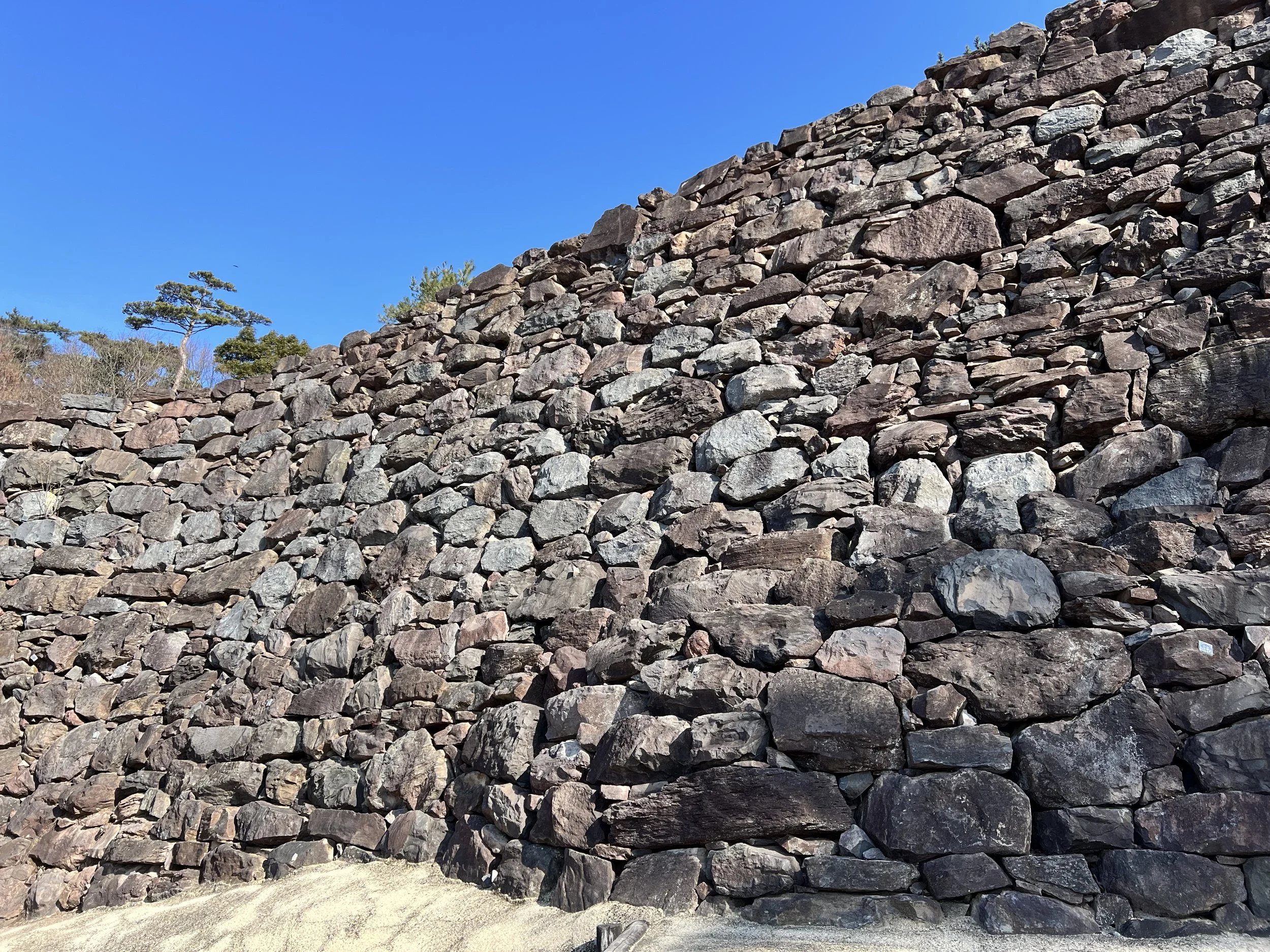
I lingered longer than planned, simply enjoying the view, before heading to Yashima Temple. You can also reach the temple by bus or car, as the mountaintop is a popular sightseeing spot that includes an aquarium and remnants of the old Yashima Castle wall.
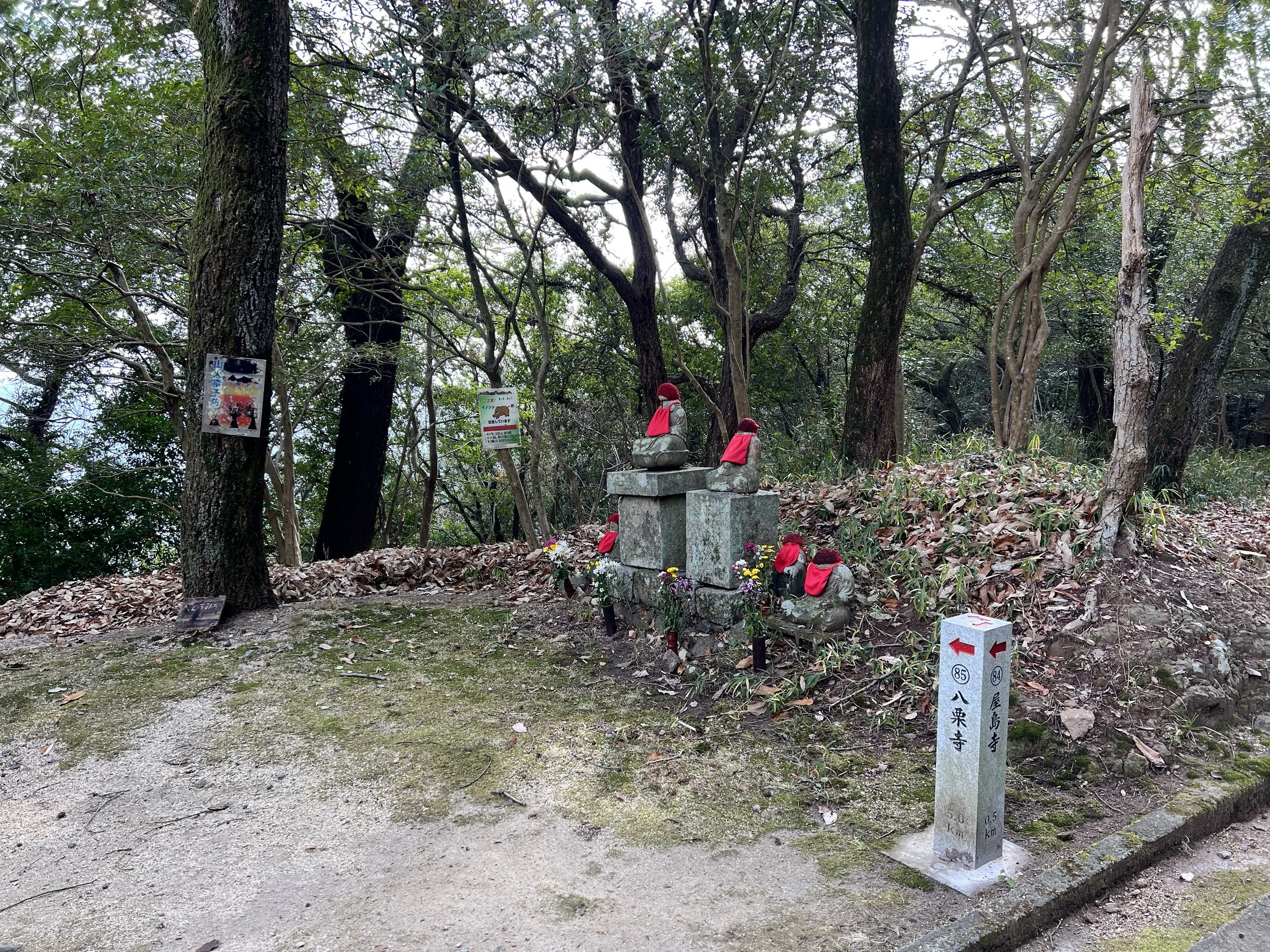
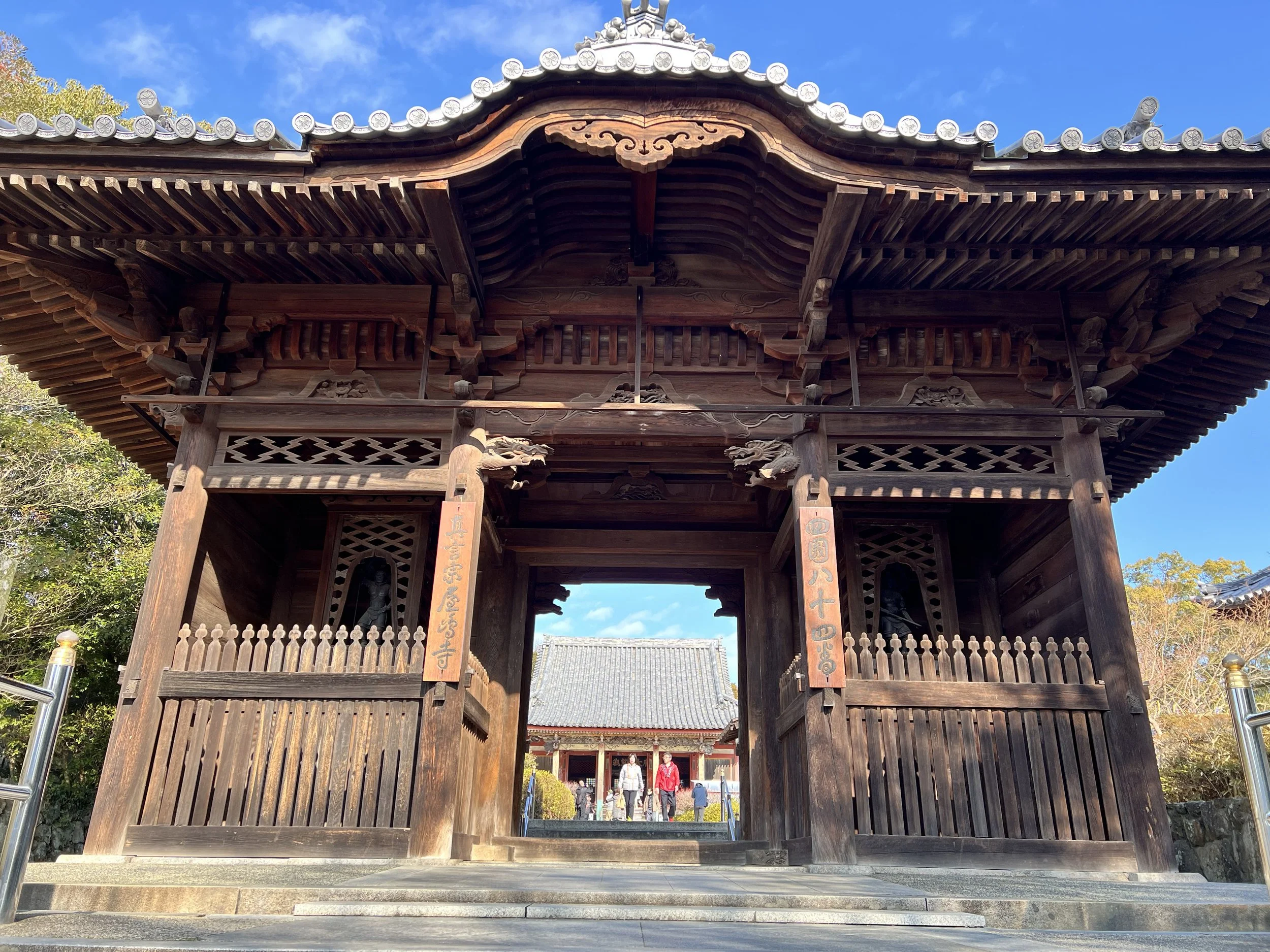
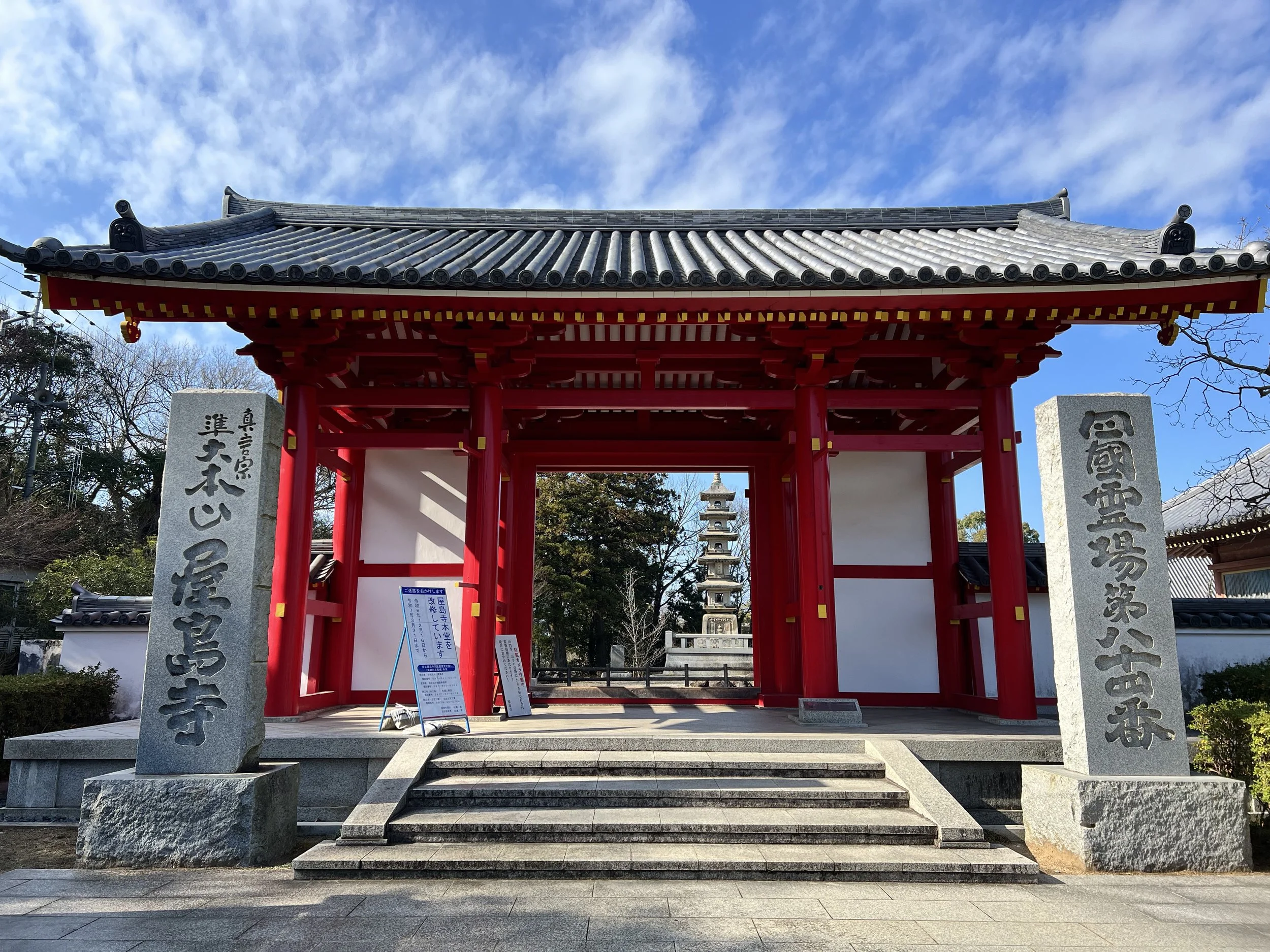
At Yashima Temple, I was immediately drawn to the giant stone tanuki statues. According to legend, when Kukai arrived at Yashima in 815 AD, the mountain was covered in thick mist. A tanuki appeared to him in the guise of an old man wearing a straw cloak and hat, guiding him safely to the summit.
I descended via a different trail that passed through the old castle ruins—well maintained and much easier than the one I climbed. From there, I continued toward Yakuri Station. I briefly considered pressing on to Yakuri Temple, but the heat caught up with me, and I decided to call it a day and take the train back to Takamatsu.
History & Background
#84 Yashima Temple 屋島寺 – Founded by the Chinese monk Ganjin in 754, Yashimaji sits atop Mount Yashima overlooking Takamatsu and the Seto Inland Sea. The temple is dedicated to Senju Kannon (the Thousand-Armed Kannon) and is deeply associated with both Buddhist legend and Japan’s historical past.
The site also played a role during the 12th-century Genpei War, when the Taira and Minamoto clans fought across the Yashima Plateau. Nearby ruins of Yashima Castle date back to Japan’s Nara period, and the temple grounds still preserve the layered history of faith and conflict. Today, Yashimaji is admired for its sweeping views, distinctive stone tanuki statues, and as a serene spot where myth, history, and devotion converge.
To see my progress on the full Shikoku Henro Pilgrimage, visit my Shikoku Henro - Temple List & Progress..
Getting There
Takamatsu is well-connected to other major cities in Japan. The most common route is by train: take a Shinkansen (bullet train) from Tokyo, Osaka, or other cities to Okayama Station (roughly 3.5–4 hours from Tokyo, 2 hours from Osaka), then transfer to the JR Marine Liner rapid train, which crosses the Seto Ohashi Bridge directly into Takamatsu. The journey is not only efficient but also offers beautiful views of the Seto Inland Sea.
You can also fly into Takamatsu Airport (TAK), which handles domestic flights from Tokyo, Osaka, and Okinawa, plus a few international routes. From the airport, the city center is easily reachable by bus or taxi.
For a unique experience, the Sunrise Seto overnight sleeper train runs from Tokyo, though tickets can be difficult to secure due to high demand. Long-distance highway buses are another option, offering a budget-friendly alternative for those who don’t mind a longer journey.
Route Overview
Distance: 14.8 km (Takamatsu Station → Yakuri Station)
Total elevation gain: 367 m
Duration: 3 hr 7 min (with breaks 3 hr 24 min)
Difficulty: Intermediate
Peak: Mt. Yashima 屋島 293m
Cost Breakdown
Food: ¥160