Shikoku Henro - Kinashi Station to Yasoba Station - Kagawa, Japan
Thanks to the cooler weather, I was feeling much better compared to yesterday. I started the day by taking a train from Takamatsu Station to Kinashi Station. I had a brief moment of panic when I heard an announcement saying that some stations might not accept IC cards—and I had already used mine to enter Takamatsu Station! Thankfully, a staff member confirmed that Kinashi Station does accept IC cards. Phew.
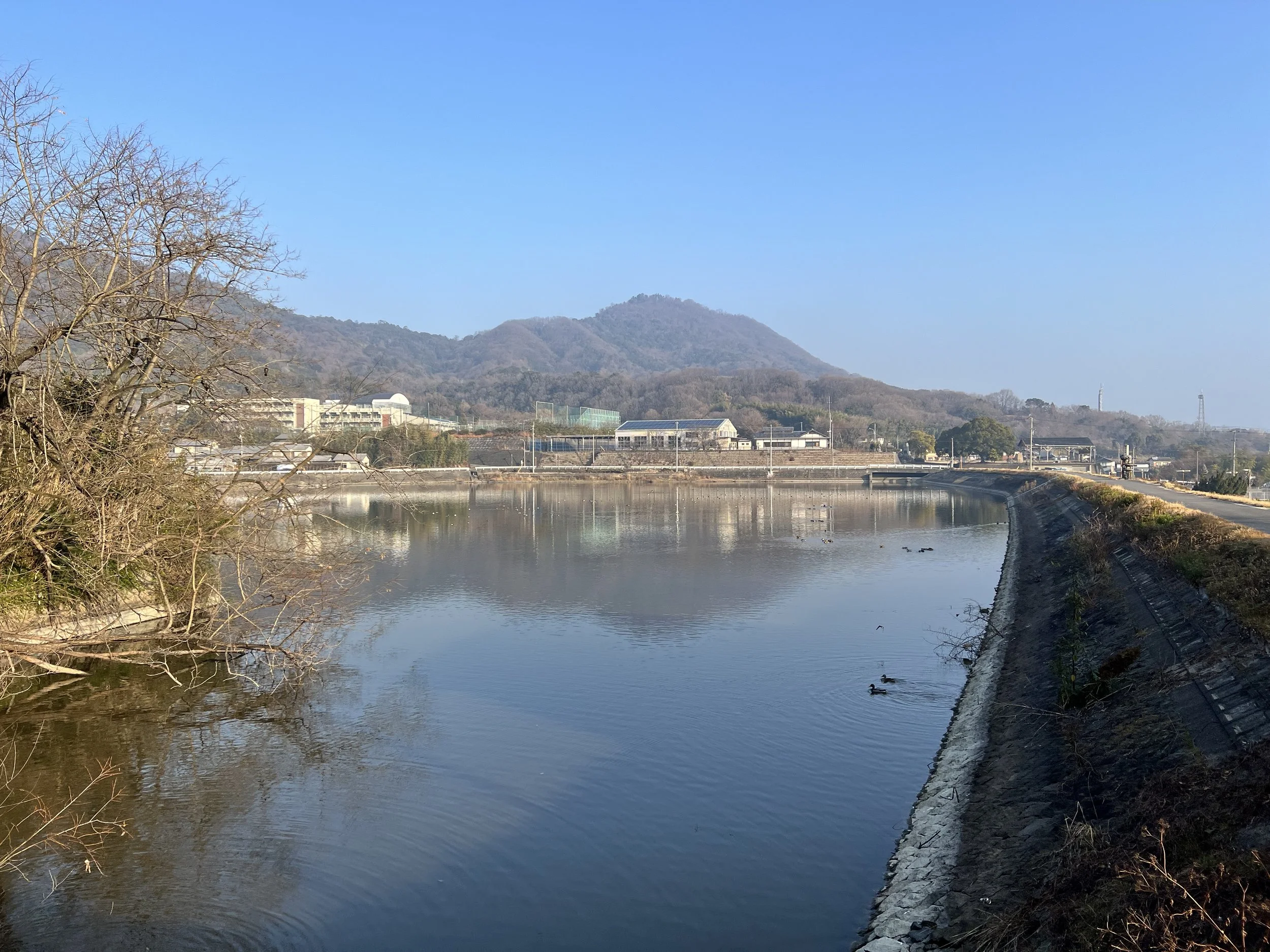
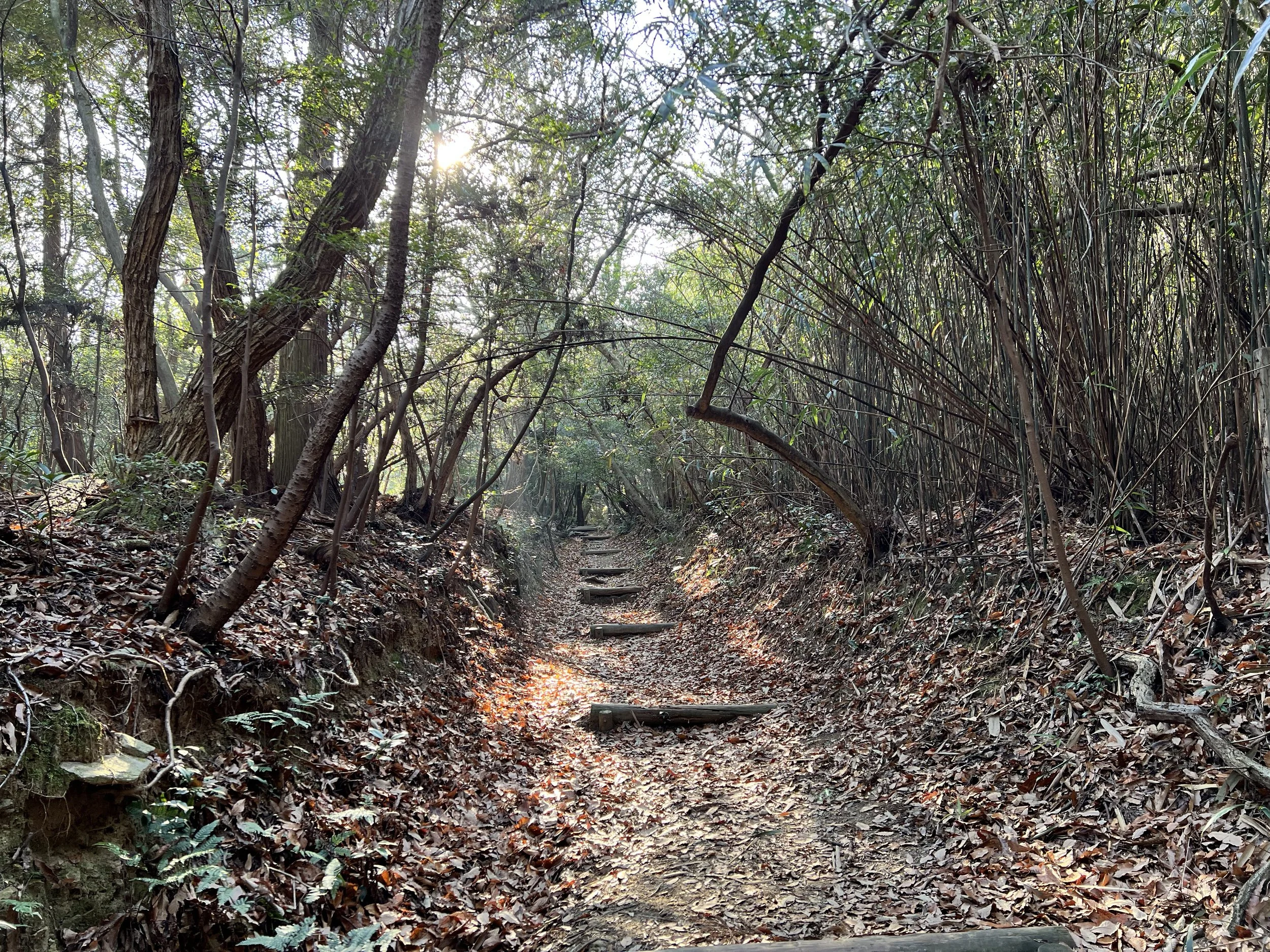
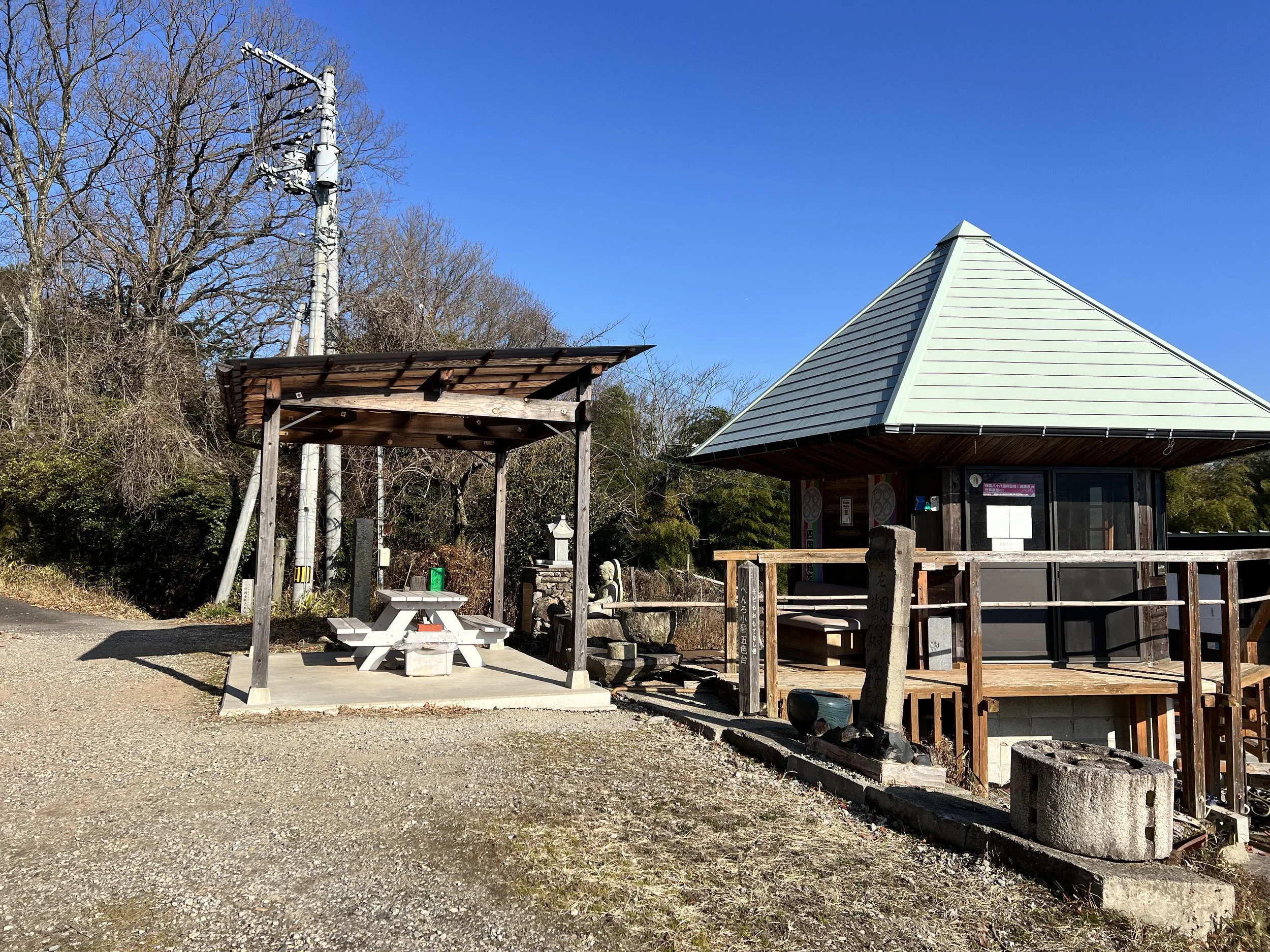
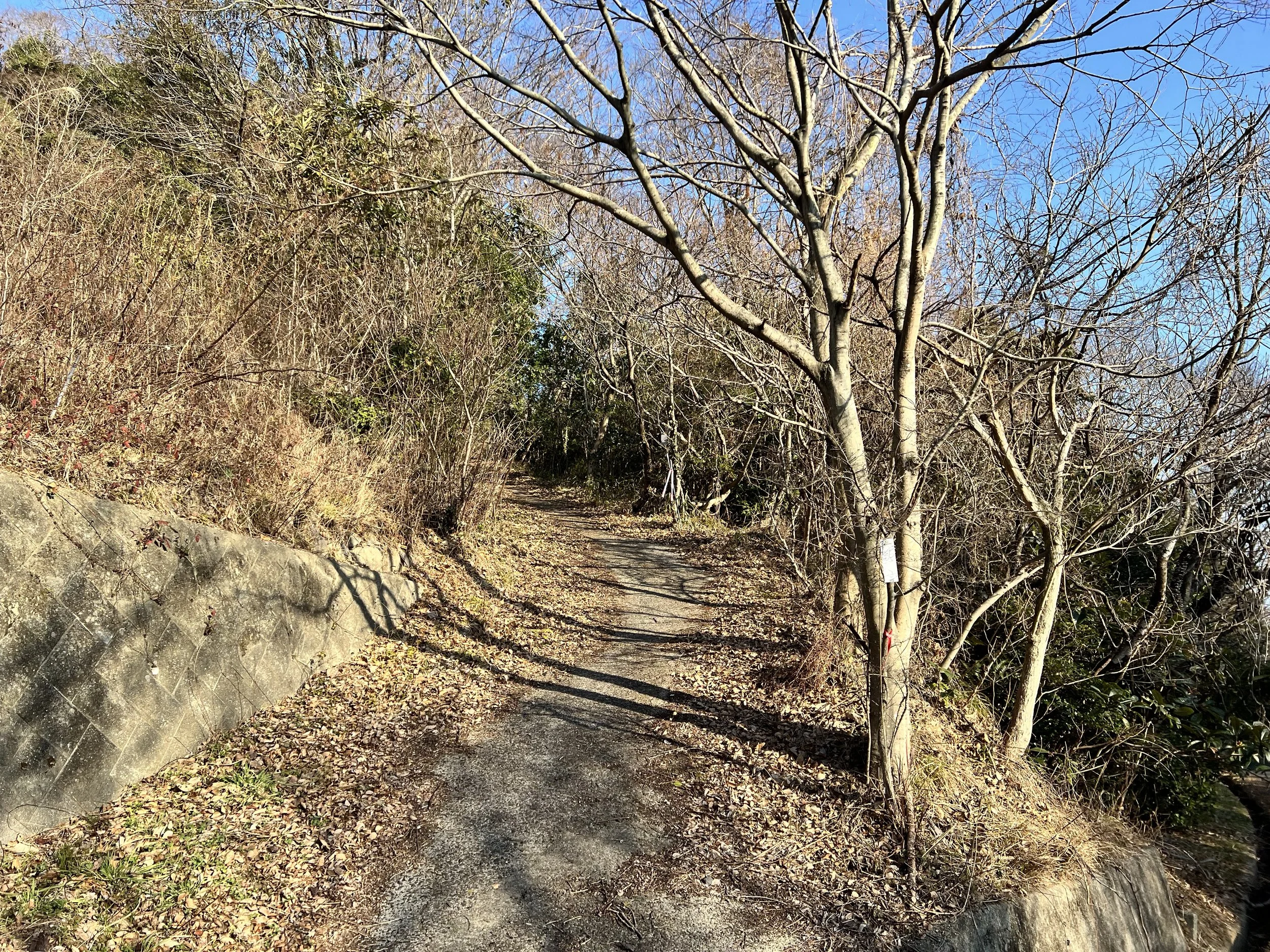
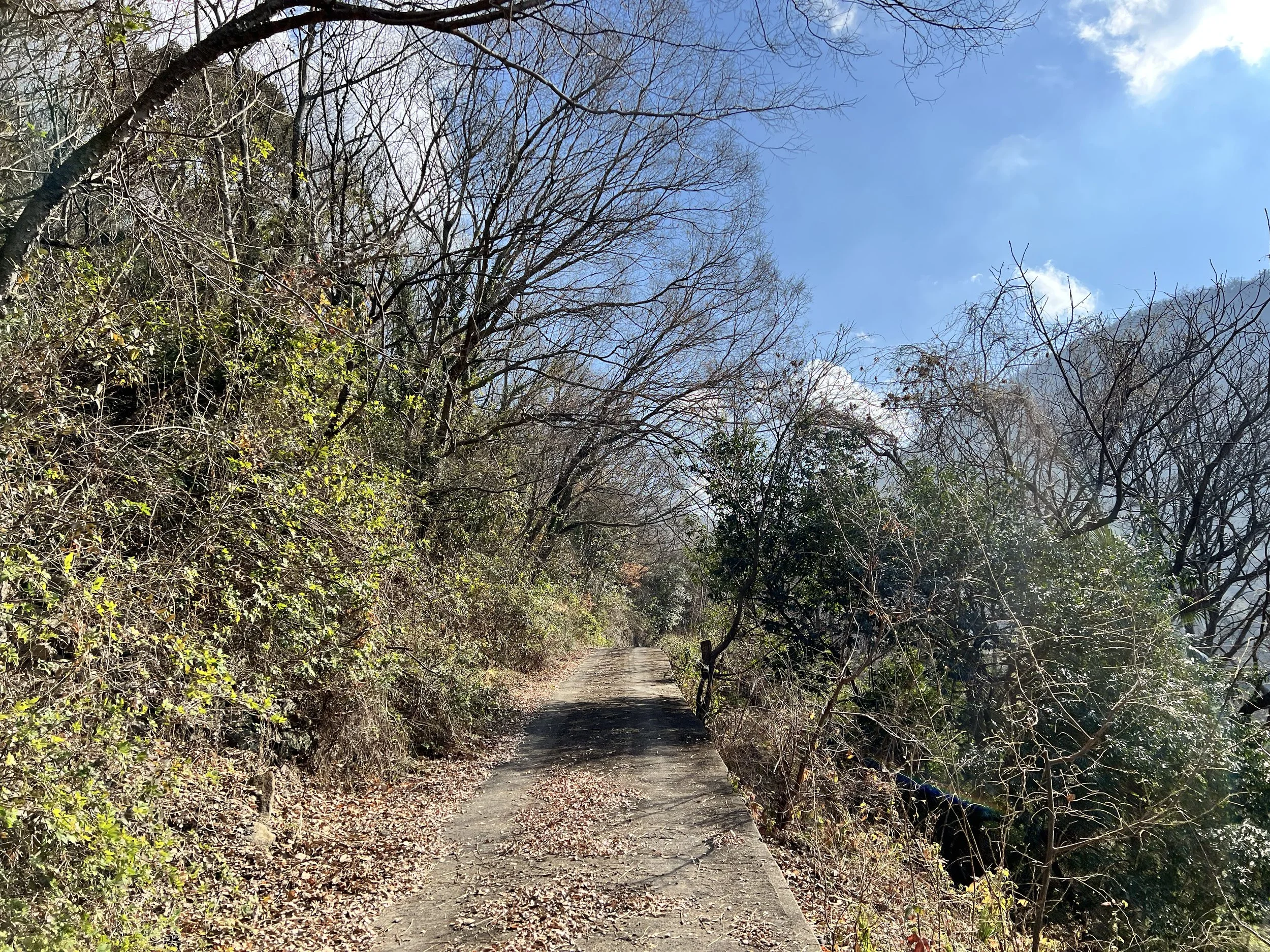
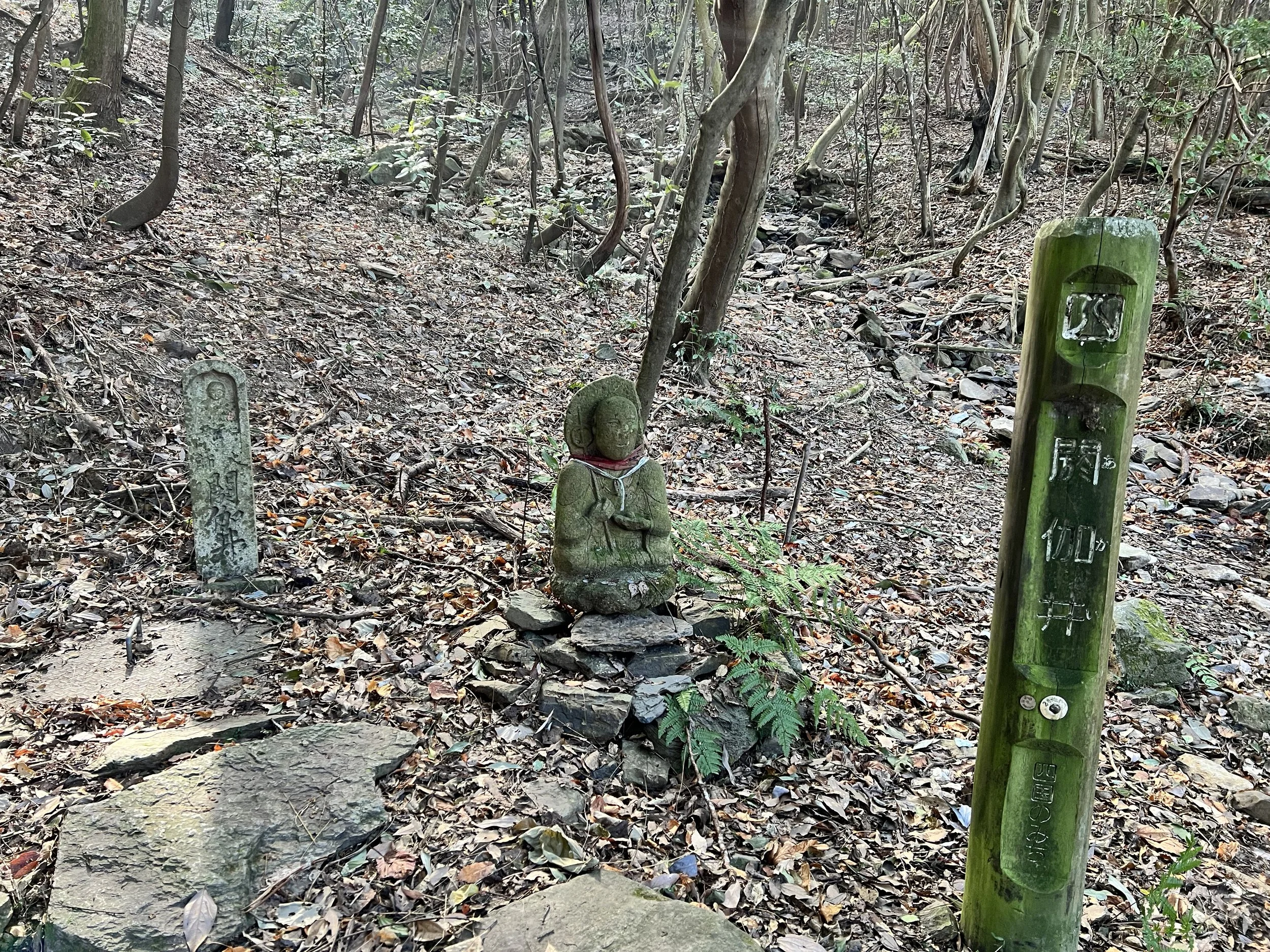
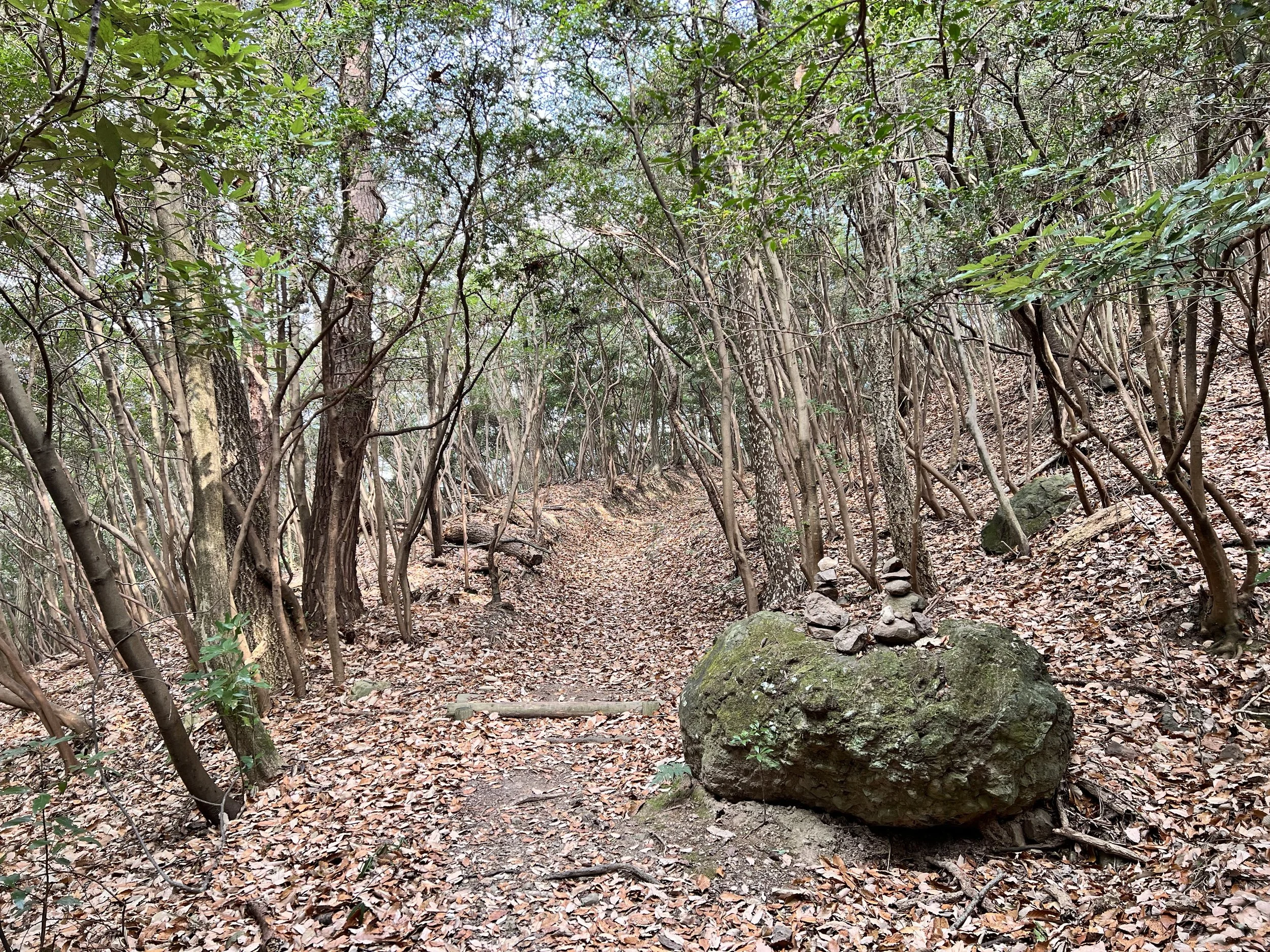
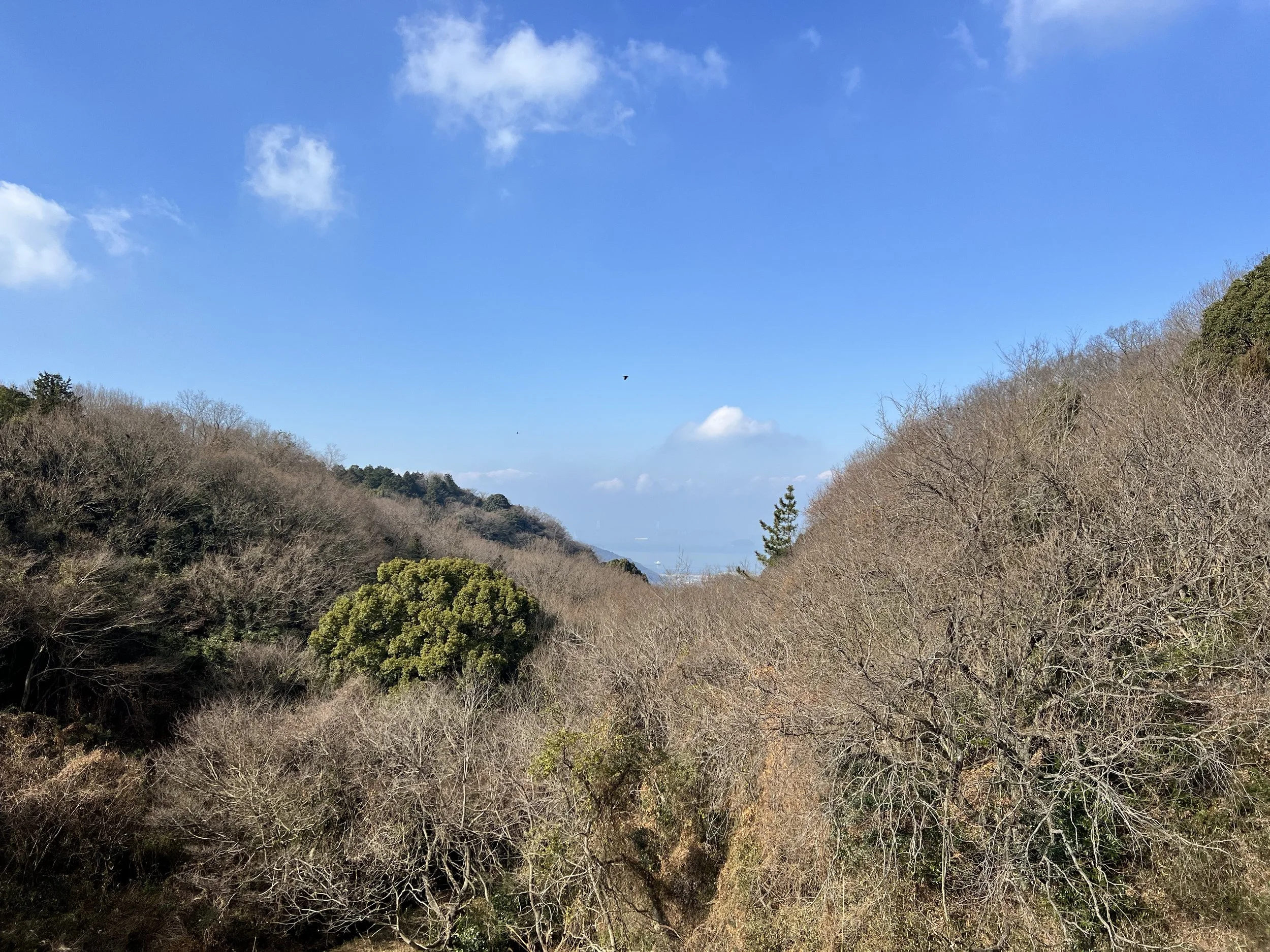
From Kinashi Station, the first stretch followed a paved road through a quiet village before turning onto a winding mountain road. The route alternated between forest trail and road, much of it blanketed with fallen leaves—some sections piled quite high. A few hundred meters before Negoroji Temple, I passed a small rest hut for pilgrims. I peeked inside but didn’t stop, continuing instead toward the temple.
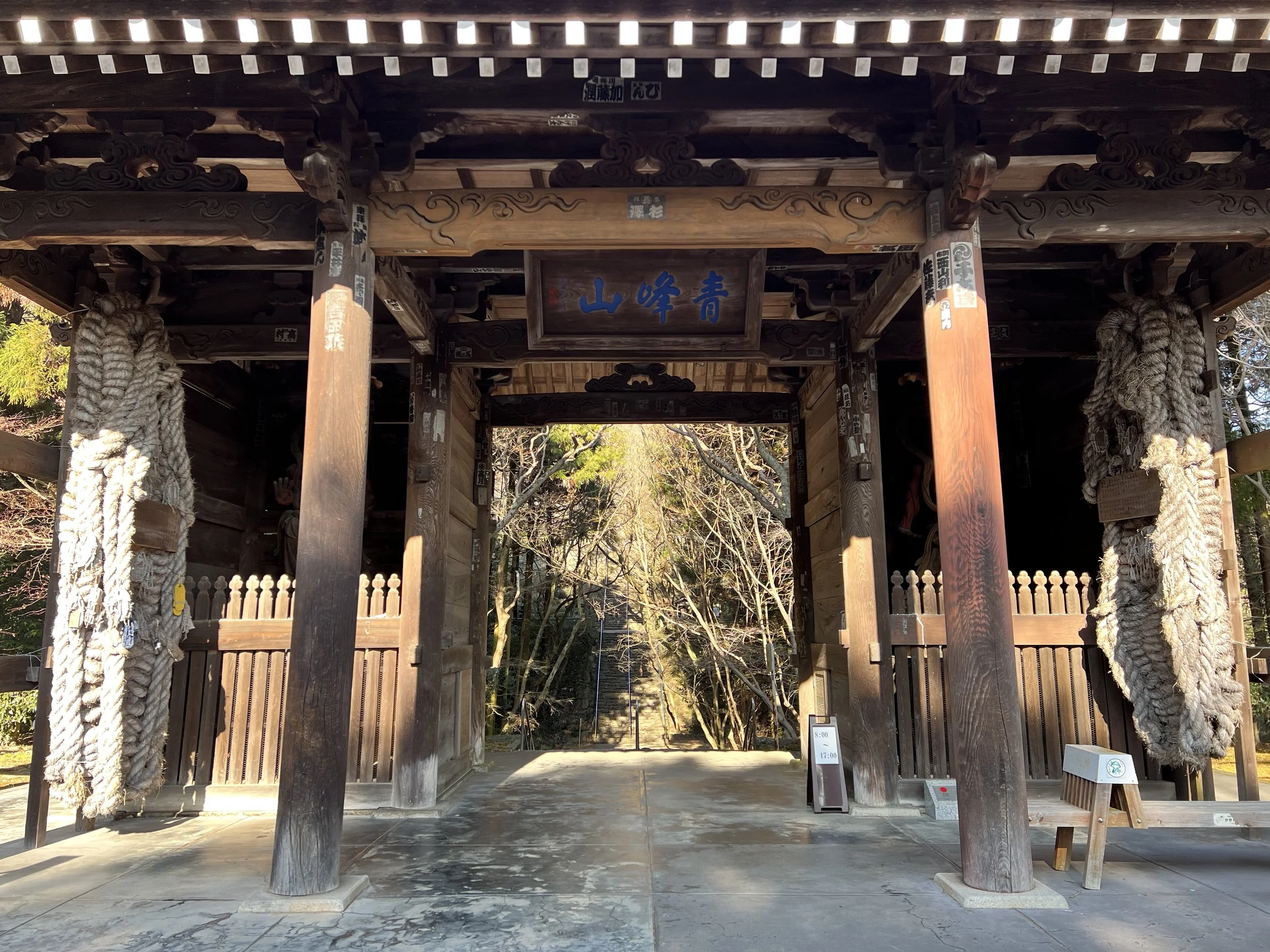
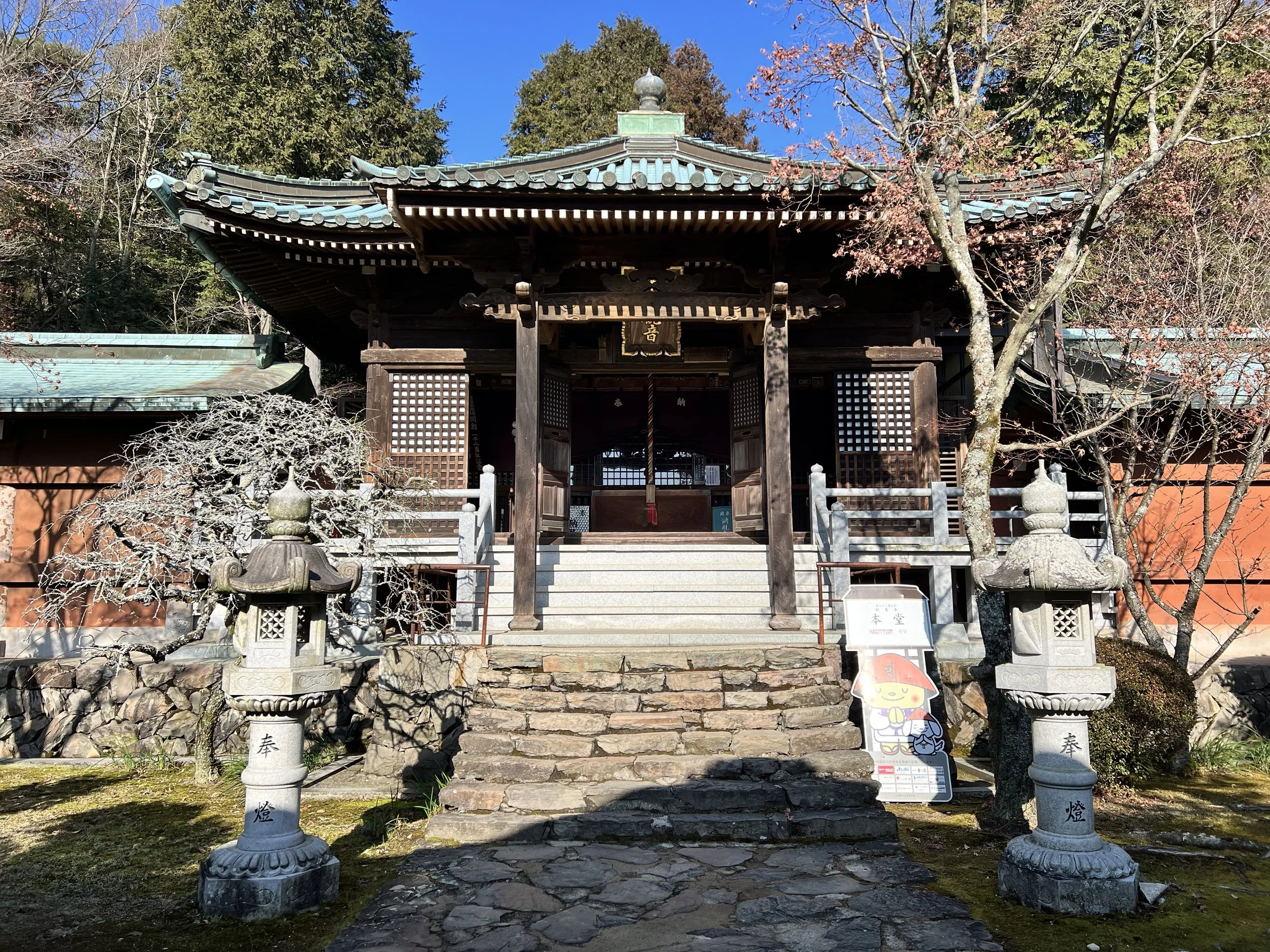
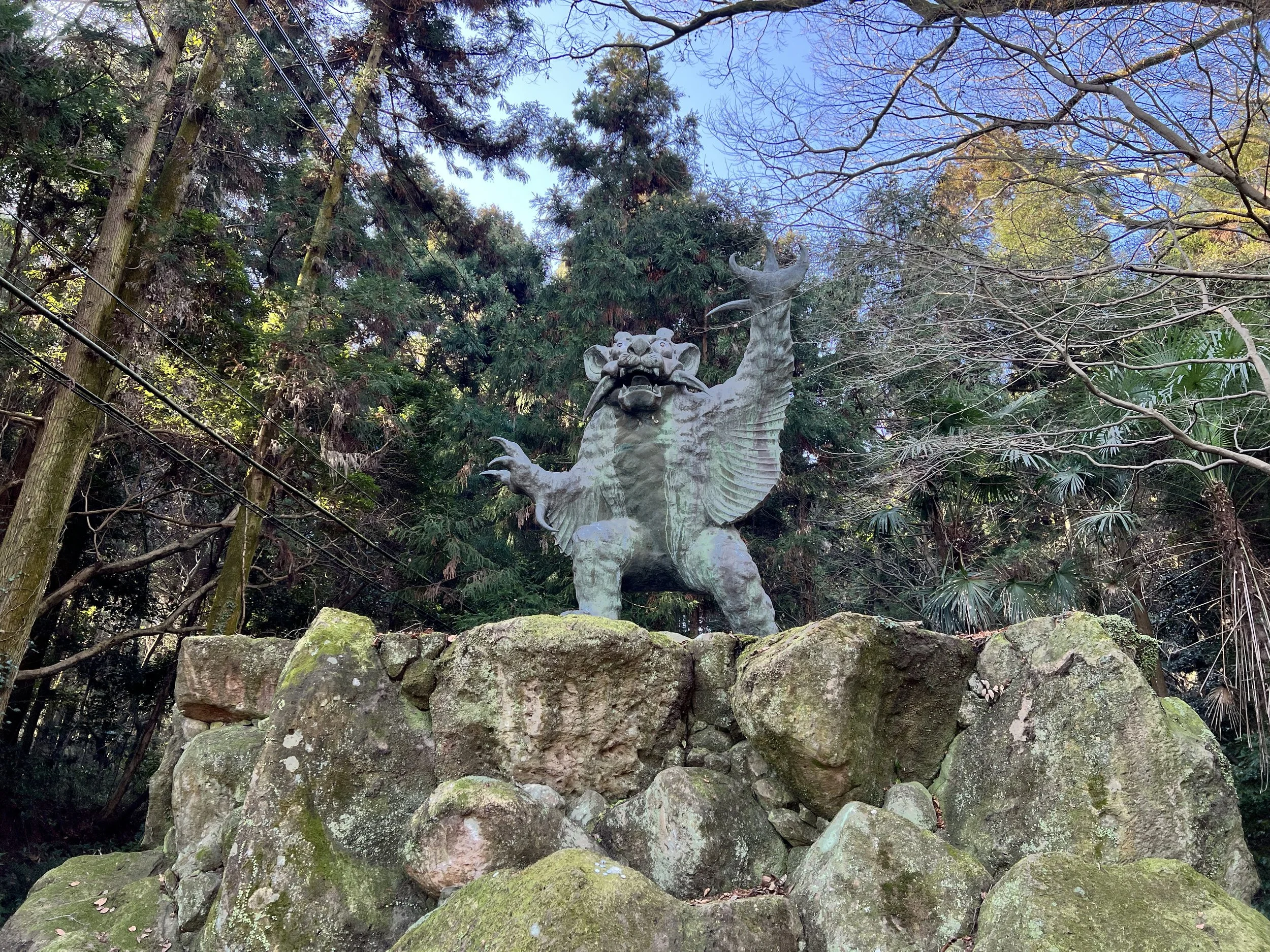
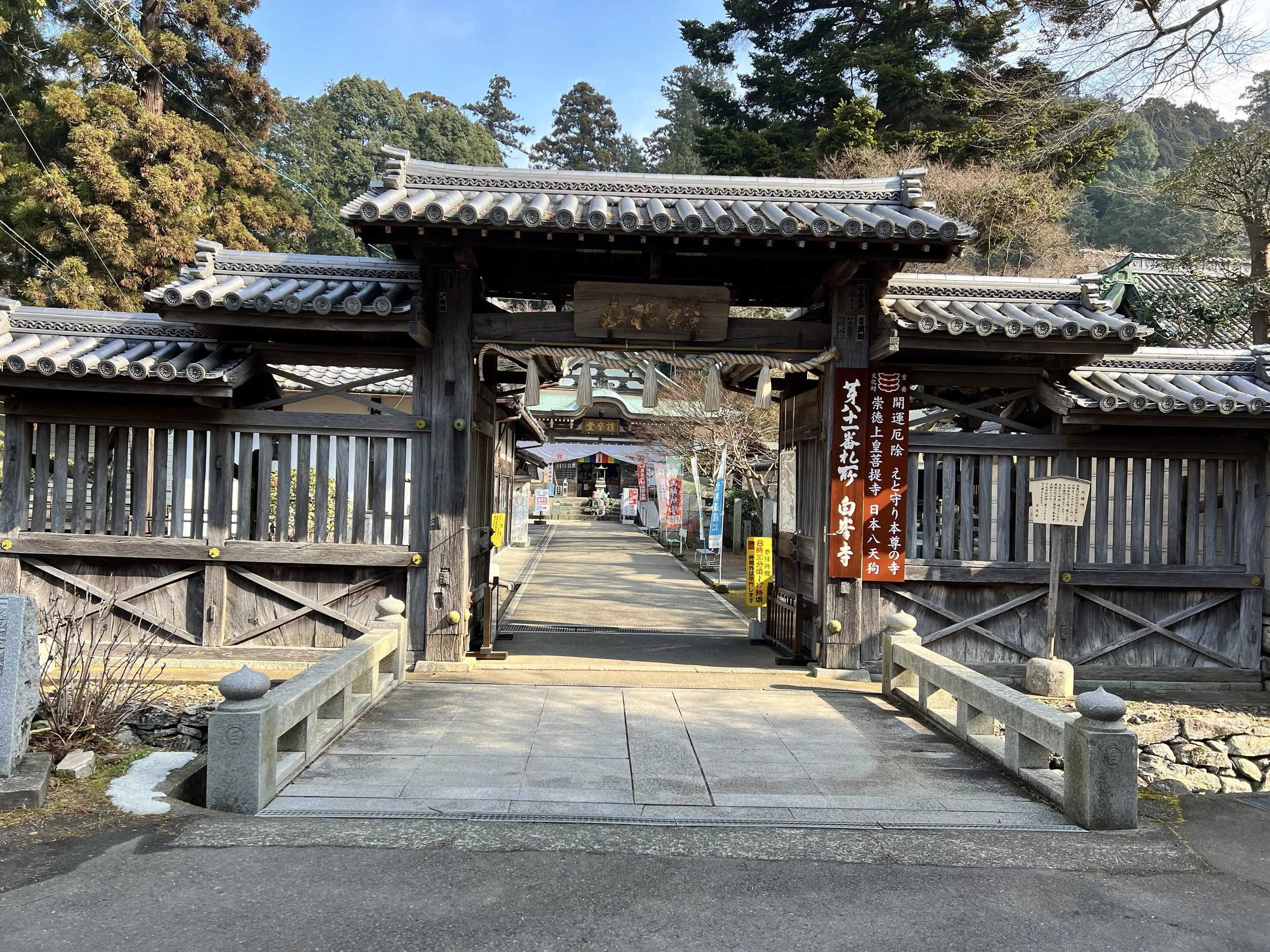
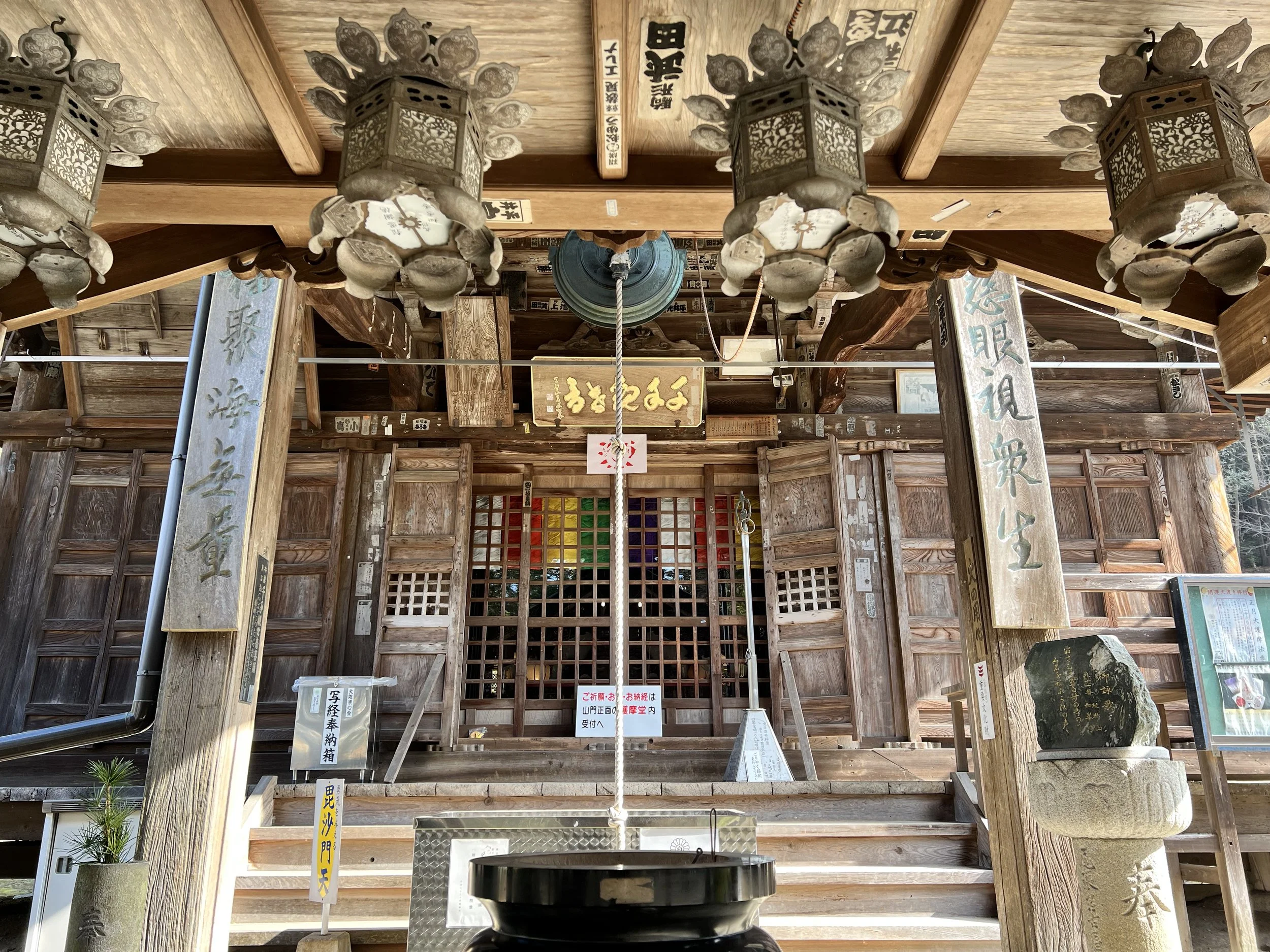
Negoroji was calm and serene, with only a few other visitors around. I wandered through the grounds, read the signs, and paid my respects. Near the gate stood a statue of the Ushioni, a mythical ox-headed demon. According to local legend, the creature once terrorized nearby villagers until it was finally defeated, and its horns were dedicated to the temple. The story adds an air of mystery to this otherwise peaceful site.
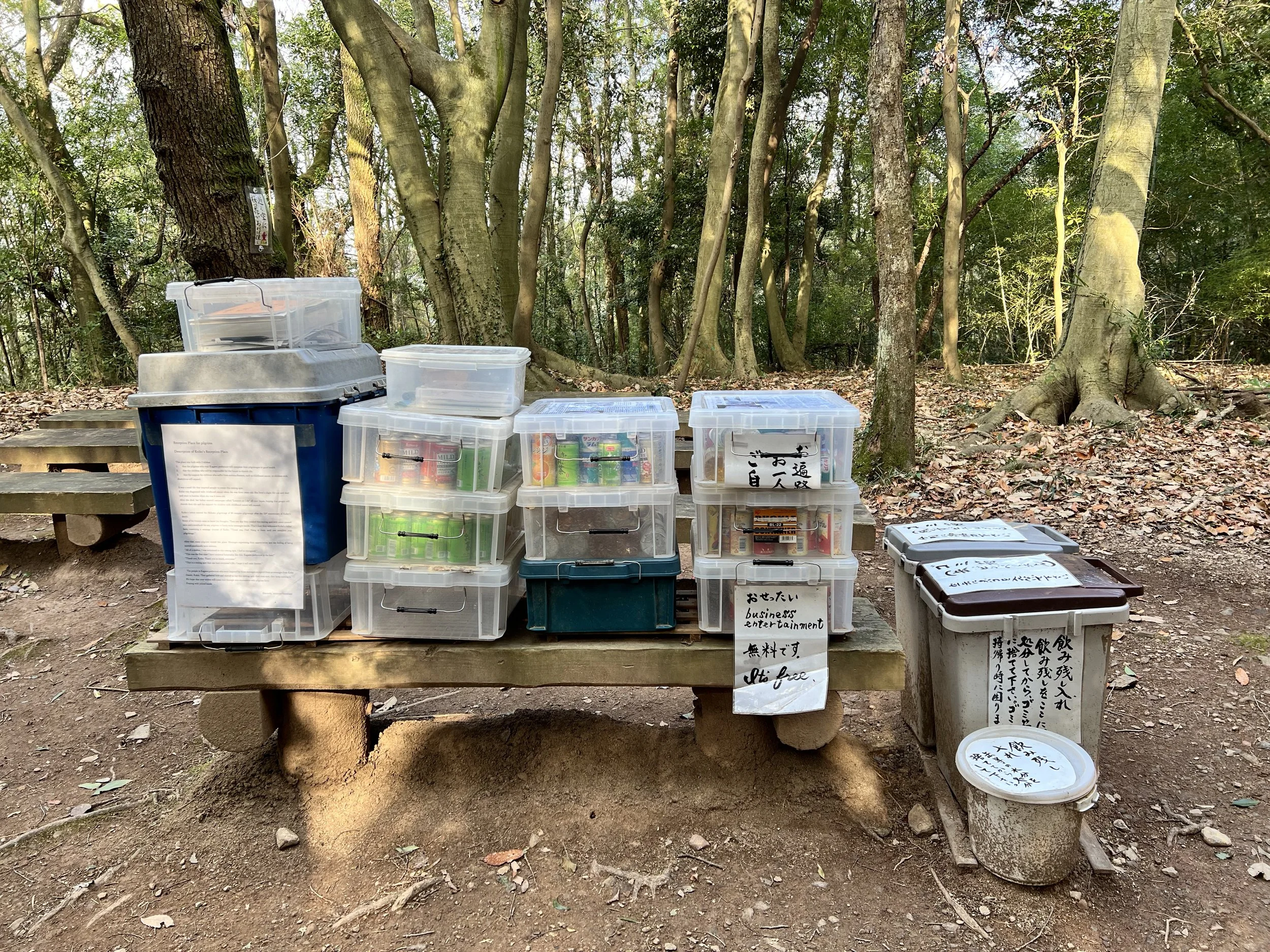
Leaving Negoroji, I headed toward Shiromine Temple. The path again alternated between paved road and forest trail. About halfway there, I came across a few bottles of tea and sports drinks left out for pilgrims, placed by a father in memory of his daughter who had passed away from cancer. The kindness of that gesture moved me deeply—and the tea was a welcome refreshment. I donated some money in gratitude before moving on.
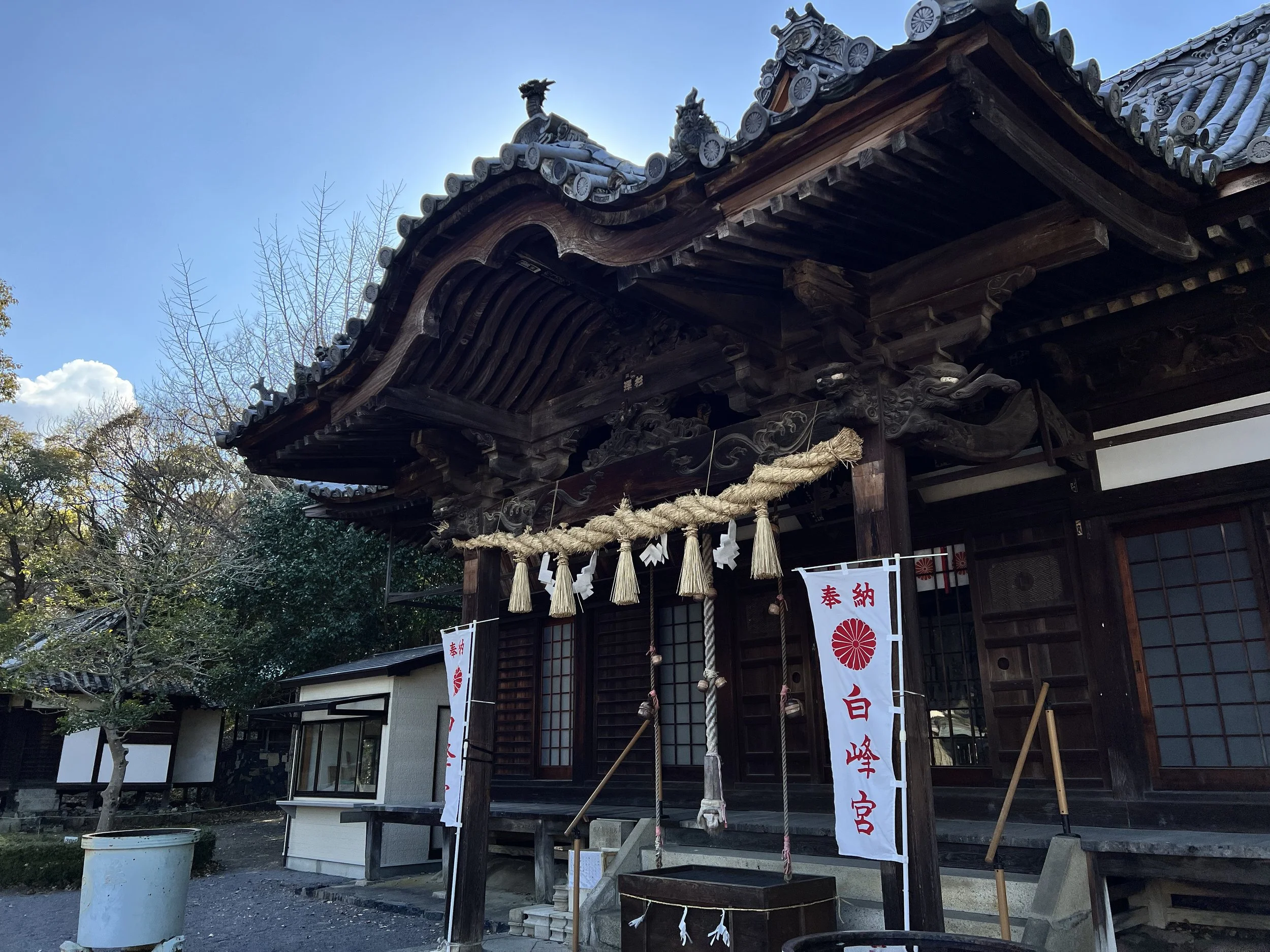
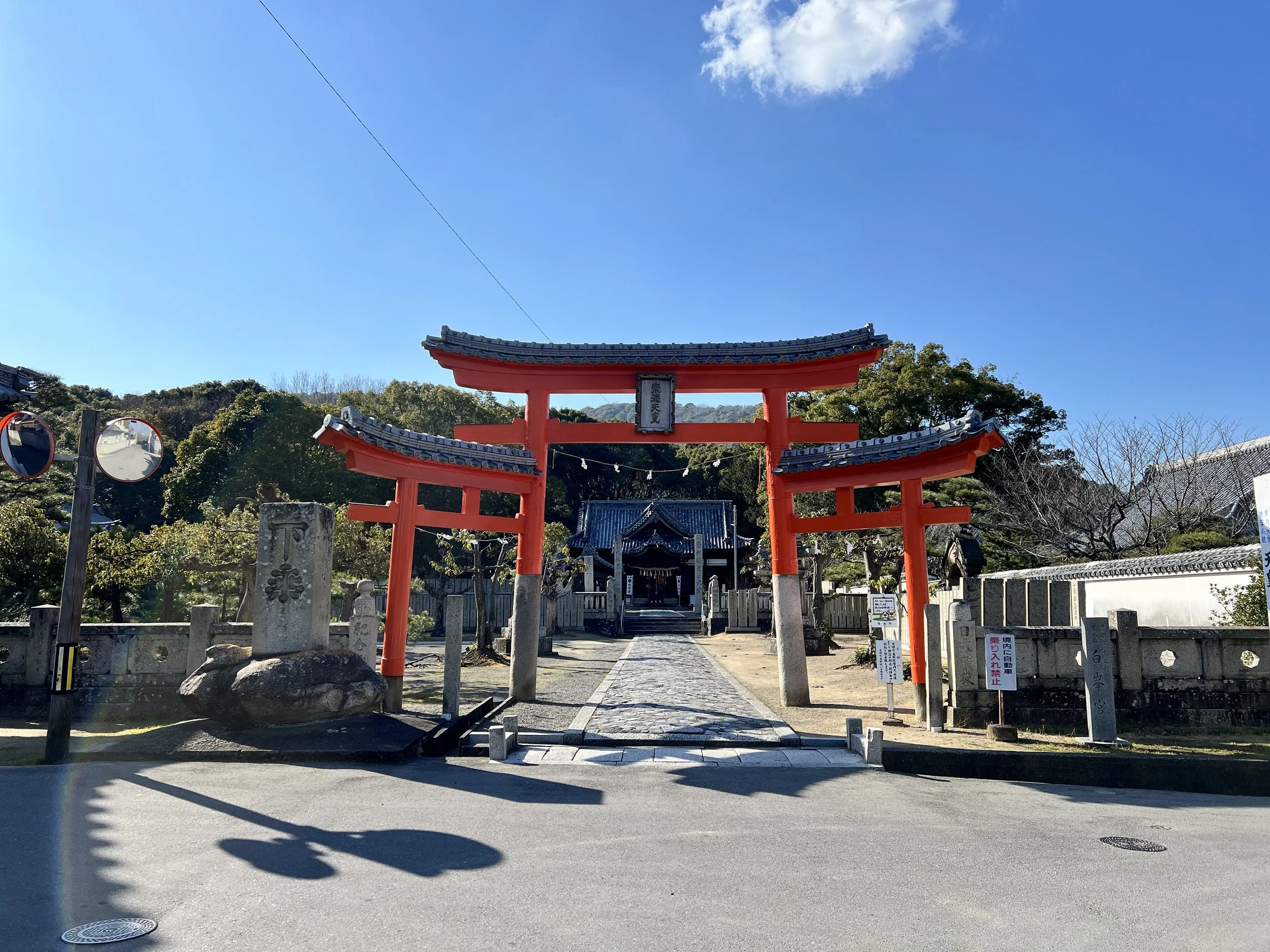
Shiromine Temple was quiet but saw more visitors arriving by car. I took time to explore the grounds, which featured small pagodas, stone statues, and brilliant autumn colors. After paying my respects, I continued toward my final temple of the day, Tennoji.
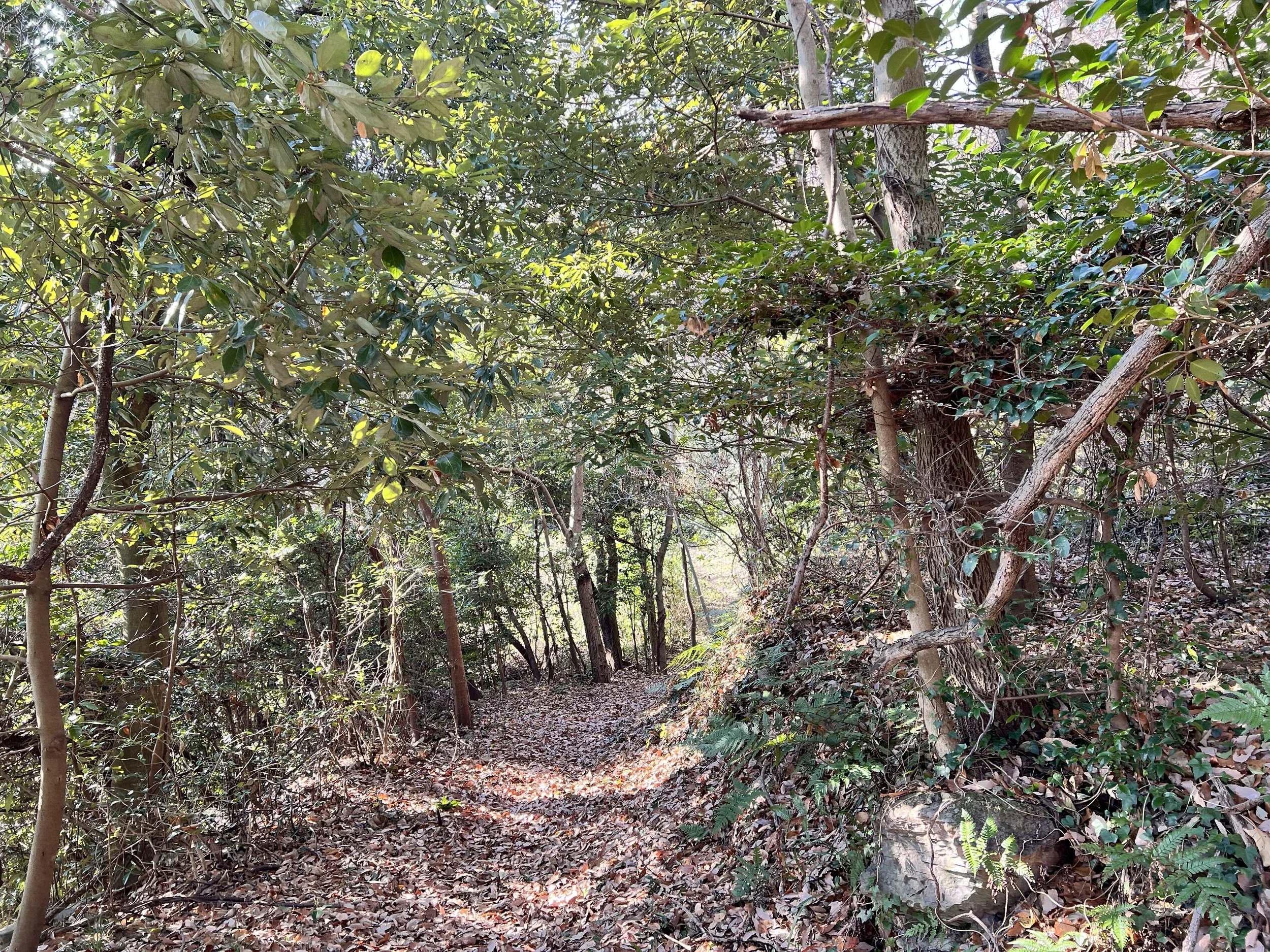
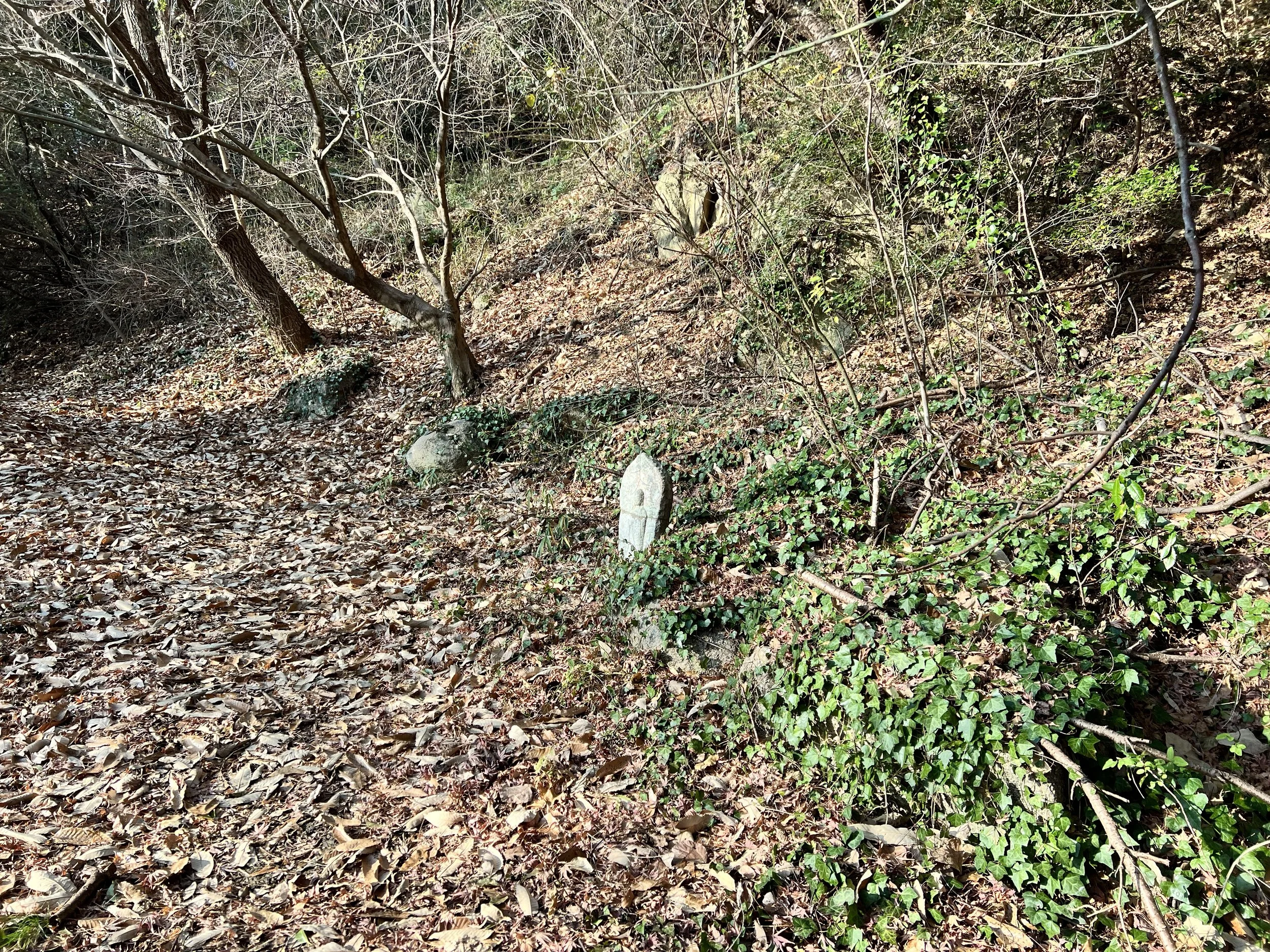
This last stretch was the most challenging. My GPS led me through what looked like a fruit farm, and the signage was sparse. The path was in rough shape—overgrown, with signs of recent rockslides and scattered debris. The loose rocks and mud made the descent tricky, but eventually, I reached the temple safely.
At Tennoji Temple, I didn’t linger long—when I checked the train schedule, the next train was leaving in ten minutes, and the one after wouldn’t come for another hour. I hurried down to Yasoba Station and caught it just in time.
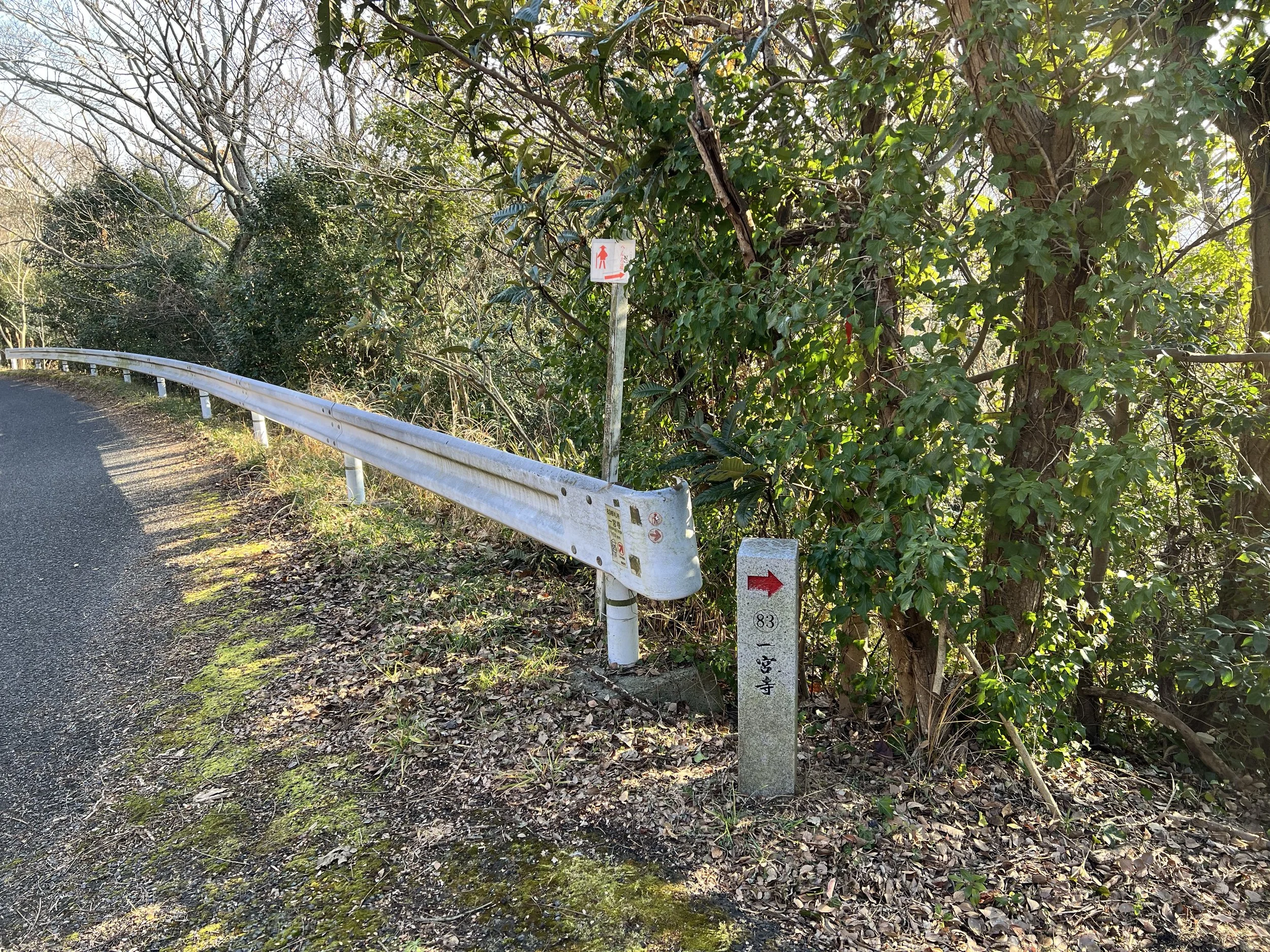
One thing I’ve noticed about the Shikoku Henro is that the trails aren’t as clearly marked as the Camino. I’m really glad I downloaded an offline GPS map—it’s been invaluable whenever signs were missing or unclear.
History & Background
This section of the Shikoku Henro Pilgrimage covers Temples #82 to #79 in Kagawa Prefecture, a route that combines quiet mountain paths, historical depth, and spiritual reflection. The temples along this stretch are deeply rooted in both Buddhist and imperial traditions, illustrating the complex relationship between faith, legend, and history that defines the Henro journey.
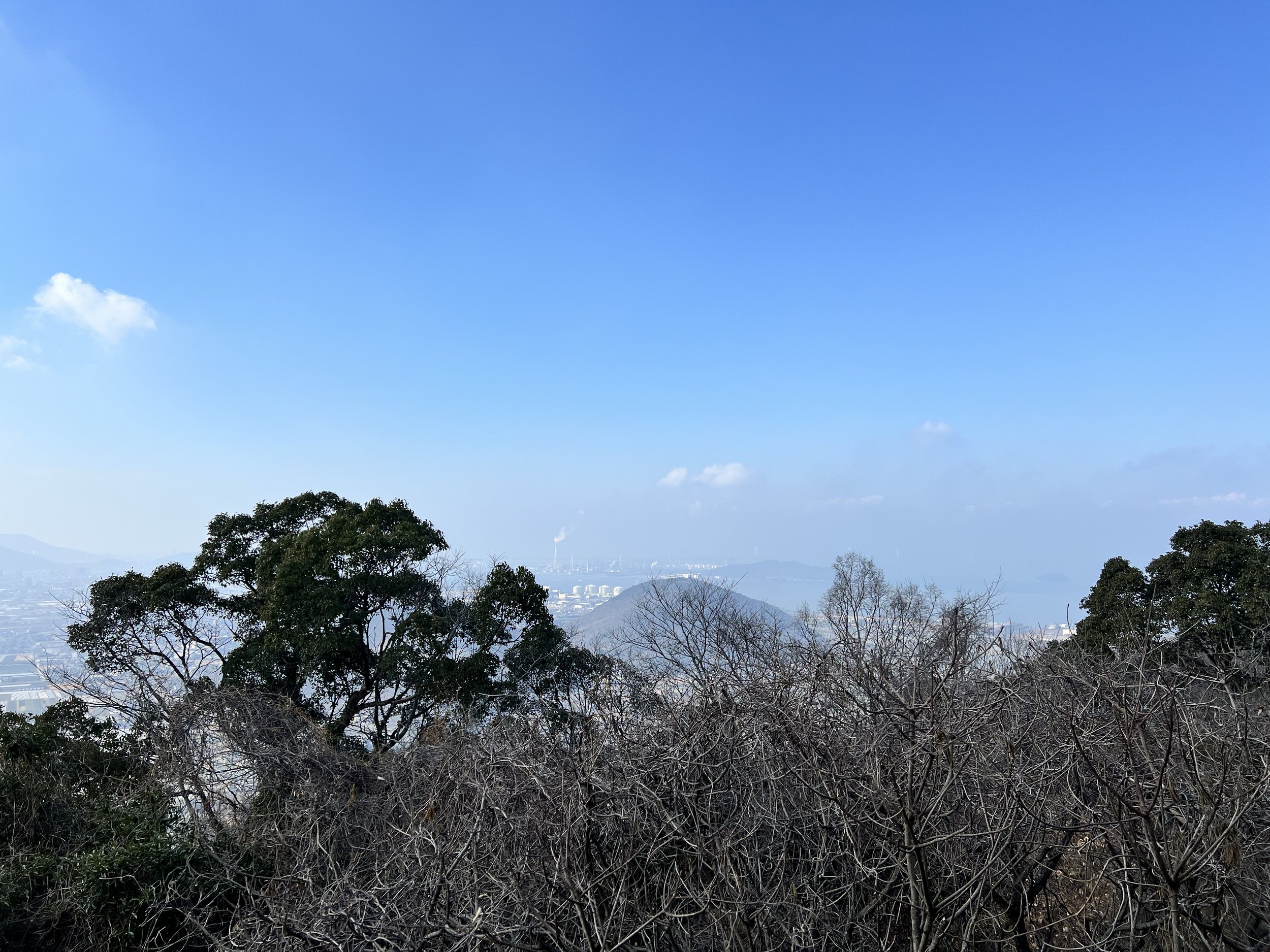
#82 Negoroji Temple 根来寺 - Said to have been founded by the monk Gyoki and later visited by Kobo Daishi (Kukai), Negoroji sits atop Mount Negoro overlooking the Seto Inland Sea. Dedicated to the Eleven-faced Kannon, it’s known for its tranquil atmosphere and panoramic views. The temple also preserves the local Ushioni legend, symbolizing the triumph of faith and courage over fear.
#81 Shiromine Temple 白峯寺 - Established in the early 8th century, Shiromine honors Emperor Sutoku, who was exiled and died nearby. His spirit is enshrined here, and the temple carries a somber yet profound sense of reflection on karma, impermanence, and redemption. It’s also one of the few temples that merge Buddhist and Shinto elements, making it a site of both political and spiritual significance.
#79 Tenno Temple 天皇寺 - Located near the ruins of the ancient Sanuki provincial capital, Tennoji enshrines Emperor Sujin and was built to pray for national peace and protection. Its long history ties it to early imperial devotion and the blending of Buddhist and native beliefs during Japan’s formative centuries.
To see my progress on the full Shikoku Henro Pilgrimage, visit my Shikoku Henro - Temple List & Progress.
Getting There
I started my day in Takamatsu, taking a short 7-minute ride on the JR Yosan Line from Takamatsu Station to Kinashi Station. If you’re coming from other major cities or transport hubs, you may need to transfer trains along the way. Alternatively, you can reach Kinashi by taxi or car, though taxis tend to be much more expensive than the train.
Note that IC cards aren’t accepted at all stations on this line, so if you’re unsure, it’s best to confirm with station staff before tapping in to avoid issues.
Route Overview
Distance: 21.99 km (Kinashi Station → Yasoba Station)
Total elevation gain: 745 m
Duration: 4 hr 59 min (with breaks 5 hr 25 min)
Difficulty: Hard
Cost Breakdown
Train: Takamatsu Station → Kinashi Station — ¥280
Food: ¥317
Donation: ¥1,000