Nikko - Day 2: Tochigi, Japan
Day 2 of exploring the Nikko area started with a hearty breakfast at my accommodation before I headed out to the bus stop. My first destination was the Akechidaira Ropeway, but I was just as excited about the journey getting there as the destination itself.
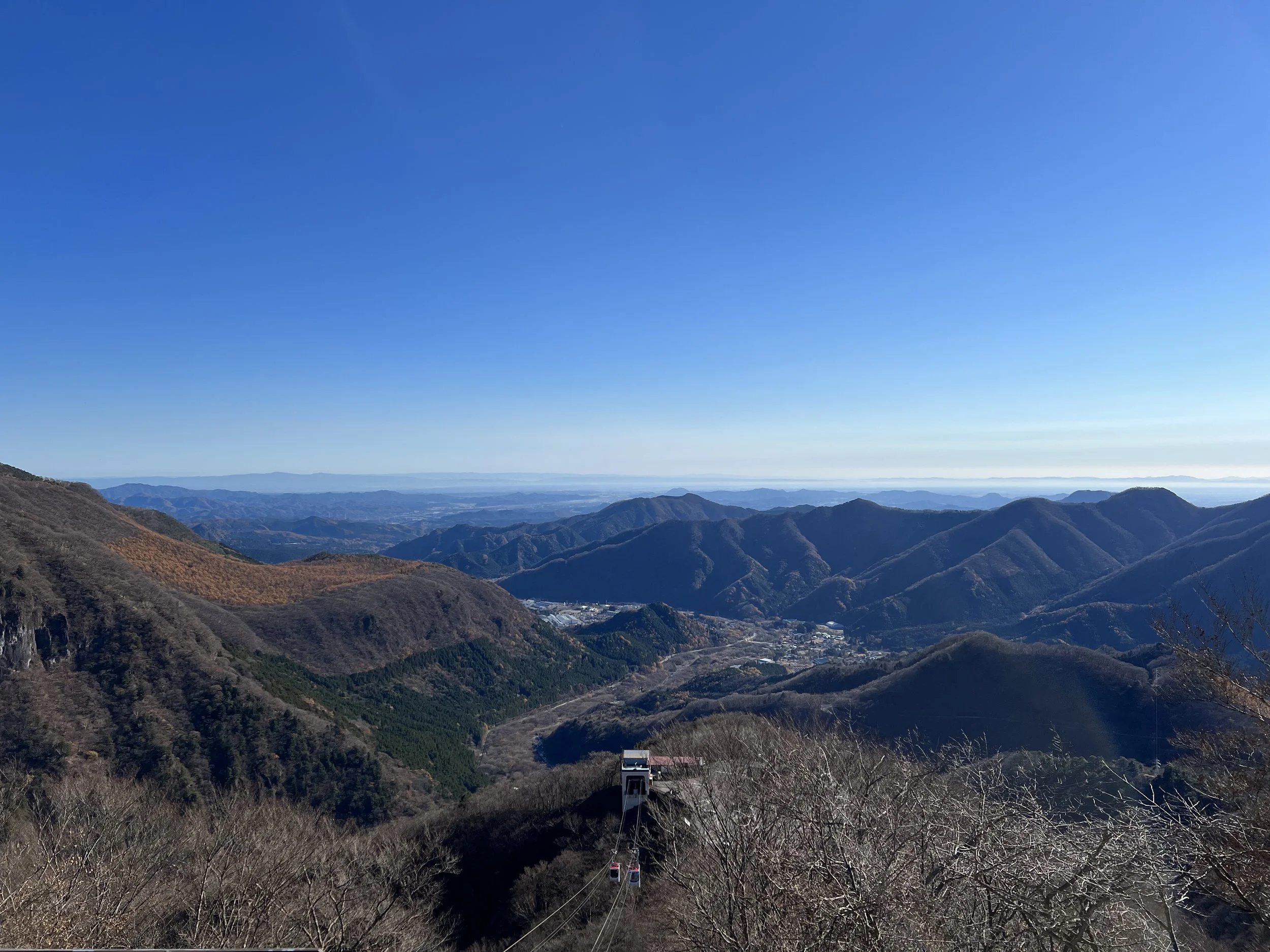
The road to Akechidaira follows the famous Irohazaka, a winding mountain road that connects lower Nikko with the mountainous Inner Nikko region. The name “Iroha” comes from the first three characters of the old 48-syllable Japanese alphabet, and “zaka” means slope — the road is named for its 48 hairpin turns. As the bus slowly navigated the tight curves, I could see why some people get carsick, but I found it fascinating watching it manoeuvre its way up the mountain. During peak autumn season, this stretch becomes a tunnel of colour, and traffic can be heavy.
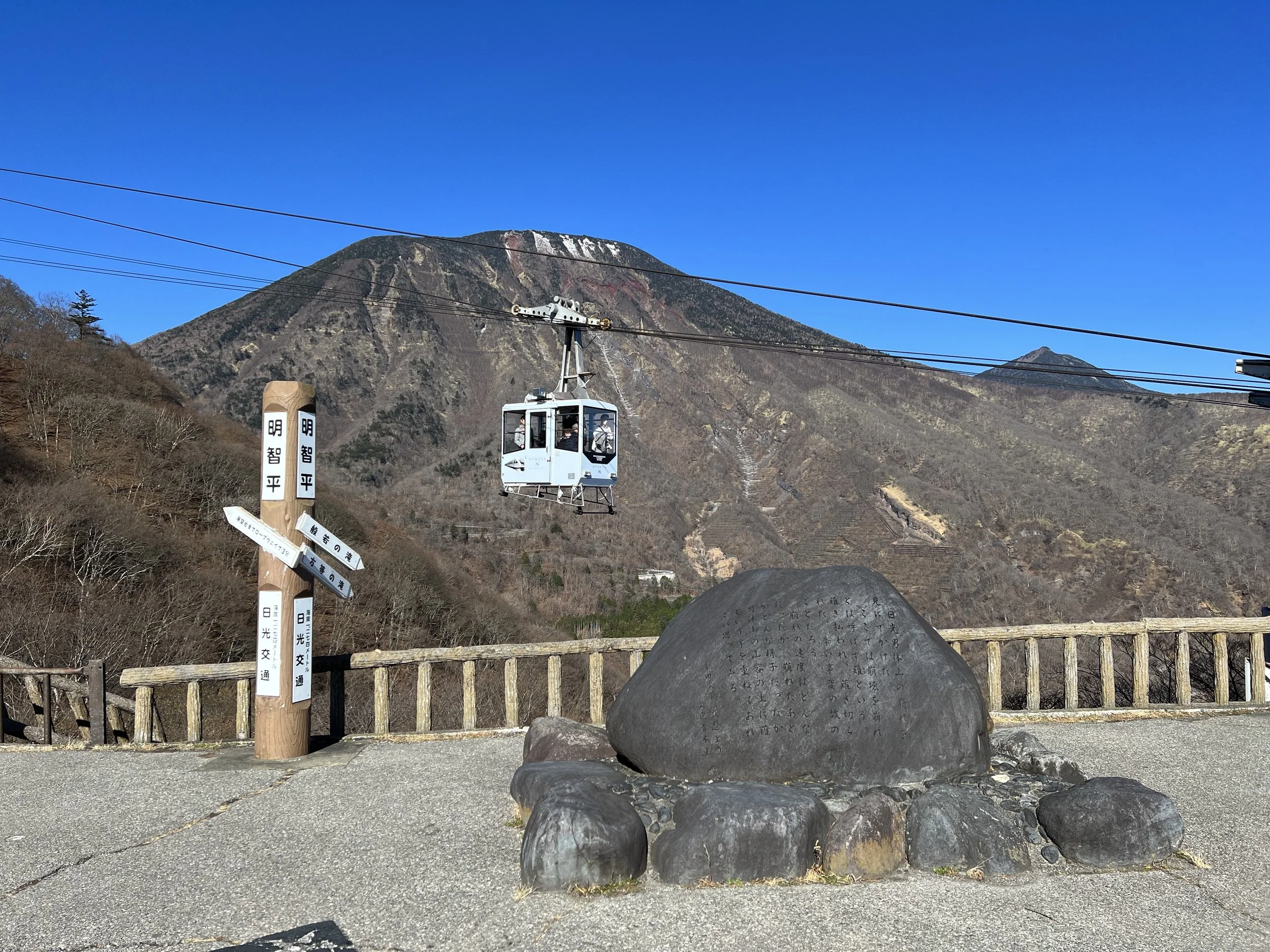
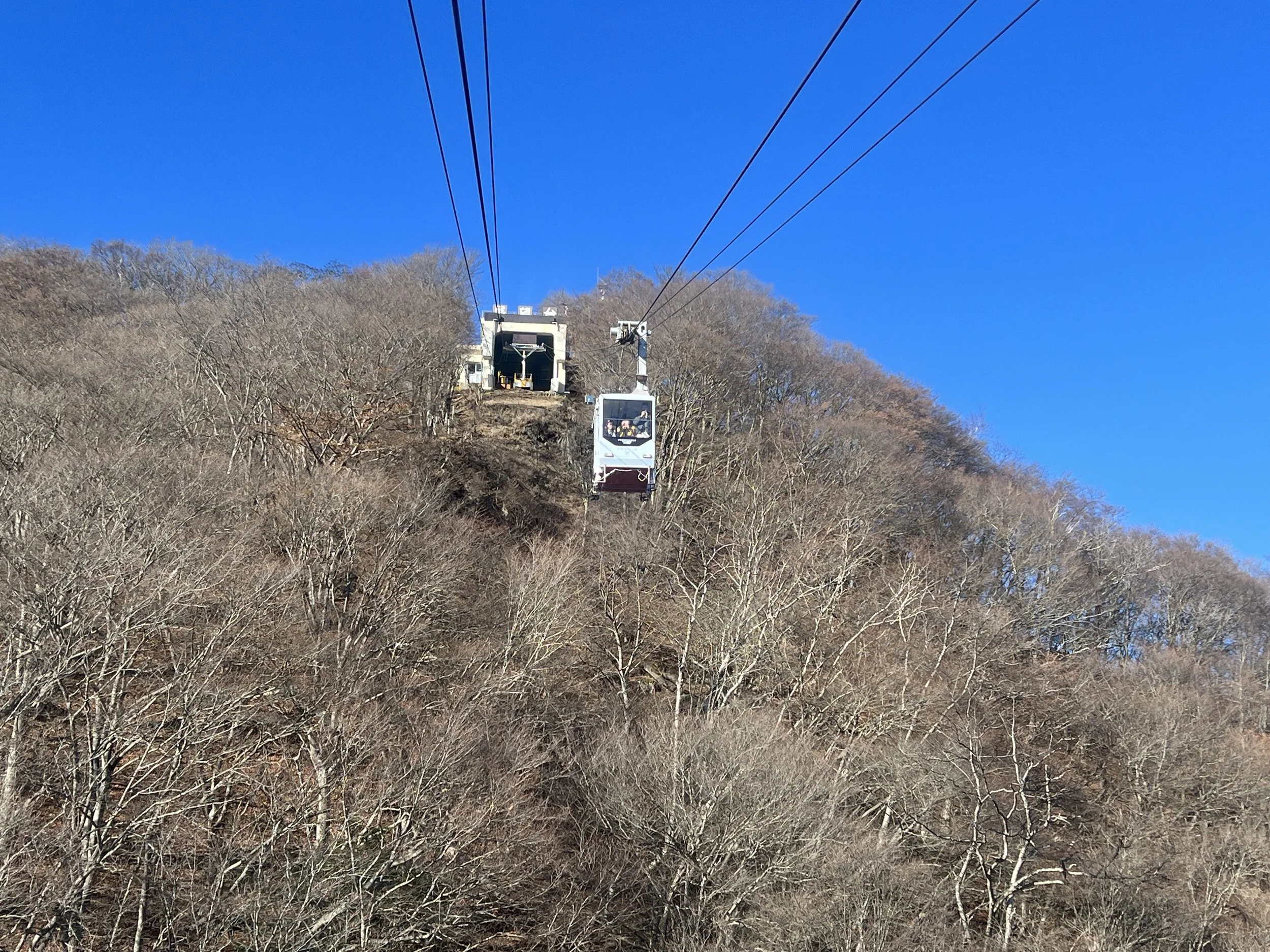
After getting off at the Akechidaira Ropeway bus stop, it was a short walk to the entrance. There were souvenir shops and a small café, but I decided to head straight up the ropeway first. Outside of winter, you can hike up to the observation deck (about two hours one way), but I had a full day planned and opted for the quicker ascent.
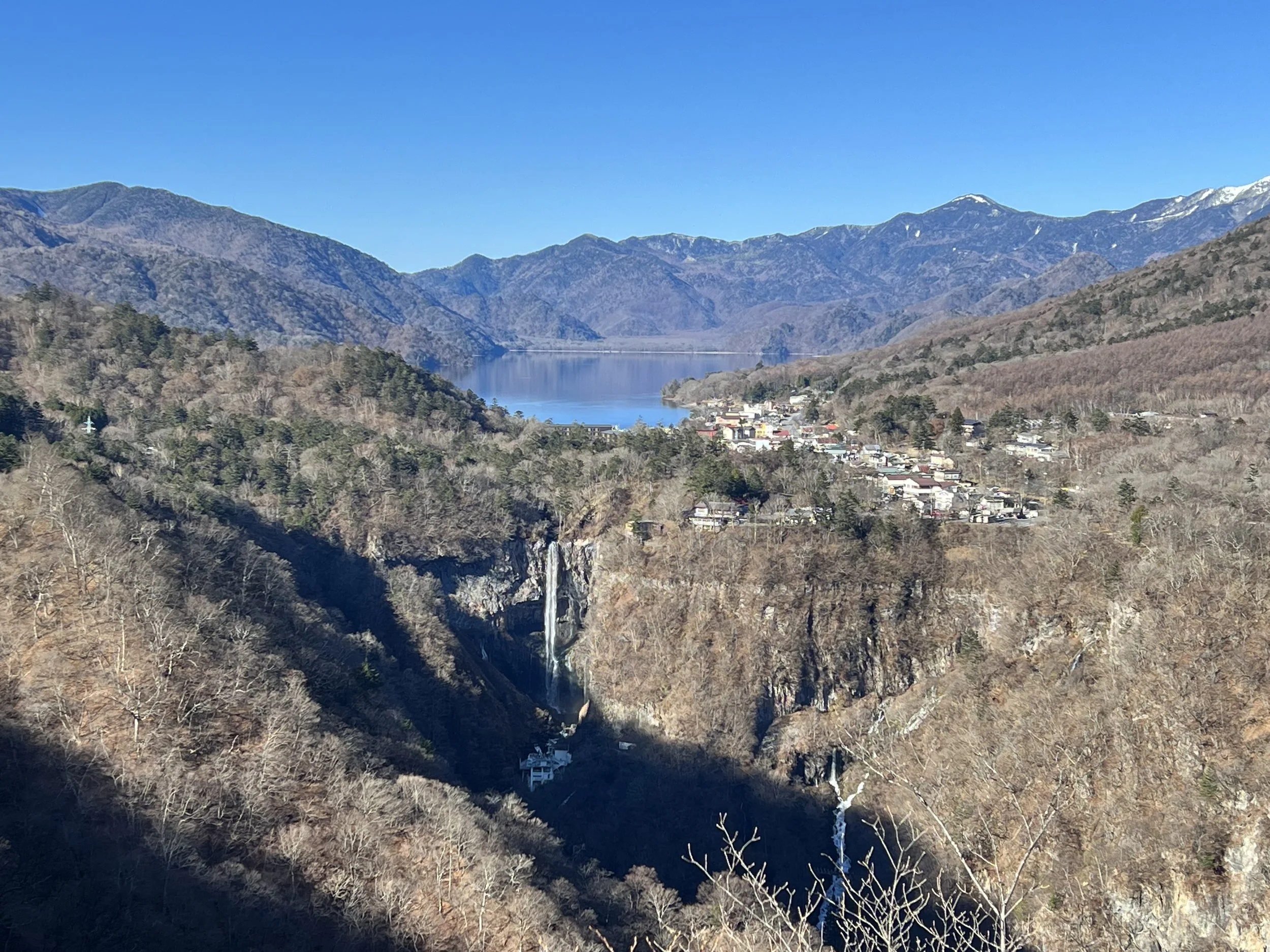
The ropeway brought me up swiftly to the observation platform, where panoramic views opened up over Kegon Waterfall and Lake Chuzenji. From here, you can also see sections of the winding Irohazaka below. I spent time taking photos before heading back down.
While waiting for the next bus, I browsed the souvenir shop and met an incredibly friendly golden retriever outside — an unexpected but memorable highlight of the stop.
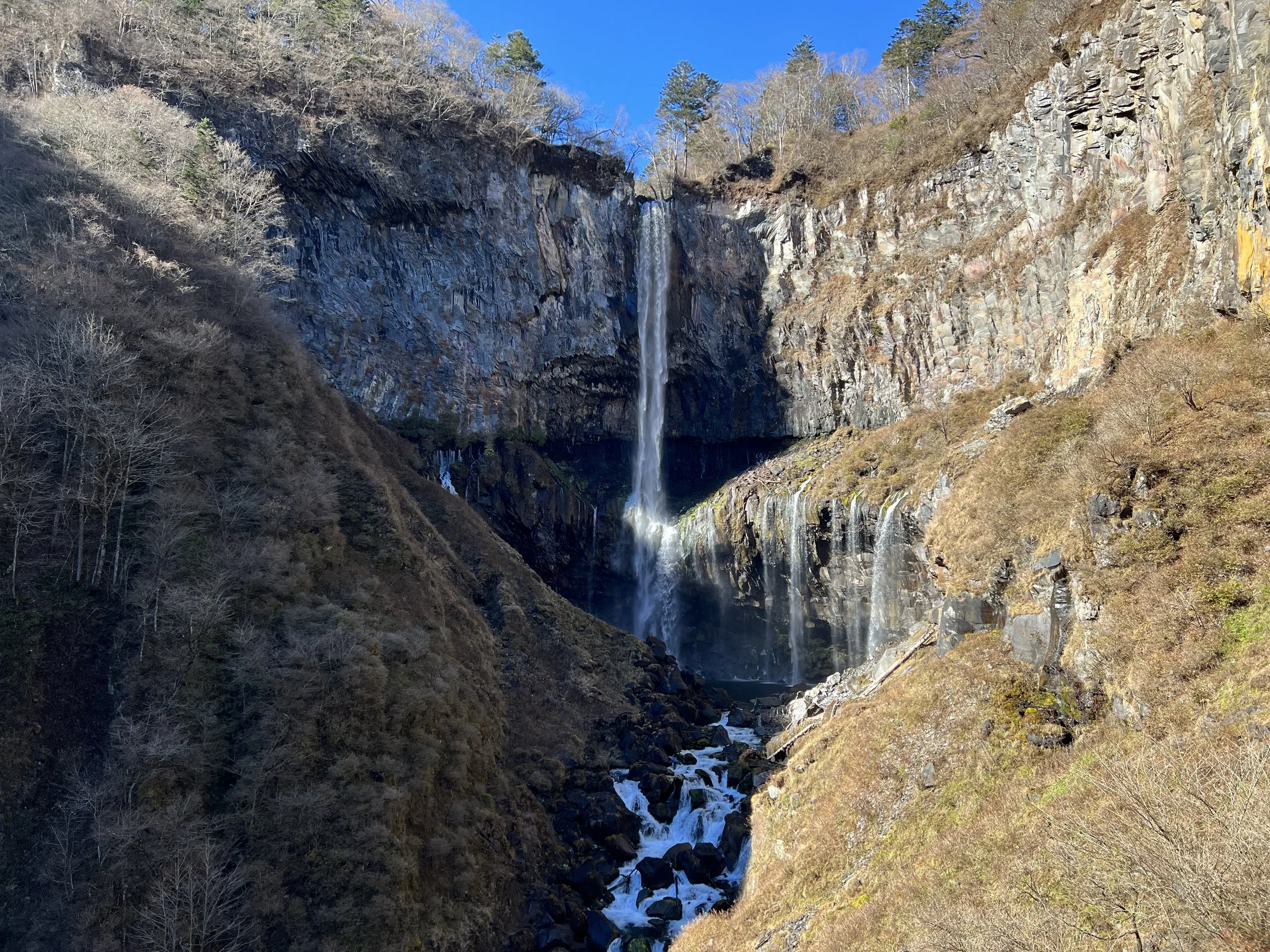
From there, I continued by bus toward Lake Chuzenji and walked to Kegon Waterfall, Nikko’s most famous waterfall. Standing nearly 100 metres tall, it is ranked among Japan’s three most beautiful waterfalls, alongside Nachi Waterfall in Wakayama Prefecture and Fukuroda Waterfall in Ibaraki Prefecture. Although the entrance fee to the observation elevator felt a bit steep, I decided to go down for the closer view. The runoff was not particularly strong during my visit, so it lacked the dramatic force I had seen in peak-season photos, but it was still impressive standing at the base looking up.
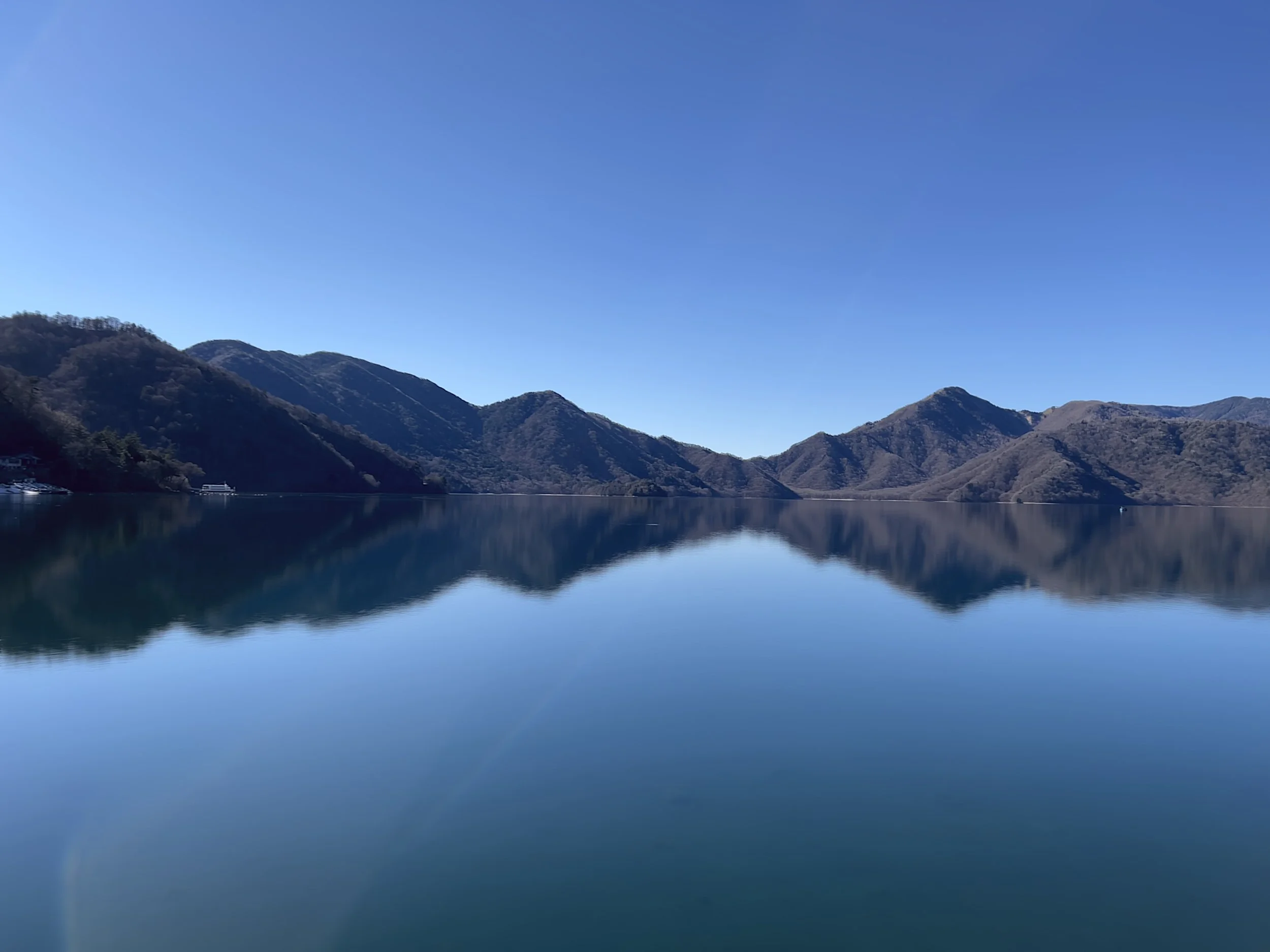
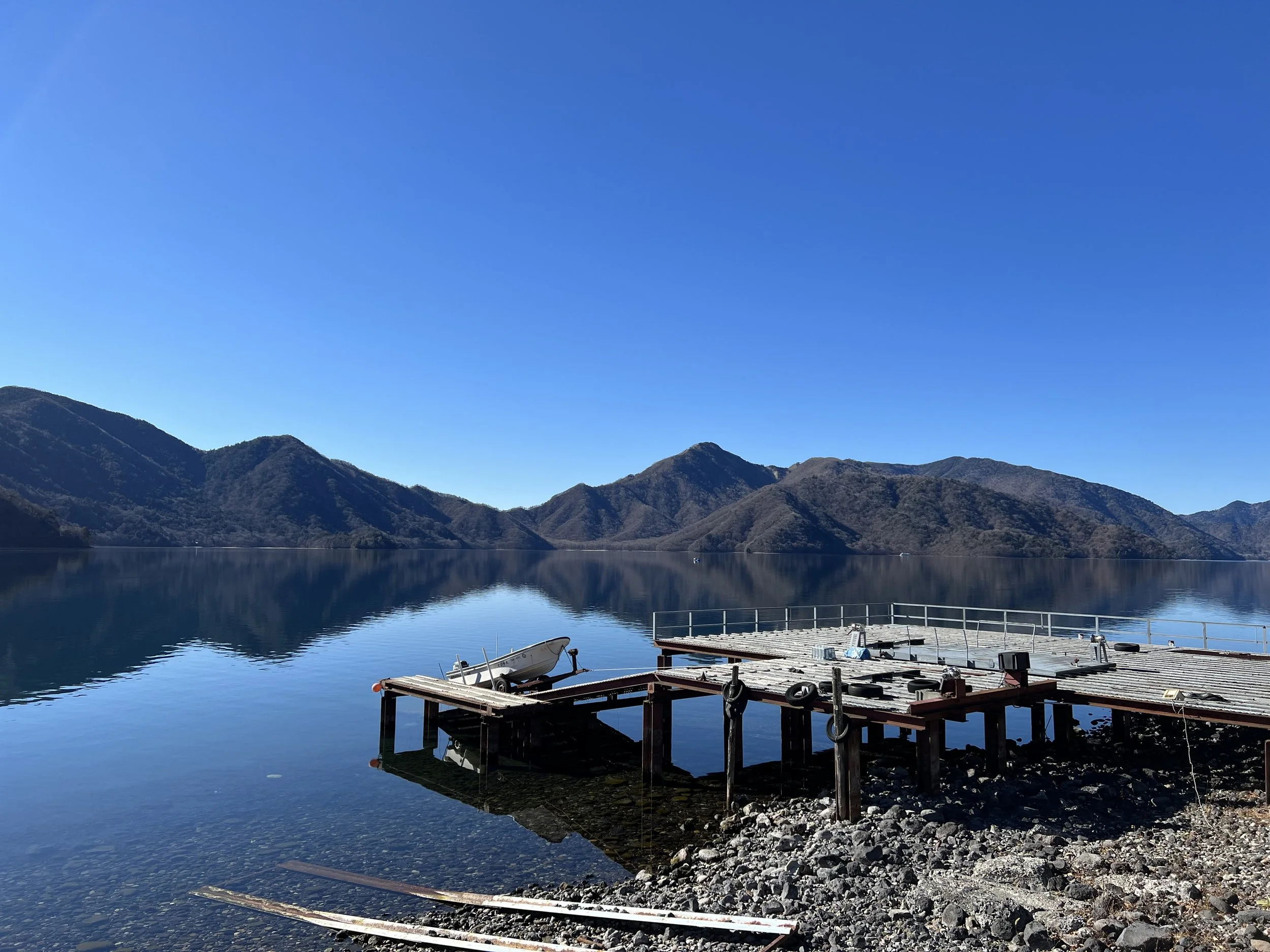
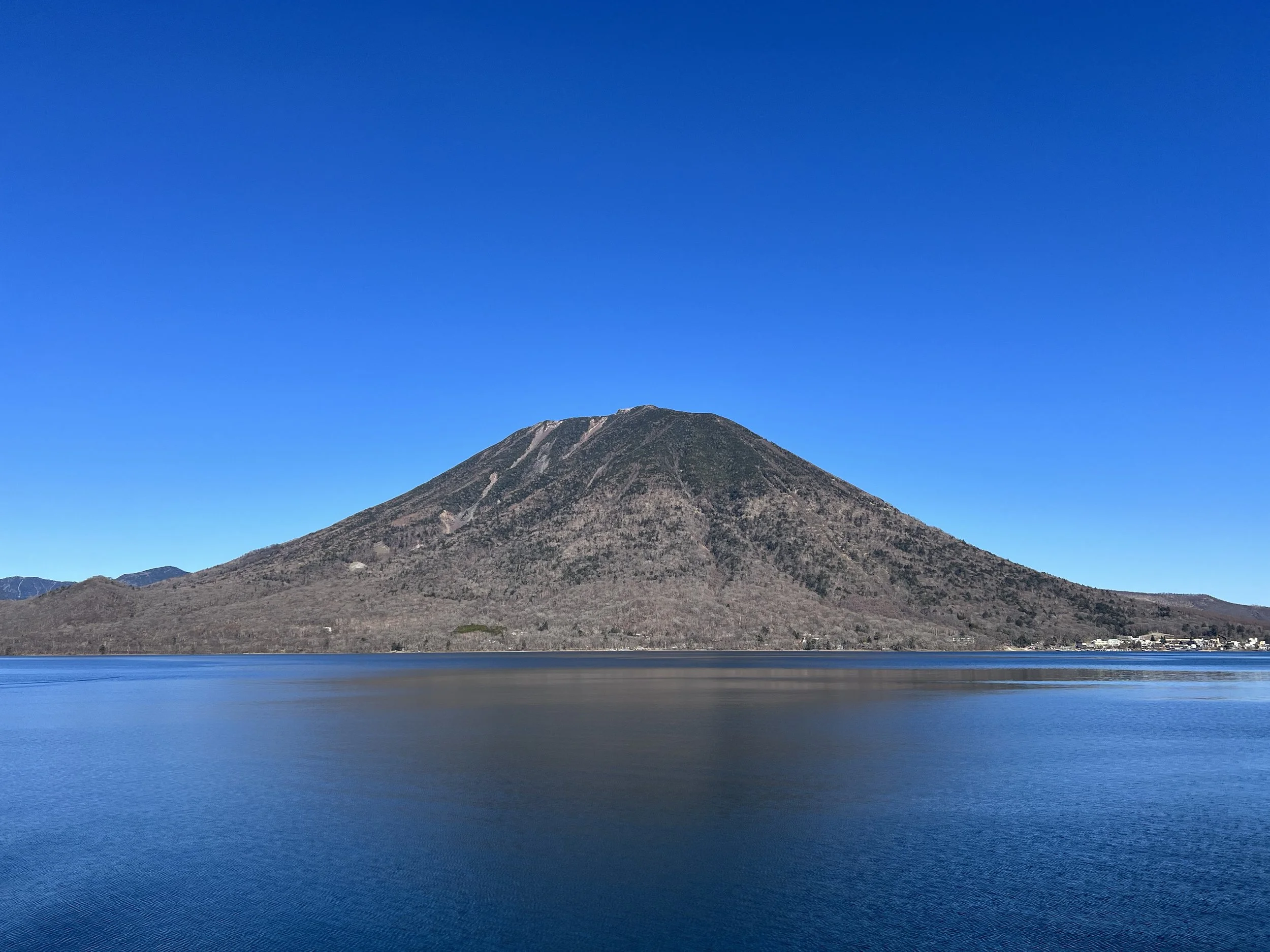
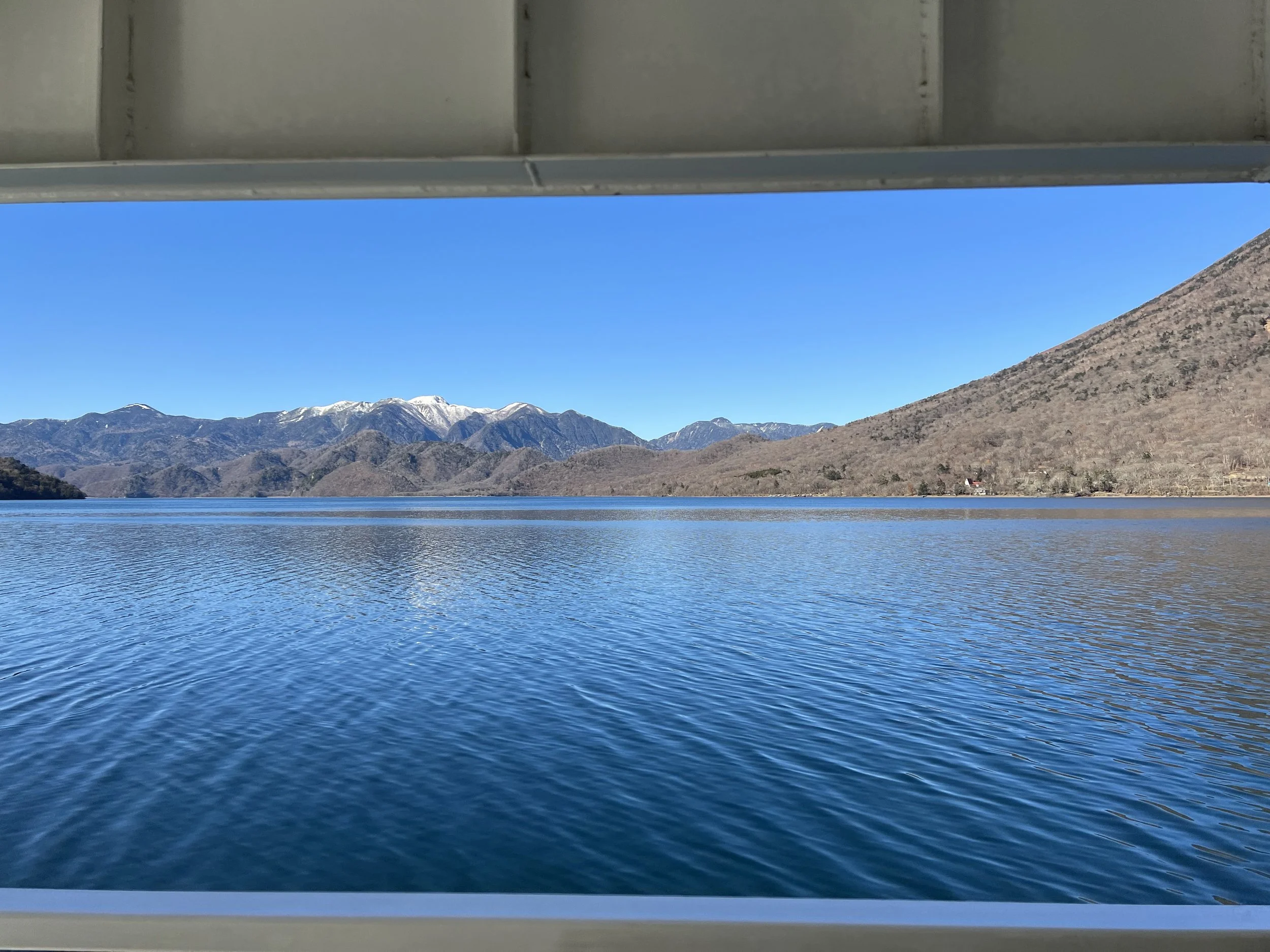
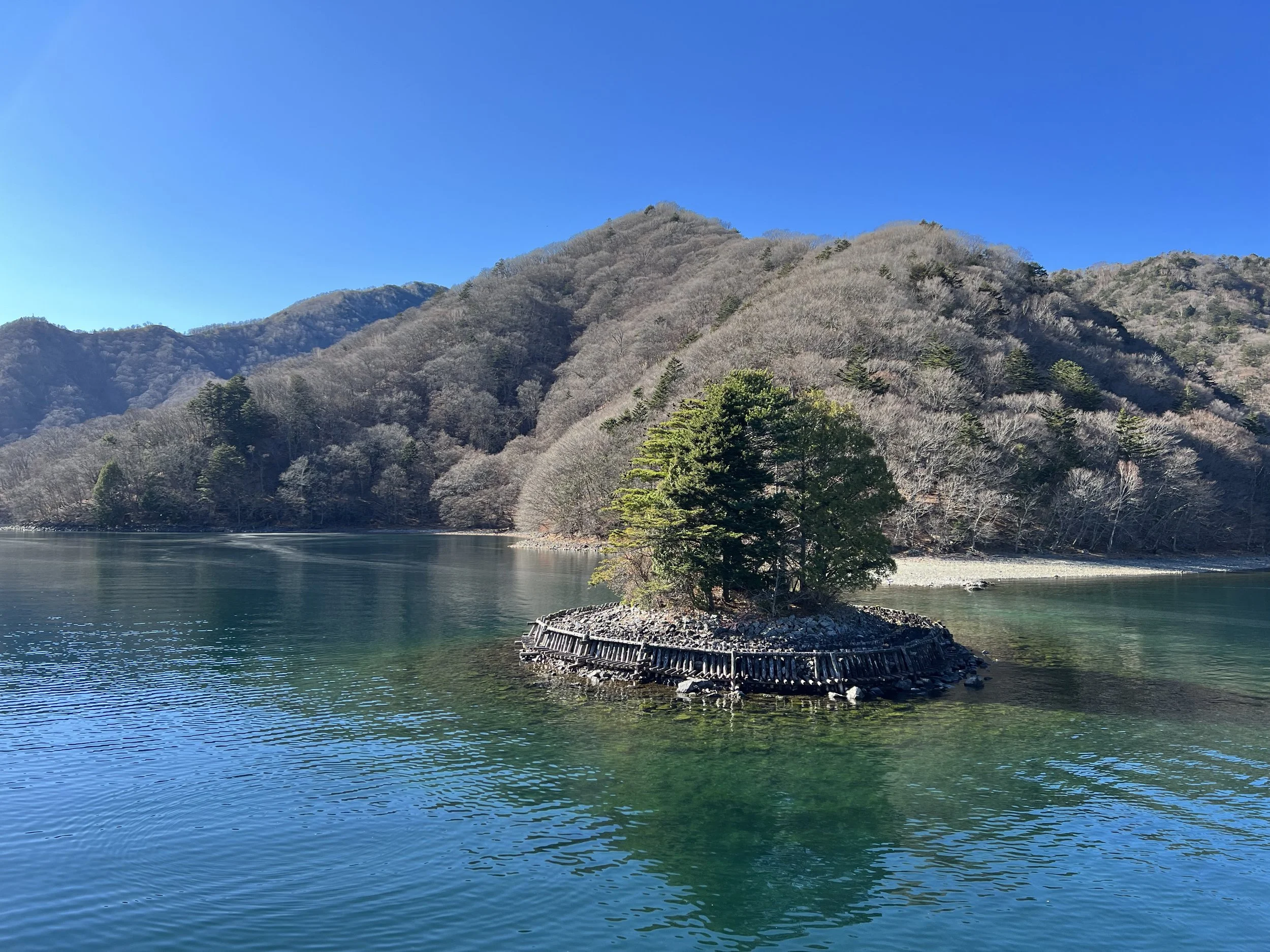
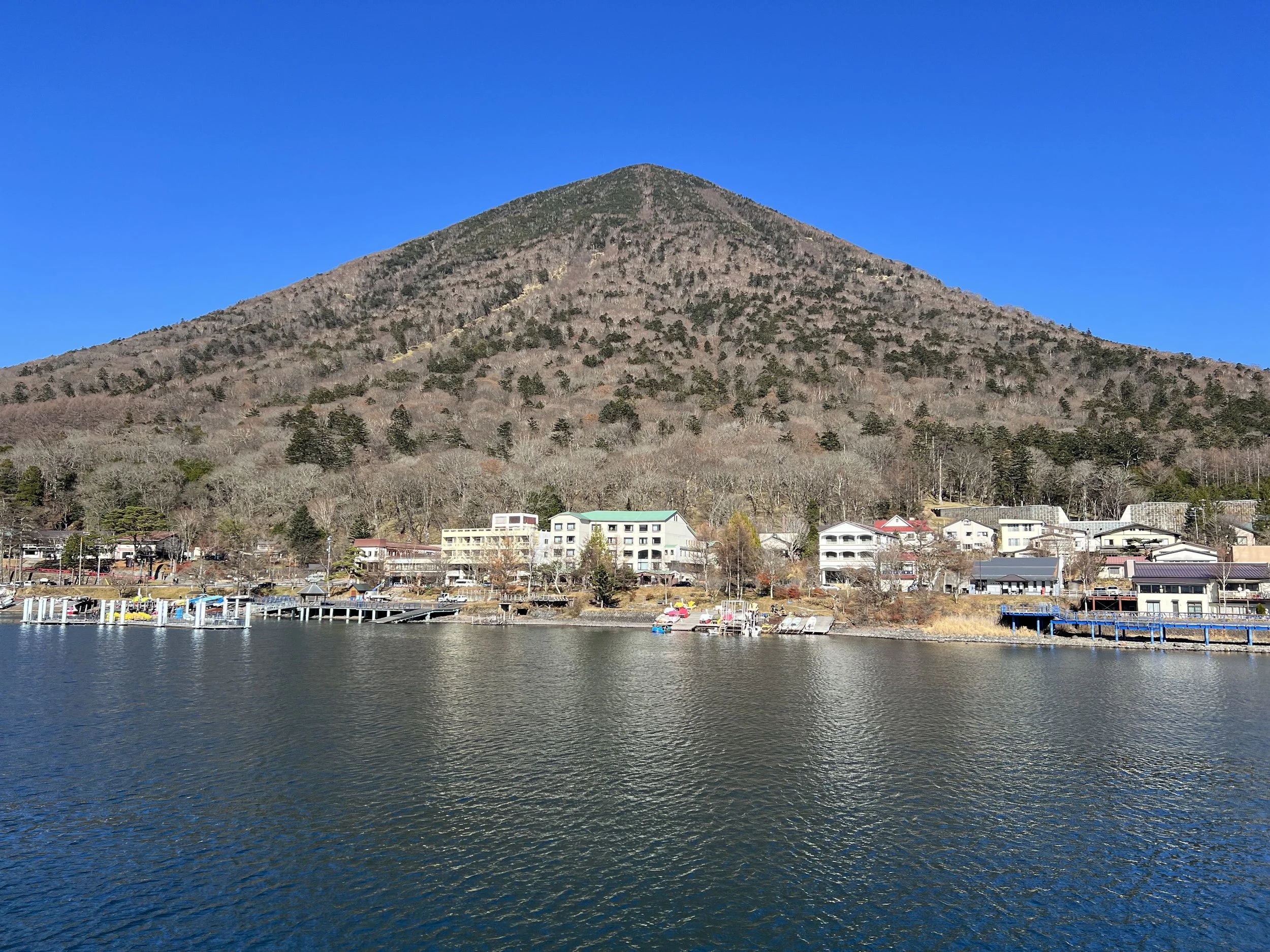
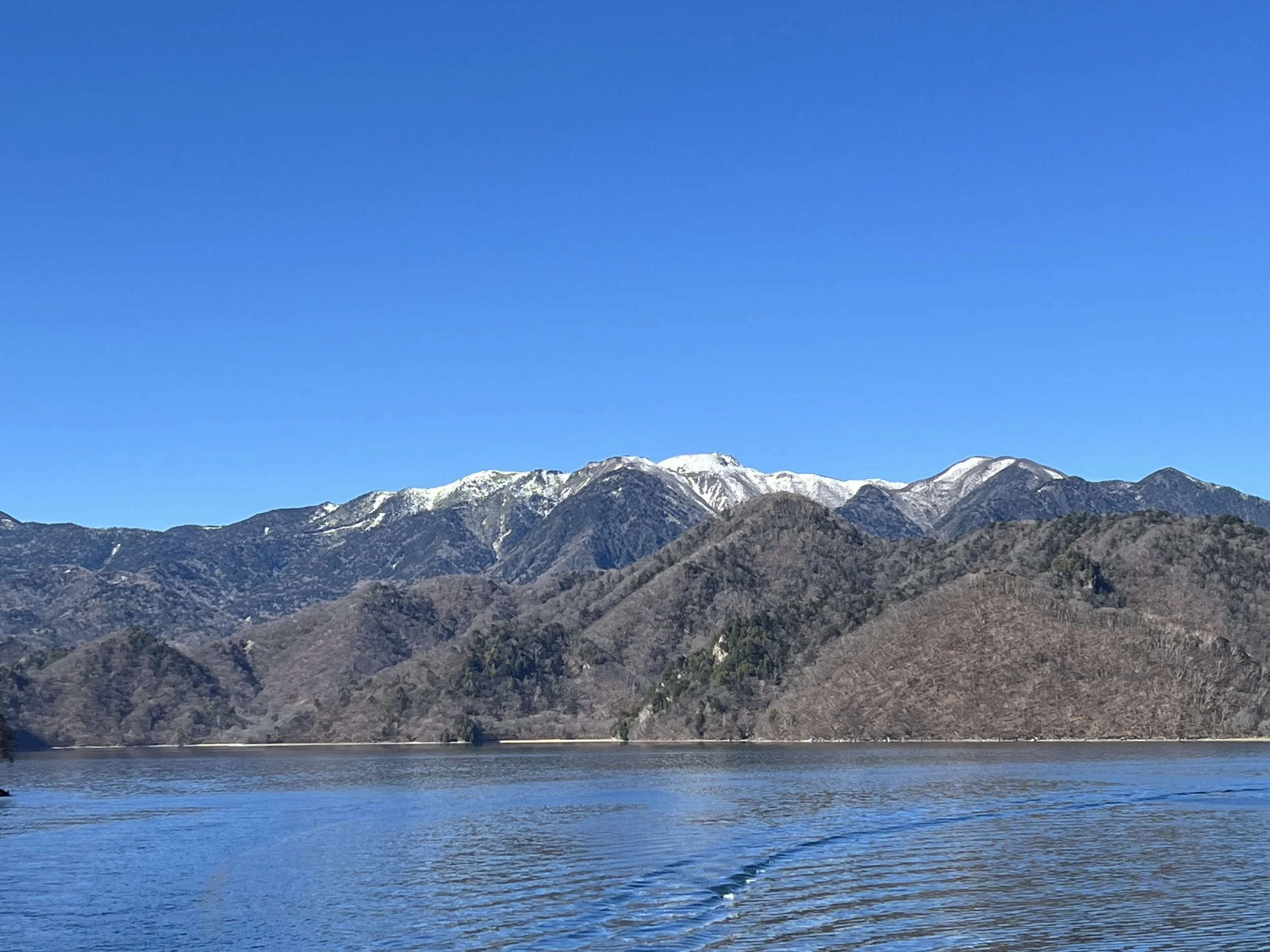
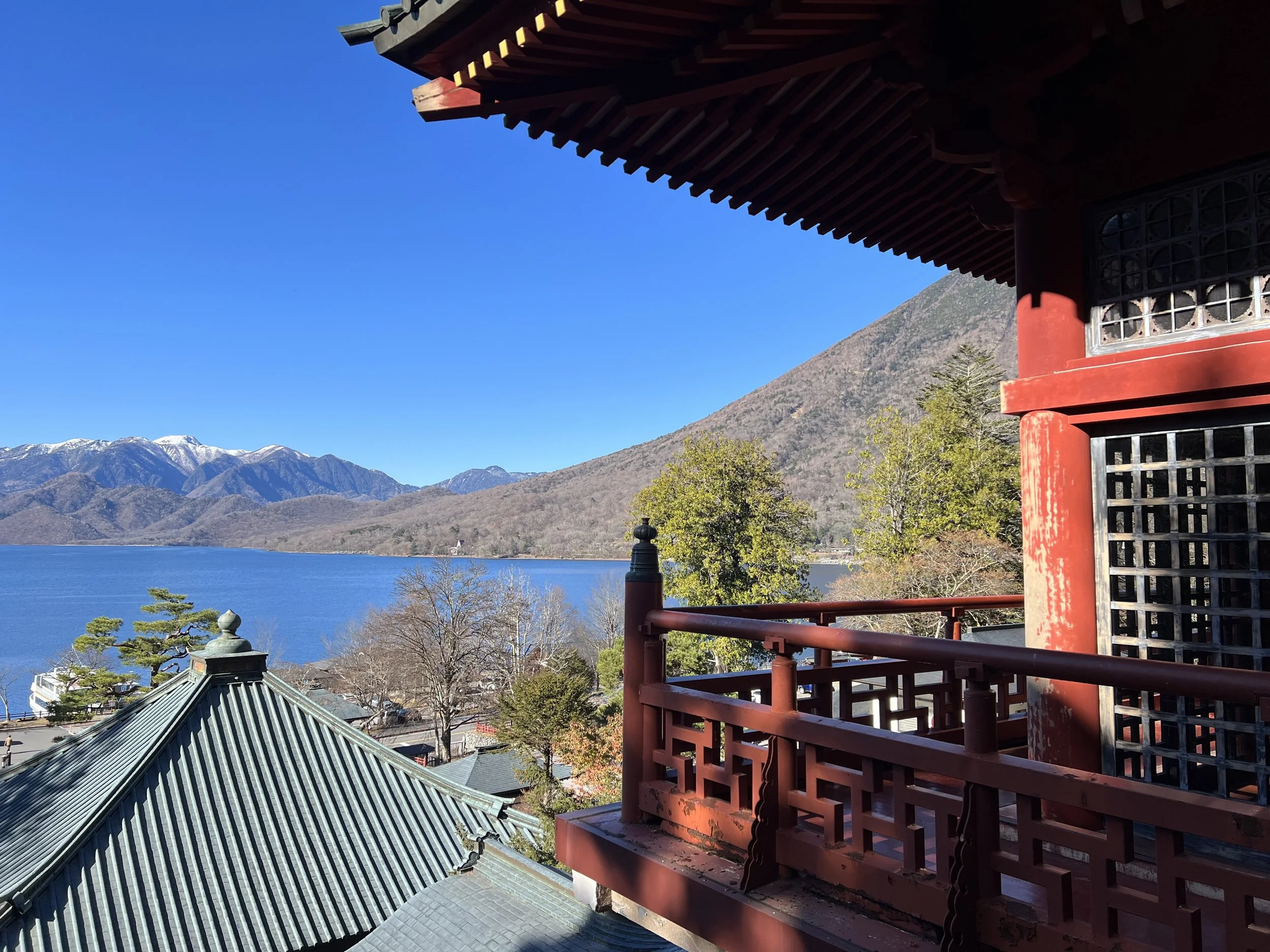
Afterwards, I walked toward the Lake Chuzenji boat pier to board the sightseeing cruise. The lake cruise offers sweeping views of Mount Nantai and the surrounding mountains. During peak season, the cruise completes a full circuit of the lake, but during the off-season (when I visited), it only travels about halfway. One stop I had hoped to visit was Ryuzu Waterfall, but the cruise does not stop there during off-season operations.
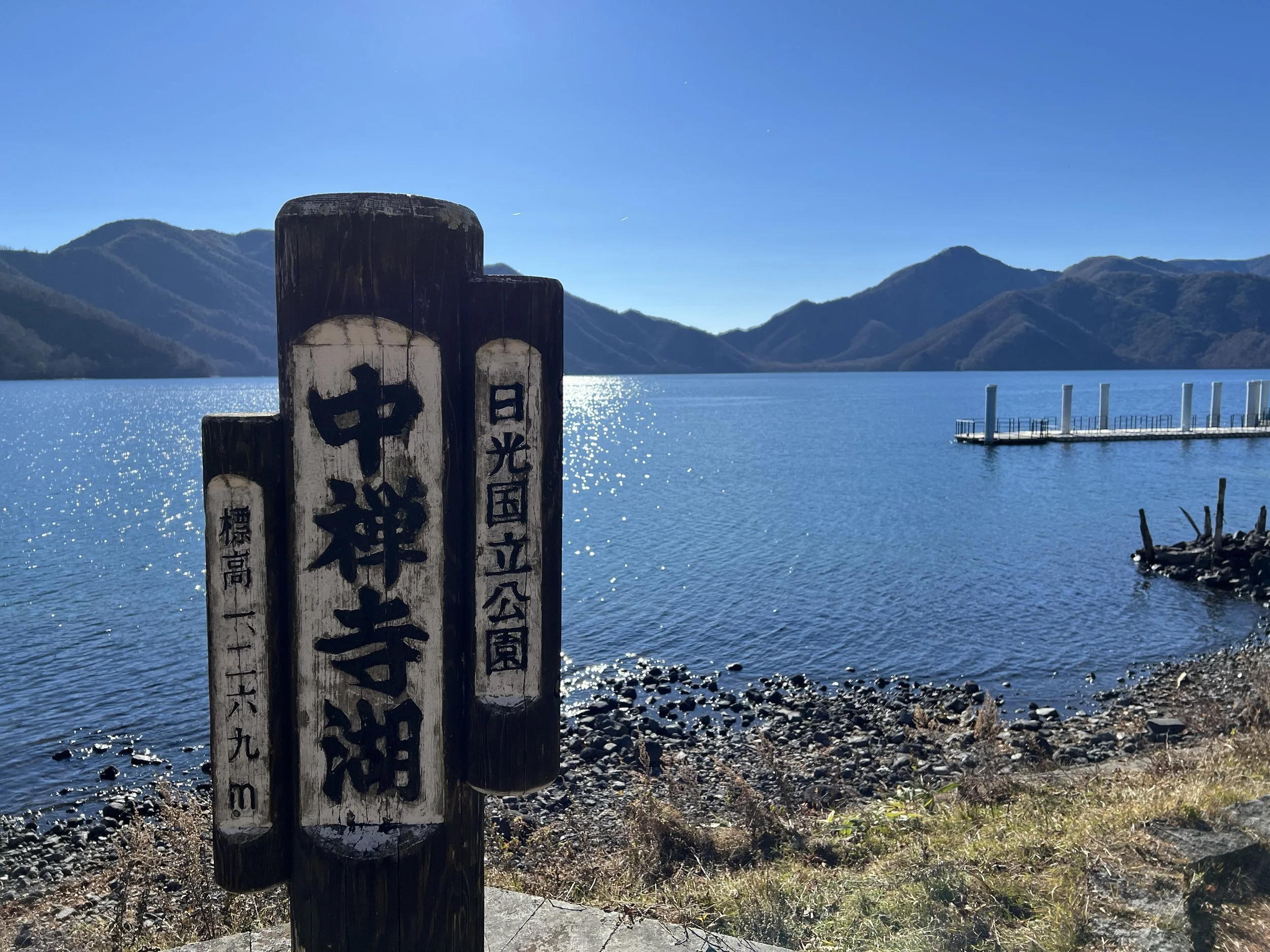
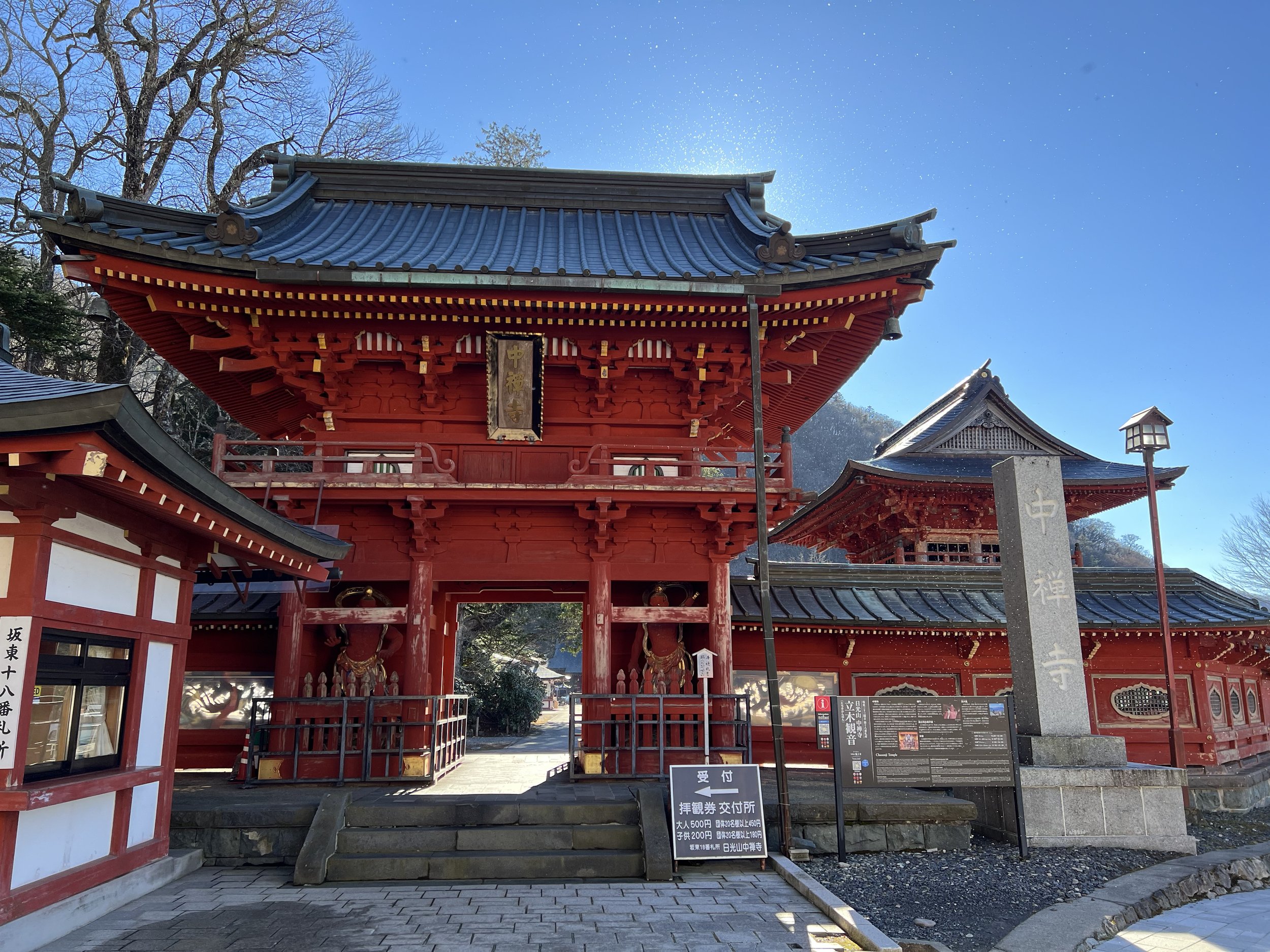
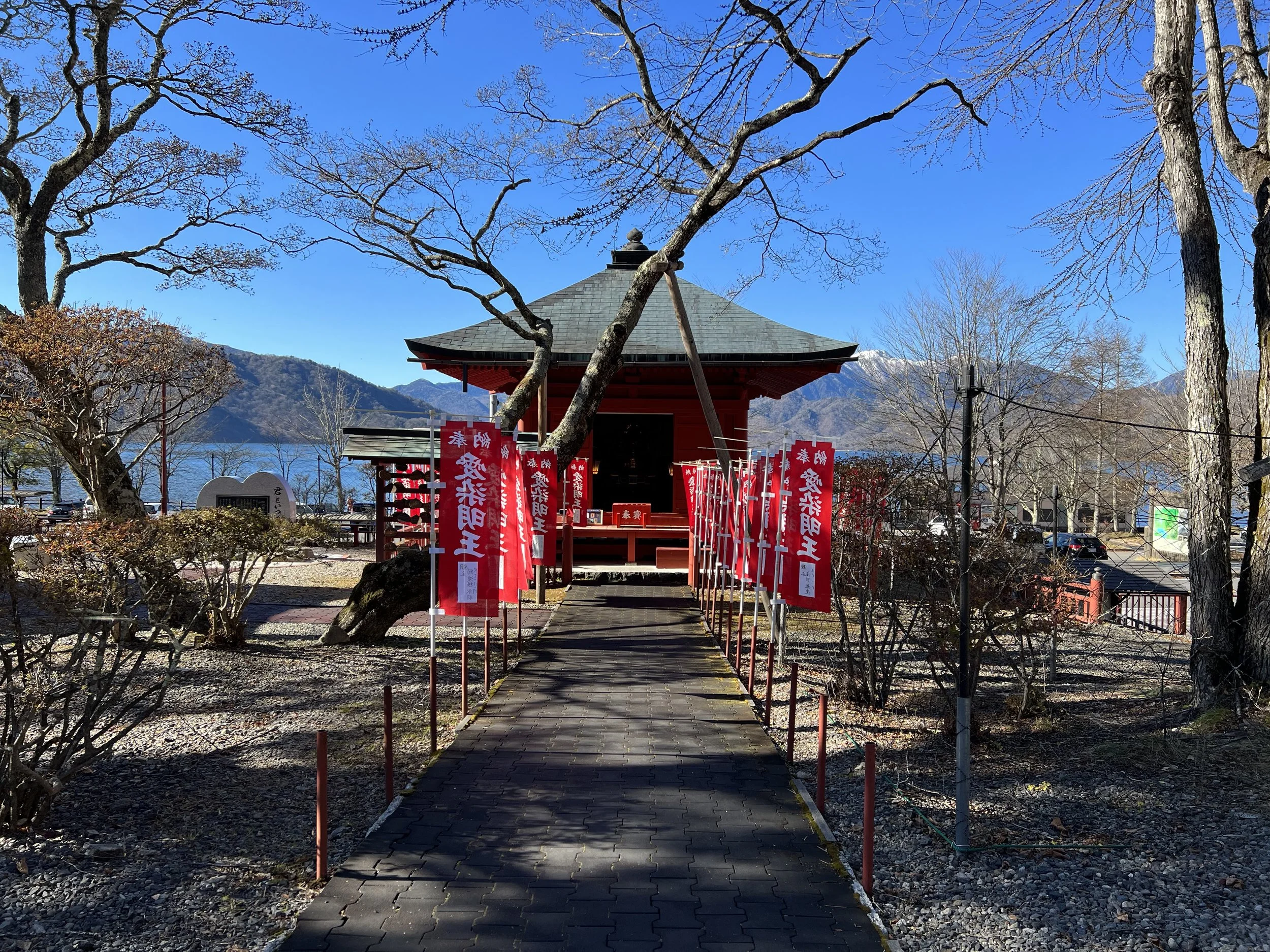
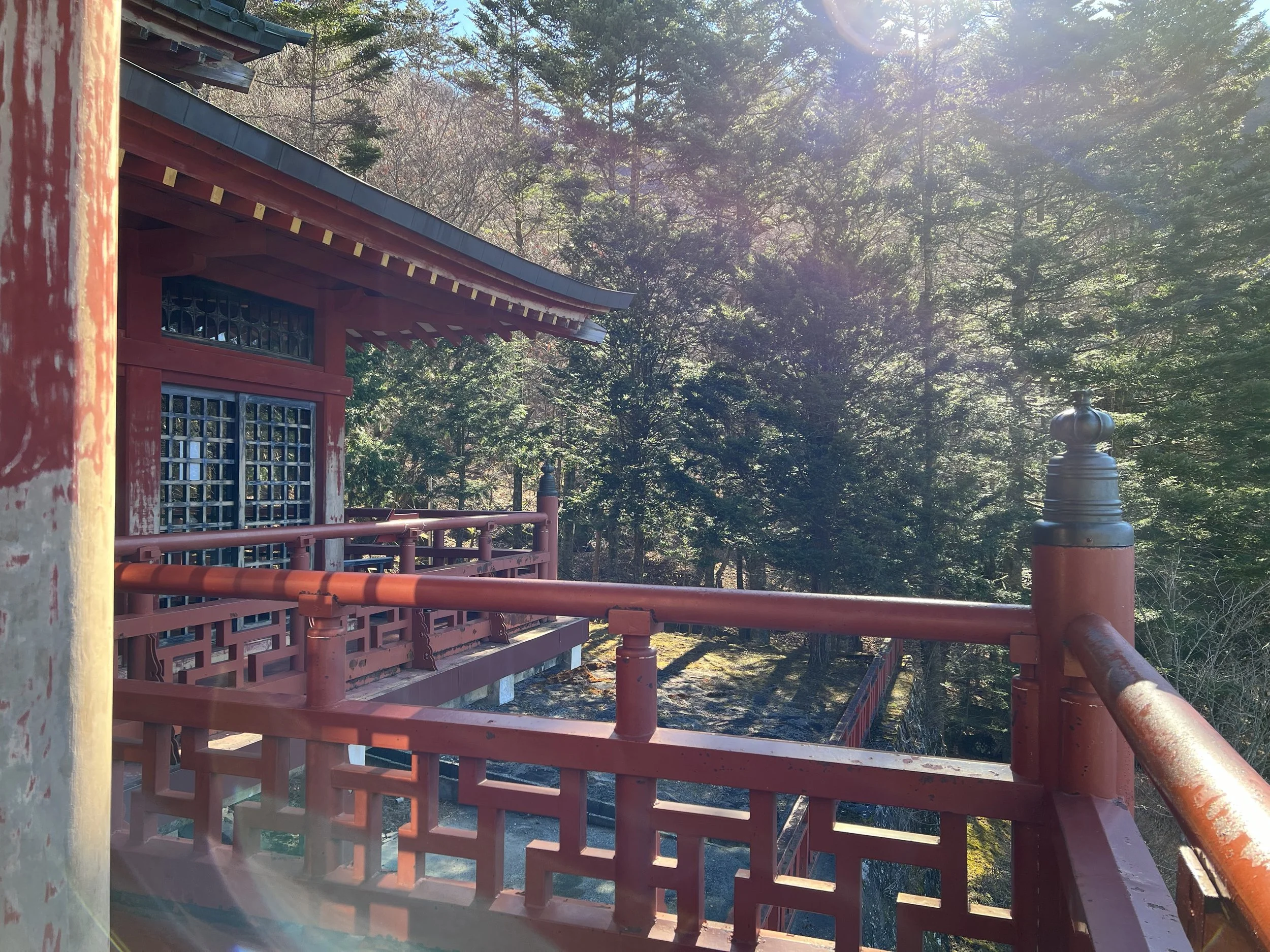
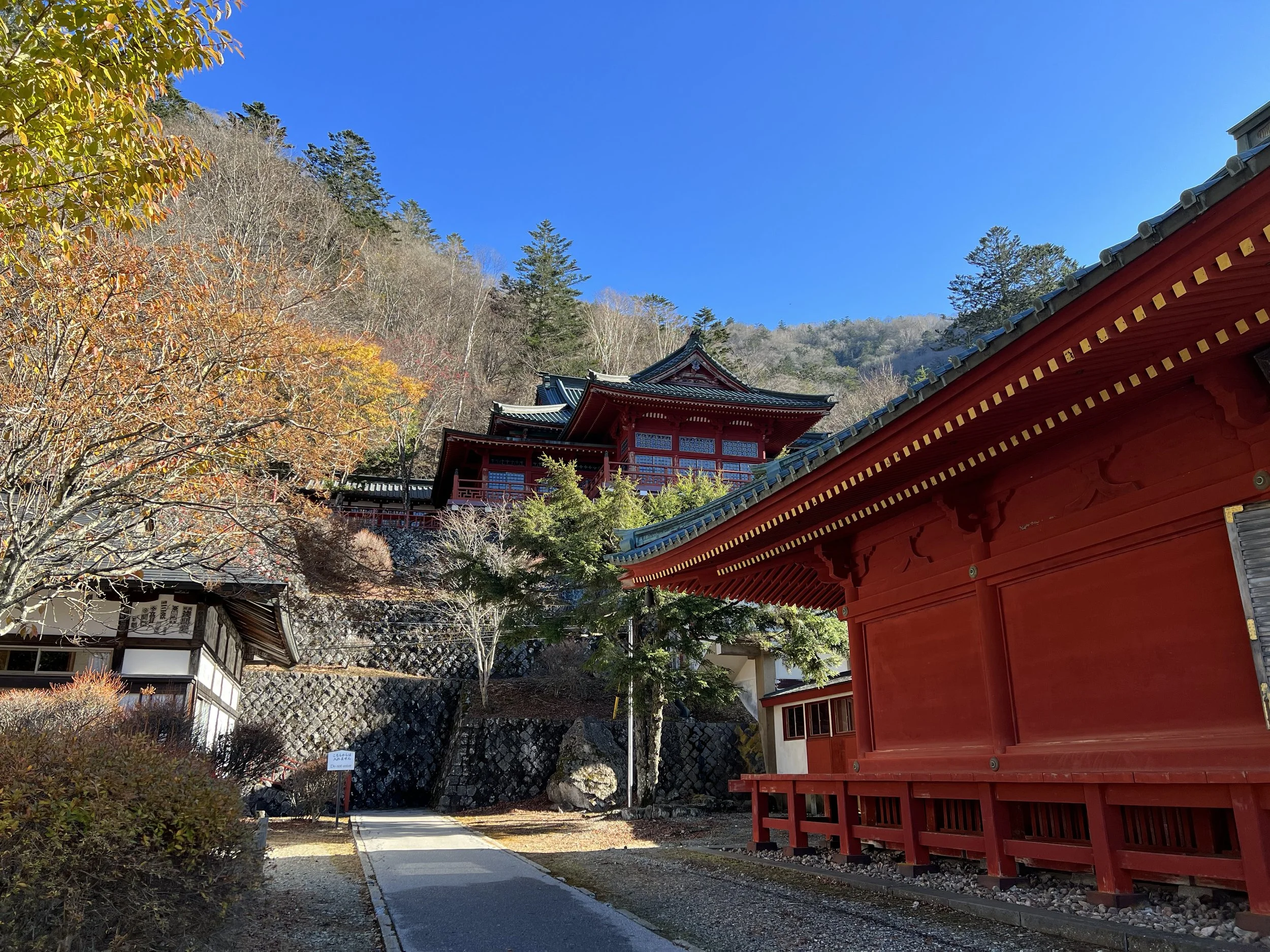
I disembarked at the Chuzenji Temple stop. Chuzenji Temple sits along the eastern shore of Lake Chuzenji — in fact, the lake is named after the temple. The main object of worship is a six-metre-tall Kannon statue carved from a living tree that remains rooted in the ground. The temple grounds were peaceful, and although photography is restricted in certain areas, I was able to admire large ceiling paintings of white dragons in one of the halls. I later learned that the same artist also painted the famous “crying dragon” ceiling at Toshogu Shrine.
After checking the bus and cruise schedules and realizing they did not align well, I stopped for a late lunch before walking back toward the main boat pier and continuing on to Futarasan Shrine Chugushi. Along the way, I passed former foreign embassy villas — British, Italian, and Belgian — reminders of the area’s history as a summer retreat for diplomats.
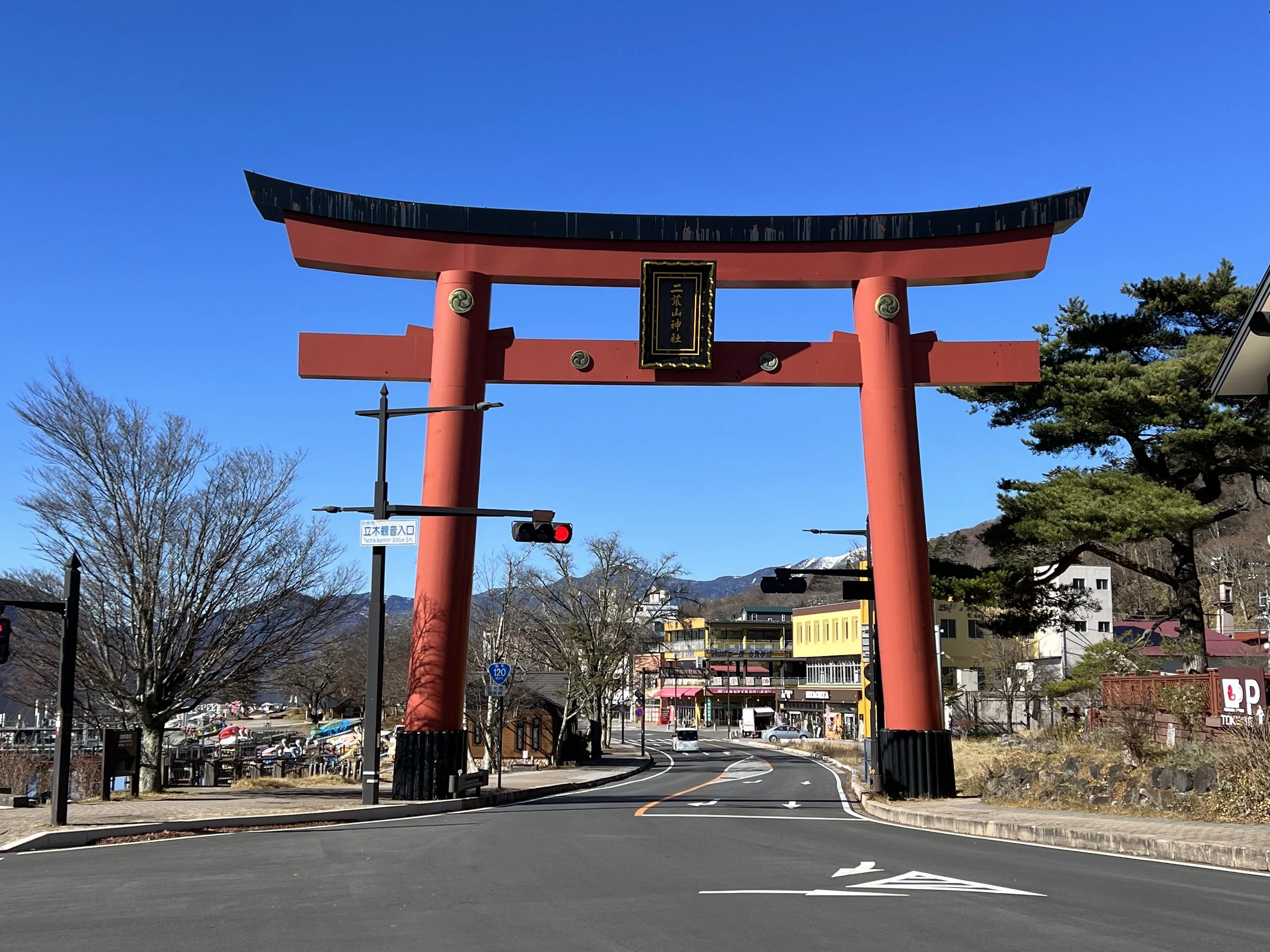
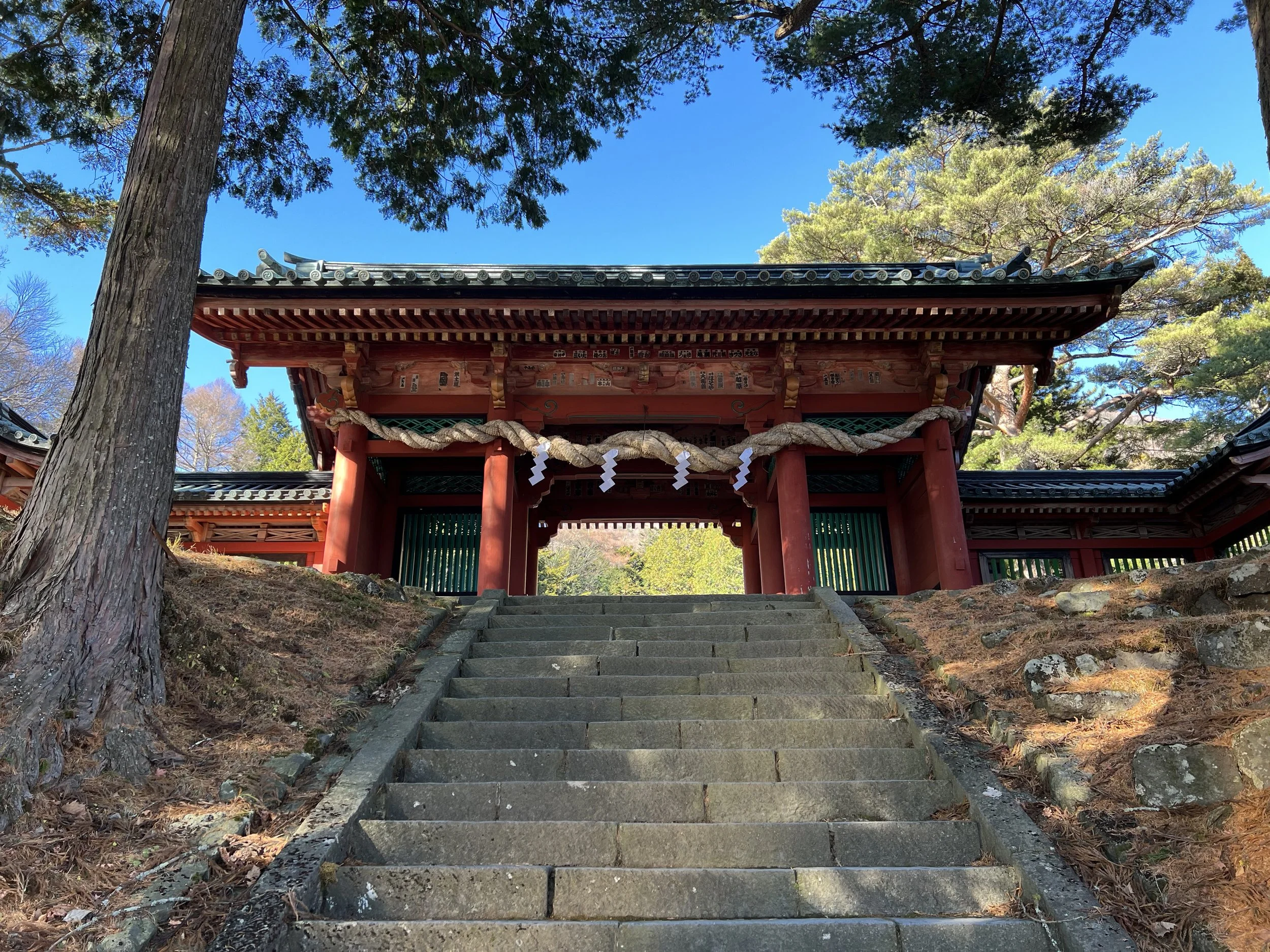
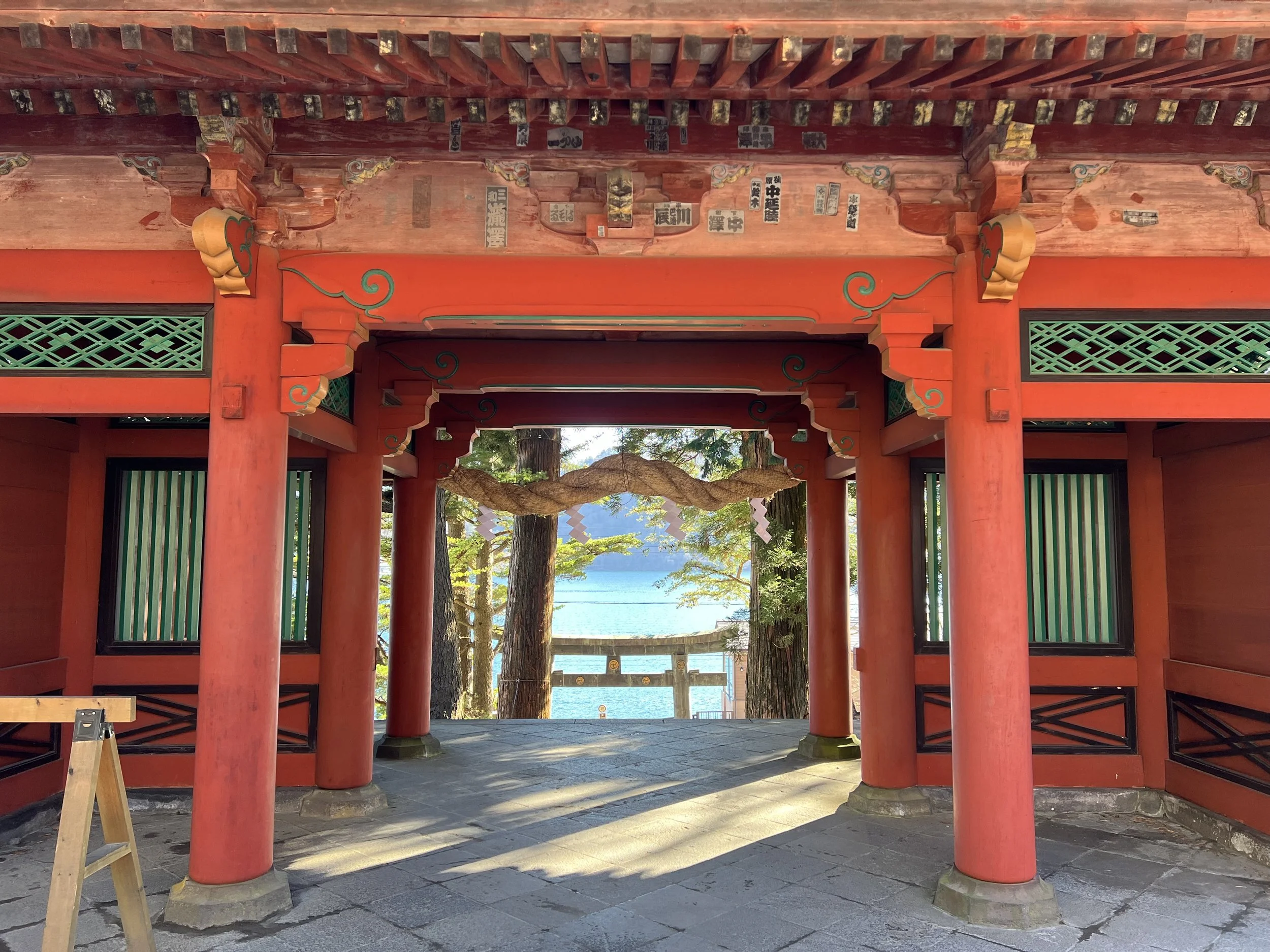
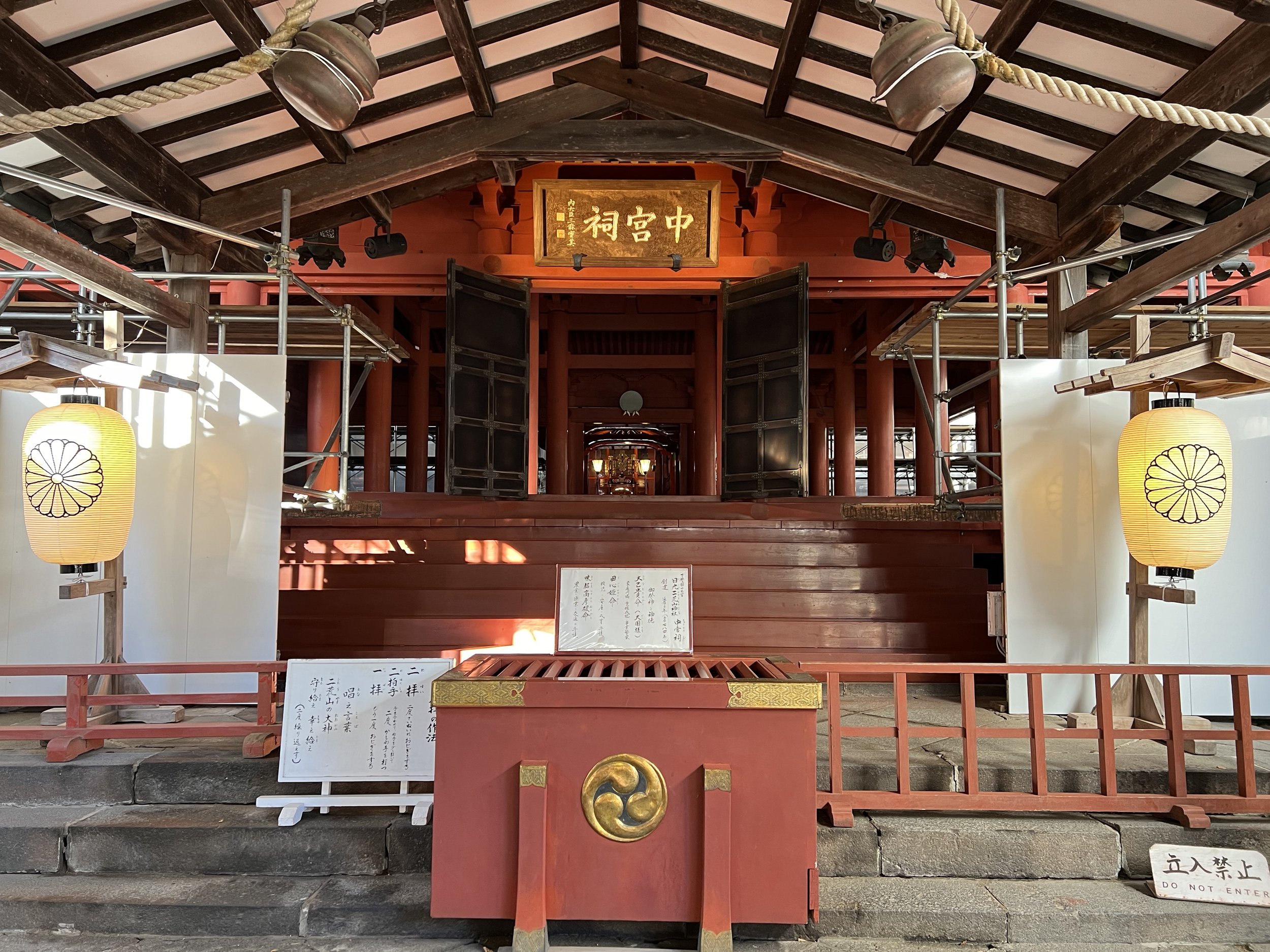
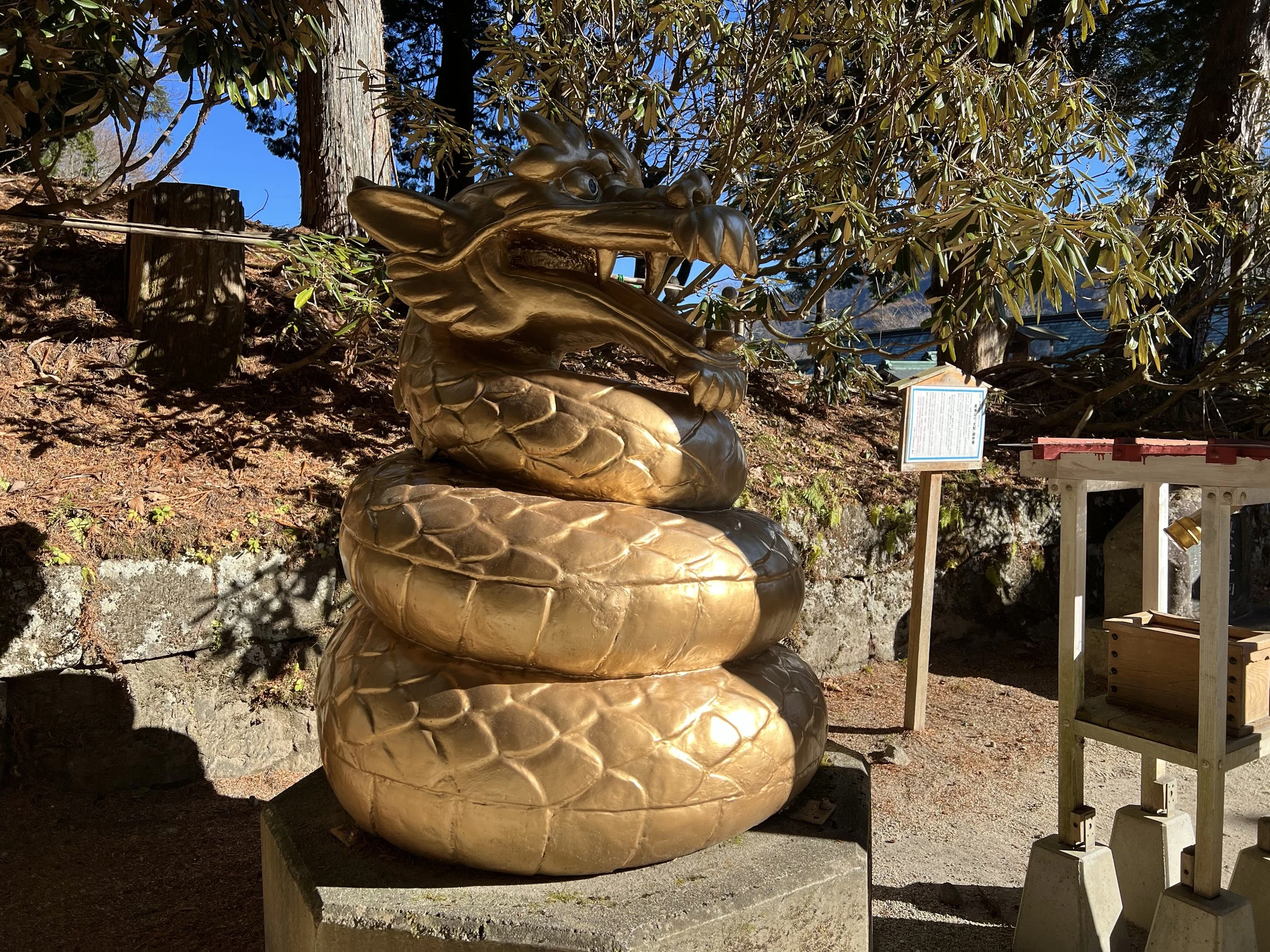
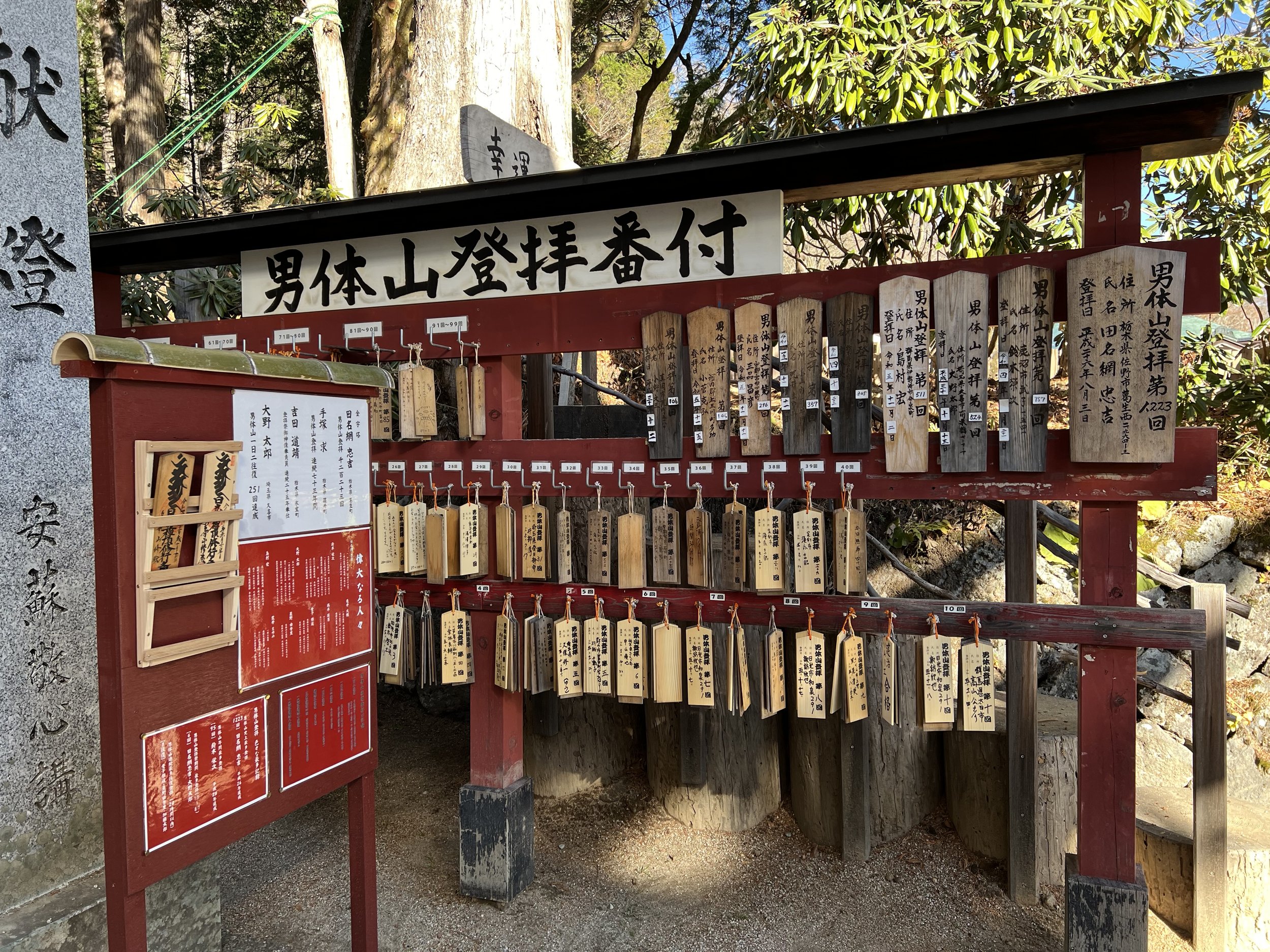
Futarasan Shrine Chugushi serves as the middle shrine of Futarasan Shrine, which I had visited the previous day. It functions as the worship site for Mount Nantai, and the official trailhead to hike the sacred mountain begins here. The mountain is open for climbing from April 25 to November 11 each year, and climbers must register and pay a small fee. The shrine even tracks how many times individuals have completed the climb — I was surprised to see that the top record-holder had climbed it over 1,220 times.
After exploring the grounds, I returned to the bus stop and made my way back toward Nikko Station. Compared to the busier UNESCO shrine area of my day 1 in Nikko, Inner Nikko felt quieter and more relaxed. The slower pace allowed me to enjoy the natural surroundings without feeling rushed.
History & Background
The Irohazaka road (いろは坂) was constructed in 1954 and remains one of Japan’s most famous mountain roads. Its 48 switchbacks are named after the characters of the traditional Japanese iroha poem, and the route has long served as the gateway to Oku-Nikko (Inner Nikko).
Akechidaira (明智平ロープウェイ) is named after Akechi Mitsuhide, a samurai general of the Sengoku period. The ropeway and observation deck were developed to provide accessible panoramic views of Kegon Waterfall, Lake Chuzenji, and Mount Nantai.
Kegon Waterfall (華厳滝) was formed by the eruption of Mount Nantai approximately 20,000 years ago. Lava flows blocked the Daiya River, creating Lake Chuzenji, and the water spilling over the lava cliff formed the waterfall. It is one of Japan’s most celebrated waterfalls and has long been admired in art and literature.
Lake Chuzenji (中禅寺湖) itself sits at an elevation of about 1,269 metres and is Japan’s highest natural lake of significant size. During the late 19th and early 20th centuries, it became a popular summer retreat for foreign diplomats and missionaries, leading to the construction of lakeside embassy villas that can still be seen today.
Chuzenji Temple (中禅寺) was founded in the 8th century by the Buddhist monk Shodo Shonin, who also introduced Buddhism to Nikko. The temple played a central role in the development of Nikko as a mountain worship site blending Shinto and Buddhist traditions.
Futarasan Shrine Chugushi (二荒山神社 中宮祠) is one of three main shrines of Futarasan Shrine, originally established in 782. The shrine venerates Mount Nantai as a sacred mountain, reflecting the ancient practice of mountain worship (Shugendo) in Japan.
Getting There
From central Nikko, Inner Nikko is accessible via Tobu buses departing from both JR Nikko Station and Tobu-Nikko Station. Buses bound for Chuzenji Onsen and Yumoto Onsen travel along the Irohazaka road and stop at key points including Akechidaira Ropeway, Kegon Falls, Lake Chuzenji, and Futarasan Shrine Chugushi.
The bus ride from Nikko Station to Akechidaira takes approximately 45 minutes, while continuing onward to Chuzenji Onsen takes about 50–60 minutes depending on traffic. During peak autumn foliage season, travel times can increase significantly due to congestion along Irohazaka.
Transit passes such as the Nikko Pass provide unlimited bus travel within designated zones and are a convenient option for visiting multiple attractions in the Inner Nikko area.
Route Overview
Distance: 7.32 km
Total elevation gain: 106 m
Duration: 1 hr 35 min (with breaks 1 hr 50 min)
Difficulty: Easy
Cost Breakdown
Bus: Nikko Station → Akechidaira Ropeway Bus Stop — ¥0 (Covered in Nikko Pass)
Bus: Akechidaira Ropeway Bus Stop → Chuzenji Onsen Bus Stop — ¥0 (Covered in Nikko Pass)
Entrance Fee: Akechidaira Ropeway — ¥900
Entrance Fee: Kegon Fall Observation Deck — ¥570
Entrance Fee: Chuzenji Temple — ¥500
Ticket: Lake Chuzenji Cruise — ¥0 (Covered in Nikko Pass)
Food: ¥1,100