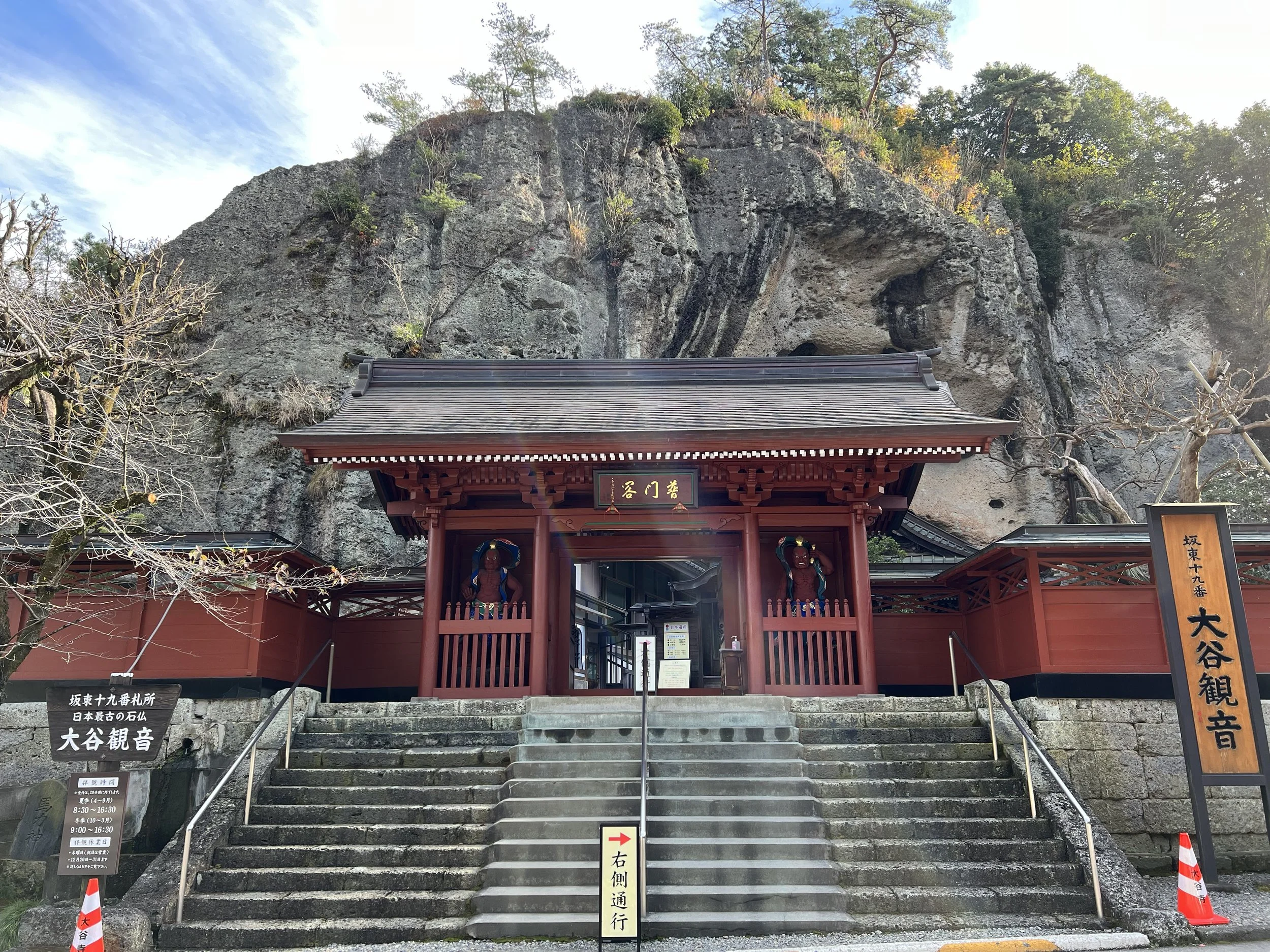
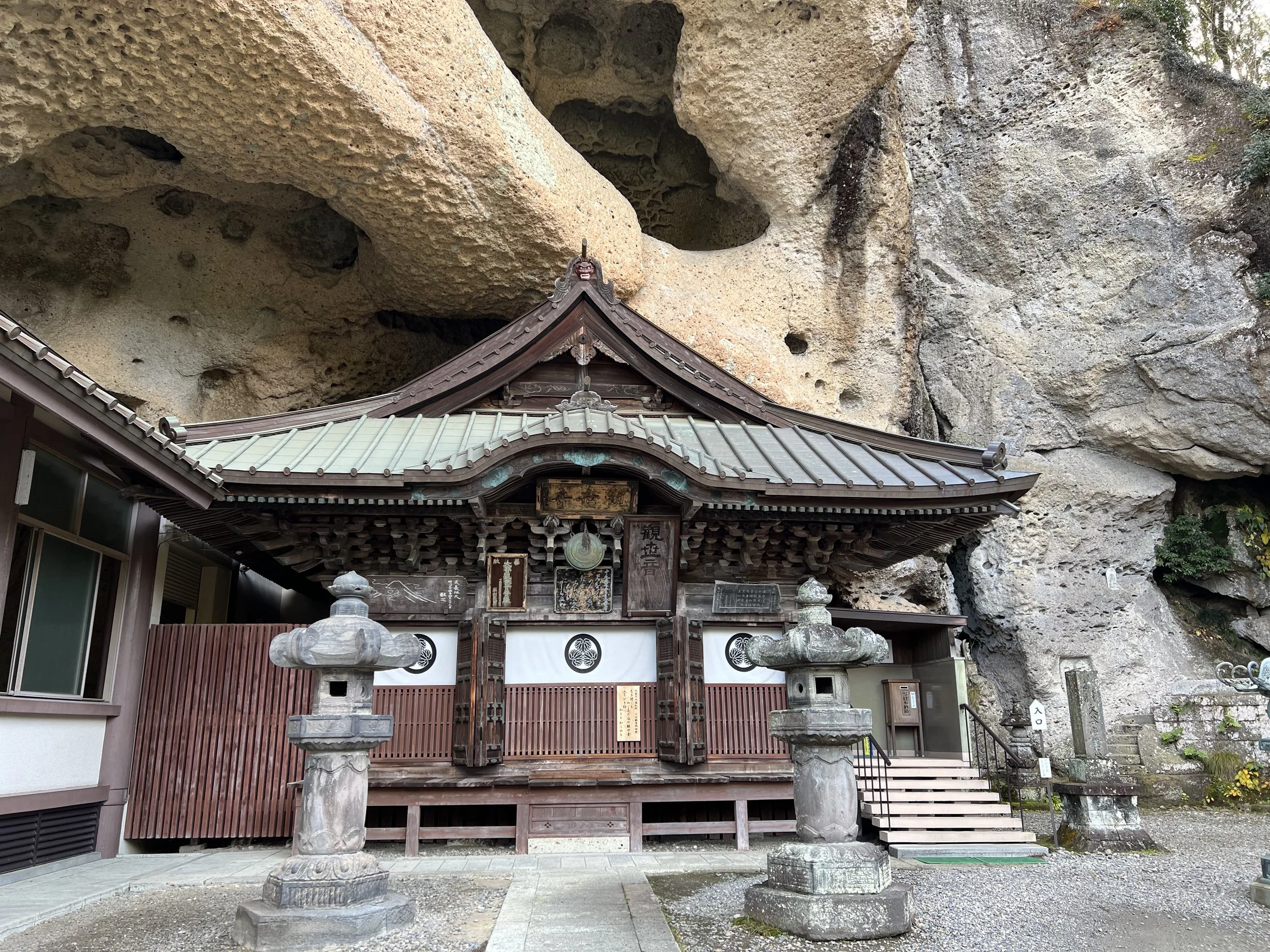
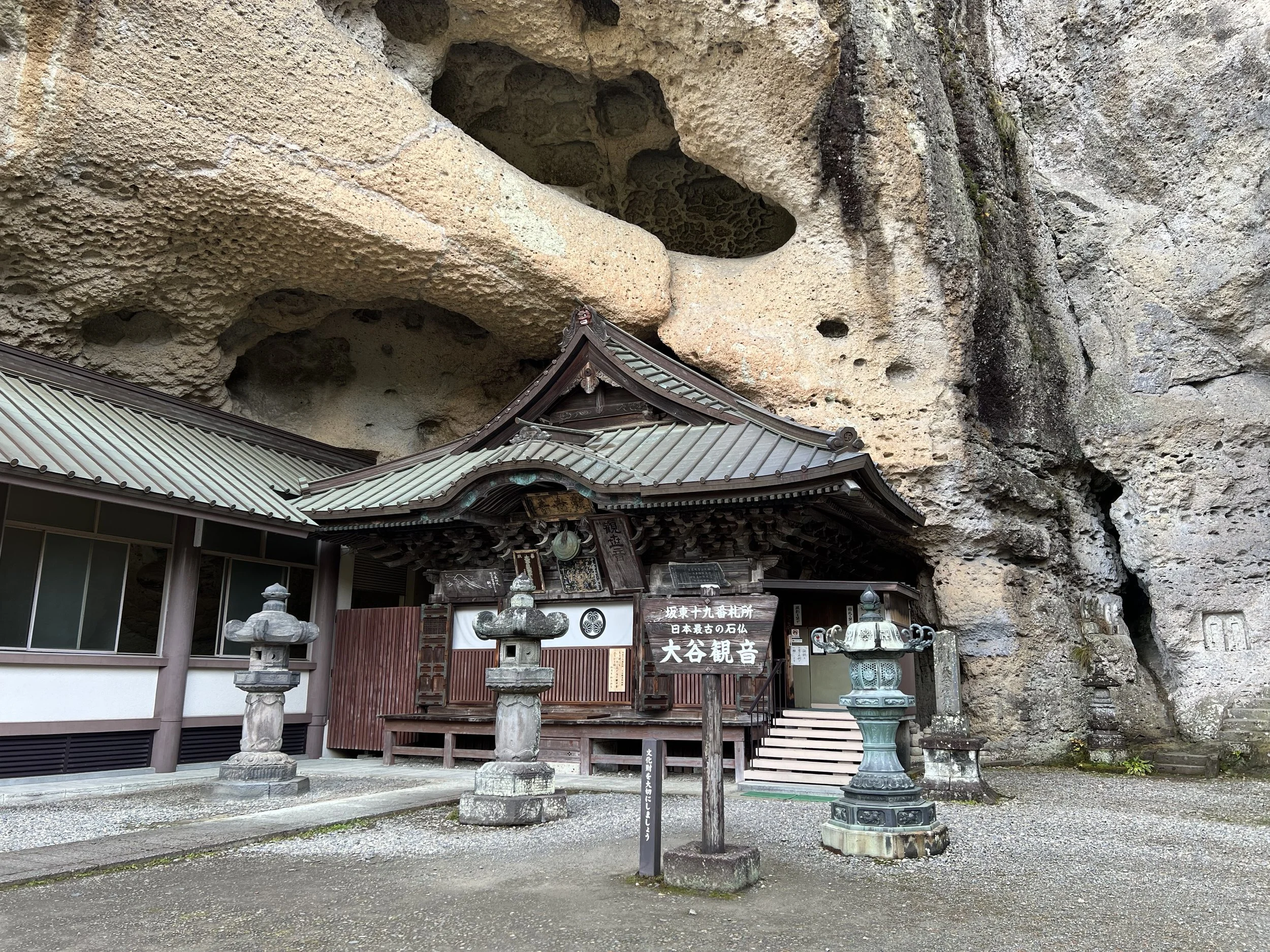
Oya Temple - Tochigi, Japan
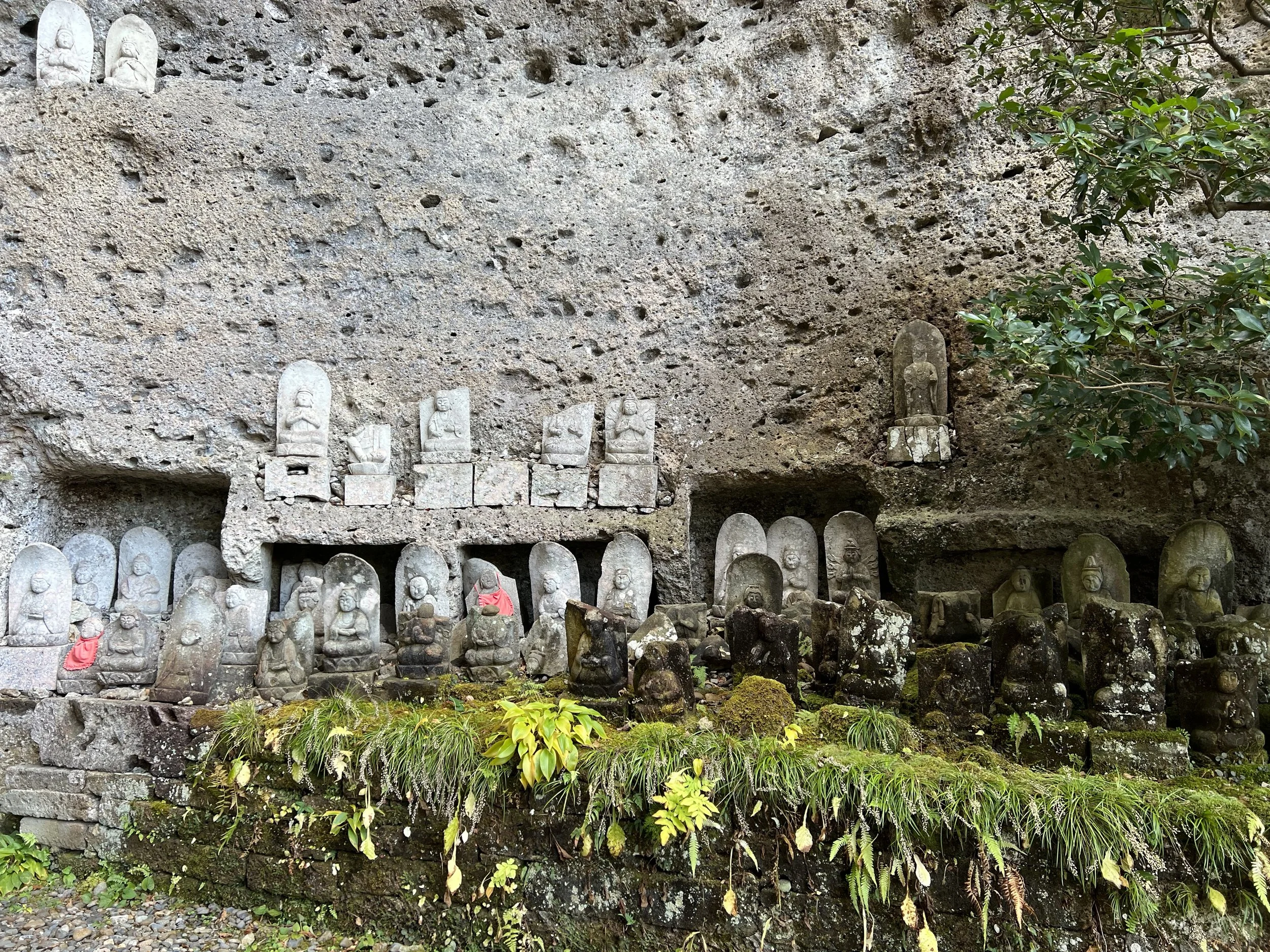
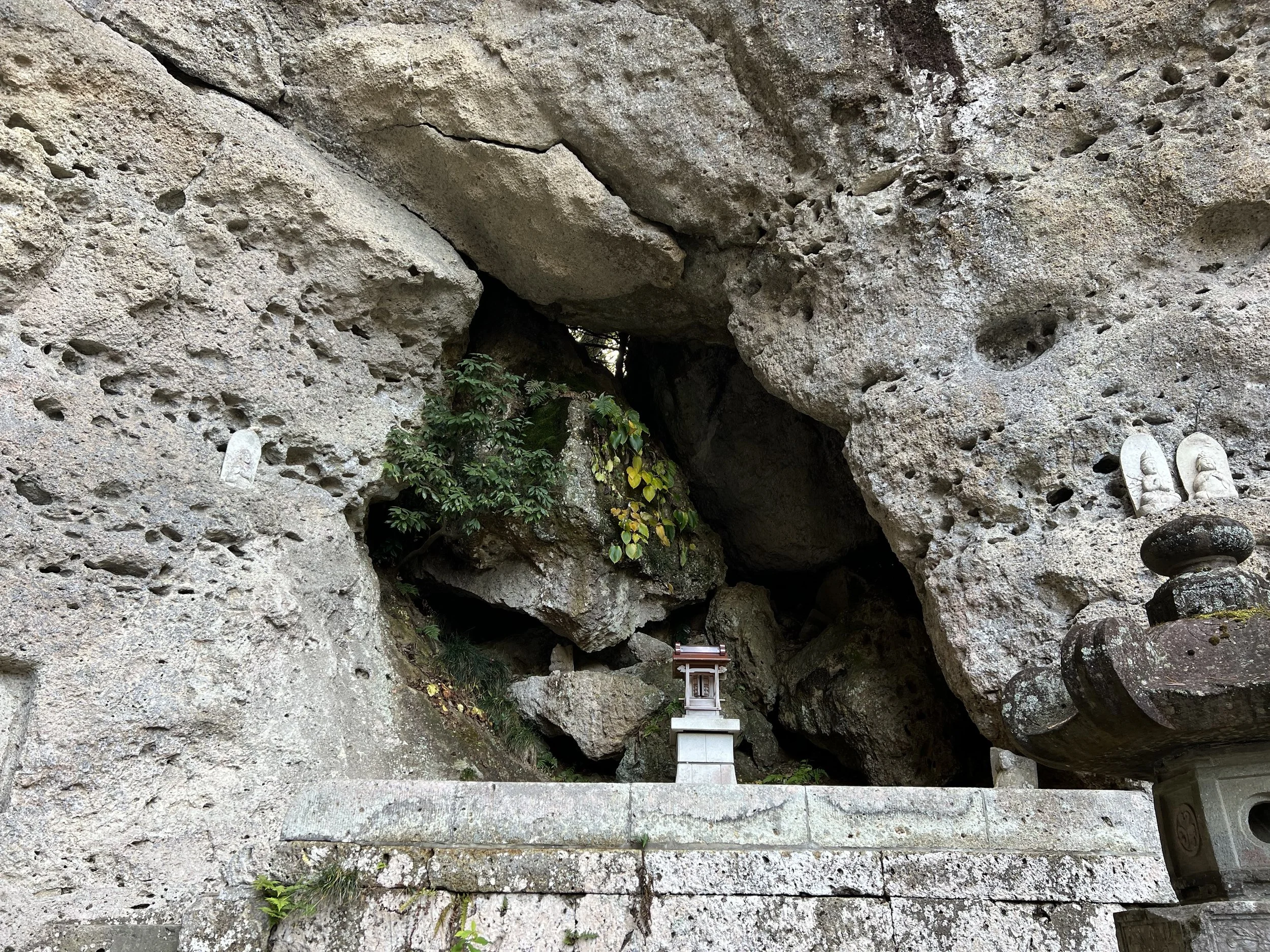
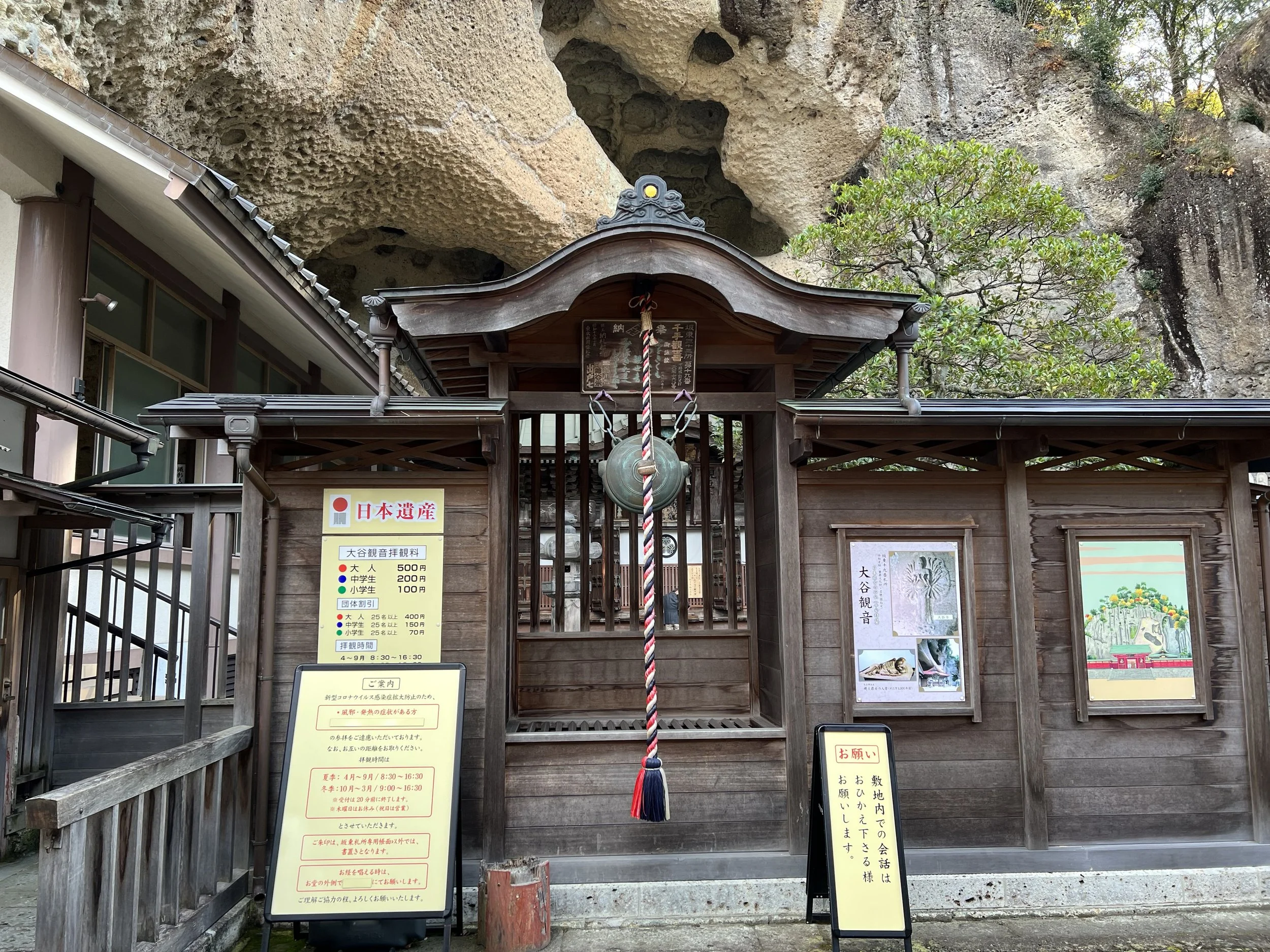
Oya Temple is a Buddhist temple carved directly into a stone cliff, and the moment I saw photos of it, I knew I wanted to visit. Built into the soft volcanic Oya stone, the temple has a quiet, almost otherworldly presence that feels very different from more conventional temple architecture. Dating back over 1,200 years, Oya Temple is said to have been established in 810 by Kobo Daishi, the founder of Shingon Buddhism.
After spending the night in Nikko, I decided to stop here before continuing on to my next destination. Getting to the temple was straightforward, with buses dropping visitors just a short walk from the entrance. When I arrived, there were only a handful of visitors on site, giving the place a calm and contemplative atmosphere. One thing made very clear at the entrance was the strict no-photography policy inside the temple. Photography is permitted outdoors, but not within the carved sanctuary itself. After acknowledging the rules and purchasing my ticket, I stepped inside.
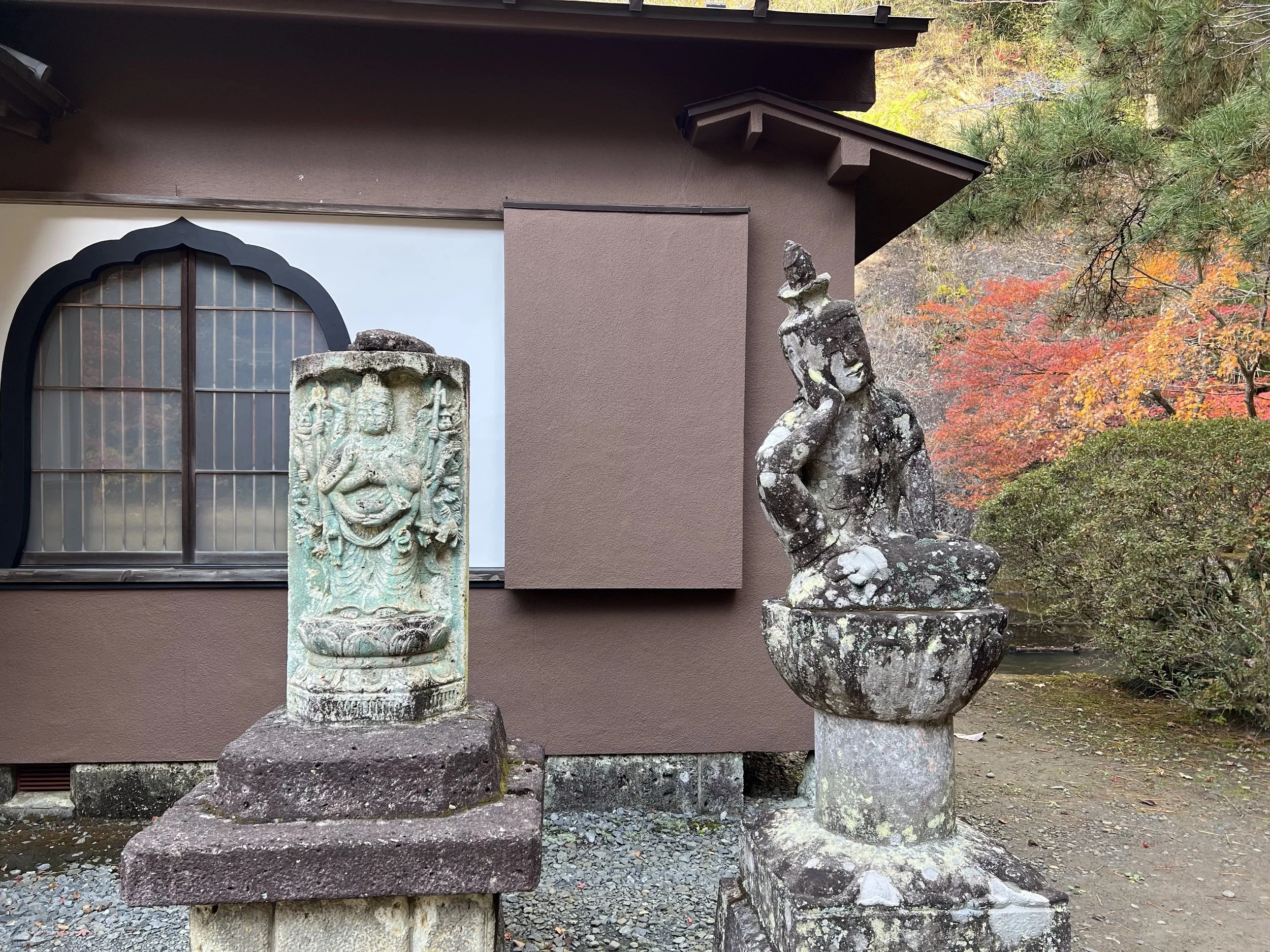
The first impression was striking — the sheer rock face and the temple seamlessly carved into it felt both monumental and intimate at the same time. Inside, I encountered a monk and ended up speaking with him briefly. He kindly shared insights into the temple’s history and pointed out details I might have otherwise overlooked. He drew my attention to carvings along the ceiling and, most notably, the nearly four-metre-tall carving of the Thousand-Armed Kannon, the Buddhist Goddess of Mercy. The level of detail and the state of preservation were remarkable, especially considering the age of the carvings.
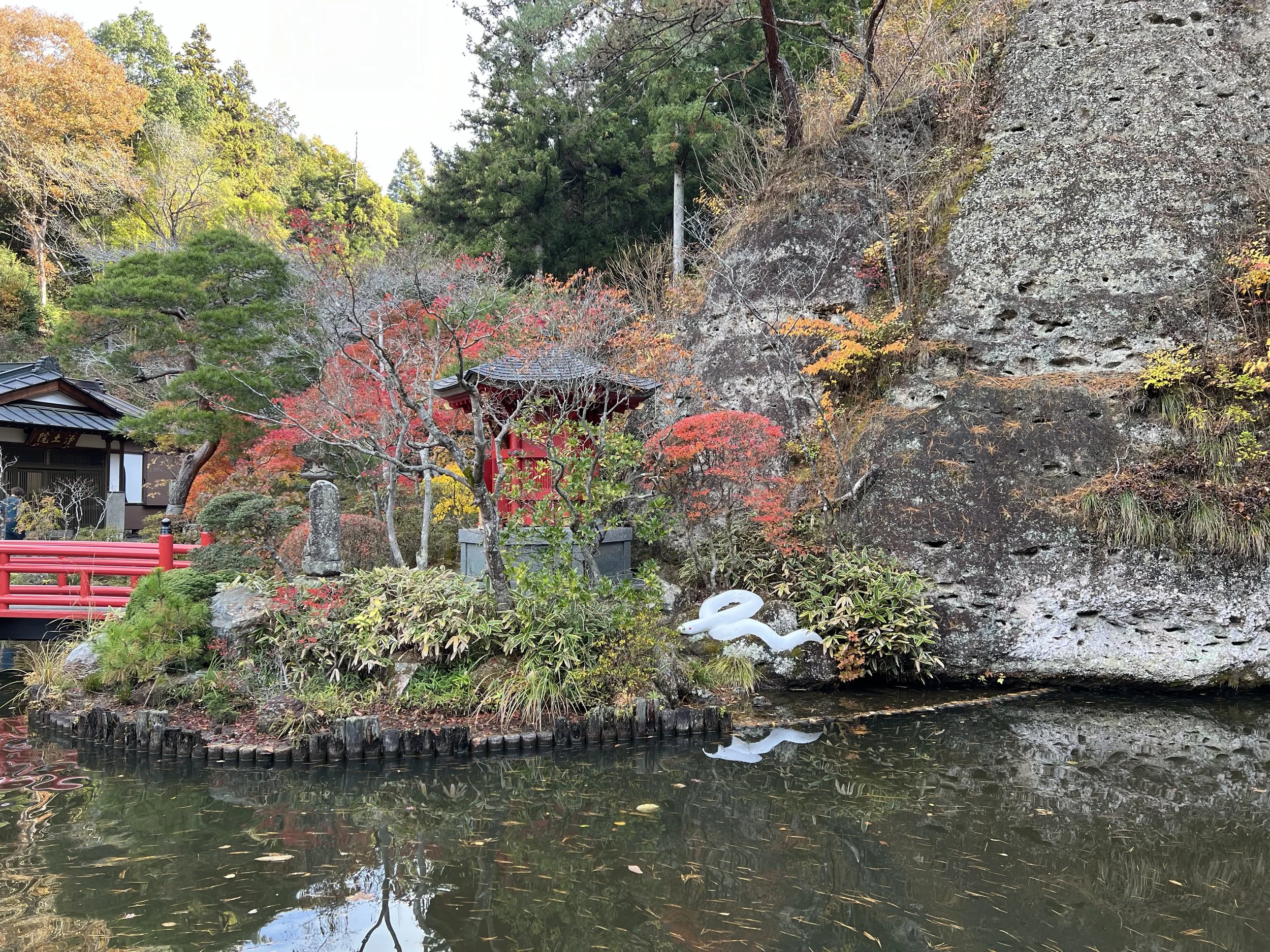
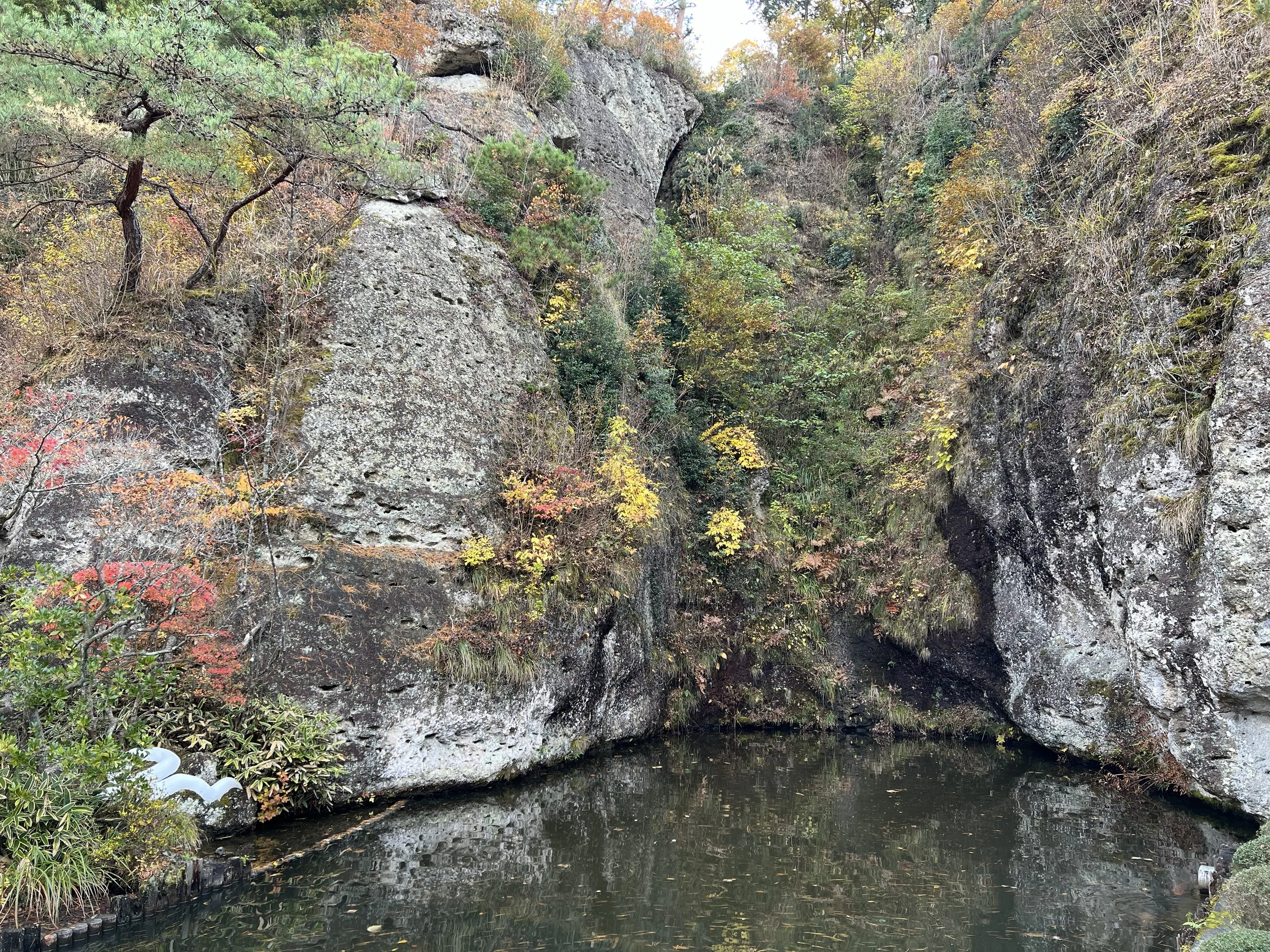
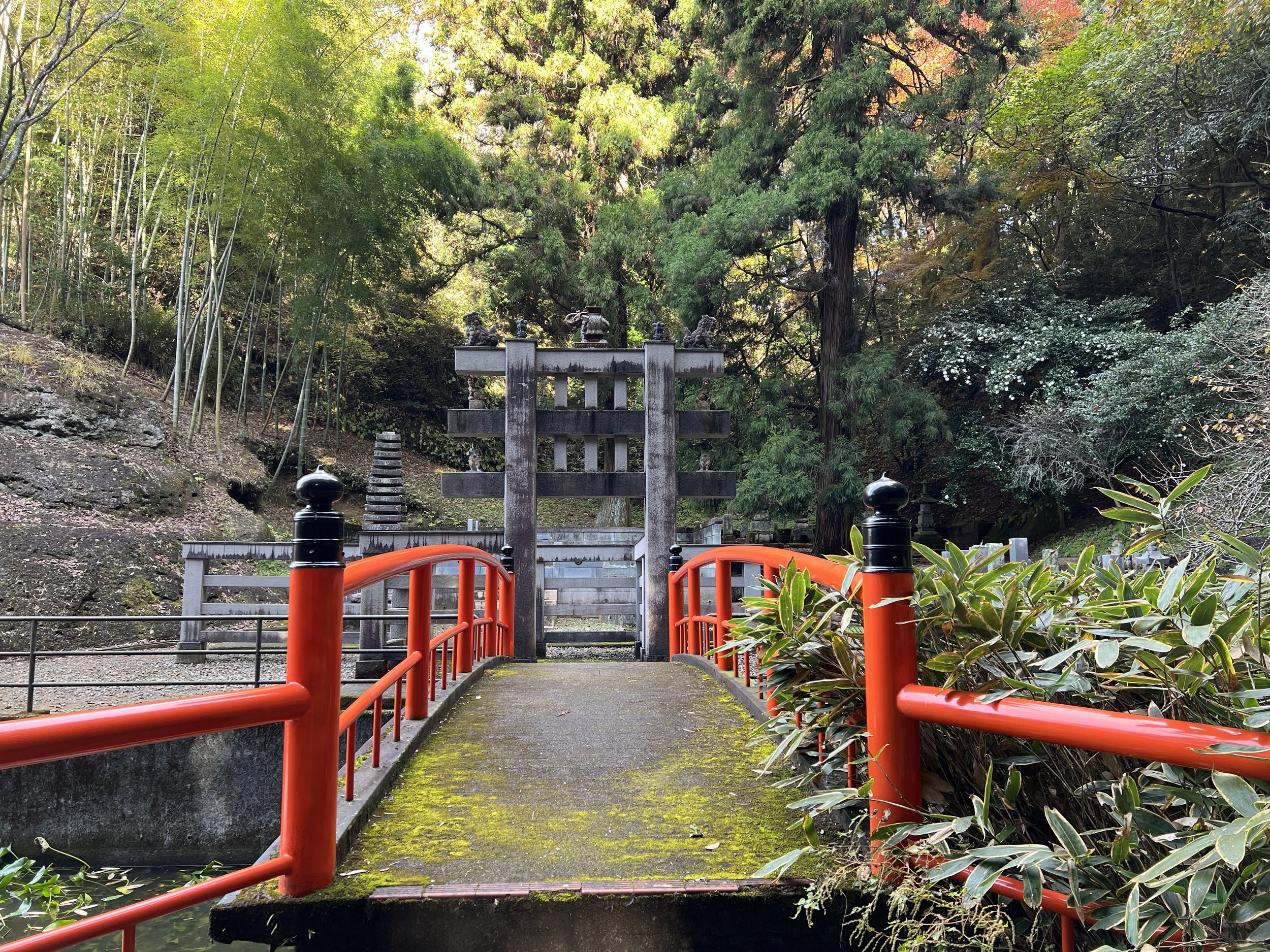
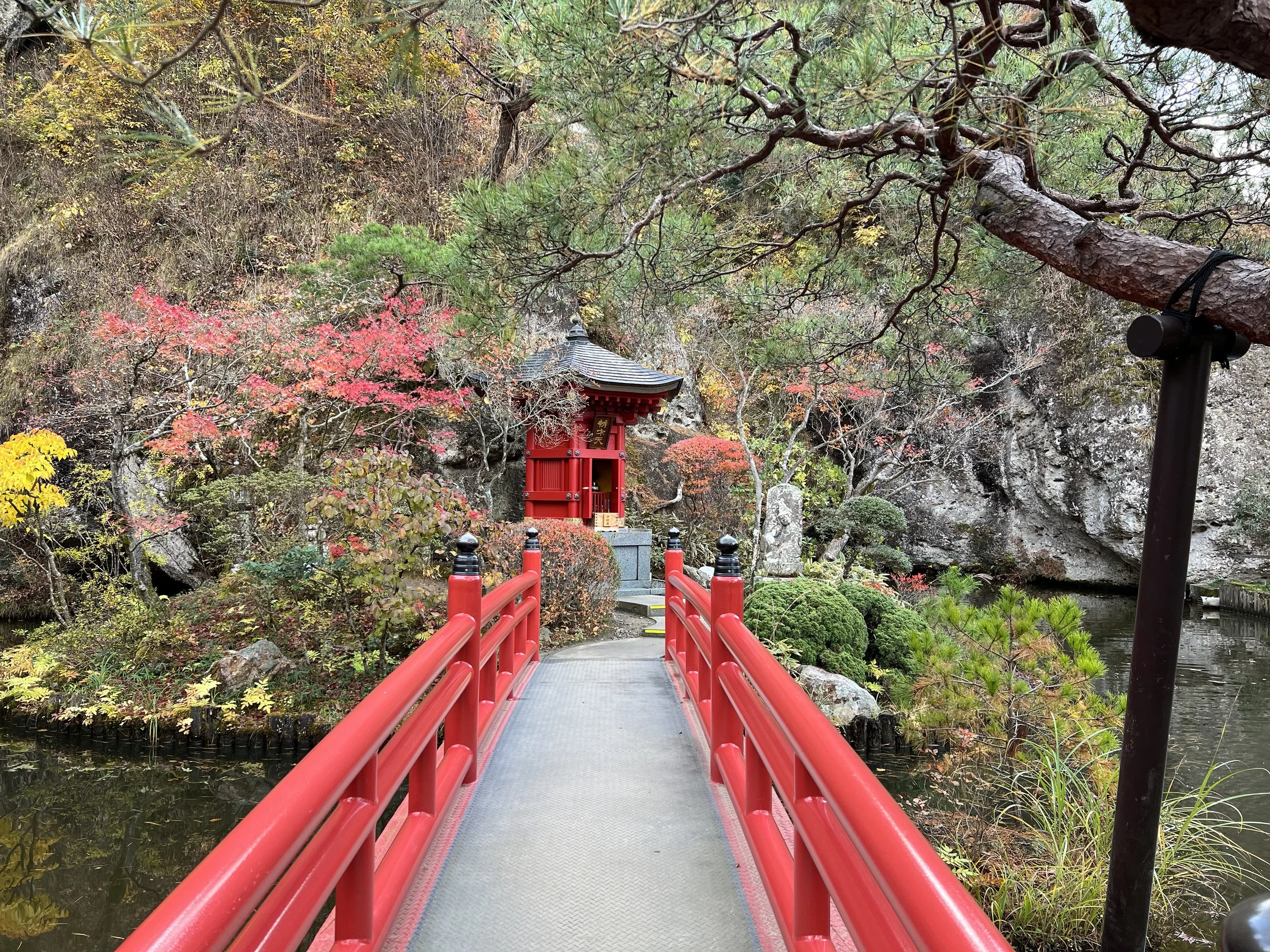
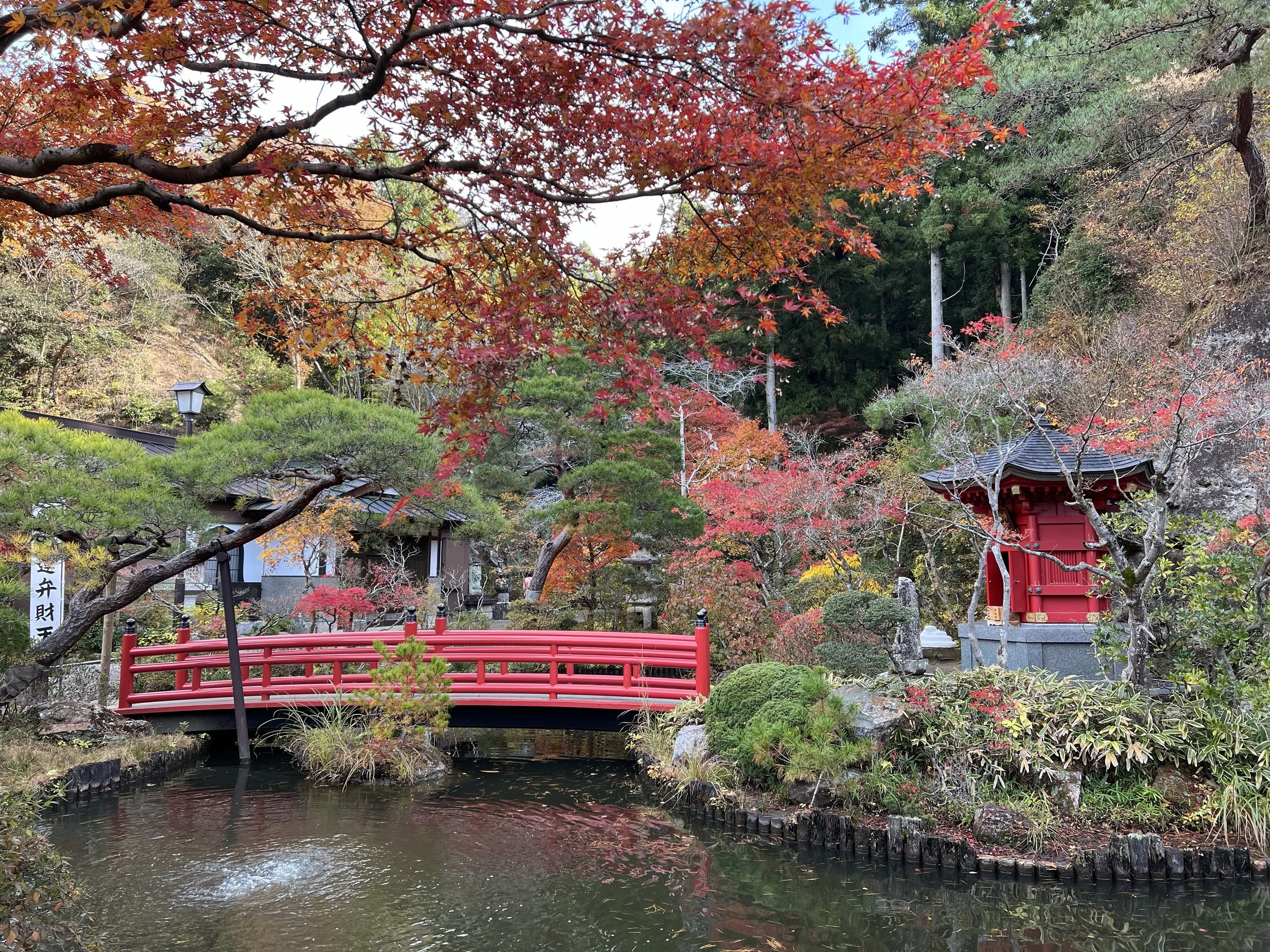
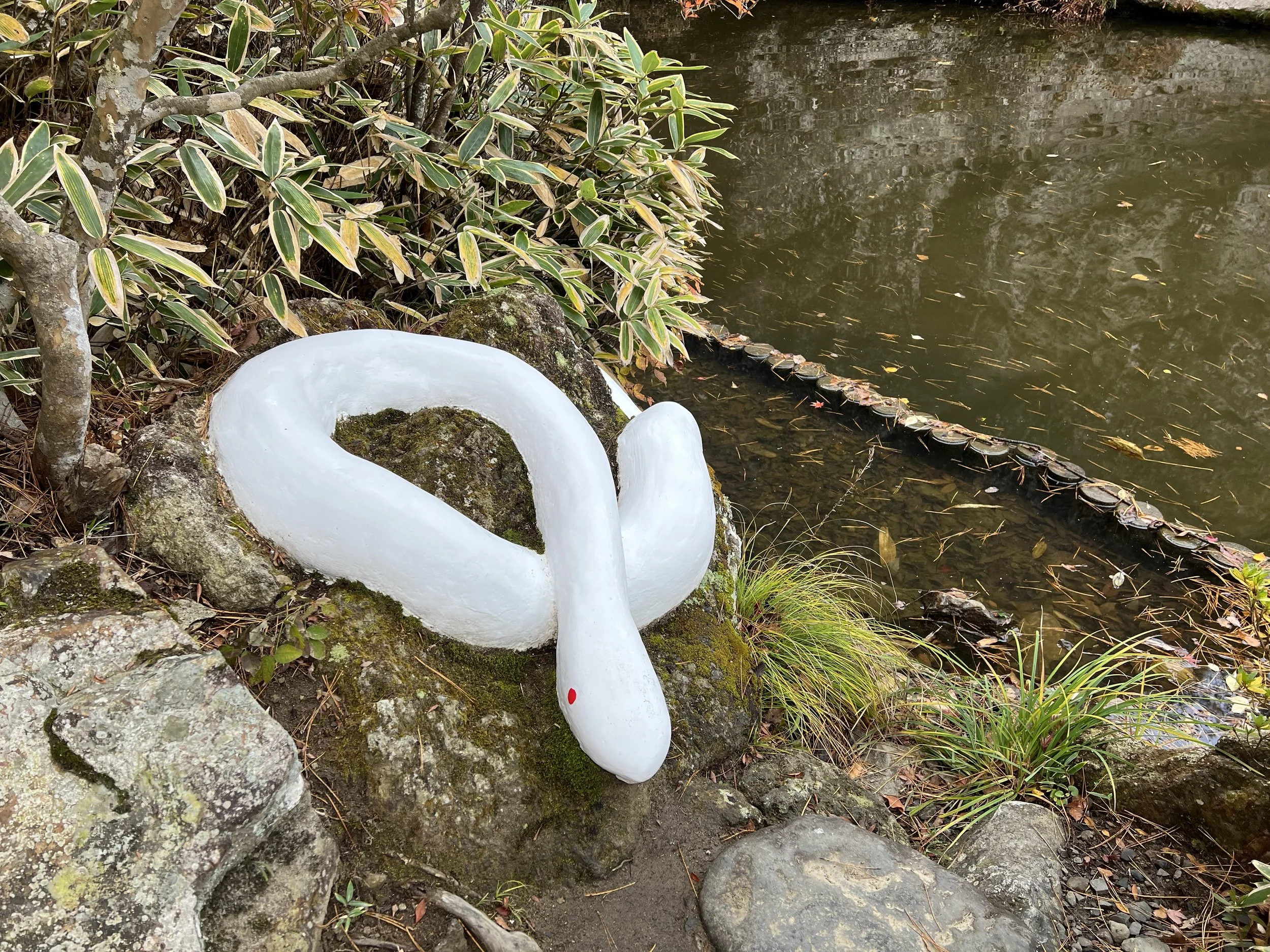
The interior didn’t take long to explore, but it left a strong impression. Exiting the sanctuary, I made my way into the garden area. The garden features a small pond crossed by a red bridge leading to minor shrines, along with repeated motifs of white snakes. I learned that these snakes are tied to a local legend in which a poisonous serpent was subdued by Kobo Daishi and transformed into a benevolent guardian associated with Benzaiten, the goddess of eloquence, wealth, and wisdom. Today, people come here to pray for prosperity and good fortune.
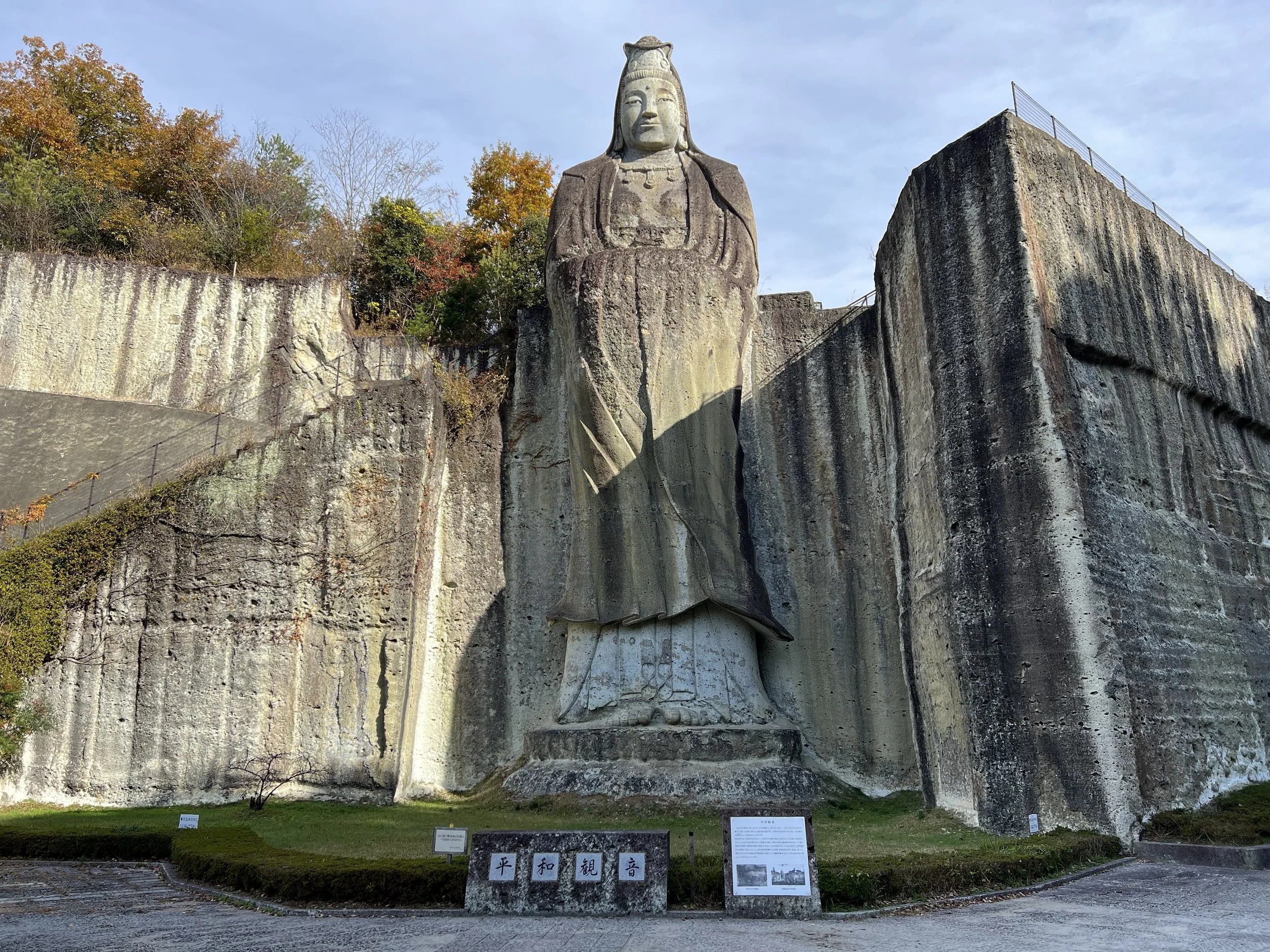
At the far end of the garden is the trailhead to Mount Otomeyama. I had planned to hike up, having read that the views from the top are excellent, but the trail was closed during my visit. After leaving the temple grounds, staff pointed me toward the nearby Heiwa Kannon, a massive 27-metre-tall stone statue located within Oya Park. A small volunteer station nearby provides historical context about the statue, which was carved as a symbol of peace following the Second World War.
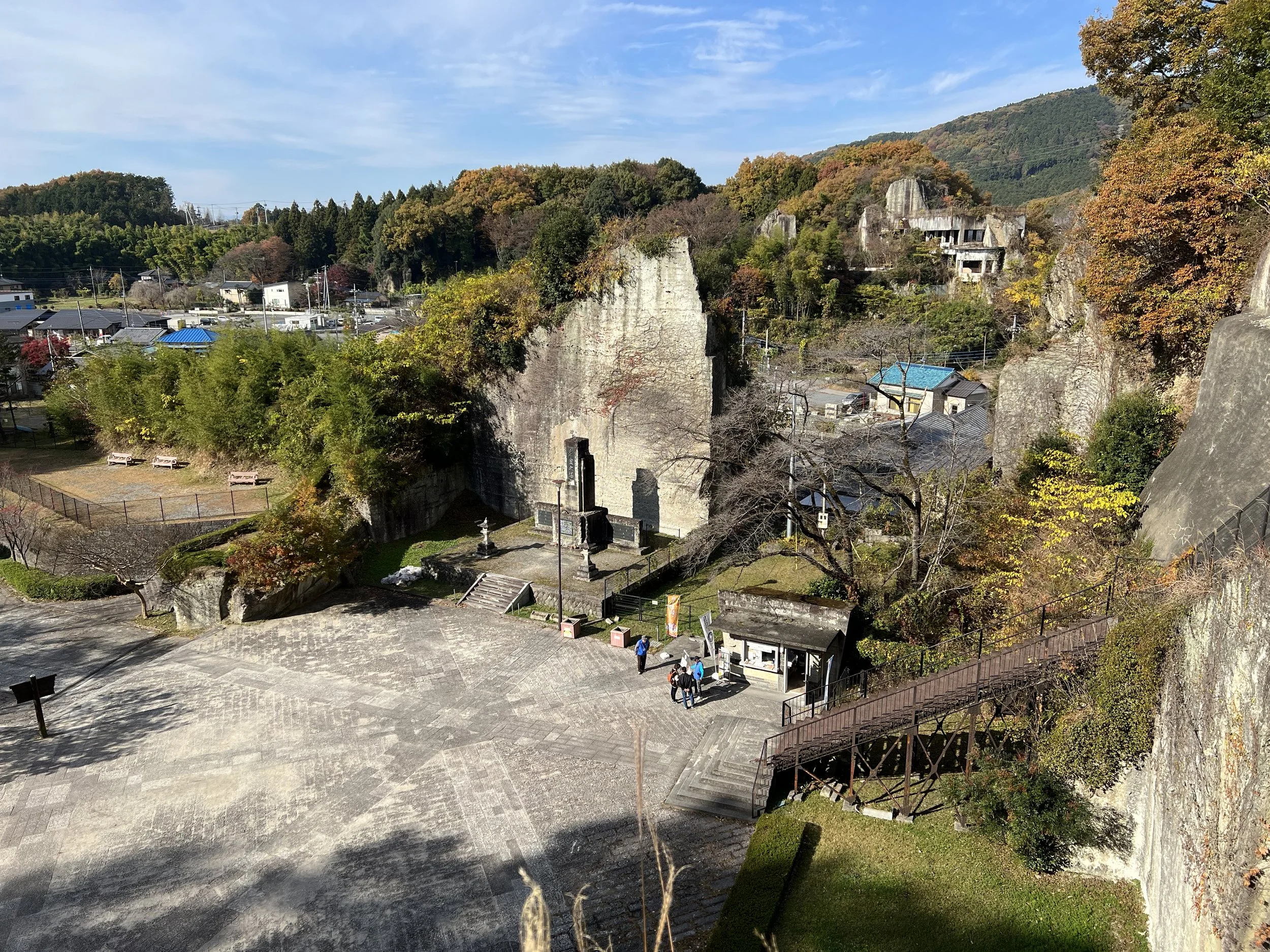
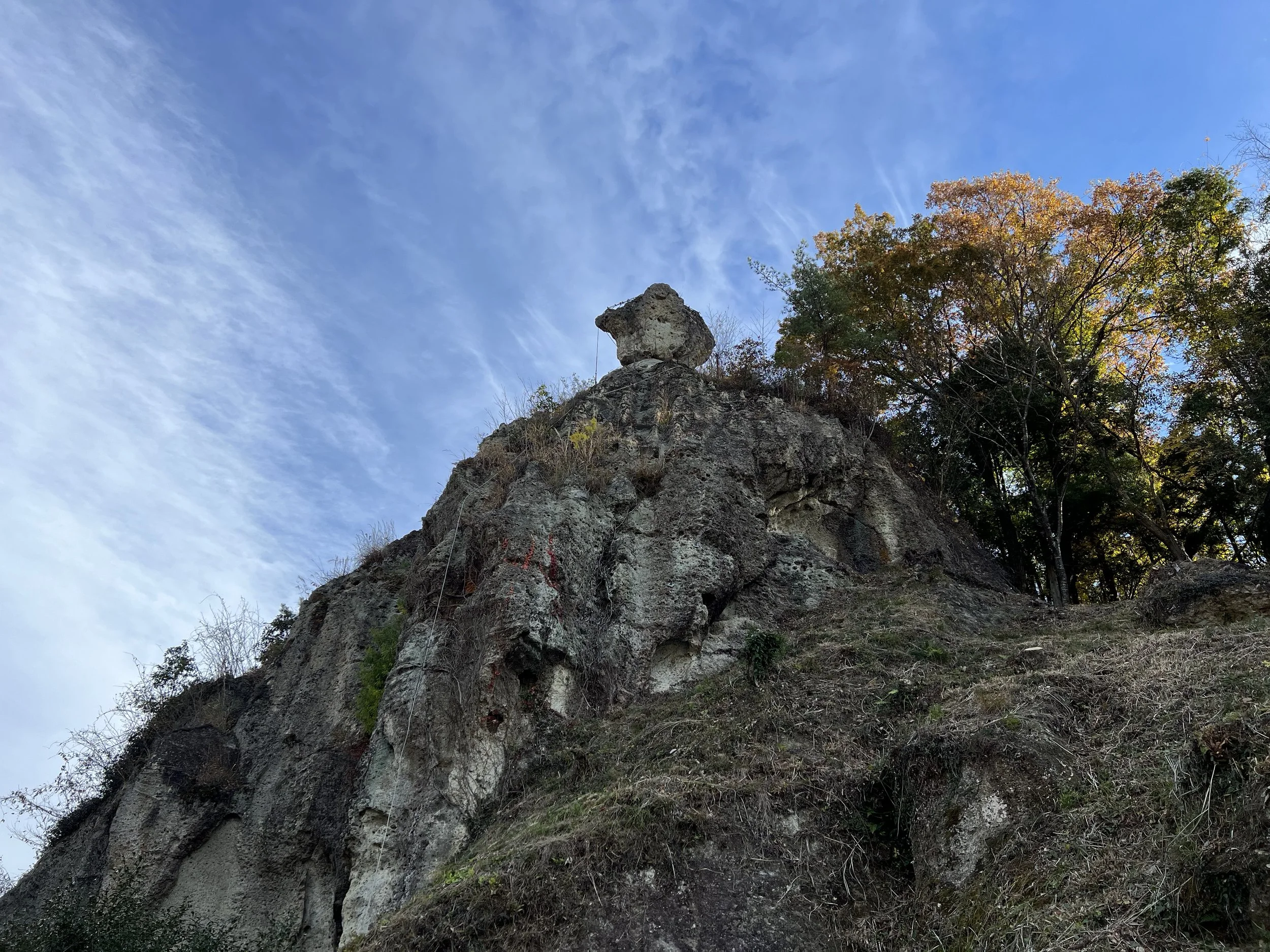
There is a staircase behind the Kannon statue that allows visitors to climb up close to its head, offering both a unique perspective of the statue itself and panoramic views of the surrounding area. The climb was well worth the effort. I spent some additional time wandering through the park, where dramatic rock formations carved into the cliffs further highlight the unique geology of the area.
This was absolutely worth the detour. If time allows, the Oya History Museum nearby — housed inside a former stone quarry — is frequently recommended and would pair well with a visit to the temple.
History & Background
Oya Temple (大谷寺), also known as Oyaji, is one of Japan’s oldest rock-cut temples. It is carved into Oya stone, a soft volcanic tuff unique to the region that has been used extensively in local architecture. The temple is traditionally attributed to Kobo Daishi and is associated with Shingon Buddhism. Its most significant feature is the carved image of the Thousand-Armed Kannon, designated as an Important Cultural Property of Japan. Over the centuries, the temple has remained a place of worship and pilgrimage, distinguished by its rare integration of religious architecture and natural geology.
Getting There
Oya Temple is located in Utsunomiya City, Tochigi Prefecture. From Utsunomiya Station, a major rail hub served by the JR Tohoku Shinkansen and JR Utsunomiya Line, local buses operate regularly to the Oya area. Buses bound for Oya or Tateiwa stop near Oya Temple, with the journey taking approximately 30 minutes. The bus stop is a short walk from the temple entrance.
Route Overview
Distance: 2.47 km (Oya Temple → Oya Machi Bus Stop)
Total elevation gain: 25 m
Duration: 37 min (with breaks49 min)
Difficulty: Easy
Cost Breakdown
Train: Nikko Station → Utsunomiya Station — ¥770
Bus: Utsunomiya Station → Oya Temple — ¥530
Entrance Fee: Oya Temple — ¥500