Nikko - Day 1: Tochigi, Japan
There were far too many places I wanted to see in Nikko to squeeze into a simple day trip. Rather than rush through it, I planned a two-day visit — giving myself time to explore the UNESCO World Heritage shrines and temples on the first day, and nature-focused sights on the second.
Day 1 would be dedicated to Nikko’s cultural and historic heart: waterfalls, sacred mountains, elaborately decorated shrines, and forested river walks lined with centuries of devotion.
I began my morning at Utsunomiya Station, catching the train toward Nikko. The platform was packed with visitors — a reminder that Nikko remains one of Japan’s most popular escapes from Tokyo. I was lucky enough to grab a seat, watching the city gradually give way to quieter landscapes as we approached the mountains.
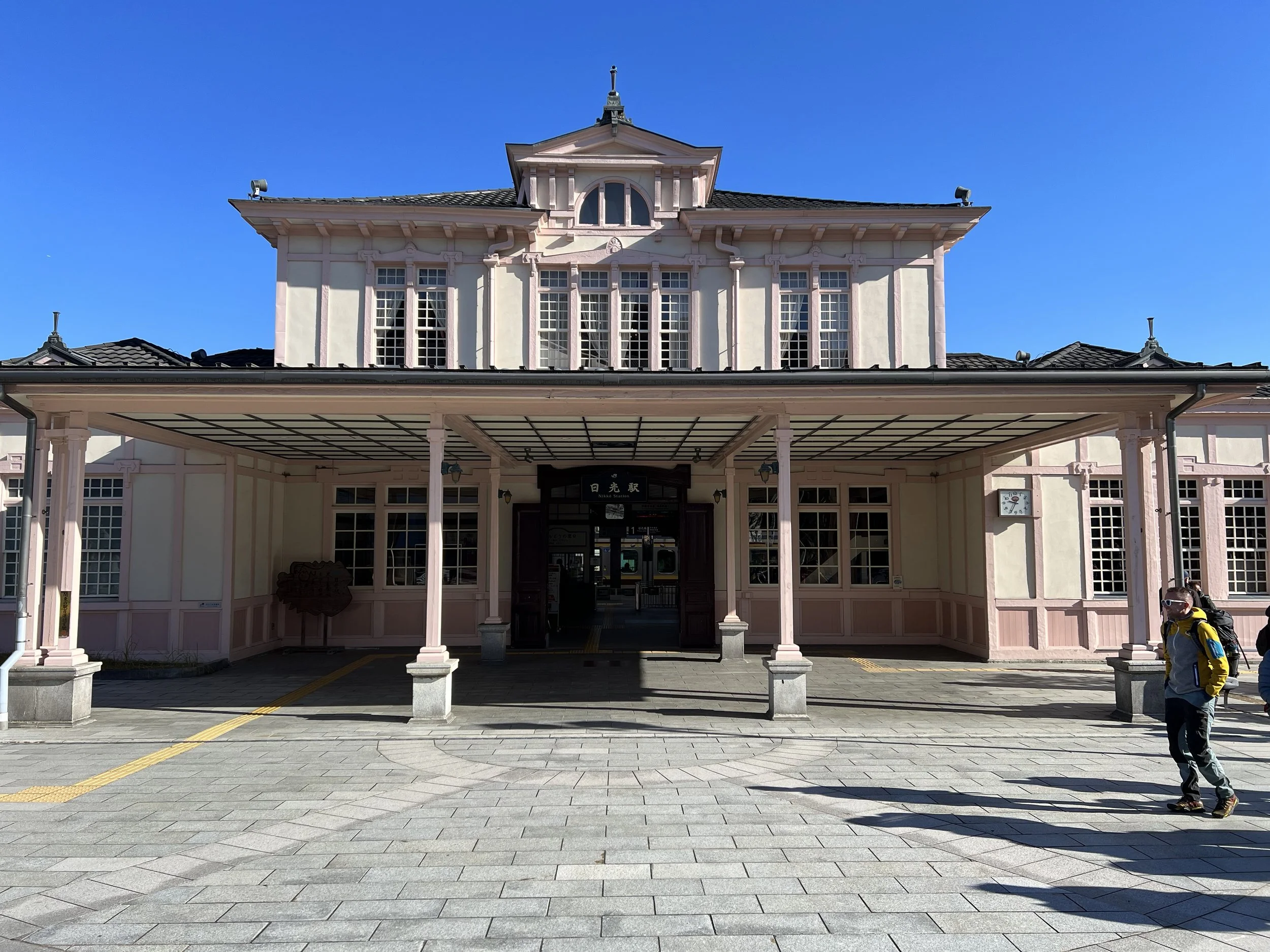
Once I arrived at Nikko Station, I waited a little while for the initial rush of passengers to disperse before heading toward the tourist information center. By the time I stepped inside, only a handful of people remained. After collecting the maps and information I needed, I took a few photos of the station itself before making my way to the bus stop.
I had purchased the Nikko Digital Pass on Klook in advance, which covered both the train and buses in the Nikko area — a worthwhile investment considering how spread out the sights are. With the pass loaded and ready, I boarded the bus bound for my first stop of the day: Kirifuri Falls.
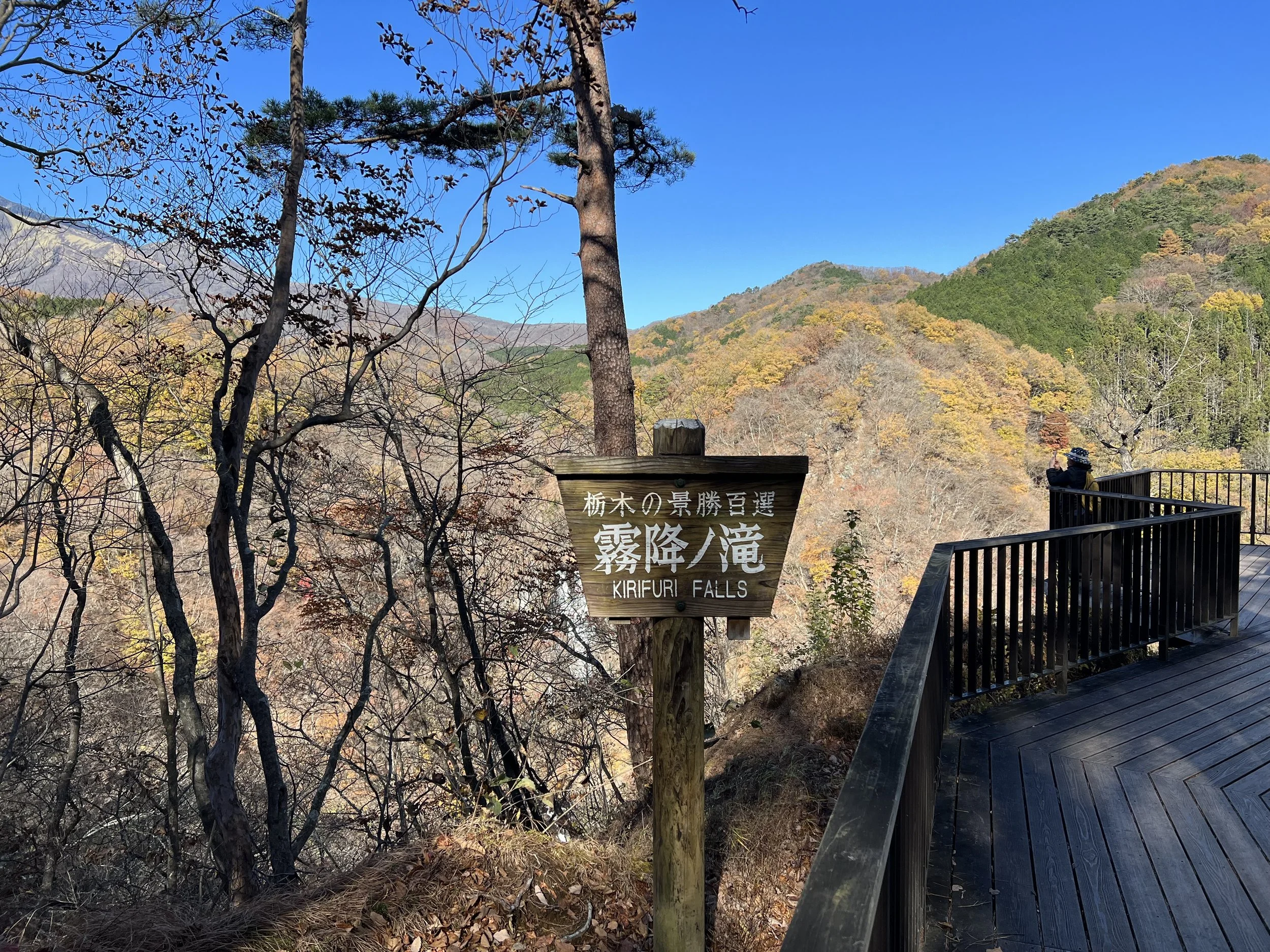
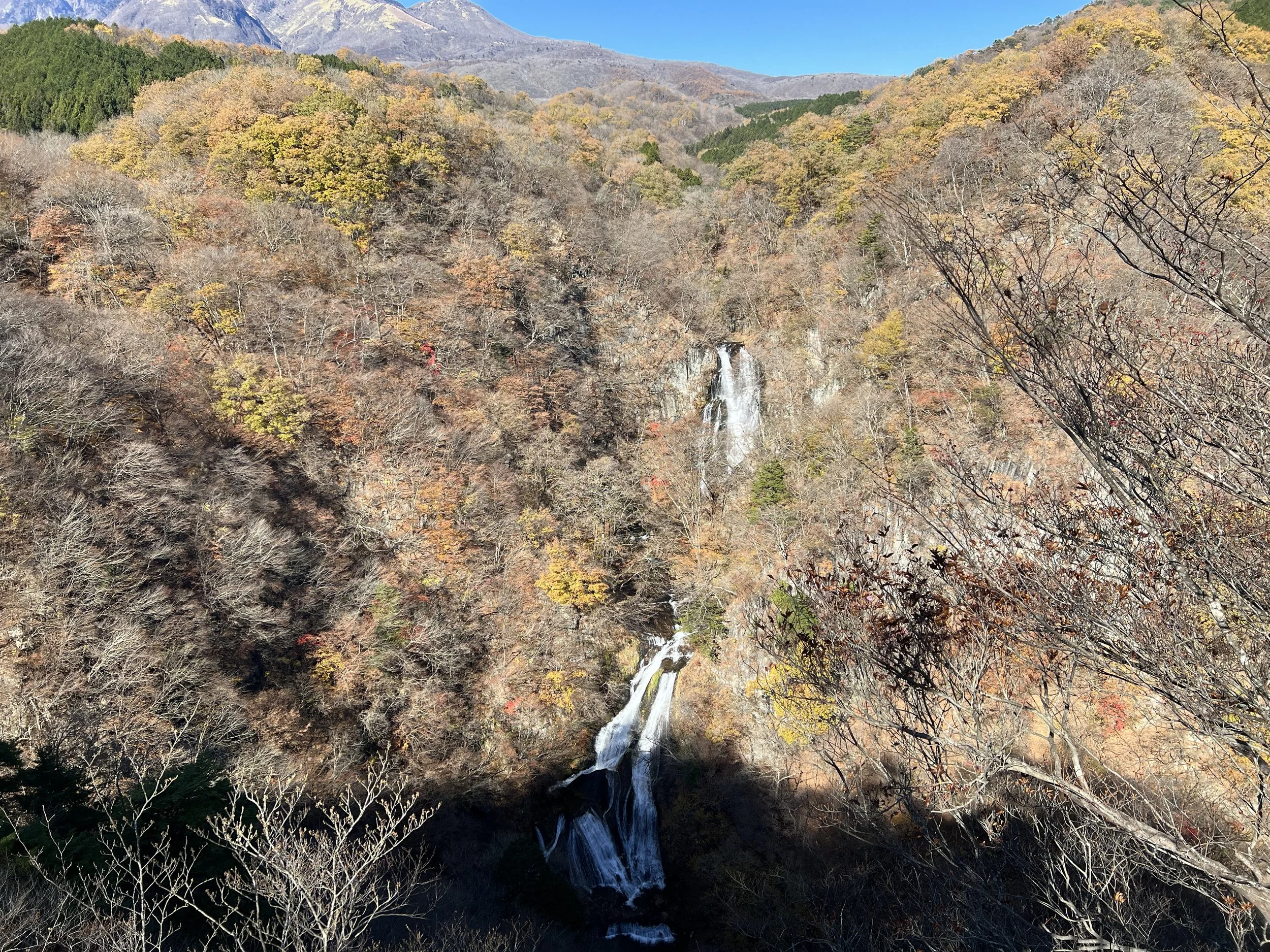
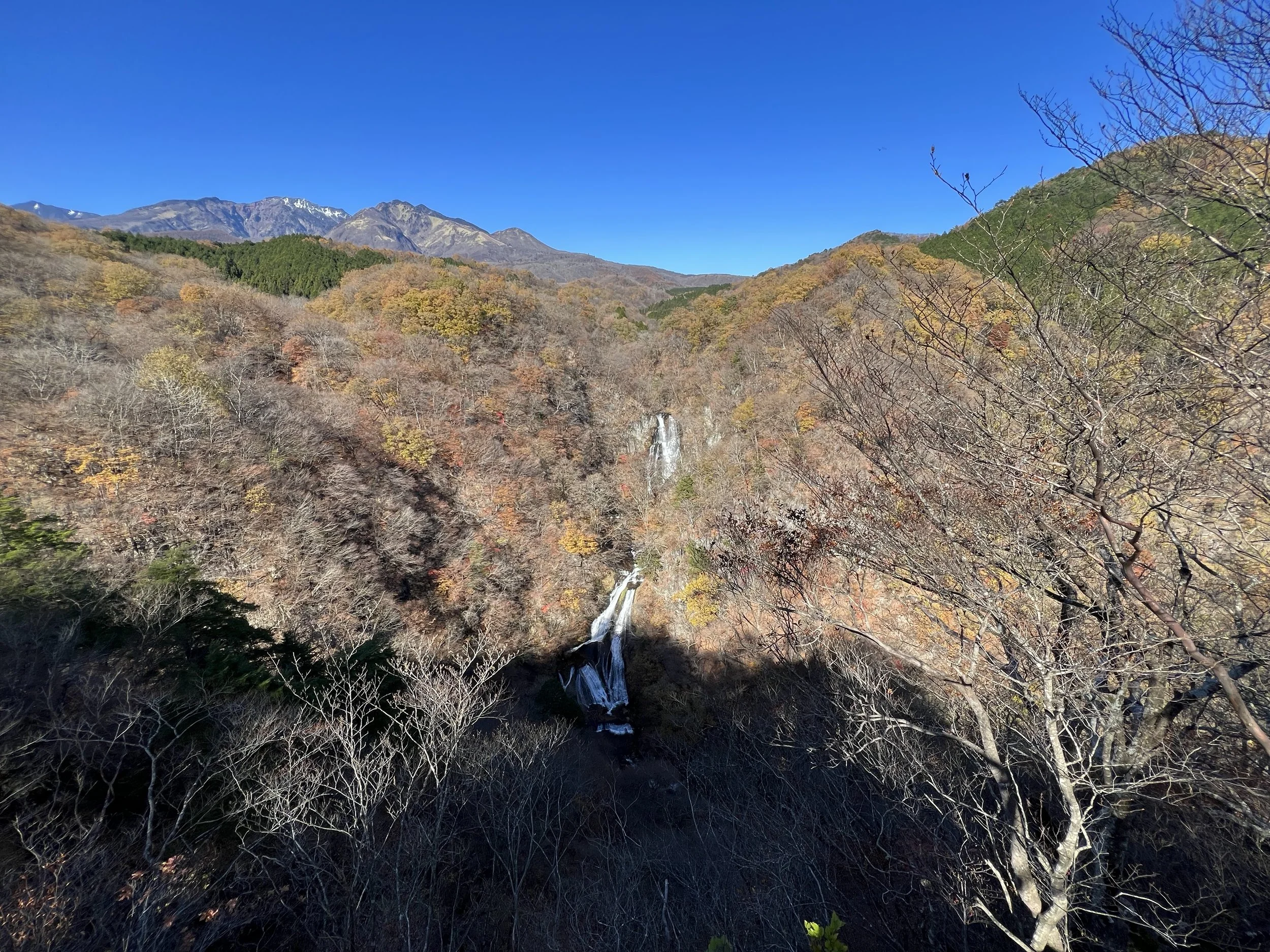
The bus drops you off a short walk from the observation deck, making it very accessible. The waterfall is known for its elegant two-tiered drop, framed by forest that becomes especially vibrant in autumn. When I visited, the fall colours were just past their peak but still beautiful. The water flow wasn’t particularly strong, so the impact of the 75-metre cascade felt gentle rather than dramatic, but the setting itself was peaceful and scenic.
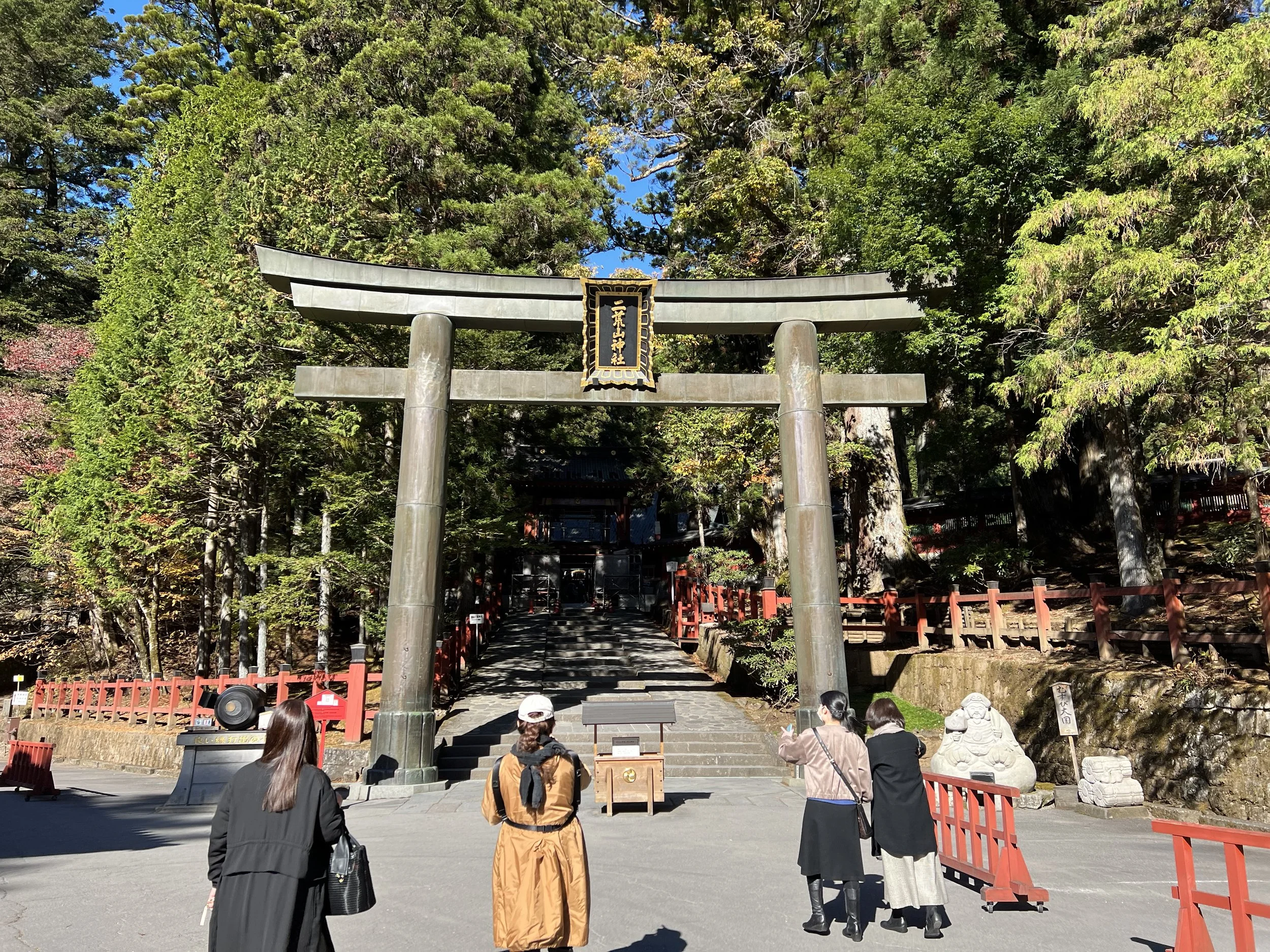
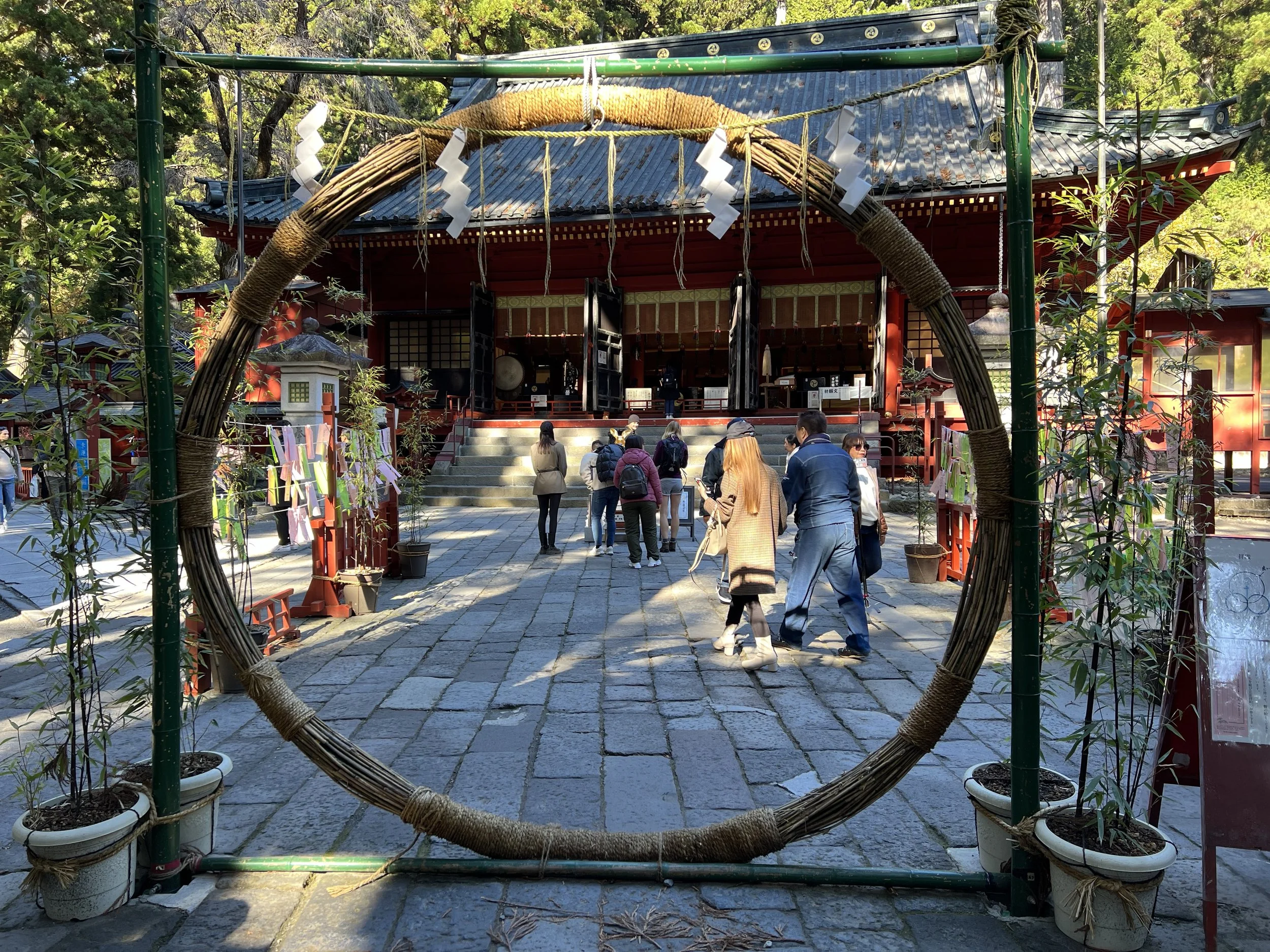
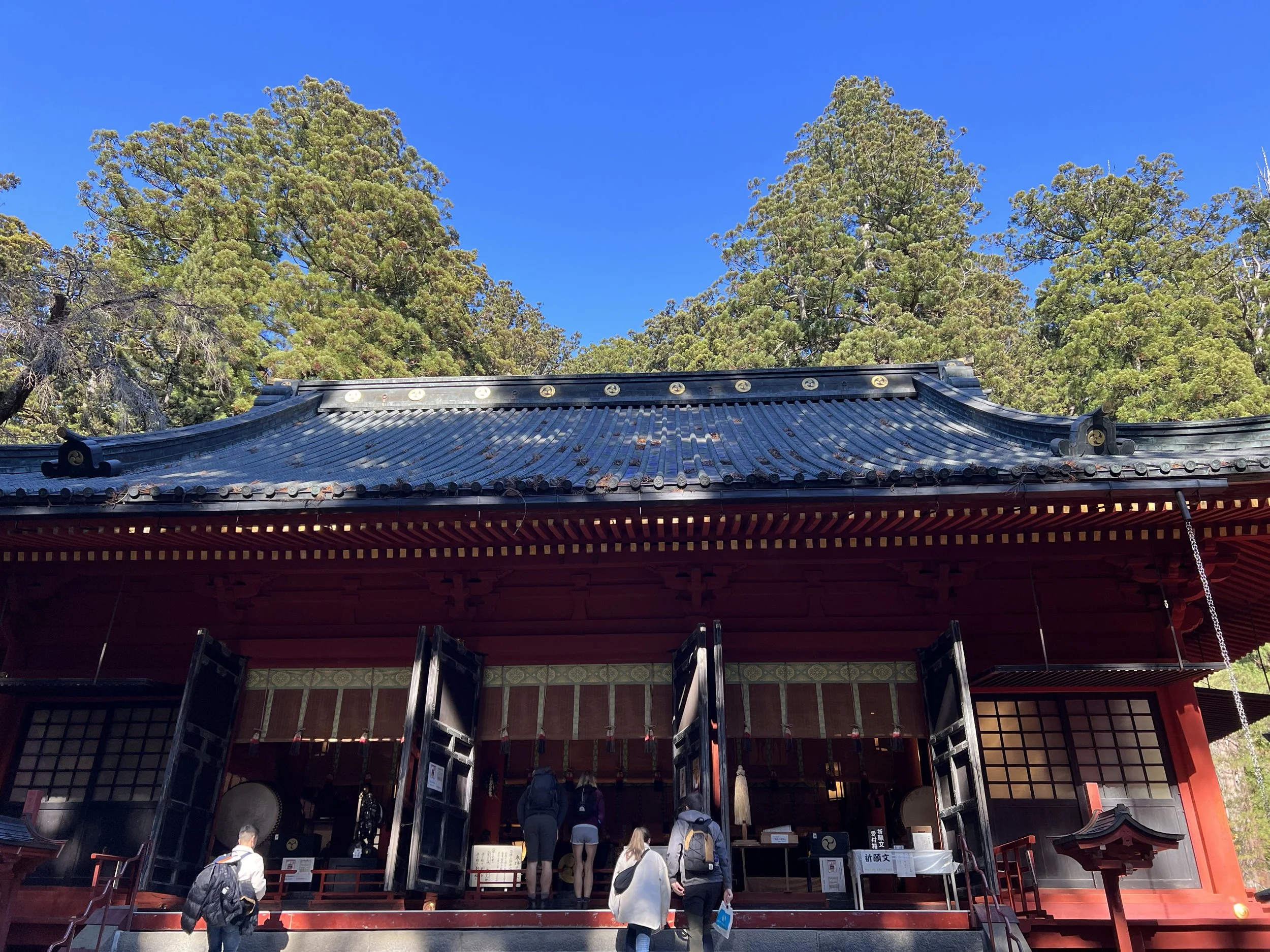
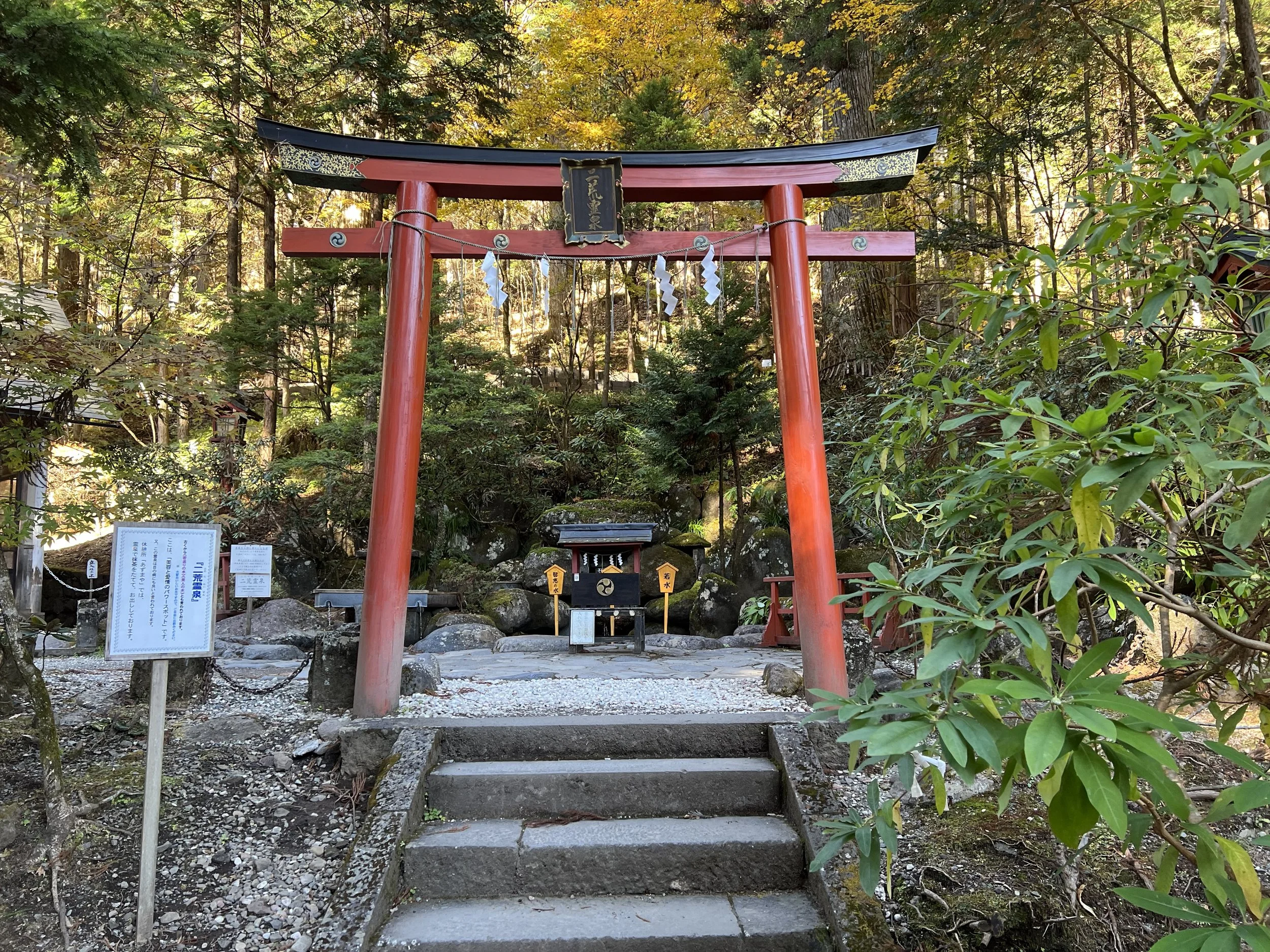
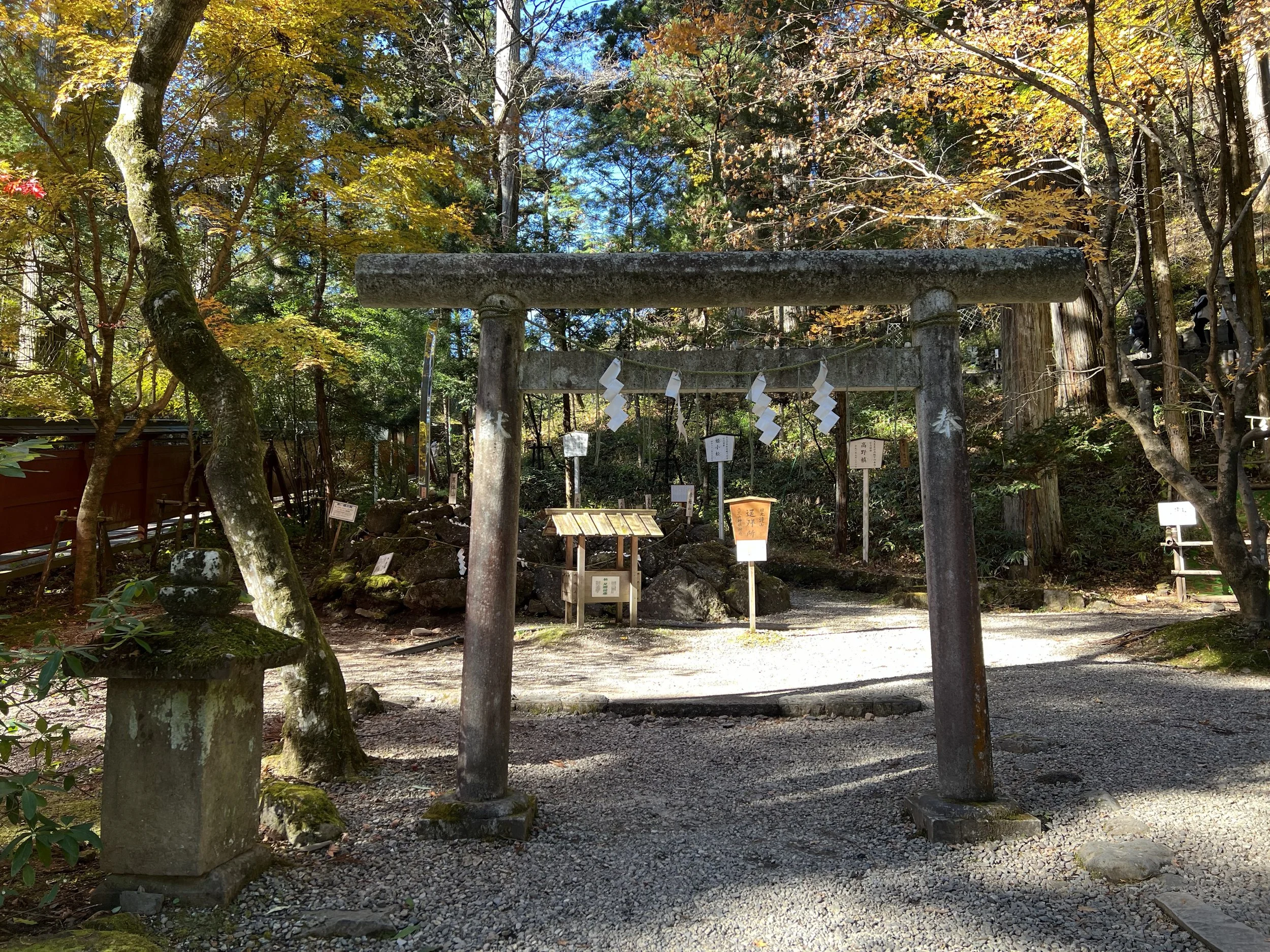
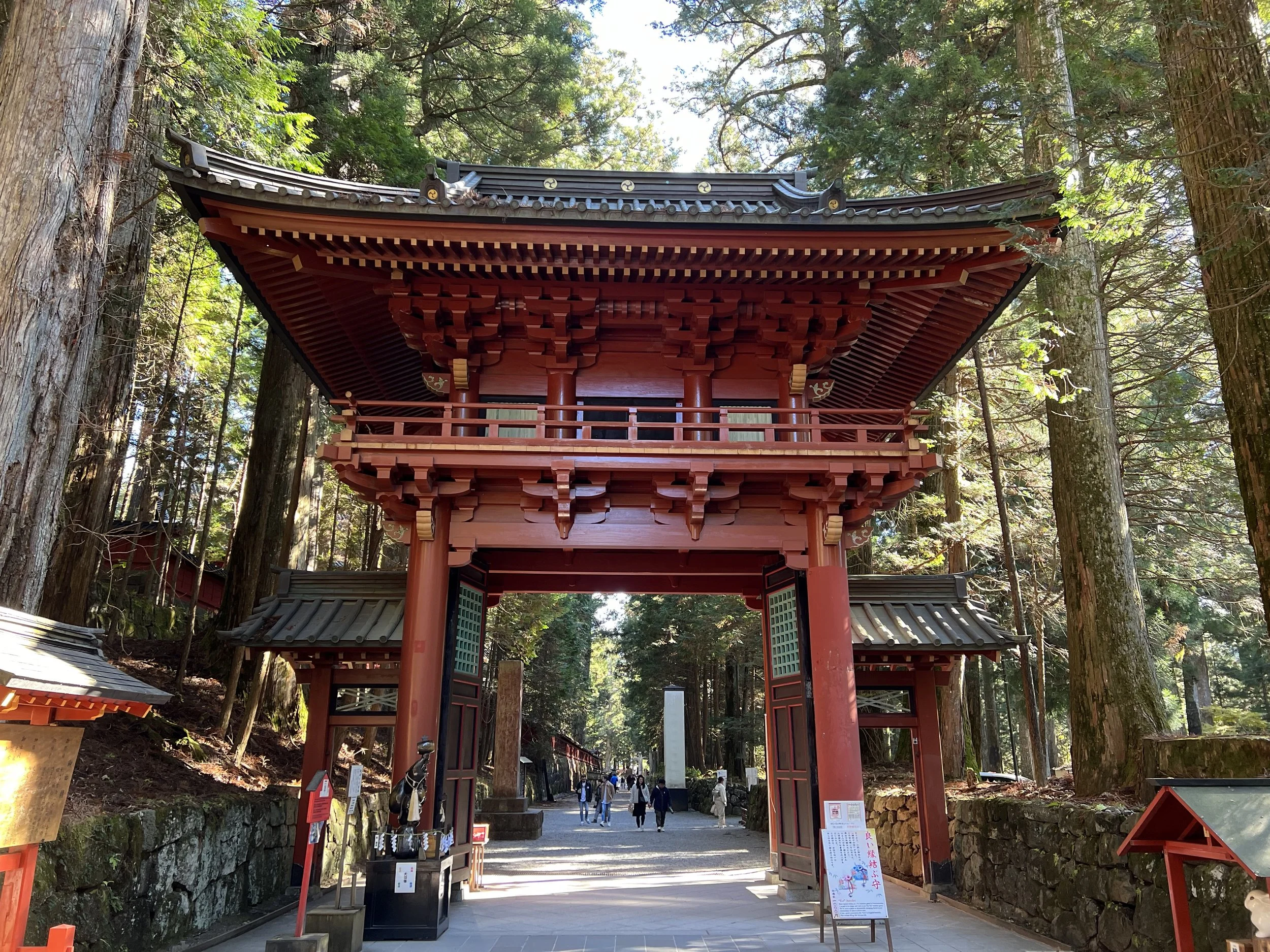
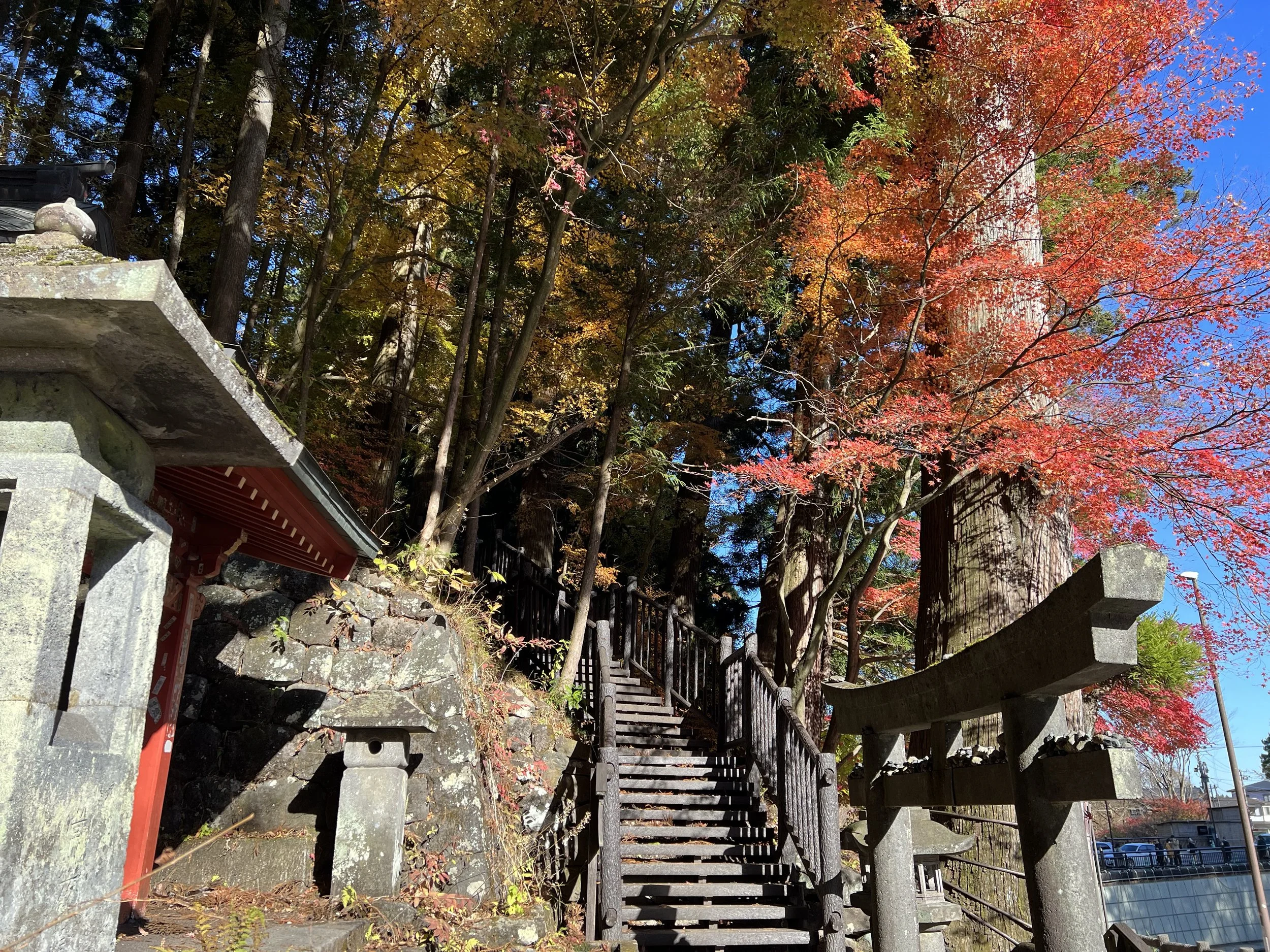
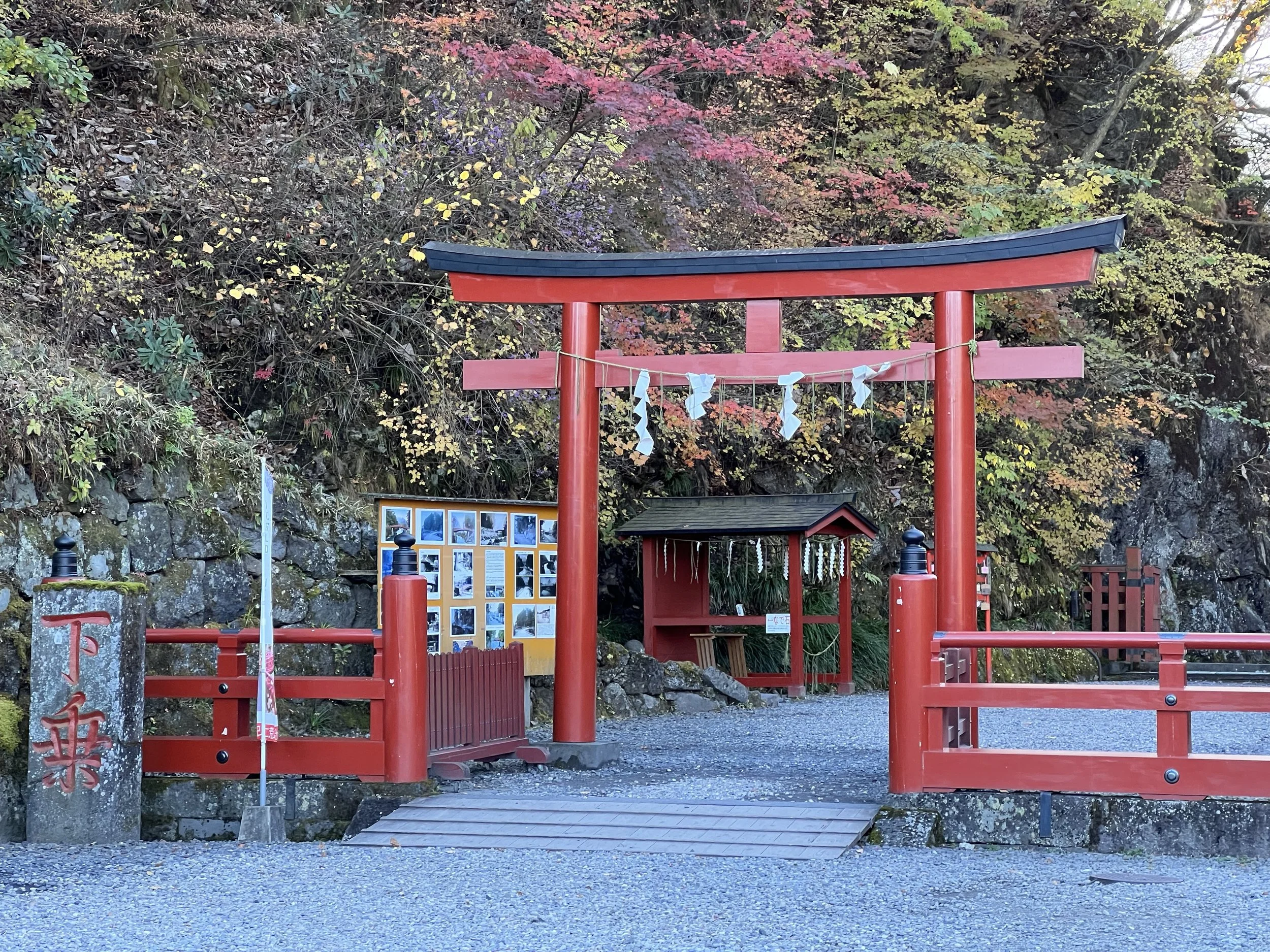
From there, I caught the bus back toward the shrine and temple district, starting with Futarasan Shrine. Founded in 782, this shrine sits beside the more famous Toshogu Shrine and felt noticeably calmer. The grounds are free to enter, but I opted to pay the small fee to access the inner garden and offering hall. Surrounded by towering trees and lingering autumn foliage, the atmosphere felt mystical and serene — a quiet contrast to what awaited next.
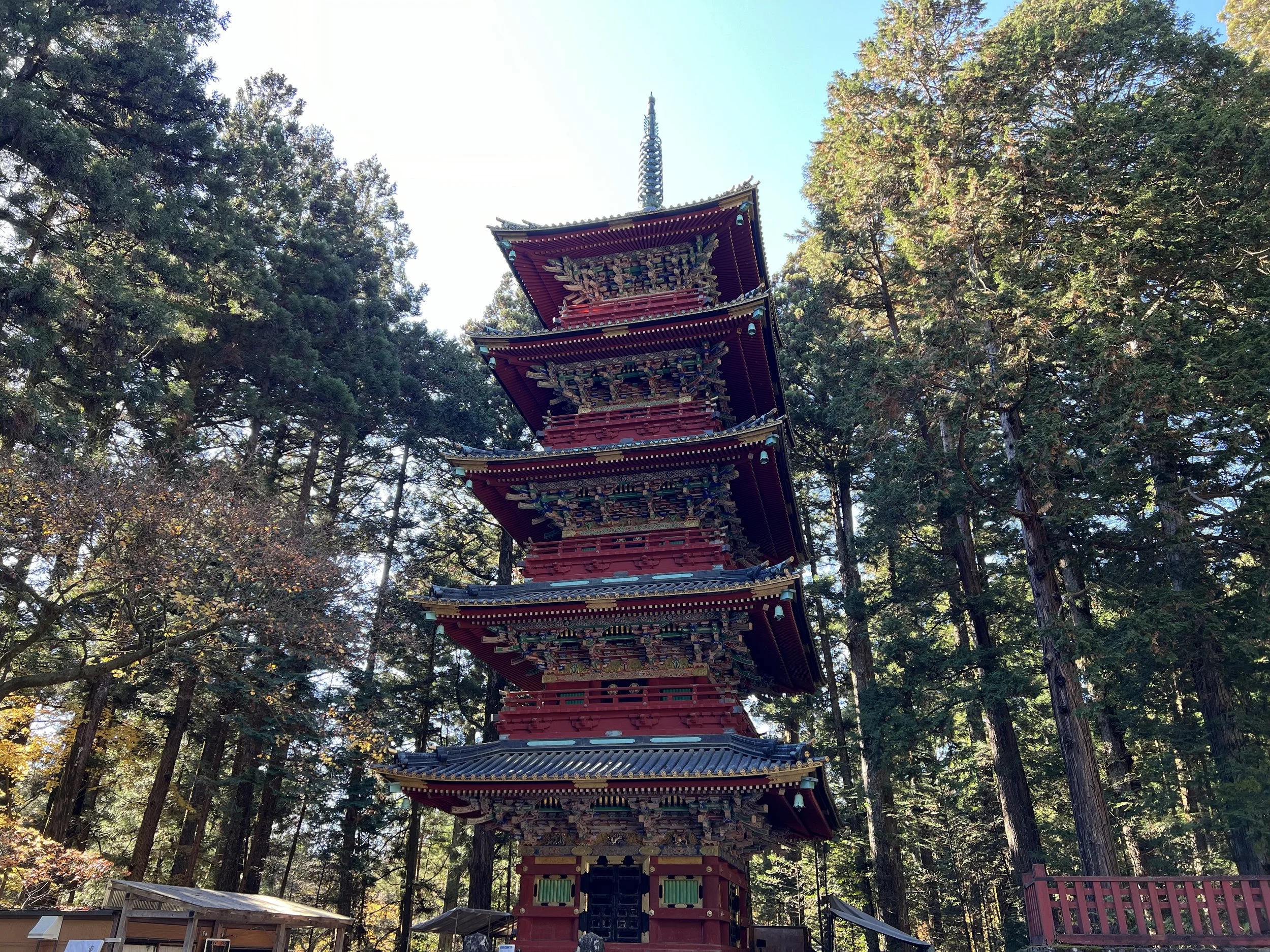
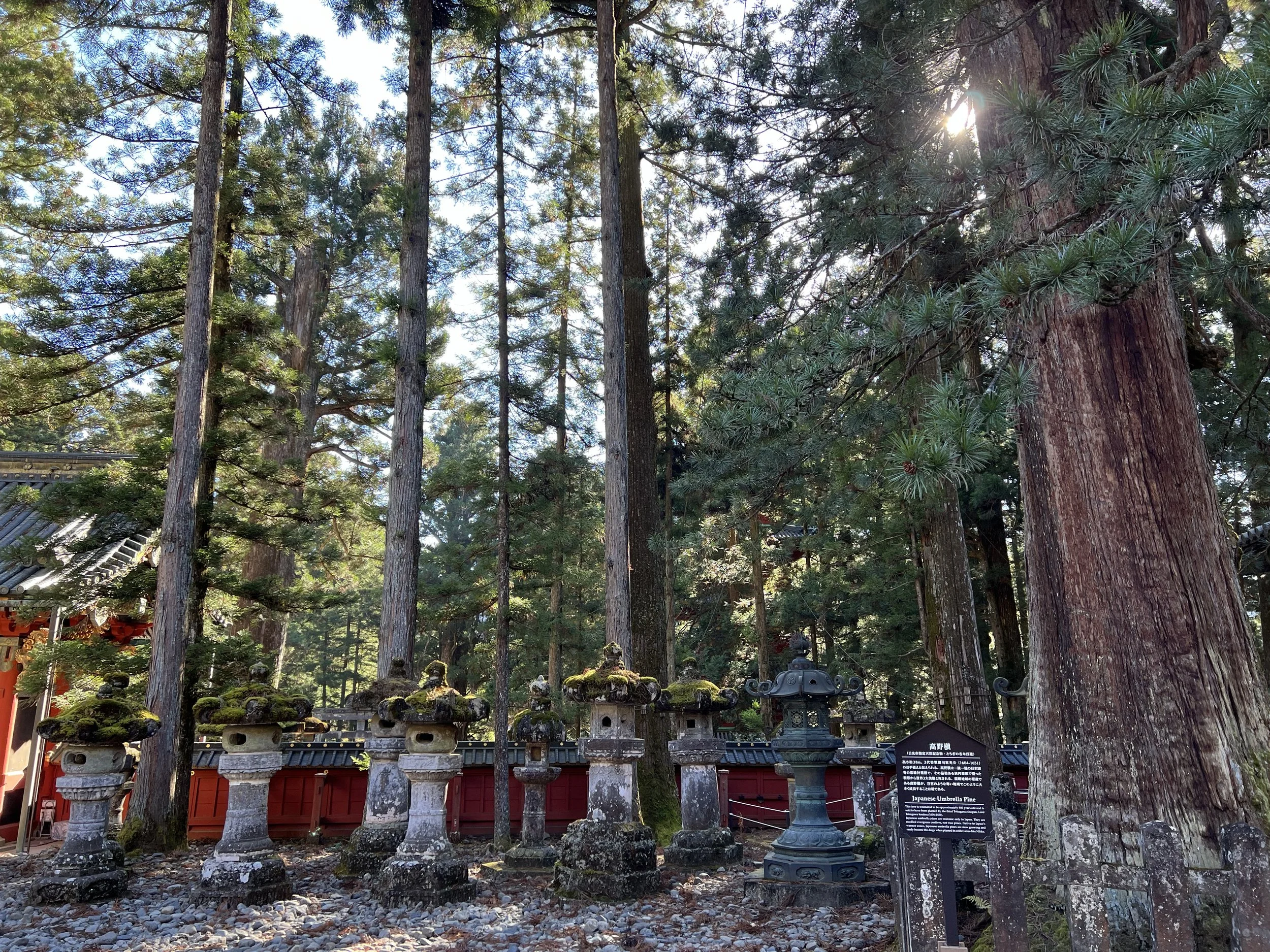
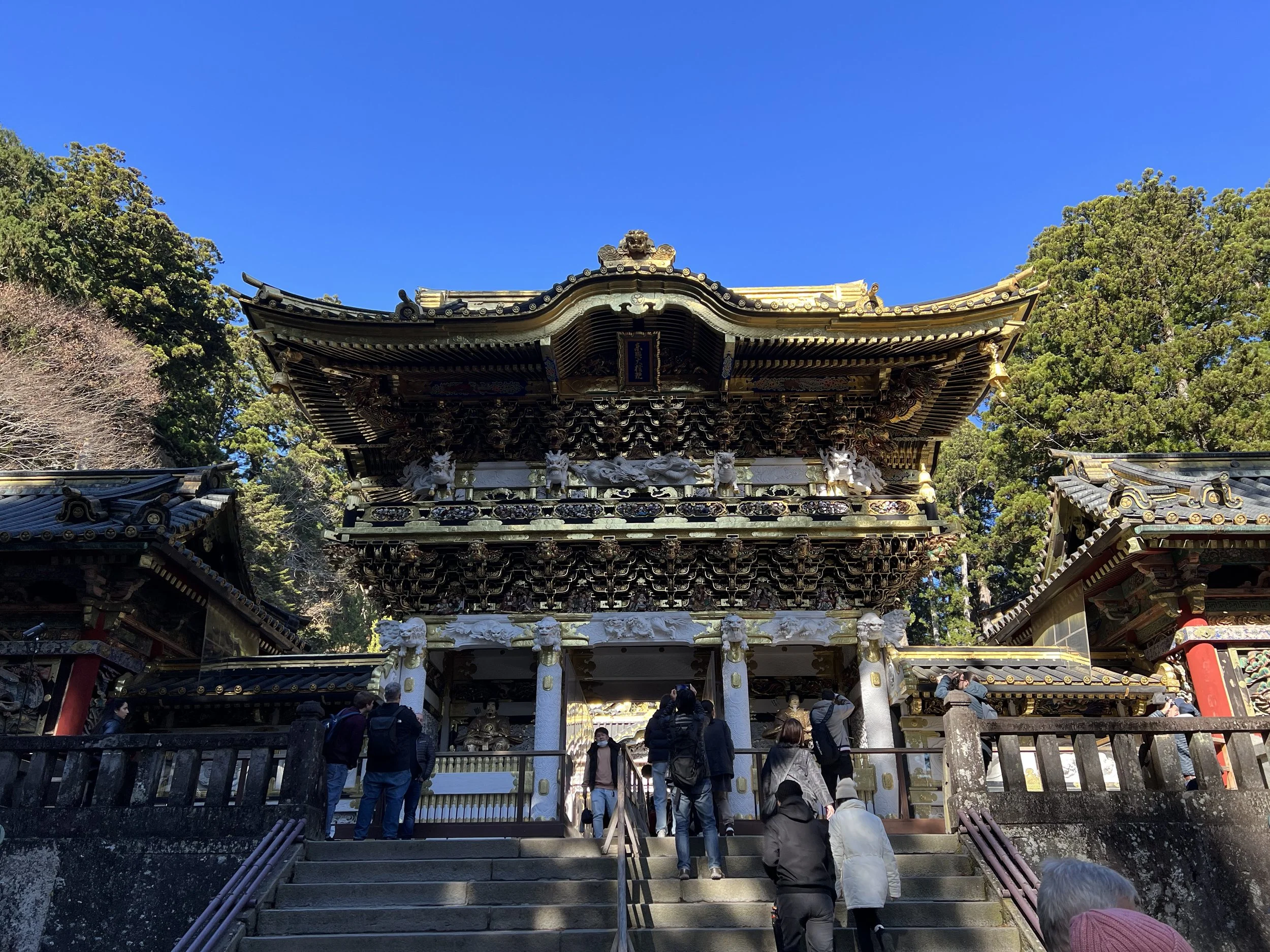
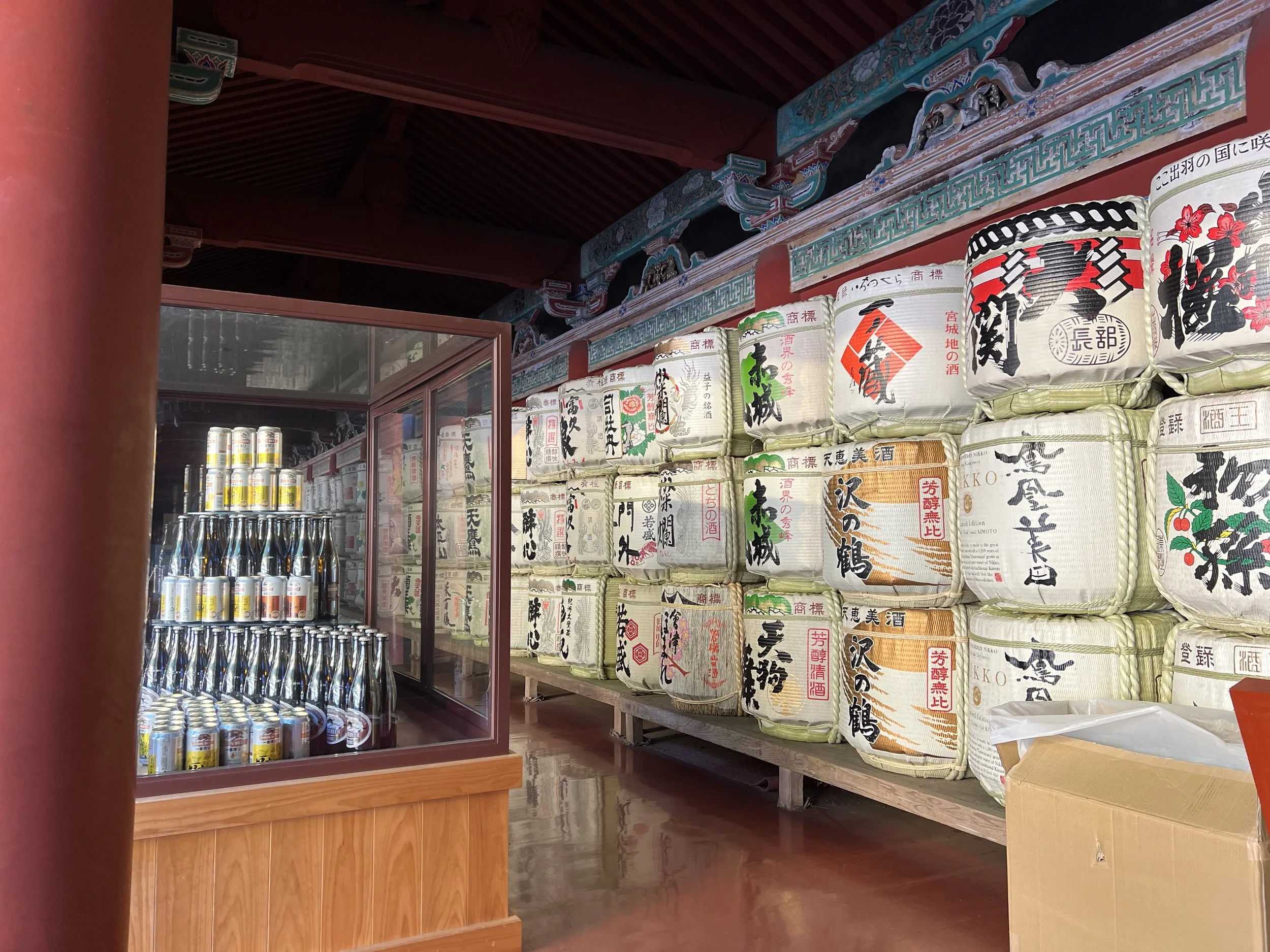
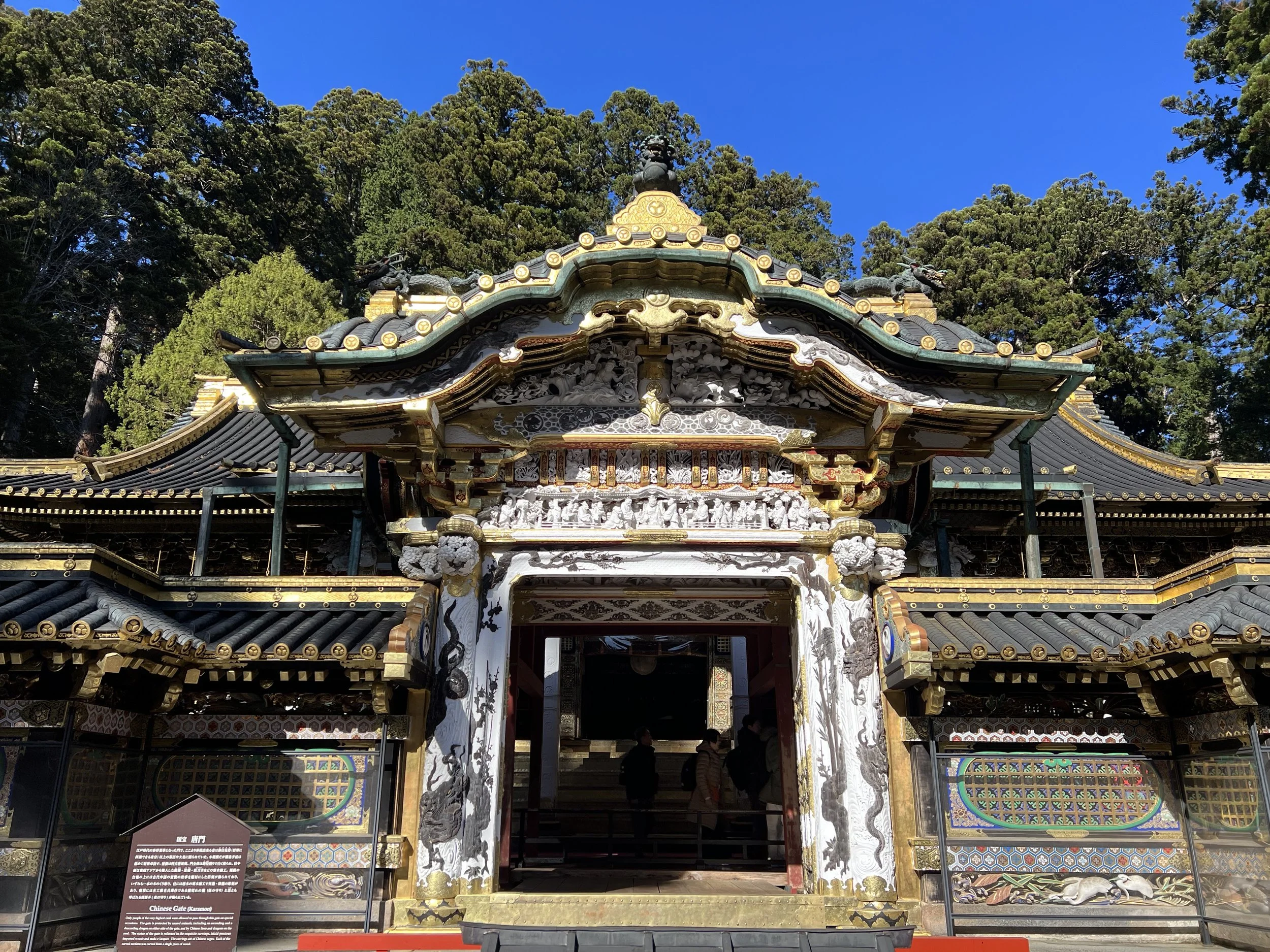
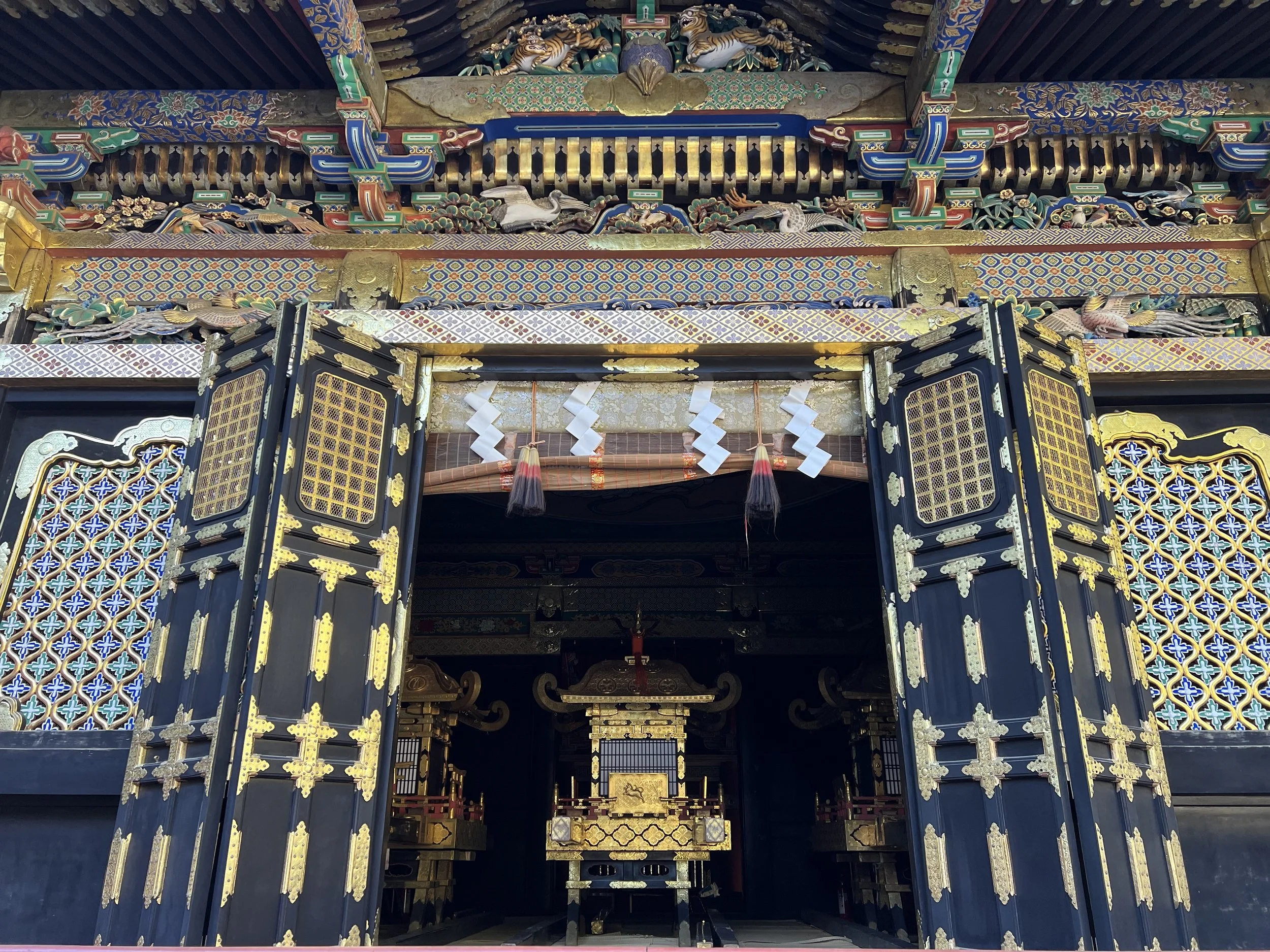
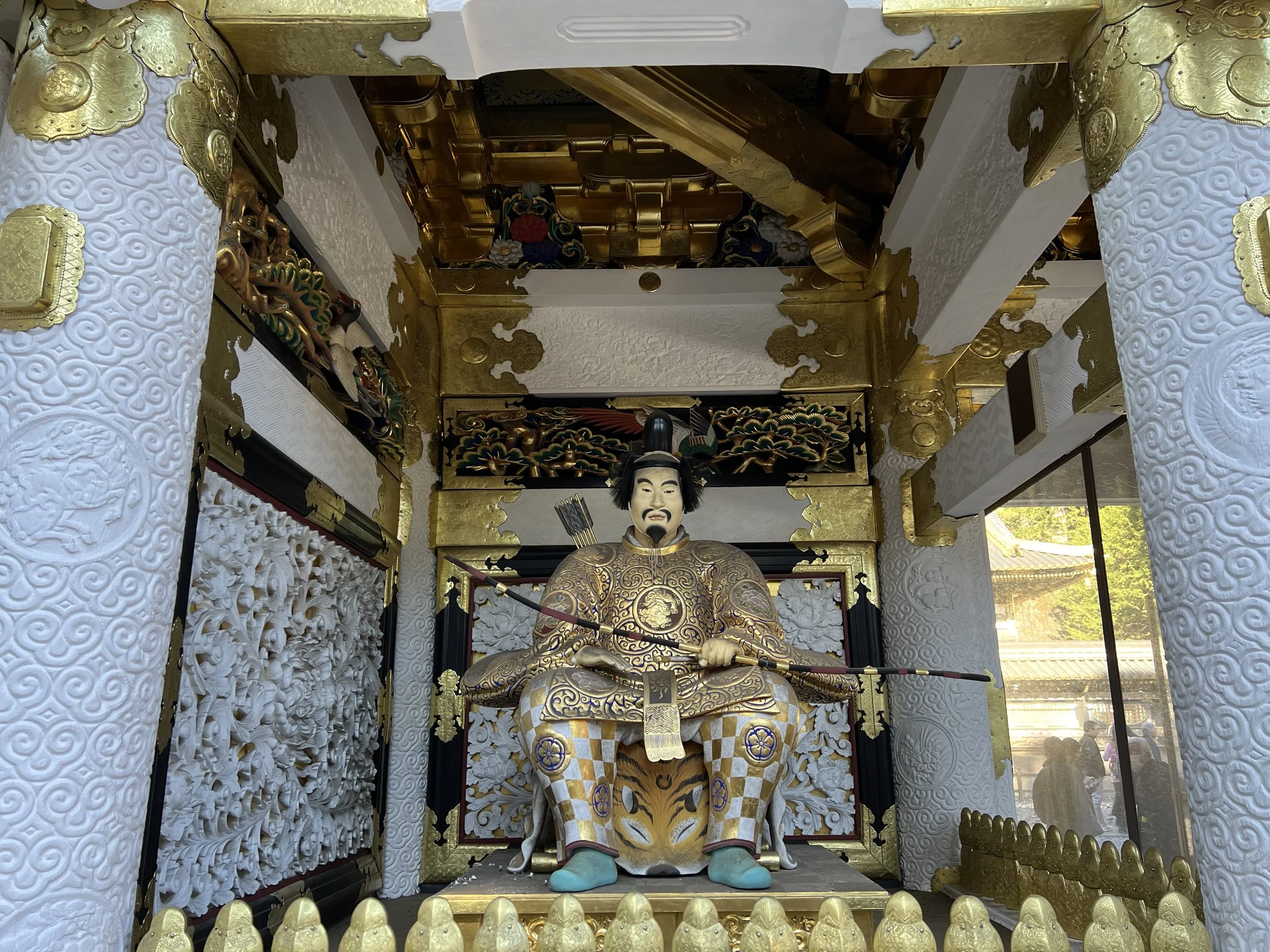
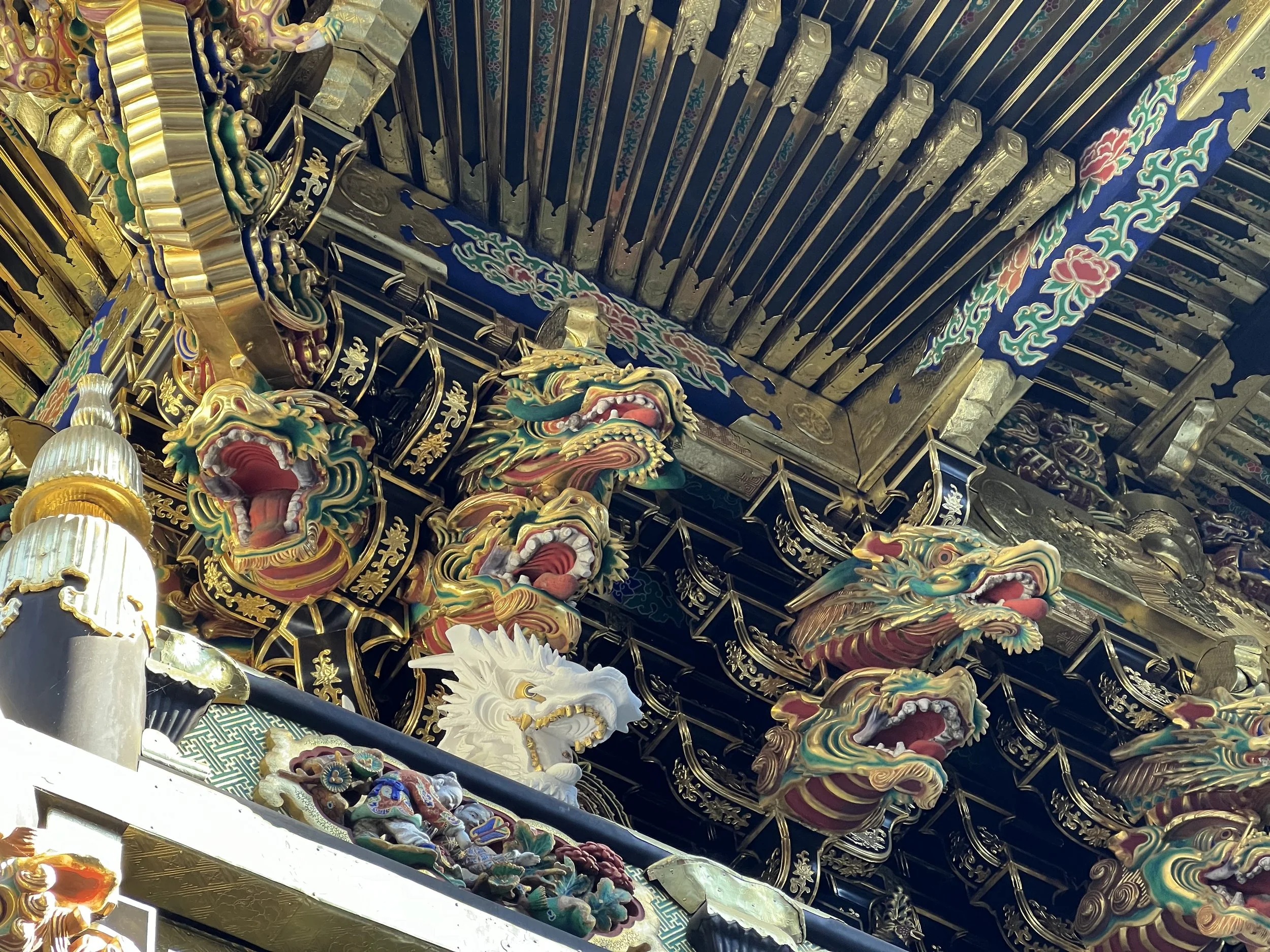
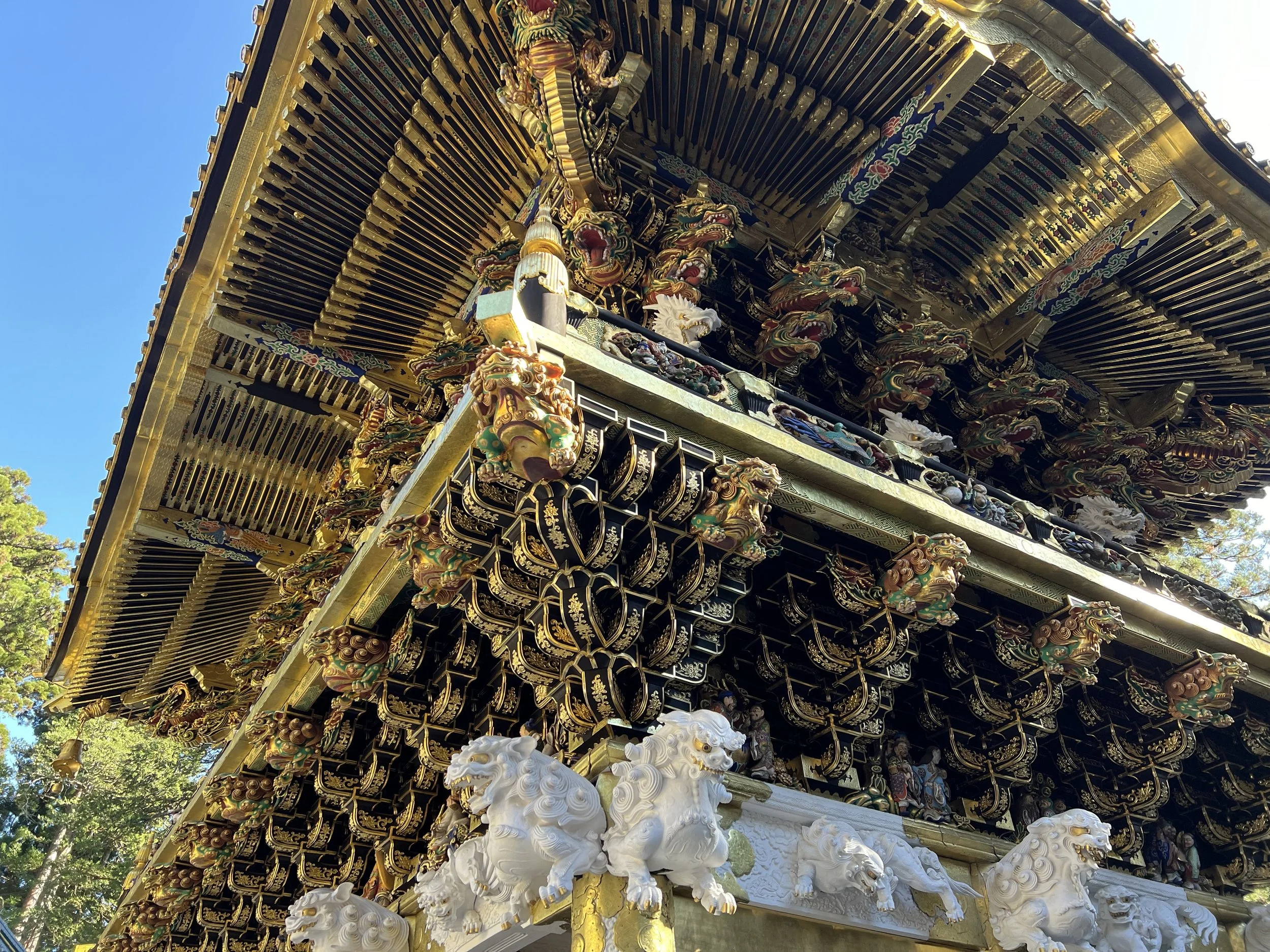
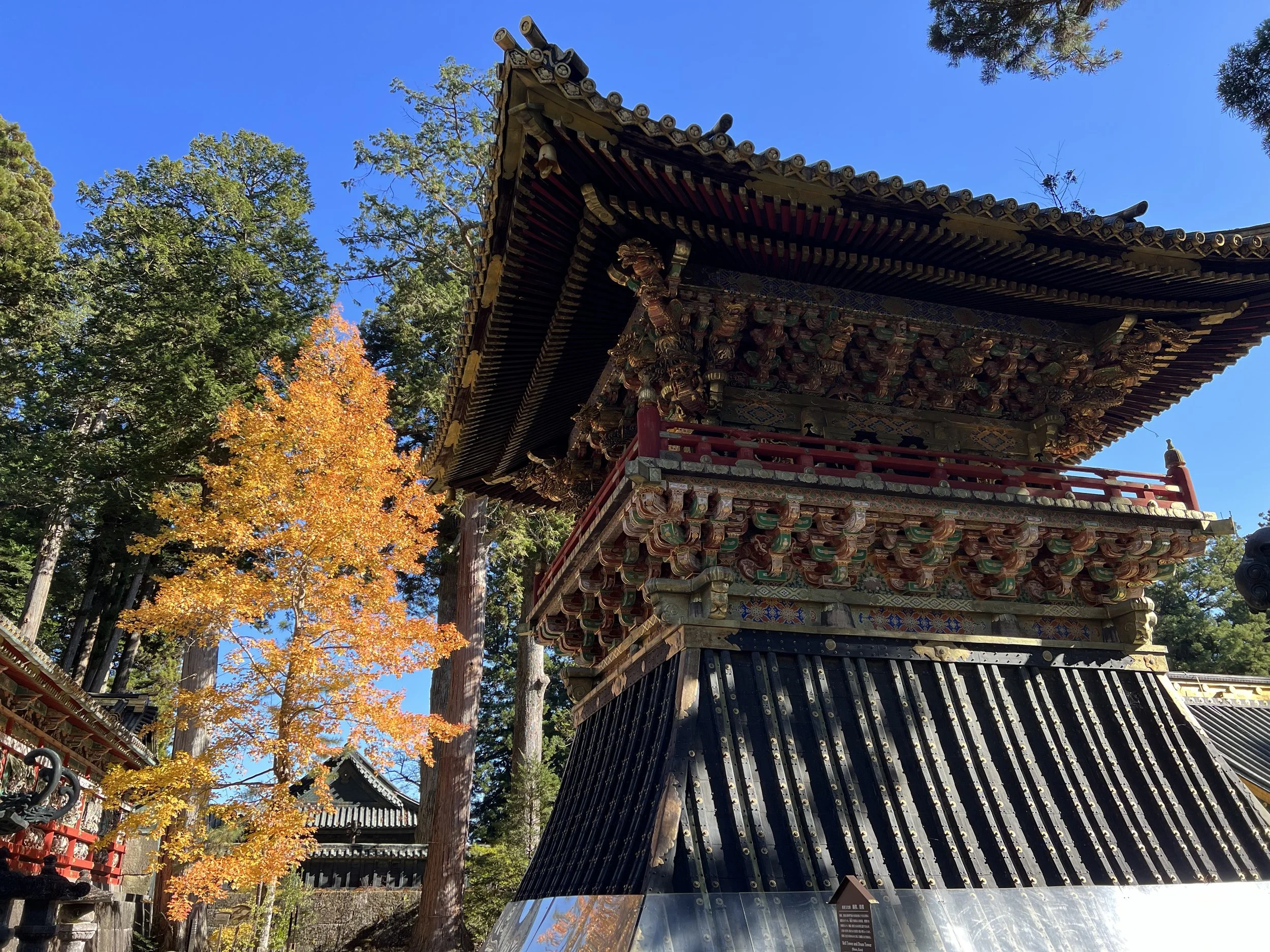
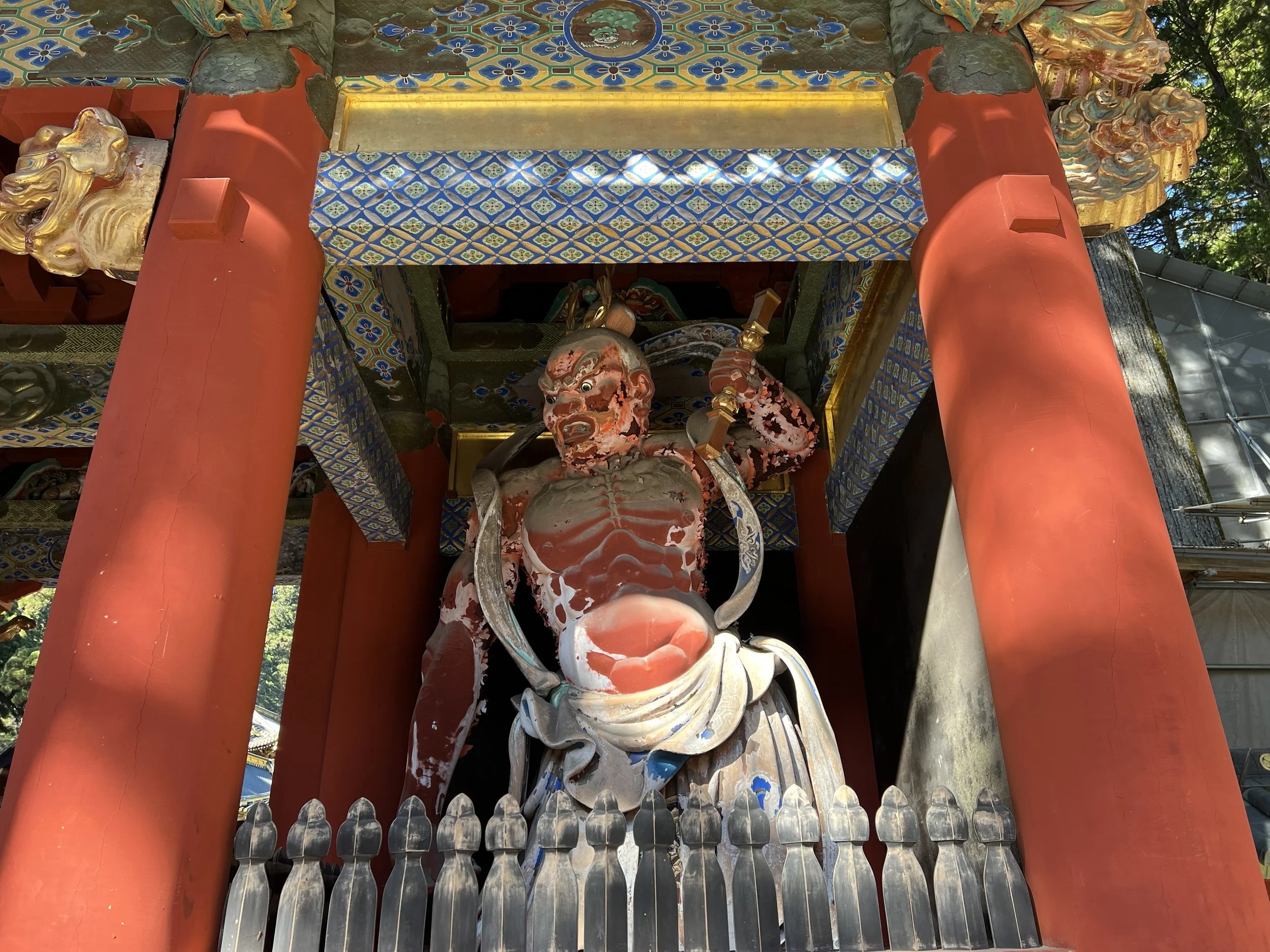
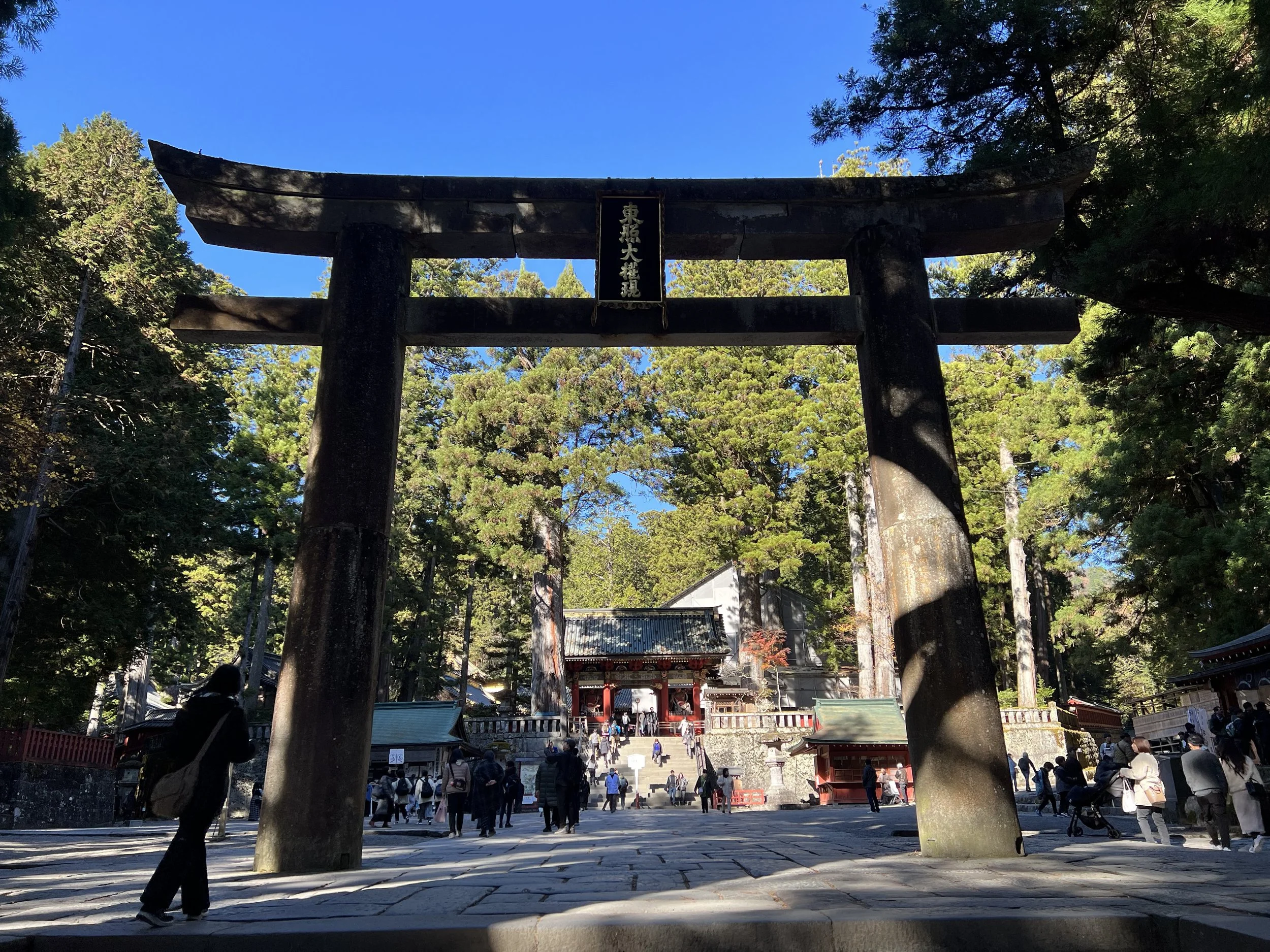
Toshogu Shrine was, unsurprisingly, magnificent. Dedicated to Tokugawa Ieyasu, the founder of the Tokugawa Shogunate, the complex is lavishly decorated with intricate wood carvings and generous gold leaf detailing. I found myself stopping every few steps just to admire the craftsmanship. The five-storey pagoda near the entrance is a standout feature, with its central pillar suspended ten centimetres above the ground — an ingenious structural design that allows the wood to expand and contract over time.
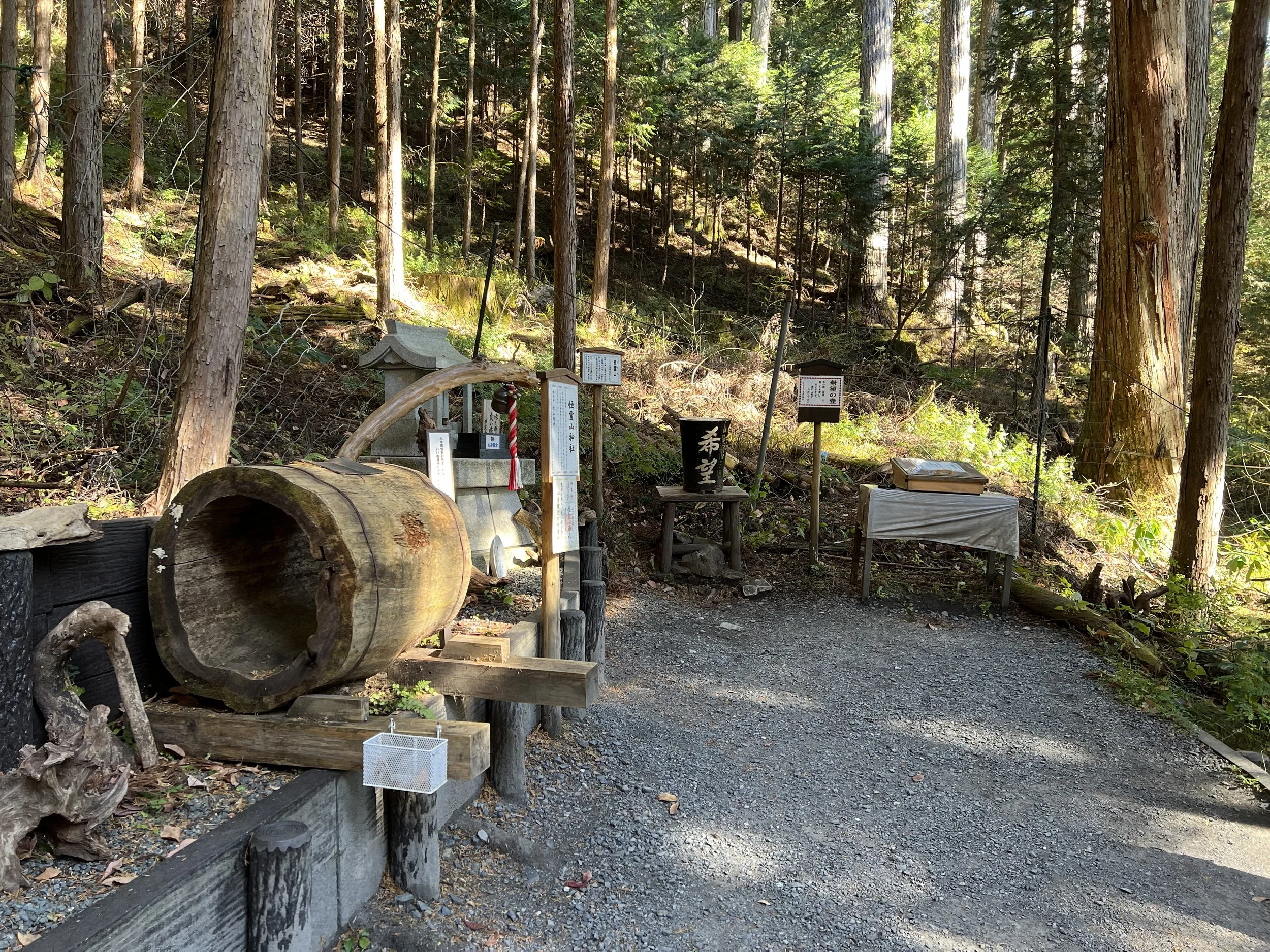
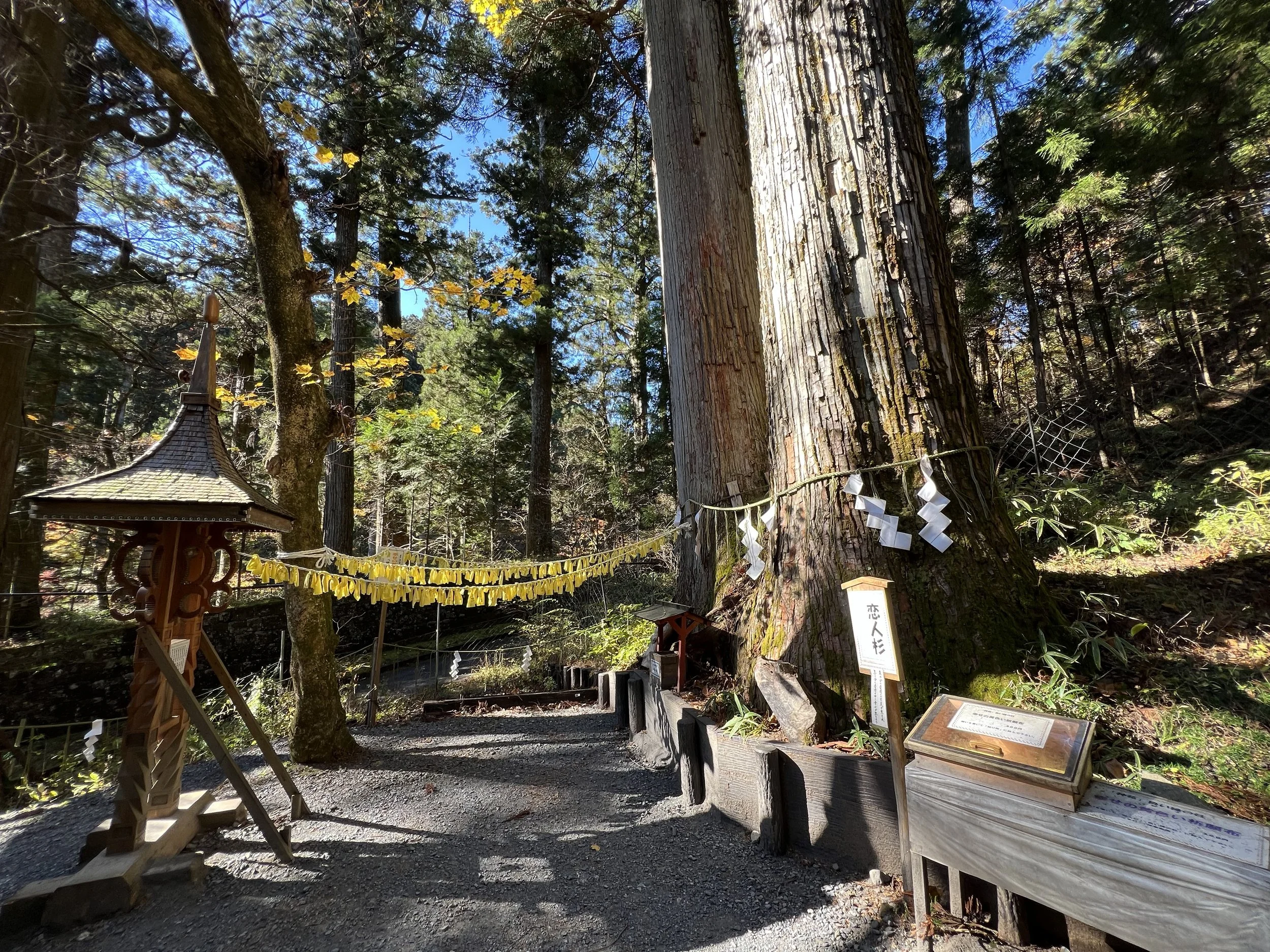
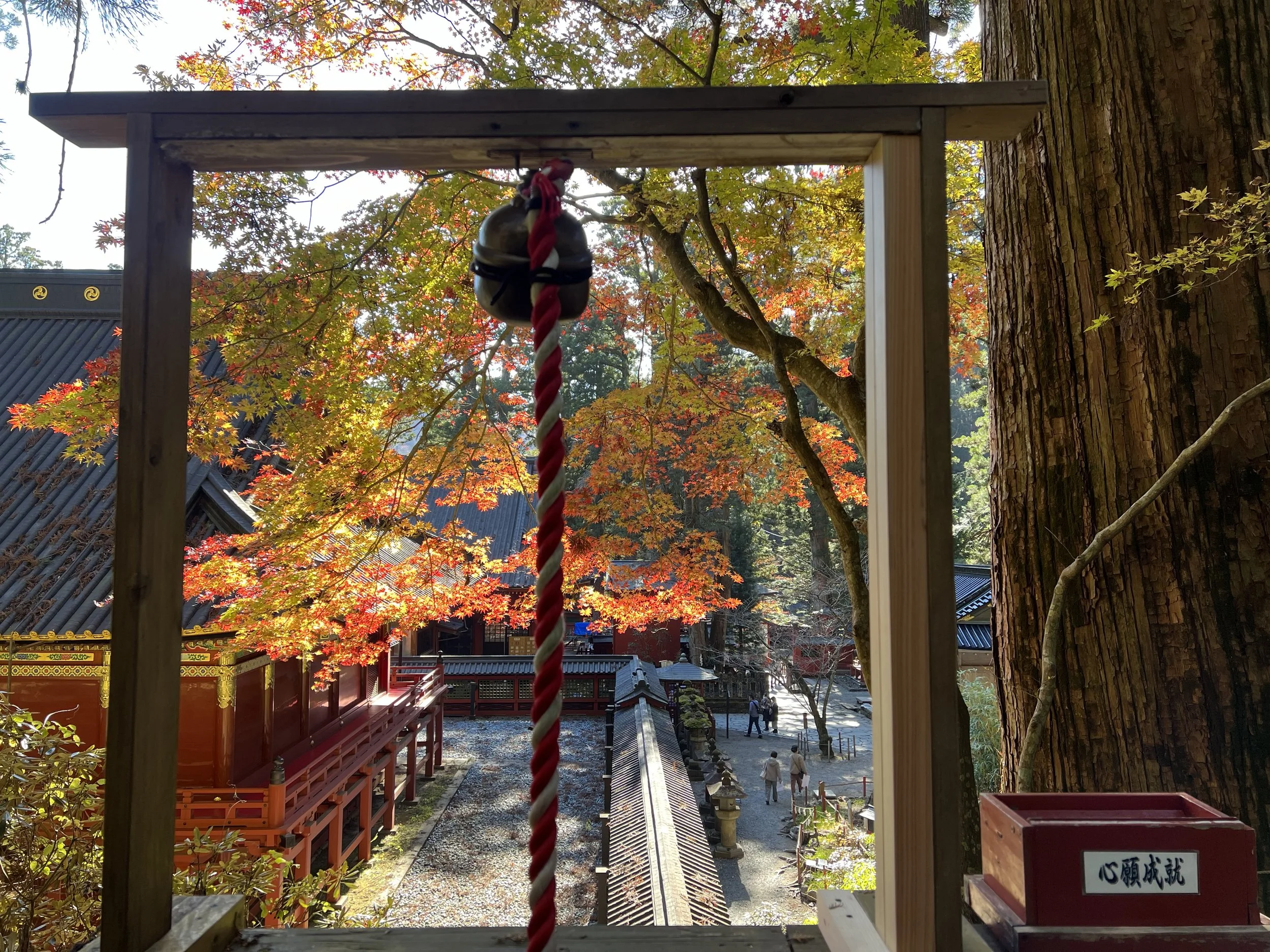
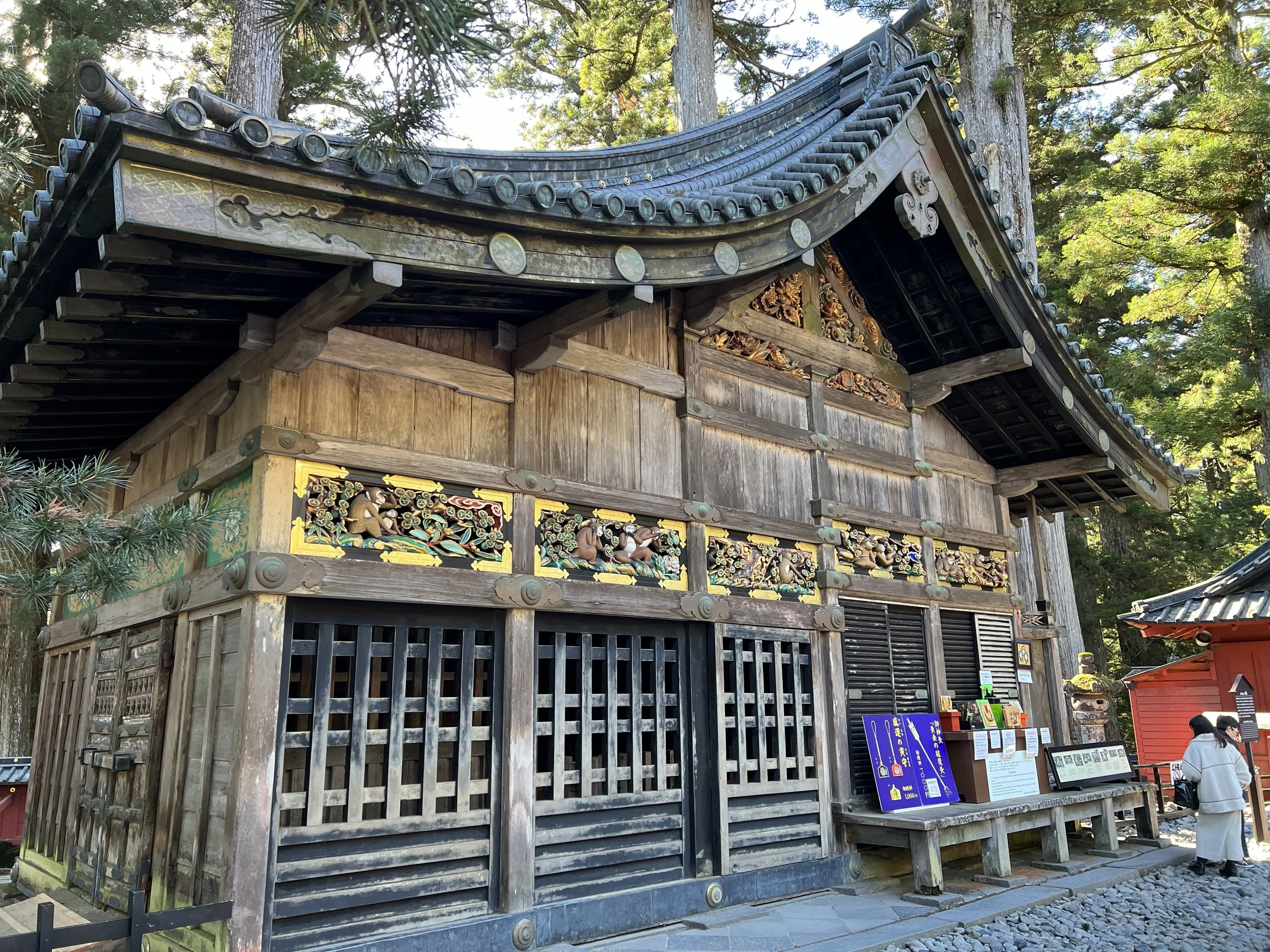
Some of the shrine’s most famous carvings include the “See no evil, speak no evil, hear no evil” monkeys and the imaginative “Sozonozo Elephants,” carved by an artist who had apparently never seen a real elephant. Somehow, I completely missed photographing both. For those willing to climb roughly 200 steps, the inner shrine area offers a quieter space surrounded by forest. Reaching the top gave me a small sense of accomplishment, and I picked up a souvenir that’s only available to those who make the climb.
After finishing at Toshogu, I stopped briefly at the Treasure Museum just outside the main grounds before continuing on to Rinnoji Temple. As the most important Buddhist temple in Nikko, it houses large gold-lacquered wooden statues of Amida, Senju-Kannon, and Bato-Kannon. Unfortunately, at least eight tour buses had arrived at the same time, and the crowds were overwhelming, so I didn’t linger long.
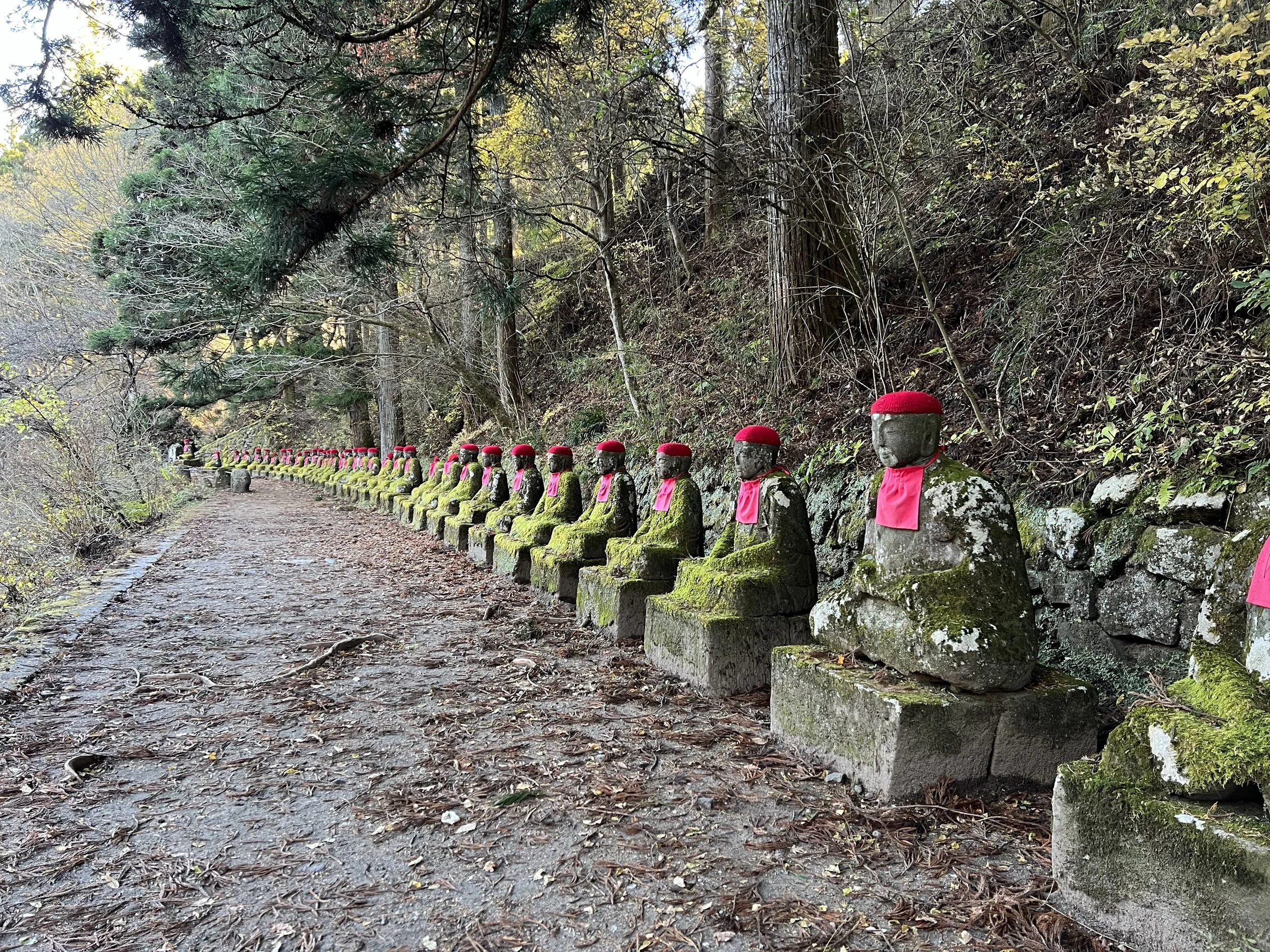
Craving a quieter setting, I walked about 1.4 kilometres to Kanmangafuchi Abyss. This peaceful riverside path, formed by an eruption of Mount Nantai, is lined with around 70 Jizo stone statues facing the Daiya River. The forested canyon felt worlds away from the busy shrine complex. The walk isn’t long, but it’s incredibly atmospheric, especially with the sound of the river running alongside.
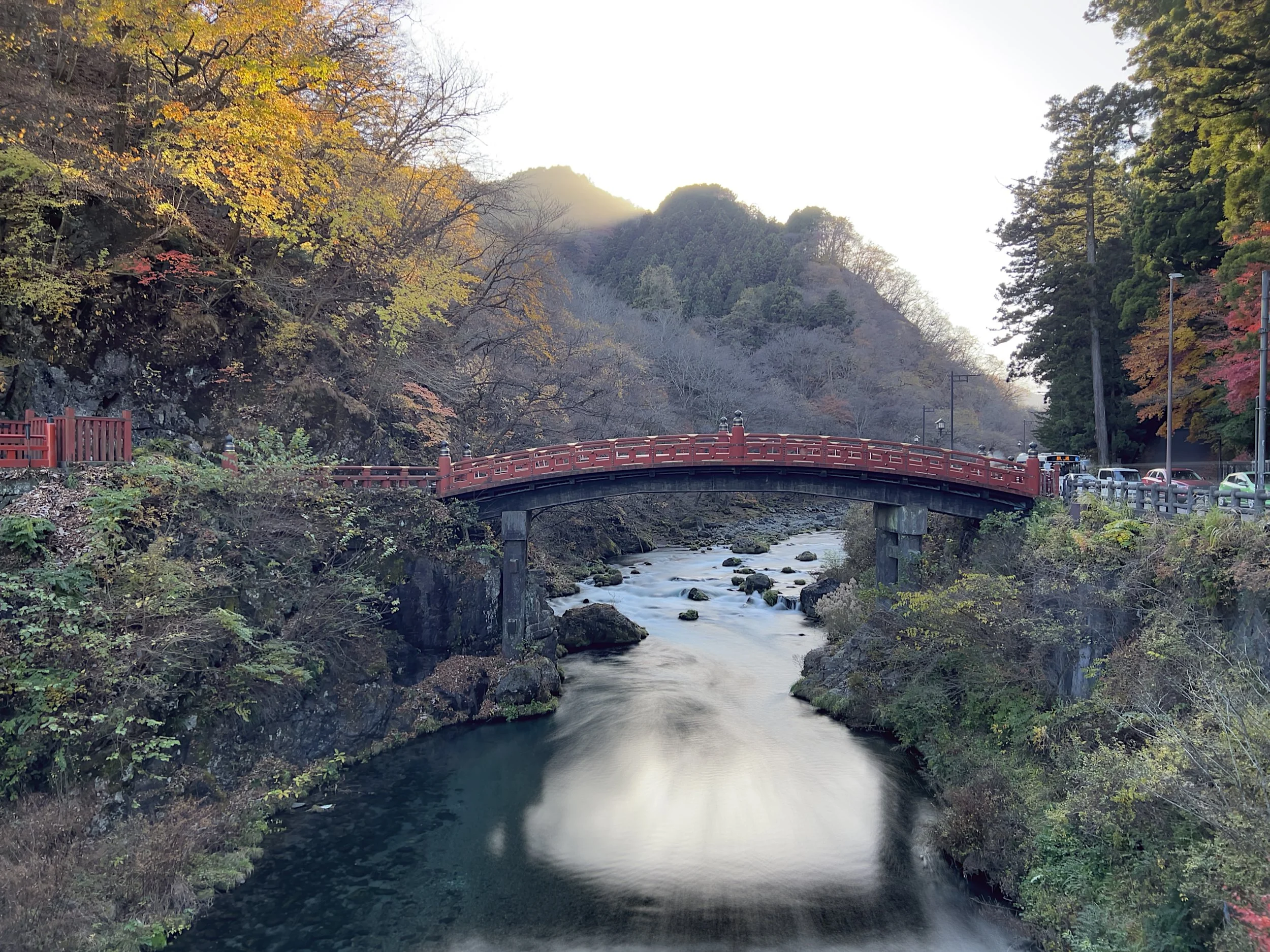
When I finished, I attempted to catch a bus back to Nikko Station, but it was so full I couldn’t get on. Rather than wait, I decided to walk the 3.3 kilometres back into town. On the way, I stopped to admire Shinkyo Bridge from the roadside. Considered one of Japan’s three finest bridges, it marks the symbolic entrance to the sacred area. I chose not to cross it, simply appreciating its vermillion elegance from afar.
Back on the main street, I passed restaurants and souvenir shops showcasing local specialities like yuba (tofu skin), soba, and Tochigi Wagyu. I noticed several people carrying desserts, but the only thing that truly caught my attention was a yuba bun. Curious, I gave it a try. The combination of crispy, slightly salty butter and sweet filling was unusual. Not my absolute favourite, but definitely worth trying.
With that, I made my way to my accommodation, ready to explore a different side of Nikko the following day.
History & Background
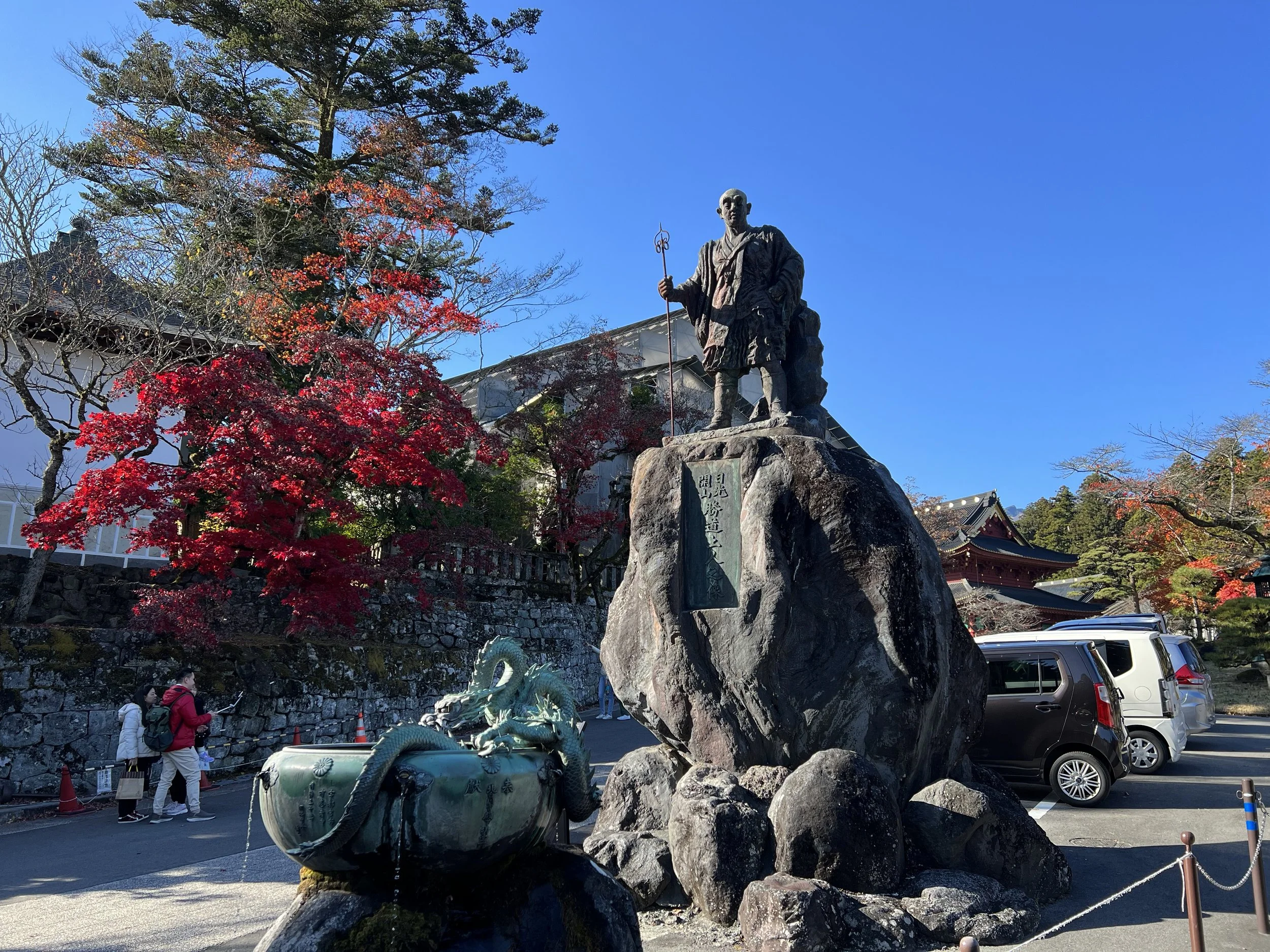
Nikko (日光) has long been considered sacred ground. The area’s spiritual significance began in 782 when the Buddhist monk Shodo Shonin founded Rinnoji Temple, introducing Buddhism to the region and establishing Nikko as a centre of mountain worship tied to Mount Nantai.
Kirifuri Falls (霧降の滝) is one of Nikko’s most scenic waterfalls, dropping 75 metres in two graceful tiers. It has been admired for centuries and was even depicted in traditional Japanese woodblock prints.
Futarasan Shrine (二荒山神社), founded in 782, is dedicated to the deities of Nikko’s three sacred mountains: Mount Nantai, Mount Nyoho, and Mount Taro. It represents the Shinto aspect of Nikko’s spiritual heritage.
Toshogu Shrine (東照宮), completed in 1617, enshrines Tokugawa Ieyasu. Unlike the typically understated style of Shinto architecture, Toshogu is deliberately ornate, symbolizing the power and prestige of the Tokugawa Shogunate. The shrine complex is part of the UNESCO World Heritage designation “Shrines and Temples of Nikko.”
Rinnoji Temple (輪王寺) serves as the Buddhist counterpart within this sacred complex and houses three large gilded wooden statues representing manifestations of Nikko’s mountain deities.
Kanmangafuchi Abyss (憾満ヶ淵) was formed by a volcanic eruption of Mount Nantai. The line of Jizo statues — protectors of travellers and children — creates one of Nikko’s most contemplative walking paths.
Shinkyo Bridge (神橋), originally constructed in 1636, marks the formal entrance to the sacred shrine complex. Historically reserved for the imperial family and shogunate, it only opened to the public in 1973.
Getting There
Nikko is easily accessible from the Tokyo metropolitan area and makes for a straightforward journey from major transport hubs. From Tokyo, the most convenient option is to depart from Asakusa Station via the Tobu Railway Limited Express, which takes approximately two hours to Tobu-Nikko Station. If travelling using JR lines, you can take the JR Tohoku Shinkansen from Tokyo Station to Utsunomiya Station (about 50 minutes), then transfer to the JR Nikko Line for another 45-minute ride to JR Nikko Station.
Once in Nikko, most major sights — including Toshogu Shrine, Futarasan Shrine, Rinnoji Temple, and the Shinkyo Bridge — are connected by the Tobu bus network. Buses depart regularly from the stations and loop through the UNESCO World Heritage temple and shrine area, as well as further out to natural attractions such as Kirifuri Falls and Lake Chuzenji. Transit passes, such as the Nikko Pass, can be purchased in advance or at the station and provide unlimited bus travel within designated zones, making it a convenient option for exploring the region efficiently.
Route Overview
Distance: 10.33 km
Total elevation gain: 165 m
Duration: 2 hr 18 min (with breaks 3 hr 30 min)
Difficulty: Easy
Cost Breakdown
Train: Usunomiya Station → Nikko Station — ¥770
Transit Pass: Nikko Pass 4 Days — C$42.23
Entrance Fee: Futarasan Jinja — ¥300
Entrance Fee: Toshogu Shrine (Shrine + Treasure Museum)— ¥2,400
Food: ¥529
Souvenir: ¥1,000