Matsue Castle - Shimane, Japan
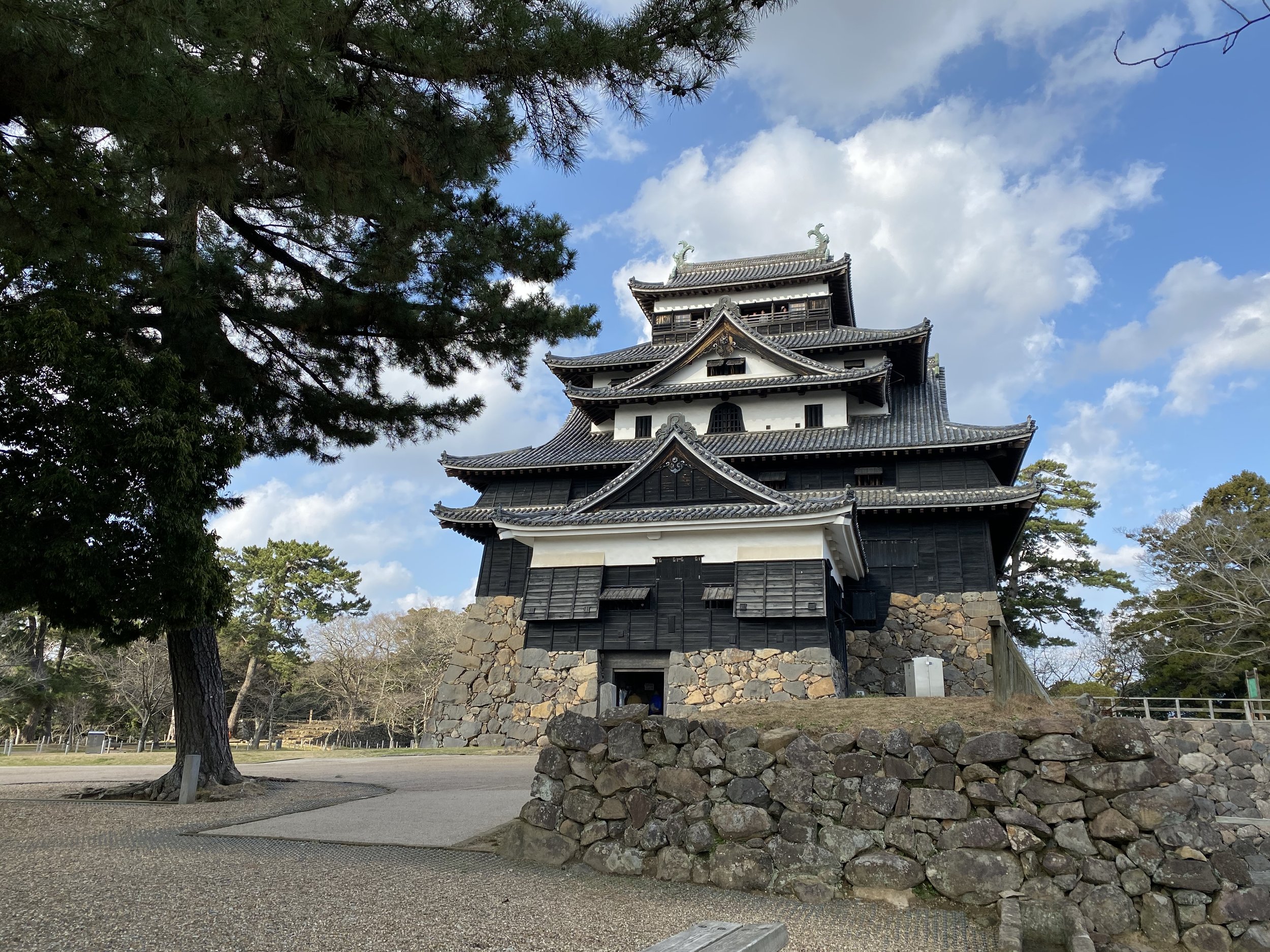
Matsue Castle is one of the twelve original castles still standing in Japan, having survived fires, earthquakes, and the sweeping changes of the post-feudal era. Completed in 1611, the castle sits atop a small hill and is surrounded by wide moats and thick stone walls. Although it was designed for warfare, the timing of its construction meant that Matsue Castle never actually saw battle.
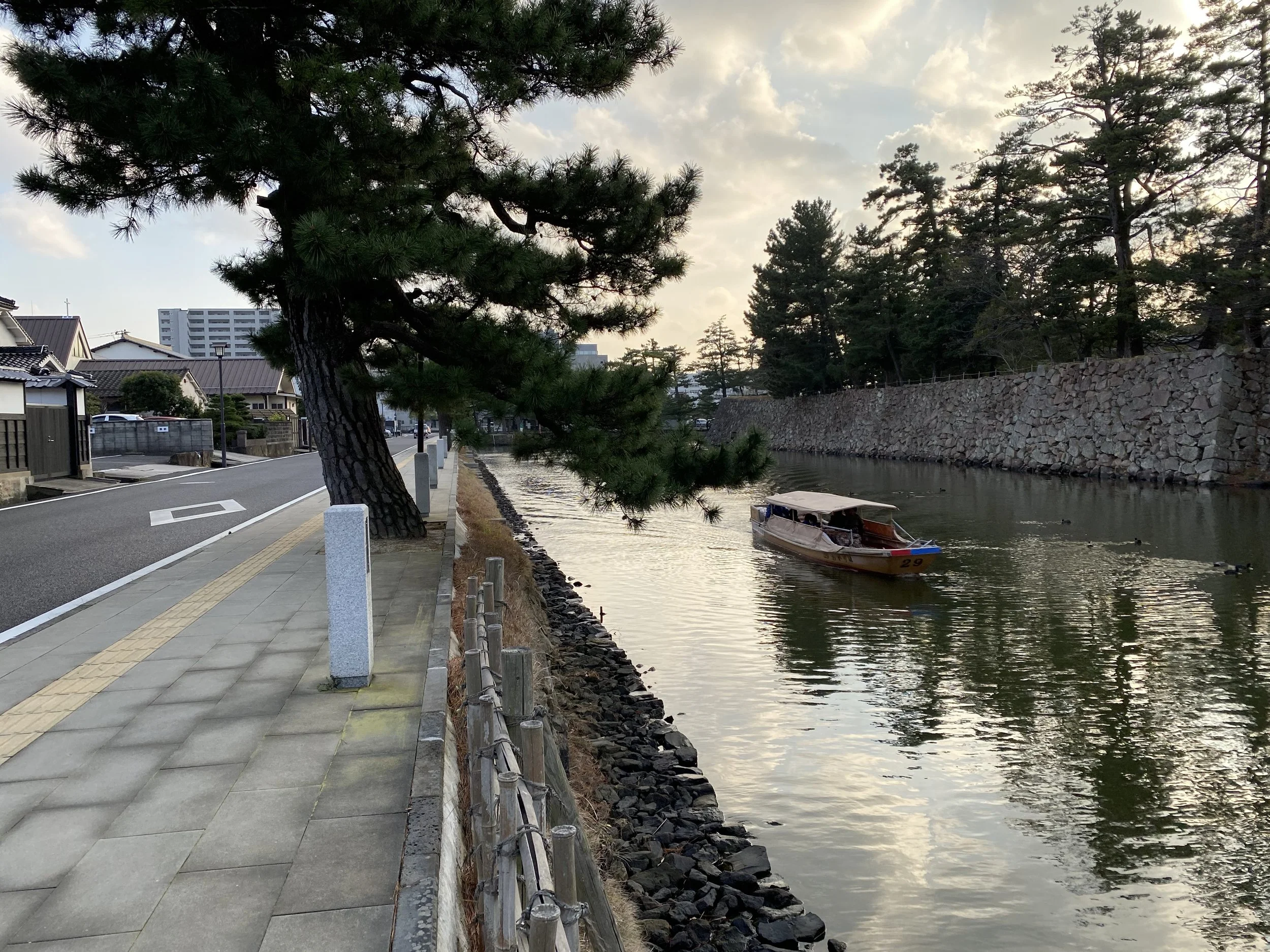
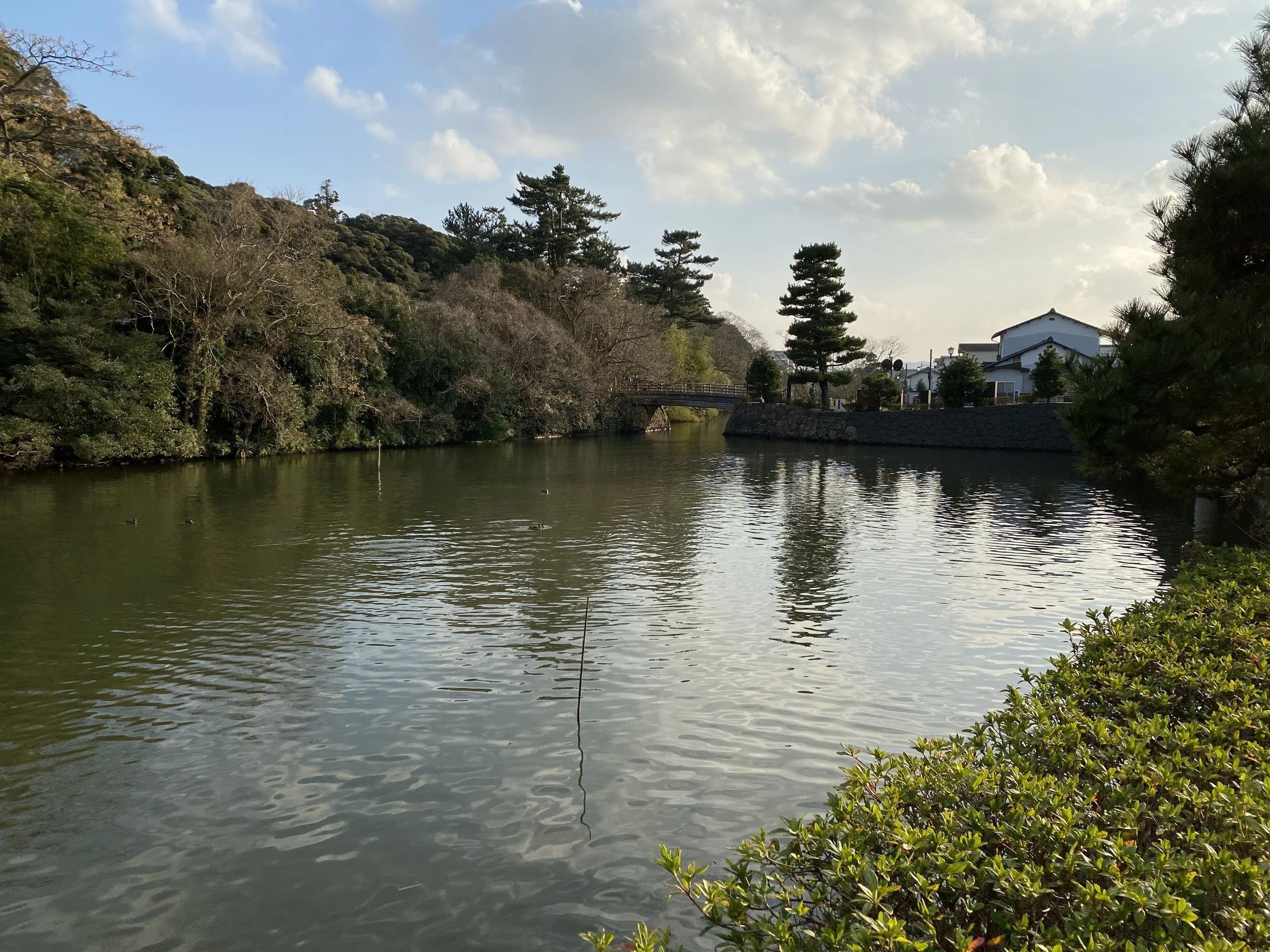
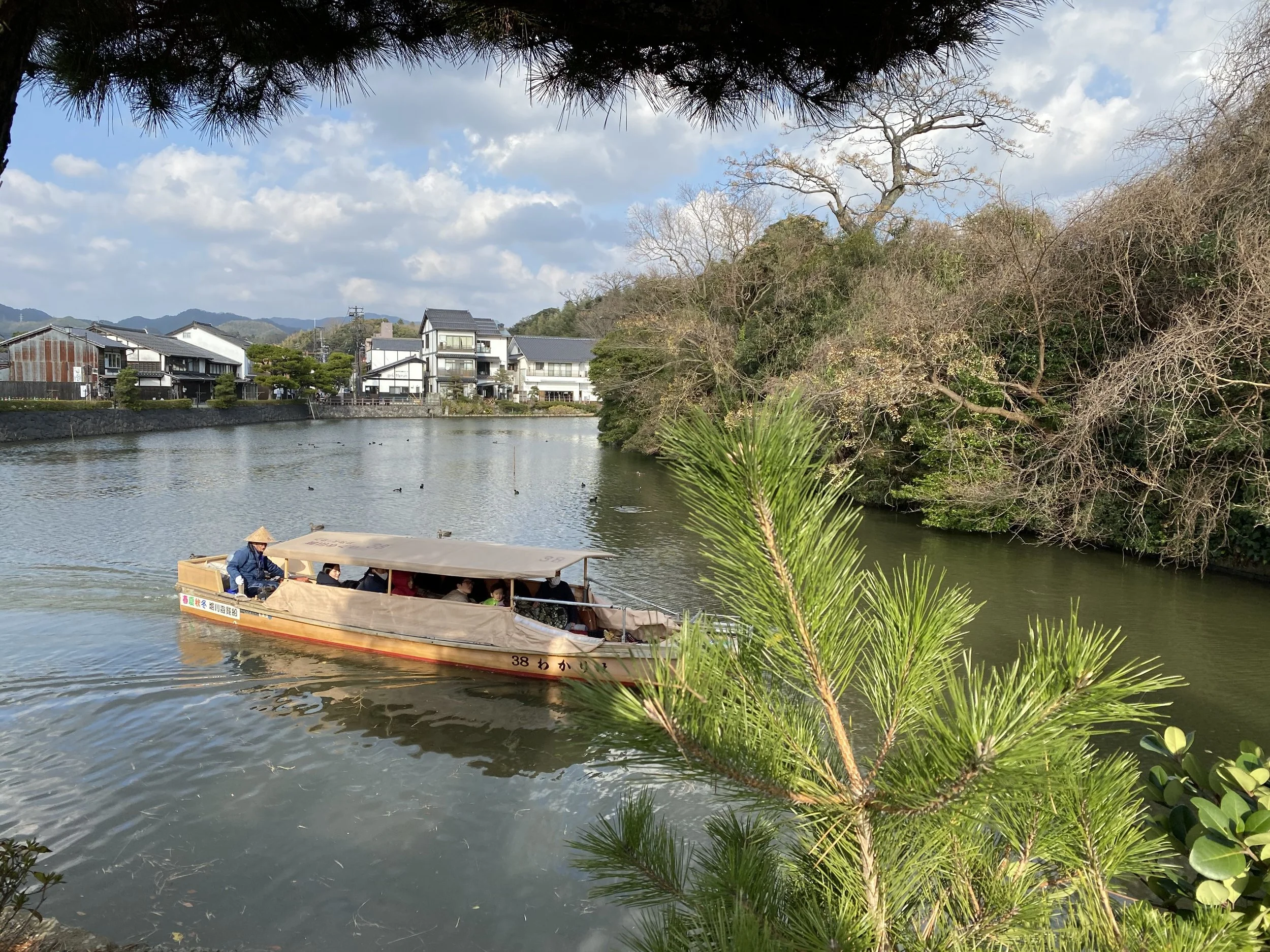
The castle is located about 1.7 kilometres from Matsue Station, and the area surrounding it is surprisingly scenic. Lake Shinji lies nearby—Japan’s seventh-largest lake—and its presence adds to the calm atmosphere of the approach. Upon arriving at the castle grounds, the wide moat immediately stands out, and it’s common to see the Horikawa Pleasure Boat making its way around the water. Seeing the boats in motion made it clear that this was something worth doing after exploring the castle itself.
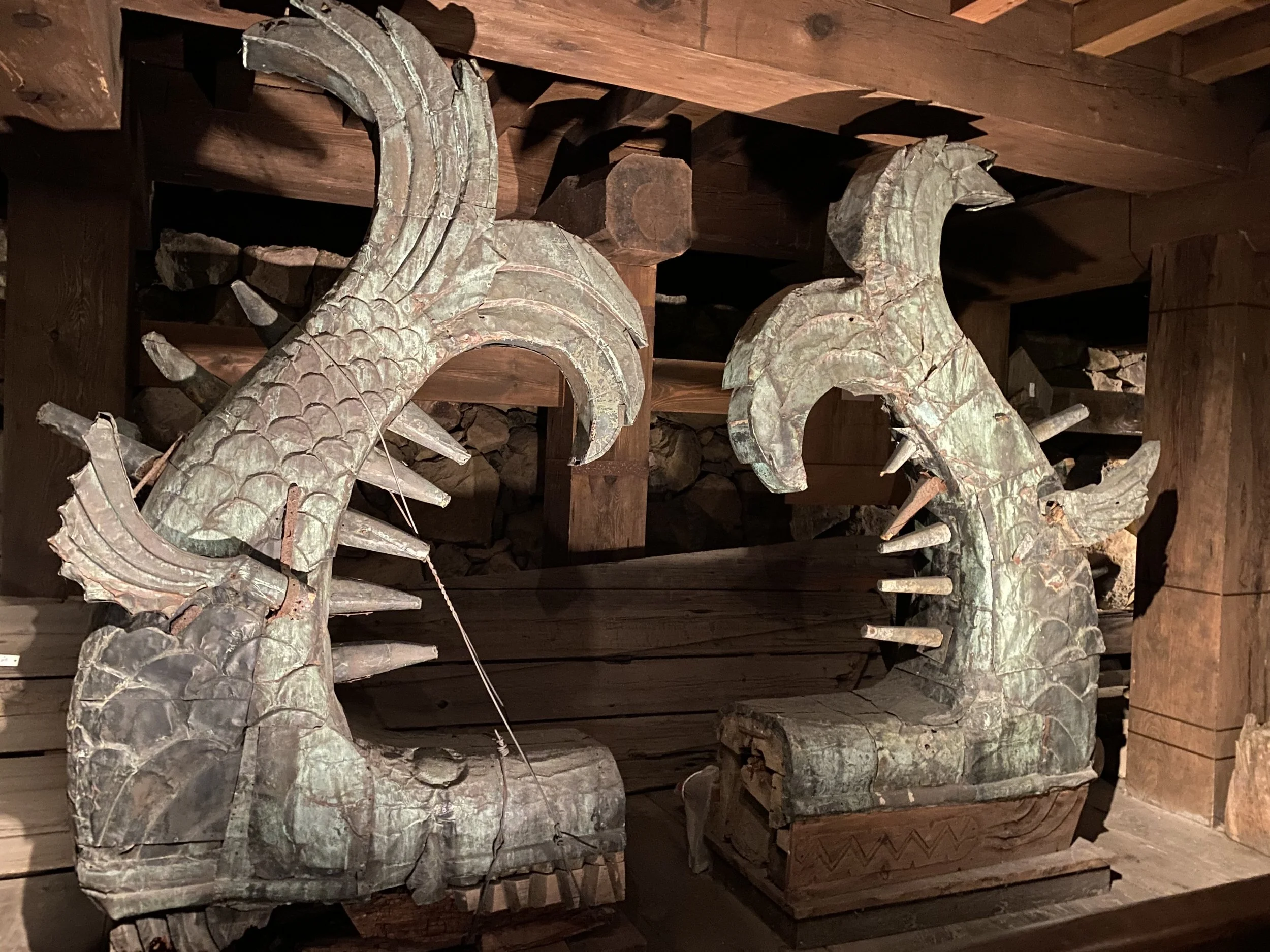
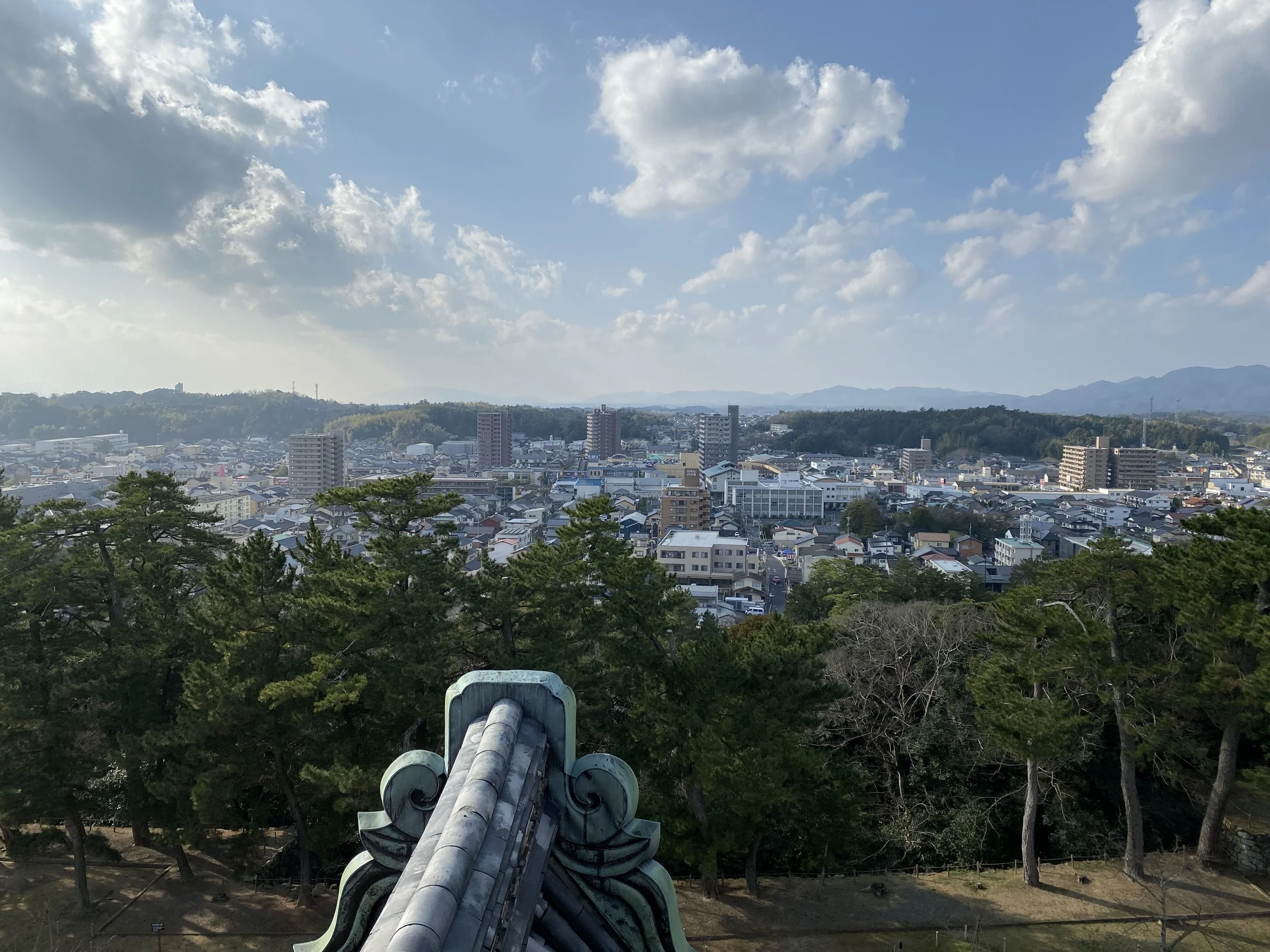
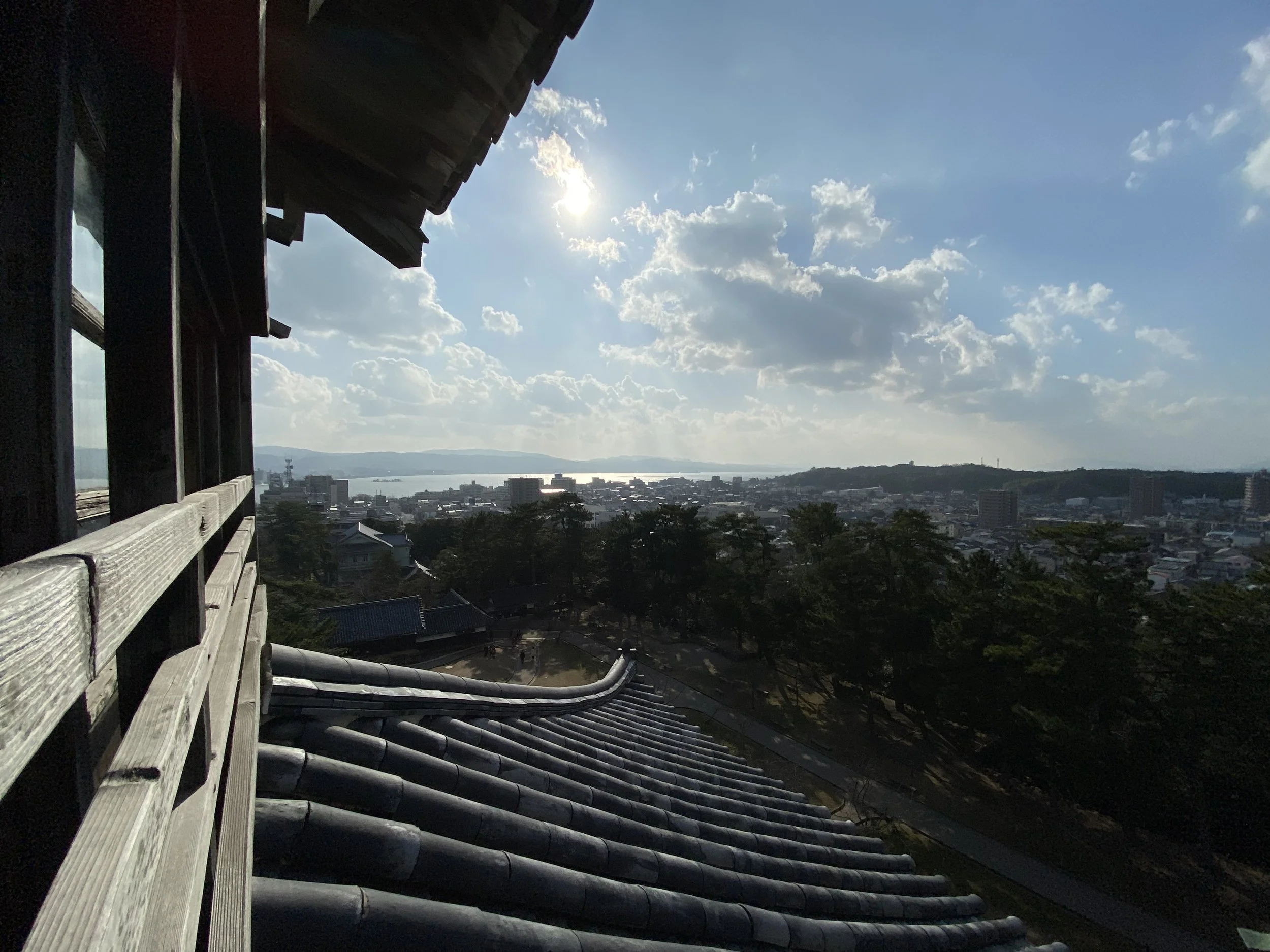
According to the informational displays, Matsue Castle is the second largest of Japan’s twelve original castles. It is also known as Chidori-jo, or “Plover Castle,” a name inspired by the upward-sweeping rooflines that are said to resemble the wings of a plover in flight. I tried to spot the resemblance but couldn’t quite see it myself. Inside, the castle is largely preserved in its original state, with select displays featuring samurai armour and shachihoko, the decorative roof ornaments often found on Japanese castles. The top floor offers panoramic views of Matsue, and on a clear day, Lake Shinji is visible in the distance.
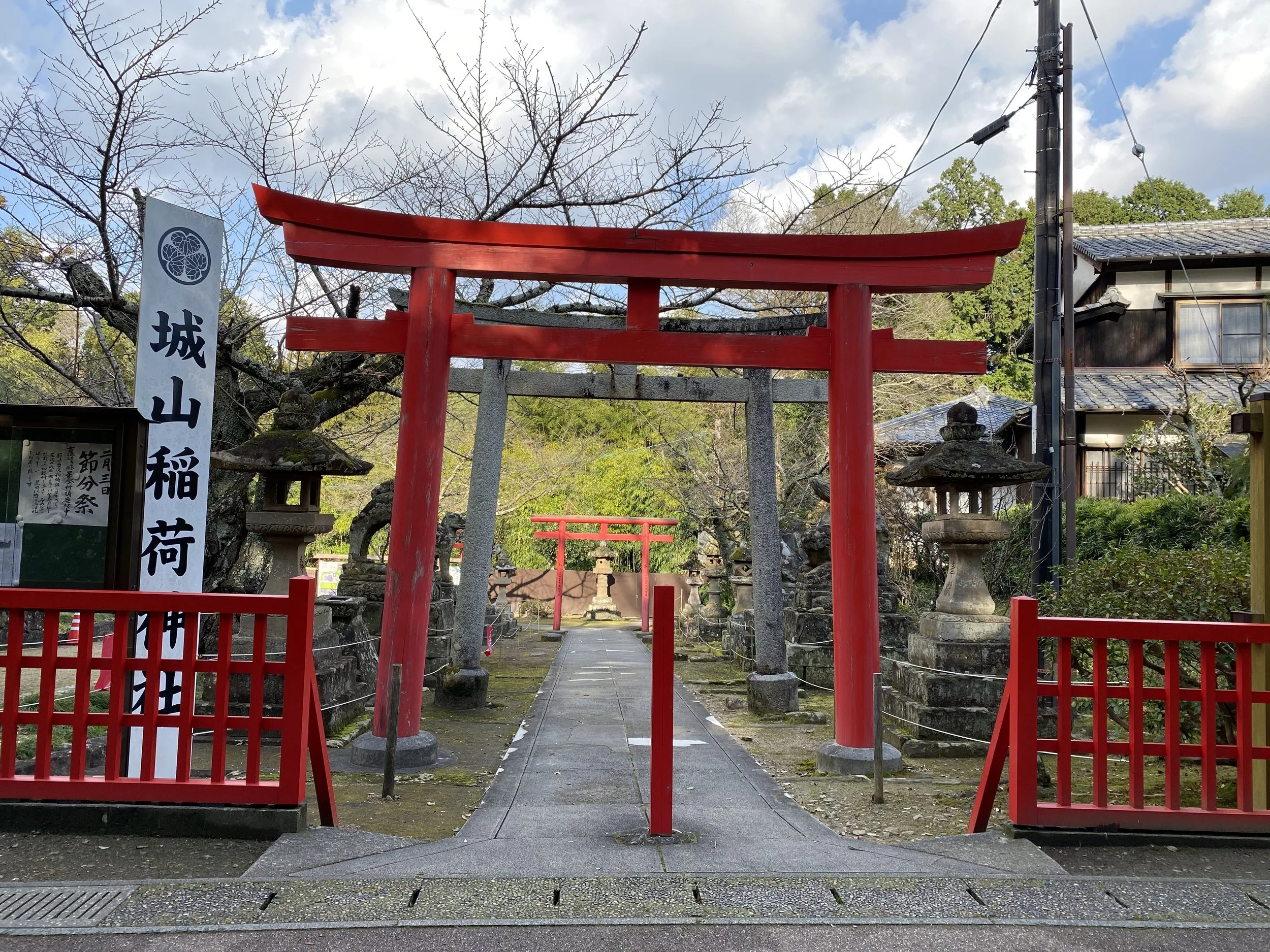
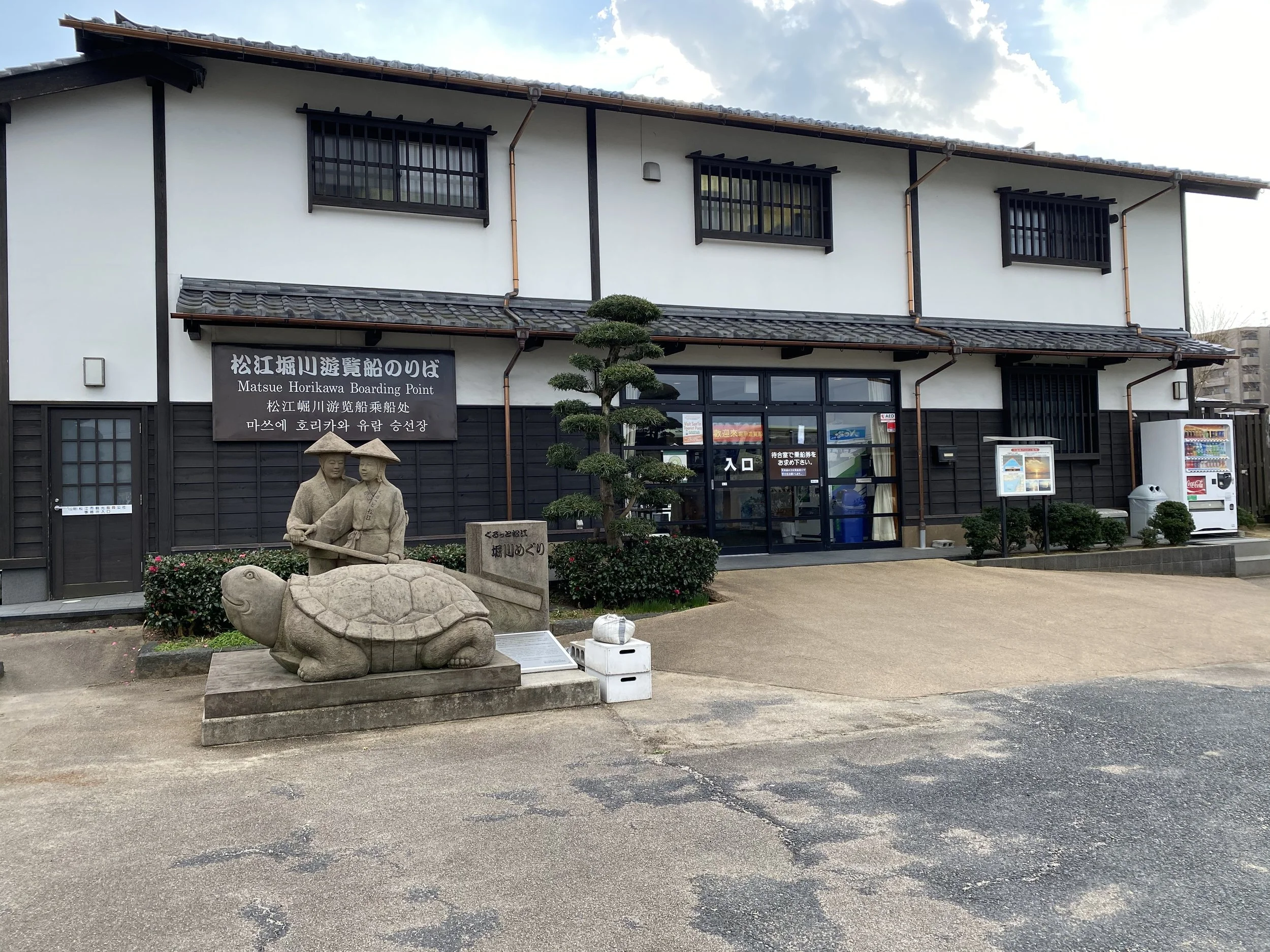
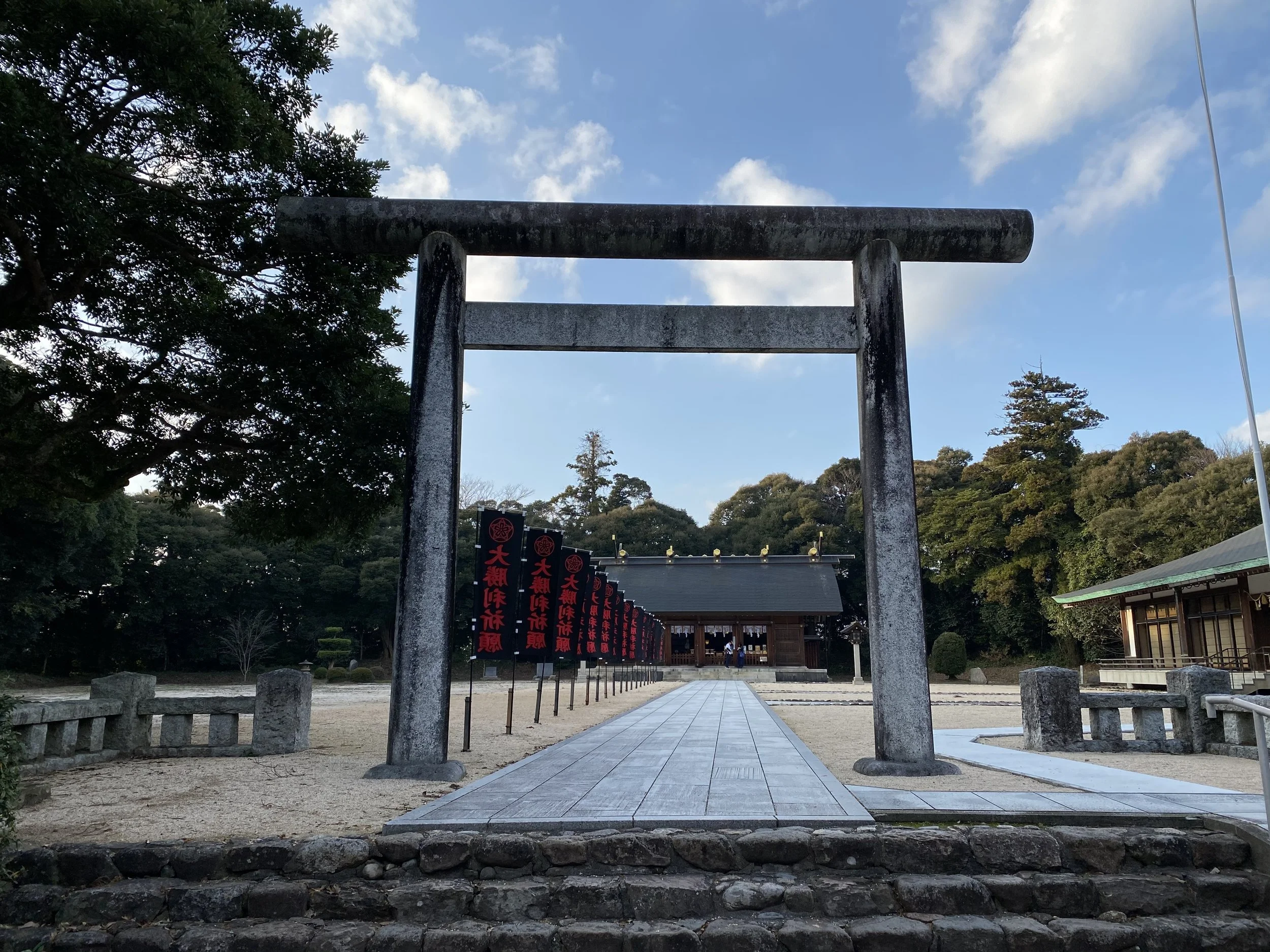
After exploring the interior, I spent some time wandering the castle grounds and gardens. The area is well maintained, with manicured greenery, remnants of former structures, and three small shrines scattered throughout the grounds. In spring, this area is a popular cherry blossom viewing spot. From there, I made my way to one of the three boarding points for the Horikawa Pleasure Boat. The extensive moat system allows visitors to board and disembark at different locations, making it easy to explore various parts of the castle area.
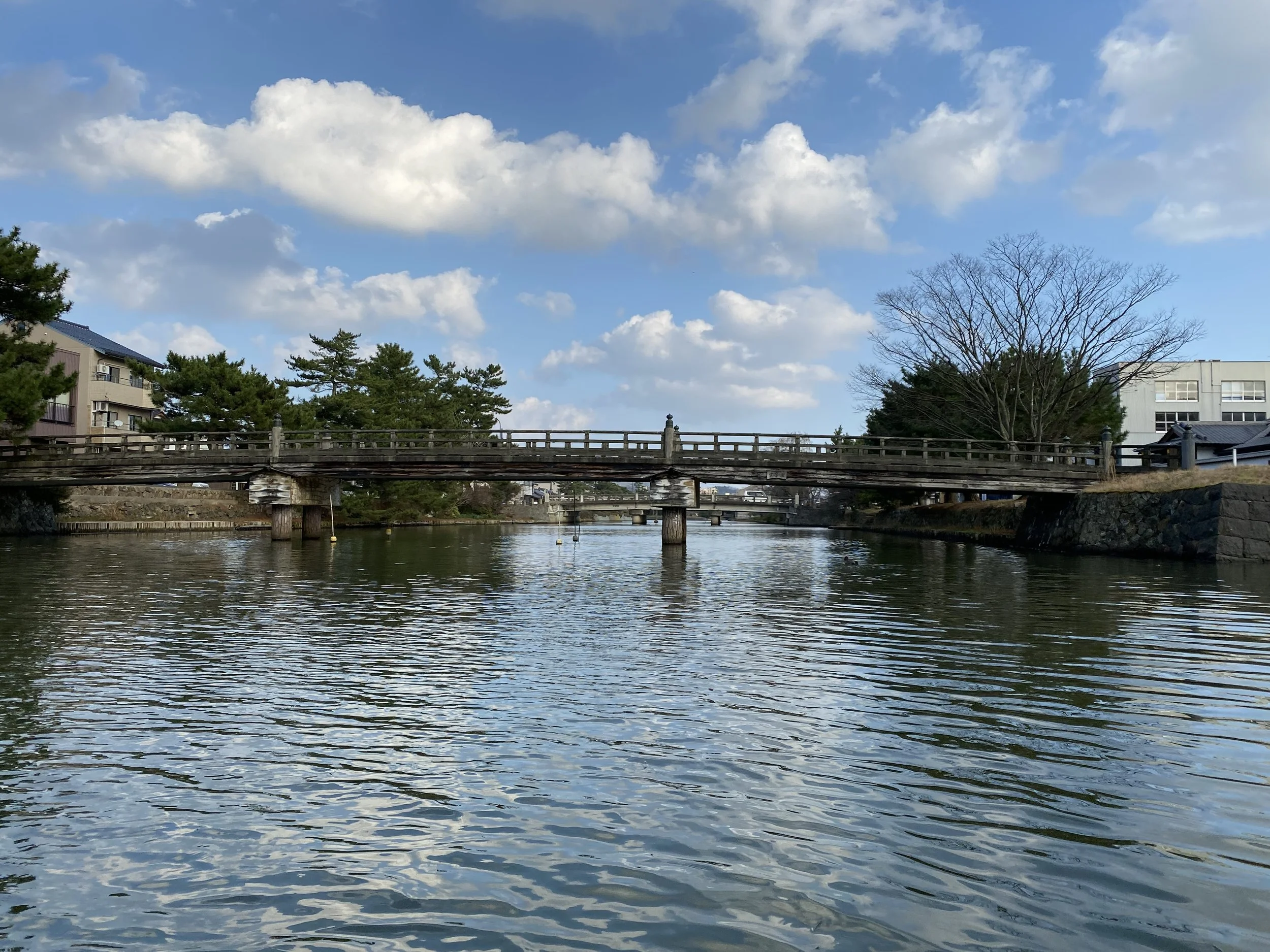
There were few people waiting when I boarded, and with frequent departures, the boat never felt crowded. Shoes must be removed before boarding, so wearing something easy to slip on and off is helpful. As the boat glides through the moat, the boatman provides historical commentary about the castle and surrounding area. One of the more memorable moments is passing under several low bridges, where passengers are required to duck. Each season offers a different perspective, with the scenery changing noticeably throughout the year.
This was a unique and relaxing way to experience Matsue Castle. I disembarked at a different boarding point, which conveniently shortened my return walk toward Matsue Station. I would highly recommend this activity after visiting the castle, as the boatmen point out historical details and features that aren’t covered by signage on land.
History & Background
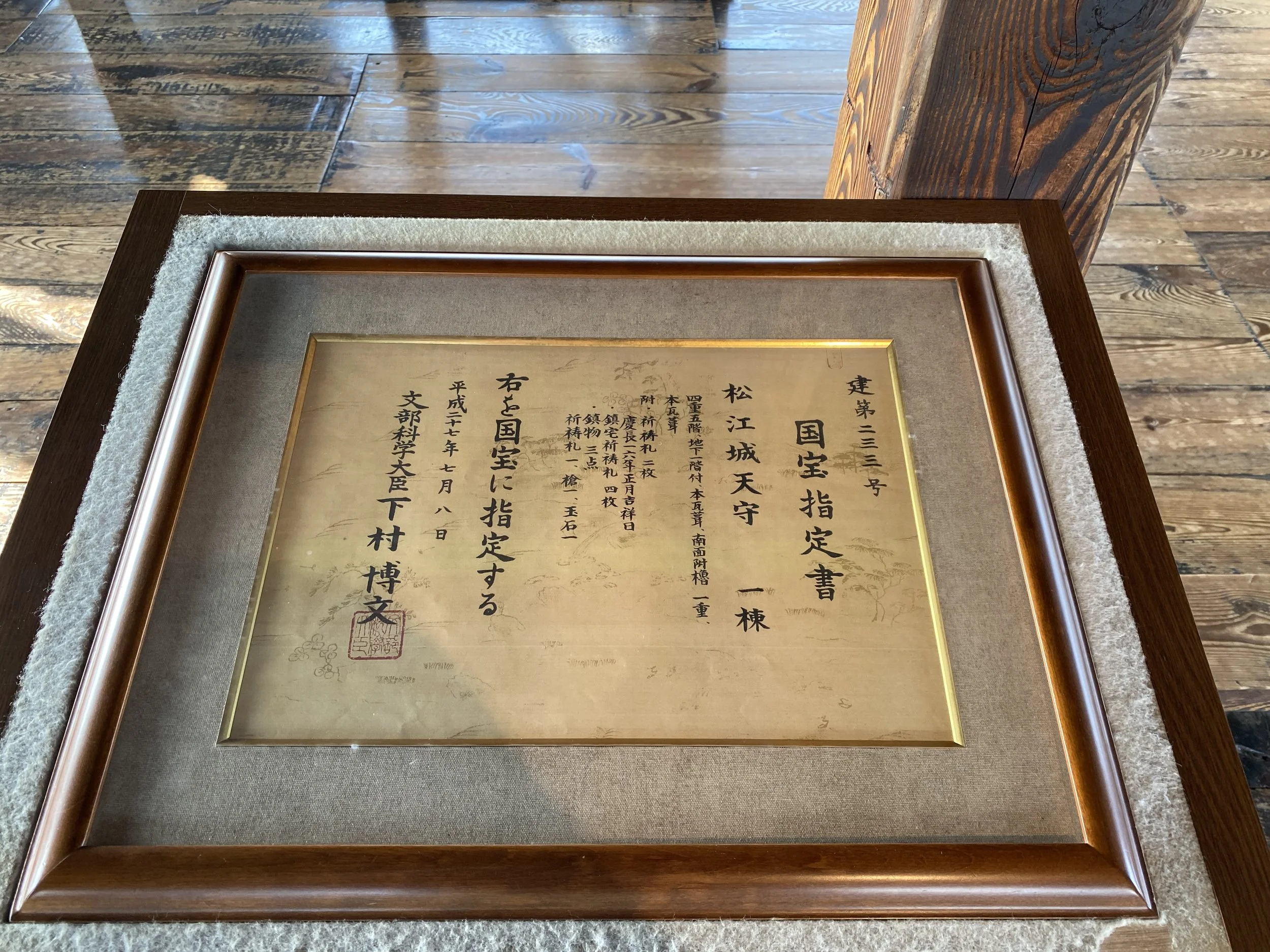
Matsue Castle (松江城) was completed in 1611 during the early Edo period and is one of only twelve castles in Japan with an original main keep still intact. Built primarily as a defensive stronghold by the Matsudaira clan, the castle features robust stone walls, a layered moat system, and a commanding hilltop position overlooking Lake Shinji. Known as Chidori-jo, or “Plover Castle,” it earned its nickname from its distinctive rooflines. The main keep rises five stories, offering panoramic views of the surrounding city. Despite its martial design, the castle was never involved in combat due to the relative stability of the period following its completion. Today, Matsue Castle is designated a National Treasure of Japan and serves as a popular cultural landmark, hosting seasonal festivals and historical exhibitions.
Getting There
Matsue Castle is located in Matsue City, Shimane Prefecture. From Matsue Station, the castle is approximately 1.7 km away. Visitors can reach the castle on foot, by local bus, or by taxi. Several city bus routes stop near the castle grounds, and signage in the area clearly directs visitors toward the main entrance and moat access points.
Route Overview
Distance: 4.5 km out & back (Matsue Station)
Total elevation gain: 10 m
Duration: 1 hr 02 min (with breaks 1 hr 10 min)
Difficulty: Easy
Boat Info: Tickets can be purchased on the day of travel at any of the three Horikawa Pleasure Boat boarding points. The ticket allows for hop-on, hop-off access, meaning you can ride the boat multiple times in one day. The boats operate year-round, rain or shine. Additional details are available on the official Horikawa Pleasure Boat website.
Cost Breakdown
Entrance Fee: Matsue Castle — ¥800
Activity: Horikawa Pleasure Boat — ¥1,600