Akiyoshido Cave - Yamaguchi, Japan
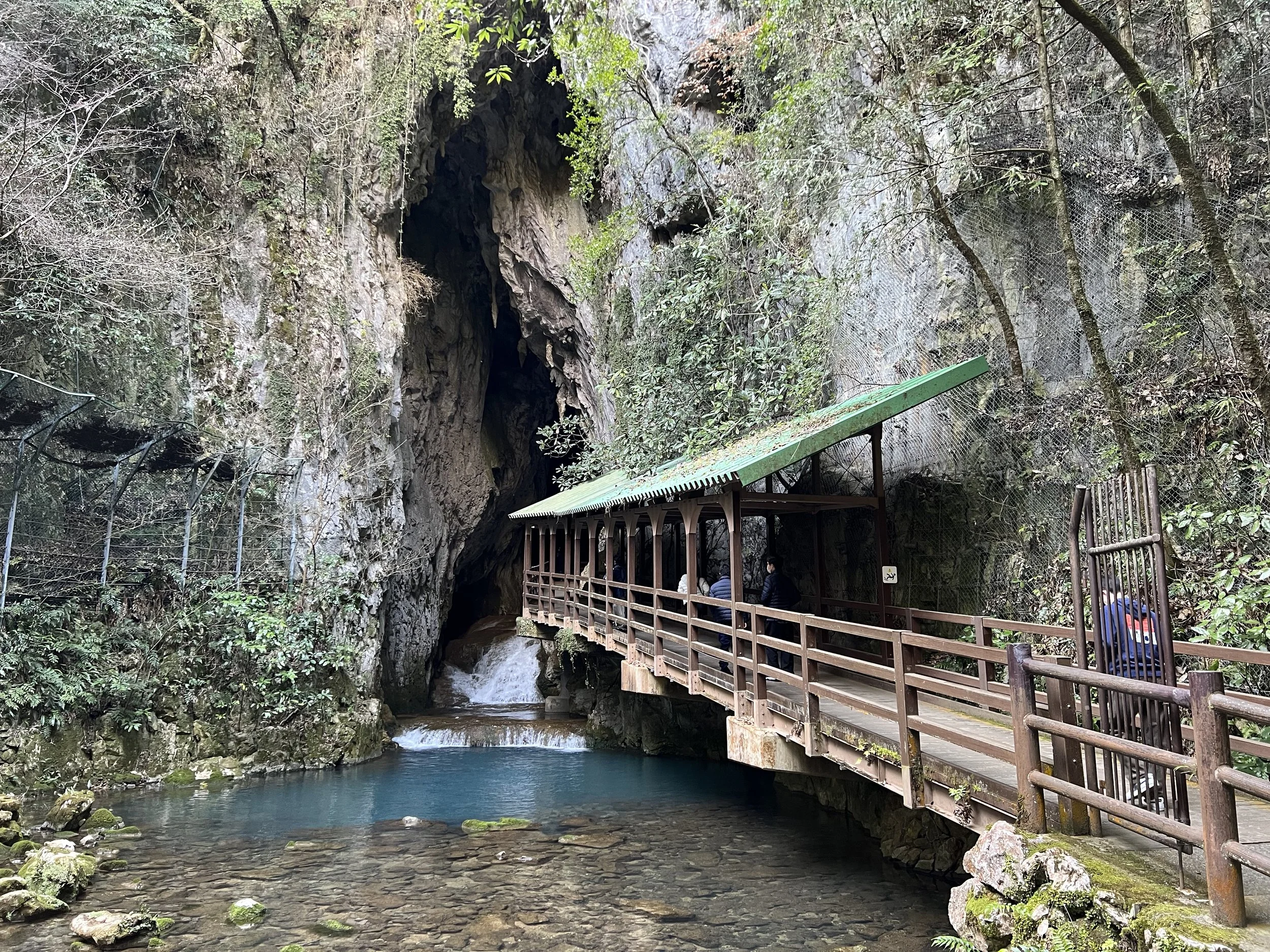
What initially drew me to Akiyoshido Cave was a photograph of its entrance. The image showed a bridge crossing a river that bursts directly out of the cave and feeds into the Ina River. The entrance itself wasn’t immediately obvious, partially hidden and almost mysterious, which made it all the more intriguing. Seeing it in person felt just as surreal.
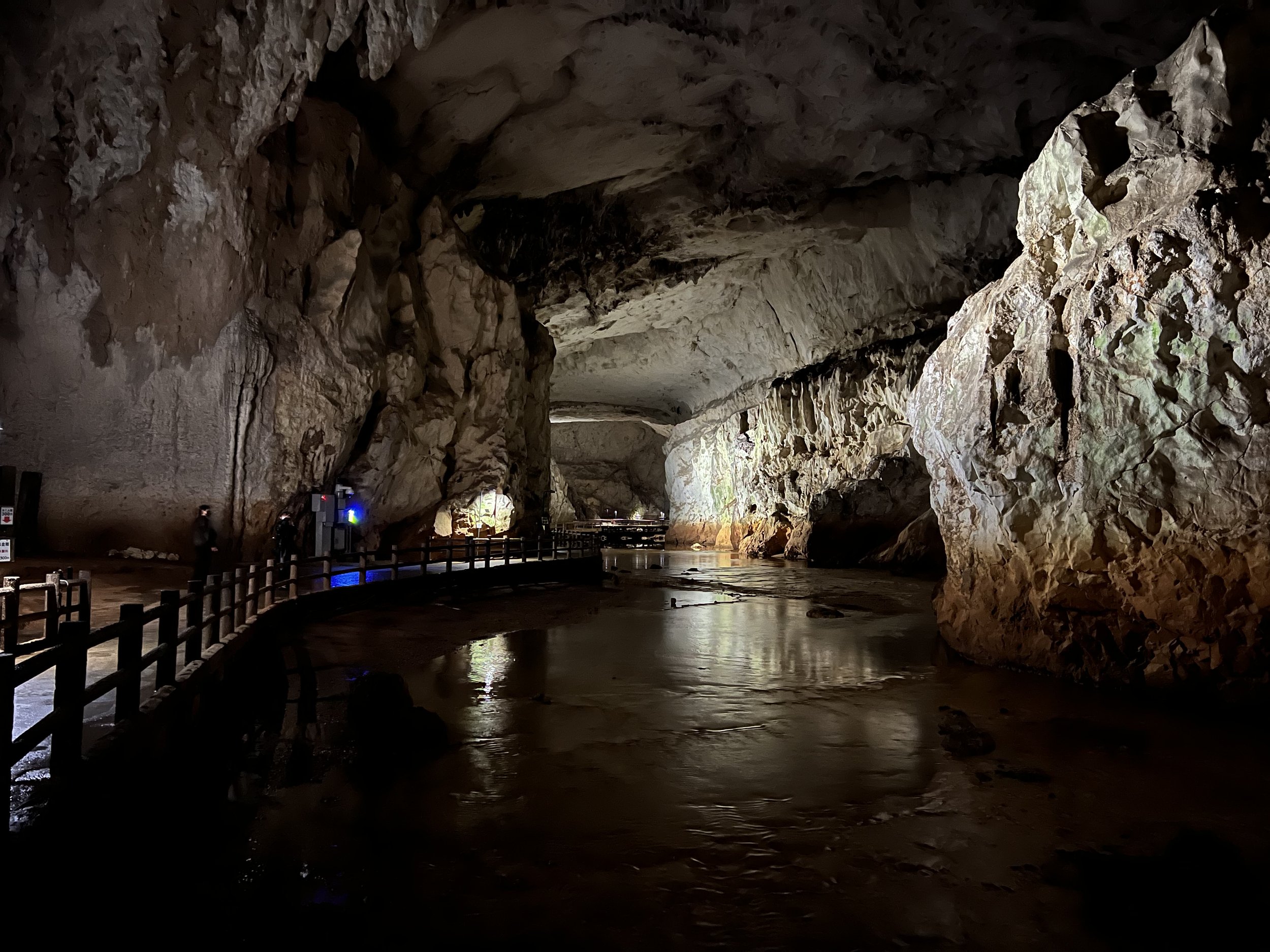
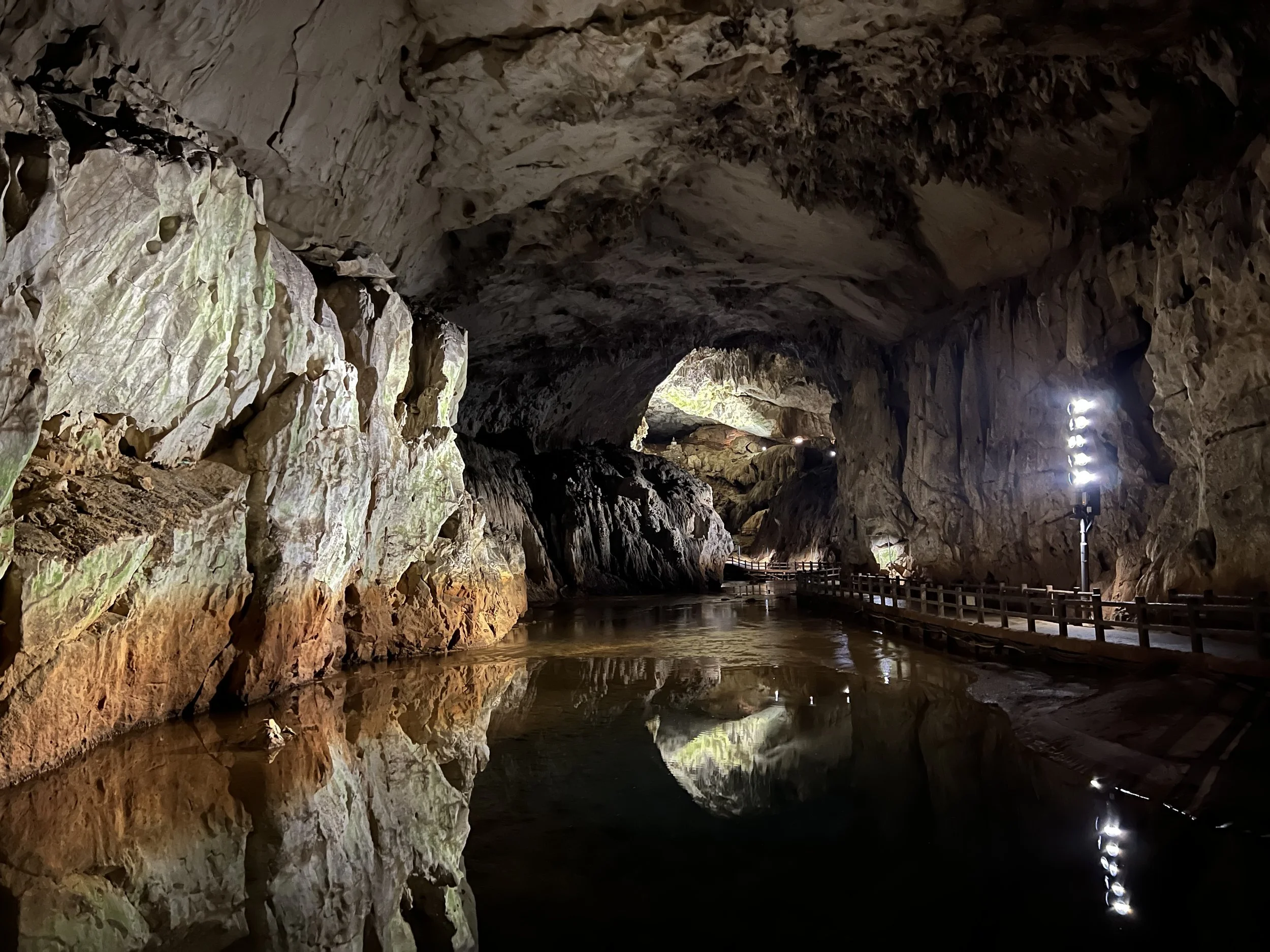
Akiyoshido is one of the largest limestone caves in Japan, with an entrance that stands approximately 24 metres high and 8 metres wide. Compared to other caves I’ve visited in Japan, this one felt noticeably more spacious. Although the cave system is said to stretch for nearly 10 kilometres, only about 1 kilometre is open to the public. The temperature inside remains around 17°C year-round, making it a comfortable visit regardless of the season.
I stayed near Shin-Yamaguchi Station, where I planned my bus journey to the cave. I arrived earlier than my intended departure because I needed to purchase a Yamaguchi Bus Pass from the Tourist Information Office. The pass offers unlimited bus travel within a designated area for one day and ended up being more cost-effective for my return journey. Since the pass is only available to foreign visitors, I had to present my passport before it could be issued.
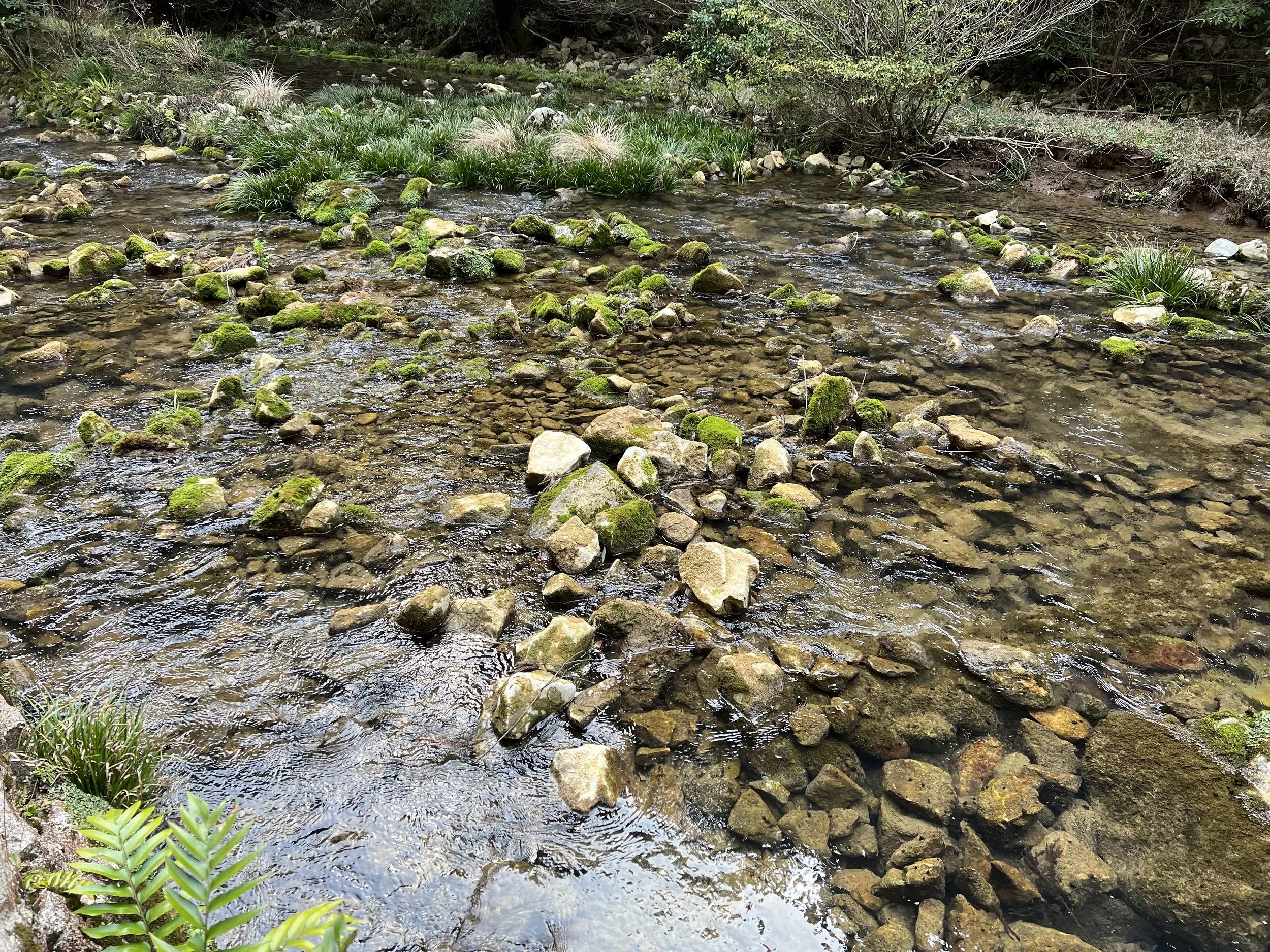
Once I had the pass, boarding the bus was straightforward. From the bus stop, there’s a short walk to the cave entrance. The path follows the river and is surrounded by greenery, making it a pleasant lead-in to the main attraction. When I finally reached the entrance, I was greeted by the exact scene that had first captured my interest. Standing there, it almost didn’t feel real.
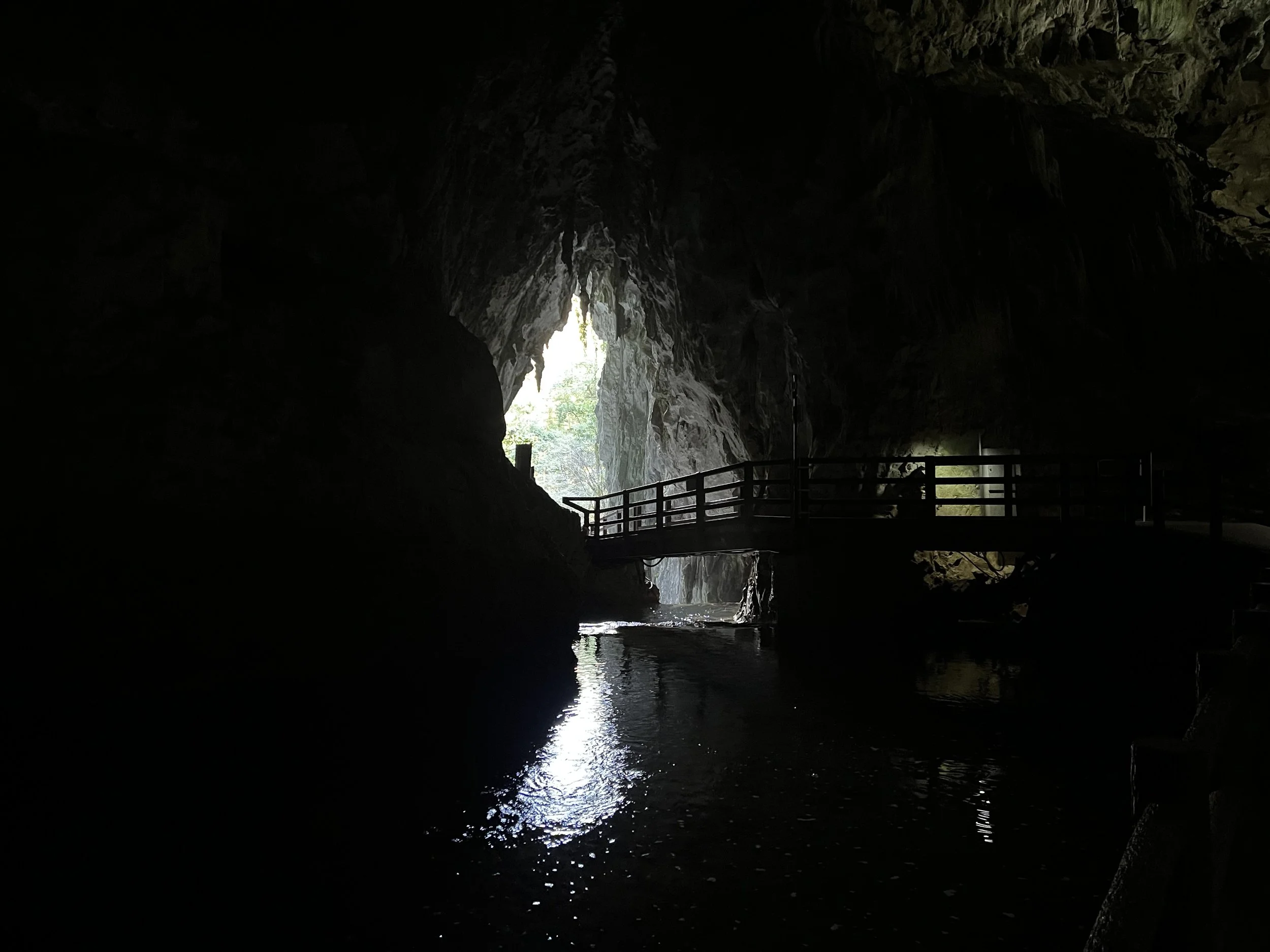
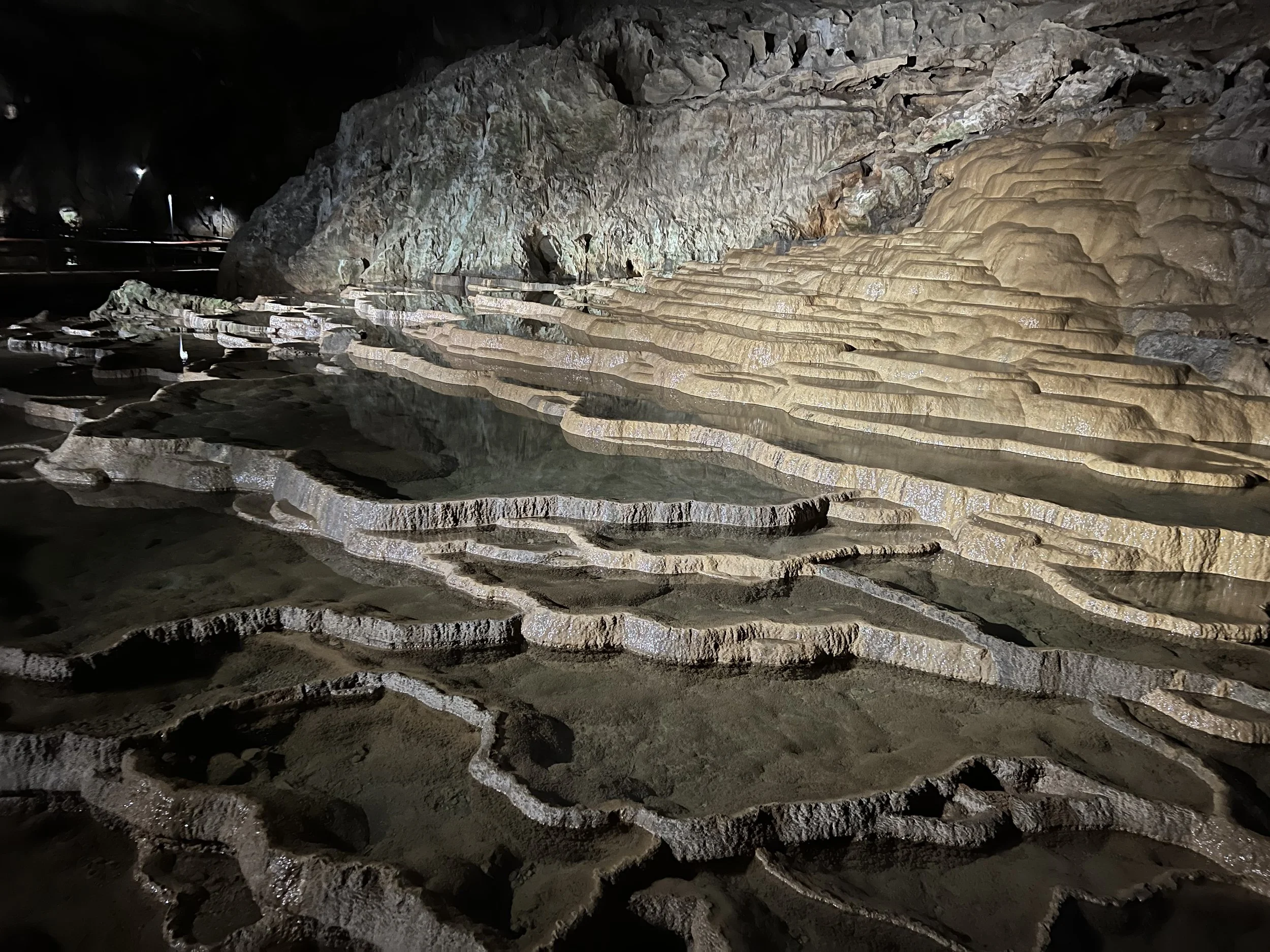
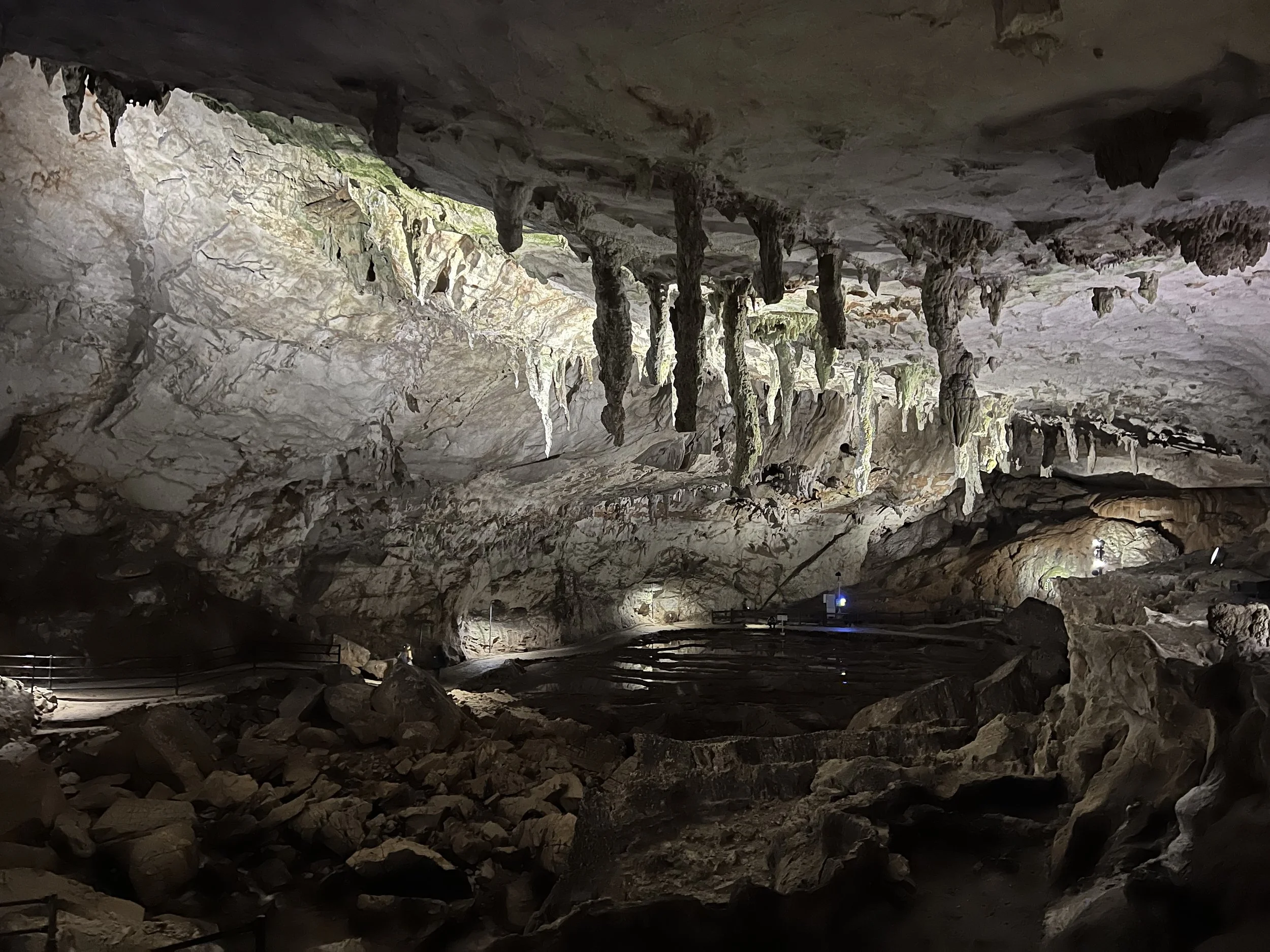
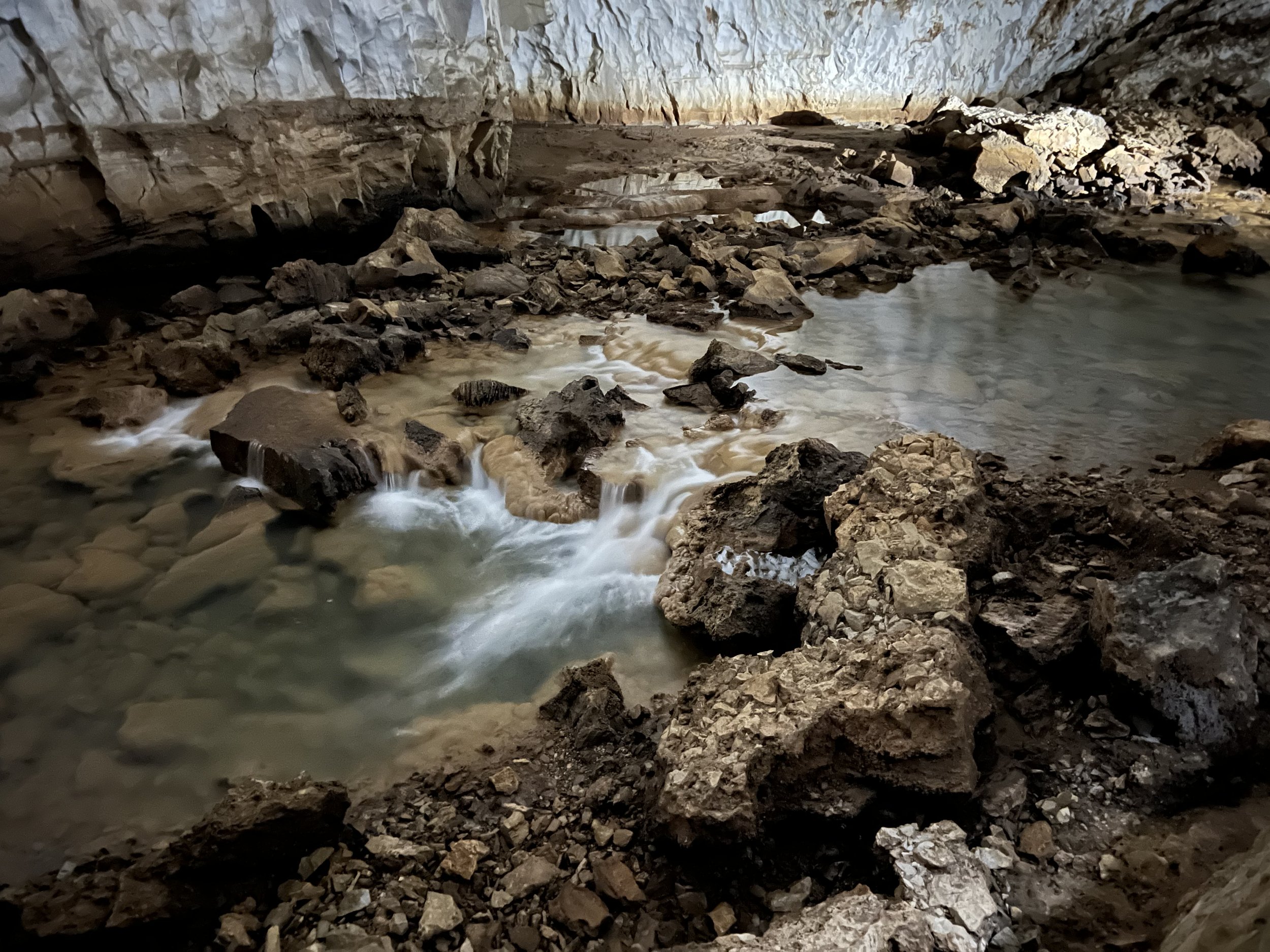
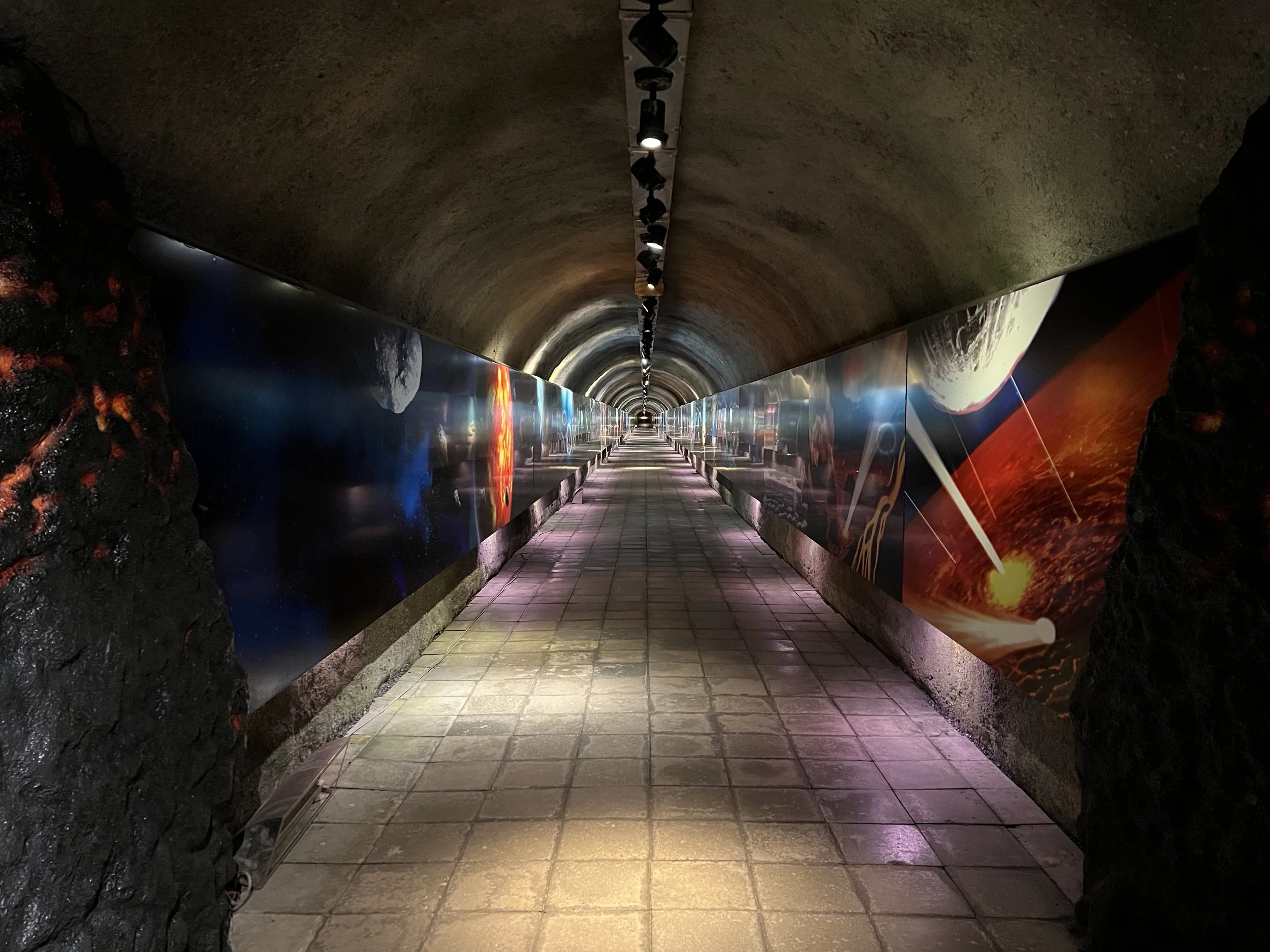
Inside the cave, the space opens up dramatically. Water flows steadily along one side, with towering limestone formations above and around you. Despite being underground, the cave didn’t feel stuffy at all, likely due to the constant movement of the river through the system. I followed the well-maintained path through the cave, which eventually led to an exit on the opposite end, opening out onto the Akiyoshidai Plateau.
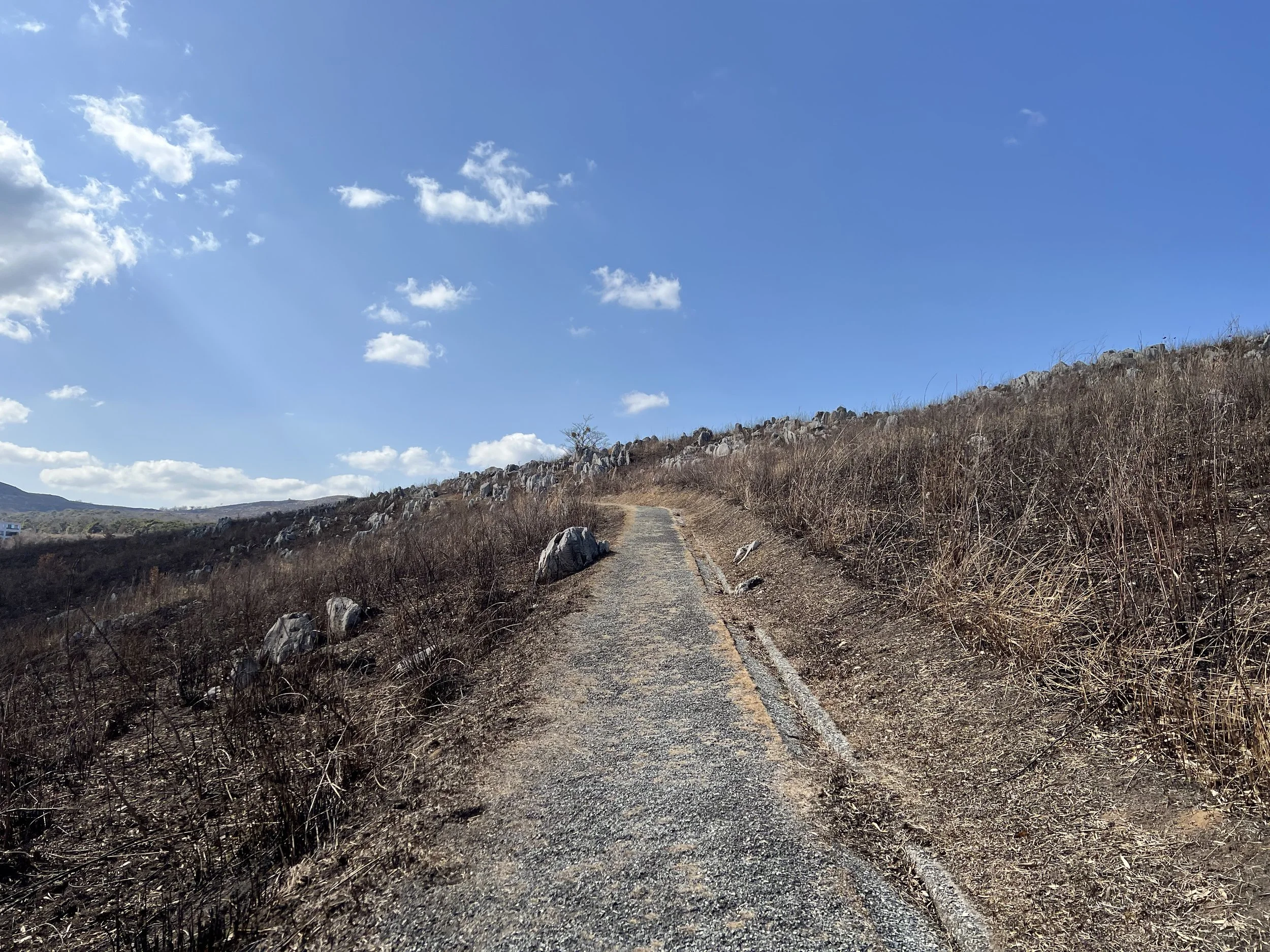
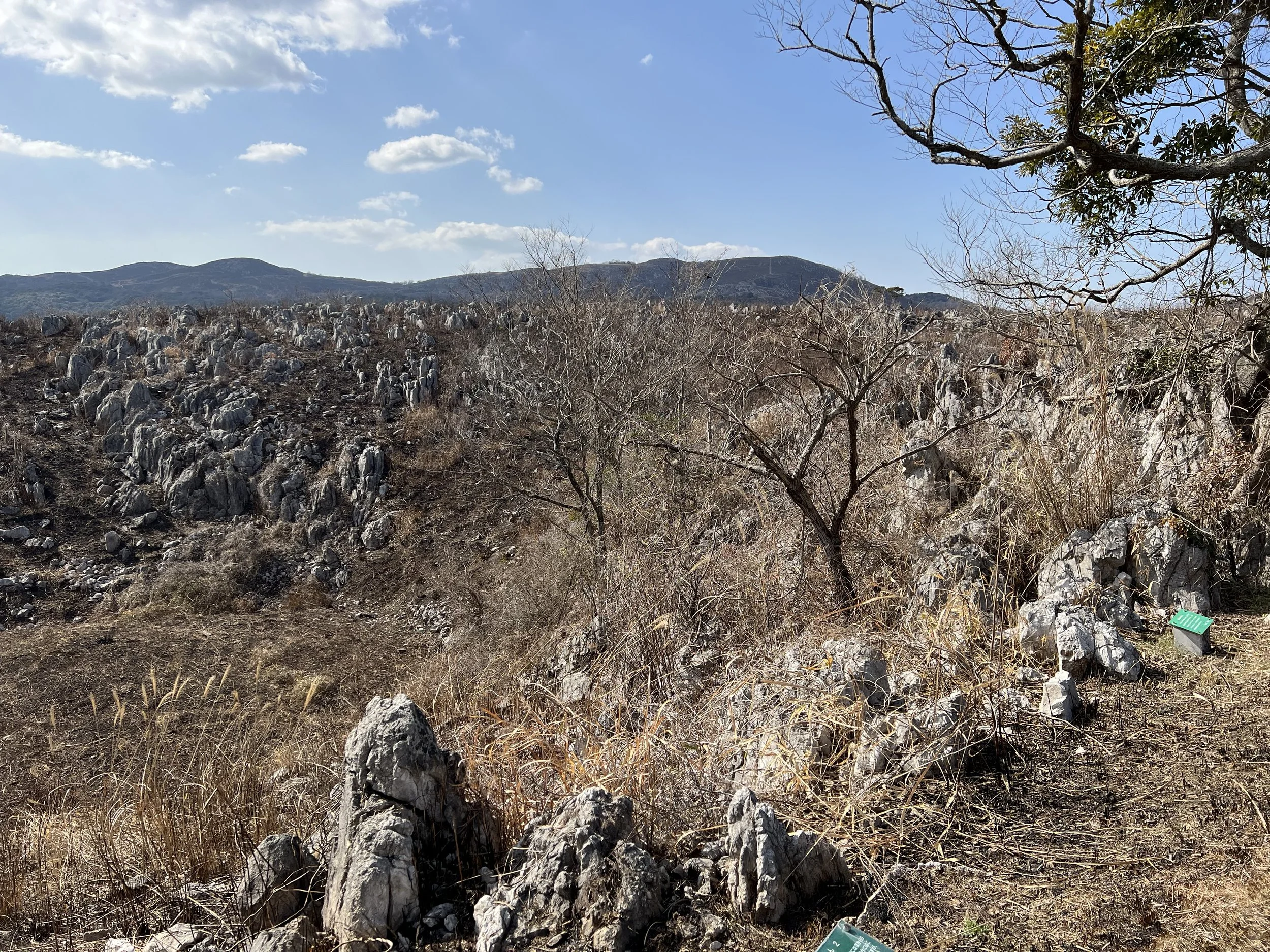
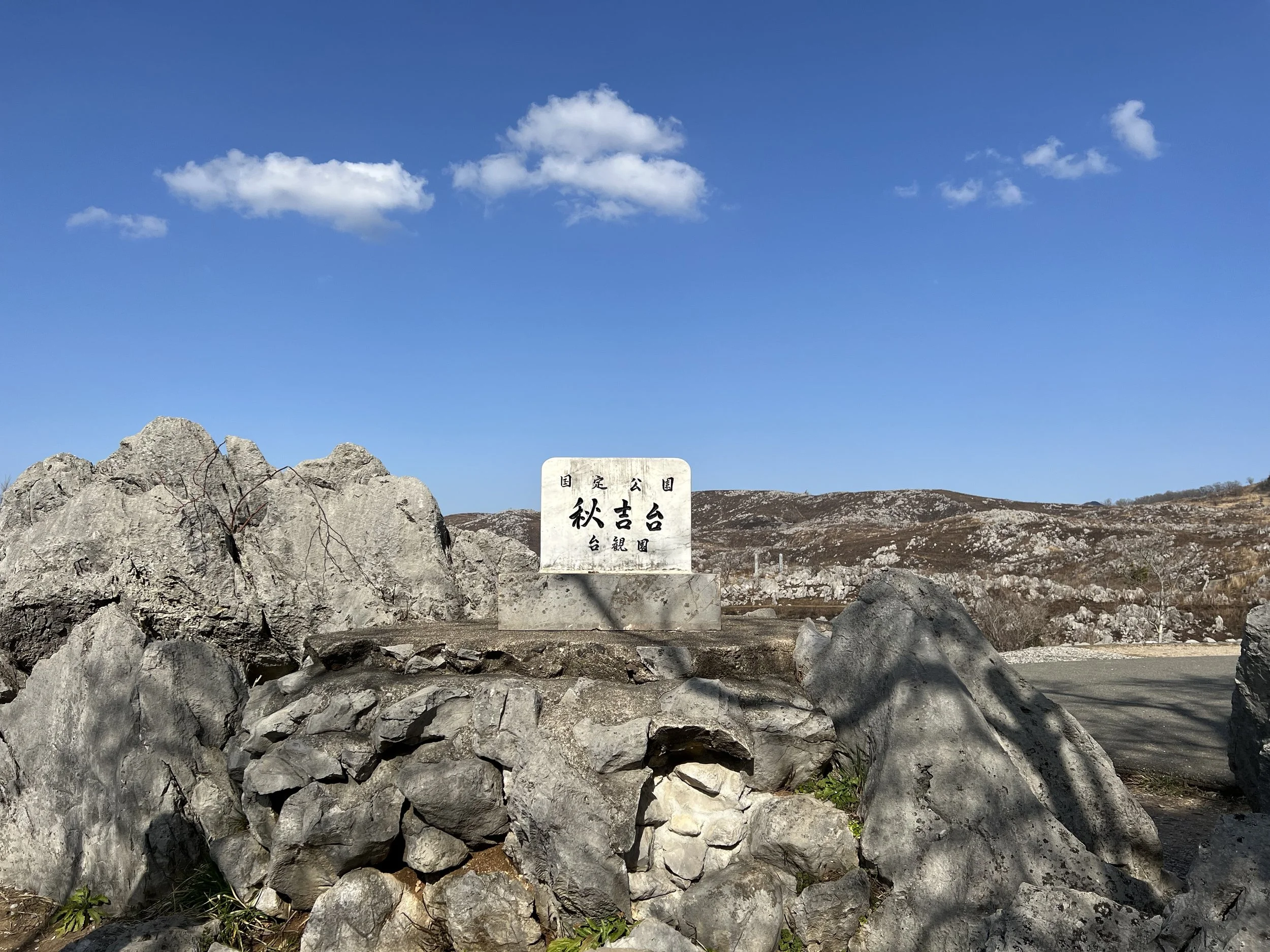
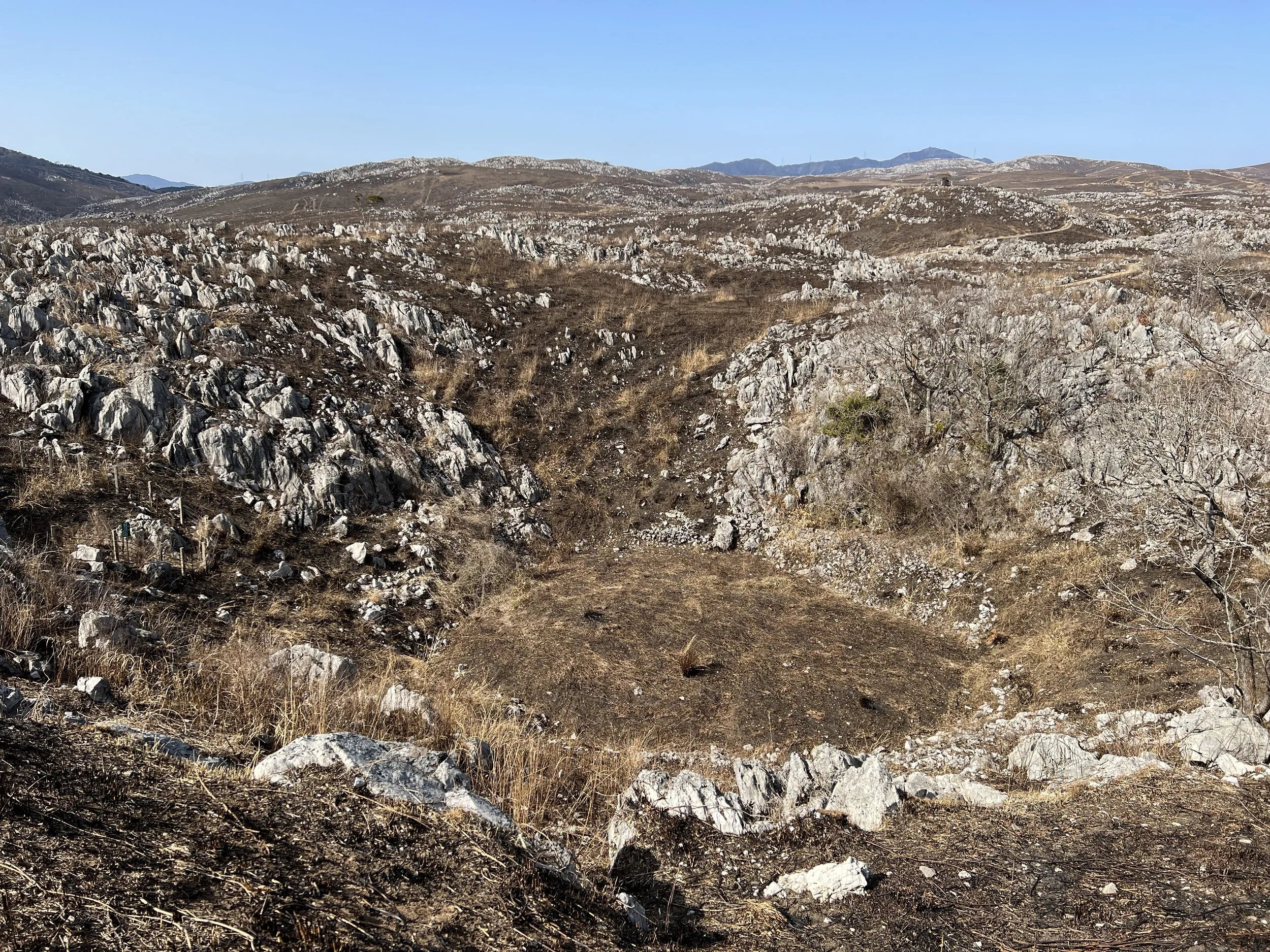
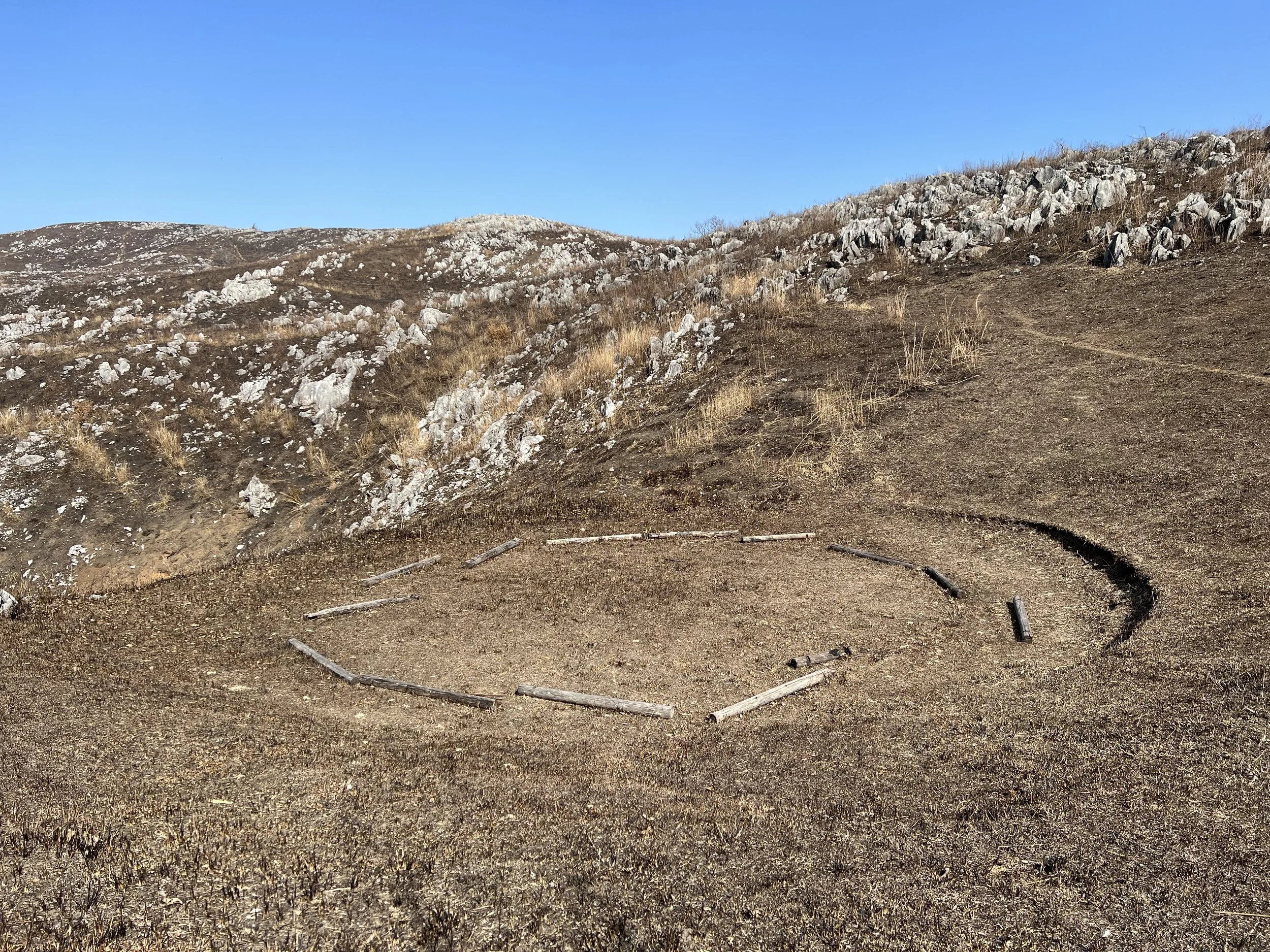
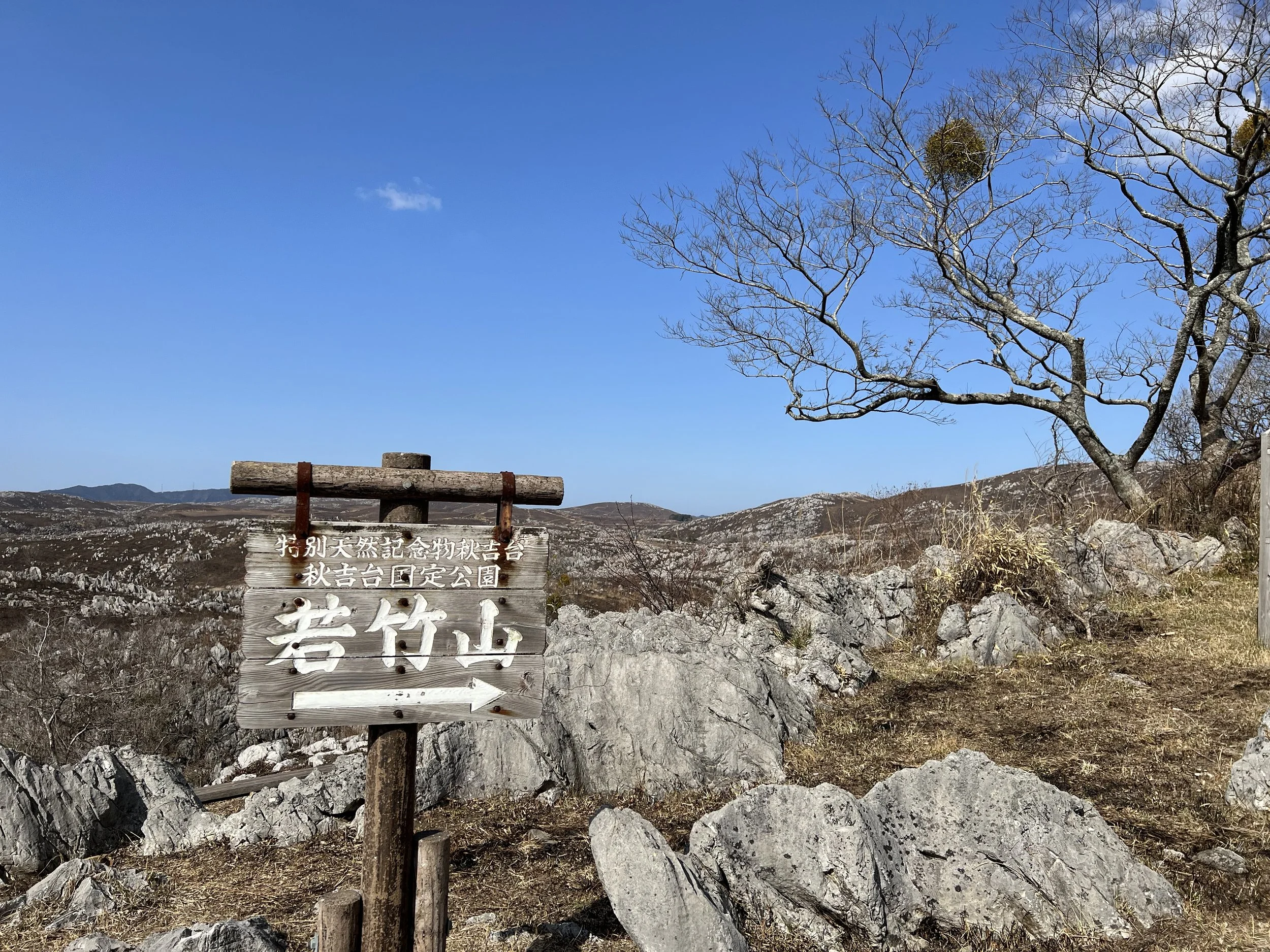
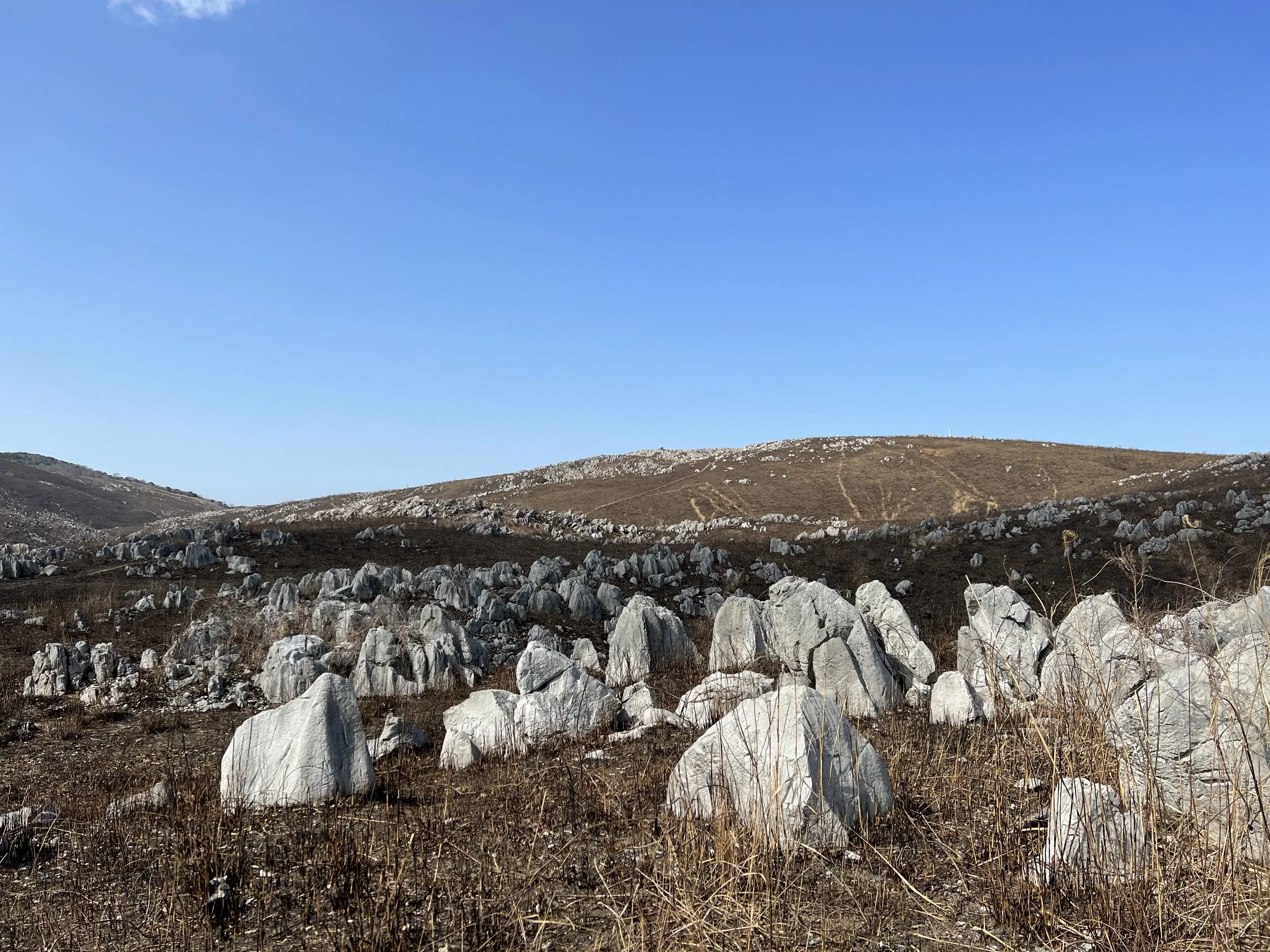
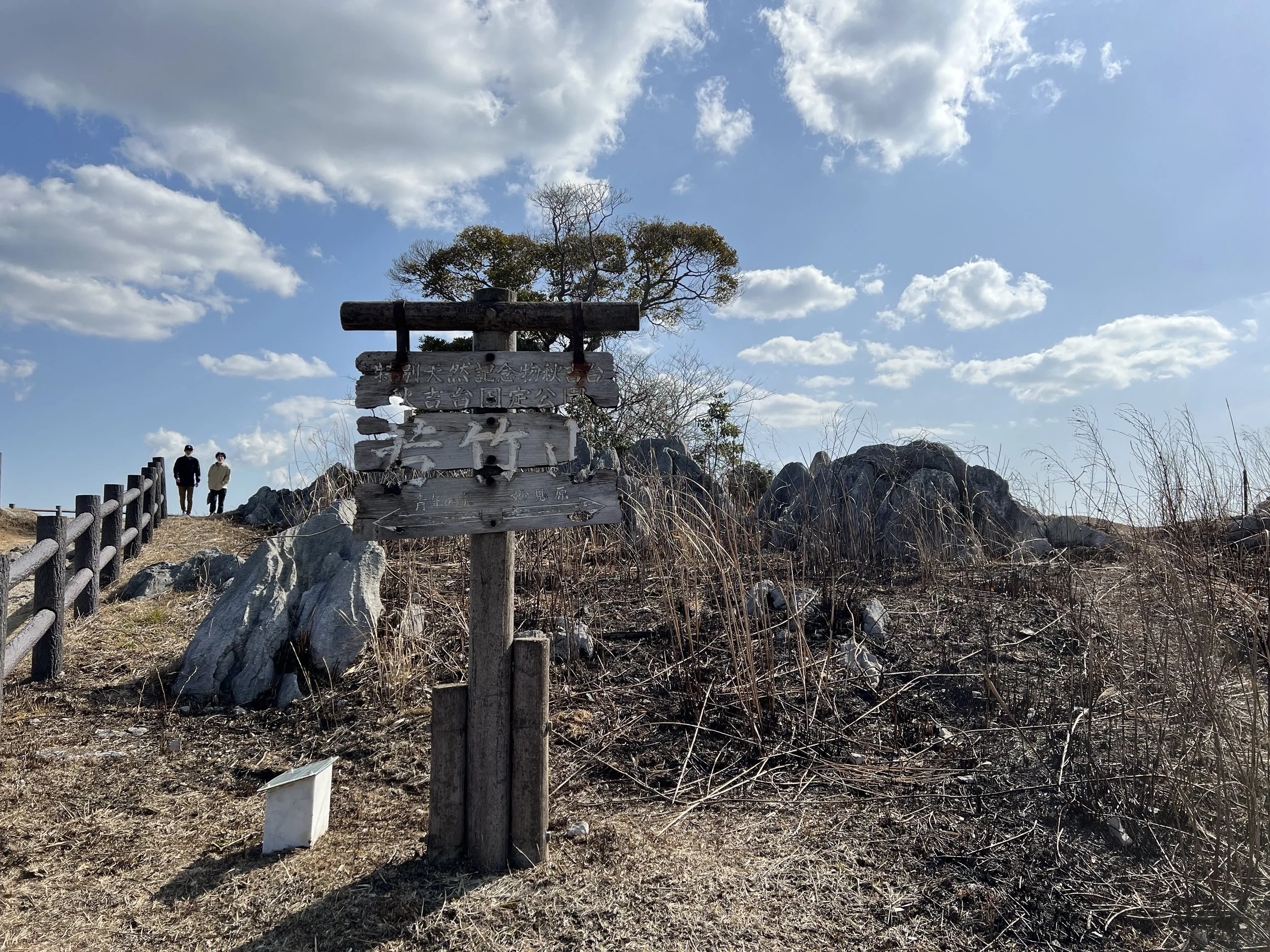
The Akiyoshidai Plateau is scattered with limestone pinnacles, creating a landscape that feels rare and almost otherworldly in Japan. The limestone here originated as a coral reef roughly 300 million years ago. A network of hiking trails crisscrosses the plateau, allowing for various route combinations. I chose the trail leading to Mt. Wakatake, though it’s easy to connect this hike with other nearby peaks. The scenery felt unique no matter where I looked.
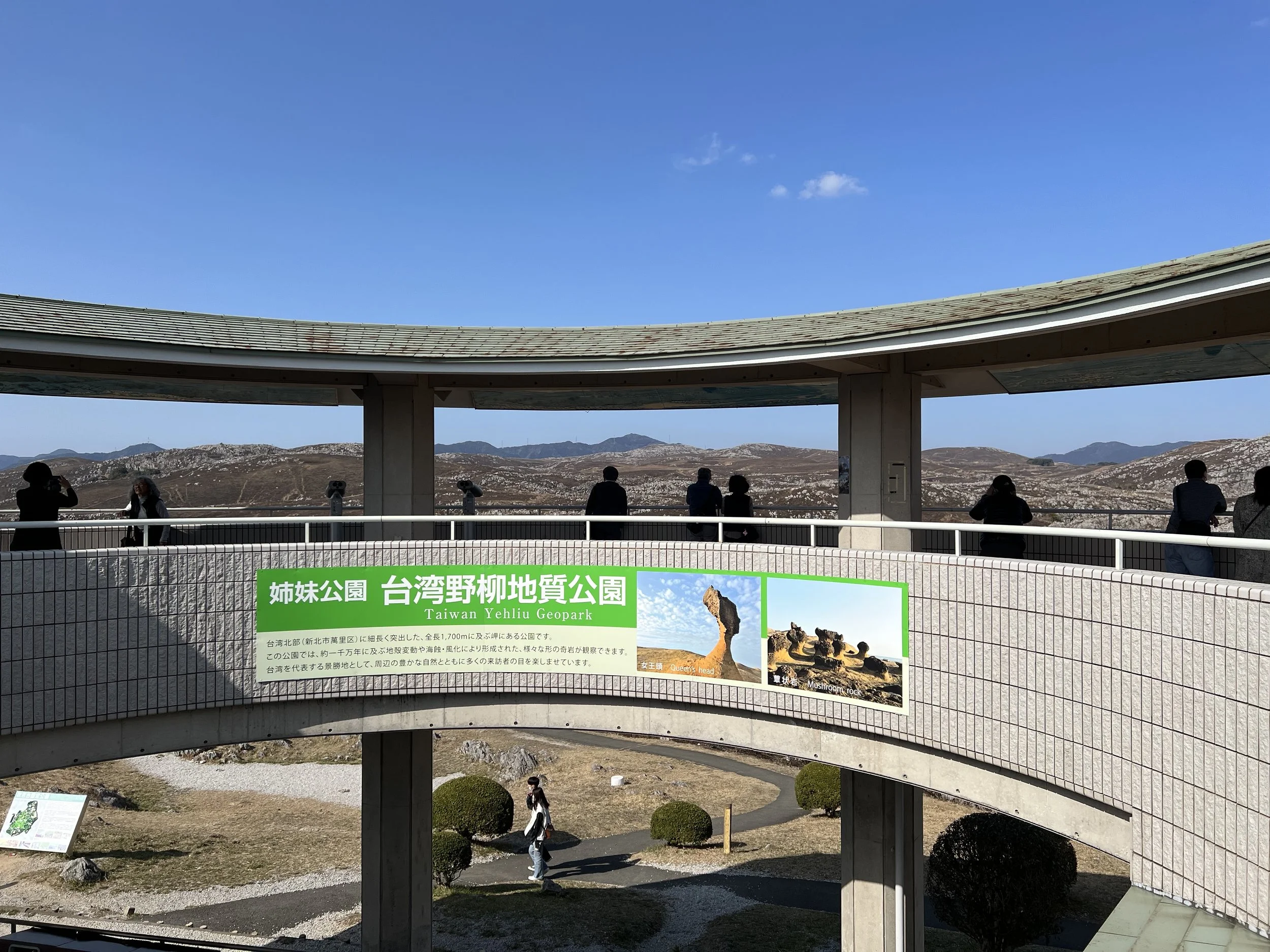
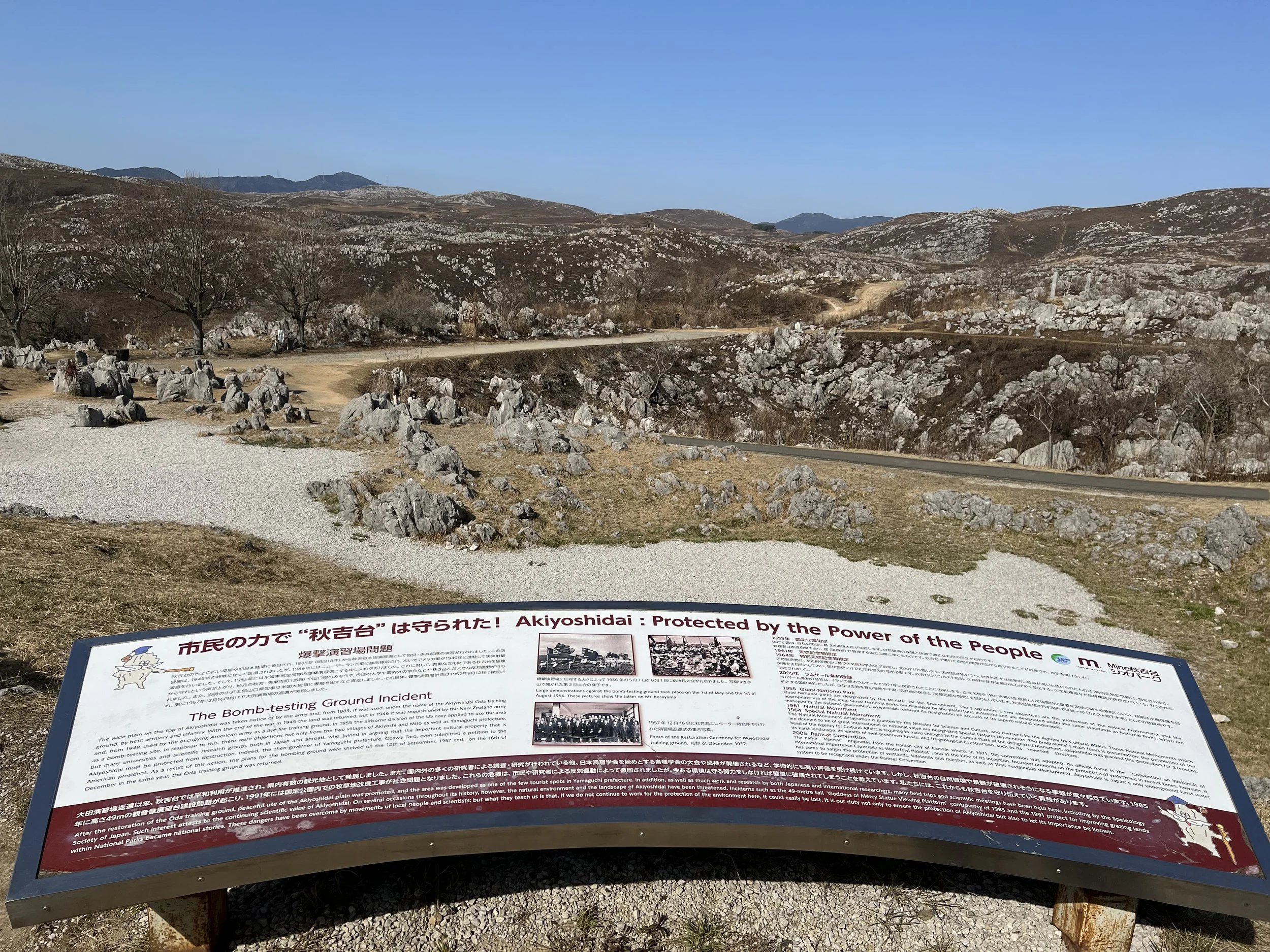
At the summit of Mt. Wakatake, I took a short break to take in the views. From here, there are panoramic vistas of the surrounding plateau and countryside. On the return, I followed a different trail back toward the cave and stopped at an observatory along the way. The displays there offered helpful explanations about the geological formations and the landscape I had just walked through. I retraced my steps back through the cave, ending where I had started. This easily ranks as one of the best limestone caves I’ve visited in Japan.
History & Background
Akiyoshido Cave (秋芳洞) is part of the larger Akiyoshidai karst landscape, one of the most extensive limestone areas in Japan. The limestone that forms the cave and plateau originated as coral reefs during the Paleozoic era, around 300 million years ago. Over time, tectonic movement lifted the reef above sea level, and erosion by water slowly carved out the cave system seen today.
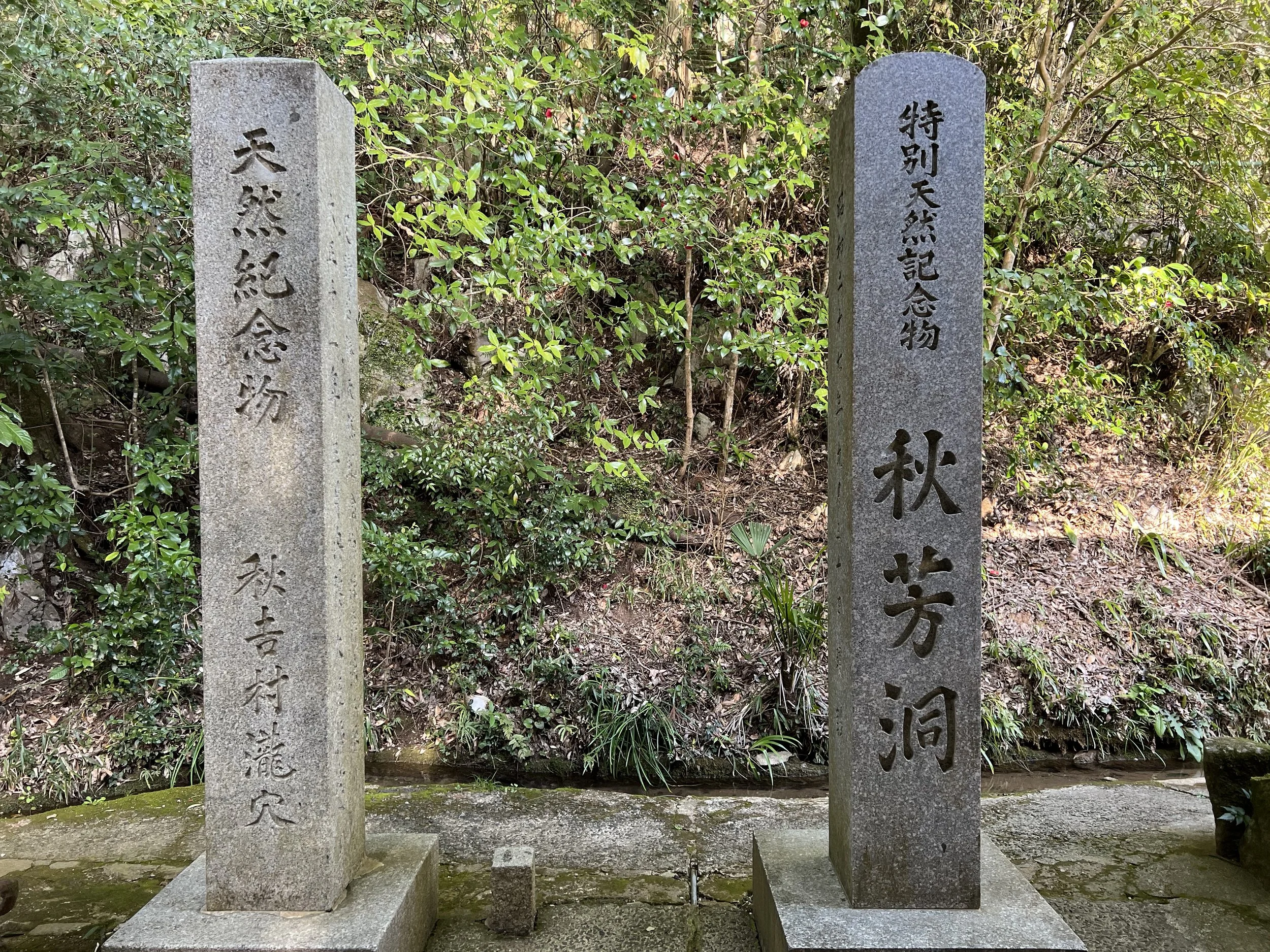
The cave has long been recognized for its geological significance and is designated as a Special Natural Monument of Japan. Its vast chambers, underground rivers, and well-preserved formations make it both scientifically important and visually striking. The surrounding Akiyoshidai Plateau is equally significant, with its distinctive limestone pillars, sinkholes, and expansive grasslands.
Getting There
Akiyoshido Cave is located in Mine City, Yamaguchi Prefecture. From Shin-Yamaguchi Station, take a local bus bound for Akiyoshido Cave. The bus ride takes approximately 40–45 minutes, depending on the route. Get off at Akiyoshido Cave Bus Stop, which is a short walk from the ticket booth and cave entrance. Bus passes covering the area are available through Yamaguchi Prefecture’s bus network.
Route Overview
Distance: 7.03 km out & back (Akiyoshido Cave Bus Stop)
Total elevation gain: 258 m
Duration: 1 hr 56 min (with breaks 2 hr 13 min)
Difficulty: Intermediate
Peak: Mt Wakatake 若竹山 253 m
Bus Info: Yamaguchi Bus Pass is available only to foreign visitors and requires passport verification at purchase. Passes can be purchased at Shin-Yamaguchi Station and other designated locations within Yamaguchi Prefecture. Arriving earlier than your intended bus departure is recommended, as counters can become busy. Buses that accept the pass display a Yamaguchi Bus Pass sticker. One-day, two-day, and three-day options are available. Pass validity usually starts on the day of purchase, but passes can be issued a day in advance upon request.
Cost Breakdown
Bus: Shin-Yamaguchi Station Station → Akiyoshido Cave Bus Stop — ¥0 (Included in bus pass)
Bus Pass: Yamaguchi Bus Pass — ¥2,000
Entrance Fee: Akiyoshidai Cave — ¥1,300
Food: ¥151