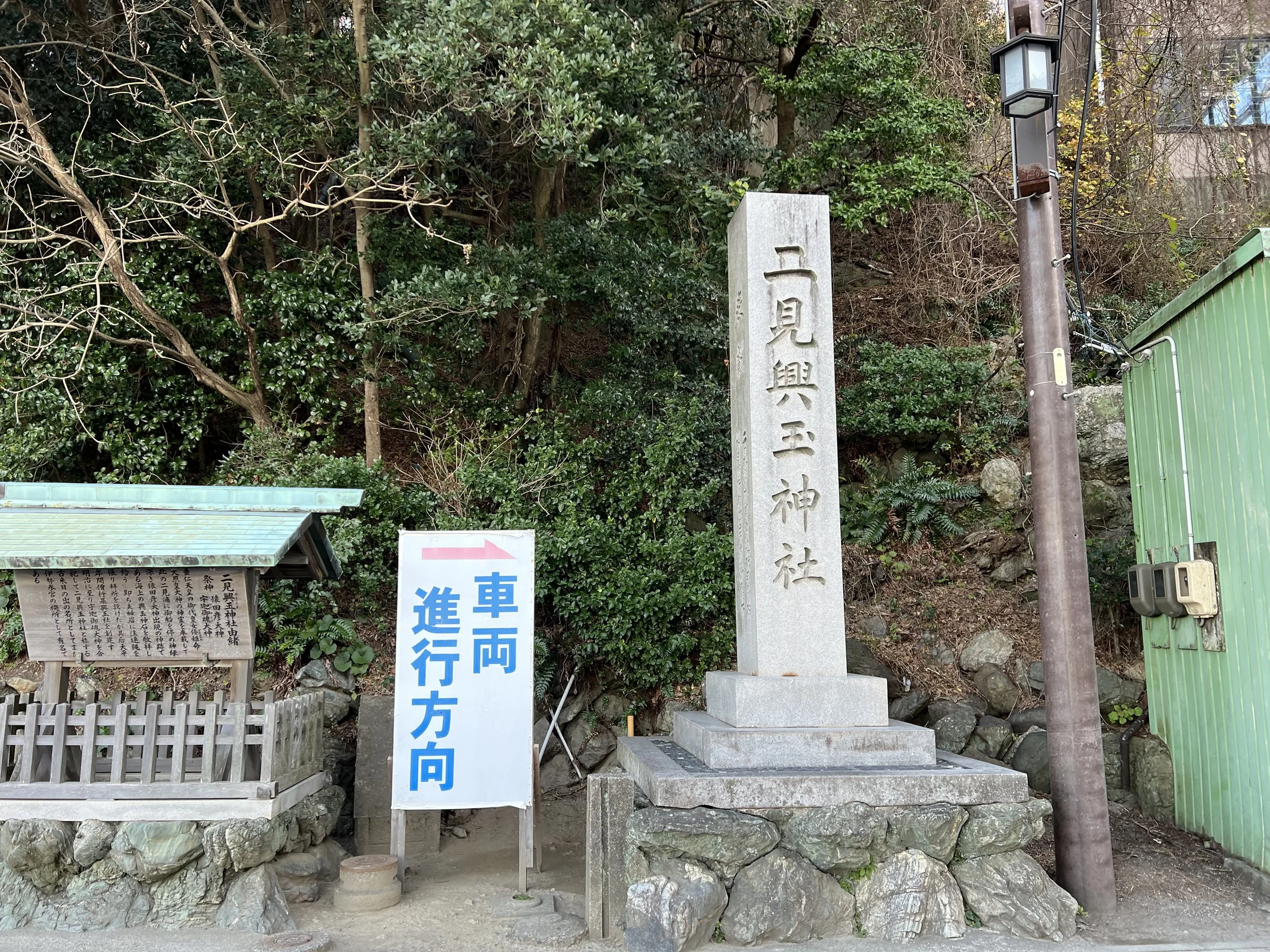
Futami Okitama Shrine - Mie, Japan
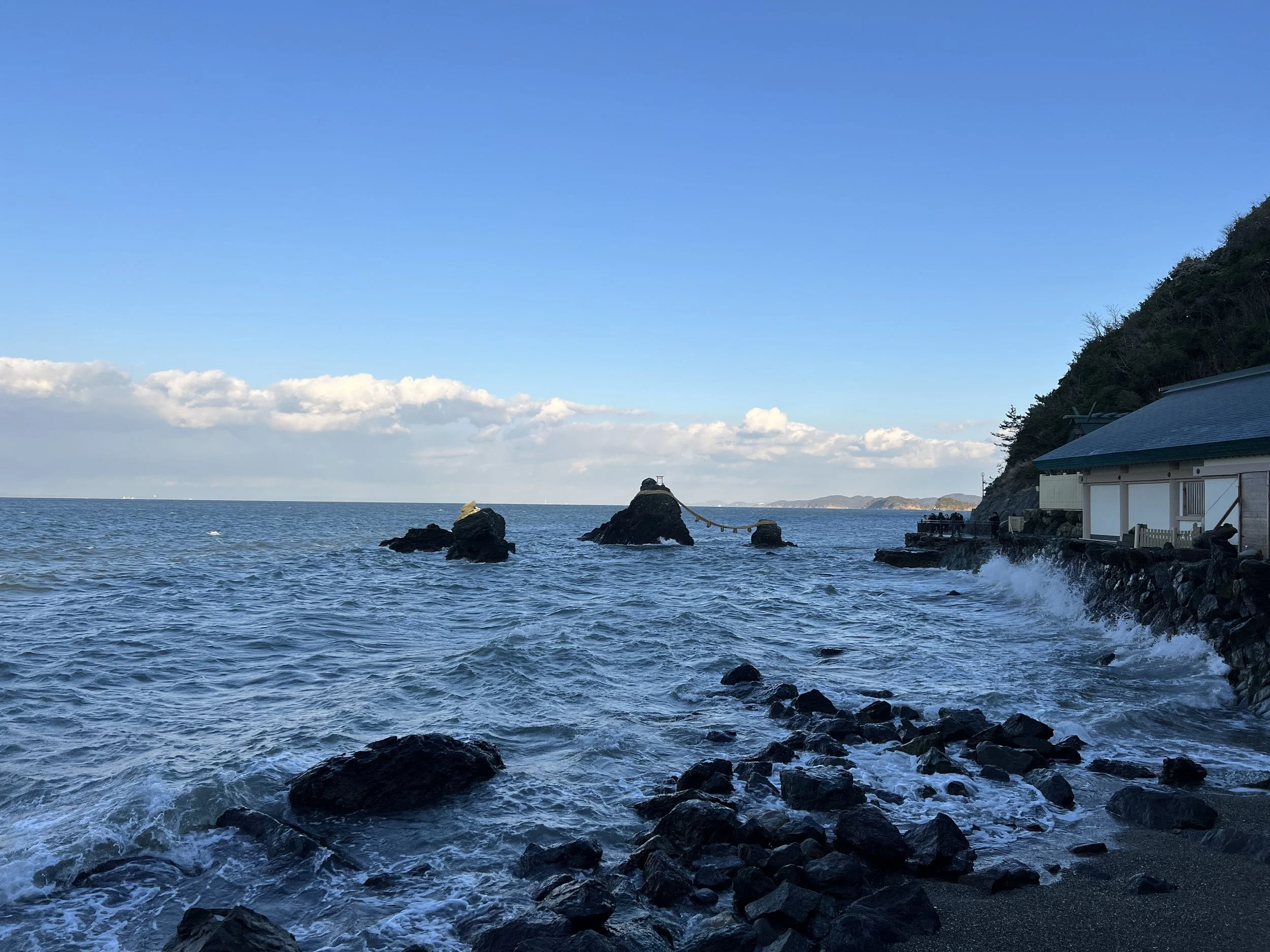
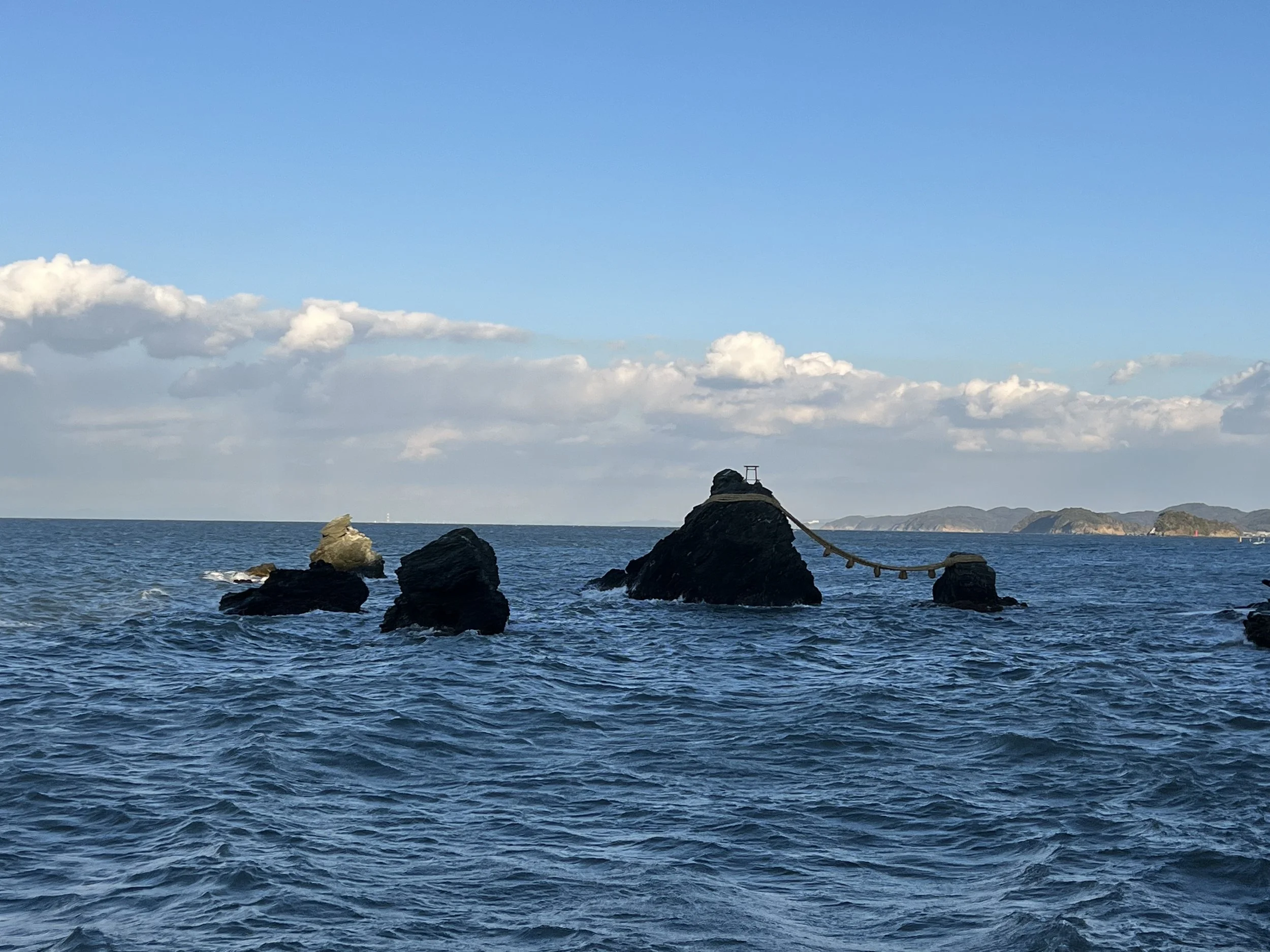
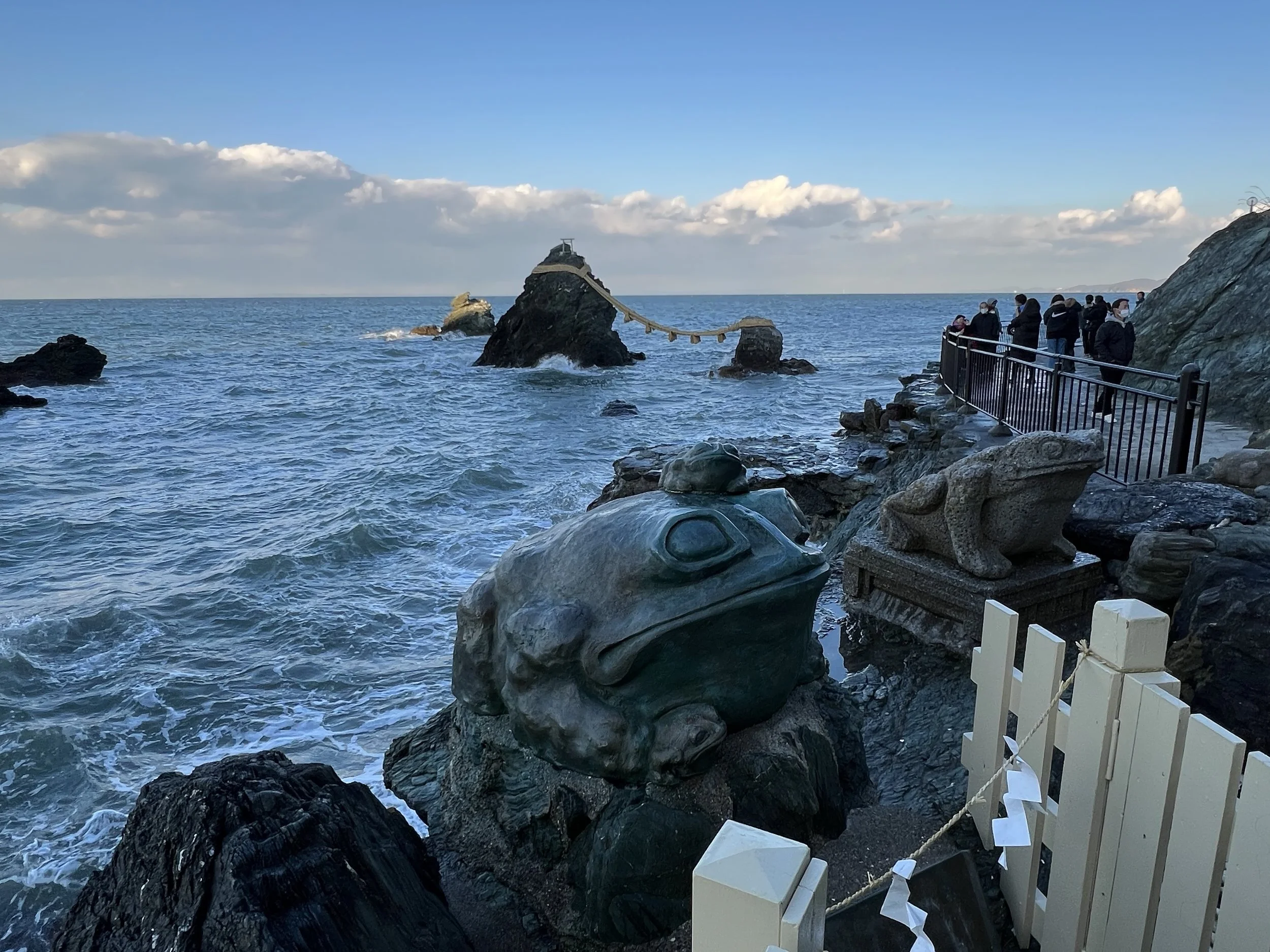
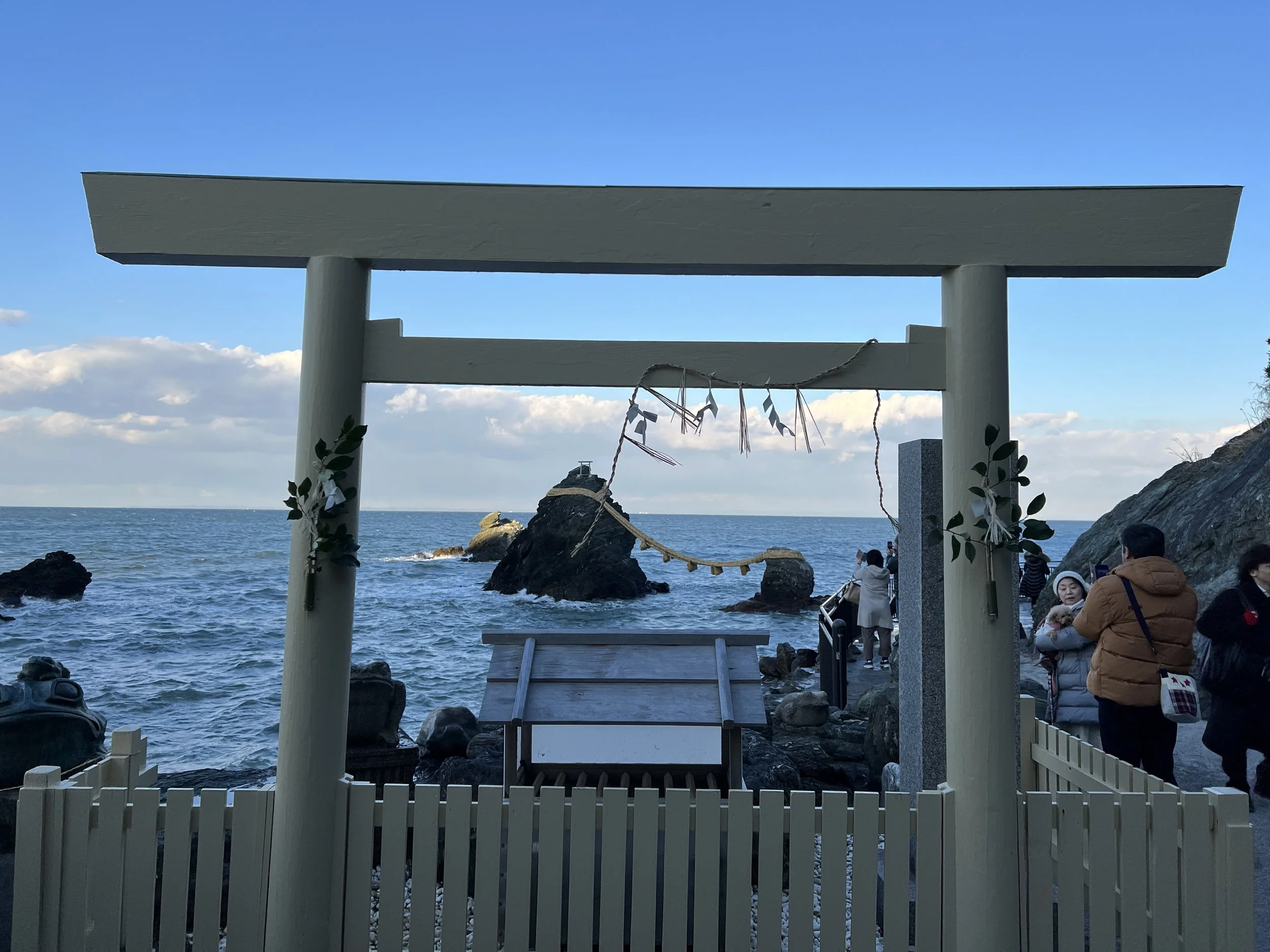
I ended my day with a visit to Futami Okitama Shrine for its iconic coastal view. The shrine is best known for the Meoto Iwa, or “wedded rocks.” Rising out of the sea, the larger rock represents the husband, while the smaller one represents the wife. The two are bound together by a thick shimenawa rope, symbolizing the connection between them—as well as the boundary between the human and divine worlds.
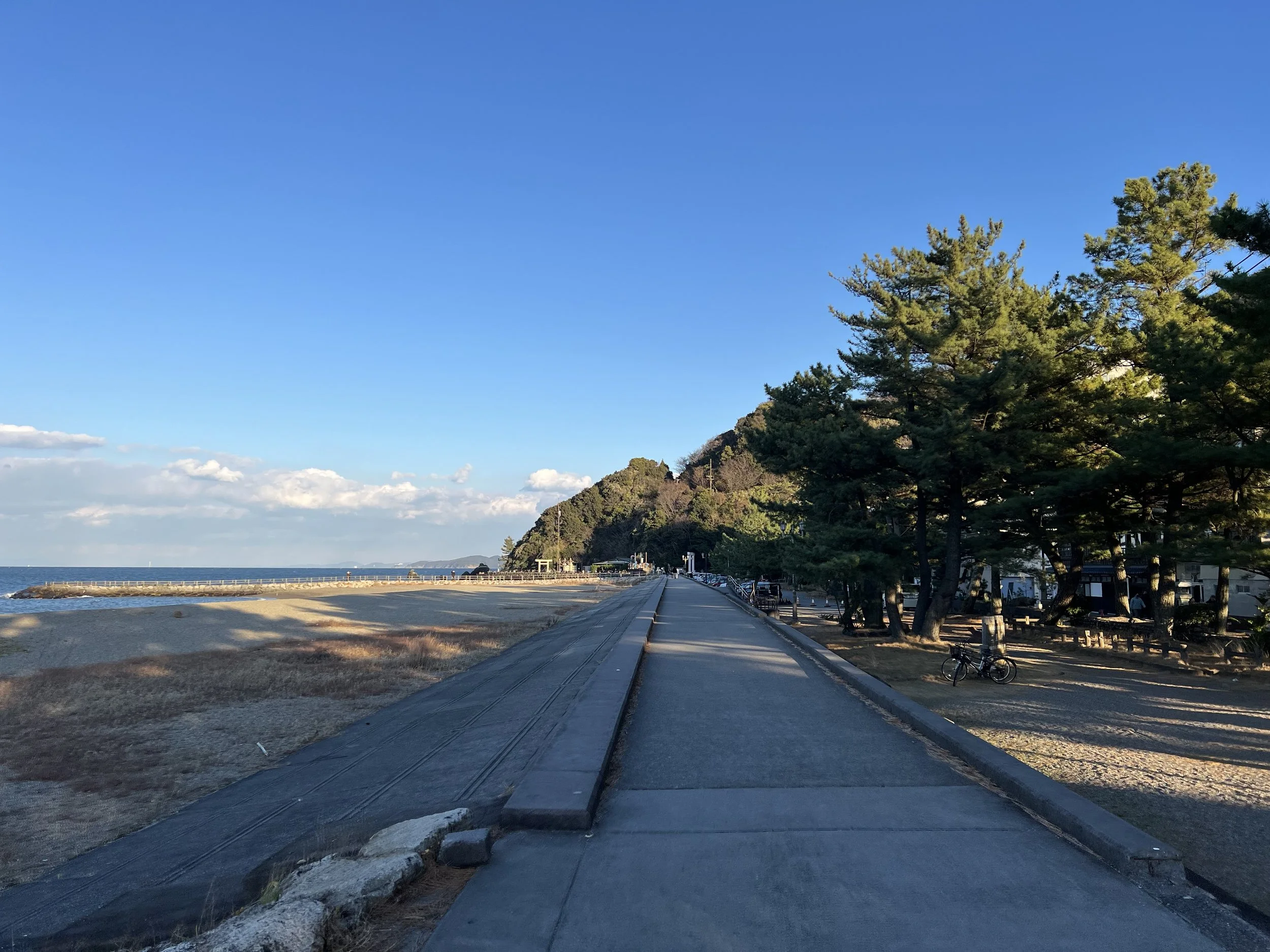
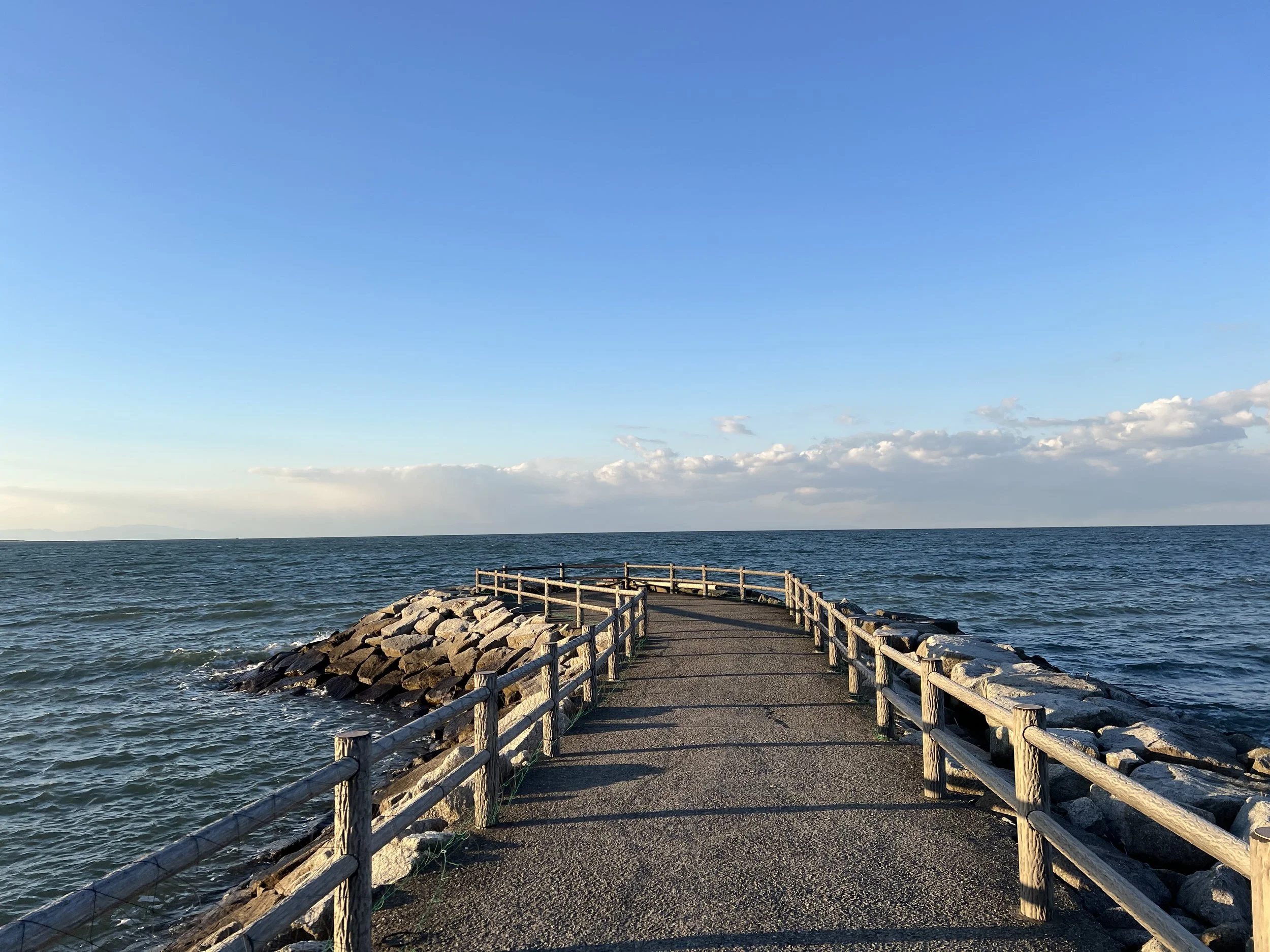
I timed my visit toward the end of the day, hoping to catch the sunset. From Toba Station, I took a short train ride to Futaminoura Station, then began the walk toward the shrine. It’s not far, but it’s one of those walks that you don’t mind taking your time with. The path leads along the coastline through Futaminoura Beach and a small park area, lined with pine trees and open views across Futaminoura Bay.
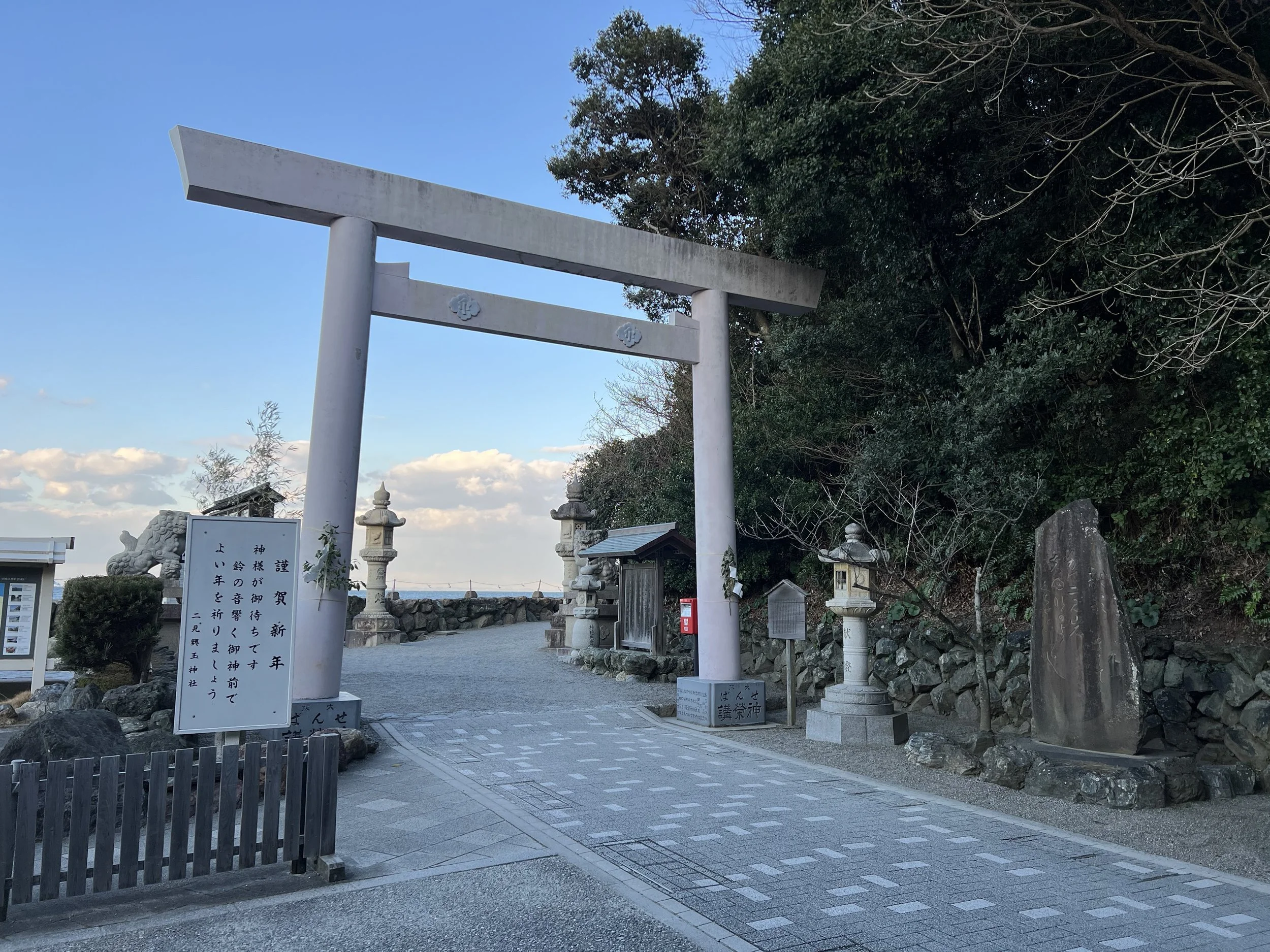
As I got closer to the shrine, the wind started to pick up. By the time I reached the main area, the waves were noticeably stronger, crashing against the shoreline just beside the path. The approach to the shrine runs right along the water, with forest on one side and the sea on the other, creating a narrow corridor that feels both open and enclosed at the same time.
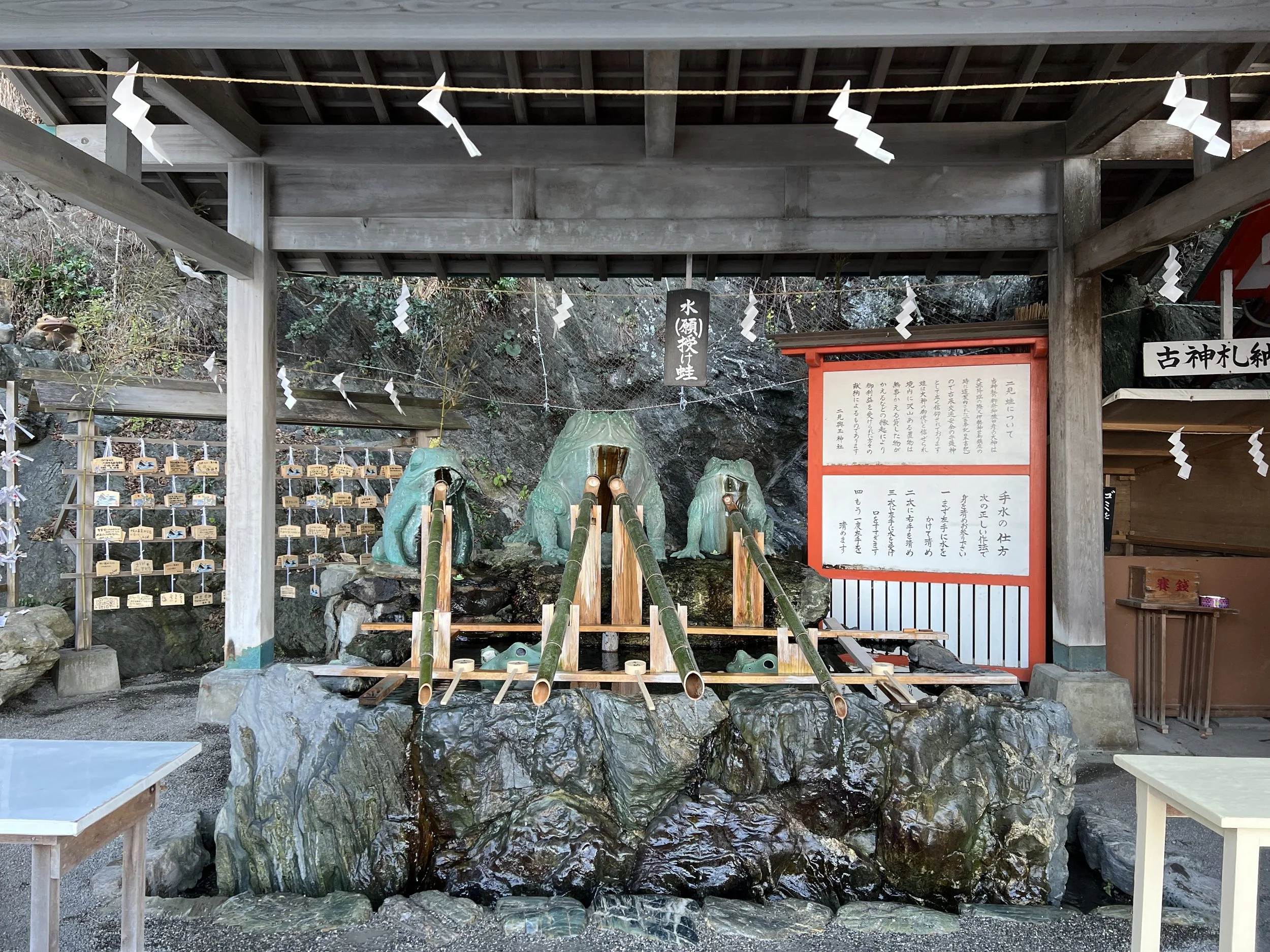
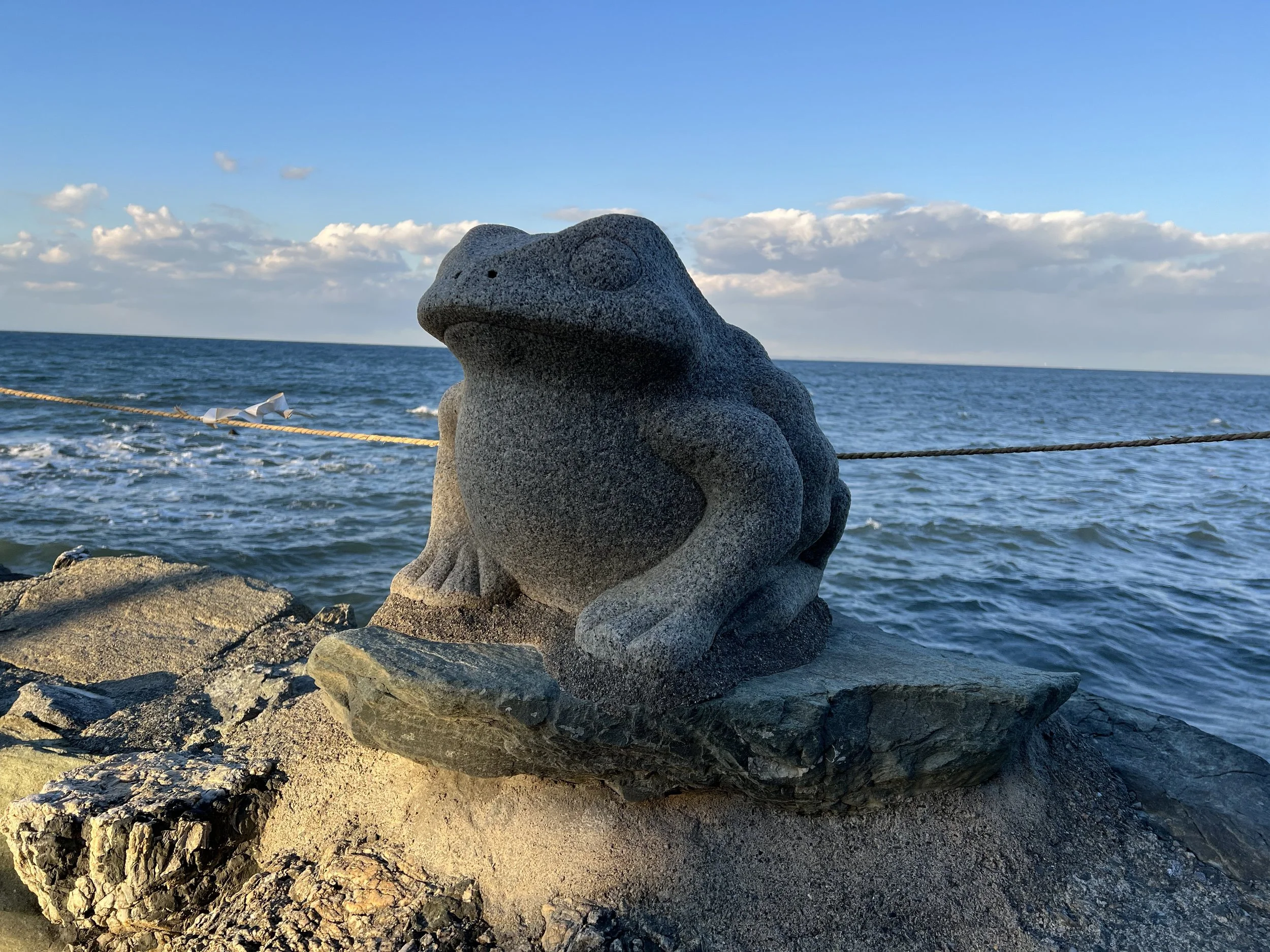
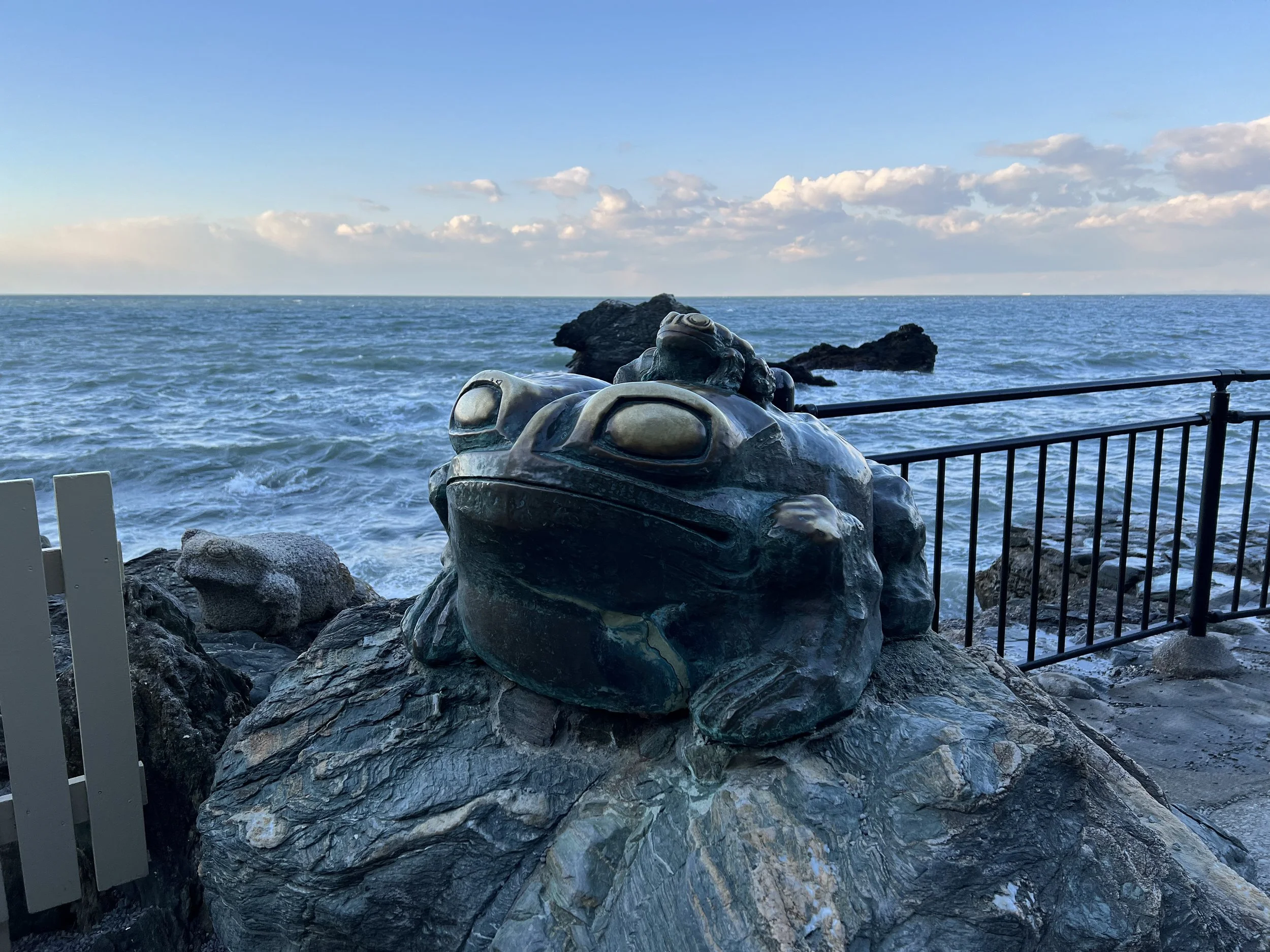
That’s when I started noticing the frogs. Stone frogs were everywhere. At the hand washing area, lined up near the water, placed around the shrine grounds, tucked into corners—you start to realize just how many there are. These frog statues symbolize safe return, tied to the Japanese word “kaeru,” which means both “frog” and “to return.” Historically, this shrine was also a purification site where visitors would cleanse themselves before continuing on to Ise Grand Shrine.
Eventually, I reached the main viewpoint of the Meoto Iwa. There were quite a few people gathered—many of them couples. The rocks are associated with marriage, fertility, and harmonious relationships, so it’s a meaningful place for people to come and pay their respects together. A line had formed for those wanting to step up closer, offer prayers, and take photos. I joined in and waited my turn.
Standing there, with the waves crashing behind the rocks and the rope stretching between them, it’s easy to see why this place is so well known. It’s simple, but symbolic.
I later learned that this spot is also incredibly popular among photographers. Around the summer solstice, the sun rises perfectly between the two rocks, creating a highly sought-after shot. And on clear winter mornings, you can even see Mount Fuji in the distance, framed by the rocks.
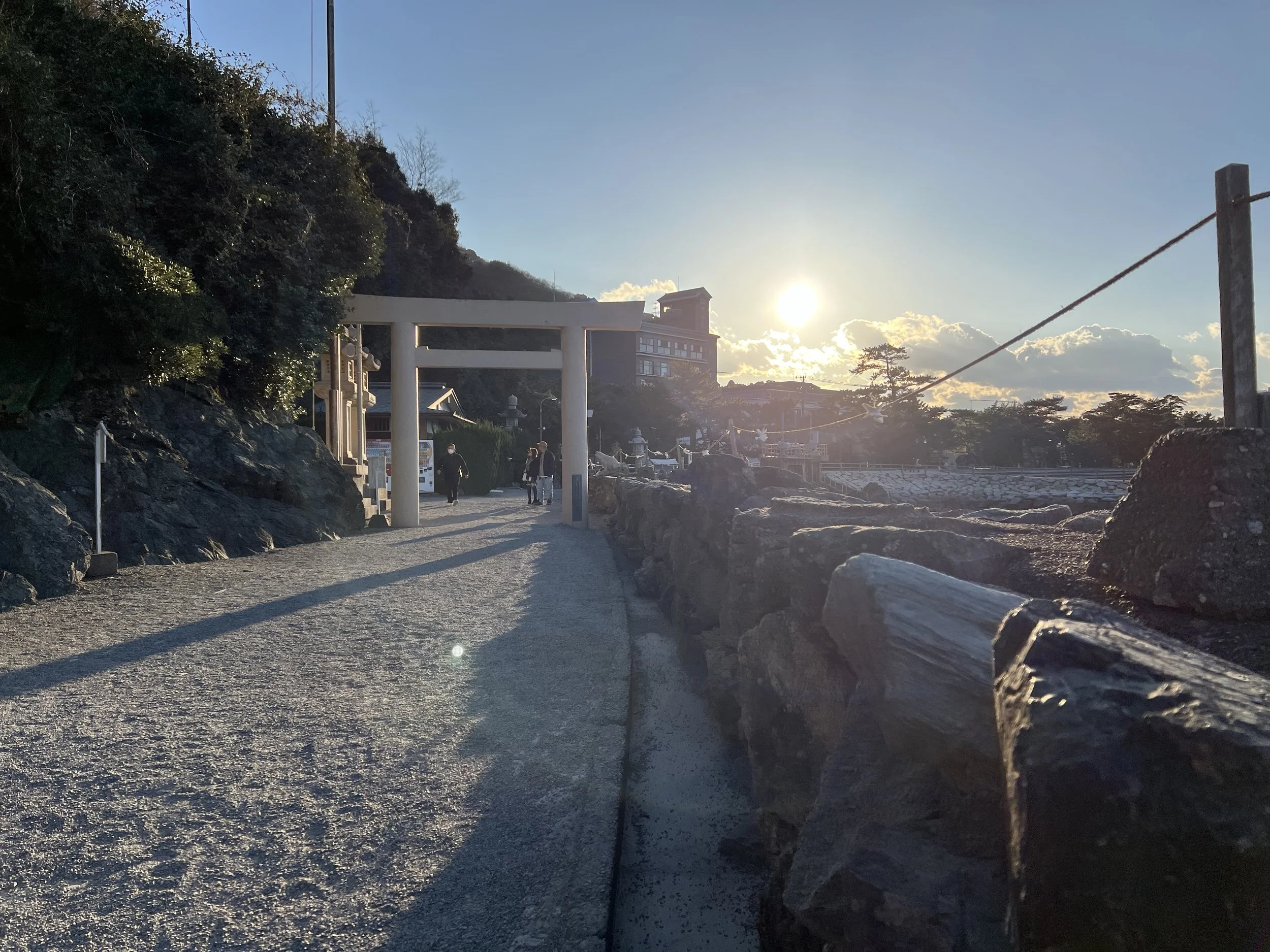
I had originally planned to stay for sunset, but the wind kept getting stronger and colder. After walking around the shrine grounds for a bit longer, I decided not to wait it out. Instead, I made my way back along the same coastal path, passing through the park as the light slowly faded.
Not the sunset I had hoped for but still a pretty memorable way to end the day.
History & Background
Futami Okitama Shrine (二見興玉神社) is a coastal Shinto shrine dedicated to the deity Sarutahiko Okami, a guide and protector of travellers. The shrine has long been associated with purification rituals, particularly for those making pilgrimages to Ise Grand Shrine.
Its most famous feature, Meoto Iwa, represents the union of Izanagi and Izanami, the deities believed to have created the Japanese islands. The shimenawa rope connecting the rocks is ceremonially replaced several times a year during traditional rituals.
The shrine is also known for its numerous frog statues, symbolizing safe return and protection for travellers—a theme that aligns with its historical role as a place of cleansing before continuing onward to Ise.
Getting There
From Toba Station, travellers can take a local train to Futaminoura Station. From there, it is approximately a 15–20 minute walk to the shrine along the coast. From Nagoya, take the JR or Kintetsu Line toward Ise or Toba, then transfer to reach Futaminoura.
Driving is also a convenient option, with parking available near the shrine.
Route Overview
Distance: 3.44 km out & back (Futamino-ura Station)
Total elevation gain: 11 m
Duration: 47 min (with breaks 50 min)
Difficulty: Easy
Cost Breakdown
Train: Toba → Futamino-ura Station — ¥210
Food: ¥110