Ise Grand Shrine - Mie, Japan
Visiting Ise Grand Shrine had been something I was looking forward to for a while. It’s not just one shrine, but two main complexes—the Outer Shrine and the Inner Shrine—located about five kilometres apart. I planned to visit both, starting with the one closest to the train station: Outer Shrine, also known as the Toyouke Daijingu.
From Iseshi Station, it’s about a 10-minute walk. The route takes you along a small shopping street before crossing a busy road toward the shrine entrance. Even outside the shrine, there was already a noticeable flow of visitors.
The Outer Shrine, dedicated to Toyouke Omikami—the deity of food, clothing, and shelter—is believed to have been established over 1,500 years ago. I also learned that both the Outer and Inner Shrines undergo a complete rebuilding every 20 years, a tradition known as Shikinen Sengu. The next reconstruction is scheduled for 2033.
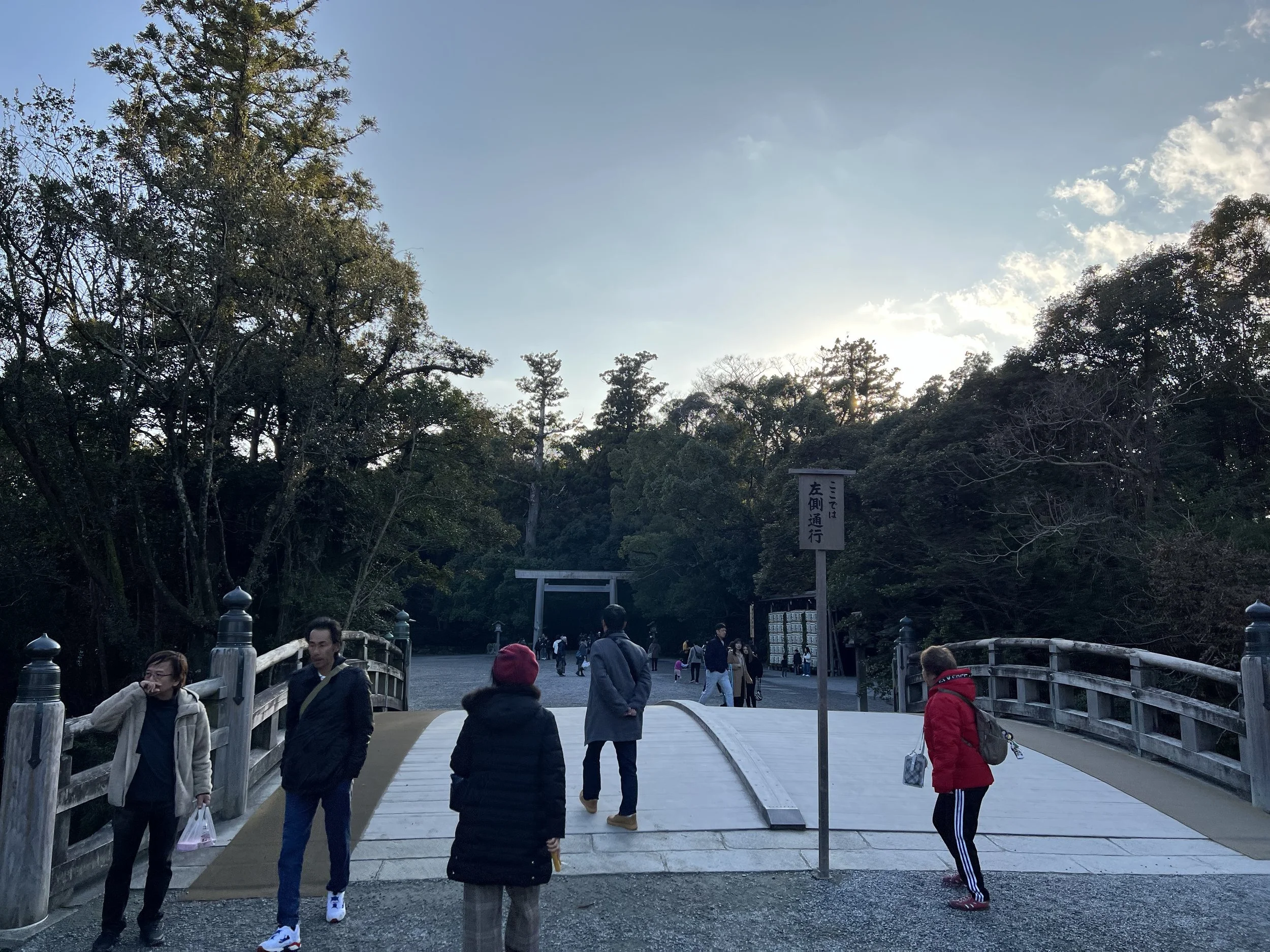
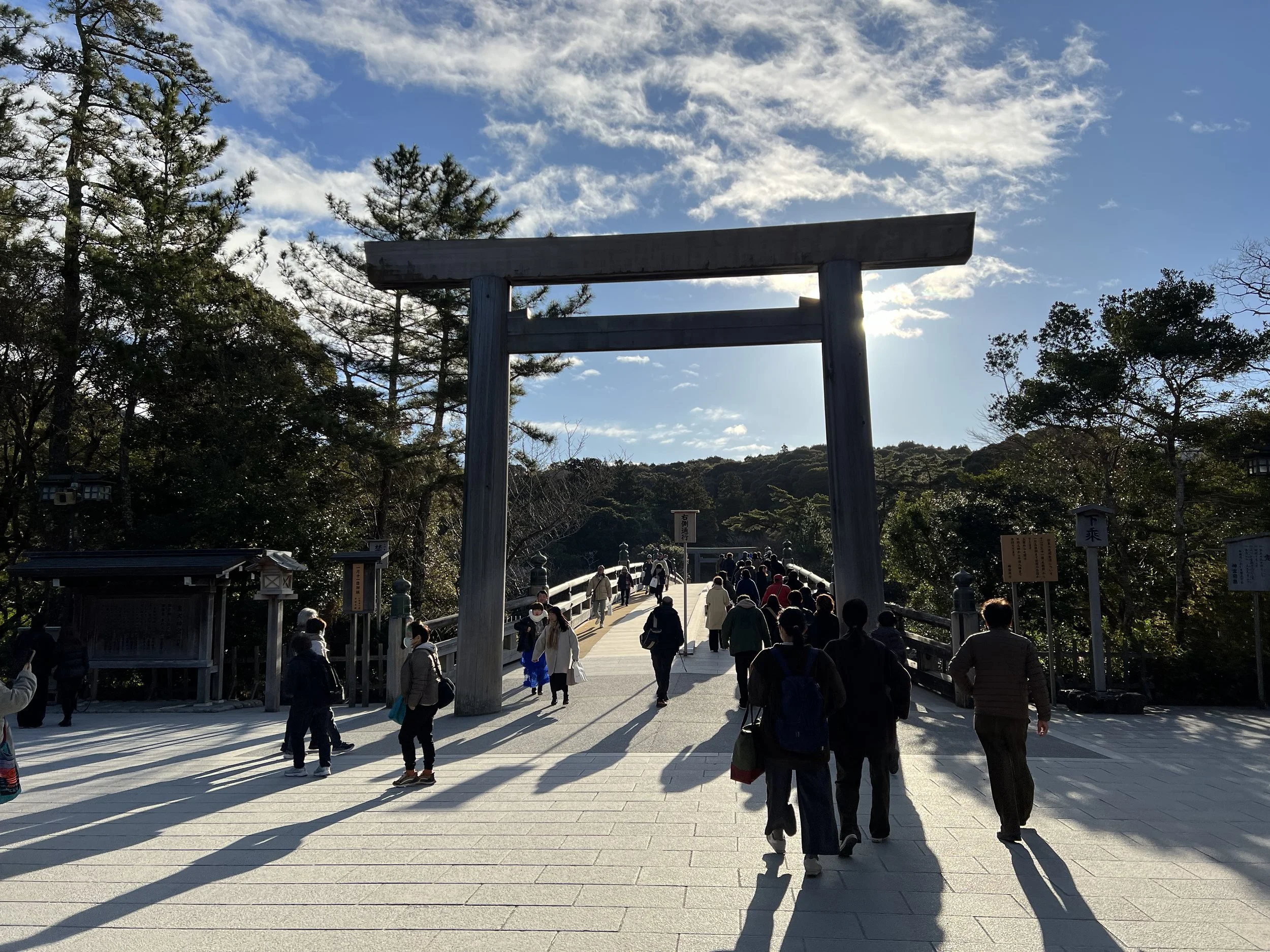
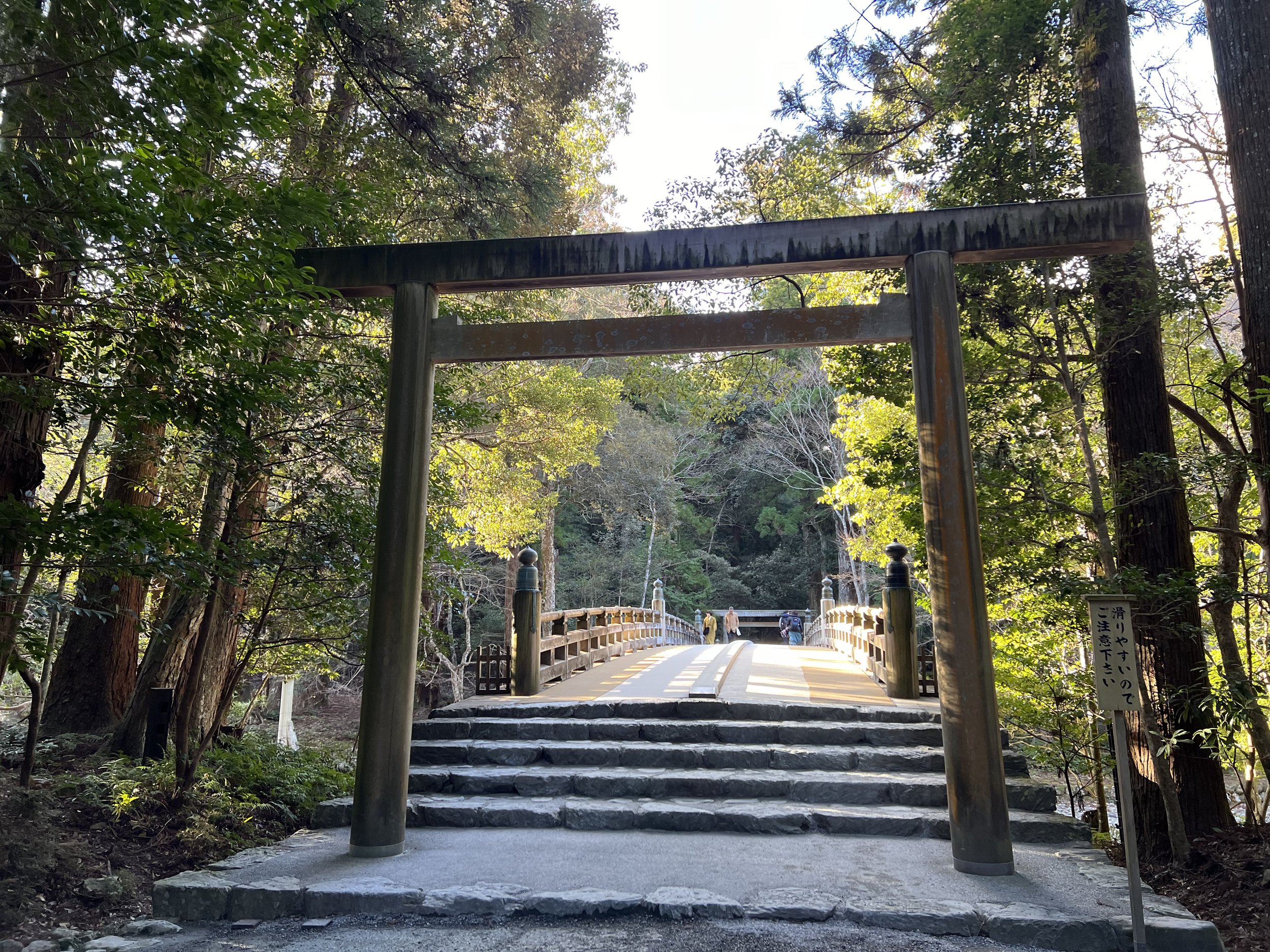
As I approached the entrance, I noticed something I hadn’t expected. Before stepping onto the bridge, everyone stopped and bowed. I followed along, even though I wasn’t entirely sure why. I had always known to bow at torii gates, but seeing this at the bridge made me curious. Later, I learned that crossing the bridge symbolically marks the transition into sacred space similar to passing through a torii.
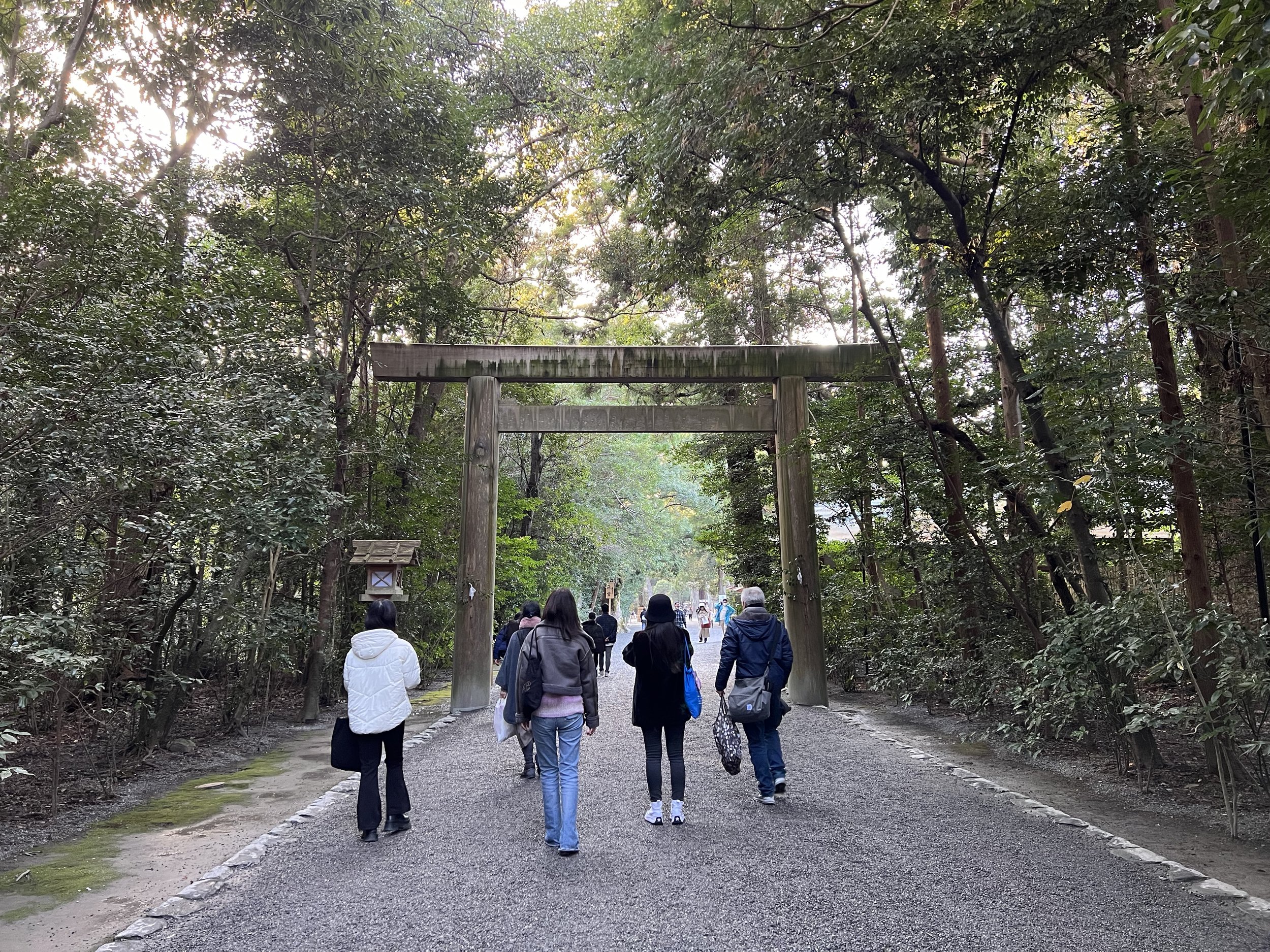
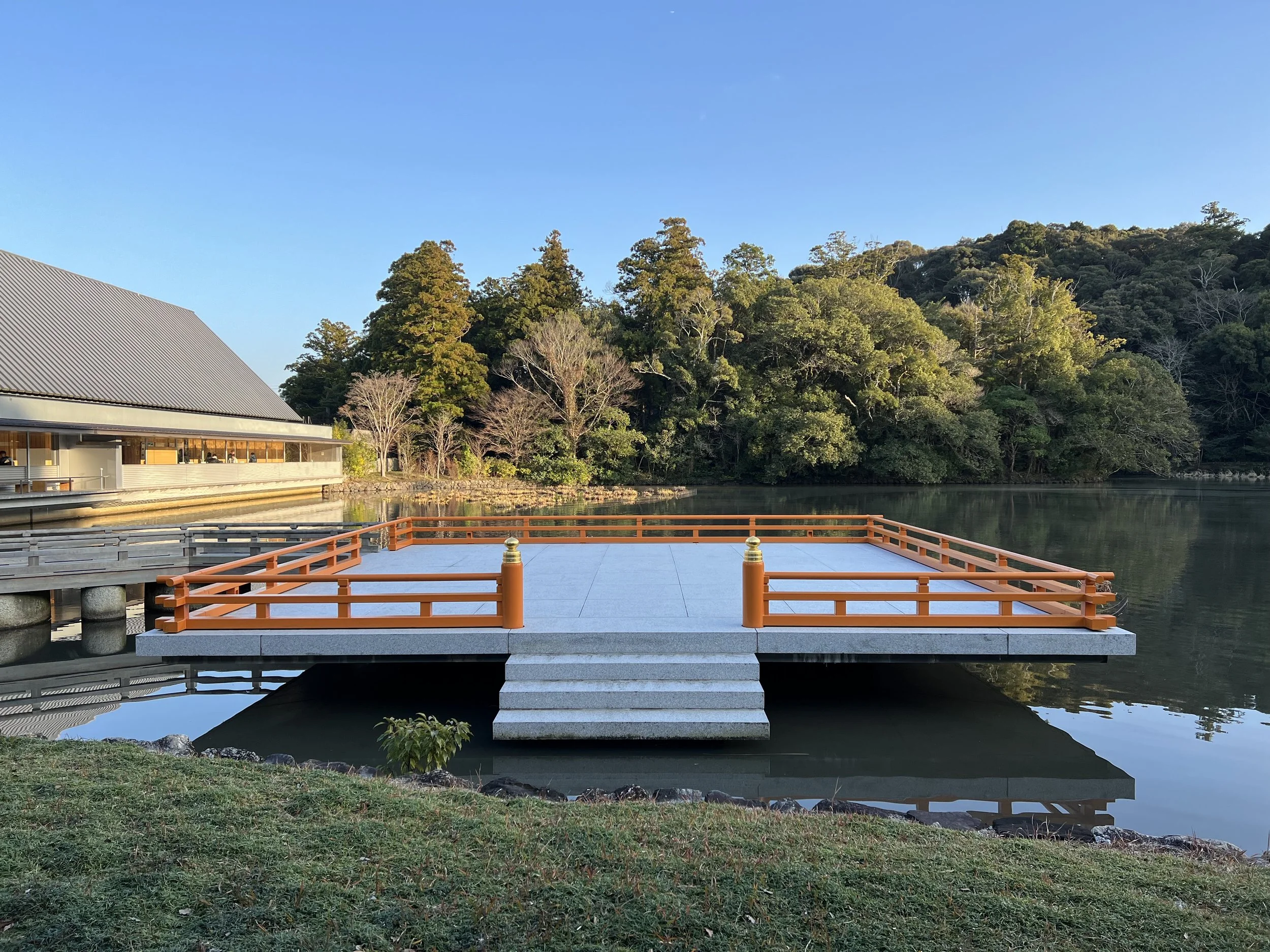
Inside, one of the first buildings I came across was the Sengukan Museum. It showcases the history and significance of the 20-year rebuilding ritual, offering a deeper understanding of how important renewal is within Shinto tradition. From there, I followed the path toward the main sanctuary.
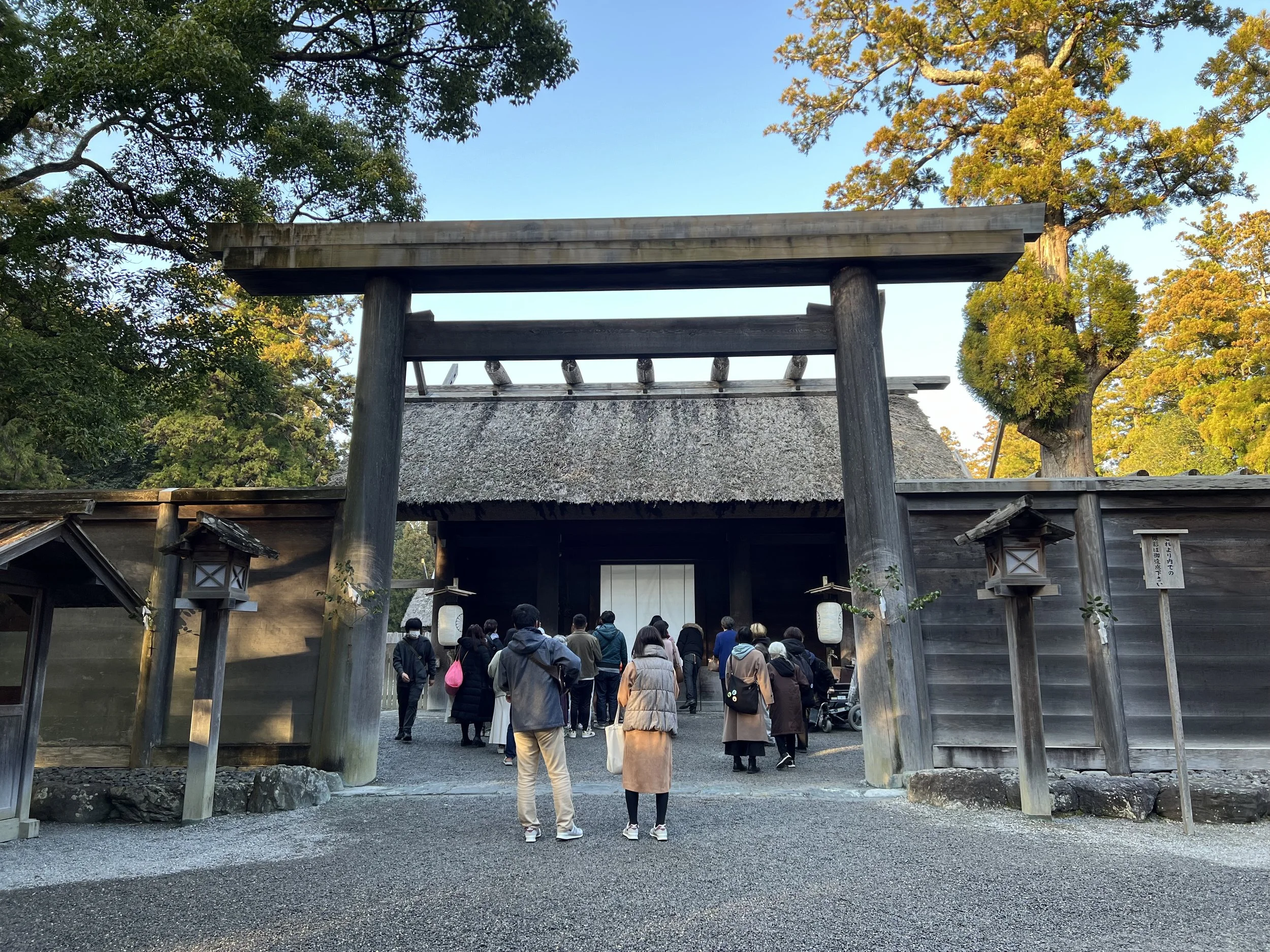
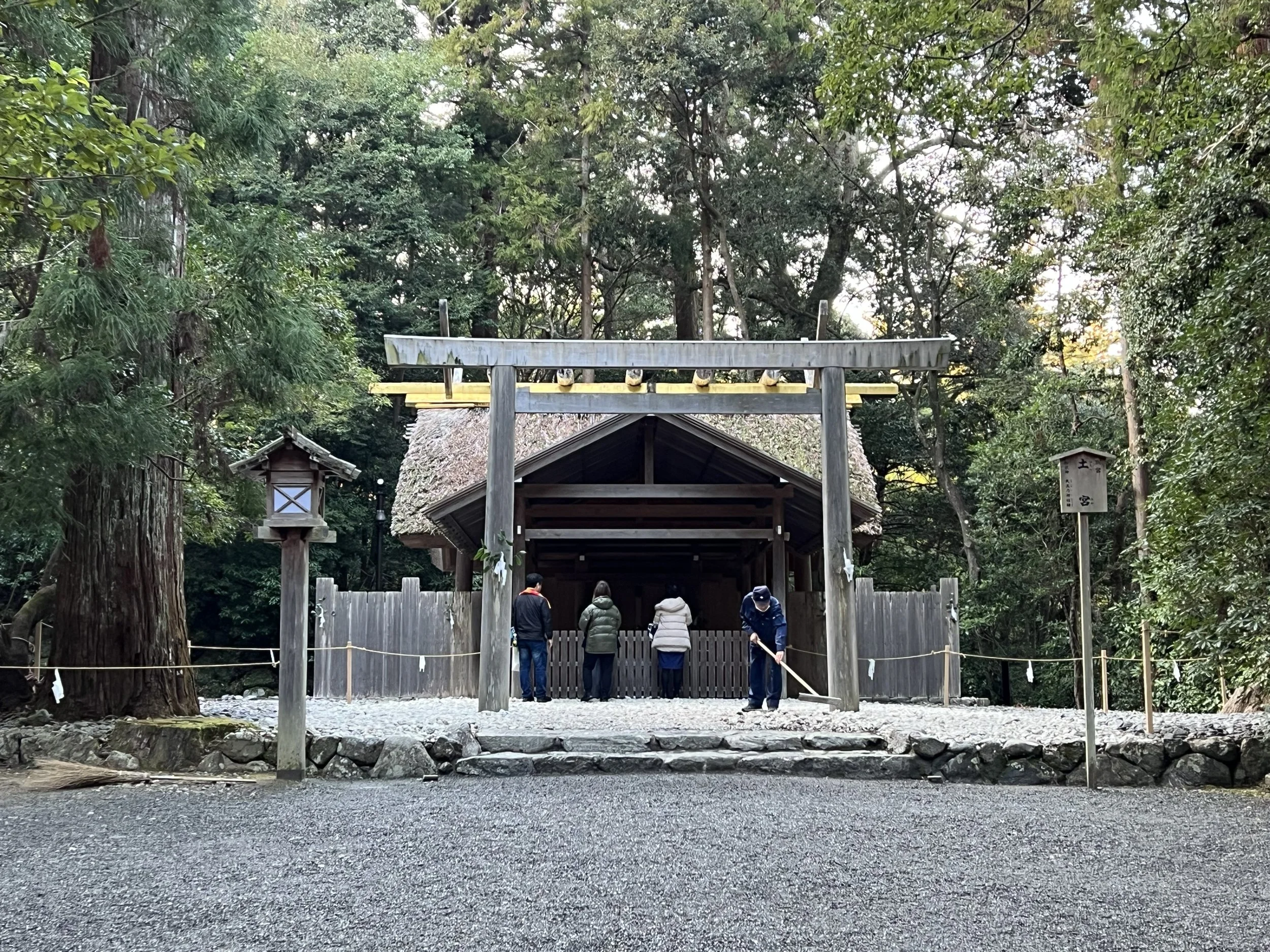
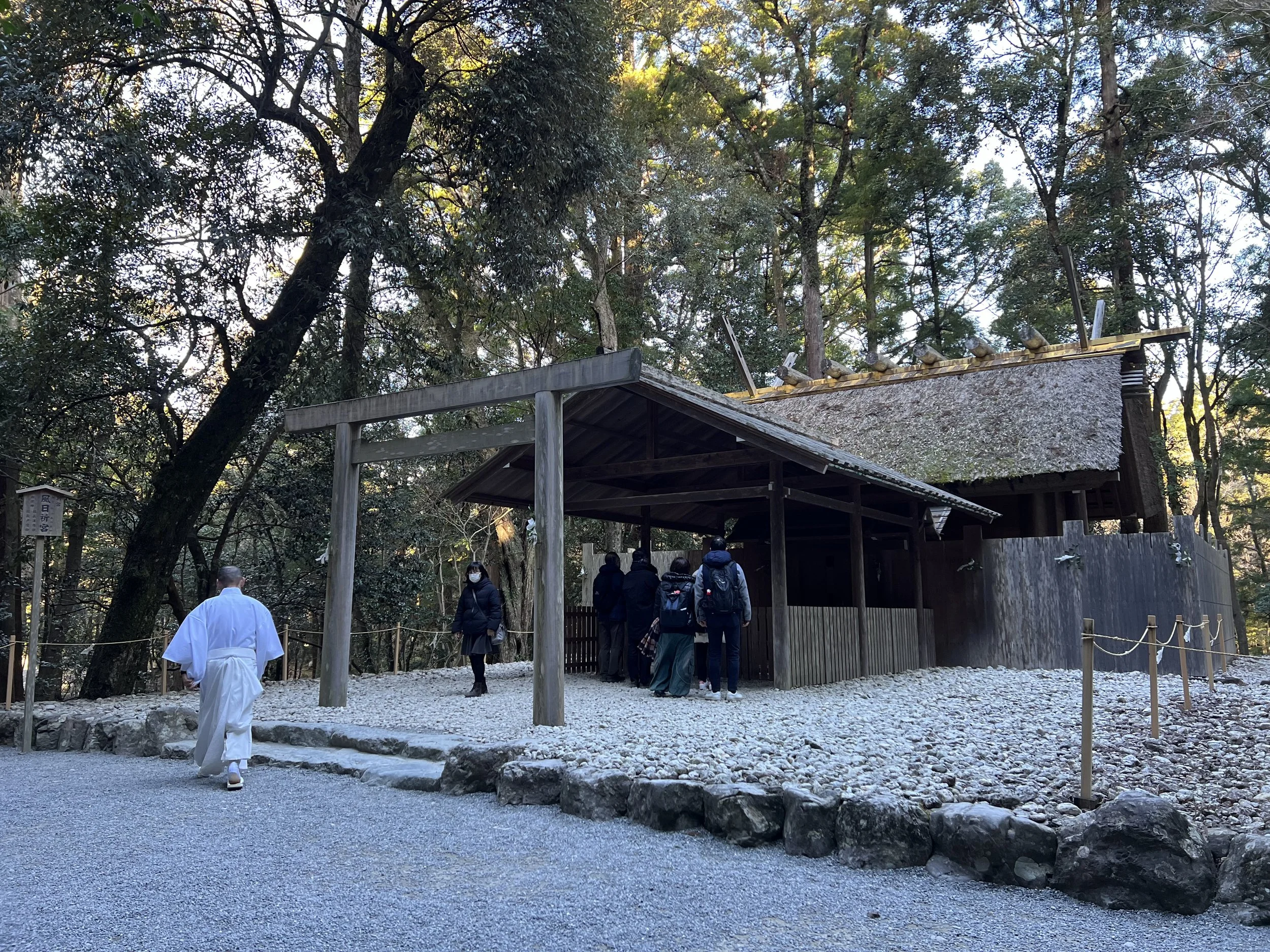
As expected, access is restricted. The innermost areas are enclosed, and photography is not permitted beyond a certain point. A small line had formed, but it moved steadily. Security staff were present to help manage the flow of visitors, ensuring everything remained orderly. After paying my respects, I spent some time walking through the surrounding grounds, visiting a few of the smaller auxiliary shrines tucked among the trees.
Once I was finished, I made my way to the bus stop to head toward the Inner Shrine. While it is technically walkable, I decided to save some time and take the bus. I wasn’t the only one. The bus quickly filled up with others making the same journey, from one sacred space to another.
When I arrived at Inner Shrine, also known as the Kotai Jingu, the atmosphere immediately felt different. Tranquil. More serene.
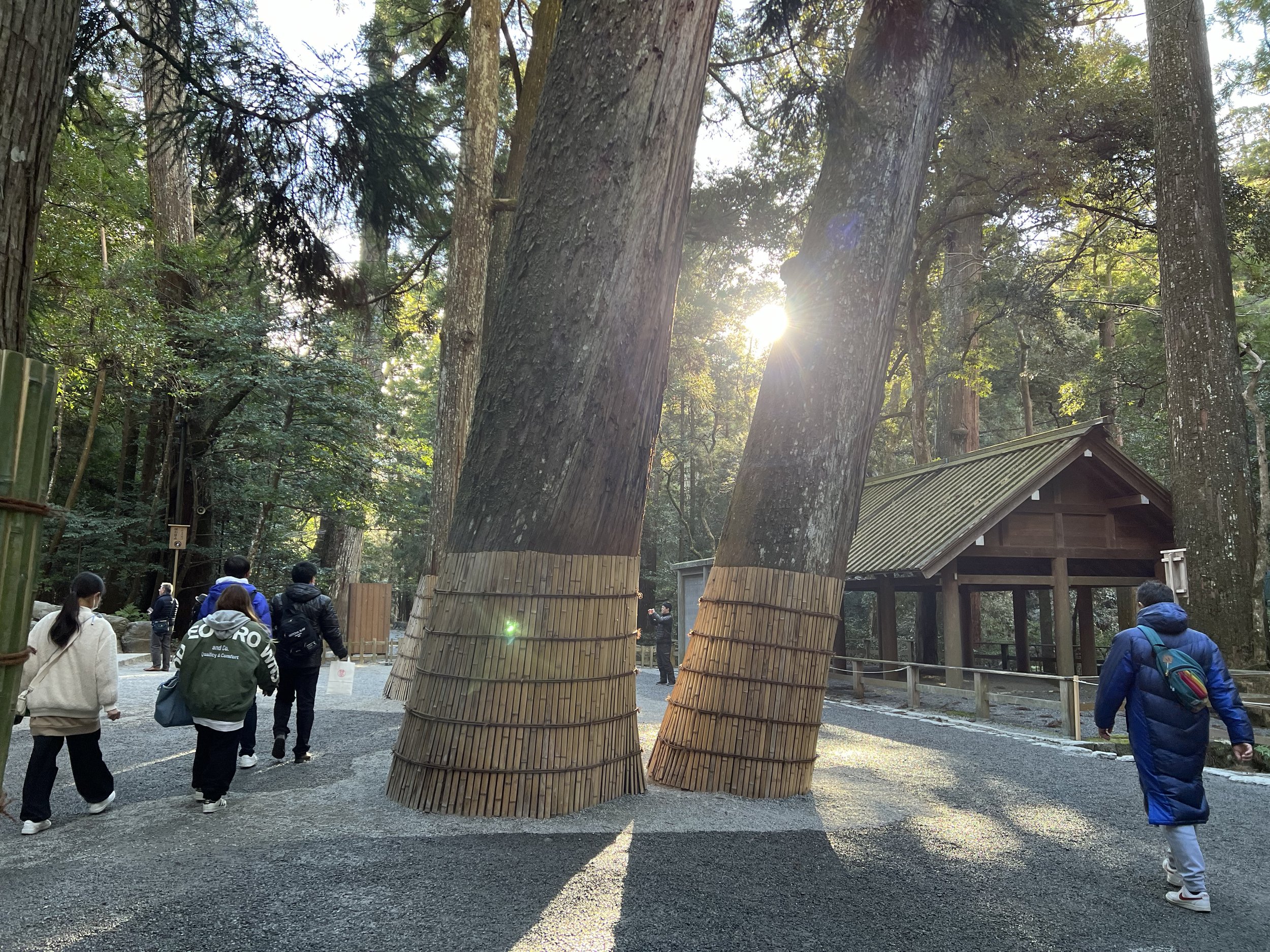
The Inner Shrine, established over 2,000 years ago, is dedicated to Amaterasu Omikami—the Sun Goddess and one of the most important deities in Shinto. It is considered the most sacred site in Japan. The surrounding forest felt denser here, the pathways more enclosed by towering trees. Like the Outer Shrine, visitors bow before crossing the iconic Uji Bridge, which serves as the main entrance.
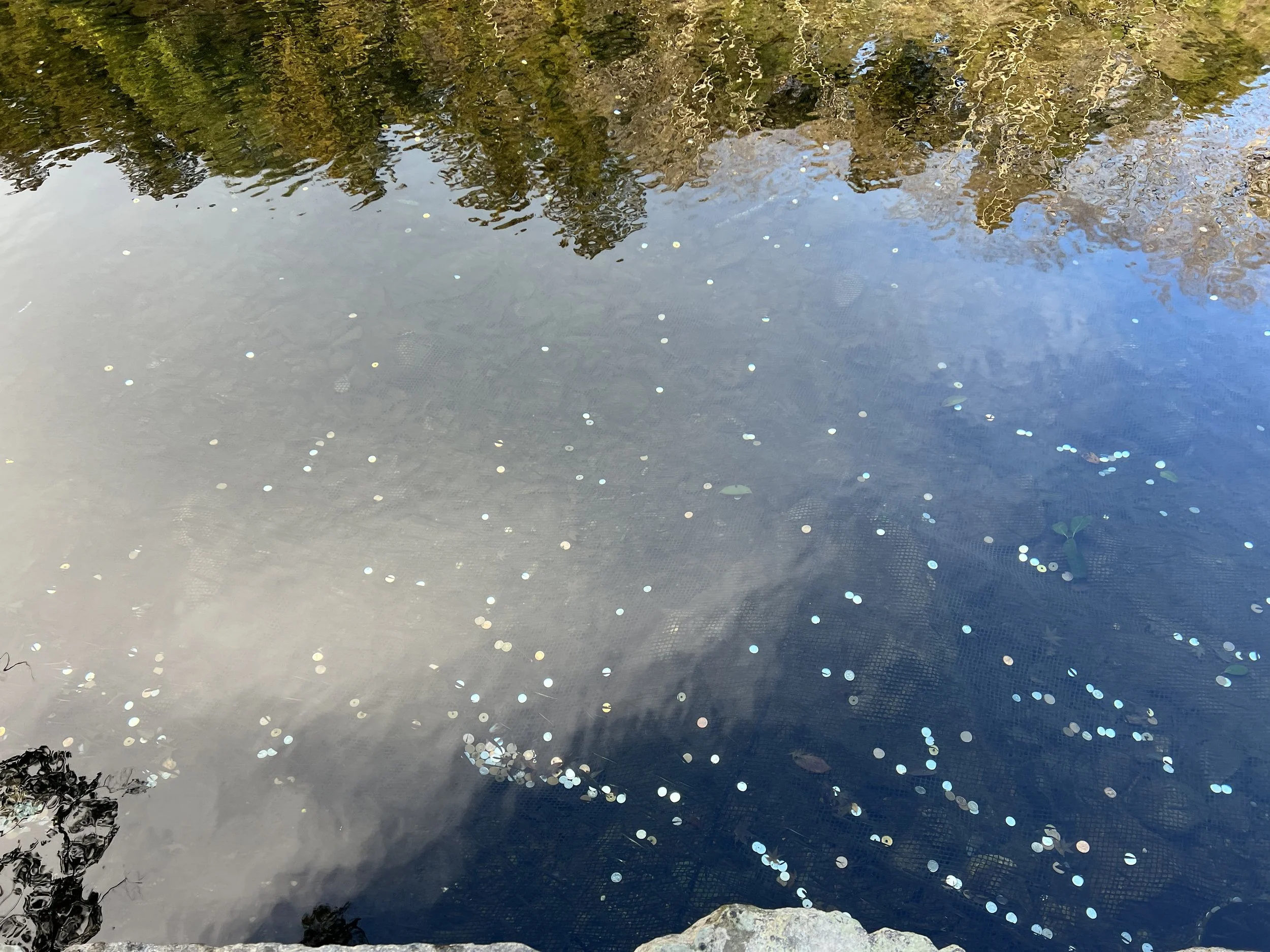
Shortly after entering, I noticed something interesting as people veering off toward the Isuzugawa River. This river is considered sacred, and many visitors take a moment to symbolically cleanse themselves before continuing. The sunlight reflecting off the water, combined with countless coins scattered along the riverbed, made the whole scene shimmer. After spending some time there, I continued toward the main sanctuary.
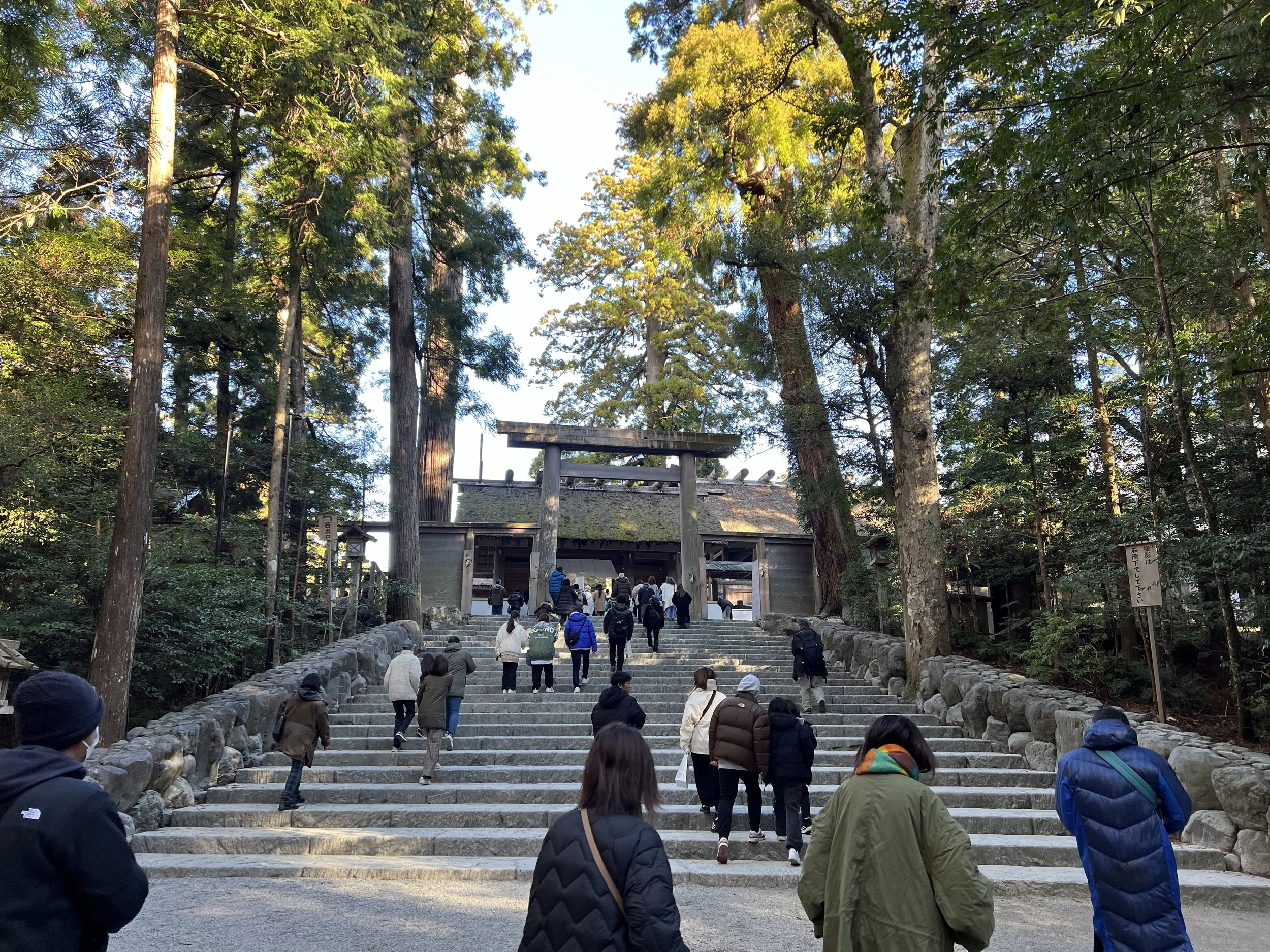
The approach involves a short climb up stone steps, and like the Outer Shrine, access is limited. In fact, visibility here is even more restricted, emphasizing the sanctity of the space. Again, a small line formed, guided by staff ensuring a smooth flow. After offering my respects, I took my time exploring the grounds.
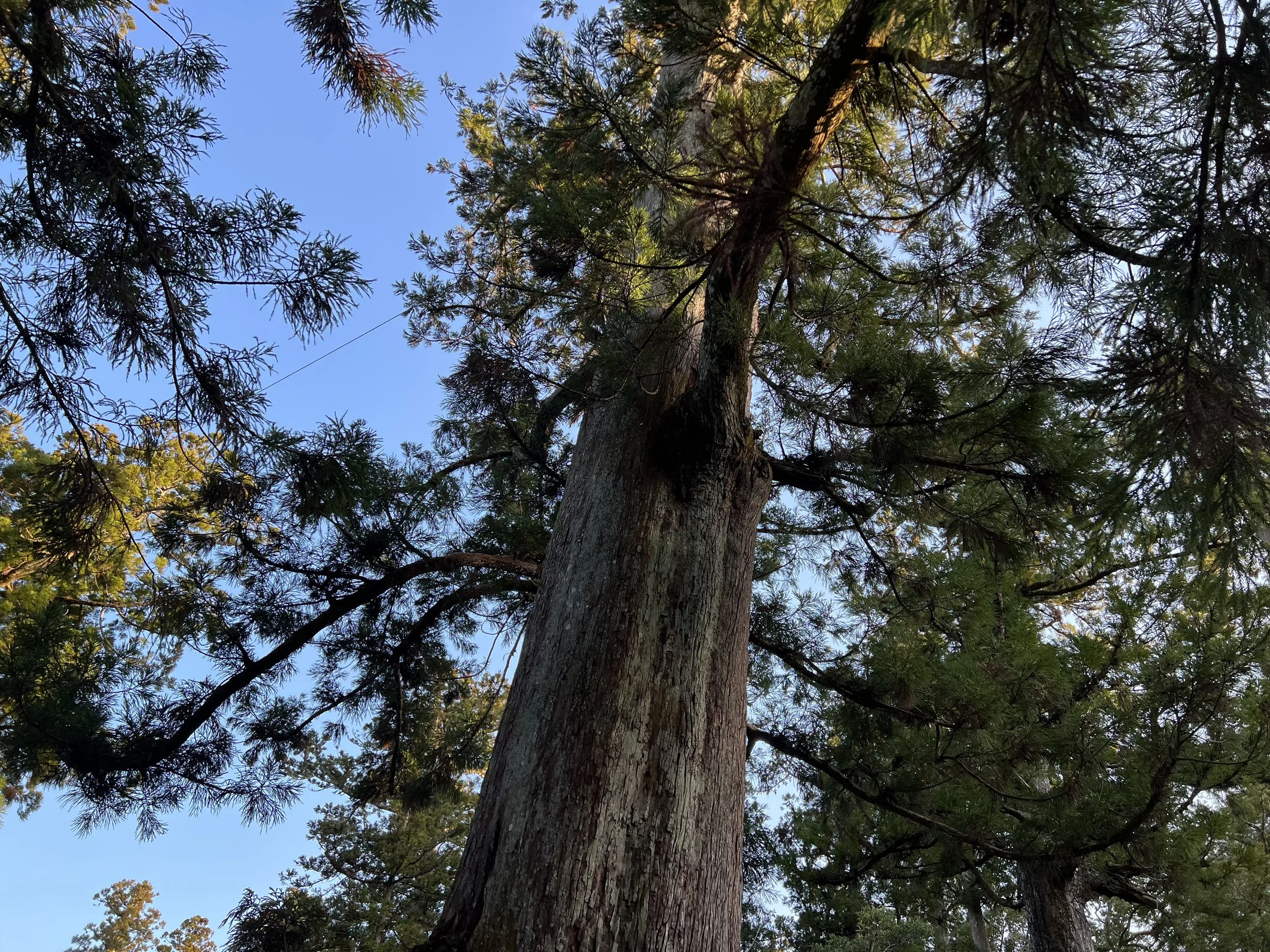
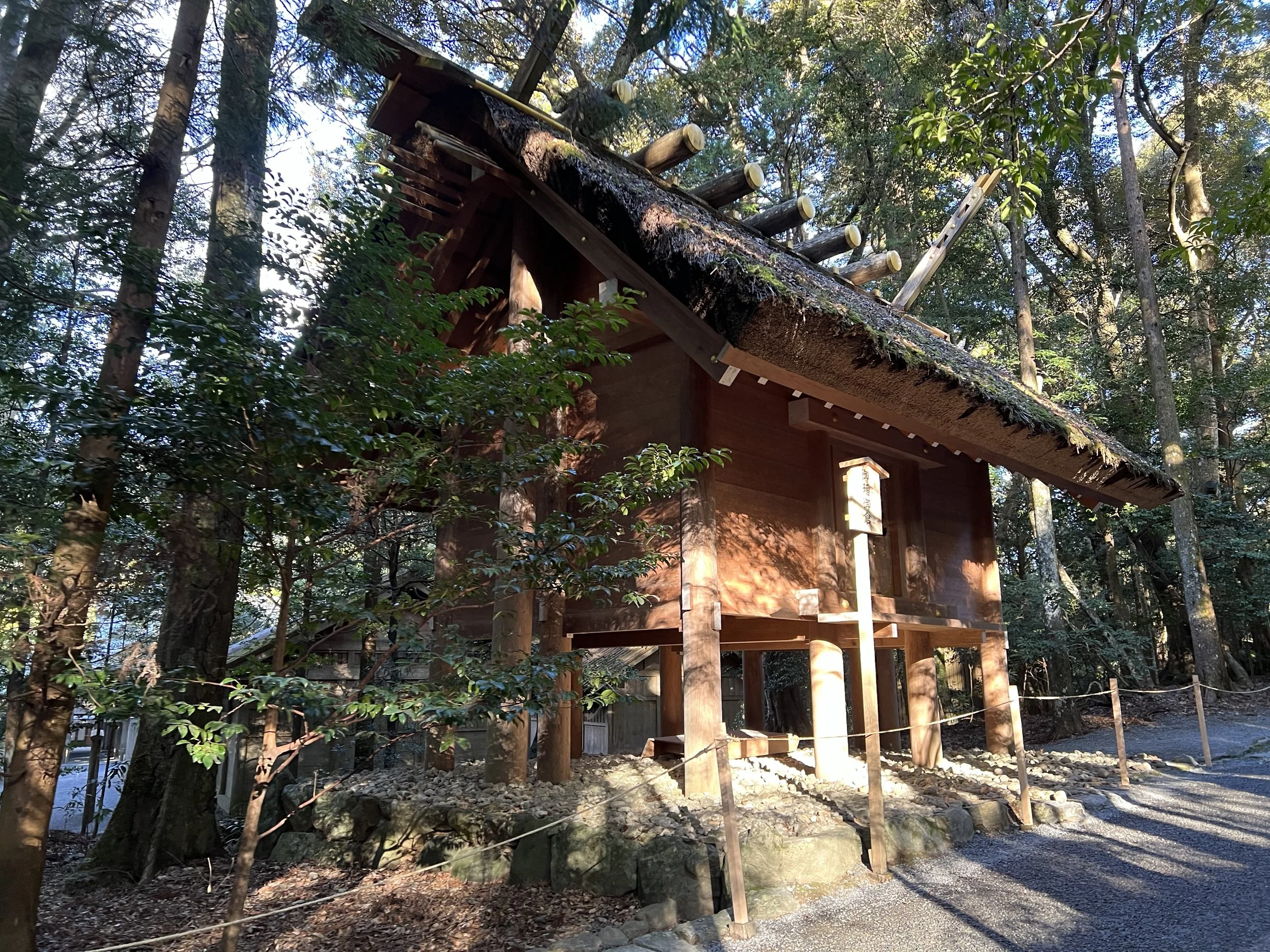
The towering trees, the quiet paths, and the subtle details of the shrine architecture all contributed to a sense of calm. I also came across references to the Mishinenomikura, where rice used for offerings is stored—another reminder of how deeply tradition is woven into every aspect of this place. Once I finished exploring, I made my way toward Oharaimachi.
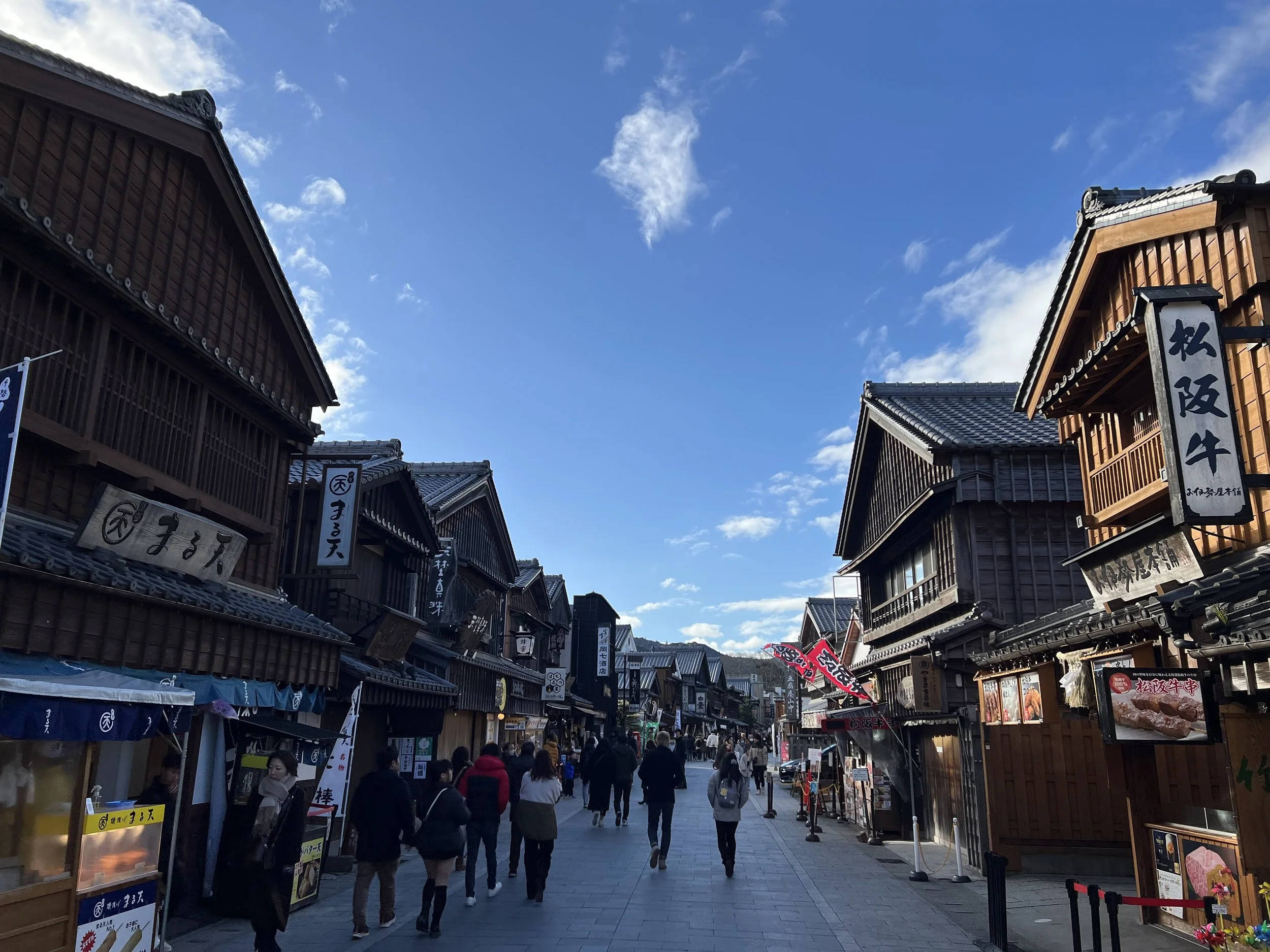
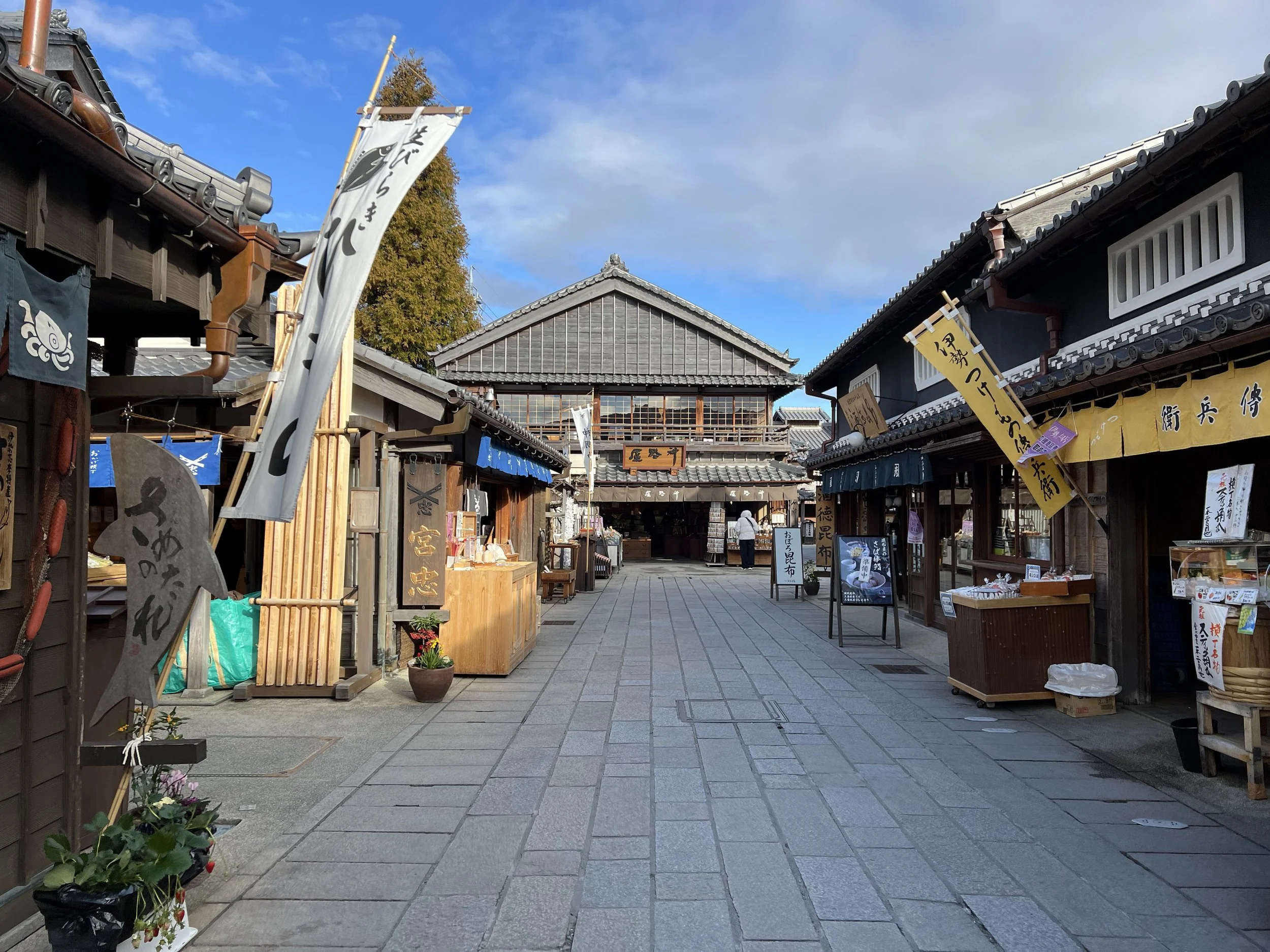
This street feels like a step back in time. Traditional-style buildings line both sides, many housing shops and restaurants that have served pilgrims for generations. It’s lively, but in a way that complements the shrine experience rather than distracting from it. About halfway through, I reached Okage Yokocho, a small area designed to recreate the townscape of the Edo to early Meiji period. There were benches scattered throughout, people sitting, eating, and relaxing. I picked up a simple skewer and found a spot to sit, taking in the atmosphere.
After a full day of walking, reflecting, and exploring, it felt like the perfect way to end my visit.
History & Background
Ise Grand Shrine (伊勢神宮) is Japan’s most sacred Shinto site, consisting of two main shrines: the Outer Shrine (Toyouke Daijingu) and the Inner Shrine (Kotai Jingu).
The Inner Shrine, dedicated to Amaterasu Omikami, is believed to have been established over 2,000 years ago, while the Outer Shrine, dedicated to Toyouke Omikami, was established approximately 1,500 years ago.
A defining feature of Ise Grand Shrine is the Shikinen Sengu ritual, where both shrines are completely rebuilt every 20 years. This practice symbolizes renewal, continuity, and the preservation of traditional craftsmanship. The most recent reconstruction was completed in 2013, marking the 62nd rebuilding cycle.
The shrine complex has long been a major pilgrimage destination and continues to attract millions of visitors each year.
Getting There
Ise Grand Shrine is located in Mie Prefecture. The Outer Shrine (Toyouke Daijingu) is a 10-minute walk from Iseshi Station. To reach the Inner Shrine (Kotai Jingu), visitors can take a bus from Geku-mae Bus Stop to Naiku-mae Bus Stop, which takes approximately 15–20 minutes. Walking between the two shrines is also possible and takes around 60–90 minutes. From Nagoya, direct train services are available to Ise via the JR or Kintetsu lines.
Route Overview
Distance: 7.36 km
Total elevation gain: 49 m
Duration: 1 hr 37 min (with breaks 1 hr 40 min)
Difficulty: Easy
Cost Breakdown
Bus: Geku-mae Bus Stop → Naiku-mae Bus Stop — ¥520
Food: ¥1,200