Mikimoto Pearl Island - Mie, Japan
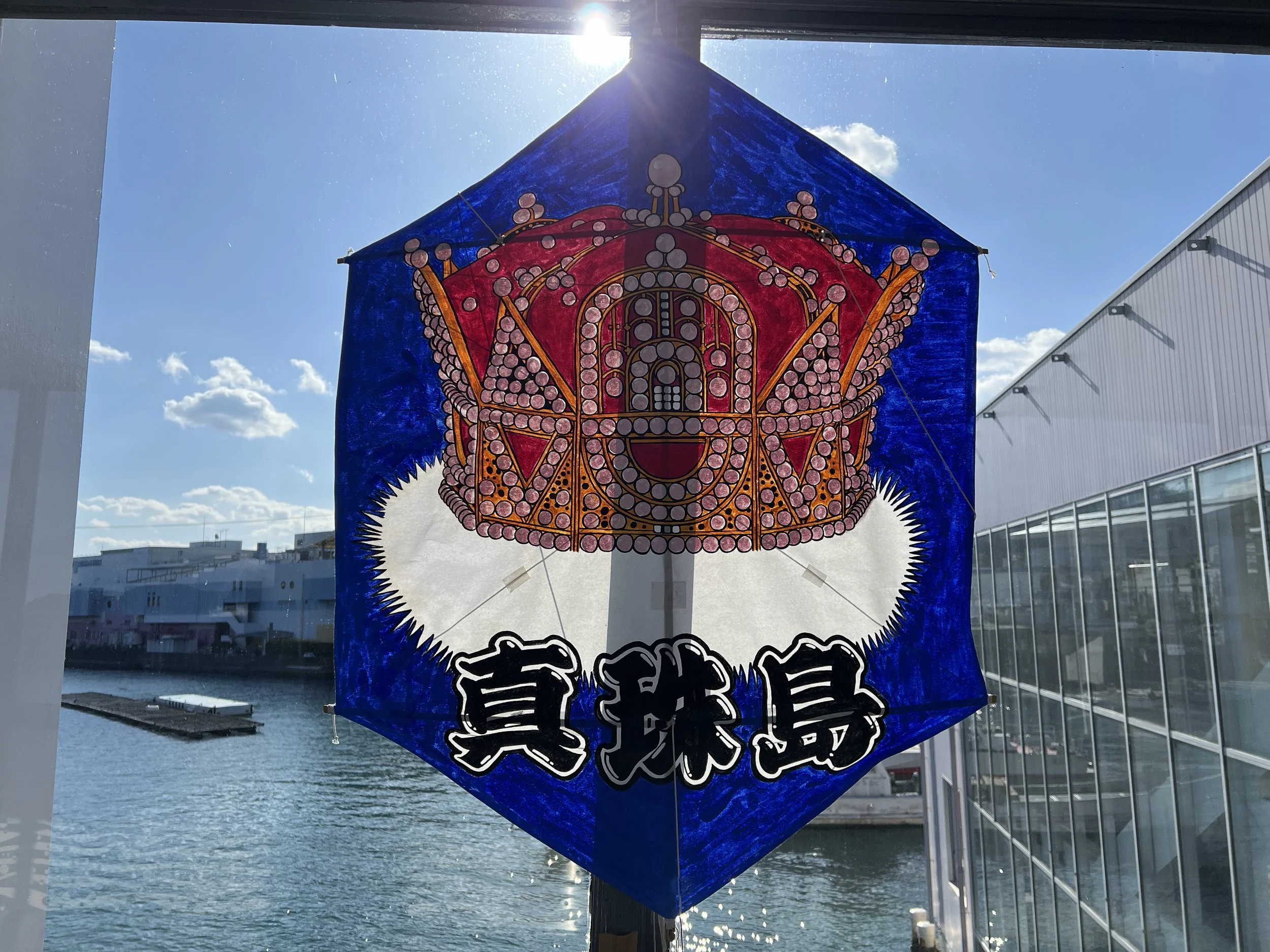
Mikimoto Pearl Island is a museum complex dedicated to pearls, their cultivation, and the visionary who first succeeded in culturing them. Located on a small island in Toba Bay, it’s accessible by a short bridge from the mainland. I had just finished hiking Mount Asamagatake when I realized I still had time in the day — and fitting in Mikimoto Pearl Island felt like the perfect addition.
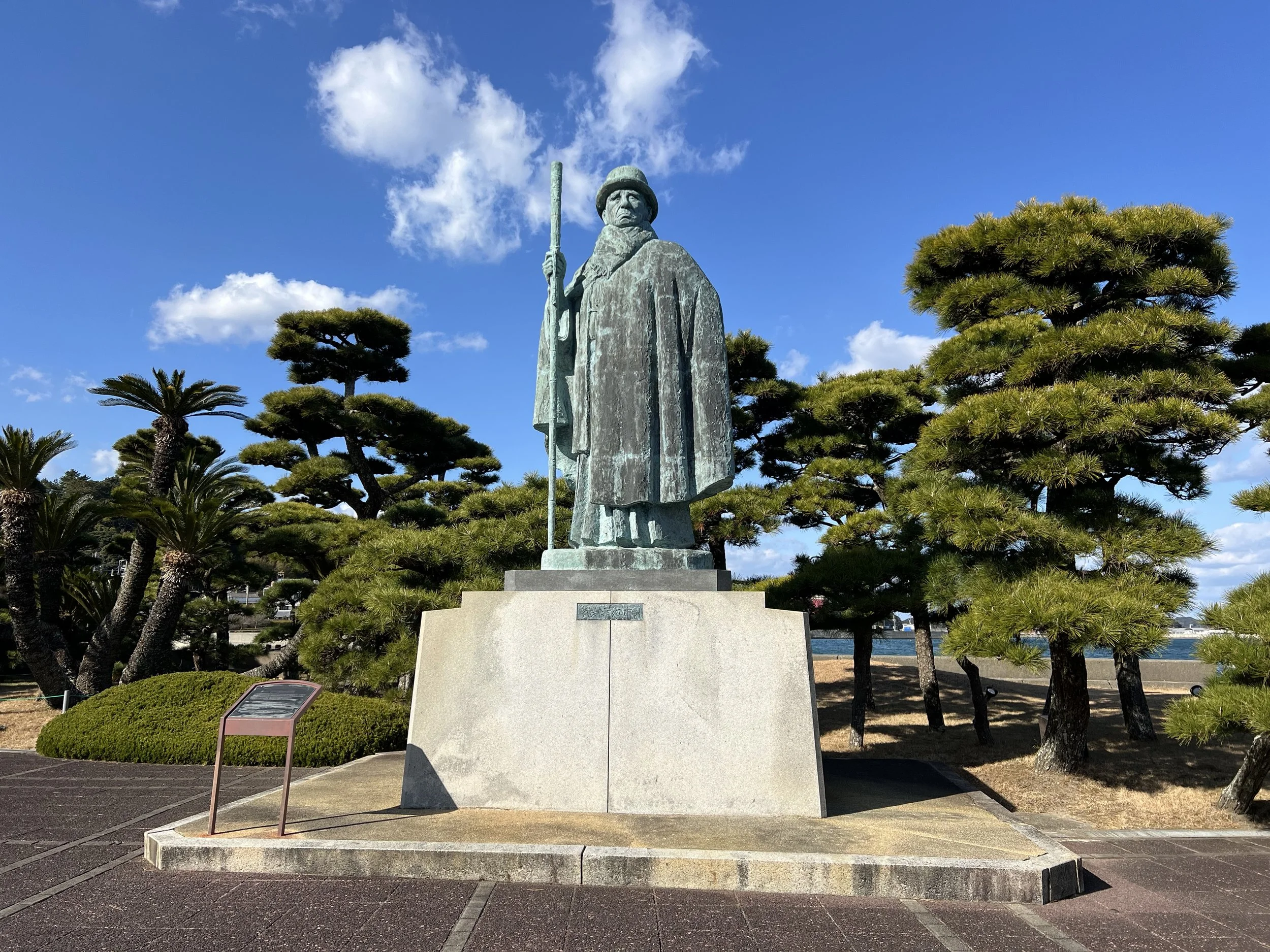
From Asama Station, I took the train to Toba Station and walked toward the waterfront. The entrance to the island is right beside the boat tour dock, and it’s easy to miss if you’re not paying attention. After purchasing my ticket, I crossed the Pearl Bridge connecting the mainland to the island. Just beyond the bridge stands a statue of Kokichi Mikimoto, the man who forever changed the pearl industry.
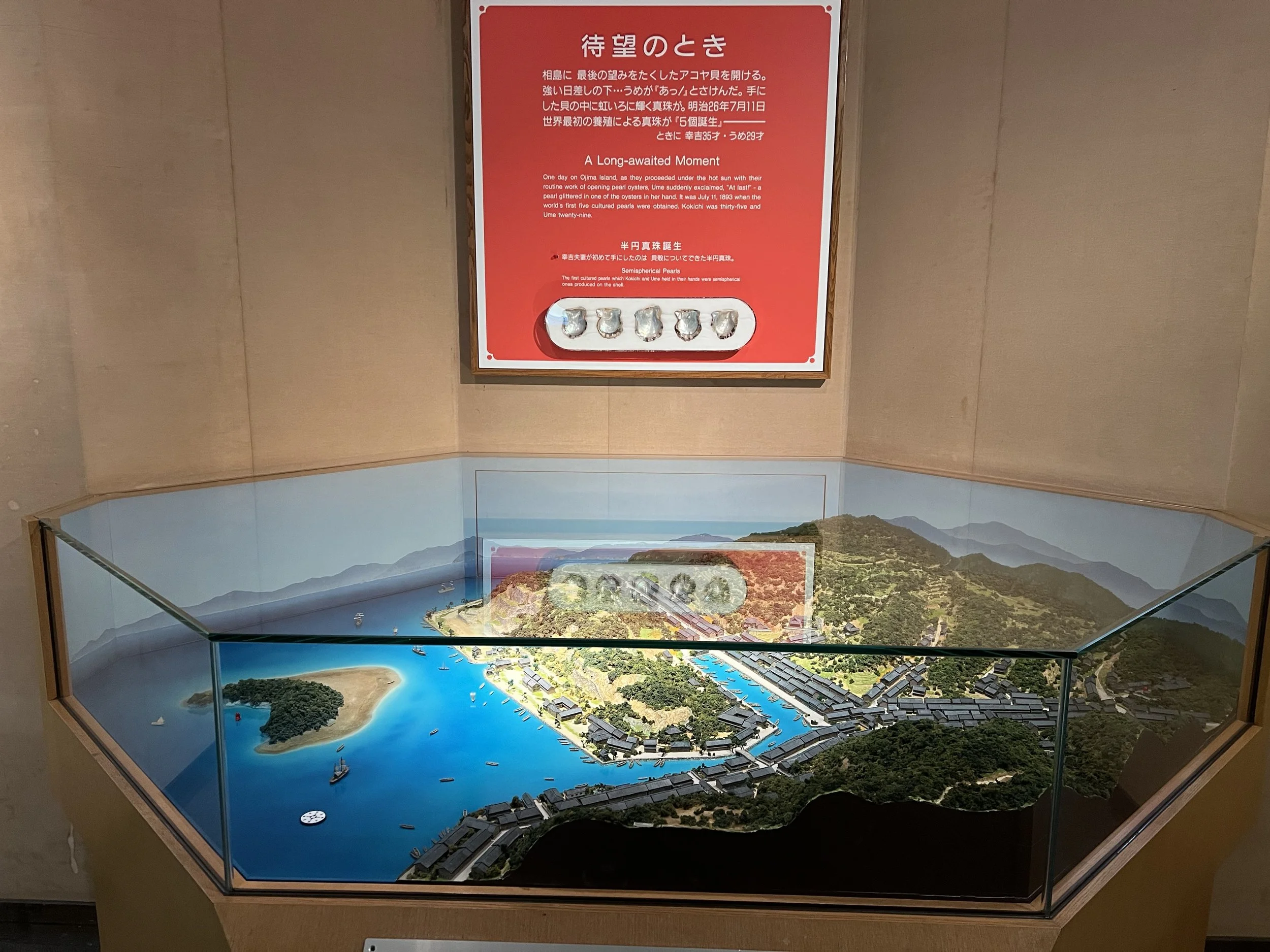
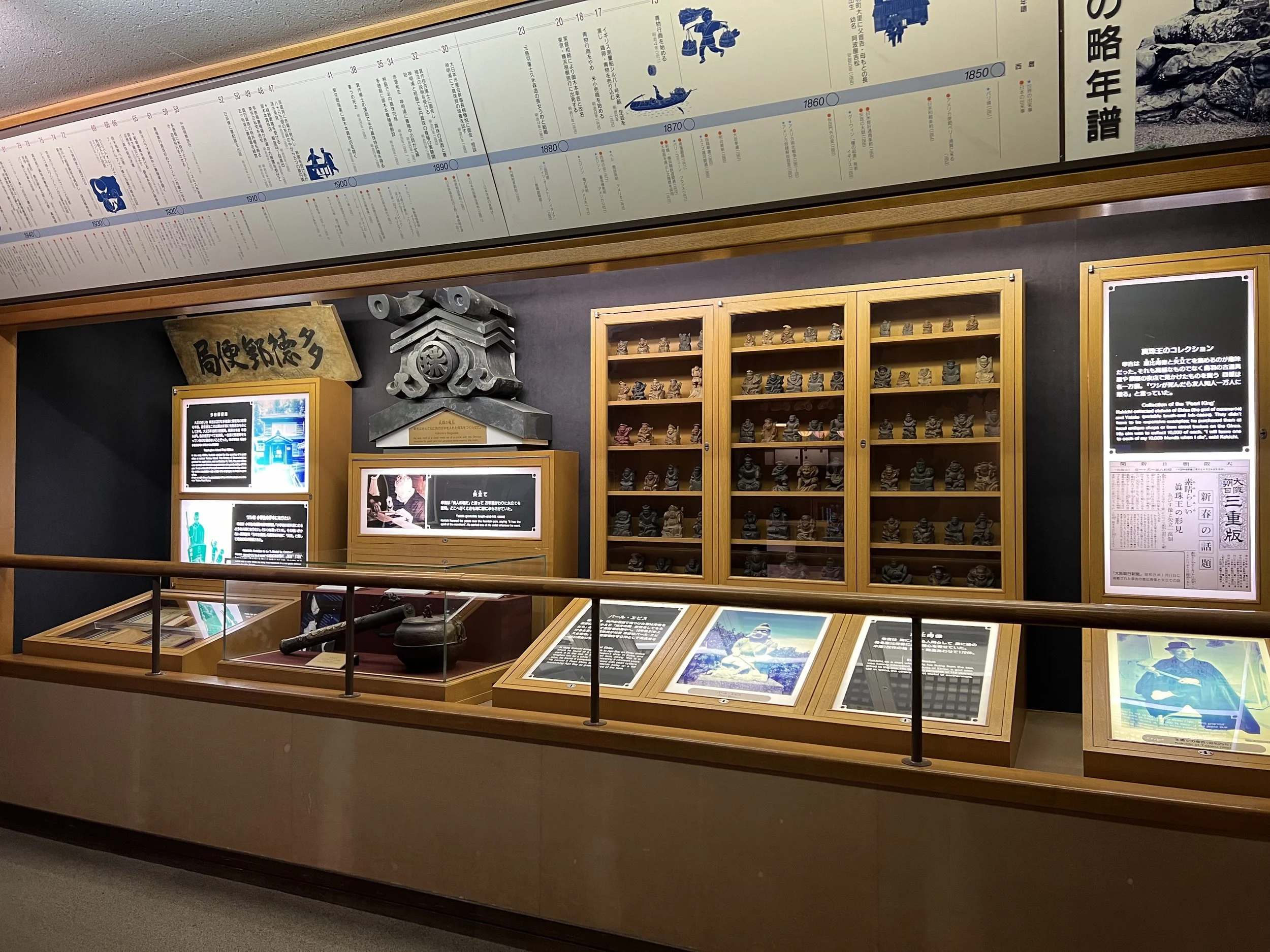
Kokichi Mikimoto was the founder of the cultured pearl industry and the first person to successfully cultivate pearls. Natural pearls are incredibly rare, making them historically accessible only to the wealthy elite. Determined to make pearls more widely available, Mikimoto devoted himself to developing a cultivation method. In 1893, he successfully produced a semi-spherical cultured pearl, and his innovations eventually led to the production of fully spherical cultured pearls. As I read through the displays detailing his life and perseverance, it was clear how deeply dedicated he was to his craft.
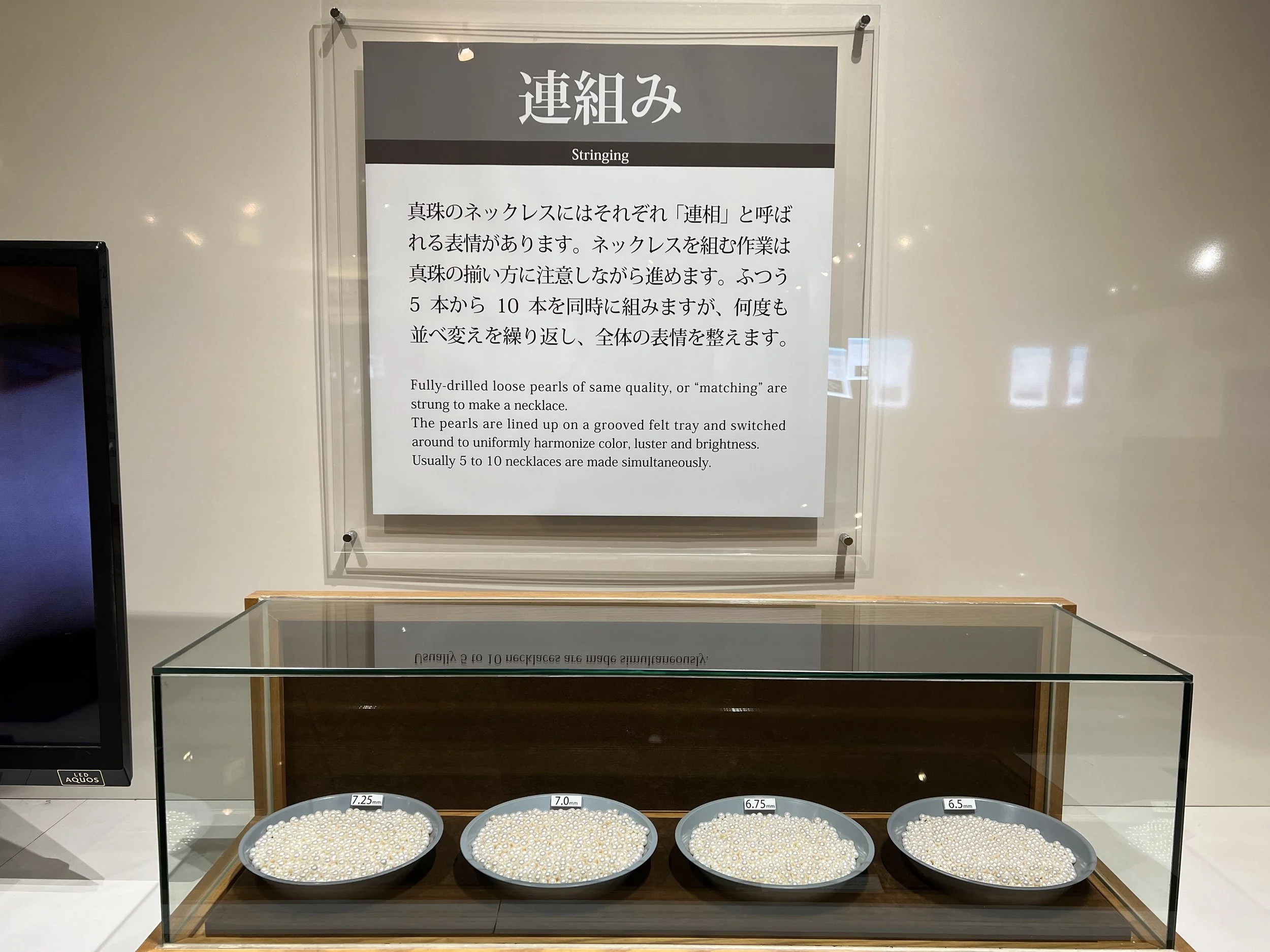
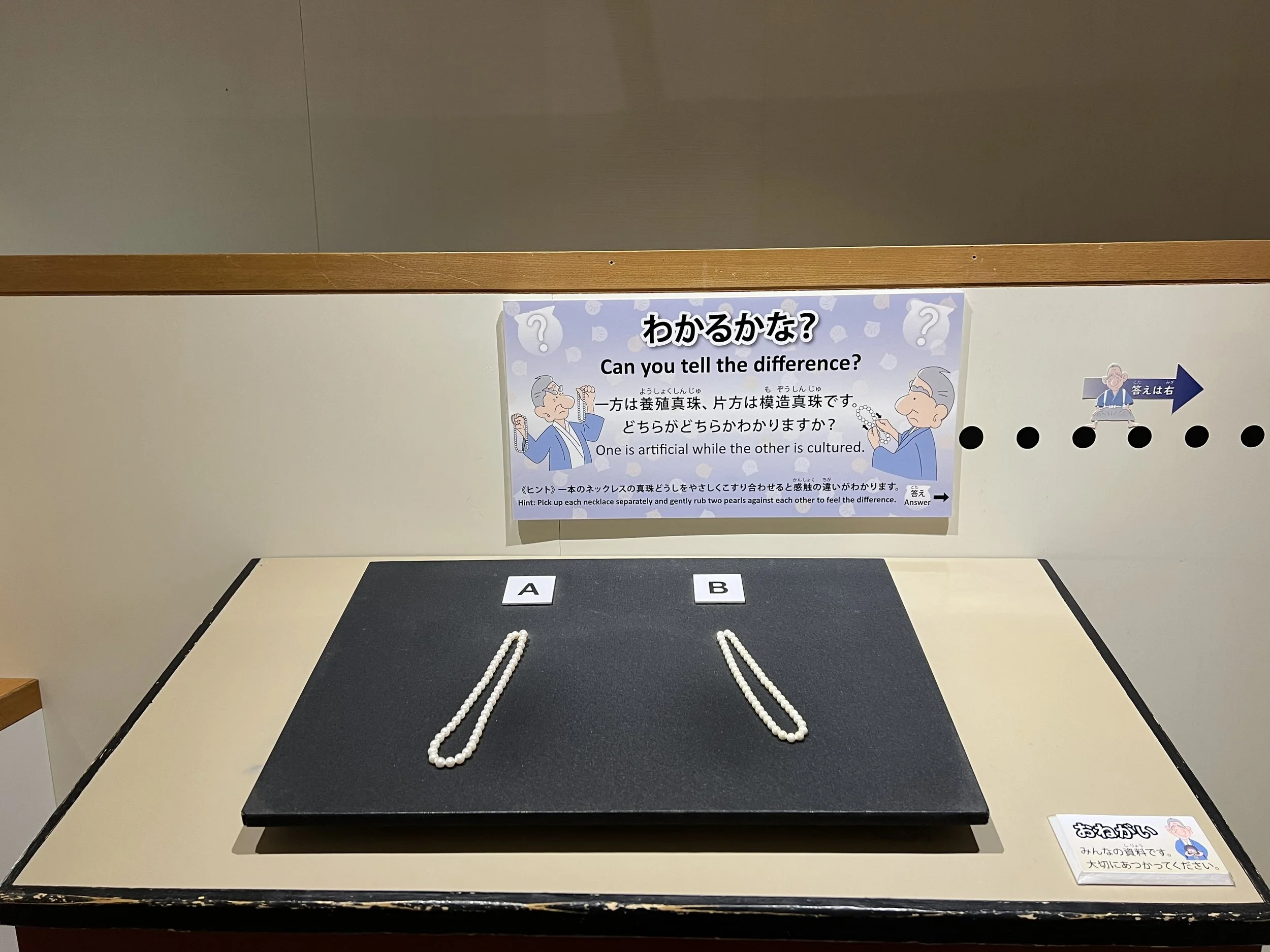
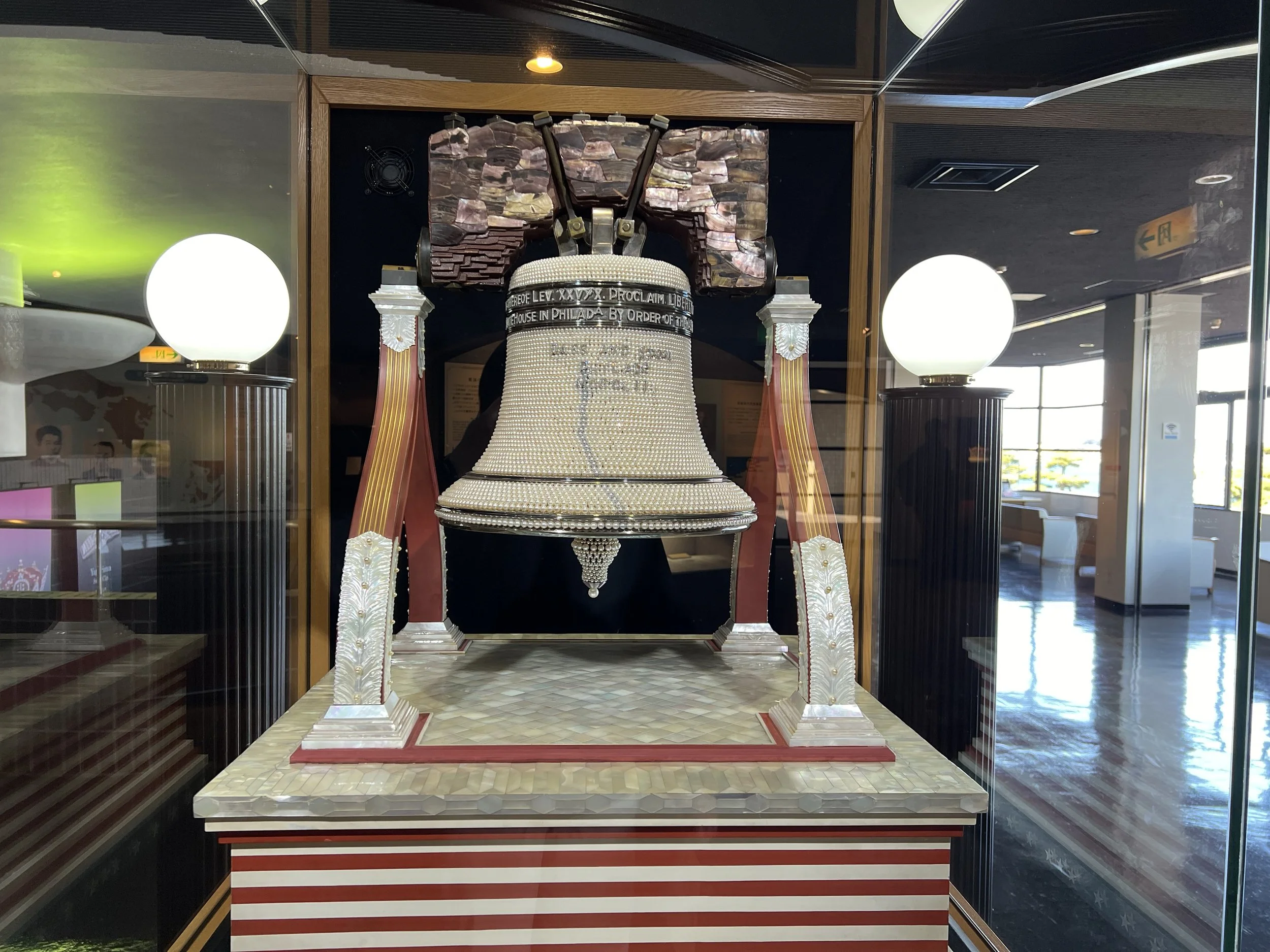
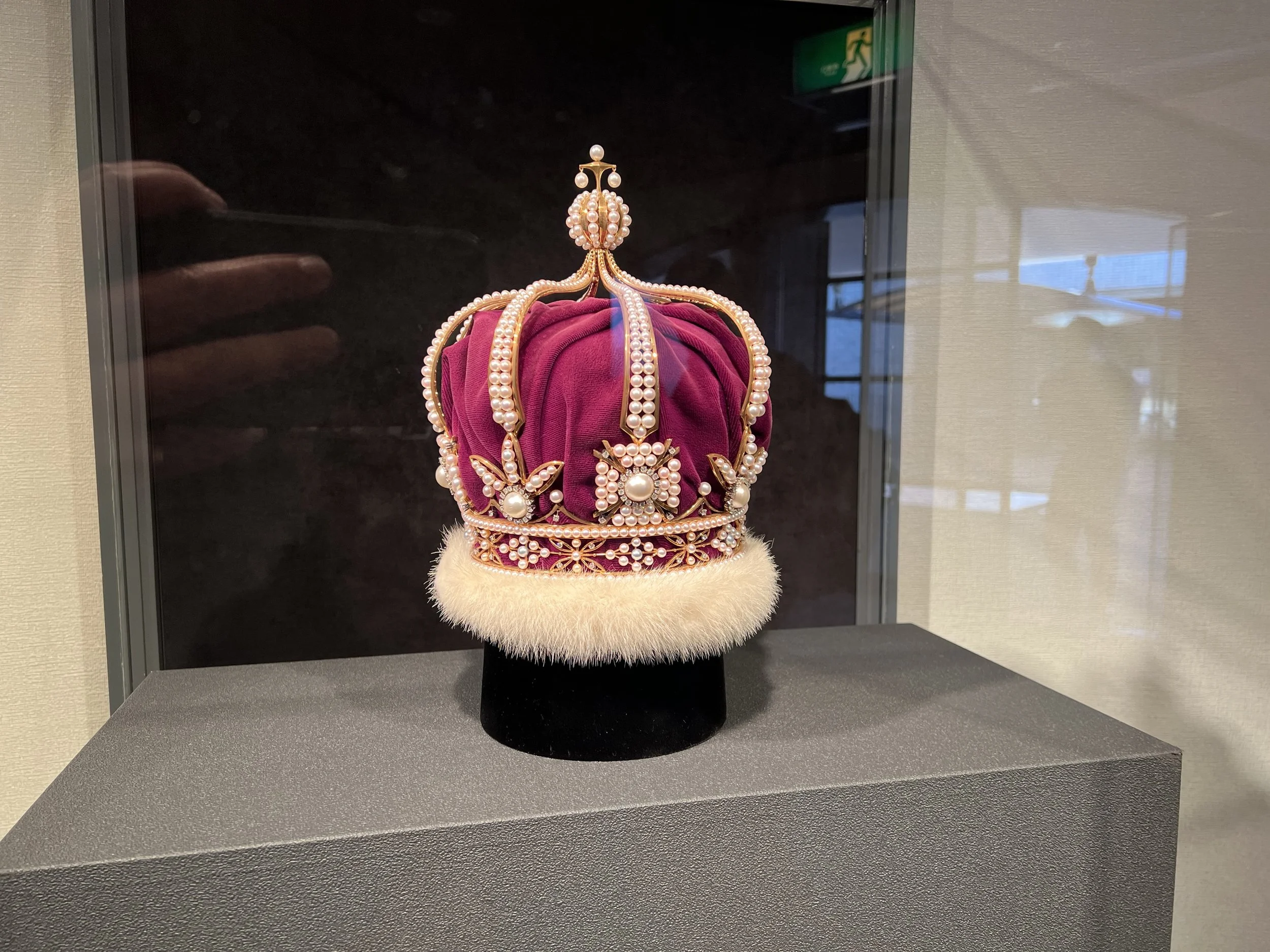
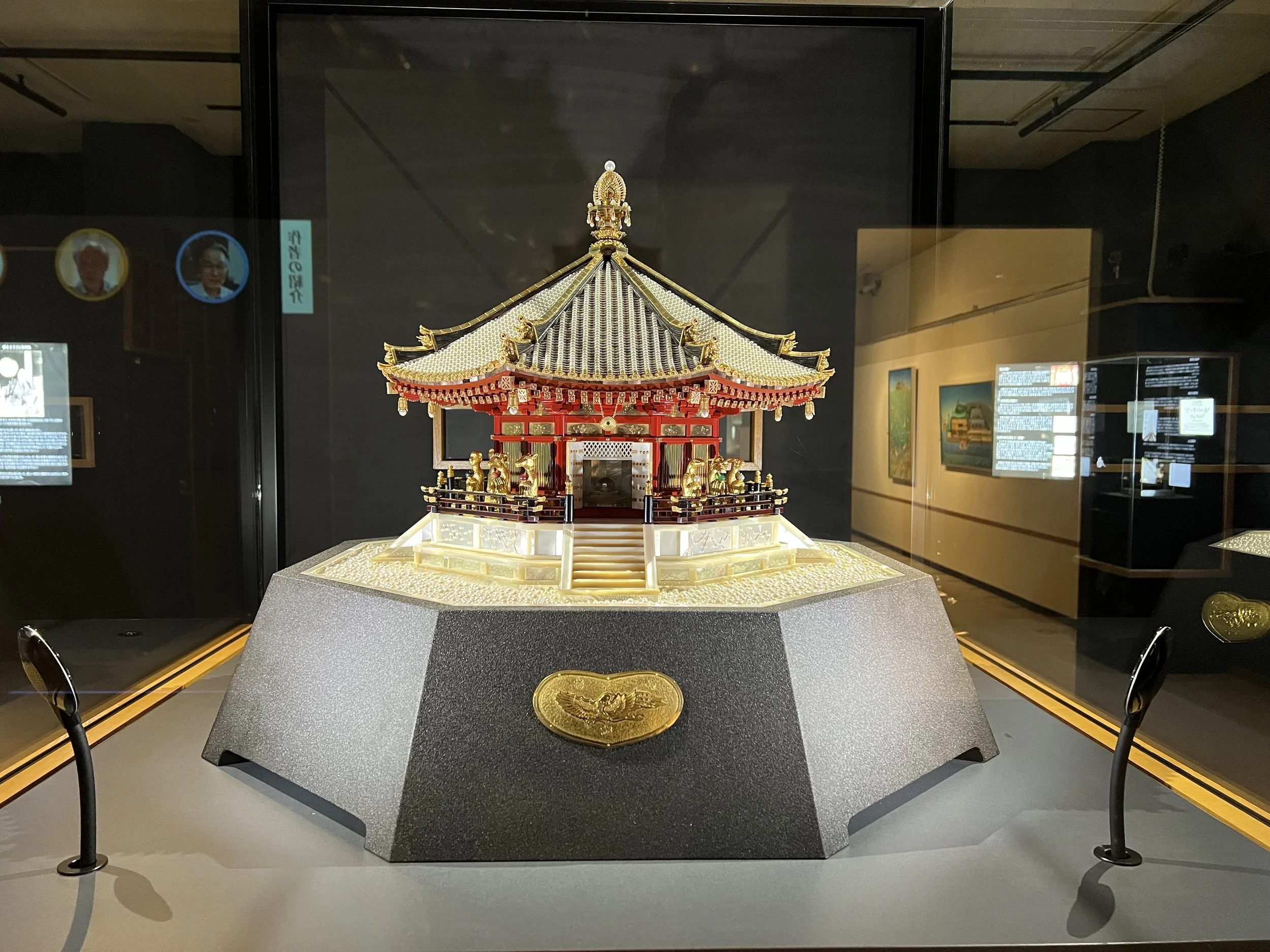
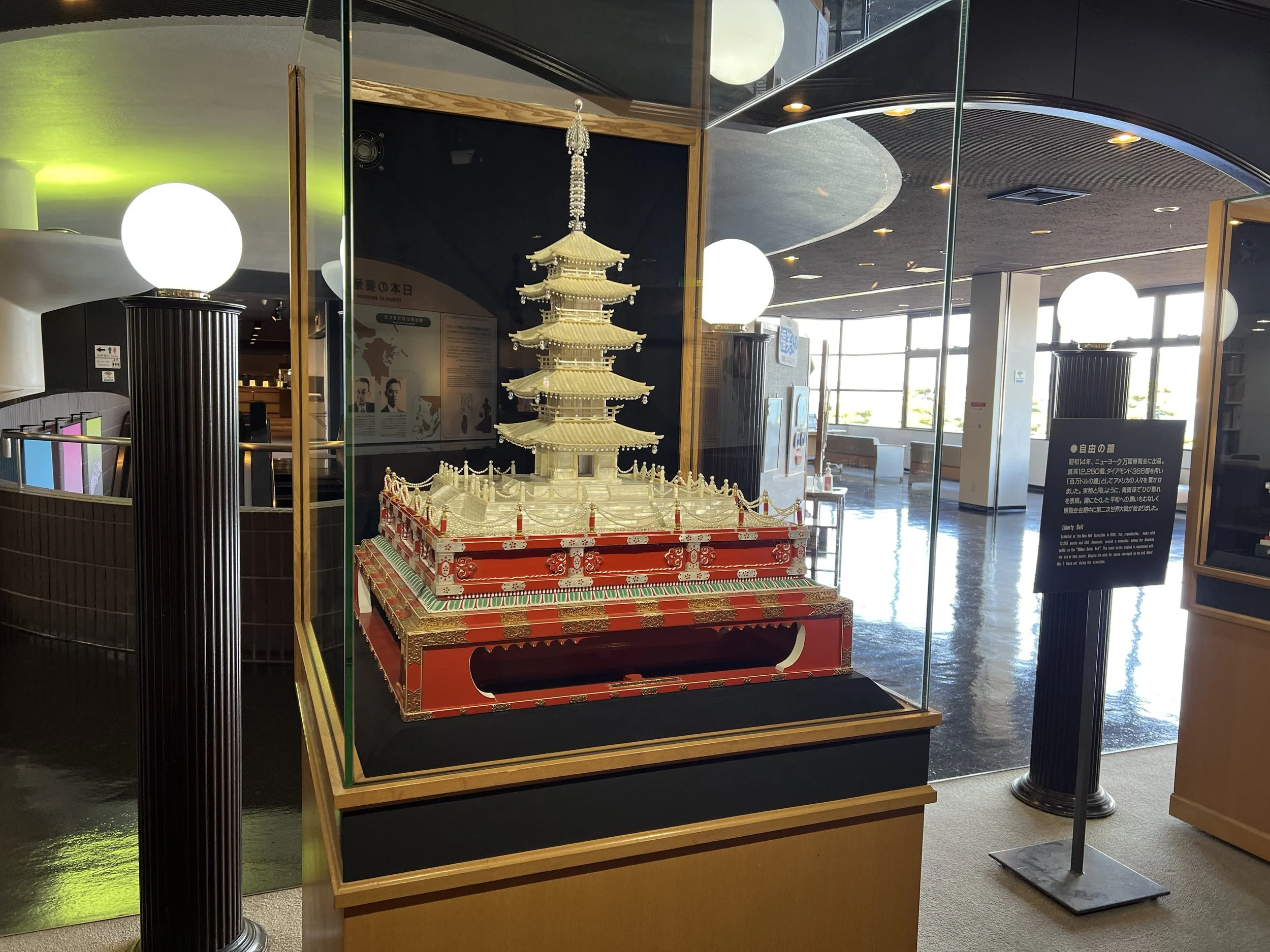
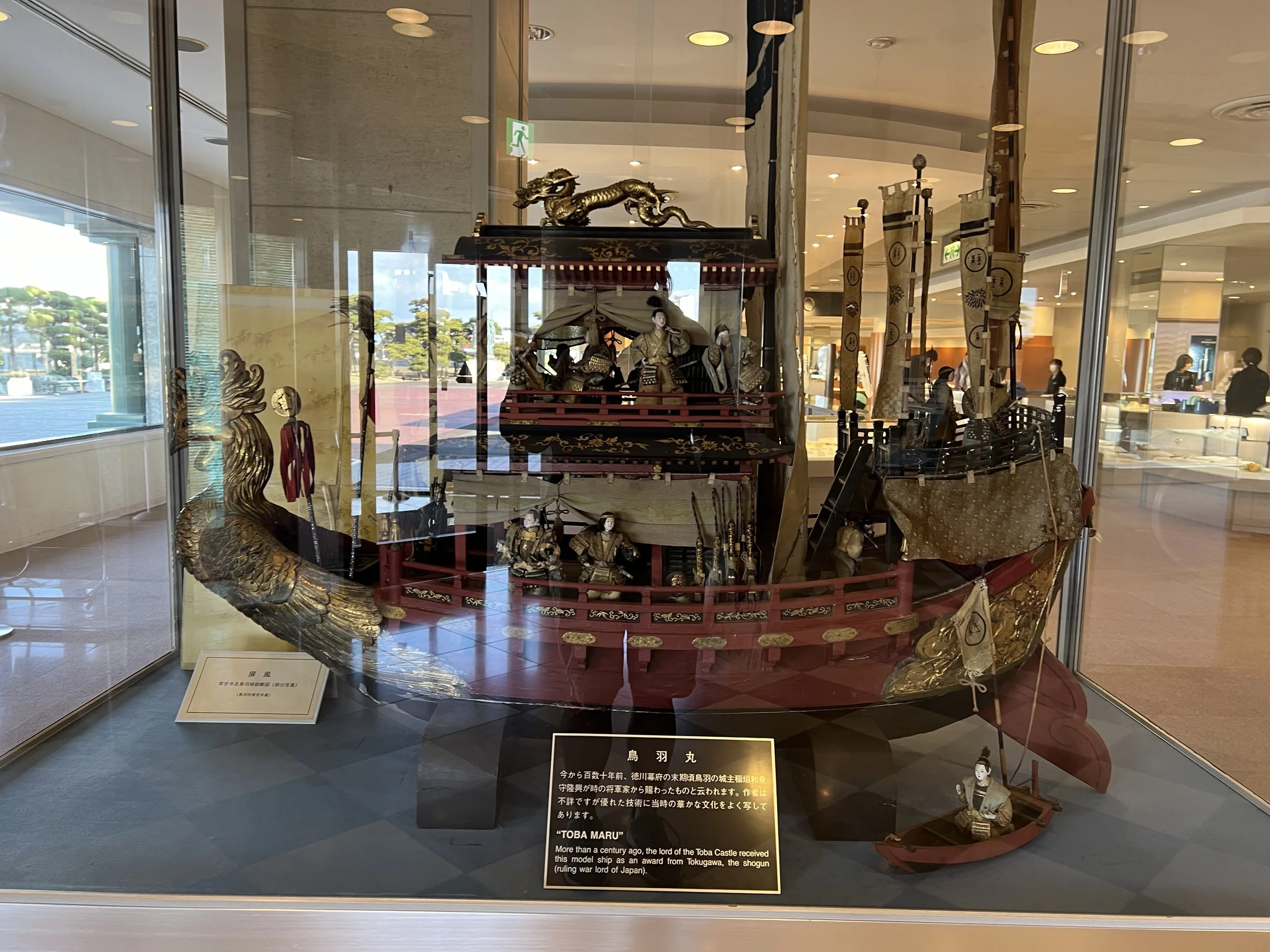
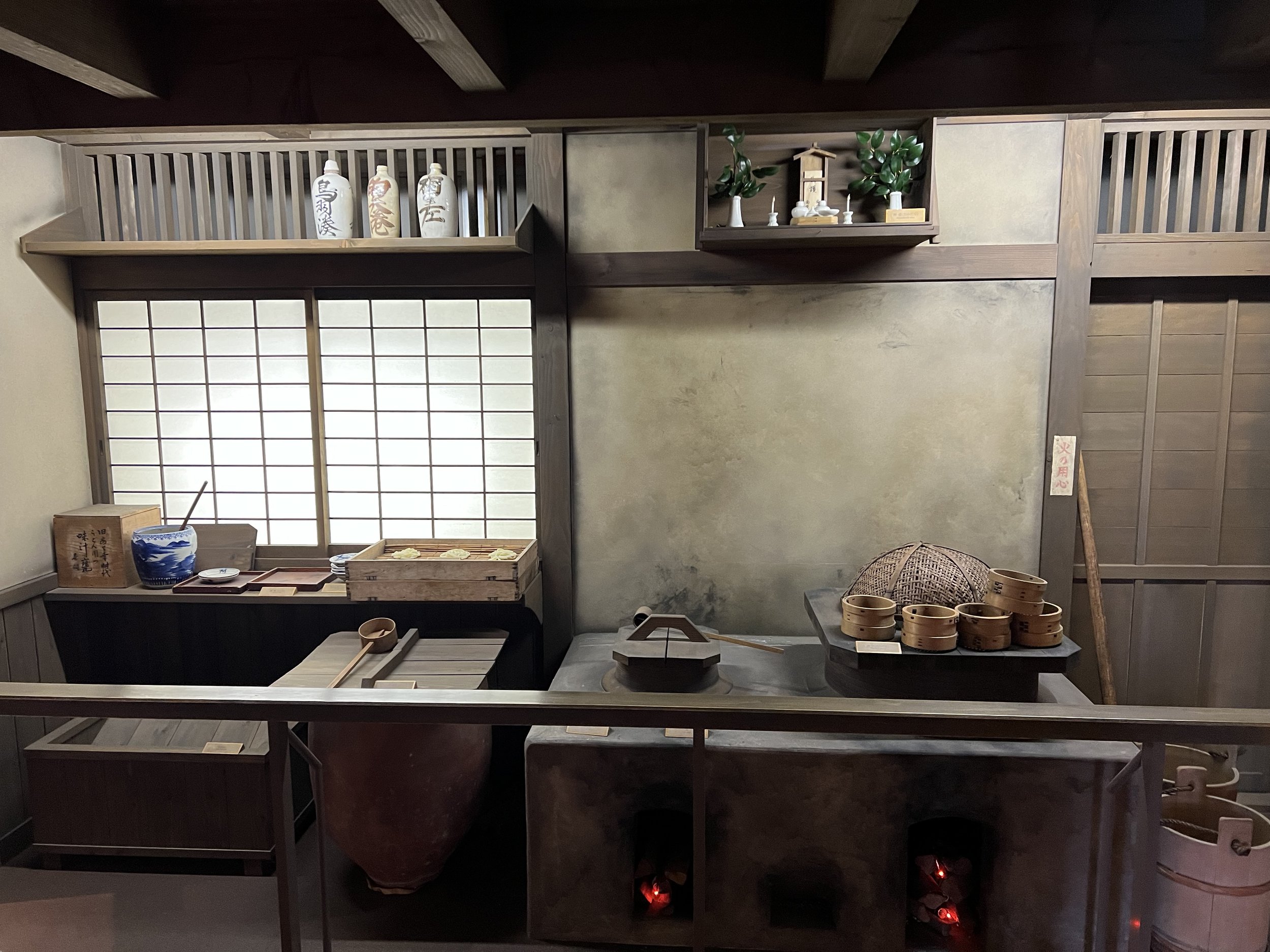
Inside the Pearl Museum, I wandered through exhibits covering the history of pearls, the science of cultivation, and elaborate decorative pieces showcasing pearls in jewellery and art. One interactive display challenged visitors to distinguish between natural and cultured pearls. They looked identical to me — I couldn’t tell the difference at all. The overall presentation of the exhibits felt refined and elegant, with a polished sophistication that matched the subject matter.
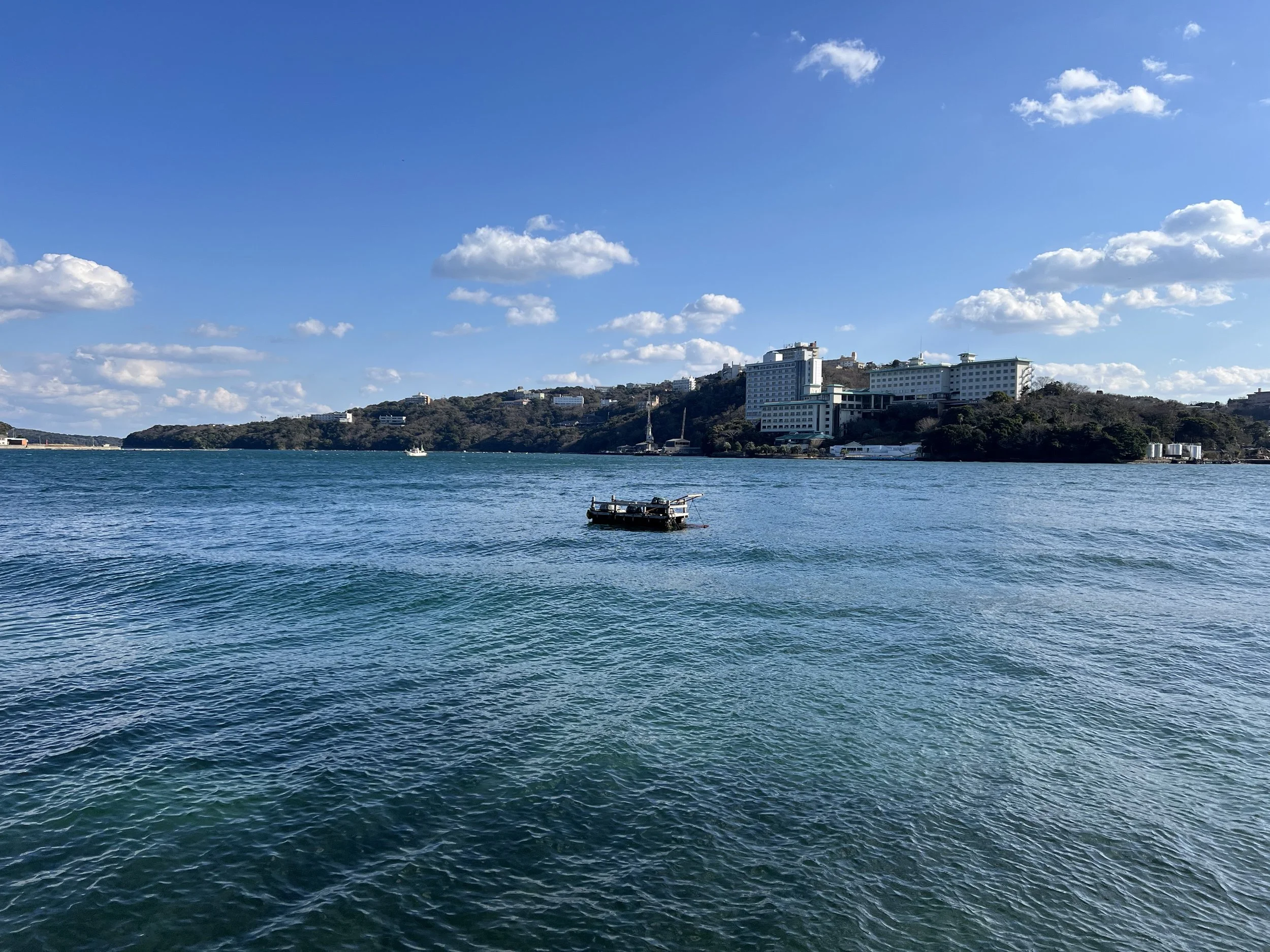
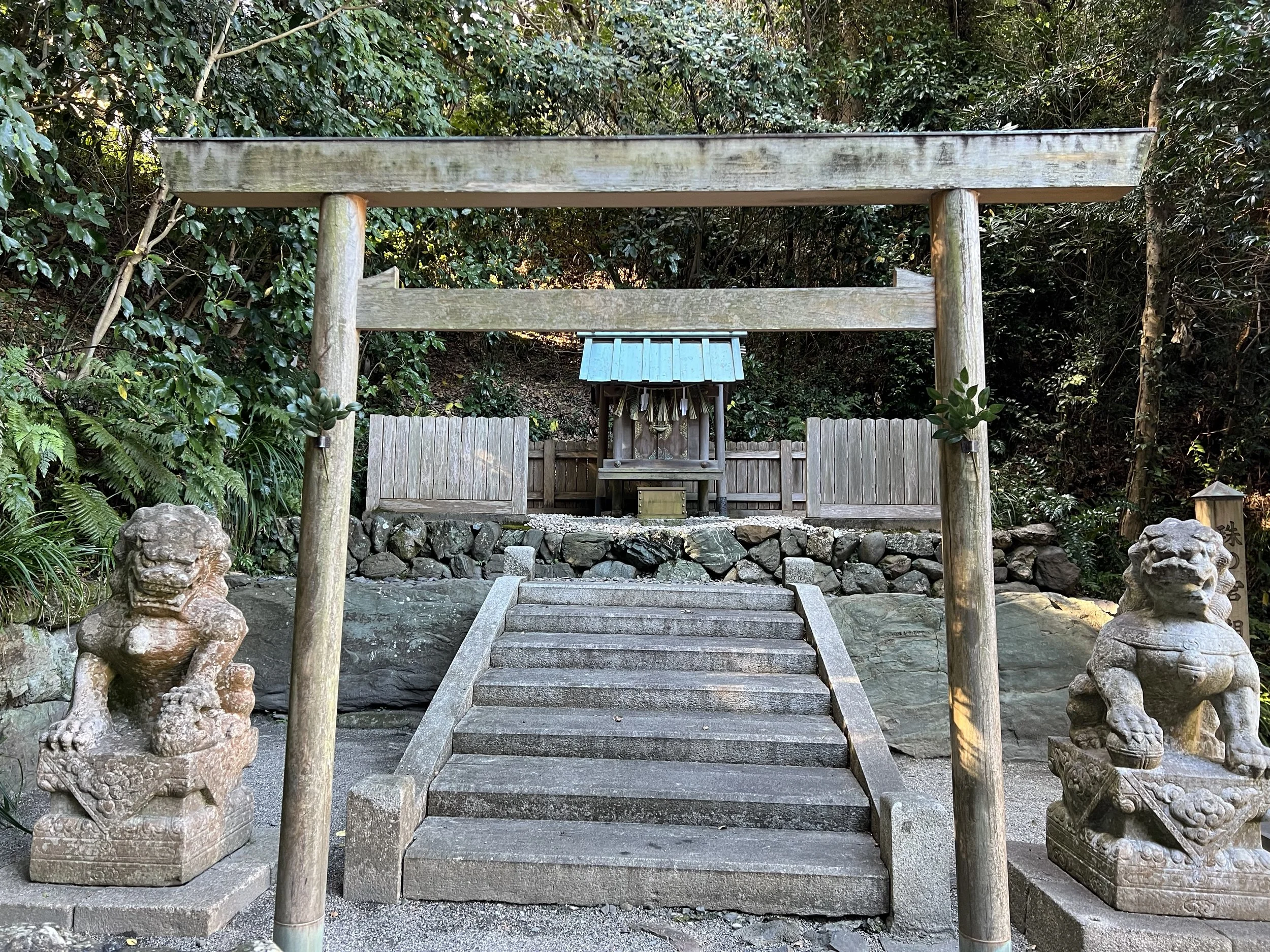
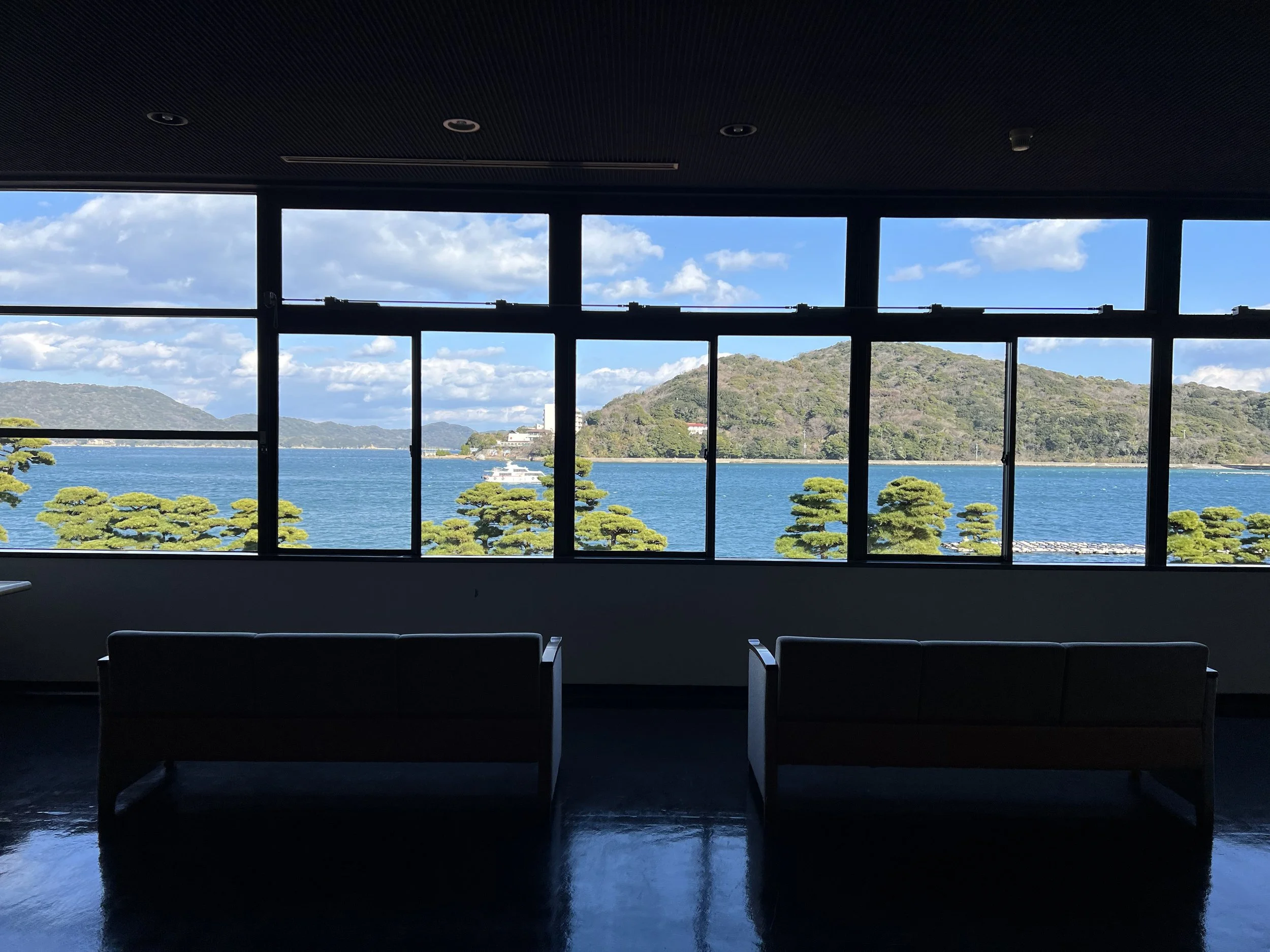
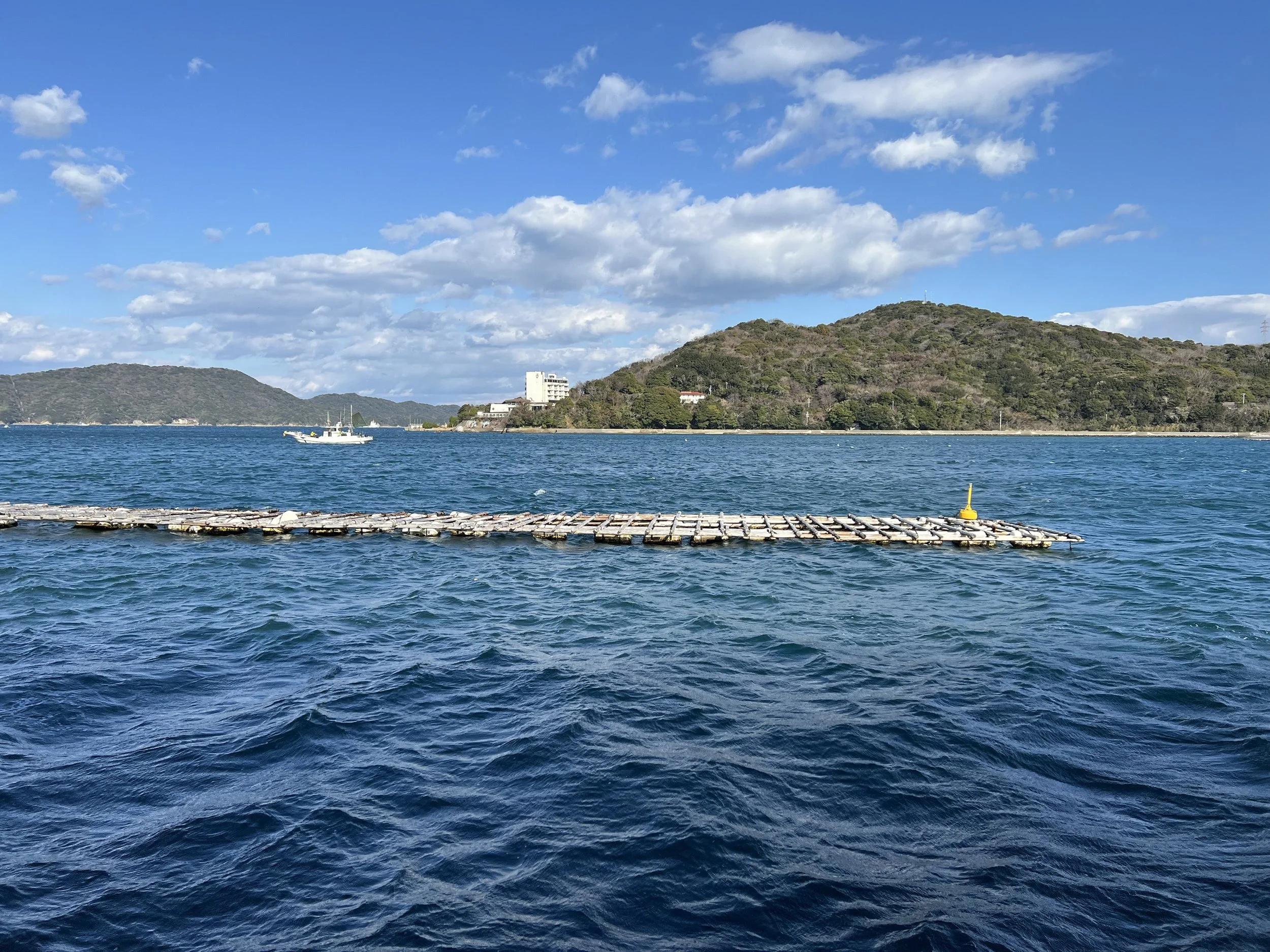
After exploring the museum, I walked toward the small shrine on the island and continued on to the observatory. From there, I had panoramic views of Toba Bay, with gazebo-style seating areas where visitors could relax and take in the scenery. I didn’t linger too long, as I wanted to visit the Kokichi Mikimoto Memorial Hall before the much-anticipated ama diver performance.
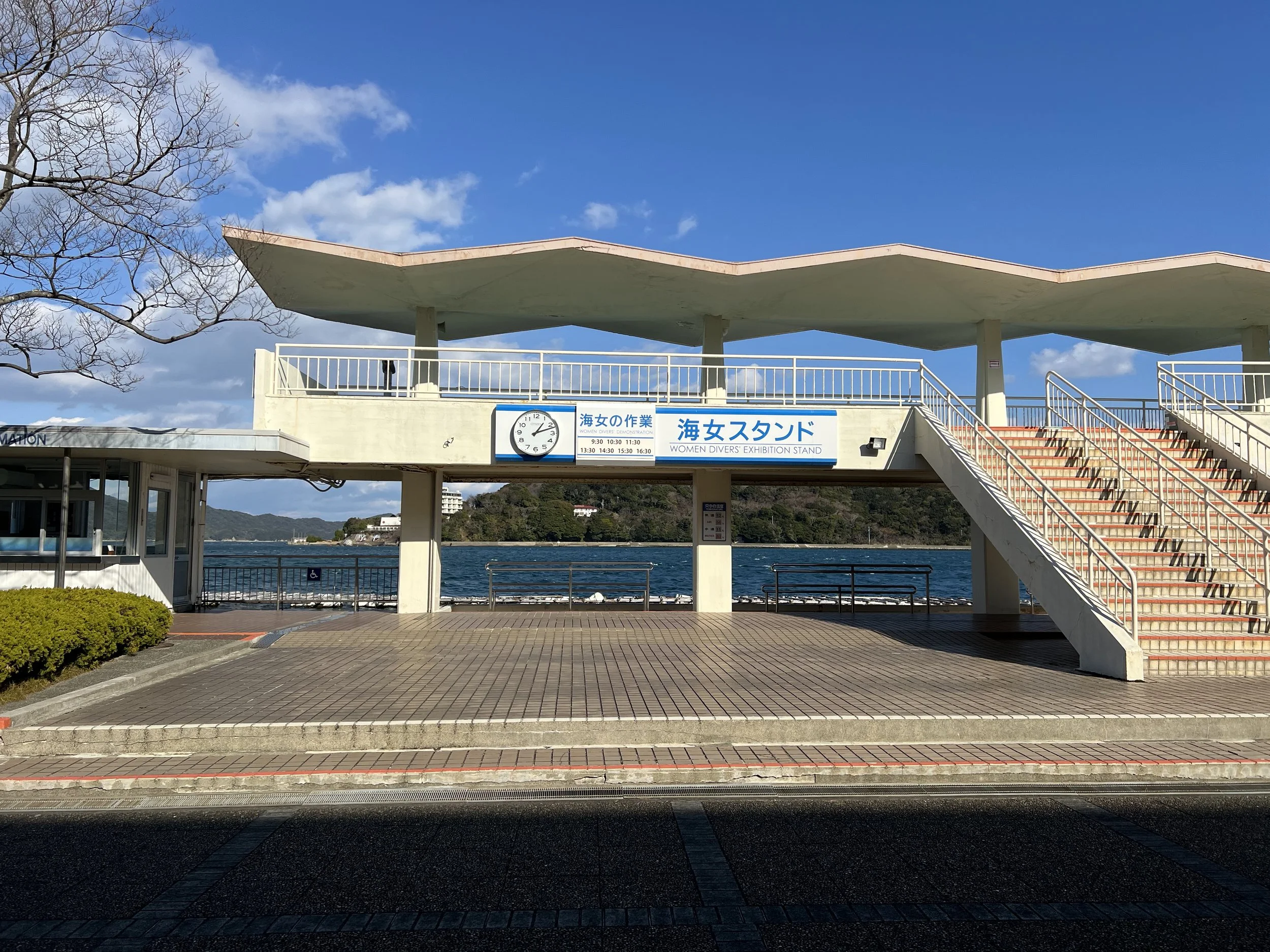
The memorial hall offers deeper insight into Mikimoto’s life, including personal artefacts and the broader history of pearl cultivation in the region. I found myself absorbed in the exhibits and nearly lost track of time before heading to the Ama Viewing Platform.
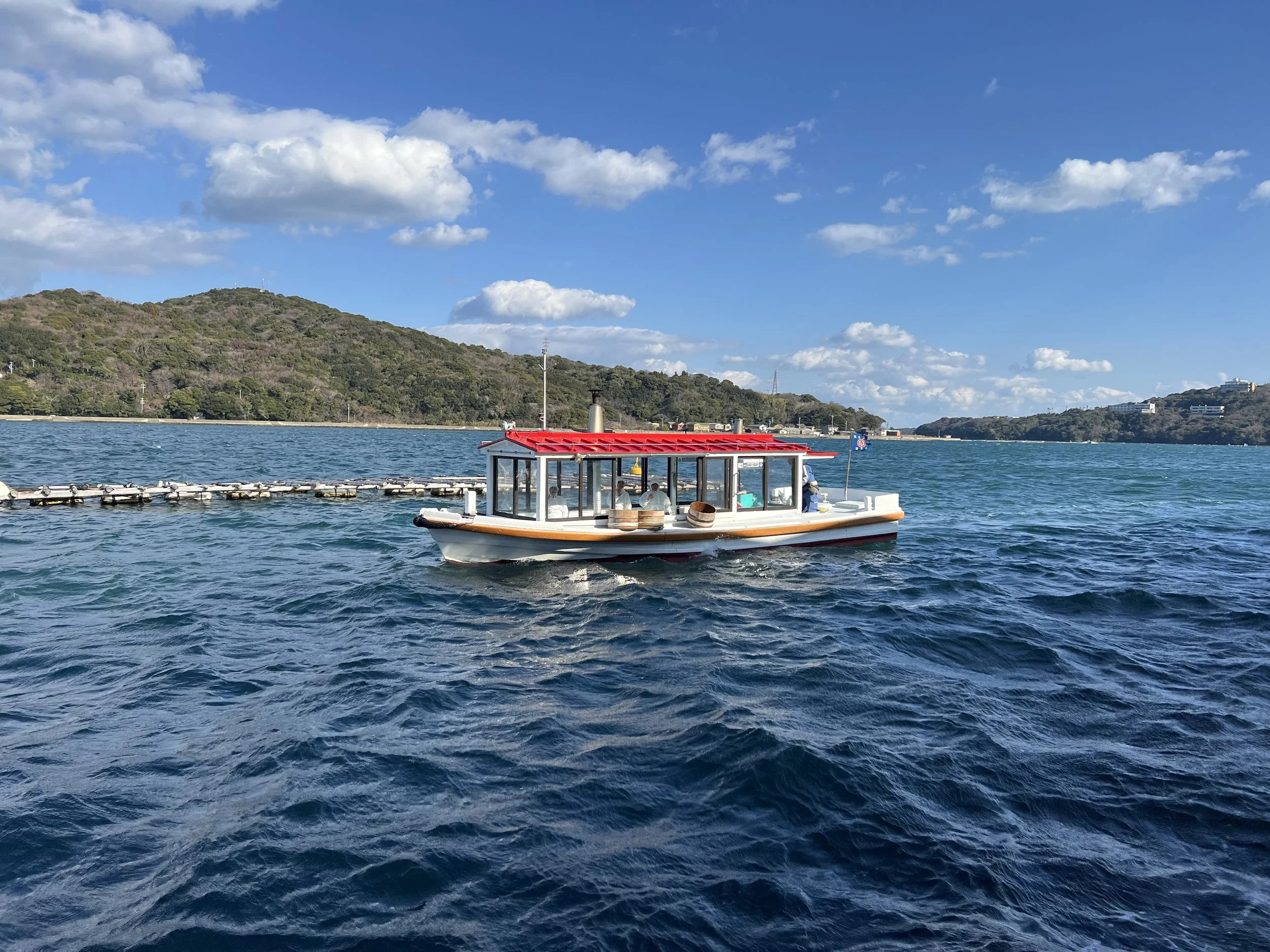
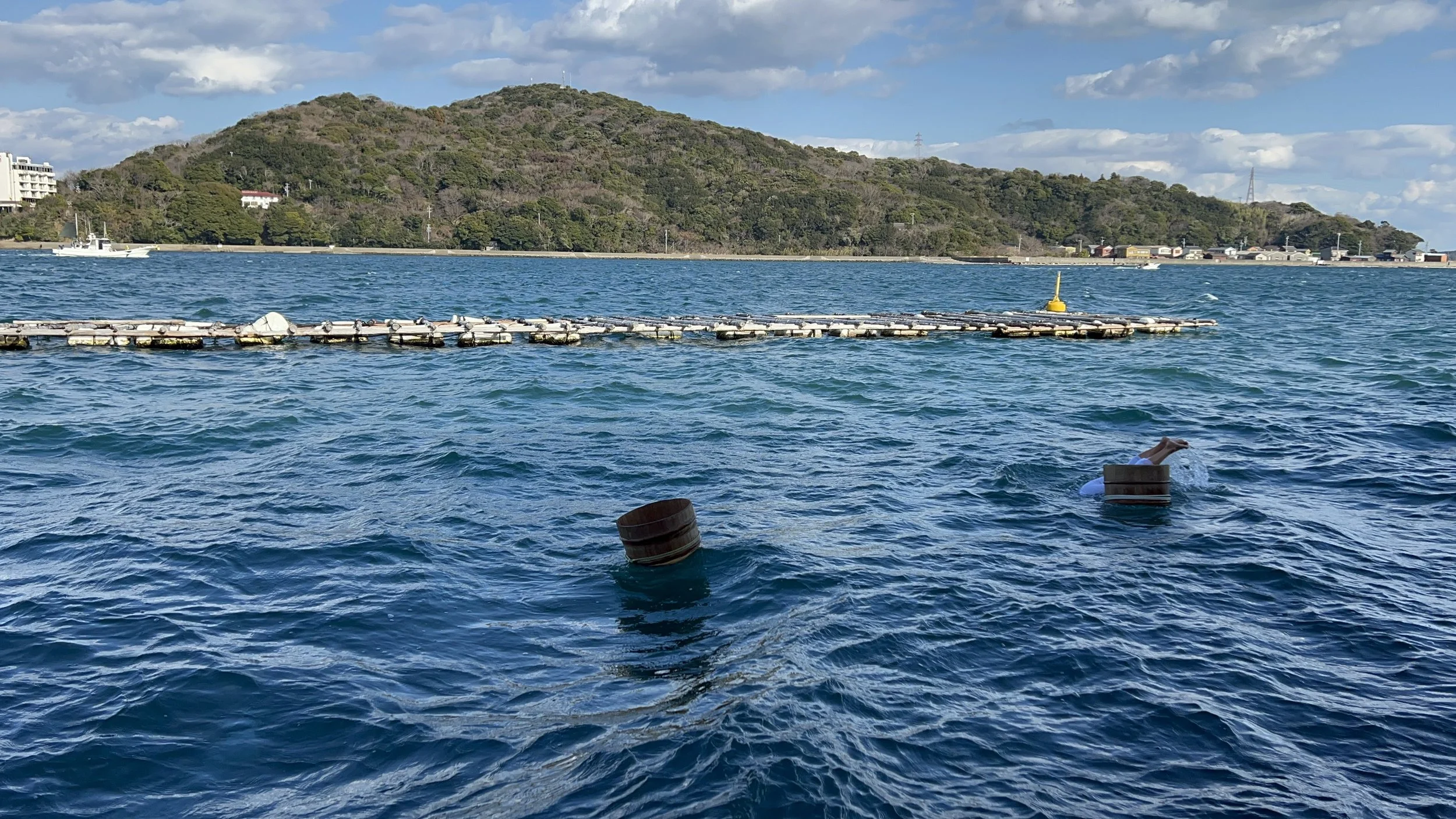
The ama diver demonstration was the highlight of my visit. “Ama” literally translates to “sea women,” and these traditional free-divers harvest oysters and other seafood without modern scuba equipment. The performance began with the small boat traditionally used during dives. Each diver carries a wooden bucket that floats on the surface, marking their position below.
Despite slightly rough waters and cold temperatures, the divers entered the sea without hesitation. Equipped with only goggles and their baskets, they dove repeatedly, holding their breath for impressive lengths of time. I tried to imagine doing the same and quickly realized there was no comparison. Many ama begin training in their teens and continue diving into their 70s, 80s, and even 90s. Beyond oysters, they also harvest abalone, sea urchins, and seaweed.
Watching them was both humbling and inspiring. It left a lasting impression on me — not just as a cultural demonstration, but as a testament to resilience and tradition.
After the performance, I stopped by the souvenir shop, which felt more like a high-end jewellery boutique. I suddenly felt underdressed among the gleaming pearl displays. I made a quick round without purchasing anything, but I was grateful I hadn’t skipped this stop. It added an entirely different layer to my trip through Mie Prefecture.
History & Background
Mikimoto Pearl Island (ミキモト真珠島) opened in 1951 to commemorate the achievements of Kokichi Mikimoto and to educate visitors about pearl cultivation.
In 1893, Mikimoto achieved the world’s first successful cultured pearl production, revolutionizing the global jewellery industry. Prior to this breakthrough, natural pearls were rare and unpredictable, found only by chance in oysters. Cultured pearls are created by intentionally inserting a nucleus into the oyster, stimulating the formation of a pearl layer over time.
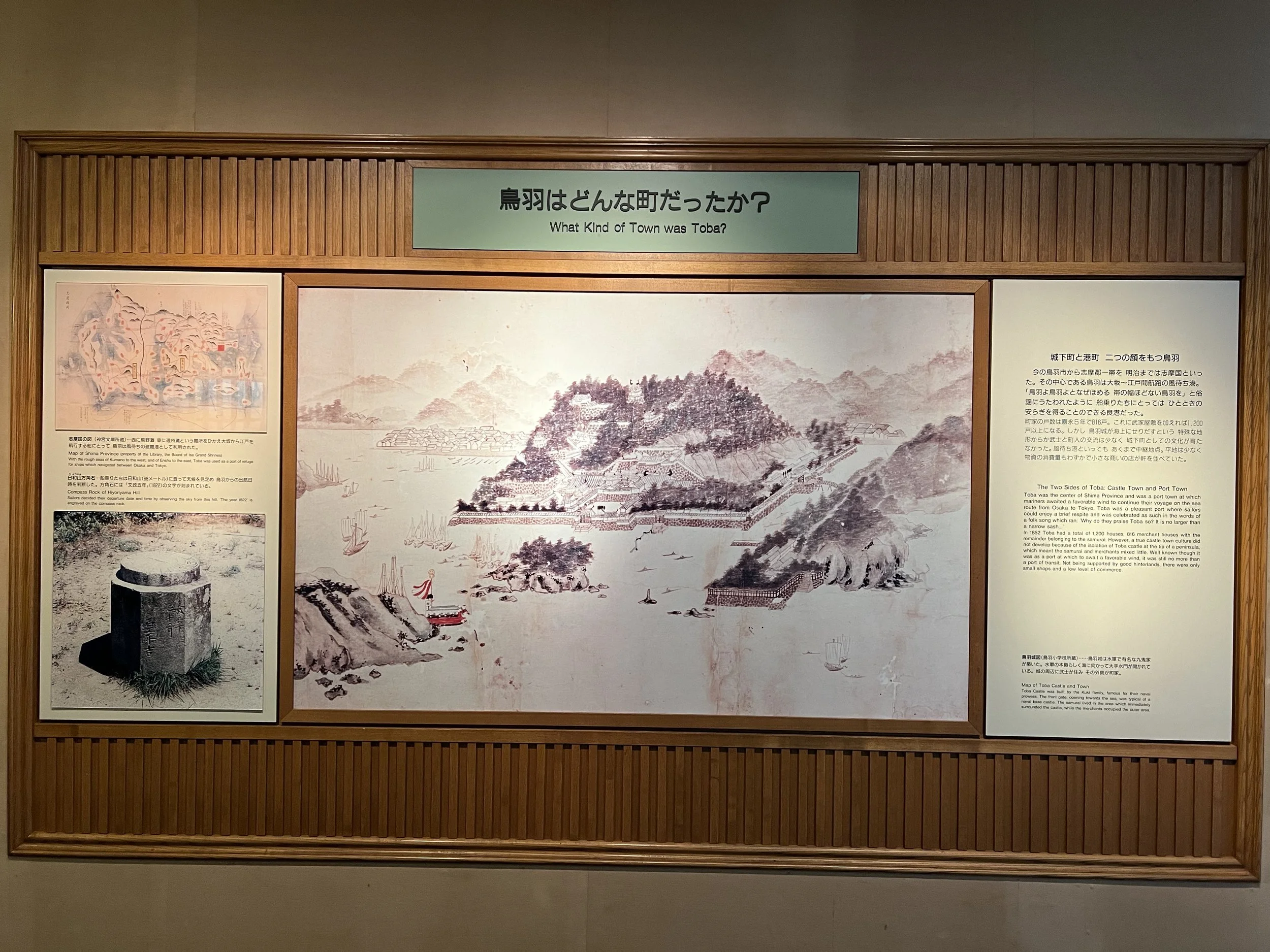
The island museum complex includes the Pearl Museum, Kokichi Mikimoto Memorial Hall, a shrine, observatory areas, and the Ama Diver demonstration site. The ama tradition itself dates back over 2,000 years in Japan, making it one of the country’s oldest continuous professions.
Mikimoto’s innovations transformed pearls from rare treasures into globally accessible luxury items, positioning Japan as a leader in pearl cultivation.
Getting There
Mikimoto Pearl Island is located in Toba City, Mie Prefecture. The nearest major station is Toba Station, served by JR and Kintetsu railway lines. From Toba Station, it is approximately a 5–10 minute walk to the island entrance via the Pearl Bridge.
From Nagoya, take the Kintetsu Limited Express to Toba Station (approximately 1 hour 40 minutes). From Osaka or Kyoto, direct limited express trains are also available, taking roughly 2–2.5 hours depending on the route.
The island is accessible only by foot via the bridge; there is no need for a ferry.
Route Overview
Distance: 2.2 km out & back (Toba Station)
Total elevation gain: 44 m
Duration: 25 min (with breaks 40 min)
Difficulty: Easy
Cost Breakdown
Train: Asama Station → Toba Station — ¥300
Entrance Fee: ¥1,650
Food: ¥1,430