Shimonoseki - Yamaguchi, Japan
Shimonoseki sits at the westernmost tip of Honshu in Yamaguchi Prefecture, separated from Kyushu by the narrow and fast-moving Kanmon Straits. The underwater pedestrian tunnel connecting the two islands was what brought me here in the first place. I arrived by train from Shin-Yamaguchi Station to Shimonoseki Station, then took a bus to my first stop of the day — Akama-jingu Shrine.
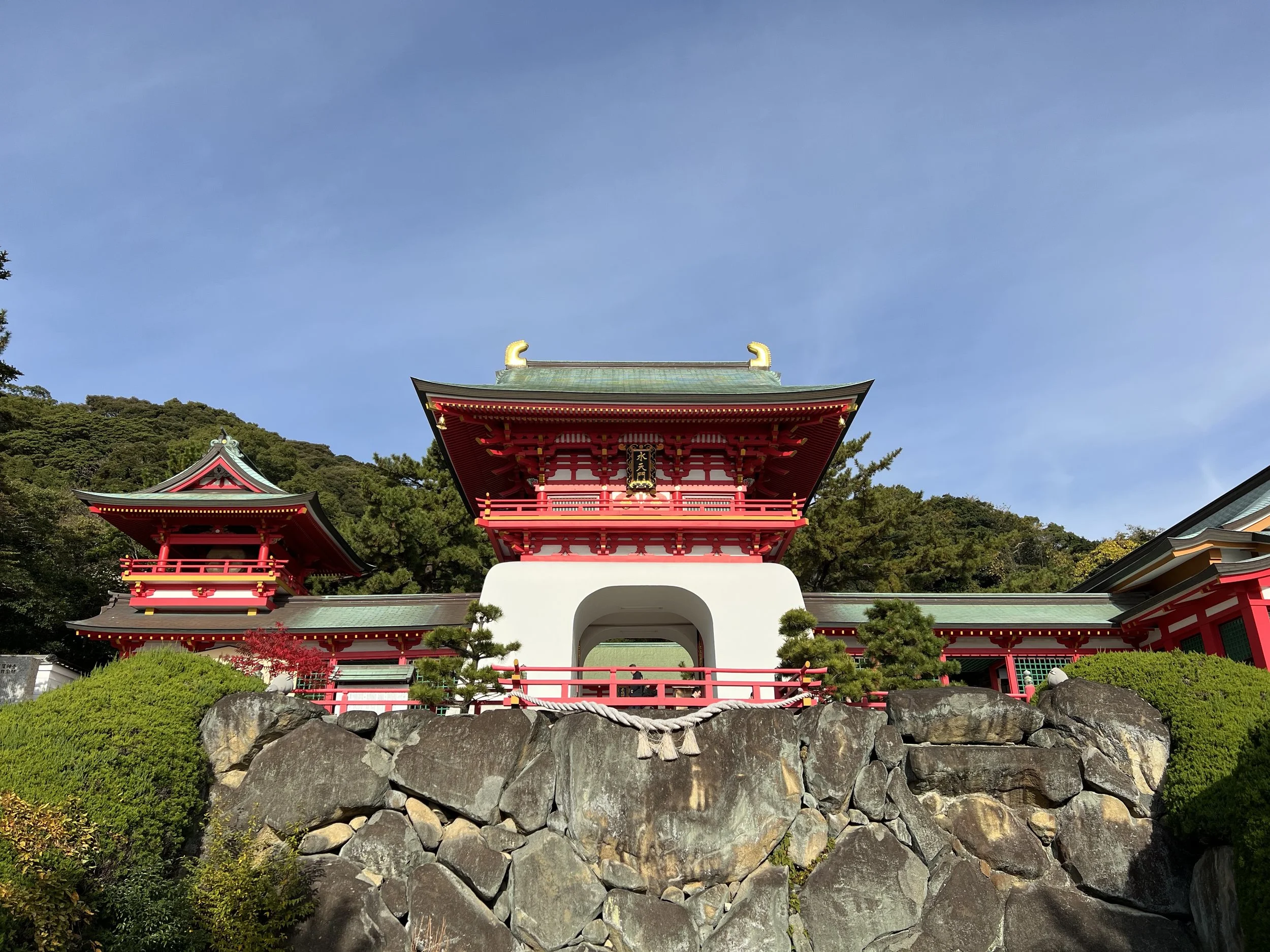
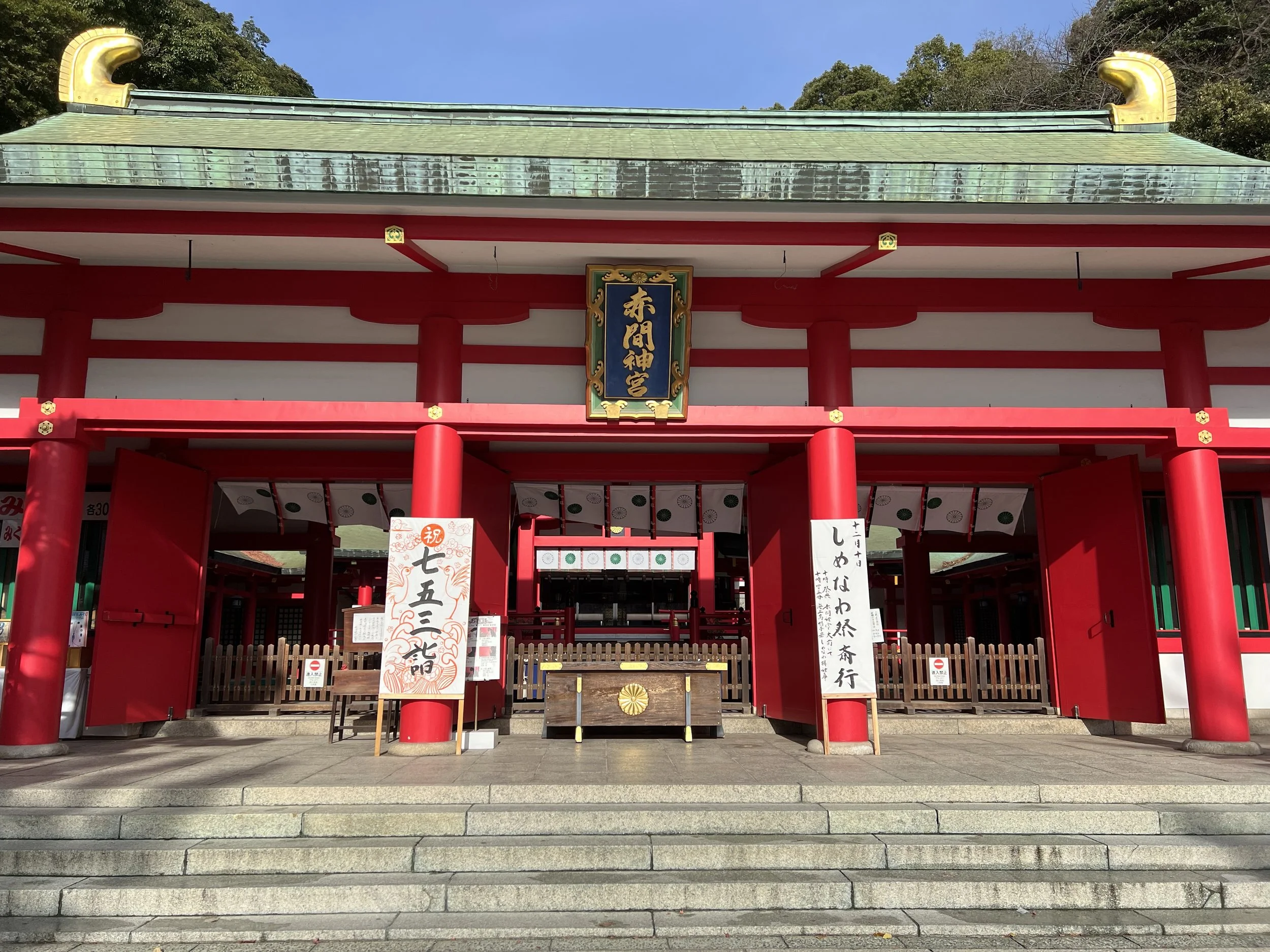
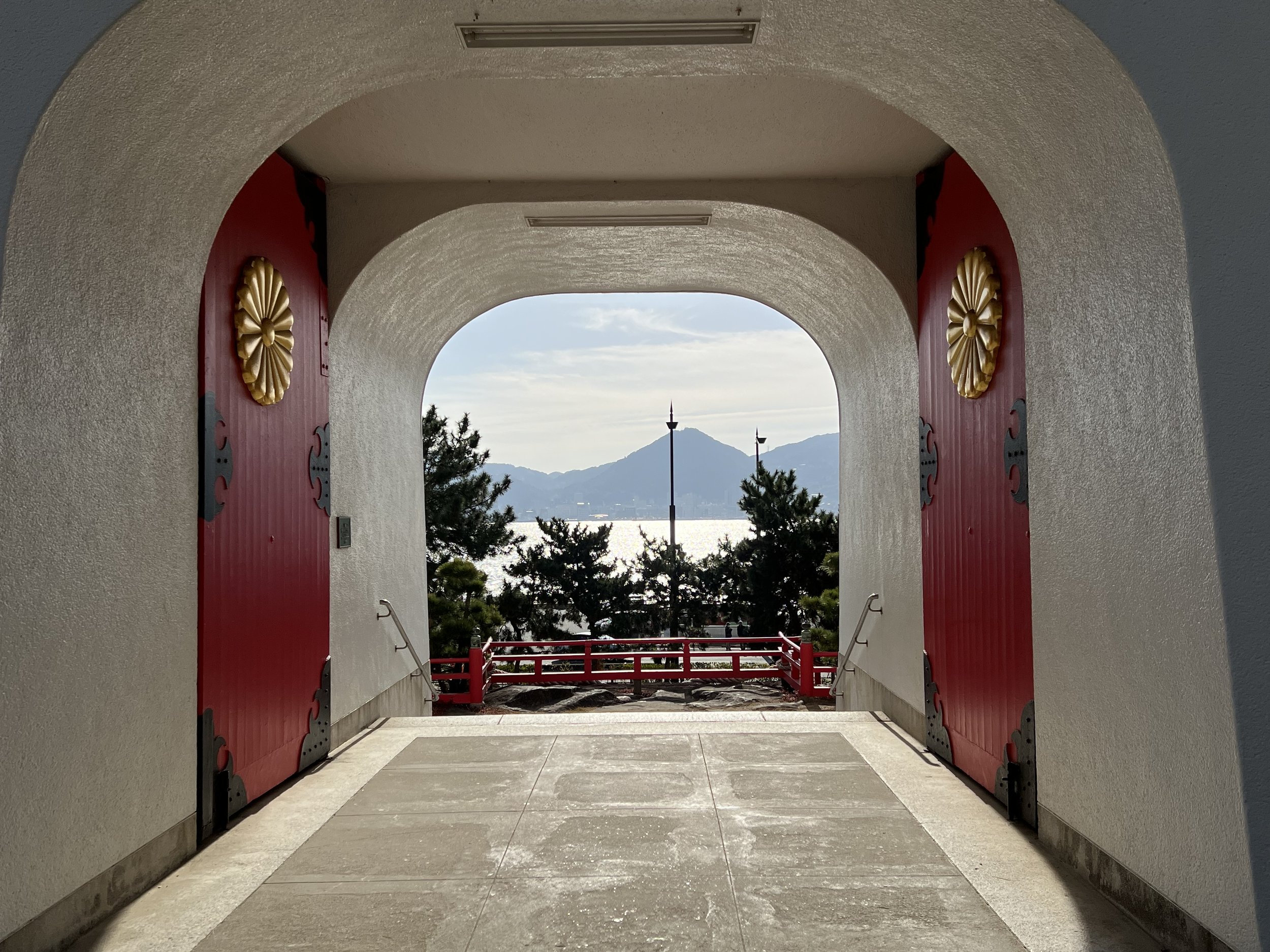
The entrance to Akama-jingu immediately stood out. Unlike most Shinto shrines, its gate resembles a palace structure, with a striking red-and-white façade that contrasts sharply against the blue of the strait behind it. The shrine is dedicated to the spirit of the child Emperor Antoku, who perished during the Battle of Dan-no-ura in the late 12th century. With its dramatic waterfront setting, it’s easy to see why this is a popular photo spot. After waiting for the crowds to thin out, I took a few photos of my own, then walked the grounds and paid my respects before continuing on.
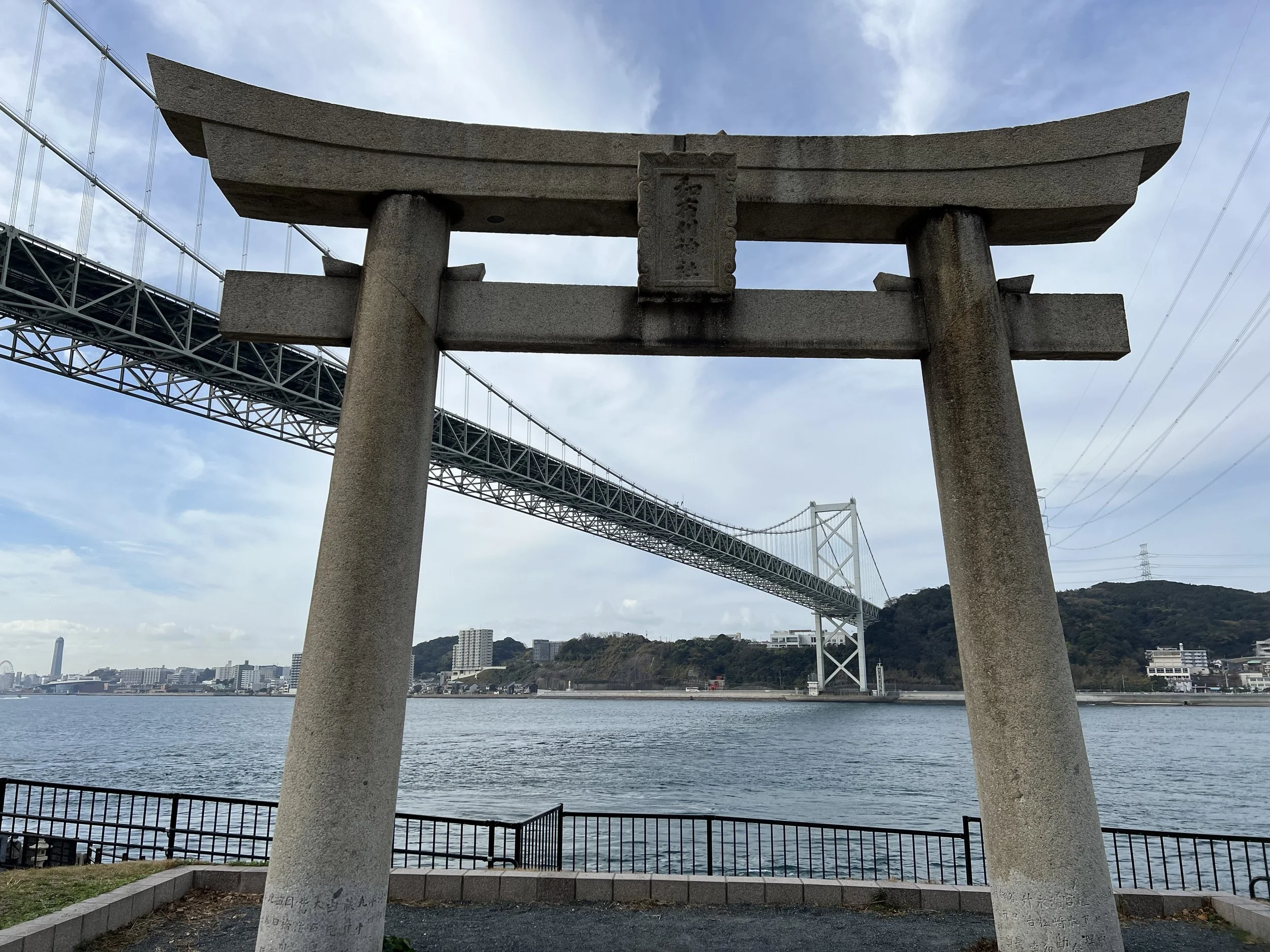
From the shrine, I followed the main road with the Kanmon Straits stretching alongside me and the Kanmon Bridge gradually coming into view ahead. It was a scenic and relaxing walk, with plenty of opportunities to stop and take photos of the waterway that has shaped this region’s history for centuries. Eventually, I reached the base of Hinoyama Park.
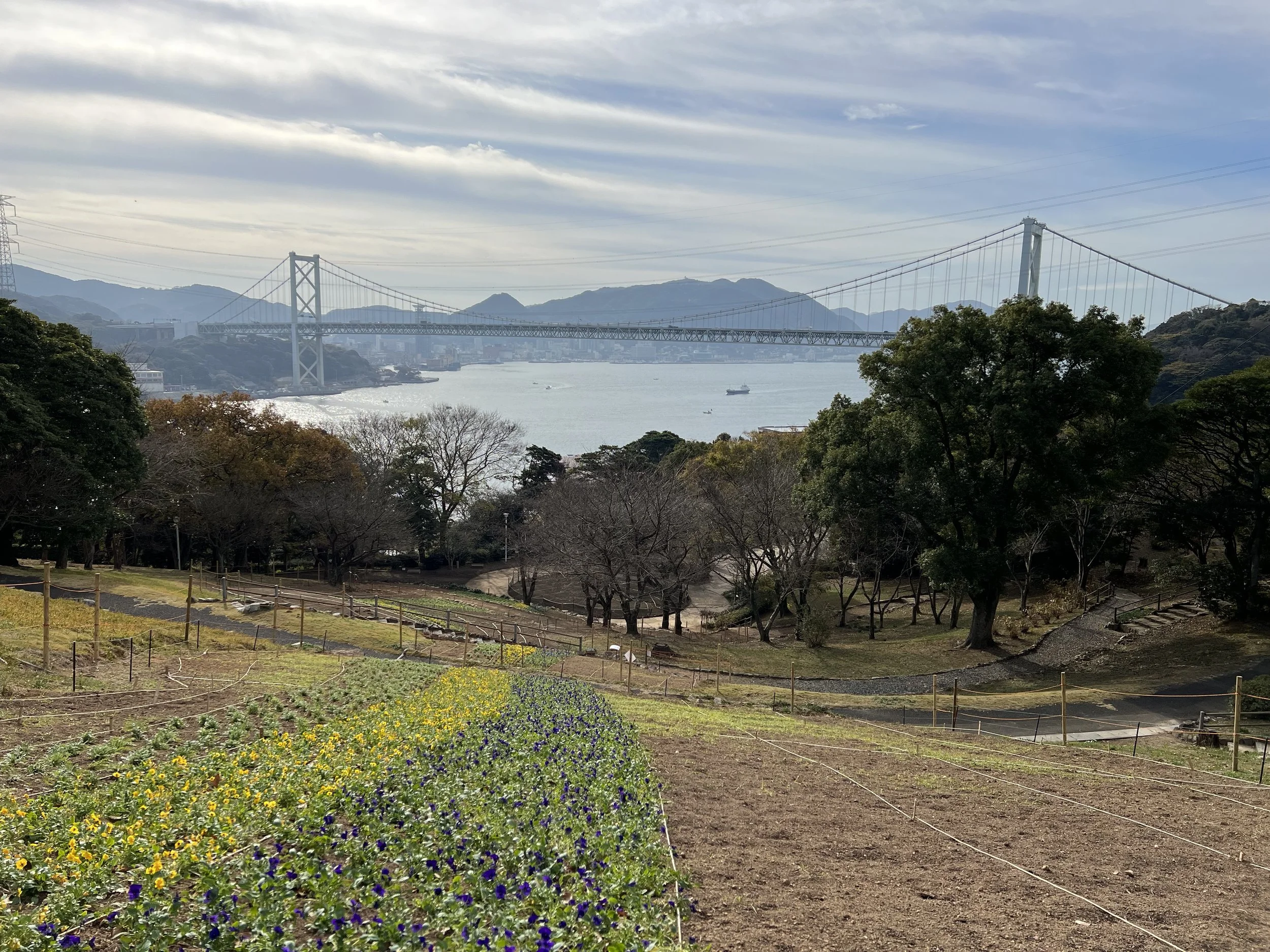
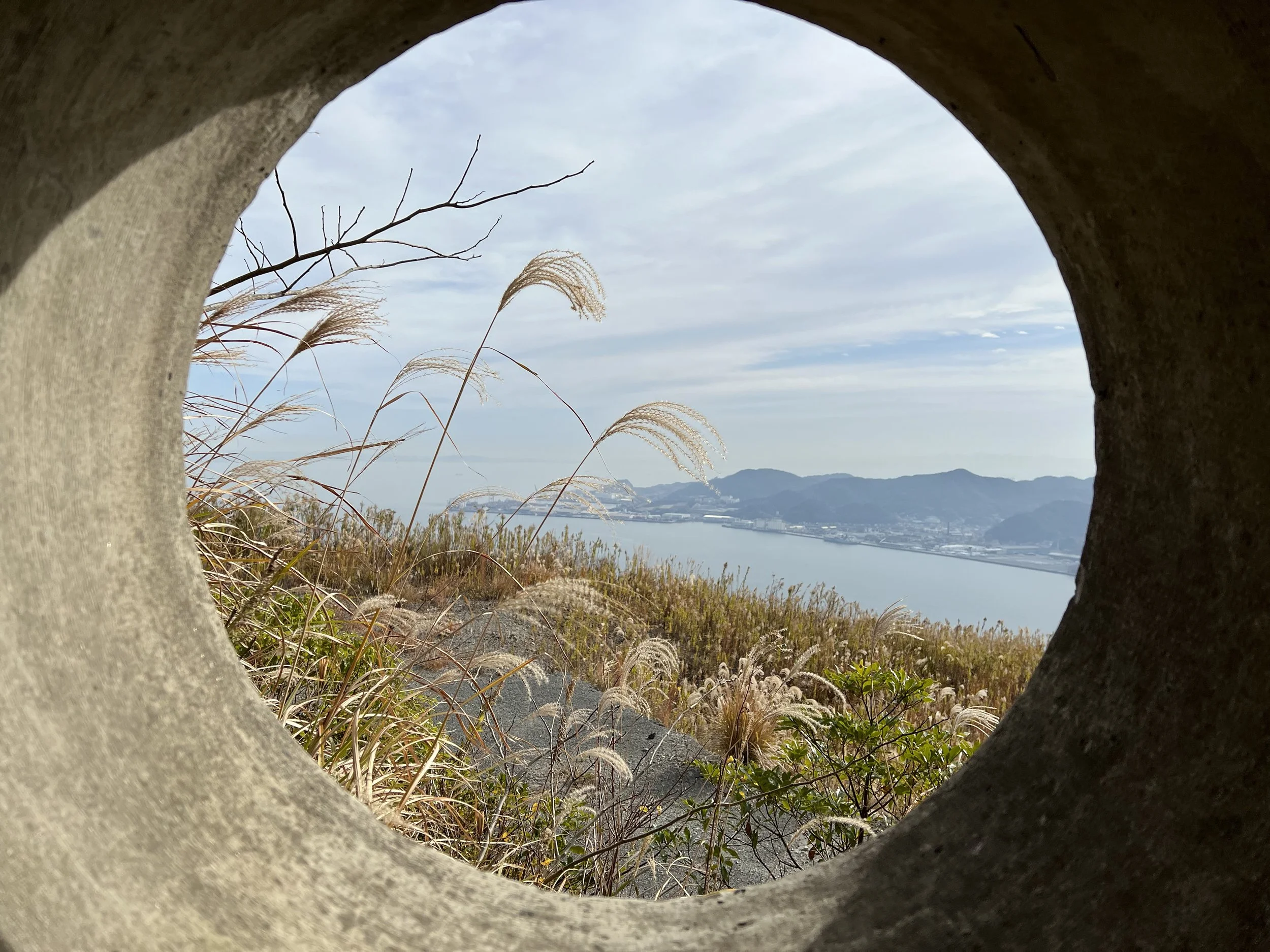
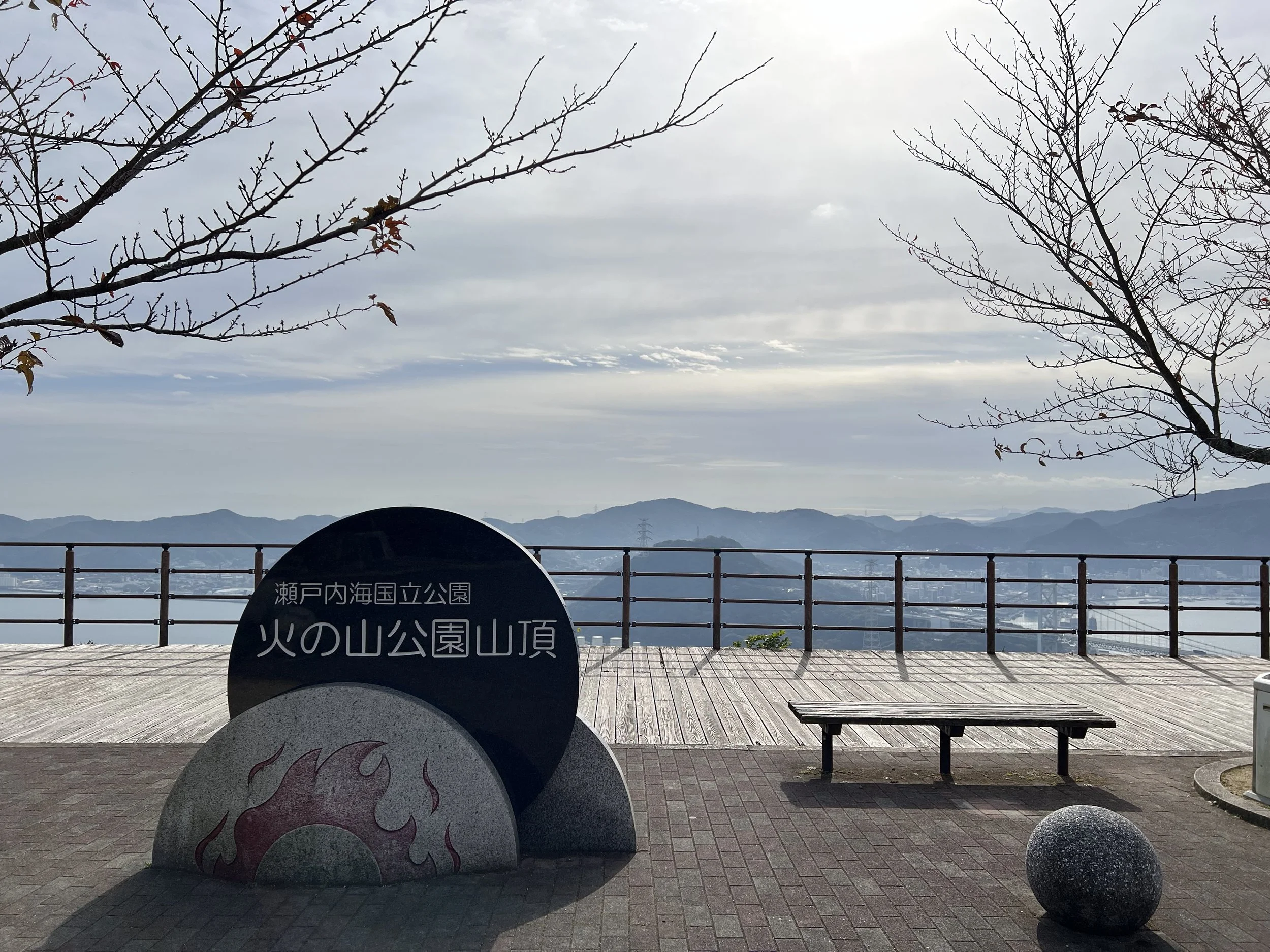
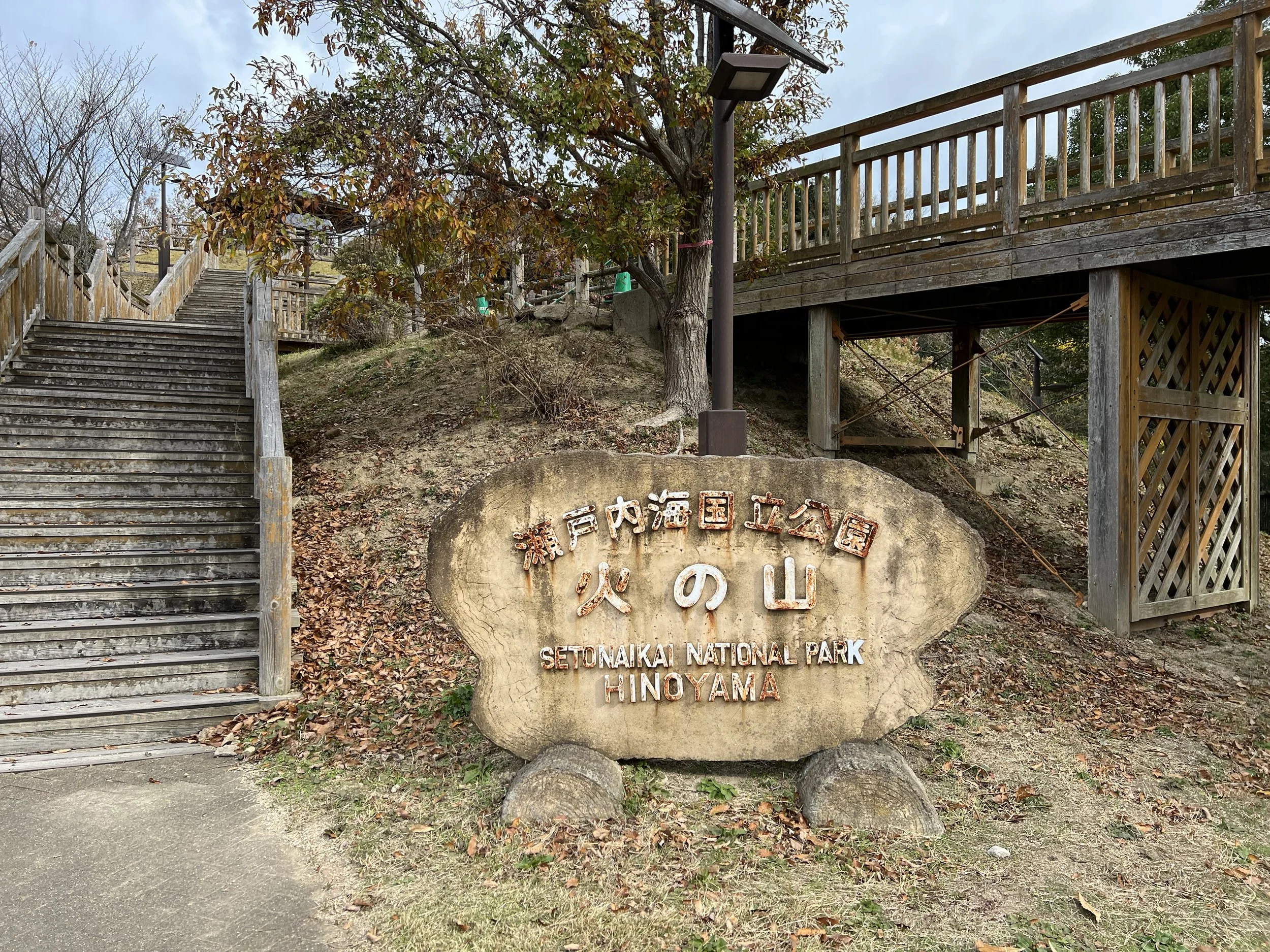
Hinoyama Park sits atop Mount Hinoyama and offers sweeping views over the straits, the bridge, and the surrounding towns. There is usually a ropeway that takes visitors up the mountain, but it was out of service at the time of my visit due to reconstruction. Instead, I explored the lower park area briefly before starting up the hiking trail to the summit.
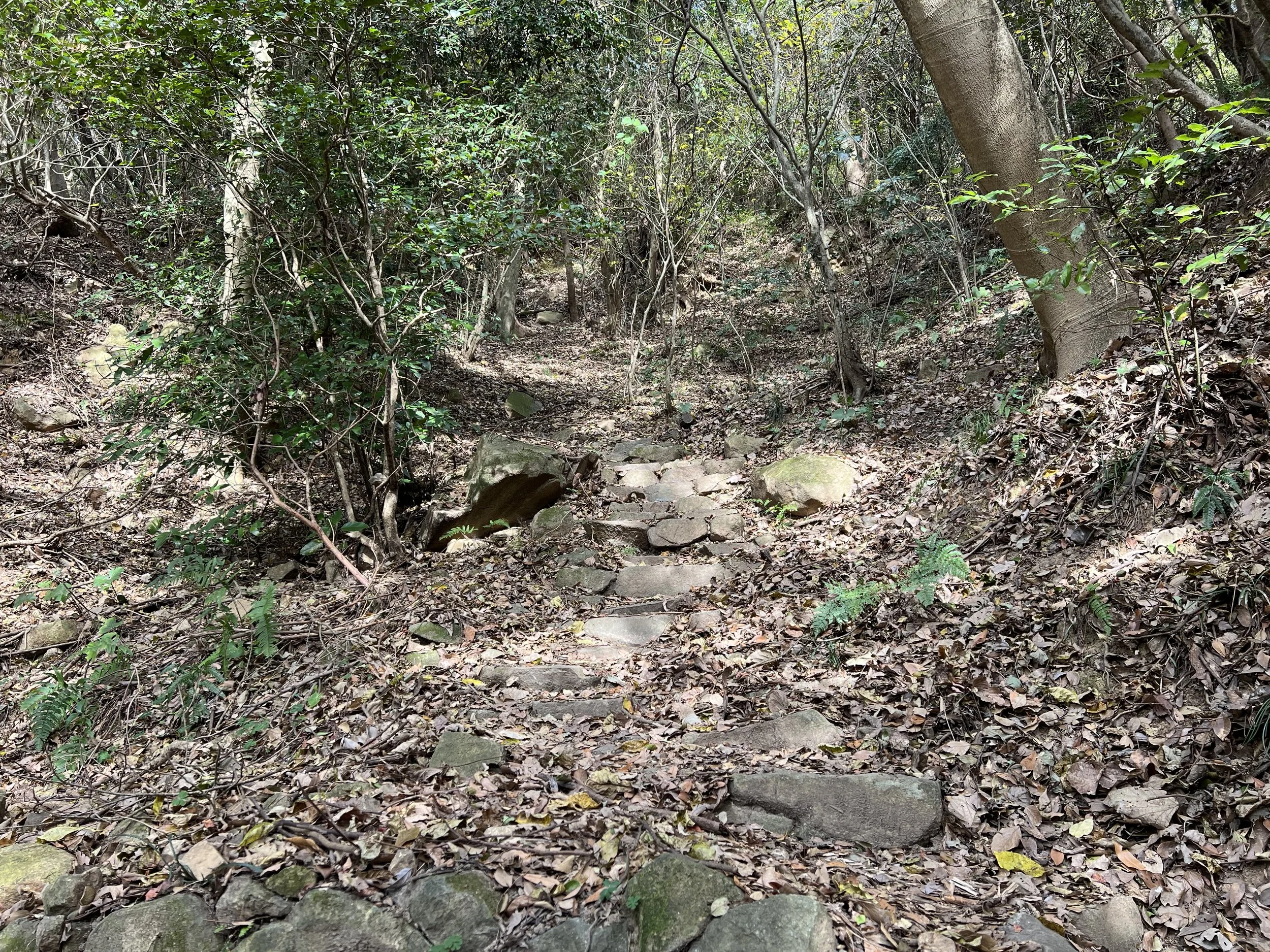
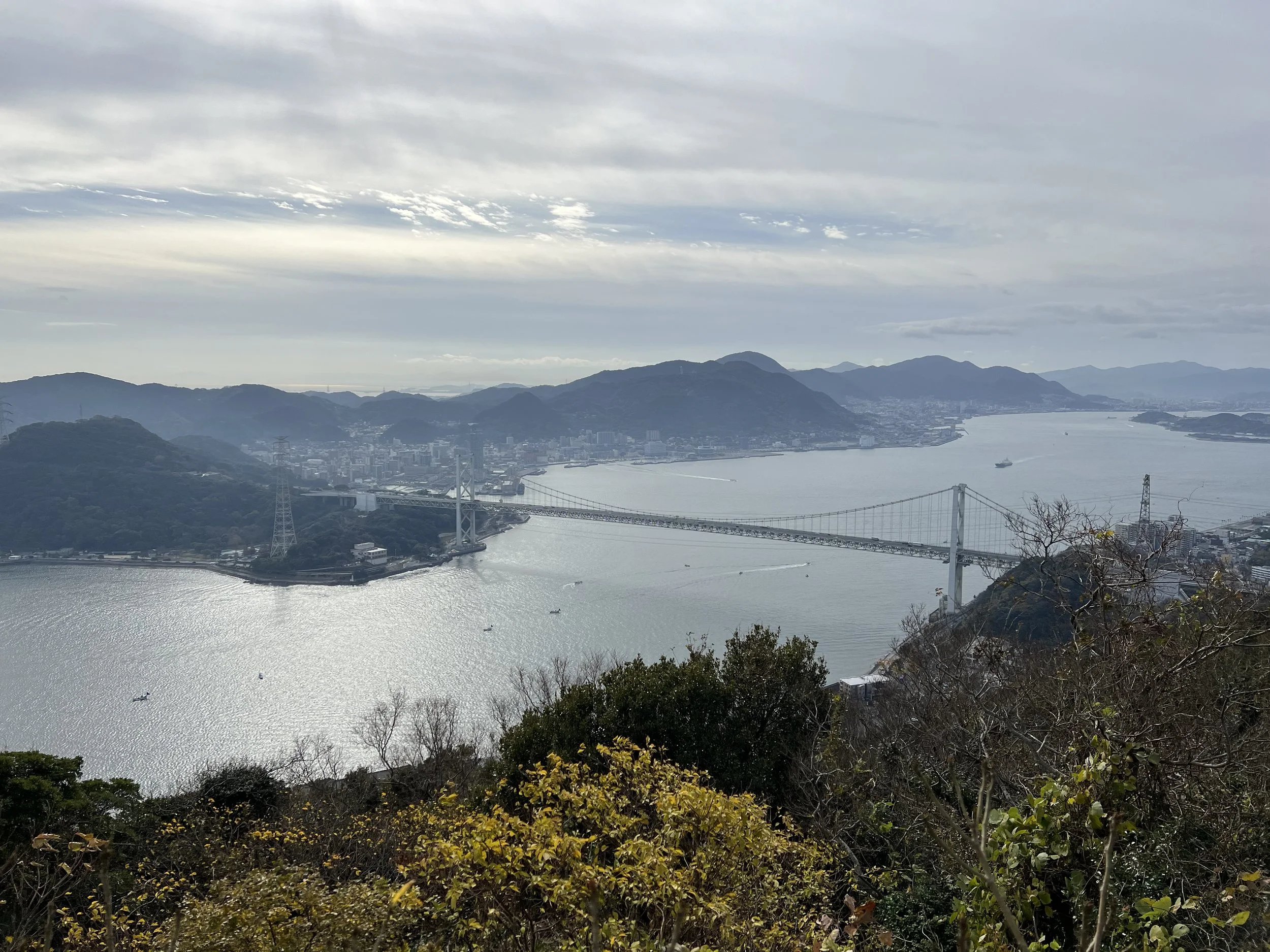
The trail itself was fairly gentle, made up mostly of switchbacks that made for a steady climb. Partway up, another hiker stopped me after noticing a spider — and its web — hitching a ride on my backpack. I appreciated the heads-up and managed to clear it off before continuing. Once I reached the top, the view opened up beautifully, with the straits, bridge, and cityscape all laid out below. I learned that Mount Hinoyama connects to several other trails in the area, but I chose not to wander too far, as I needed to return the same way to reach my main goal for the day: the Kanmon Tunnel Pedestrian Walkway.
After a short break at the summit to enjoy a snack, I noticed a large parking lot on the far side of the mountain. During peak seasons, tour buses apparently come up this way, and given the panoramic views, it’s easy to understand why. The descent was quick, and before long I was back near the base of the park and heading toward the tunnel entrance.
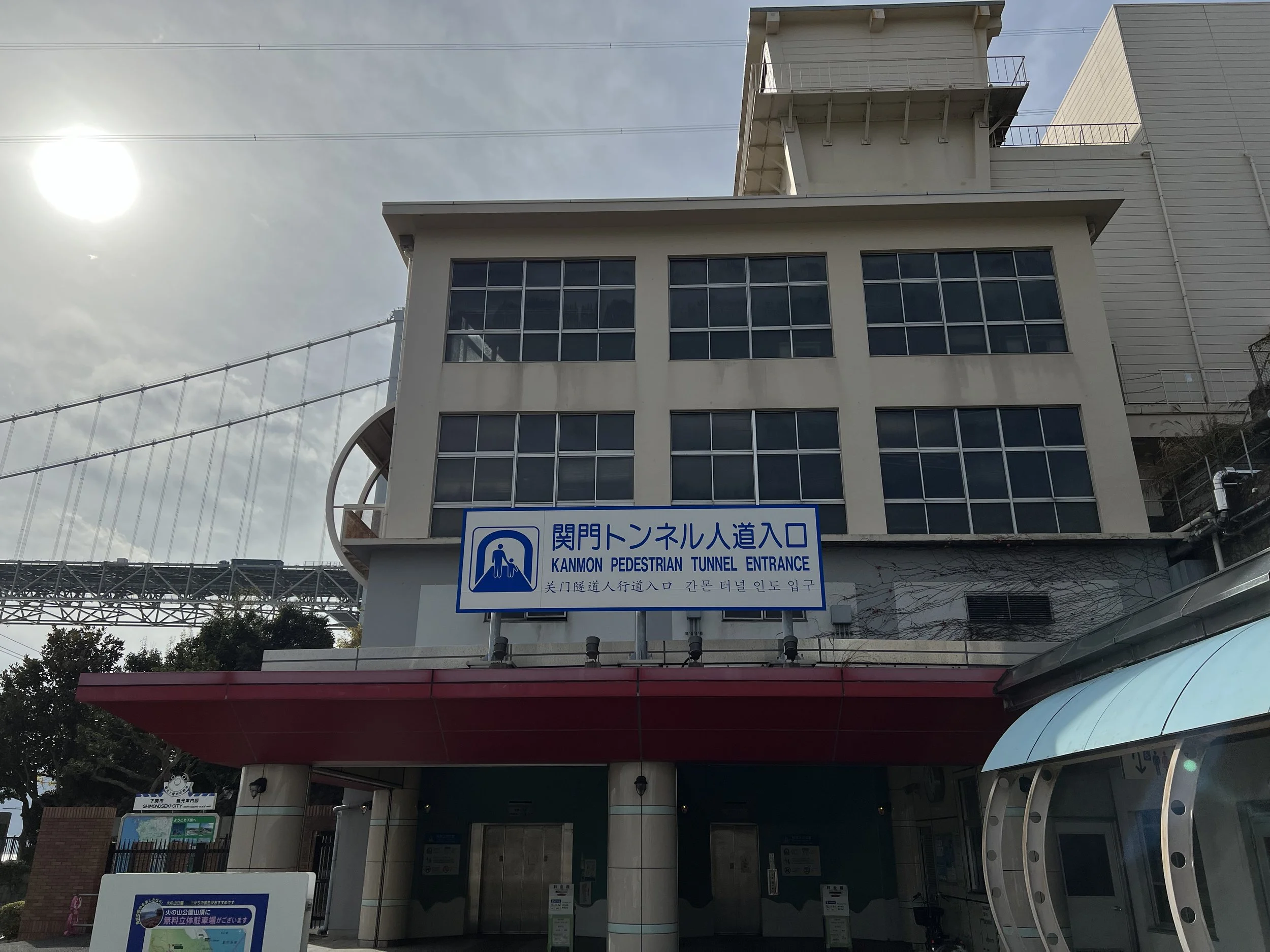
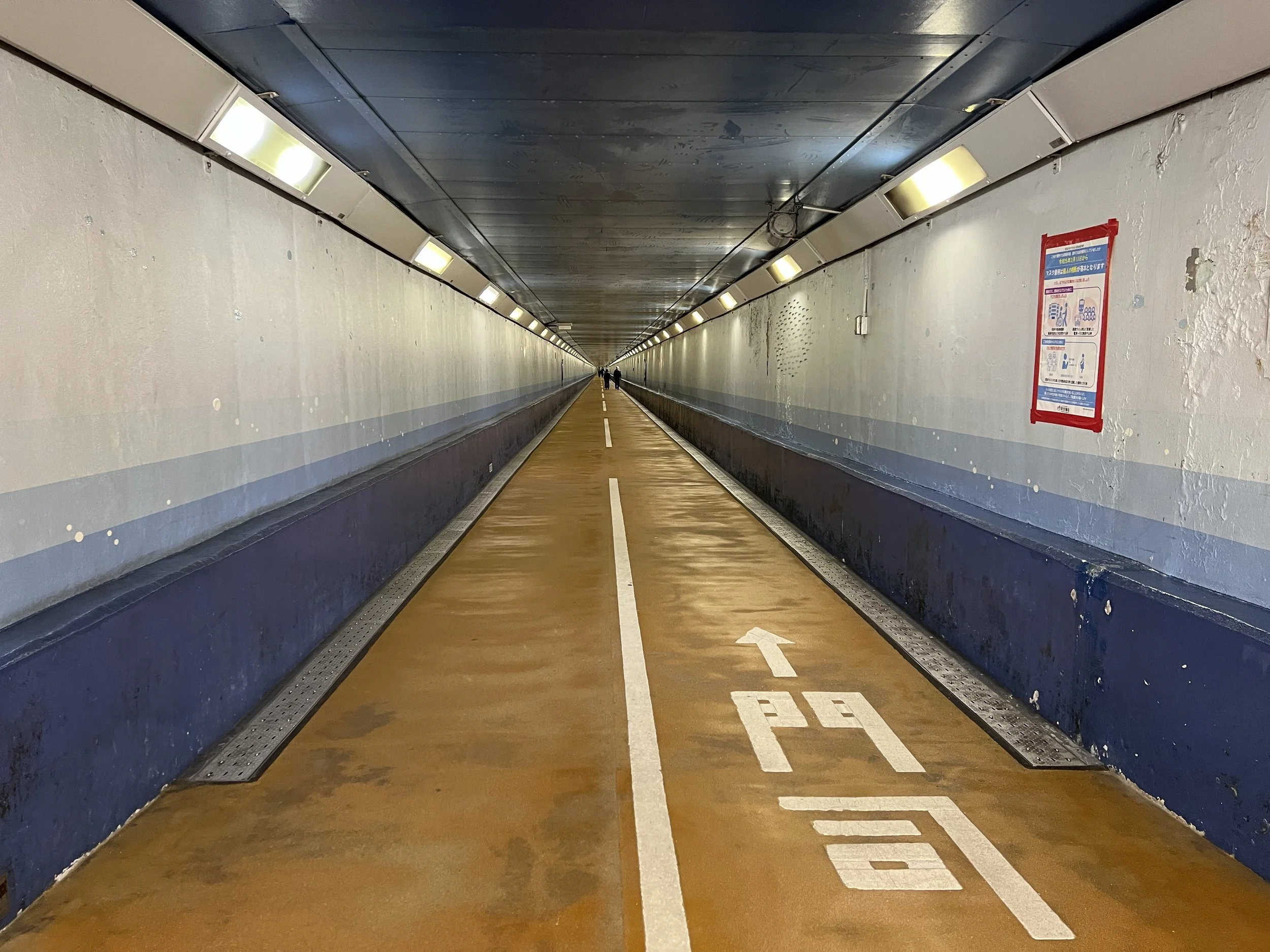
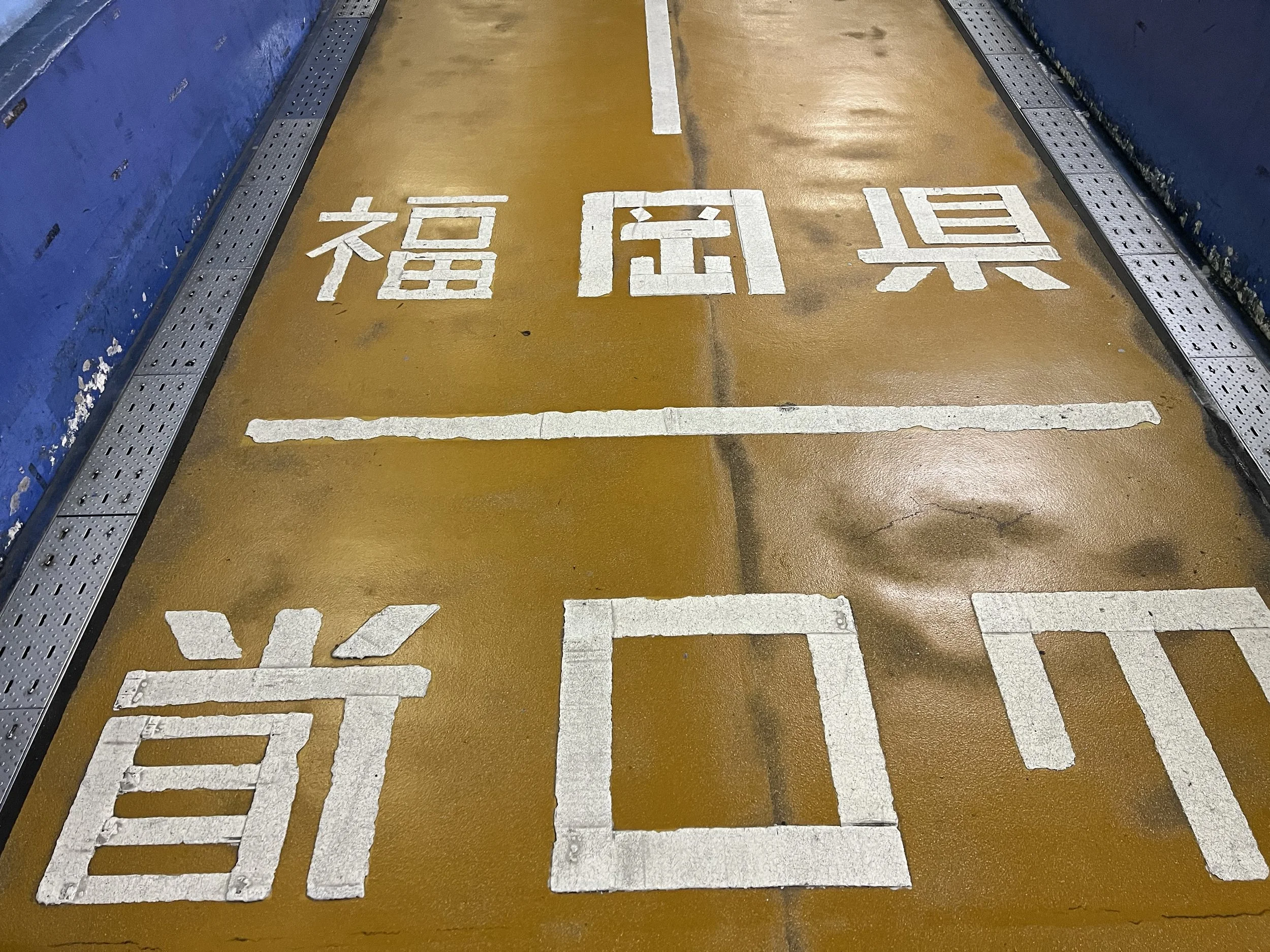
Walking through the Kanmon Tunnel had me more excited than I expected. The pedestrian passage is free to use, while cyclists pay a small fee to take their bikes through. The tunnel stretches roughly 780 metres and runs about 50 to 60 metres beneath the seabed. Halfway through, a marker on the floor indicates the border between Yamaguchi and Fukuoka prefectures — a fun and memorable photo opportunity. Crossing from one island to another entirely on foot felt oddly satisfying.
I emerged on the Kyushu side in Kitakyushu, stepping into the Mojiko area — the end of my time in Shimonoseki and the start of a new chapter just across the straits.
History & Background
Shimonoseki (下関) has long been a strategically significant location due to its position along the Kanmon Straits, a vital maritime corridor between Honshu and Kyushu. The area played a major role in Japanese history, most notably during the Battle of Dan-no-ura in 1185, where the Taira clan was defeated and Emperor Antoku lost his life. In more modern times, Shimonoseki developed as a port city and gateway between western Japan and the Asian continent. Today, its blend of historical sites, coastal scenery, and pedestrian infrastructure makes it a compelling stop for travellers exploring southern Honshu.
Getting There
Shimonoseki is accessible via Shimonoseki Station on the JR Sanyo Main Line. From Shin-Yamaguchi Station, trains run directly to Shimonoseki in approximately 90 minutes. From Shimonoseki Station, local buses connect to major attractions including Akama-jingu Shrine and the Kanmon Tunnel Pedestrian Walkway. The pedestrian tunnel is open daily and provides direct access on foot to Kitakyushu in Fukuoka Prefecture.
Route Overview
Distance: 6.66 km (Akama Jingu Shrine → Kanmon Tunnel Pedestrian Walkway)
Total elevation gain: 279 m
Duration: 1 hr 39 min (with breaks 1 hr 45 min)
Difficulty: Easy
Peak: Mt Hinoyama 火の山 268 m
Cost Breakdown
Train: Shin-Yamaguchi Station → Shimonoseki Station — ¥1,170
Bus: Shimonoseki Station → Akamajingumae Bus Stop — ¥270
Food: ¥172