Mojiko - Fukuoka, Japan
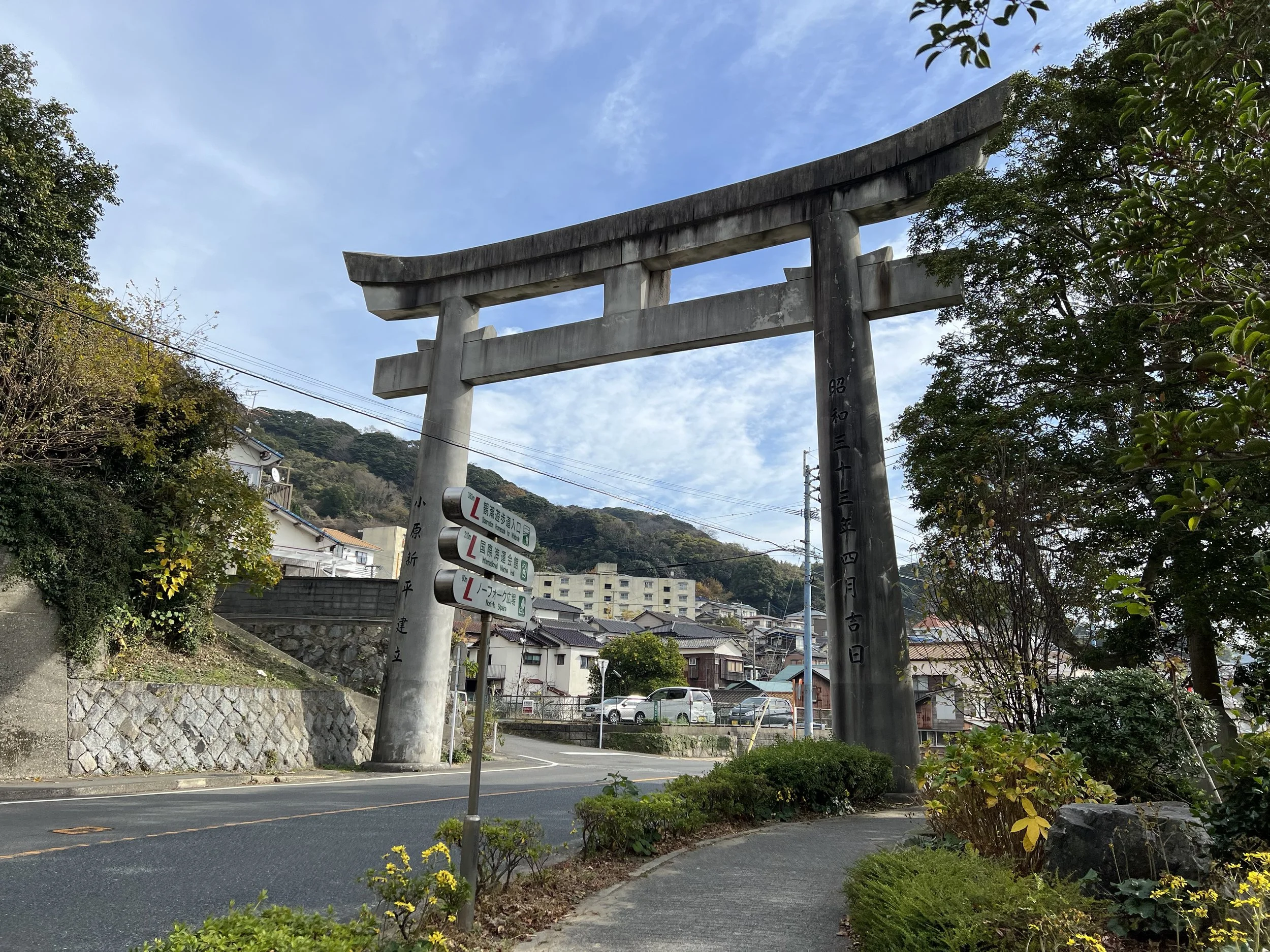
After crossing the Kanmon Tunnel on foot from Shimonoseki, Yamaguchi into Kitakyushu, Fukuoka, I emerged on the Kyushu side right beside Mekari Shrine. This small yet ancient shrine is said to be over 1,800 years old and sits at the northernmost tip of Kyushu. It was established after Empress Jingu received a divine oracle, and today it overlooks both the Kanmon Straits and the Kanmon Bridge. Given the powerful and often treacherous currents in this narrow waterway, the shrine has long been associated with maritime safety and protection for those travelling through the straits.
I wandered through the compact shrine grounds and noticed they sell fugu-themed omikuji, which felt fitting as this region is well known for fugu. From the shrine, I continued along the Mekari Seaside Promenade, slowly making my way toward the port. There’s a charming retro sightseeing train called the Shiokaze-go that runs along this route fairly frequently, but I decided to walk instead and enjoy the coastal scenery.
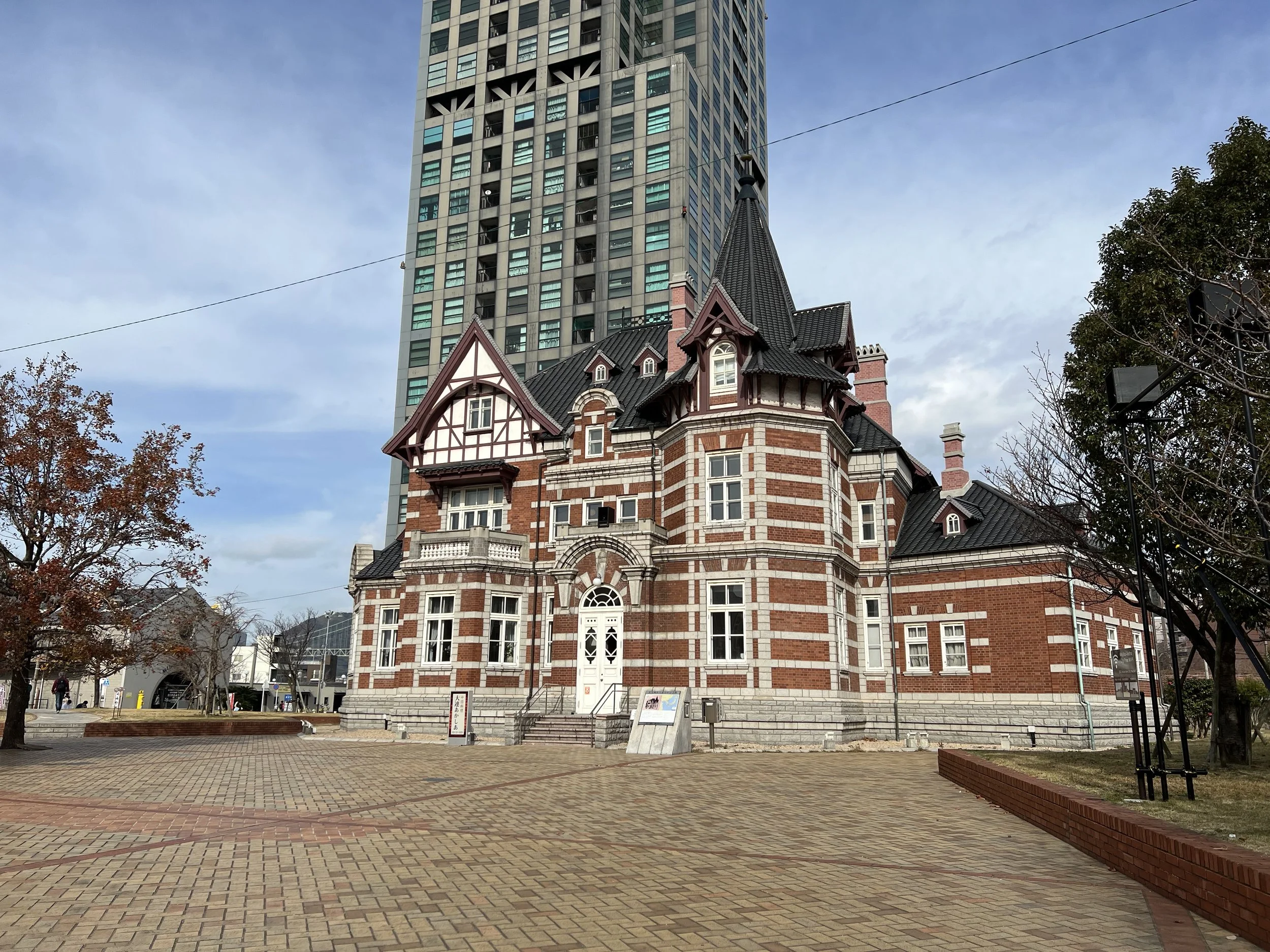
Moji was one of the five cities that merged to form Kitakyushu in 1963, and Mojiko Port was one of Japan’s most important international trading ports from the late 19th century onward. While modern port operations have since moved to Shin-Moji Port, this area has retained many well-preserved Western-style buildings from the Meiji and Taisho periods. As I approached Mojiko, I began to see these historic structures mixed in with modern developments, creating an atmosphere that felt nostalgic yet lively at the same time.
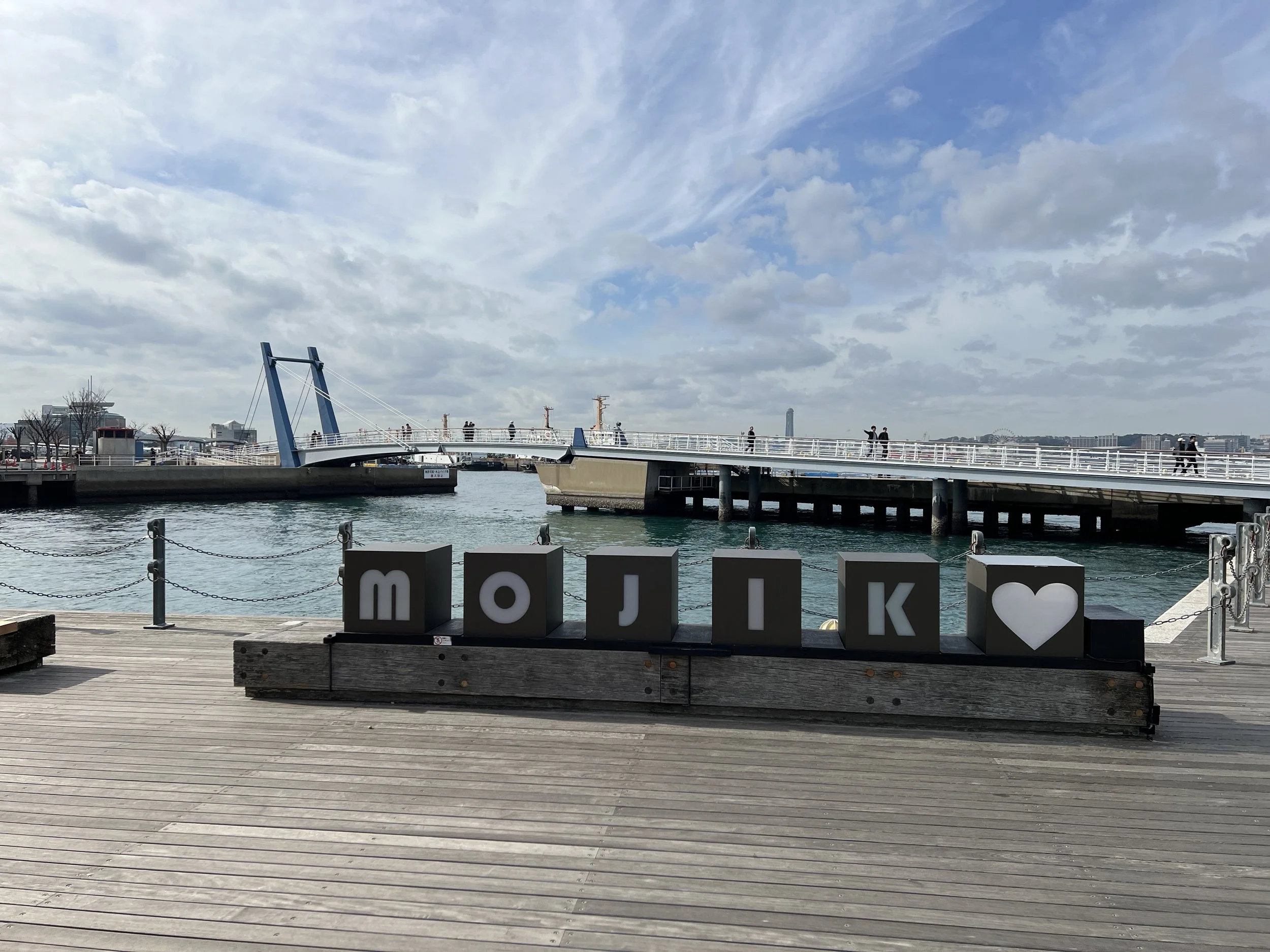
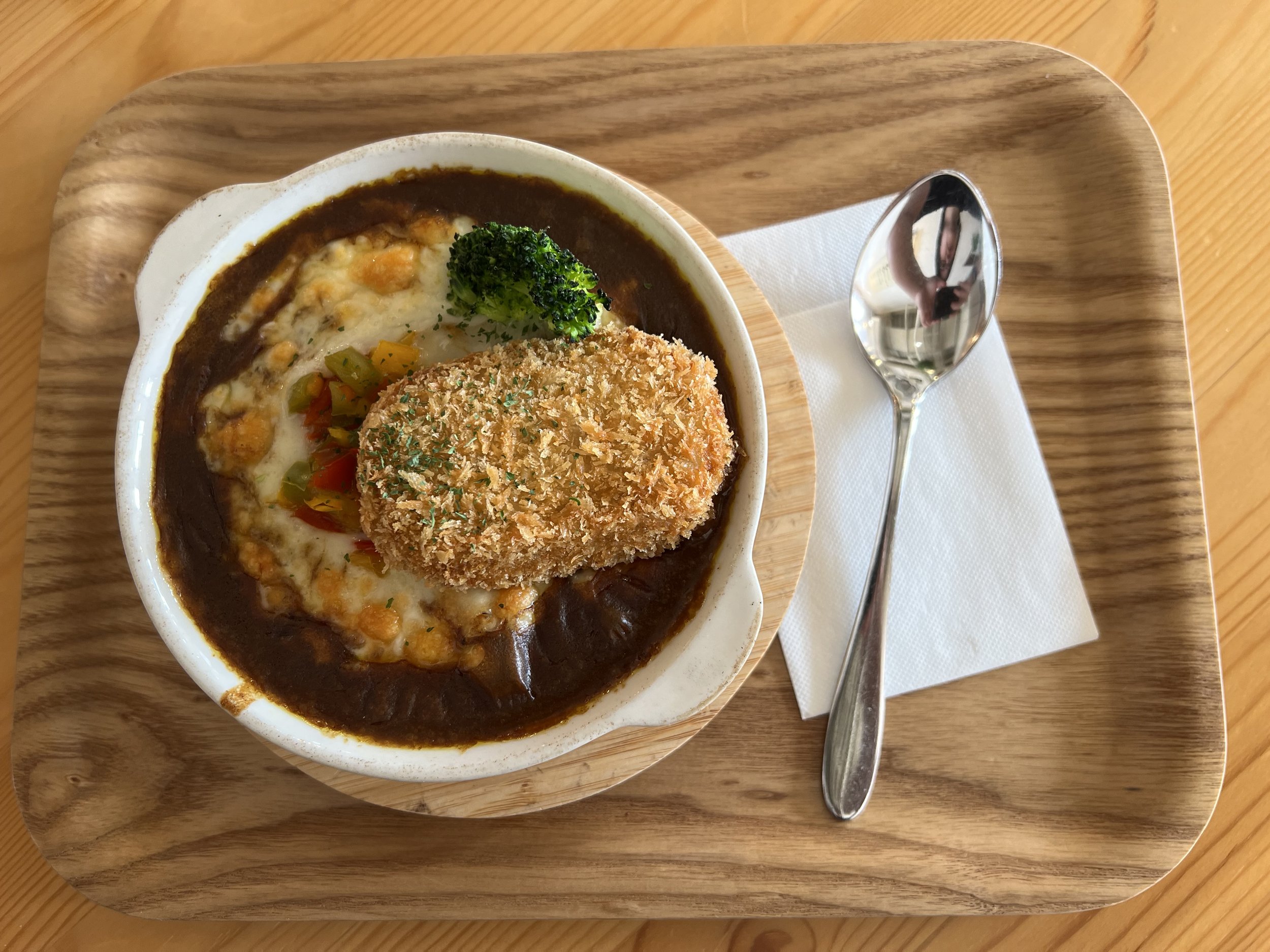
My first stop was the Mojiko Retro area, home to numerous shops and restaurants. By then, I had been walking all morning and well past lunchtime, so I treated myself to Mojiko’s famous yaki curry. The baked curry was rich, comforting, and absolutely lived up to its reputation. After eating, I wandered around the port area as the crowds slowly picked up, with visitors snapping photos of the retro buildings, the iconic Mojiko sign, and the waterfront.
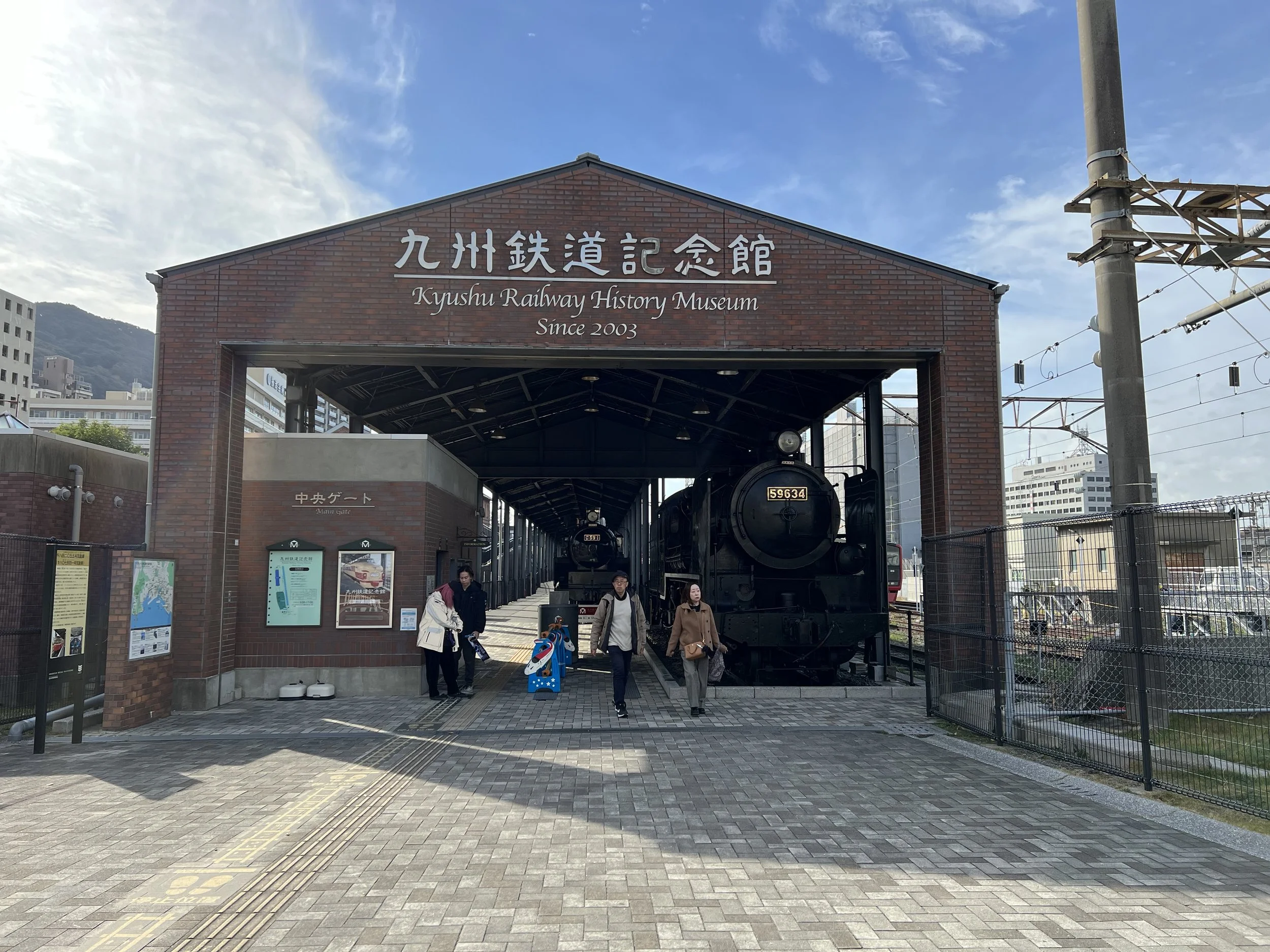
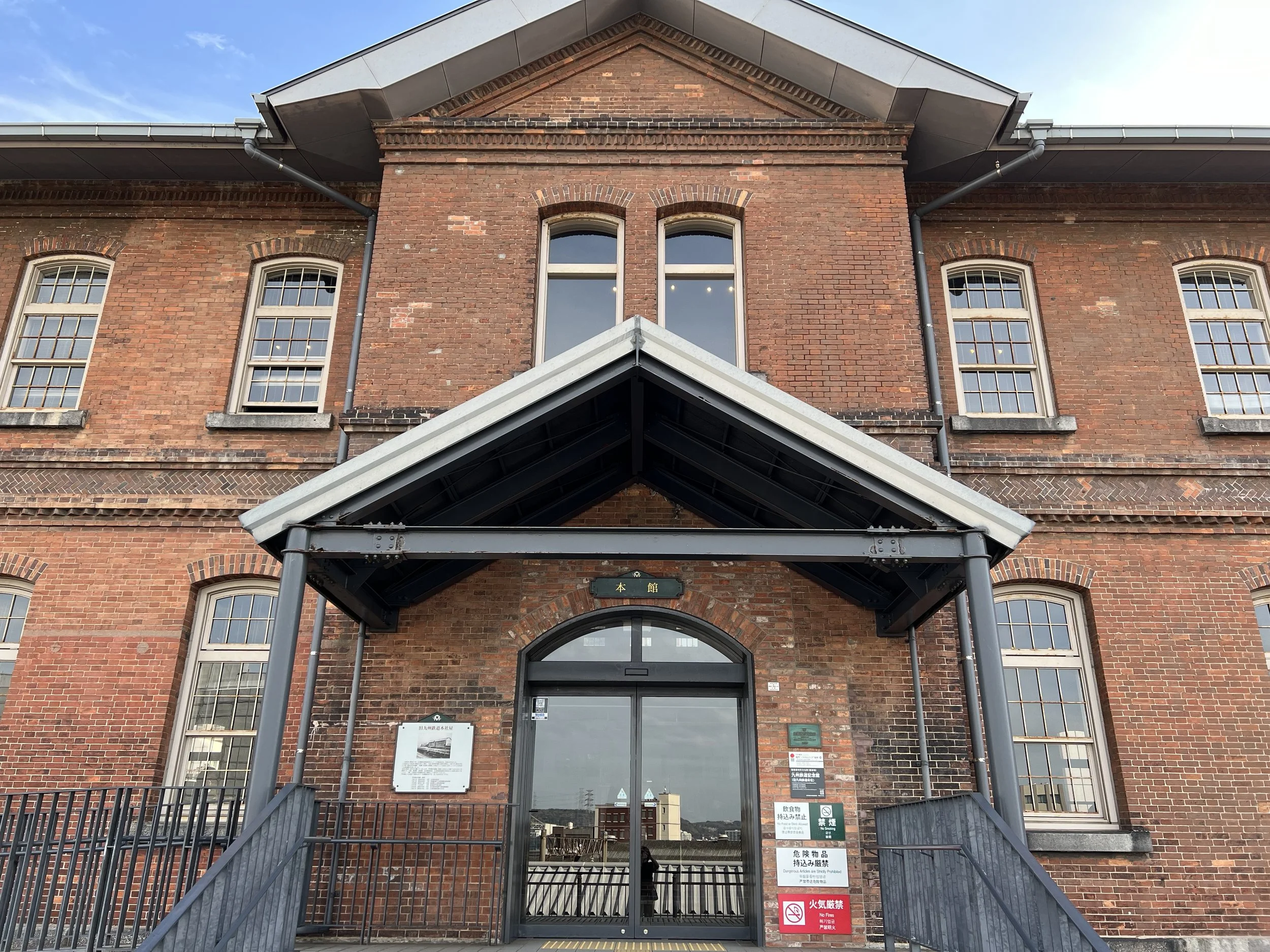
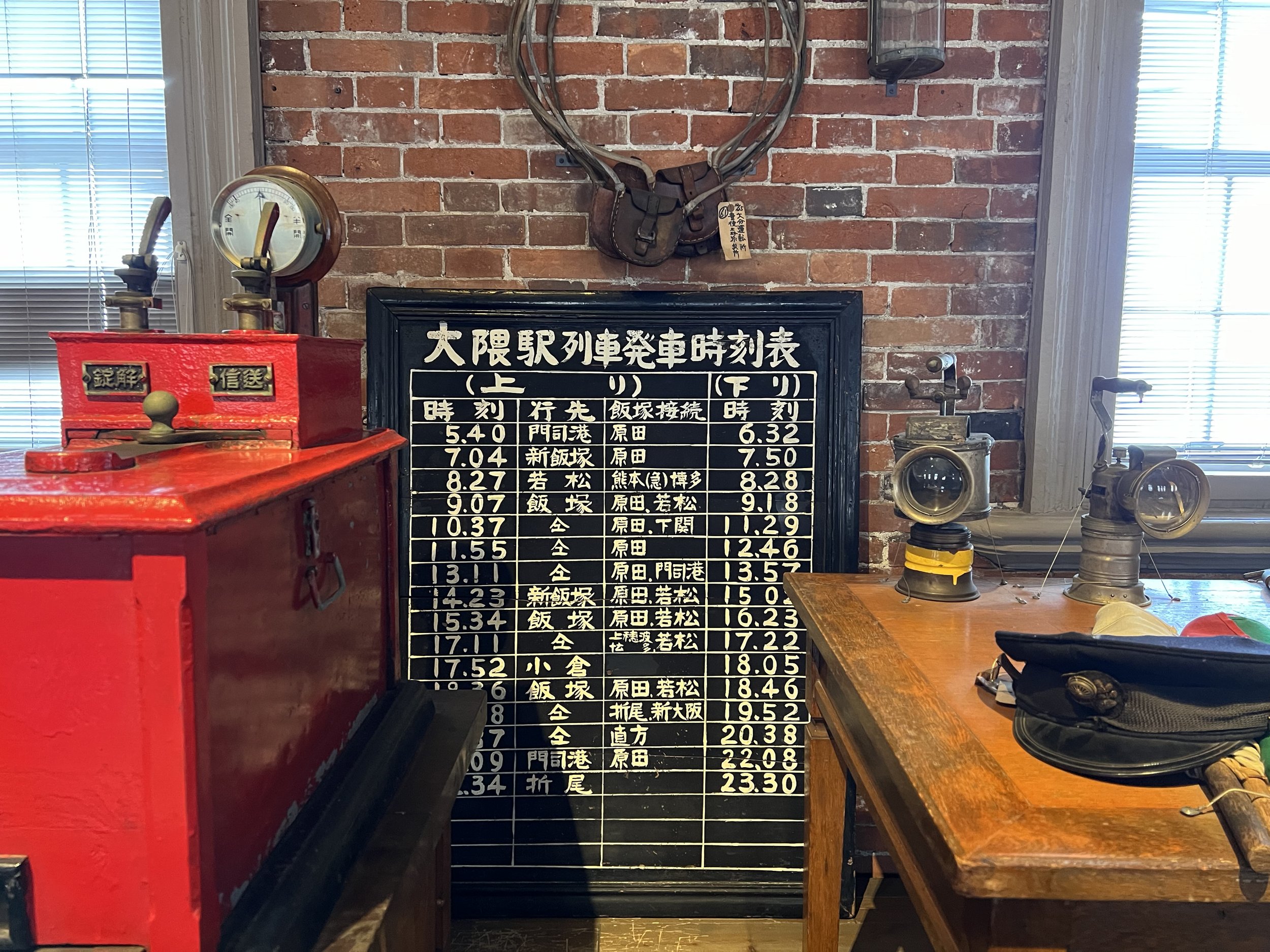
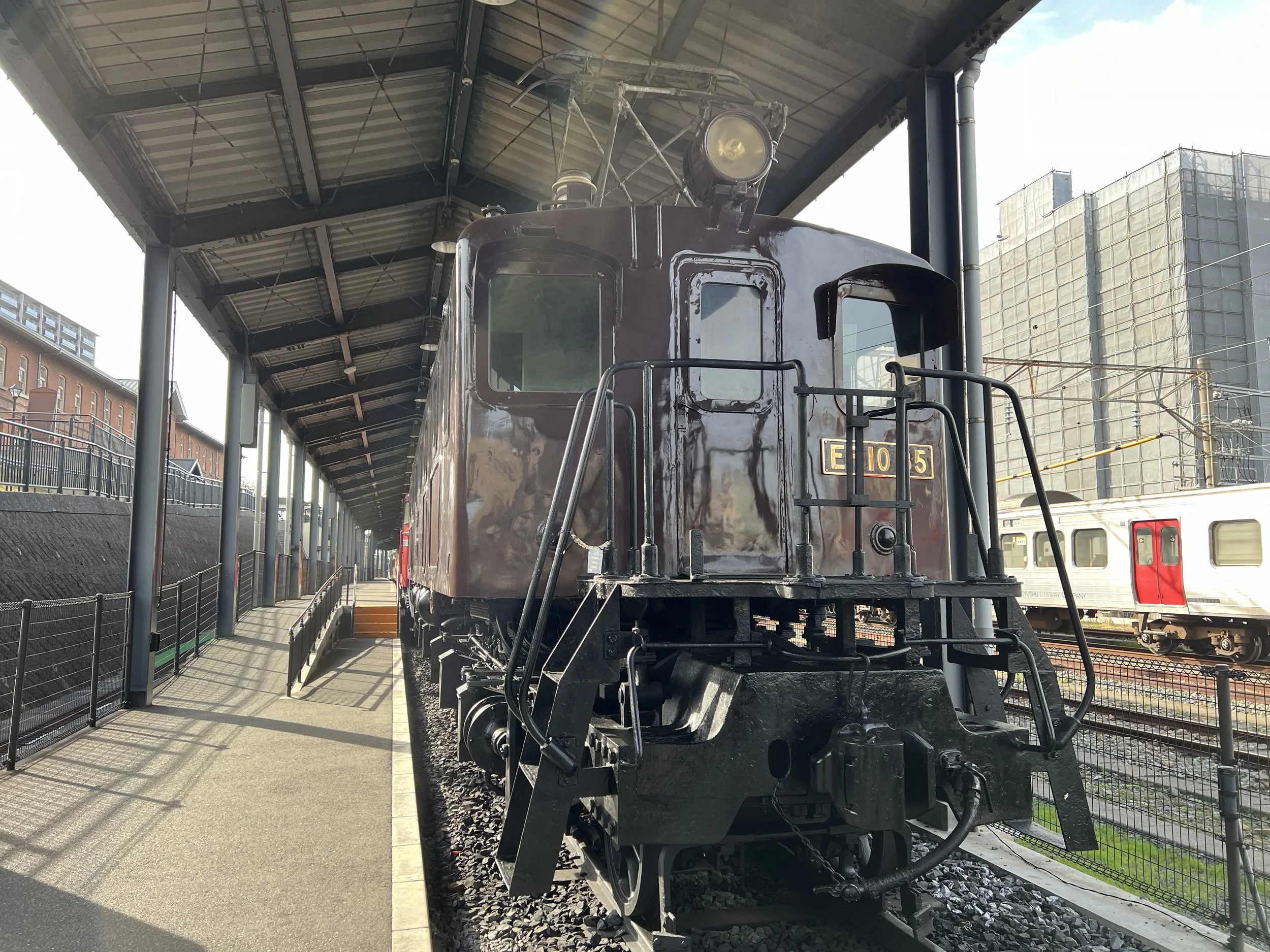
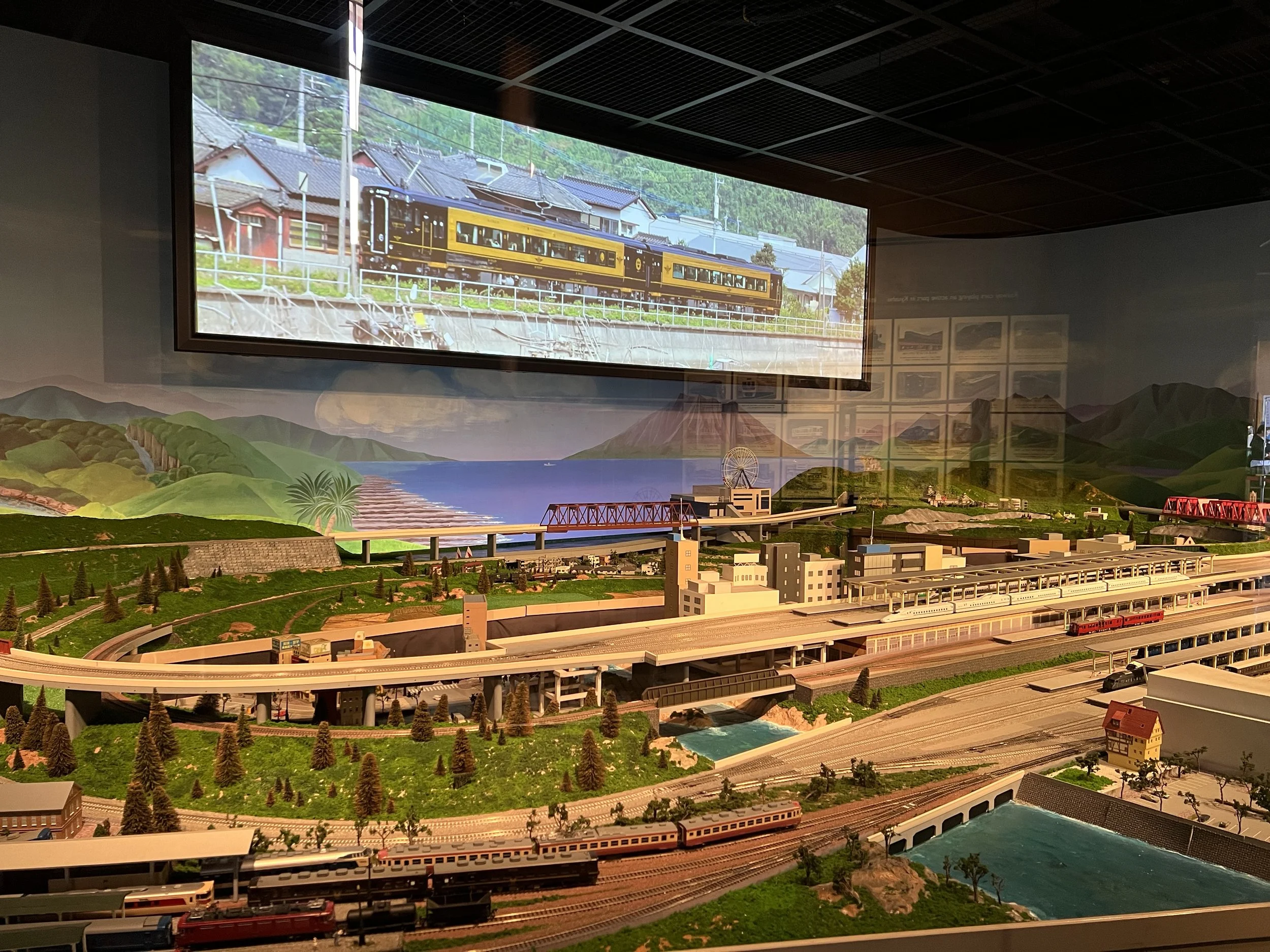
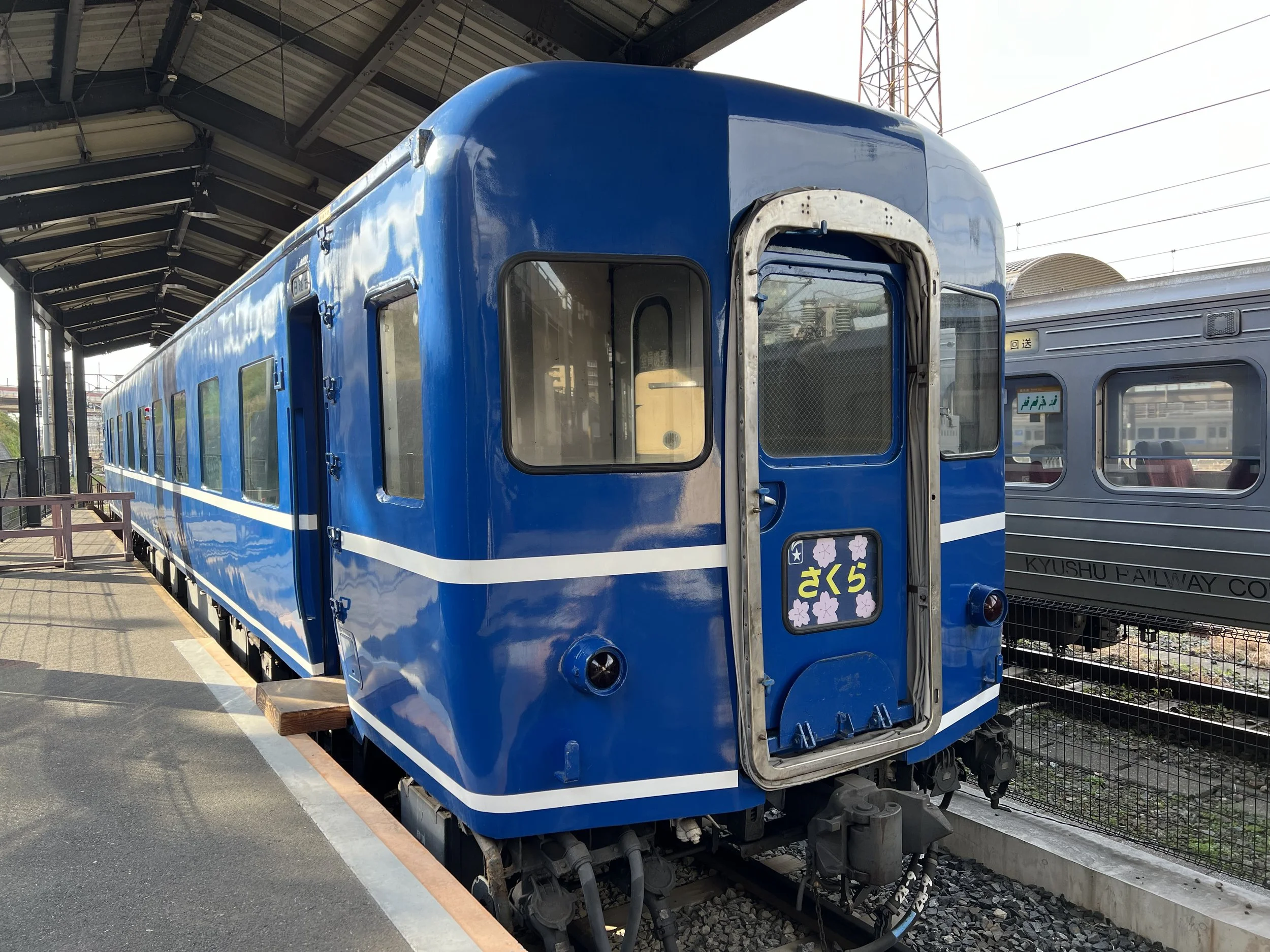
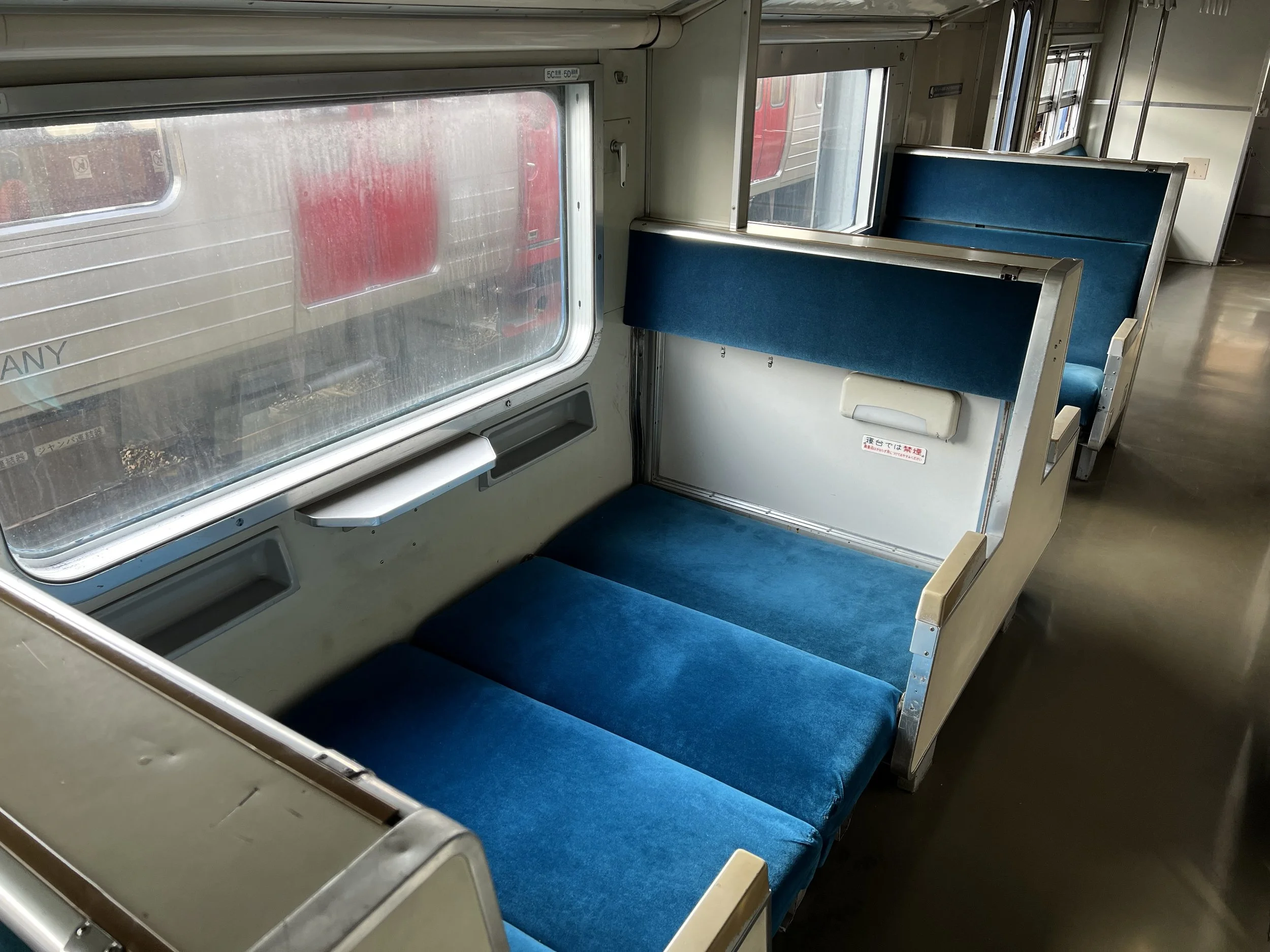
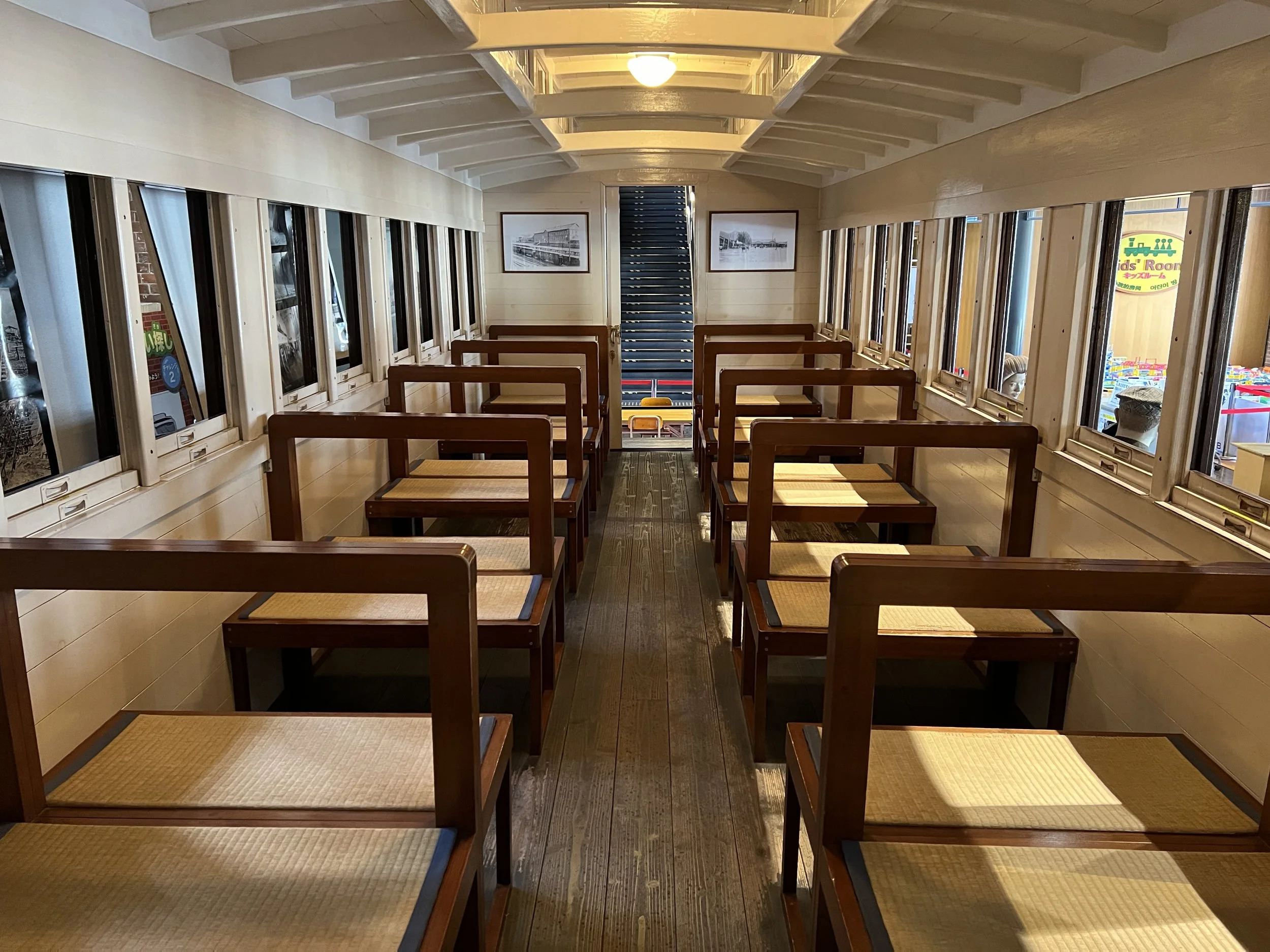
From there, I made my way to the Kyushu Railway History Museum, one of the highlights of Mojiko for me. As someone who enjoys trains in Japan, this was high on my list. The museum houses an impressive collection of railway memorabilia, historic train cars, and even interactive simulators. Walking through the exhibits, I could trace the evolution of Japanese train design from its earliest days to more modern rolling stock. Some standout cars included one with tatami-style interior seating and an old sleeper train that really captured a different era of travel.
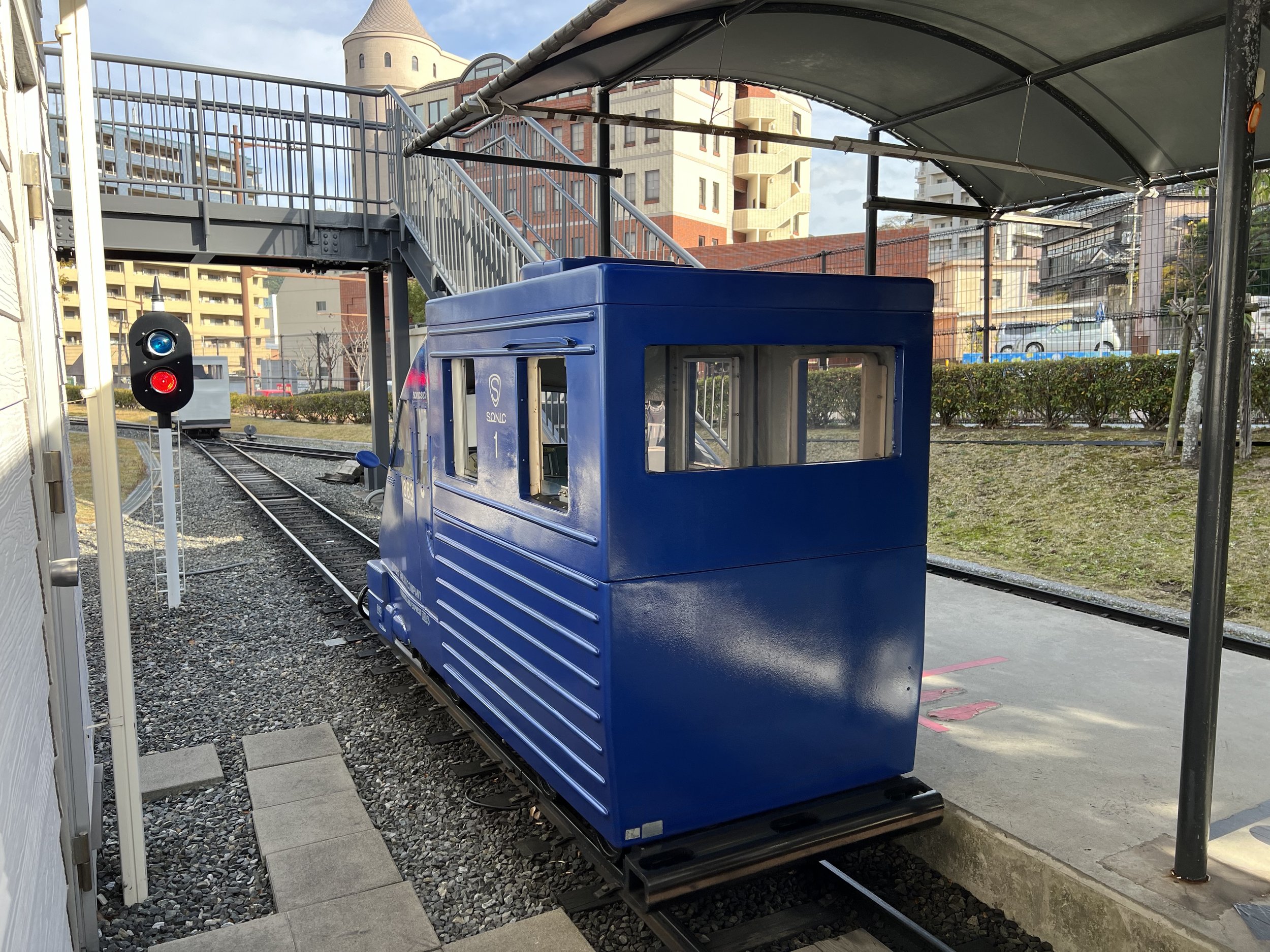
Outside, there’s a small track with boxy miniature trains designed for children. While I couldn’t ride them myself, it was still fun watching them loop around the track. I also tried out the control panels for several train simulators, which turned out to be surprisingly entertaining. Leaving the museum in high spirits, I headed toward one of Mojiko’s most iconic landmarks — Mojiko Station.
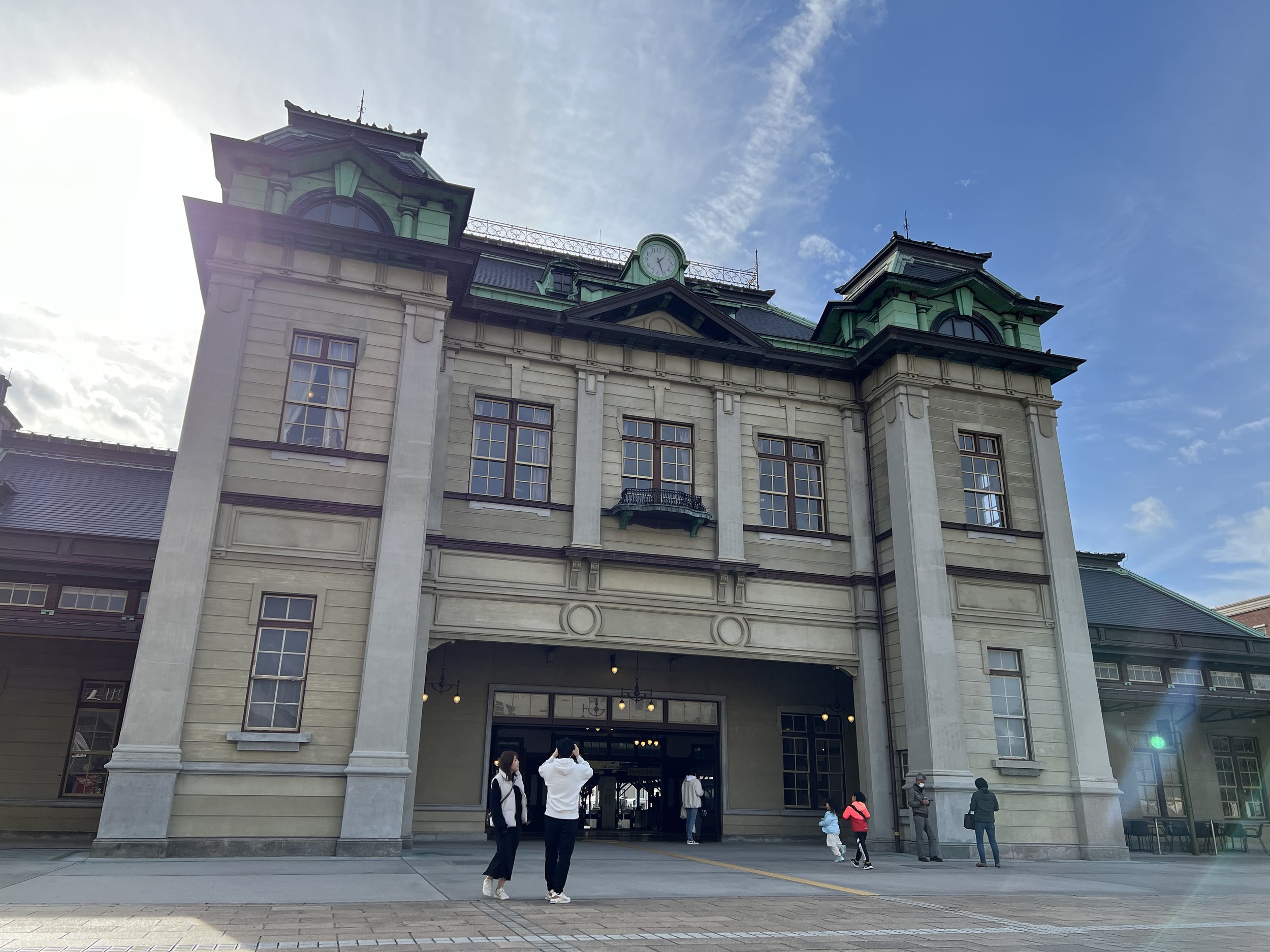
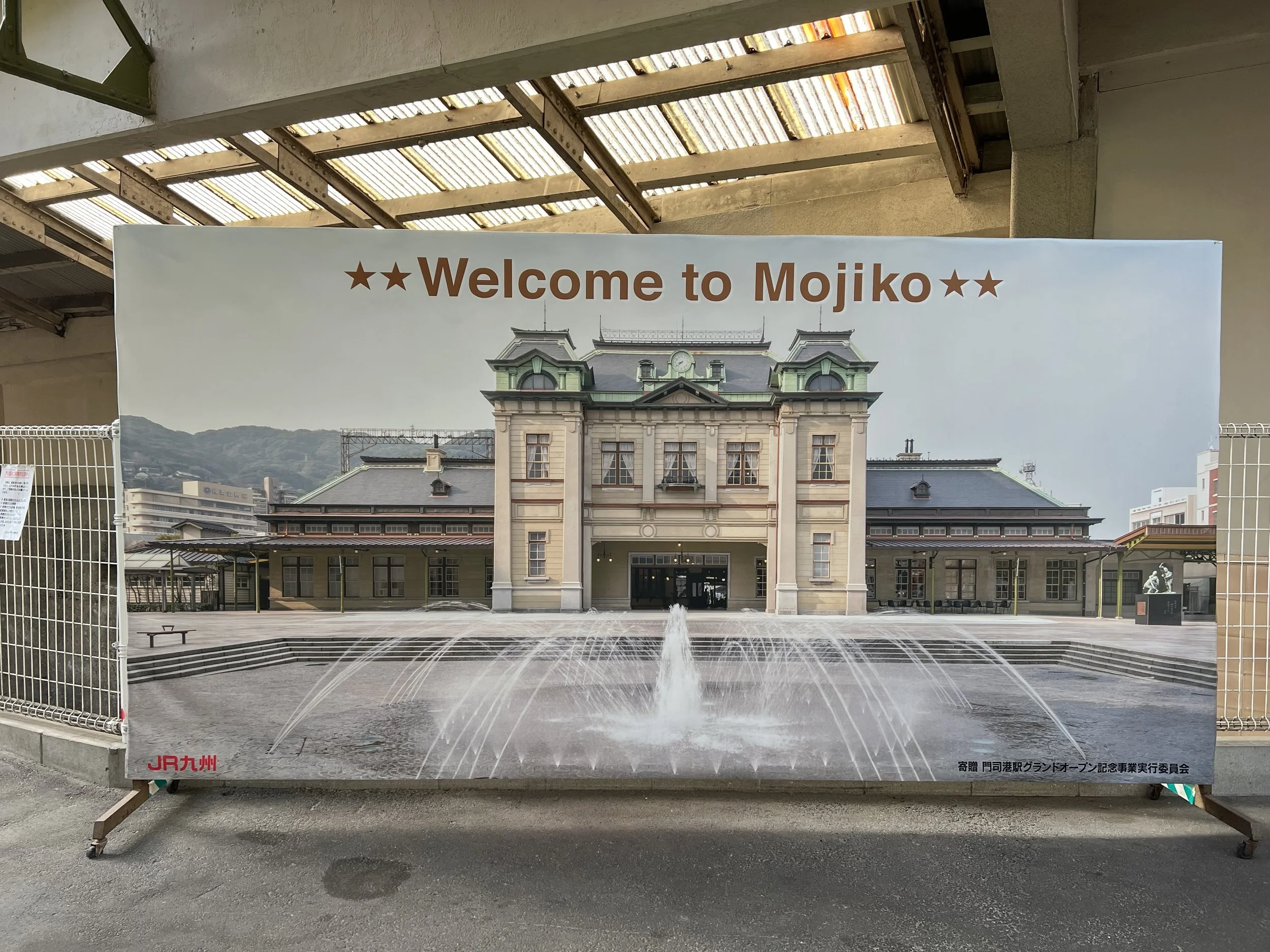
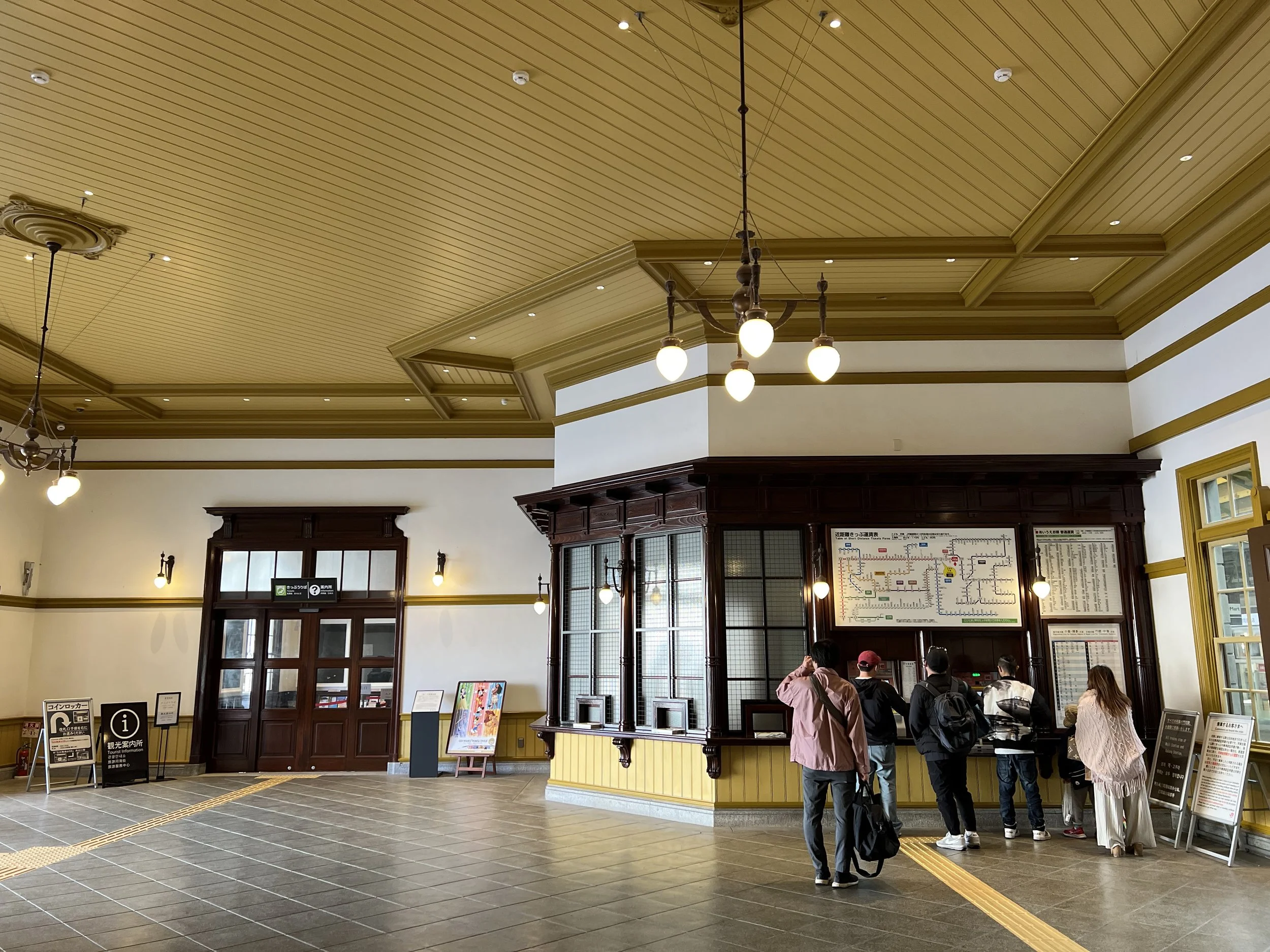
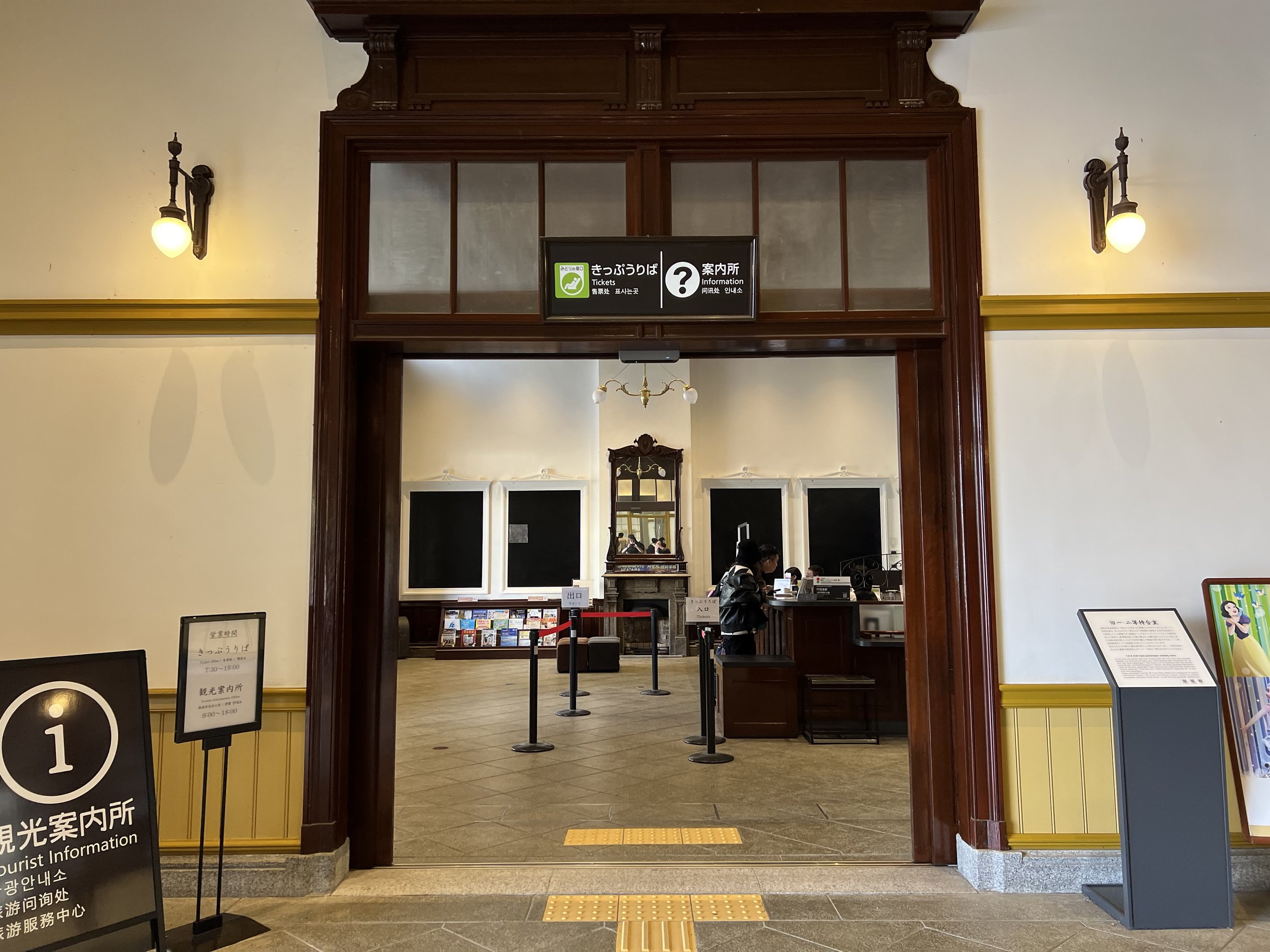
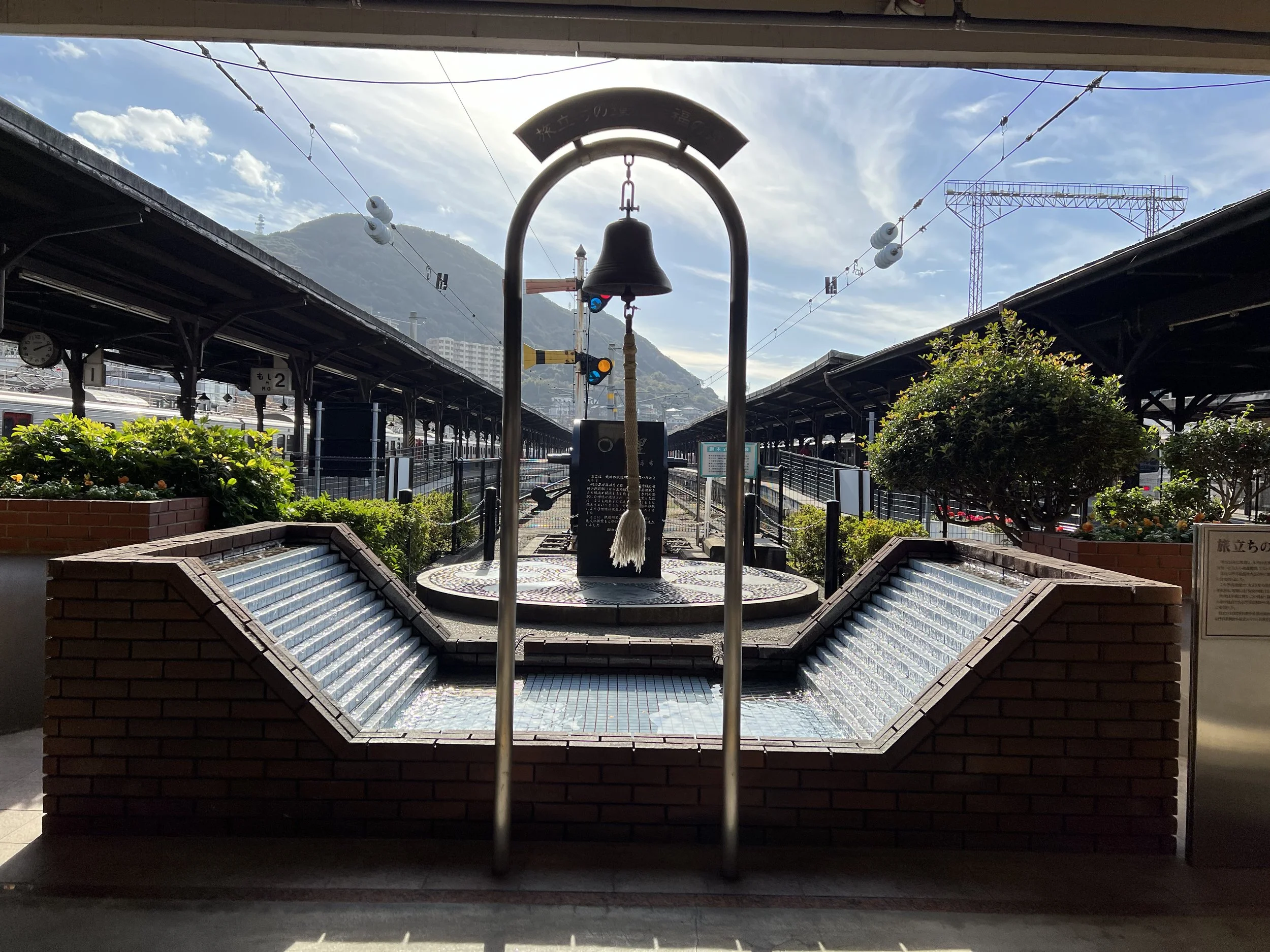
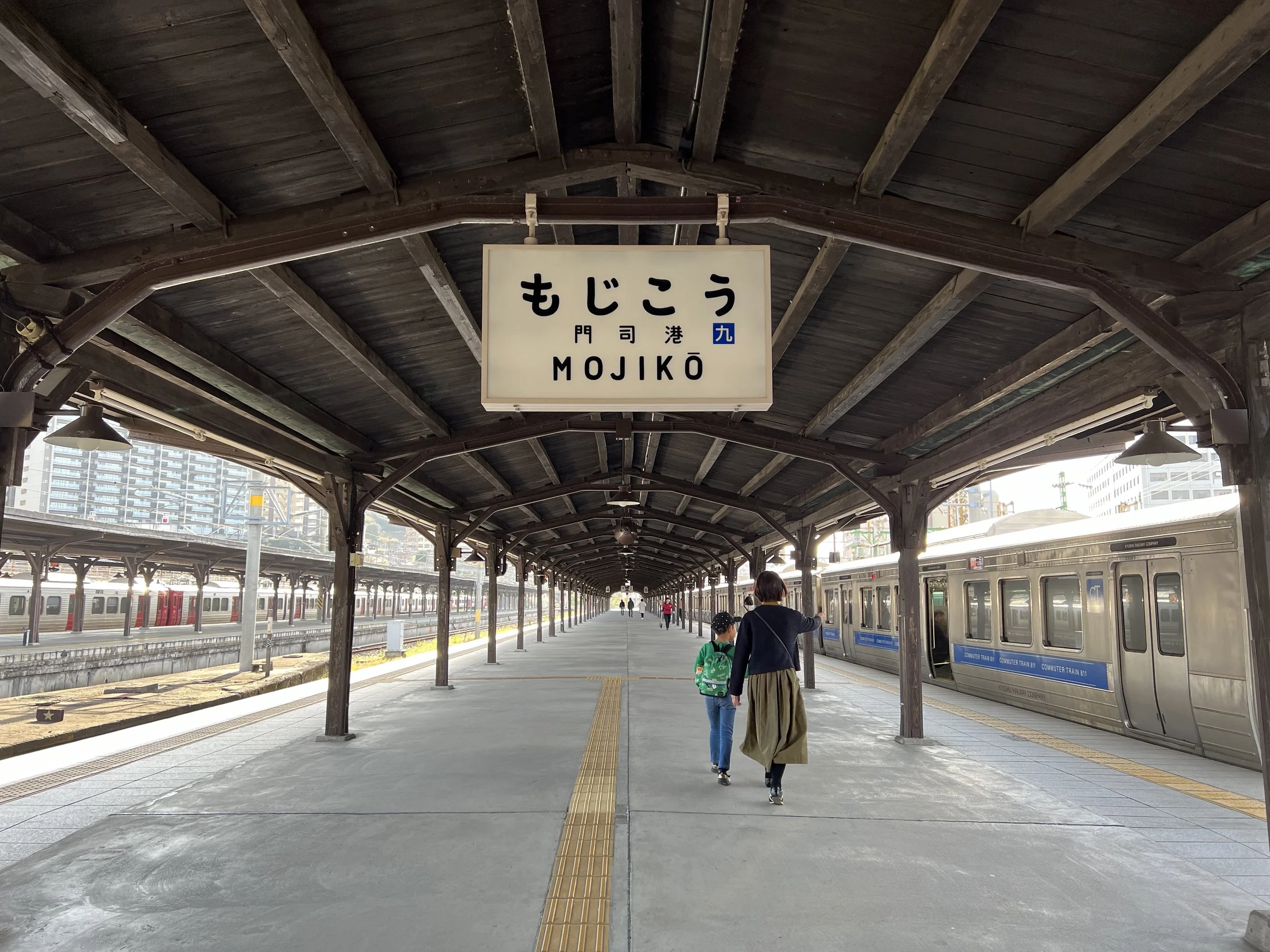
Mojiko Station is one of Japan’s oldest and most atmospheric train stations. Built over a century ago in a Western architectural style during the height of the port’s prosperity, the station has retained much of its original character. Nearby points of interest include the former Moji Customs Building, now an art gallery, the Mojiko Retro Observation Room, and the Kanmon Kaikyō Museum. The station itself still feels wonderfully retro, and it’s easily one of the most distinctive stations I’ve visited in Japan.
After taking my time photographing the station and its surroundings, I boarded the train and made my way to Kokura Station, bringing my day in Kitakyushu to a close.
History & Background
Kitakyushu (北九州) developed as a major industrial and transportation hub during Japan’s rapid modernization in the late 19th and early 20th centuries. Mojiko Port played a crucial role as a gateway between Honshu, Kyushu, and international trade routes. The Kanmon Straits, while economically vital, are also known for their fast currents, which is why spiritual sites like Mekari Shrine emerged to offer protection for sailors and traders. Today, Kitakyushu balances its industrial roots with preserved historic districts like Mojiko Retro, offering insight into Japan’s Meiji-era transformation.
Getting There
Kitakyushu is easily accessed via Kokura Station, a major Shinkansen and JR hub. From Kokura Station, Mojiko Station can be reached via the JR Kagoshima Main Line in about 13 minutes, with frequent train service. Mojiko Station and the sights around Moji Port are spread over an area of roughly two kilometers along the bay and are easily explored on foot.
Route Overview
Distance: 5.03 km (Kanmon Tunnel → Mojiko Station)
Total elevation gain: 13 m
Duration: 1 hr 04 min (with breaks 1 hr 56 min)
Difficulty: Easy
Cost Breakdown
Entrance Fee: Kyushu Railway History Museum — ¥300
Food: ¥1,200