Awa Odori Kaikan and Bizan Park - Tokushima, Japan
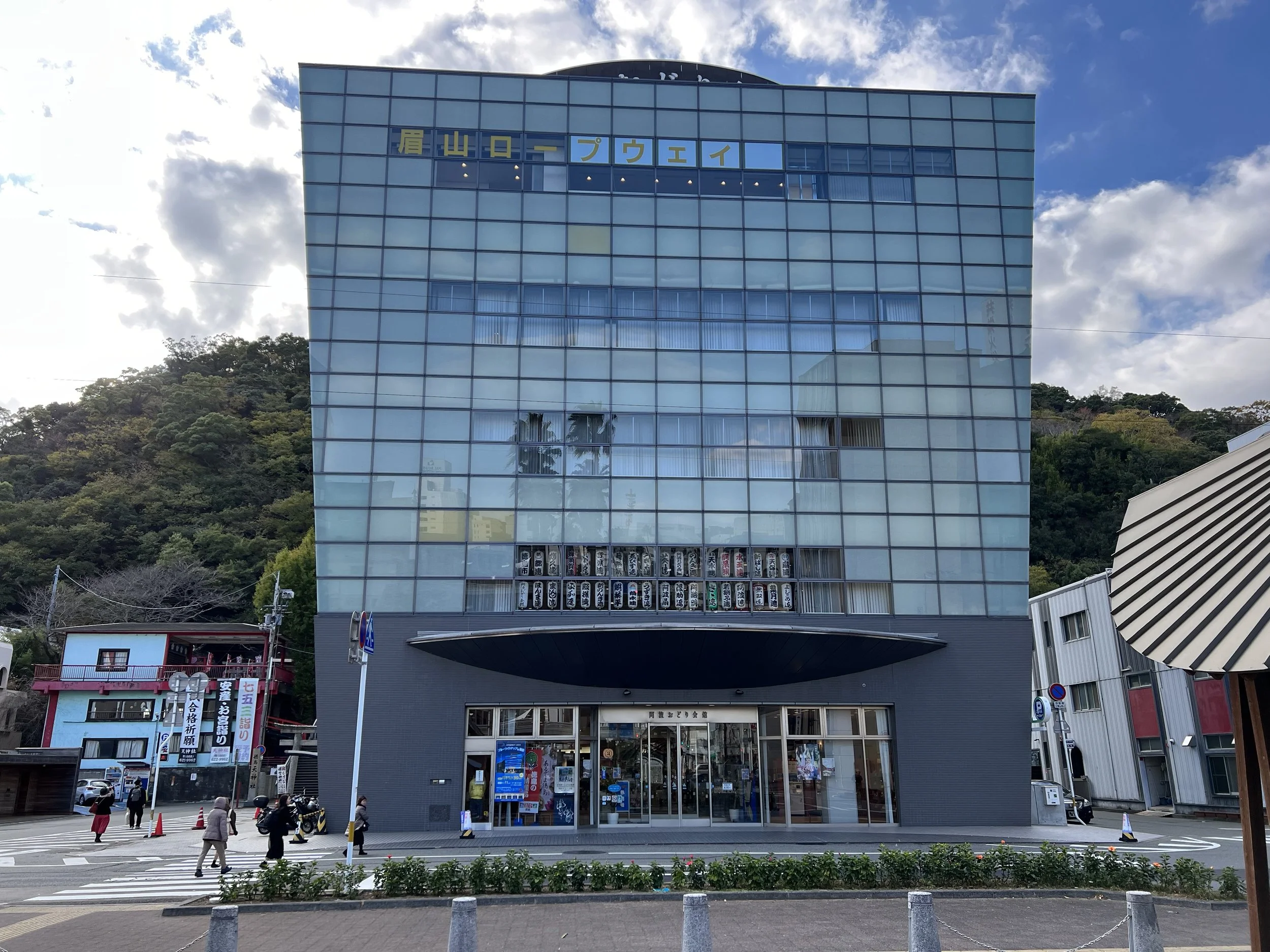
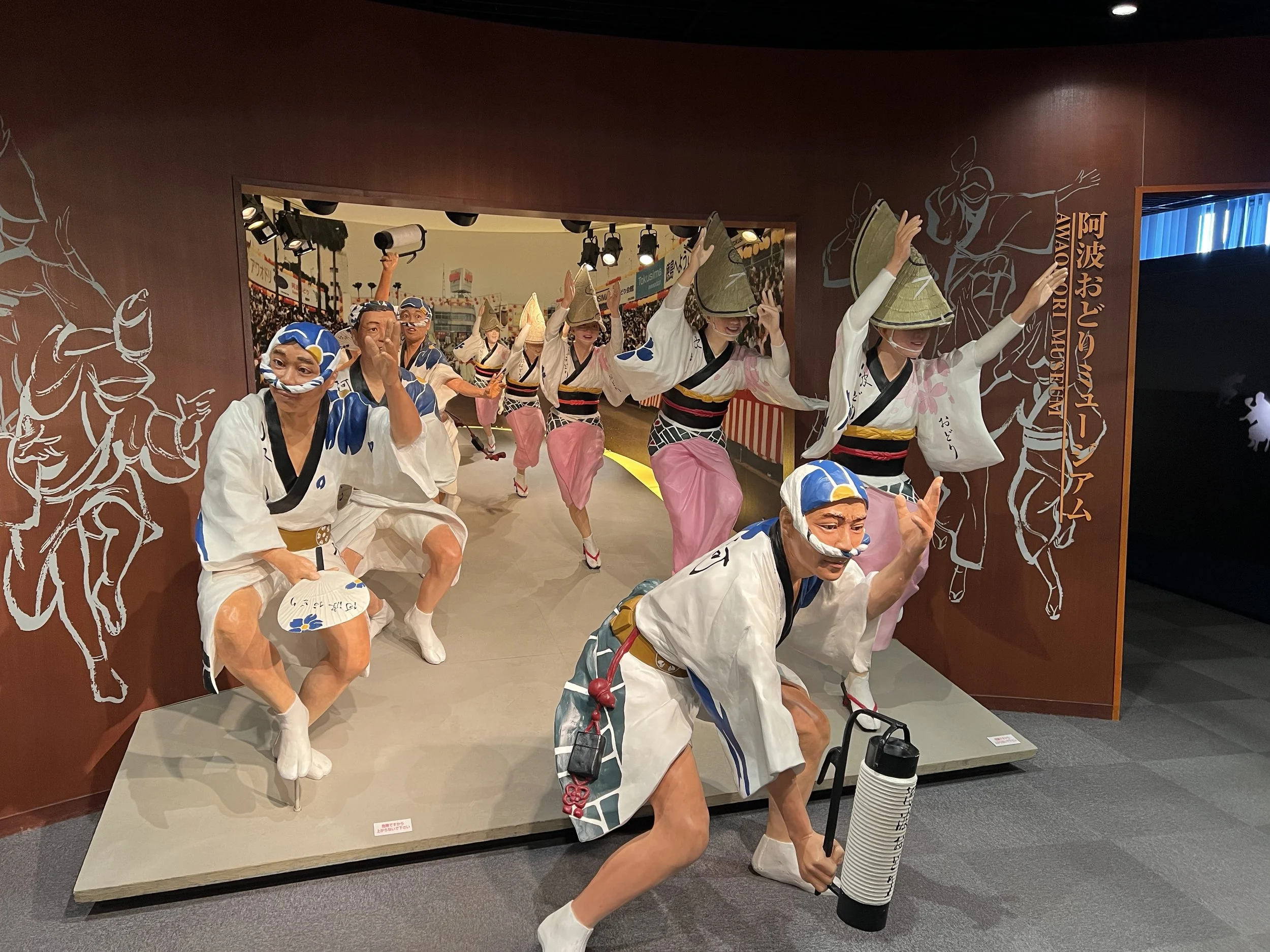
After arriving in Tokushima earlier in the day, I didn’t have much planned for the afternoon, but one place I really wanted to visit was Awa Odori Kaikan. Awa Odori is a traditional folk dance most commonly performed during Obon, the annual festival honouring ancestors. Dancers in vibrant costumes move to live music and distinctive chants, often joined by spectators. One of the most well-known sayings associated with the dance sums up its spirit perfectly: “The dancer is a fool, the watcher is a fool — since both are fools, you might as well dance.”
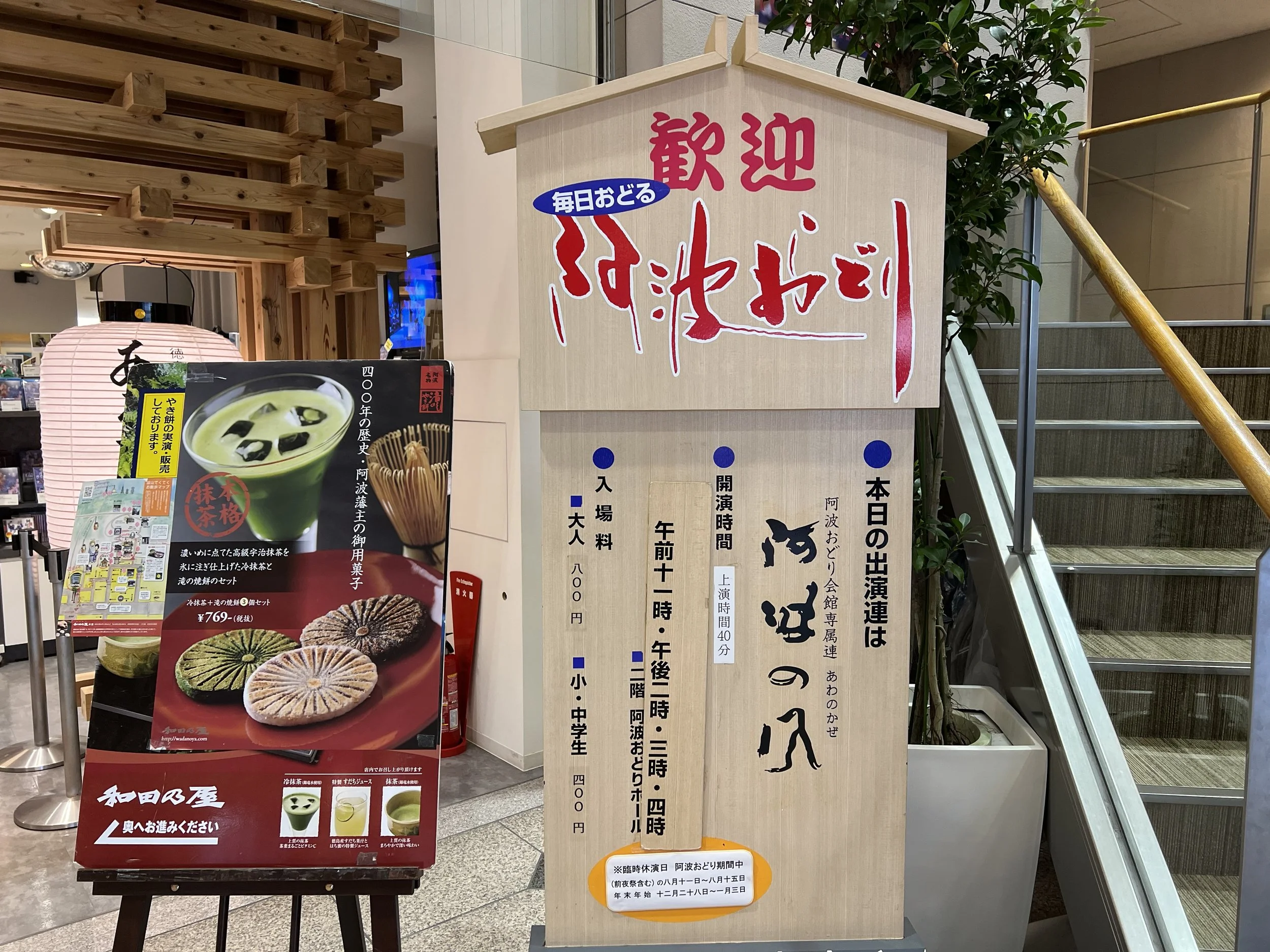
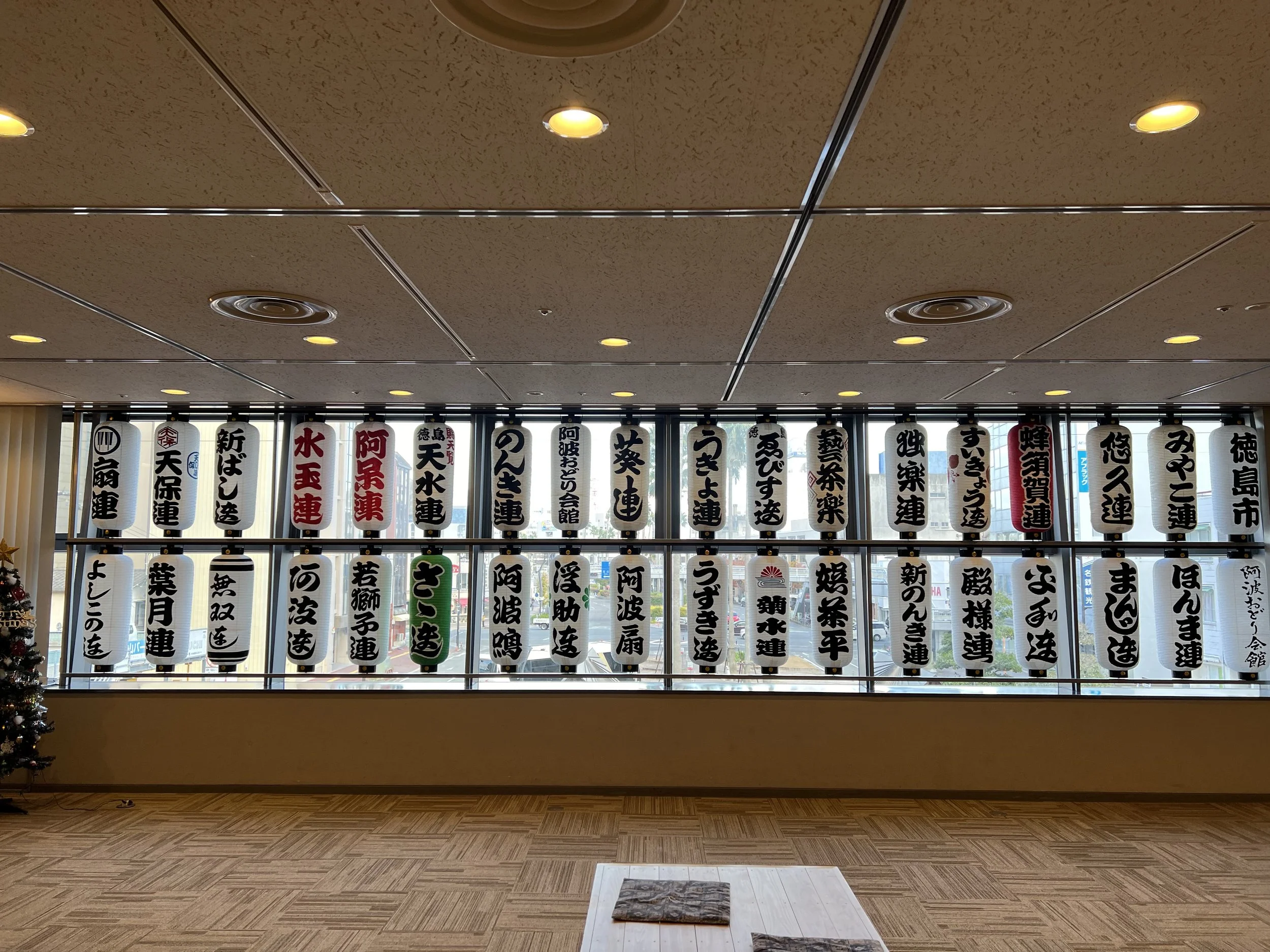
The main Awa Odori festival takes place every year from August 12 to 15, but Awa Odori Kaikan offers daily performances and exhibits, making it possible to experience the dance outside the festival season. The building itself is easy to navigate, and after purchasing my ticket, I checked the performance schedule on the second floor. With about 20 minutes before the next show, I headed up to the third-floor museum.
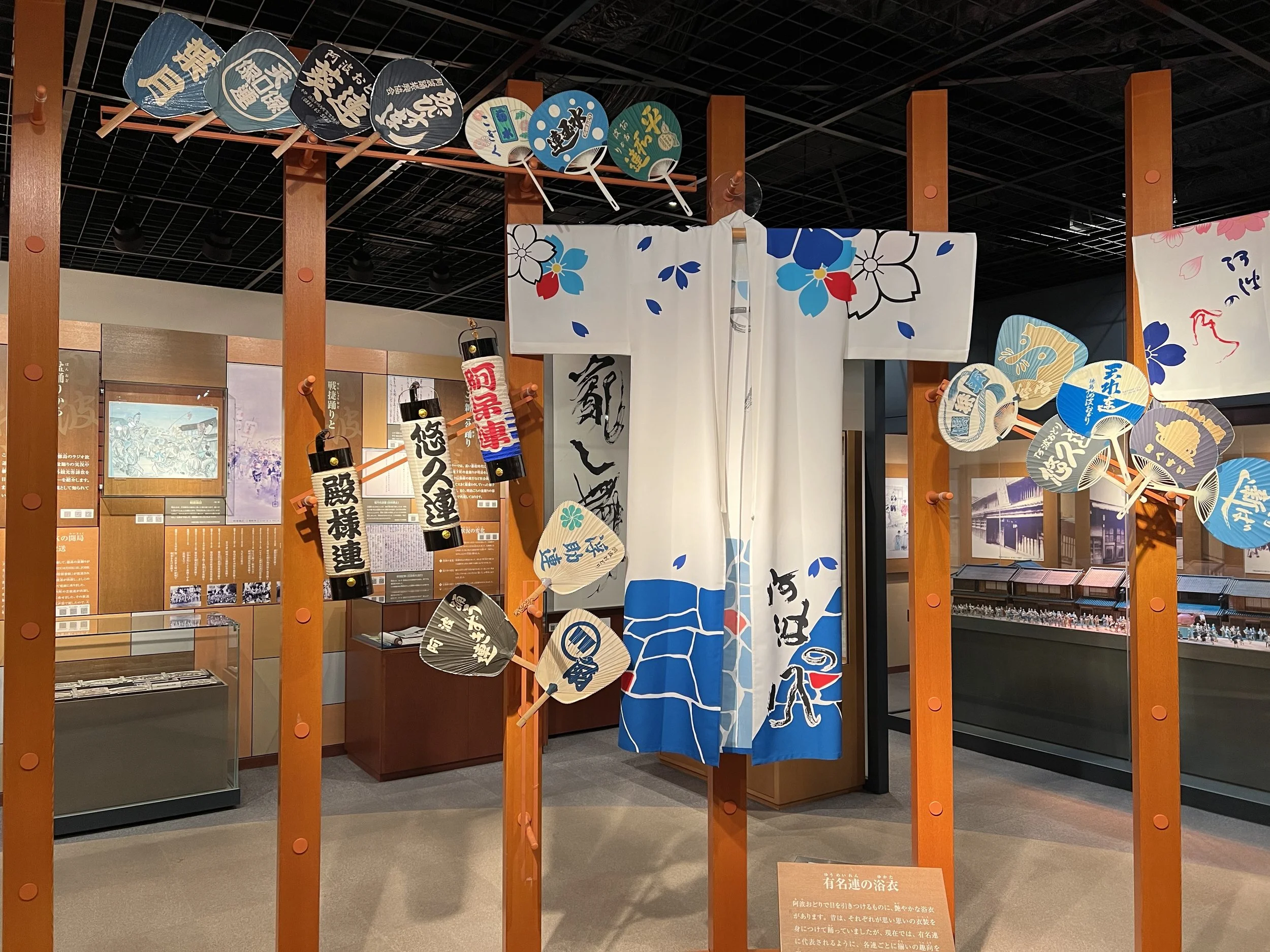
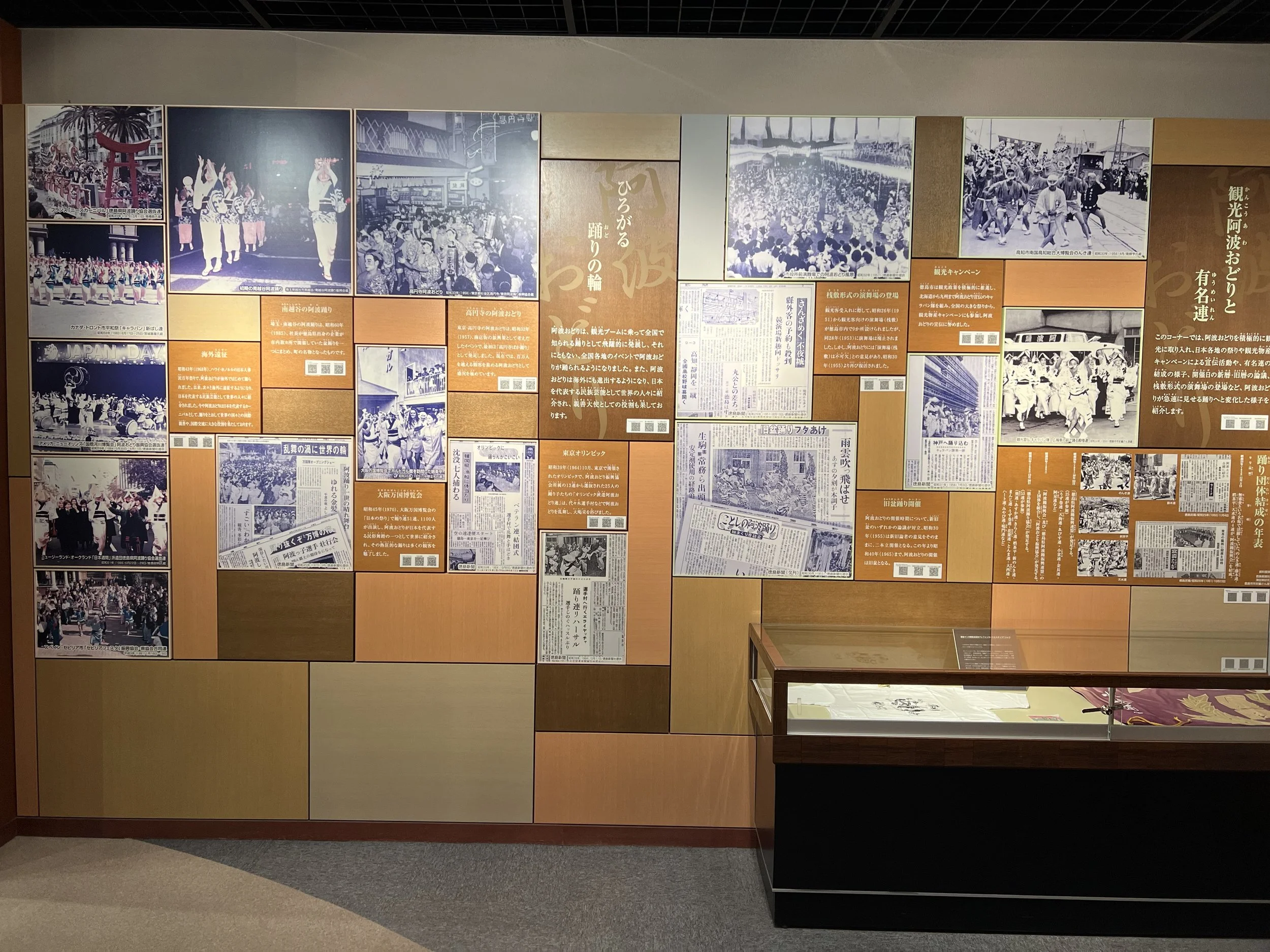
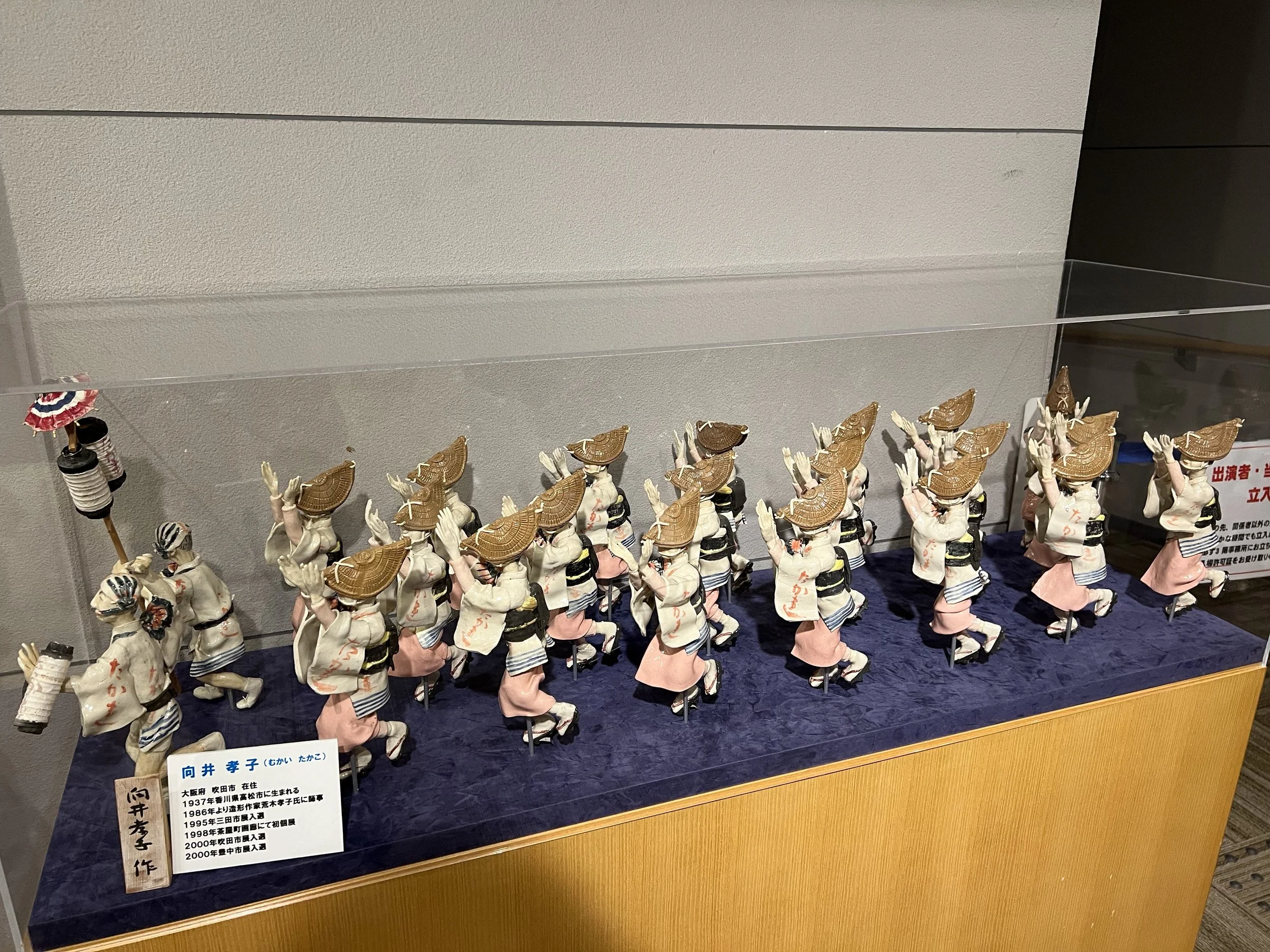
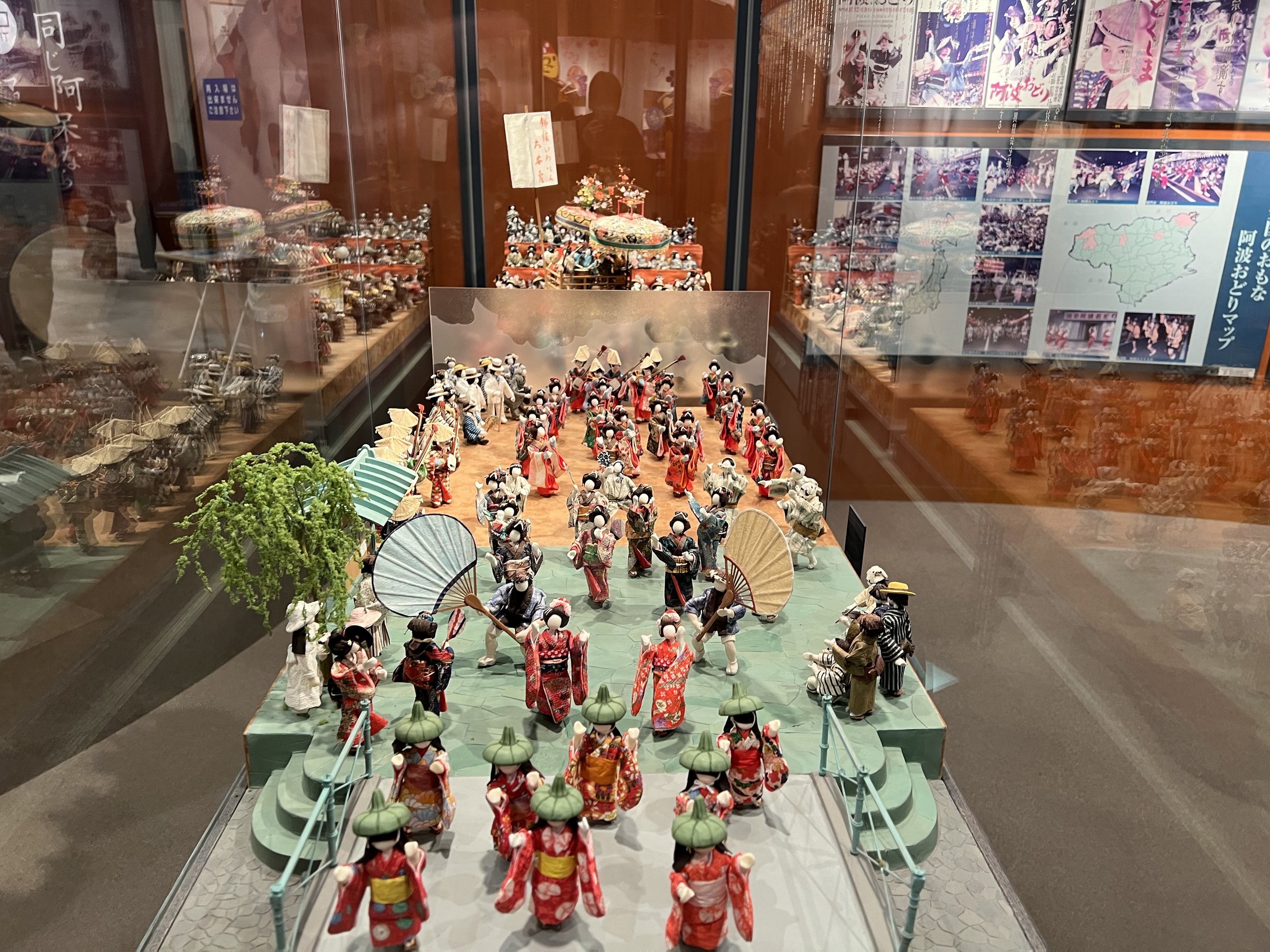
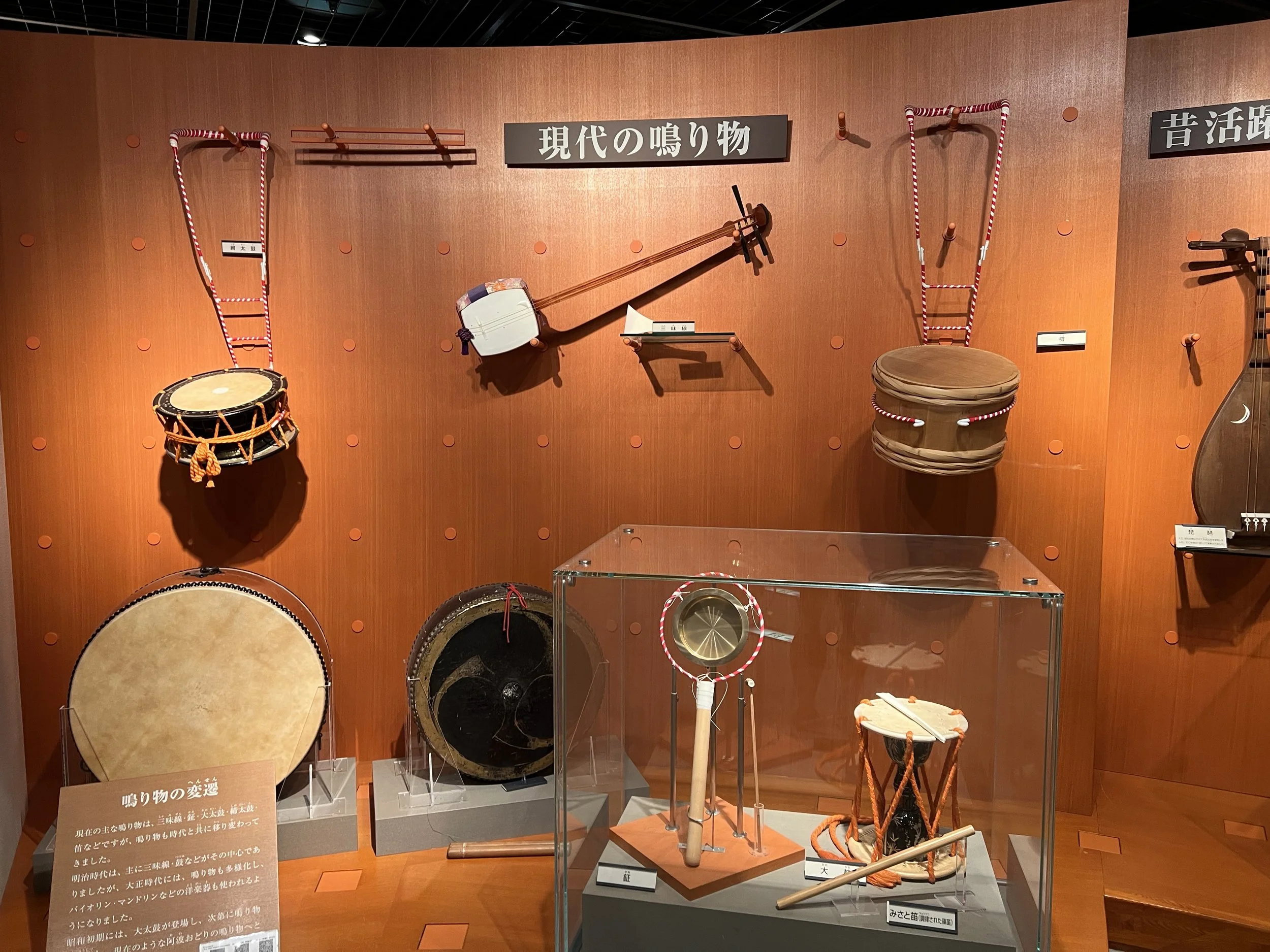
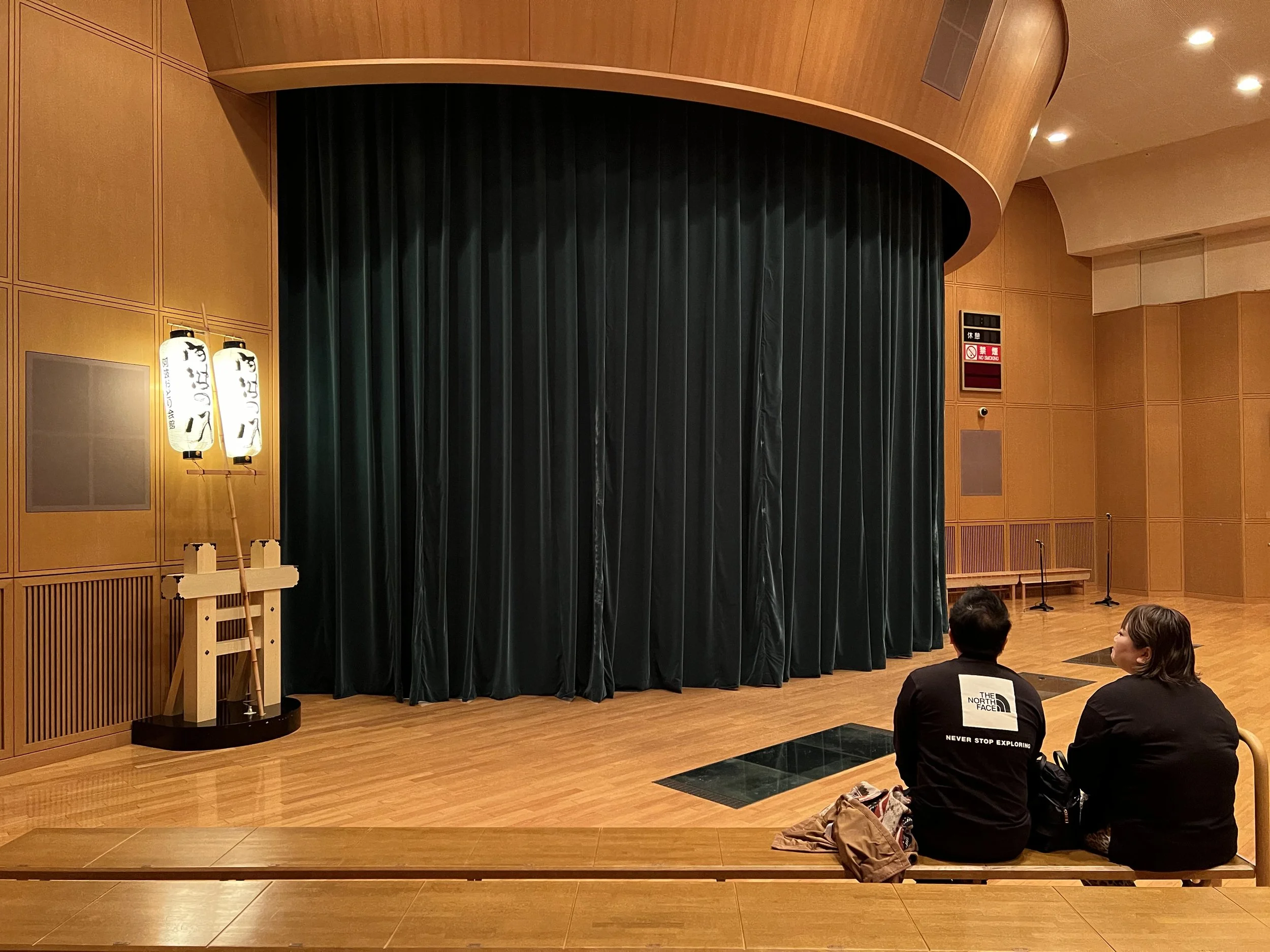
The museum provides a solid introduction to Awa Odori, with displays covering its history, evolution, and cultural significance. Traditional instruments used in performances are also on display, and I found it helpful to see everything beforehand to better understand what I was about to watch. A few minutes before showtime, I returned to the performance hall, where a small crowd had already gathered. I found a seat near the front on the left-hand side.
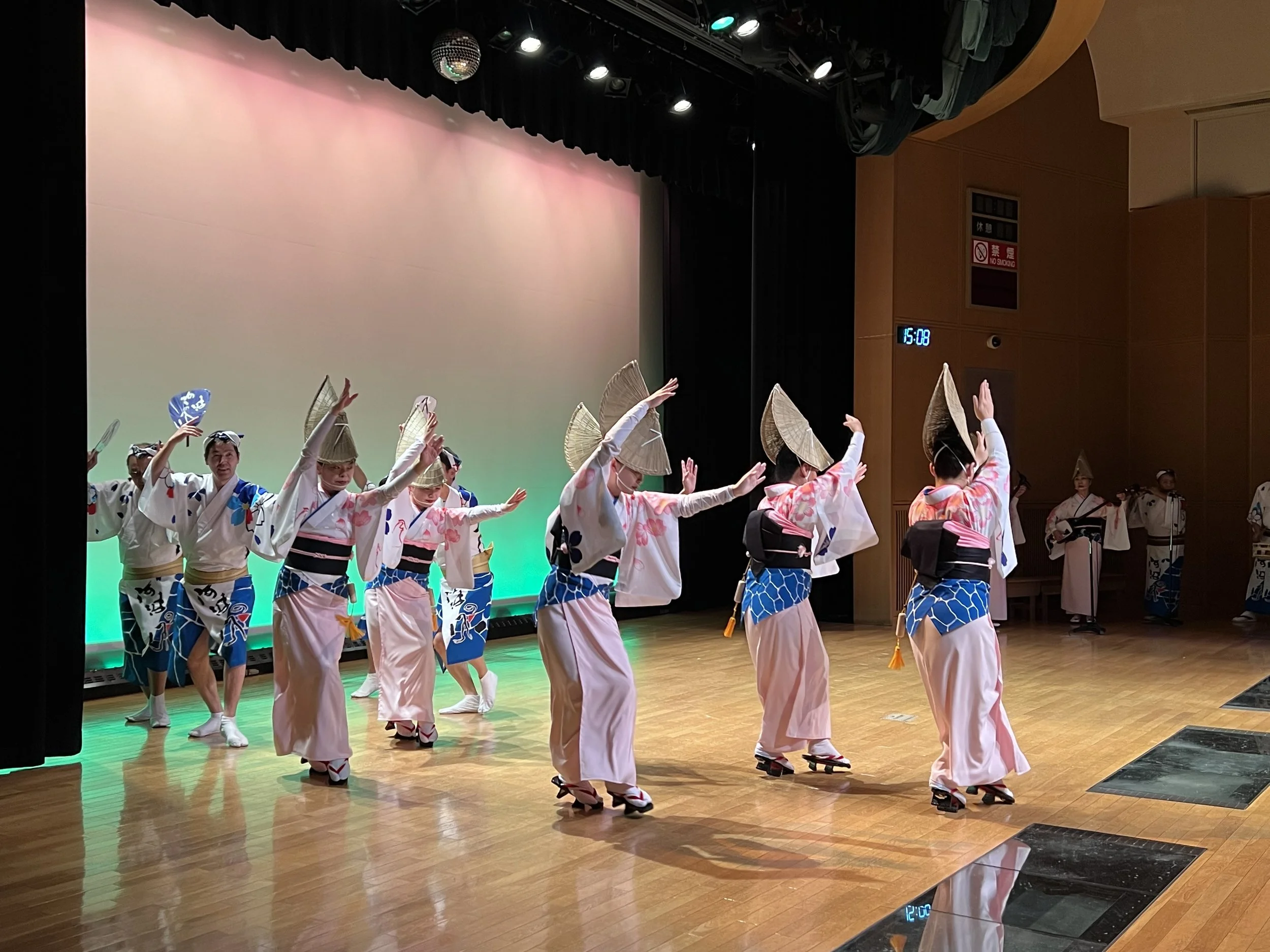
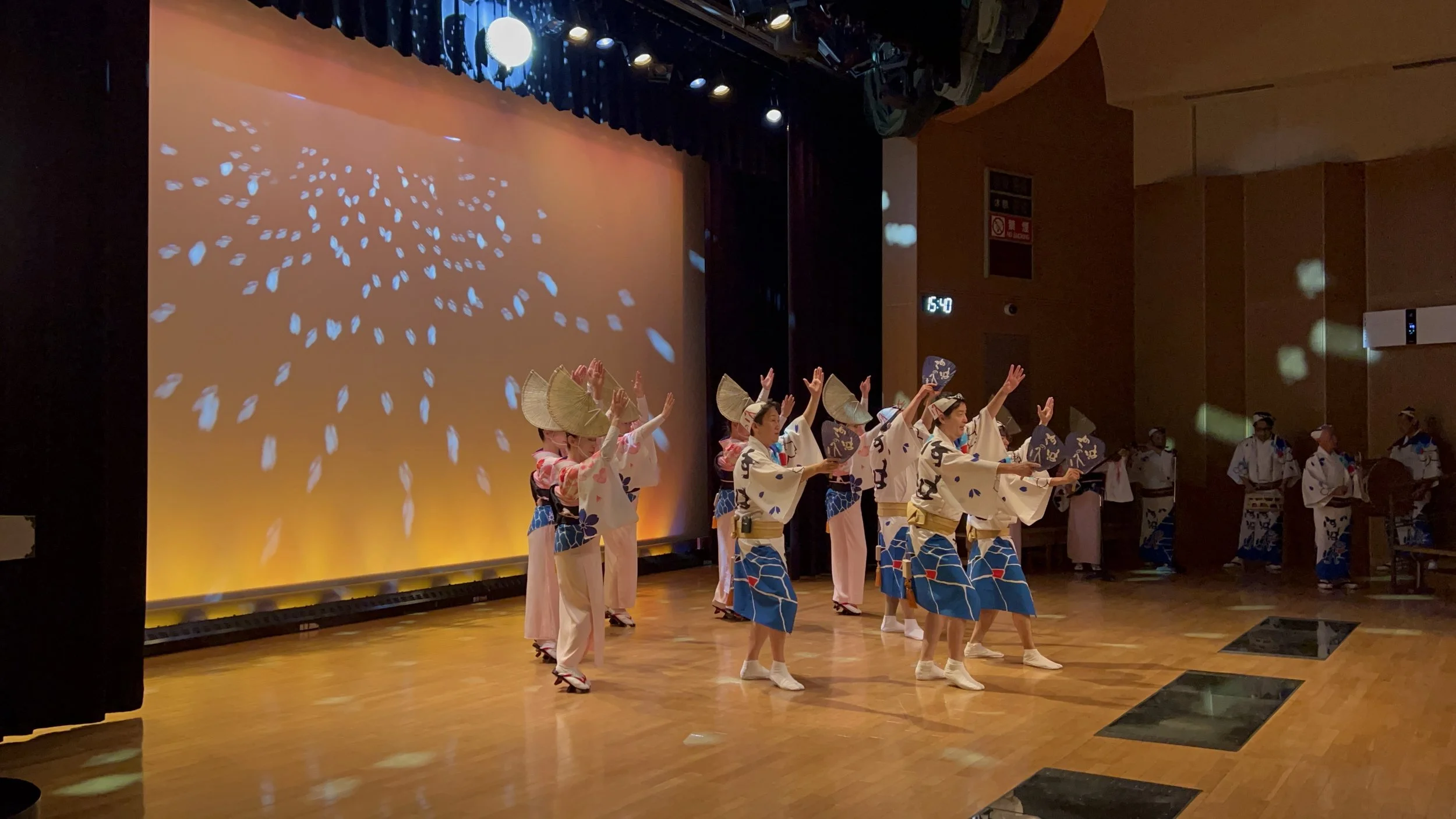
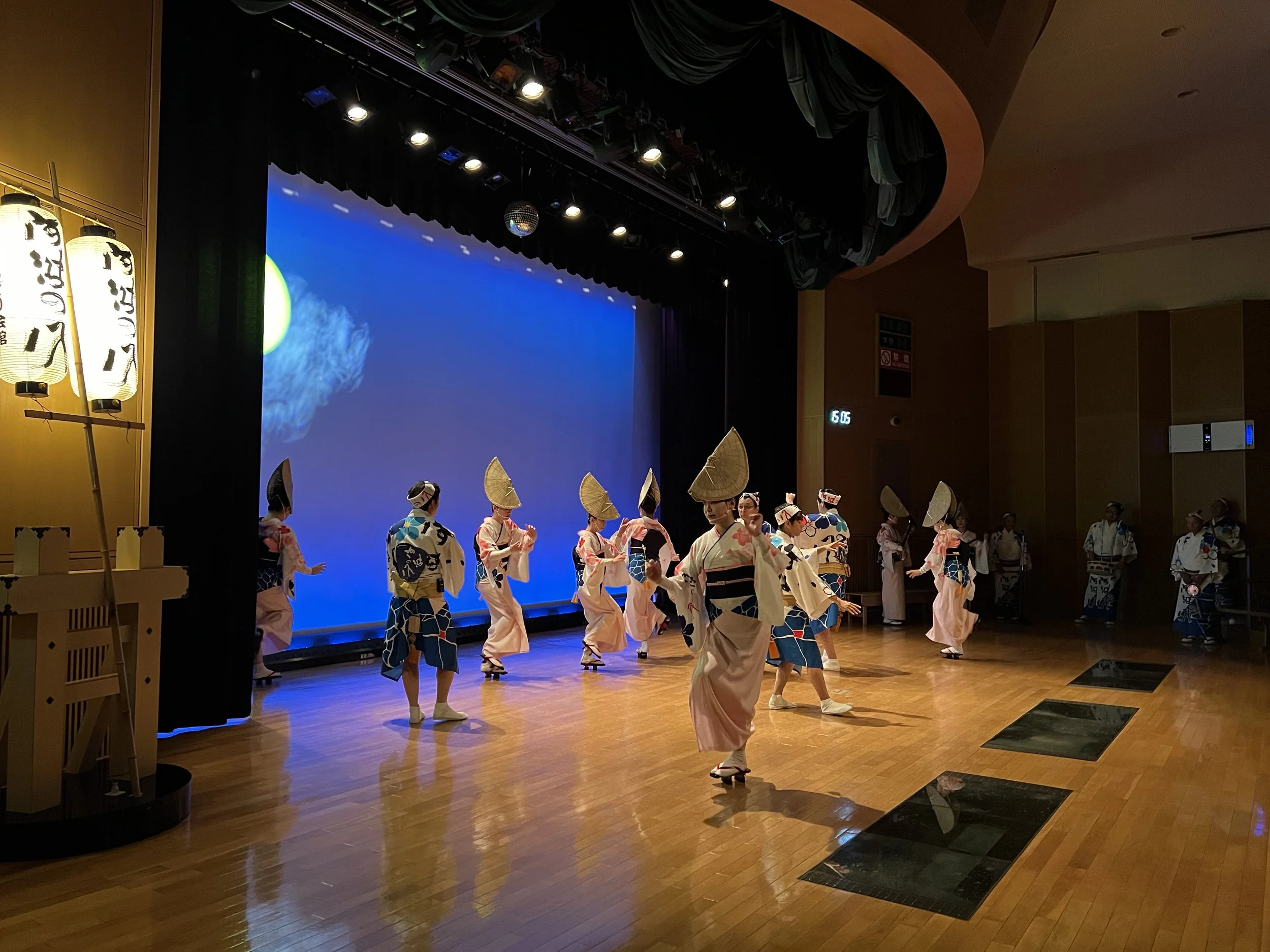
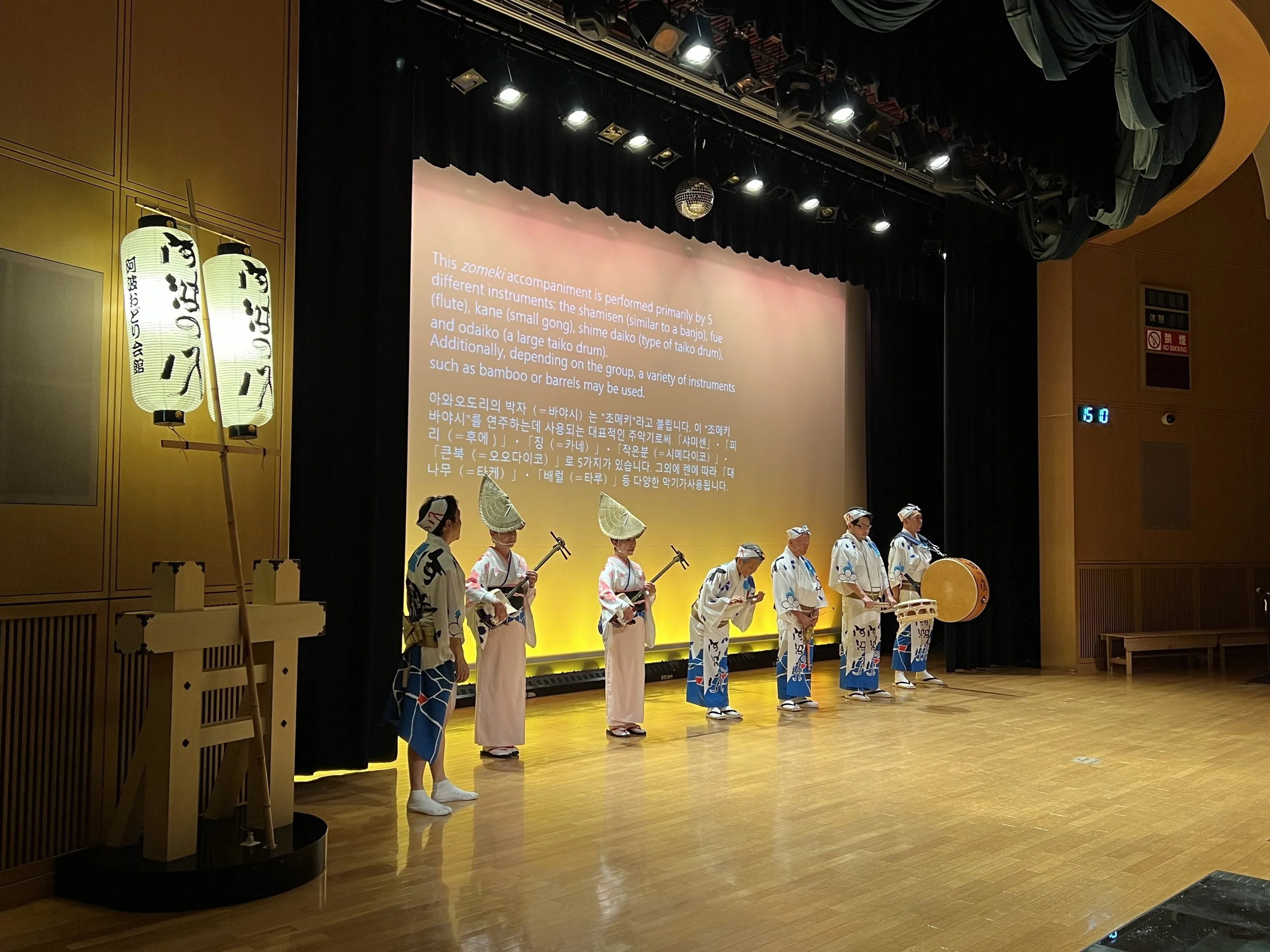
The performance began with an explanation of the dance’s origins and basic movements. The dancers first performed women’s dances, followed by men’s, and then a combined performance with live musicians. Watching the dancers up close really highlighted the contrast between the graceful, restrained movements of the women and the more dynamic, energetic style of the men. Partway through the show, the performers invited the audience to stand up and learn the chant and basic steps. Anyone who wanted could join them on stage.
The movements themselves were simple and repetitive, though coordinating hands and feet took me a moment. Still, it was a lot of fun, and by the end of it, I was glad I joined in. Those who participated on stage were given a small souvenir and a shout-out from the performers, which made the experience feel especially welcoming.
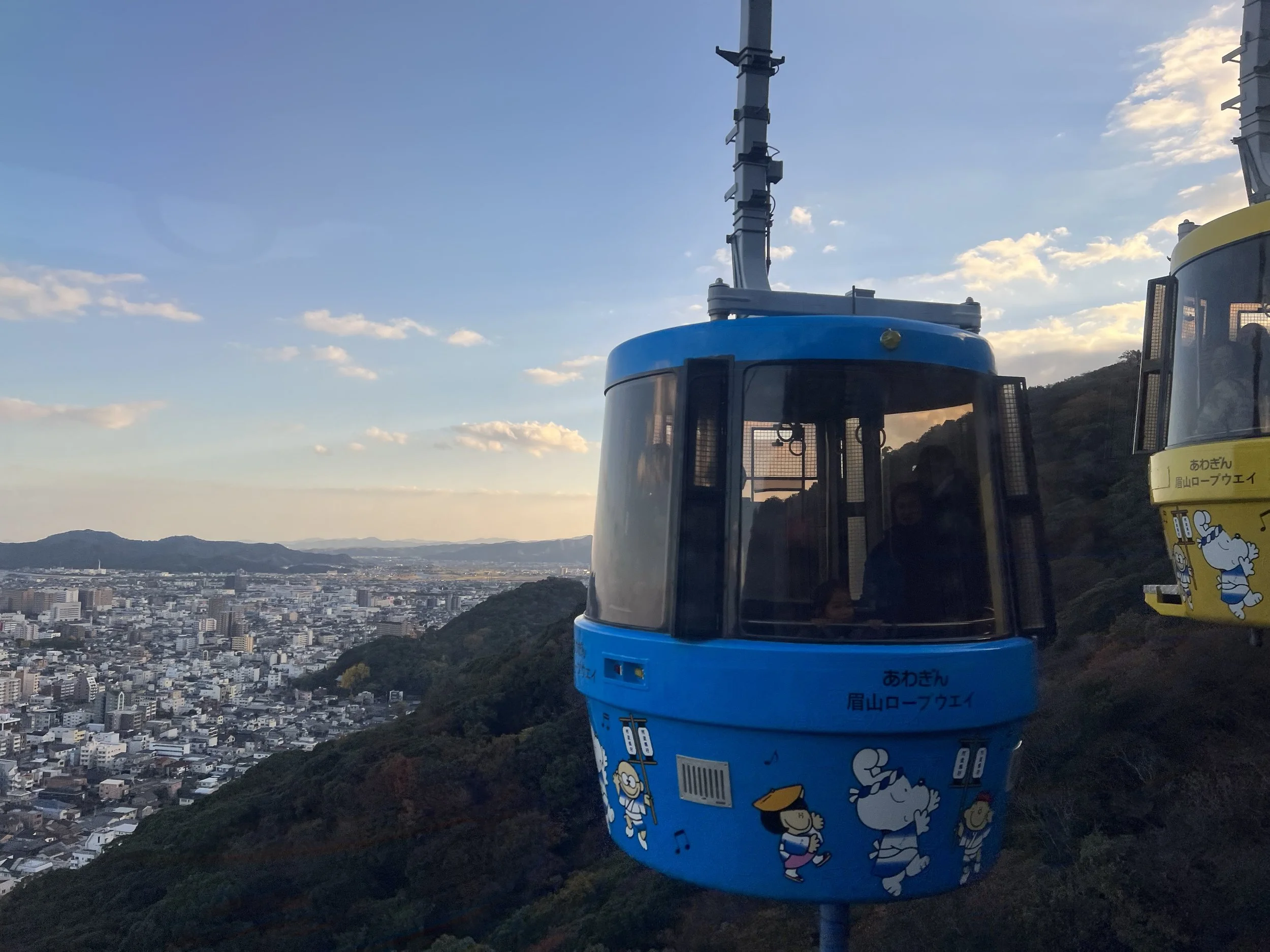
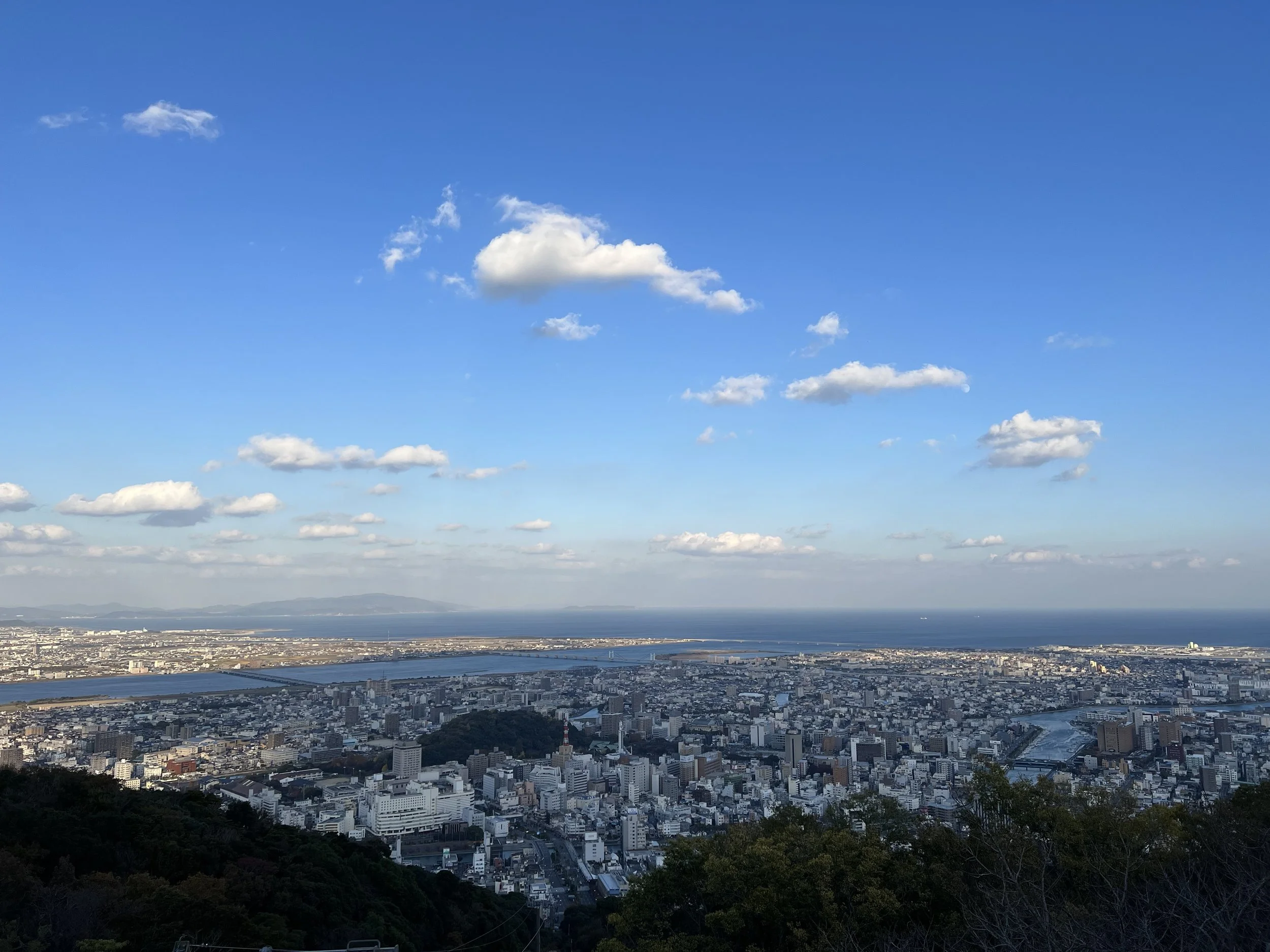
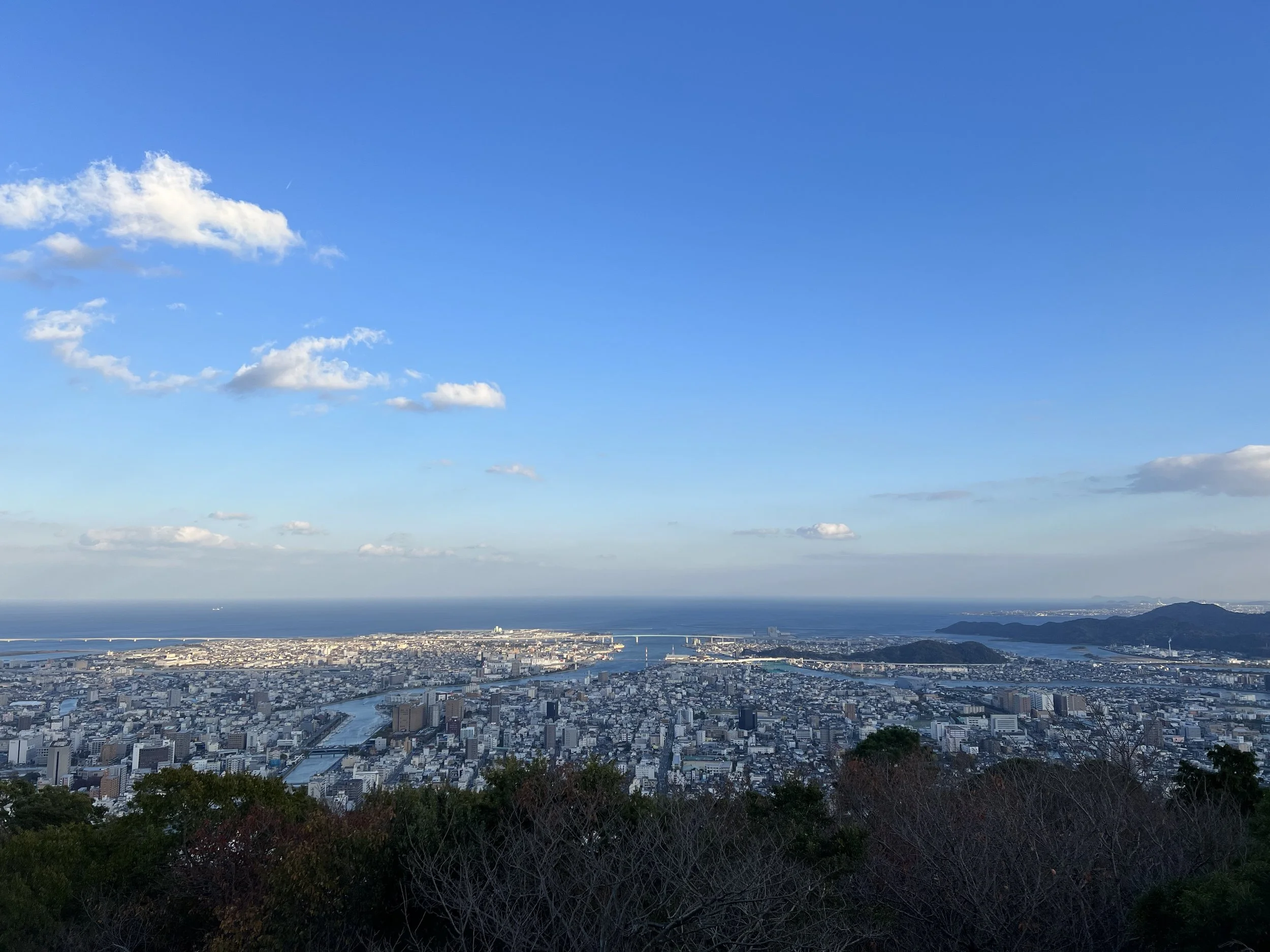
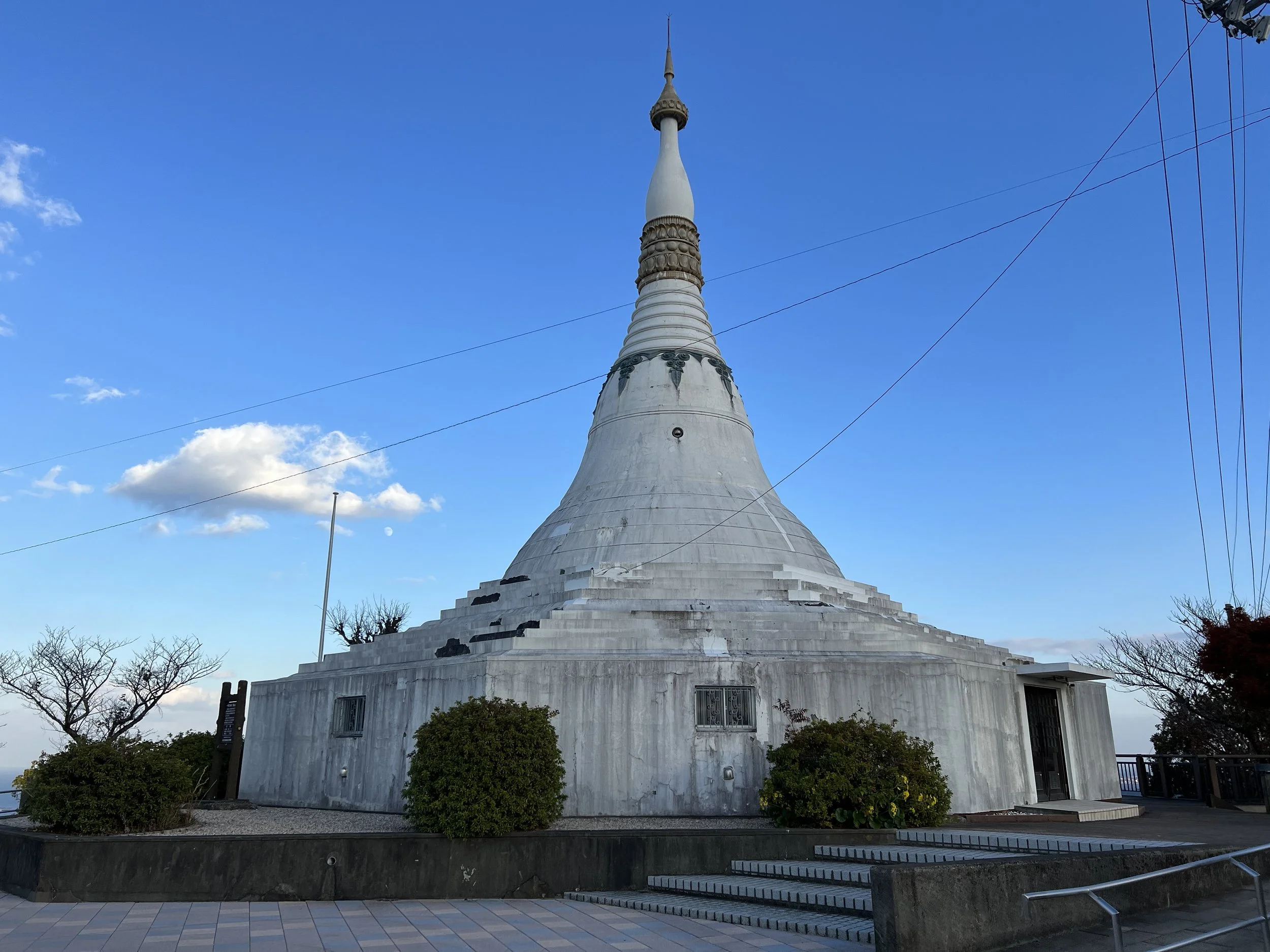
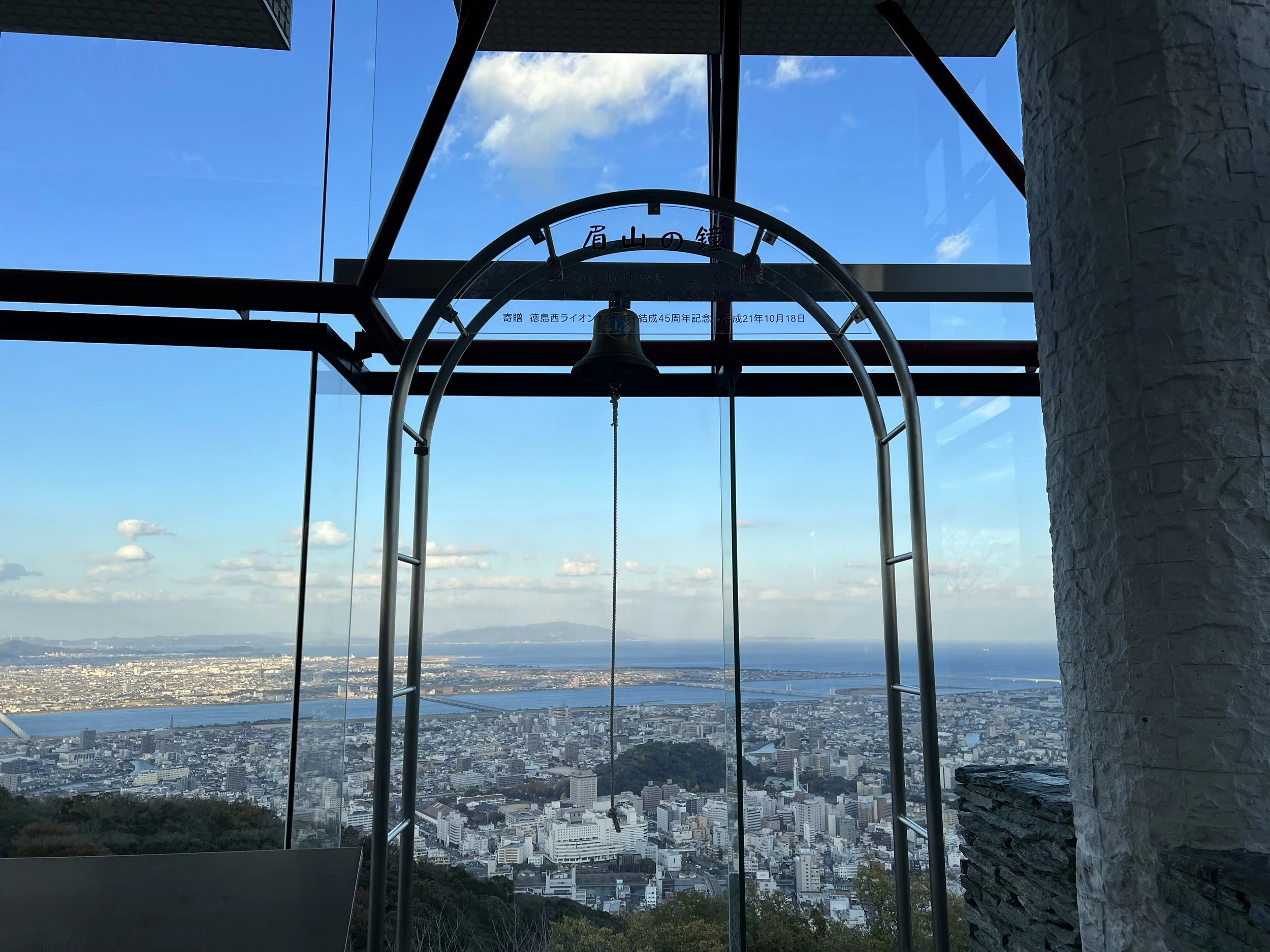
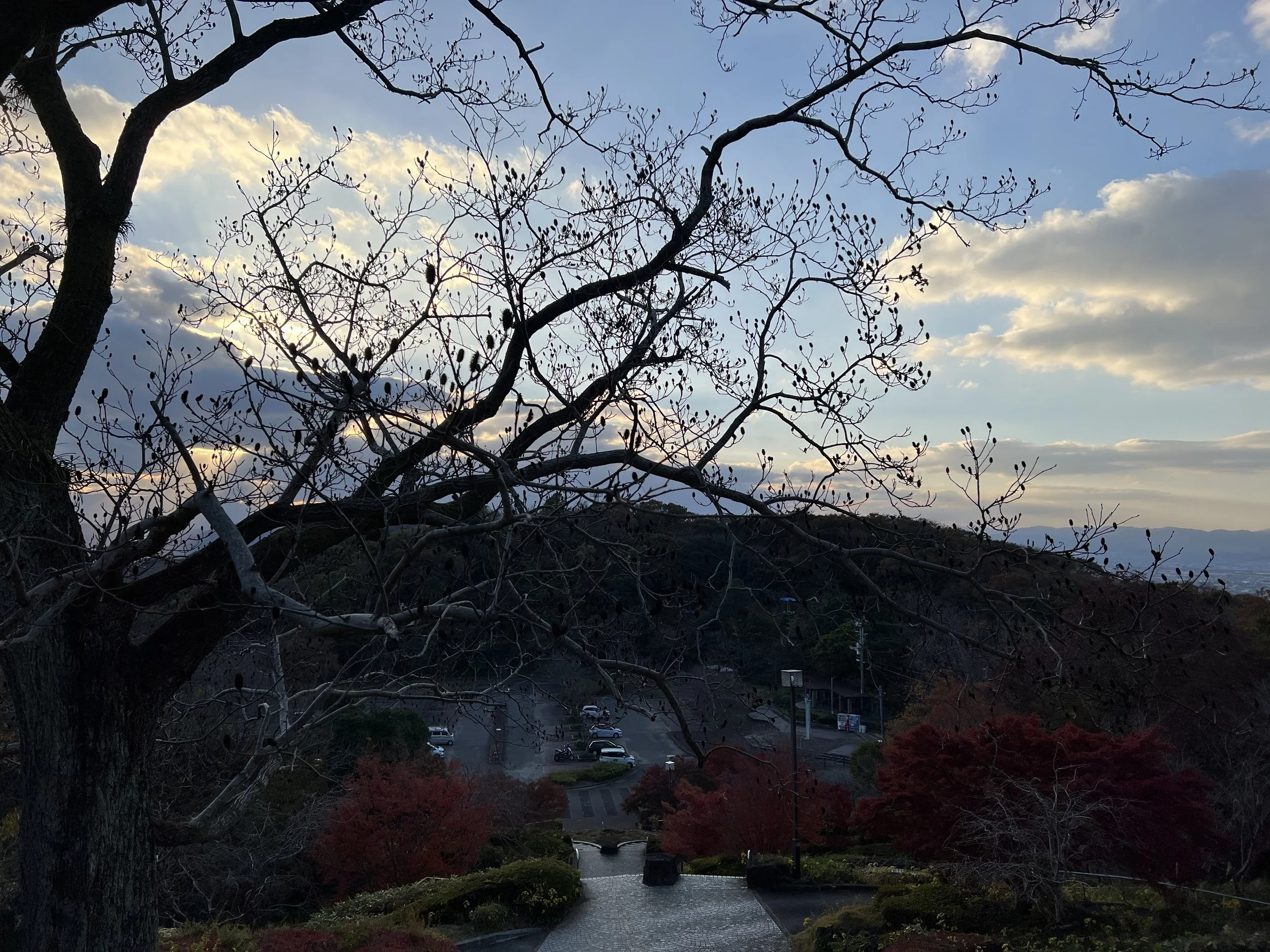
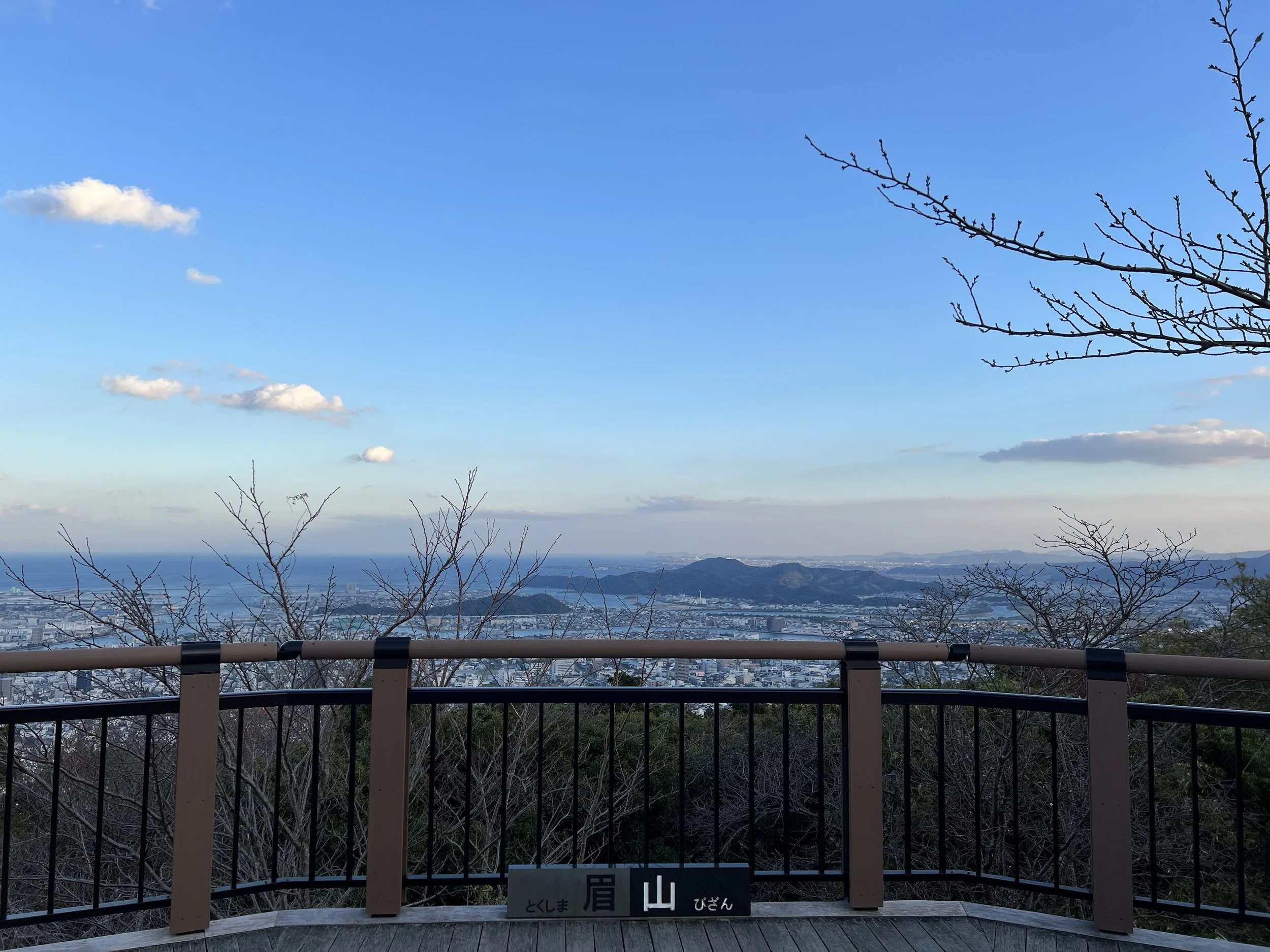
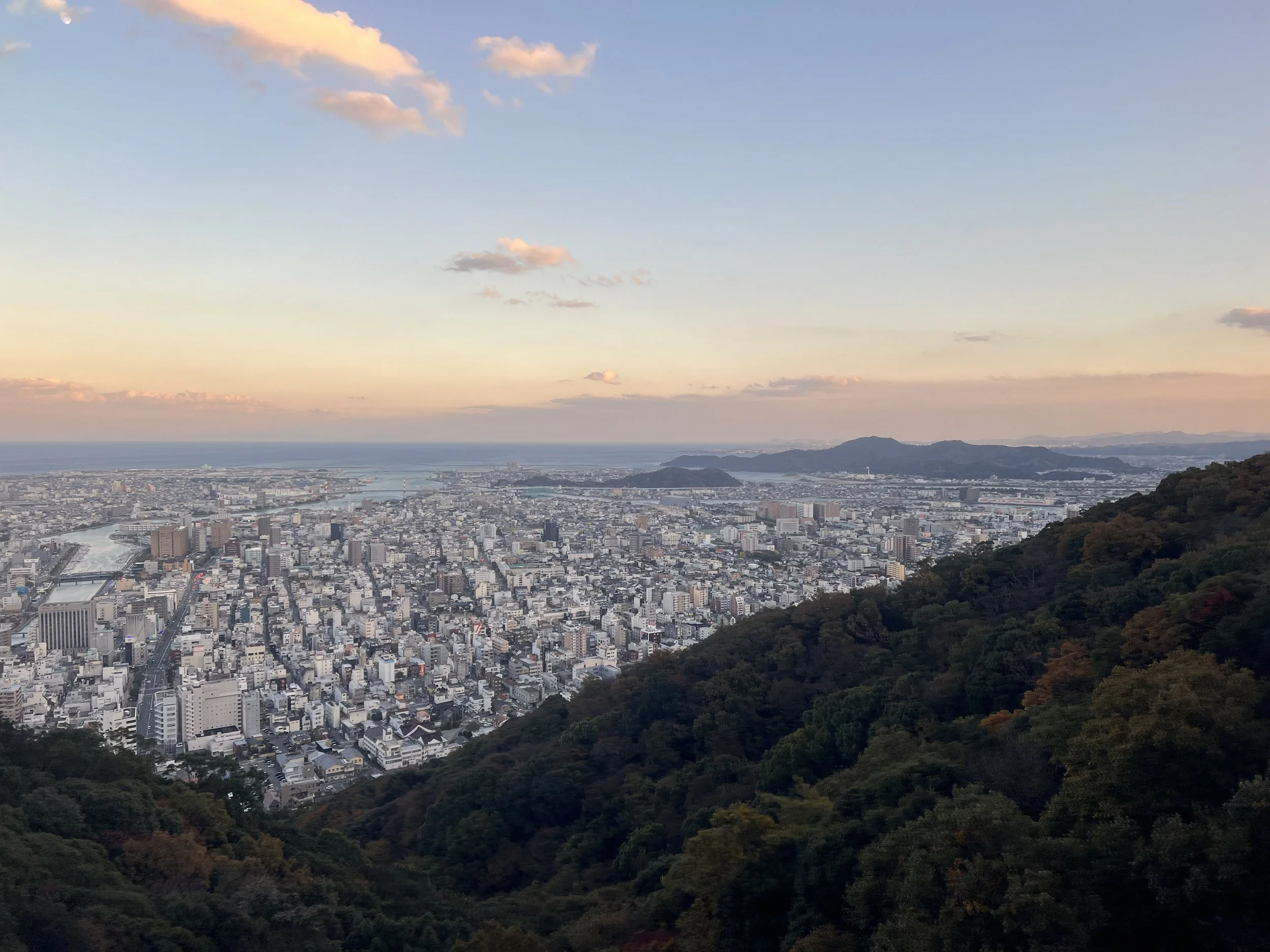
After the performance, I made my way up to the fifth floor to catch the ropeway to Mount Bizan. The ropeway ride was short and scenic, dropping me off just below the summit where Bizan Park is located. The park offers panoramic views over Tokushima City and, on clear days, the Seto Inland Sea. At the top, I wandered through the park, which includes a small shrine, flower gardens, a peace tower, and even a large kaleidoscope installation. I took my time walking around, checking out the different viewpoints, and waiting as the light began to soften toward sunset.
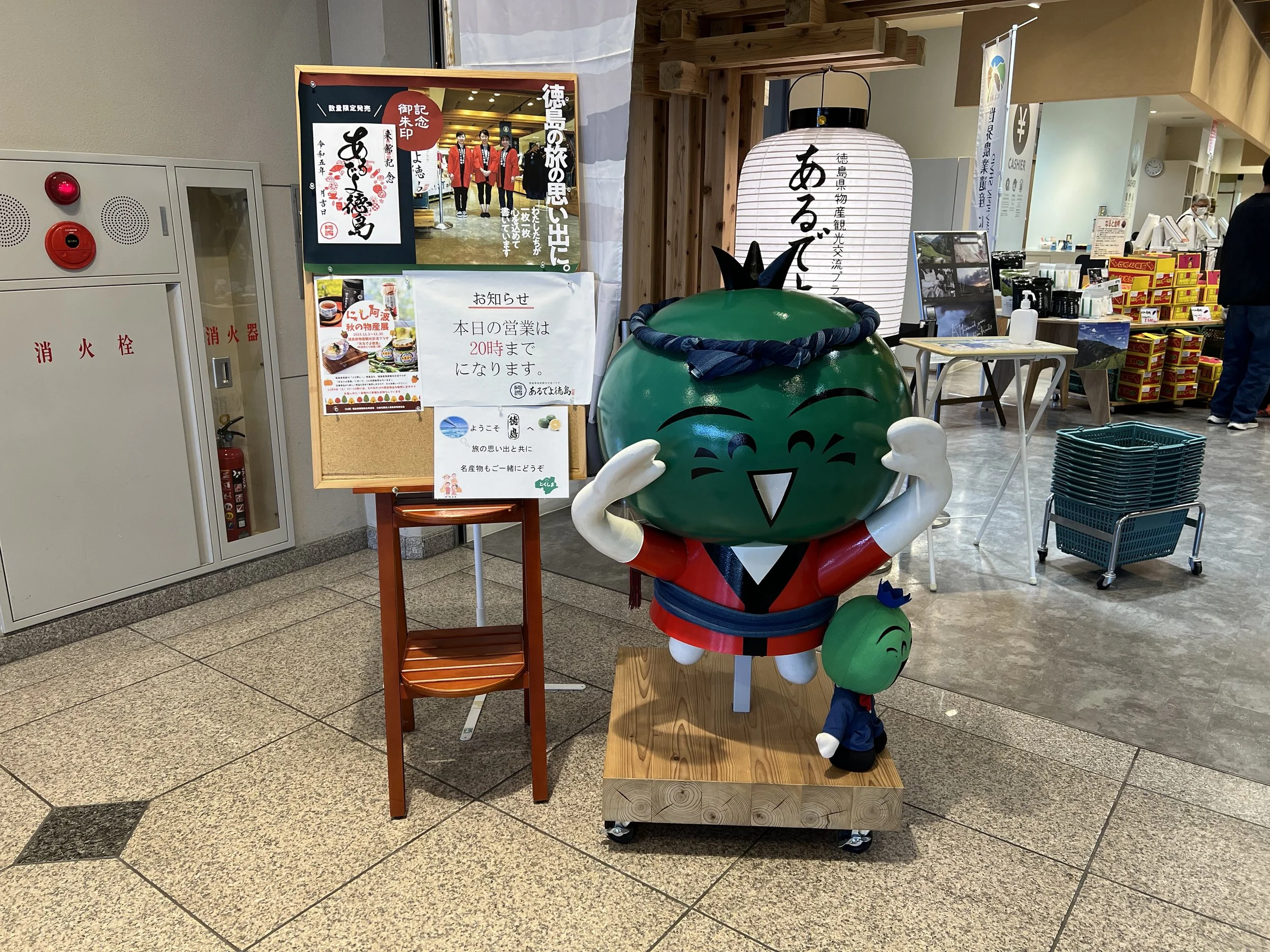
I was glad I checked the ropeway schedule beforehand, as I realized the last ride down was is at 5:30 p.m. I made sure to head back in time, rode the ropeway down, and took one final look through the souvenir shop on the first floor before walking back to Tokushima Station. There were plenty of local specialties available, and it felt like a fitting way to end the visit. Awa Odori Kaikan is a great alternative for experiencing this 400-year-old tradition, especially if you’re not visiting during festival season.
History & Background
Awa Odori is a traditional dance that originated in Tokushima over 400 years ago and has become one of Japan’s most famous folk dances. Closely associated with the Obon festival, it is characterized by lively music, rhythmic chants, and distinct dance styles for men and women. Over time, Awa Odori evolved from local celebrations into a major cultural event, drawing dancers and spectators from across Japan.
Awa Odori Kaikan (阿波おどり会館) was established to preserve and promote this cultural heritage year-round. In addition to live performances, the facility includes exhibitions, educational displays, and direct access to Mount Bizan via ropeway, making it both a cultural and scenic attraction.
Mount Bizan is a small but prominent mountain overlooking Tokushima City. Bizan Park at the summit has long been a popular viewpoint and recreational area, offering seasonal scenery and wide views of the surrounding region.
Getting There
Awa Odori Kaikan is located approximately 700 metres from Tokushima Station, the city’s main rail hub served by JR Shikoku. From Tokushima Station, the facility can be reached on foot in about 10 minutes. Mount Bizan Ropeway is accessed directly from the fifth floor of Awa Odori Kaikan.
Route Overview
Distance: 2.94 km out & back (Tokushima Station)
Total elevation gain: 26 m
Duration: 36 min (with breaks 1 hr 30 min)
Difficulty: Easy
Peak: Mt Bizan 眉山 290 m
Cost Breakdown
Entrance Fee: Awa Odori Kaikan — ¥1,830
Food: ¥1,341