Oshino Hakkai - Yamanashi, Japan
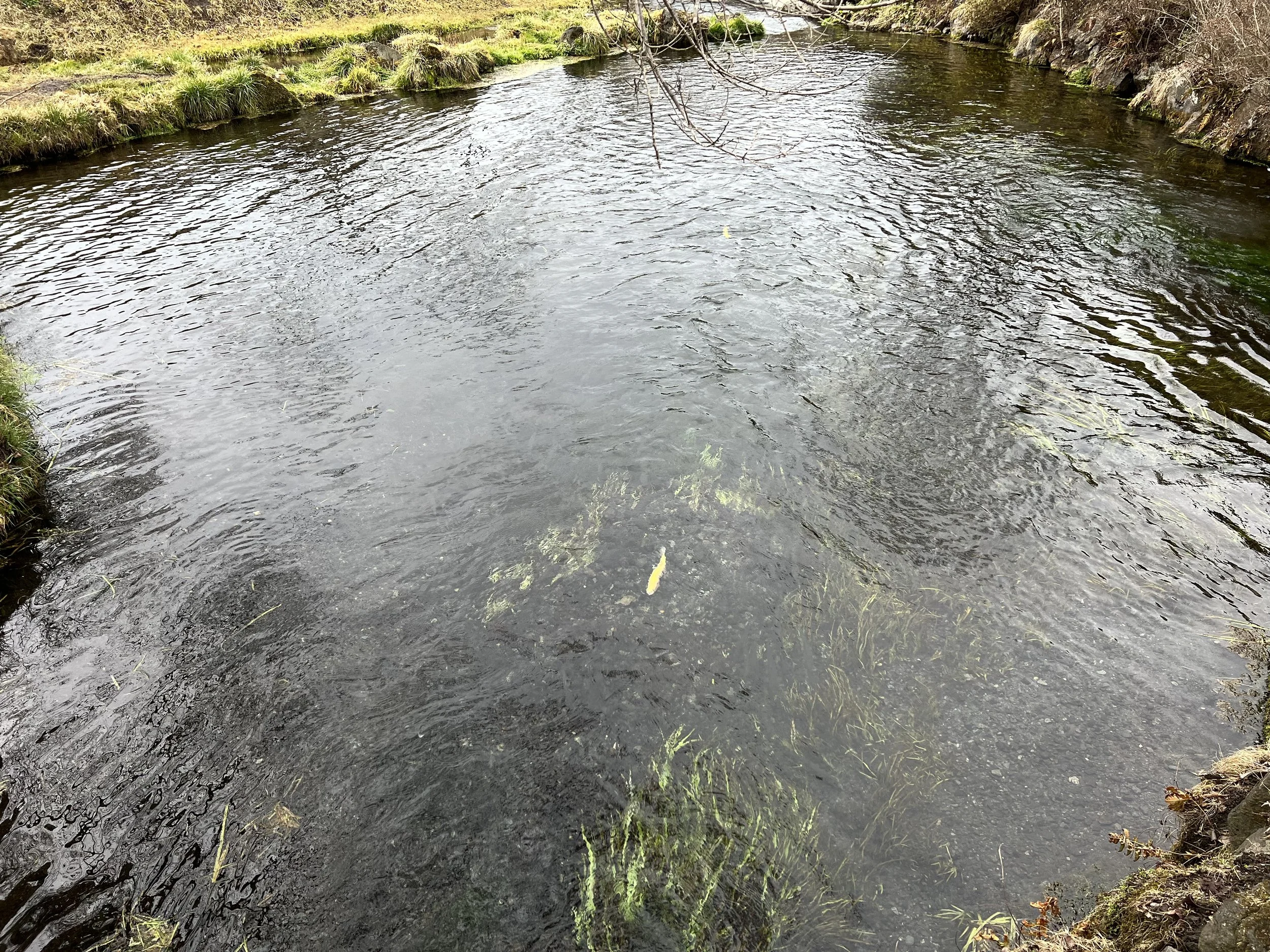
Oshino Hakkai is a small village known for its eight crystal-clear ponds, located between Lake Kawaguchi and Lake Yamanakako. The area sits on what was once a sixth lake that gradually dried up several hundred years ago, leaving behind these spring-fed ponds. The water here comes from melted snow from Mount Fuji, filtered naturally through layers of volcanic lava—resulting in some of the clearest water you’ll see.
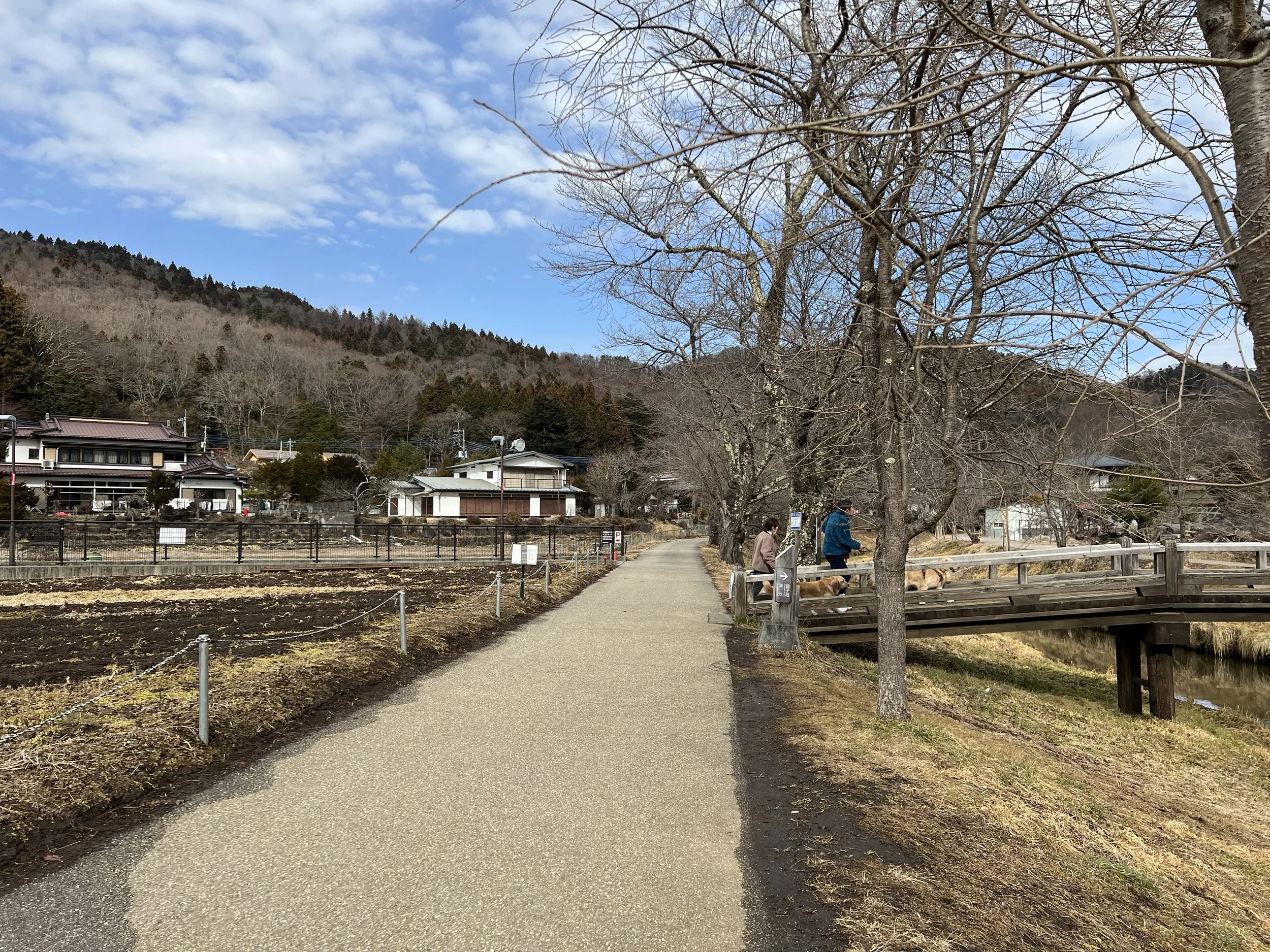
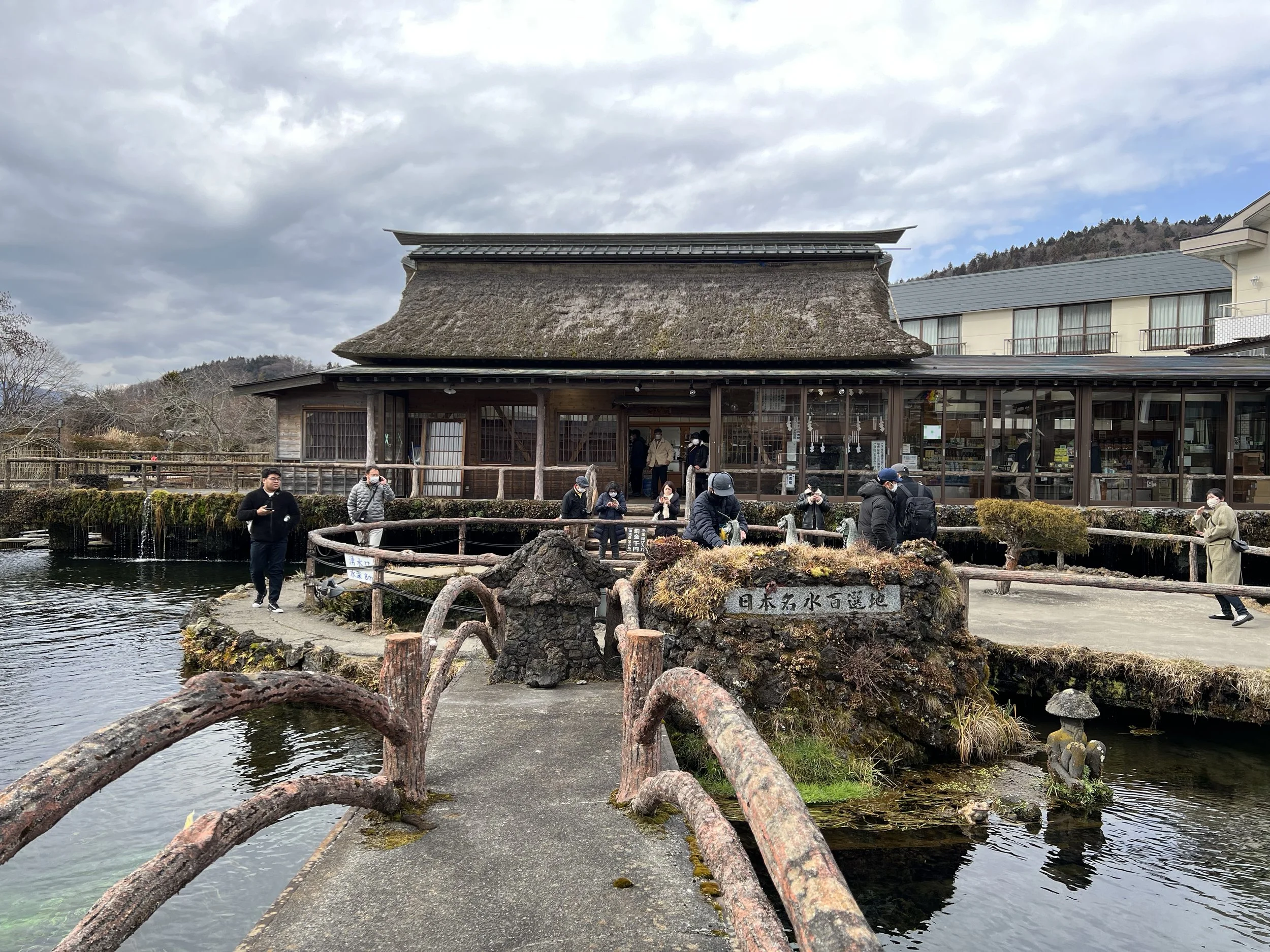
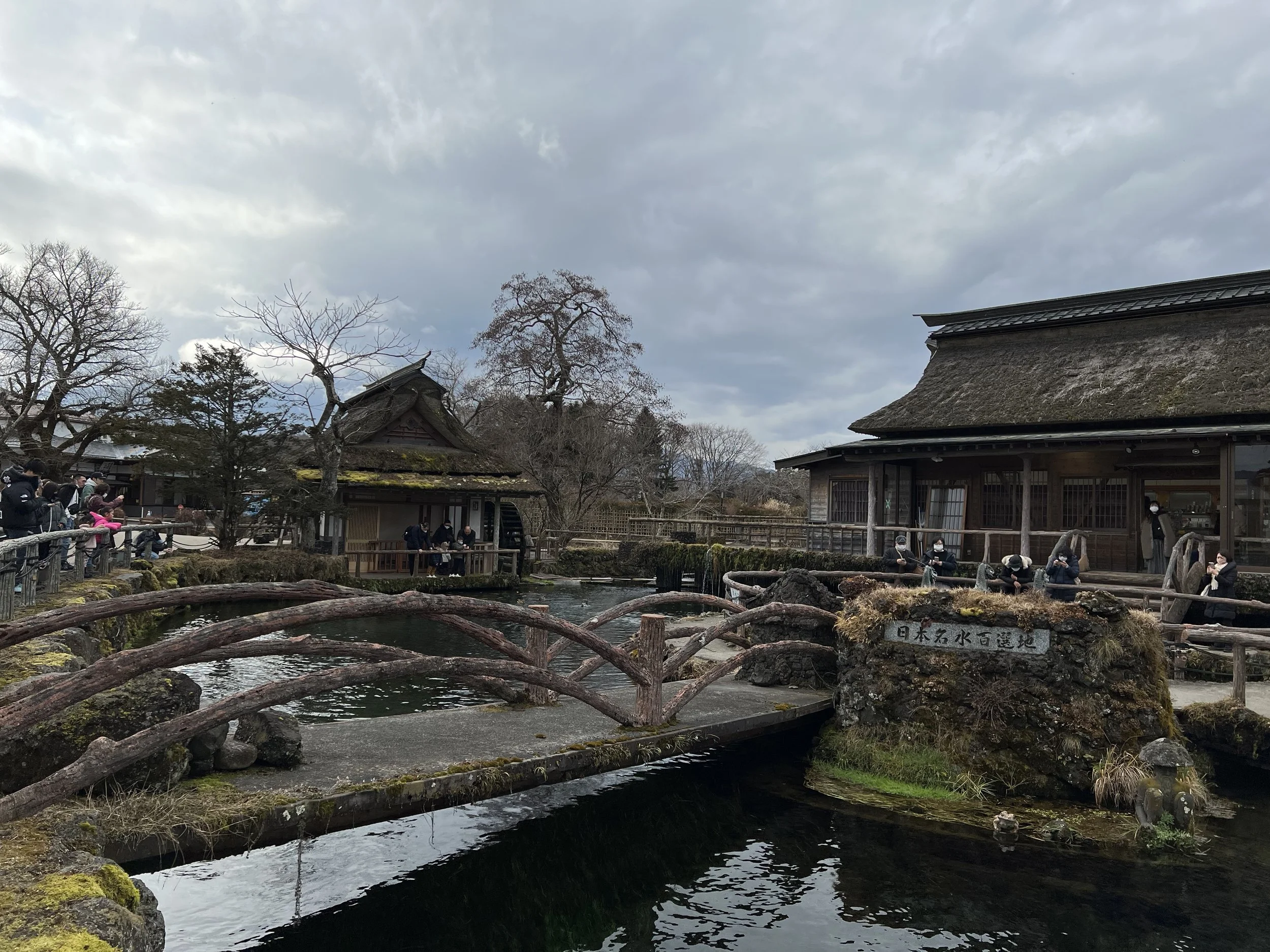
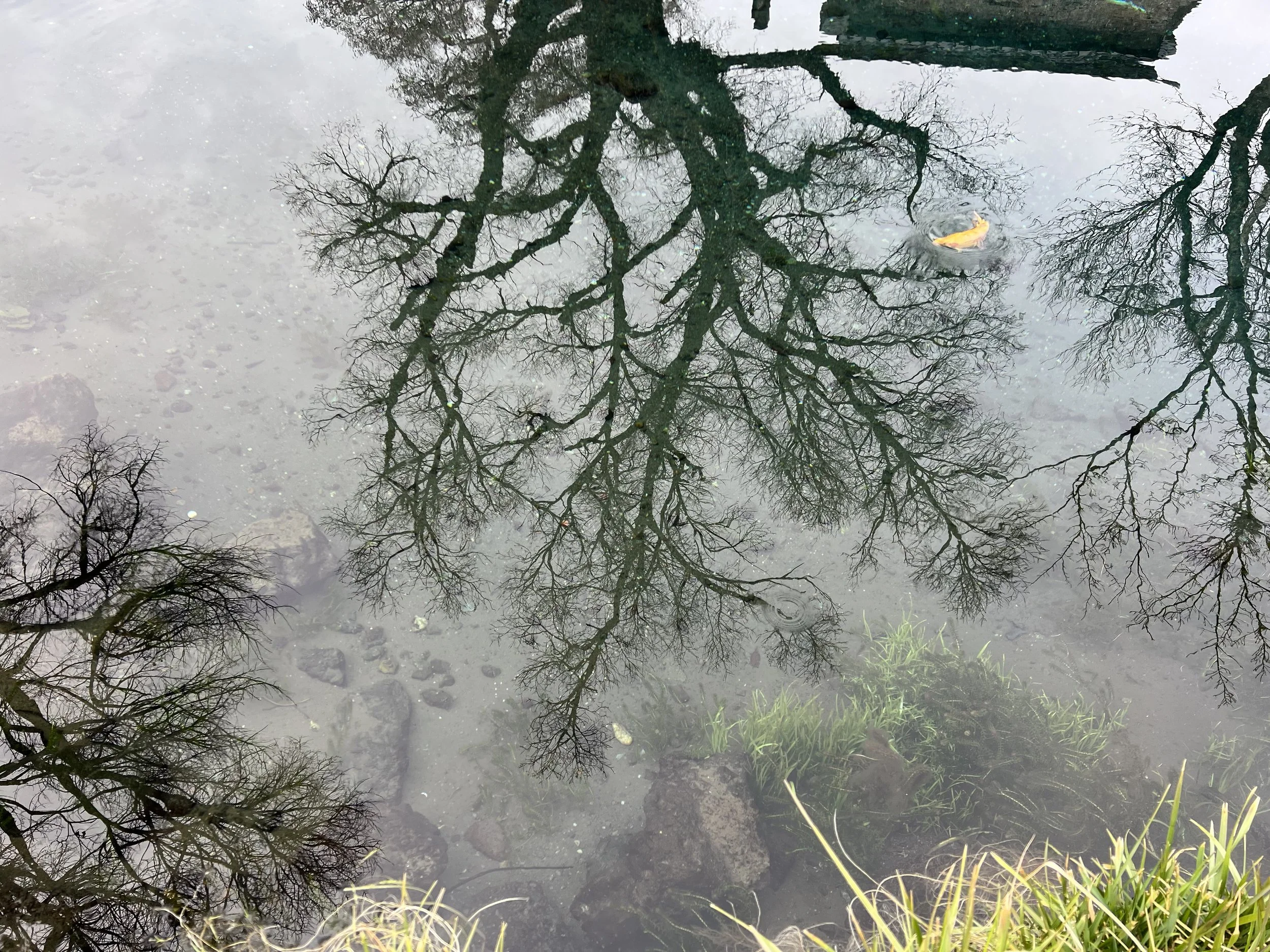
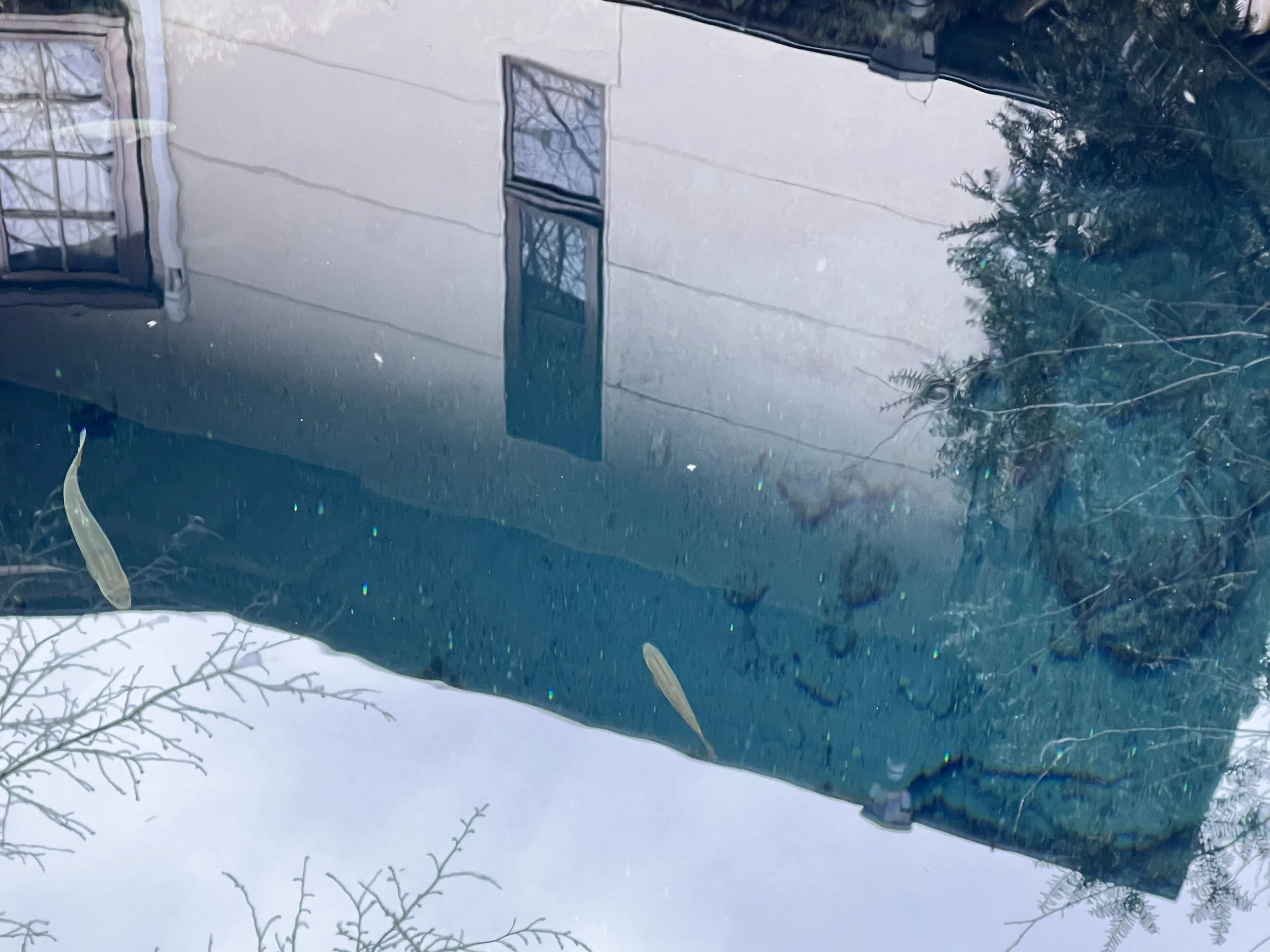
I took a bus from Kawaguchiko Station, which dropped me off just a few minutes’ walk from the village. As I arrived, I was immediately greeted by traditional thatched-roof houses and ponds so clear they reflected the surroundings like a mirror. It didn’t take long before I found myself completely drawn in by the water—it almost didn’t look real.
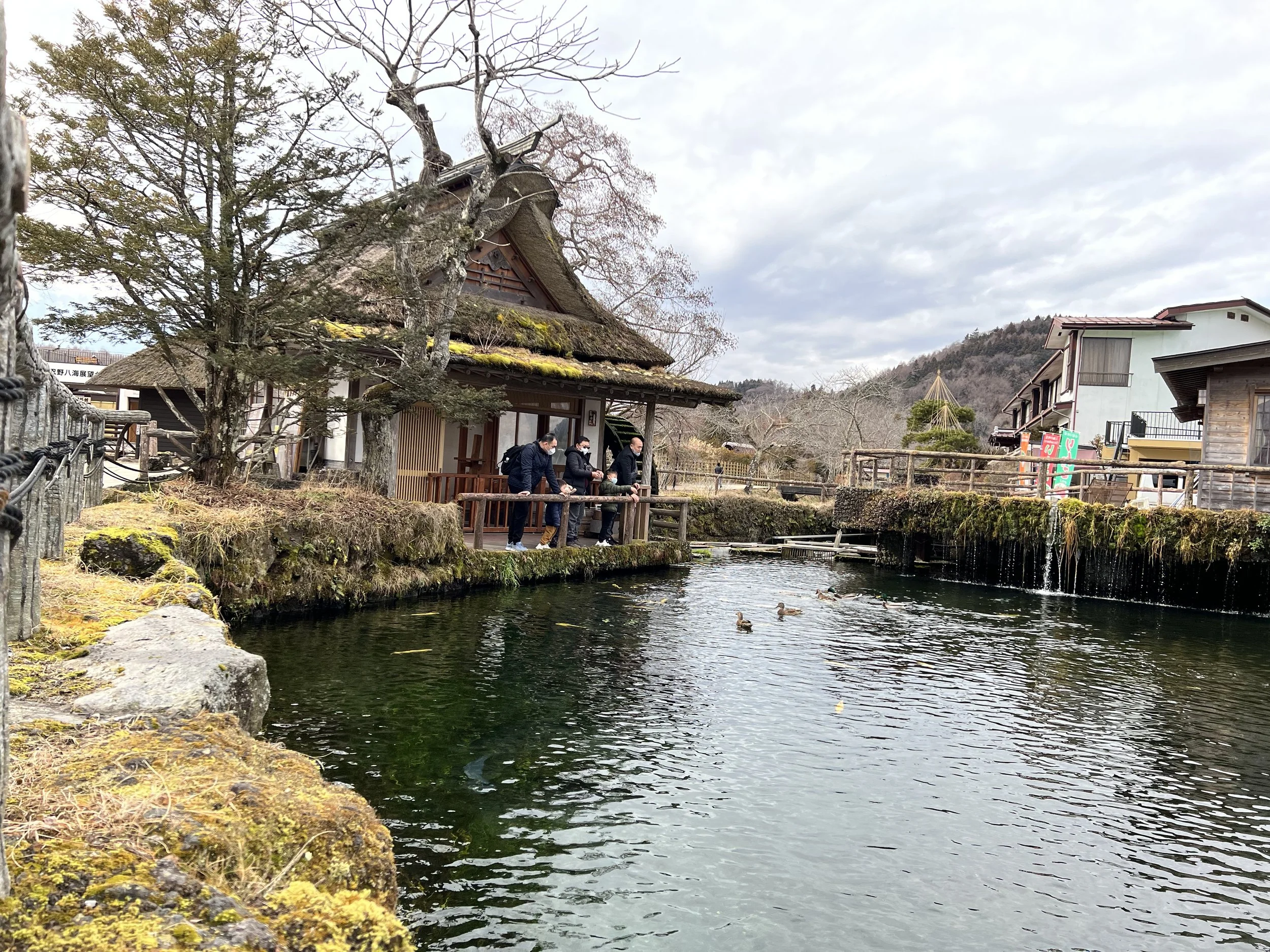
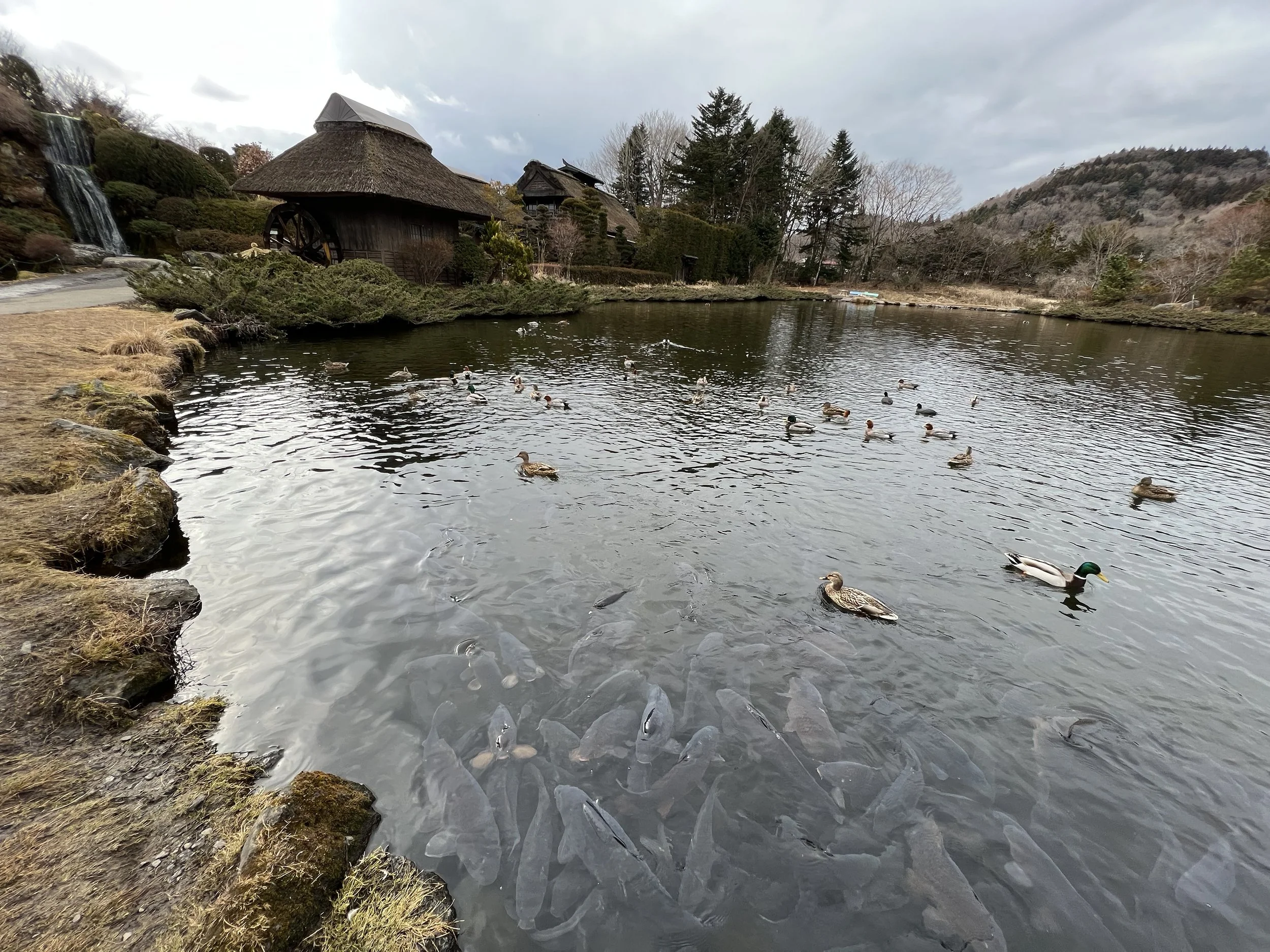
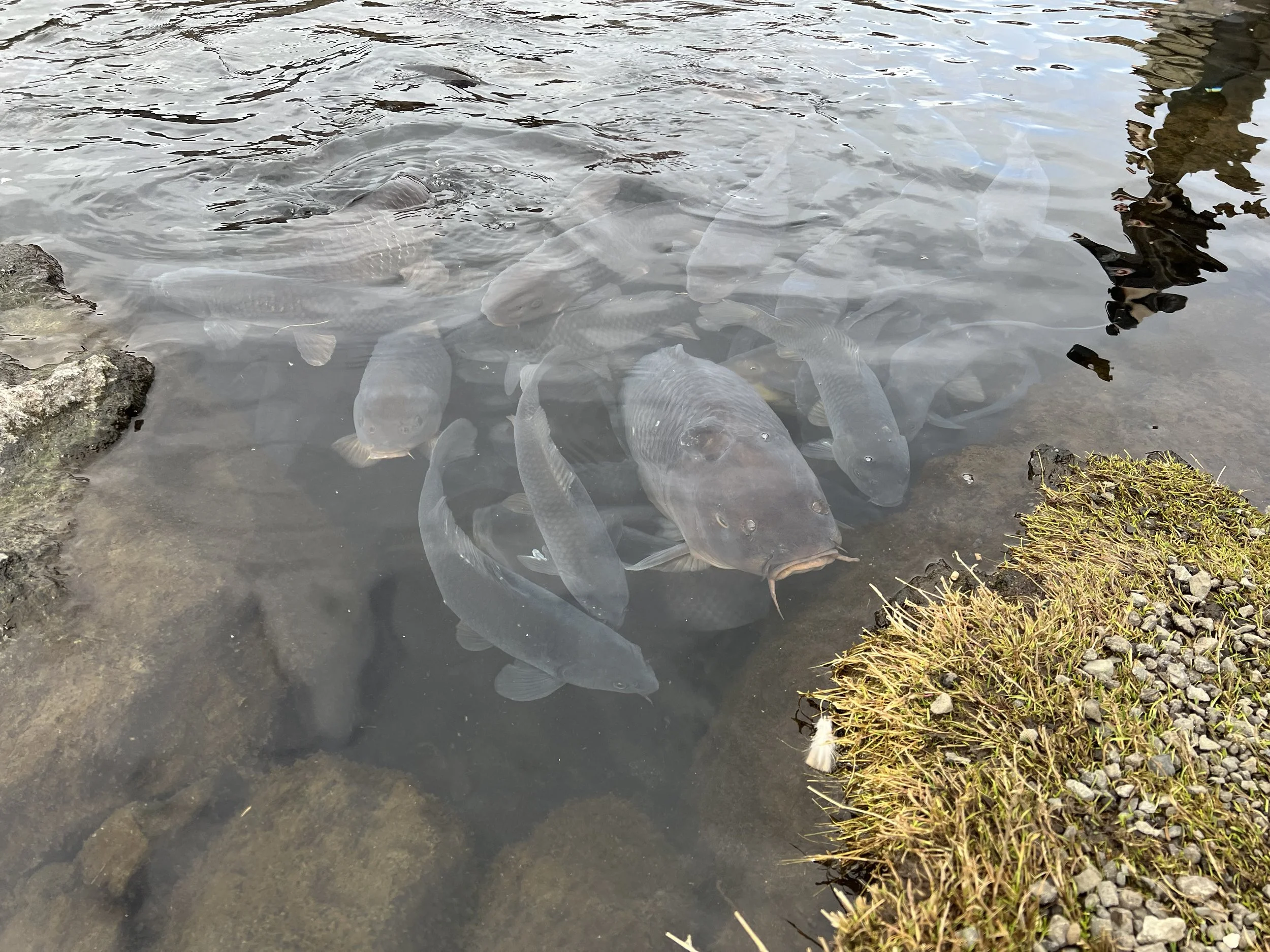
One of the unique features here is that there’s a designated spot where you can drink the spring water directly. Knowing how naturally filtered it is made the experience feel even more special. Most of the ponds are quite deep and filled with fish and aquatic plants, adding to the sense of depth and clarity. I spent a lot of time just standing there, watching the fish move through the water—it was surprisingly mesmerizing.
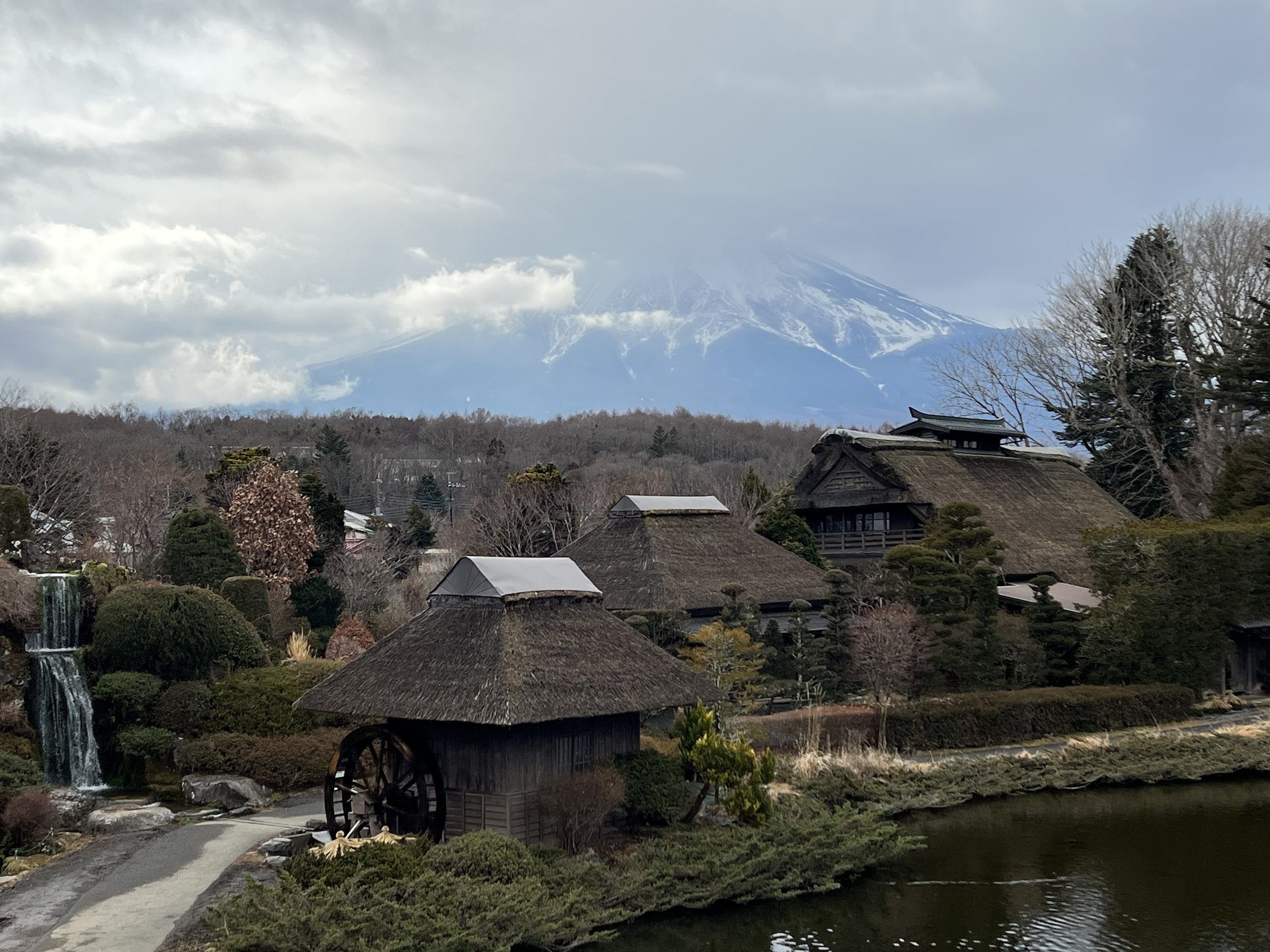
Some of the ponds are home to large fish, and there are stalls nearby where you can buy feed. It’s one of those small interactions that adds to the overall experience. Everywhere you turn, there’s something picturesque—whether it’s the reflections in the water, the surrounding greenery, or the thatched-roof buildings with Mount Fuji in the background.
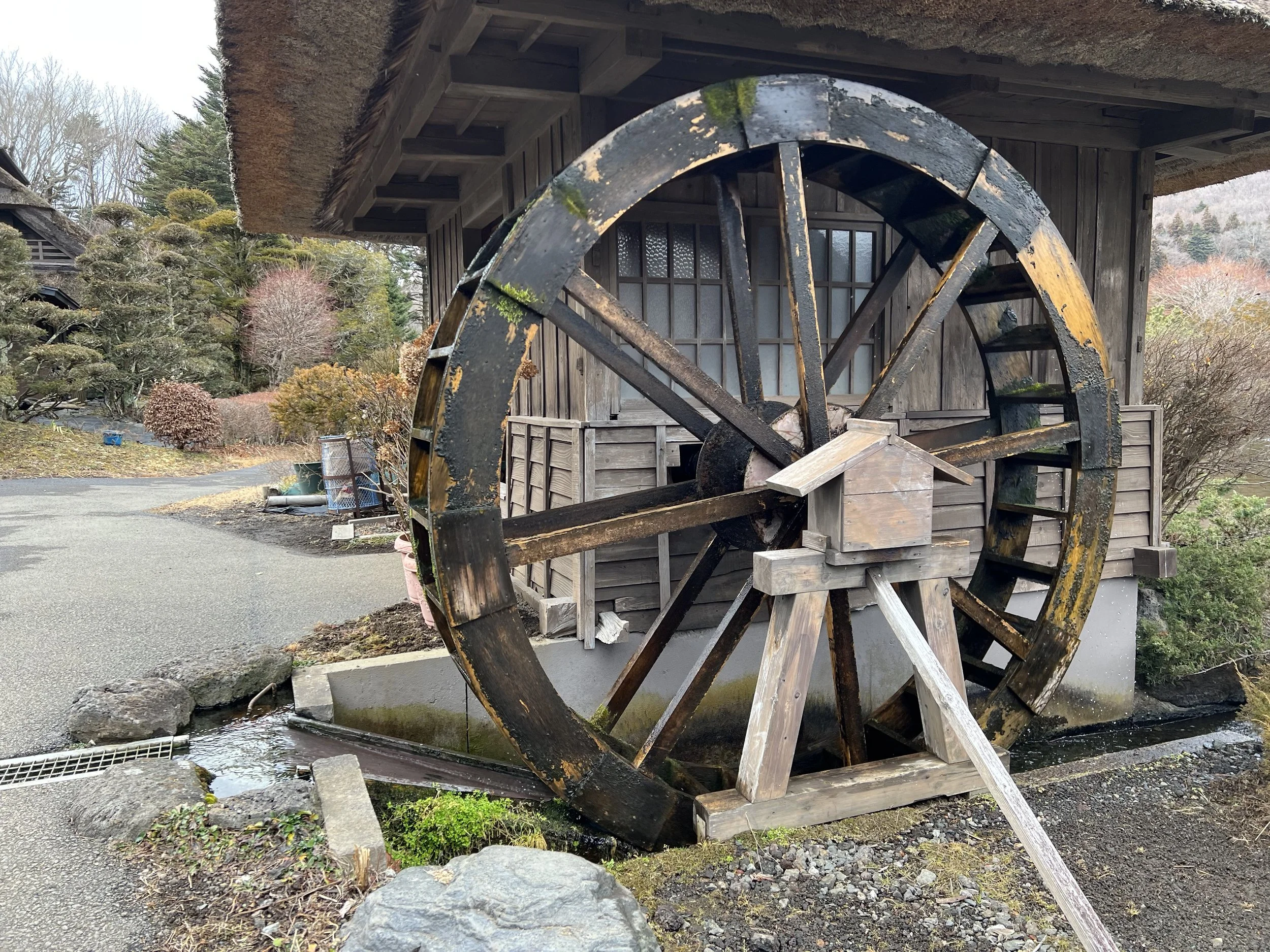
Around the ponds, there are plenty of small shops, restaurants, and food vendors selling local snacks, pickled goods, sweets, and handmade crafts. It gives the area a lively feel, though it can get busy. Wanting a bit of space, I decided to head into a nearby open-air museum area that requires a small entrance fee.
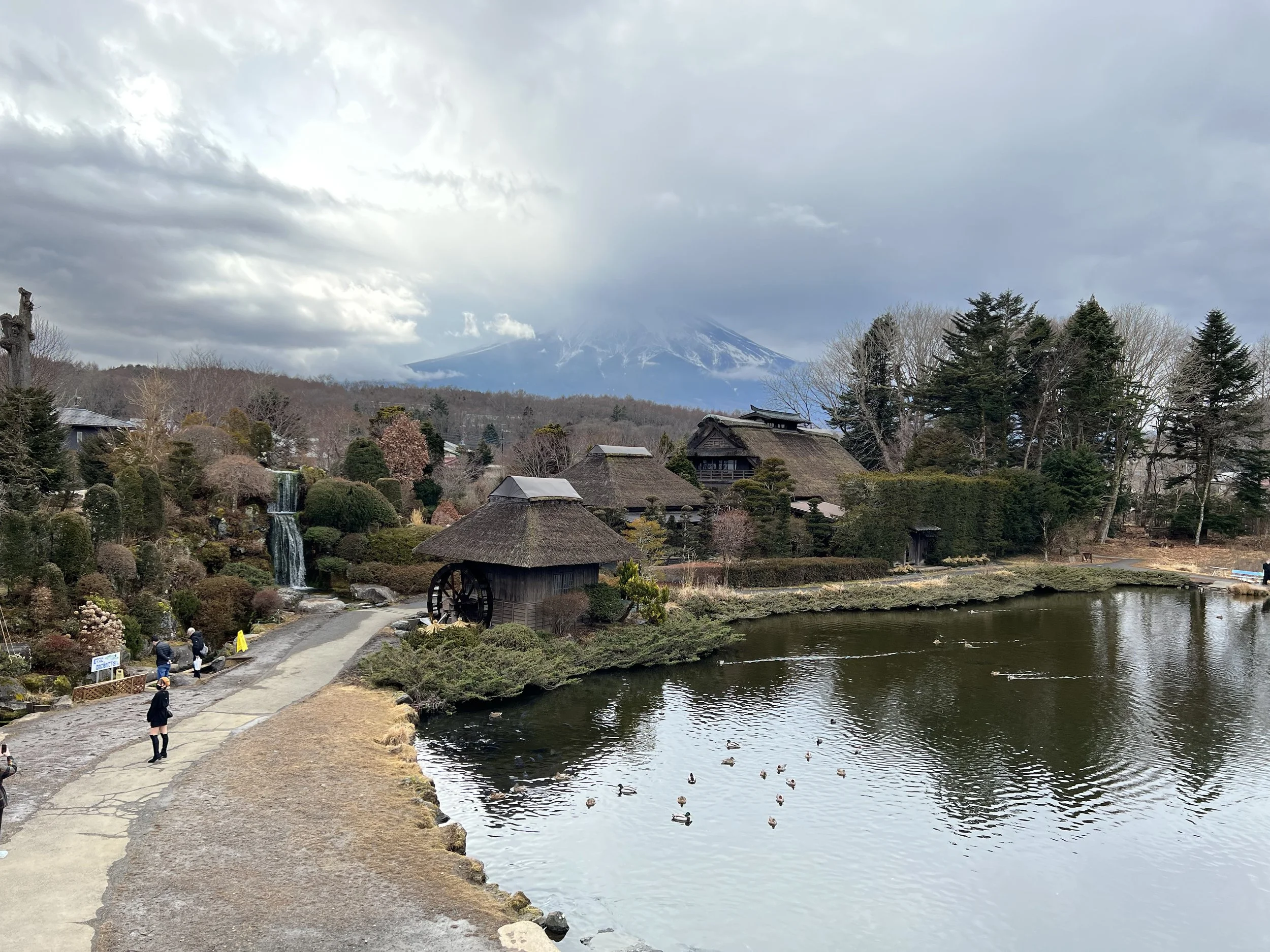
Inside, it was noticeably quieter. The area features larger ponds and preserved houses displaying traditional farming tools and daily life items. It gave me a better sense of how people once lived in this region. With fewer people around, it was also much easier to take photos without crowds in the background.
Even though the day was overcast and clouds partially covered Mount Fuji, the setting still felt beautiful in a quieter, more subdued way. The softer lighting almost enhanced the reflections in the water.
I visited after the leaves had already fallen, so the landscape was more muted. I’ve heard that during cherry blossom season or peak autumn foliage, this place becomes extremely crowded. Part of me wishes I could have seen it during those seasons, but at the same time, I appreciated being able to experience it without the heavy crowds.
History & Background
Oshino Hakkai (忍野八海) consists of eight ponds formed by the outflow of groundwater from Mount Fuji. As snow melts on the mountain, it seeps through porous volcanic rock, naturally filtering over many years before emerging as exceptionally clear spring water.
The site has long been considered sacred, and the ponds are designated as a natural monument of Japan. Historically, the area was used for religious purification rituals before climbing Mount Fuji. Today, Oshino Hakkai is both a cultural heritage site and a popular scenic destination, blending natural beauty with traditional village elements.
Getting There
Oshino Hakkai is accessible by bus from Kawaguchiko Station. Visitors can take a Fujikyu bus bound for Oshino or Yamanakako, with a travel time of approximately 25–30 minutes. The closest stop is Oshinohakkai Bus Stop, located just a short walk from the main village area.
Alternatively, the site can be reached from Fujisan Station or Lake Yamanakako by local bus services. Driving is also a convenient option, with parking available nearby. The location makes it easy to combine with other Fuji Five Lakes attractions.
Route Overview
Distance: 1 km out & back (Oshinohakkai Bus Stop)
Total elevation gain: 15 m
Duration: 15 min (with breaks 20 min)
Difficulty: Easy
Cost Breakdown
Bus: Kwaguchiko Station → Oshinohakkai Bus Stop — ¥620
Entrance Fee: Museum Oshino Hakkai — ¥300
Food: ¥150