Okinawa World - Okinawa, Japan
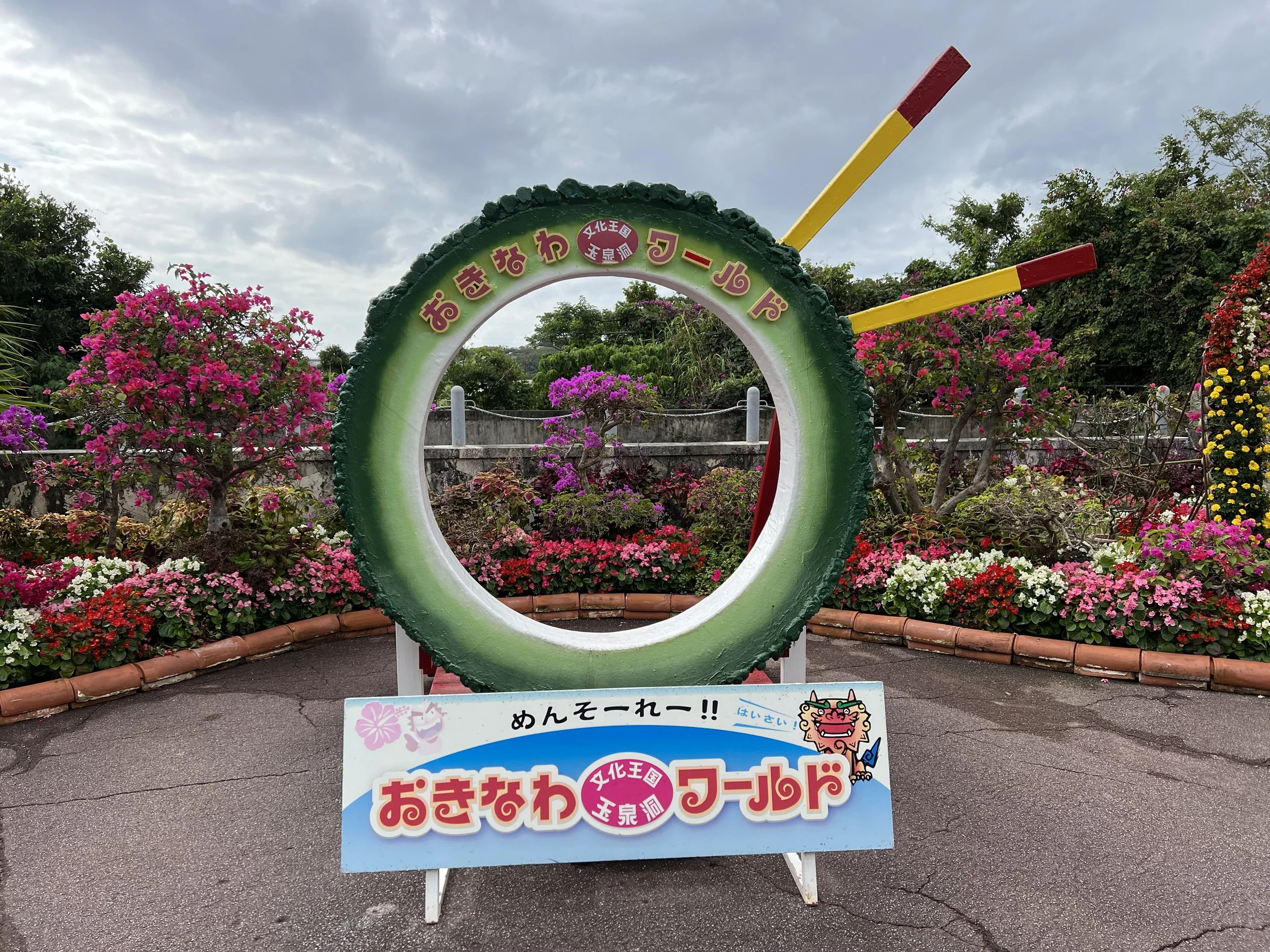
Okinawa World is a cultural theme park dedicated to showcasing the traditions, nature, and history of Okinawa. Its main attractions include a massive limestone cave, a traditional craft village, and snake museum. I was primarily drawn here for one reason: Gyokusendo Cave.
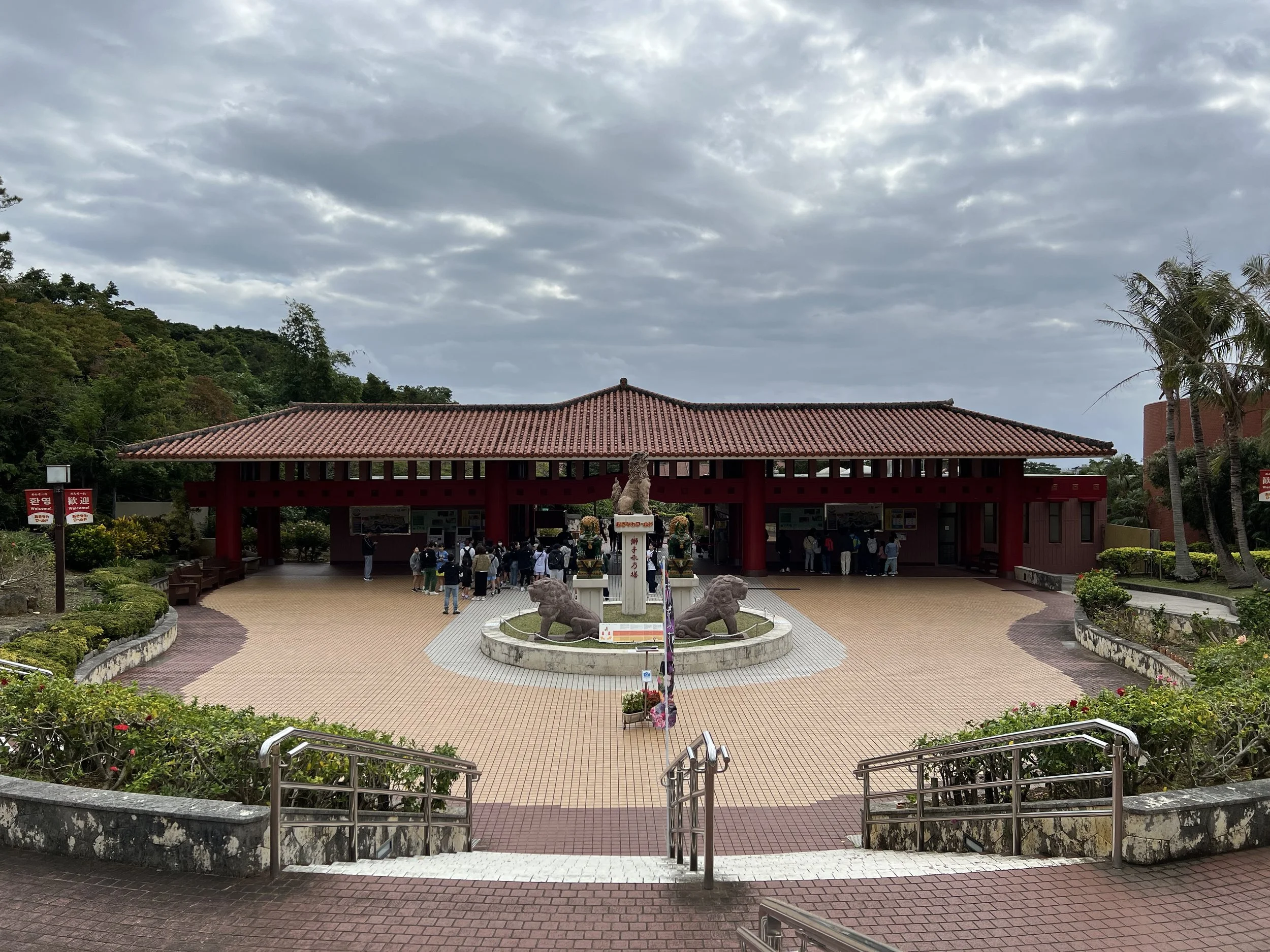
When I arrived, the parking lot was packed. I circled a few times and eventually found a spot farther out. With the number of tourist buses lined up, I was expecting large crowds. At the ticket booth, I discovered that most of the visitors were school groups waiting to enter. Thankfully, the line moved quickly and I didn’t have to wait long to get my ticket.
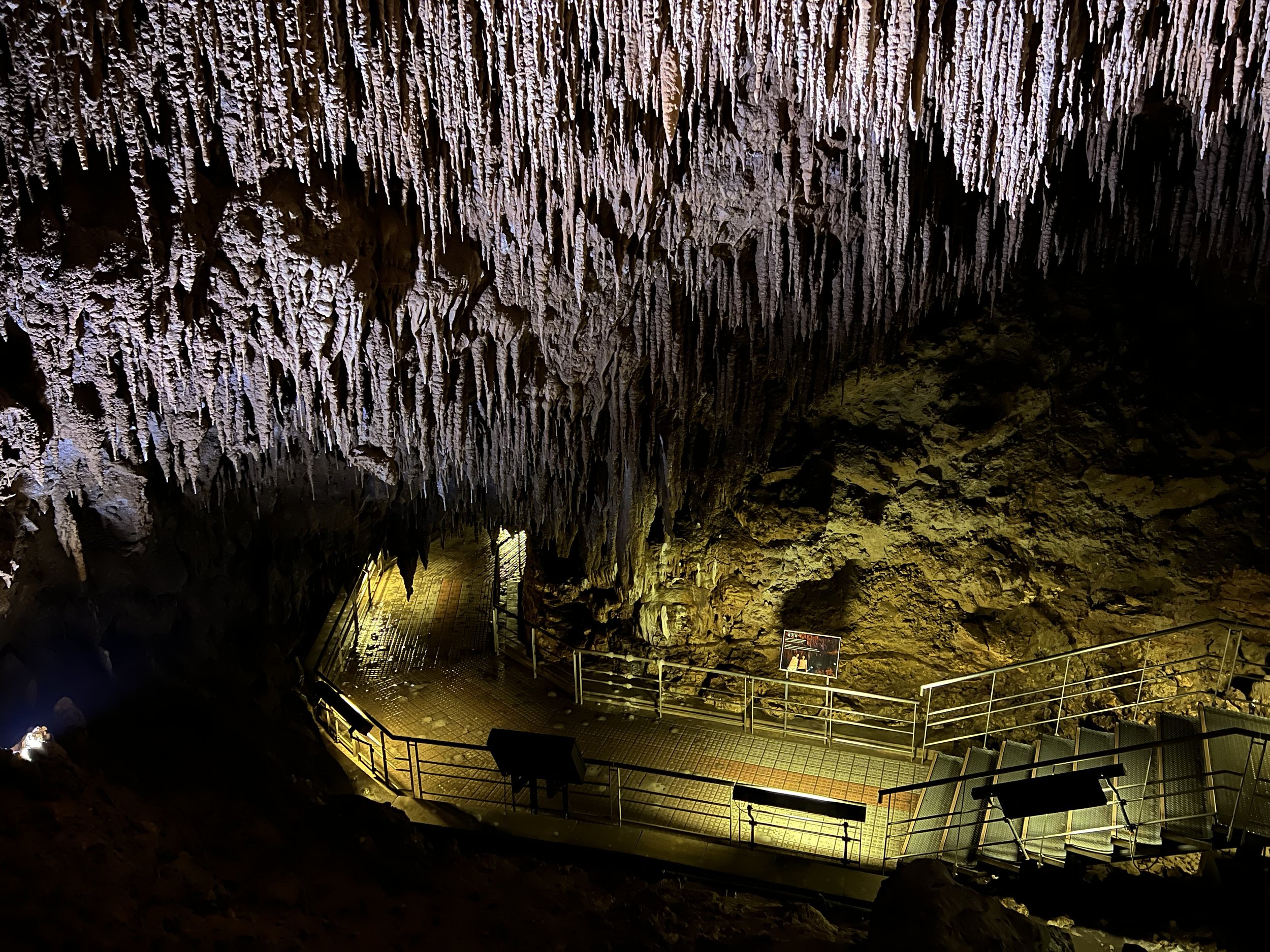
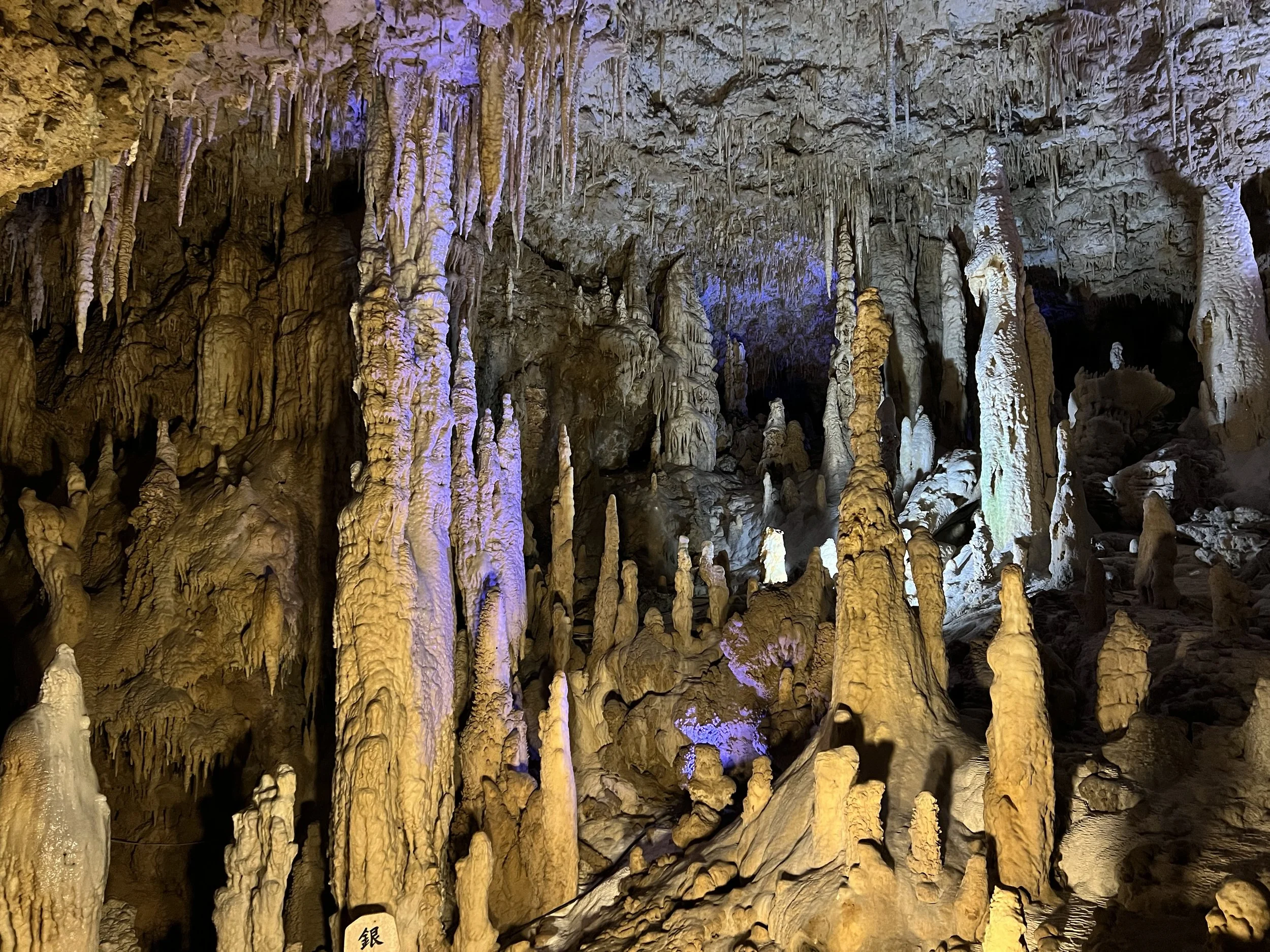
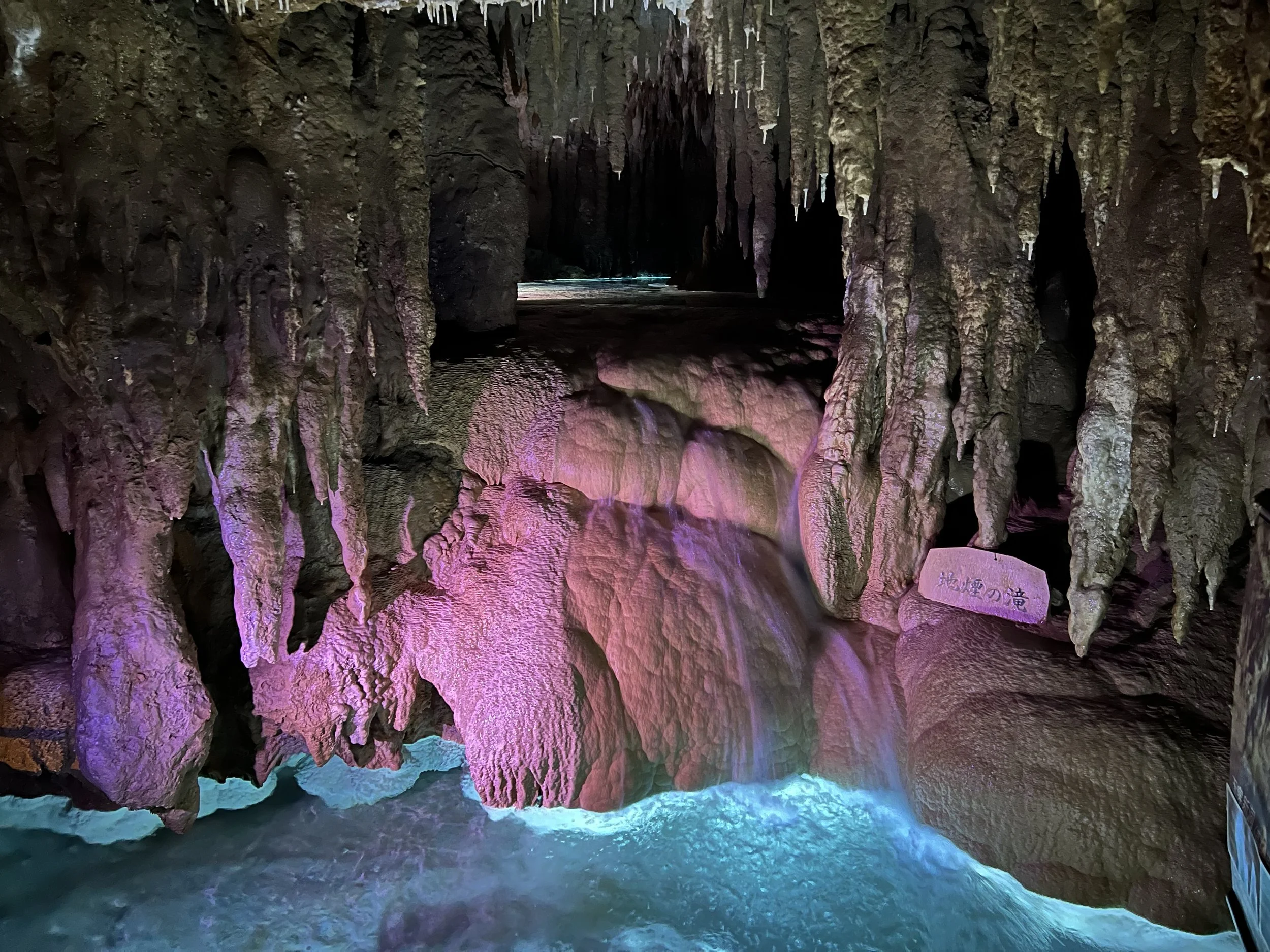
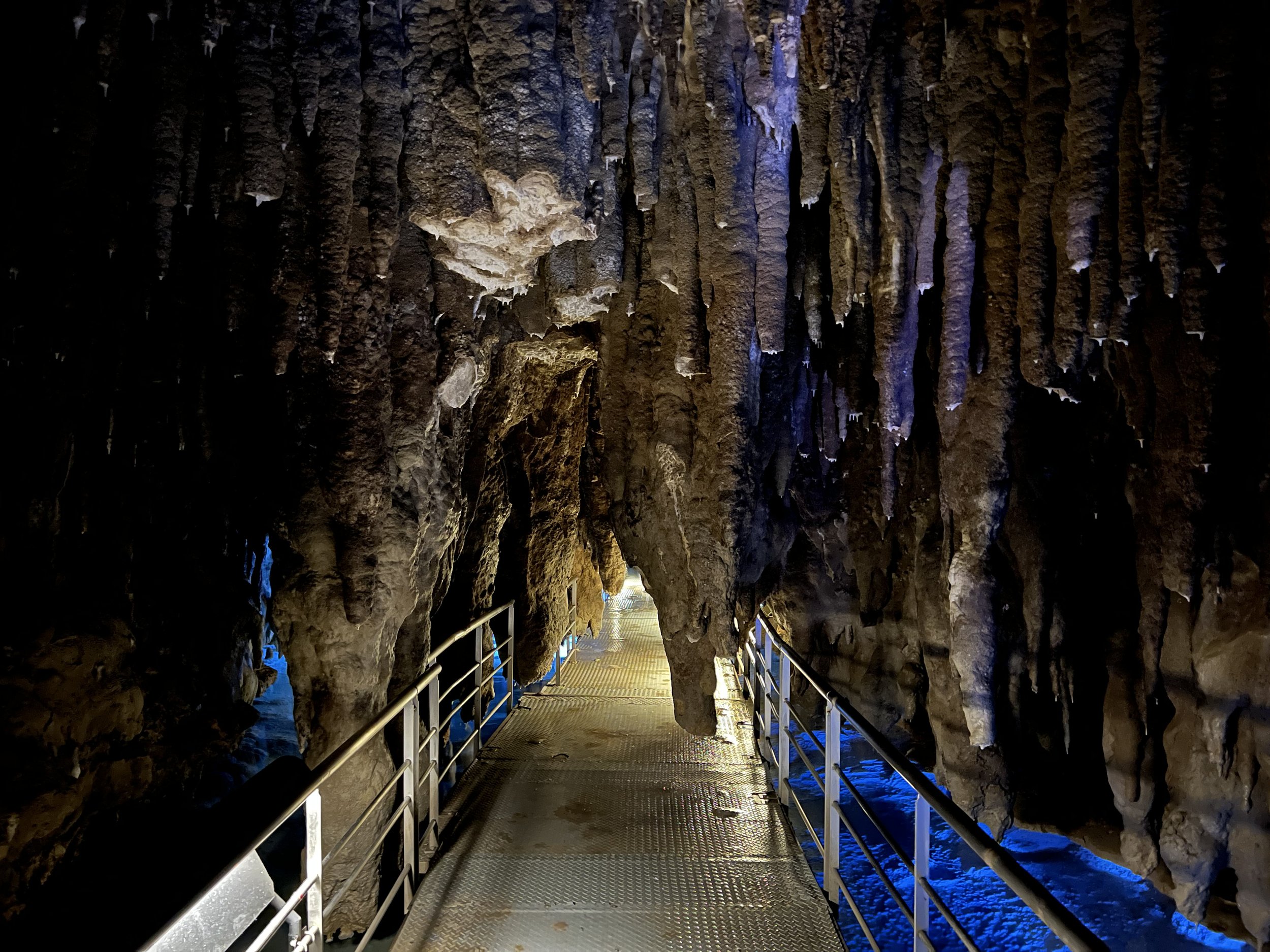
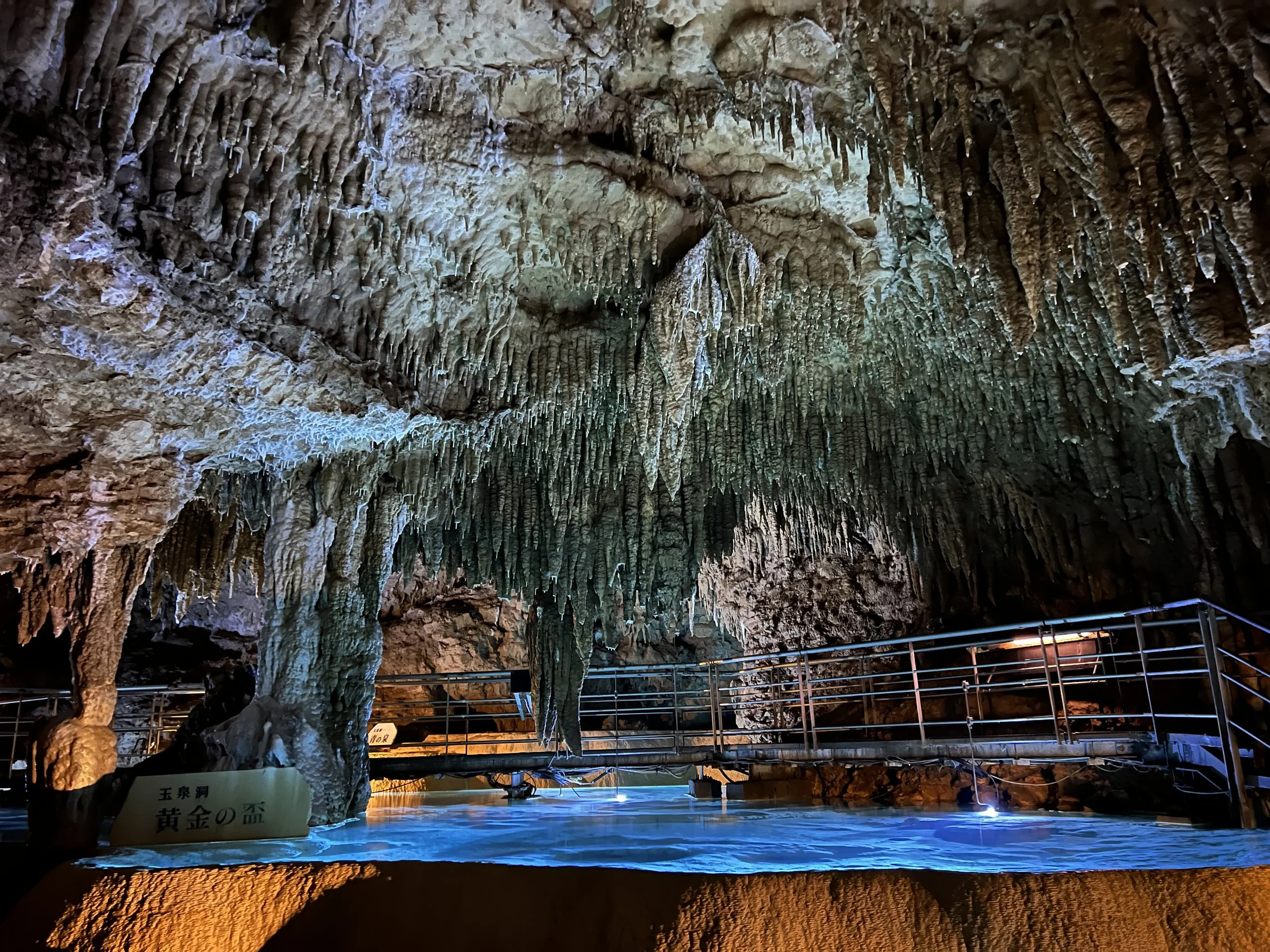
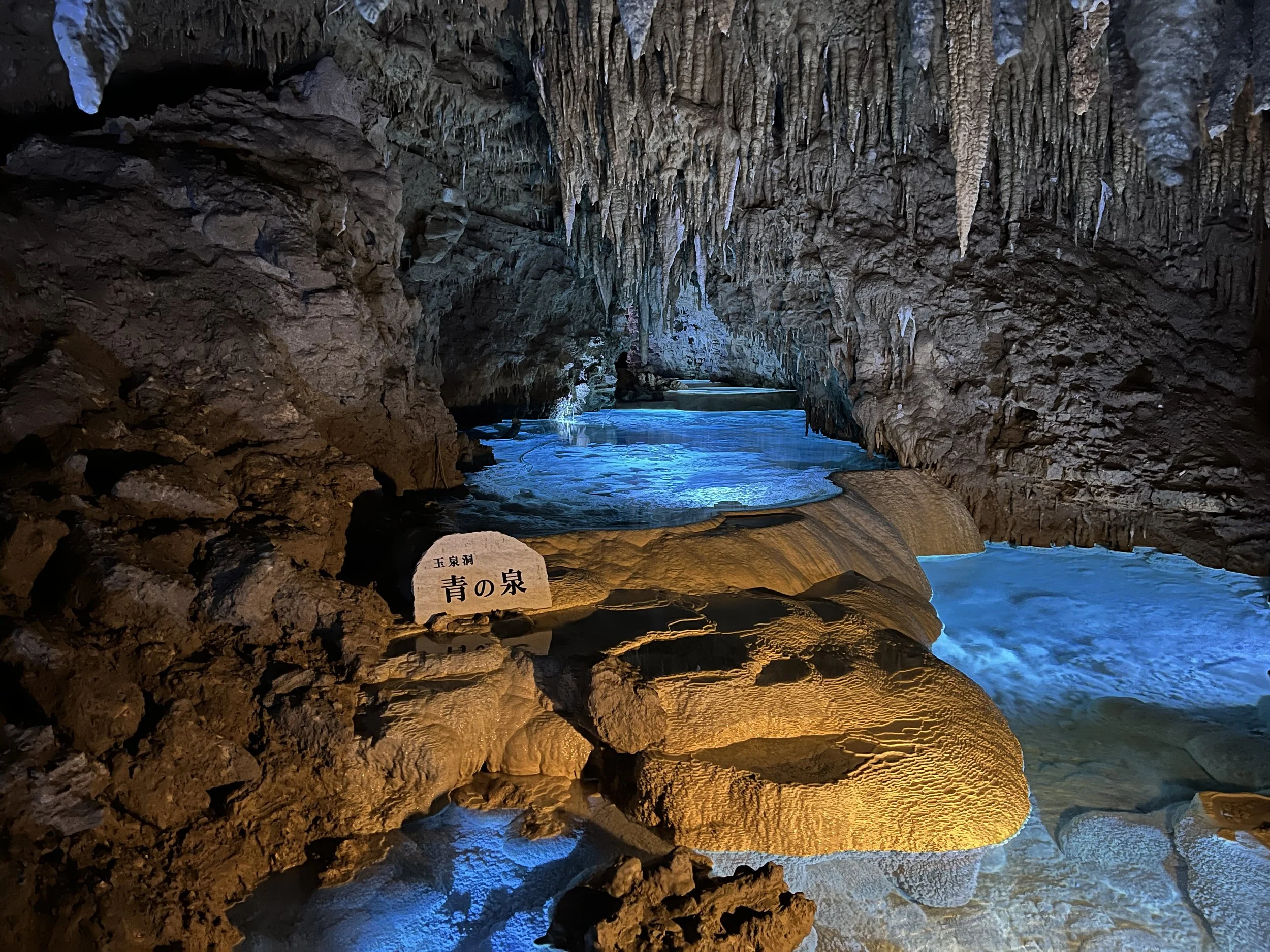
My first stop inside was Gyokusendo Cave. Gyokusendo Cave is the largest cave in Okinawa and the second-largest cave system in Japan after Akiyoshido Cave in Yamaguchi Prefecture. Formed over 300,000 years ago, the full cave stretches approximately five kilometres, though only about one kilometre is open to the public. Before entering, staff took a photo of me — I could purchase a larger print, but I opted for the complimentary postcard-sized version, which made for a nice little keepsake.
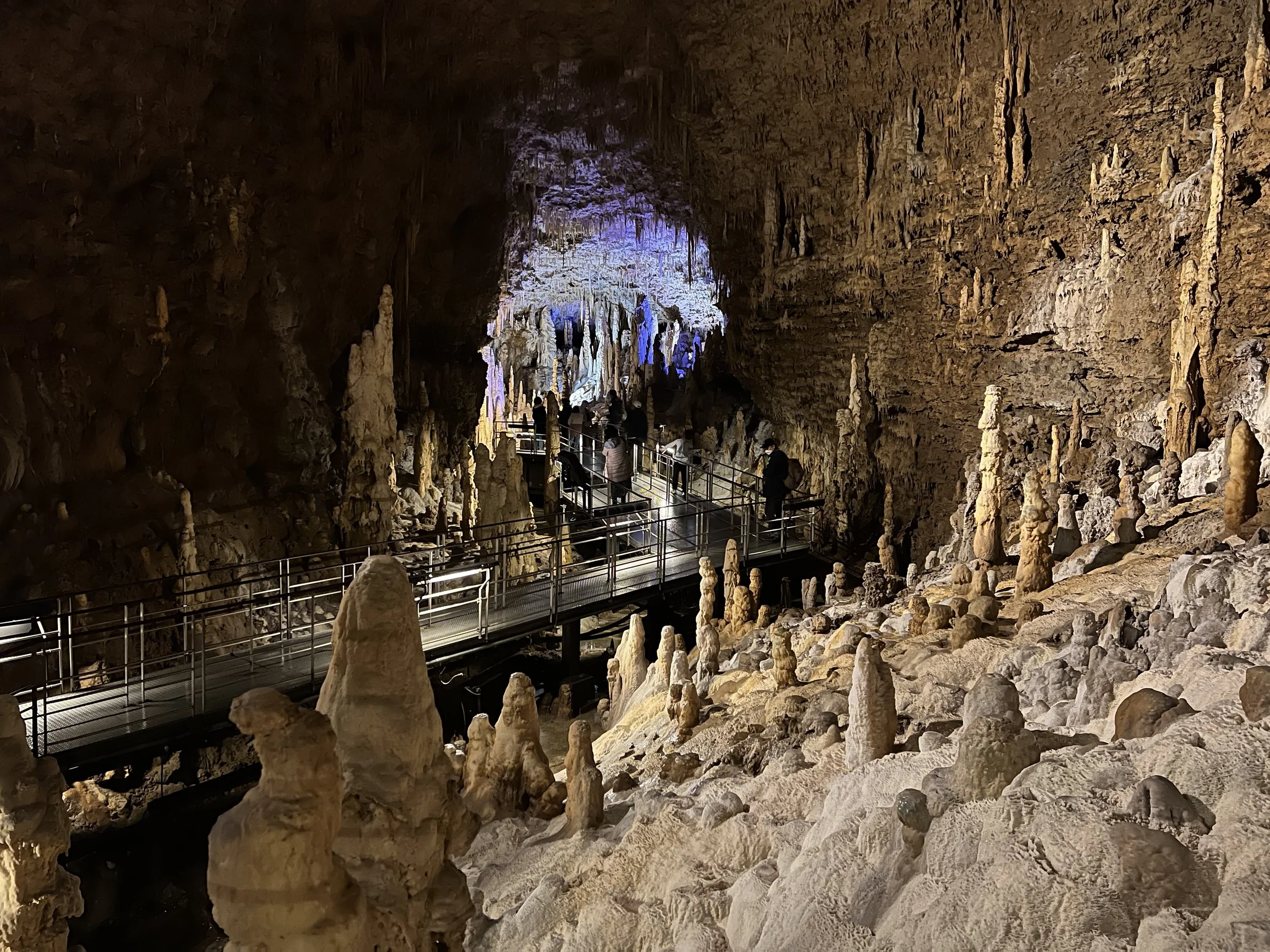
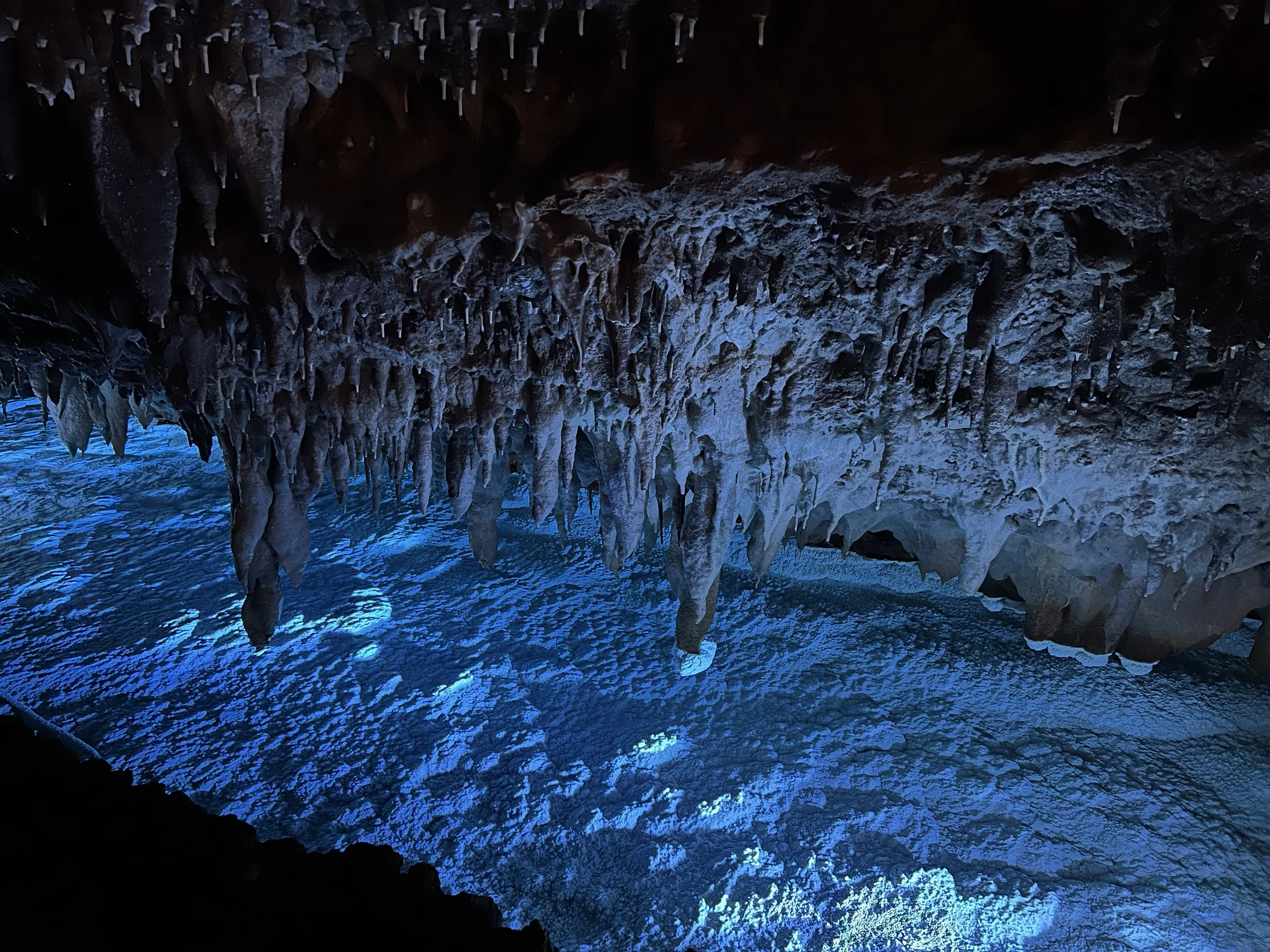
Inside, the cave was humid, but surprisingly more comfortable than the heat outside. Walking along the metal pathways, I was able to see stalactites and stalagmites up close. One of the most surreal sections featured illuminated blue pools reflecting the rock formations above. With the lighting and mineral formations combined, it felt almost otherworldly.
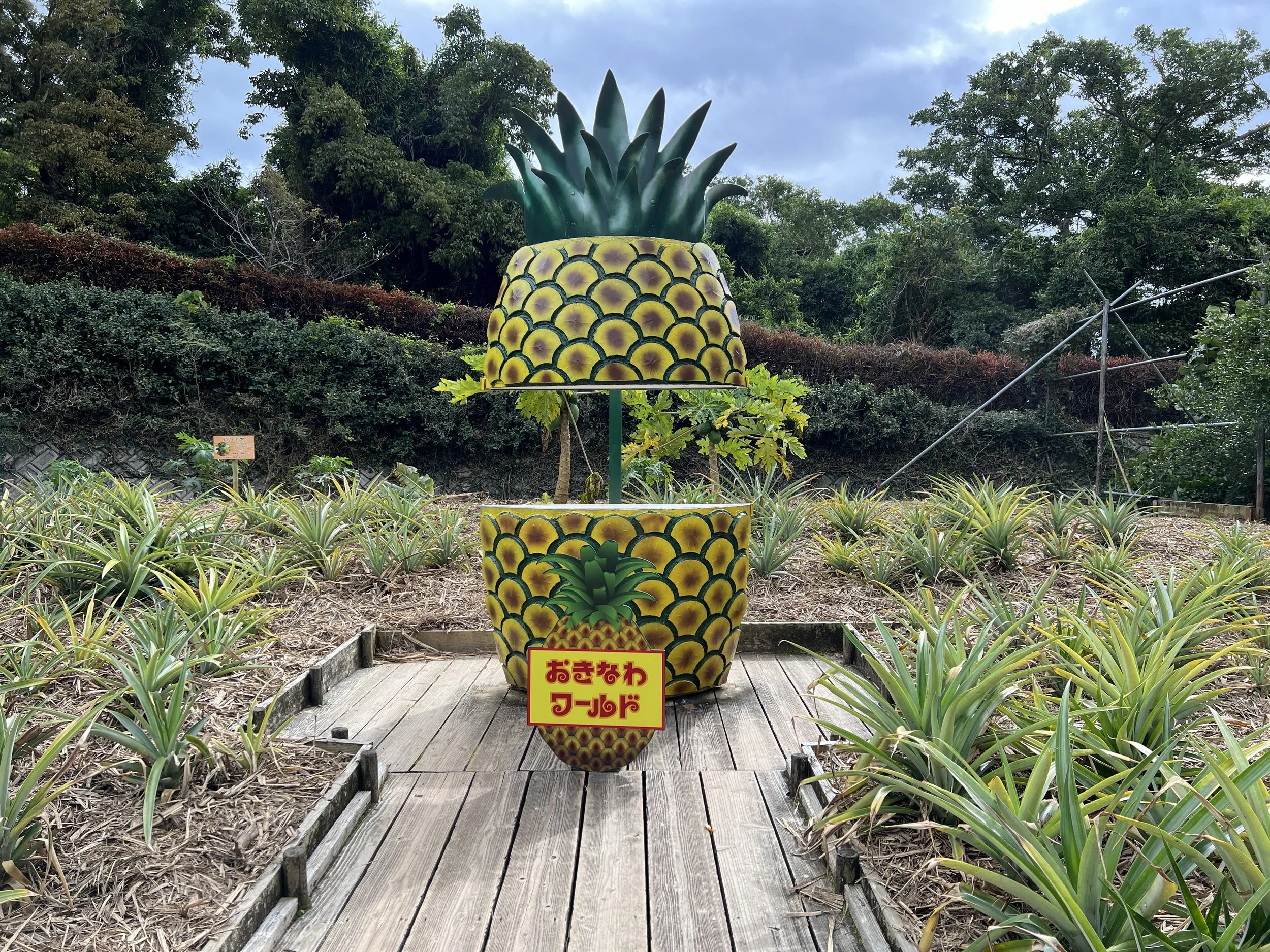
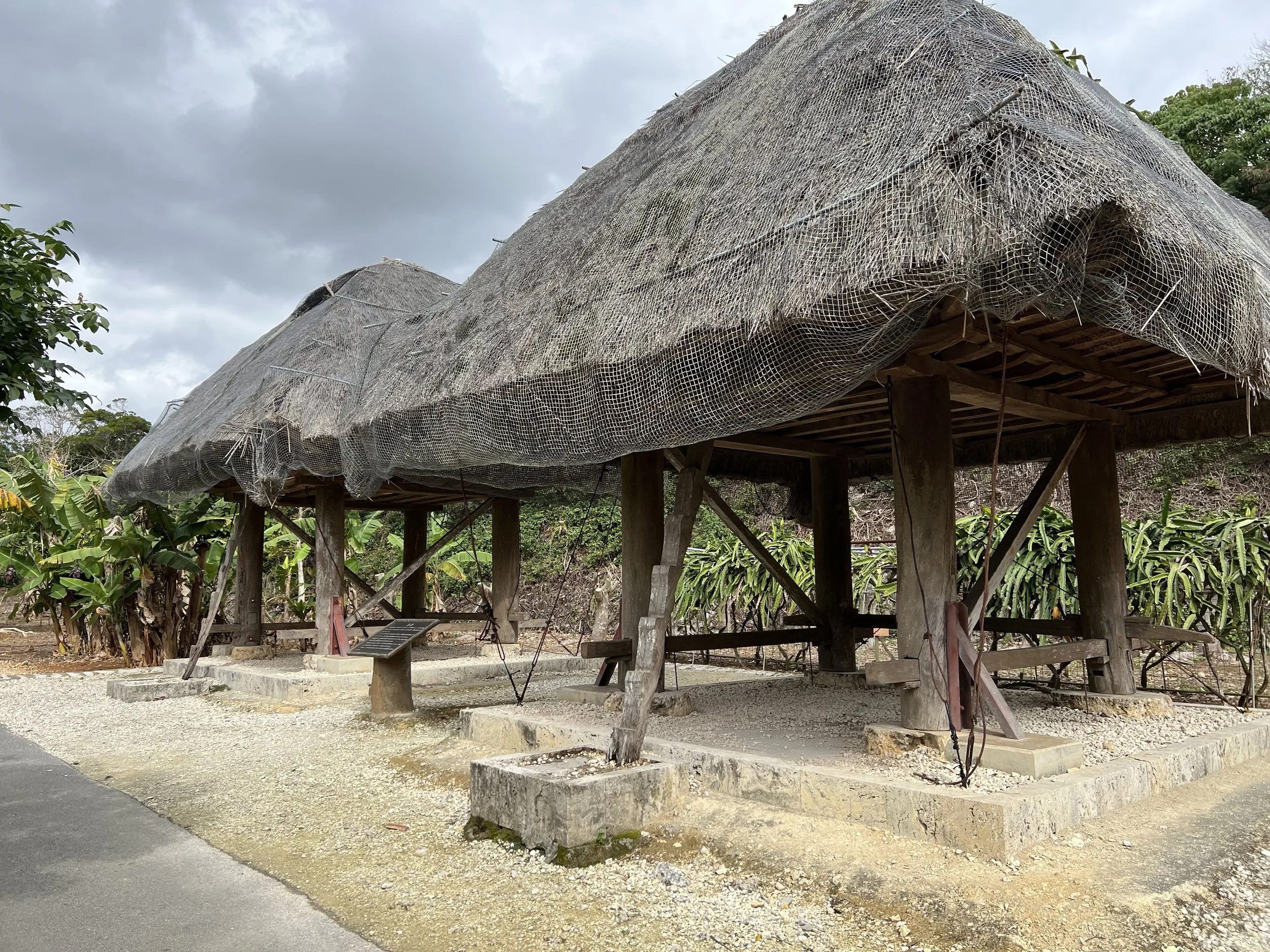
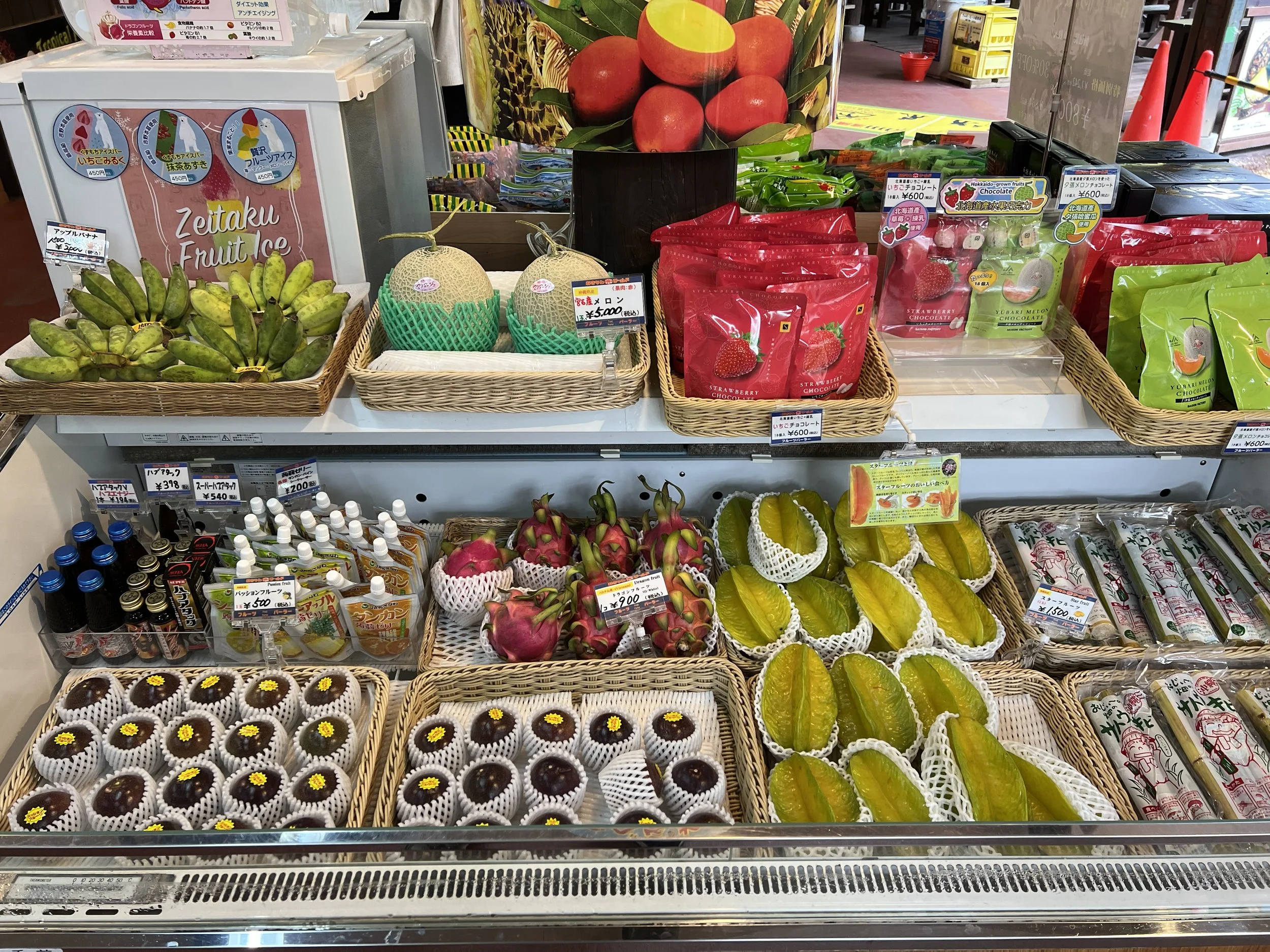
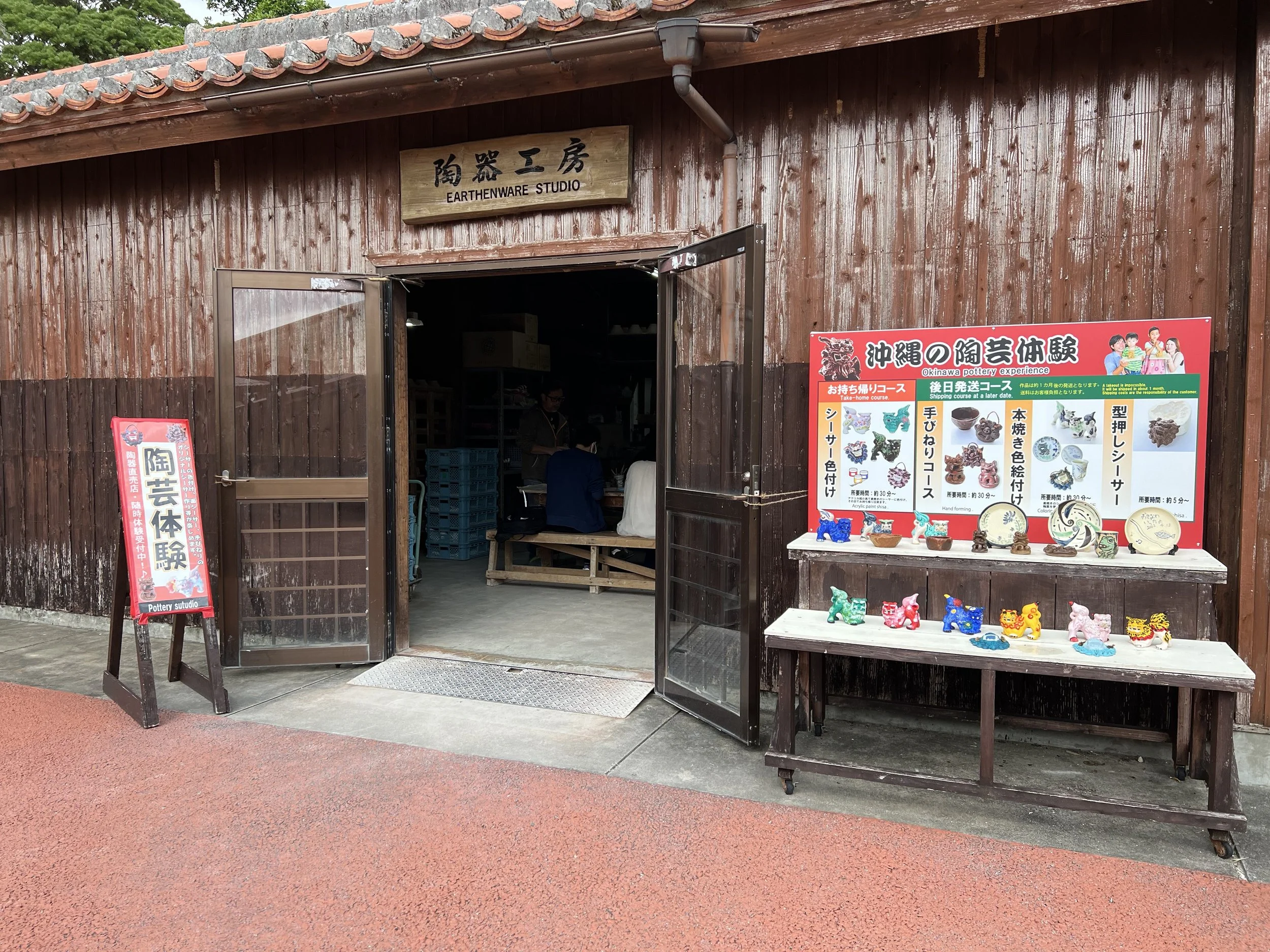
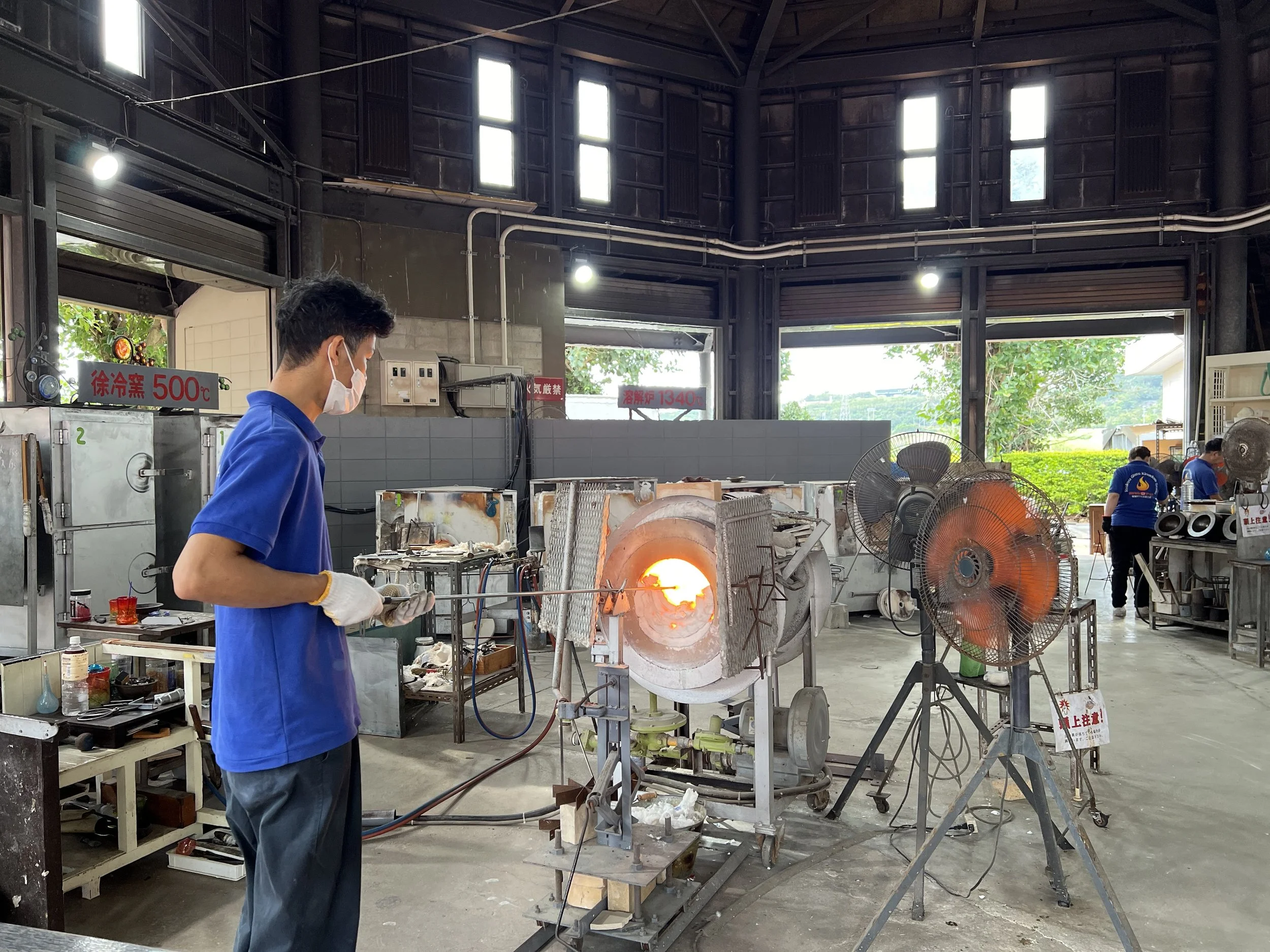
After exiting the cave, I was greeted by pineapple plants and soon passed a shop selling tropical fruits — some of which I had never seen before. From there, I entered the Kingdom Village, where visitors can try traditional Okinawan crafts such as glassblowing, pottery, weaving, papermaking, and dyeing. Although they offer shipping for glasswork you create, I decided against sitting in front of a furnace in the Okinawan heat. Instead, I browsed the displays and watched demonstrations of the crafting process.
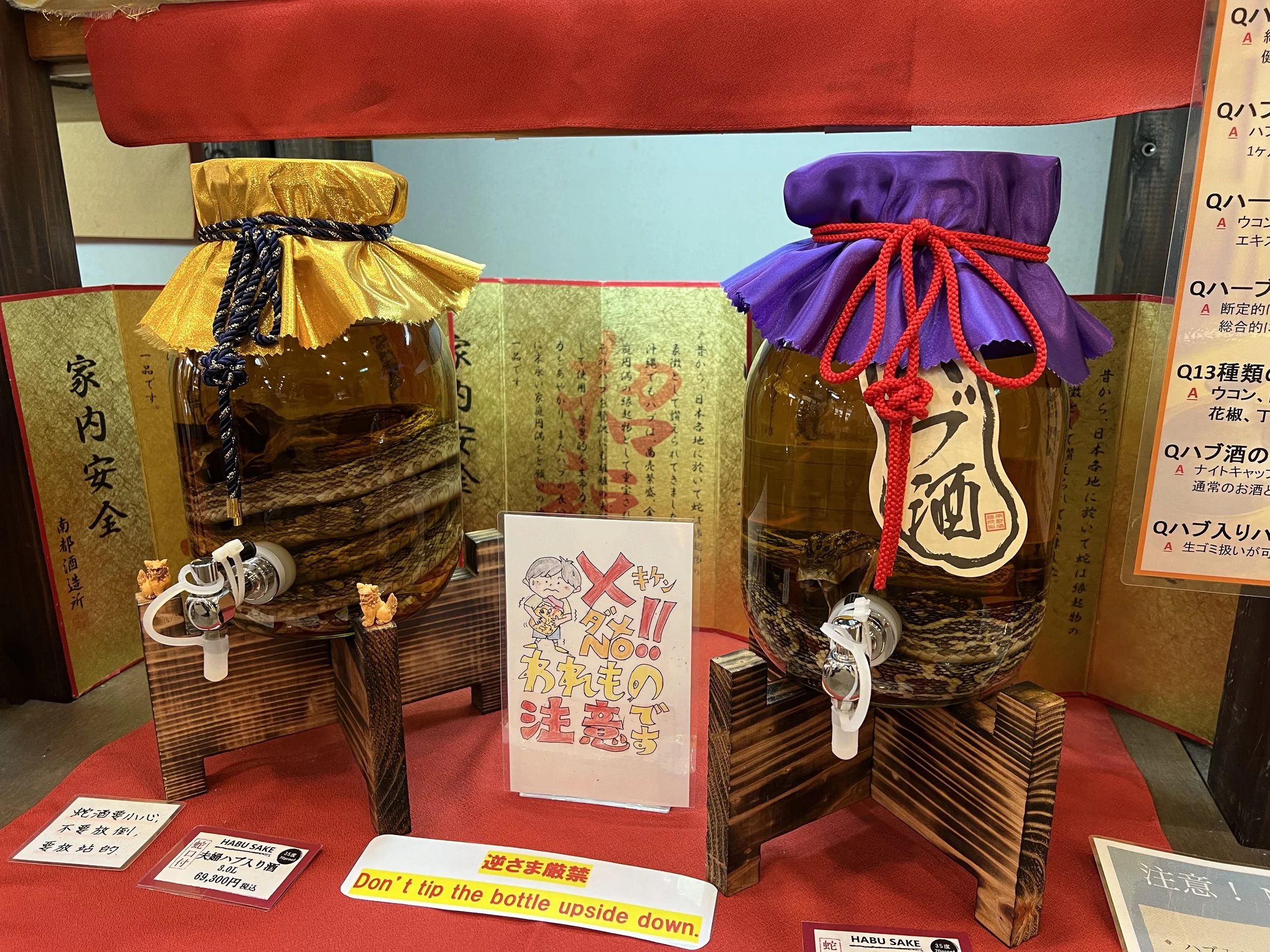
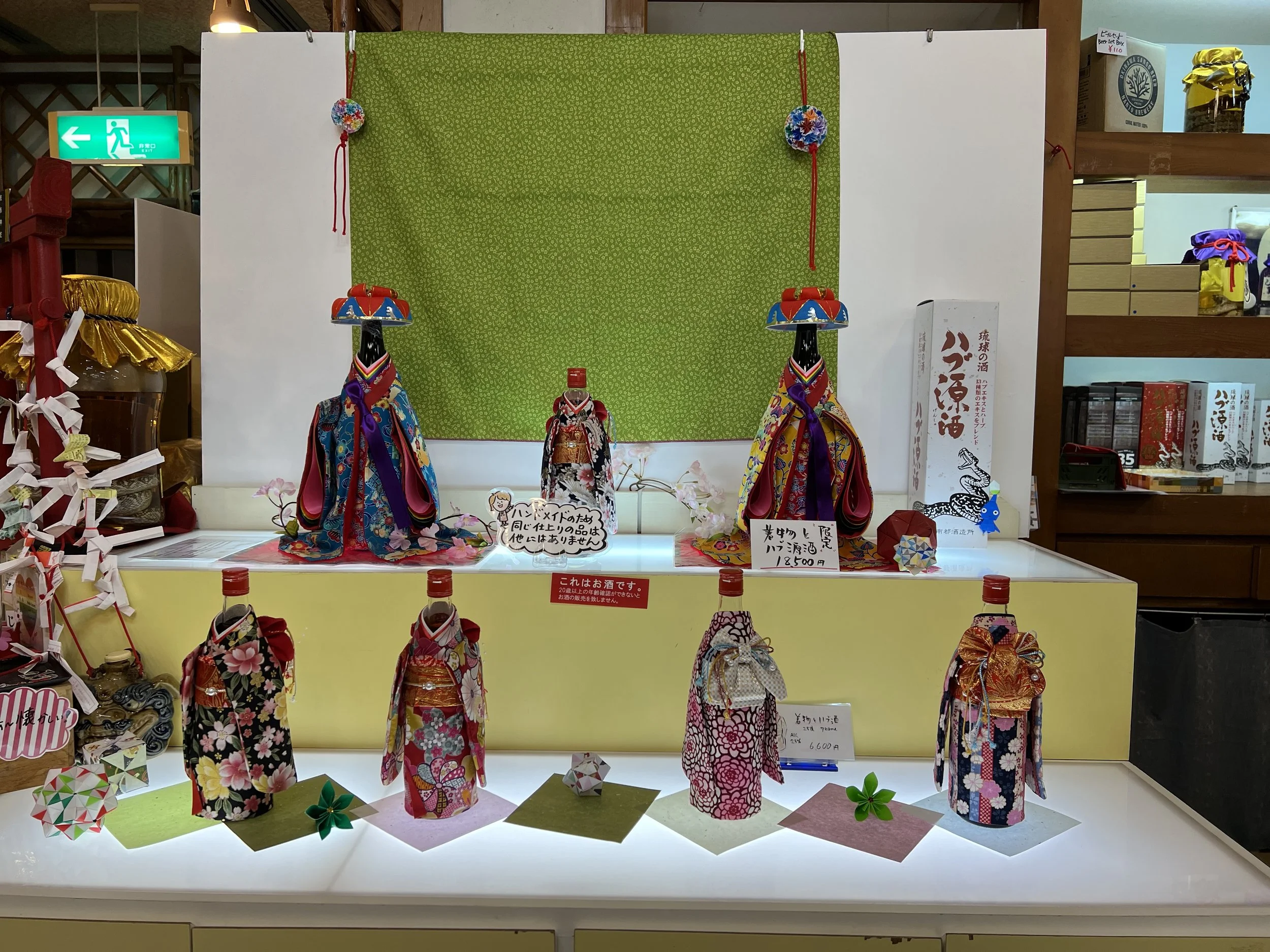
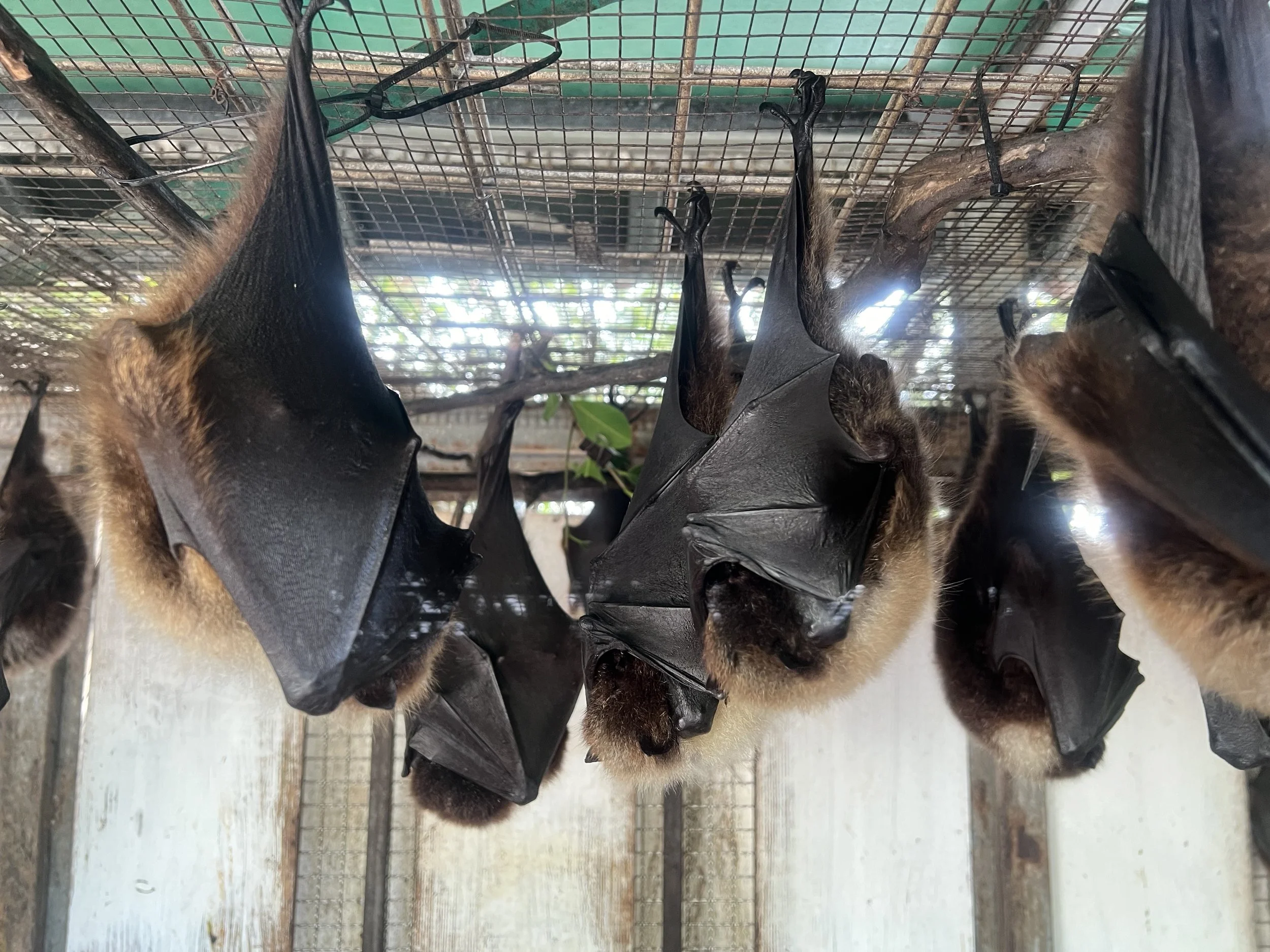
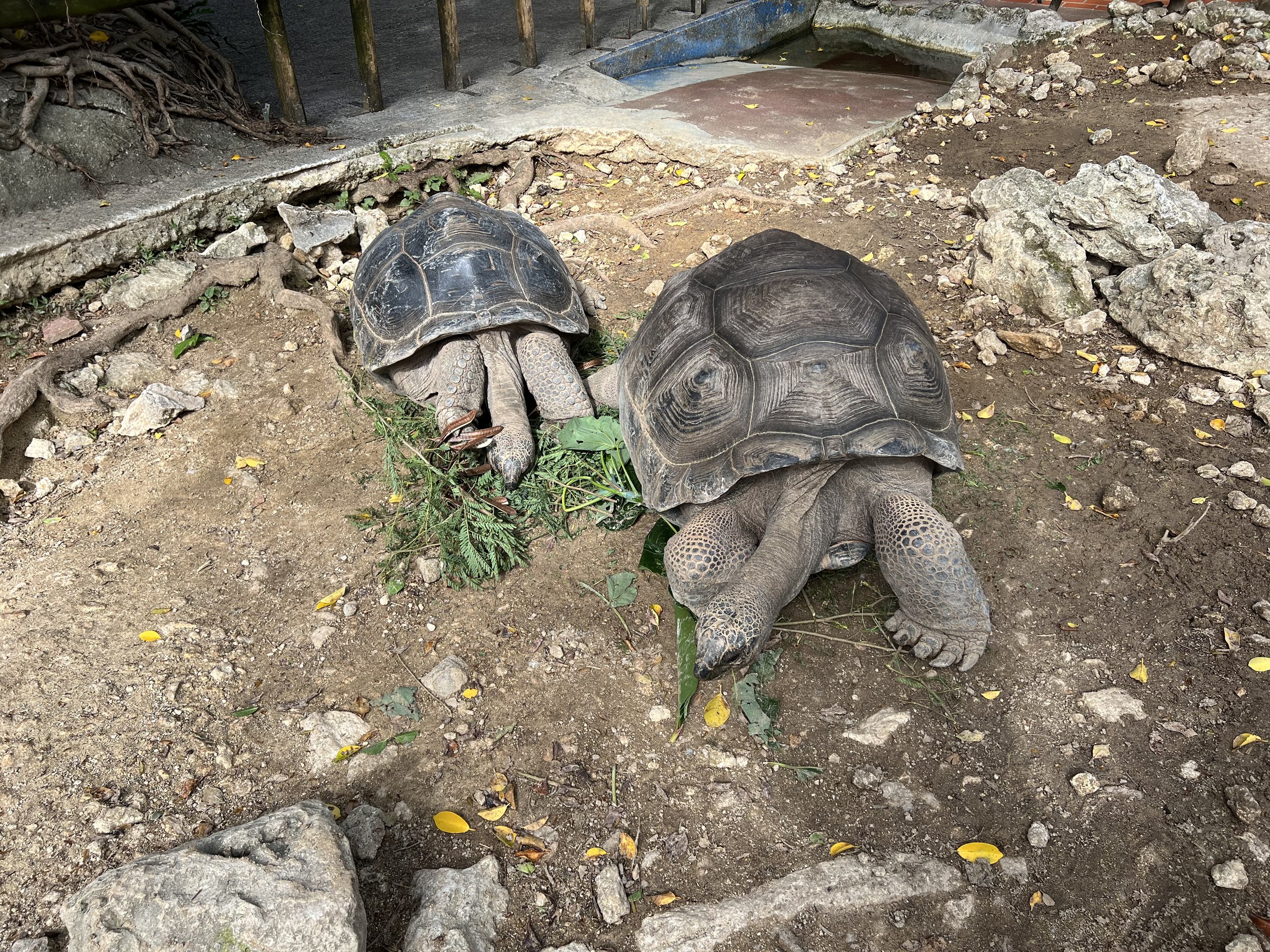
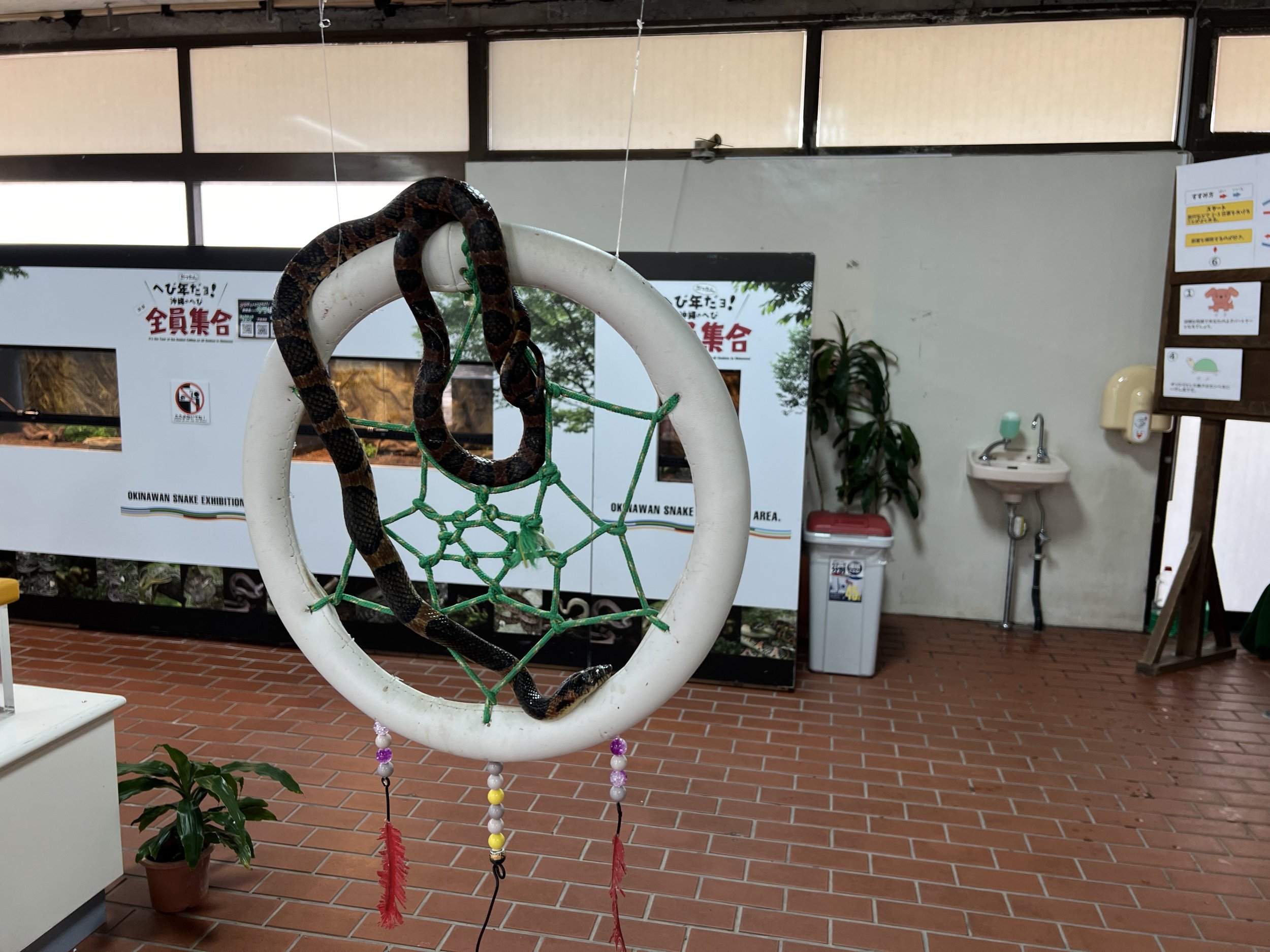
Continuing through the village, I arrived at Habu Park — which I would strongly caution anyone who is afraid of snakes about visiting. The habu is a venomous snake native to Okinawa, and I had already seen warning signs about them on hiking trails across the island. The small snake museum features live displays, including small snakes openly exhibited. There were also bats and tortoises. In the adjacent souvenir shop, they sell Habushu — an awamori-based liqueur infused with a preserved habu snake, along with herbs and honey. It’s considered a traditional Okinawan tonic believed to have health benefits. The bottles were pricey, and honestly, I couldn’t stop wondering how they managed to coil the snake so neatly inside.
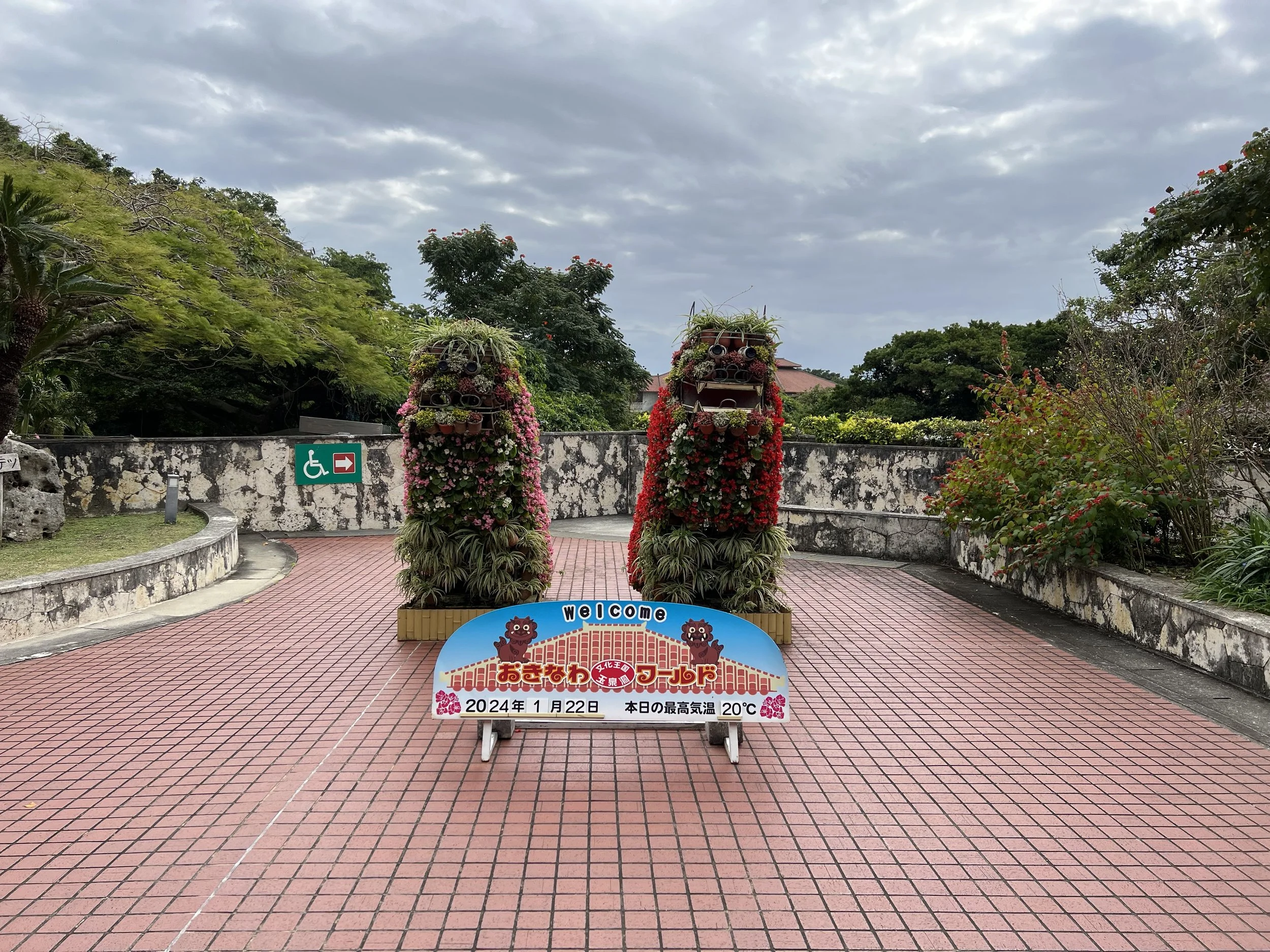
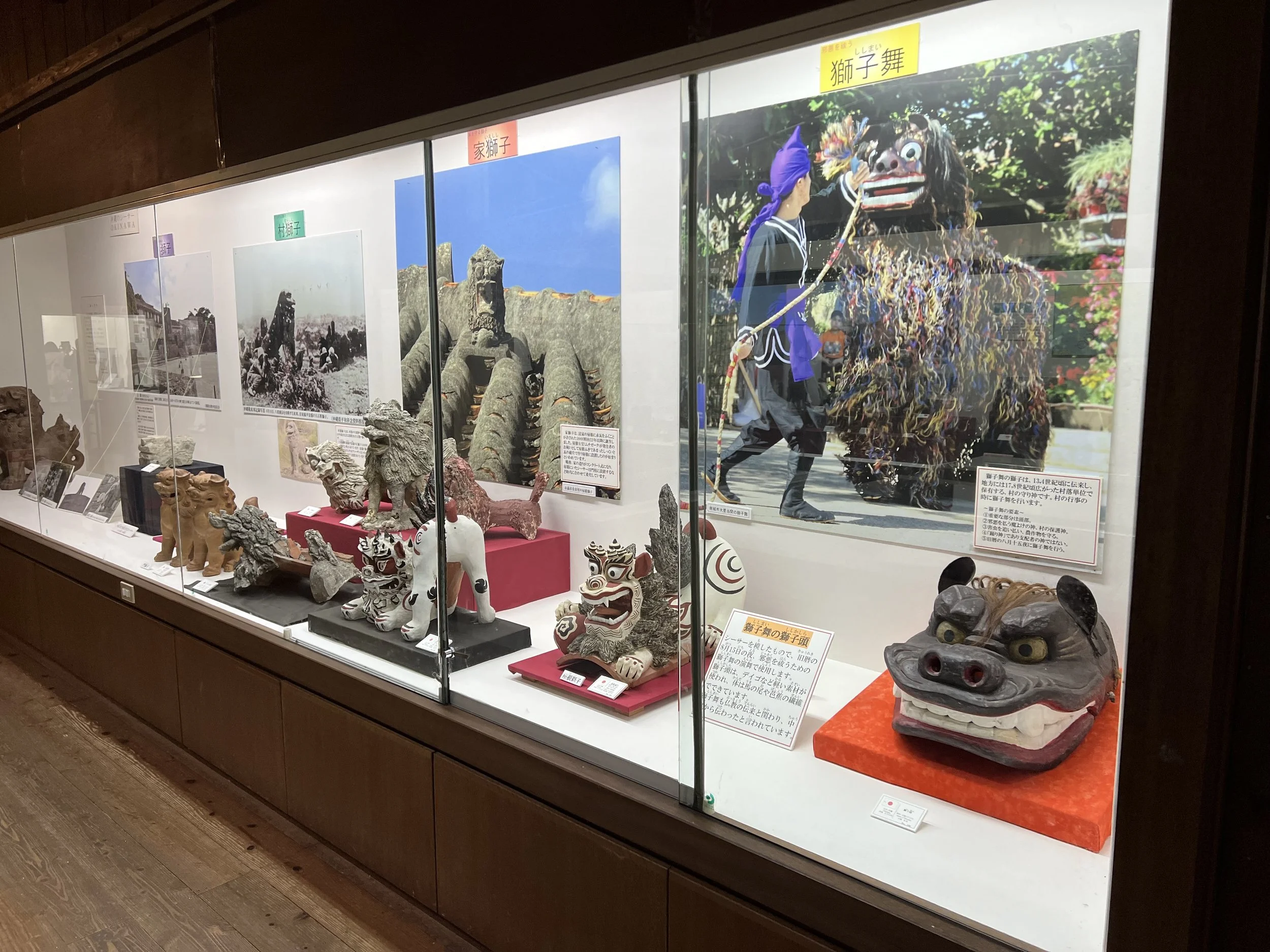
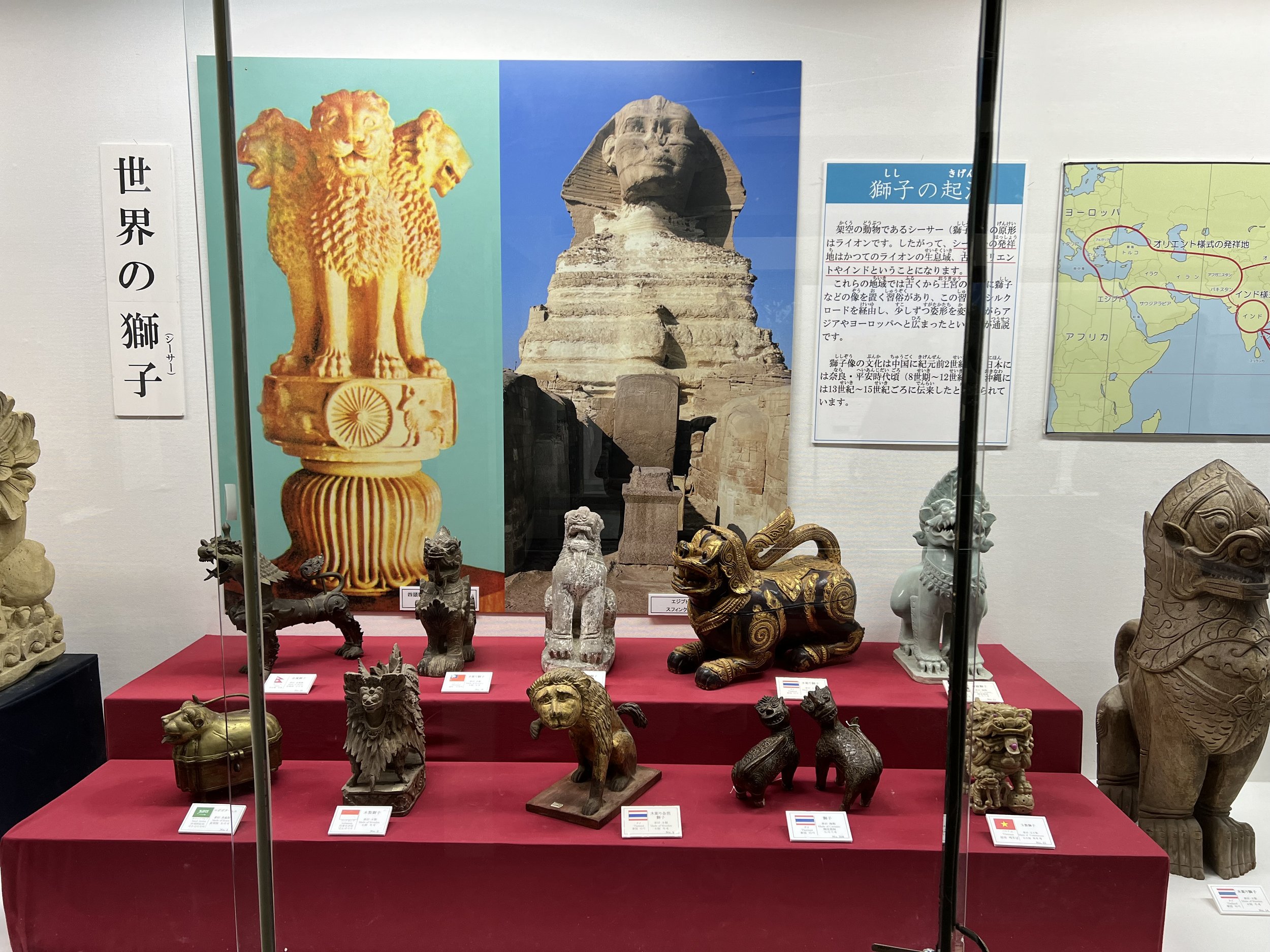
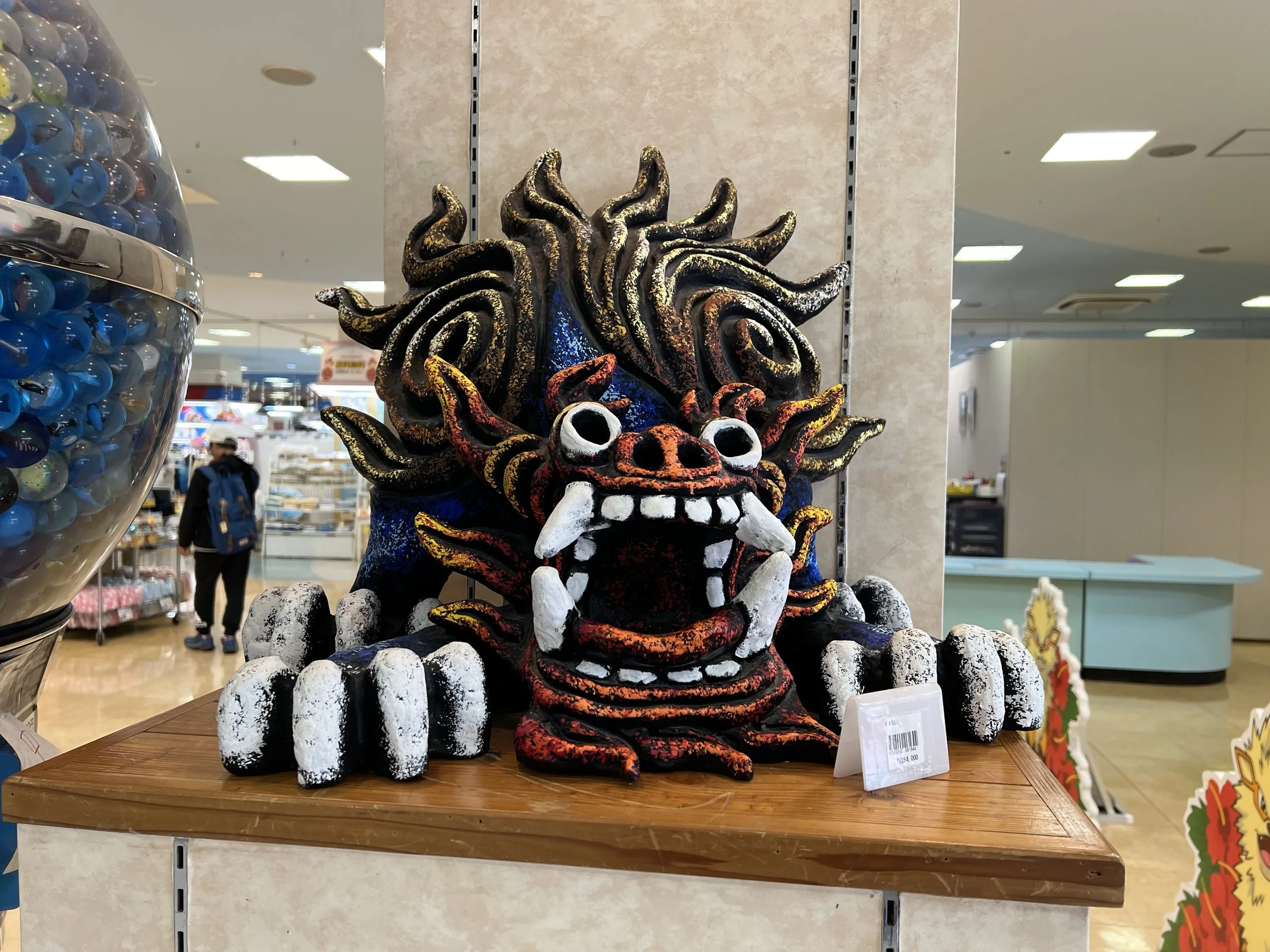
In another museum section, I learned more about the lion-dog statues seen throughout Okinawa — known as shisa — and their cultural connections to guardian figures found in China, Korea, and even Egypt.
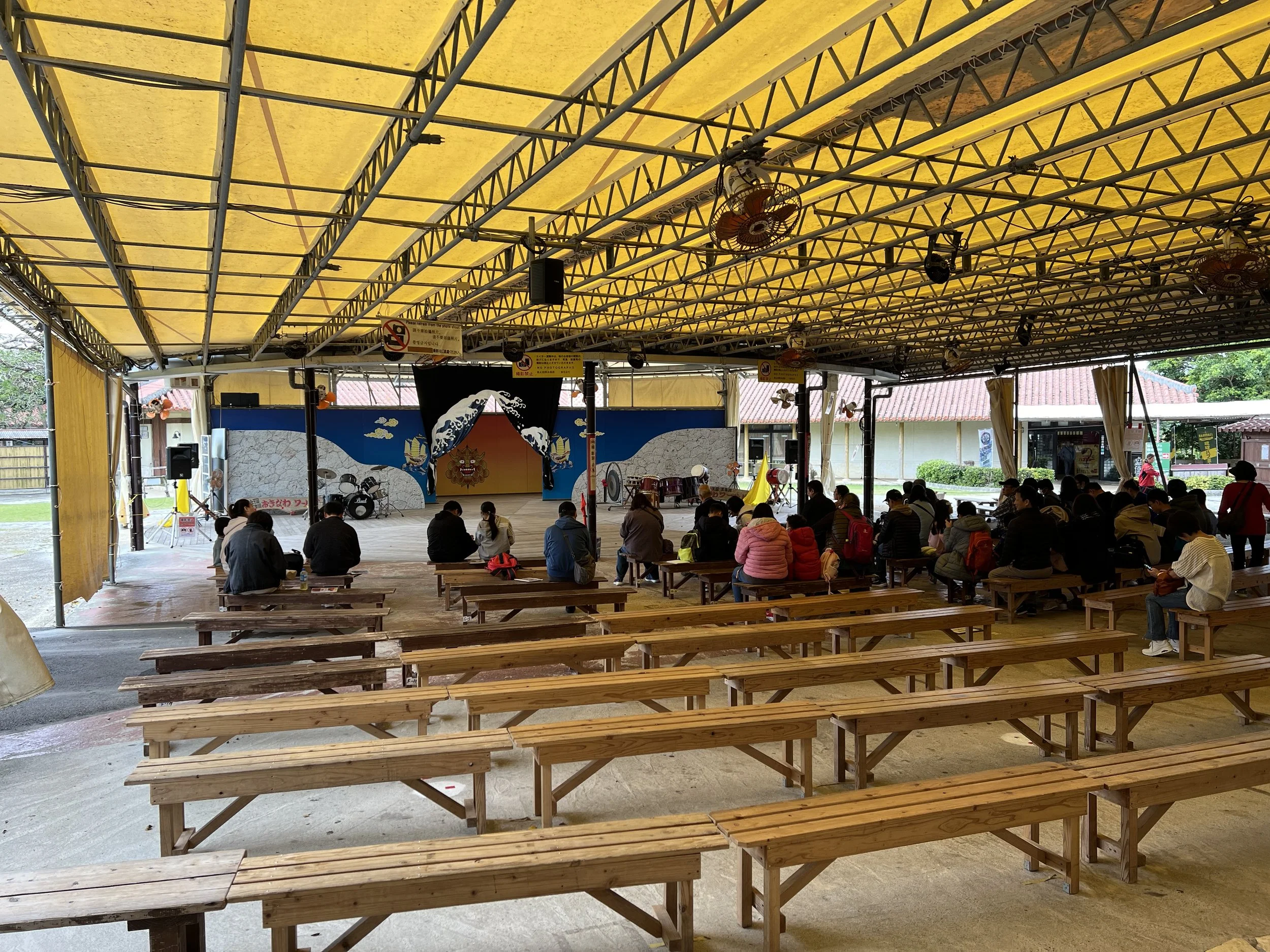
As I made my way toward the performance stage, I heard excited screams from a nearby area. A long queue had formed for photos with a massive white snake, said to bring good luck. The line was far too long, and I didn’t want to miss the scheduled performance, so I skipped it.
The traditional performance was fantastic. Cameras were not permitted, which made the experience feel more immersive. The dancers wore vibrant costumes, accompanied by rhythmic drums and live music. The energy was infectious — I clapped so enthusiastically that my hands were nearly red by the end.
Before leaving, I browsed the main souvenir shop one last time. While Okinawa World is clearly designed with tourists in mind, I felt it offered a well-rounded introduction to Okinawan culture — from natural wonders and tropical produce to traditional crafts, dance, and local history.
Background
Okinawa World (おきなわワールド) is located in Nanjo City in southern Okinawa and was developed to showcase the cultural heritage and natural features of the Ryukyu Islands.
Its centrepiece, Gyokusendo Cave, is part of a vast limestone formation shaped over hundreds of thousands of years through water erosion. The cave system contains thousands of stalactites and stalagmites, making it one of Japan’s most significant geological attractions.
The Kingdom Village within the park highlights traditional Ryukyuan crafts and cultural practices, including glassmaking and textile dyeing — both historically important industries in Okinawa. The site also features exhibits related to the habu snake, a culturally significant yet feared native species.
Okinawa World aims to provide visitors with a concentrated experience of Okinawan heritage, blending education, entertainment, and natural exploration in one location.
Getting There
Okinawa World is located in Nanjo City, approximately 30–40 minutes by car from central Naha and around 30 minutes from Naha Airport, depending on traffic. Free on-site parking is available, though it can become crowded during peak travel seasons and school excursion periods.
By public transportation, visitors can take a bus from Naha Bus Terminal toward Nanjo. Travel time ranges from 45 to 75 minutes depending on the route. The nearest bus stop is a short walk from the park entrance. Renting a car is generally the most convenient option when visiting southern Okinawa attractions.
Route Overview
Distance: 2.4 km out & back (Okinawa World Parking Lot)
Total elevation gain: 57 m
Duration: 30 min (with breaks 1 hr 10 min)
Difficulty: Easy
Cost Breakdown
Entrance Fee: Okinawa World — ¥2,000
Food: ¥1,200
Souvenir: ¥2,222