Sefa Utaki - Okinawa, Japan
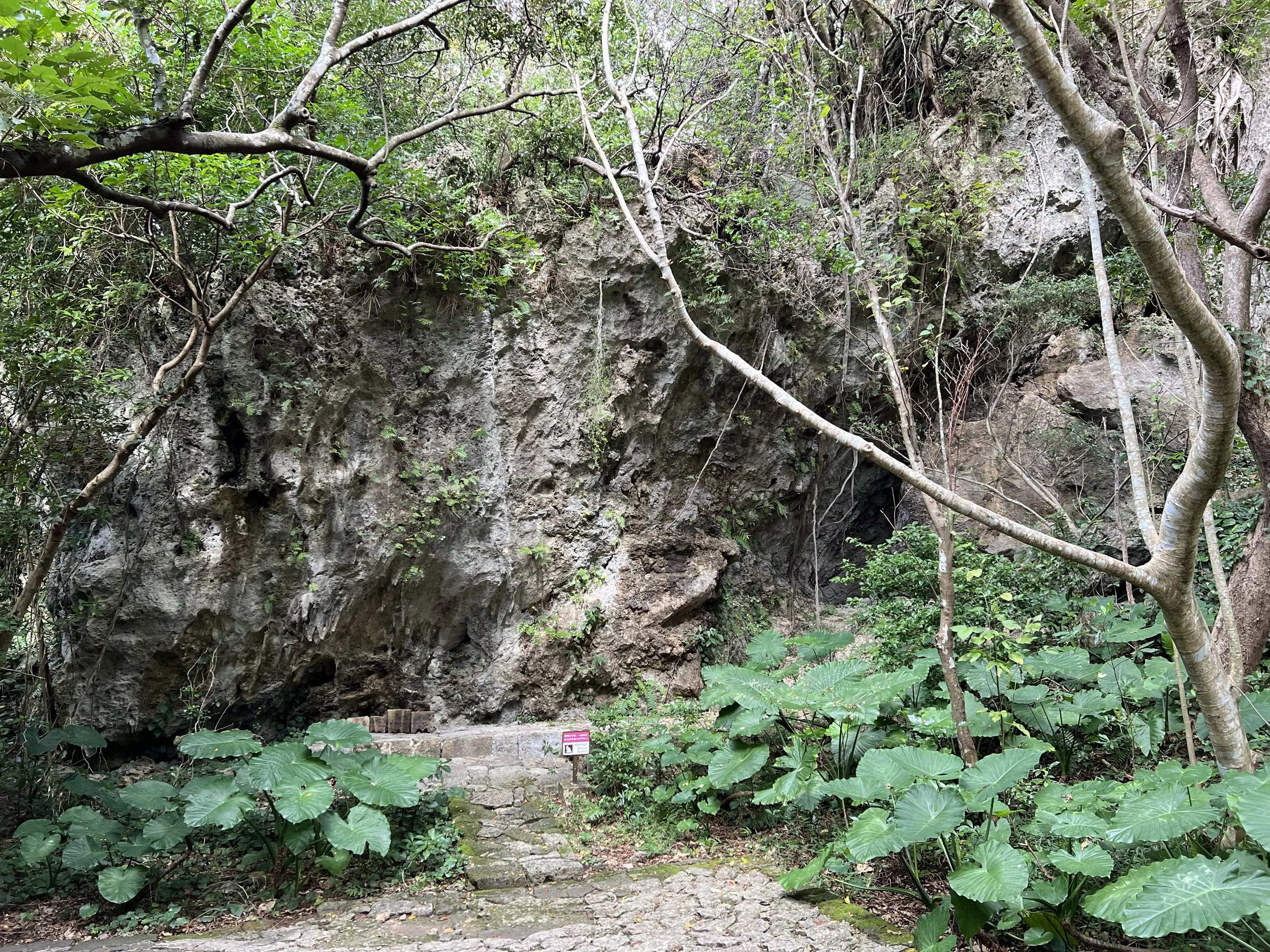
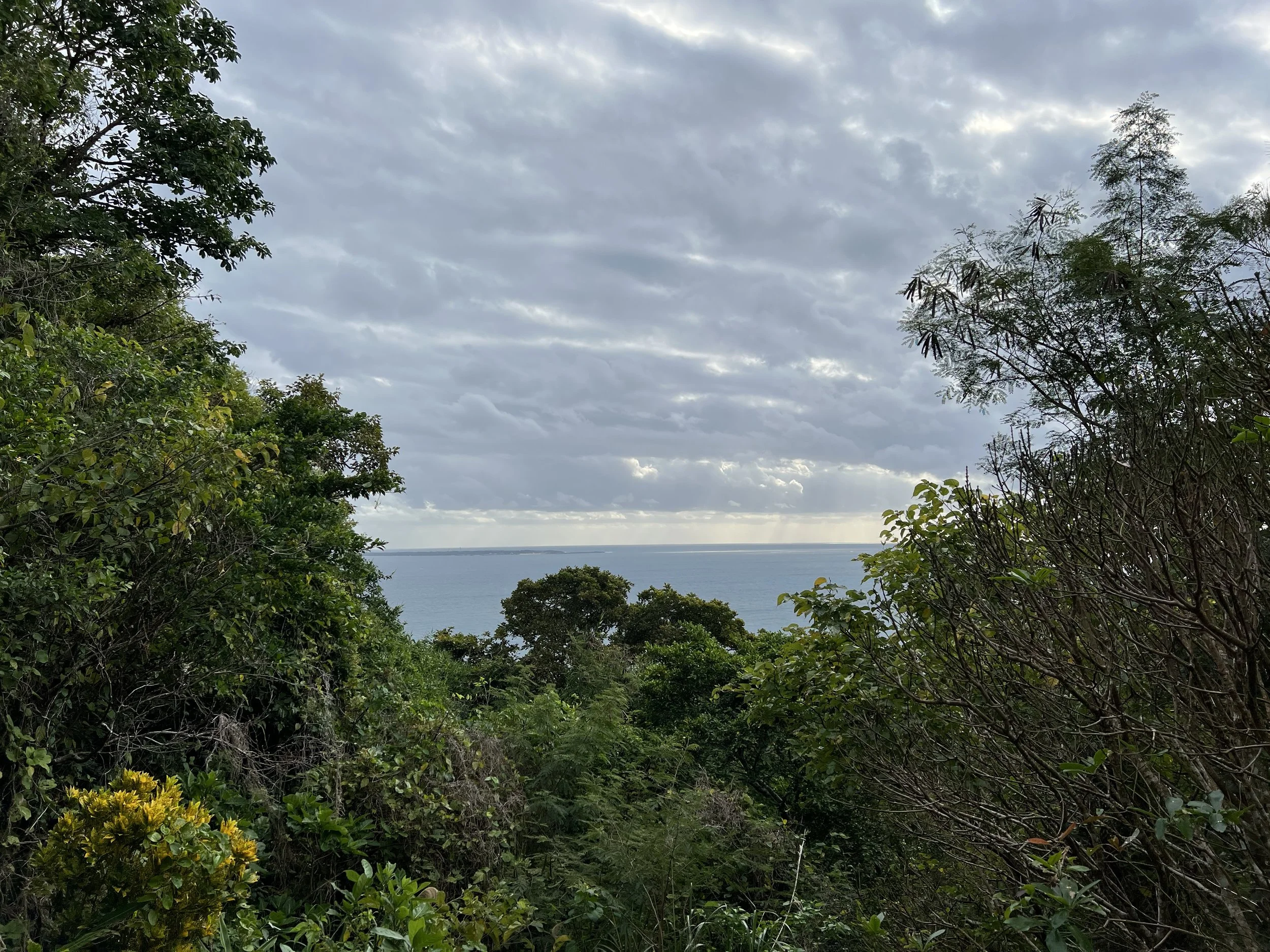
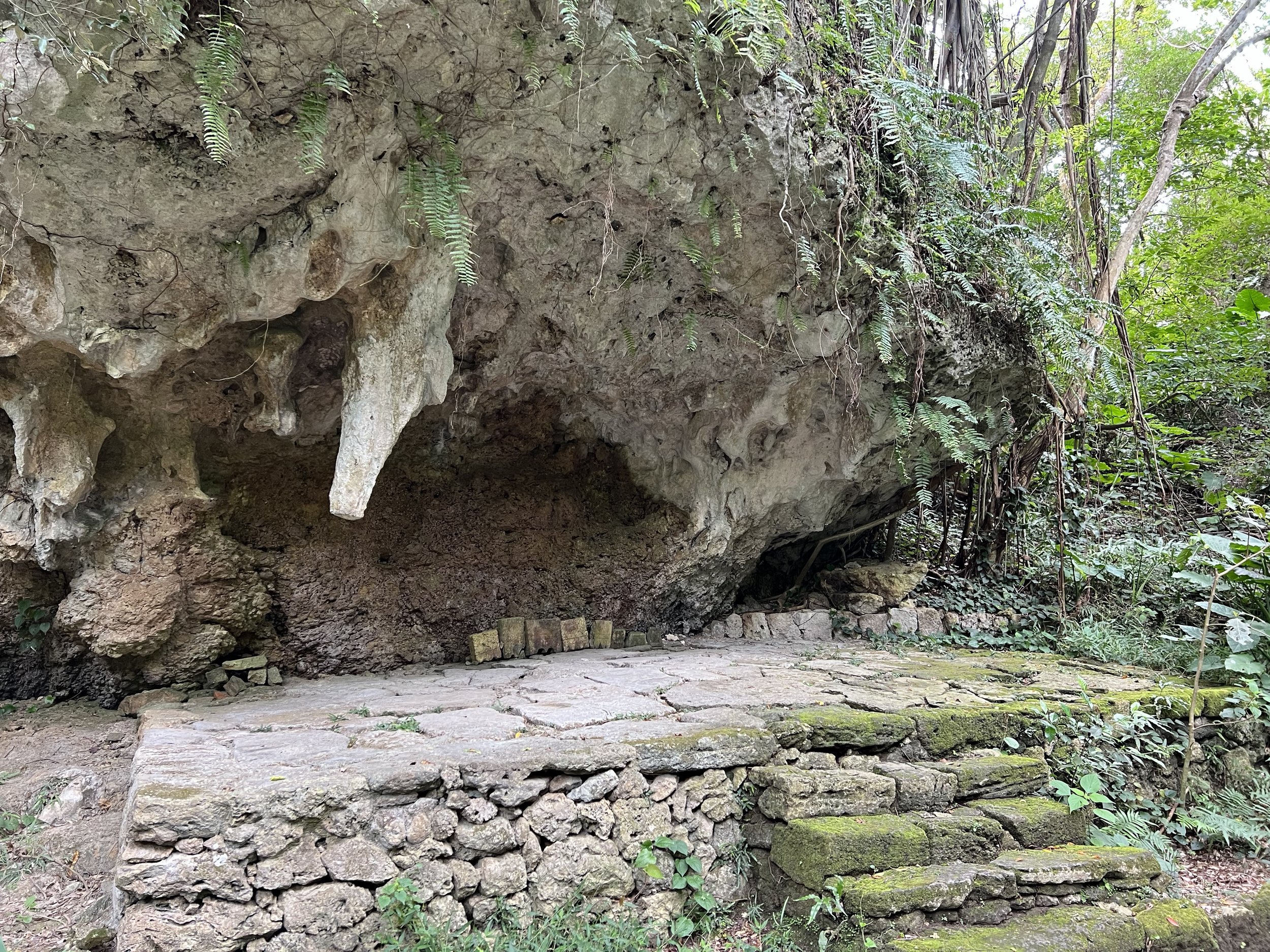
Sefa Utaki is one of the most important sacred sites of the indigenous Okinawan religion — a belief system rooted in nature worship, similar in some ways to Shinto. Tucked into a forested hillside overlooking the ocean, the site is marked by dramatic rock formations, several of which are considered especially sacred.
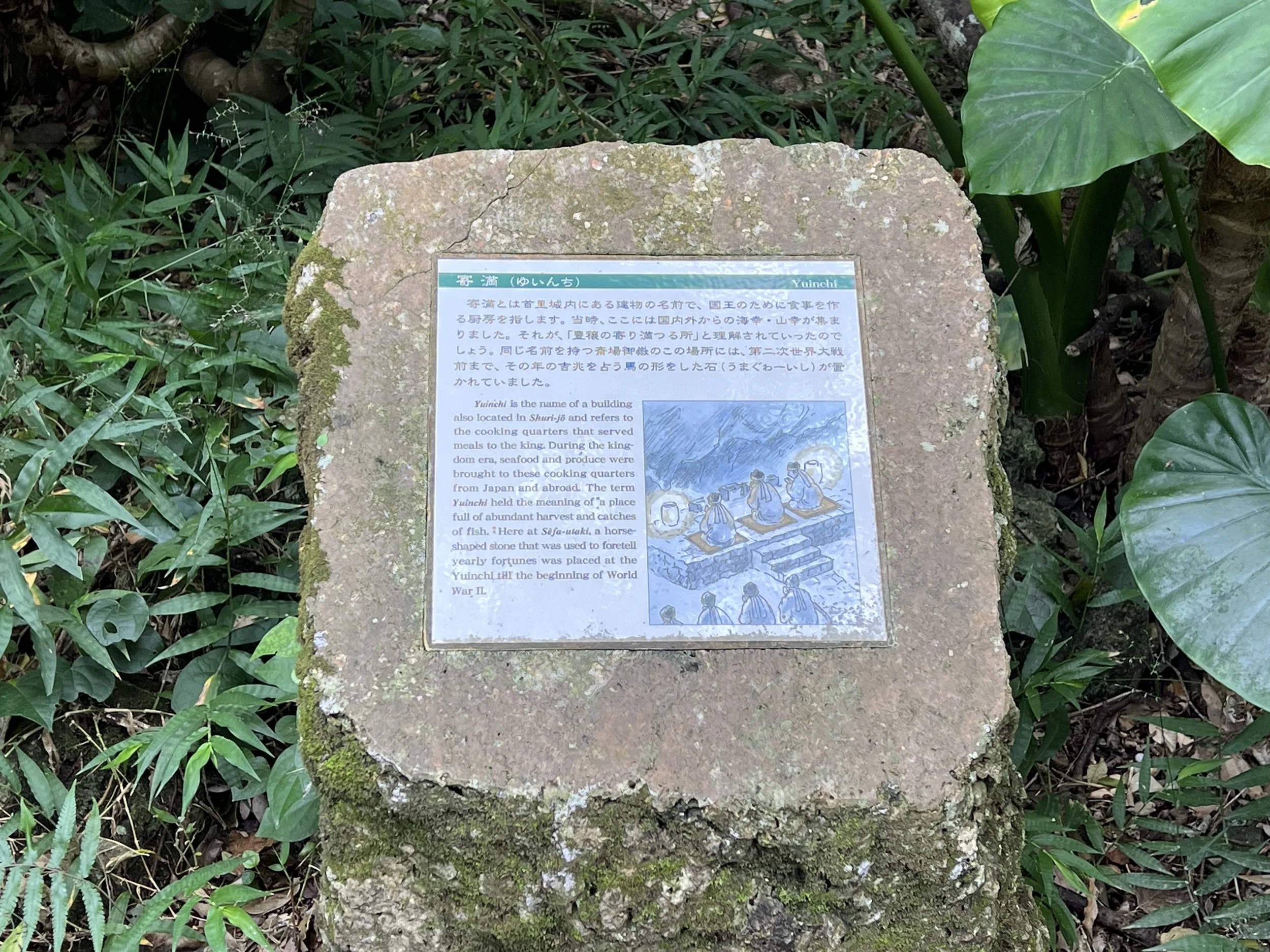
Historically, the spiritual leadership of the Ryukyu Kingdom was held by women. Access to Sefa Utaki was once strictly forbidden to men, with the exception of male members of the royal family — and even they were required to dress as women to enter. The site was reserved for priestesses of the native Ryukyuan faith, and major ceremonies, including the inauguration of the highest-ranking priestess, were conducted here. The royal family maintained strong ties to Sefa Utaki, making pilgrimages to pray for the kingdom’s prosperity and bountiful harvests. Even within Shuri Castle, there are rooms named after sacred places found at Sefa Utaki, reflecting its spiritual importance.
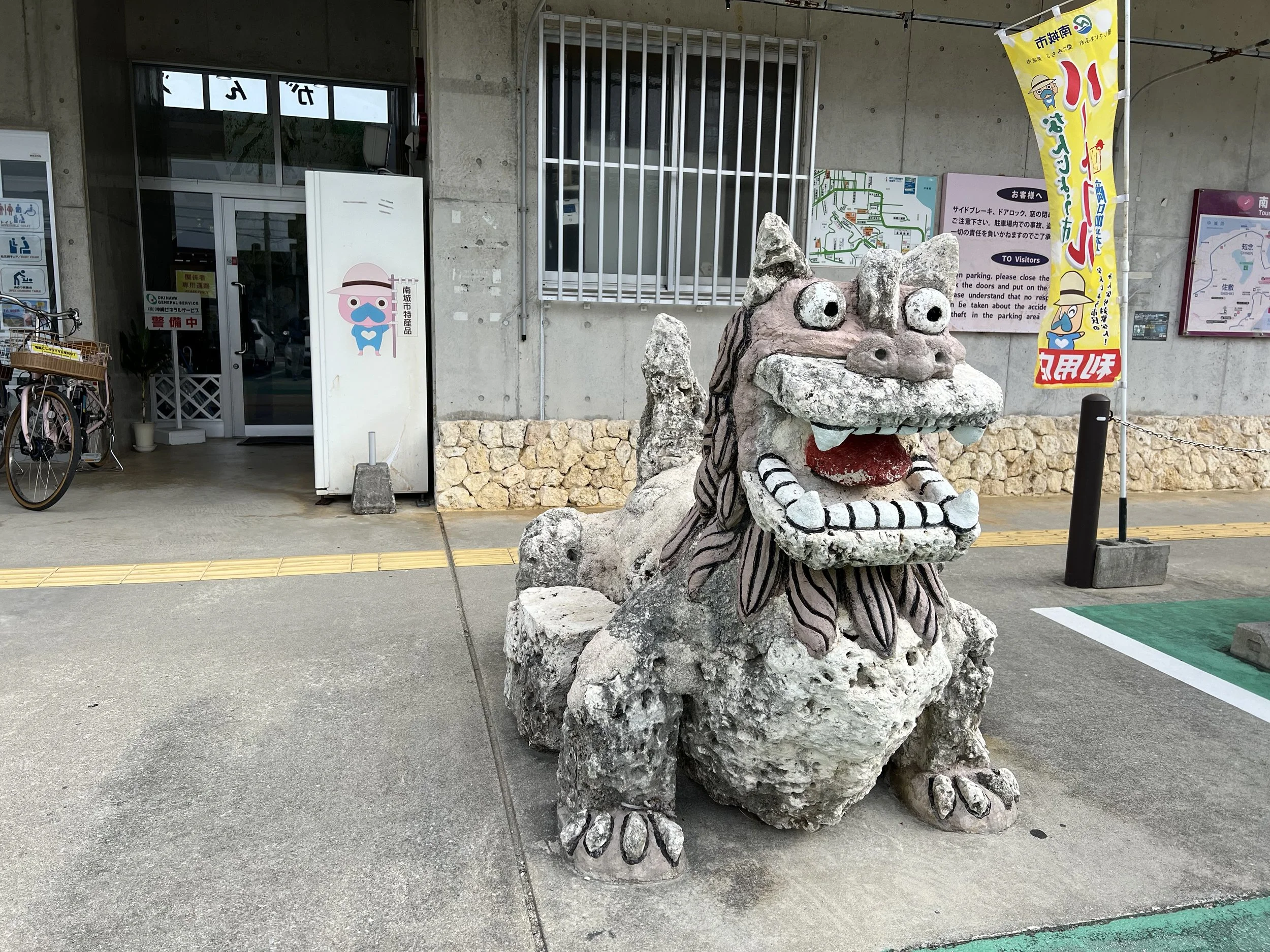
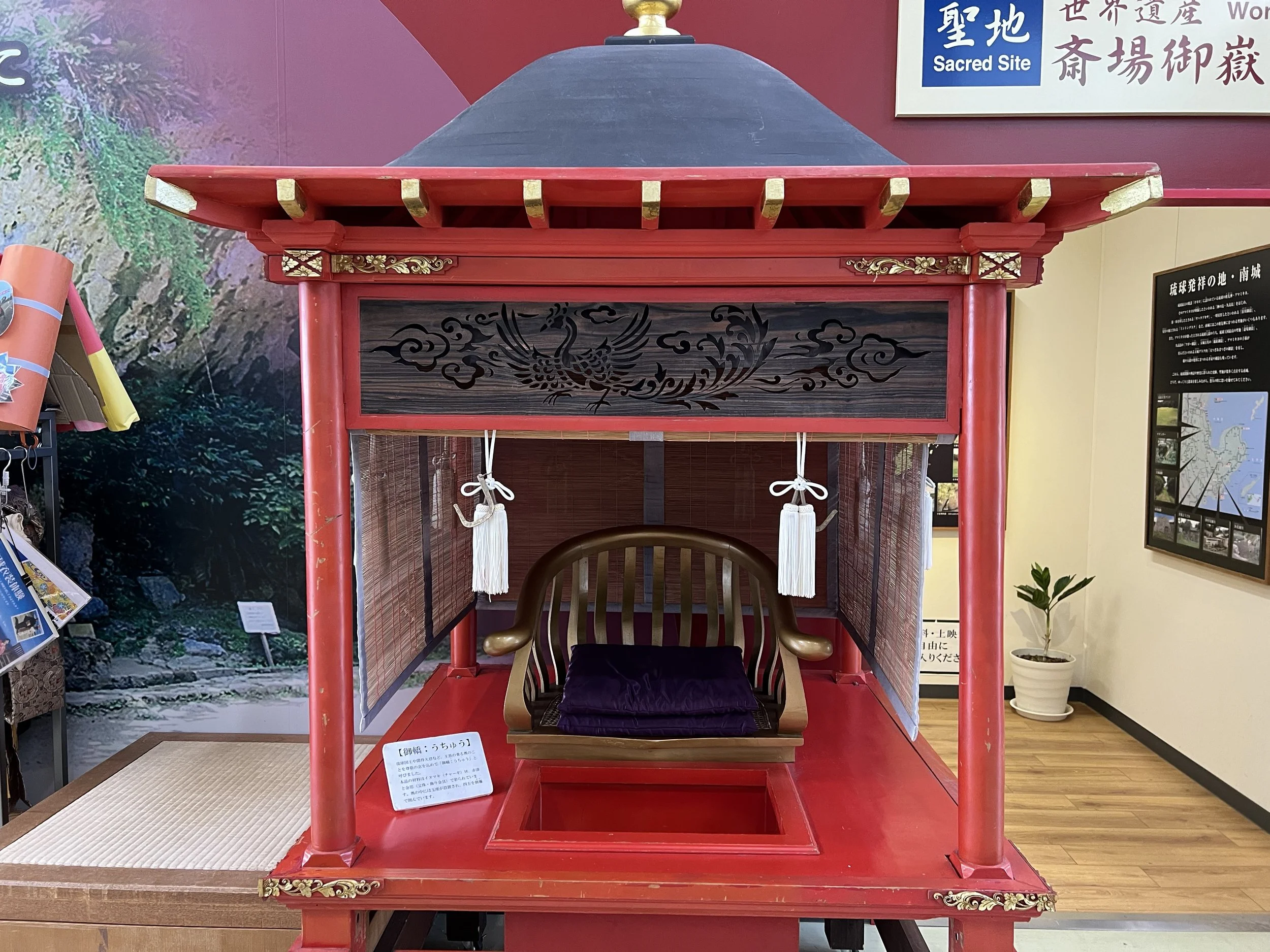
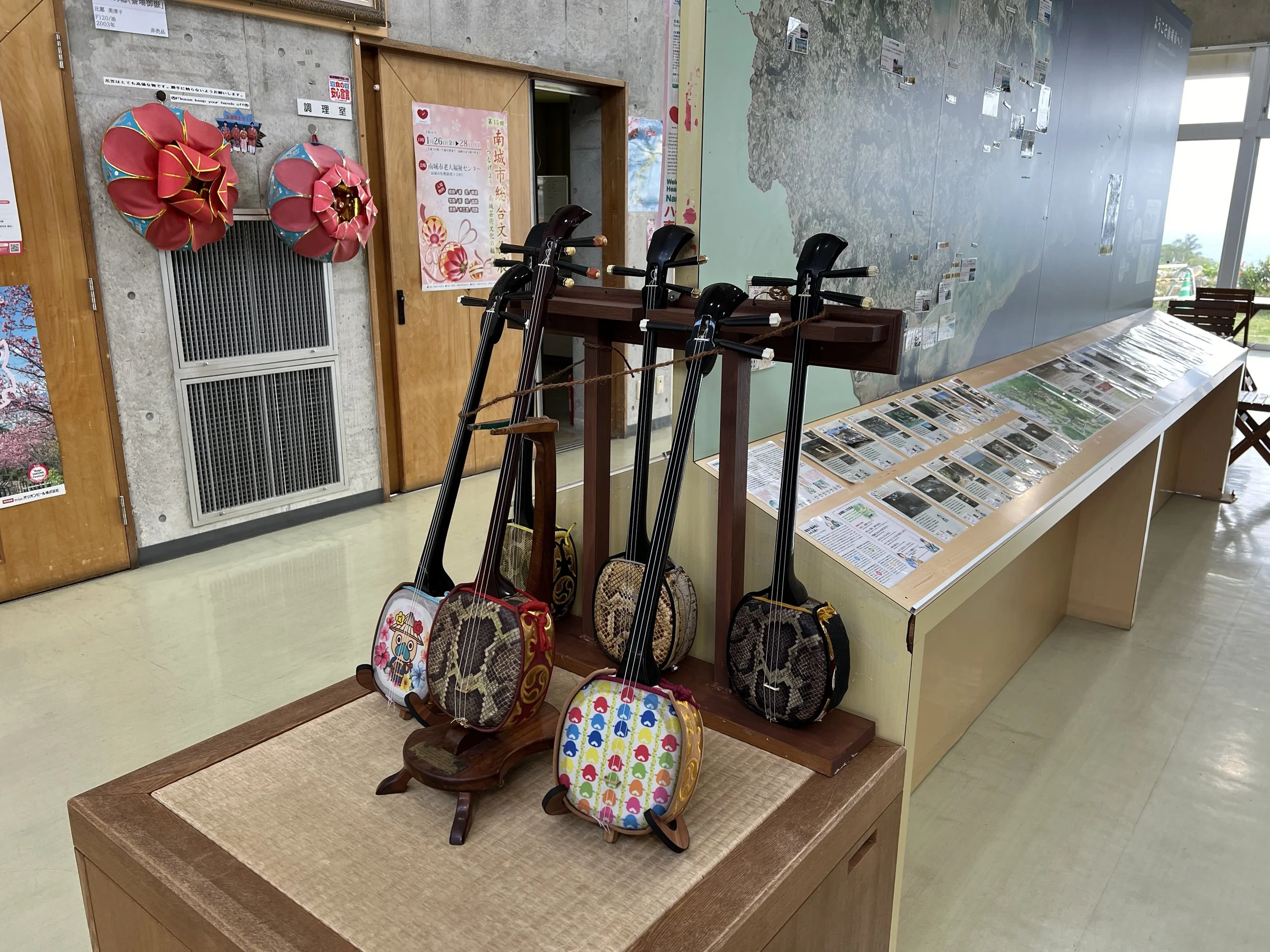
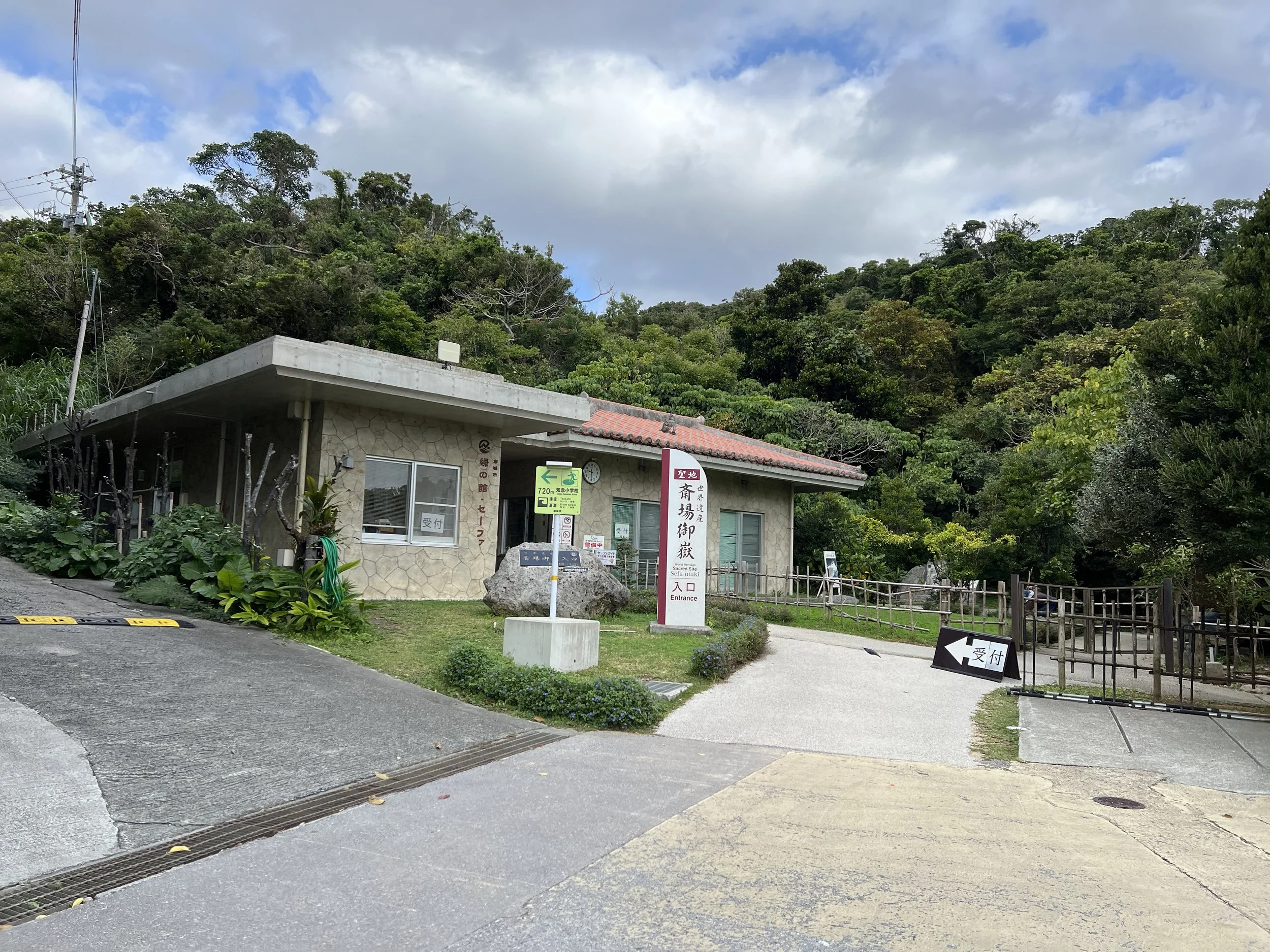
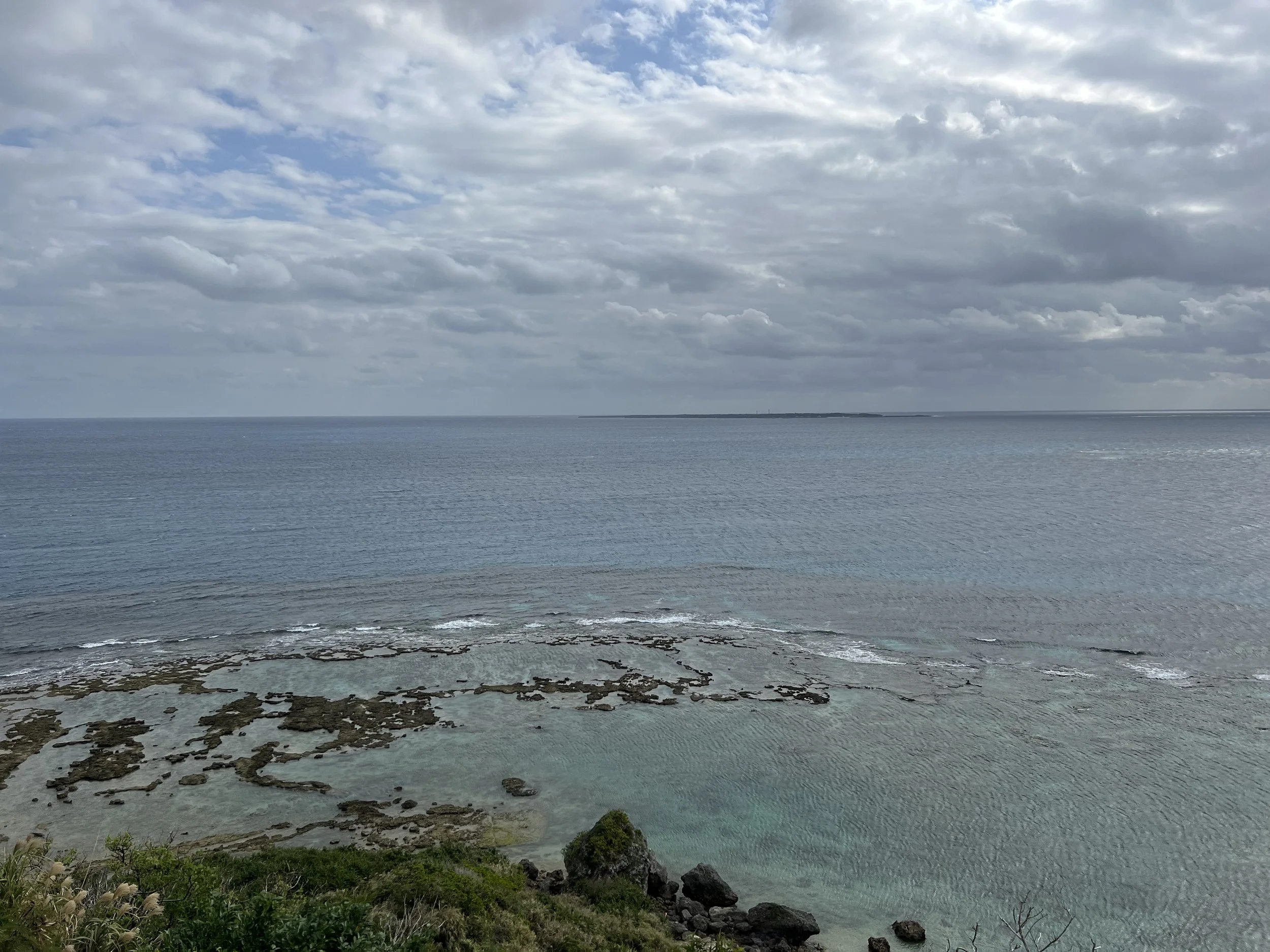
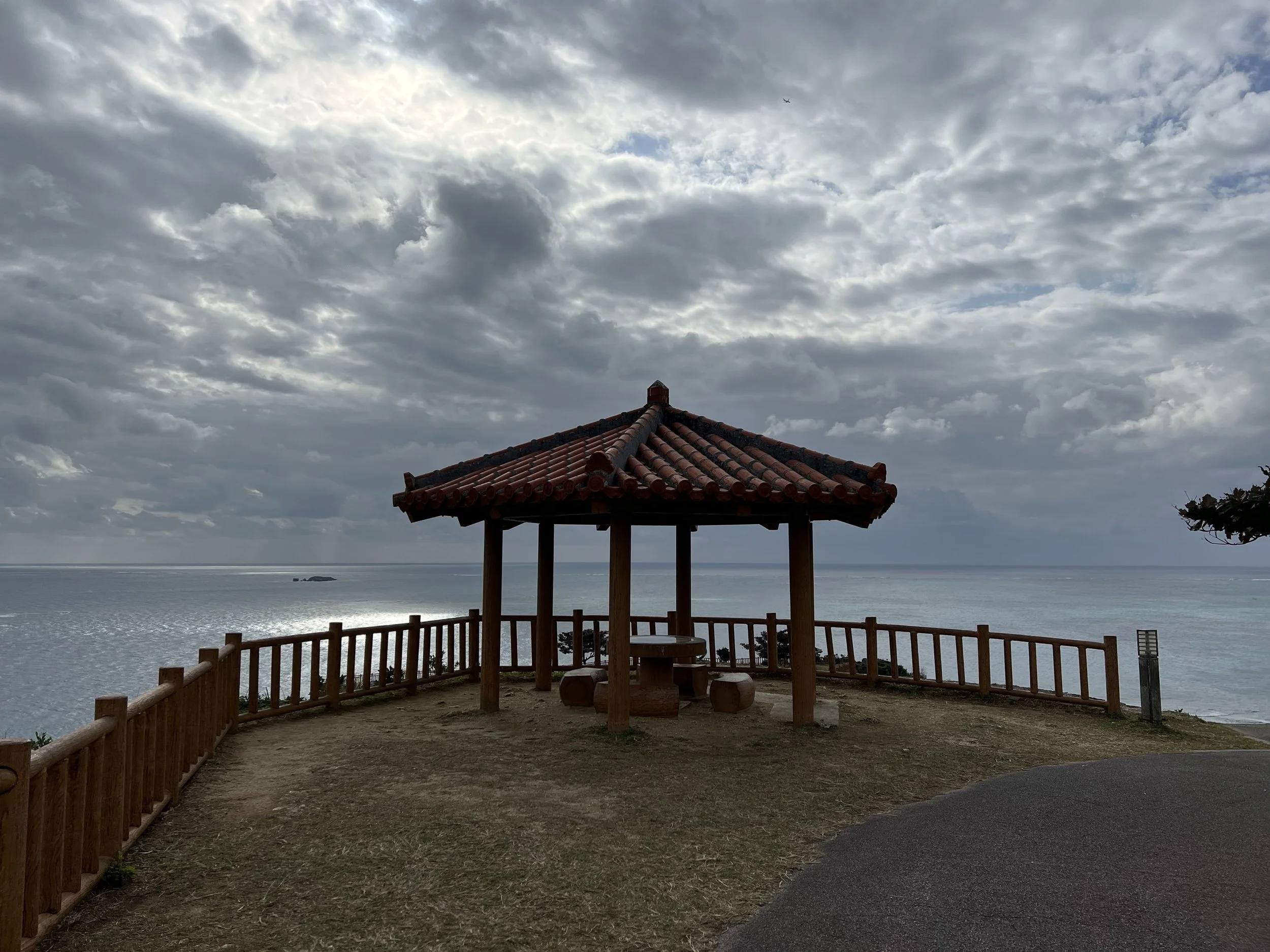
When I arrived at the parking lot, I initially assumed the sacred site was just steps away. In reality, it’s about a 550-metre walk from the lot — vehicles are not permitted any closer in order to preserve the sanctity of the area. I purchased my ticket at the souvenir shop and visited the small museum next door before heading up. The museum offers helpful context about the site’s history and religious significance, which made the visit feel more meaningful. There’s also a viewpoint behind the building with a glimpse of the coastline.
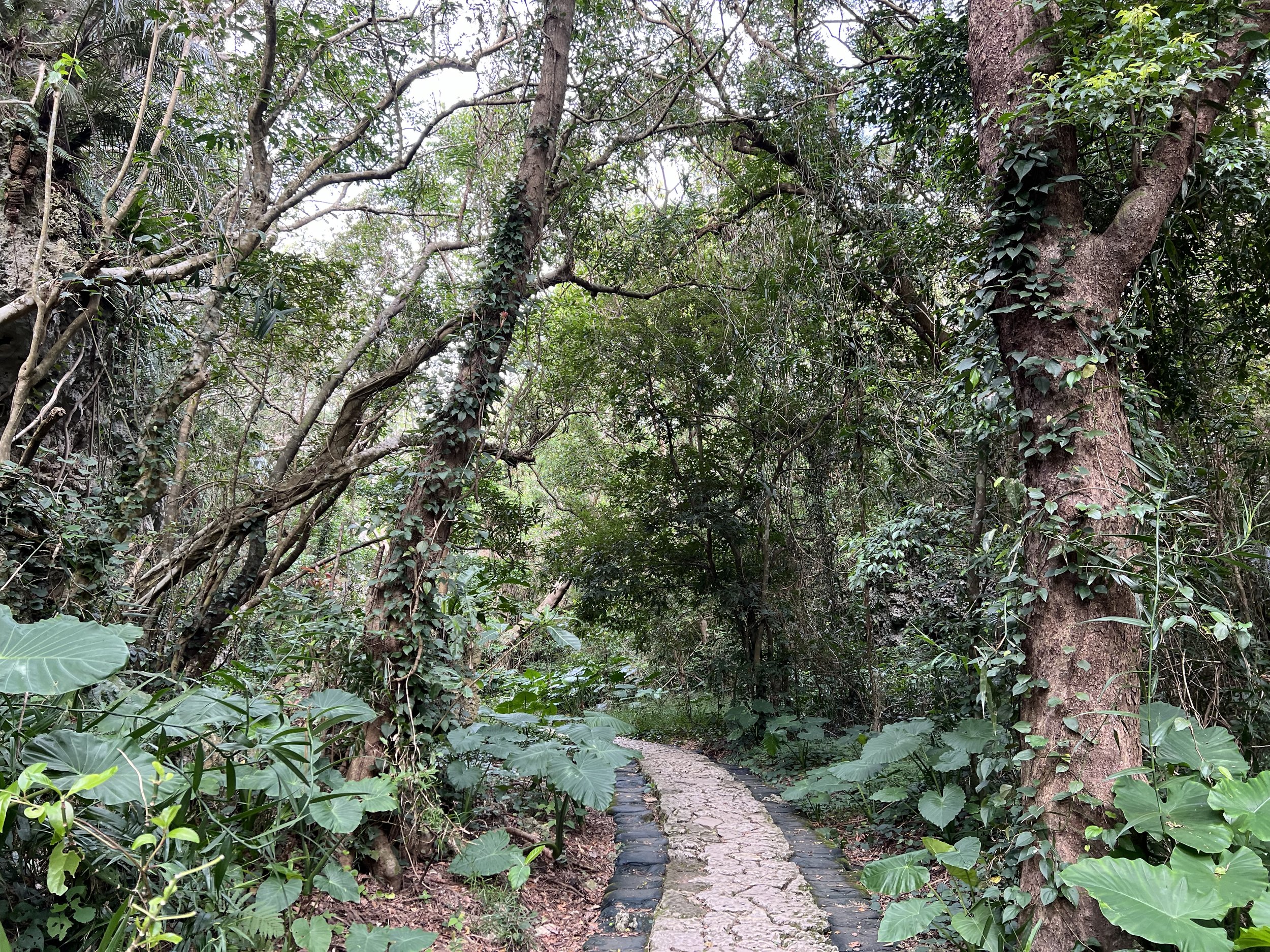
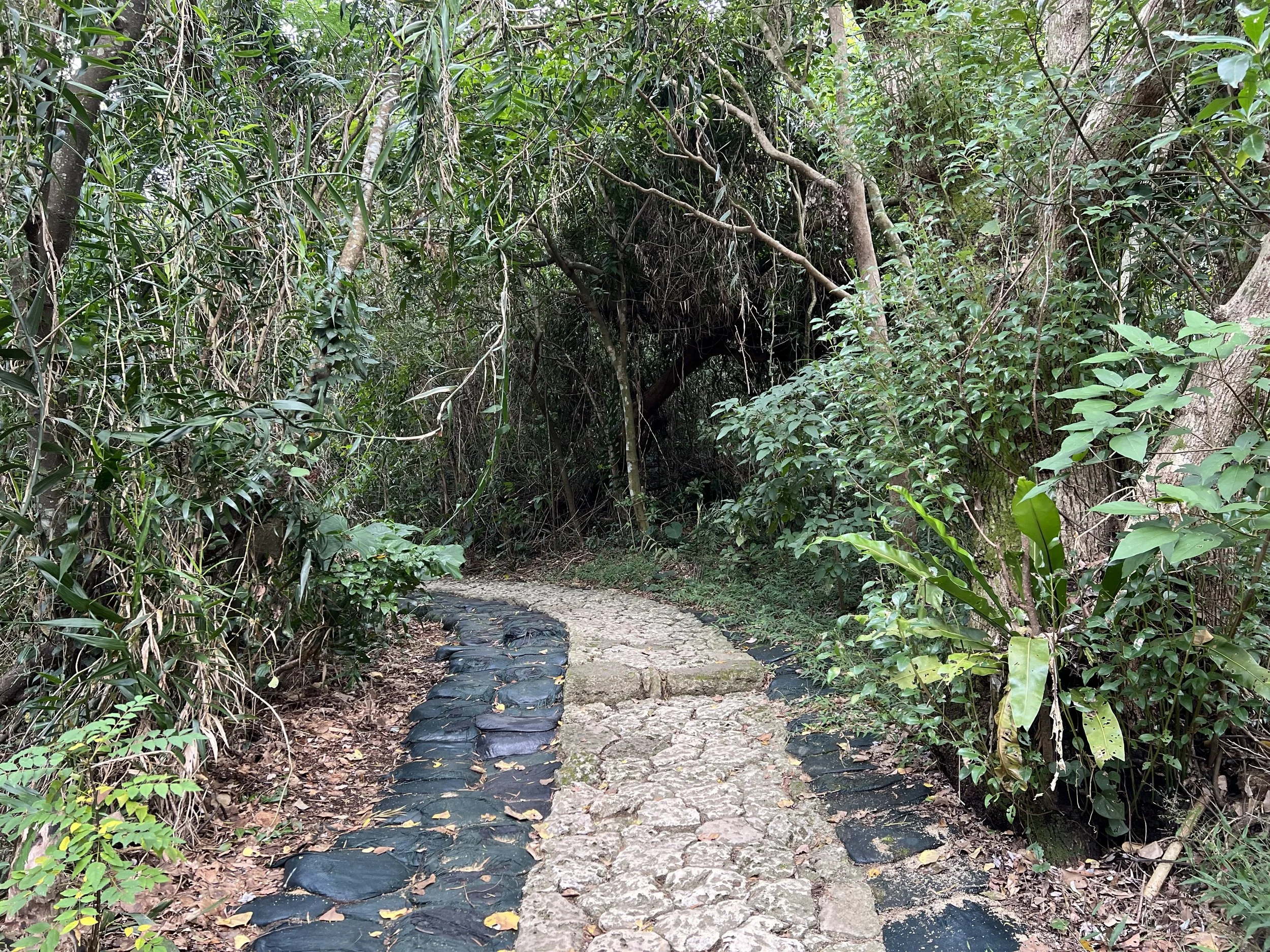
From there, I followed the path toward the entrance of Sefa Utaki. A few local shops line the way, though they appeared closed during my visit. Tour buses had arrived around the same time, so the path felt lively. At the entrance, I presented my ticket and began walking along the shaded trail.
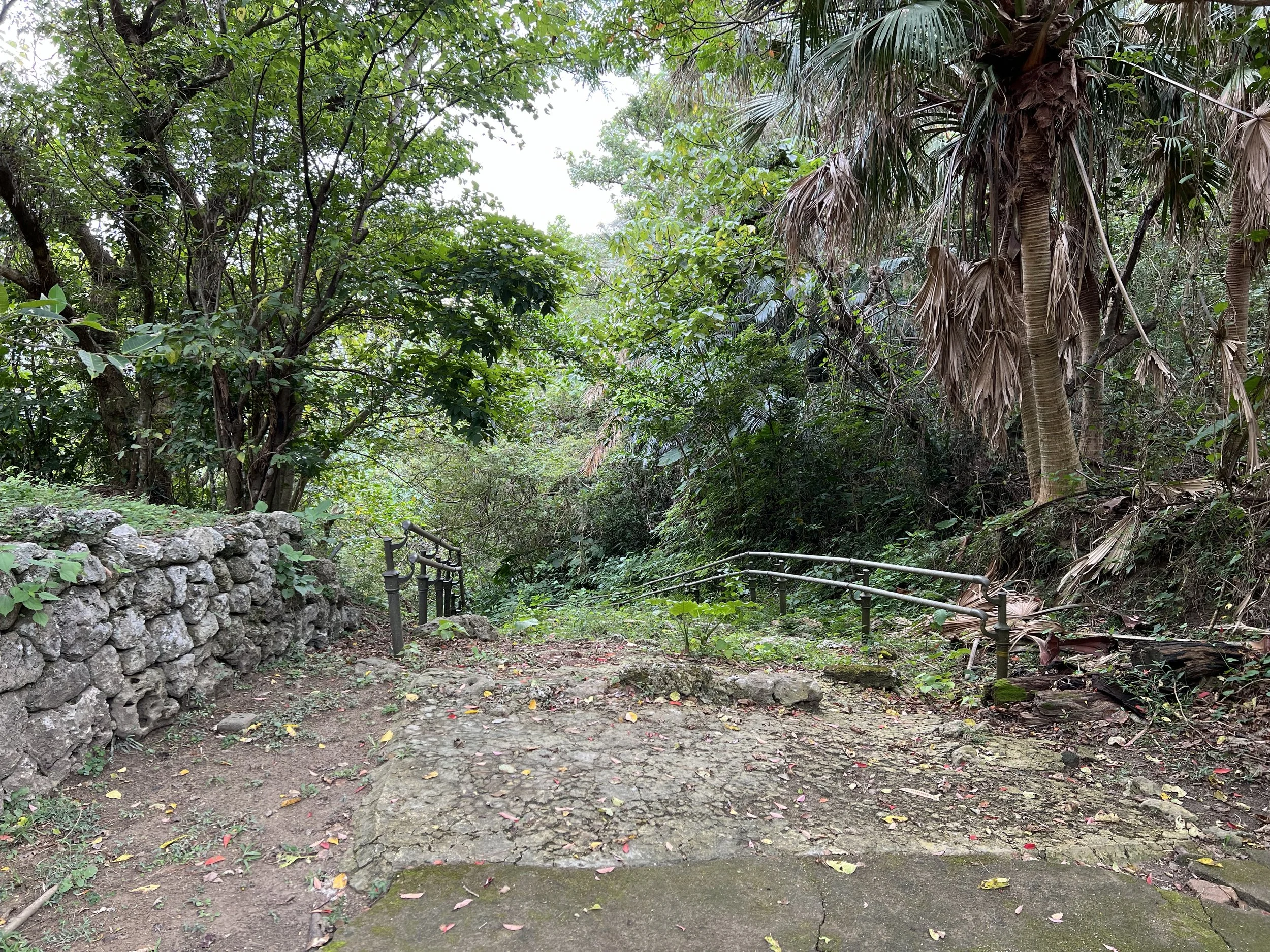
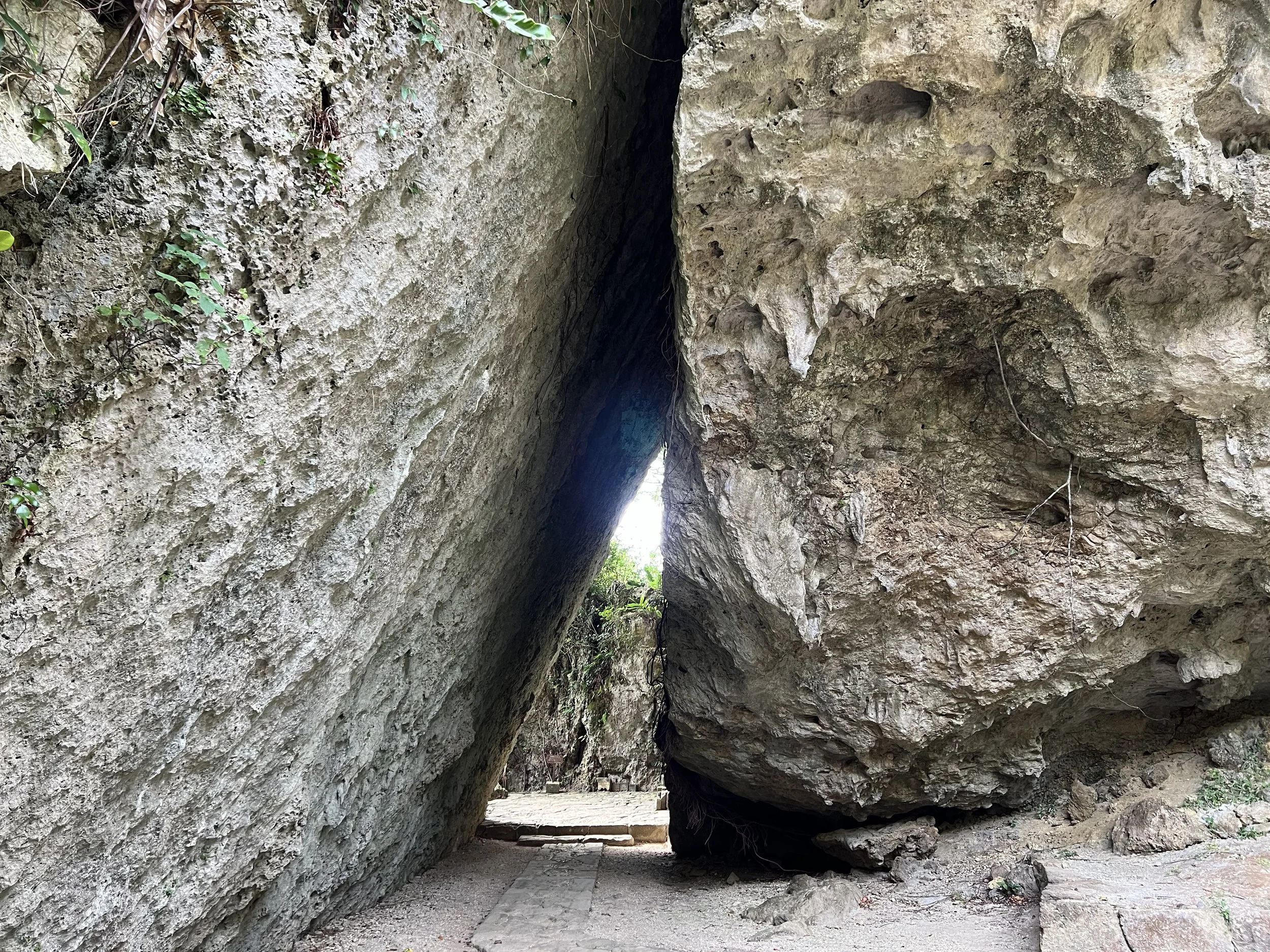
Staff members were stationed throughout the grounds to ensure visitors did not step into sacred areas. Some sites are clearly marked, while others are more subtle but carefully monitored. As I walked, I passed through striking rock corridors and ceremonial spaces where rituals were once held. Some sacred areas can only be viewed from a distance, reinforcing the sense of reverence.
Although Sefa Utaki has long been spiritually significant, it rose to particular prominence in the early 16th century when the Okinawan religion was reorganized and centralized under royal authority. One of the most sacred spots is a triangular rock formation — a narrow opening carved between two massive stones that frames a view toward the sea. It’s quiet, powerful, and unlike anywhere else I’ve visited.
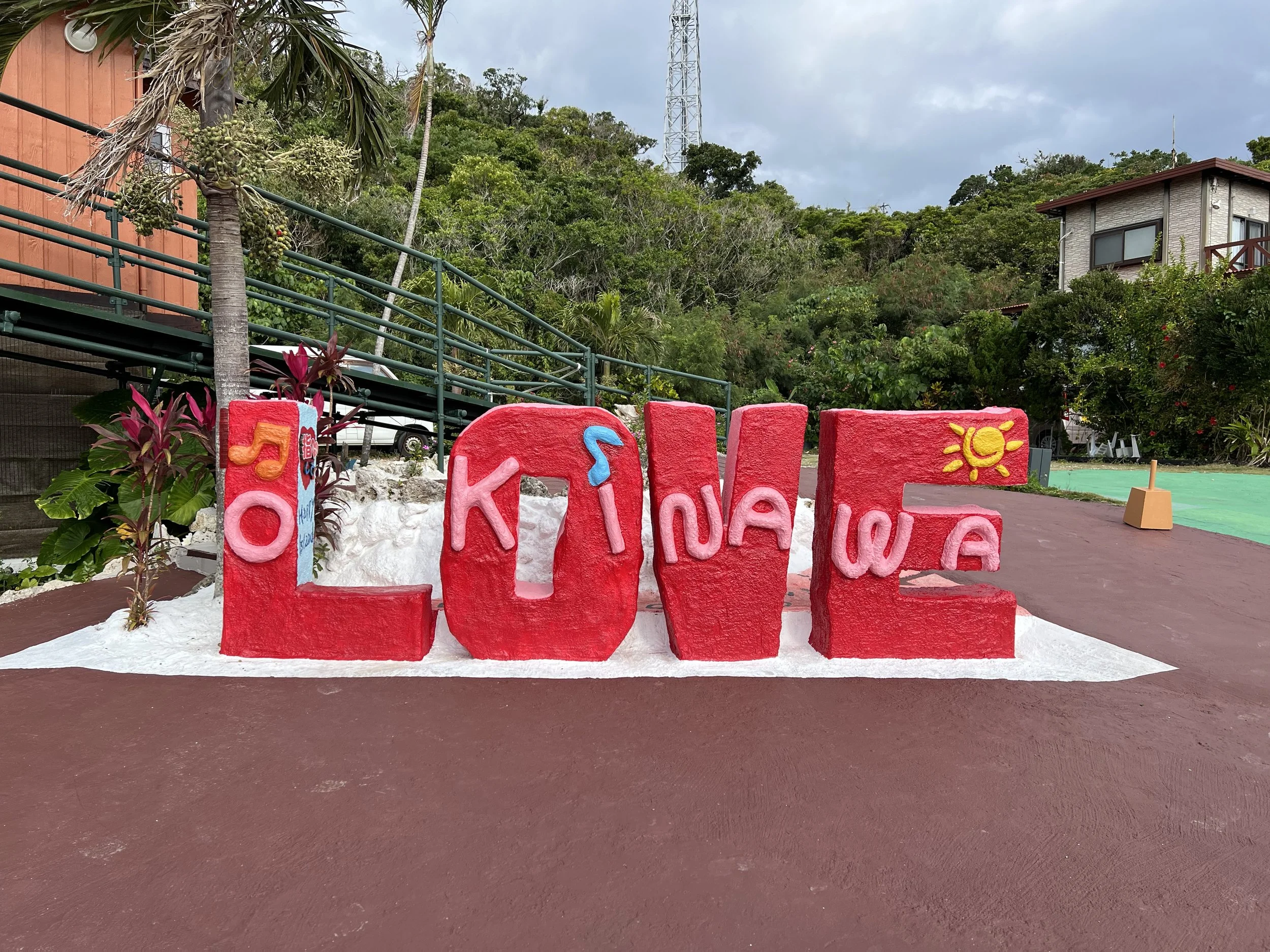
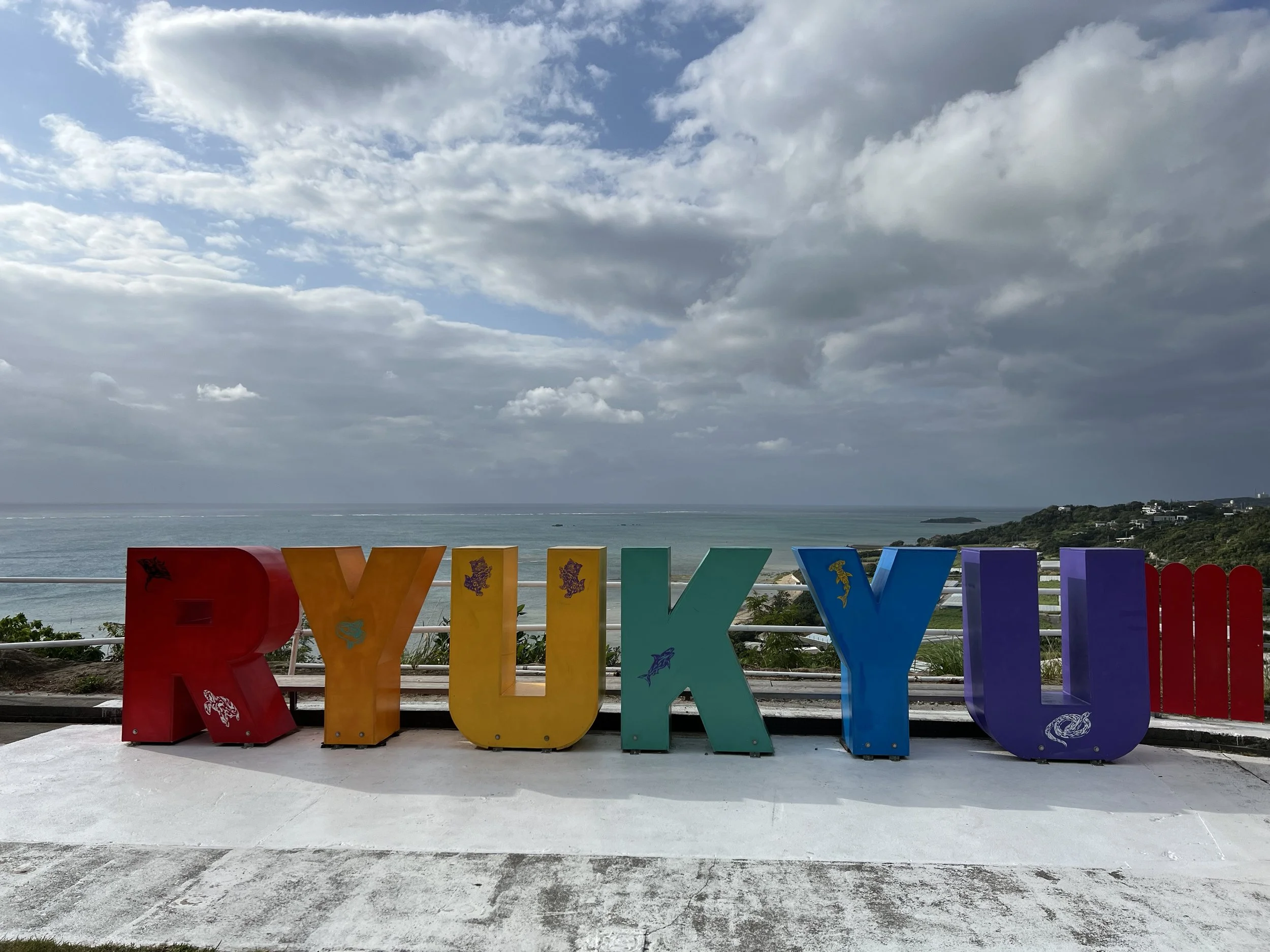
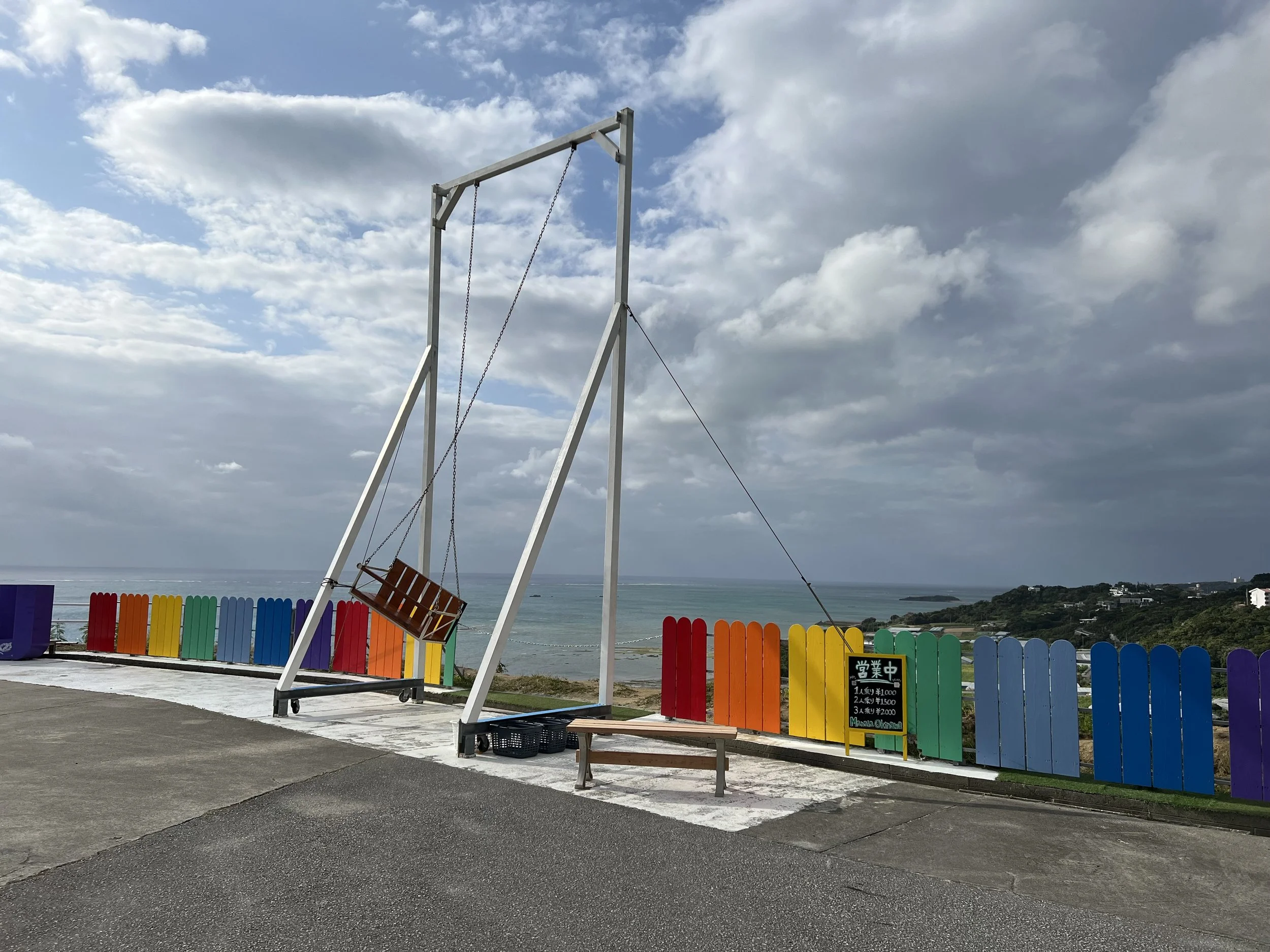
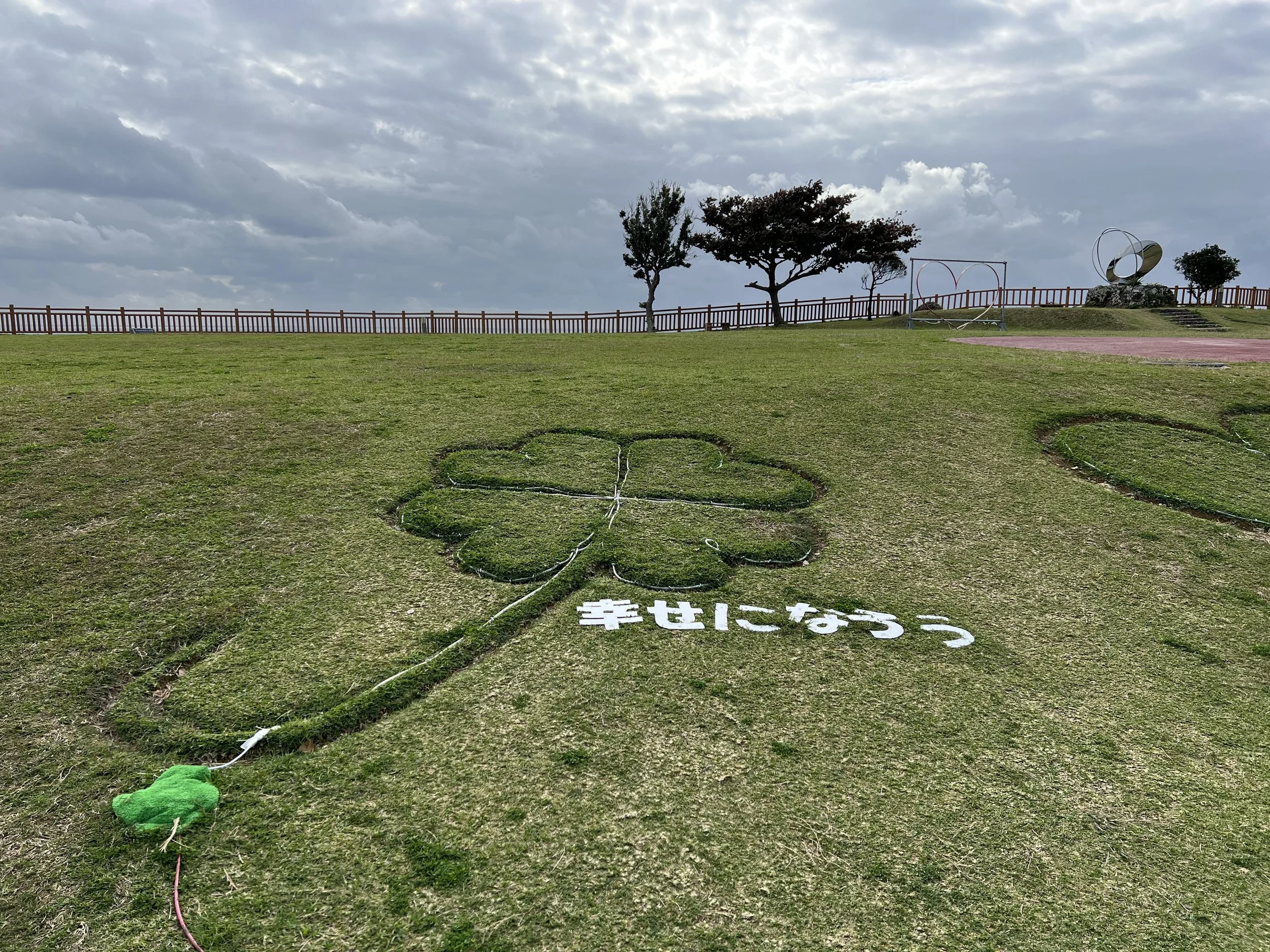
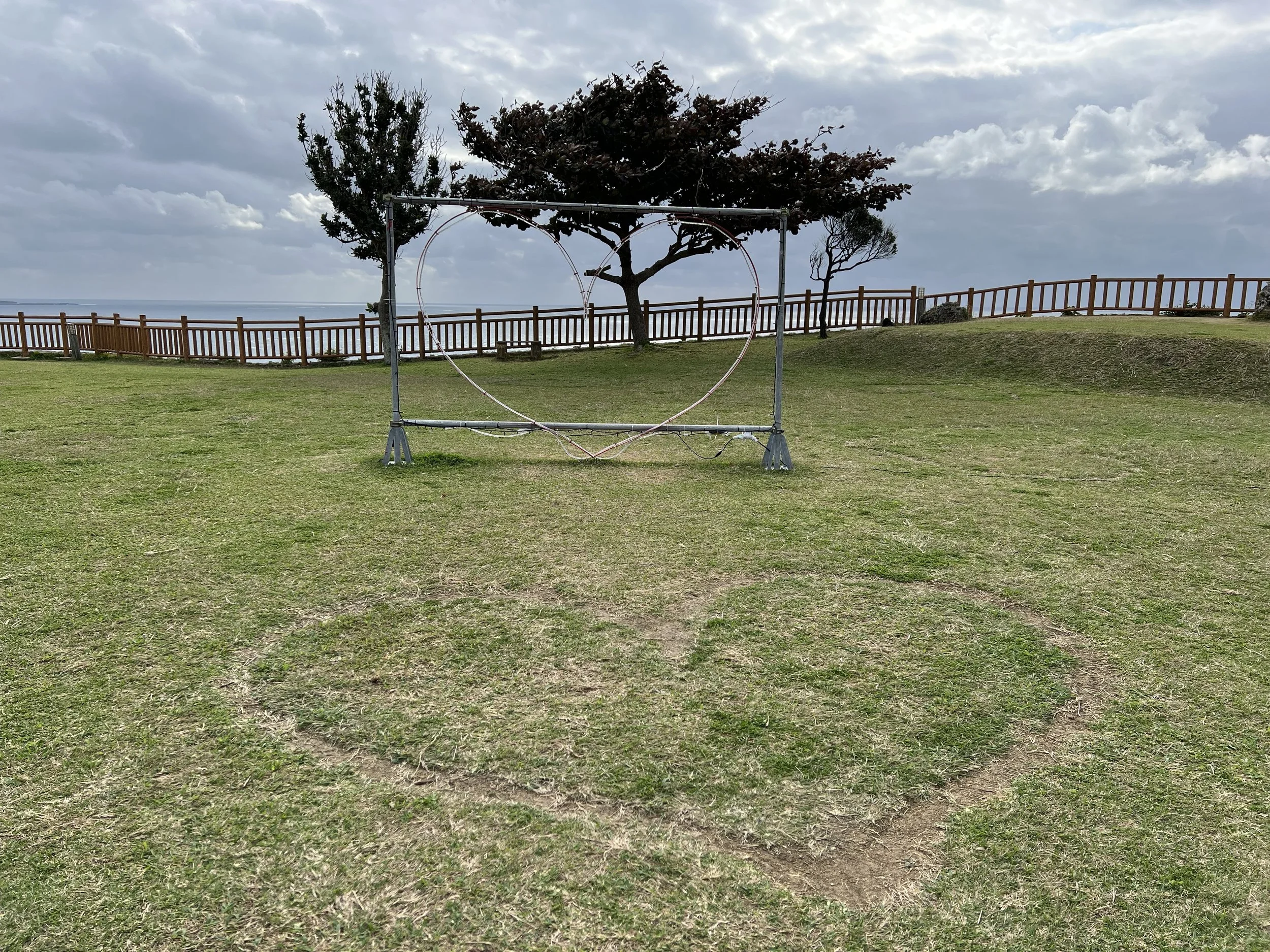
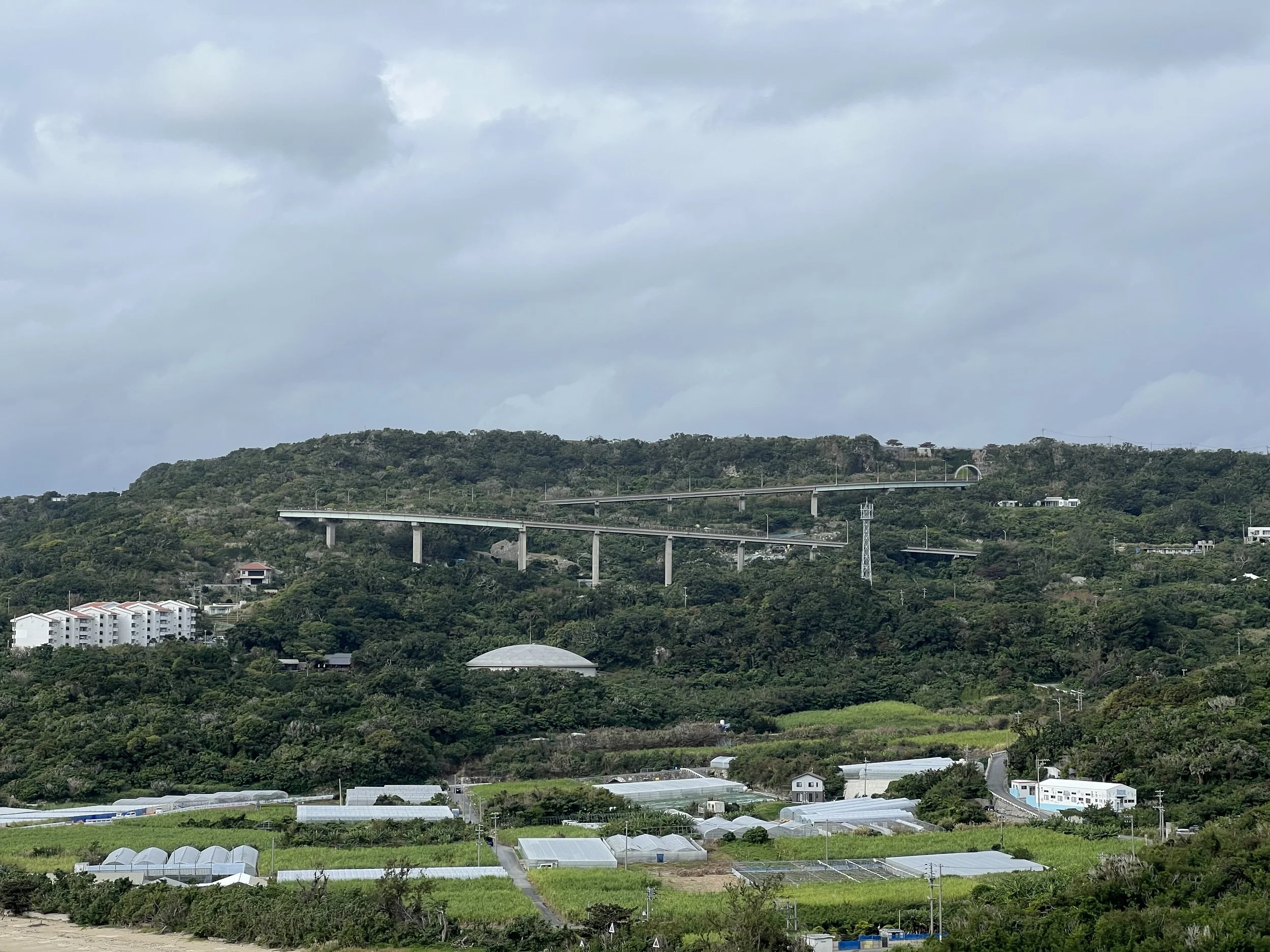
After exploring the sacred grounds, I stopped at a nearby viewpoint featuring a large swing with a Ryukyu sign. There is a fee to use the swing, but I was content just taking photos. From there, I walked a few minutes to Cape Chinen Park. The ocean views are stunning — cliffs drop dramatically into the water, and you can see the sweeping curve of the Nirai Kanai Bridge in the distance. Decorative heart installations dotted the park, adding a playful contrast to the solemnity of the sacred site.
Once I finished wandering the pathways and taking photos, I returned to my car and continued on my Okinawa journey.
History & Background
Sefa Utaki (斎場御嶽) is one of the most sacred sites of the Ryukyu Kingdom and is part of the UNESCO World Heritage designation “Gusuku Sites and Related Properties of the Kingdom of Ryukyu.”
The indigenous Ryukyuan religion centres on nature worship, ancestor reverence, and sacred spaces embedded within the landscape. Spiritual leadership was traditionally female, with high priestesses known as noro overseeing rituals. Sefa Utaki served as a central ceremonial site, particularly after religious practices were formally reorganized under royal authority in the early 1500s.
The site was closely tied to the royal court at Shuri Castle, and pilgrimages were made to pray for prosperity, political stability, and agricultural abundance. Access restrictions historically reflected its sanctity, reinforcing its role as a protected spiritual centre.
Today, visitors are asked to respect the grounds, remain on marked paths, and observe the site’s quiet atmosphere.
Getting There
Sefa Utaki is located in Nanjo City in southern Okinawa, approximately 20 kilometres from central Naha. By car, the drive takes about 40–50 minutes. Paid parking is available at the designated Sefa Utaki parking area, followed by a 550-metre walk to the entrance of the sacred site.
By public transportation, visitors can take a bus from Naha Bus Terminal toward Nanjo City. The nearest bus stop is a short walk from the Sefa Utaki parking area, though bus frequency may be limited. Travel time by bus can take approximately 1–1.5 hours depending on connections. Renting a car offers the most flexibility, especially when combining Sefa Utaki with nearby attractions such as Cape Chinen Park.
Route Overview
Distance: 2.16 km out & back (Sefa Utaki Parking Lot)
Total elevation gain: 38 m
Duration: 34 min (with breaks 43 min)
Difficulty: Easy
Cost Breakdown
Entrance Fee: Sefa-Utaki — ¥300
Food: ¥366