Motonosumi Shrine - Yamaguchi, Japan
After visiting Tsunoshima Bridge, I took the bus back to Kottoi Station and transferred to a replacement bus service running in place of the train due to the temporarily closed rail line to Nagato-Furuichi Station. Motonosumi Shrine was my next destination, and getting there without a car required a bit of improvisation. There is no direct public transportation to the shrine, so I decided on a simple rule: if there was a taxi waiting at the station, I would take it. If not, I would walk the 7.5 kilometres.
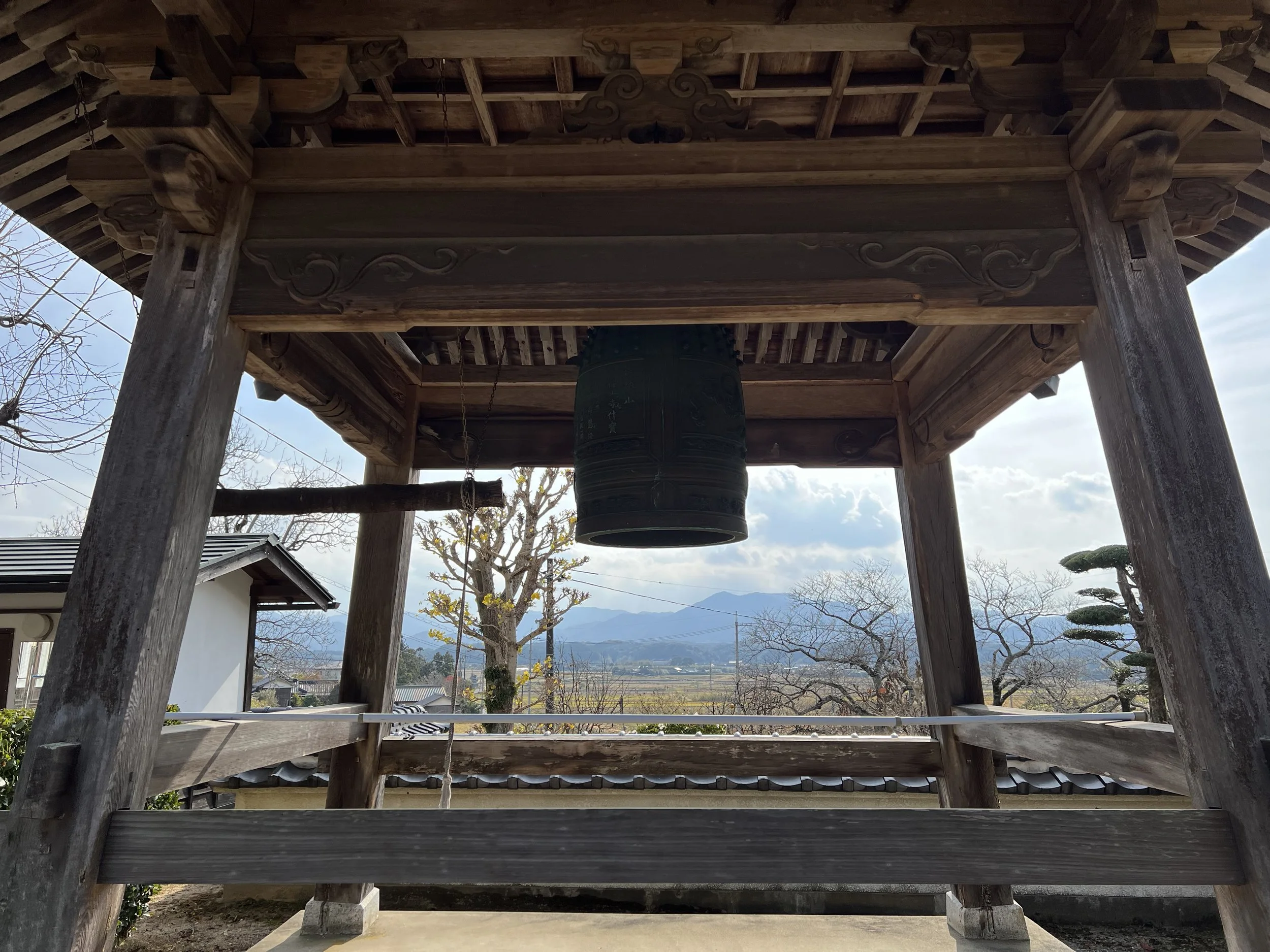
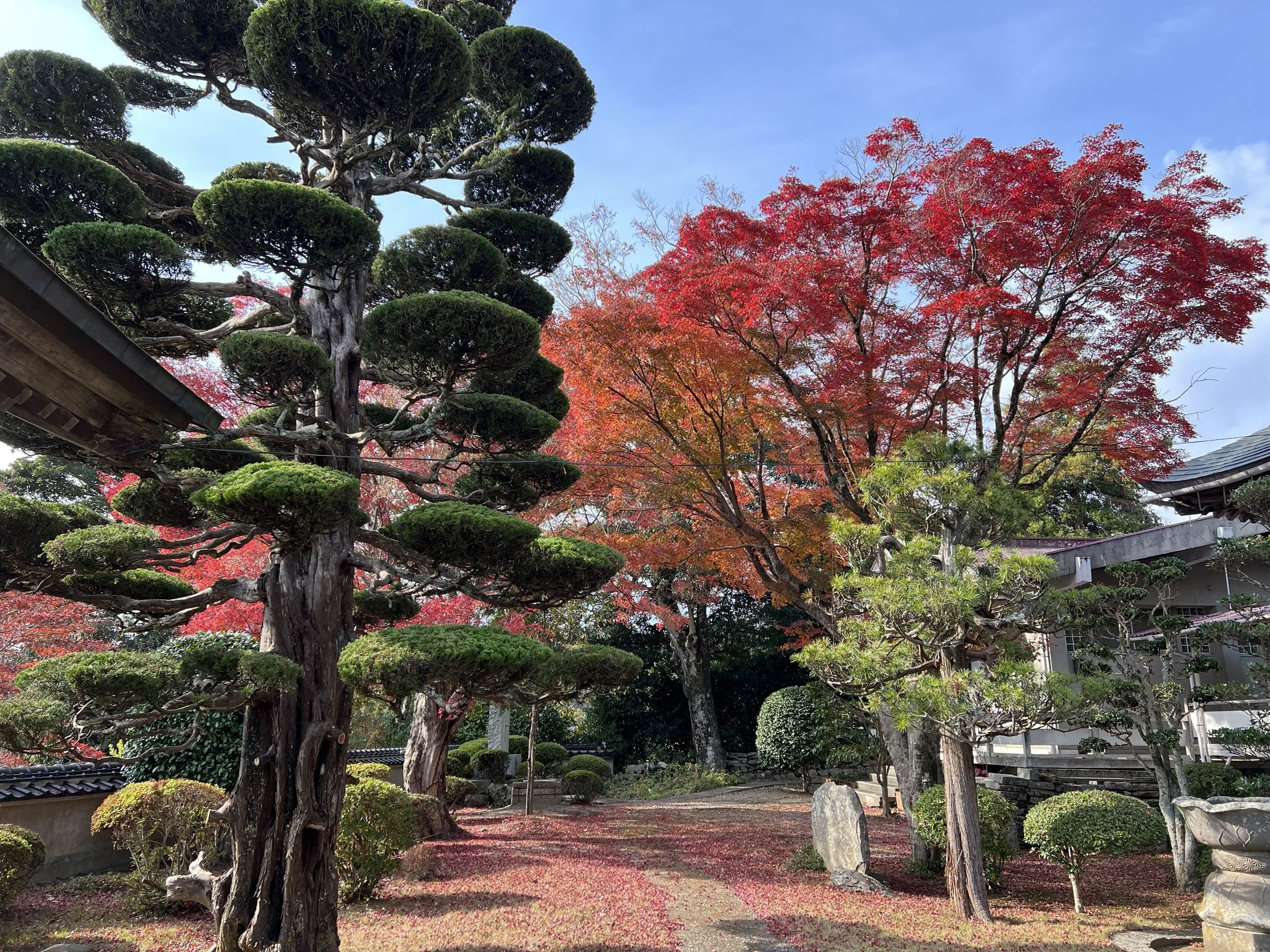
When I arrived at Nagato-Furuichi Station, there were no taxis in sight, so the plan was settled. The first stretch of the walk was surprisingly pleasant, passing through open farmland and quiet rural roads. Along the way, I stopped at Fukushoji Temple to use the facilities, as the station washrooms were unavailable. I was grateful for the stop, and even more so once I stepped inside. The temple grounds were beautifully maintained, with a manicured garden framed by surrounding fields, creating a calm and almost timeless atmosphere.
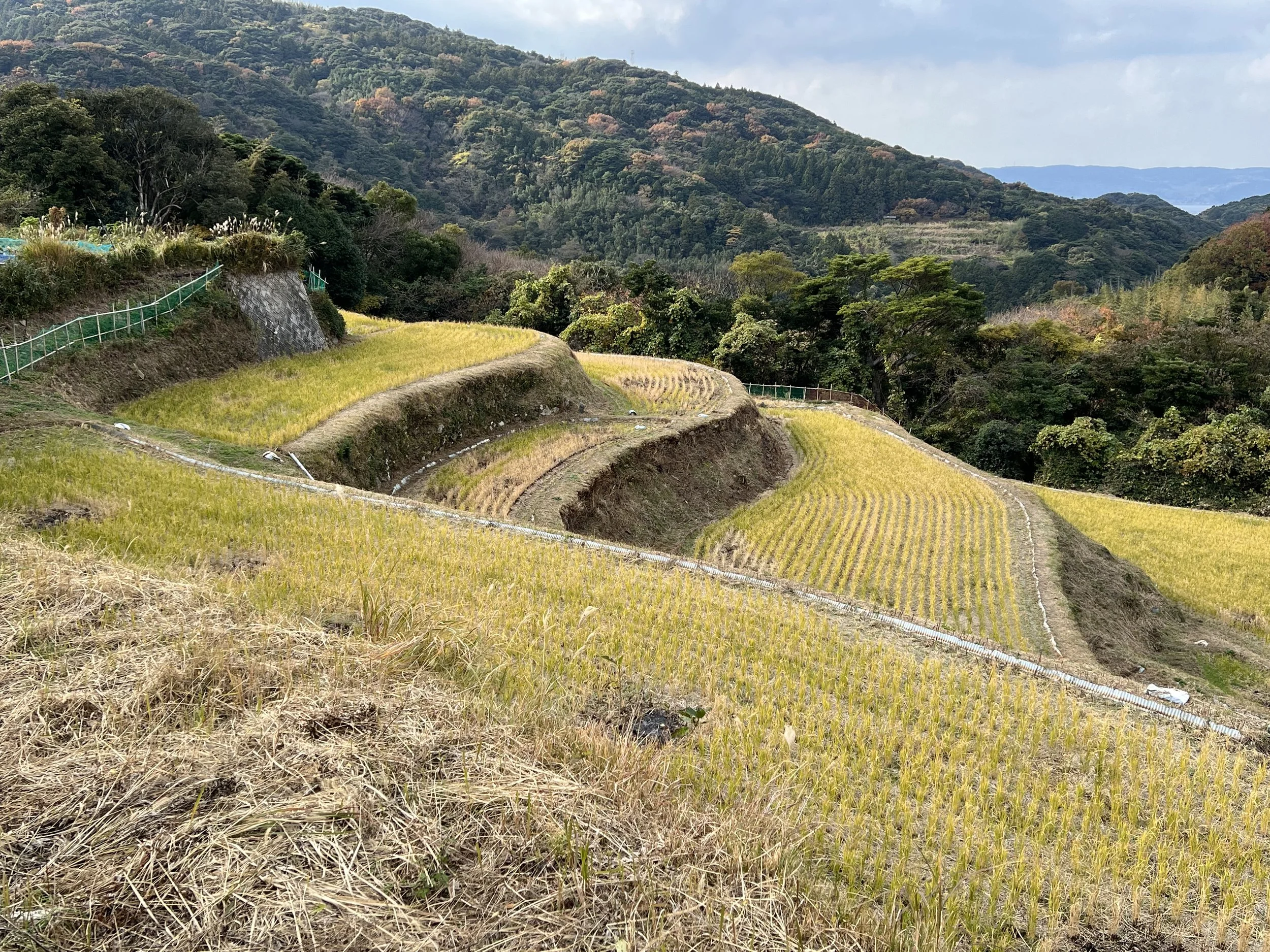
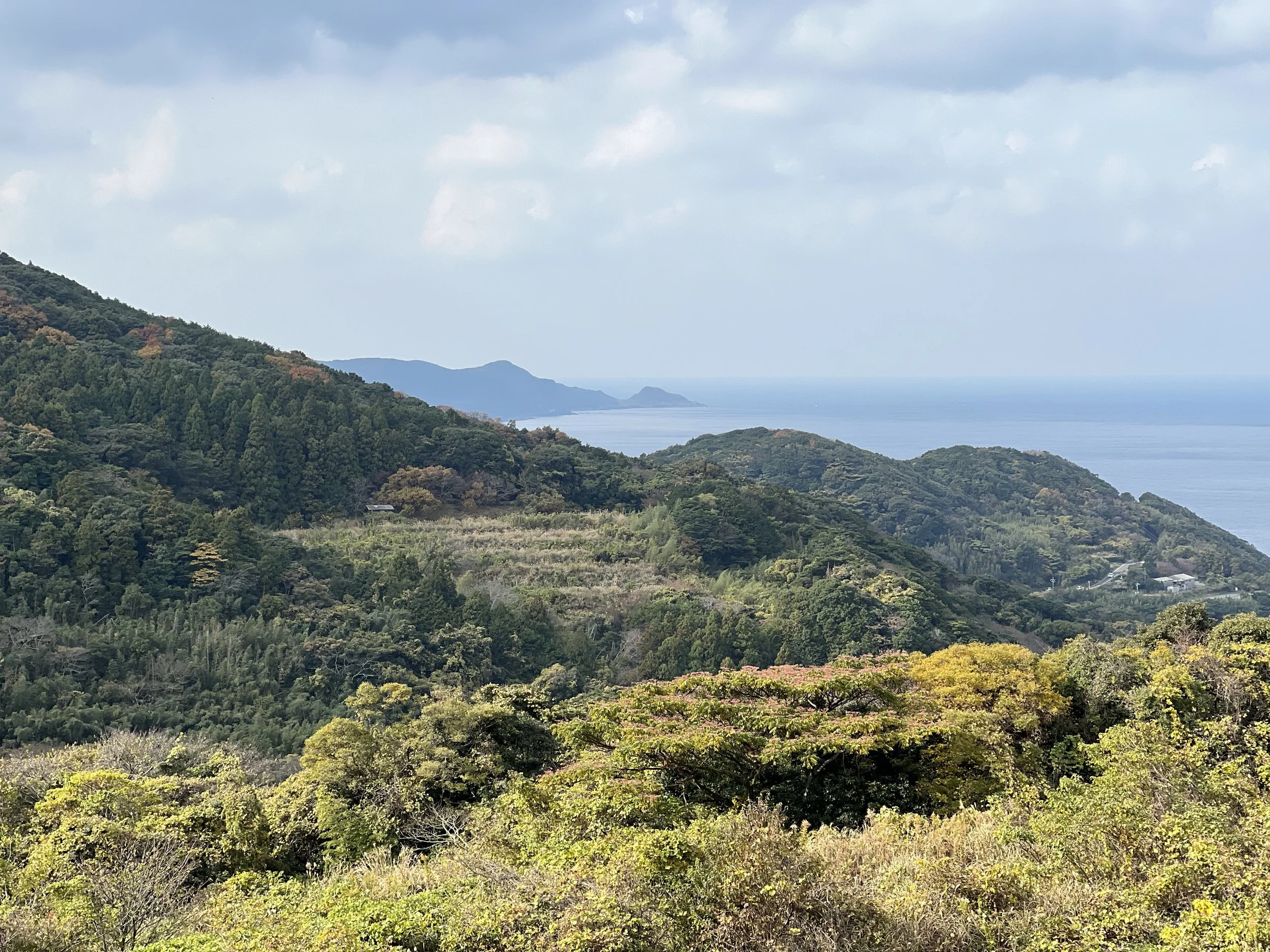
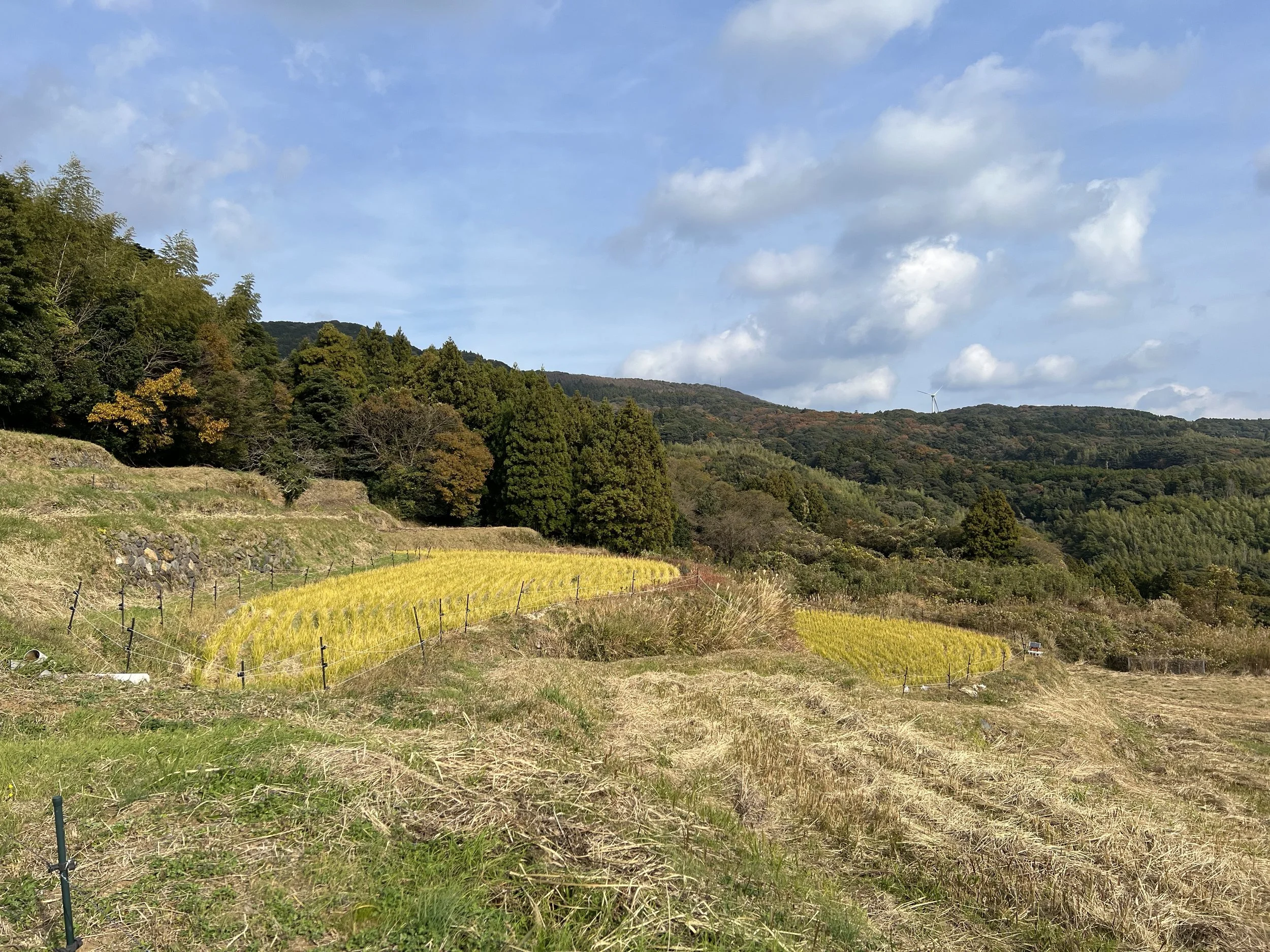
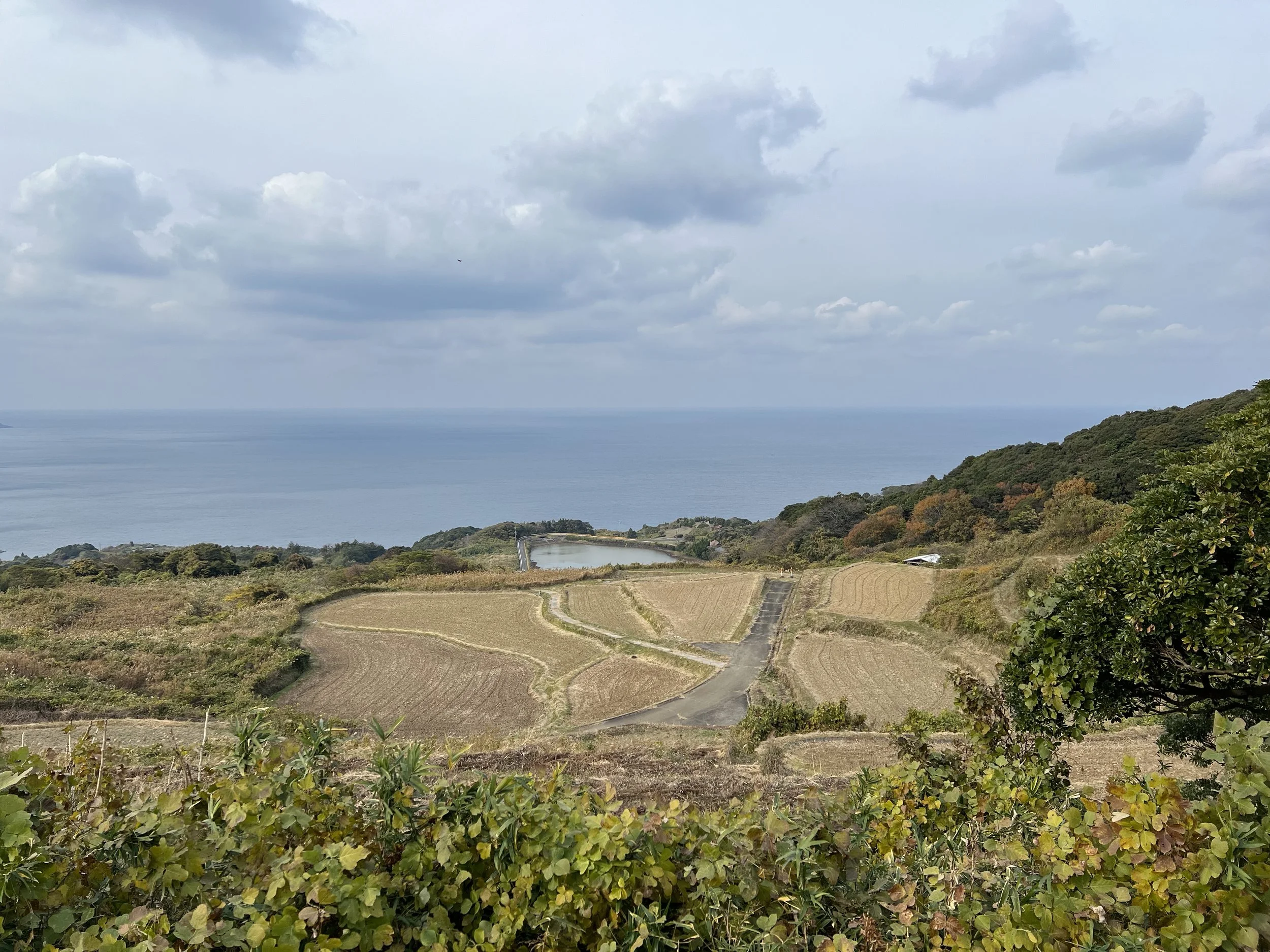
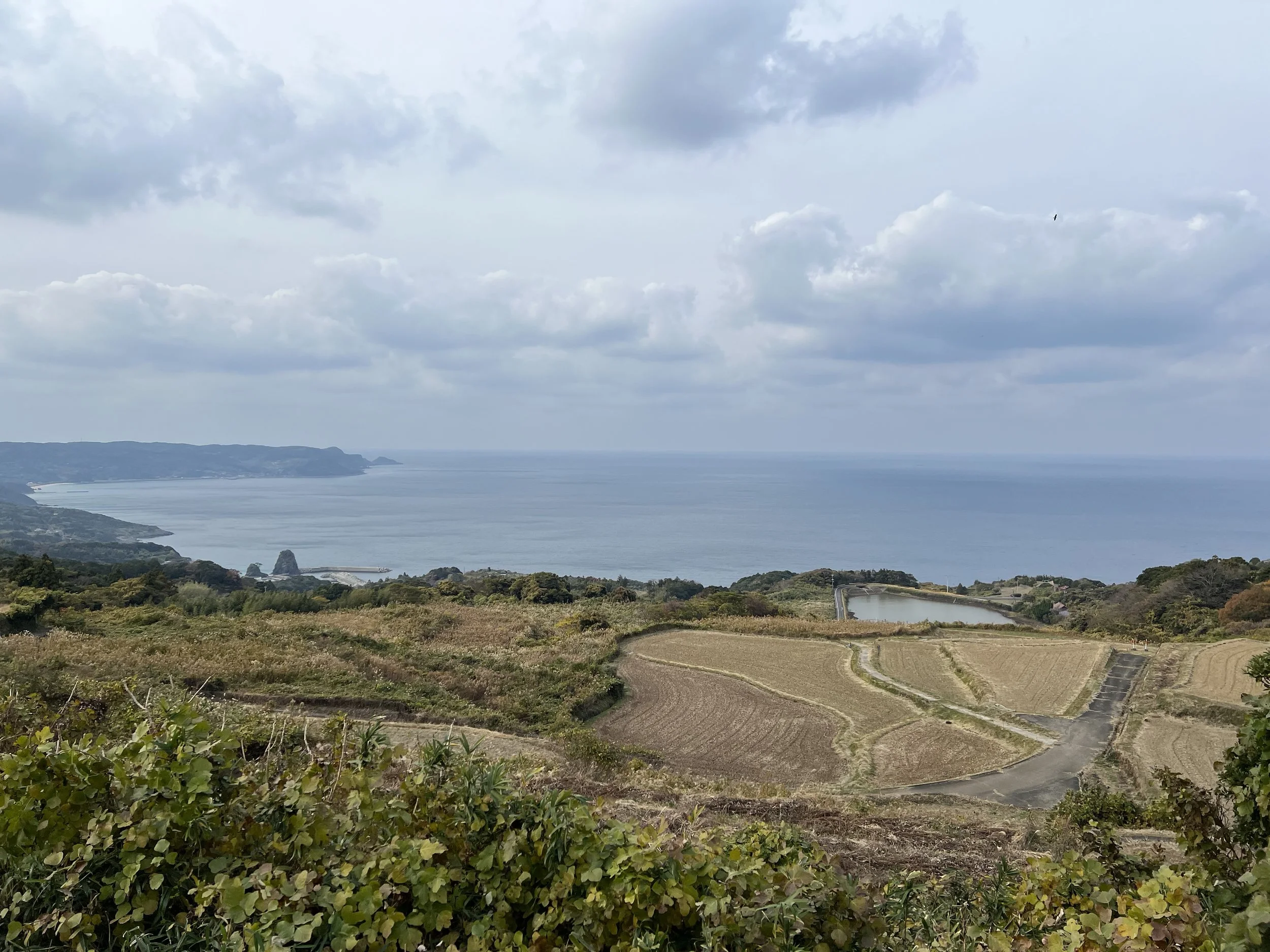
From the temple, the route continued onto winding mountain roads as I began to climb. This area is known for its rice terraces, and while winter meant the paddies were dry, the layered slopes were still striking. As I gained elevation, the Sea of Japan came into view in the distance. The scenery helped ease the sense of distance, as the road seemed to stretch on endlessly. When I finally reached the vicinity of Motonosumi Shrine, I saw staff guiding cars through the parking area, and they appeared genuinely surprised to see someone arrive on foot.
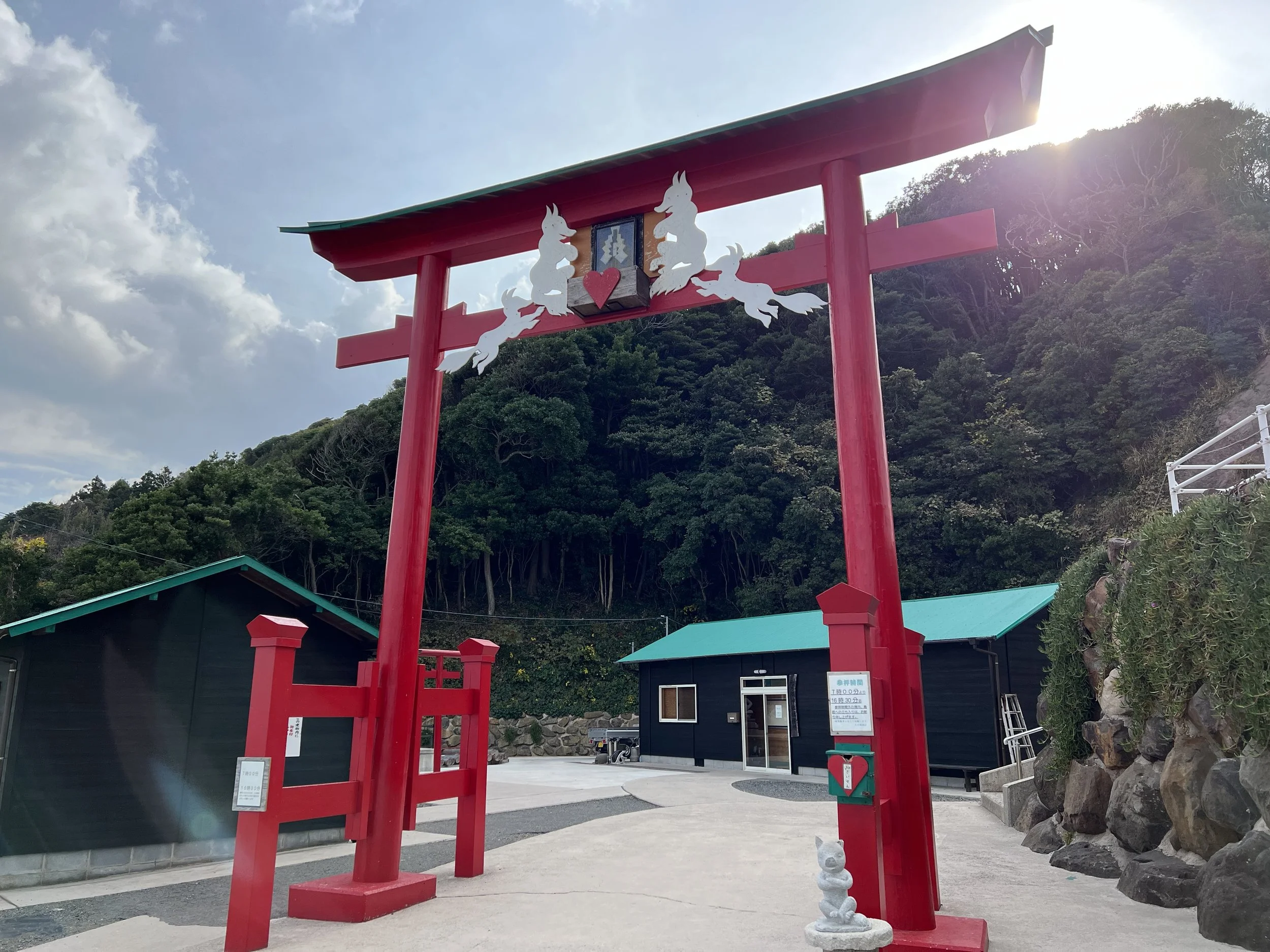
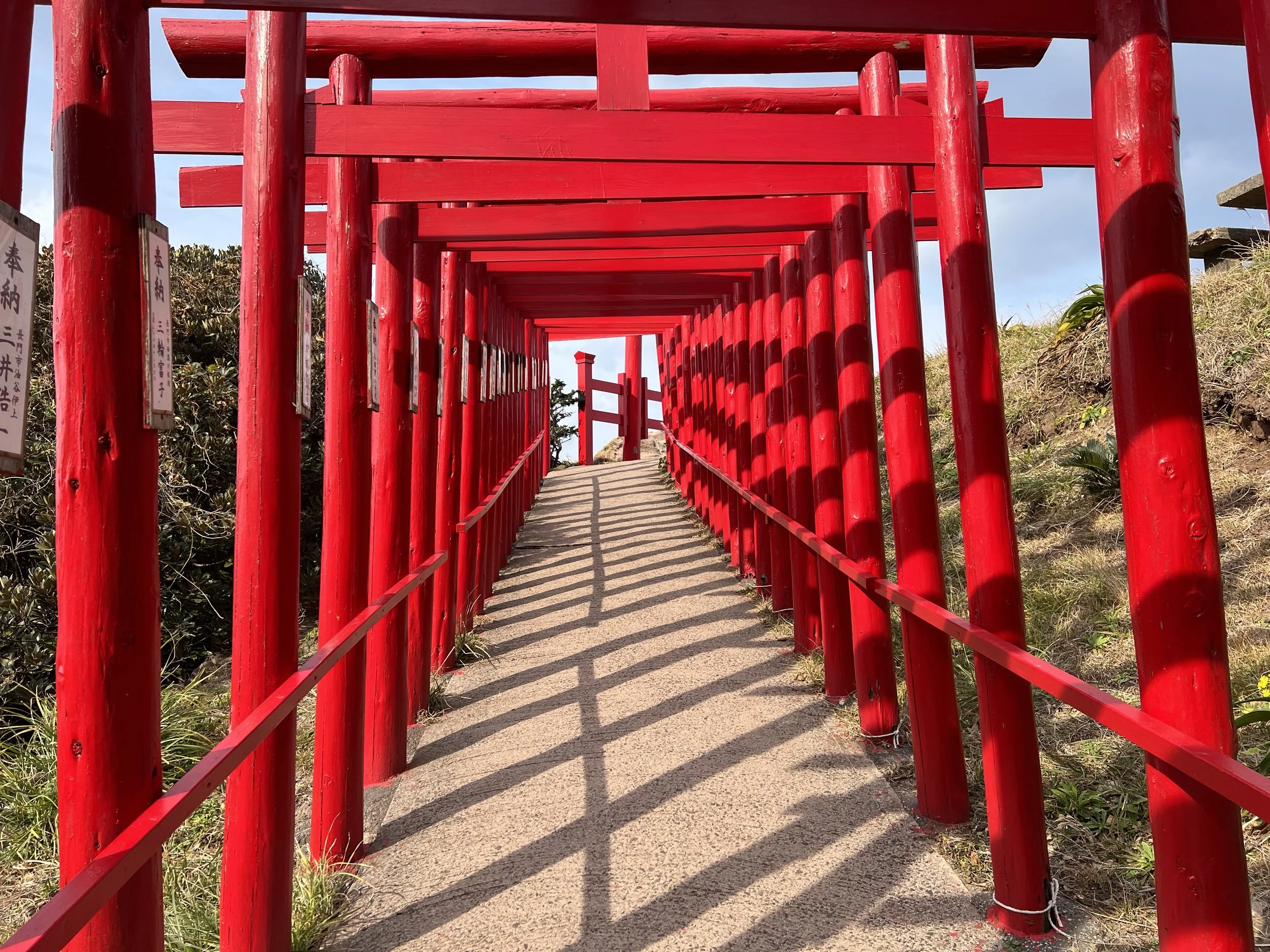
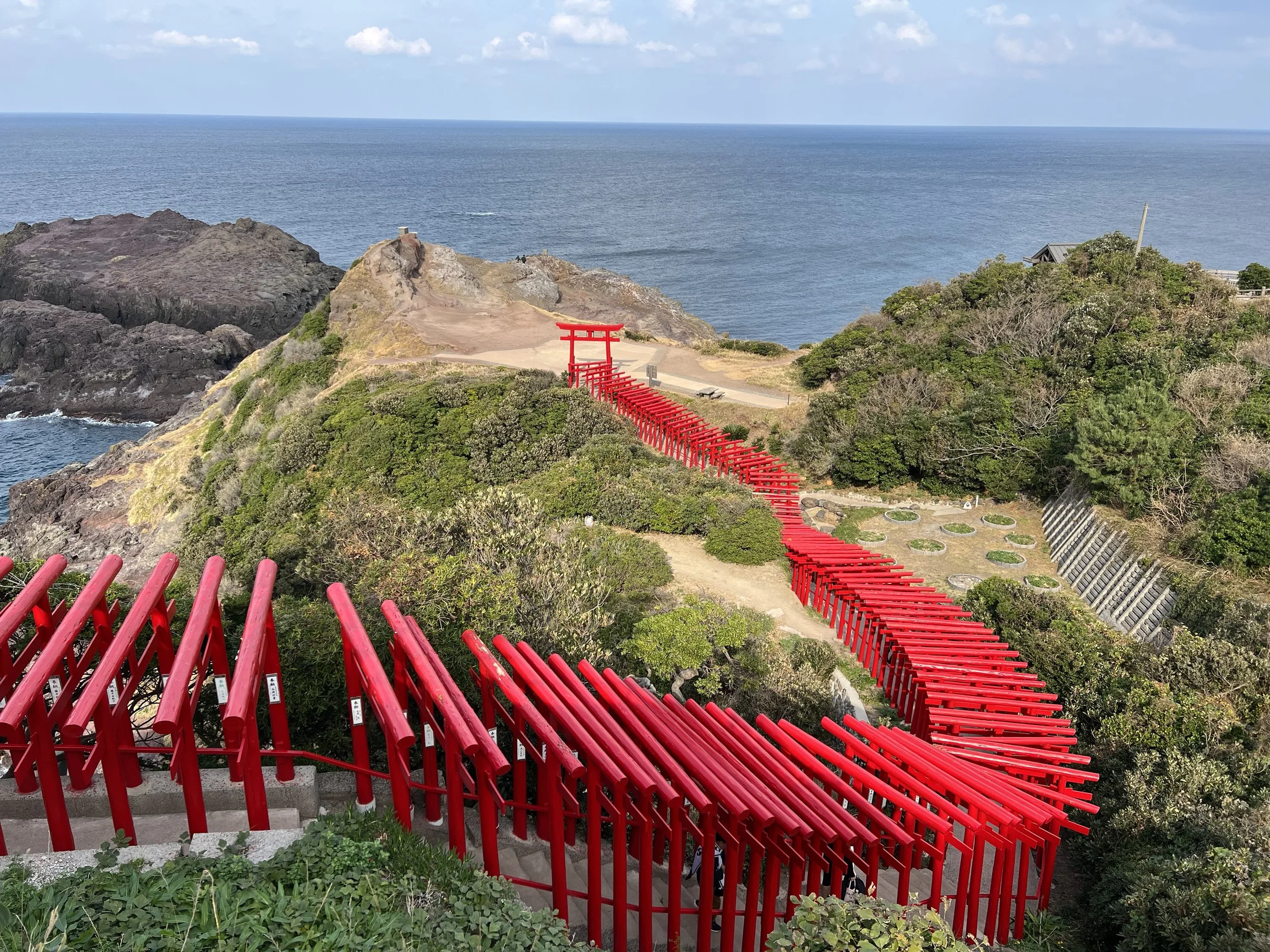
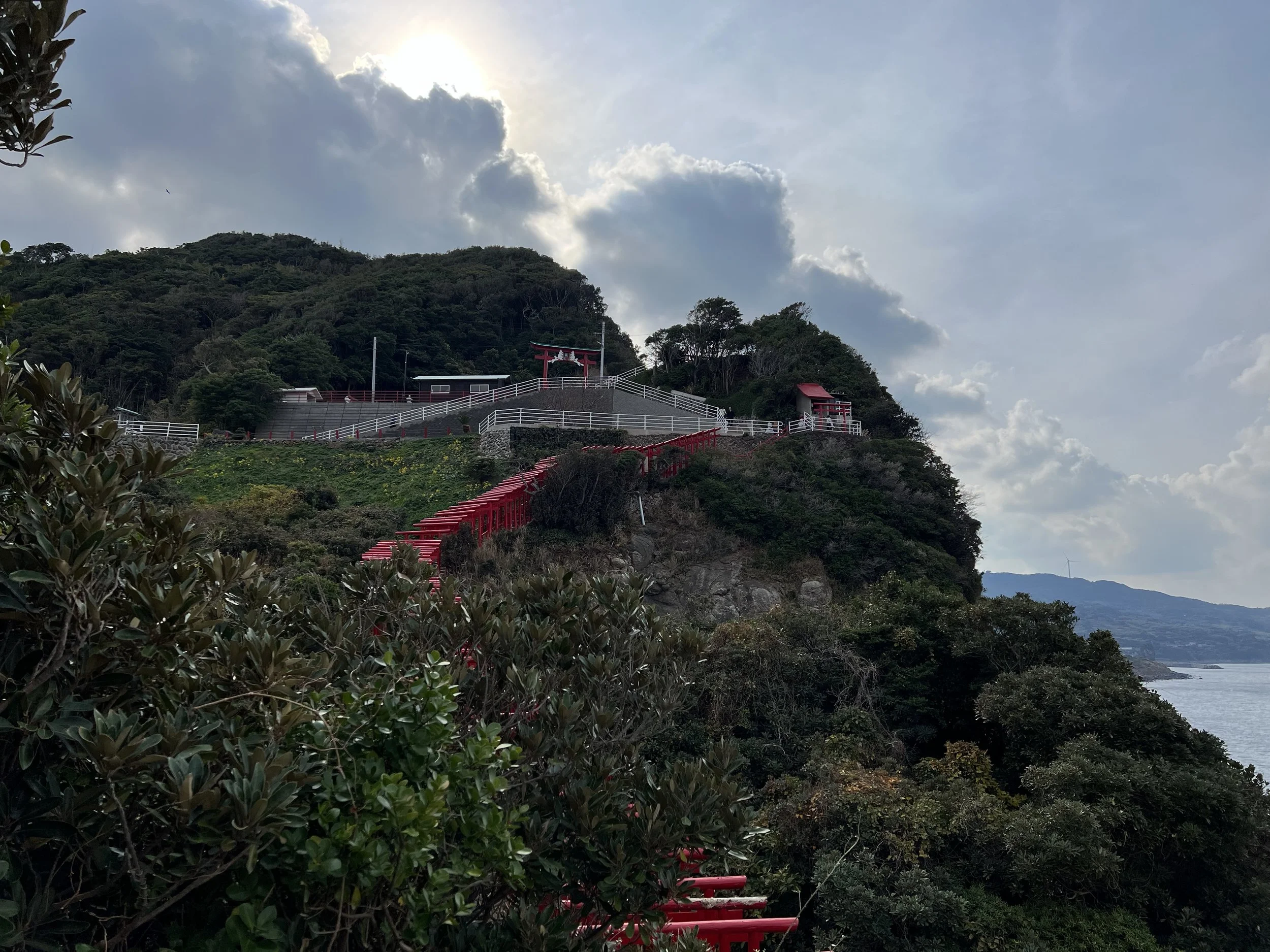
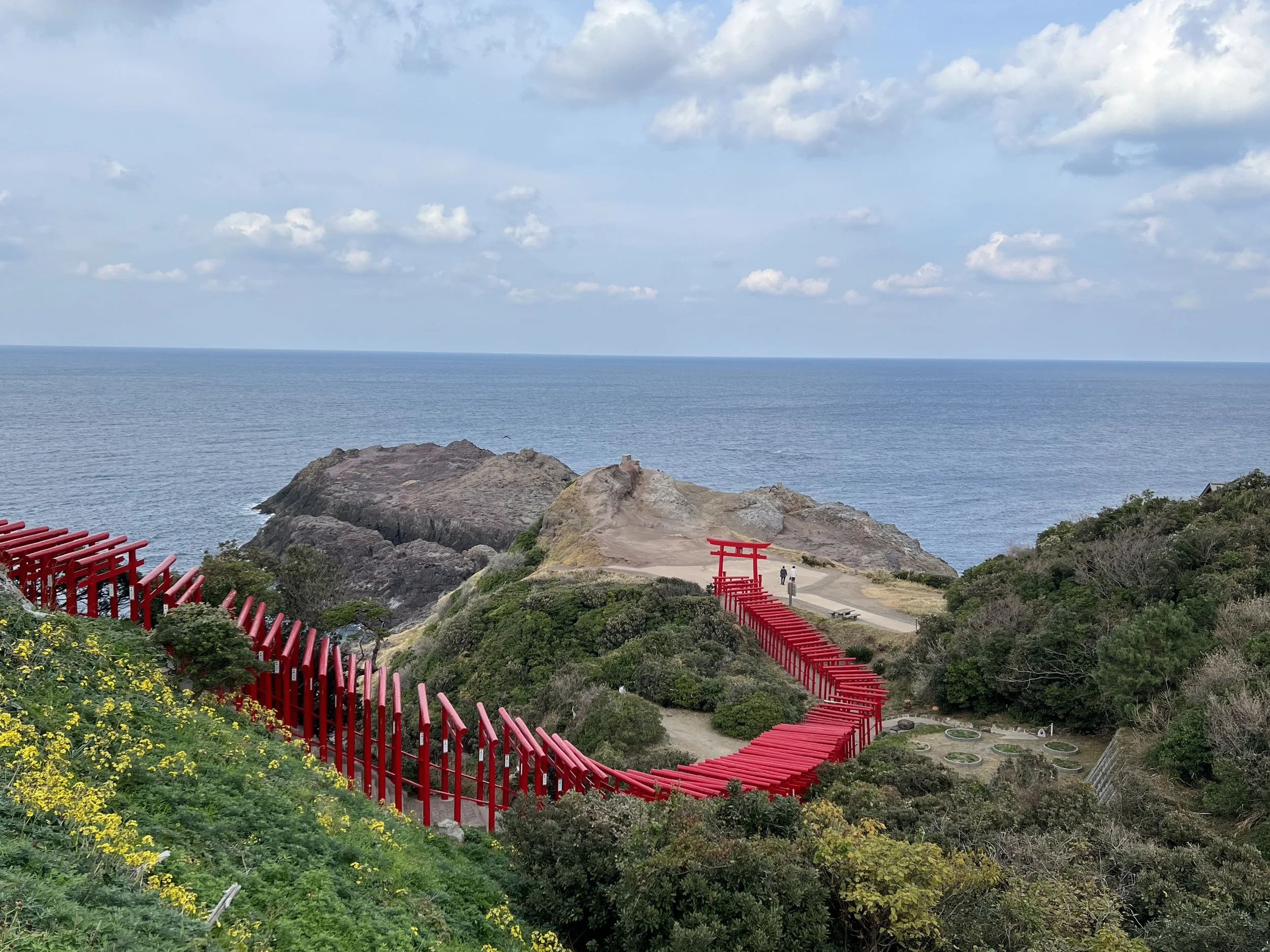
There were relatively few visitors, and I was immediately drawn to the long line of torii gates descending toward the cliff. More than one hundred vermilion torii gates form a vivid tunnel against the surrounding greenery, leading the eye toward the sea. Motonosumi Shrine was established in 1955 after a local fisherman reported a divine vision of a white fox, who instructed him to build a shrine on the cliffs. Fox imagery appears throughout the grounds, from statues to the carvings on the torii gates, reinforcing the shrine’s connection to Inari beliefs.
One of the shrine’s most distinctive features is its offering box, which sits atop the main torii gate at a height of approximately six metres. It is said that if your offering successfully lands in the box, your wish will be granted. I watched a couple attempt the challenge repeatedly before finally succeeding, and the shared joy among nearby visitors made the moment especially memorable. Walking down through the torii tunnel toward the cliff was an experience in itself, with the rhythmic repetition of gates framing the ocean beyond.
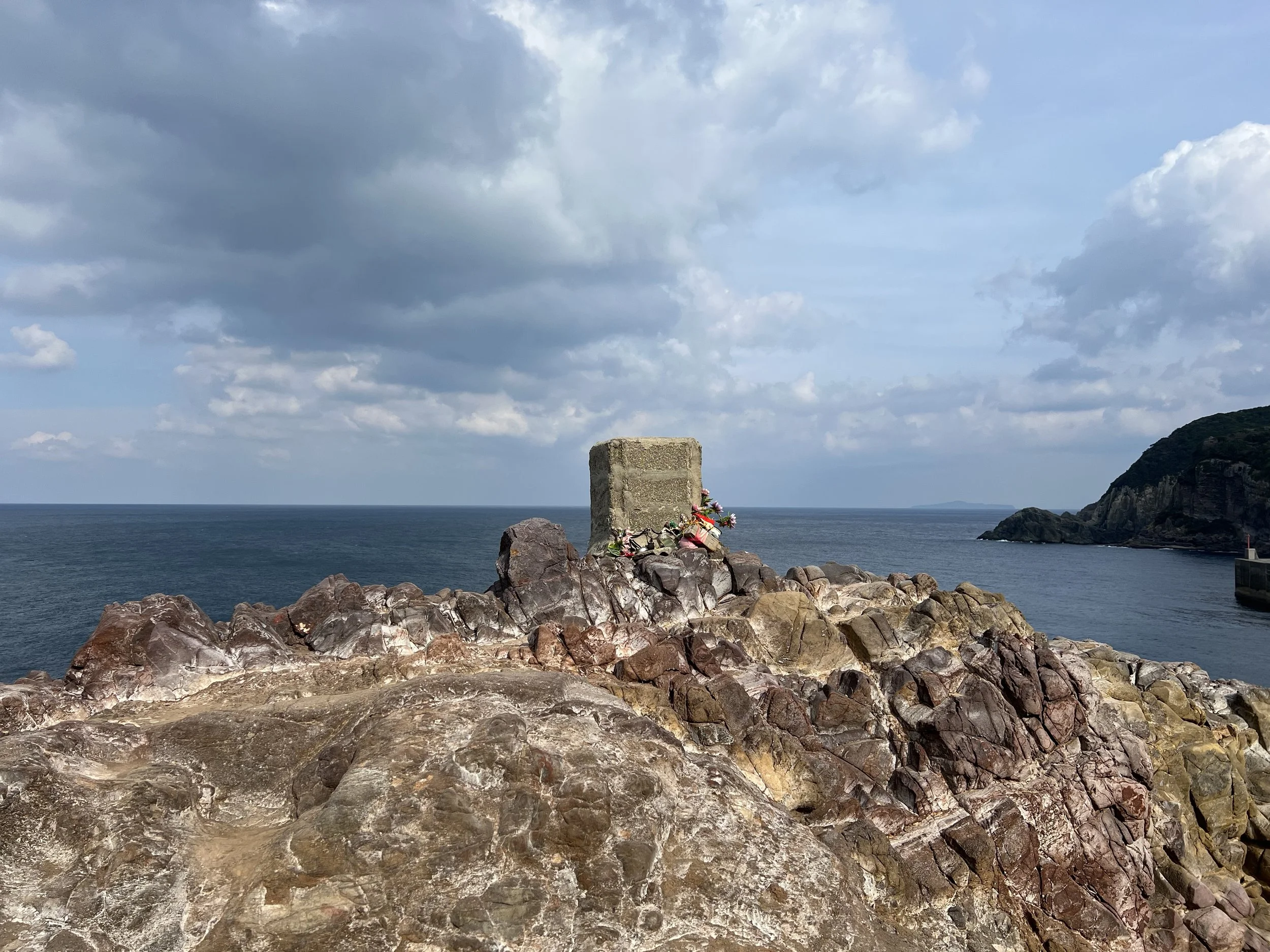
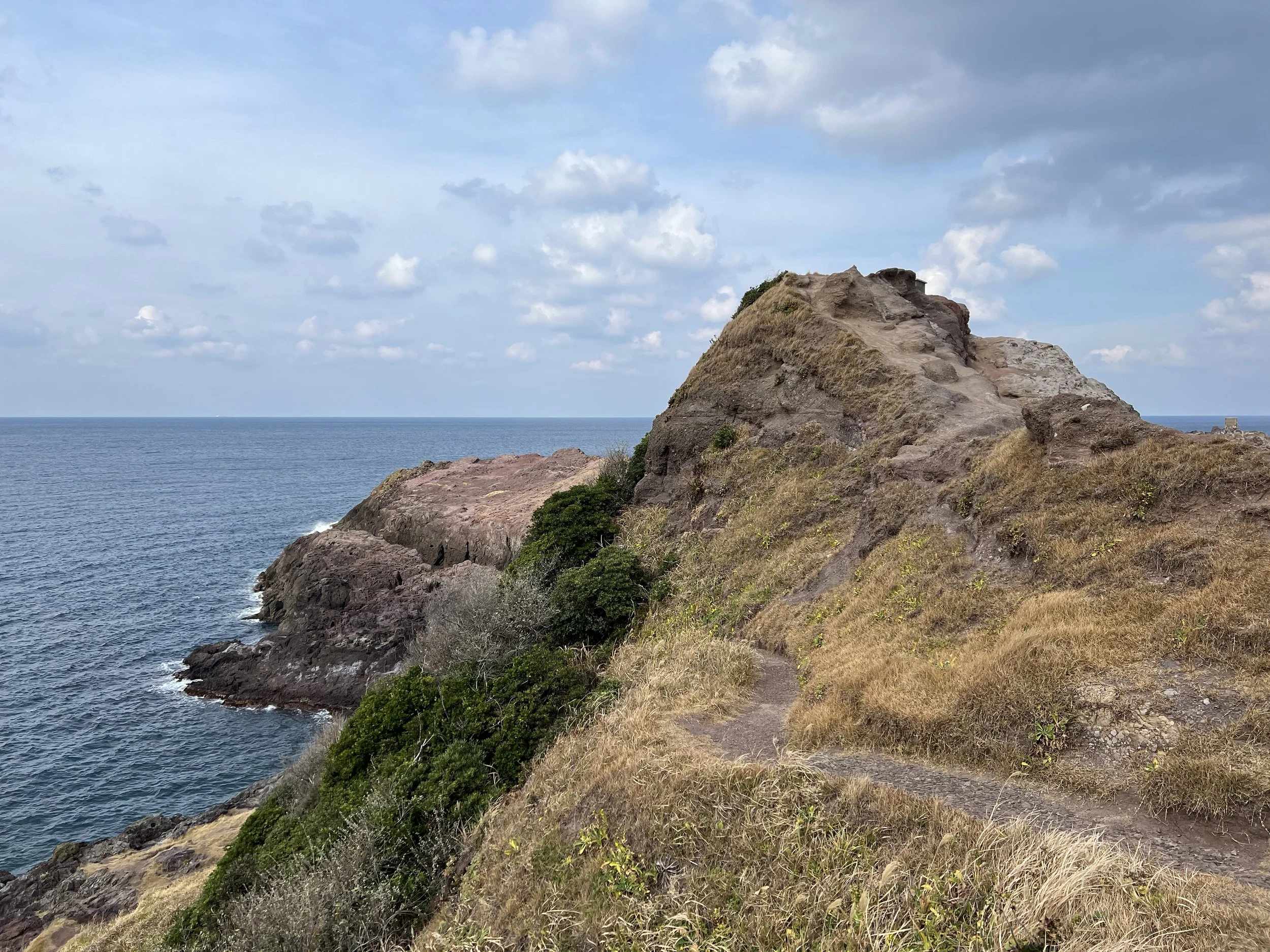
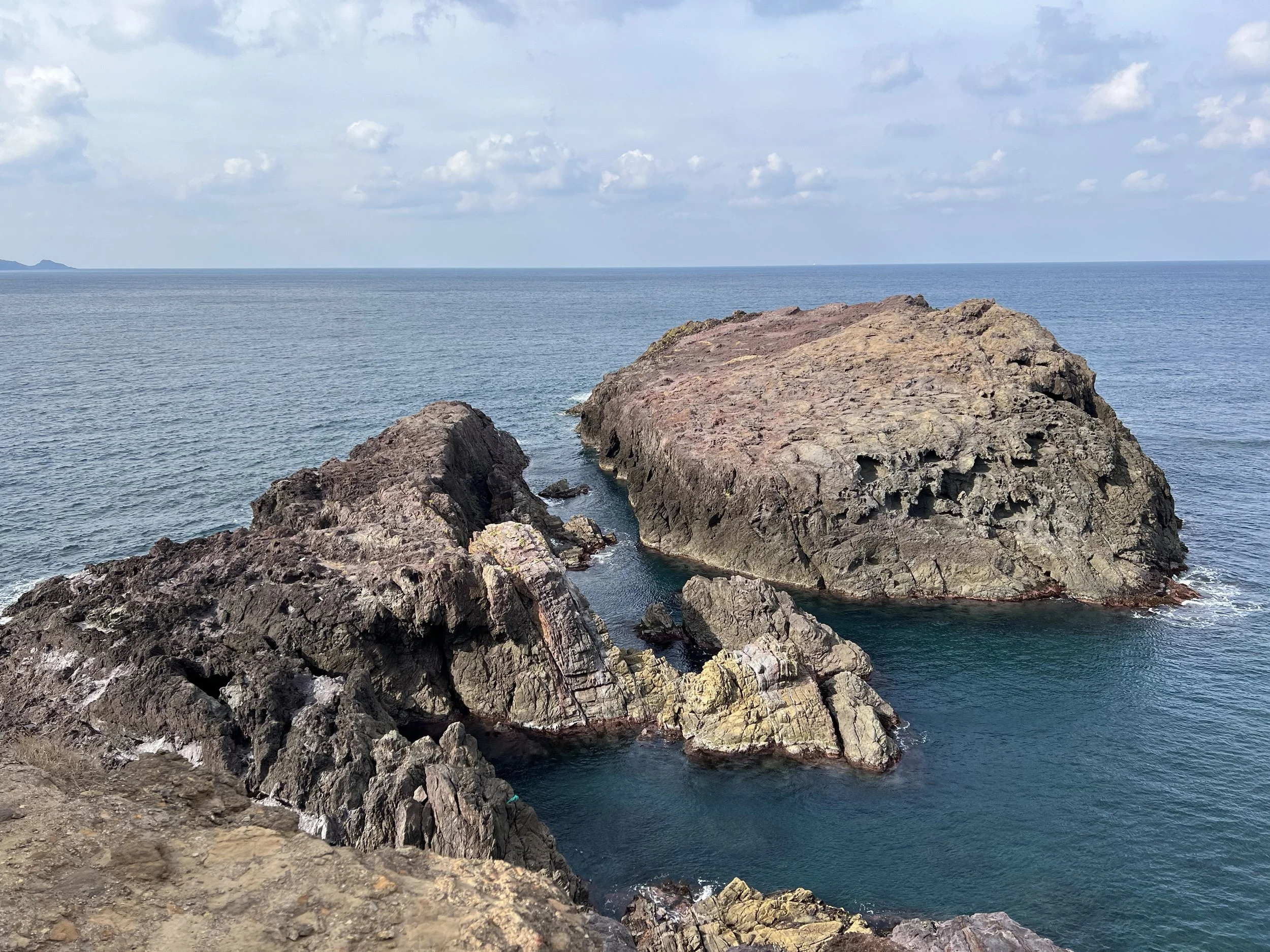
Near the final torii gate is a natural phenomenon known as the Dragon Palace Geyser, where waves can crash into a rock cavity and shoot water upward like a plume. The sea was calm during my visit, so the geyser didn’t appear, but the rugged coastline was still impressive. After spending some time along the cliffs, I made my way back up through the torii gates, stopping occasionally to take in the view from above.
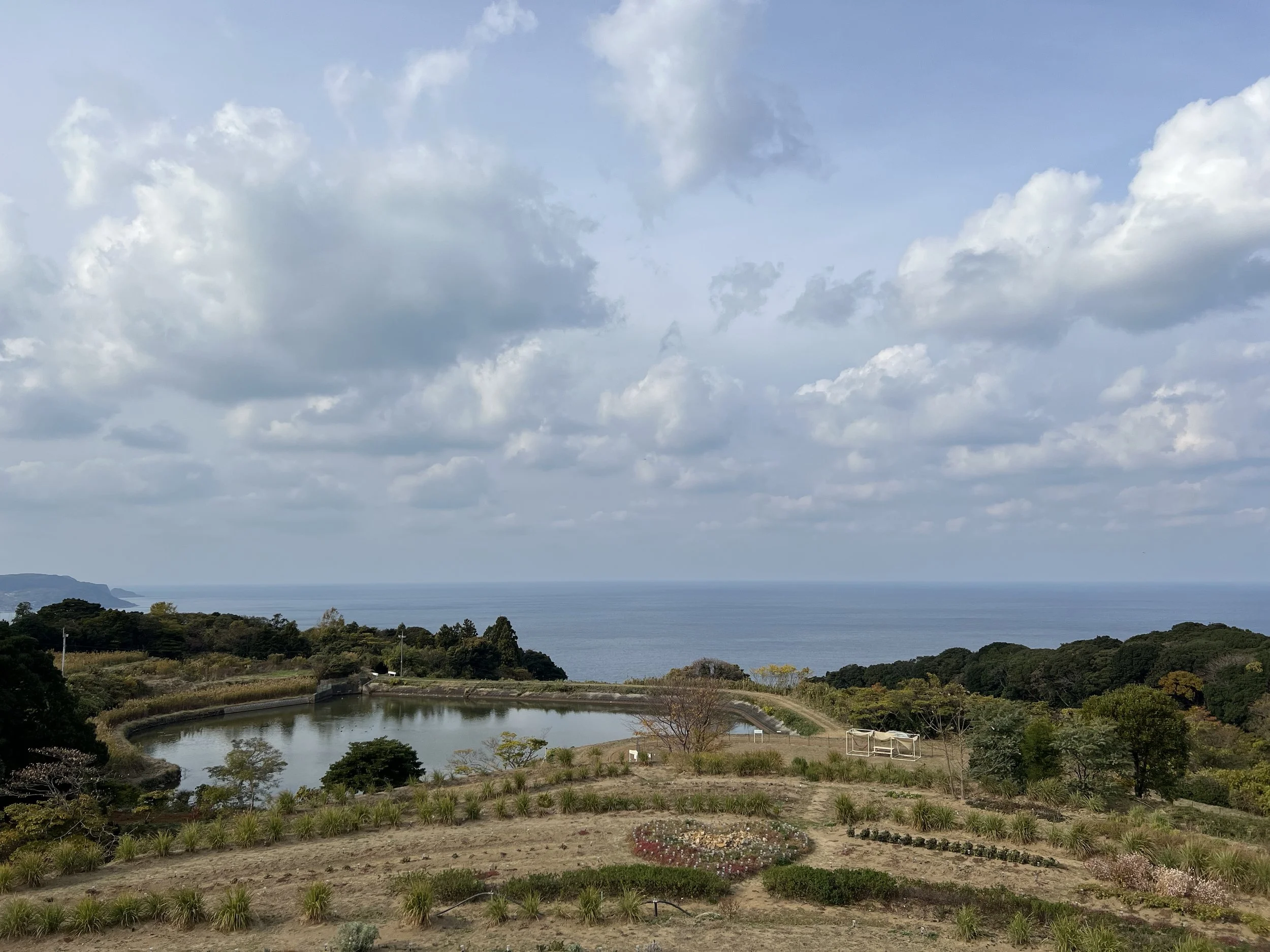
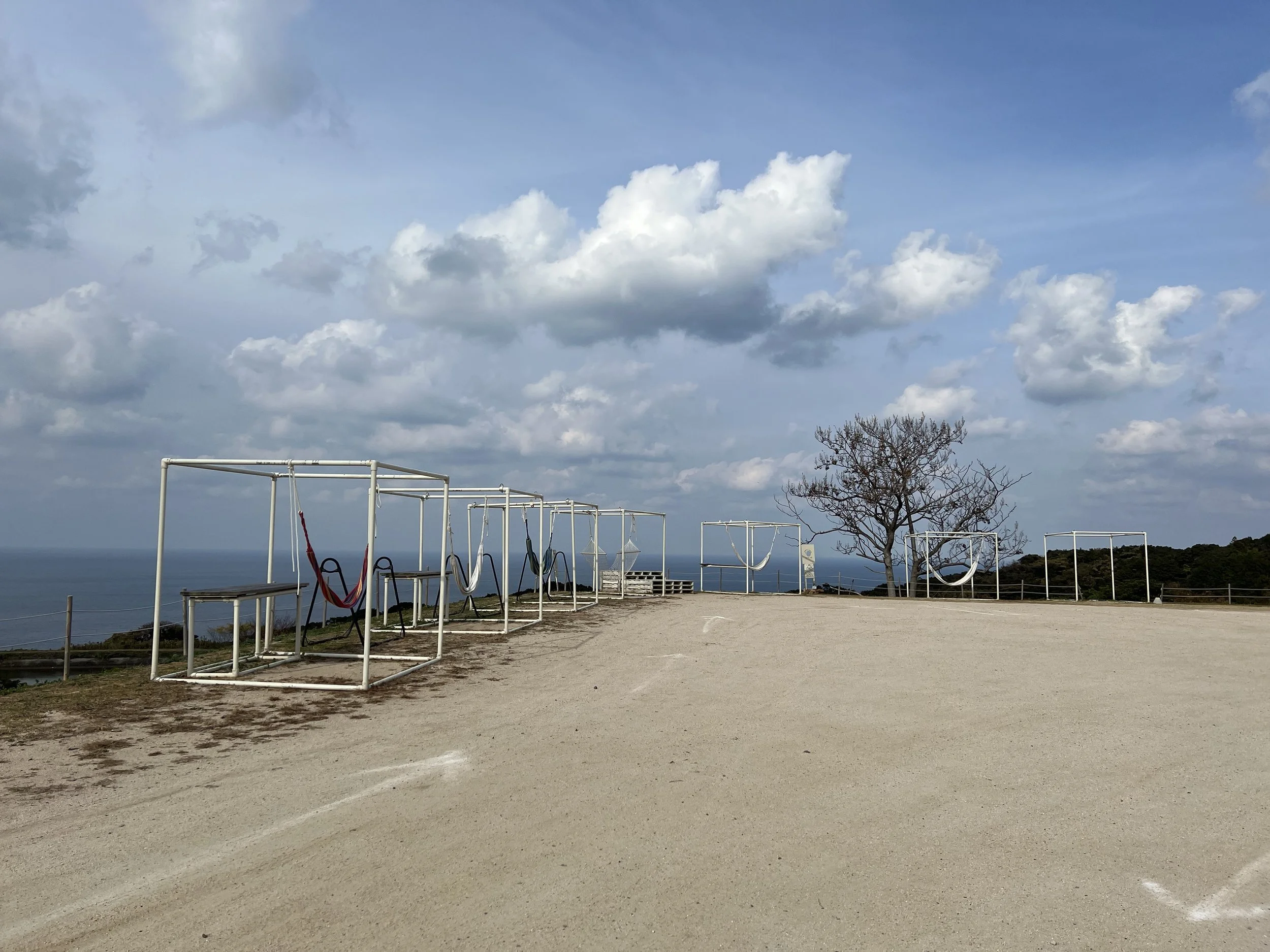
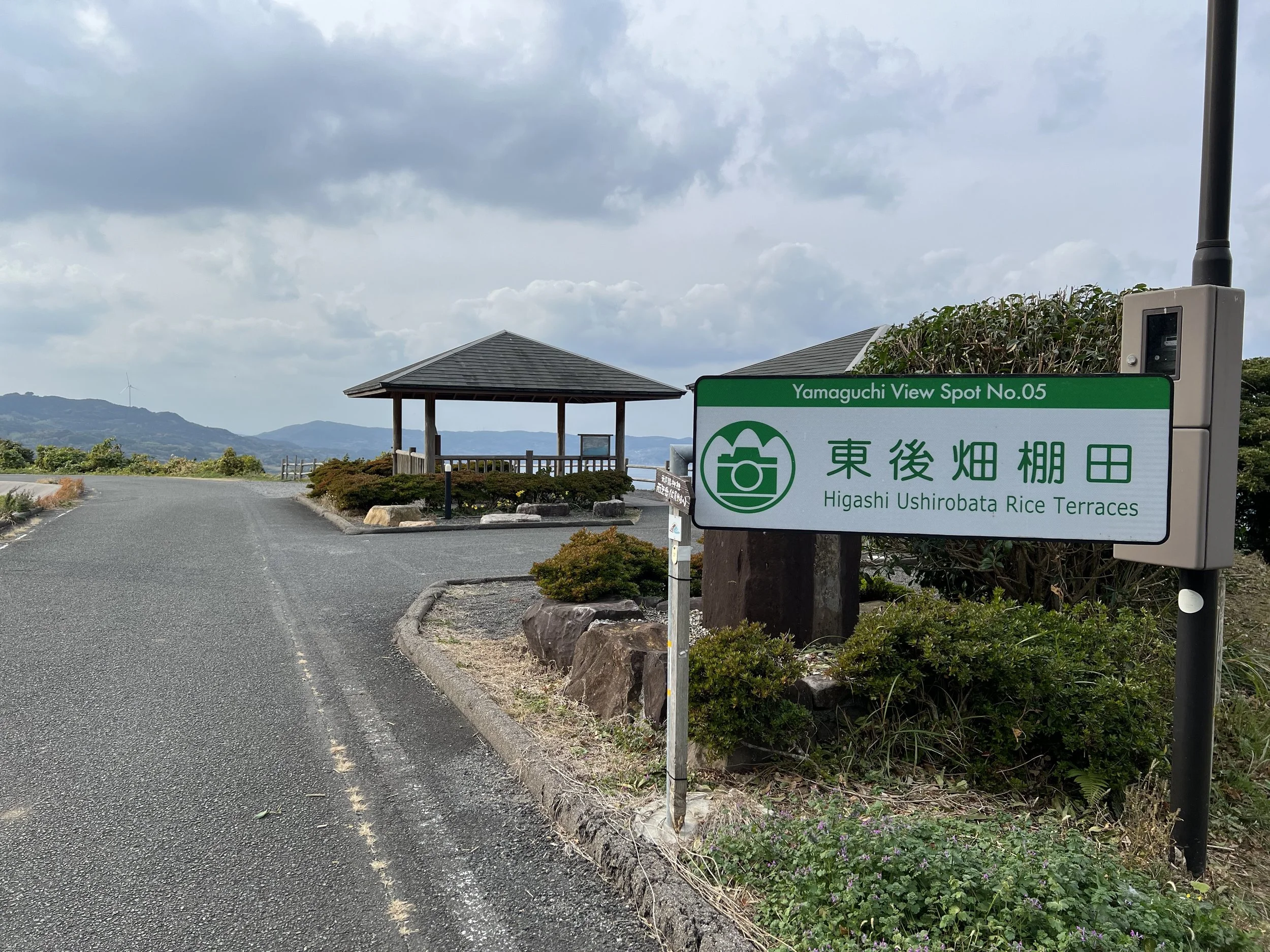
Having already committed to the long walk back toward the station, I decided to add a detour to Higashi Ushirobata Rice Terraces, often ranked among the most beautiful rice terraces in Japan. At around four kilometres from the shrine, it felt manageable. The walk toward the terraces offered sweeping views of the Sea of Japan, and before turning uphill, I passed an area known as Tanada no Hanadan, or the Terraced Rice Paddies of Flowers. In spring, this spot transforms into a flower garden with swings overlooking the sea, but in winter it was quiet and still.
From there, I climbed another 1.1 kilometres to reach the terraces themselves. While I knew the paddies would be dry, the viewpoint was more limited than expected, and the terraces weren’t as visually striking as I had imagined. Despite the mild disappointment, the surrounding landscape was undeniably beautiful. I didn’t stay long, knowing I still had a long return walk ahead.
The walk back was noticeably easier, with more downhill sections making the distance pass quickly. I reached Nagato-Furuichi Station with about an hour and a half to spare before the next bus. With time to spare, I found a nearby café and sat down for a very late lunch.
At the café, I struck up a conversation with the owner, who told me she had returned to her hometown after retiring from her job in Tokyo and opened the café largely as a passion project. Partway through my meal, a friend of hers stopped by, and the two chatted casually. When they asked where I was headed next and learned I was returning to Nagato, her friend offered me a ride, knowing that the train line was still out of service and the buses were infrequent.
It was an entirely spontaneous offer, and one I wouldn’t normally accept in a city setting. Still, I agreed. She drove me back toward Nagato along a scenic coastal route, sharing bits of local history along the way. The kindness and hospitality I experienced that afternoon left a lasting impression and became one of the most memorable parts of the day—an unexpected reminder of the warmth often found in rural Japan.
History & Background
Motonosumi Shrine (元乃隅神社) was established in 1955 following a divine revelation experienced by a local fisherman. Dedicated to Inari Ōkami, the shrine is closely associated with prosperity, fishing safety, and maritime protection. Its dramatic location atop coastal cliffs and its striking procession of vermilion torii gates have made it one of Yamaguchi Prefecture’s most iconic sights.
Getting There
Motonosumi Shrine is reached via Nagato-Furuichi Station on the JR San’in Main Line. From the station, there is no regular public transportation to the shrine. Taxis are sometimes available but not guaranteed. Visitors without private transportation should be prepared for a walk of approximately 7.5 kilometres one way.
Route Overview
Distance: 18.2 km out & back (Nagato-Furuichi Station)
Total elevation gain: 474 m
Duration: 3 hr 29 min (with breaks 3 hr 42 min)
Difficulty: Hard
Cost Breakdown
Bus: Hotel Nishinagato Resort Entrance Bus Stop → Kottoi Station — ¥300
Train: Kottoi Station → Nagato-Furuichi Station — ¥420
Food: ¥600