Hagi Castle Ruins - Yamaguchi, Japan
I was making my way back toward Yamaguchi City, and the simplest route meant passing through Hagi before catching a bus onward. Since I was already going to be there, it felt like a missed opportunity not to explore the castle town and the castle ruins themselves.
After arriving at Higashi-Hagi Station, I checked transit options to reach the ruins. The buses only go part of the way, and with the distance being just under three kilometres, walking made more sense. It turned out to be the right choice.
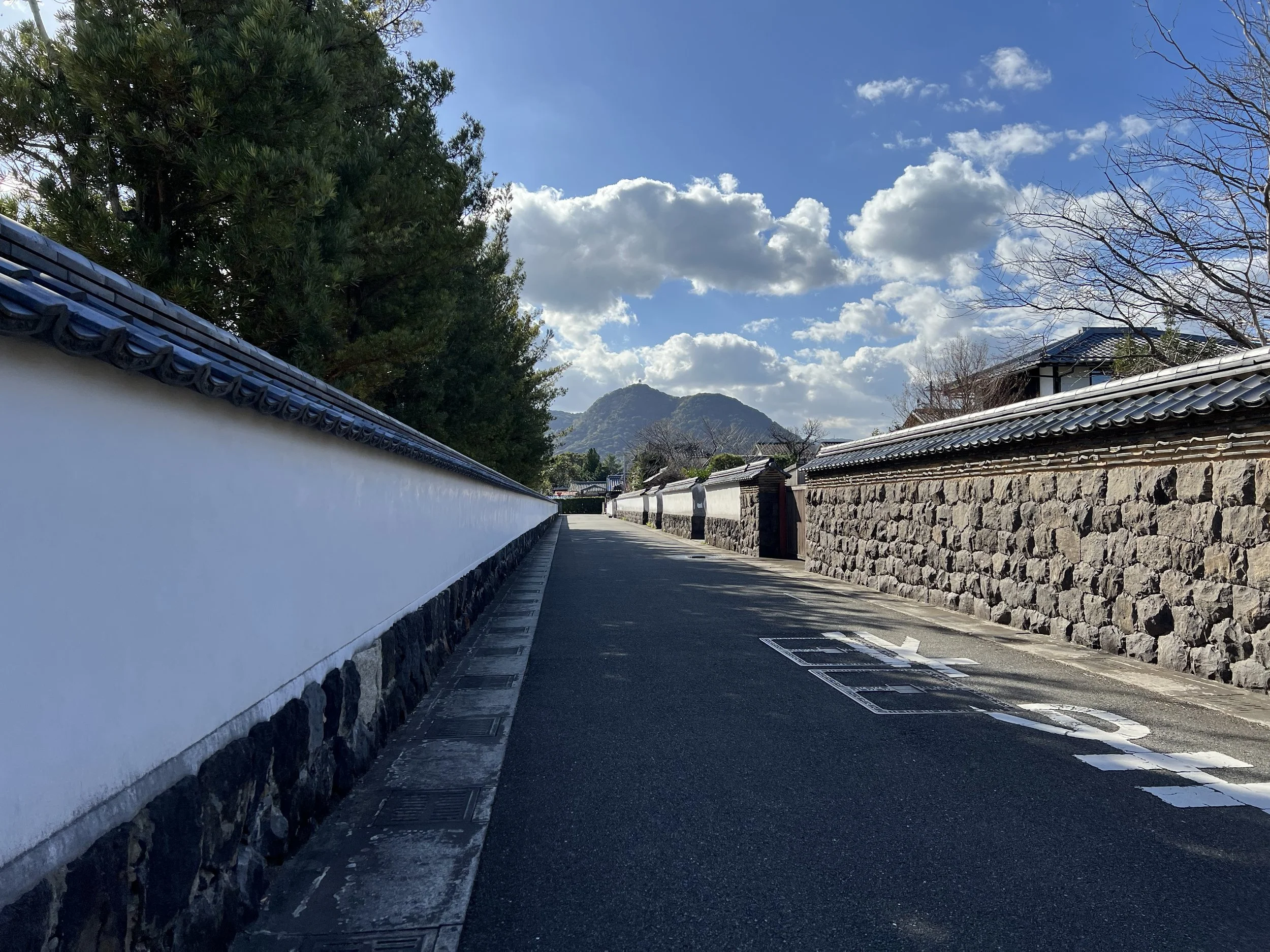
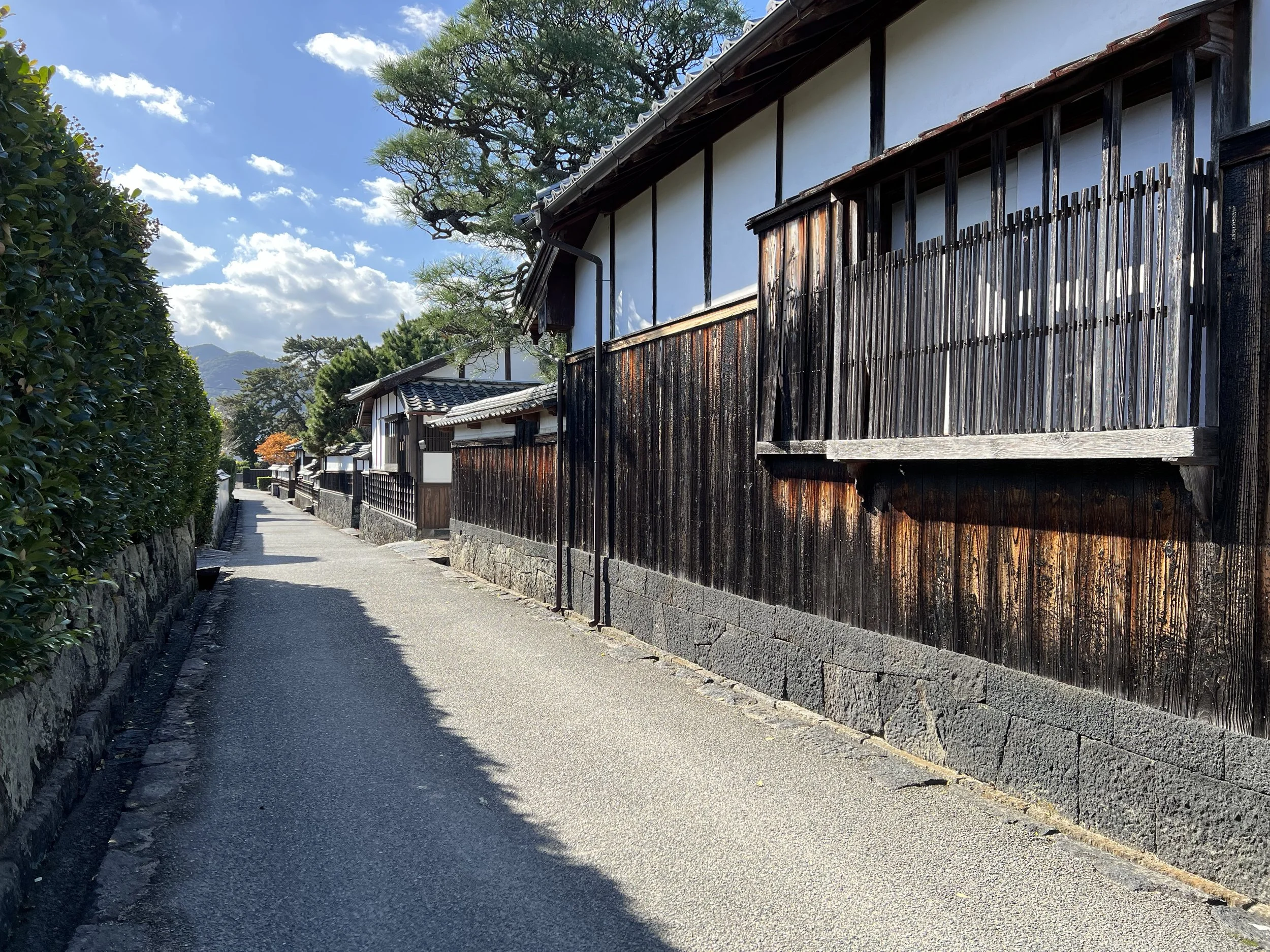
As I made my way through the main streets of Hagi, I started passing well-preserved buildings that immediately gave the town a sense of quiet importance. Hagi Castle Town is a UNESCO World Heritage Site, and many of its streets are still lined with former upper-class samurai residences, homes of important historical figures, and wealthy merchant houses. Even before reaching the ruins, it was clear that this was a place shaped by status, planning, and history.
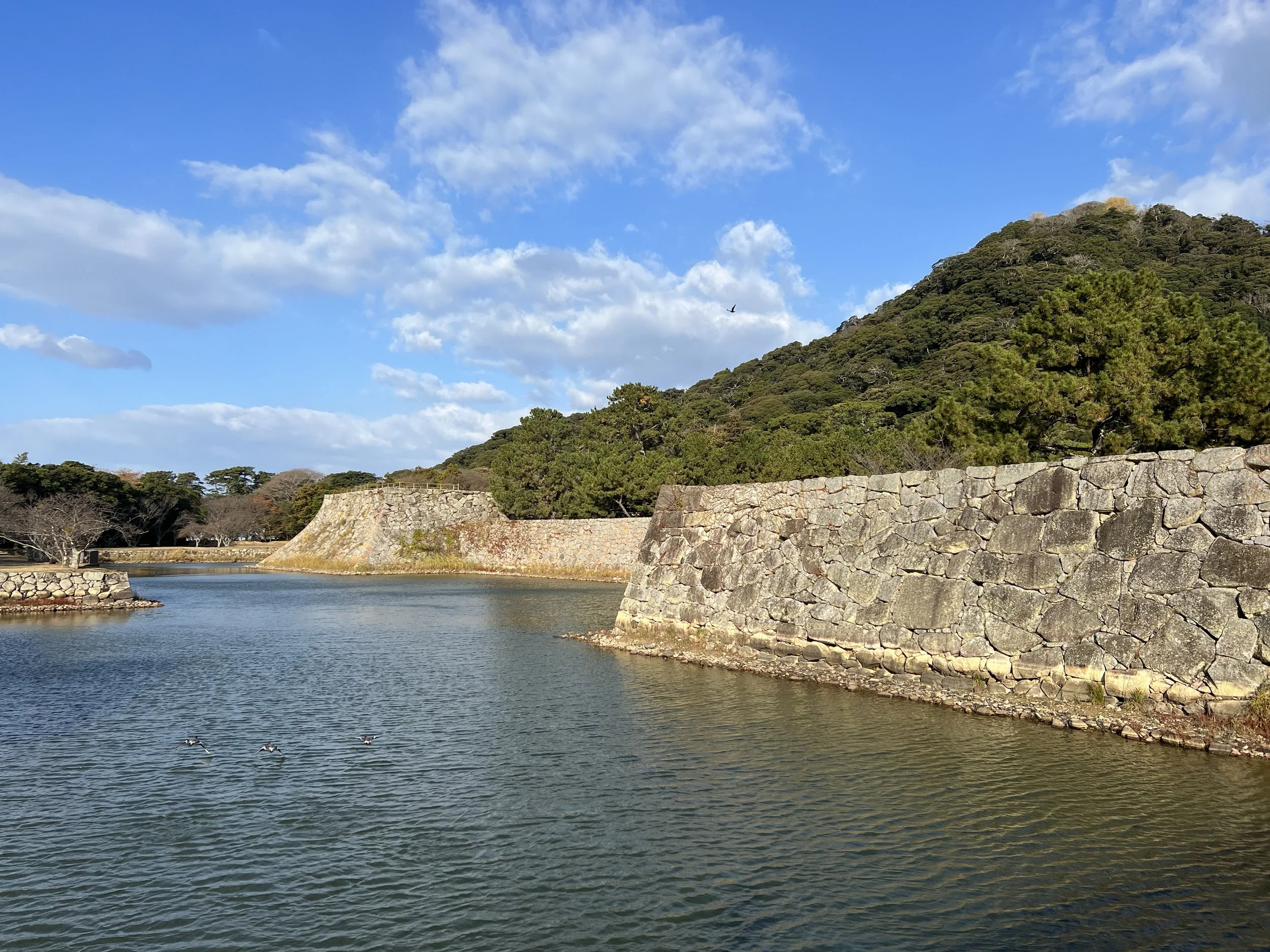
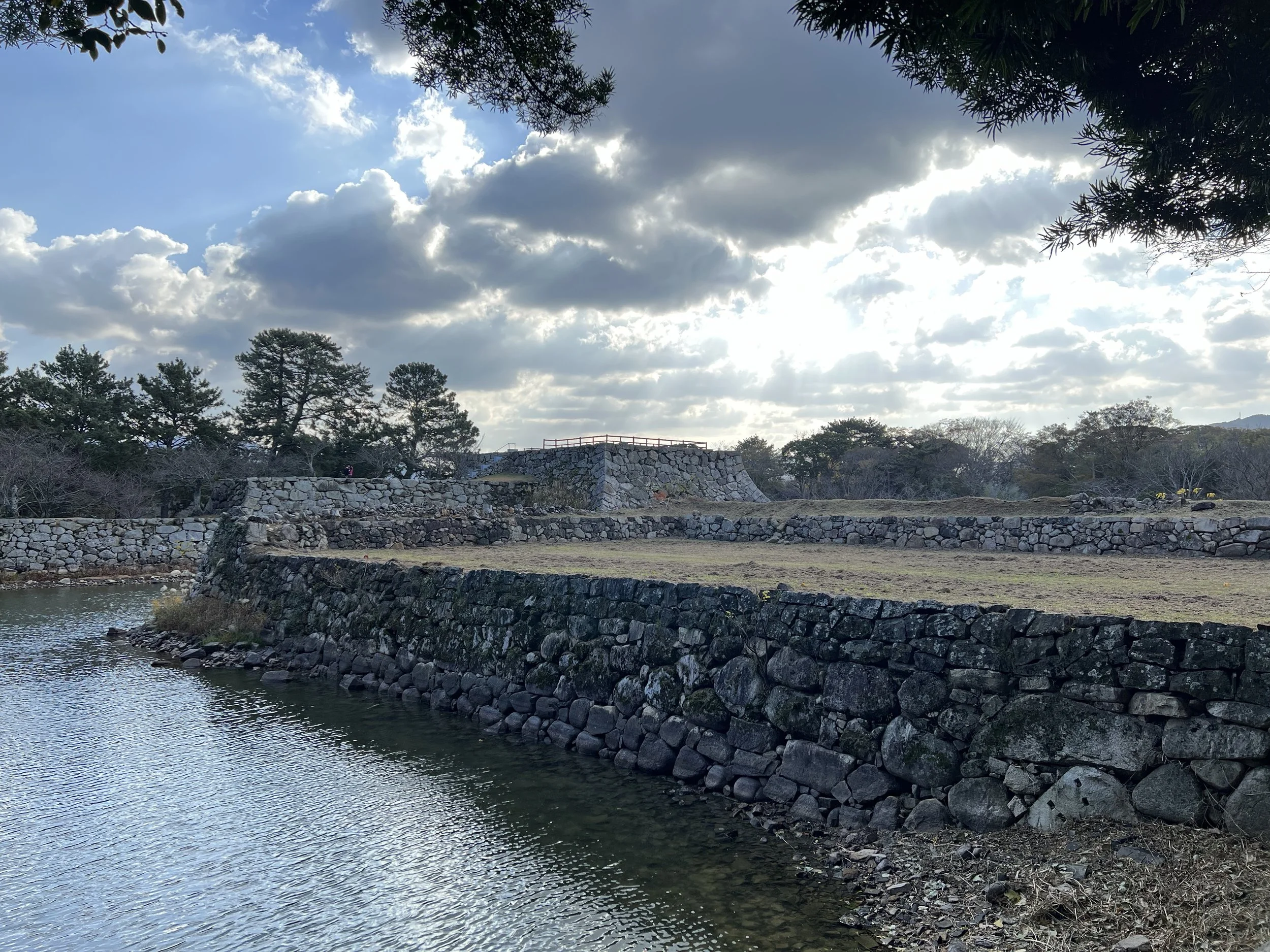
About fifteen minutes before reaching the castle grounds, I came upon the outer moat of Hagi Castle. I wasn’t expecting it to be so expansive. Standing there, it was easy to imagine just how large the castle complex must have been at its height.
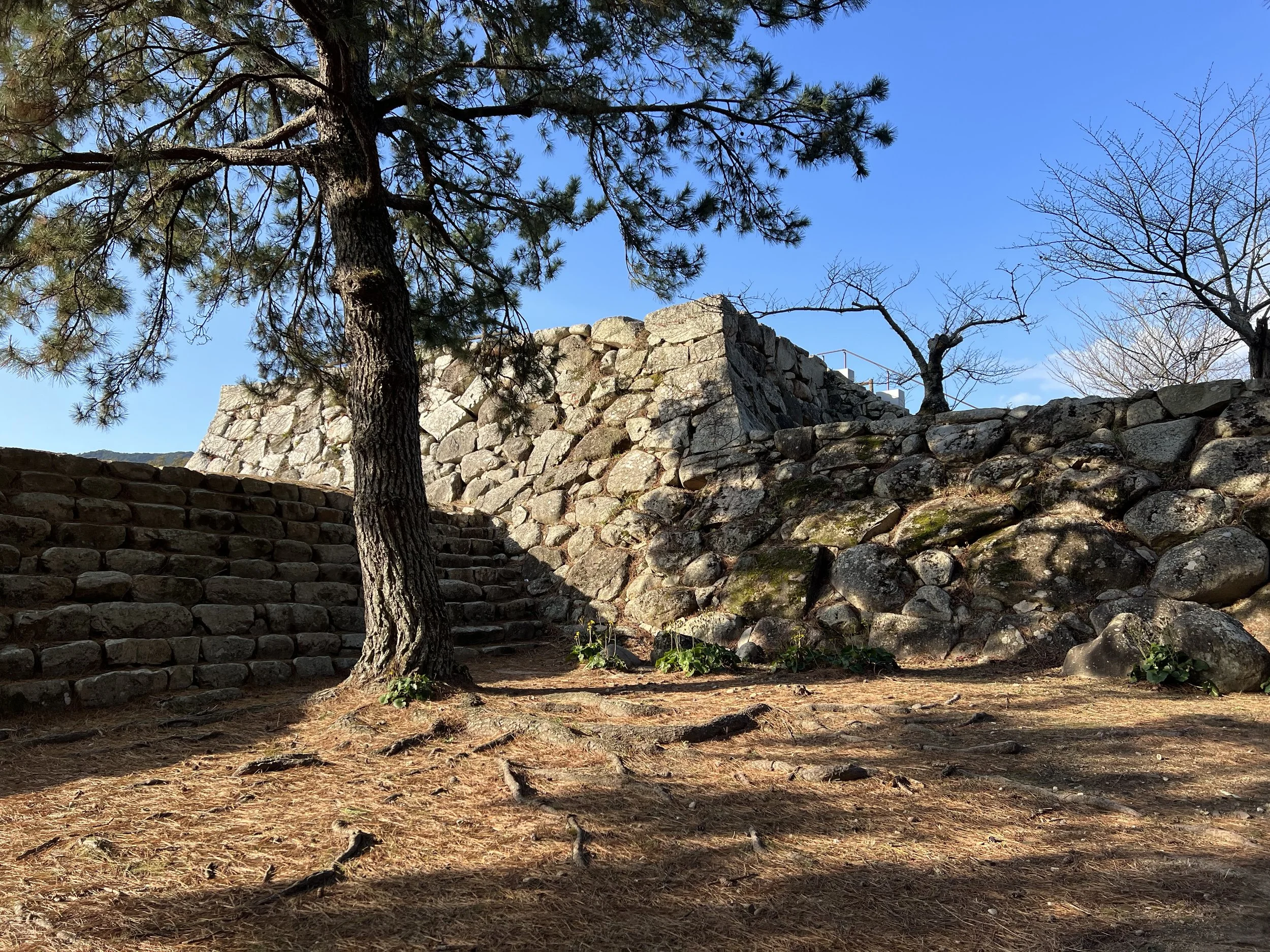
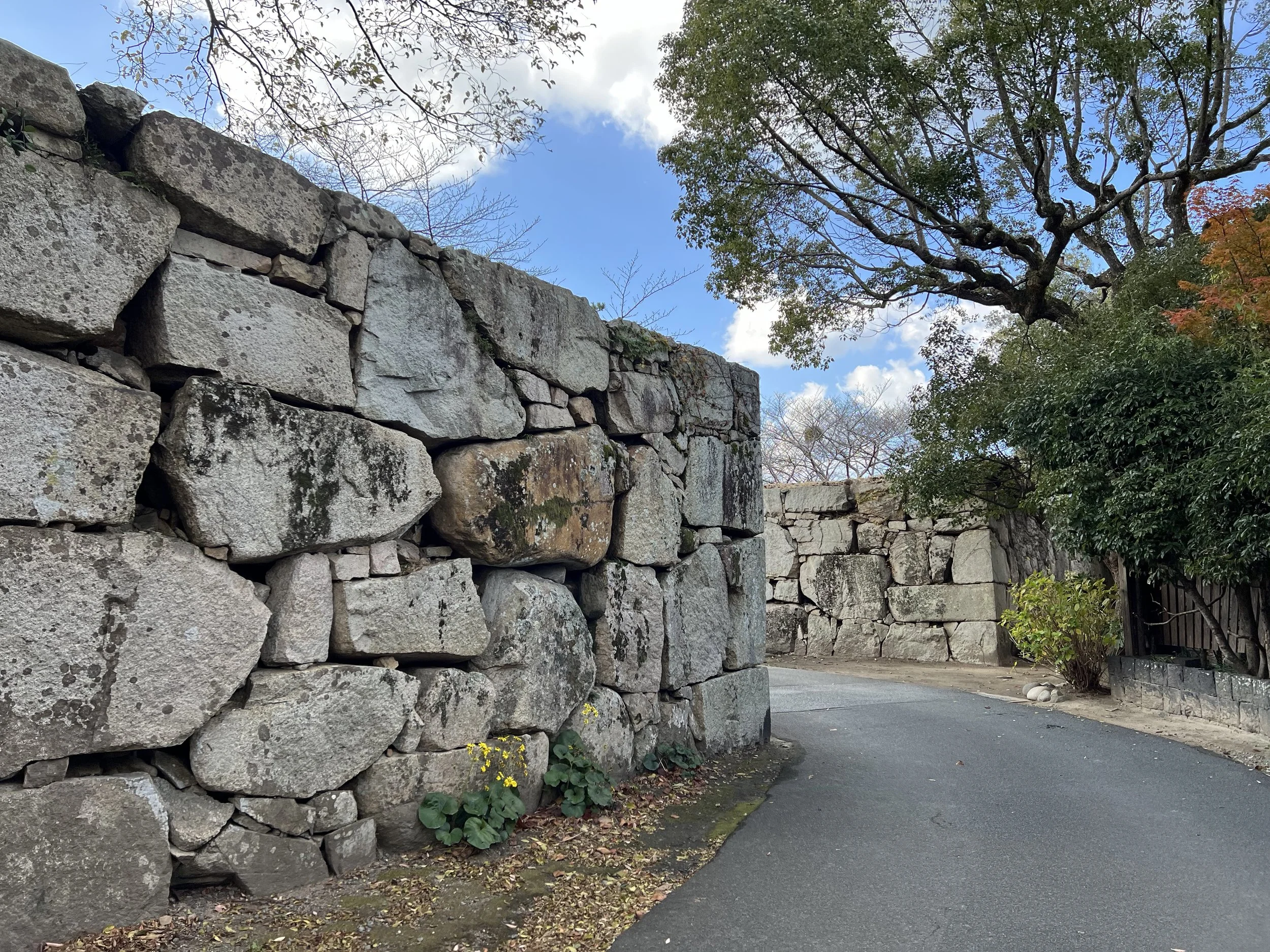
Hagi Castle was built in 1604 and served as the seat of the powerful Mori Clan. Like many castles at the end of the feudal era, it was dismantled, leaving behind only the stone walls and moats. Walking along the outer moat felt like a quiet introduction to that lost scale and grandeur.
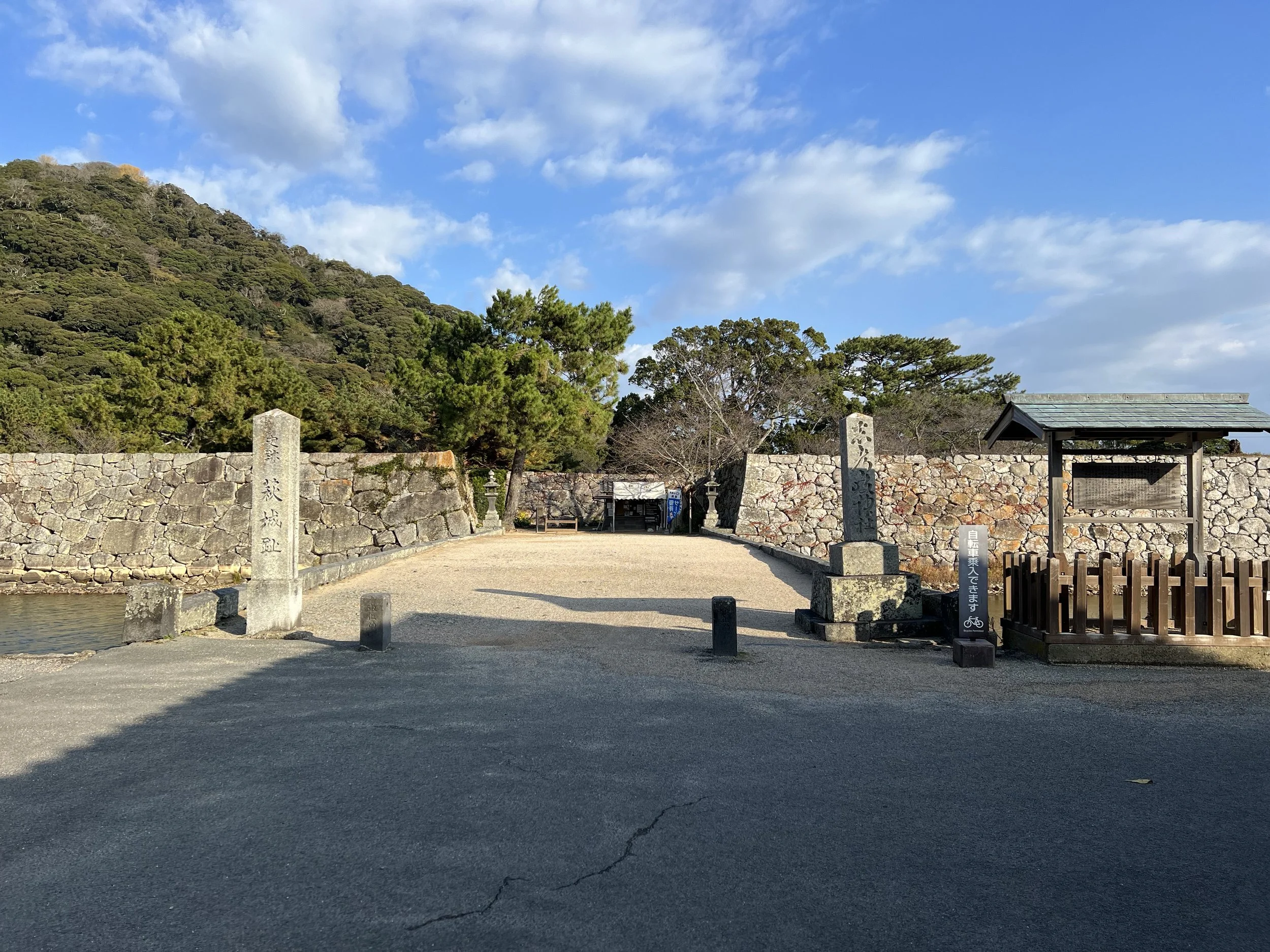
When I reached the entrance to the ruins, some maintenance work was underway. I asked whether the grounds were still accessible, and the workers paused what they were doing and waved me through.
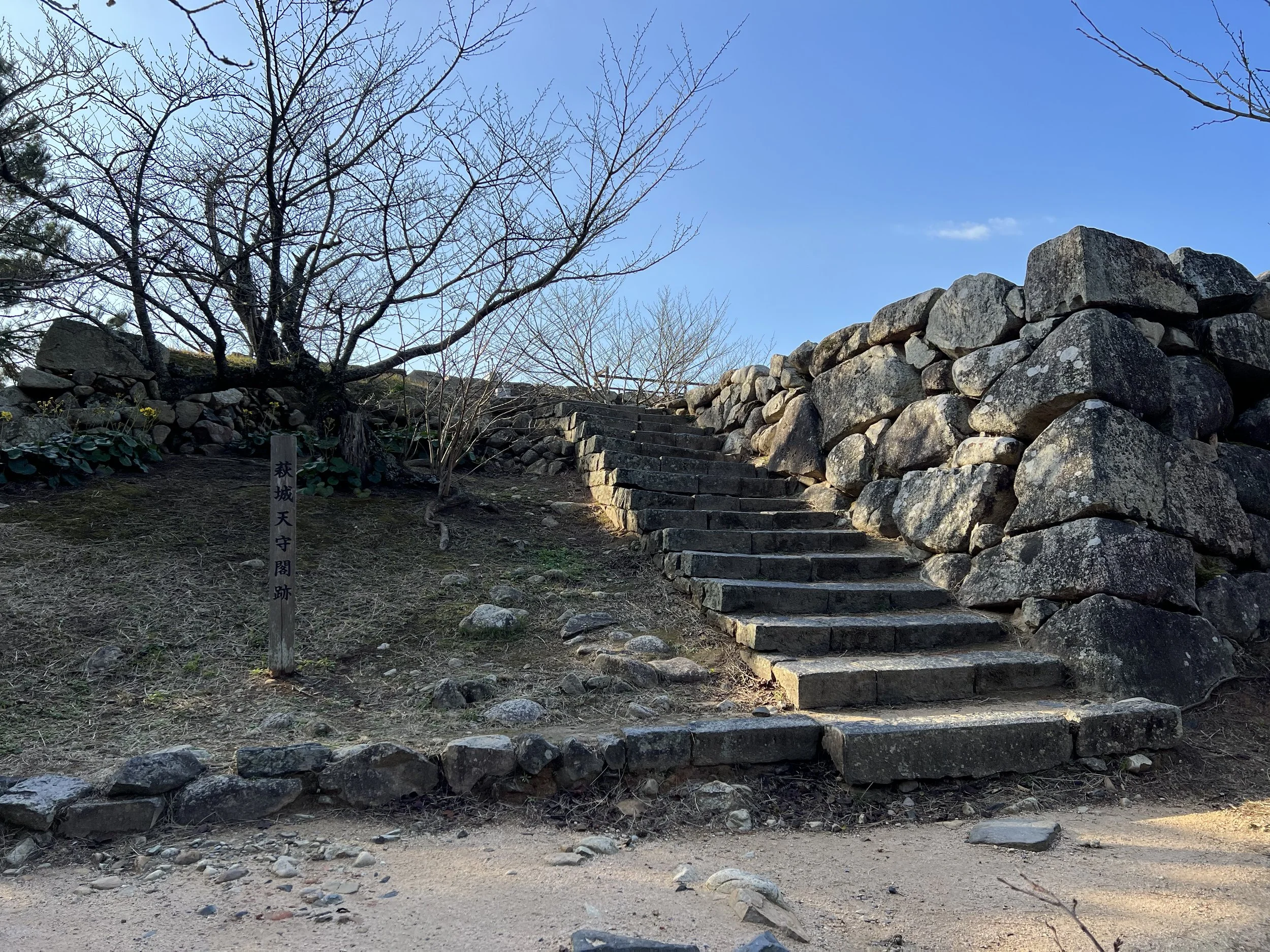
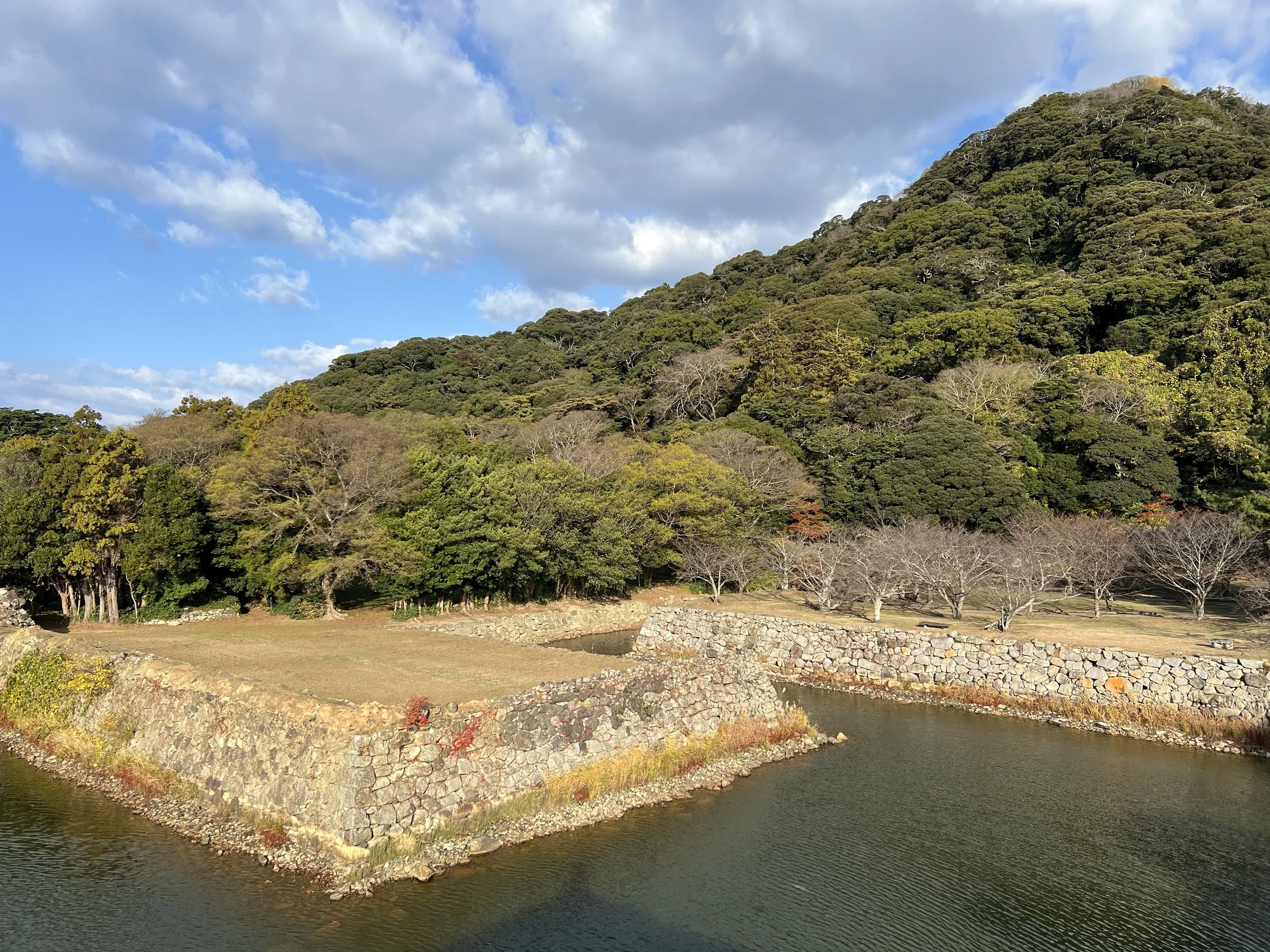
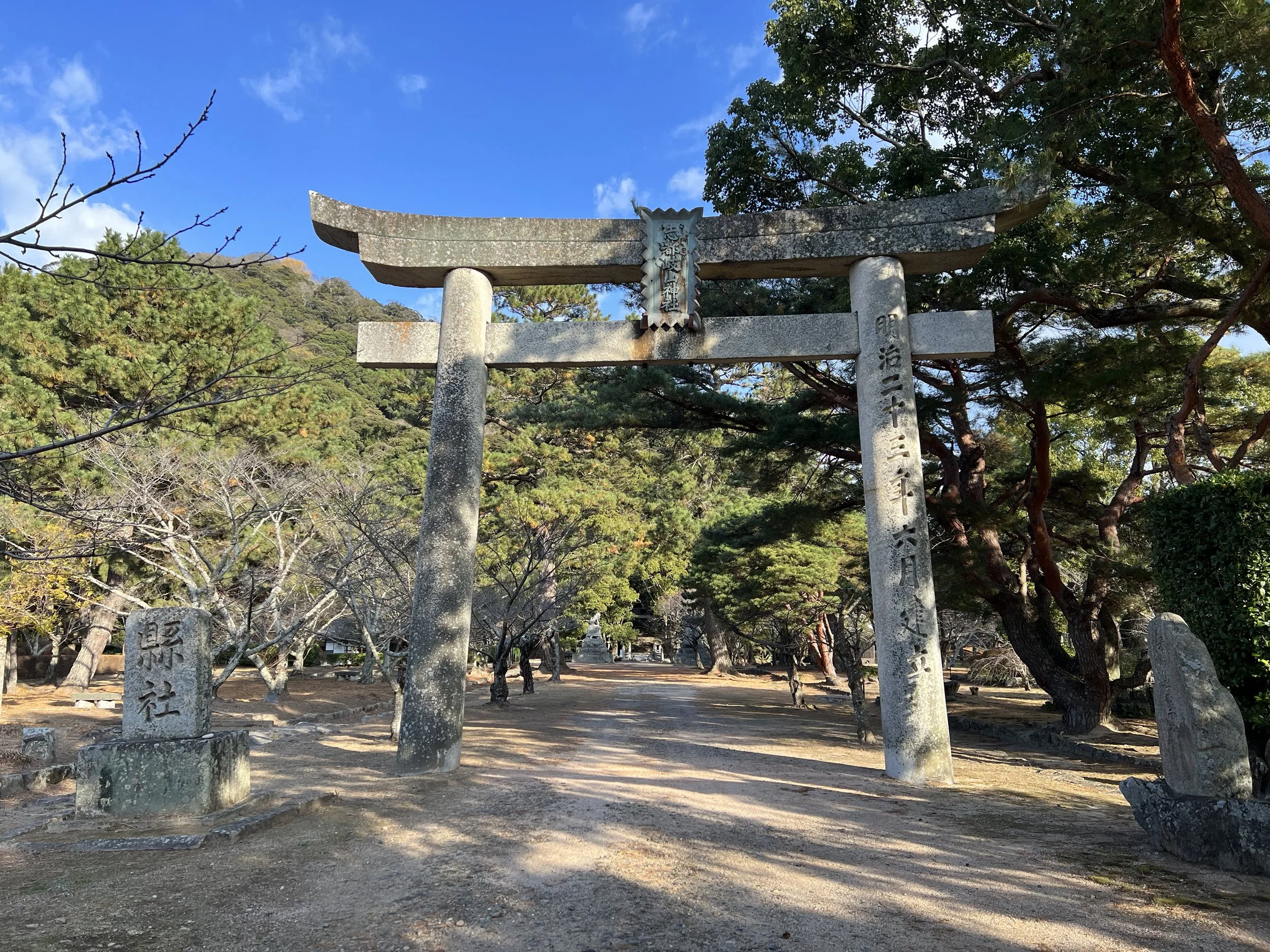
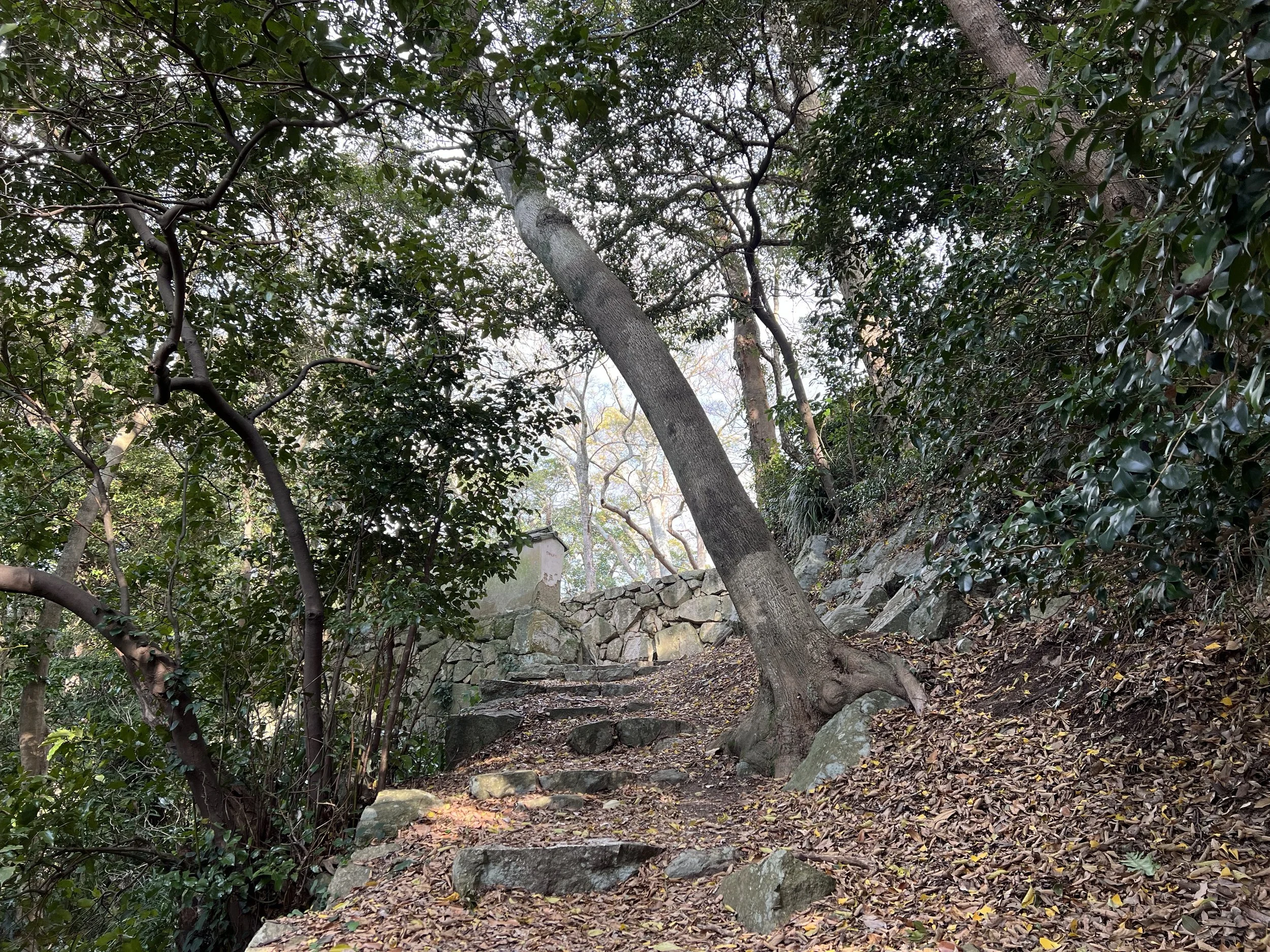
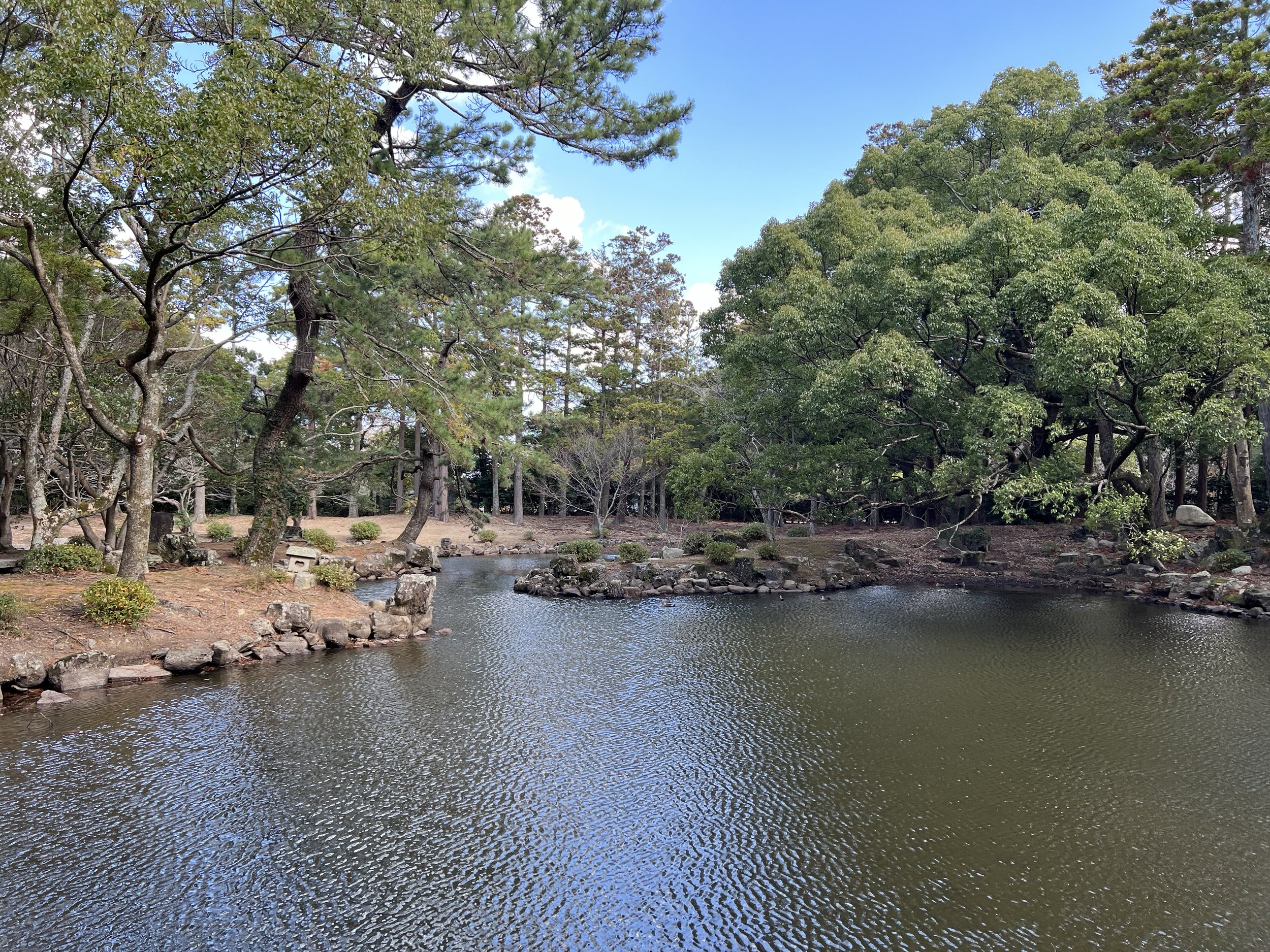
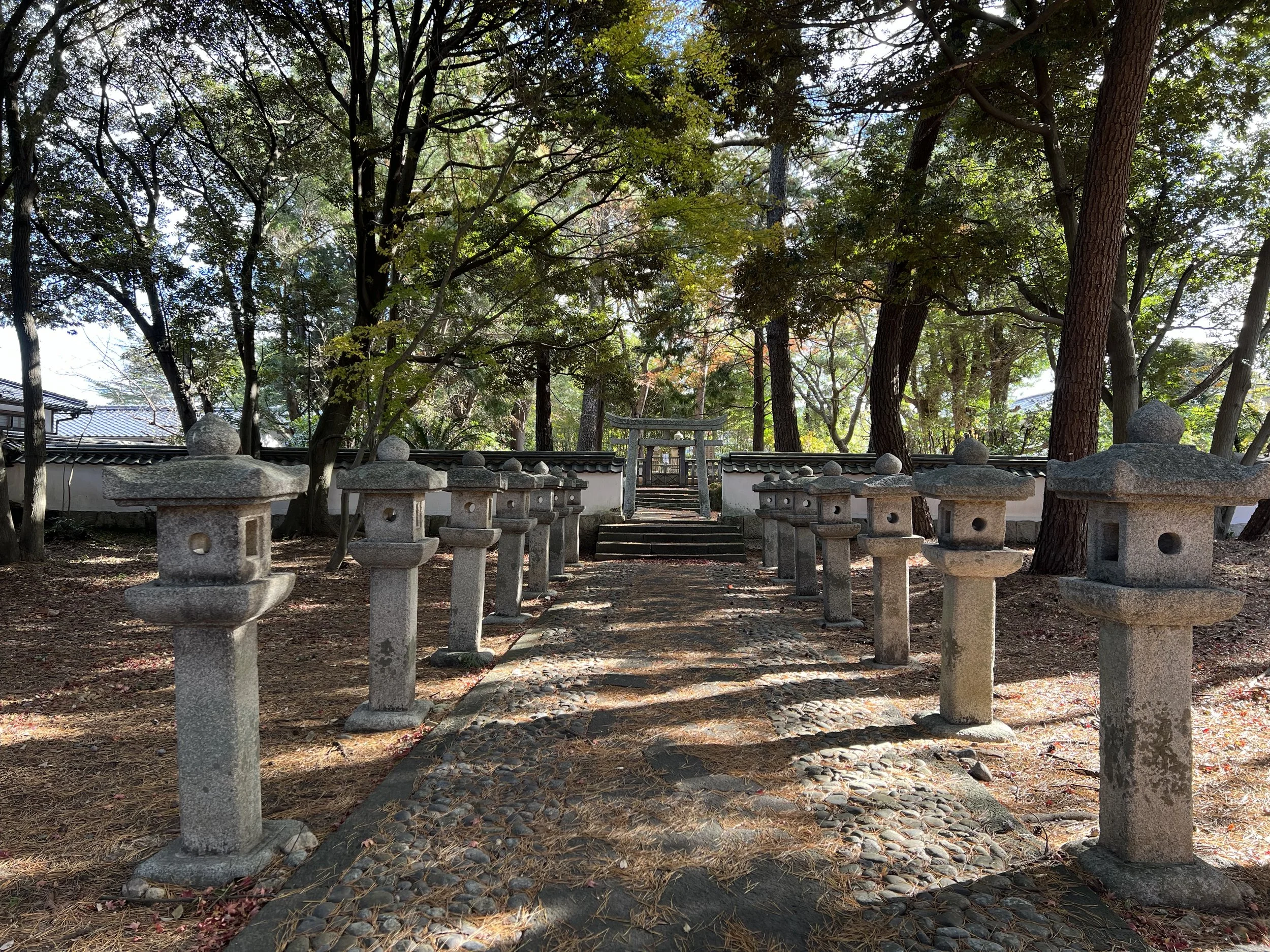
Ticket in hand, I began wandering the grounds, now part of Shizuki Park. The park is a wide, open green space that covers what remains of the former castle site. I walked past stone walls and moats, with signs marking where important structures once stood. Within the park are a shrine, a teahouse, and—almost tucked away—the trailhead leading up Mount Shizuki.
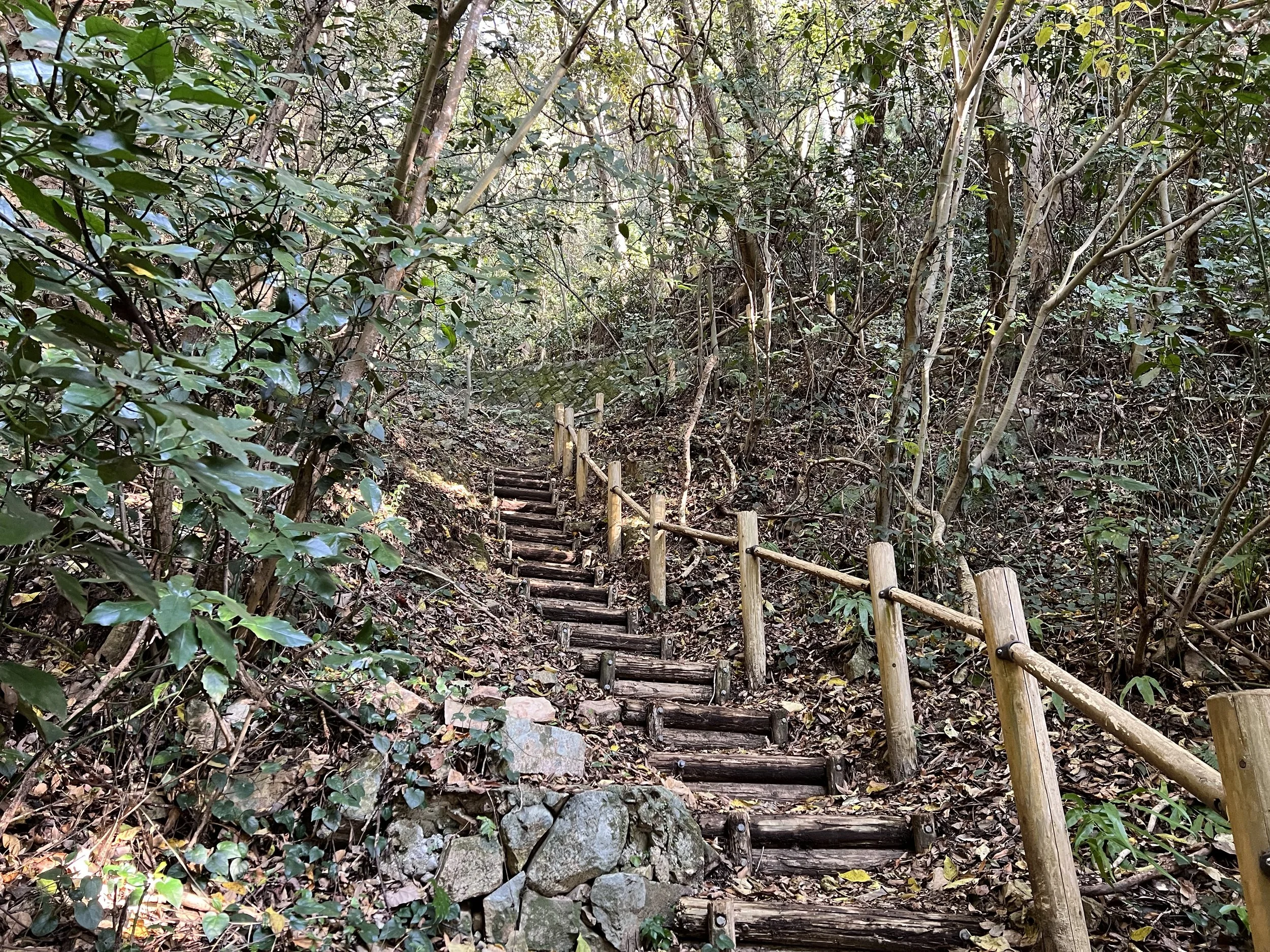
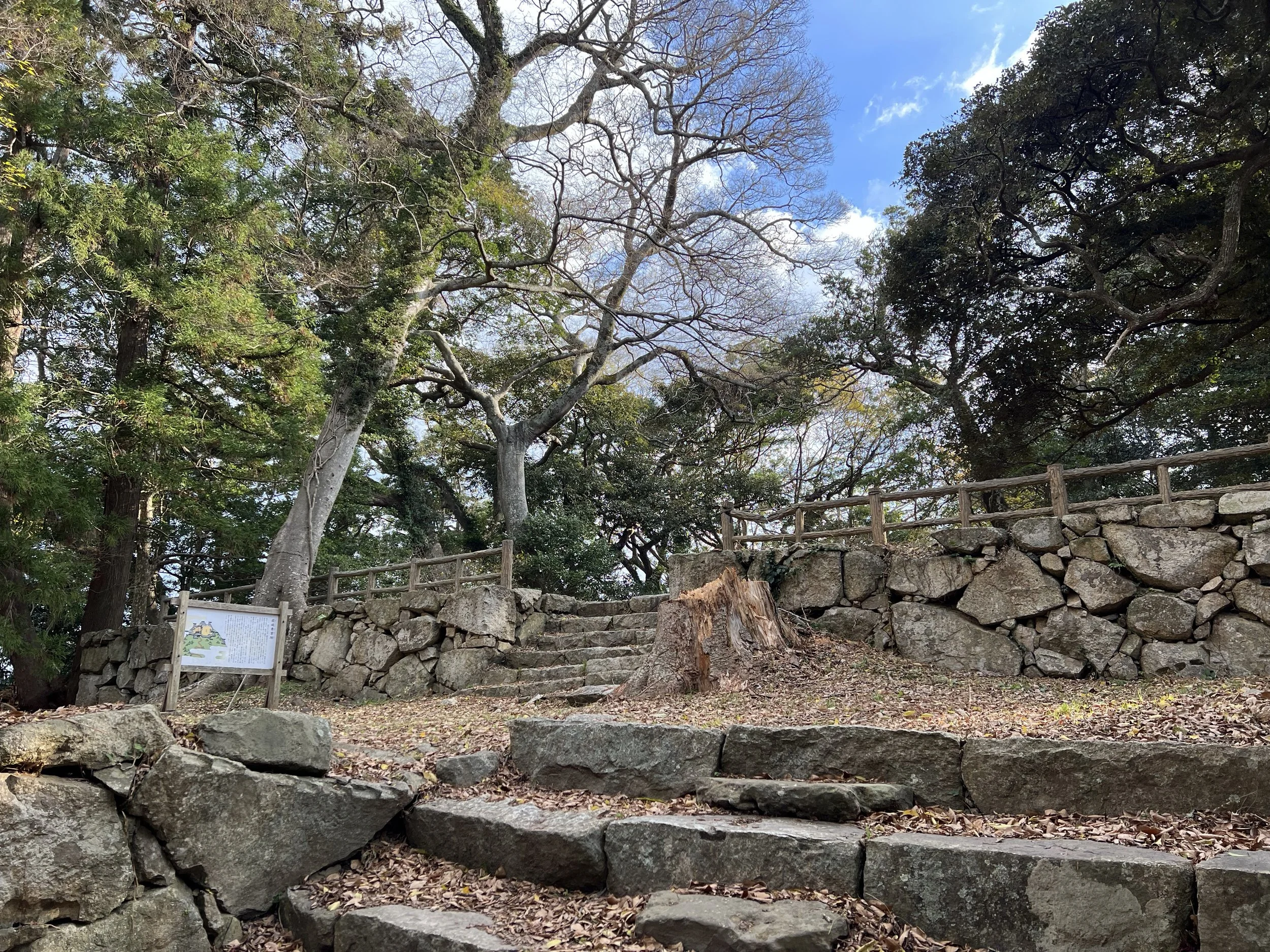
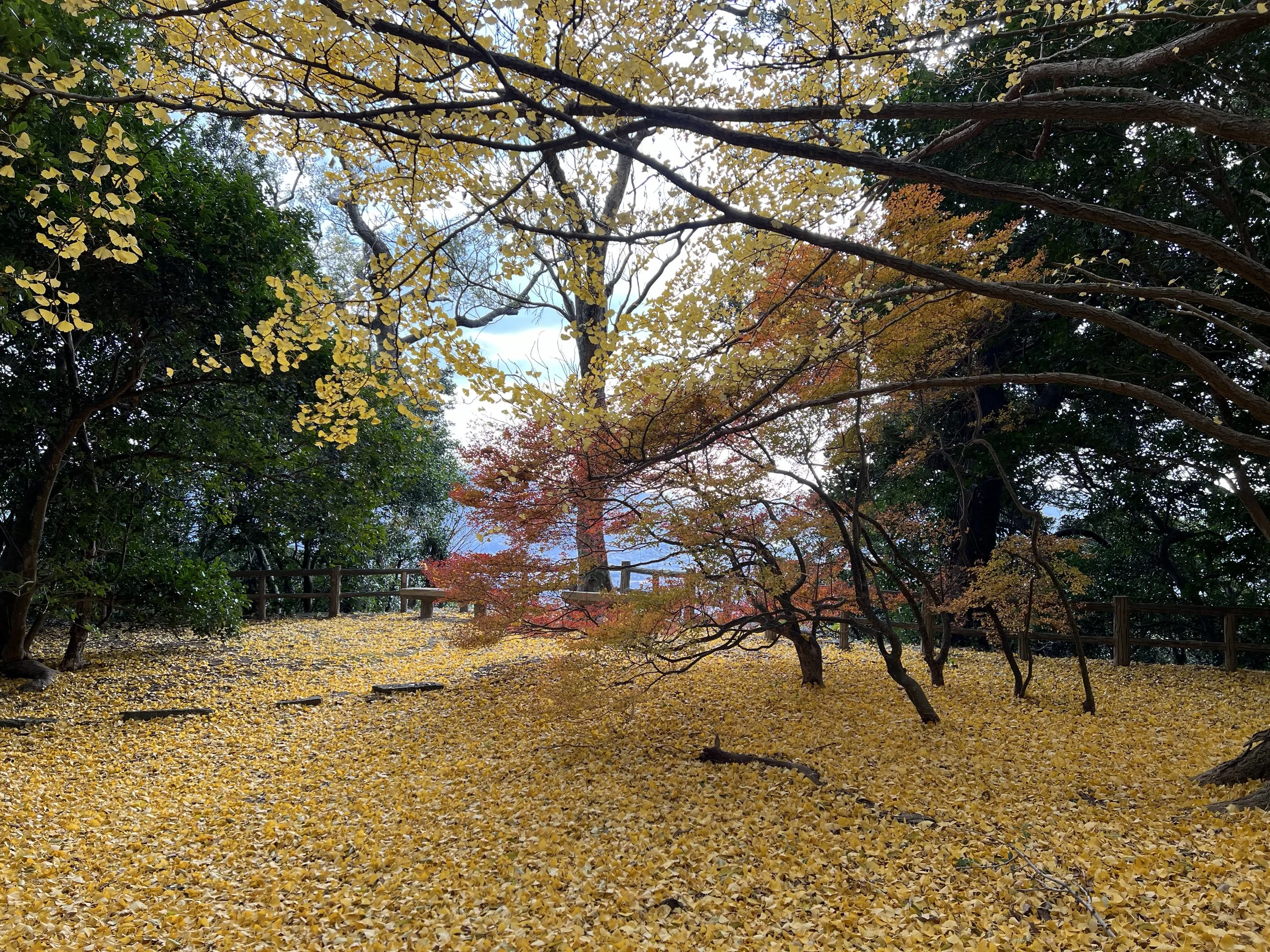
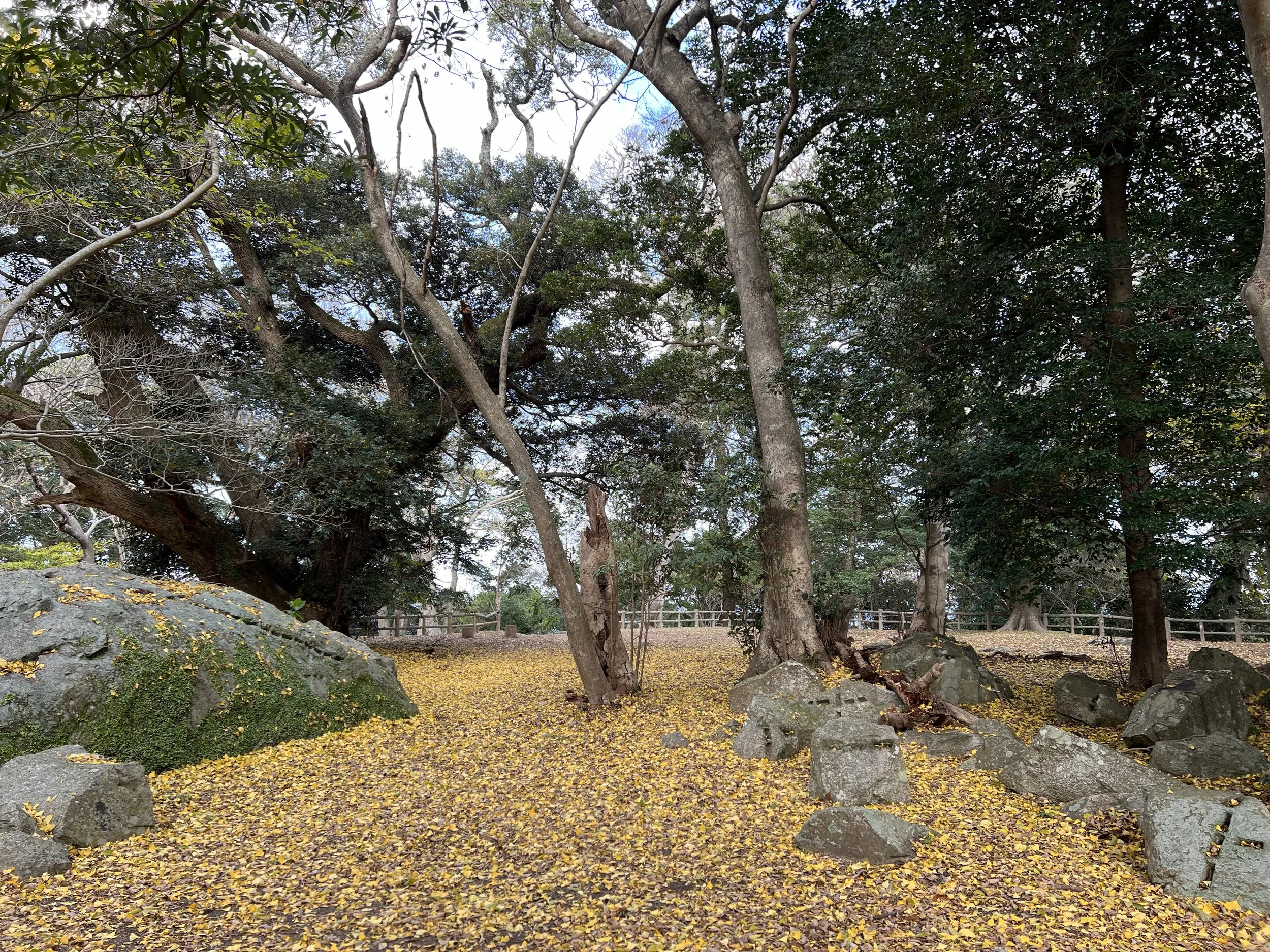
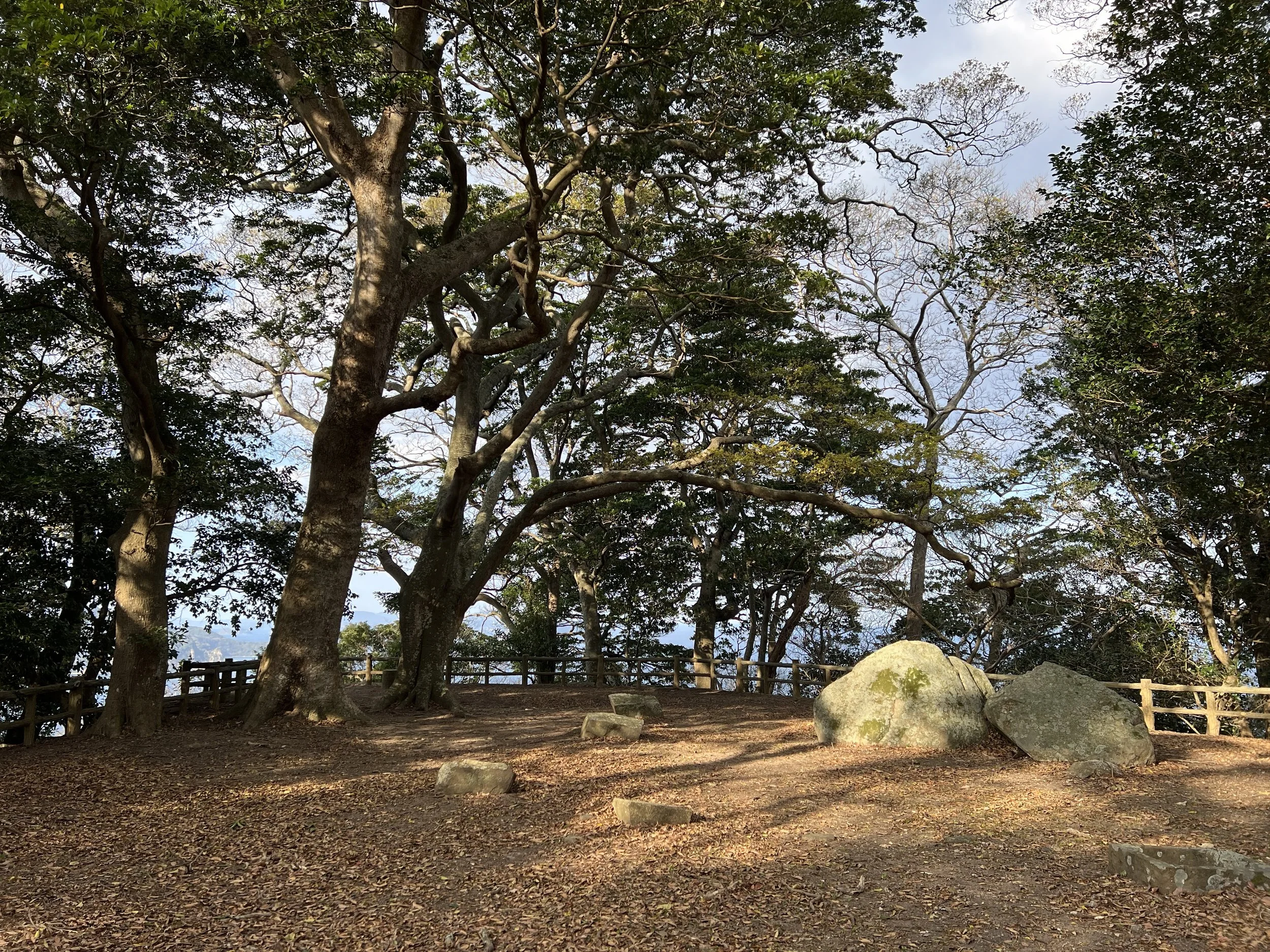
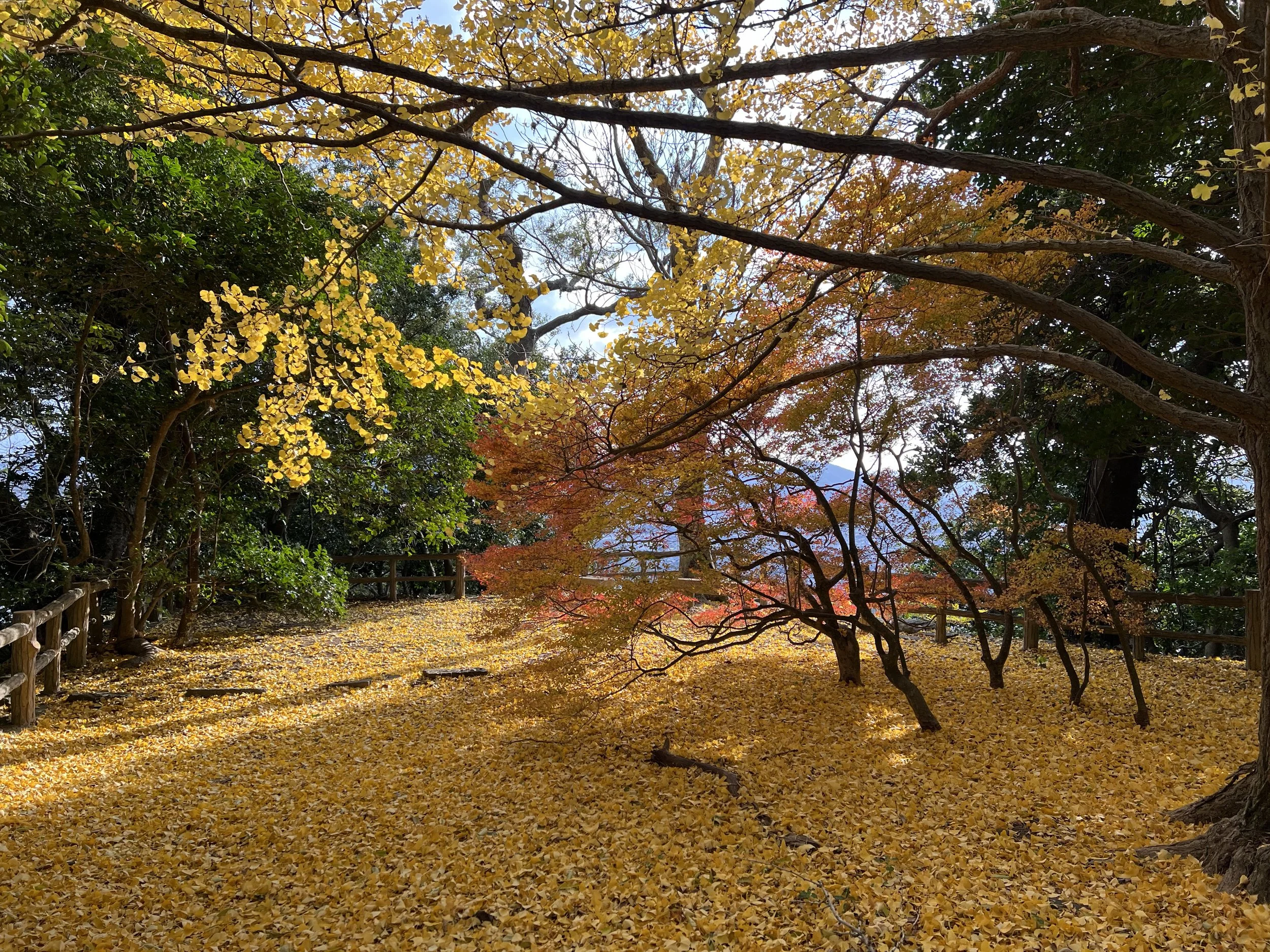
Since I was already there, I decided to head up the trail. Parts of it were steep, but it was a straightforward climb and never felt particularly difficult. At the top, I was genuinely surprised by how beautiful it was. The area is filled with ginkgo trees, and even late in the season, the autumn colours were still holding on.
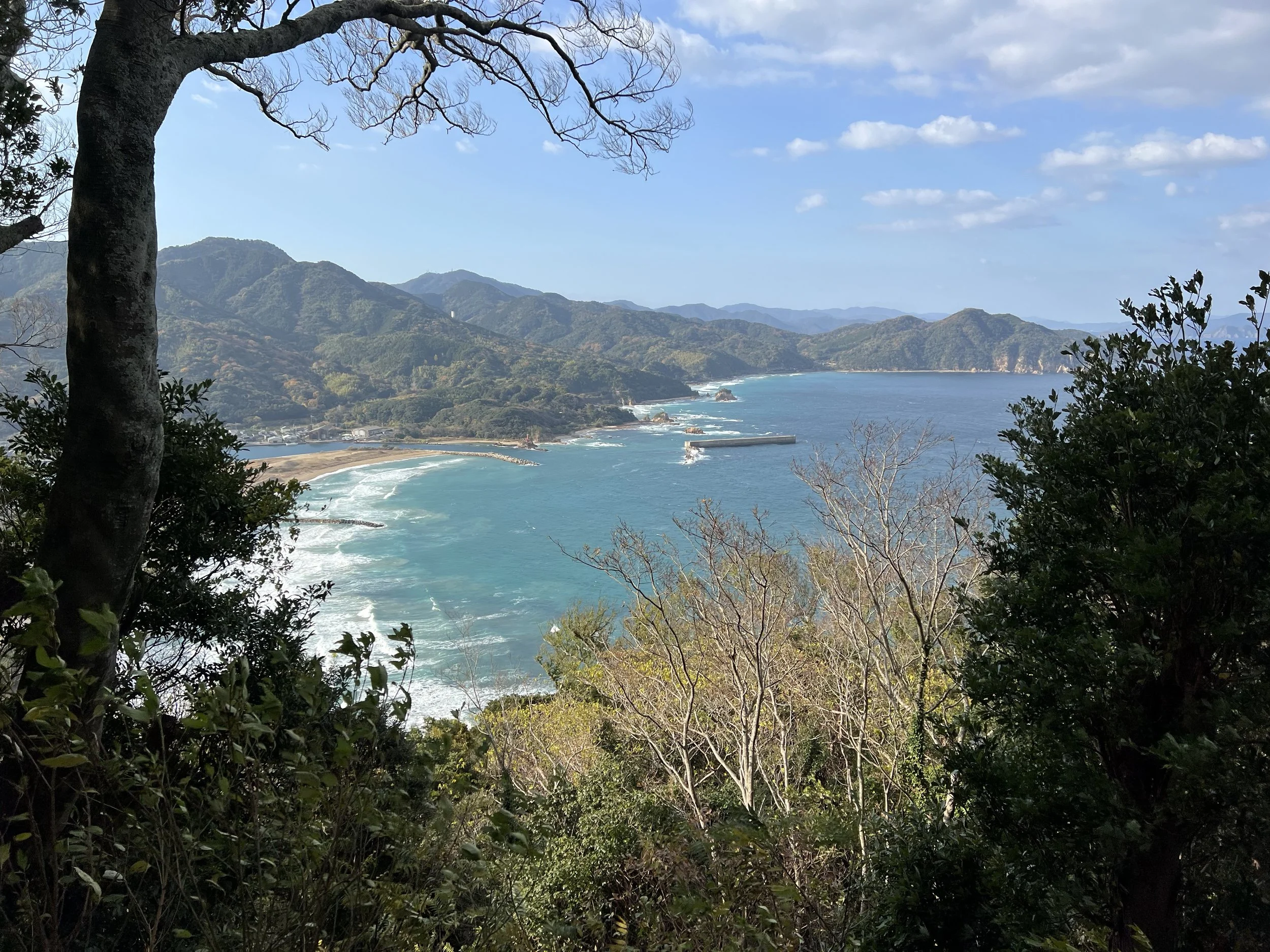
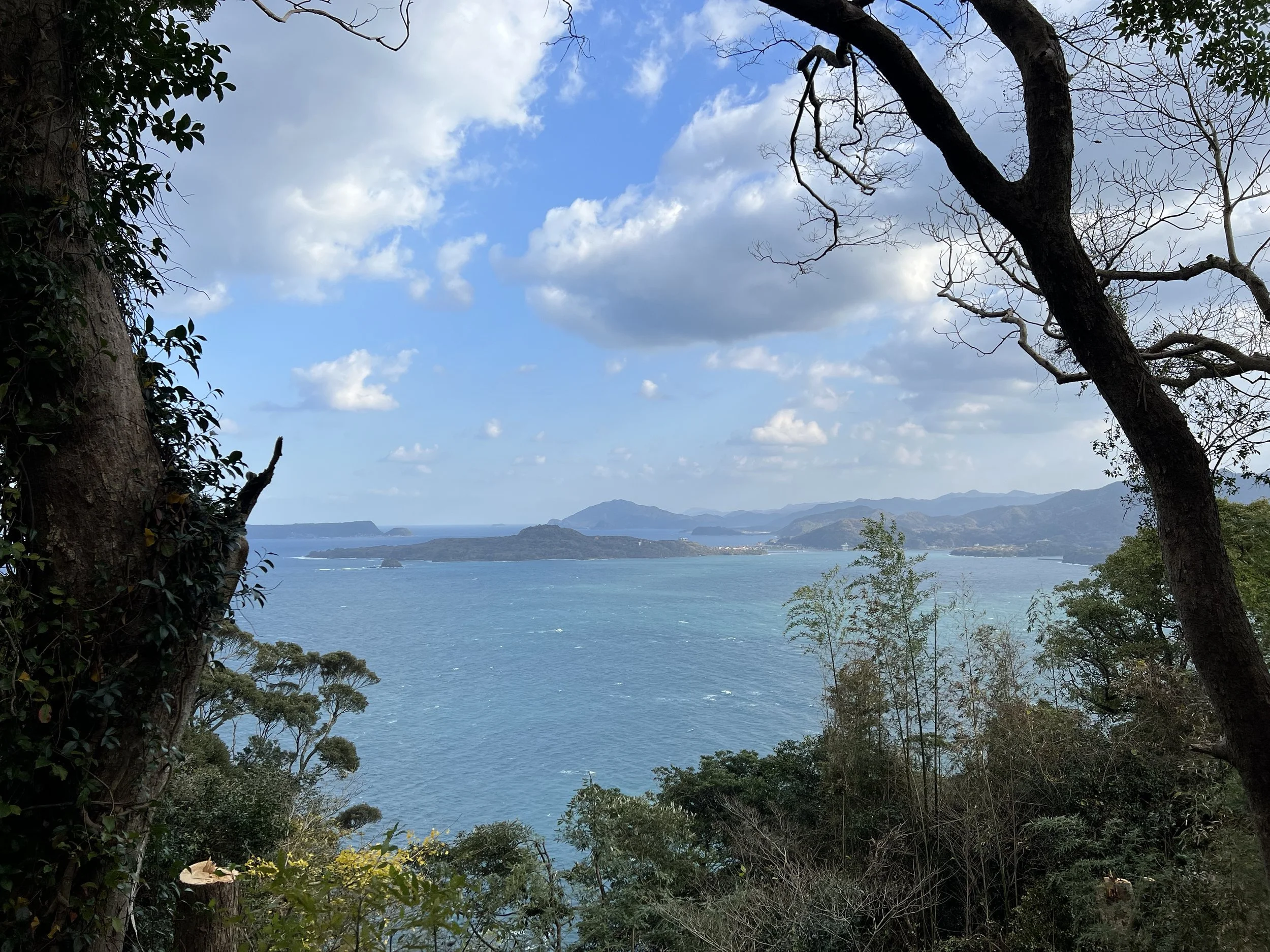
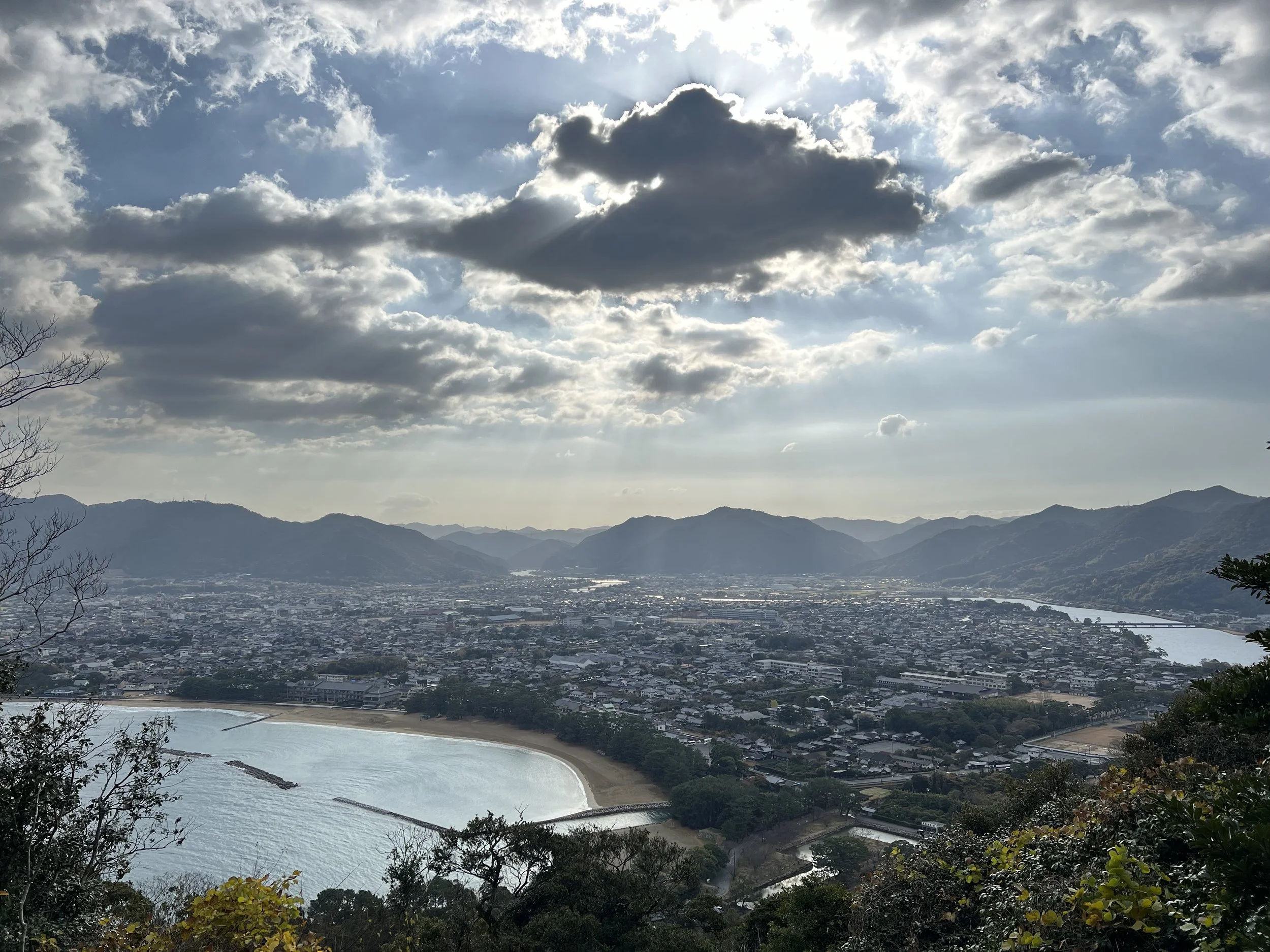
There are four viewpoints at the summit, each offering a different perspective. One of my favourites overlooked the Sea of Japan, with the castle town spread out below and the coastline stretching into the distance. It was the kind of view that makes you linger longer than planned. I would strongly recommend not skipping this short hike.
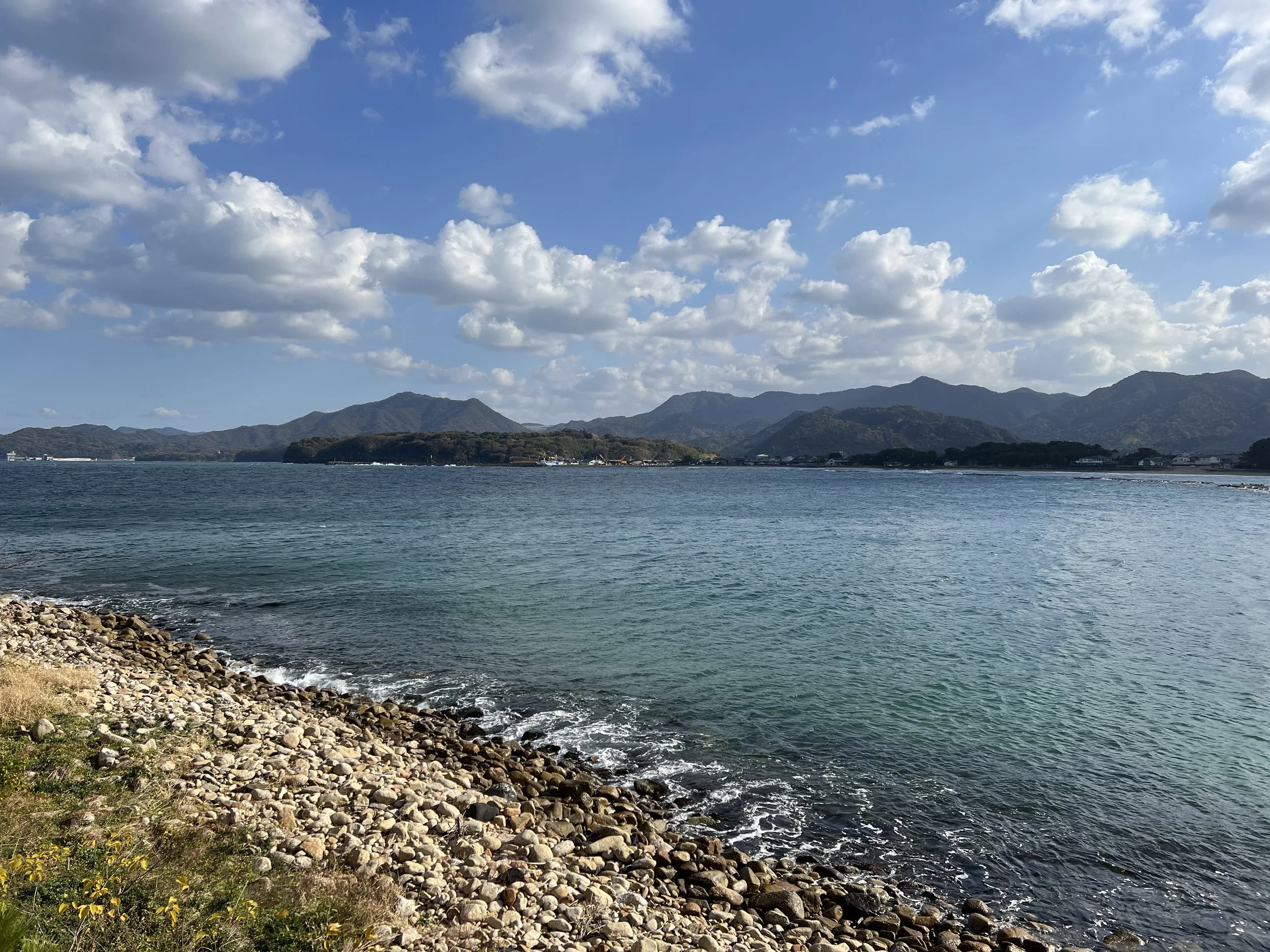
After making my way back down, I stopped by the shrine and garden area before heading toward a coastal observatory. From there, the stone walls along the shoreline were particularly striking. I sat for a few minutes, taking it all in, before slowly making my way back toward the main entrance.
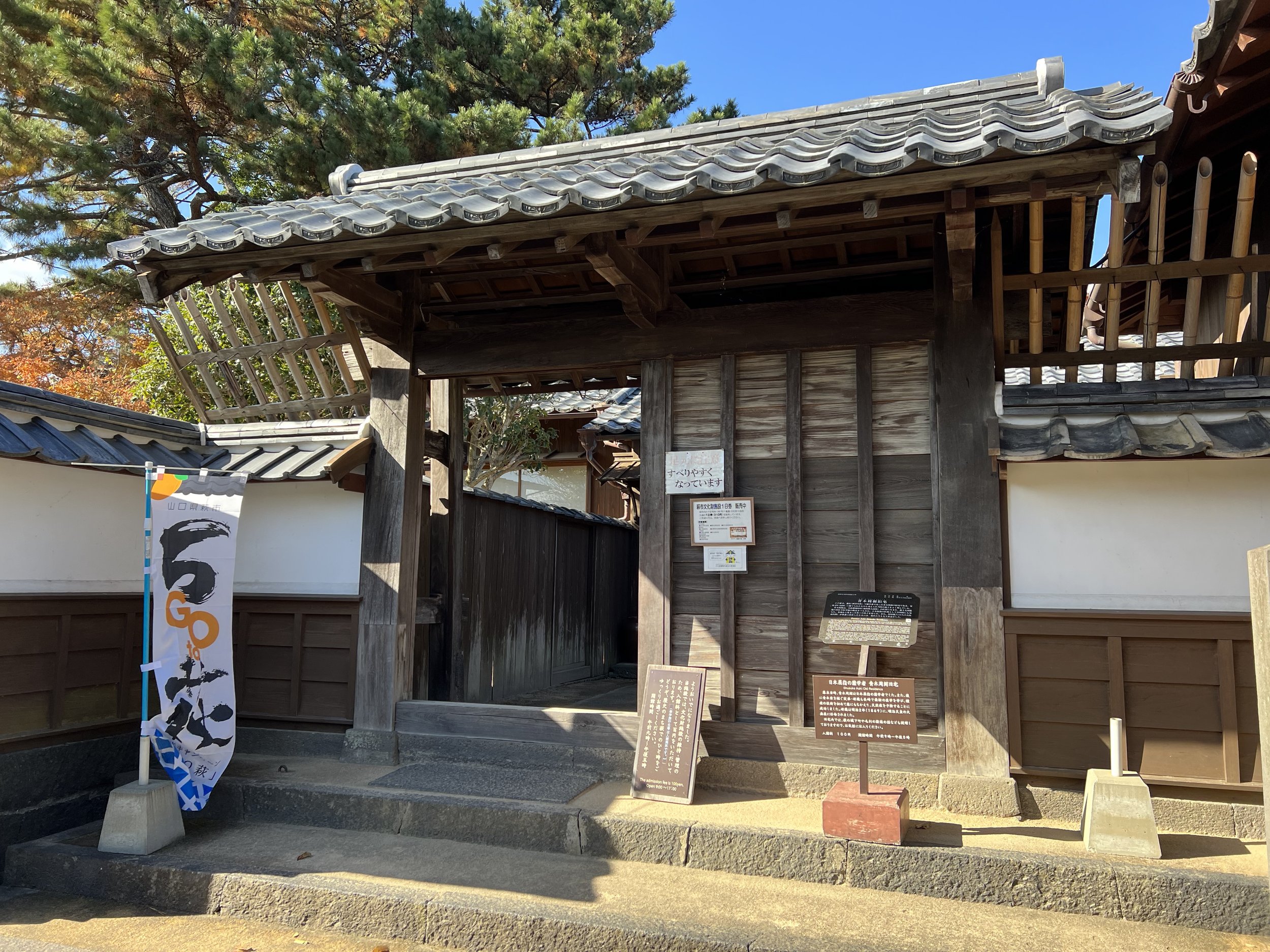
With the castle grounds explored, I headed into the old town area. There are many historic buildings throughout Hagi, some of which can be visited for a fee, but I was content simply viewing them from the outside. Walking through the streets, it was easy to imagine what daily life here might have felt like in another era.
Eventually, I made my way toward the bus stop for Yamaguchi City, located next to Hagi Meirin Gakusha. Once one of the largest wooden schoolhouses in Japan, the complex has been repurposed into a space with souvenir shops, restaurants, a tourist information centre, and community facilities.
For the amount of time I spent there, Hagi offered far more than I expected. It’s a town that rewards slow exploration, and I left feeling like I had experienced something quietly special.
History & Background
Hagi Castle (萩城) was constructed in 1604 by the Mori Clan after they were forced to relocate to Yamaguchi following the Battle of Sekigahara. Although the clan lost much of its territory, Hagi remained an important political and cultural centre during the Edo period.
The surrounding castle town was carefully planned, with distinct neighbourhoods for samurai, merchants, and craftsmen. Many of these areas remain intact today, which is why Hagi Castle Town is part of the UNESCO World Heritage listing for the Sites of Japan’s Meiji Industrial Revolution.
At the end of the feudal era, Hagi Castle was dismantled under government orders, a fate shared by many castles across Japan. What remains today—stone walls, moats, and foundations—now form Shizuki Park, preserving the layout and scale of the former stronghold.
Getting There
Hagi Castle Ruins are most conveniently accessed from Higashi-Hagi Station on the JR San’in Main Line. From Shin-Yamaguchi Station, visitors can travel by JR Yamaguchi Line to Hagi Station, or take a direct highway bus to Hagi, which takes approximately 70–80 minutes and arrives at Hagi Bus Center. From the bus center, the ruins are about 1.5 kilometres away, a 20-minute walk, or a short ride by local bus. From Higashi-Hagi Station, the ruins are approximately 2.8 kilometres away and can be reached on foot in 35–40 minutes, with local buses operating part of the way and requiring a short walk from the nearest stop.
Route Overview
Distance: 7.49 km (Higashi-Hagi Station → )
Total elevation gain: 150 m
Duration: 1 hr 45 min (with breaks 1 hr 55 min)
Difficulty: Intermediate
Peak: Mount Shizuki 指月山 143 m
Cost Breakdown
Train: Nagatoshi Station → Higashi-Hagi Station — ¥510
Entrance Fee: Hagi Castle Ruins — ¥220
Food: ¥720