Kyushu Olle - Munakata Oshima Course - Fukuoka, Japan
My original plan for the day was simply to visit Munakata Shrine. As I began researching, I quickly realized that Munakata Shrine is not a single location, but a collective name for three shrines that together serve as the head shrines of several thousand Munakata shrines across Japan. The original shrine is located on the remote and sacred island of Okinoshima, an island so revered that it remains completely off-limits to the public. The other two shrines—one on the Kyushu mainland and the other on Oshima Island just offshore—are accessible and, together with Okinoshima, were designated as a UNESCO World Heritage Site in 2017.
After learning more about the history, I became determined to visit the two accessible shrines: Munakata Taisha Nakatsugu Shrine on Oshima Island and Munakata Taisha Hetsugu Shrine on the Kyushu mainland. Reaching Oshima itself requires a ferry crossing, and once I realized that several points of interest were spread across the island, it made sense to explore it on foot. Coincidentally, the Munakata Oshima Course is the first Kyushu Olle trail established in Fukuoka Prefecture, making it an ideal way to experience both the island’s landscapes and its cultural heritage.
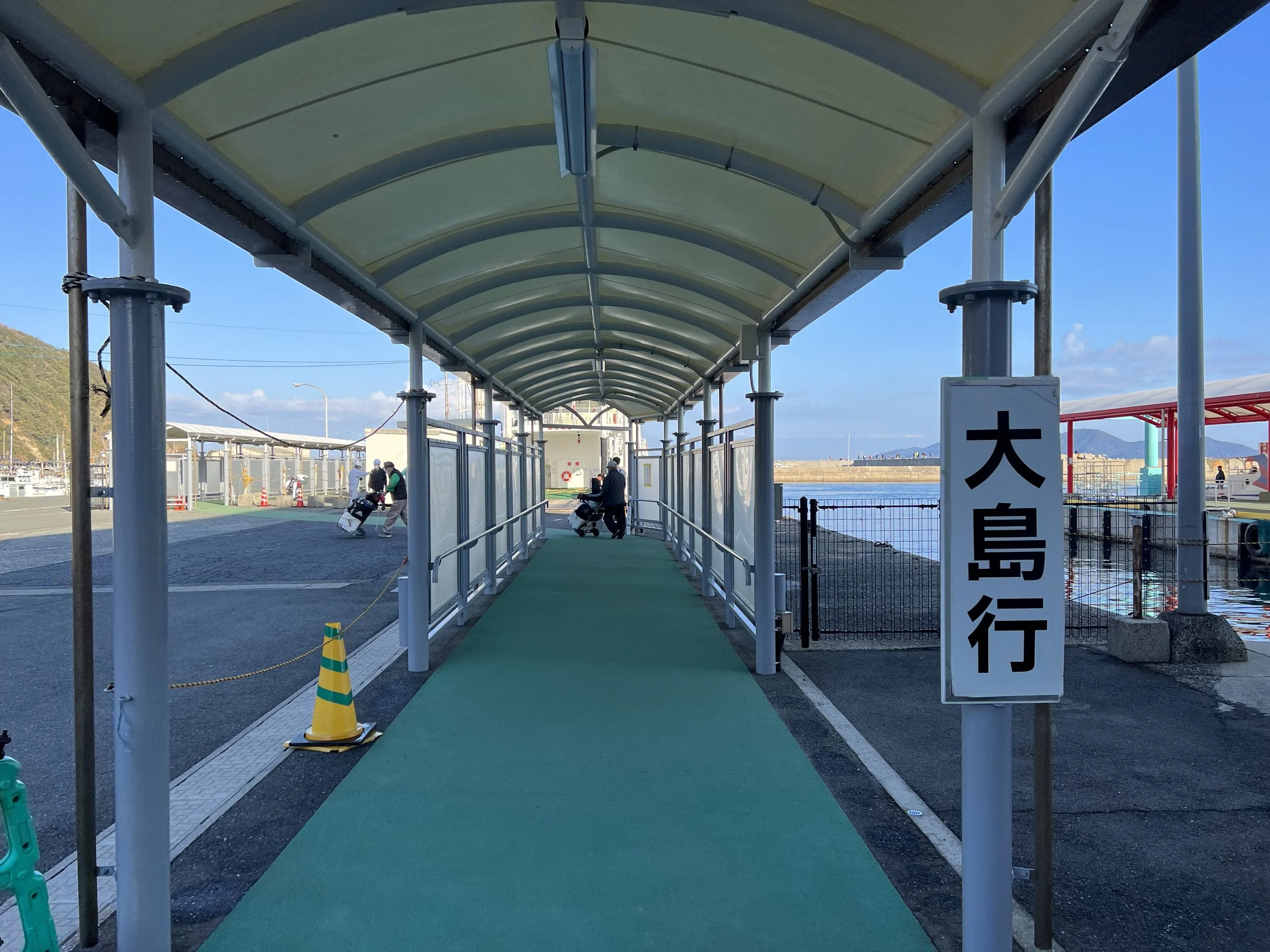
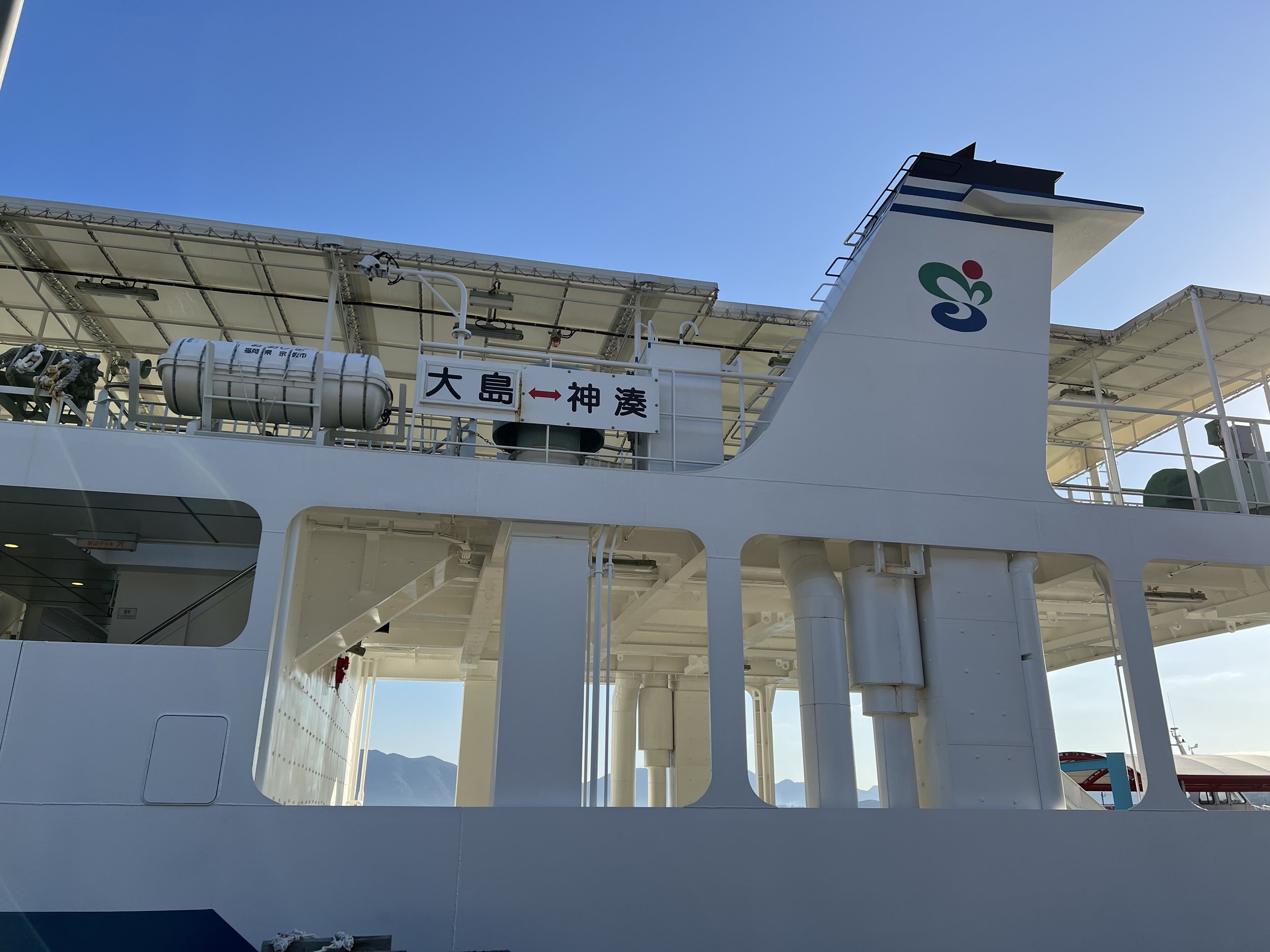
I started my day at Hakata Station, taking the train to Togo Station before transferring to a local bus bound for Konominato Ferry Terminal. From there, I boarded the ferry to Oshima Island.
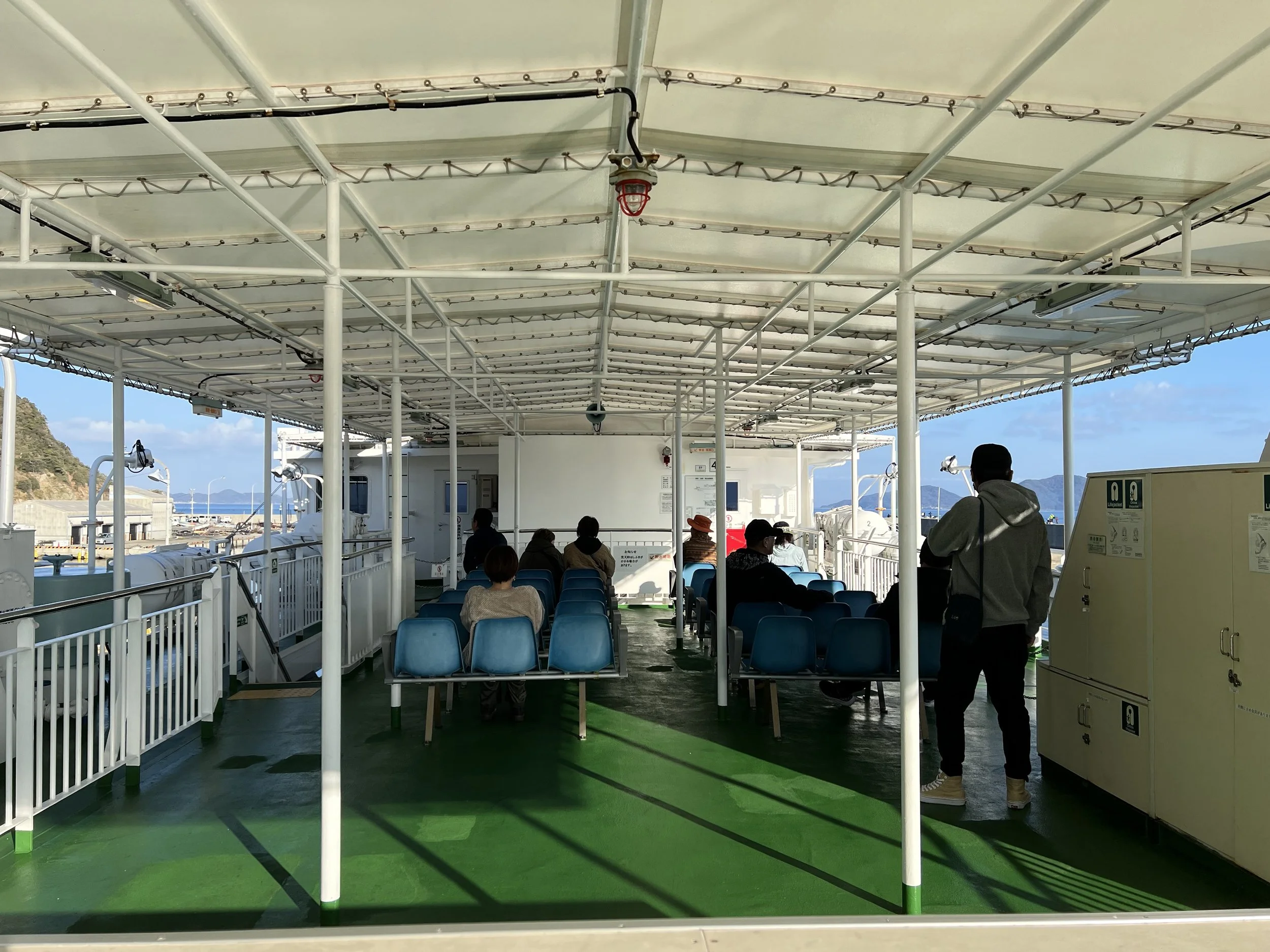
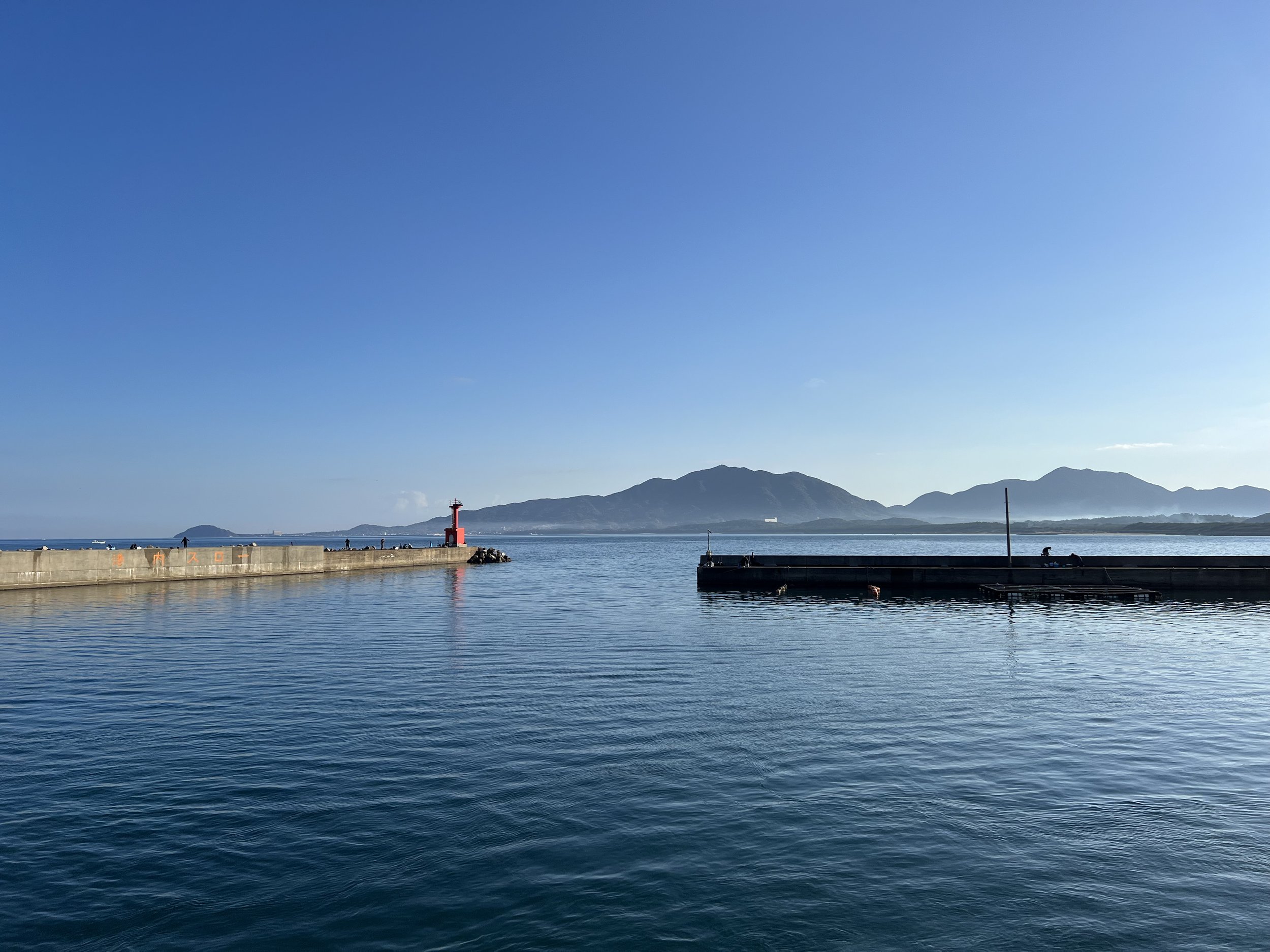
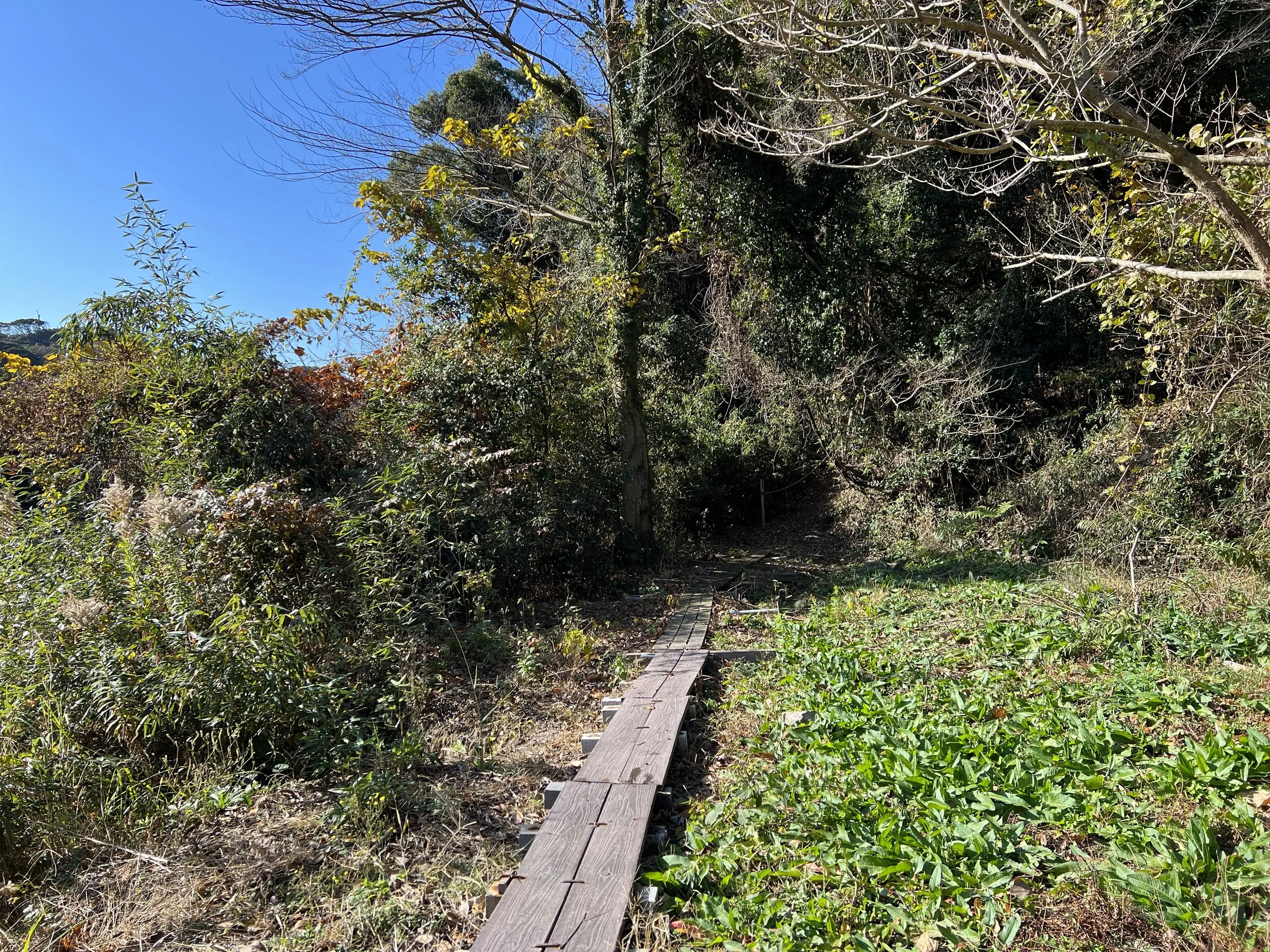
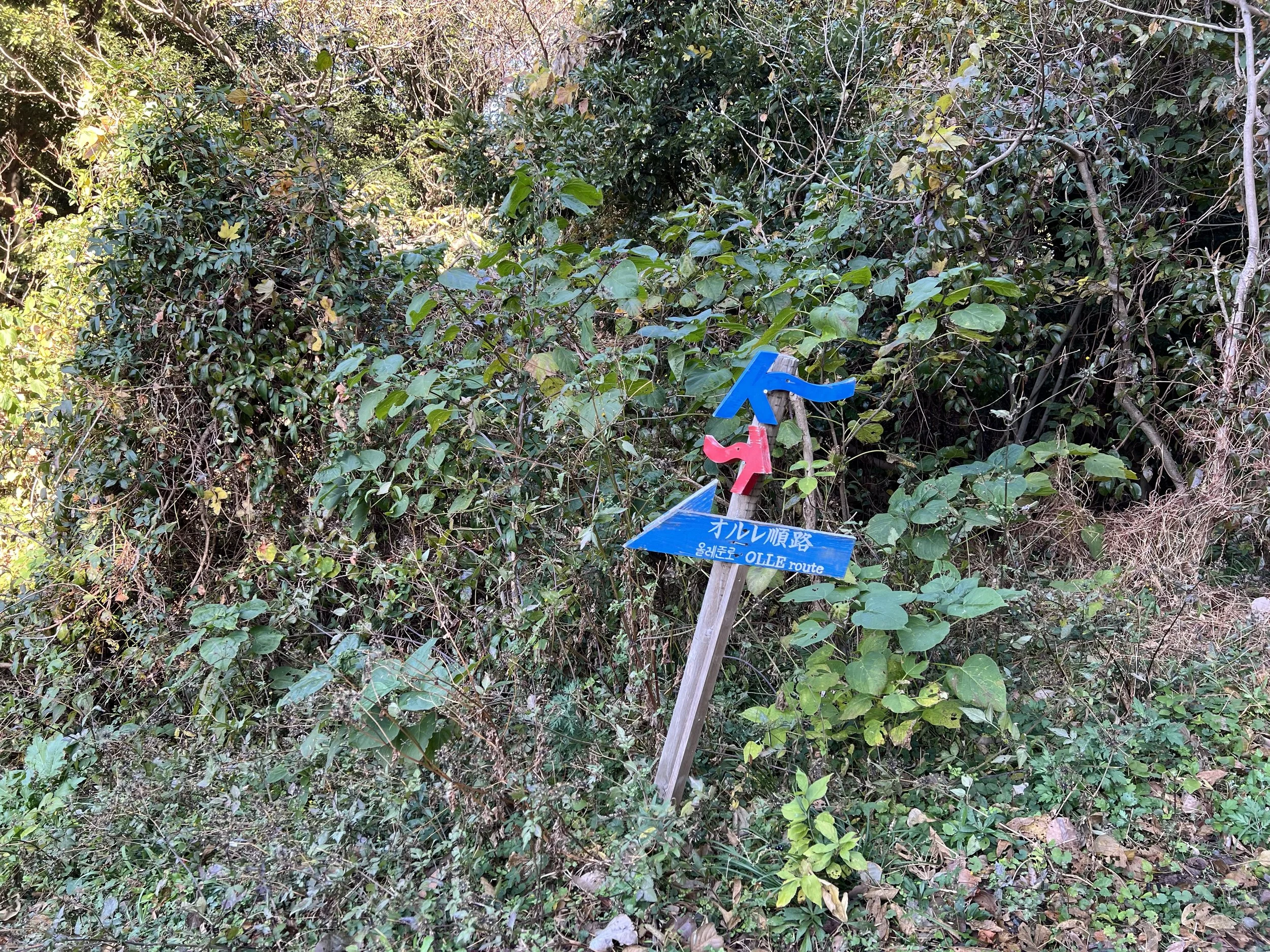
The ferry crossing takes about 25 minutes and offers scenic views of the coastline and surrounding islands. I was not alone in heading out to hike the Kyushu Olle trail, and once on the island, the route proved to be well marked. That said, warning signs about wild boars were posted throughout the trail. Since I’m not accustomed to encountering wild boars, I took some time to familiarize myself with safety advice before setting off from the ferry terminal.
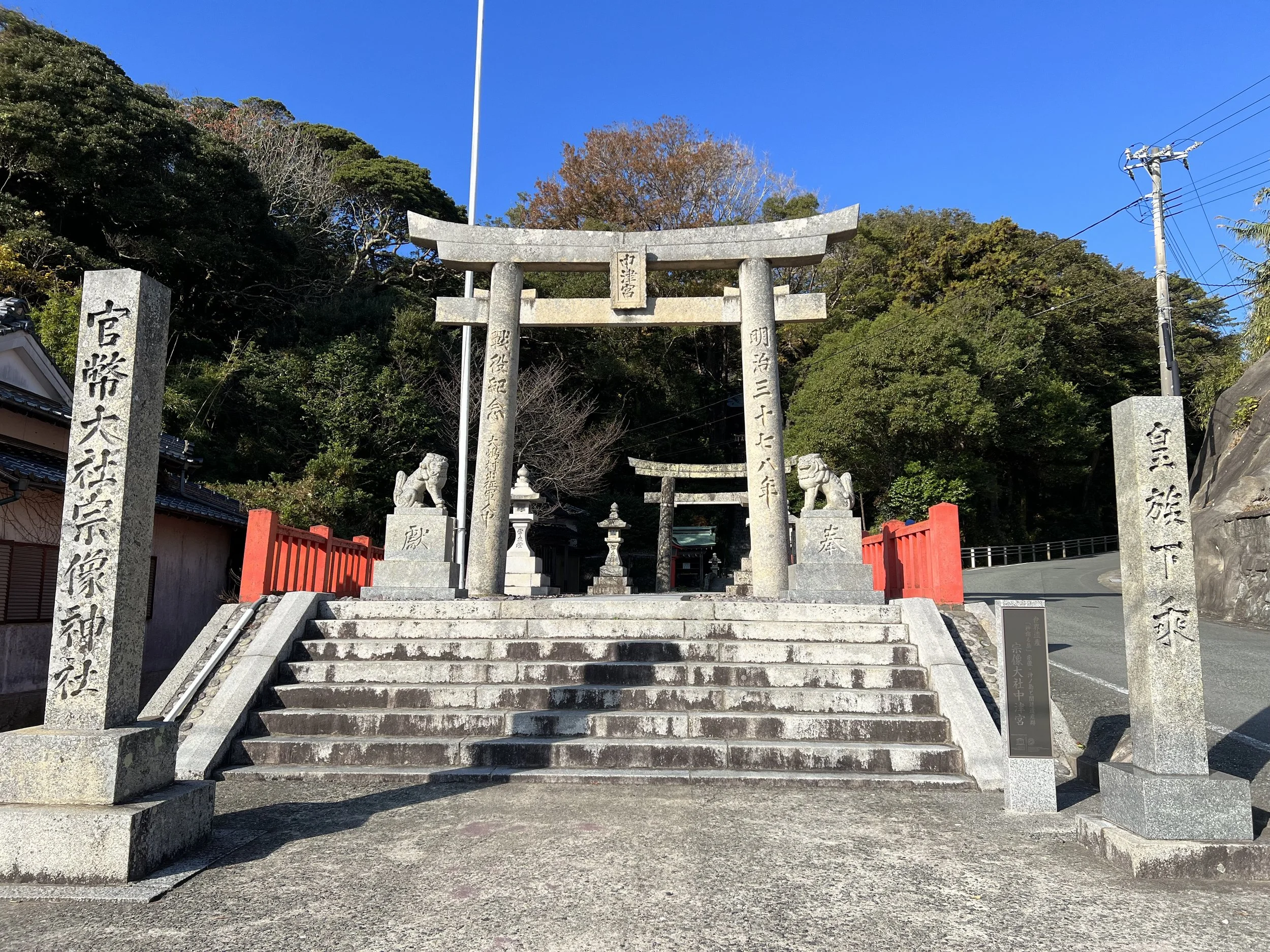
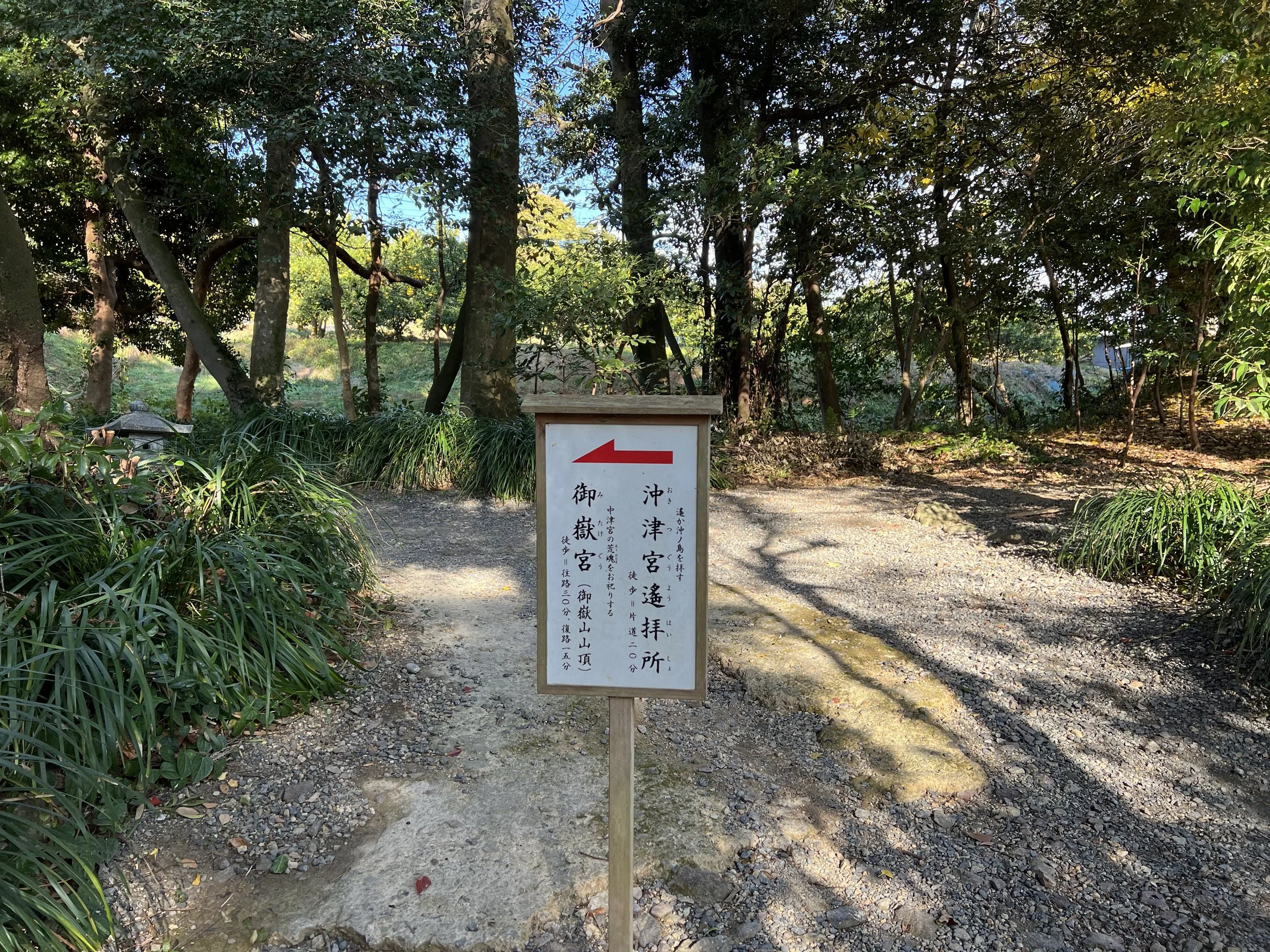
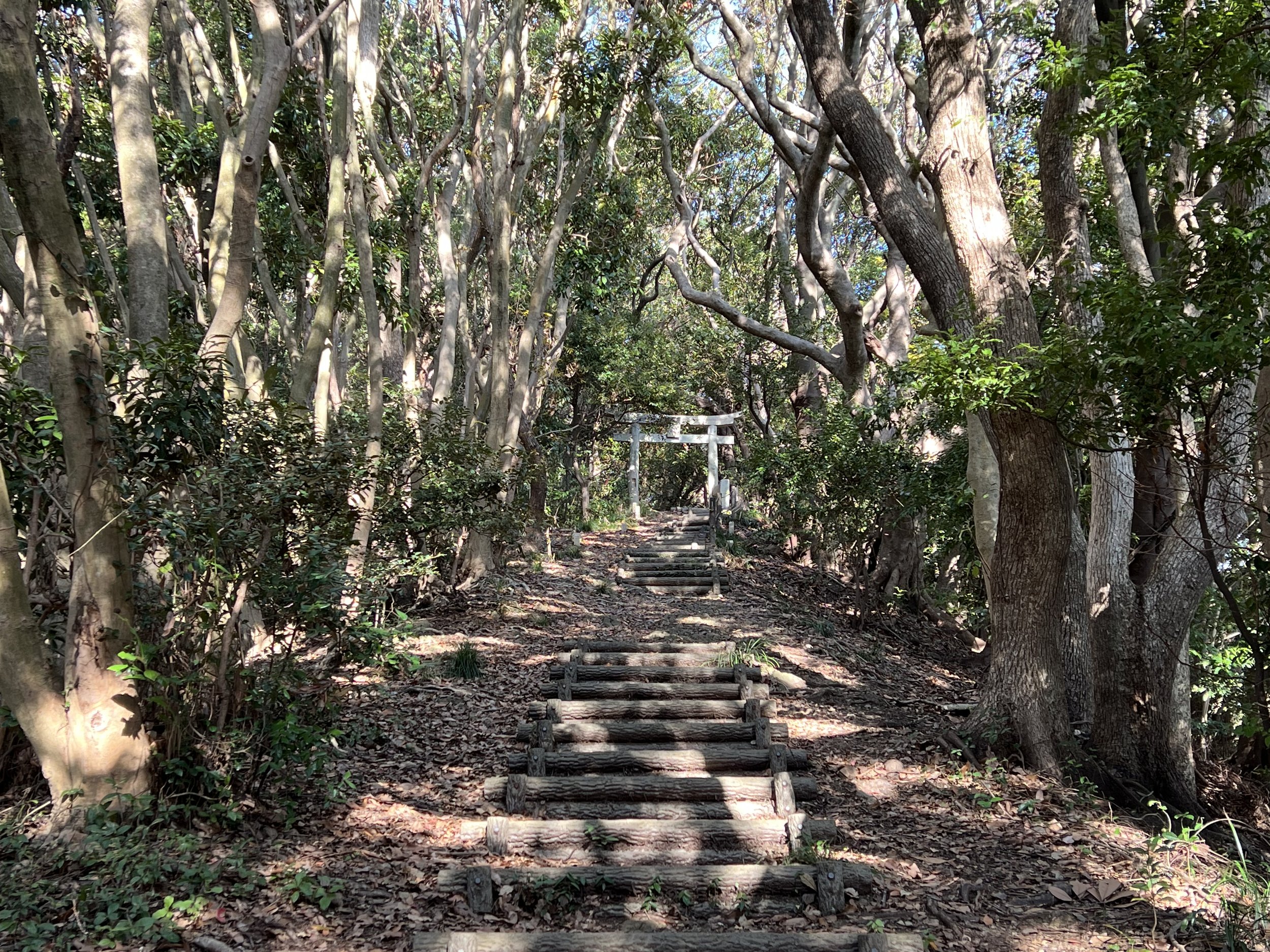
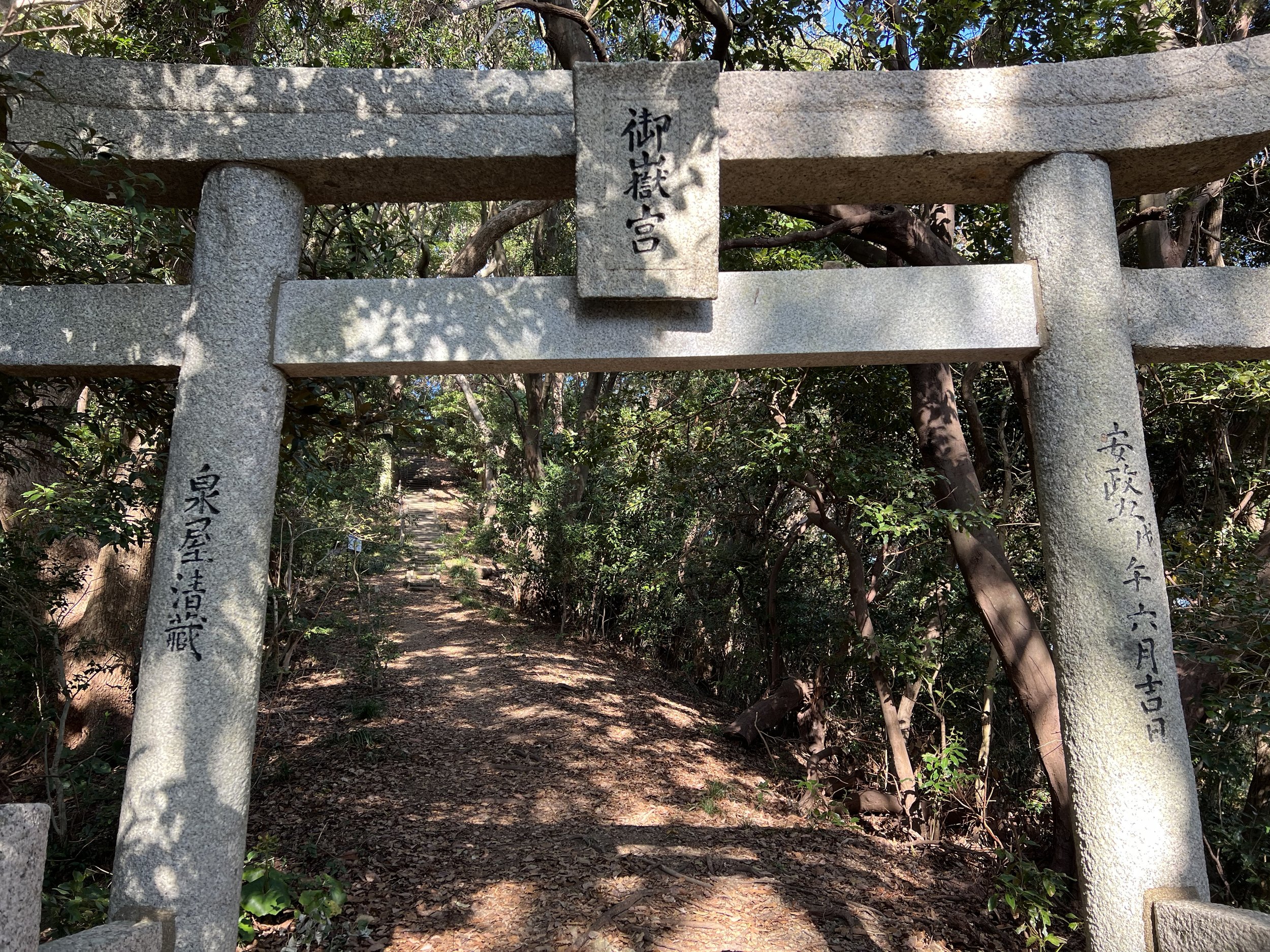
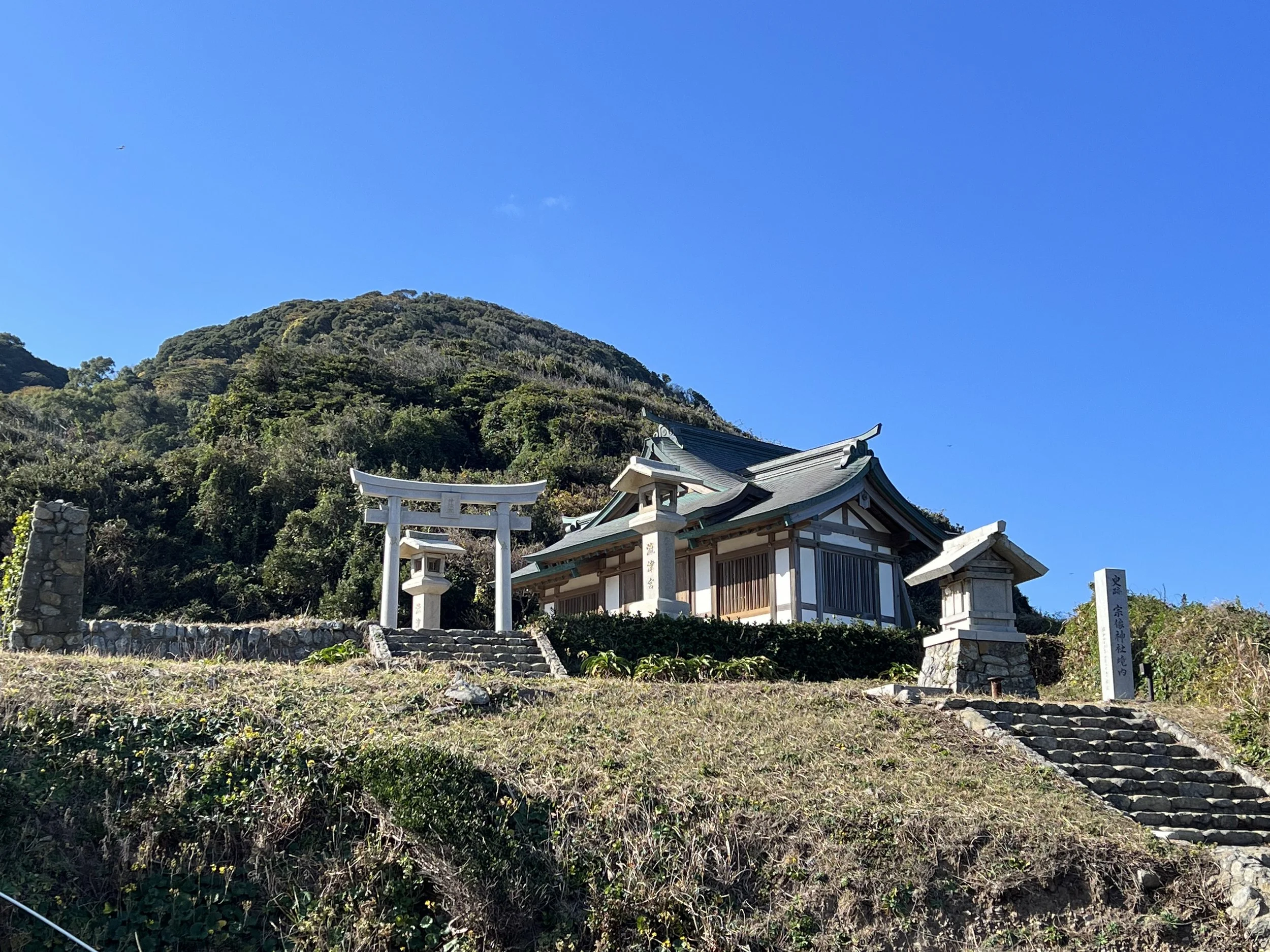
My first stop was Munakata Taisha Nakatsugu Shrine, one of the three Munakata shrines. Historically, rituals were performed at the summit of Mount Mitake, which would be my next destination. The current shrine buildings, however, were constructed on the lower slopes in the 16th century. I spent some time walking the shrine grounds before heading behind the complex to begin the climb toward Mount Mitake.
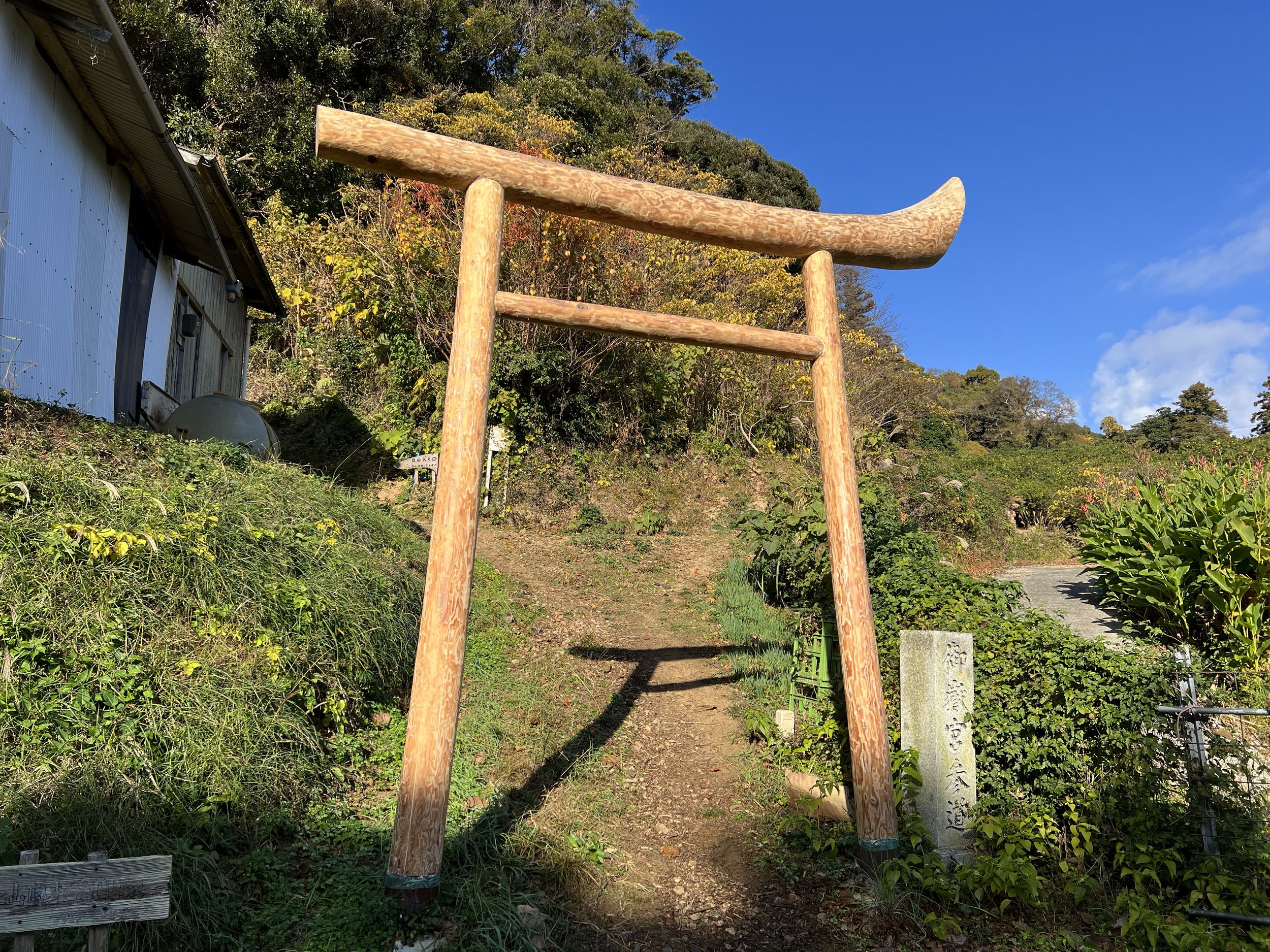
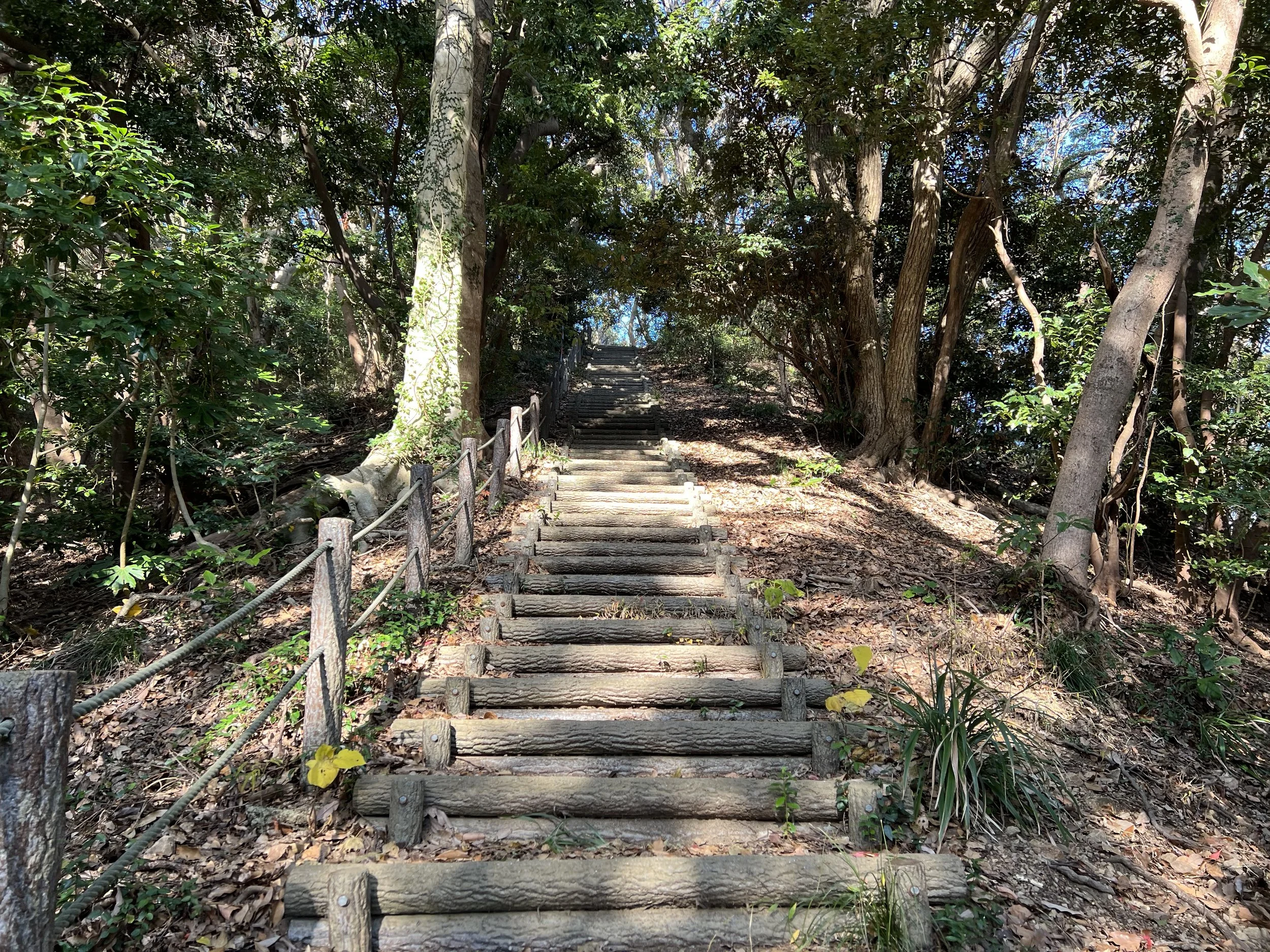
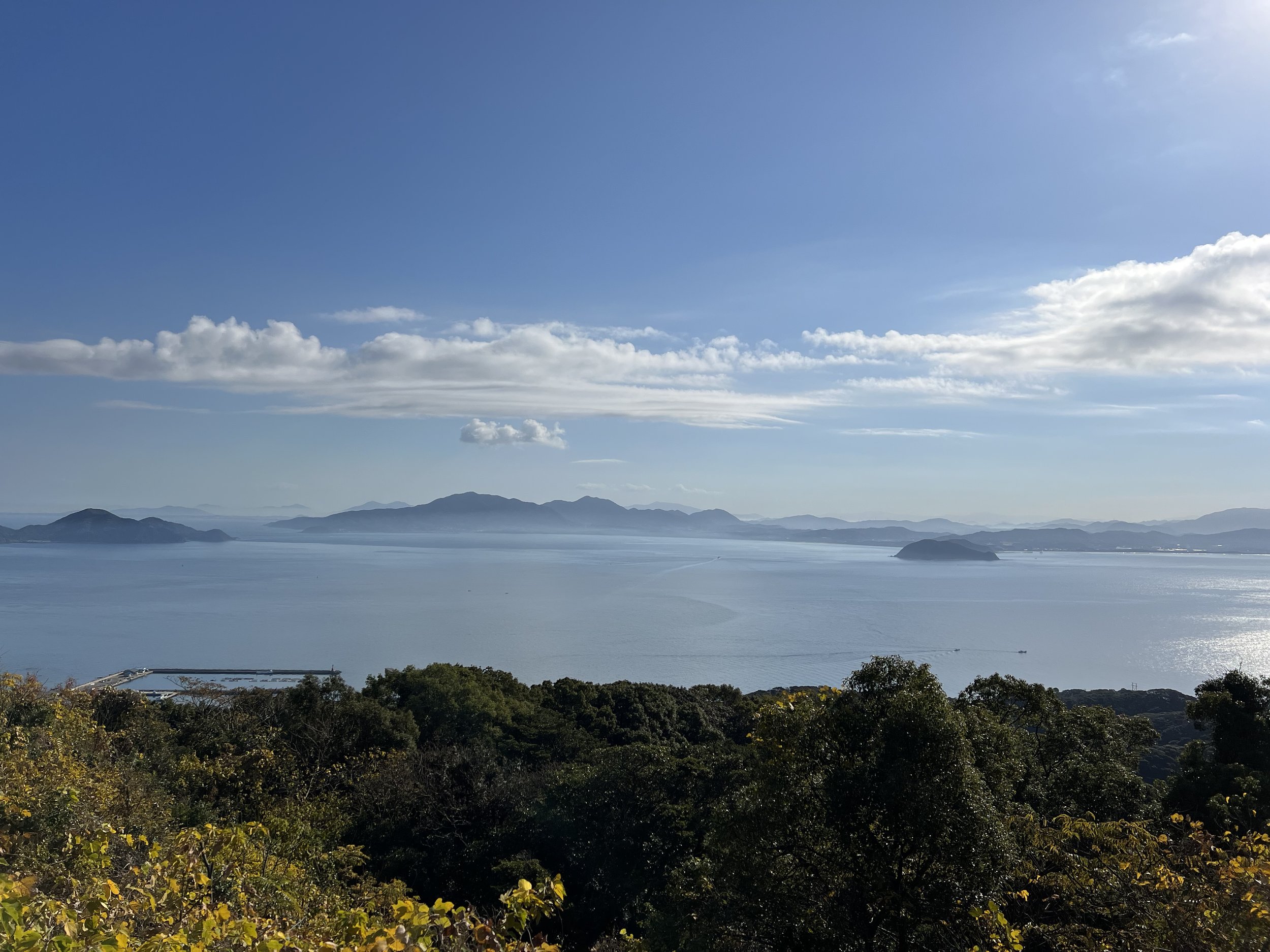
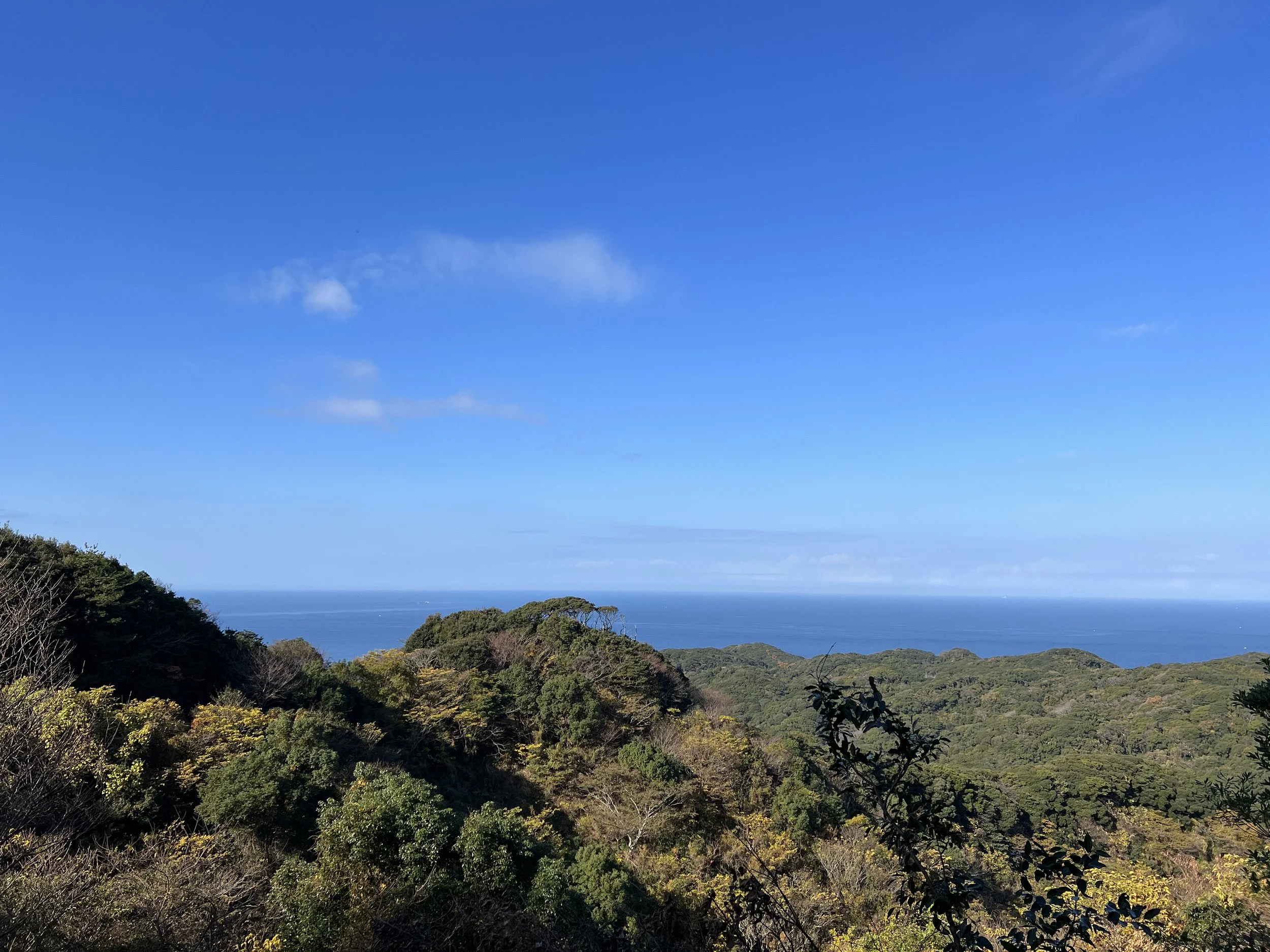
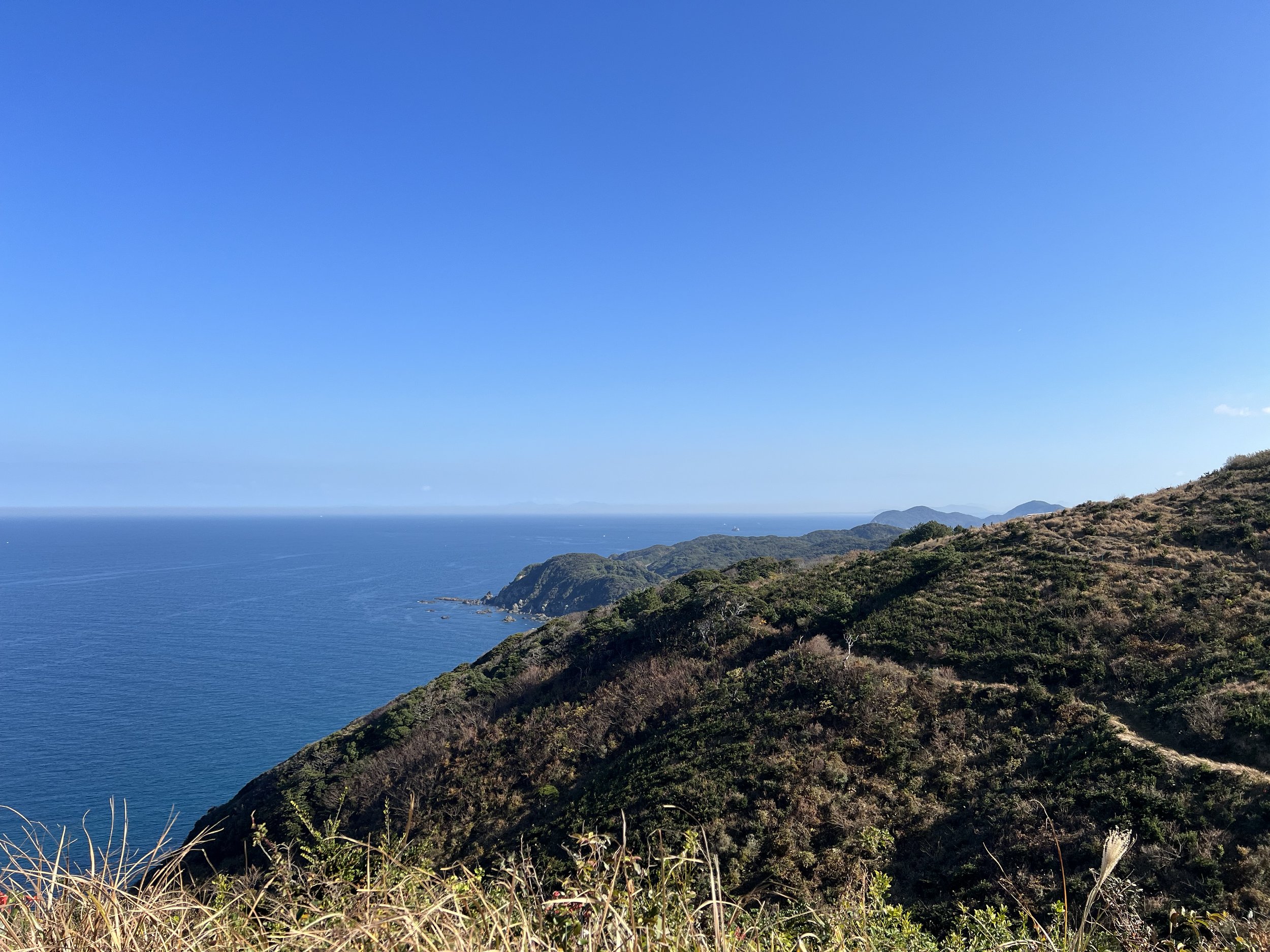
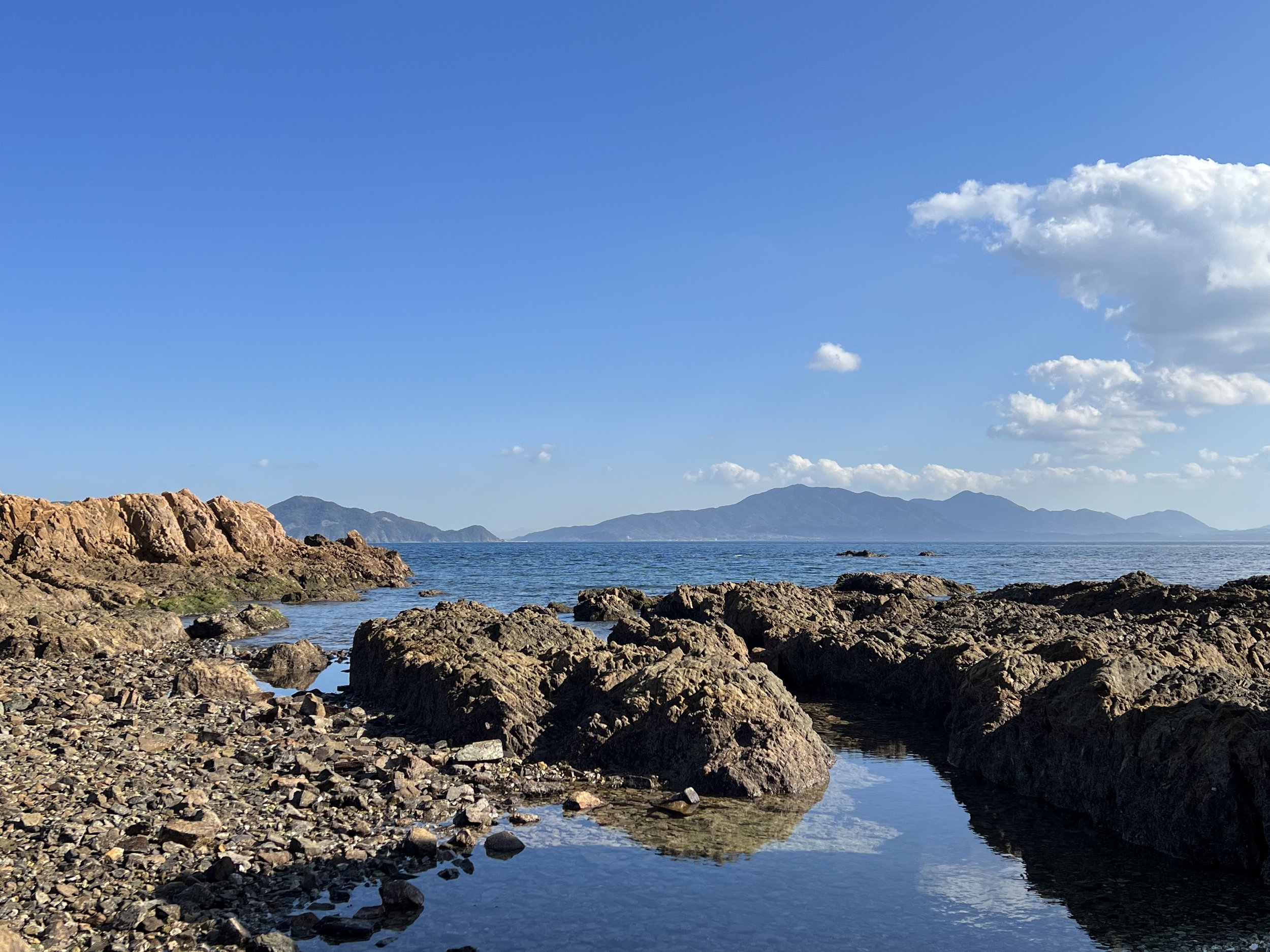
This section of the Munakata Oshima Course was the most physically demanding of the entire route. The trail climbs steeply from the start, with long stretches of wooden steps leading toward the summit. While challenging, it was manageable with a steady pace. At the top, the observatory deck on Mount Mitake rewarded the effort with sweeping views of the Kyushu mainland and nearby islands such as Jinoshima and Katsu Island. I lingered here longer than planned, enjoying the scenery before continuing onward.
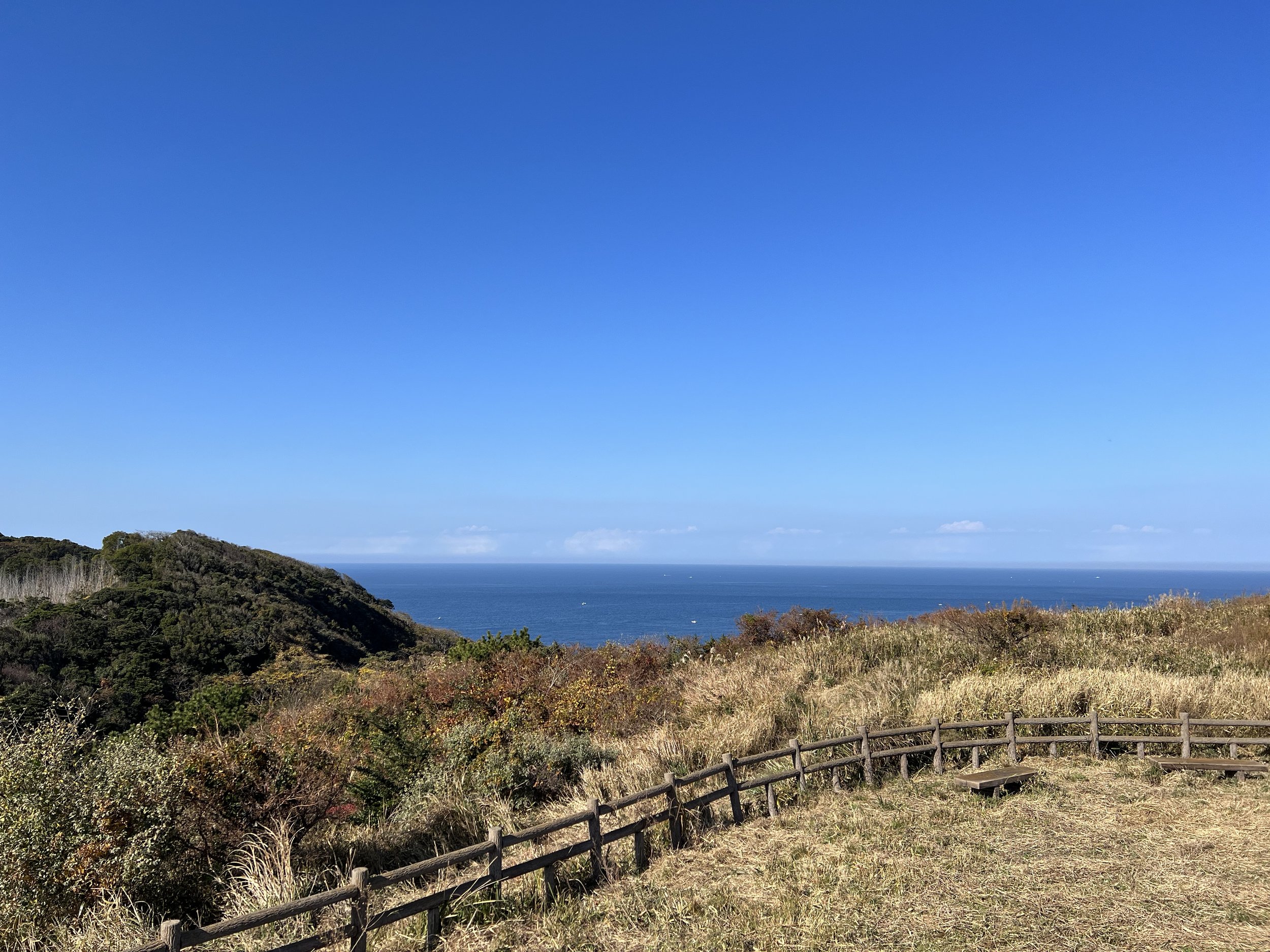
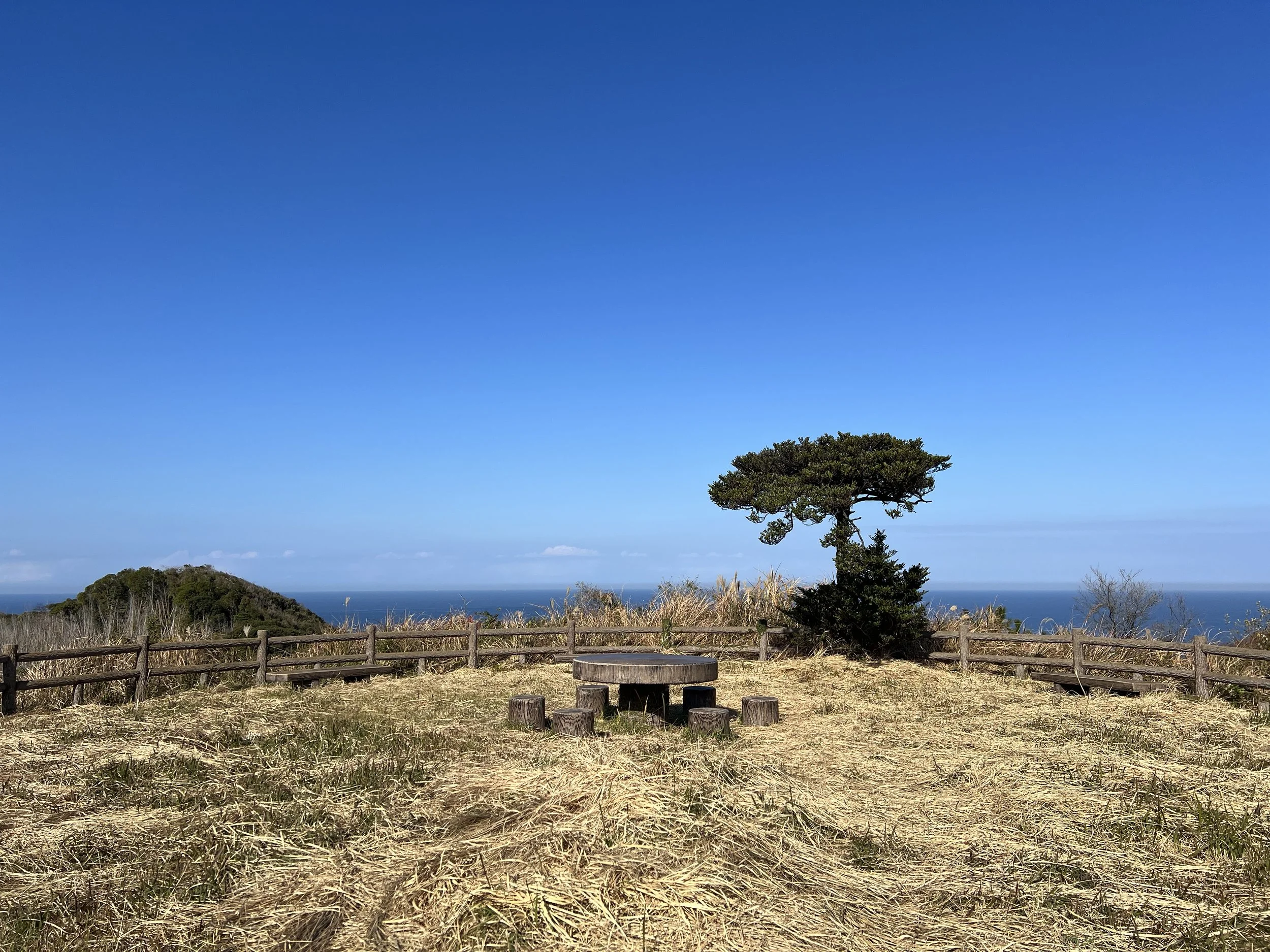
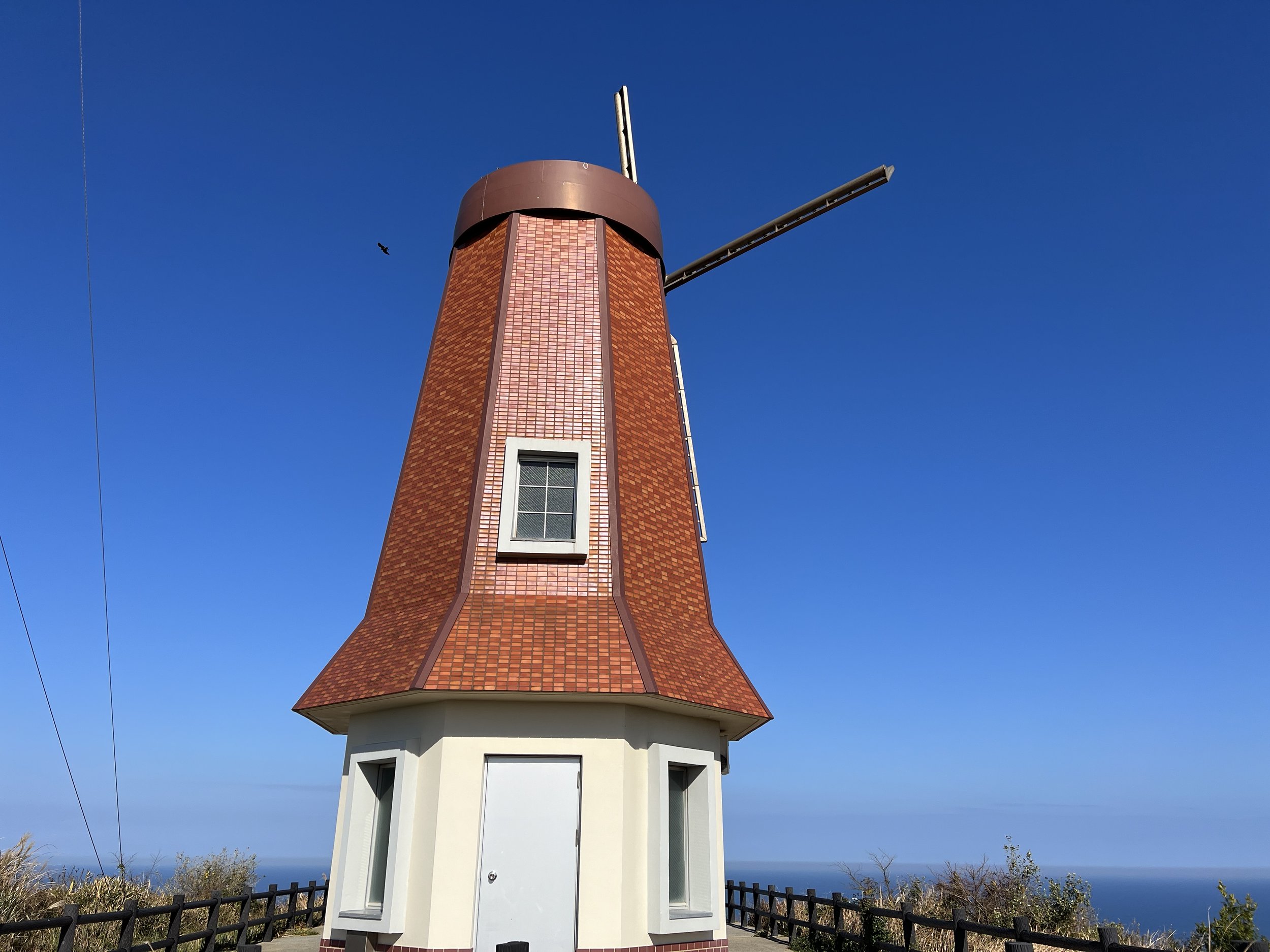
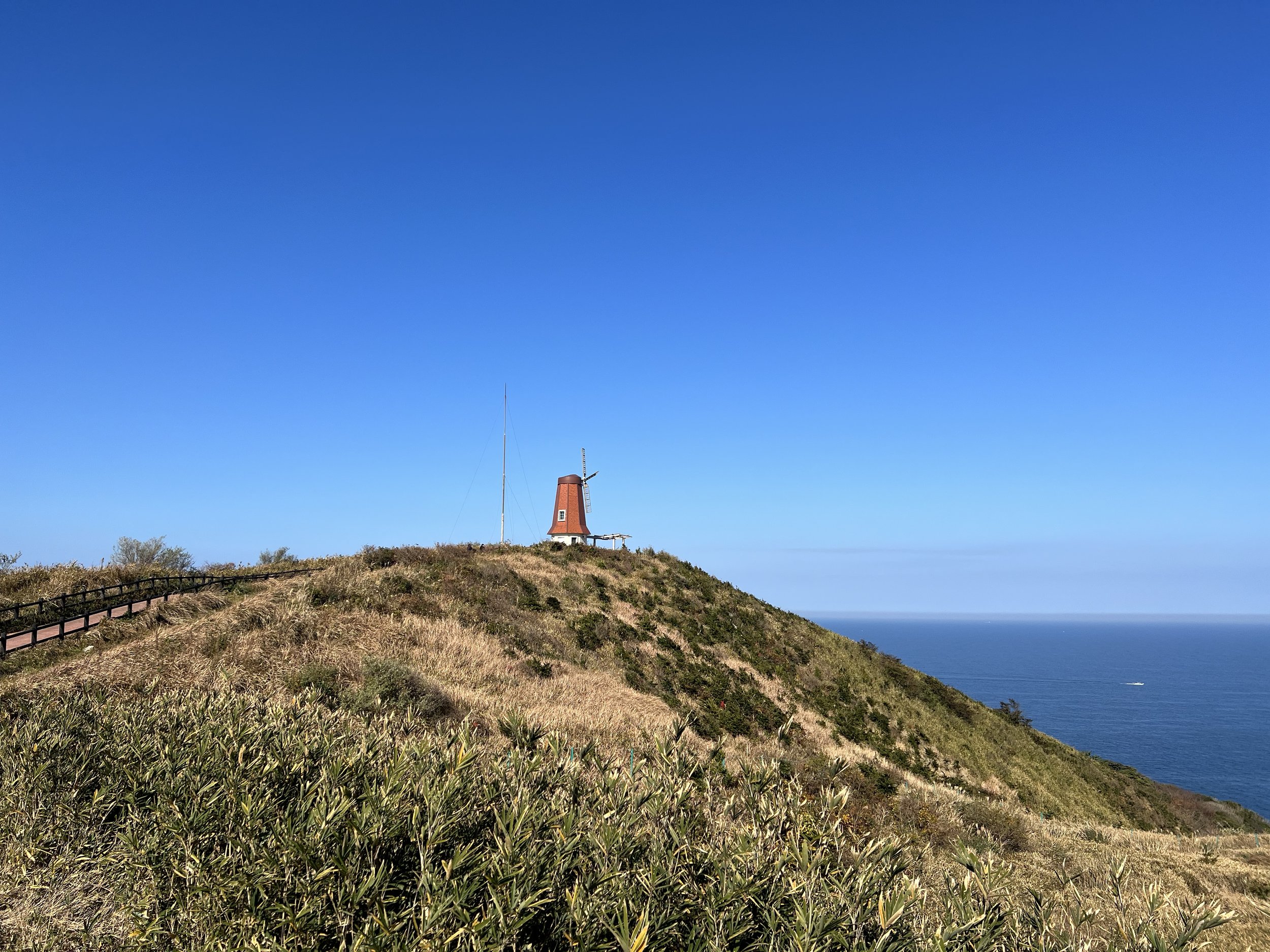
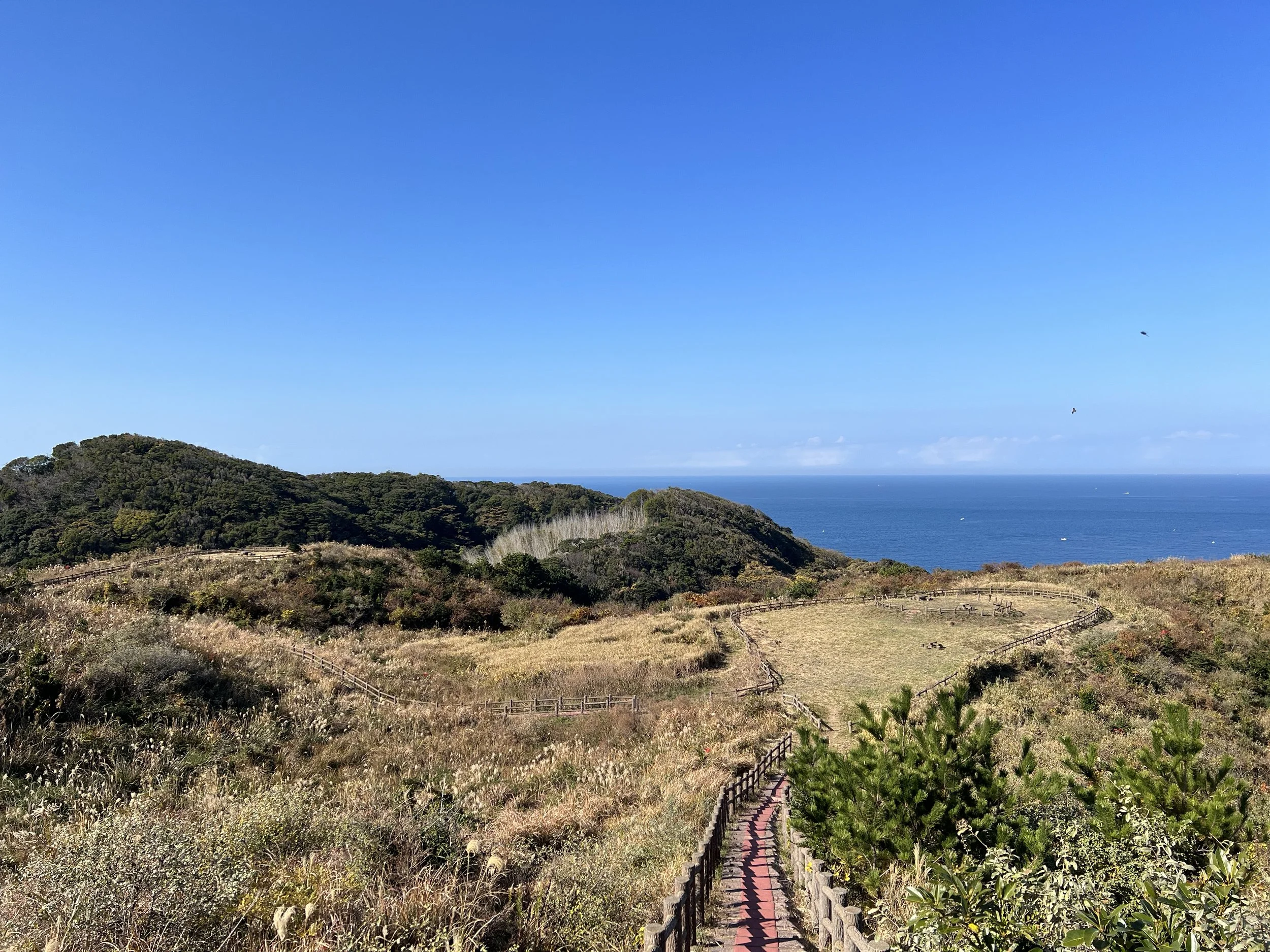
Following the Olle trail markers, I gradually made my way toward the Windmill Observatory. Along the route, there is a viewpoint where, on clear days, Okinoshima can supposedly be seen in the distance. Unfortunately, visibility wasn’t good enough during my visit to catch even a glimpse. The Windmill Observatory itself, however, more than made up for it. Often referred to as the most romantic spot on Oshima, the area is covered in silver grass and offers uninterrupted views of the sea and sky.
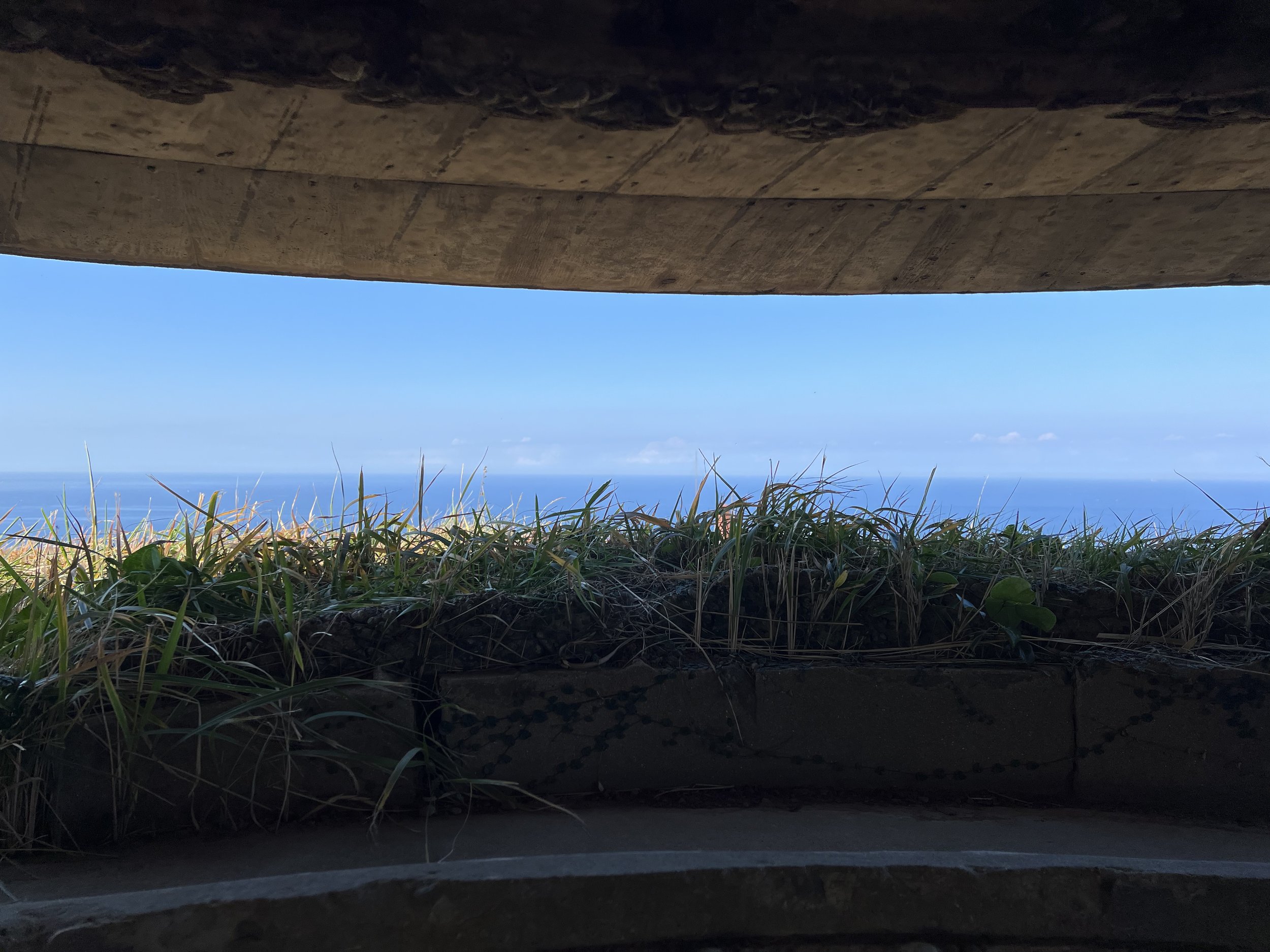
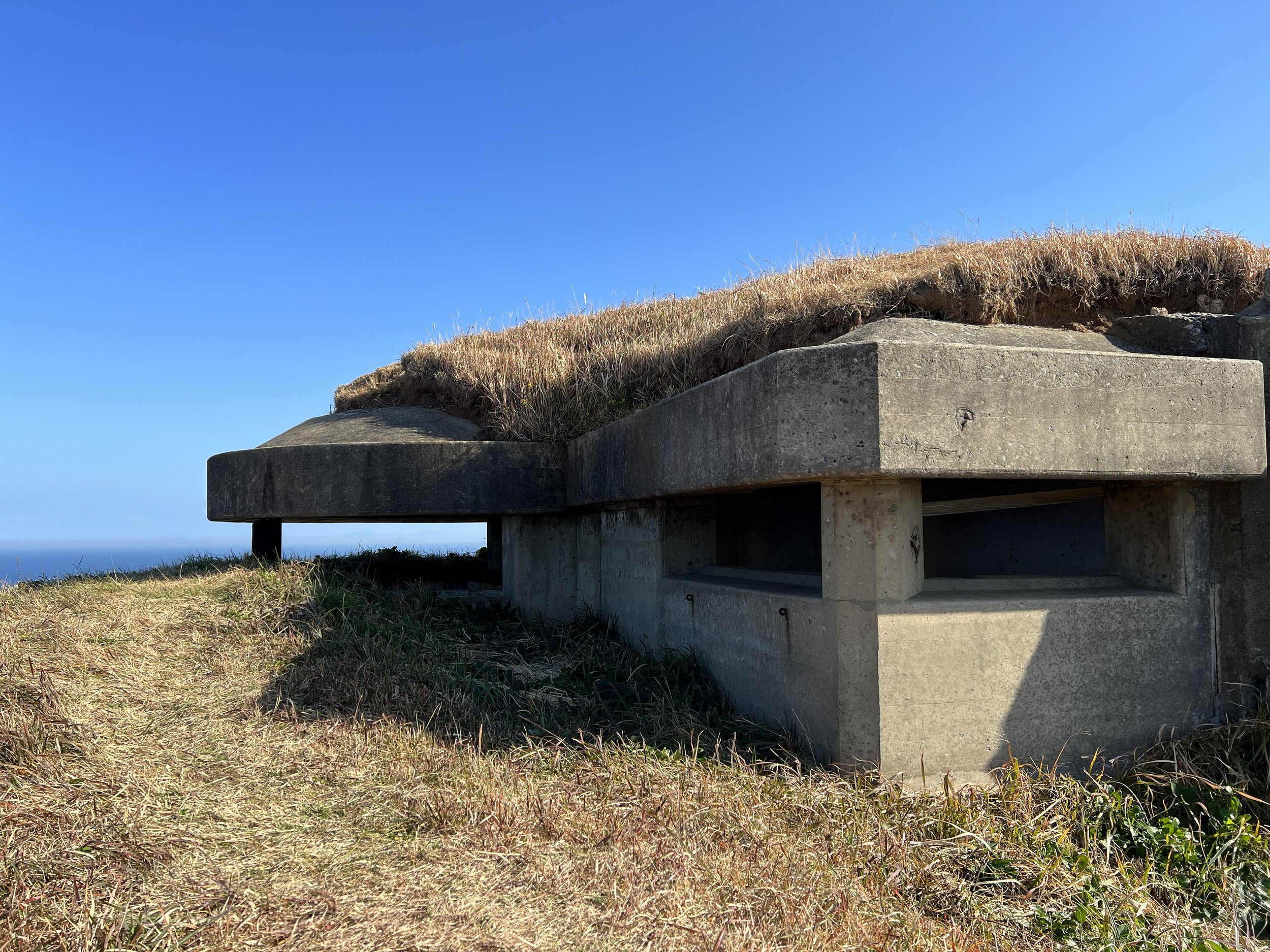
This area also contains the remains of a cannon fort constructed by the Imperial Japanese Army during World War II. Due to its panoramic vantage point, the site was used to guard against potential naval attacks. I explored several of the remaining structures before continuing along the trail.
The route then descended along roads once used by the military, eventually leading to Munakata Taisha Okitsu-miya Yohaisho. Since Okinoshima is inaccessible, this seaside worship hall serves as the place where visitors can pay their respects to Okitsu Shrine. Located right by the water, it is said to offer the clearest, unobstructed view toward Okinoshima. I also learned that, to this day, women are not permitted to set foot on Okinoshima, and men who are allowed must first bathe in the sea as a purification ritual.
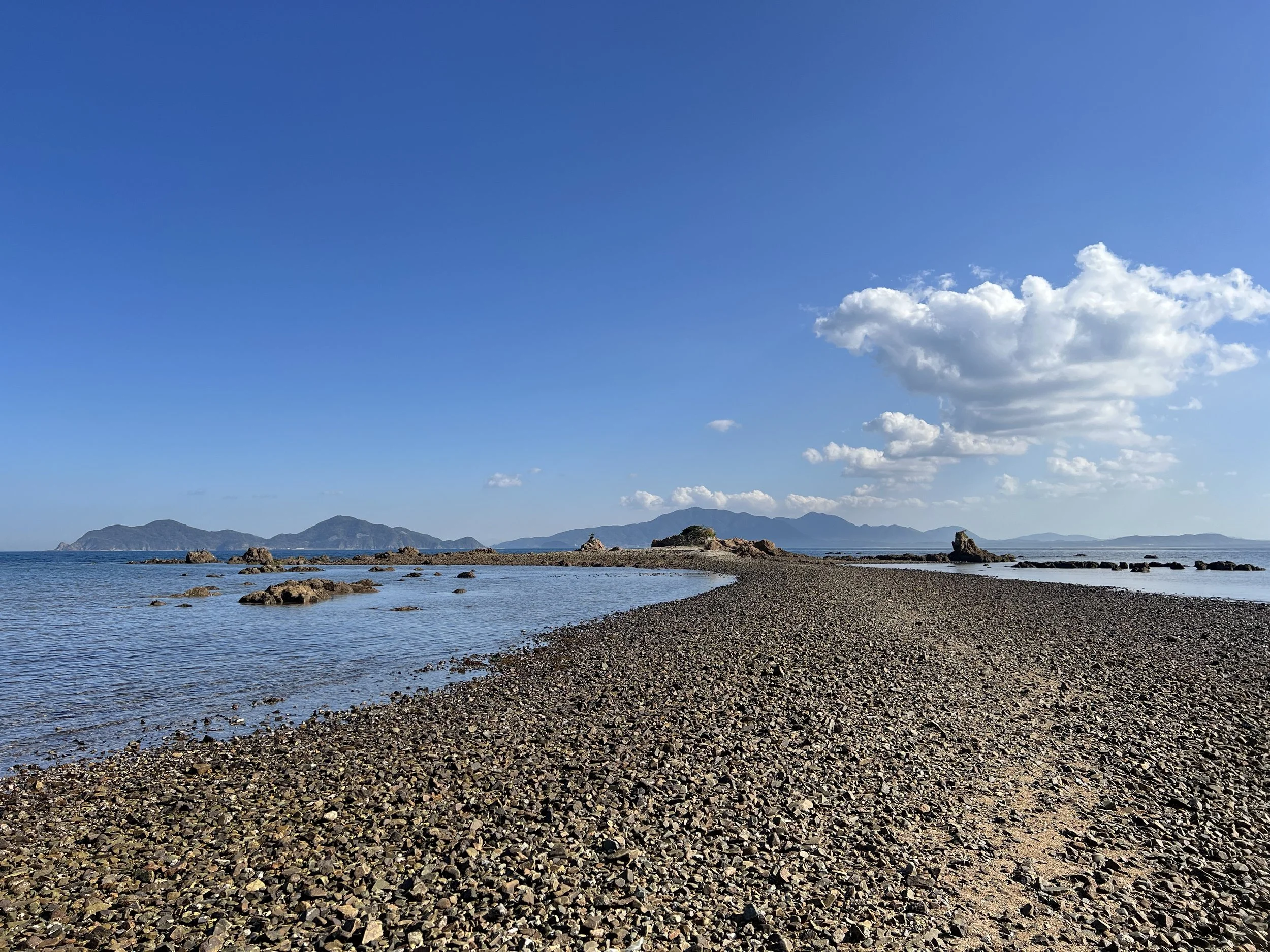
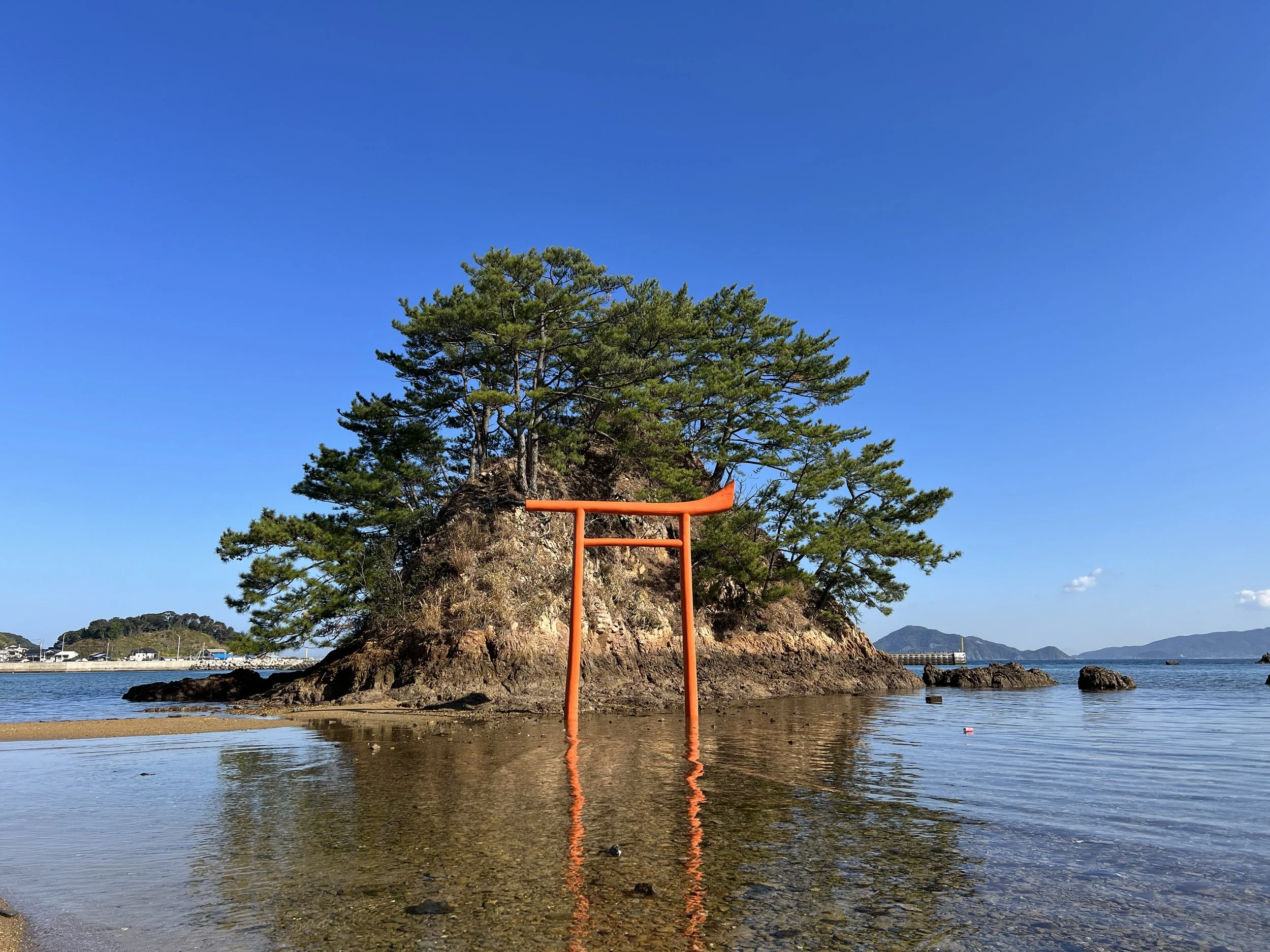
From there, I made my way back toward town. One final stop on the island was Kansu Bathing Beach, a popular summer destination. At low tide, it is possible to walk across the shallow water to a small offshore islet with a modest shrine. I was fortunate enough to arrive during low tide and walked all the way out to explore the area.
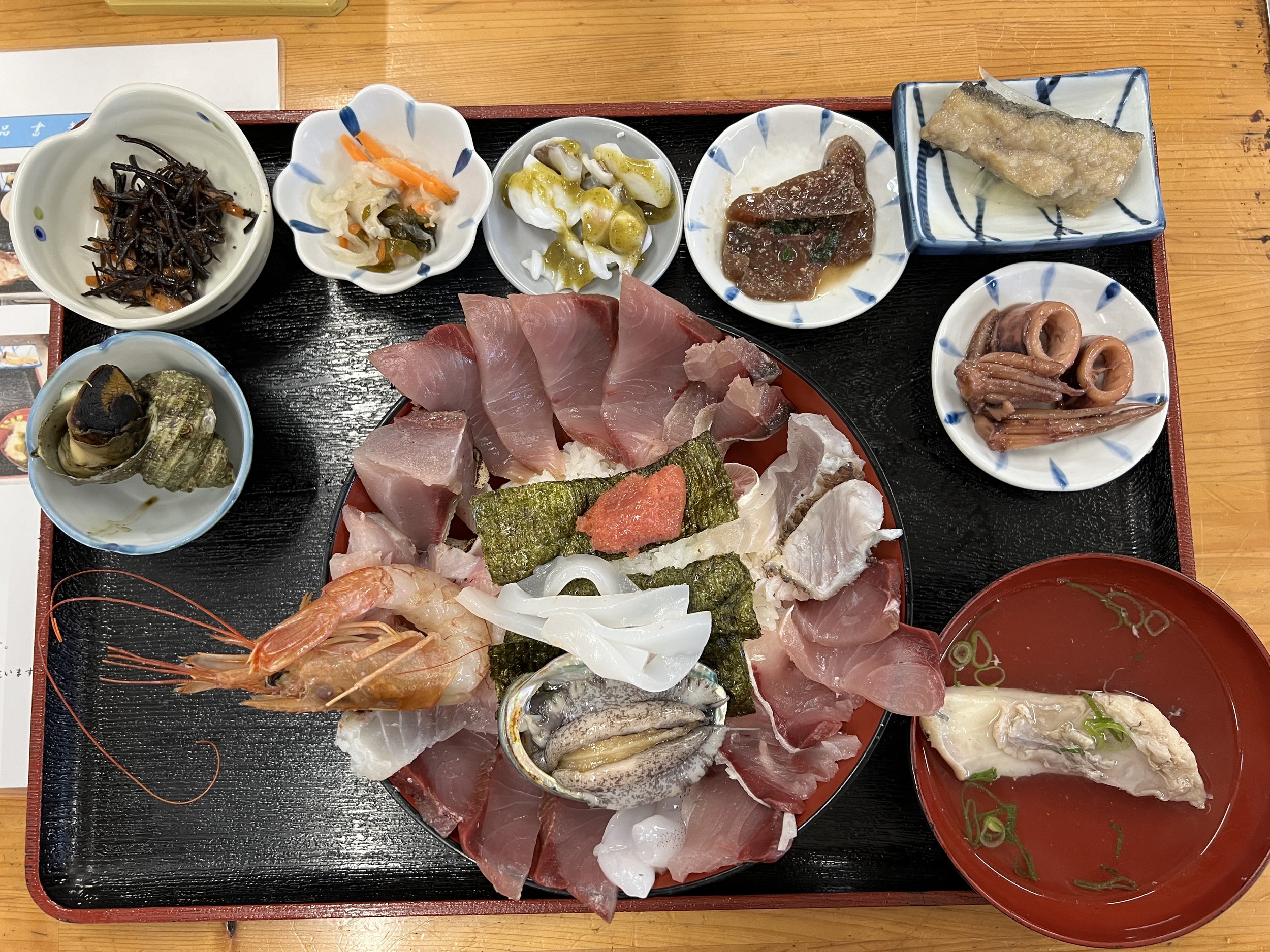
Afterward, I stopped for a late lunch at a local restaurant run by a family who also operates a small fishing boat. The seafood served was caught locally and prepared simply, allowing the freshness to shine. Considering both the quality and quantity of food, it was an exceptional meal for the price. I ended my time on Oshima with a visit to an ice cream shop near the ferry terminal before boarding the ferry back to the mainland.
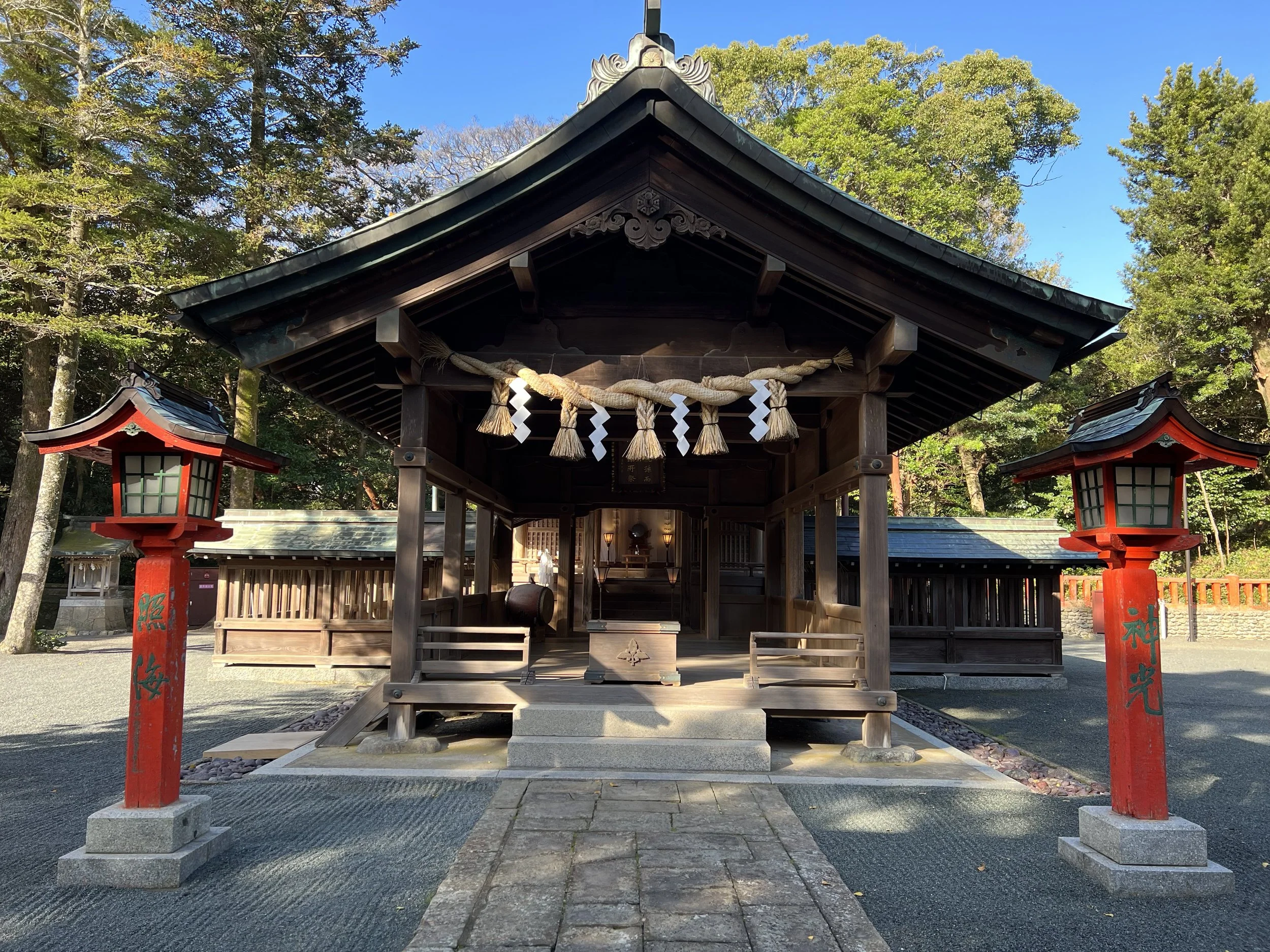
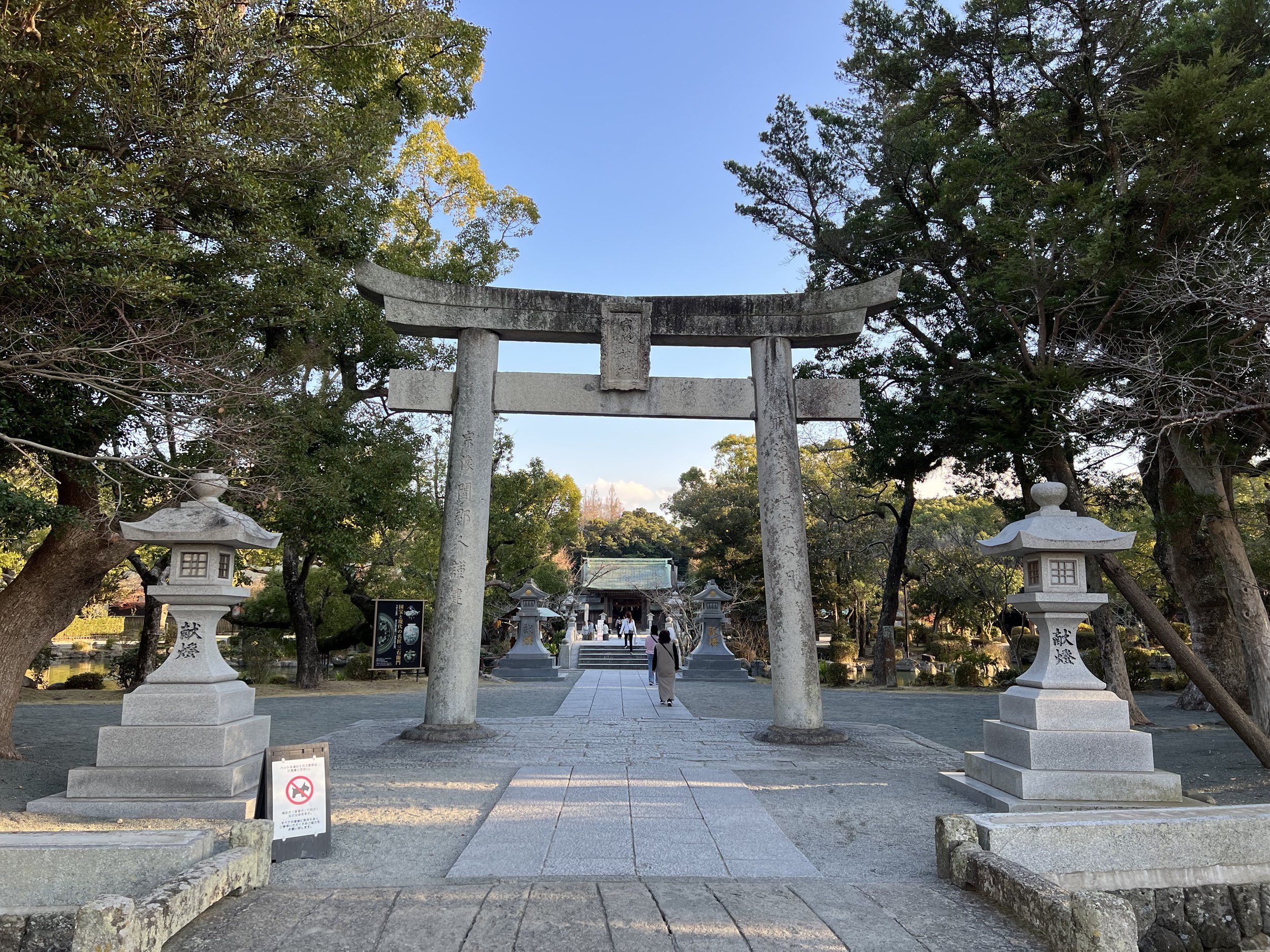
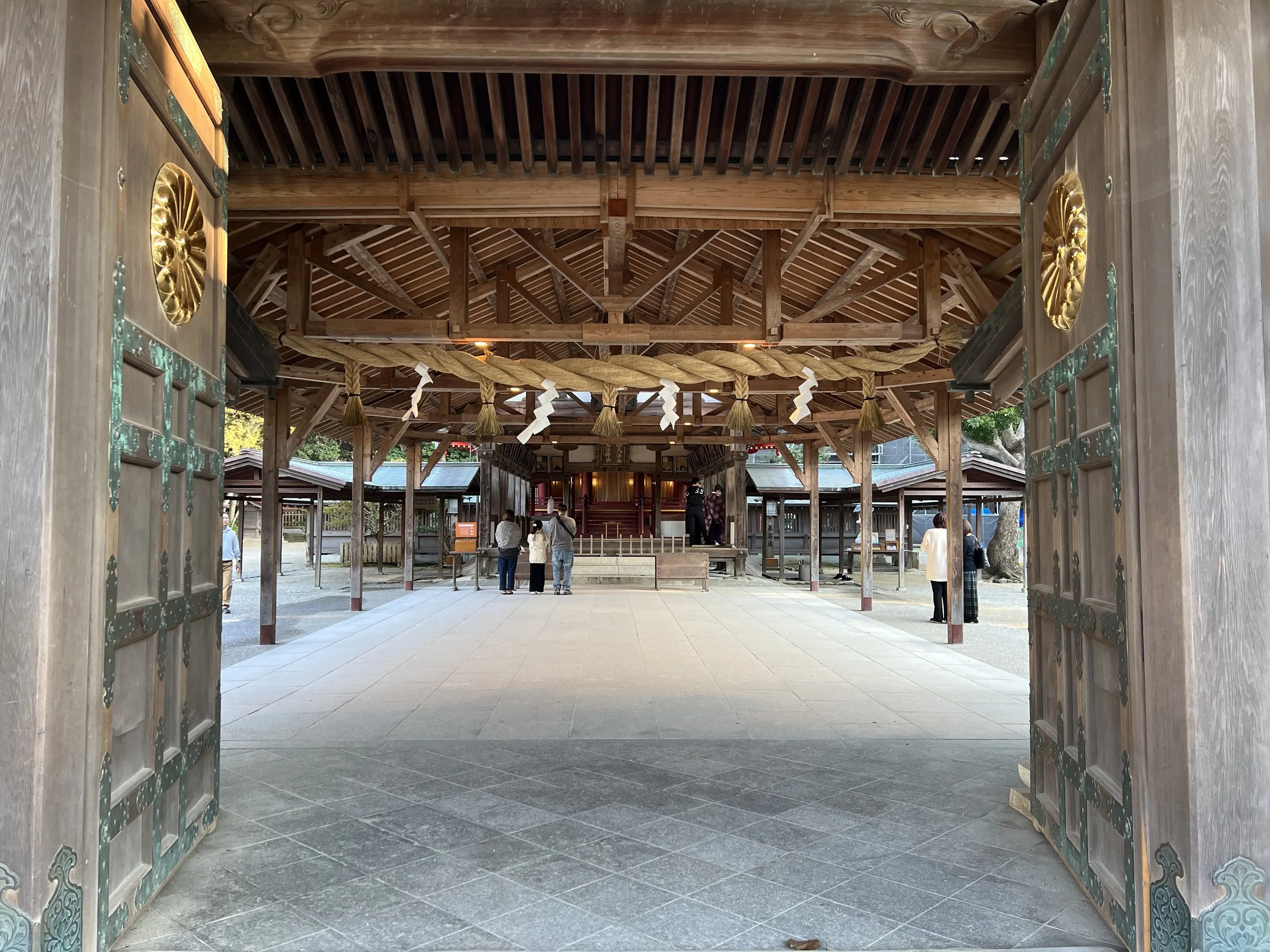
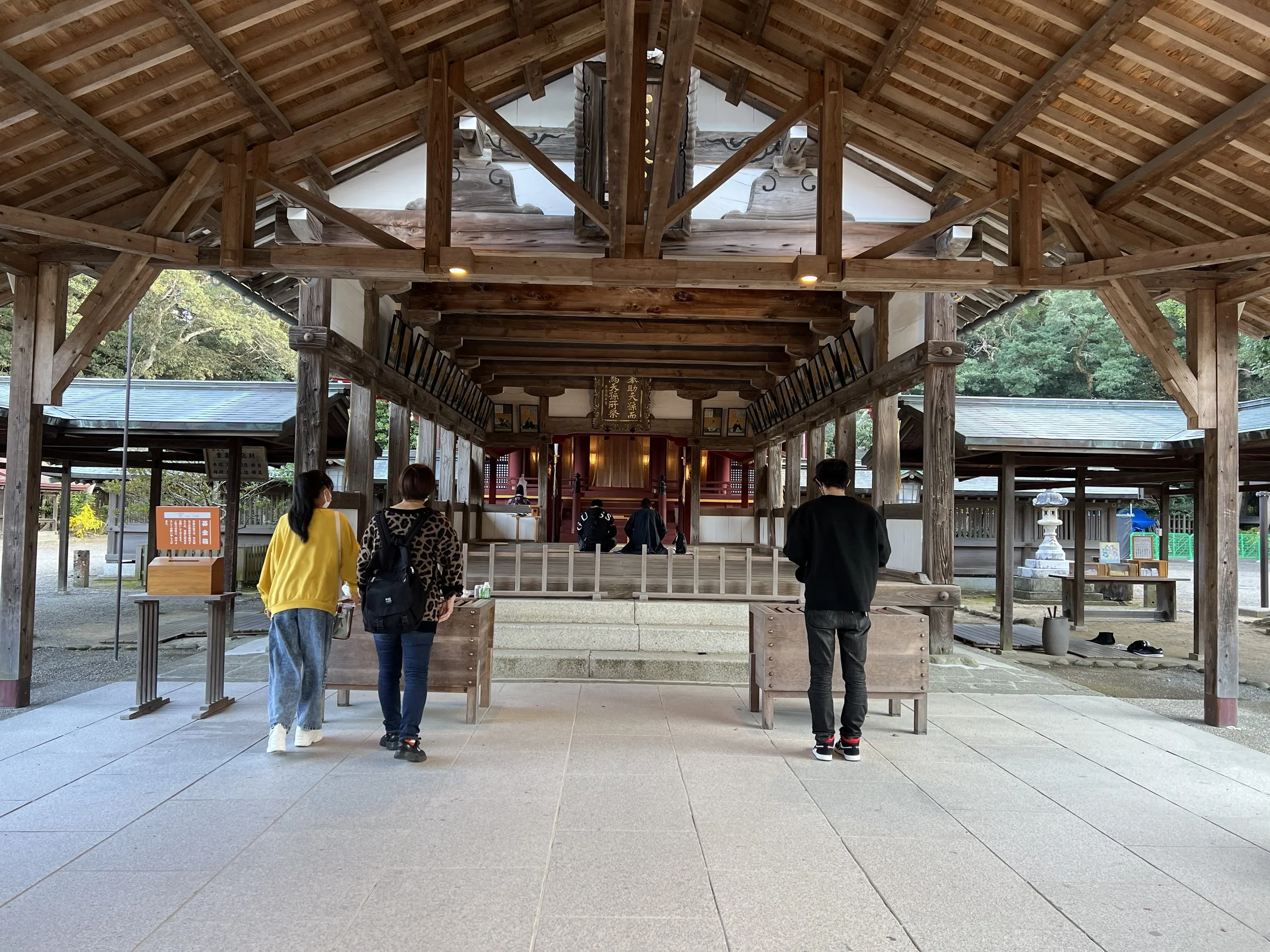
Back on Kyushu, I made one final stop for the day at Munakata Taisha Hetsugu Shrine, the most visited of the three shrines due to its easy accessibility. The main shrine buildings here date back to the 12th century. Behind the main complex lies an ancient ritual site hidden within the forest, believed to predate shrine architecture altogether. In early Shinto practice, worship took place outdoors, and this site is thought to be a remnant of that tradition.
The number of visitors here was noticeably higher. I walked through the shrine grounds before following the path into the forest to reach the ancient ritual site. Surrounded by tall trees, the atmosphere felt quiet and contemplative. There is also a museum nearby that houses artifacts excavated from Okinoshima, including jewelry, ceramics, glassware, tools, and items originating as far away as Persia. Unfortunately, it had already closed by the time I arrived.
As evening approached, I returned to the bus stop and began my journey back to Hakata Station. It had been a day rich in history, culture, and scenery. The Munakata Oshima Course of the Kyushu Olle Trail offers a rare opportunity to explore sacred sites, coastal landscapes, and island life all in one hike, making it both a rewarding and memorable experience.
History & Background
Munakata Taisha (宗像大社) refers to three related Shinto shrines that have protected maritime travel since ancient times. Worship of the Munakata deities began long before permanent shrine buildings existed, rooted in early Shinto beliefs connected to the sea. The three shrines—Okitsu-miya on Okinoshima, Nakatsugu-miya on Oshima Island, and Hetsugu-miya on the Kyushu mainland—together form the center of Munakata worship.
Okinoshima is the most sacred site and has been used for rituals since at least the 4th century. It played an important role in state ceremonies praying for safe sea voyages, especially for missions to the Korean Peninsula and the Asian continent. Because of its sacred status, the island remains closed to the public, and many traditional rules are still strictly observed.
Nakatsugu-miya on Oshima Island served as a place of worship for those unable to reach Okinoshima. Early rituals took place on Mount Mitake, with shrine buildings later constructed on its slopes in the 16th century. Hetsugu-miya, located on the mainland, became the most accessible shrine and continues to be a major center for prayers for maritime safety.
In 2017, the three Munakata shrines were recognized as a UNESCO World Heritage Site under the name “Sacred Island of Okinoshima and Associated Sites in the Munakata Region,” highlighting their cultural importance and long-standing connection to the sea.
Getting There
Oshima Island is accessed via ferry from Konominato Ferry Terminal in Munakata. Konominato can be reached by train from Hakata Station to Togo Station, followed by a local bus to the ferry terminal. Ferries run regularly throughout the day and take approximately 25 minutes to reach Oshima. Once on the island, the Munakata Oshima Course is well marked and can be completed entirely on foot.
Route Overview
Distance: 12.73 km out & back (Oshima Ferry Terminal)
Total elevation gain: 452 m
Duration: 3 hr 04 min (with breaks 3 hr 55 min)
Difficulty: Intermediate
Peak: Mt Mitake 224 m
Cost Breakdown
Train: Hakata Station → Togo Station — ¥660
Bus: Togo Station → Konominato Ferry Terminal — ¥41s
Ferry: Konominato Ferry Terminal → Oshima Ferry Terminal — ¥1,140 (RT)
Food: ¥2,470