Misumi West Port - Kumamoto, Japan
Misumi is a town located on the western side of the Uto Peninsula in southwestern Kumamoto Prefecture. It wasn’t originally on my list of places to explore, but I had planned to visit the Okoshiki Coast for sunset, and Misumi sits just west of it. Adding the town to my itinerary felt like a natural extension of the trip. As I started looking into Misumi more closely, I realized that it holds far more history than first impressions suggest.
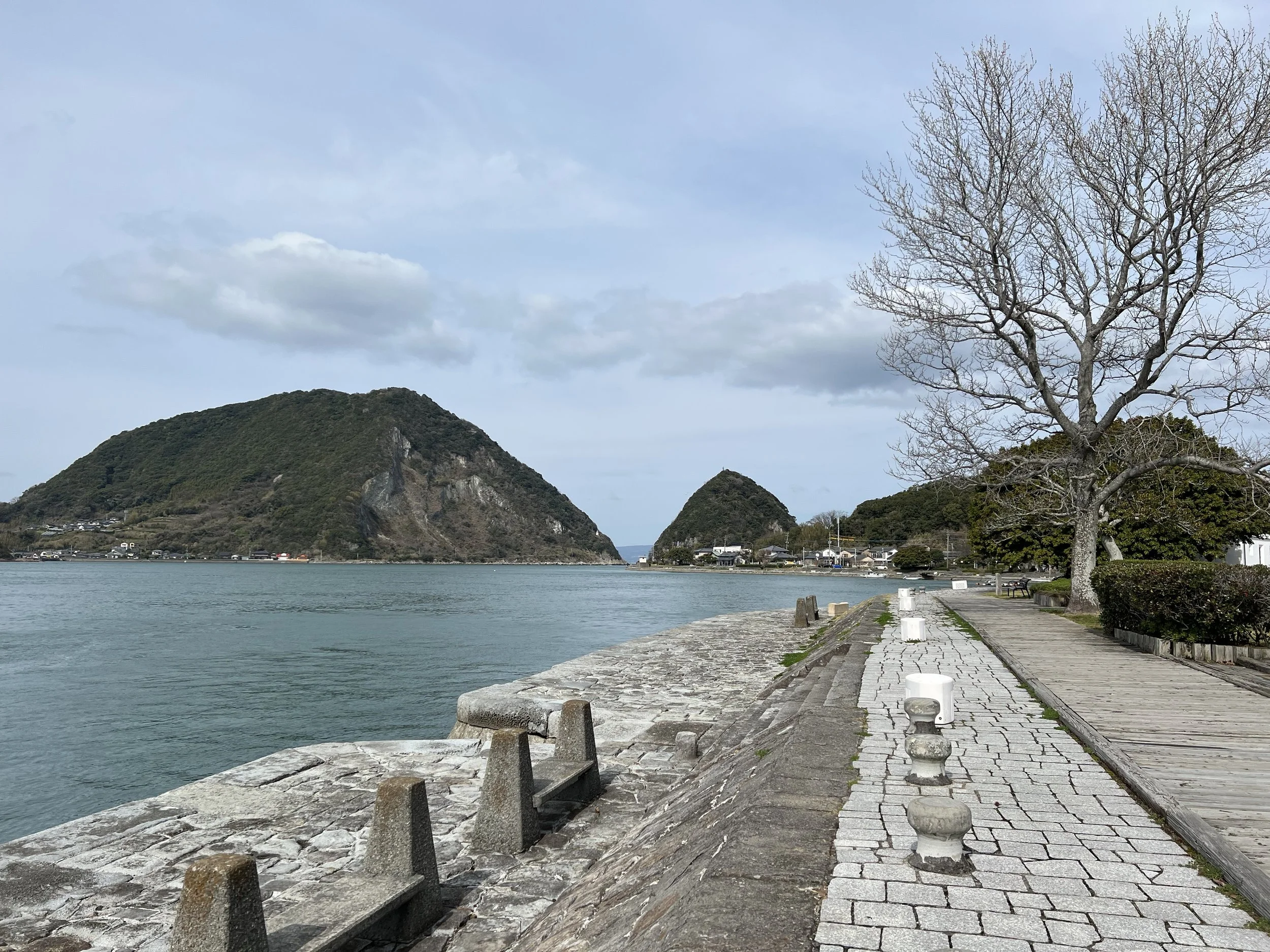
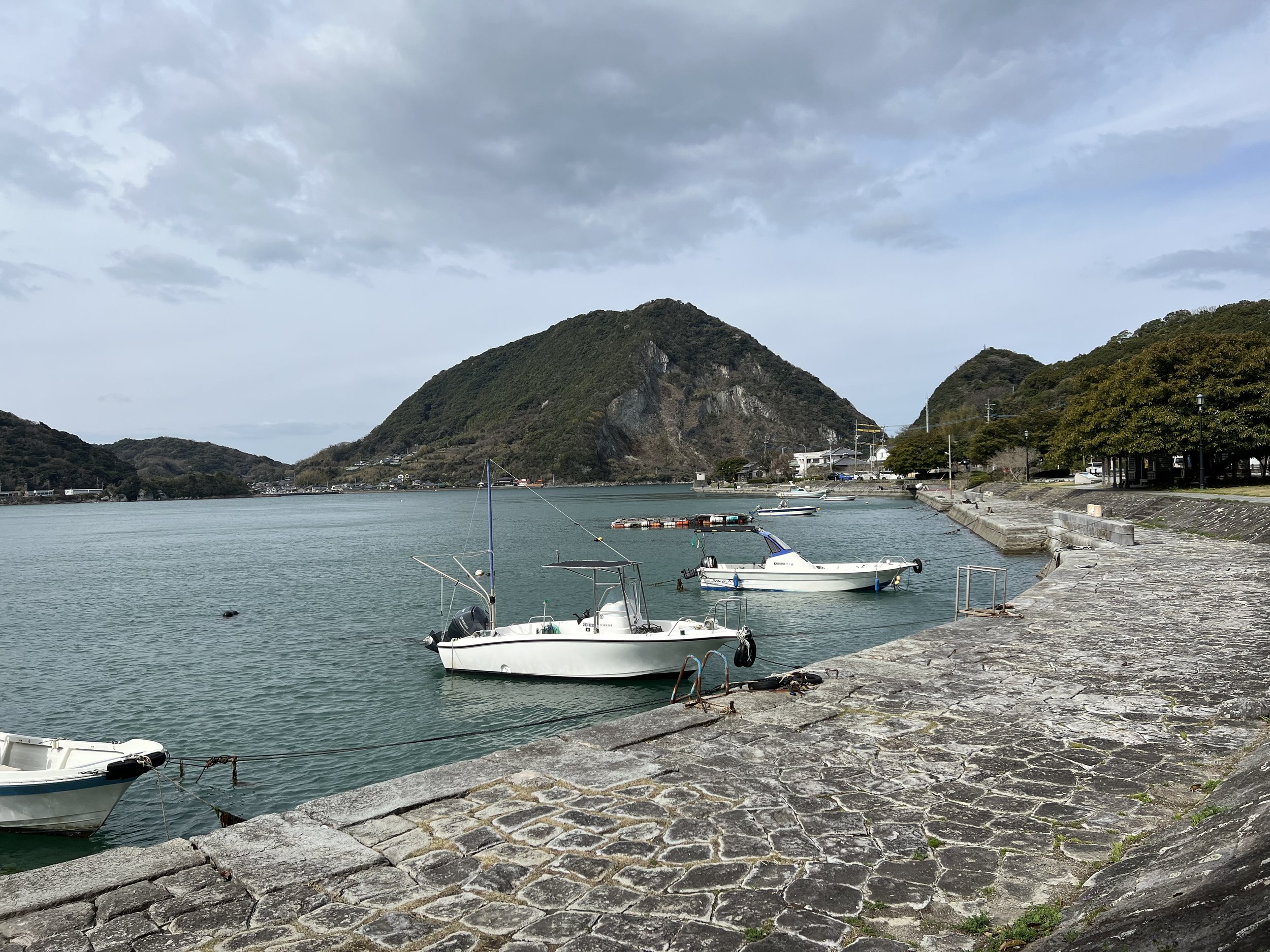
Misumi is best known for Misumi West Port, which was constructed by the Meiji government in 1884. The site was chosen for its deep waters, capable of accommodating large ships, making it an ideal modern port for the era. The port was designed by Anthonie Rouwenhorst Mulder, a Dutch hydraulic engineer, and features a 730-metre-long stone wharf. During its early years, the port served as a major shipping hub for coal, rice, wheat, and flour. Stone masons from nearby Amakusa Island were involved in its construction, and sections of the original stone quay remain visible today.
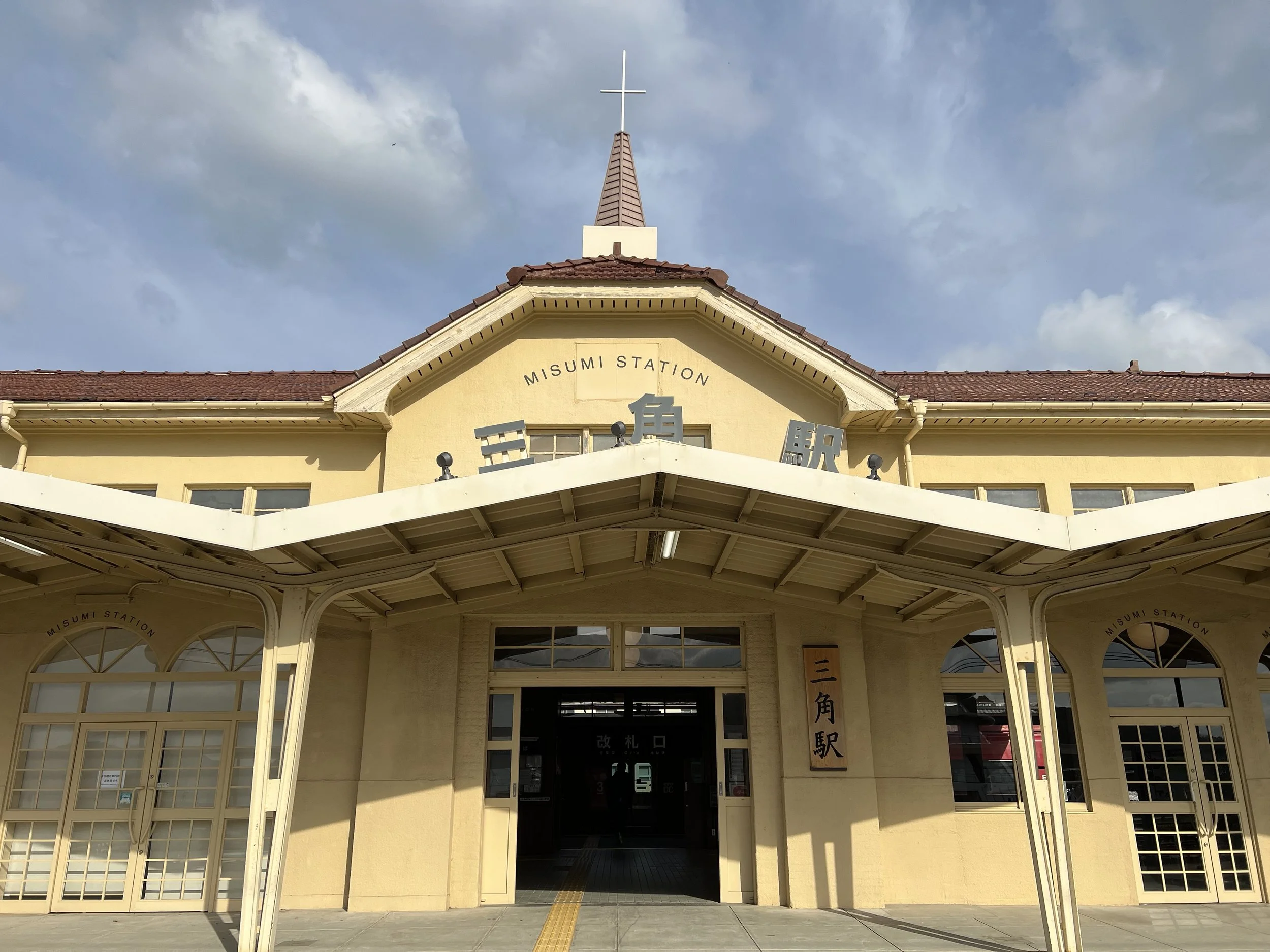
After identifying a few nearby sites of interest beyond the port itself, I realized that transportation options in the area were fairly limited and prepared to explore on foot. I arrived in Misumi on an early train from Kumamoto, and the influence of Western architecture was noticeable right away, starting with Misumi Station. From the outside, the station building resembles a church more than a traditional Japanese train station.
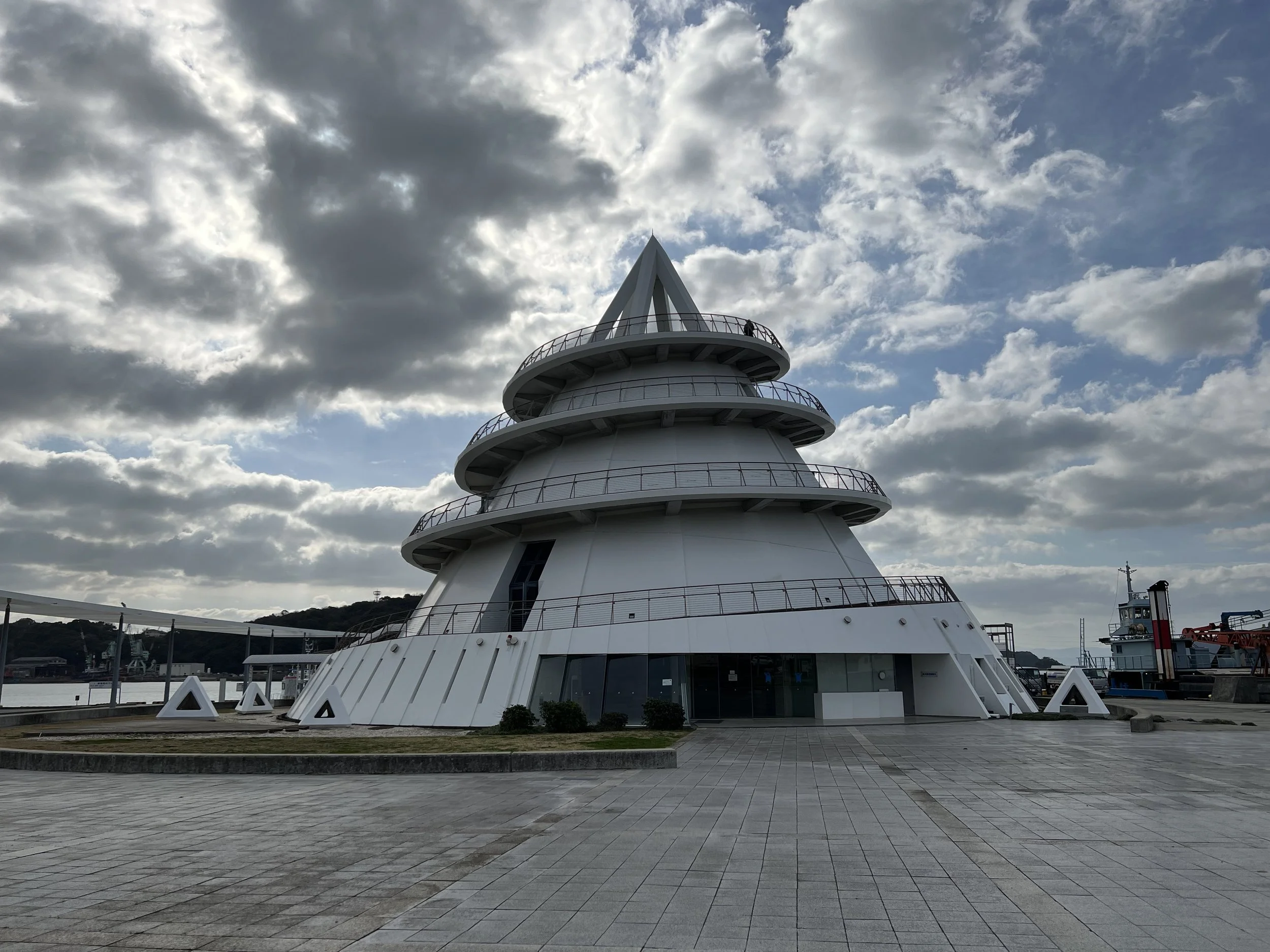
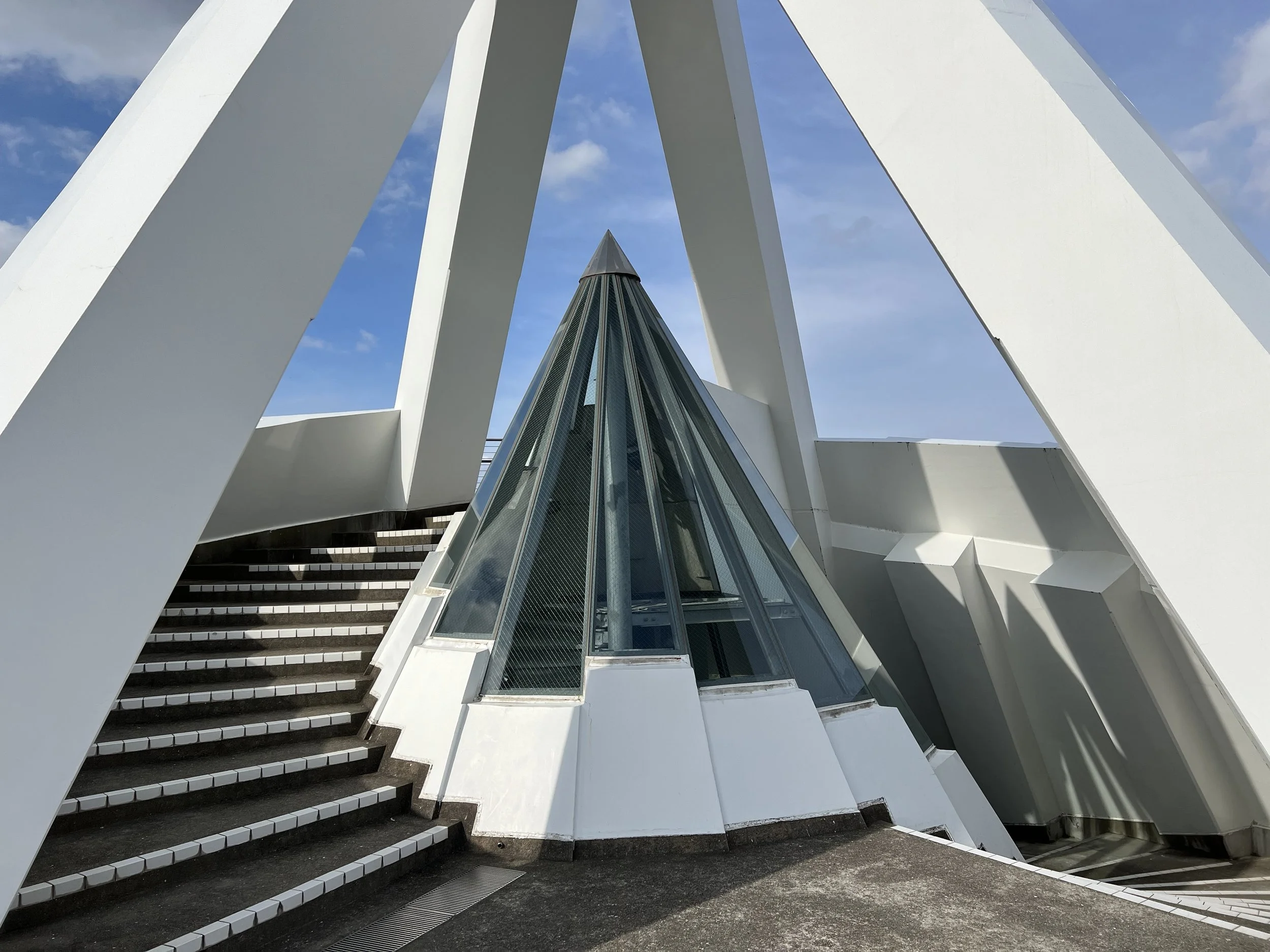
From there, I walked to a nearby landmark known as the Sea Pyramid. This pyramid-shaped structure offers elevated views of the surrounding area, including the local fishing port. After spending some time taking photos, I continued on toward Tenmon Bridge.
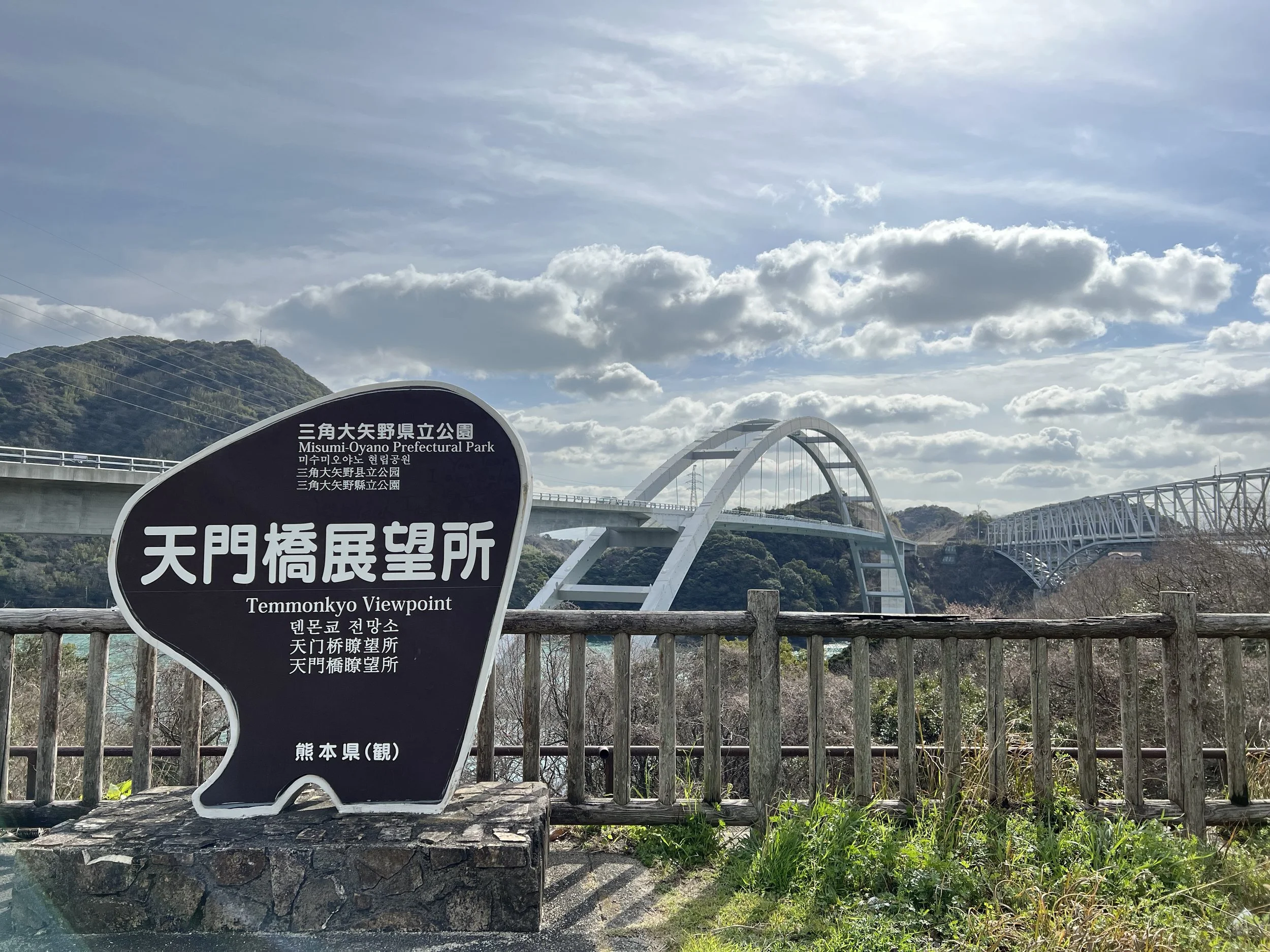
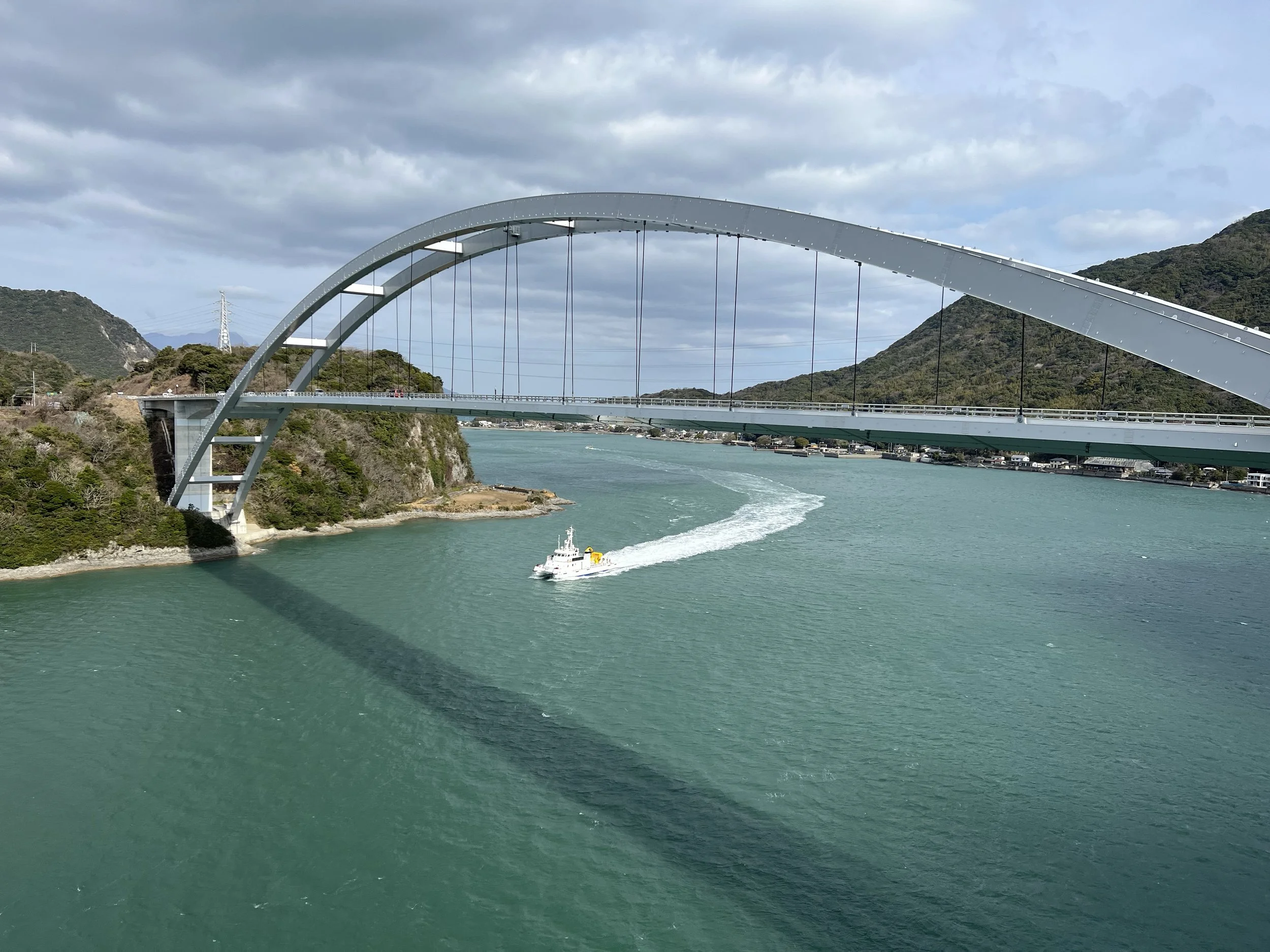
There wasn’t a specific reason I wanted to see the bridge, other than the fact that it looked interesting from a distance. Tenmon Bridge is the first of the Five Amakusa Bridges, a series of bridges connecting Kyushu to the Amakusa Islands via the Uto Peninsula. While I didn’t attempt to walk across all five bridges, stopping here offered a glimpse into the scale of this important transportation link. After taking a few photos, I made my way toward the main attraction: Misumi West Port.
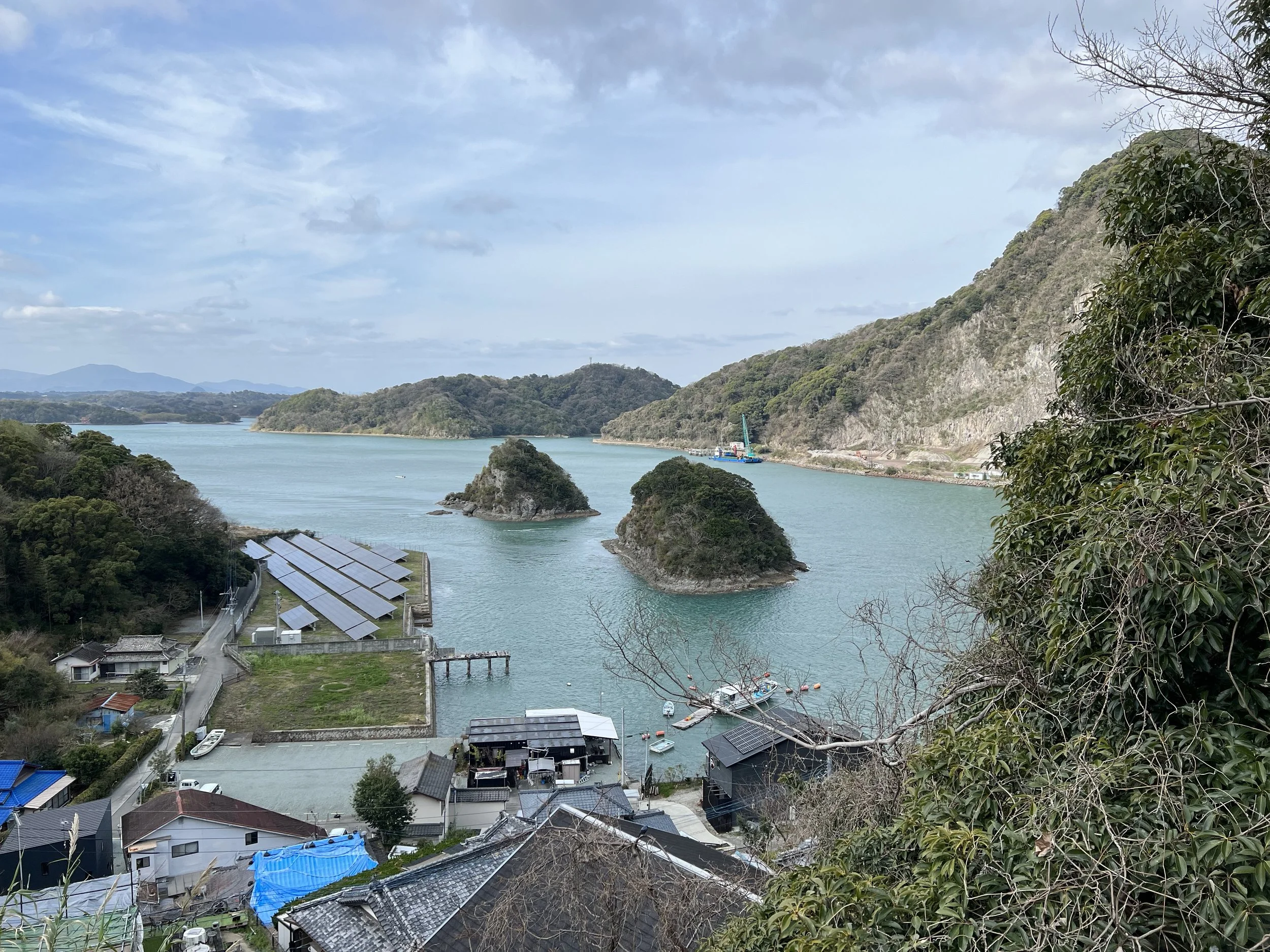
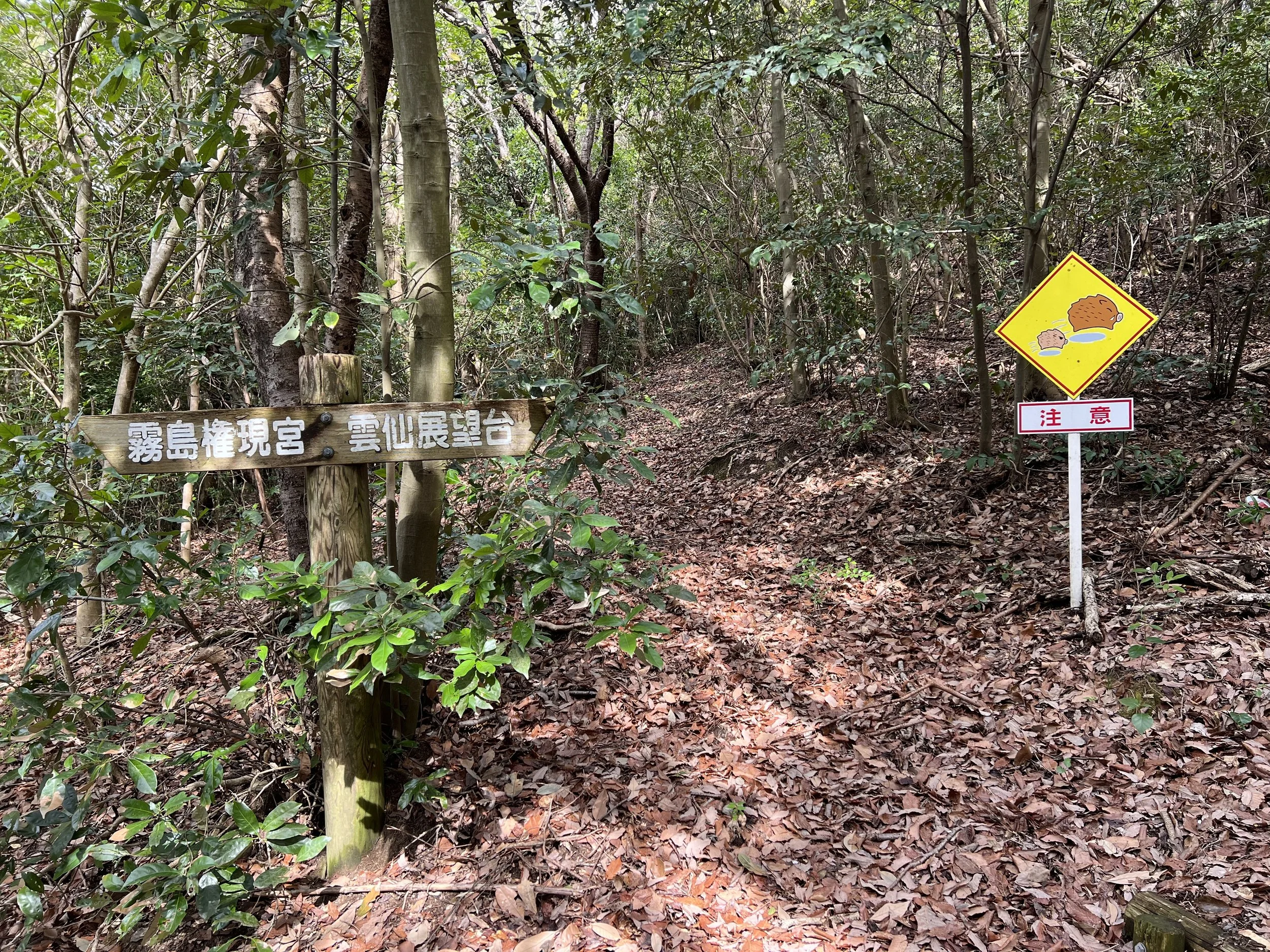
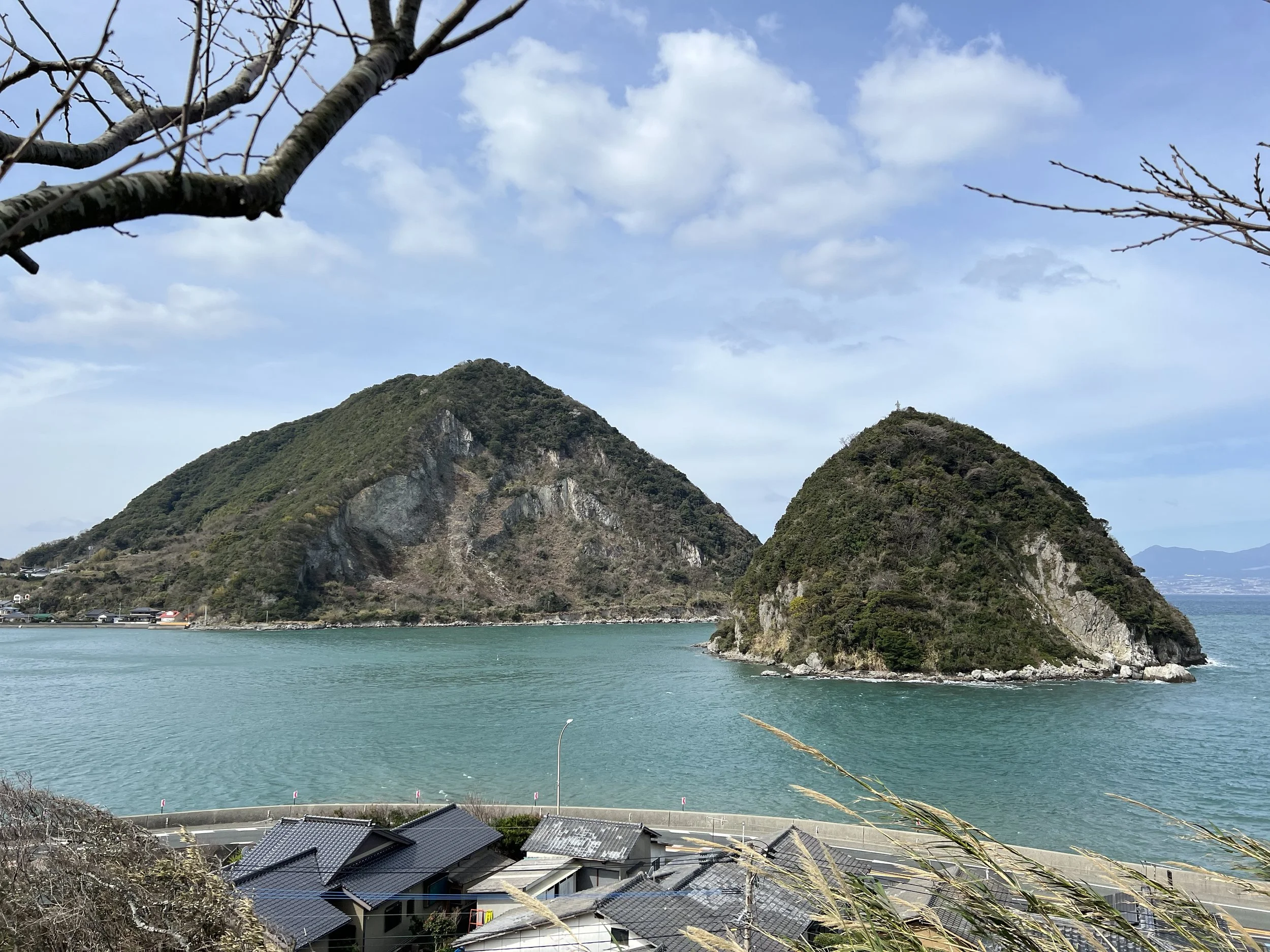
Before reaching the port, I made a short detour to an observatory deck. The trail loops behind the Old Misumi Summary Court and continues toward Sankakudake. I hadn’t planned to hike all the way up the mountain, but only far enough to reach the observatory. The trail was covered in fallen leaves, making it difficult at times to tell whether I was still on the path, and there were signs warning about possible wild boars in the area. Despite this, I reached the observatory safely and was rewarded with views overlooking Misumi West Port and the Misuminoseto Strait. The turquoise-coloured water below made the short climb well worth the effort.
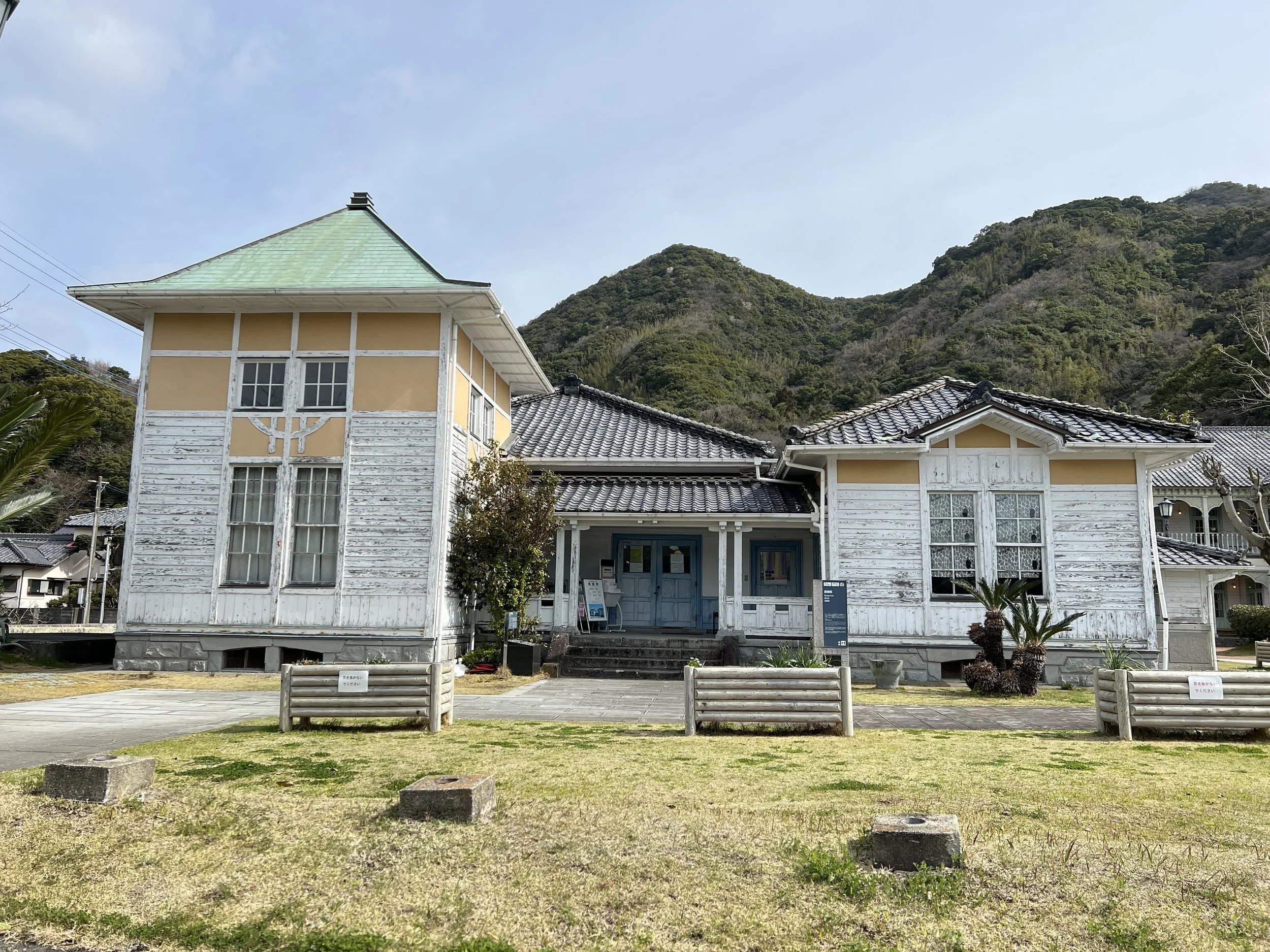
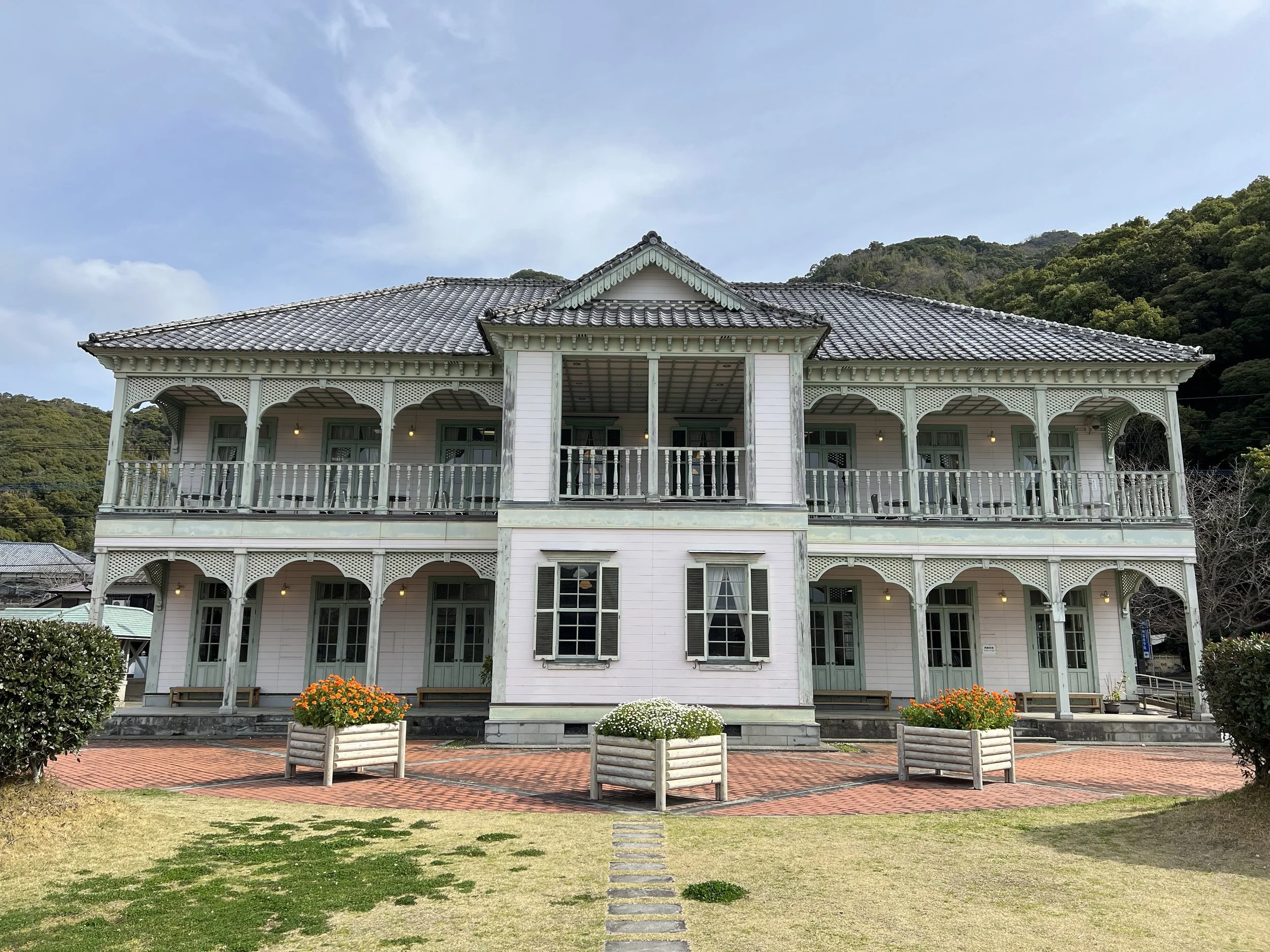
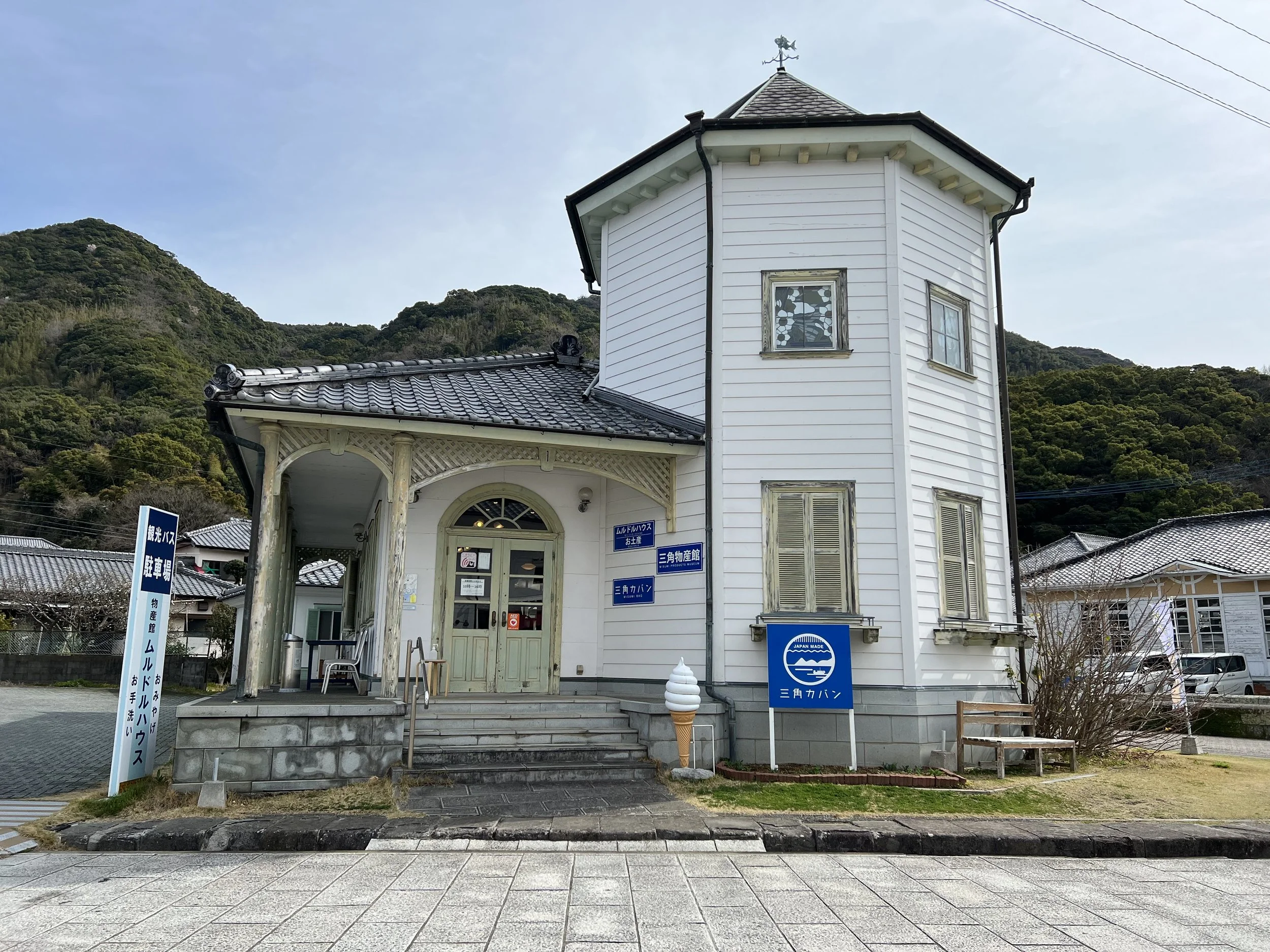
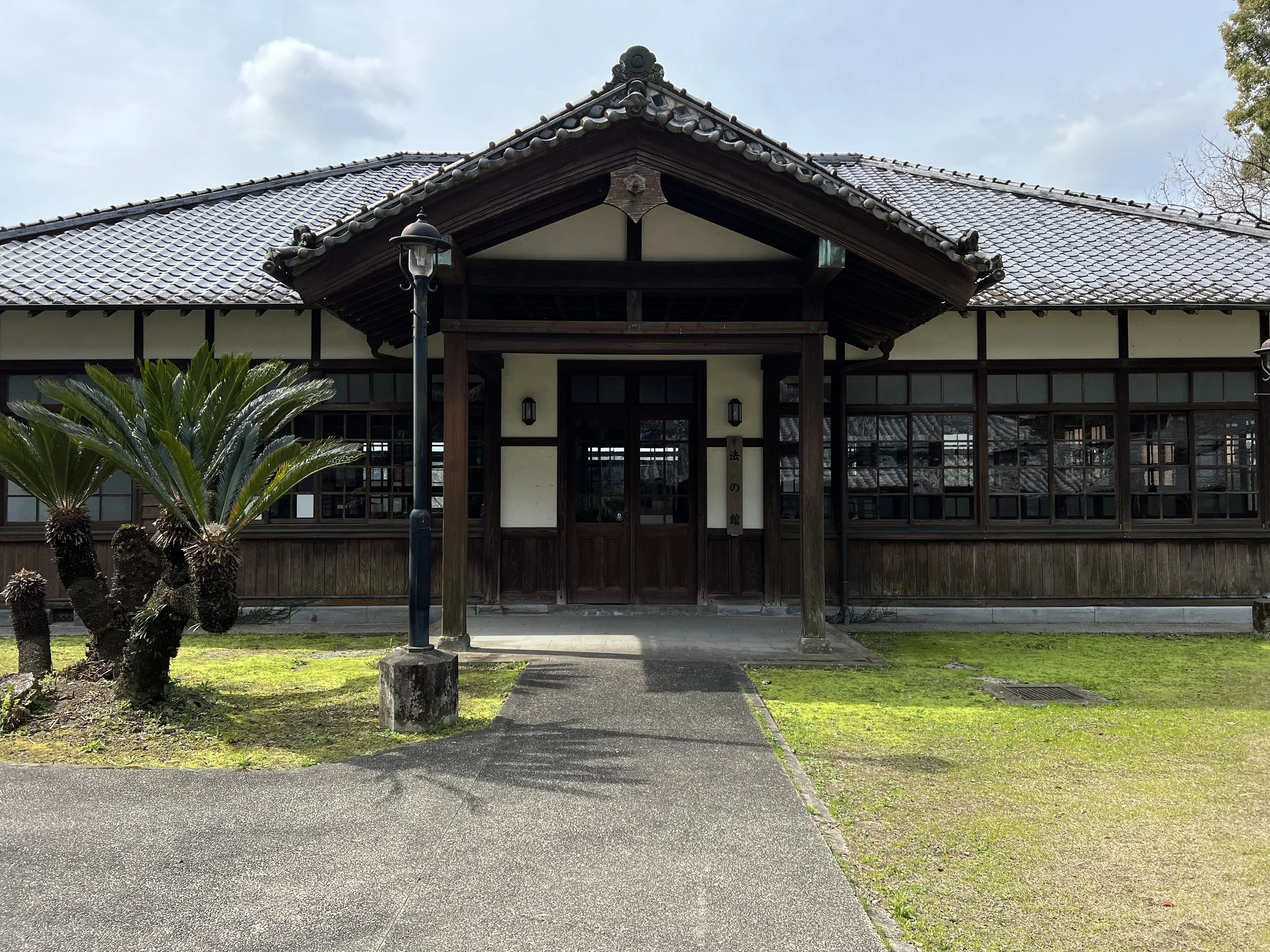
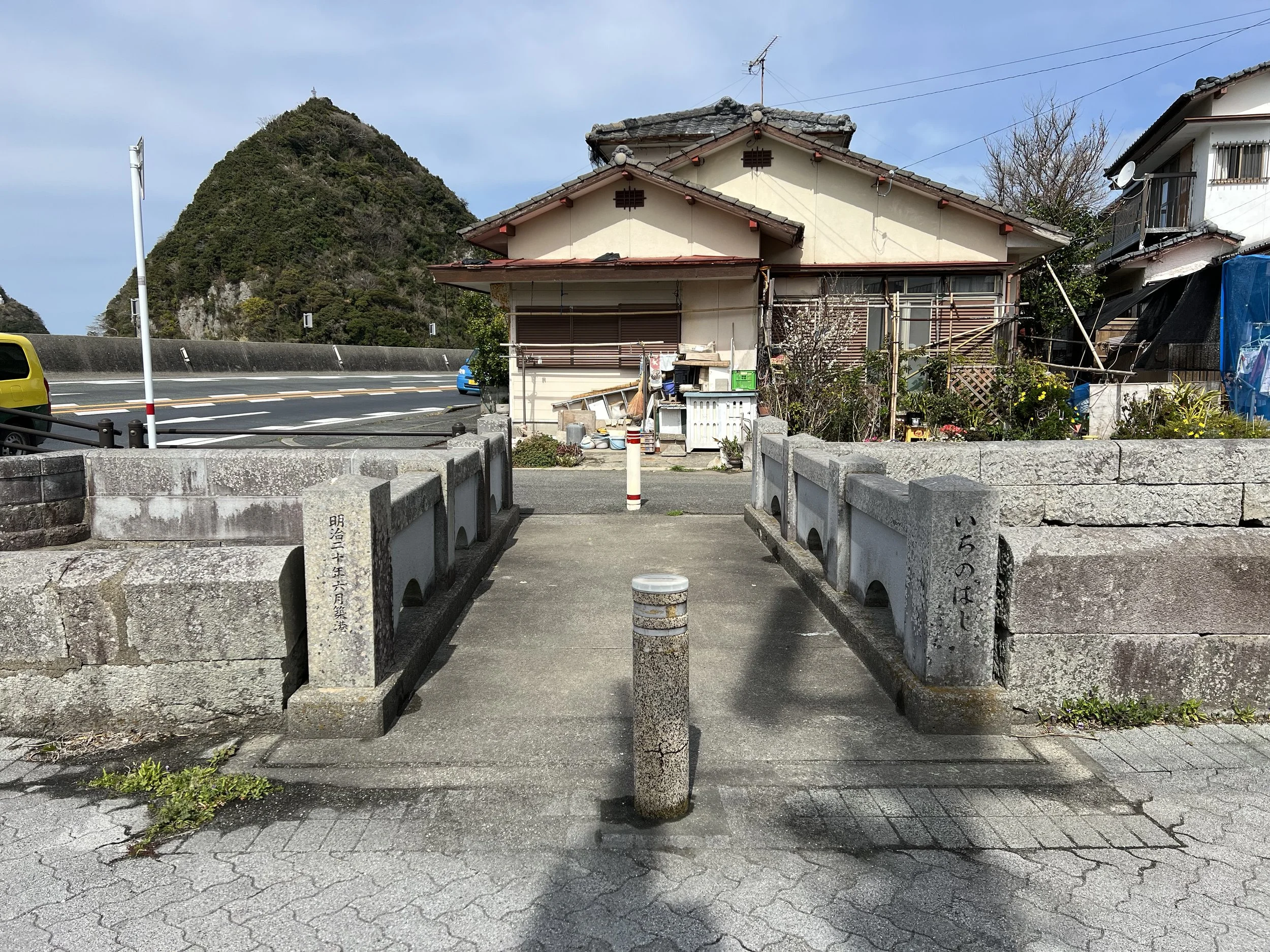
I then descended back toward the port area. Misumi West Port features a collection of Western-style buildings from the Meiji period, including a restored ryokan that bears little resemblance to a traditional Japanese inn, the former Takada Shipping Store, and a church-like structure that does not resemble a typical church. The contrast between Western architectural elements and the surrounding Japanese townscape is striking. The area is also crisscrossed by canals, which were incorporated into the port’s original design and still define the layout of this small harbour town.
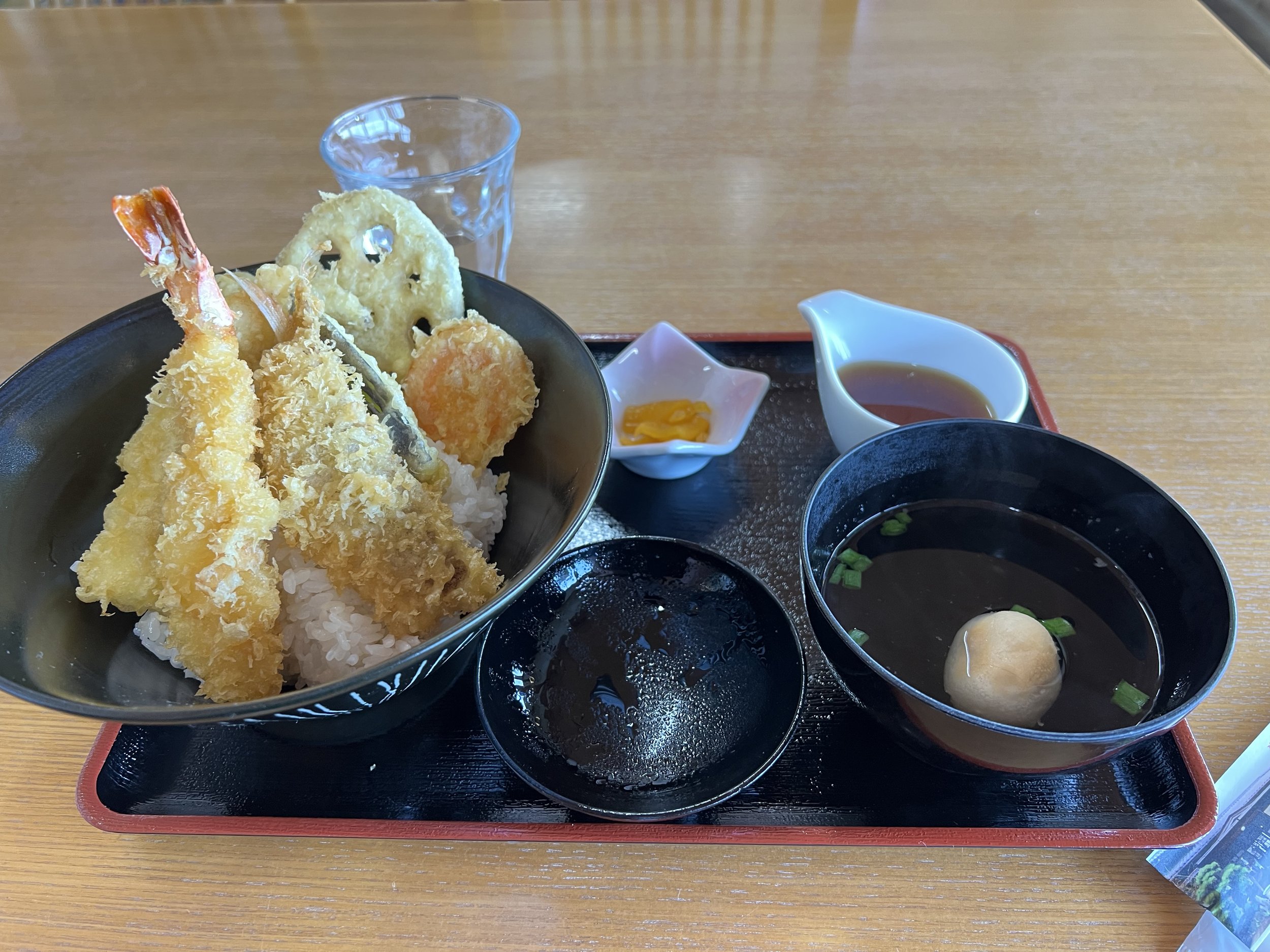
I continued walking along the port toward a restaurant farther up the road, stopping to rest before catching a bus back toward the Okoshiki Coast. For a town I hadn’t initially planned to visit, Misumi left a strong impression. Its layered history, thoughtful urban design, and role in Japan’s modernization made it a rewarding and unexpected stop.
History & Background
Misumi West Port (三角西港) was developed in 1884 as part of Japan’s efforts to modernize its infrastructure during the Meiji period. Designed by Dutch engineer Anthonie Rouwenhorst Mulder, the port was constructed using advanced Western engineering techniques while incorporating local craftsmanship. Stone masons from nearby Amakusa Island played a key role in shaping the stone quay, which remains largely intact today.
The port was strategically built in deep water, allowing it to handle large vessels and function as a major shipping hub for agricultural products and coal. Unlike many ports that expanded organically, Misumi West Port was carefully planned from the outset, including canals and Western-style buildings to support trade and administration.
In recognition of its historical and industrial significance, Misumi West Port was designated as part of the UNESCO World Heritage Site “Japan’s Meiji Industrial Revolution” in 2015. Today, it stands as a well-preserved example of Japan’s early modernization and international exchange during the late 19th century.
Getting There
Misumi West Port is located in Uki City, Kumamoto Prefecture, and can be accessed via JR Misumi Station on the JR Misumi Line, with train connections from Kumamoto Station. From Misumi Station, the port area is reachable on foot or by local bus, though services are limited. Walking is a common option for visitors, as several nearby sites—including the Sea Pyramid and Tenmon Bridge—are located between the station and the port. However, the area is best explored with a rental car.
Route Overview
Distance: 9.73 km (Misumi Station → Misumi West Port)
Total elevation gain: 174 m
Duration: 2 hr 04 min (with breaks 3 hr 10 min)
Difficulty: Easy
Cost Breakdown
Train: Kumamoto Station → Misumi Station — ¥870
Food: ¥1,940