Kumamoto Castle - Kumamoto, Japan
This was my second time visiting Kumamoto Castle. My first visit was back in 2015, just a year before the devastating 2016 earthquake that severely damaged the castle. At the time, I had no idea how extensive the damage would be. Returning now gave me a new perspective—I could compare the pre-earthquake experience with the current state and truly appreciate the scale of the destruction.
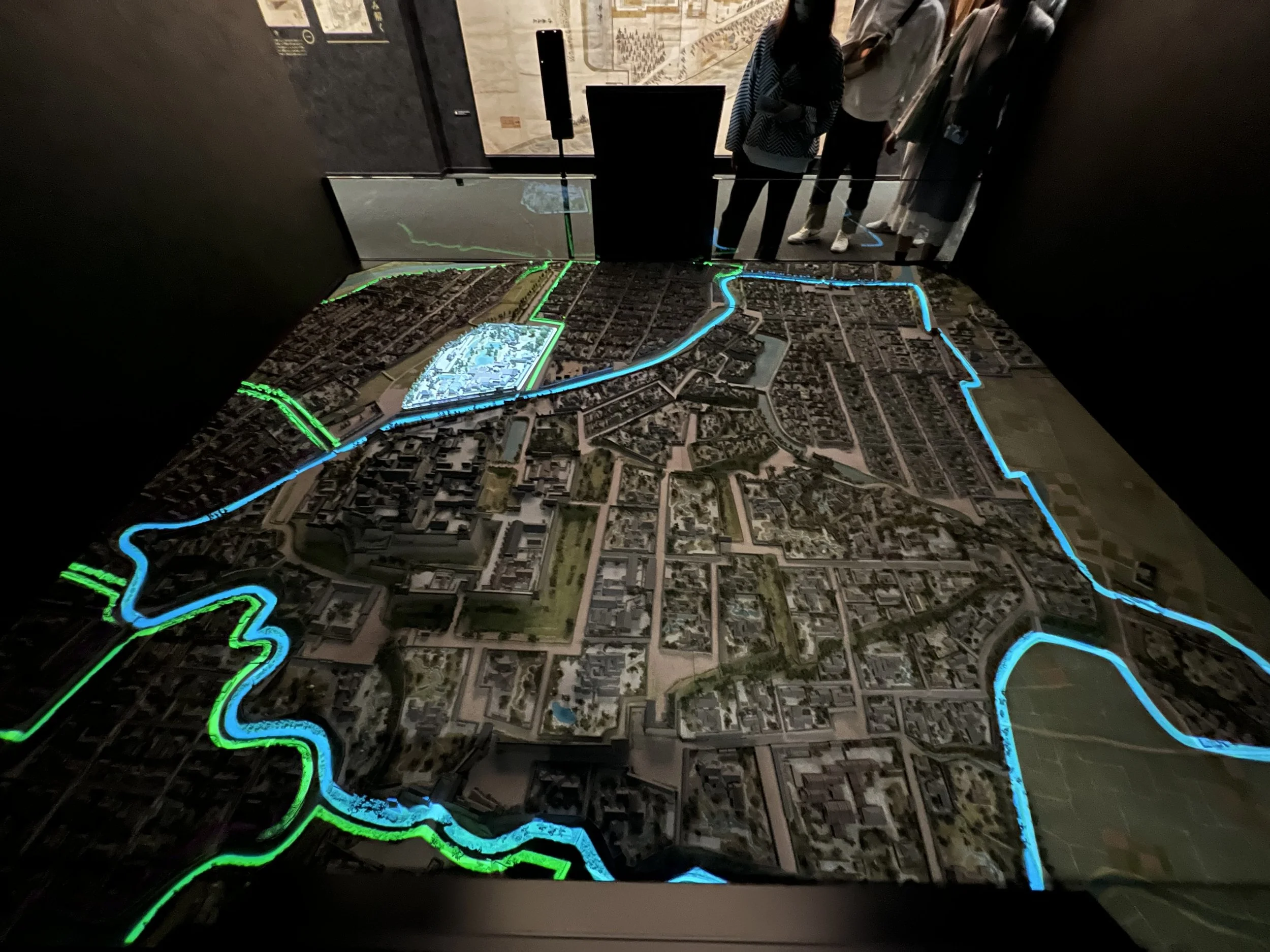
Kumamoto Castle was originally constructed in the early 1600s under the supervision of Kato Kiyomasa, a feudal lord renowned for his expertise in castle design. His work was widely respected for both strategic fortification and aesthetic elegance. The castle grounds are expansive, with numerous buildings and defensive structures leading up to the main keep. Although only a few structures from the original castle survived the post-feudal era, ongoing restoration and reconstruction efforts make visiting the site a unique experience in itself.
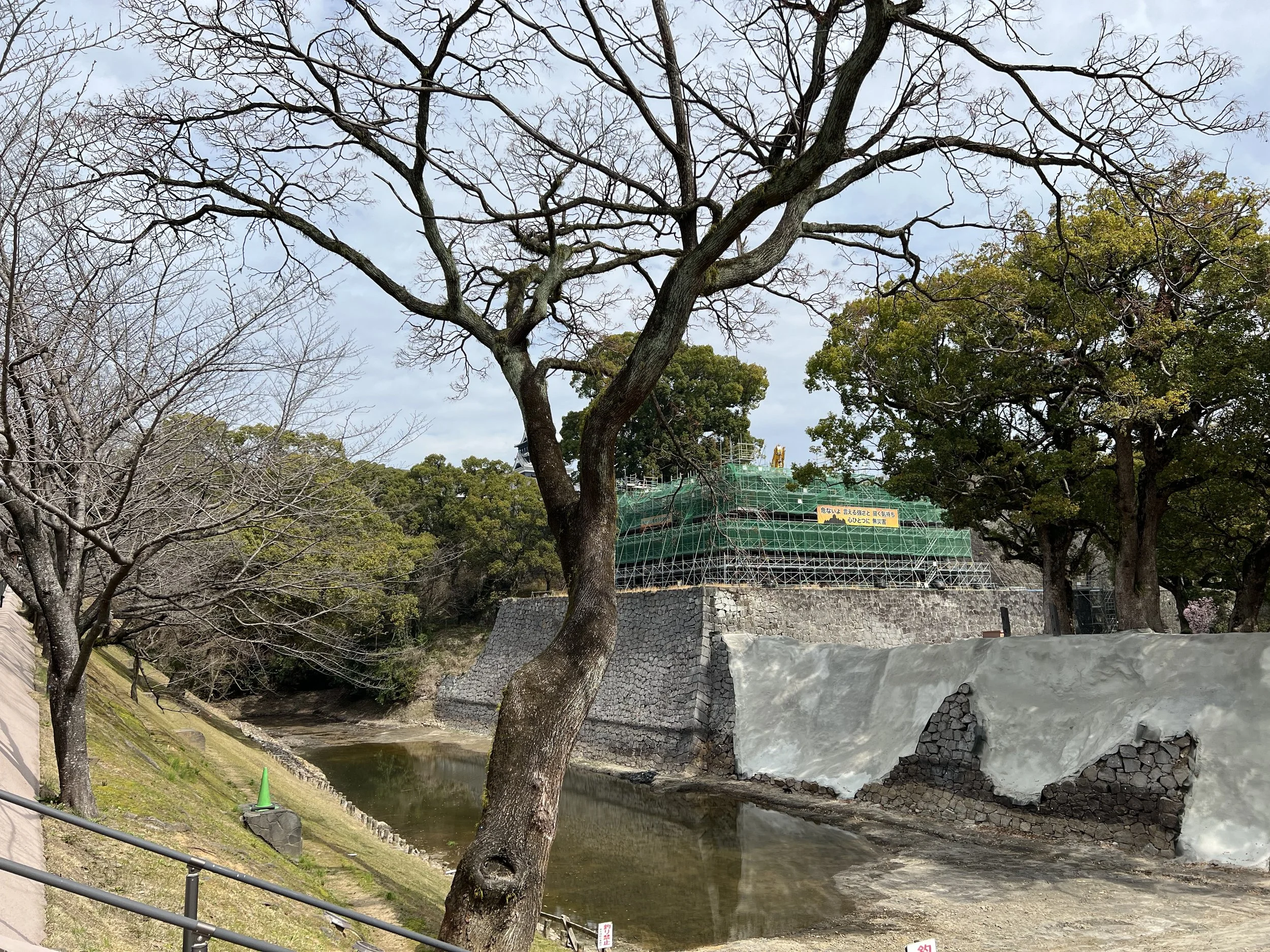
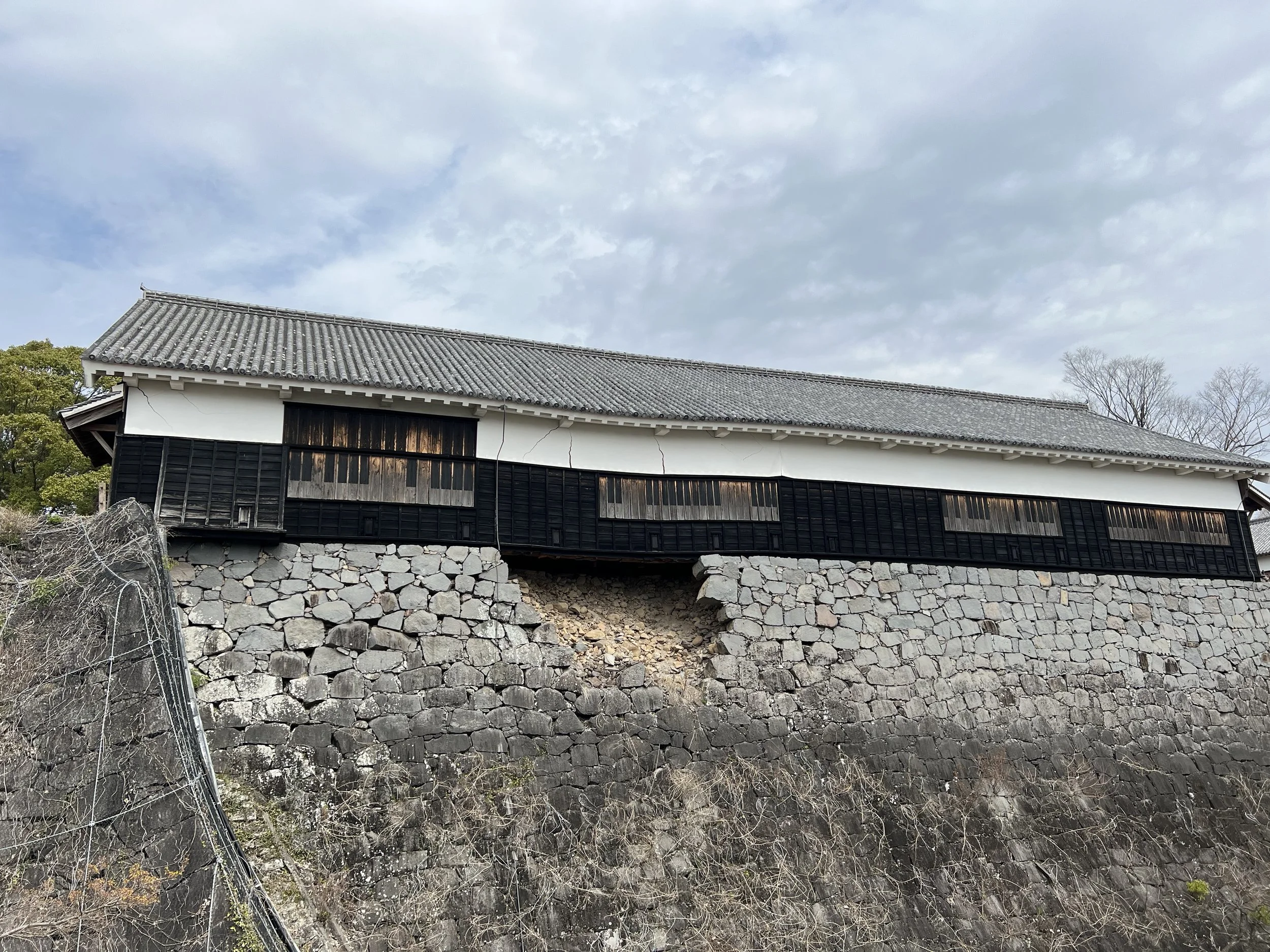
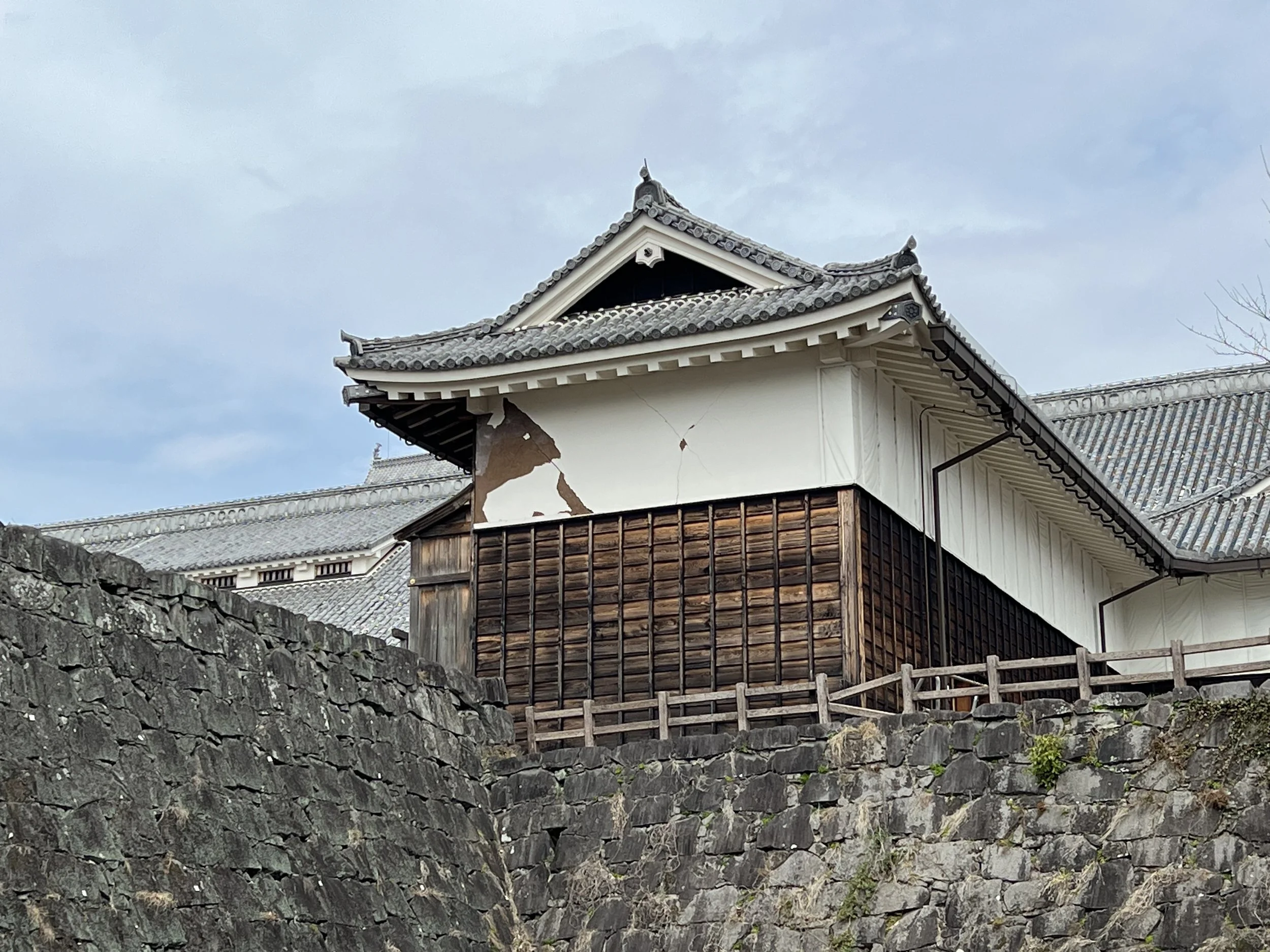
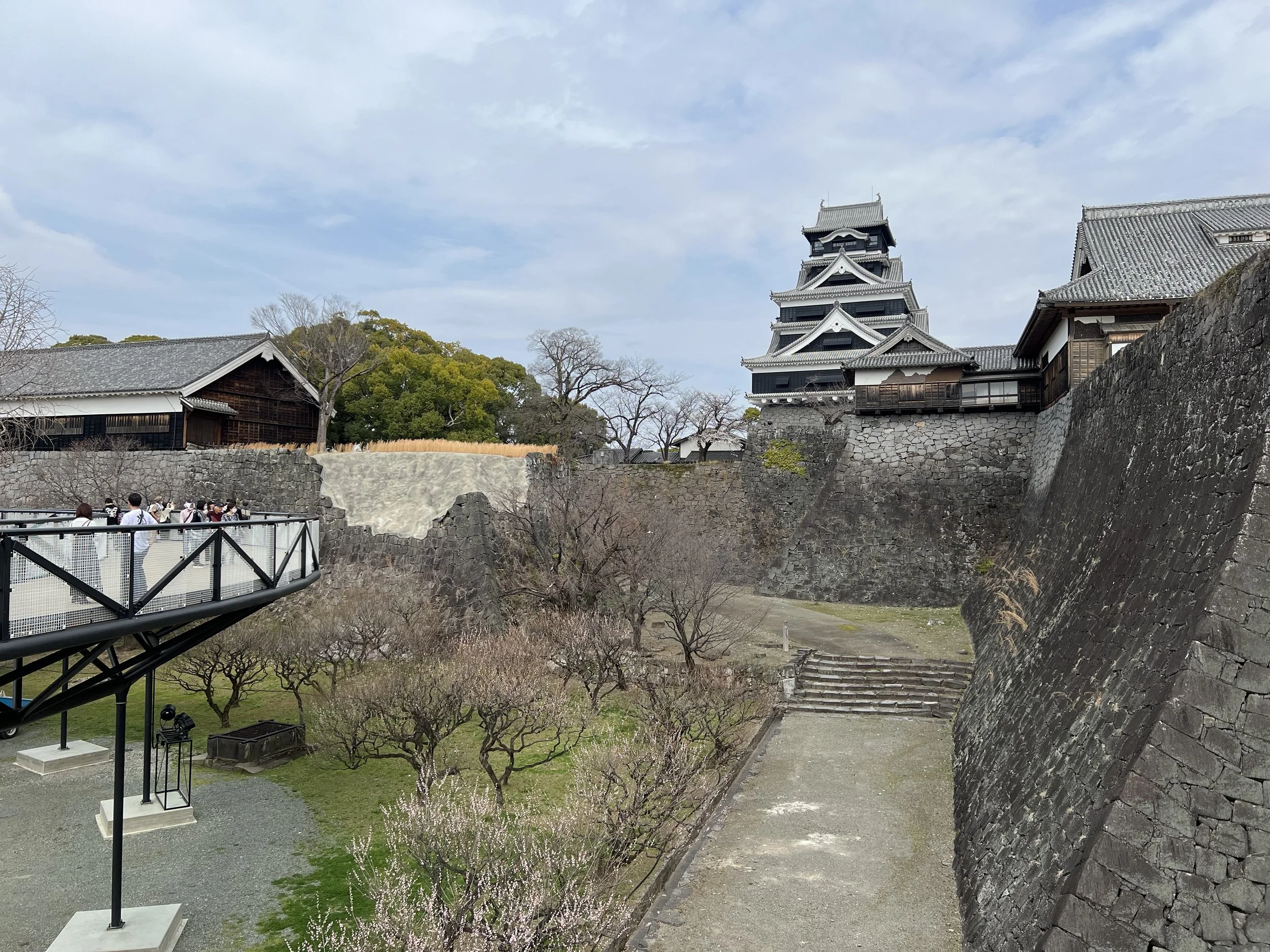
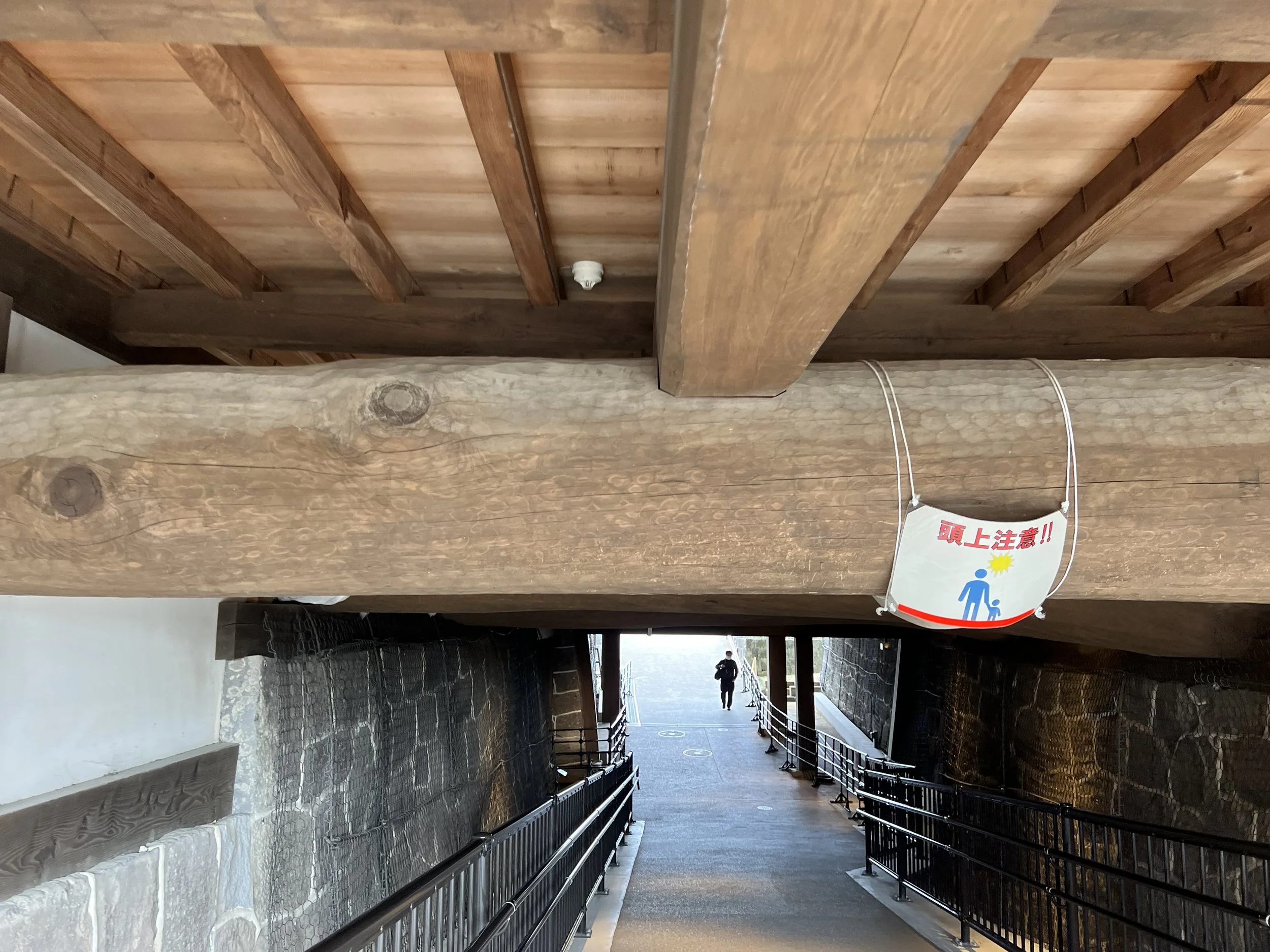
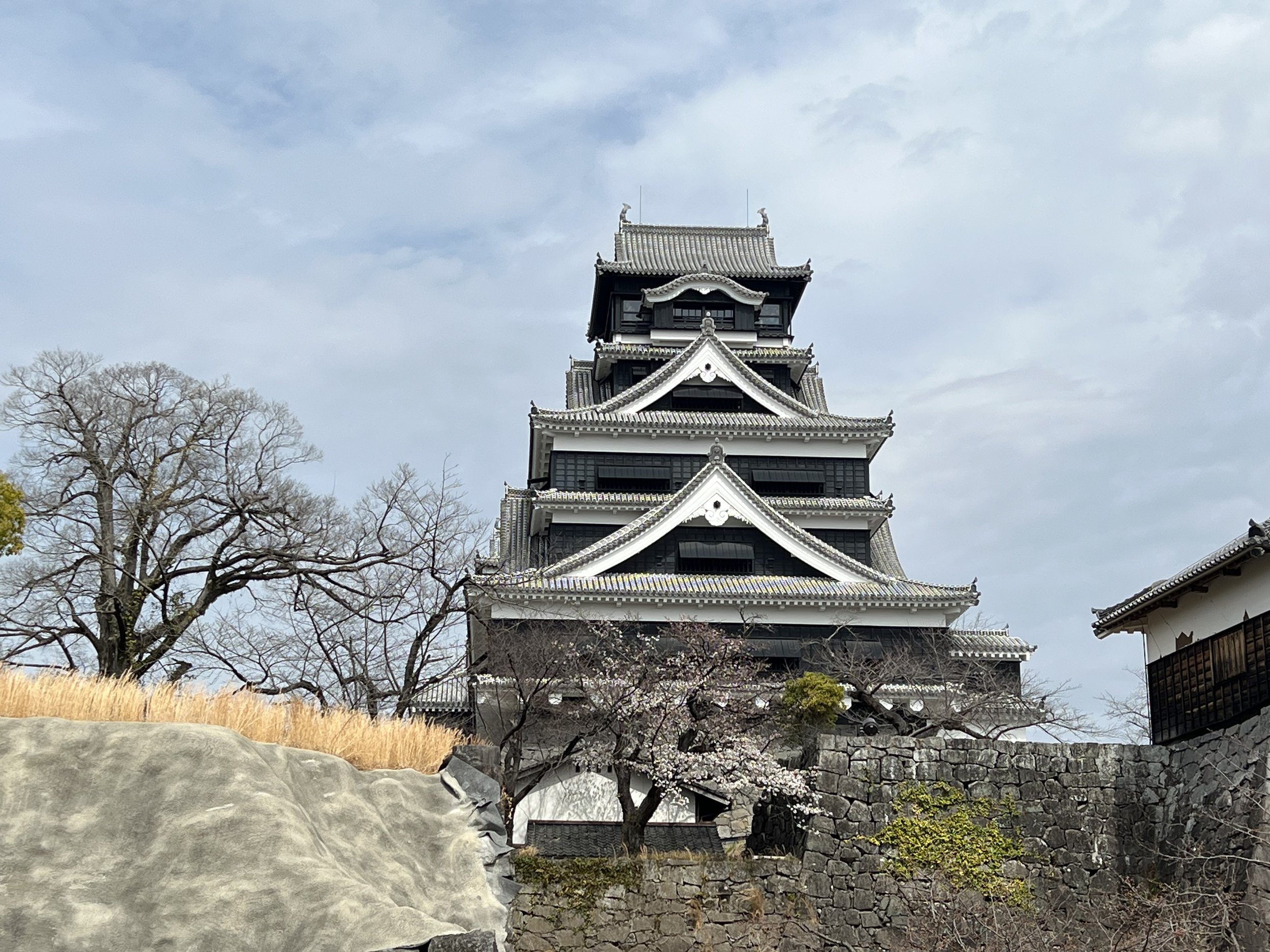
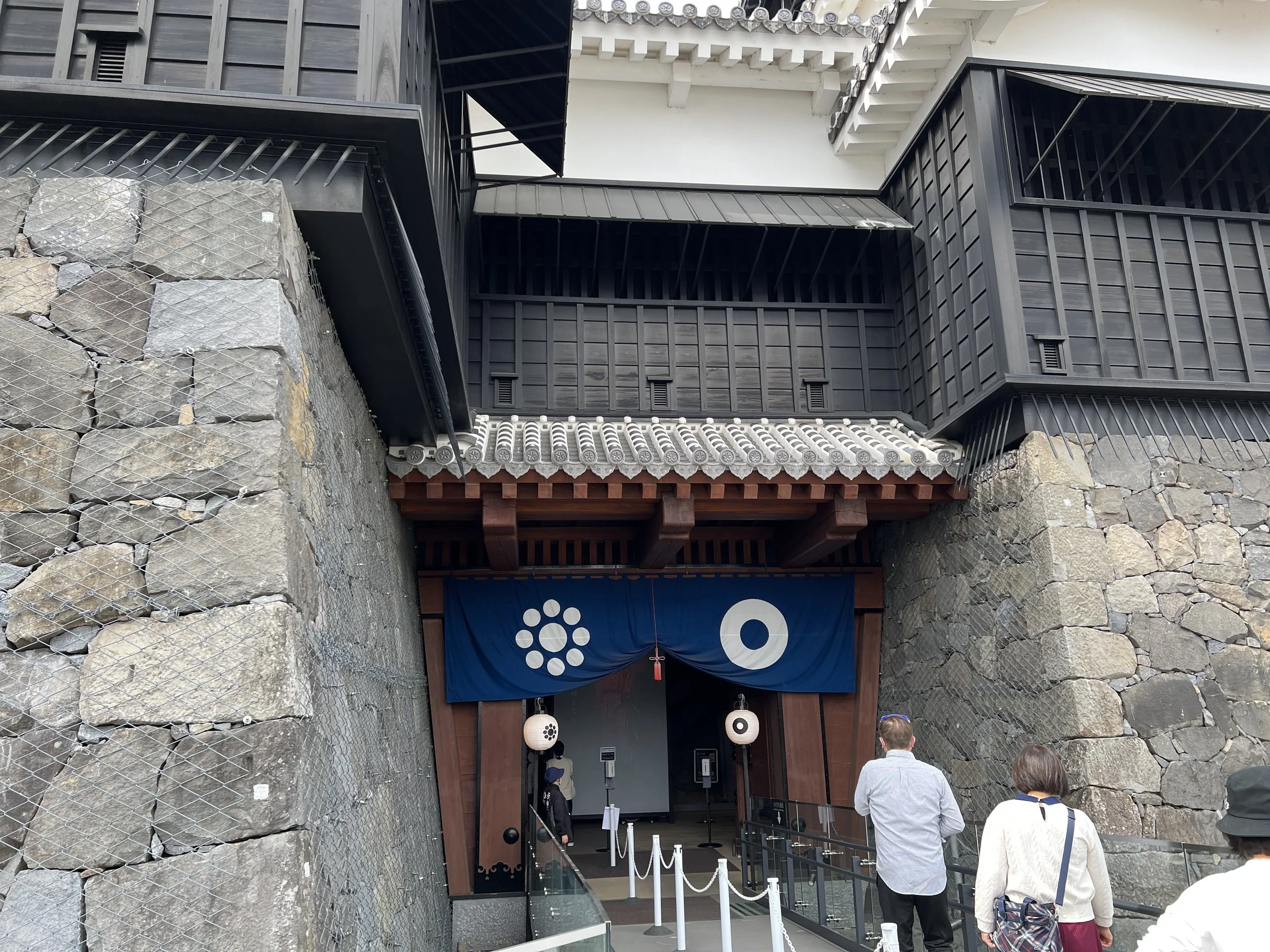
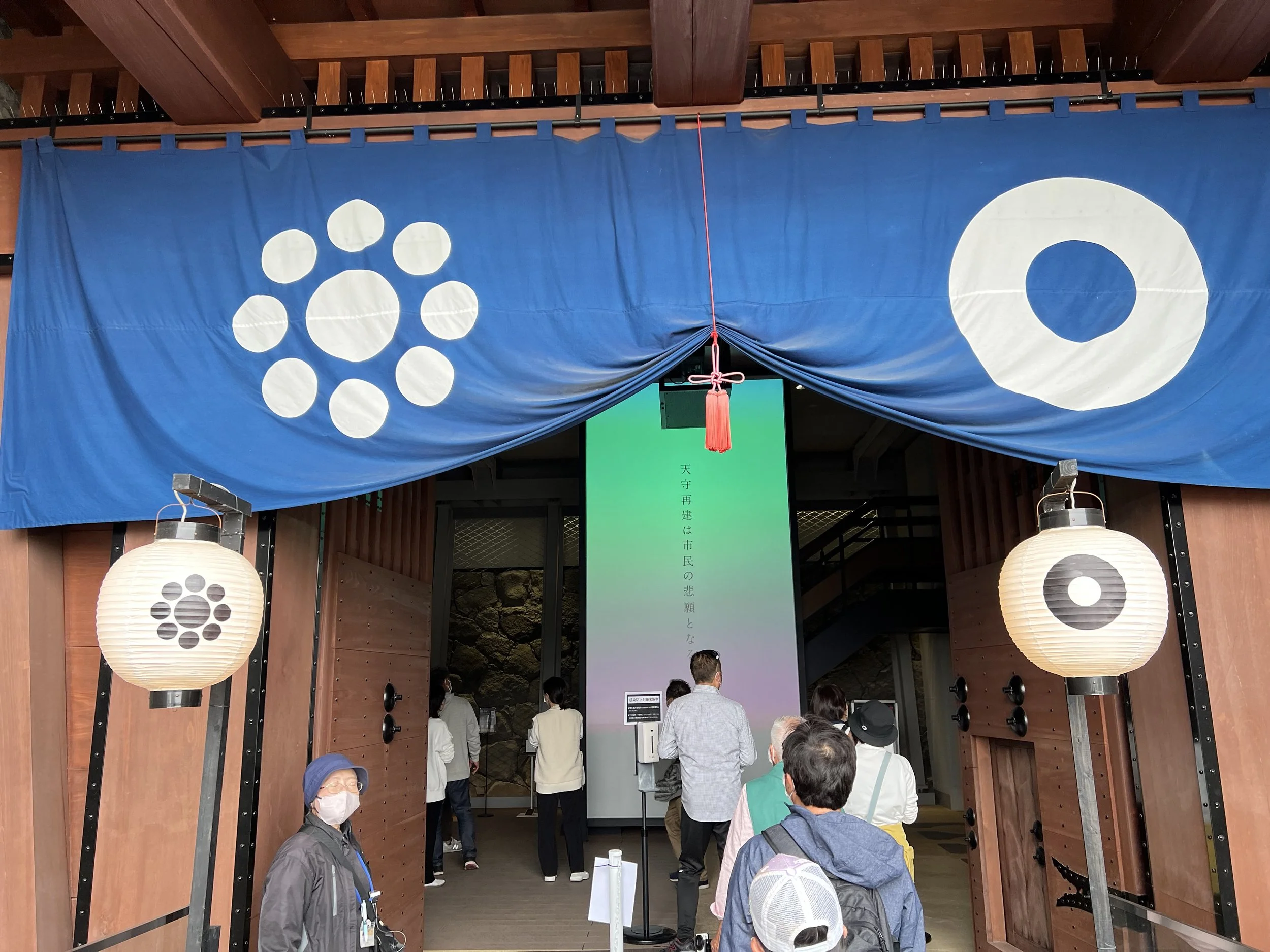
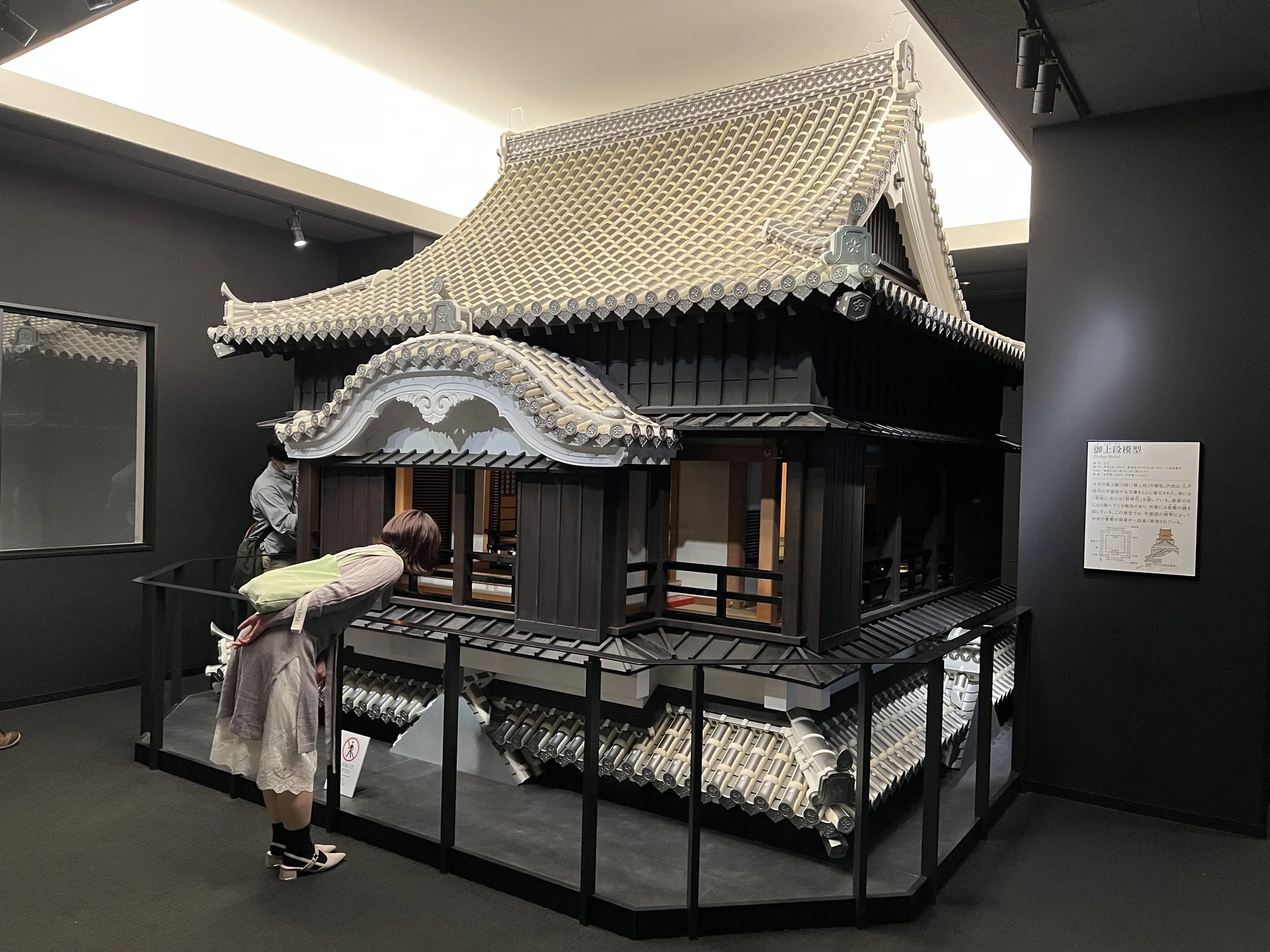
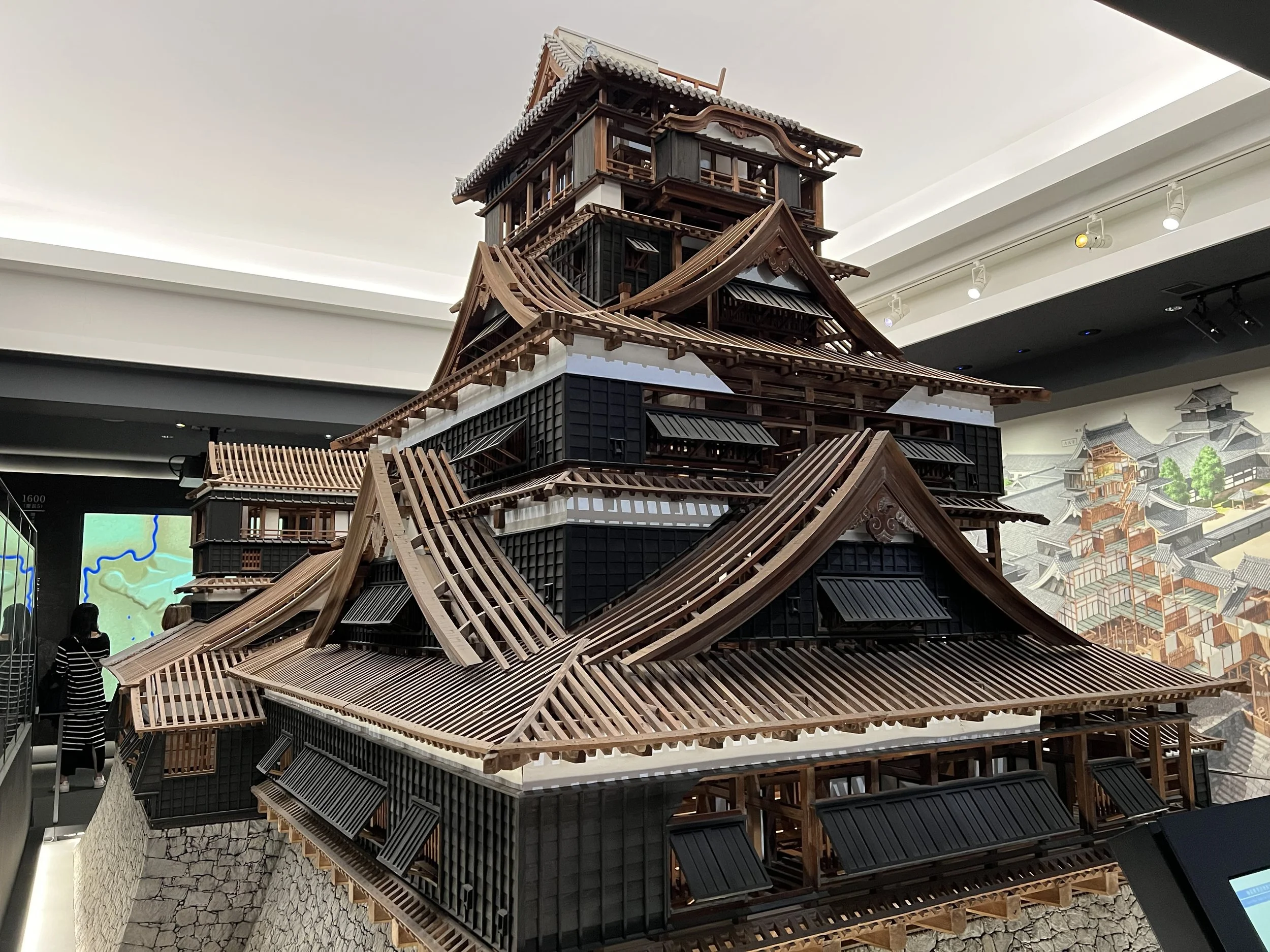
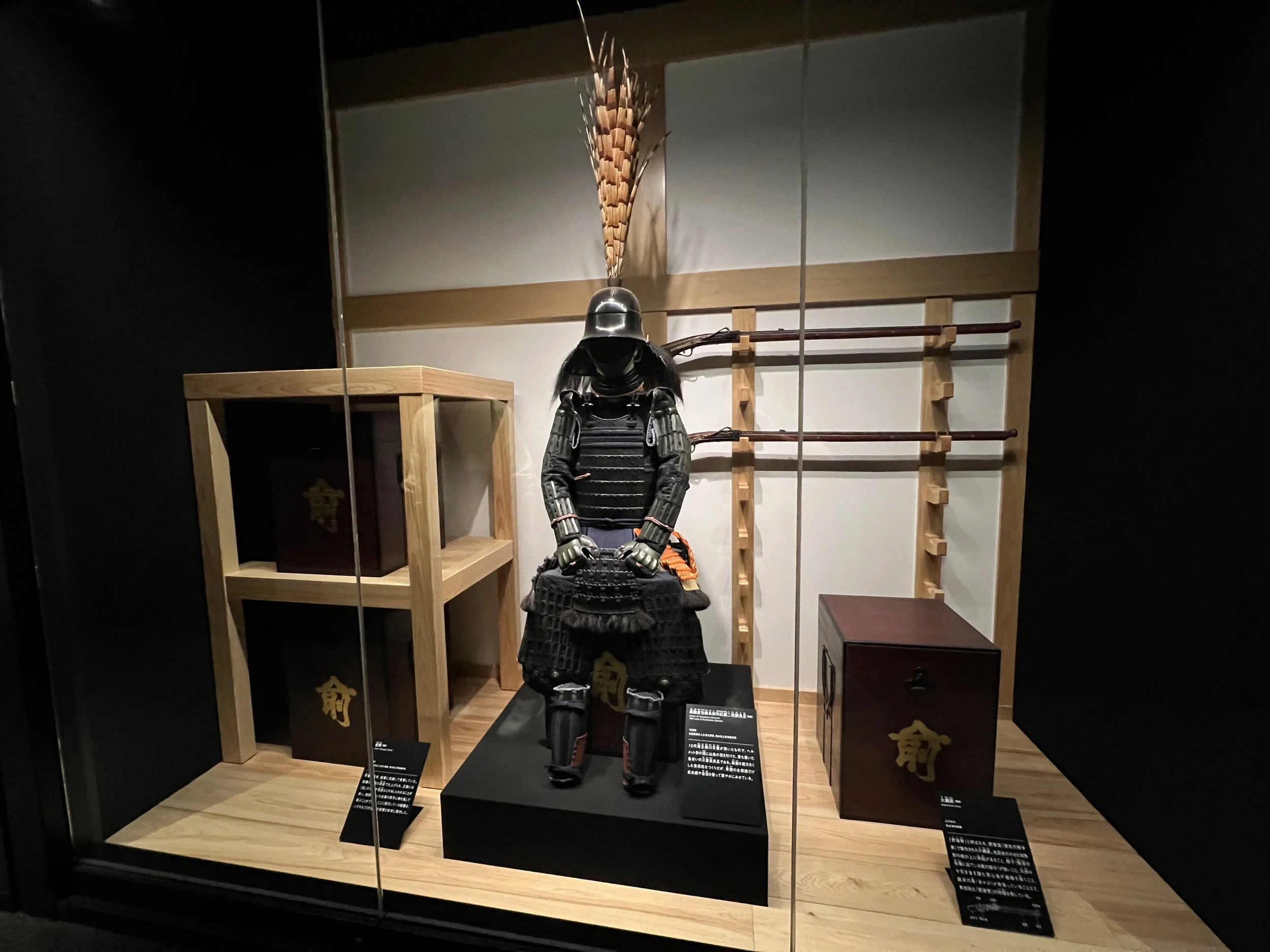
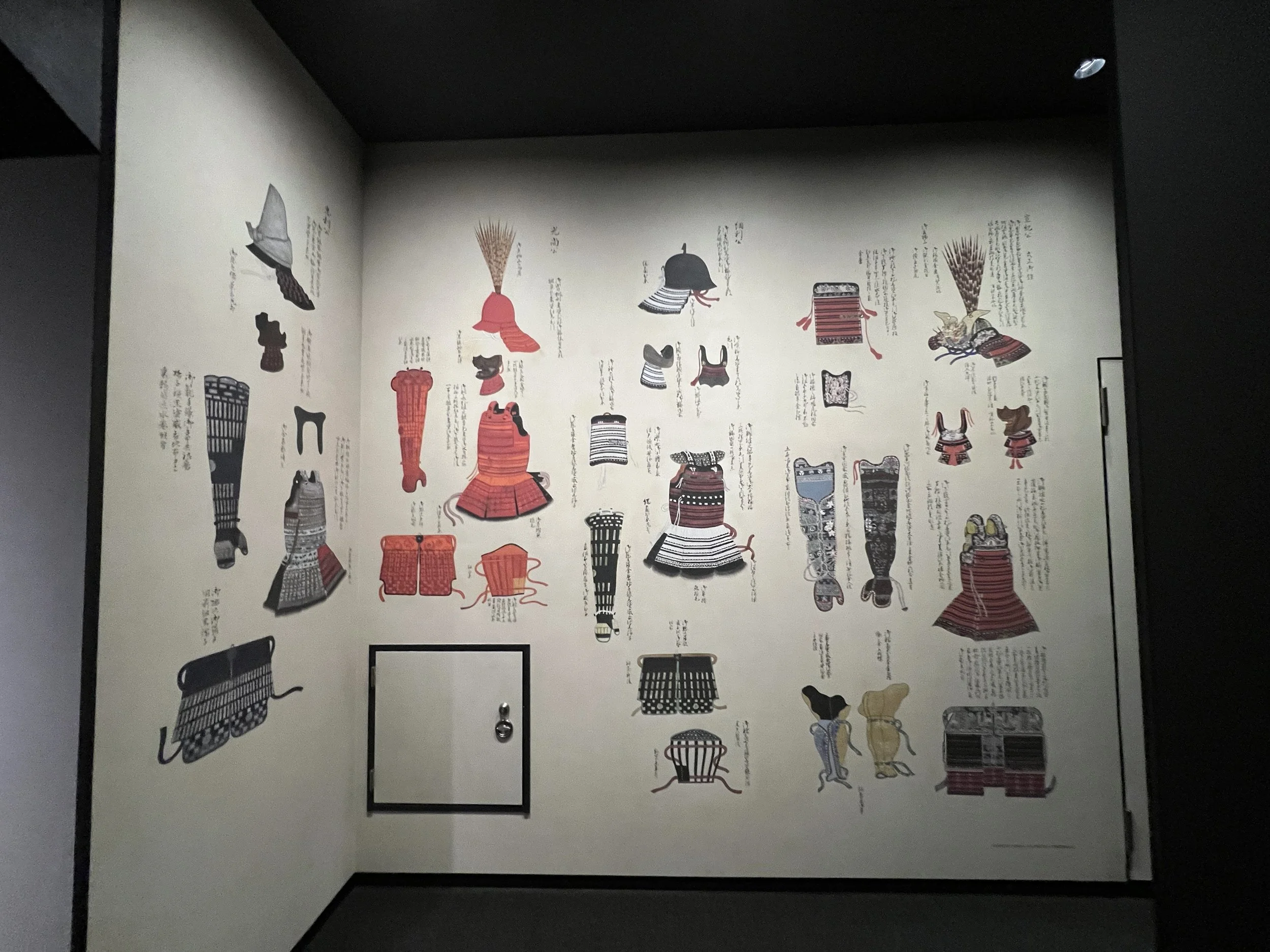
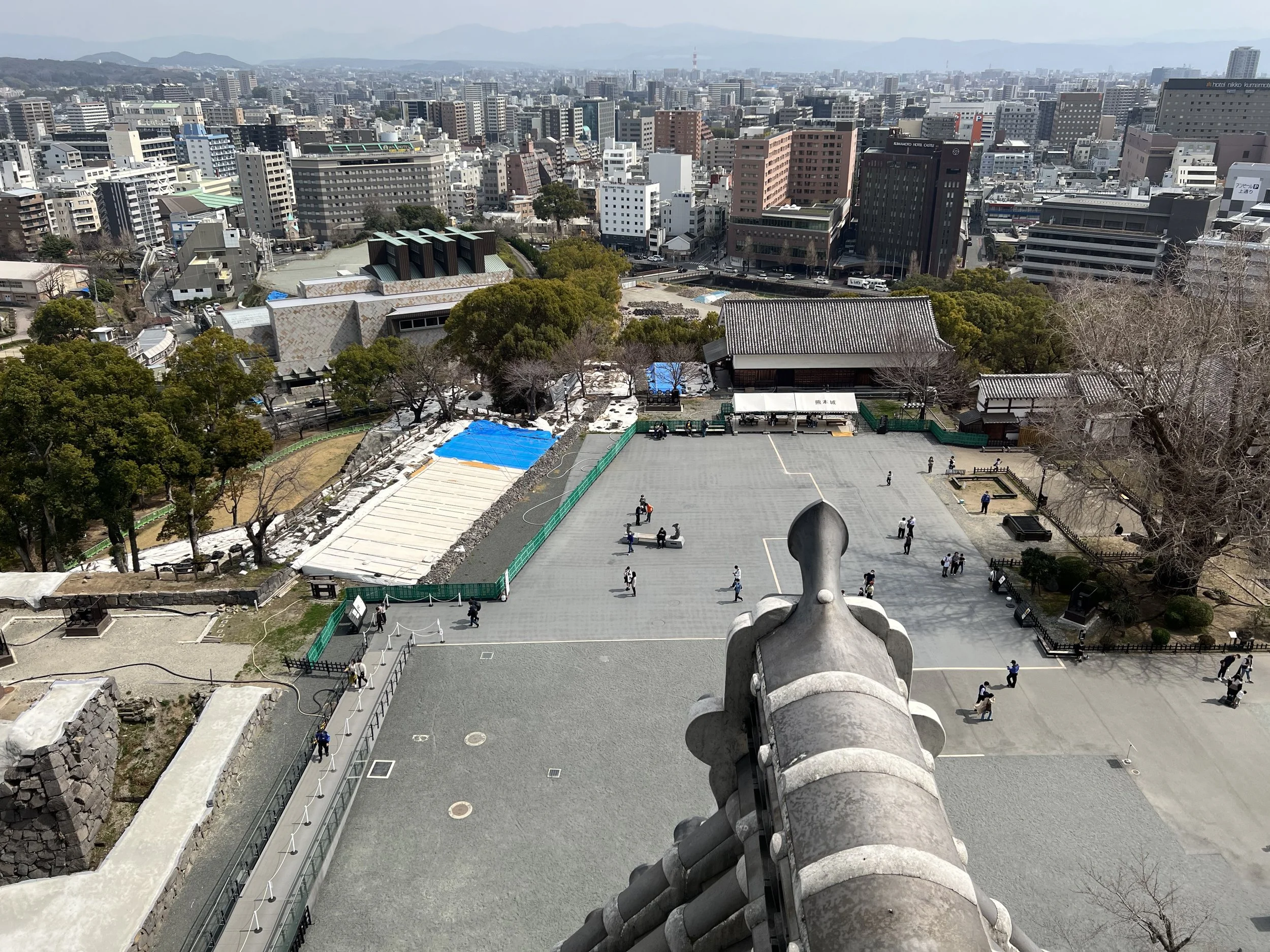
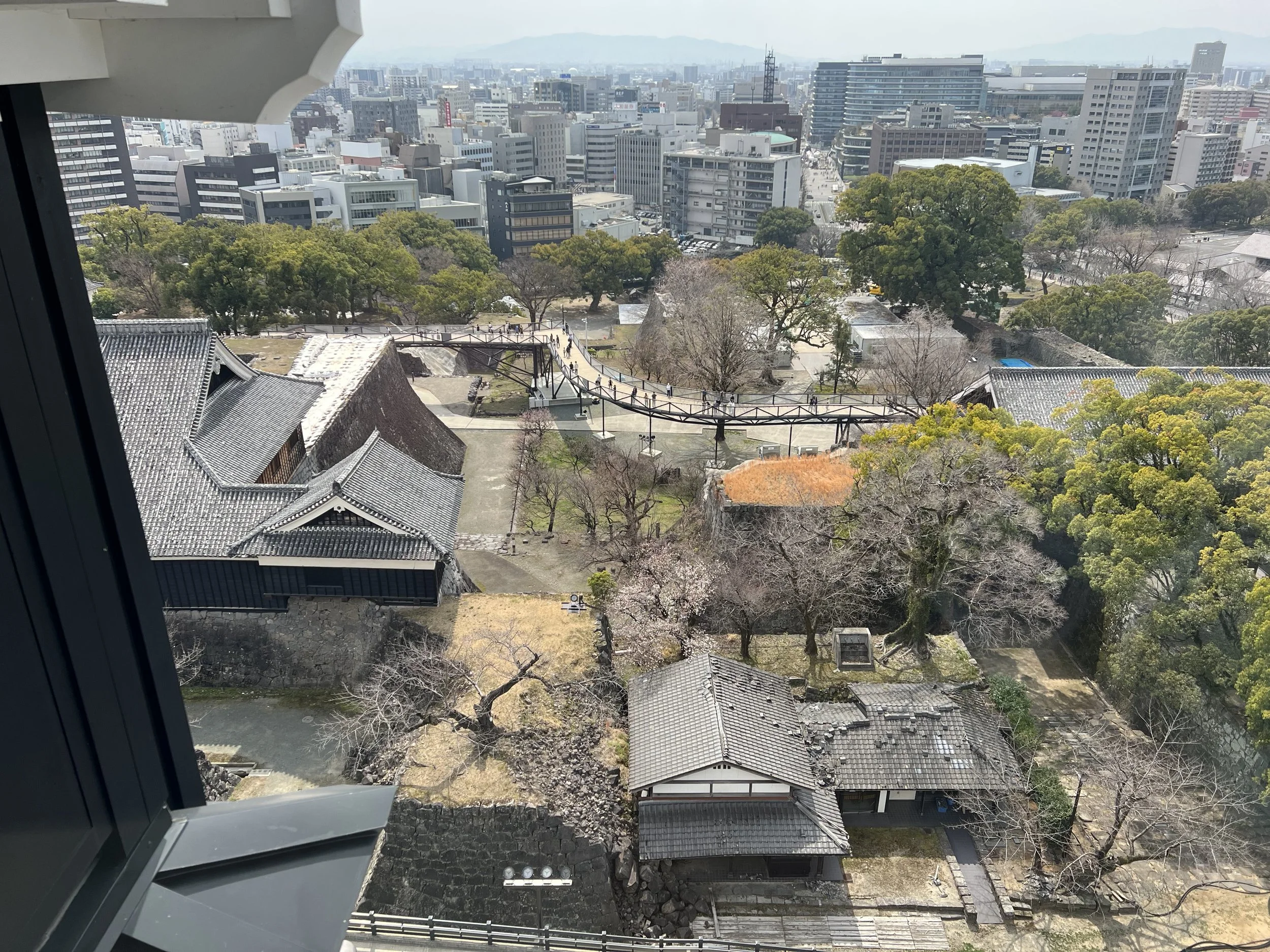
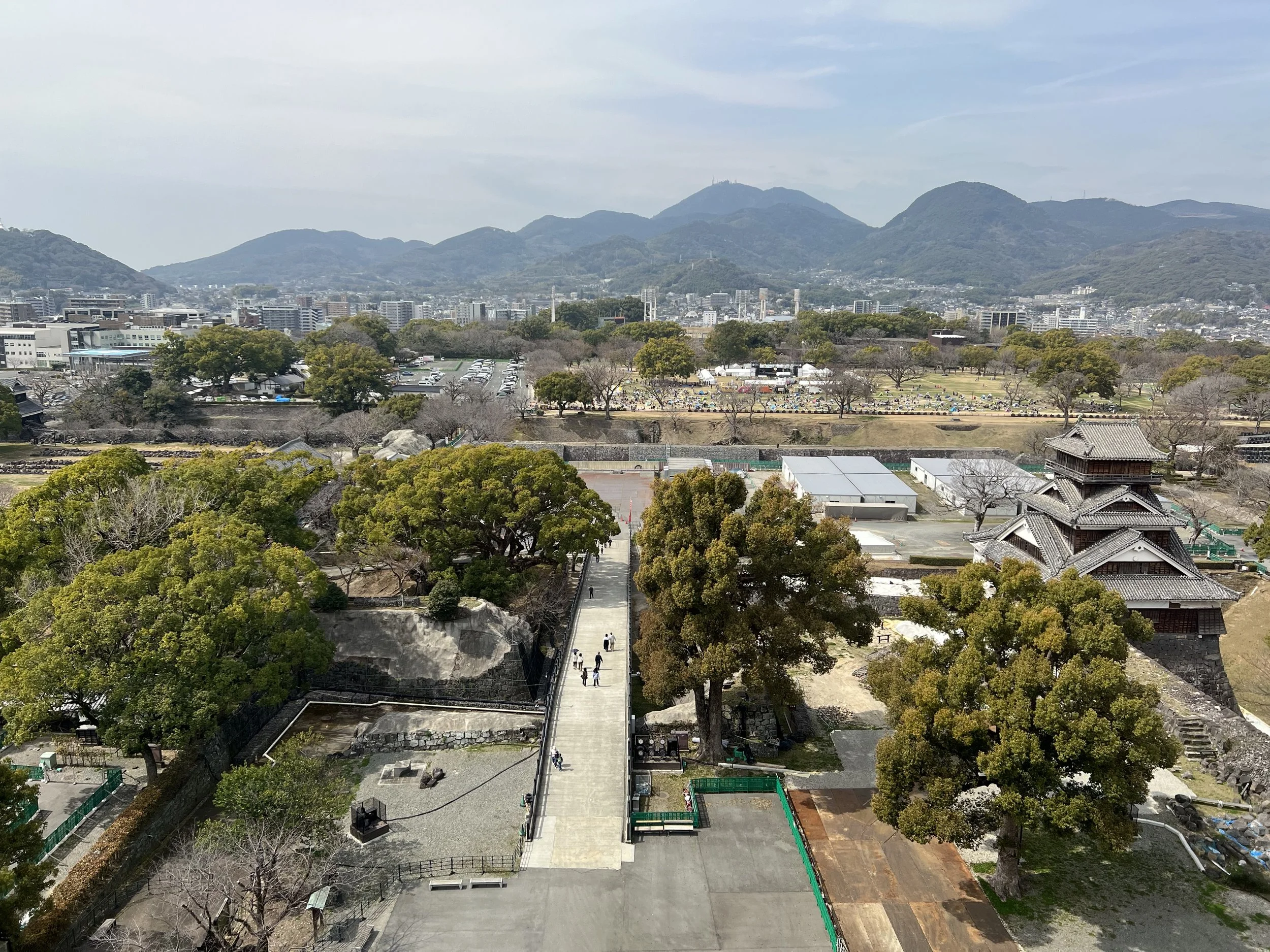
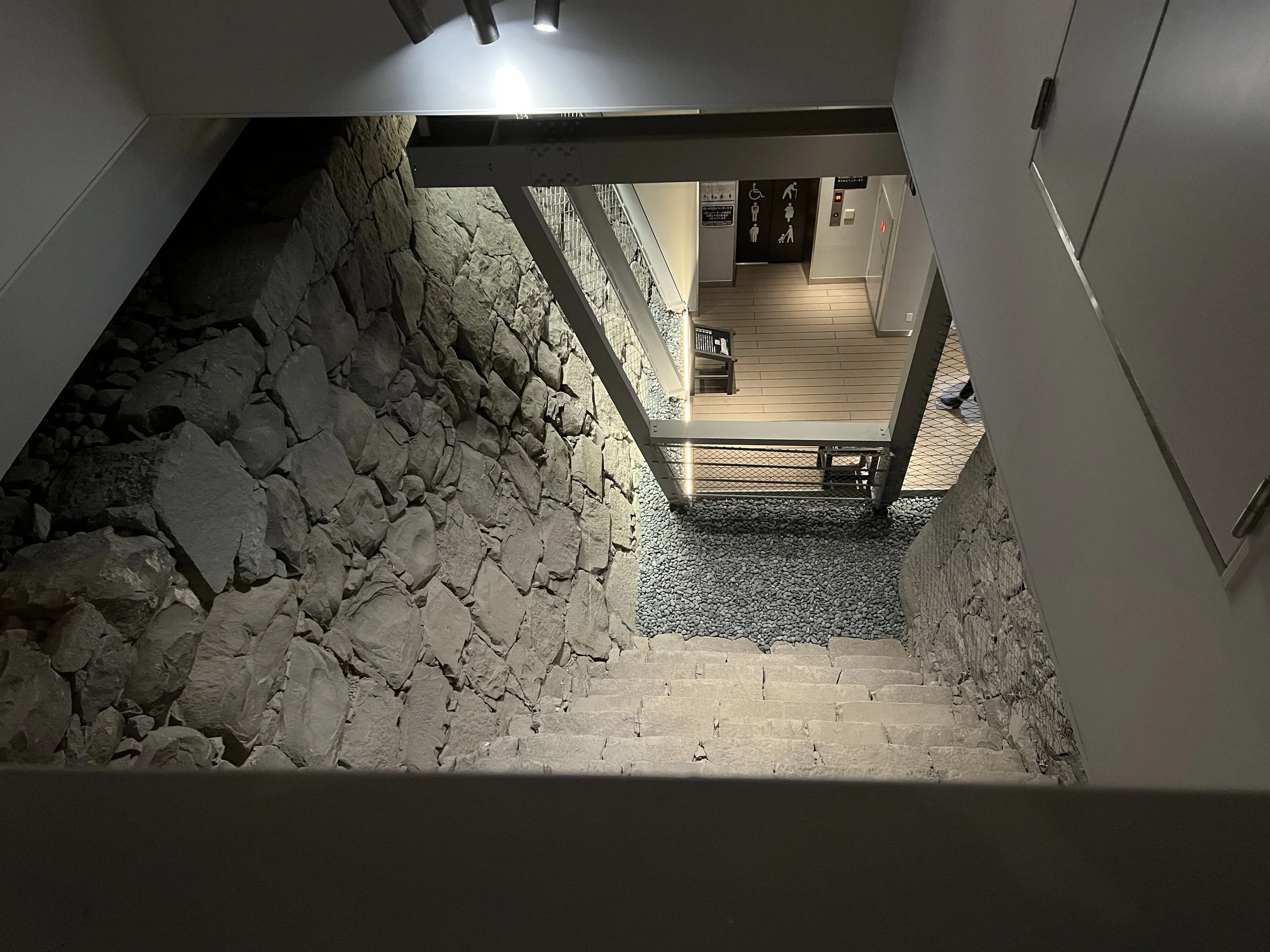
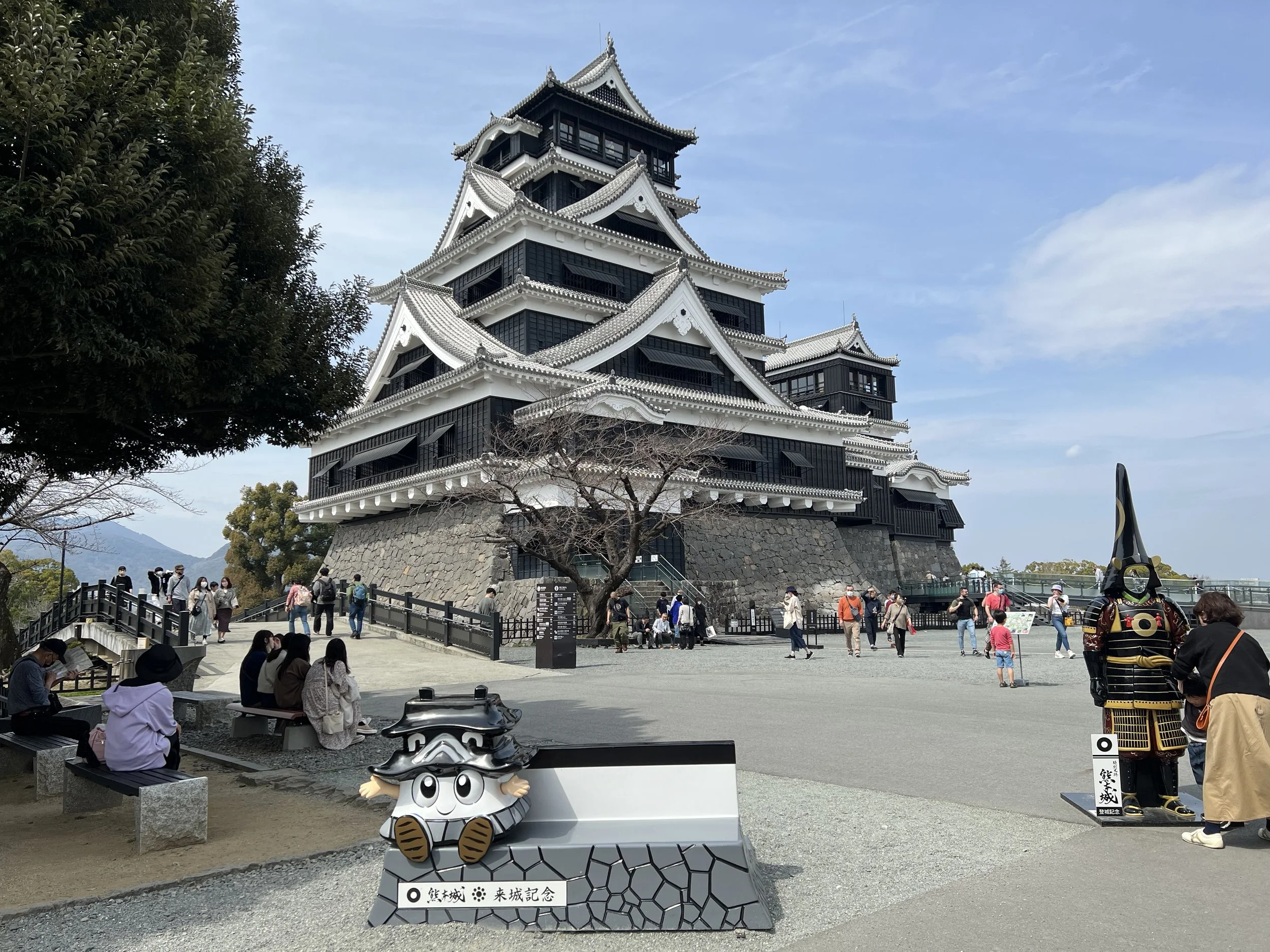
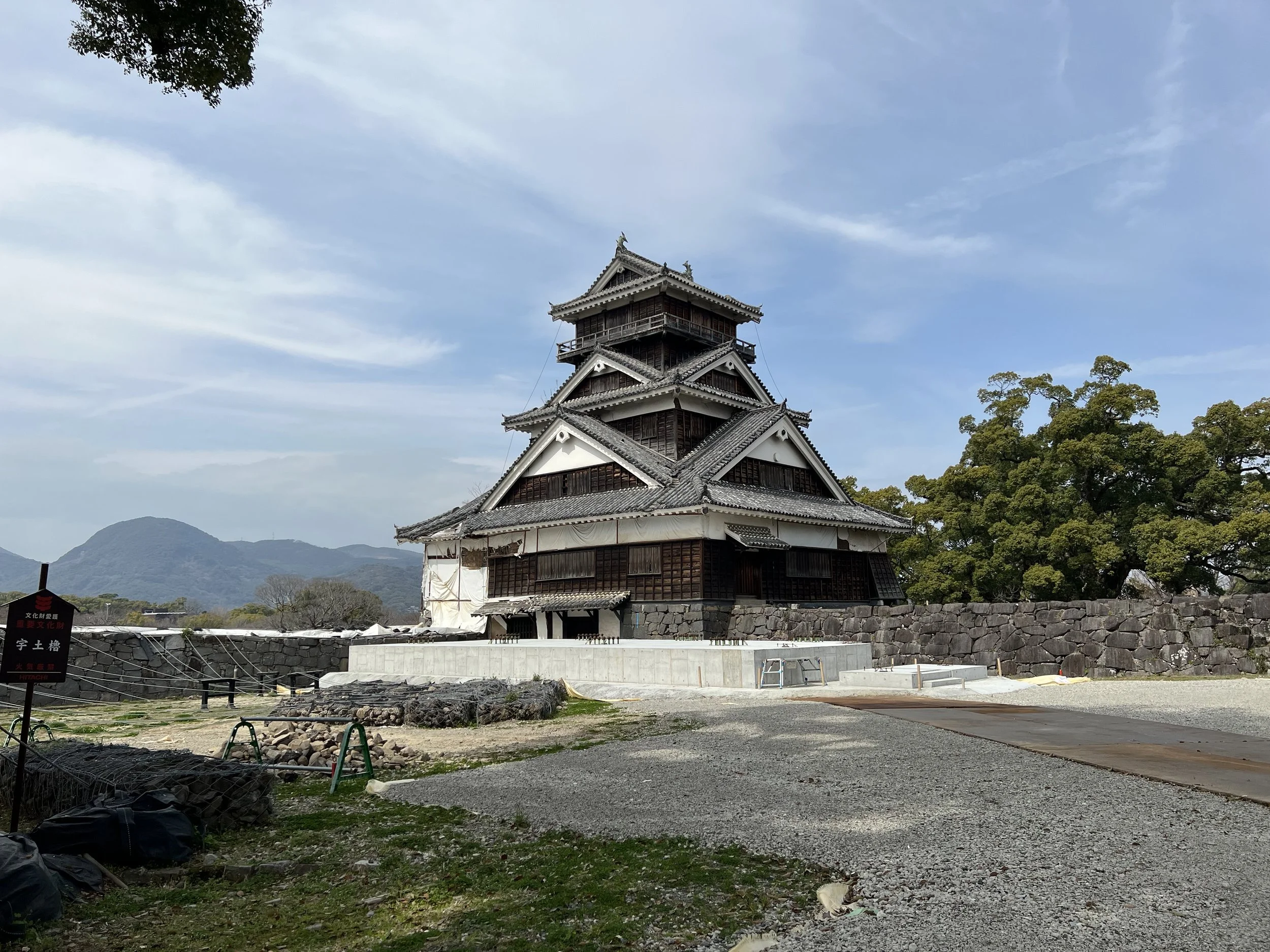
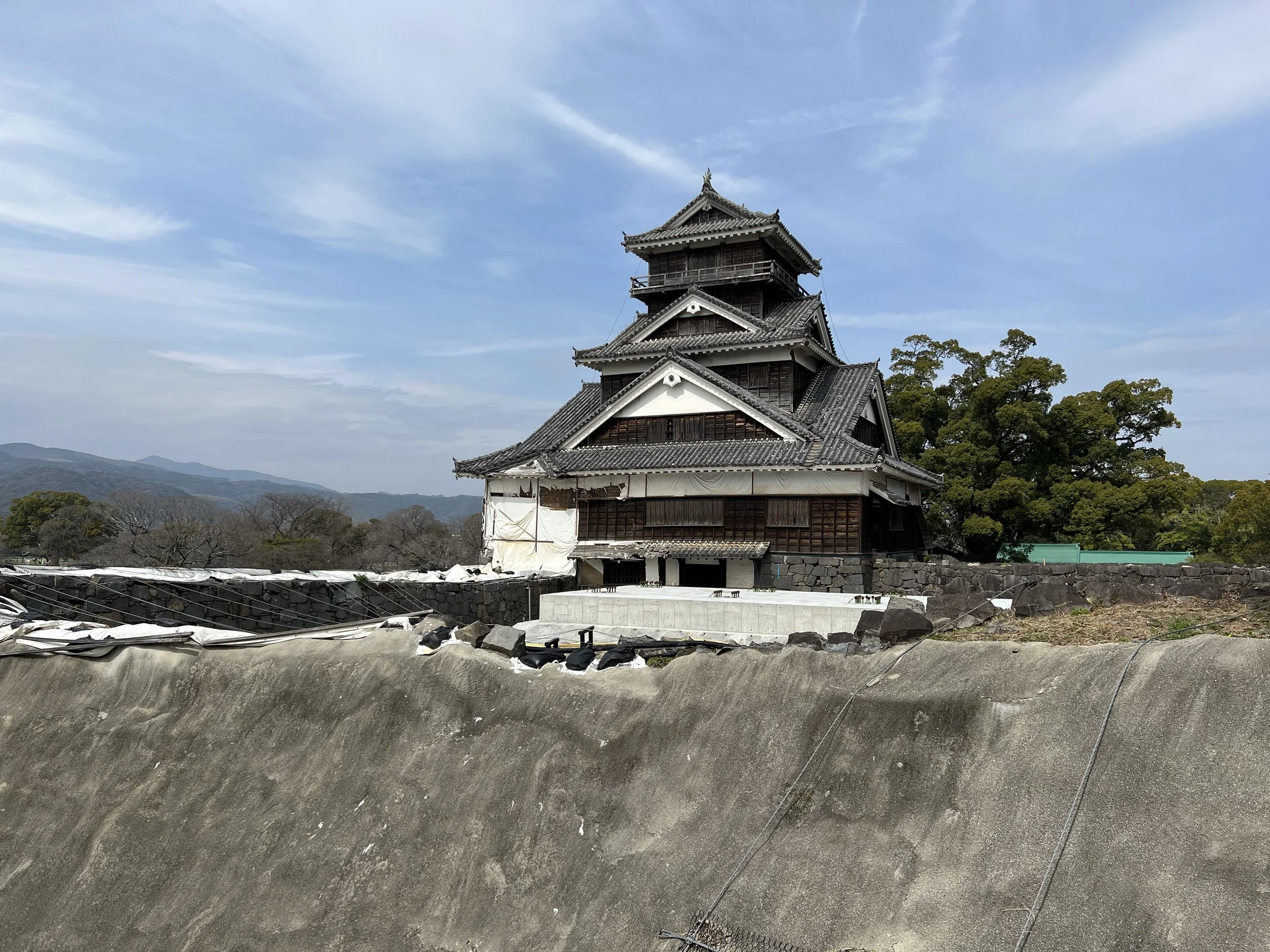
During this visit, the damage from the earthquake was evident. Ramps and temporary walkways allow visitors to walk above certain sections of the grounds and see the remnants of collapsed buildings and uprooted trees. Comparing it to my 2015 visit, when everything was intact, made the scale of the destruction startling. I followed the crowd through the outer castle grounds, eventually reaching the main keep. The keep itself has been modernized into a museum rather than preserving its original interior, but the extensive and informative displays give a clear sense of what life and operations were like during the castle’s peak.
I remembered one particularly unique experience from my 2015 visit at Kumamoto Castle’s Honmaru Goten: dining like the feudal lord himself. Guests could enjoy a meal prepared from seasonal ingredients using authentic Edo Period recipes, with no set menu—it was entirely based on what was fresh and in season. I had hoped to try this again, but it remains closed due to earthquake damage and is not scheduled to reopen until 2033. While disappointing, this gives me a perfect reason to return in the future.
After exploring the main keep, I wandered the castle grounds. Over 800 cherry trees populate the site, and while they weren’t in bloom during my visit, seeing the rows of trees and imagining them in full spring bloom was breathtaking. Many areas remain off-limits due to earthquake damage, which only made me more grateful that I had the opportunity to explore the castle before 2016. Before leaving, I stopped at the souvenir shop and picked up a few items, noting that proceeds go toward ongoing recovery efforts.
Out of all the castles I’ve visited in Japan, Kumamoto Castle left the strongest impression on me. While it may not have the fully original structures of Himeji Castle, the history, scale, and sheer presence of Kumamoto Castle make it unforgettable. If I had to name a favourite castle, this would be it.
History & Background
Kumamoto Castle (熊本城) was built in the early 17th century by Kato Kiyomasa and became one of Japan’s most formidable fortresses. Known for its imposing walls, intricate defensive design, and elegant architecture, the castle served both as a military stronghold and a symbol of political power.
Throughout its history, the castle has endured multiple fires, sieges, and natural disasters. The 2016 Kumamoto earthquake caused significant structural damage, prompting an ongoing restoration project expected to continue for several decades. Today, while parts of the castle remain under repair, visitors can still explore the main keep, grounds, and museum exhibits detailing the castle’s rich history.
Getting There
Kumamoto Castle is located in the centre of Kumamoto City. From Karashimacho Tram Station, the castle grounds are a 10–15 minute walk. The castle is also accessible from Kumamoto Station via a short tram or taxi ride. The grounds are well-signposted, and the main keep is clearly visible from the surrounding streets.
Route Overview
Distance: 3.6 km (Karashimacho Tram Station → Kumamoto Castle)
Total elevation gain: 58 m
Duration: 51 min (with breaks 1 hr 10 min)
Difficulty: Easy
Cost Breakdown
Entrance Fee: Kumamoto Castle — ¥800
Souvenir: ¥790