Karatsu Castle and Town - Saga, Japan
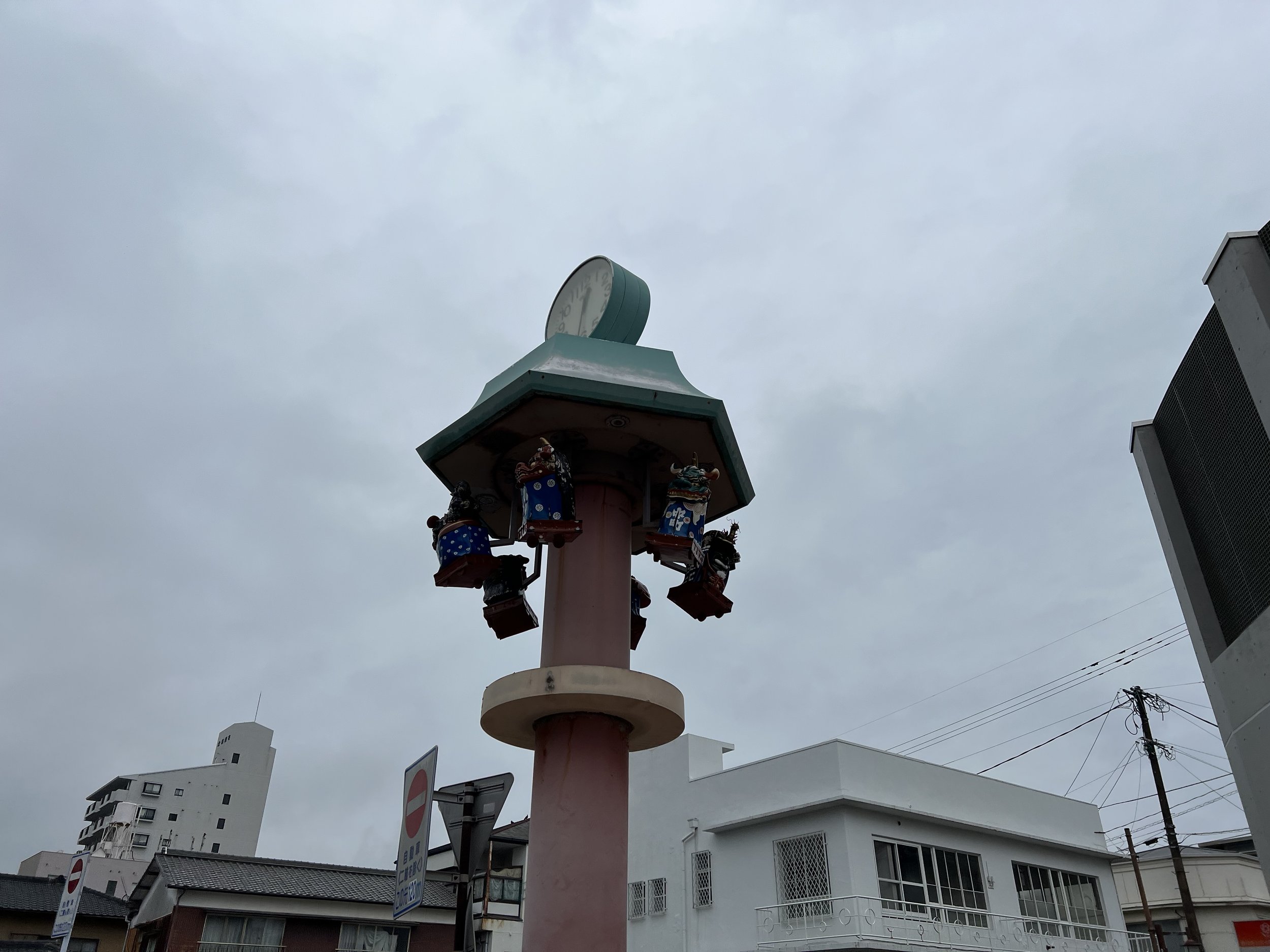
I debated making this trip at all, as the rain was coming down steadily, but in the end I decided to head out toward Karatsu. Karatsu has long been an important coastal town, serving as a key departure point for ships bound for Korea and China. Its location, one of the closest points in Japan to the Korean Peninsula, made it a vital maritime hub for trade and diplomacy. Today, the town is best known for Karatsu Castle and the annual Karatsu Kunchi Festival.
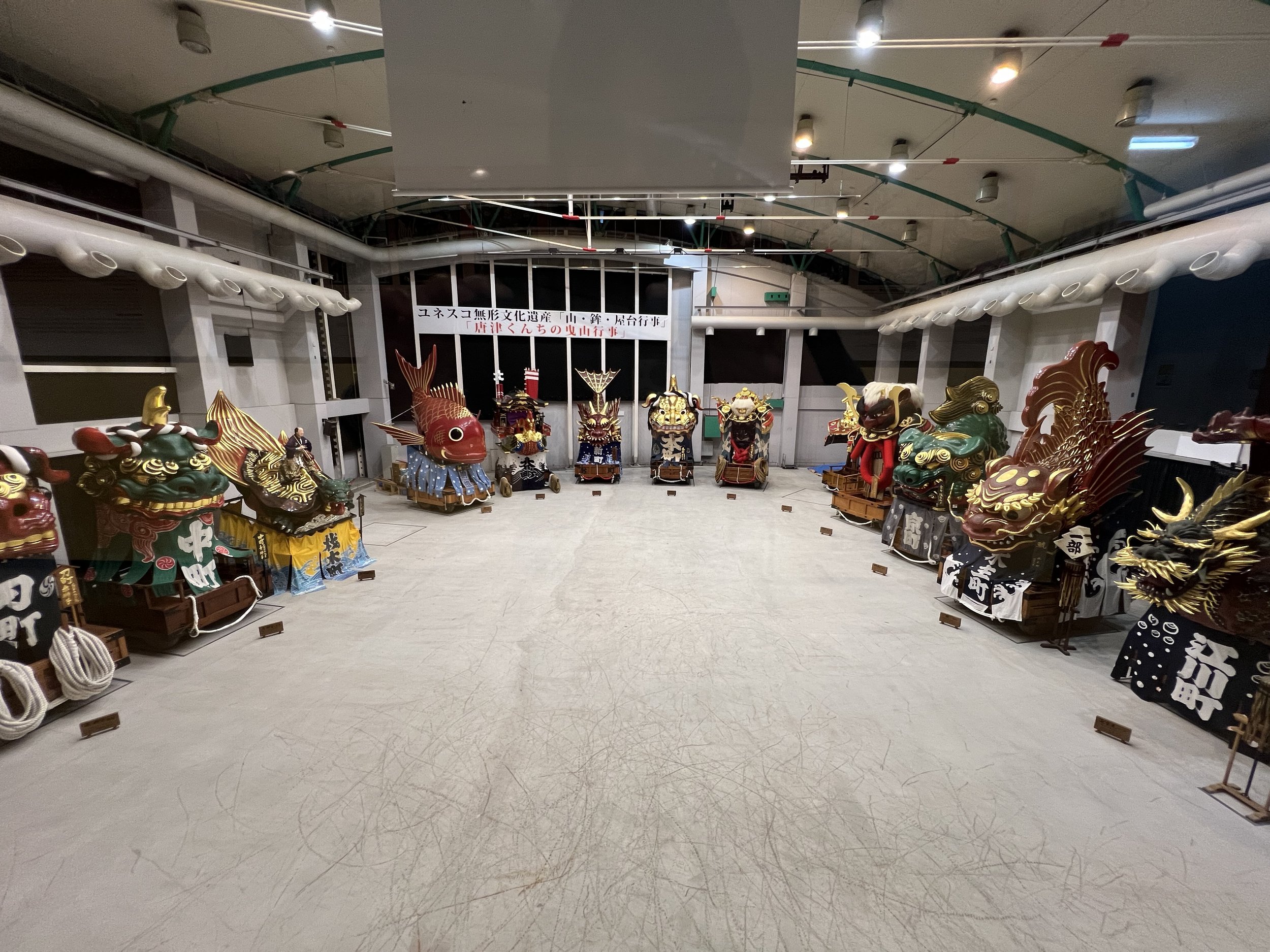
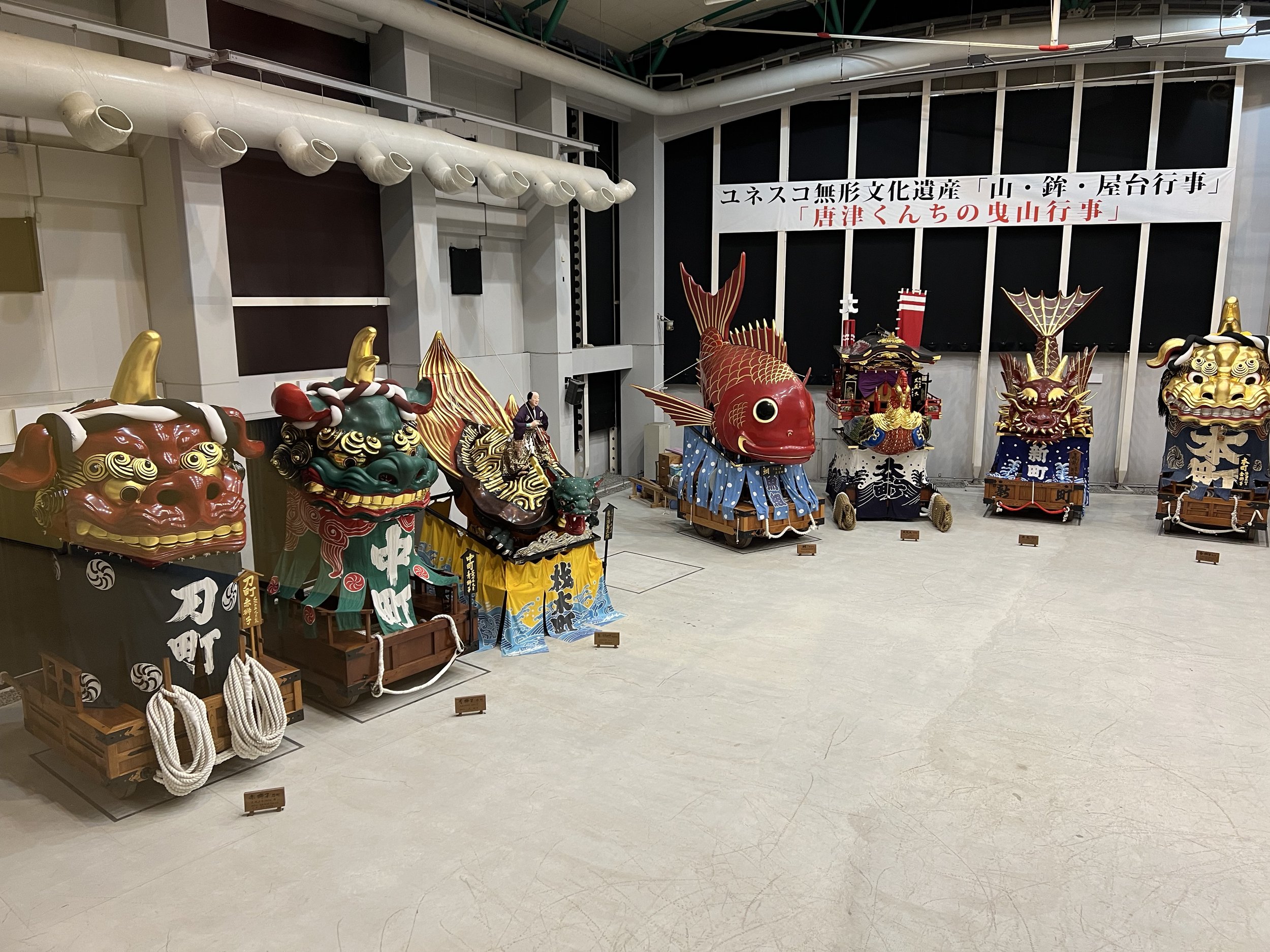
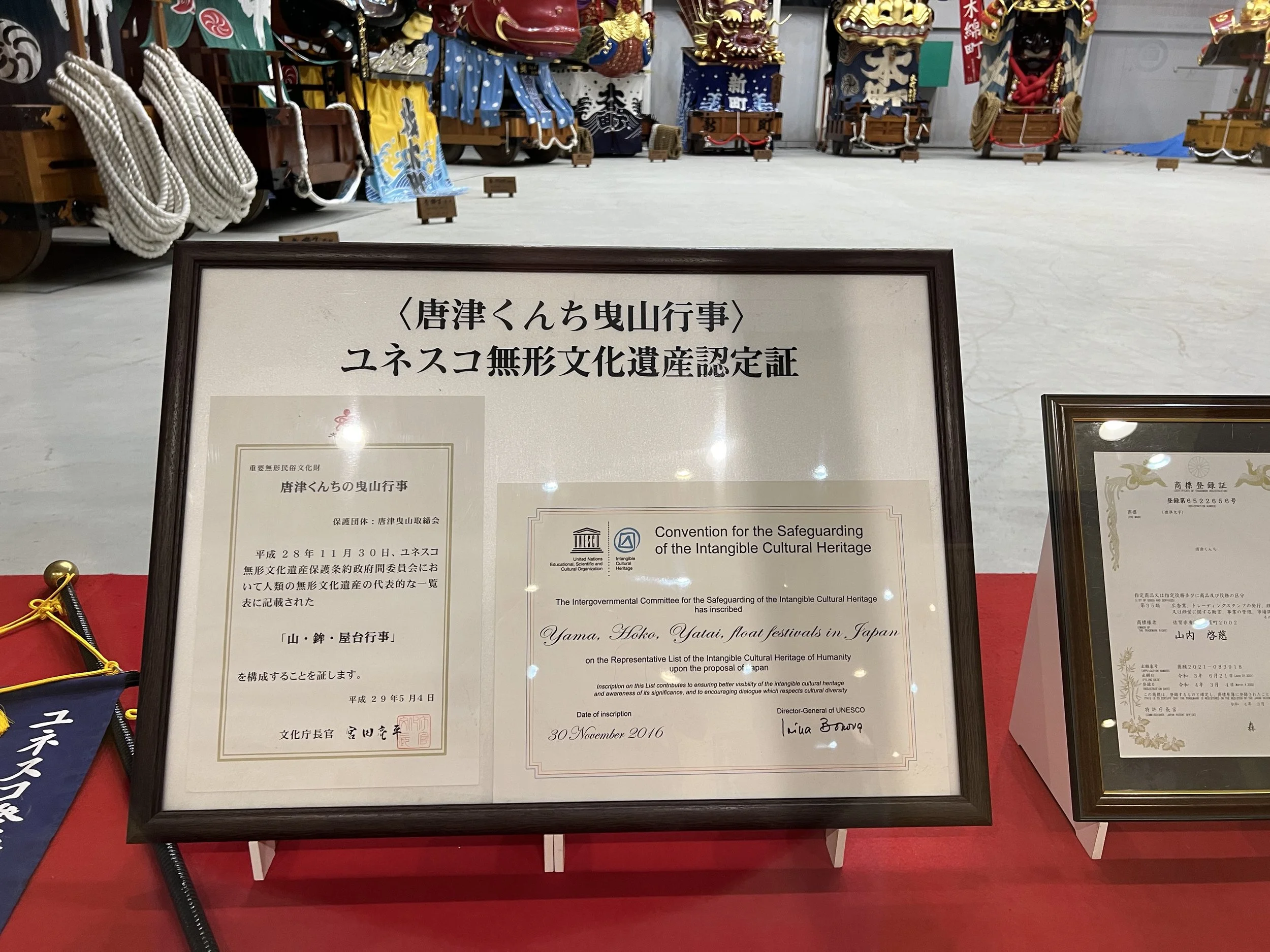
By the time I arrived at Karatsu Station, the rain had eased, giving me a brief window to explore on foot. My first stop was the Hikiyama Exhibition Hall, which houses the floats used during the Karatsu Kunchi Festival. The exhibition hall contains a collection of 19th-century floats known as hikiyama, fourteen of which are paraded each year during the festival. These massive floats are elaborately decorated and often shaped like samurai helmets, lions, dragons, and sea creatures. Constructed using lacquerware and washi paper, the festival itself has been designated a UNESCO Intangible Cultural Heritage, with the floats carried through the old castle town under lantern light.
The exhibition hall was empty when I arrived, allowing me to move slowly through the compact exhibition space. Up close, the level of craftsmanship was striking. From a distance, some of the floats appeared smaller than expected, but standing beside them revealed just how massive they are. Gold leaf detailing and intricate ornamentation became more apparent as I examined them more closely, often relying on my camera’s zoom to take in the finer details. On the second floor, I took a short break to watch a video outlining the history of the festival and showing footage of the floats in motion during the Kunchi celebrations.
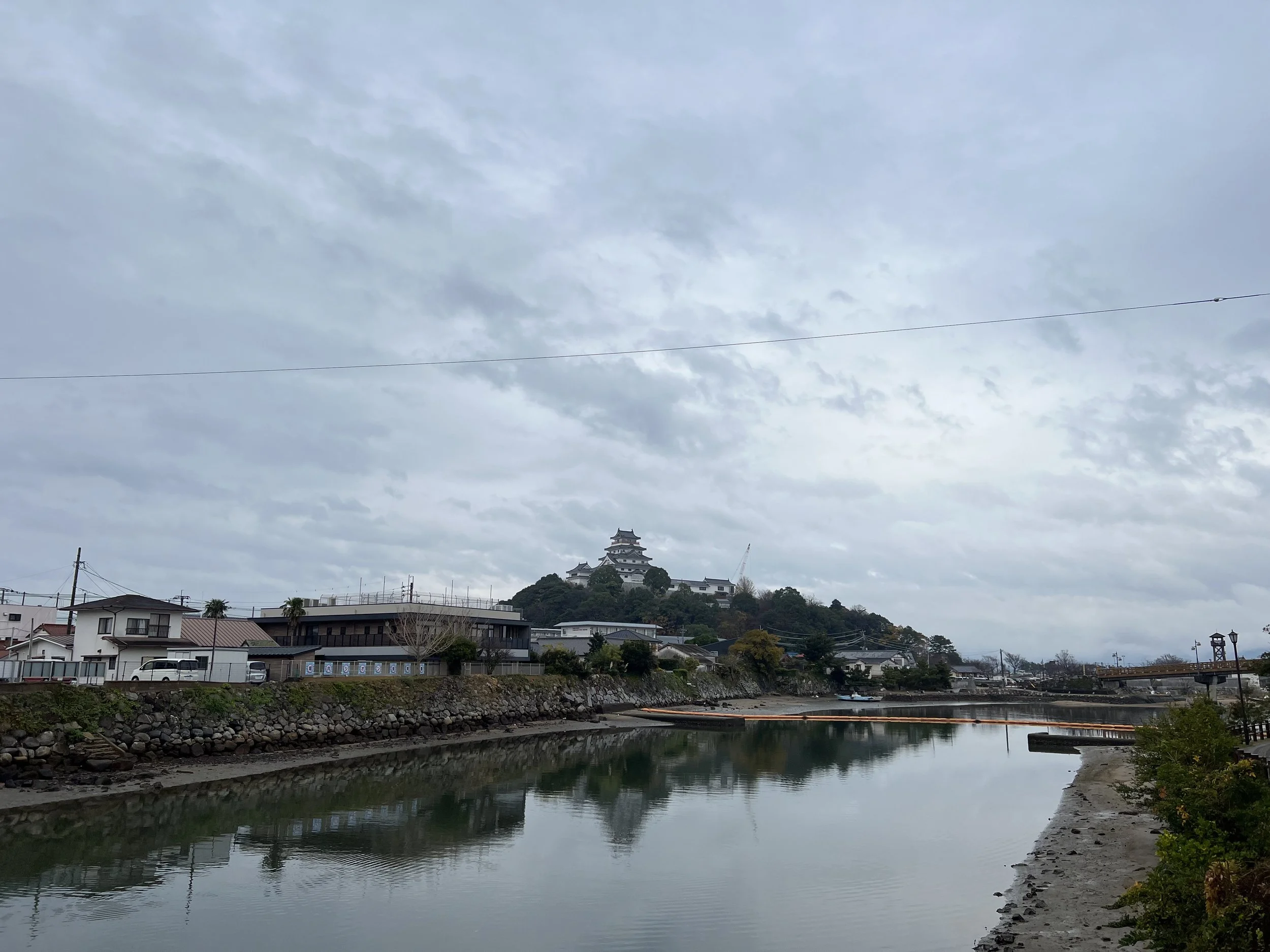
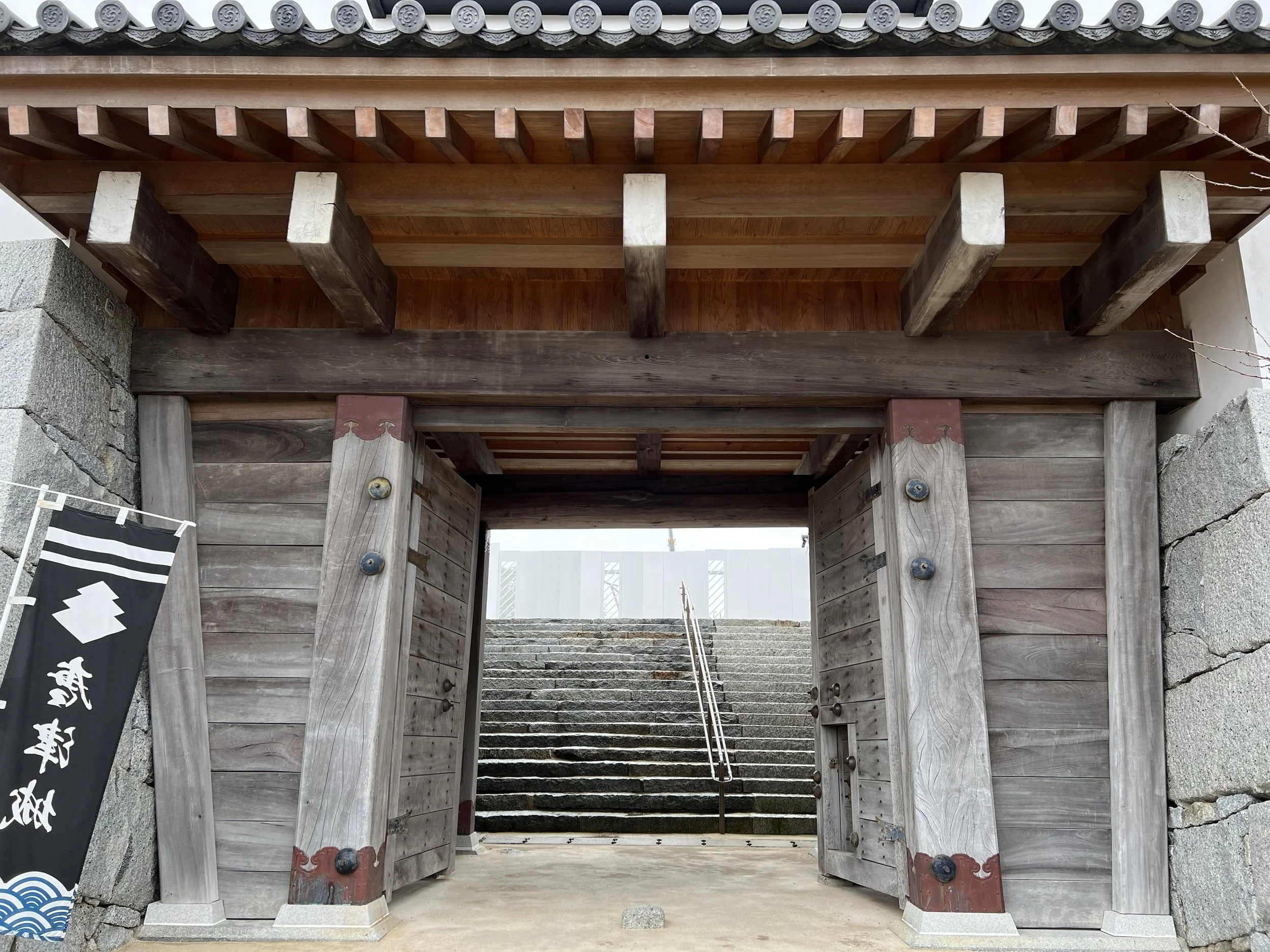
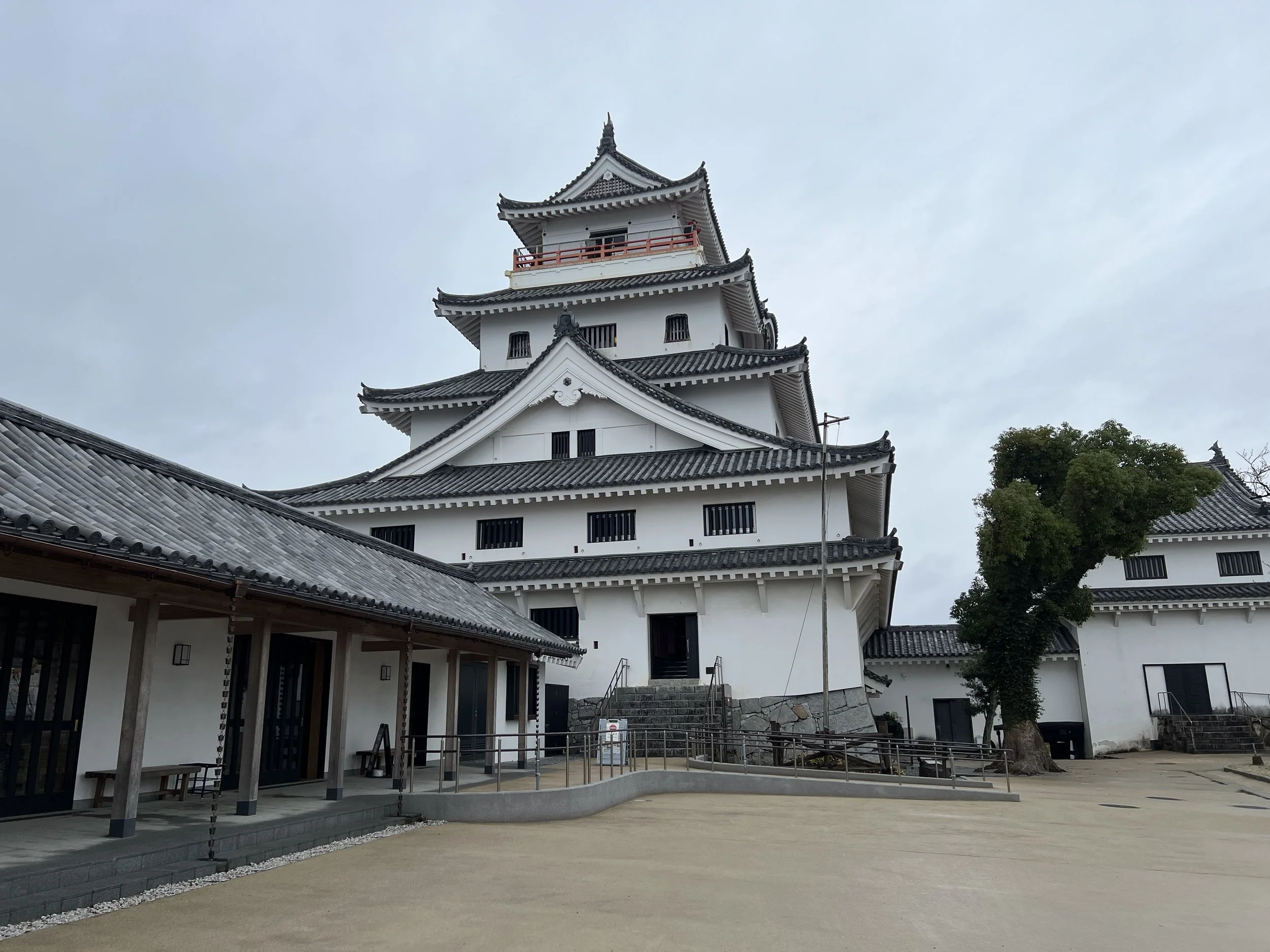
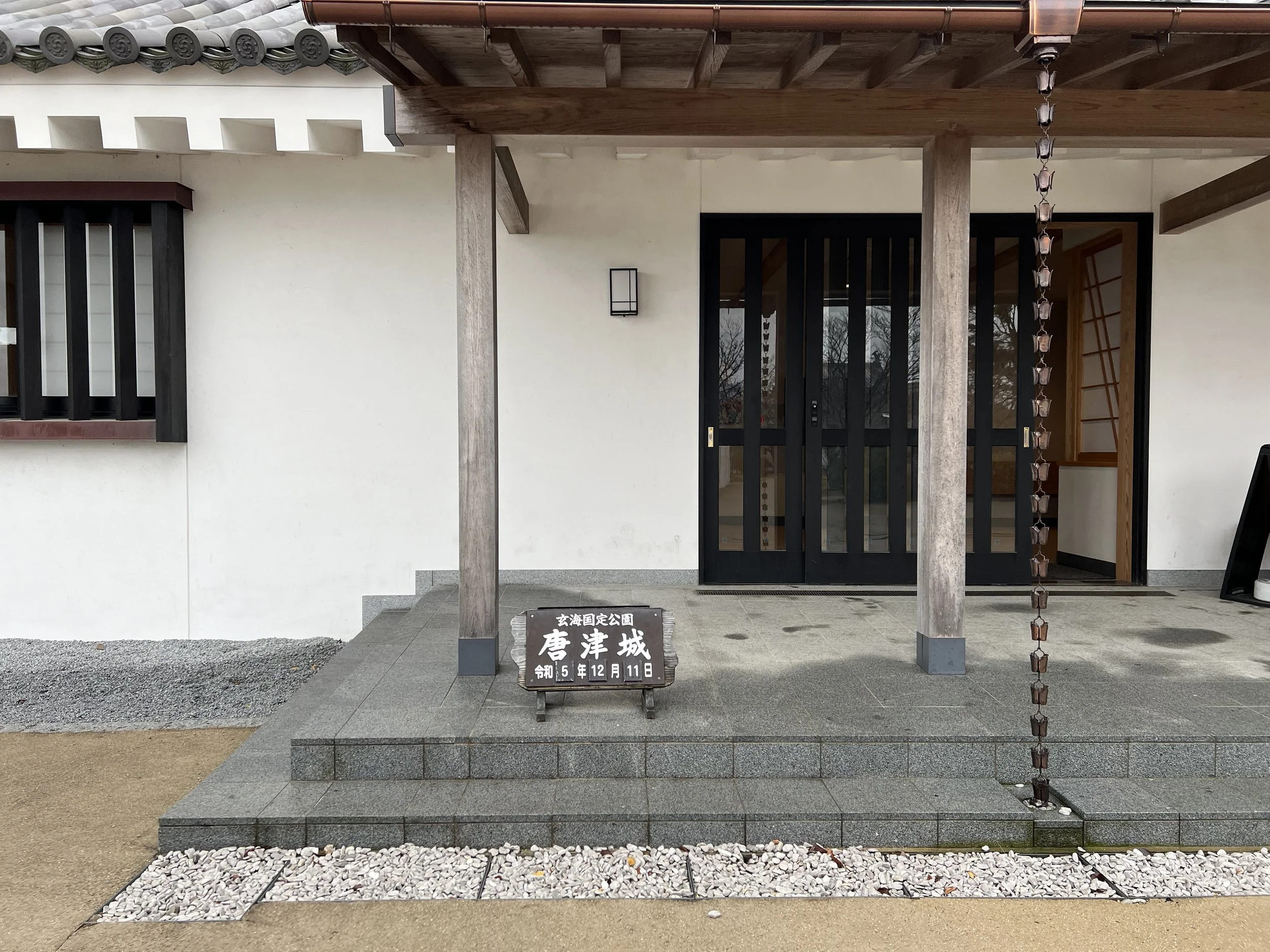
After finishing my visit, I made my way toward Karatsu Castle. The walk from the exhibition hall takes about twenty minutes, and along the way the castle gradually comes into view, perched above the town. Karatsu Castle, also known as Maizuru Castle or “Dancing Crane Castle,” is named for the way its layout resembles a crane’s head, with the curving coastline evoking outstretched wings. The original castle was built in 1608 using materials from the dismantled Nagoya Castle on the nearby Higashi-Matsuura Peninsula. The structure standing today is a postwar reconstruction and now functions as a local history museum.
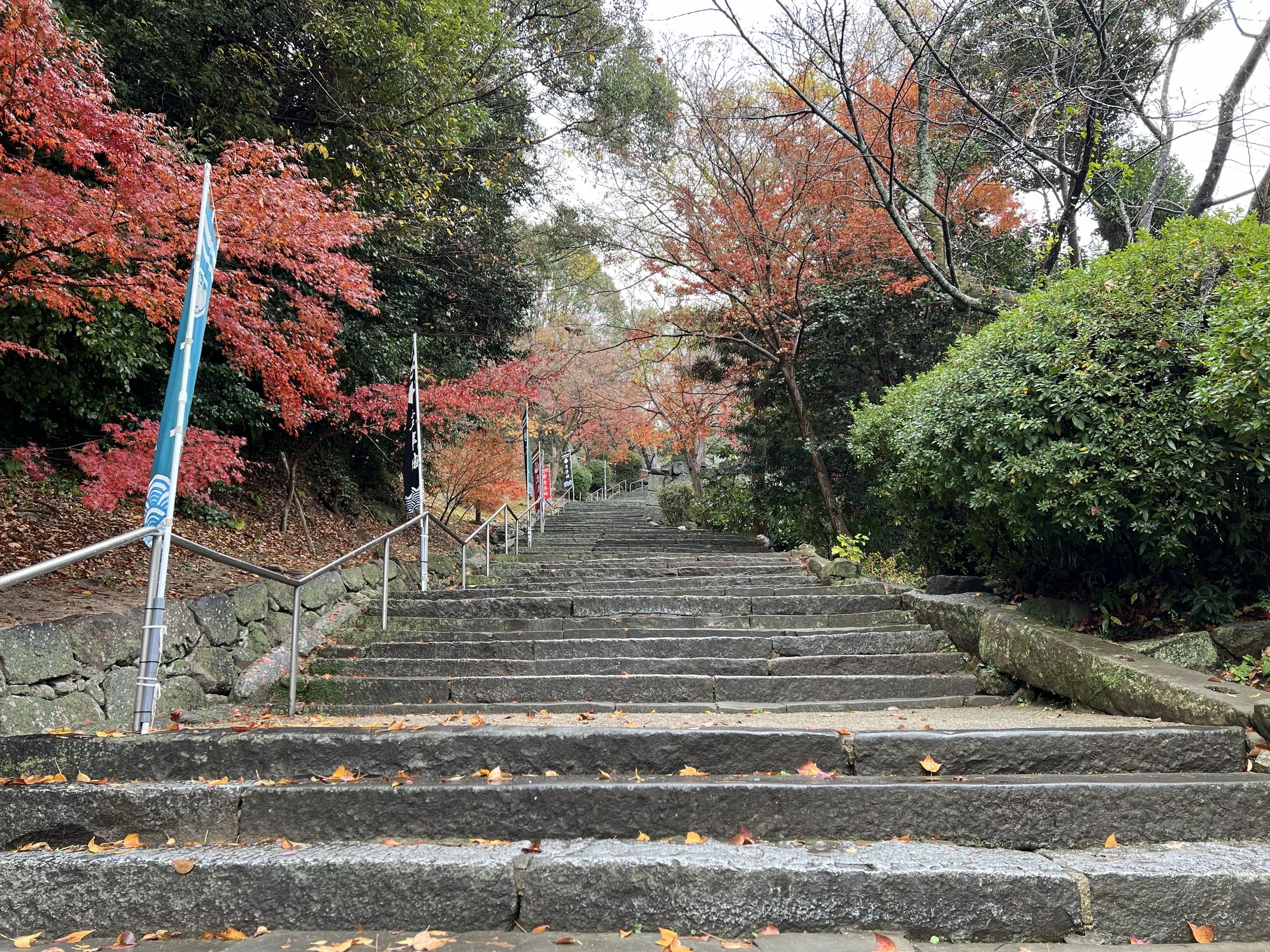
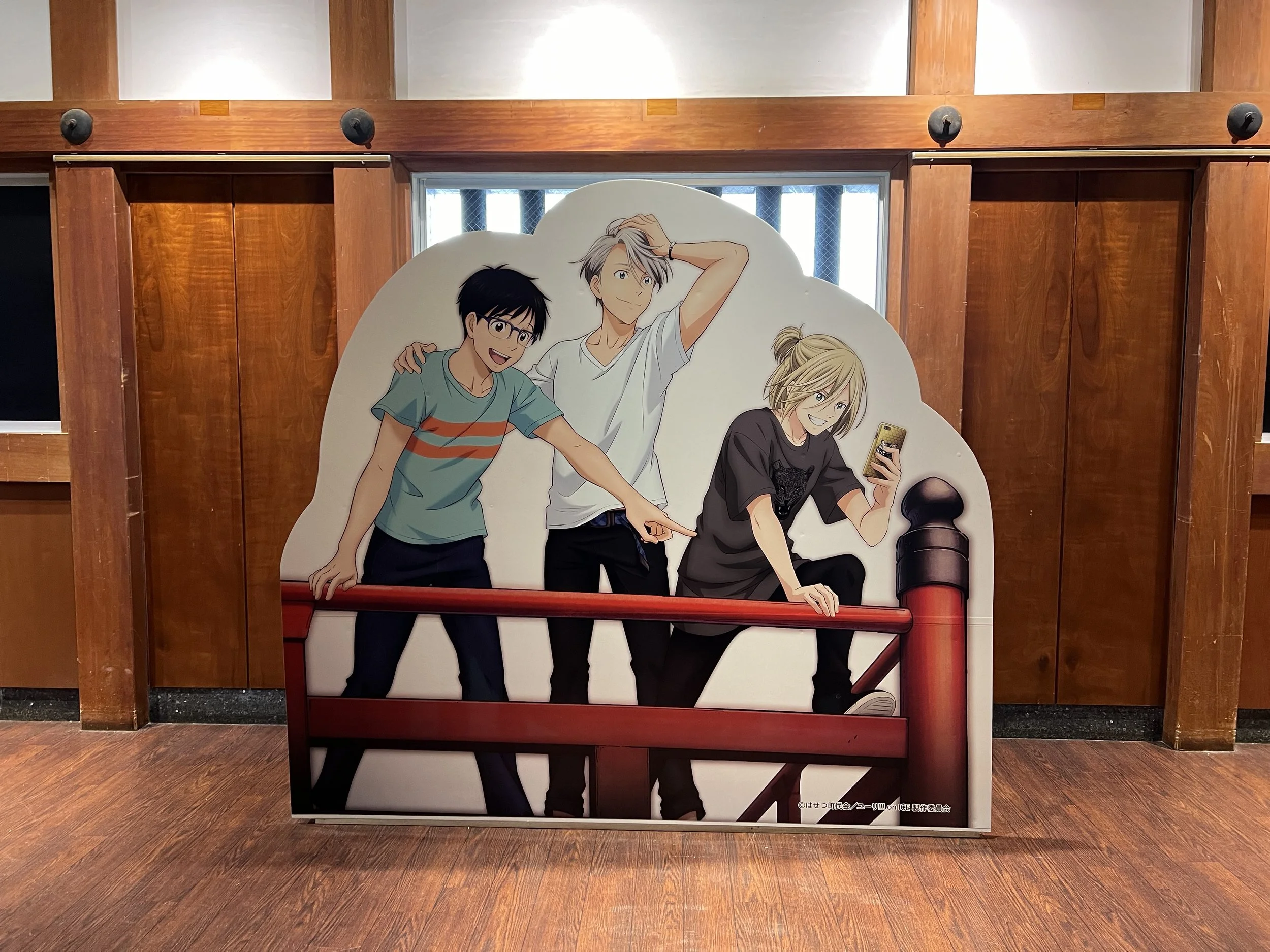
Upon arrival, there were two options to reach the castle keep: climbing the stairs or paying a fee to use the elevator. While the elevator offers a quick ascent directly behind the castle, the stairs provide scenic views along the way, lined with trees still holding onto their autumn colours. Inside the castle, exhibits include samurai armour, weapons, and historical artefacts, alongside some lighter displays referencing modern anime in which the castle has appeared.
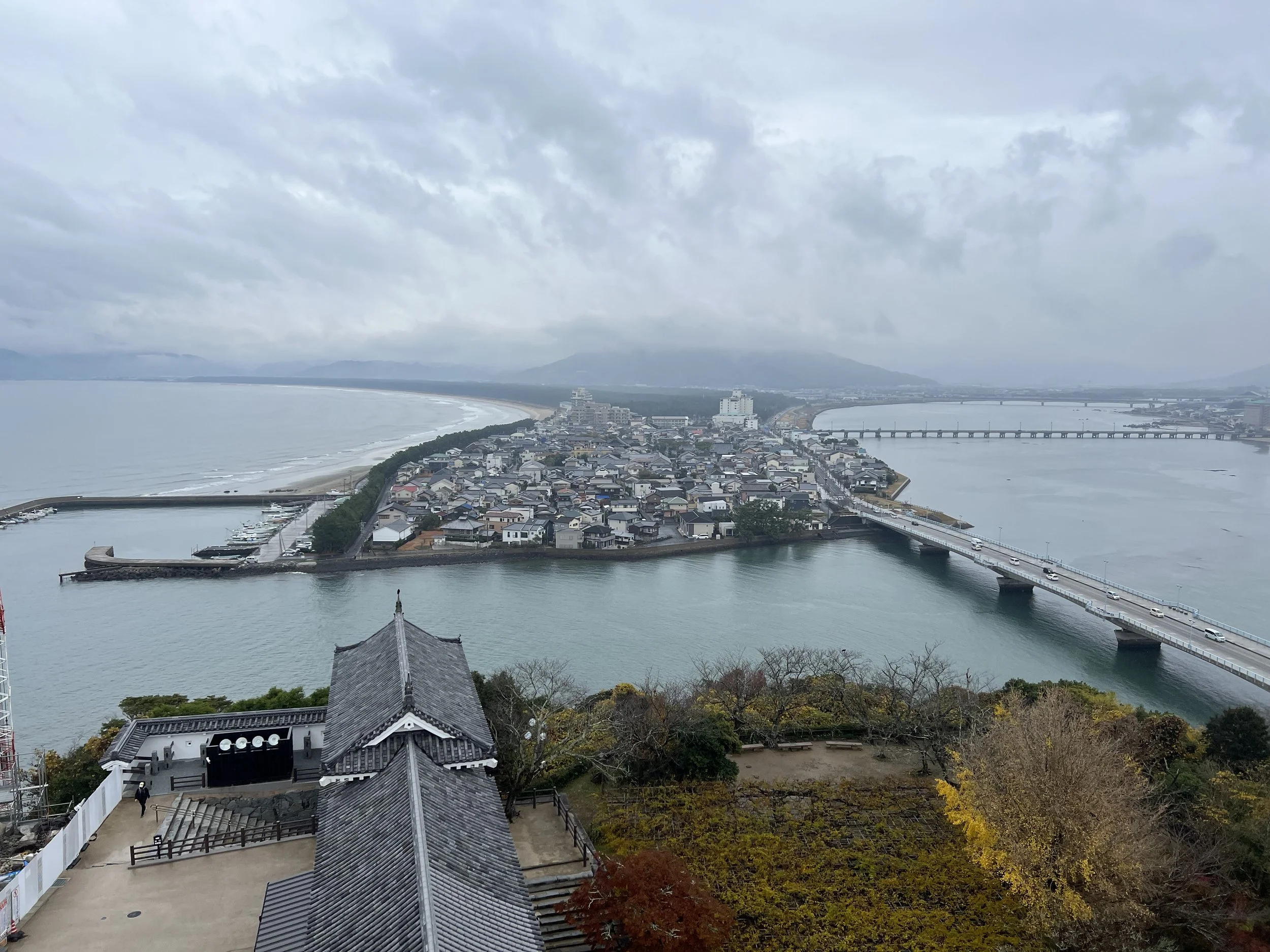
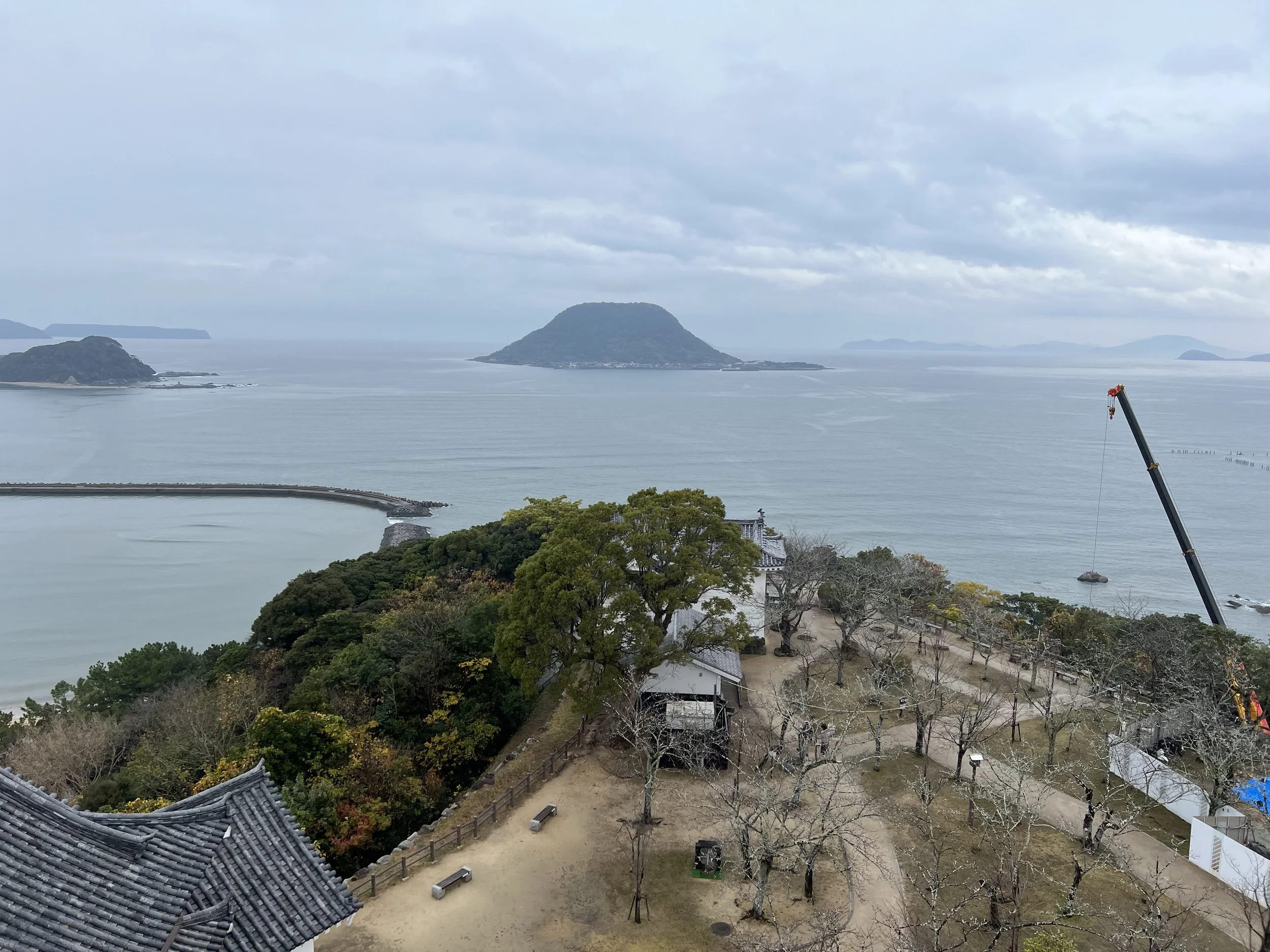
At the top, the view opened up to Karatsu Bay, with the pine grove across the bridge stretching out along the shoreline. I lingered for a moment to take in the scenery before heading back down. As I exited the castle grounds, the rain returned. I briefly considered visiting the pine grove but ultimately decided to skip it and make my way back toward the station. The rain intensified halfway through my walk. Despite the weather, I was glad I hadn’t skipped Karatsu altogether, though I couldn’t help wishing for clearer skies, especially with more hiking routes in the area left unexplored.
History & Background
Karatsu (唐津) developed as a strategic port town due to its proximity to the Korean Peninsula, playing a key role in maritime trade and foreign exchange from medieval times onward. During the Edo period, Karatsu Castle served as the seat of the Karatsu Domain and controlled coastal routes in northwestern Kyushu.
Karatsu Kunchi, held annually in early November, is one of Kyushu’s most famous festivals. Its massive hikiyama floats, first created in the early 19th century, reflect both regional craftsmanship and cultural pride. The festival’s designation as a UNESCO Intangible Cultural Heritage underscores its historical and artistic significance.
Getting There
Karatsu is accessible via JR Karatsu Station, served by the JR Chikuhi Line, with direct train connections from Hakata Station in Fukuoka. Travel time from Hakata to Karatsu is approximately 70 minutes by rapid or local train. From Karatsu Station, both the Hikiyama Exhibition Hall and Karatsu Castle are within walking distance, making the town easy to explore on foot.
Route Overview
Distance: 3.97 km out & back (Karatsu Station)
Total elevation gain: 47 m
Duration: 48 min (with breaks 1 hr 20 min)
Difficulty: Easy
Cost Breakdown
Train: Hakata Station → Karatsu Station — ¥1,290
Entrance Fee: Hikiyama Exhibition Hall — ¥310
Entrance Fee: Karatsu Castle — ¥500
Food: ¥400