Kurobe Gorge - Day 2: Toyama, Japan
After enduring a full day of rain in the gorge yesterday, I woke up relieved to see that although the skies were still heavy with clouds, the rain had finally stopped. It felt like a small win—just enough to hold onto hope that today might go as planned.
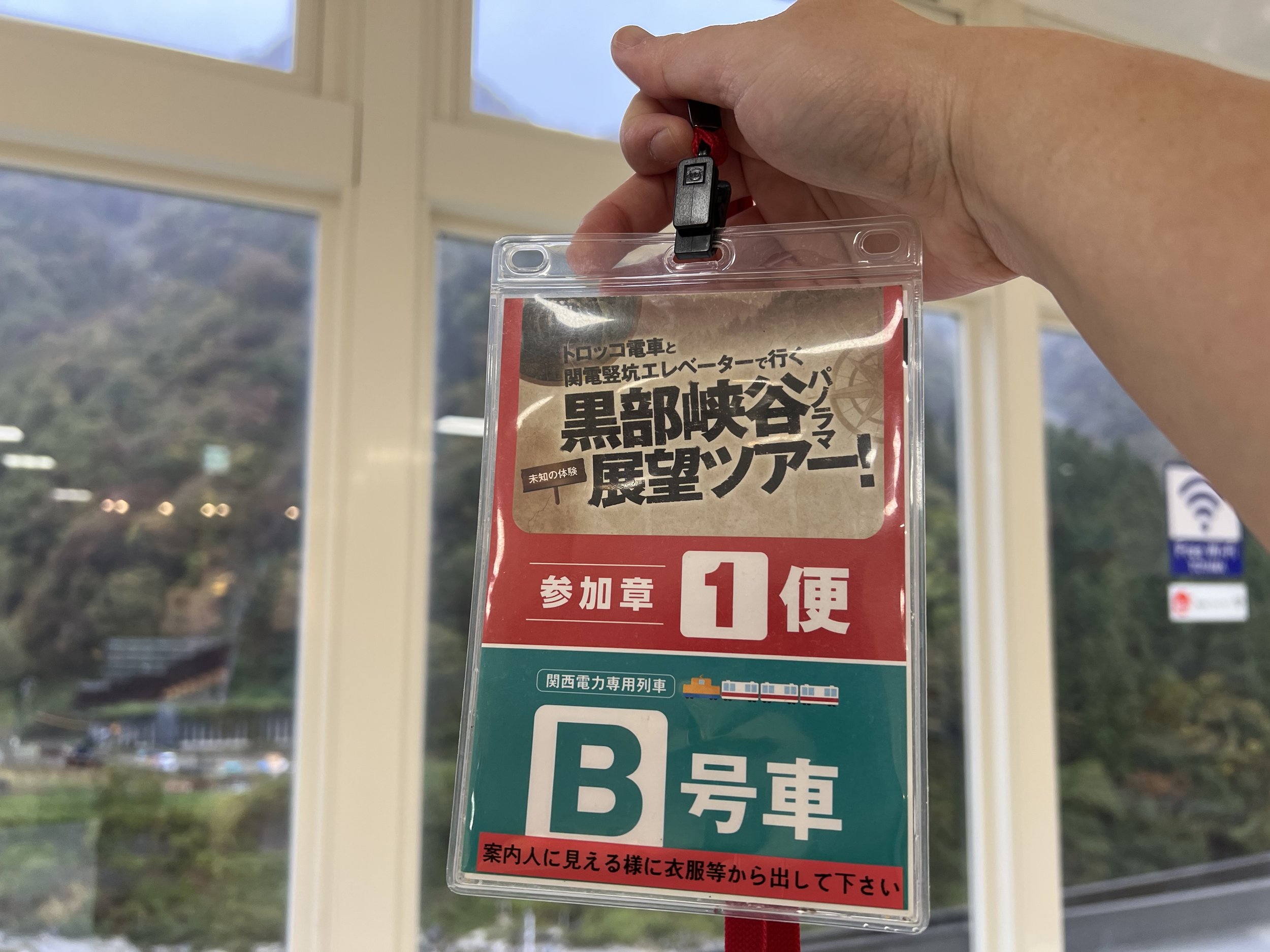
I left my accommodation early and made my way to Unazuki Station to check in for my Kurobe Gorge Trolley Train panoramic tour. After completing the check-in process, we were given a short safety briefing, along with badges and a small folder of information for the journey. Since there was still time before departure, we were told we could explore the area but needed to return to the meeting point in 30 minutes.
That’s when everything started to unravel. An announcement came on informing us that the trains had been cancelled due to the heavy downpour from the previous day. Fallen trees were blocking the tracks, and while crews were working to clear them, there was no clear timeline for when—or if—service would resume. I went back to the tour counter to confirm, hoping there might be some flexibility or update, but the staff simply told me that my tour would be refunded and that they had no information on whether trains would run later in the day. I was gutted. Riding the trolley train had been one of the main reasons I came here.
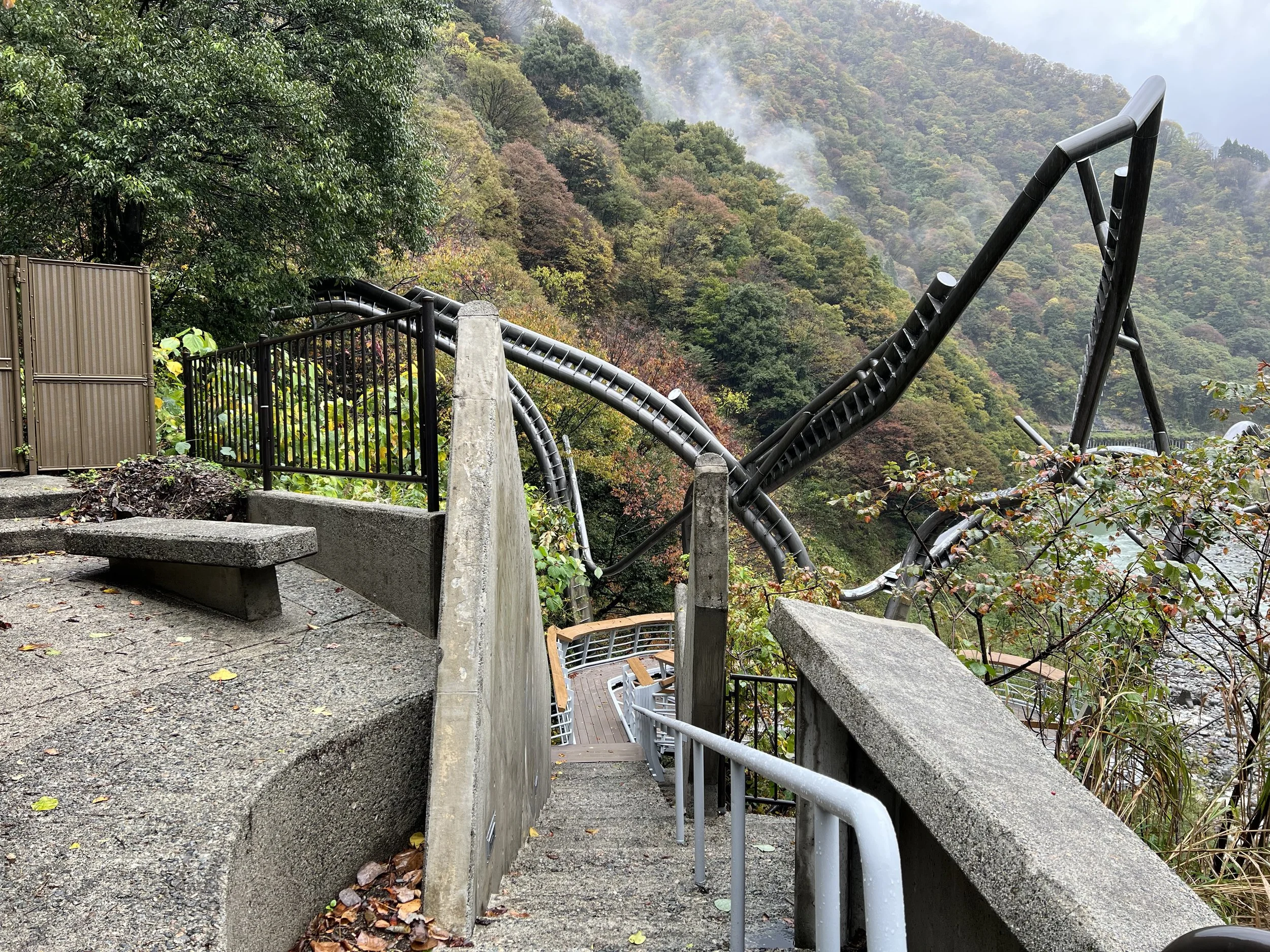
With nothing else to do and no certainty about the trains, I decided to make the most of the morning by revisiting Omokage Observatory—a stop I had skipped the day before thanks to a surprise encounter with Japanese macaques. This time, the monkeys were nowhere to be found, and I finally had the chance to take in the observatory itself. The structure was designed to resemble the flight path of a bird looking down over the gorge. I tried to see the vision behind it, but if I’m being honest, it didn’t quite register as a bird’s path to me. Still, the view was worth the visit.
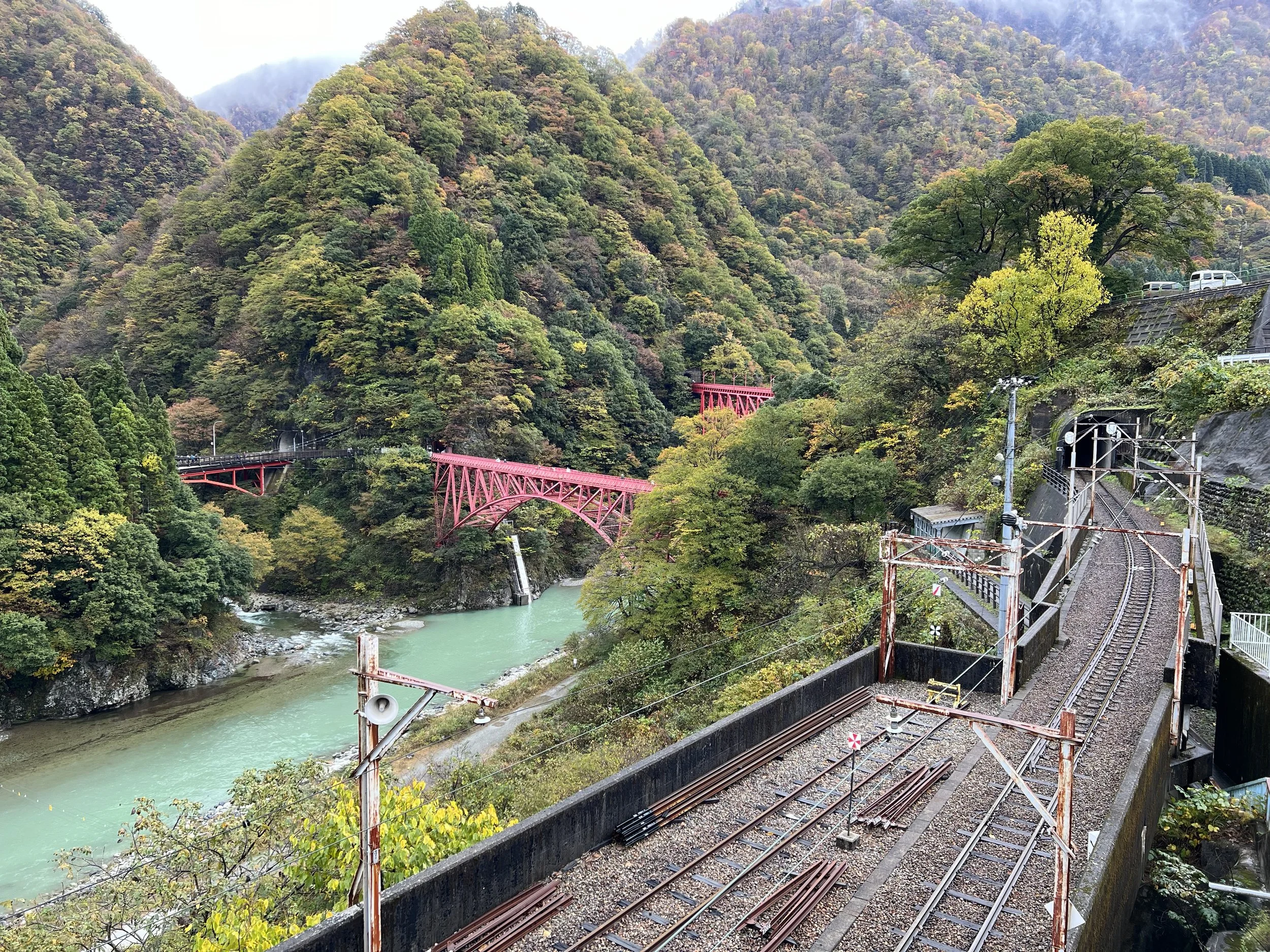
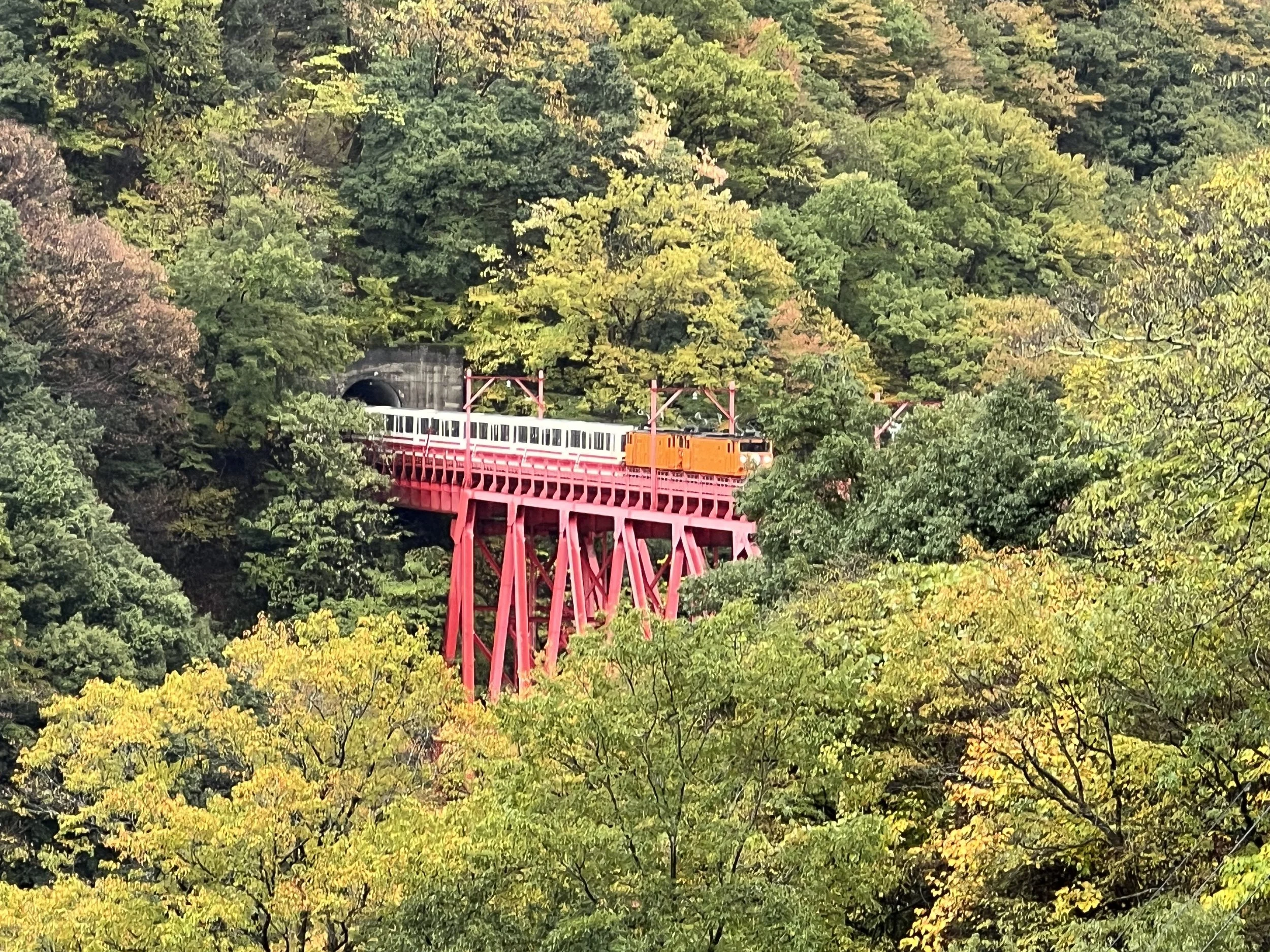
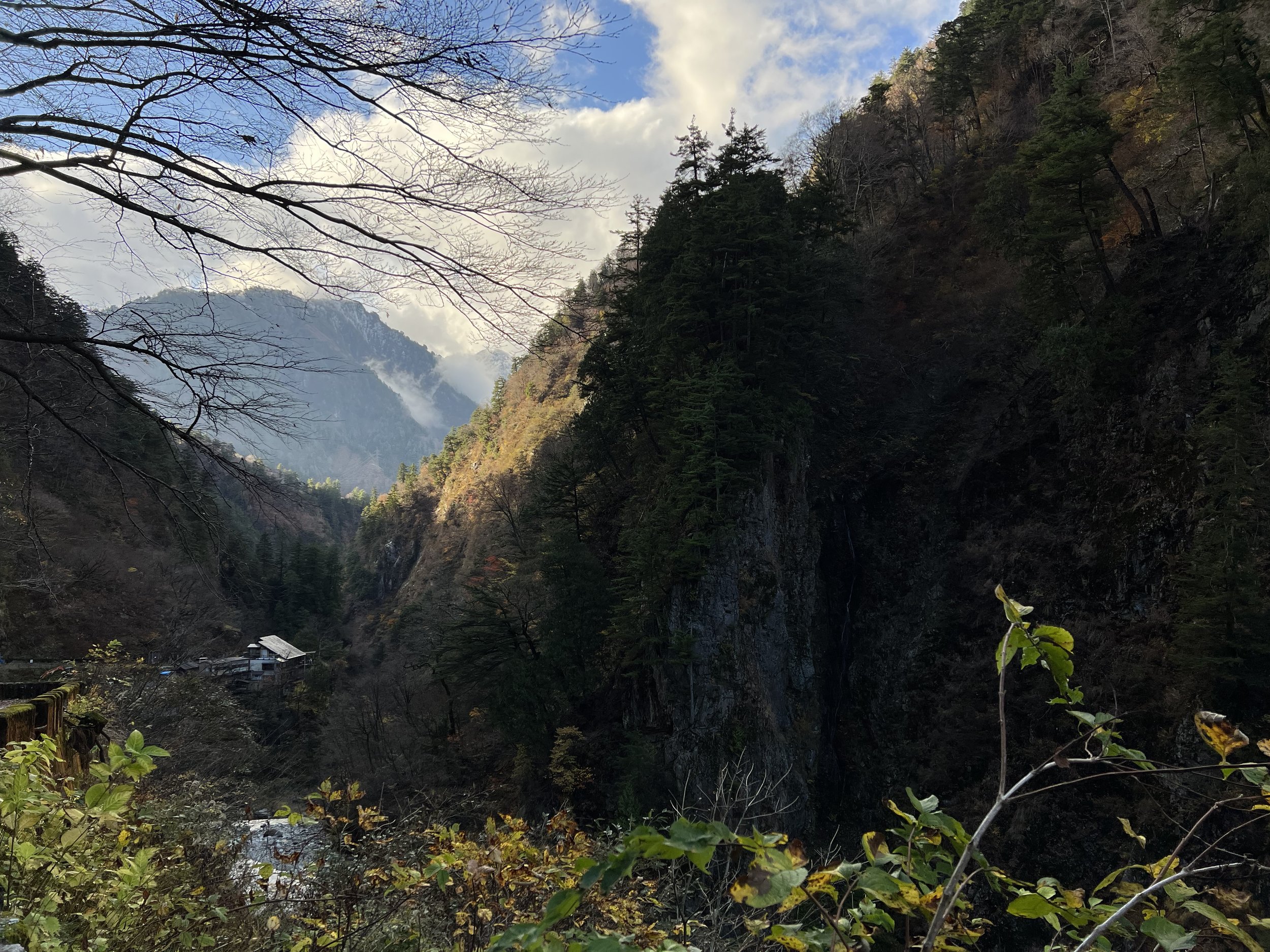
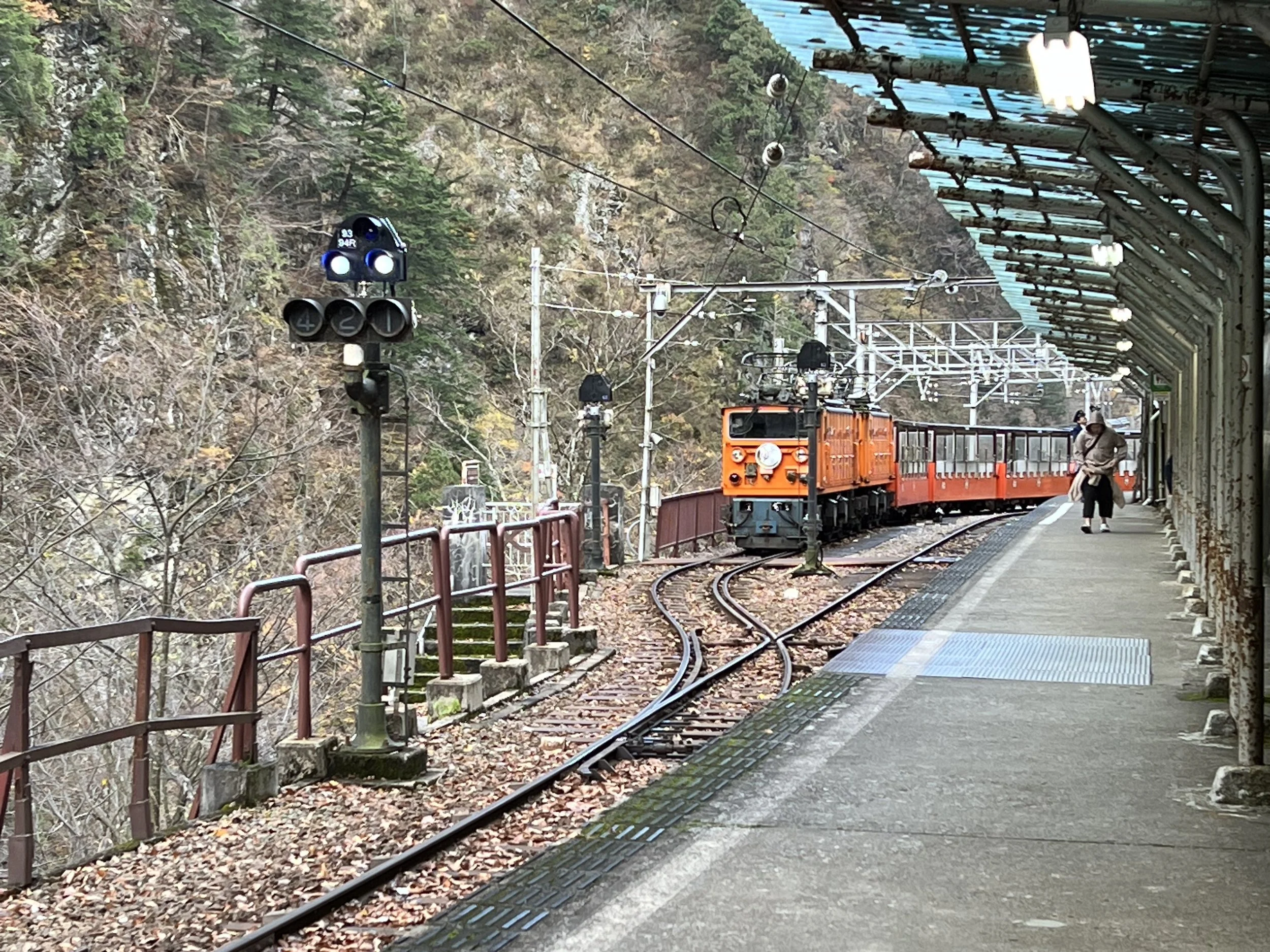
Afterwards, I returned to the foot bath I had enjoyed the day before. Sitting there again, soaking my feet and taking in the quiet atmosphere, felt like a brief pause from the uncertainty of the day. Eventually, I made my way back to Unazuki Station, hoping for some kind of update. Still nothing. Not wanting to just wait around, I continued on to Yamabiko Observatory nearby. I found a spot to sit and spent some time just watching the river flow below and the iconic red train bridge cutting across the landscape. About an hour passed like this—quiet, still, and almost meditative. Then, out of nowhere, I saw it—a trolley train slowly approaching the station.
I didn’t hesitate. I got up immediately and headed back, hopeful. And finally, some good news: the fallen trees had nearly been cleared, and service was expected to resume in the afternoon after a test run confirmed the tracks were safe. I was back in the game. Since my original ticket had been tied to the cancelled tour, I needed to purchase a new one. I headed straight to the counter and booked the first available train from Unazuki Station to Keyakidaira Station.
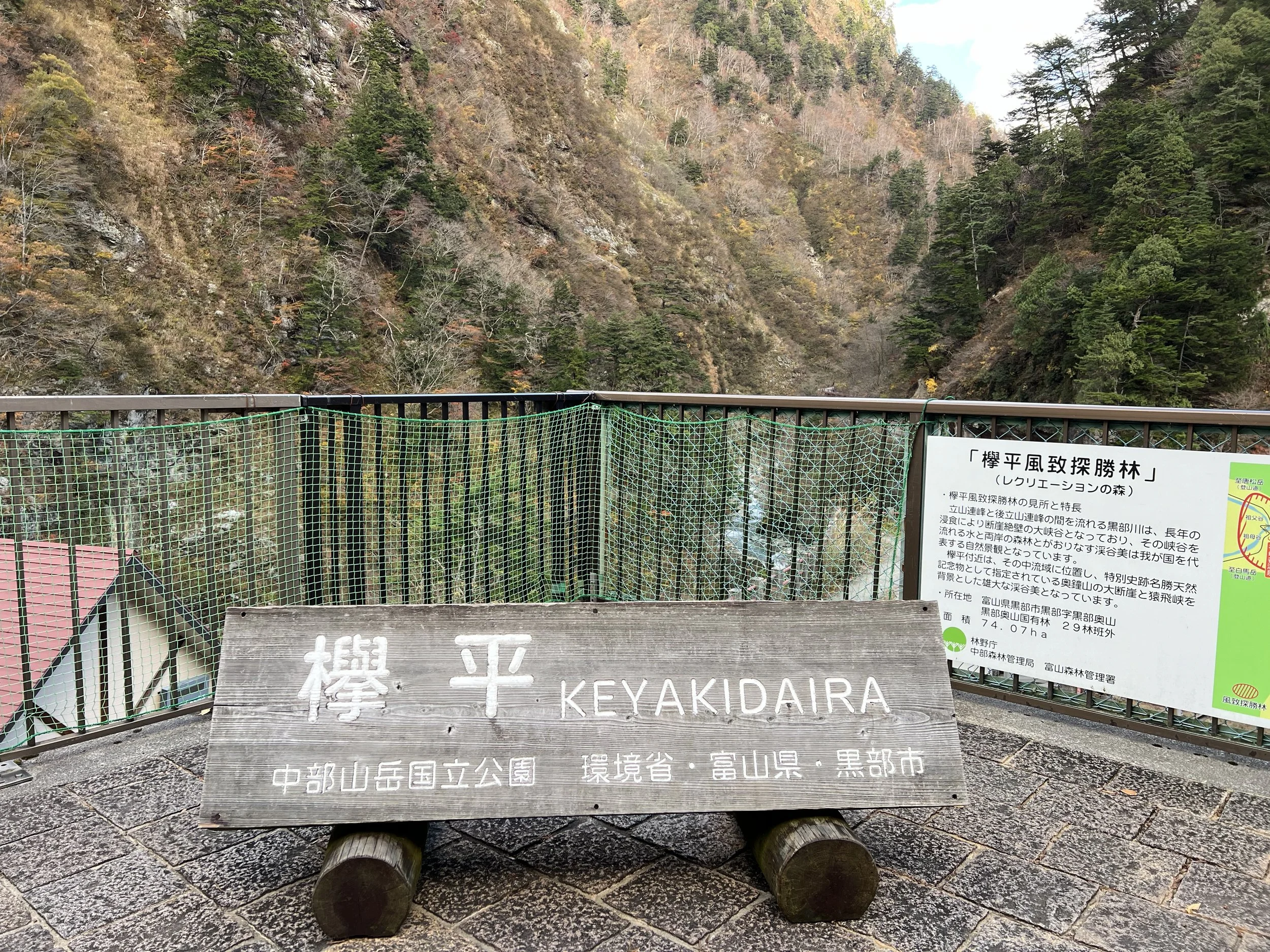
The Kurobe Gorge Railway has four main stops: Unazuki, Kuronagi, Kanetsuri, and Keyakidaira. My original plan had been to explore each one, but with the morning lost, I had to adjust. I decided to go straight to Keyakidaira first, then work my way back to Kanetsuri Station before returning to Unazuki.
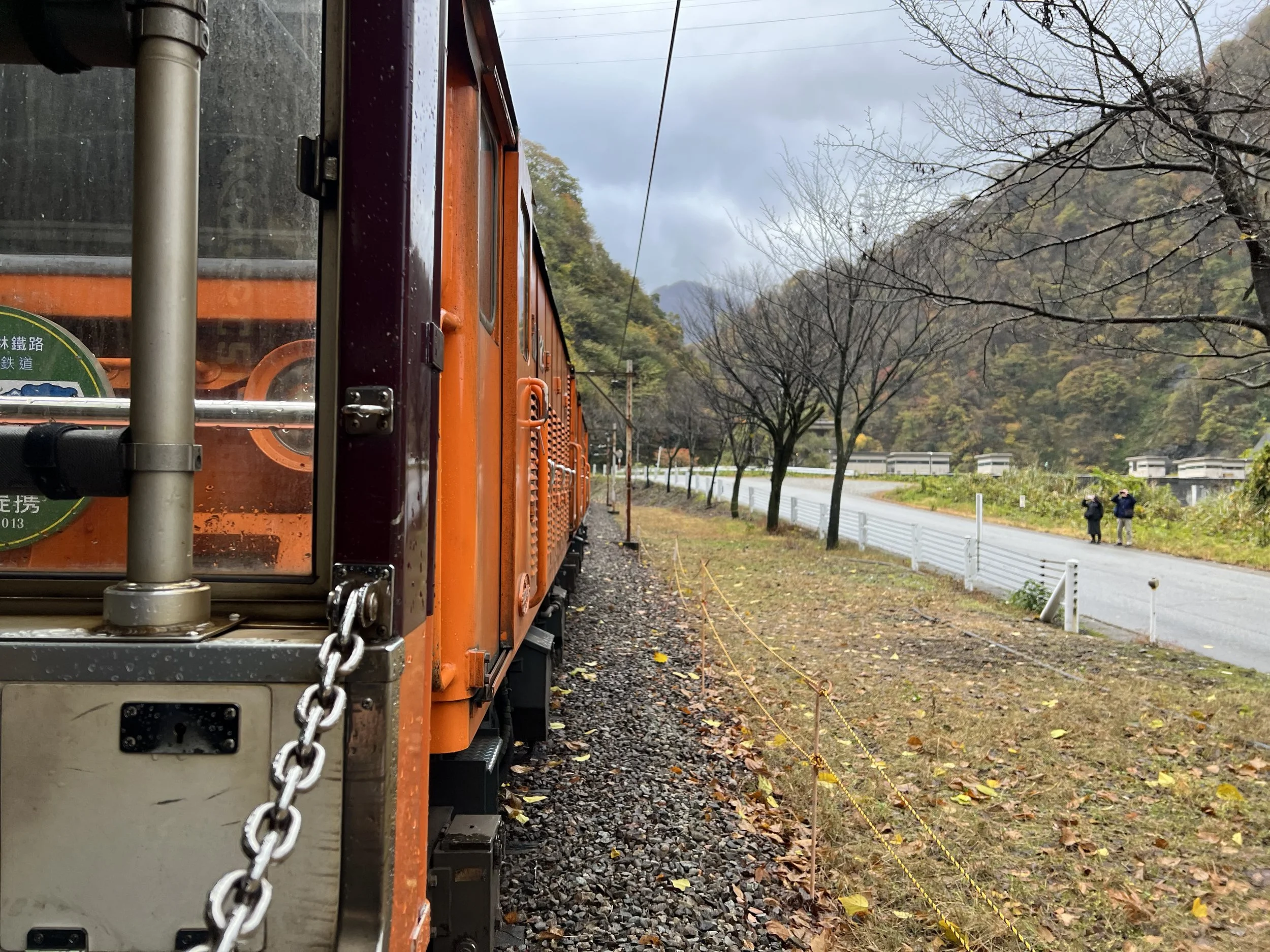
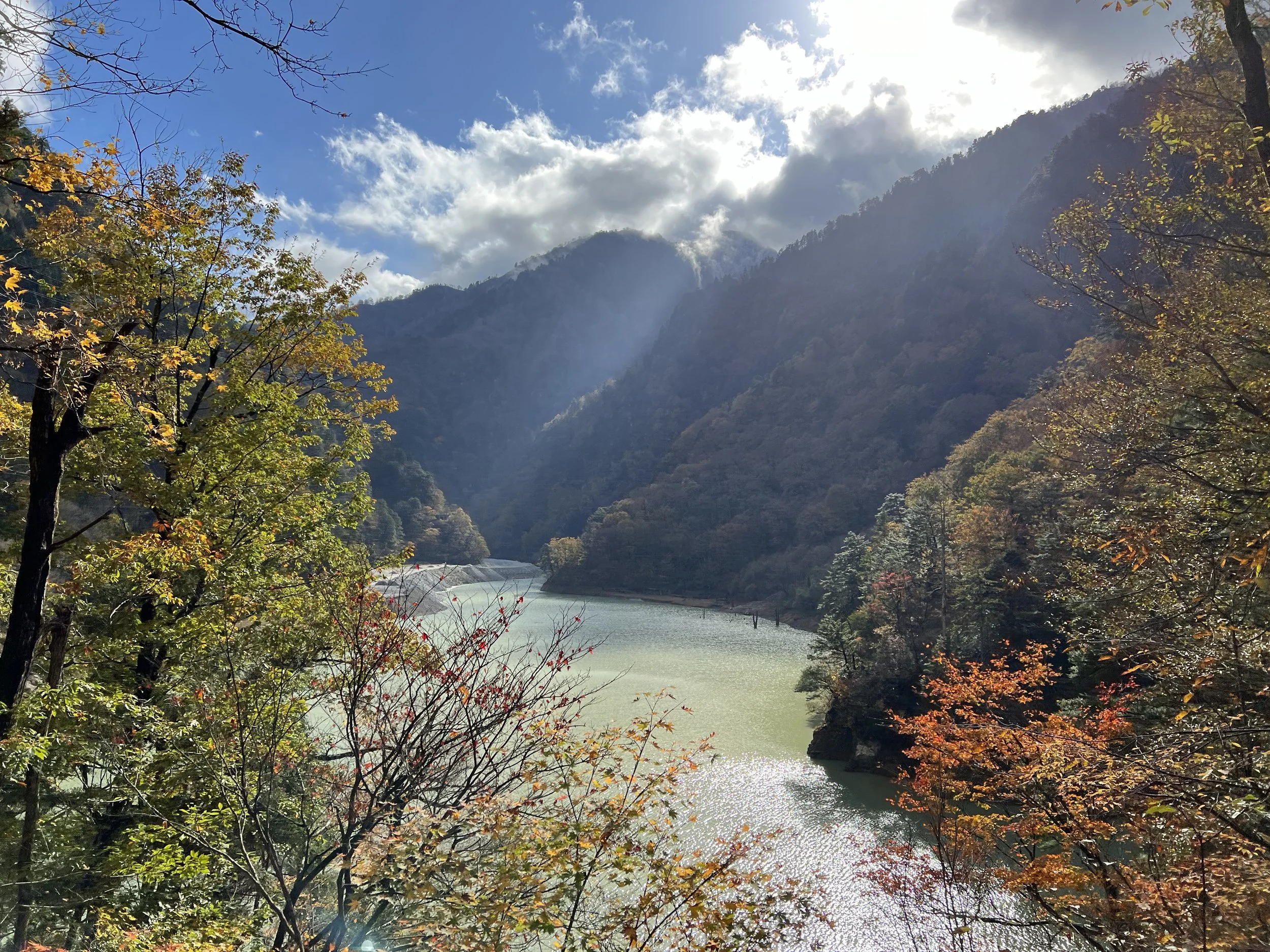
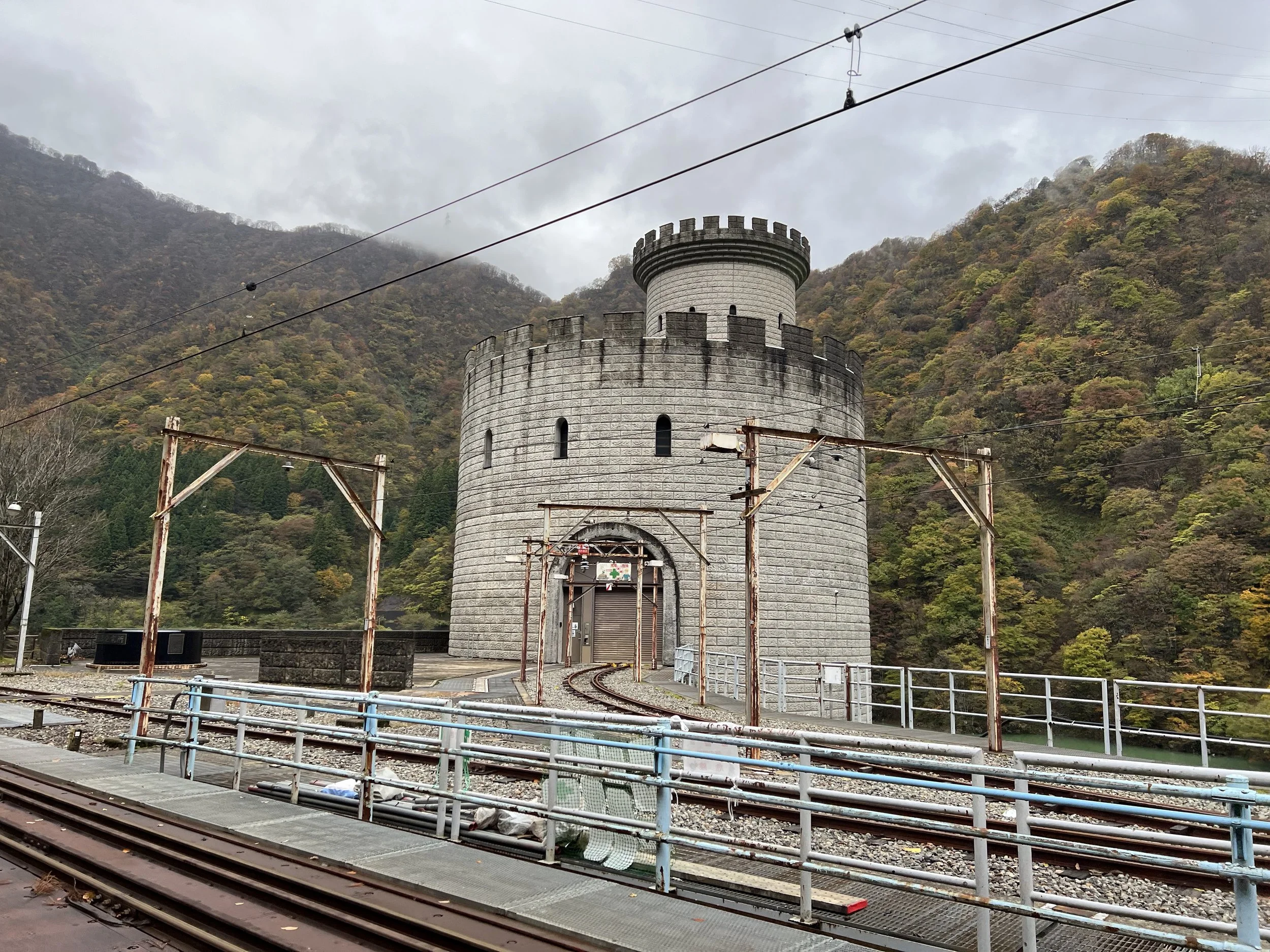
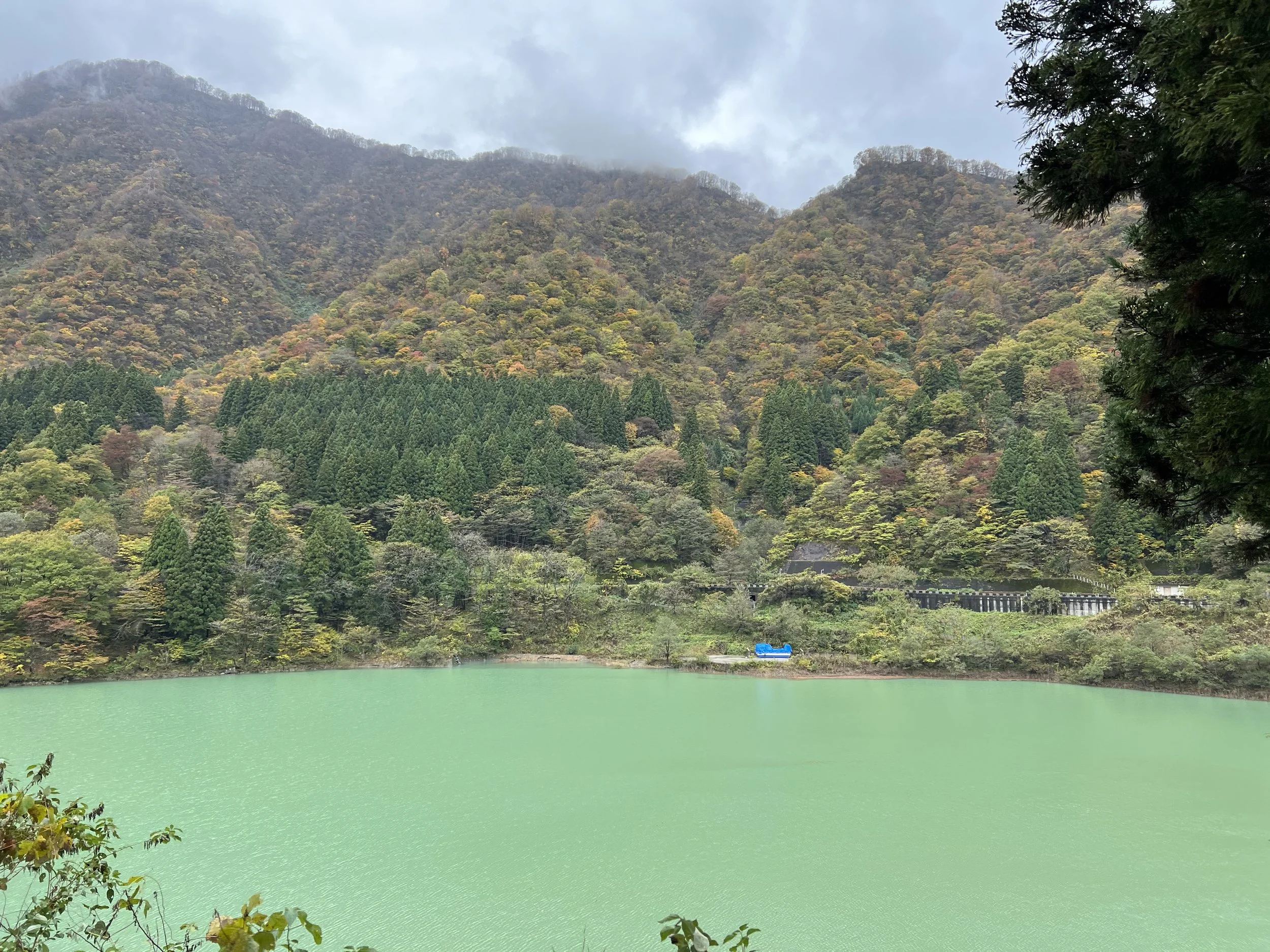
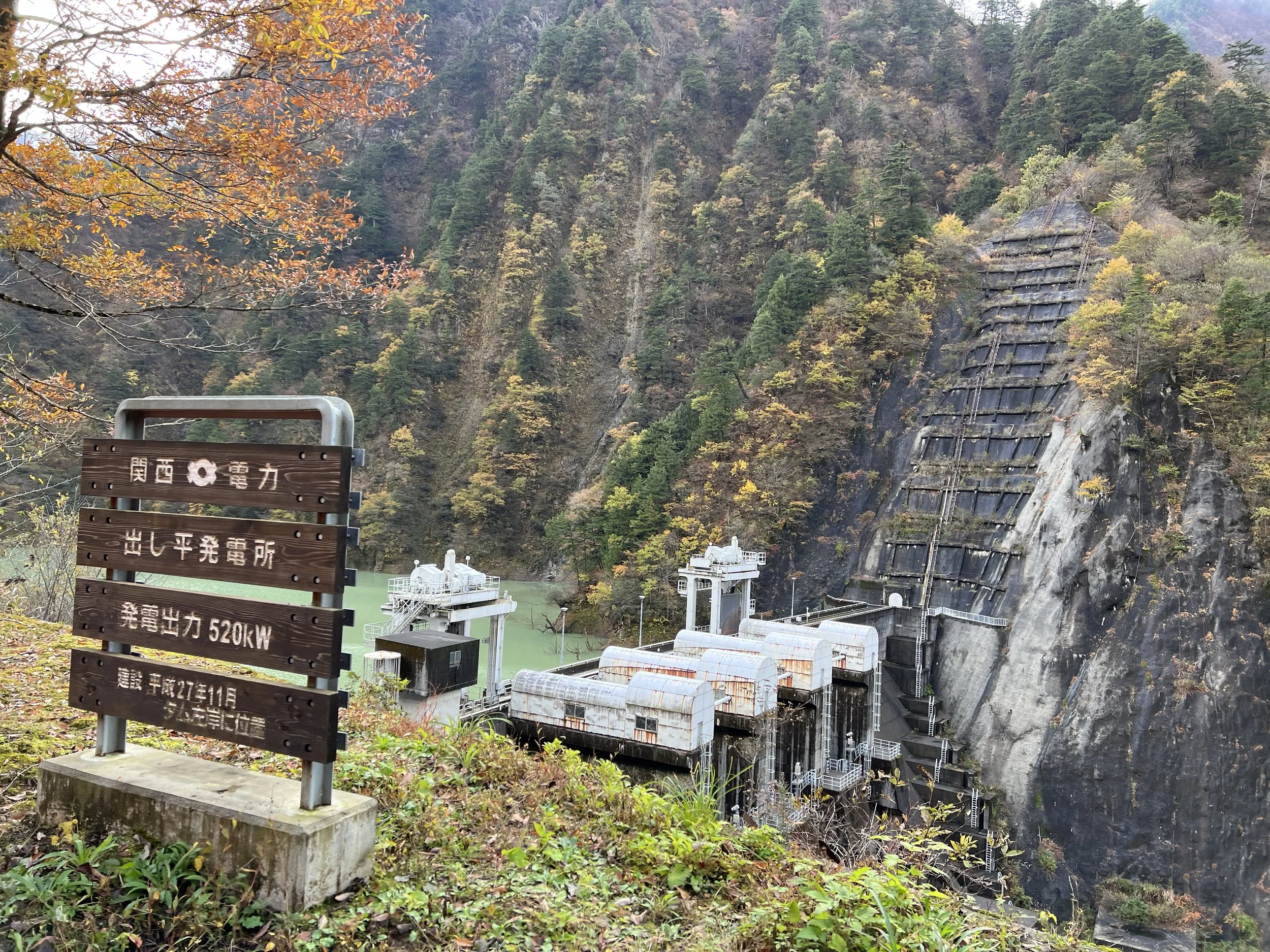
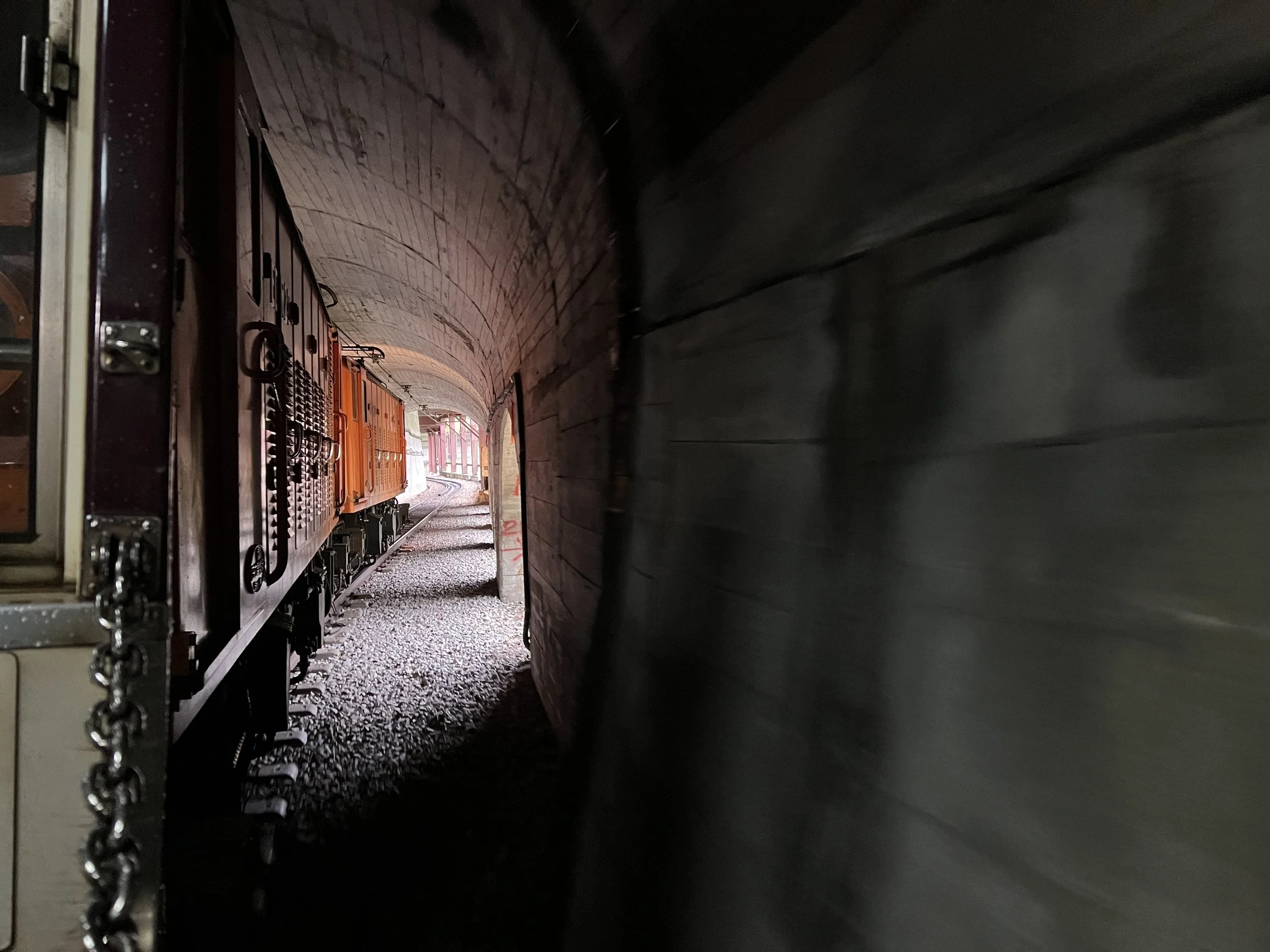
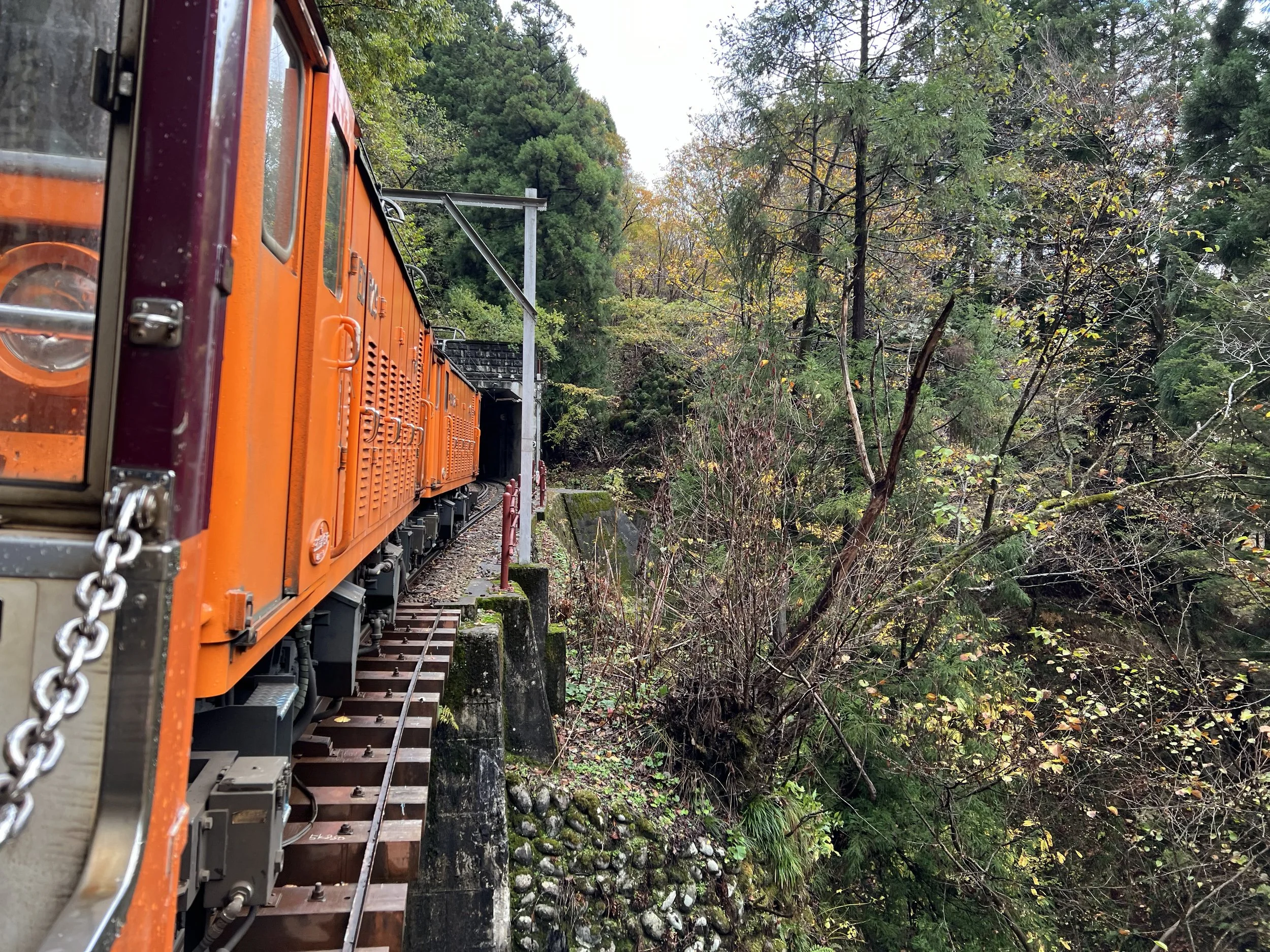
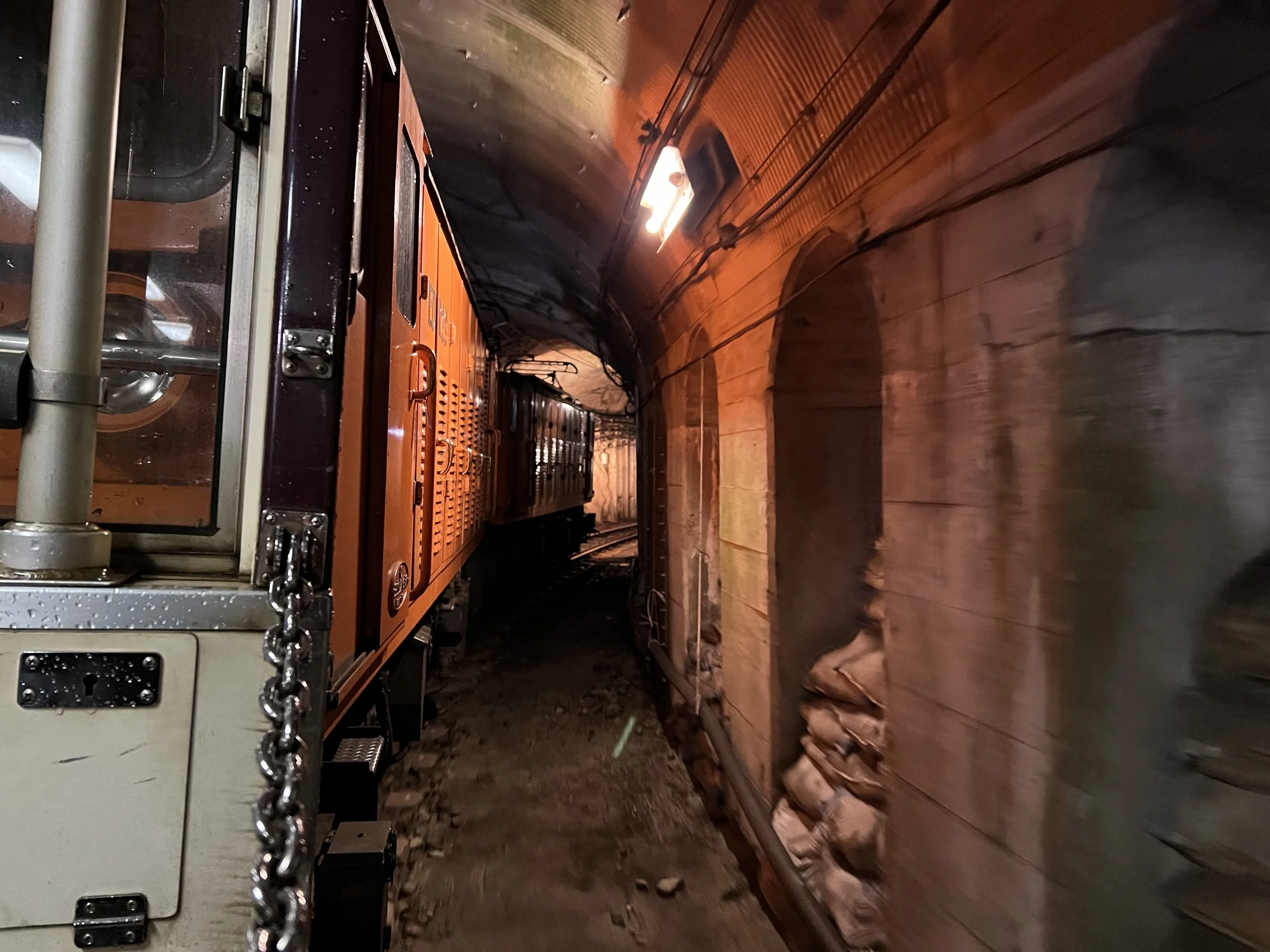
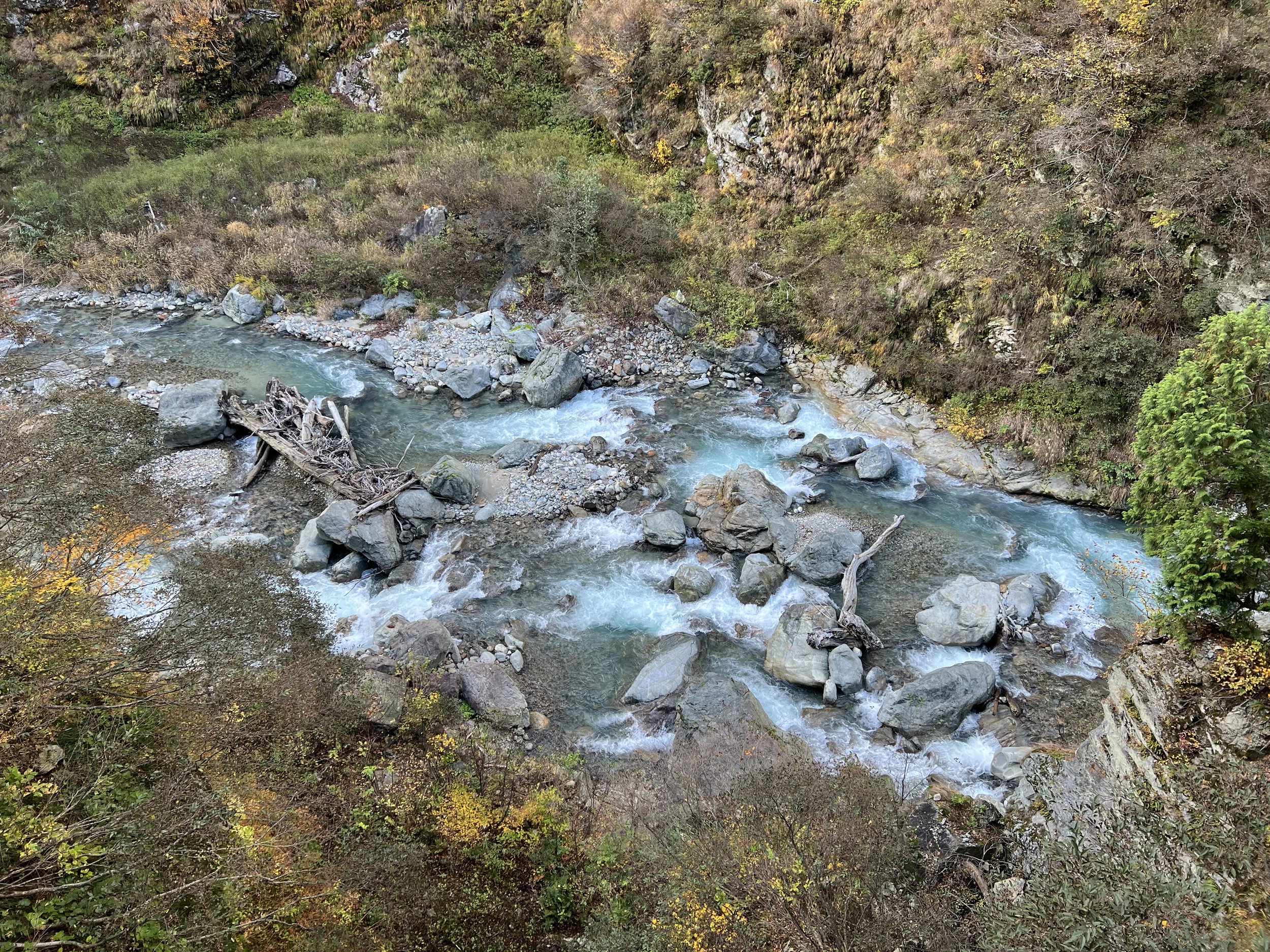
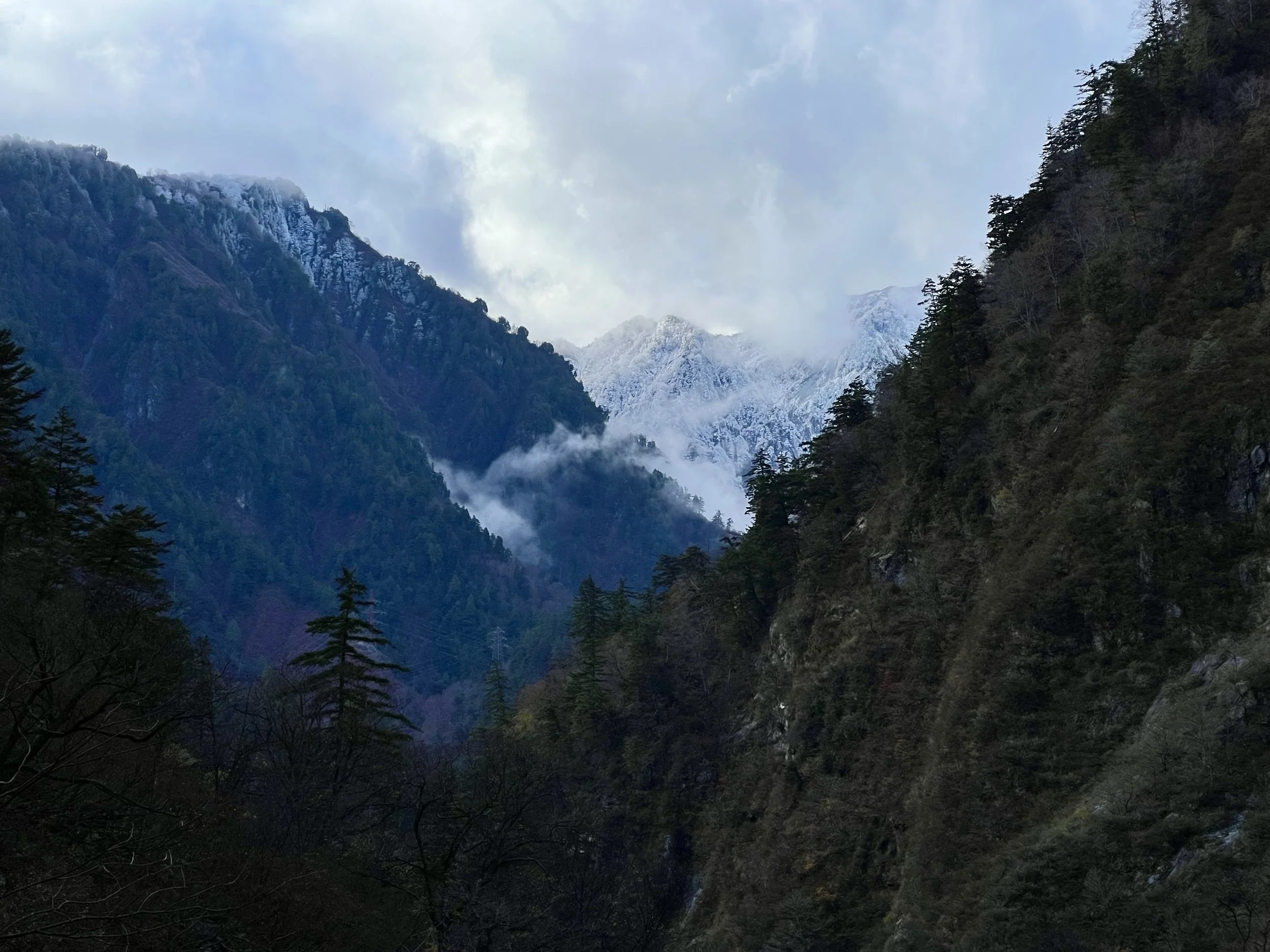
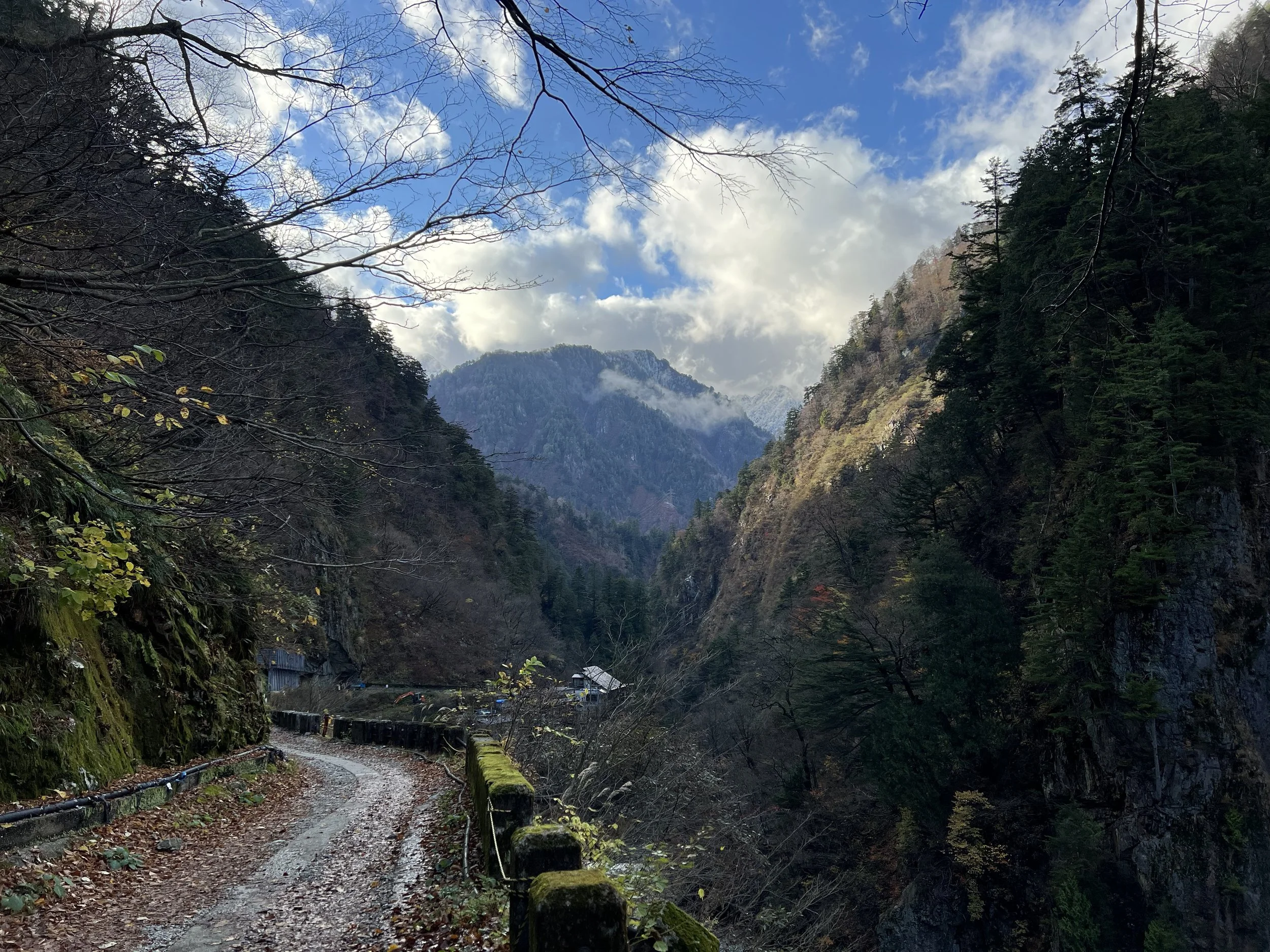
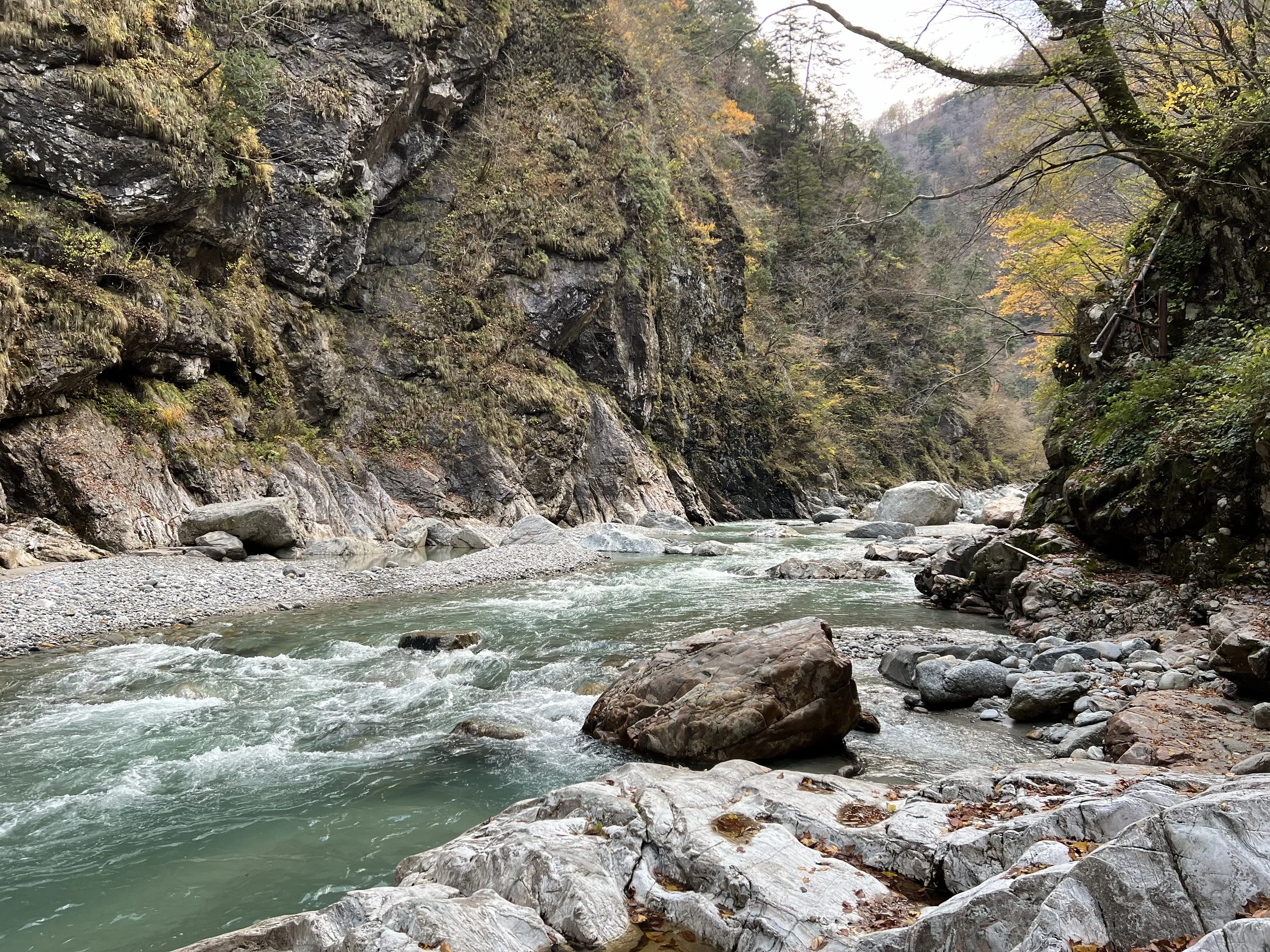
Boarding the train felt like a victory in itself. Although seats aren’t assigned within each car, I managed to grab a spot on the right side—arguably the best side for views. As the train departed, it followed the winding river, passing through forested valleys, narrow tunnels, and across dramatic bridges. We rolled past the Unazuki Dam that I had walked to the day before, and deeper into the gorge. Every turn revealed another stunning view.
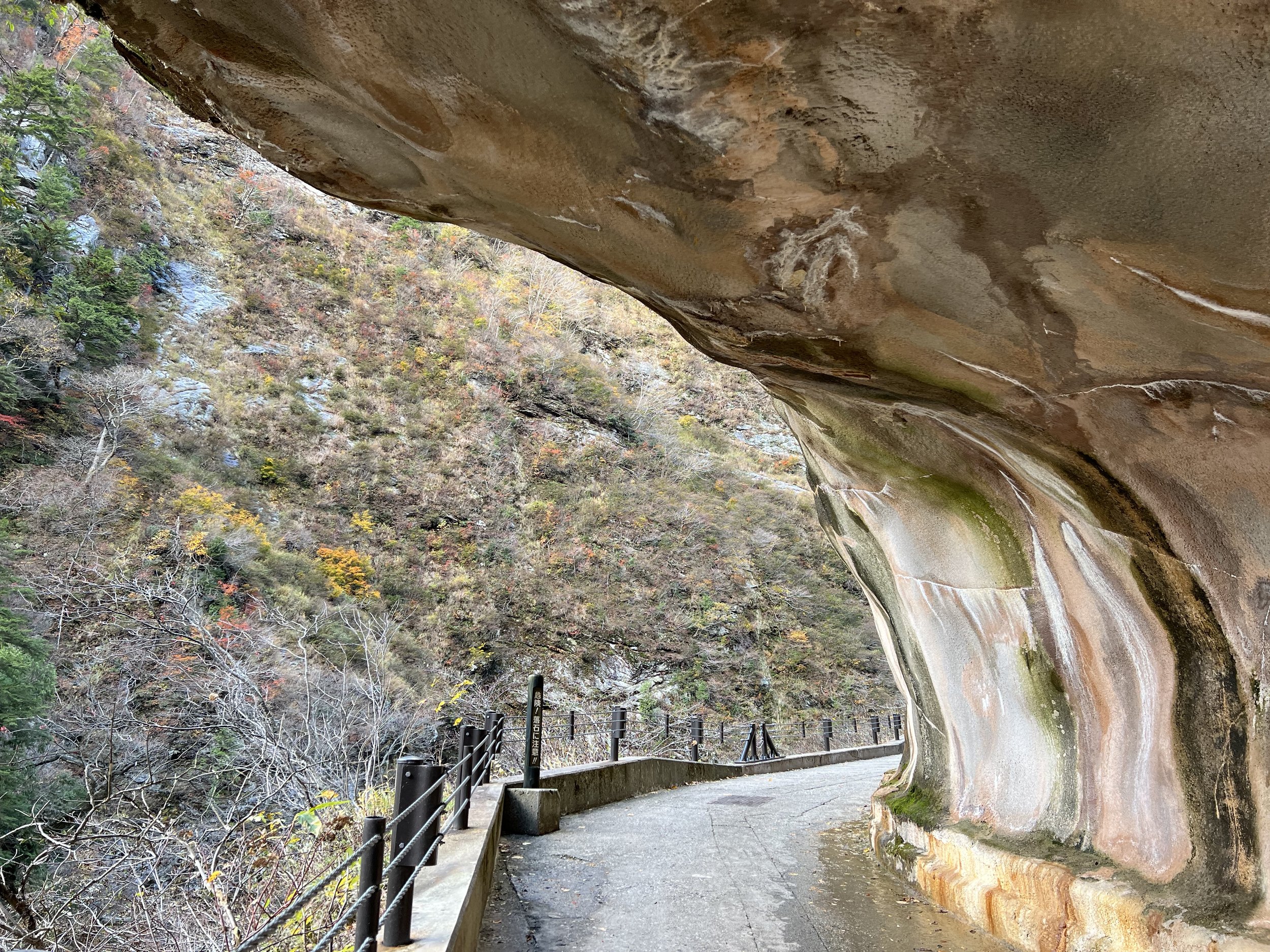
When we arrived at Keyakidaira, most passengers disembarked—and it was easy to see why. This area is one of the highlights of the entire route. Beyond the scenery, it’s also home to a gorge-side onsen with incredible views. I would have loved to experience it, but with limited time, I chose to explore the trails instead. I made my way to Okukane Bridge, a striking pedestrian bridge spanning the Kurobe River, offering sweeping views of the gorge below. From there, I continued onto a path known as Hitokui Iwa—literally translating to “people-eating rock.” The name makes sense once you see it: the trail is carved directly into a steep cliff, curving overhead in a way that makes it feel like the mountain itself is swallowing the path.
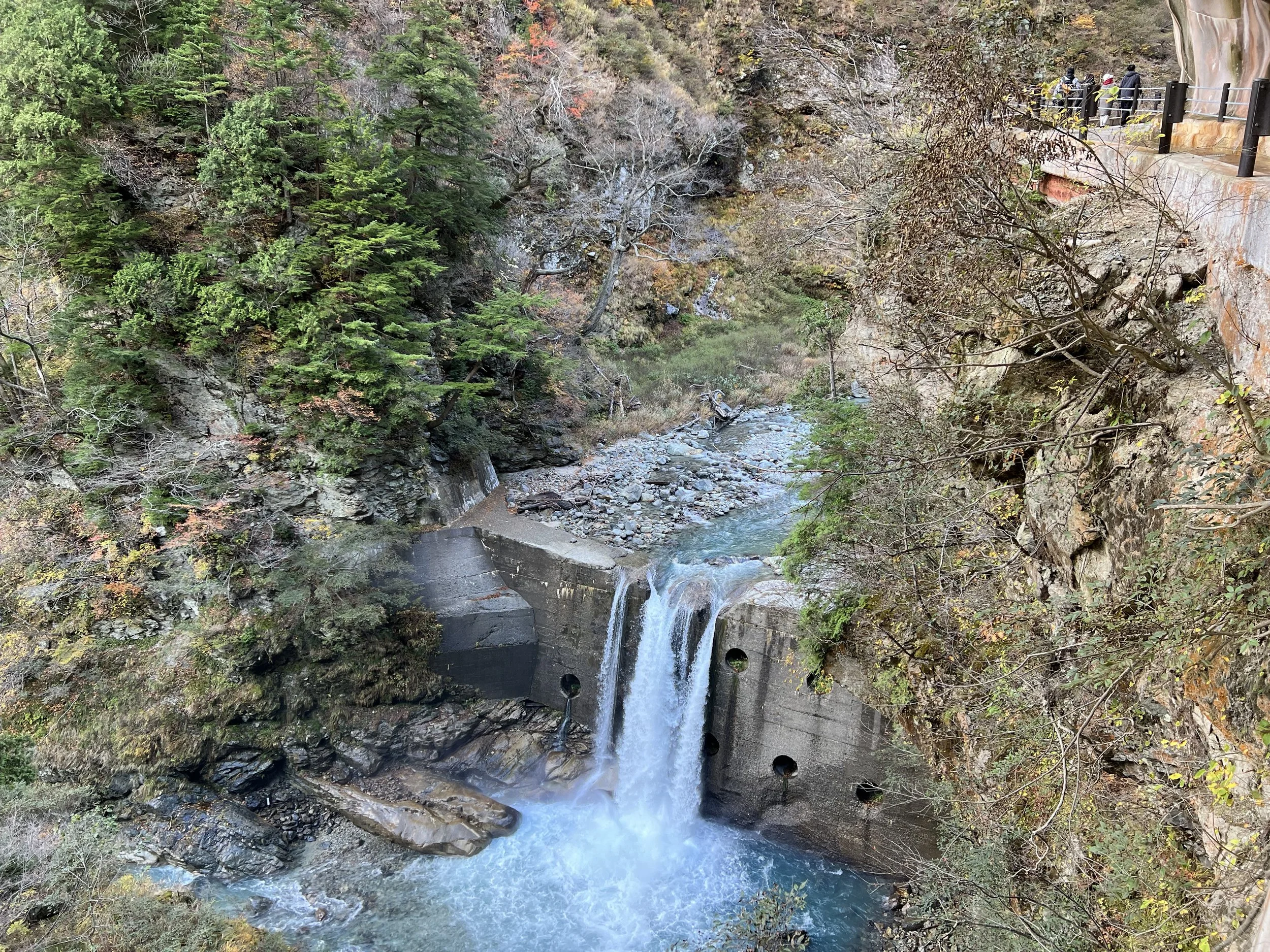
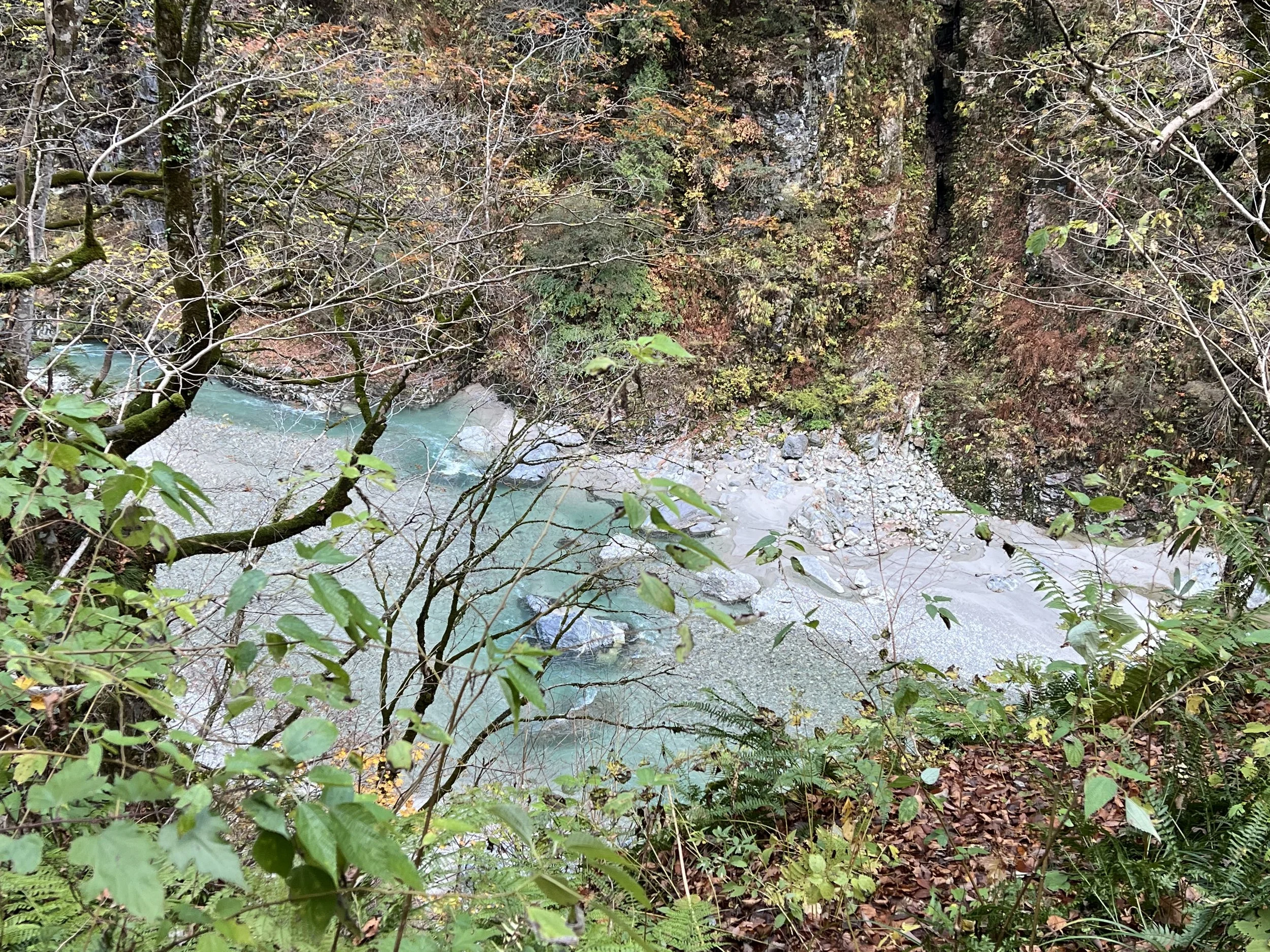
About 15 minutes further along, I reached Sarutobikyo Gorge. The viewing deck here provides a dramatic perspective of the narrow gorge and the rushing river below, framed by towering rock walls. I would have continued further, but time wasn’t on my side. I needed to make my train back, so I turned around and headed for Keyakidaira Station. I made it back with just a few minutes to spare—cutting it close, but enough to catch my ride.
My next stop was Kanetsuri Station, where I had two things in mind: the Riverside Bath and Mannen Yuki—“ten-thousand-year snow.”
The viewpoint for Mannen Yuki was just a short walk from the station. This semi-permanent snowbank is known to last well into summer due to its depth. I had built up some expectations… but unfortunately, there was no snow to be seen. Later, I learned that snowfall in recent years has been less consistent, likely due to changing climate conditions.
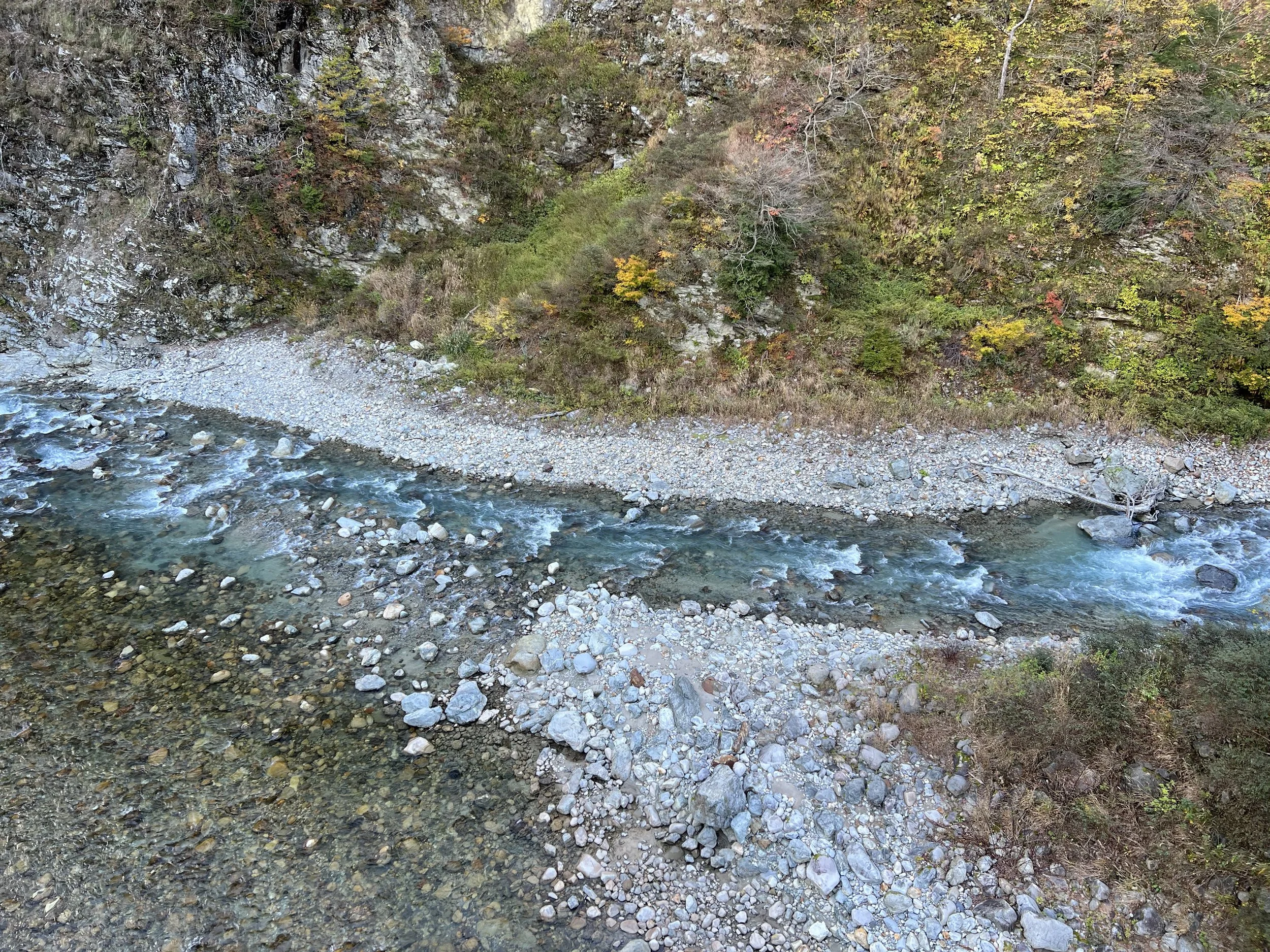
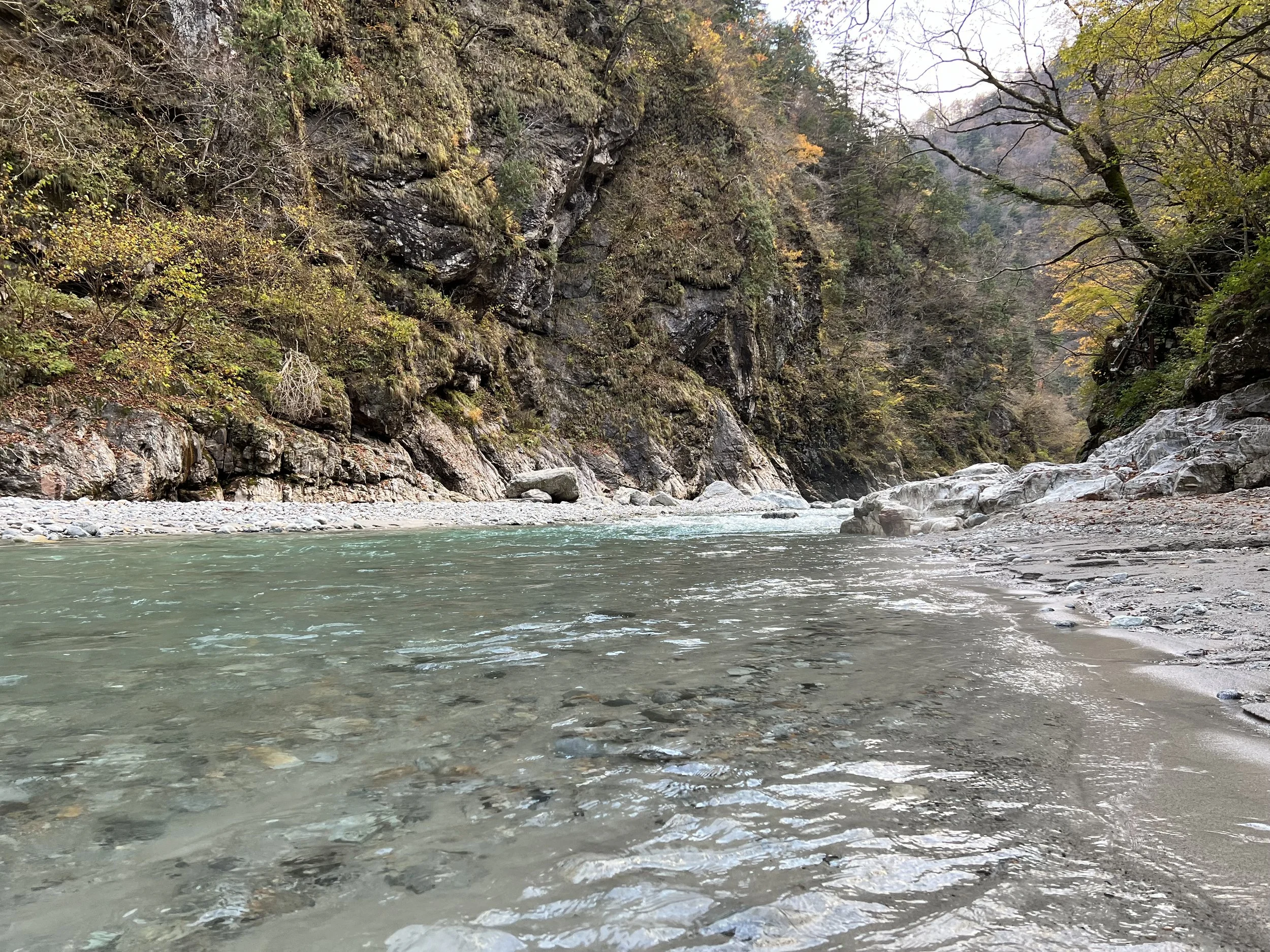
From there, I continued down the trail toward the Riverside Bath. As the path descended toward the river, the sound of rushing water grew louder. The bath itself is exactly what it sounds like—an open-air onsen right by the riverbank, where hot spring water bubbles up naturally from the ground. Unlike traditional Japanese onsens, this one is completely open, so bathing suits are expected. I didn’t have time for a full soak, but I did sit along the rocks and dipped my feet into the warm water—a simple moment, but one that felt grounding after the chaos of the morning.
After drying off, I made my way back up to the station. I had one of the last trains of the day to catch, and missing it wasn’t an option. I arrived with about 10 minutes to spare and spent the time browsing the small souvenir shop nearby.
Although the day didn’t go as planned, I was grateful that I still got to experience the trolley train. It wasn’t the full, leisurely exploration I had envisioned—but it was enough to know I’d want to come back again someday and do it properly.
History & Background
Kurobe Gorge (黒部峡谷) is one of Japan’s deepest and most dramatic gorges, carved by the Kurobe River as it winds through the Northern Japan Alps. The area remained largely inaccessible for centuries due to its rugged terrain, only opening up with the construction of infrastructure to support hydroelectric development in the early 20th century.
The Kurobe Gorge Railway was originally built to transport workers and materials for dam construction, including the nearby Unazuki Dam. Over time, it was adapted for tourism, allowing visitors to experience the gorge’s natural beauty via its iconic open-air trolley trains.
Today, the railway is especially popular during autumn, when the surrounding mountains are covered in vibrant fall foliage, drawing visitors from across Japan and beyond.
Getting There
The gateway to Kurobe Gorge is Unazuki Station in Toyama Prefecture. From Toyama, travellers can take the Toyama Chiho Railway Main Line directly to Unazuki Onsen Station, which is a short walk from the Kurobe Gorge Railway’s Unazuki Station. The journey takes approximately 1.5 hours.
From Tokyo, take the Hokuriku Shinkansen to Toyama Station (about 2–2.5 hours), then transfer to the local railway line toward Unazuki Onsen.
Alternatively, from Nagano, travellers can take the Hokuriku Shinkansen to Toyama before continuing via local train.
For those driving, Unazuki Onsen is accessible via the Hokuriku Expressway, with parking available near the station area.
Route Overview
Distance: 5.46 km
Total elevation gain: 125 m
Duration: 1 hr 05 min (with breaks 1 hr 08 min)
Difficulty: Easy
Route note: The train typically runs from mid October to mid November. Always check the latest schedule before planning your trip, as operations may be affected by weather conditions.
Booking Info: Tickets can be booked online or in person at the station. It’s highly recommended to reserve your ticket as soon as your travel date is confirmed, especially during peak season. The train is very popular, and tickets may not be available on the day. There are open-air cars and enclosed first-class cars; if you are sensitive to cold weather, consider booking a first-class seat.
Cost Breakdown
Train: Unazuki Station → Keyakidaira Station — ¥1,980
Train: Keyakidaira Station → Kanetsuri Station — ¥570
Train: Kanetsuri Station → Unazuki Station — ¥1,940
Food: ¥1,000