Sado Gold Mine - Niigata, Japan
Sado Island is a remote island in the Sea of Japan, long known as the “Island of Gold.” The tunnels dug for the Sado Gold Mine stretch for a combined length of roughly 400 kilometres, making it the most productive gold mine in Japanese history. Over its operational life, the mine produced more than 400 kilograms of gold, along with smaller quantities of silver and copper. First opened in 1601, it became a major source of funding for the Tokugawa shogunate and remained in operation until 1989.
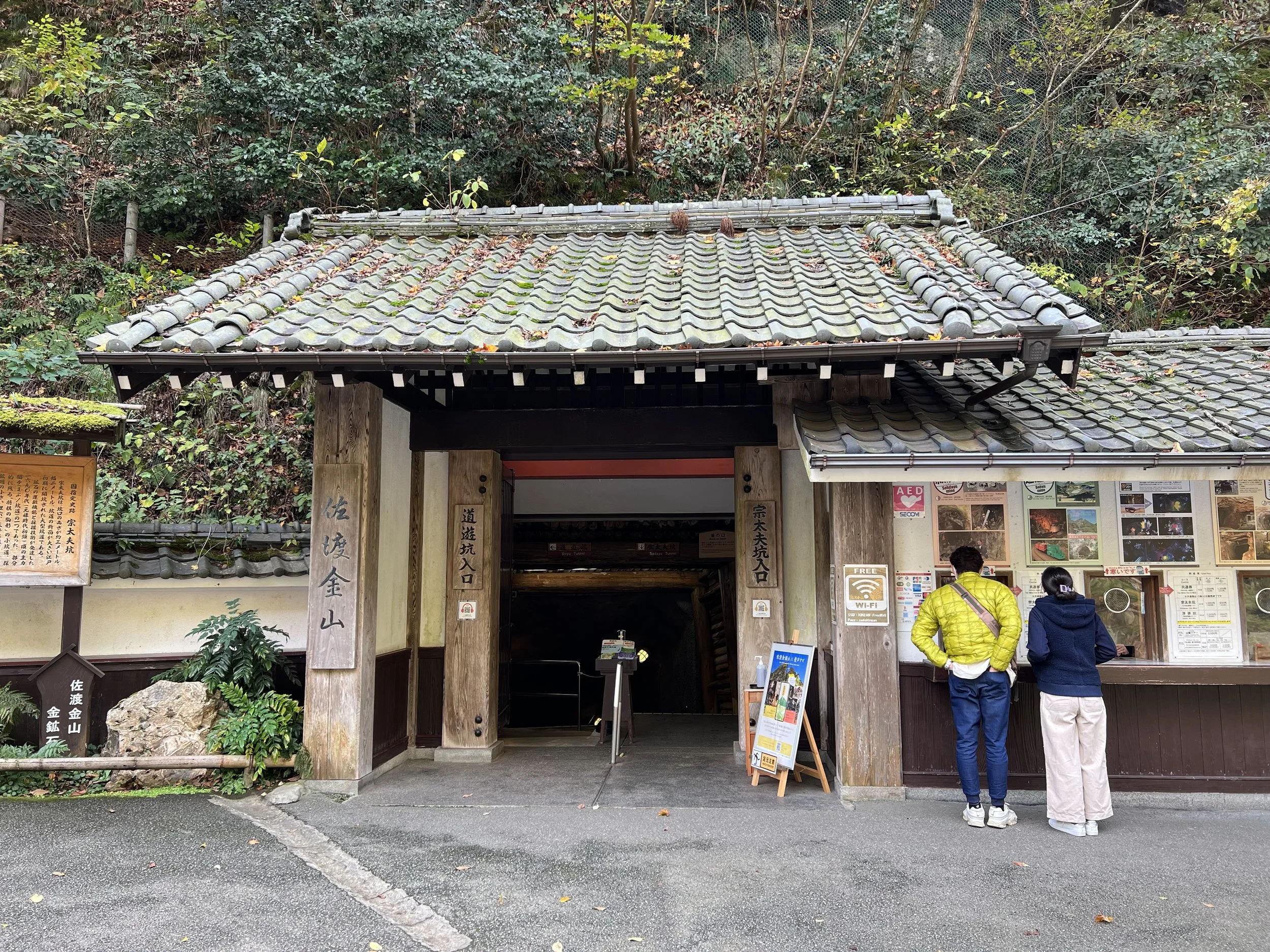
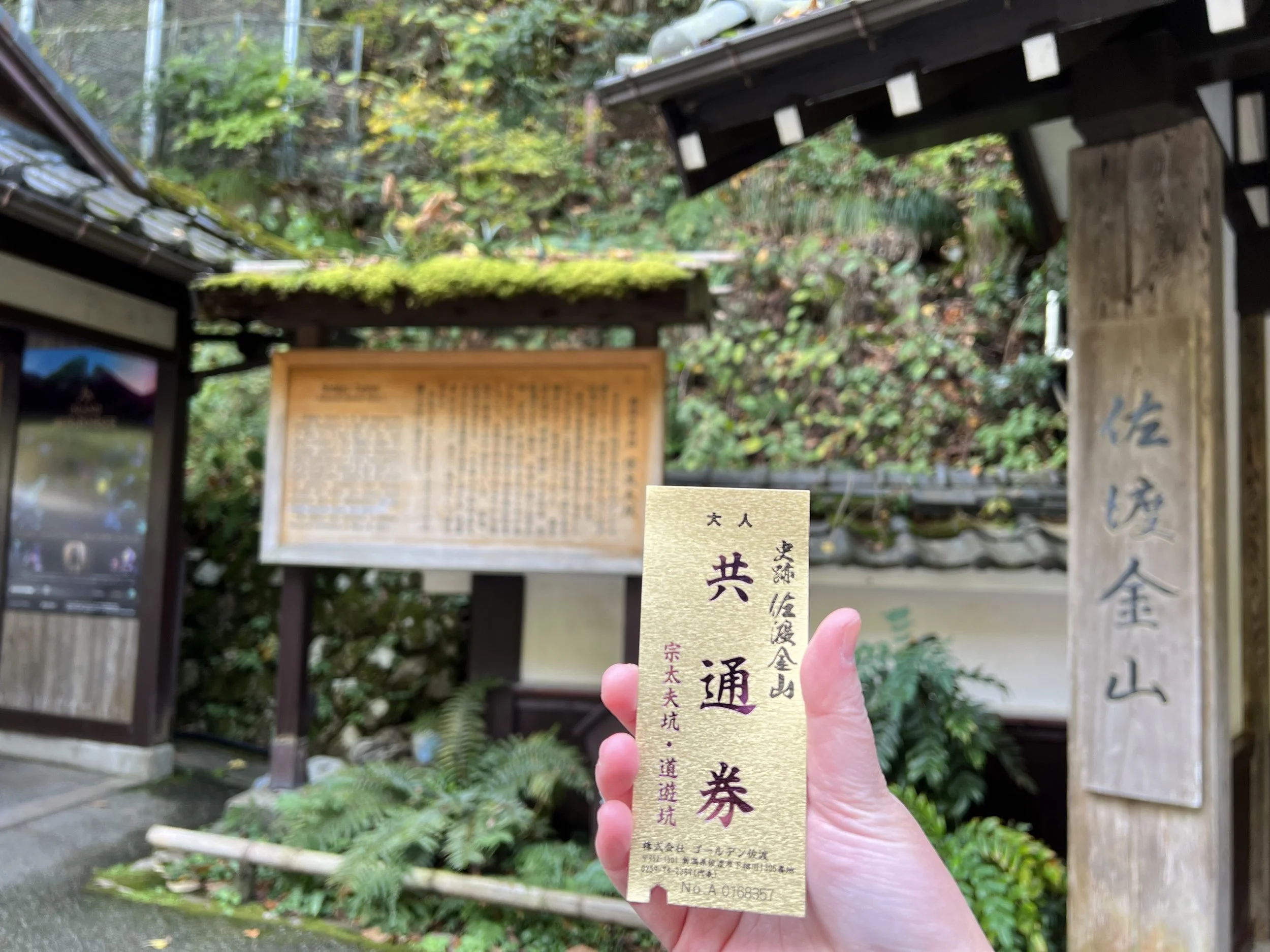
I travelled to Sado Island for several days and, with a rental car, had the flexibility to explore the island at my own pace. I arrived at the Sado Gold Mine in the late afternoon, when visitor numbers were relatively low. There are three ticket options available, although two of them require advance reservations made at least one day prior. Visitors who wish to explore only the main mine tunnels can do so without a reservation. One small but memorable detail was the ticket itself, which was printed in gold, a fitting touch for a visit to a historic gold mine.
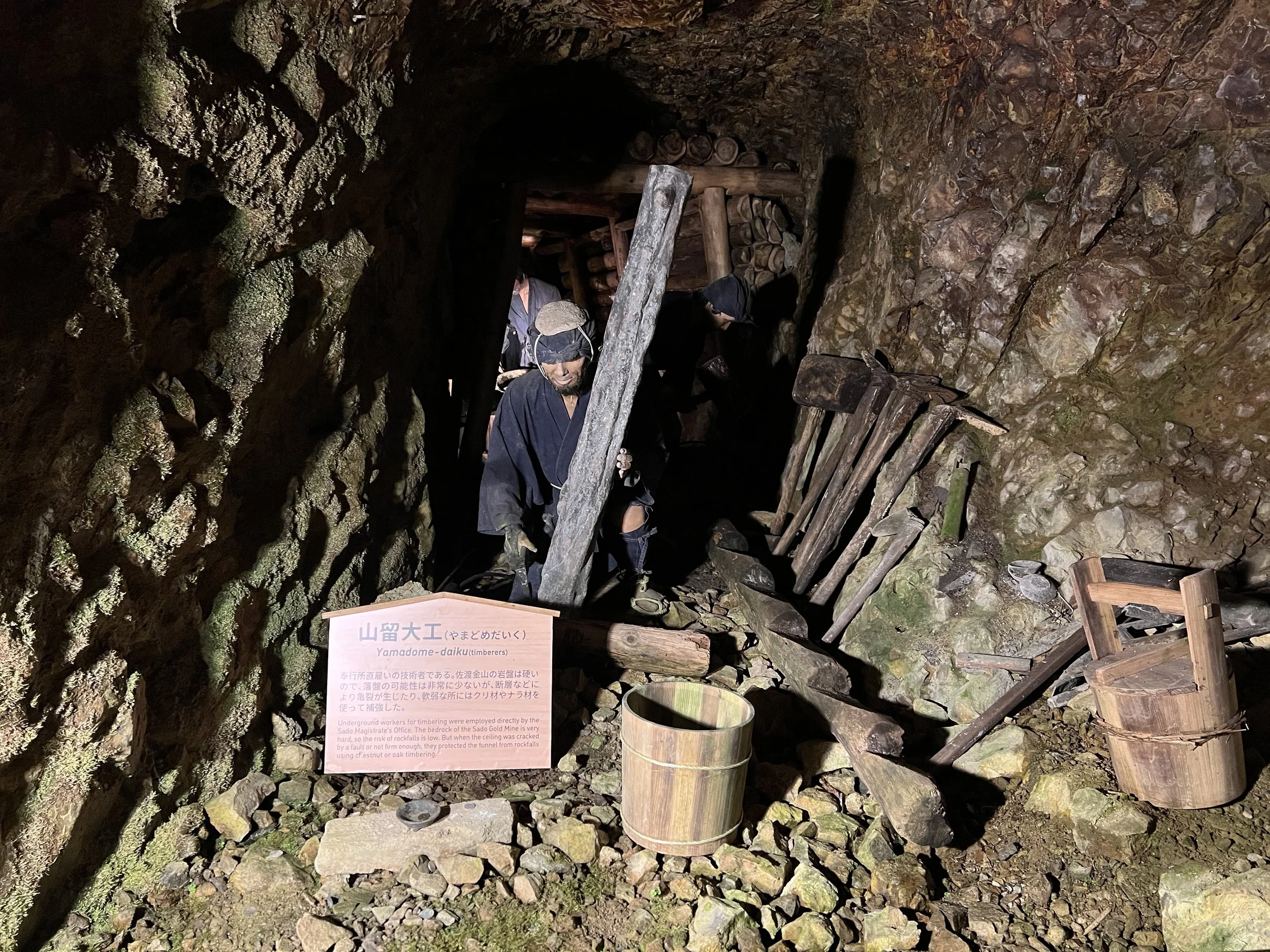
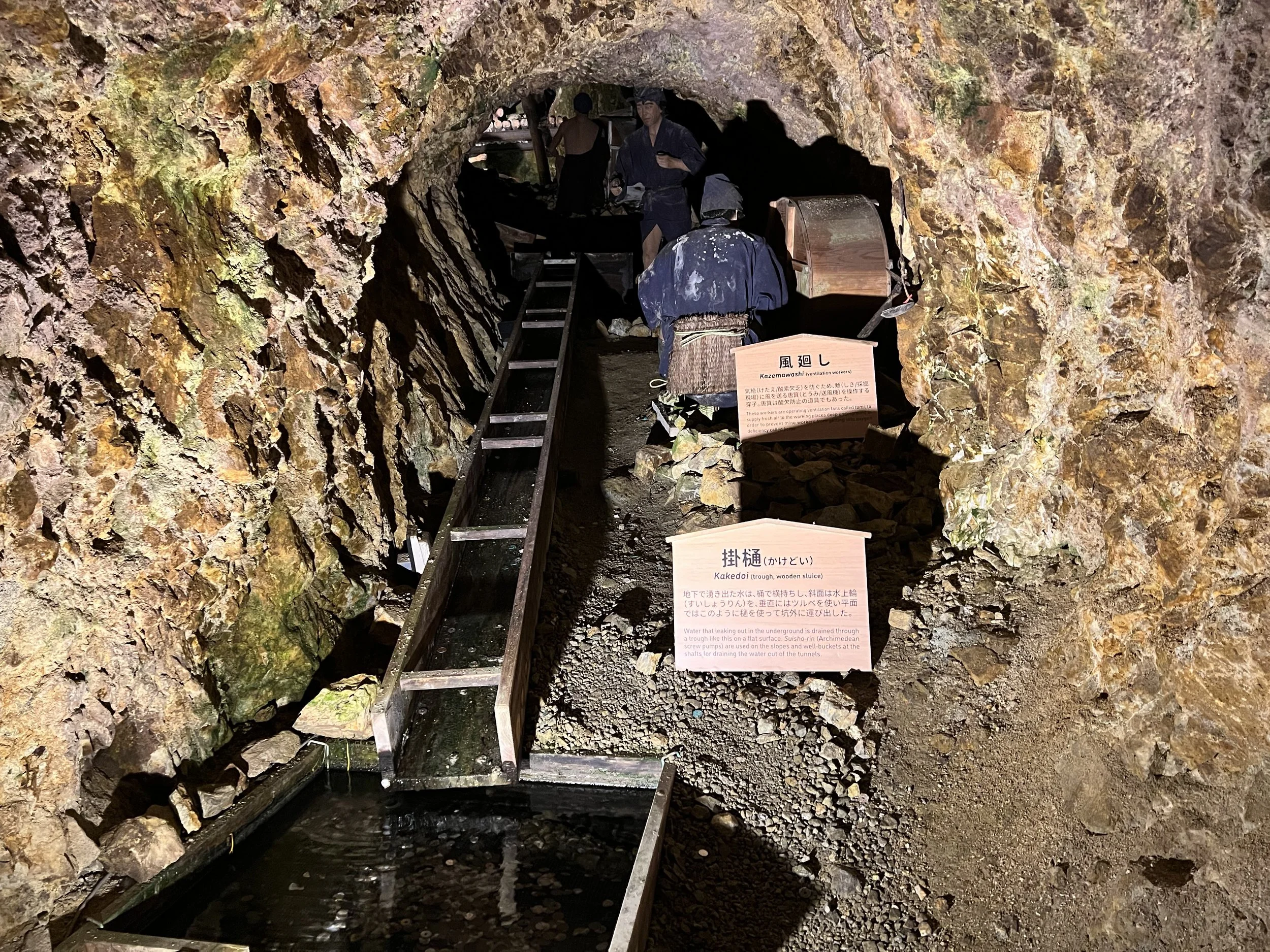
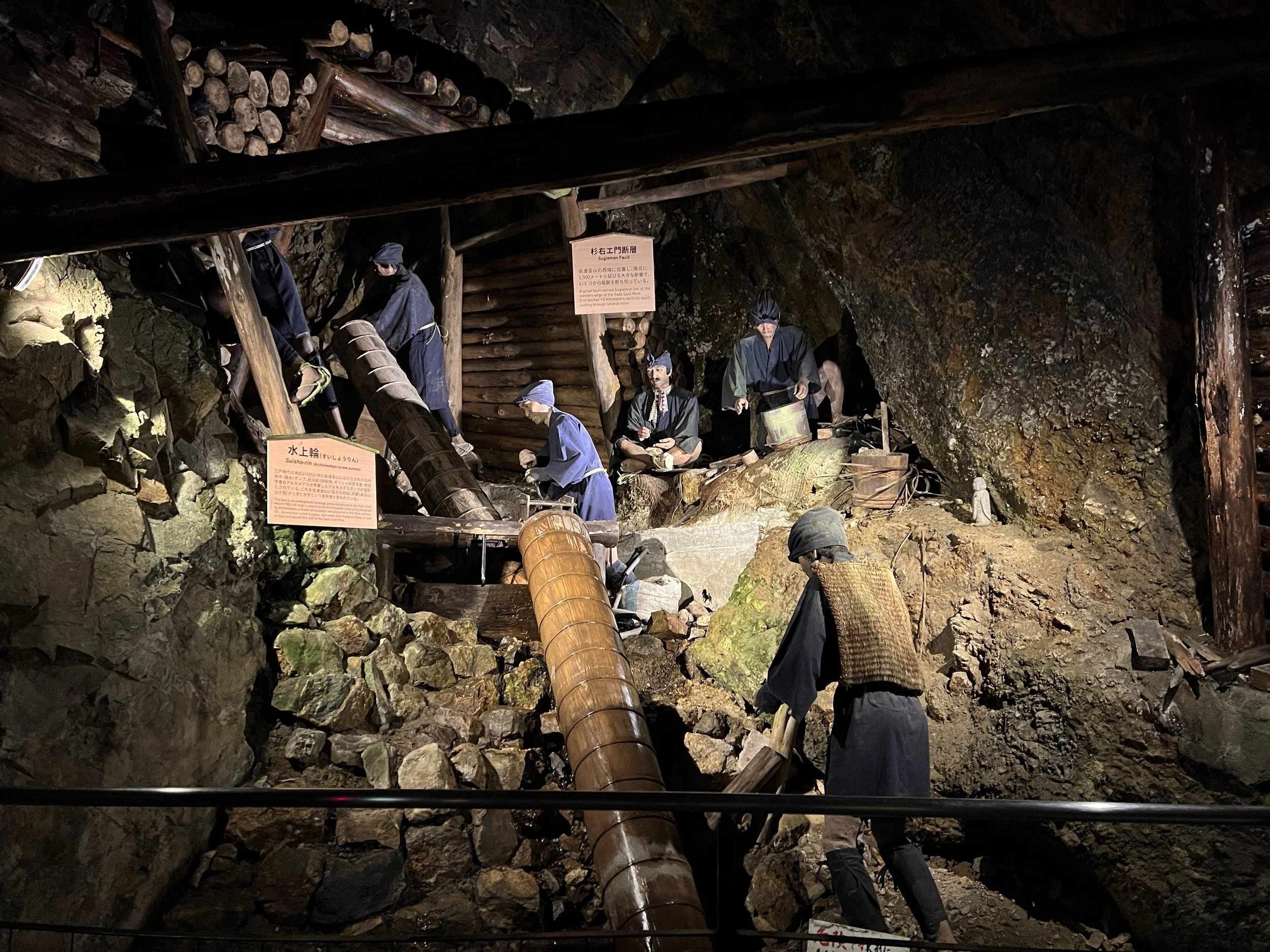
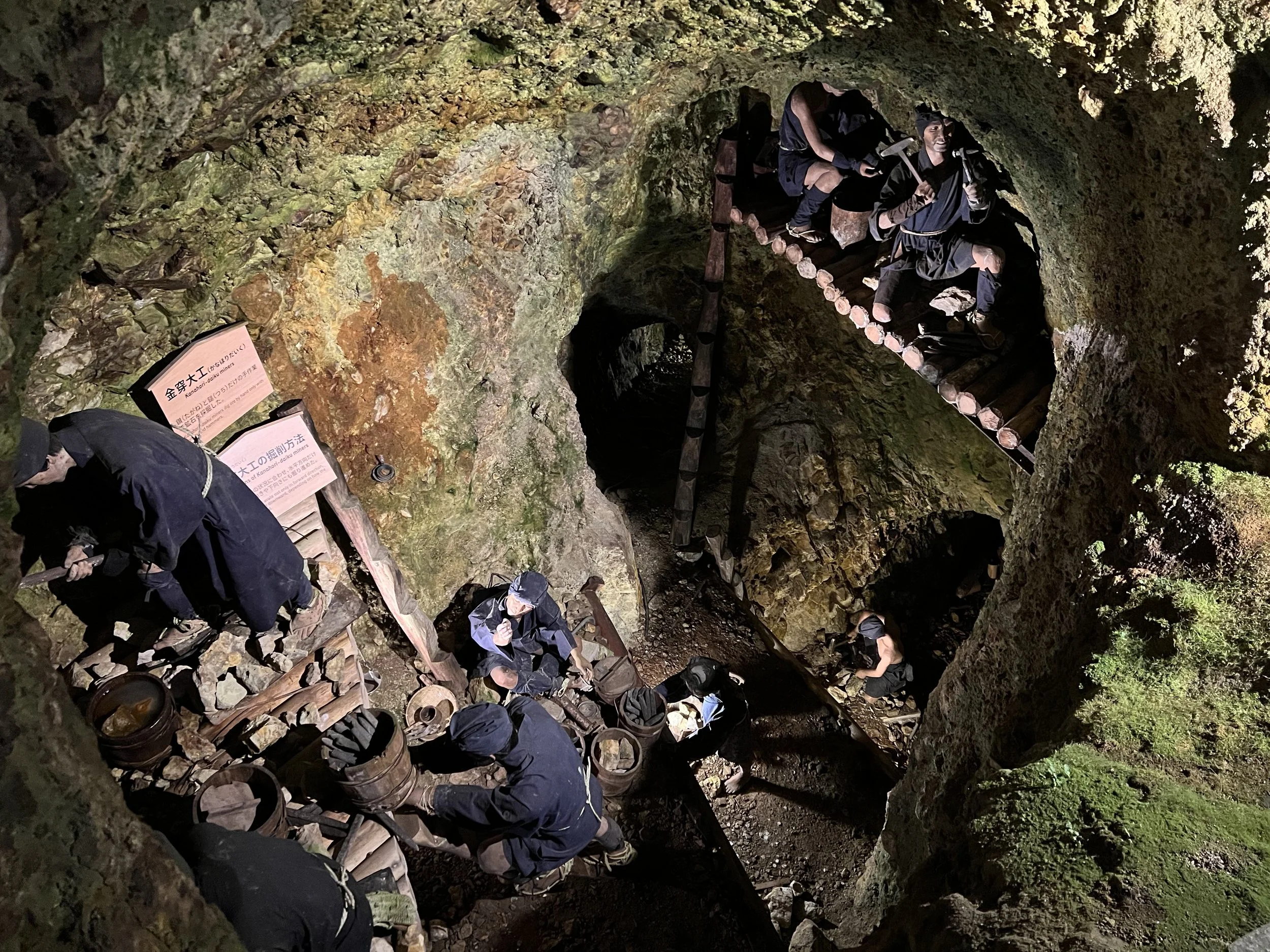
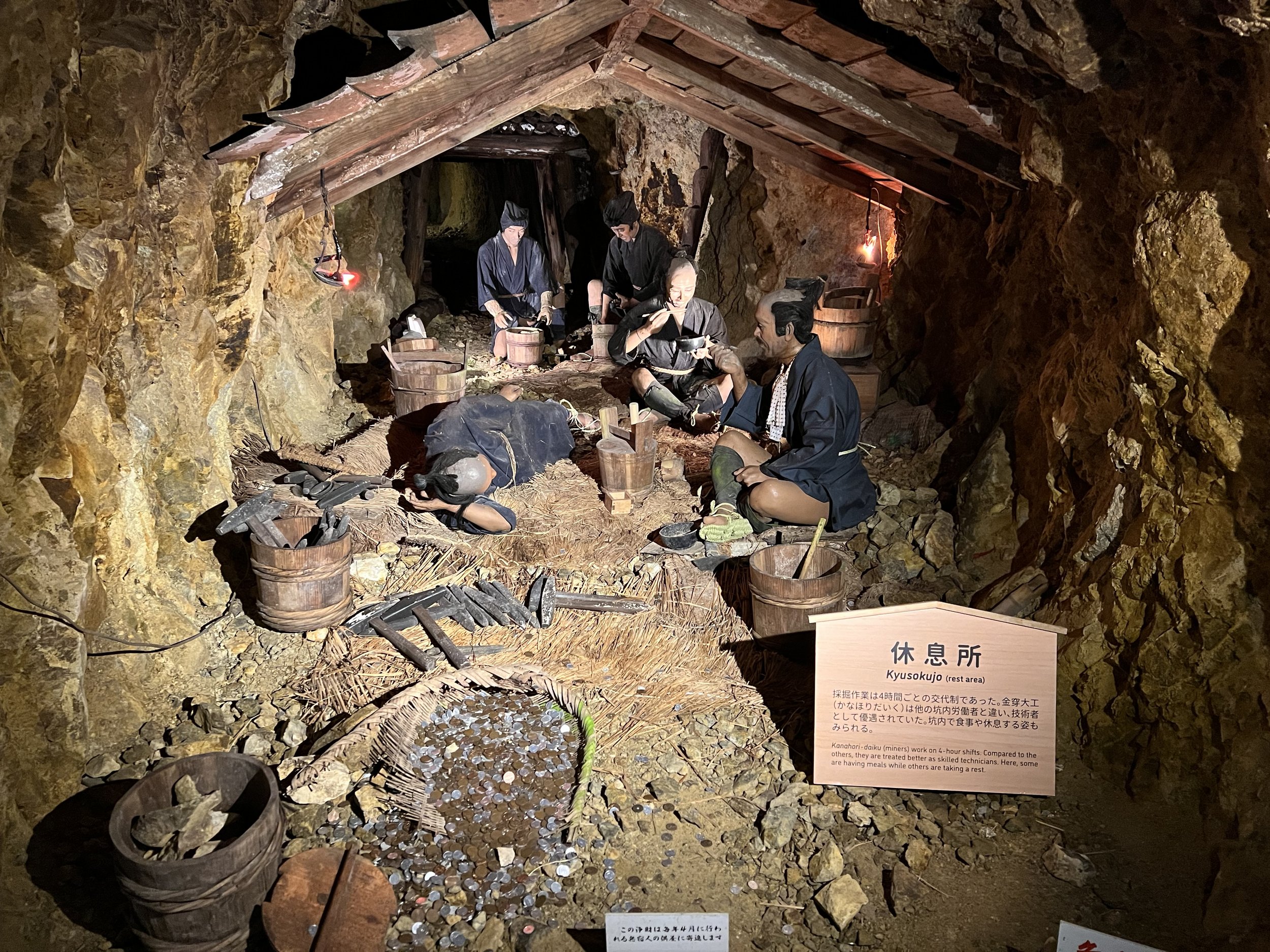
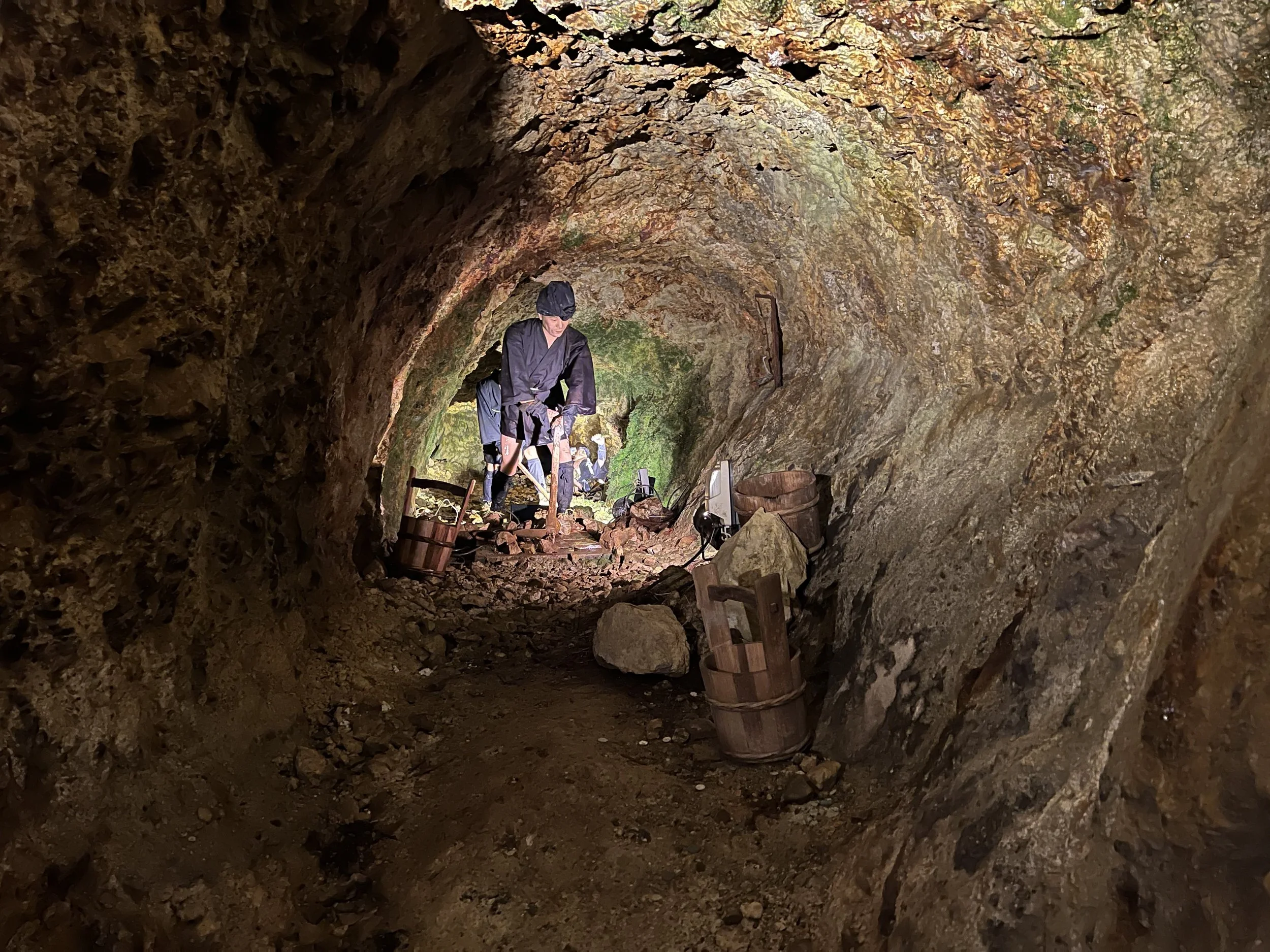
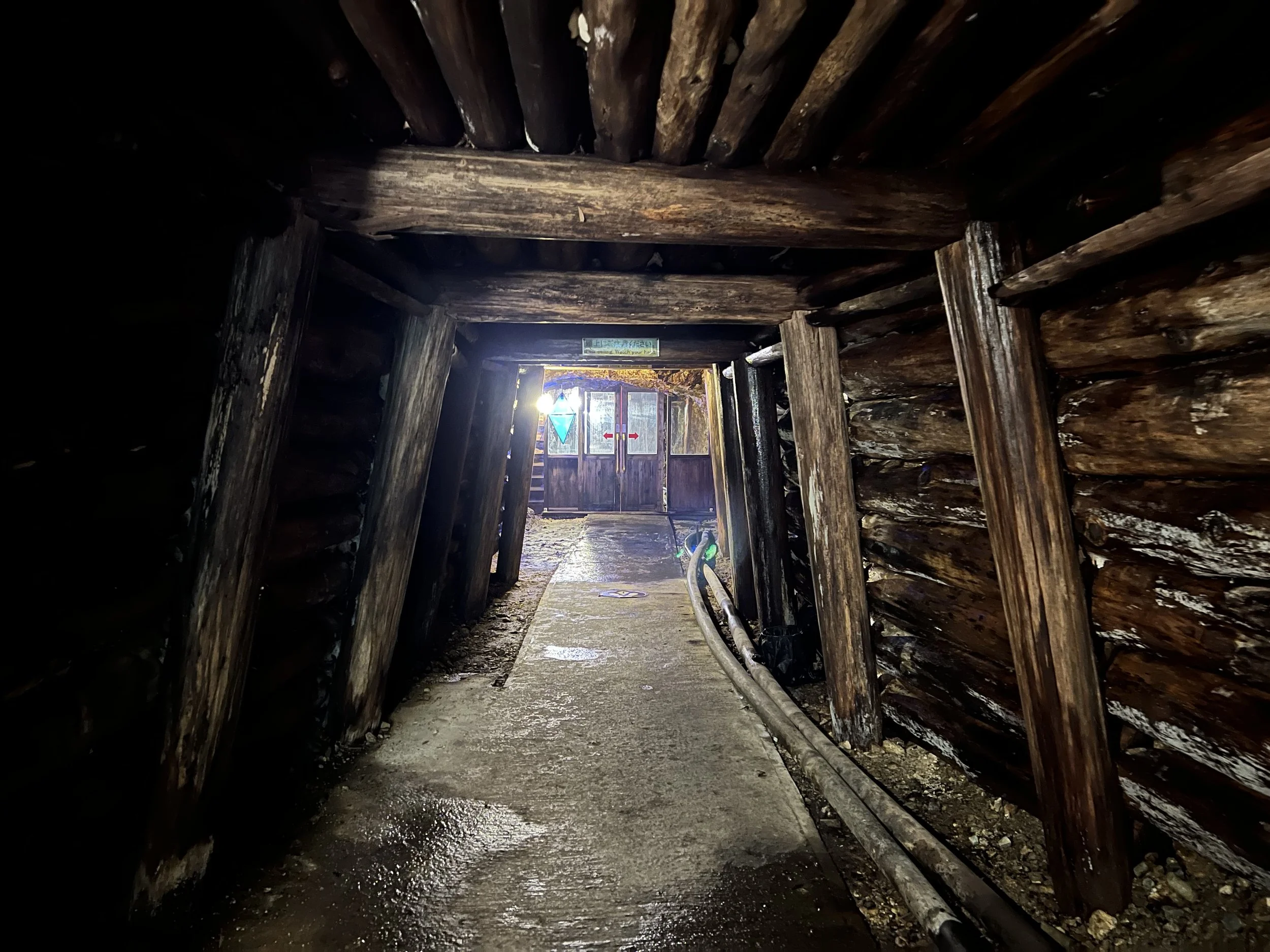
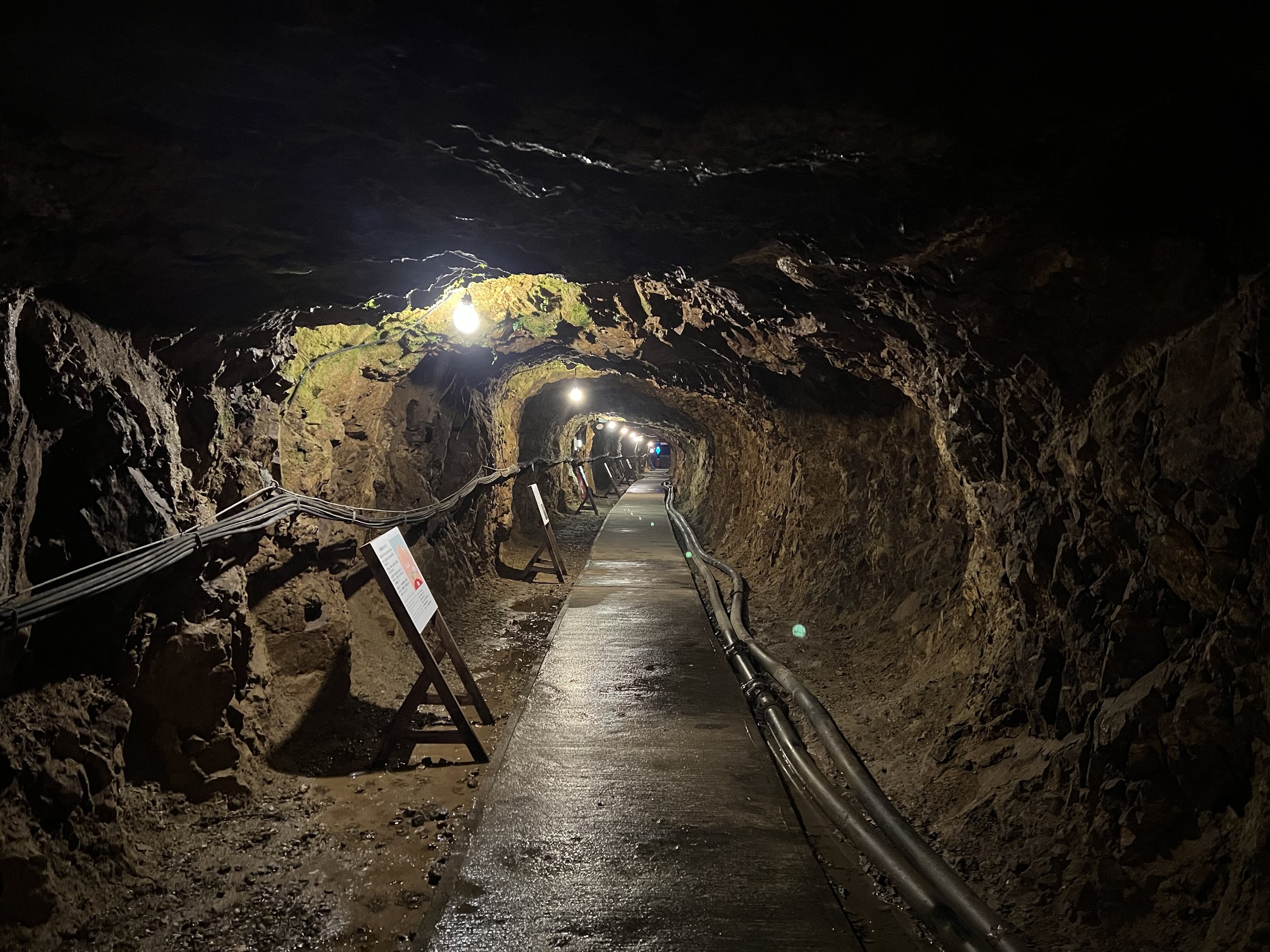
The site includes two main tunnels that can be visited, and visitors are directed to explore one first before looping back to the entrance to see the other. I began with the Sodayu Mine, the older of the two. This tunnel was entirely hand-dug and is well lit, with life-size reconstructions and interpretive signage explaining the mining process and daily life underground. As I walked through the tunnel, the displays showed where miners worked, rested, and moved equipment. Reading the explanations and seeing the reconstructions offered a clear picture of the difficult working conditions during the mine’s early years. The tunnel eventually exits into a museum space.
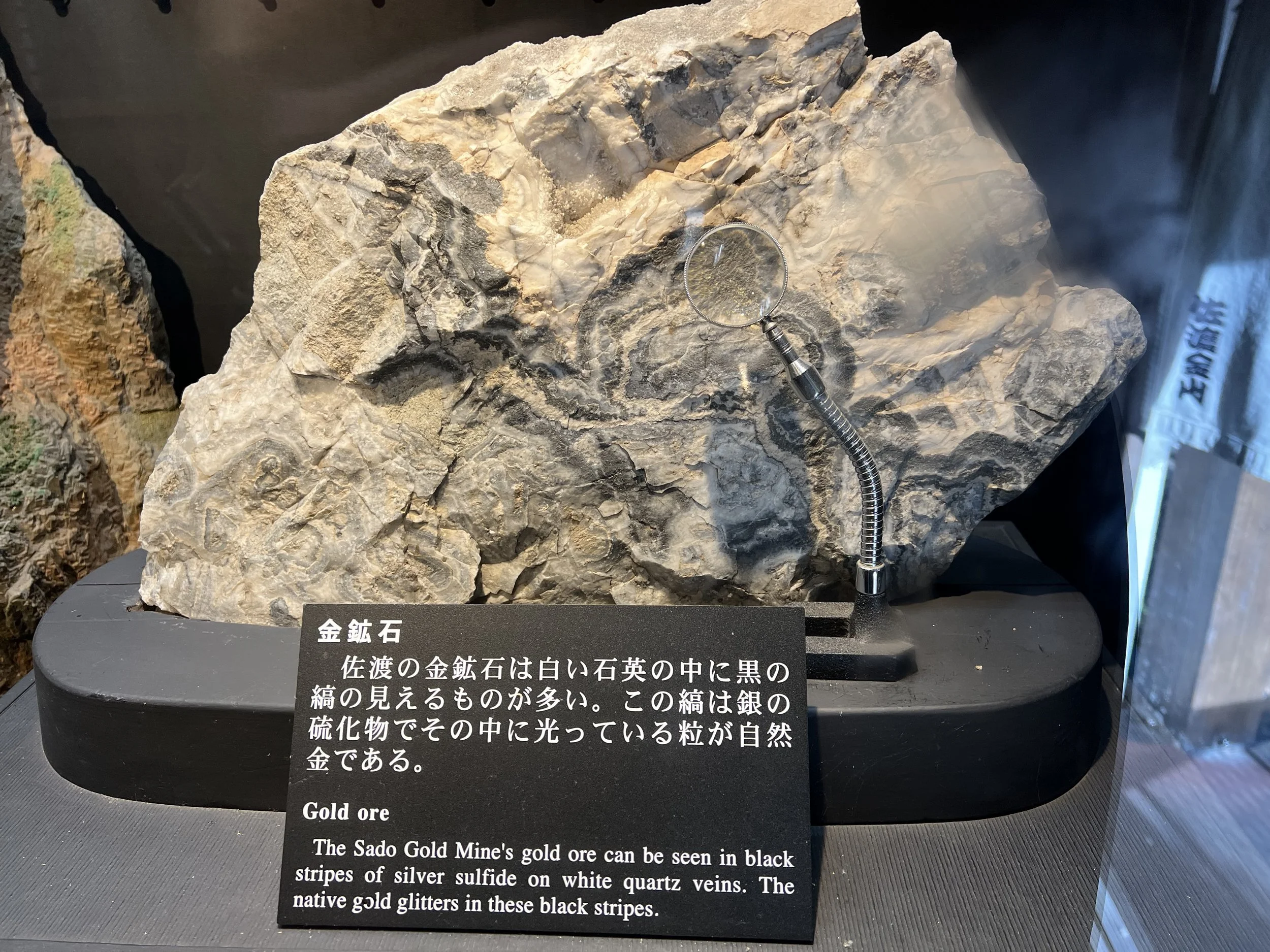
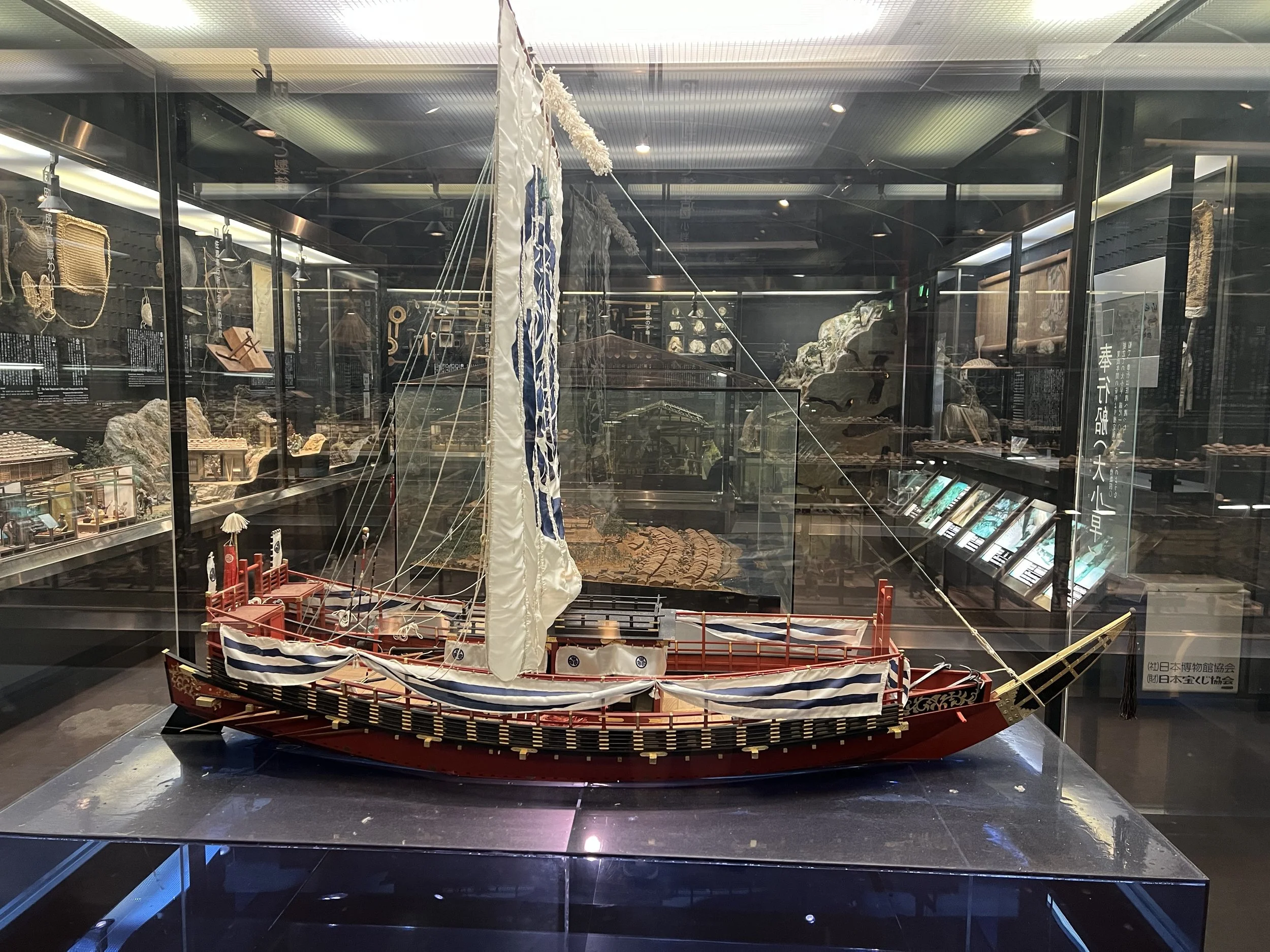
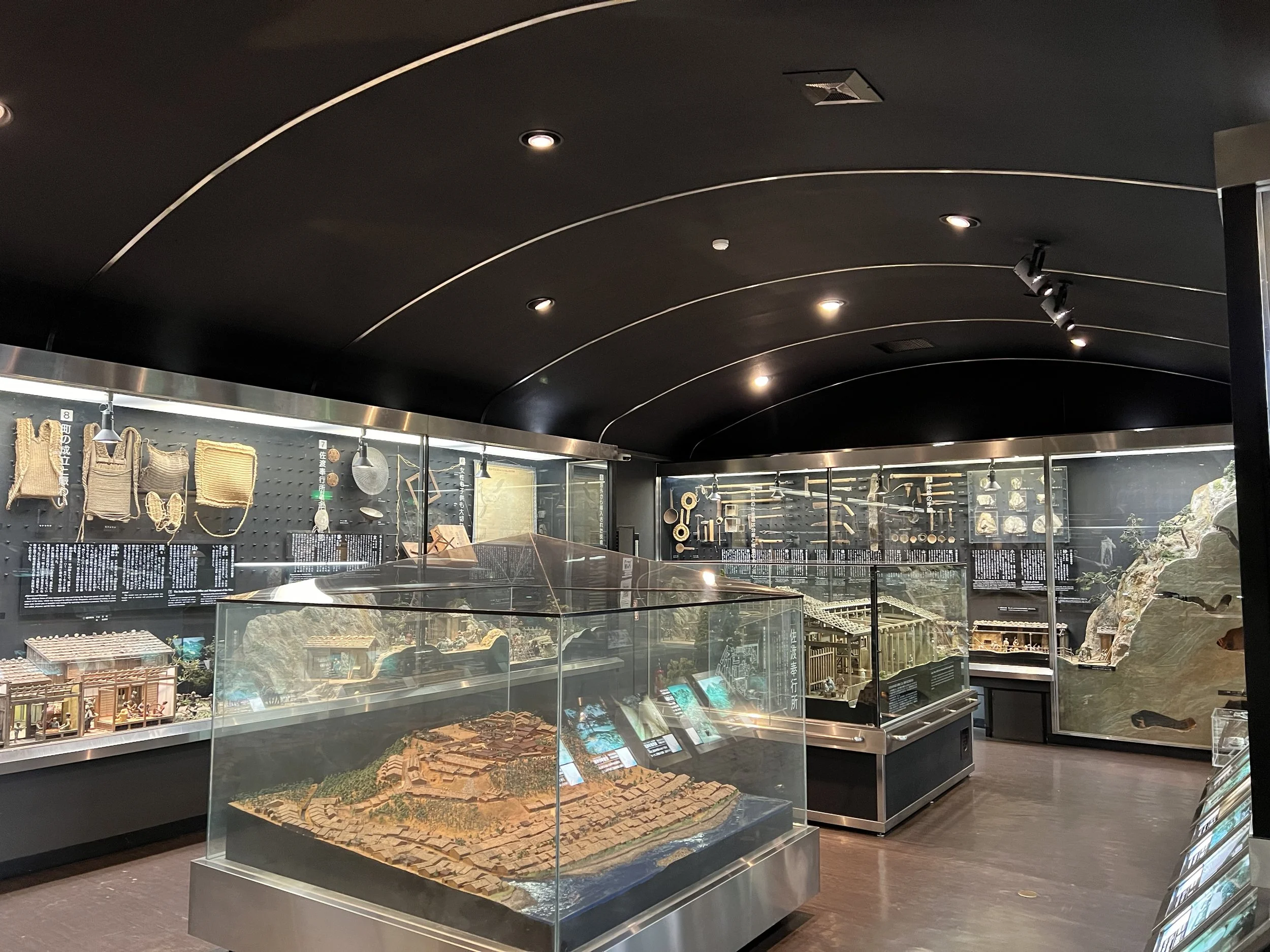
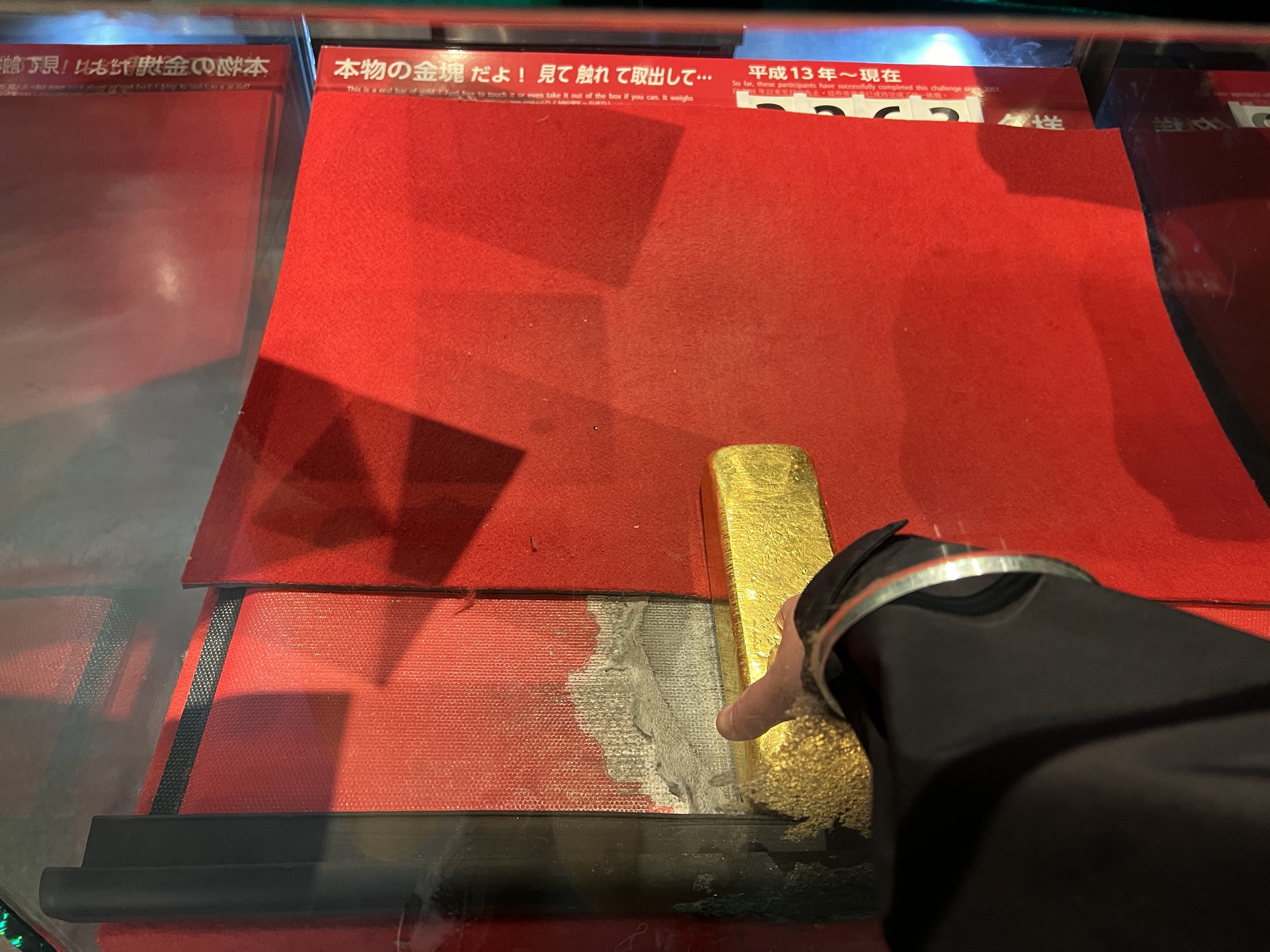
The museum features scale models of the mine, explanations of mining techniques, and displays of the tools and technologies used over the centuries. One of the highlights is a solid gold bar, valued at over 100 million yen, which visitors are invited to try lifting. From the museum, the route continues through a souvenir shop selling gold-themed items before looping back toward the main entrance to access the Doyu Mine.
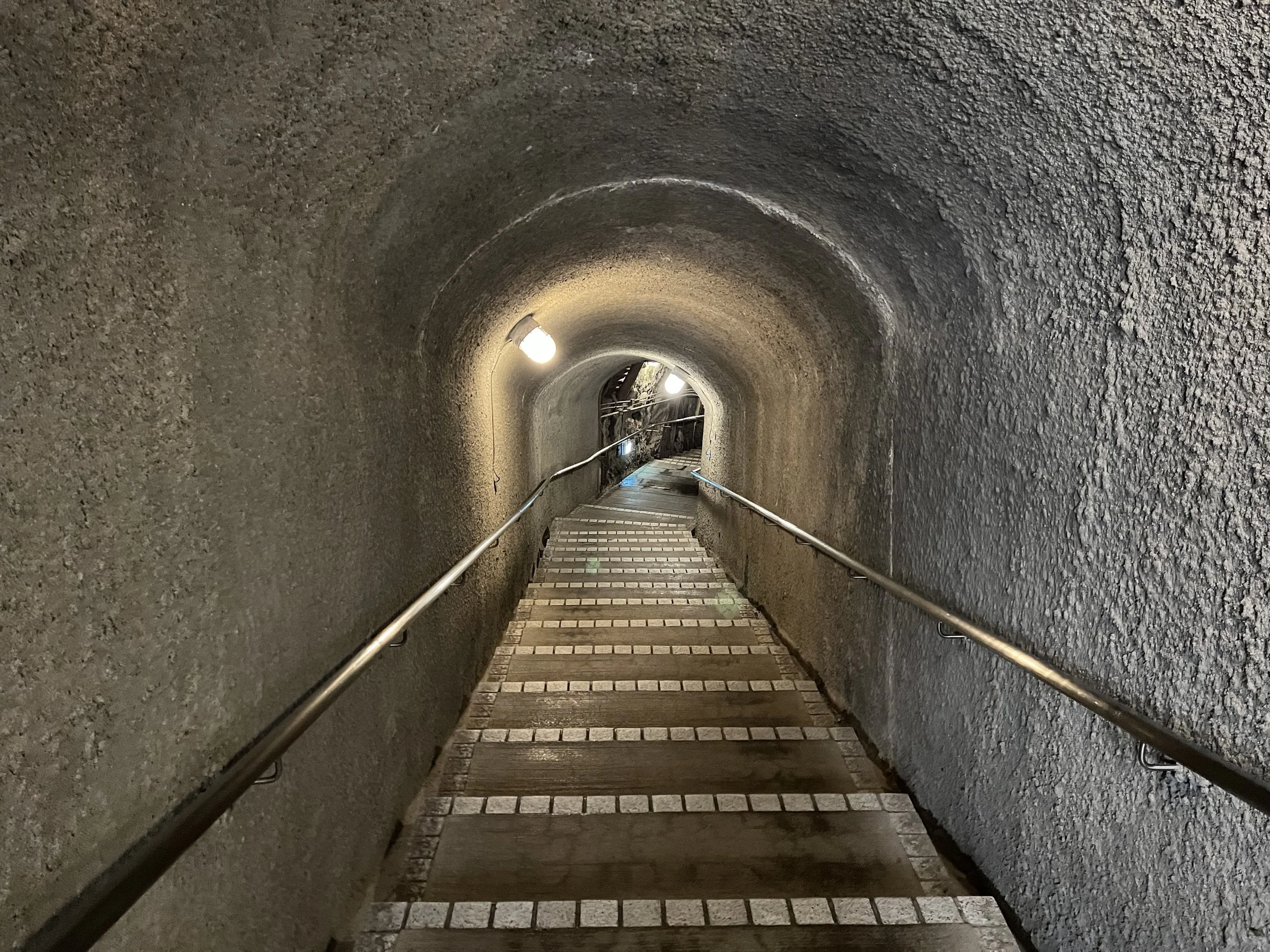
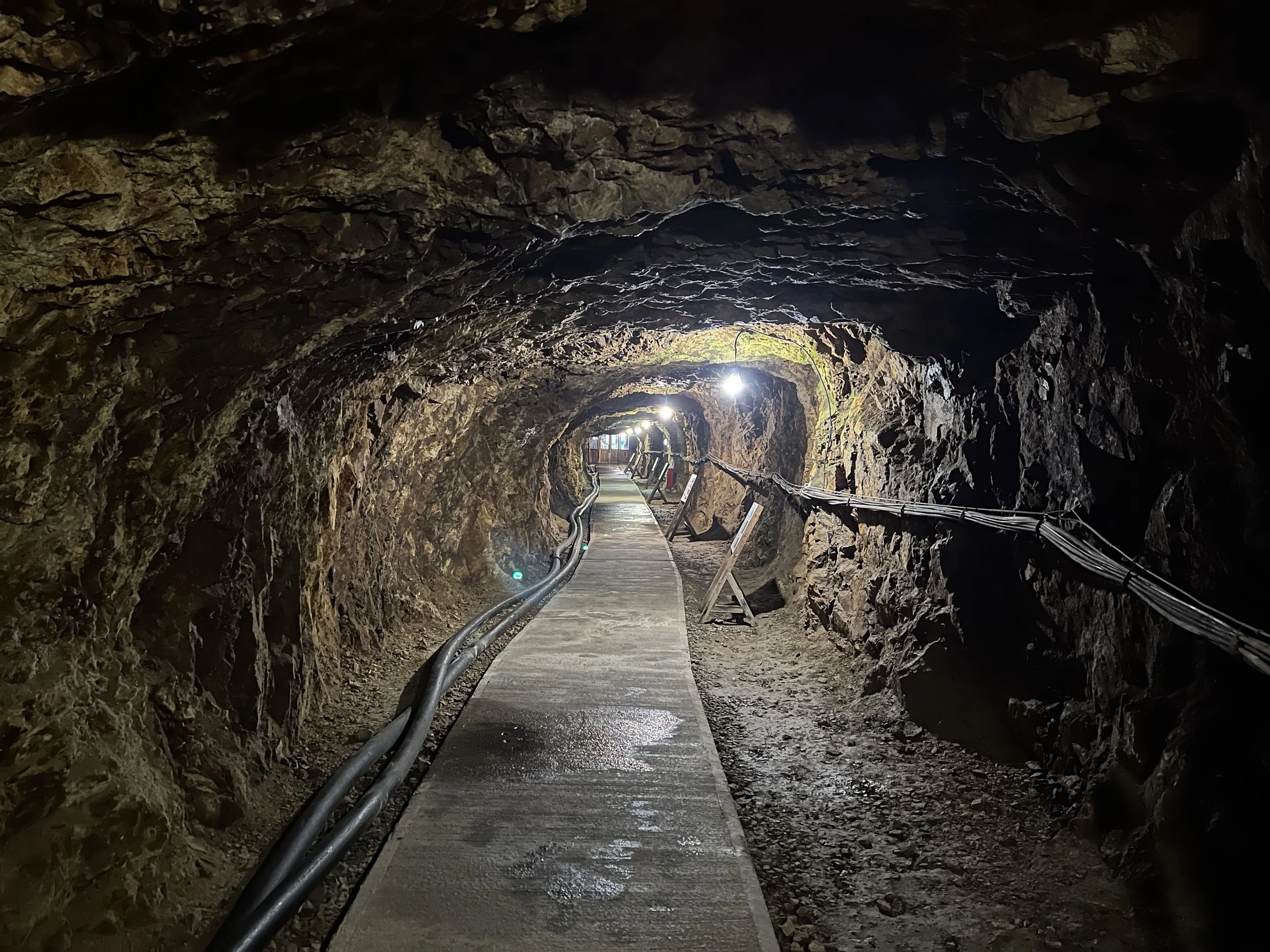
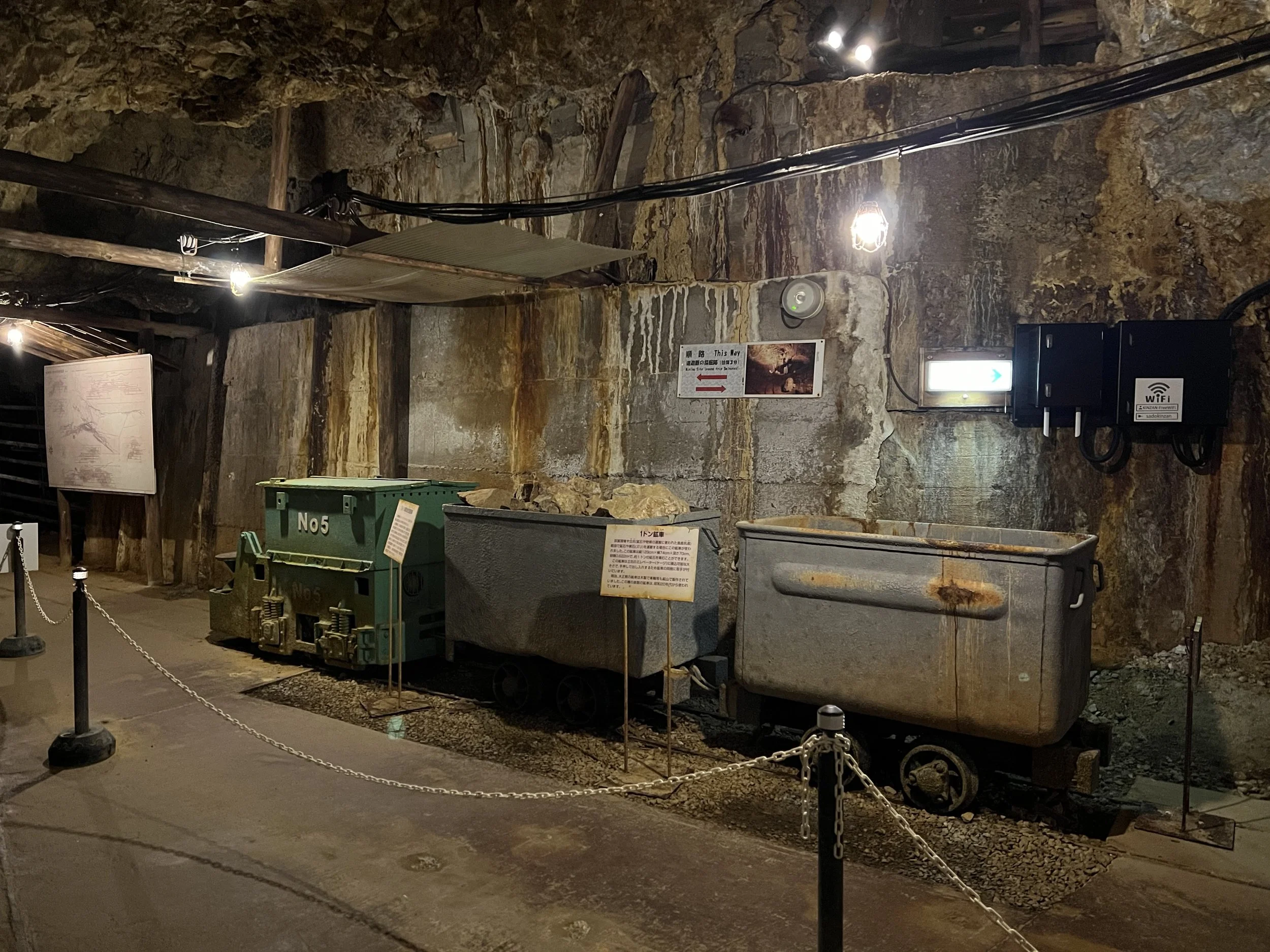
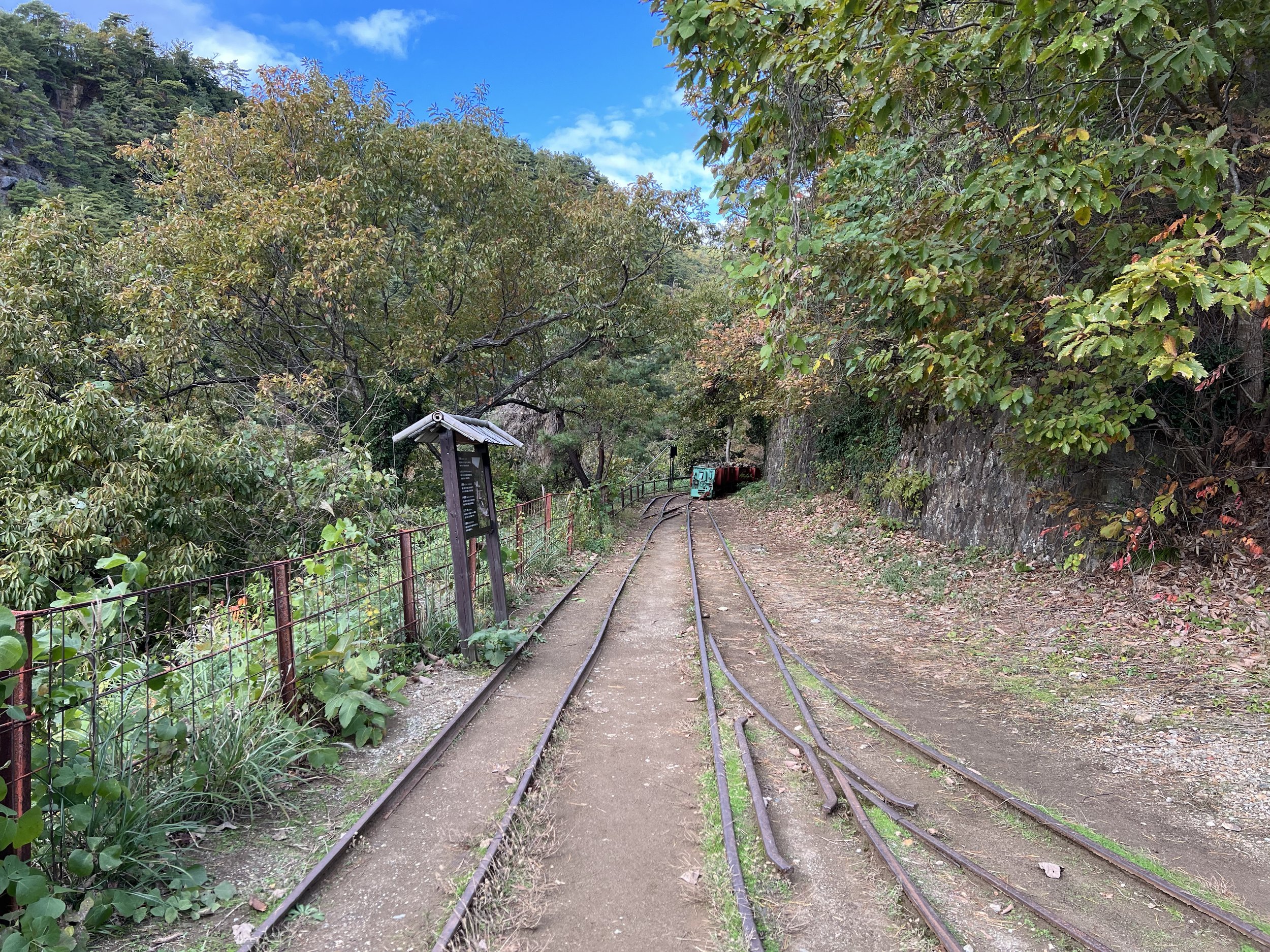
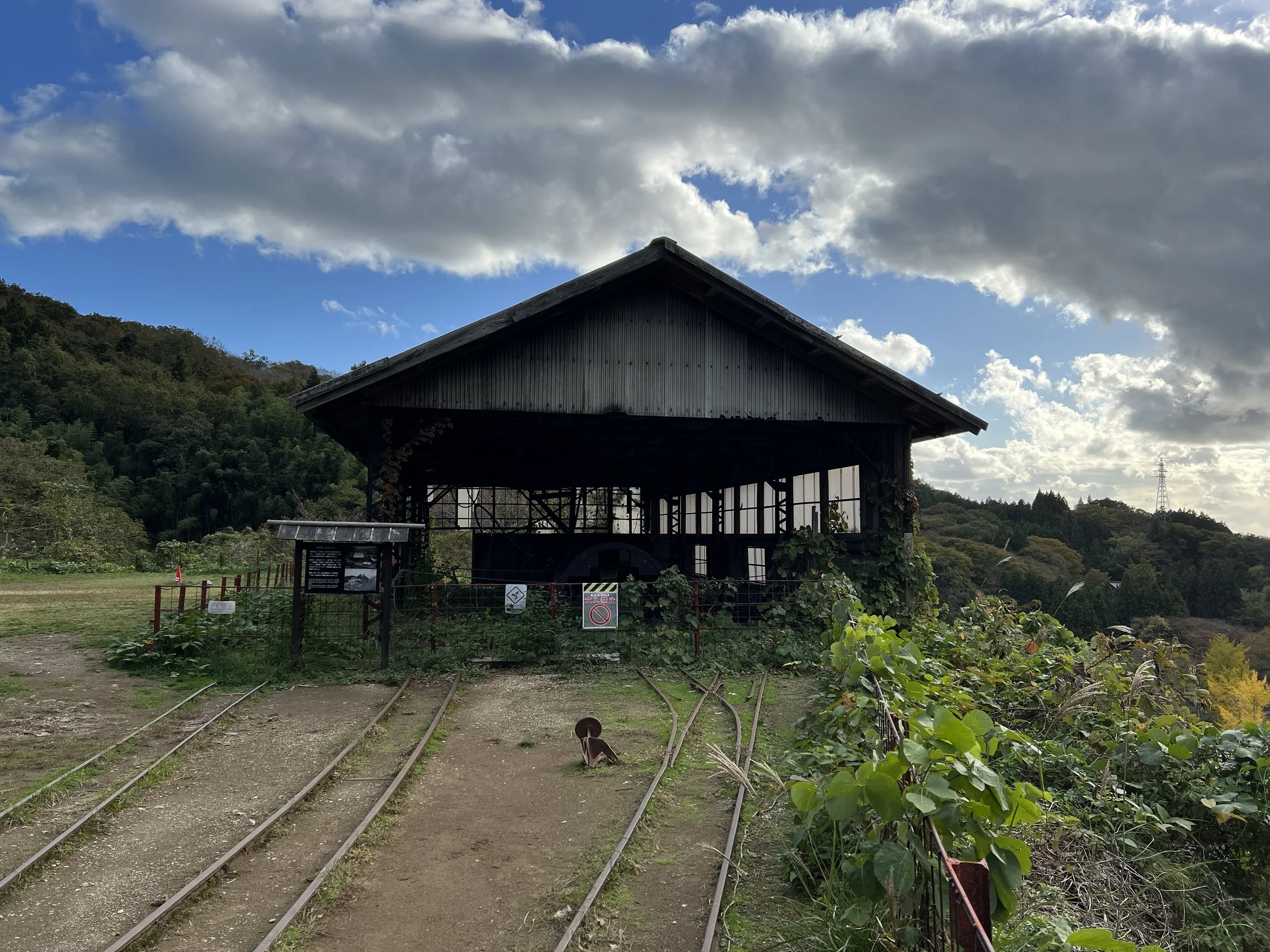
The Doyu Mine is the more modern of the two tunnels and was largely machine-dug. Sections of this mine have been preserved exactly as they were when operations ceased in 1989. The contrast between the narrow, hand-dug Sodayu tunnels and the wider, mechanically excavated Doyu passages is immediately noticeable. This route exits near a miniature railway system and a workshop area displaying mining machinery and equipment used during the mine’s later years.
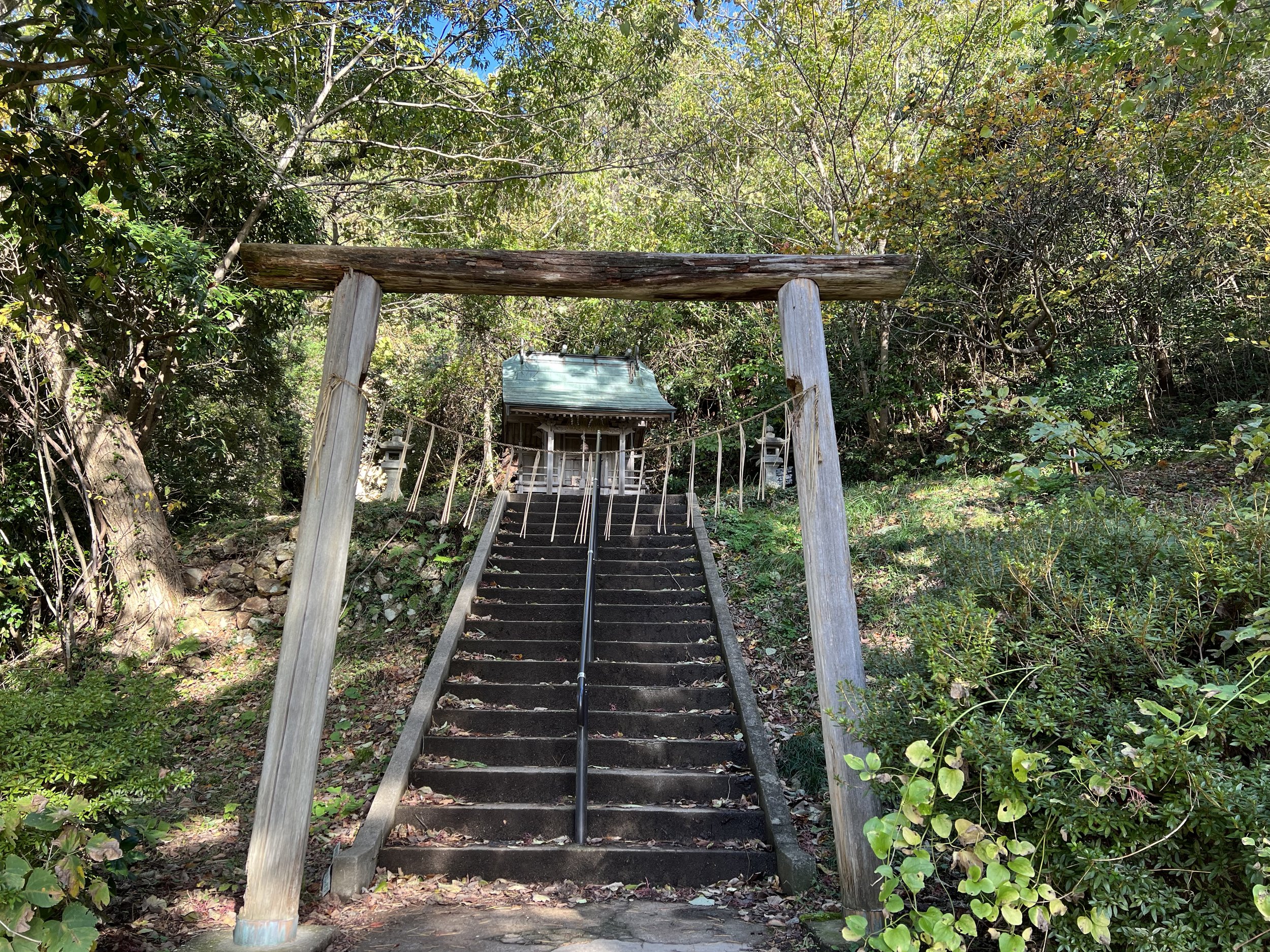
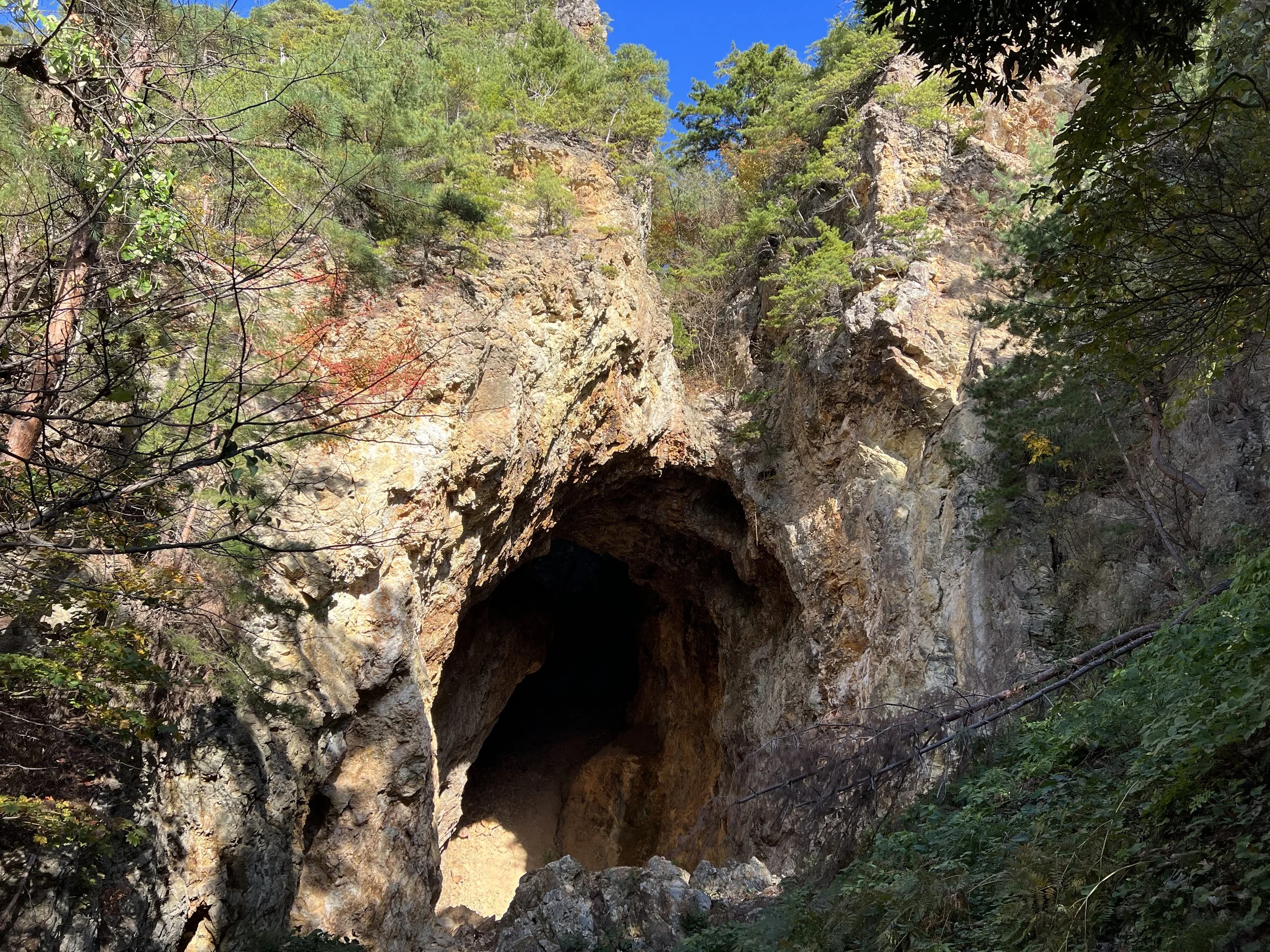
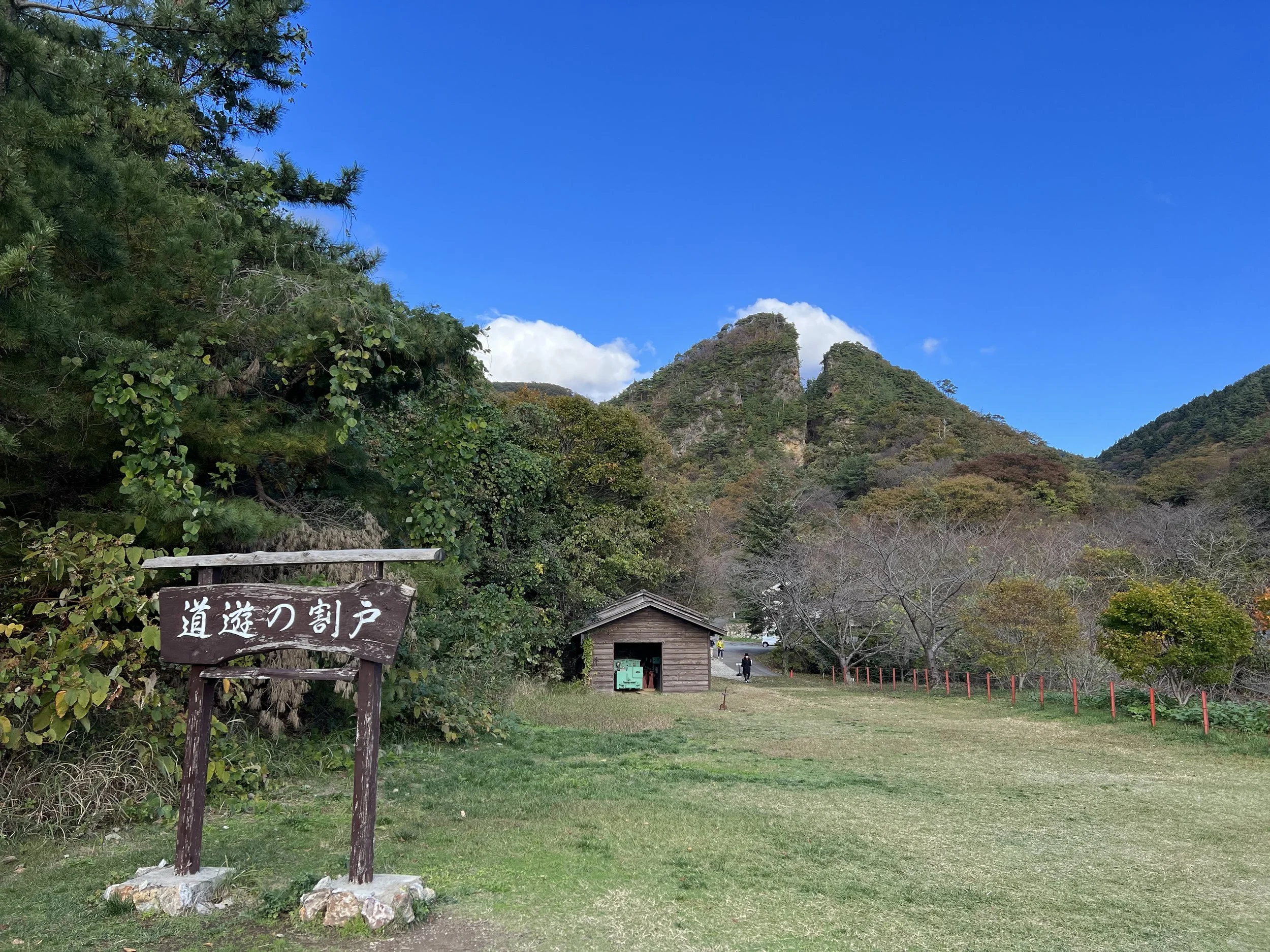
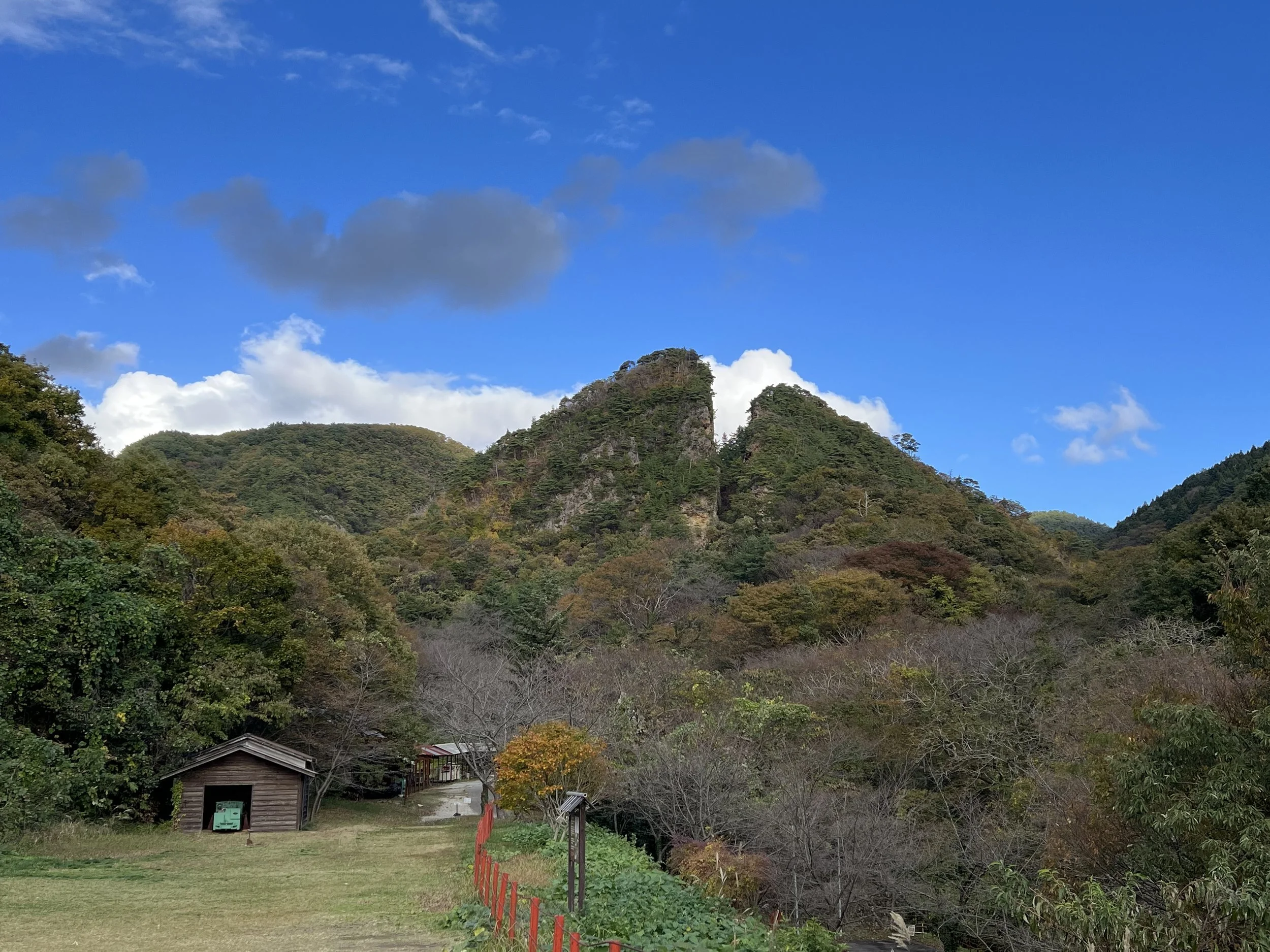
From the workshop, I walked up to Takato Shrine, which is dedicated to a former director of the mine. From this vantage point, there is a close-up view of Doyu no Warito, the mountain peak that was split in two and hollowed out as a result of centuries of mining. The name Doyu refers to the gold ore veins first discovered in this area. I continued a bit farther down the path to take in the view from a distance, where the dramatic split in the mountain is even more apparent.
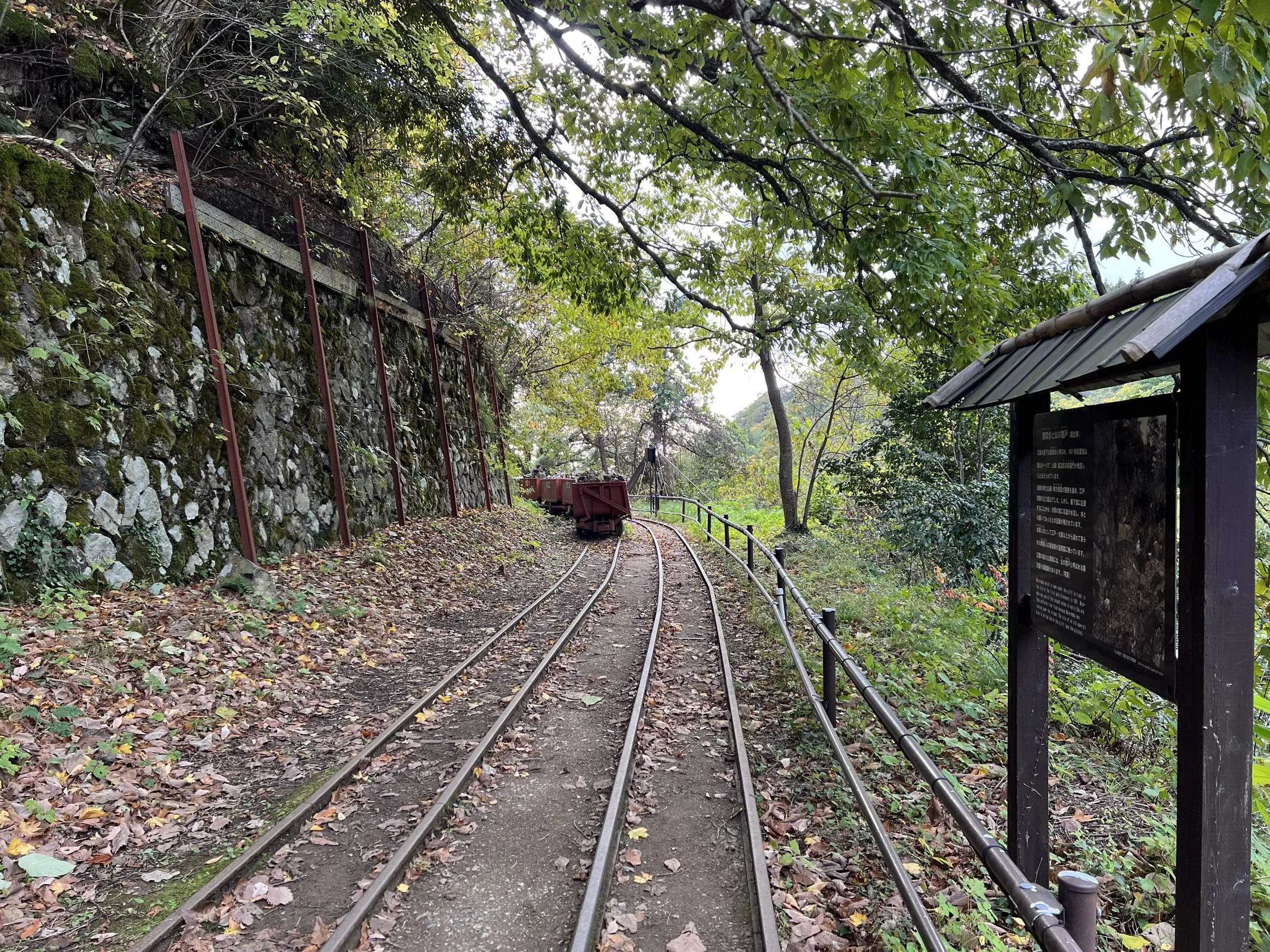
From there, I followed the old rail tracks back toward the souvenir shop. There are several additional sites related to the mine scattered around the area, though some require advance reservations and guided tours. At the time of my visit, the Sado Gold Mine was awaiting official recognition as a UNESCO World Heritage Site. Given the scale of the site, the quality of preservation, and its historical importance to both Sado Island and Japan as a whole, it was easy to see why.
History & Background
The Sado Gold Mine (佐渡金山) was established in 1601 and quickly became Japan’s most important source of precious metals. During the Edo period, it was directly managed by the Tokugawa shogunate, and the wealth generated from the mine played a crucial role in stabilizing and financing the government. At its peak, thousands of workers were employed, and the mining operations expanded deep into the mountains of Sado Island.
Over nearly four centuries of operation, the mine developed an extensive network of tunnels stretching approximately 400 kilometres. Mining techniques evolved from hand excavation to mechanized extraction, a transition that can still be observed today in the preserved tunnels. The mine officially ceased operations in 1989, marking the end of an era in Japanese industrial history.
Today, the Sado Gold Mine is preserved as a historical site, offering insight into early mining technology, labour conditions, and the economic foundations of the Edo period. Its cultural and historical significance has led to its nomination and subsequent recognition process as a UNESCO World Heritage Site.
Getting There
Sado Gold Mine is located on Sado Island in Niigata Prefecture. Access begins from Niigata Port, where car ferries and jetfoil services operate to Ryotsu Port on Sado Island. From Ryotsu Port, the mine is reached by road via public bus or taxi, with buses running toward the Aikawa area, where the mine is located. Travel times and service frequency vary by season, and visitors travelling independently often use rental cars to access the site.
Route Overview
Distance: 2 km out & back (Sado Gold Mine Parking Lot)
Total elevation gain: 68 m
Duration: 1 hr 14 min (with breaks 1 hr 20 min)
Difficulty: Easy
Ticket Info: You can find more information about the different types of tickets on the official site, as some site visits require reservations and advance planning.
Cost Breakdown
Entrance Fee: Sado Gold Mine — ¥1,500
Souvenir: ¥500