Kurobe Gorge - Day 1: Toyama, Japan
Day one in Kurobe Gorge was meant to be a slower travel day—just getting into position for the main highlight: riding the famous Kurobe Gorge Railway. I had planned to stay two nights in the area to make sure I’d have a full day to explore the gorge properly, so today was all about arriving, settling in, and getting a feel for the place.
I started my journey from Nagano Station, and it turned out to be one of the more expensive travel days of the trip. As if on cue, the weather decided not to cooperate—the rain was coming down steadily, and despite hoping it might ease up by the time I arrived, it didn’t.
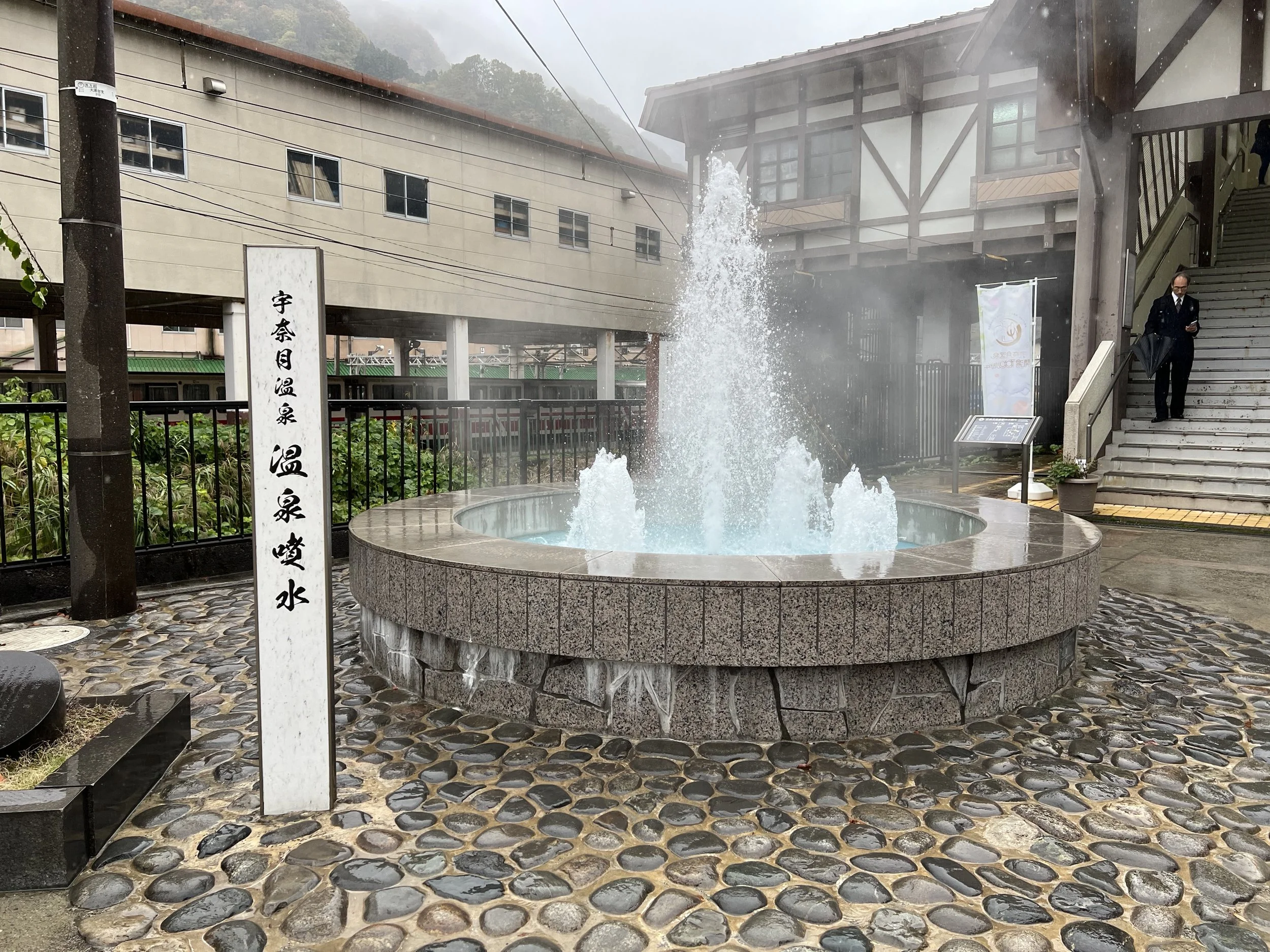
The town immediately lived up to its name—an onsen town through and through. Right outside the station was a small fountain steaming with hot spring water, and scattered throughout the town were foot baths inviting visitors to stop and warm up. Even in the rain, there was something comforting about that first impression.
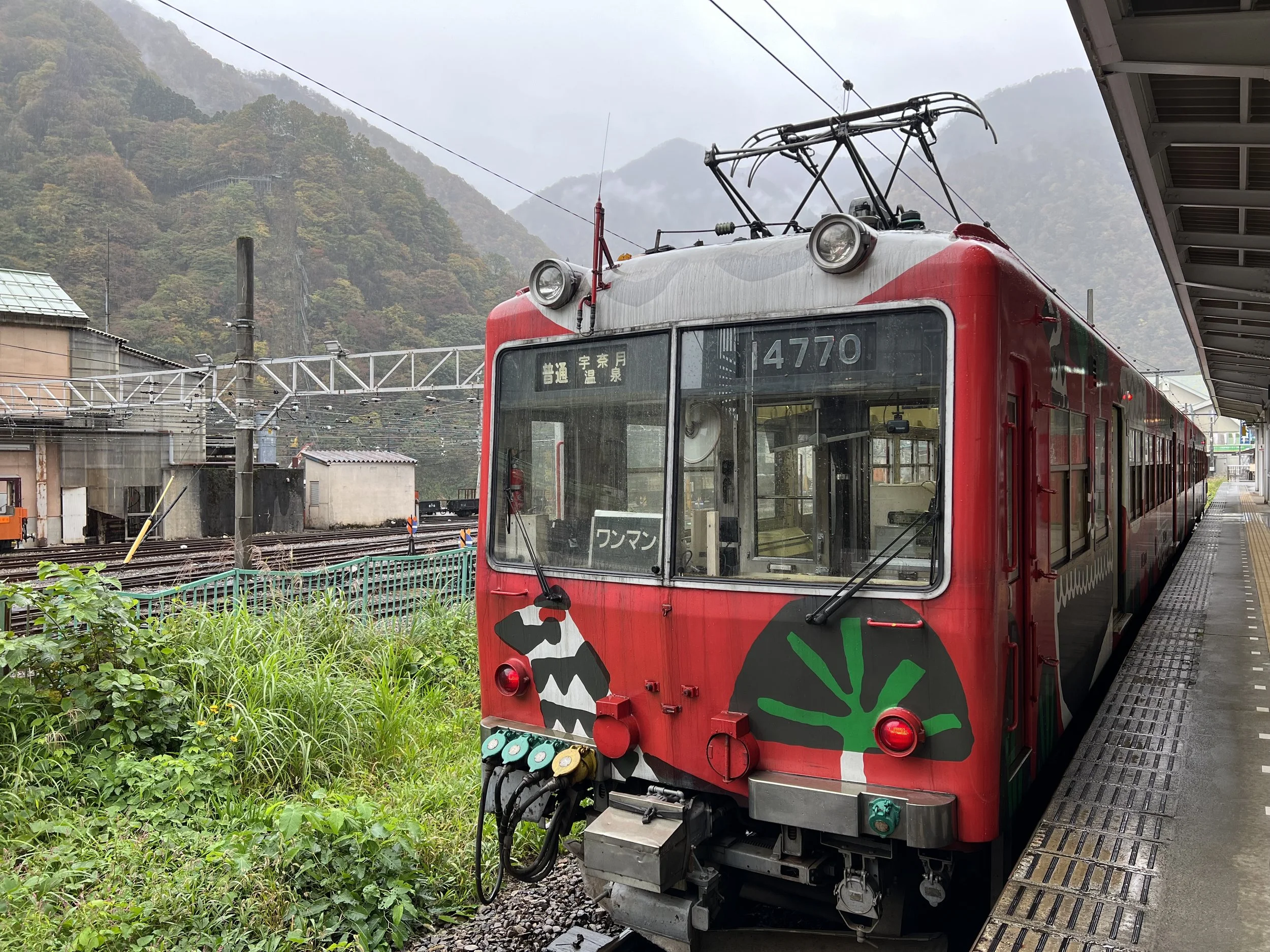
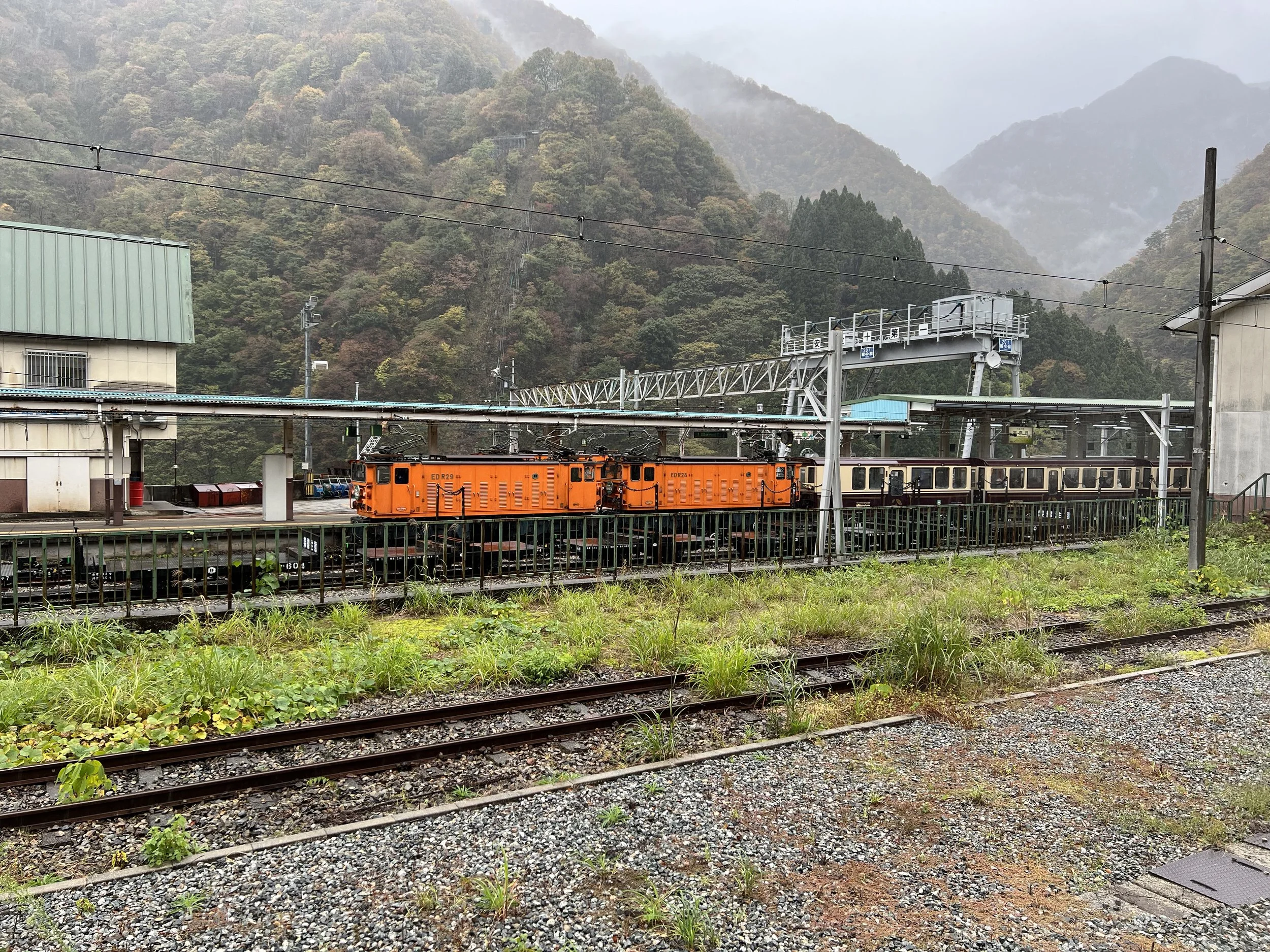
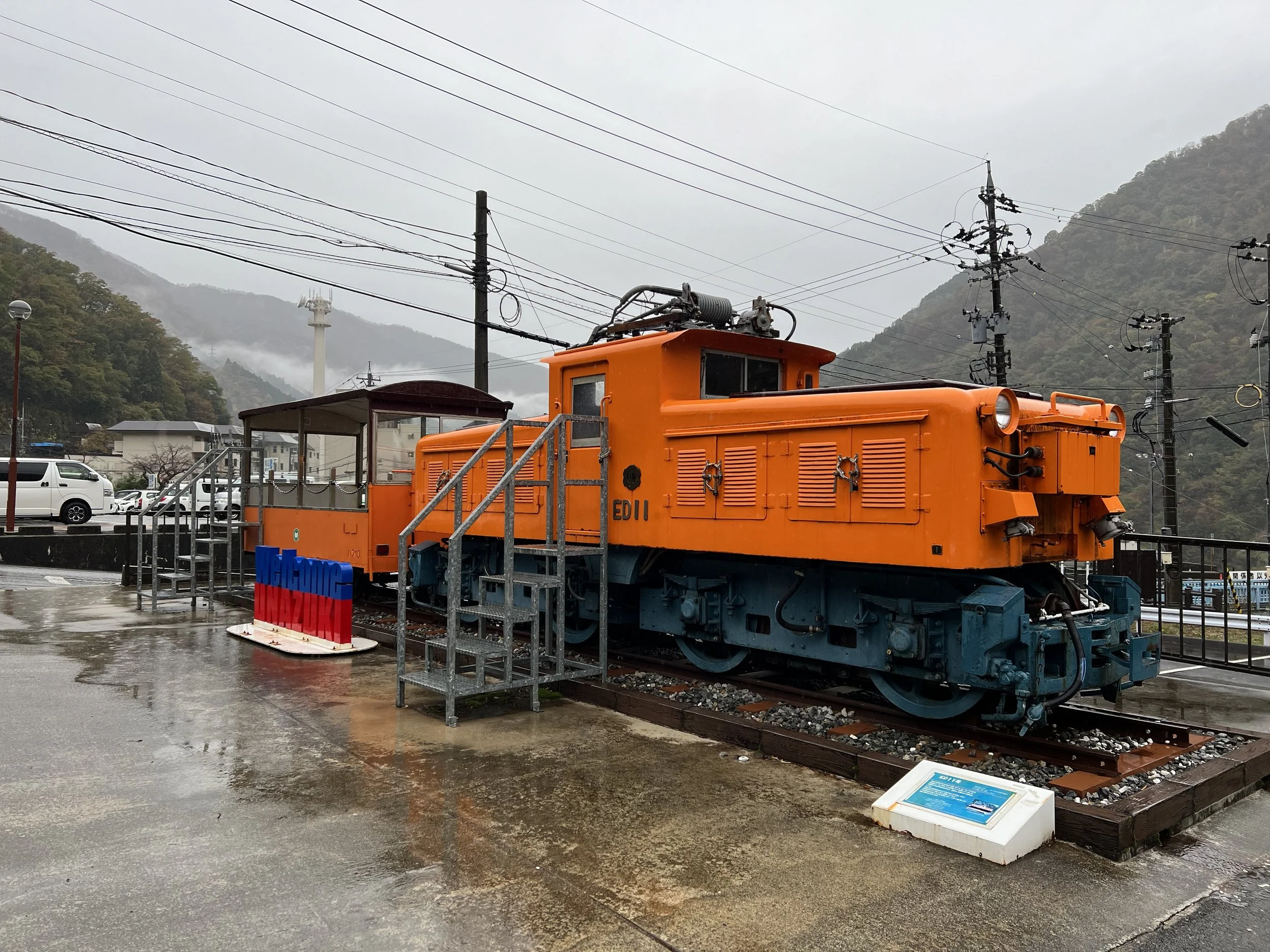
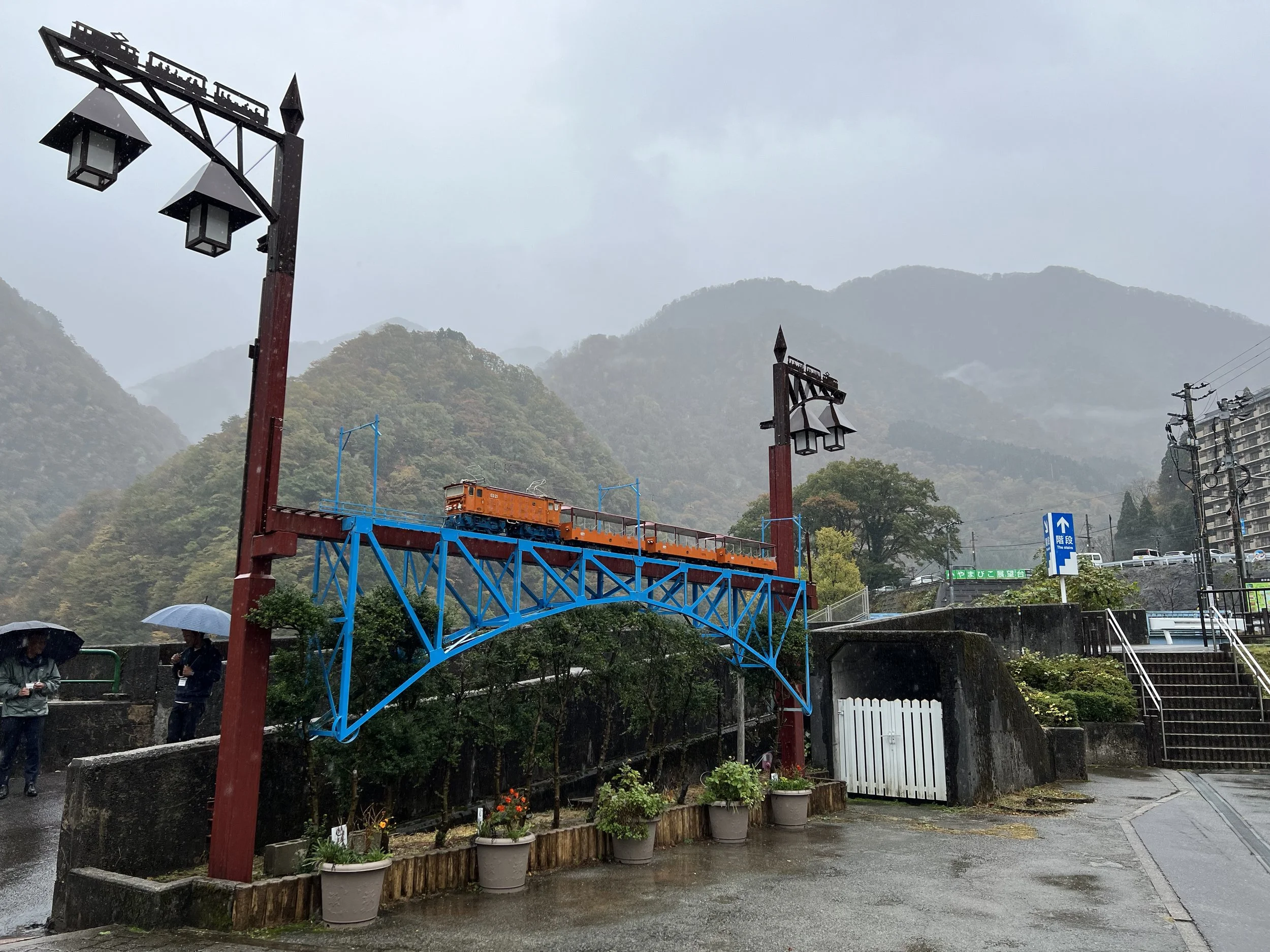
Since it was still too early to check into my accommodation, I decided to explore a bit. I made my way toward Unazuki Station, the starting point of the trolley train I’d be taking the next day. The station area had more to see than I expected—model trains, preserved trolley cars, small exhibits, and scenic viewpoints overlooking the Kurobe River. Trying to juggle an umbrella while taking photos (and the occasional selfie) wasn’t ideal, but I managed.
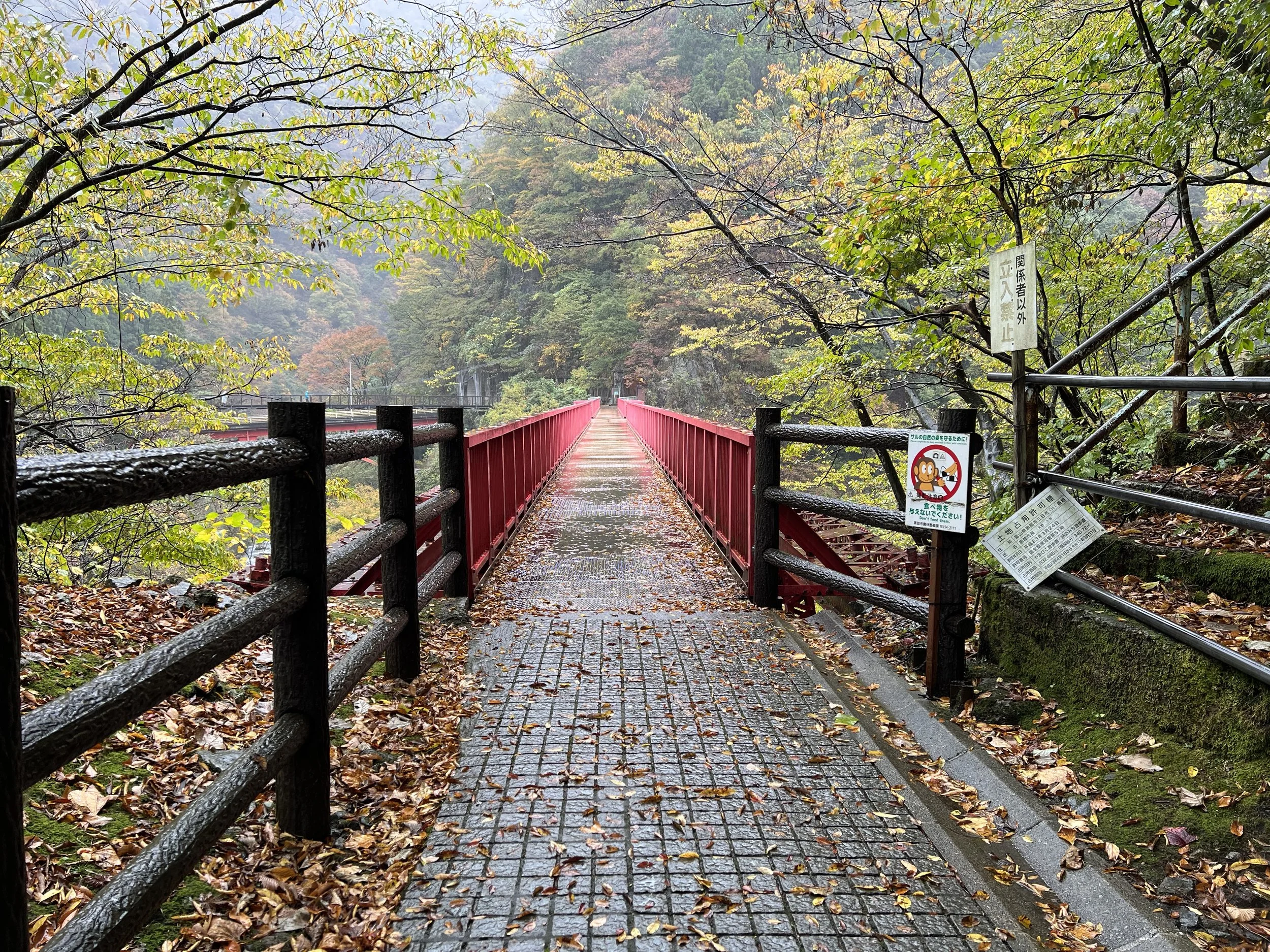
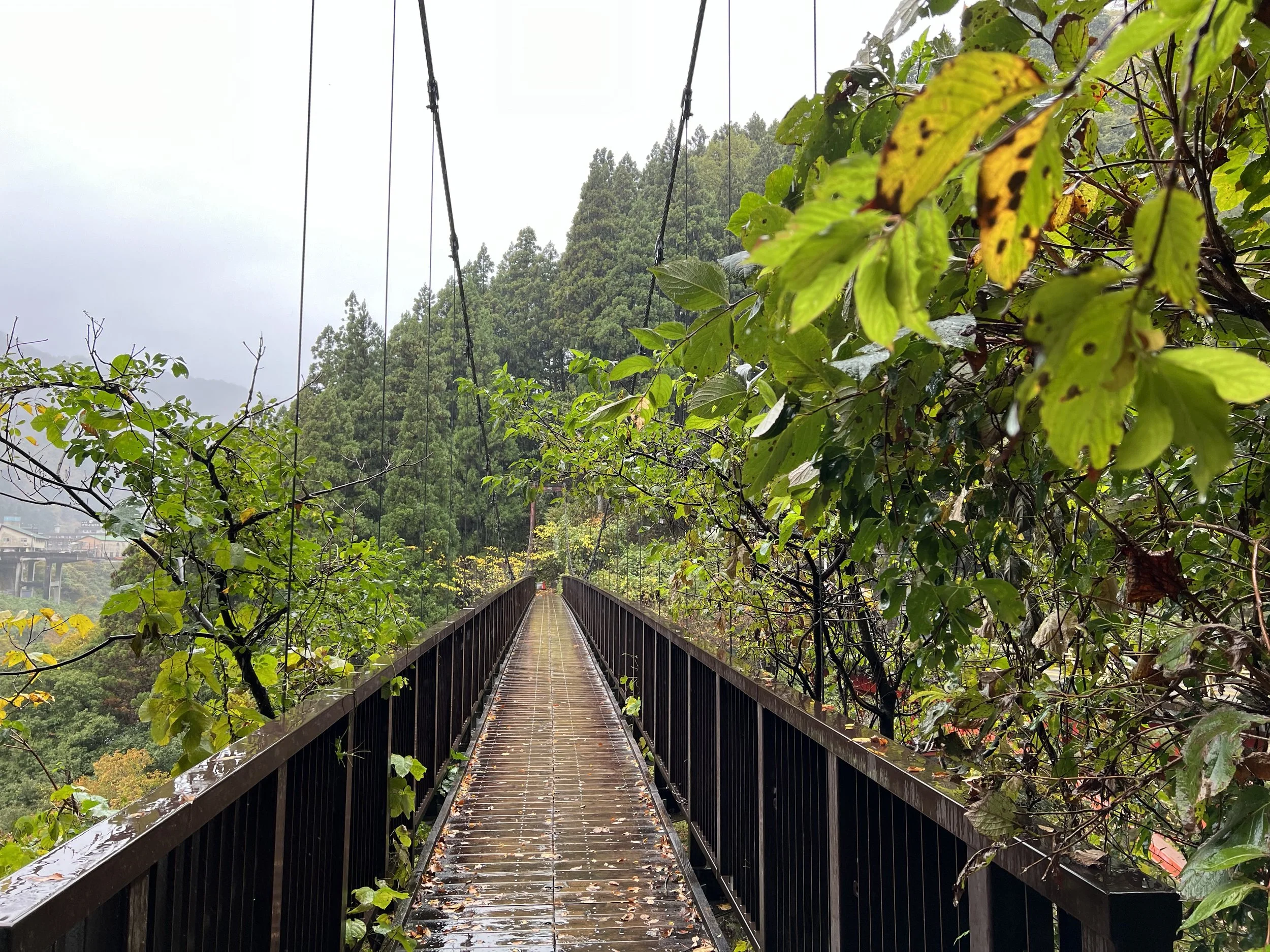
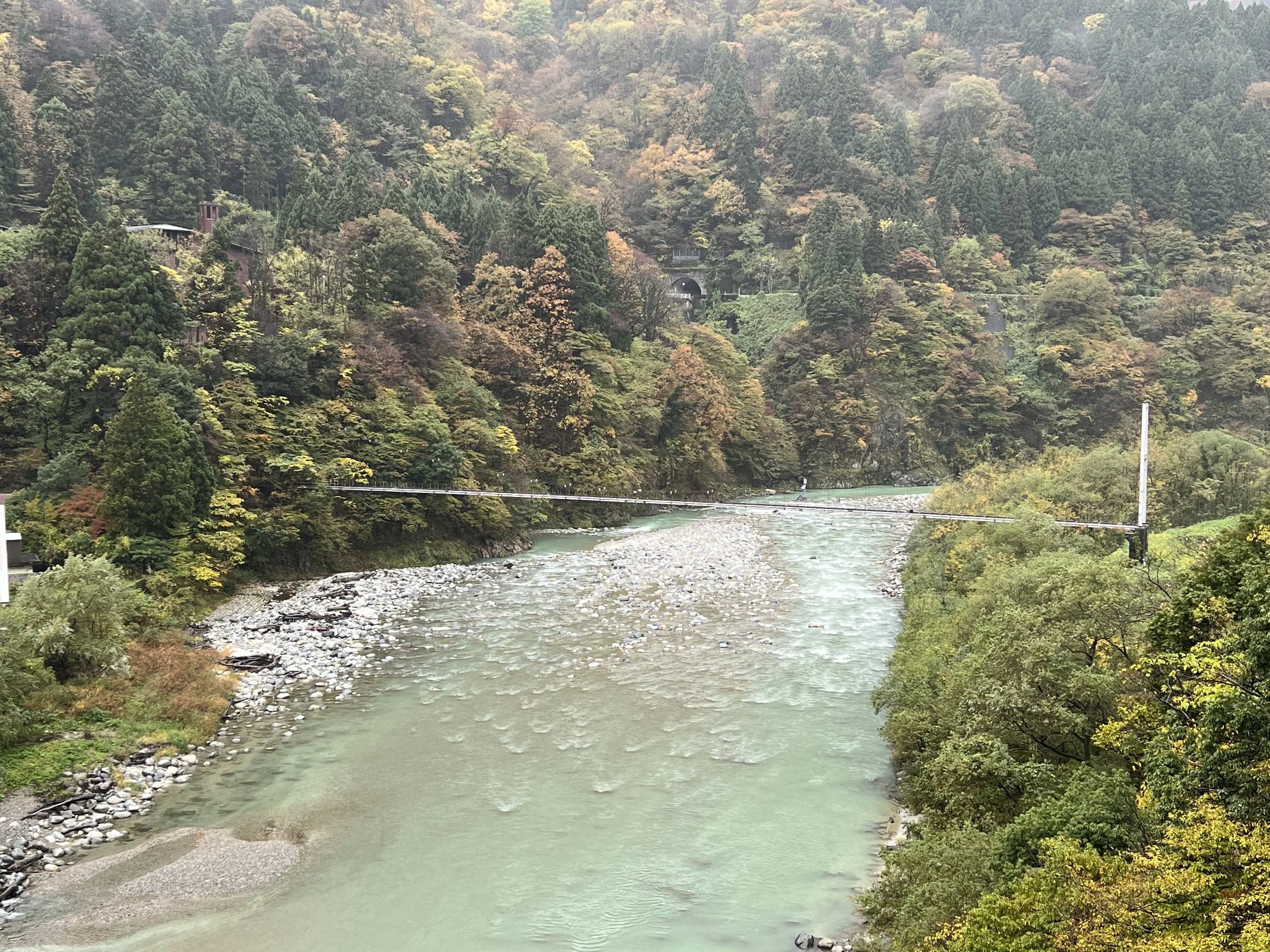
From there, I headed down toward the riverside walkways. The path crosses the river and splits in two directions—one across the suspension bridge leading uphill toward an observatory, and the other toward Unazuki Dam. I had originally planned to cross the suspension bridge and hike up toward the observatory first, but a posted sign explained that the trail was closed due to damage from recent rainfall. I still crossed the bridge briefly for the experience, but that was as far as I could go.
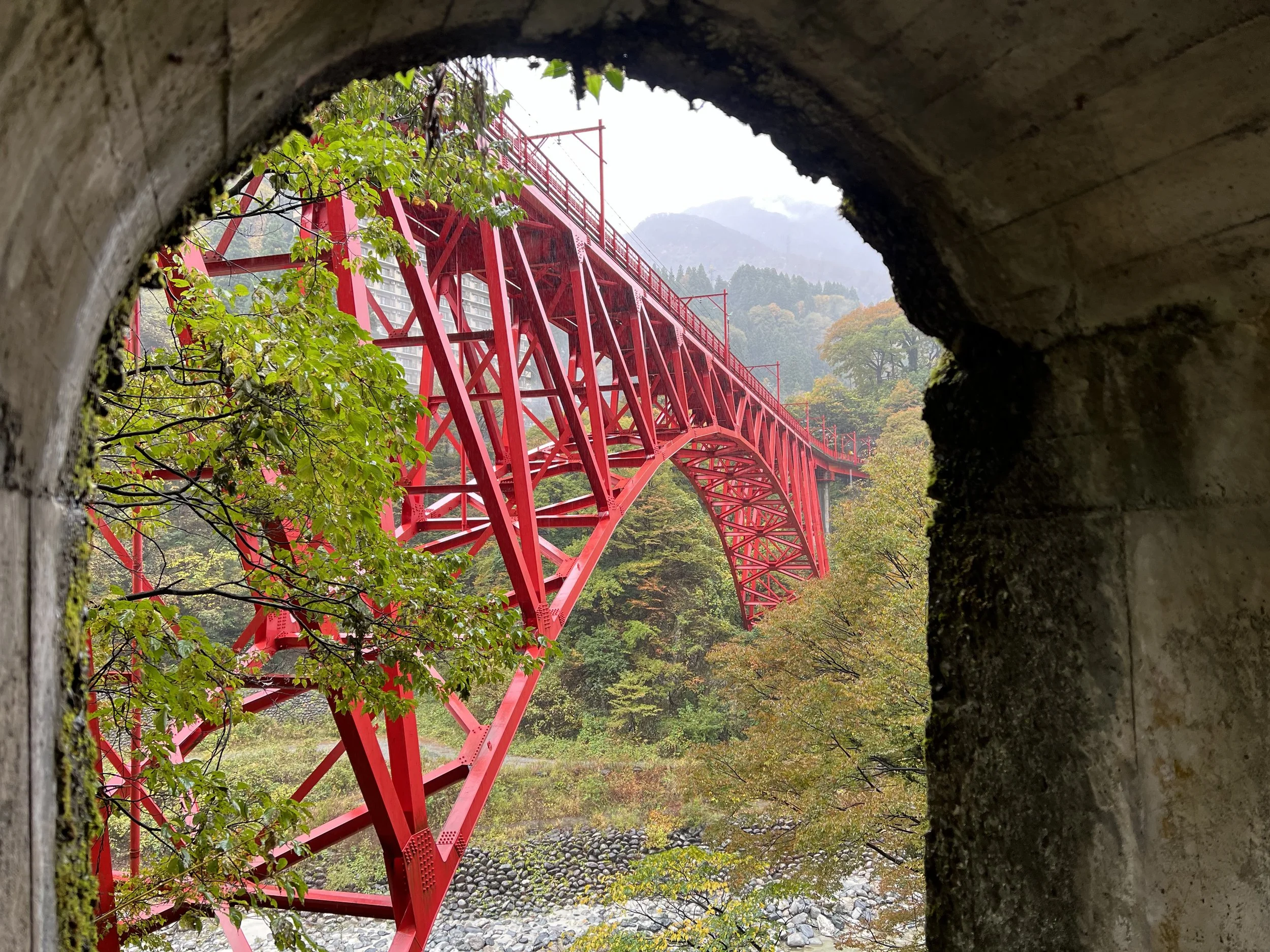
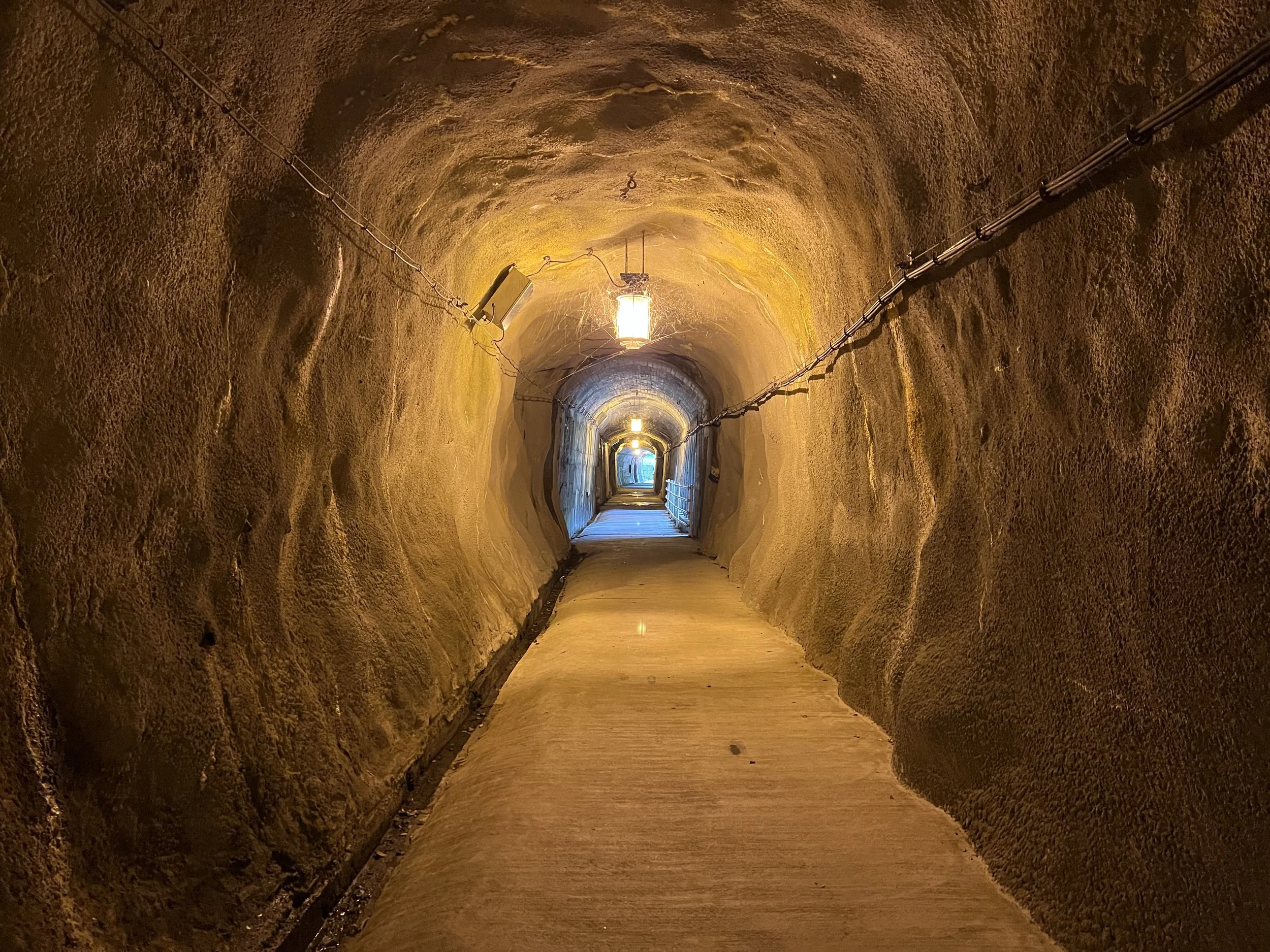
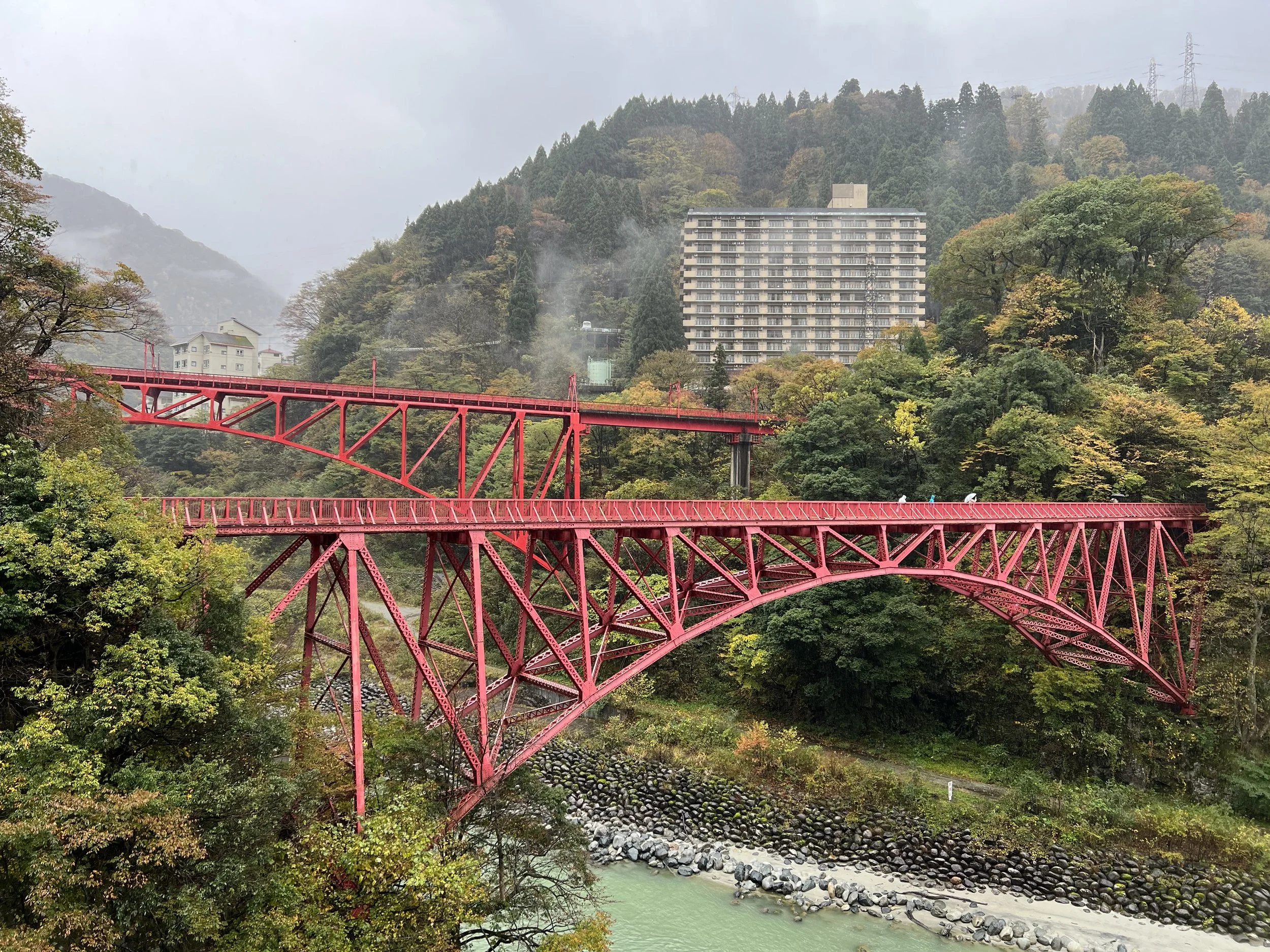
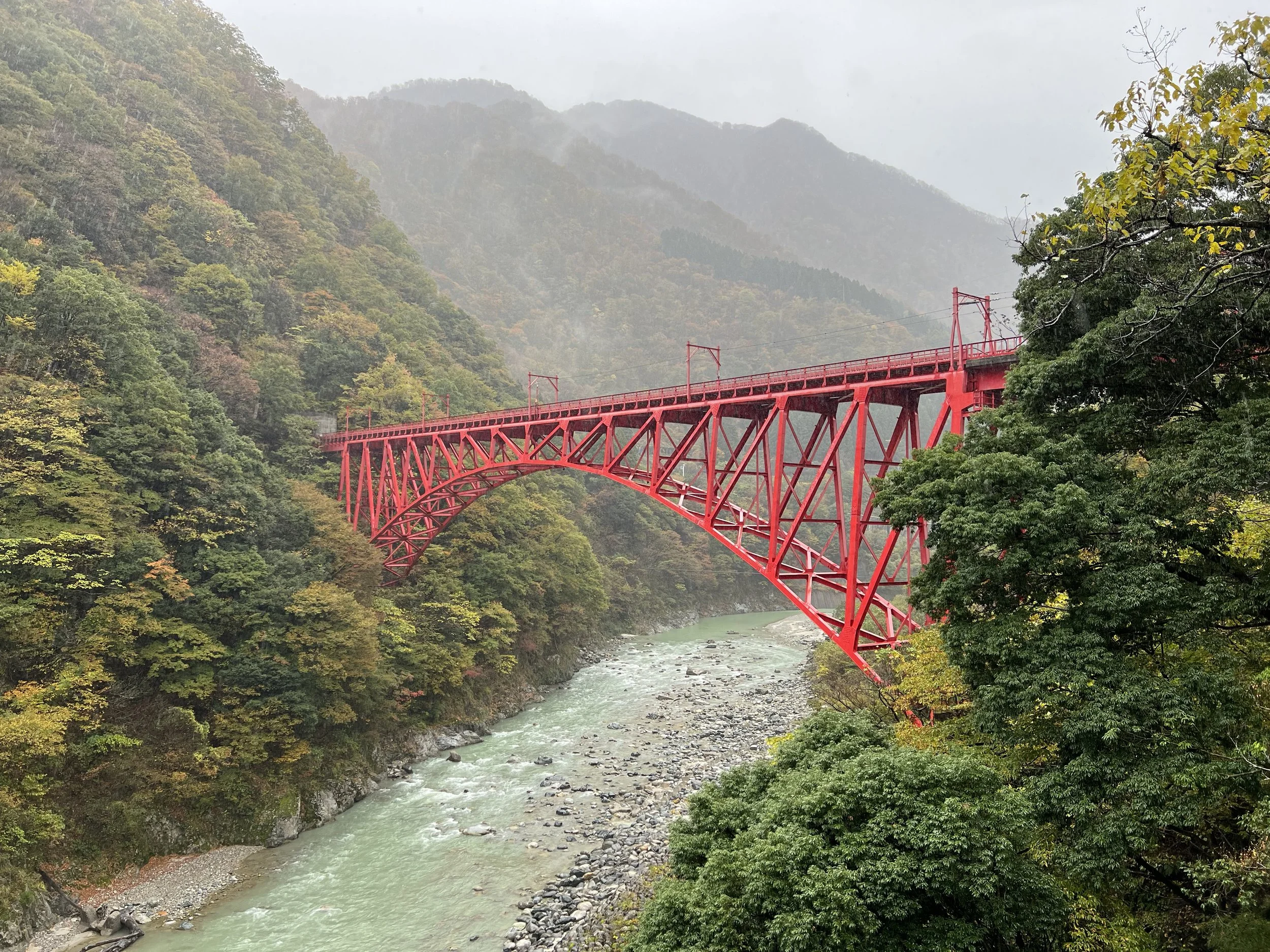
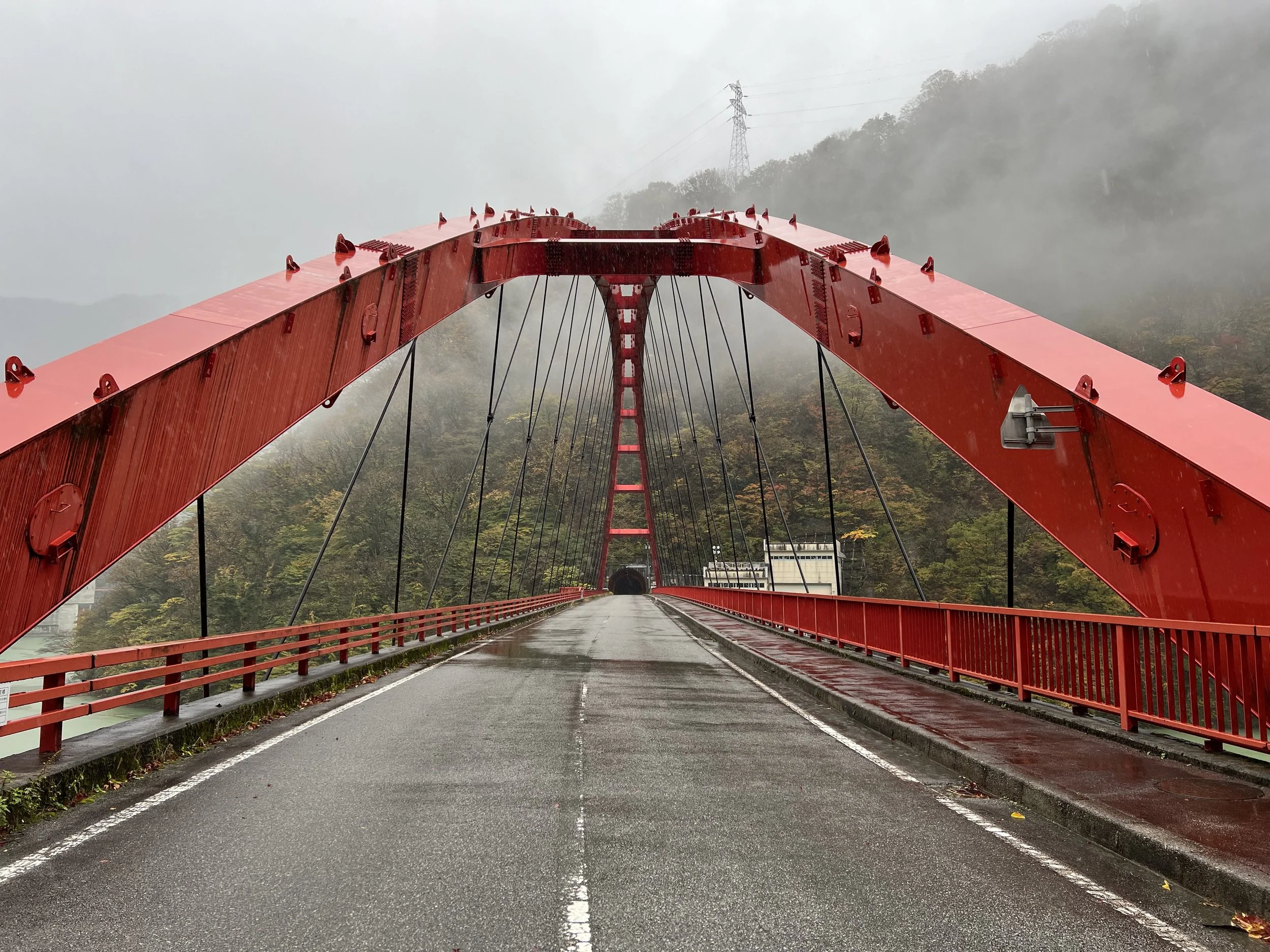
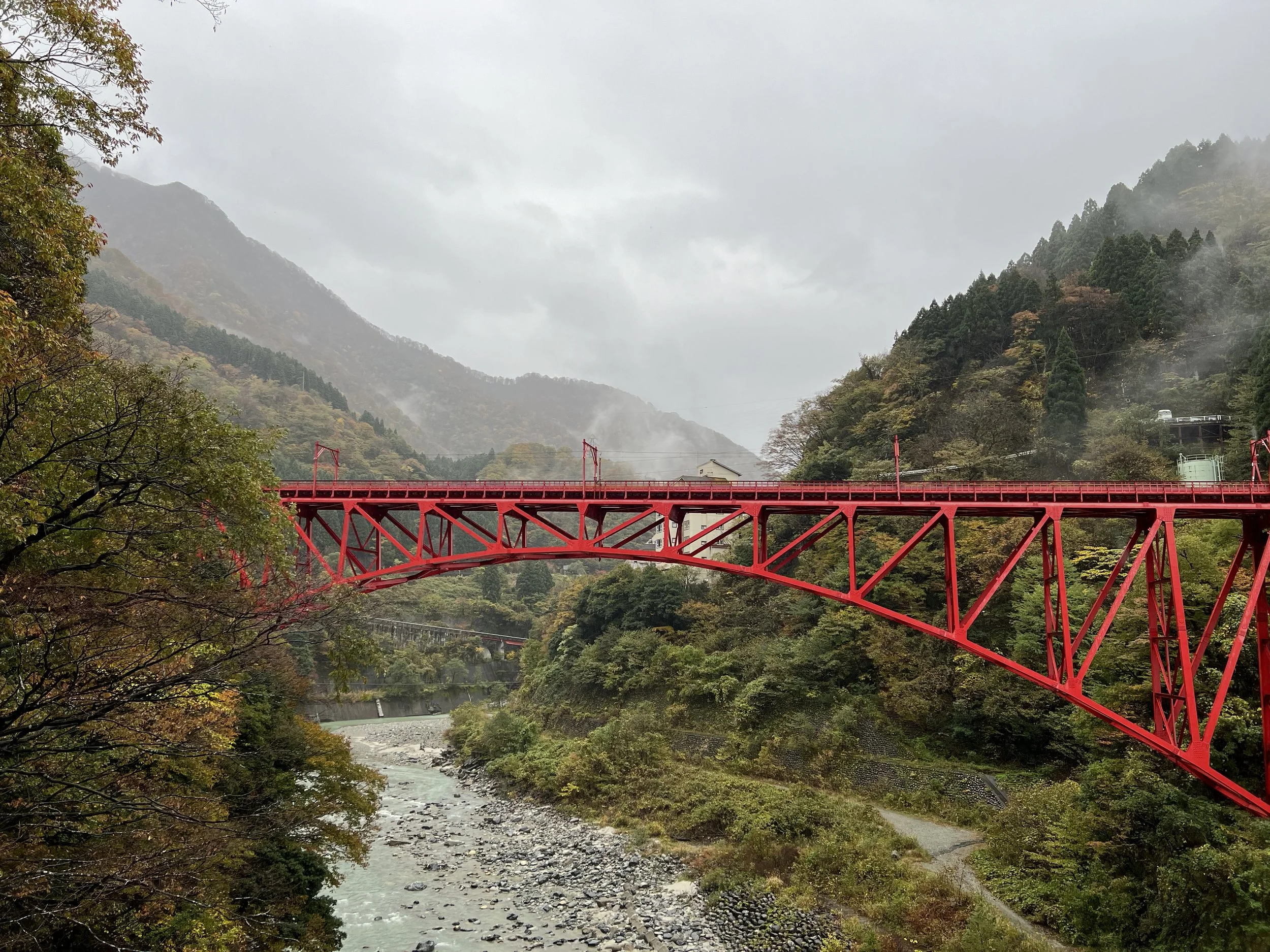
Turning back, I followed the path toward the dam. The route began with a tunnel that came with a slightly ominous warning about snakes seeking shelter in the cooler interior. Given that it was still winter, I wasn’t too concerned, but it definitely added a bit of “what ifs”. The tunnel itself had windows cut into the rock, offering incredible views of the Shinyamabiko Bridge. With the vivid red bridge cutting across the gorge, framed by mountains and the river below, it was easily one of the most striking views in the area.
Once out of the tunnel, the path followed alongside the road and the railway tracks. I didn’t get lucky enough to see the trolley train pass by, but it’s definitely possible if your timing lines up.
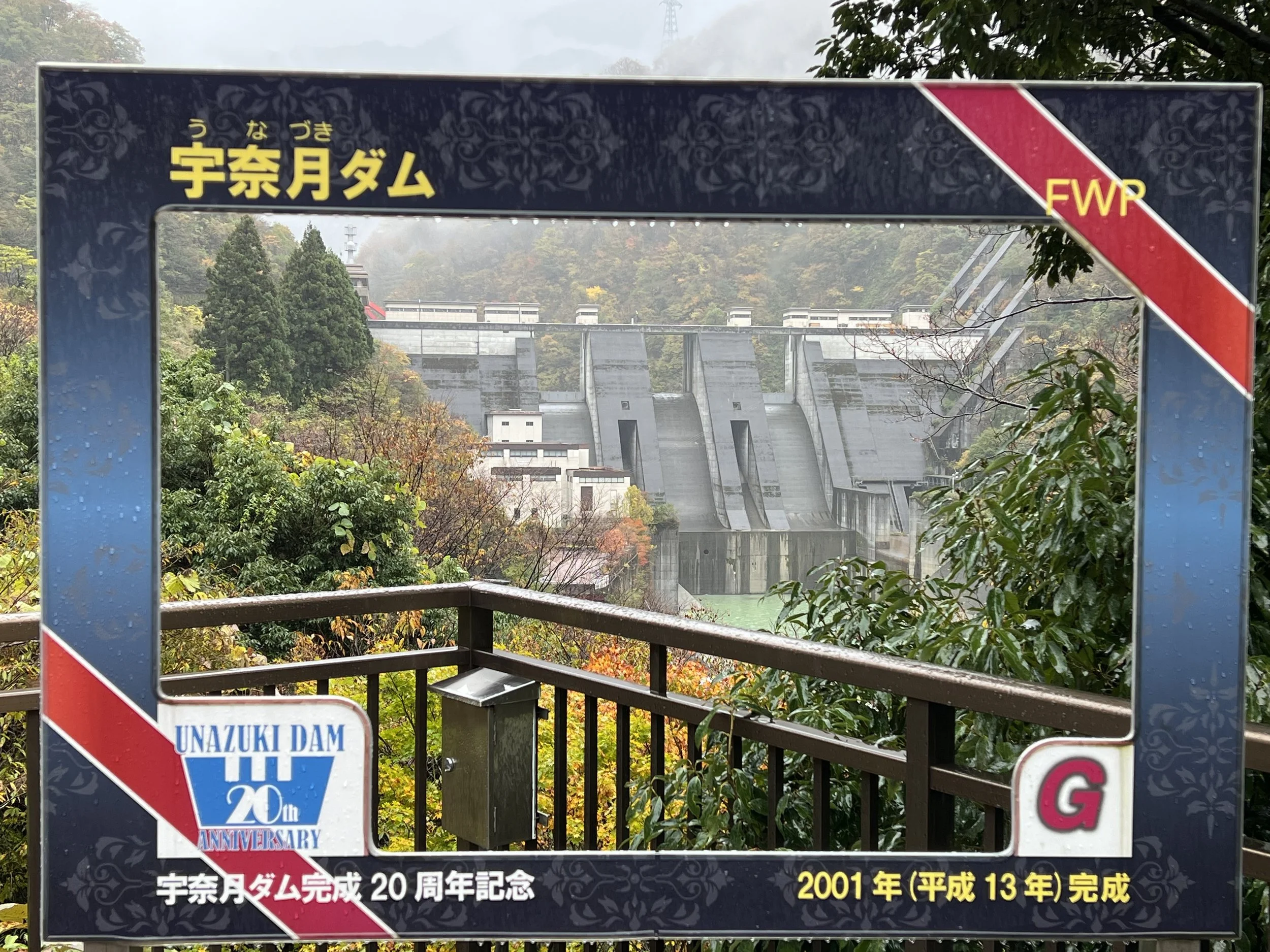
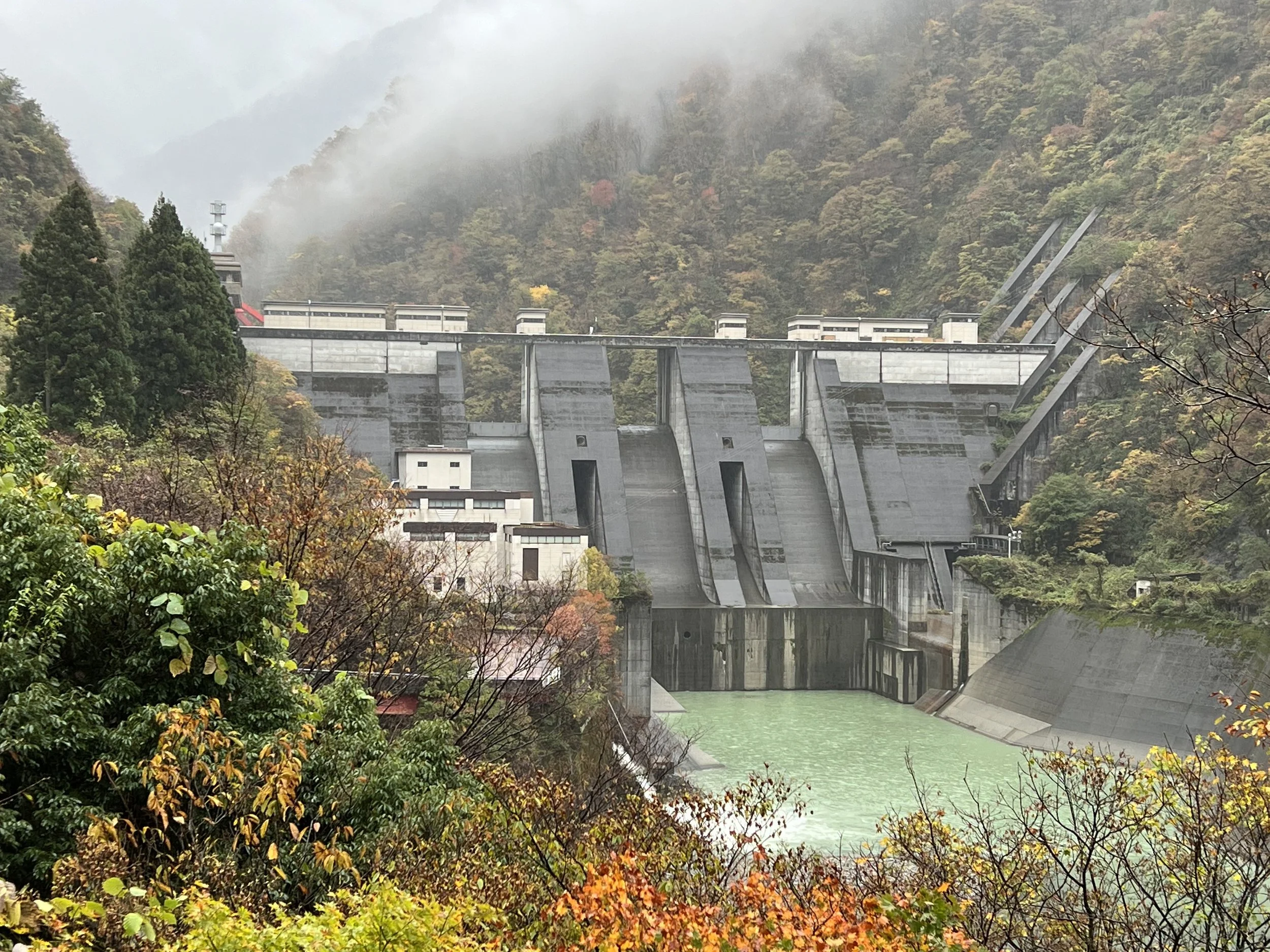
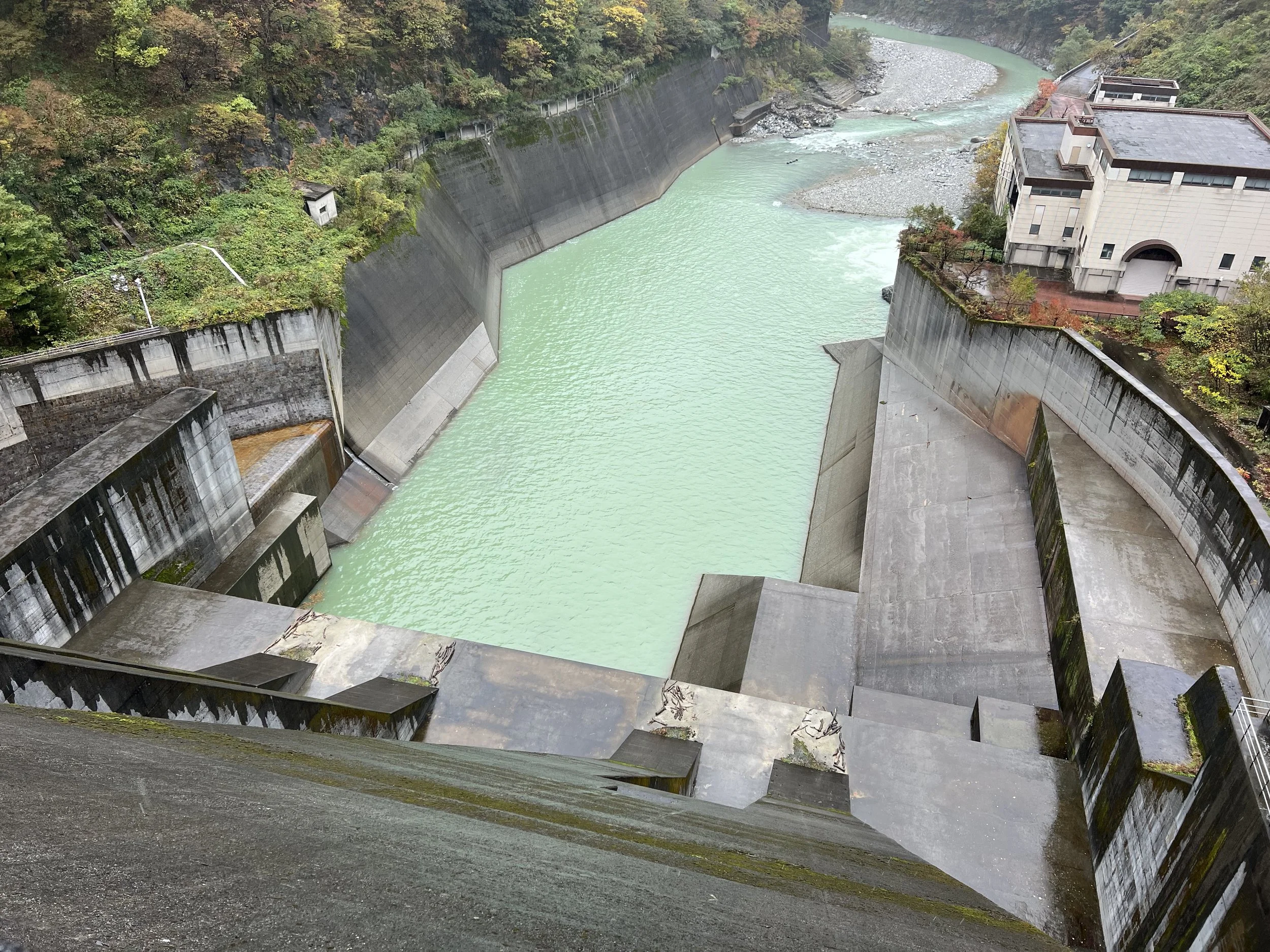
Along the way, I stopped at one of the observatories overlooking the dam, where a cleverly designed frame lets you photograph the Unazuki Dam as if it were a picture within a picture. From there, I continued on to the dam itself. Visitors can walk partway across it, and from that vantage point, the river widens into something that feels more like a lake. Even in the rain, the view was calm and expansive.
I crossed the nearby Komen Bridge to get a different angle before making my way back toward town. There’s also a small museum near the dam, but it was closed during my visit.
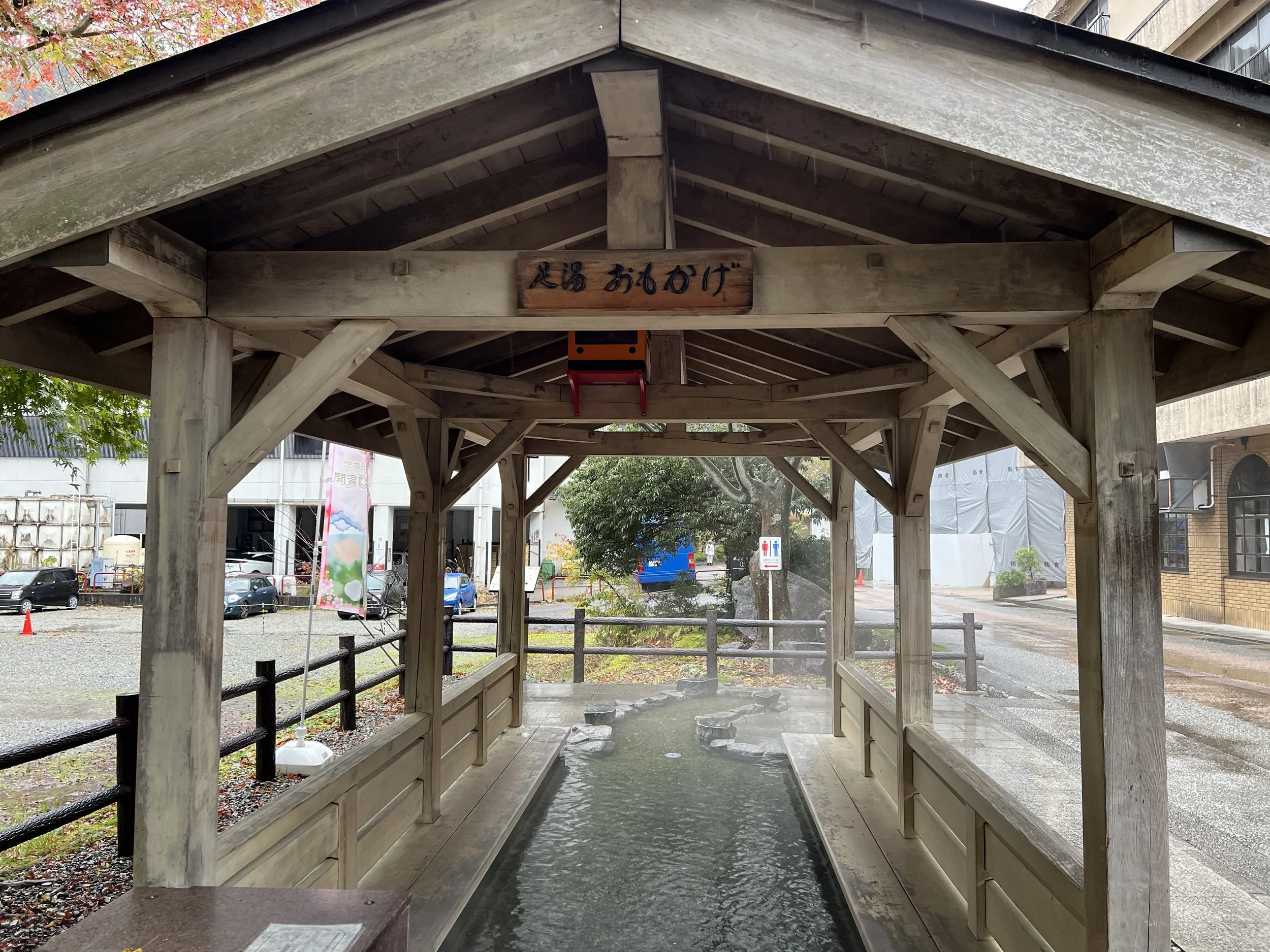
Back in the town centre, I walked along the main street, lined with small restaurants and shops. I didn’t spend too much time browsing, though—I had my eye on something else. I continued on to Unazuki Park, where I found one of the public foot baths.
With the rain still falling, I sat there for a while, soaking my feet in the hot spring water. The contrast between the cool air and the warmth of the water was exactly what I needed after walking around in wet weather. Even better, I had the place entirely to myself.
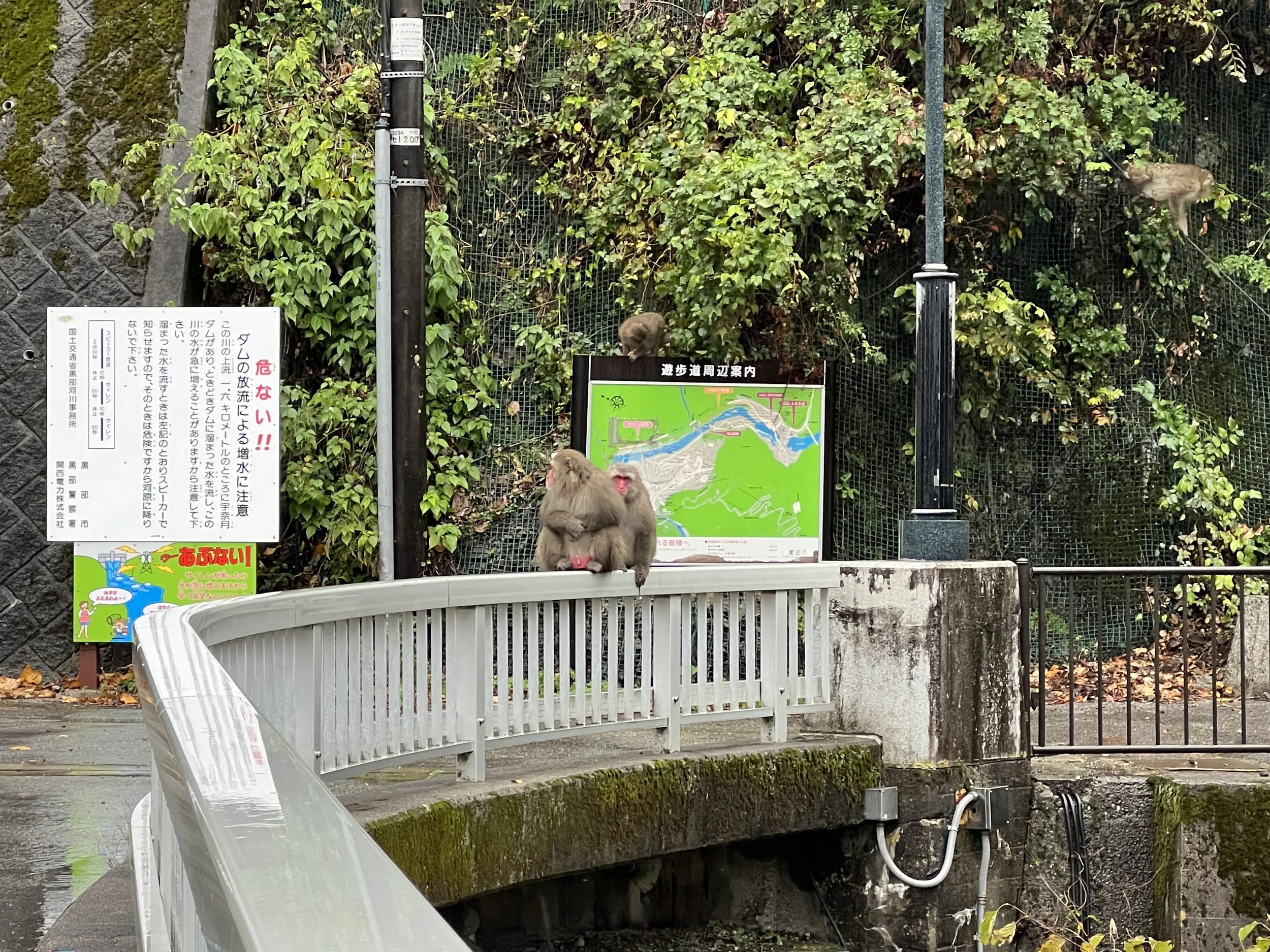
After drying off, I decided to head a bit further toward the Omokage Observatory. But not long after crossing the bridge, I noticed a group of Japanese macaques—at least seven of them—gathered near the observatory. I’d heard enough stories about them being territorial to know it wasn’t worth the risk of getting too close.
That was my cue to turn around.
With that, I headed back and finally checked into my accommodation, ready to dry off and rest. Despite the rain and a few closed trails, it felt like a solid introduction to the area—and I went to bed hoping for clearer skies for the trolley train adventure the next day.
History & Background
Kurobe Gorge (黒部峡谷) is one of Japan’s deepest and most scenic gorges, carved by the Kurobe River as it flows through the Northern Japan Alps.
The gorge became more accessible in the early 20th century during the construction of hydroelectric projects, including the Unazuki Dam. The railway originally built for construction and maintenance eventually evolved into the Kurobe Gorge Railway, now one of Japan’s most famous scenic train rides.
Unazuki Onsen developed as a hot spring town at the entrance of the gorge, offering visitors a place to relax before or after exploring the rugged landscape.
Today, the area is known for its dramatic seasonal scenery, from lush greenery in summer to vibrant autumn foliage, making it a popular destination for both nature lovers and railway enthusiasts.
Getting There
The gateway to Kurobe Gorge is Unazuki Station in Toyama Prefecture. From Toyama, travellers can take the Toyama Chiho Railway Main Line directly to Unazuki Onsen Station, which is a short walk from the Kurobe Gorge Railway’s Unazuki Station. The journey takes approximately 1.5 hours.
From Tokyo, take the Hokuriku Shinkansen to Toyama Station (about 2–2.5 hours), then transfer to the local railway line toward Unazuki Onsen.
Alternatively, from Nagano, travellers can take the Hokuriku Shinkansen to Toyama before continuing via local train.
For those driving, Unazuki Onsen is accessible via the Hokuriku Expressway, with parking available near the station area.
Route Overview
Distance: 5.07 km (Unazukionsen Station → Grandvrio Hotel)
Total elevation gain: 71 m
Duration: 1 hr 12 min (with breaks 1 hr 40 min)
Difficulty: Easy
Cost Breakdown
Train: Nagano Station → Itoigawa Station — ¥4,810
Train: Itoigawa Station → Kurobe-Unazukionsen Station — ¥3,080
Train: Kurobe-Unazukionsen Station → Unazukionsen Station — ¥740
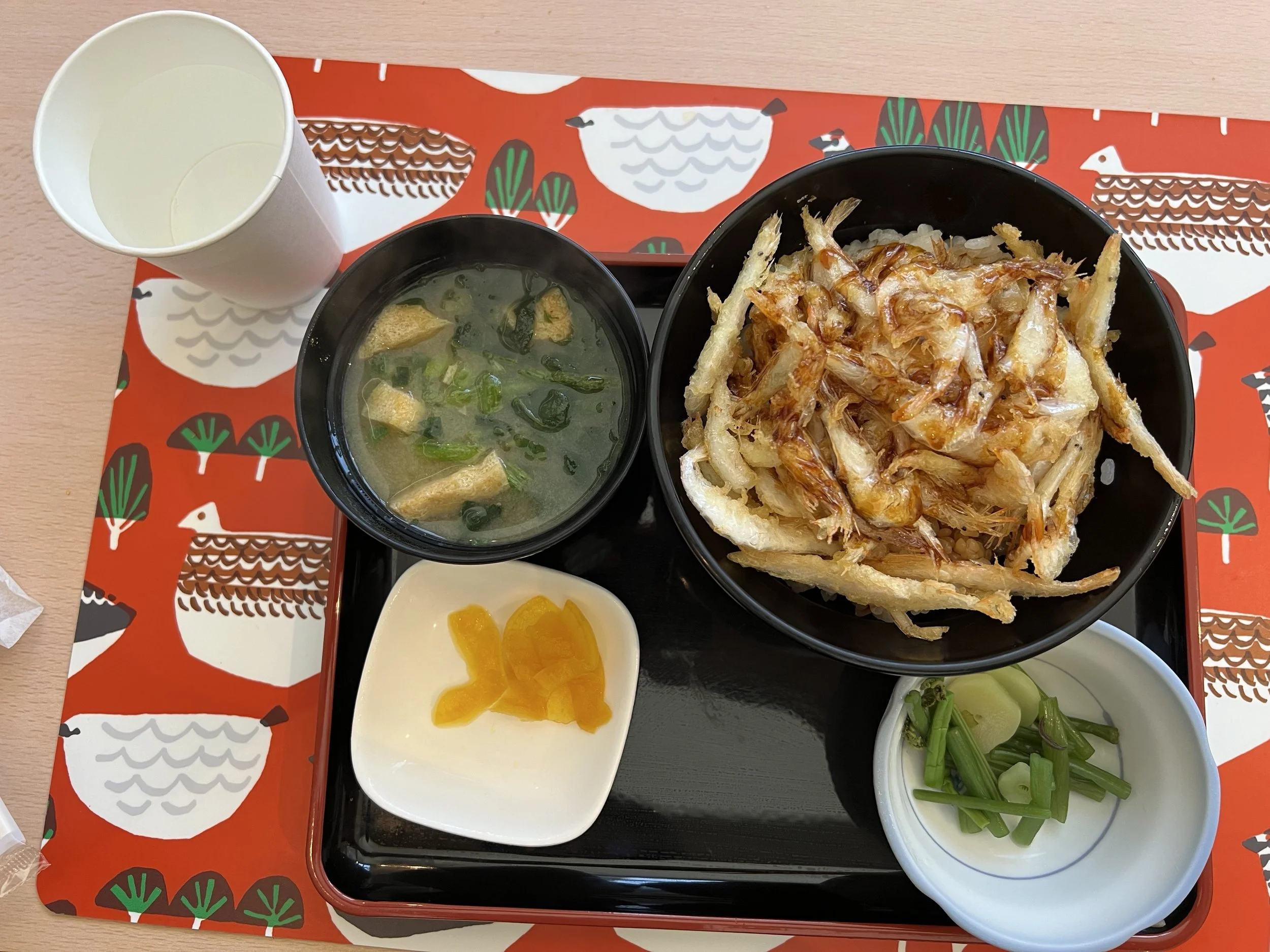
Food: ¥1,300