Yutoku Inari Shrine - Saga, Japan
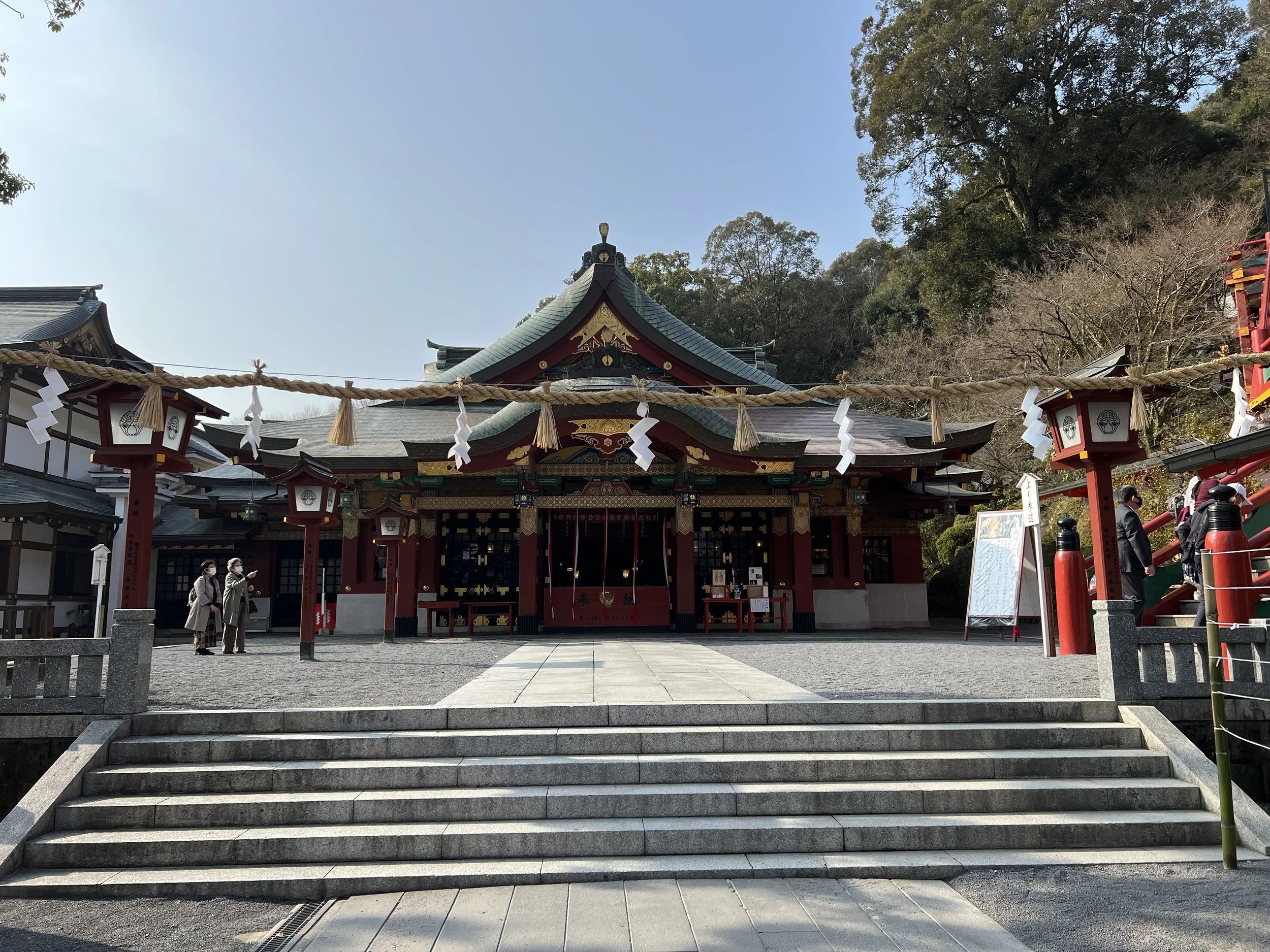
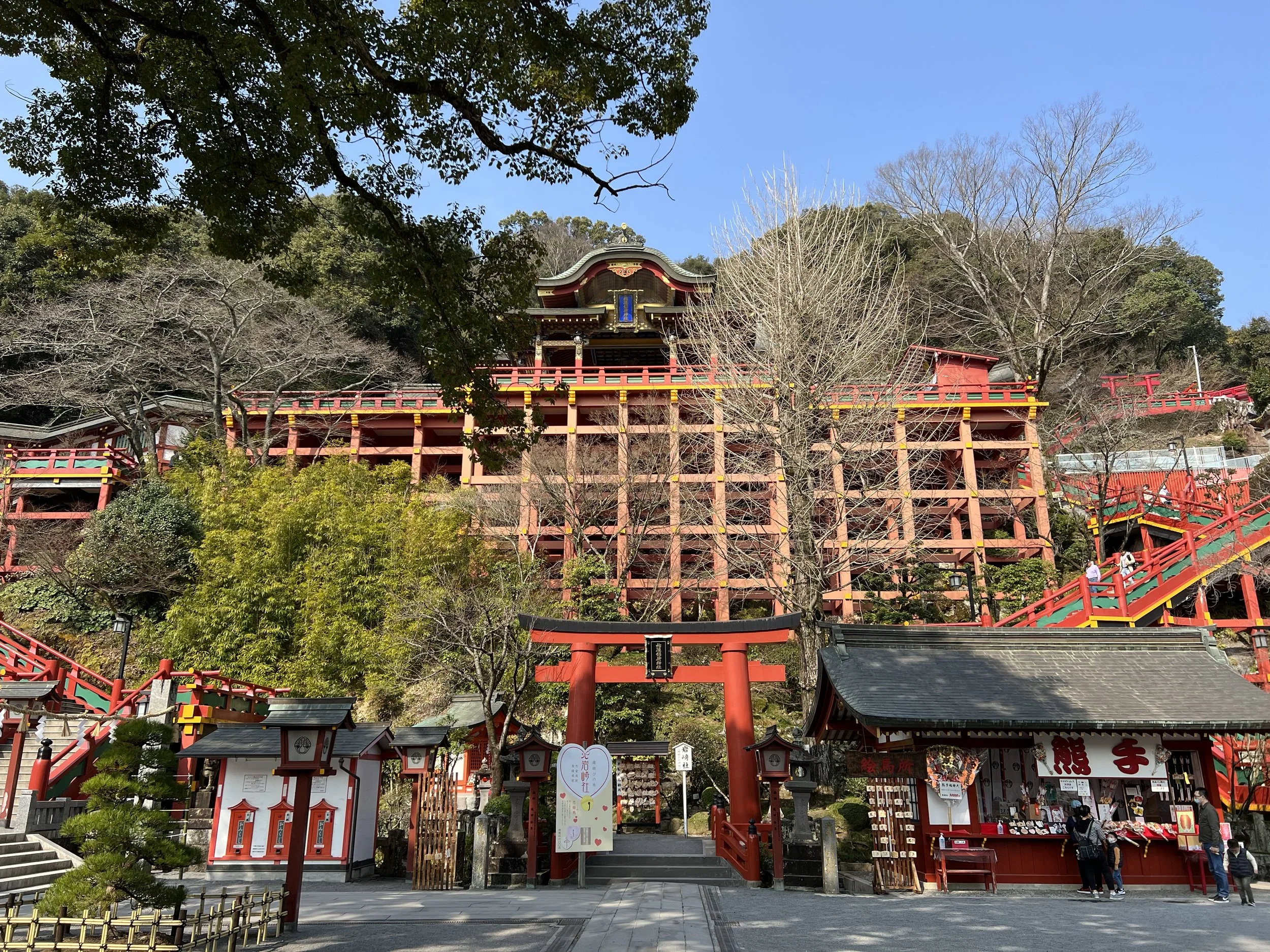
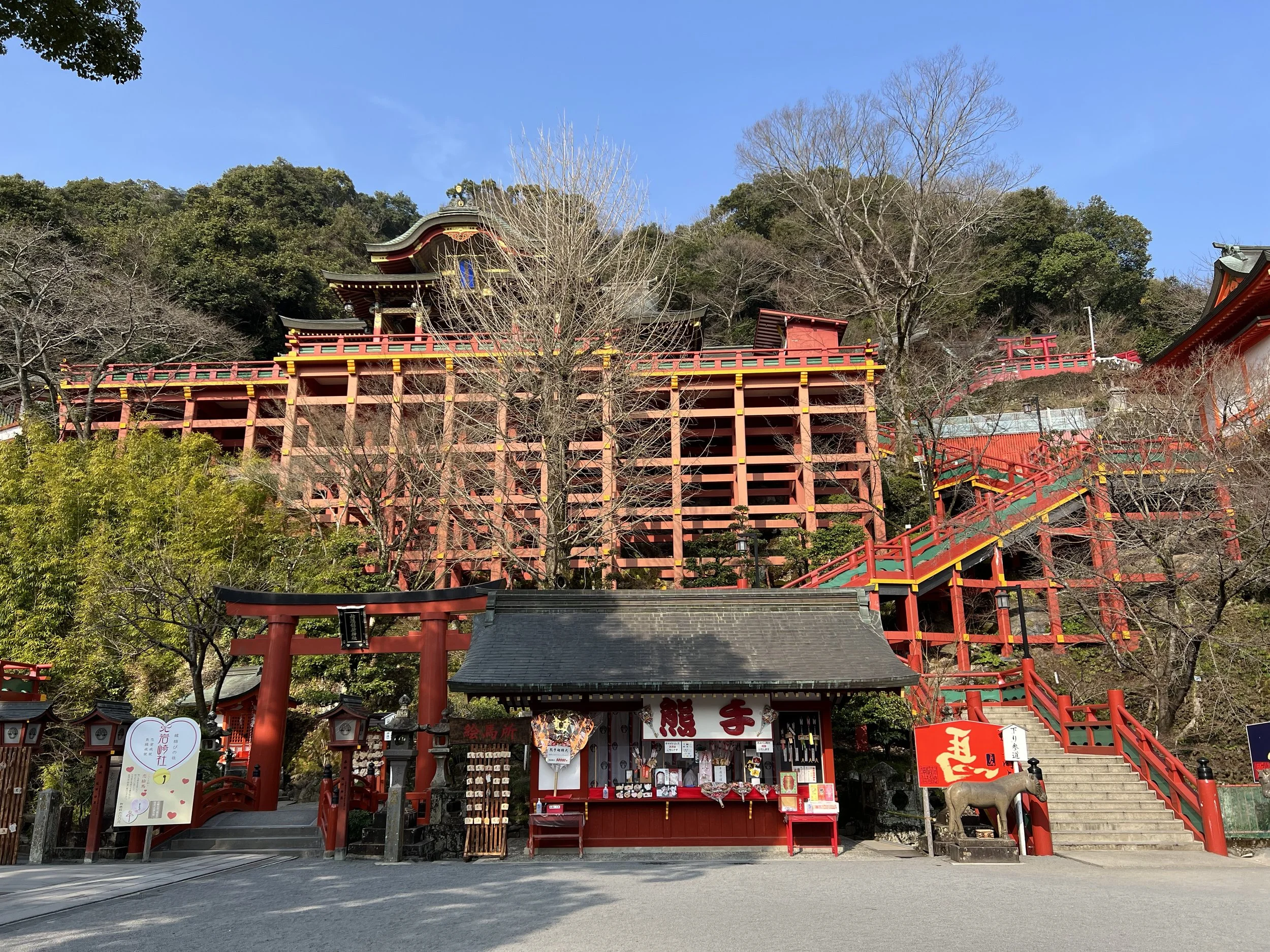
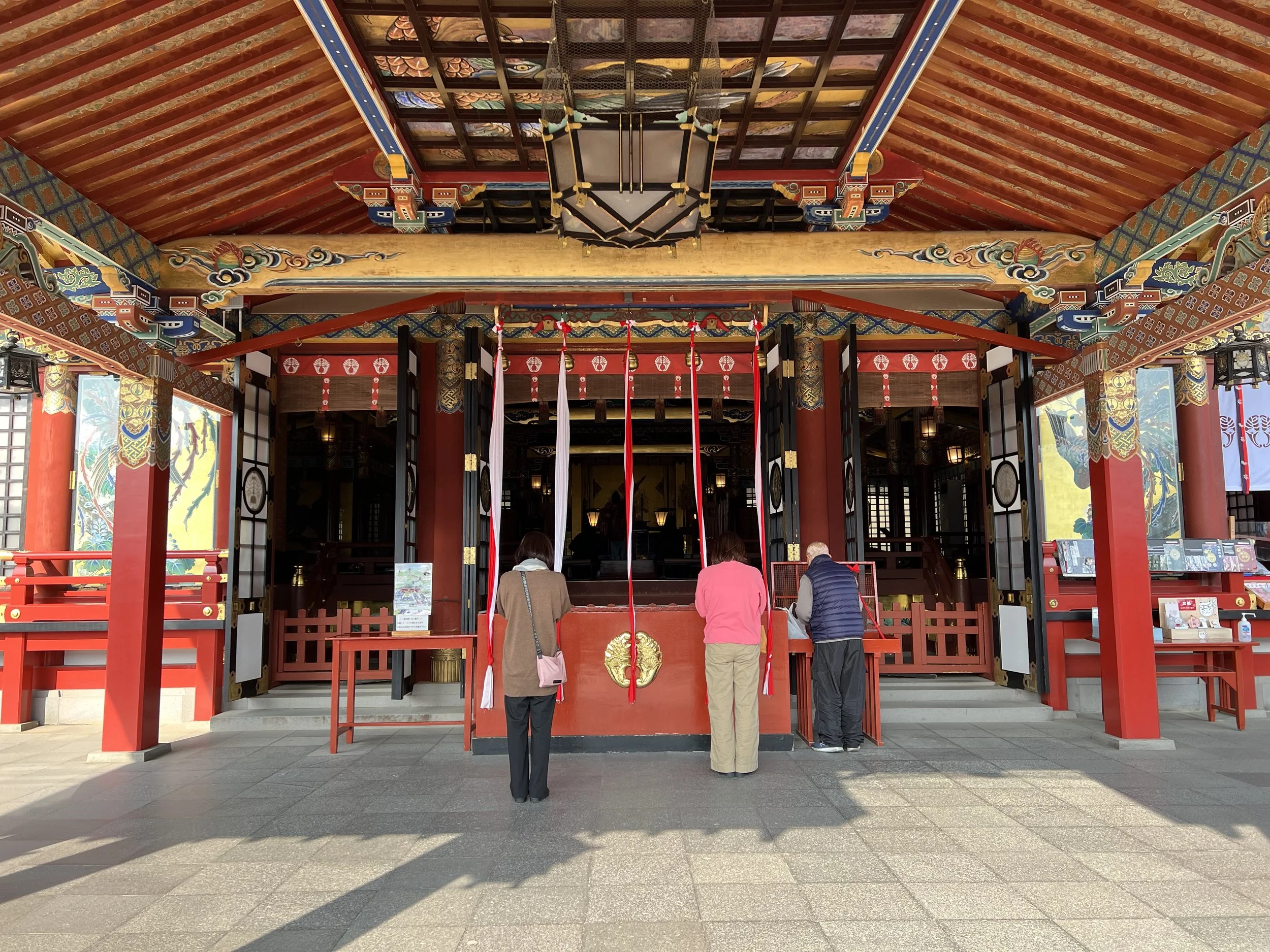
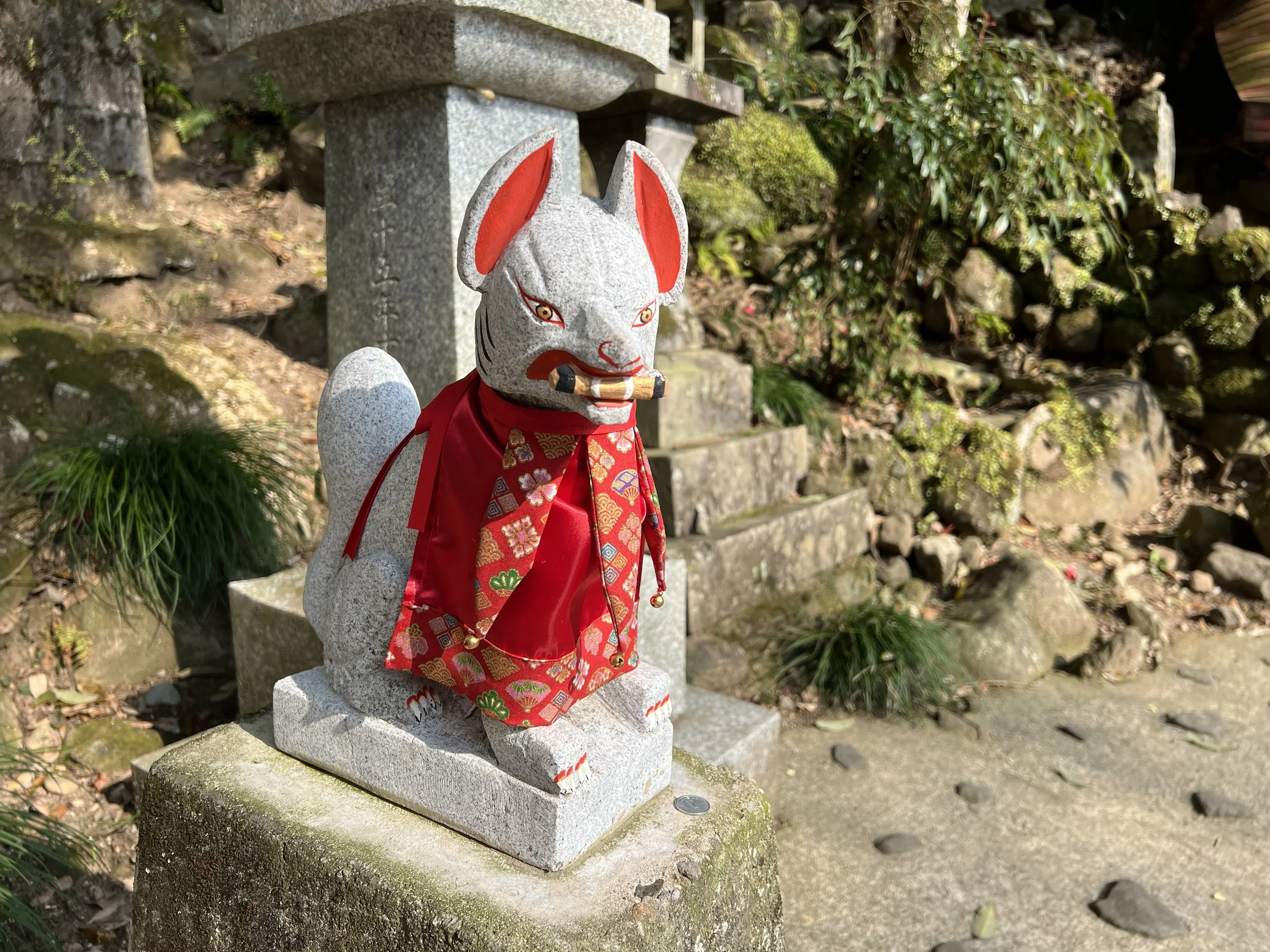
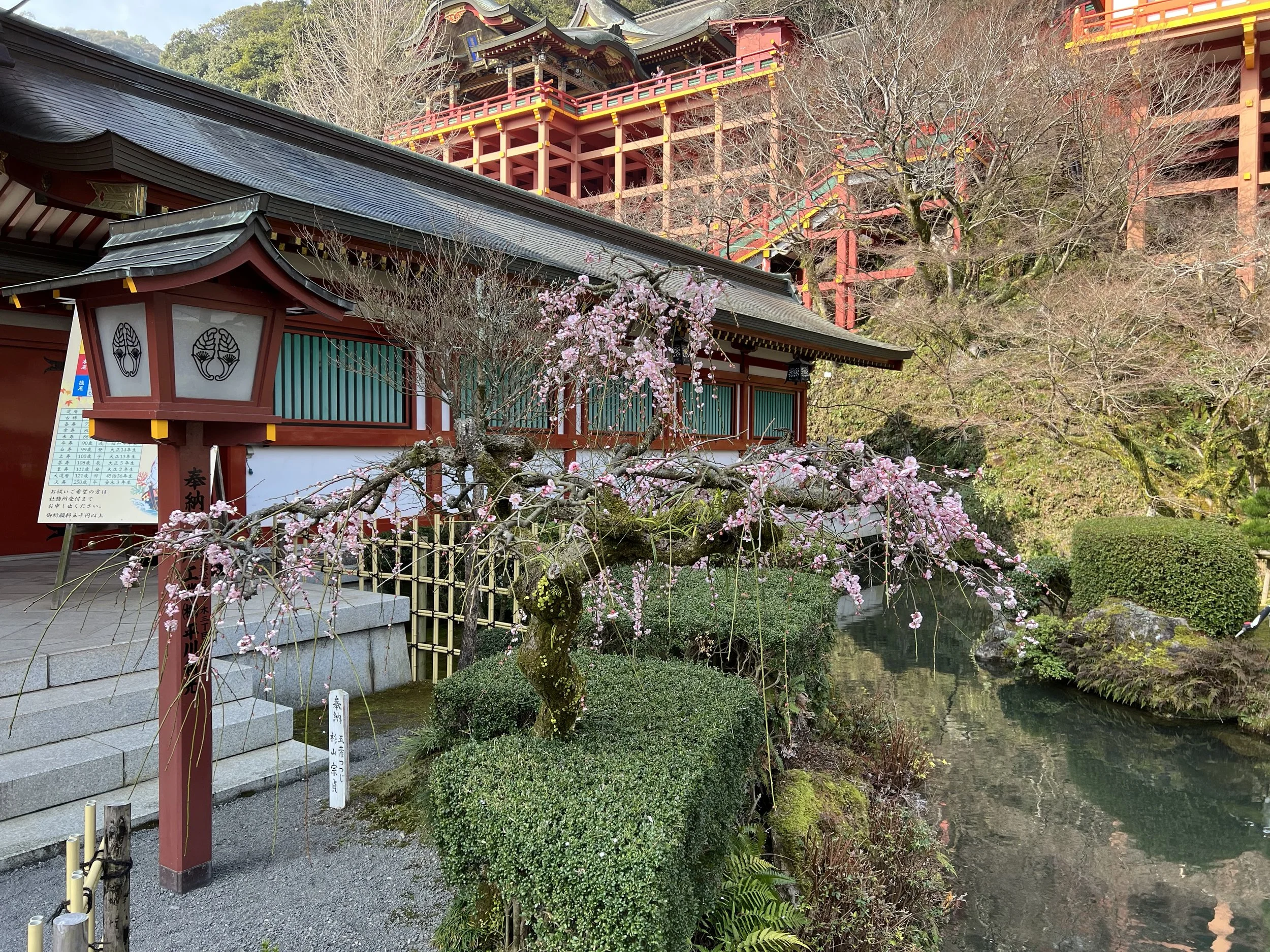
Yutoku Inari Shrine is located in Kashima City in Saga Prefecture and is considered one of Japan’s top three Inari shrines, alongside Fushimi Inari Shrine in Kyoto and Toyokawa Inari Shrine in Aichi Prefecture. Inari is traditionally associated with rice, prosperity, and foxes, and this shrine immediately stands out for its dramatic setting. Built into a steep hillside, the main hall is elevated on tall wooden pillars, rising roughly 18 metres above the ground, reminiscent of Kiyomizudera Temple in Kyoto.
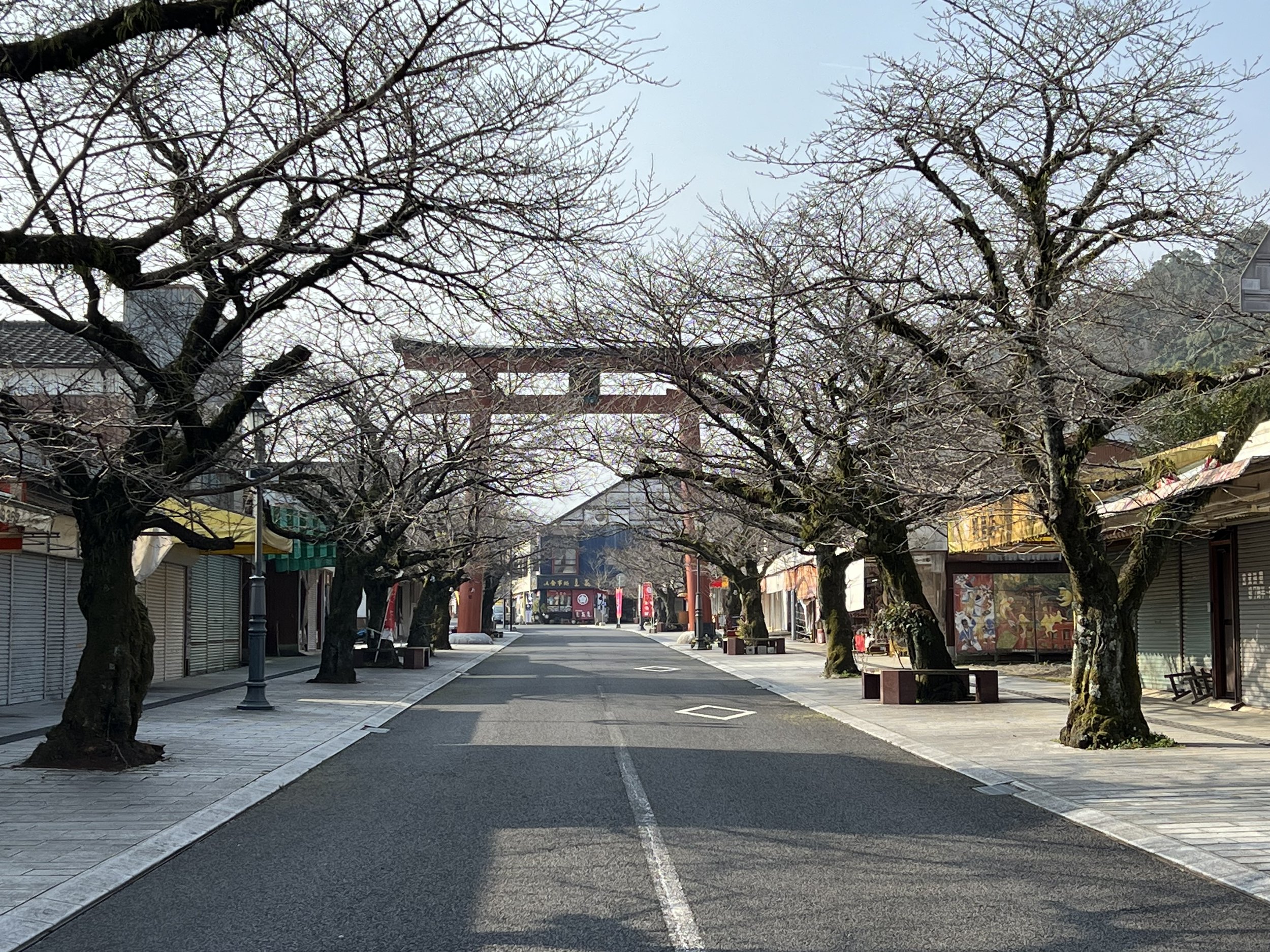
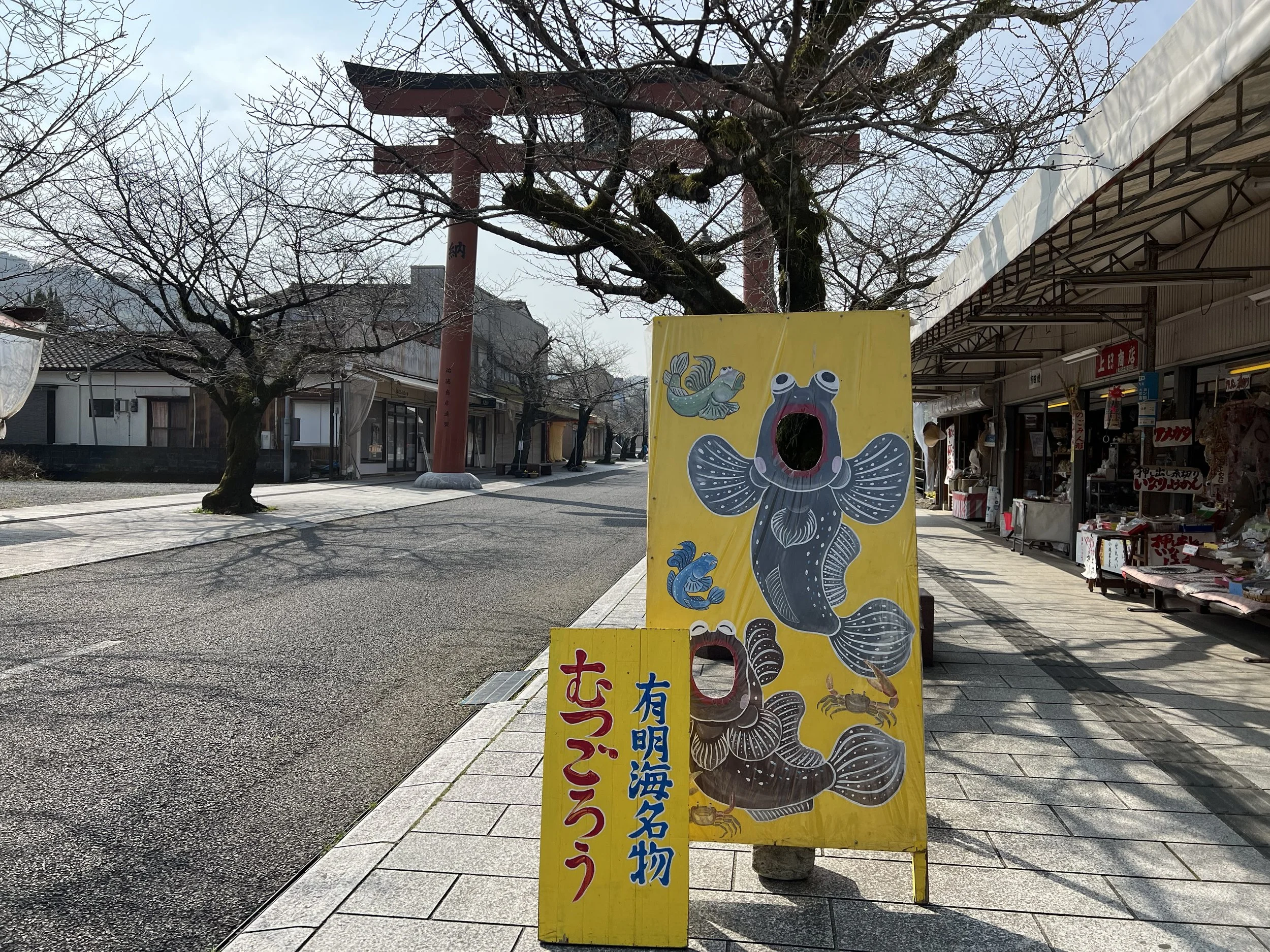
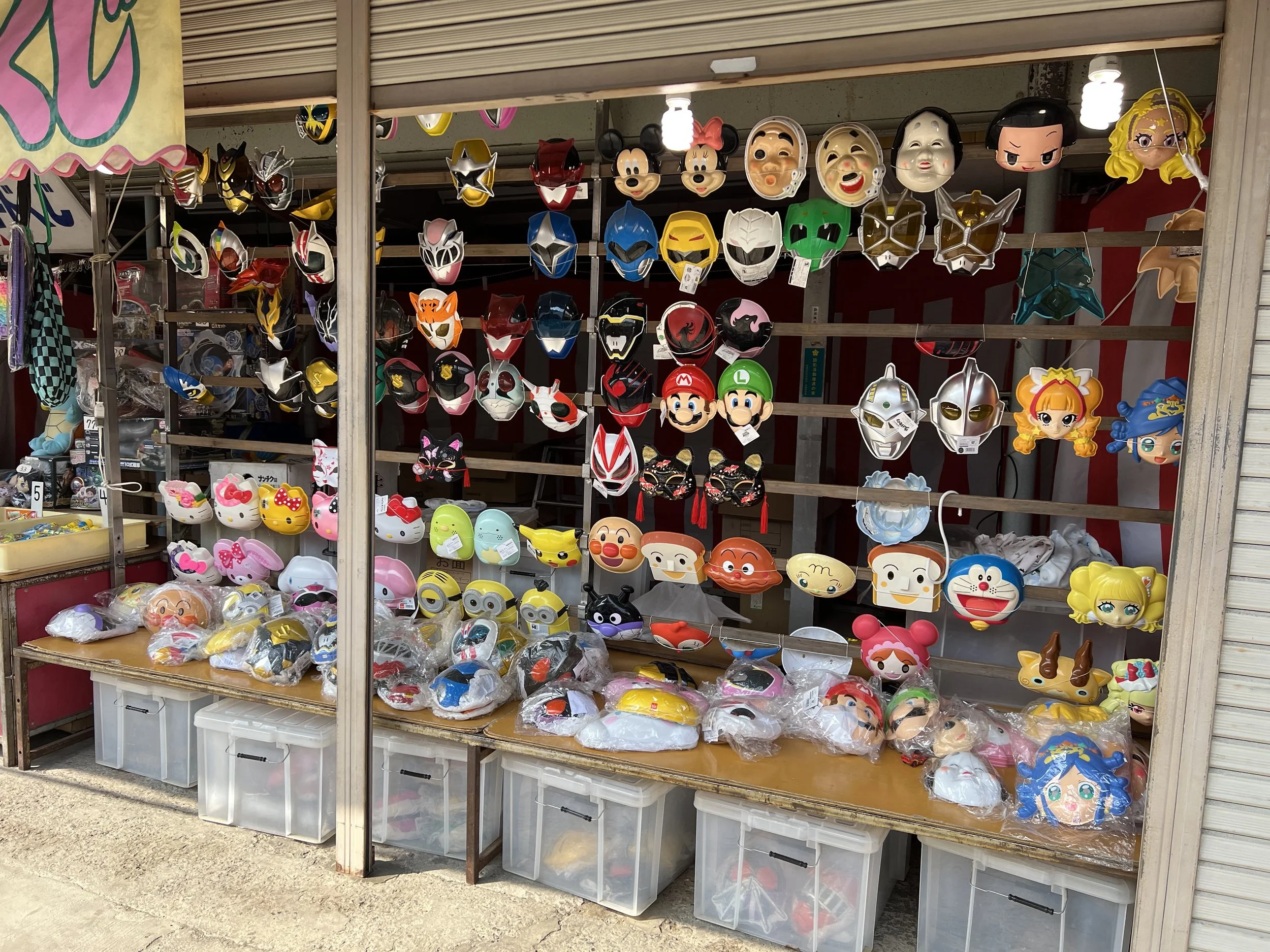
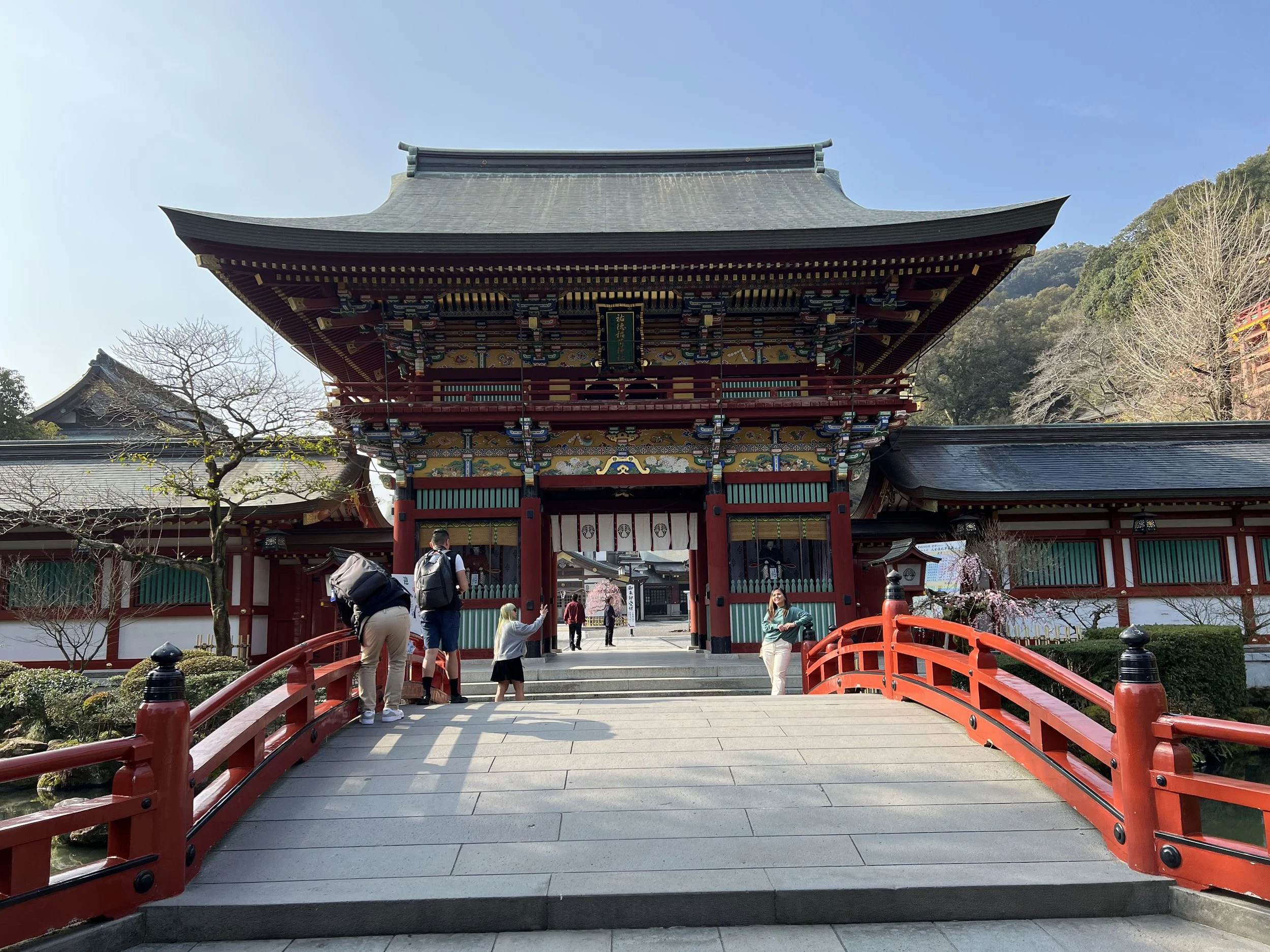
I arrived after a long journey from Nagasaki. Even with connections lining up as smoothly as possible, it still took well over an hour and a half to get here. The bus dropped me off at the start of the main approach road, about 500 metres from the shrine itself. This approach is marked by a large torii gate and lined with shops and restaurants, making the walk in feel ceremonial. I wandered the lower shrine grounds before making my way up to the terrace and main hall. Seeing the vivid red beams supporting the structure from below was impressive, and the comparison to Kiyomizudera immediately came to mind.
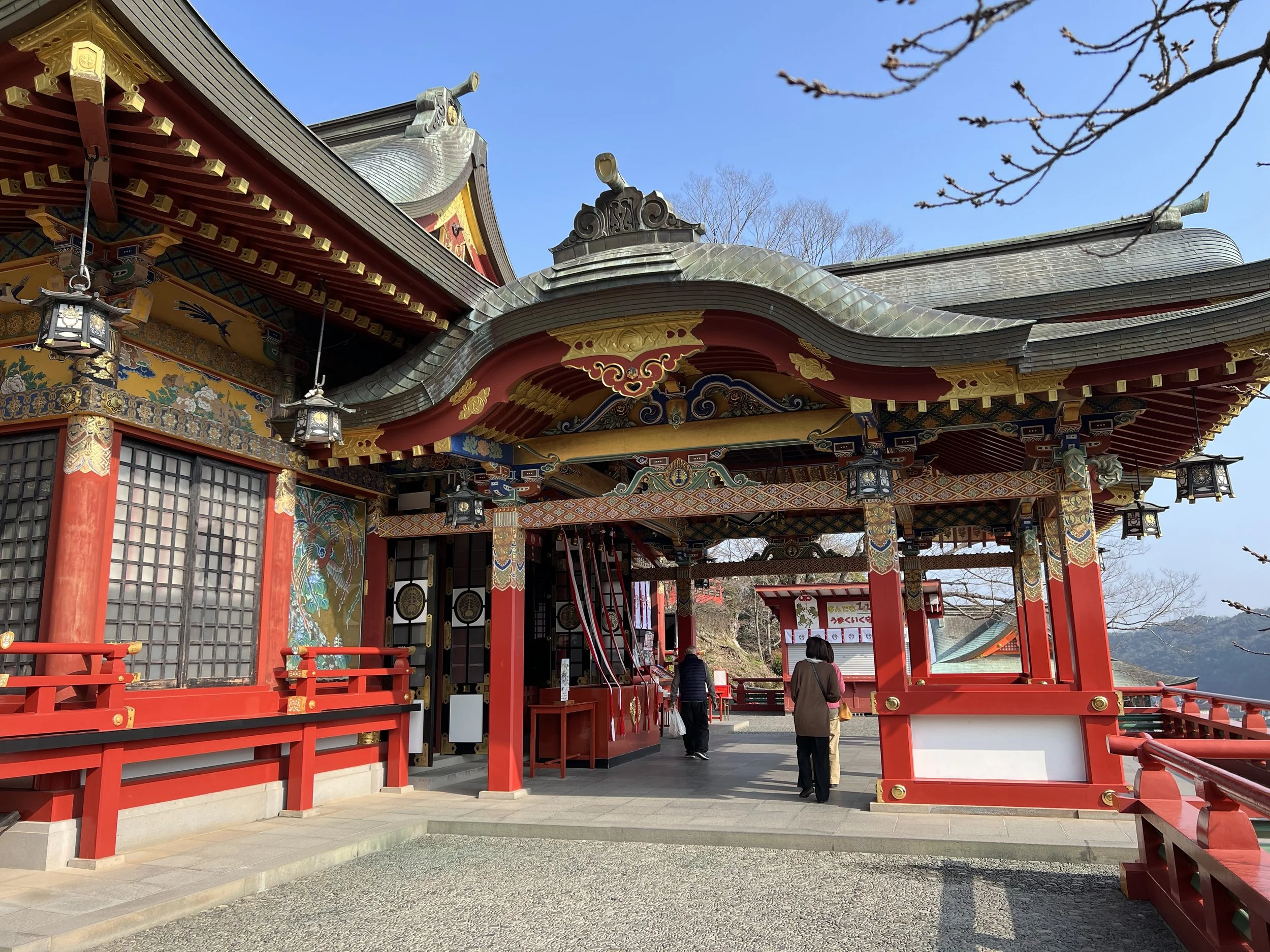
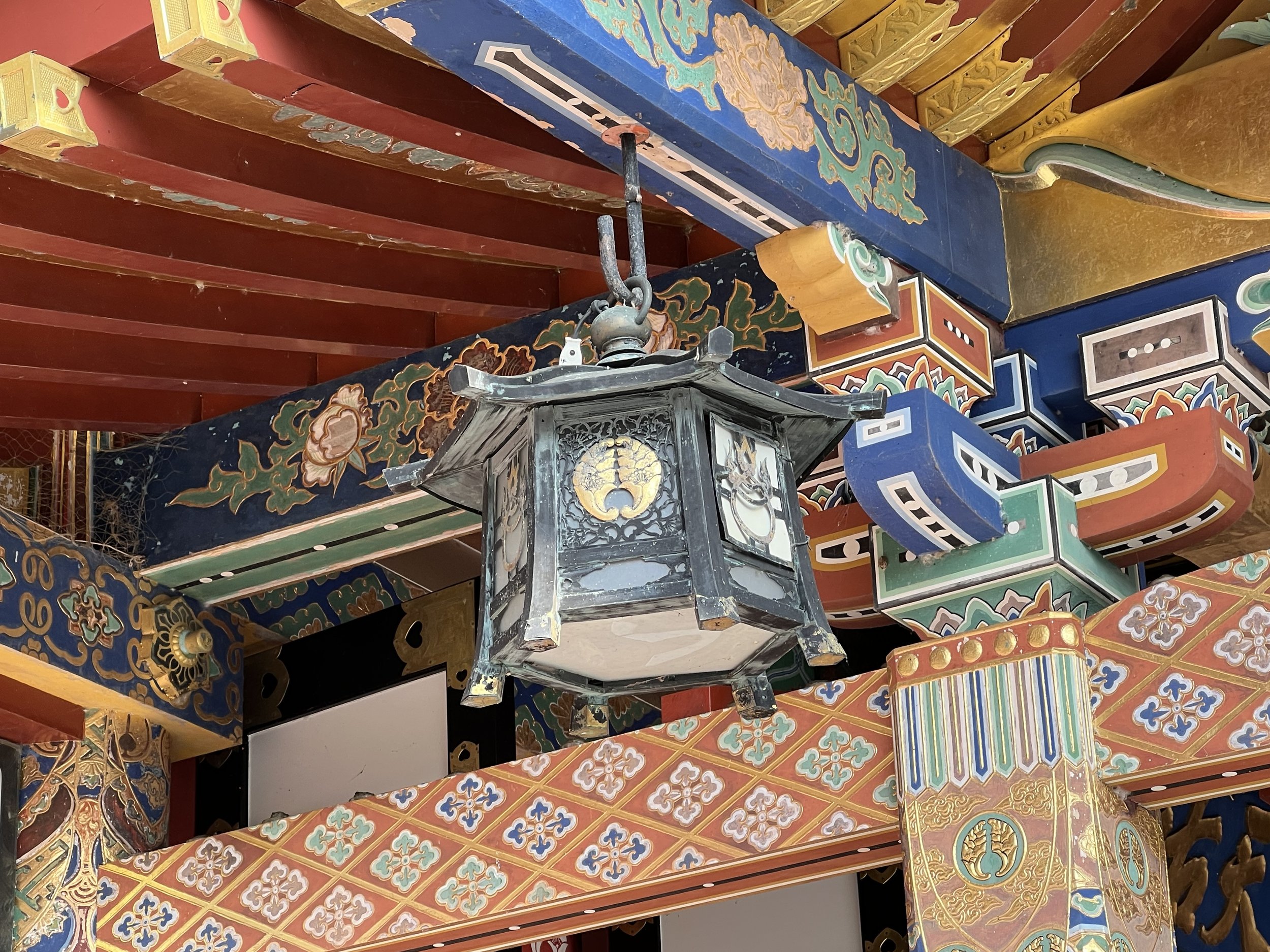
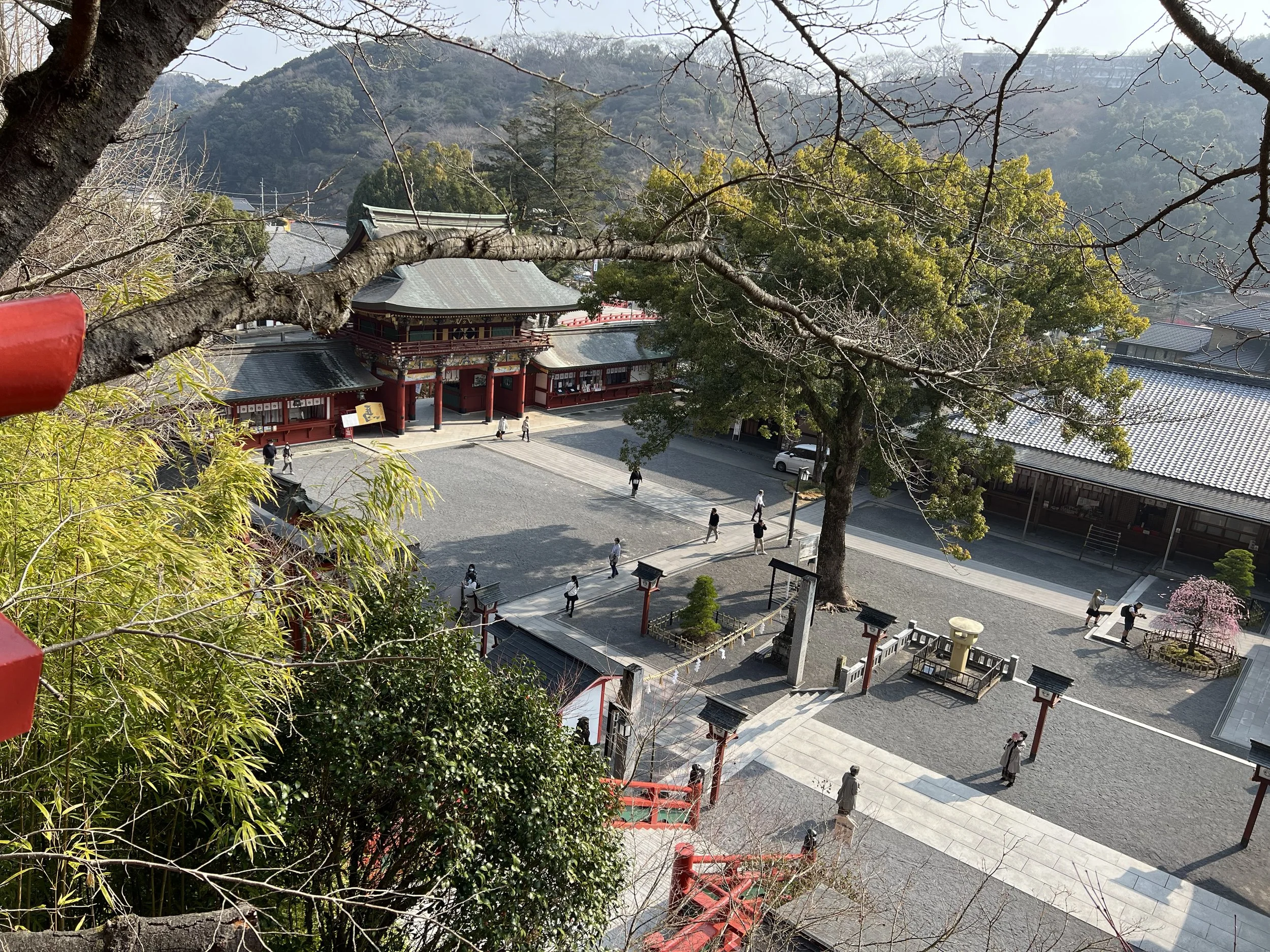
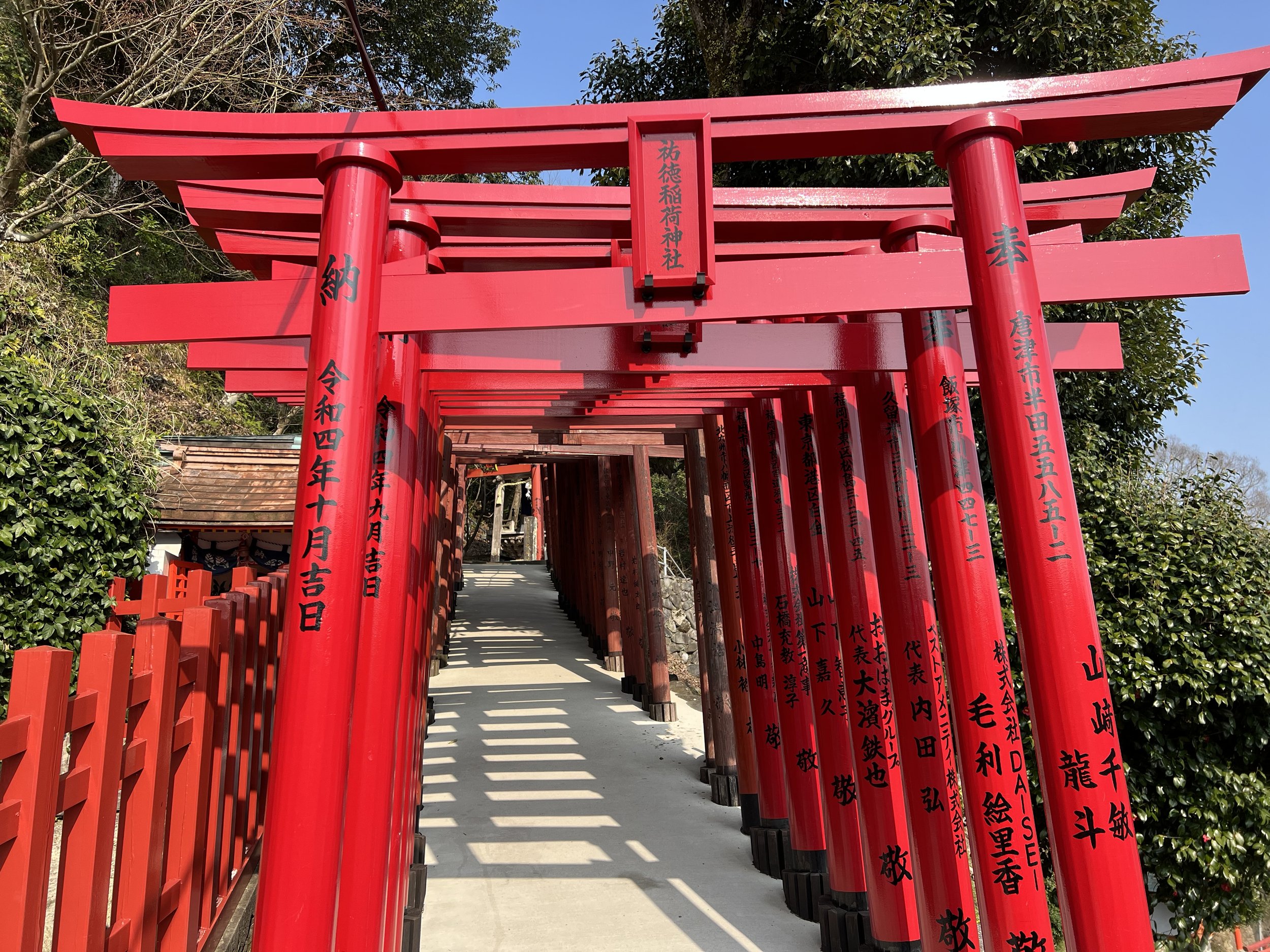
The path to the main hall isn’t particularly steep and is lined with torii gates, making it accessible for most visitors. There is also an elevator for those with mobility challenges. The flow is designed as a one-way route, guiding visitors up to the hall and then back down via a different path. After paying my respects, I took some time to explore and photograph the area. From the terrace, the view over the shrine grounds below is excellent, and the craftsmanship of the red wooden beams is worth lingering over.
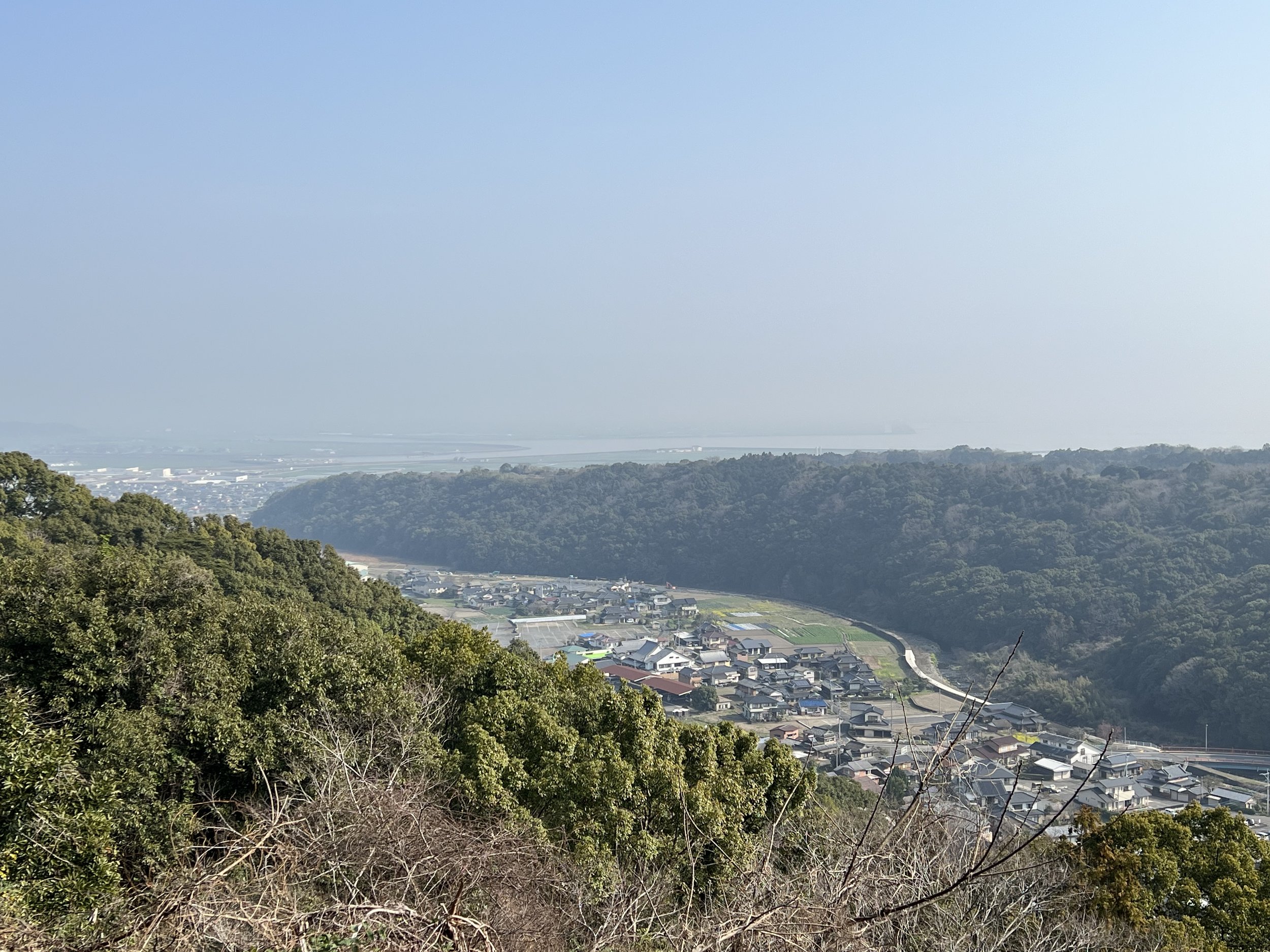
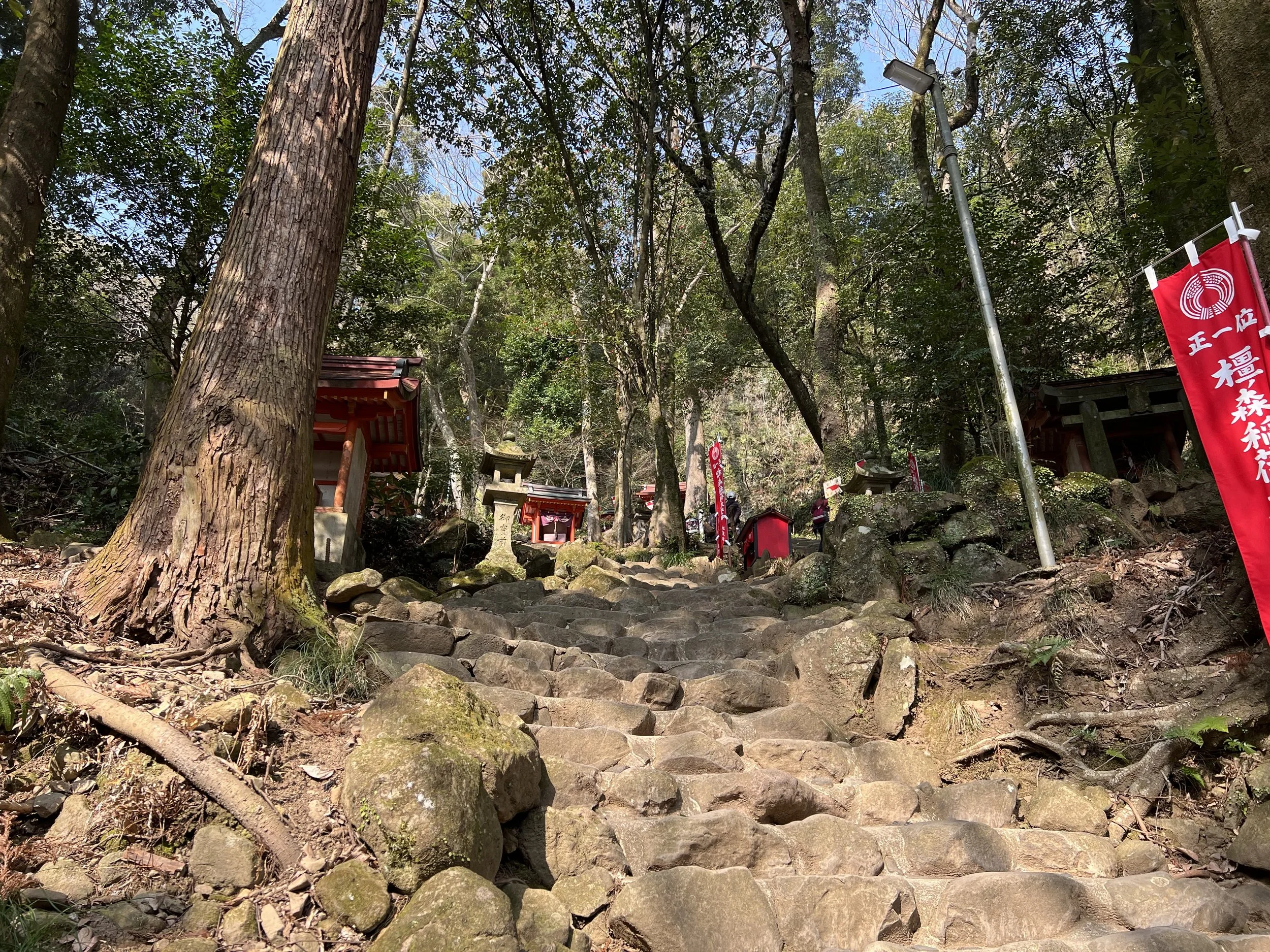
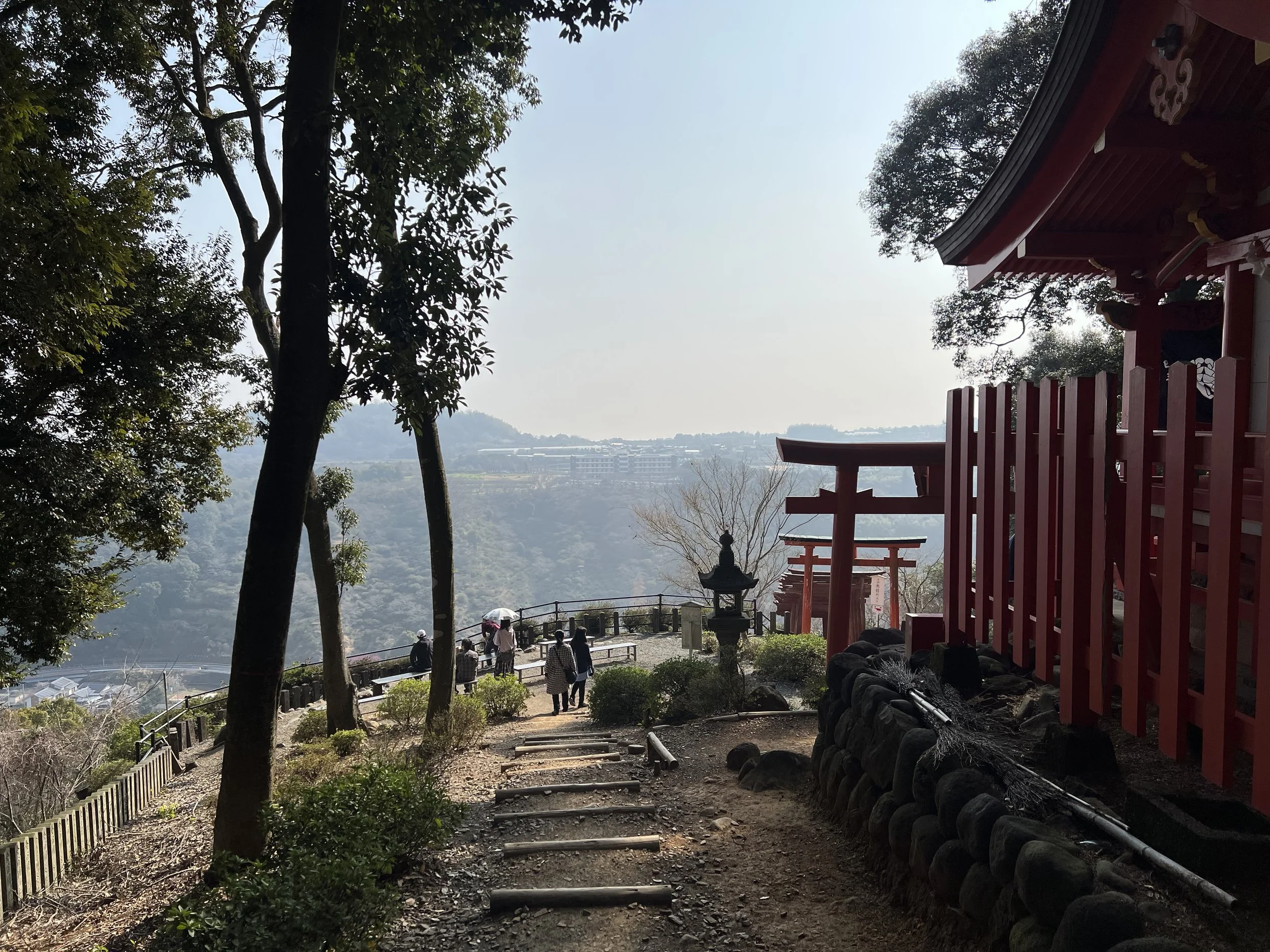
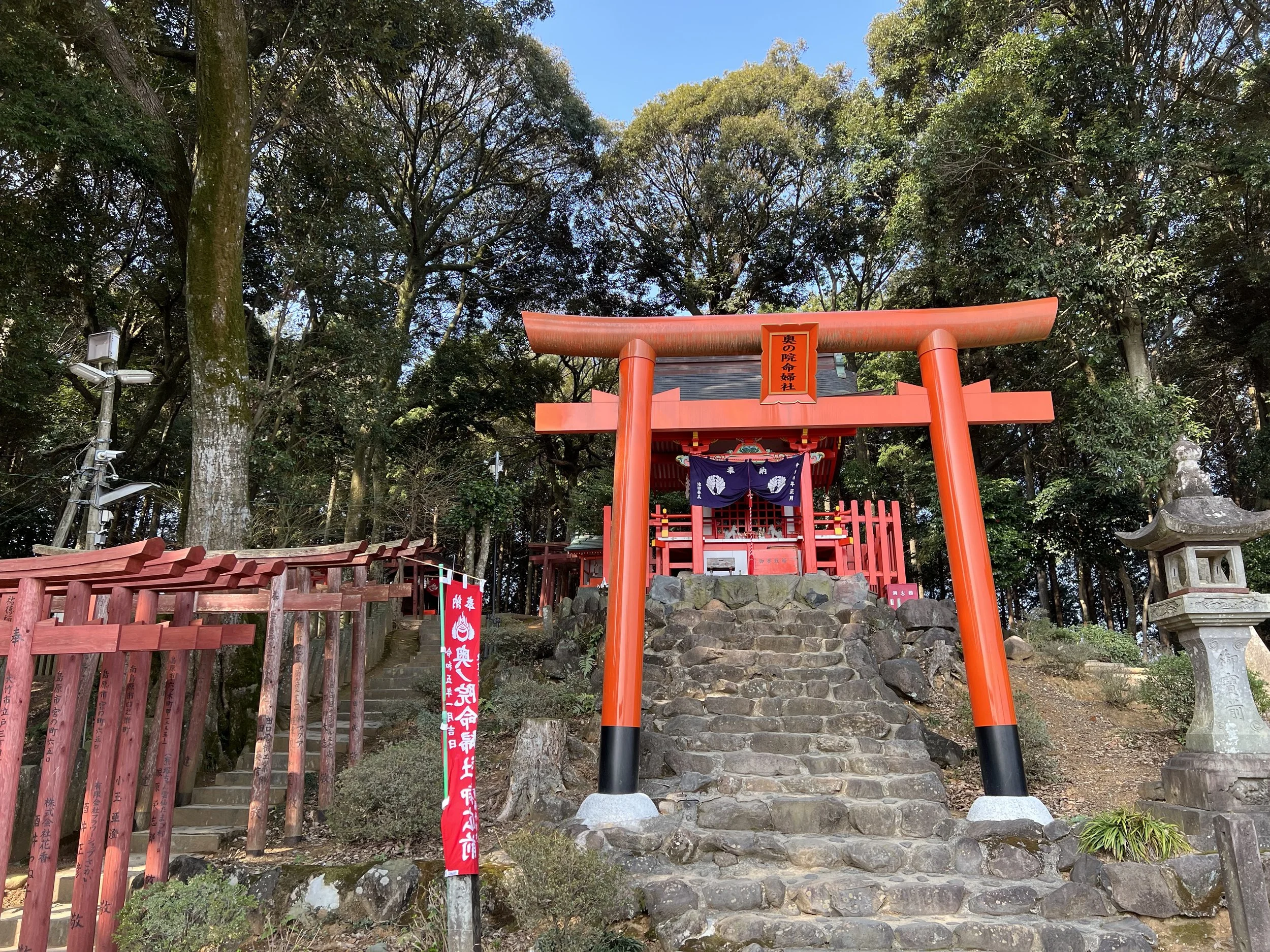
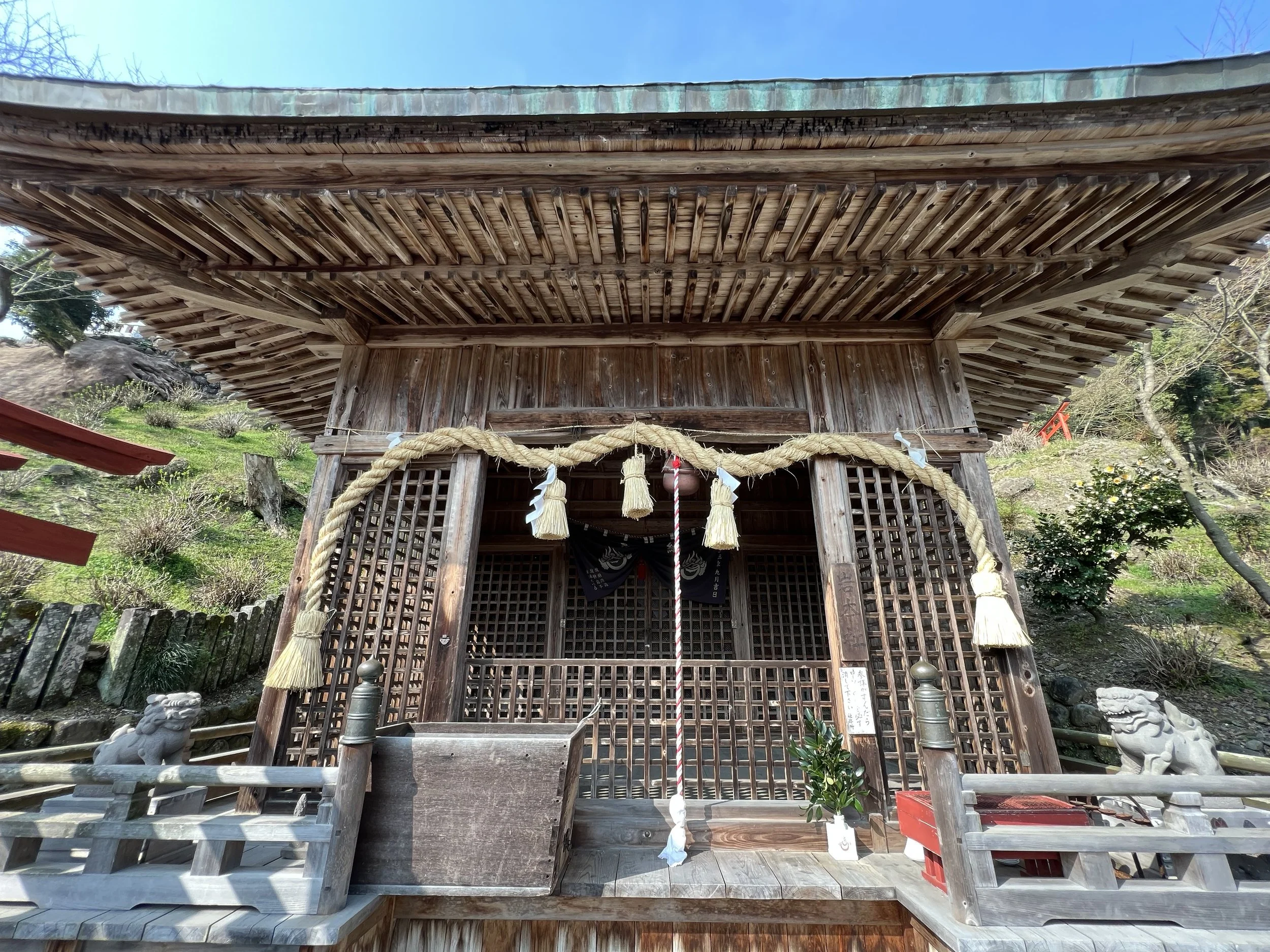
Instead of heading straight back down, I continued up the hillside toward the inner shrine. This section of the walk is more rugged, with some steeper stretches, but it’s manageable if you take your time. At the top, the inner shrine and observation deck offer panoramic views of the surrounding mountains and the town below. There’s a small seating area here, and I took a short break just to take everything in.
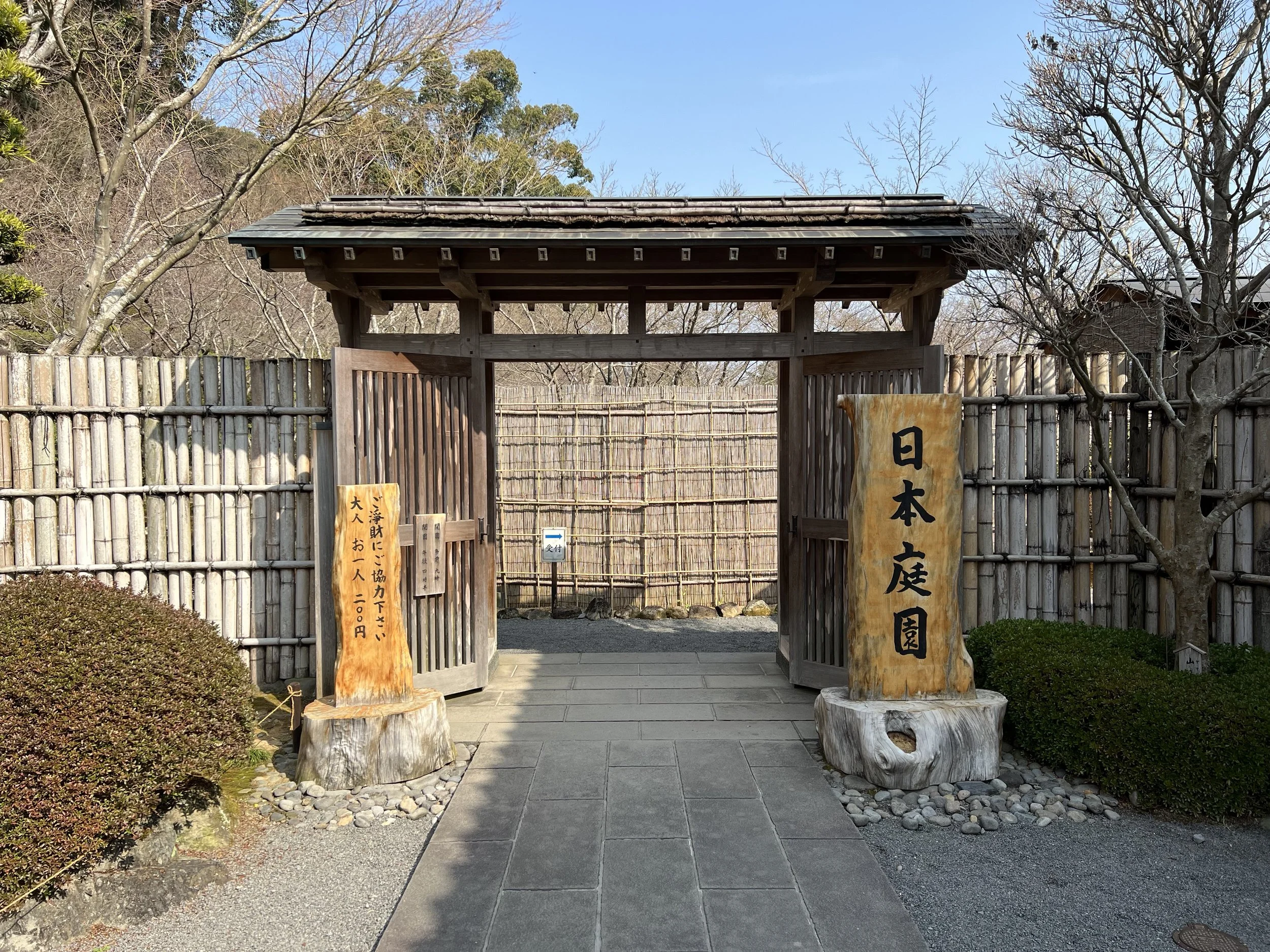
After descending back to the lower grounds, I spent a bit more time wandering before visiting the Japanese garden next door. It’s a small but well-maintained garden that changes with the seasons. My visit fell between winter and spring, so it wasn’t at its most colourful, but it was still peaceful and beautifully kept. From there, I made my way back to the bus stop. This shrine is clearly popular with both locals and tourists, so timing your visit can make a big difference in how crowded it feels. This is definitely one of the most impressive shrine I’ve visited in Japan.
History & Background
Yutoku Inari Shrine (祐徳稲荷神社) was founded in 1687 by the wife of the local feudal lord of the Kashima domain. Dedicated to Inari, the Shinto deity associated with agriculture, prosperity, and business success, the shrine has long been an important spiritual centre in Saga Prefecture. Its elevated main hall, supported by tall wooden pillars, reflects architectural techniques used to adapt religious structures to steep terrain, similar to those seen at Kiyomizudera in Kyoto. Over the centuries, Yutoku Inari has become one of the most significant Inari shrines in Japan, attracting pilgrims and visitors from across the country.
Getting There
Yutoku Inari Shrine is located in Kashima City, Saga Prefecture. Access is available via JR Kyushu stations such as Ureshino-Onsen Station, Takeo-Onsen Station, and Hizen-Kashima Station.
From Ureshino-Onsen Station or Takeo-Onsen Station, local buses operate to the Yutokujinja-mae bus stop. From there, the shrine entrance is approximately 500 metres away and can be reached on foot via the main approach road.
Alternatively, from Saga Station, take the JR Kamome limited express to Hizen-Kashima Station (about 20 minutes). From Hizen-Kashima Station, board a local bus for a roughly 20-minute ride to Yutoku Inari-jinja Stop. The shrine is then a short six-minute walk from the bus stop.
Route Overview
Distance: 3.84 km out & back (Yutokujinja-mae Bus Stop)
Total elevation gain: 126 m
Duration: 1 hr 10 min (with breaks 1 hr 34 min)
Difficulty: Easy
Cost Breakdown
Train: Nagasaki Station → Ureshino-Onsen Station — ¥3,590
Bus: Ureshino-Onsen Station → Yutokujinja-mae Bus Stop — ¥950
Food: ¥340