Kyushu Olle - Kurume Korasan Course - Fukuoka, Japan
I had read about Kora Shrine and learned that it is an ancient site, originally constructed in 400 AD and later granted the highest shrine ranking in 897. The shrine also received direct support from the government, and during the Middle Ages, its influence was so significant that it could rival that of provincial governors. As one of the oldest shrines in Kyushu, worshippers continue to visit Kora Shrine to pray for longevity and protection from bad luck.
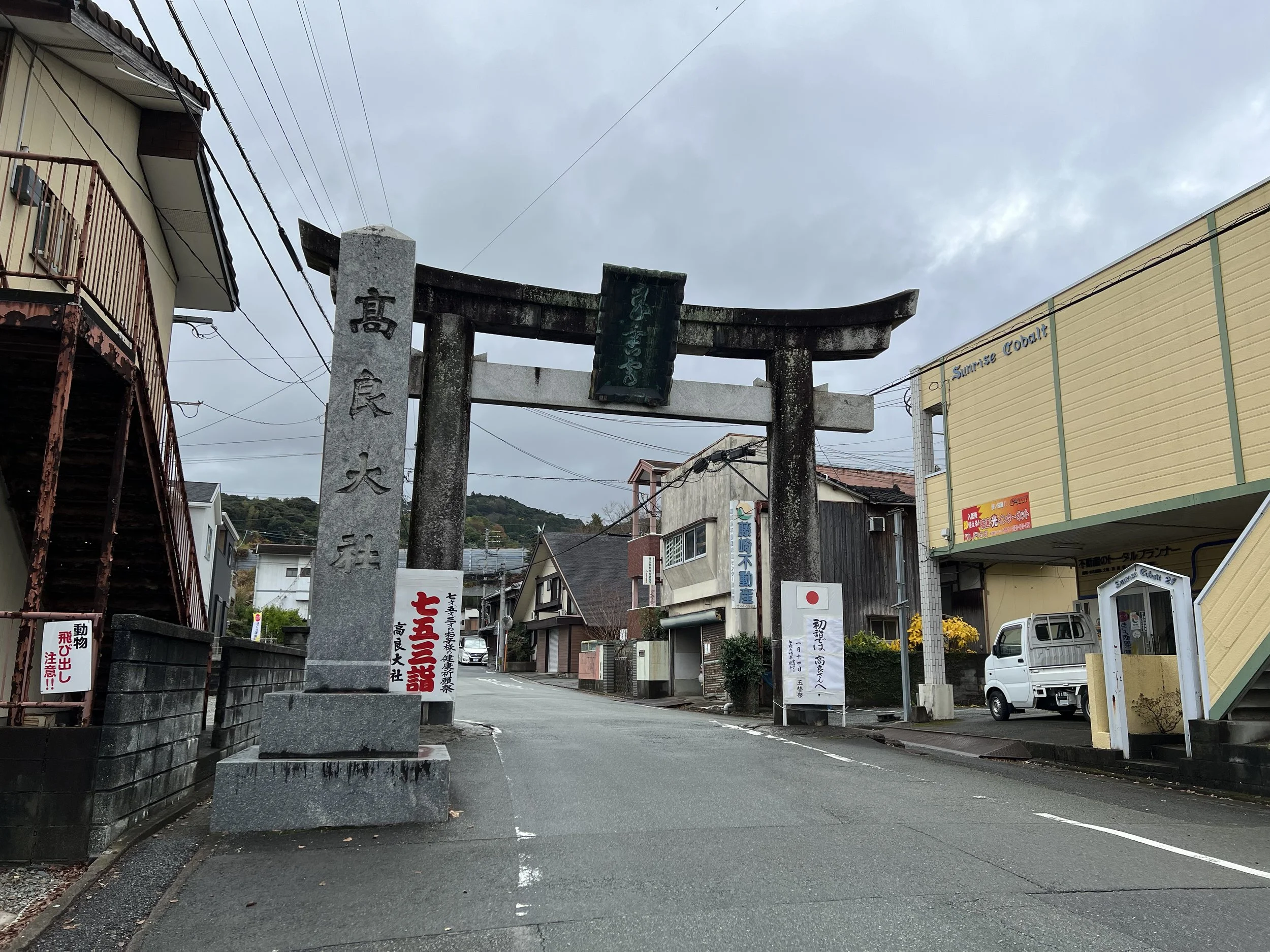
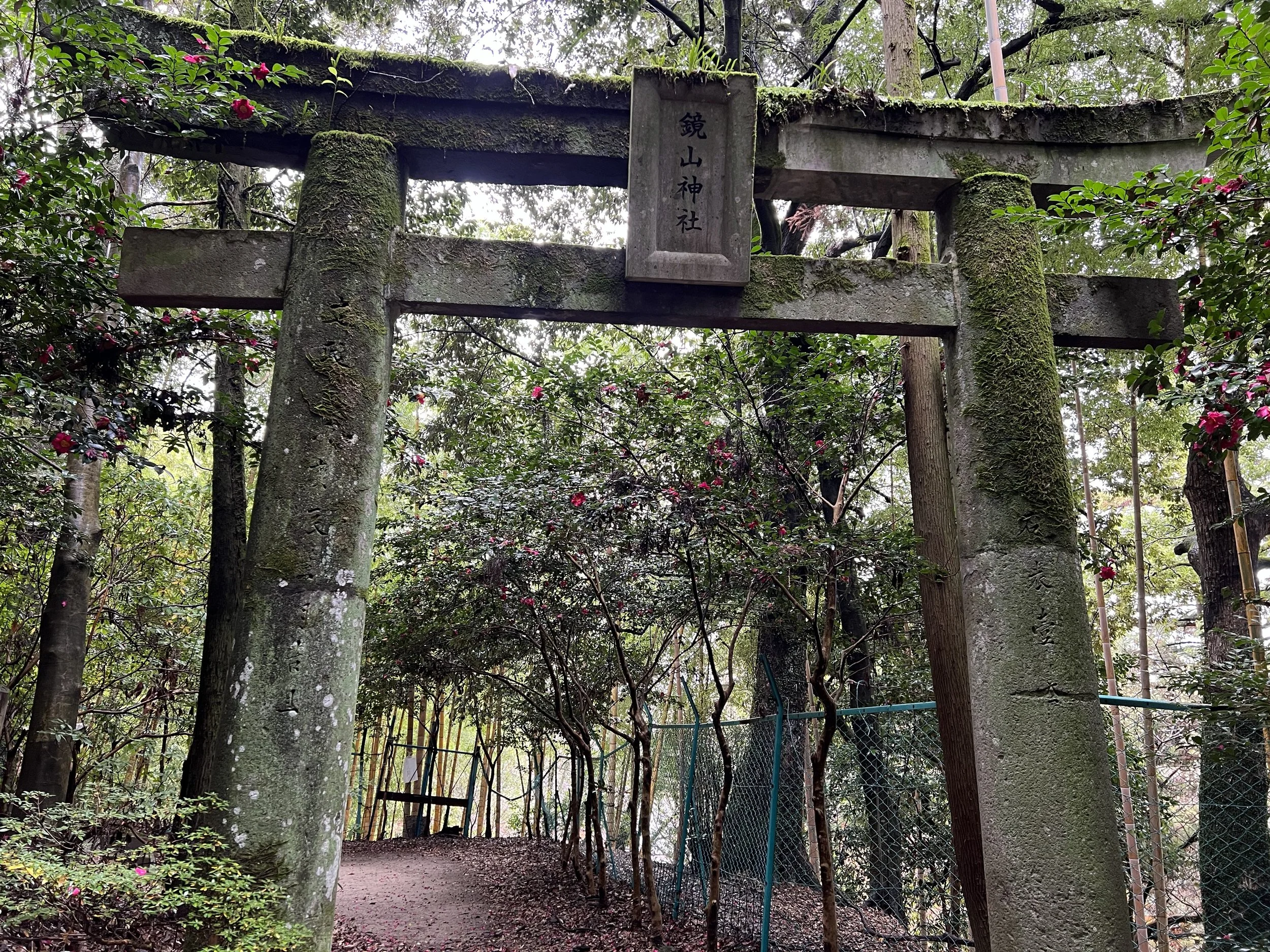
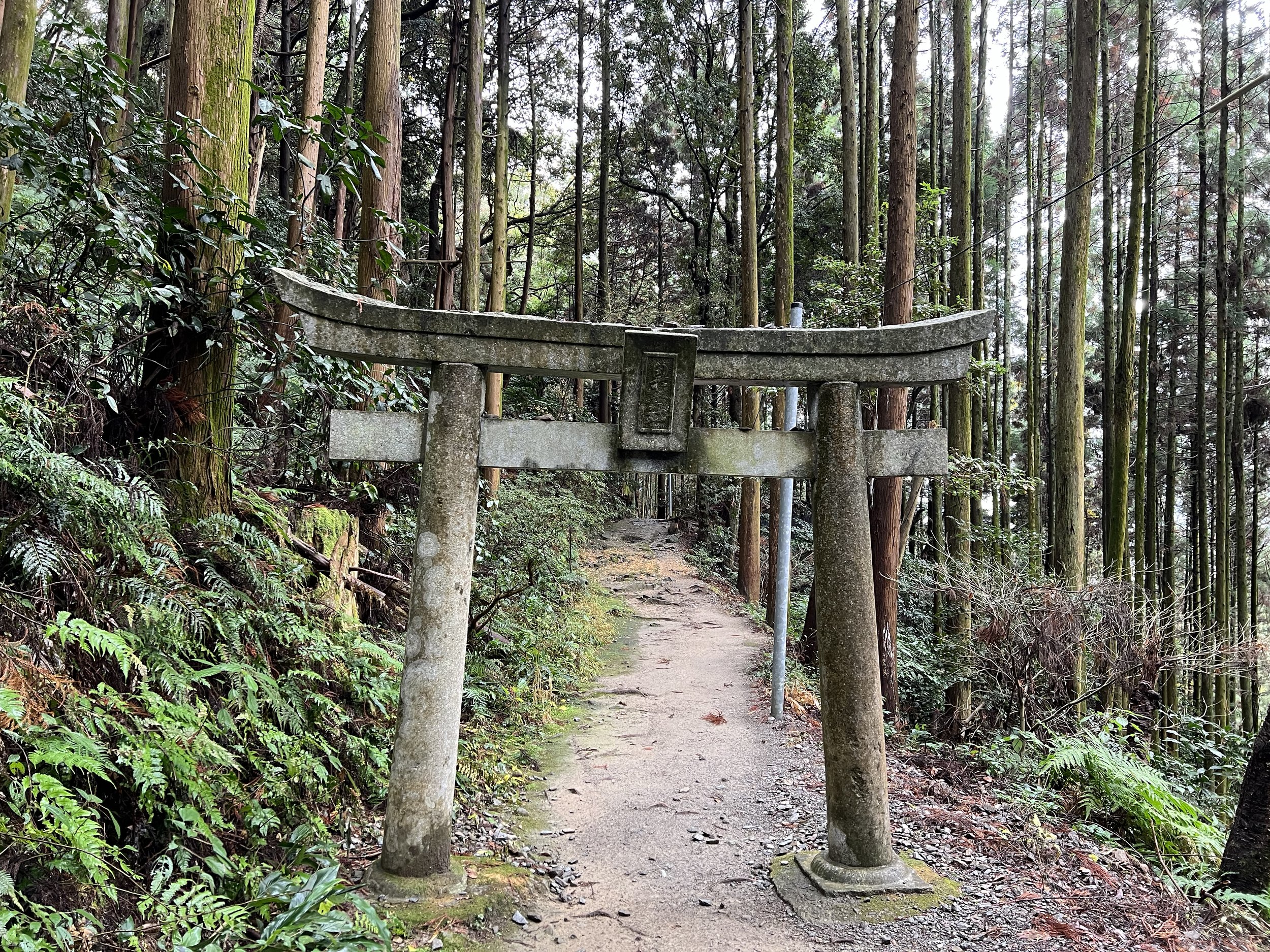
There are several routes to choose from as this hike is part of the Kyushu Olle Trail, the sister trail to the original Jeju Olle Trail in South Korea. I chose to start from Kurumedaigaku-mae Station, following the main approach road and gradually making my way up the mountain. Shortly after setting off, I passed beneath a large torii gate on the street, marking the beginning of the approach. Continuing uphill, I reached a second torii gate, which marks the official entrance to the mountain trail.
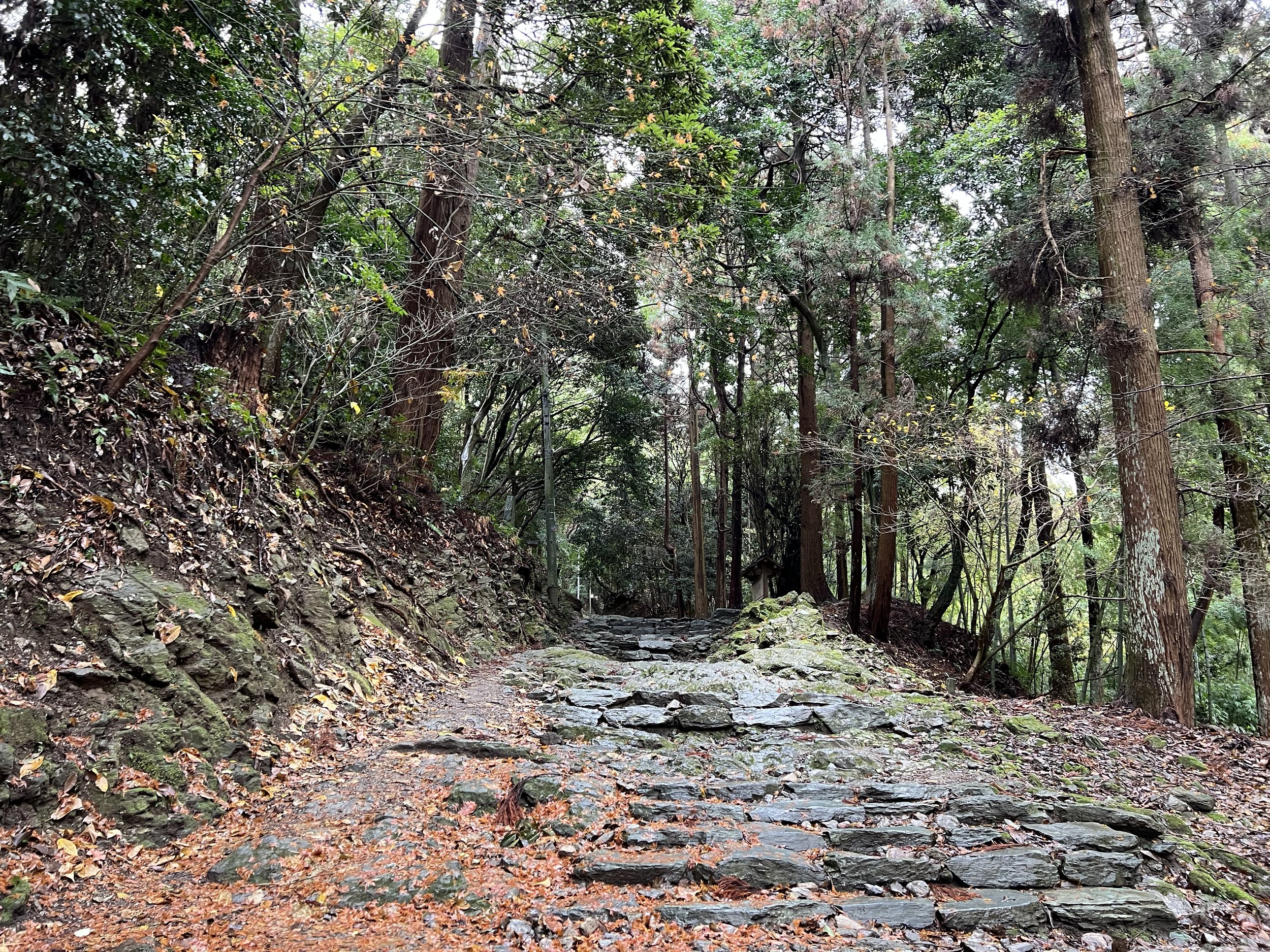
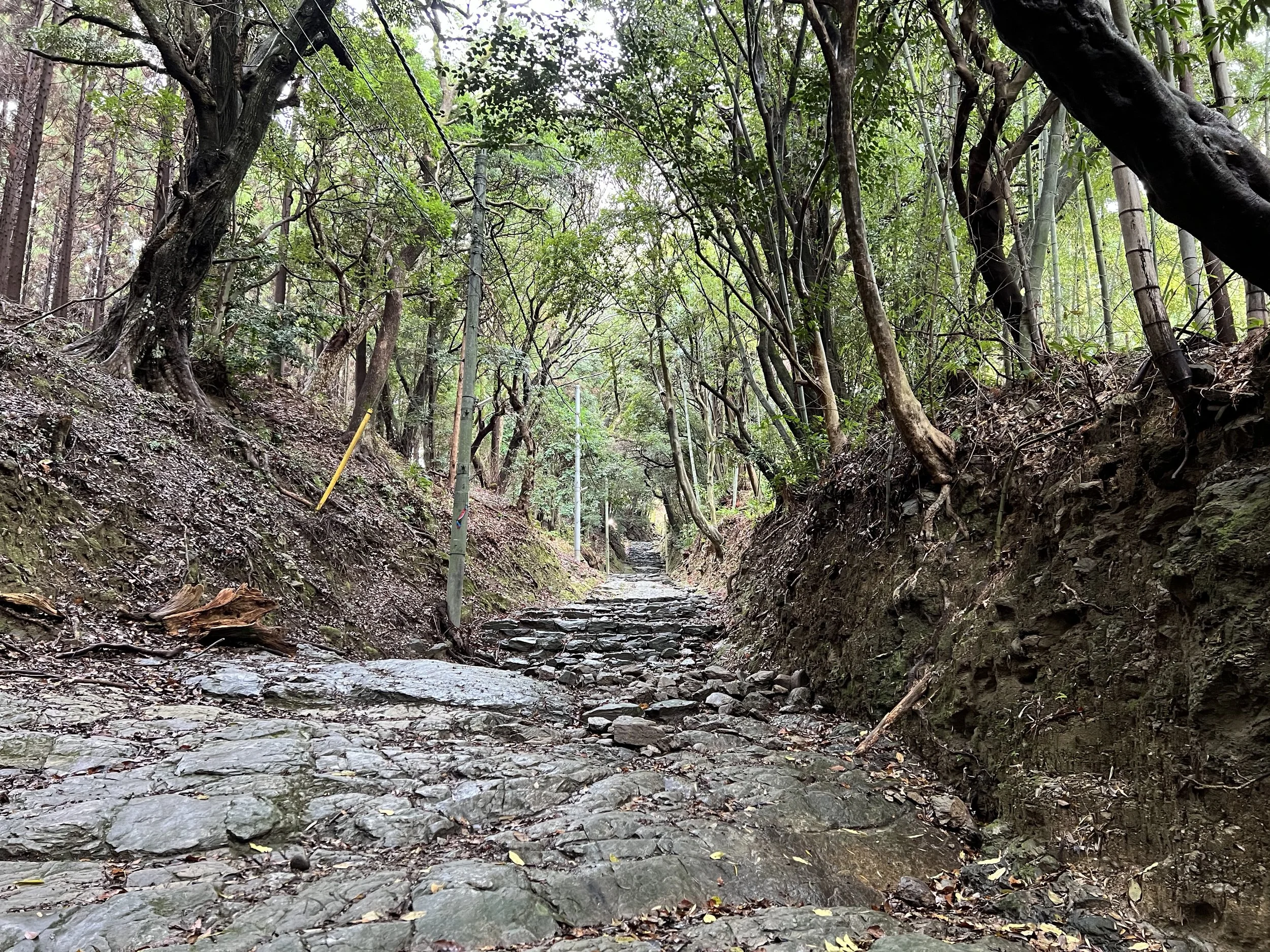
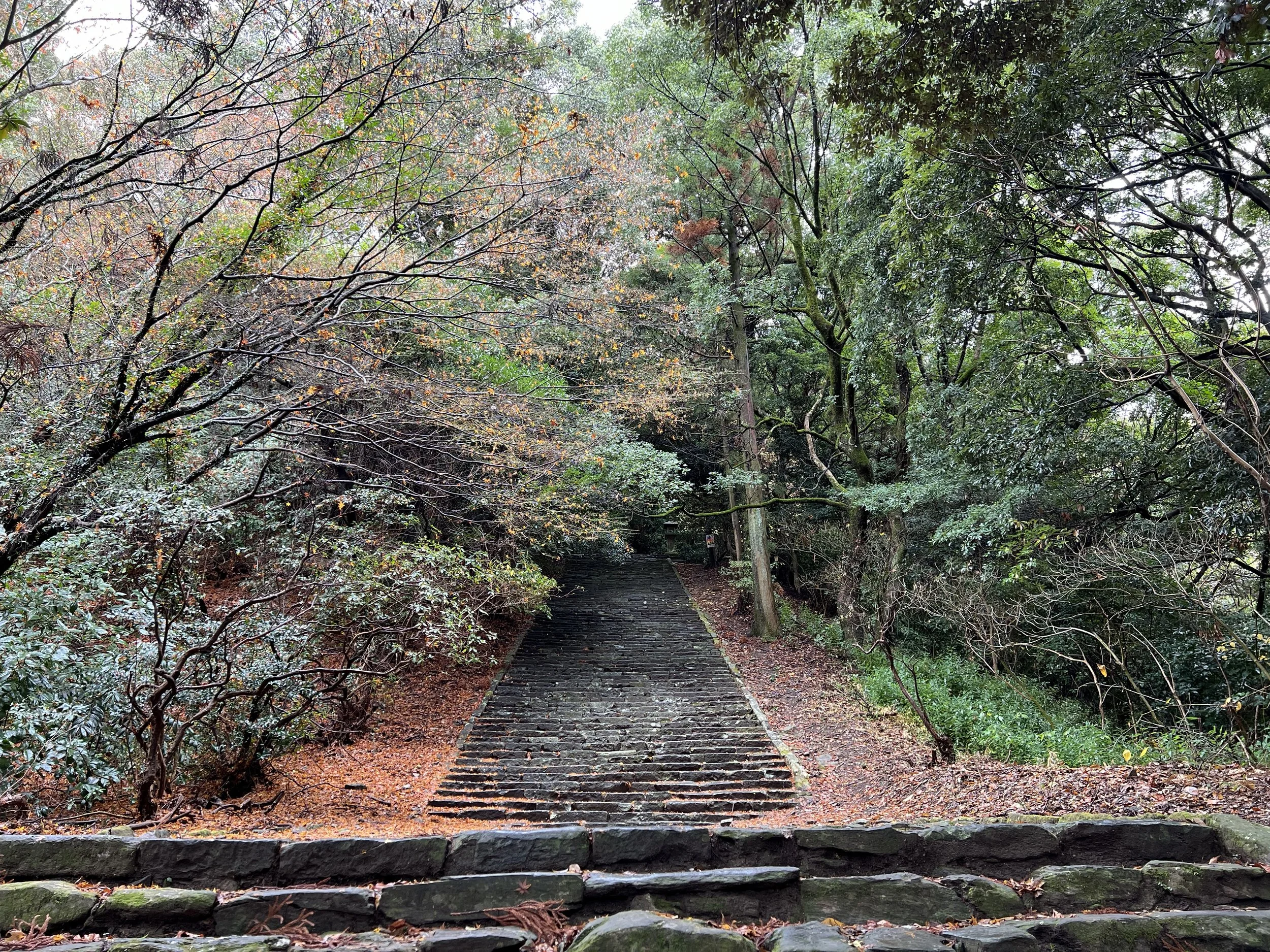
It had rained earlier in the day before my visit, and this section of the trail didn’t look particularly safe to climb. Rather than stone steps, the path consisted of exposed rock faces that become slippery when wet, especially with fallen leaves scattered across the surface. I slowed my pace considerably, making sure each step was secure before moving forward.
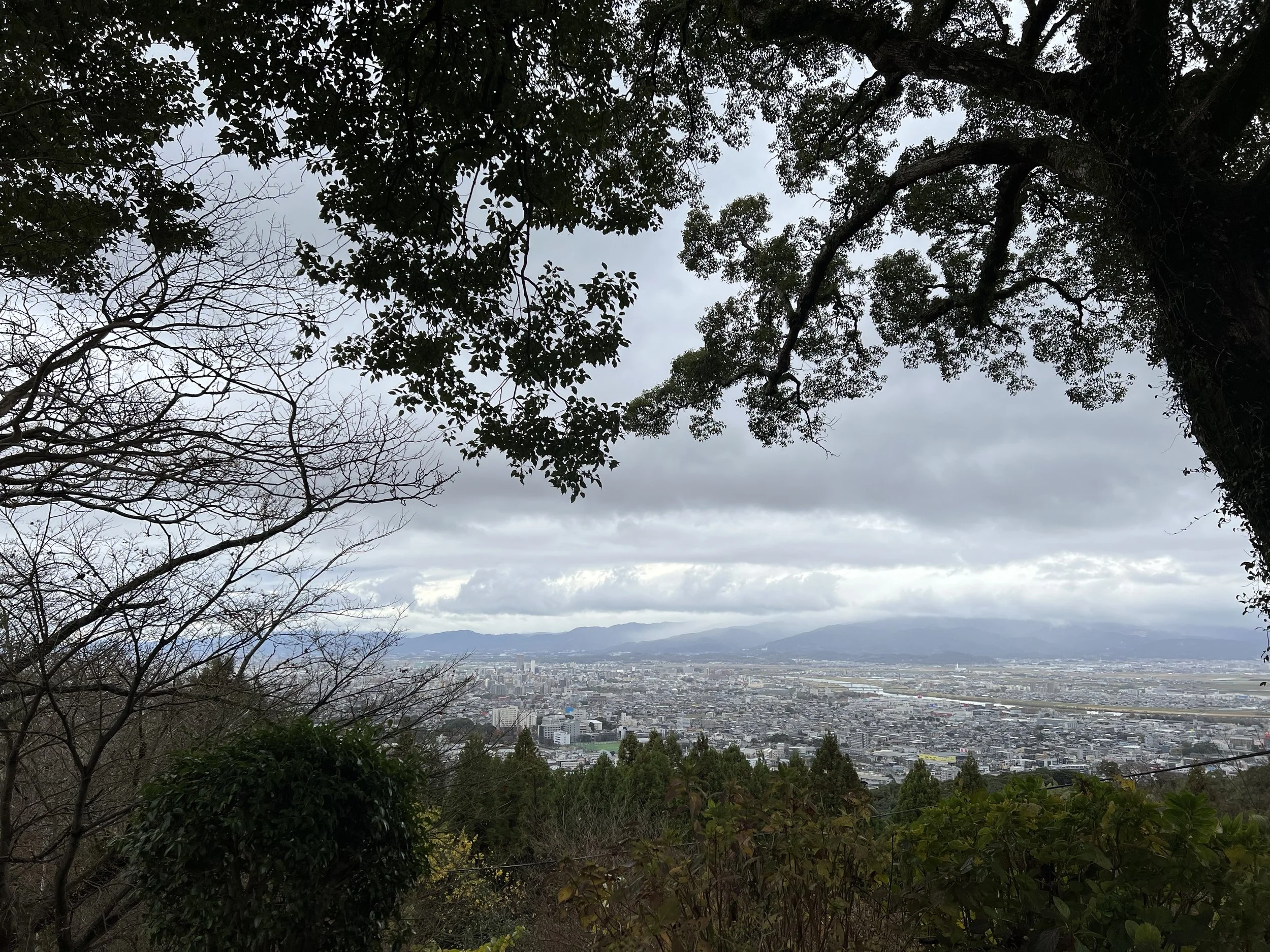
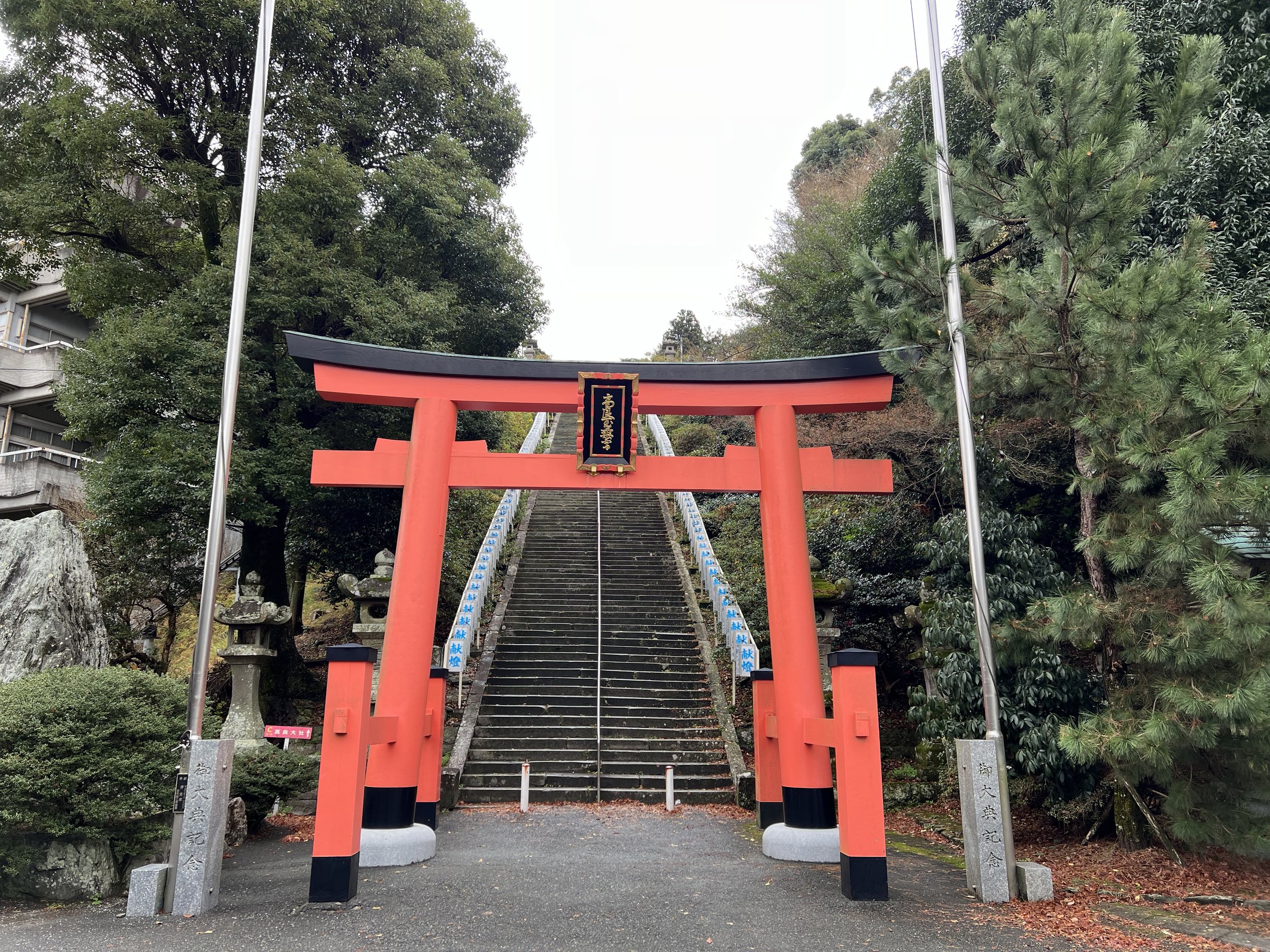
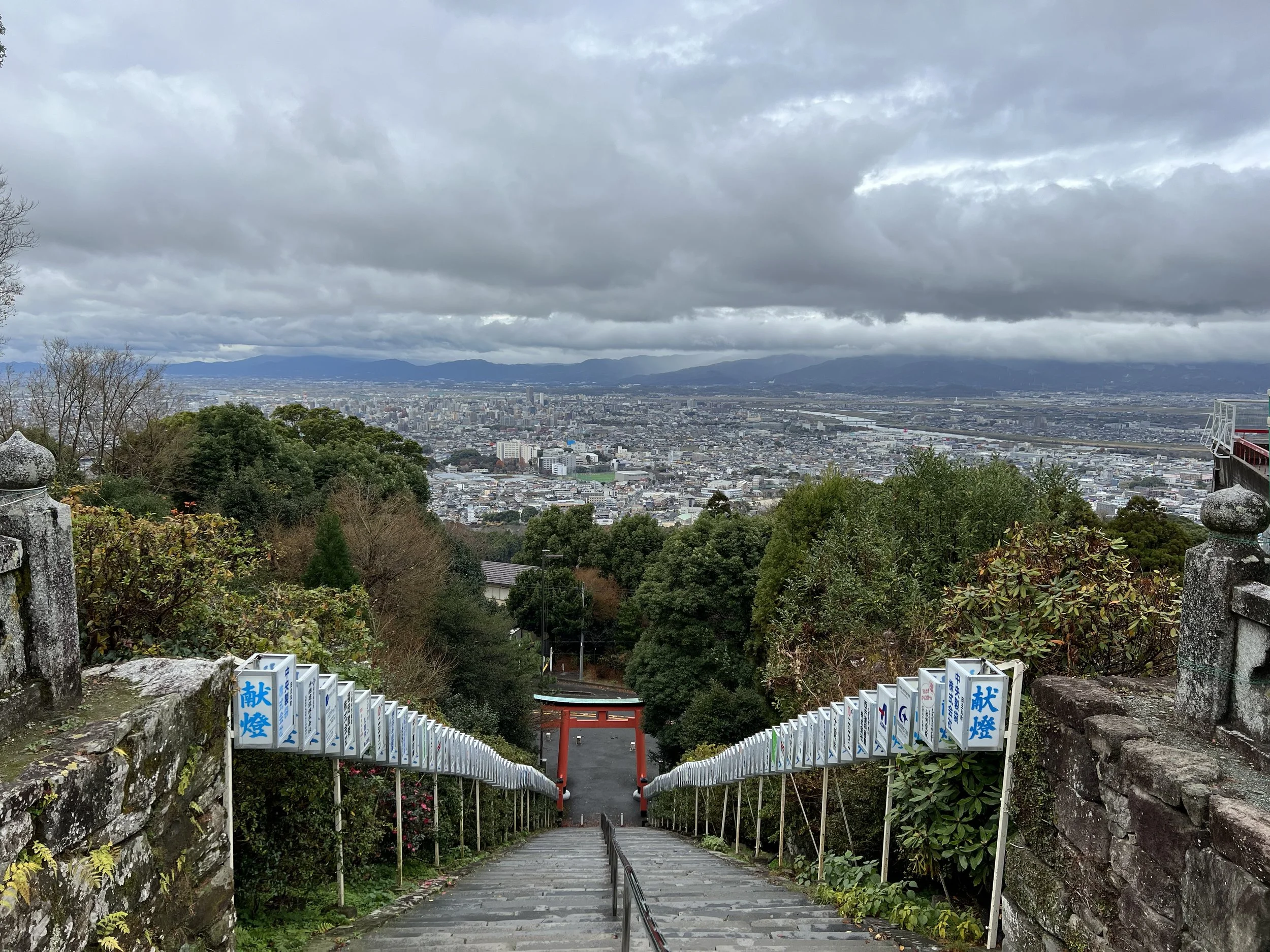
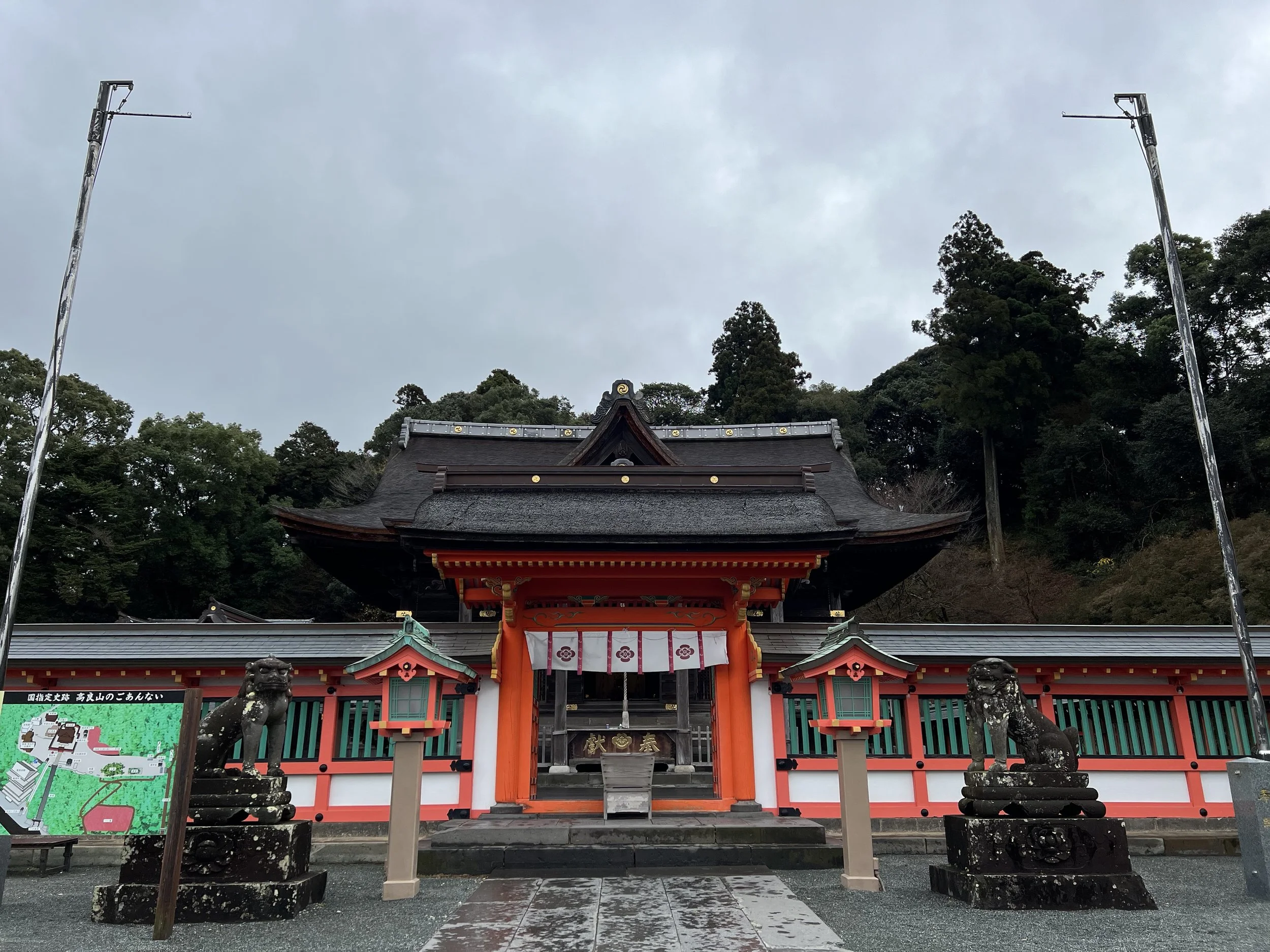
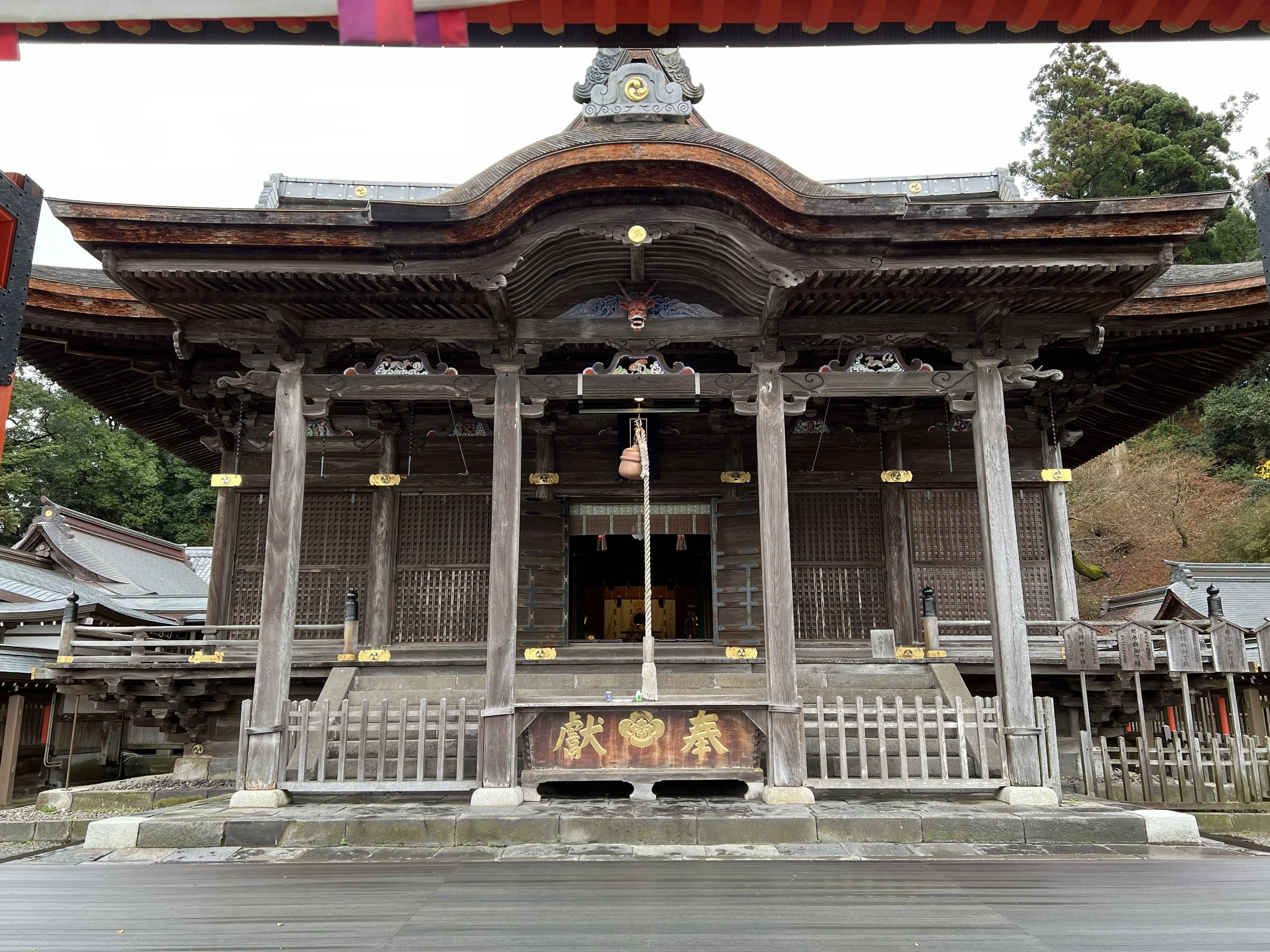
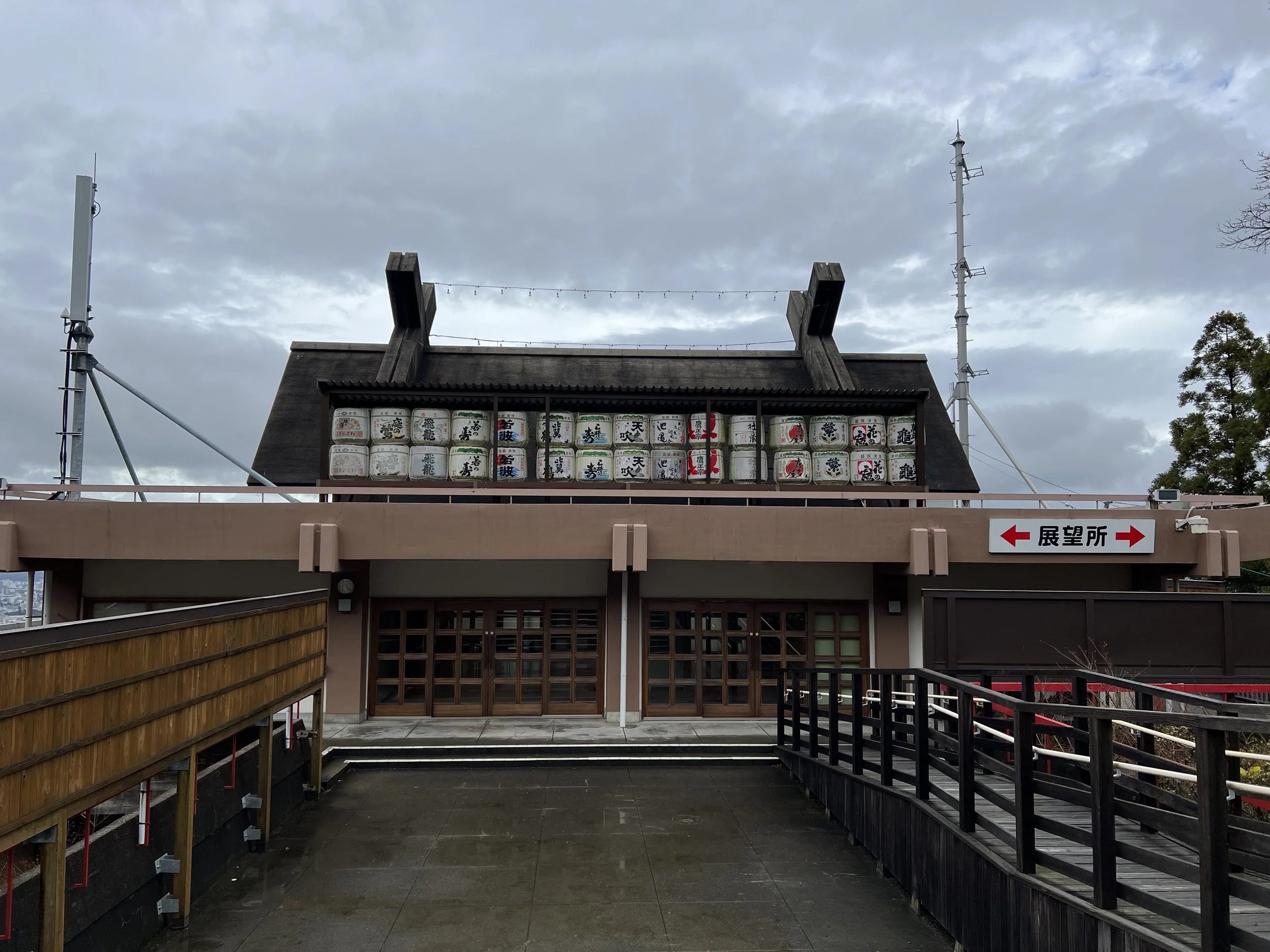
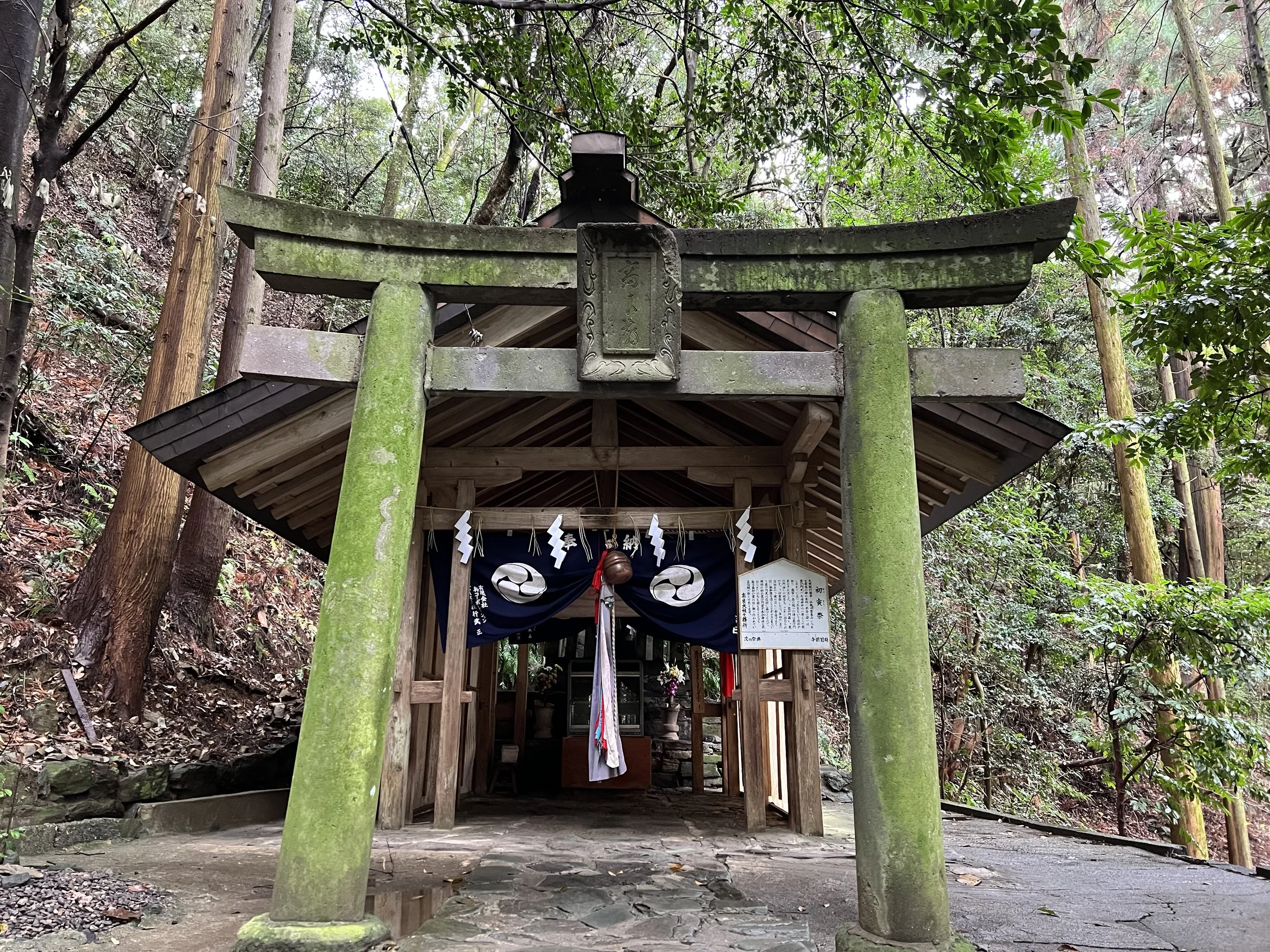
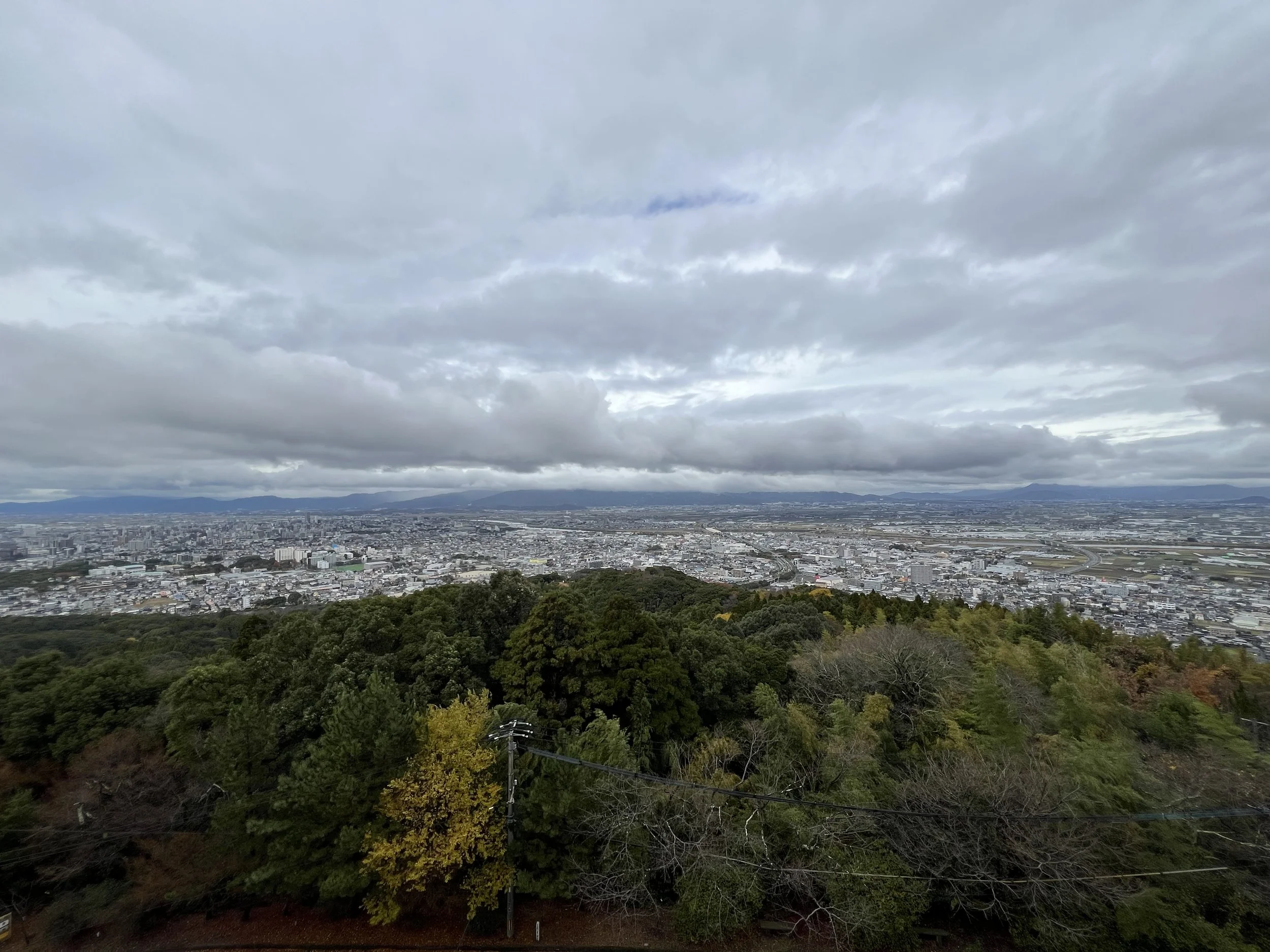
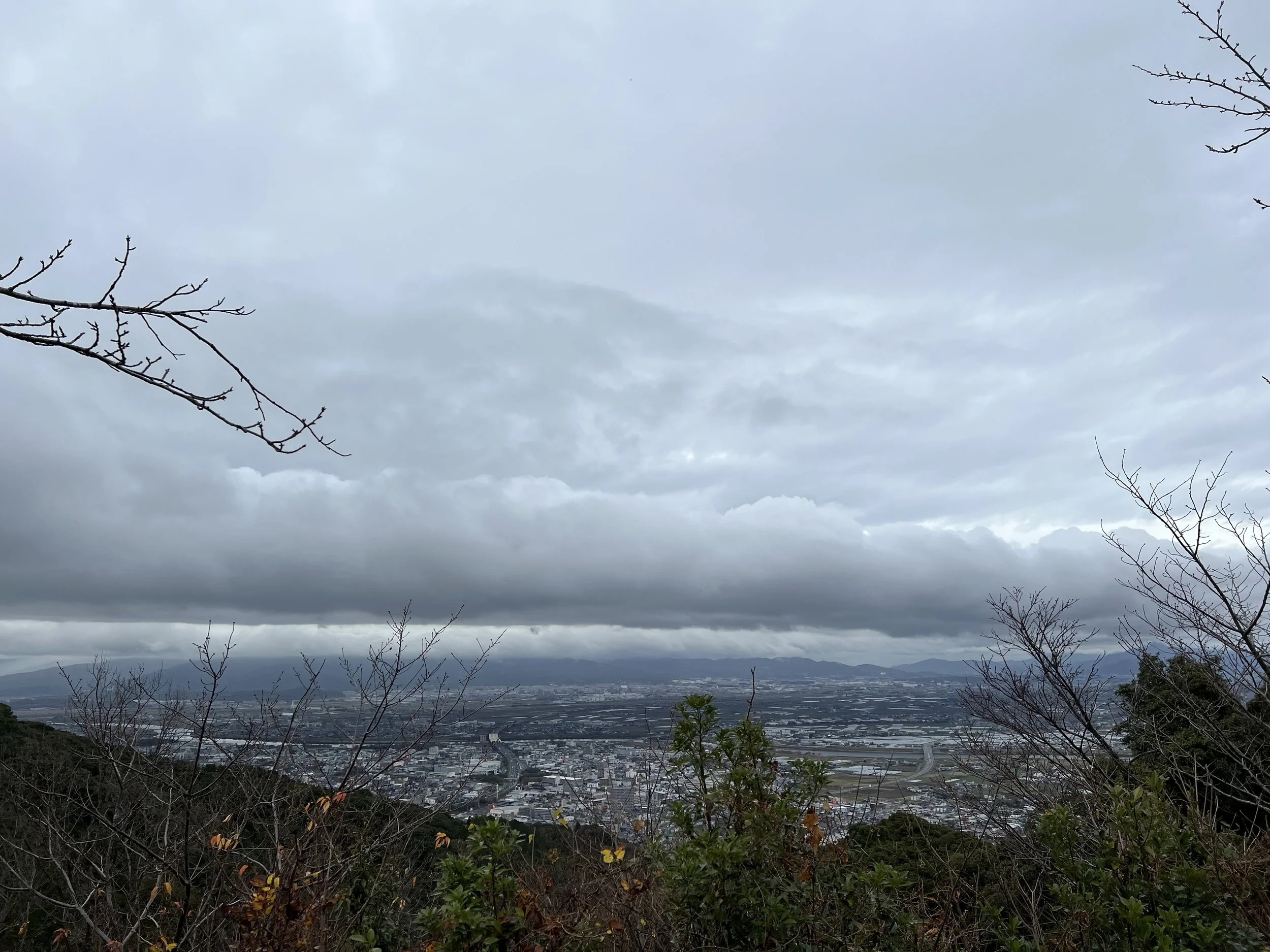
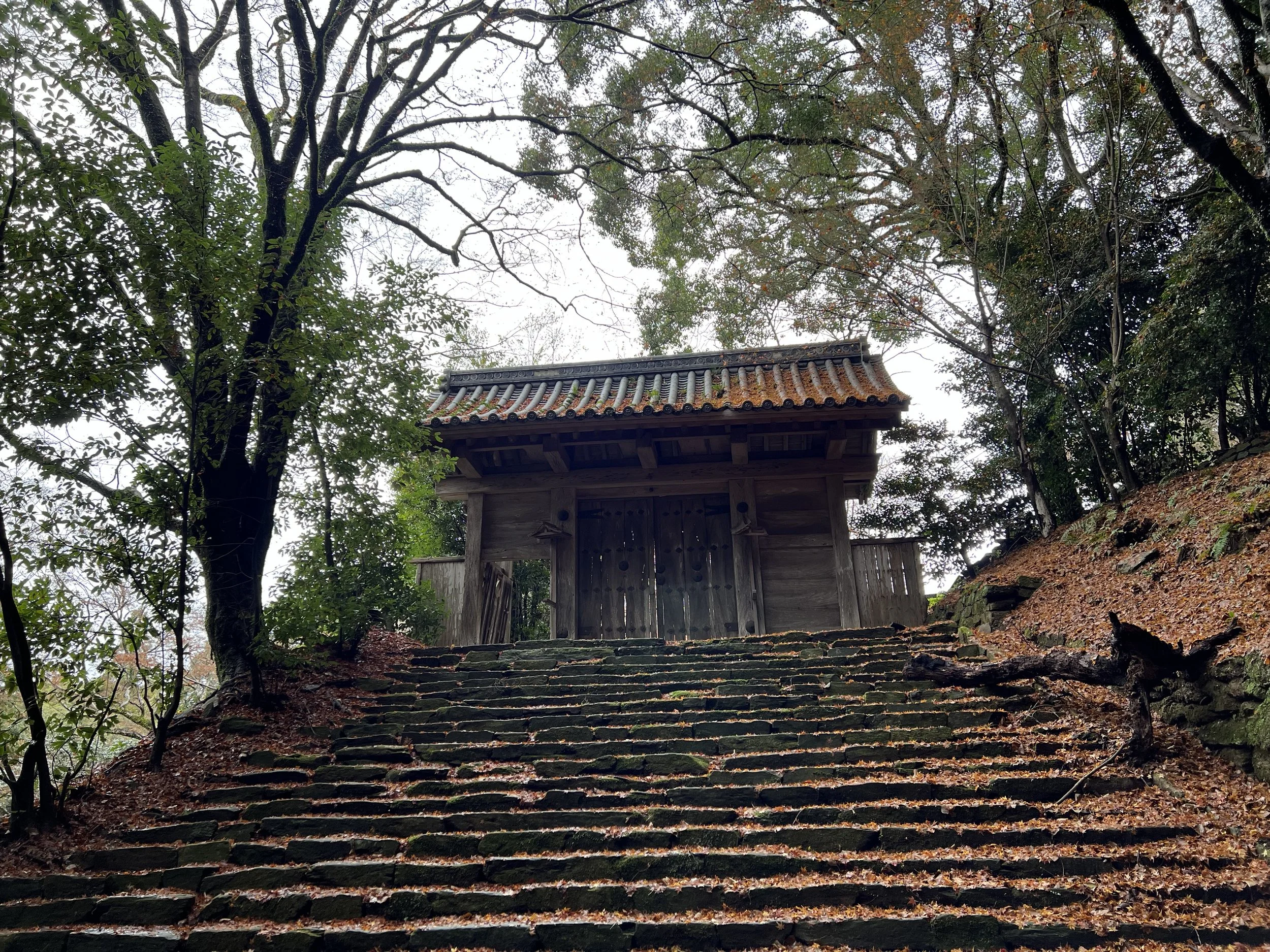
This section of the trail passes several smaller shrines before reaching the main staircase leading up to Kora Shrine. The stairs are lined with lanterns on both sides, and once I reached the top, I turned around to take in the view. With the lanterns framing the path, the red torii gate below, and the city stretching out beyond, it was a striking sight. I spent some time walking around the shrine grounds, enjoyed the view from the observatory deck, and took a few photos before continuing further up the mountain toward the inner shrine.
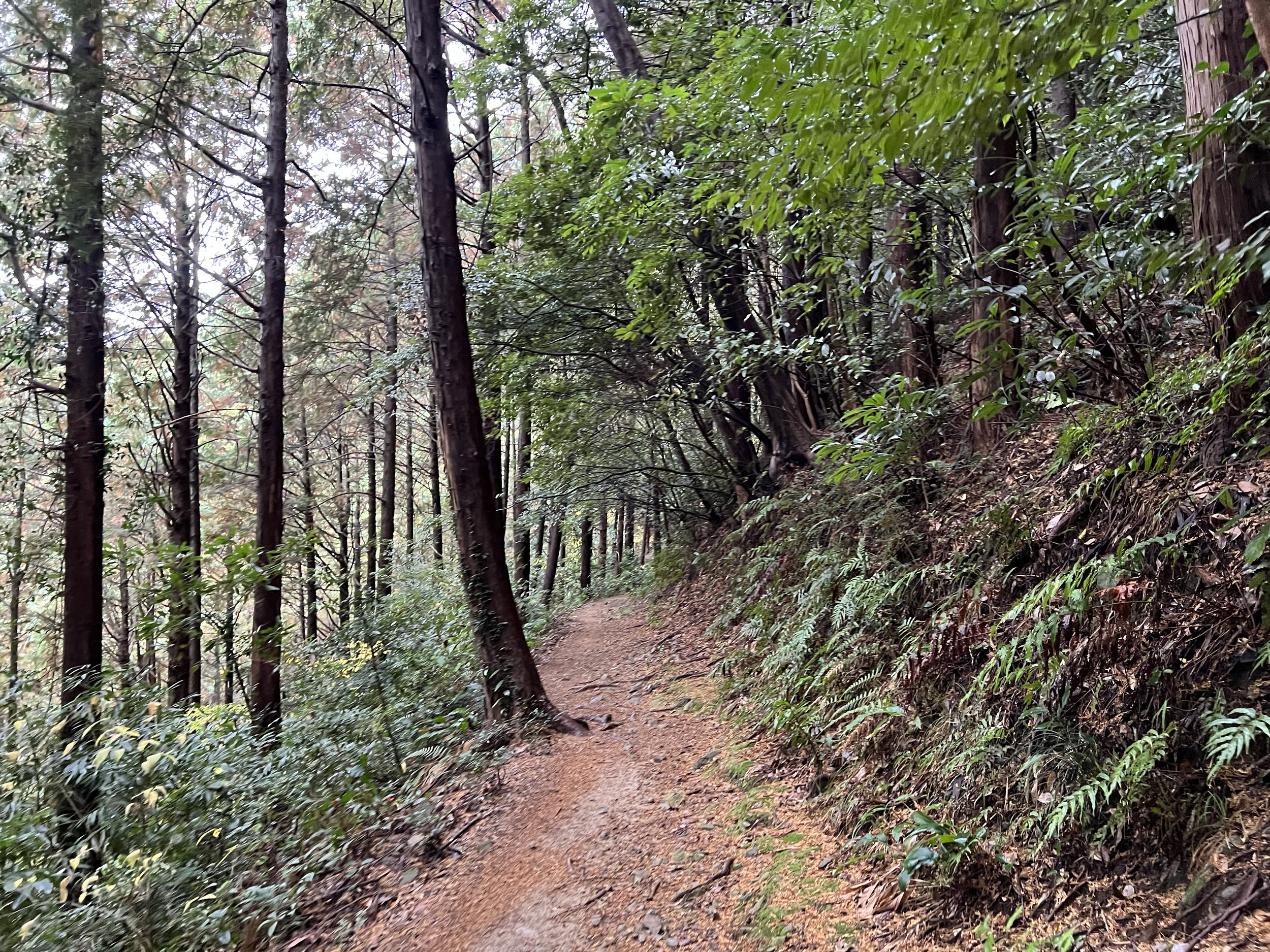
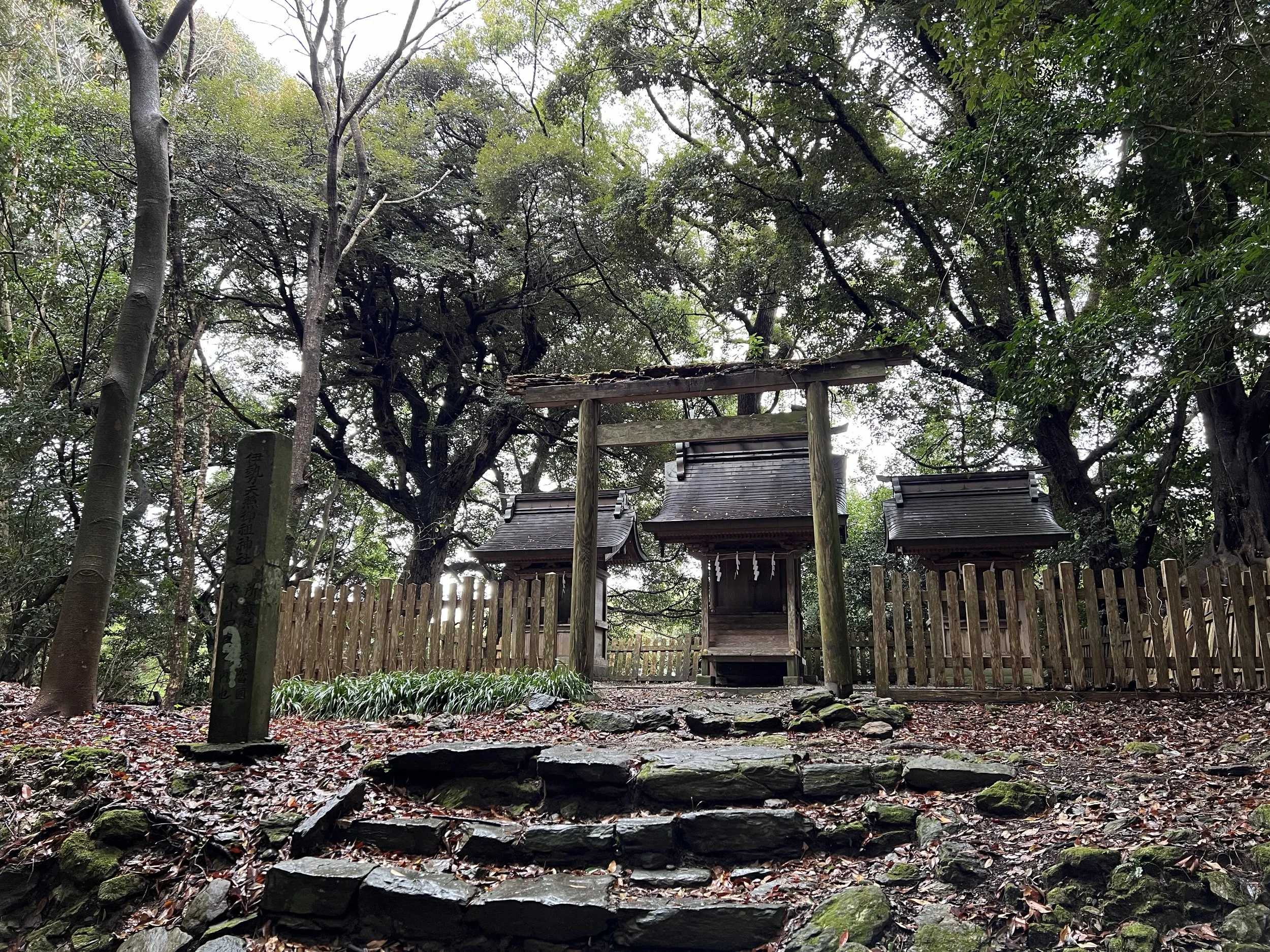
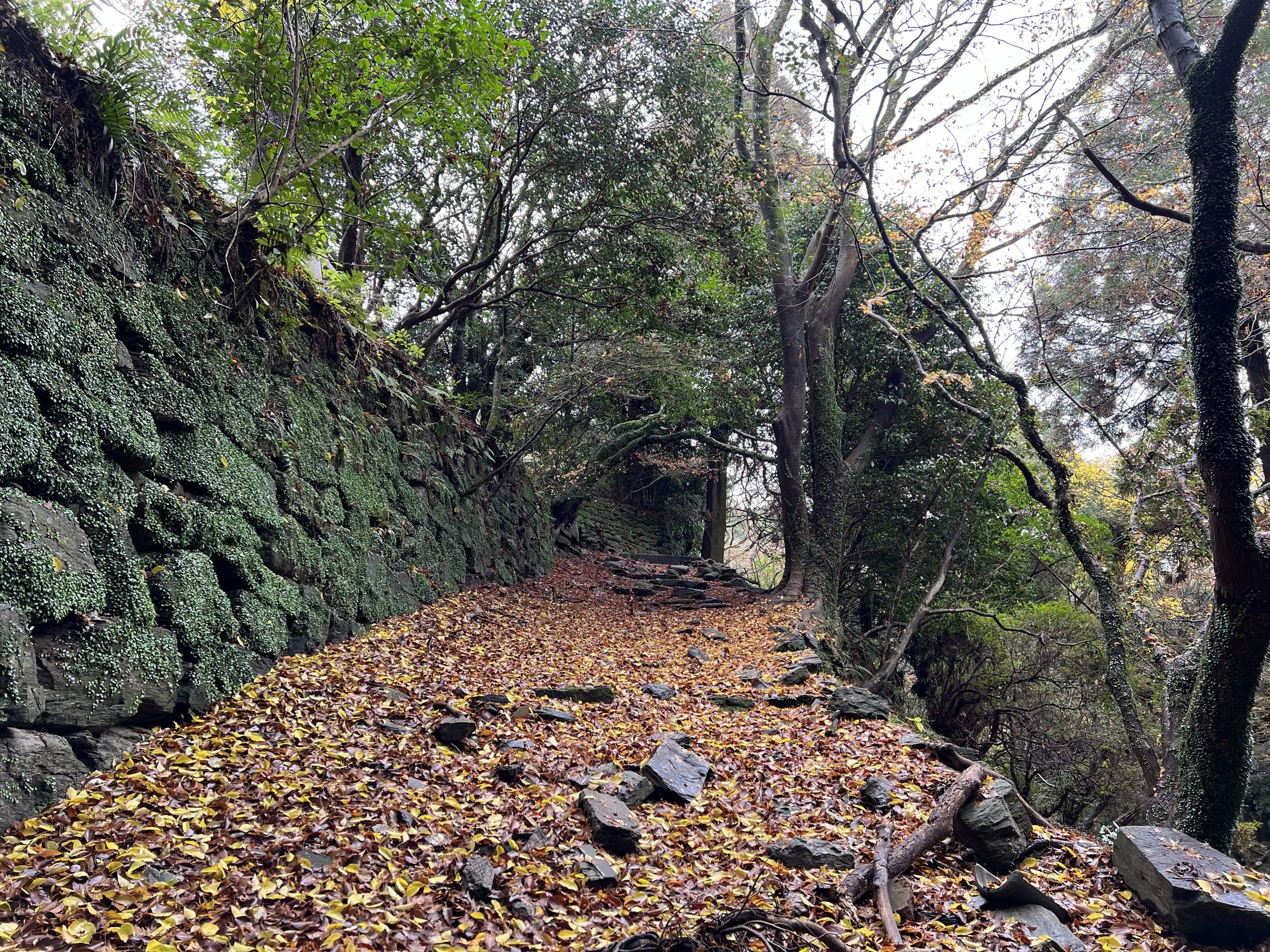
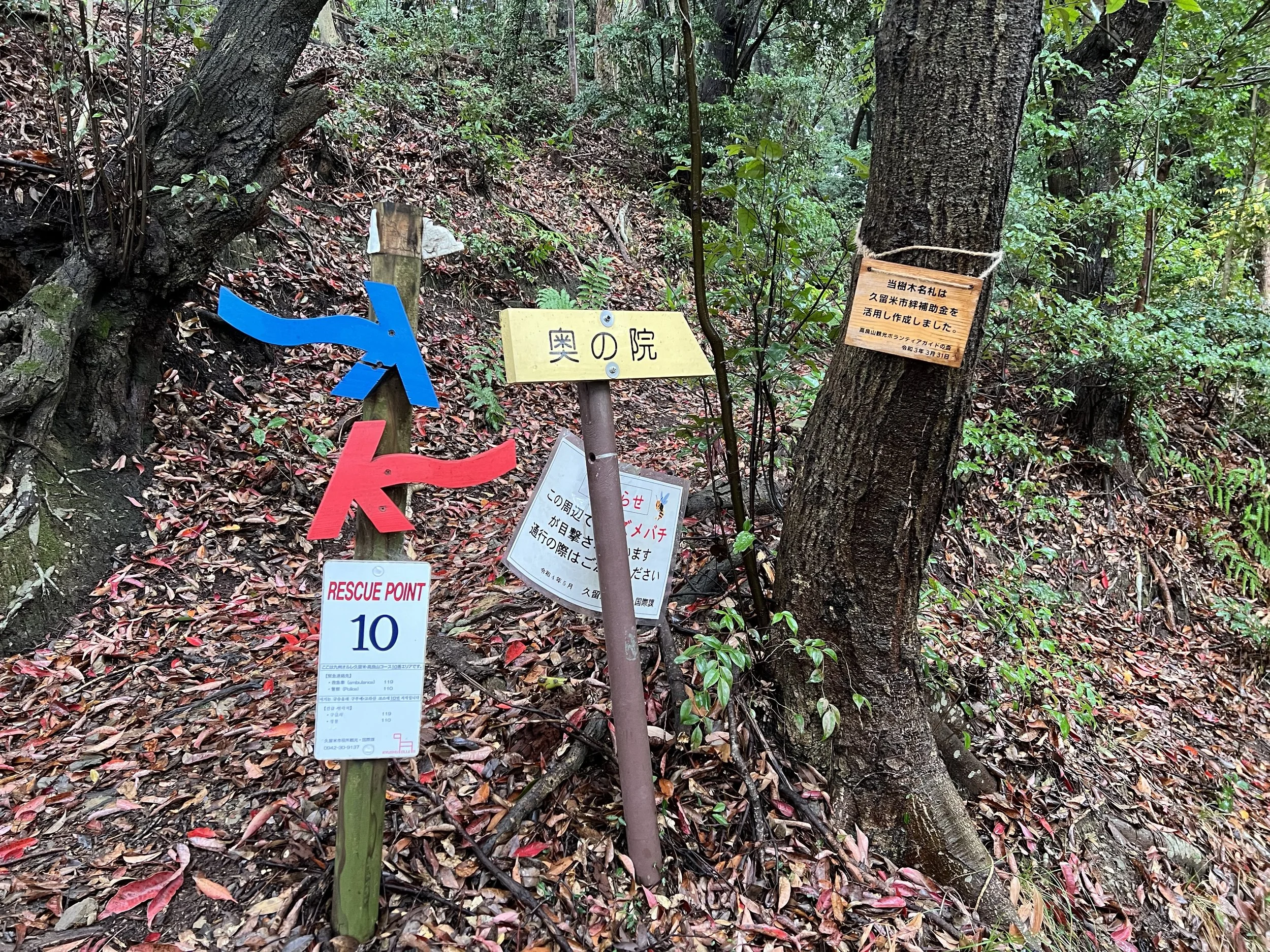
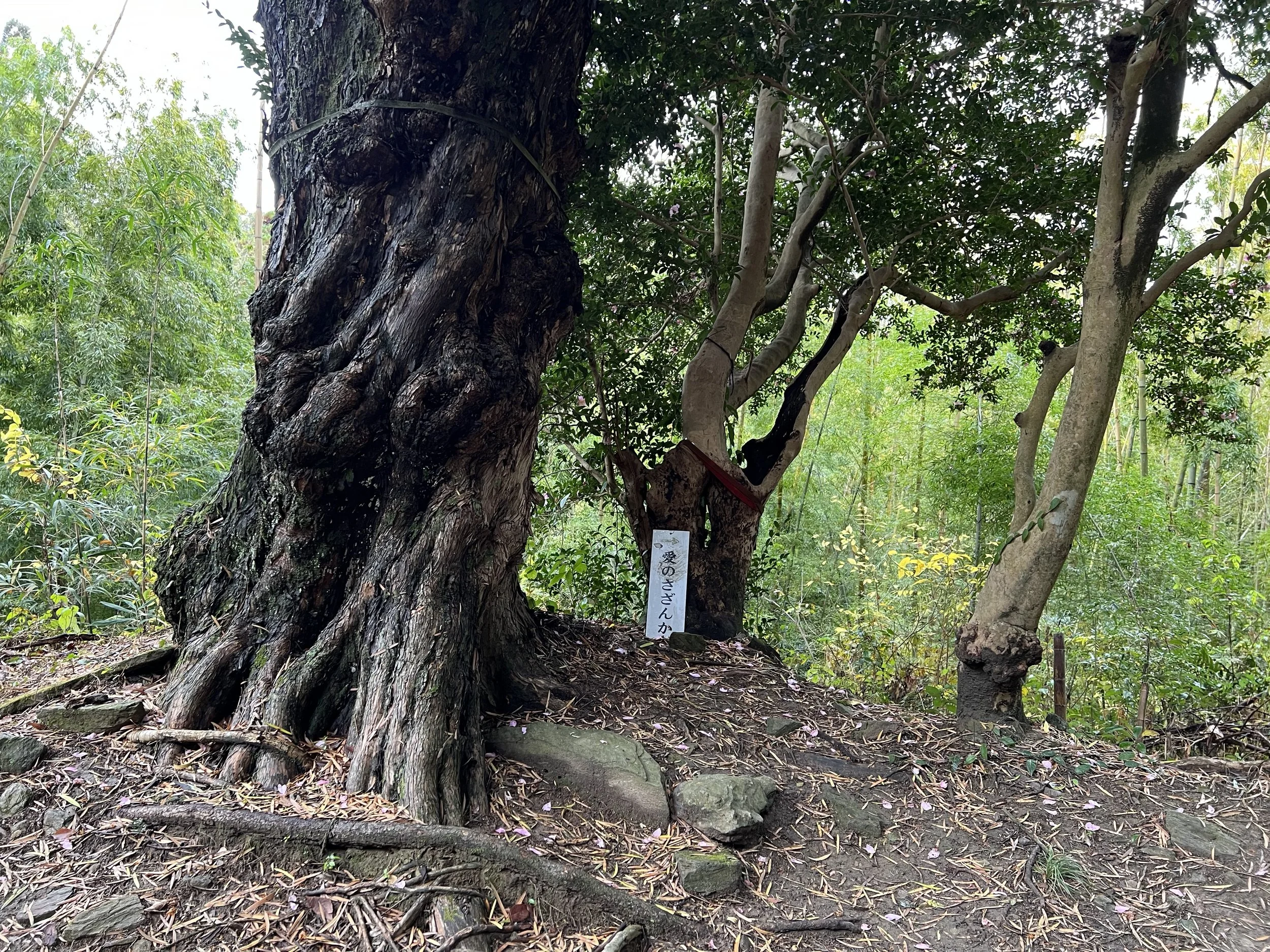
The trail leading to the inner shrine felt noticeably easier. It was still narrow, but it followed a regular forest path and was far more comfortable than the slick rock face I had climbed earlier. Before long, I reached the torii gate marking the entrance to the inner shrine. I had heard that this inner shrine is associated with a natural spring containing miraculous water. While the exact nature of these miracles isn’t clearly stated, curiosity got the better of me. Despite looking around the area, I wasn’t able to locate the spring itself.
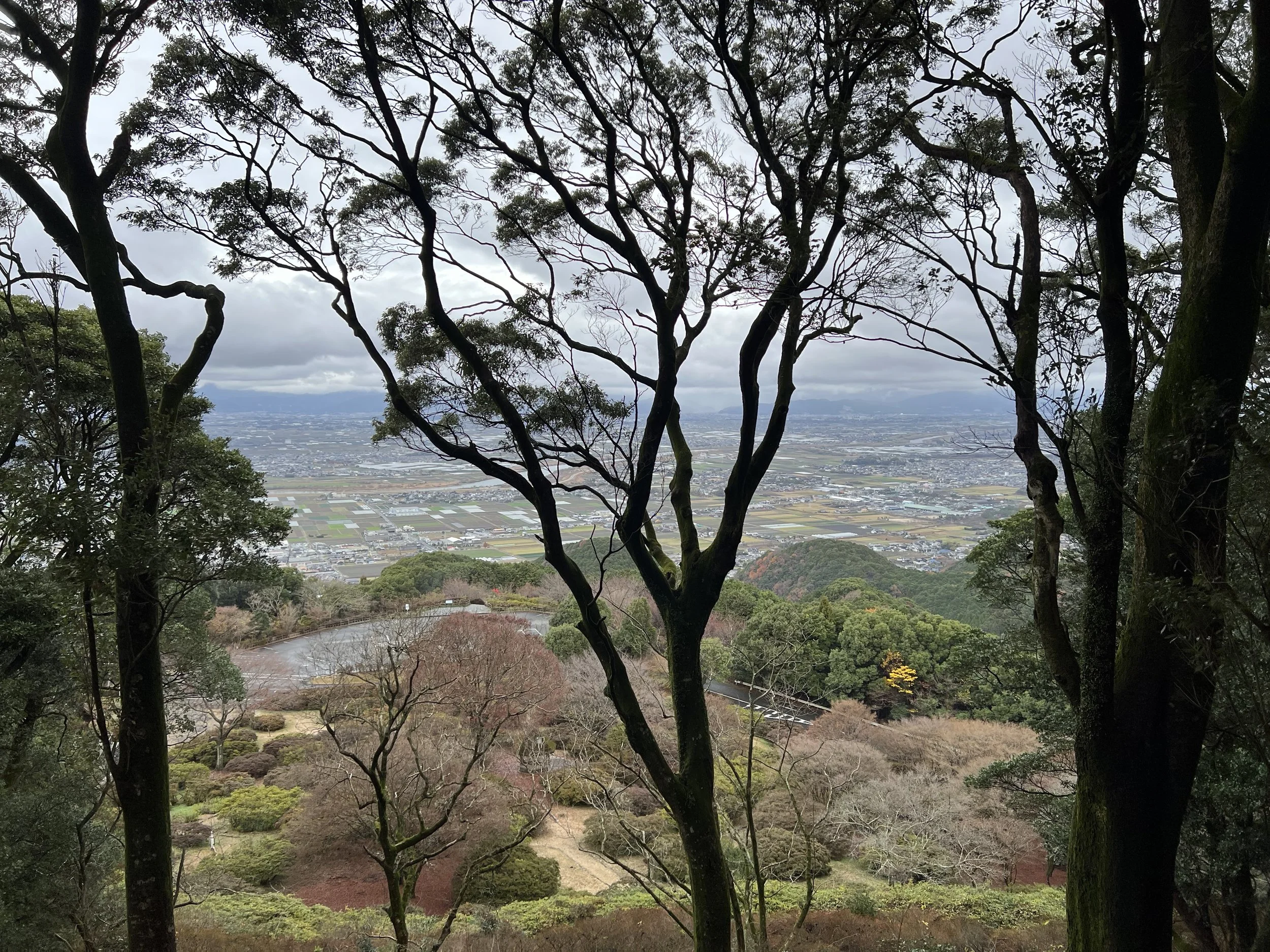
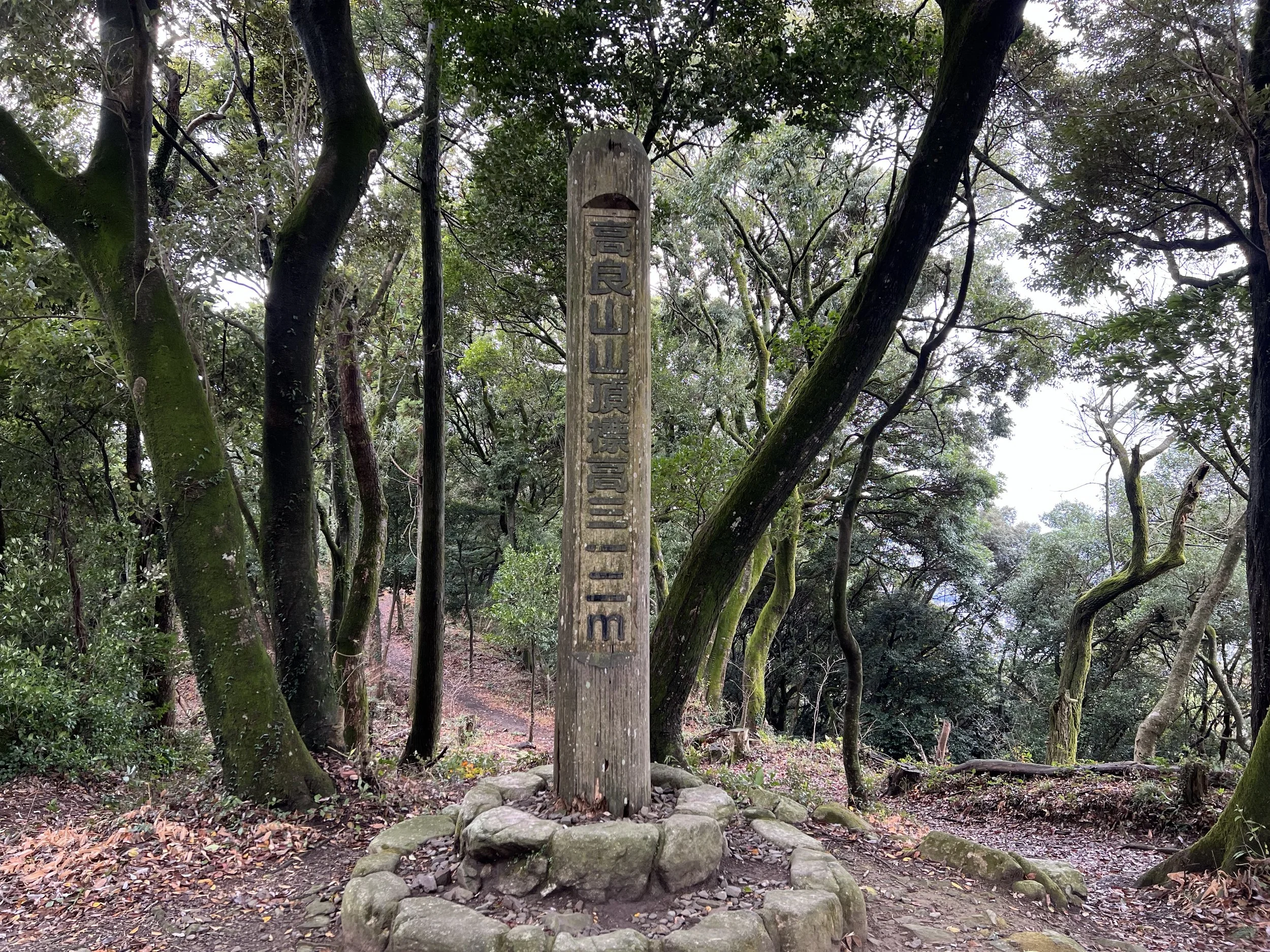
From there, I continued upward toward the summit of Mt. Kora. The peak marker is located within Kurume Forest Tsutsuji Park, which is home to over 61,000 azalea plants representing more than 100 species. With panoramic views over the city below and vibrant blooms, the park is especially popular in mid-April during peak flowering season. While the actual peak marker doesn’t offer much of a view, reaching it was still part of my goal. I spent some time in the park taking in the scenery before beginning the hike back down.
When I reached the rock face section on the descent, I’ll admit I wasn’t looking forward to it. Taking my time and watching my footing carefully, I made it down safely. Overall, this hike offered a rich blend of history and nature, and while it wasn’t especially difficult, it was engaging and rewarding from start to finish.
History & Background
Kora Shrine (高良大社) is one of the oldest Shinto shrines in Kyushu, with origins dating back to 400 AD. In 897, it was granted the highest official shrine ranking, reflecting its importance within the religious and political landscape of ancient Japan. The shrine received support from the central government, and during the Middle Ages, its influence extended far beyond religious practice, at times rivaling that of regional governors.
The shrine is dedicated to deities associated with longevity, protection, and good fortune, making it a long-standing destination for worshippers seeking blessings and spiritual guidance. Mt. Kora itself has been considered a sacred mountain for centuries, with smaller shrines and ritual sites scattered along its slopes.
The Kyushu Olle Trail is inspired by South Korea’s Jeju Olle Trail and was designed to encourage slower, more immersive walking experiences that connect culture, history, and landscape. The Kurume Kōrasan Course highlights both the religious heritage and natural beauty of the region.
Getting There
The Kurume Korasan Course can be accessed from Kurumedaigaku-mae Station, located on the JR Kyudai Main Line. From Kurume Station, take a local train to Kurumedaigaku-mae Station, a short journey of approximately 5 minutes. From the station, the trail begins by following the main approach road toward Mt. Kora, with clear signage and torii gates marking the route toward Kora Shrine.
Route Overview
Distance: 8.92 km out & back (Kurumedaigaku-Mae Station)
Total elevation gain: 278 m
Duration: 2 hr 09 min (with breaks 2 hr 21 min)
Difficulty: Intermediate
Peak: Mt Kora 高良山 312 m
Cost Breakdown
Train: Kurume Station → Kurumedaigaku-Mae Station — ¥270
Food: ¥324