Kamikura Shrine - Wakayama, Japan
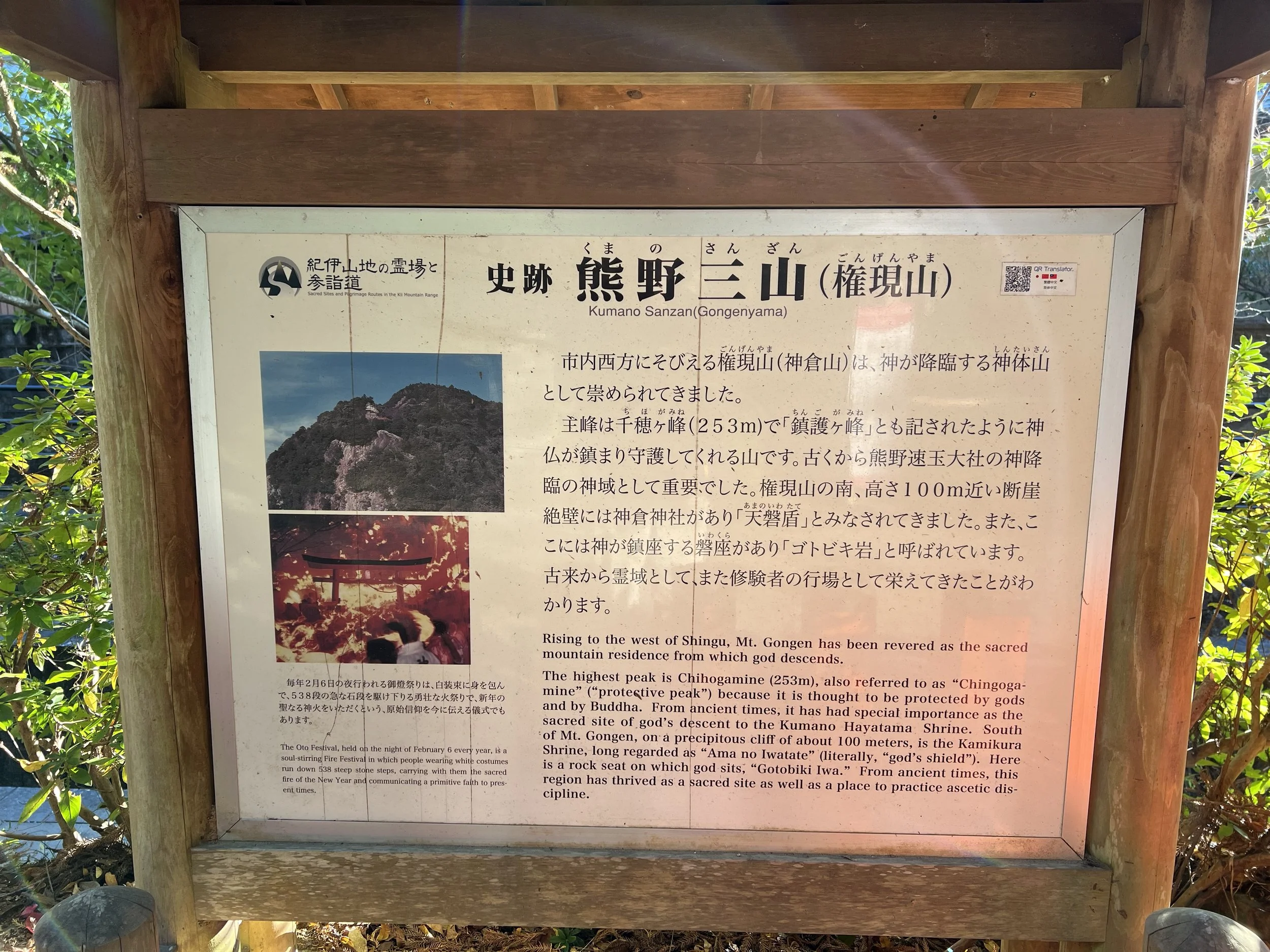
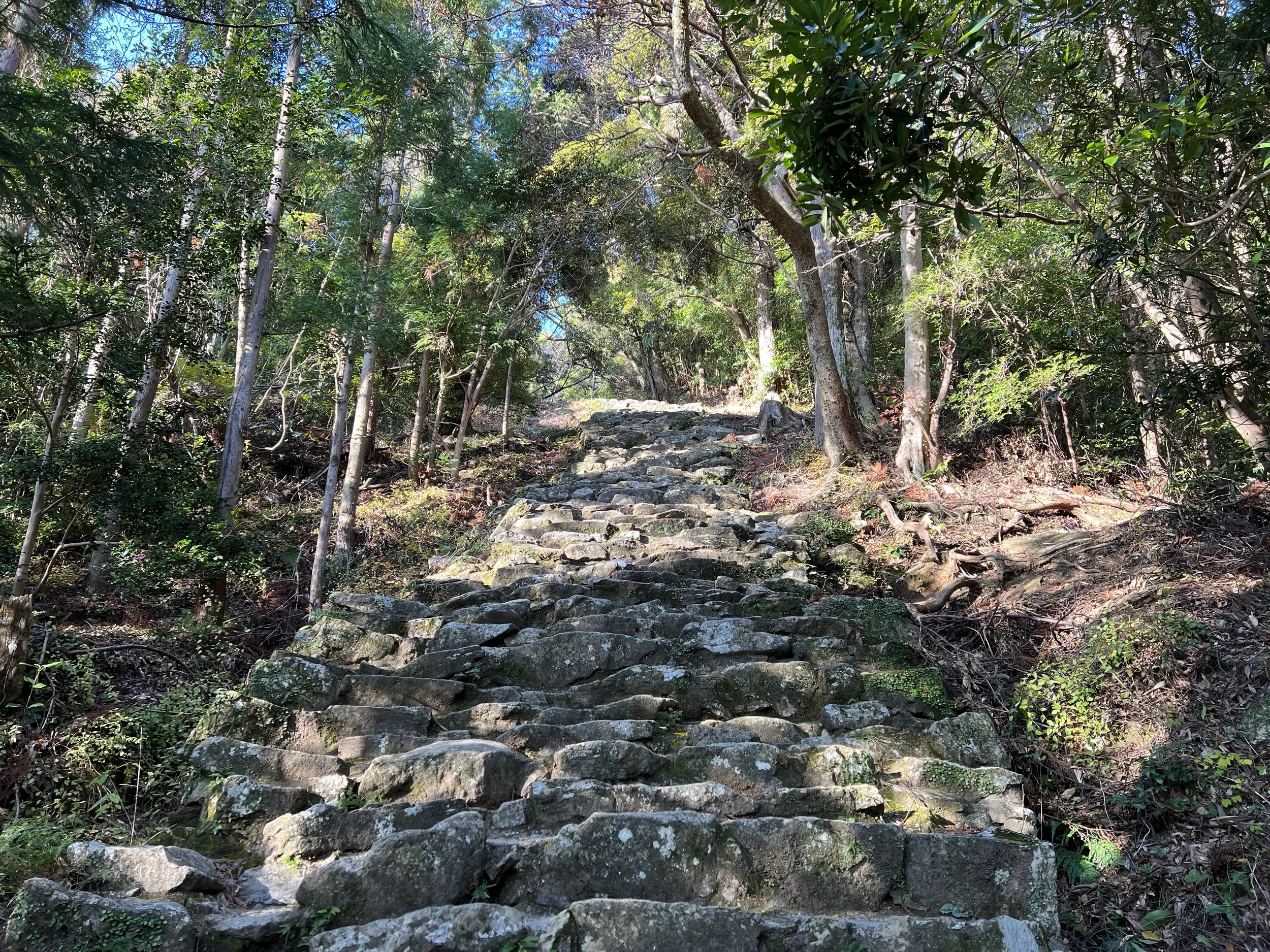
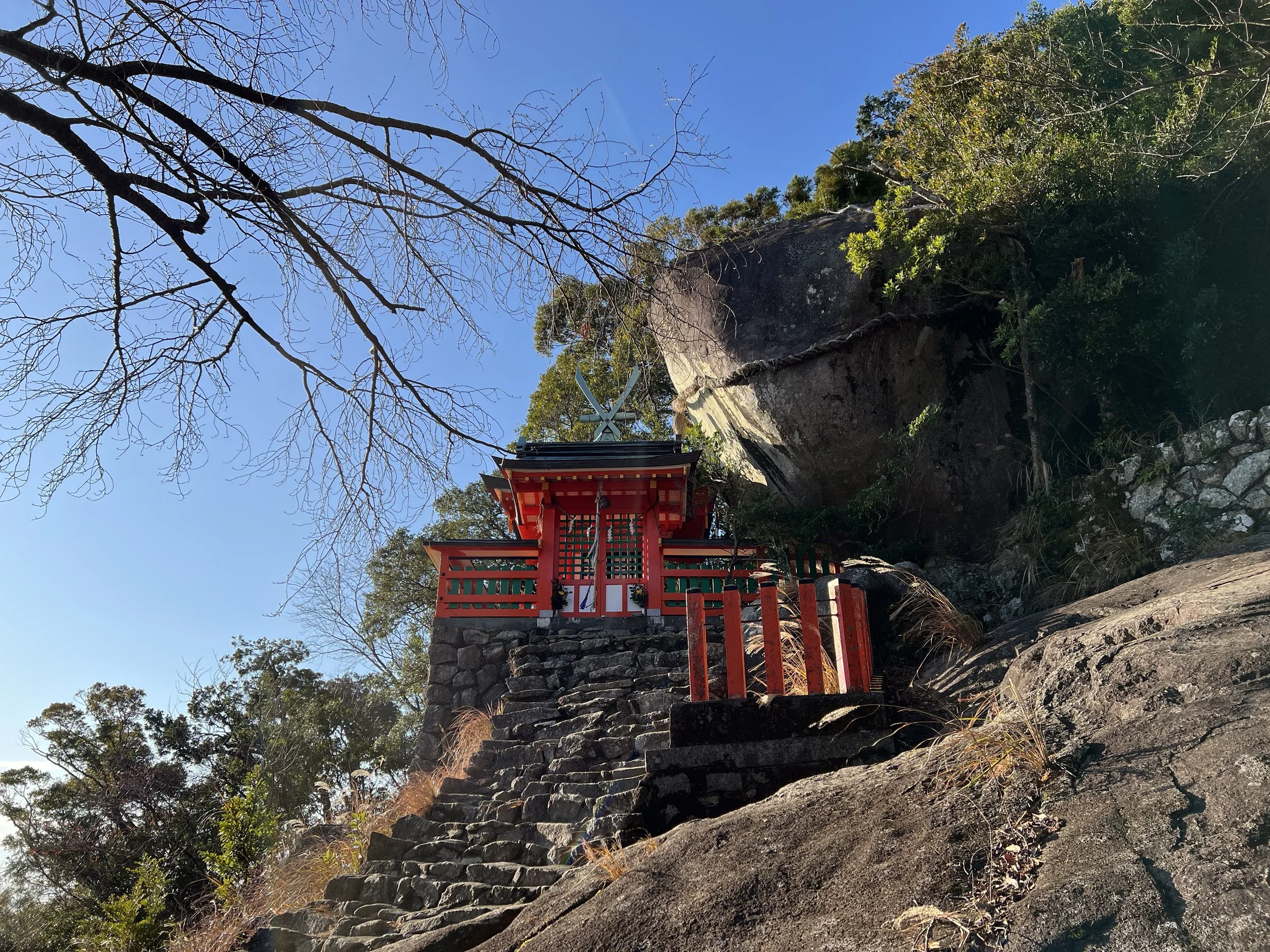
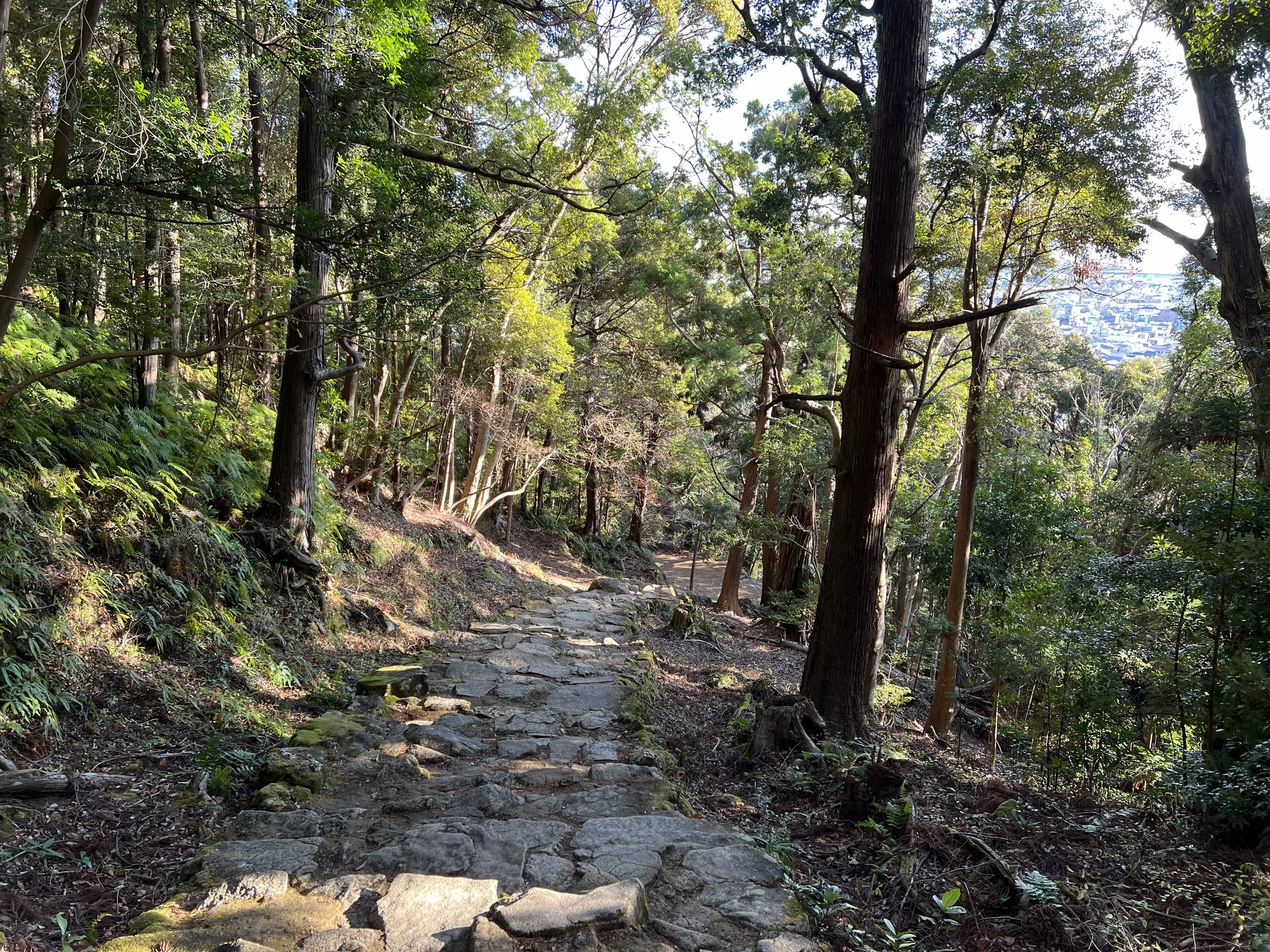
Kamikura Shrine is closely connected to nearby Kumano Hayatama Taisha and is considered one of the most sacred sites in the area. The shrine sits partway up Mount Gongenyama and is believed to mark the spot where the gods first descended to earth. Perched dramatically atop a steep cliff, reaching the shrine requires climbing 538 stone steps carved directly into the mountainside. While that might not sound too daunting at first, some sections reach slopes of about 45 degrees, making the climb more challenging than expected and not necessarily suitable for everyone.
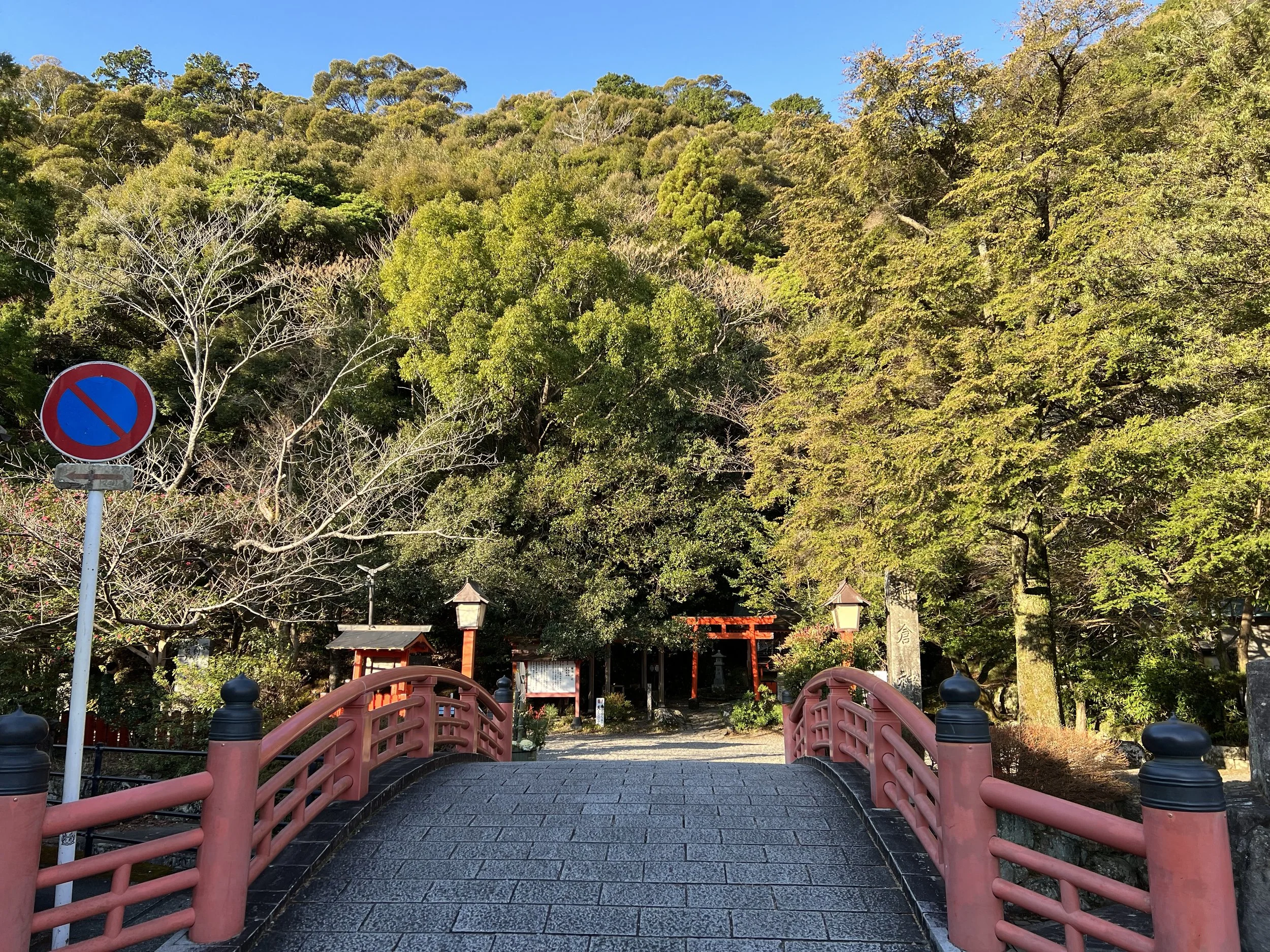
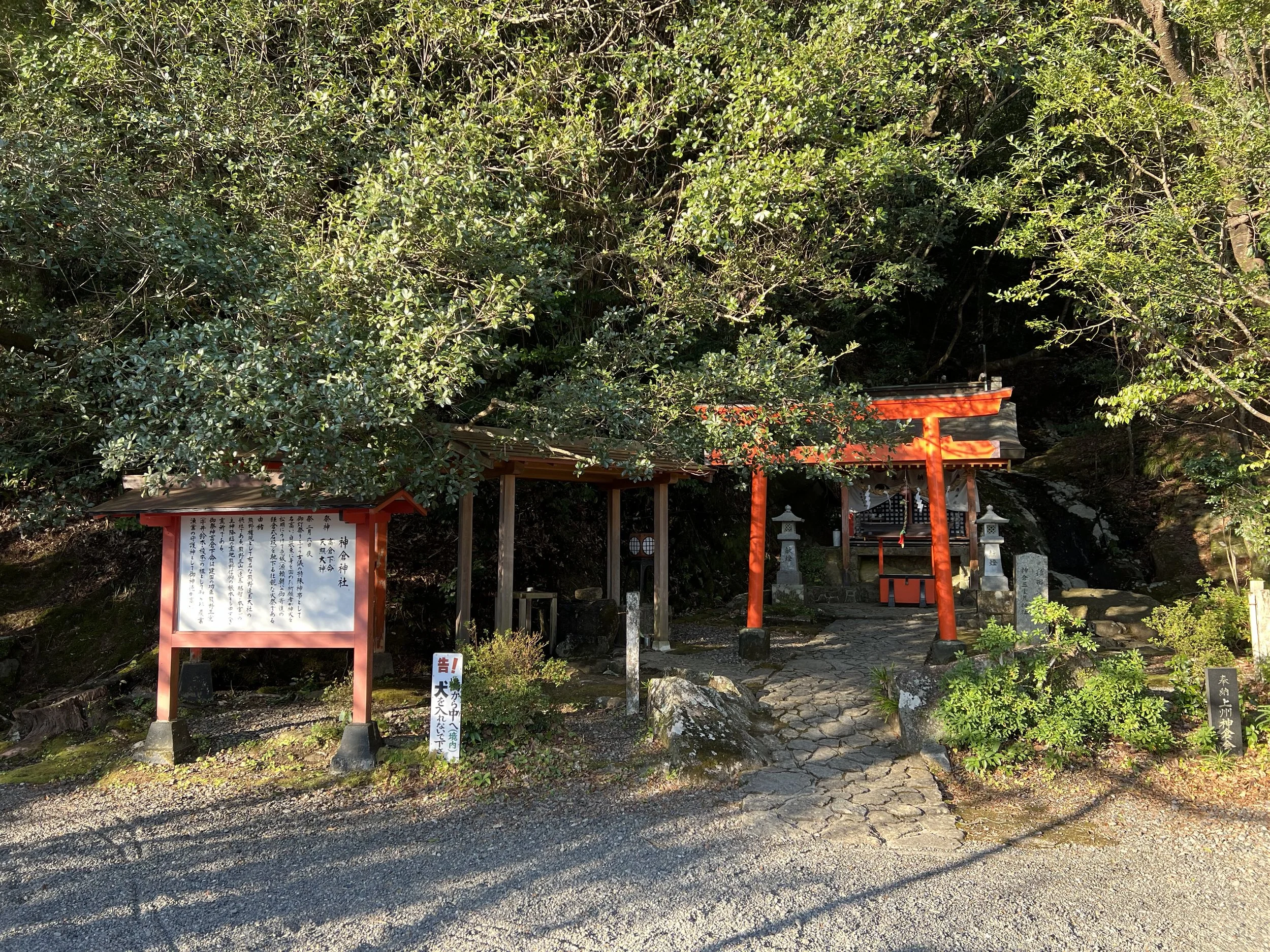
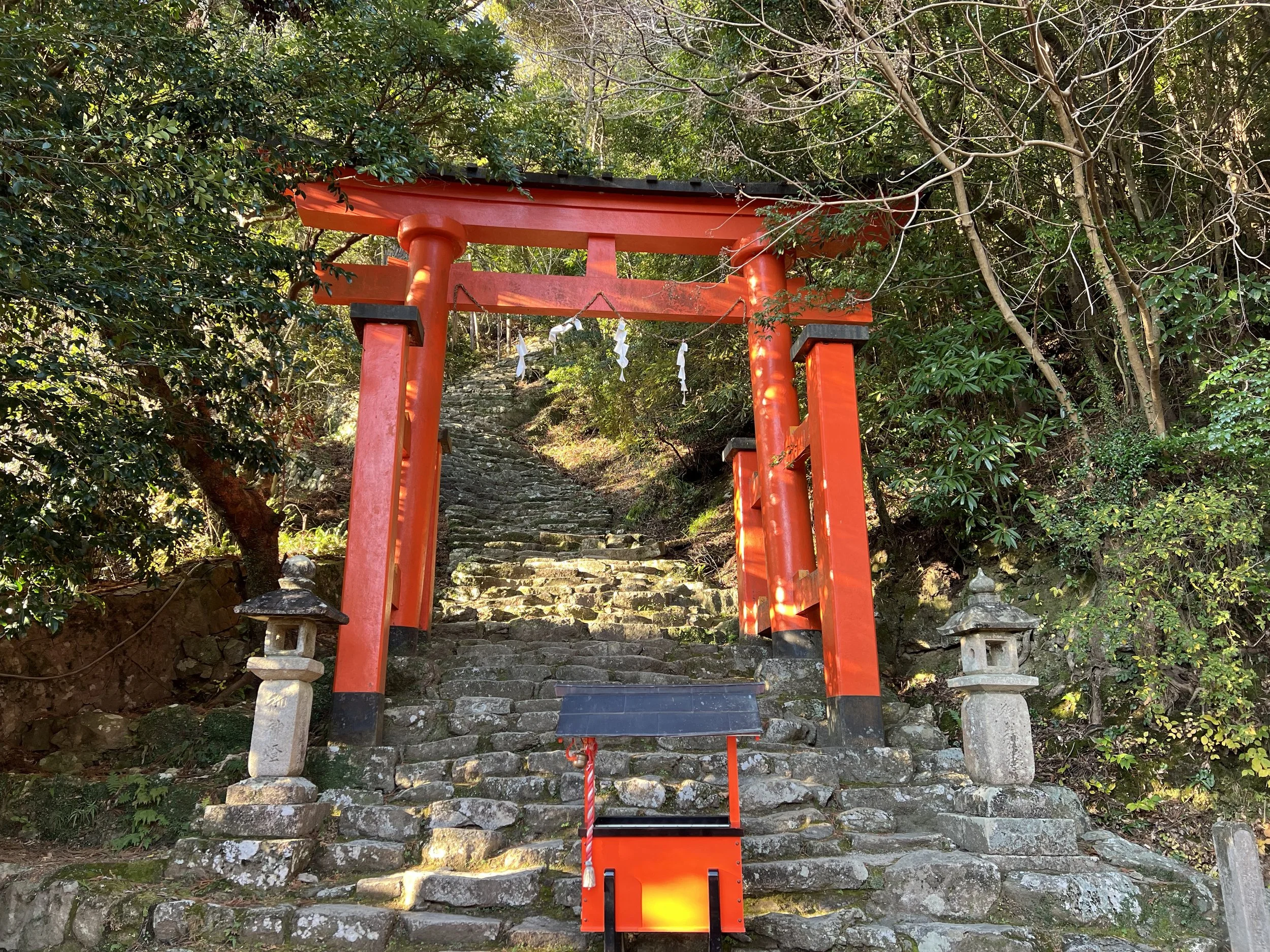
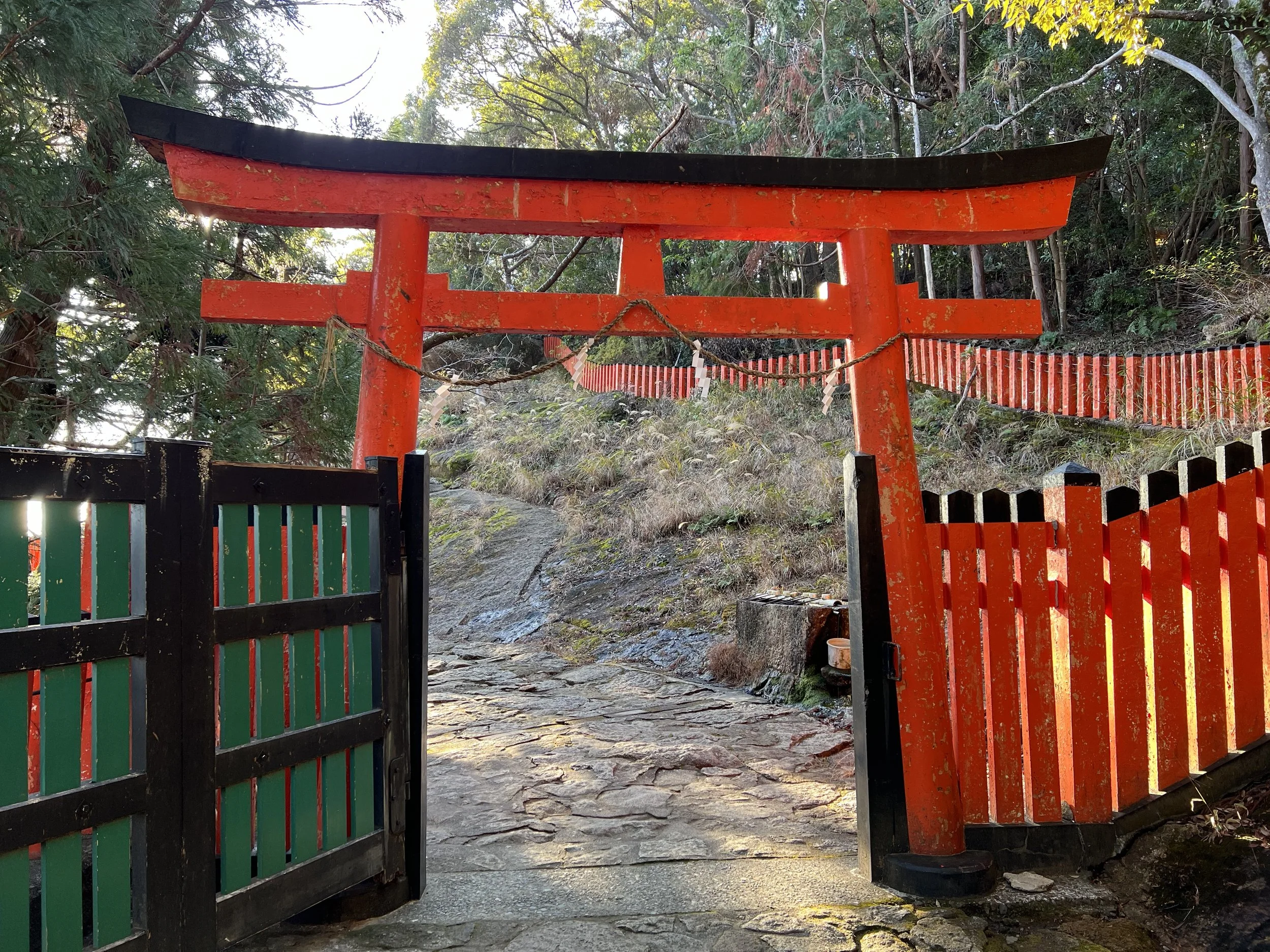
I had stayed overnight in Shingu and knew that before leaving the area, I wanted to make this quick but meaningful climb. When I arrived at the base of the shrine grounds in the morning, I noticed signs explaining that a prayer area had been set up below for pilgrims who may not be able to make the steep climb. There were also reminders for visitors attempting the ascent to proceed carefully.
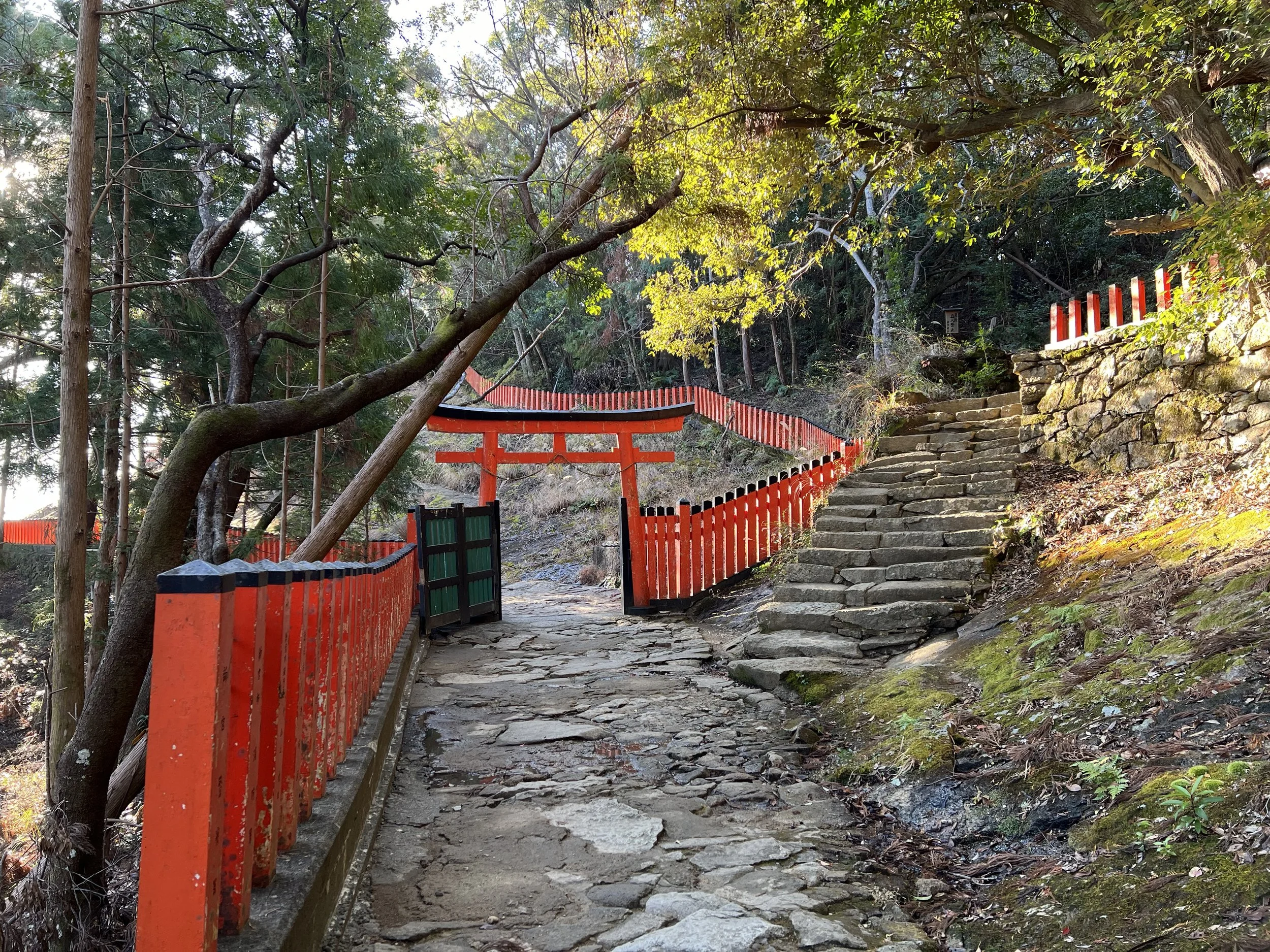
Before heading up, I wandered around the lower shrine grounds for a few minutes. The peaceful setting at the base gave little hint of the steep climb waiting just behind it. Eventually, I made my way to the back of the shrine area where the stone staircase begins.
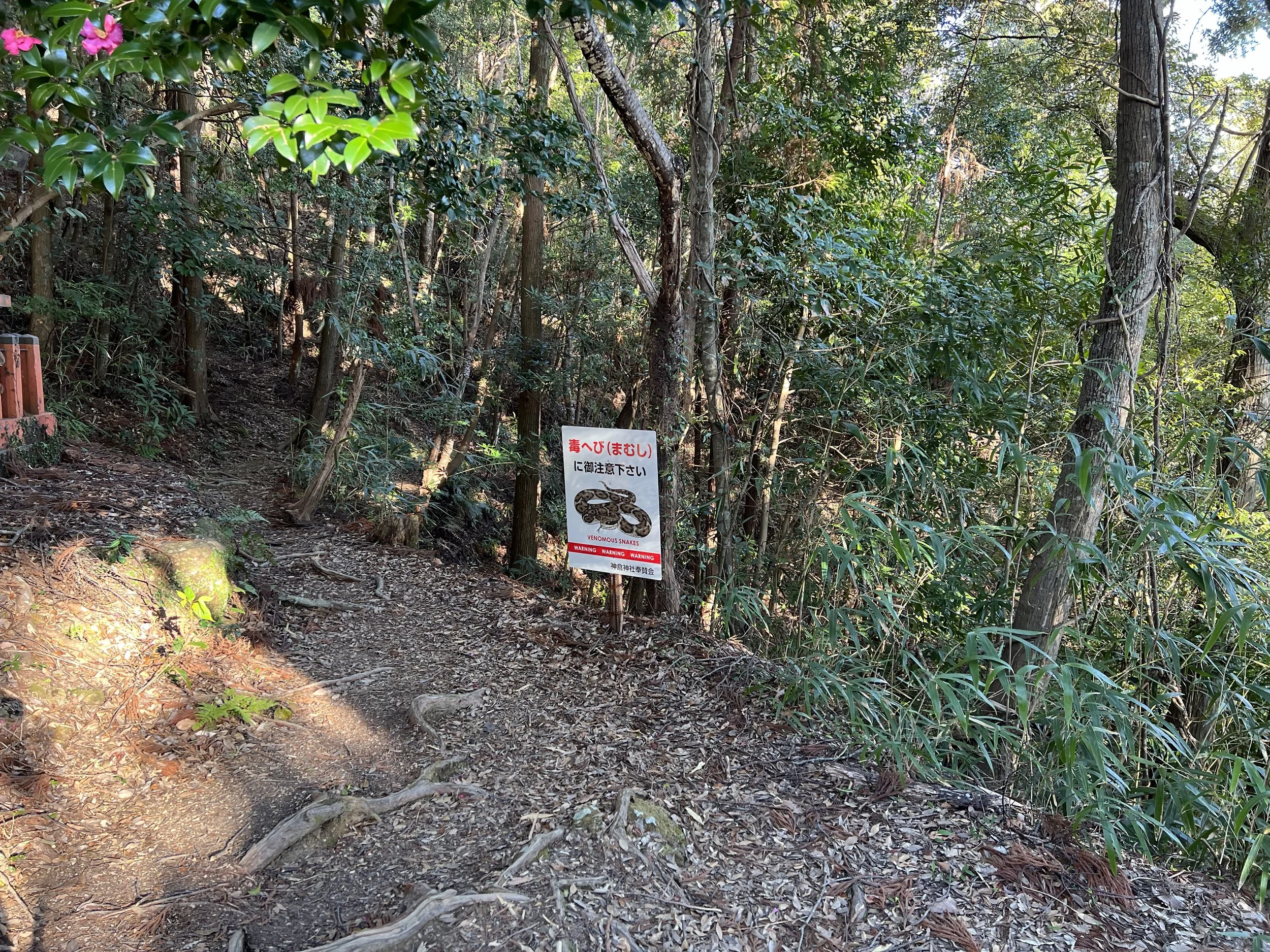
The climb itself felt much steeper than I expected. The steps were narrow and uneven, and because of the incline, you almost feel like you’re climbing a stone ladder at times. I was honestly just grateful that it wasn’t raining, as wet stones here would make the ascent significantly more difficult. Taking it slow and steady, I worked my way upward, and to my surprise it didn’t take as long as I had imagined.
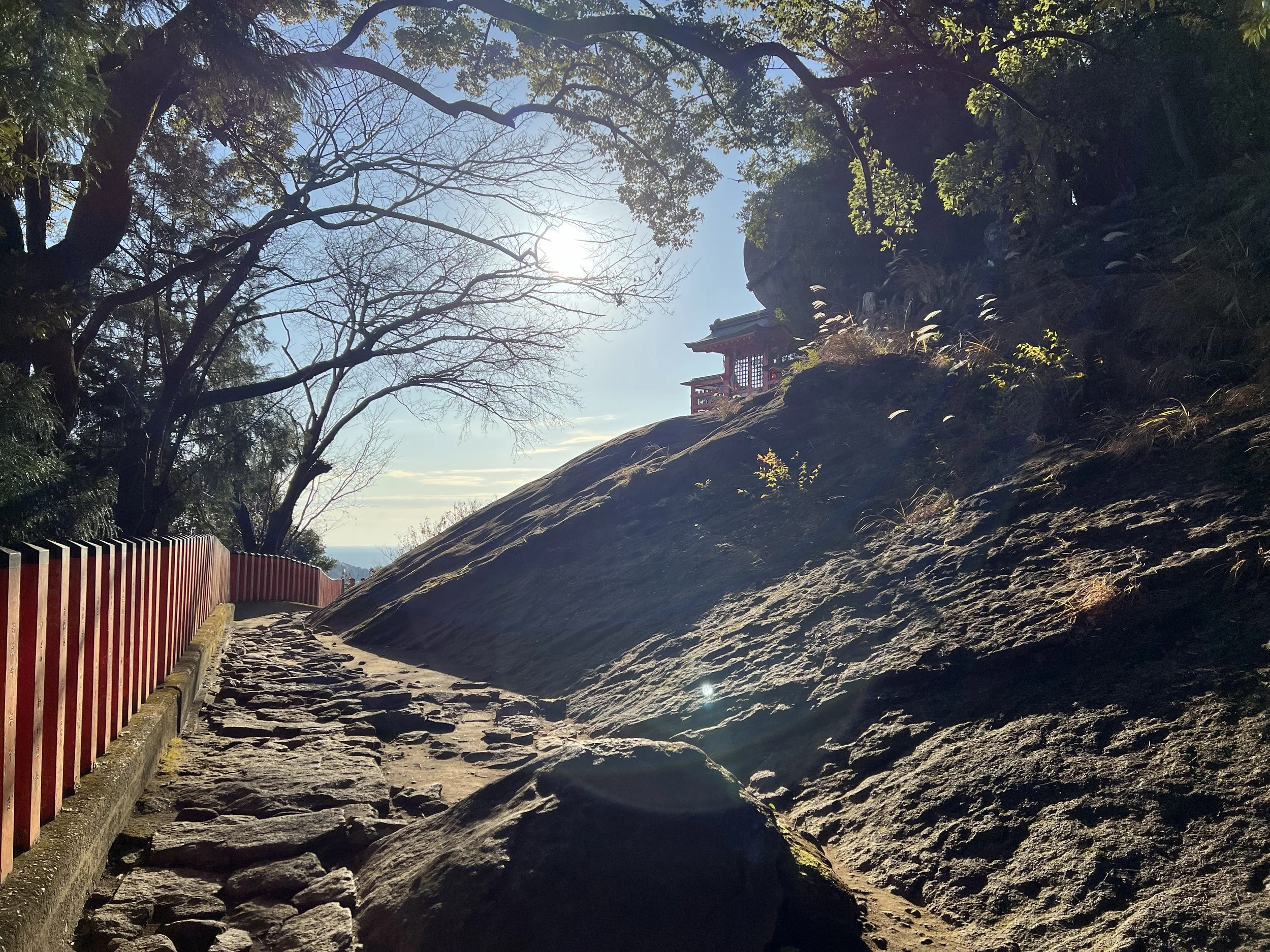
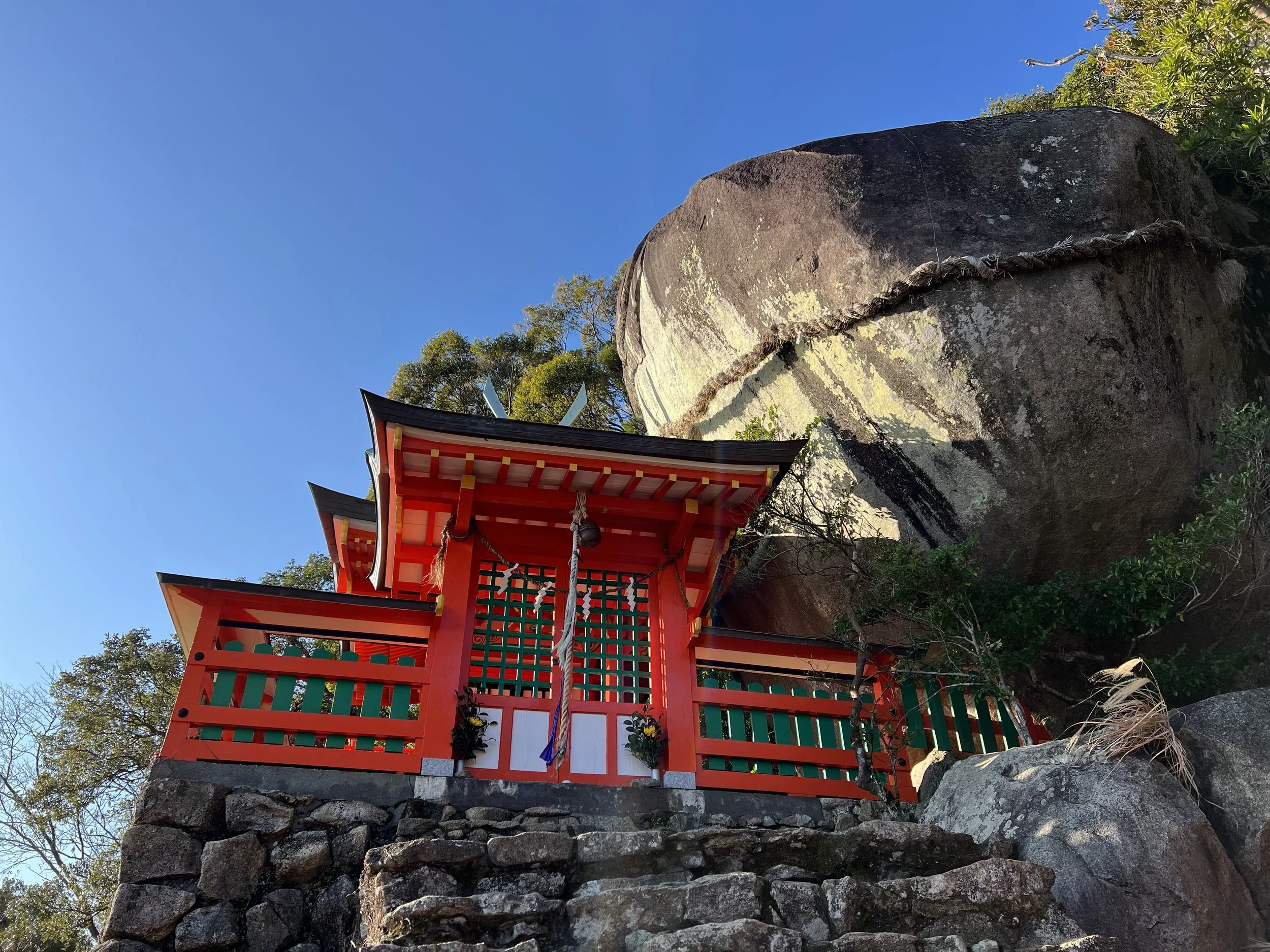
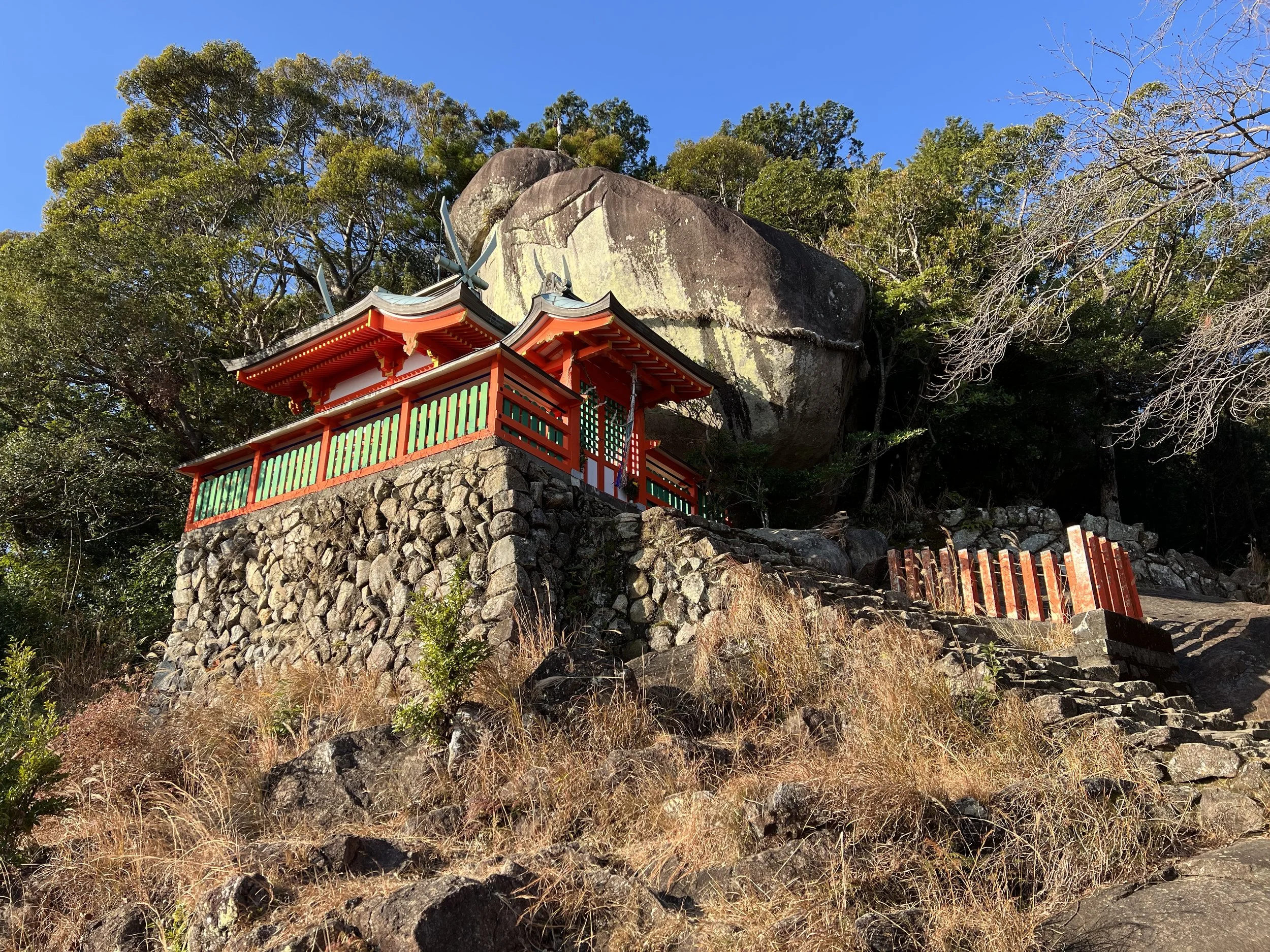
At the top, visitors are immediately greeted by bright red railings surrounding the small shrine structure built directly against the cliffside. Beside it stands an enormous sacred boulder known as Gotobiki-iwa. The rock itself is considered the dwelling place of one of the shrine’s deities and is the spiritual focal point of the site. Its massive presence dominates the cliffside, making the shrine feel both dramatic and deeply ancient.
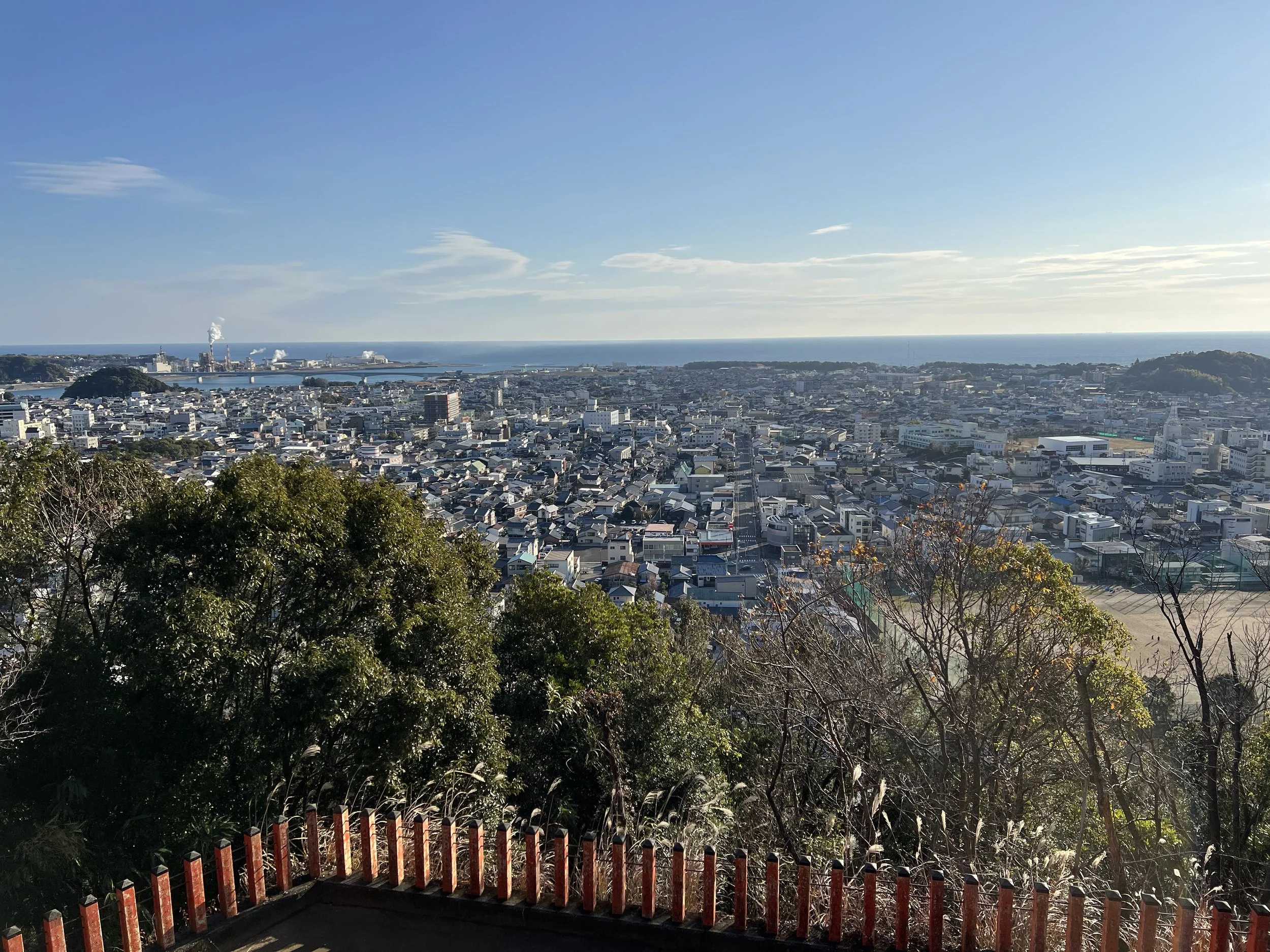
From this vantage point, the view overlooking Shingu is spectacular. The city stretches out below while the Pacific Ocean can be seen shimmering in the distance. Because the shrine faces east, it is also known as one of the best sunrise viewing spots in the area.
Standing there, I thought about another reason Kamikura Shrine is famous: the annual Oto Matsuri Fire Festival. Every year on February 6th, thousands of participants gather here before dawn. Carrying flaming torches, they race down the same steep stone staircase from the shrine to the base of the mountain in a dramatic ritual procession.
The festival has been held for more than 1,400 years and is considered a purification ritual, with prayers offered for protection and a good harvest. Interestingly, many of the traditions have remained unchanged since ancient times, including the rule that women are not allowed on the mountain during the festival itself.
After taking in the view for a while, I began my descent down the same steep staircase. If anything, the steps felt even more challenging going down than they did climbing up, so I took my time and moved carefully. Kamikura Shrine itself is quite small, but its deep connection to the Kumano faith and its dramatic setting make it one of the most memorable sacred sites in the region.
History & Background
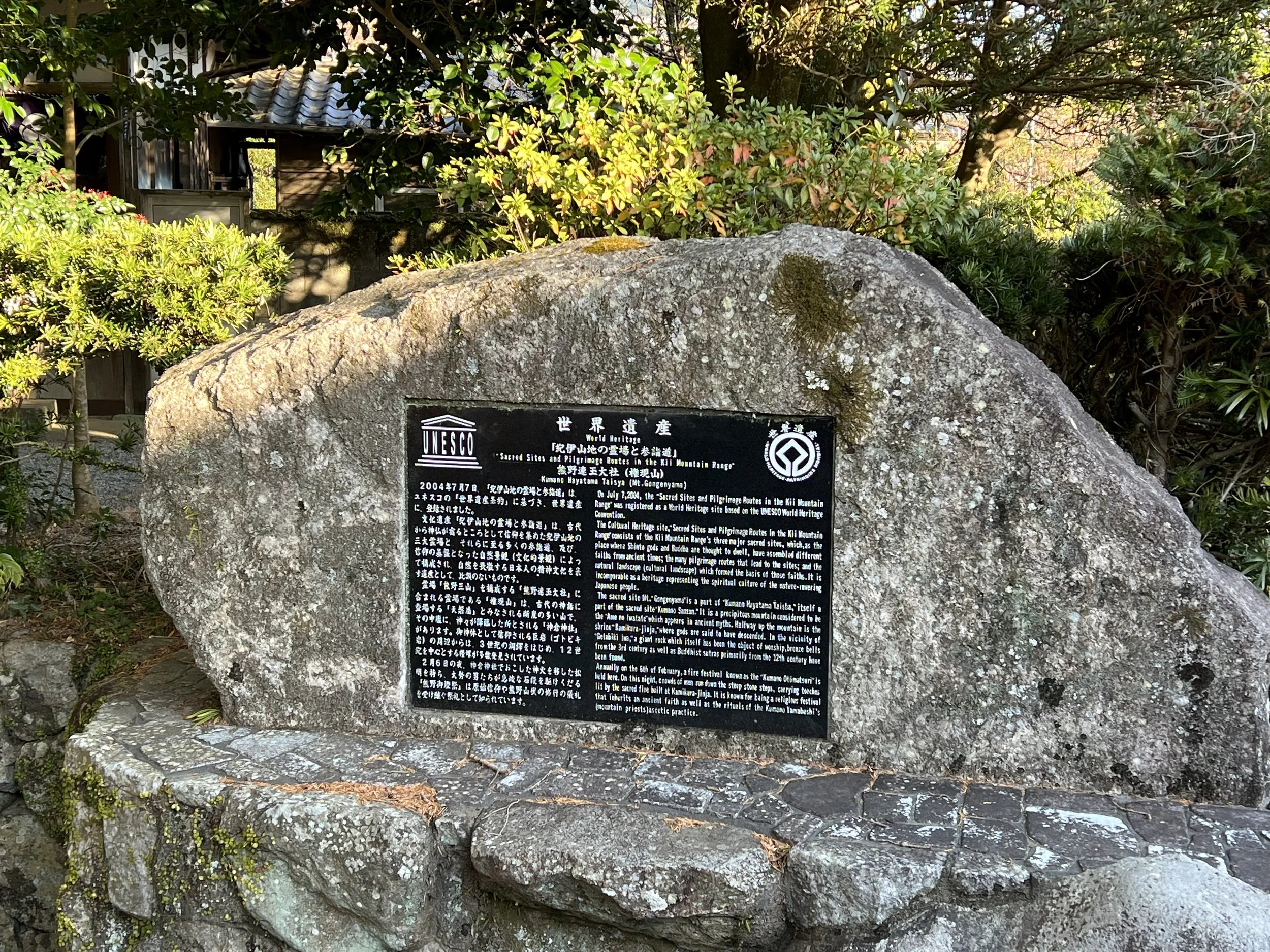
Kamikura Shrine (神倉神社) is one of the oldest sacred sites associated with the Kumano faith. It predates the establishment of Kumano Hayatama Taisha, one of the three major shrines of the Kumano Sanzan pilgrimage network.
According to Shinto tradition, the gods first descended to earth at the massive sacred rock known as Gotobiki-iwa. The rock itself is therefore regarded as the true object of worship at the shrine.
The shrine’s dramatic stone staircase, consisting of 538 steps, has been used by pilgrims for centuries as they climb to pay their respects. The location also plays a central role in the annual Oto Matsuri, one of Japan’s most famous fire festivals. During the event, thousands of men carrying burning torches run down the steep staircase in the darkness before dawn.
The Oto Matsuri has been held for over 1,400 years and is considered both a purification ritual and a prayer for good fortune and agricultural prosperity. The festival remains deeply rooted in tradition, with many of its rules and rituals preserved in their original form.
Because of its ancient origins and connection to the Kumano pilgrimage tradition, Kamikura Shrine holds an important place in the spiritual landscape of the Kii Peninsula.
Getting There
Kamikura Shrine is located in the city of Shingu and is accessible from Shingu Station on the JR Kisei Main Line.
From Shingu Station, the shrine is approximately a 20-minute walk through the city. Visitors can follow local signage toward Kumano Hayatama Taisha and then continue a short distance further to reach the base of Mount Gongenyama where the staircase to Kamikura Shrine begins.
For those travelling by car, limited parking is available near the base of the shrine grounds. From the parking area, visitors must still climb the 538 stone steps to reach the shrine at the top.
Route Overview
Distance: 3.22 km out & back (Shingu Station)
Total elevation gain: 142 m
Duration: 40 min (with breaks 50 min)
Difficulty: Easy
Cost Breakdown
Food: ¥200