Cape Shionomisaki - Wakayama, Japan
Cape Shionomisaki marks the southernmost point of Honshu, Japan’s largest island. The cape is home to a lighthouse, a sightseeing tower, and a wide grassy parkland area with walking trails that provide sweeping views over the Pacific Ocean. What initially drew me to this place was actually a moment from an earlier journey. I had taken the overnight ferry with Ocean Tokyu Ferry from Tokyo to Tokushima, and during the voyage the crew pointed out Cape Shionomisaki as we passed by the Kii Peninsula. From the deck of the ferry, I could clearly see the sightseeing tower standing near the edge of the cape. Ever since that moment, I knew I wanted to visit it someday.
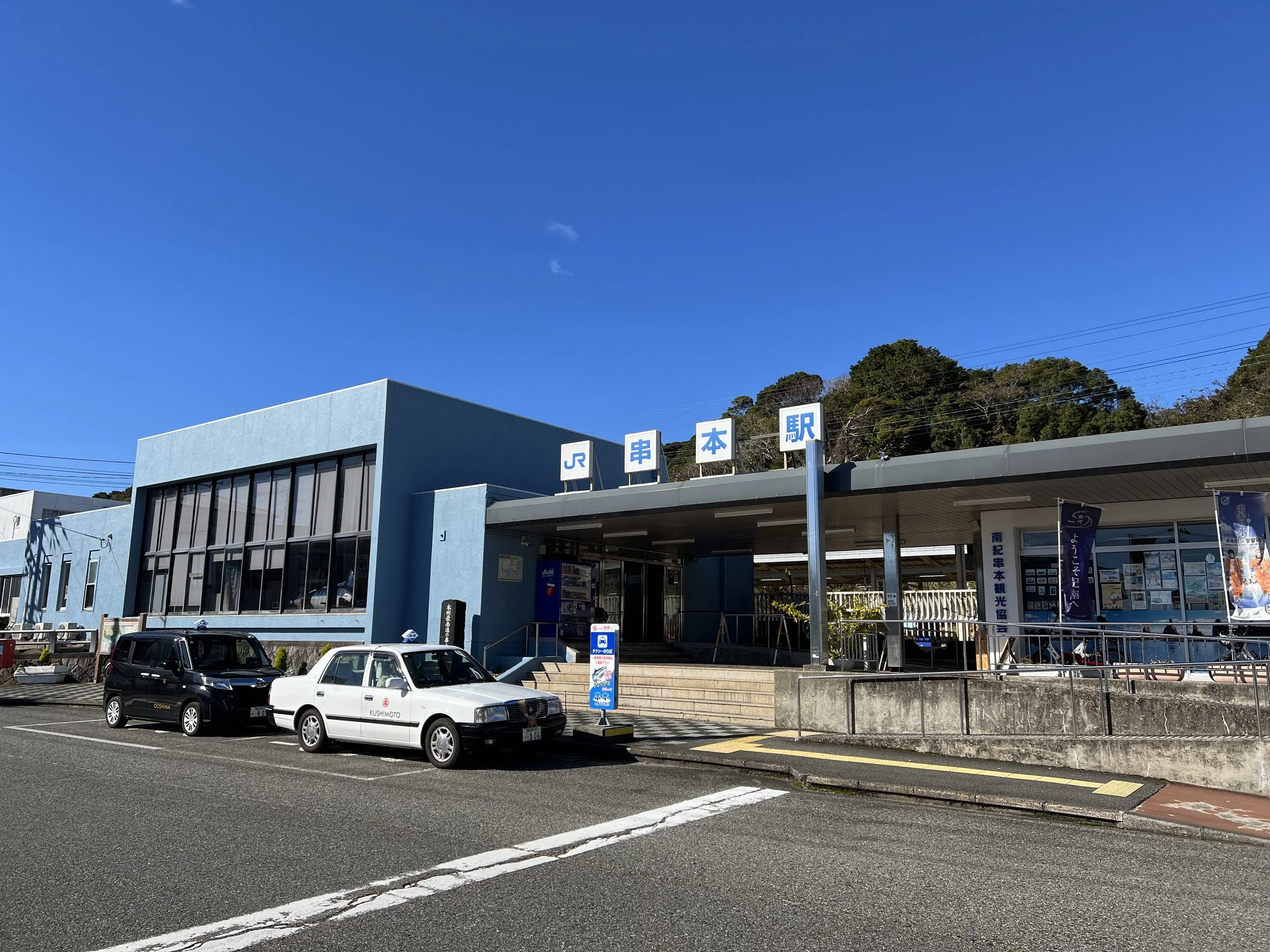
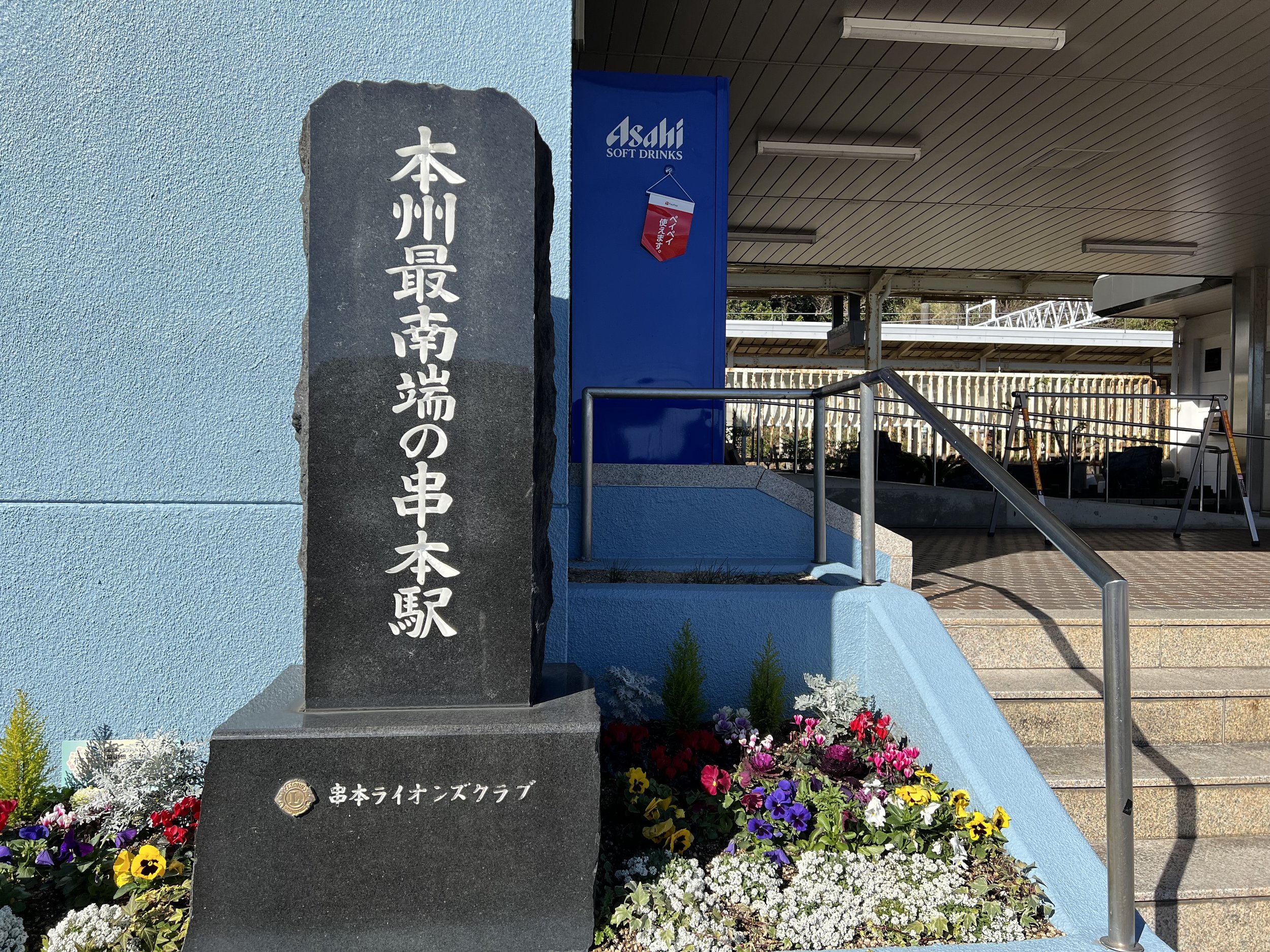
My trip began at Wakayama Station, where I boarded a train heading south toward the coast. My destination was Kushimoto Station, which holds the distinction of being the southernmost train station on Honshu. That alone felt like a small milestone, so I took a few photos at the station before continuing the journey.
From Kushimoto Station, I caught a local bus heading toward Cape Shionomisaki. The bus dropped me off near Cape Shionomisaki Tourist Tower, but I decided to explore the southernmost point itself first before returning to the tower later.
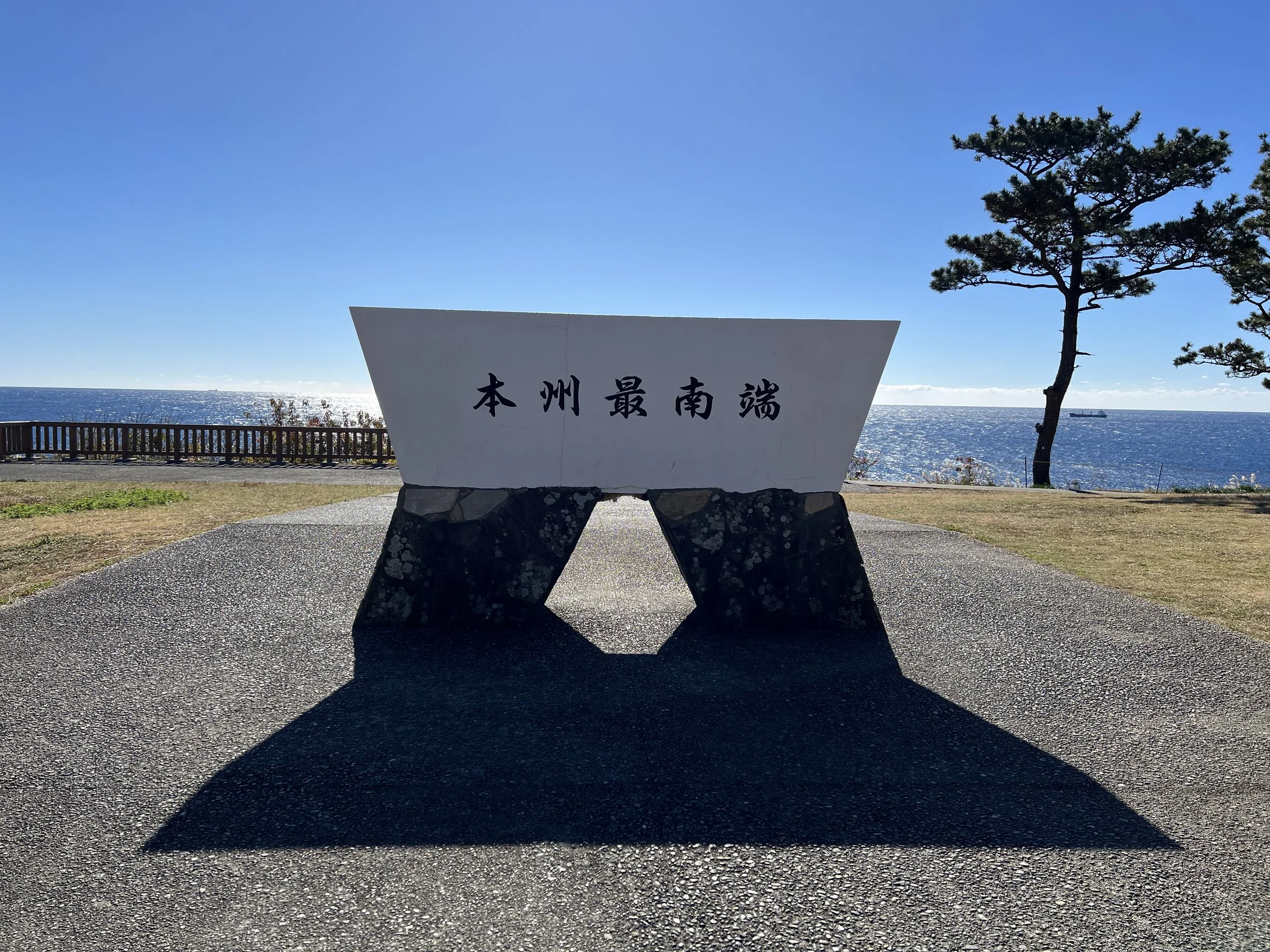
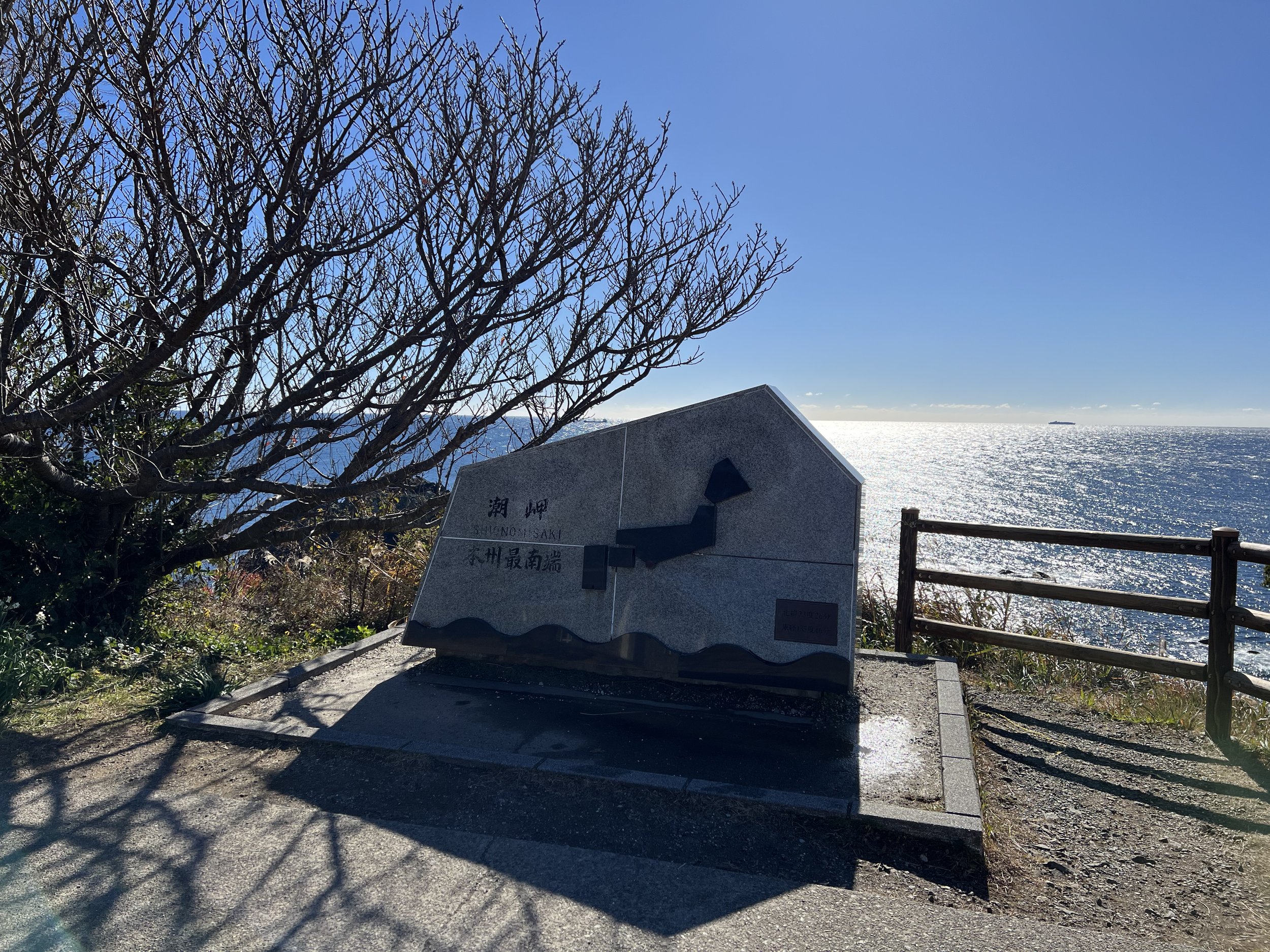
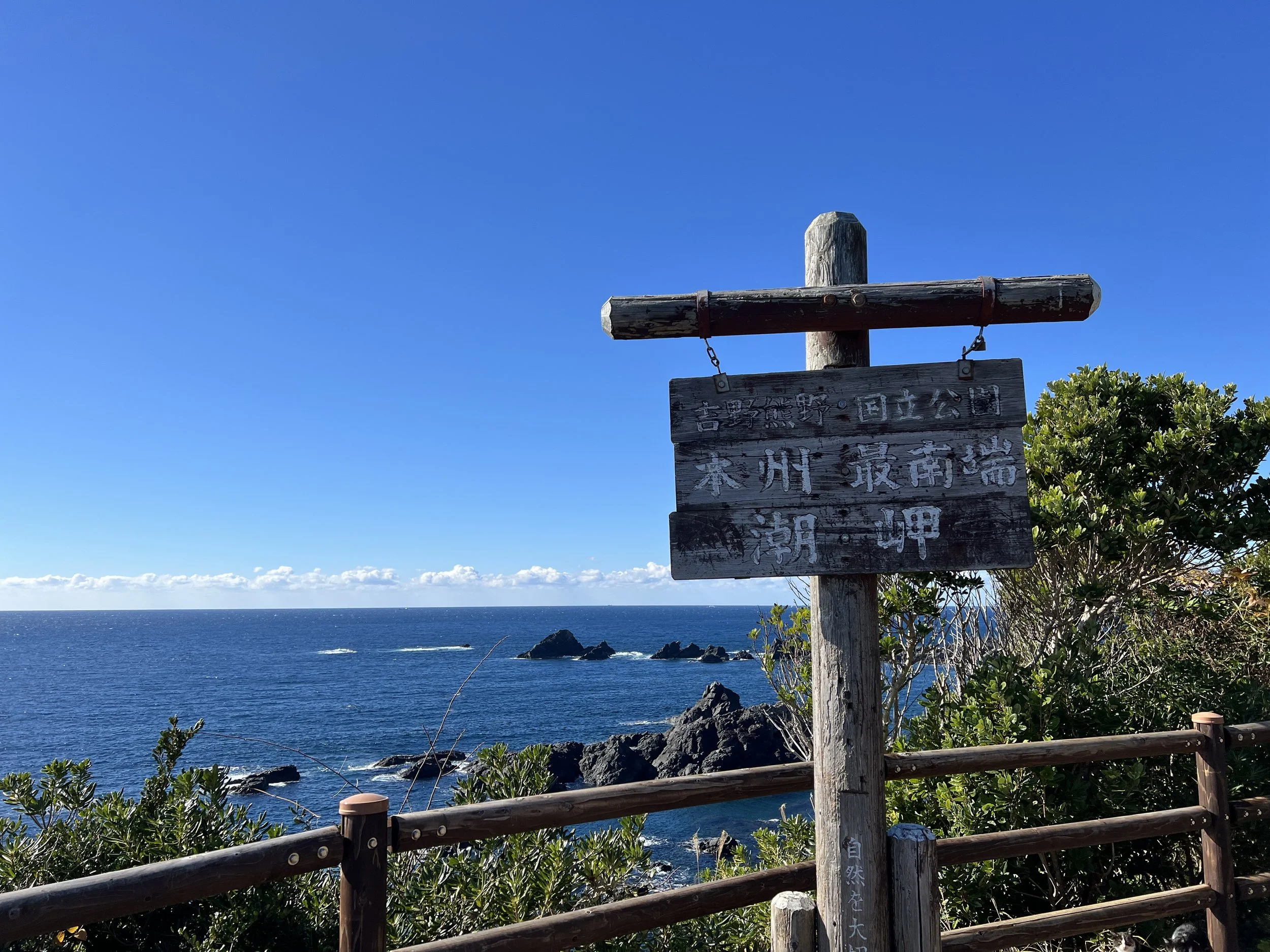
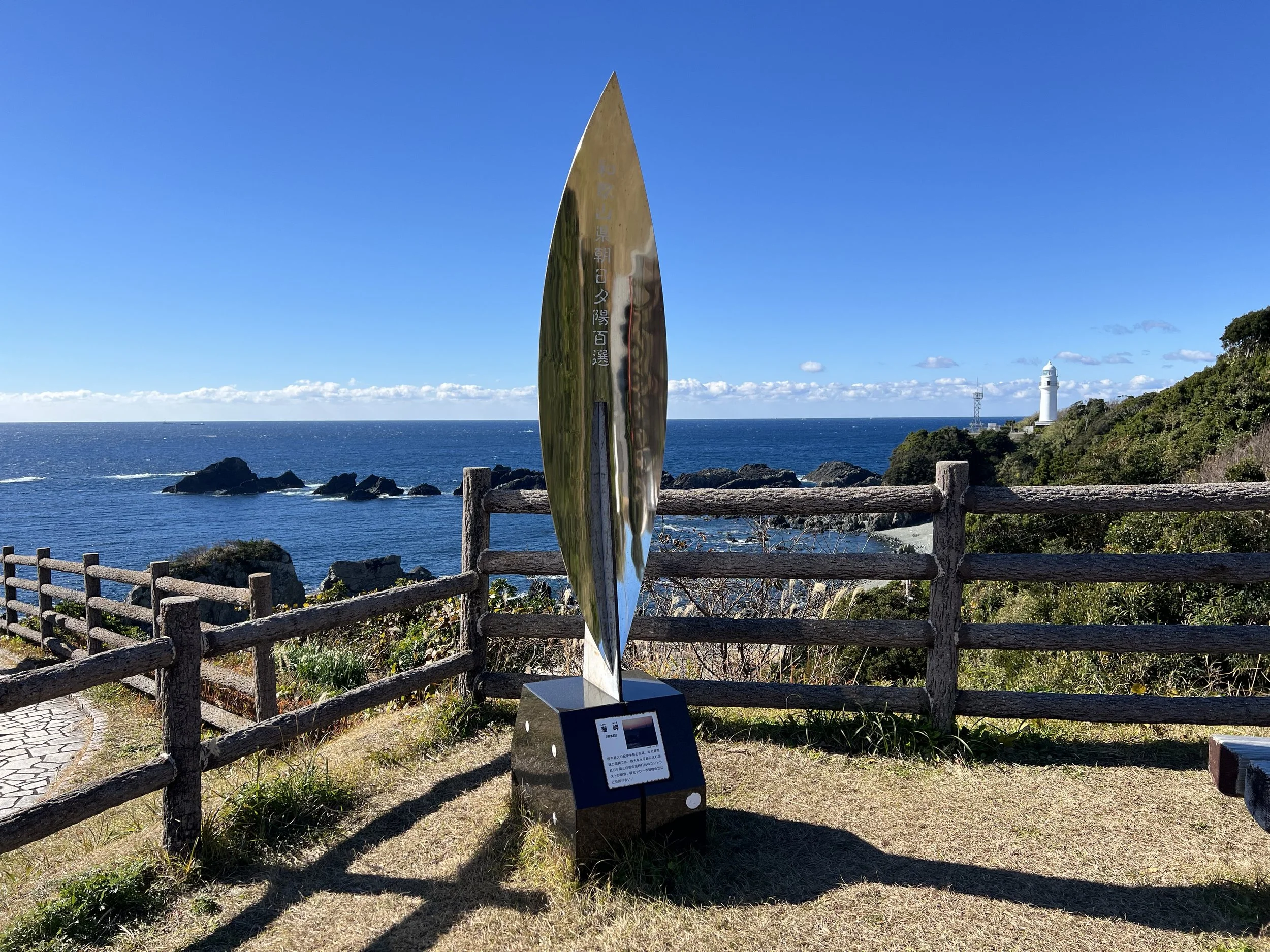
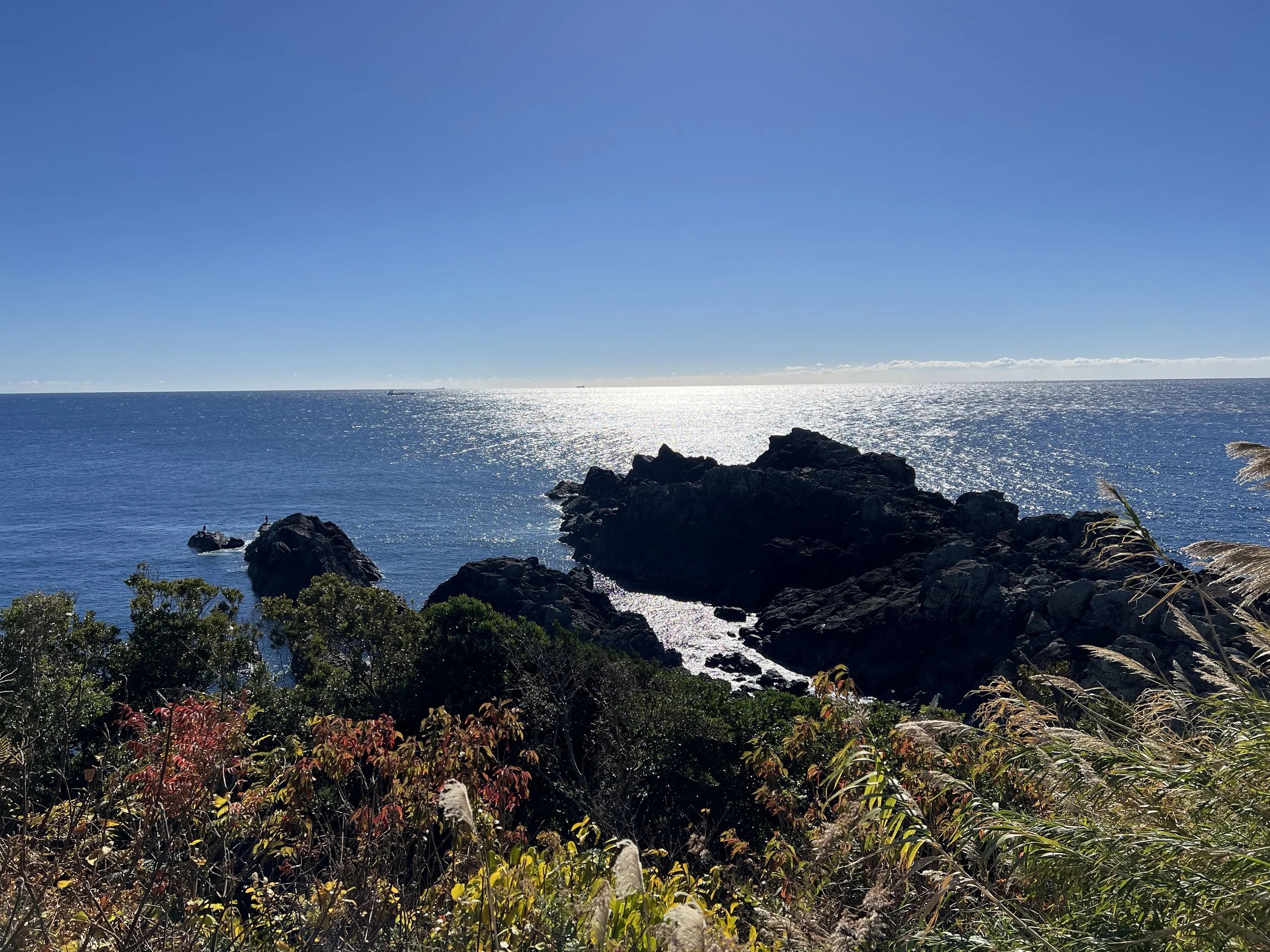
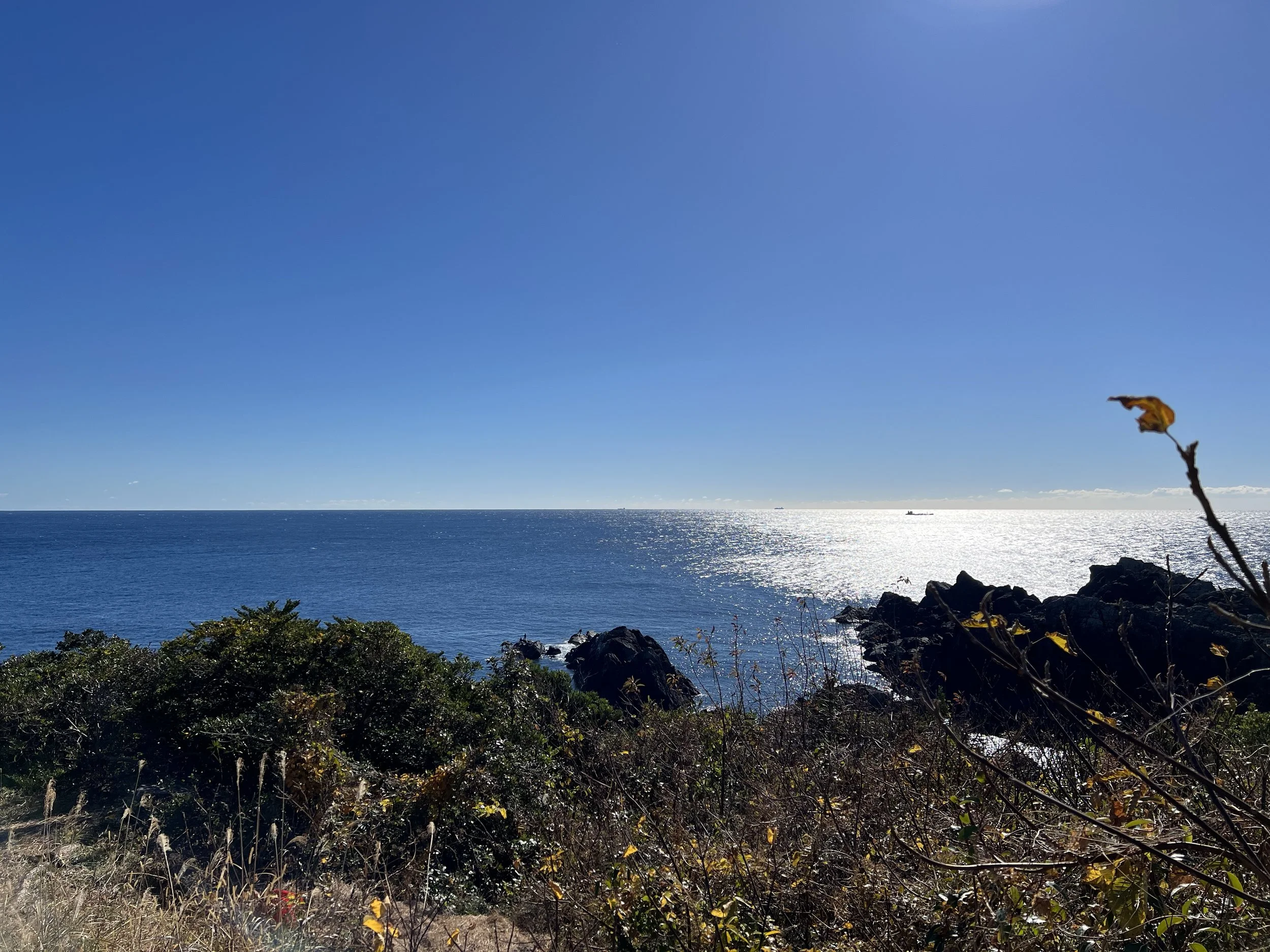
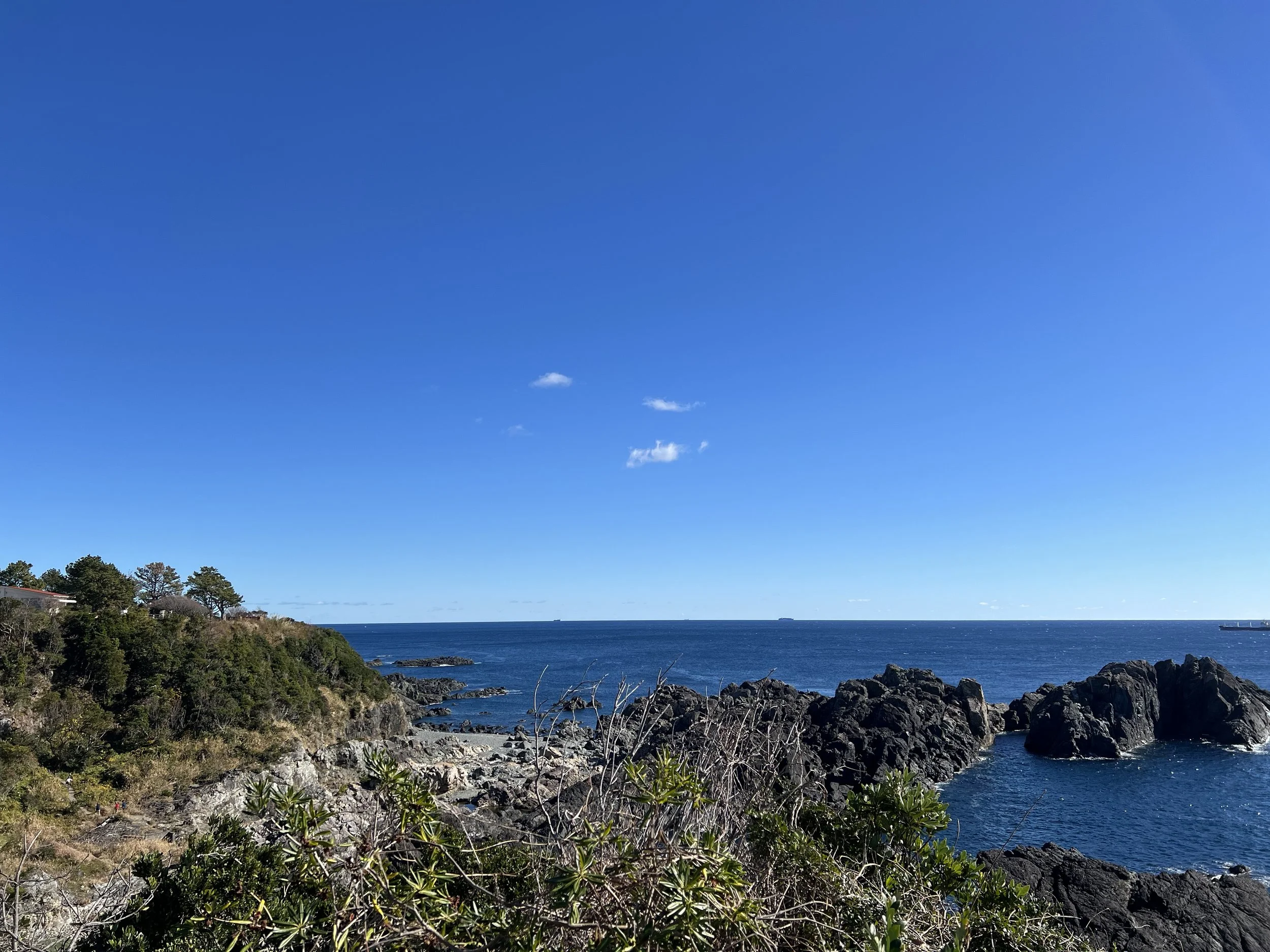
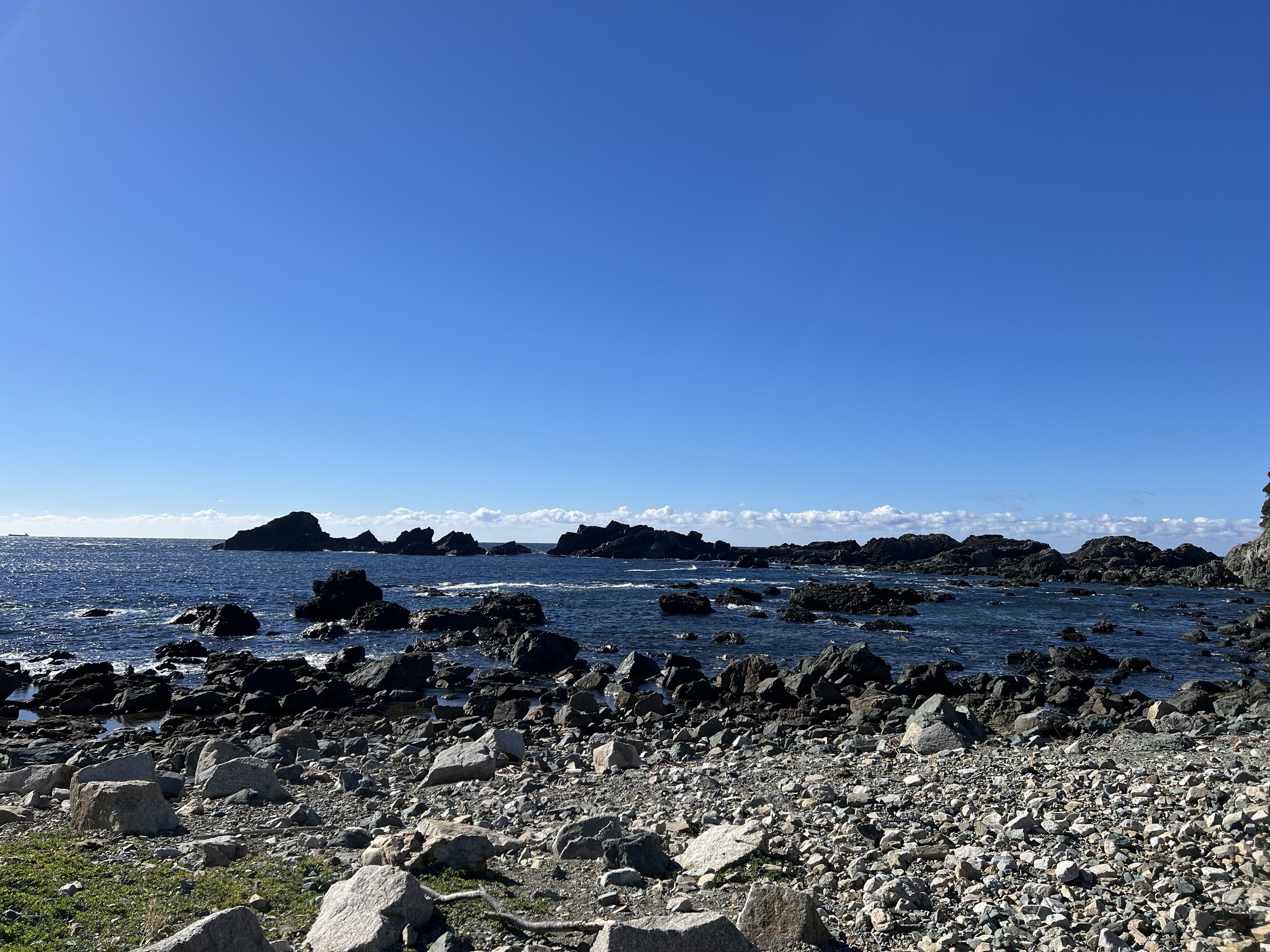
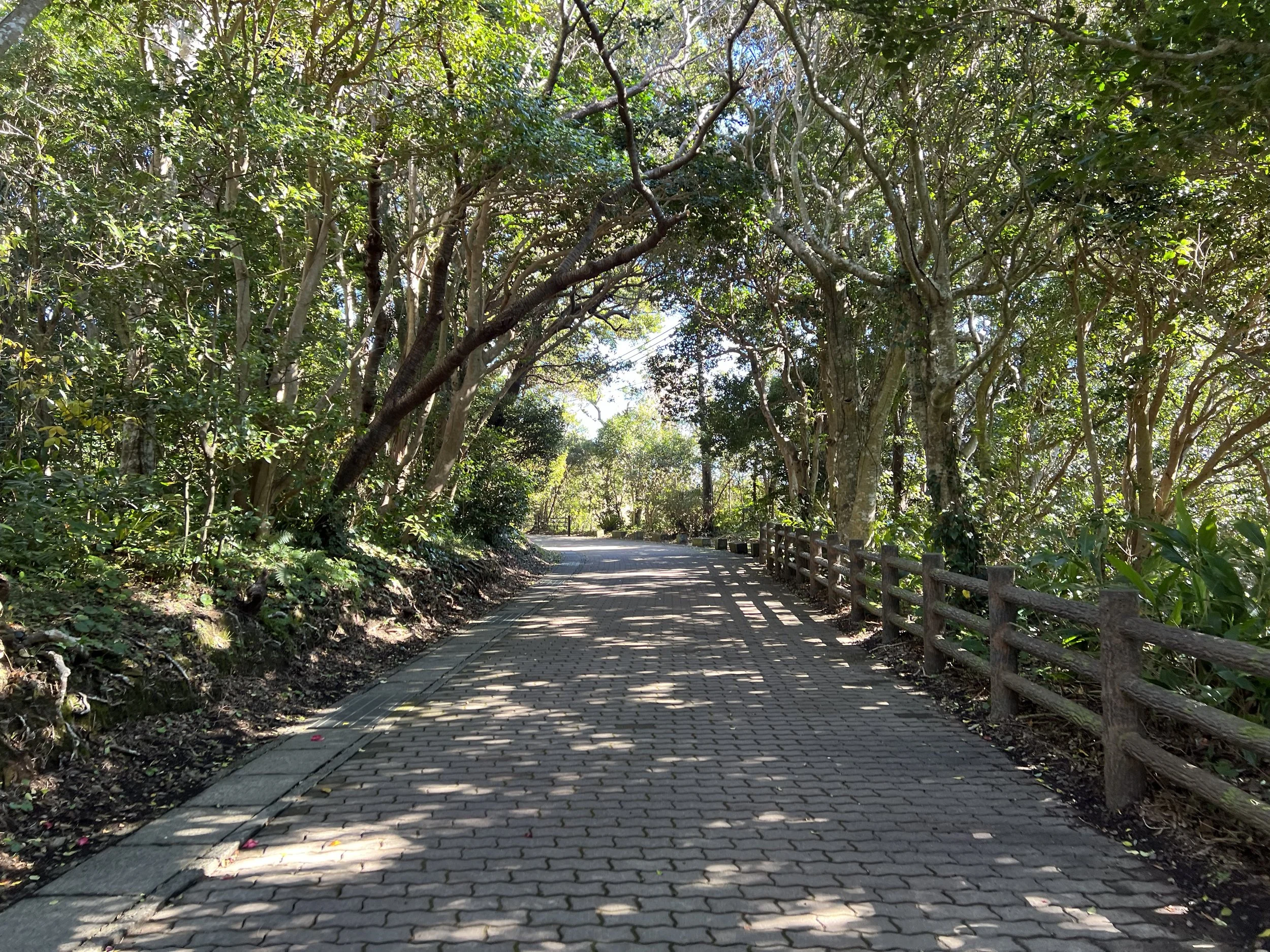
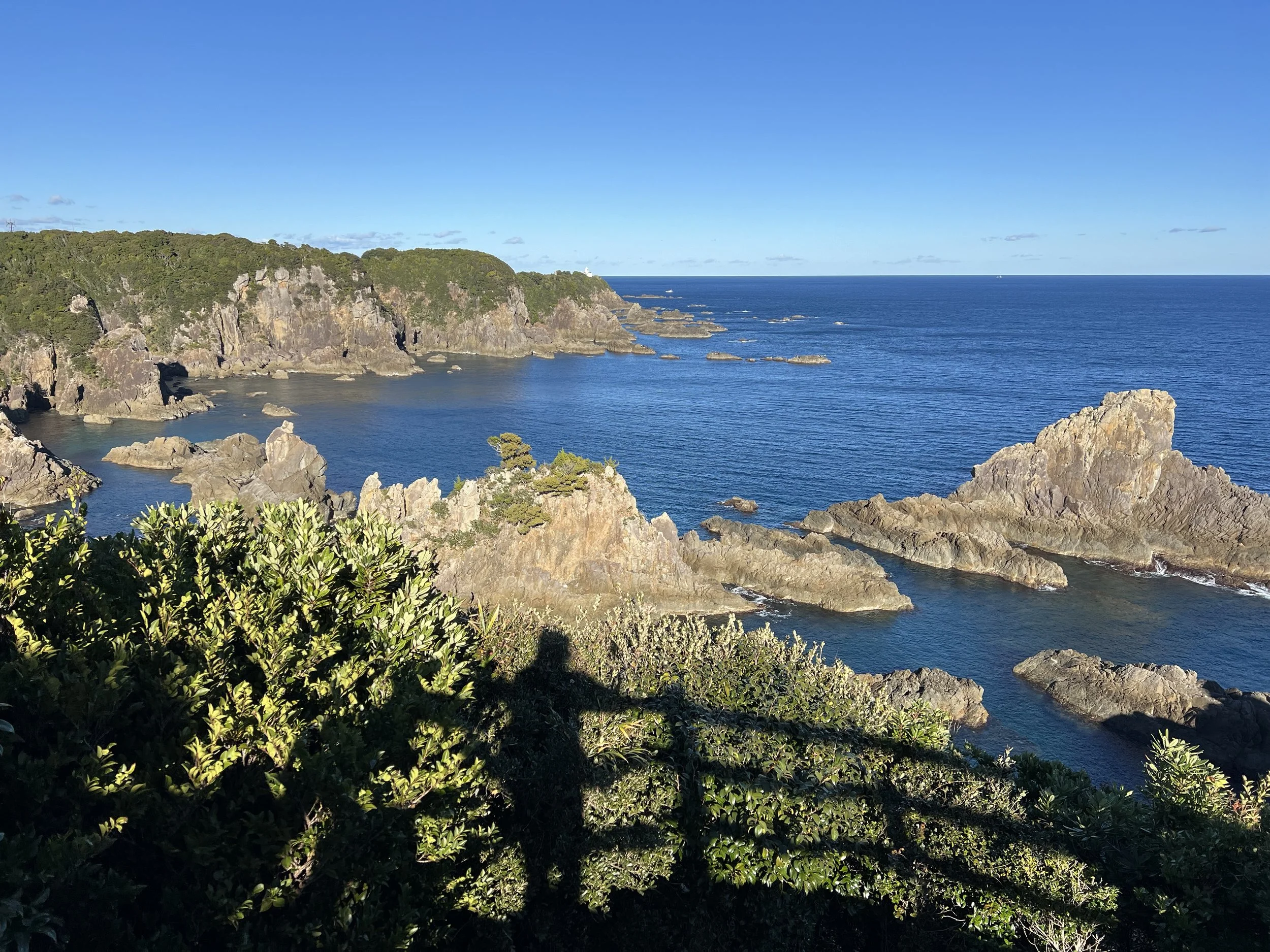
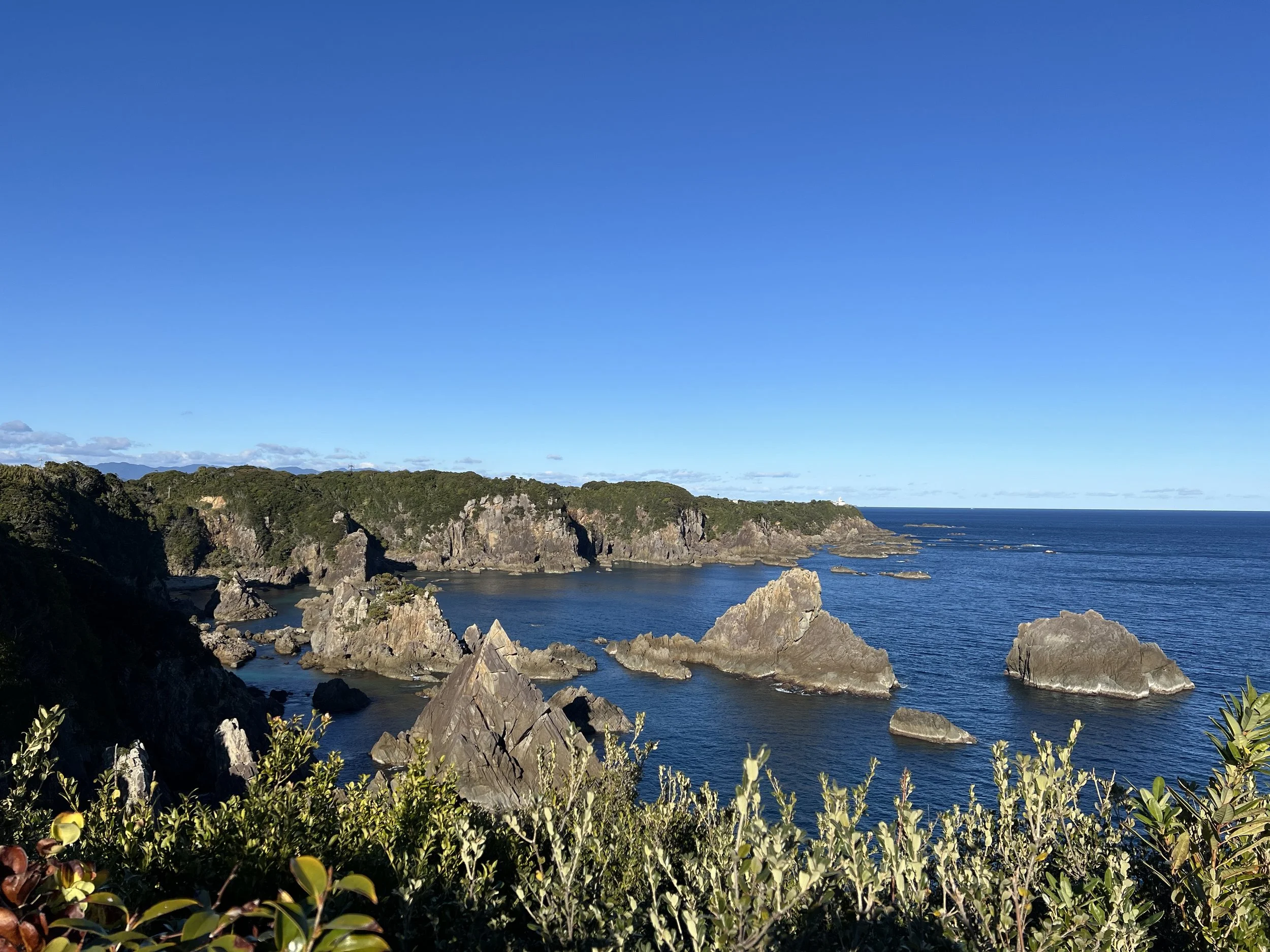
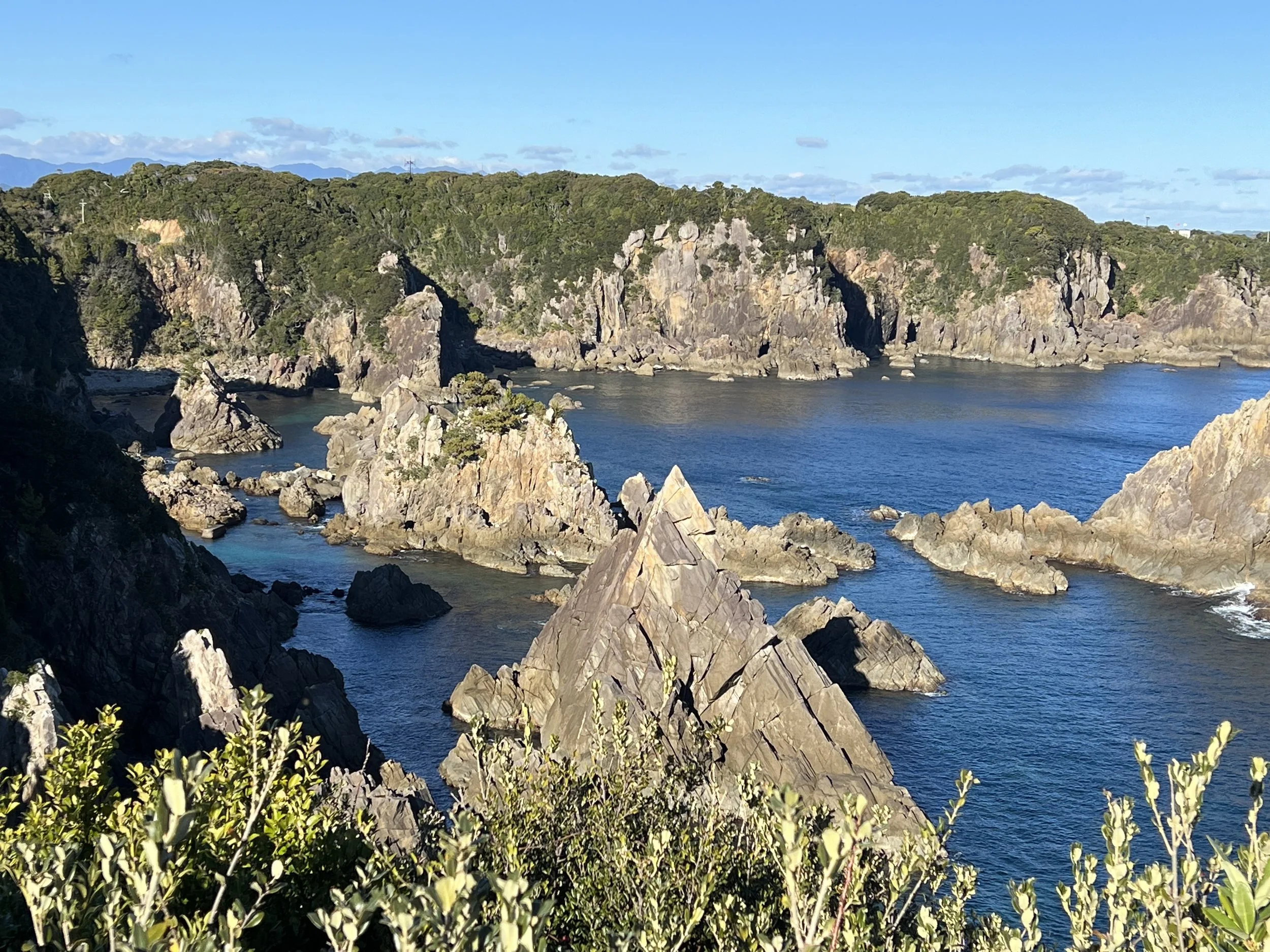
My first stop was the monument marking the southernmost point of Honshu. After taking the obligatory photos beside the marker, I followed the walking trail that winds along the cliffside toward the lighthouse. The views here were immediately impressive. Wakayama Prefecture has designated this cape as one of its recommended sunset viewing locations, and it was easy to see why. The trail offers uninterrupted views across the Pacific Ocean, with the vast horizon stretching endlessly in the distance.
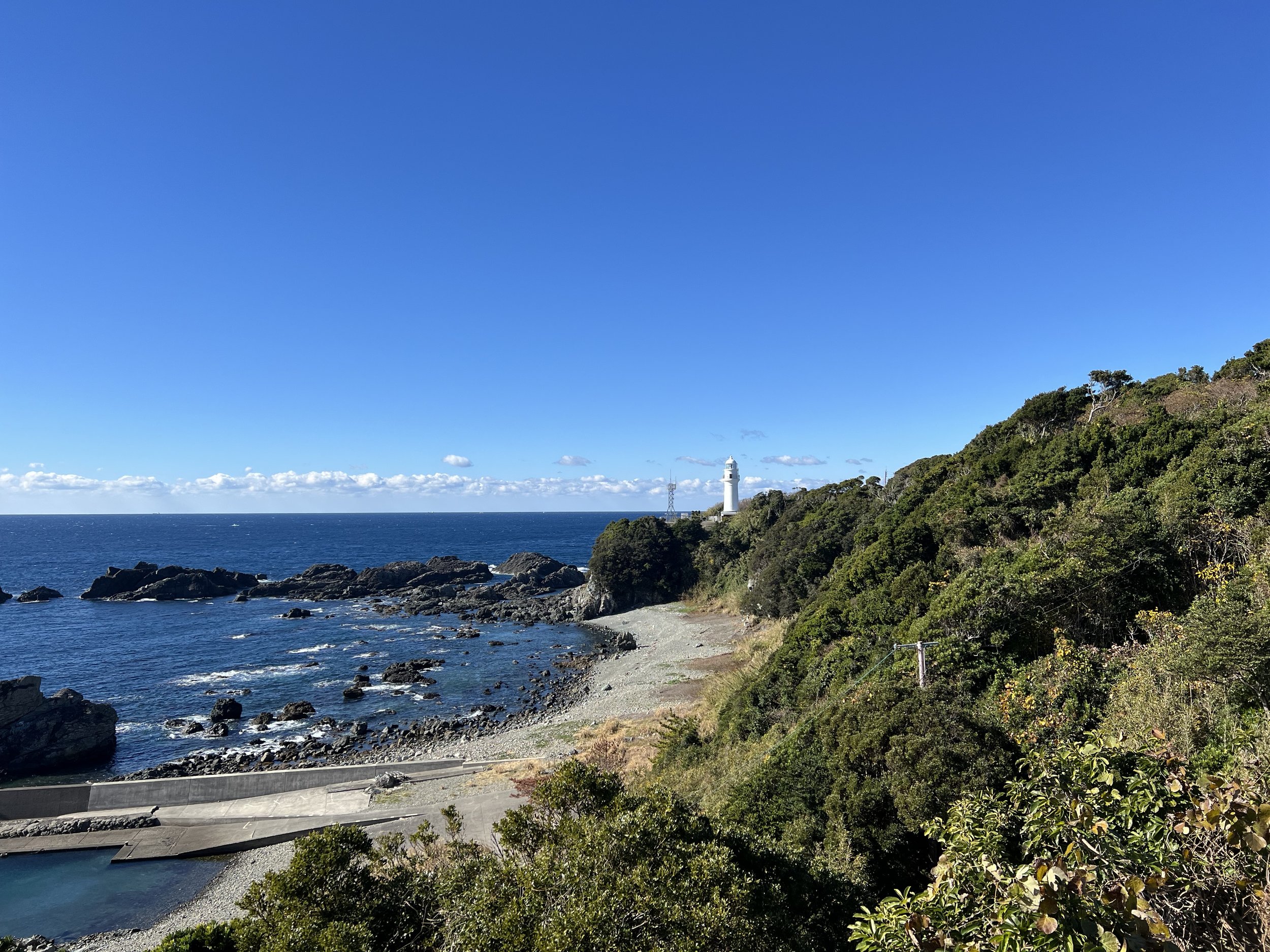
The path gradually descends closer to the coastline as it approaches the lighthouse. The lighthouse itself soon came into view, standing prominently against the ocean backdrop. Known as Shionomisaki Lighthouse, it was originally constructed in 1873 by British engineer Richard Henry Brunton. Brunton played a major role in designing many of Japan’s early modern lighthouses during the Meiji period. The lighthouse here is one of eight early Western-style lighthouses built as part of Japan’s modernization of coastal navigation.
The first version of the lighthouse was built from wood, but it was later reconstructed in stone in 1878 to improve durability. Its bright white structure stands out beautifully against the surrounding greenery and the deep blue ocean beyond.
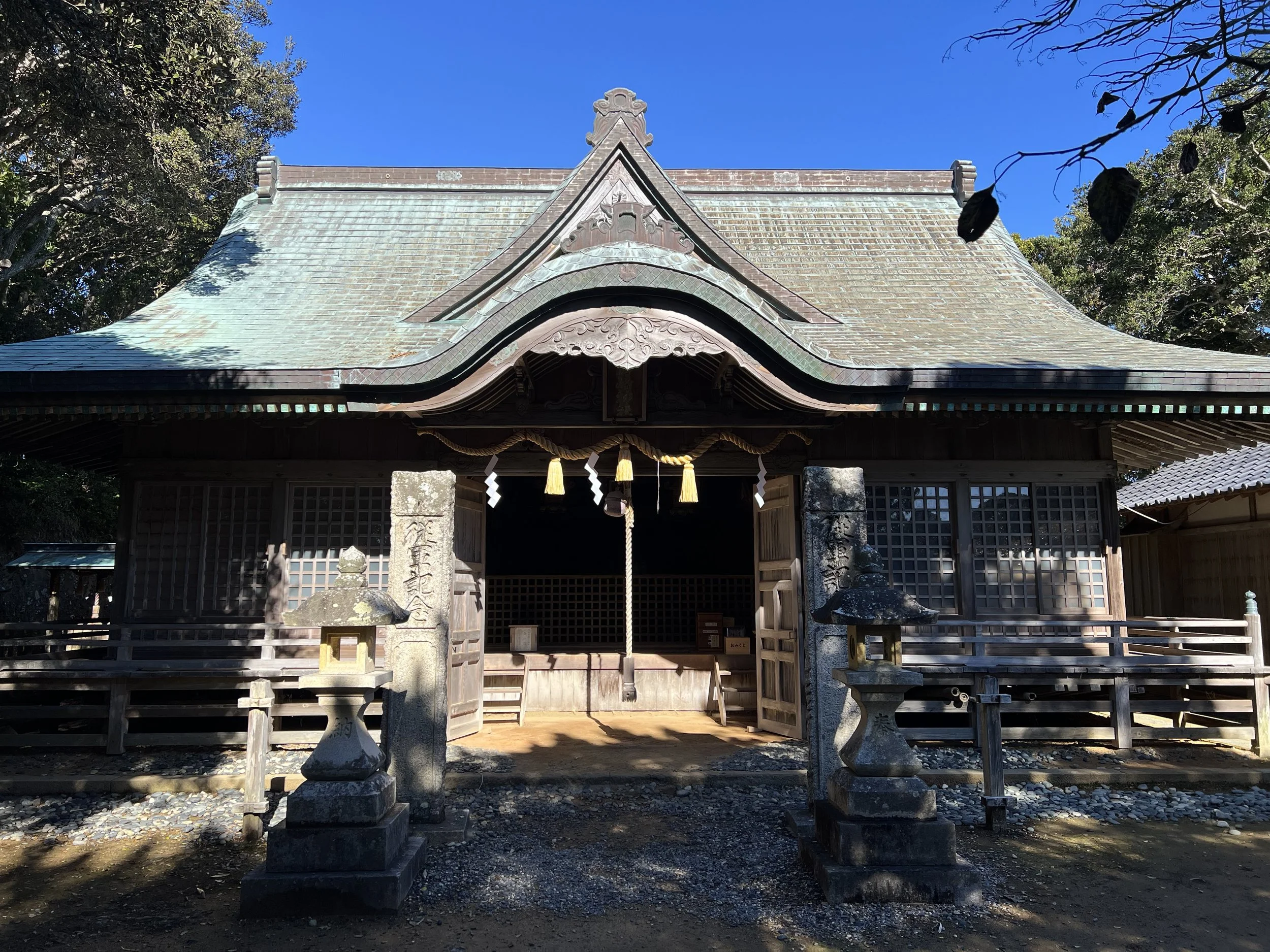
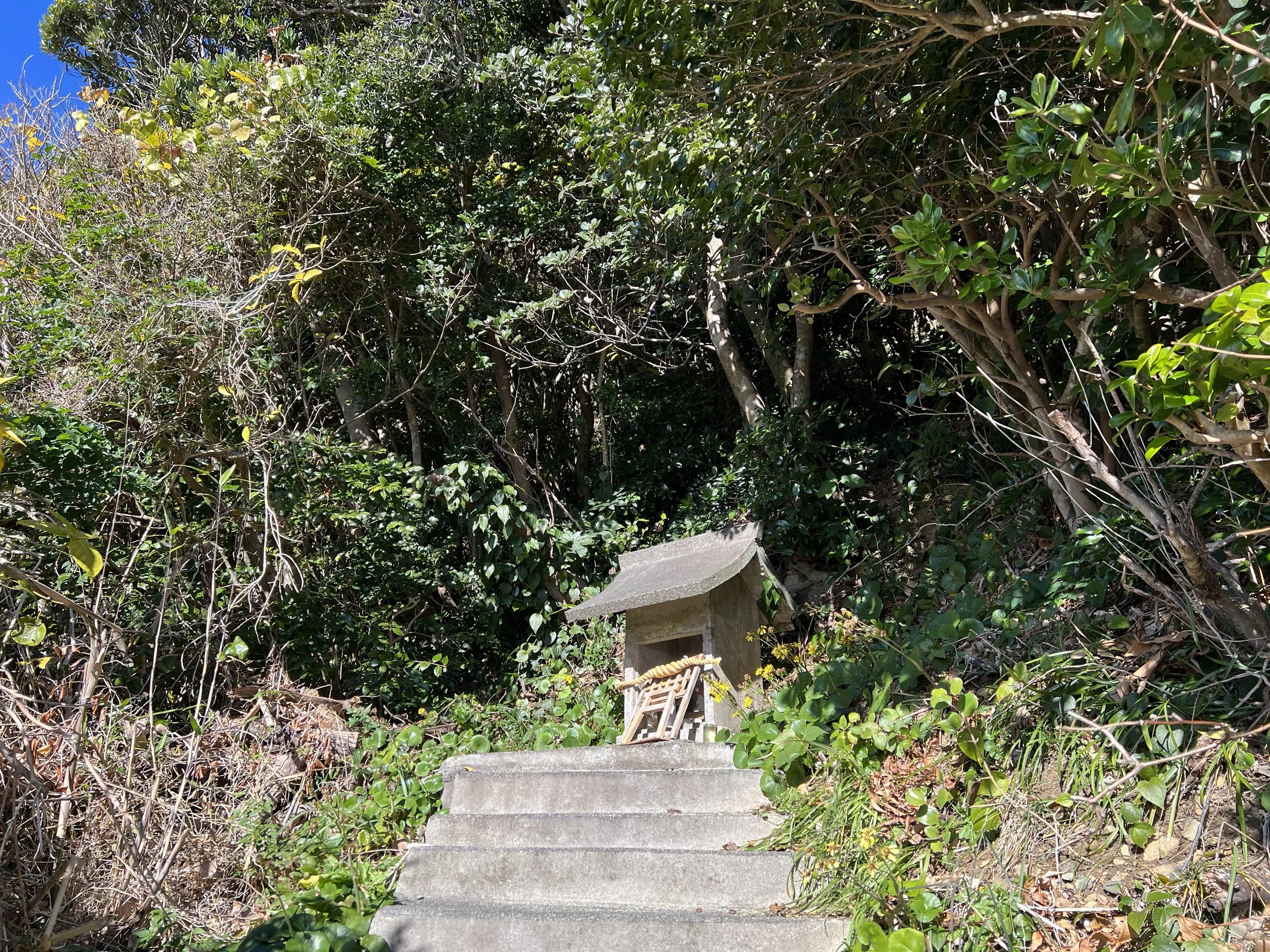
From the lighthouse, I continued along the path toward a nearby shrine known as Shionomisaki Shrine. Information about the shrine itself is somewhat limited, but historical records suggest it was founded in ancient times. Over the centuries, the shrine was relocated from its original site before eventually being moved back closer to its present location near the cape.
After a short visit to the shrine, I began heading back toward the Cape Shionomisaki Tourist Tower area.
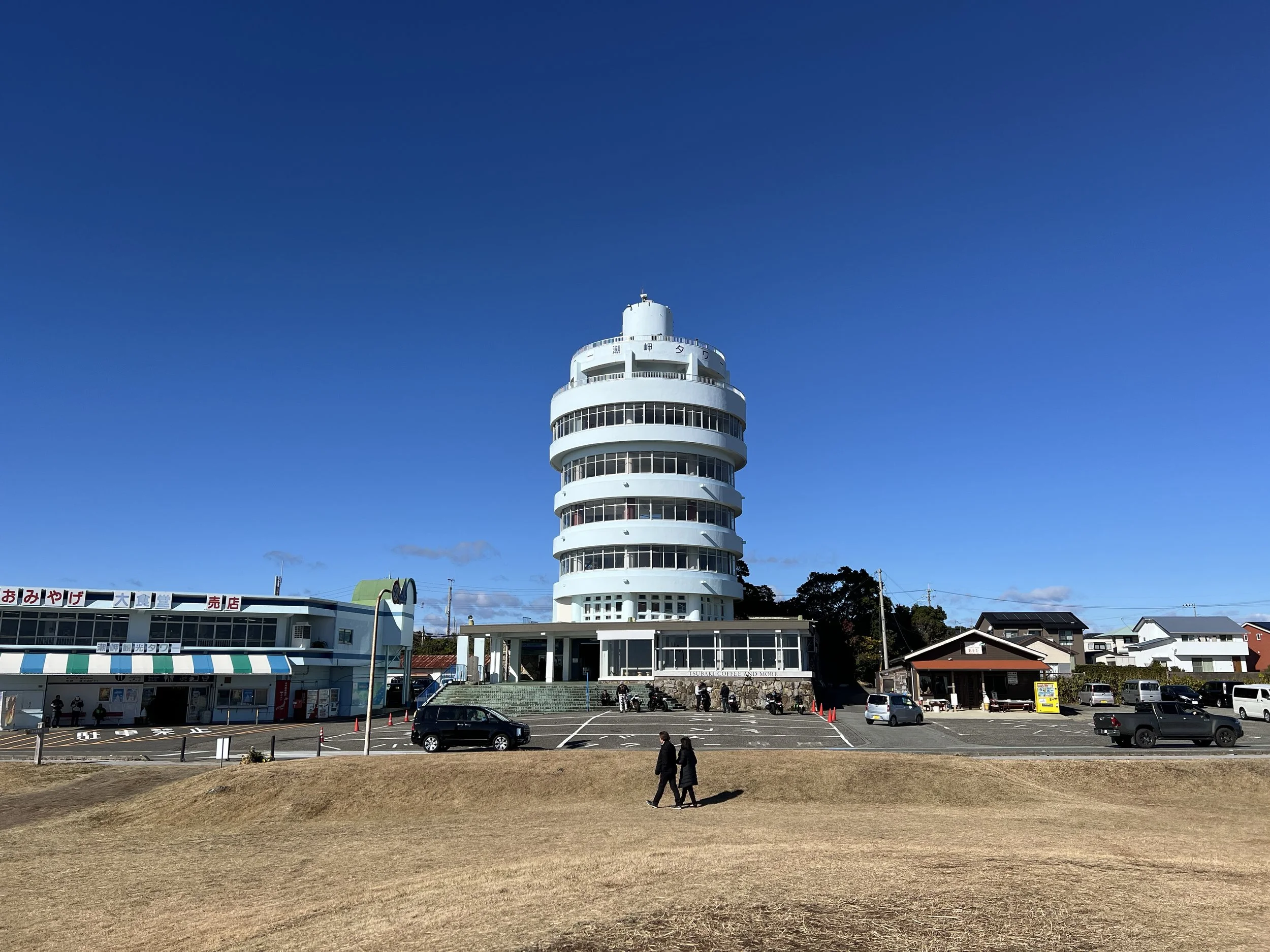
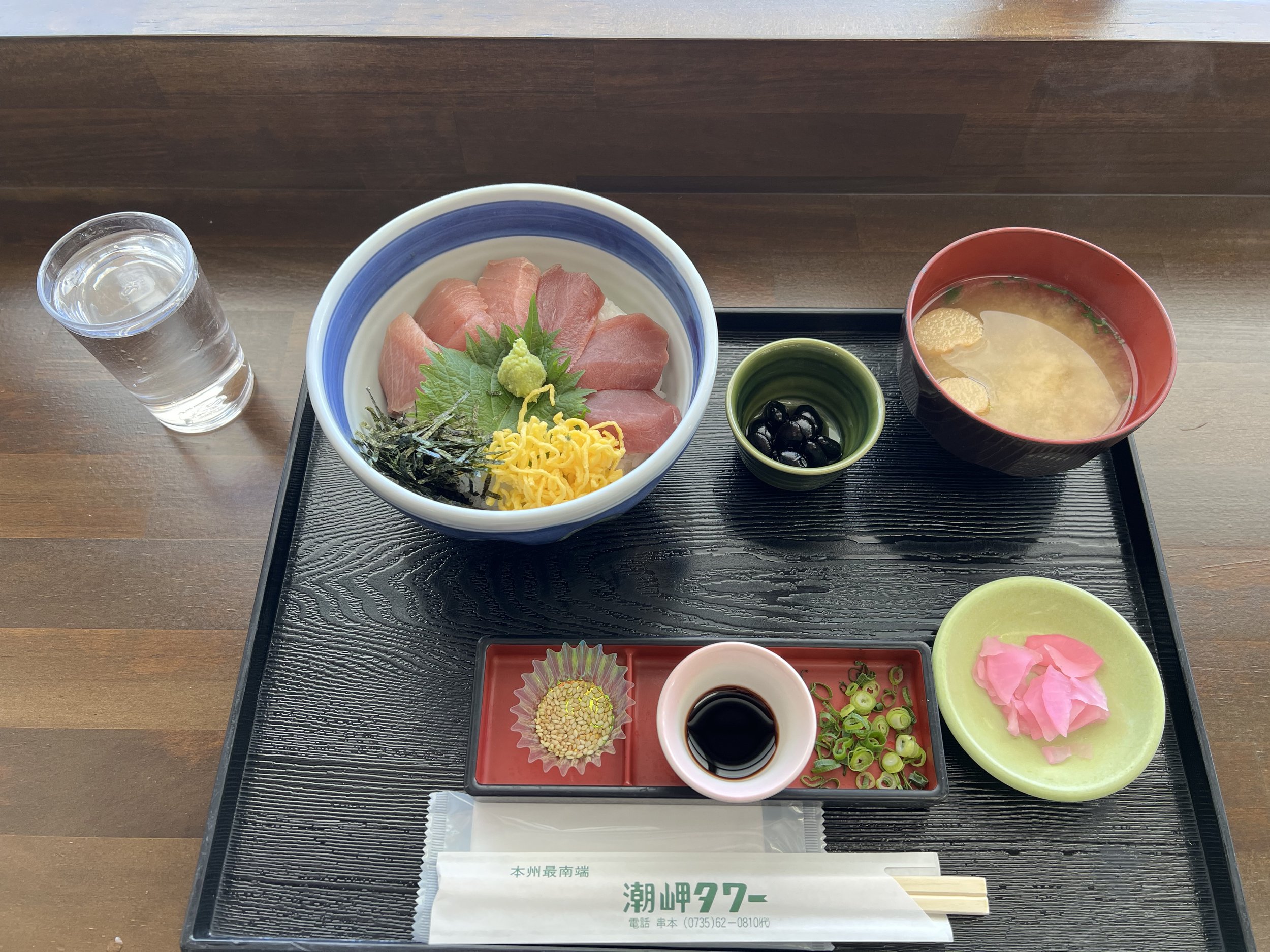
The Cape Shionomisaki Tourist Tower is a seven-storey building that functions as a small tourist centre. Inside are souvenir shops, restaurants, and observation decks that provide additional panoramic views of the surrounding coastline. I decided to stop at the restaurant first for a late lunch. The dining area has large windows overlooking the ocean, so I was able to enjoy the scenery while eating.
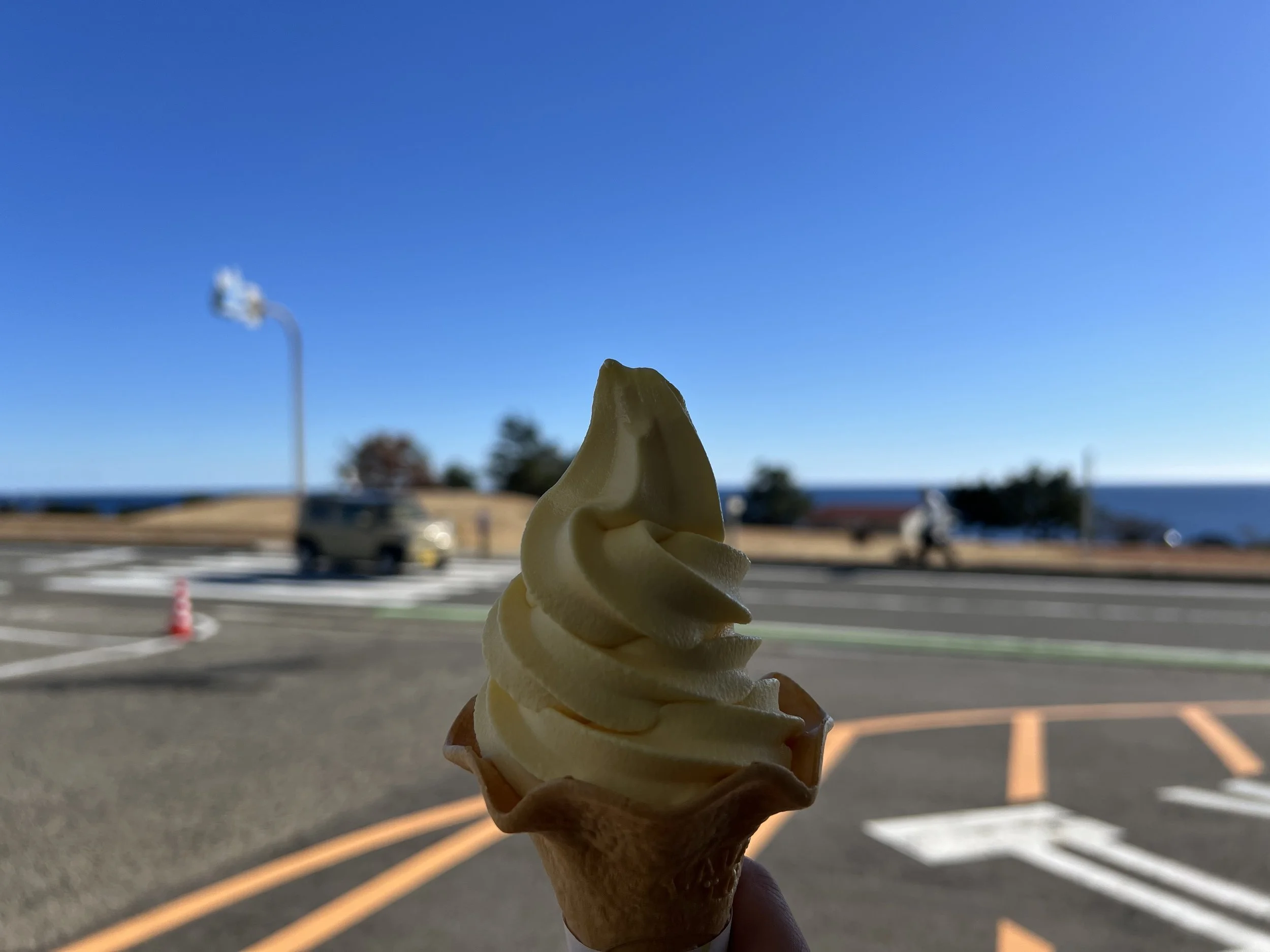
After lunch, I treated myself to a soft-serve ice cream before heading outside to explore the large lawn area surrounding the tower. The grassy field stretches out toward the cliffs and includes walking paths and viewing areas.
There’s also a small rest house that provides a sheltered lookout point. Inside were a few simple displays about the cape and the surrounding area. I took a short break there, enjoying the ocean view once more before eventually leaving the cape behind.
History & Background
Cape Shionomisaki (潮岬) is the southernmost point of Honshu, Japan’s main island. Located at the tip of the Kii Peninsula, the cape has long served as an important navigational landmark for ships travelling along the Pacific coast.
The cape is home to the historic Shionomisaki Lighthouse, one of the earliest Western-style lighthouses constructed in Japan. It was designed by Scottish engineer Richard Henry Brunton, who was hired by the Japanese government during the Meiji era to modernize the country’s lighthouse network and improve maritime safety.
Completed in 1873, the lighthouse was originally built using wood before being reconstructed in stone in 1878. Today it remains an important historical symbol of Japan’s early modernization efforts and maritime infrastructure.
The surrounding cape area has been developed into a scenic coastal park featuring walking trails, grassy viewpoints, and the Cape Shionomisaki Tourist Tower. The dramatic coastline and wide ocean views have made the area a popular sightseeing destination and one of Wakayama Prefecture’s recommended sunset viewing locations.
Getting There
Cape Shionomisaki is located in the town of Kushimoto in southern Wakayama Prefecture. The nearest railway station is Kushimoto Station on the JR Kisei Main Line (Kinokuni Line).
From Wakayama Station, travellers can take a limited express or local train southbound along the Kisei Line to Kushimoto Station. From there, local buses operate toward Cape Shionomisaki. Visitors should take a bus bound for the cape and get off at Shionomisaki-Kanko Tower Bus Stop, located near the tourist tower and park entrance.
Travellers driving by car can reach the cape in approximately 10–15 minutes from Kushimoto Station via coastal roads. Parking is available near the sightseeing tower and park area.
Route Overview
Distance: 3.82 km out & back (Shionomisaki-Kanko Tower)
Total elevation gain: 110 m
Duration: 40 min (with breaks 58 min)
Difficulty: Easy
Cost Breakdown
Train: Wakayama Station → Kushimoto Station — ¥5,270
Bus: Kushimoto Station → Shionomisaki-Kanko Tower Bus Stop — ¥200
Food: ¥1,700
Souvenir: ¥1,060