Izu Shaboten Zoo - Shizuoka, Japan
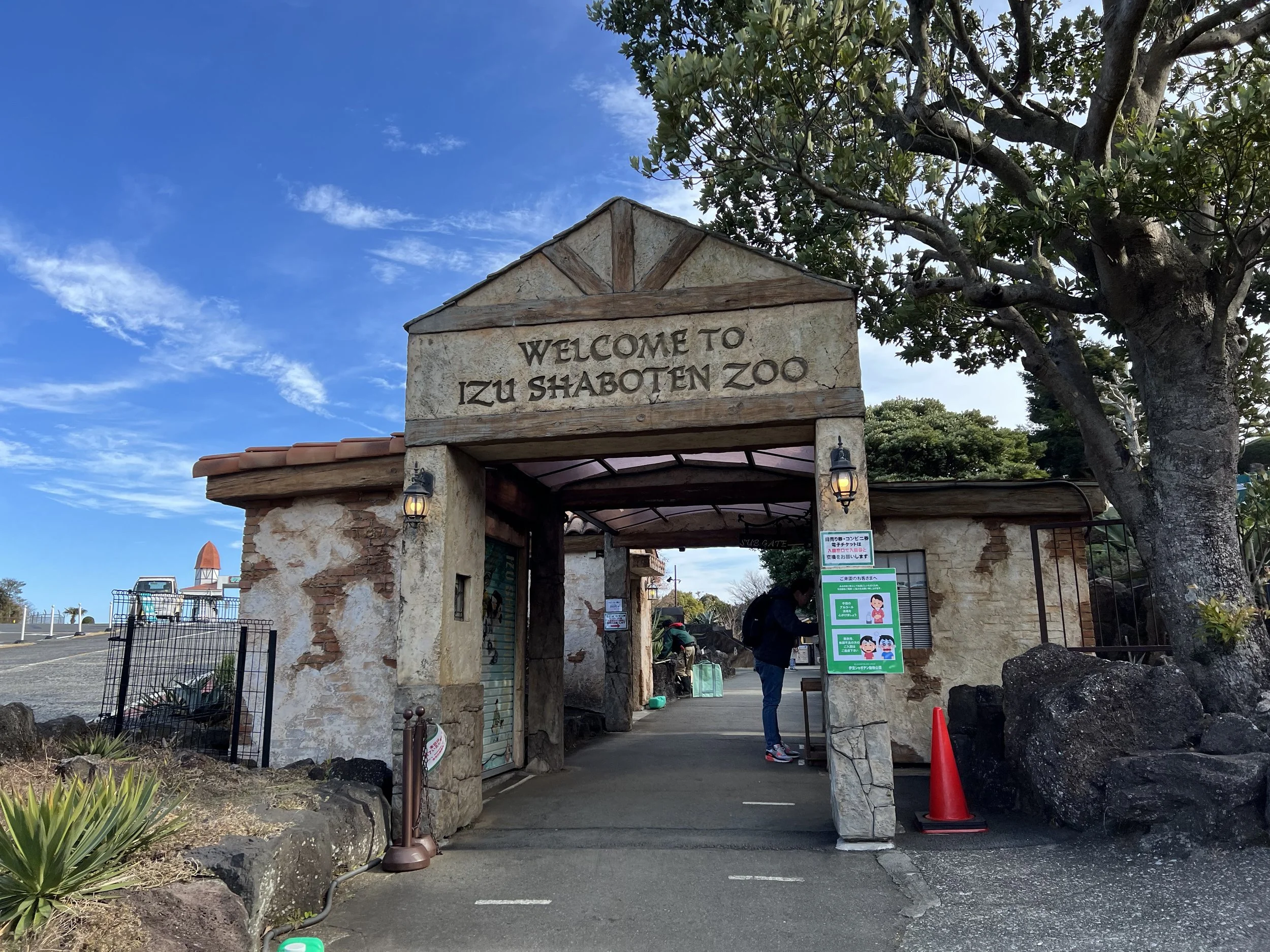
My original plan for the day was simple: head up Mount Omuro and take in the panoramic views from the top. But sometimes, the weather has other plans. Strong winds had rolled in, and with that, the chairlift to the summit was suspended for the day. I stood there for a bit, debating my options. Right nearby was Izu Shaboten Zoo—a place I had considered, but hadn’t fully committed to.
The zoo is well known for its seasonal capybara onsen experience, where the capybaras soak in hot springs during the colder months. It’s one of those iconic images you see everywhere and I knew I had just missed it by a few days. Still, with my original plan off the table, I decided to go for it.
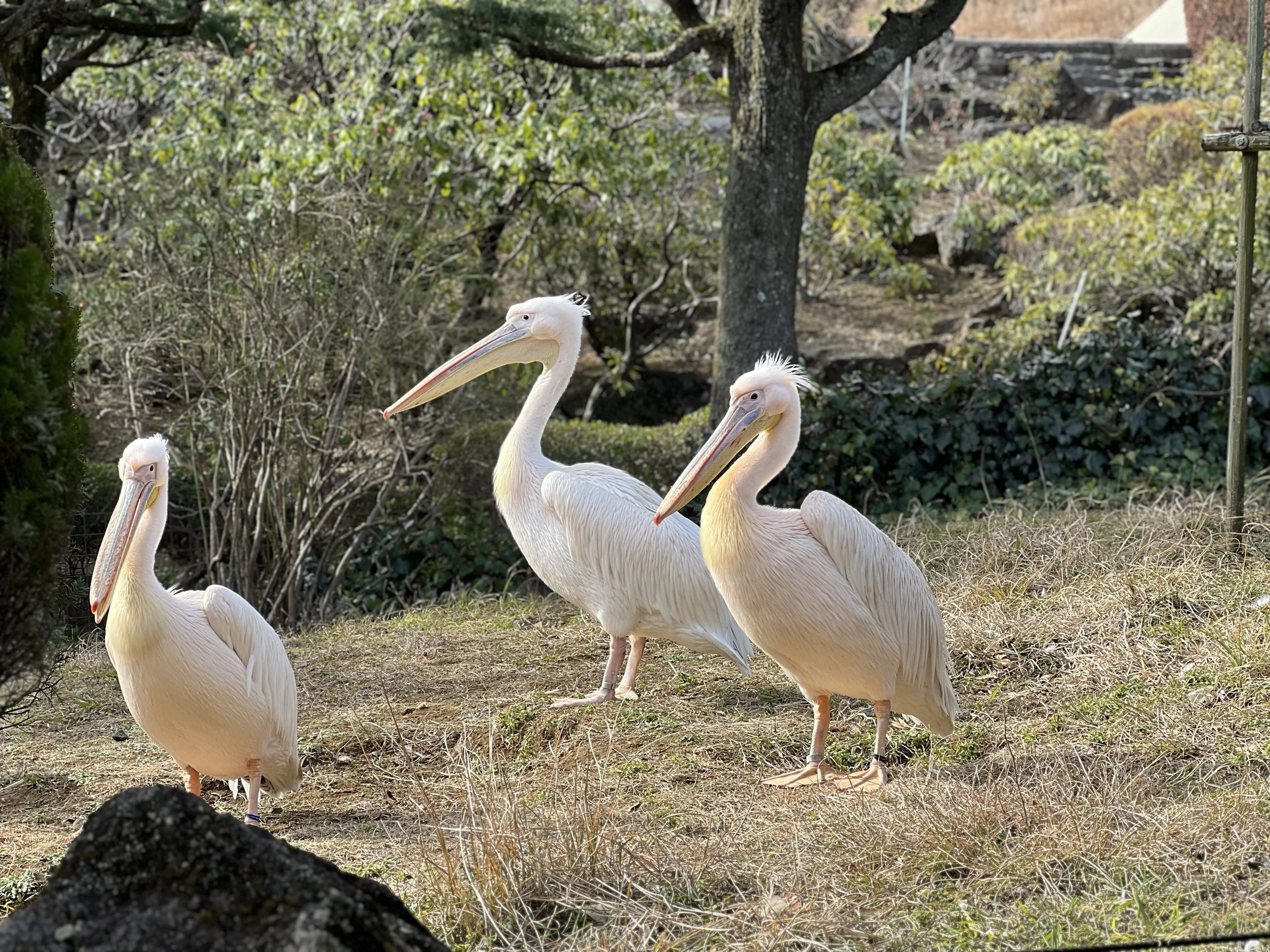
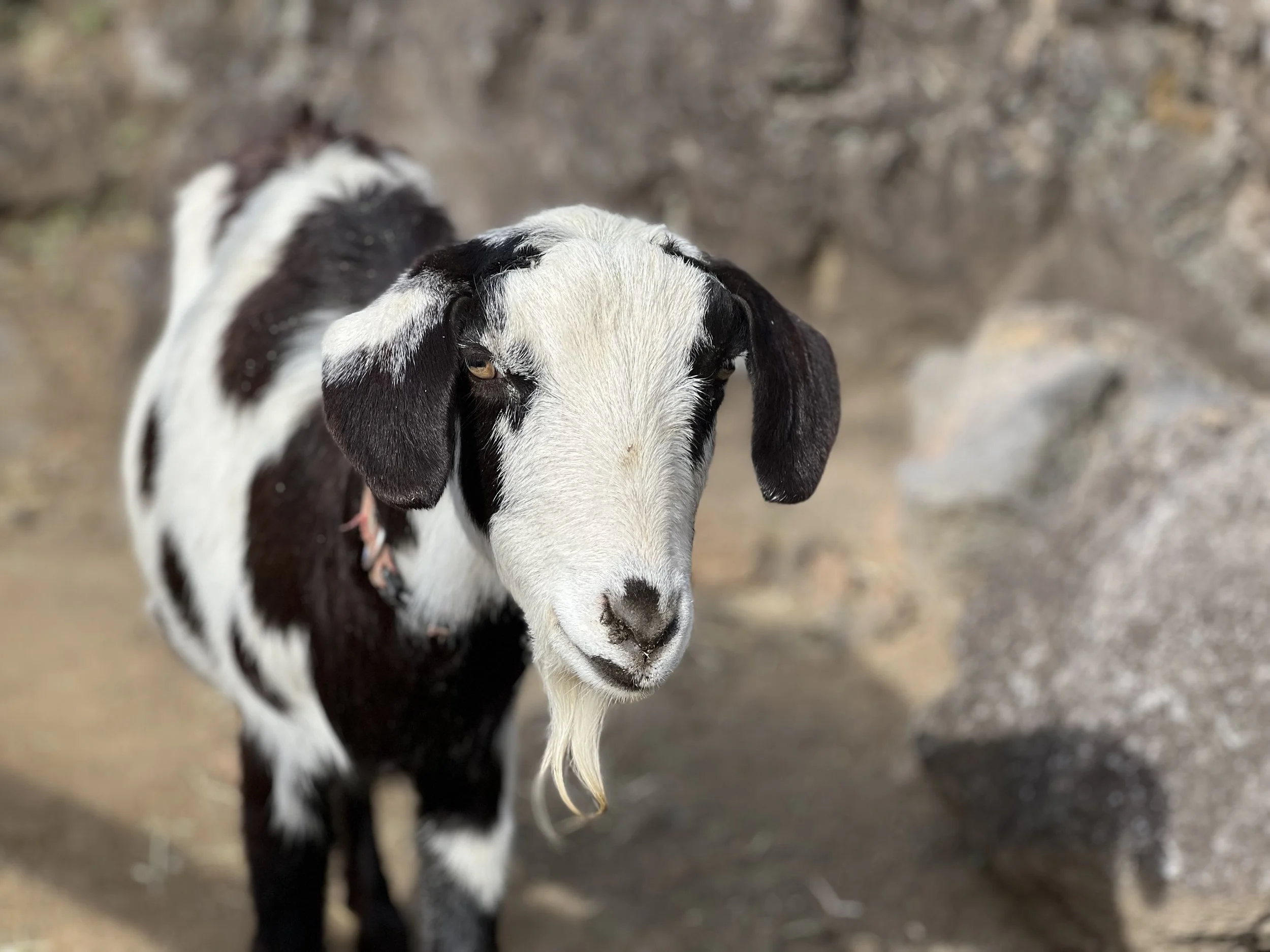
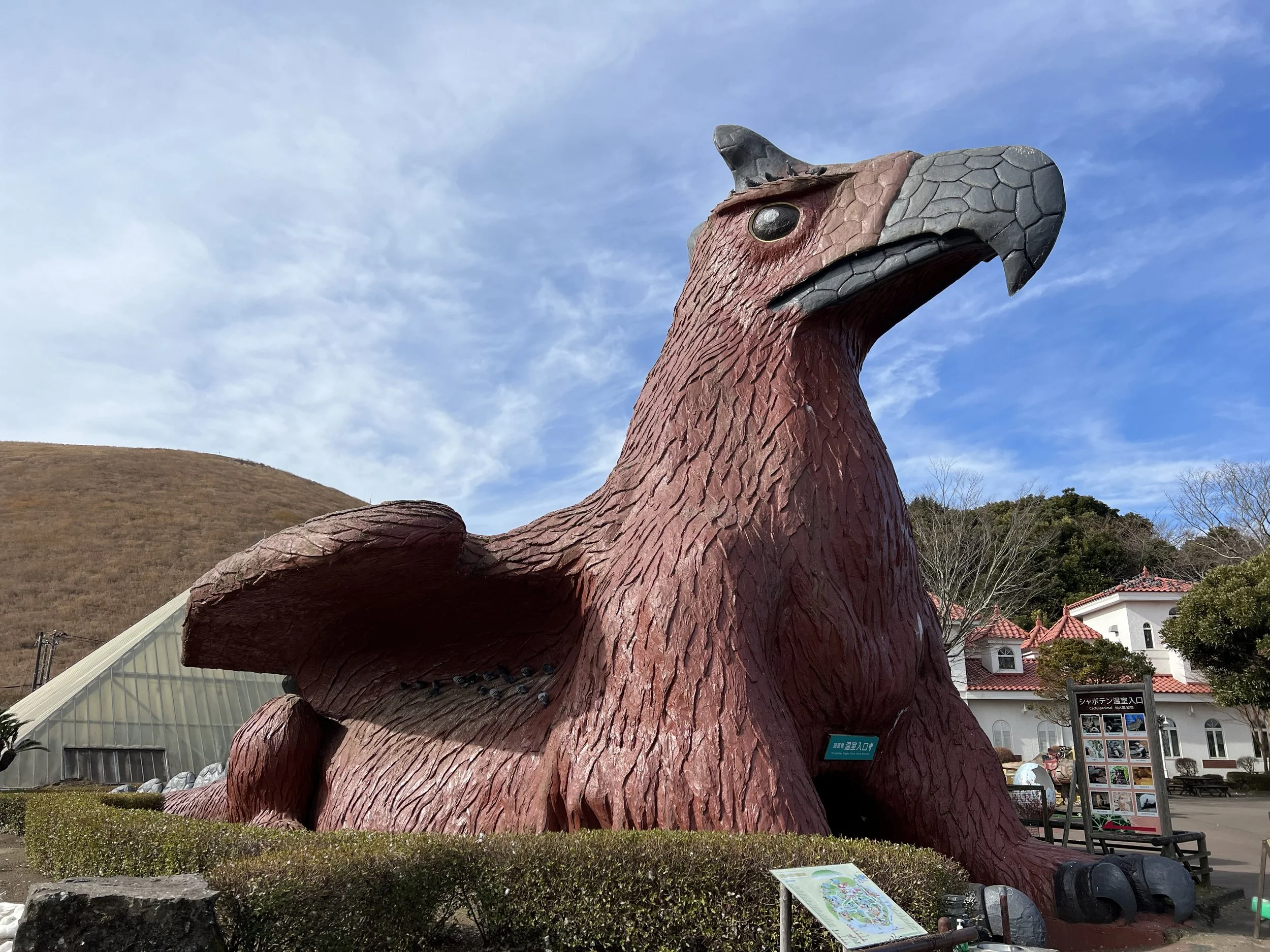
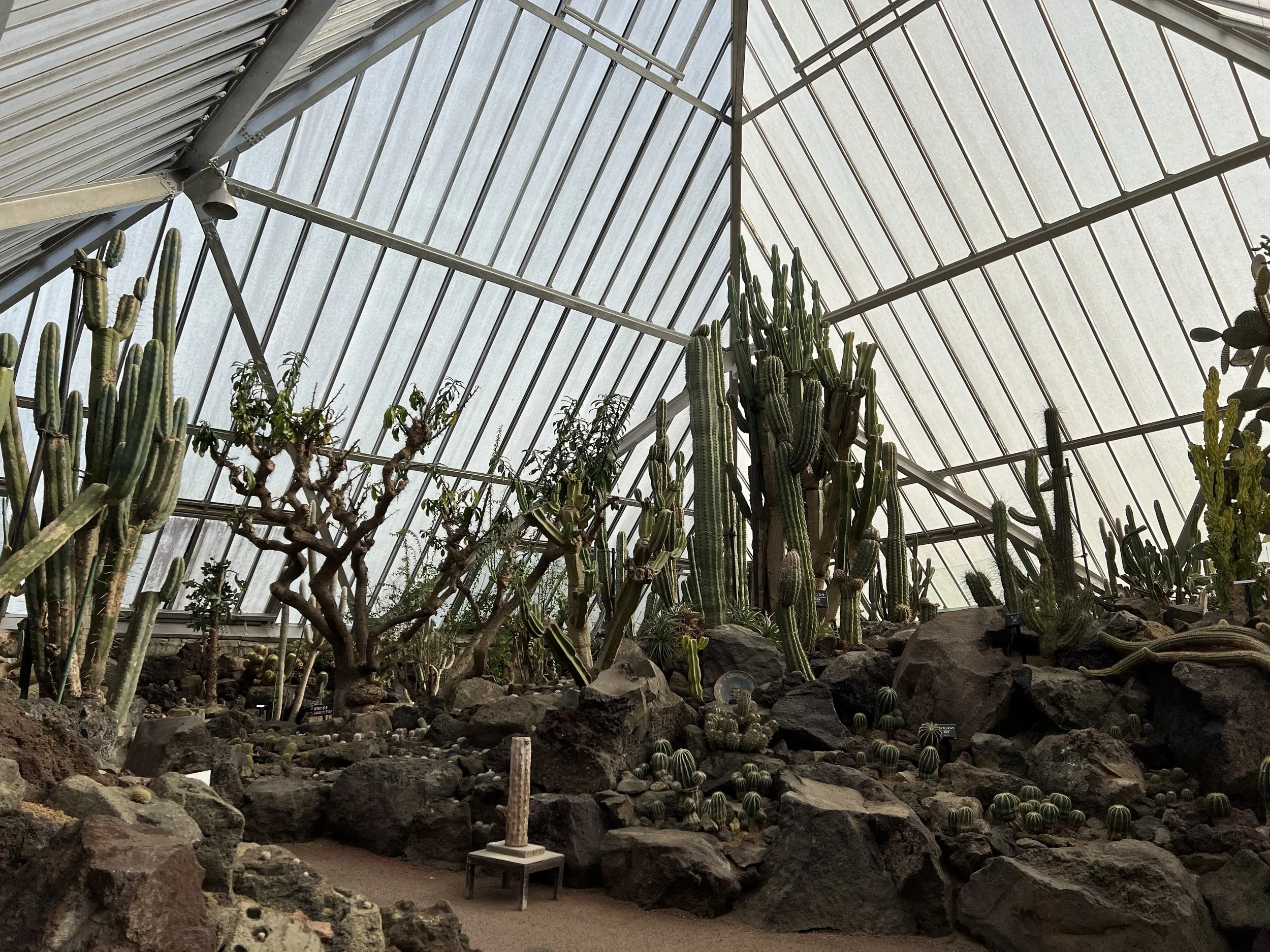
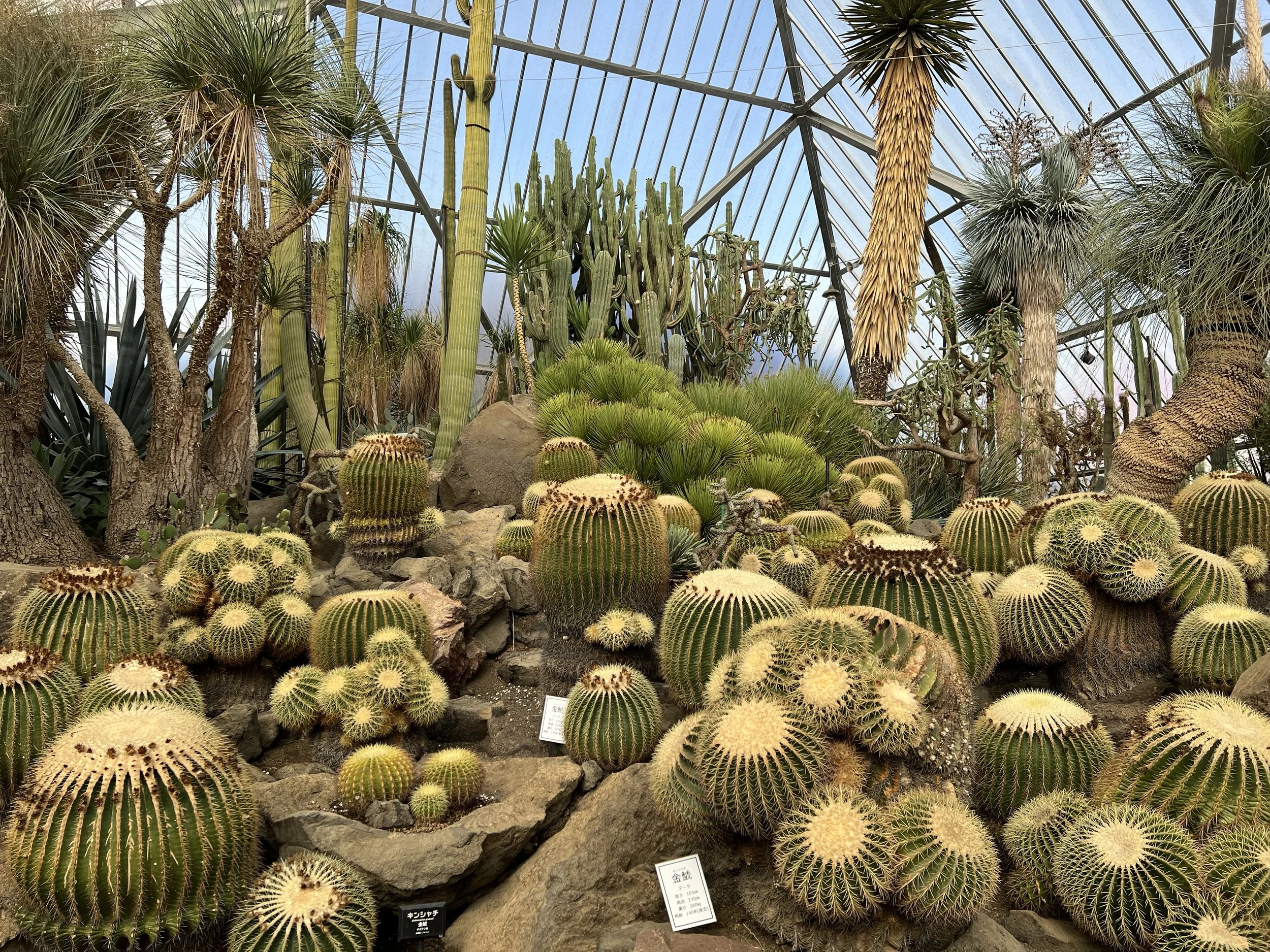
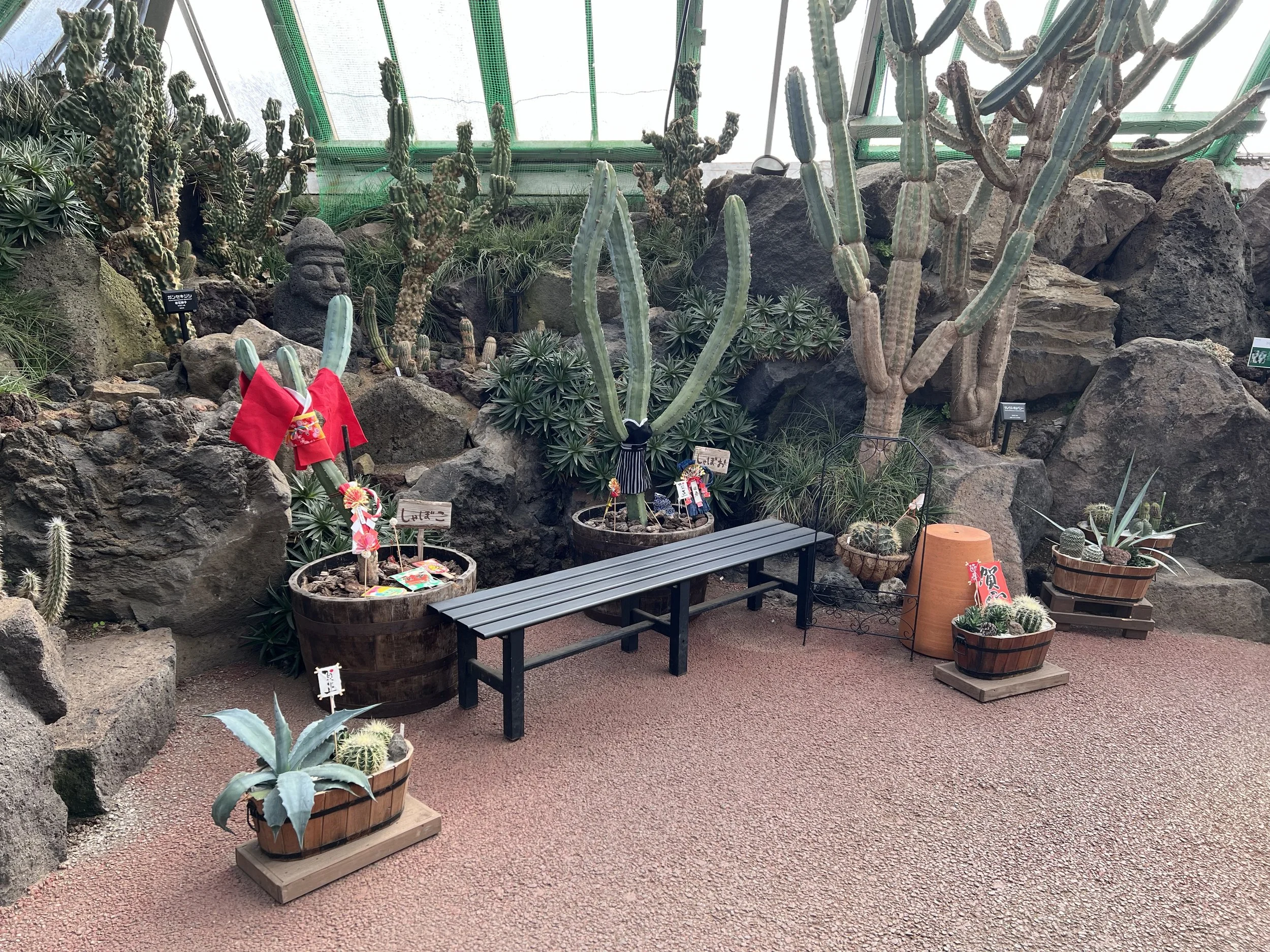
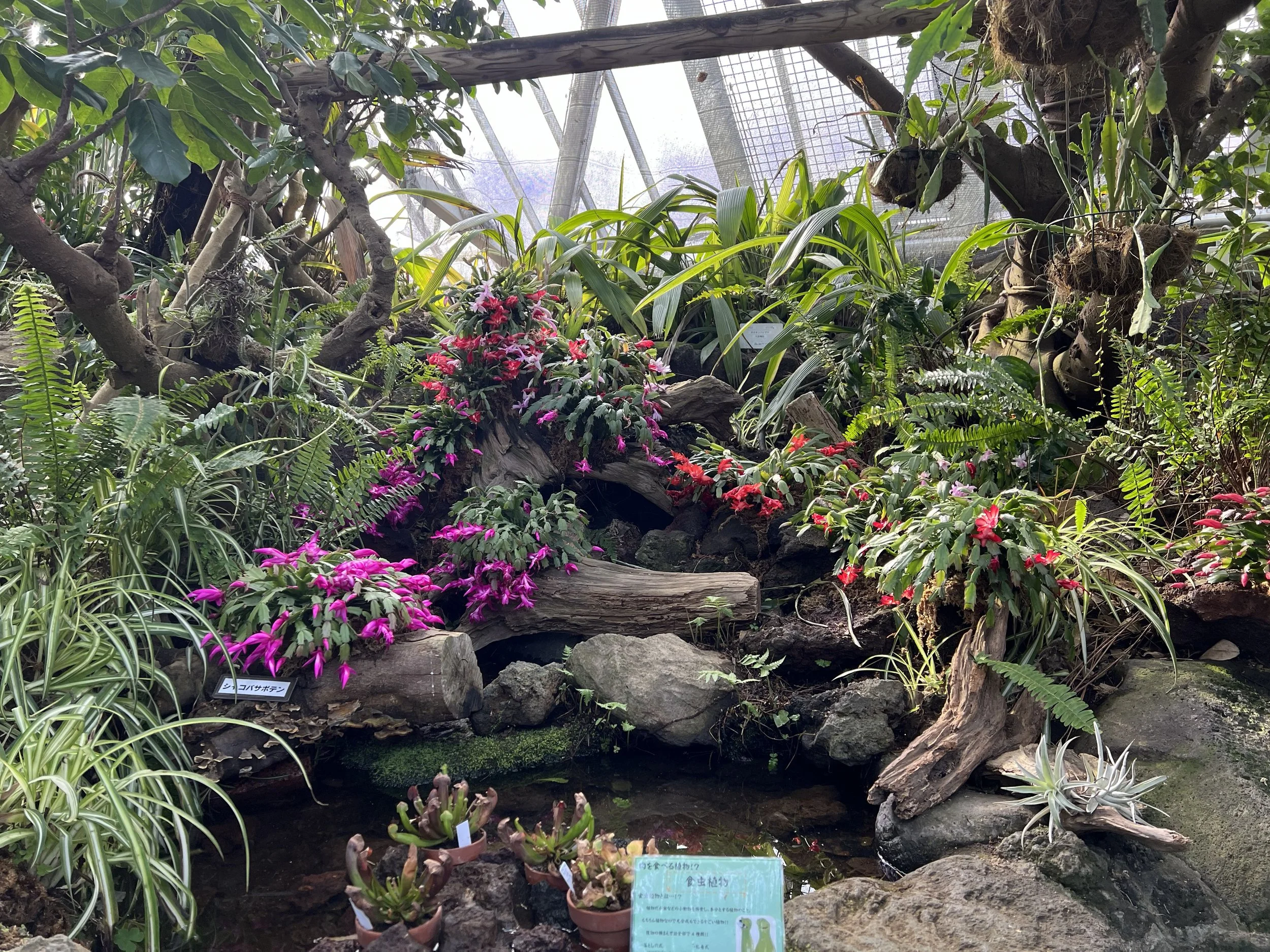
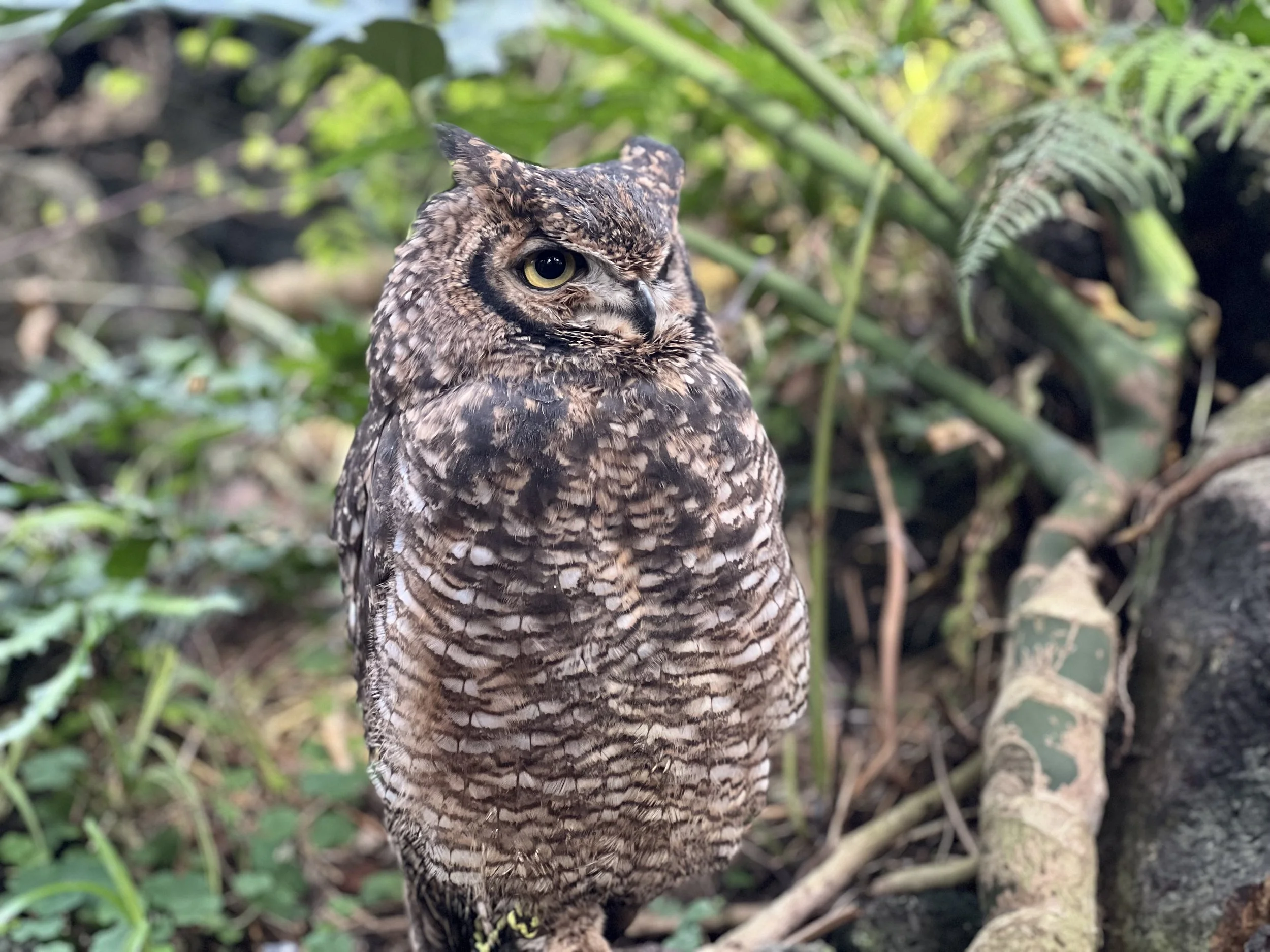
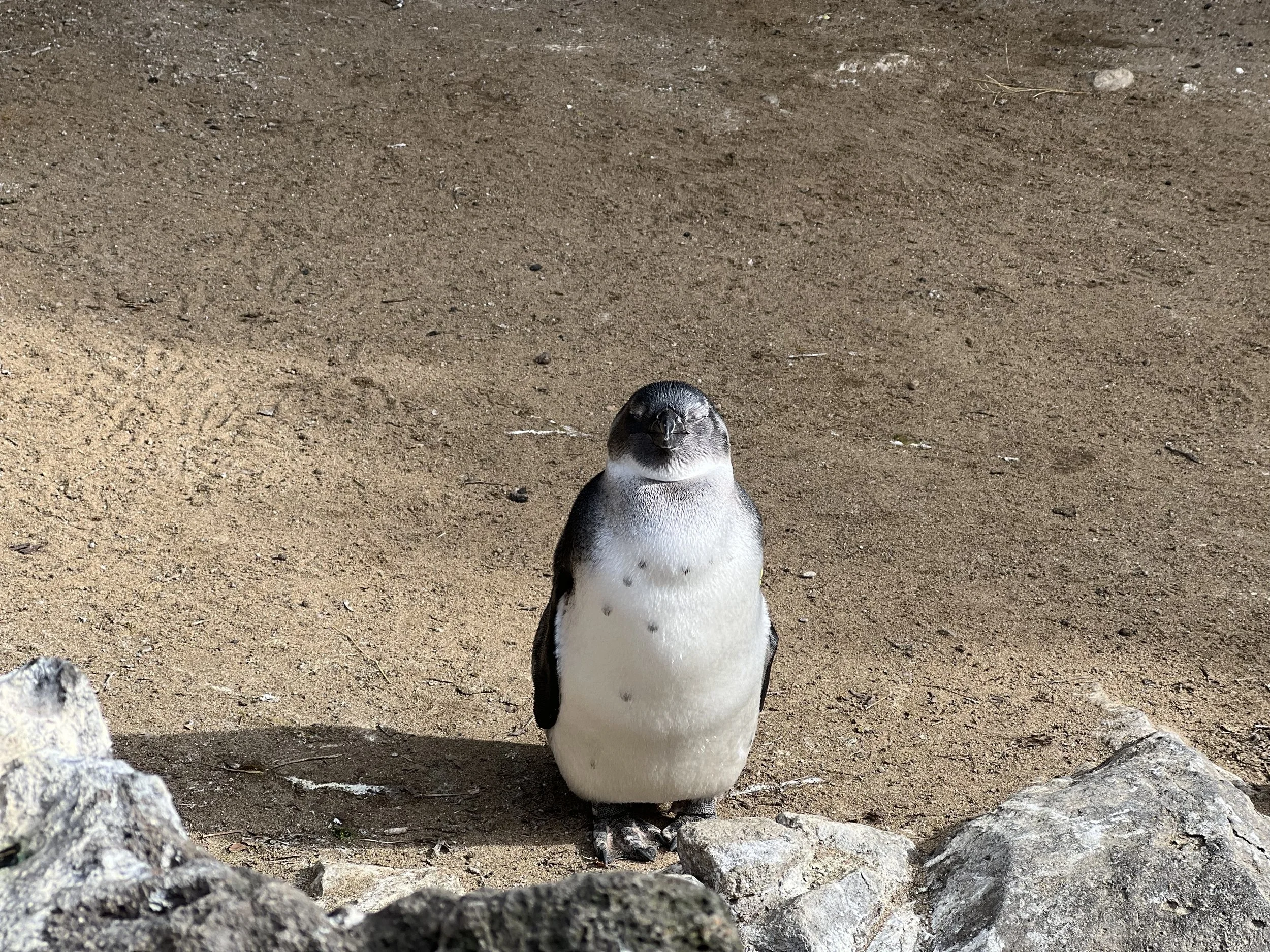
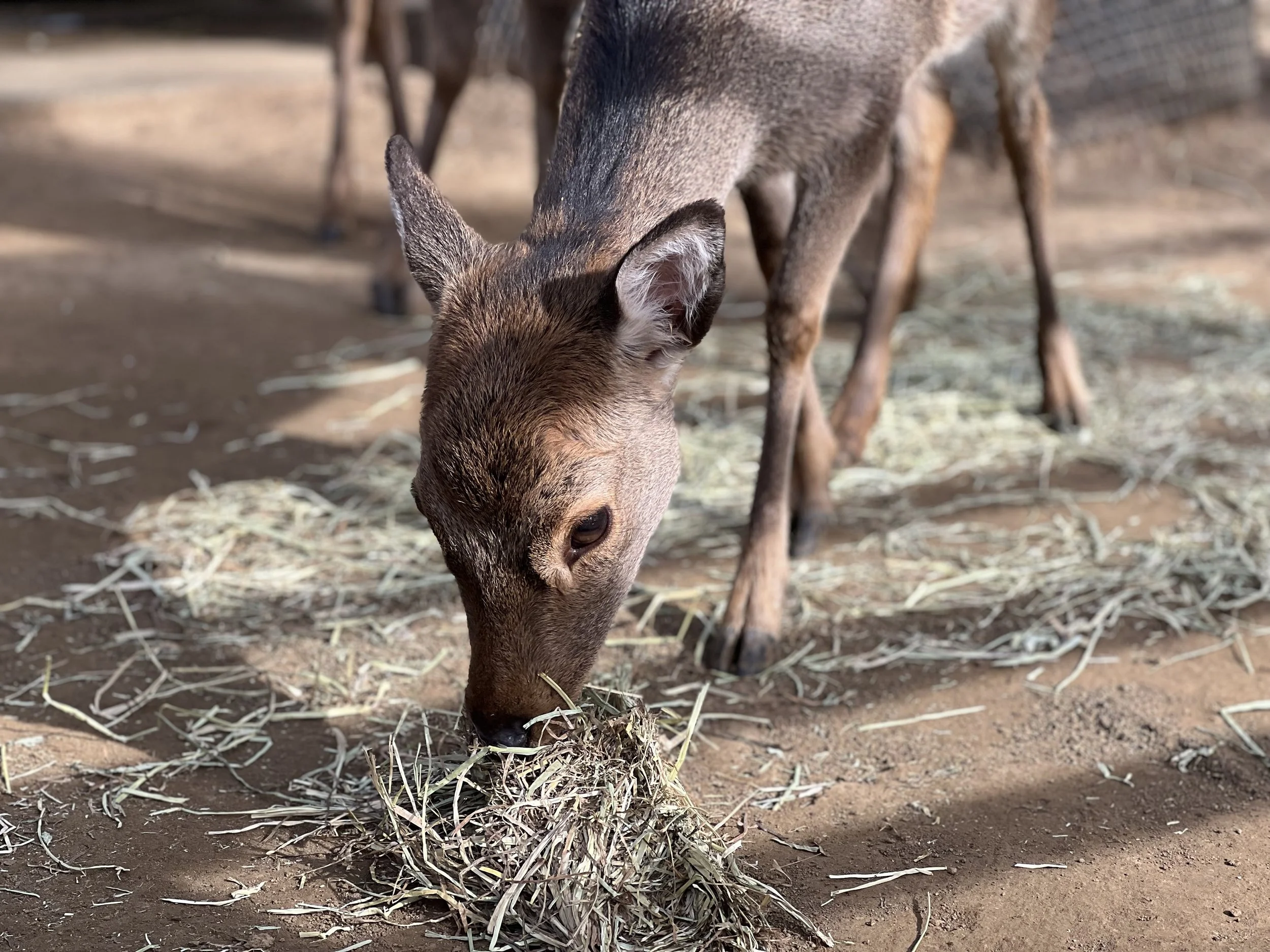
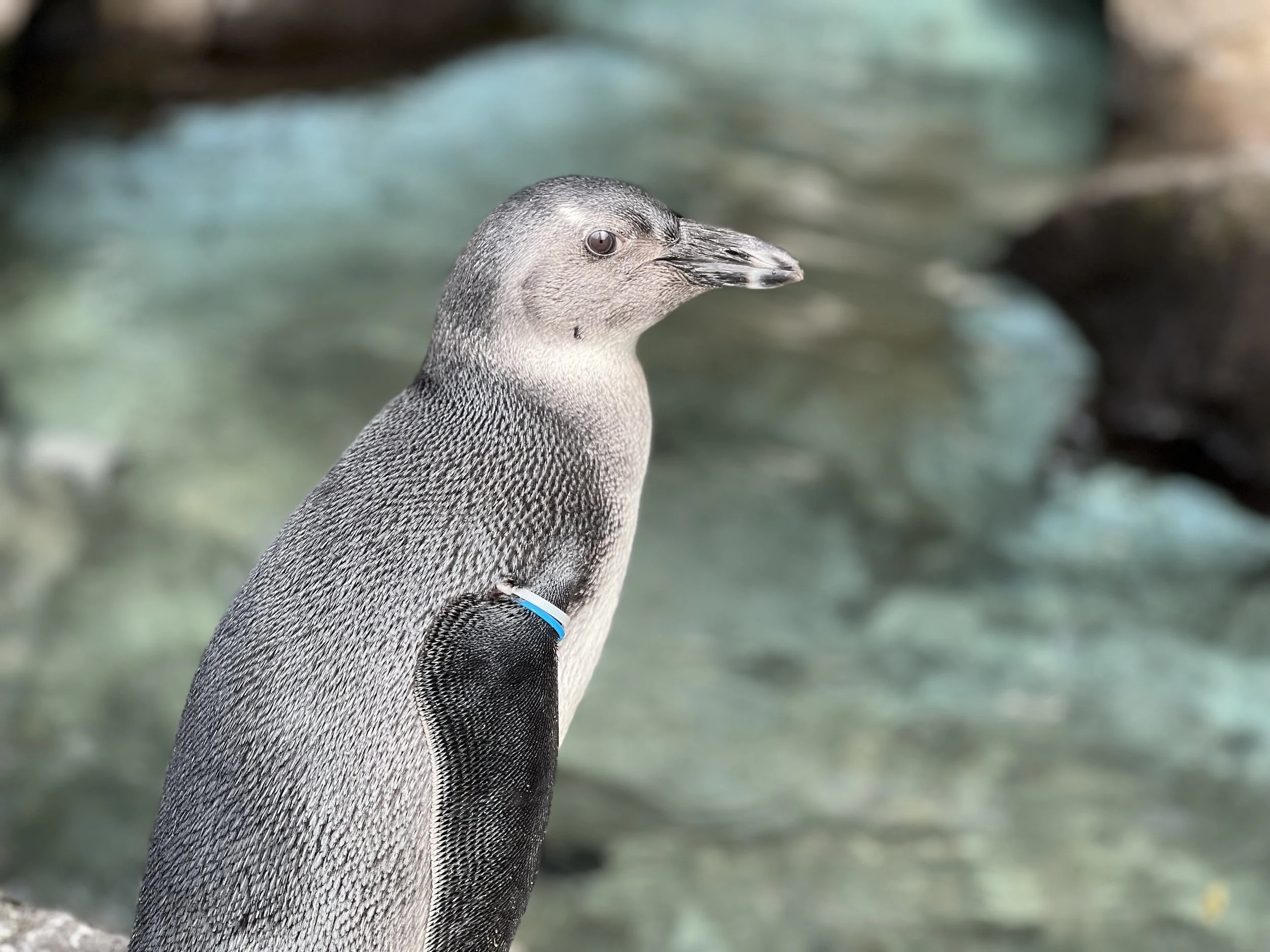
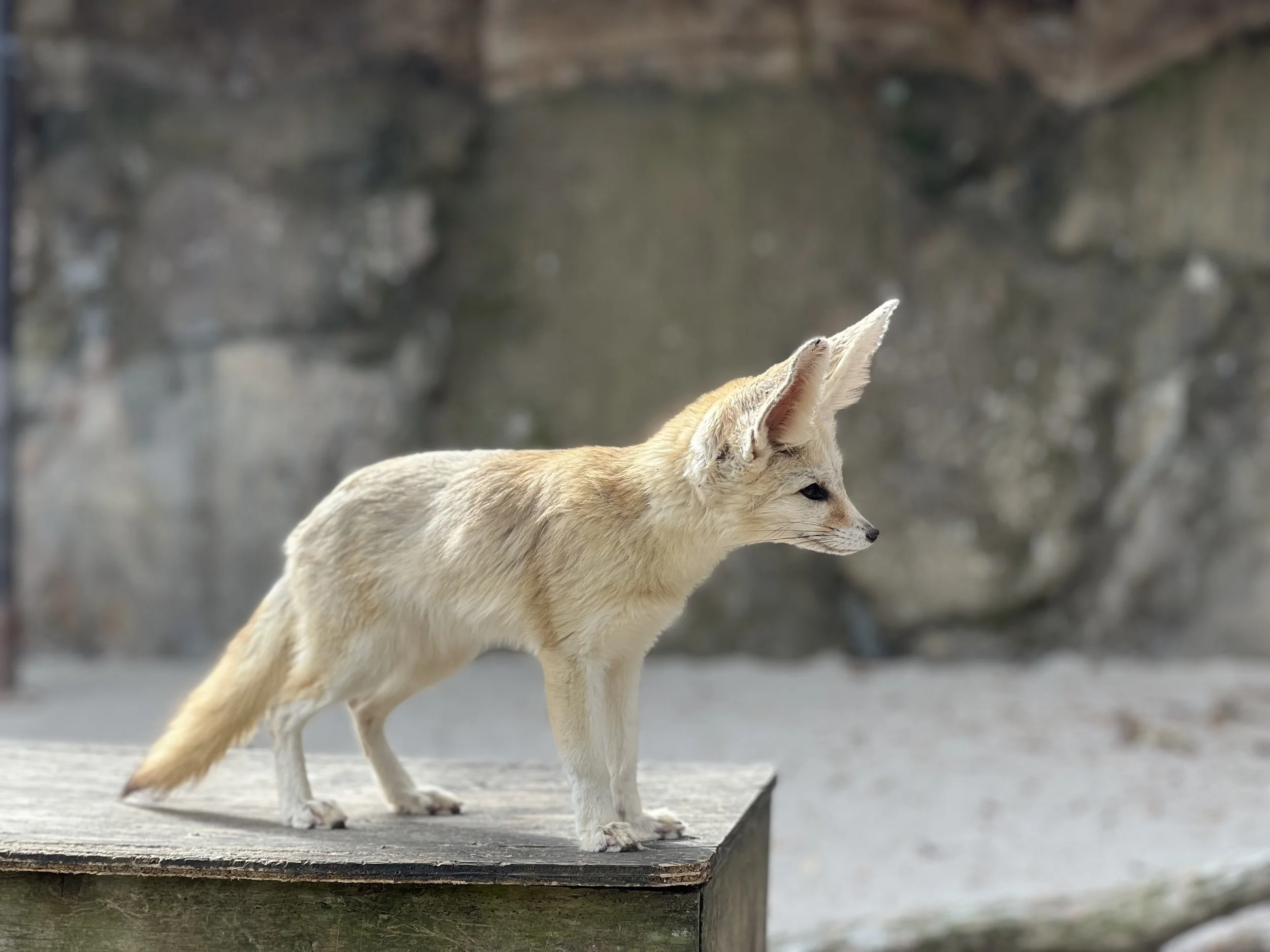
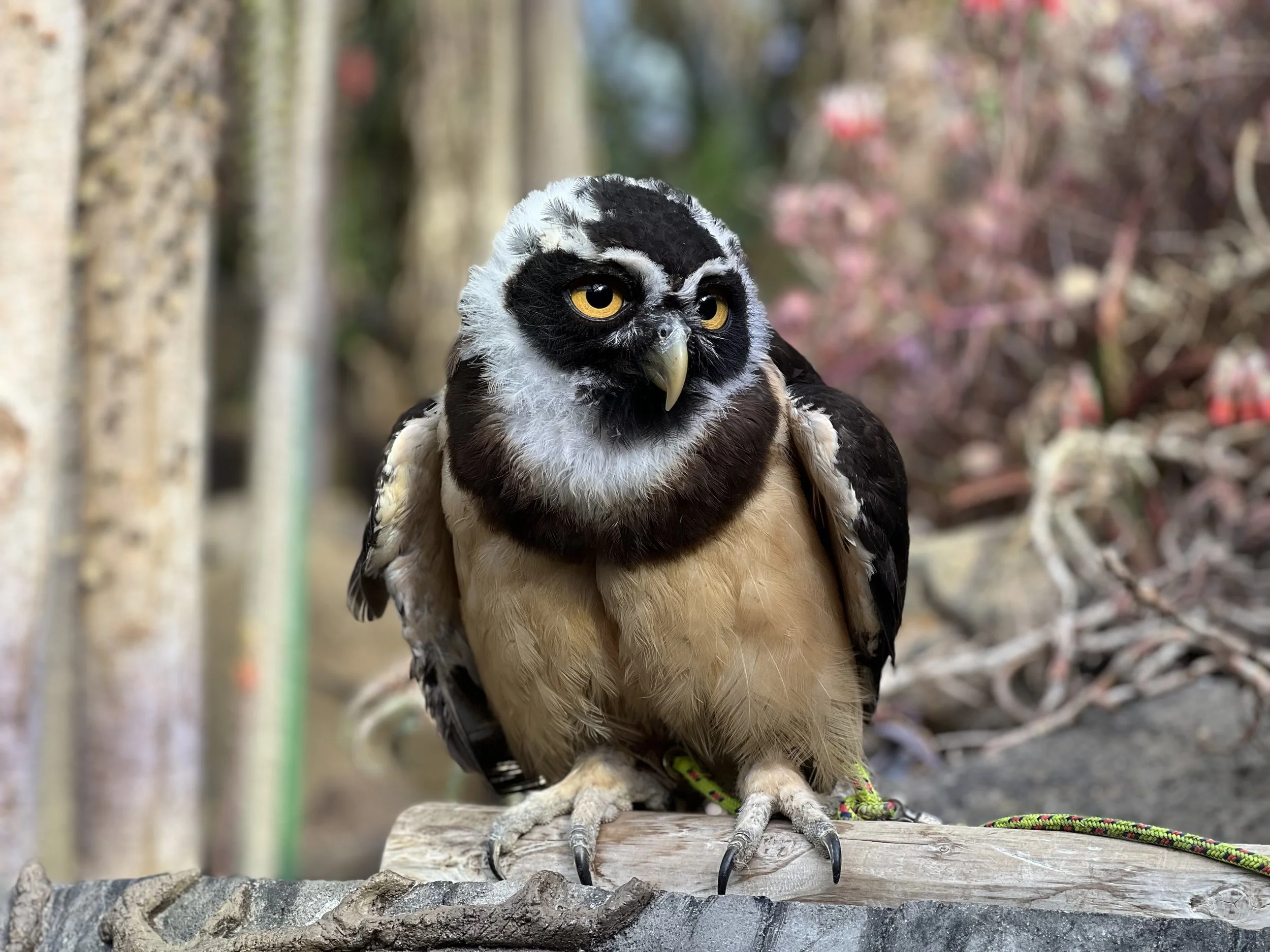
After getting my ticket, I started wandering through the zoo and almost immediately noticed how quiet it was. There were hardly any visitors around, which made the whole experience feel surprisingly relaxed. The zoo itself is a mix of animal exhibits and botanical areas. I came across everything from goats and kangaroos to birds of prey, and of course, the capybaras. There’s also a large cactus garden, which ended up being one of my favourite parts. It felt a bit unexpected, but walking through rows of different cacti added a nice change of scenery.
Throughout the park, there are spots where you can purchase animal feed, and even areas designed as petting zones. It gave the place a more interactive feel, especially for families. Eventually, I made my way to the area I had been most curious about—the capybara hot spring. This is where they gather during the winter season, soaking in warm water surrounded by citrus fruits floating on the surface. But as expected, the onsen was empty. A little disappointing but not surprising.
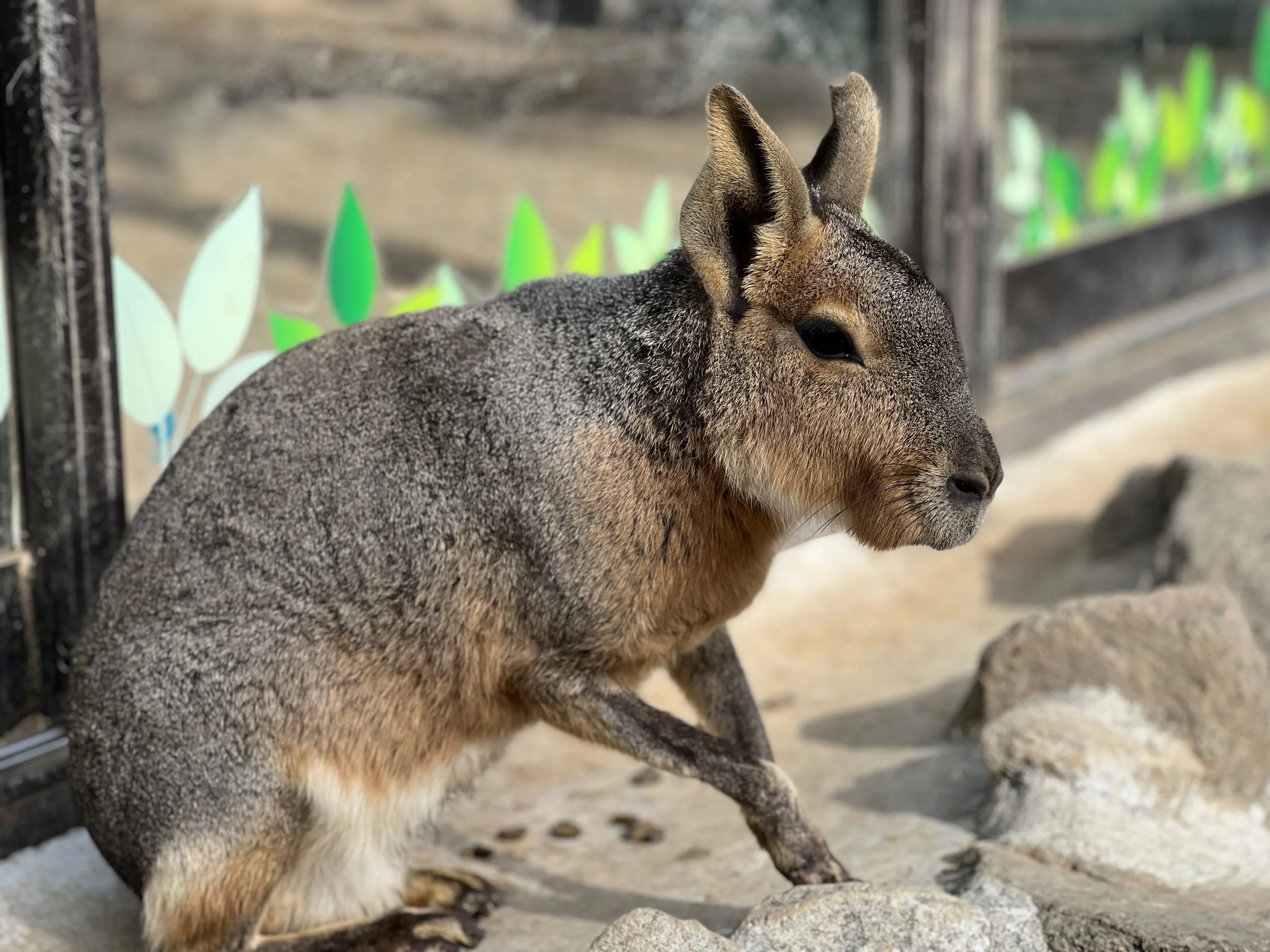
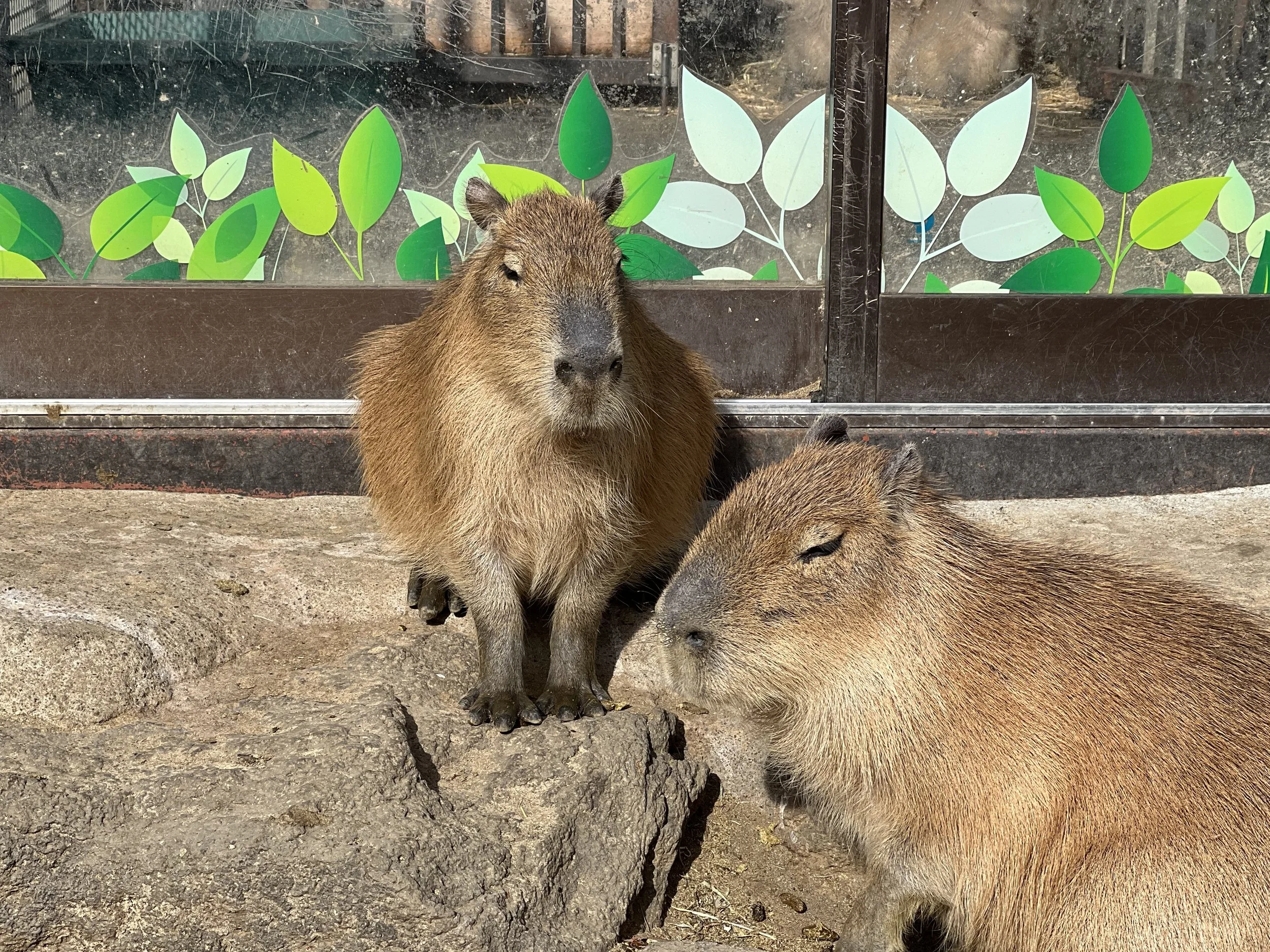
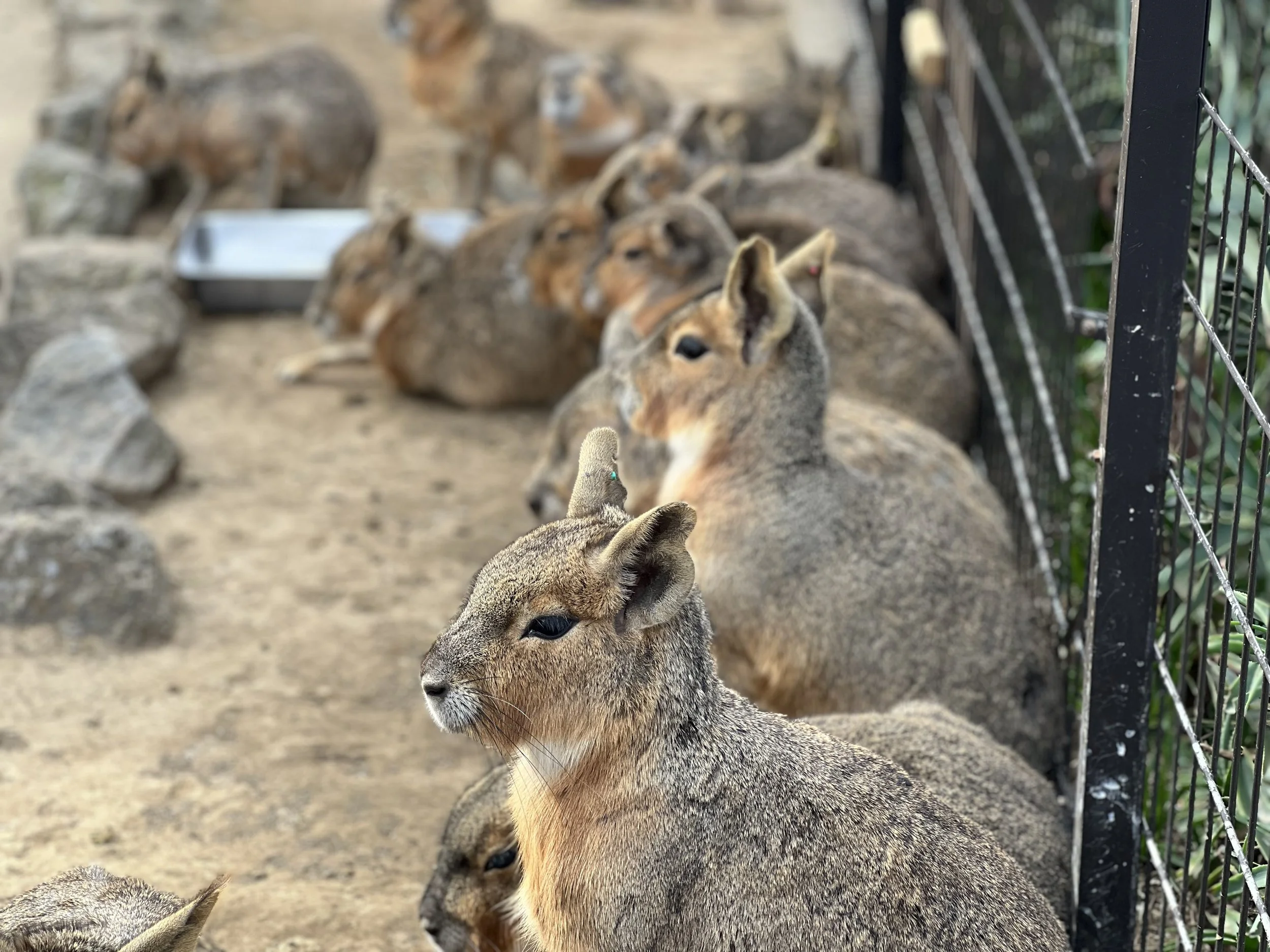
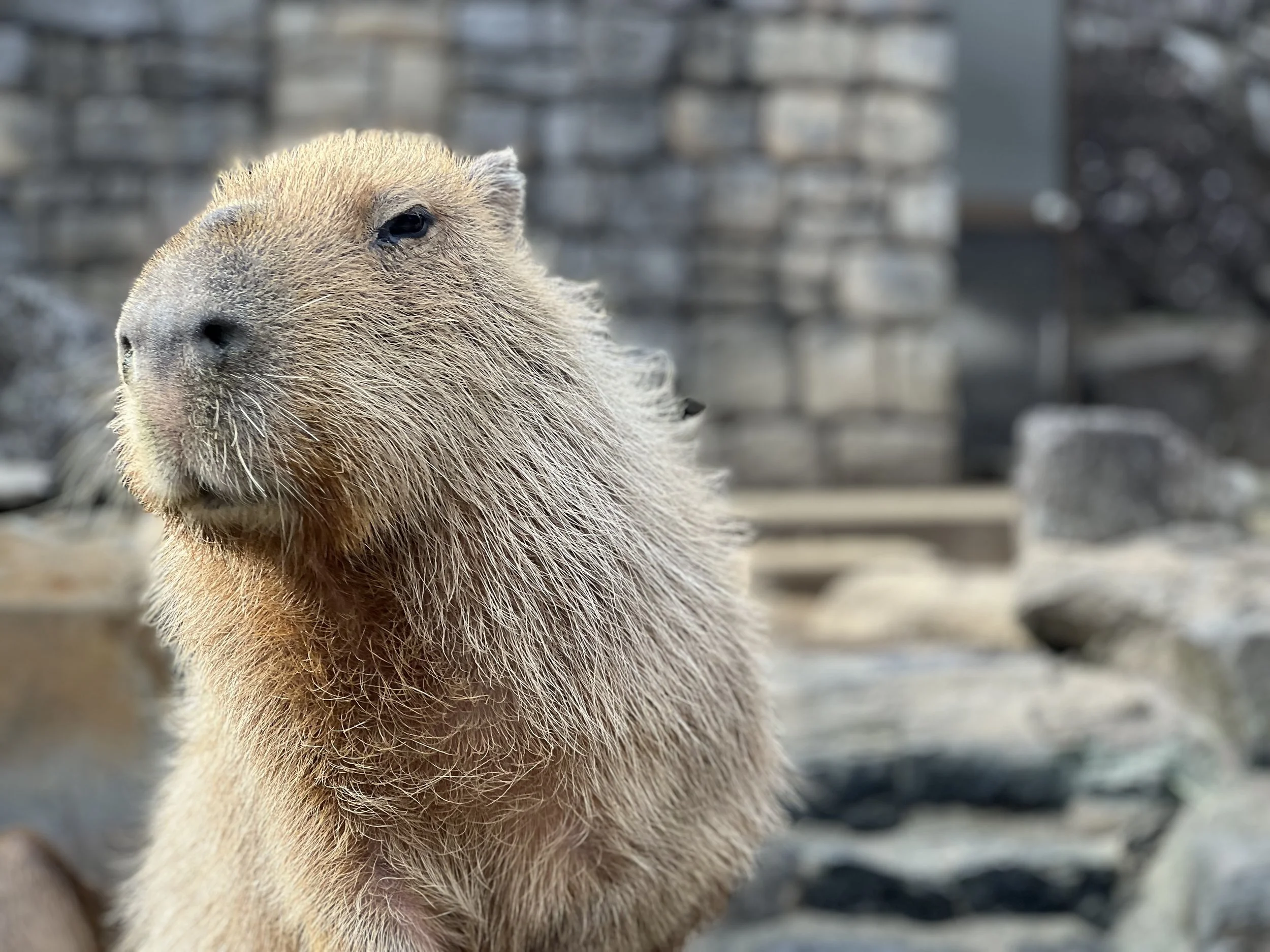
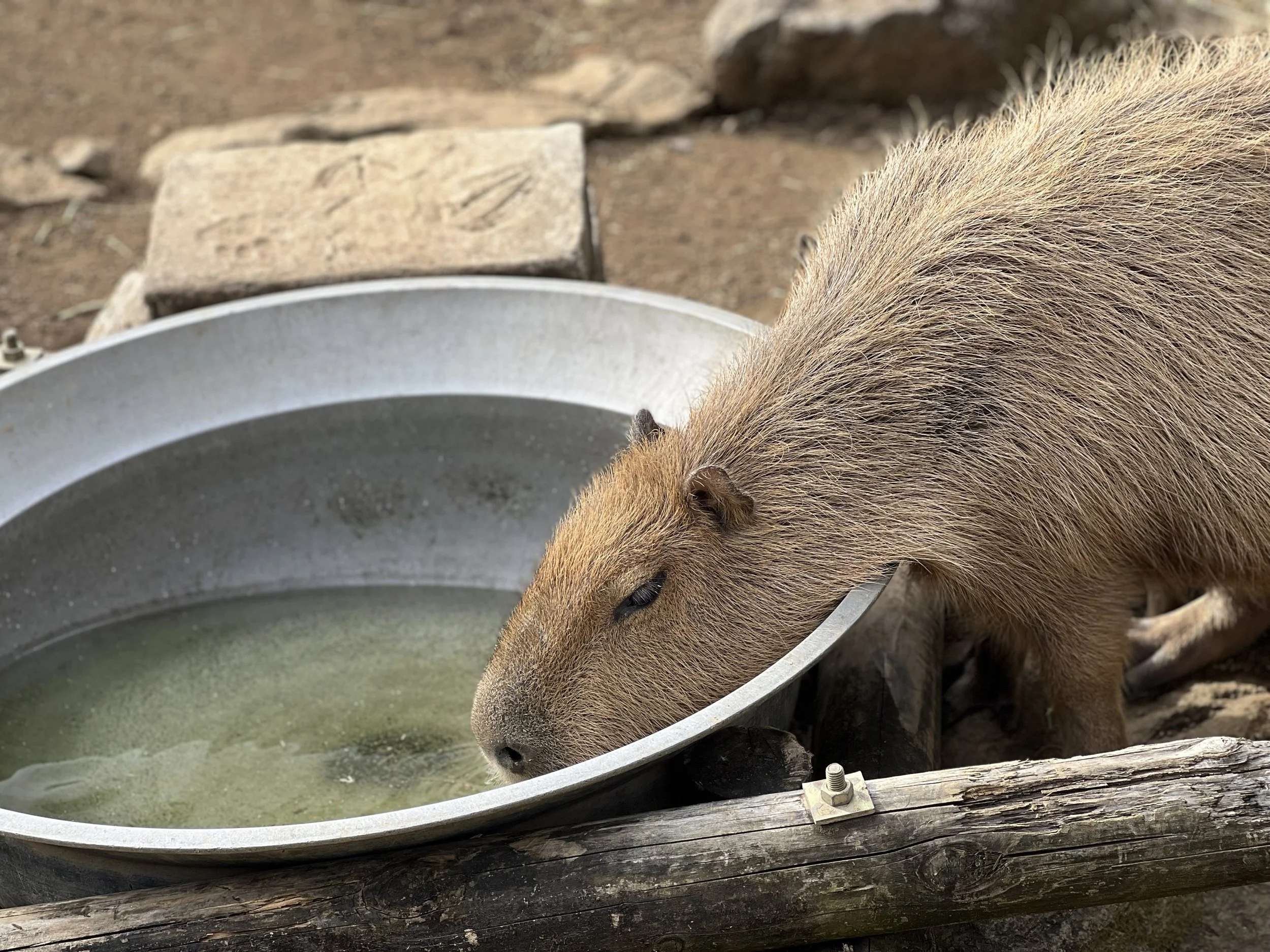
Even so, I still got to see the capybaras in their regular enclosure. And honestly, they’re just as charming out of the water. Calm, unbothered, and slightly awkward in the best way—they’re exactly how you’d imagine them. I spent a bit of time just watching them, which ended up being one of the highlights of the visit.
As I continued walking through the park, I realized something: while I had initially been hesitant about coming here, the quiet atmosphere made it feel completely different from what I expected. I missed the capybara onsen but in exchange, I got a peaceful visit where I could take my time, see the animals up close, and not feel rushed from one spot to another.
Looking back, I don’t regret the change of plans at all.
Background
Izu Shaboten Zoo (伊豆シャボテン動物公園), located in the Izu Highlands of Shizuoka Prefecture, is a unique combination of zoo and botanical garden. It is particularly known for its large collection of cacti and succulents, as well as its interactive animal exhibits.
The zoo gained widespread popularity for its seasonal capybara hot spring event, where capybaras are placed in warm baths during winter months—a tradition that began in the 1980s and has since become a well-loved attraction across Japan.
In addition to its animal exhibits, the park emphasizes hands-on experiences, allowing visitors to feed and interact with certain animals, making it especially popular with families.
Getting There
Izu Shaboten Zoo is located in the Izu Highlands area of Shizuoka Prefecture. From Ito Station, travellers can take a local bus directly to Shaboten Park Bus Stop, which is located near the entrance of the zoo. The journey takes approximately 30–40 minutes. From Tokyo, take the JR Tokaido Shinkansen to Atami, then transfer to the JR Ito Line to Ito Station before continuing by bus.
Driving is also a convenient option, with parking available on-site.
Route Overview
Distance: 1.89 km out & back (Shaboten Park Bus Stop)
Total elevation gain: 13 m
Duration: 20 min (with breaks 1 hr 12 min)
Difficulty: Easy
Cost Breakdown
Bus: Ito Station → Shaboten Park Bus Stop — ¥880
Entrance Fee: Izu Shaboten Zoo — ¥2,700
Food: ¥610