Hiroshima Castle - Hiroshima, Japan
Hiroshima Castle was something of an afterthought during my time in Hiroshima, as my focus was firmly centred on the Atomic Bomb Dome and the Hiroshima Peace Memorial Museum. After the emotionally heavy experience of visiting both sites, I decided to stop by the castle as a way to decompress before continuing on with the day.
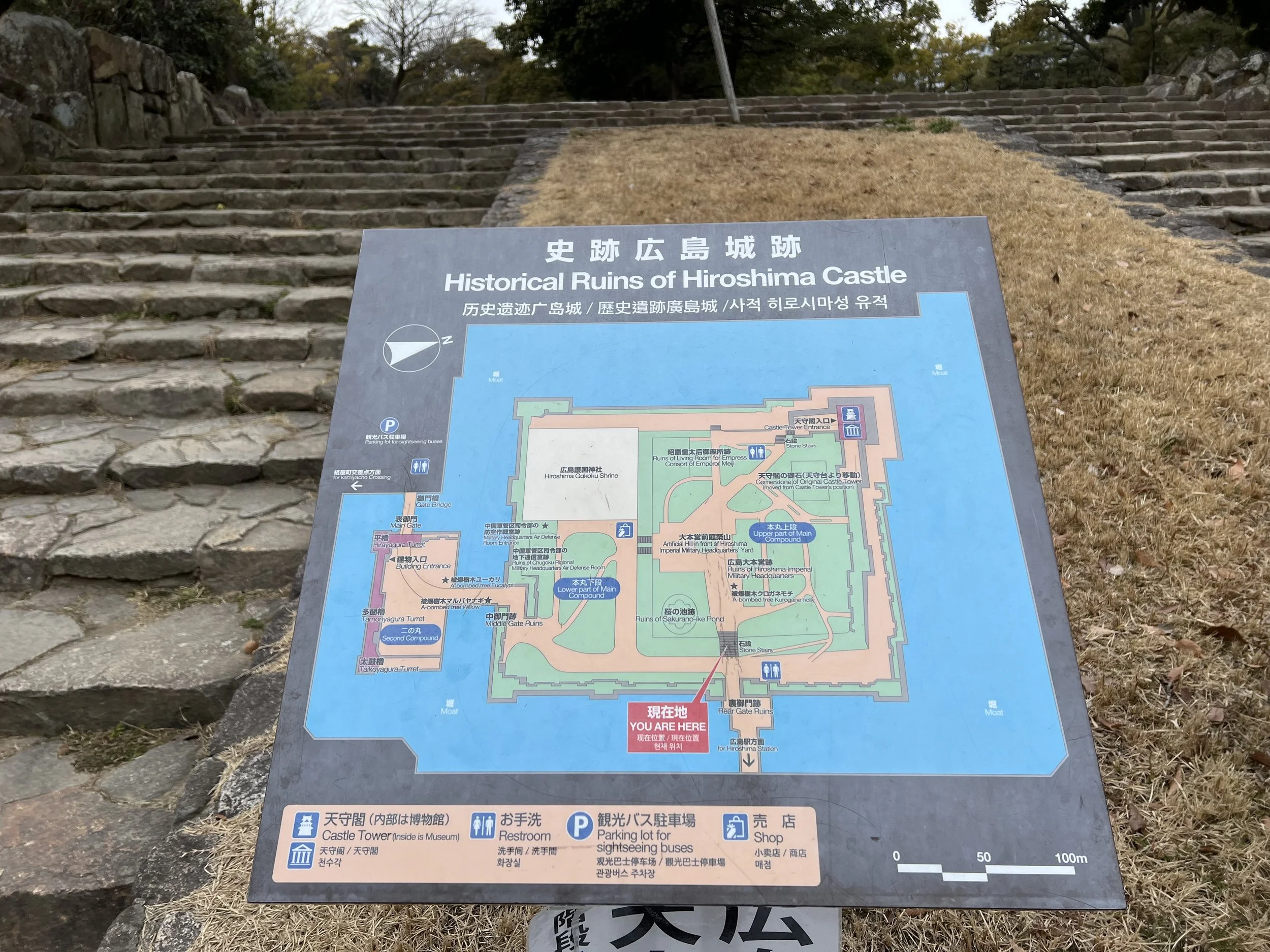
From the Atomic Bomb Dome area, I walked the short 1.3 kilometres to the castle. The castle grounds are surrounded by a wide moat, and once you cross the bridge into the inner grounds, it feels more like entering a city park than a traditional castle complex. Sandy pathways wind through the grounds, lined with trees and informational markers indicating where various structures once stood.
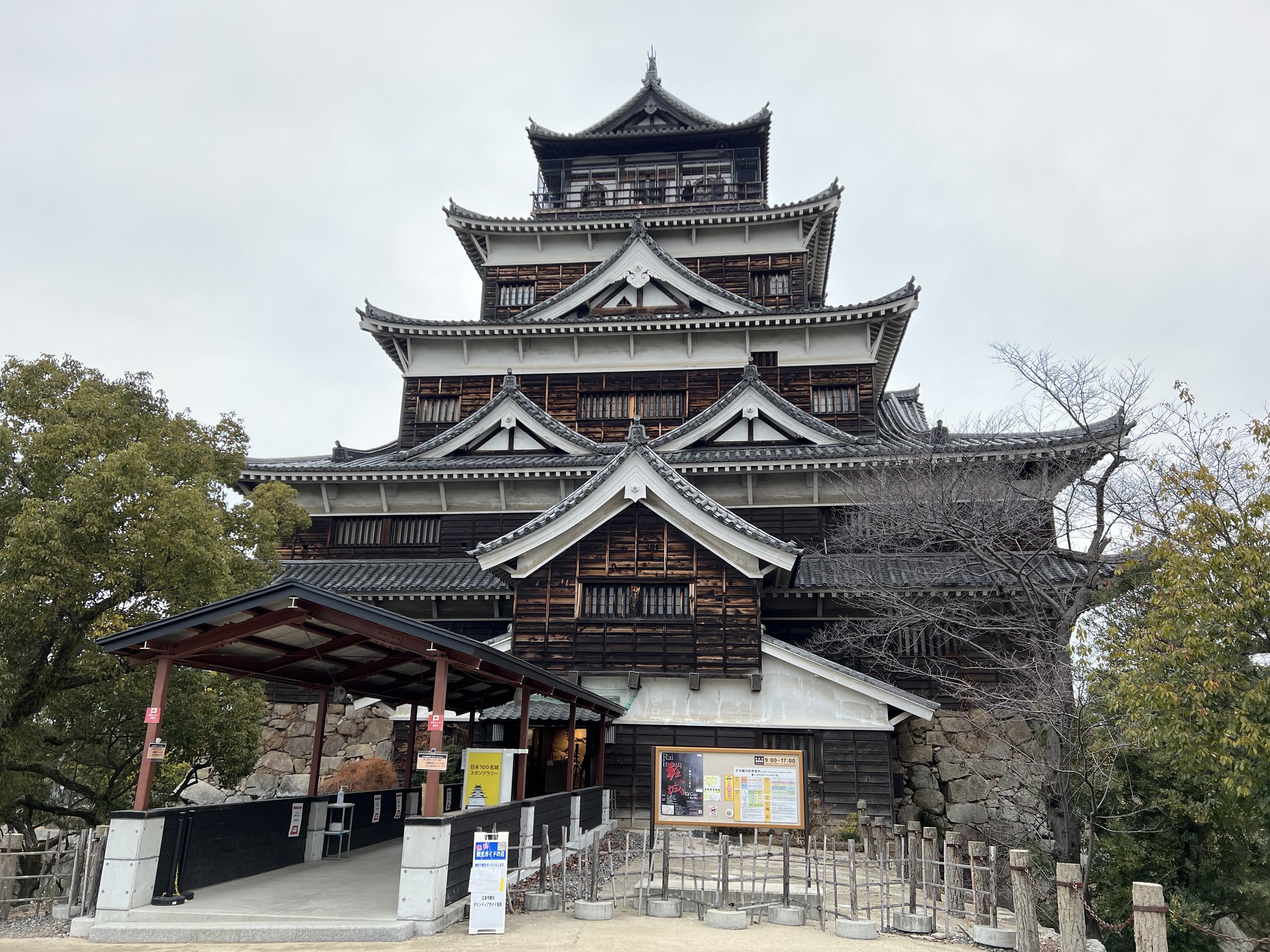
I eventually arrived at the main keep. Hiroshima Castle was originally built in 1589 and, unlike many castles in Japan, was constructed in the centre of the city rather than on a hilltop or mountaintop. It served as both a physical and economic symbol of Hiroshima. The castle survived the Meiji Restoration, when many feudal structures were dismantled, but like much of the city, it was destroyed by the atomic bomb in 1945.
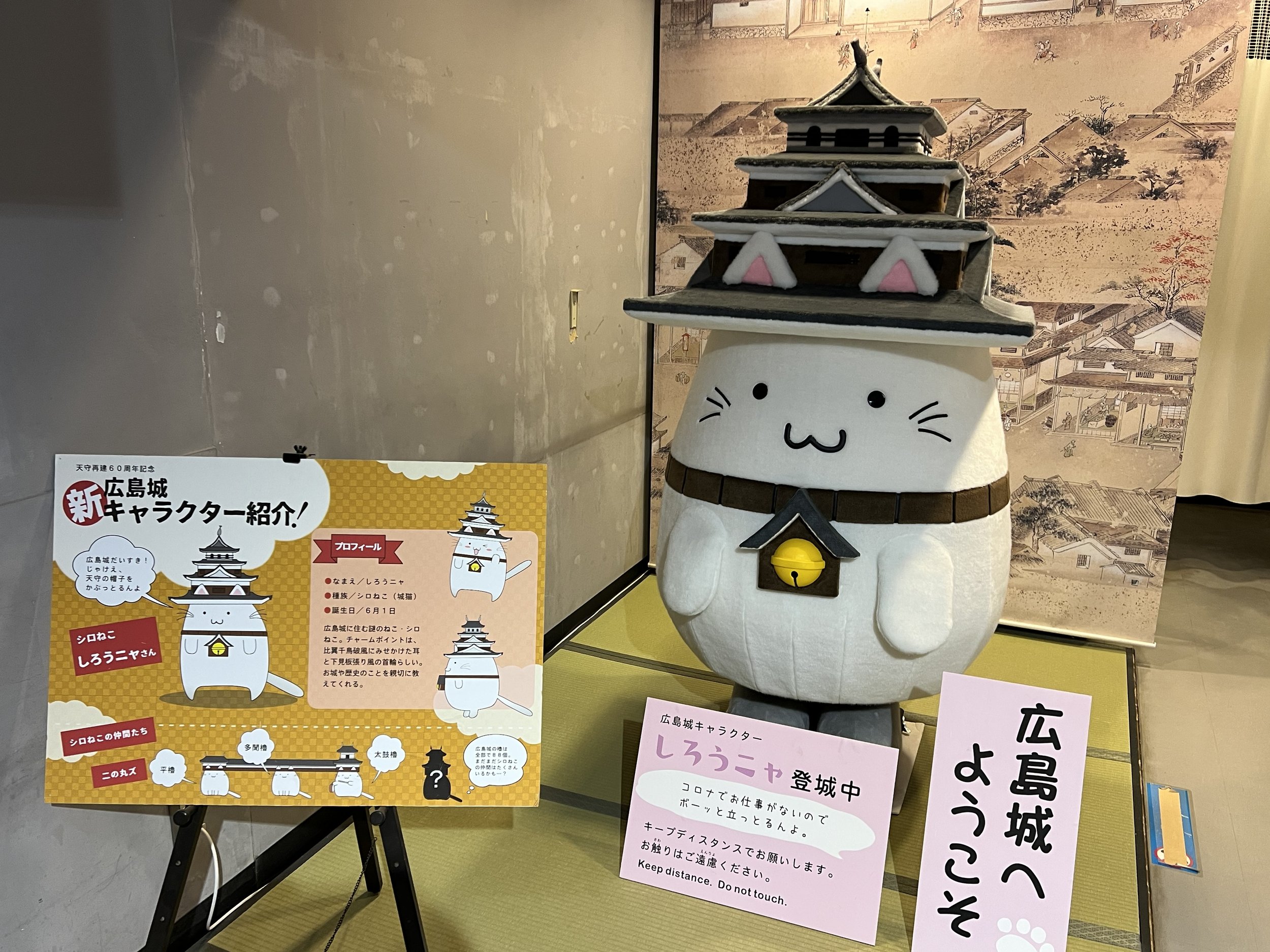
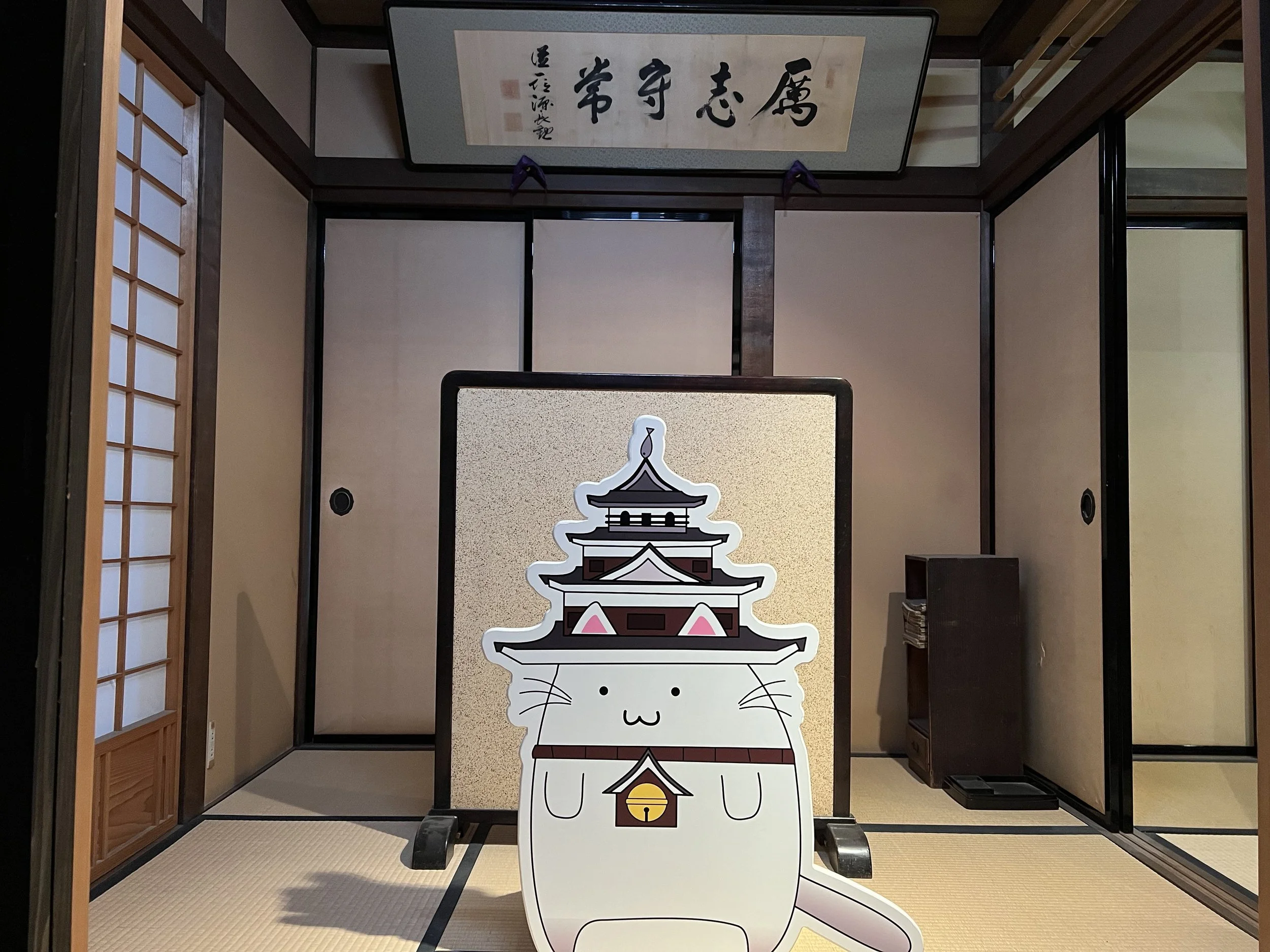
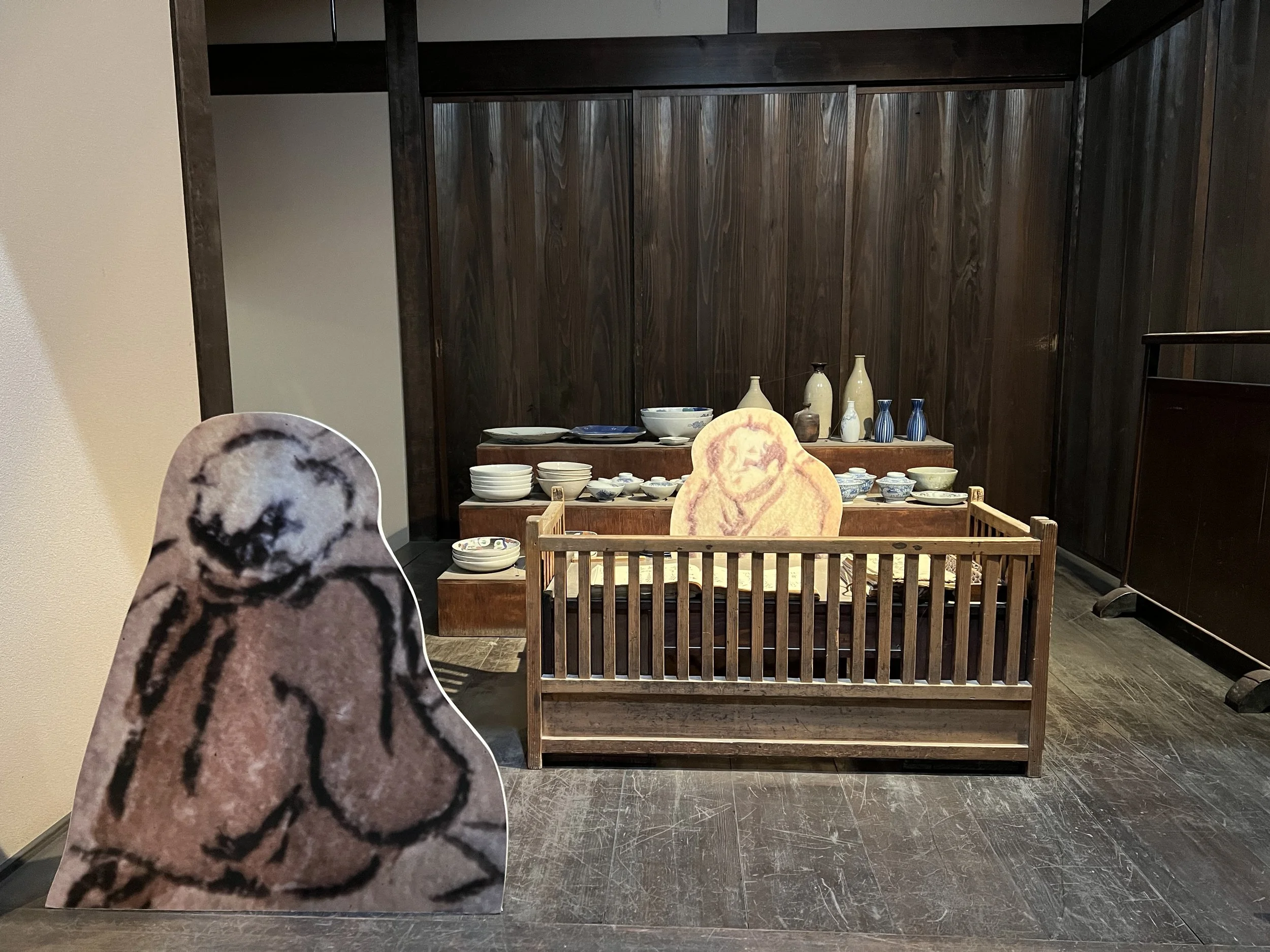
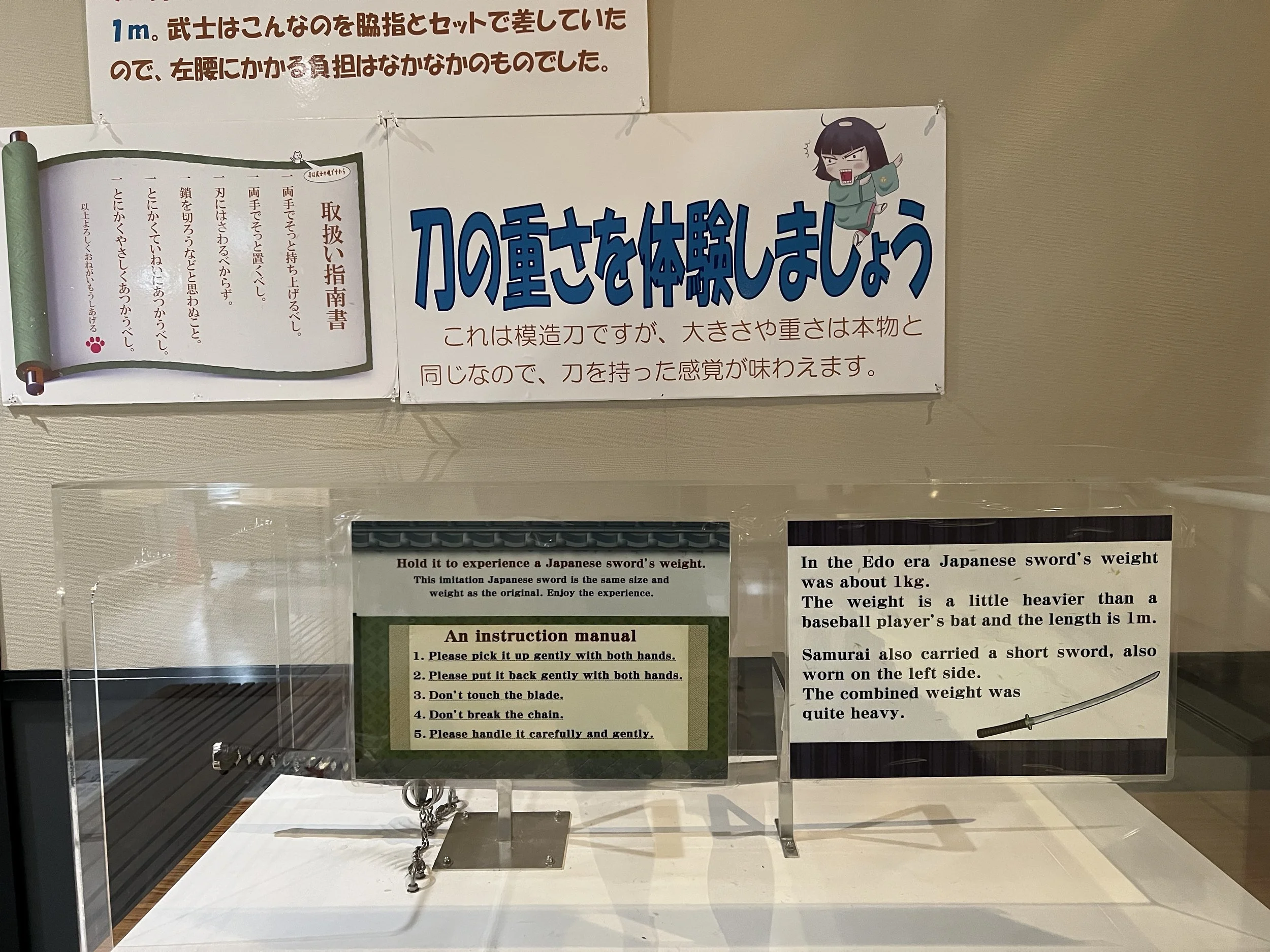
There was no one else waiting to enter when I arrived. Inside, the exhibits were modest. There were displays featuring local mascots, historical information panels, and samurai swords that visitors can try lifting to get a sense of their weight. While informative, the experience felt subdued. I’m not sure if it was because I was still processing the emotional impact of the Peace Memorial Museum, but I found the castle interior somewhat underwhelming.
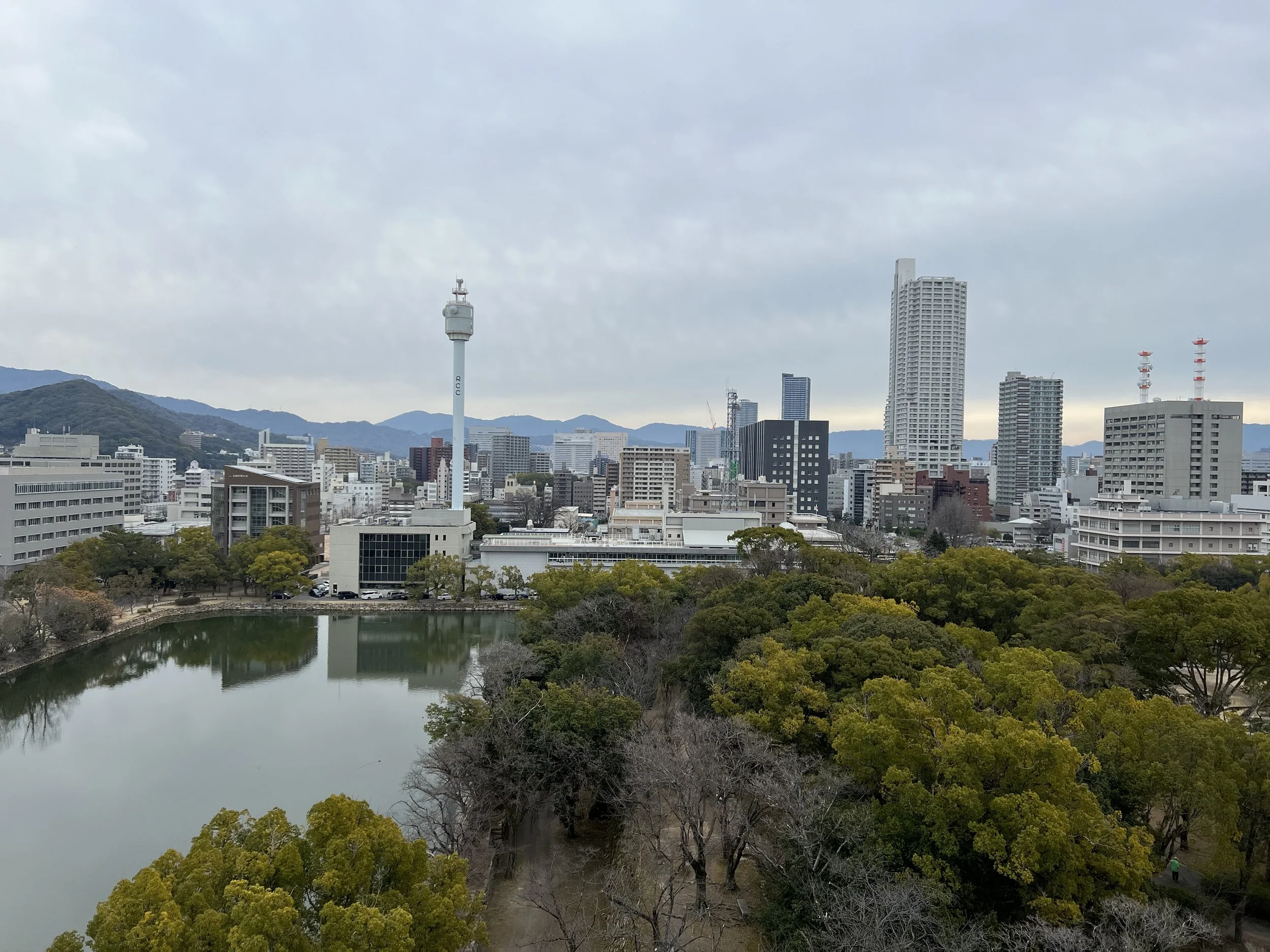
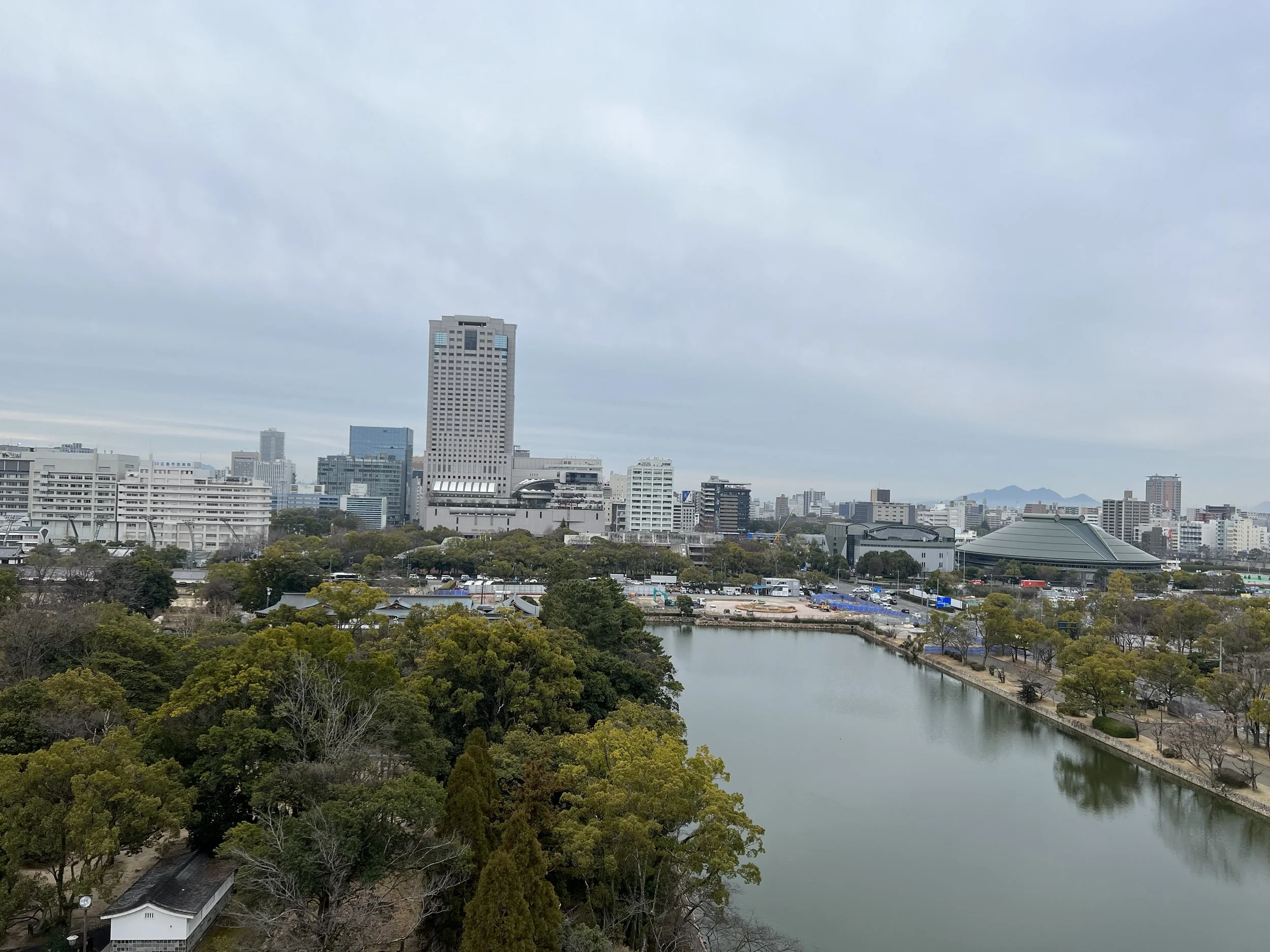
I made my way to the top floor, where I was able to take in panoramic views of Hiroshima. I stood there for a while, quietly observing the city below. In recent years, restoration efforts have begun on several structures around the castle grounds, using traditional building methods and materials. Despite this, when I left the castle, very little stood out in my memory beyond the fact that I had visited. I ended up rereading the brochure afterward to refresh my understanding of the site.
In hindsight, I would recommend visiting Hiroshima Castle before the Peace Memorial Museum. Experiencing the castle first may help provide historical context without the emotional weight that follows a visit to the memorial sites.
History & Background
Hiroshima Castle (広島城) was constructed in 1589 by Mori Terumoto, a powerful feudal lord during the Sengoku period. Its central urban location reflected Hiroshima’s role as a political and economic hub. Unlike many castles that were dismantled during the Meiji Restoration, Hiroshima Castle remained intact until the end of World War II.
On August 6, 1945, the atomic bomb detonated approximately one kilometre from the castle, completely destroying the original structure. The current keep is a concrete reconstruction completed in 1958 and now functions as a museum dedicated to Hiroshima’s pre-war history and the samurai culture of the region.
Getting There
Hiroshima Castle is located in central Hiroshima City. From the Atomic Bomb Dome or Hiroshima Peace Memorial Museum, the castle is about a 15–20 minute walk. The site is also accessible by tram, with Kamiya-cho or Kencho-mae stops within walking distance of the castle grounds.
Route Overview
Distance: 1.68 km (Hiroshima Memorial Peace Museum → Hiroshima Castle)
Total elevation gain: 11 m
Duration: 17 min (with breaks 20 min)
Difficulty: Easy
Cost Breakdown
Entrance Fee: Hiroshima Castle — ¥370
Food: ¥2,990