Sapporo Snow Festival 2023 - Hokkaido, Japan
Among the many seasonal festivals across Japan, the snow festivals of Hokkaido have always been at the top of my list, with the Sapporo Snow Festival standing out as the most iconic. I finally found myself in Japan at the right time of year to experience this winter celebration firsthand. Held annually in February, typically from the 4th to the 11th, the festival transforms the city into a massive outdoor gallery of snow and ice art. The event spans three main locations: Odori, Susukino, and Tsudome. Odori Site features snow sculptures ranging from small creations to towering centrepieces, Susukino showcases intricately carved ice sculptures, and Tsudome focuses on interactive, family-friendly activities like giant snow slides and snow play areas.
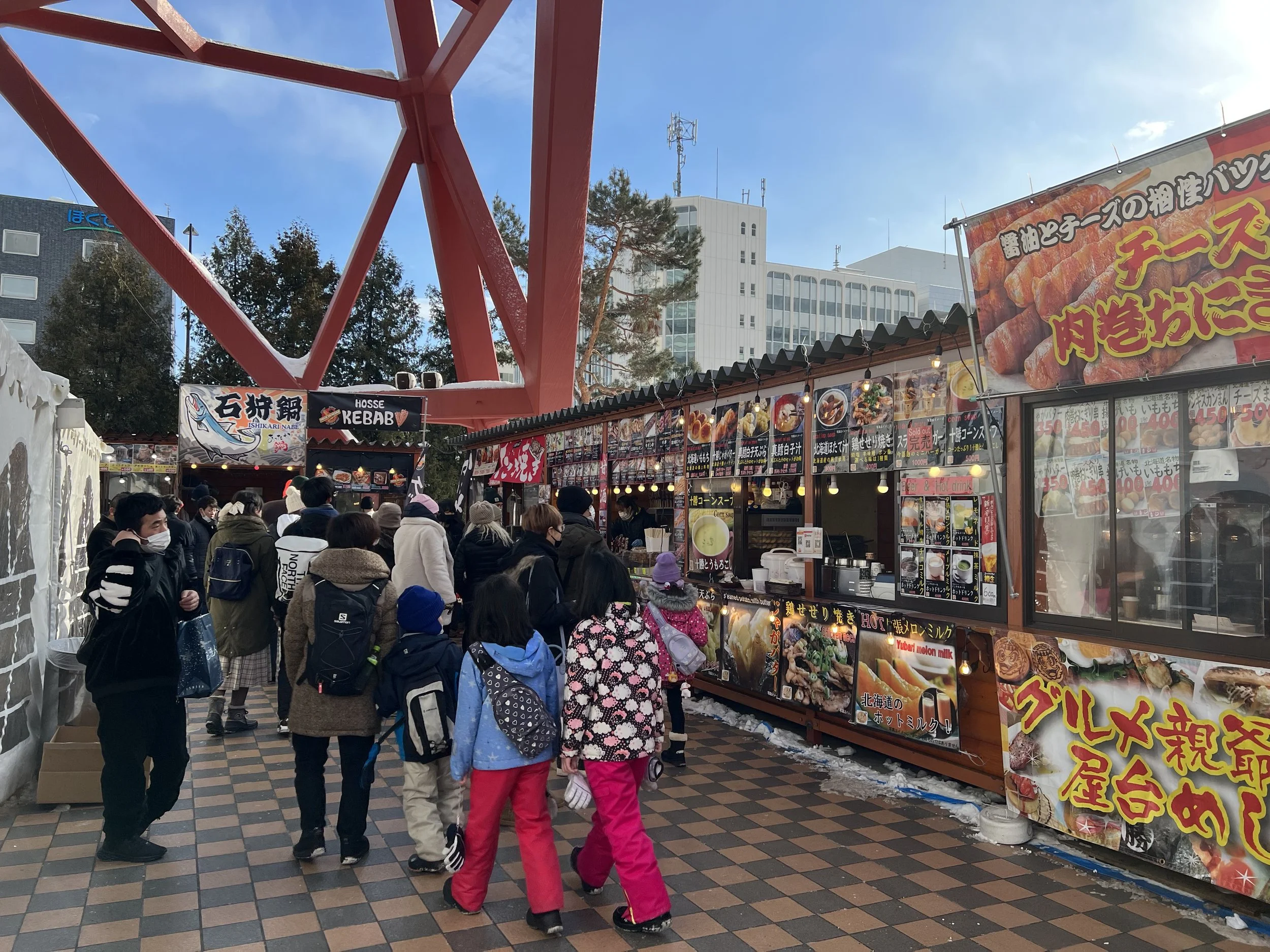
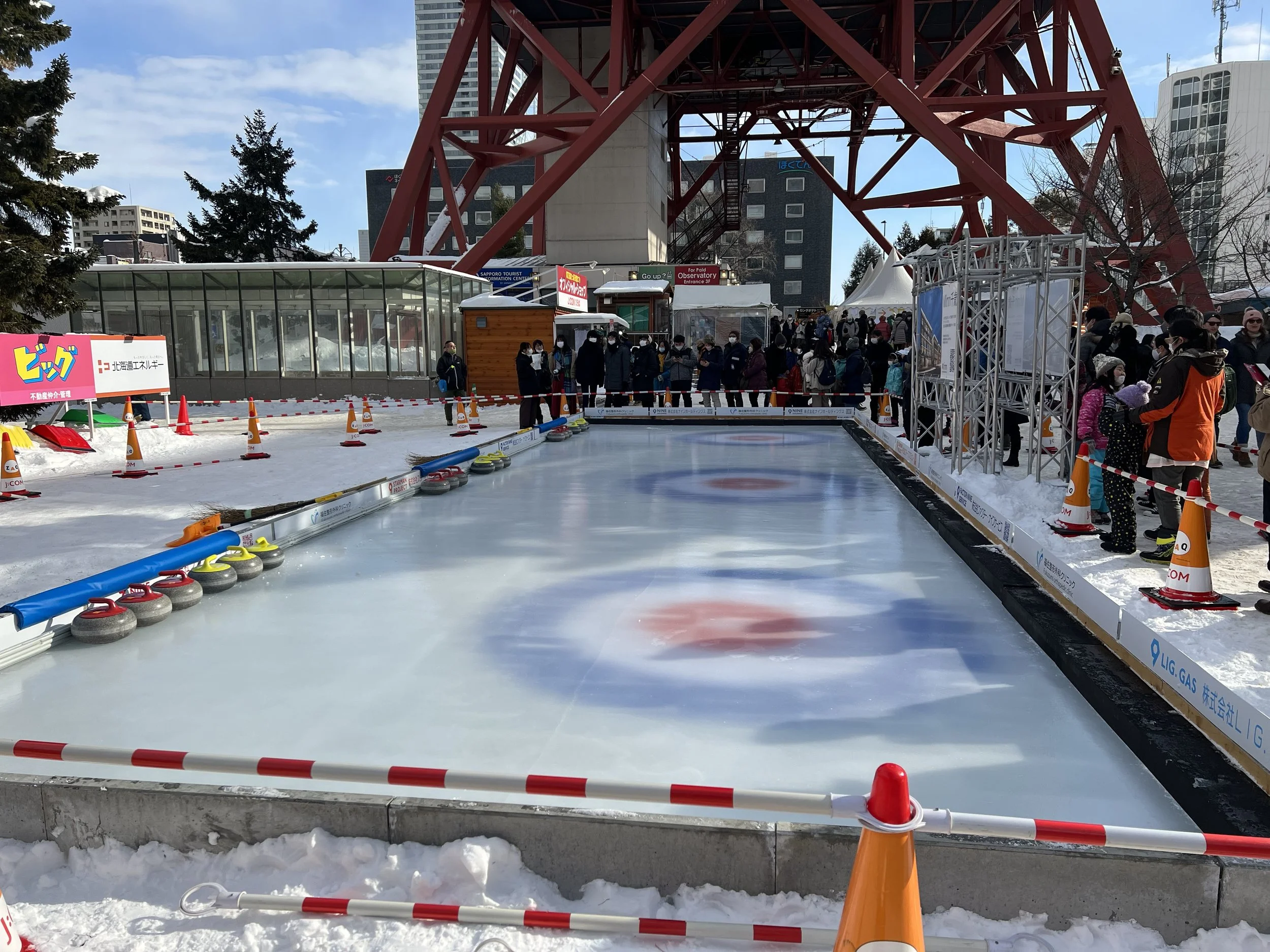
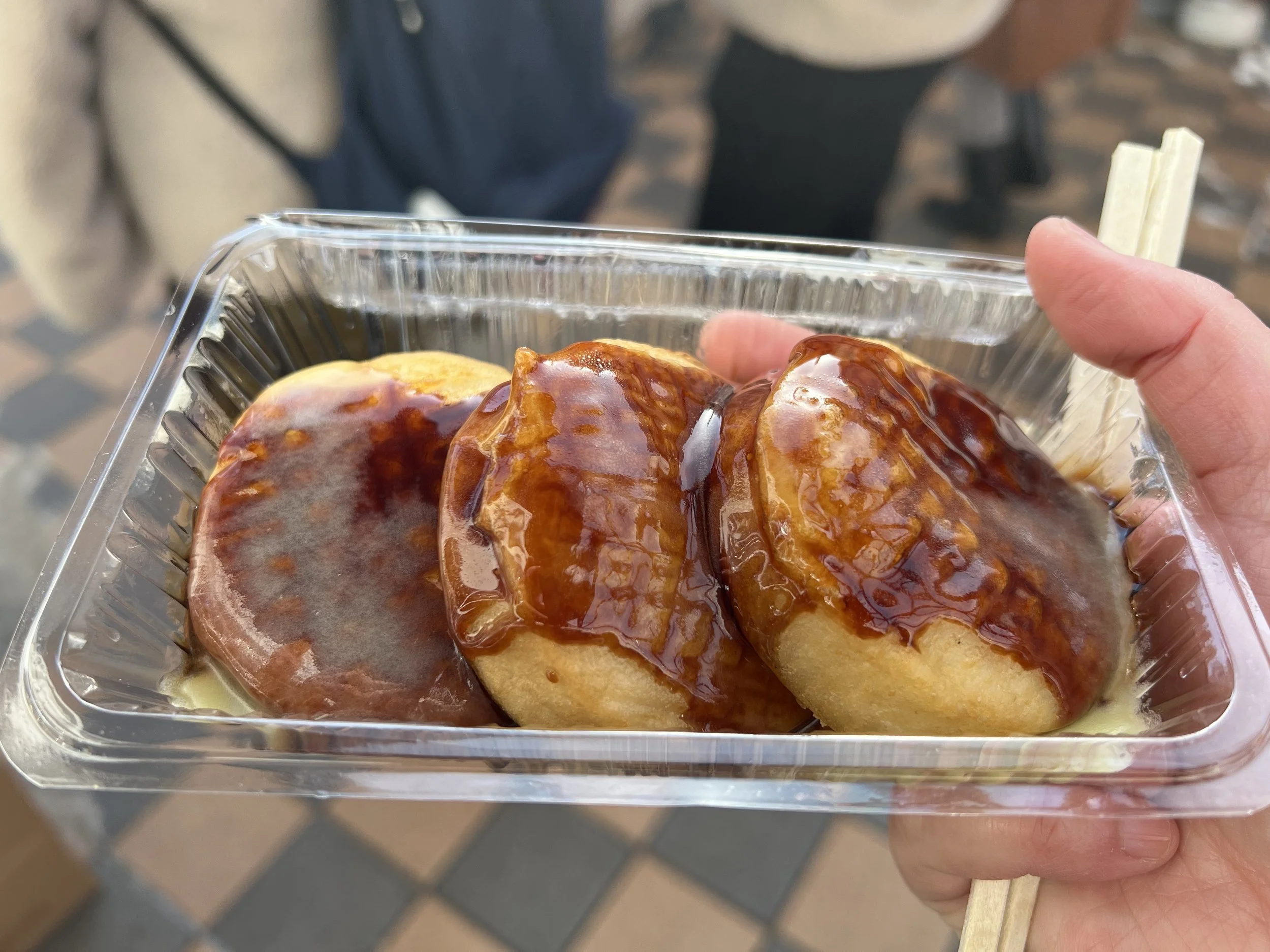
I began my day by walking from Sapporo Station toward Odori Park, making my way to the Sapporo TV Tower where the festivities were already in full swing. The area was lively, with food stalls lining the park, a small curling rink set up for visitors to try, and crowds gathering around the base of the tower. Before heading up, I grabbed a few snacks and took time to wander through the surrounding displays. Built in the 1950s, the Sapporo TV Tower offers an observation deck with panoramic views of the city. From above, I could fully appreciate the scale and layout of the snow sculptures stretching across Odori Park—a perspective that made the experience even more impressive.
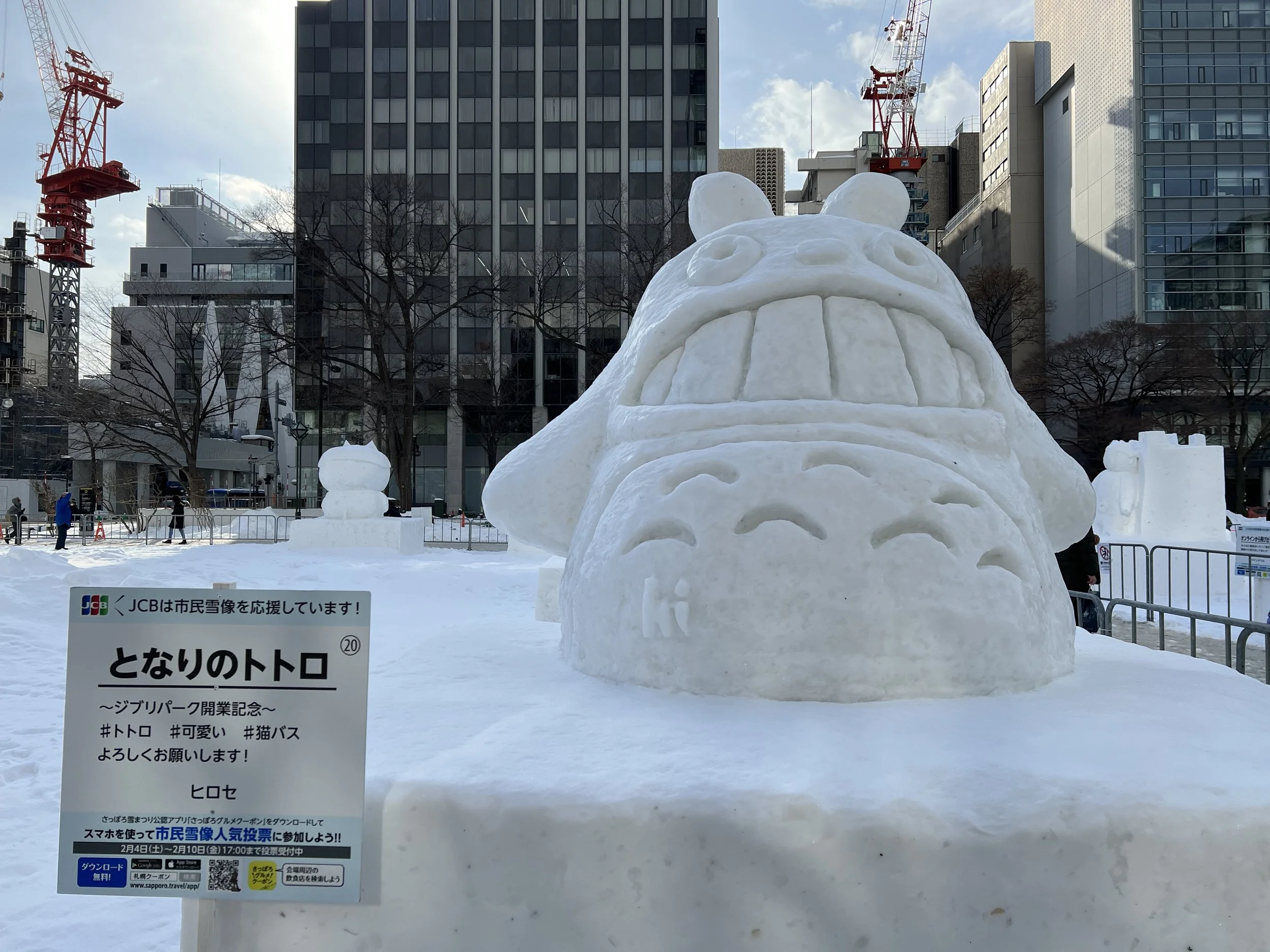
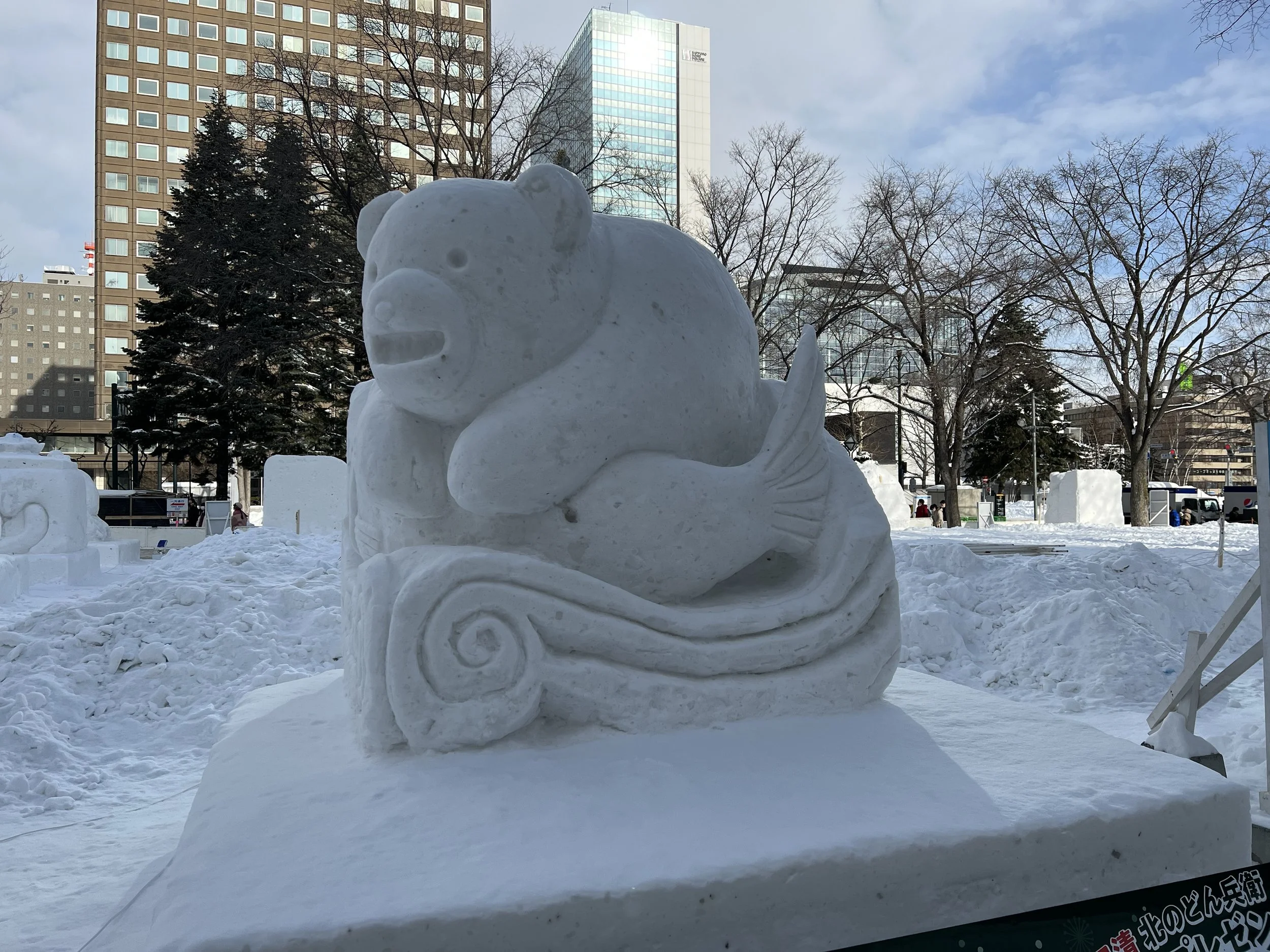
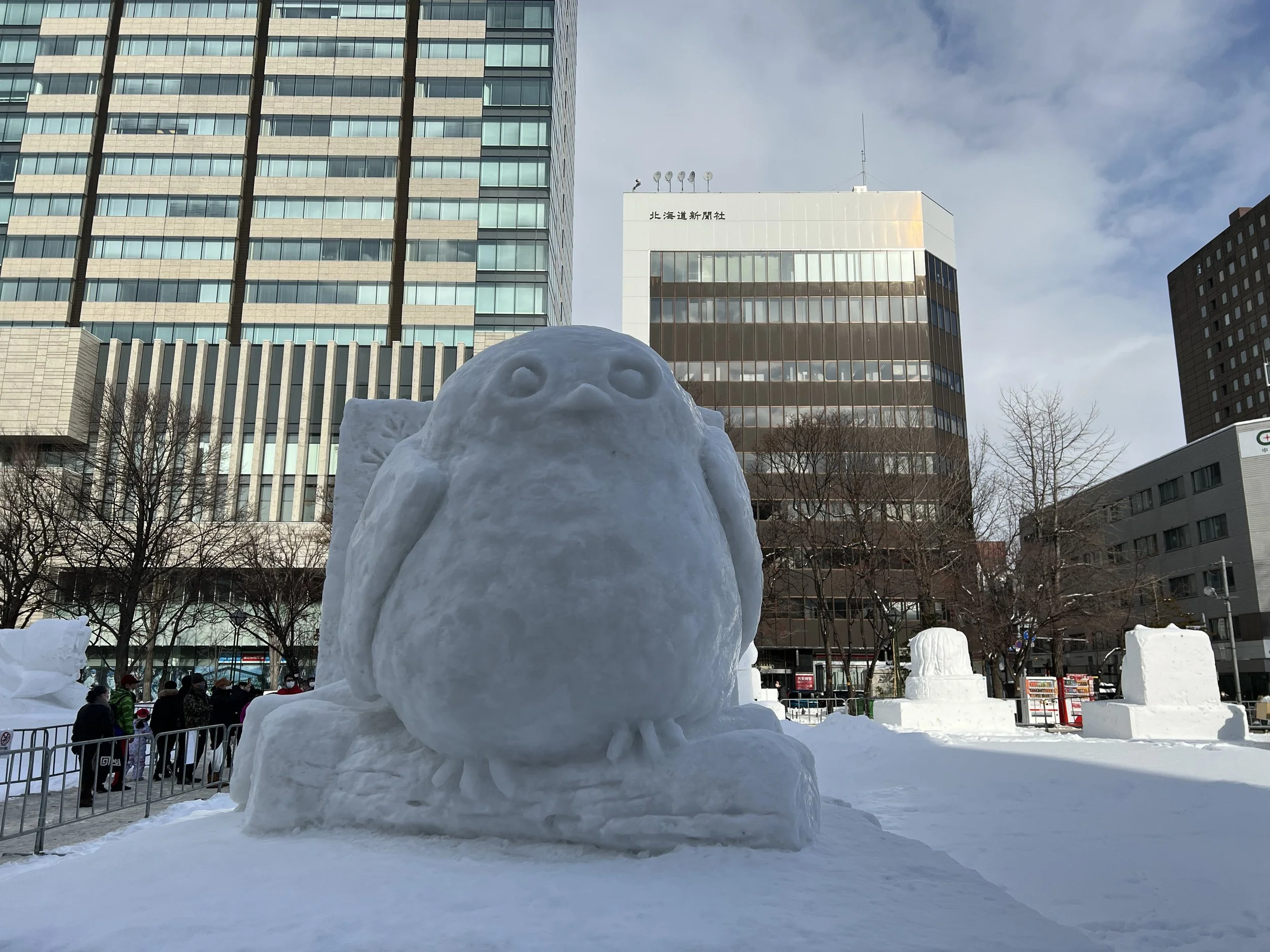
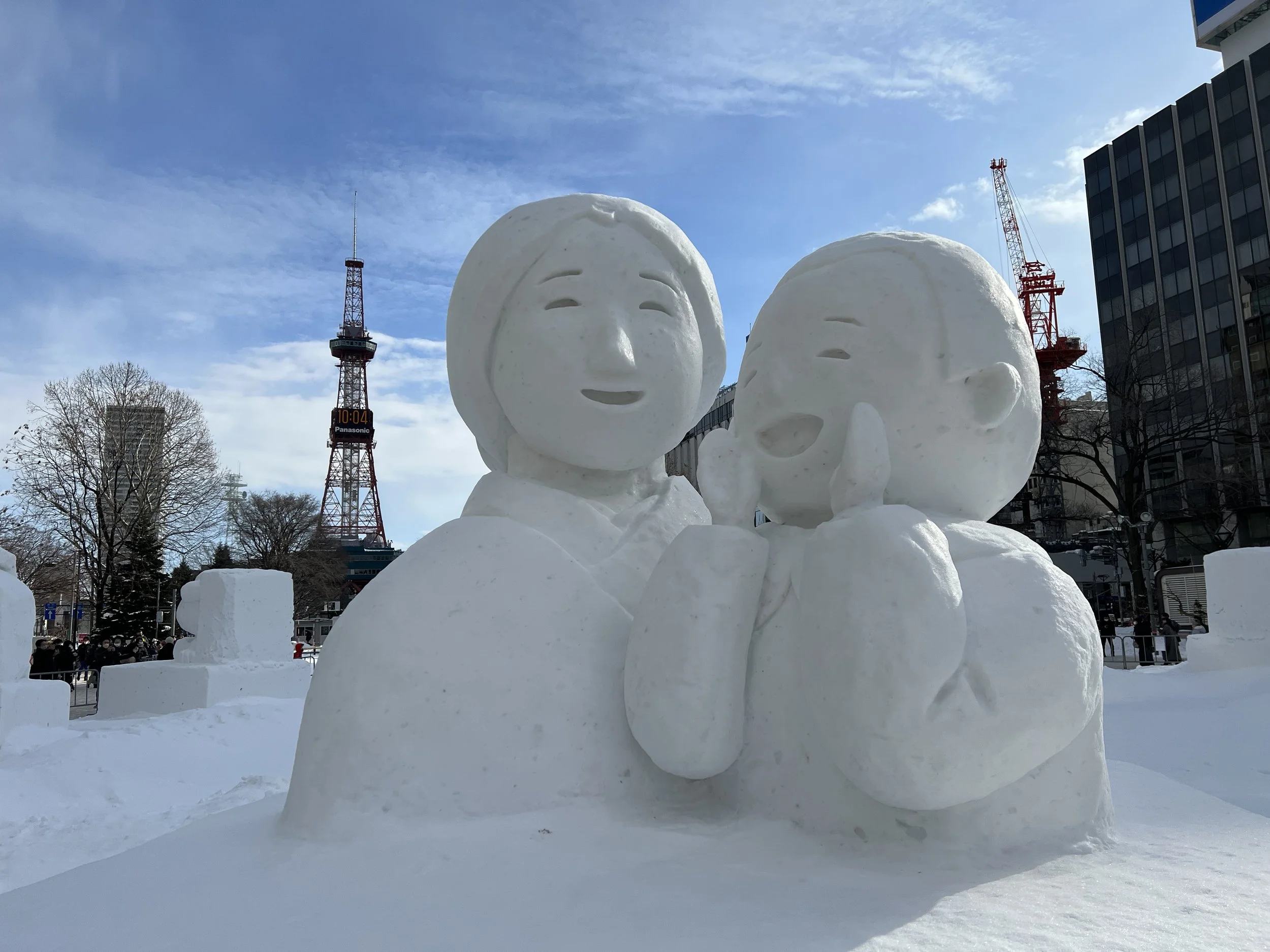
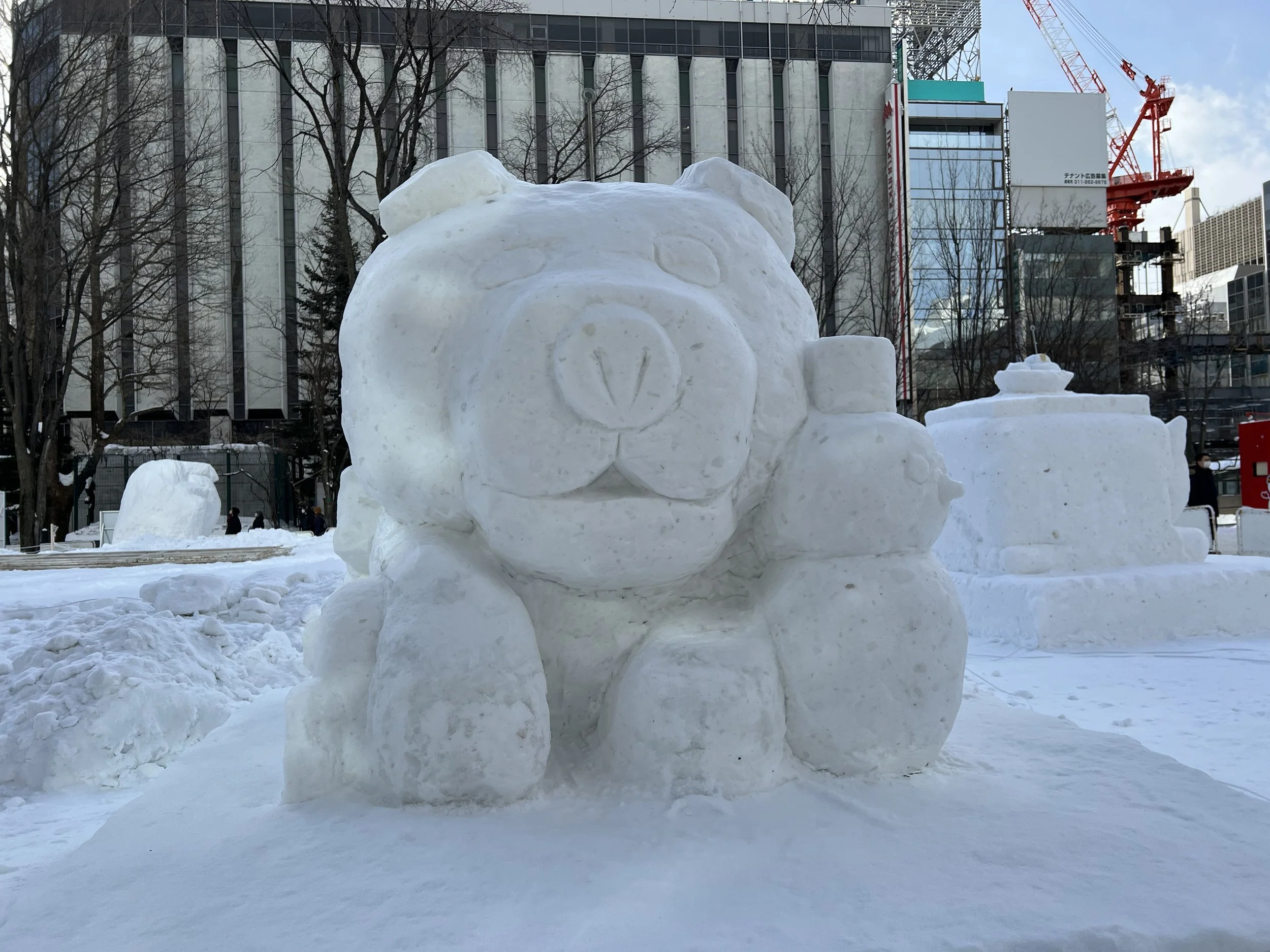
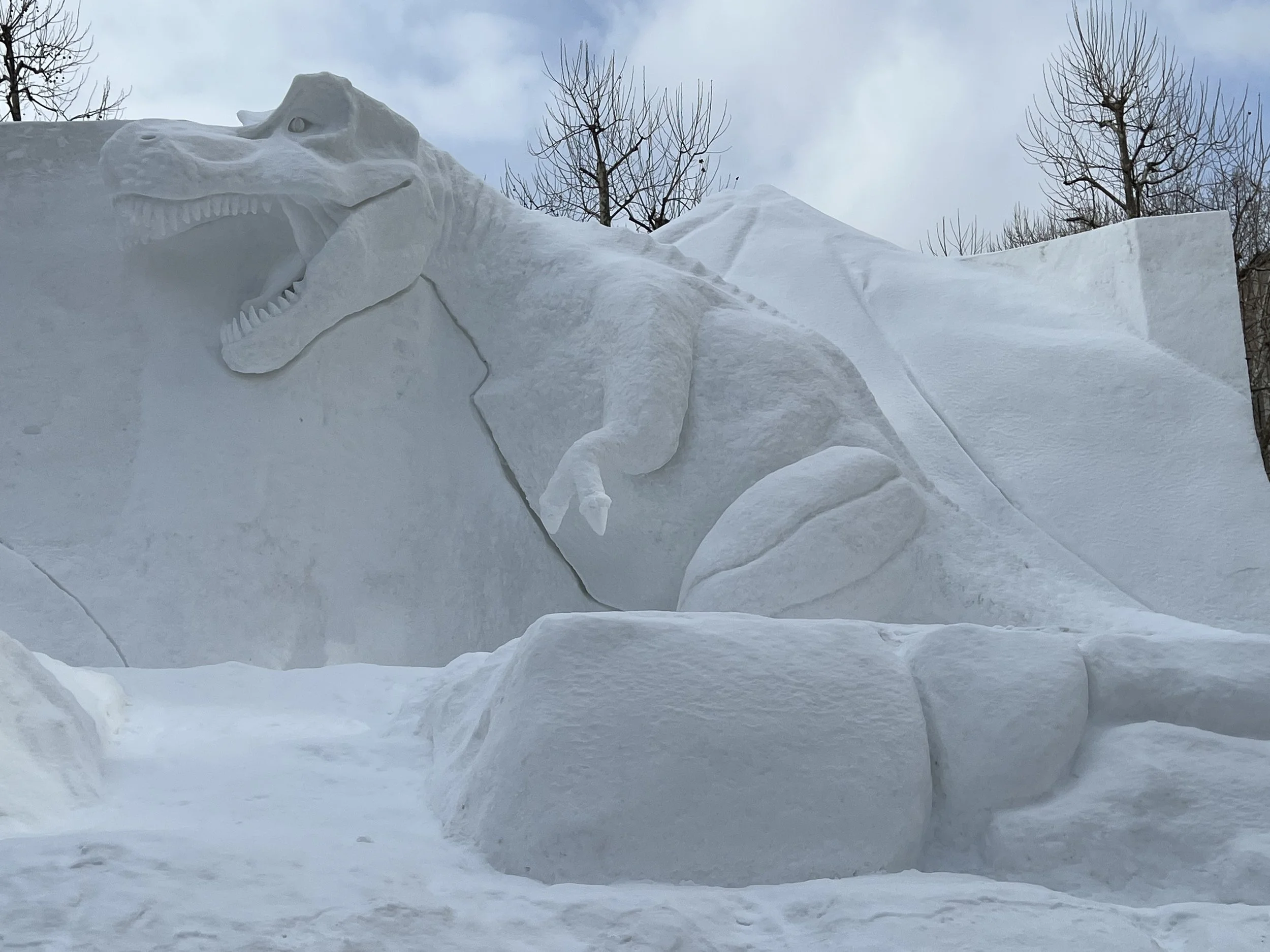
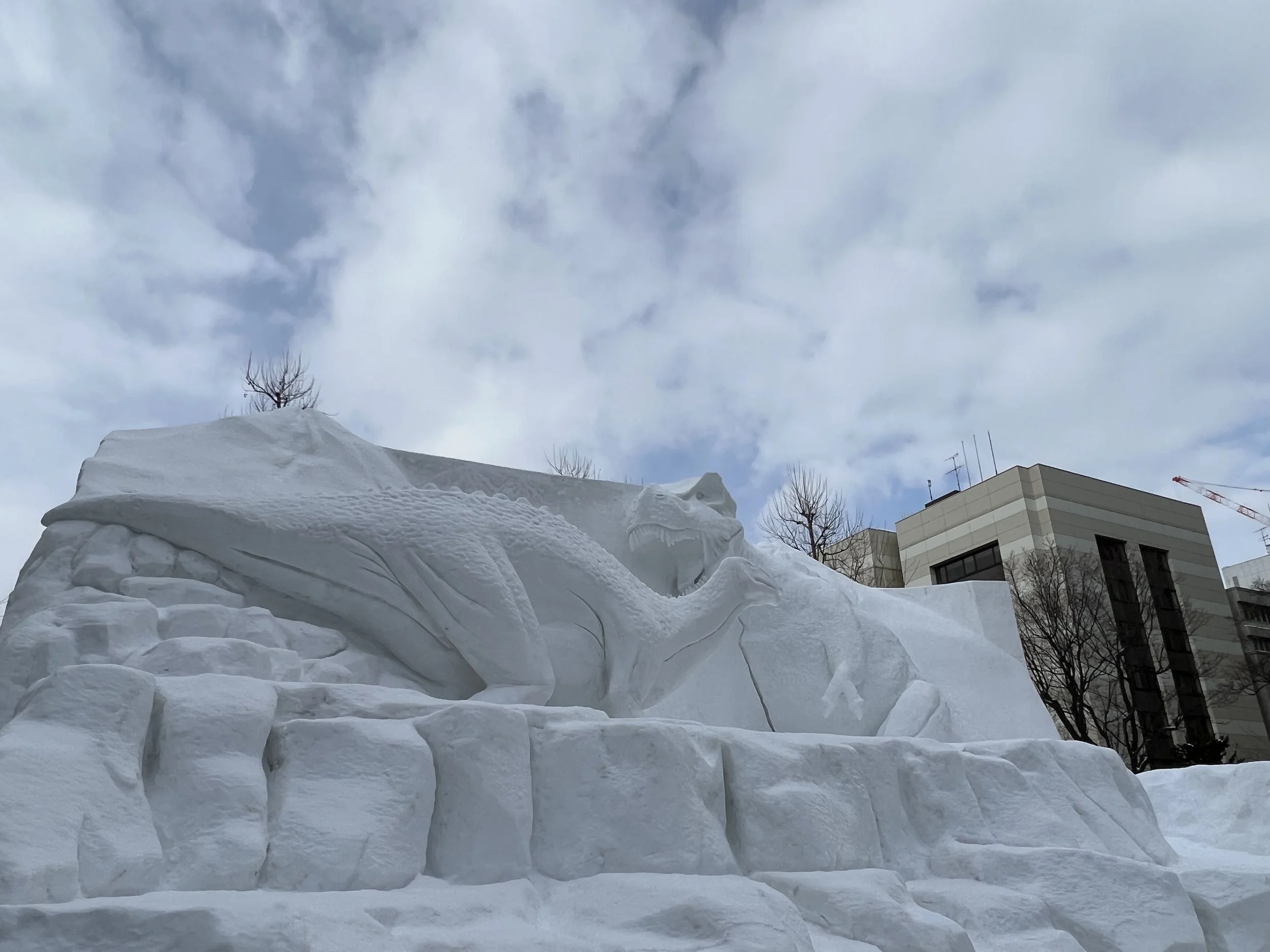
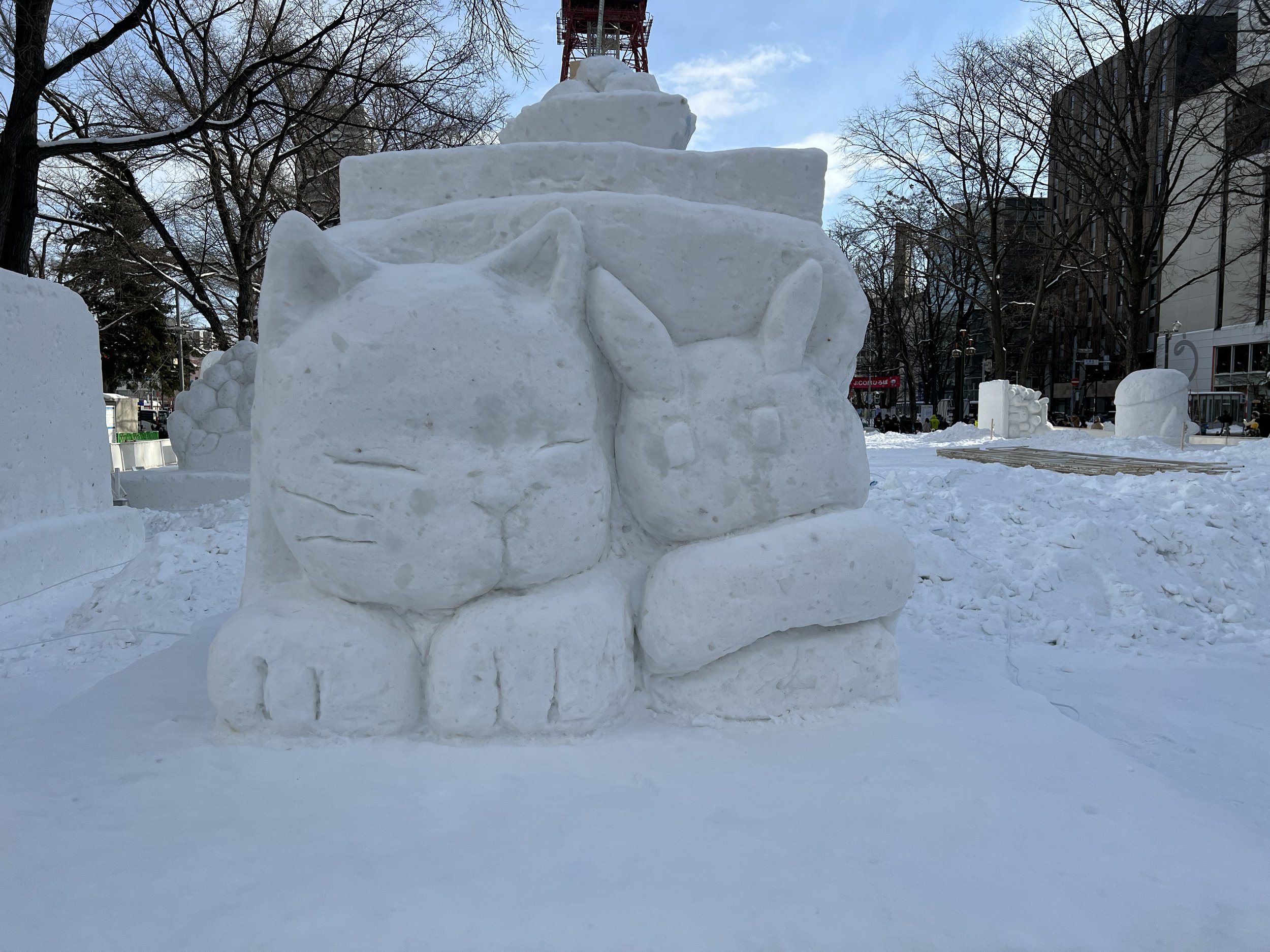
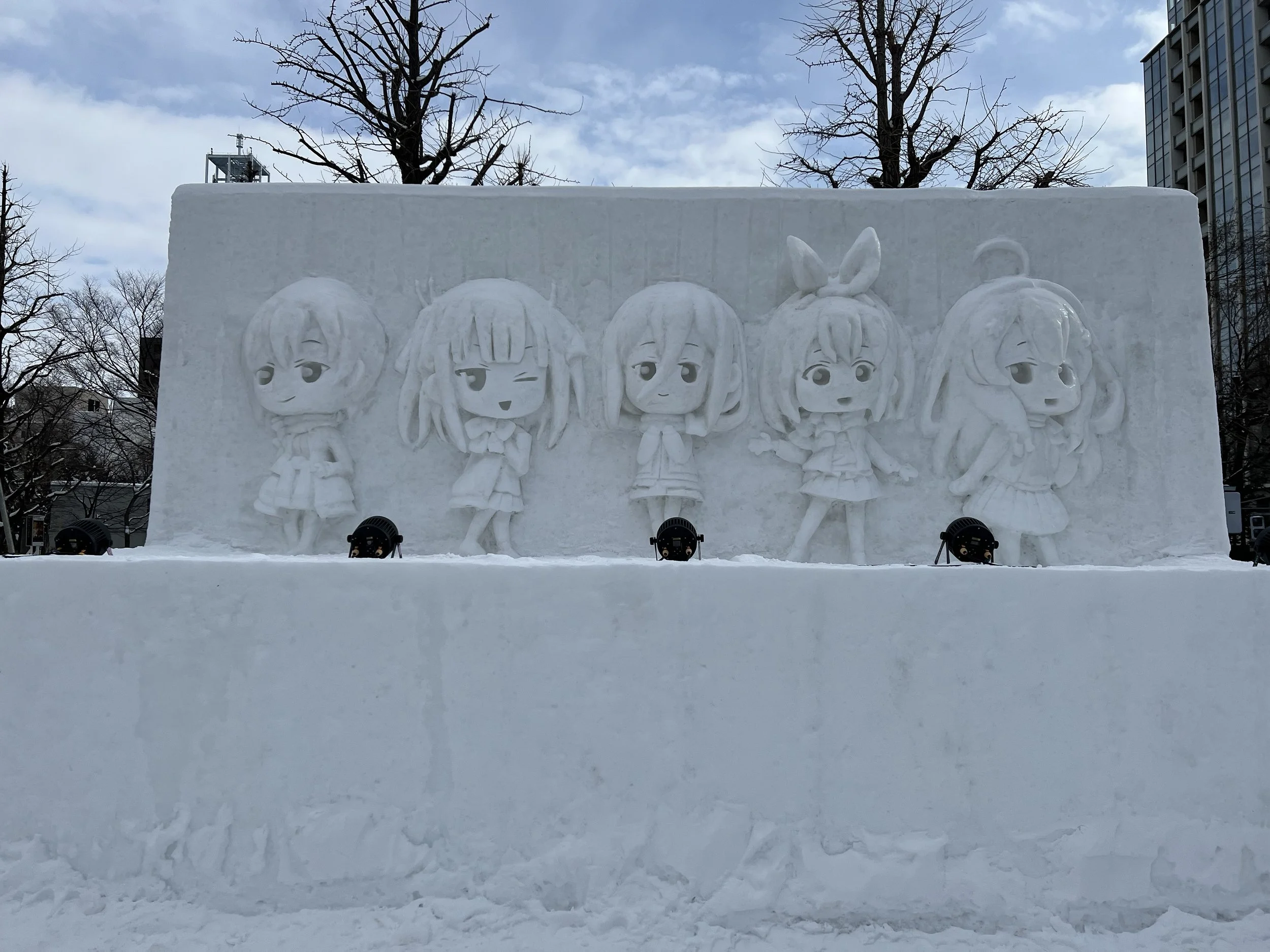
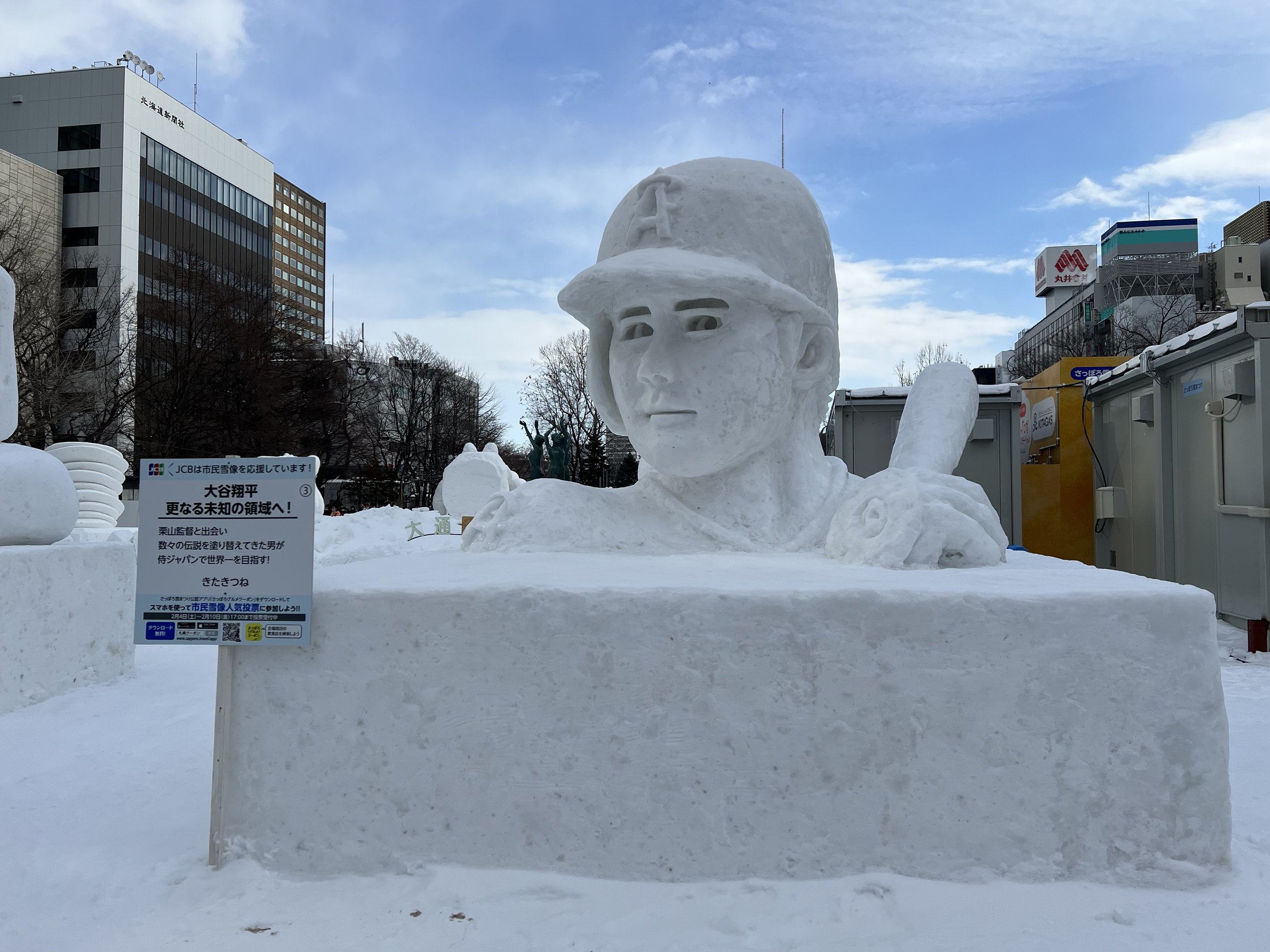
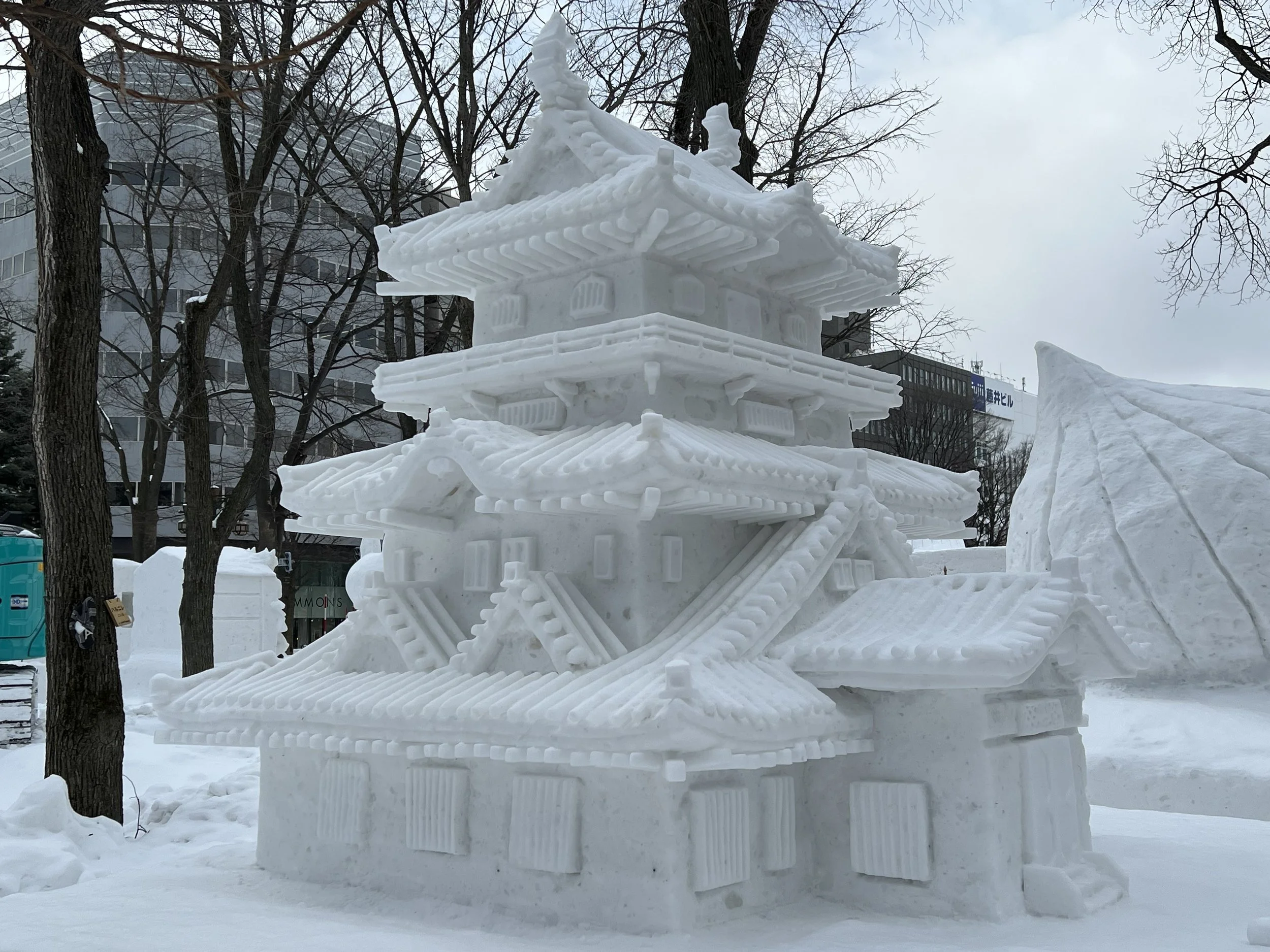
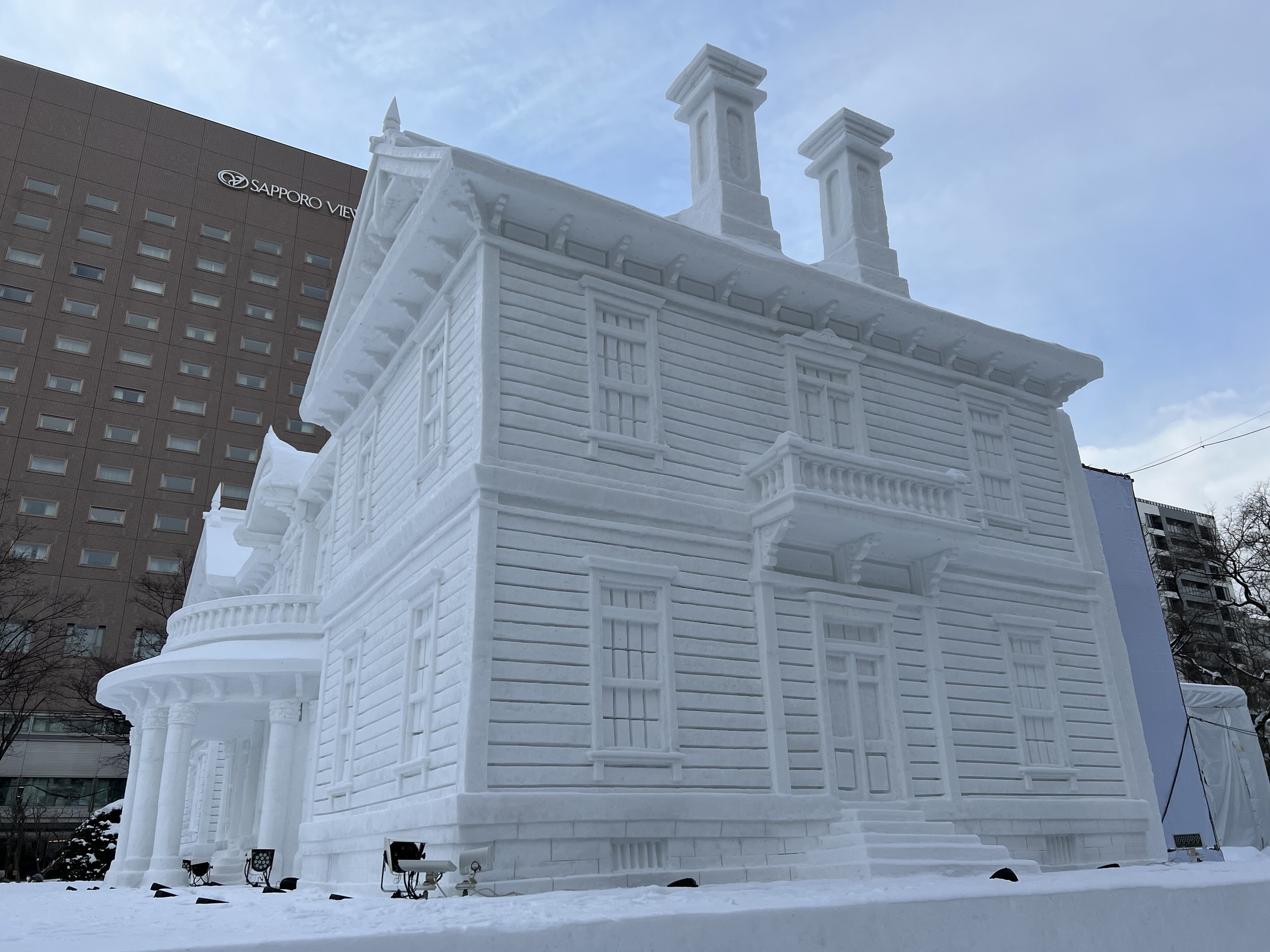
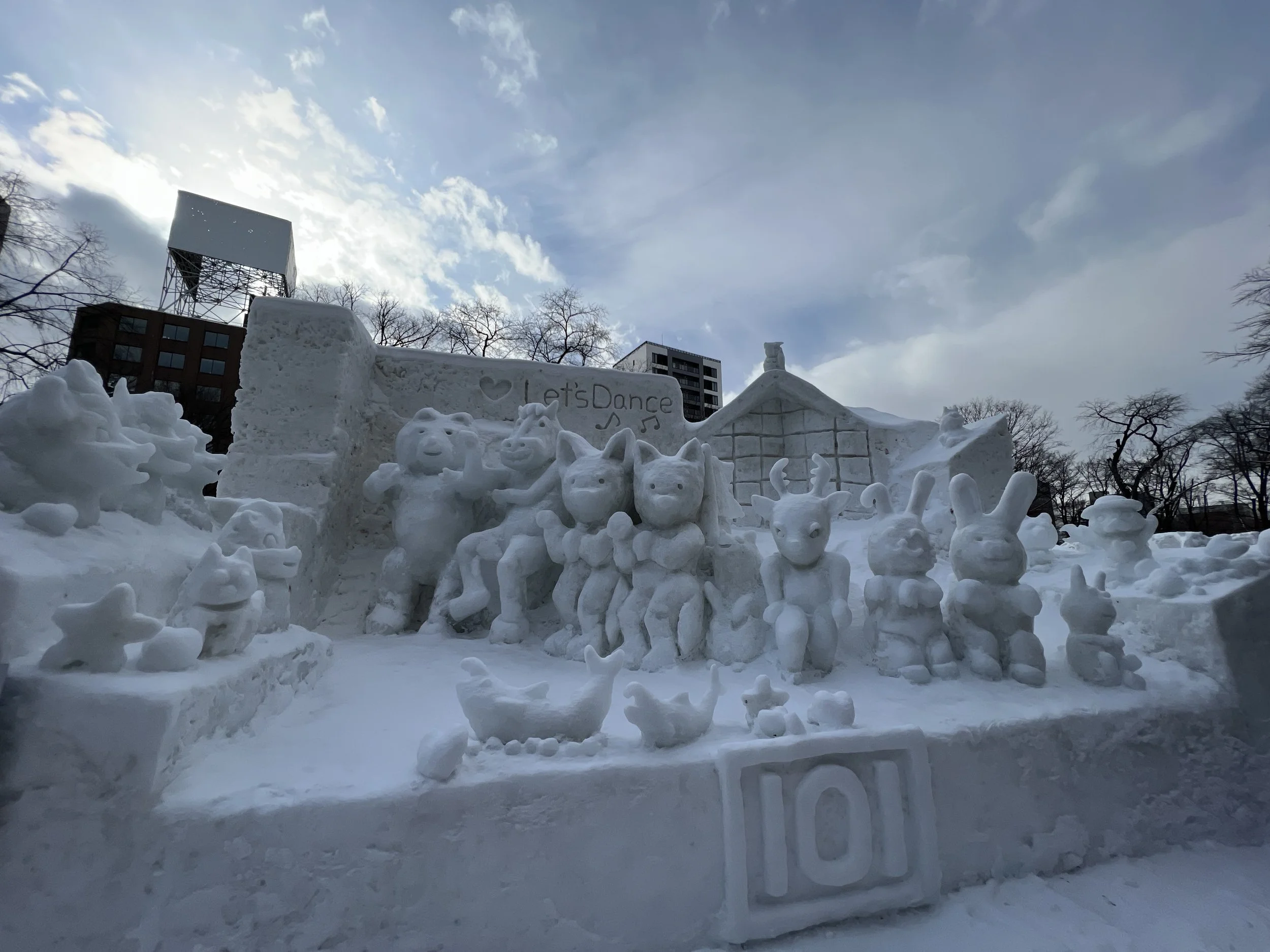
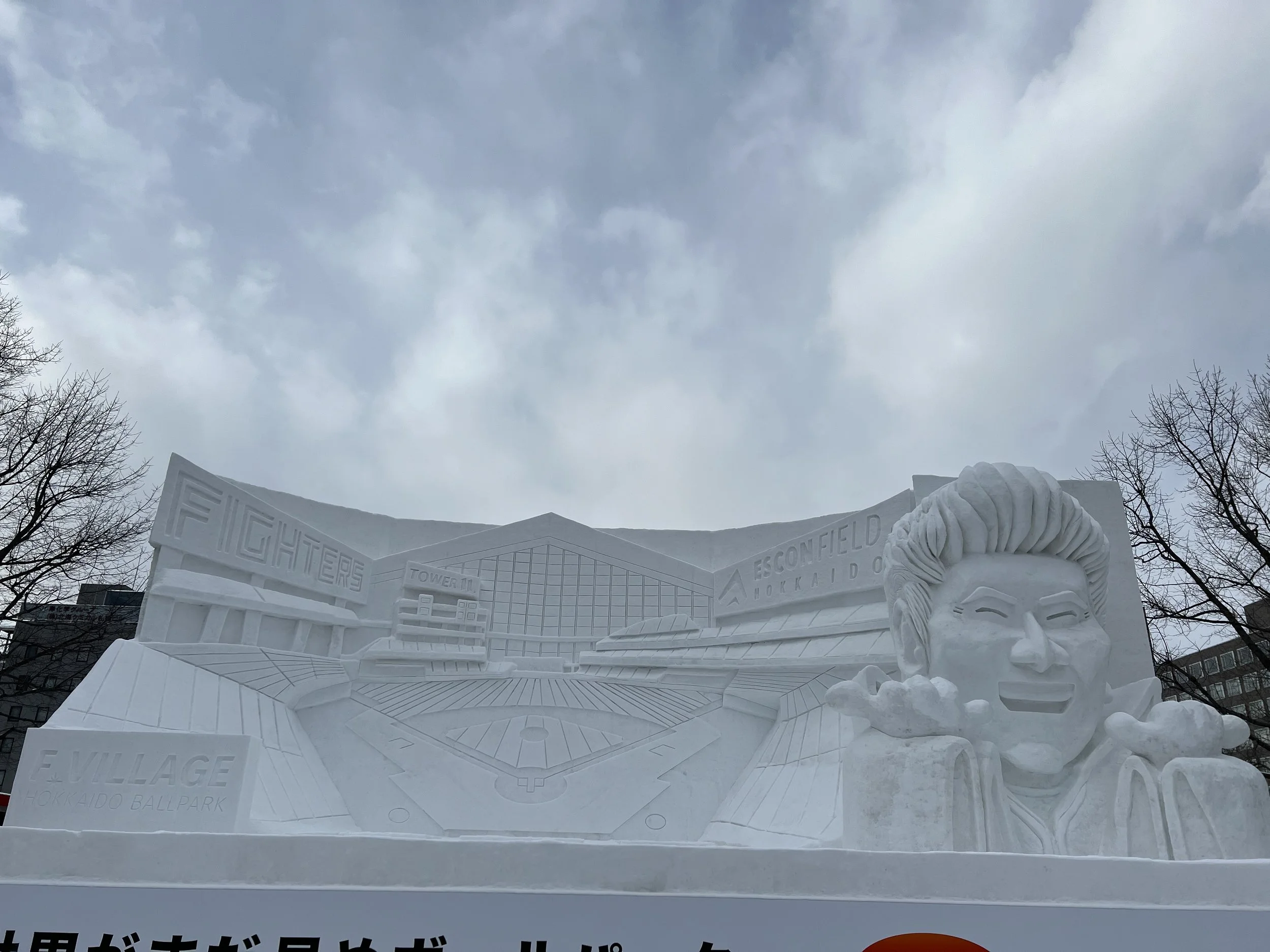
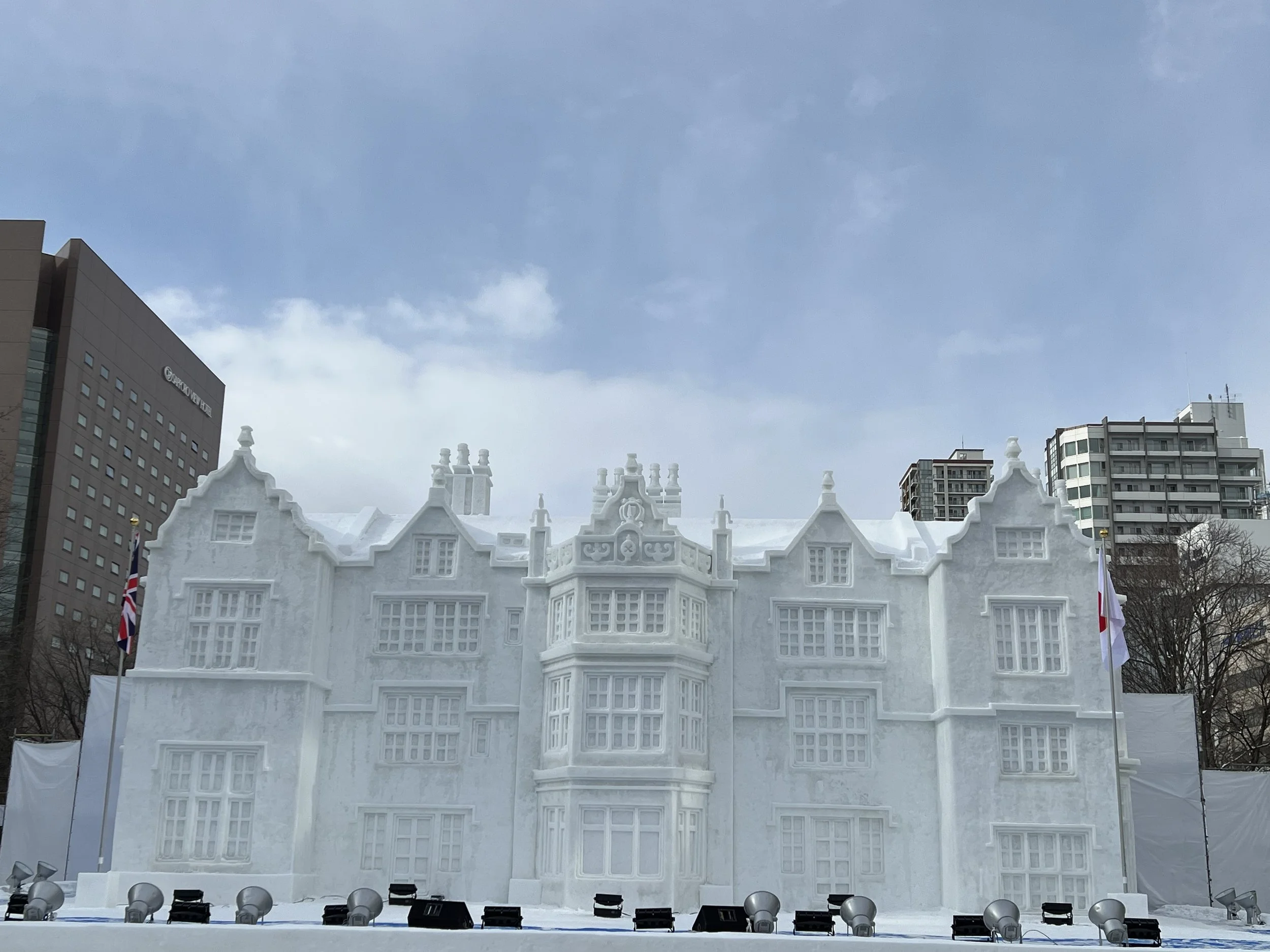
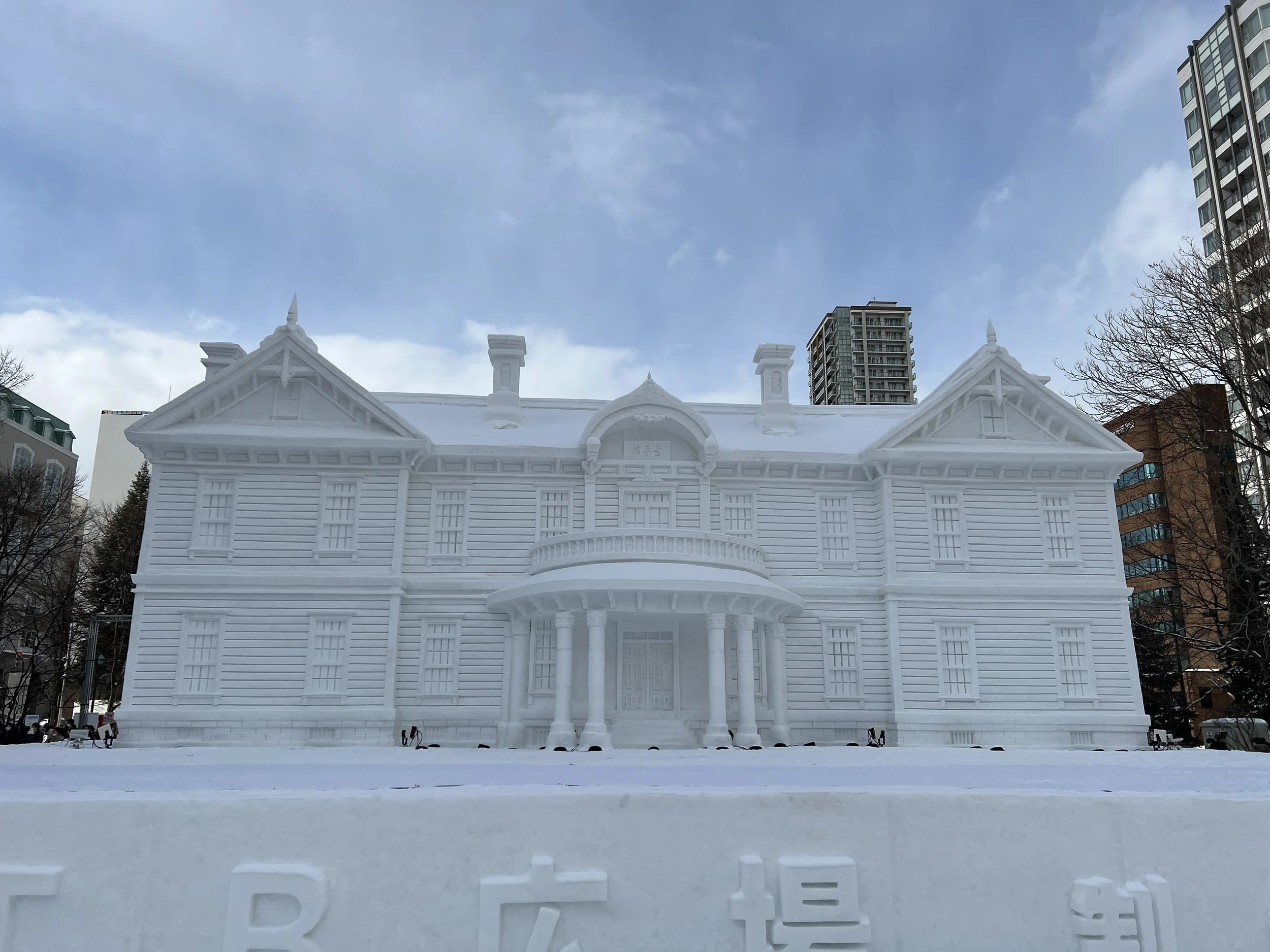
Back on the ground, I began exploring the snow sculptures in detail. The displays closest to the TV Tower were smaller and often created by students from local schools, each one filled with creativity and charm. As I continued walking west through the park, the sculptures gradually became larger and more elaborate. Some of the biggest installations measured over 25 metres wide and 15 metres tall. Themes ranged from cute animals and famous figures to grand recreations of castles and historic buildings. The level of detail was astonishing, and I couldn’t help but wonder how much time, effort, and teamwork went into carving each piece.
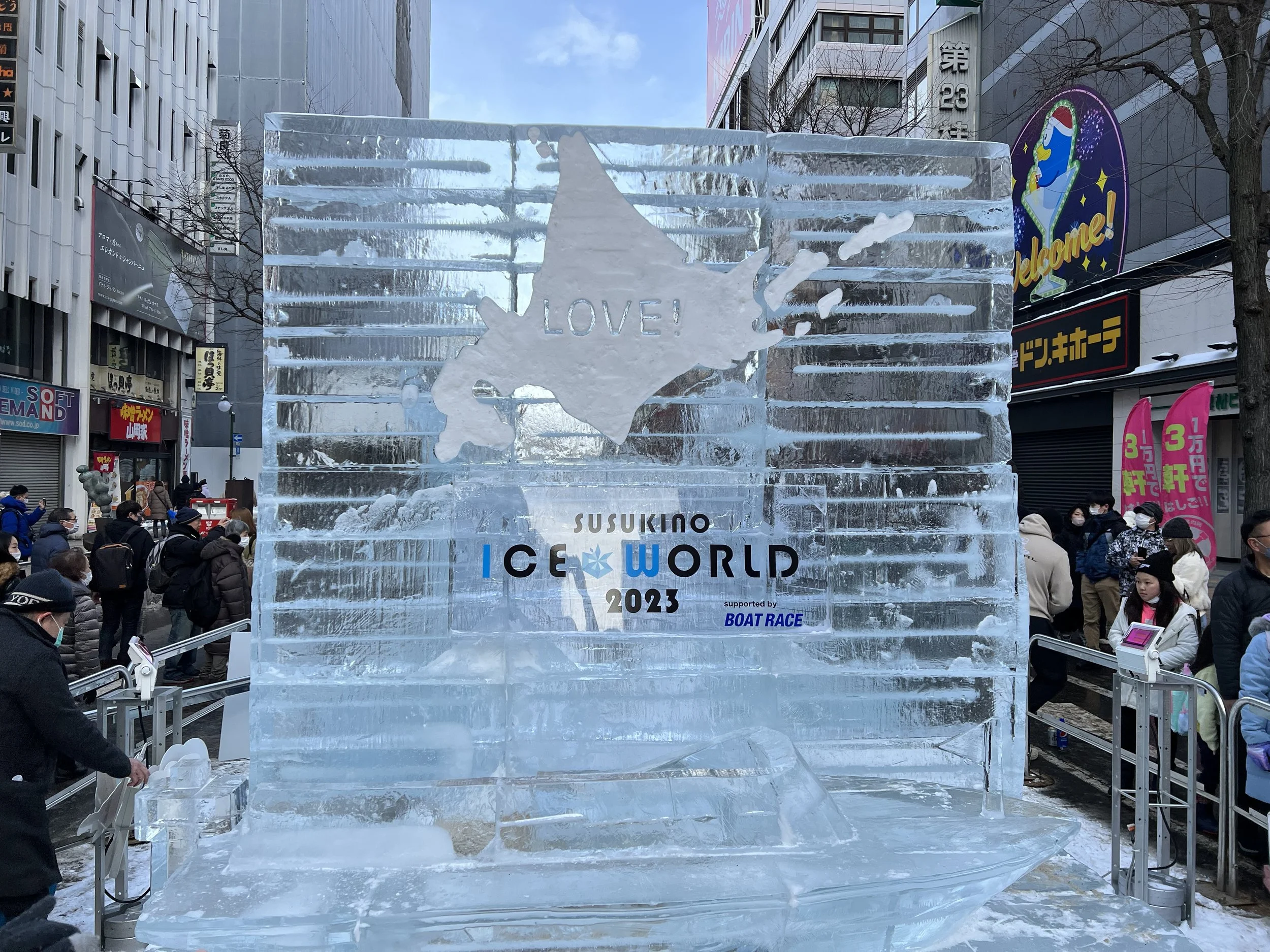
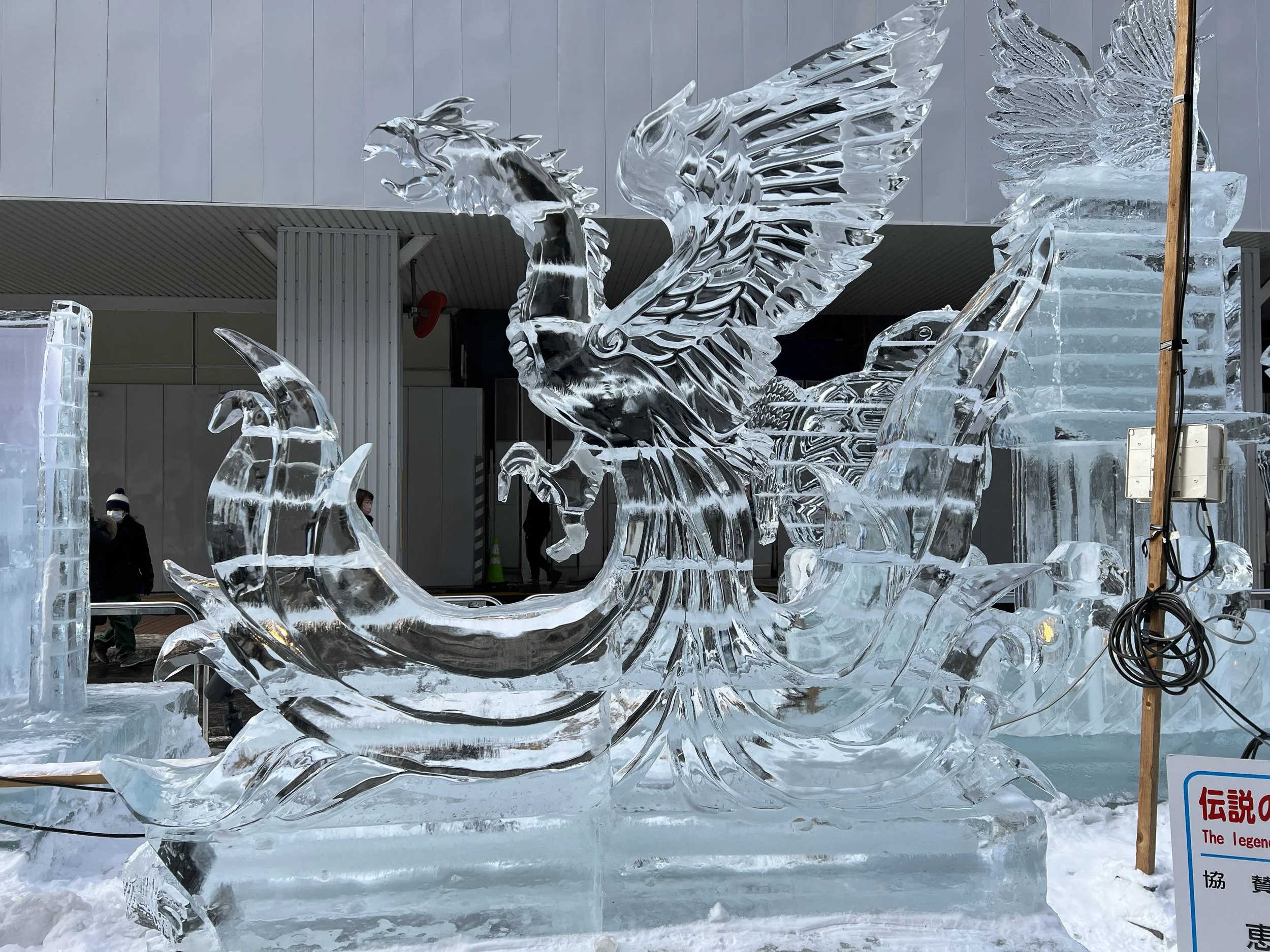
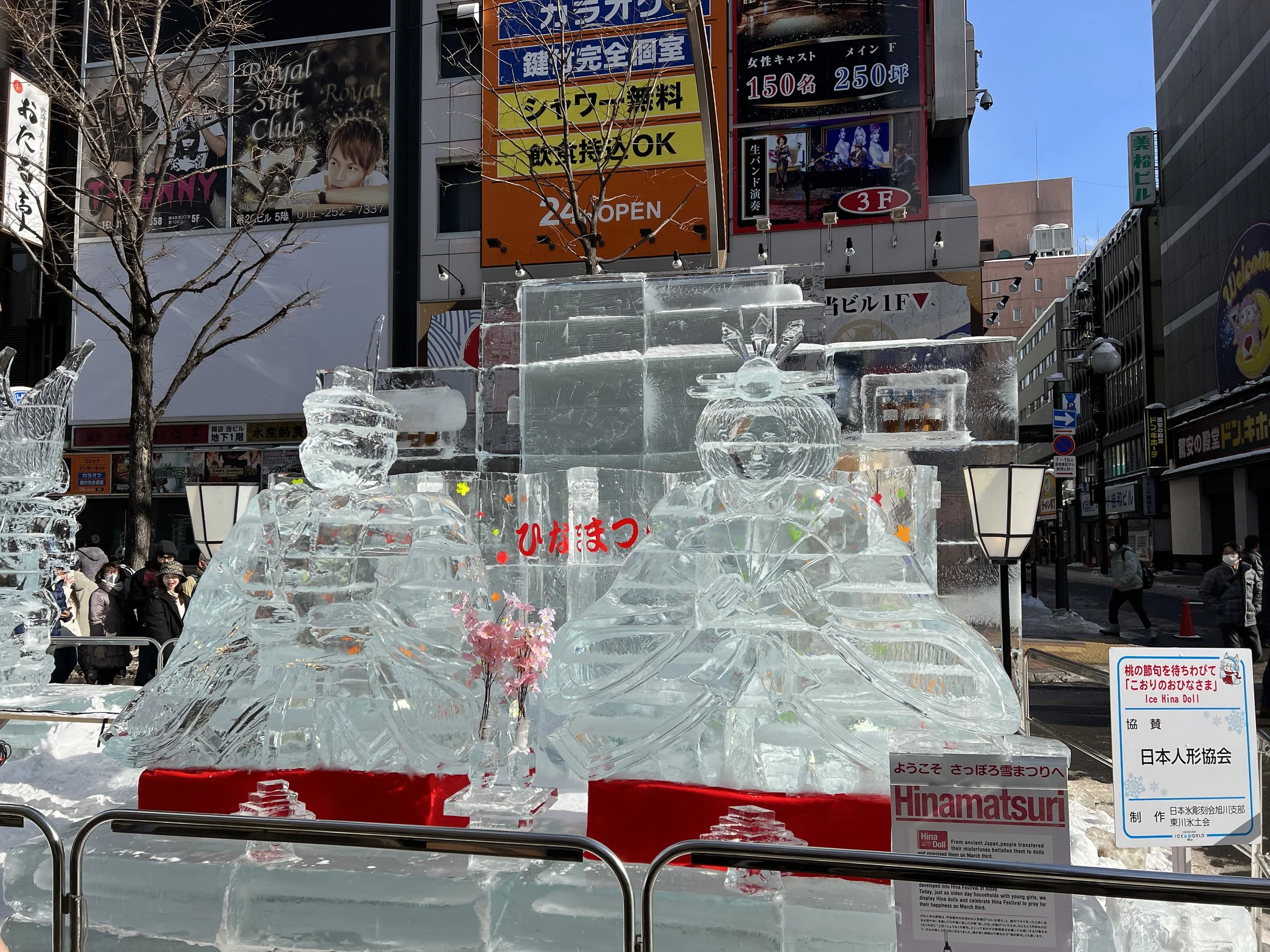
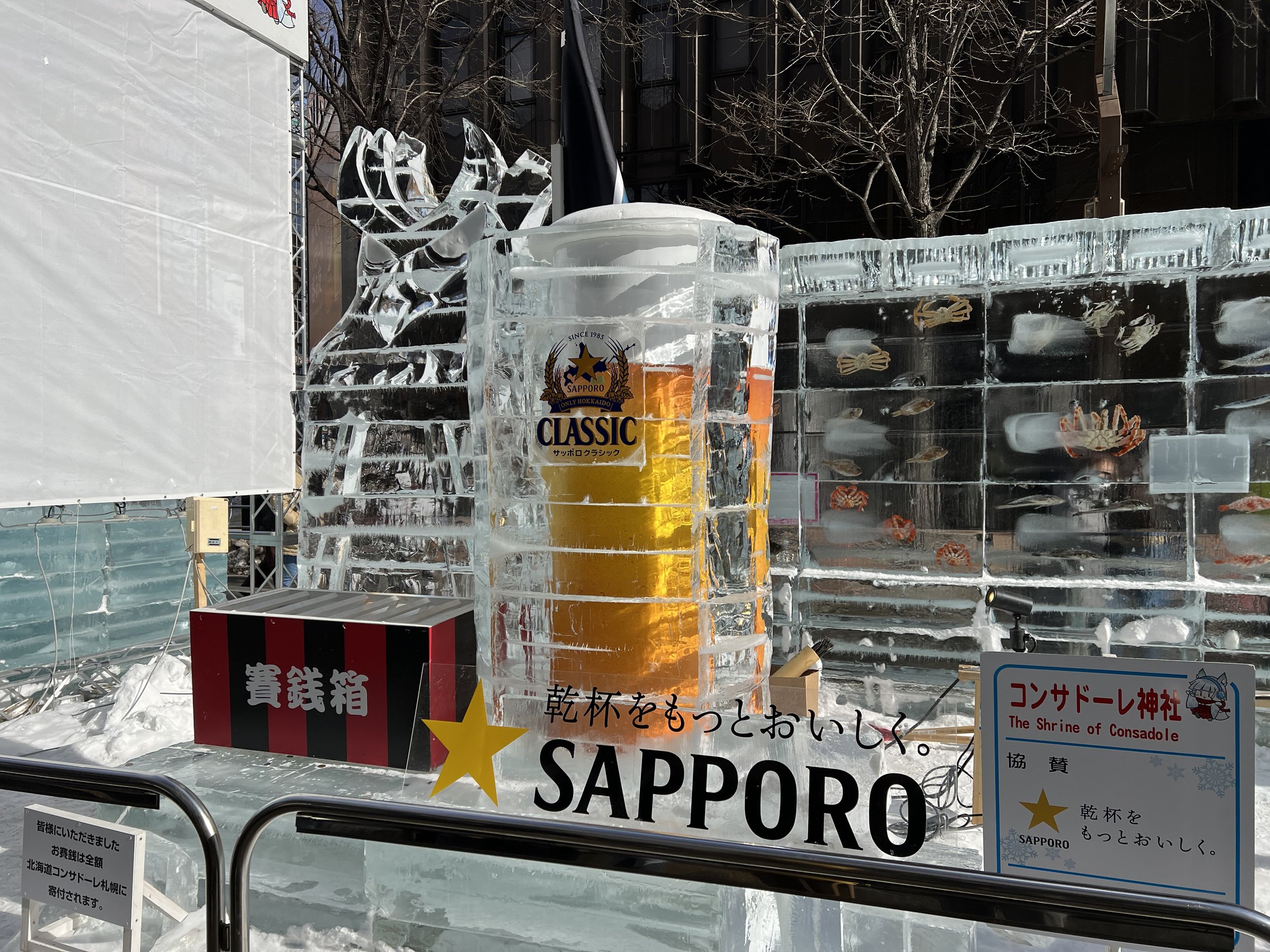
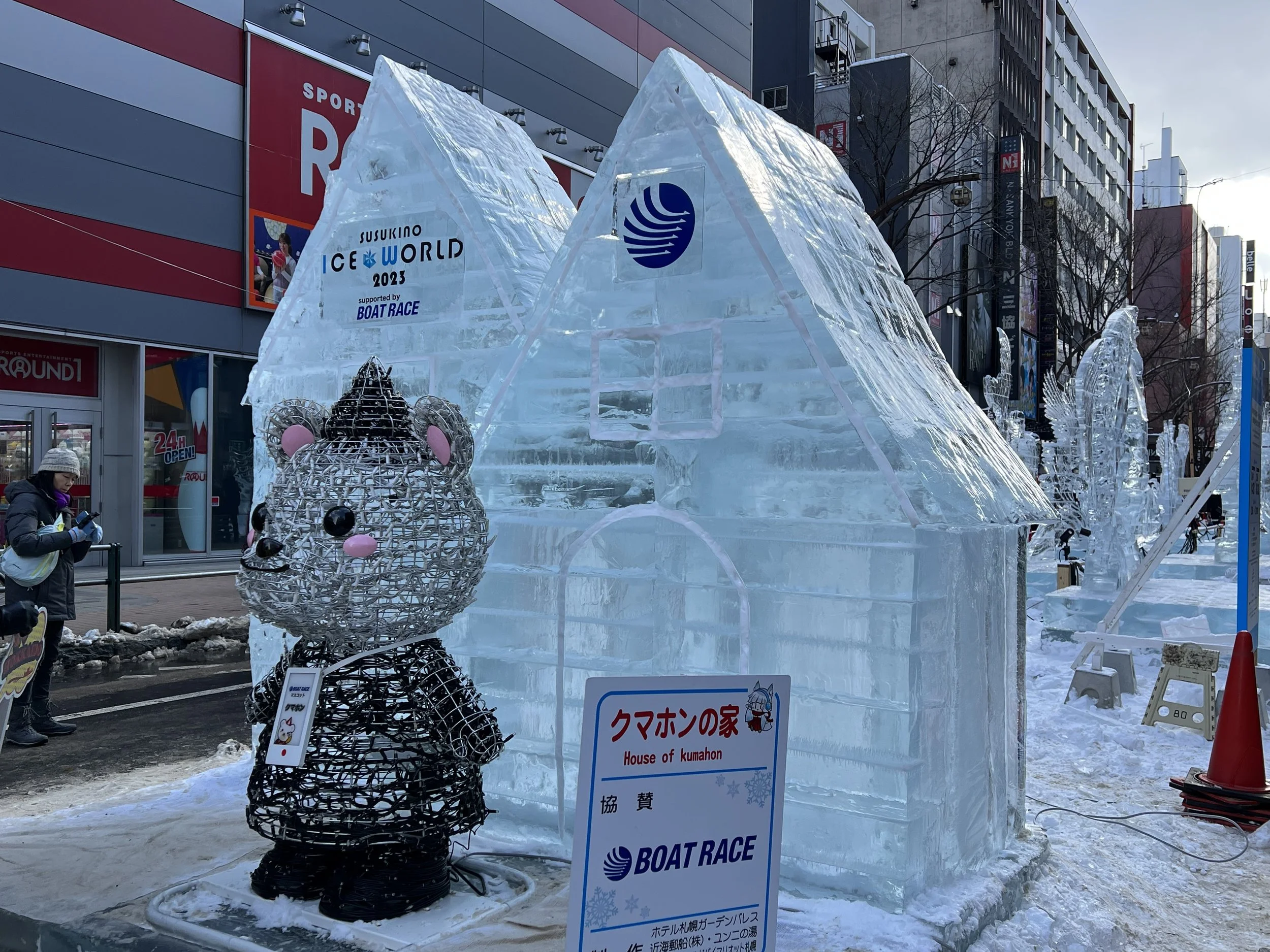
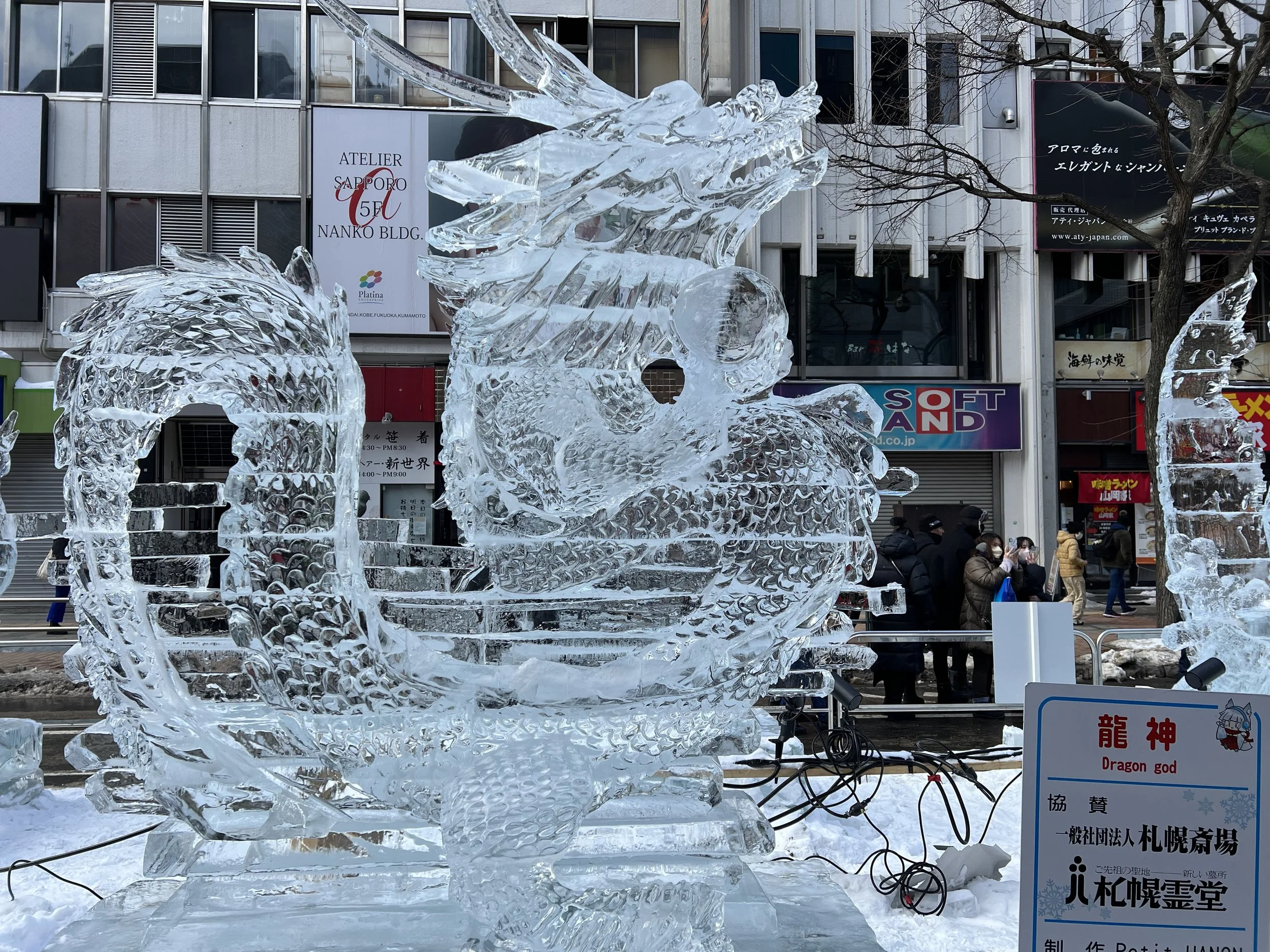
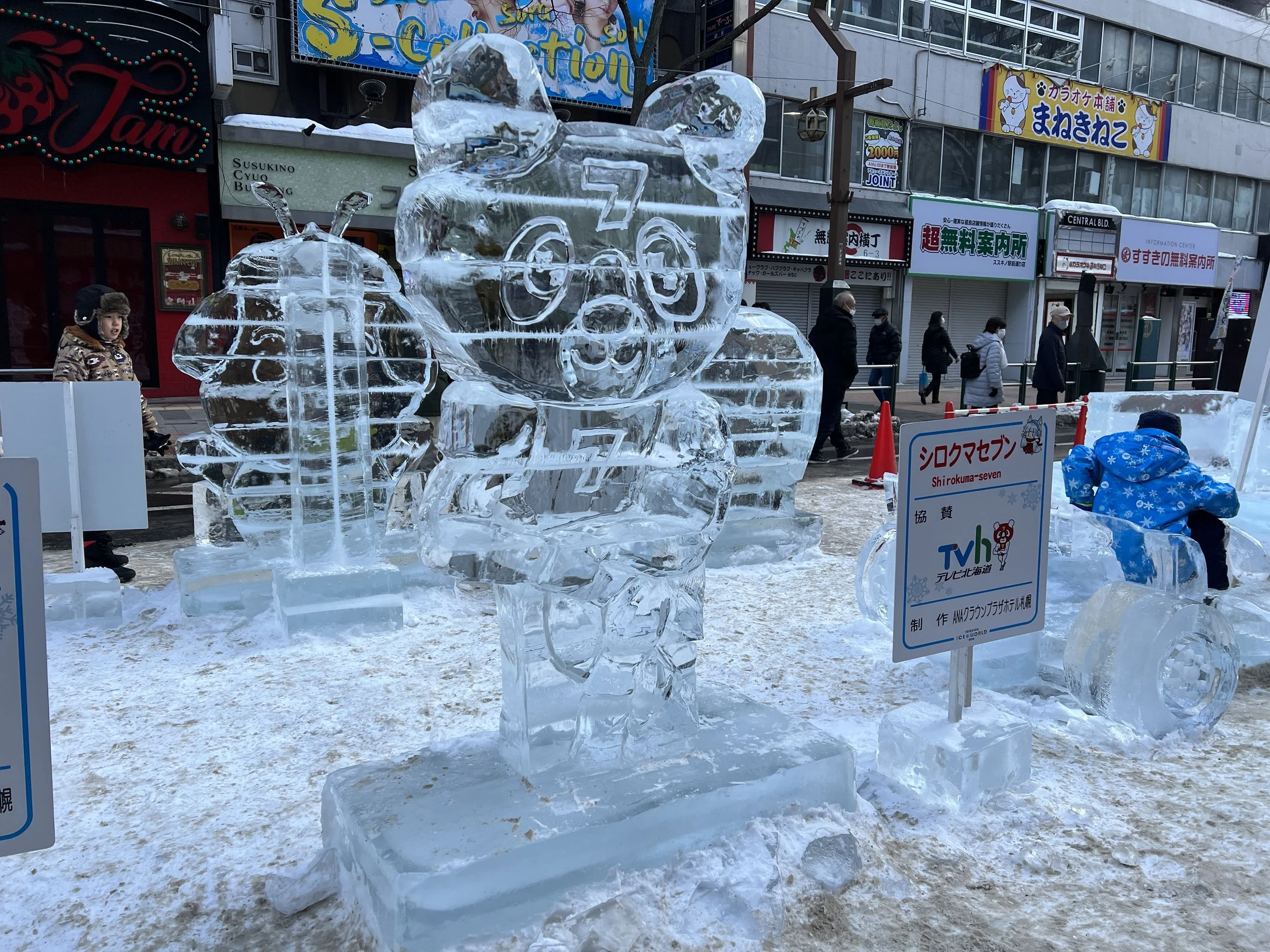
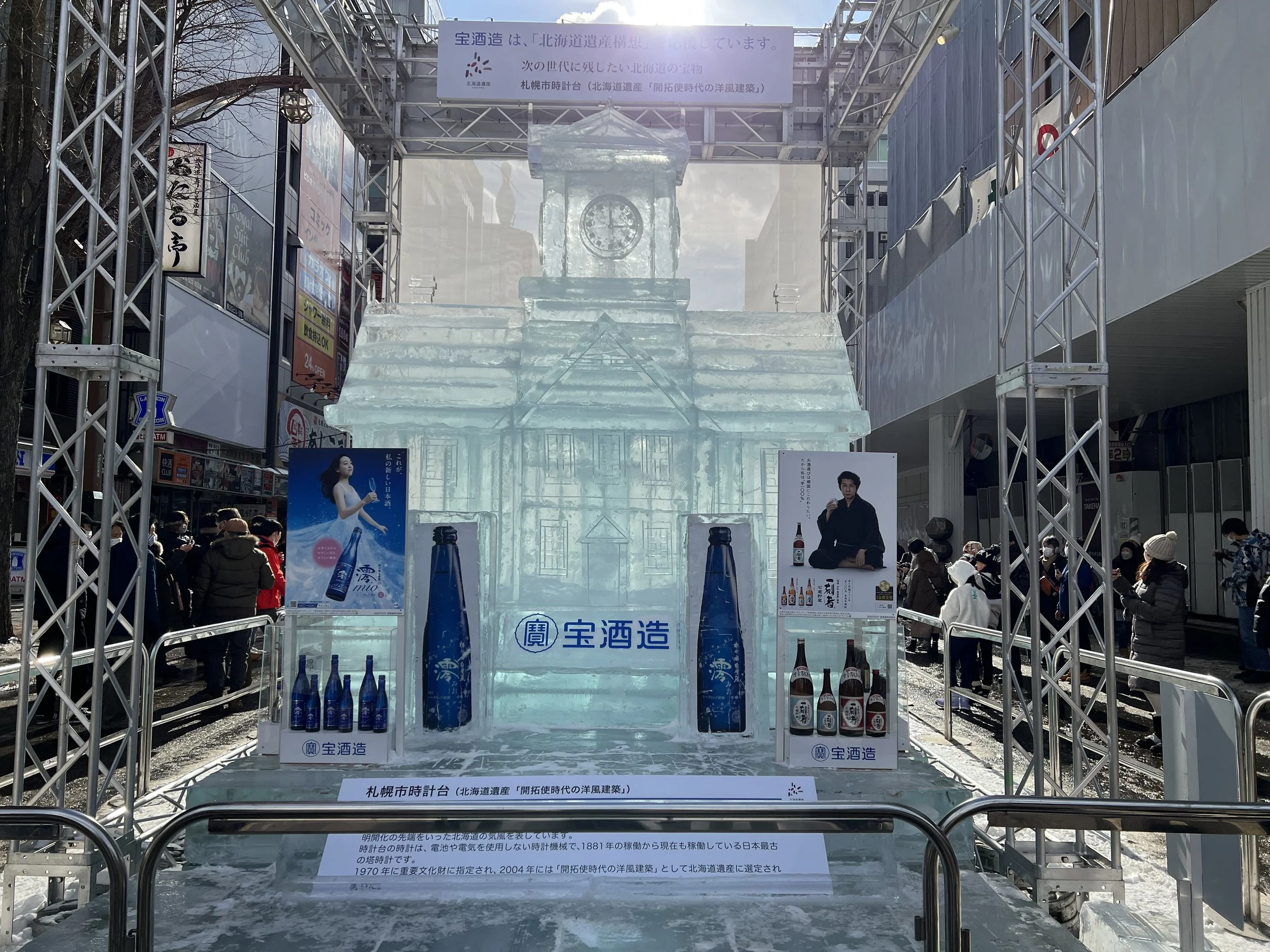
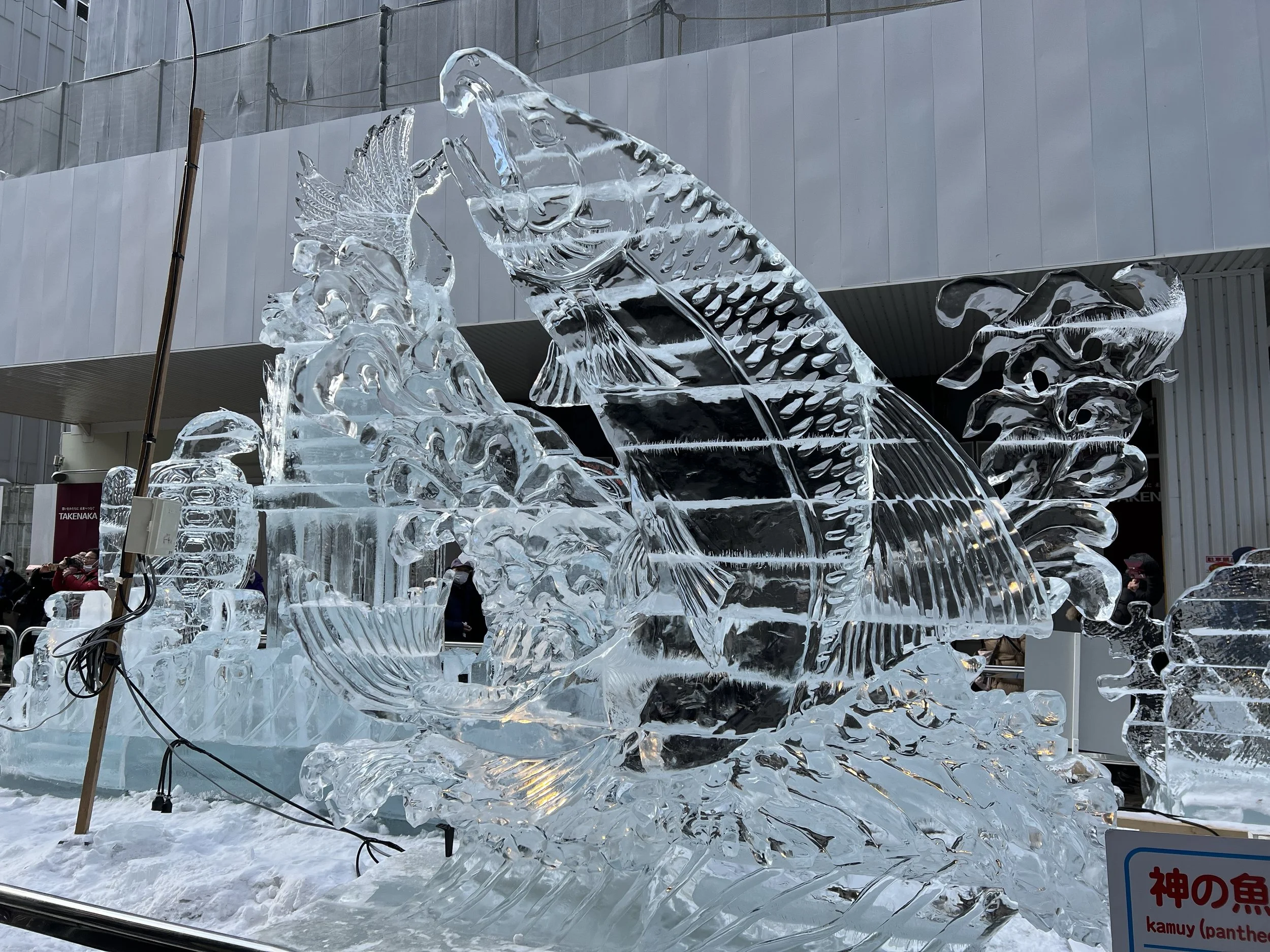
After finishing my walk through Odori Park, I headed south toward Susukino to see the ice sculptures. Susukino is Sapporo’s main entertainment district, packed with restaurants, bars, and neon-lit streets. During the festival, the area hosts roughly a hundred ice sculptures, many sponsored or designed by well-known companies such as Sapporo Beer and local sake breweries. Unlike the wide open spaces of Odori Park, the ice sculptures here are displayed along narrower streets, creating a more intimate viewing experience. While still busy, the area felt slightly less crowded than Odori. I walked through the streets twice to make sure I didn’t miss anything, admiring sculptures shaped like dragons, phoenixes, giant beer mugs, and adorable character designs. The clarity and precision of the ice carvings were especially striking, I can see why a lot of people wait to visit under the evening lights.
I didn’t make it to the Tsudome Site this time, but I heard it featured giant snow slides, mazes, snow rafting, and other activities geared toward families and children. After spending several hours outdoors in the cold, I wrapped up my day in the best way possible—with a hot bowl of ramen along Susukino Ramen Street. Sitting down to warm up after wandering through snow and ice sculptures all afternoon felt incredibly satisfying and made for a perfect end to the experience.
History & Background
The Sapporo Snow Festival (さっぽろ雪まつり) began in 1950, when local high school students displayed a handful of snow statues in Odori Park. What started as a small community event quickly grew in popularity, eventually becoming one of Japan’s most famous winter festivals. Over the decades, the festival expanded to include multiple sites, international participants, and large-scale sculptures constructed with the help of Japan’s Self-Defense Forces.
Today, the festival attracts millions of visitors from around the world each year. It showcases not only artistic creativity but also Sapporo’s identity as a northern city shaped by snow and winter culture. The event has become a symbol of Hokkaido’s winter tourism, combining art, community involvement, and seasonal traditions into one of Japan’s most celebrated annual festivals.
Getting There
Odori Site is easily accessible on foot from Sapporo Station or by subway via Odori Station. Susukino Site is a short walk south of Odori Park and can be reached via Susukino Station on the Namboku Subway Line. Tsudome Site is farther from the city centre and typically requires a subway ride followed by a shuttle bus during the festival period. Public transit is the most convenient way to move between sites, especially during peak festival hours.
Route Overview
Distance: 6.01 km (Sapporo Station → Susukino site)
Total elevation gain: 22 m
Duration: 1 hr 40 min (with breaks 2 hr 13 min)
Difficulty: Easy
Festival Info: You can find more information about the Sapporo Snow Festival on the official site. It contains info about the different sites, access information, and important updates for those looking to attend the festival. The snow and ice sculptures are lit up daily until 10 and 11 PM respectively.
Cost Breakdown
Entrance Fee: Sapporo TV Tower — ¥1,000
Food: ¥1,400