Hikone Castle - Shiga, Japan
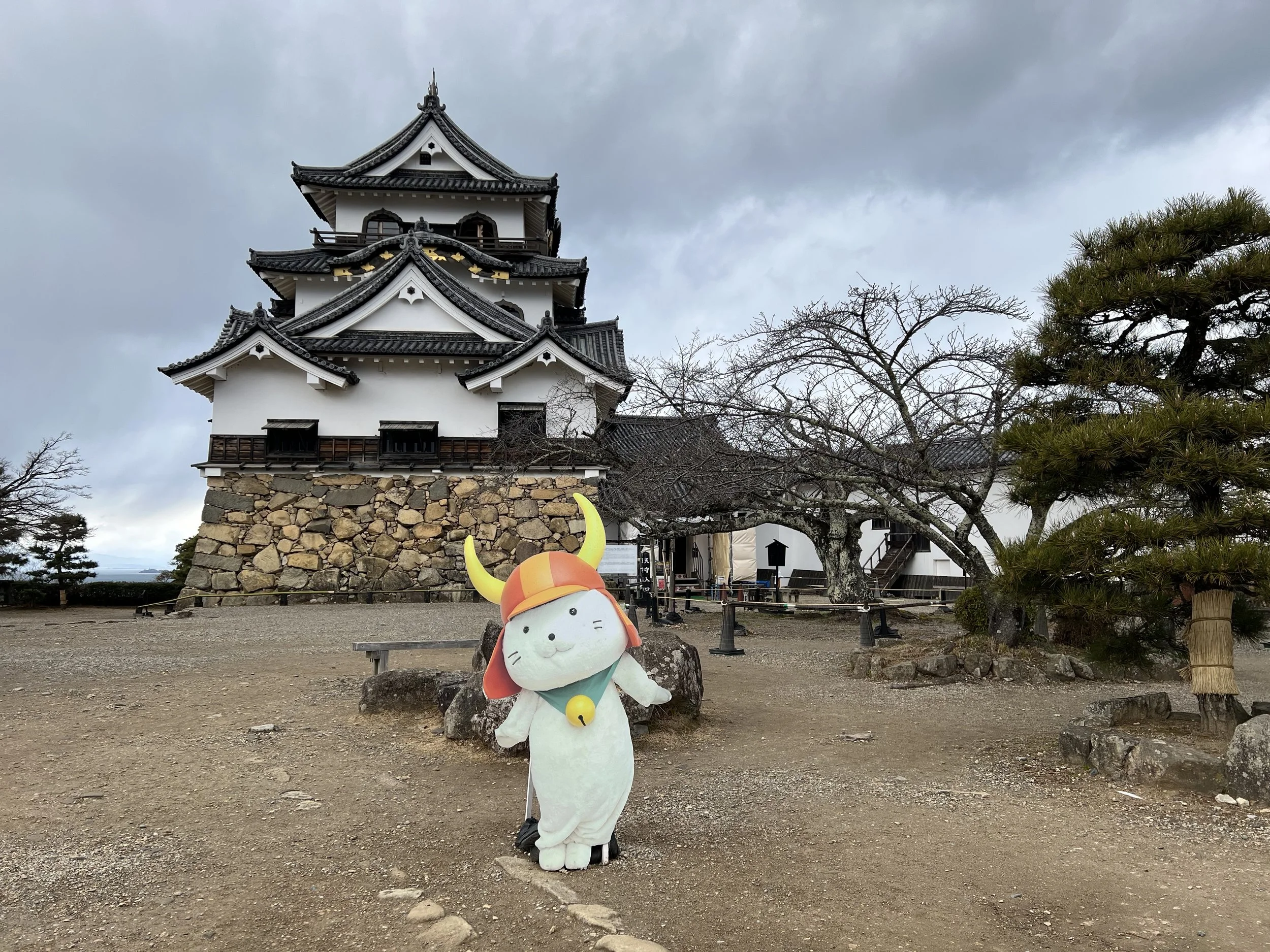
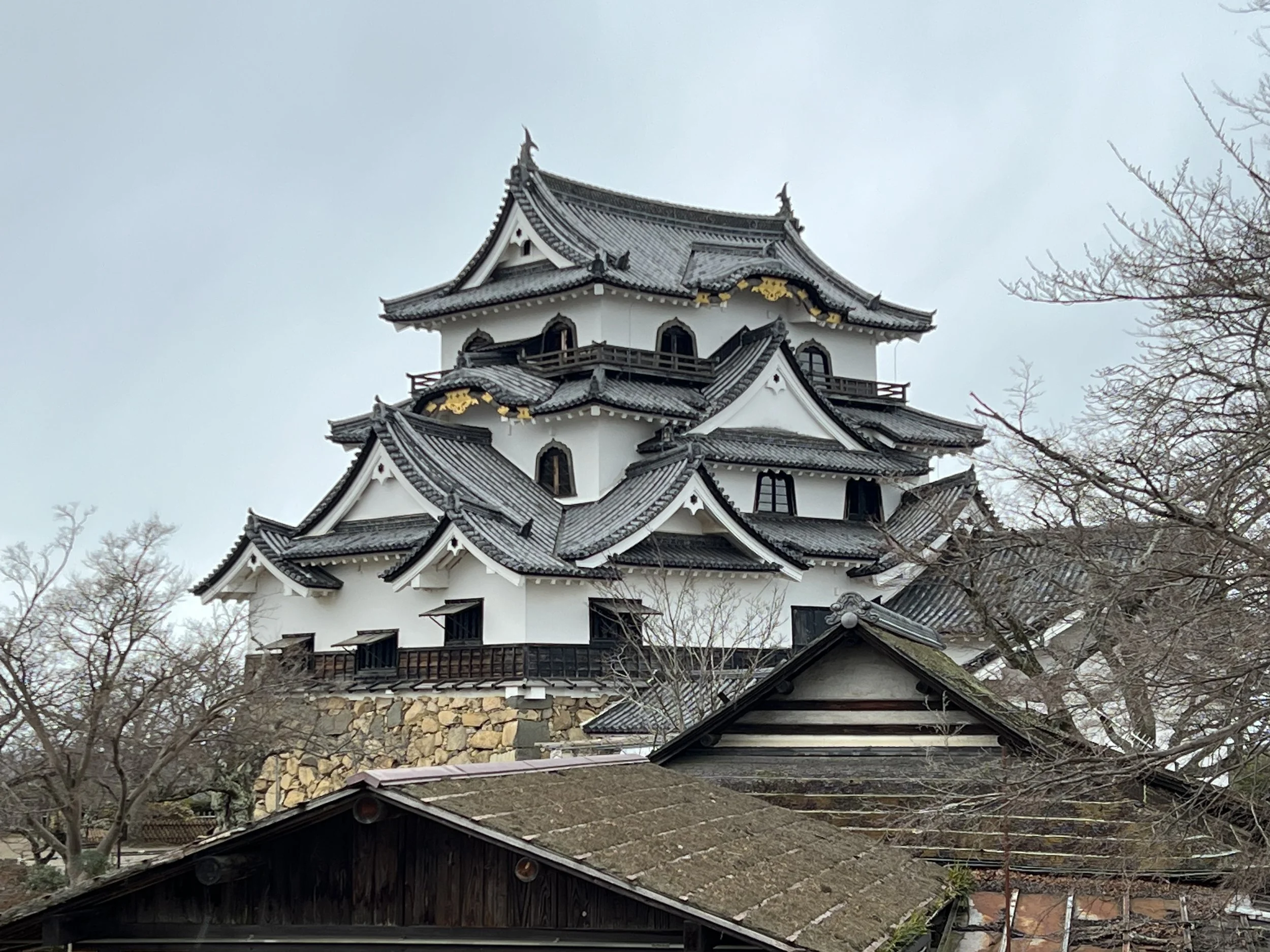
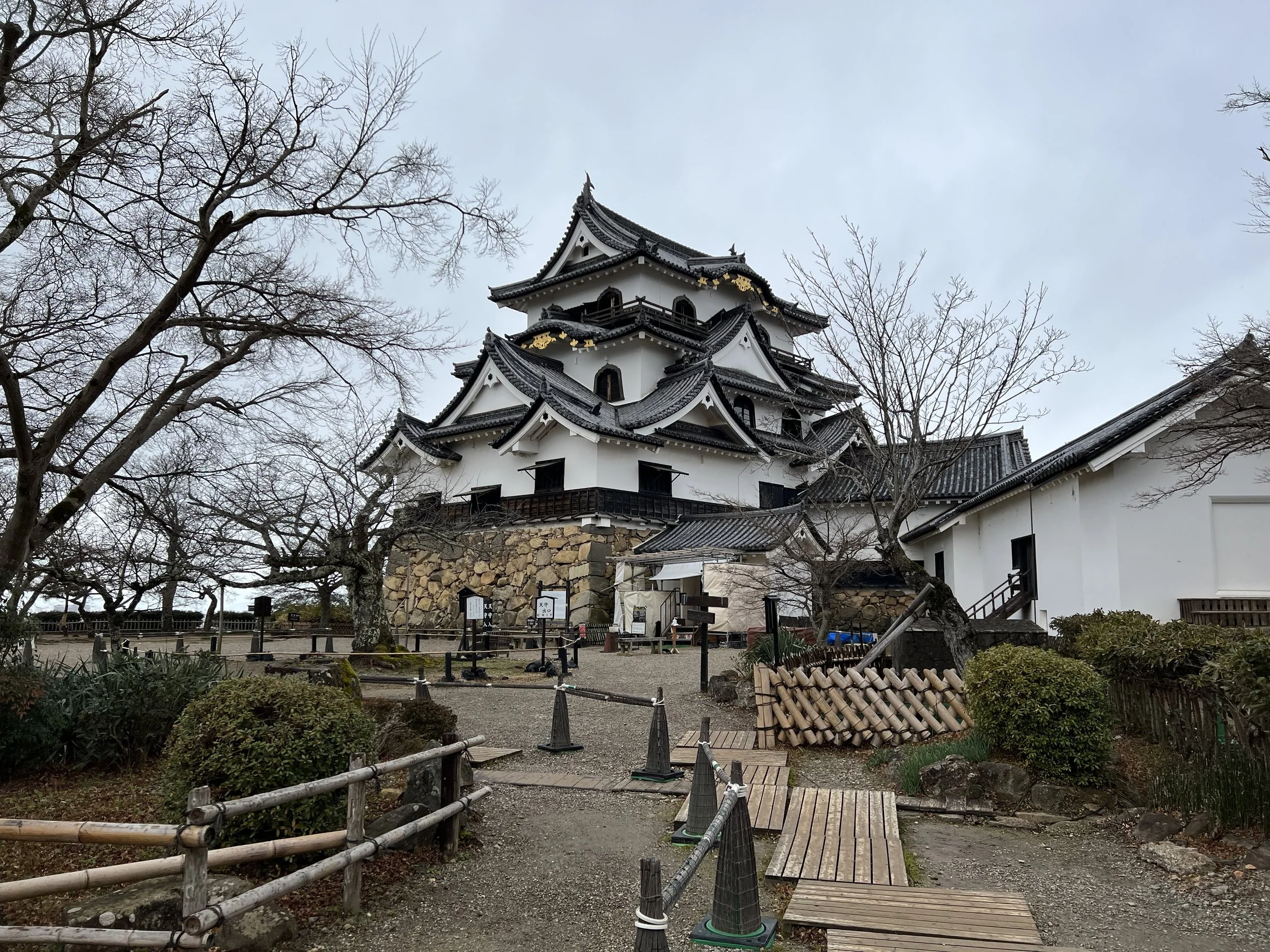
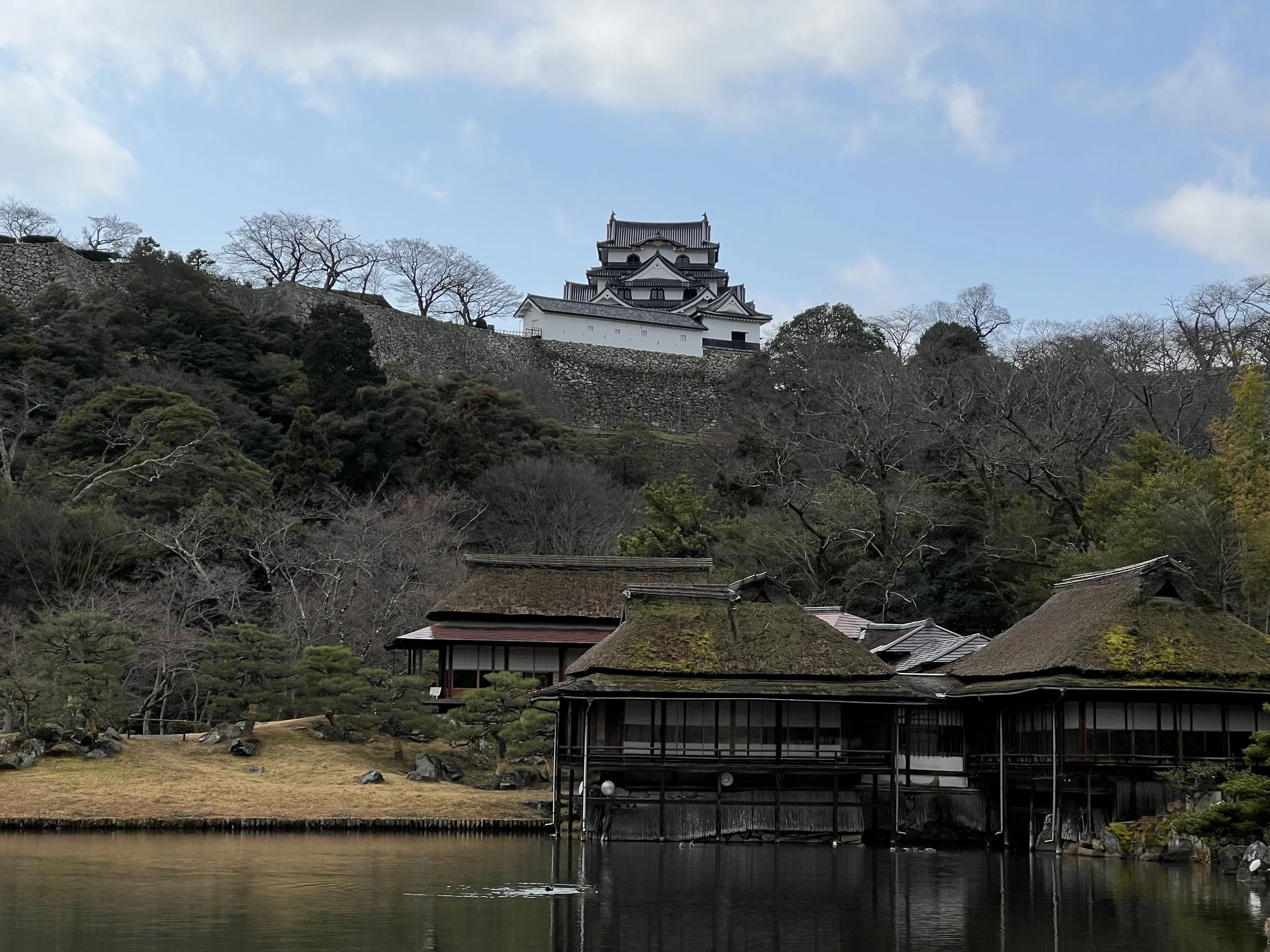
Hikone Castle is one of Japan’s remaining original castles, having survived the post-feudal era largely intact. Construction began in 1603 and was completed in 1622. Originally built closer to Lake Biwa, the castle now sits about one kilometre inland due to land reclamation over the centuries. While some portions have undergone restoration, the majority of the structure remains original, giving it an authenticity that is increasingly rare.
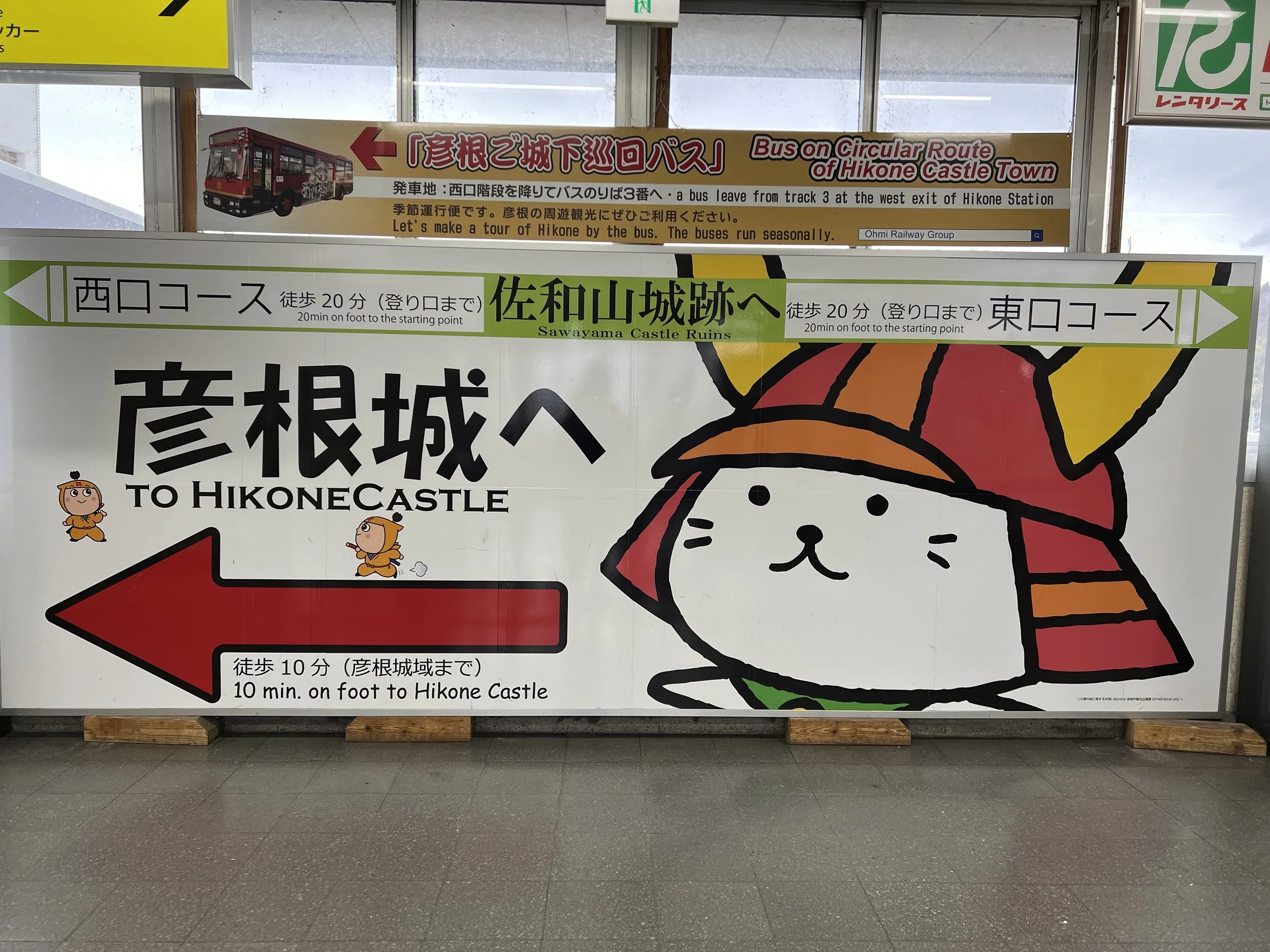
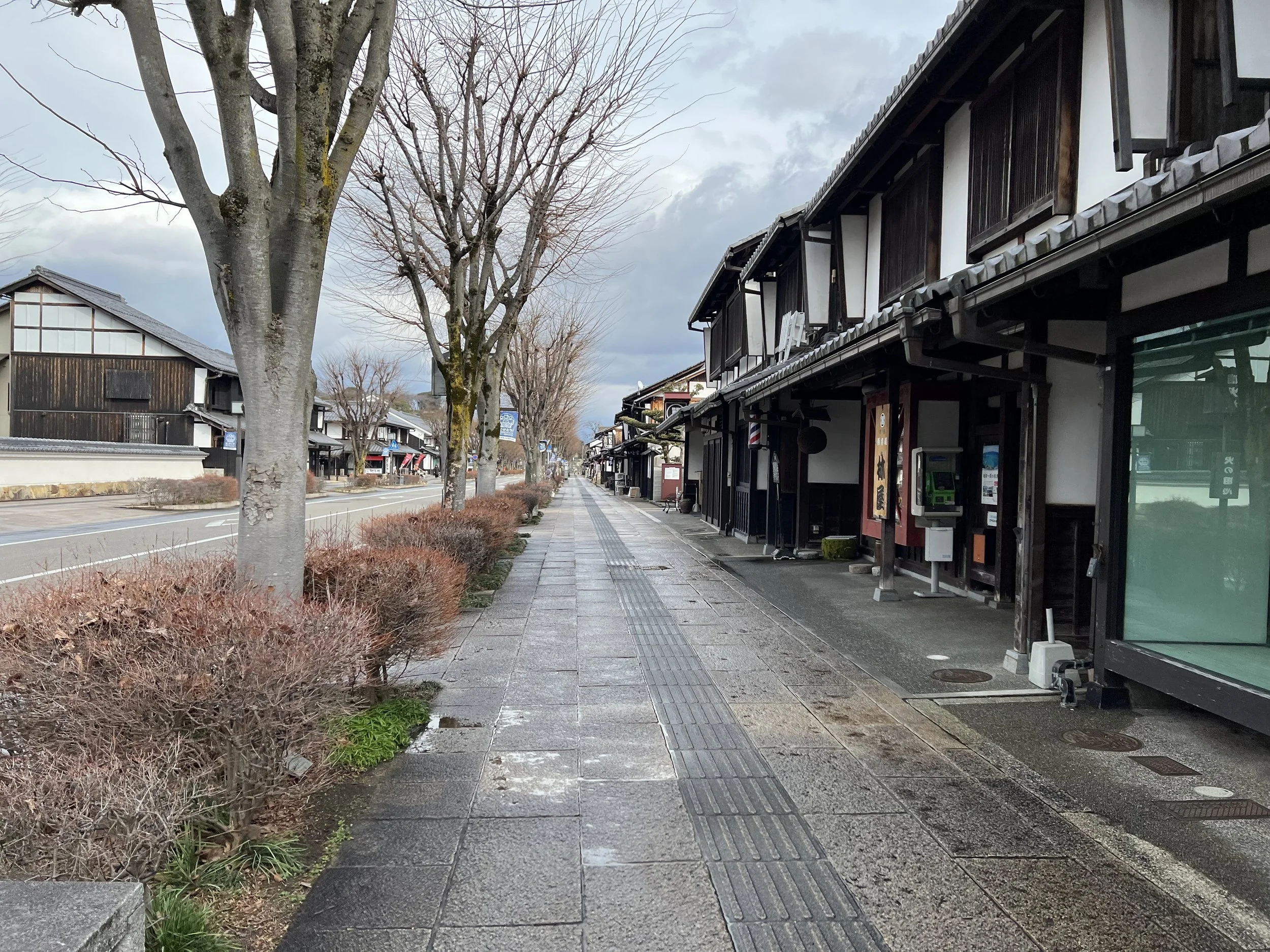
I decided to stop in Hikone while travelling from Nagoya to Kyoto. It wasn’t much of a detour, and I had long wanted to see both Hikone Castle and Lake Biwa. From Hikone Station, the castle is an easy 1.5-kilometre walk. The main street leading toward the castle is lined with shops and restaurants, making the walk pleasant and lively. As I got closer, the atmosphere subtly shifted — the streets became quieter, and the architecture began to feel distinctly Edo-period, which added to the charm of the approach.
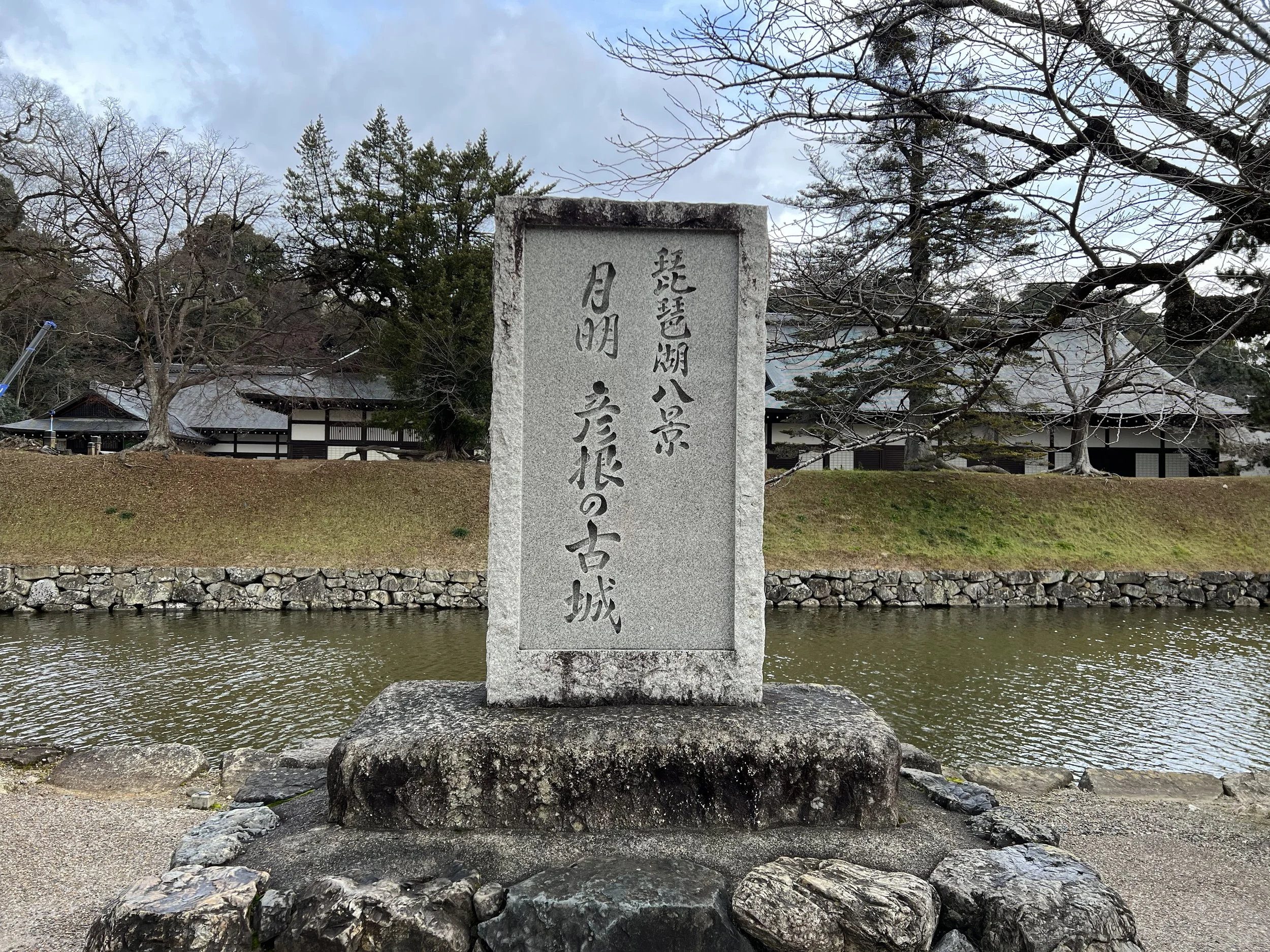
Just before reaching the castle, I crossed a defensive feature that immediately stood out: a curved ramp leading to a wooden bridge designed to be easily dismantled in the event of an attack. There weren’t many visitors, and the open space allowed the castle to dominate the landscape. Hikone’s beloved mascot, Hikonyan, also makes an appearance around the grounds, with photo spots set up for visitors.
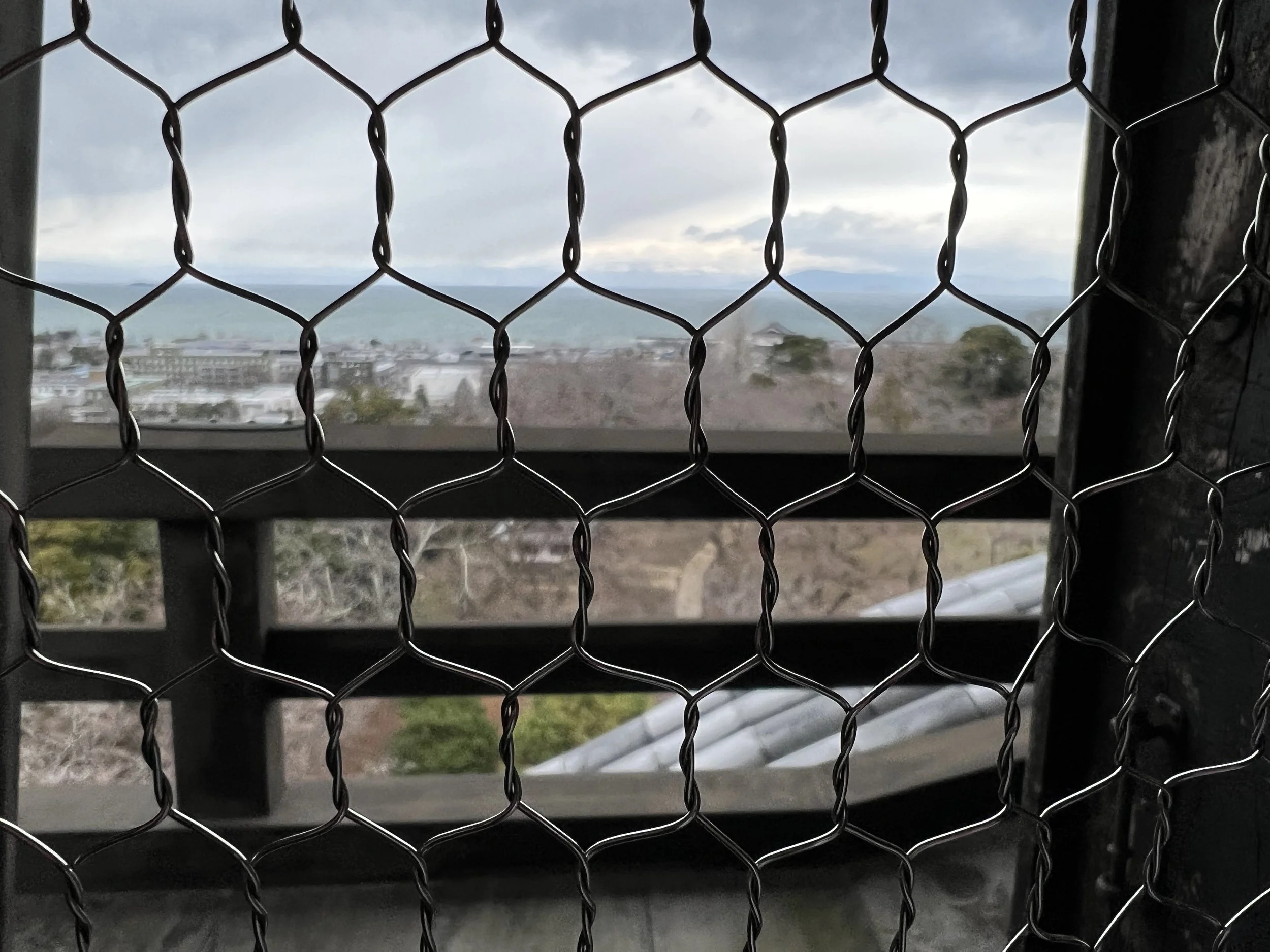
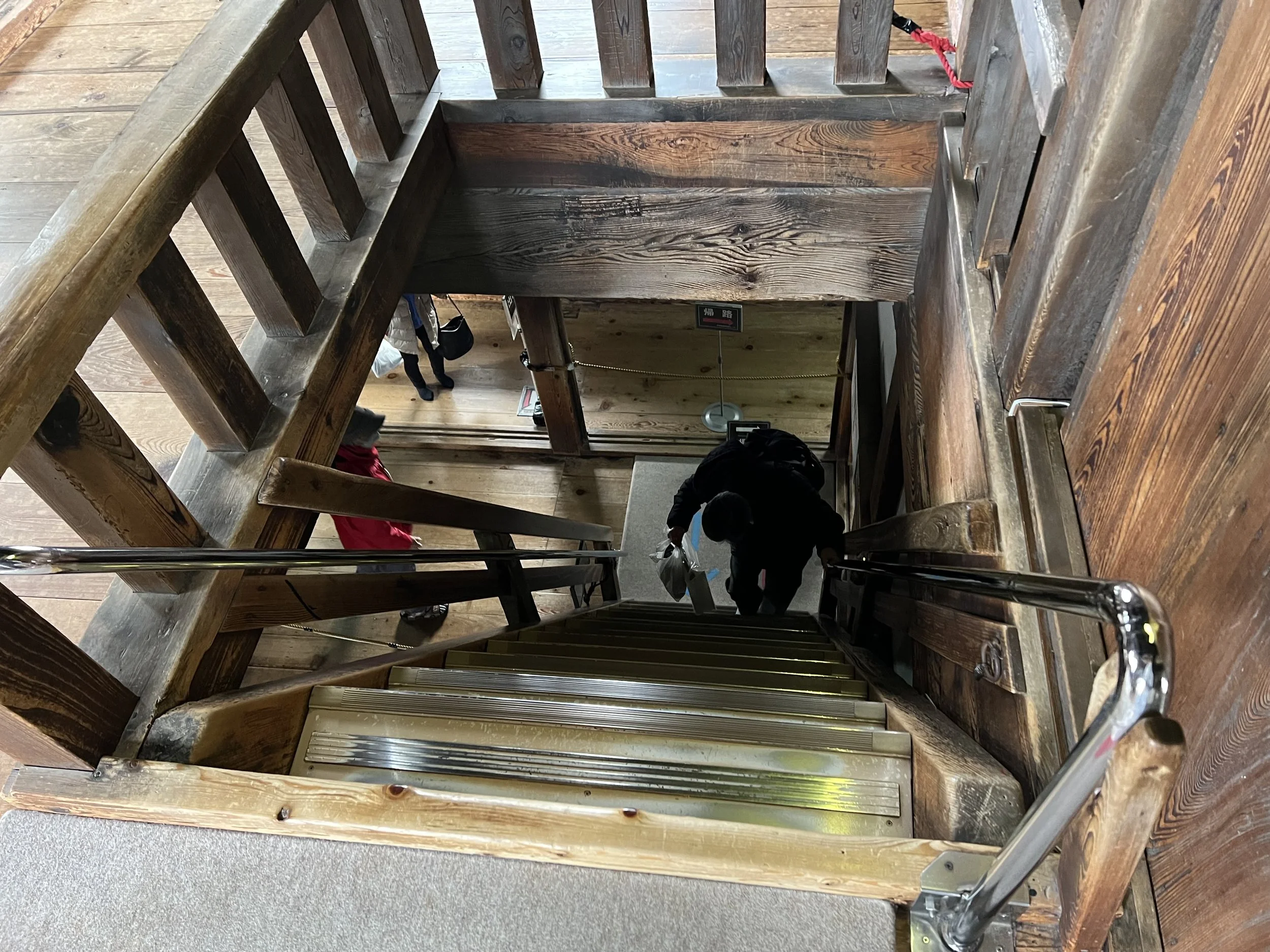
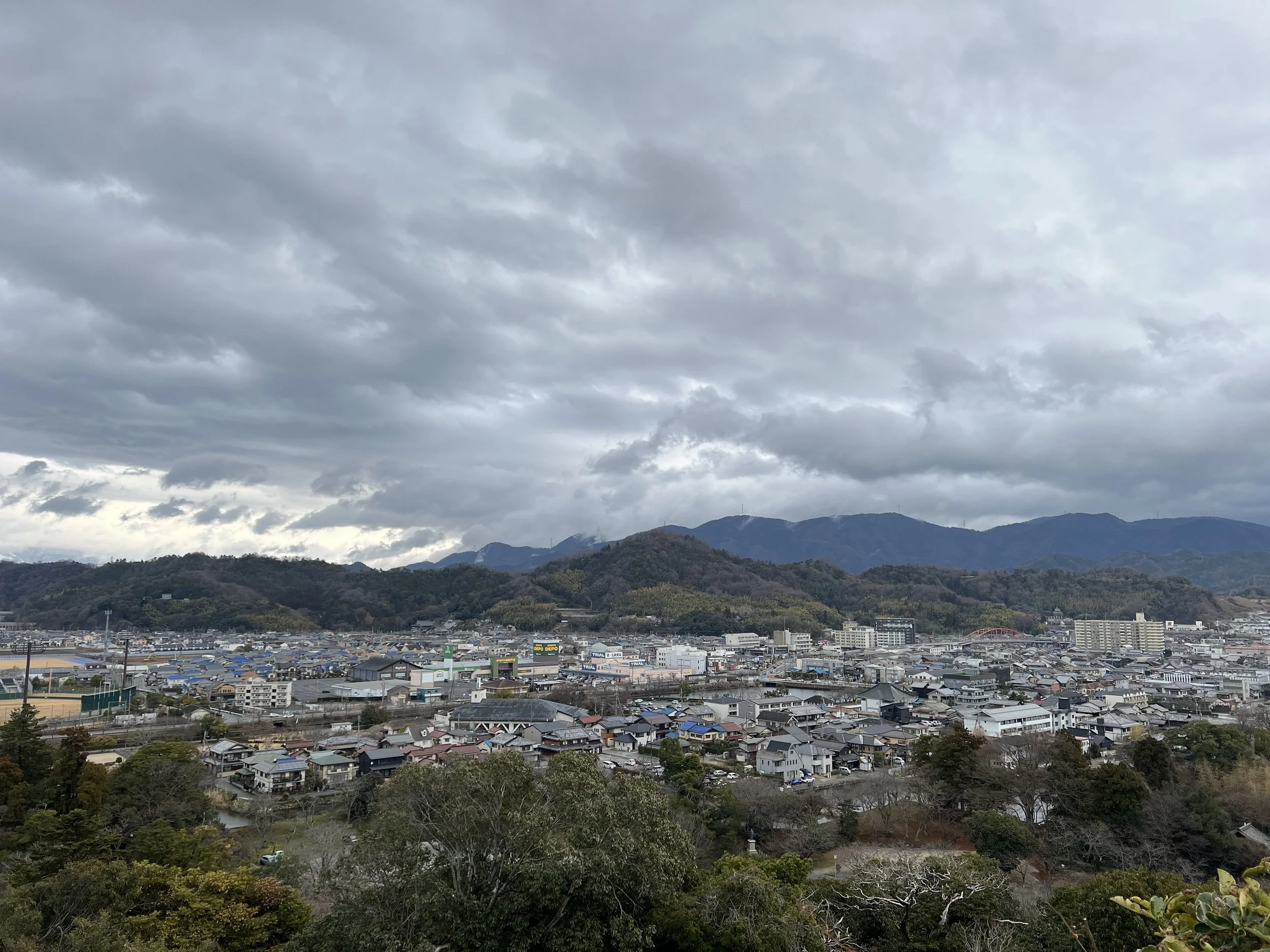
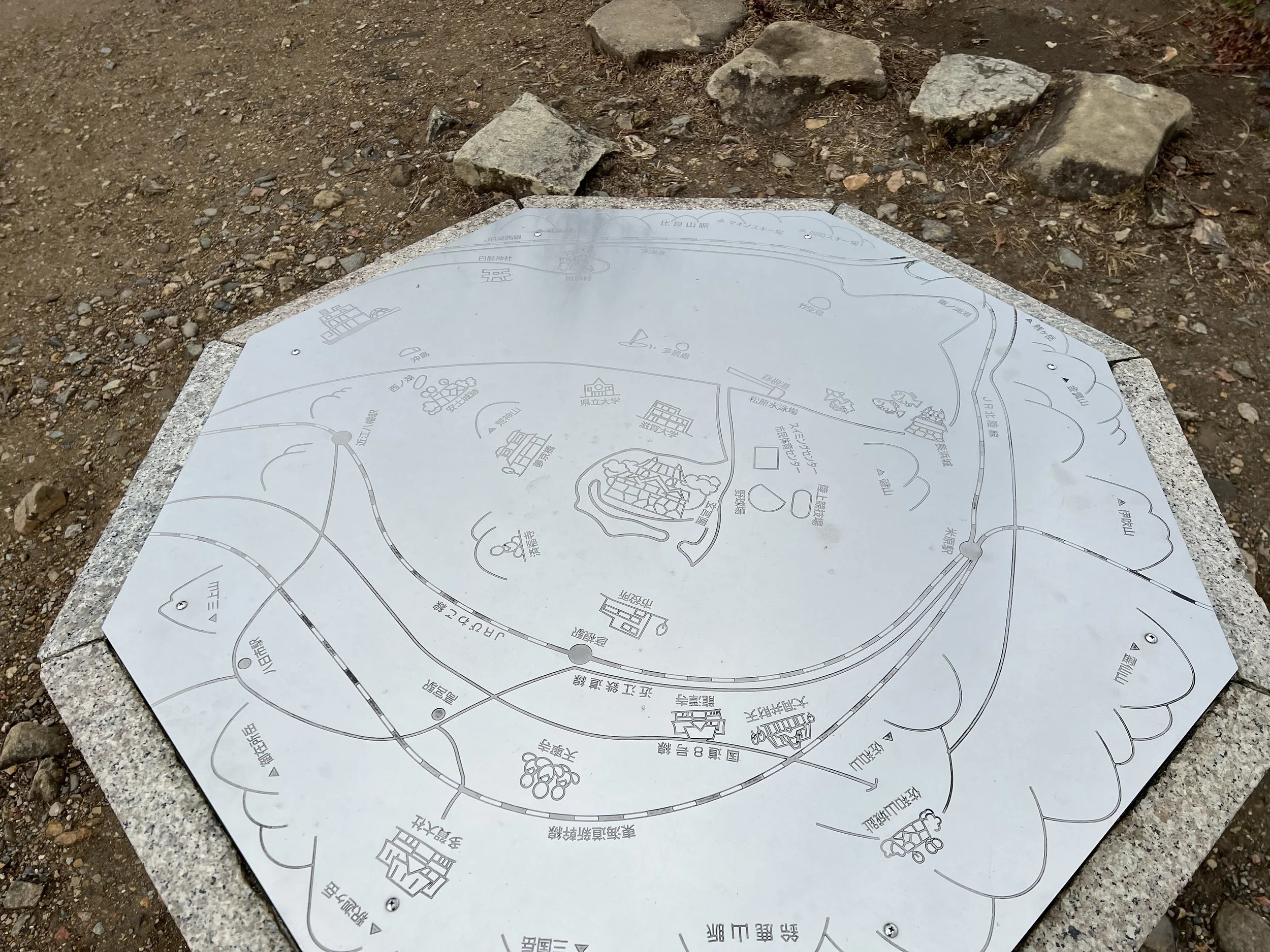
After purchasing my ticket and removing my shoes, I began making my way through the interior. The staircases between floors were noticeably steep, a reminder that castles were never designed with modern comfort in mind. I had to watch my head carefully as I climbed. Moving through the wooden interiors, observing the beams, windows, and defensive design, I eventually reached the top floor. From there, I was rewarded with sweeping views toward Lake Biwa, its vastness stretching out beyond the town — a view that made the strategic importance of this location immediately clear.
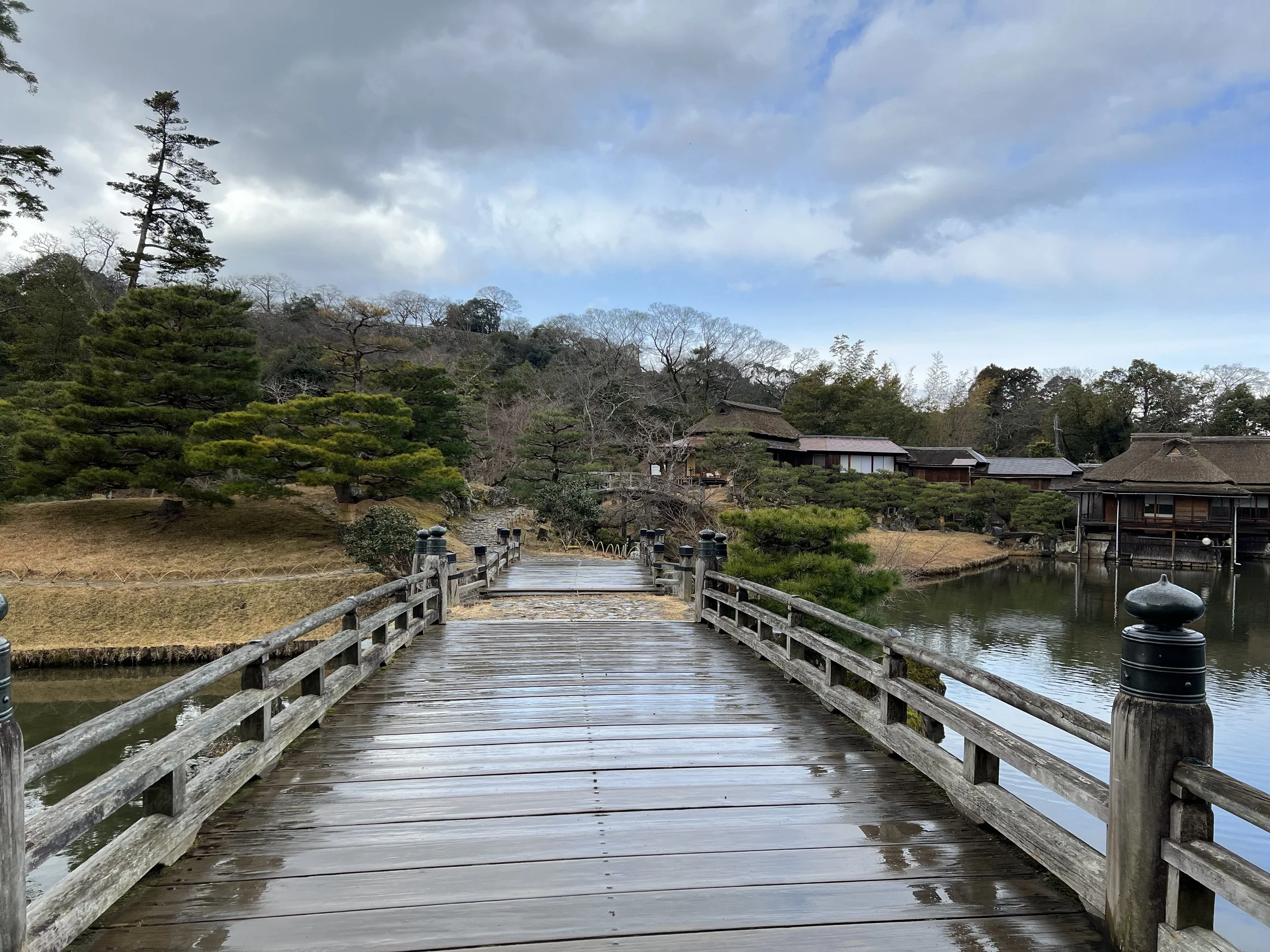
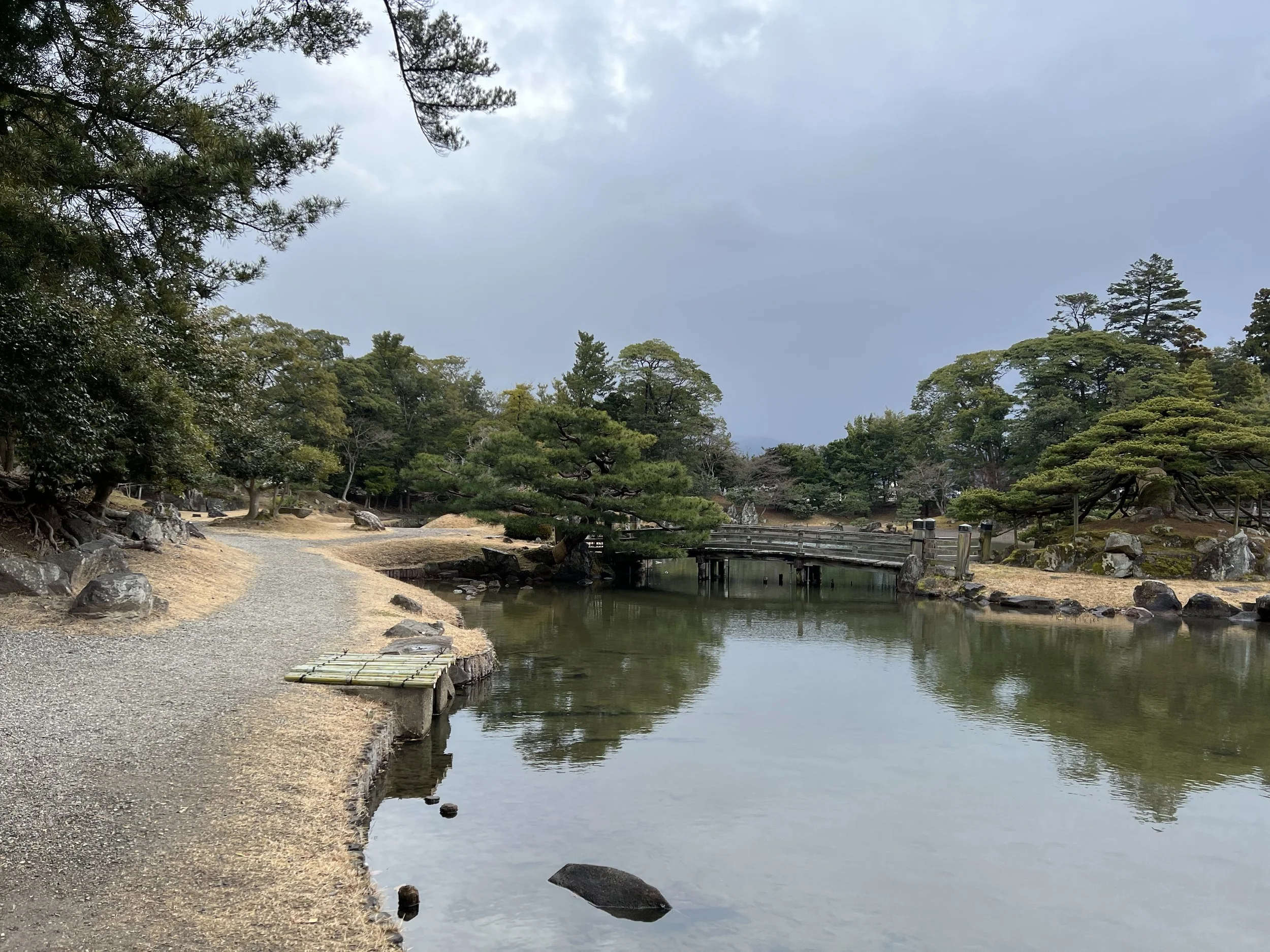
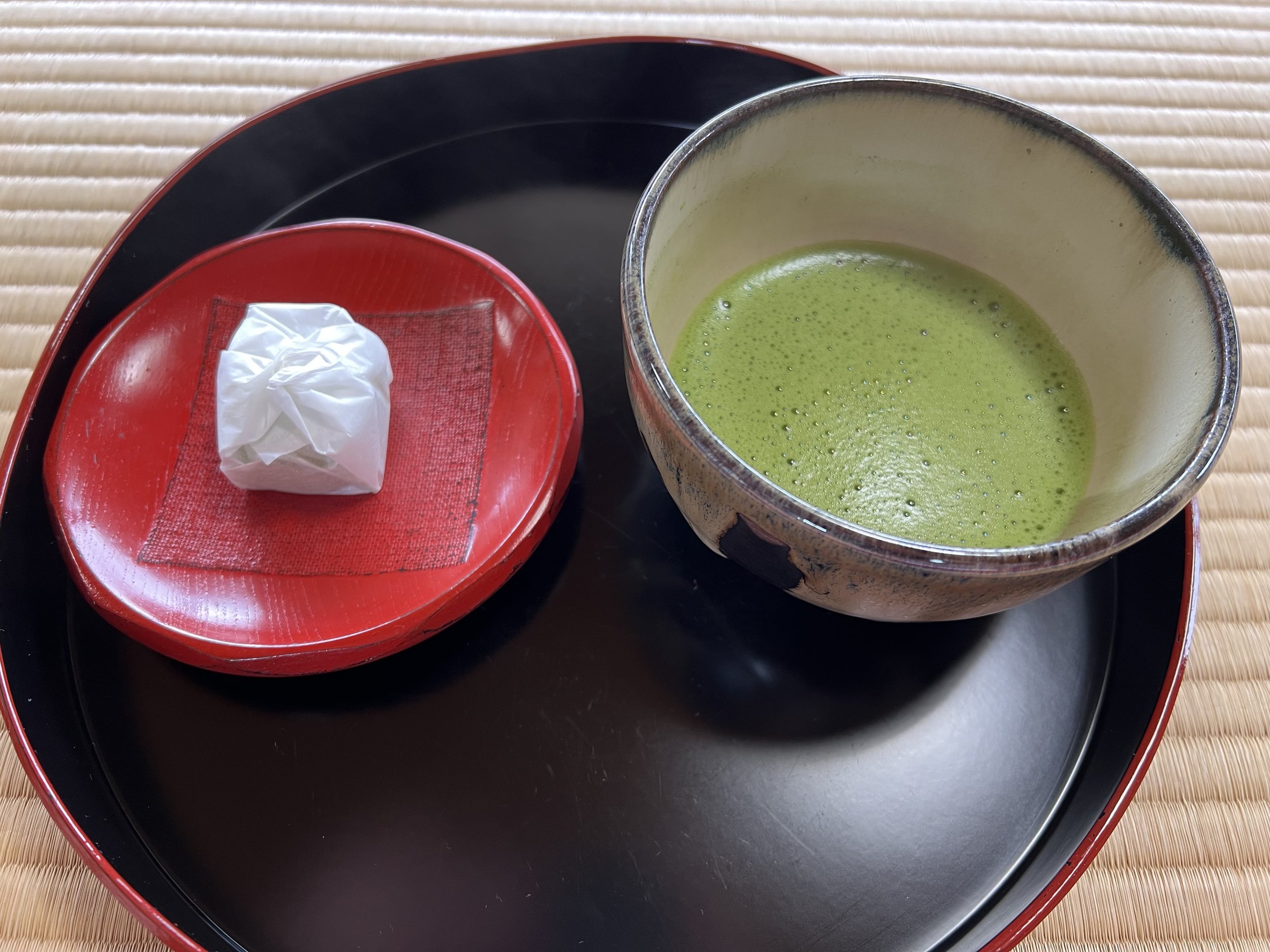
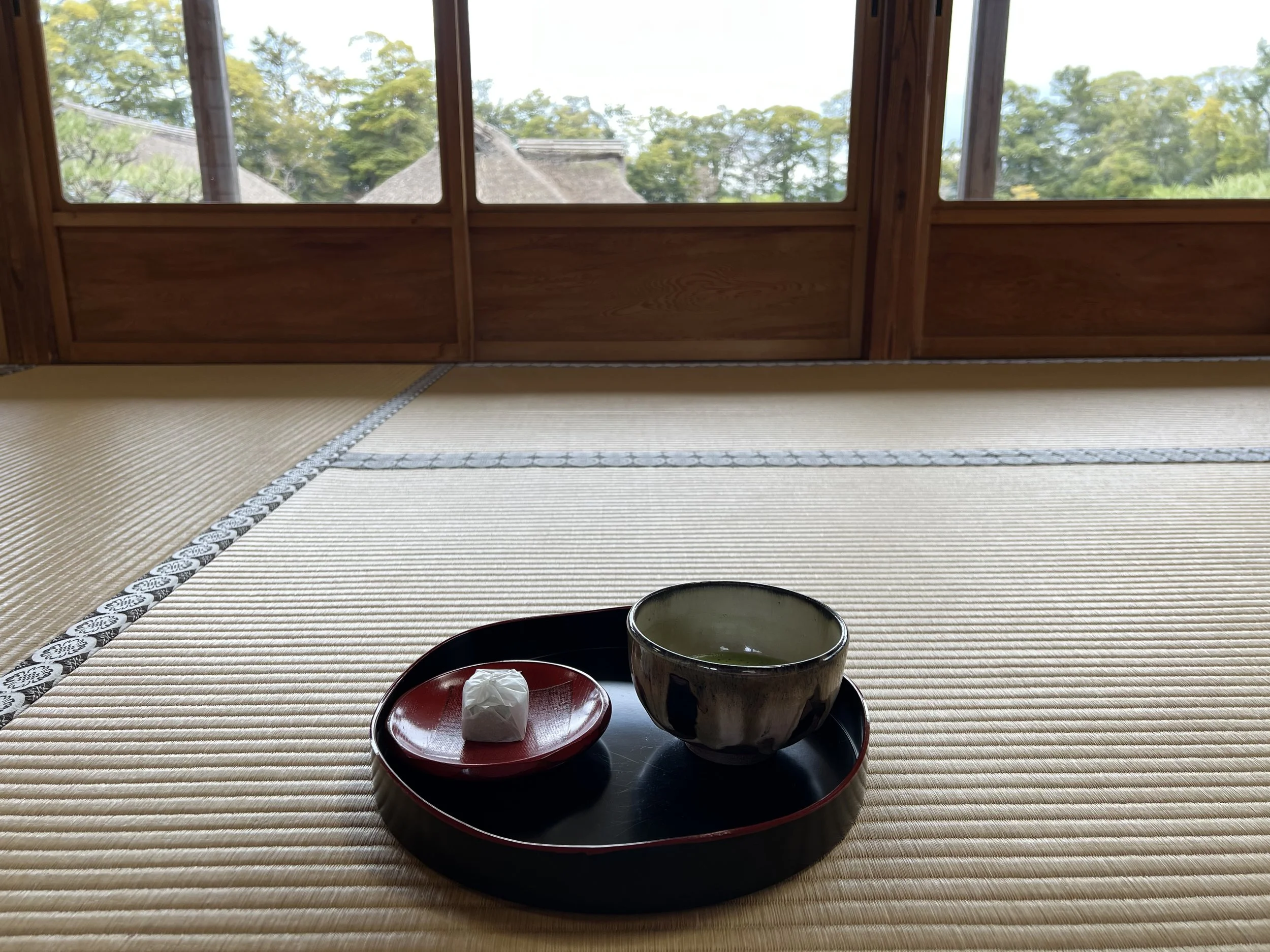
Once I finished exploring the keep, I wandered through the surrounding castle grounds and nearby park. Hikone Castle also offers yakatabune “houseboat” rides along the moat, though they weren’t operating during my visit. These boats are especially popular for seasonal outings and commemorative photos. I then stopped by a nearby teahouse, where I was shown into a tatami room and ordered a set of matcha and traditional sweets. Sitting quietly, looking out at the gardens, it was a perfect way to slow down after exploring the castle.
Before leaving, I took some time to walk around the surrounding area, admiring the preserved Edo-period buildings nearby. I was genuinely glad I made this stop. With an original castle, views of Japan’s largest lake, and a relaxed historic atmosphere, Hikone felt like one of those places that quietly leaves a lasting impression.
History & Background
Hikone Castle (彦根城) was built by the Ii clan, one of the most powerful feudal families of the Edo period and loyal retainers of the Tokugawa shogunate. Completed in 1622, the castle served as a key defensive and administrative centre overlooking Lake Biwa, Japan’s largest freshwater lake. Unlike many castles that were dismantled or destroyed during the Meiji Restoration or World War II, Hikone Castle survived largely intact. In 1952, it was designated a National Treasure, recognizing its exceptional preservation and historical value.
Getting There
Hikone Castle is located about a 20-minute walk from Hikone Station. From Nagoya, take the JR Tokaido Line to Maibara Station, then transfer to a local train to Hikone Station. From Kyoto, take the JR Biwako Line (Tokaido Main Line) to Maibara Station, then transfer to a local train bound for Hikone. The walk from the station to the castle is flat and straightforward, passing through the town centre before gradually transitioning into the castle district.
Route Overview
Distance: 5.94 km out & back (Hikone Station)
Total elevation gain: 67 m
Duration: 1 hr 24 min (with breaks 2 hr 01 min)
Difficulty: Easy
Cost Breakdown
Train: Nagoya Station → Maibara Station — ¥3,830
Train: Maibara Station → Hikone Station — ¥190
Entrance Fee: Hikone Castle — ¥800
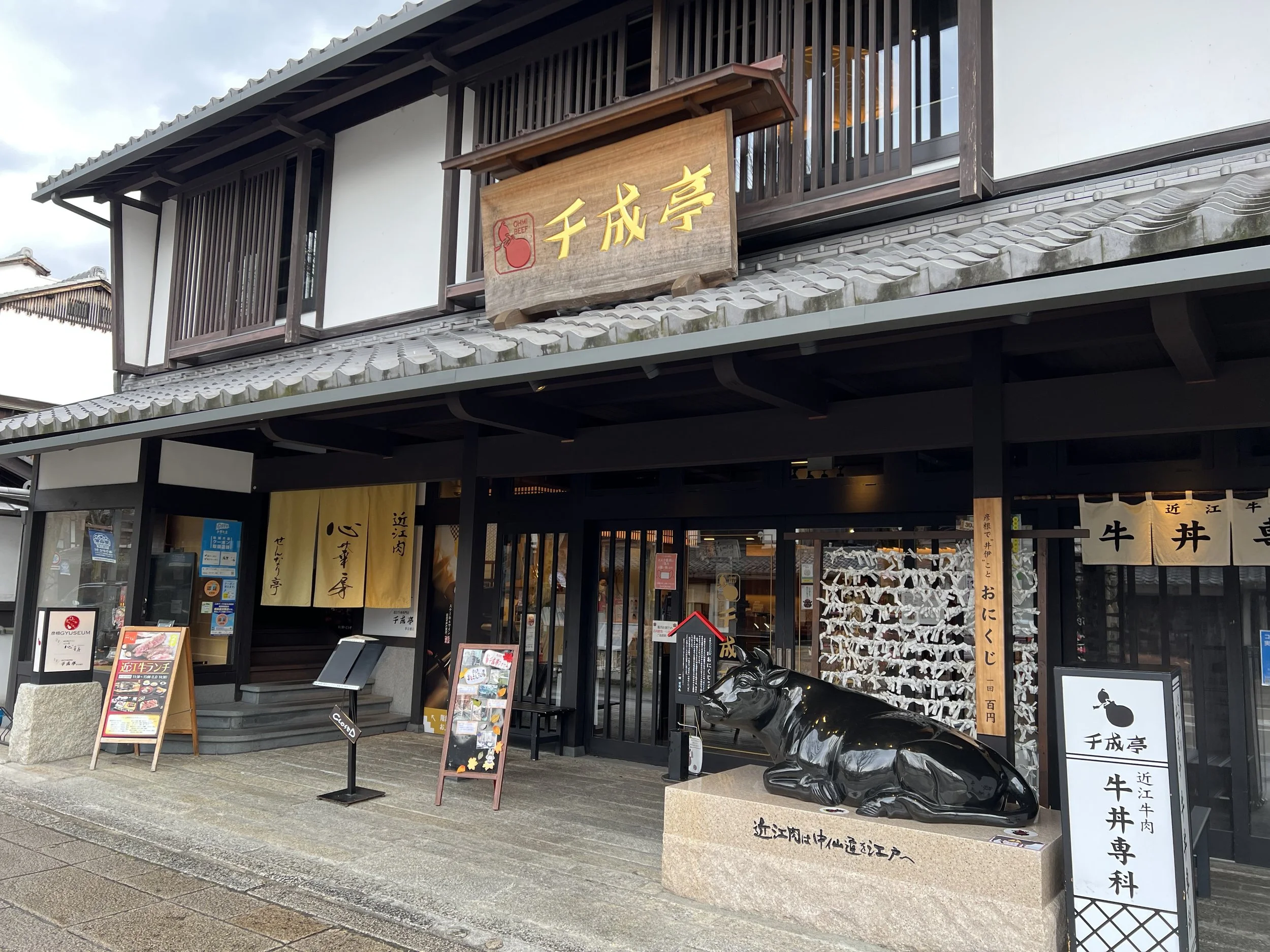
Food: ¥1,710