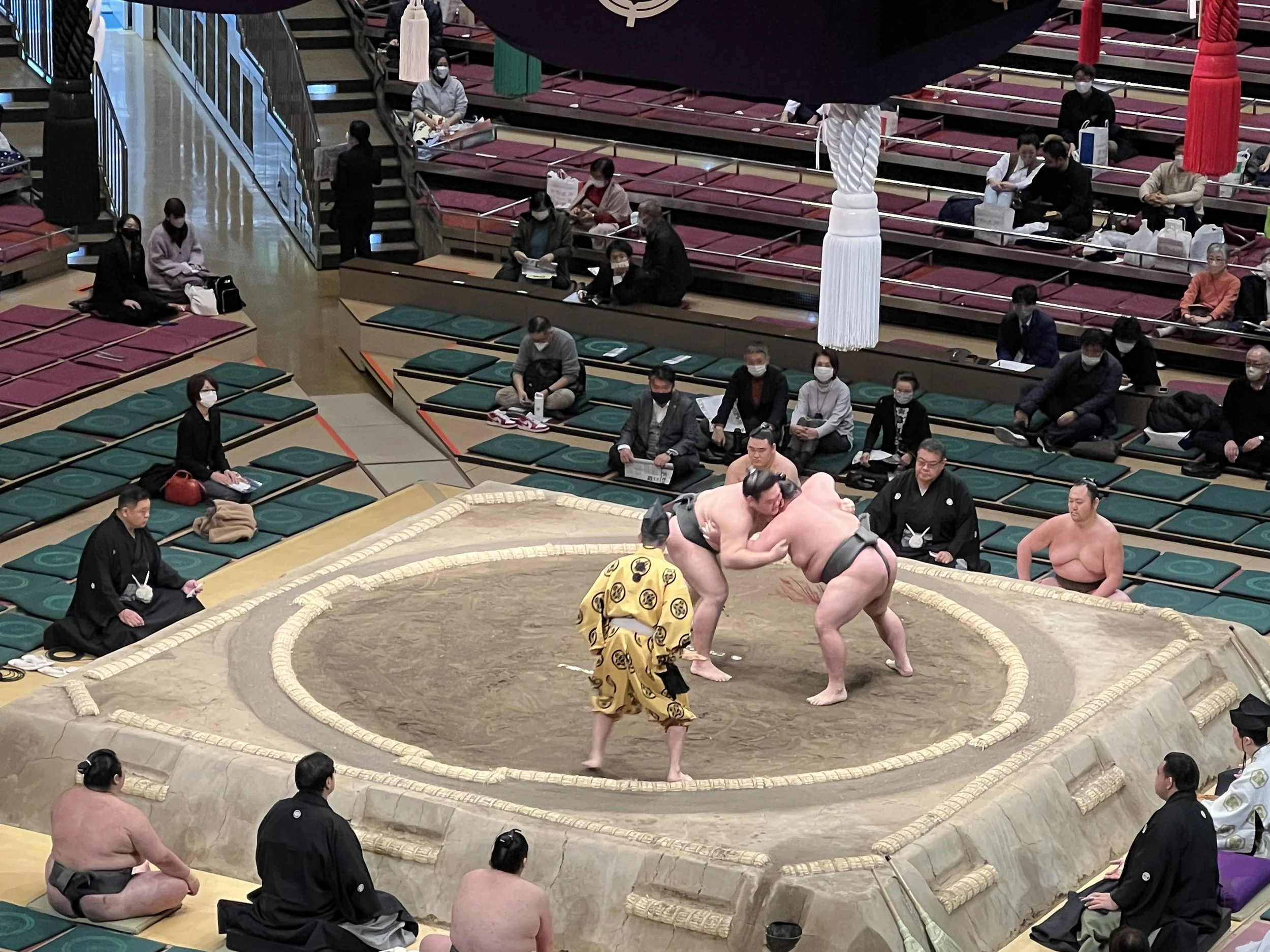
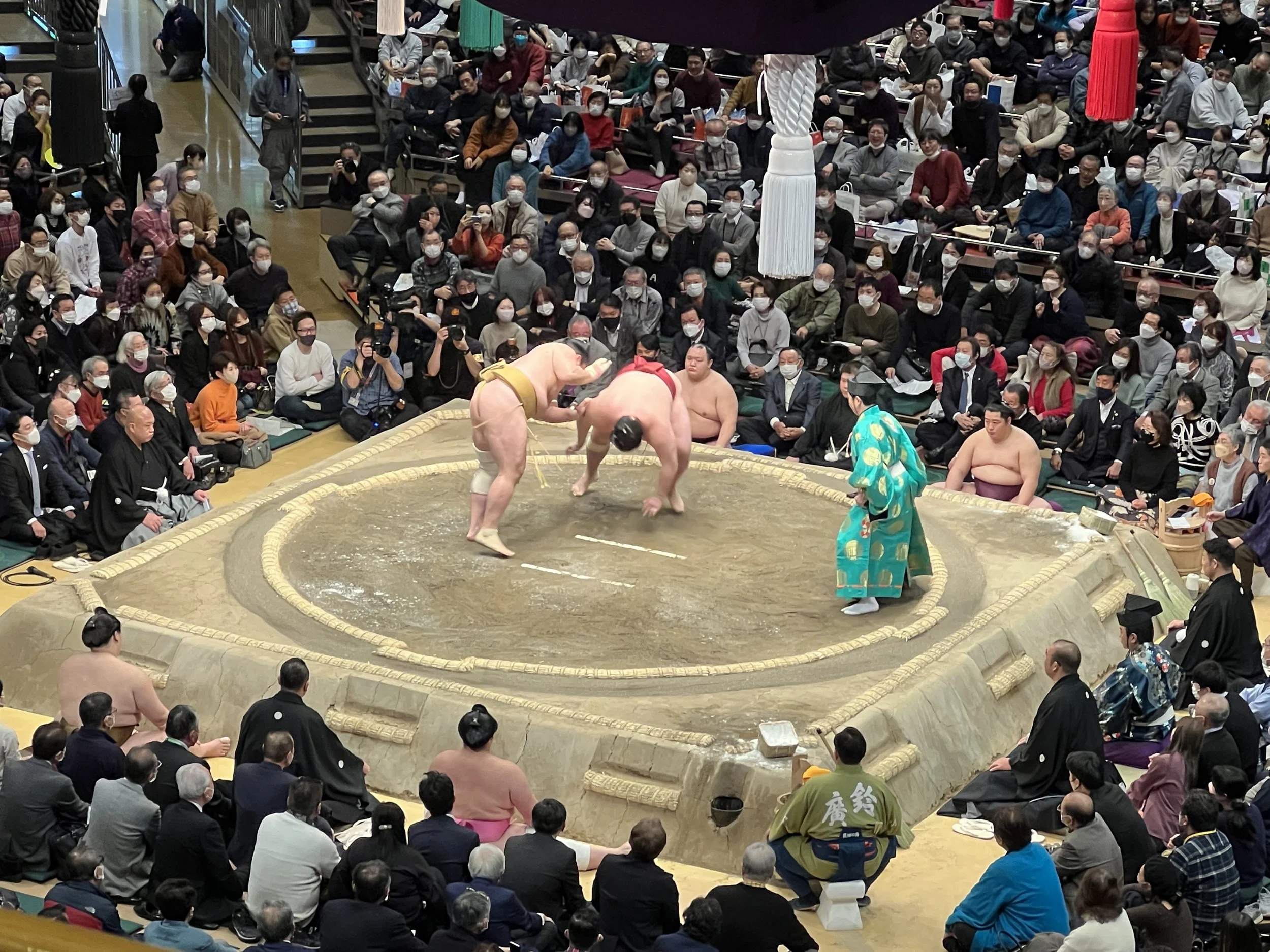
Grand Sumo Tournament 2023 – Tokyo, Japan
When people think of traditions that represent Japan, sumo wrestling is almost always near the top of the list. Despite having visited Japan multiple times, this was the first trip where my schedule finally aligned with a grand sumo tournament in the same city. As soon as I confirmed the dates, I went straight to the official website to find out when tickets would be released. I set a reminder and purchased my tickets the moment sales opened. The process itself was straightforward, but many of the popular seating options sold out quickly. Doing a bit of research ahead of time to understand the seating sections made a big difference. I also noticed that many international visitors opt for guided tours to avoid the stress of ticketing altogether.
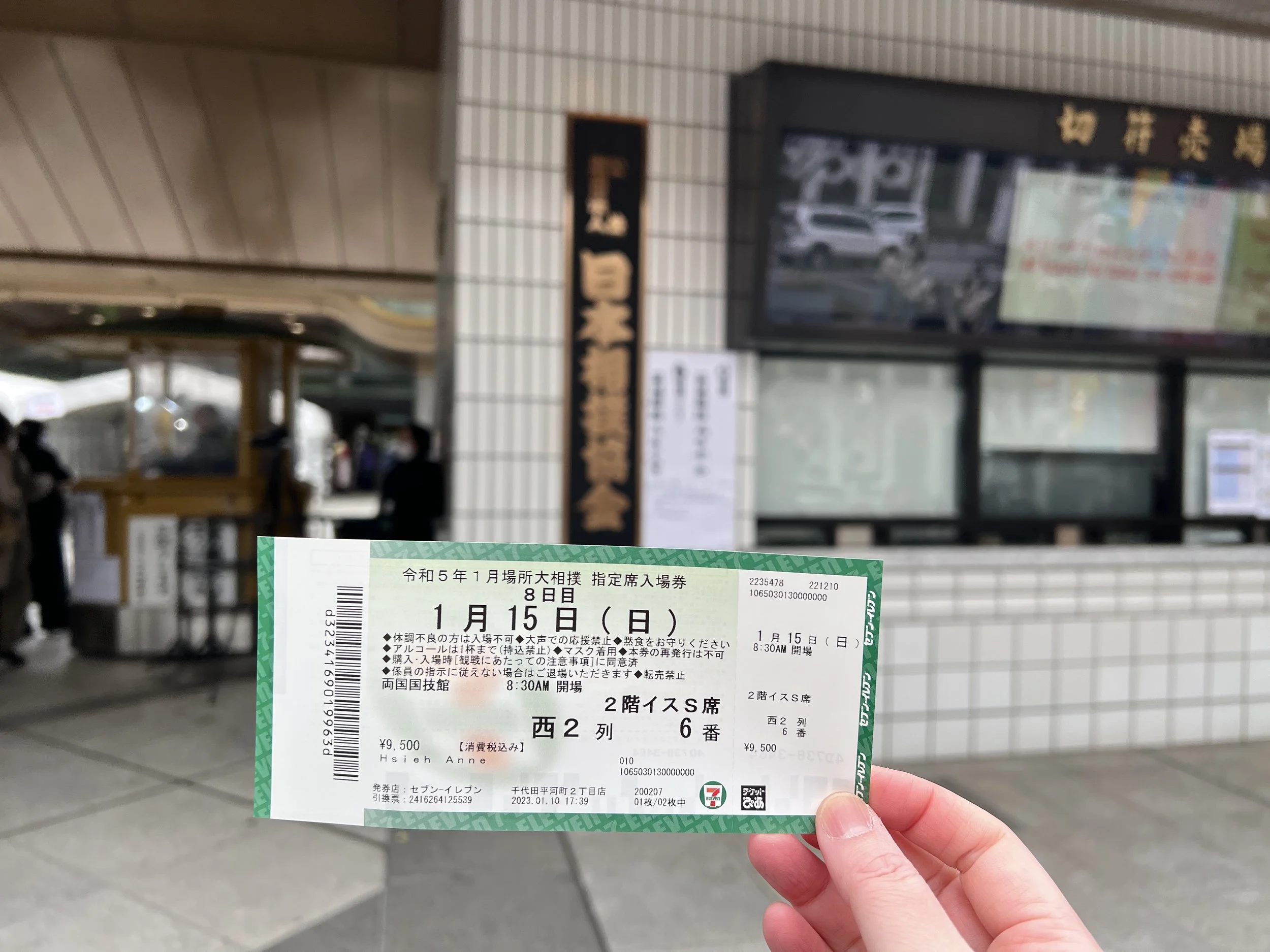
I managed to secure two tickets in the section I wanted—one for myself and one for my friend. Interestingly, my friend mentioned that although she’s Japanese, she had never attended a sumo match live, which she said is quite common. That made the experience even more exciting for both of us, as we were stepping into something deeply traditional yet unfamiliar. While tournament days run from early morning until early evening, spectators don’t need to be present the entire time. The earlier bouts feature lower divisions, with the senior and professional matches beginning in the afternoon. We decided to meet for lunch first and spend the rest of the day at the arena.
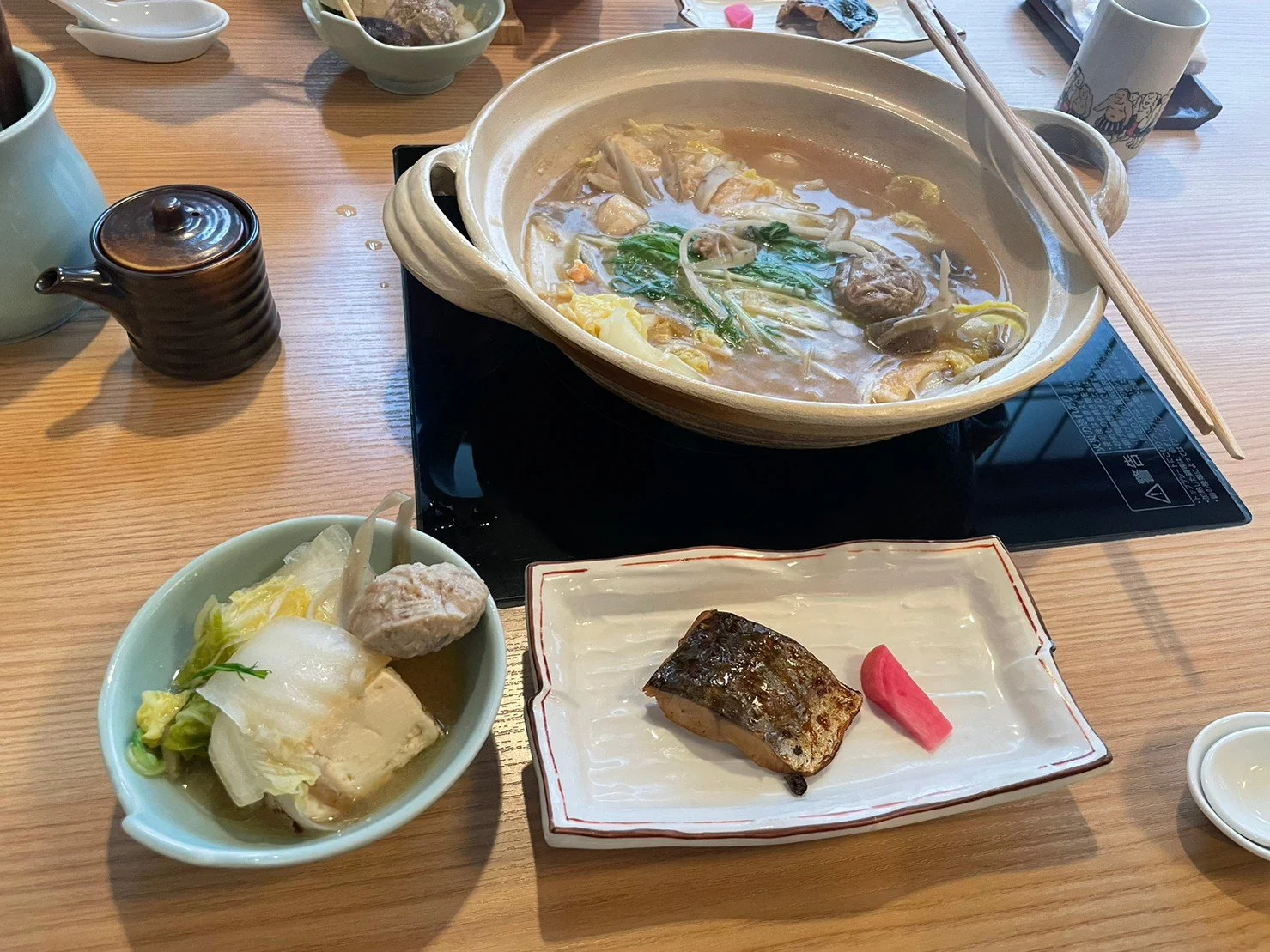
For lunch, we wanted to try chanko-nabe, the hearty hotpot traditionally eaten by sumo wrestlers. It’s packed with protein, vegetables, meat, and fish, designed to support the wrestlers’ intense training and weight gain. My friend found a nearby restaurant owned by a former sumo wrestler, and since it was reservation-only, she booked ahead. Eating chanko-nabe on the same day we were attending the tournament felt incredibly fitting. We chose a set designed for smaller portions, but even then, it was more than enough. It was so good that we pushed well past being full just to finish it.
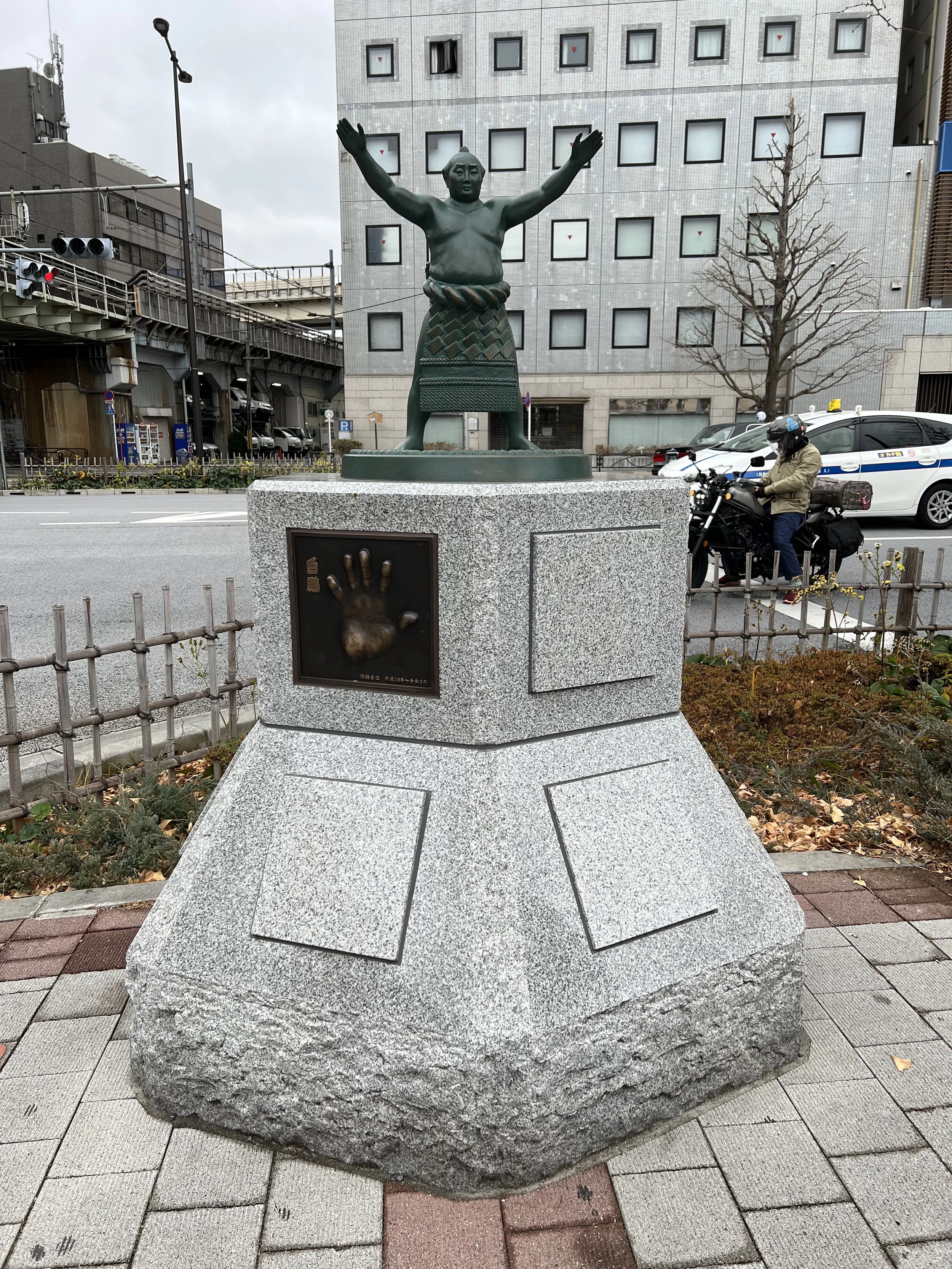
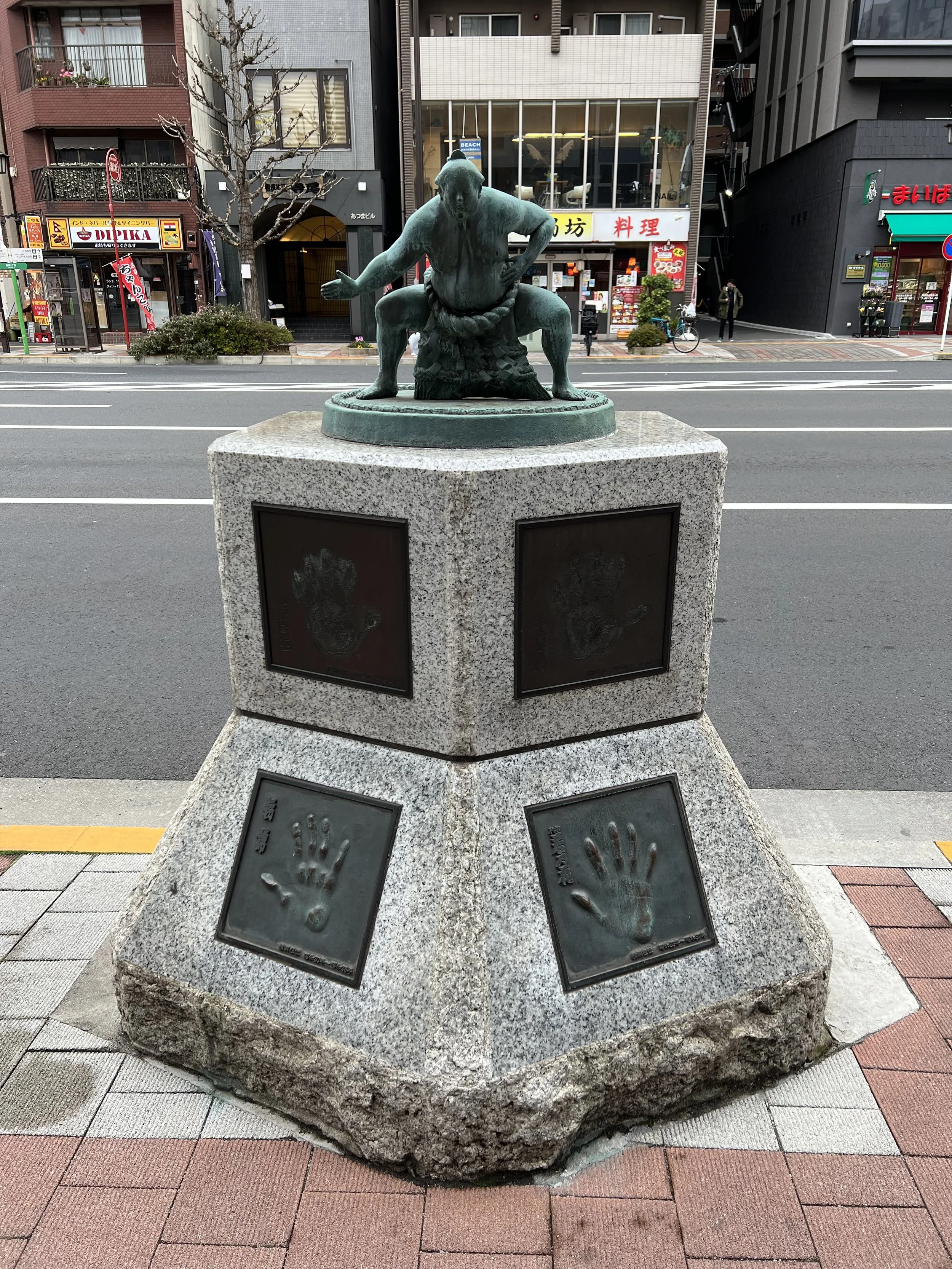
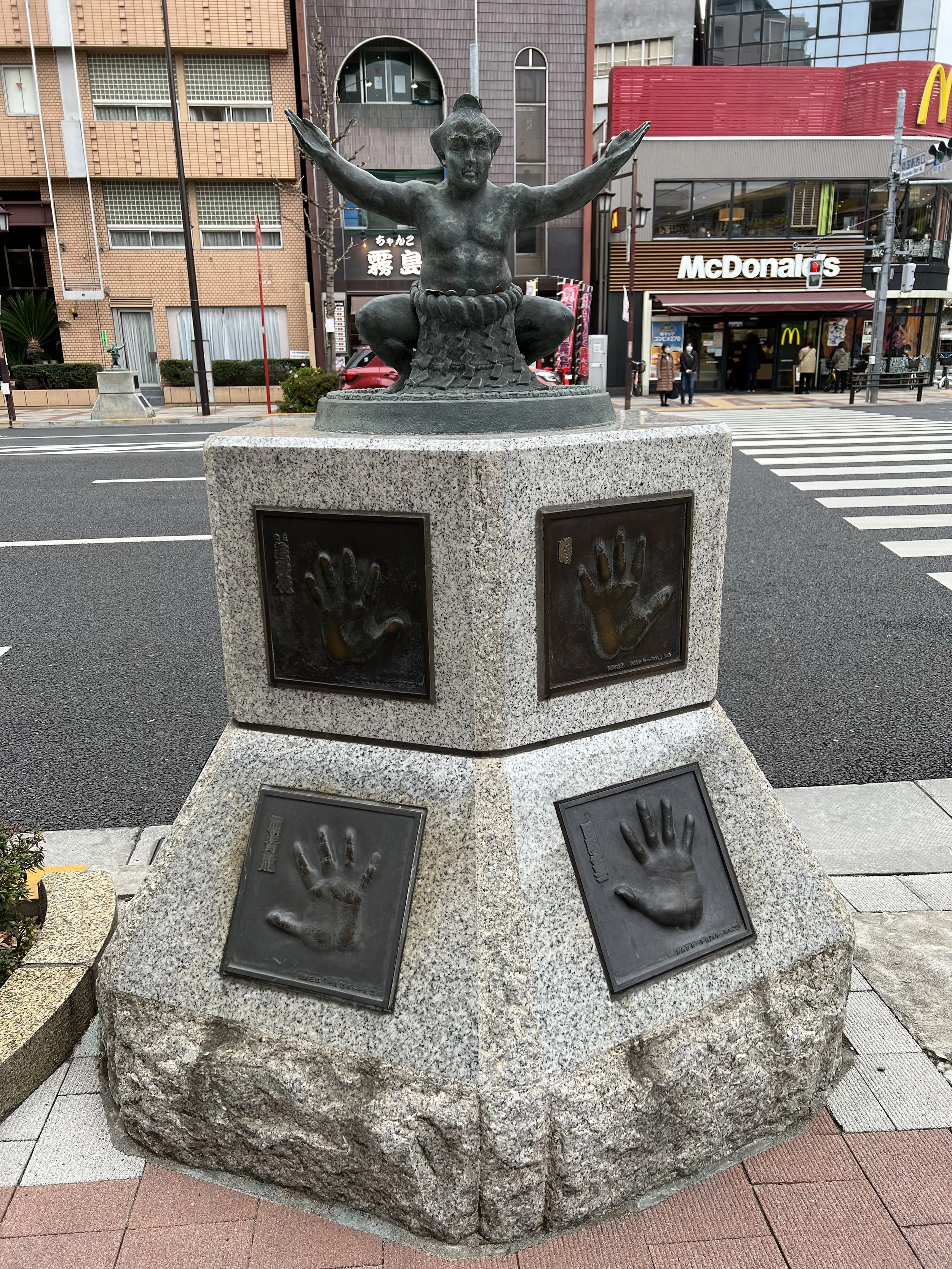
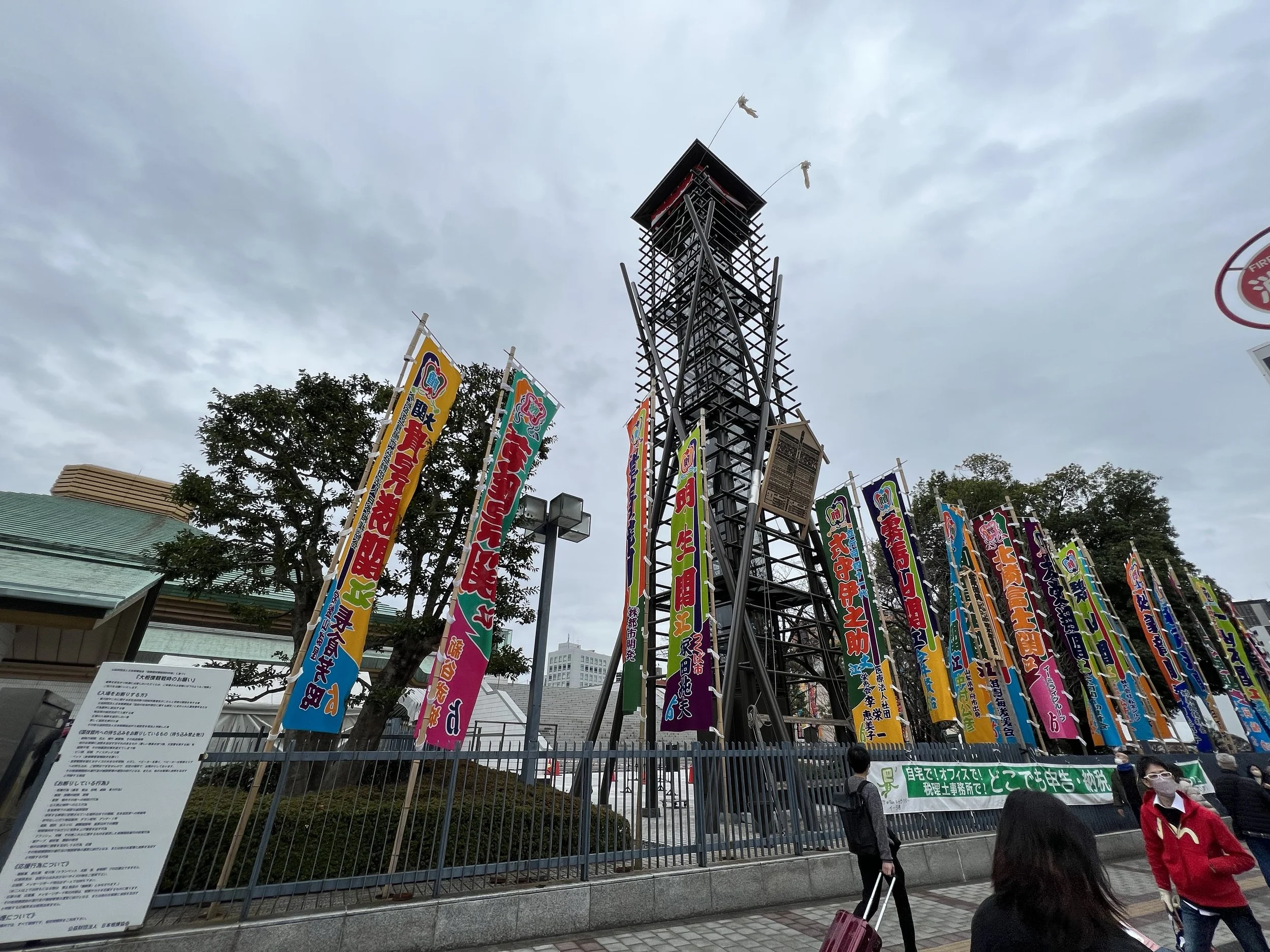
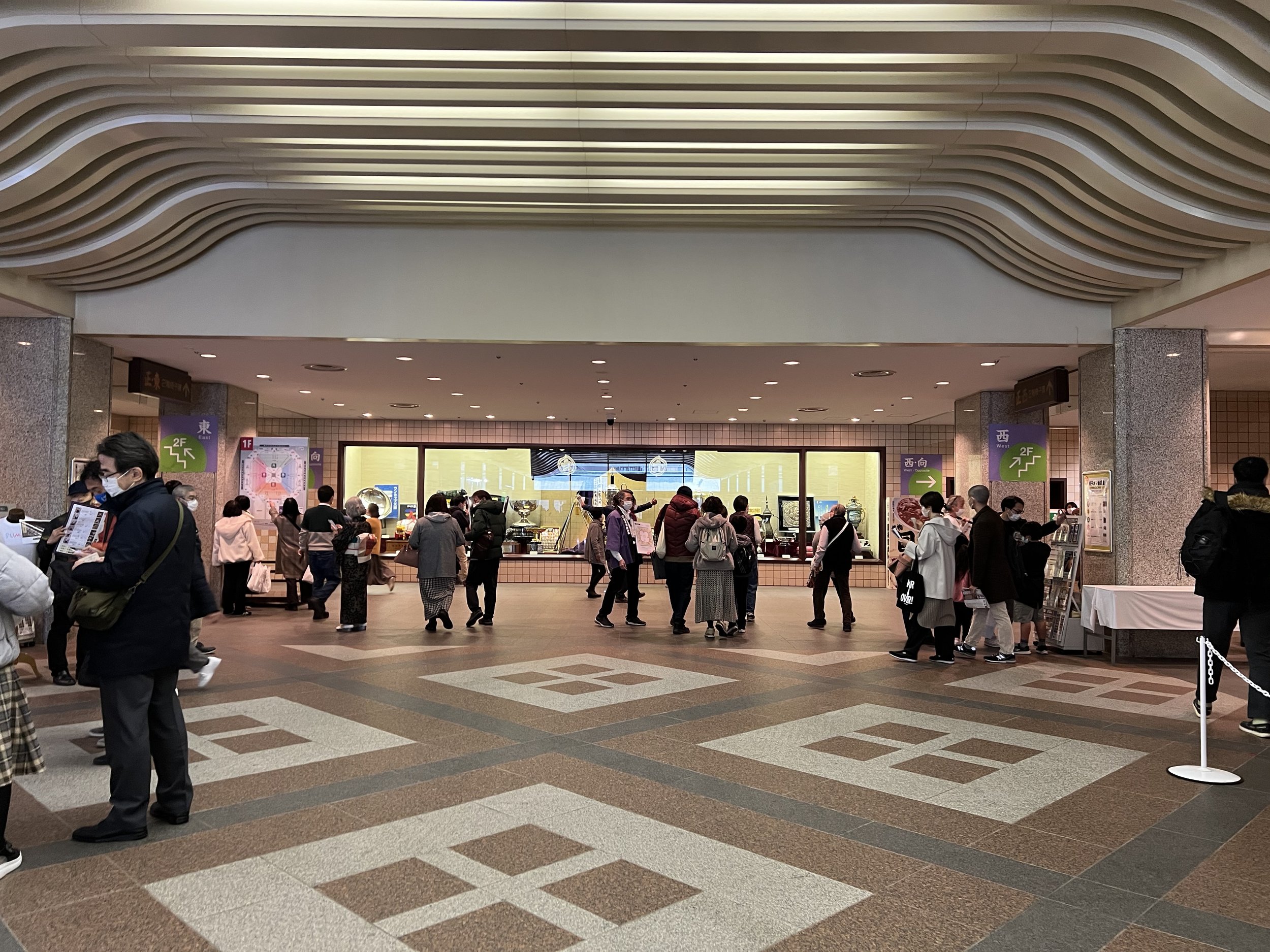
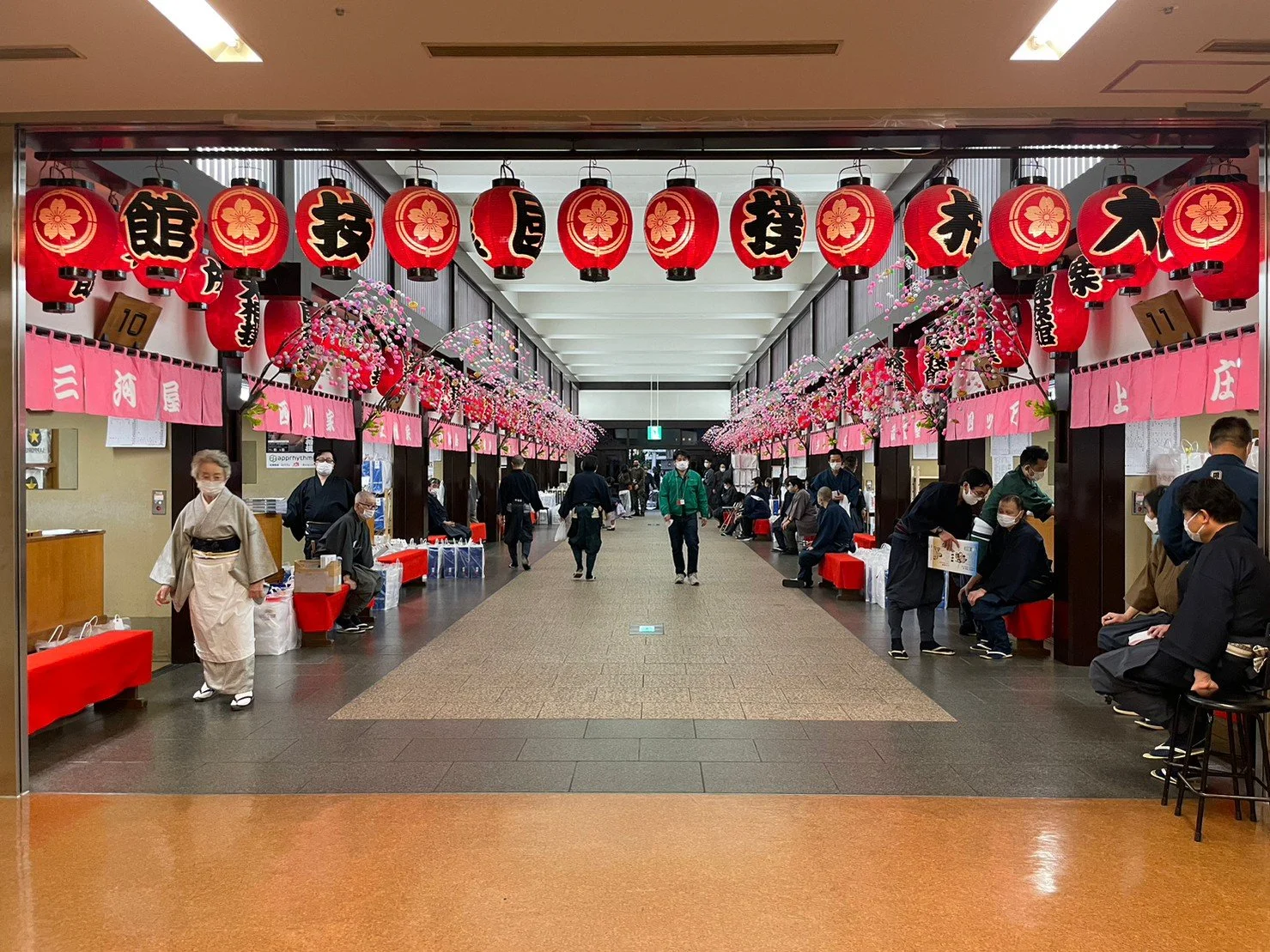
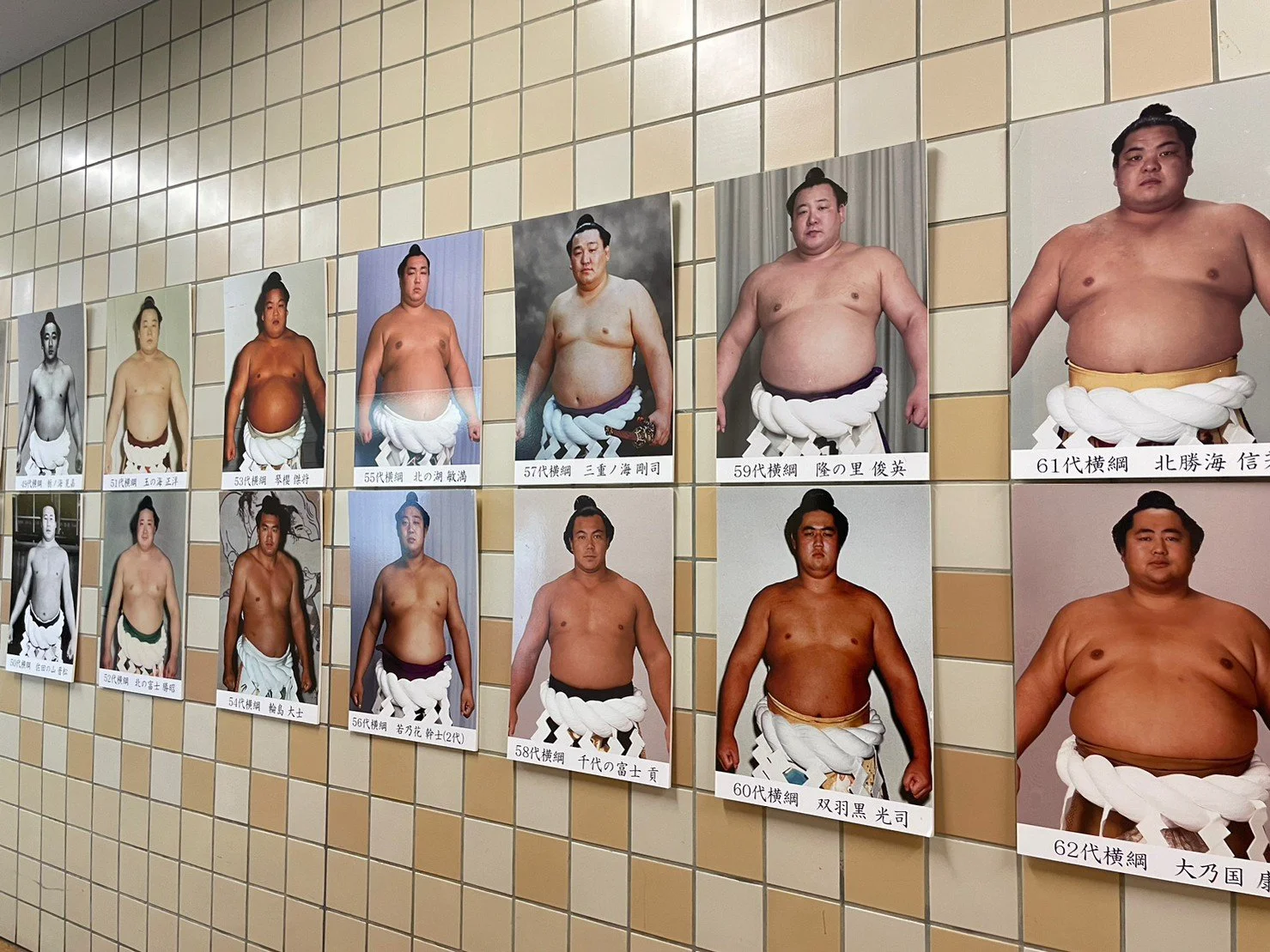
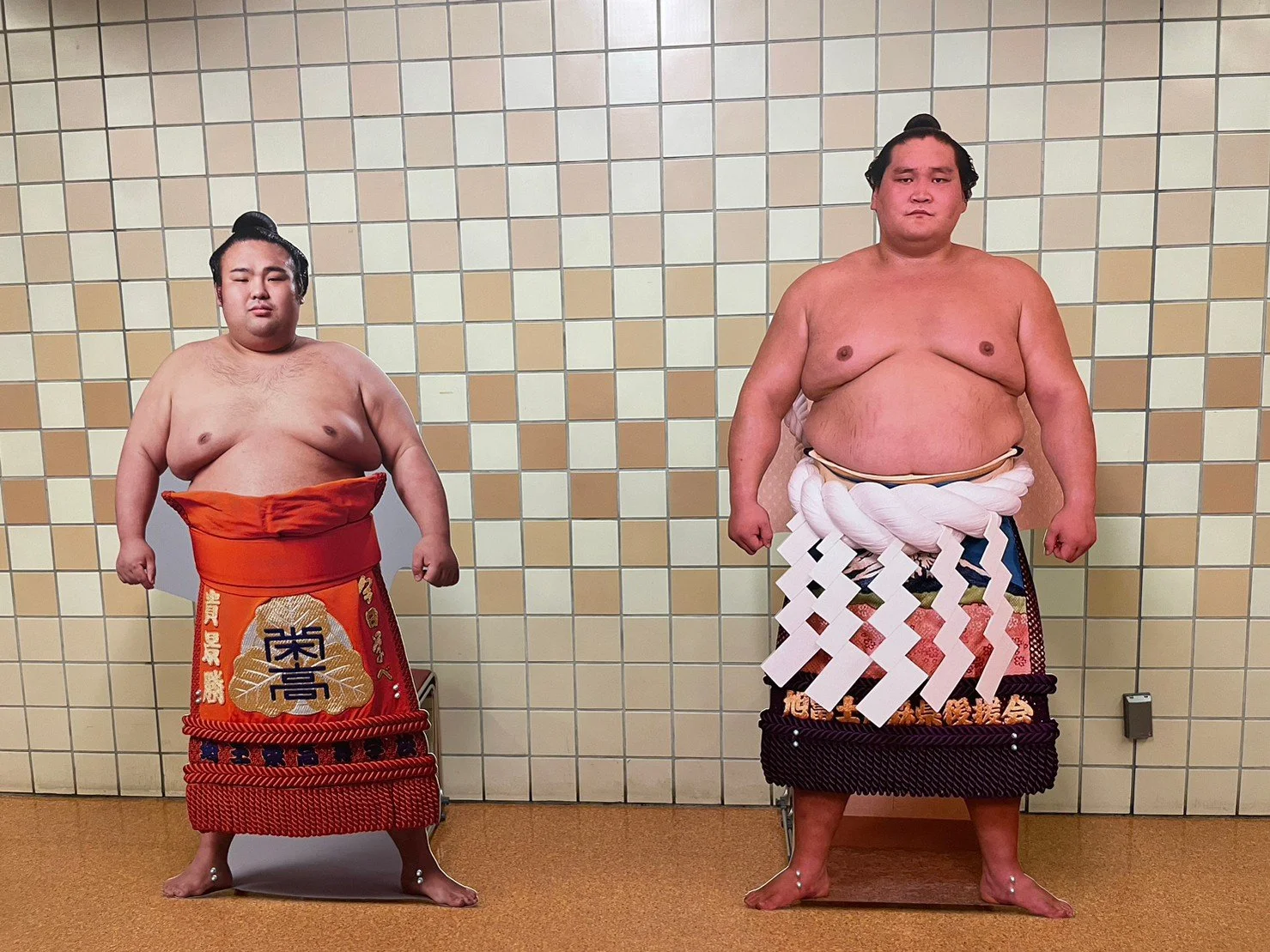
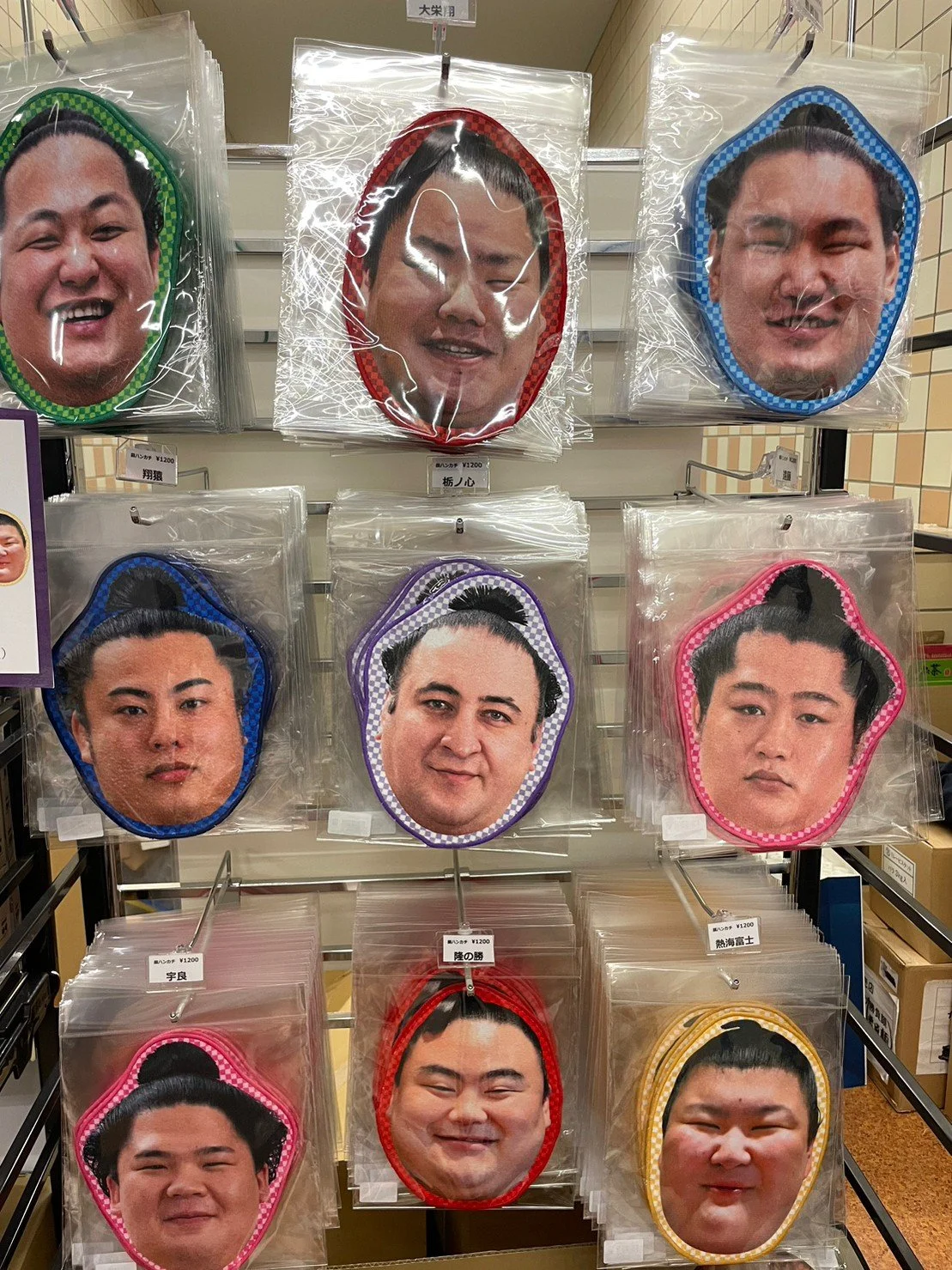
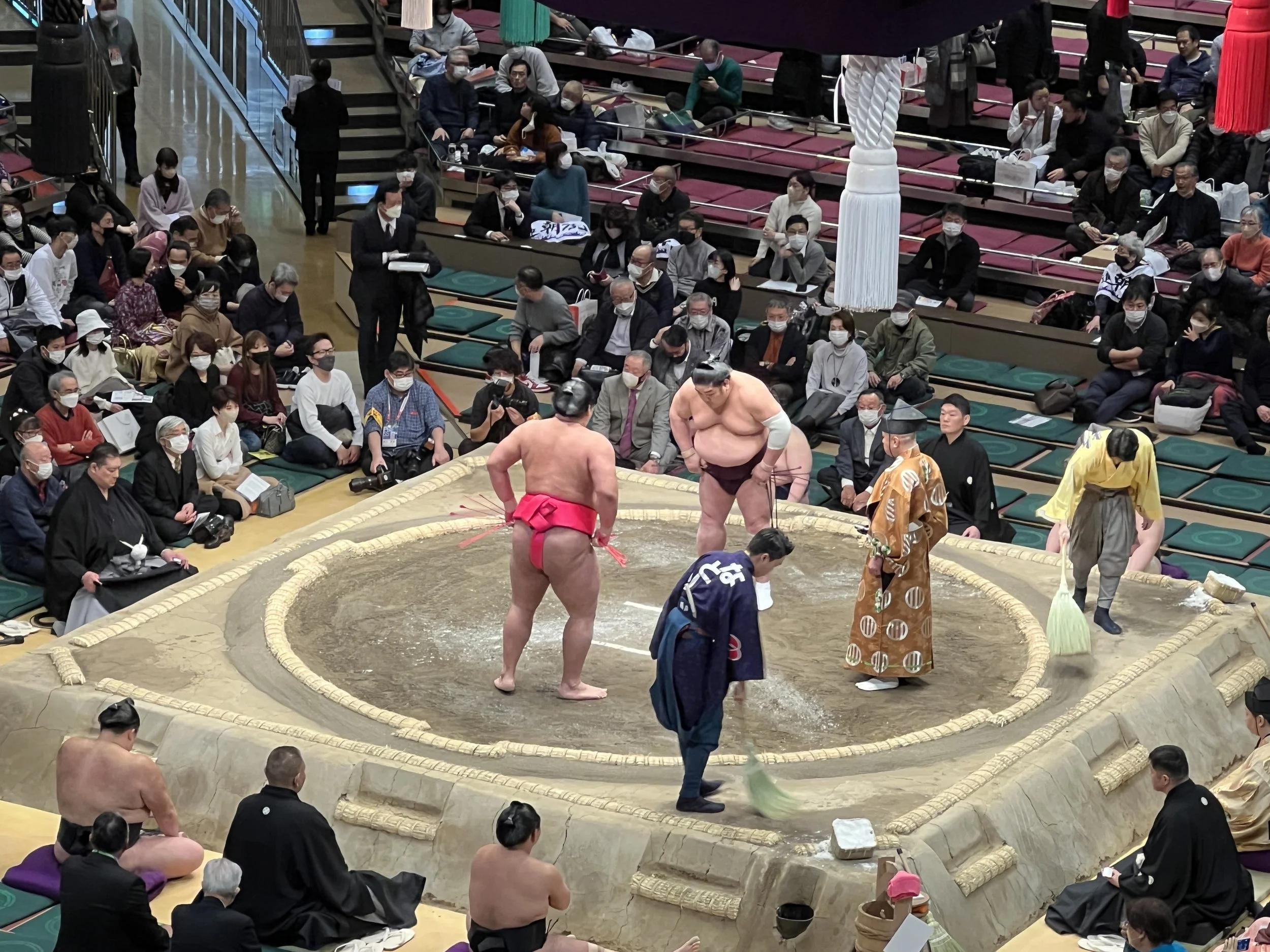
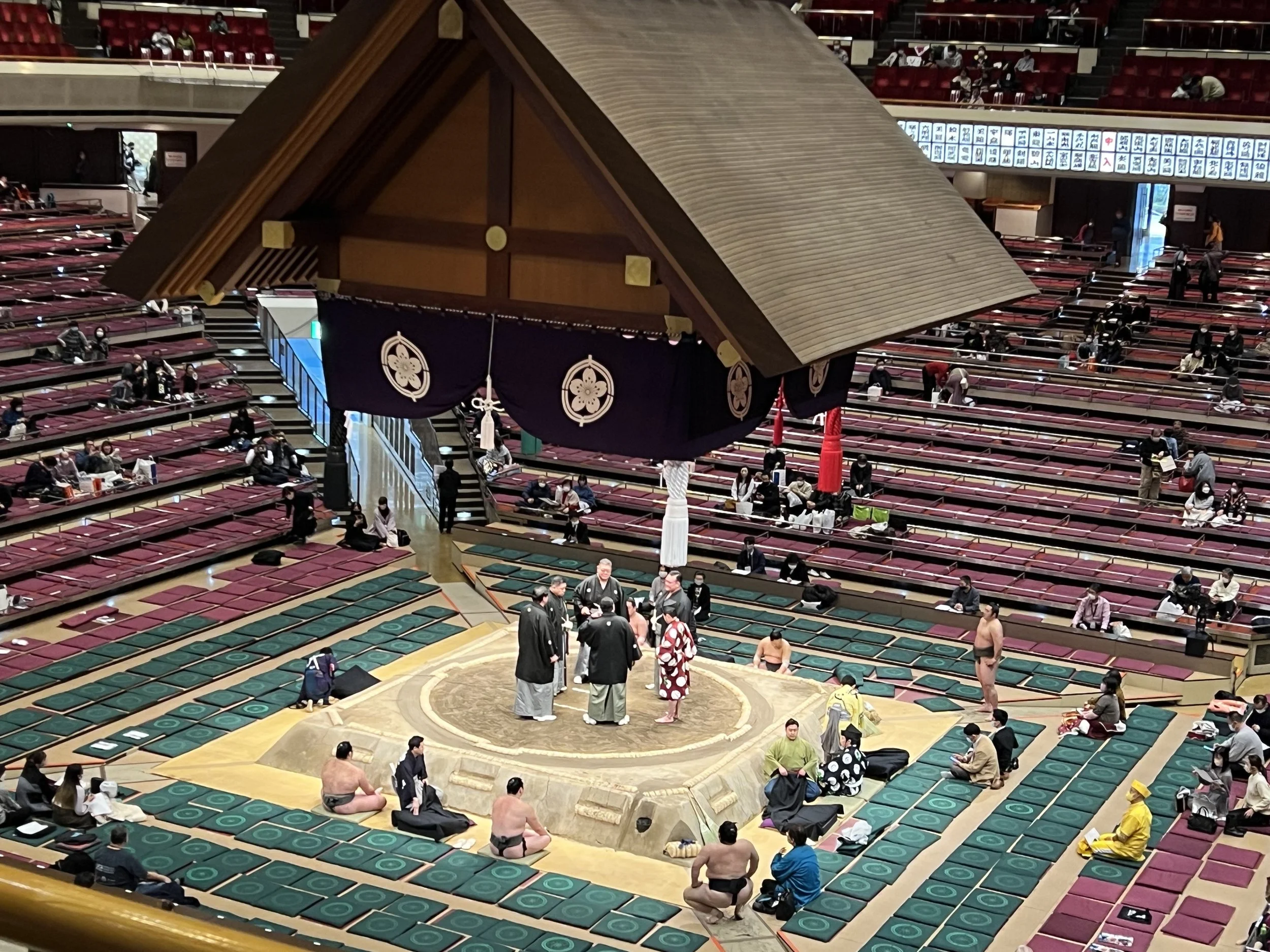
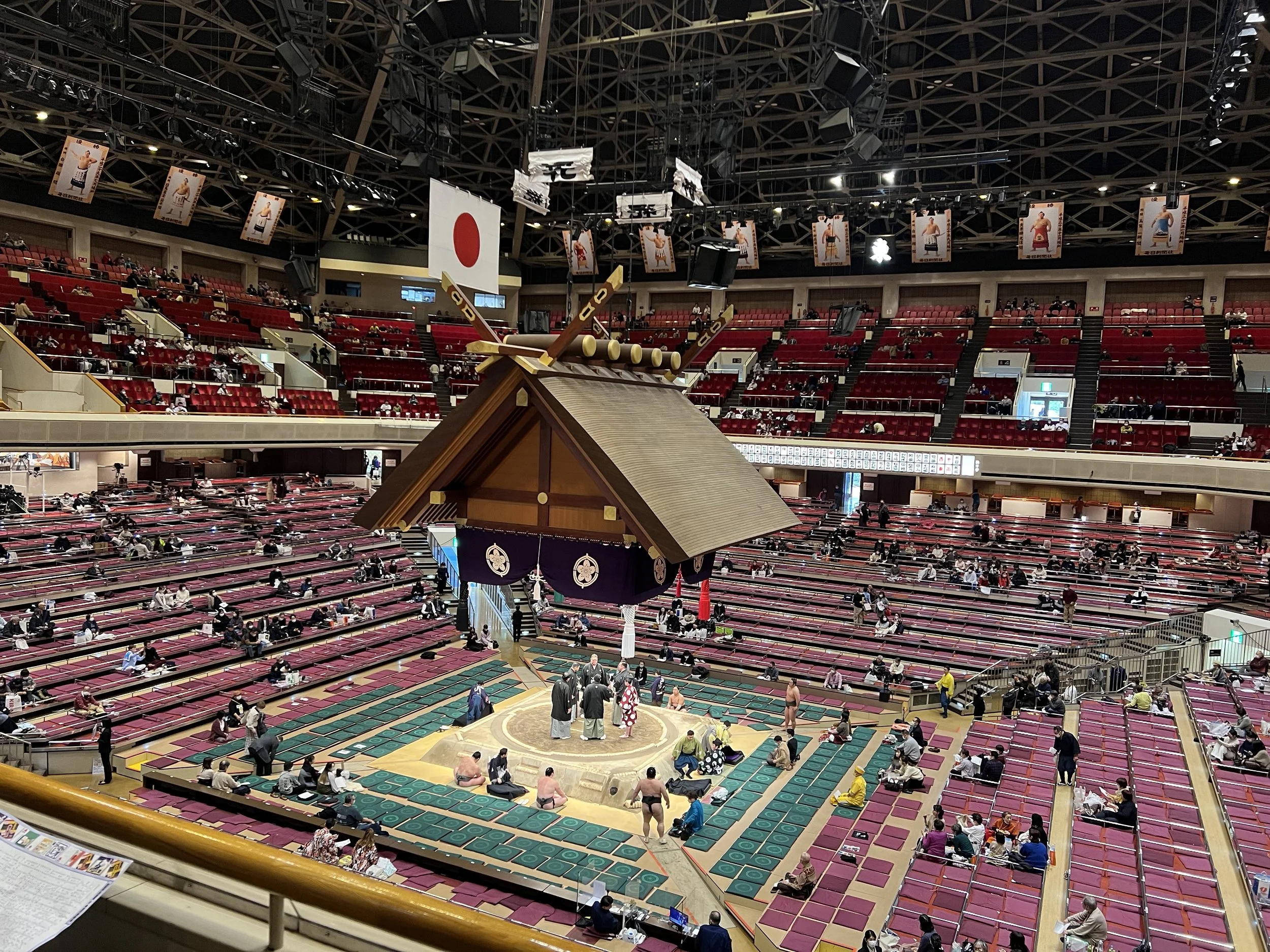
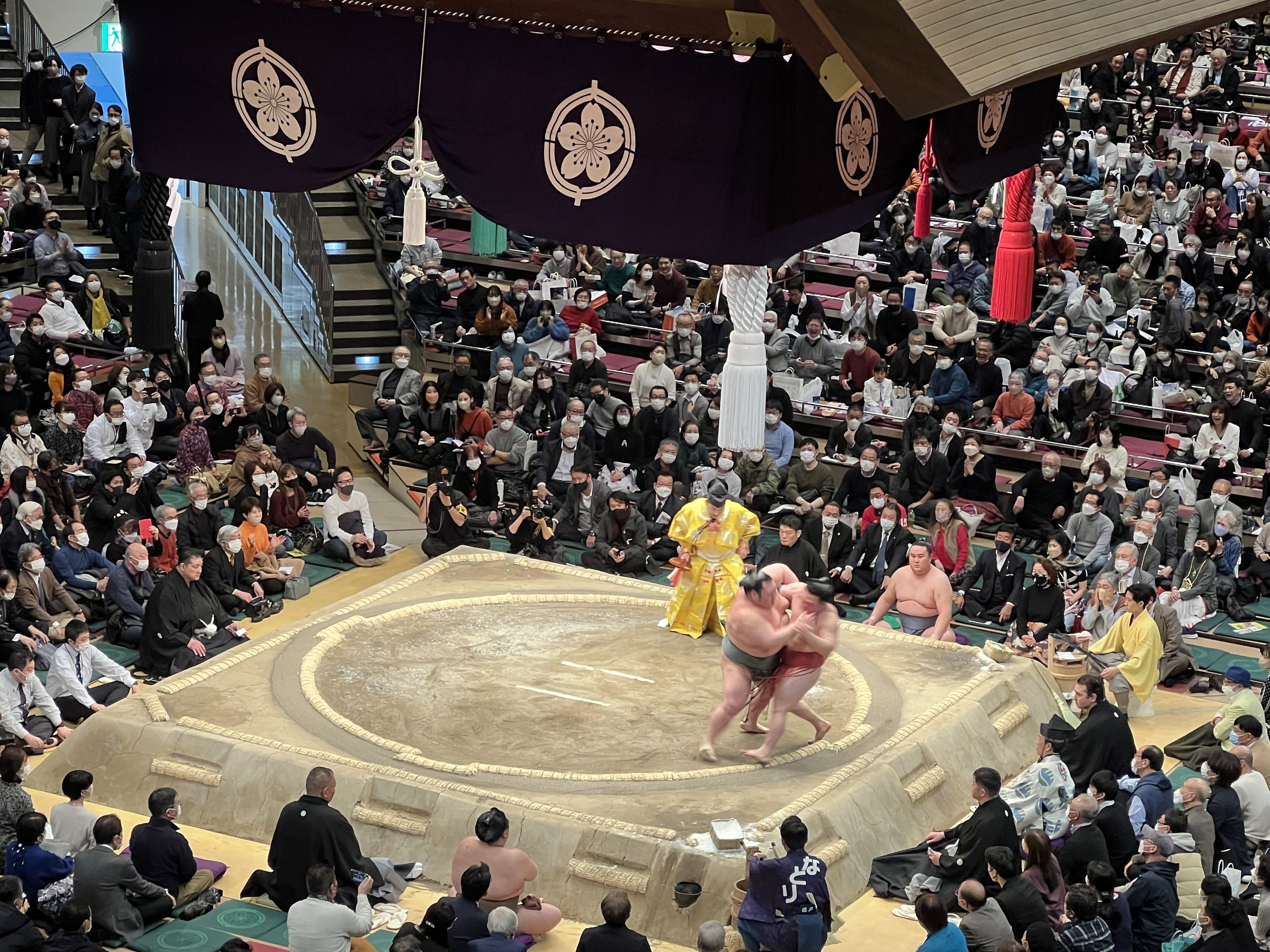
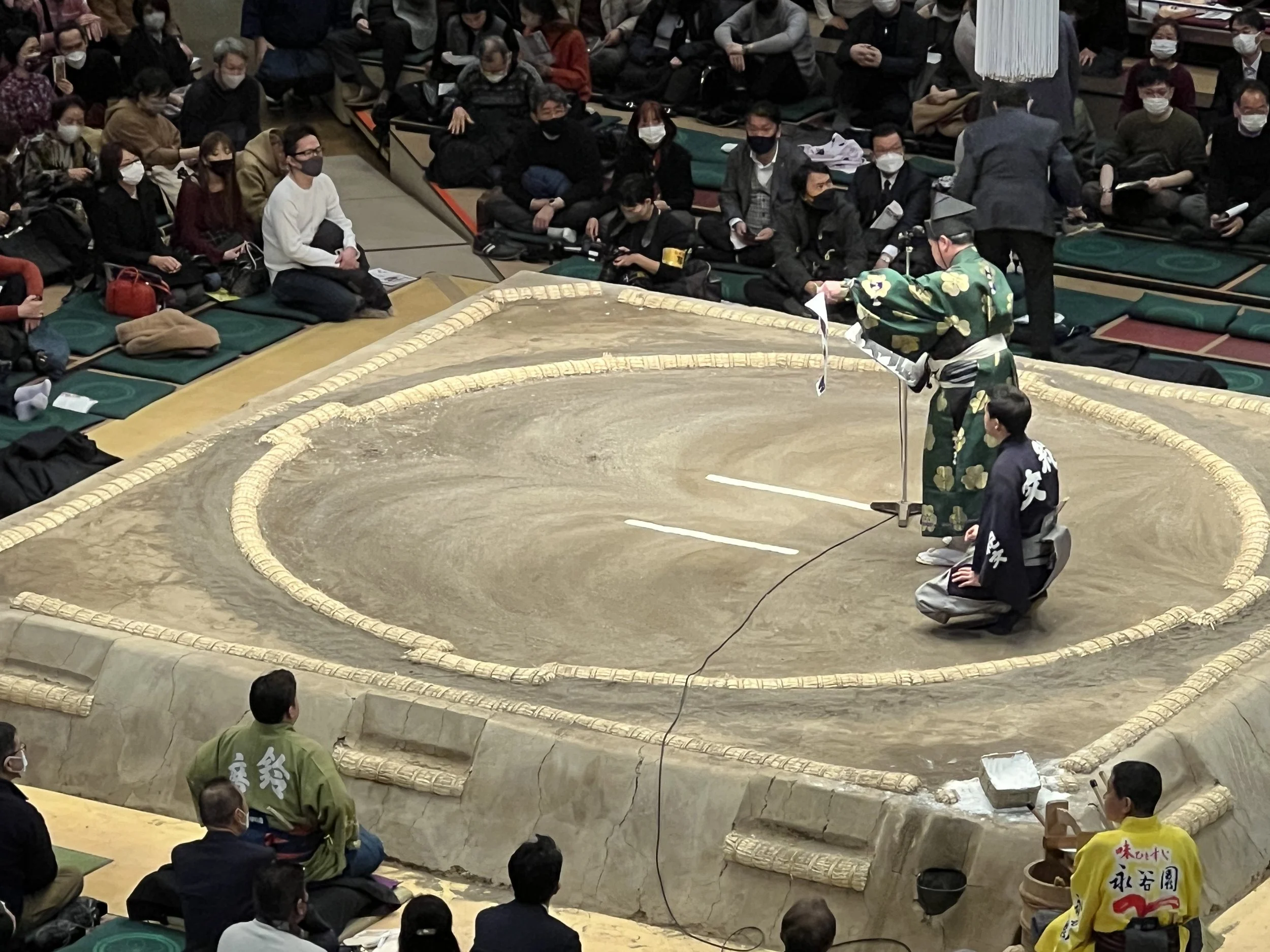
After lunch, we walked toward the arena, and along the way I noticed the sidewalks lined with sumo-related sculptures, handprints, and information panels honouring legendary wrestlers. I placed my hand against one of the handprints and couldn’t help but laugh at how small mine looked in comparison. Once inside the arena, we had our tickets checked and wandered through the main concourse, browsing souvenir stalls, food vendors, and information displays before heading to our seats. Our seats were on the second floor near the railing, giving us a fantastic, unobstructed view of the ring below.
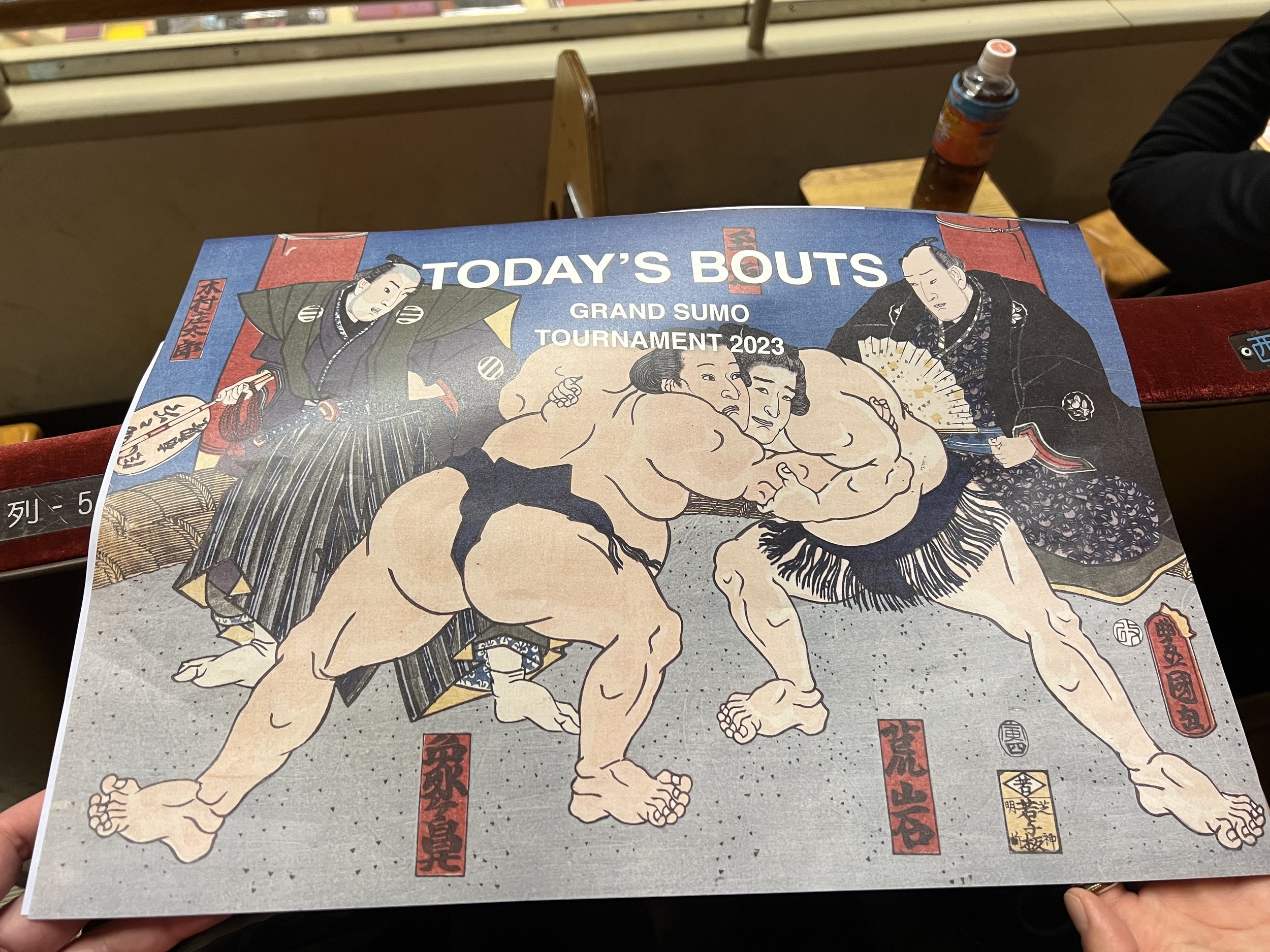
As we opened our tournament programs, we tried to follow along with the announced wrestlers and bouts. While neither of us were experts in the rules, an older gentleman seated nearby overheard our conversation and kindly began explaining things to us. He seemed genuinely pleased to see younger generations attending and patiently filled in our knowledge gaps throughout the afternoon. Thanks to him, we were able to follow the matches more closely and understand the judges’ calls and decisions. His explanations added a deeply human and memorable layer to my first-ever sumo experience.
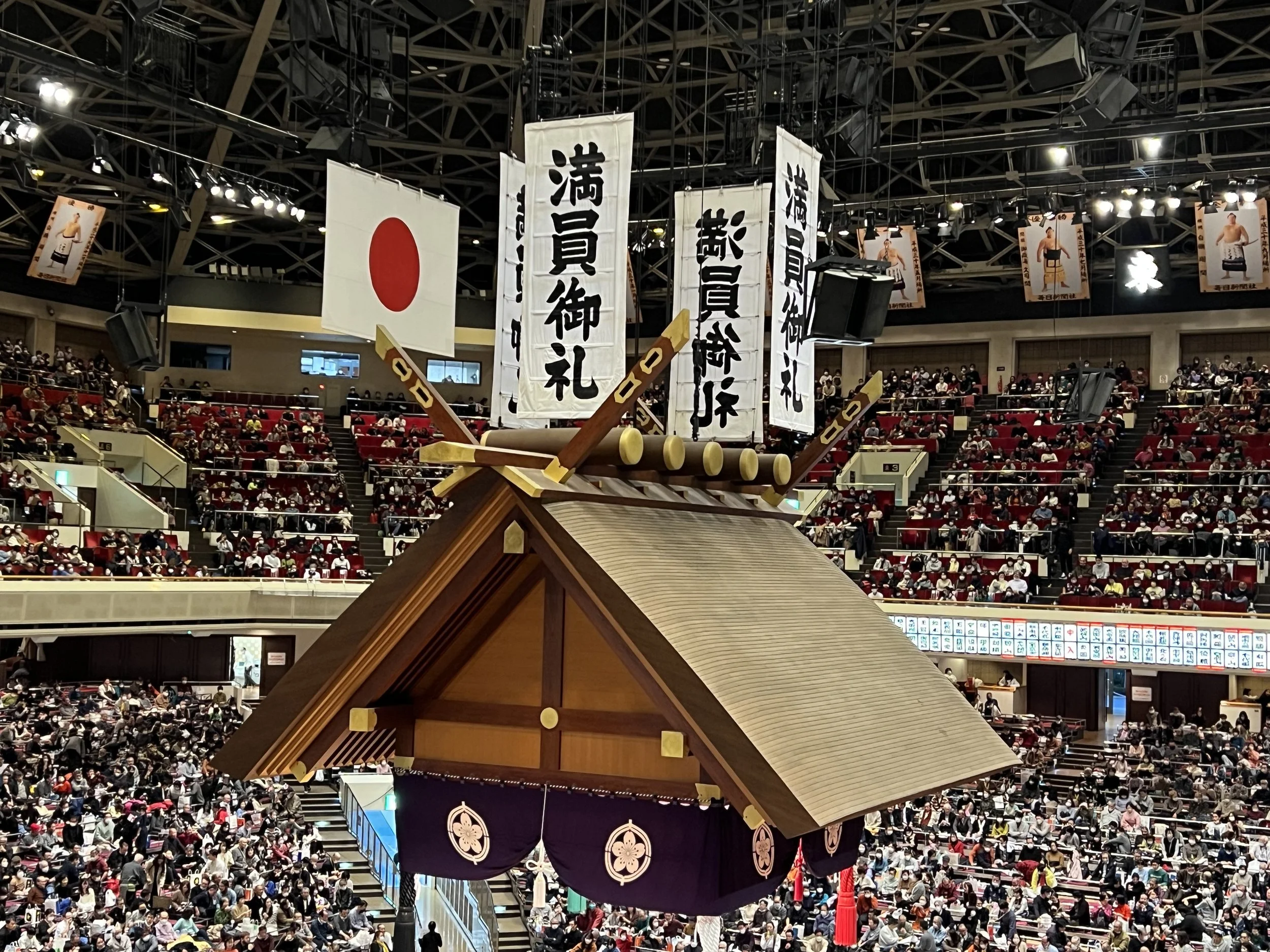
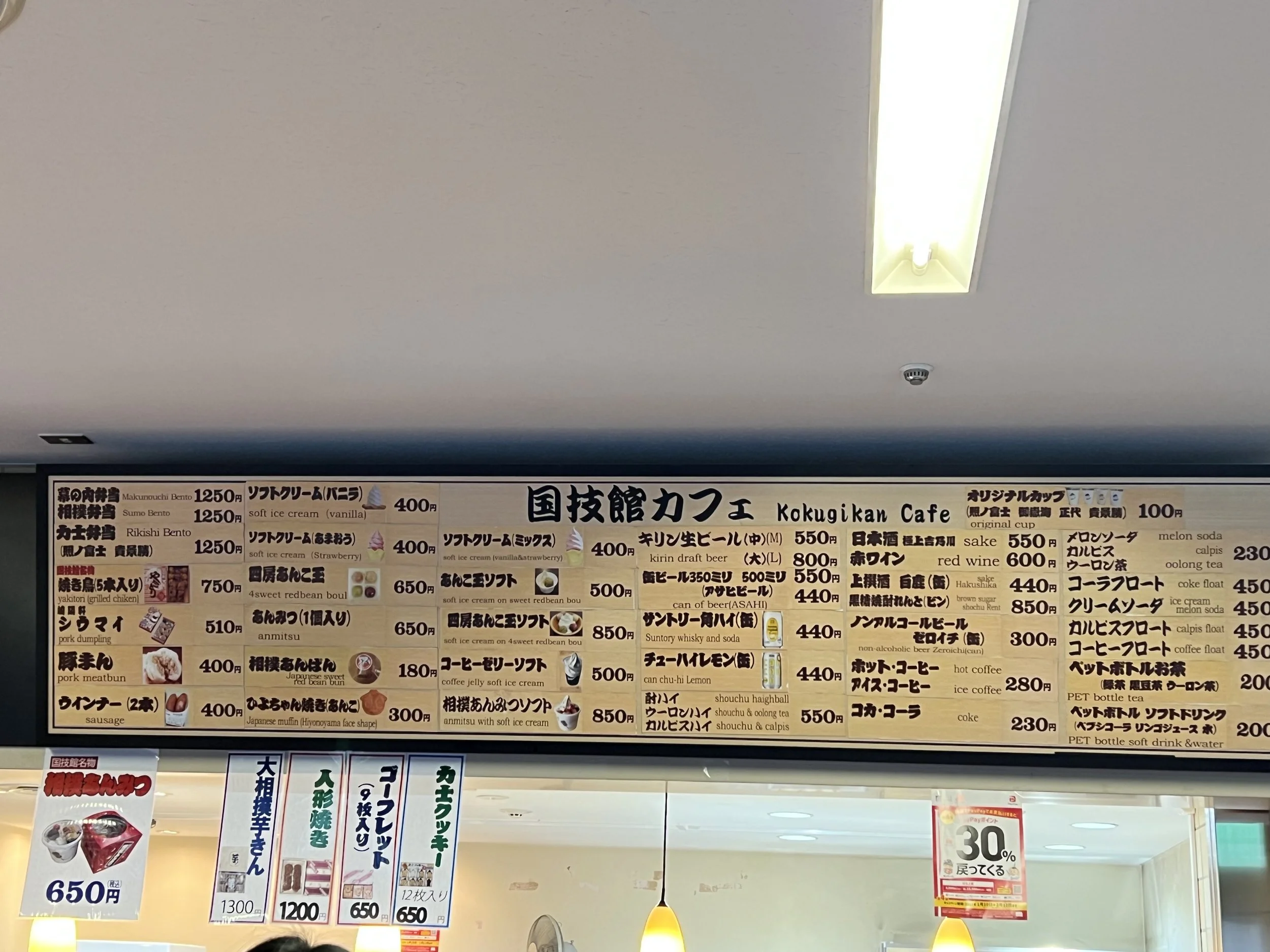
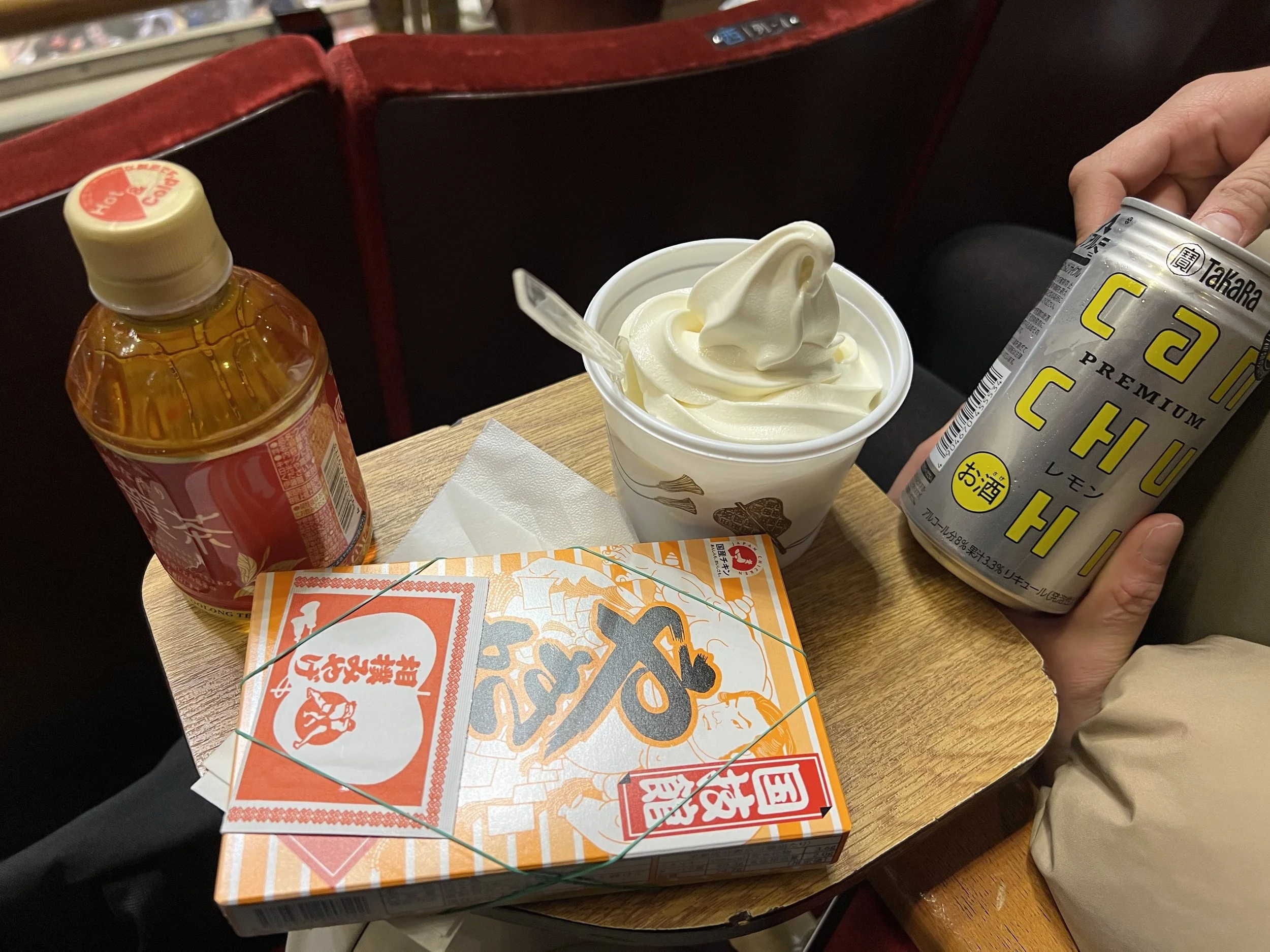
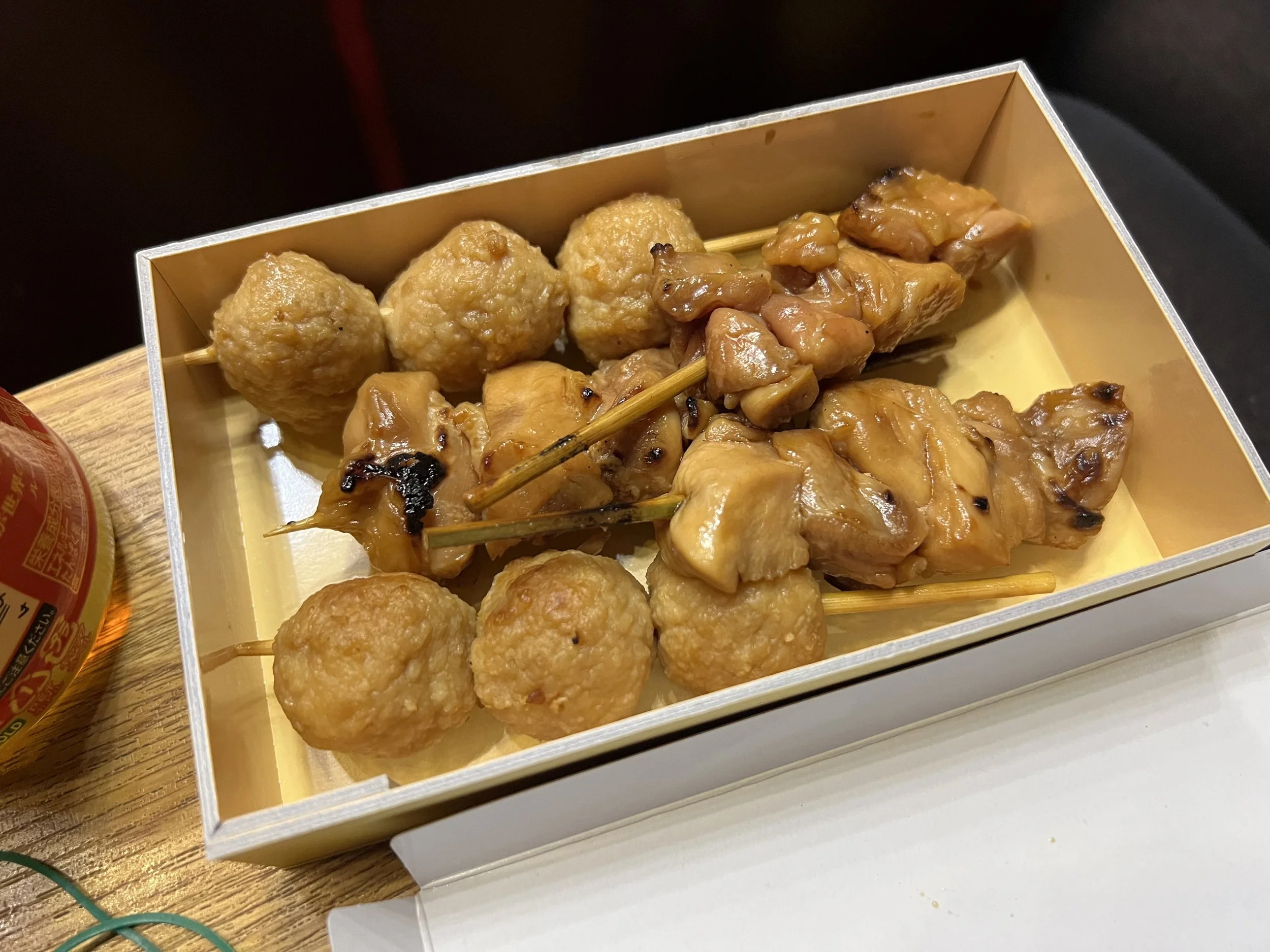
As the hours passed, the arena gradually filled, and the energy noticeably increased. We noticed that after certain matches, winners were handed decorative envelopes. The gentleman explained that these contained sponsored prize money, sometimes amounting to over a million yen, awarded directly by sponsoring companies or individuals. Later in the afternoon, my friend and I took a short snack break and picked up yakitori—grilled chicken skewers that are a classic sumo match snack. Well-seasoned and easy to eat, they paired perfectly with the relaxed rhythm of the matches. When we returned to our seats, the empty sections around us were now completely filled.
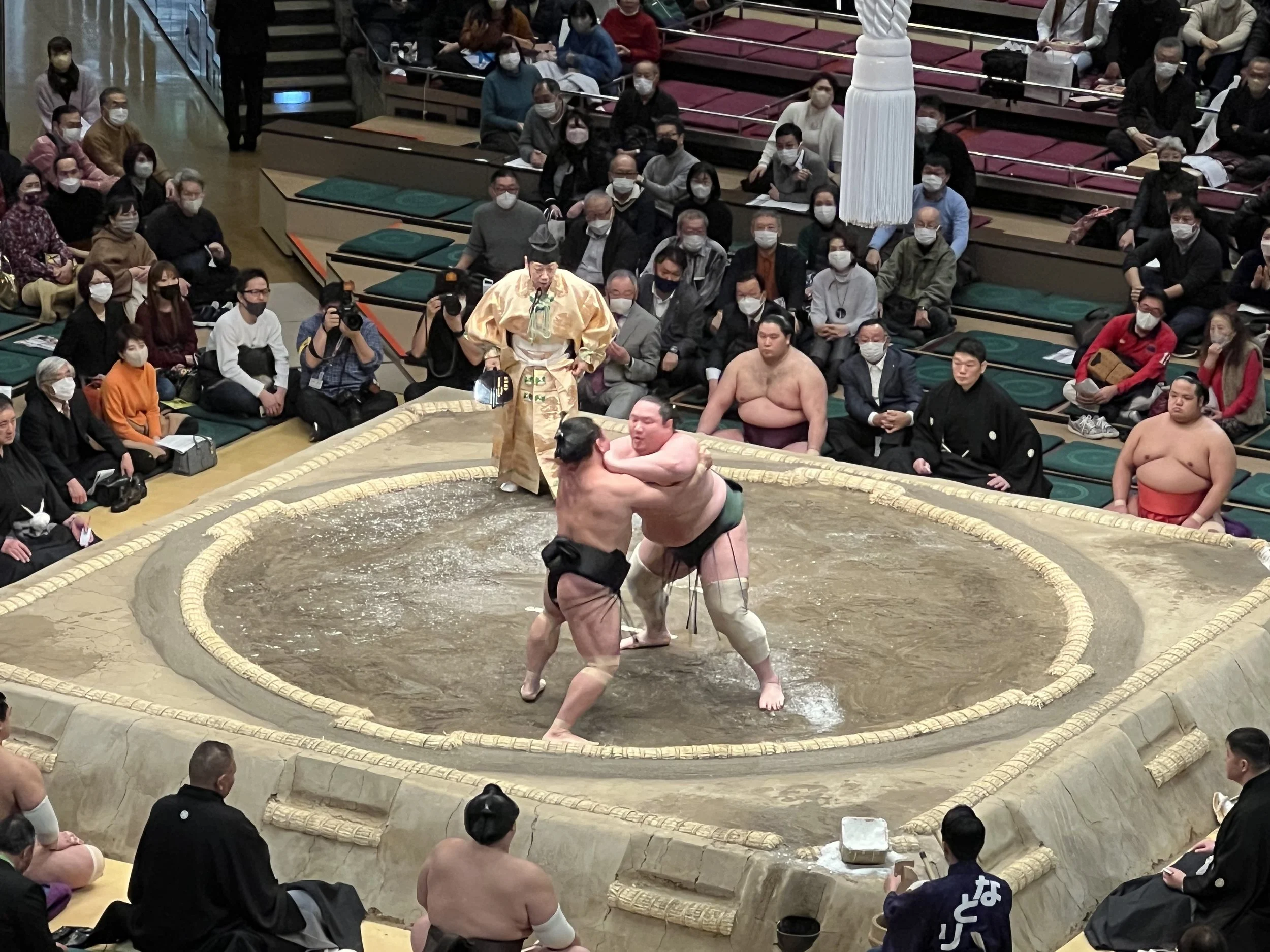
As the top-division bouts began, the atmosphere intensified. The crowd grew more focused, the reactions louder, and the stakes clearly higher. My friend mentioned that the tournament was being broadcast live nationwide and that her family was trying to spot us when the cameras panned across the audience. Seeing the cameras positioned around the ring reinforced just how significant sumo remains in Japanese culture. It was a truly special experience—one that felt both historic and alive—and something I would absolutely do again if given the chance.
History & Background
Sumo is Japan’s oldest sport, with origins dating back over 1,500 years. Its earliest roots appear in Shinto mythology, where wrestling contests were believed to determine the will of the gods and ensure good harvests. By the Nara and Heian periods (8th–12th centuries), sumo had become part of imperial court rituals, performed as ceremonial entertainment for the emperor and the aristocracy.
During the medieval era, sumo evolved further as samurai leaders sponsored matches to train strength and discipline among warriors. The sport took on a more organized and professional form in the Edo period (1603–1868), when public tournaments became popular in temple precincts and dedicated sumo stables were established. Many elements familiar today—such as the raised clay ring (dohyo), referee costumes, and ranking system—were formalized during this time.
Deeply rooted in Shinto ritual, sumo still retains its sacred character. Purification ceremonies, the throwing of salt, and the symbolic movements of wrestlers all reflect its religious heritage. Today, Grand Sumo Tournaments, known as honbasho, are held six times a year across Japan, with three taking place in Tokyo at Ryogoku Kokugikan.
The Tokyo tournaments are especially significant, attracting the highest-ranked wrestlers and widespread national attention. Steeped in tradition, etiquette, and symbolism, attending a live sumo tournament is not merely a sporting event but a living expression of Japan’s history and cultural identity.
Getting There
Ryogoku Kokugikan is located in Tokyo’s Ryogoku district and is easily accessible by public transit. The closest station is Ryogoku Station, served by the JR Chuo–Sobu Line, which places you just a short walk from the venue. The surrounding neighbourhood is compact and walkable, making it easy to arrive early and explore before heading inside.
Route Overview
Duration: 10 hr (Doors open at 8 AM and close around 6 PM; attendance for the full day is not required, and most spectators arrive in the afternoon. Note that re-entry is not permitted)
Booking Info: It is strongly recommended to book tickets as soon as they are released, as they sell out quickly—especially for the first and last days of the tournament. If you choose to book through a guided tour, make sure the company is reputable. Tournament schedules, ticketing details, and general information about sumo are available on the official website.
Cost Breakdown
Ticket: 2023 January Grand Tournament Chair Seats S(2nd Floor) x2 — ¥21,000
Train: Yotsuya Station → Ryogoku Station — ¥180
Food: ¥2,327
Souvenir: ¥2,500