Ryugashido Cavern - Shizuoka, Japan
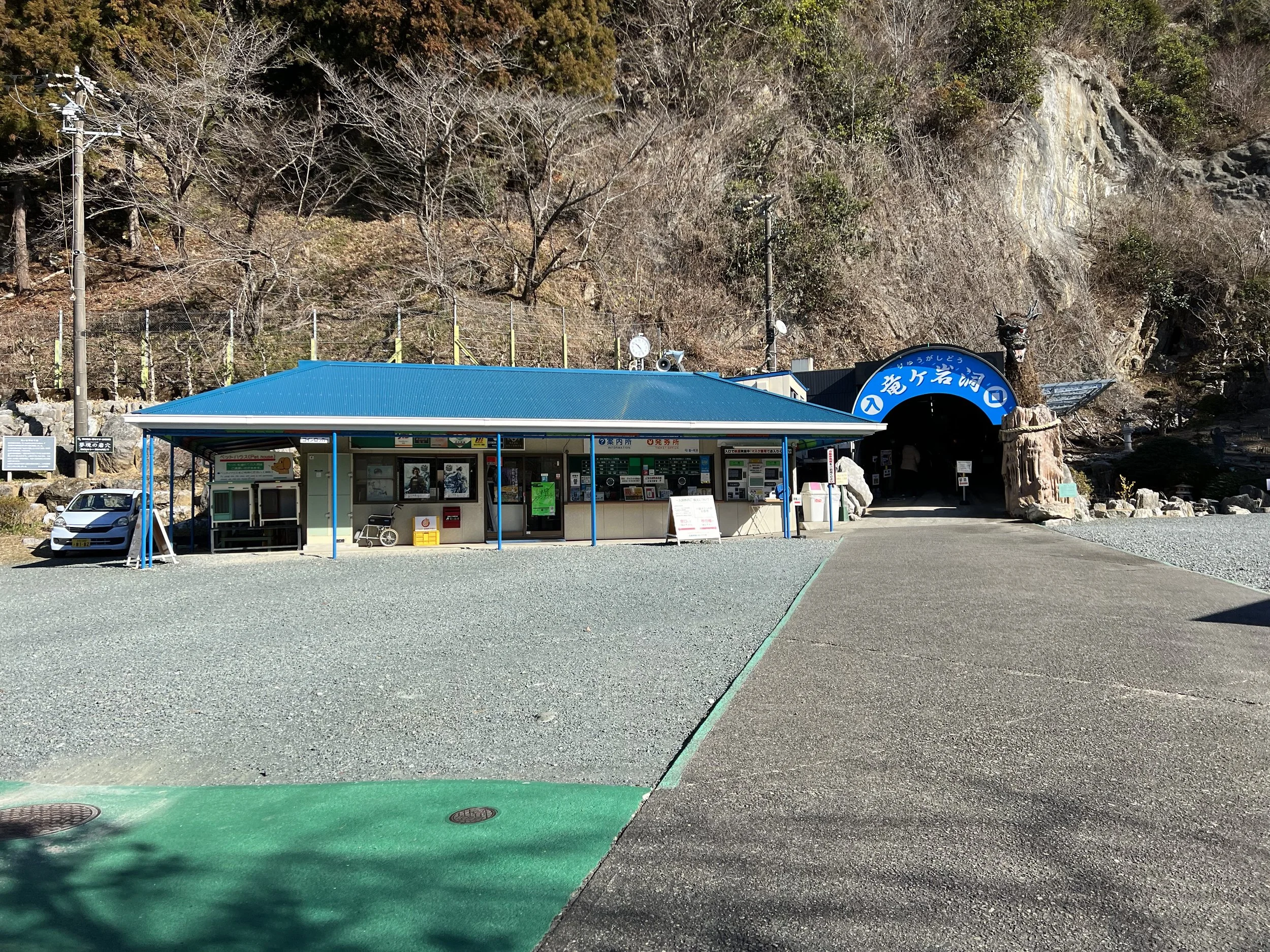
Ryugashido Cavern is a large limestone cave system stretching over one kilometre in length, featuring a 30-metre underground waterfall formed over 250 million years ago. It is one of the largest stalactite caves in the Tokai region, though only about 400 metres of it is open to the public. I had wanted to visit while I was based in Hamamatsu, and although it’s a bit out of the way, I felt it was worth the effort. The journey took roughly an hour by bus, followed by about a 10-minute walk to the entrance.
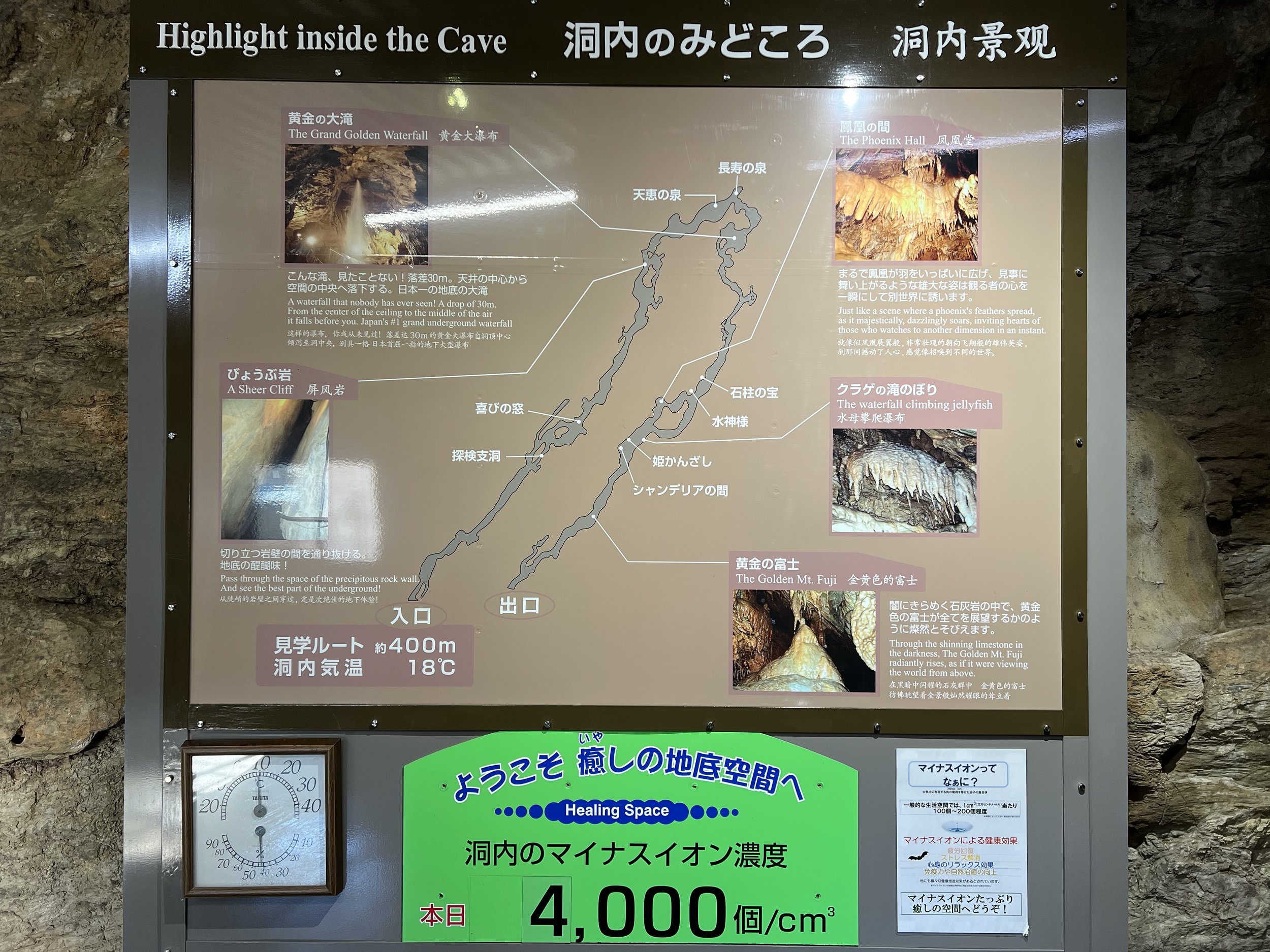
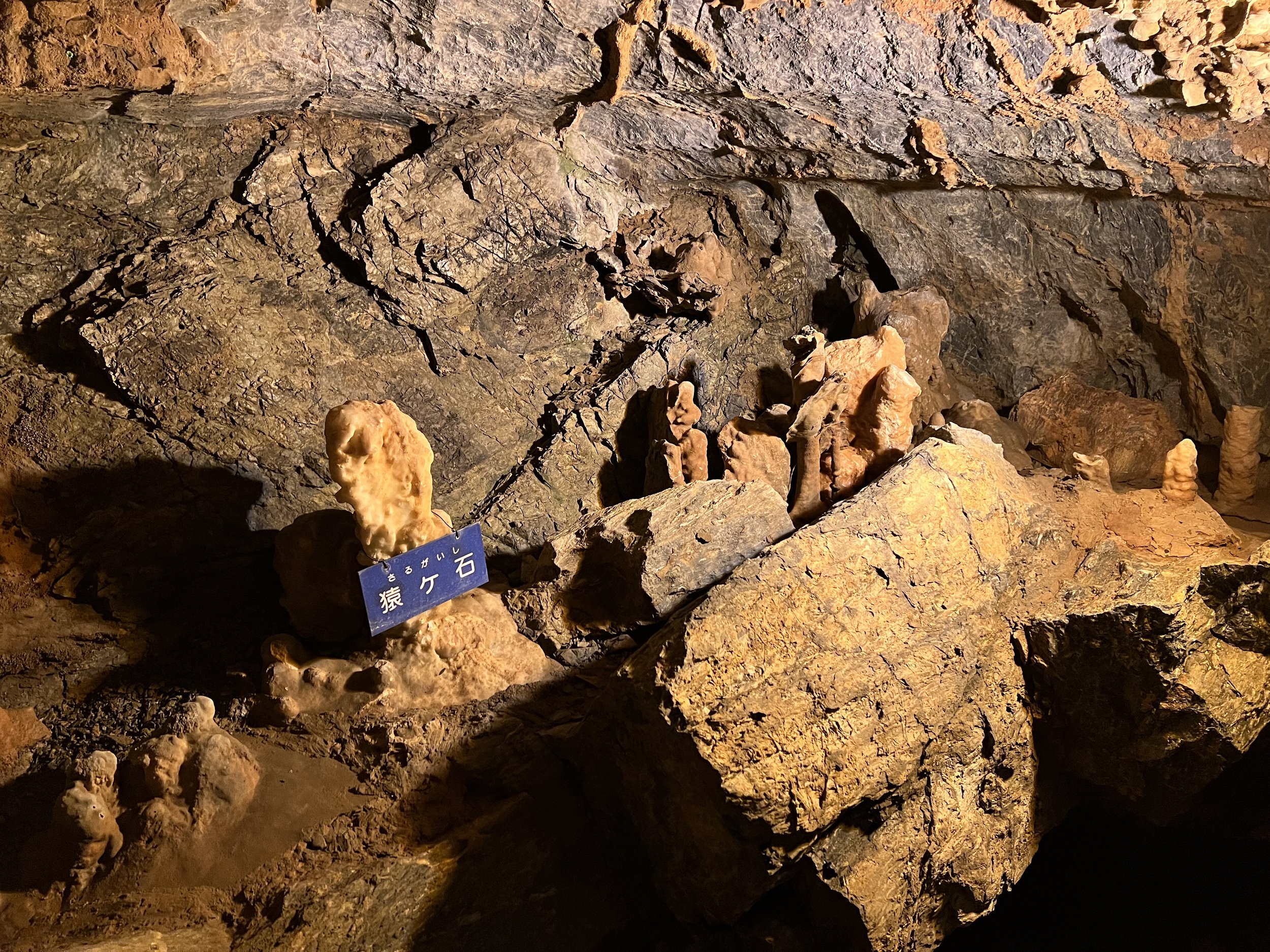
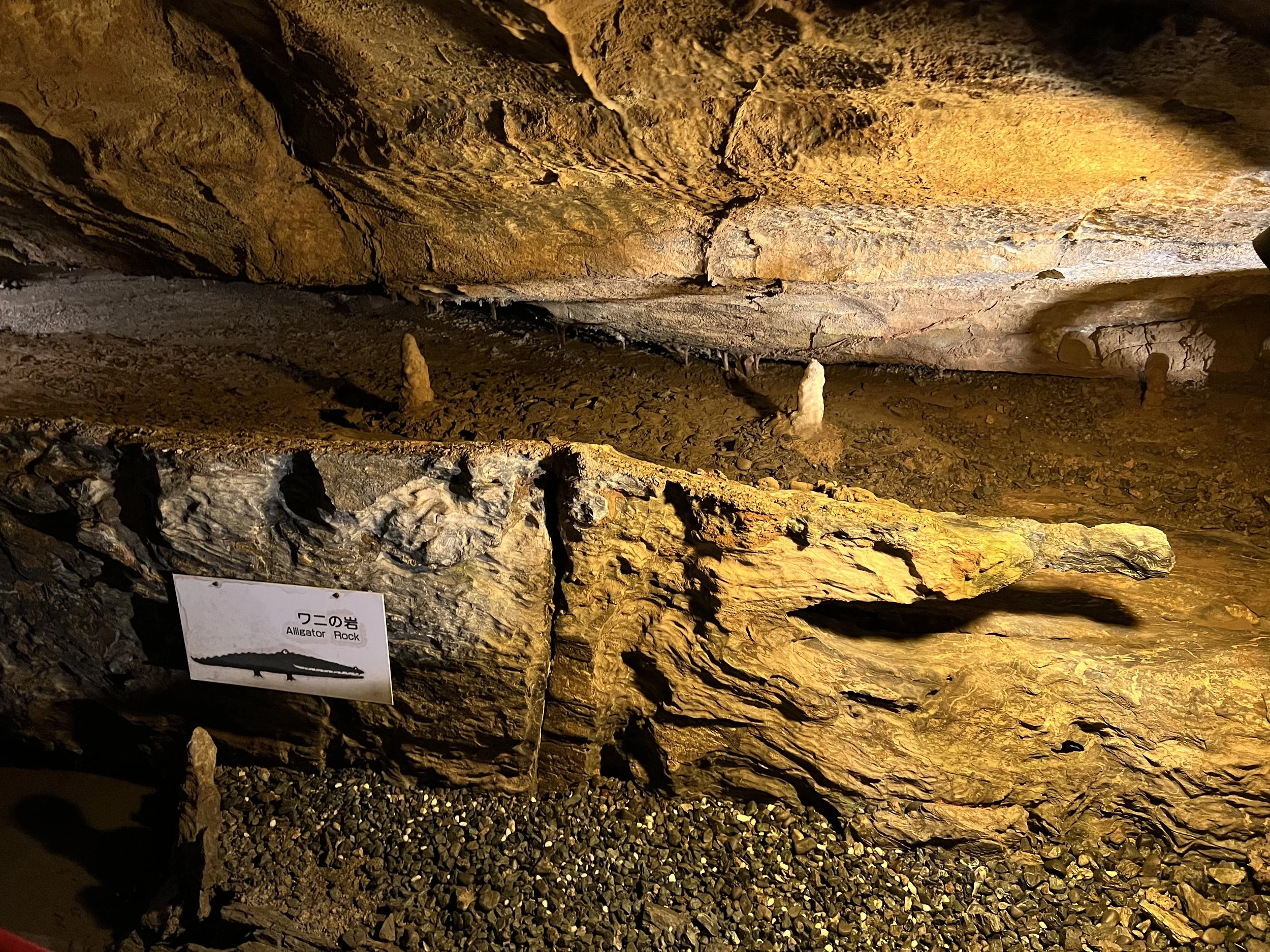
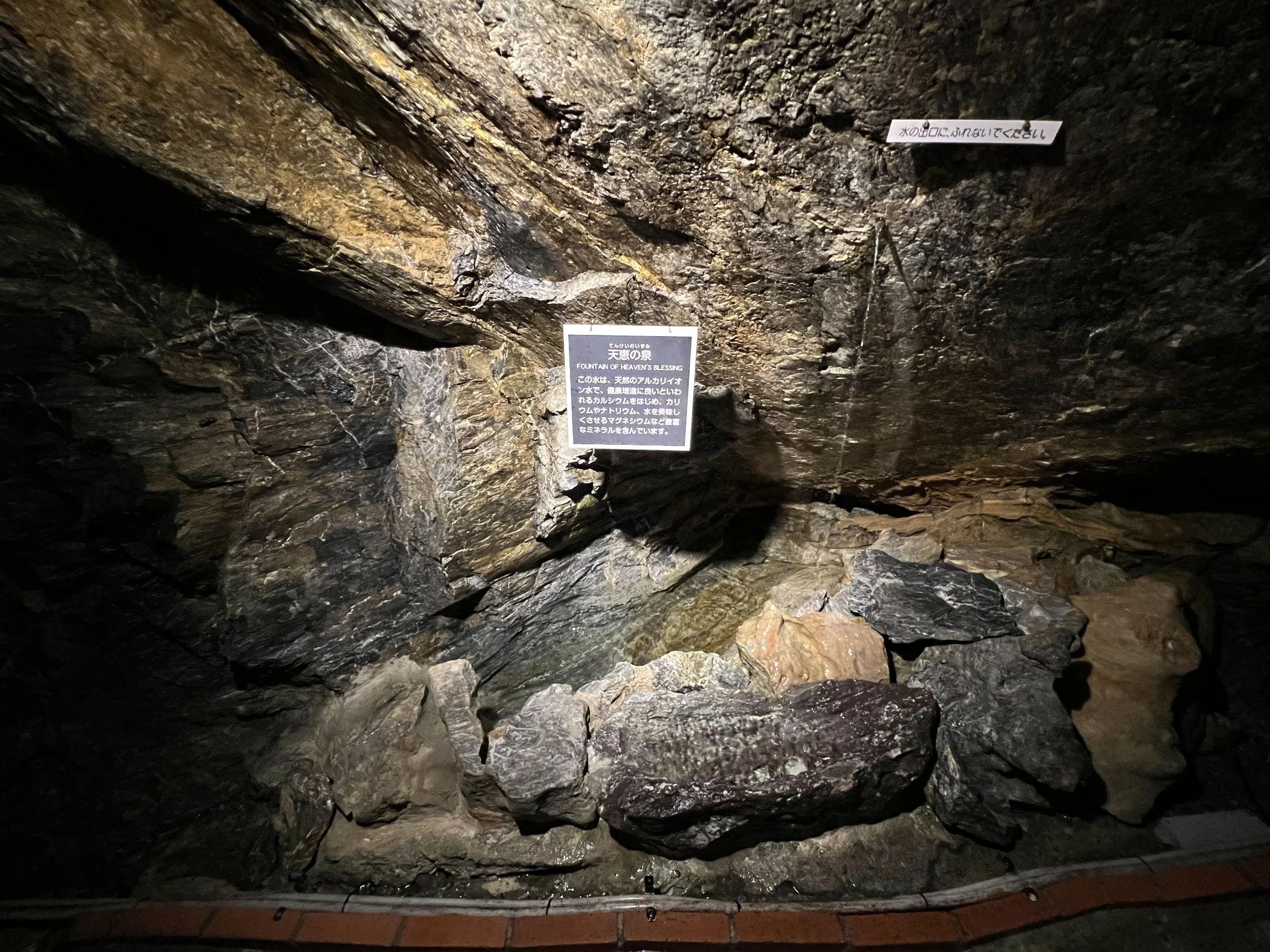
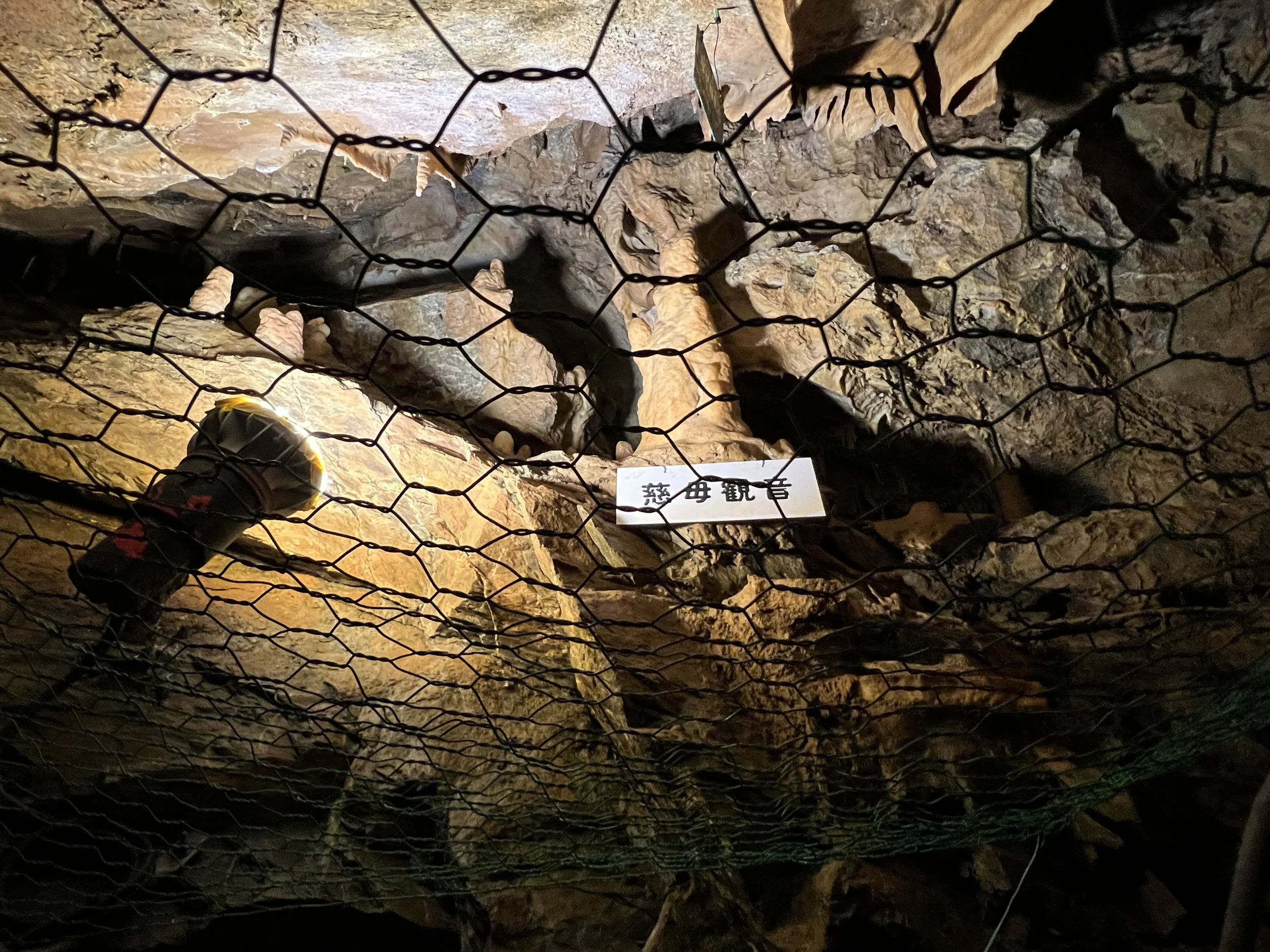
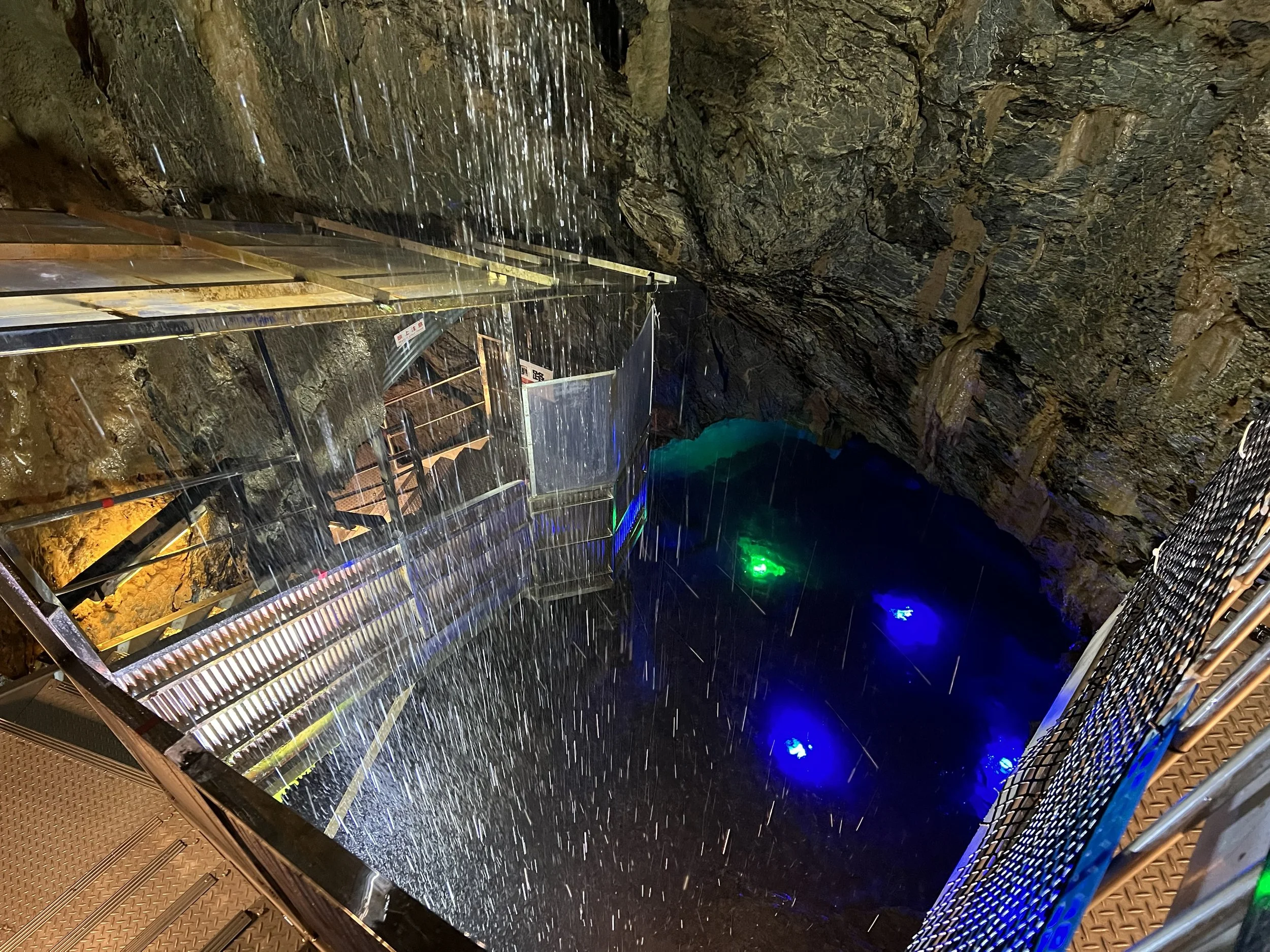
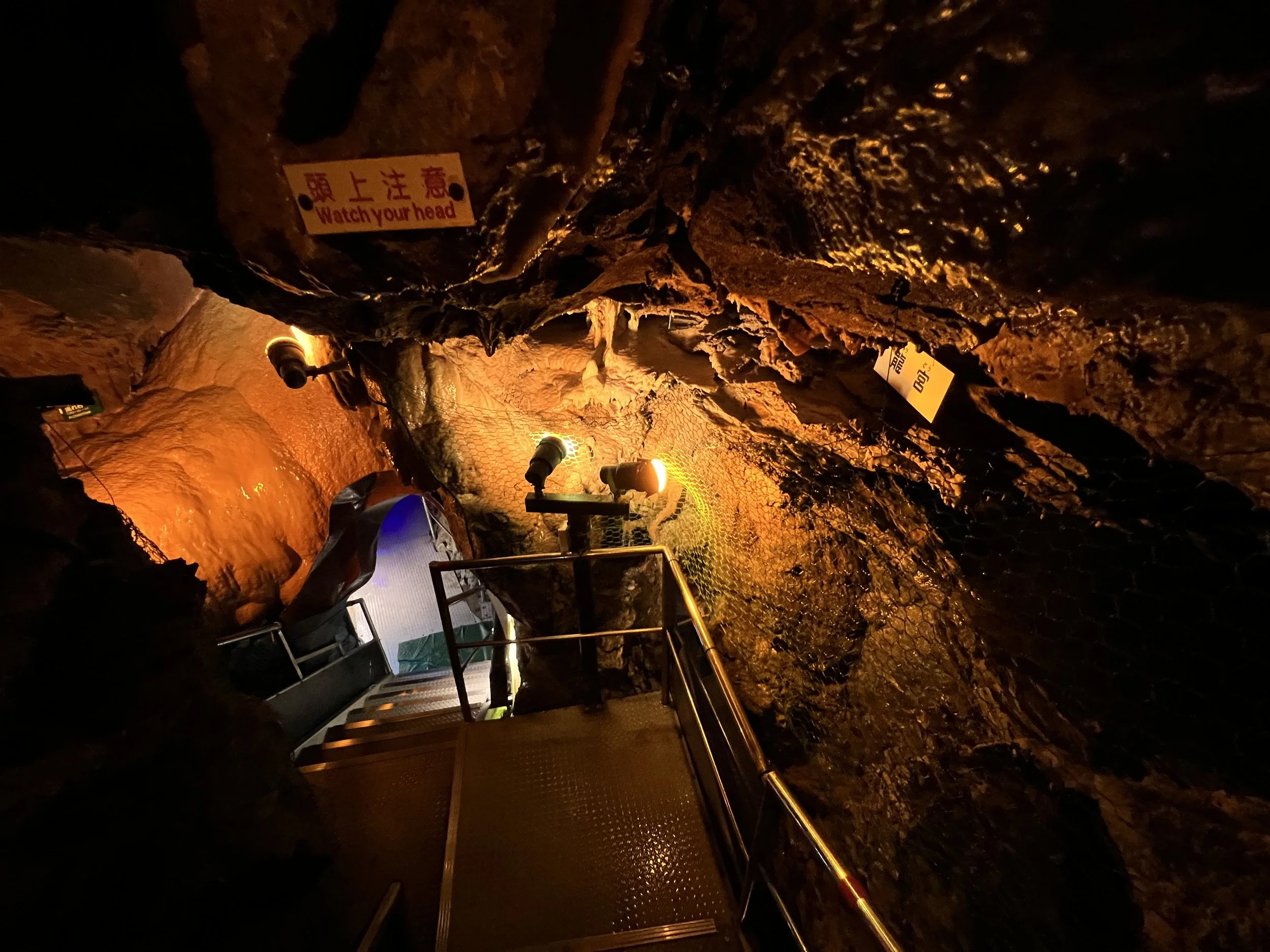
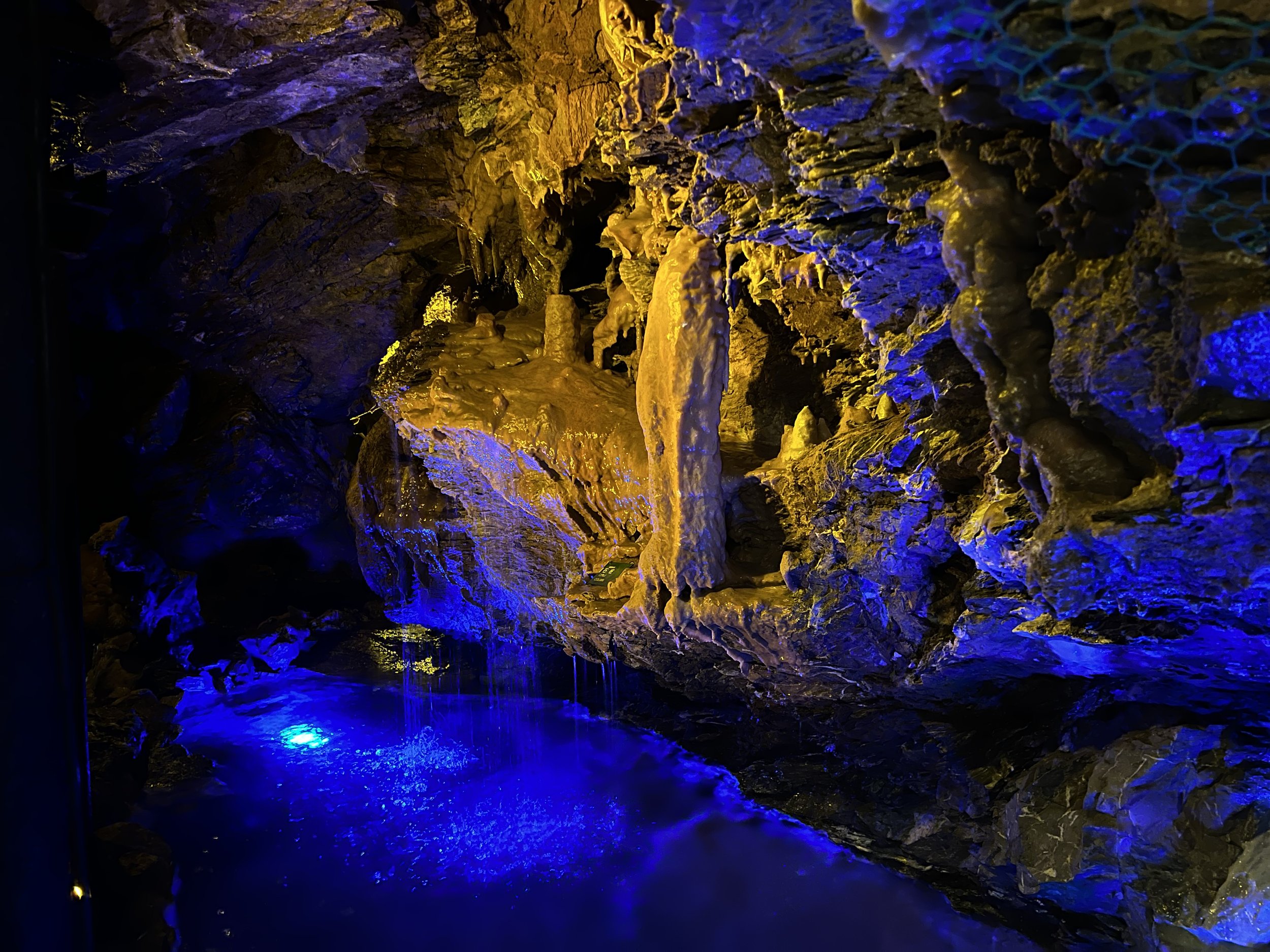
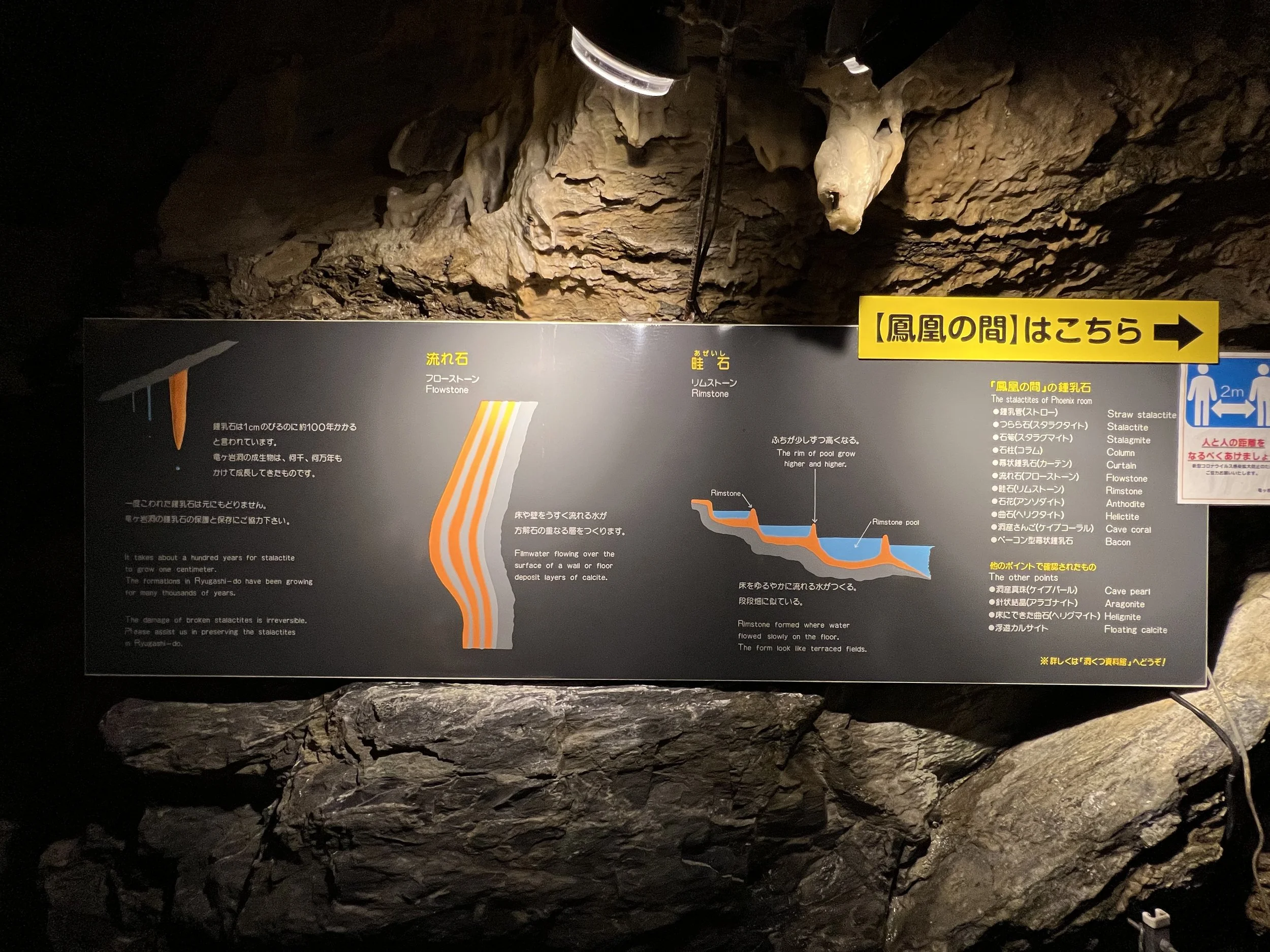
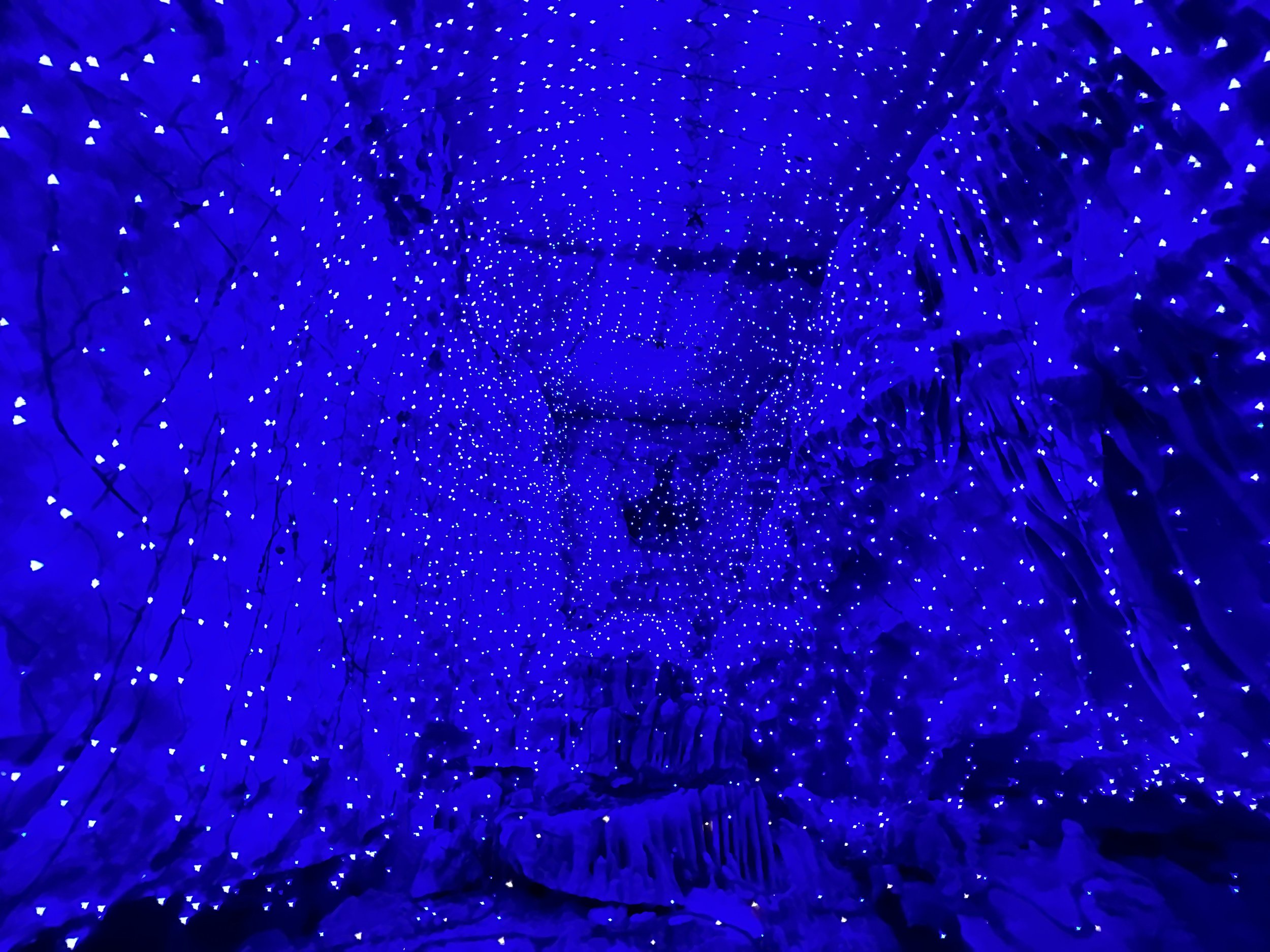
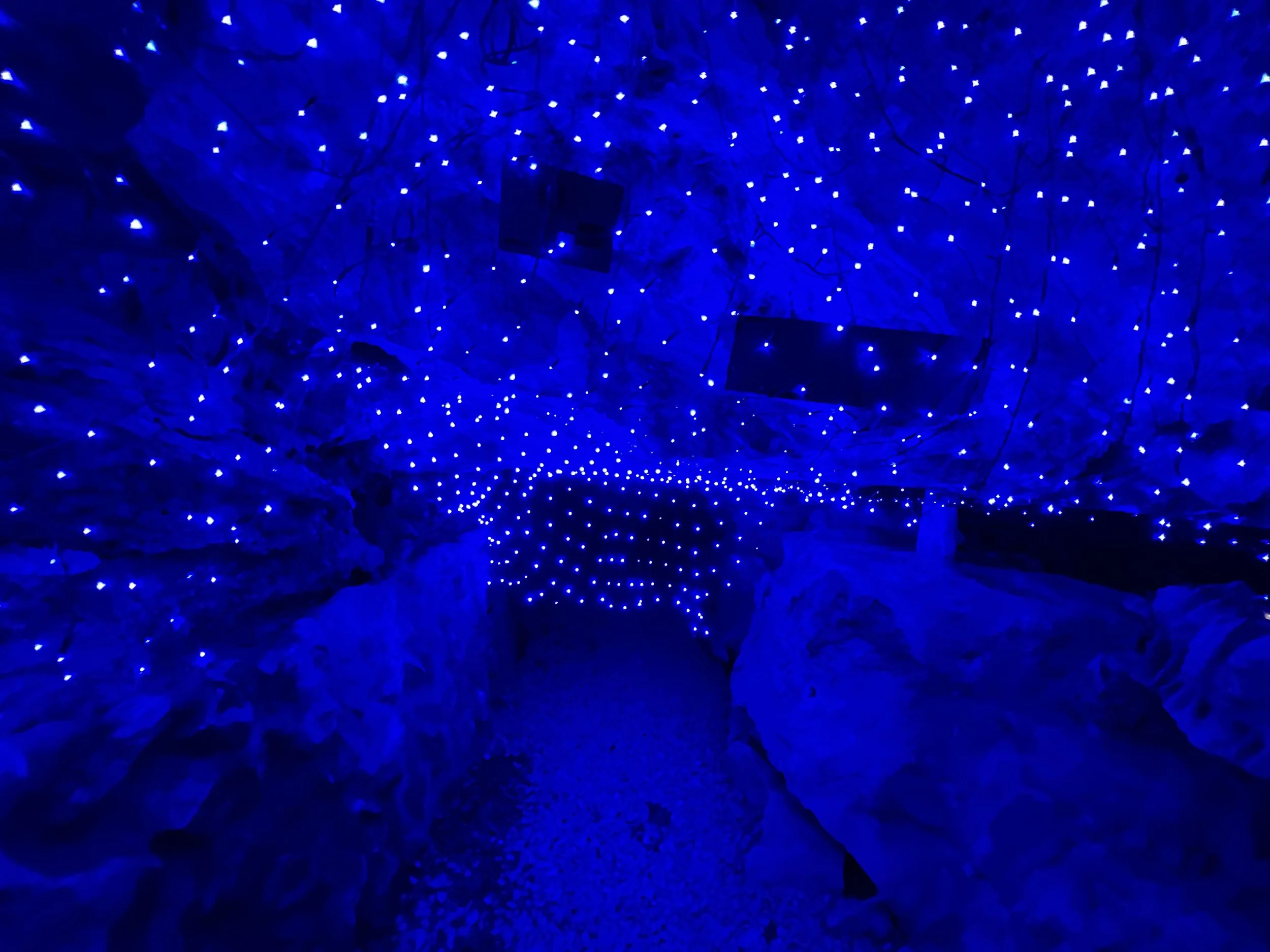
When I arrived, there were fewer than a handful of other visitors, which allowed me to explore the cave at my own pace. Right at the entrance, an information board pointed out naturally formed limestone shapes found inside. As I moved deeper into the cave, I passed formations resembling an alligator, small dripping streams, and figures said to look like Kannon and a monkey. The most impressive feature by far was the underground waterfall. The pathway around it is thoughtfully designed with safety in mind, guiding visitors close enough to admire the scale of the waterfall while remaining dry. A roofed section protects you from the spray, allowing you to look both up and down at the cascading water.
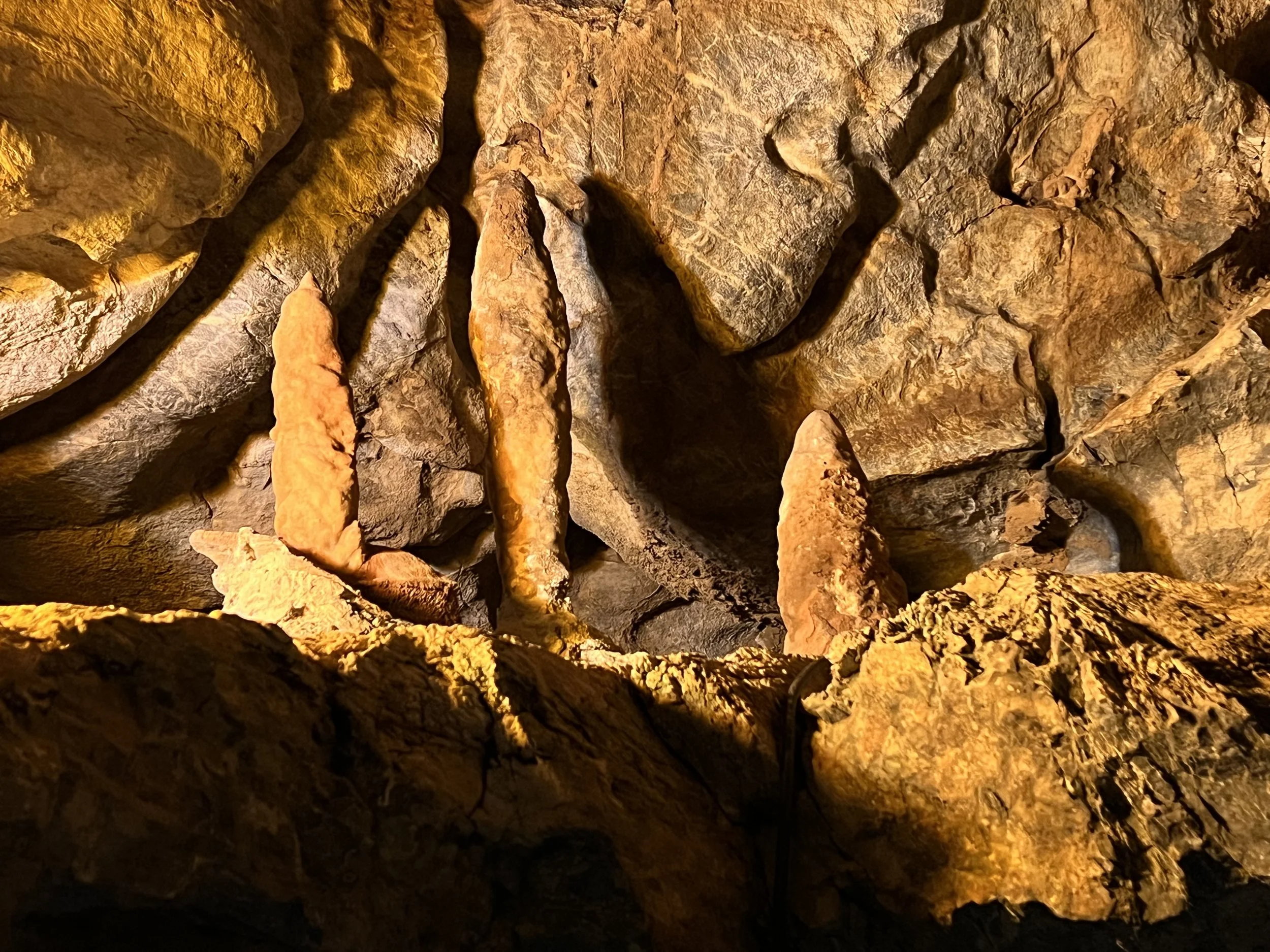
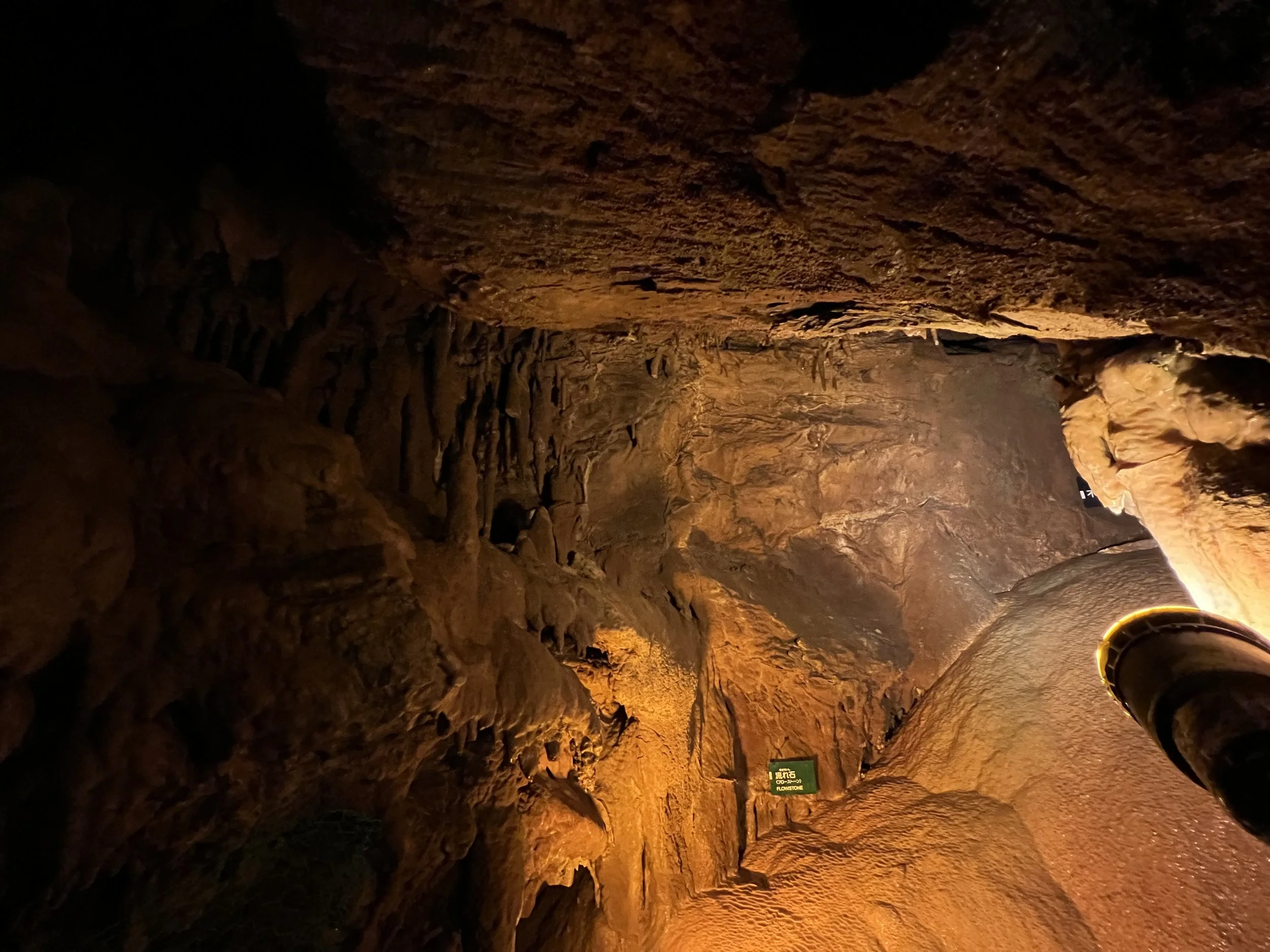
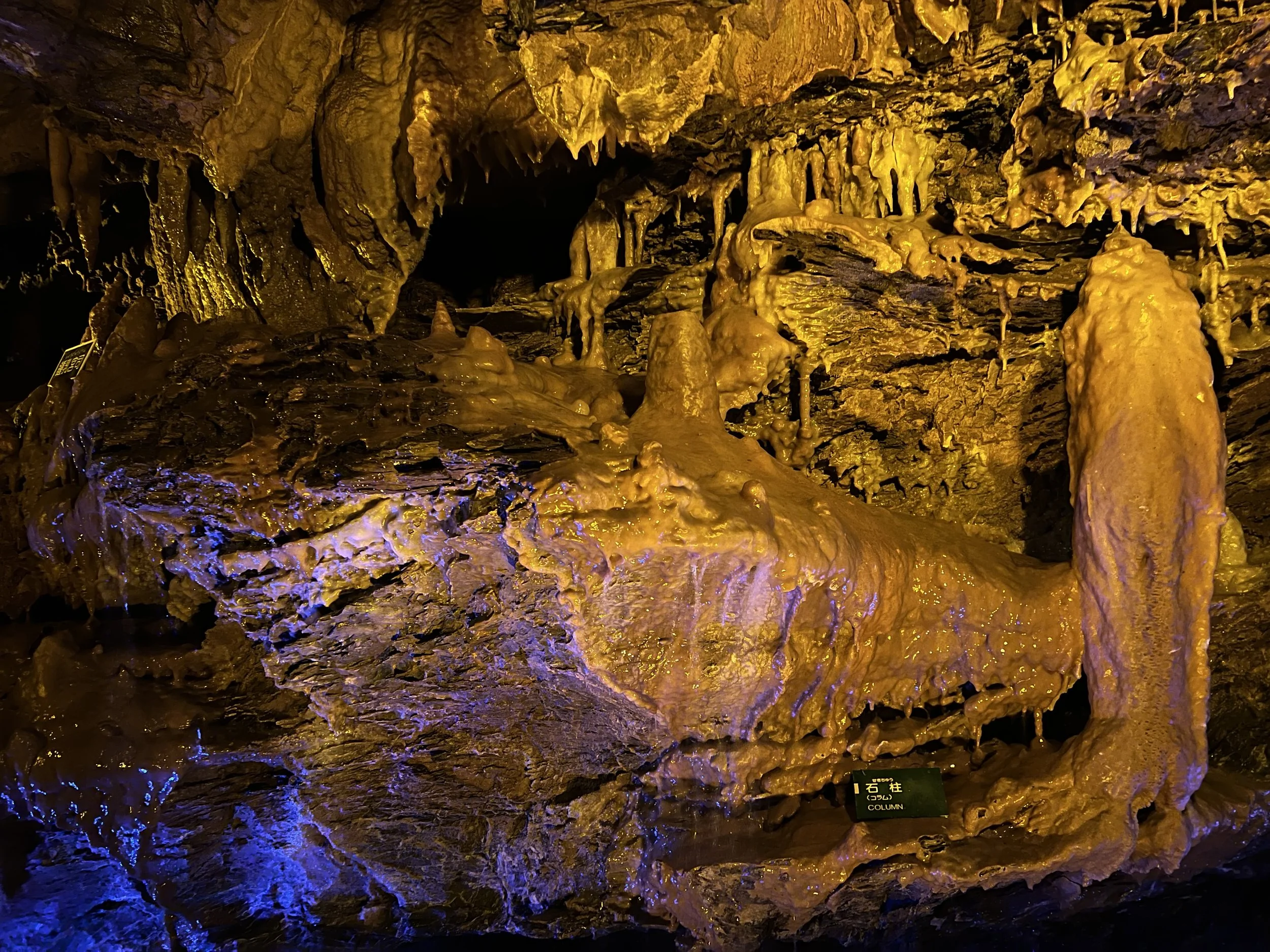
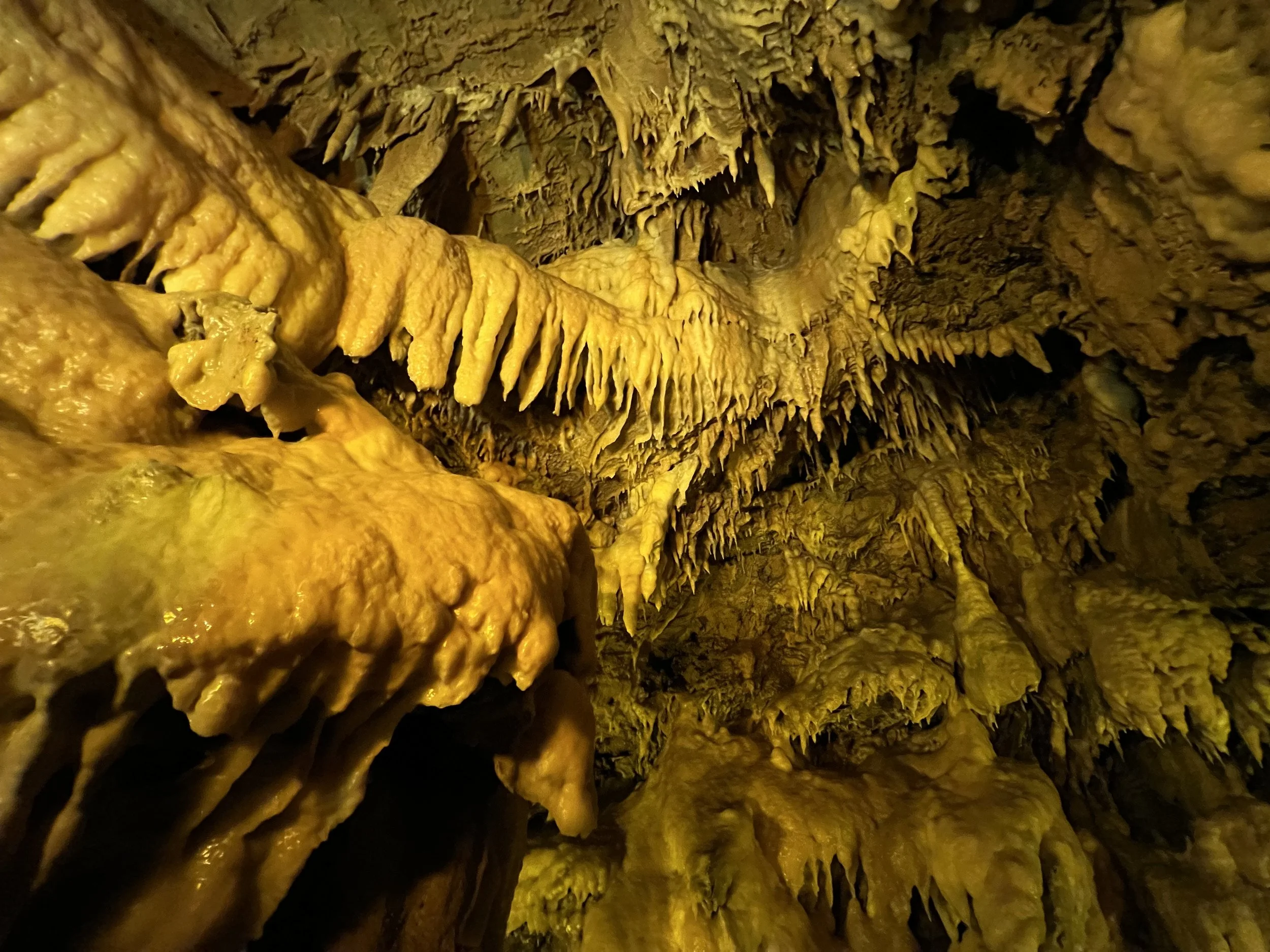
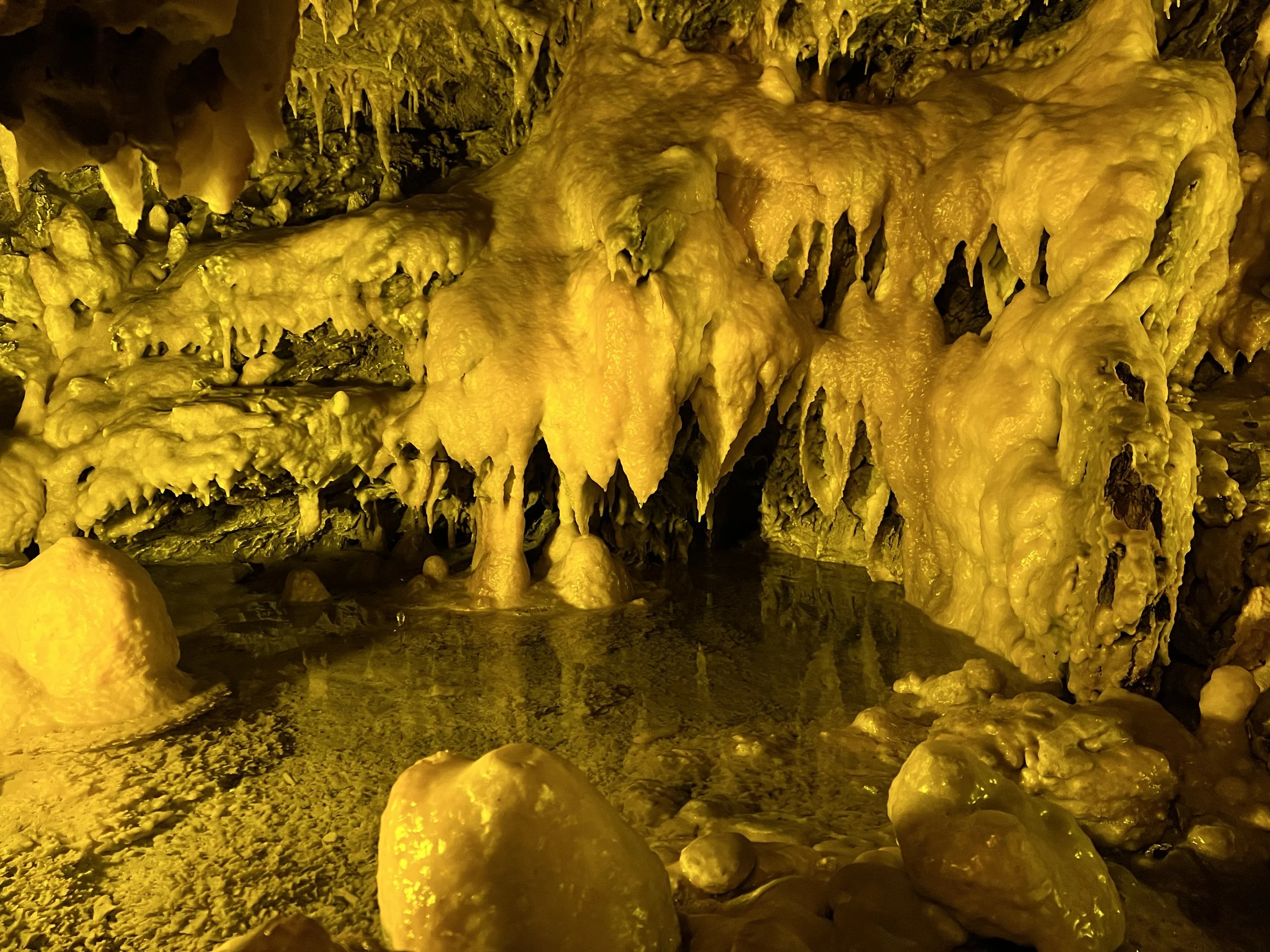
Beyond the waterfall, I entered the area known as the Phoenix Room. This section showcases an impressive variety of limestone formations, including columns, stalactites, stalagmites, flowstone, and rimstone. I took my time here, slowly moving along the path and appreciating the differences between each formation. At the end of the publicly accessible tunnel, there is a display honouring the individual who discovered the cave. From there, the route leads into an indoor museum space.
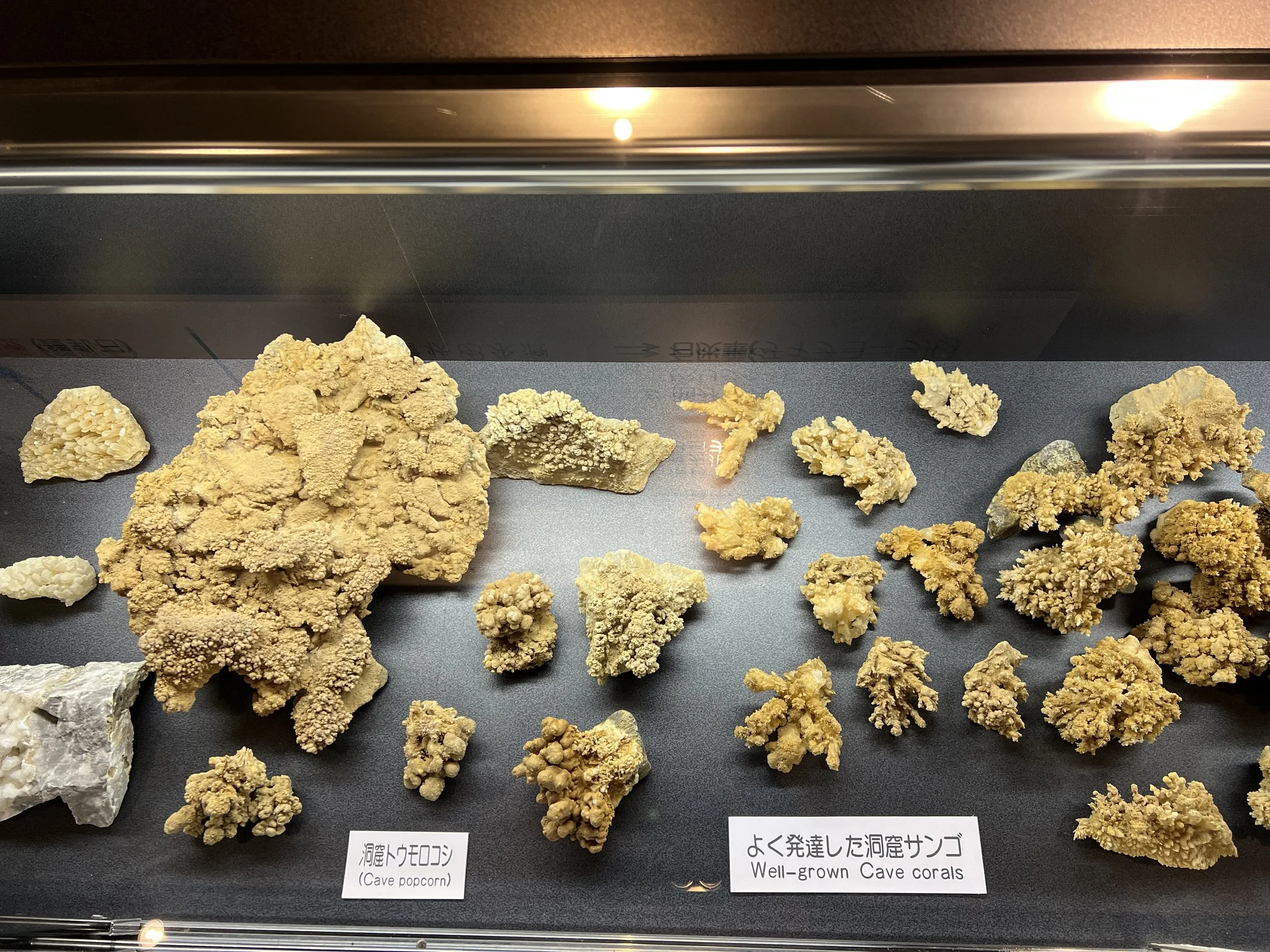
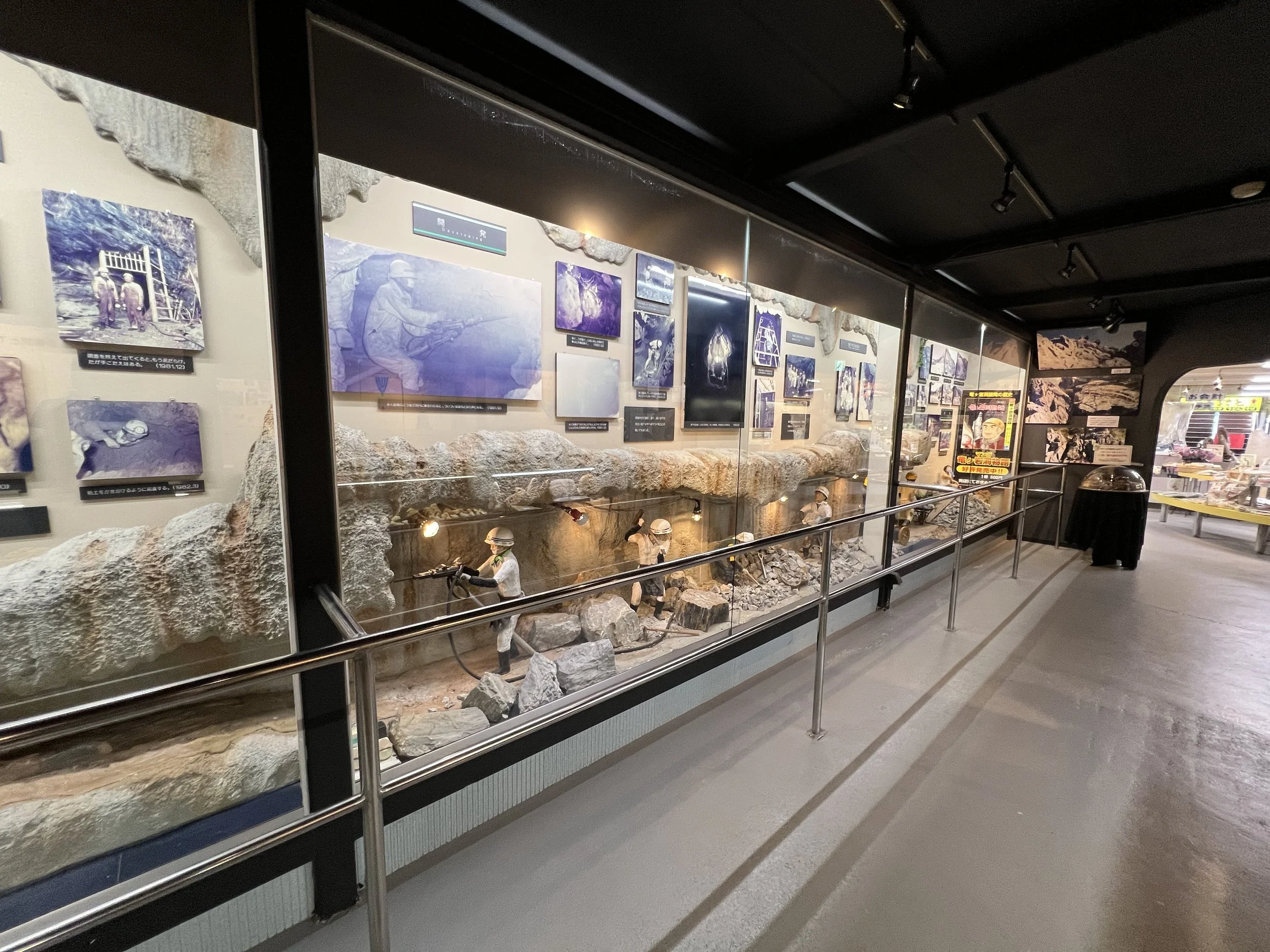
The museum details the discovery of Ryugashido Cavern in 1981, the work involved in making it accessible to visitors, and the later discovery of the underground waterfall. There are also numerous limestone samples on display. While most of the information panels are in Japanese, I was still able to follow along using translation app on my phone, albeit at a slower pace. After finishing my visit, I stopped by the nearby cafeteria for an early lunch before catching the bus back to Hamamatsu.
History & Background
Ryugashido Cavern (竜ヶ岩洞) is part of a vast limestone cave system formed hundreds of millions of years ago through the slow erosion of rock by underground water. For centuries, the cave was known only to local residents and was often associated with legends and folklore, reflecting its mysterious nature. Systematic exploration of the cavern began in the 20th century, leading to a deeper understanding of its geological structure.
In the early 1980s, Ryugashido Cavern was officially opened to the public, marking an important turning point in its history. The discovery of its impressive underground waterfall shortly thereafter greatly increased public interest and tourism. Over time, the cave became recognized as one of the most significant natural landmarks in the Tokai region. Today, Ryugashido is carefully preserved and protected, valued not only for its unique geological formations but also for its historical development as an educational and cultural site.
Getting There
Ryugashido Cavern is accessible from Hamamatsu Station by local bus, with the journey taking approximately one hour. After getting off at the nearest bus stop, it’s about a 10-minute walk to the cave entrance along a clearly marked path. While public transportation is available, service is limited, so planning around bus schedules is important. For visitors on a tight schedule, driving may be a more convenient option.
Route Overview
Distance: 670 m
Duration: 1 hr 30 min
Info: You can visit the official website (Japanese only) for more info about the cave including its history, discovery, and visitor info.
Cost Breakdown
Bus: Hamamatsu Station → Tatsugaiwahorairiguchi Bus Stop — ¥800
Entrance Fee: Ryogashido Cave — ¥900
Food: ¥1,030