Tokyo Tower - Tokyo, Japan
Tokyo Tower is one of the city’s most iconic landmarks. I’ve seen it countless times from afar on previous trips to Japan, but I had never actually visited it. This time, I decided it was finally time to experience it properly. Since I was already in the Odaiba area, getting there was straightforward. I took the train from Daiba Station to Takeshiba Station and walked the rest of the way to Tokyo Tower.
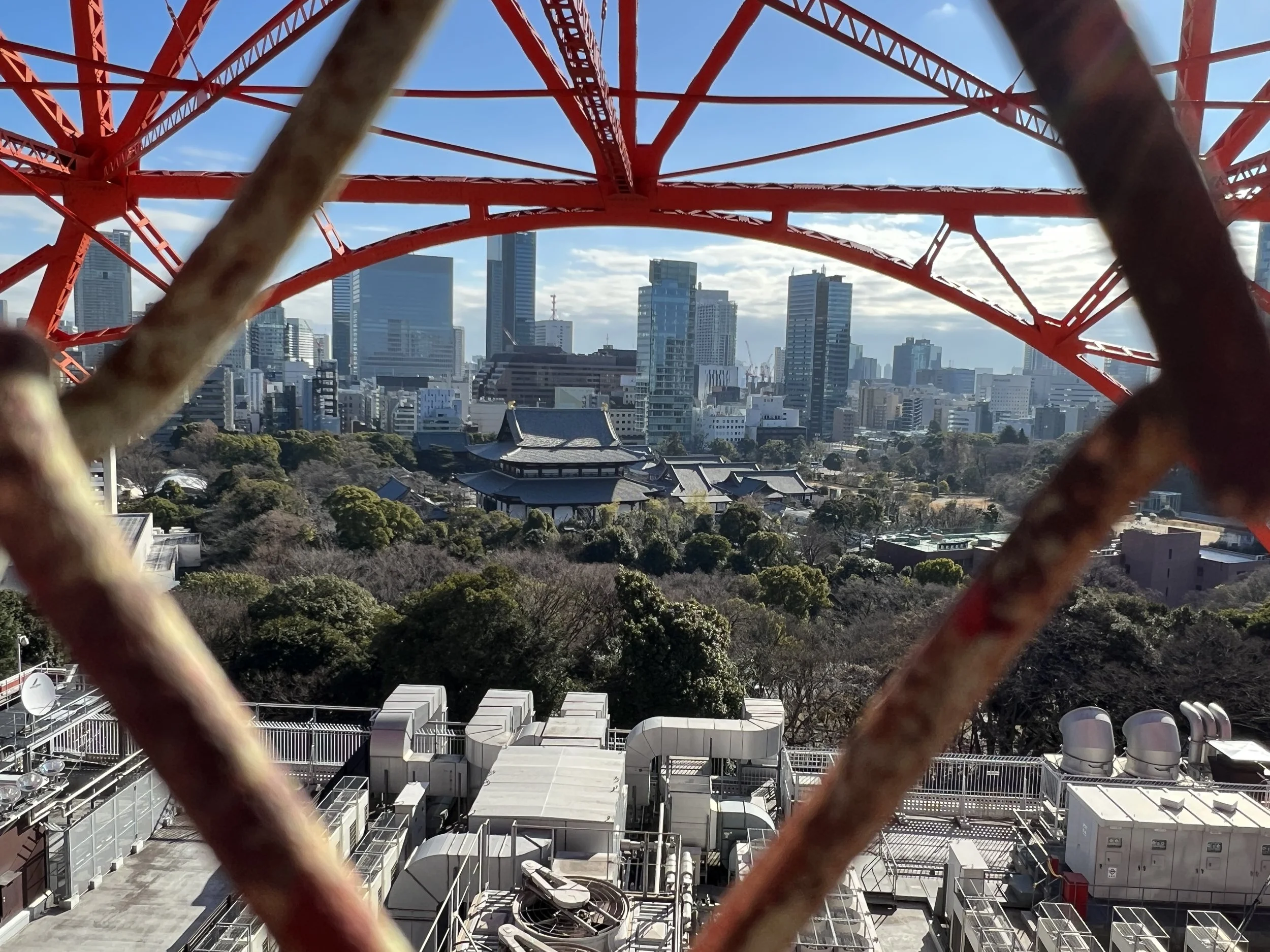
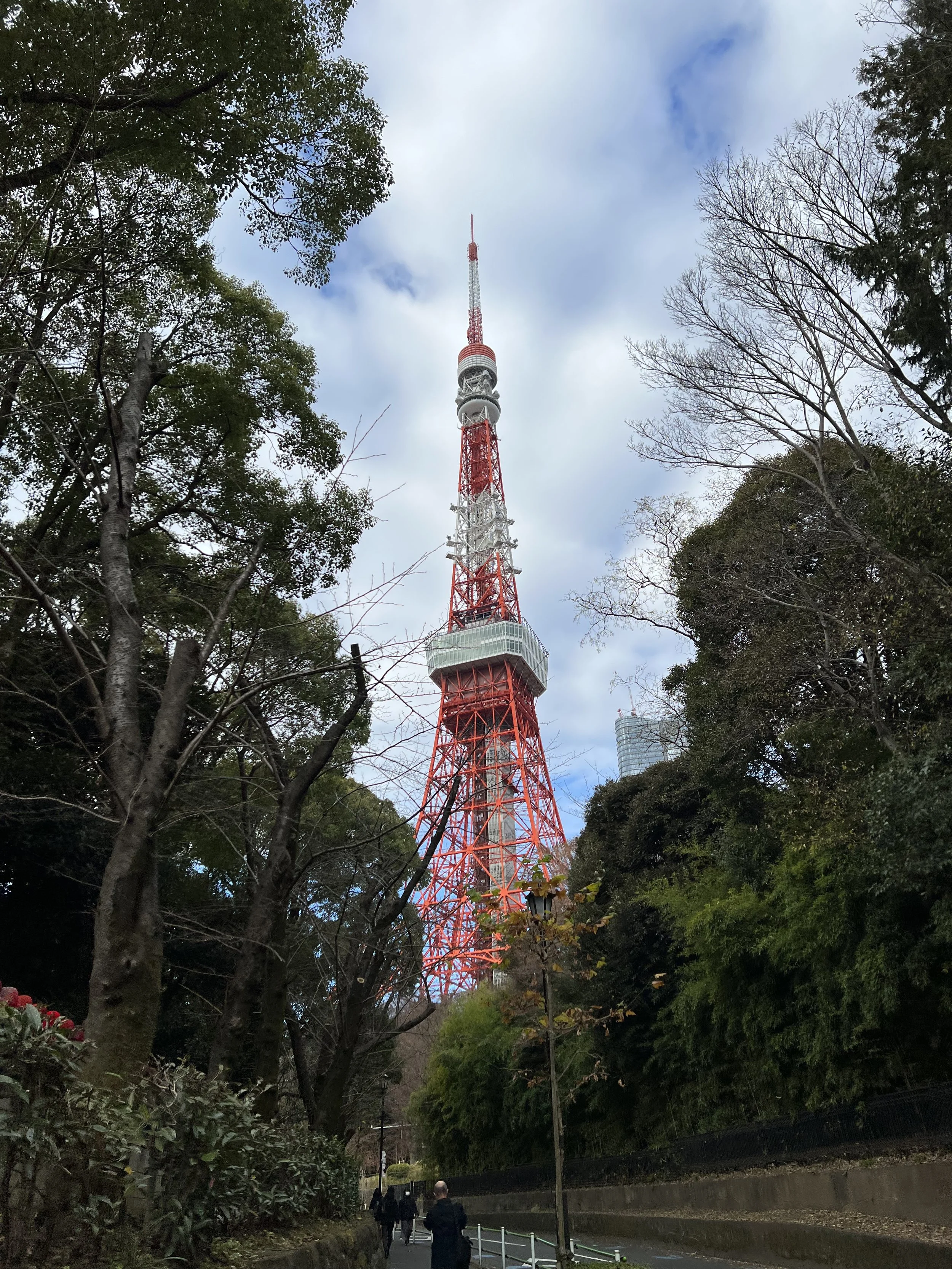
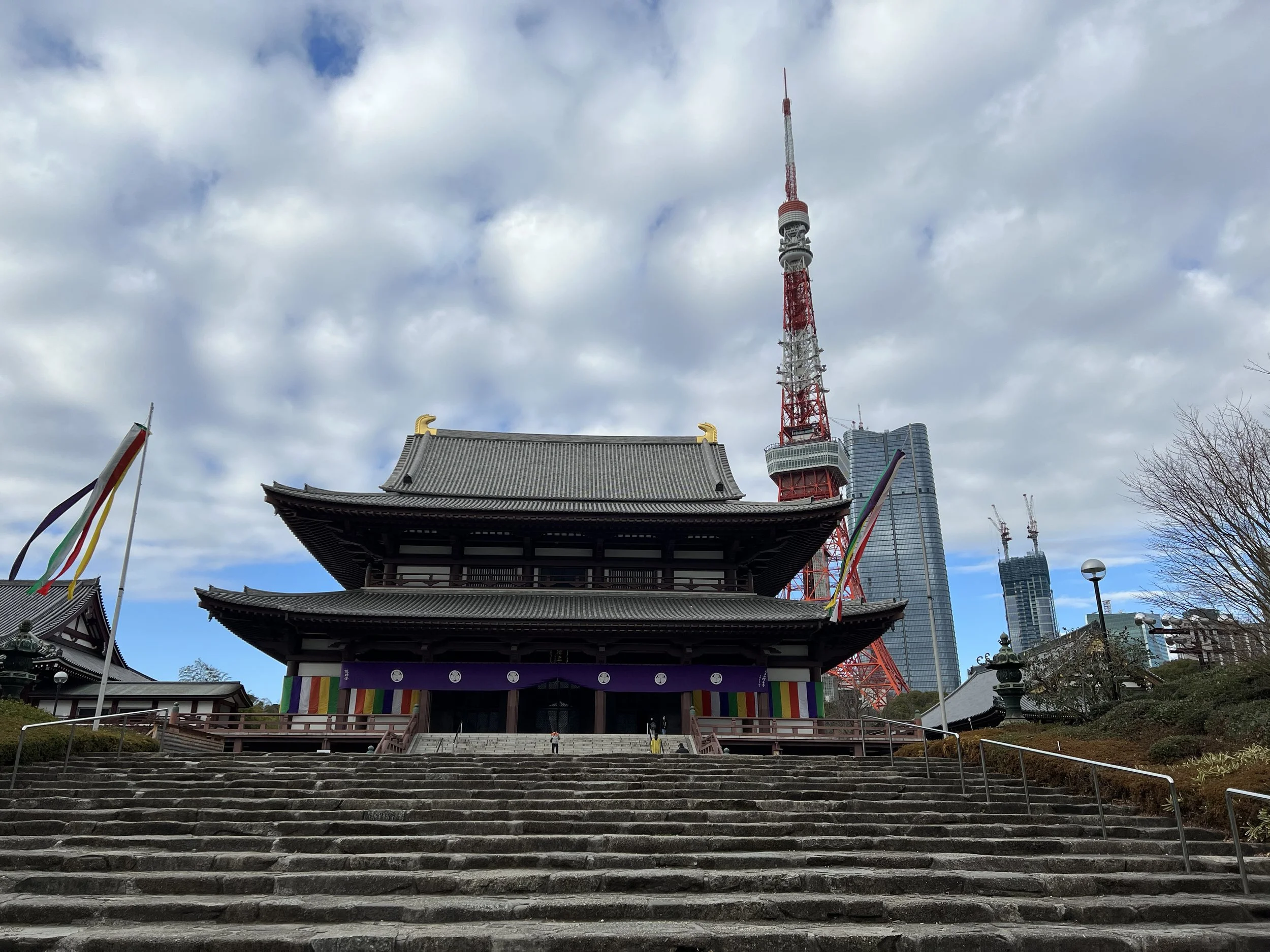
The walk was mostly flat, but what made it enjoyable were the gradual glimpses of Tokyo Tower appearing between buildings as I got closer. One particularly photogenic spot I stumbled upon was Zojo-ji Temple, located nearby. From the temple grounds, Tokyo Tower rises dramatically behind the historic structures, creating a striking contrast between old and new. I spent some time wandering through the temple and the surrounding park before continuing on toward the tower.
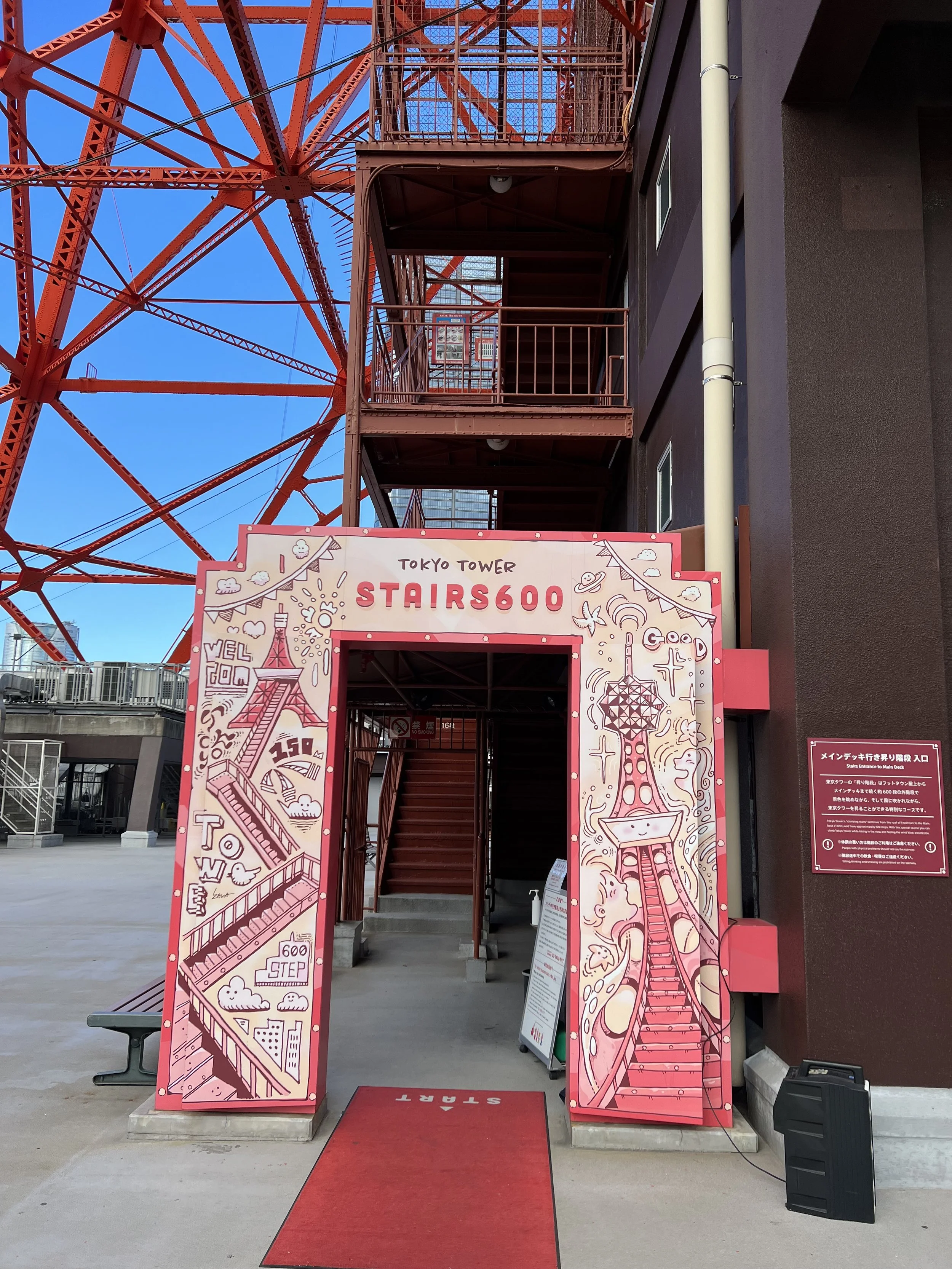
Before entering, I discovered that you can climb up Tokyo Tower instead of taking the elevator. After briefly considering the 600 steps involved, I decided it sounded like a fun challenge. There are a few ticket options available, but for access to the Main Deck, you can either pay a bit more to ride the elevator both ways or choose the slightly cheaper option that allows you to climb up the stairs and take the elevator down. I went with the stairs ticket. The staff cheerfully wished me good luck, and off I went.
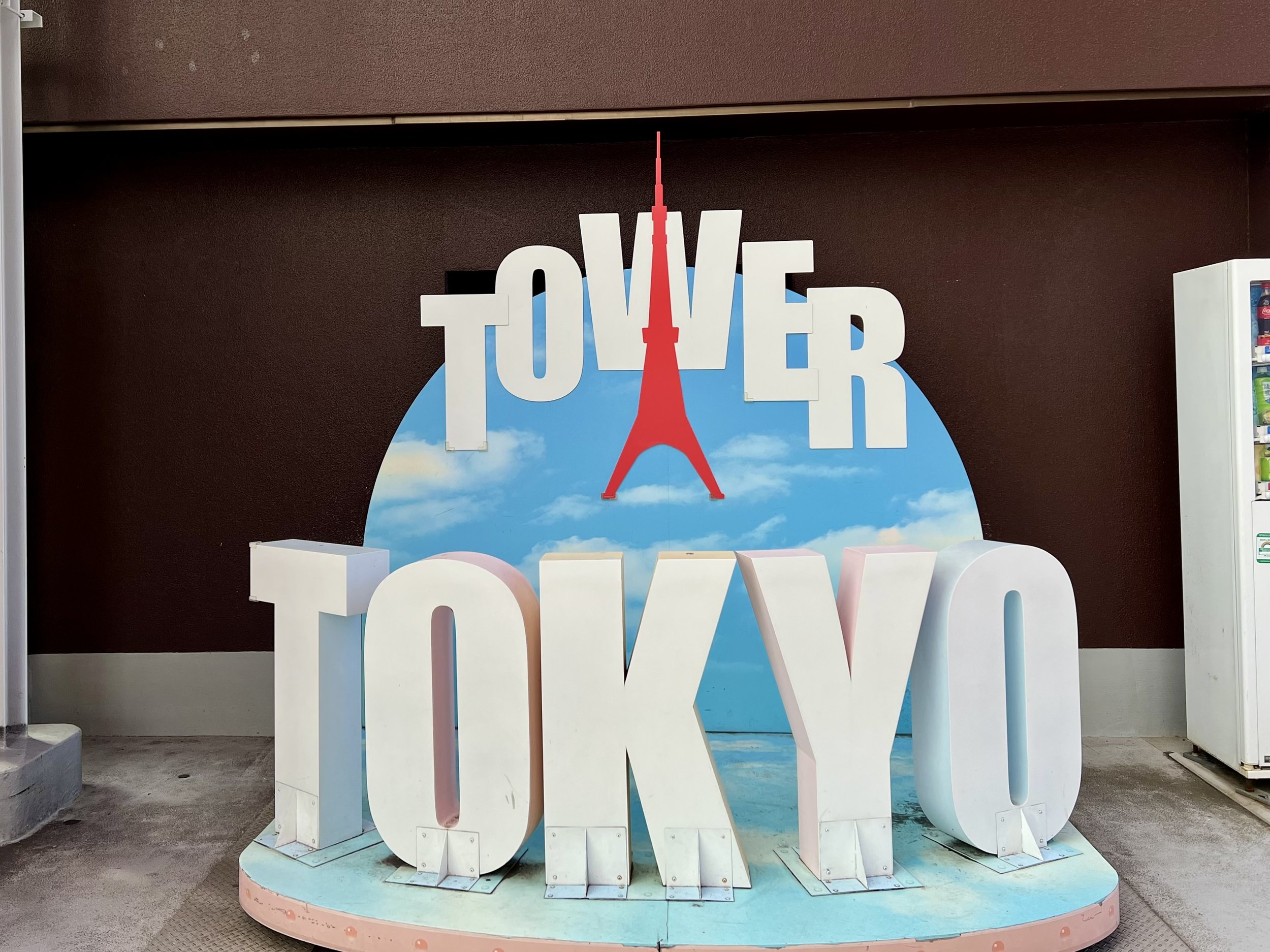
To access the staircase, I had to walk around to the back of the tower—an area that felt noticeably quieter and less crowded. It didn’t seem like many visitors opted to climb the stairs during their visit. I took a few photos of the Tokyo Tower signage and the staircase entrance before starting. They estimate the climb takes about 10 to 15 minutes, depending on fitness level, so out of curiosity, I decided to time myself as I began.
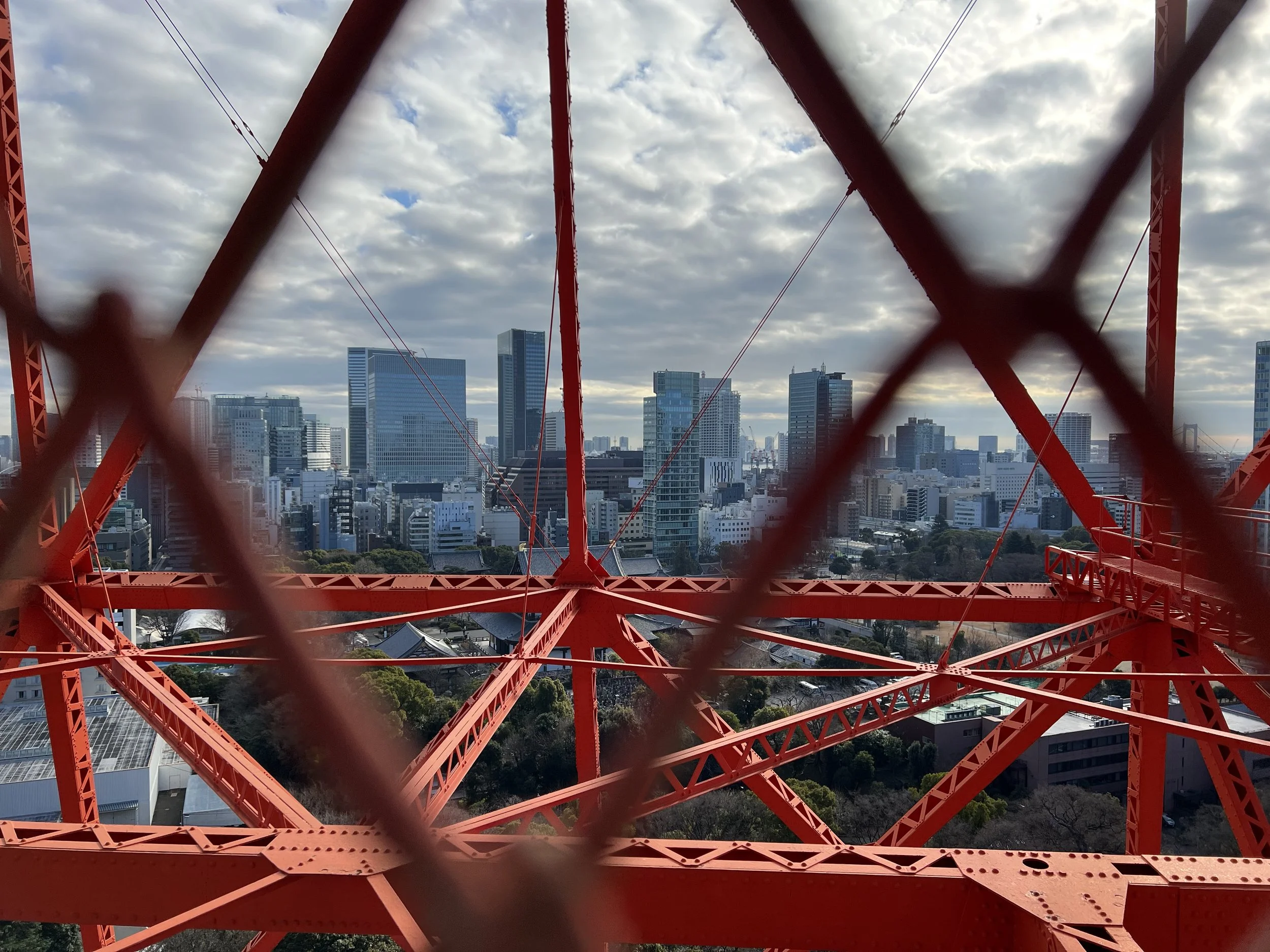
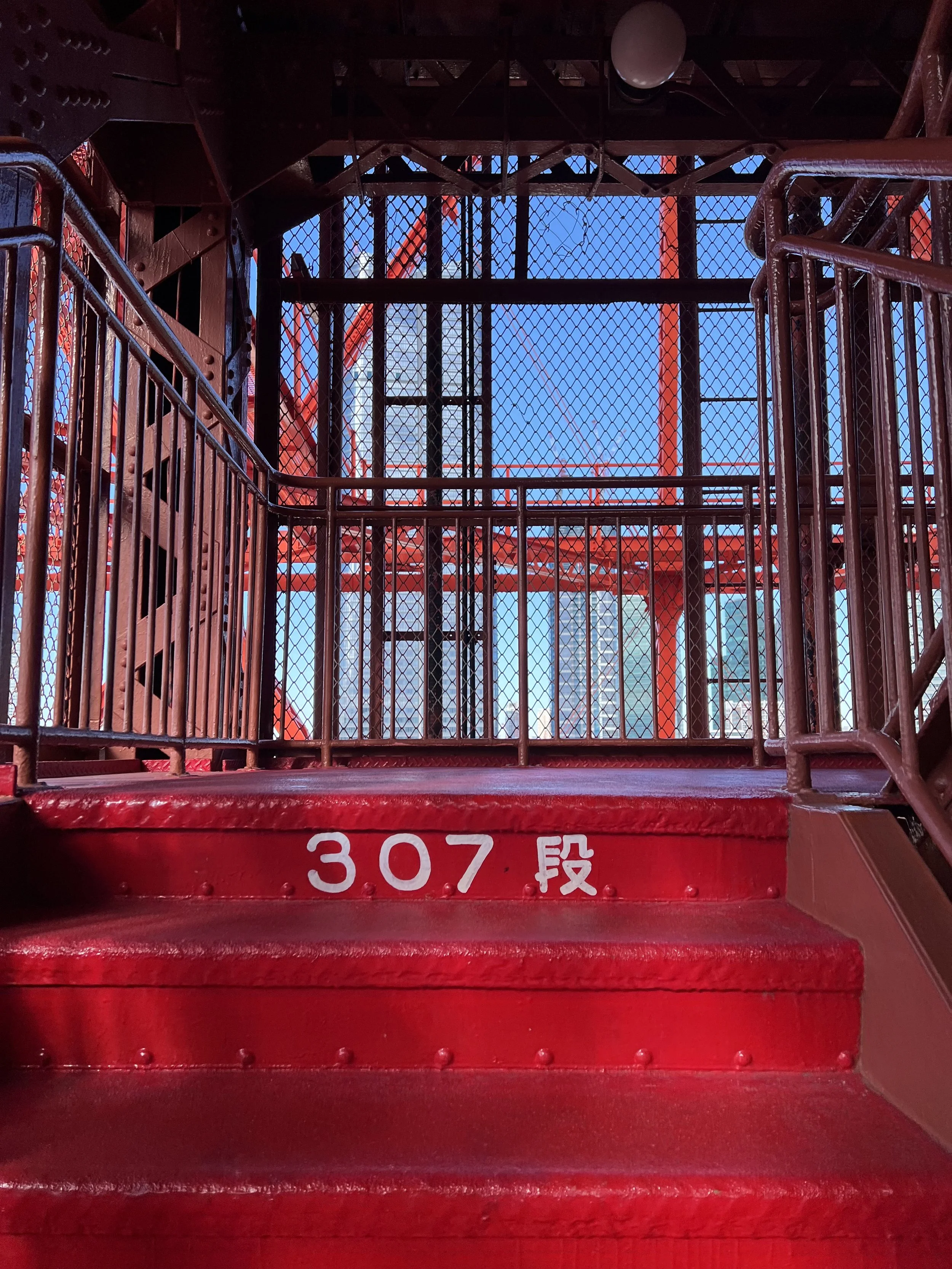
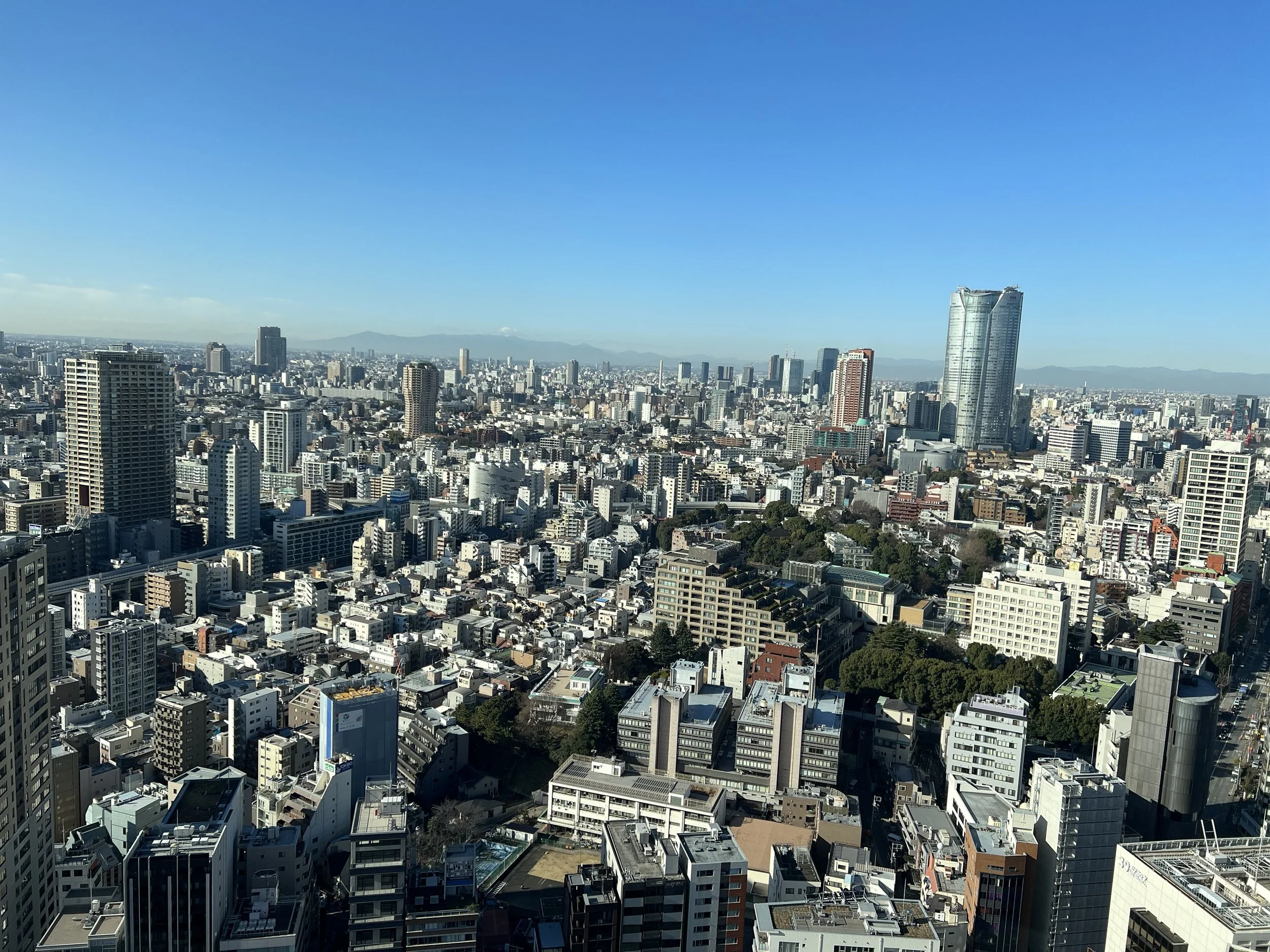
Climbing the open-air red metal staircase turned out to be an unexpectedly enjoyable experience. Along the way, there are occasional step-number markers, which help track your progress and offer small milestones to aim for. The views of Tokyo change subtly as you wind your way up, making it very different from a quick elevator ride. Being outdoors also means the experience is weather-dependent—on colder days, it can get quite chilly—but that also adds to the sense of accomplishment.
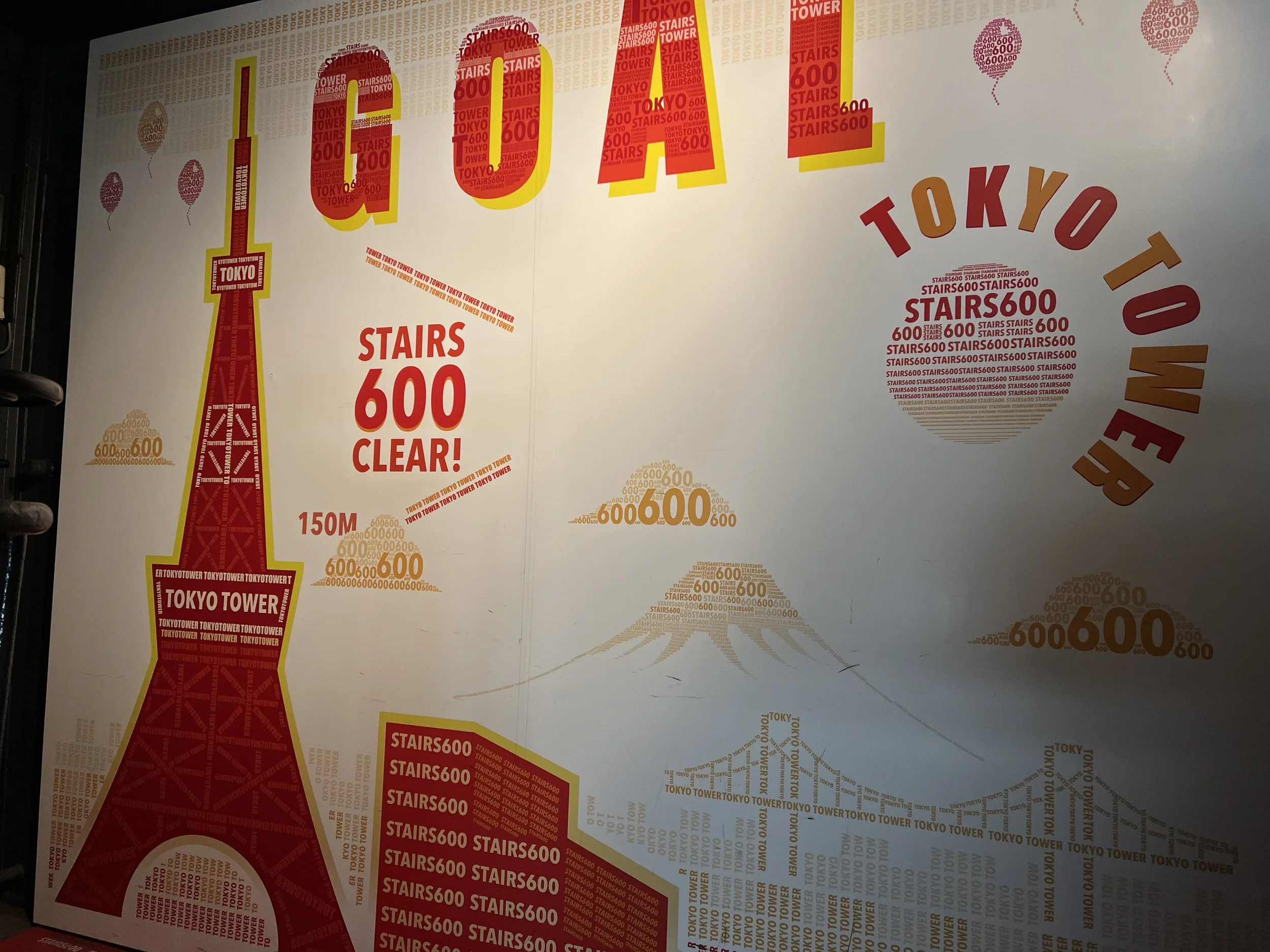
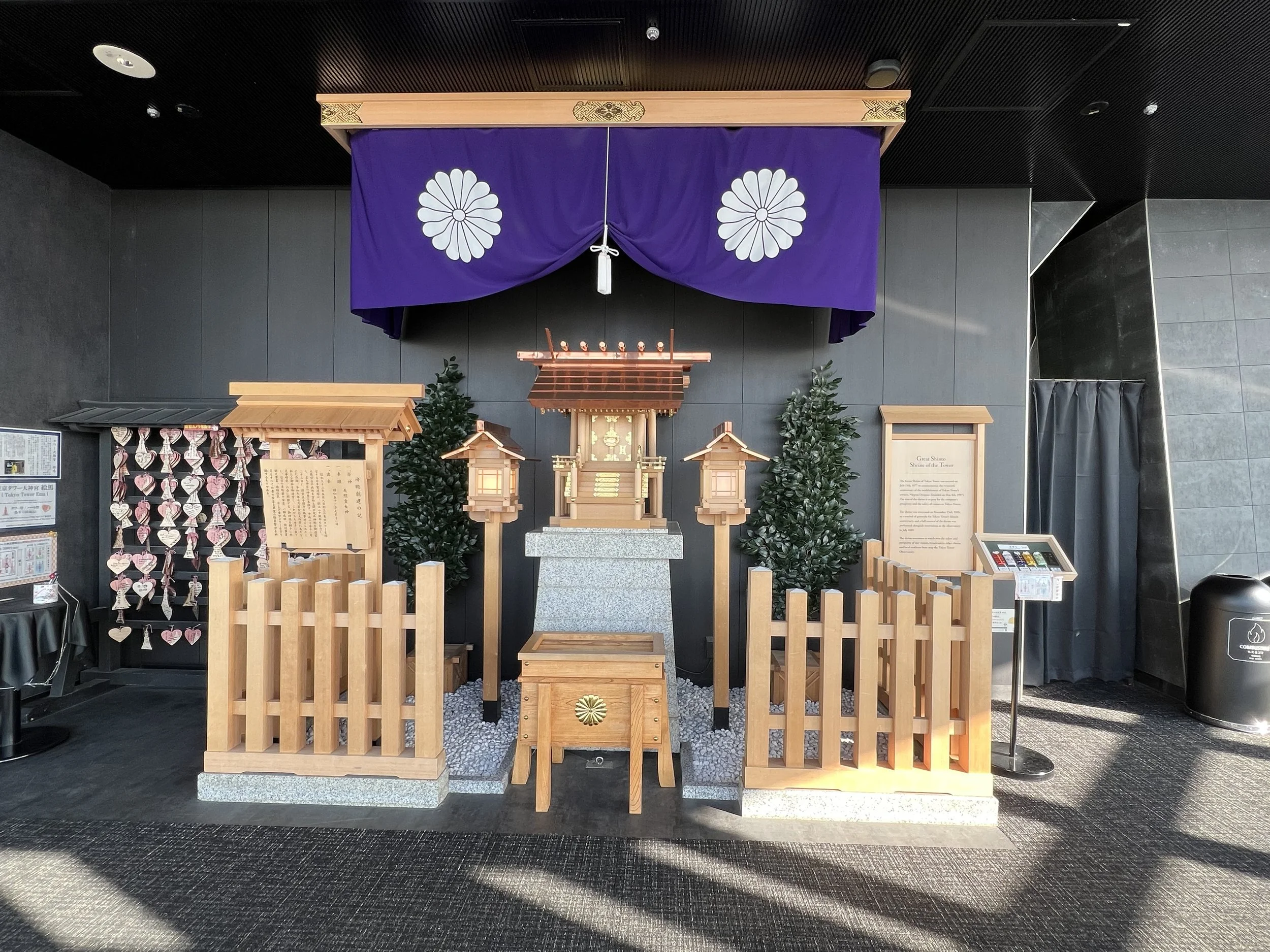
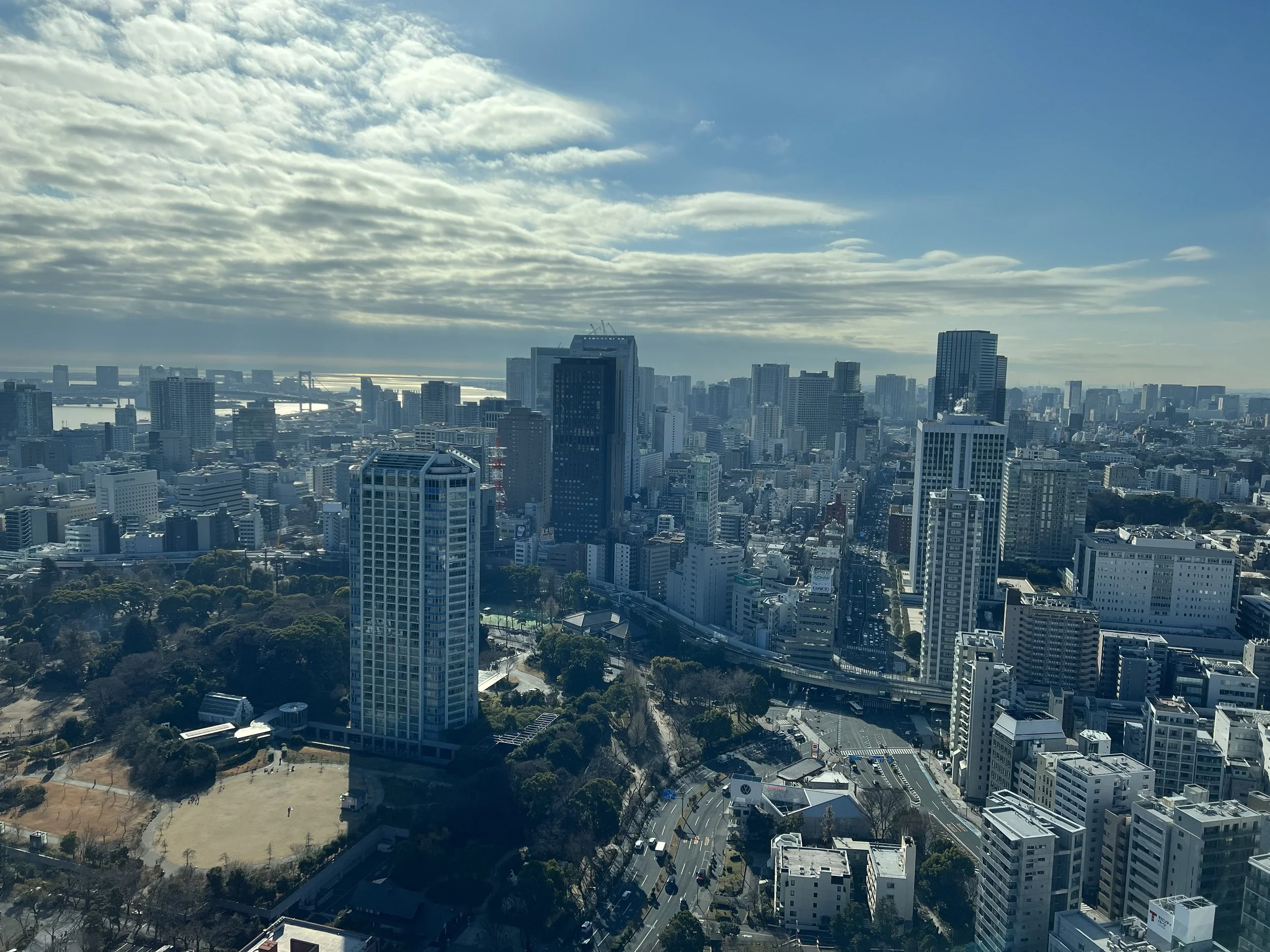
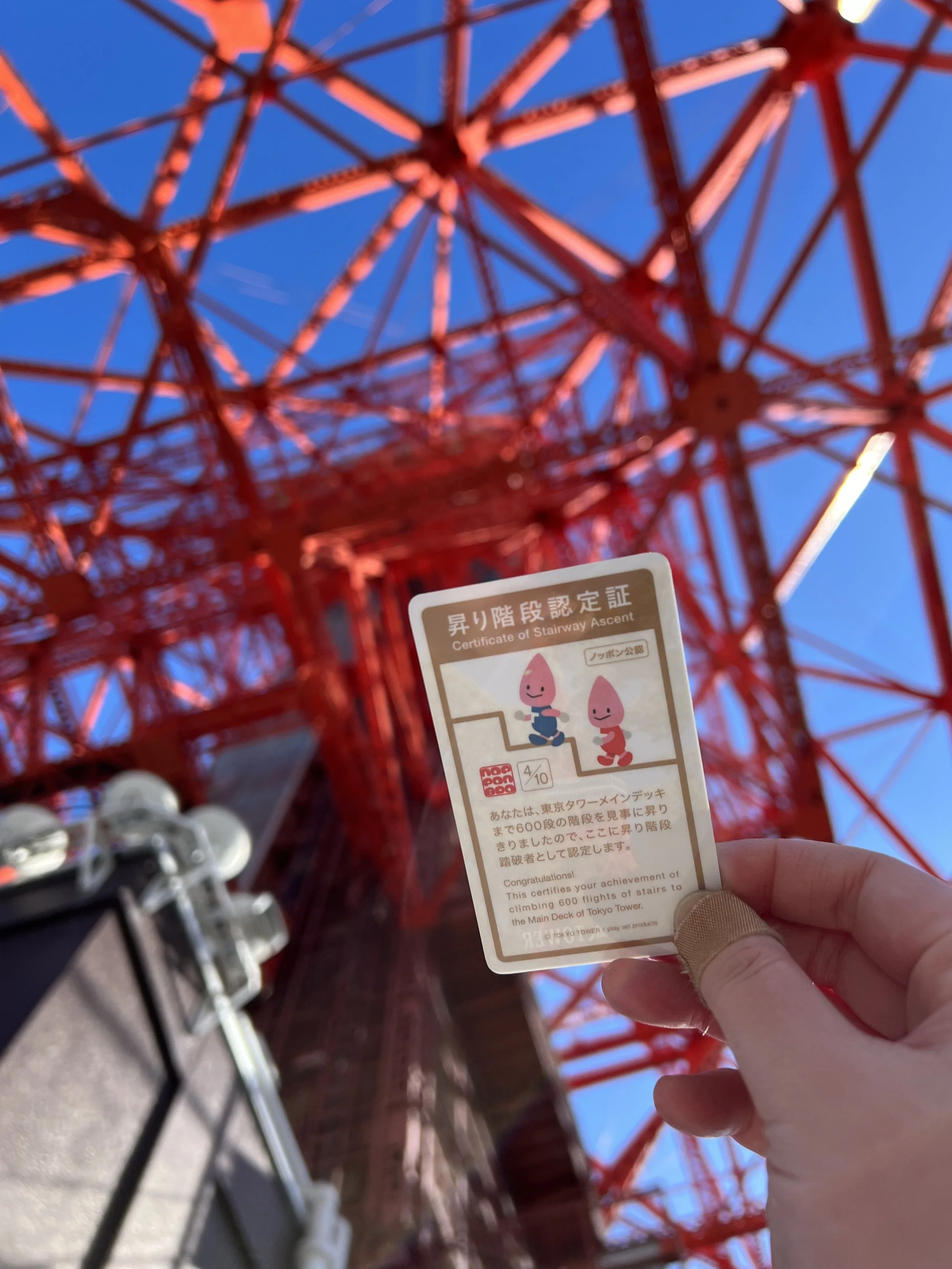
When I reached the top, I was greeted by a congratulatory sign marking the completion of all 600 steps, it took me about ten minutes. A staff member near the finish handed me a souvenir certificate to commemorate the climb, which felt like a nice touch. The Main Deck features a souvenir shop, a small shrine, and, of course, panoramic views of Tokyo. I slowly made my way around the deck, stopping at the designated photo spots. One highlight was the glass floor, known as the Skywalk Window, where you can look straight down—definitely not for anyone with a fear of heights.
There’s also an option to continue up to the Top Deck, but I chose not to purchase an additional ticket. I felt the views from the Main Deck were more than enough. Although my ticket included an elevator ride back down, I decided to take the stairs again. Going down was far easier than the climb up and offered another chance to enjoy the unique perspective. Overall, taking the stairs made my visit to Tokyo Tower feel more memorable, and the souvenir certificate was a fun bonus to take home.
History & Background
Tokyo Tower (東京タワー) was completed in 1958 and was inspired by the Eiffel Tower, though it stands taller at 333 metres. Built during Japan’s post-war economic recovery, the tower symbolized the country’s rebirth and modernization. Originally constructed as a broadcasting tower, it continues to serve that function while also acting as a major tourist attraction.
Over the decades, Tokyo Tower has become a beloved symbol of the city, representing both nostalgia and progress. While newer observation towers now dominate the skyline, Tokyo Tower retains a special place in Tokyo’s cultural landscape, offering visitors a more classic and intimate viewing experience compared to its modern counterparts.
Getting There
Tokyo Tower is easily accessible by public transit. From the Odaiba area, taking the train to Takeshiba Station followed by a short walk is a convenient option. The tower is also within walking distance of several other stations, including Daimon and Onarimon, making it easy to incorporate into a day of sightseeing around central Tokyo.
Route Overview
Distance: 4.6 km (Takeshiba Station → Tokyo Tower)
Total elevation gain: 155 m
Duration: 46 min (with breaks 57 min)
Difficulty: Intermediate
Peak: Tokyo Tower Main Deck 東京タワー 150m
Booking Info: Highly recommend booking your ticket in advance if you plan to visit the top deck, especially during peak season. If you only plan to climb the stairs and visit the main deck, advance booking may not be necessary. Tickets can be purchased online through the official website.
Cost Breakdown
Train: Daiba Station → Takeshiba Station — ¥330
Entrance Fee: Tokyo Tower— ¥1,200
Food: ¥450