Enoshima - Kanagawa, Japan
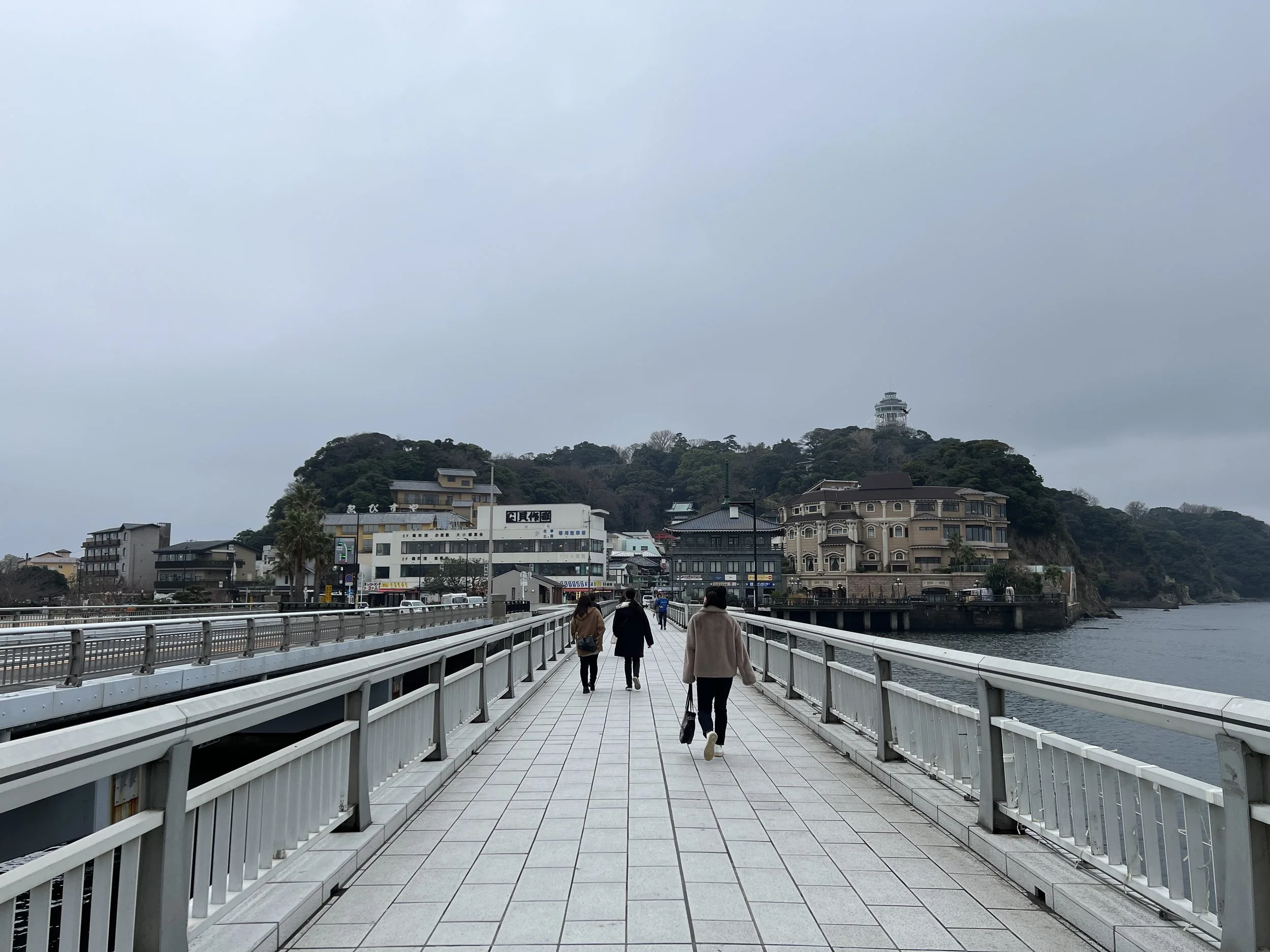
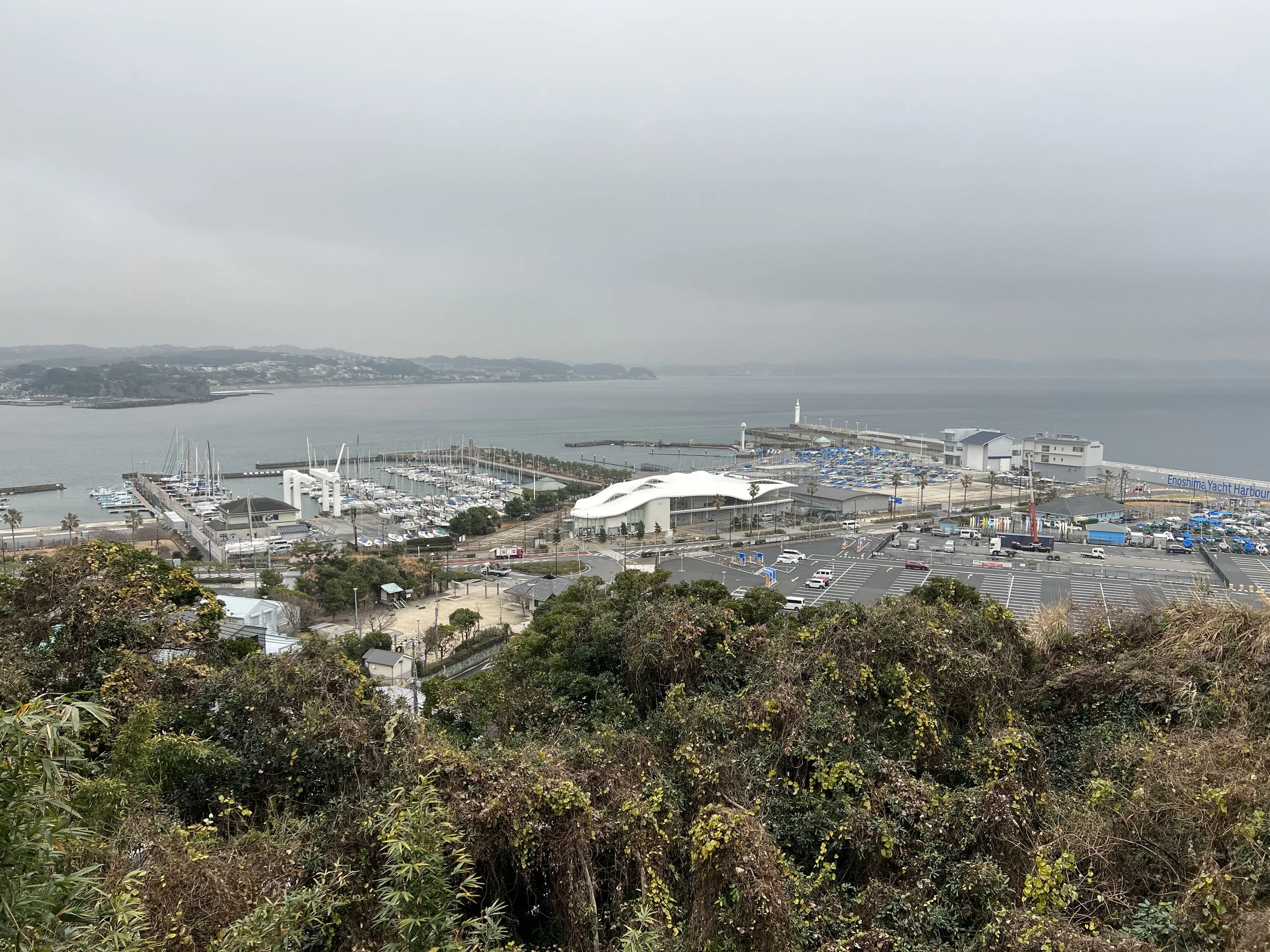
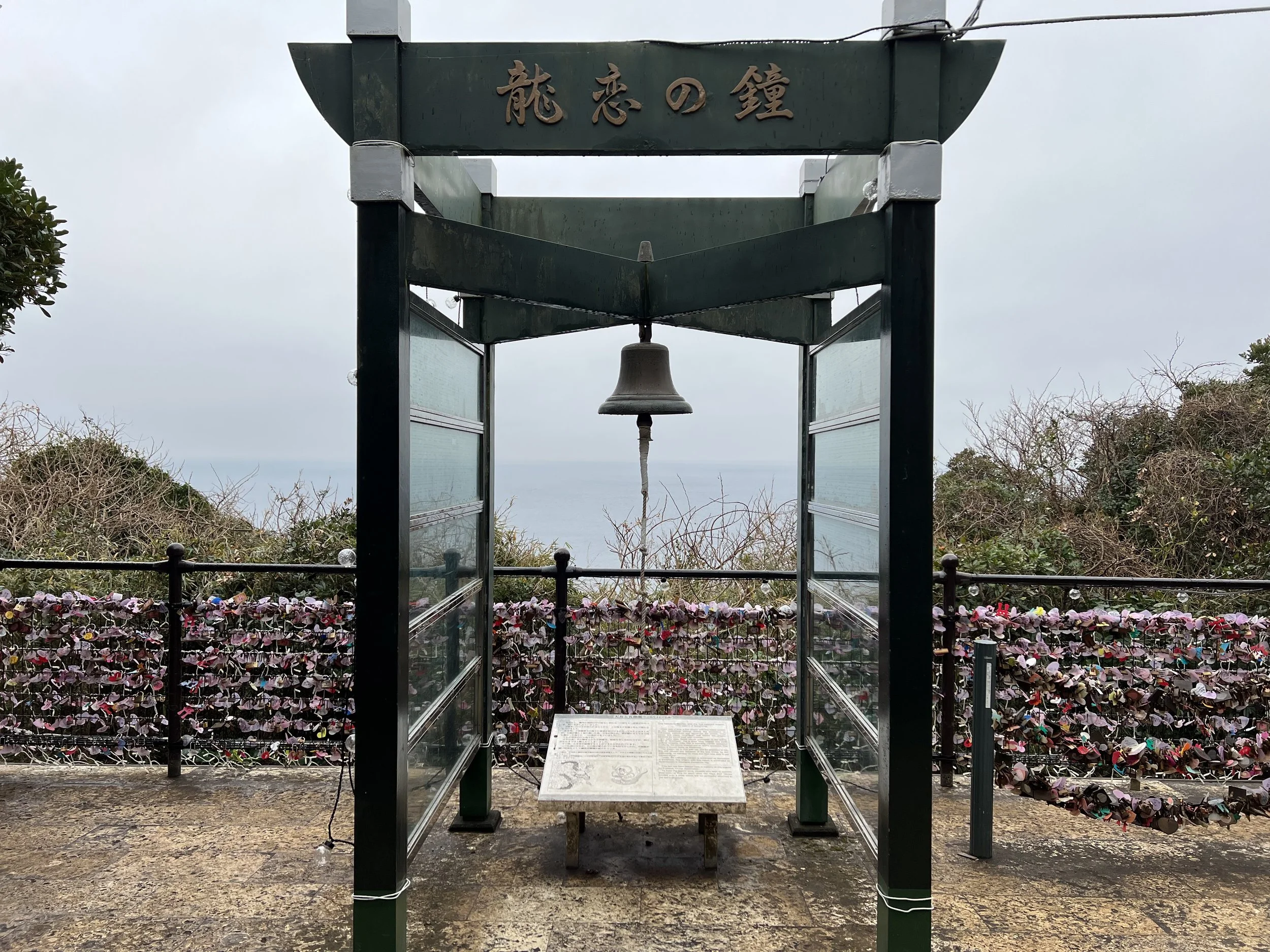
Enoshima is a small but lively island just off the coast near Kamakura, connected to the mainland by a bridge. Despite its size, it packs in a surprising number of attractions—from shrines and coastal viewpoints to sea caves. On clear days, you can even catch a view of Mount Fuji in the distance. That wasn’t the case for me, though—the skies were overcast, but at least it wasn’t raining.
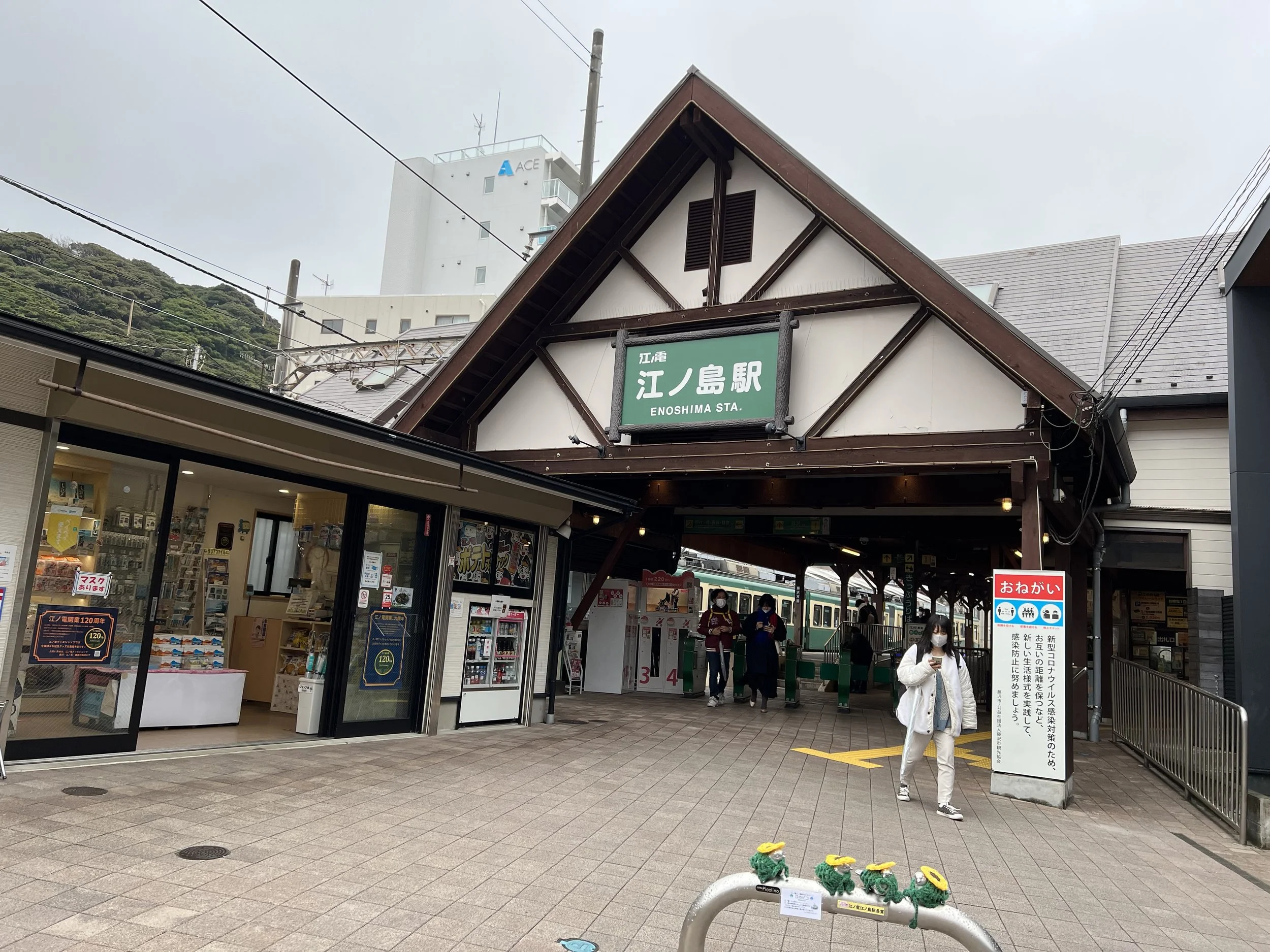
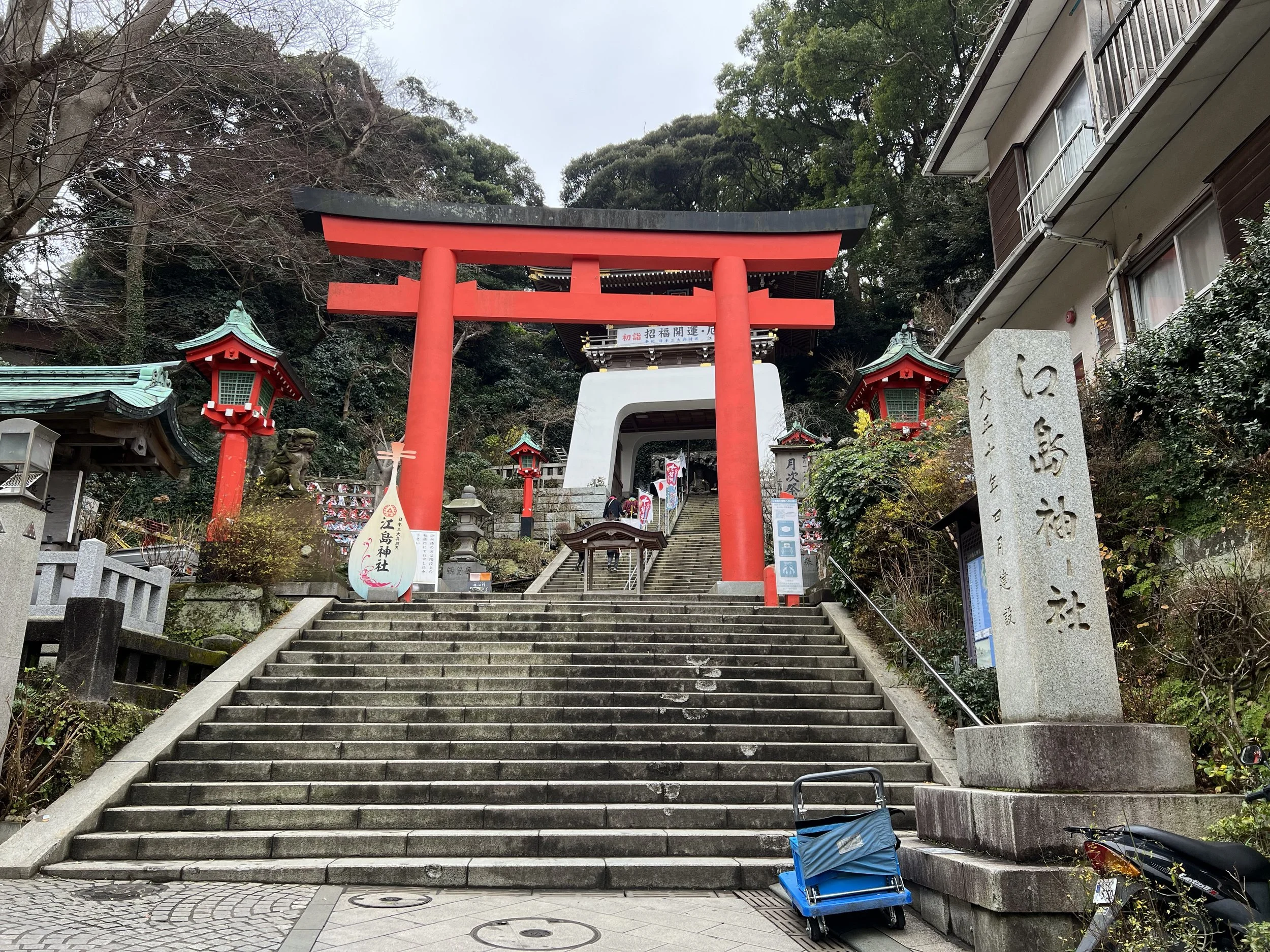
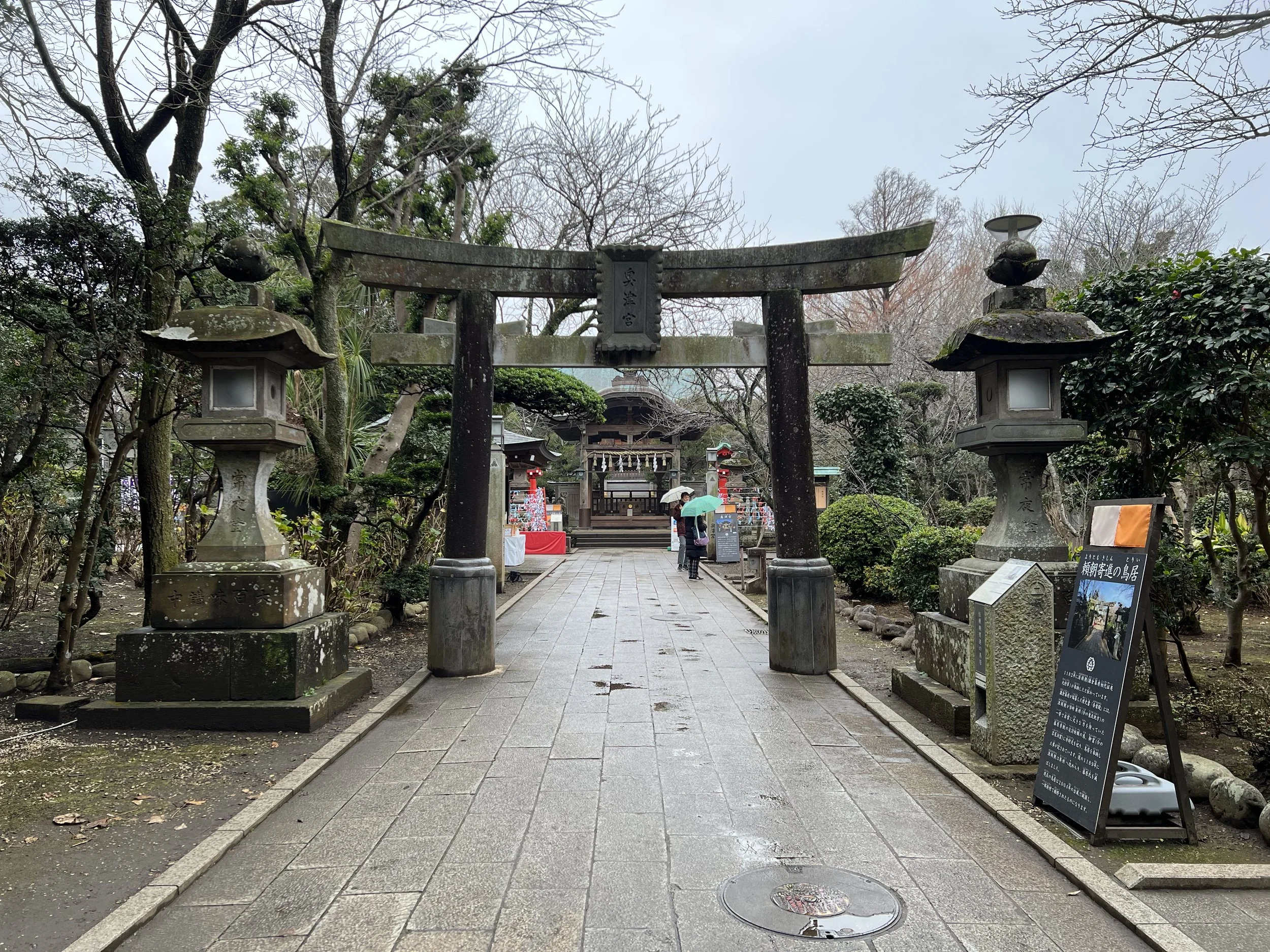
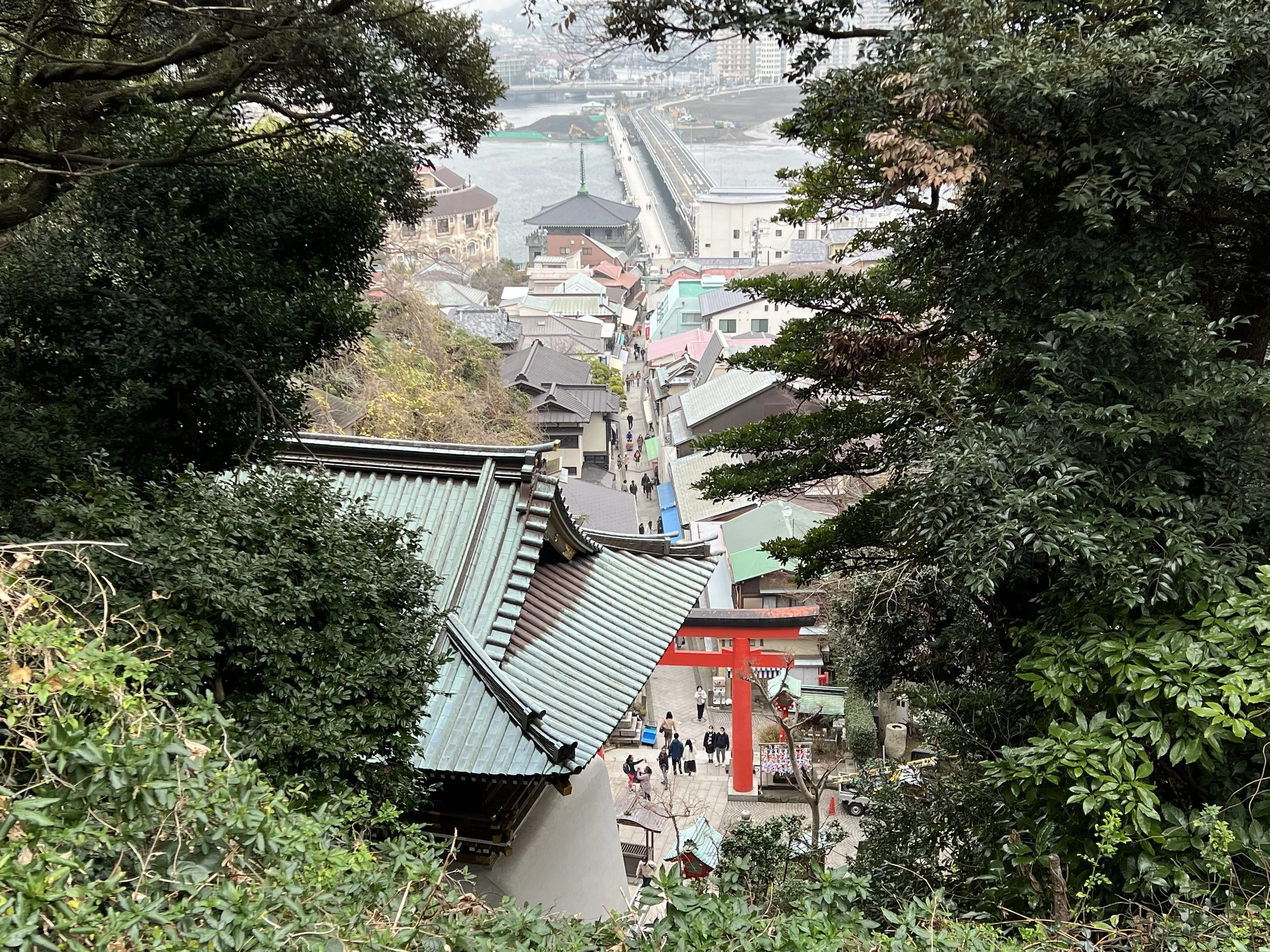
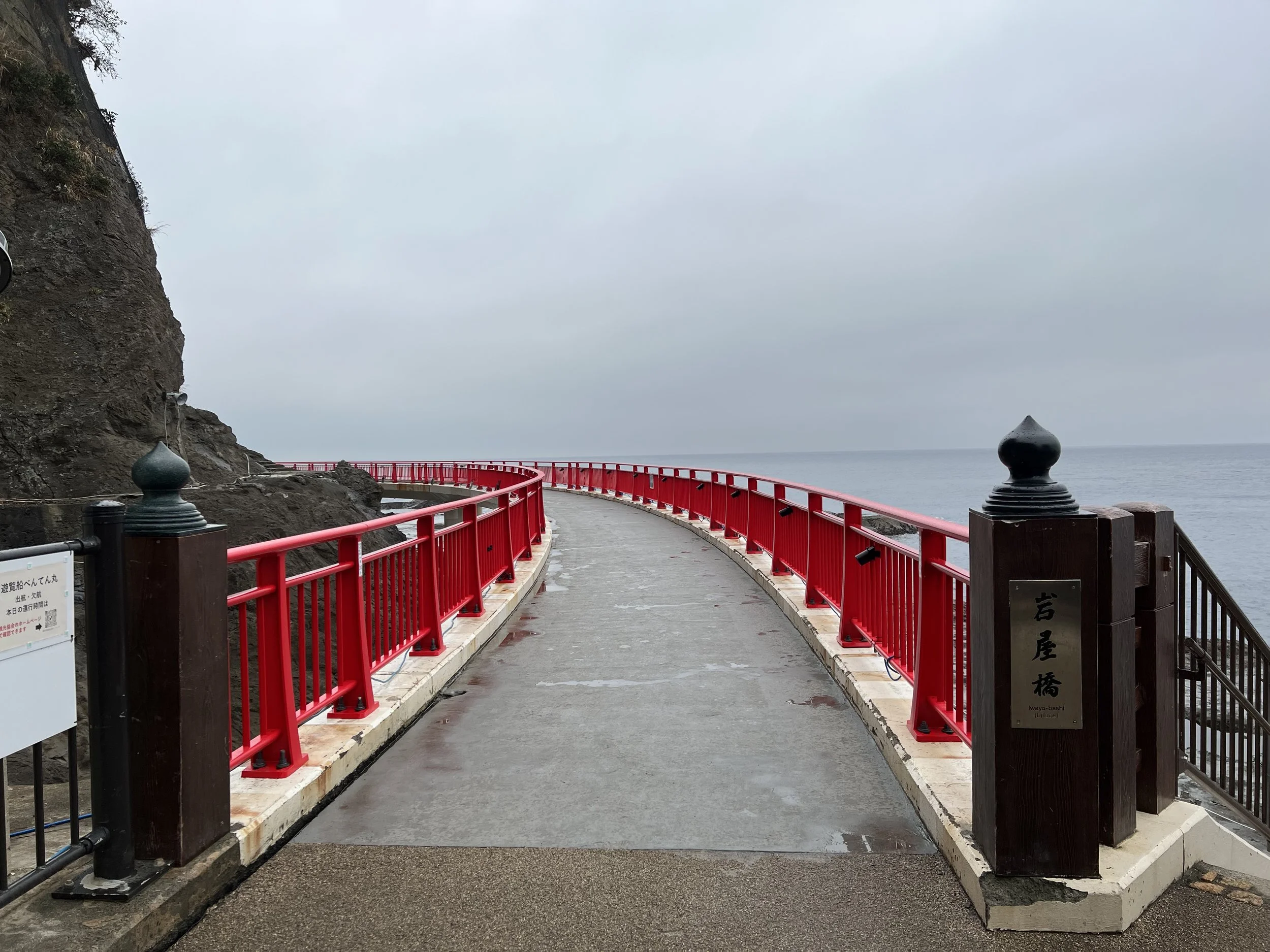
I made my way from Kamakura Station to Enoshima Station and continued on foot toward the island. Crossing the bridge, one of the first landmarks you encounter is a bronze torii gate marking the entrance to Enoshima Shrine. From there, the path leads through a lively shopping street filled with food stalls and souvenir shops before reaching the striking vermilion torii gate and staircase that lead up into the shrine grounds.
Enoshima Shrine dates back to 552, founded by imperial order during the reign of Emperor Kinmei to pray for the nation’s safety. The shrine is made up of three separate complexes spread across the island. The first and most visited is located near the entrance. Here, I found an octagonal hall that houses one of Japan’s three most revered statues of Benzaiten, the goddess of wealth, music, and knowledge, and the patron deity of Enoshima. I’d heard that some visitors even wash their money at the nearby pond in hopes of attracting prosperity.
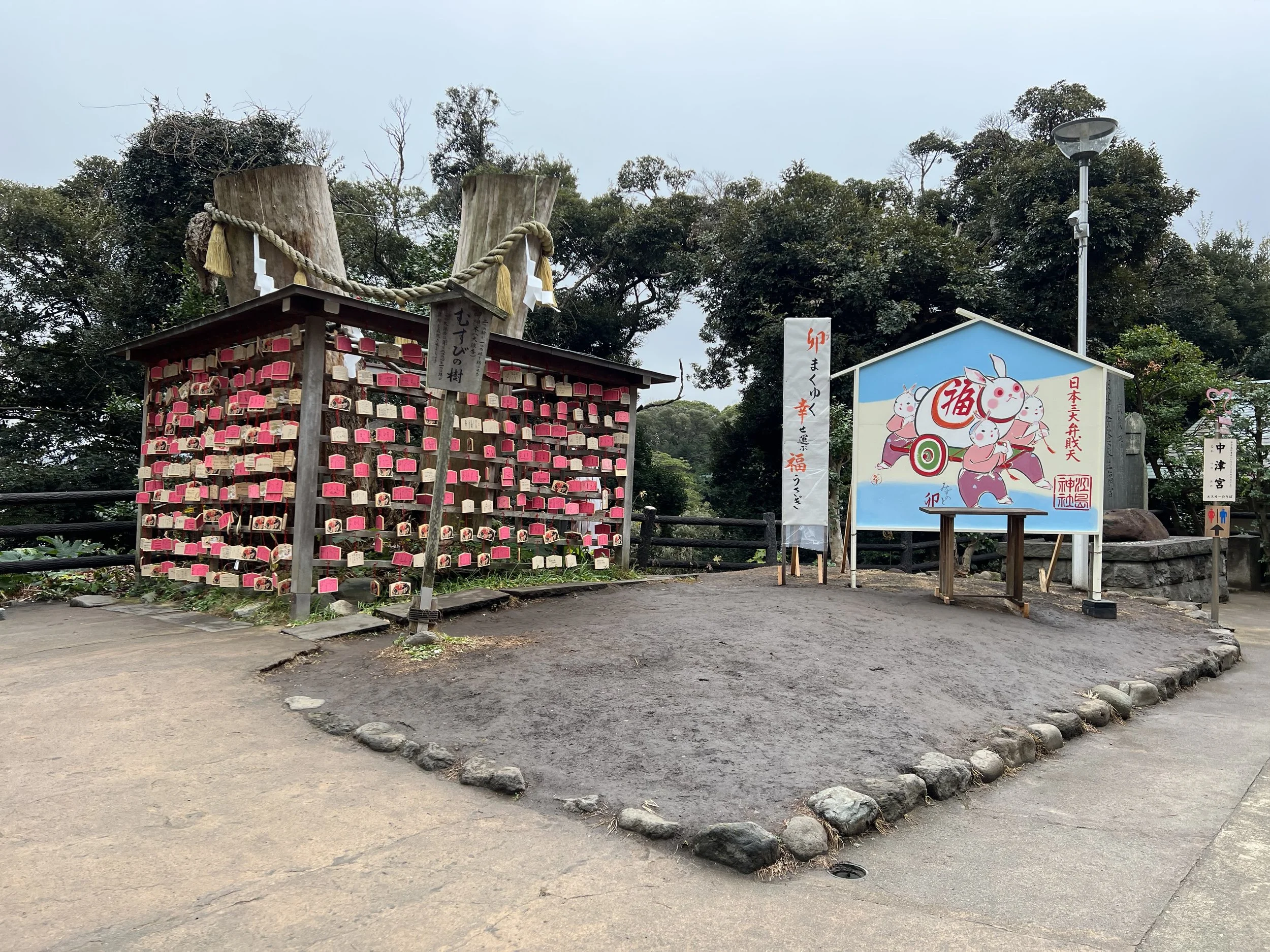
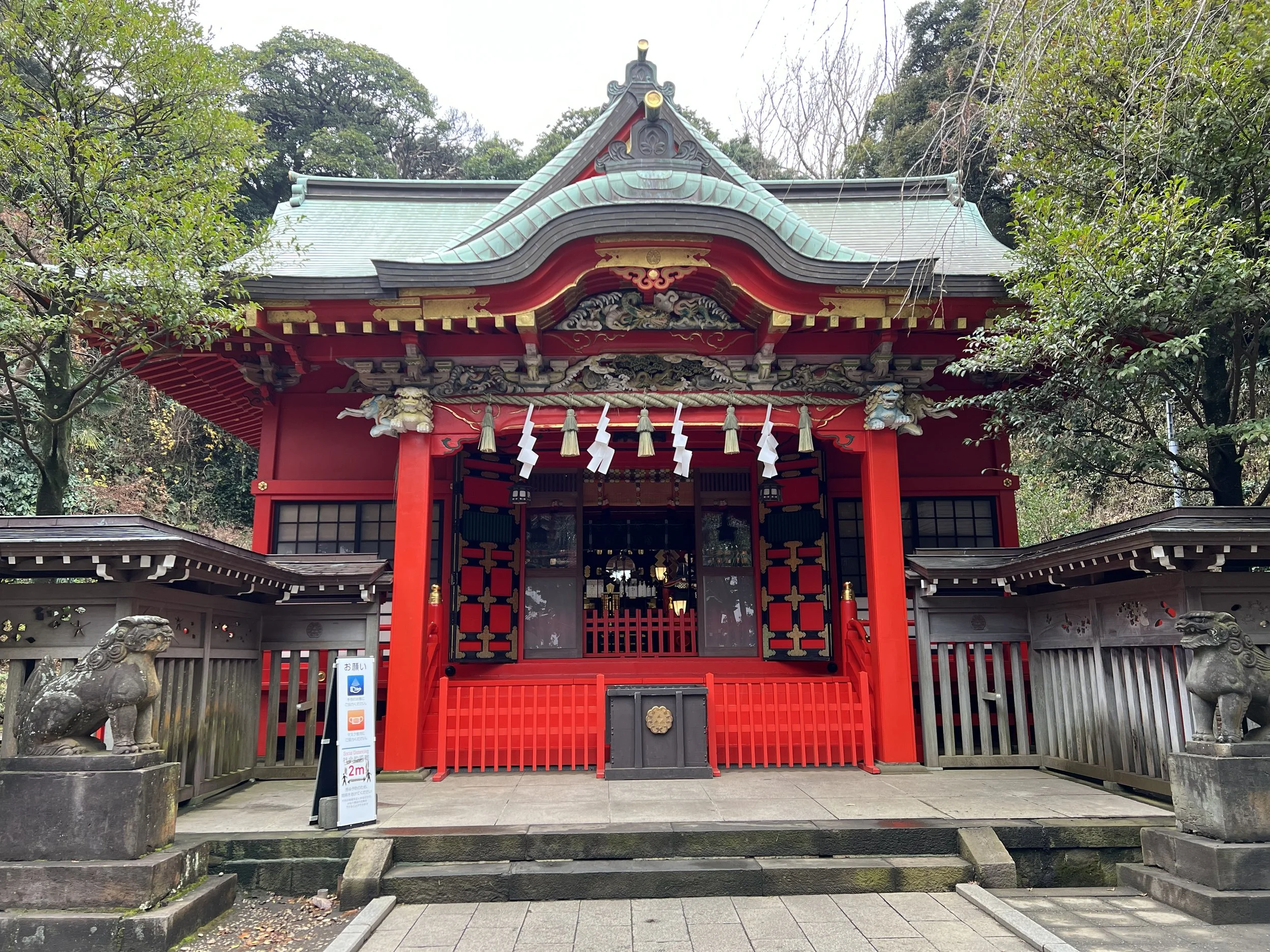
After spending some time exploring the main shrine area, I continued along the path toward the middle shrine, Enoshima Shrine Nakatsunomiya. Established in 853, this shrine stands out for its vibrant red architecture. It’s said to be associated with beauty, which draws many visitors who come to pray for good fortune in that aspect. The walk between shrines is fairly short, making it easy to explore all three in one visit.
From there, I moved on to the inner shrine, Enoshima Shrine Okutsumiya, located closer to the far end of the island. Historically, this was considered the main shrine until the Edo period and is one of the most sacred sites in the complex. It’s closely tied to the nearby sea caves and serves as a place where the deity is enshrined when not associated with the caves during certain seasons. Set near the water, the shrine carries a calm and protective presence, especially connected to the sea.
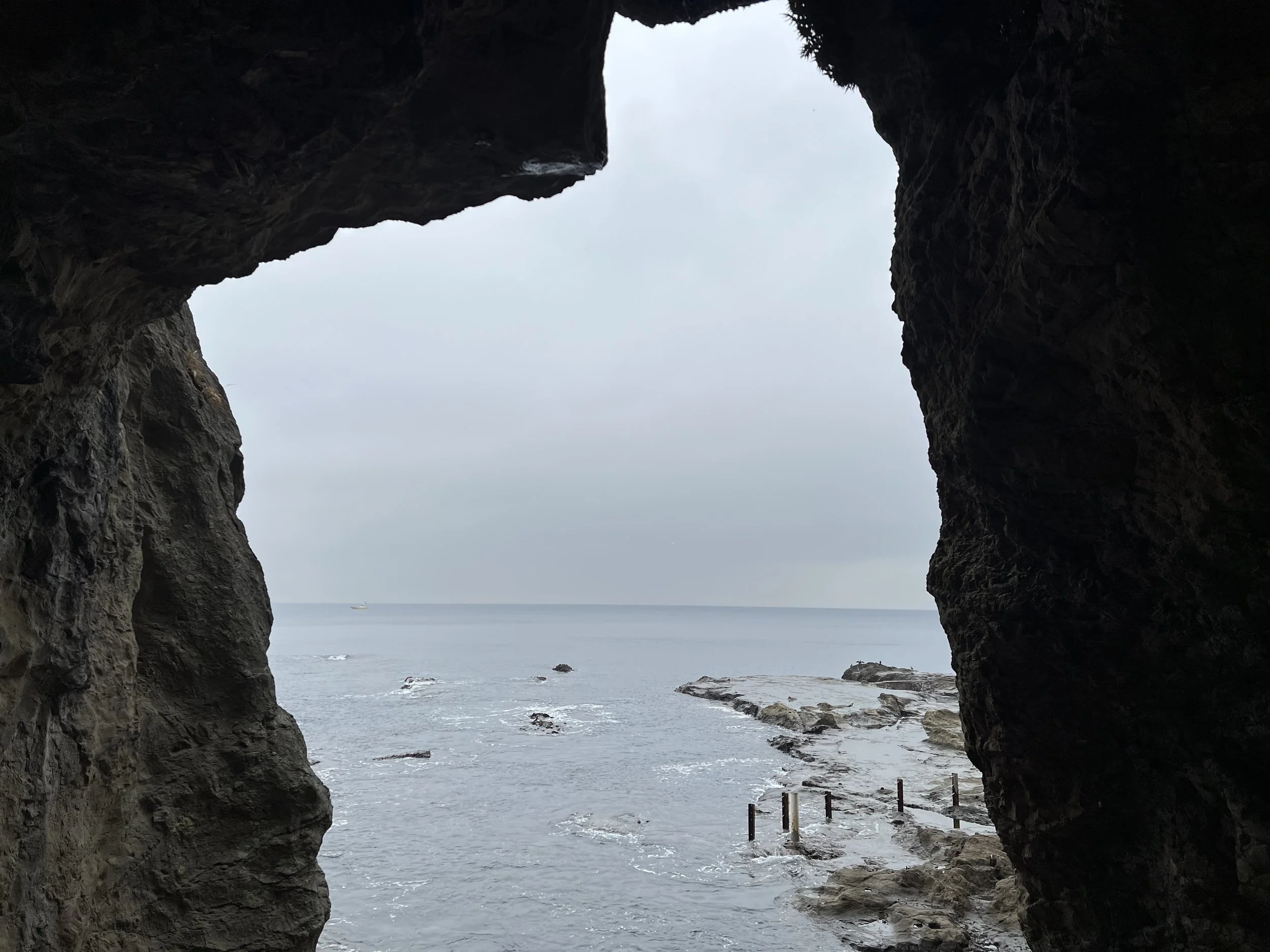
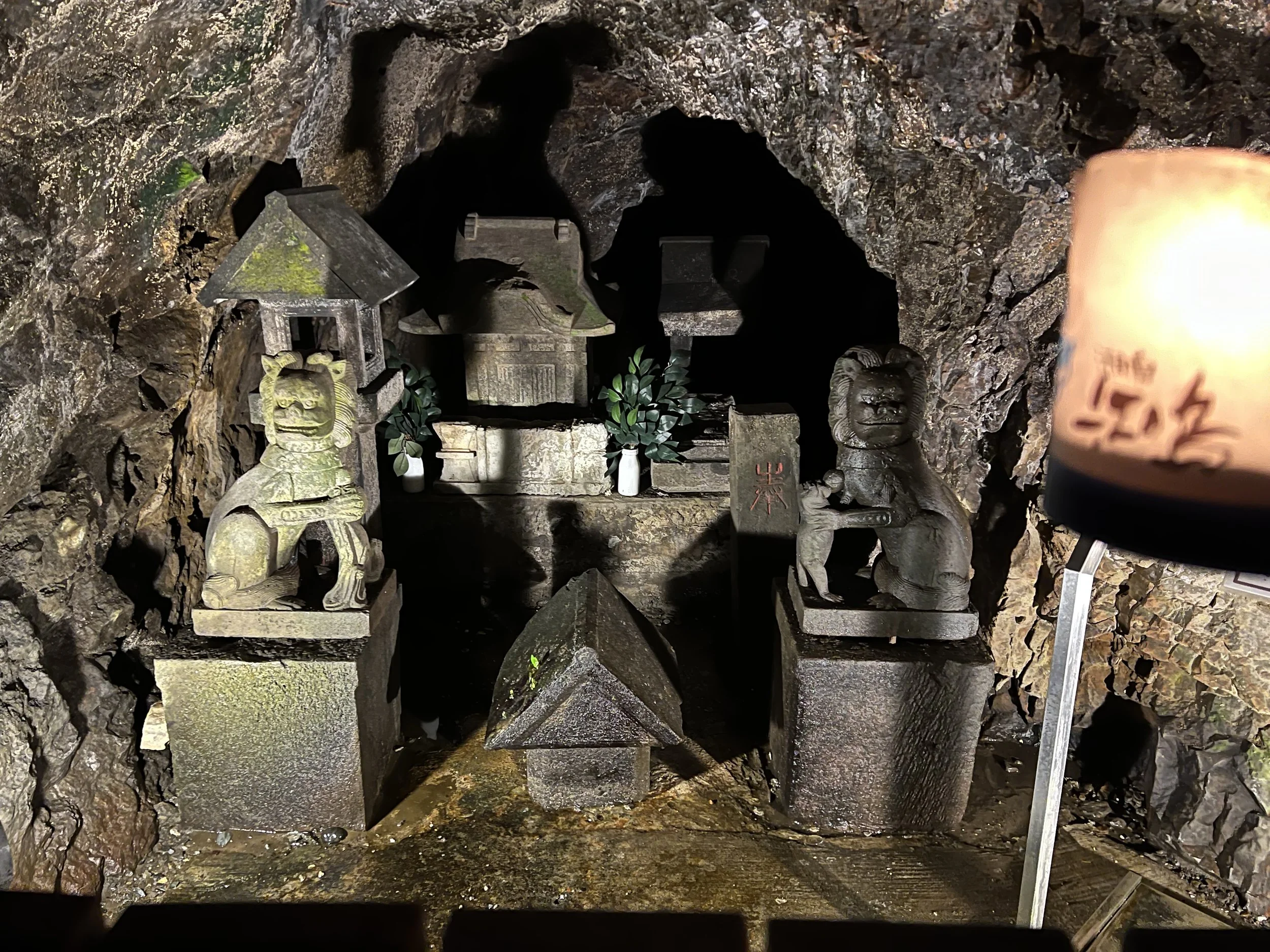
After visiting the shrines, I made my way toward the Enoshima Iwaya Caves. Formed by wave erosion, these caves have been used as sacred sites since ancient times and were once training grounds for monks, including Kobo Daishi.
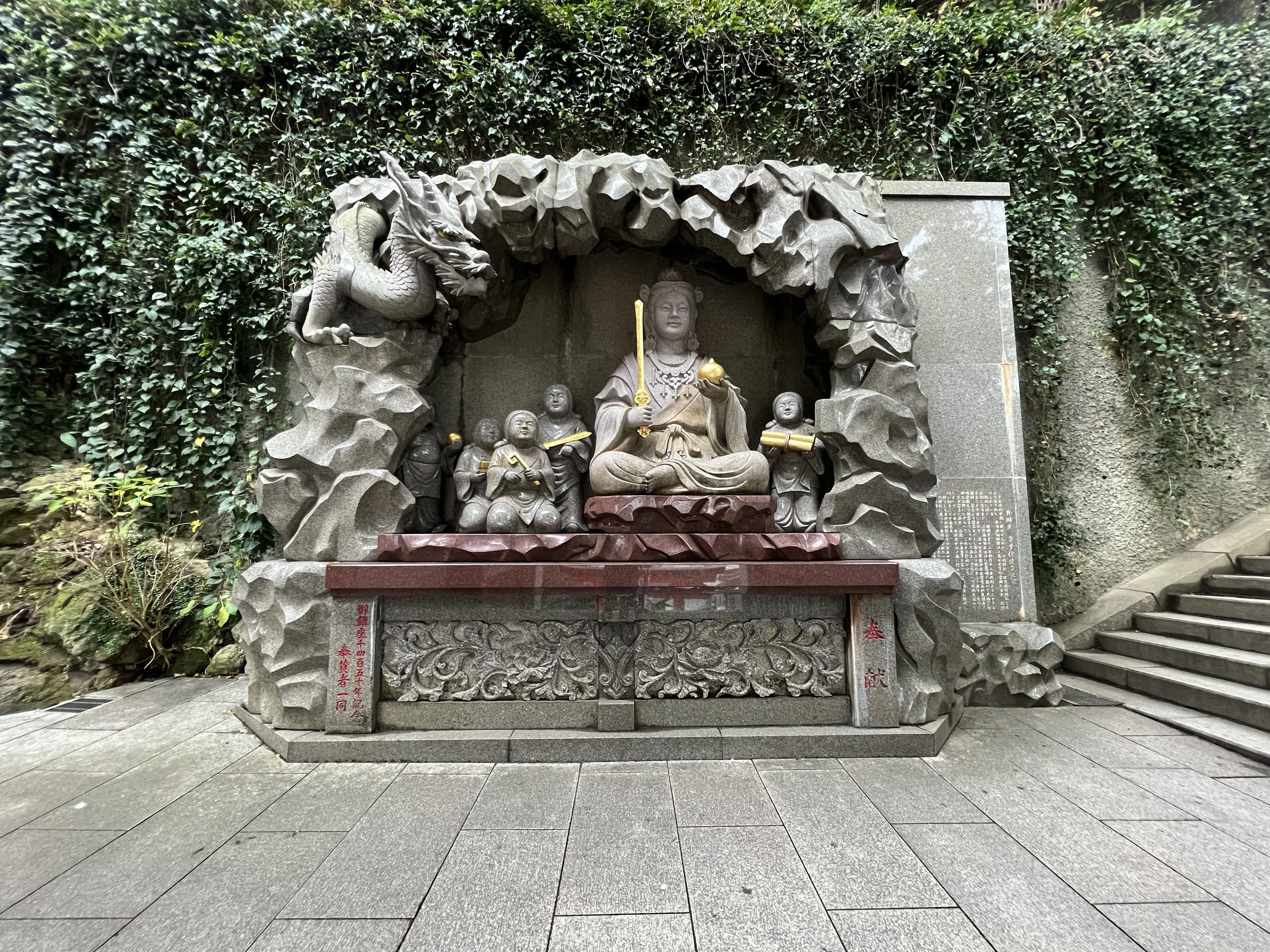
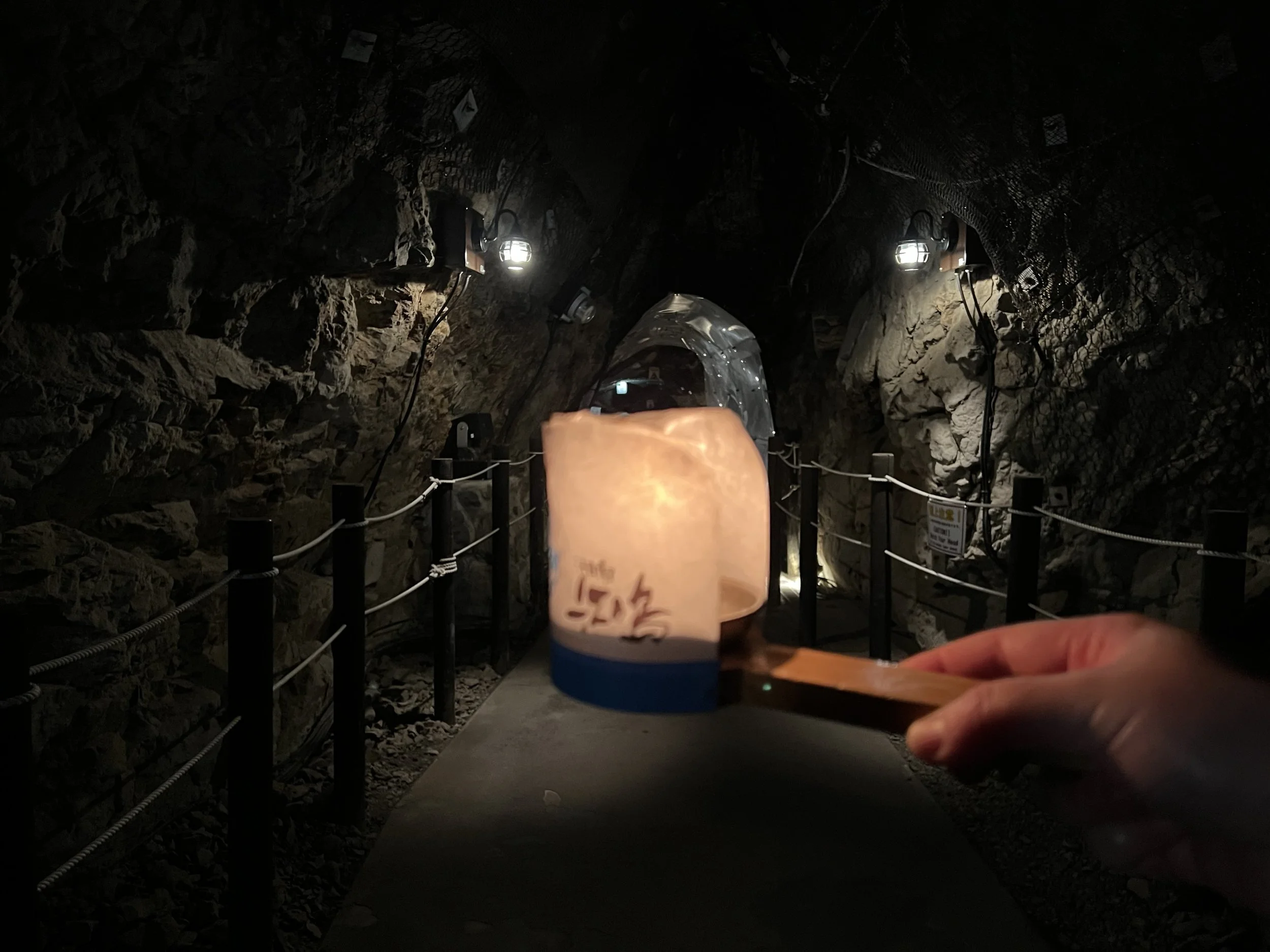
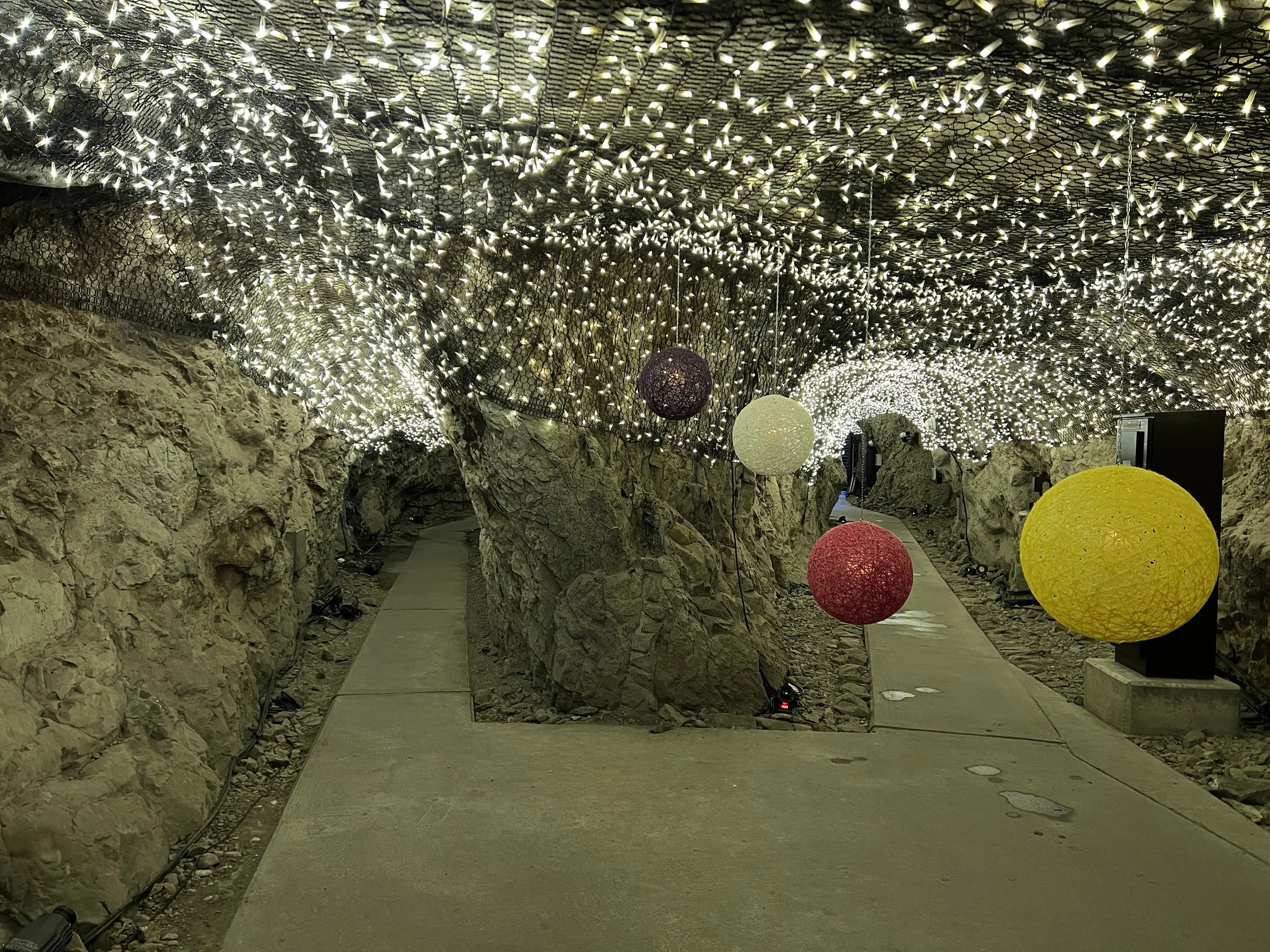
After purchasing a ticket, I was handed a small candle lantern to guide my way inside. That alone added a different atmosphere to the experience. The caves are divided into two sections—the first, about 152 metres deep, houses Buddhist statues and feels more enclosed and atmospheric. The second cave, around 56 metres deep, features a statue of a dragon deity. Walking through with just the lantern light made everything feel more immersive and slightly surreal.
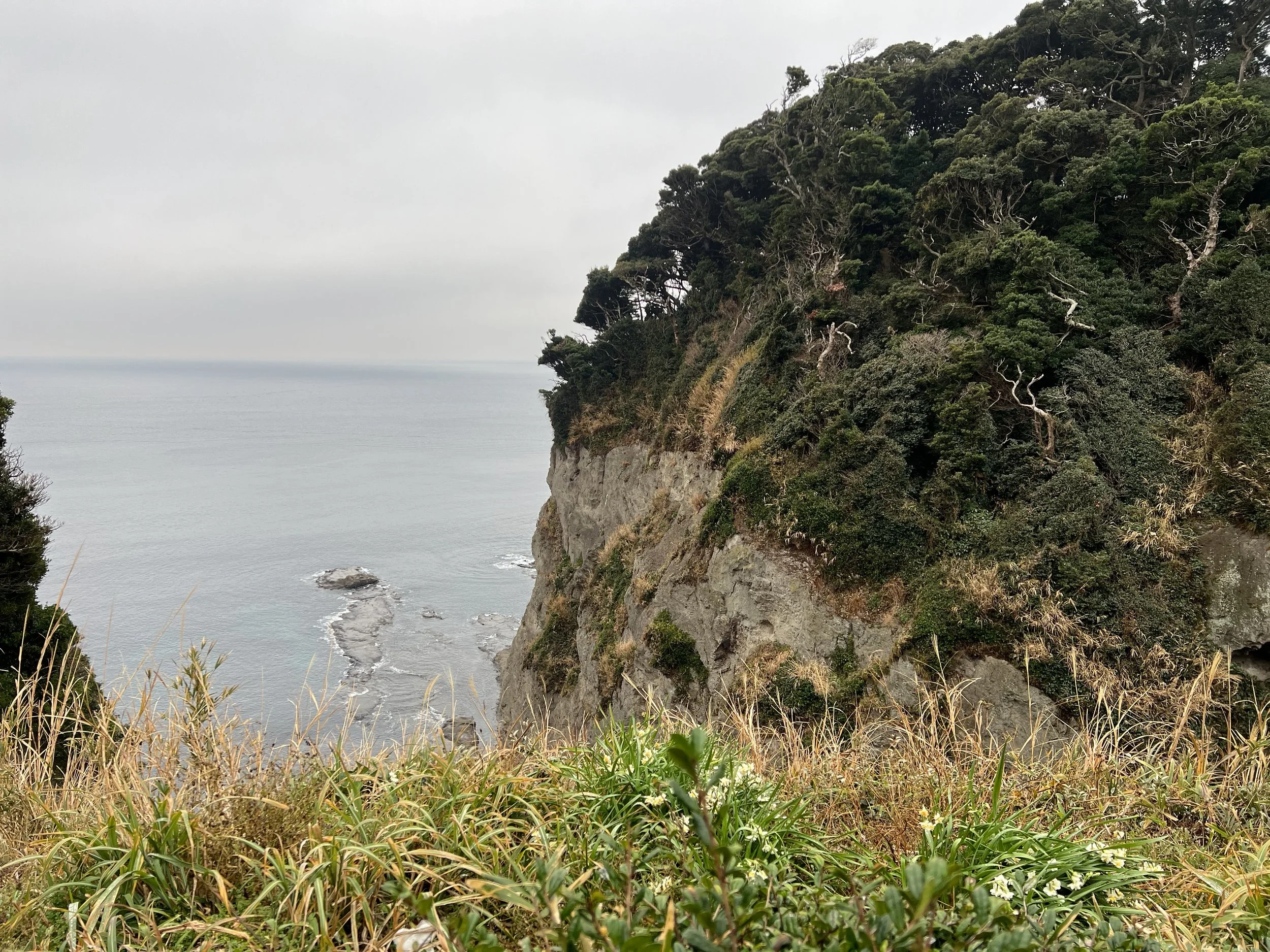
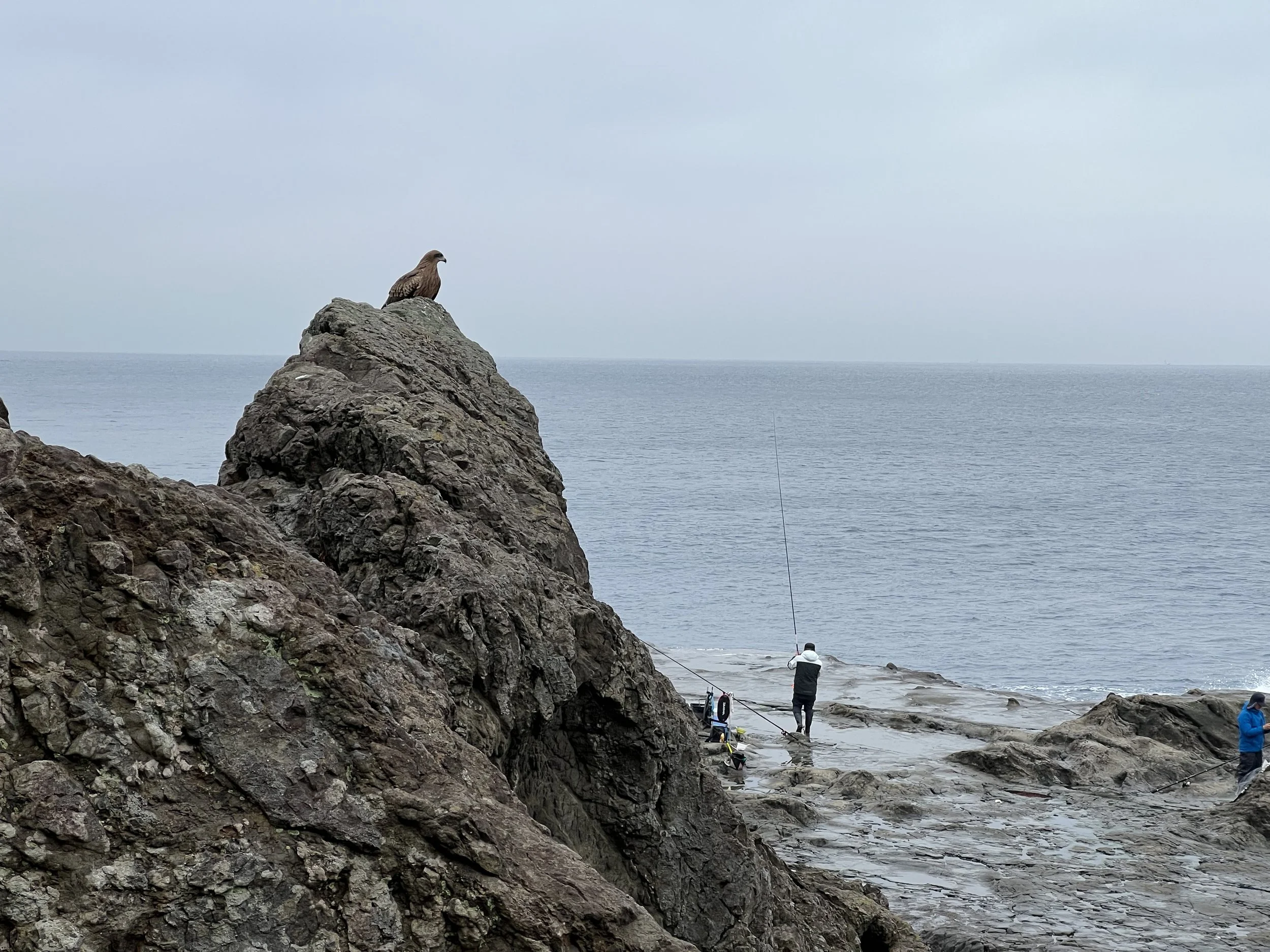
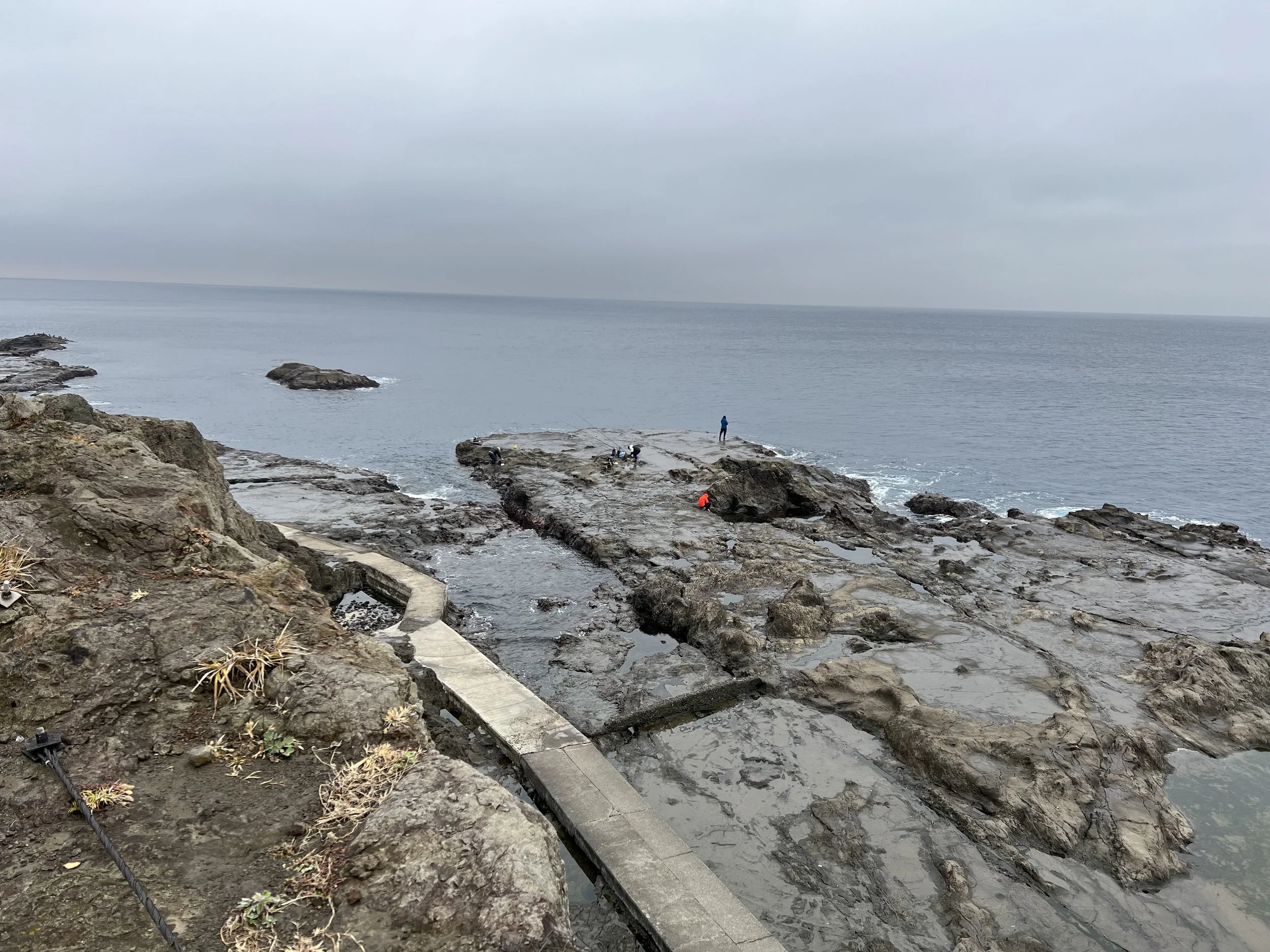
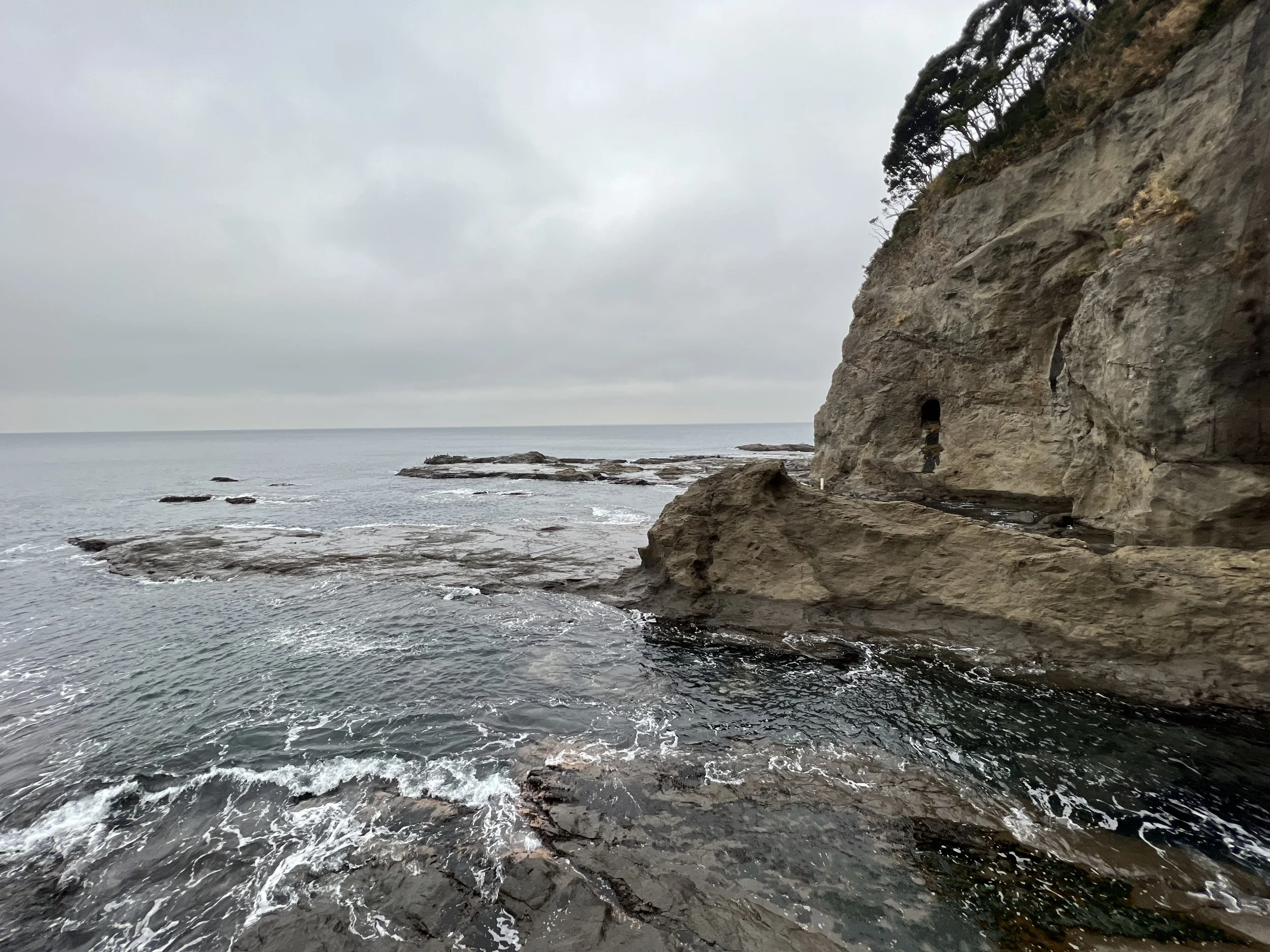
Exiting the caves brought me out to the edge of the island, where the coastline opens up. The sea was relatively calm, and I noticed several fishermen along the rocks. It felt like a quieter side of Enoshima compared to the busier shrine and shopping areas.
Before heading back, I stopped at one of the nearby restaurants and had a seafood meal, which felt fitting given the setting. Even without the clear view of Mount Fuji, the island still offered a full and varied experience—from cultural sites to natural formations.
History & Background
Enoshima (江の島) has been considered a sacred island for centuries, with Enoshima Shrine dating back to 552. The shrine is dedicated to Benzaiten, a deity associated with water, music, and prosperity, making the island an important spiritual site.
The Iwaya Caves have also played a significant role in religious practices, serving as places for ascetic training and worship. Over time, Enoshima evolved from a spiritual retreat into a popular tourist destination, blending cultural heritage with seaside scenery.
Getting There
Enoshima is accessible from Tokyo and Kamakura via multiple train lines. From Kamakura Station, visitors can take the Enoden Line to Enoshima Station, which is about a 10–15 minute walk from the island. Alternatively, Odakyu Line trains stop at Katase-Enoshima Station, which is closer to the bridge entrance.
Once at the island, most attractions are reachable on foot, though there are uphill sections and stairs when visiting the shrine areas and caves. Escalators (for a fee) are also available for part of the ascent.
Route Overview
Distance: 8.6 km out & back (Enoshima Station)
Total elevation gain: 129 m
Duration: 1 hr 40m (with breaks 1 hr 55 min)
Difficulty: Intermediate
Cost Breakdown
Train: Kamakura Station → Enoshima Station — ¥260
Entrance Fee: Enoshima Iwaya Caves — ¥500
Food: ¥1,100