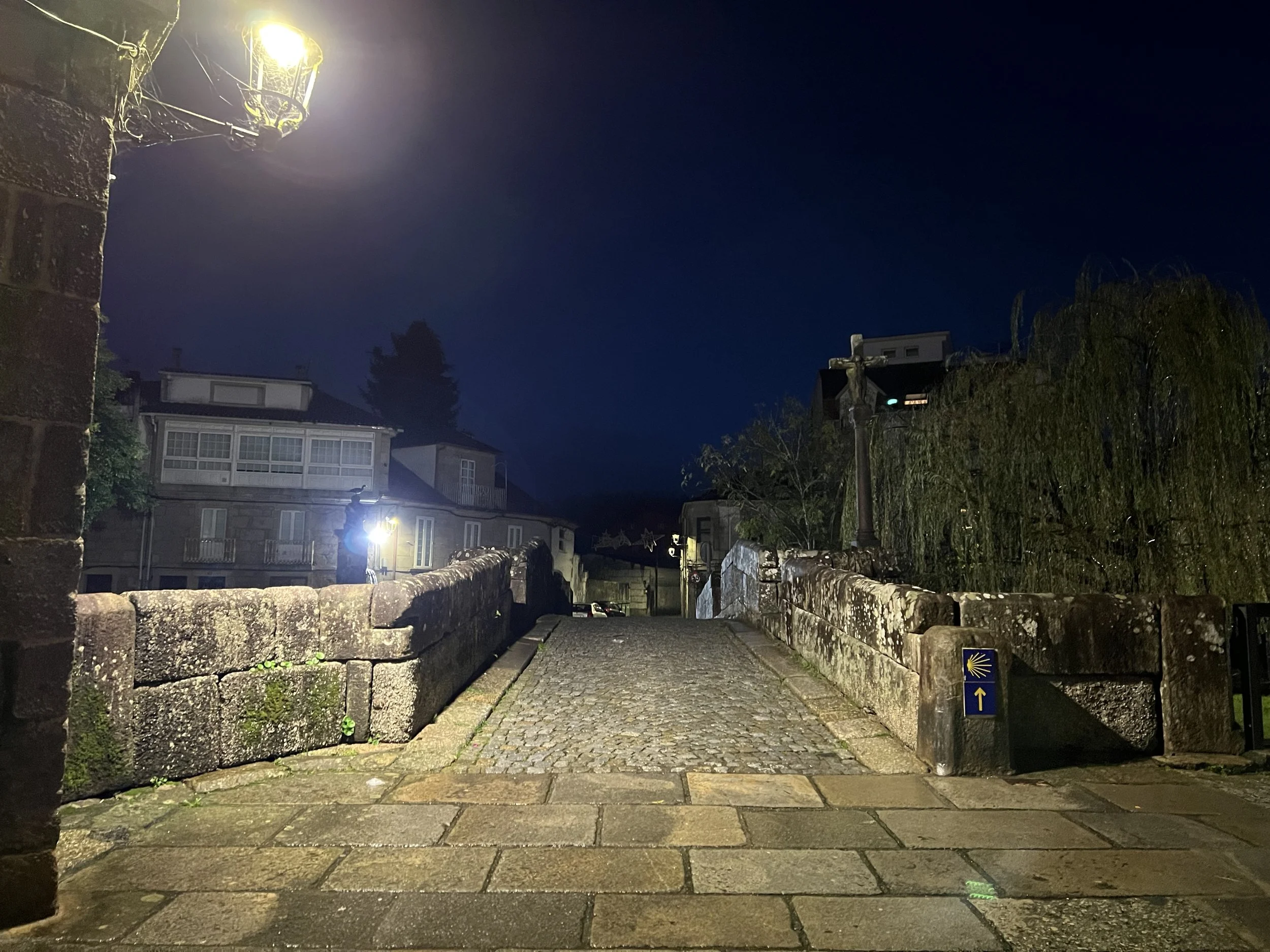
Camino Portugués Coastal - Day 9: Caldas de Reis to Cruces
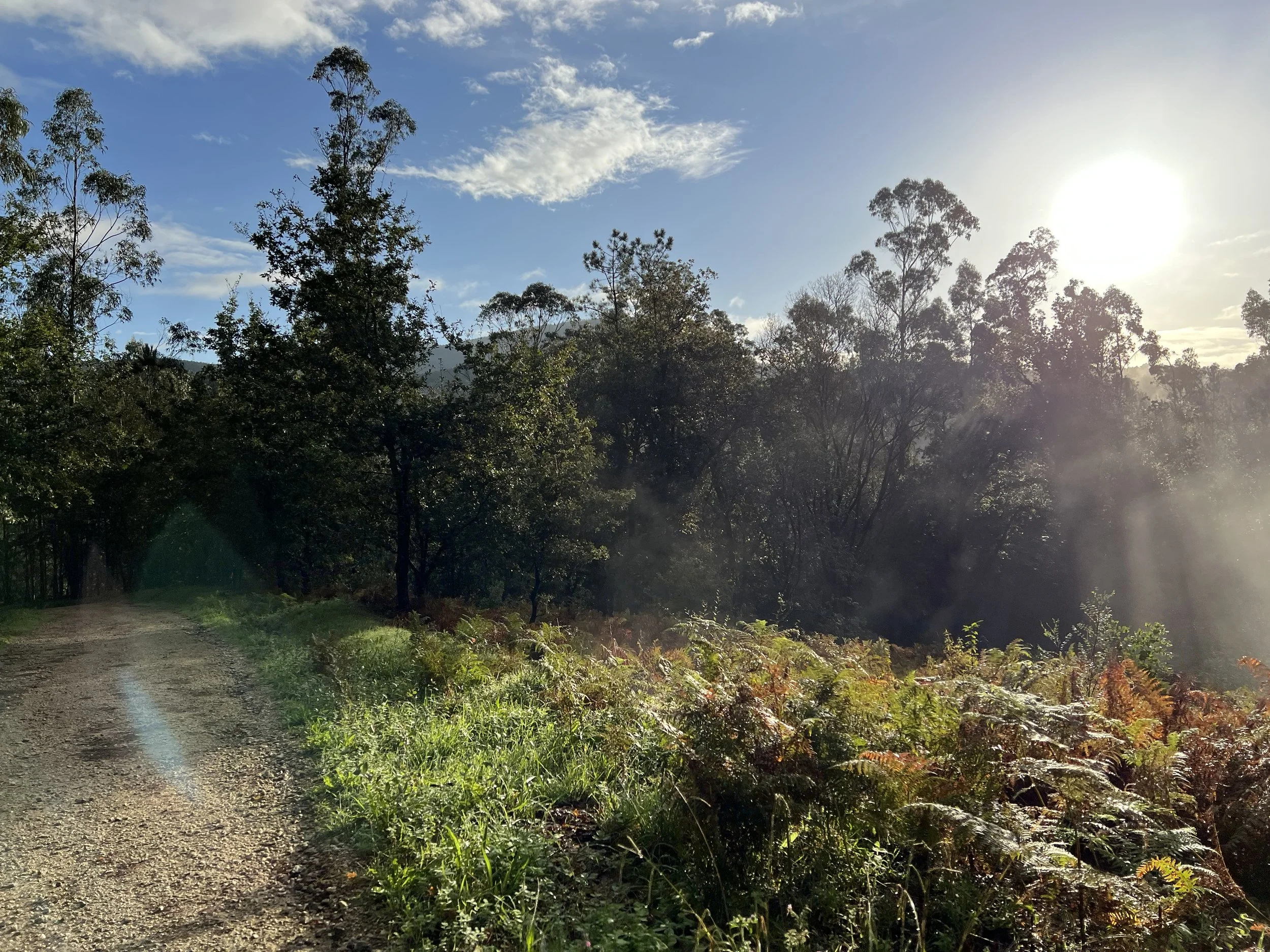
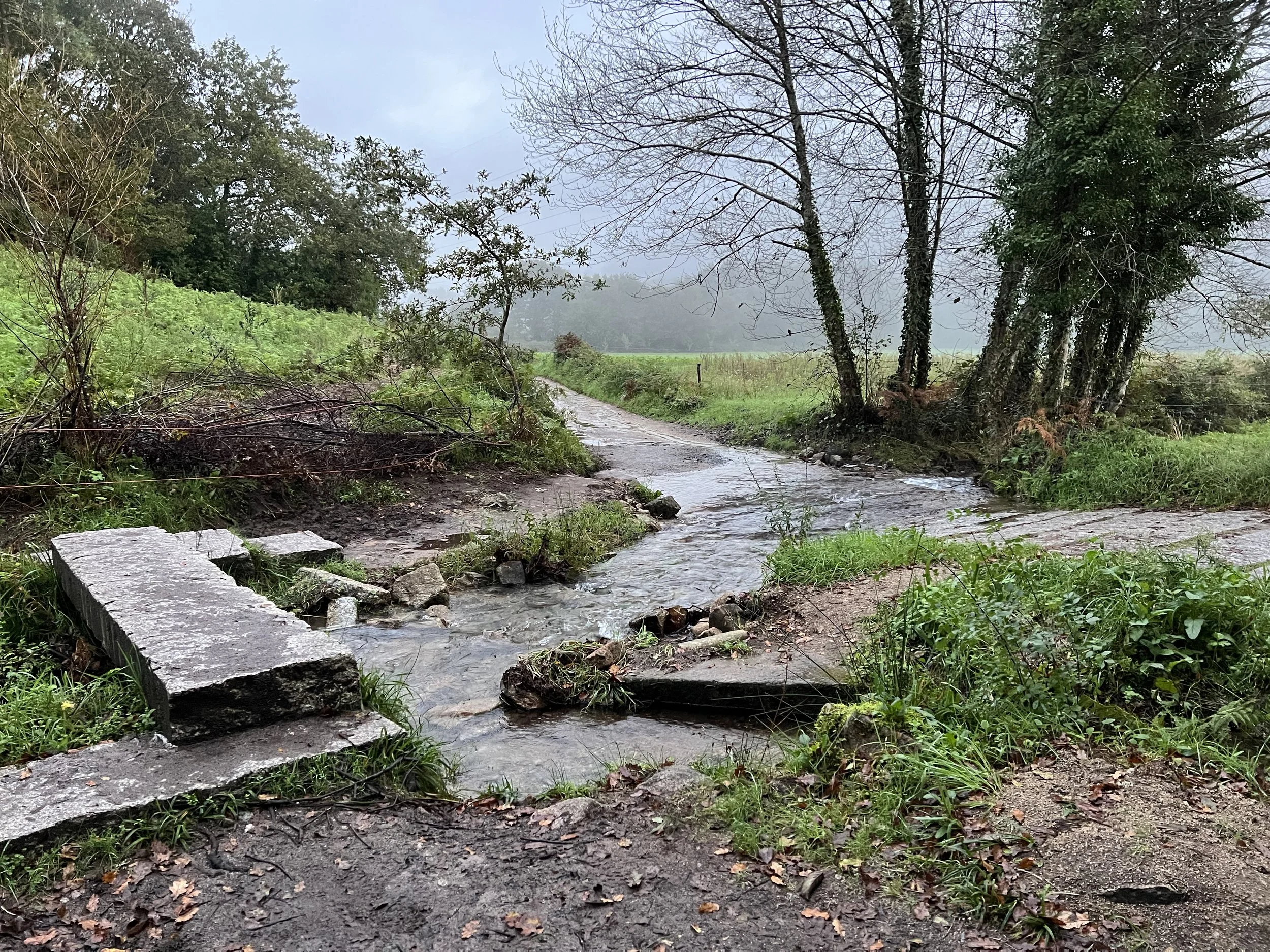
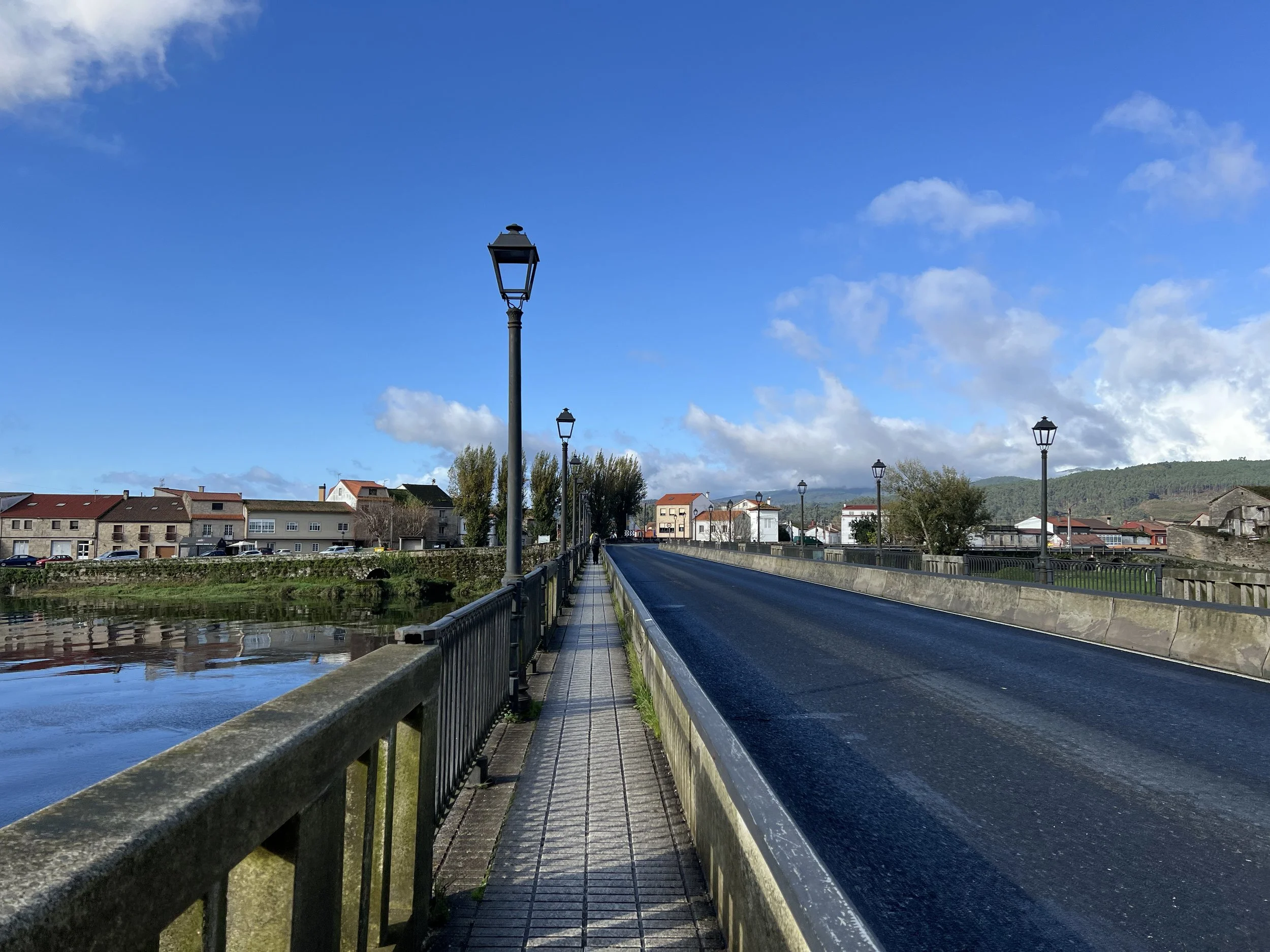
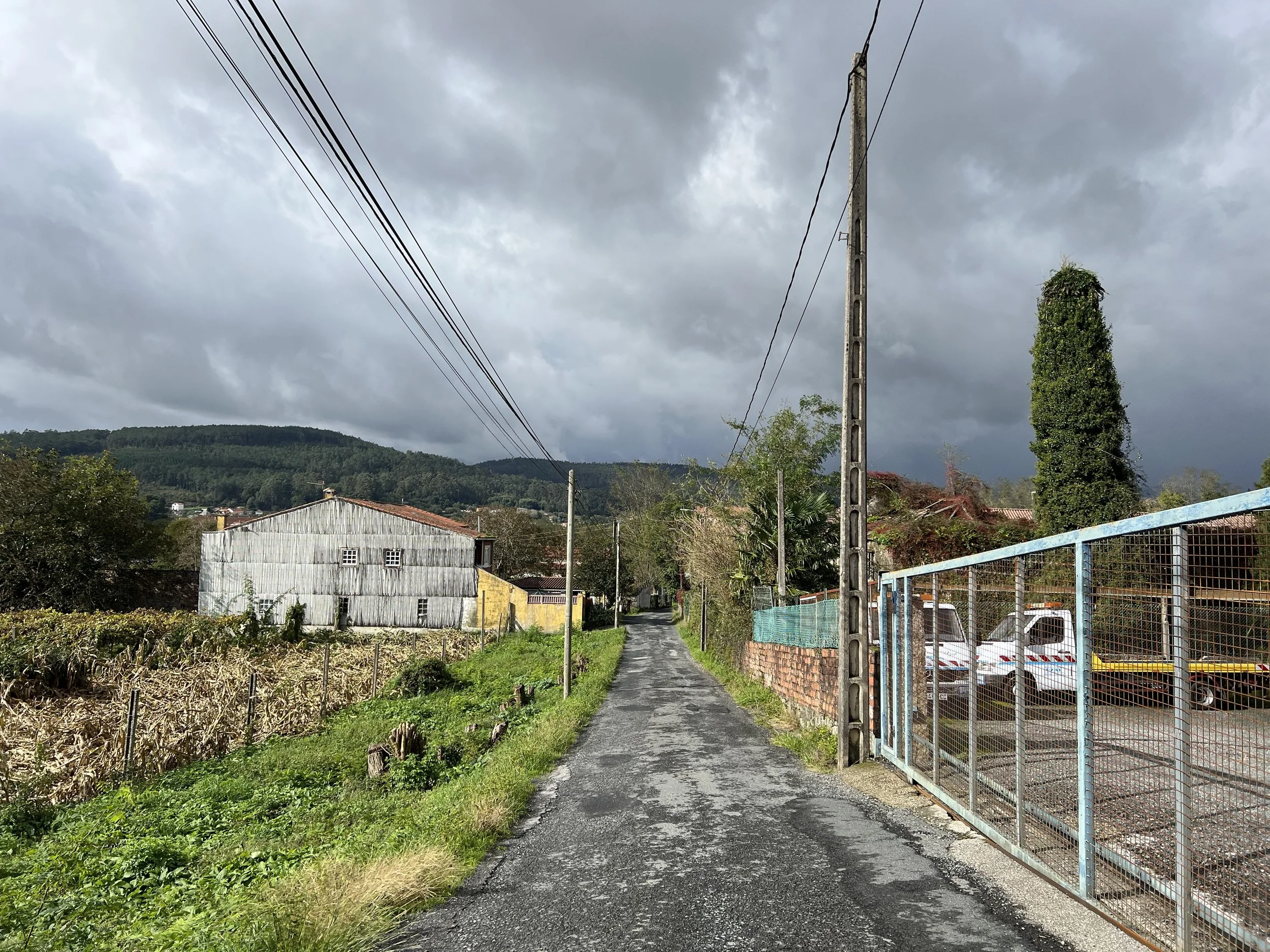
I left my albergue later than usual, expecting the morning rain that had been forecast. To my surprise, the skies were clear, and the sun shone warmly for the first few hours of the walk. Light rain came and went, alternating with bursts of sunshine, giving the day a dynamic, almost playful feel. The early portion of the route was peaceful, with birdsong and rustling leaves accompanying my steps, and the smell of damp earth after the night’s rain was invigorating.
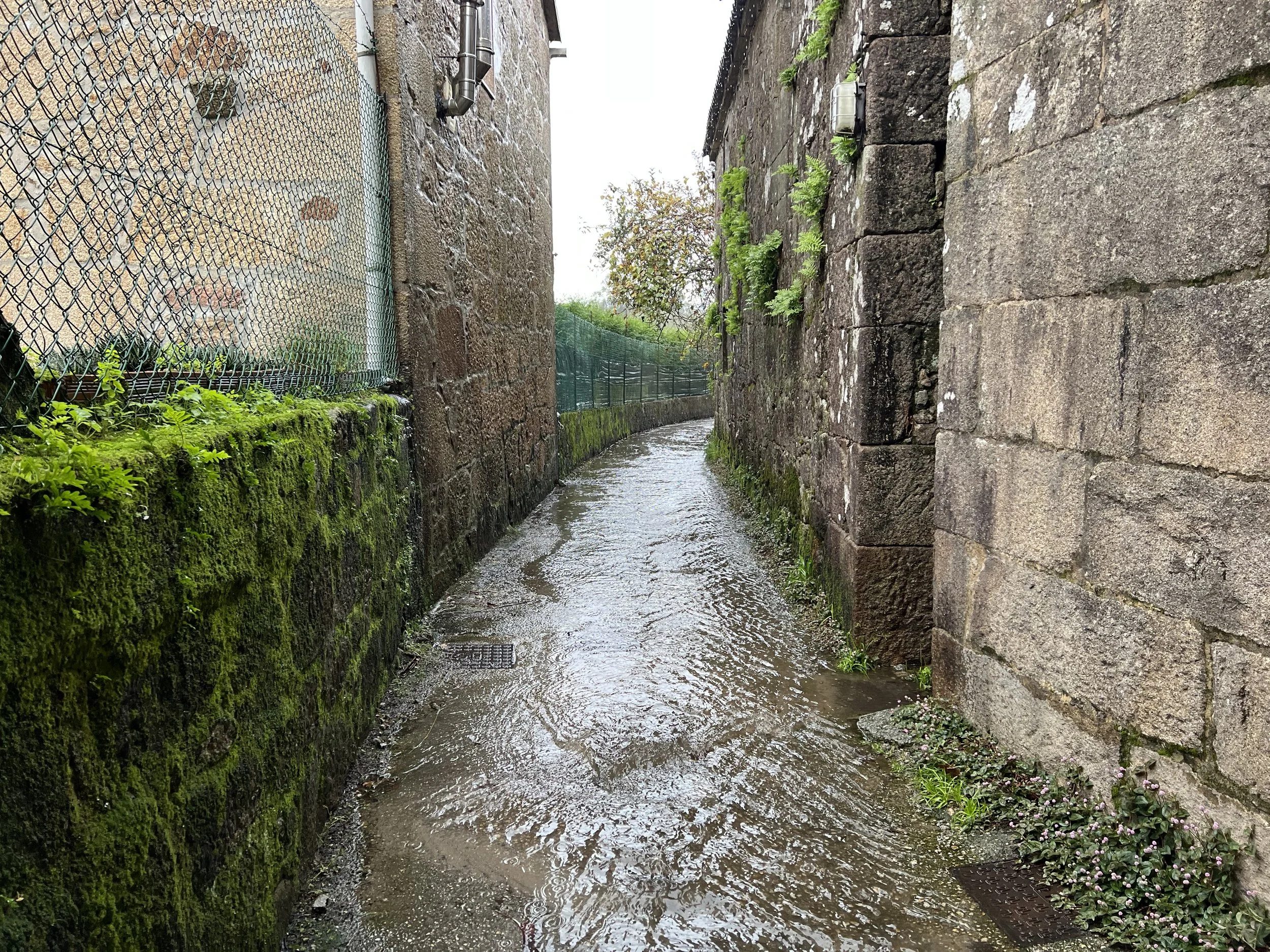
However, the last three kilometres to my accommodation turned into a true challenge. A sudden downpour started just as I entered the final town, and the streets were flooded. There was no avoiding it, so I waded through the water, my shoes finally succumbing after staying dry all day. Despite soggy feet, the experience felt quintessentially Camino—unpredictable, humbling, and oddly memorable.
I arrived at my albergue earlier than expected. Since it was self-check-in, the process was seamless with the emailed room and bed information. The albergue even had a pool, though it was far too cold for a swim. I hung up my soaked poncho, set my shoes out to dry, took a long, warm shower, and settled into the living room, reflecting on the day’s varied weather and the satisfaction of completing another challenging stage.
Tomorrow, I’ll return to Santiago de Compostela. Even though it won’t be my first time there, the thought fills me with excitement. After nine days on the Camino, each stage has offered new scenery, small adventures, and moments of quiet reflection—reminding me why this pilgrimage never feels repetitive.
History & Background
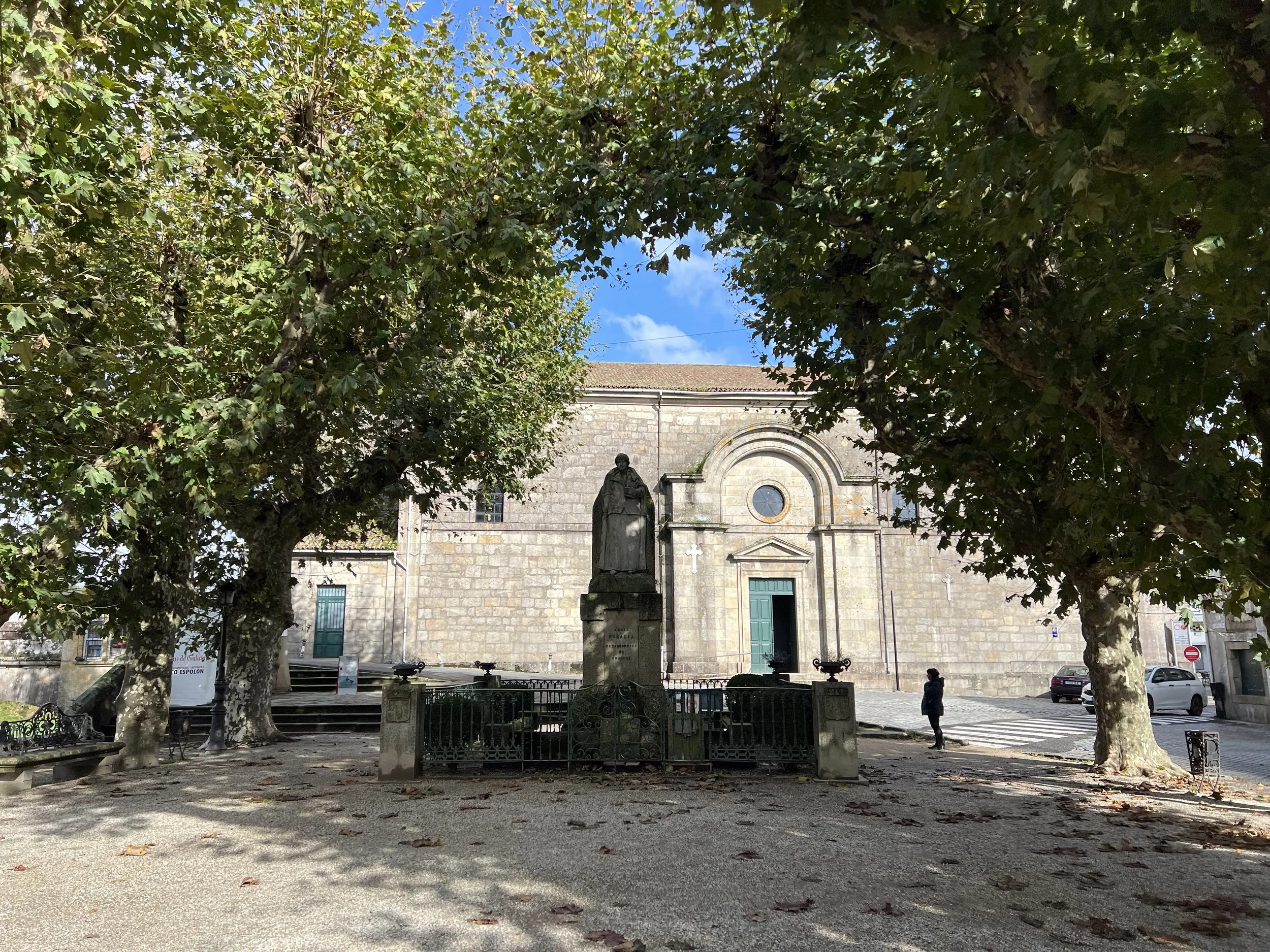
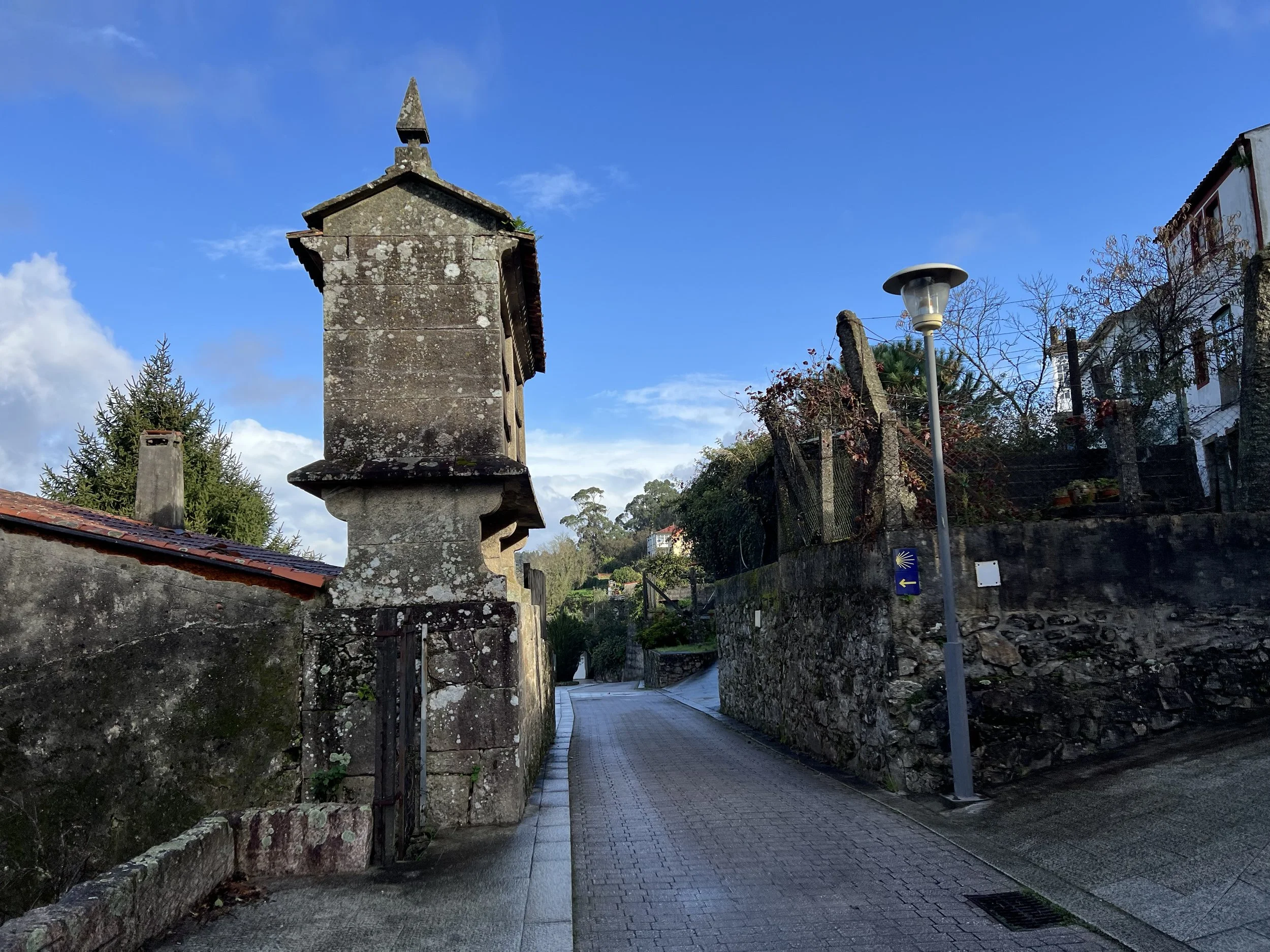
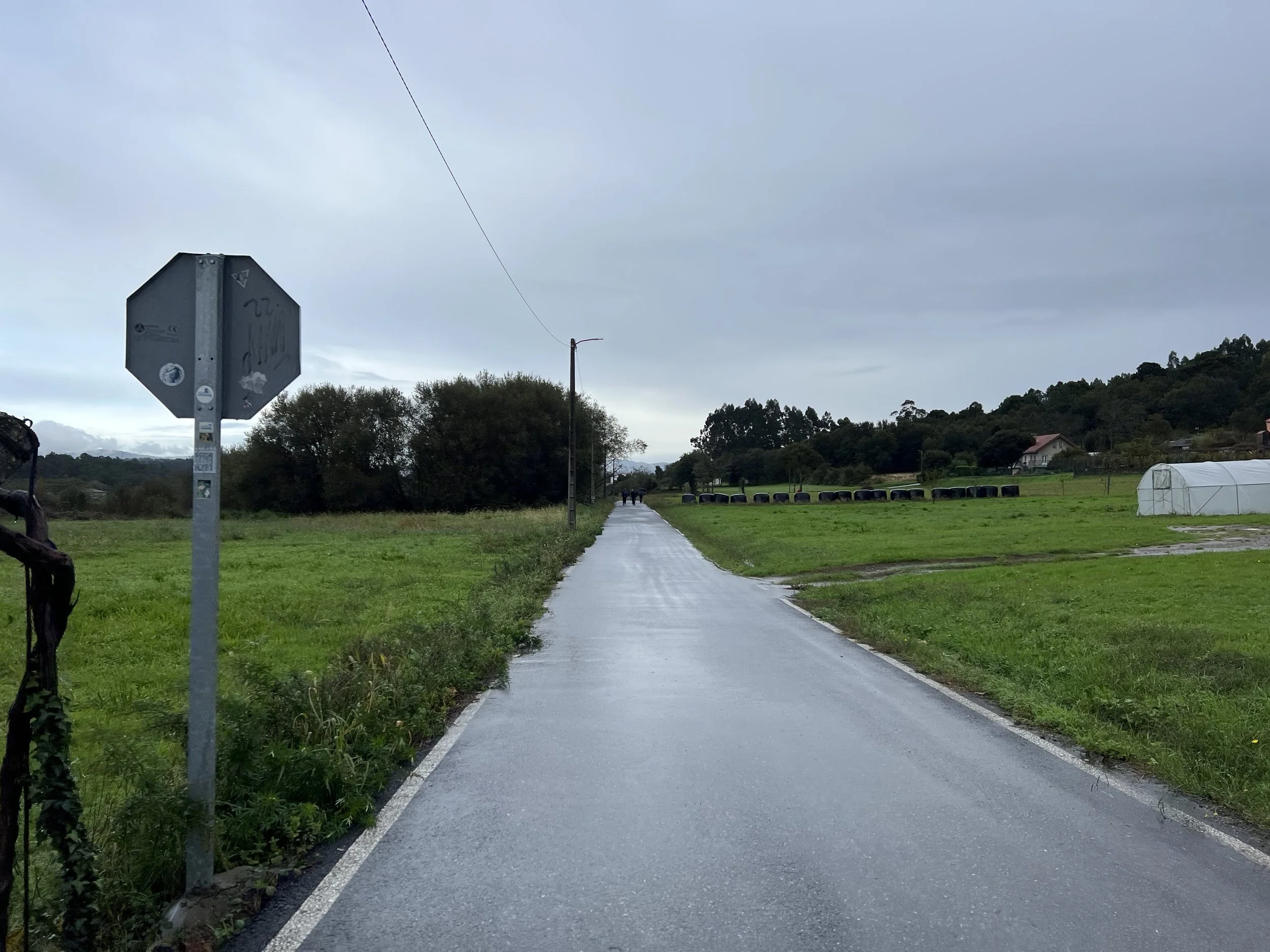
The stage from Caldas de Reis to Cruces winds through Galicia’s lush countryside, small villages, and agricultural lands, highlighting the region’s enduring rural character. Cruces, a small parish near Padrón, has historically been an important stop along the Camino Portugués due to its strategic location at the intersection of inland and coastal routes.
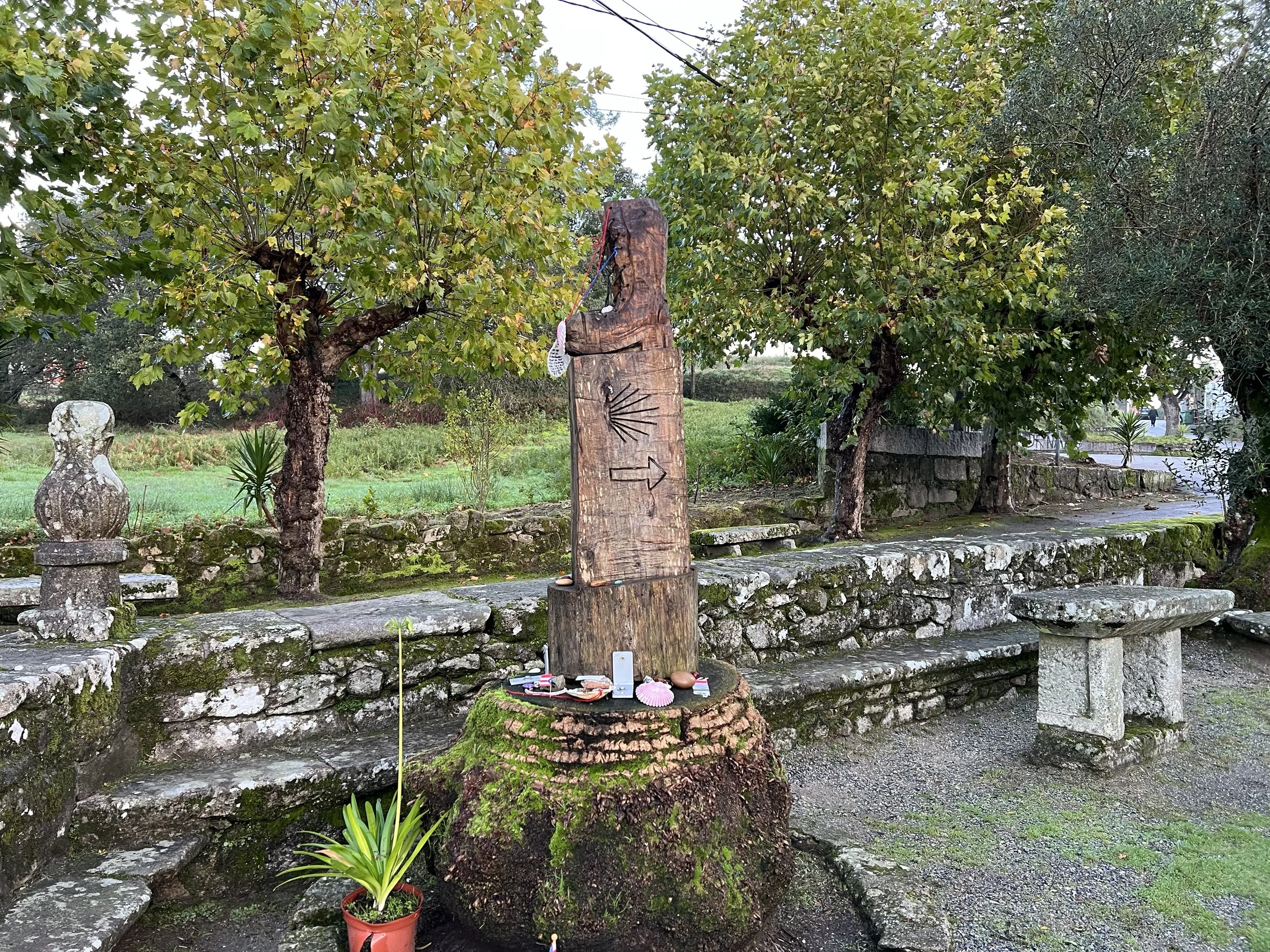
The area’s history is closely tied to Galicia’s agricultural and religious traditions. Pilgrims passing through have followed paths used for centuries by locals transporting goods such as wine, produce, and textiles between villages and towns. Small chapels and waymarkers along the route recall the spiritual significance of this path, linking communities to the larger pilgrimage network that culminates in Santiago de Compostela.
Today, Cruces remains a quiet waypoint for pilgrims. Its albergues, restaurants, and local shops cater primarily to walkers, preserving the tranquil, restorative atmosphere that pilgrims have sought for centuries.
Getting There
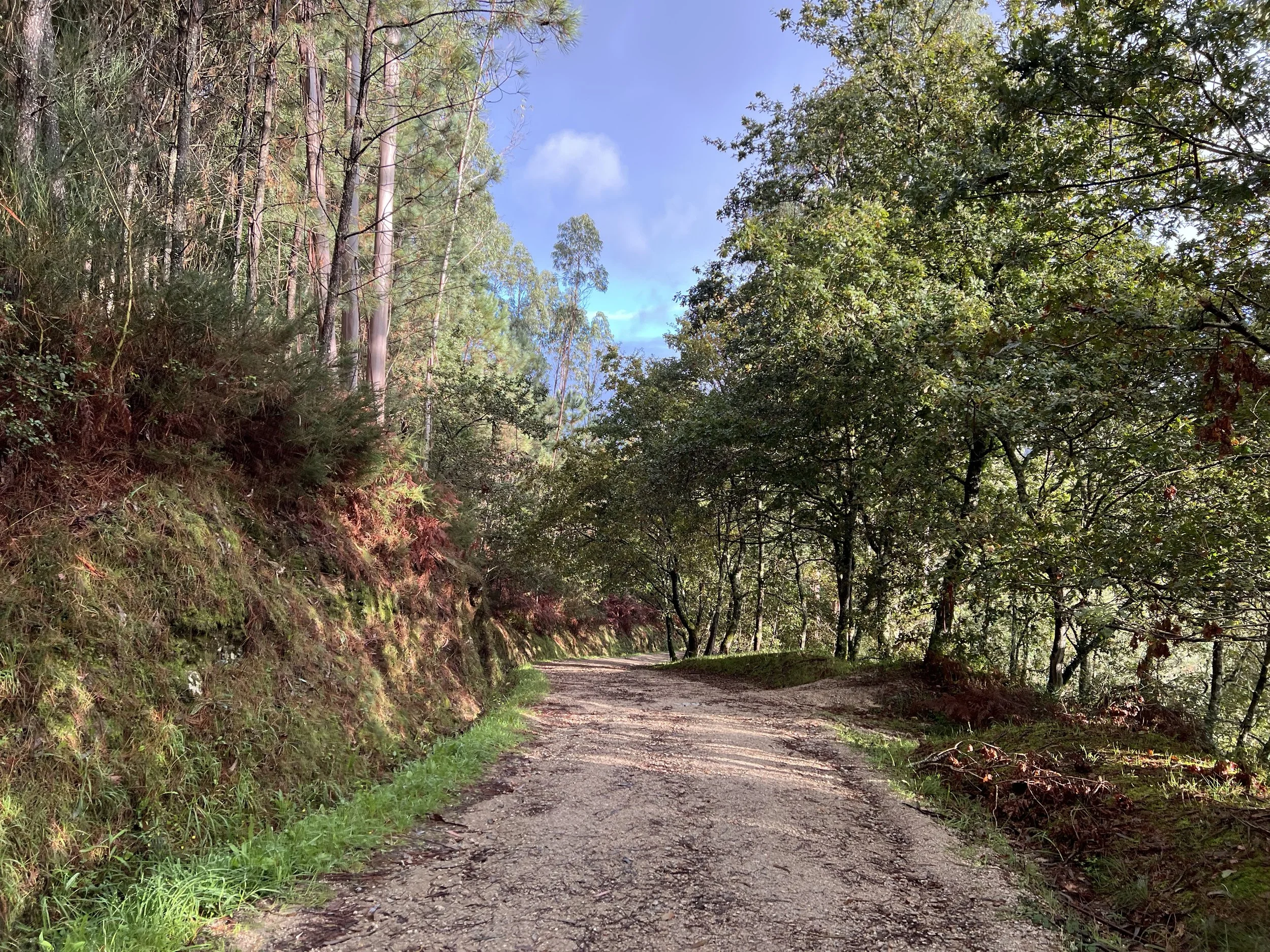
The walk from Caldas de Reis to Cruces covers approximately 27–28 kilometres. Terrain includes forest paths, country roads, and small village streets, with moderate elevation changes. Pilgrims can shorten or bypass the stage by taking local buses connecting Caldas de Reis, Padrón, and nearby towns.
Cruces is accessible by regional bus from Caldas de Reis or Padrón, and the nearest train stations are in Padrón and Pontevedra, providing connections to Santiago de Compostela and the wider Galician rail network.
Route Overview
Distance: 27.38 km (Albergue Agarimo → Camiño da Vieira)
Total elevation gain: 363 m
Duration: 5 hr 2 min (with breaks 5 hr 48 min)
Difficulty: Hard
For the full day-by-day route breakdown, including distances and duration, see my complete Camino Portugués Coastal route guide.
Cost Breakdown
Accommodation: Camiño da Vieira (Reserved via email) — €25
Food: €16.2