Camino Portugués Coastal - Day 10: Cruces to Santiago de Compostela
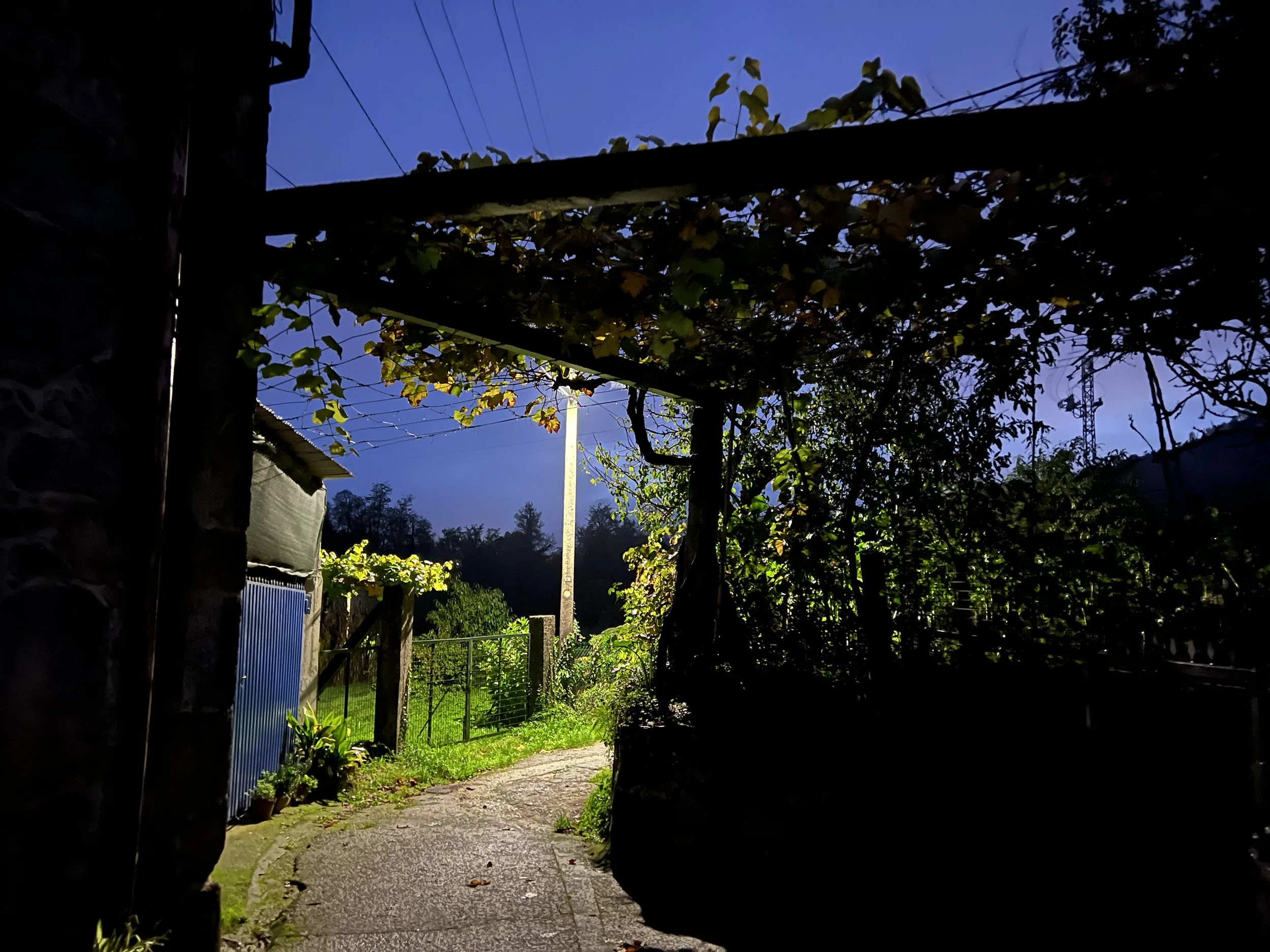
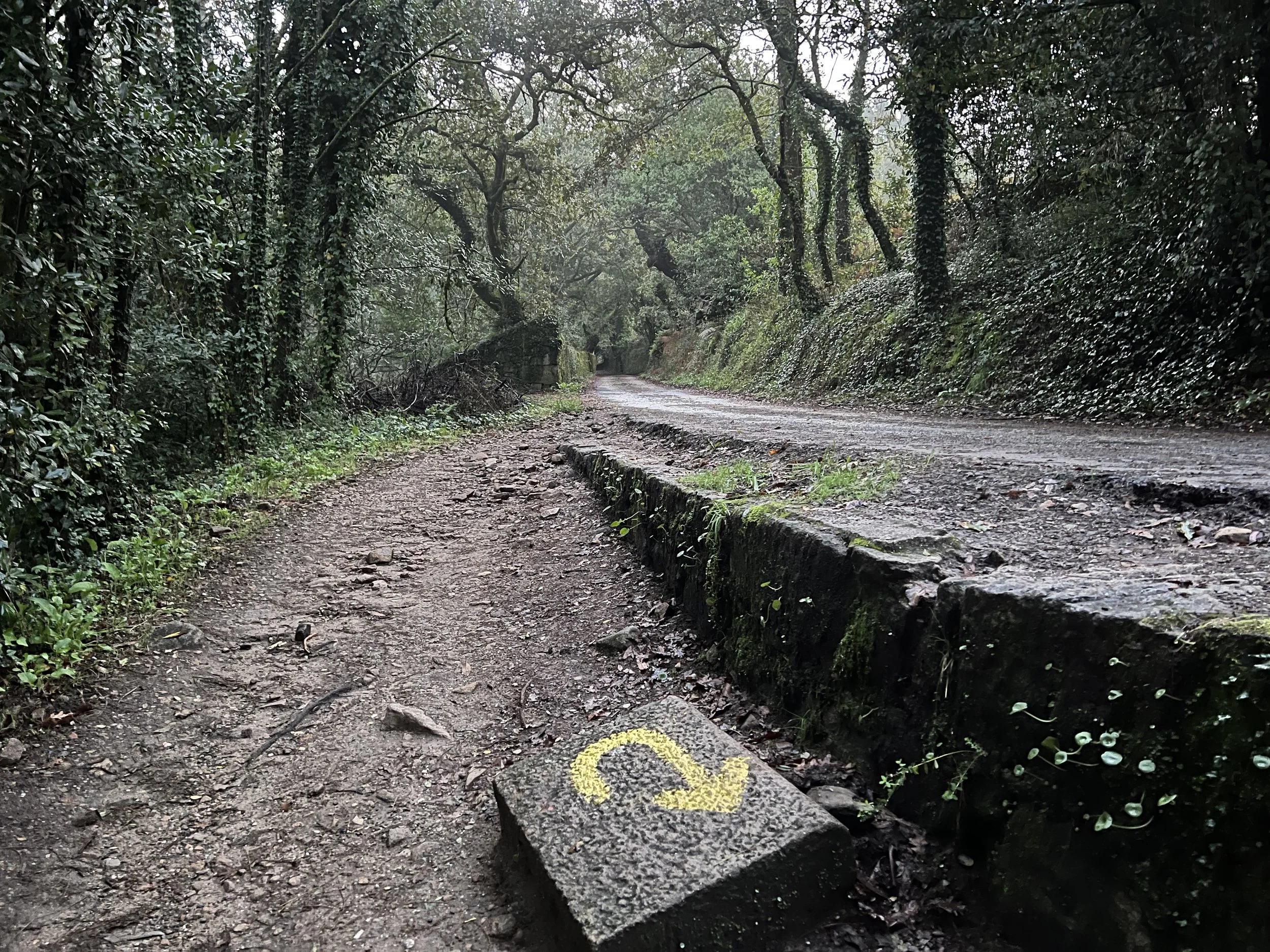
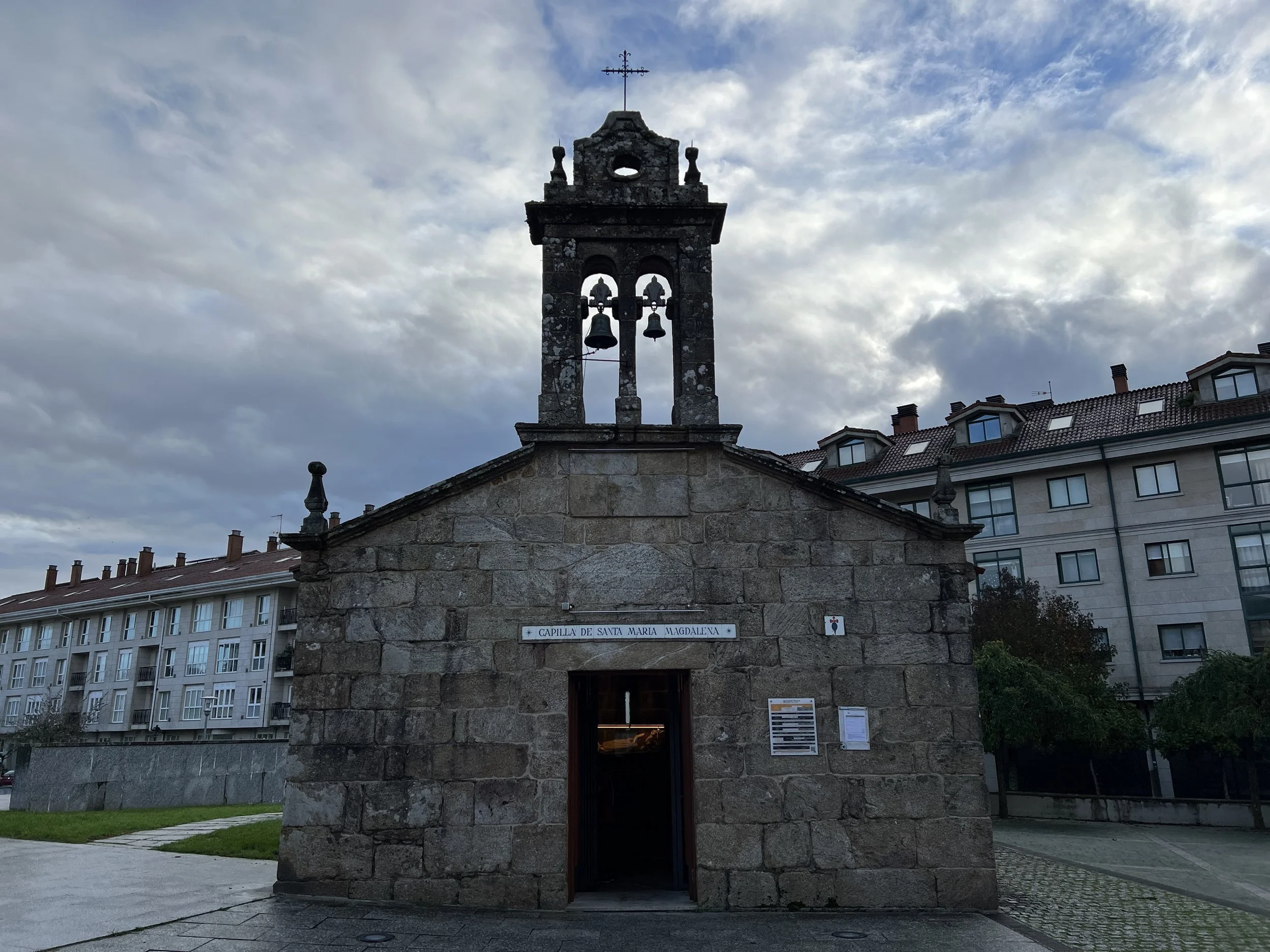
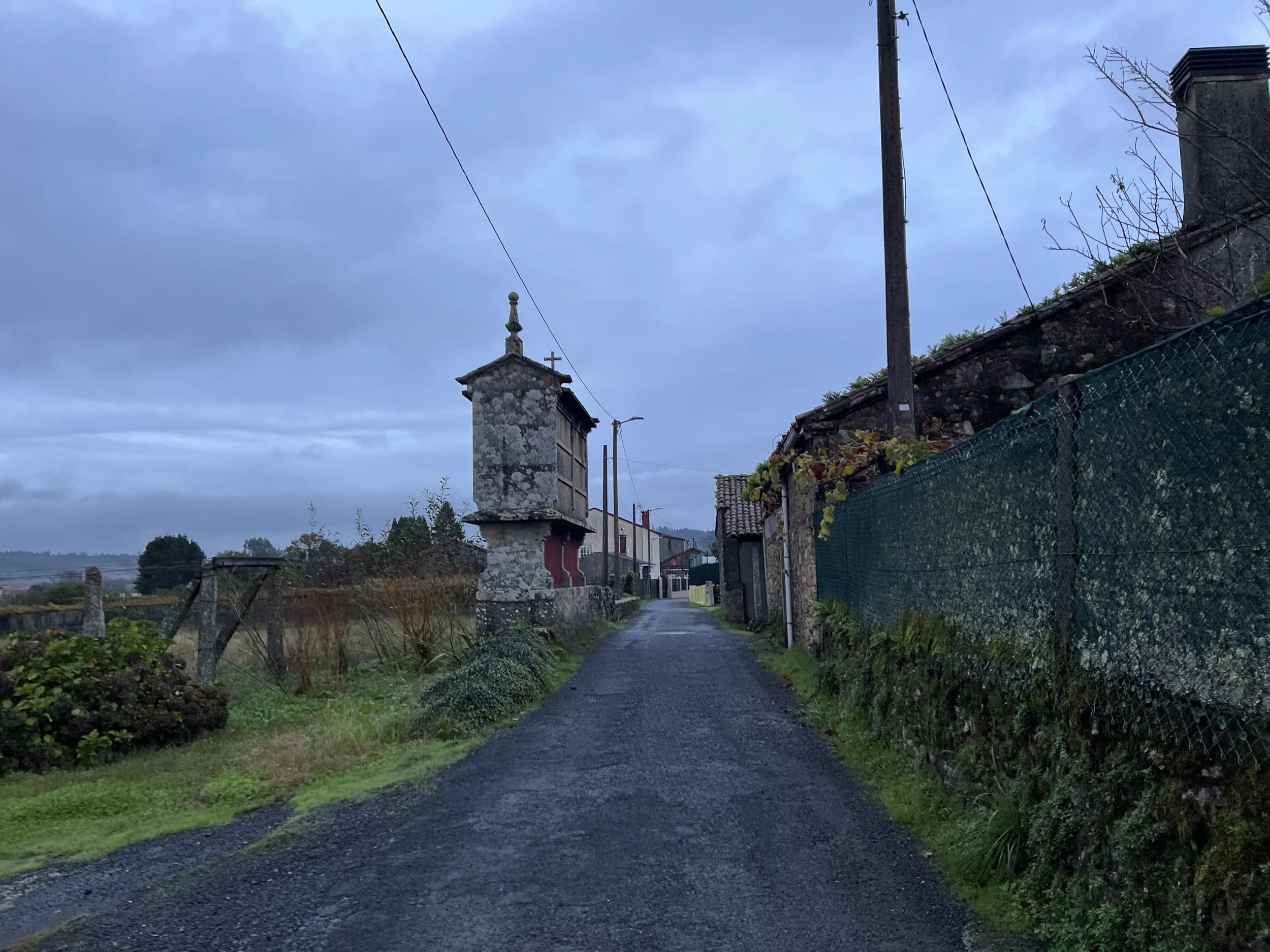
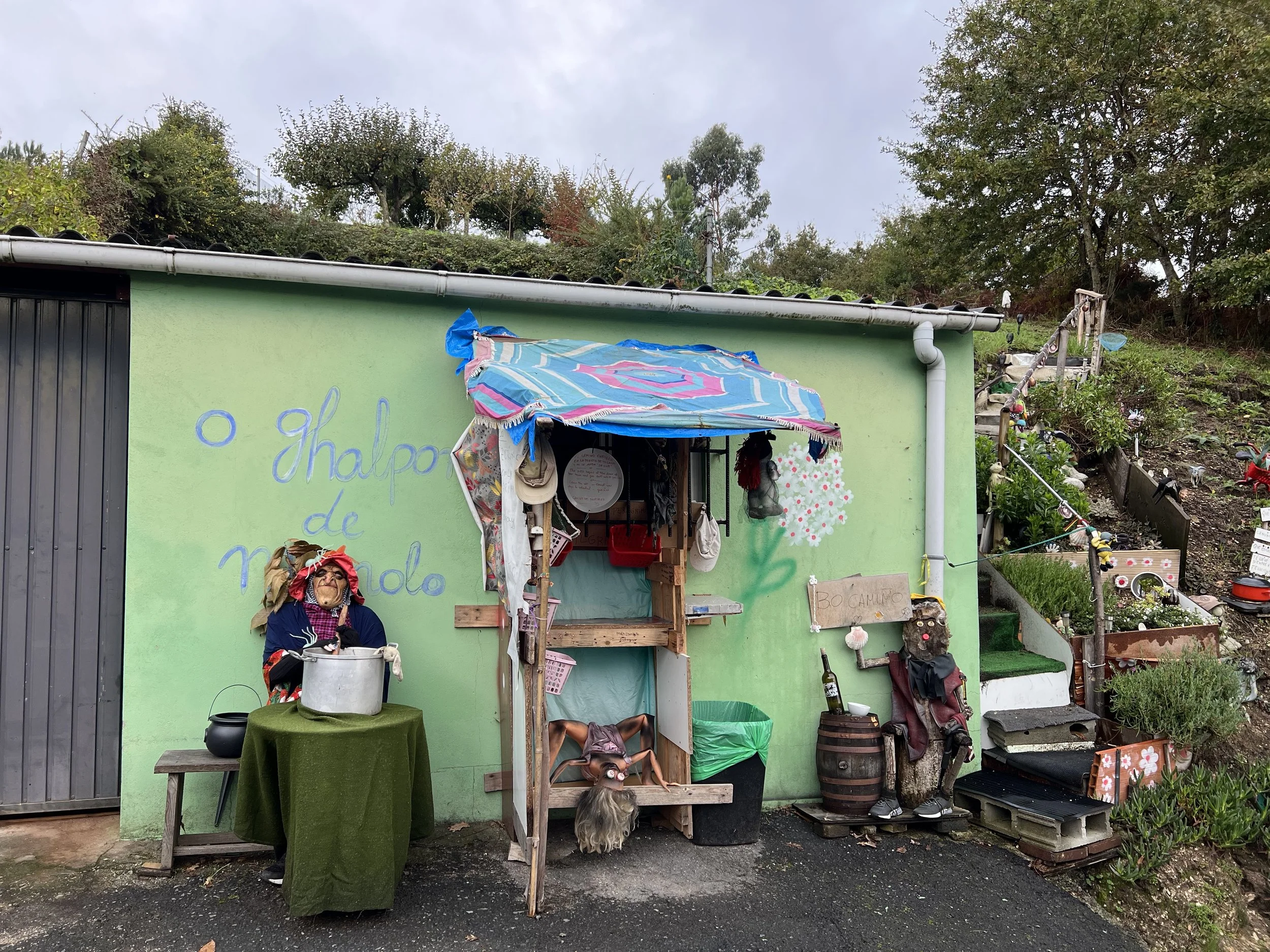
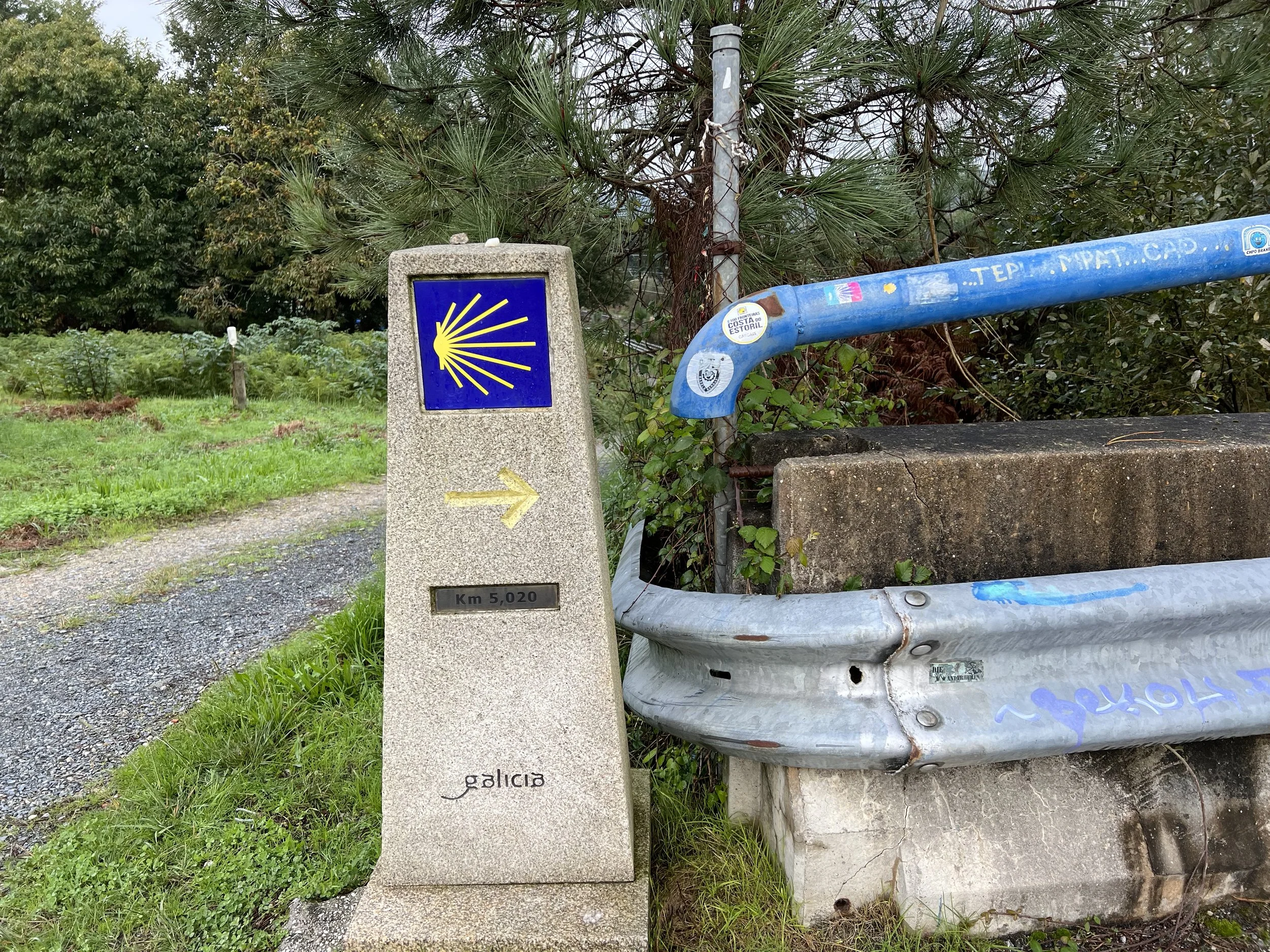
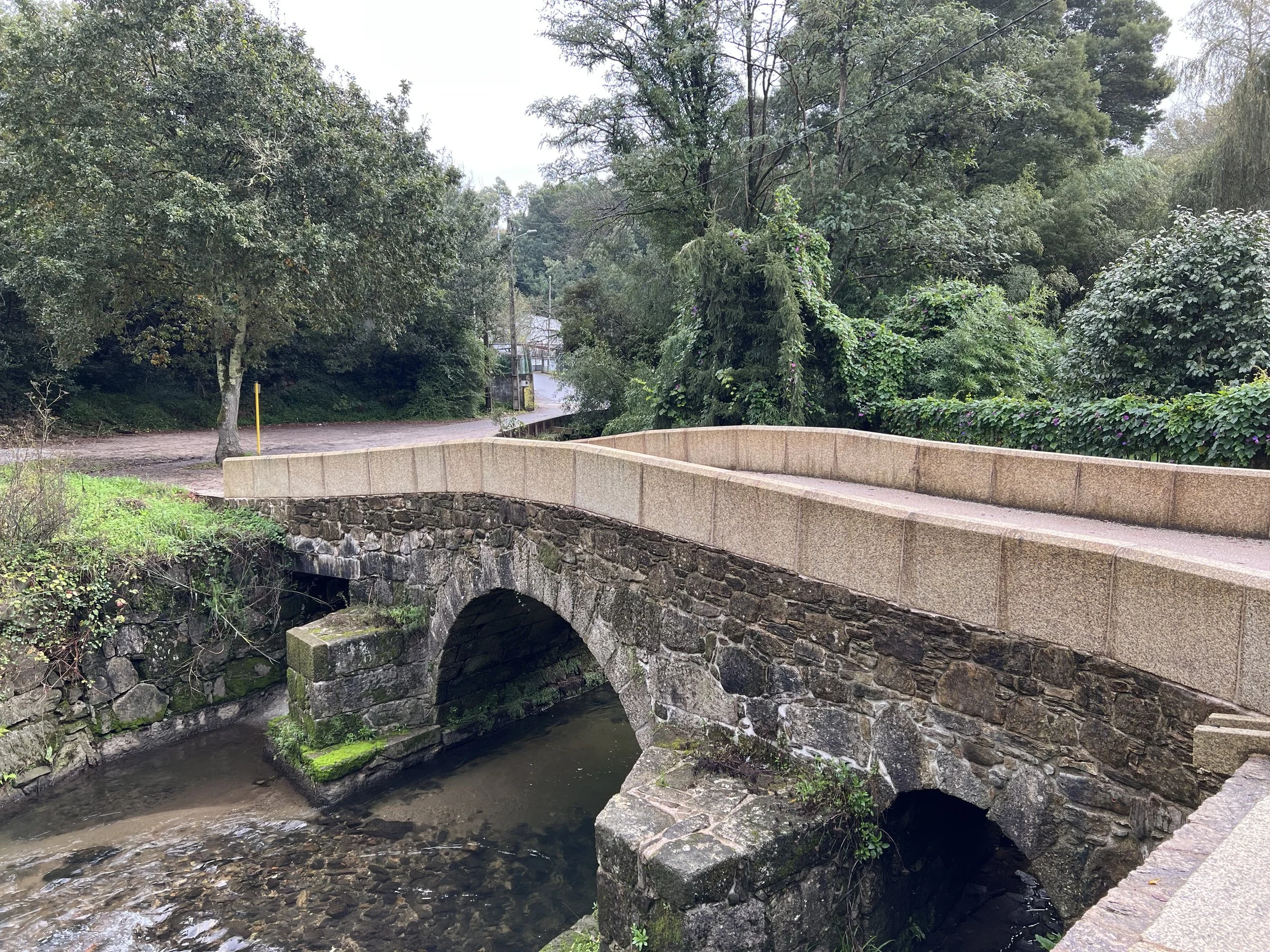
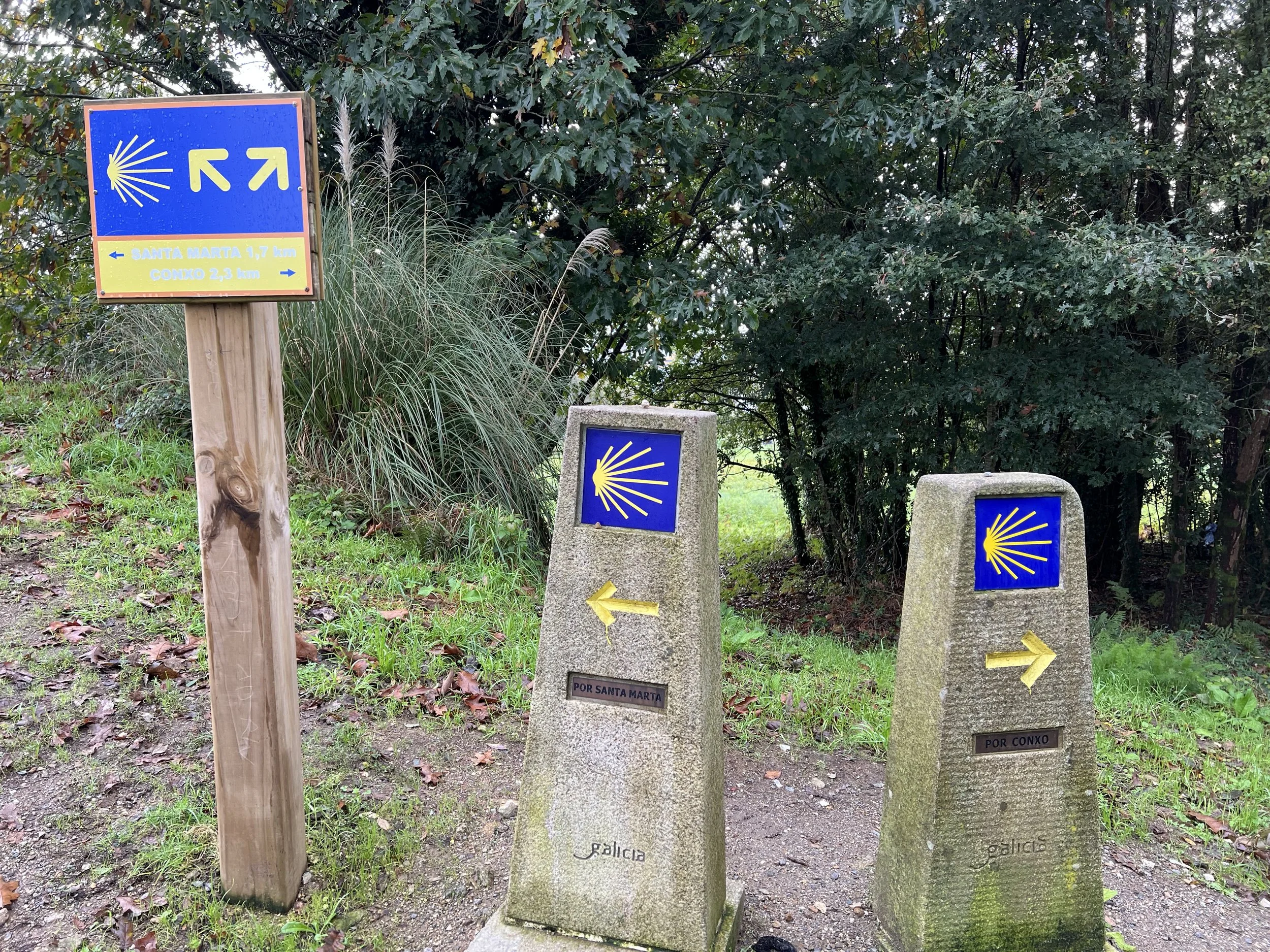
I slept in a bit this morning, knowing I had less than 18 kilometres to reach Santiago de Compostela. I left my albergue around 8:20 AM, the streets quiet and cool. The walk began with gentle slopes before a steeper ascent reminded me that the Camino never truly lets you coast entirely. Most of the route followed roads and highways, winding through small villages and open countryside. Surprisingly, I didn’t encounter many pilgrims until the last eight kilometres, which made the morning feel peaceful and reflective. Thankfully, the weather held up, with only light drizzles now and then softening the sun’s glare.
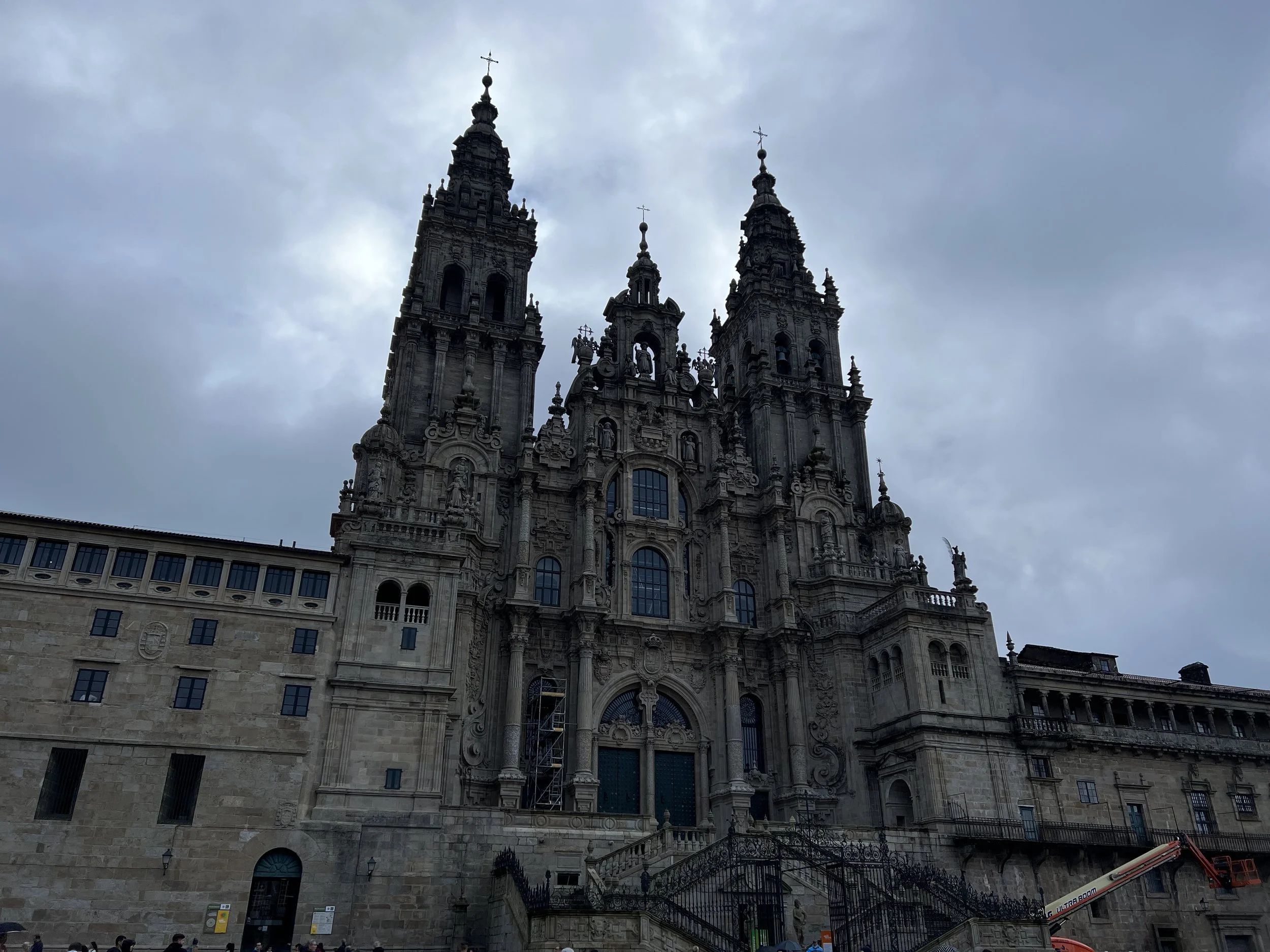
As I approached Santiago, the city felt familiar. Passing through the outskirts, I glimpsed the cathedral’s towers in the distance—familiar yet always awe-inspiring. Entering the plaza, I paused to take photos, soak in the atmosphere, and feel the quiet satisfaction of completing this leg of the Camino. I made my way to the cathedral to collect my Compostela, the official distance certificate—an emblem of ten days of walking, from Portugal into Galicia.
For my stay, I splurged on accommodation to properly rest and refresh. I did laundry, dried my shoes, and treated myself to a long, hot shower—small indulgences that felt deserved after ten days on the trail. Tomorrow, I’ll continue by bus to Dumbría and walk toward Muxía, completing the full Camino Portugués Coastal journey.
History & Background
The final stage of the Camino Portugués Coastal brings pilgrims from Cruces into Santiago de Compostela, the legendary endpoint of the Camino de Santiago pilgrimage. Santiago has been a spiritual and cultural hub for over a thousand years, centered around the Cathedral of Santiago de Compostela, where the remains of Saint James are believed to rest.
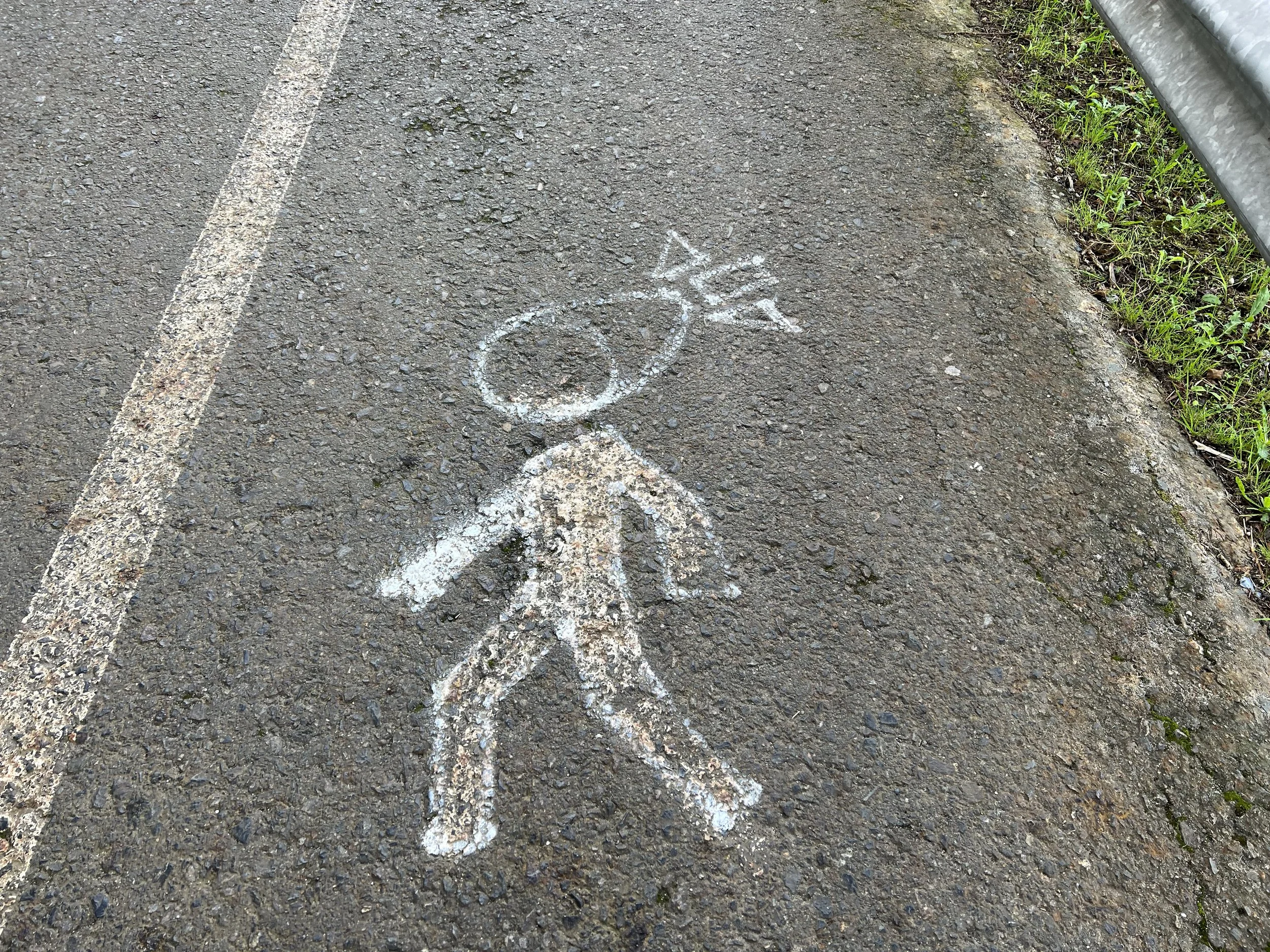
Historically, this route through Galicia was travelled by pilgrims from Portugal and southern Spain, often as a final approach through forests, farmland, and small villages. The roads leading into the city were lined with chapels, crosses, and waymarkers, guiding weary pilgrims to their ultimate destination. Santiago’s importance as a pilgrimage city grew during the Middle Ages, with the Camino network fostering religious devotion, commerce, and cultural exchange across Europe.
Today, Santiago de Compostela combines medieval charm with modern amenities. The historic city center, a UNESCO World Heritage site, retains its narrow cobblestone streets, ancient plazas, and baroque architecture, while supporting the needs of contemporary pilgrims with albergues, restaurants, and visitor services. Completing the Camino here is both a spiritual milestone and a chance to experience Galicia’s rich history, architecture, and gastronomy.
Getting There
The walk from Cruces to Santiago de Compostela covers approximately 17–18 kilometres, following paved roads, rural lanes, and small village streets. Elevation gain is moderate, with a few steeper ascents before entering the city. Pilgrims can also shorten or bypass the stage by taking regional buses from Cruces, Padrón, or nearby towns.
Santiago is accessible by train or bus from major Galician cities, including Vigo, Pontevedra, and A Coruña, making it easy for pilgrims to start or end their Camino here. International travellers can also fly into Santiago de Compostela Airport (SCQ), which connects to several European hubs.
Route Overview
Distance: 17.76 km (Camiño da Vieira → Cathedral of Santiago de Compostela)
Total elevation gain: 410 m
Duration: 3 hr 9 min (with breaks 3 hr 30 min)
Difficulty: Intermediate
For the full day-by-day route breakdown, including distances and duration, see my complete Camino Portugués Coastal route guide.
Cost Breakdown
Accommodation: Nest Style Santiago (Reserved via Agoda) — €69
Food: €29.14
Certificate: Compostela (Distance certificate) — €3